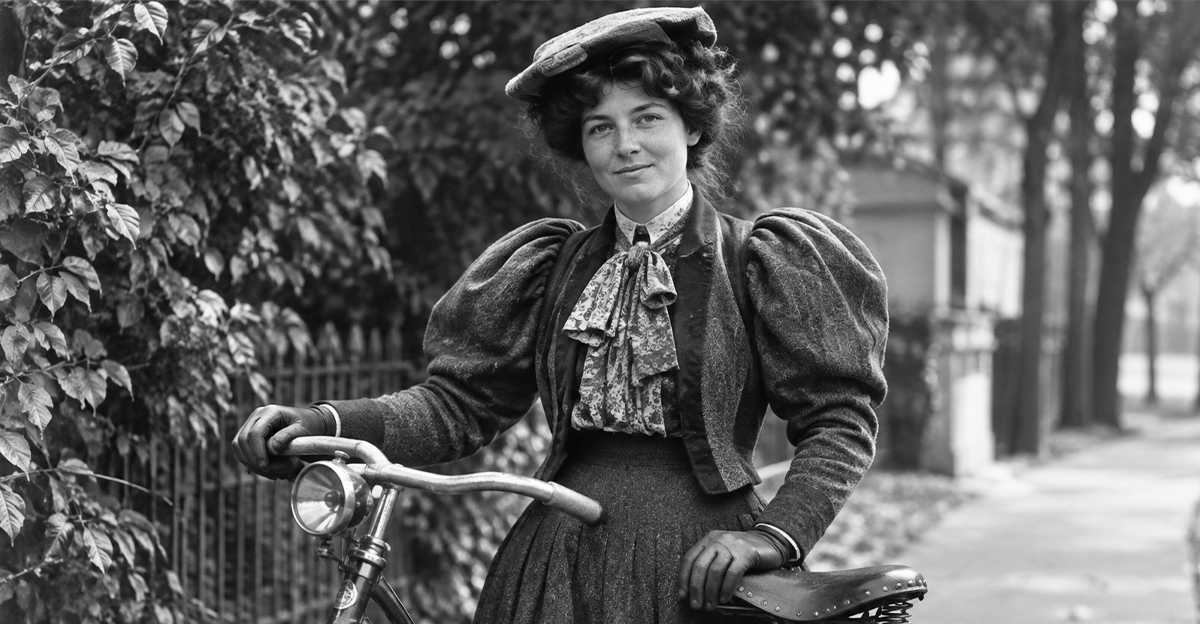
The Bicycle Changed More Than Transportation
For a few intense years in the 1890s, bicycles seemed to be everywhere. They gave ordinary people a new way to travel, but their biggest effects went far beyond transportation. Women began demanding clothes they could actually move in, cyclists pushed governments to improve terrible roads, and city streets had to accommodate a new kind of independent traveller. Long before automobiles reshaped everyday life, bicycles had already started the process.
Early Bicycles Weren't Exactly Welcoming
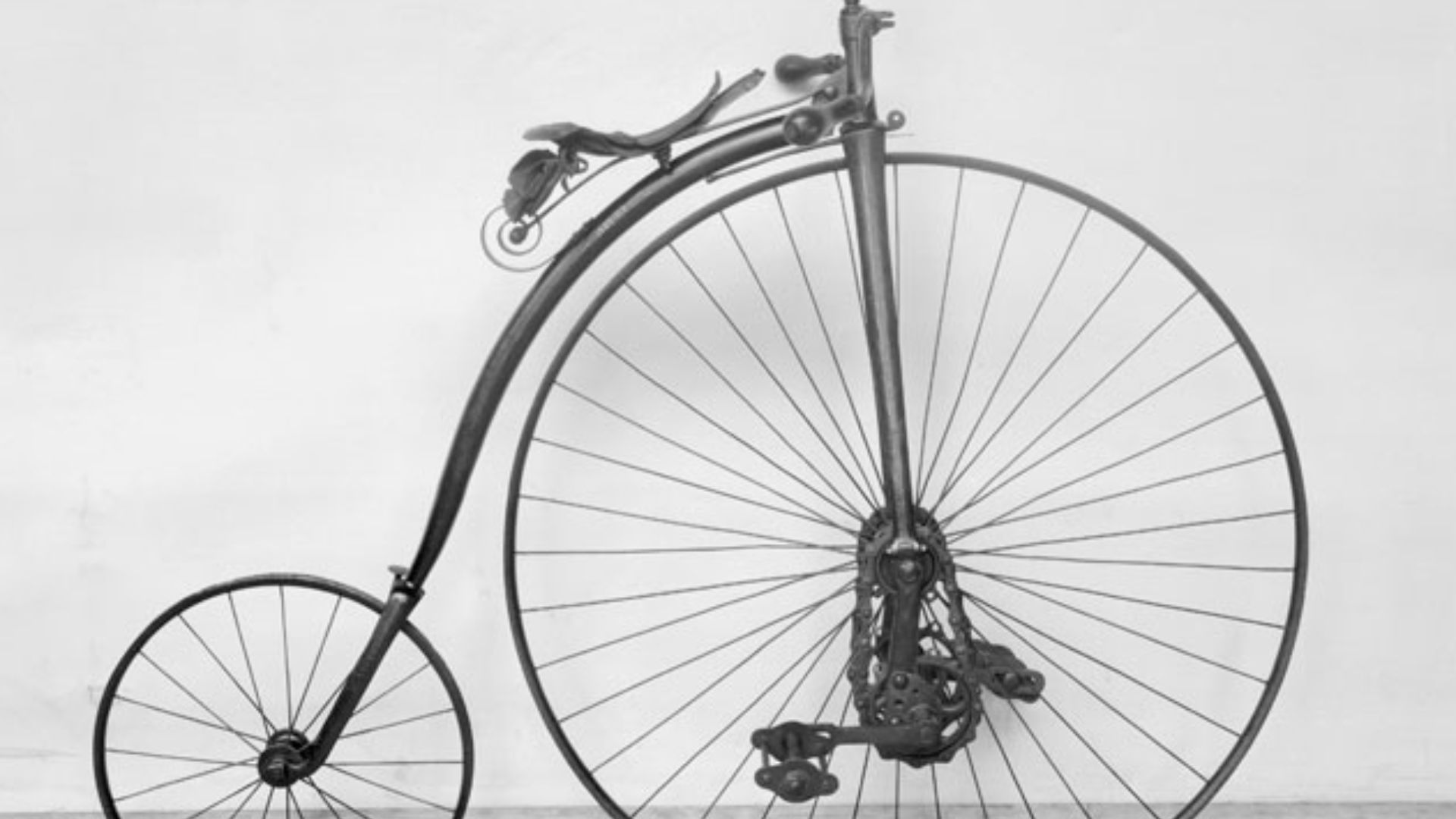
Bicycles had existed in various forms for decades, but many early designs weren't practical for casual riders. By the 1880s, the high-wheel bicycle had become a familiar sight, with an enormous front wheel that allowed riders to cover more distance with each pedal revolution. It also placed them dangerously high above the ground. Hitting a stone or rut could send a rider headfirst over the handlebars. The machines became closely associated with athletic young men, while women were more often steered toward three-wheeled cycles that accommodated contemporary clothing and ideas about respectable behaviour.
Then The Safety Bicycle Arrived
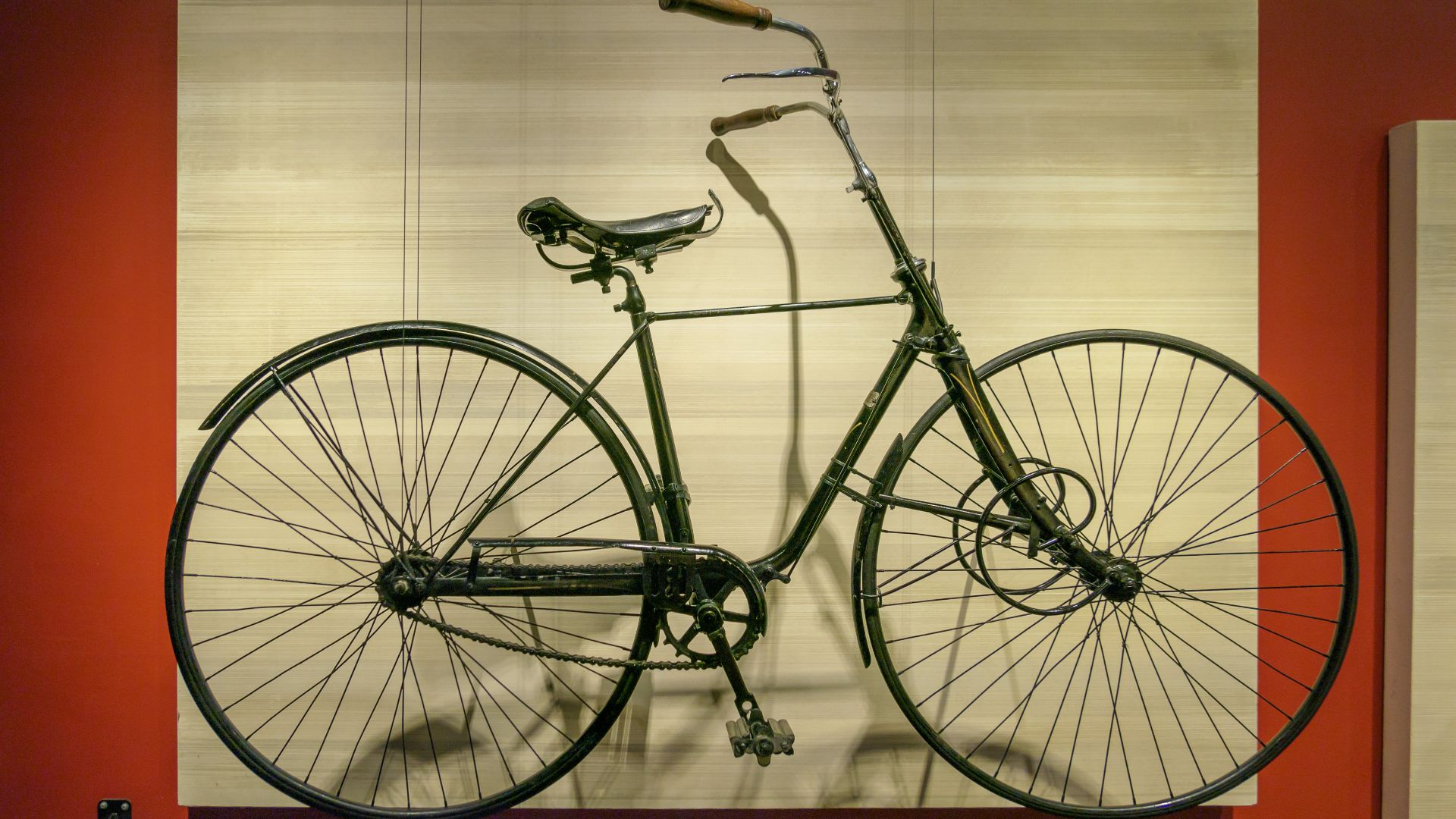
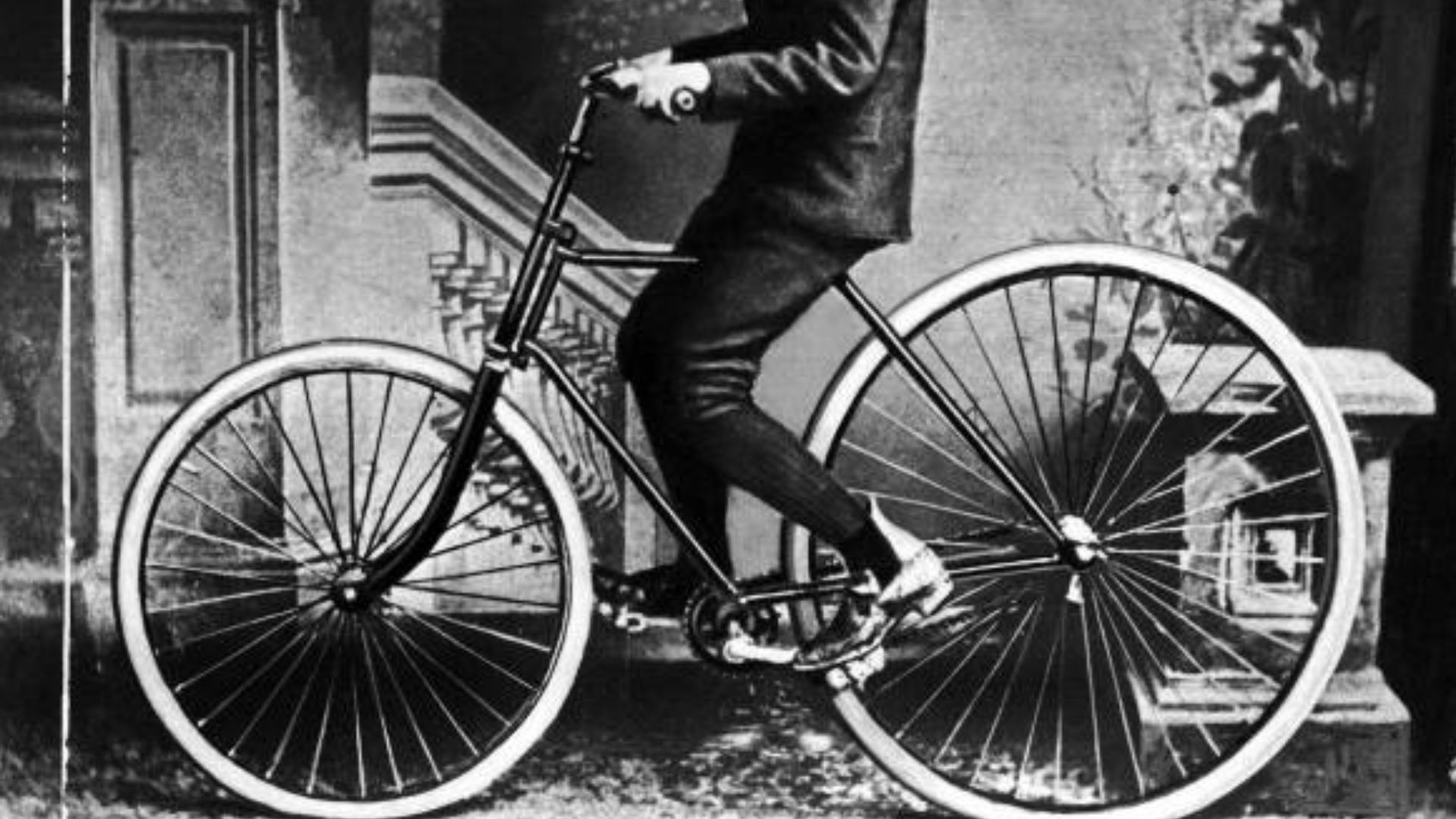
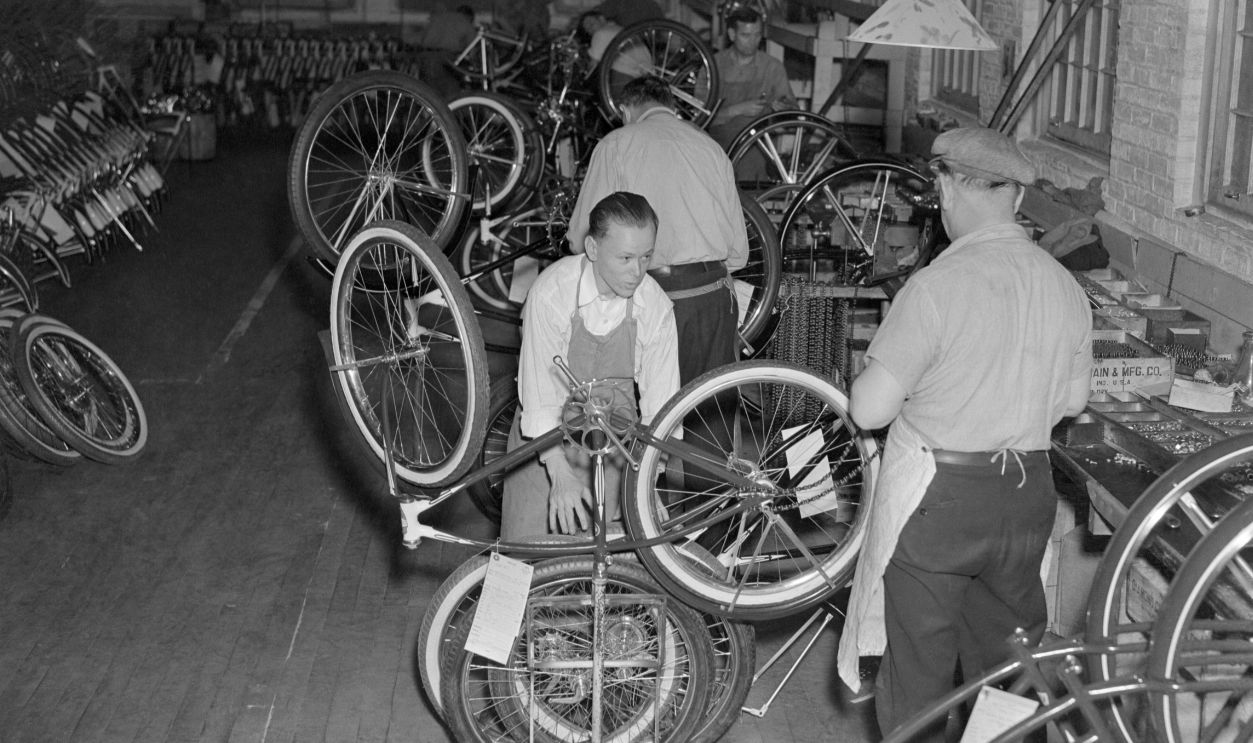
The machine that really transformed cycling looked surprisingly familiar. By the 1890s, the “safety bicycle” used two similarly sized wheels, a chain-driven rear wheel, and a much lower riding position. Falling was still possible, but riders no longer sat precariously above a huge front wheel. Manufacturers also developed dropped-frame versions that made mounting easier while wearing skirts. Suddenly a bicycle wasn't primarily a daring sporting machine. It could serve as practical transportation for men and women who simply wanted to get somewhere.
 Kenneth C. Zirkel, Wikimedia Commons
Pneumatic Tires Made Riding Much Less Miserable
Roads were still dreadful, but bicycle technology improved quickly. Air-filled pneumatic tires softened the punishment riders experienced on rough surfaces, while lighter frames and better gearing made bicycles easier to handle. Those changes helped turn cycling into a genuine mass craze rather than a pastime for particularly fearless enthusiasts. The Smithsonian dates the most intense American boom roughly from 1892 to 1899, a short period in which bicycles became symbols of modern technology, recreation, independence, and personal mobility.
 Unknown authorUnknown author, Wikimedia Commons
America Went Bicycle Crazy
The scale of the boom was enormous. The Federal Highway Administration notes that by 1890, American factories were producing more than one million bicycles annually. Clubs appeared, races attracted crowds, cycling magazines flourished, manufacturers advertised aggressively, and fashionable riders took excursions into the countryside. Washington newspapers reported more than 30,000 cyclists in the city's streets in 1896 alone. For several years, the bicycle wasn't a niche sporting product. It was one of the most conspicuous symbols of modern life.
Women Wanted In Too
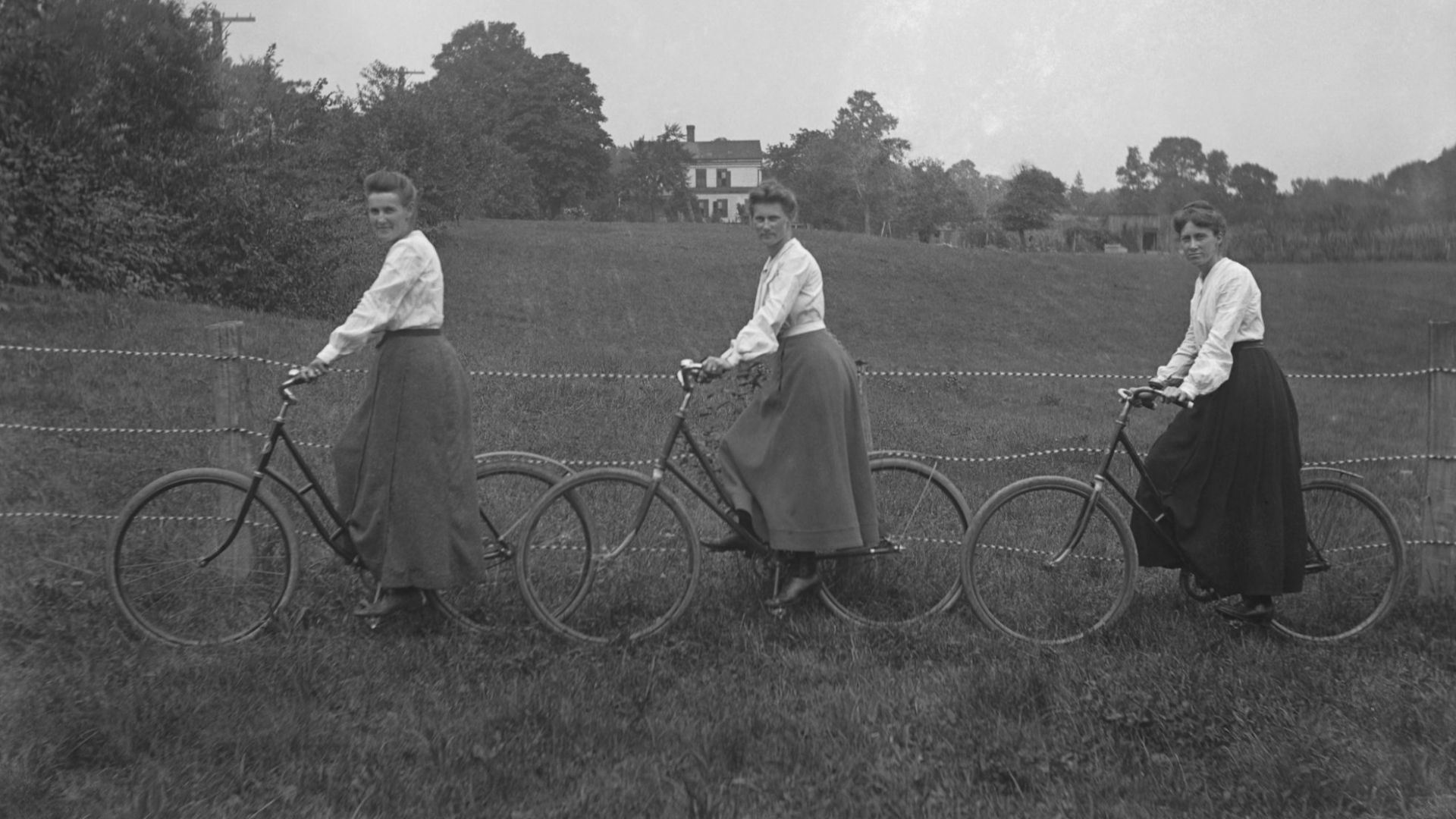
The safety bicycle made it much easier for women to participate in a pastime that had previously been dominated by men. By the mid-1890s, women were riding in enormous numbers, joining clubs, appearing in bicycle advertisements, taking touring trips, and even participating in competitive racing. Cycling also lacked centuries of entrenched sporting traditions about who was allowed to participate. Compared with activities such as horseback riding, it was new enough that women could claim significant space almost from the beginning of its mass popularity.
 Unknown authorUnknown author, Wikimedia Commons
A Bicycle Meant Going Somewhere Without Asking For A Ride
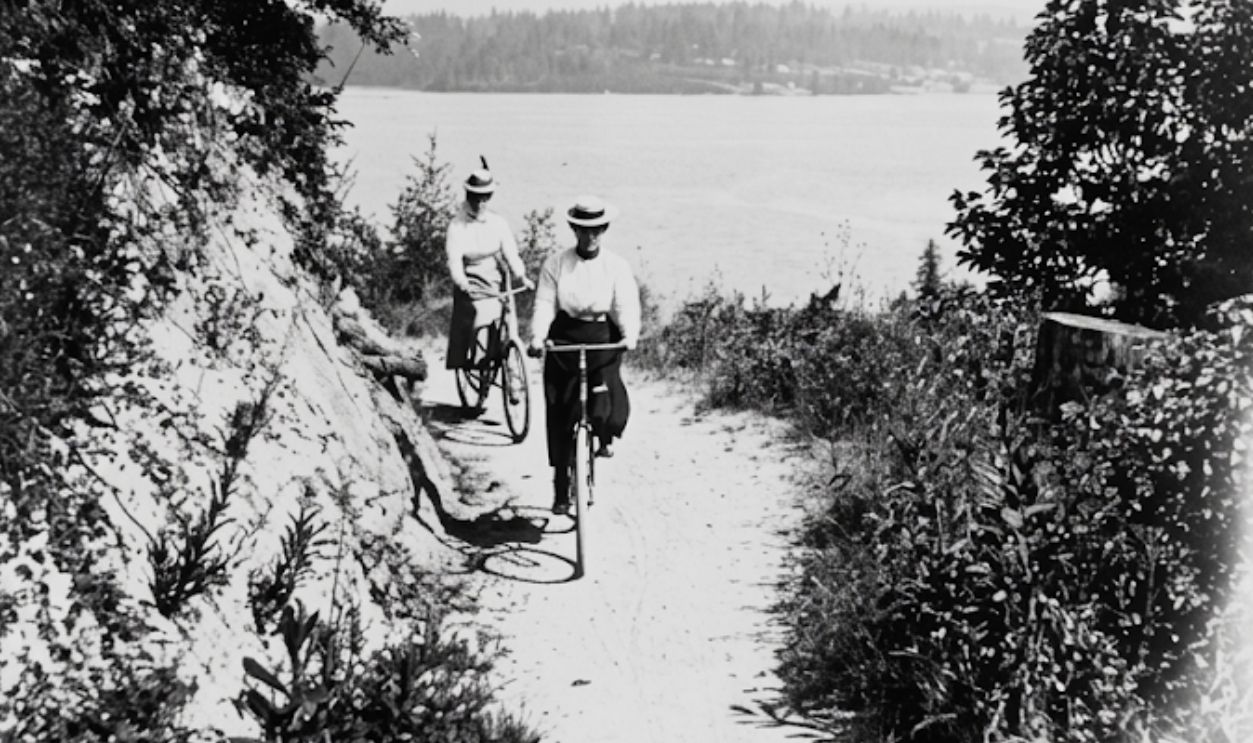
The freedom wasn't abstract. A bicycle could let a woman visit friends, commute, travel into the countryside, attend meetings, or simply leave home without needing a horse, carriage, train schedule, or someone else to provide transportation. That made personal mobility dramatically more accessible to women who could afford a bicycle. Smithsonian curator Roger White has described the bicycle craze as both a practical reality and a symbol of personal mobility. For women especially, controlling where and when they travelled could feel quietly revolutionary.
 Unknown author, Wikimedia Commons, Enhanced
Women Became Much More Visible In Public
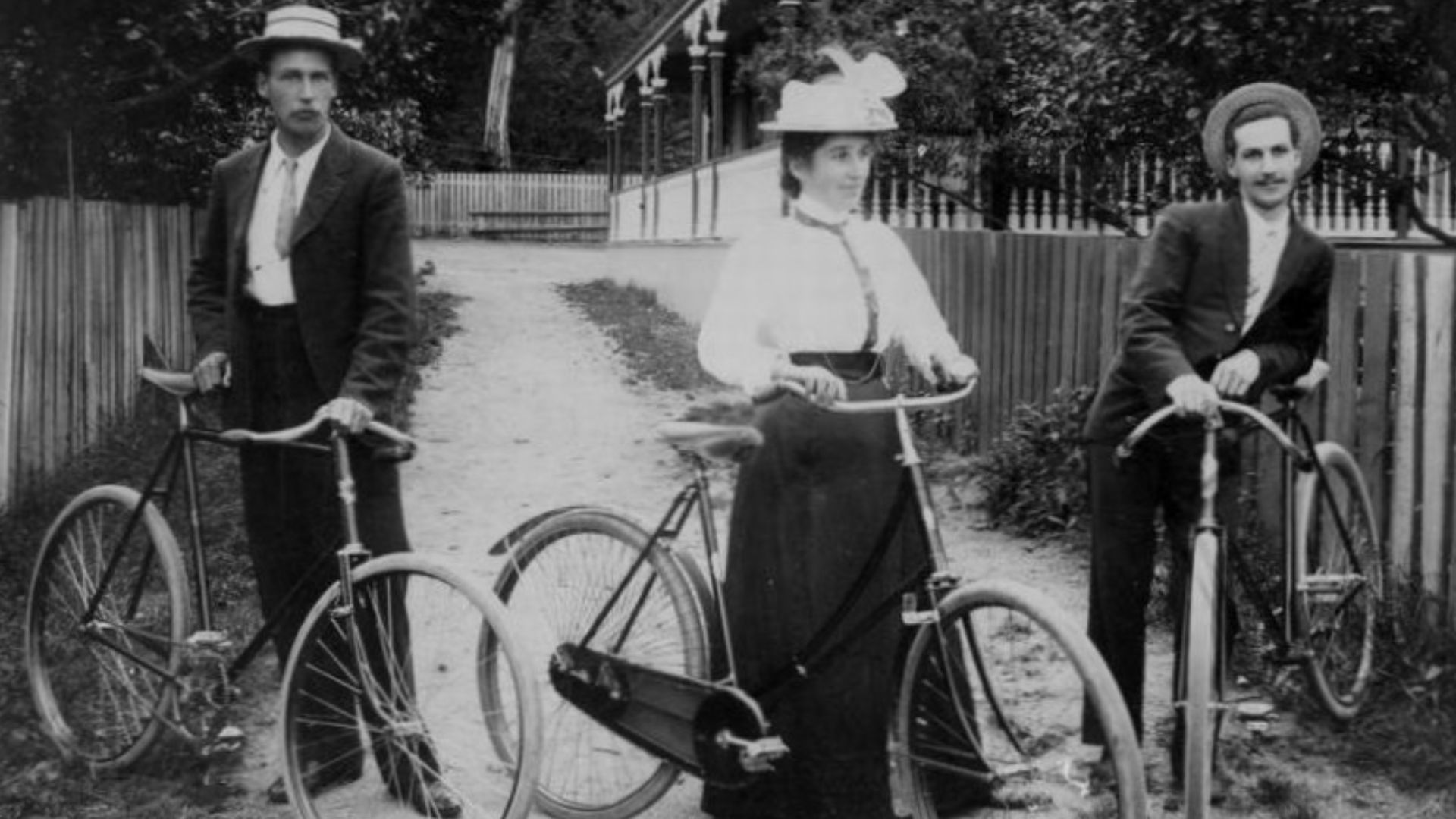
Cycling wasn't something done discreetly inside a private club. Riders occupied streets, parks, country roads, and public gathering places where everyone could see them. That visibility mattered. Middle-class women who might have been expected to limit unsupervised movement suddenly appeared travelling under their own power through shared public space. Historians have argued that women cyclists helped normalize a new kind of public female mobility in the 1890s, even as critics continued arguing about what respectable behaviour should look like.
 Unknown authorUnknown author, Wikimedia Commons
The “New Woman” Found Her Perfect Vehicle
The bicycle arrived just as newspapers and magazines were debating the so-called New Woman: educated, active, increasingly independent, and less willing to accept some Victorian restrictions. Cycling became practically inseparable from that image. Cartoons could portray a woman on a bicycle as adventurous, intimidating, ridiculous, liberated, or all four at once. The machine turned abstract arguments about women's independence into something visible. A woman could quite literally pedal away from the household spaces where society expected her to remain.
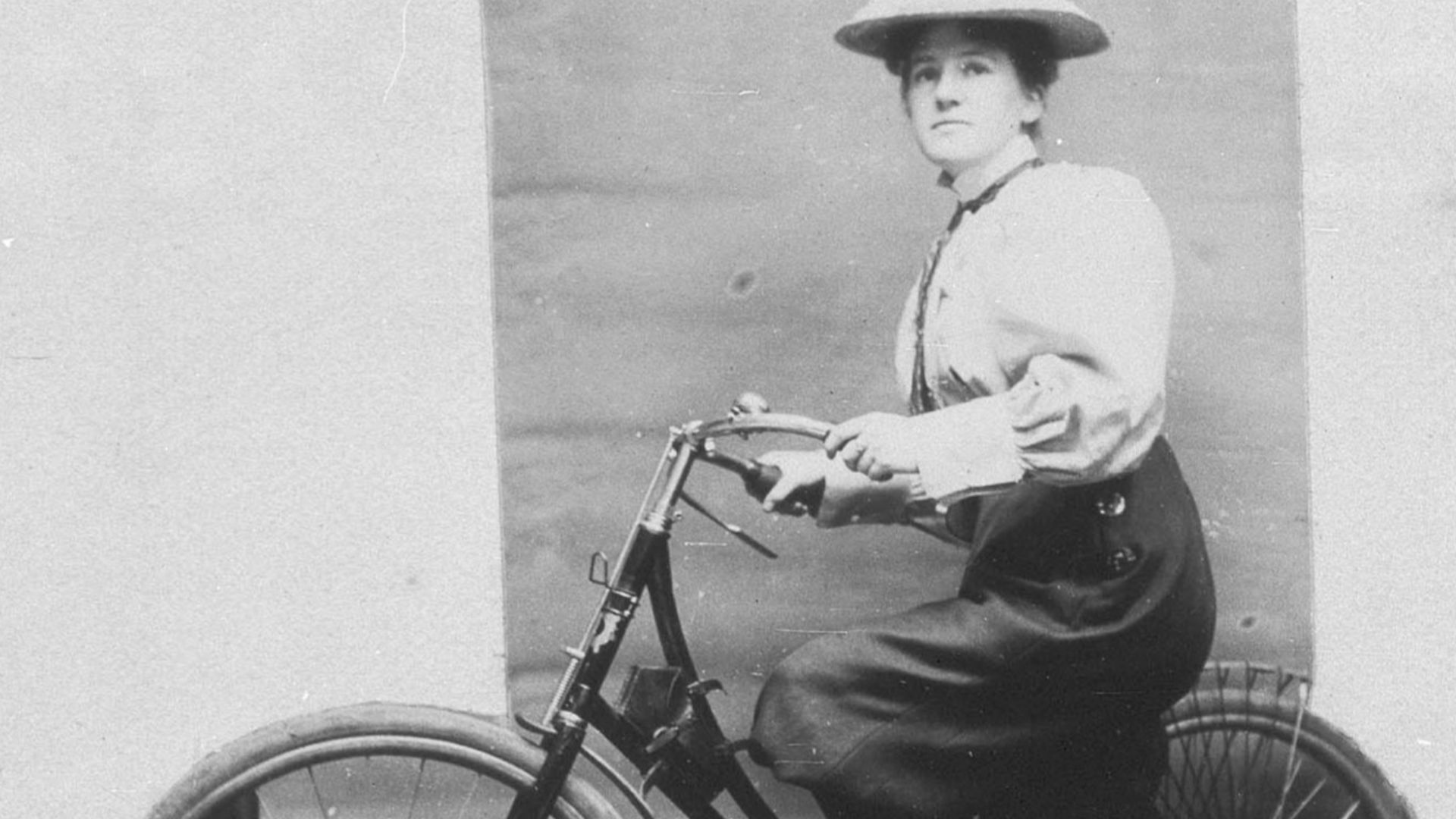 State Library of New South Wales collection, Wikimedia Commons
Victorian Skirts Created An Obvious Problem
Women's fashion had not been designed around moving machinery. Long skirts could drag through mud, restrict leg movement, catch in bicycle components, or flow awkwardly while riding. Heavy undergarments created additional problems during physical activity. The bicycle forced a very practical question: if women were going to ride, shouldn't their clothing allow them to do it safely? Dress reformers had been asking versions of that question for decades. Cycling gave their argument an urgency that fashionable theory never had.
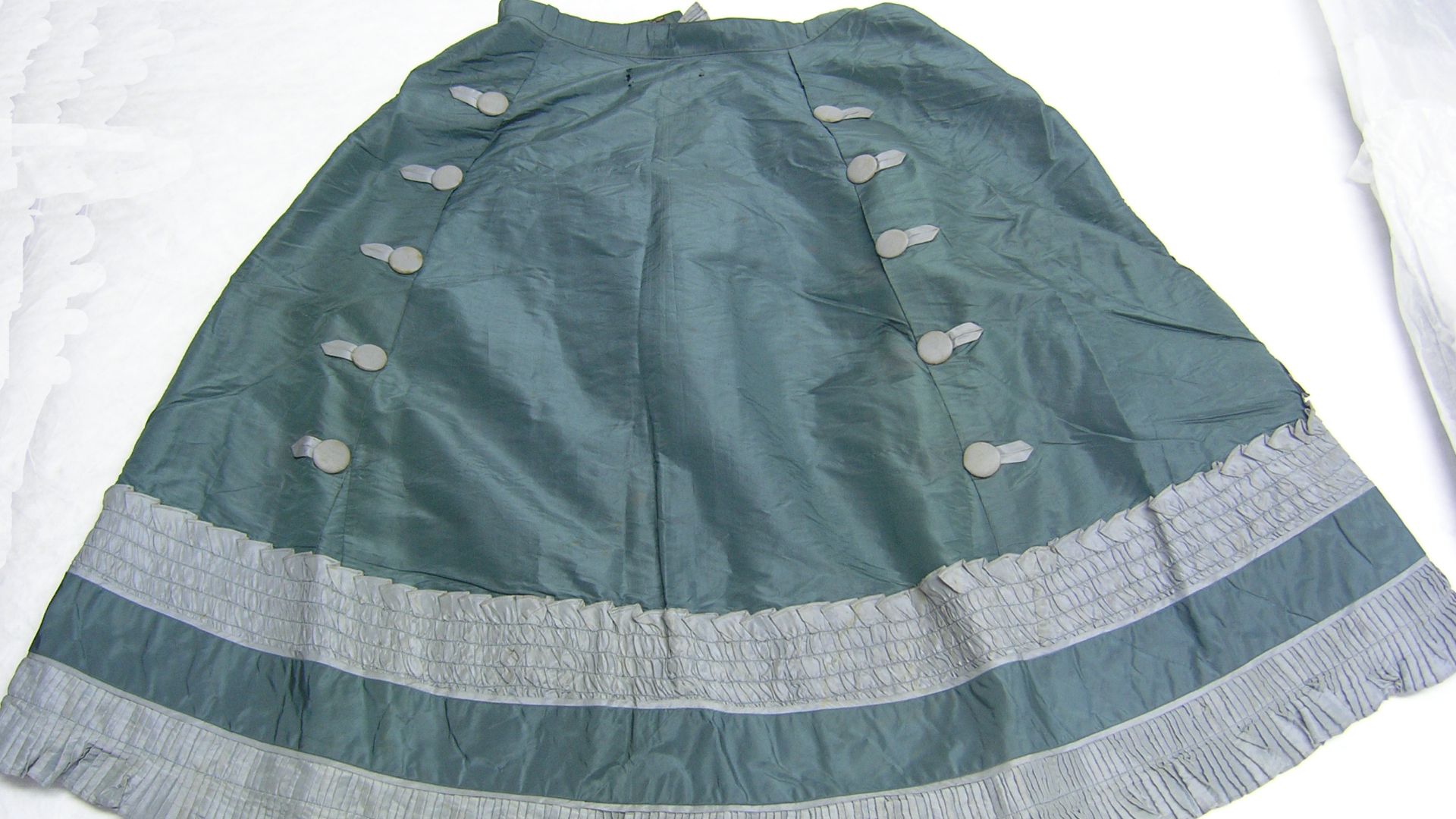 Unknown authorUnknown author, Wikimedia Commons
Bloomers Suddenly Made More Sense
Amelia Bloomer had become associated with trouser-like women's dress in the 1850s, but the style had attracted ridicule and never became mainstream. Cycling revived the basic idea decades later. Full trousers gathered around the knee allowed women to pedal without fabric becoming tangled in the bicycle. By the 1890s, “bloomers” became closely associated with daring female cyclists and the New Woman, even though the cycling versions differed considerably from the earlier reform costume.
 SeaFlapFlap, Wikimedia Commons
Wearing Them Could Cause A Genuine Scandal
To modern eyes, bicycle bloomers look exceptionally modest. To many people in the 1890s, however, they resembled men's trousers closely enough to represent a disturbing challenge to gender expectations. Women who wore rational cycling dress could face insults, ridicule, harassment, and even objects thrown at them. British accounts describe rationally dressed riders being shouted at and pelted in the street. Clothing had become a public argument about whether women could move through society according to their own needs rather than traditional expectations.
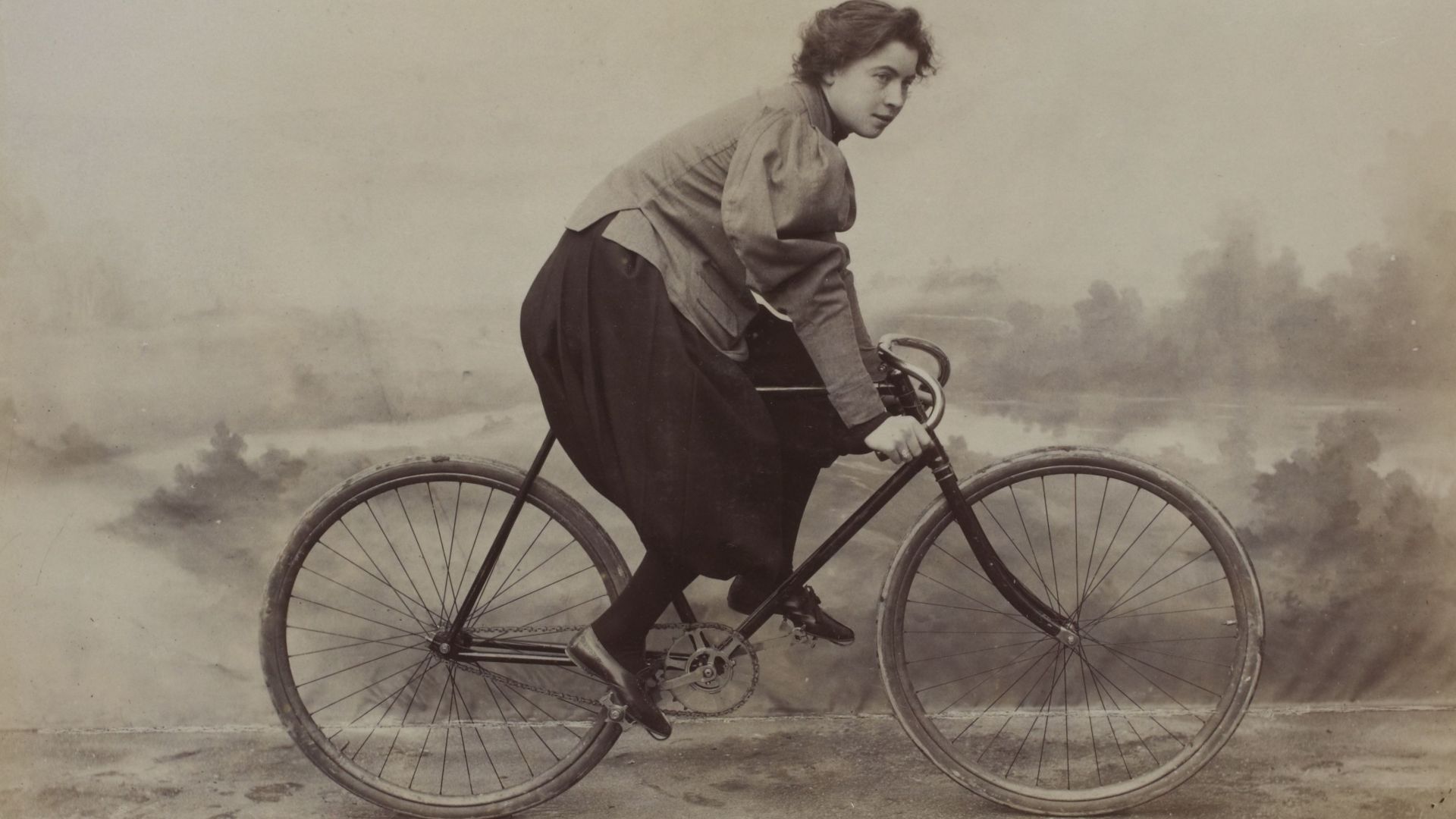
Most Female Cyclists Didn't Actually Wear Bloomers
The famous bloomer became a symbol of the bicycle era partly because it was controversial, not because every woman wore one. The Smithsonian notes that only relatively daring American cyclists adopted bloomers. Many others preferred sturdy skirts cut slightly shorter than conventional clothing, used clips to keep fabric away from the wheel, or purchased specialized cycling garments. Maintaining an acceptably feminine appearance still mattered to women who wanted the bicycle's freedom without provoking constant criticism.
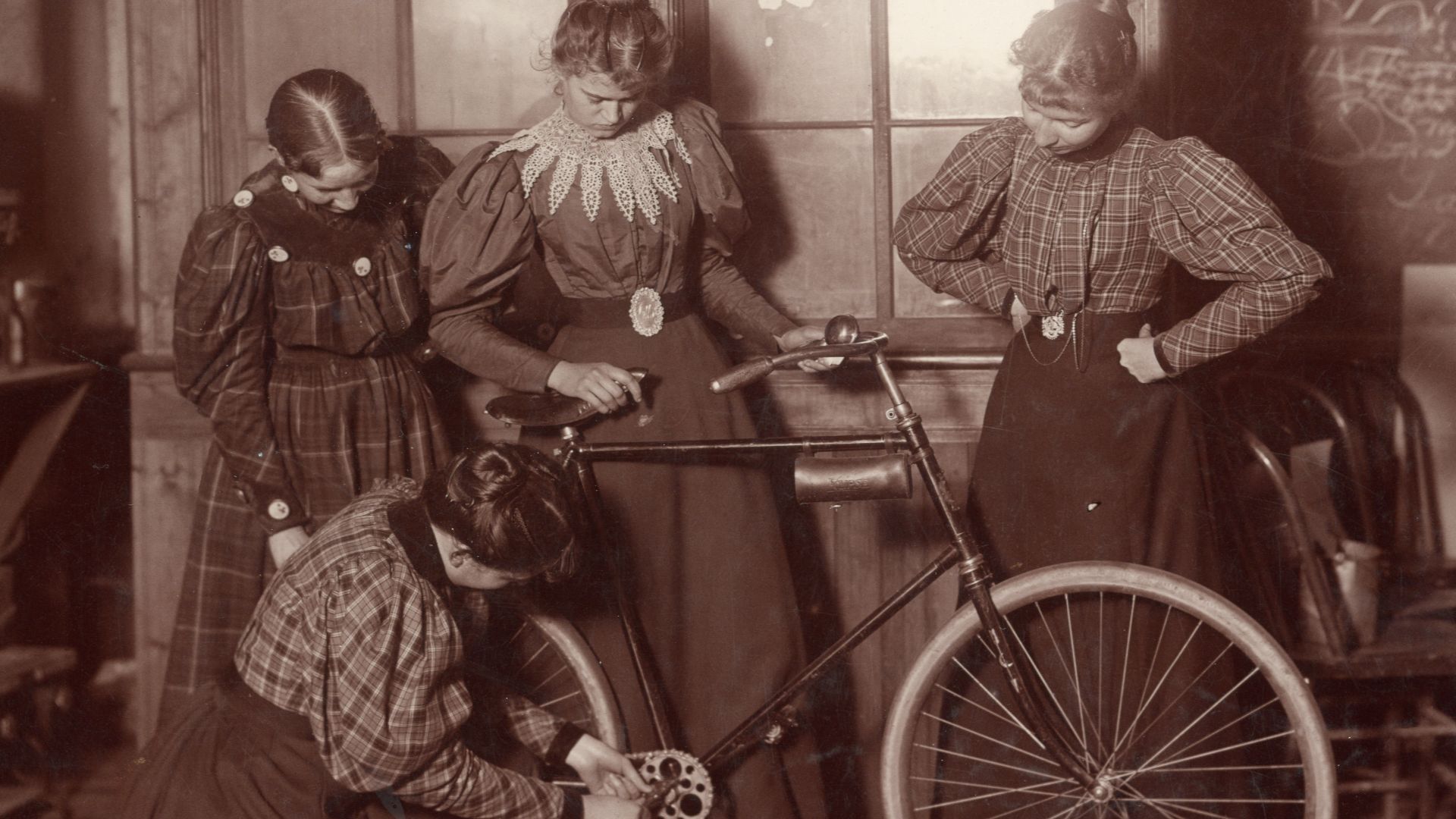 Unknown authorUnknown author, Wikimedia Commons
The Divided Skirt Offered A Clever Compromise
Fashion designers quickly recognized a market. One solution was the divided skirt, constructed so that a woman could straddle the bicycle while the garment still resembled an ordinary skirt when she stood or walked. Other designs used panels, pleats, buttons, or hidden divisions to provide more movement without looking overtly like trousers. It was a classic fashion compromise: change the clothing enough to make cycling practical while disguising just how much it had changed.
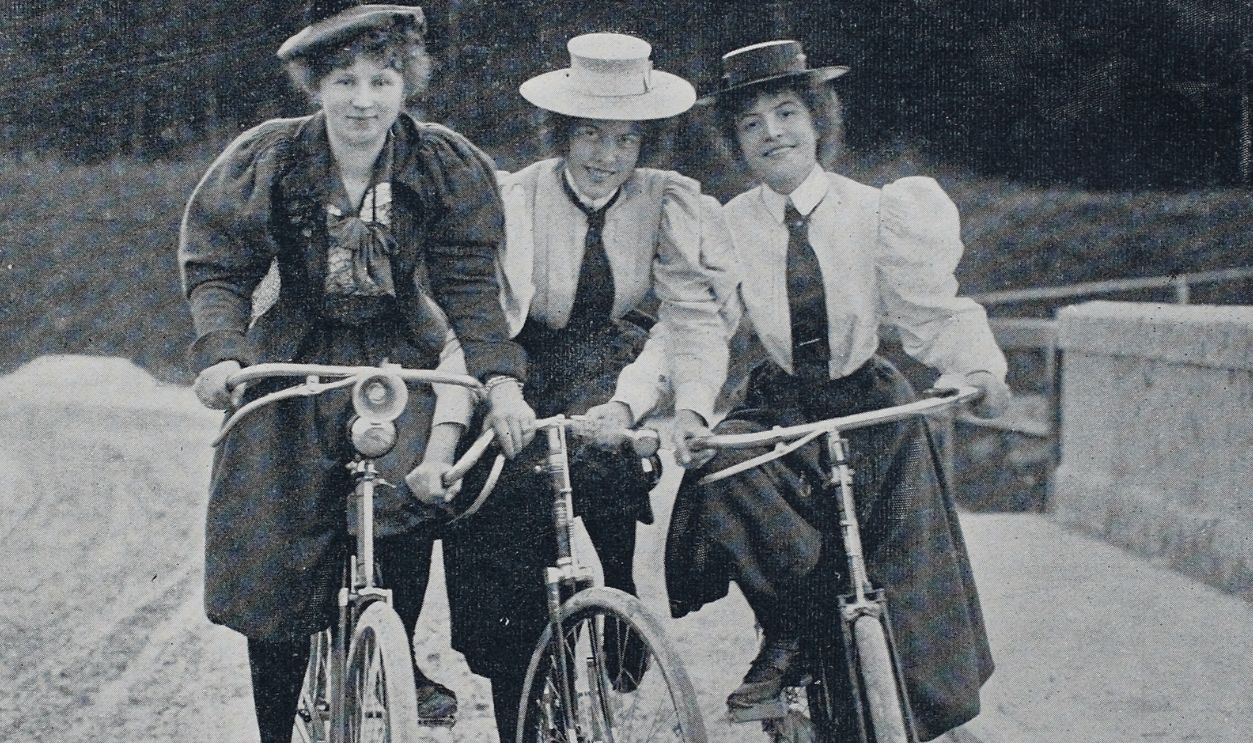 Bildagentur-online, Getty Images
Skirts Started Getting Shorter
Another solution was almost absurdly simple: remove some fabric. Cycling skirts rose higher from the ground so they wouldn't drag through dirt or interfere with the bicycle. Exactly how short they became varied, and late-19th-century “short” still looked lengthy by modern standards. Yet even exposing sturdy boots and ankles represented a practical shift. Once women discovered that shorter skirts made cycling easier, the argument for letting hems sweep through muddy streets started sounding considerably weaker.
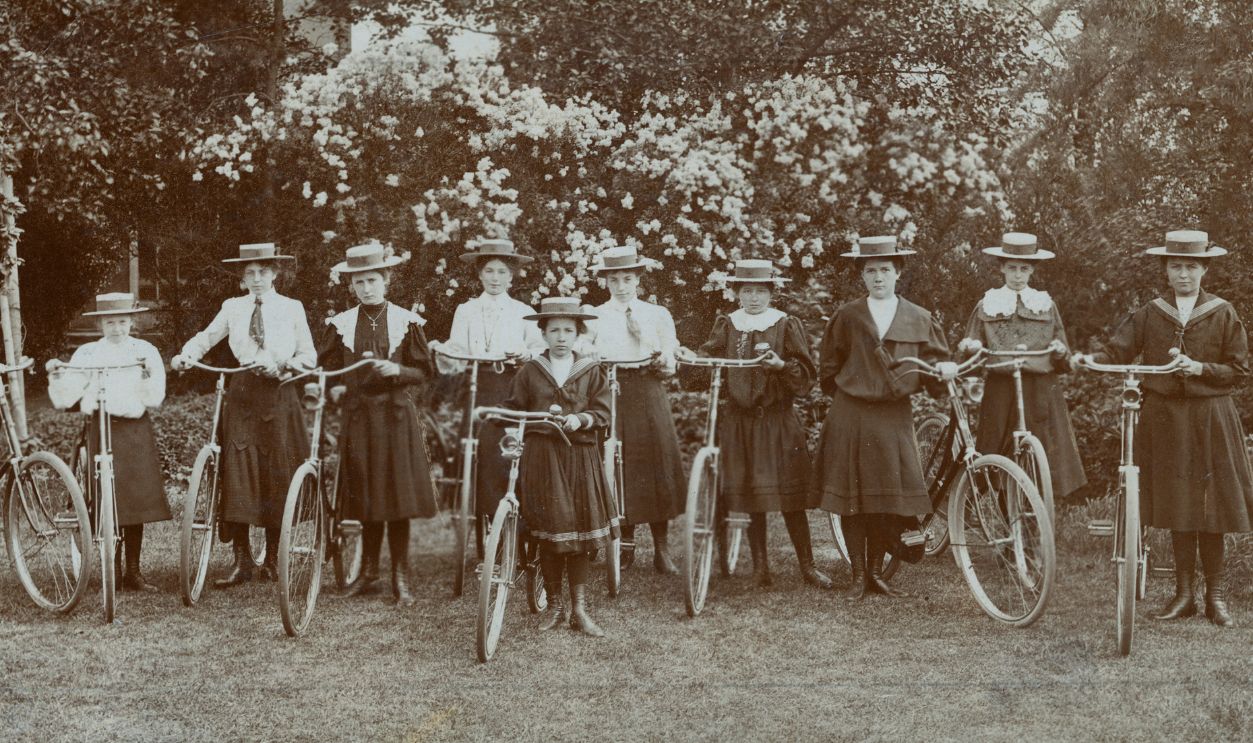
Cycling Fashion Escaped From The Bicycle
This was where the change became larger than recreation. Women who had grown accustomed to more practical skirts while riding could see obvious advantages in wearing them while walking through dirty city streets, working, attending school, or travelling. The Saturday Evening Post notes that cycling's shorter skirts helped influence clothing outside the sport as women increasingly entered workplaces, universities, and other public environments. A garment justified by the bicycle could gradually become justified simply because it was comfortable.
 Bain News Service, publisher, Wikimedia Commons
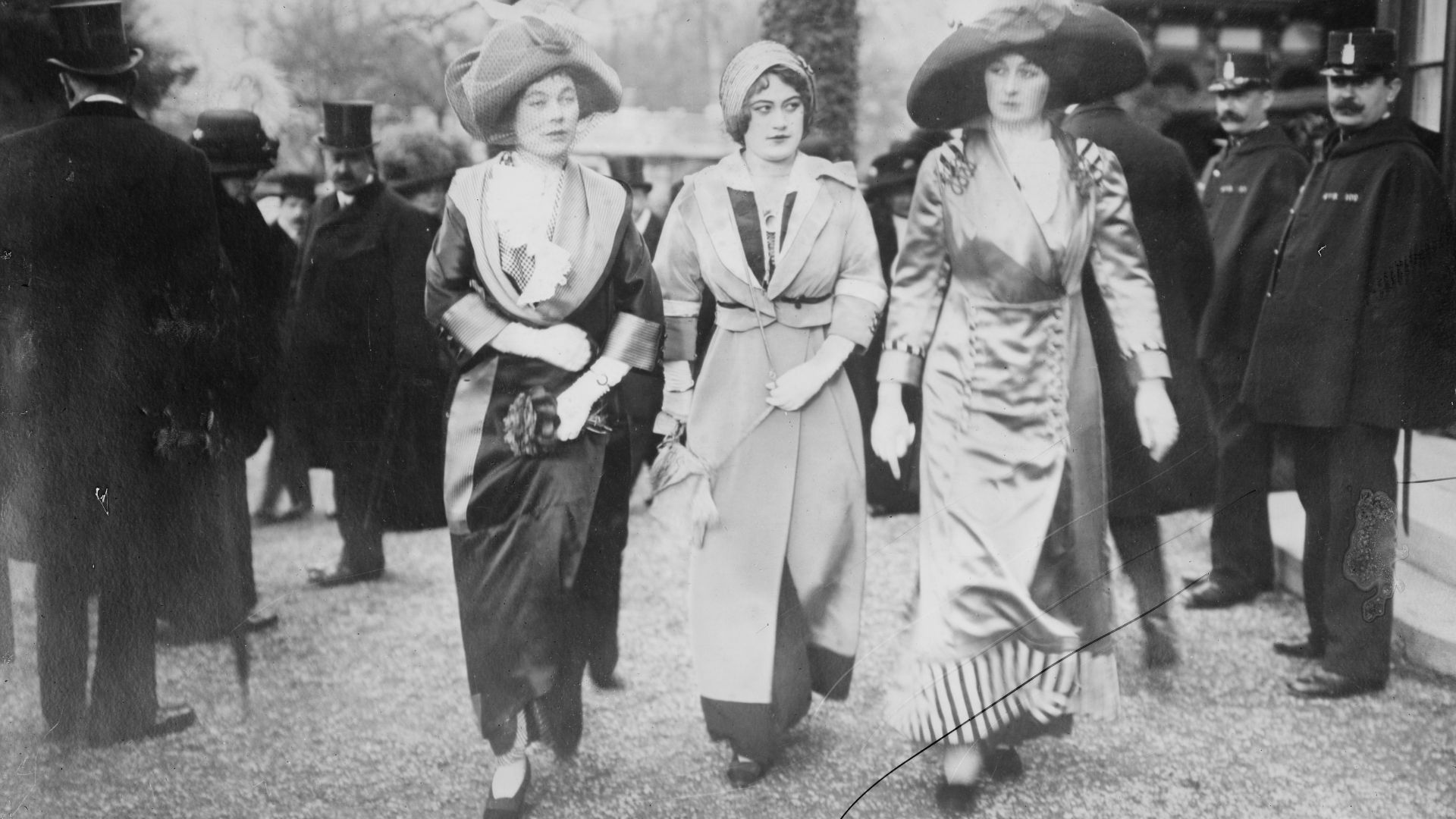
The Shirtwaist Fit The New Lifestyle
The bicycle craze also helped popularize a more tailored silhouette. Shirtwaists, resembling men's button-front shirts, could be worn with practical skirts while still looking respectable and fashionable. They suited women participating in golf, tennis, cycling, education, and paid work. The outfit didn't eliminate femininity. Instead, it offered a different kind of femininity built around activity rather than delicacy. By the turn of the century, the shirtwaist had become one of the most recognizable pieces in the wardrobe of the modern working and middle-class woman.
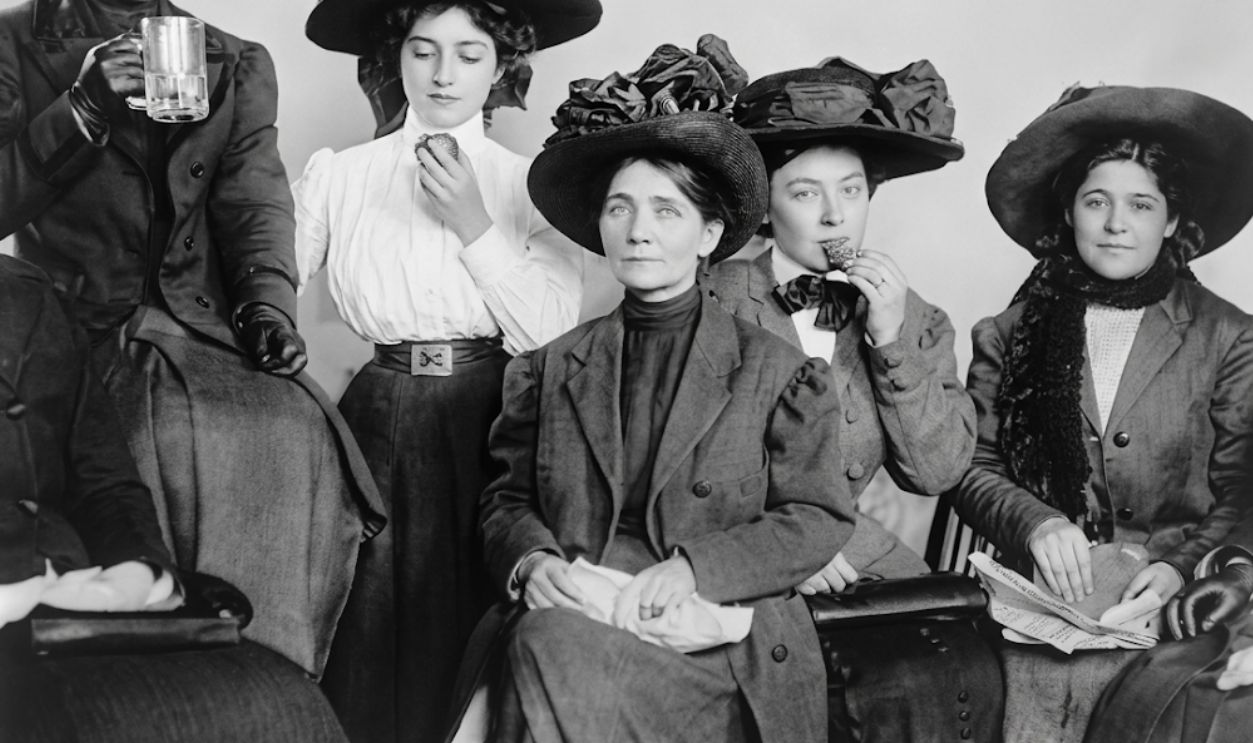 Bain Collection, Wikimedia Commons, Enhanced
Even Corsets Had To Adapt
The bicycle didn't instantly free women from corsets either. Instead, manufacturers created supposedly more practical versions for exercise. The Smithsonian holds advertisements for bicycle corsets designed with features intended to provide greater flexibility and comfort. Dress reformers increasingly criticized severely restrictive waists, but fashion changed gradually. Cycling nevertheless helped establish a powerful new standard: clothing should respond to what a woman's body needed to do, rather than forcing the body to conform entirely to clothing.
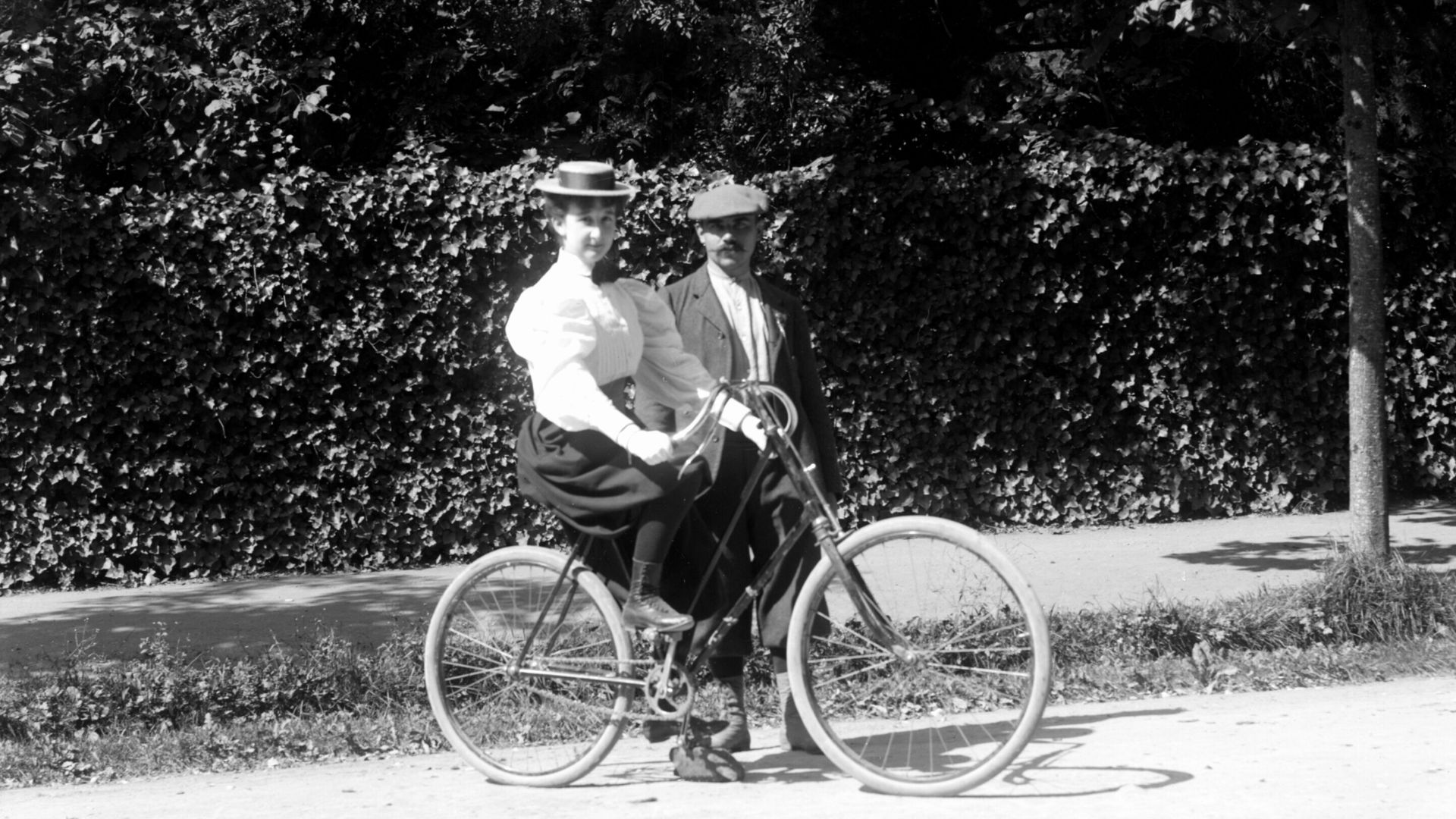 Bibliotheque de Toulouse from Toulouse, France, Wikimedia Commons
The Rainy Day Club Took The Idea Off The Bike
In New York, practical bicycle clothing inspired women to push shorter skirts into ordinary street wear. The Rainy Day Club, founded in 1896 by professional and society women, promoted skirts that stayed clear of wet and filthy pavement. Newspapers nicknamed the members “Rainy Daisies.” Their preferred outfit combined a shortened skirt with a jacket and high boots. Cycling had provided the proof of concept: women could wear practical clothing, remain respectable, and move through public space without dragging several inches of fabric through whatever the street contained.
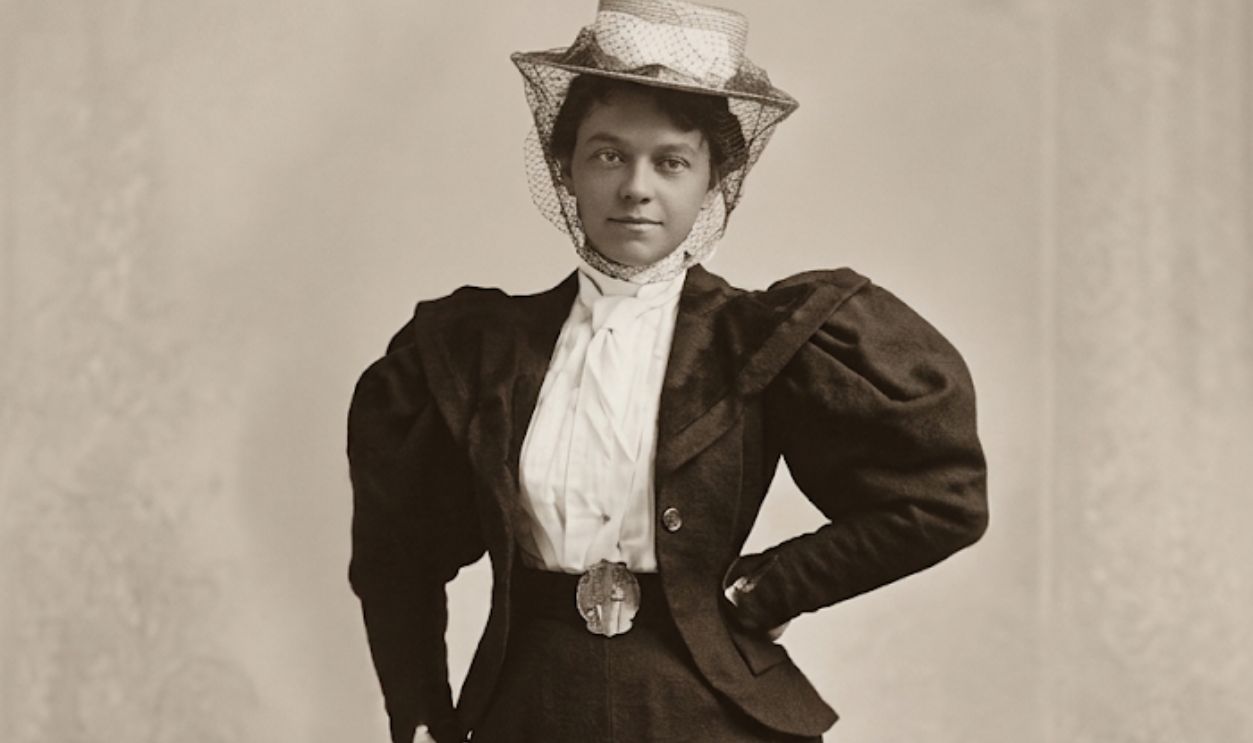 Photographer not named., Wikimedia Commons, Enhanced
Critics Worried About Much More Than Clothing
Opposition to female cycling often revealed anxiety about where all this independence might lead. A woman on a bicycle could travel farther from family supervision, socialize with men, exercise publicly, and decide for herself where she wanted to go. Some critics framed cycling as immoral or socially dangerous. Others complained that it encouraged masculine behaviour. The bicycle became frightening to traditionalists precisely because the machine itself seemed harmless. It quietly removed several practical restrictions that had helped enforce social rules.
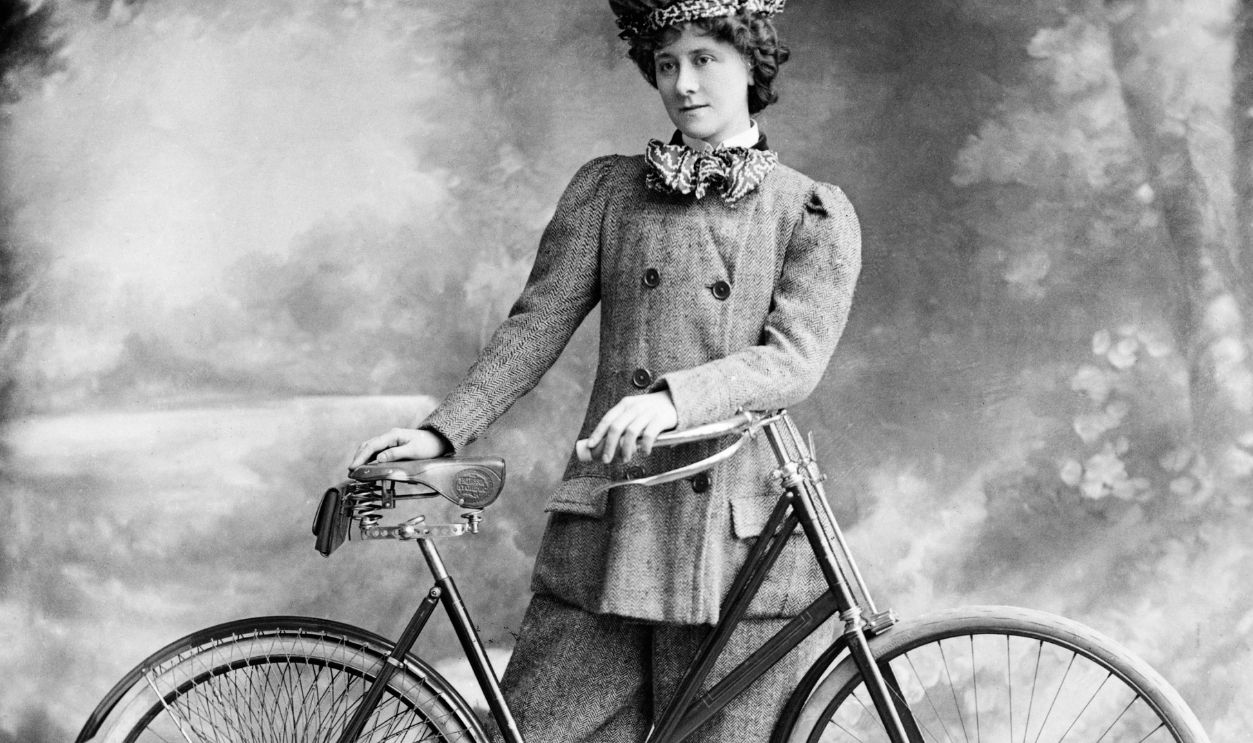 London Stereoscopic Company, Getty Images
Doctors Even Warned About “Bicycle Face”
One of the era's stranger attempts to discourage women involved a supposed condition known as “bicycle face.” Critics claimed that the concentration and exertion required for cycling could leave female riders with strained, exhausted, or permanently unattractive expressions. Medical warnings sometimes invoked nervous exhaustion and women's supposedly delicate constitutions. The diagnosis had little scientific basis, but it reveals how ordinary female exercise could be transformed into a medical anxiety when it challenged social expectations.
 National Cancer Institute, Unsplash
Susan B. Anthony Saw Something Bigger Happening
Women's-rights leader Susan B. Anthony famously praised cycling in an 1896 interview, arguing that it had done more to emancipate women than almost anything else and gave riders a feeling of self-reliance and independence. She wasn't claiming bicycles alone would deliver political equality. What she recognized was how technology could change everyday behaviour faster than laws or speeches. A woman who learned she could travel several miles under her own power had experienced independence rather than merely hearing an argument for it.
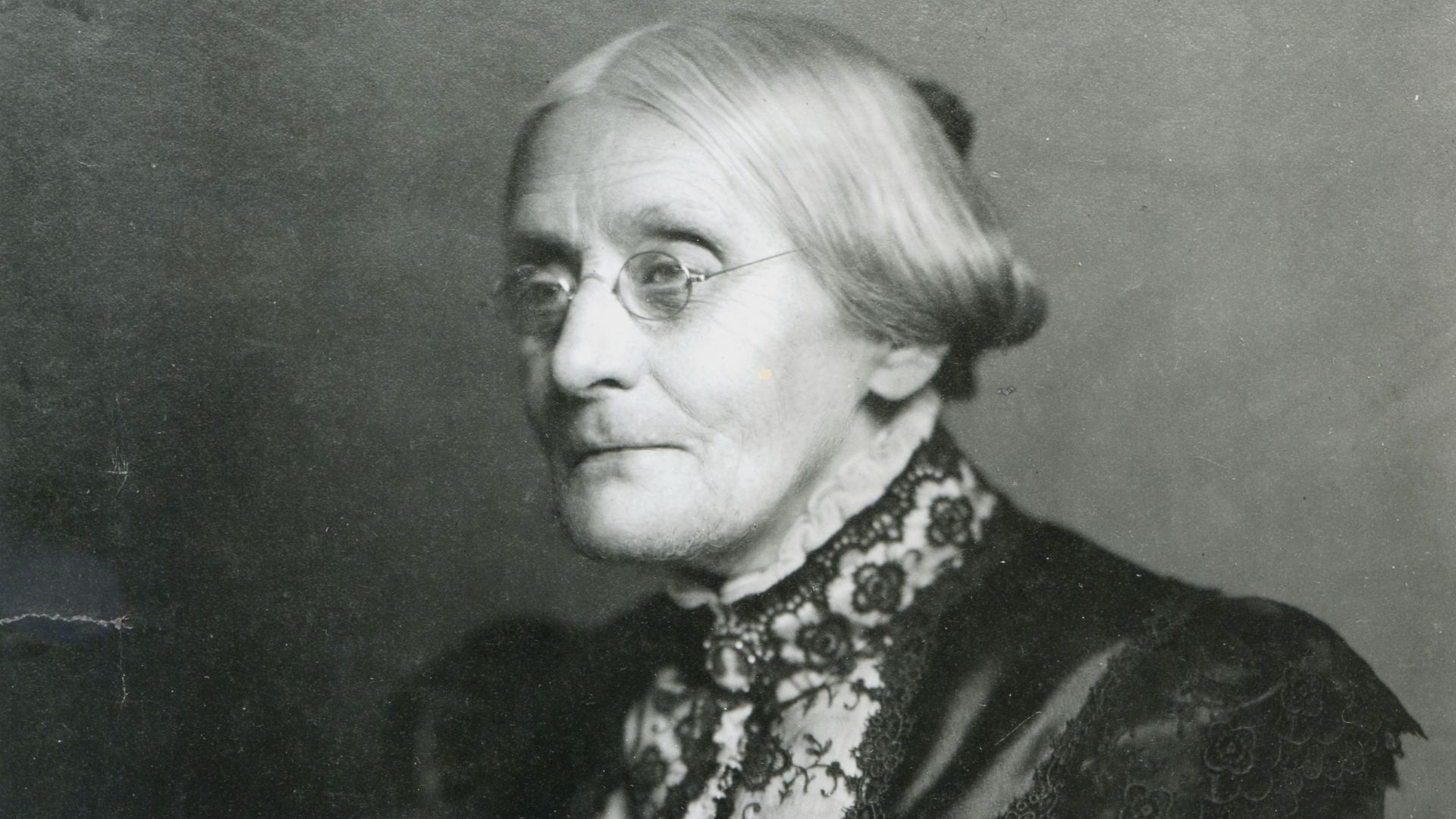 Unknown authorUnknown author, Wikimedia Commons
The Bicycle Didn't Liberate Everyone Equally
The freedom offered by cycling had obvious limits. A good bicycle was expensive enough that the late-19th-century boom initially skewed toward middle- and upper-class consumers. Smithsonian historians also note that the most visible American bicycle culture was disproportionately white and affluent. Race, class, geography, and working conditions shaped who could participate. The bicycle didn't erase inequality. It created a new form of mobility that some women could seize immediately, while others gained access more slowly.
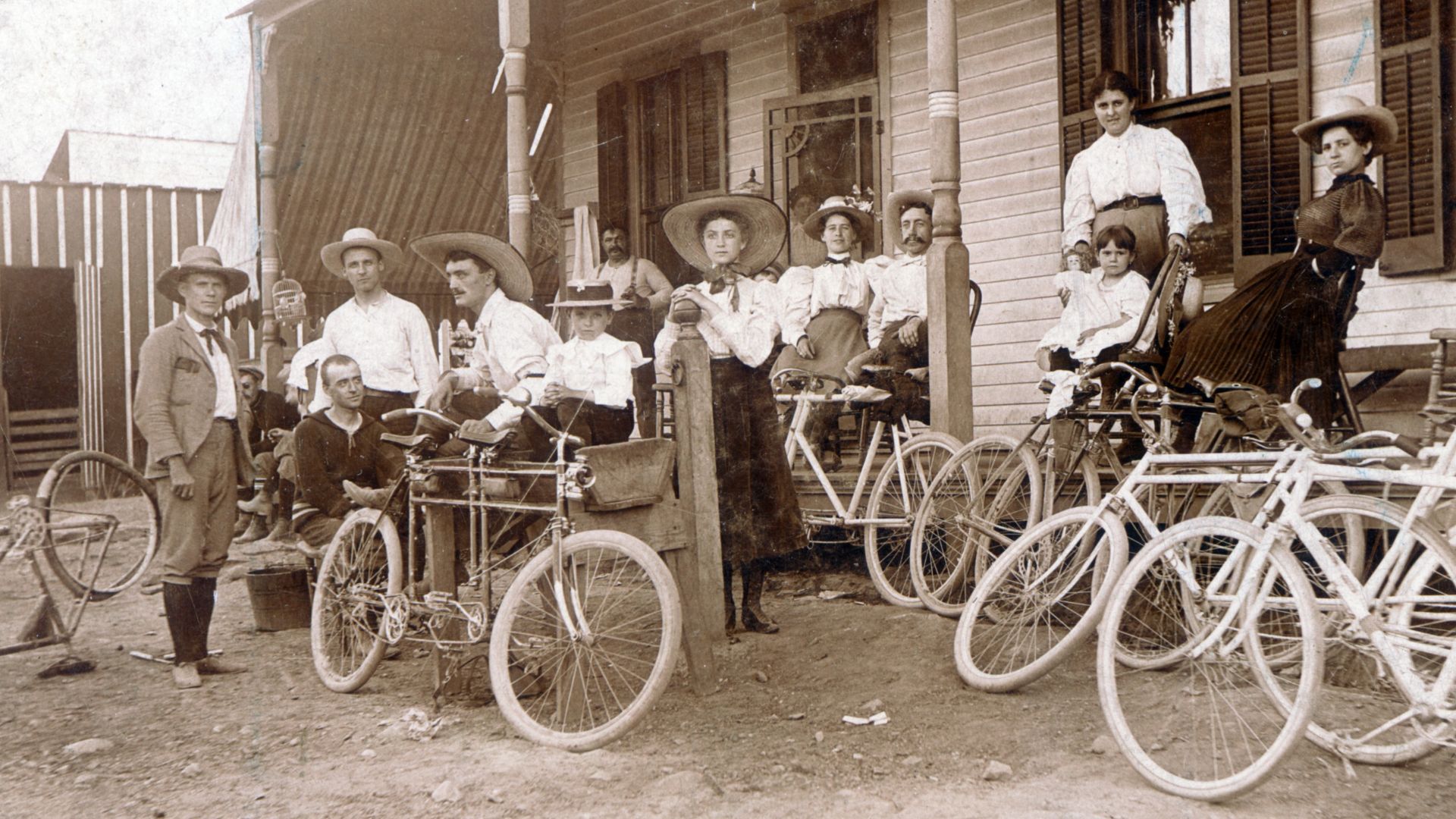 Unknown authorUnknown author, Wikimedia Commons
Meanwhile, The Roads Were Awful
The fashion revolution was only half the story. A beautifully engineered safety bicycle wasn't much fun on a deeply rutted dirt road. Outside many cities, roads could turn to mud after rain, become dusty in dry weather, and contain holes, stones, and wagon ruts capable of sending a cyclist flying. Even urban streets weren't uniformly paved. The rapid improvement of the bicycle exposed how badly America's transportation infrastructure had fallen behind its newest vehicle.
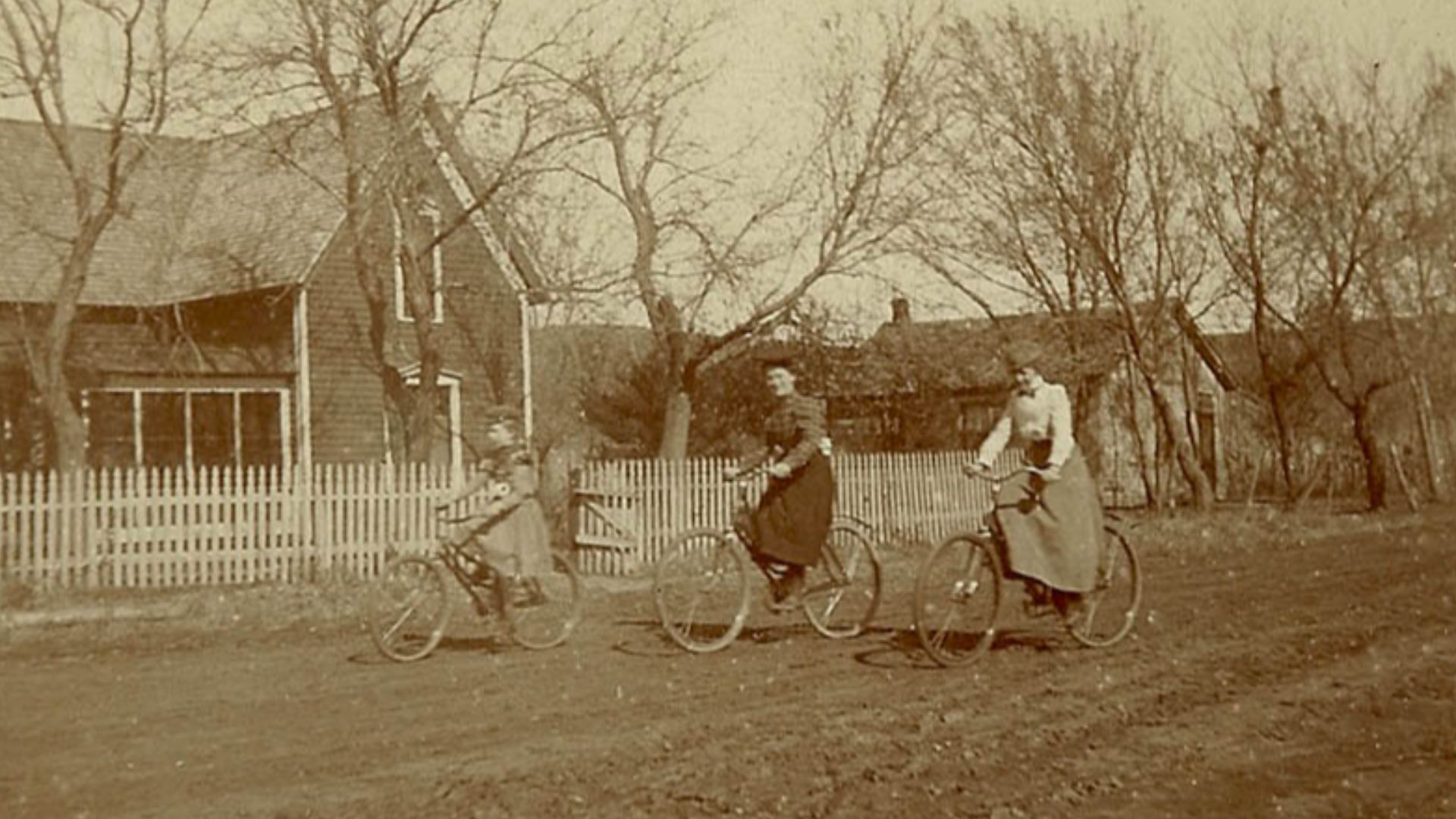 Father of JGKlein, used with permission, Wikimedia Commons
Cyclists Became Road Activists
Bicycle clubs didn't simply complain. They organized. Cyclists campaigned at local, state, and federal levels for smoother, safer, more reliable roads, creating an important constituency within the Good Roads Movement. Their argument wasn't only that cyclists deserved better riding surfaces. Advocates increasingly emphasized that farmers, merchants, postal services, and entire communities would benefit when roads remained usable in poor weather. The bicycle had turned recreational enthusiasts into transportation lobbyists.
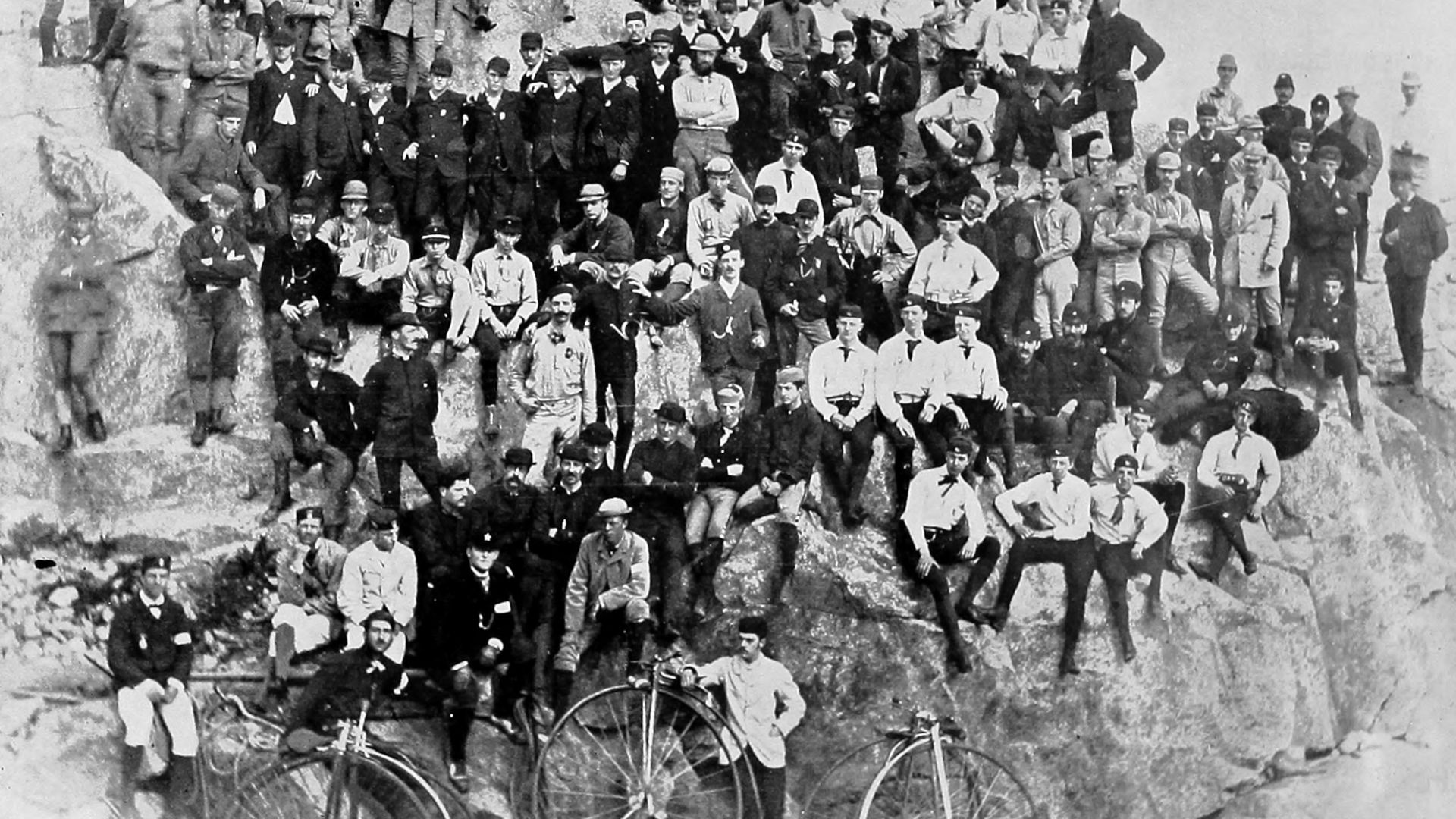 League of American Bicyclists, Wikimedia Commons
The League Of American Wheelmen Became A Political Force
Founded in 1880, the League of American Wheelmen became one of the movement's most important organizations. The Smithsonian's National Museum of American History notes that the organization distributed roughly five million pieces of literature advocating improved roads. New Jersey introduced an influential road-aid law in 1891, and other states followed with measures encouraging better construction and maintenance. Decades before automobile associations became synonymous with road lobbying, cyclists were already organizing to demand modern infrastructure.
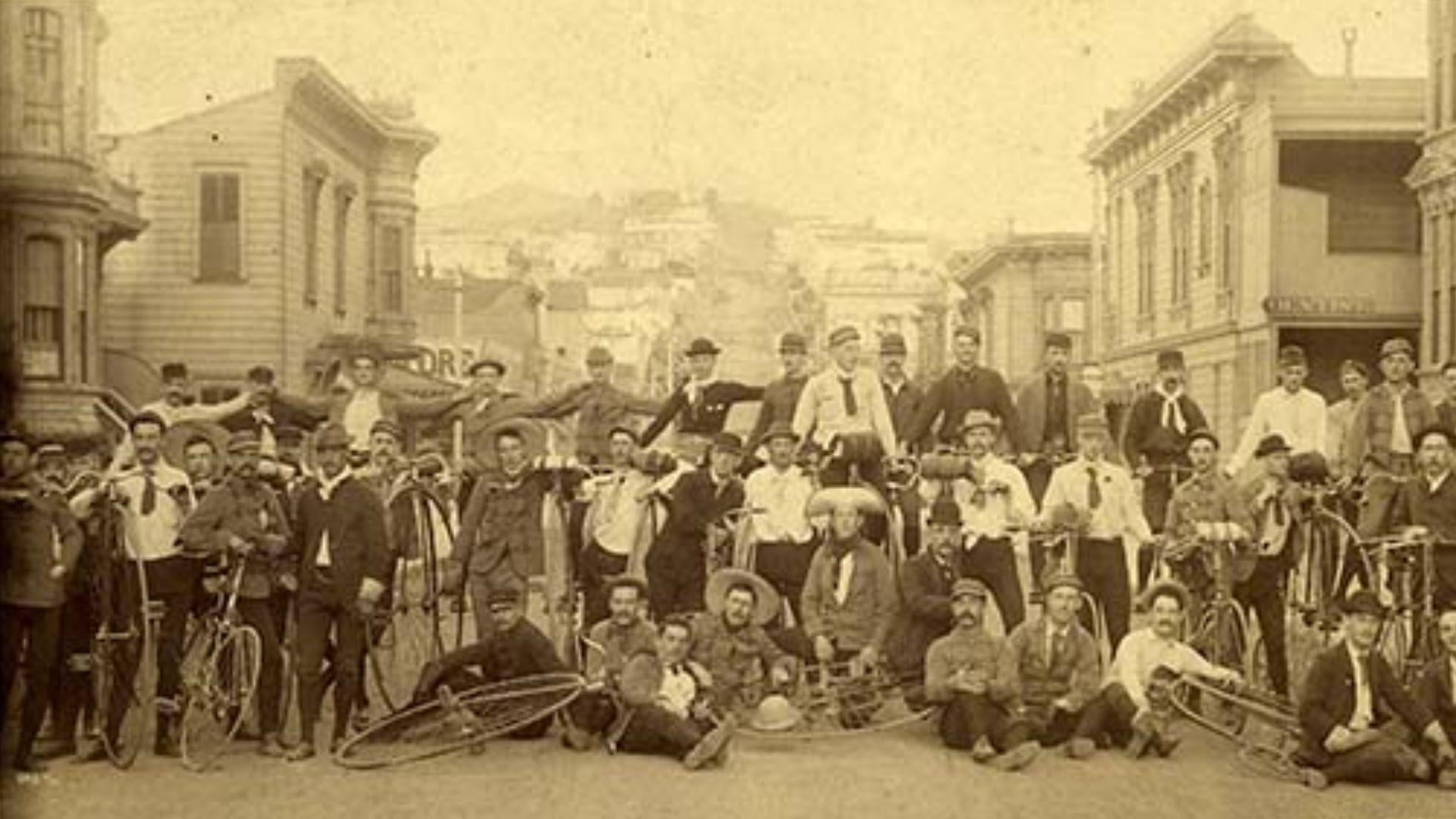 California Historical Society Digital Collection, Wikimedia Commons
Brooklyn Built A Bicycle Path In 1894
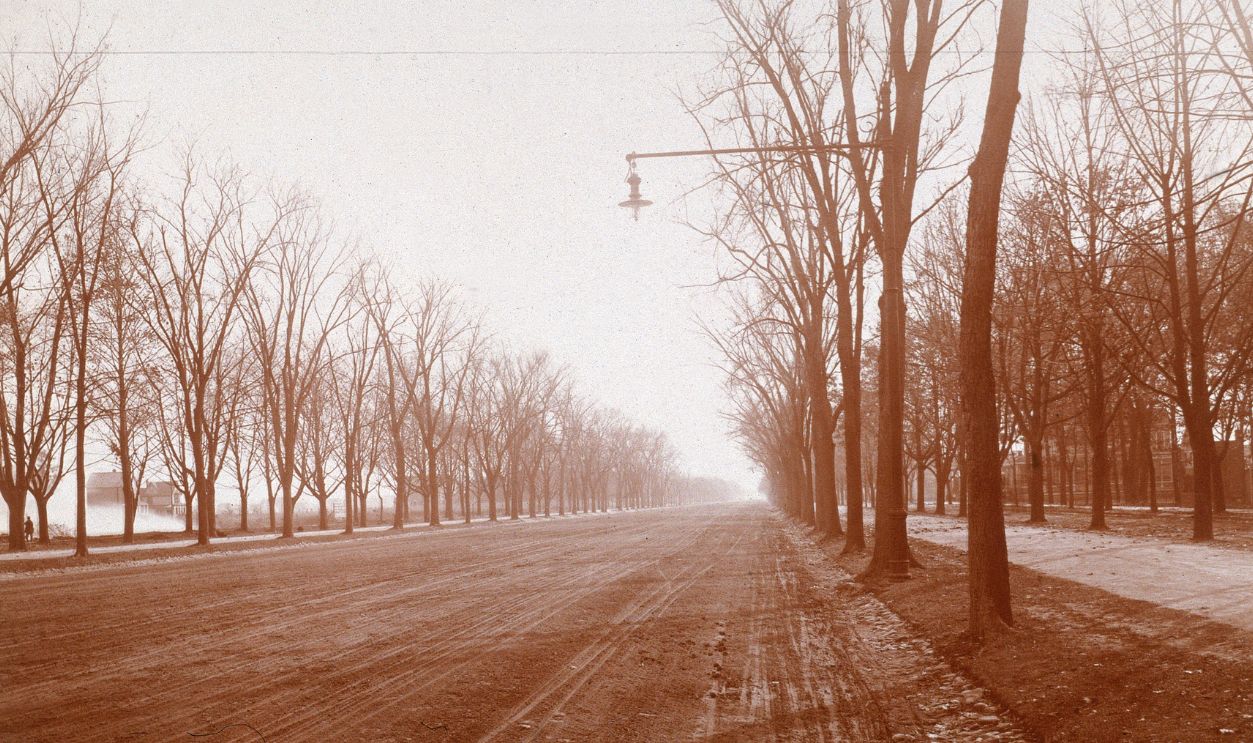
Bicyclists weren't only demanding smoother shared roads. They were also beginning to receive dedicated infrastructure. On June 15, 1894, a section of Brooklyn's Ocean Parkway opened as what New York City Parks describes as the country's first bicycle path. More than 60 cycling clubs from New York and New Jersey participated in the opening, and rules limited riders' speeds. The idea of setting aside part of a public corridor specifically for bicycles isn't remotely as modern as painted bike lanes might make it seem.
 Museum of the City of New York, Getty Images
Cities Had To Write New Rules For Cyclists
Once thousands of riders filled streets, governments faced questions they hadn't needed to answer before. Where were bicycles allowed? How fast could riders travel? Could they use sidewalks? What happened when cyclists frightened horses or collided with pedestrians? By the late 1890s, cities were adopting more ordinances regulating bicycle use and trying to balance cyclists against pedestrians, carriages, streetcars, and other street users. The bicycle craze helped turn streets into explicitly regulated transportation spaces rather than loosely shared public ground.

Cyclists Needed Better Maps And Signs Too
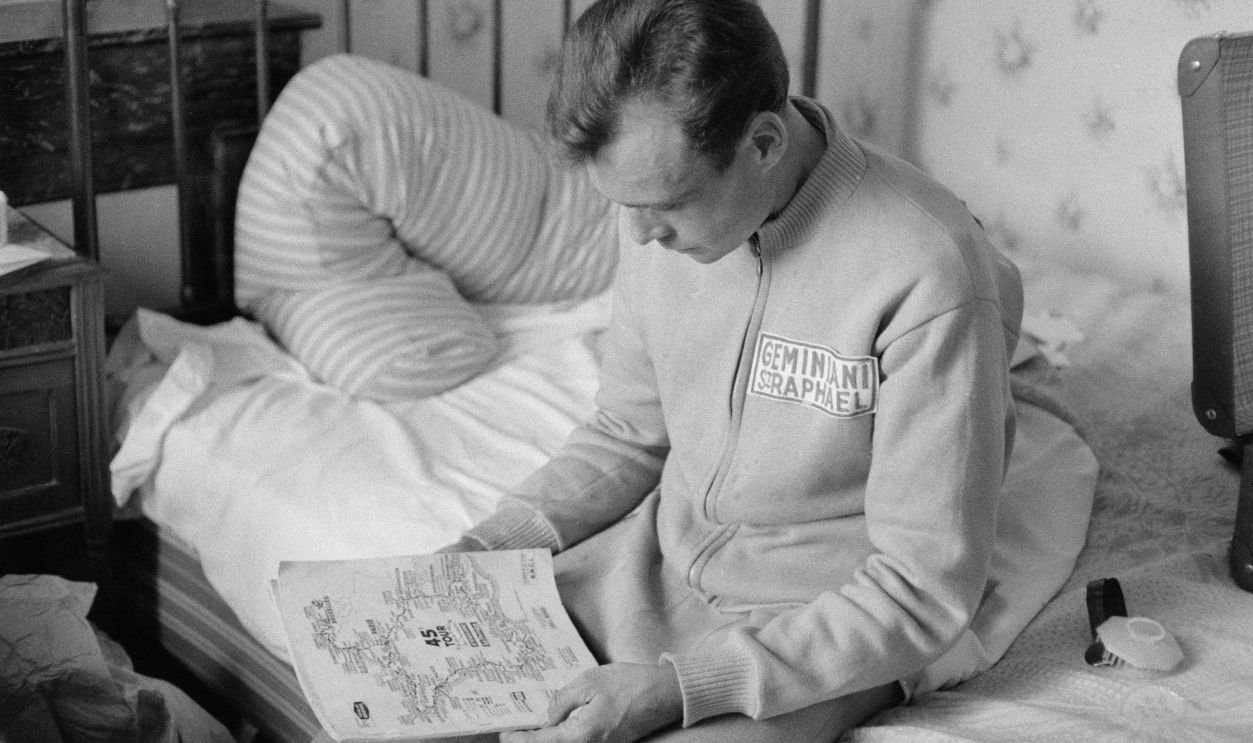
Touring cyclists discovered another weakness in the transportation system: knowing where to go was surprisingly difficult. Road signs could be nonexistent or unreadable, while available maps often provided little useful information about road quality. Bicycle organizations and enthusiasts began producing route information and maps highlighting the best roads. Those practices didn't disappear when the bicycle boom faded. Automobile travellers inherited a growing culture of road maps, route planning, signage, and organized advocacy that cyclists had helped establish.
Cars Inherited Roads Cyclists Had Fought For
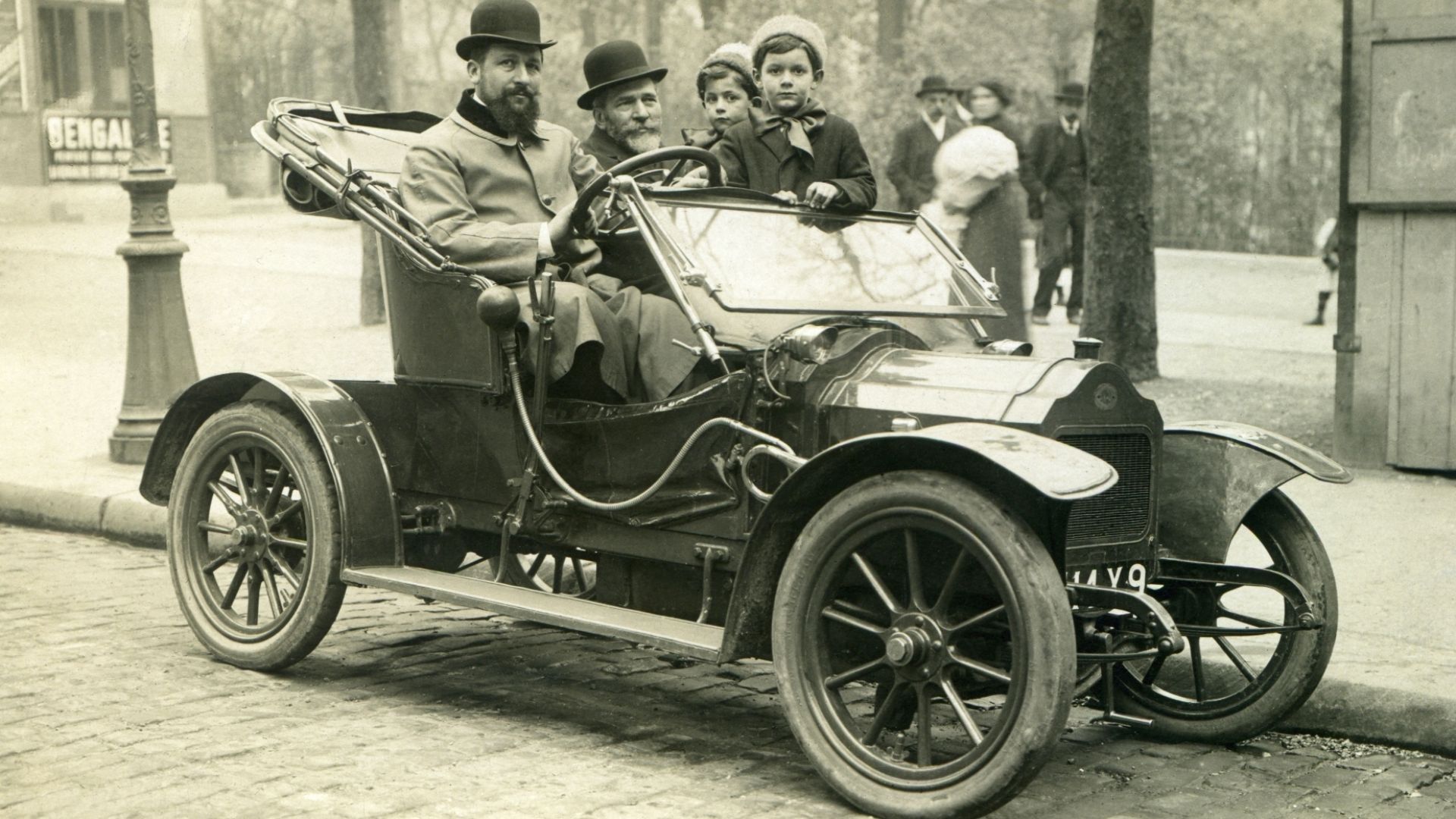
The great irony is that automobiles eventually eclipsed the bicycle craze while benefiting from many of its victories. The Federal Highway Administration explicitly credits late-19th-century cyclists with spearheading road-improvement campaigns before cars became dominant. By the early 20th century, motorists were using roads that cycling organizations had helped place on the political agenda. Later highway construction would dwarf anything bicycle advocates had imagined, but the demand for systematic road improvement had already become a national issue.
 Alexandre Louis, Wikimedia Commons
Then The Craze Faded Almost As Quickly As It Arrived
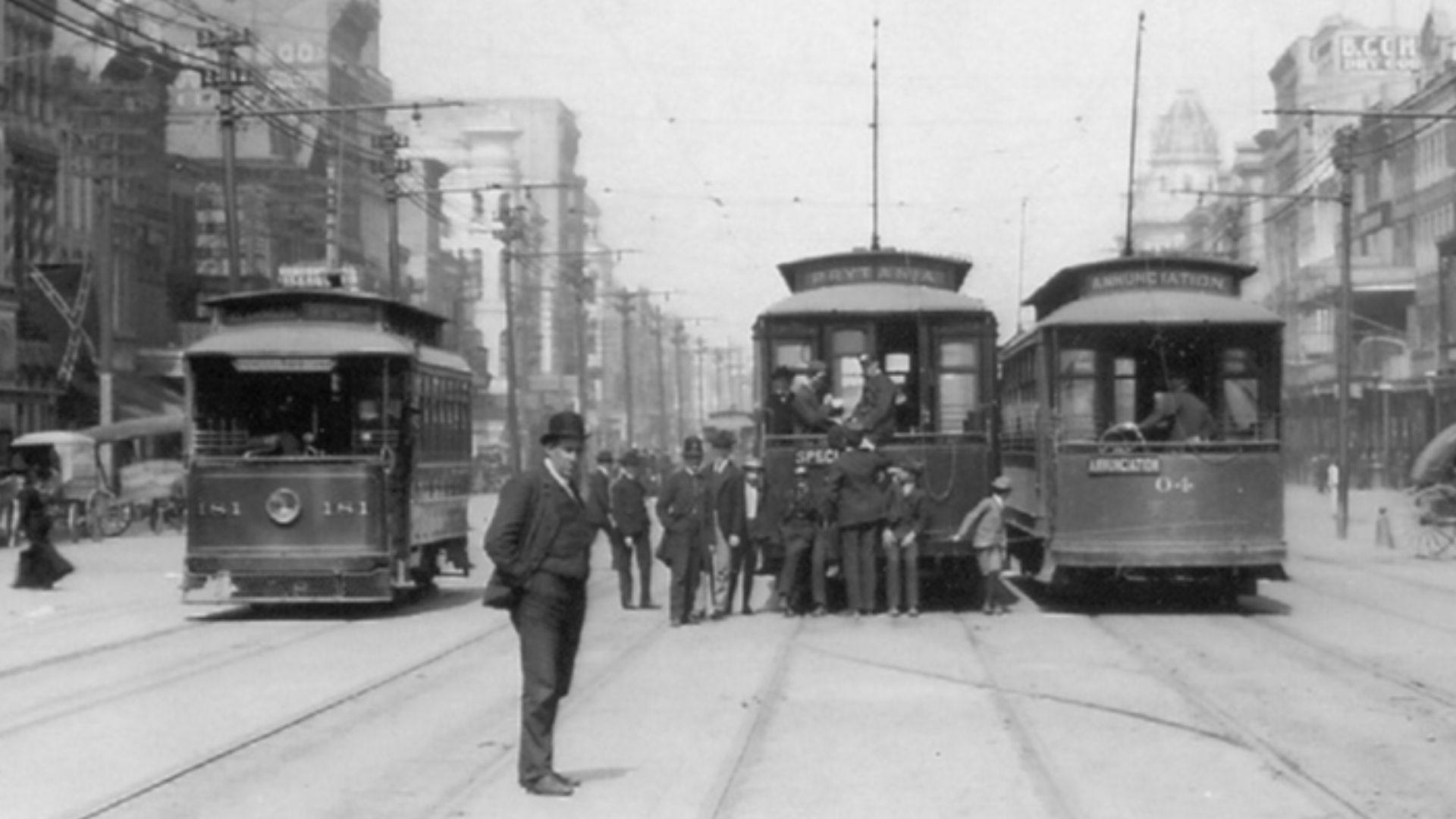
The bicycle didn't disappear, but its status as the technological obsession of the moment faded around the turn of the century. Electric streetcars expanded, automobiles emerged as the newest symbol of independent mobility, and some wealthy consumers who had embraced cycling enthusiastically turned their attention toward motor vehicles. Bicycle prices also fell as the market changed. The Smithsonian describes the extraordinary American craze as largely concentrated between 1892 and 1899.
 Photographer not credited., Wikimedia Commons
The Bicycle Had Already Done Its Work
The 1890s bicycle boom was brief, but it permanently changed expectations. Women had demonstrated that clothing could be designed around mobility instead of restriction. They had occupied roads, parks, and public spaces independently enough that the sight became increasingly ordinary. Cyclists had organized politically for better surfaces, better routes, dedicated paths, and more predictable rules. Automobiles would soon transform streets on a far greater scale, but when drivers arrived, they weren't starting with a blank slate. The bicycle had already taught society to rethink who belonged on the road—and what those roads should look like.
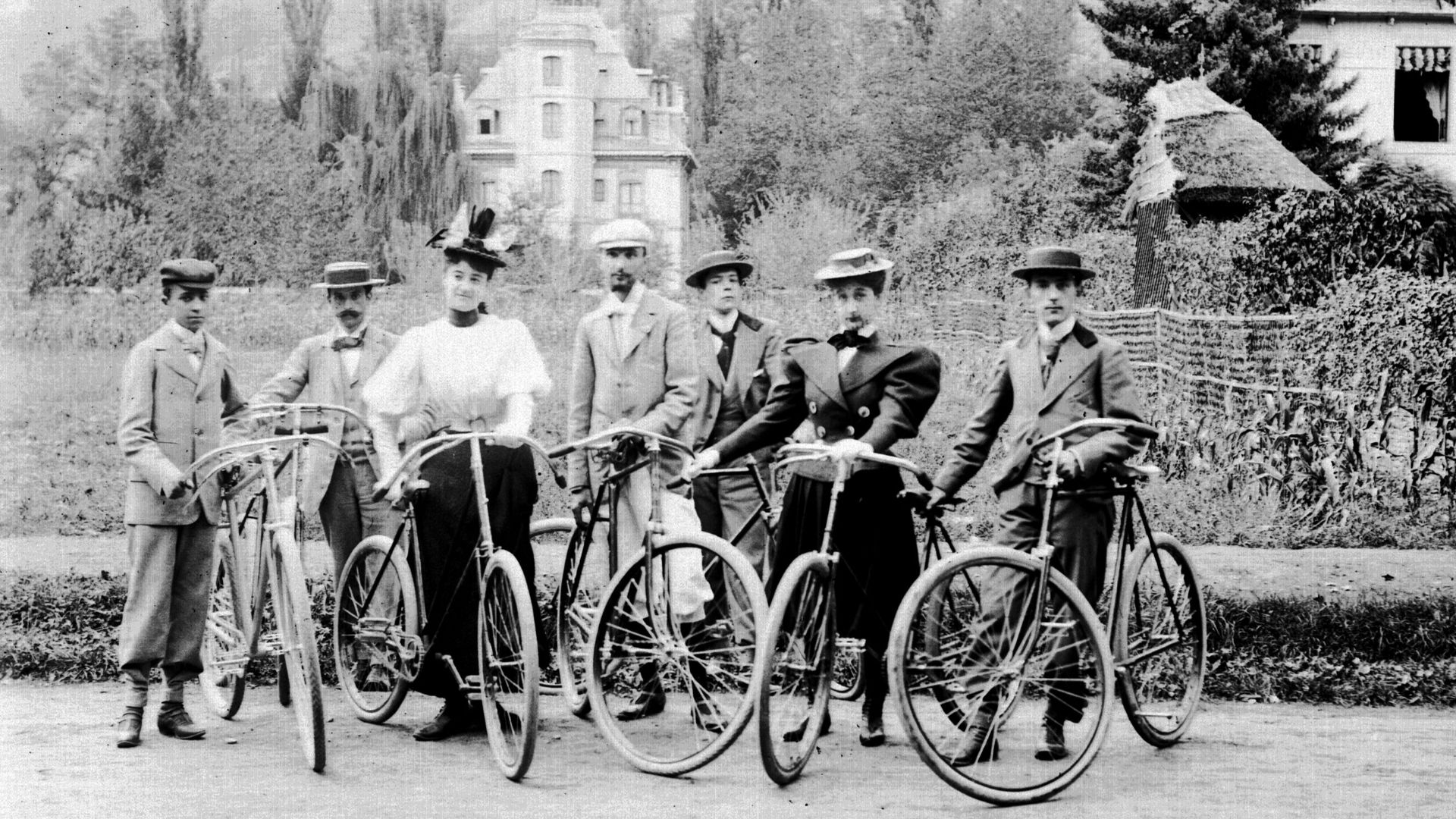 Bibliotheque de Toulouse from Toulouse, France, Wikimedia Commons
You May Also Like:
The Real People Hiding Behind Fashion Words We Use Every Day
The Women Who Took Charge Of A Kingdom During A Crisis And Changed Its Future