The Crown Suddenly Needed Them
Crises have a way of rewriting the rules. When wars, disputed successions, rebellions, and collapsing dynasties left kingdoms vulnerable, some women stepped into the gap and changed what happened next.
Theodora Refused To Run
Constantinople exploded into the Nika Revolt in 532, with rioters burning large sections of the capital and demanding the removal of Emperor Justinian I. According to the traditional account, members of the imperial court considered fleeing as the rebellion threatened the government itself. Empress Theodora argued fiercely against retreat and urged Justinian to stay.
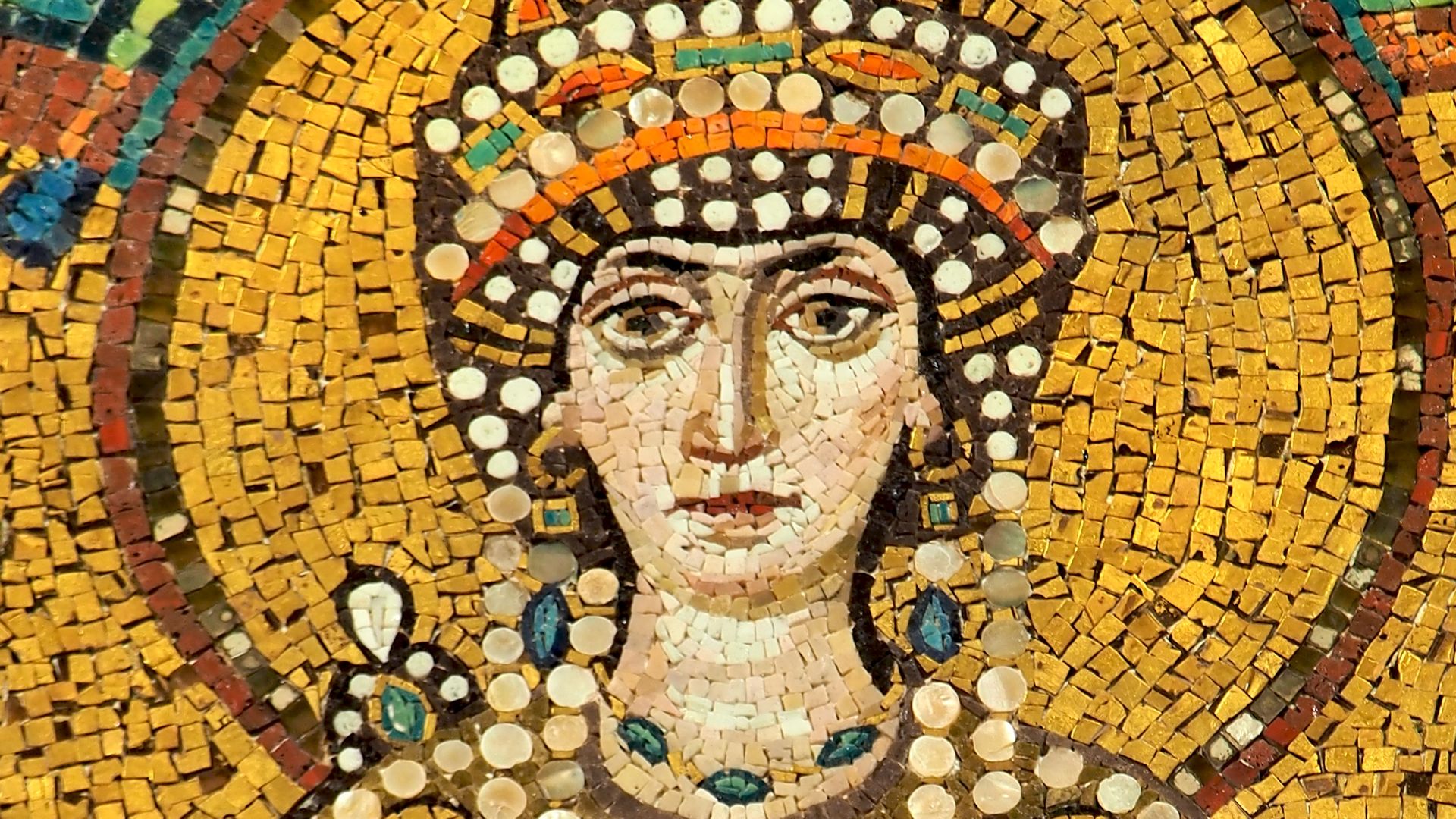 Petar Milosevic, Wikimedia Commons
Her Decision Saved A Dynasty
Imperial forces ultimately trapped the rebels inside the Hippodrome and crushed the uprising with enormous loss of life. Justinian remained emperor and went on to pursue major legal reforms, military reconquests, and the rebuilding of Constantinople, including the new Hagia Sophia. Theodora's intervention therefore came at one of the most consequential moments of the Byzantine reign.

Shajar Al-Durr Hid A Sultan's Death
Egypt faced an extraordinary emergency in 1249 when Sultan al-Salih Ayyub died while Louis IX of France's Seventh Crusade was invading the country. Shajar al-Durr and a small circle of officials concealed his death long enough to keep the government functioning and summon his surviving son. Orders continued appearing in the dead sultan's name while Egypt fought for survival.
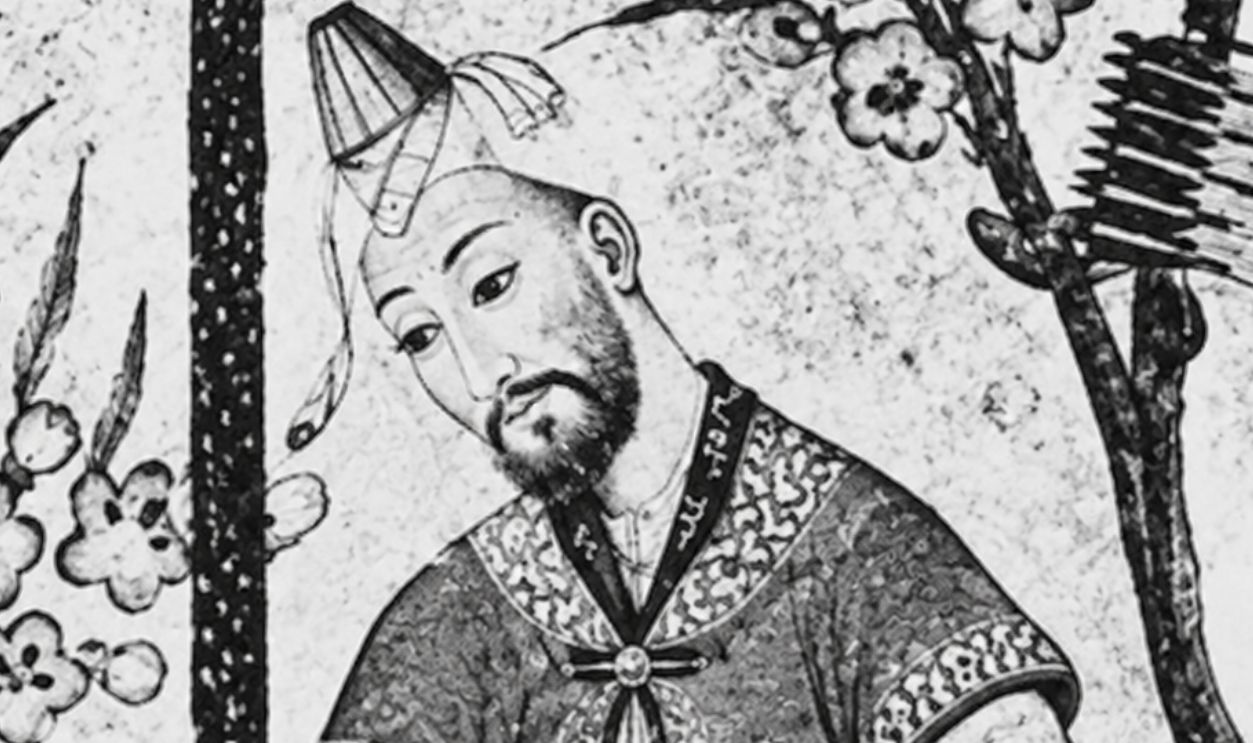 1555 artist, Bukhara, Wikimedia Commons, Enhanced
Then She Became The Sultan
The crusading army was ultimately defeated and Louis IX captured, but the returning heir Turan Shah soon alienated the powerful military elite and was killed. Shajar al-Durr then briefly ruled Egypt in her own name, with coins issued bearing her titles and the Friday sermon proclaimed for her. Her short reign stood at the transition between Ayyubid rule and the Mamluk political order that would dominate Egypt for centuries.
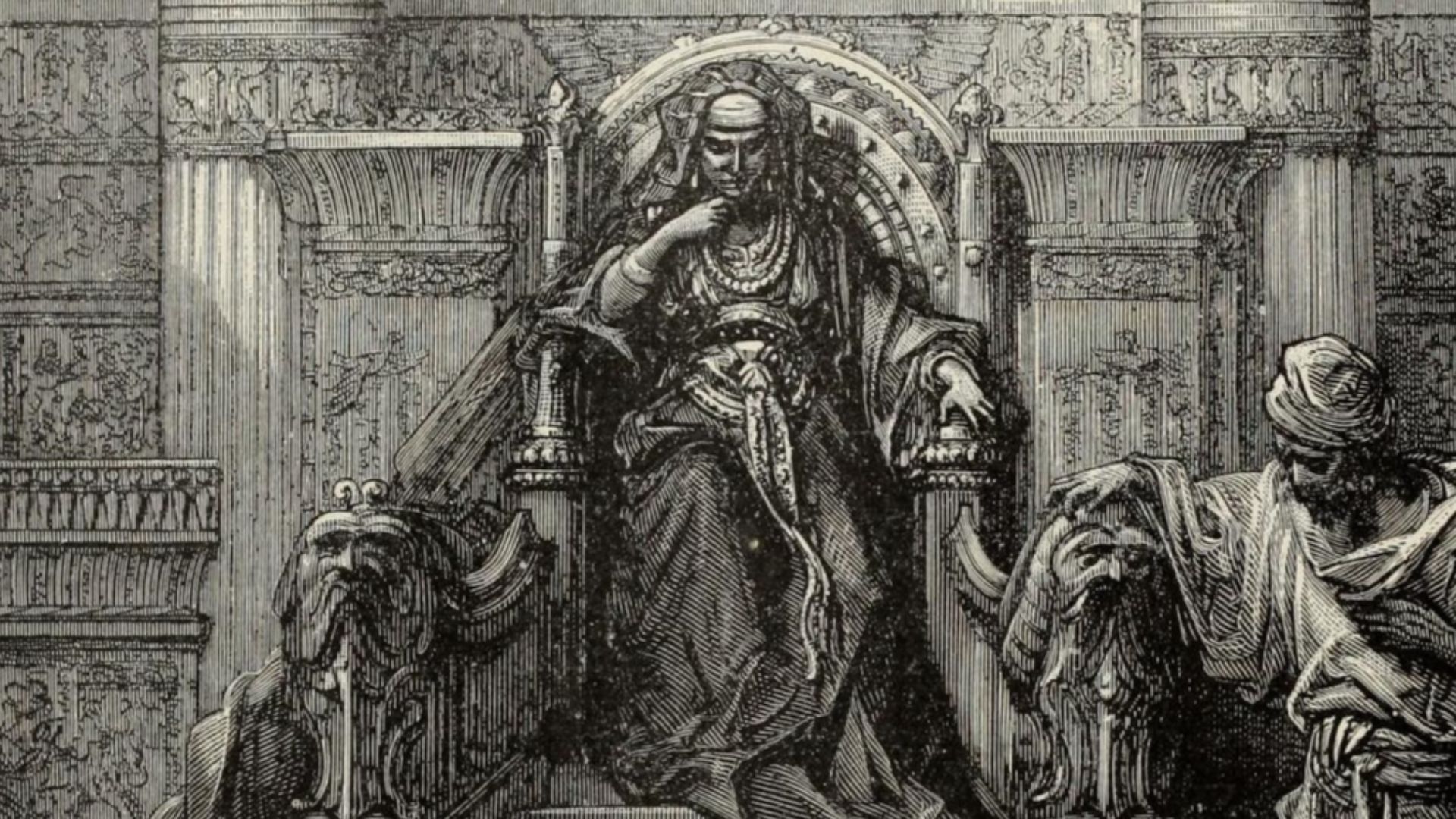 Gustave Dore, Wikimedia Commons
Melisende Would Not Hand Jerusalem Over
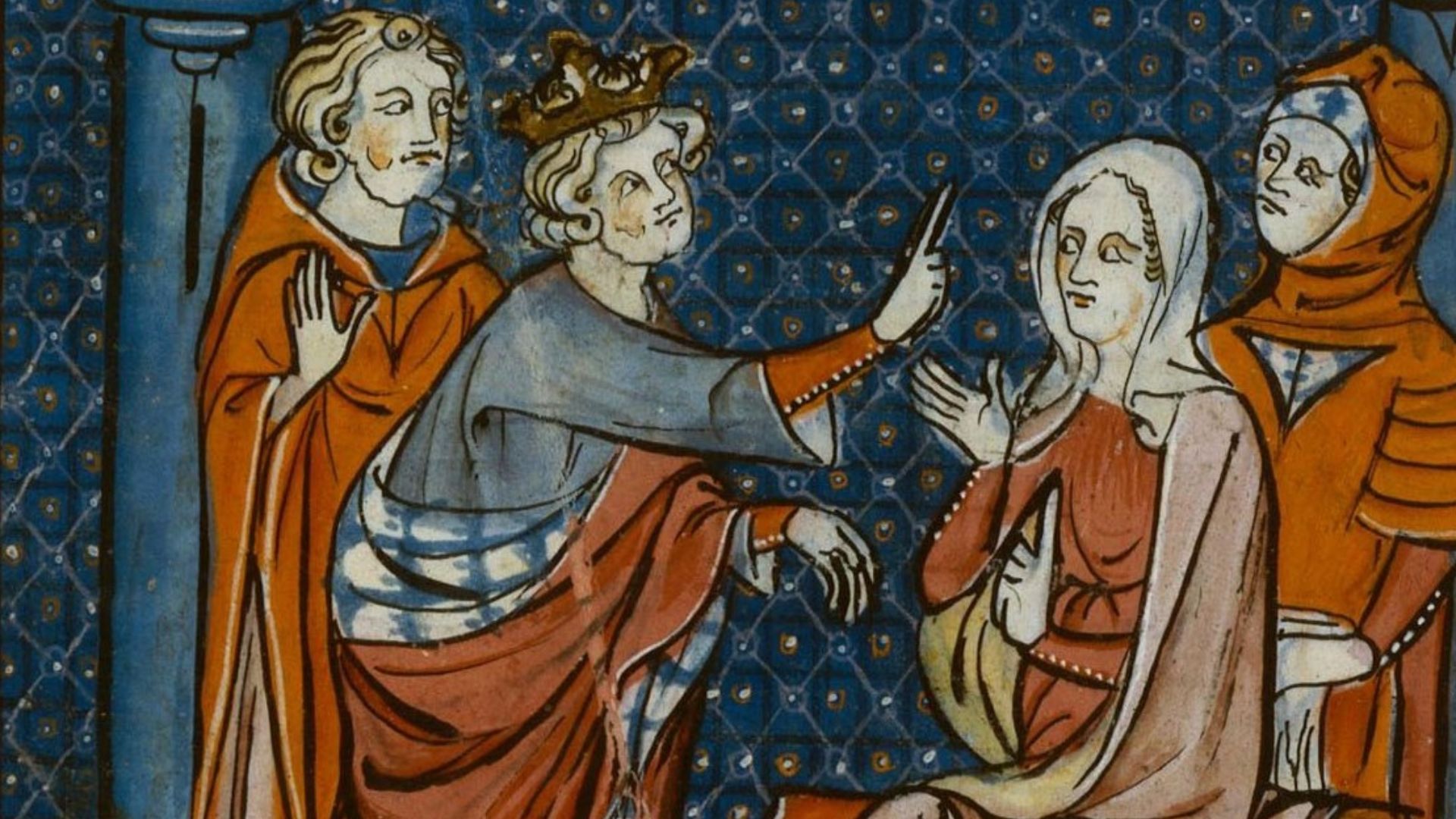
Queen Melisende inherited power in the Crusader Kingdom of Jerusalem and initially ruled alongside her husband, Fulk. After his death in 1143, she governed with her young son Baldwin III while surrounding states posed a constant military threat. Even after Baldwin reached adulthood, Melisende remained strong enough to prevent him from simply taking full control.
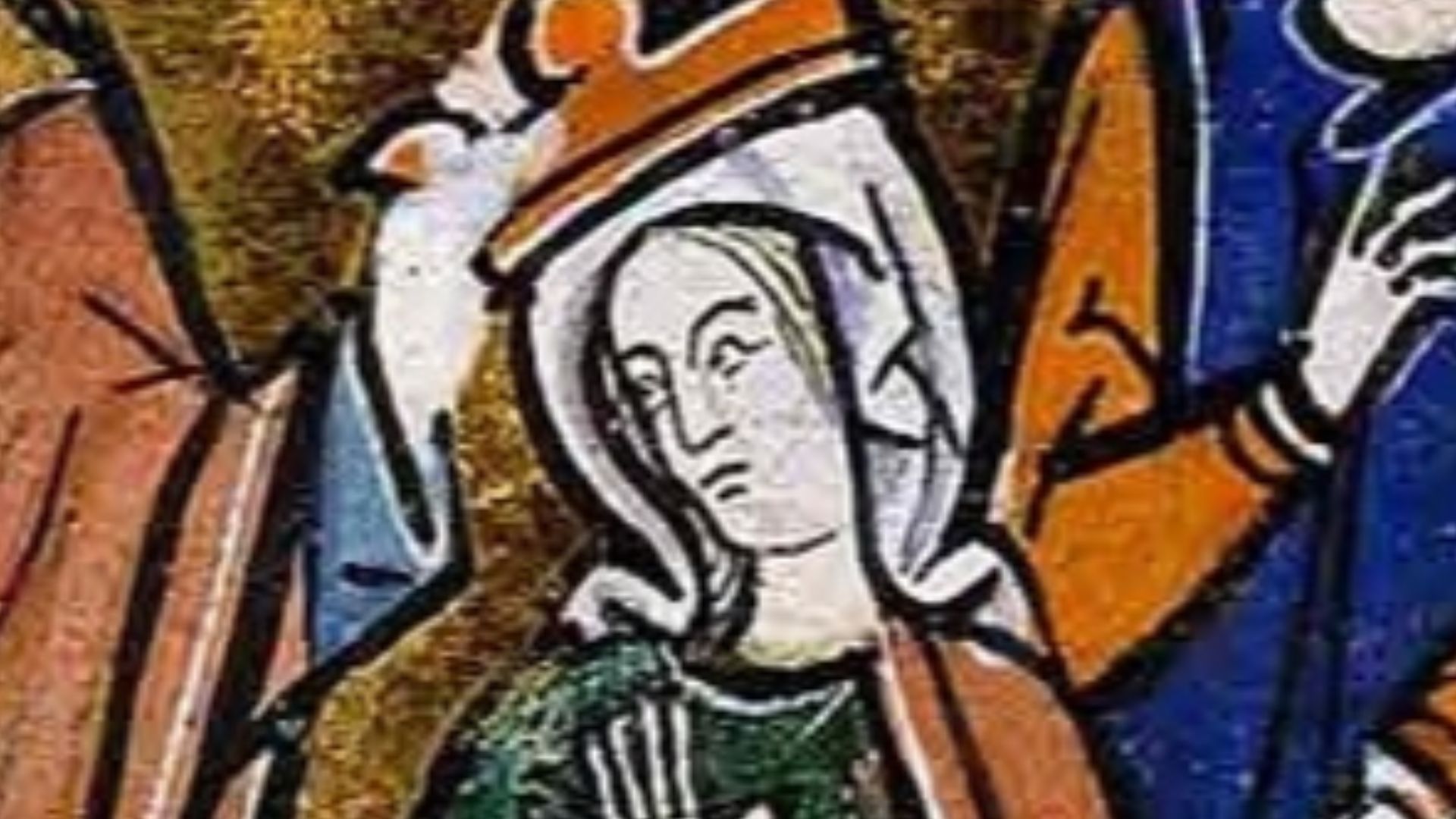 AnonymousUnknown author, Wikimedia Commons
Her Own Son Had To Besiege Her
The struggle eventually became a civil conflict between mother and son. In 1152, Baldwin's forces besieged Melisende inside the Tower of David in Jerusalem before a settlement divided their authority. Although Baldwin emerged with greater power, Melisende continued playing an influential political role, demonstrating how deeply female rule had become embedded in one of the medieval world's most militarized kingdoms.
 AnonymousUnknown author artist from Paris, Wikimedia Commons
Matilda Refused To Lose Her Inheritance
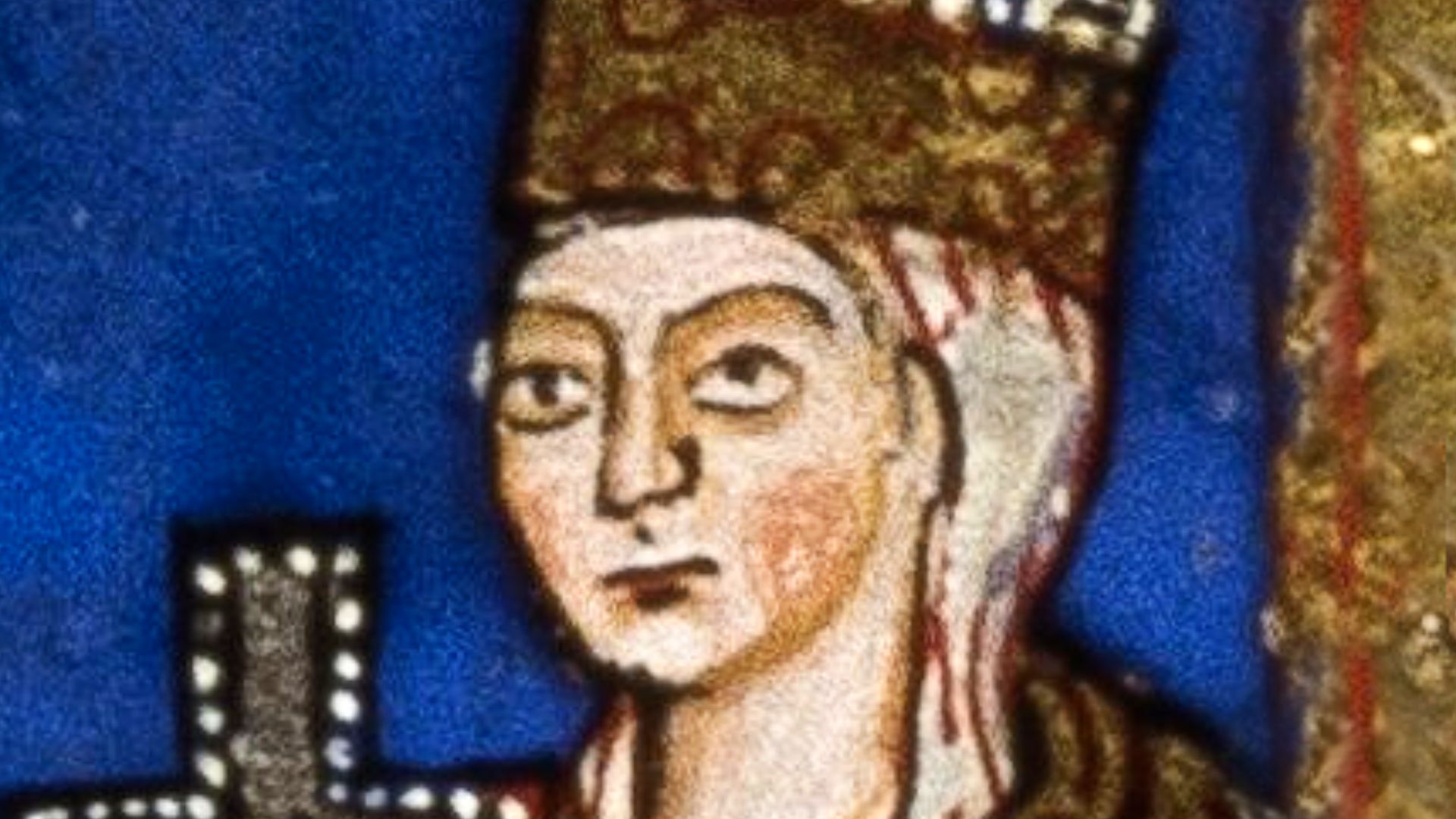
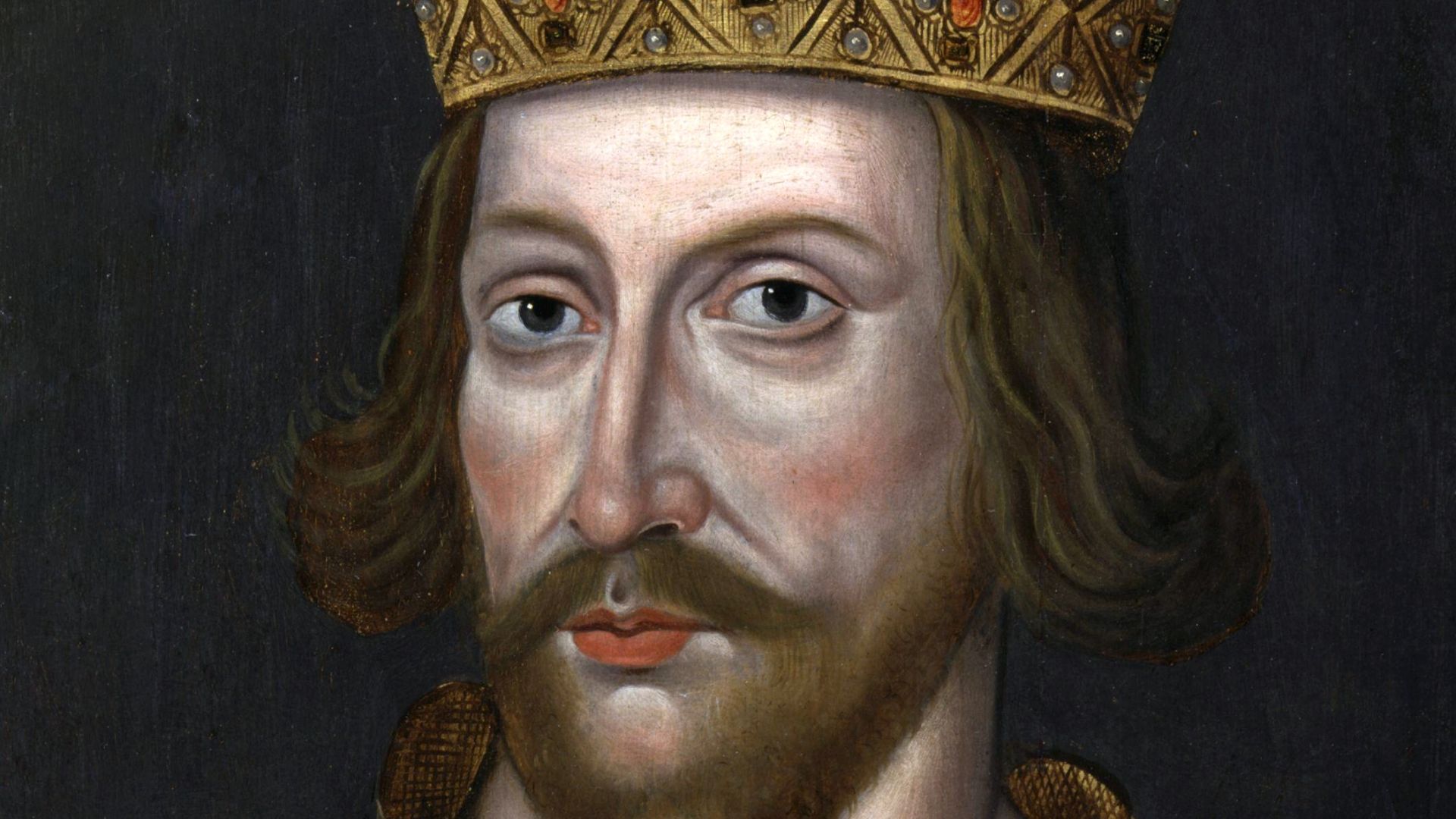
Henry I of England made his daughter Matilda his designated heir after the death of his only legitimate son. When Henry died in 1135, Matilda's cousin Stephen crossed quickly to England and took the crown instead. Matilda eventually invaded England to pursue her claim, helping trigger the long civil conflict remembered as the Anarchy.
 Artist unknown; the Gospels of Henry the Lion, Wikimedia Commons
She Lost The Crown But Won The Succession
Matilda came tantalizingly close to becoming England's first crowned queen regnant after Stephen was captured in 1141. Political resistance and military reversals stopped her, but she eventually shifted her campaign toward securing the future of her son Henry. The settlement ending the struggle recognized Henry as Stephen's successor, and he became Henry II in 1154, beginning the Plantagenet dynasty.
 Unknown authorUnknown author, Wikimedia Commons
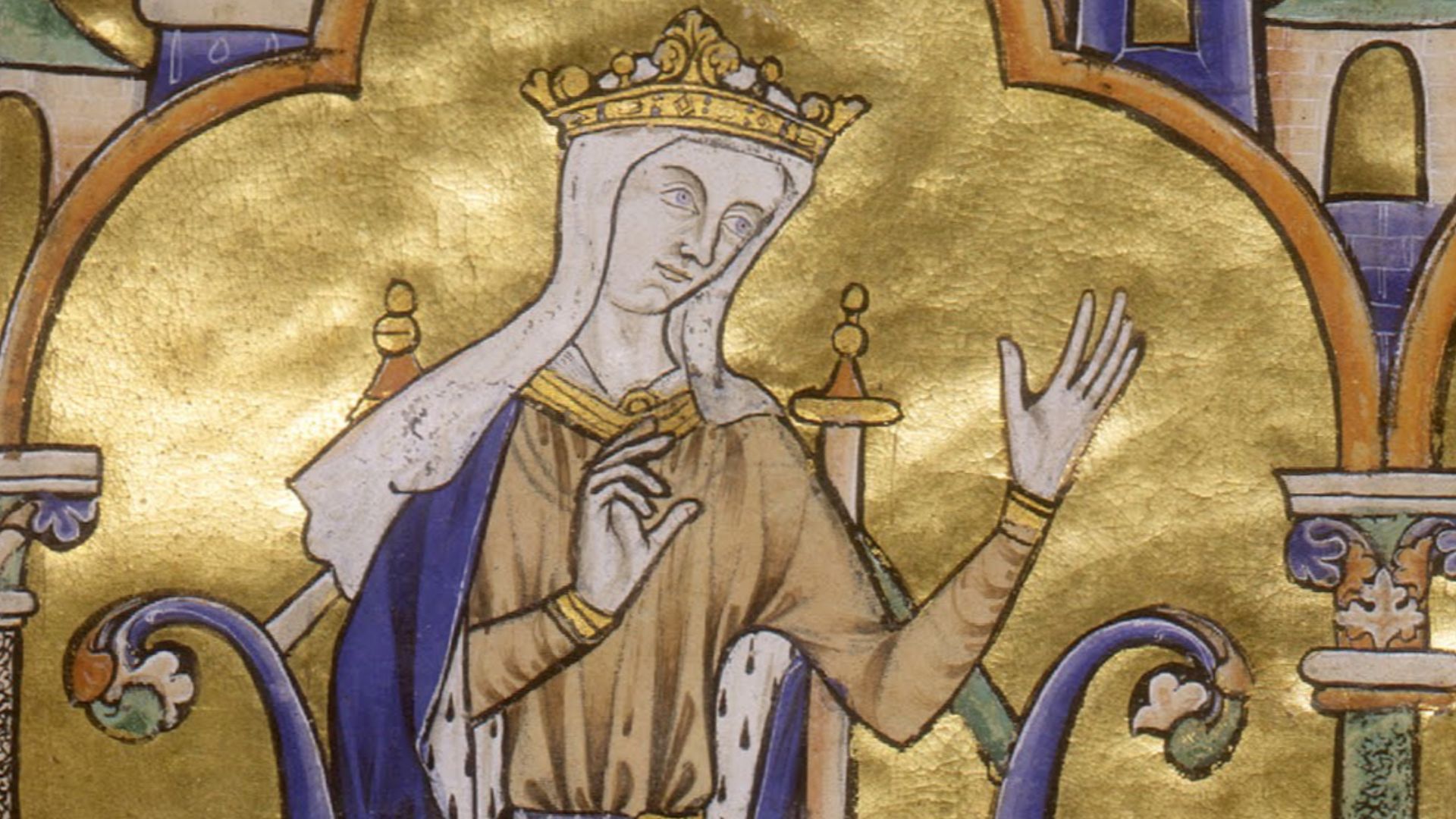
Blanche Of Castile Inherited A Dangerous Regency
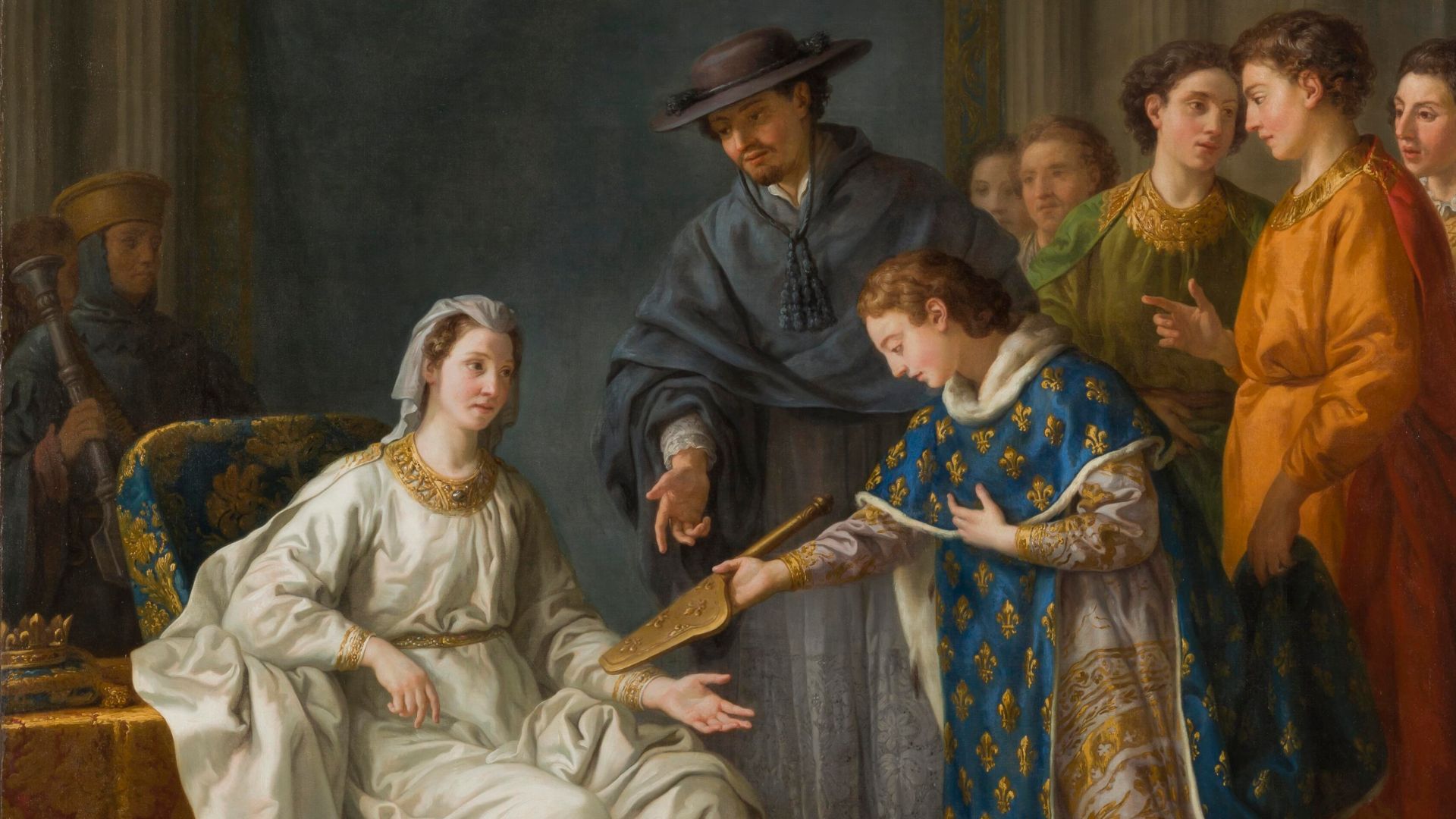
Louis VIII of France died in 1226, leaving his 12-year-old son Louis IX as king. Powerful nobles saw the minority as an opportunity to recover influence from the monarchy, placing the French crown under immediate pressure. Louis's mother, Blanche of Castile, assumed the regency and moved rapidly to protect her son's position.
 Joseph-Marie Vien, Wikimedia Commons
She Kept France Together
Blanche faced rebellious barons, military confrontations, and political coalitions questioning the authority of the young king. She used negotiation, alliances, and force to preserve royal power until Louis could govern independently. Years later, when Louis departed on crusade, Blanche again governed France as regent, confirming the political system she had helped stabilize.
 AnonymousUnknown author, Wikimedia Commons
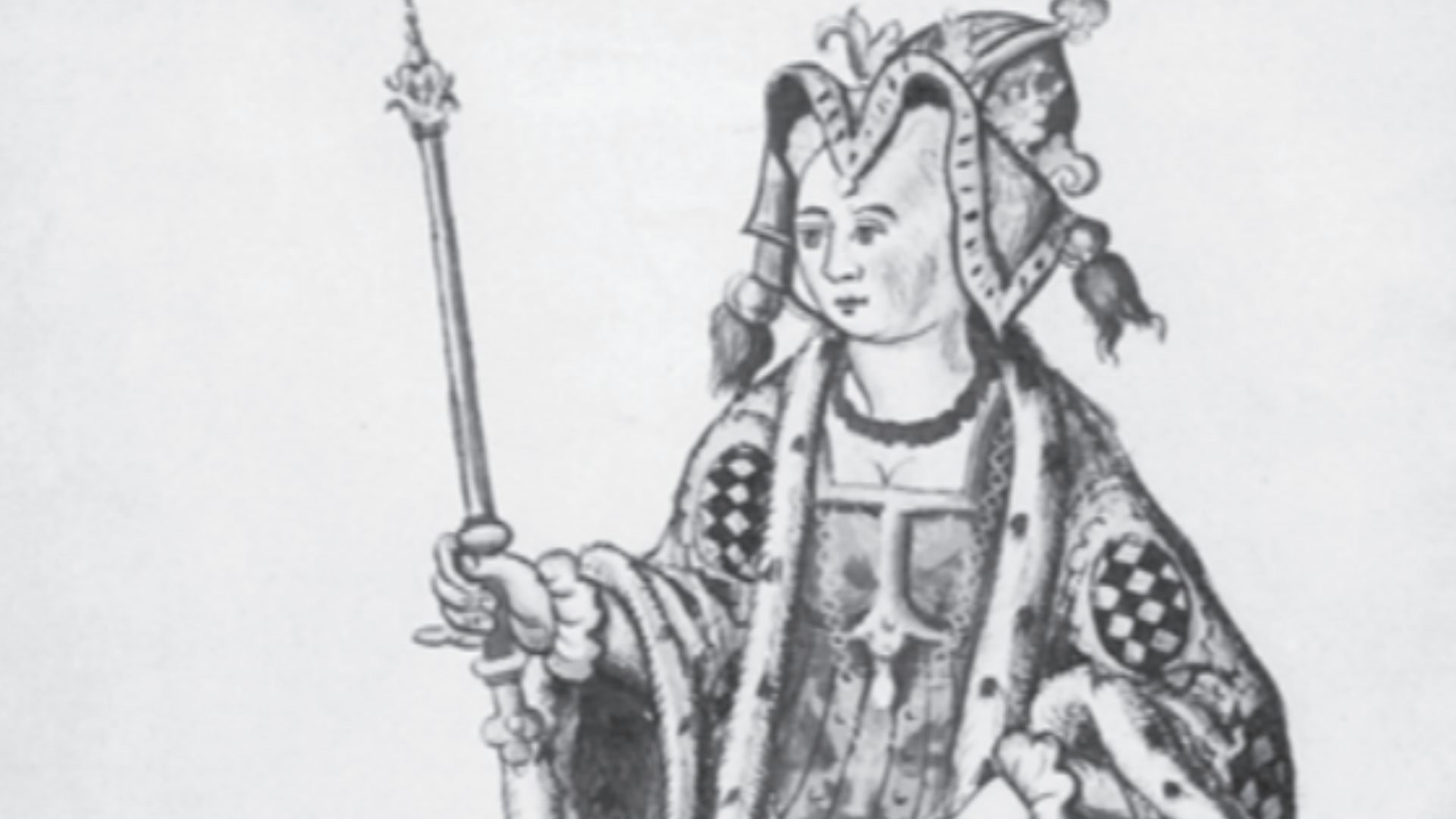
Margaret I Lost Her Son And Took Three Kingdoms
Margaret of Denmark initially exercised authority as regent for her young son Olav. When Olav died unexpectedly in 1387, the dynasty faced a succession crisis that could easily have stripped Margaret of power. Instead, she secured control in Denmark and Norway and then allied herself with Swedish nobles who wanted to overthrow King Albert of Mecklenburg.
She Built A Scandinavian Superstate
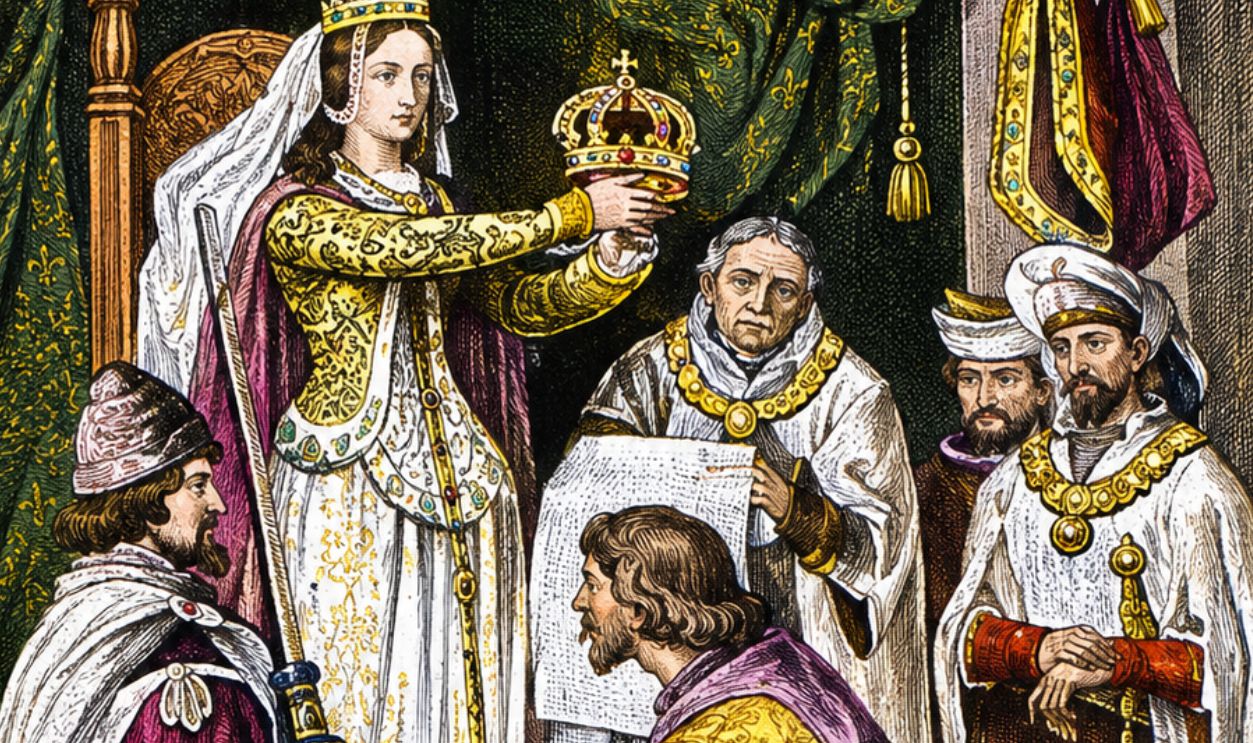
Margaret's forces defeated Albert in 1389, placing Sweden under her authority as well. In 1397, representatives of Denmark, Norway, and Sweden assembled at Kalmar and recognized a common monarch in the arrangement remembered as the Kalmar Union. Margaret remained the real political force behind the union until her death, creating a Scandinavian political structure that survived in various forms for more than a century.
 F.H., Wikimedia Commons, Enhanced
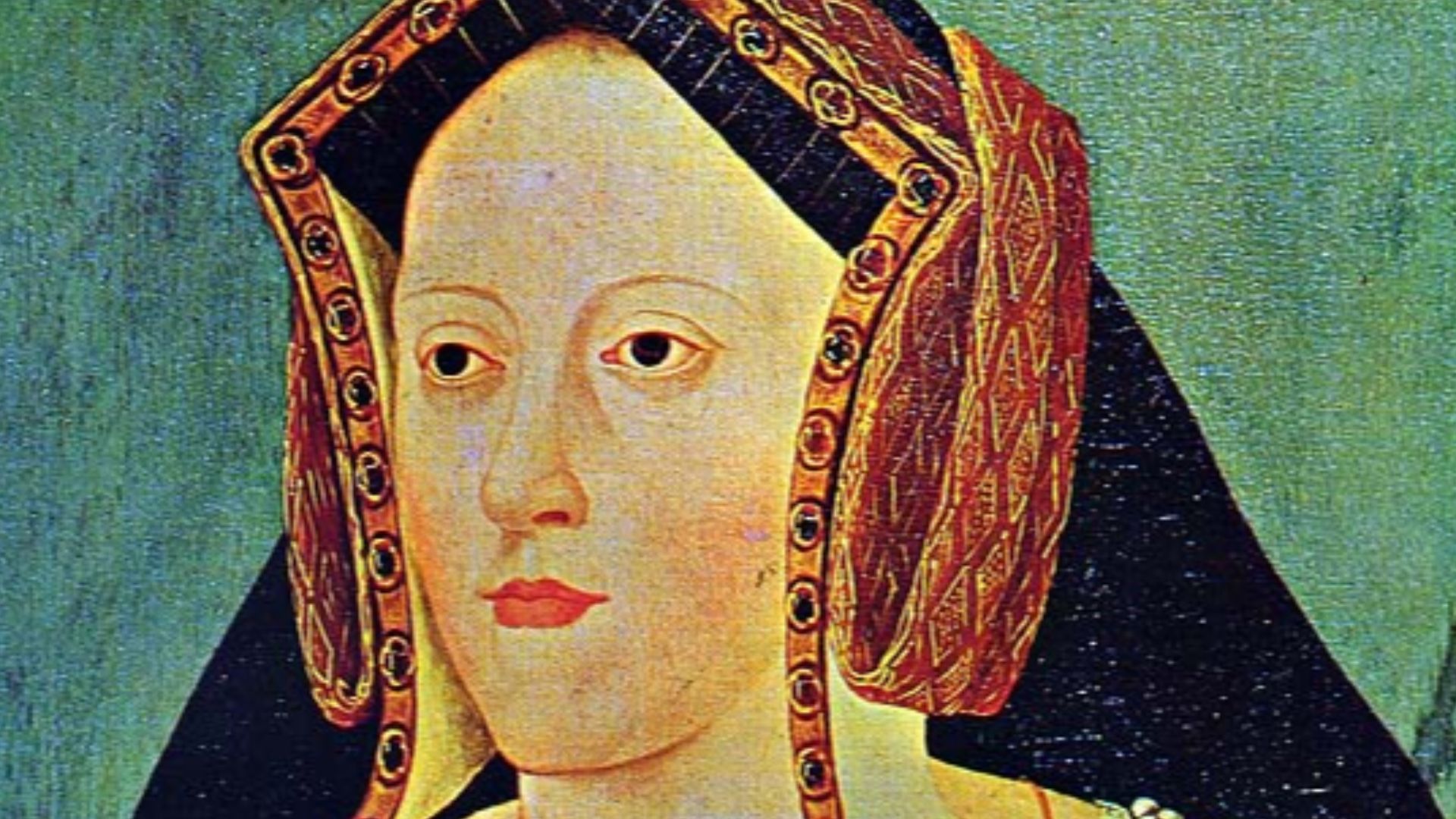
Catherine Of Aragon Became England's Regent
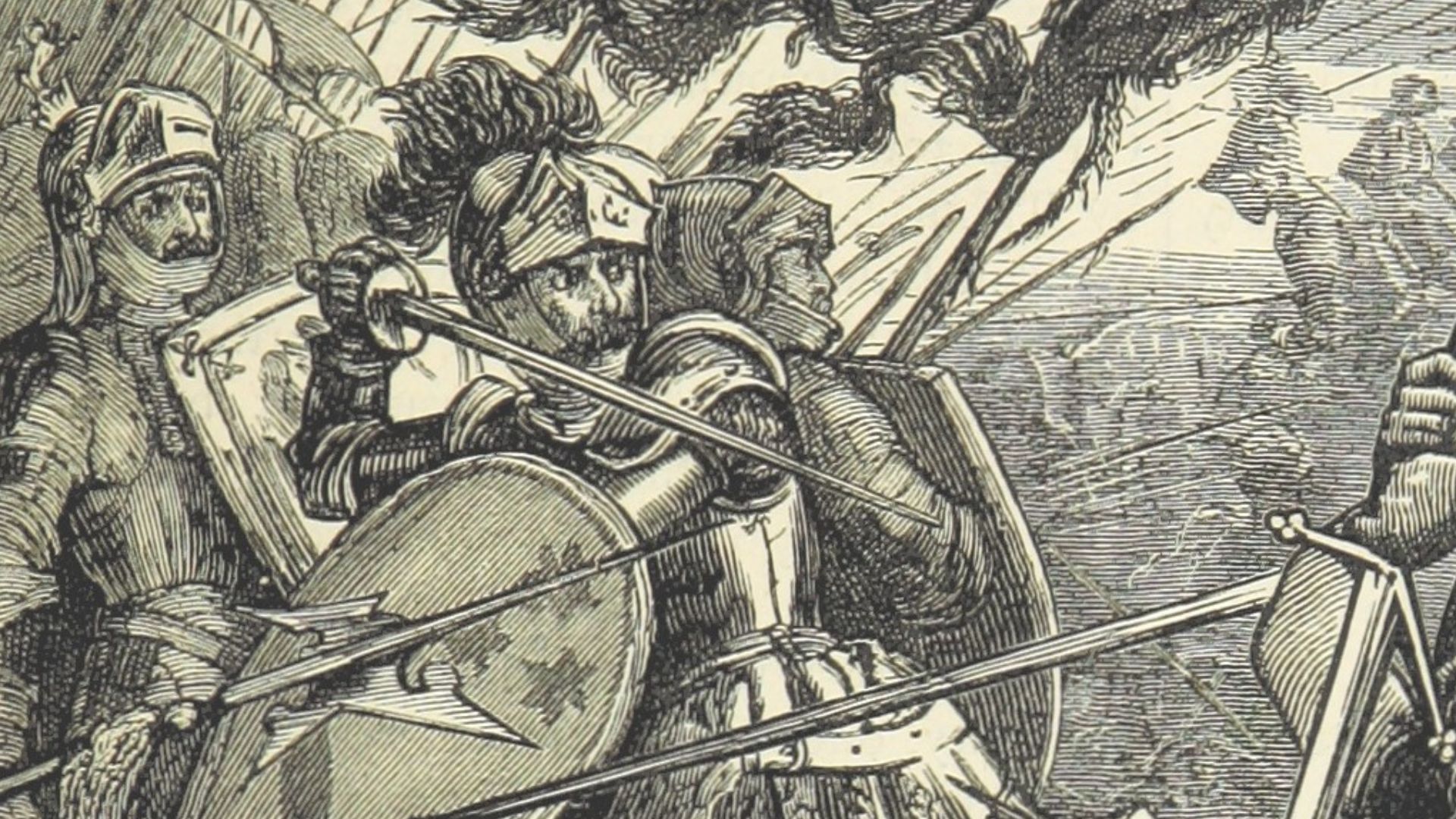
Henry VIII left England for a military campaign in France in 1513 and entrusted Catherine of Aragon with the regency. The timing was dangerous because Scotland, allied with France, soon invaded northern England under James IV. Catherine helped oversee military preparations while Henry remained across the Channel.
Flodden Changed The Scottish Crown
English forces defeated the Scots at the Battle of Flodden in September 1513, killing James IV and much of the Scottish nobility. Catherine enthusiastically reported the victory to Henry and famously sent him James's bloodied coat. Scotland was suddenly ruled in the name of the infant James V, while Catherine's successful regency became one of the clearest demonstrations of her political ability.
 James Grant (book author), Wikimedia Commons
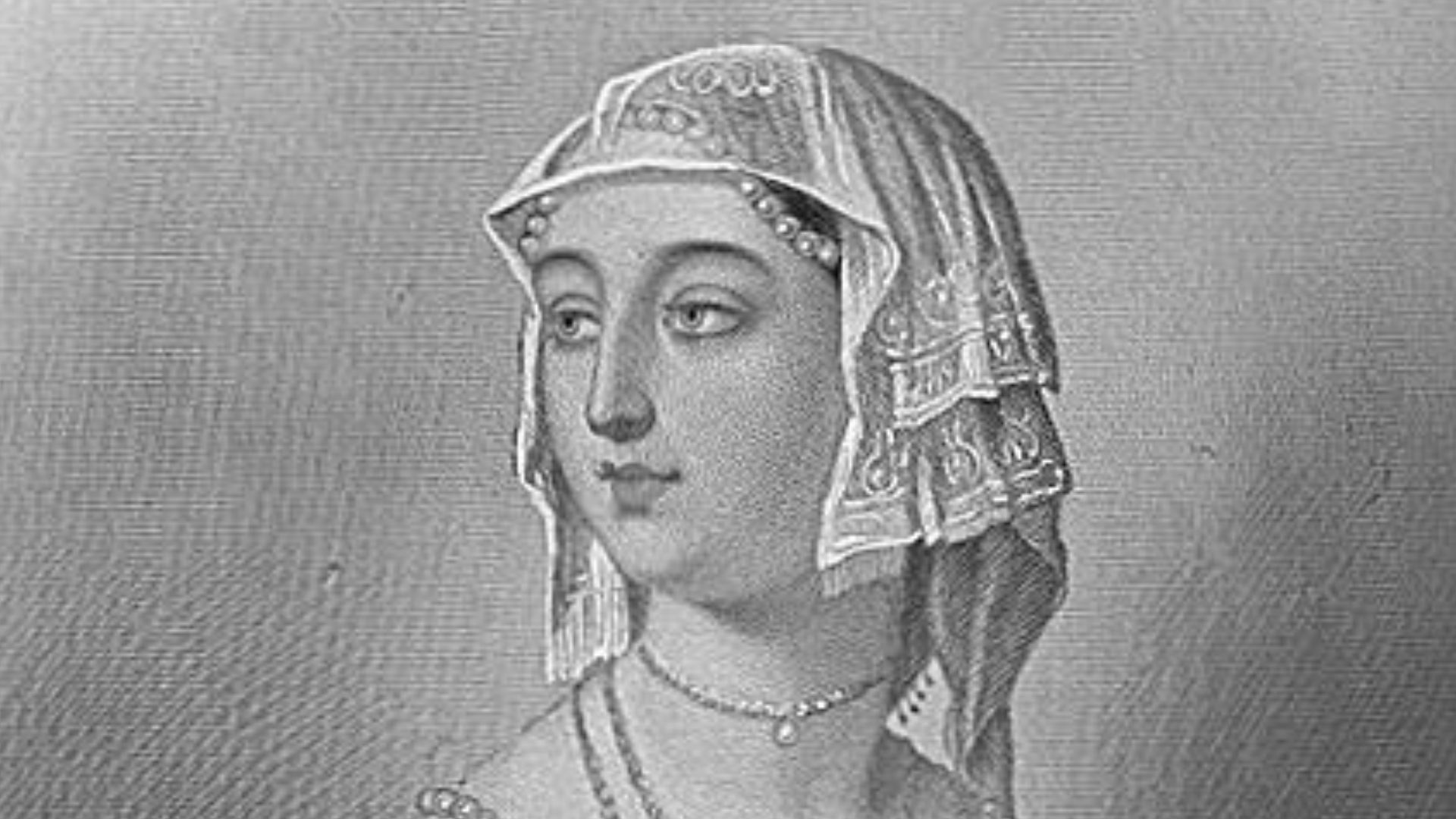
Margaret Of Anjou Stepped In For A Broken King
Henry VI suffered a severe mental health crisis in 1453 and became incapable of governing normally. His wife Margaret of Anjou had just given birth to their son Edward, making the question of who controlled the government even more dangerous. Richard, Duke of York, became protector, but Margaret increasingly acted to defend the political rights of her husband and child.
 William Henry Mote / Pierre Gustave Staal, Wikimedia Commons
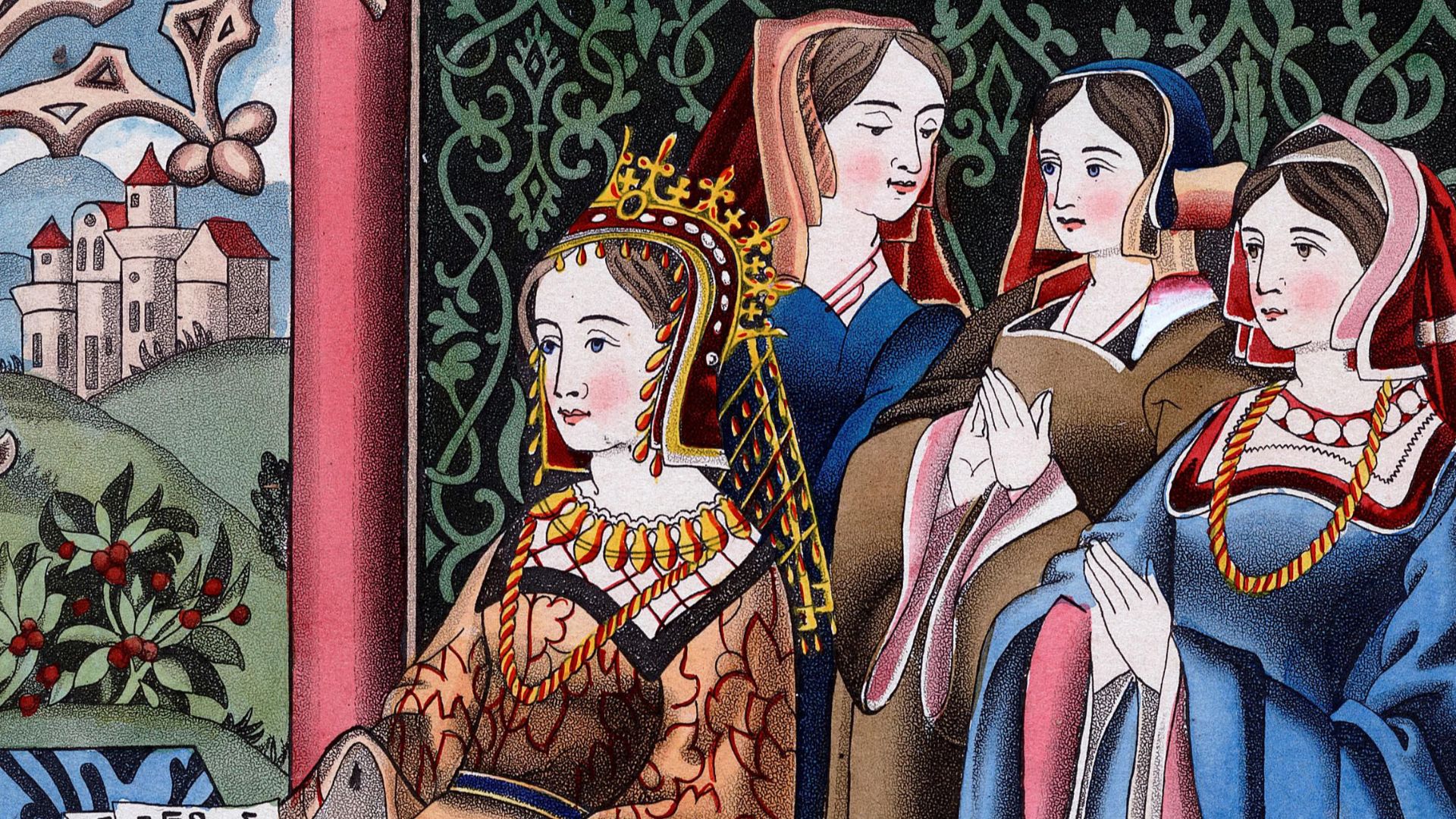
She Became The Lancastrian War Leader
As tensions hardened into the Wars of the Roses, Margaret emerged as one of the driving forces on the Lancastrian side. She built alliances, raised support, survived repeated defeats, and twice helped restore Henry after Yorkist victories. Her intervention did not ultimately save the dynasty, but it transformed a court struggle into a sustained fight over who would rule England.
 Unknown authorUnknown author, Wikimedia Commons
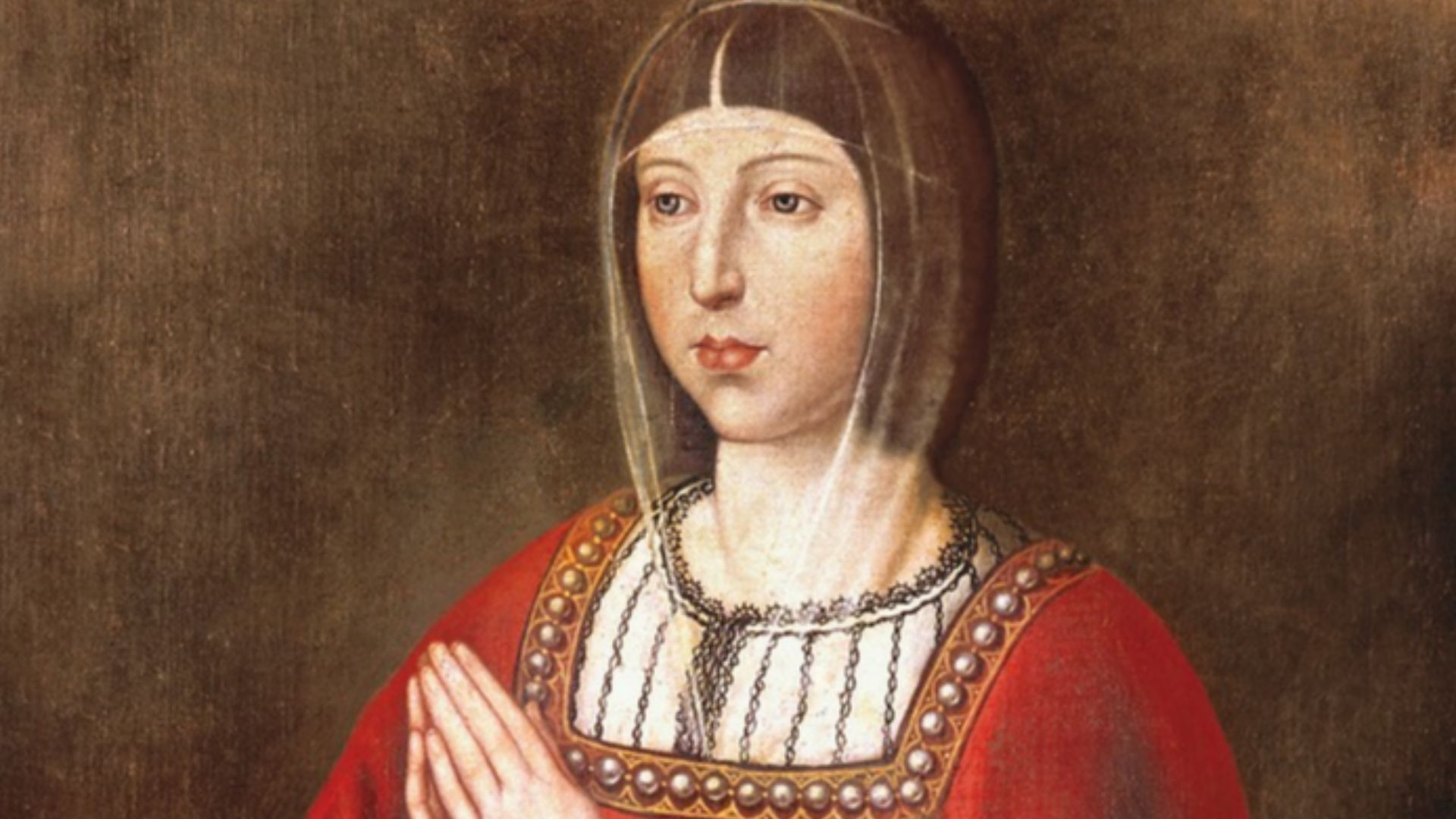
Isabella Had To Win Her Own Throne
When Henry IV of Castile died in 1474, Isabella proclaimed herself queen, but her succession was immediately disputed. Supporters of her niece Juana challenged the claim, with Portugal backing Juana militarily. Isabella's reign therefore opened not with a peaceful coronation but with a civil and international war over whether she had any right to rule at all.
 Unknown authorUnknown author, Wikimedia Commons
Victory Let Isabella Remake Castile
By 1479, Isabella's position had survived the succession war. Her partnership with Ferdinand of Aragon strengthened dynastic links between Castile and Aragon, while their reign later saw the conquest of Granada and sponsorship of Christopher Columbus's Atlantic voyage. Isabella's rise from disputed claimant to secure monarch helped reshape both the Iberian Peninsula and the wider world, though her policies also included severe religious persecution and forced conversion.
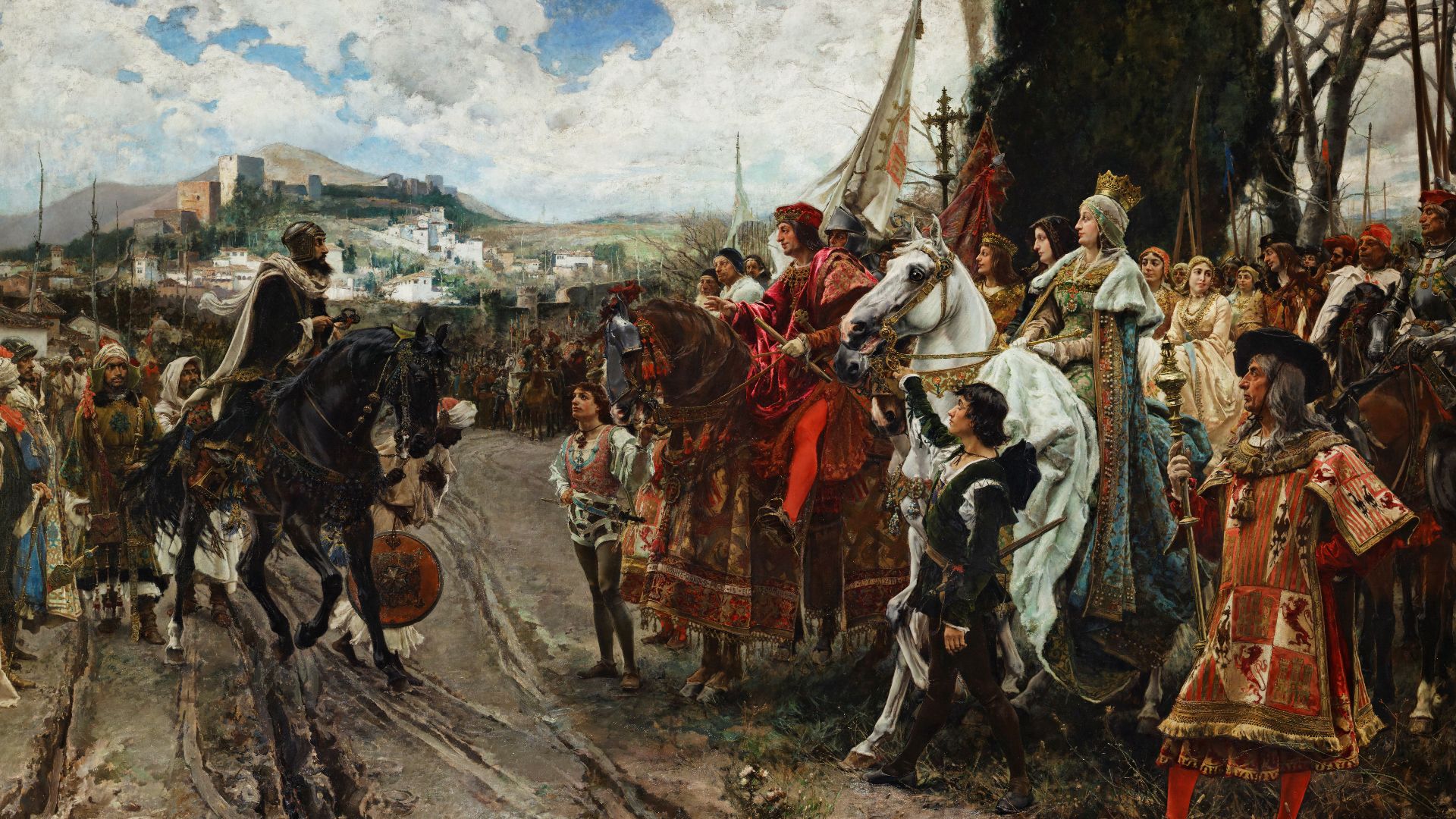 Francisco Pradilla y Ortiz, Wikimedia Commons
Tamar Faced Revolt Almost Immediately
Tamar became sole ruler of Georgia in 1184 after previously serving as co-ruler with her father. Powerful nobles initially attempted to limit the authority of a woman monarch and pressured her into a marriage with Yuri Bogolyubsky. Tamar later ended the marriage, after which Yuri returned with supporters and launched rebellions against her.
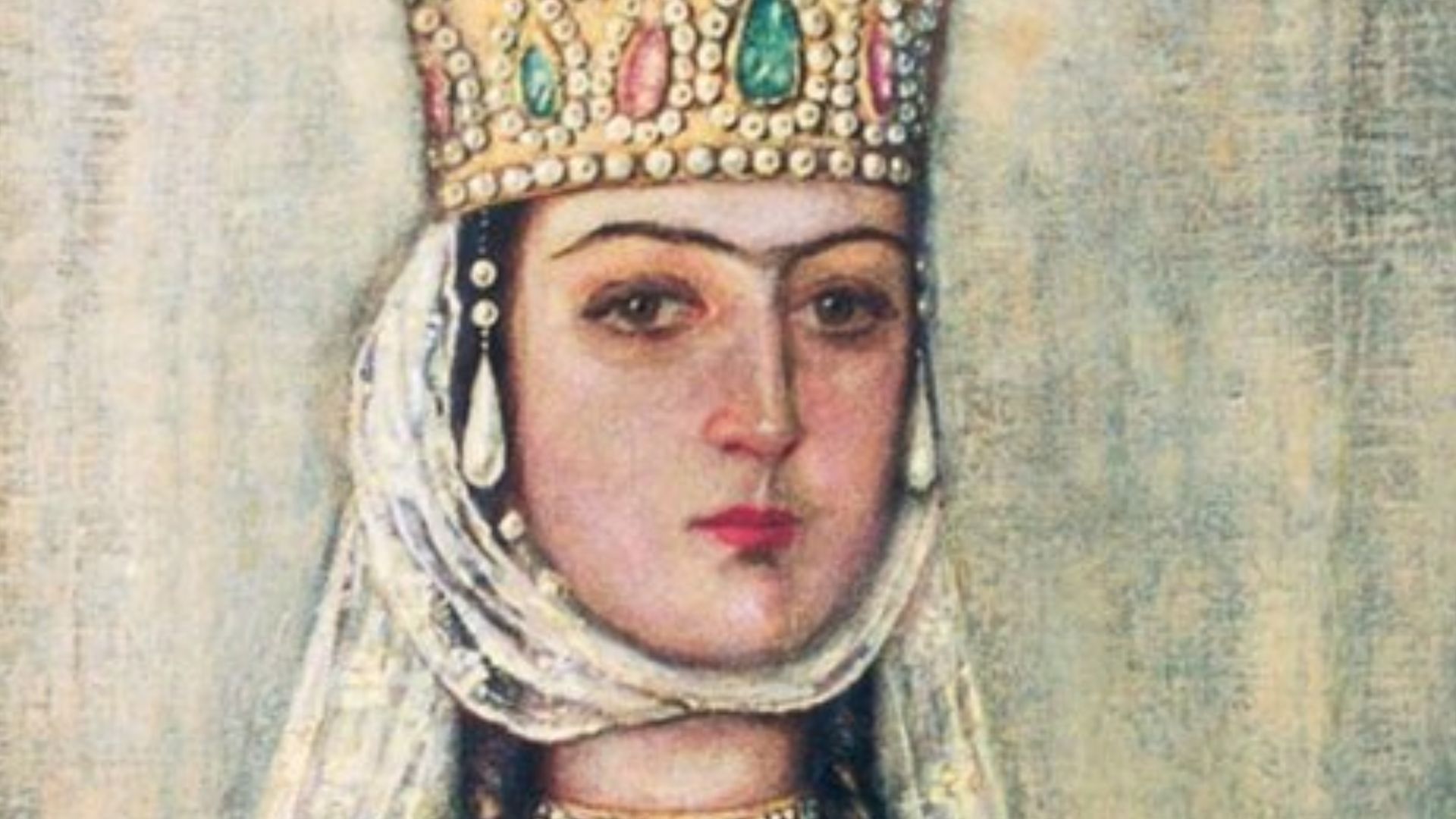 Unknown authorUnknown author, Wikimedia Commons
She Turned Crisis Into A Golden Age
Tamar defeated the challenges to her rule and established herself as Georgia's unquestioned monarch. Georgian forces won major victories during her reign, while the kingdom expanded its political influence across the Caucasus. Her era became so closely associated with medieval Georgian strength and culture that it is still remembered as part of the country's Golden Age.
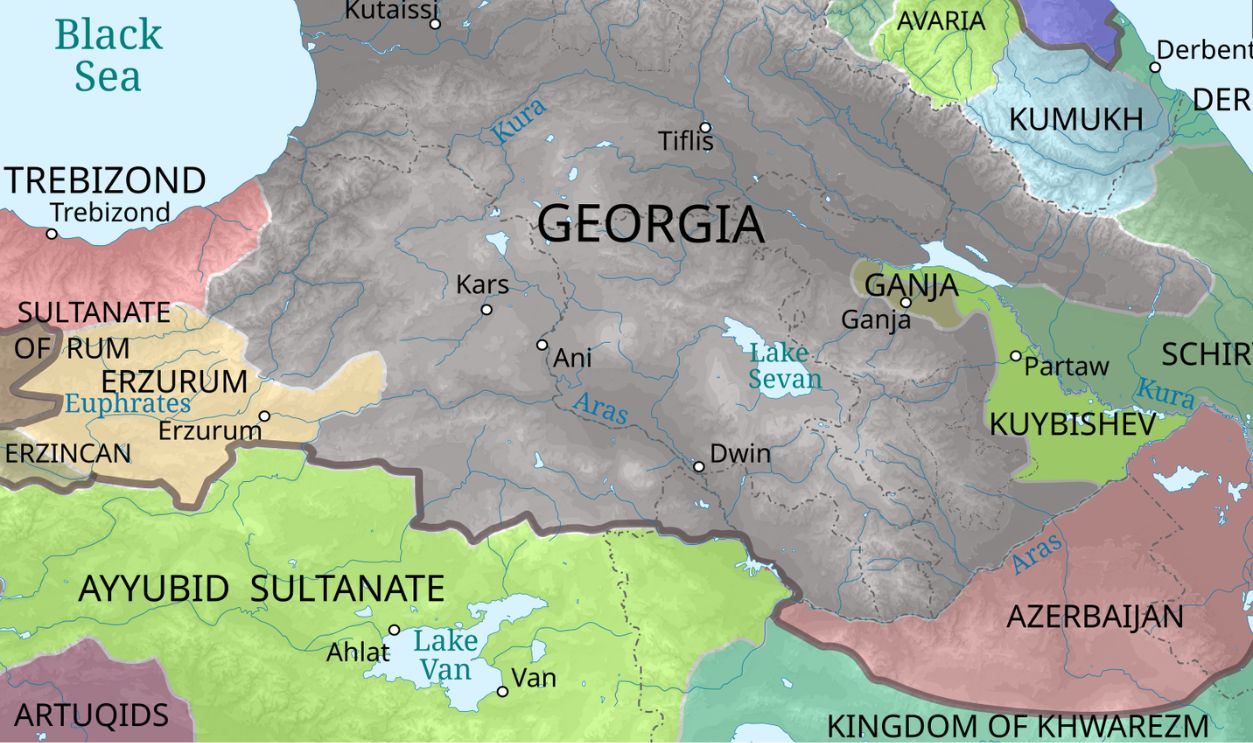 Maproom, Don-kun, Bourrichon, Wikimedia Commons
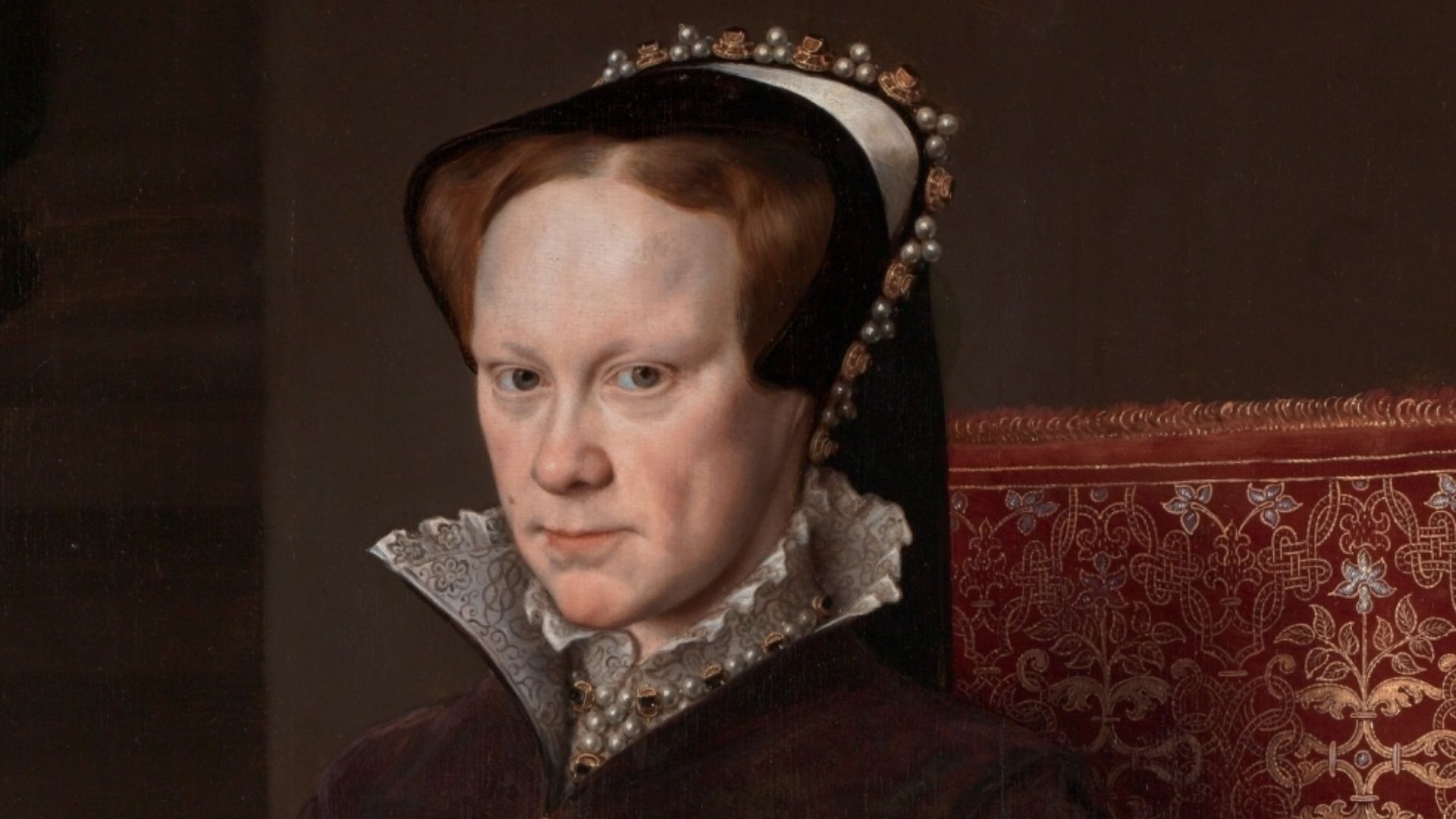
Mary Tudor Beat A Rival To London
Edward VI's death in 1553 produced one of England's most dangerous succession crises. His supporters attempted to bypass his Catholic half-sister Mary and place Lady Jane Grey on the throne instead. Mary responded by gathering supporters in East Anglia and asserting that she was England's lawful queen.
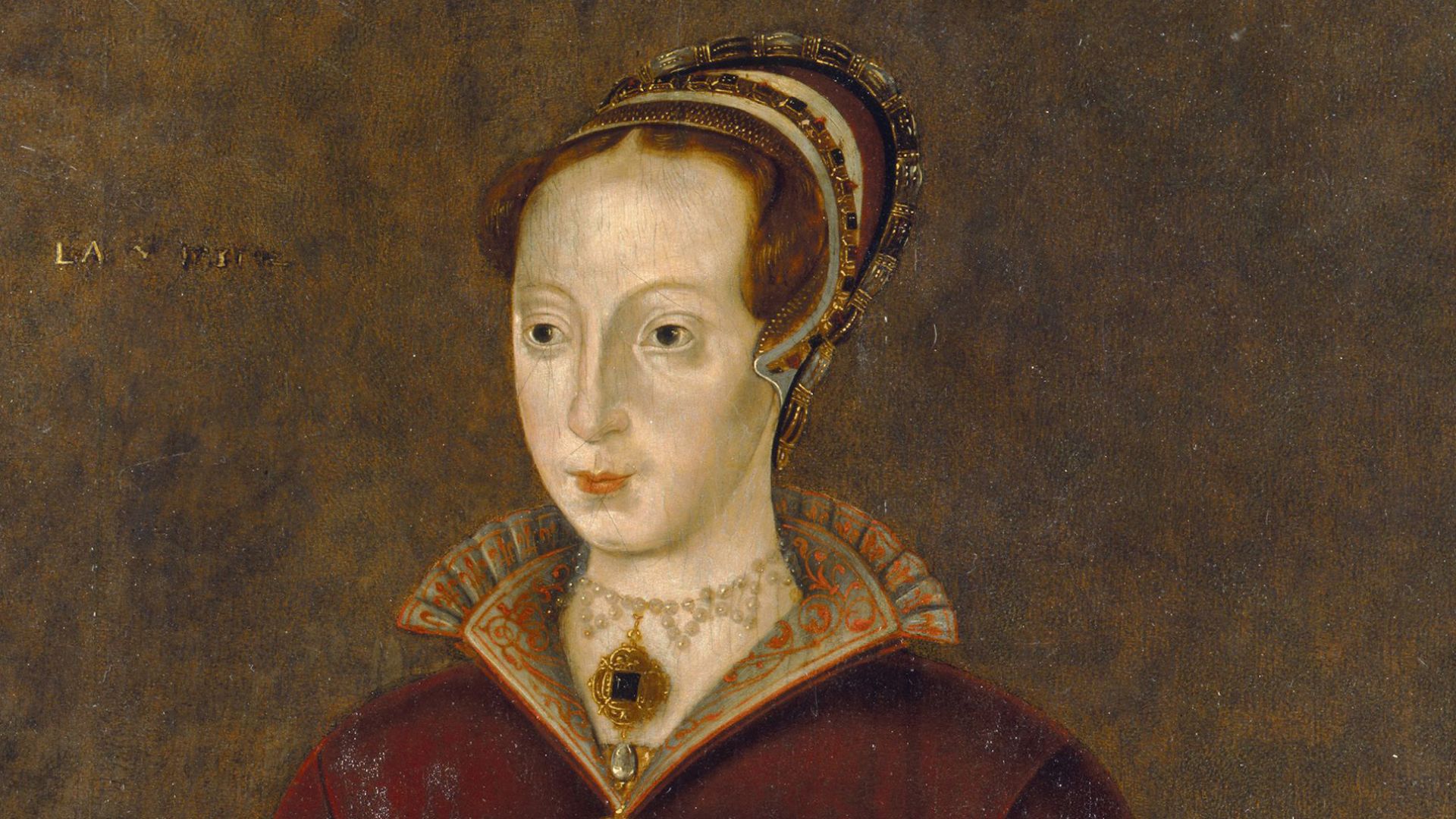 Unidentified painter, Wikimedia Commons
Her Victory Changed What A Queen Could Be
Political support swung toward Mary with remarkable speed, and Jane's regime collapsed after only days. Mary became the first crowned queen regnant of England in centuries, forcing lawmakers and political elites to confront the practical question of whether a woman could exercise the full authority of a king. Legislation during her reign confirmed that a queen ruling in her own right possessed royal authority rather than merely the status of a king's wife.
 Antonis Mor, Wikimedia Commons
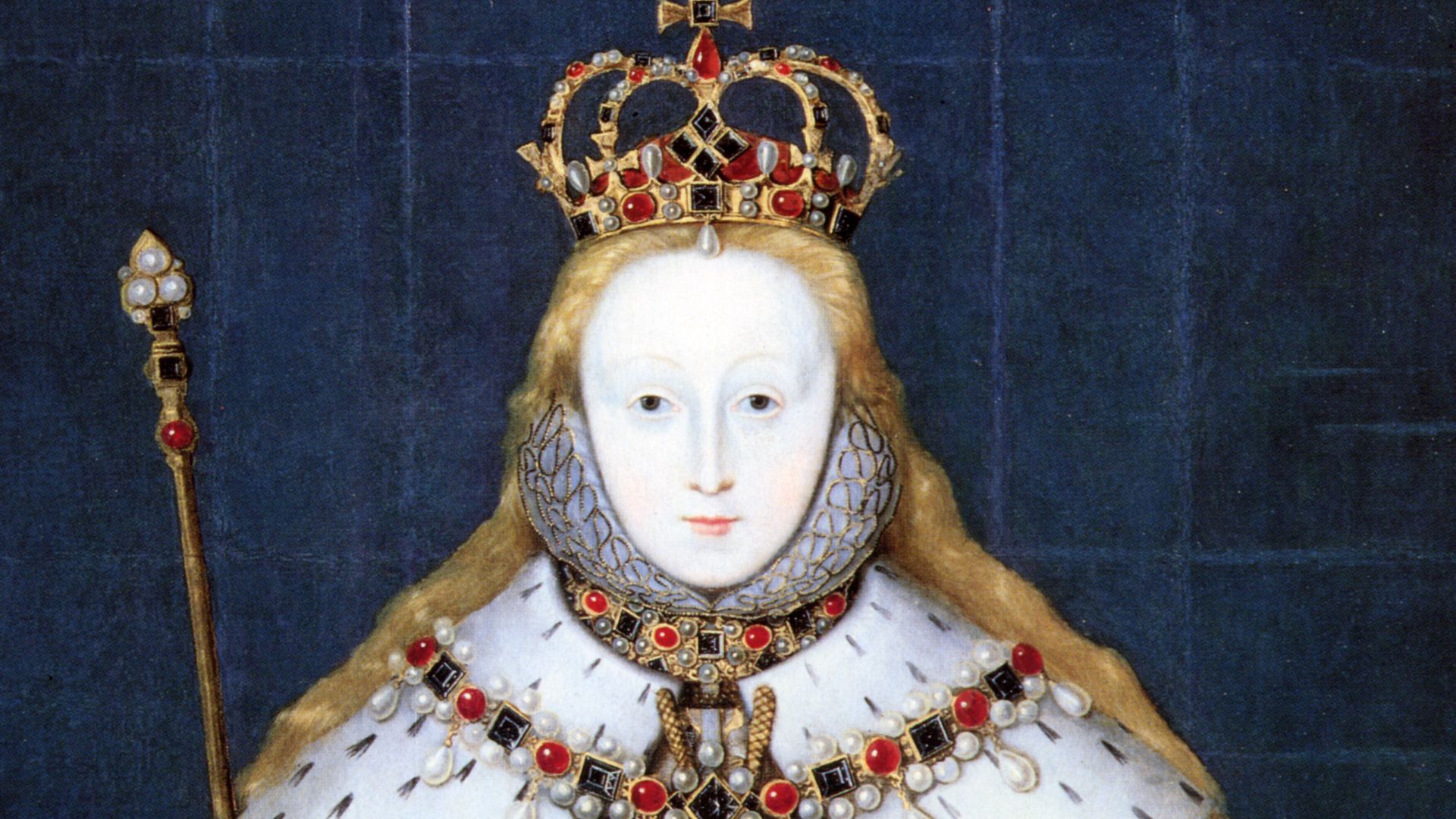
Elizabeth Inherited A Country In Trouble
Elizabeth I became queen in 1558 after years of religious upheaval, war with France, and anxiety over the succession. She inherited a government facing financial problems and a society divided sharply between Catholic and Protestant expectations. Even the idea of an unmarried woman governing indefinitely remained deeply controversial.
 After Levina Teerlinc, Wikimedia Commons
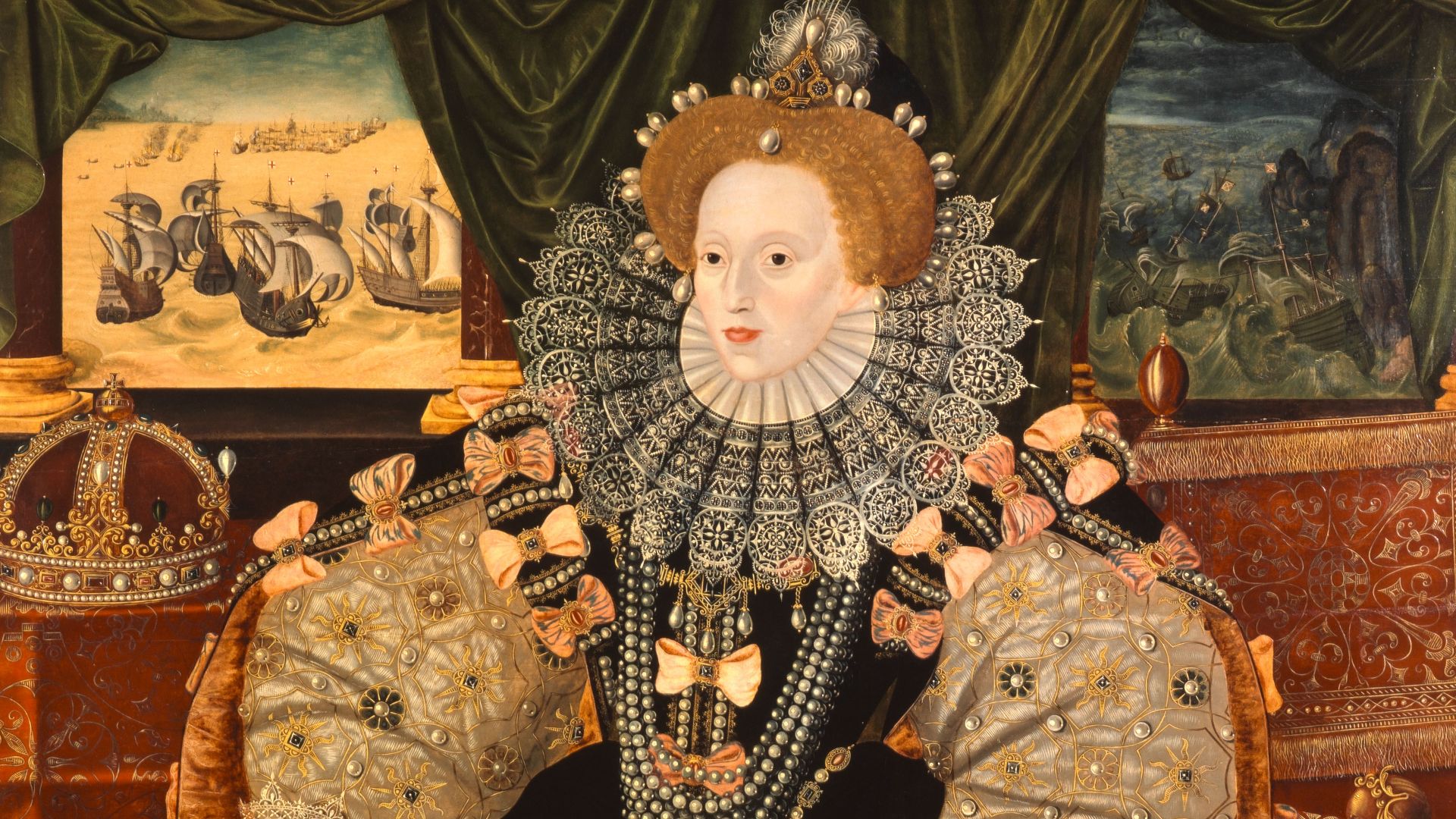
She Turned Survival Into A Political System
Elizabeth established a Protestant religious settlement while carefully resisting repeated demands that she marry. Her government survived Catholic plots, conflict with Spain, and the Spanish Armada of 1588. By the time she died after 44 years on the throne, female sovereignty had moved from political experiment to an established fact of English government.
 Formerly attributed to George Gower, Wikimedia Commons
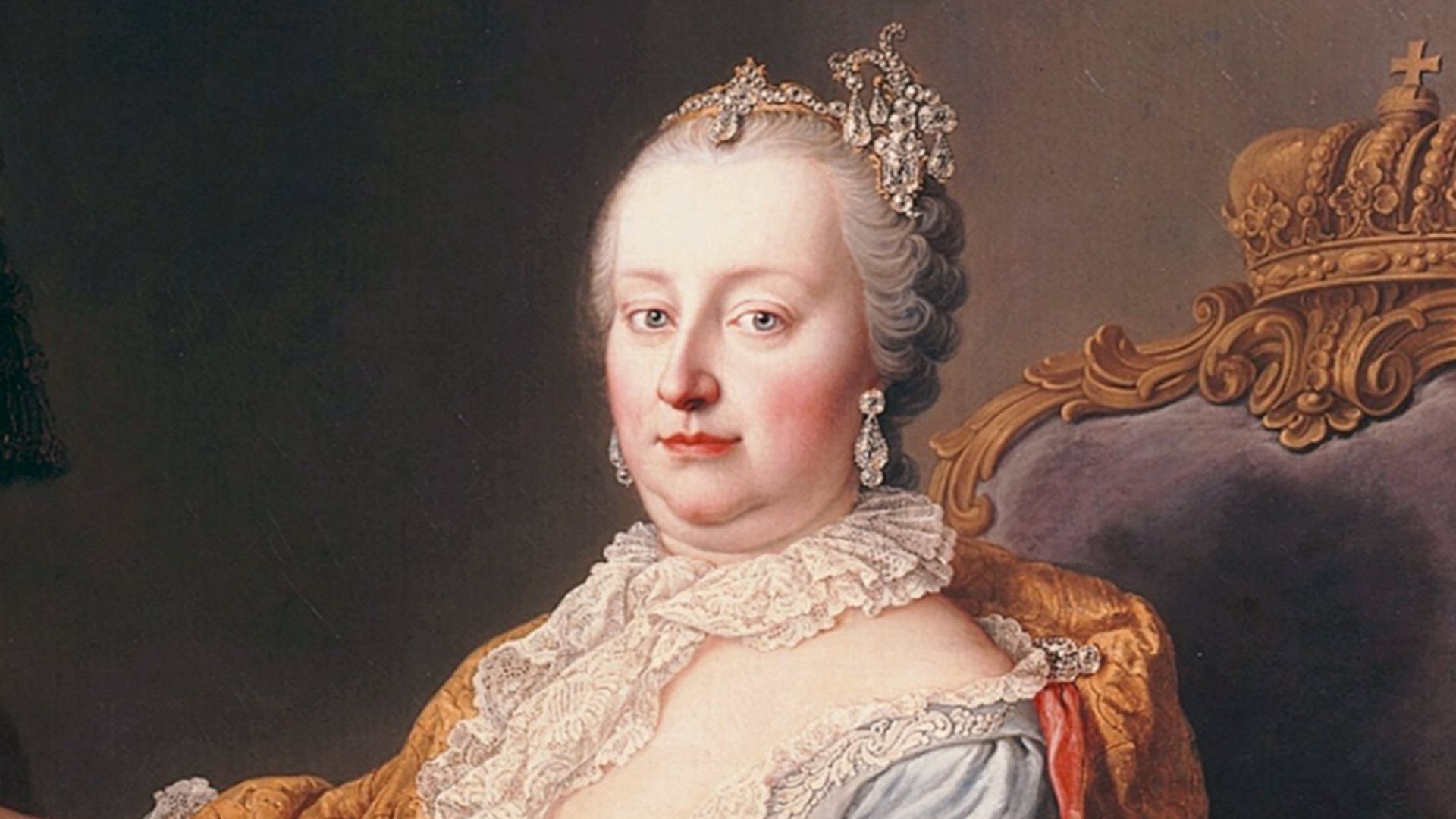
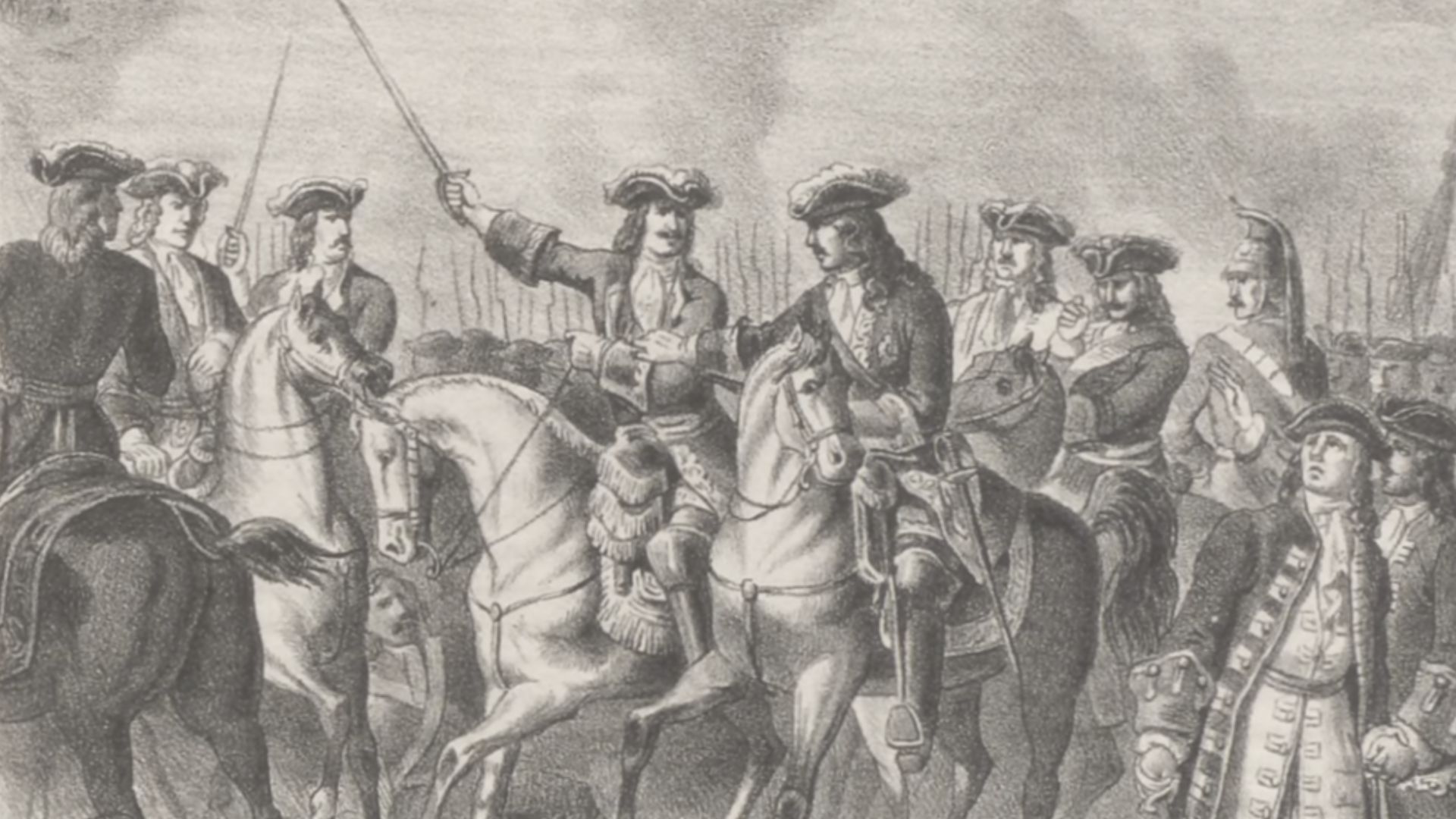
Maria Theresa Inherited A Monarchy Under Attack
Maria Theresa was only 23 when her father Charles VI died in 1740. Although the Pragmatic Sanction was intended to protect her inheritance, several European powers challenged her right to rule, while Frederick II of Prussia invaded Silesia almost immediately. The Habsburg Monarchy suddenly faced a war for its territory and its survival.
 Martin van Meytens, Wikimedia Commons
She Built A Stronger State From The Crisis
Maria Theresa ultimately preserved most of the Habsburg inheritance through the War of the Austrian Succession, although she lost Silesia to Prussia. The experience convinced her government that military, financial, educational, and administrative reforms were urgently needed. Her reign helped transform the Habsburg lands into a more centralized and durable state capable of remaining one of Europe's major powers.
 Josep Serra i Porson, Wikimedia Commons
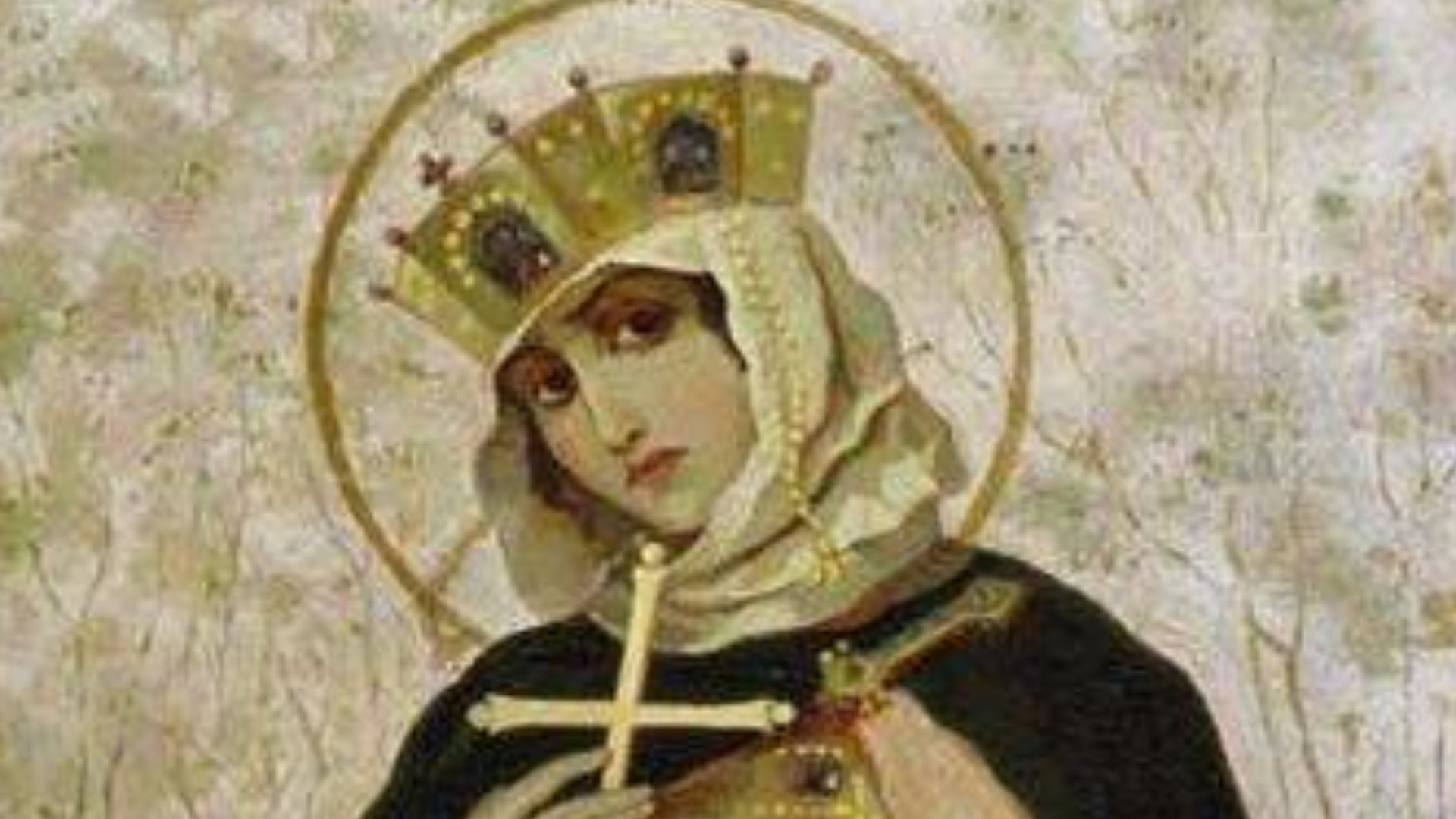
Olga Took Over After Her Husband Was Killed
Prince Igor of Kiev was killed in 945 by the Drevlians while collecting tribute, leaving his young son Sviatoslav unable to rule. His widow Olga became regent of Kievan Rus. Later chronicles turned her retaliation against the Drevlians into a spectacular series of revenge stories, though historians caution that many details are legendary.
 Mikhail Nesterov, Wikimedia Commons
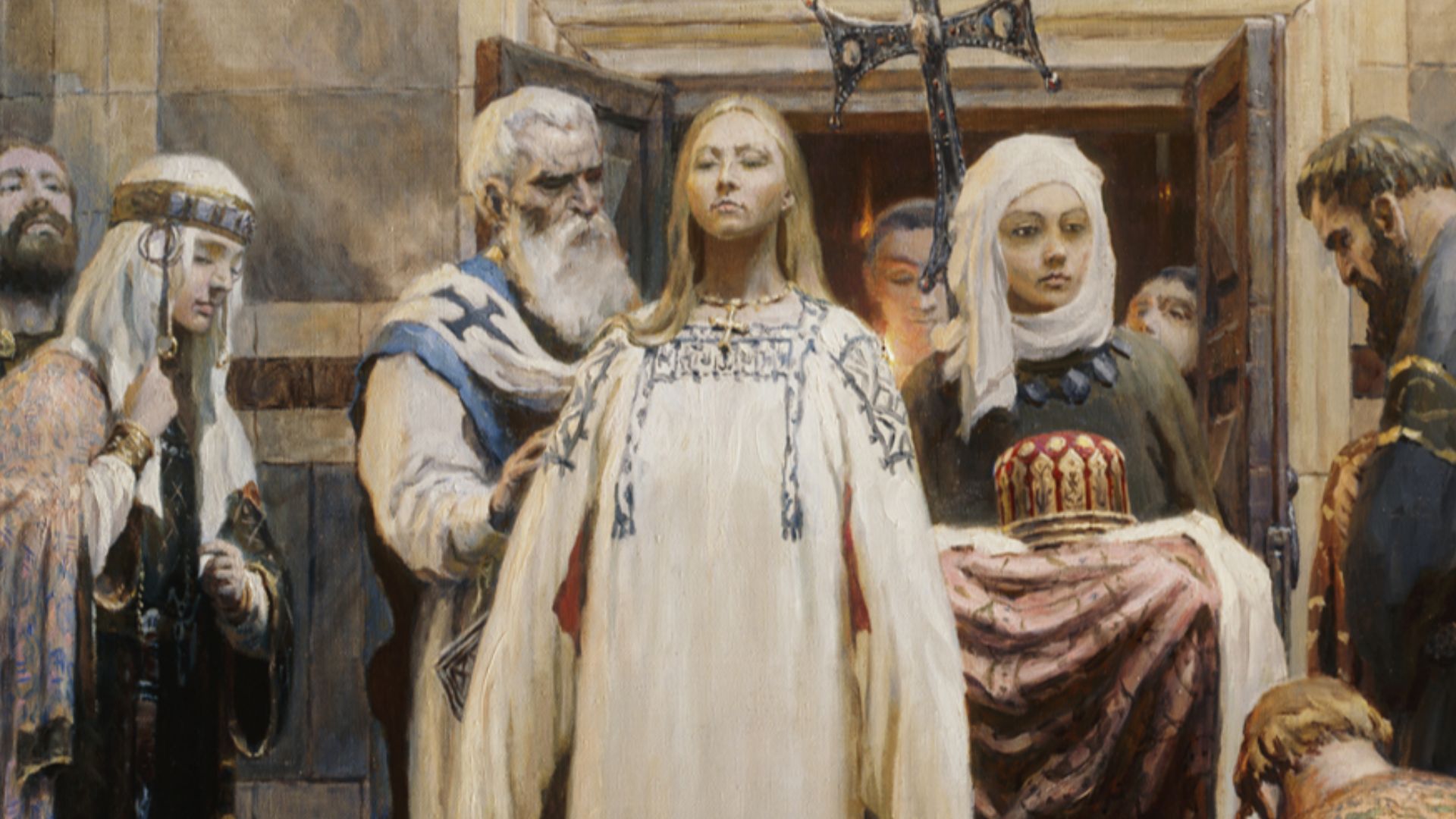
She Changed How The State Collected Power
Beneath the legends, Olga's government introduced important changes to tribute collection by establishing more regularized collection sites and obligations. She also became the first ruler of Kievan Rus known to have converted to Christianity, decades before her grandson Vladimir made Christianity central to the state. Her regency therefore mattered far beyond the bloody stories attached to her name.
 Sergei Kirillov, Wikimedia Commons
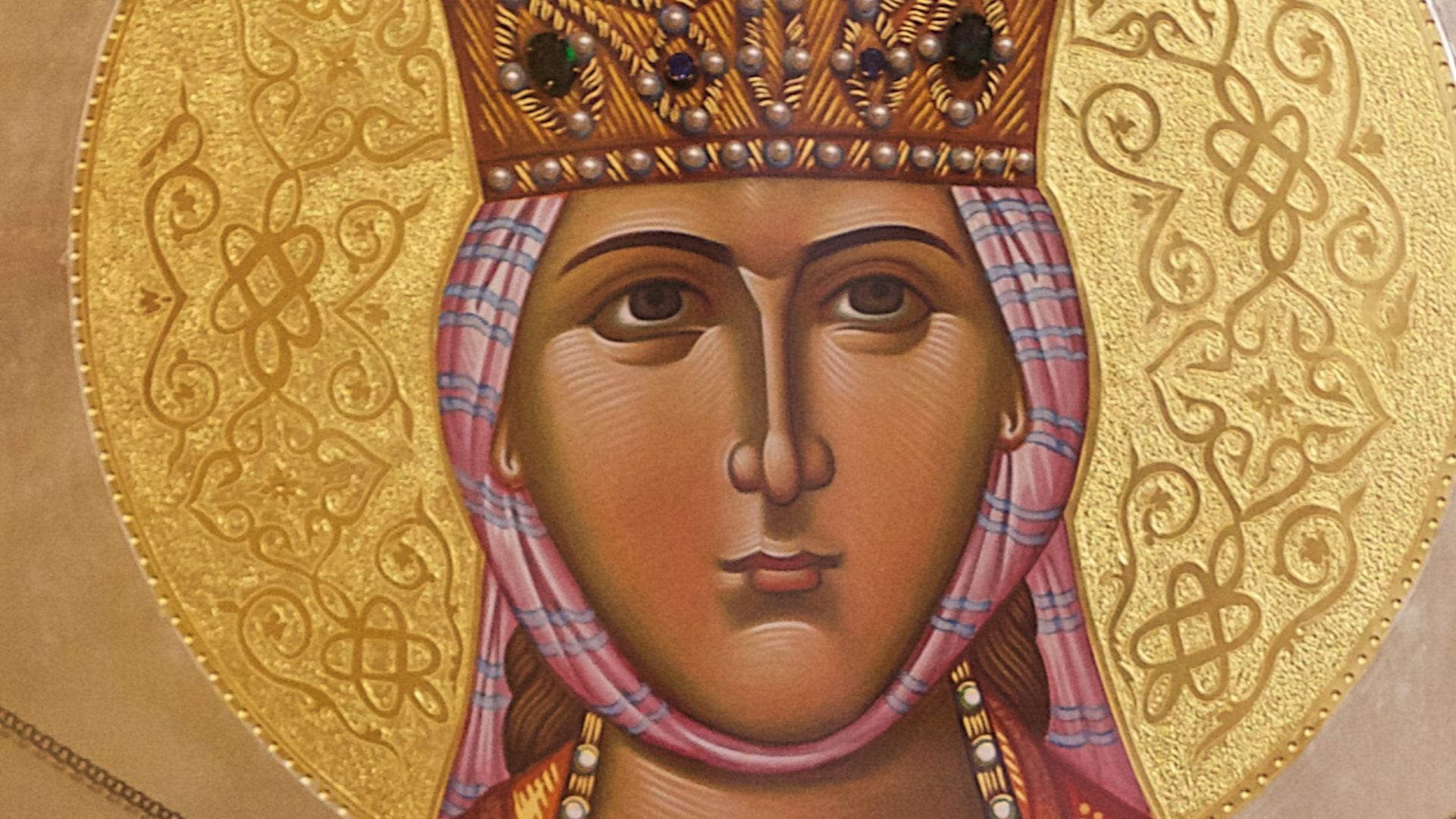
Crisis Had Changed The Rules
Most of these women did not take power because their societies suddenly became comfortable with female rule. They took it because war, death, rebellion, or succession failure made familiar arrangements impossible, and then proved that the emergency authority they had been handed could reshape a kingdom for generations.
 Tony Bowden from Tallinn, Estonia, Wikimedia Commons
You May Also Like:
Outrageous Facts About Royal Scandals
Deranged Historical Figures That No One Has Heard Of
These Doomed Royals Met Horrific Ends
Sources: 1, 2, 3, 4, 5, 6, 7, 8, 9, 10, 11, 12, 13, 14, 15, 16, 17, 18, 19