Sometimes History Turns On A Terrible Idea
History isn't only shaped by brilliant plans and carefully calculated decisions. Sometimes an invasion goes catastrophically wrong, somebody ignores a warning, engineers miss a tiny detail, or a government confidently solves one problem by creating a much bigger one. The mistake may take seconds. Cleaning up the consequences can take generations.
 Unknown Author, Wikimedia Commons
The Great Molasses Flood Engineering Failure
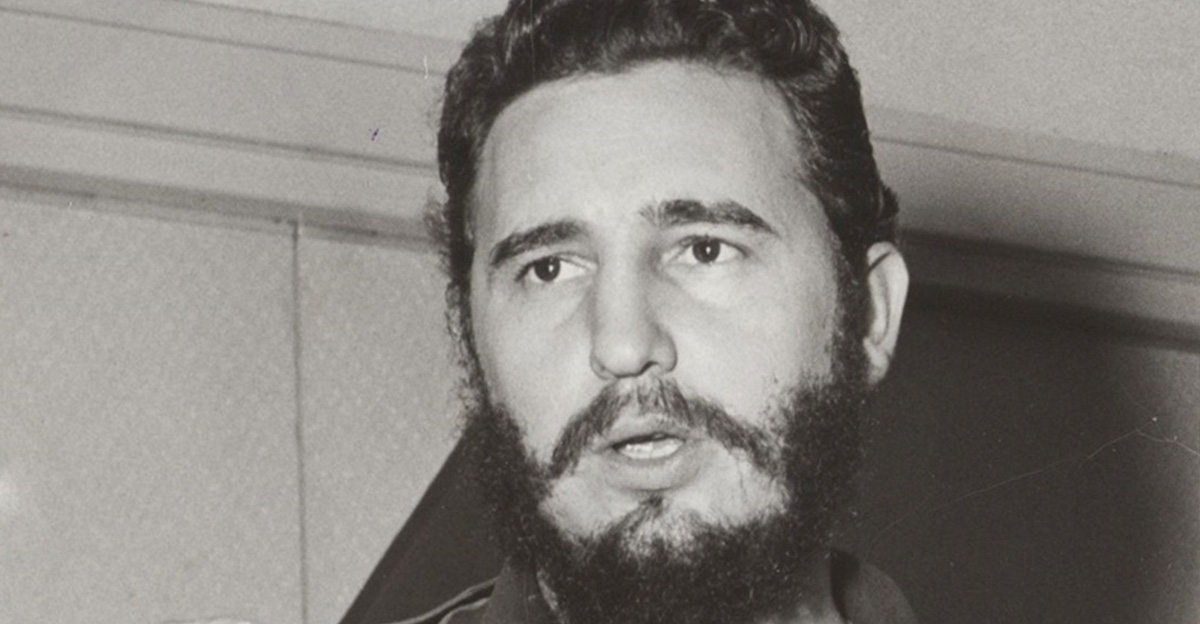
Boston's Great Molasses Flood sounds ridiculous until you see the aftermath. On January 15, 1919, a massive storage tank in the North End ruptured and released roughly 2.3 million gallons of molasses into surrounding streets. 21 people lost their lives and around 150 were injured. The tank had reportedly leaked and shown troubling signs before the disaster, while its construction became a major focus of the litigation that followed. The case helped push engineering toward greater accountability, testing, and professional standards. A tank built to store an ordinary industrial product became a deadly lesson in what happens when basic safeguards are treated as optional.
The Thalidomide Disaster
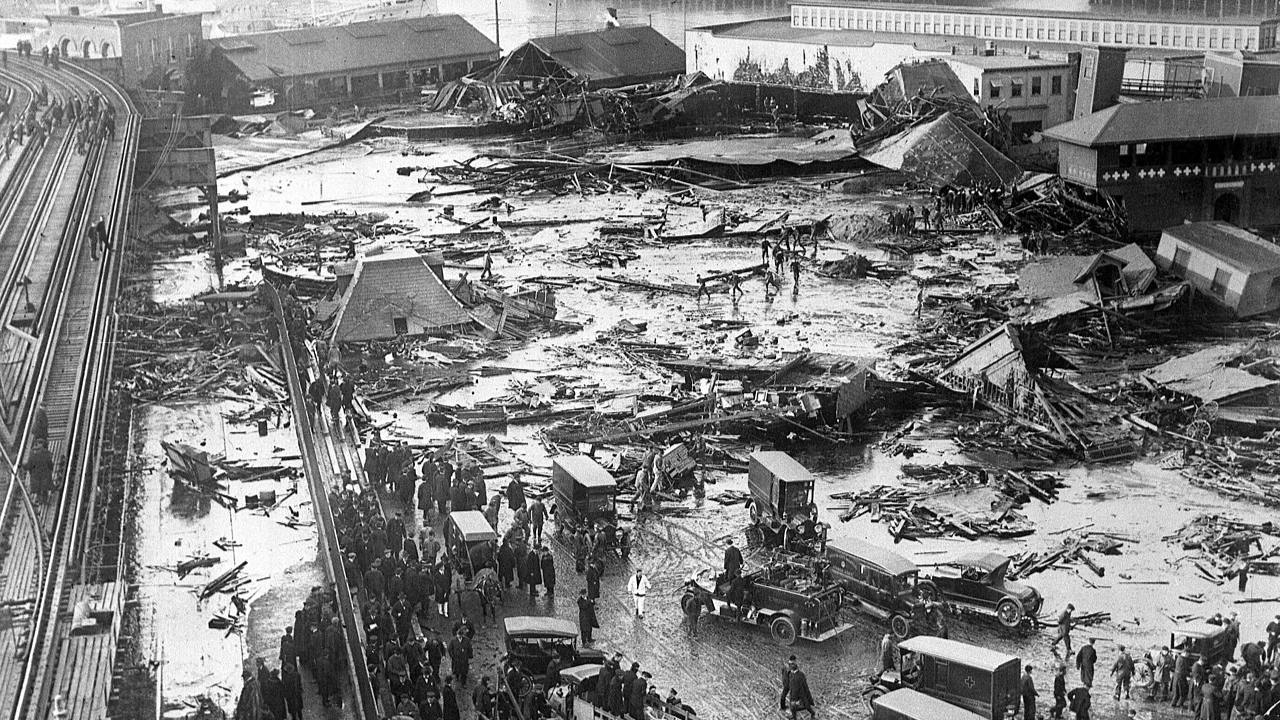
Thalidomide was marketed in numerous countries as a sedative and treatment for pregnancy-related nausea before its devastating effects on fetal development became clear. Thousands of children were born with severe birth defects. The United States largely escaped the scale of the catastrophe because FDA reviewer Frances Kelsey refused to approve the medication without stronger safety evidence. Internationally, the tragedy transformed expectations surrounding pharmaceutical testing. In the US, it helped build support for the 1962 Kefauver-Harris amendments, which strengthened drug-safety rules and required manufacturers to provide substantial evidence that new medications actually worked before marketing them.
 The photographer is unknown., Wikimedia Commons
Introducing Rabbits To Australia
European rabbits had appeared in Australia before the mid-19th century, but a famous release in Victoria in 1859 helped establish the population that spread catastrophically across the continent. Rabbits reproduced at staggering speed, devouring vegetation, competing with native animals, damaging crops, and contributing to erosion. Australia responded with fences, hunting campaigns, poisons, diseases, and decades of expensive control programs. What began as an effort to provide familiar game animals for hunting became one of the world's most notorious invasive-species problems. Few imported animals have demonstrated the danger of assuming a species will behave abroad exactly as it did back home.
 JJ Harrison (https://www.jjharrison.com.au/), Wikimedia Commons
Introducing Cane Toads To Australia
Australia tried to solve one biological problem with another in the 1930s. Cane toads were introduced into Queensland in hopes that they'd eat beetles damaging sugar cane. Unfortunately, the toads weren't particularly effective at reaching the target pests. They were, however, exceptionally effective at surviving, reproducing, spreading, and poisoning native predators that tried to eat them. Their range expanded across northern Australia, creating an ecological problem that continues today. The entire episode became a near-perfect example of why releasing a foreign species to control another species can produce a result much worse than the original complaint.
 Benjamint444, Wikimedia Commons
Napoleon Invading Russia In 1812
Napoleon entered Russia in 1812 with an enormous multinational army and expectations of forcing Tsar Alexander I into a decisive confrontation. Instead, Russian forces repeatedly withdrew, supplies became harder to obtain, disease spread, horses perished, and Napoleon's logistical system struggled with the incredible distances involved. Moscow's capture brought no useful surrender, leaving the French emperor deep inside hostile territory as conditions deteriorated. The disastrous retreat shattered much of the Grande Armée. Napoleon didn't fall immediately, but the catastrophe badly weakened his combat strength and encouraged European powers to unite against him.
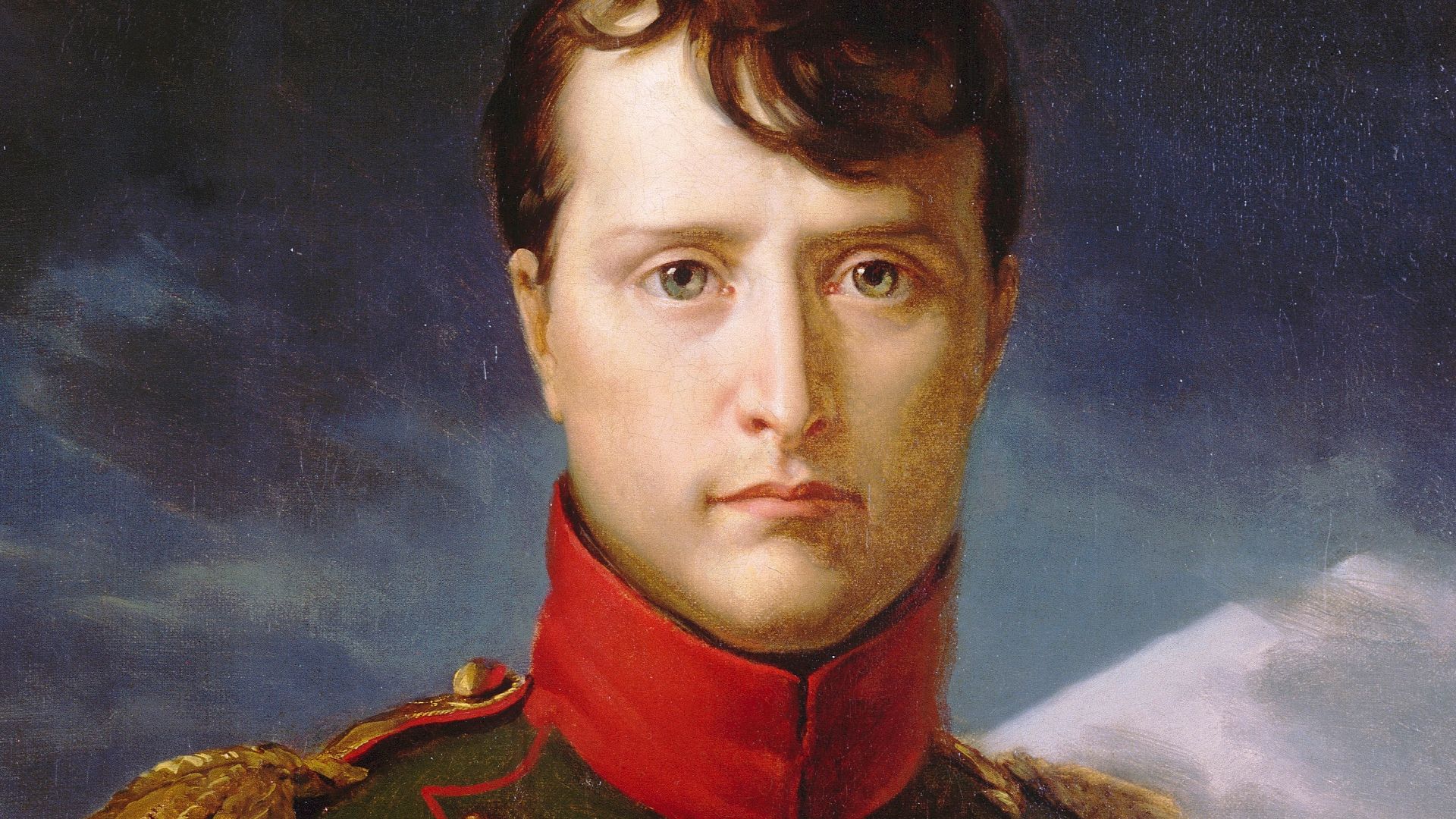 François Gérard, Wikimedia Commons
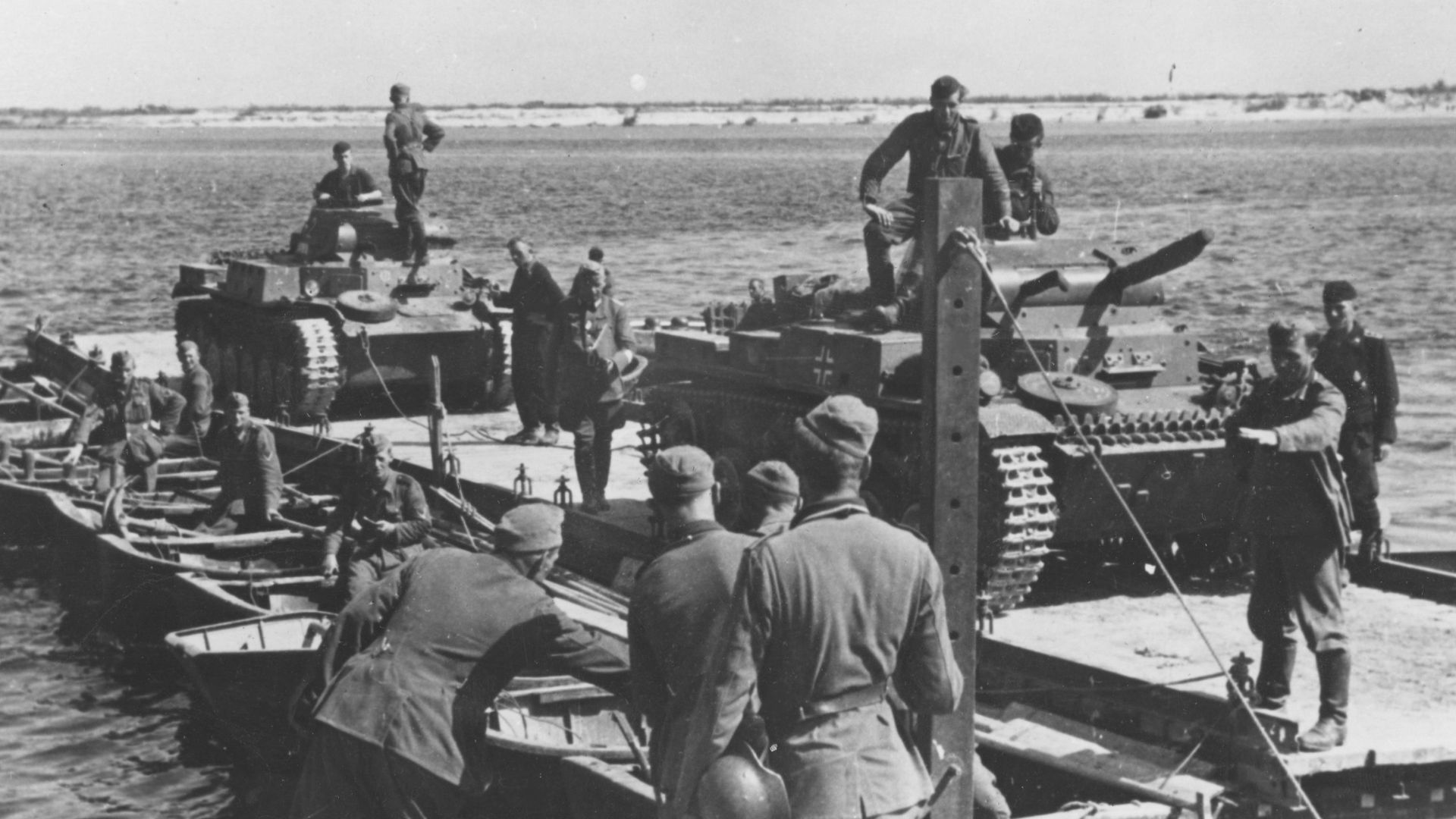
The Führer Invading The Soviet Union
More than a century later, the Führer made his own disastrous gamble in the east. Operation Barbarossa began in June 1941 with millions of Axis forces attacking the Soviet Union across an enormous front. German forces initially advanced spectacularly, capturing vast territories and enormous numbers of prisoners. But the Soviet Union didn't collapse. German supply lines stretched farther, resistance hardened, casualties mounted, and the invasion became a brutal battle of attrition Third Reich Germany couldn't ultimately sustain. The eastern front consumed staggering German resources and became one of the decisive theaters of WWII.
The Titanic Carrying Too Few Lifeboats
Titanic carried lifeboats, but nowhere near enough for everyone aboard. Astonishingly, the ship still complied with British regulations, because the rules had failed to keep pace with the dramatic growth of passenger liners. When Titanic struck an iceberg in April 1912, that regulatory failure became horrifyingly obvious. Some boats even launched partially filled, making an already inadequate situation worse. More than 1,500 people lost their lives. The disaster helped inspire the first International Convention for the Safety of Life at Sea, putting far greater emphasis on sufficient lifesaving equipment, emergency procedures, radio communication, and maritime safety.
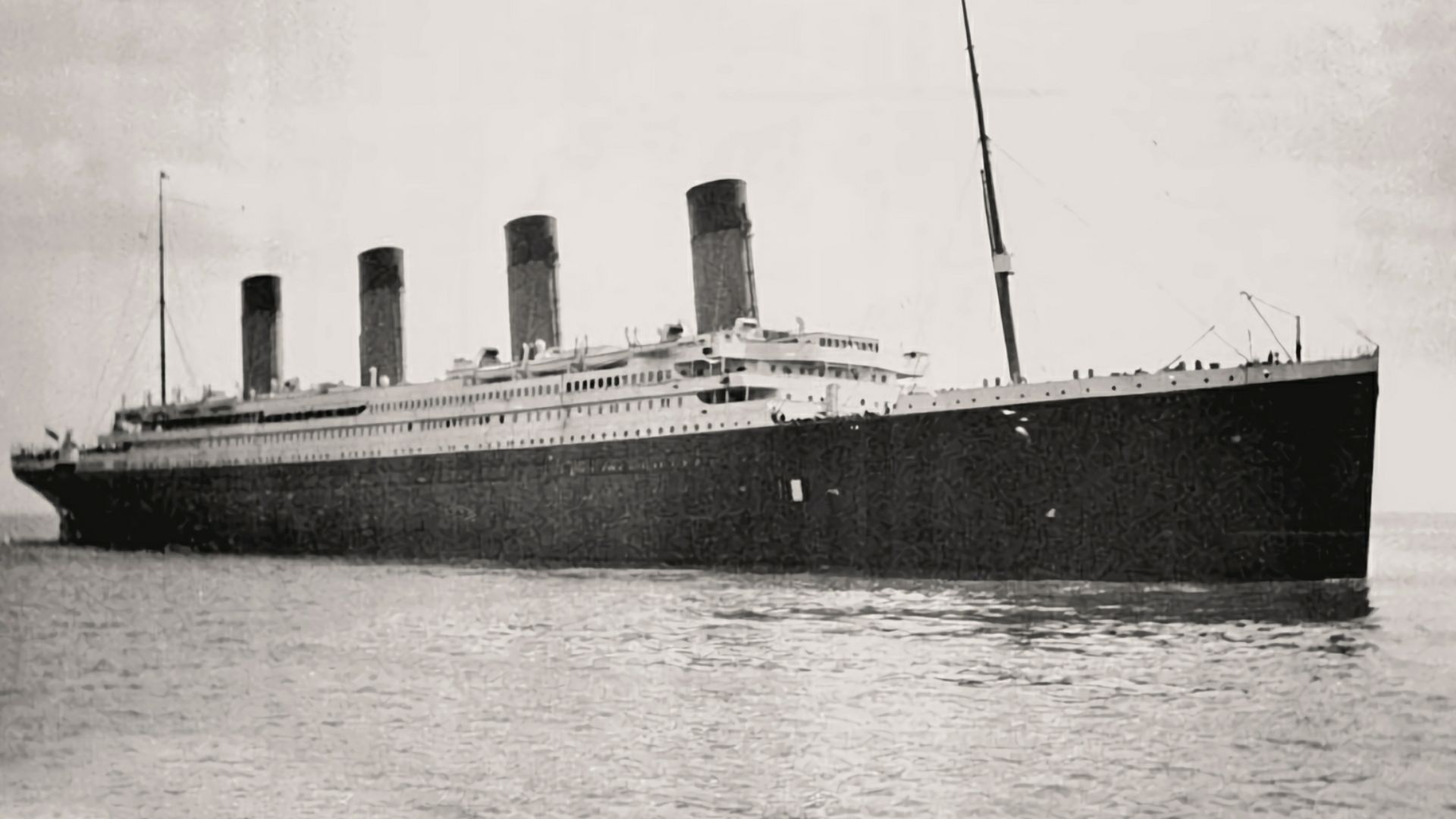 Francis Browne, Wikimedia Commons
Japan Attacking Pearl Harbor
Japan intended its December 1941 attack on Pearl Harbor to cripple American Pacific power long enough to secure Japanese gains across Asia and the Pacific. The strike devastated battleships and slew more than 2,400 Americans, but the strategic result was almost the opposite of what Tokyo needed. America's aircraft carriers weren't in the harbor, and vital repair and fuel facilities largely survived. More importantly, the attack erased much of the political hesitation about entering the conflict. Japan had wounded the United States badly while simultaneously giving it an overwhelming reason to fight.
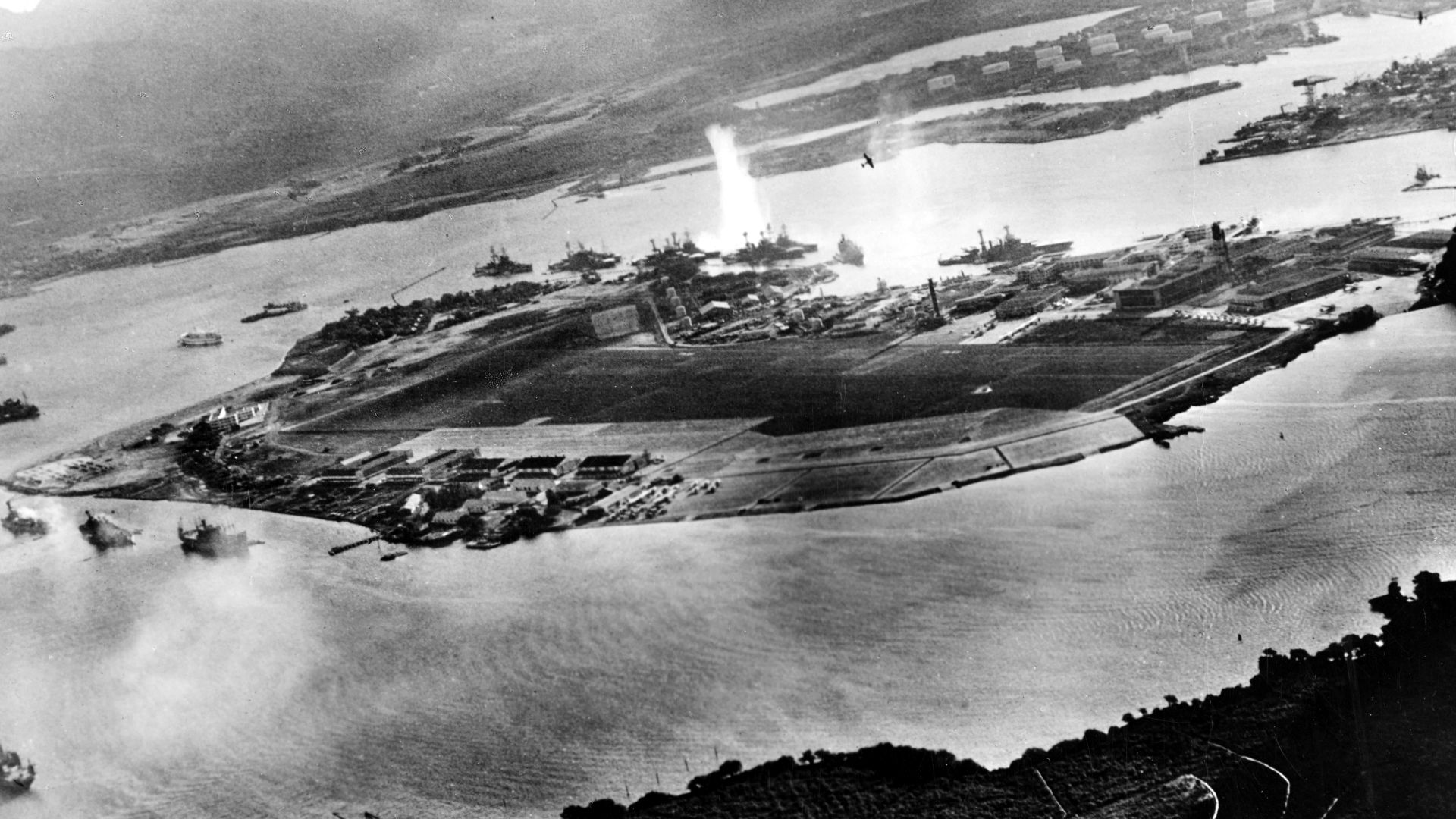 Imperial Japanese Navy, Wikimedia Commons

History's most fascinating stories and darkest secrets, delivered to your inbox daily.
The Maginot Line Strategy
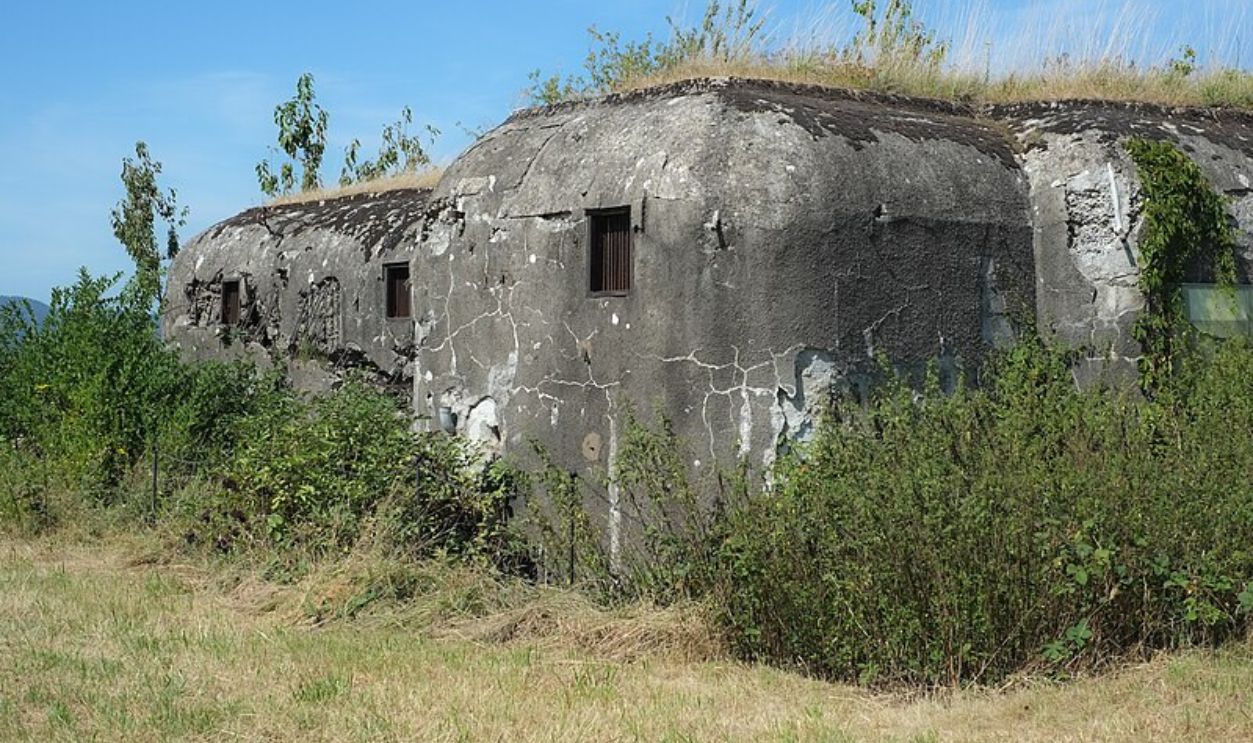
France spent heavily during the interwar years constructing the Maginot Line, an impressive network of fortifications intended to deter or slow a German assault along much of the eastern frontier. The defenses themselves weren't useless. The larger strategic assumptions surrounding them were the problem. In 1940, Germany concentrated its decisive thrust through the Ardennes, crossed the Meuse, and drove toward the English Channel while Allied armies had moved north into Belgium. France had invested brilliantly in making one route extremely difficult while Germany built its plan around avoiding that route.
 Dietrich Krieger, CC BY-SA 3.0, Wikimedia Commons
Microwave Ovens Came From A Melted Candy Bar
Not every history-changing mistake ends badly. Engineer Percy Spencer was working with magnetrons used in radar systems in 1945 when he noticed that a candy bar in his pocket had melted. Instead of merely getting annoyed about the mess, Spencer became curious. Experiments with popcorn and an egg showed that microwave energy could heat food rapidly, leading Raytheon toward development of microwave cooking equipment. Early microwave ovens were enormous and expensive, but the technology eventually became an ordinary kitchen fixture. One accidentally melted snack helped reveal an entirely new way of cooking.

The Challenger Launch Decision
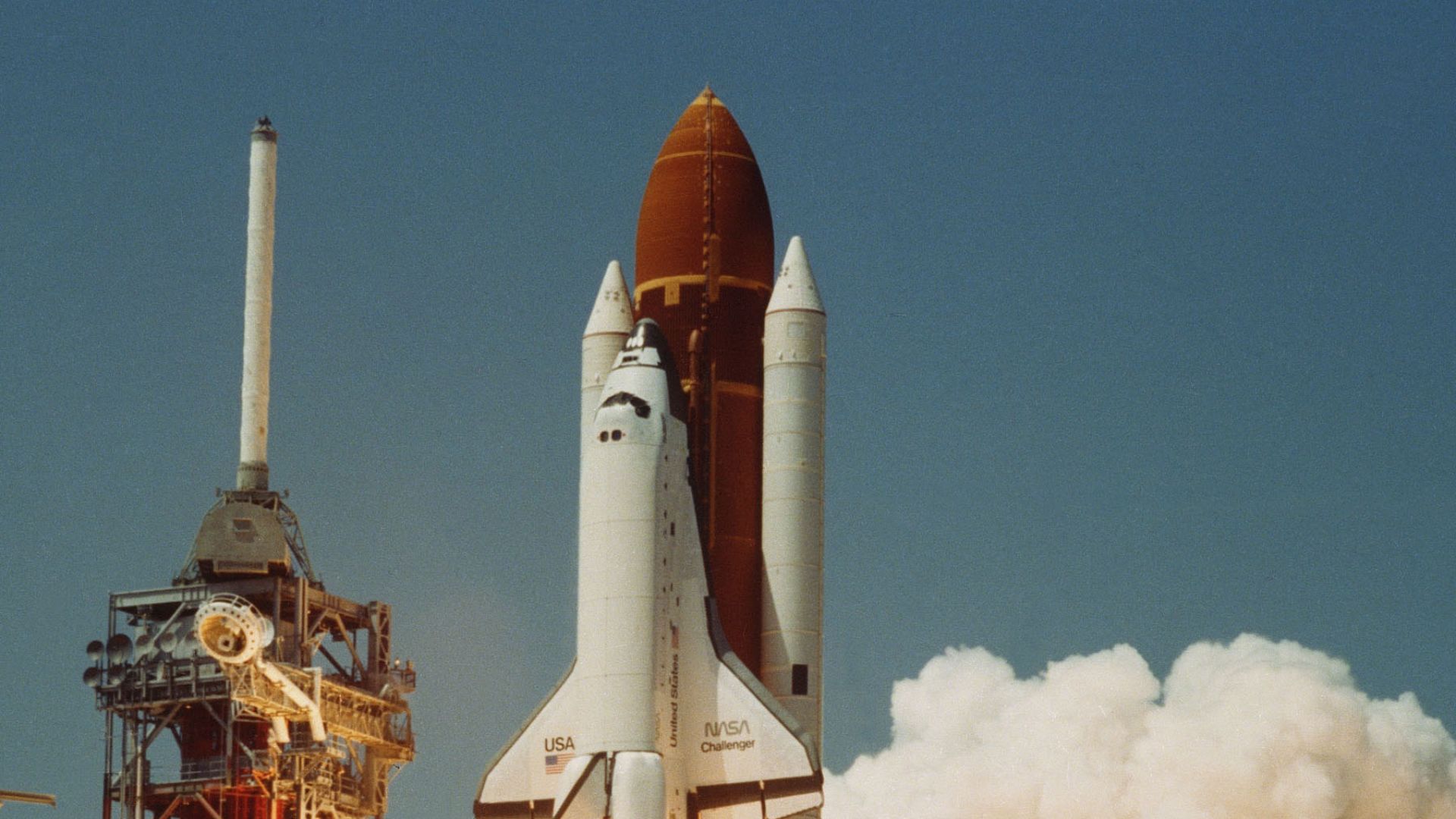
The morning of January 28, 1986, was unusually cold at Kennedy Space Center, and engineers had raised concerns about how the Space Shuttle Challenger's solid rocket booster O-rings would perform at low temperatures. The shuttle launched anyway. Seventy-three seconds later, it broke apart, taking the lives of all seven astronauts aboard. The Rogers Commission concluded that the launch decision was flawed and exposed serious failures in how NASA and contractor management handled engineering warnings. The catastrophe became much more than a lesson about one defective seal. It became a case study in how organizations can gradually become comfortable with risks simply because previous gambles happened to succeed.
 Unknown authorUnknown author, Wikimedia Commons
The Failure To Destroy The Bridge At Remagen
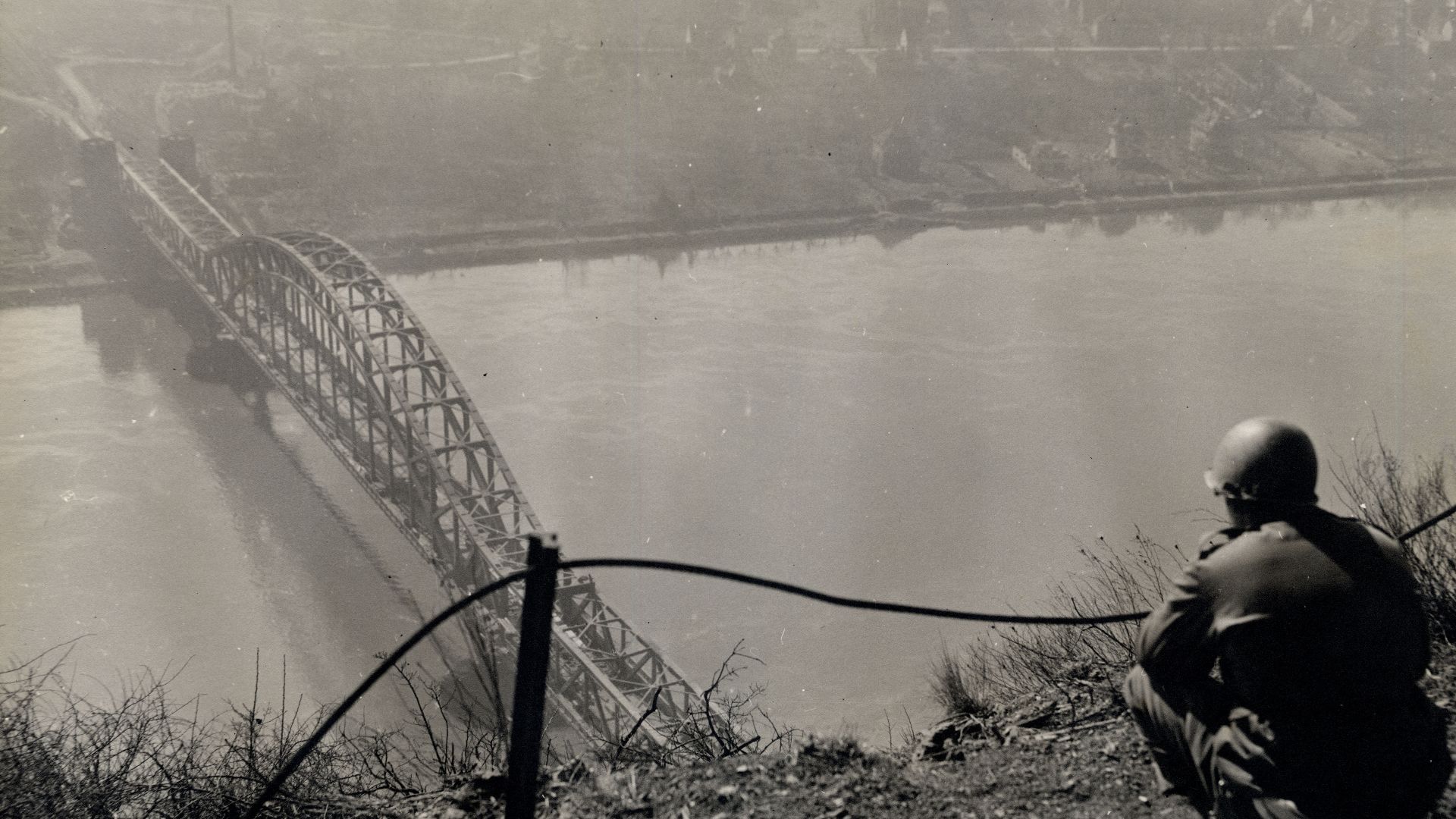
By March 1945, German forces were retreating toward the Rhine and expected bridges across the river to be destroyed before Allied forces could capture them. At Remagen, German forces attempted to demolish the Ludendorff Bridge as American forces approached. The charges exploded, but the bridge remained standing. US forces immediately recognized the opportunity, raced across, and established a foothold on the eastern bank while engineers removed unexploded charges and repaired damage. The bridge itself eventually collapsed days later, but by then the Allies had poured people and equipment across the Rhine. A failed demolition had handed them an unexpected shortcut into Germany.
 U.S. Army Signal Corps, National Archives, Wikimedia Commons
The Bay Of Pigs Invasion
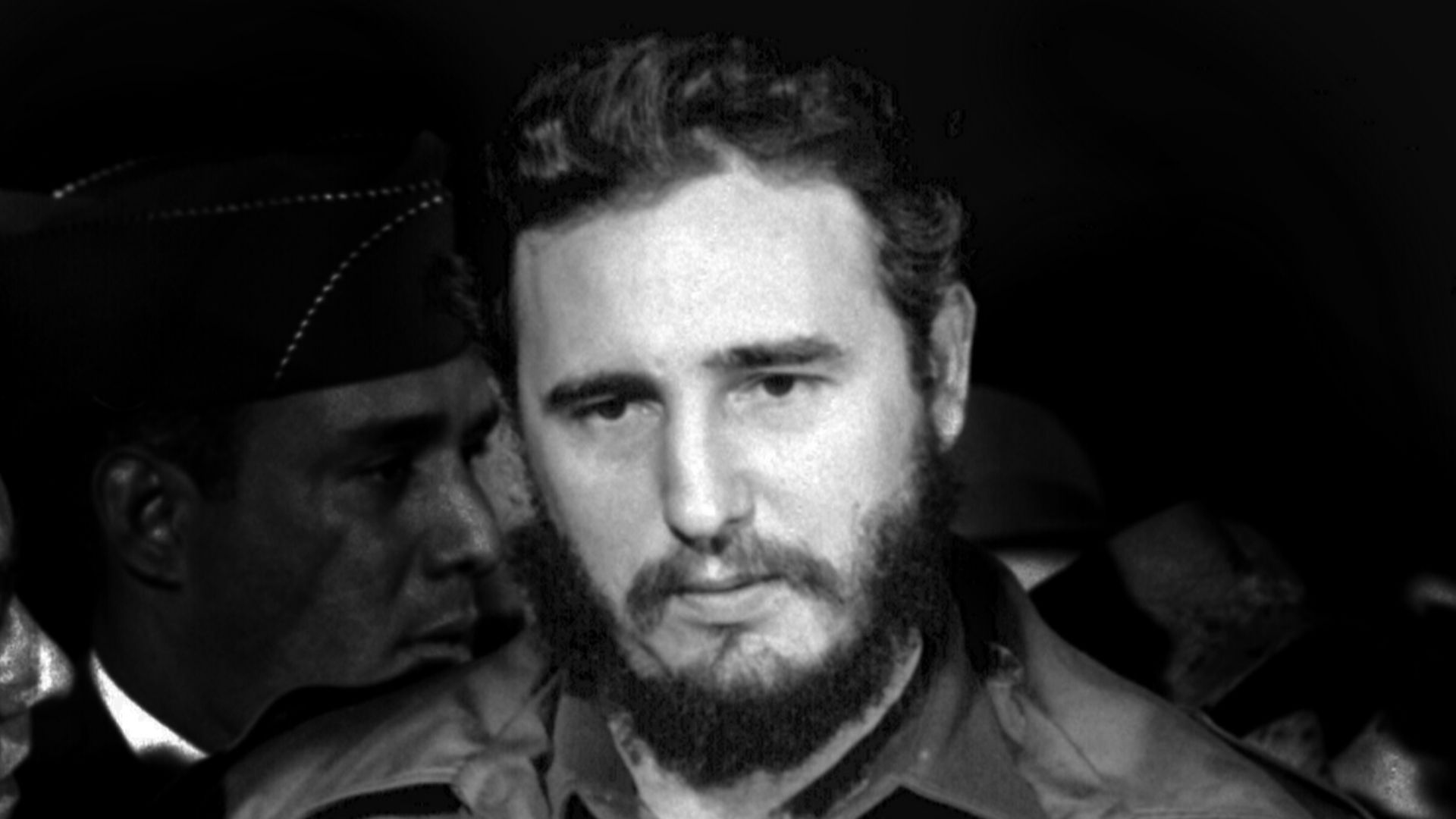
The 1961 Bay of Pigs operation was supposed to help overthrow Fidel Castro without making the United States look openly responsible. Instead, the CIA-backed Cuban exile force landed with inadequate support and was defeated within days. The fiasco embarrassed the Kennedy administration and strengthened Castro's position rather than weakening it. Cuba publicly moved closer to socialism and deepened its relationship with the Soviet Union. That relationship soon became even more consequential: the following year, Soviet nuclear missiles in Cuba triggered the Cuban Missile Crisis. An operation intended to remove Castro helped create an environment in which his government became even more tightly connected to Washington's principal Cold War rival.
The Zimmermann Telegram
Germany's foreign secretary Arthur Zimmermann sent a coded message in January 1917 proposing that Mexico join Germany if the United States entered WWI. In exchange, Germany suggested Mexico could recover territories it had lost to the United States. British intelligence intercepted and deciphered the telegram, then found a way to share it with Washington without revealing too much about British codebreaking capabilities. Its publication caused enormous outrage in the United States. Germany had effectively handed its opponents a propaganda gift at exactly the wrong moment and helped push American opinion closer toward intervention.
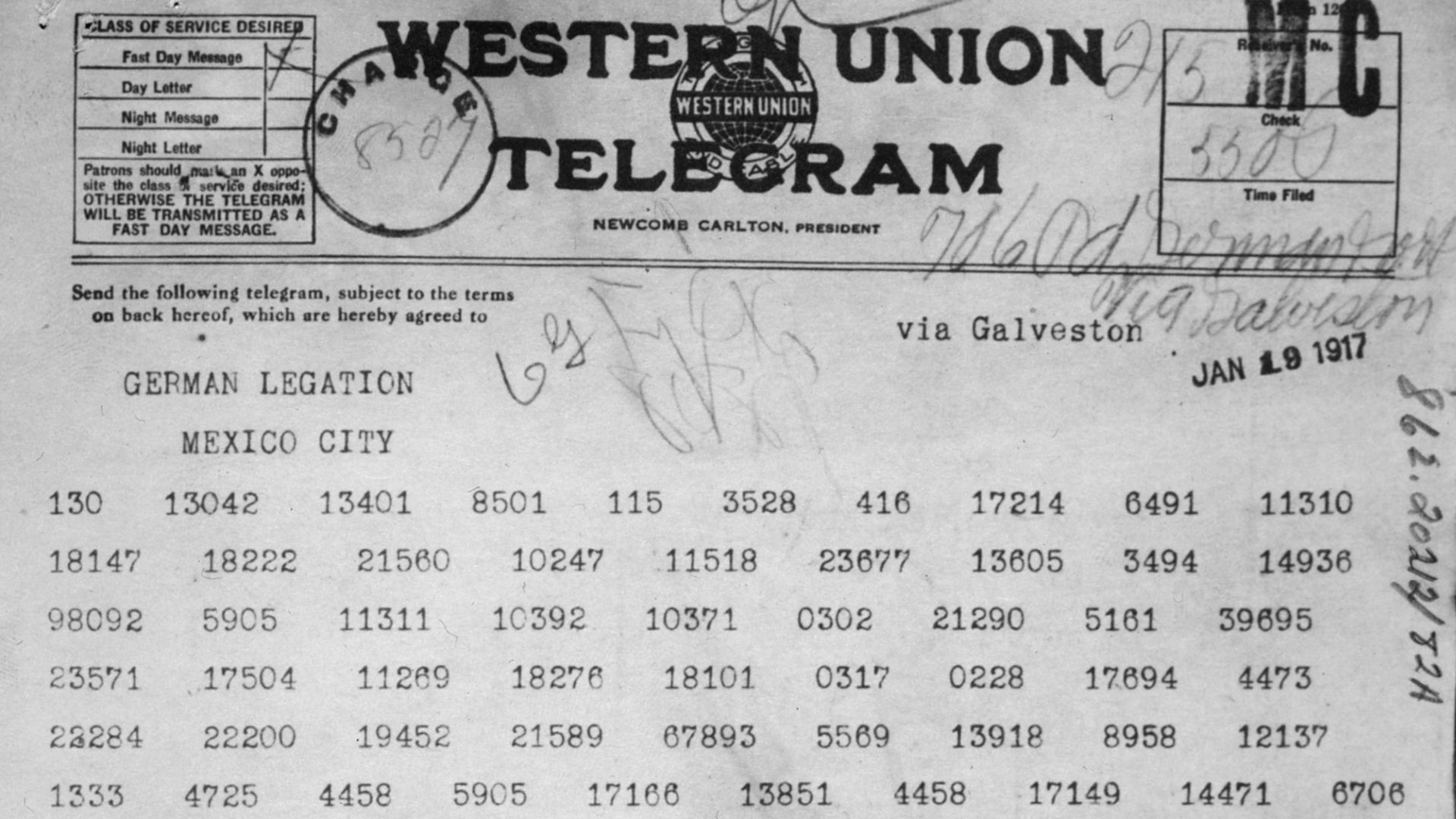 Unknown authorUnknown author or not provided, Wikimedia Commons
Germany Resuming Unrestricted Submarine Combat
German leaders knew exactly what they were risking when they resumed unrestricted submarine combat in early 1917. U-boats would attack shipping around Britain without the restrictions that had previously helped keep the United States out of the conflict. German planners gambled that submarines could choke Britain into submission before American forces could arrive in meaningful numbers. They were wrong. The campaign became one of President Woodrow Wilson's primary reasons for asking Congress to declare war. Germany's attempt to knock one powerful enemy out of the conflict helped bring another powerful enemy directly into it.
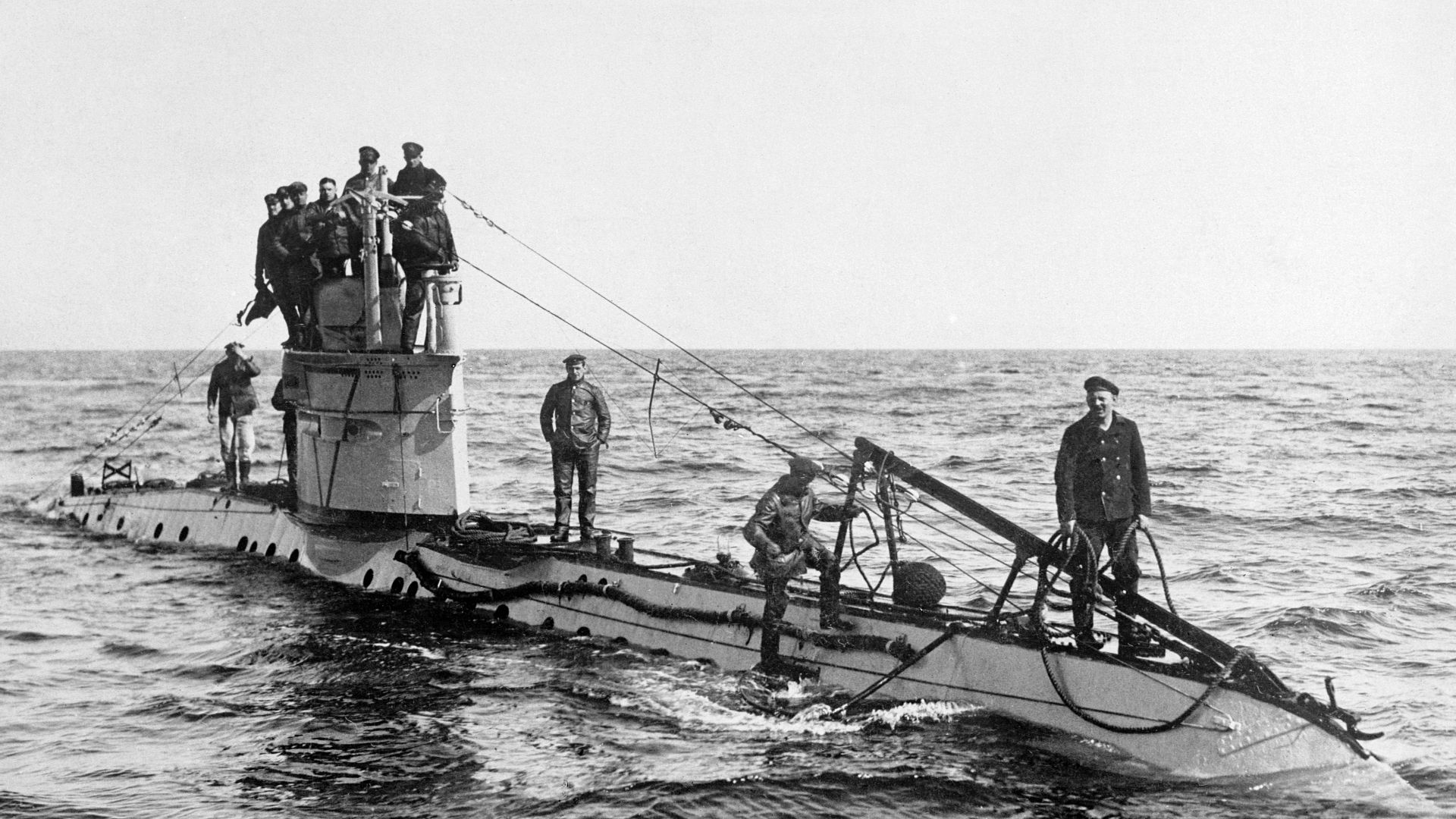 Post-Work: User:W.wolny, Wikimedia Commons
The Wrong Turn That Put Franz Ferdinand Near His Assassin
The assassination of Archduke Franz Ferdinand already contained one extraordinary failure. Earlier that morning, an attacker had thrown an explosive device at the imperial motorcade and missed his intended target. Later, Franz Ferdinand decided to visit people injured in that attack. Confusion over the motorcade's changed route brought his car to a stop near Gavrilo Princip, another conspirator who had failed to strike earlier. Princip suddenly had an opportunity he hadn't expected. He open fired on Franz Ferdinand and Sophie at close range. Within weeks, the resulting diplomatic crisis had expanded into WWI.
![Archduke Franz Ferdinand in admiral's uniform AUSTRIA - JANUARY 01: Archduke Franz Ferdinand (1863-1914) in admiral's uniform. Around 1910. (Photo by Imagno/Getty Images) [Erzherzog Franz Ferdinand (1863-1914) in seiner Admiralsuniform. Um 1910]](https://www.factinate.com/storage/app/media/factinate/2025/4/28/17.jpg) brandstaetter images, Getty Images
brandstaetter images, Getty Images
The Mars Climate Orbiter Unit Mix-Up
It sounds like the sort of mistake a student catches five minutes before submitting homework. NASA's Mars Climate Orbiter was lost in 1999 because one part of the mission used English units while another expected metric measurements. The resulting navigation errors sent the spacecraft much closer to Mars than intended, and contact was lost. NASA's investigation made clear that the embarrassing conversion mistake was only part of the story. The larger failure was that project checks and communication processes didn't catch something so fundamental before an expensive spacecraft reached another planet.
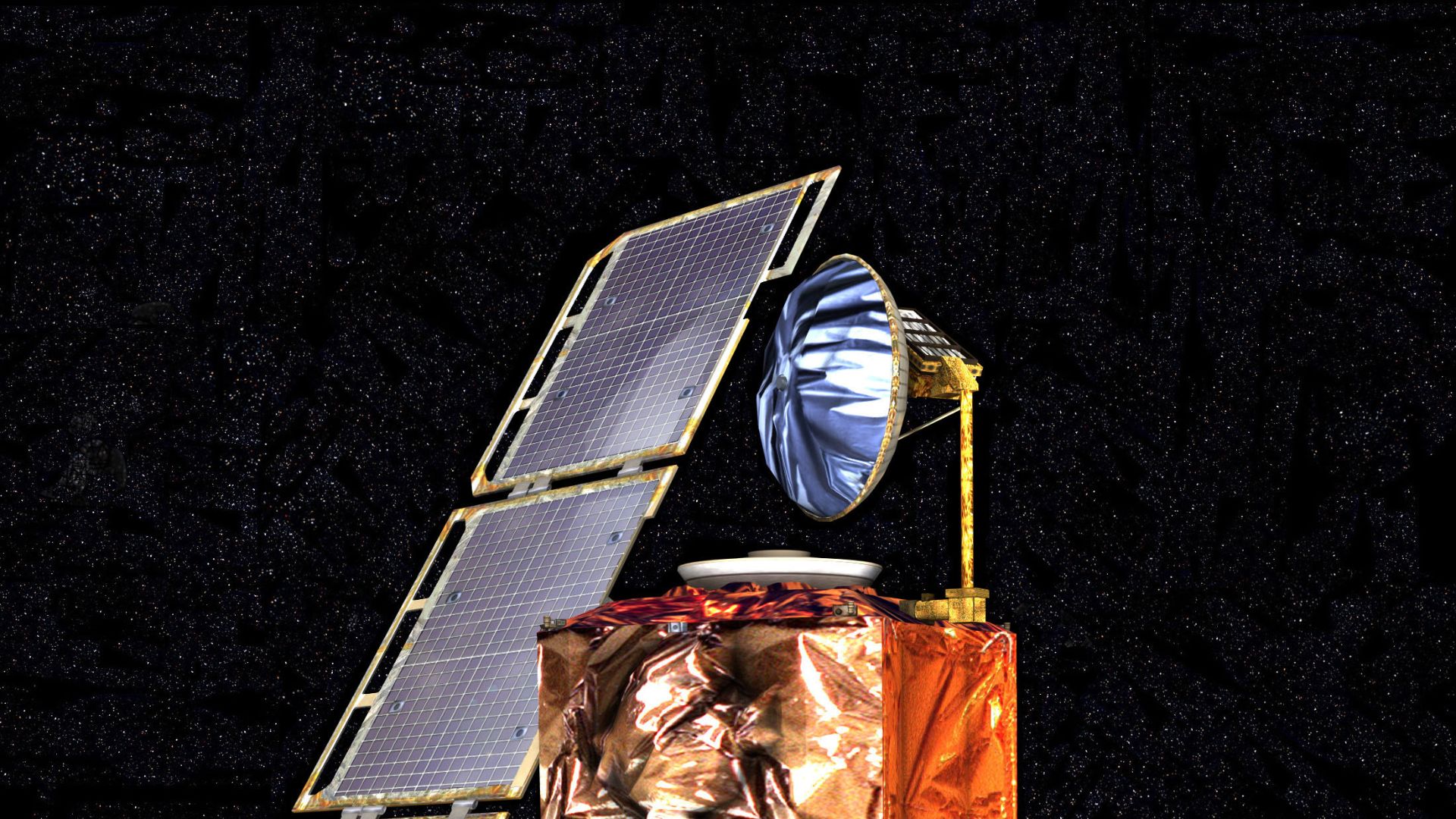 NASA/JPL/Corby Waste, Wikimedia Commons
The Tacoma Narrows Bridge Design Failure
The original Tacoma Narrows Bridge opened in Washington in July 1940 and quickly earned the nickname “Galloping Gertie” because of its noticeable movement in wind. On November 7, strong winds caused the bridge deck to twist violently until sections collapsed into the water. Dramatic film of the disaster became famous worldwide. The failure forced engineers to take a much closer look at how aerodynamic forces interact with long, flexible suspension bridges. Later designs incorporated lessons from Tacoma into wind testing and structural engineering. One spectacular collapse permanently changed the way engineers thought about bridges moving through air.
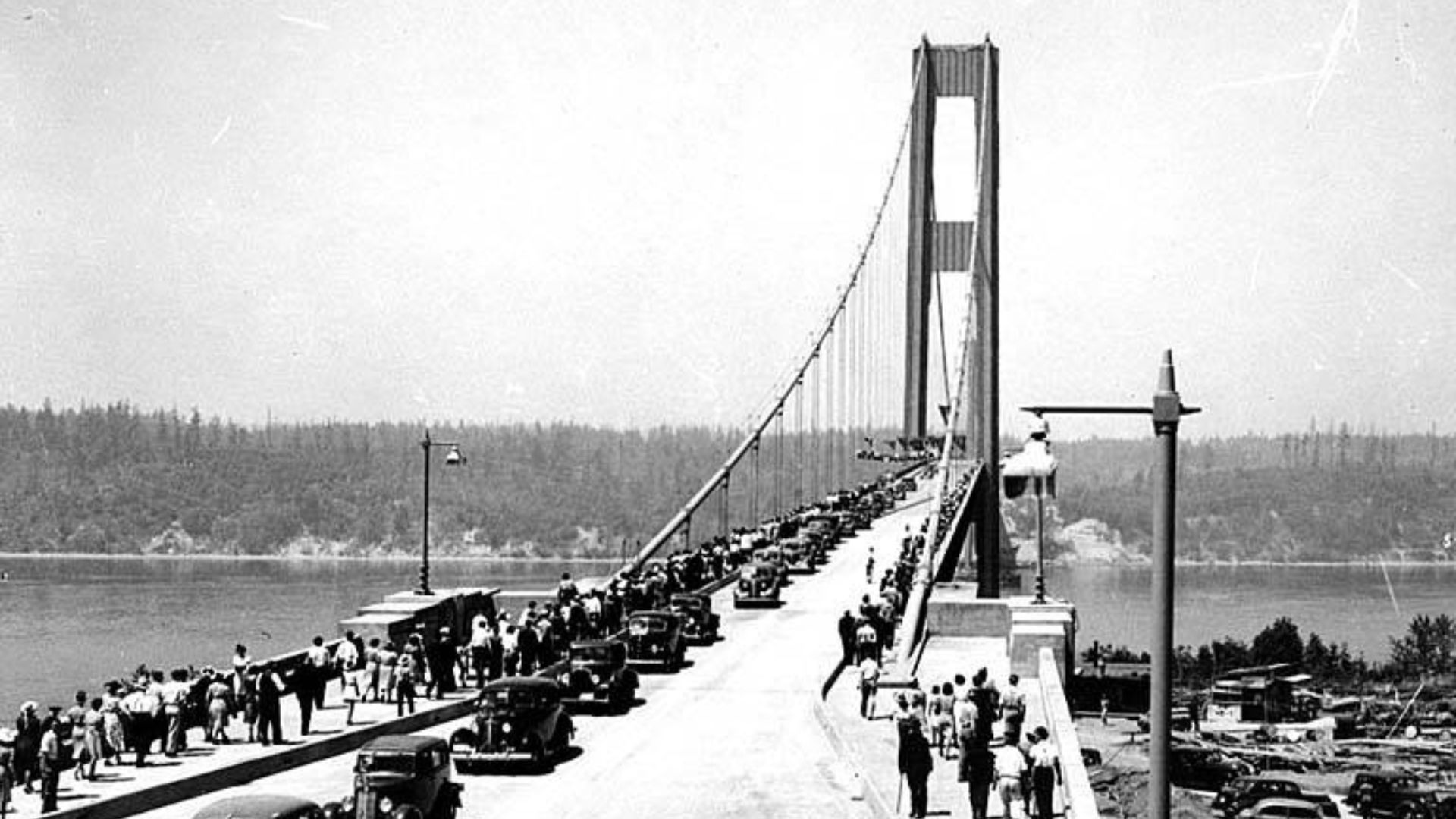 University of Washington Libraries Digital Collections, Wikimedia Commons
The Dust Bowl Farming Practices
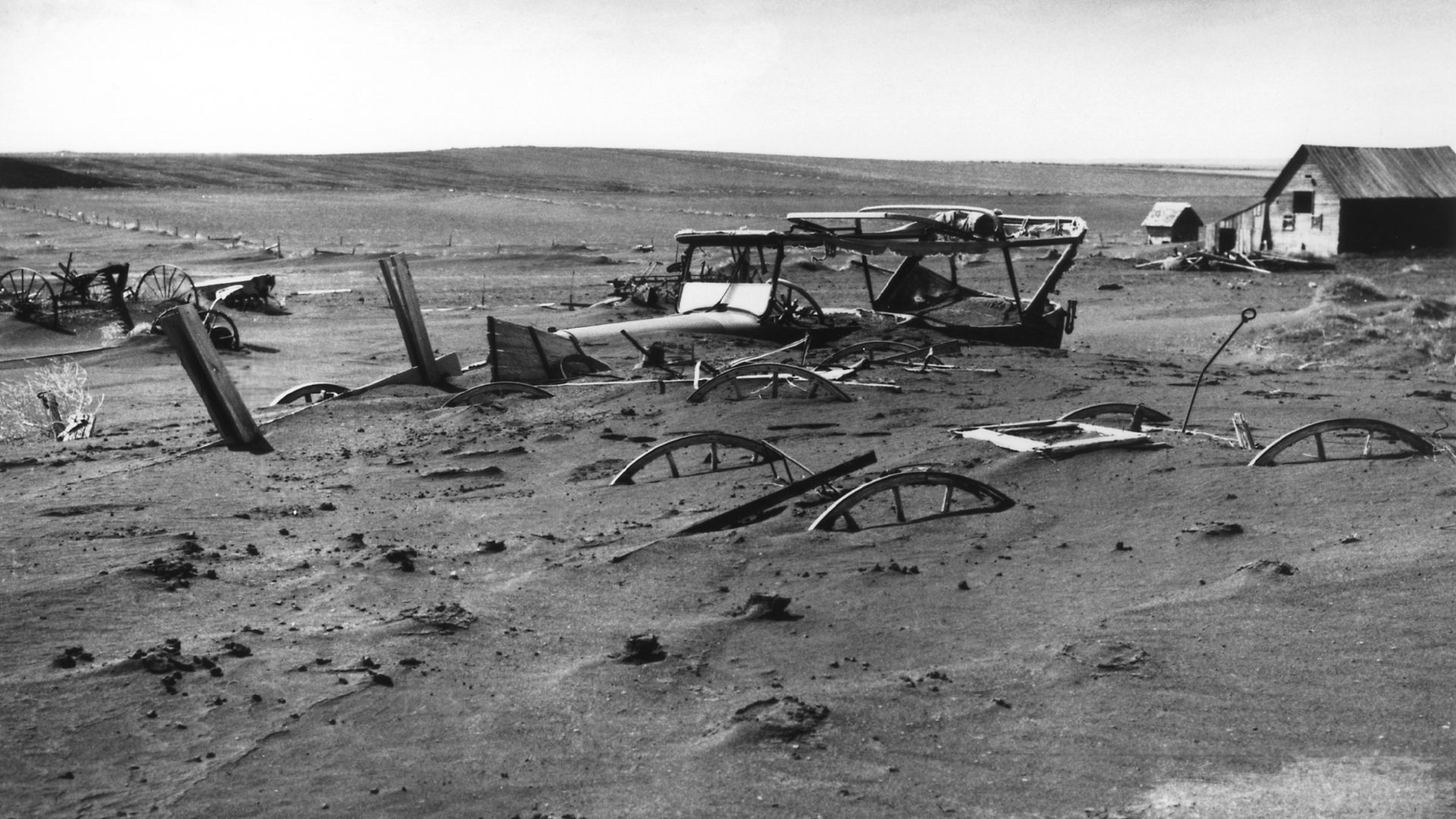
The Dust Bowl required drought, but human decisions made the landscape dramatically more vulnerable to it. During wetter years and high crop prices, farmers plowed huge areas of Great Plains grassland whose deep-rooted native vegetation had helped hold the soil in place. When severe drought arrived in the 1930s, crops failed and exposed topsoil blew away in enormous dust storms. Farms disappeared, families migrated, and entire communities were devastated. The catastrophe pushed soil conservation into national policy and helped produce the Soil Conservation Service in 1935, transforming how the federal government approached erosion and land management.
The De Havilland Comet Structural Failures
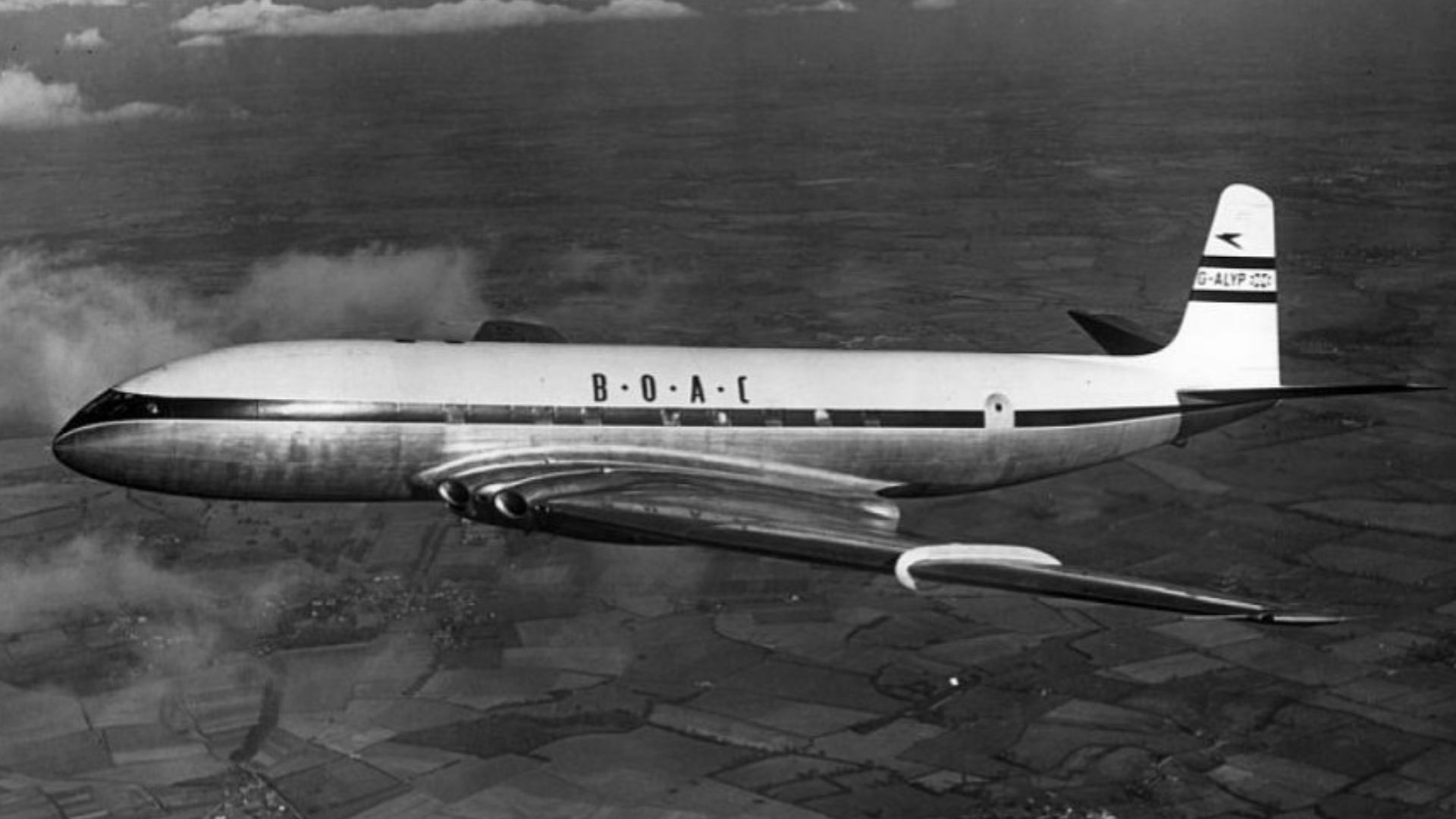
The de Havilland Comet was revolutionary: the world's first commercial jet airliner promised to transform passenger travel. Then several Comets broke apart in flight during the early 1950s. Investigators subjected an aircraft fuselage to repeated pressurization tests and discovered how metal fatigue and stress concentrations around structural openings could cause catastrophic cracks after repeated flight cycles. The findings changed aircraft engineering far beyond one model. Airliner designers adopted stronger fatigue testing and paid far greater attention to repeated pressurization stresses. An early jet-age disaster helped make the enormous jetliners that followed much safer.
 Originally Photographer Unknown, Wikimedia Commons
The Great Fire Of London—And The Changes It Really Caused
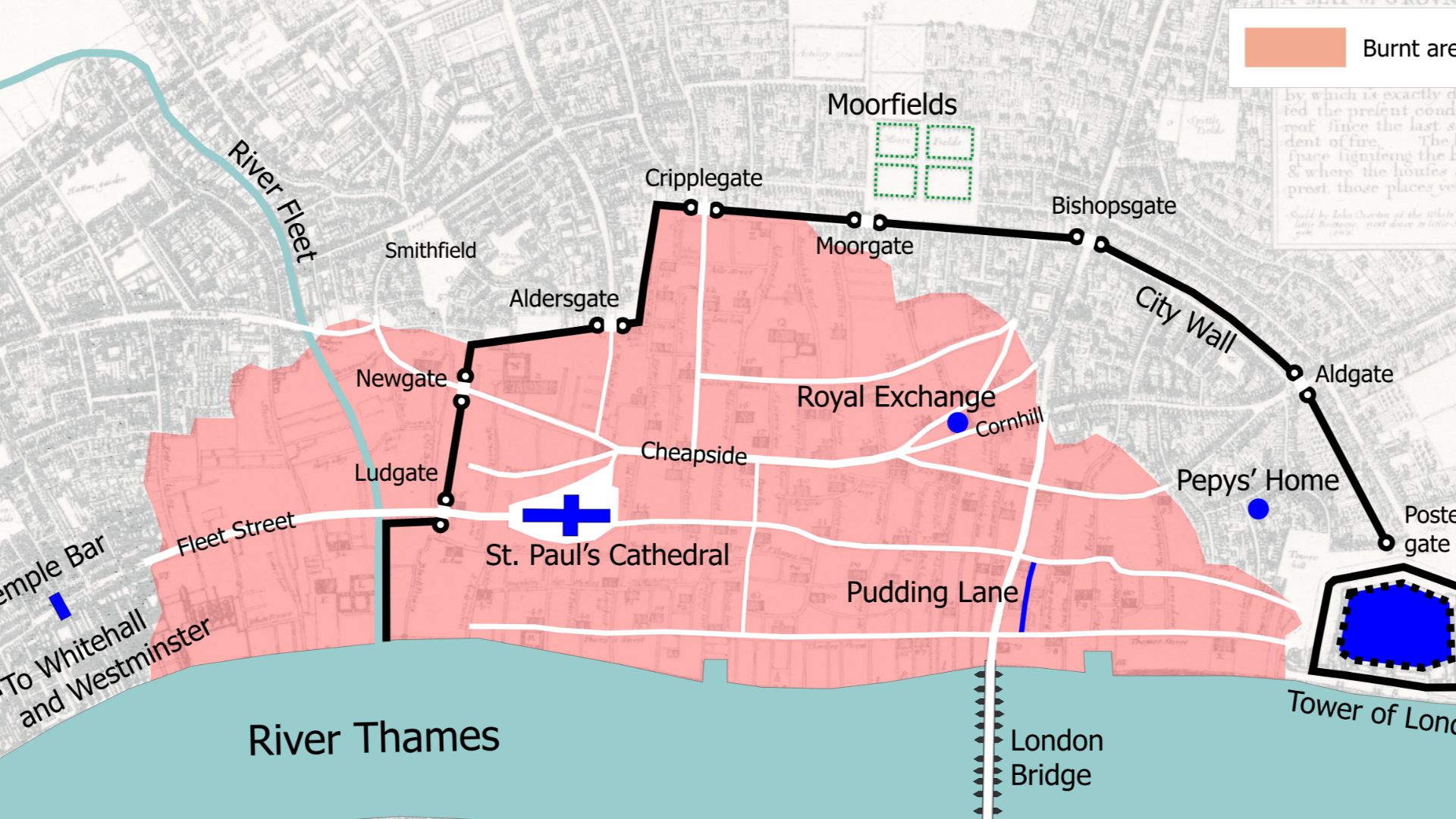
The Great Fire of London began in September 1666 and tore through much of the old city, where closely packed timber buildings made flames extraordinarily difficult to contain. One popular story claims the fire ended the Great Plague by destroying rats and fleas. The evidence doesn't support that neat explanation; plague deaths were already declining, and several heavily affected districts escaped the flames. What the disaster definitely changed was construction and risk. Rebuilding rules increasingly favored brick and stone, while fear of another enormous loss encouraged property insurance and eventually privately organized fire brigades.
 Original uploader was Bunchofgrapes at the english wikipedia, Wikimedia Commons
Kodak Failing To Adapt Quickly Enough To Digital Photography
The cruel irony of Kodak's decline is that one of its own engineers, Steven Sasson, built an early digital camera in 1975. Kodak didn't simply ignore digital photography afterward; the company developed digital products and held important patents. Its deeper problem was that film was fantastically profitable. Moving aggressively toward a technology that could destroy the film-and-processing business required undermining the very model that had made Kodak powerful. Competitors moved faster, digital cameras improved, smartphones changed photography again, and Kodak filed for bankruptcy protection in 2012. Sometimes recognizing the future is easier than willingly dismantling the past.

Western Union Missing Its Chance At Bell’s Telephone
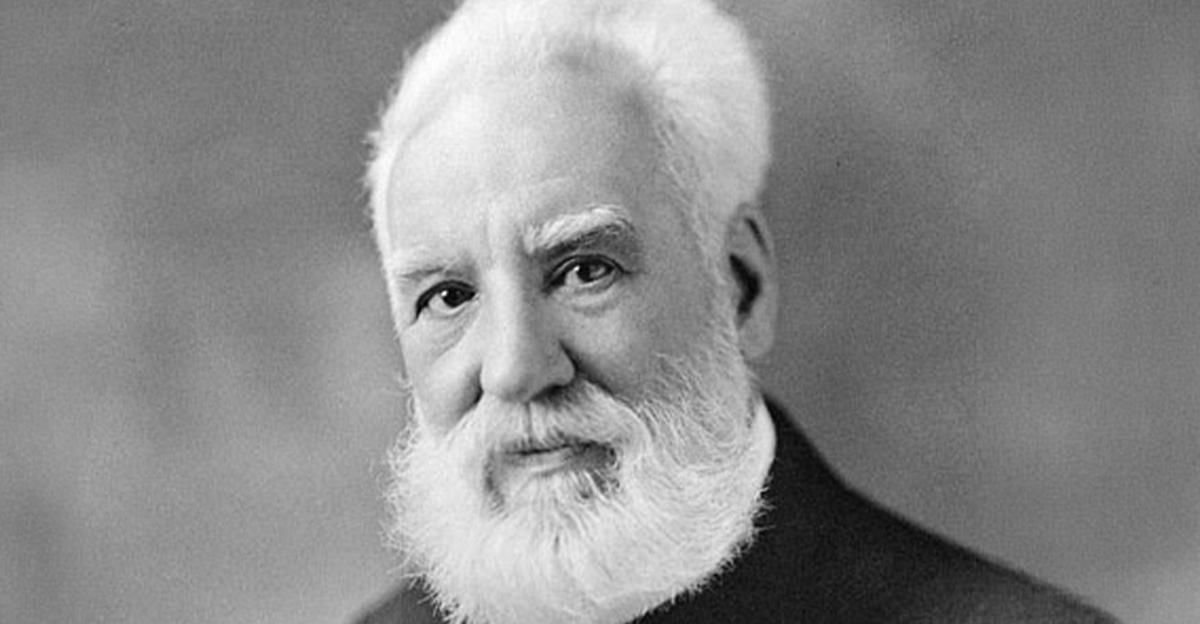
One of business history's favorite cautionary tales claims Alexander Graham Bell's interests offered his telephone patents to Western Union for $100,000, only for the telegraph giant to dismiss the invention as commercially useless. Bell's telephone company then grew into an enormous communications enterprise while Western Union supposedly watched the opportunity vanish. There's a catch: historians haven't found strong documentary evidence confirming the famous offer exactly as later retellings describe it. So this belongs in the article as a legendary blunder rather than settled fact. Its endurance says something important anyway: revolutionary technology often looks unimpressive before the revolution starts.
 Moffett Studio, Public domain, via Wikimedia Commons
Potato Chips Were Invented Out Of Frustration
The irresistible story goes like this: in 1853, a demanding customer at Moon's Lake House in Saratoga Springs repeatedly complained that chef George Crum's fried potatoes were too thick. Irritated, Crum sliced them absurdly thin, fried them crisp, and expected to teach the customer a lesson. Instead, the customer loved them, and potato chips were born. It's a great story, but recipes for thin fried potatoes existed earlier. Crum is better described as a major popularizer of Saratoga chips than their undisputed inventor. Even so, the legend perfectly captures history's favorite kind of accident: spite turning into a billion-dollar snack.
 UnKnown Author, Wikimedia Commons, Modified
Constantinople’s Unlocked Gate
During the final Ottoman assault on Constantinople in 1453, Byzantine historian Doukas wrote that a small gate called the Kerkoporta had accidentally been left open. Ottoman forces supposedly entered through it, raised their flags, and helped spread panic among defenders already under enormous pressure. The detail is tantalizing, but Doukas is the only contemporary historian to tell the story, leaving historians divided over whether the famous gate incident happened as described. What isn't disputed is the scale of the consequence: Constantinople fell, the Byzantine Empire ended, and Ottoman power entered a transformative new phase.
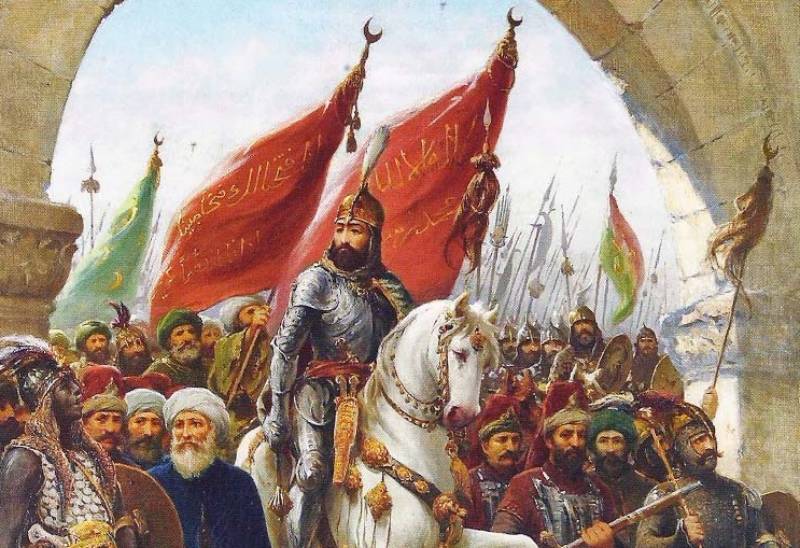 Fausto Zonaro, Wikimedia Commons
The Treaty Of Versailles Settlement
The peace settlement after WWI was supposed to prevent another catastrophe. Instead, the Treaty of Versailles became deeply associated in Germany with humiliation, territorial losses, army restrictions, and reparations. The treaty alone didn't make the Third Reich or WWII inevitable; the Great Depression, political conflict, nationalism, institutional weakness, and many other forces mattered enormously. But Third Reich leaders exploited resentment surrounding Versailles relentlessly. A settlement meant to stabilize Europe became one of the political grievances used by extremists determined to overturn the postwar order.
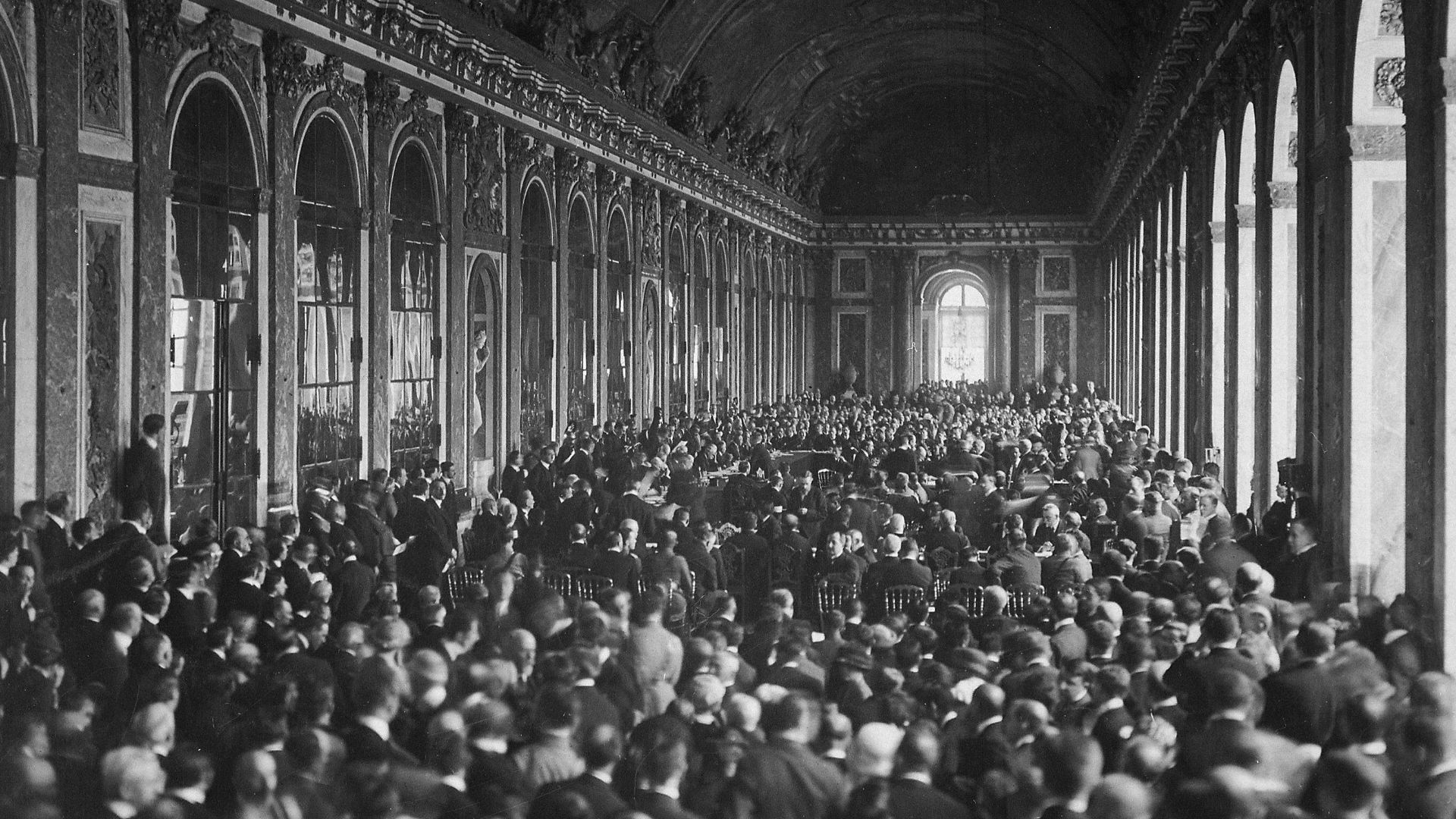 Helen Johns Kirtland (1890-1979) and Lucian Swift Kirtland (died 1965), Wikimedia Commons
China’s Great Sparrow Campaign
During the Great Leap Forward, Mao Zedong's government mobilized millions of people to eliminate pests believed to be harming food supplies. Sparrows were targeted because they ate grain. Communities destroyed nests and chicks and created enough noise to prevent birds from landing until they succumbed to exhaustion. The campaign overlooked a rather important detail: sparrows also ate insects. Their destruction disrupted ecological relationships and contributed to pest problems at a time when China's agriculture was already suffering terribly. Alongside disastrous economic policies and other factors, the campaign became one of history's clearest warnings against trying to redesign an ecosystem by decree.
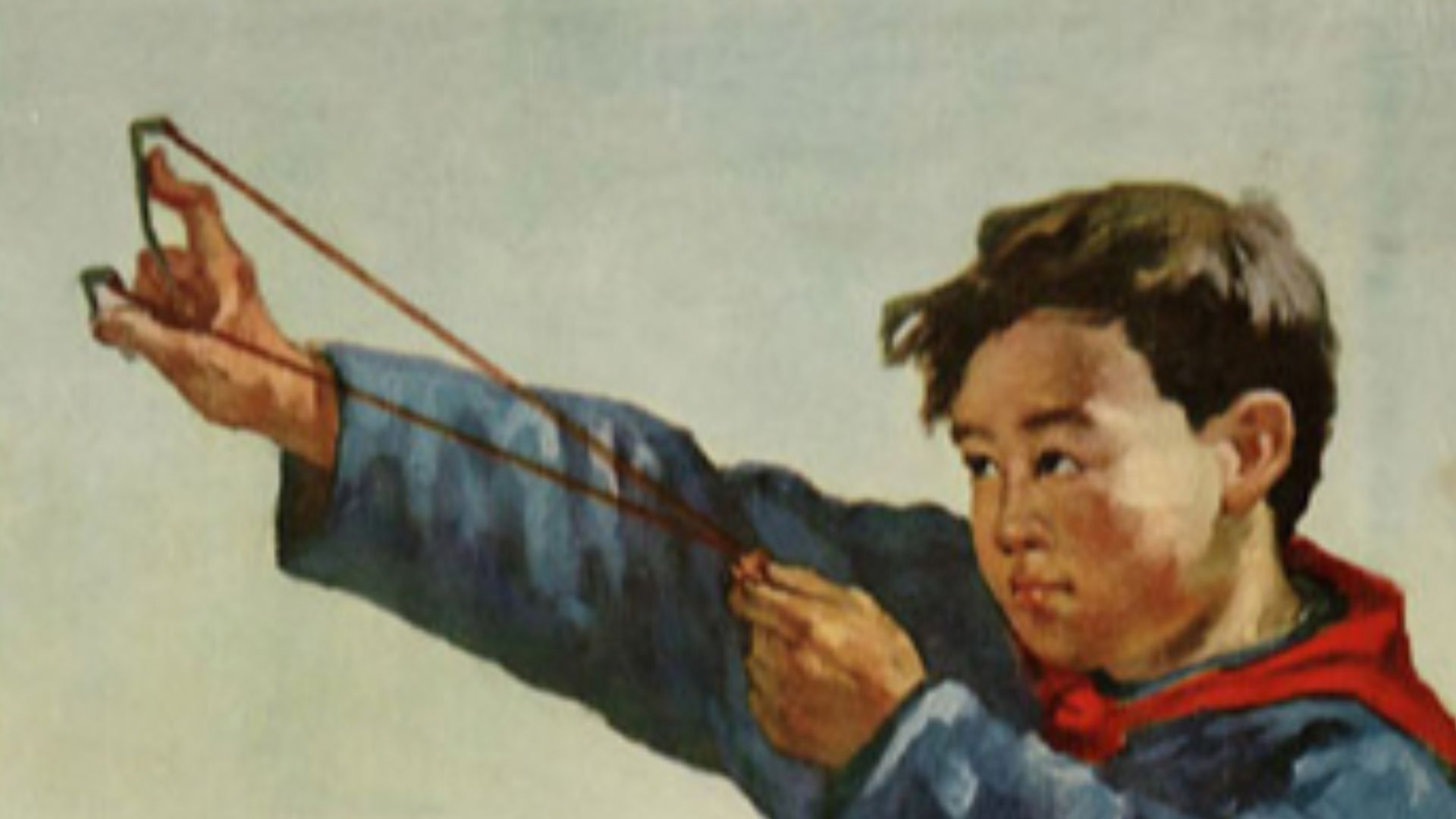
Stalin Discounting Warnings Of A German Invasion
Before Germany invaded the Soviet Union in June 1941, Joseph Stalin received numerous warnings that an attack was coming. Intelligence reports, foreign governments, defense information, and German movements all pointed toward danger. Stalin remained skeptical, partly because he suspected some warnings were provocations designed to drag the Soviet Union into conflict prematurely. When Operation Barbarossa began, Soviet forces were caught badly off balance. Germany made enormous early gains, captured huge numbers of servicemen, and inflicted devastating losses. The Soviet Union ultimately survived and defeated Third Reich Germany, but Stalin's refusal to fully trust the warnings made an already catastrophic opening considerably worse.
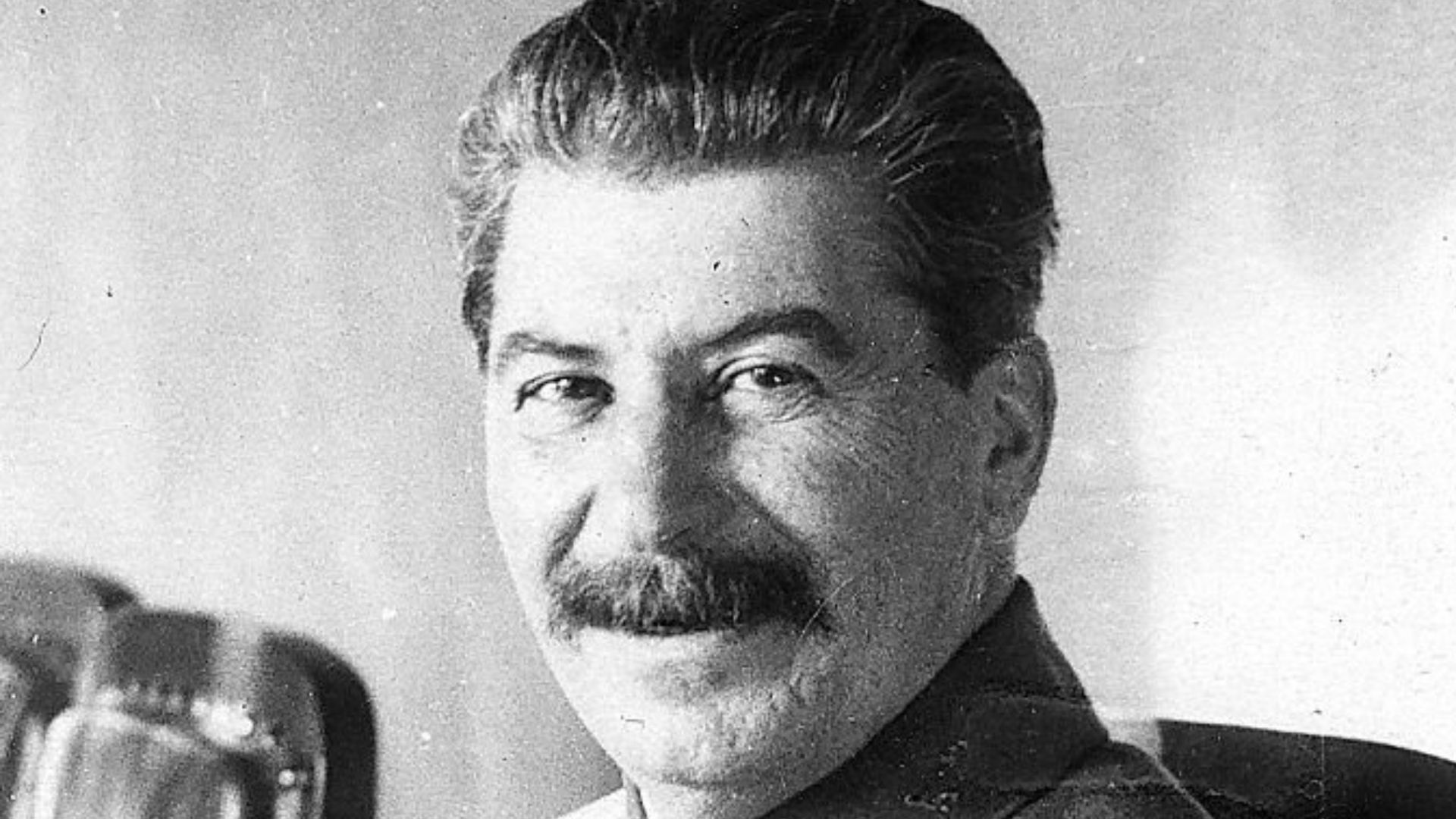
The Chernobyl Reactor Test
The Chernobyl disaster began during a late-night safety test that was supposed to examine how Reactor 4 would behave during a loss of power. Operators pushed the reactor into an unstable operating condition while safeguards had been disabled or bypassed, but those actions interacted with serious design flaws in the RBMK reactor itself. The resulting power surge caused explosions and a graphite fire that released radioactive contamination across enormous areas. Chernobyl displaced communities, transformed public attitudes toward nuclear power, exposed failures in Soviet safety culture and secrecy, and became one of the defining technological disasters of the 20th century.
 Adam Jones from Kelowna, BC, Canada, Wikimedia Commons
The Spanish Armada’s Overcomplicated Invasion Plan
Philip II of Spain's 1588 invasion plan required a massive fleet to sail through the English Channel, link up with the Duke of Parma's army in the Netherlands, protect that army as it crossed the Channel, and then invade England. That coordination would have been difficult with modern communications. In the 16th century, it proved disastrous. English attacks disrupted the Armada, fireships scattered its formation, the battle off Gravelines damaged its prospects, and the Spanish fleet was forced to retreat around Scotland and Ireland, where brutal weather caused further losses. An enormously ambitious plan contained too many moving pieces to survive reality and helped preserve Elizabethan England.
 Cornelis Claesz van Wieringen, Wikimedia Commons
You May Also Like:
Translation Mistakes That Caused Big Historical Problems
The Most Expensive Mistakes Ever Made By Major Corporations
30 Simple Choices People Made That No One Thought Mattered—Until They Completely Changed History