A Fortune Seemed To Glitter In The Dirt
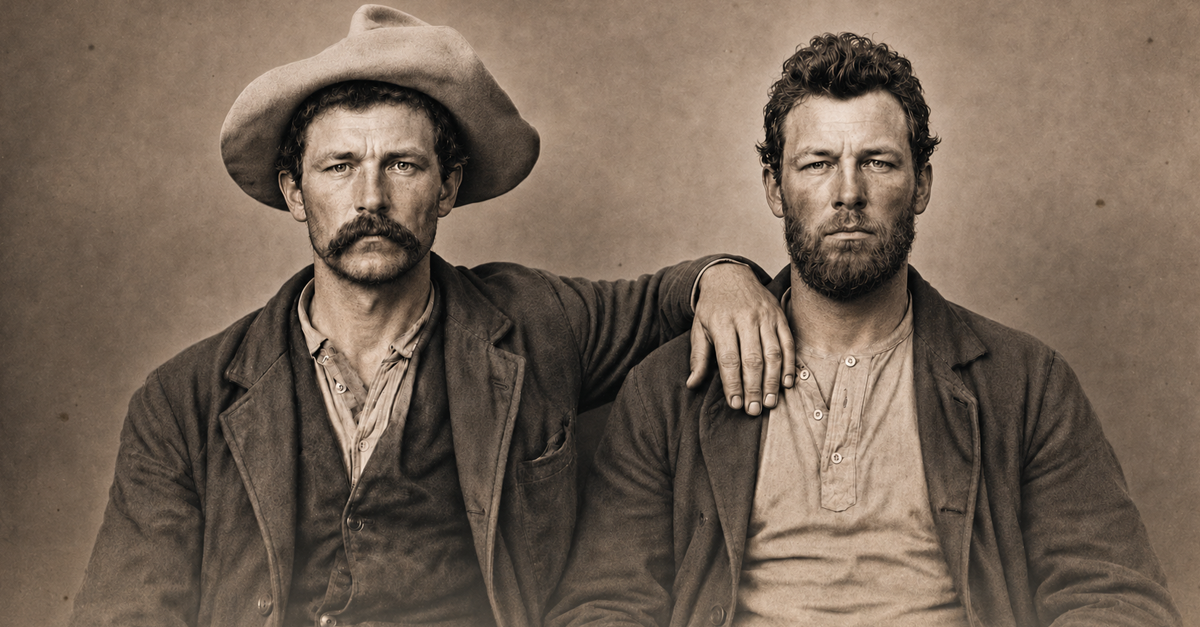
In 1872, two Kentucky grifters convinced America’s richest men that diamonds were scattered across a remote western mesa. Even Tiffany fell for the absurdly obvious trick. It became known as the Great Diamond Hoax, and every last stone had been planted.
The West Was Ready For Another Rush
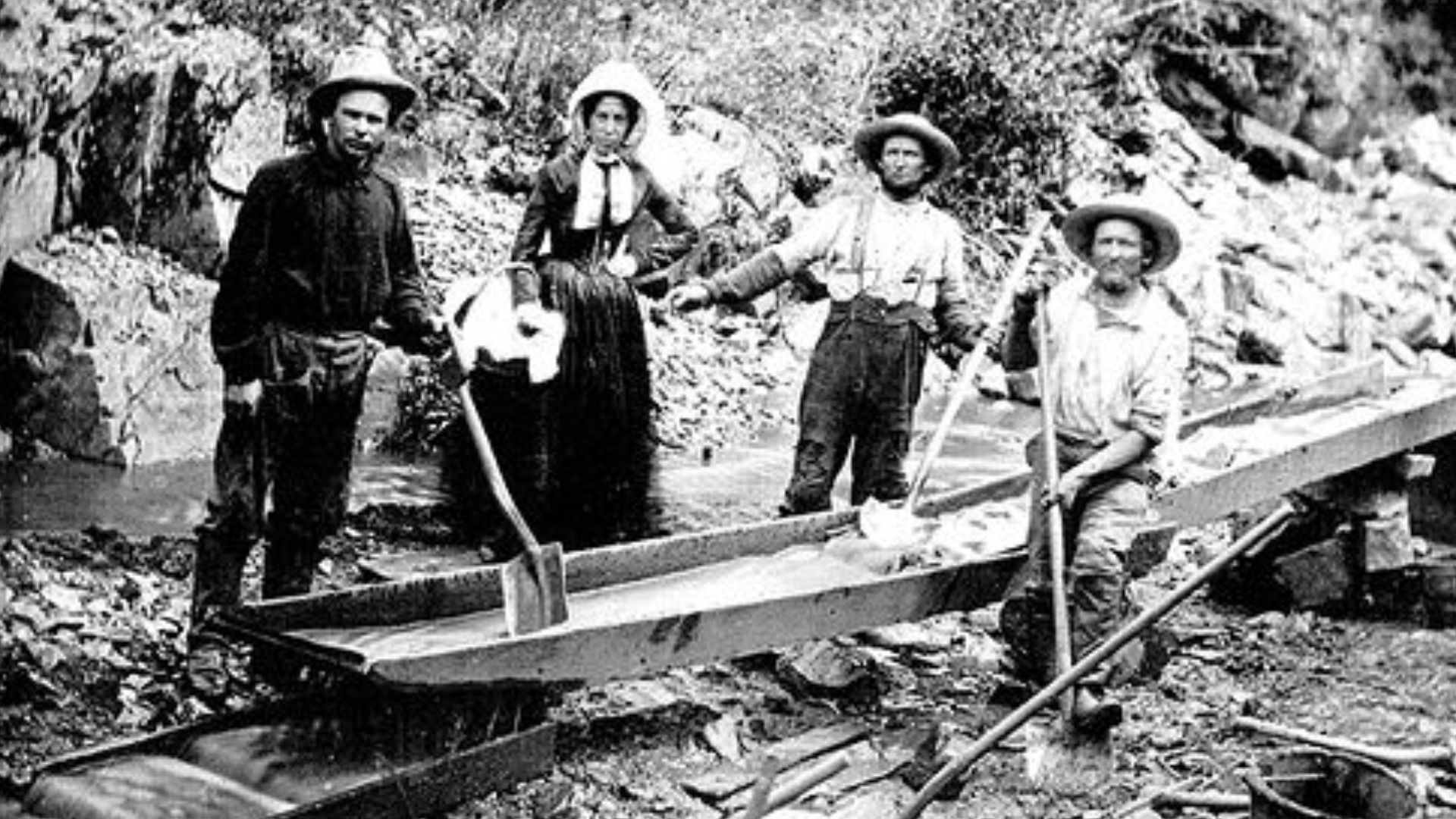
California’s gold rush and Nevada’s silver discoveries had created fortunes that once seemed impossible. News of major diamond finds in South Africa encouraged Americans to believe that equally rich deposits might exist in the West. By the early 1870s, prospectors were already hunting for gems across Arizona and New Mexico.
 Unknown authorUnknown author, Wikimedia Commons
Philip Arnold Knew The Mining World
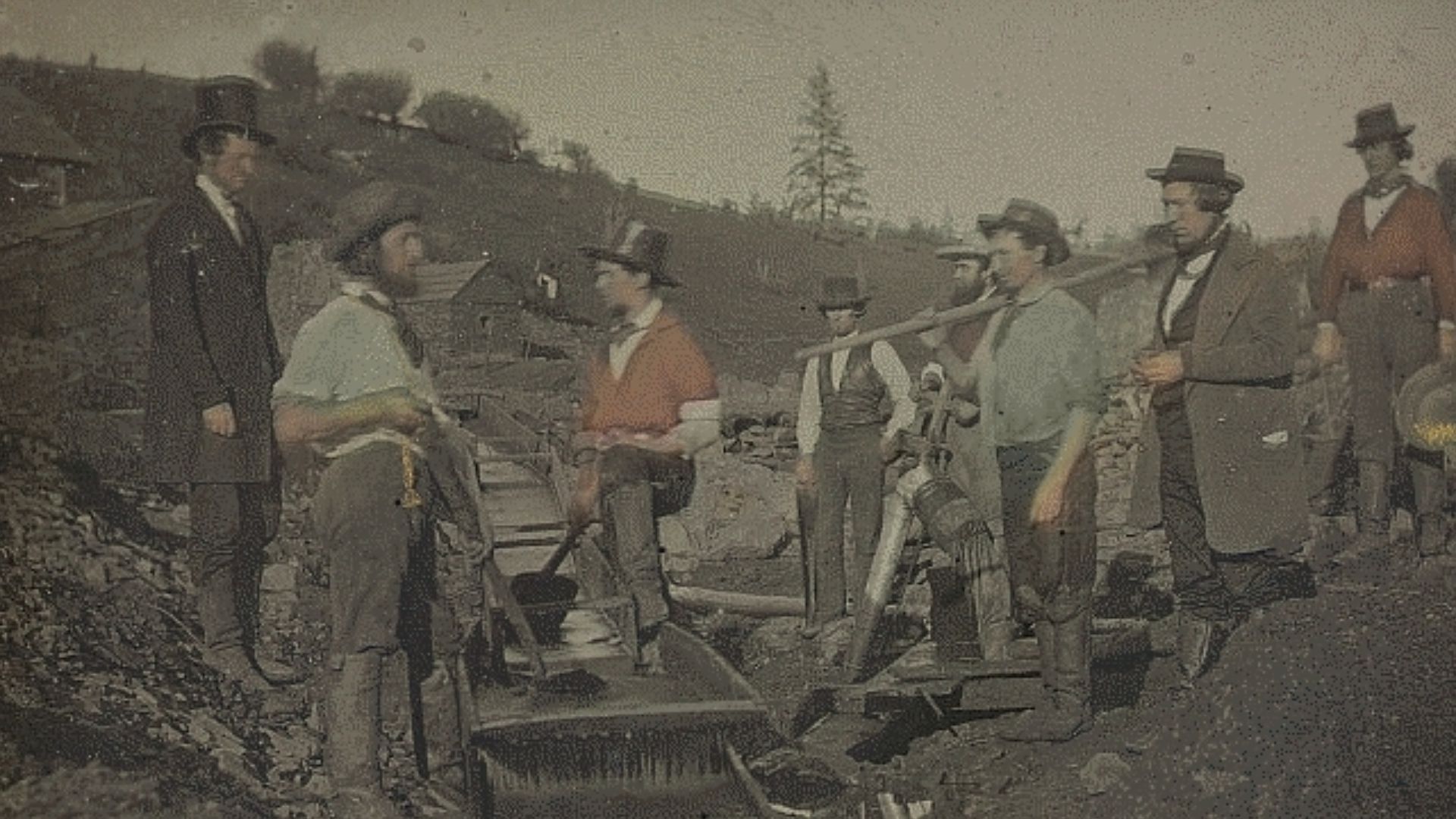
Philip Arnold was a poorly educated former hatter’s apprentice from Kentucky who had served in the Mexican-American War. He joined the California gold rush in 1849 and spent years working around western mining operations. By 1870, he was an assistant bookkeeper for a San Francisco company that manufactured drills using industrial diamonds.
 George H. Johnson, Wikimedia Commons
John Slack Played The Quiet Partner
Arnold joined forces with John Slack, an older cousin who had also served in the Mexican-American War and traveled west during the gold rush. Arnold became the talkative leader, while Slack presented himself as a cautious and reserved prospector. Their contrasting personalities helped make the pair appear like ordinary miners protecting a valuable secret.
![Daguerreotype of the Virginia regiment and Webster's battalion in Saltillo, Mexico, during the Mexican-American War. Courtesy of the Yale Collection of Western Americana, Beinecke Rare Book & Manuscript Library, Yale University, New Haven, Conn. [1]](https://www.factinate.com/storage/app/media/factinate/2026/8/18/17870438102dd4e87031c39613cec90c678f00def37149f35f.jpg) Unknown authorUnknown author, Wikimedia Commons
Unknown authorUnknown author, Wikimedia Commons
A Leather Bag Opened The Trap
Late in 1870, Arnold and Slack arrived at the San Francisco office of businessman George D. Roberts carrying a small leather bag. They said it contained valuables that they had been unable to deposit at the Bank of California because it was too late. After pretending to hesitate, Arnold revealed that the bag held rough diamonds from an undisclosed location.
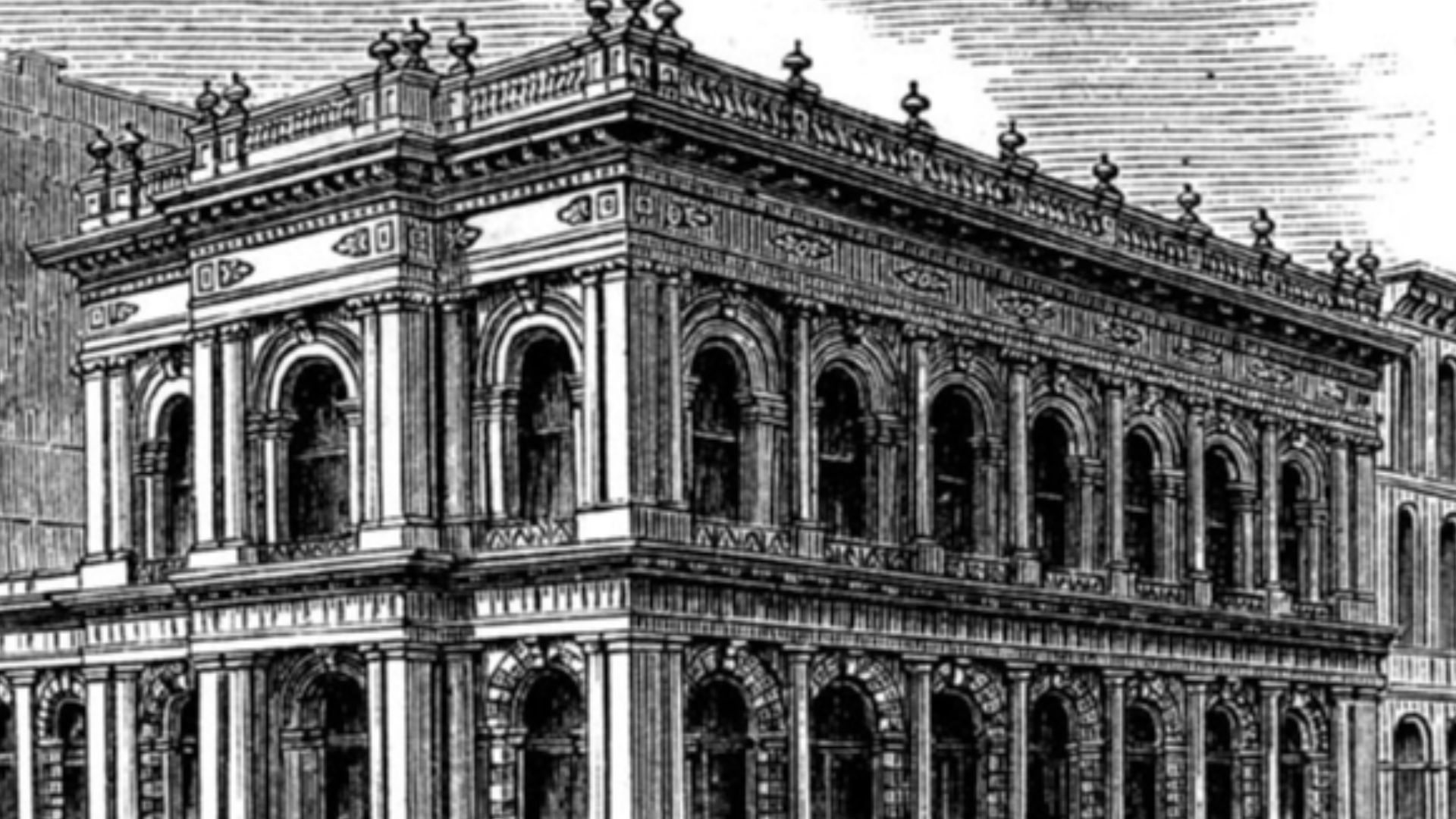 Engraver unkonwn, Wikimedia Commons
Their Secret Was Designed To Spread
Arnold and Slack persuaded Roberts to promise that he would keep their discovery confidential. Roberts quickly told William C. Ralston, the powerful founder of the Bank of California, and contacted entrepreneur Asbury Harpending. By demanding secrecy, the prospectors had made their story sound more credible and more irresistible.
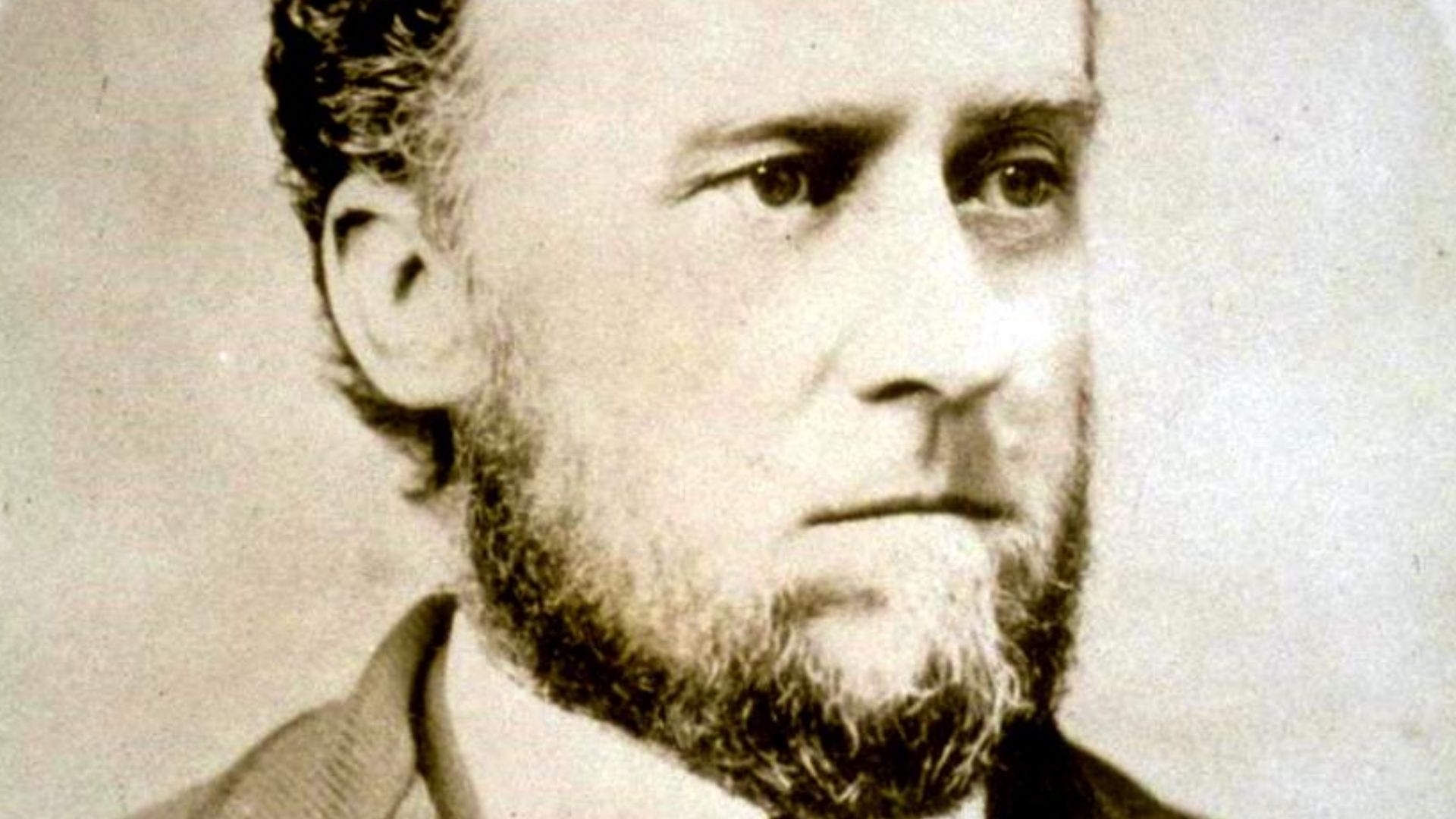 Unknown authorUnknown author, Wikimedia Commons
A Second Haul Raised The Stakes
Arnold and Slack later claimed that they had returned to the mysterious field and recovered 60 pounds of diamonds and rubies. They valued the supposed haul at approximately $600,000, and Roberts said that a local jeweler had authenticated the stones. Ralston, Harpending, William Lent, and General George S. Dodge soon became involved in the opportunity.
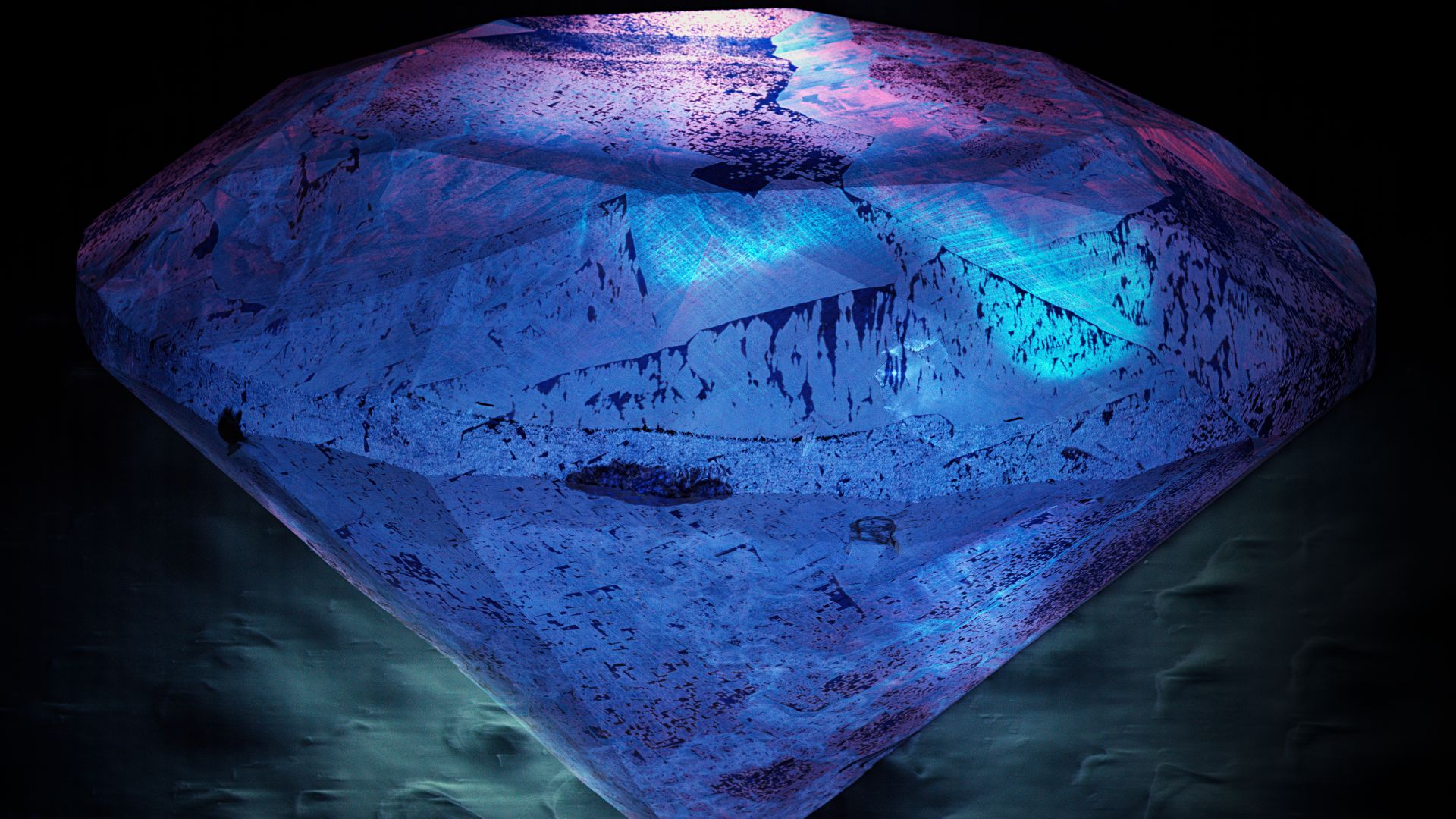 Pavel.Somov, Wikimedia Commons
The Partners Pretended To Resist
The businessmen wanted to buy the prospectors’ interests before anyone else learned about the discovery. Arnold and Slack initially acted reluctant to surrender their potentially limitless fortune. Slack eventually requested $100,000, with half paid immediately and the remainder promised after another expedition.
Their Real Mine Was In London
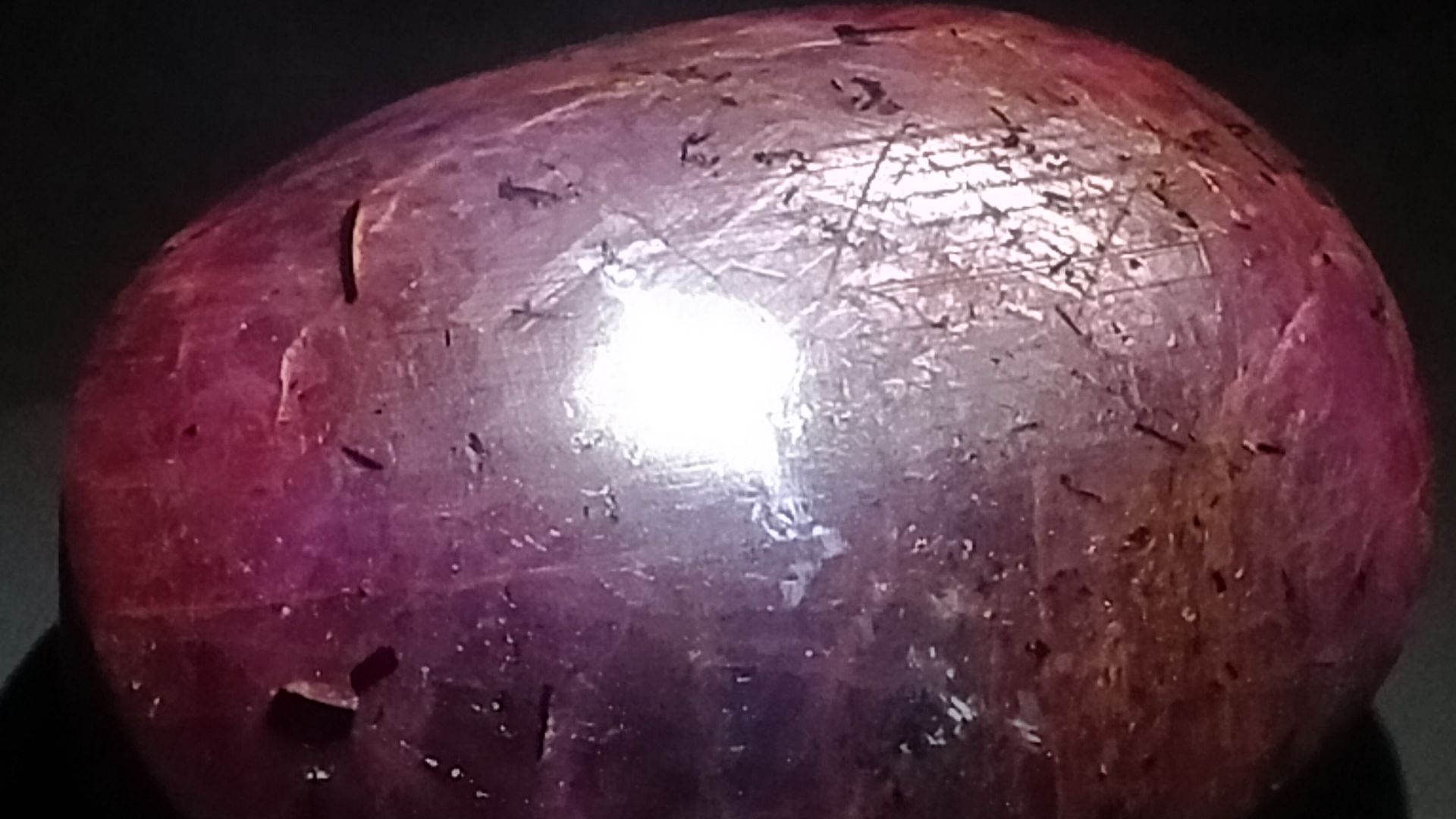
After receiving the first $50,000, Arnold and Slack traveled to England under assumed names. In July 1871, they bought approximately $20,000 worth of rough diamonds and rubies from London gem dealer Leopold Keller. Thousands of genuine but mostly low-grade stones gave the developing deception a remarkably convincing foundation.
 TheMaharlikan, Wikimedia Commons
A Lost Sack Improved The Story
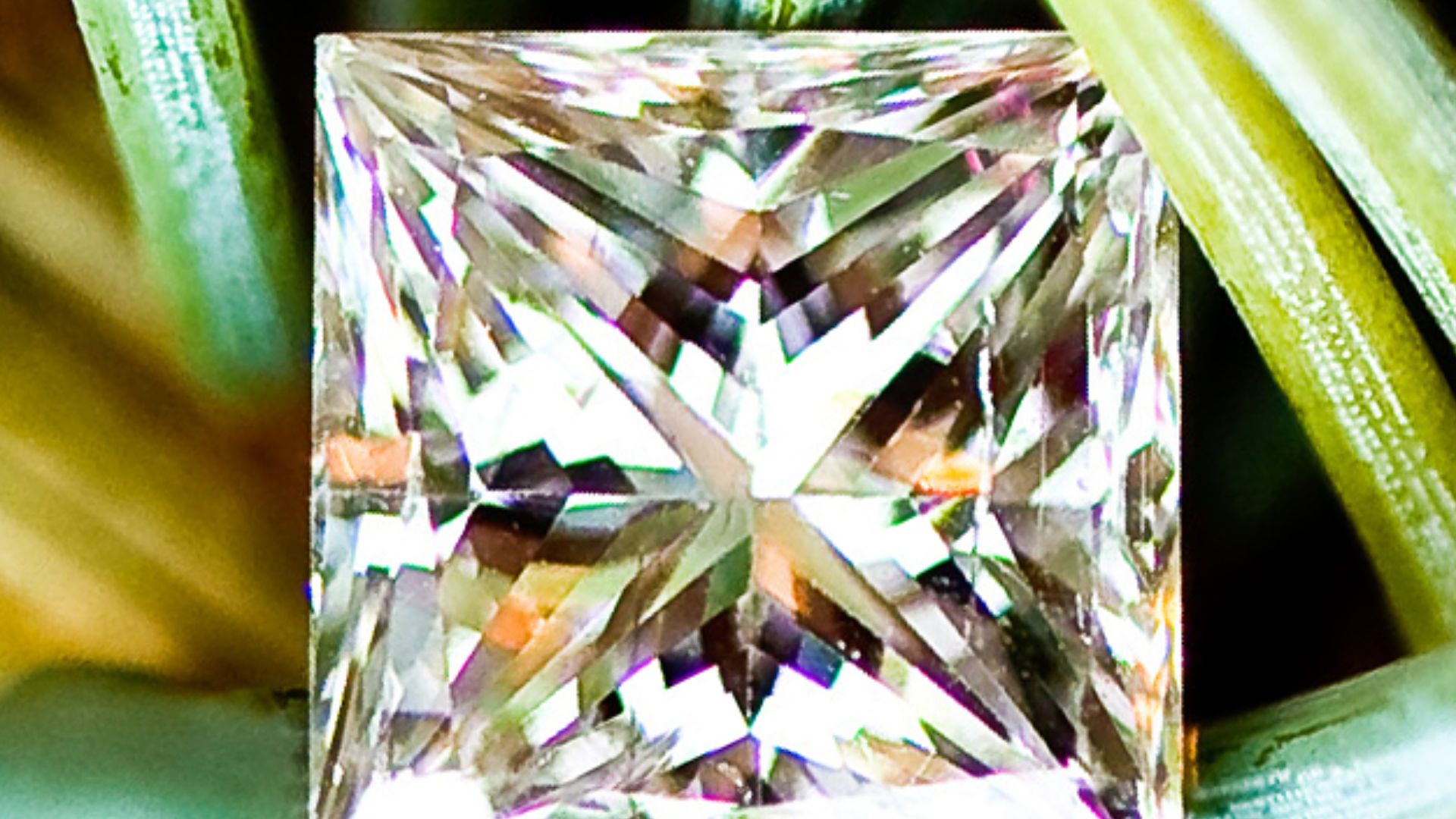
After returning to the United States, Arnold and Slack claimed that they had collected gems worth about $2 million. They said that one of two sacks had disappeared while they were crossing a river on a makeshift raft. Harpending received the surviving package and emptied its glittering contents onto a sheet spread across his billiard table.
 Seth Lemmons, Wikimedia Commons
Real Stones Made Perfect Props
The stones themselves were not counterfeit, which helped the prospectors survive basic examinations. The earliest diamonds were probably industrial-grade stones obtained through Arnold’s workplace, while other gems were likely purchased in Arizona. The fraud concerned where the stones came from, not whether they were genuine.
 AmberLocket, Wikimedia Commons
The Backers Tried Due Diligence
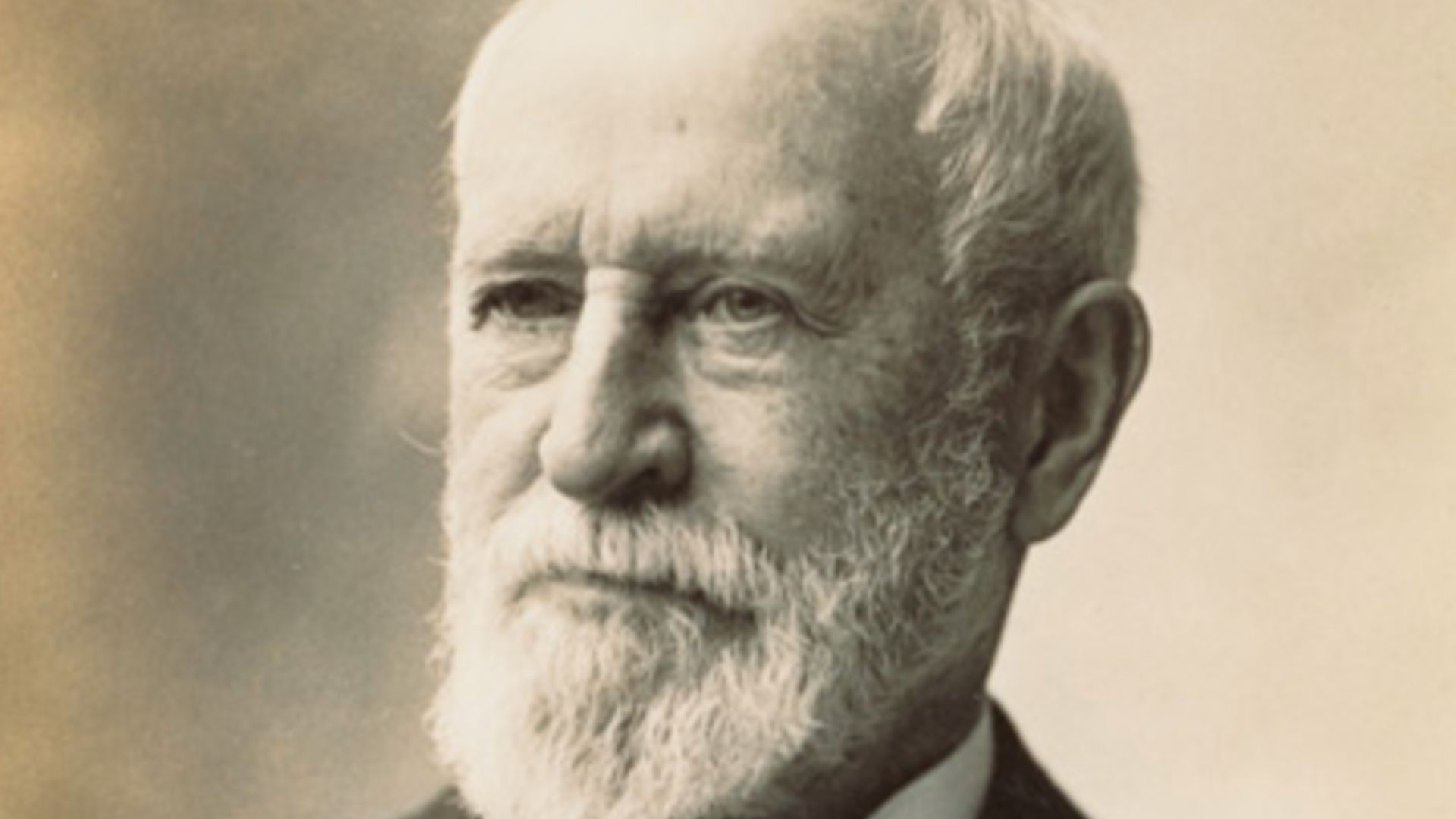
Ralston and his associates understood that they needed professional opinions before investing more money. They sent approximately 10 percent of the latest collection to New York for appraisal by Charles Lewis Tiffany, the founder of Tiffany & Co. They also planned to hire an experienced mining engineer to examine the secret field.
 Unknown authorUnknown author, Wikimedia Commons
Famous Men Gathered Around The Gems
The appraisal took place at attorney Samuel Barlow’s New York home in October 1871. Those present included Tiffany, former Union commander George B. McClellan, Congressman Benjamin Butler, and newspaper editor Horace Greeley. Their presence gave the venture an aura of national importance, although their precise roles were not all the same.
 Unknown authorUnknown author, Wikimedia Commons
Tiffany Delivered A Costly Verdict
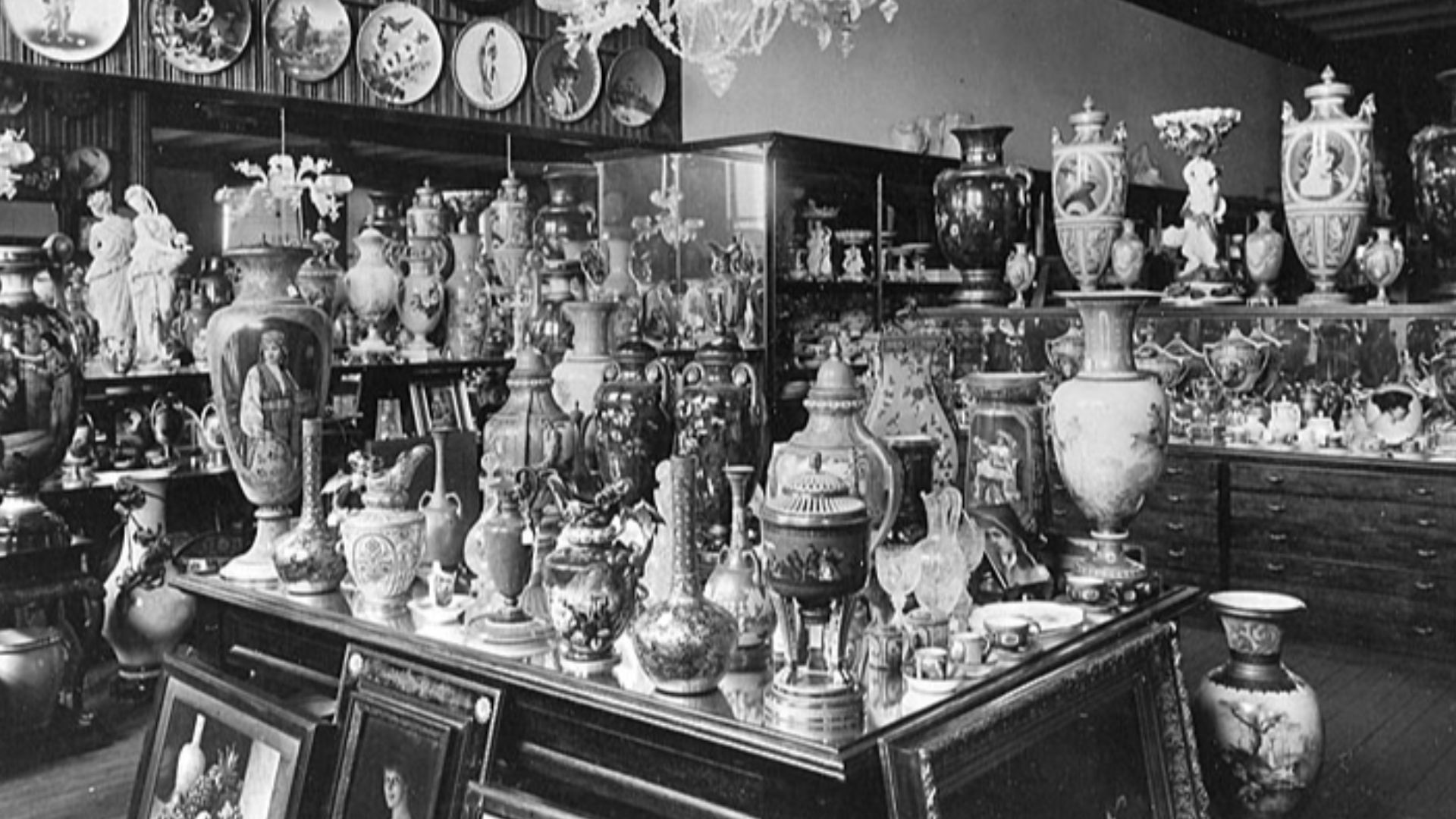
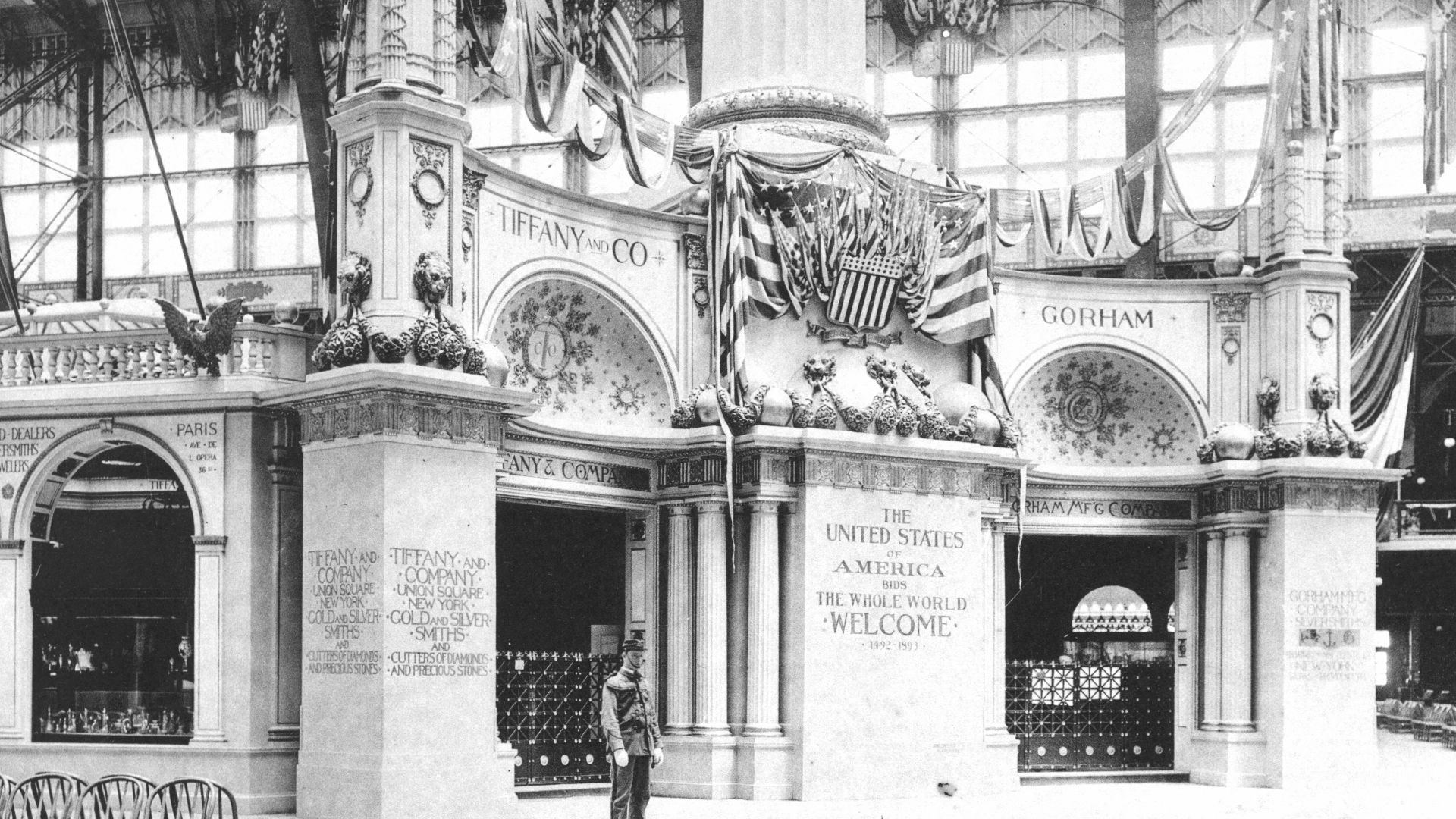
Tiffany declared that the collection contained precious stones of enormous value, then asked his lapidary to study them more closely. Two days later, he valued the sample at $150,000. Neither Tiffany nor his lapidary had extensive experience evaluating rough, uncut gems, and the estimate was far above their actual value.
 Unknown authorUnknown author, Wikimedia Commons
Arnold Returned To Europe
Tiffany’s famous name gave the scheme credibility that Arnold could never have created alone. Arnold obtained another $100,000 from the investors and returned to London, where he spent $8,000 on more uncut stones. Those gems would help prepare the field for the investors’ chosen mining expert.
 C. D. Arnold (1844-1927); H. D. Higinbotham, Wikimedia Commons
A Company Took Shape
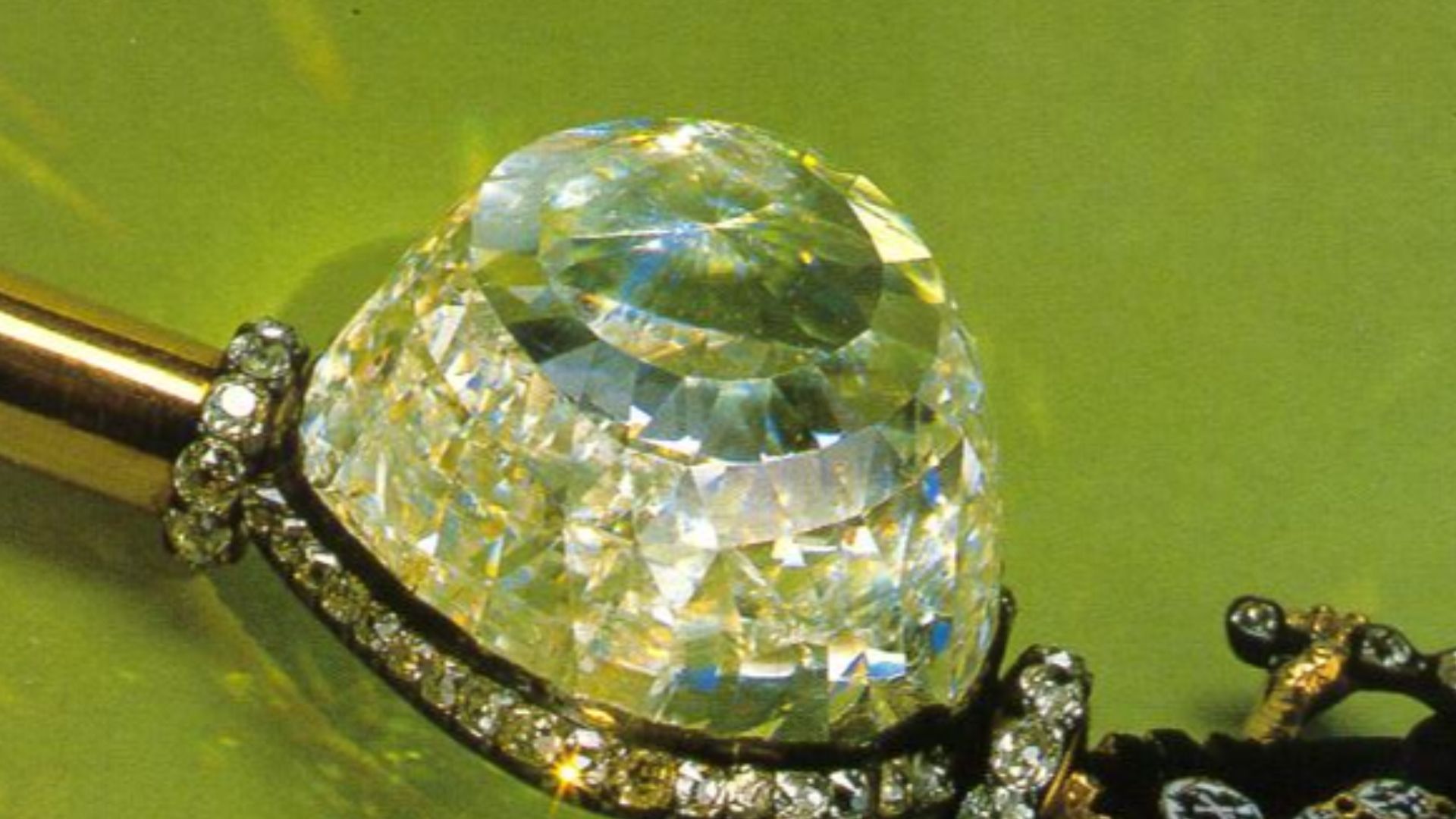
The backers organized the San Francisco and New York Mining and Commercial Company to control the supposed deposit. Samples of the stones appeared in the window of San Francisco jeweler William Willis, increasing public curiosity. Behind the scenes, the company prepared a large stock offering based on the promised riches.
 Elkan Wijnberg, Wikimedia Commons
Henry Janin Became The Final Safeguard
The investors hired Henry Janin, a highly respected mining engineer, to examine the site. He received a $2,500 fee and the right to purchase 1,000 company shares at $10 each. His involvement was supposed to provide the independent scientific judgment that Tiffany’s appraisal could not.
The Journey Became Part Of The Performance
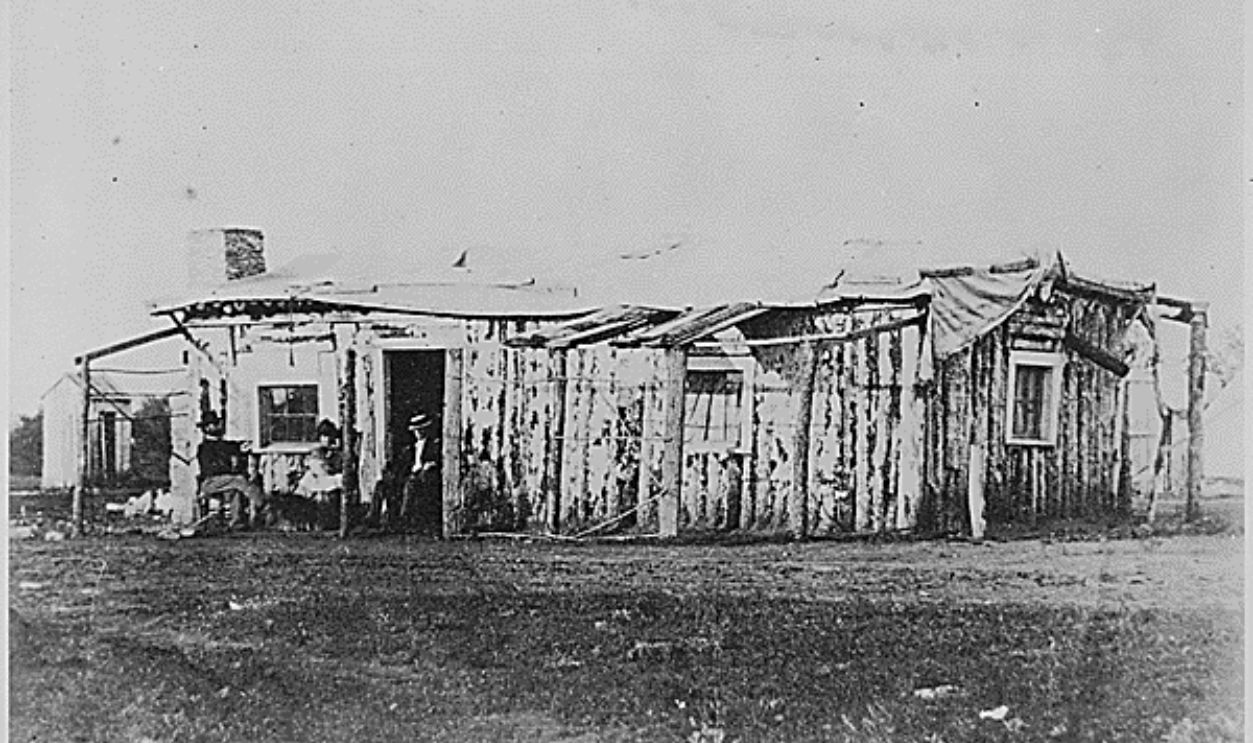
In June 1872, Arnold and Slack met Janin, Harpending, Dodge, and Alfred Rubery before traveling by train to Rawlins, Wyoming Territory. From there, the prospectors guided the party through four days of confusing horseback travel. They repeatedly appeared lost, creating the impression that the field was extremely remote and difficult to locate.
 National Archives and Records Administration, Wikimedia Commons
The Mesa Put On A Show
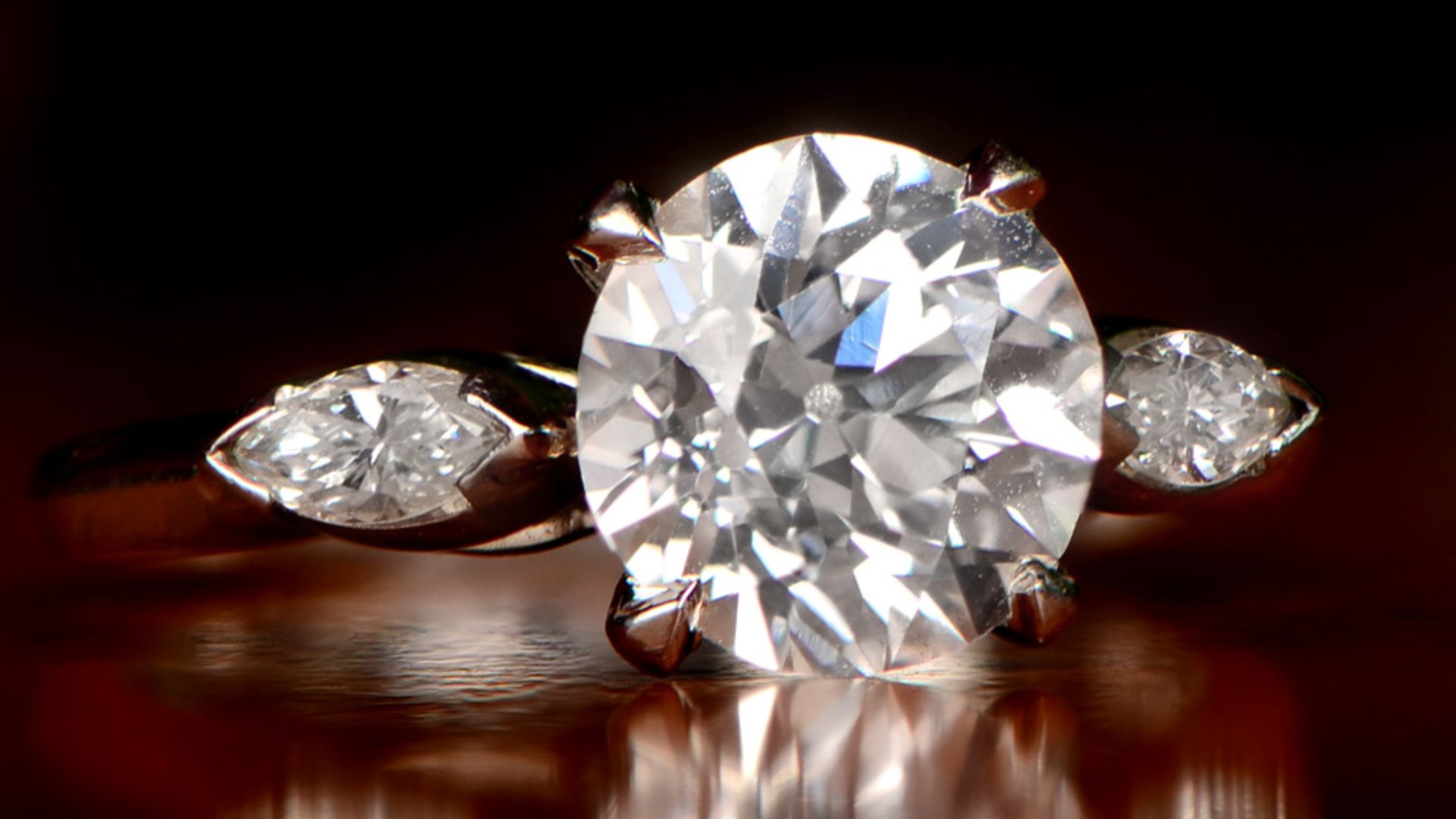
The group reached the mesa where Arnold and Slack had previously planted the gems on June 4 and began searching almost immediately. Arnold helpfully directed the men toward promising places to dig, and Rubery soon discovered the first diamond. For more than an hour, the party found diamonds, rubies, emeralds, and sapphires in astonishing quantities.
 CatherineLewis1976, Wikimedia Commons
Even The Expert Saw Riches
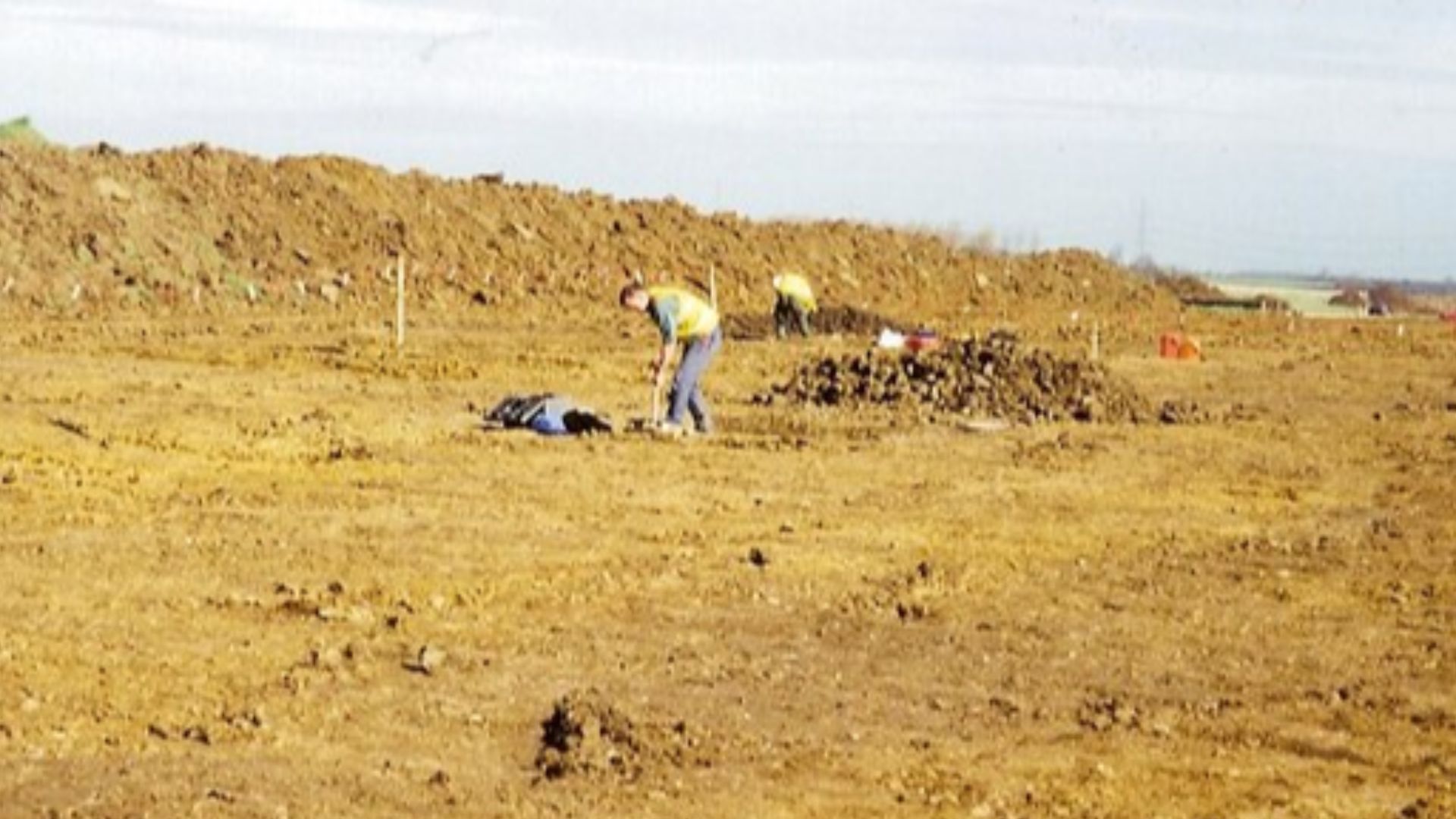
After two days of searching, Janin accepted the deposit as genuine and became intensely enthusiastic about its potential. He staked claims covering approximately 3,000 acres, although the heavily salted area occupied little more than an acre. Janin valued the proposed company shares at $40 each and later sold his allotment at that price, earning a $30,000 profit above his fee.
 Michael Trolove, Wikimedia Commons
The Grifters Cashed Out
Slack ultimately received $100,000, while Arnold collected approximately $550,000 before expenses. Arnold had already moved his family back to Kentucky by the spring of 1872. Slack also disappeared from the venture, leaving the investors to transform the fraudulent discovery into a functioning business.
 Giuseppe Milo, Wikimedia Commons
Diamond Fever Escaped The Boardroom
Reports of the field circulated despite the company’s efforts to conceal its location. Prospectors searched across several western territories, while financiers in New York and London followed the developing venture. Tiffany’s appraisal and Janin’s report made the story seem stronger every time it was repeated.
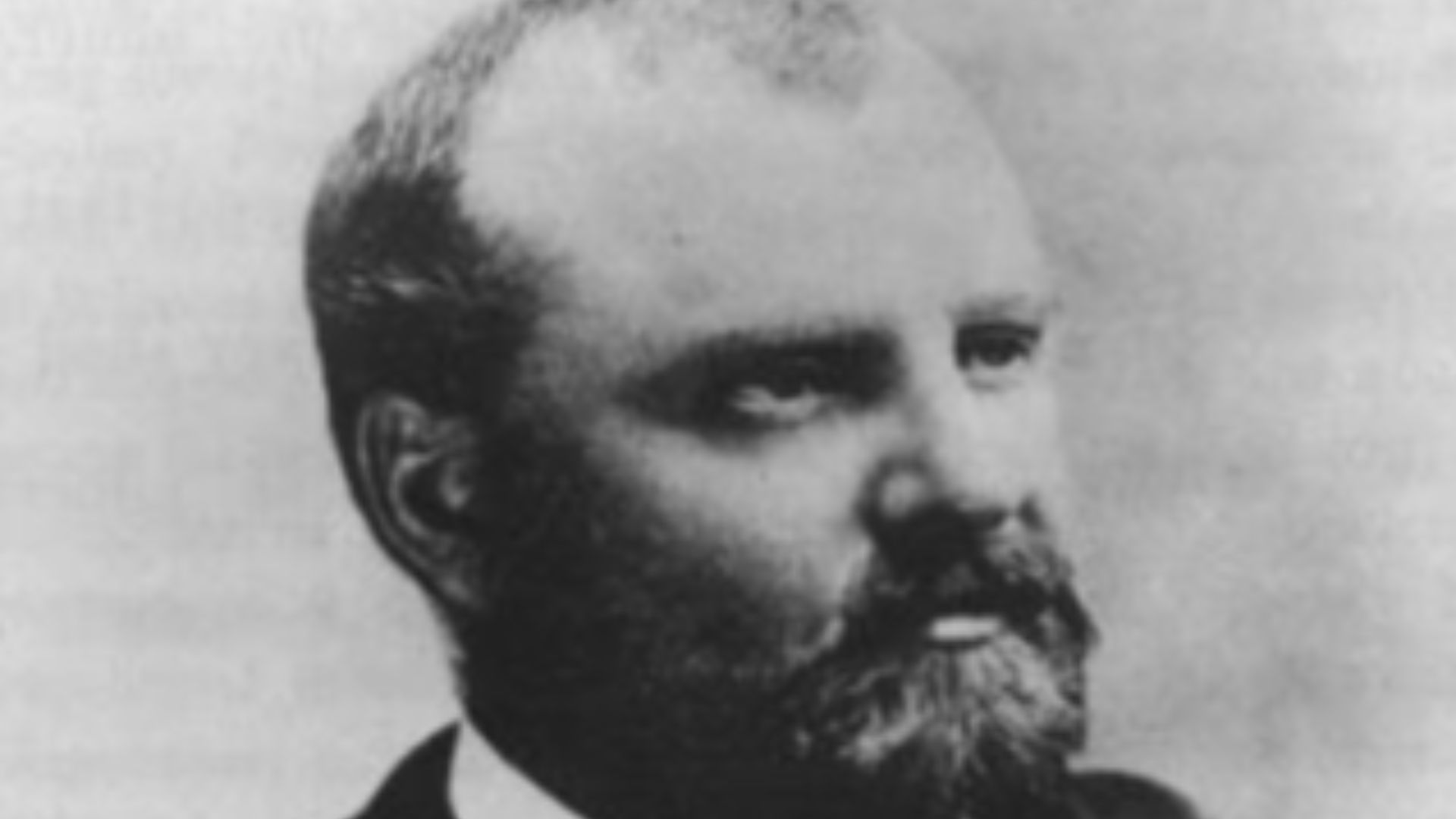
Clarence King Had Reasons To Doubt
Government geologist Clarence King directed the Geological Exploration of the Fortieth Parallel, which had surveyed a vast region along the transcontinental railroad. In October 1872, members of his team encountered Janin on a train and saw diamonds from the celebrated field. If such a deposit existed inside their survey area, King and his colleagues had somehow overlooked an extraordinary geological feature.
 Unknown authorUnknown author, Wikimedia Commons
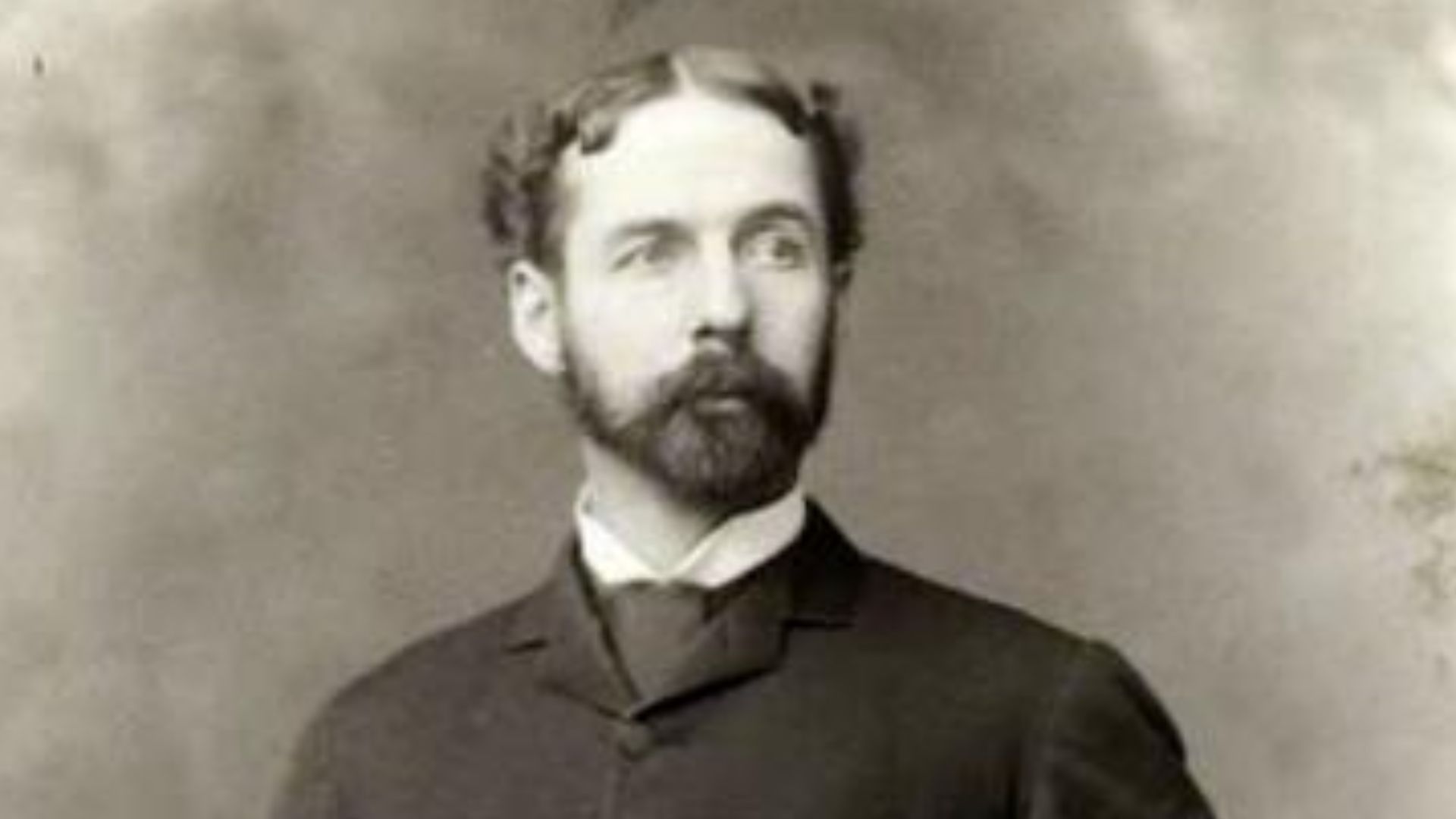
His Team Tracked Down The Site
Geologists Samuel Emmons and A. D. Wilson headed east on October 21, with King following the next day. After collecting supplies at Fort Bridger, the party endured a freezing journey of roughly 150 miles toward the suspected location. Claim notices posted by Janin eventually confirmed that they had found the investors’ field.
 William Kurtz, Wikimedia Commons
The Ground Gave Away The Trick
King’s party initially found gems and briefly experienced the same excitement that had overwhelmed Janin. Suspicion grew when diamonds and rubies appeared together in an implausibly regular pattern, almost entirely in disturbed ground. Altered anthills contained stones, untouched anthills did not, and a 10-foot trench failed to produce a single gem below the surface.
![From left: James Terry Gardiner, Clarence King, and [Richard] D. Cotter, American surveyors](https://www.factinate.com/storage/app/media/factinate/2026/8/18/178705025591be236c7b6445c2e904503a1d00899795f3be61.jpg) Unknown authorUnknown author, Wikimedia Commons
Unknown authorUnknown author, Wikimedia Commons
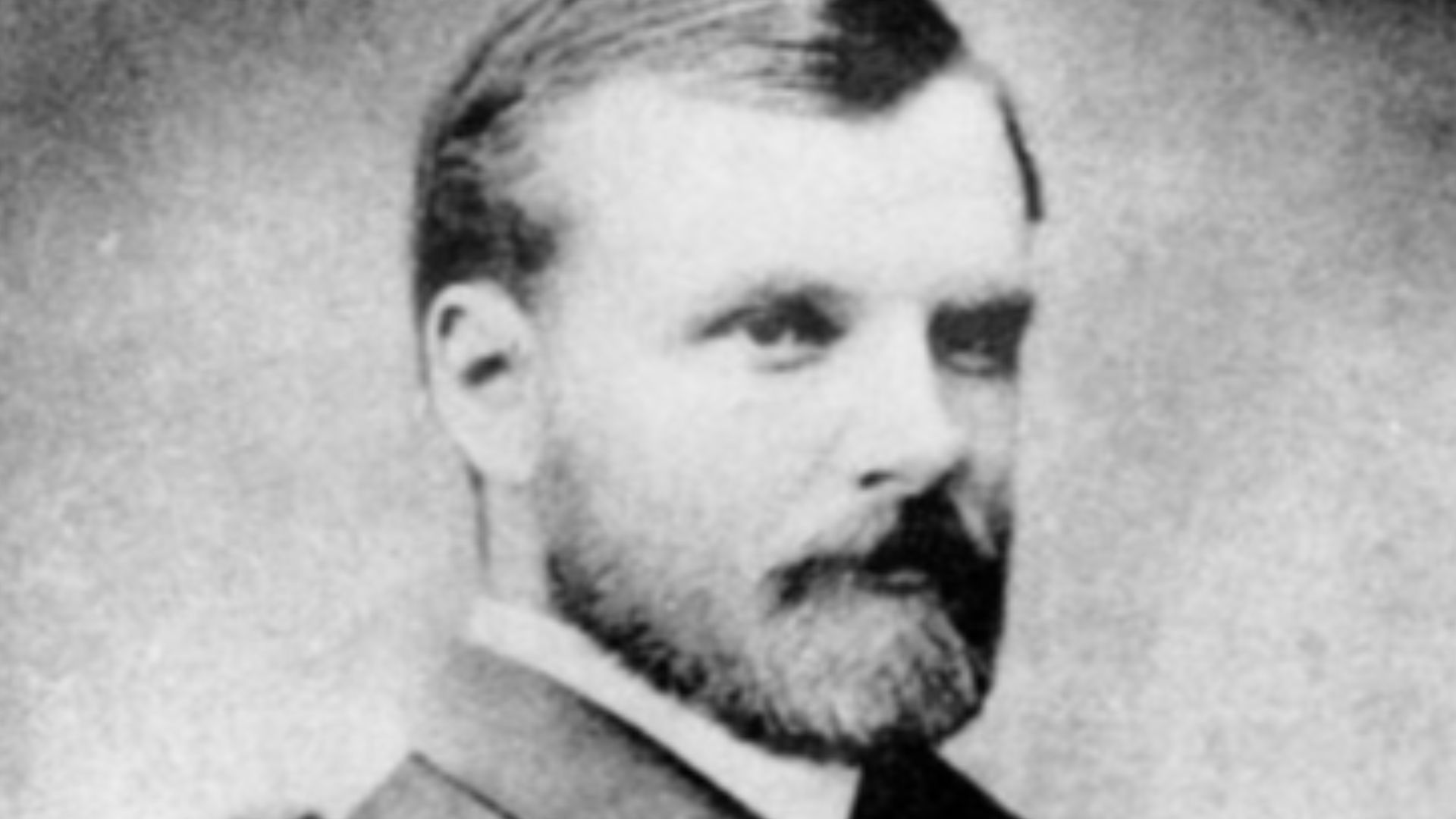
King Raced To Stop The Sale
King hurried back to the railroad and reached San Francisco on November 10. He convinced Janin of the fraud, then presented his findings to the company’s stunned directors the following morning. The board halted a planned sale of 100,000 shares at $100 each, and another inspection confirmed that the field had been thoroughly salted.
 Unknown photographer, Wikimedia Commons
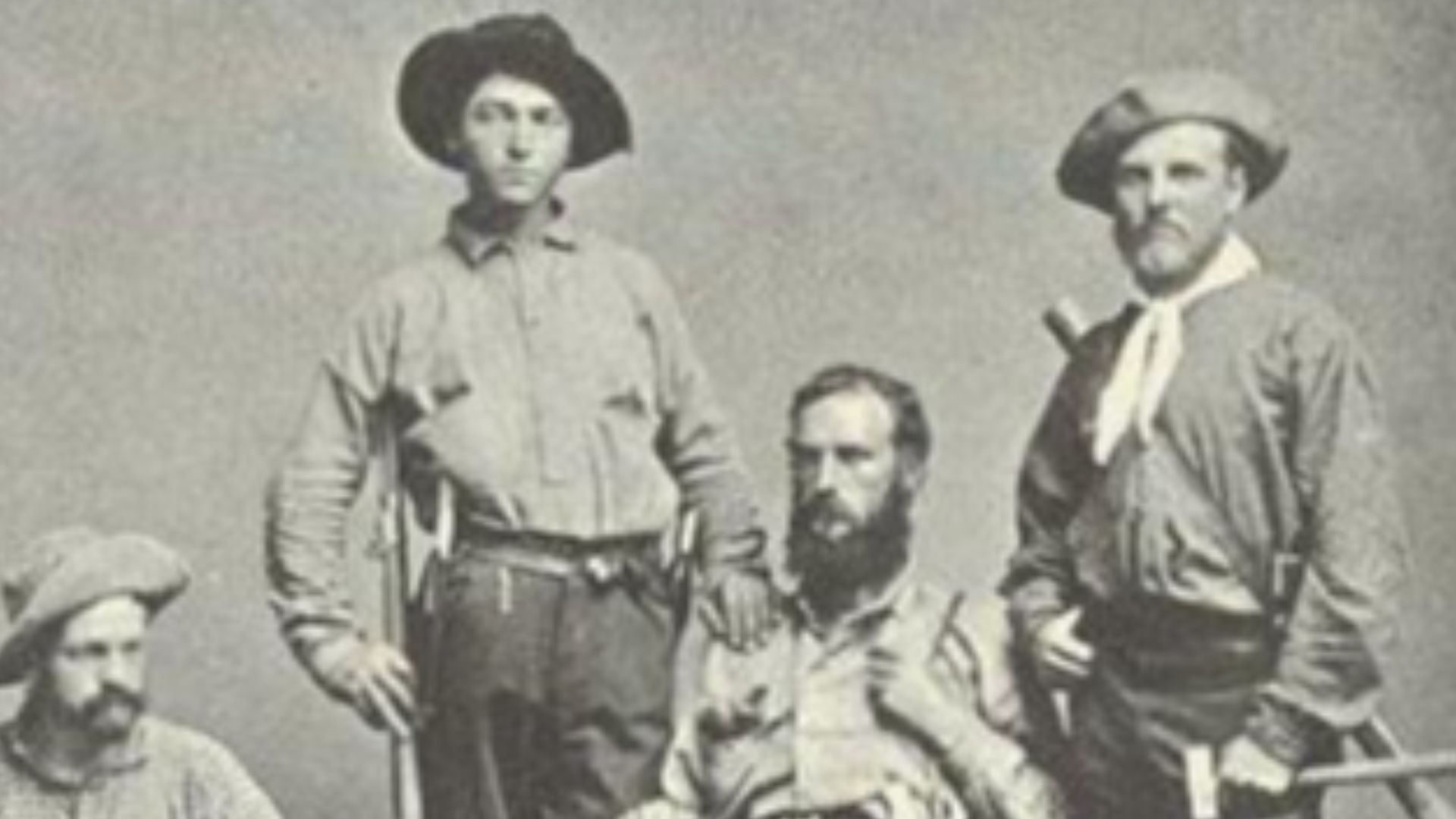
The Grifters Escaped Justice
Arnold settled one investor’s lawsuit for $150,000, then used his remaining fortune to become a Kentucky banker. He died of pneumonia in 1878 after being wounded during a shootout with a business rival. Slack reportedly became a casket maker and undertaker before dying in New Mexico in 1896. King became a national celebrity and was appointed the first director of the United States Geological Survey in 1879.
 anonymous photographer, Wikimedia Commons
The Great Diamond Hoax Endured
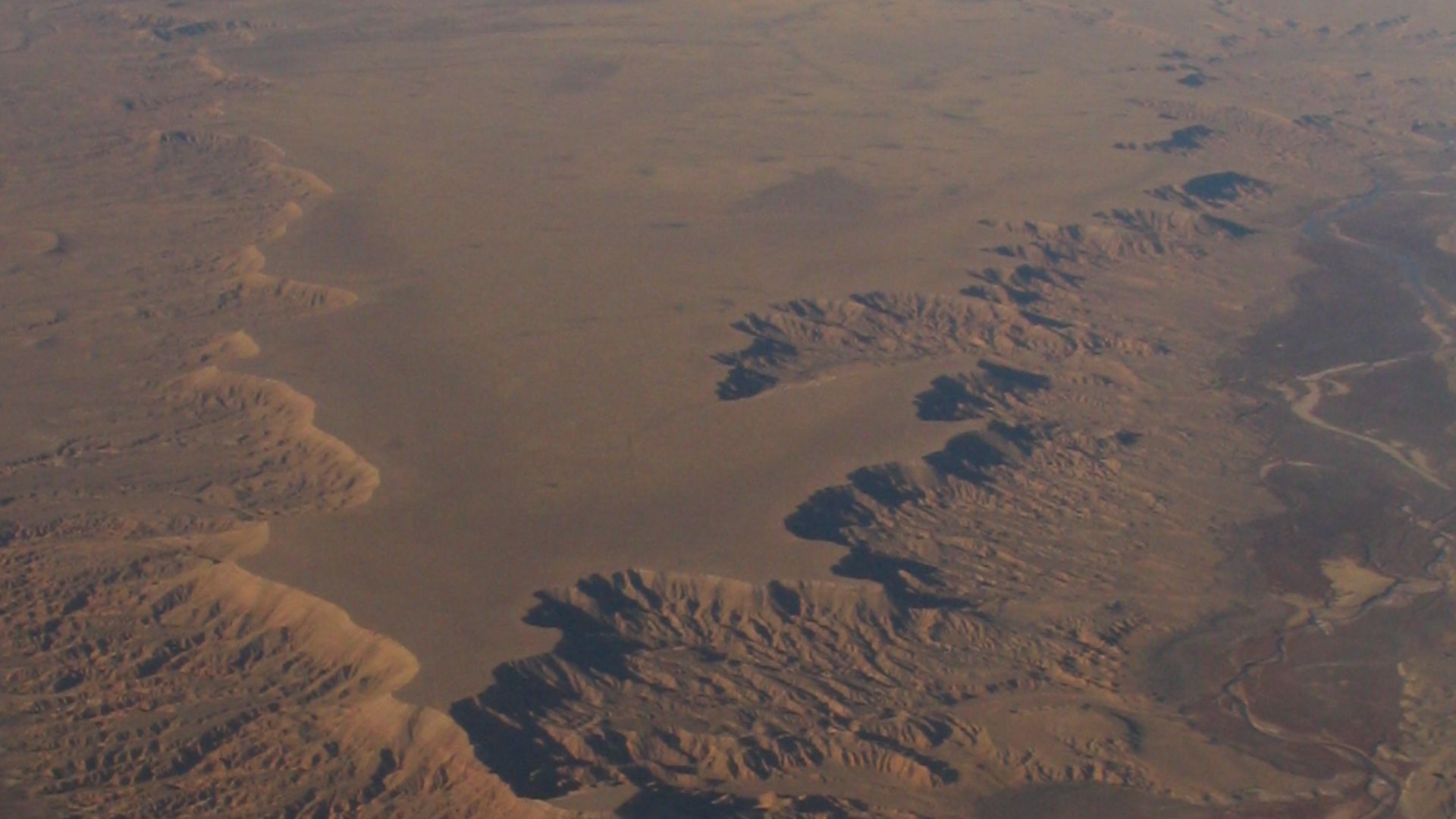
The empty mesa remains marked as Diamond Field on modern maps, even though its famous riches never existed. Arnold and Slack succeeded because their stones were real and the experts examining them appeared trustworthy. The Great Diamond Hoax remains a spectacular warning that famous names and dazzling promises cannot substitute for careful evidence.
 Ken Lund from Reno, Nevada, USA, Wikimedia Commons
You May Also Like:
How The Yorkshire Witch Convinced Britain That A Chicken Laid Prophetic Eggs
How Mary Toft Convinced England’s Greatest Doctors That She Had Given Birth To Rabbits