San Diego Made A Dangerous Bargain
In December 1915, San Diego was desperate for water after years of disappointing rainfall. Charles Hatfield offered an extraordinary solution, promising to fill the city’s Morena Reservoir for $10,000. Within weeks of beginning his work, rain was falling across the region. Then the weather turned into one of the worst disasters in San Diego history.
 Visual Studies Workshop, Getty Images
Drought Threatened The Growing City
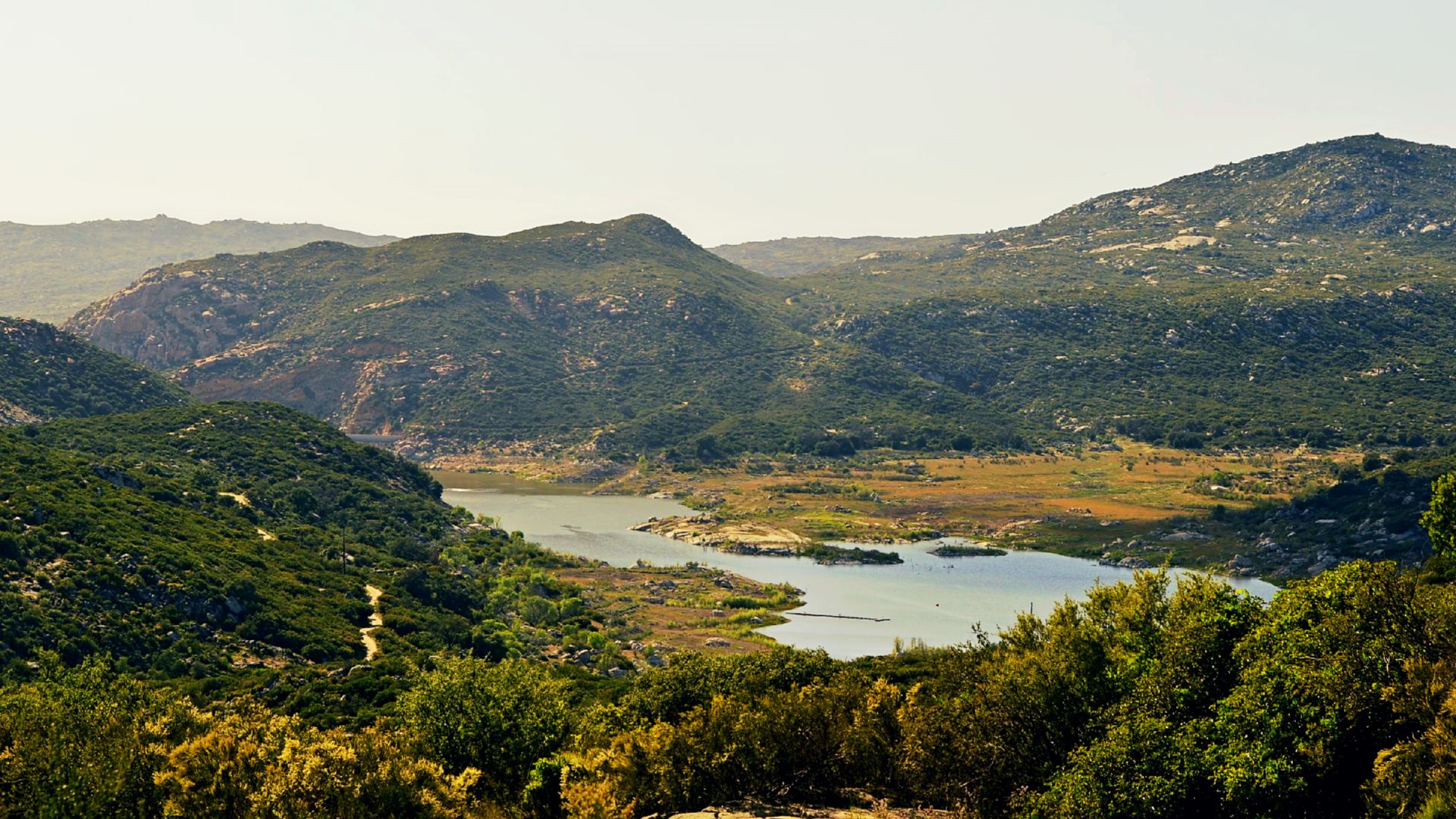
San Diego had ambitious plans for growth, but its limited water supply remained a constant concern. Reservoir levels had fallen dangerously low during a prolonged dry period, and Morena Reservoir was only partially filled. Civic leaders worried that the shortage could damage agriculture, development, and the city’s carefully cultivated image. Traditional solutions would take time, so an unconventional proposal suddenly seemed worth considering.
 Rickbramhall, Wikimedia Commons
The Exposition Raised The Stakes
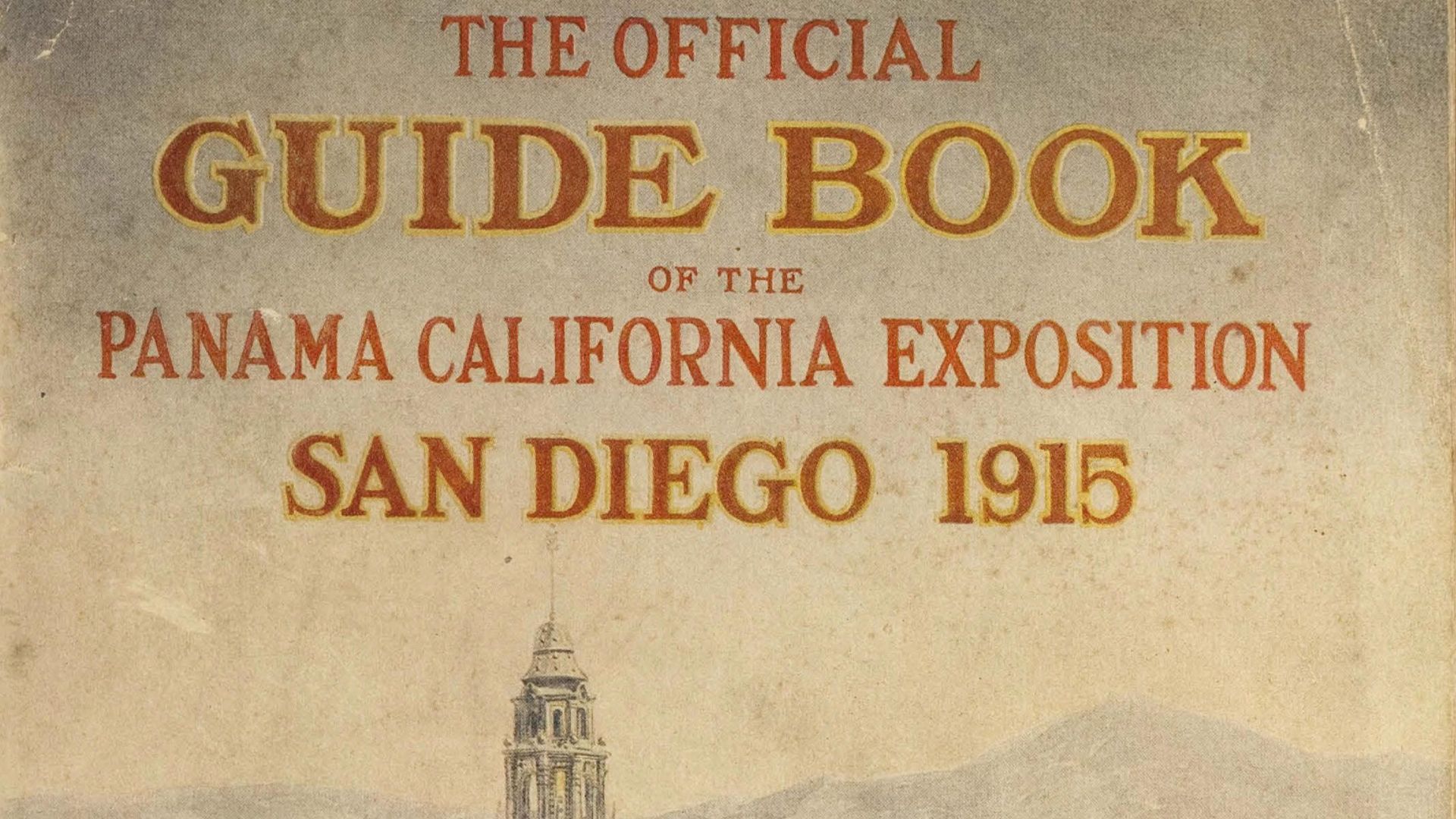
The Panama-California Exposition had opened in Balboa Park in 1915 to celebrate the completion of the Panama Canal. City boosters hoped the event would attract visitors, investment, and national attention. A severe water shortage hardly supported the image of a flourishing modern city. Some business leaders therefore pushed officials to consider dramatic measures.
Charles Hatfield Offered An Answer
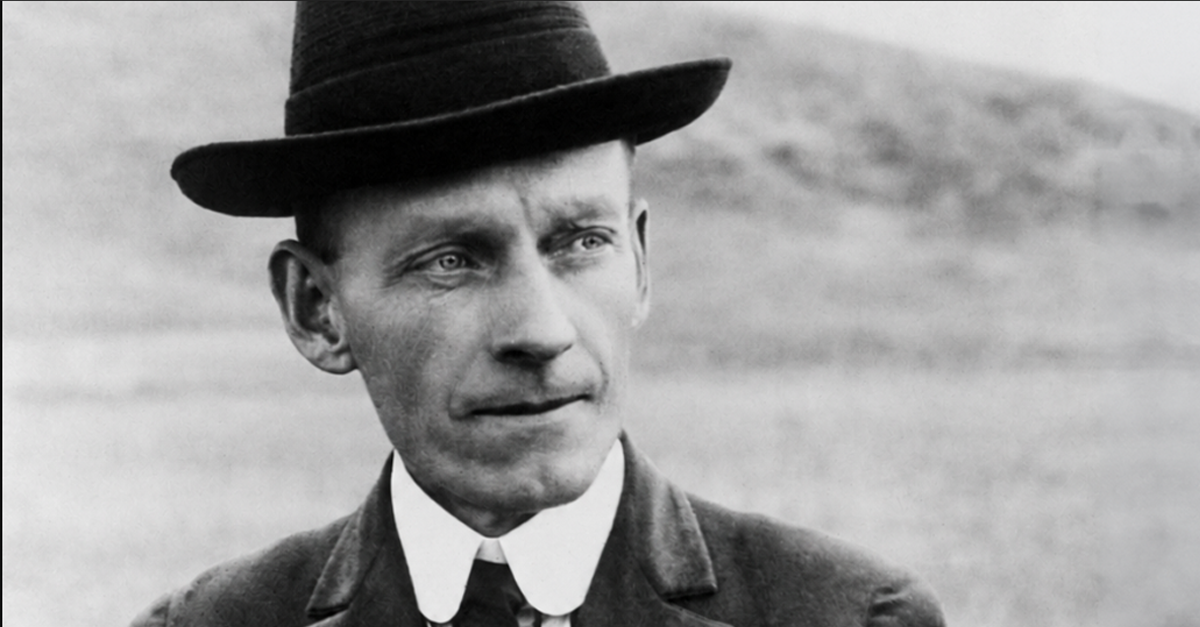
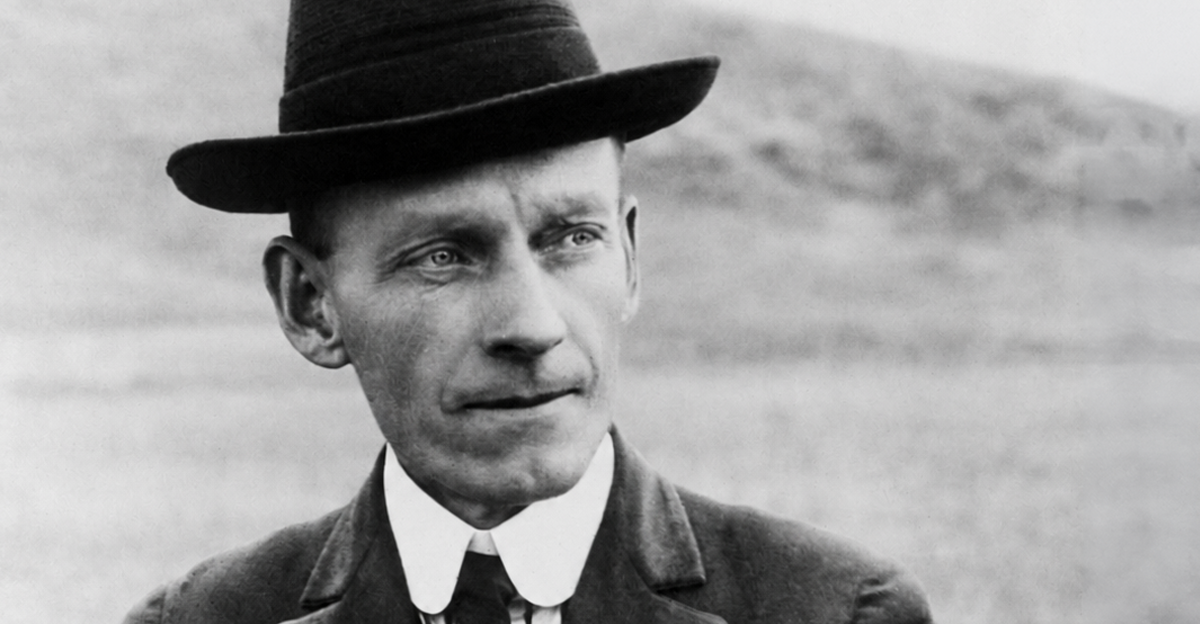
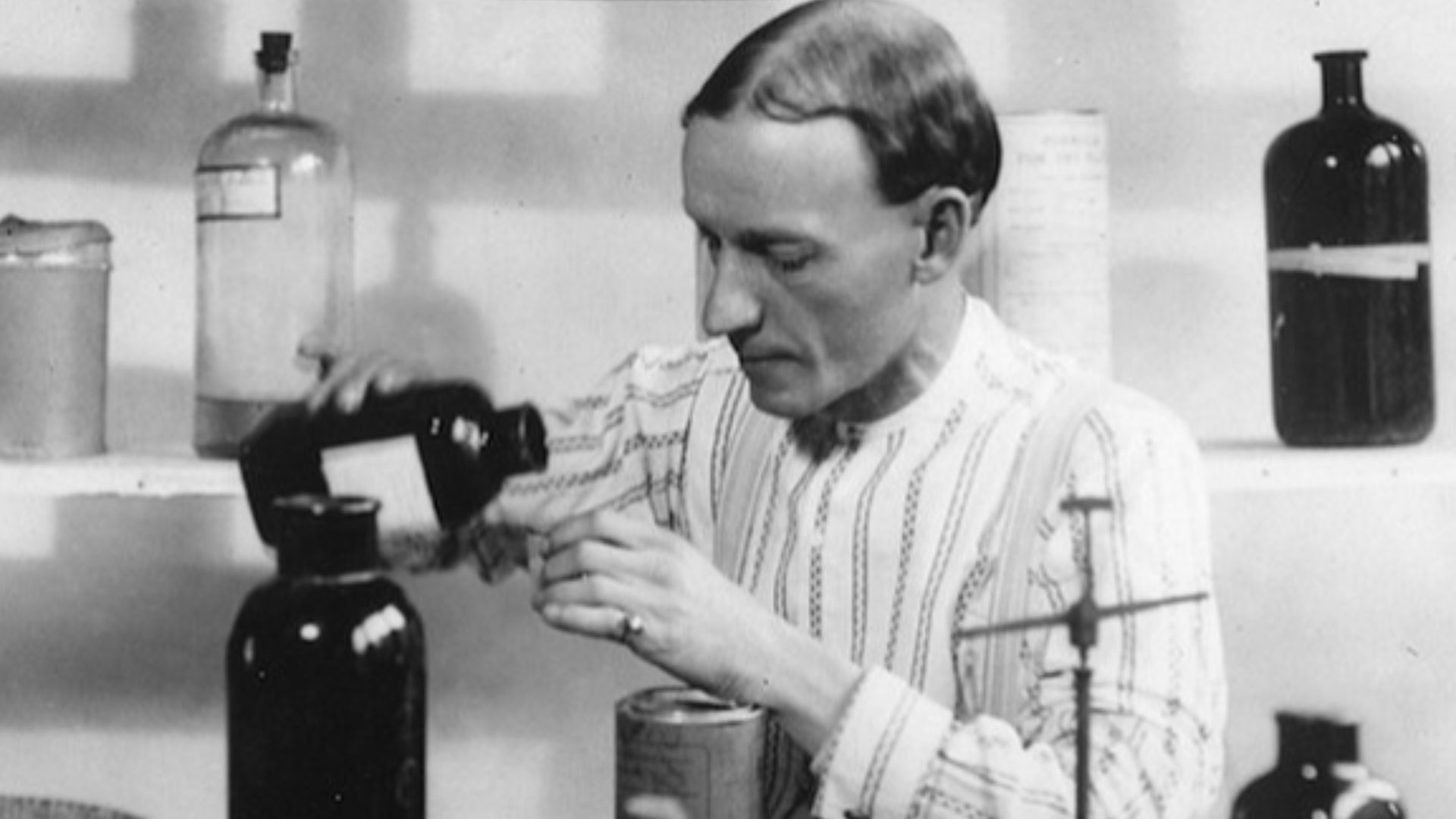
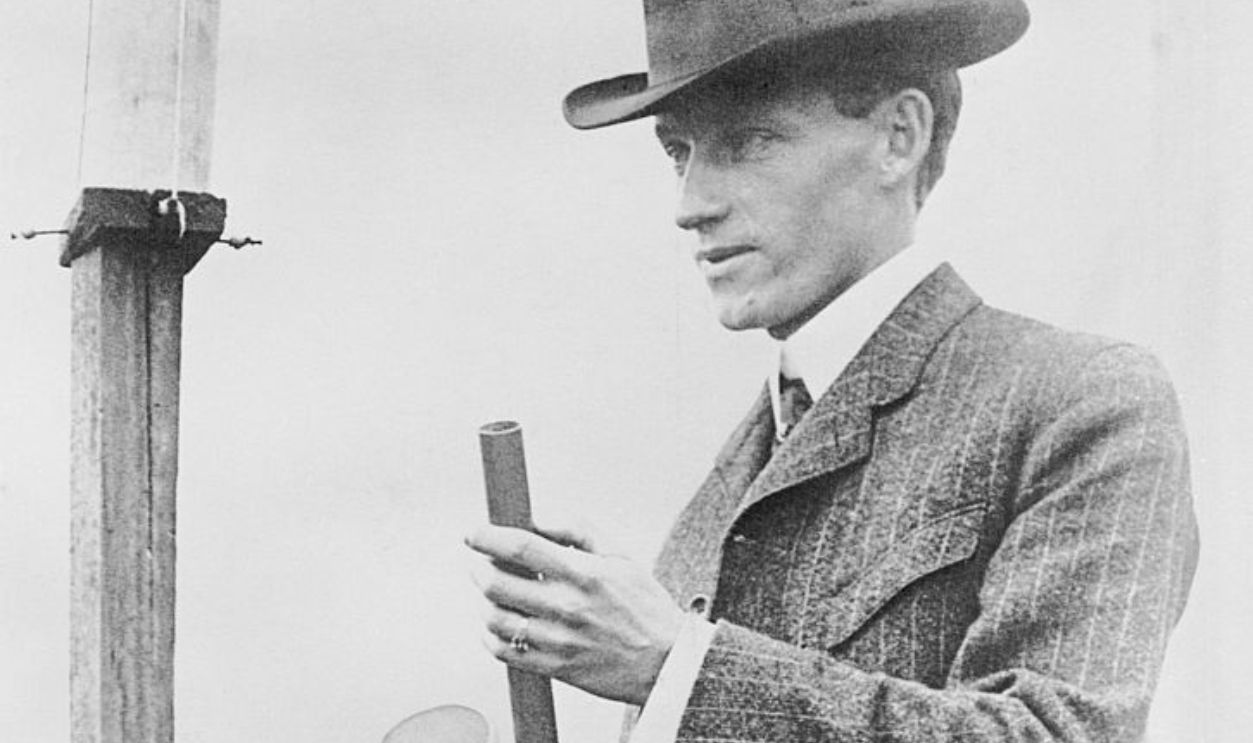
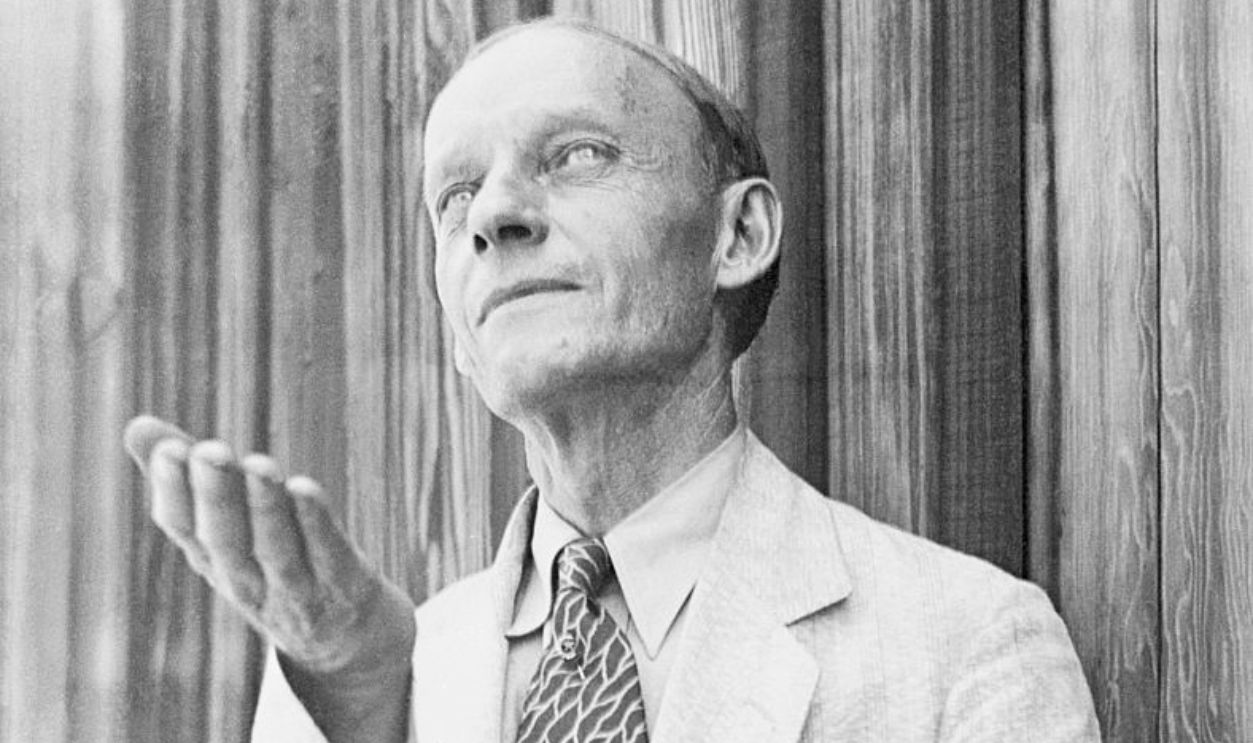
Charles Mallory Hatfield was a former sewing machine salesman who described himself as a “moisture accelerator.” He claimed that he did not create rain from nothing but encouraged existing clouds to release their moisture. By 1915, he had spent more than a decade promoting his mysterious method. His carefully publicized successes had made him one of America’s best-known rainmakers.
 AnonymousUnknown author, Wikimedia Commons
He Built His Secret On A California Ranch
Hatfield began experimenting with artificial rainmaking on his family’s ranch near Bonsall, California. He released vapors from a secret chemical mixture atop tall wooden towers, claiming they encouraged clouds to release moisture. Although he hinted the formula contained dozens of ingredients, he never revealed its contents. He took the secret to his grave.
America Was Ready To Believe In Rainmakers
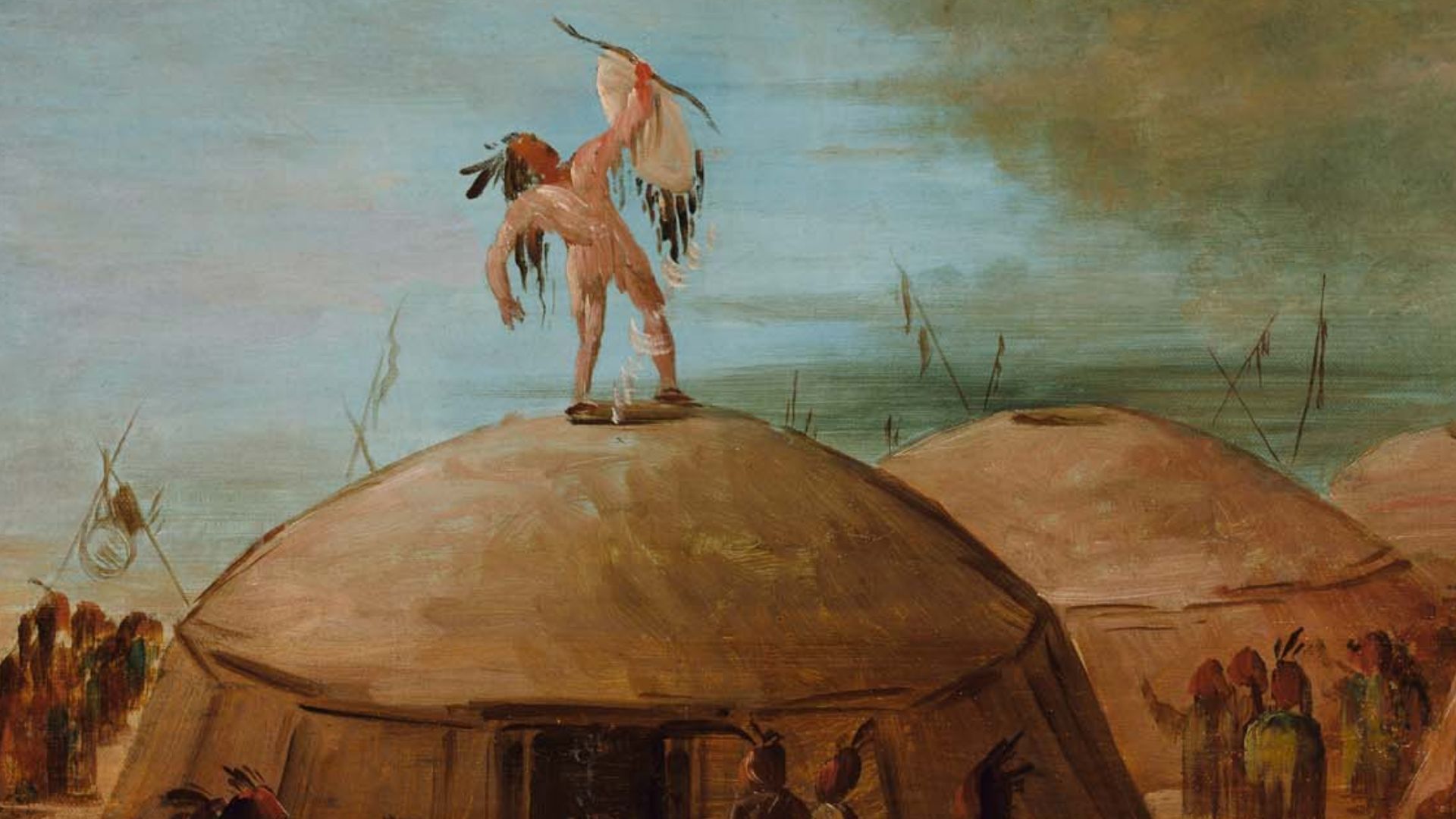
Rainmaking experiments had fascinated Americans since the late 19th century, with inventors trying everything from fires and explosions to balloons and chemical vapors. Hatfield gained national attention in 1904 after promising Los Angeles-area business leaders 18 inches of rain. When that target was reached, he collected a $1,000 fee and soon attracted contracts from farmers, mining companies, and cities across the American West.
 George Catlin, Wikimedia Commons
San Diego Heard His Proposal
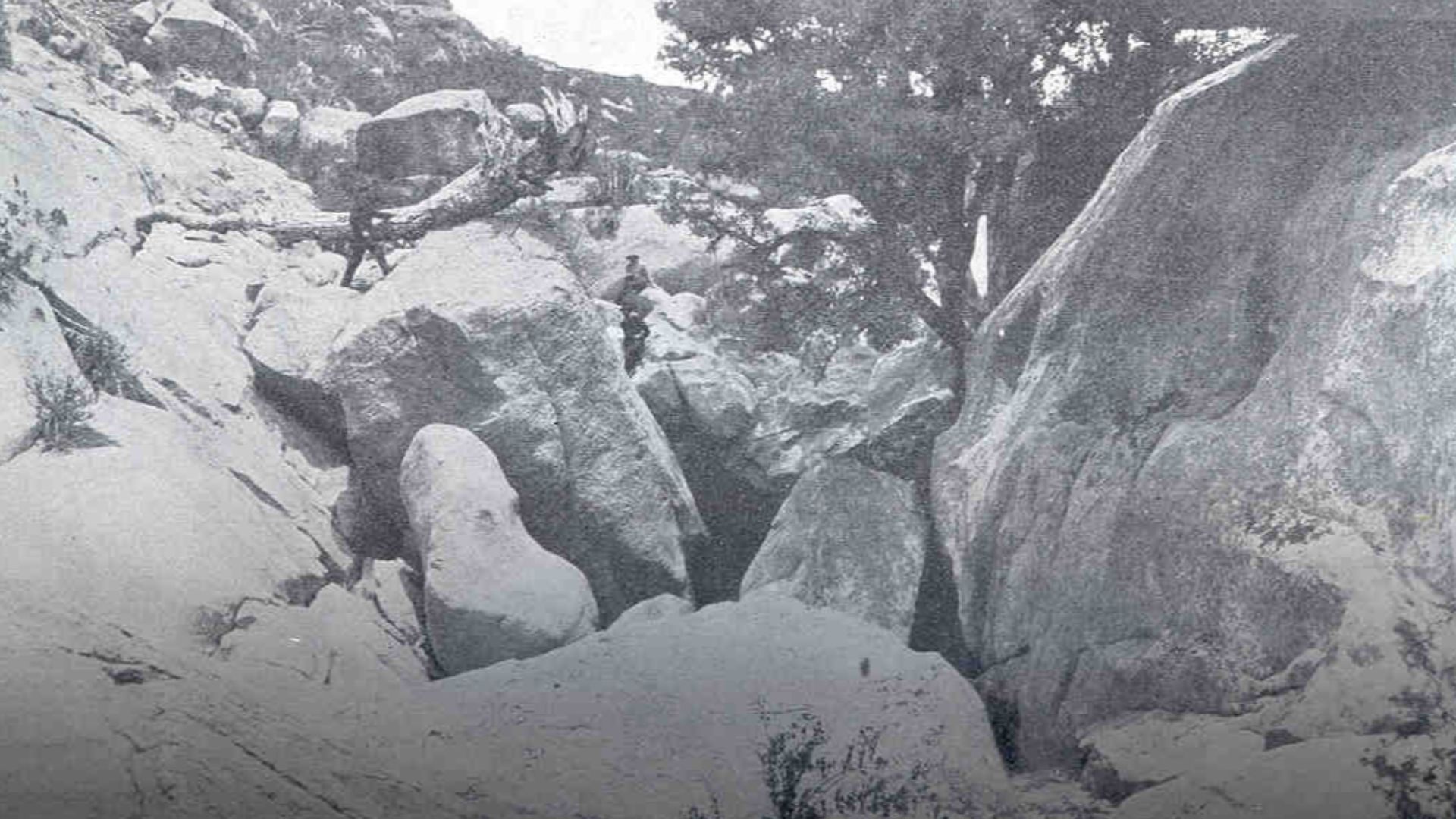
Hatfield appeared before the San Diego City Council on December 13, 1915. He offered to fill Morena Reservoir to overflowing before the end of the following year. His requested payment was $10,000, but he would receive nothing if he failed. For officials facing a serious shortage, the arrangement appeared to place most of the financial risk on Hatfield.
 James Dix Schuyler, Wikimedia Commons
One Councilman Strongly Objected
The proposal did not convince everyone. Councilman Herbert Fay reportedly dismissed the idea as foolish, while other members believed the city had little to lose. The council ultimately voted four to one in favor of accepting Hatfield’s offer. However, no complete written contract was signed before he began working.
 Harris and Ewing, photographers., Wikimedia Commons
The Missing Contract Became Crucial
Hatfield and city officials apparently believed that their verbal agreement was sufficient. The city expected to pay only after Morena Reservoir had been filled. Hatfield expected the council’s vote and public commitment to guarantee his fee. That casual arrangement would become enormously important once the rain caused far more destruction than anyone had anticipated.

History's most fascinating stories and darkest secrets, delivered to your inbox daily.
Hatfield Headed Into The Mountains
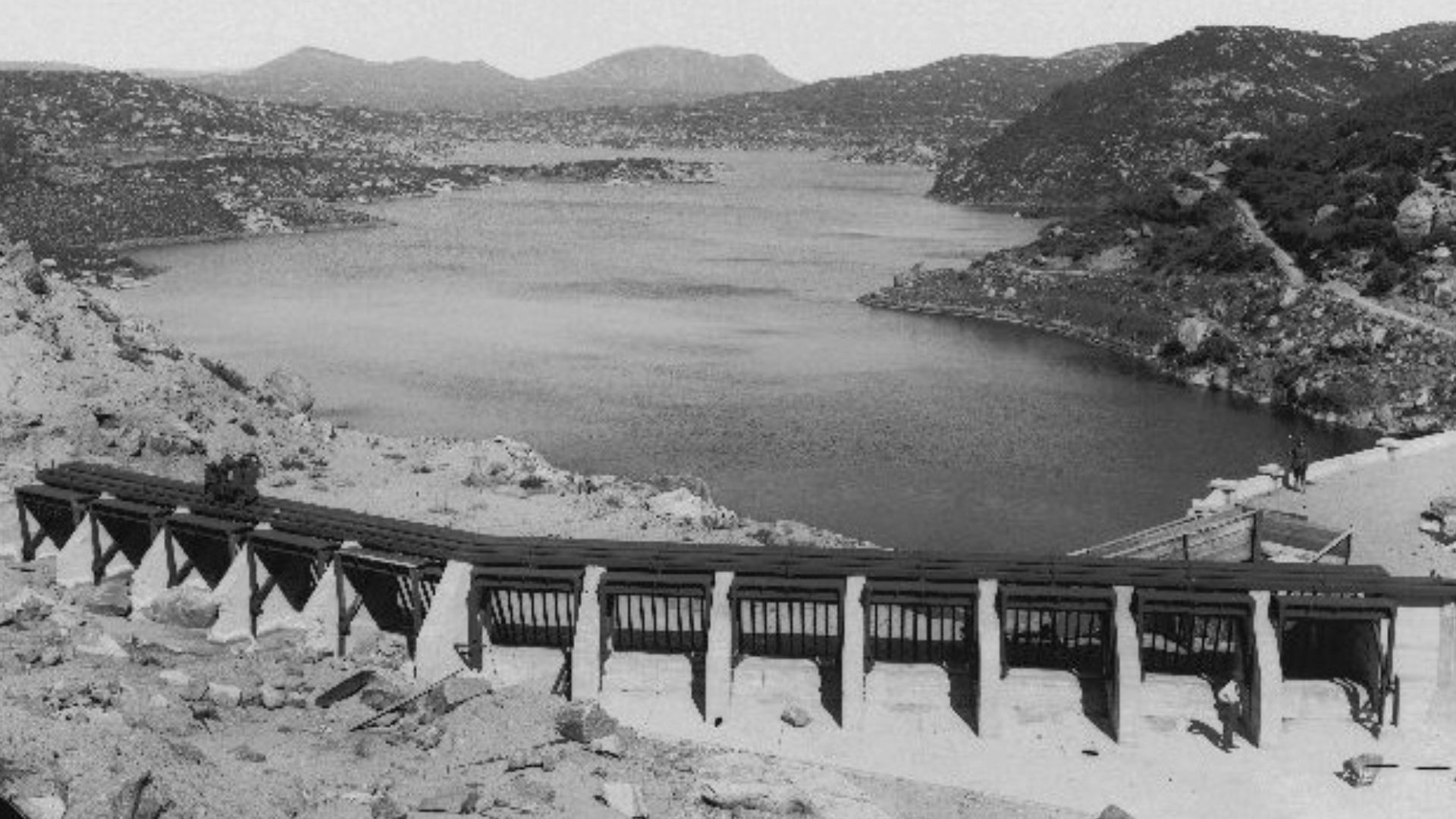
Around the beginning of January 1916, Hatfield and his brother Paul traveled to the Morena Reservoir region east of San Diego. They constructed a wooden tower near the reservoir and placed shallow pans of chemicals on its platform. Vapors from the mixture were released into the air. Hatfield then waited for the clouds to respond.
 Unknown authorUnknown author, Wikimedia Commons
The First Rain Looked Promising
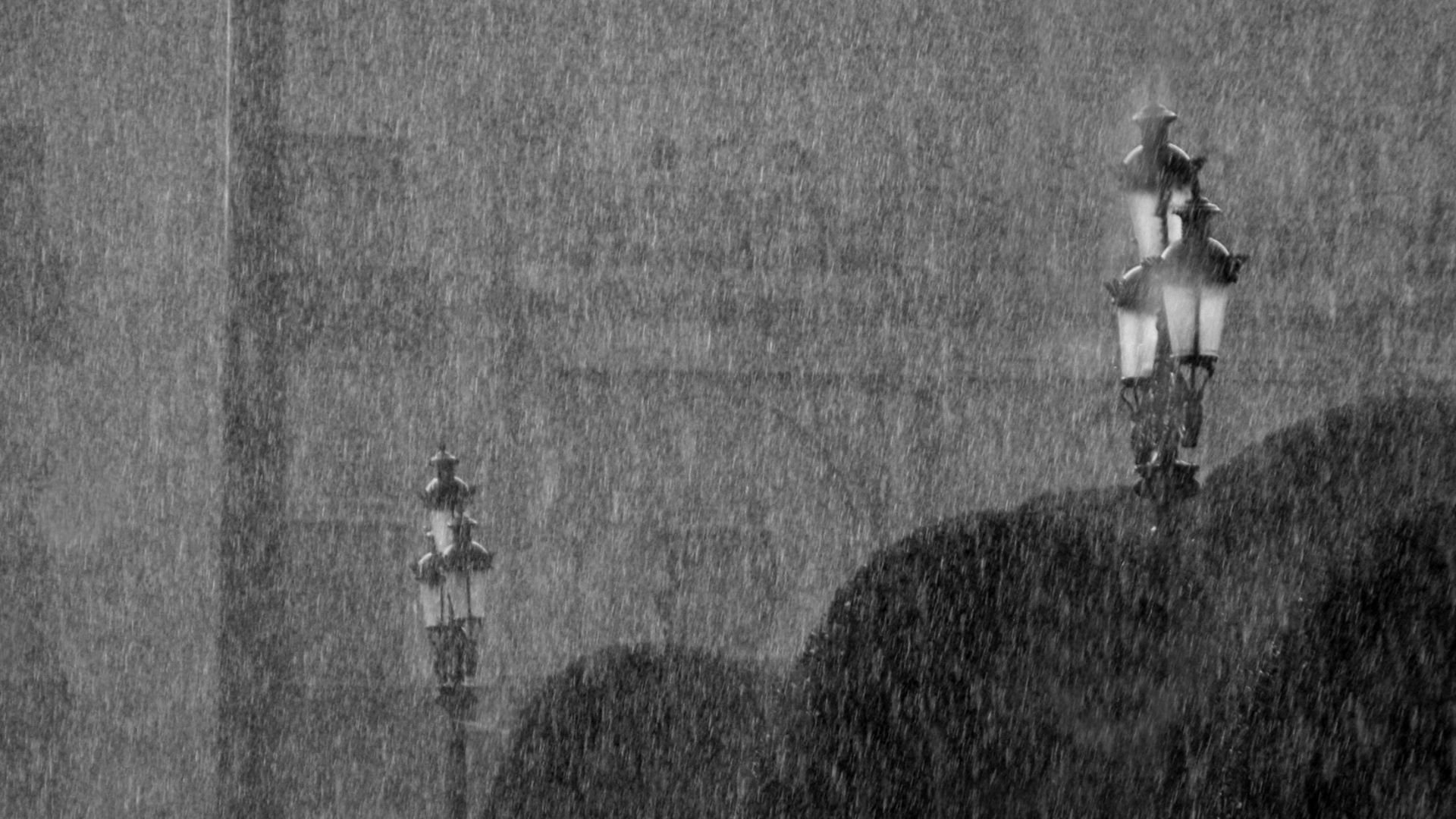
Light rain began falling near Morena Reservoir within the first week of January. Newspapers quickly connected the changing weather to Hatfield’s arrival. For a city that had been anxiously watching its water supply disappear, the showers initially seemed like welcome news. Hatfield appeared to be delivering exactly what he had promised.
 Tomascastelazo, Wikimedia Commons
The Storms Grew Stronger
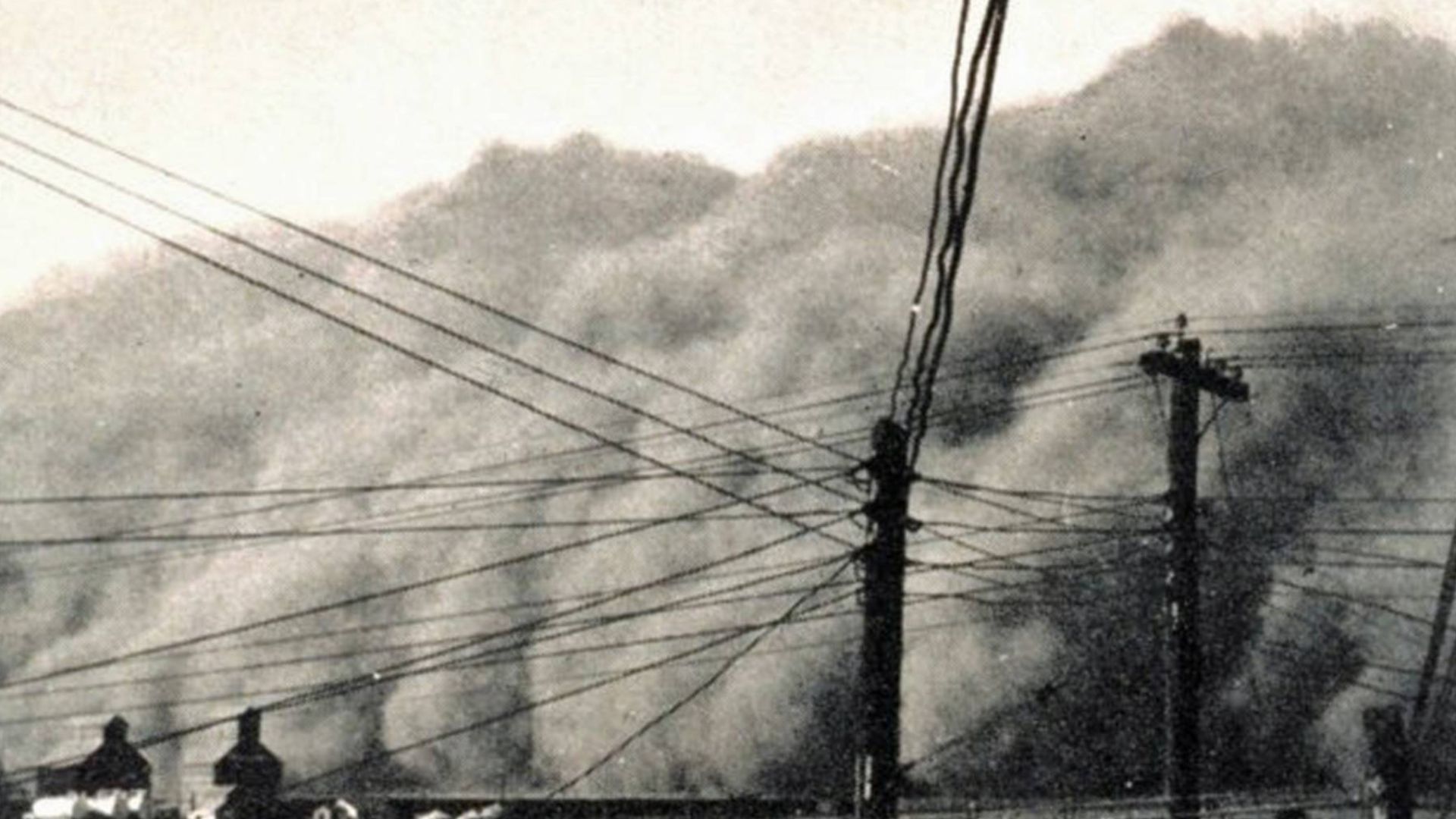
By January 10, heavier rain was falling across San Diego County. Several days later, an intense storm system brought extraordinary precipitation to the mountains east of San Diego. Some areas received many inches of rain in only a few days. Dry streambeds became violent waterways as the saturated ground struggled to absorb more water.
 Unknown photographer, Wikimedia Commons
The San Diego River Escaped Its Banks
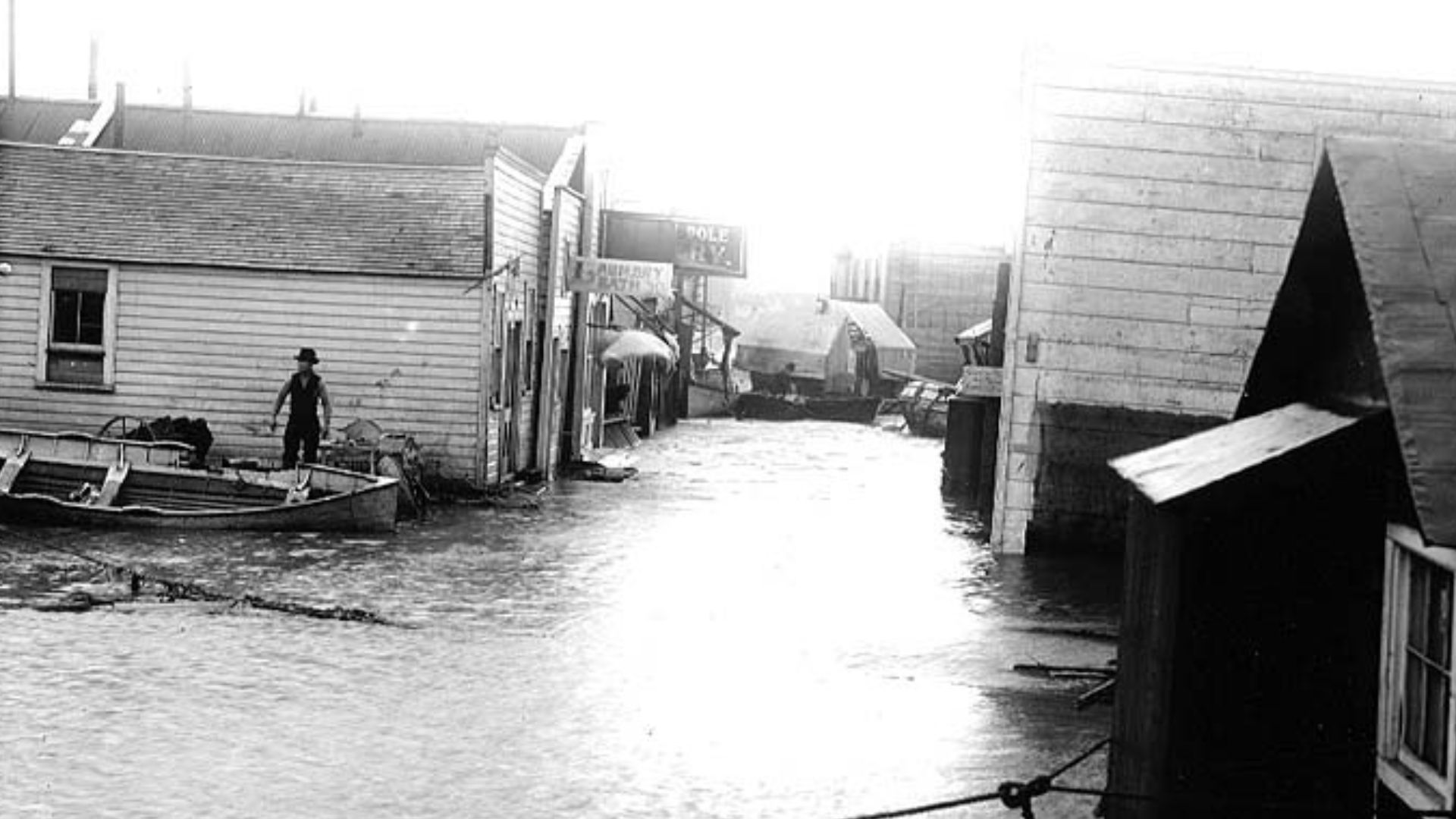
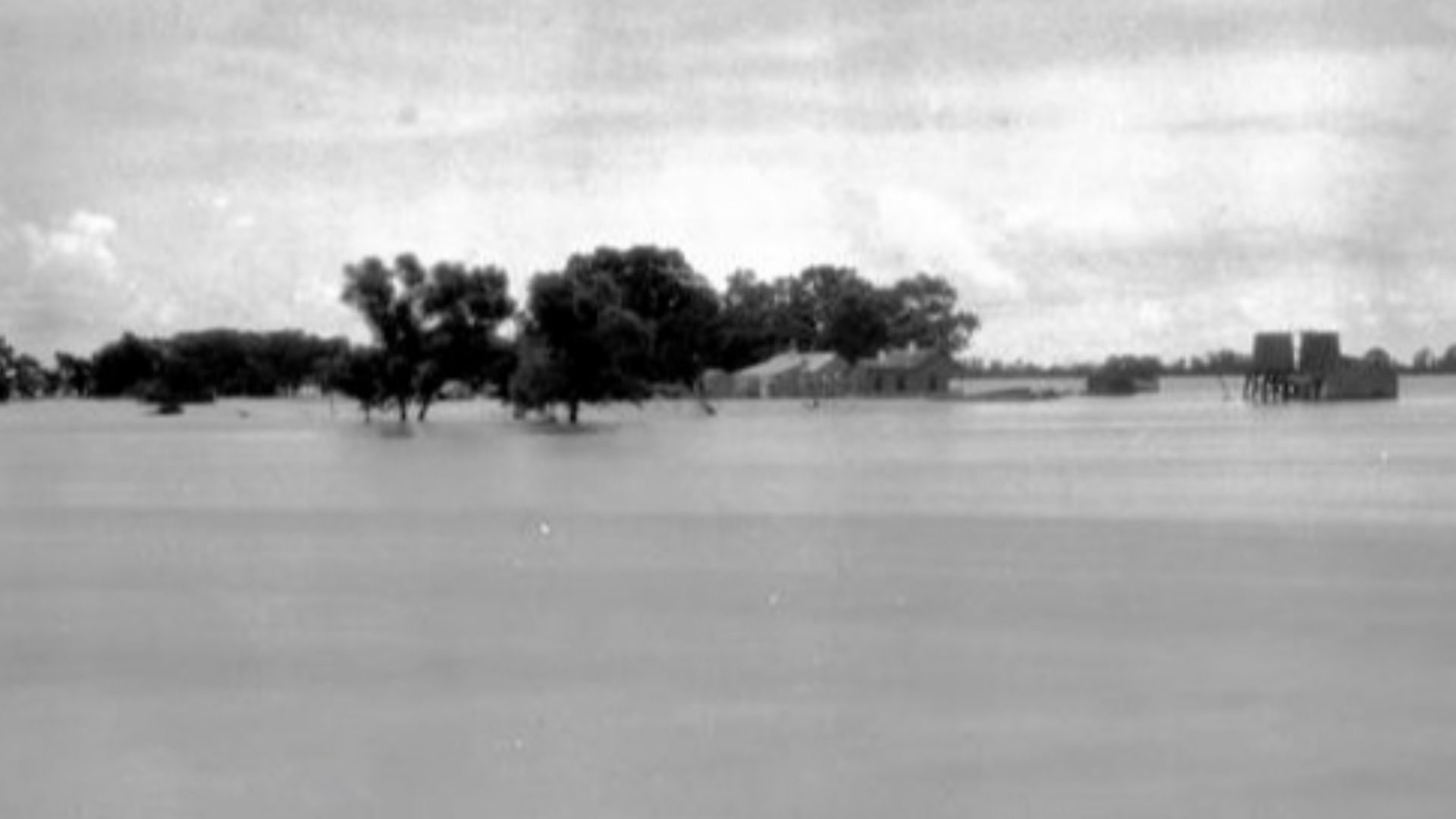
The San Diego River expanded far beyond its normal channel during the storm. Floodwater covered roads, farms, and low-lying communities. Telephone lines, railway tracks, and bridges were damaged or destroyed. Areas that had spent years longing for rain were suddenly overwhelmed by it.
 Eric A. Hegg, Wikimedia Commons
Little Landers Was Swept Away
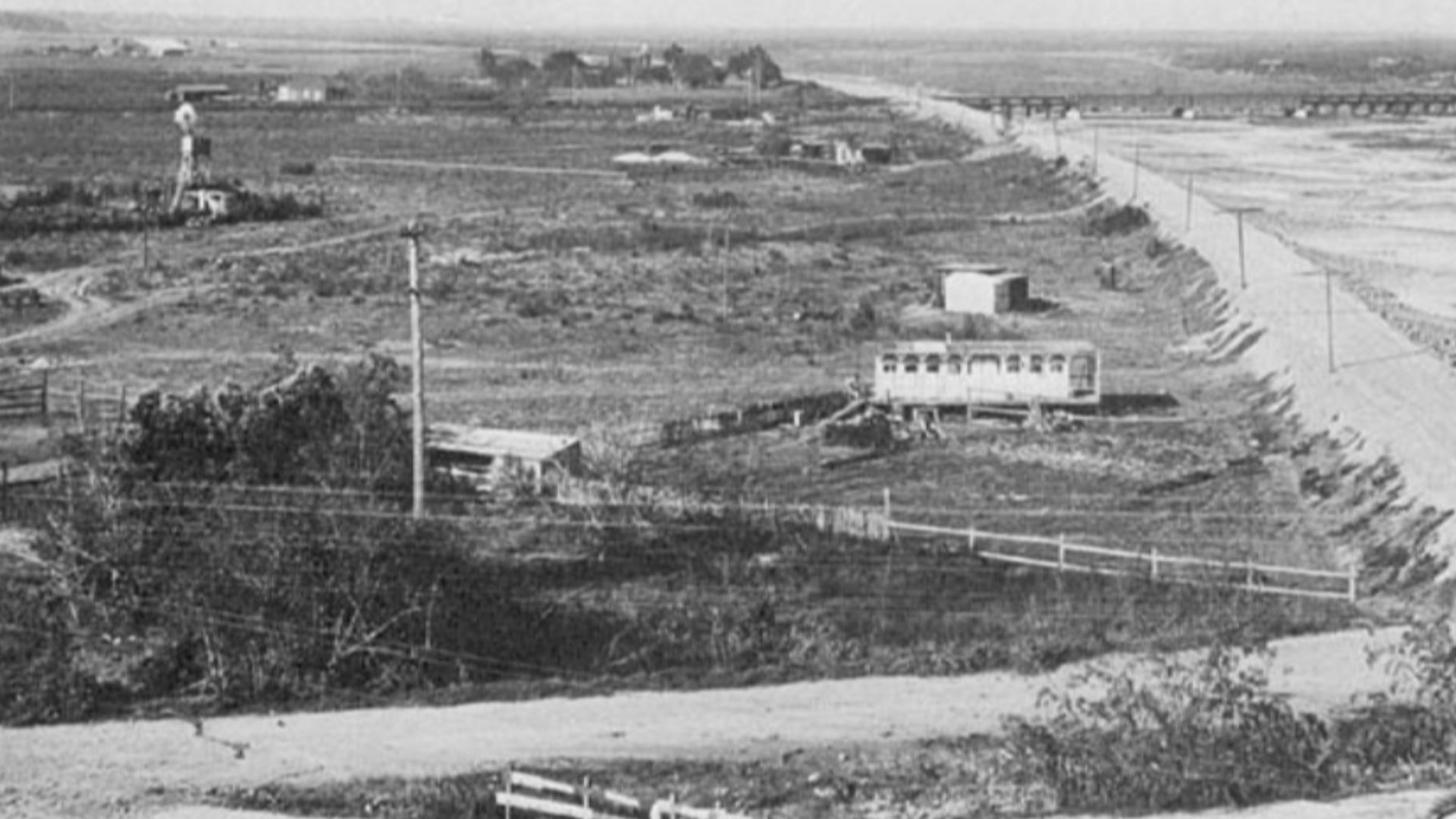
One of the communities badly damaged was Little Landers, a cooperative agricultural settlement near the Tijuana River. Floodwater tore through the area and destroyed homes and property. Residents were forced to flee or seek rescue as transportation routes disappeared. The disaster showed how quickly the rainfall crisis had become a humanitarian emergency.
 City of San Diego (Life time: 1905), Wikimedia Commons
Hatfield Reportedly Expected More
Even as the flooding worsened, Hatfield remained confident in his work. Contemporary accounts reported that he contacted officials and predicted additional rain. To him, the rising reservoir levels proved that his process was succeeding. To frightened residents, however, the once-promising rainmaker had become an unsettling figure.
 Percy Viosca Jr., Wikimedia Commons
The Rain Briefly Stopped
The first major storm eventually weakened, giving the region a short period of relief. Residents began assessing damage and trying to restore disrupted transportation and communication. The pause did not last. Another powerful storm soon moved into Southern California.
 Jamie Kern jamiekern02, Wikimedia Commons
The Second Storm Was Devastating
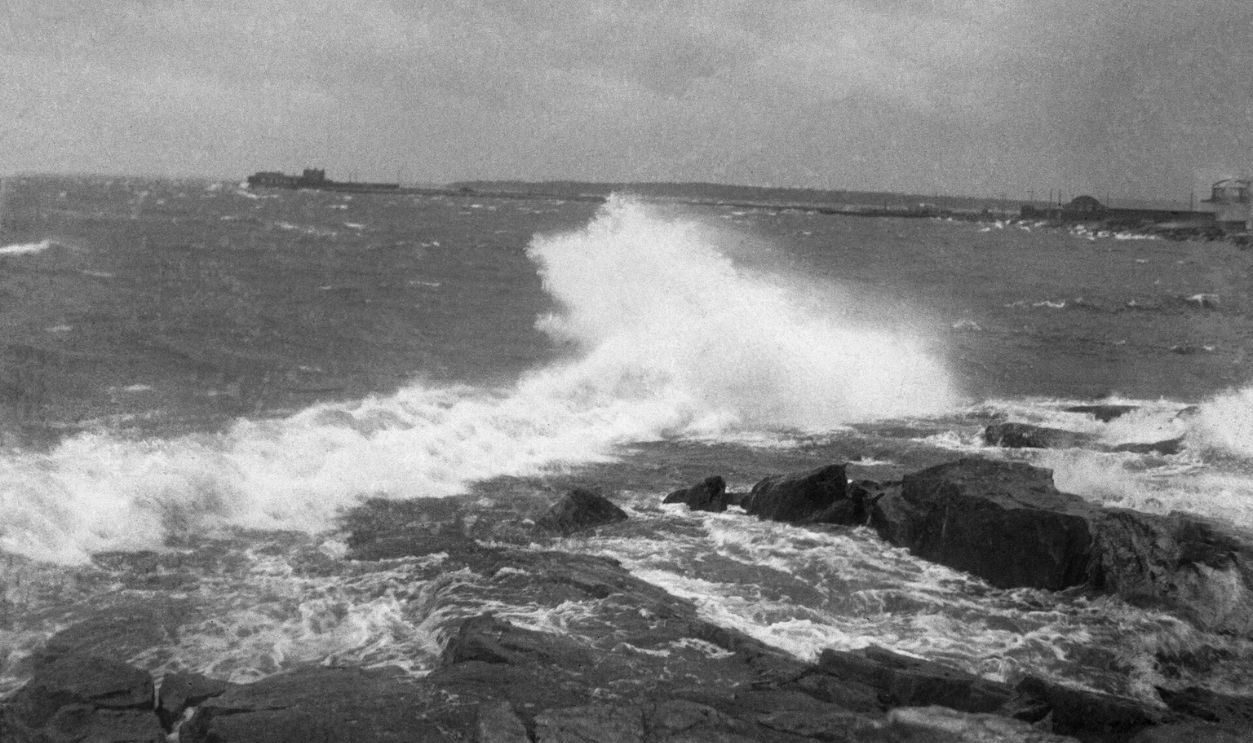
Rain returned with renewed intensity late in January. Reservoirs and rivers that were already dangerously full received another surge of water. The regional storm extended far beyond Hatfield’s tower, affecting large parts of Southern California. San Diego County nevertheless suffered the most destructive flooding.
 Hugo Sundström, CC BY 4.0, Wikimedia Commons
Lower Otay Dam Began To Fail
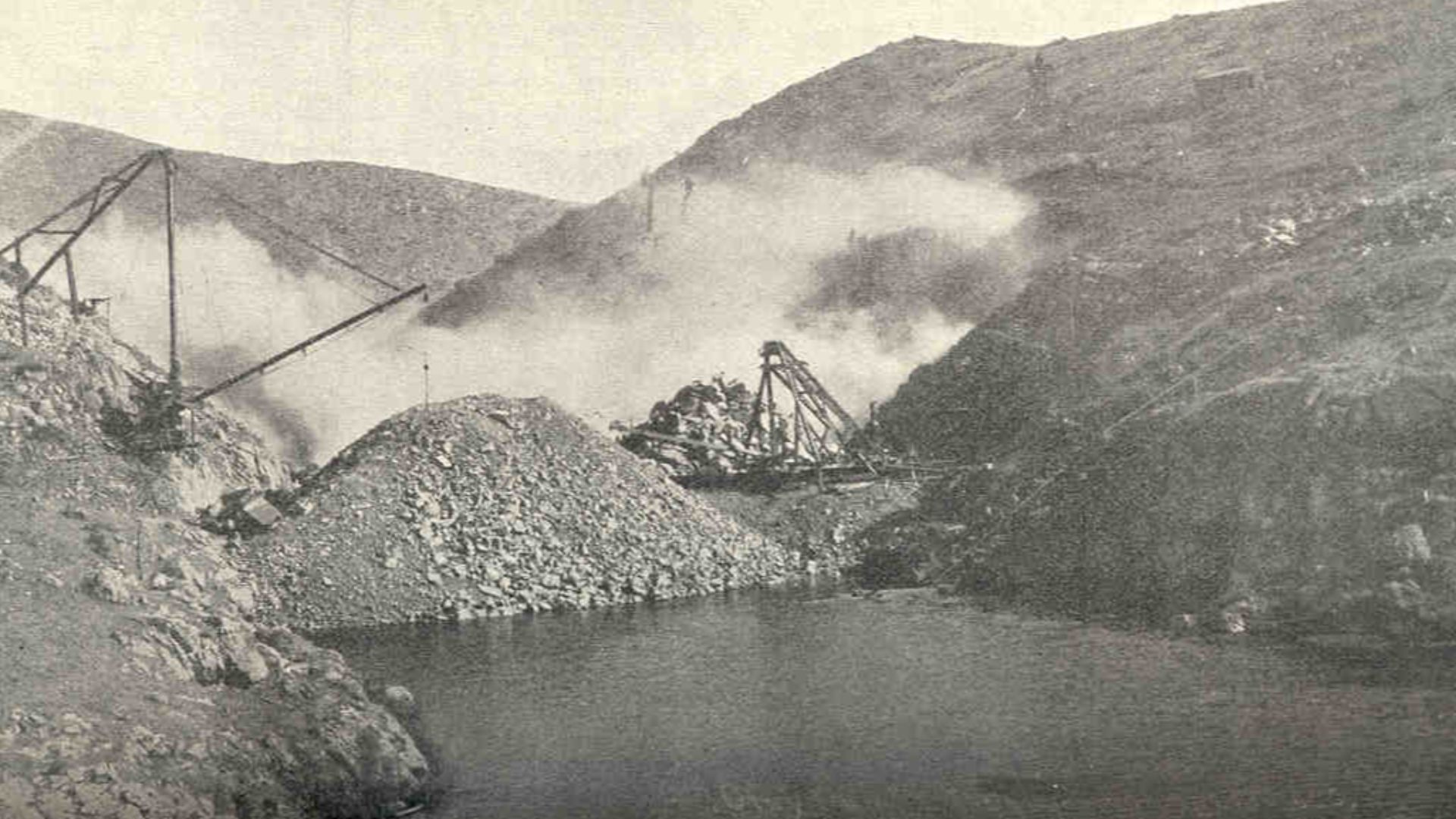
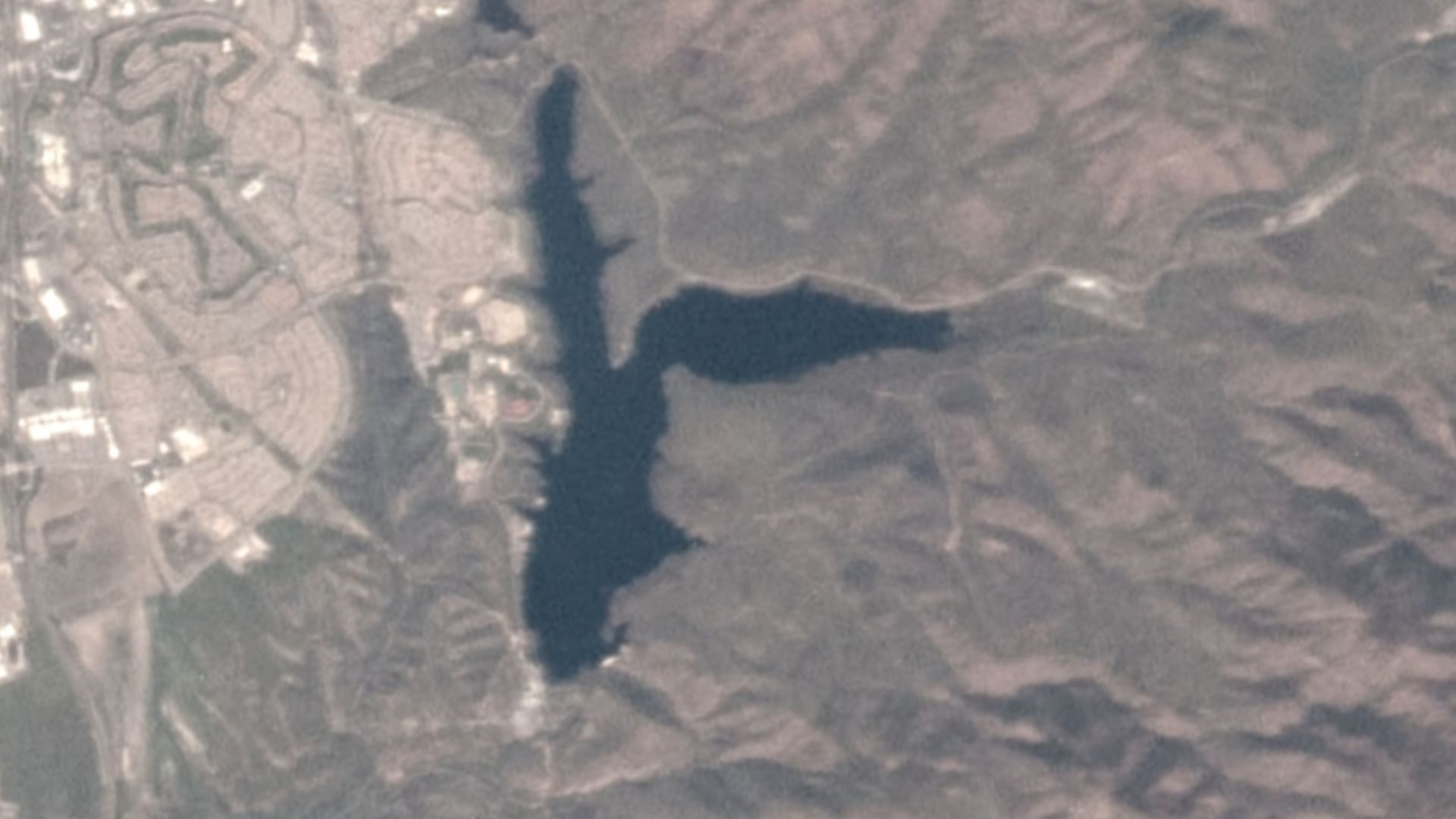
Lower Otay Reservoir had filled beyond the capacity of its inadequate spillway. On January 27, 1916, the dam failed under the enormous pressure. Billions of gallons of water rushed into the Otay Valley. The resulting torrent destroyed farms, homes, livestock, roads, and almost everything else in its path.
 James Dix Schuyler, Wikimedia Commons
A Wall Of Water Swept Downstream
Accounts described a wall of water reaching roughly 40 feet high as it moved through the valley toward the coast. Entire communities were inundated with little warning. At least 20 people died in the Lower Otay disaster, although historical estimates of the broader flood’s death toll vary. Many survivors were left homeless and cut off from basic supplies.
 Astronaut Photography of Earth, Wikimedia Commons
Rescue Reached An Isolated City
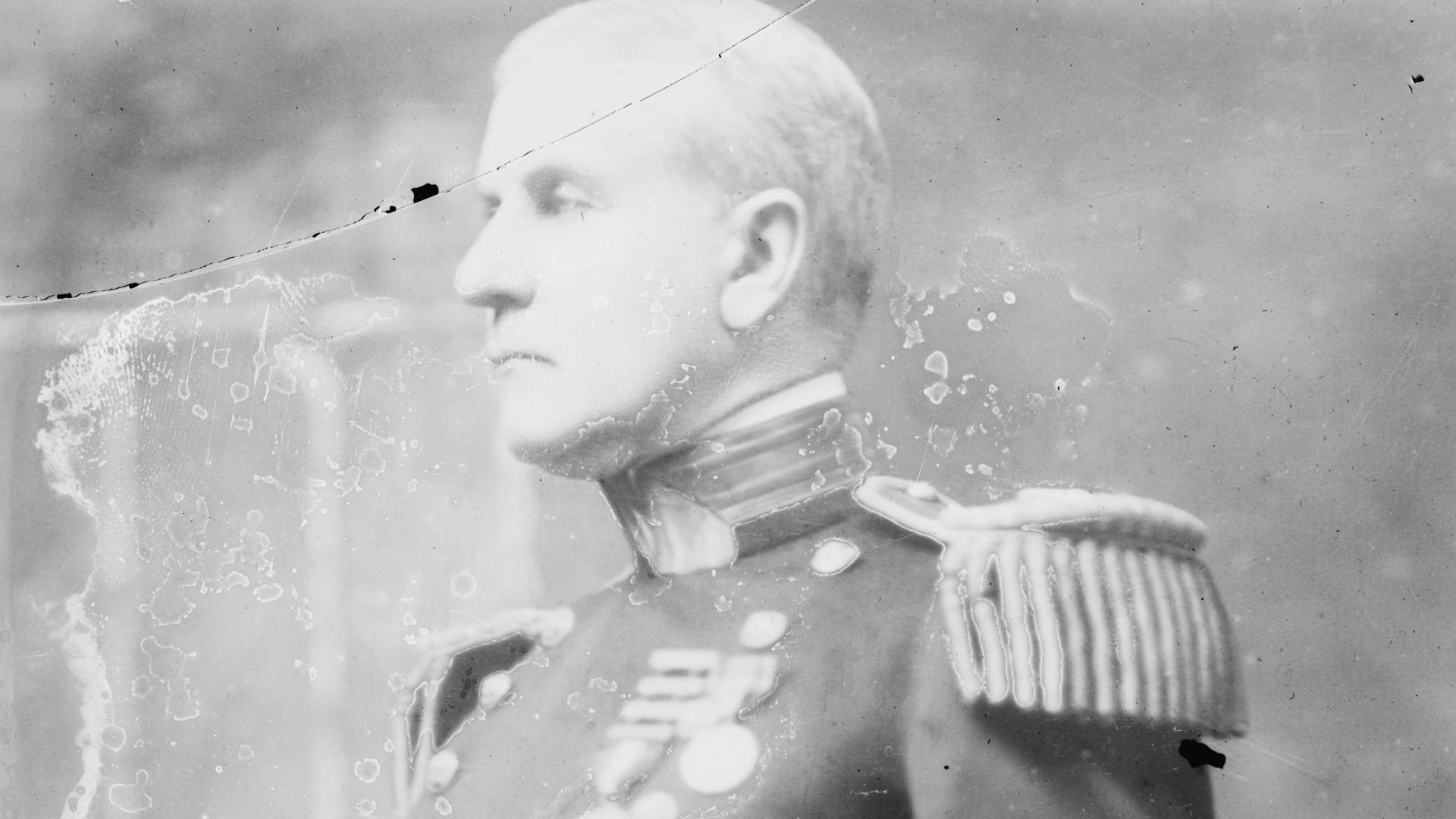
Floods washed out bridges, roads, and rail lines, leaving San Diego largely cut off from the outside world. Admiral William F. Fullam ordered the U.S. Navy to organize relief expeditions that delivered food, medical care, and other essential supplies to stranded communities. Recovery took weeks as transportation links were restored and residents began rebuilding.
 Bain News Service, publisher, Wikimedia Commons
Morena Reservoir Finally Filled
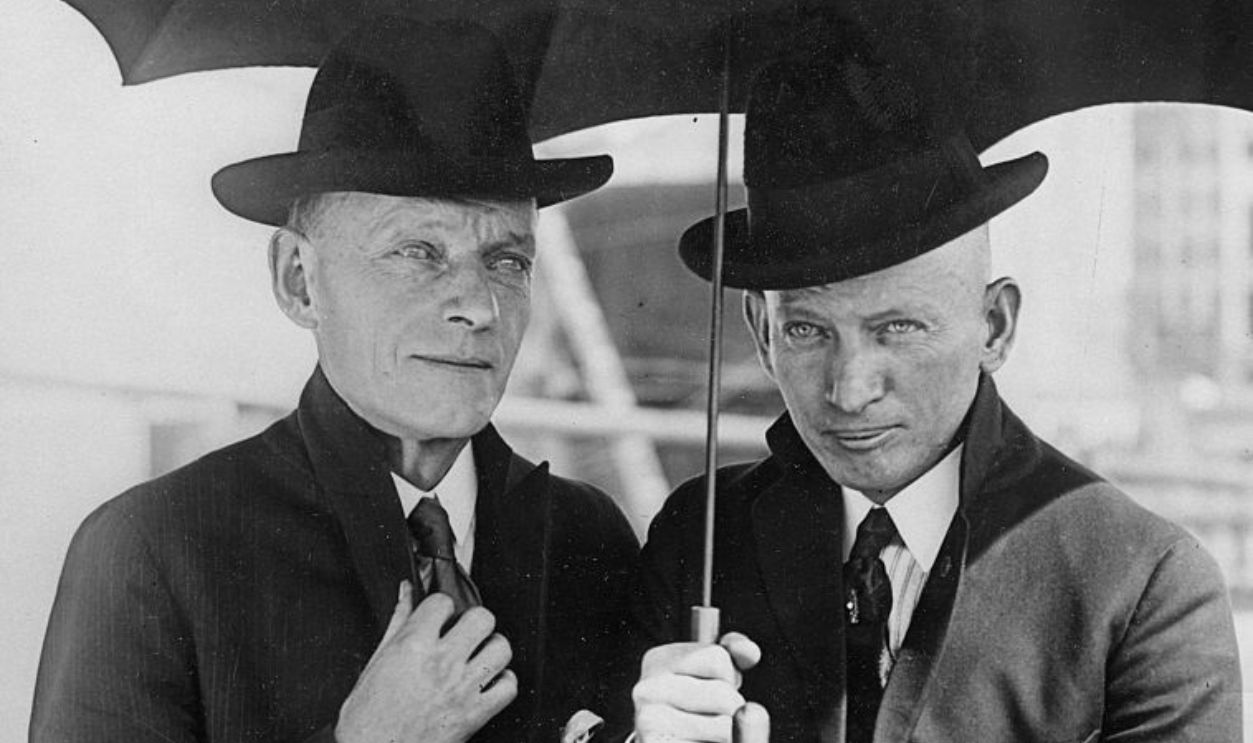
Amid the destruction, Hatfield had technically achieved his stated objective. Morena Reservoir rose until it was essentially full, just as he had promised. Hatfield returned to San Diego expecting the city to honor its offer. City officials now faced a problem far larger than the original $10,000 fee.
 Visual Studies Workshop, Wikimedia Commons
The City Refused To Pay
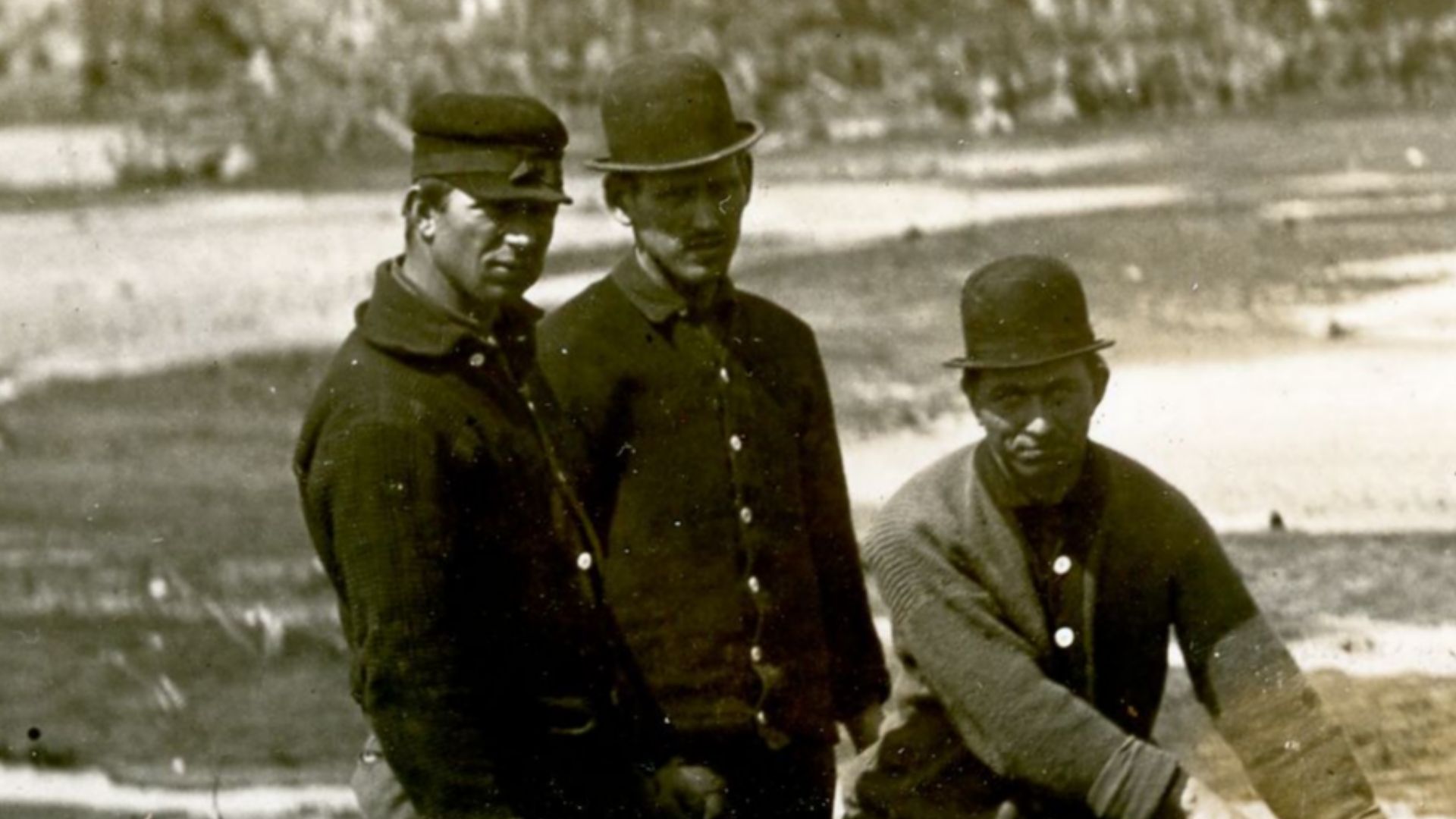
Flood victims had filed claims seeking compensation for millions of dollars in damage. City Attorney Terence Cosgrove argued that paying Hatfield could be interpreted as admitting that the city had hired him to cause the rain. Officials offered to pay only if Hatfield accepted responsibility for the resulting destruction. Hatfield refused to assume that potentially enormous liability.
An Act Of God Solved The City’s Problem
The city also argued that Hatfield could not prove his chemicals had caused the rainfall. If the storm was an act of God, San Diego did not owe him payment for producing it. Yet if Hatfield insisted that he had caused the rain, he could expose himself to claims for the flood damage. The contradiction left him trapped between defending his reputation and protecting himself financially.
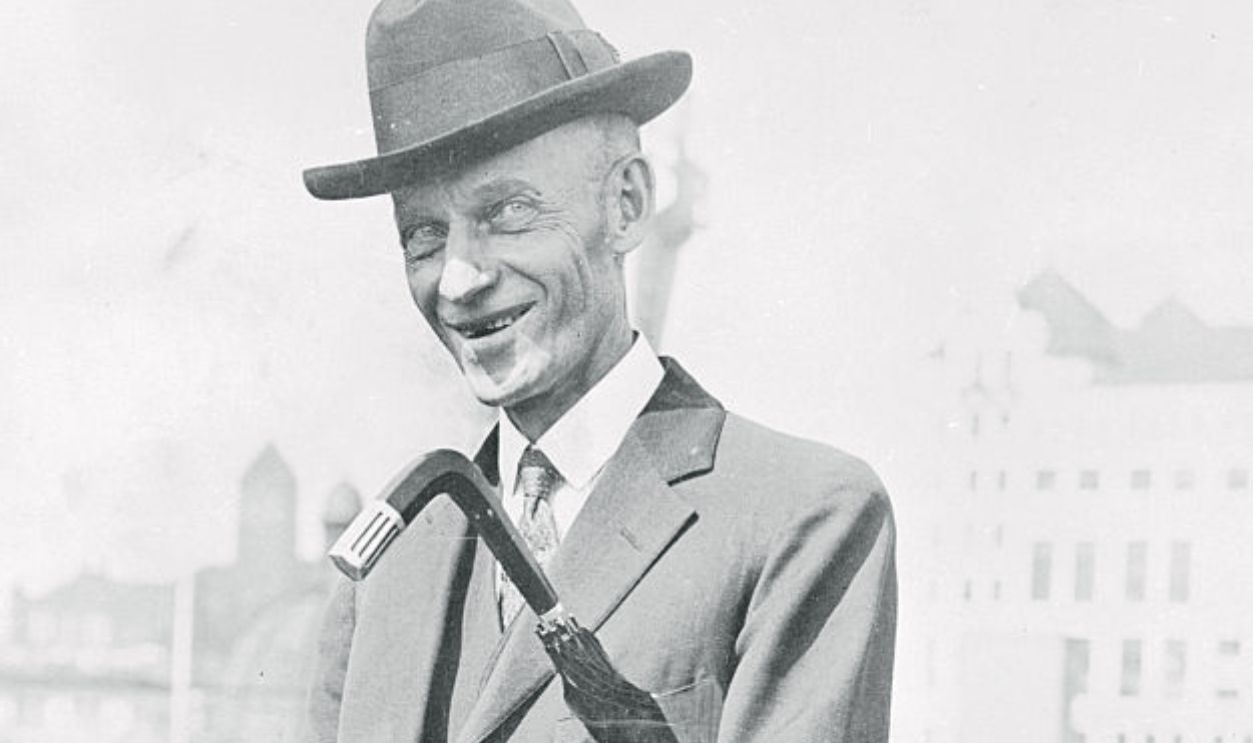
Hatfield Took The Fight To Court
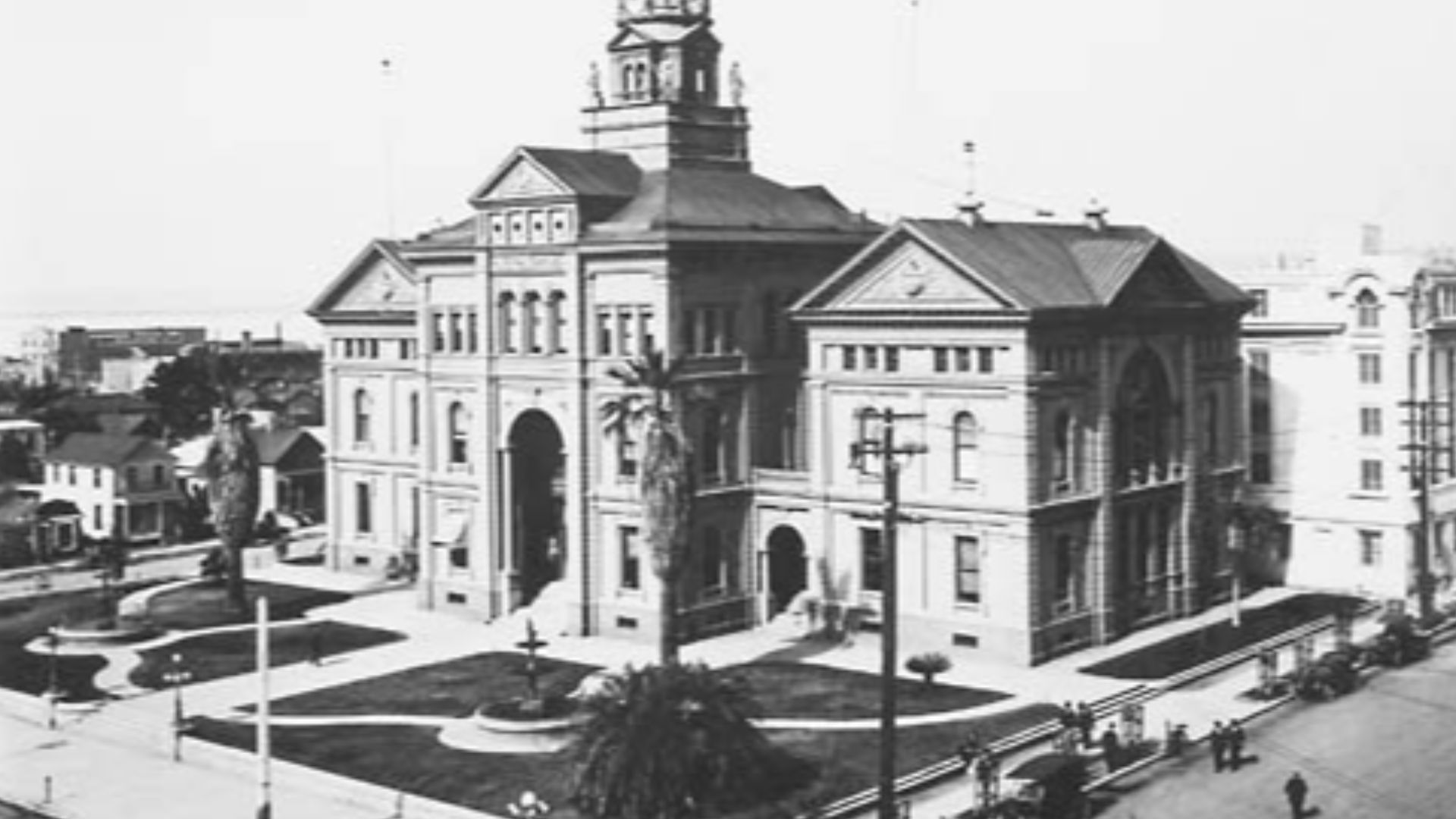
Hatfield continued asking the city for payment and eventually pursued legal action. The dispute dragged on for years without producing the result he wanted. His case was ultimately dismissed in 1938. He never received the $10,000 that San Diego had discussed paying him.
 Unknown / uncredited photographer(s), Wikimedia Commons
Coincidence Or Careful Timing?
Most scientists conclude the storms were part of a massive regional weather system rather than the result of Hatfield's chemicals. Critics argued that Hatfield carefully studied weather patterns and accepted contracts when rain was already becoming more likely. Whether he genuinely believed his method worked or simply understood the odds remains a matter of debate.
The Disaster Did Not End His Career
Remarkably, the San Diego catastrophe did not destroy Hatfield’s reputation. Other clients continued offering him rainmaking work in the United States and abroad. He later accepted assignments in Canada, Central America, and other drought-stricken regions. The controversy sometimes made him more famous rather than less credible.
Modern Cloud Seeding Changed The Debate
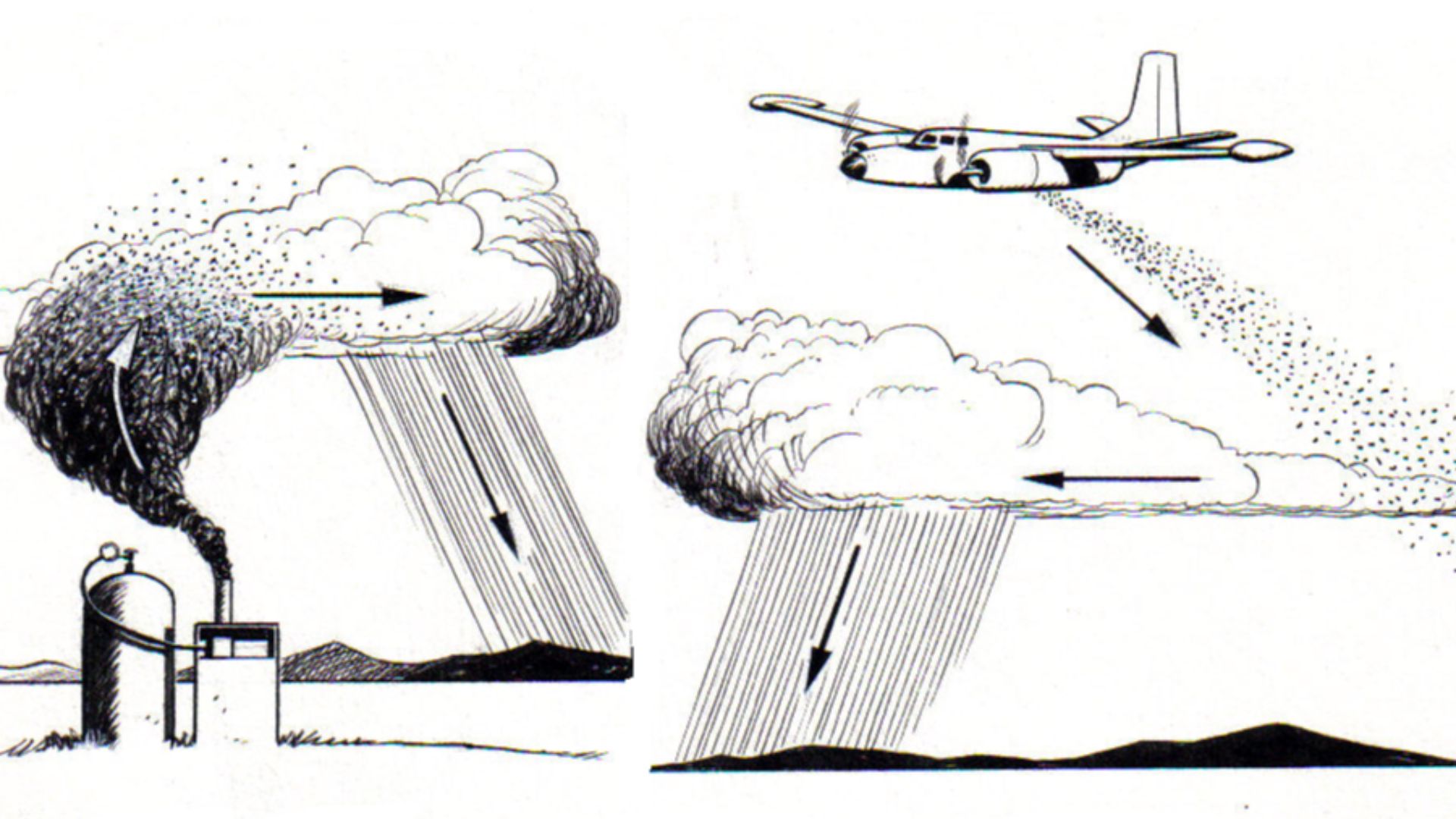
Scientific weather modification developed significantly after Hatfield’s era. During the 1940s, researchers began experimenting with substances such as dry ice and silver iodide inside existing clouds. Modern cloud seeding differs greatly from Hatfield’s ground-based chemical vapors and requires suitable atmospheric conditions. Even today, researchers continue debating how reliably such techniques can increase precipitation.
 Pearson Scott Foresman, Wikimedia Commons
Hollywood Revived His Story
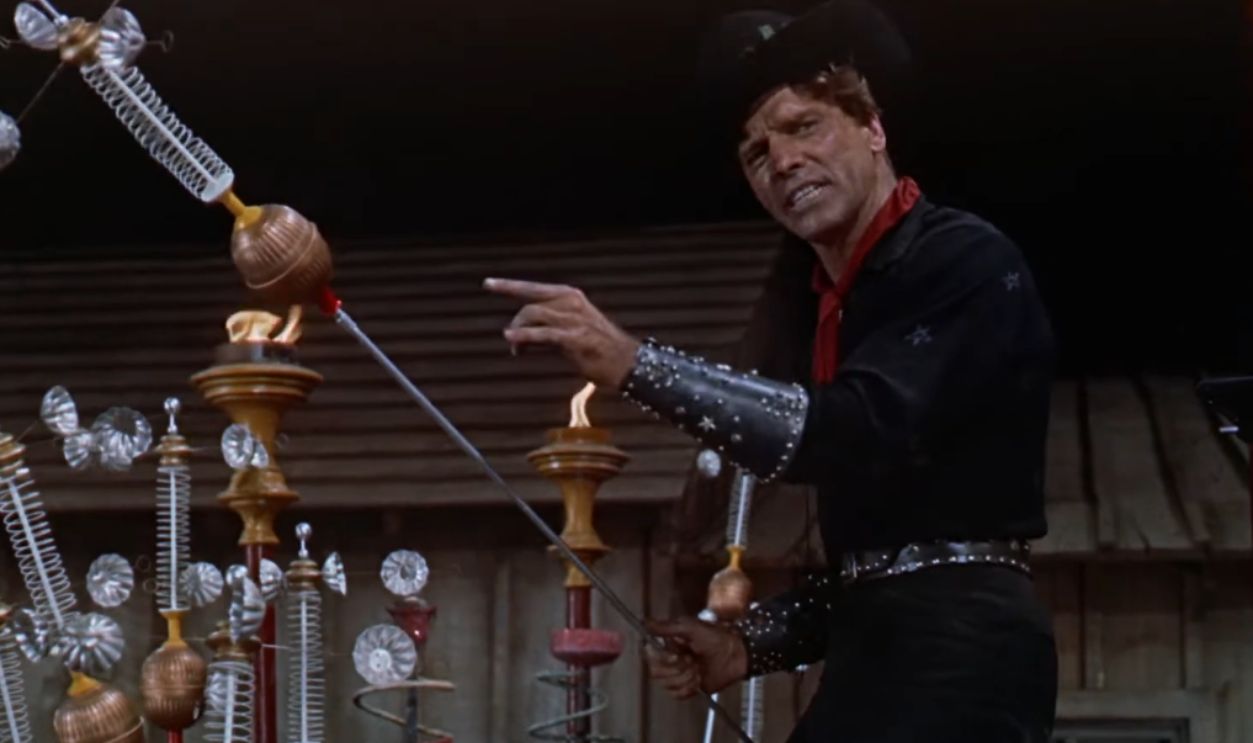
Hatfield returned to public attention in 1956 when he attended the premiere of The Rainmaker. The film starred Burt Lancaster as a charismatic stranger who promises rain to a drought-stricken community. Its story was only loosely connected to Hatfield’s life. Nevertheless, his presence at the premiere strengthened his place in American folklore.
 Screenshot from The Rainmaker, Paramount Pictures (1956)
He Took His Secret To The Grave
Charles Hatfield died in January 1958 without publicly revealing his complete chemical formula. He had reportedly claimed hundreds of successful rainmaking attempts during his long career. Supporters remembered him as a misunderstood pioneer, while critics considered him an excellent weather observer and promoter. His most famous job still occupies the uncomfortable space between coincidence, pseudoscience, and legend.
 AnonymousUnknown author, Wikimedia Commons
San Diego Never Forgot The Rainmaker
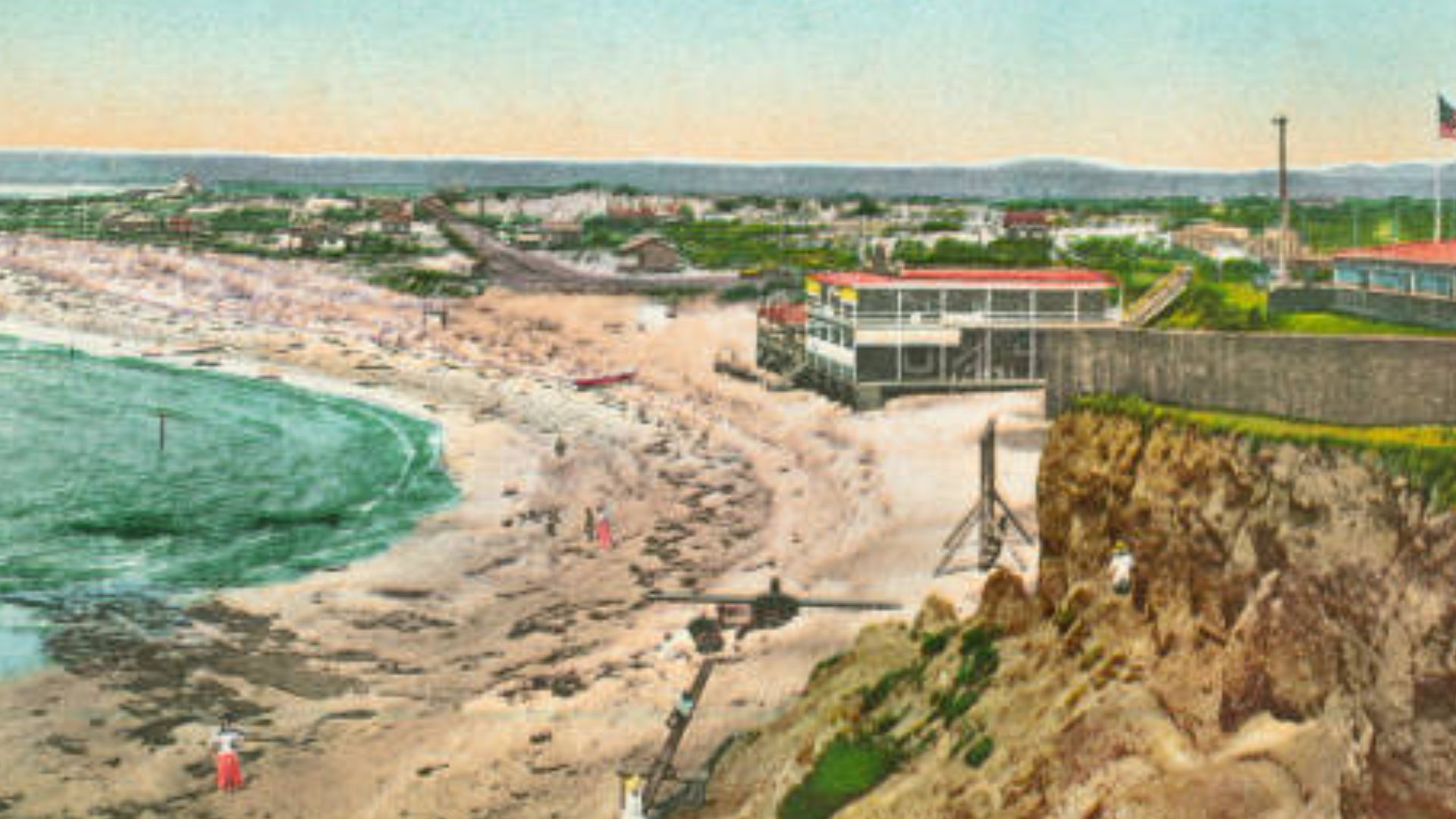
The floods of January 1916 remain among the most destructive weather events in San Diego history. Hatfield almost certainly did not create the enormous regional storm, but his presence gave the disaster an unforgettable human character. He had promised to fill a reservoir, and the reservoir filled while communities downstream were devastated. More than a century later, the question still lingers because the coincidence was almost too perfect.
 Edward H. Mitchell, Wikimedia Commons
You May Also Like:
Bizarre Things That People Somehow Once Believed Were Good For Their Health
The Coney Island Incubator Babies Were Put On Display, But The Spectacle Actually Saved Lives