

In Murky Waters
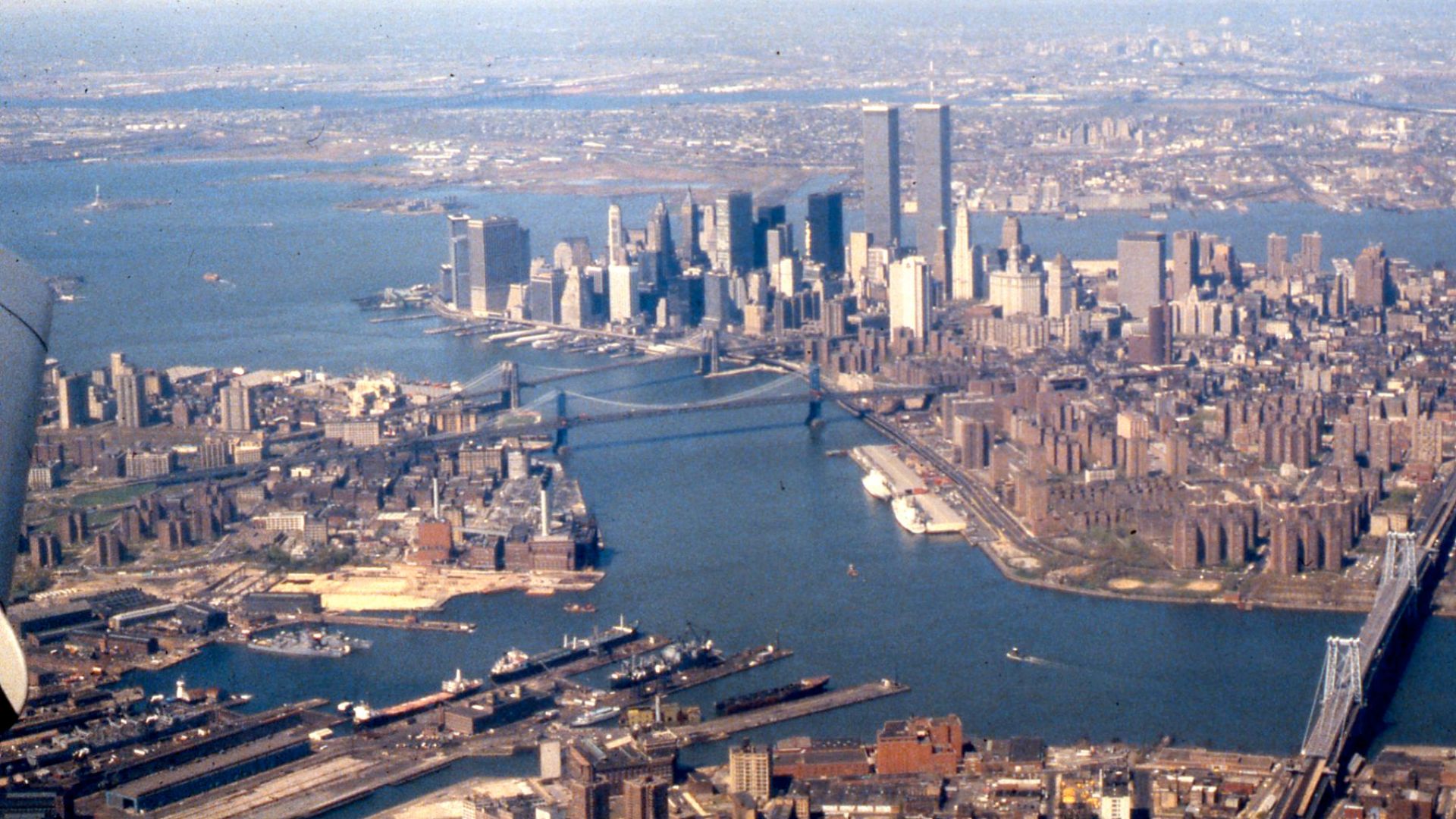
In the late 18th century, a British warship sank beneath the turbulent waters of New York’s East River, carrying with it a story of warfare, dangerous currents, and a rumored military fortune. For more than two centuries, divers, engineers, and treasure hunters have tried and failed to recover HMS Hussar, making it one of America’s most persistent maritime mysteries.

Warship In Revolutionary Waters
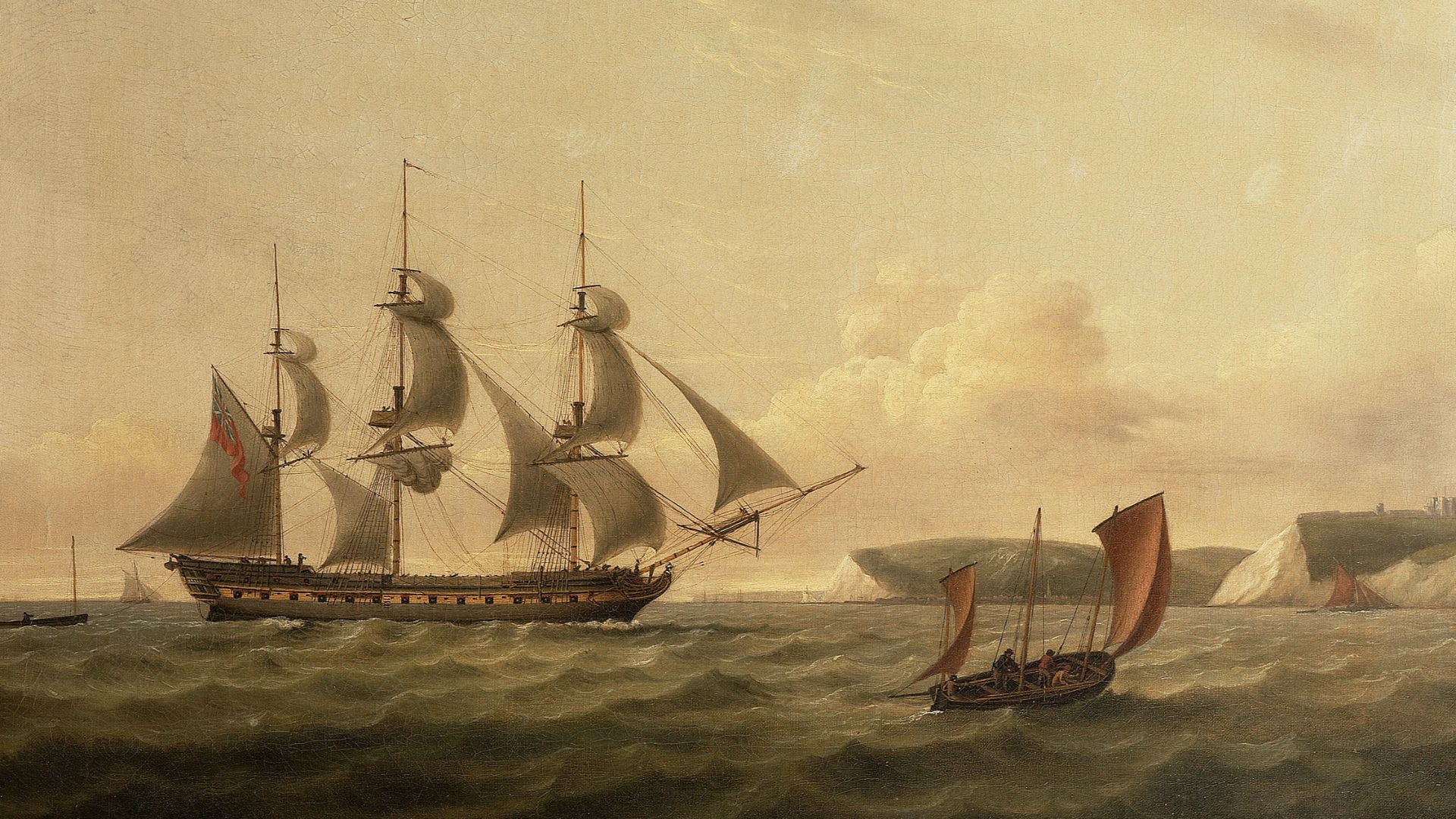
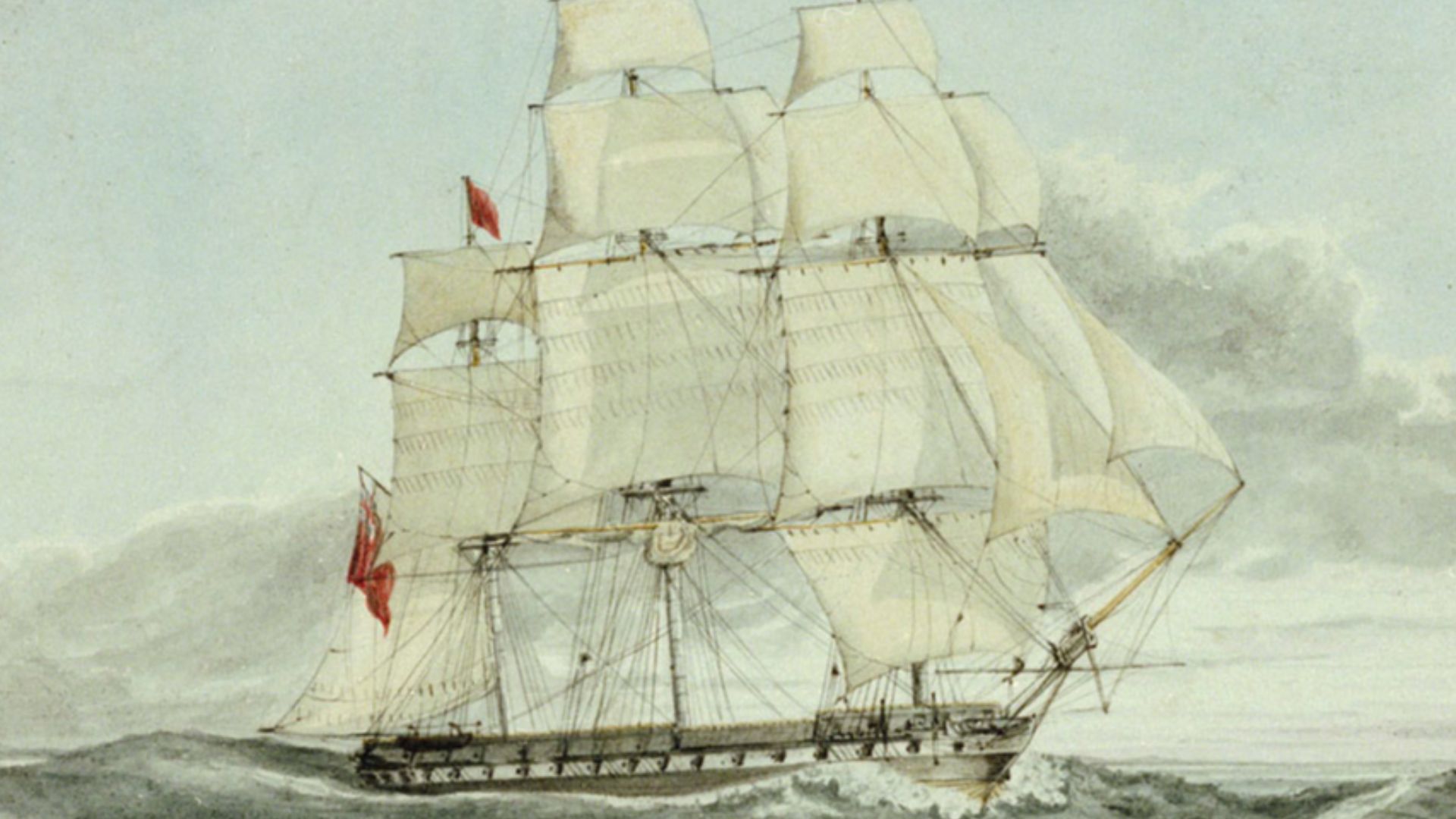
HMS Hussar was a 28-gun British frigate that sailed during the American Revolutionary War. By 1780, New York City and its surroundings were under British occupation, and the ship was an important part of the naval contingent that patrolled the region’s critical waterways during the last years of that conflict.
 Thomas Luny, Wikimedia Commons
Strategic Importance Of New York Harbor
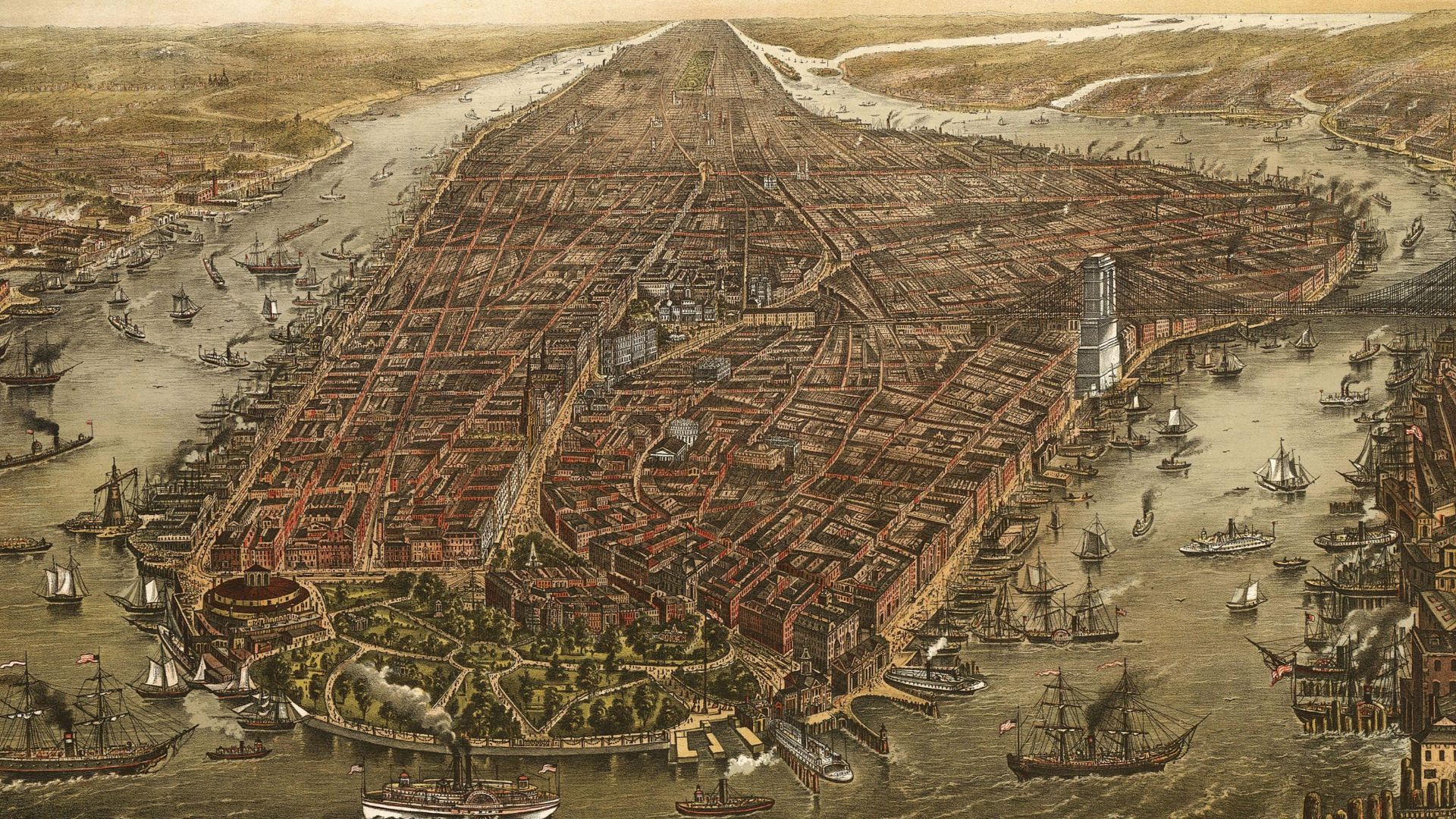
New York’s harbor and rivers were critical to British military logistics. Control of these waters allowed the British to move their troops and supplies around and communicate efficiently. The East River, despite its name, was technically a tidal strait connecting Long Island Sound to Upper New York Bay.
 George Schlegel lithographers, Wikimedia Commons
Cargo Lost In Rumors
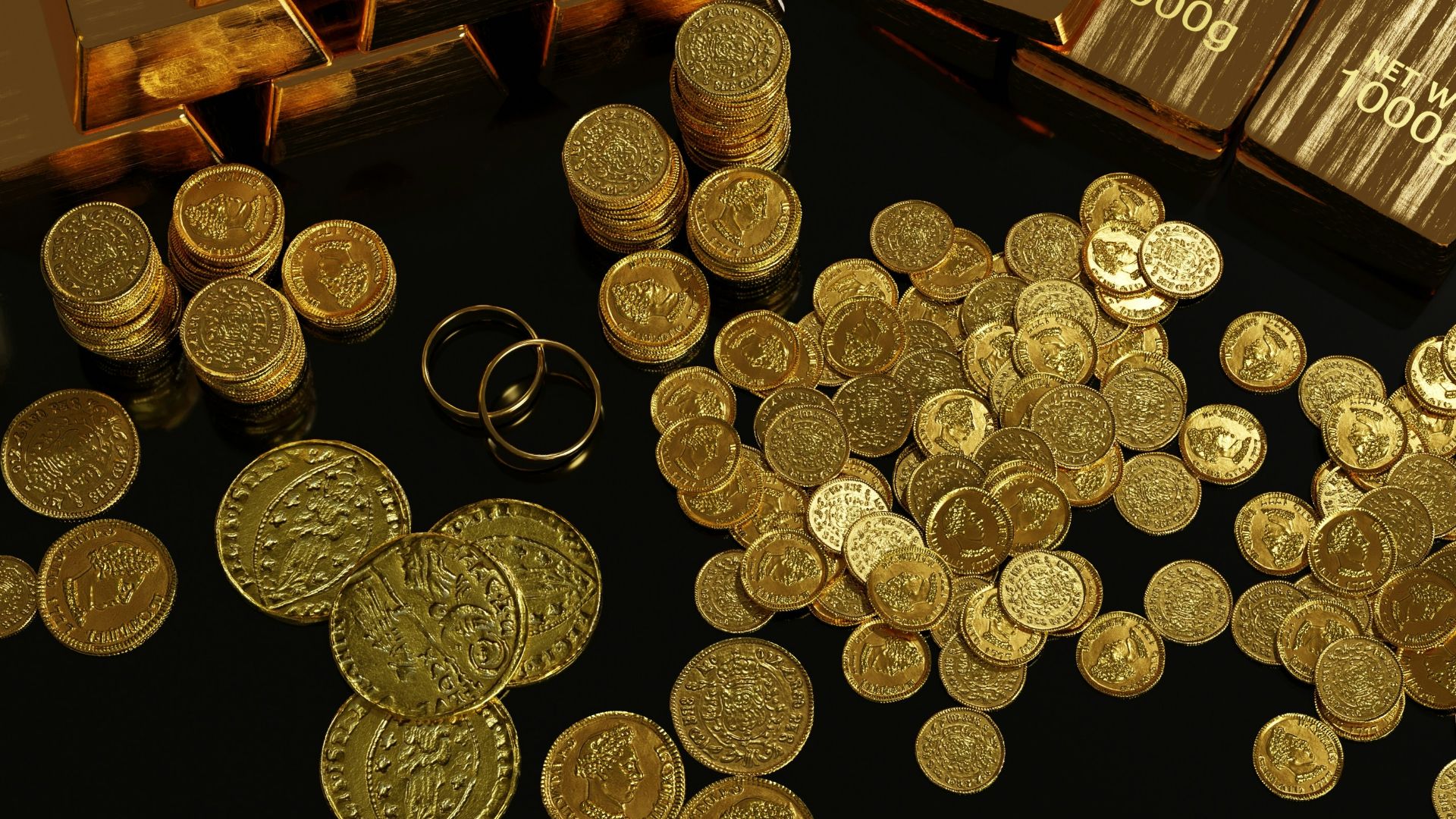
The legend holds that HMS Hussar was transporting a large shipment of gold and silver coins with the intent of paying British troops. While there is no official manifest confirming the treasure has survived, the rumor took root at the time of the ship’s loss, and fuelled generations of speculation and search efforts in the decades and centuries since.

History's most fascinating stories and darkest secrets, delivered to your inbox daily.
The Dangerous Waters Of Hell Gate
The ship sank near Hell Gate, a notoriously hazardous stretch of the East River. Powerful tidal currents, submerged rocks, and swirling eddies made navigation dangerous even for experienced sailors, earning the area a fearsome reputation long before modern engineering tamed its waters.
 the British Library, Wikimedia Commons
The Night Of The Wreck
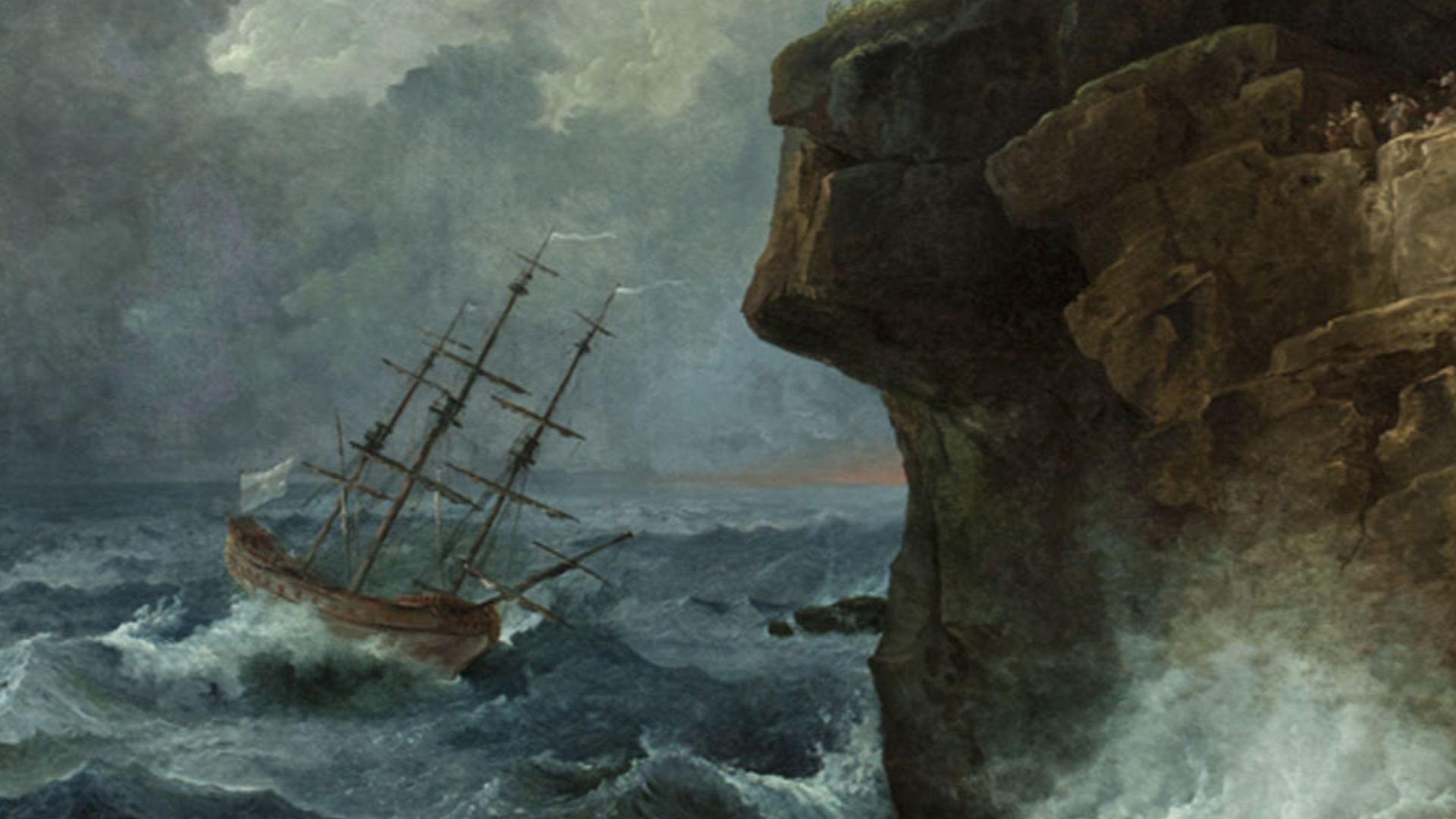
In November 1780, HMS Hussar reportedly lost control while navigating Hell Gate. Strong currents drove the ship onto a submerged reef called Pot Rock, ripping its hull wide open. Bone-chilling seawater flooded into the ship, and despite frantic efforts to save the vessel, the damage proved fatal. The crew abandoned ship. Tragically, 60 American prisoners of war shackled below decks went down with the ship, a horrific toll.
 Unidentified engraver, Wikimedia Commons
Crew Survival And Immediate Aftermath
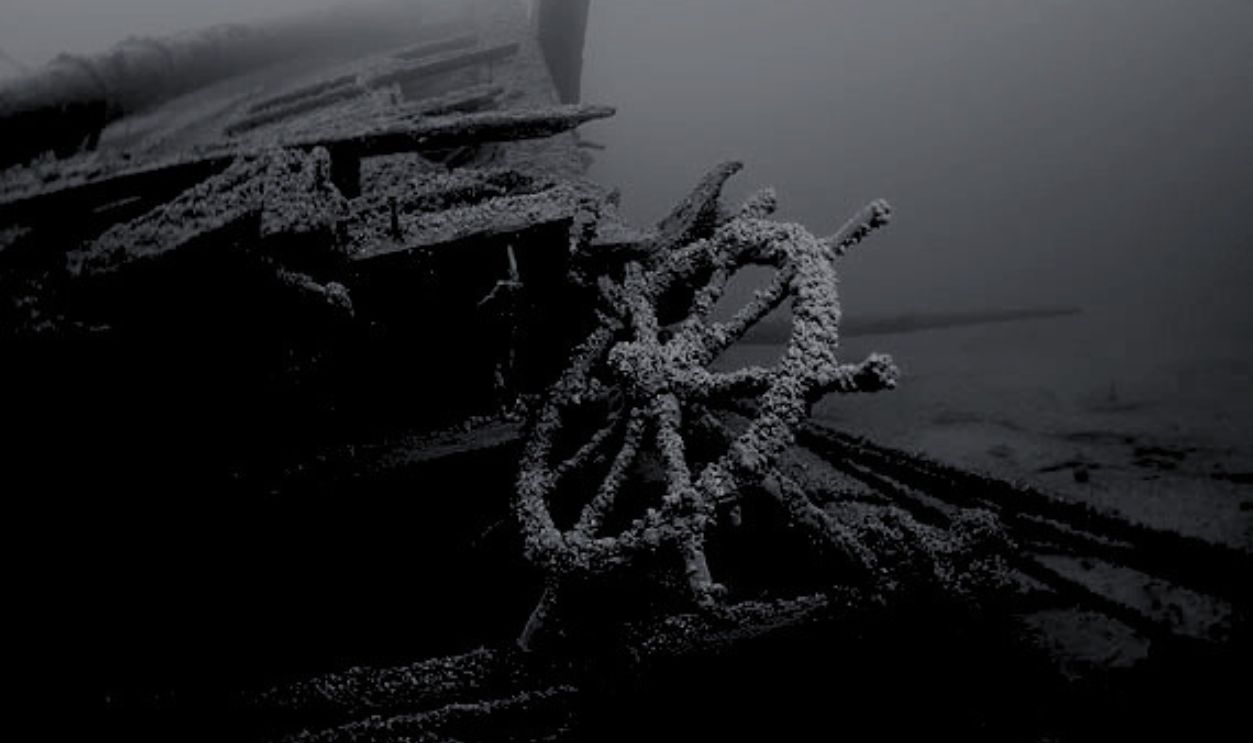
Most of the crew survived the sinking, escaping to nearby shores. The ship itself, however, plummeted 60–80 feet to the muddy bottom quickly, settling beneath the river in conditions that would make salvage extraordinarily difficult, even using the equipment available centuries later.
 Hubert Robert, Wikimedia Commons
The British Denied There Was Any Treasure
Records of the Royal Navy court martial that investigated the sinking made no mention whatever of any gold being transported by the ship. Nevertheless, the British sent a team to New York in the 1790s to try to salvage the ship, an attempt that ended in utter failure. This initial attempt may have revived rumors of a fortune in gold resting at the bottom of the river, and the shipwreck persisted in the public memory as the years went on.
 National Oceanic and Atmospheric Administration, Wikimedia Commons
Early Salvage Attempt
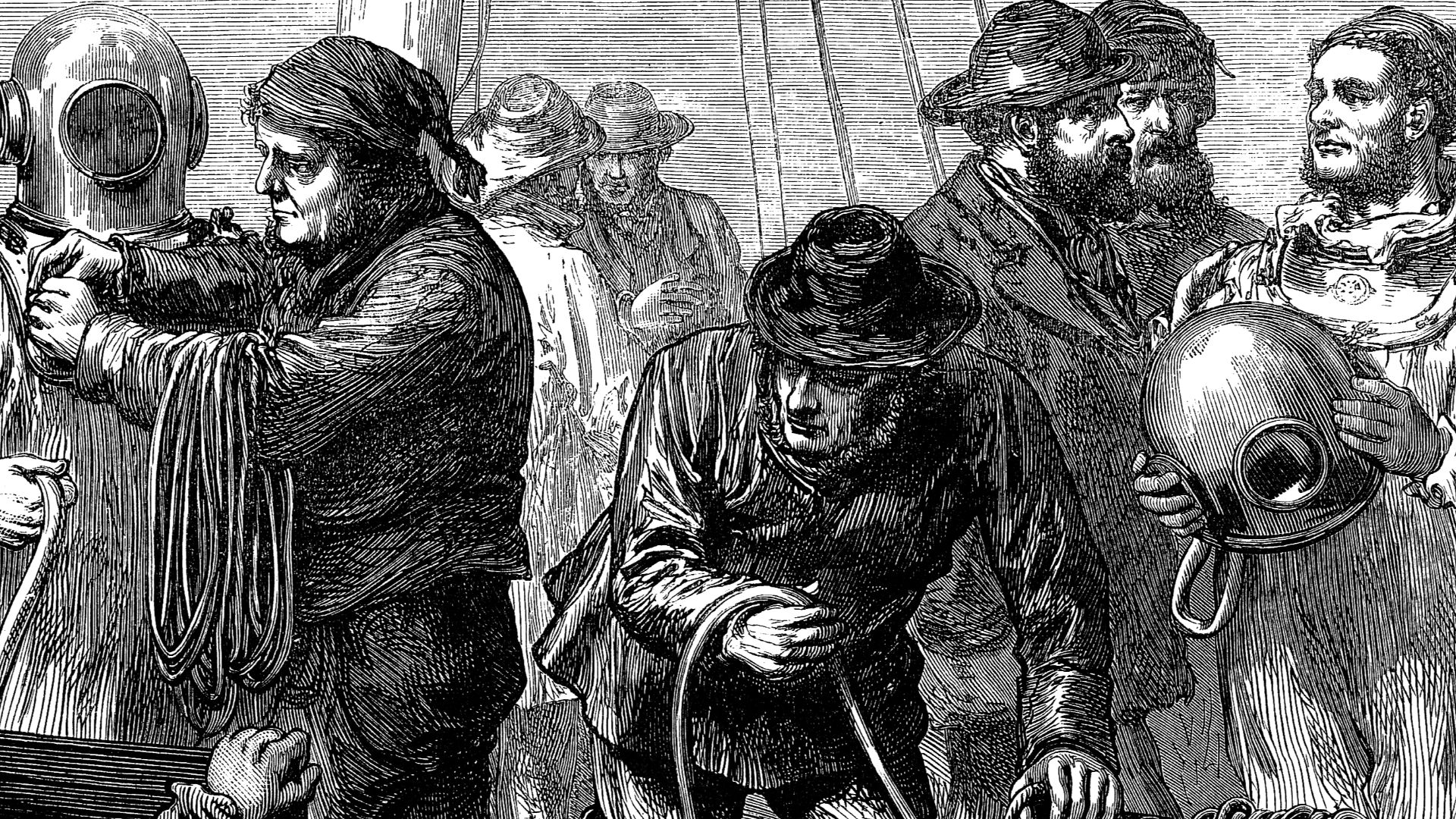
In 1811, another recorded salvage effort targeted the HMS Hussar wreck. A salvage company partially funded by Thomas Jefferson used diving bells to explore the riverbed near Hell Gate. It was an advanced system for its time. Divers hauled up iron nails, copper, and even a barrel of butter, but no gold or treasure of any real value was recovered.
 Unknown artistUnknown artist, Wikimedia Commons
Drumming Up Interest
In 1823, a man named Samuel Davis made one of the first ambitious private attempts to raise HMS Hussar from its watery grave. Davis designed and built a crowd-funded mechanical contraption that was intended to grip and raise the sunken ship’s remains. He drummed up investors by publishing ads claiming his invention could recover the lost ship and its rumored cargo of unimaginable riches.
History's most fascinating stories and darkest secrets, delivered to your inbox daily.
Broken Cables
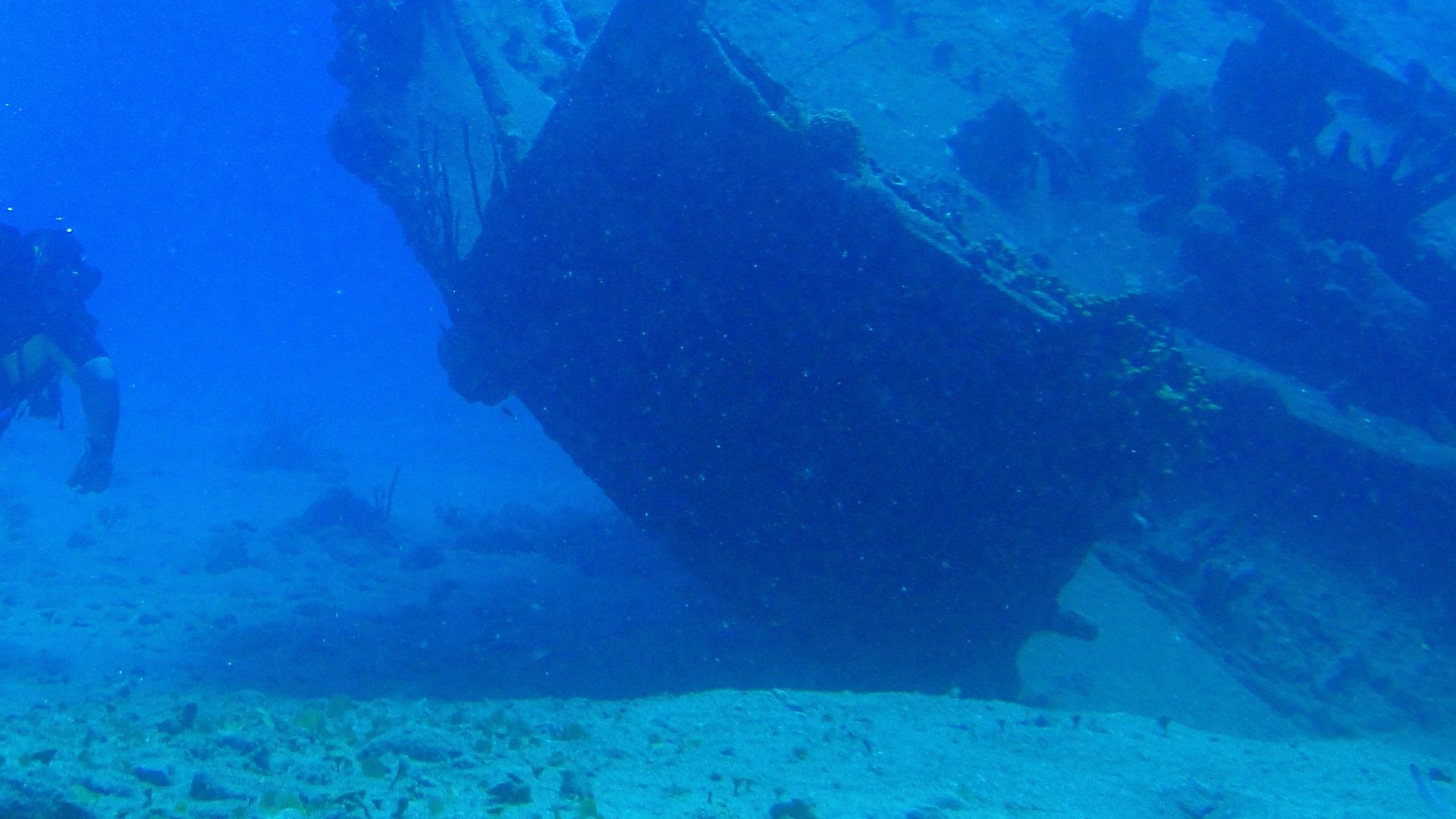
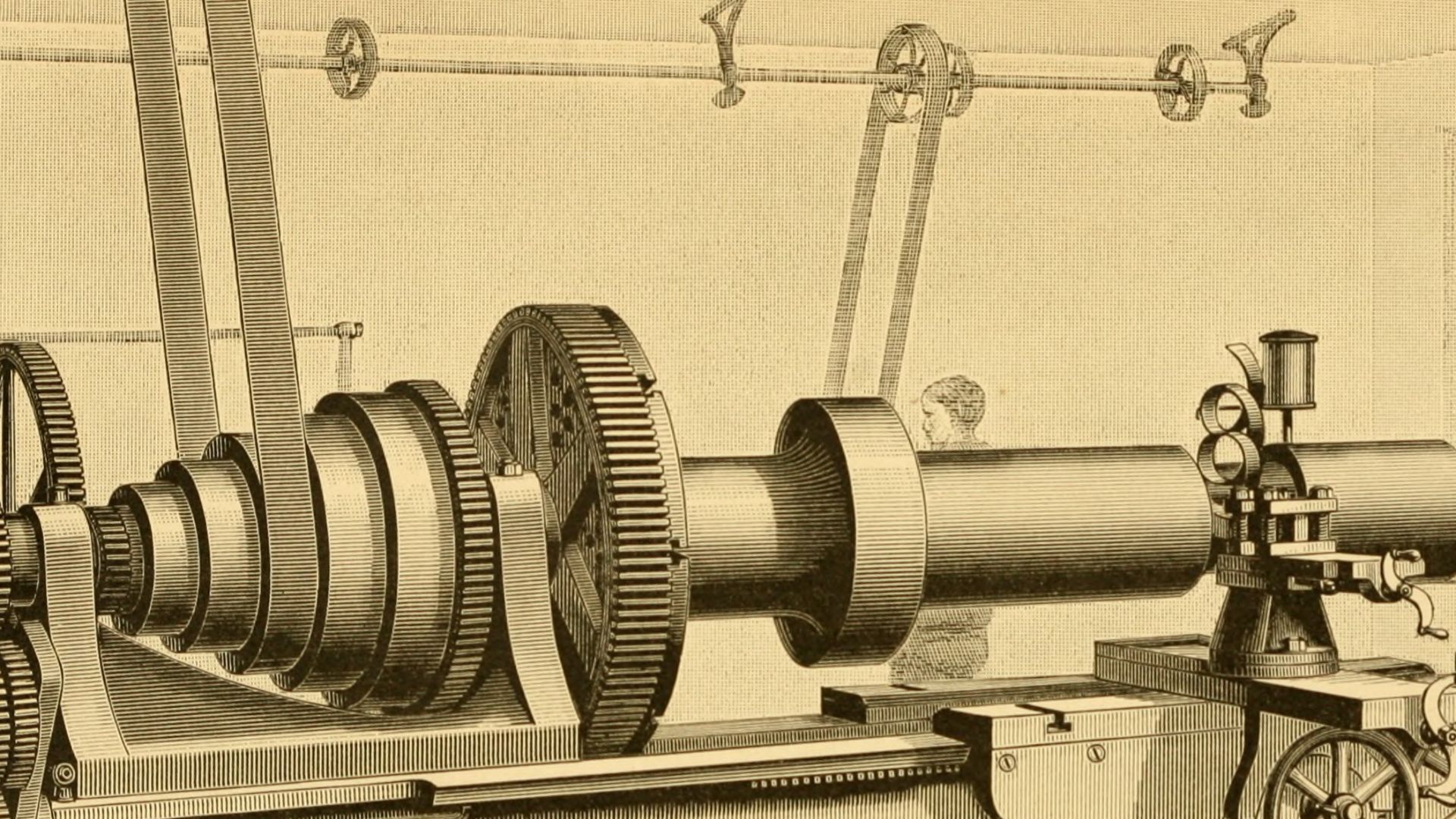
Eyewitness accounts recall that Davis’s machine did partially lift the stern of the wreck above the water, showing early promise in his approach. But the cables snapped during the operation, forcing Davis to give up the effort. With no treasure or any substantial remains recovered, he and his investors were out of pocket. The abortive 1823 effort stands as an early example of mechanical salvage innovation on the East River.
 D. Appleton and Company; Benjamin, Park, 1849-1922, Wikimedia Commons
The Wreck’s Allure Persisted
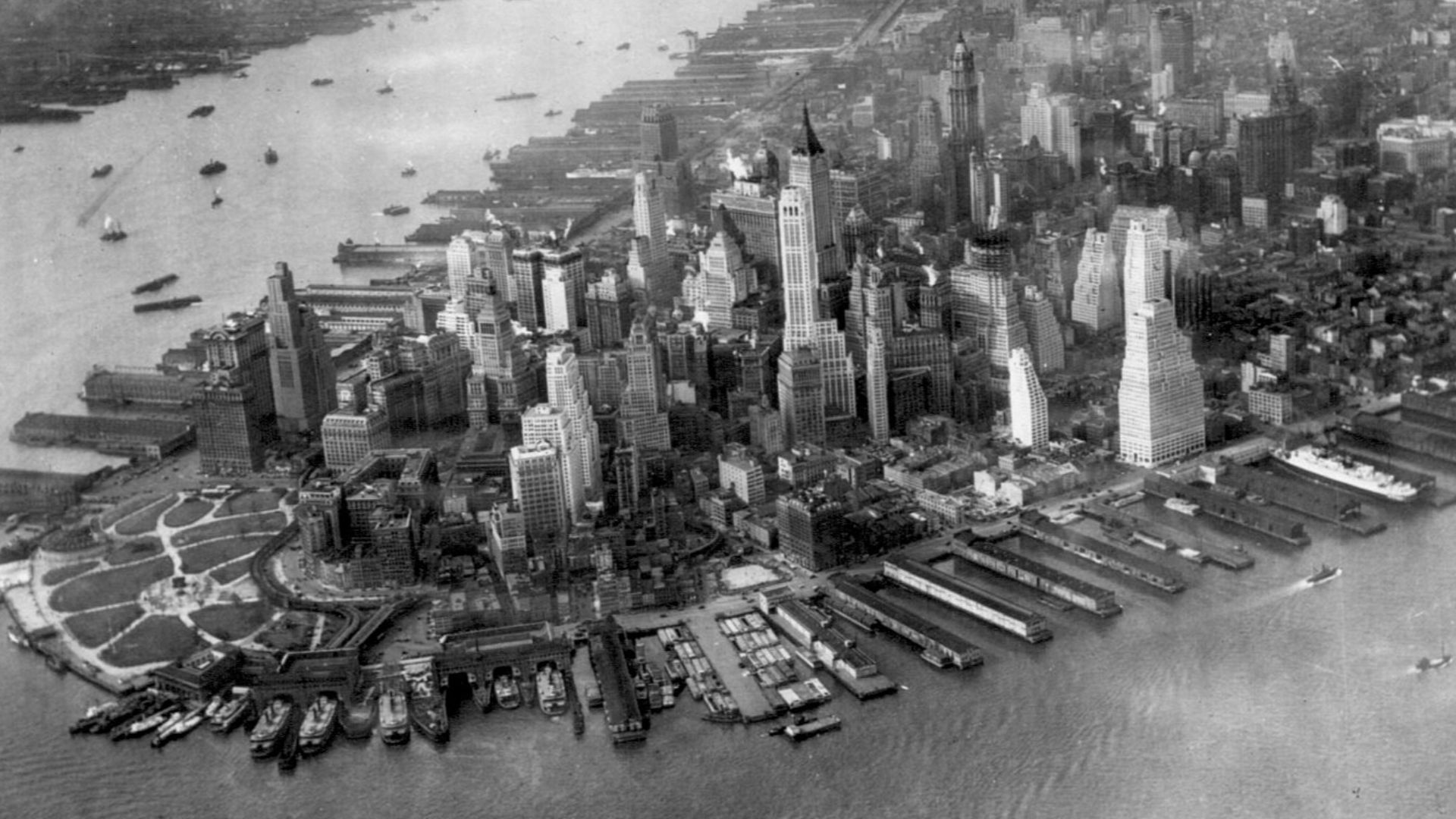
The Hussar refused to entirely vanish from public memory. As the 19th century went on, New York City grew into a city of monstrous proportions, and the bustling river traffic increased alongside these changes. The ghostly hulk of the remains of Hussar was gradually buried under layers of mud, debris, and later industrial waste. But there were still those willing to take another stab at the eerie wreck.
Diving On The Wreck
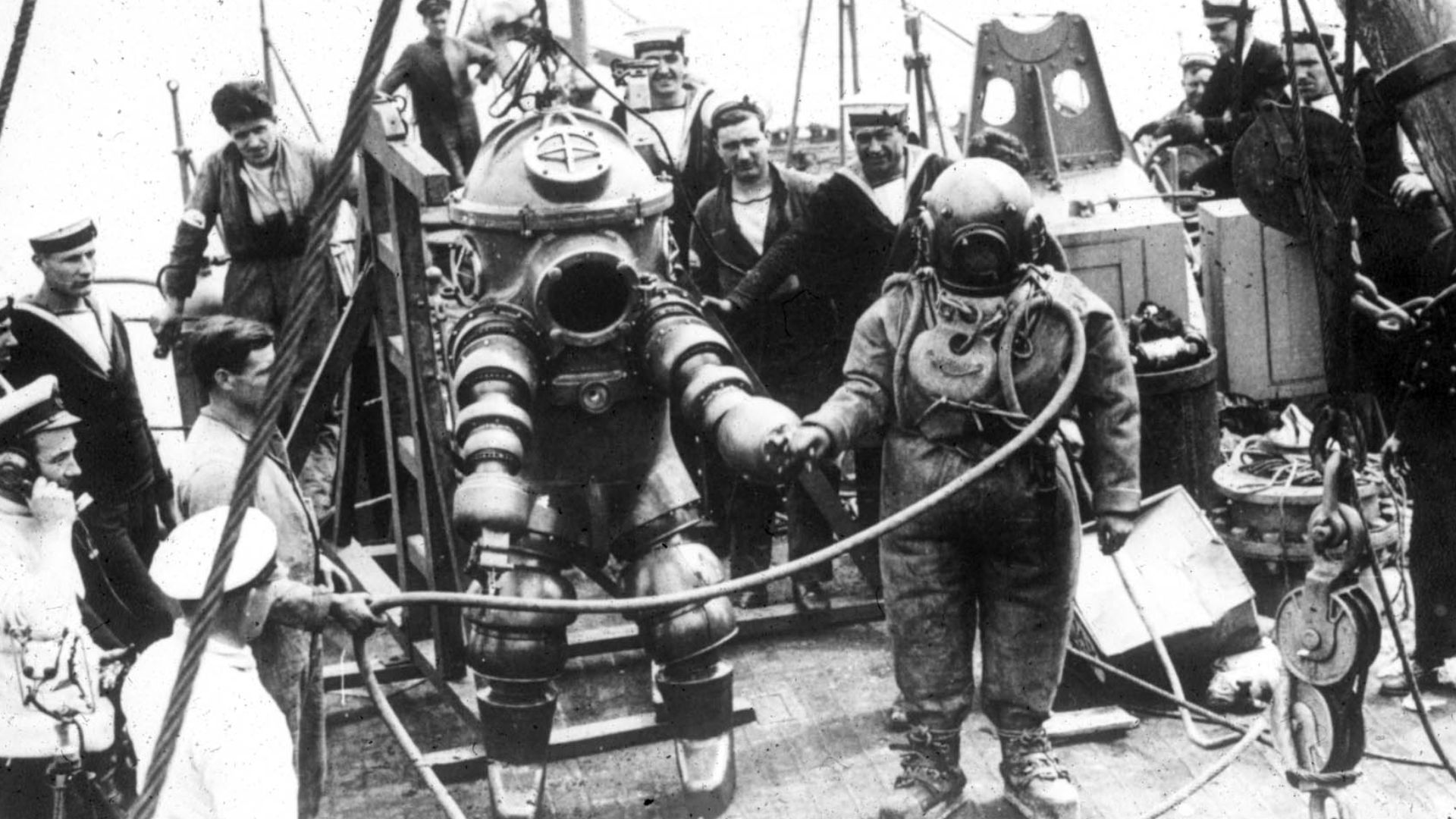
In the mid-nineteenth century, diving pioneer George W. Taylor became one of the earliest documented explorers to locate the actual wreck of the Hussar. Using very early diving suit technology, Taylor reached the East River site and began rummaging through the remains. Sadly, his life was cut short by a sudden illness, leaving his work unfinished and prompting his protégé, Charles Pratt to take up the torch of the Hussar.
 ArtMechanic, Wikimedia Commons
He Was A Determined Salvager
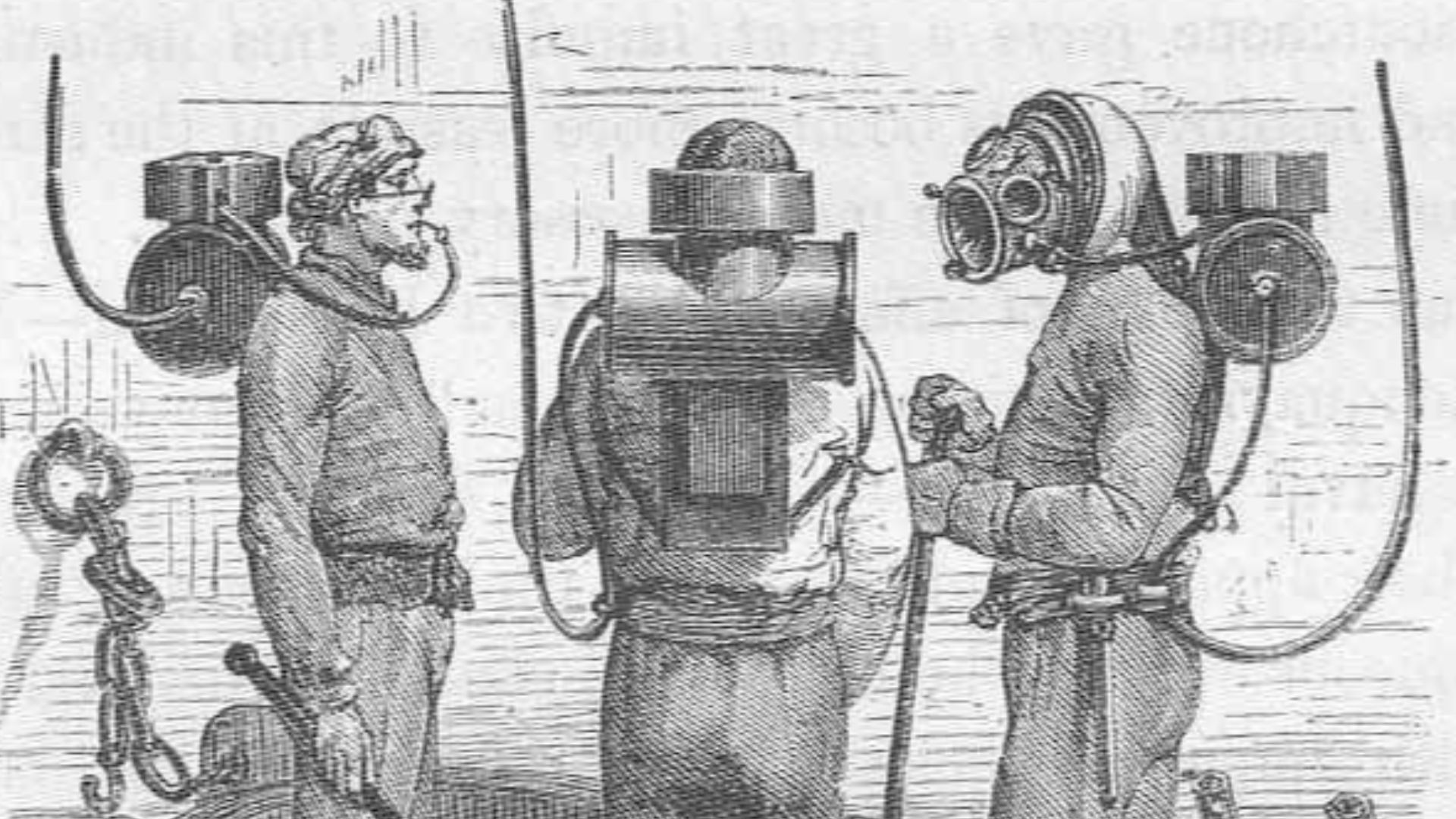
Charles Pratt was one of the most determined salvagers to pursue the sunken HMS Hussar. Starting in the mid-1840s in the aftermath of diver George W. Taylor’s early work, Pratt returned to Hell Gate every summer for thirteen years. He used the most advanced diving suit of the era, including a roughly 70-pound submarine armor with a hand-cranked air pump that gave him far better mobility than earlier divers.
 Leon Sonrel / Jules Férat, Wikimedia Commons
A Big Haul, But No Lucky Strike
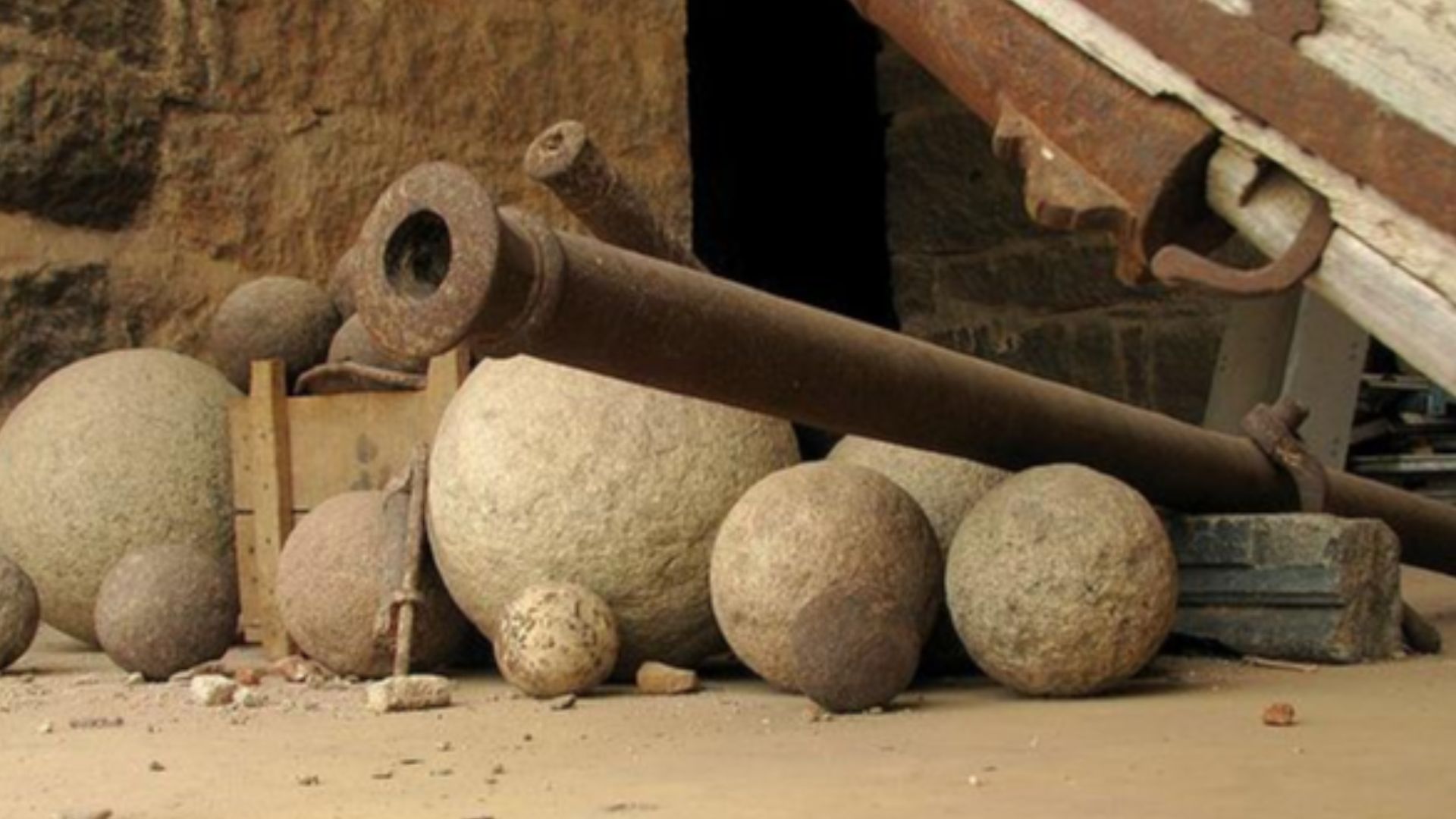
Pratt recovered many artifacts from the wreck. These included cannons, cannonballs, wine bottles, swords, and even human bones still in shackles from the unlucky prisoners aboard when the ship sank. He found a few gold coins, but these probably belonged to individual crew members and weren’t part of a vast treasure. Despite the yeoman's work he'd put in, Pratt was never able to find the rumored treasure. He made his last dive around 1866.
 mckaysavage, Wikimedia Commons
Hell Gate Engineering Changes Everything
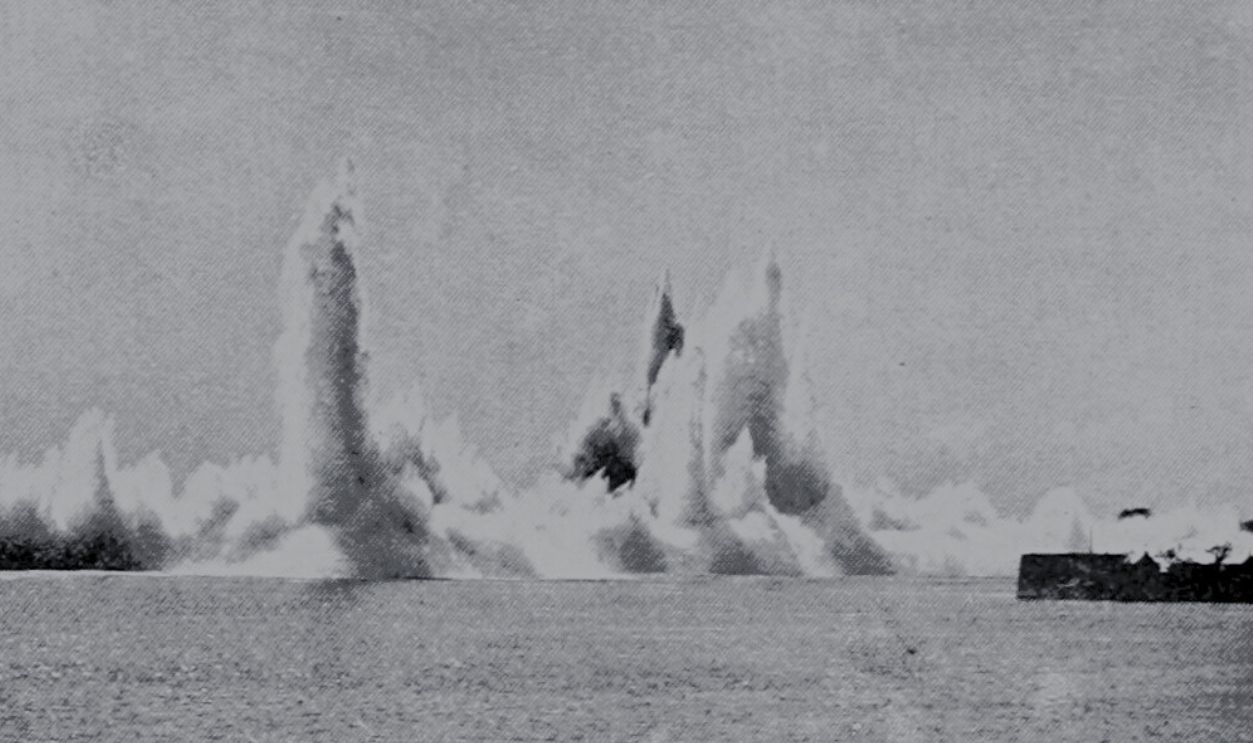
In 1876, engineers blasted out the treacherous rocks and dredged Hell Gate to make the channel safer. These large-scale alterations disturbed the riverbed, potentially shifting, damaging, or even partially or completely burying the wreck. This would obviously further complicate later efforts to locate it.
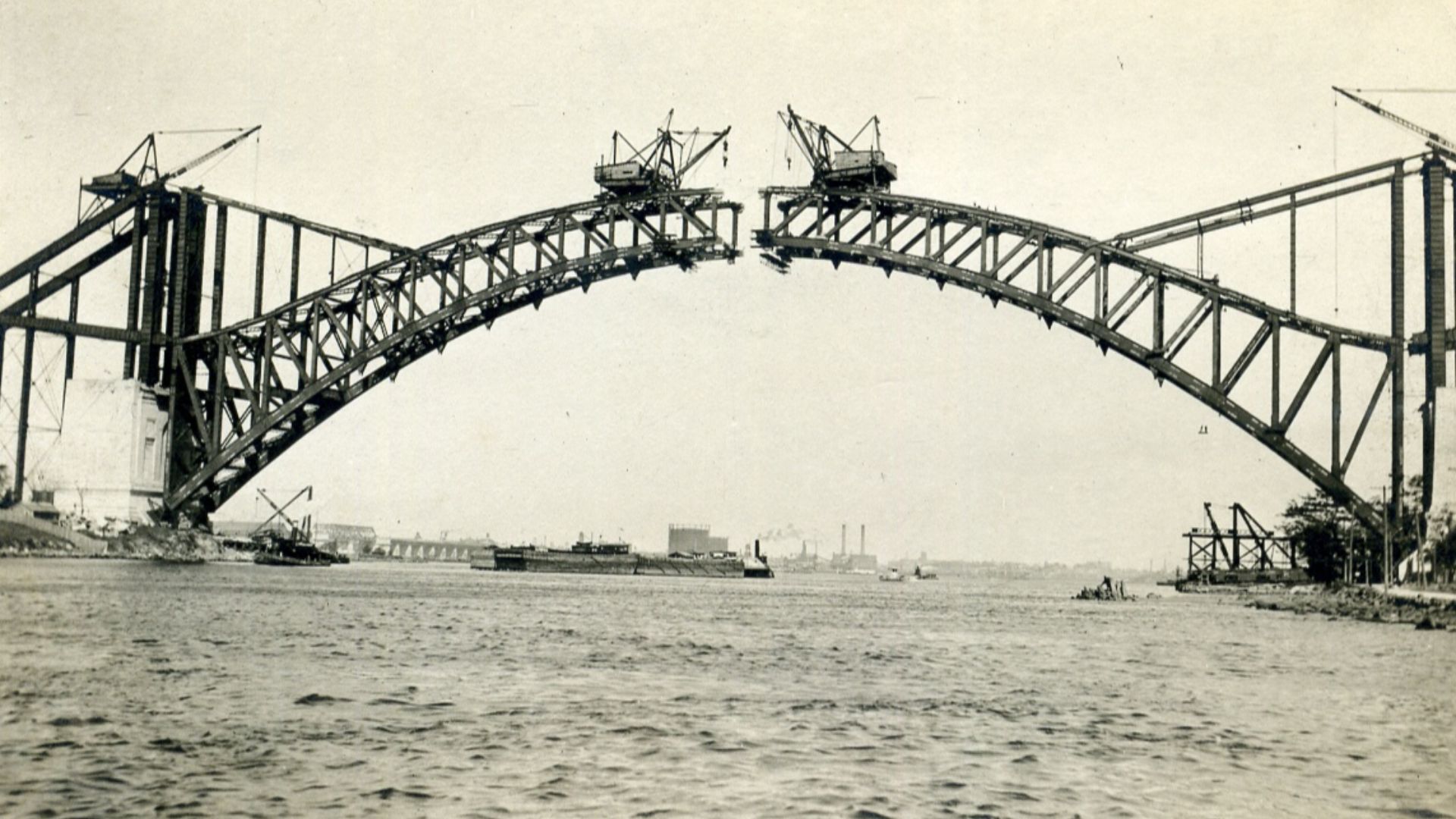 Photo: Laurens Rijnhart Hesselink (1886-1925). Urheber: Gijsbert Hesselink., Wikimedia Commons
History's most fascinating stories and darkest secrets, delivered to your inbox daily.
A Treasure Story Is Reborn
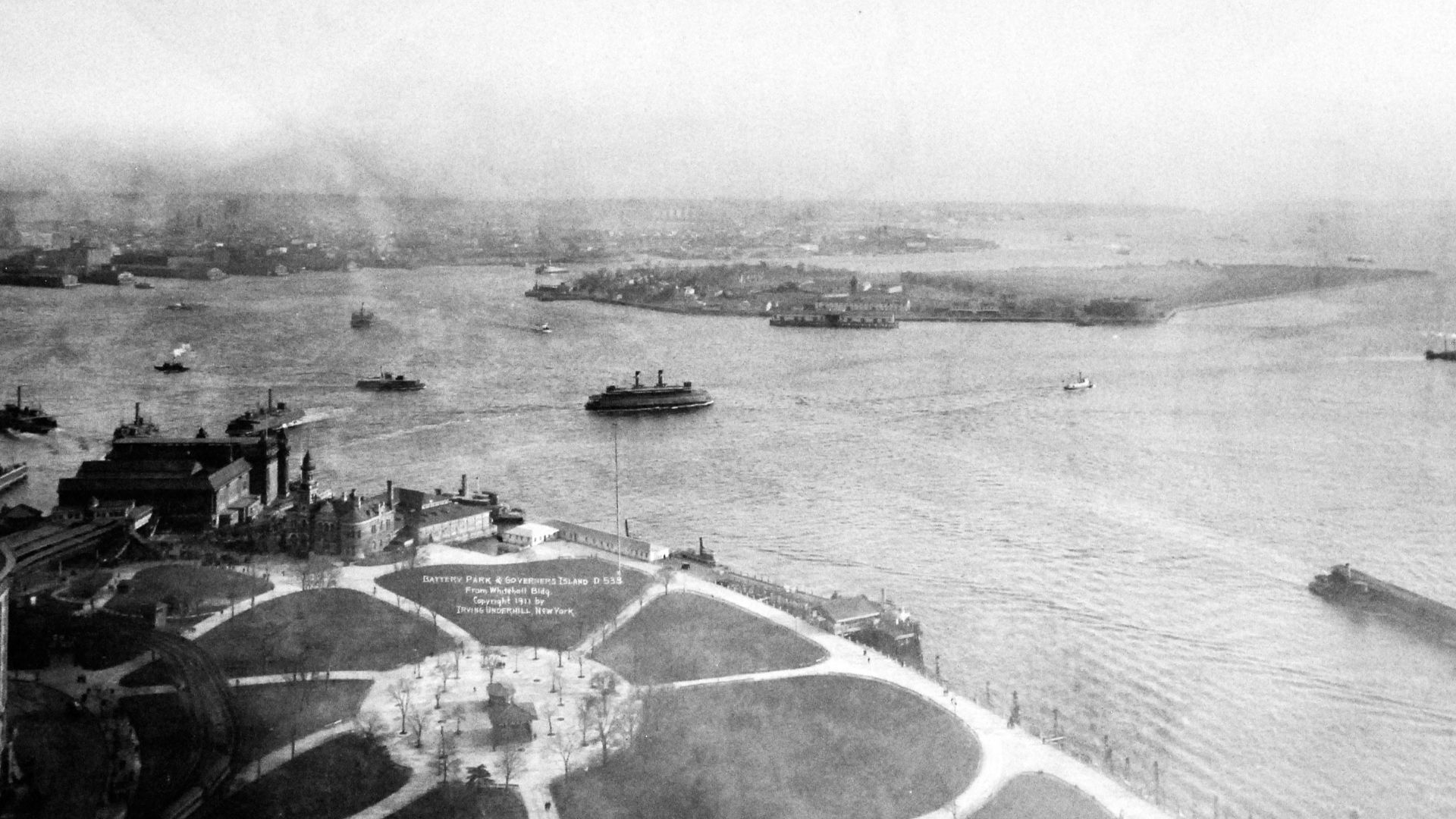
Interest in HMS Hussar surged again in the twentieth century as treasure hunting gripped the public imagination. Stories swirled around about lost gold beneath New York City. The lure proved irresistible, especially given the ship’s dramatic setting beneath a modern metropolis. In 1911, some guys trying to salvage a yacht hauled up an old anchor inscribed with the familiar name: HMS Hussar. This only fuelled even more interest.
 National Museum of the U.S. Navy, Wikimedia Commons
Edwin Link Joins The Search
In the 1950s, famed underwater explorer Edwin Link was ready to launch his own ambitious search for the Hussar. Using advanced sonar and submersible technology, Link believed he had pinpointed the wreck’s location near the Queens shoreline.
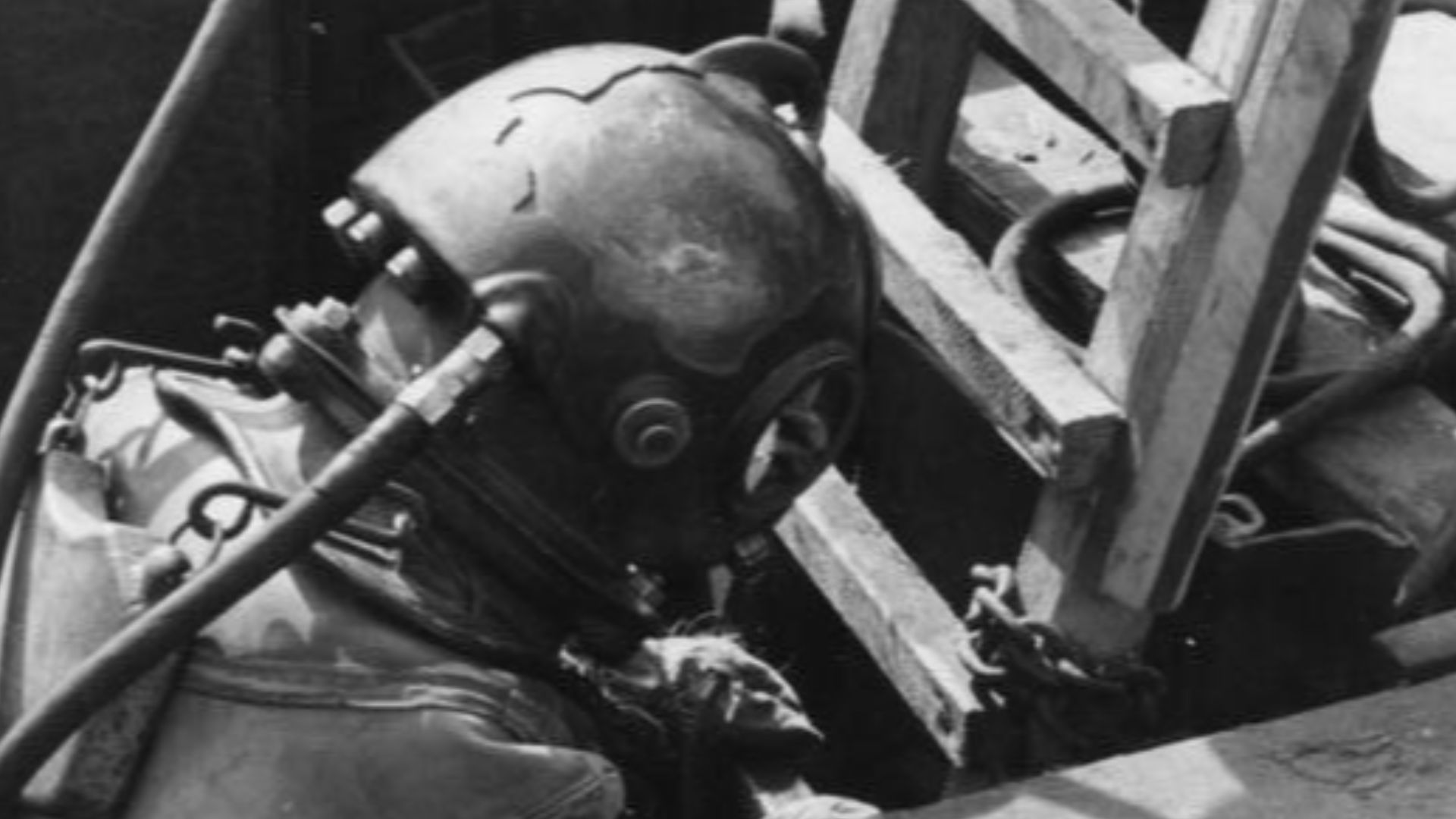 UnknownUnknown , Wikimedia Commons
The Caisson Disaster
Link’s attempt to reach the wreck involved using a massive steel caisson driven into the riverbed. The effort ended disastrously when the structure became unstable. Several workers barely escaped with their lives, forcing the abandonment of the project before the wreck could be reached.
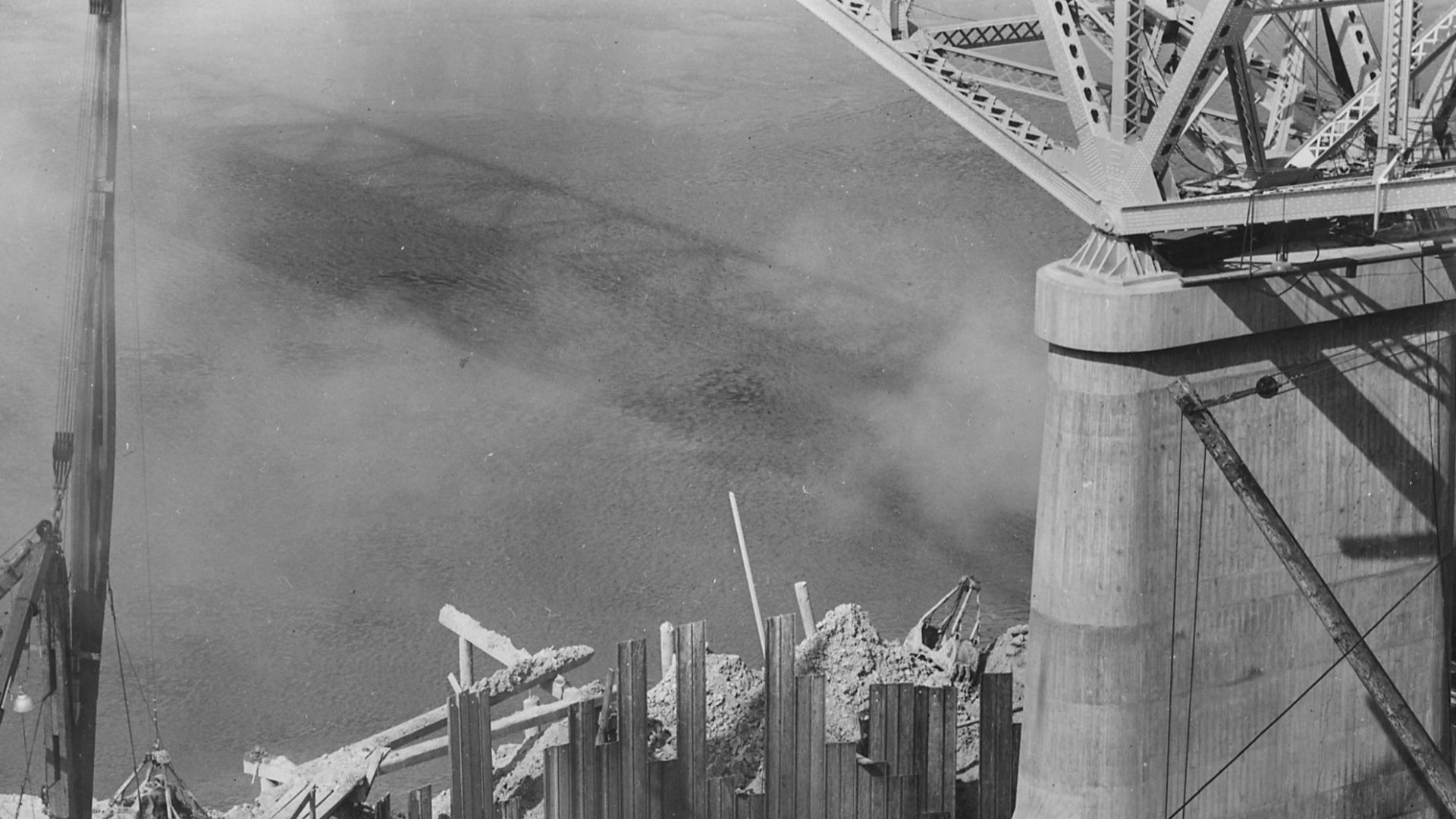 Unknown authorUnknown author or not provided, Wikimedia Commons
What They Actually Found
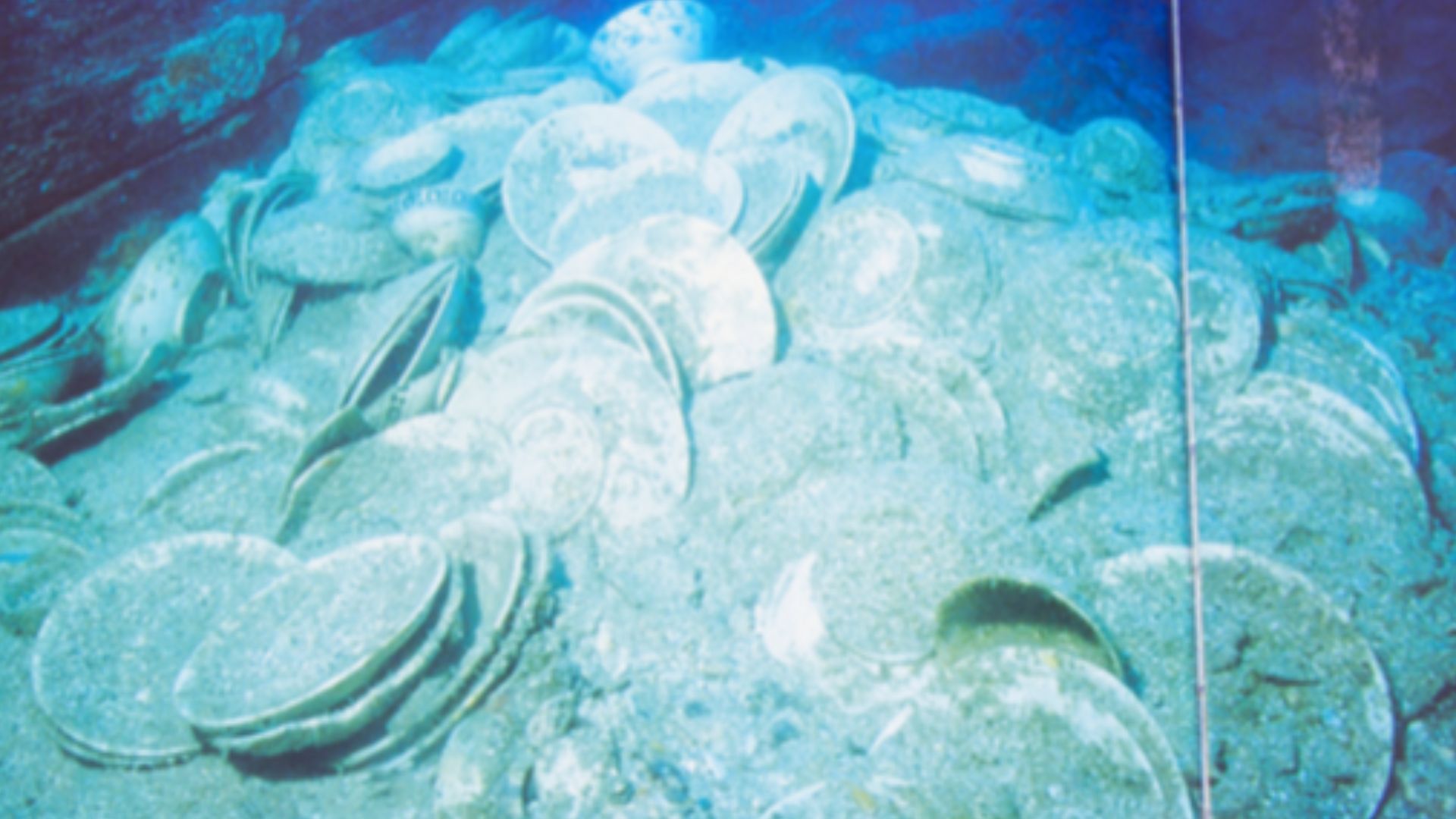
Subsequent dives on the site turned up debris consistent with shipwreck material, but no clear evidence of treasure. The objects recovered continued to offer tantalizing hints but failed to conclusively identify the remains as those of HMS Hussar.
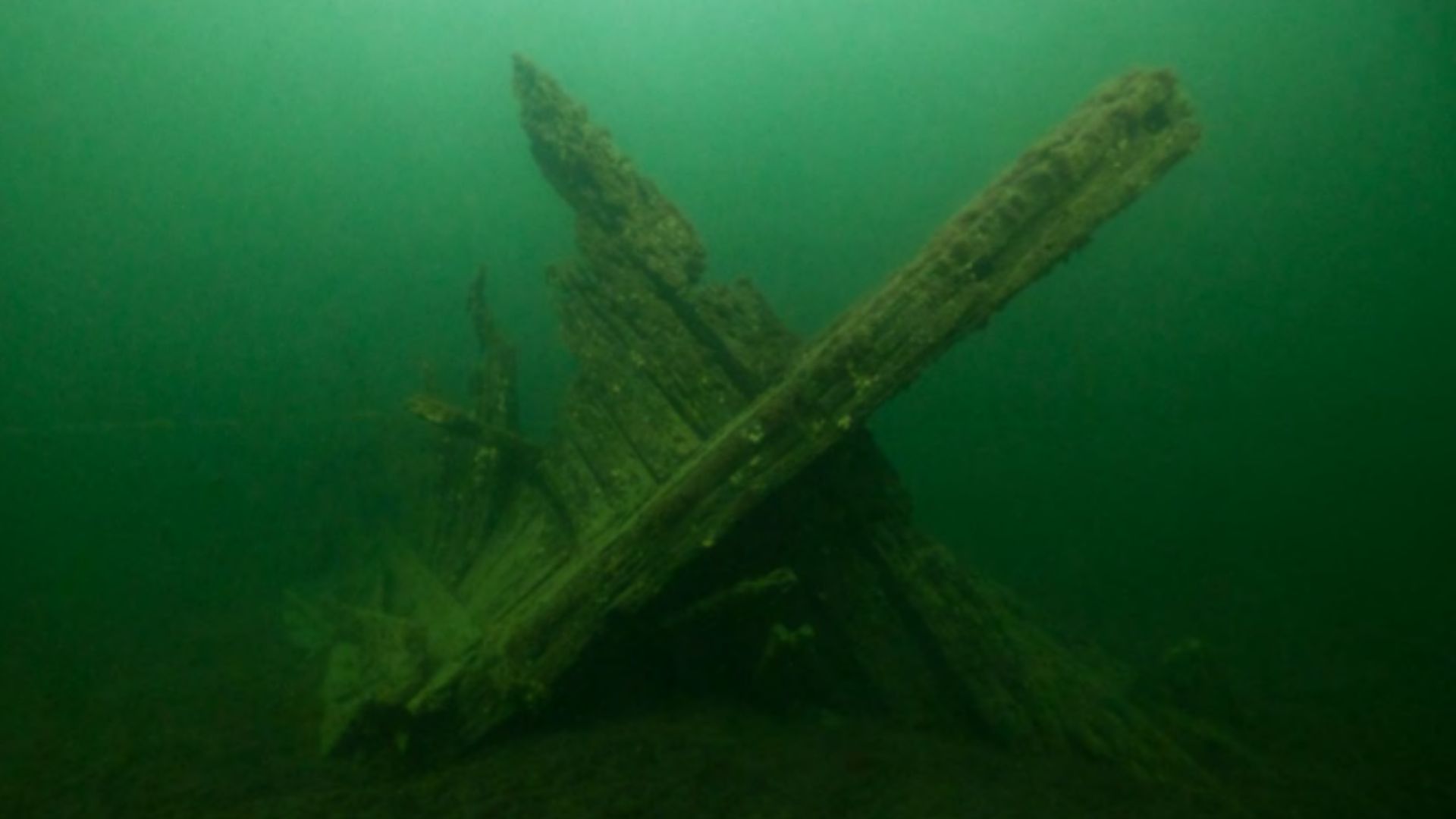 Swedish National Maritime and Transport Museums, Wikimedia Commons
Conflicting Theories Multiply
As repeated searches continued to end in failure to find gold, alternative theories started to spring up. Some suggested the treasure was never aboard. Others proposed it was removed early, or that it lies scattered beyond recognition due to all the blasting and dredging that has gone on since.
Landfill Hypothesis
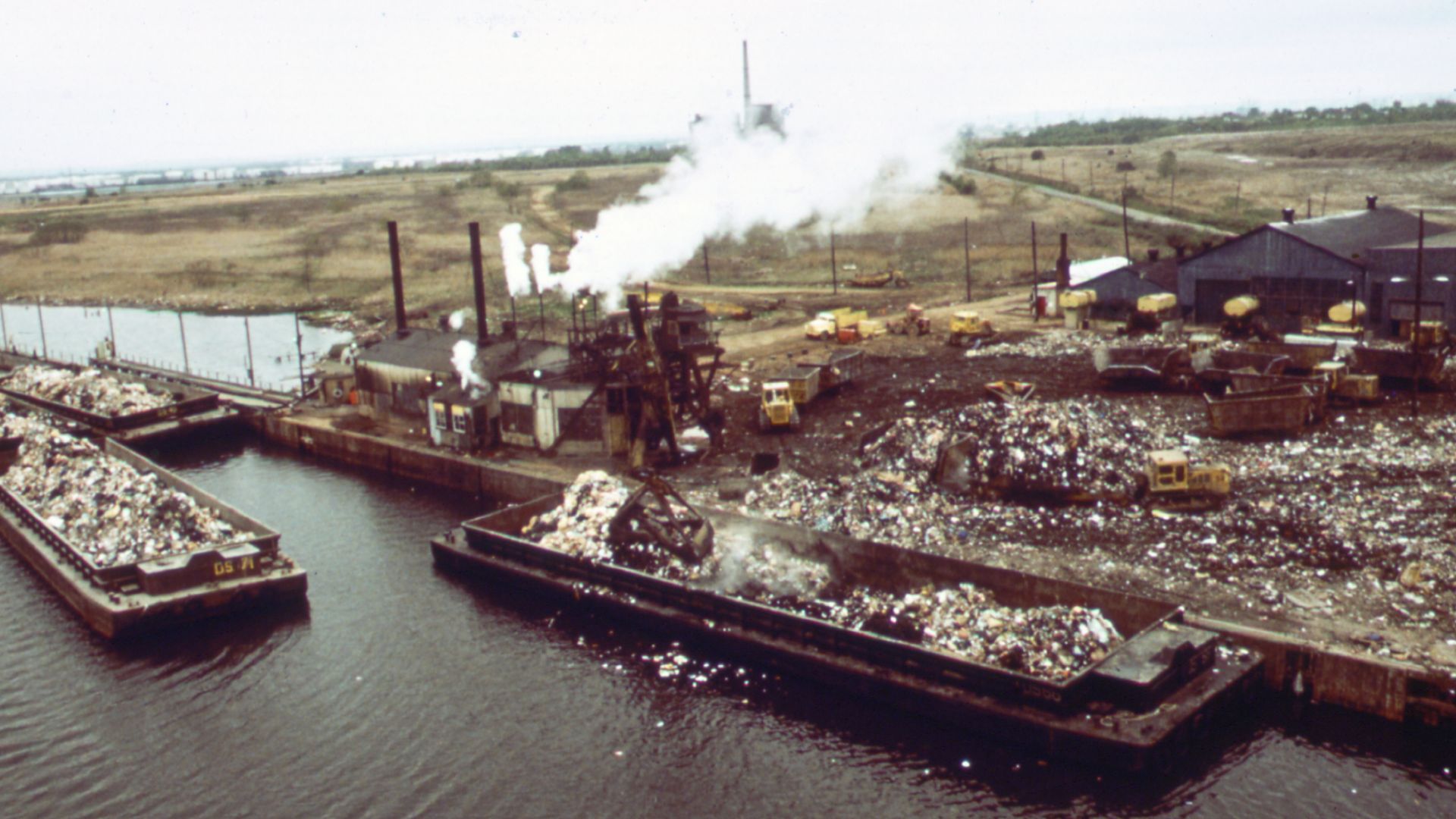
One modern theory suggests the wreck may now lie beneath landfill created during 19th-century shoreline expansion. If this is the case, the ship could be buried beneath streets, buildings, or industrial fill far from its original sinking point.
 Chester Higgins, Jr., Wikimedia Commons
History's most fascinating stories and darkest secrets, delivered to your inbox daily.
Modern Sonar And Magnetometer Surveys
High resolution sonar and magnetometer scans have repeatedly shown anomalies in the East River. Understandably, a lot of these hits turned out to be discarded machinery, scrap metal, or natural rock formations. It proves better than anything else the difficulty of isolating one specific wreck in a crowded urban waterway.
 NOAA's National Ocean Service, Wikimedia Commons
New York Times Investigation
A detailed investigation by the New York Times in 2013 documented how modern searches have pulled up trash, bones, and industrial refuse rather than treasure. The reporting highlighted how two centuries of dumping has dramatically altered the riverbed where the Hussar once sank, which may make it impossible to ever find the wreck again.
 Gary Miller, Wikimedia Commons
Legal And Environmental Barriers
Even if the wreck were found today, recovery would face serious legal obstacles. Environmental regulations, navigational concerns, and city infrastructure place strict limits on excavation in the East River.
 GeorgeLouis, Wikimedia Commons
Myth Vs Documented Evidence
No surviving paper records confirm that HMS Hussar was carrying payroll treasure at the time it sank, or at any time prior to that. This yawning void of proof hasn’t diminished interest one bit, but has instead been filled by a growing tangle of rumors and lore surrounding the lost vessel.
Why The Mystery Endures
The idea of sunken gold beneath New York still fascinates the public imagination. Whether it’s because of the contrast of wealth and poverty visible in the modern cityscape, or simply because few places feel less likely to hide such maritime buried treasure, the public curiosity only grows more insatiable as the years and decades roll by.
 АртёмСургут, Wikimedia Commons
A Ship Lost Beneath A City
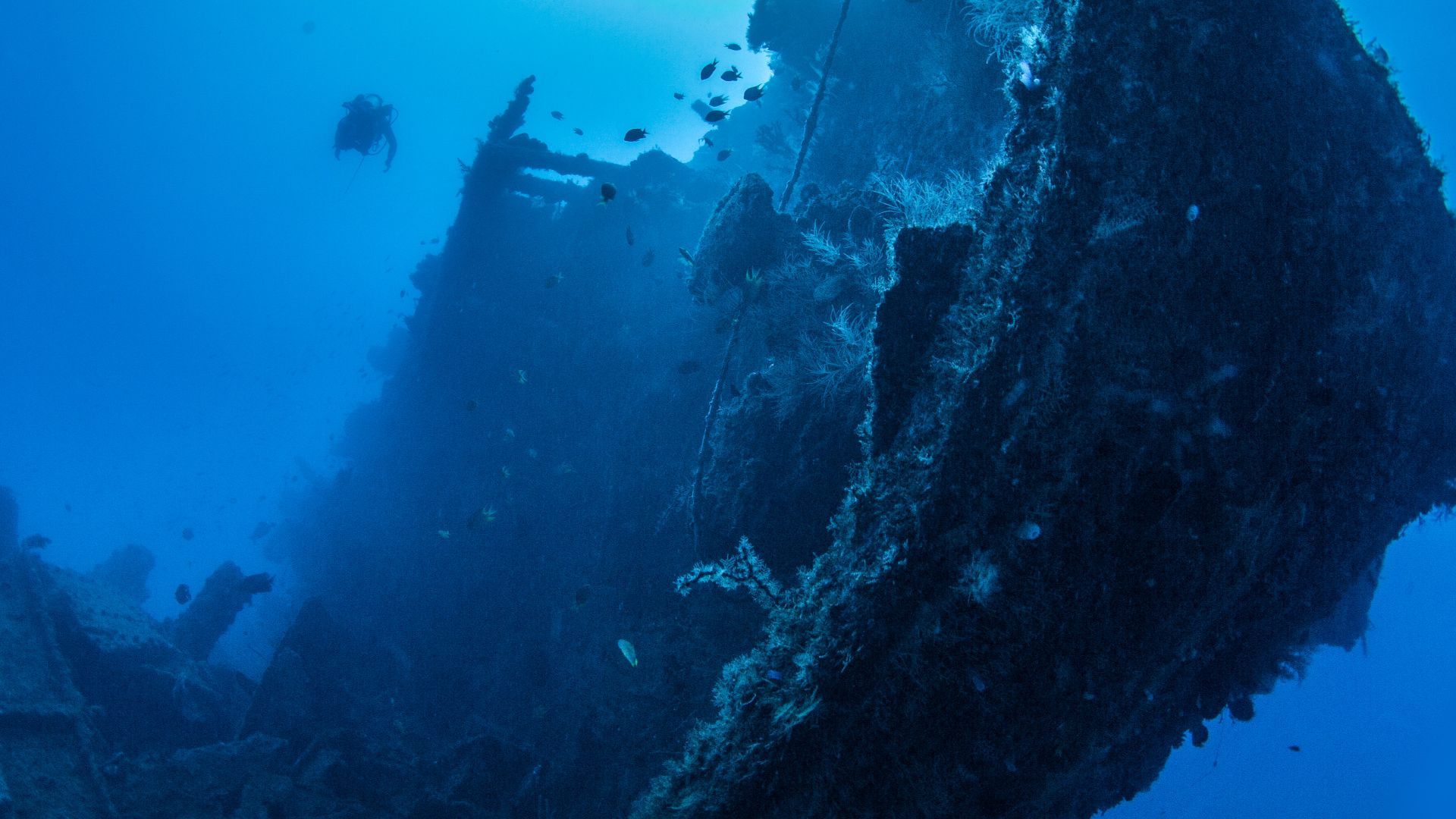
Unlike wrecks in open seas, HMS Hussar lies beneath one of the most developed urban environments on Earth. Subways, bridges, and landfills sit atop centuries of maritime history concealed from view. It’s impossible not to wonder what may be lurking down there.
 W.Strickling, Wikimedia Commons
History's most fascinating stories and darkest secrets, delivered to your inbox daily.
Treasure Hunting Without Closure
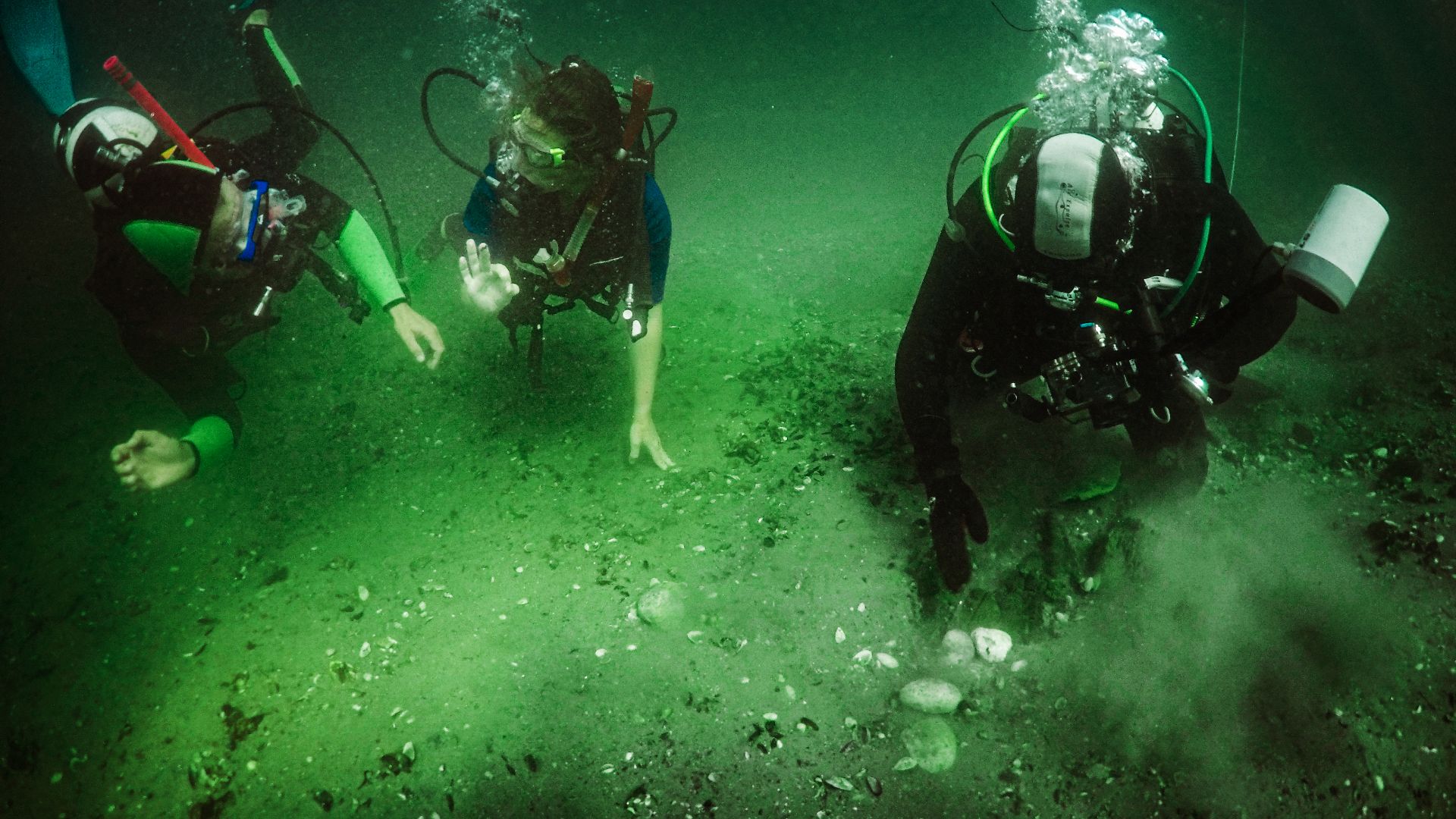
Despite decades of effort, no expedition has conclusively found HMS Hussar or its rumored cargo. Each failed search adds another layer of conjecture and rumor to the mystery rather than bringing resolution. But treasure hunters still salivate over the prospect of finding out what really happened that night almost two and a half centuries ago.
 Oleksandr (Alex) Zakletsky, Wikimedia Commons
The Legend Refuses To Sink
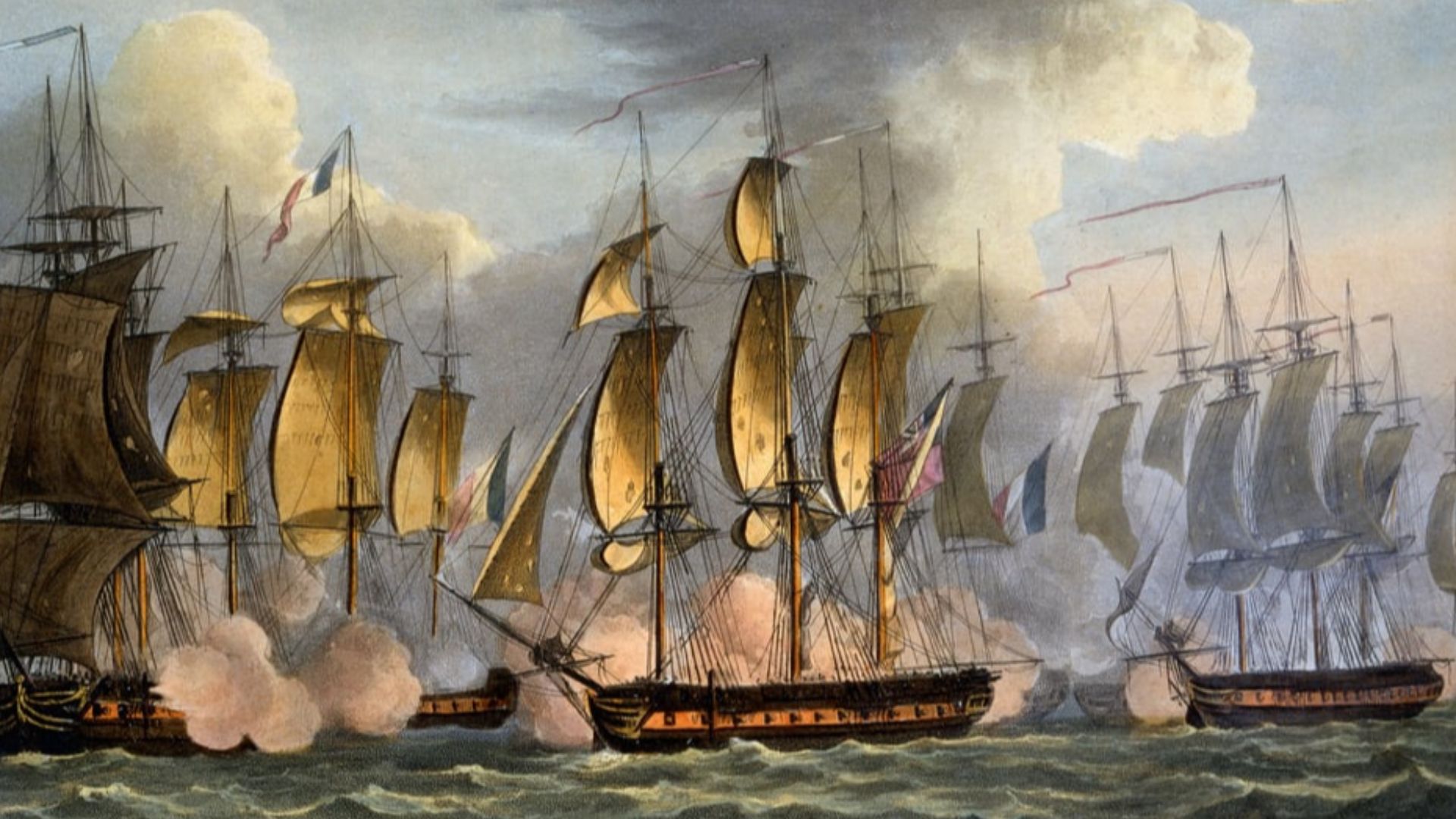
The story of HMS Hussar endures simply because it remains unresolved. Without confirmation of treasure or wreckage, the ship exists in a limbo between history and legend, tantalizing researchers and dreamers alike.
 Thomas Sutherland / After Thomas Whitcombe, Wikimedia Commons
Gold Or Ghost Story
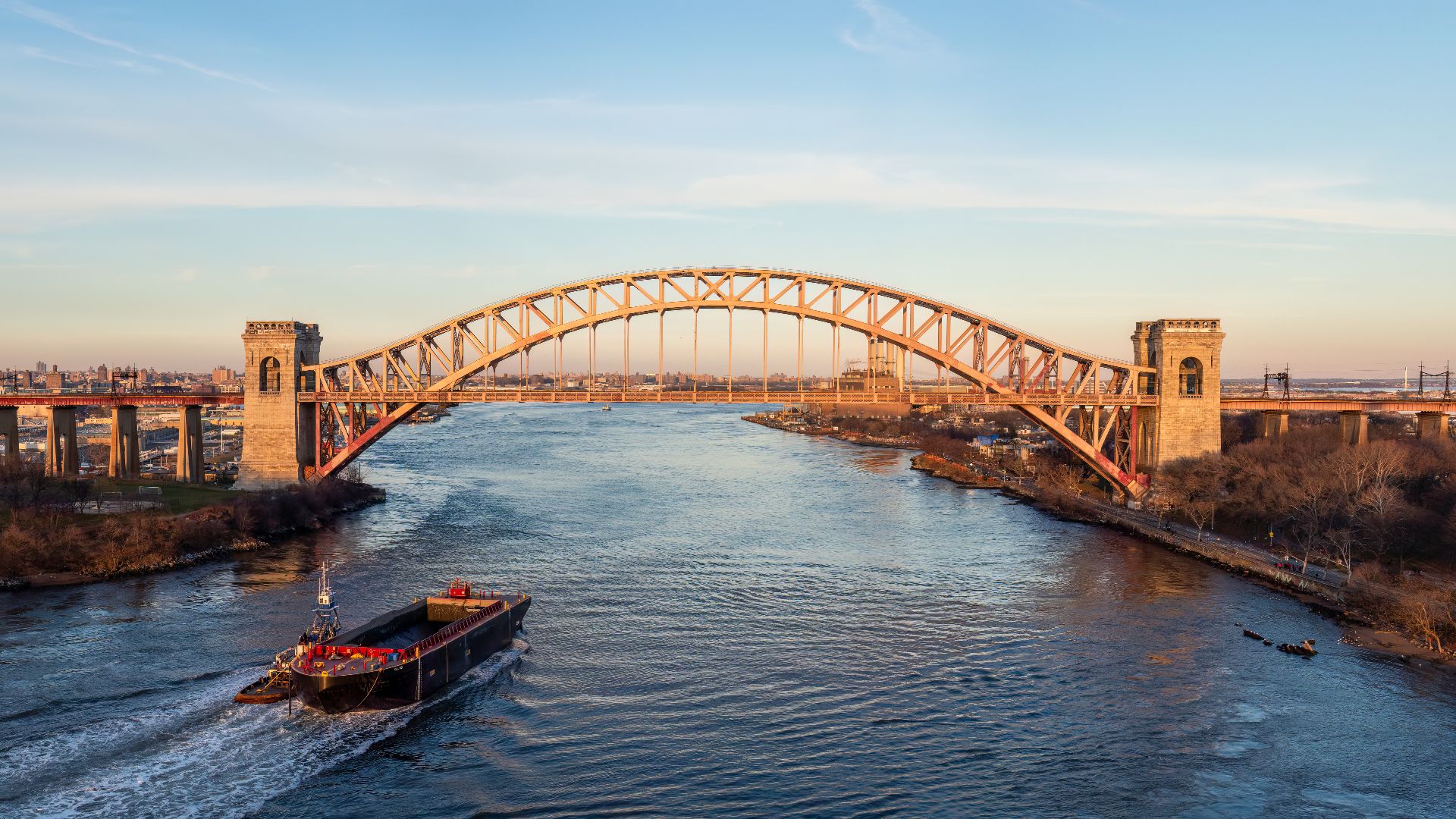
Whether or not the treasure ever existed, HMS Hussar stands as a reminder of how war, geography, and time can erase physical evidence while leaving stories behind. The river keeps its secrets, even beneath the world’s most famous city.
 Rhododendrites, Wikimedia Commons
You May Also Like:
21 Facts about Pieces of Lost History
Amazing Facts About Historical Artifacts
Hectic Facts About New York City, The City That Never Sleeps










_pg944_FLOOD_ROCK_EXPLOSION_AT_HELL_GATE_IN_OCTOBER,_1885._RAND_DRILL_COMPANY%27S_DRILLS_AND_EXPLOSIVES.jpg%20)
