The Medal, The Mouth, And The Man
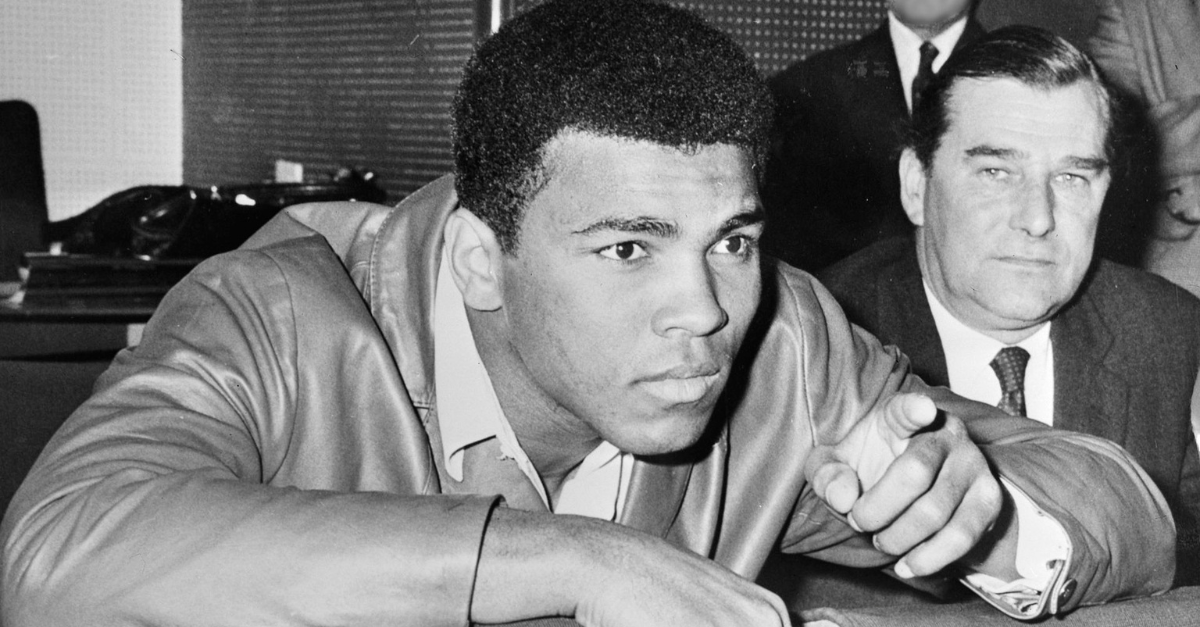
Before he was a global icon, before he lit Olympic torches or floated like anything, he was just a teenager from Louisville with fast hands and a faster tongue. Muhammad Ali didn’t just win fights—he rewrote the rules about who gets to be loud, proud, and unapologetically Black in America. And when the country that handed him a gold medal refused to hand him basic dignity, he made a decision that would echo for decades.
 Unknown author, Wikimedia Commons
A Bike, A Cop, And A Beginning
Ali’s origin story feels almost too cinematic to be real. At 12 years old, his bicycle was stolen, and an angry young Cassius Clay told a local officer he wanted to beat up whoever took it. That officer, Joe Martin, happened to train young boxers—and suggested Clay learn how to fight first.
From that moment on, the direction of his life snapped into focus. What started as neighborhood frustration turned into disciplined fury inside the ring.
 Bert Verhoeff / Anefo, Wikimedia Commons
Louisville’s Loudest Prospect
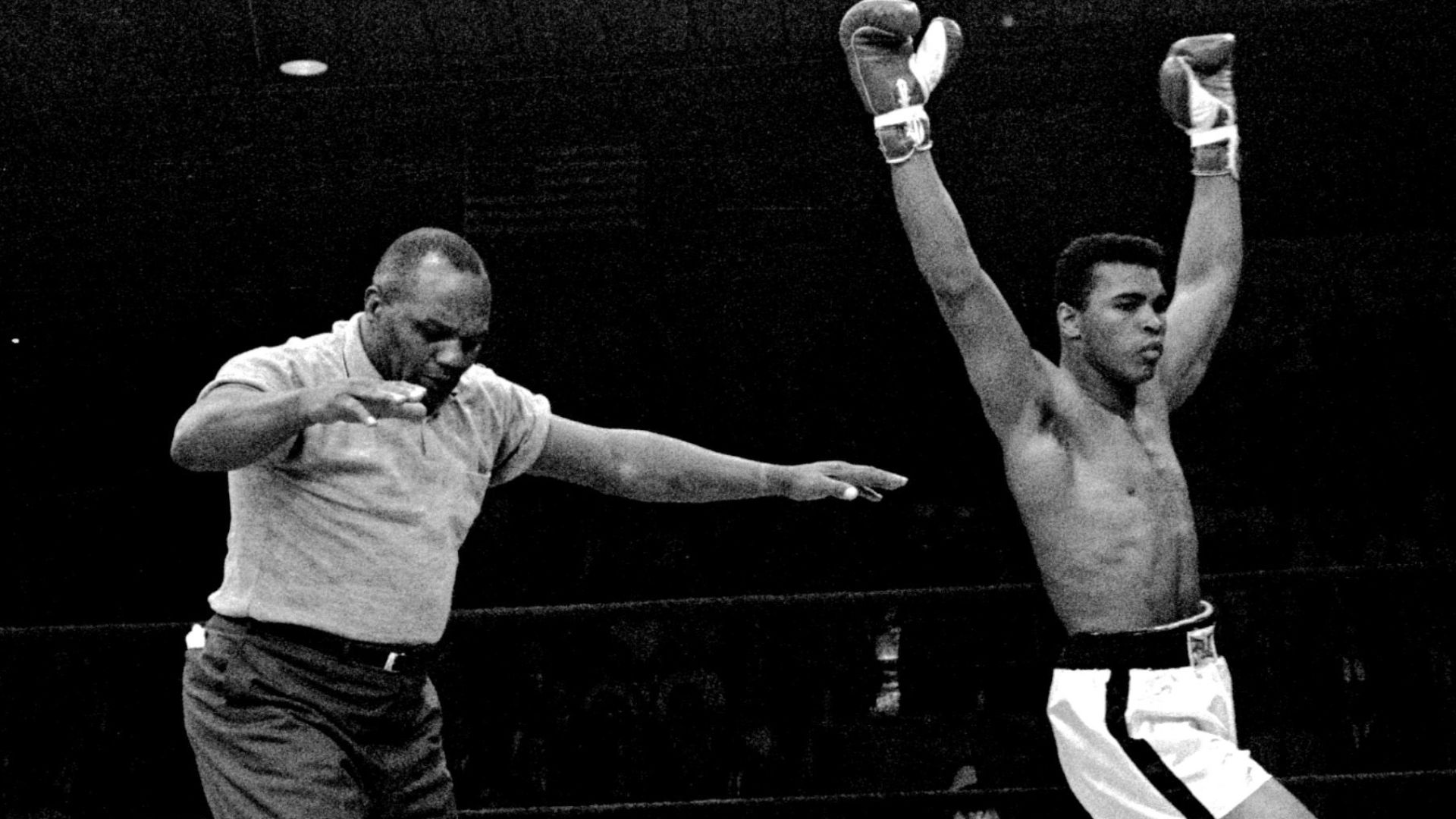
Clay quickly built a reputation in Louisville as a talented and talkative amateur. He wasn’t just winning bouts—he was predicting them, boasting about them, and grinning the entire time. Confidence poured out of him like it was oxygen.
By the time he reached his late teens, it was clear he wasn’t just good. He was different.
 Associated Press, Wikimedia Commons
Rome And A Golden Triumph
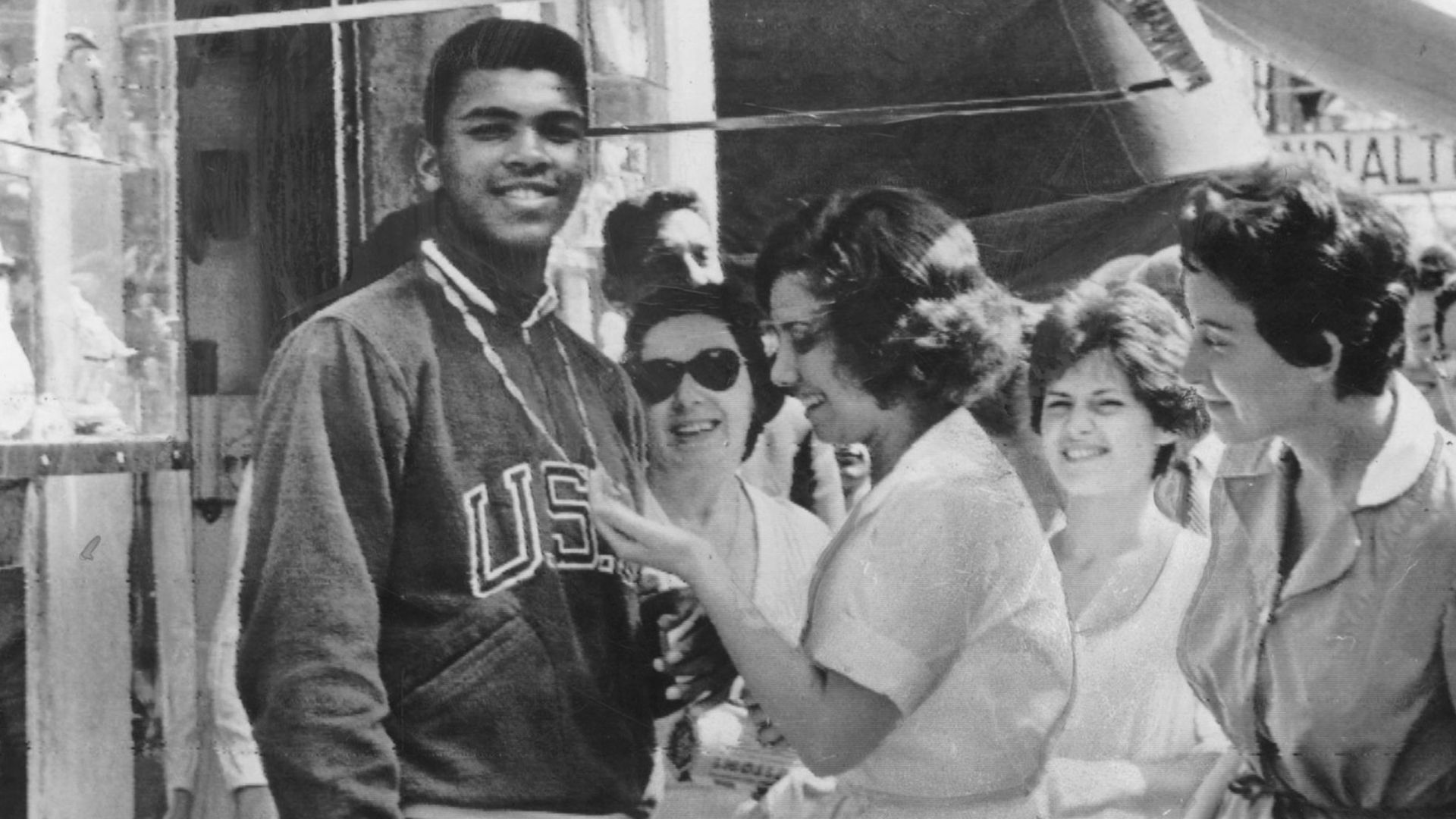
At 18, Clay traveled to the 1960 Summer Olympics in Rome. He returned home with a light heavyweight gold medal draped around his neck and the title of Olympic champion stamped on his name. For a brief moment, it looked like America had found its smiling young hero.
He was charming, handsome, and undefeated on the world stage. But the glow didn’t last.
 Unknown authorUnknown author, Wikimedia Commons
The River And The Reality
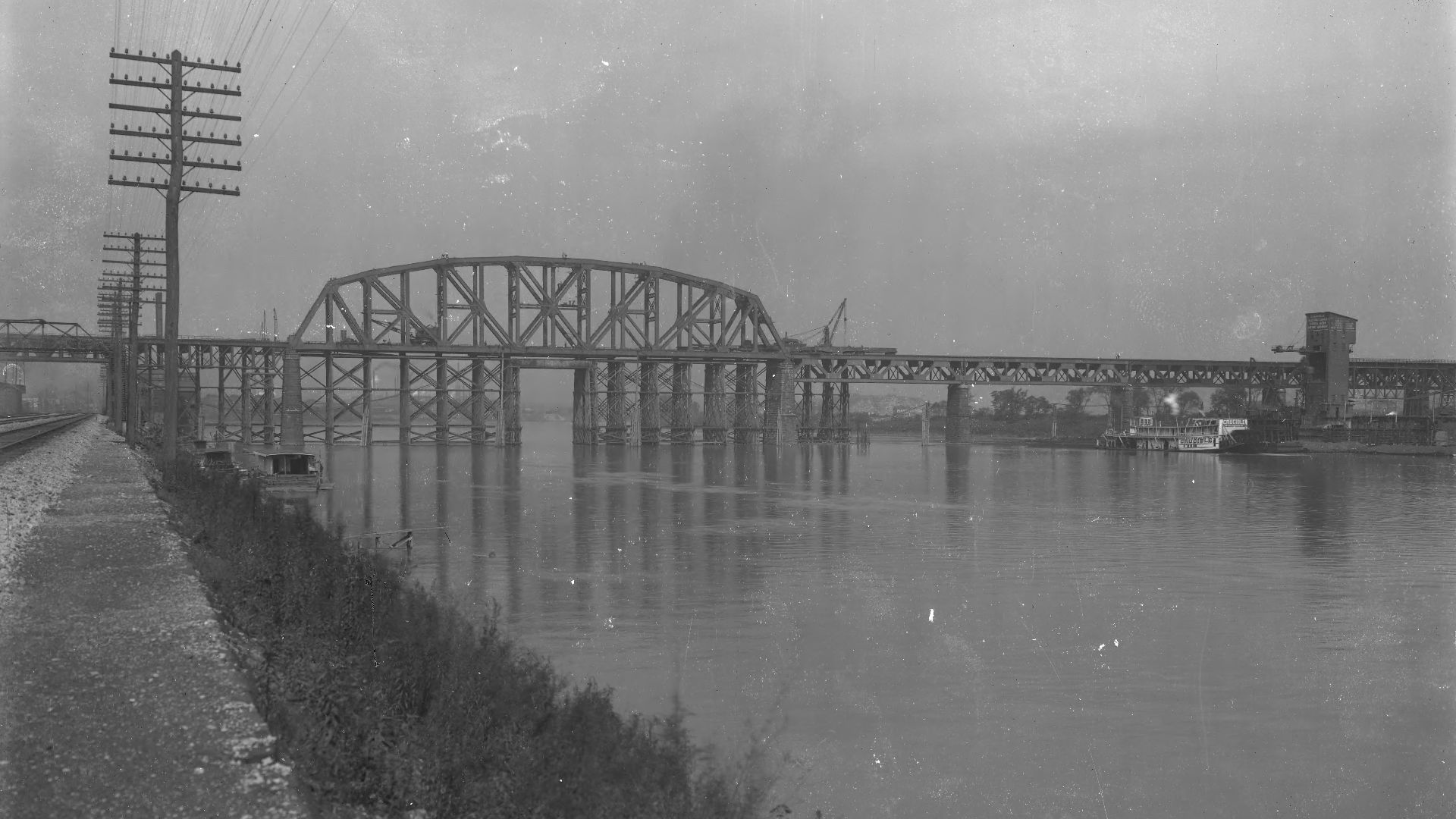
Back home in Kentucky, Clay still faced segregation and discrimination. One widely told story recounts that after being refused service at a restaurant, he threw his Olympic gold medal into the Ohio River in disgust. Whether embellished or not, the story captured a deeper truth—victory abroad didn’t shield him from prejudice at home.
The medal may have symbolized national pride, but it couldn’t protect him from Jim Crow.
 United States. Army. Corps of Engineers. Pittsburgh District., Wikimedia Commons
Turning Pro And Turning Heads
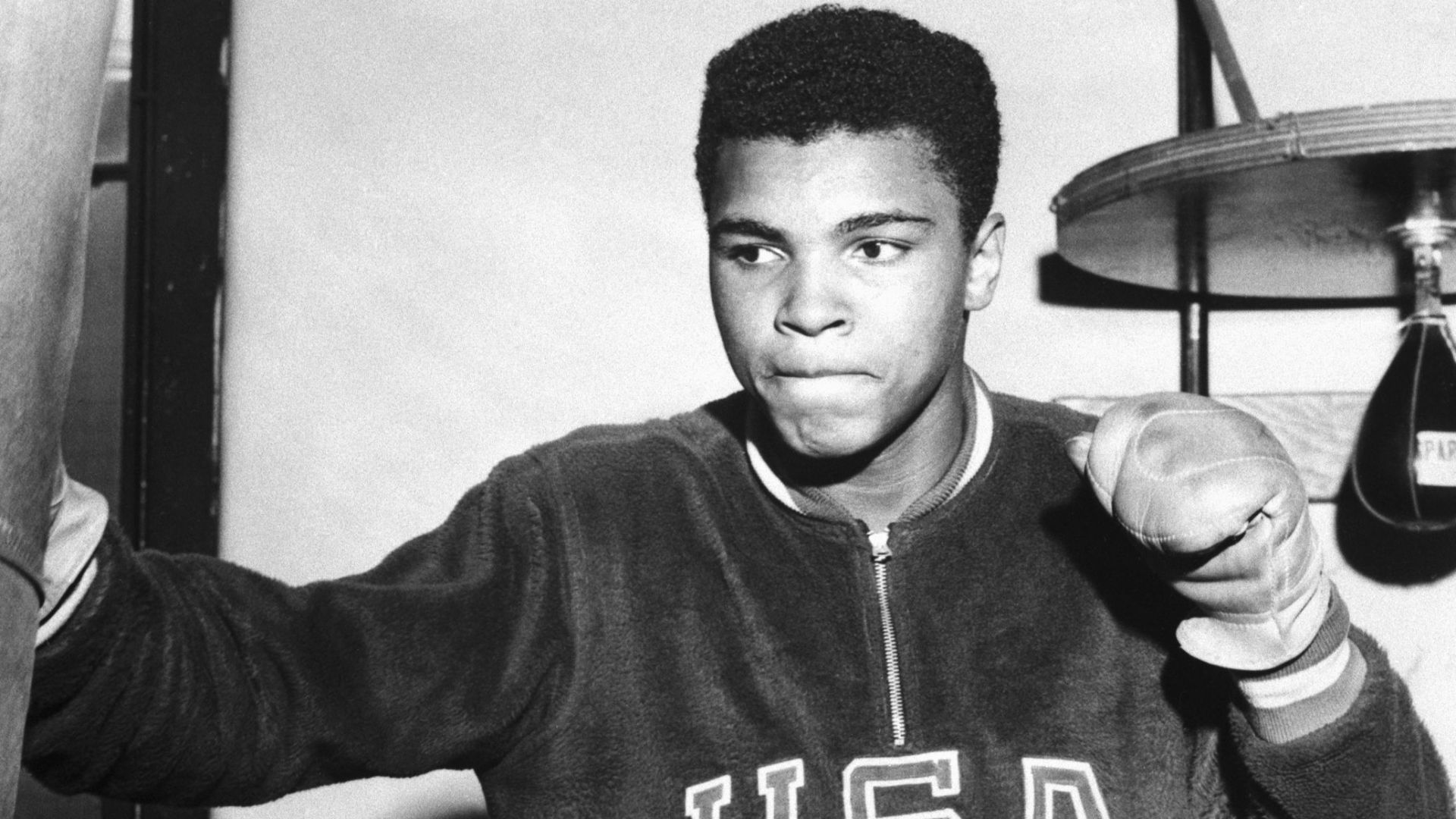
Clay turned professional shortly after the Olympics and began climbing the heavyweight ranks. His style was unconventional—hands low, feet dancing, head tilted back in defiance. Purists scoffed. Opponents underestimated him.
They stopped laughing when he kept winning.
 G.C. London Publishing, Wikimedia Commons
“I Am The Greatest”
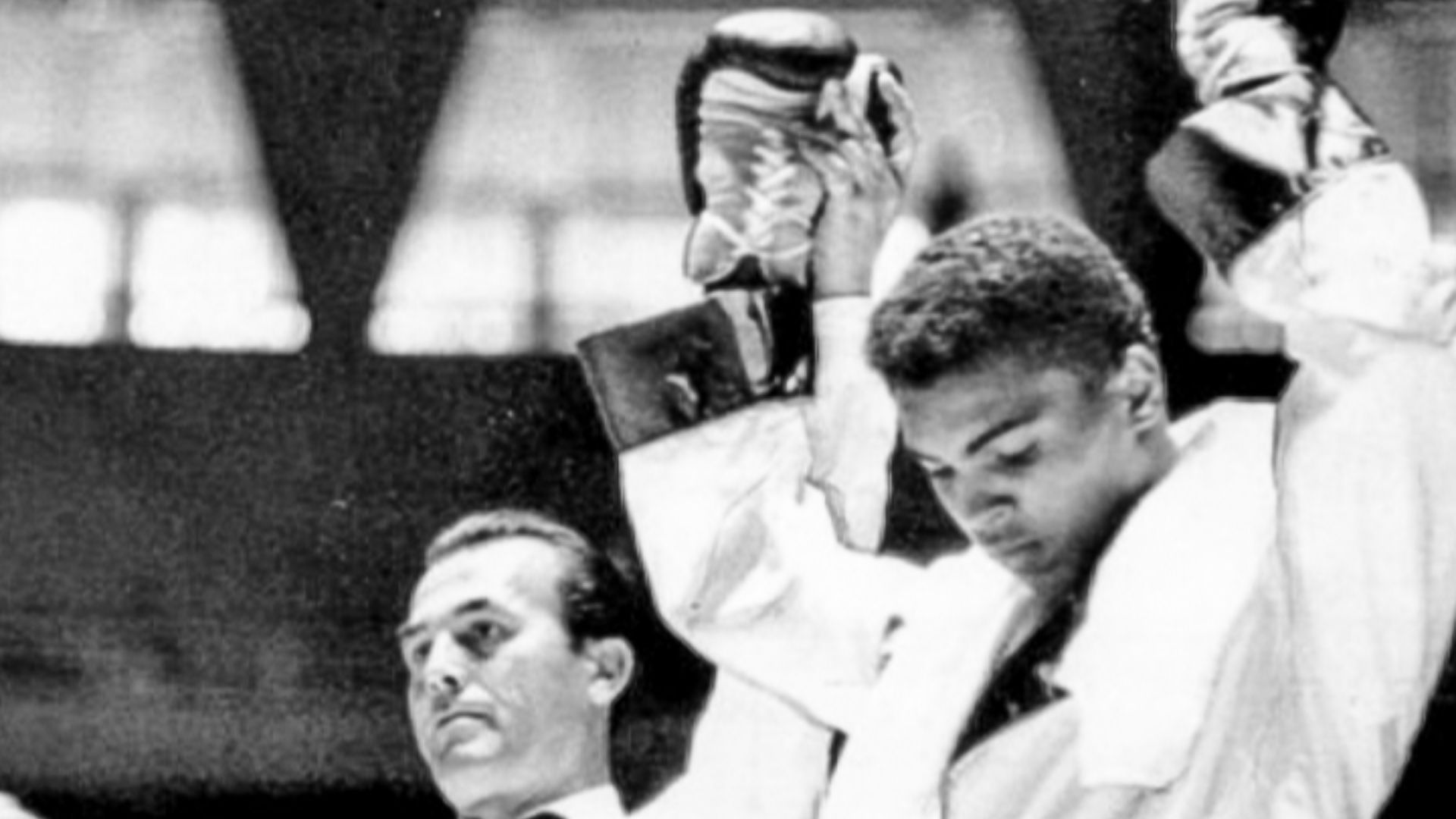
Long before he was universally acknowledged as one, Clay declared himself the greatest. He didn’t whisper it—he announced it with poetry, rhythm, and a grin that dared you to disagree. He predicted knockouts in specific rounds and often delivered.
The bravado wasn’t just hype. It was strategy. He got inside opponents’ heads before he ever stepped into the ring.
 Unknown authorUnknown author, Wikimedia Commons
The Liston Shockwave
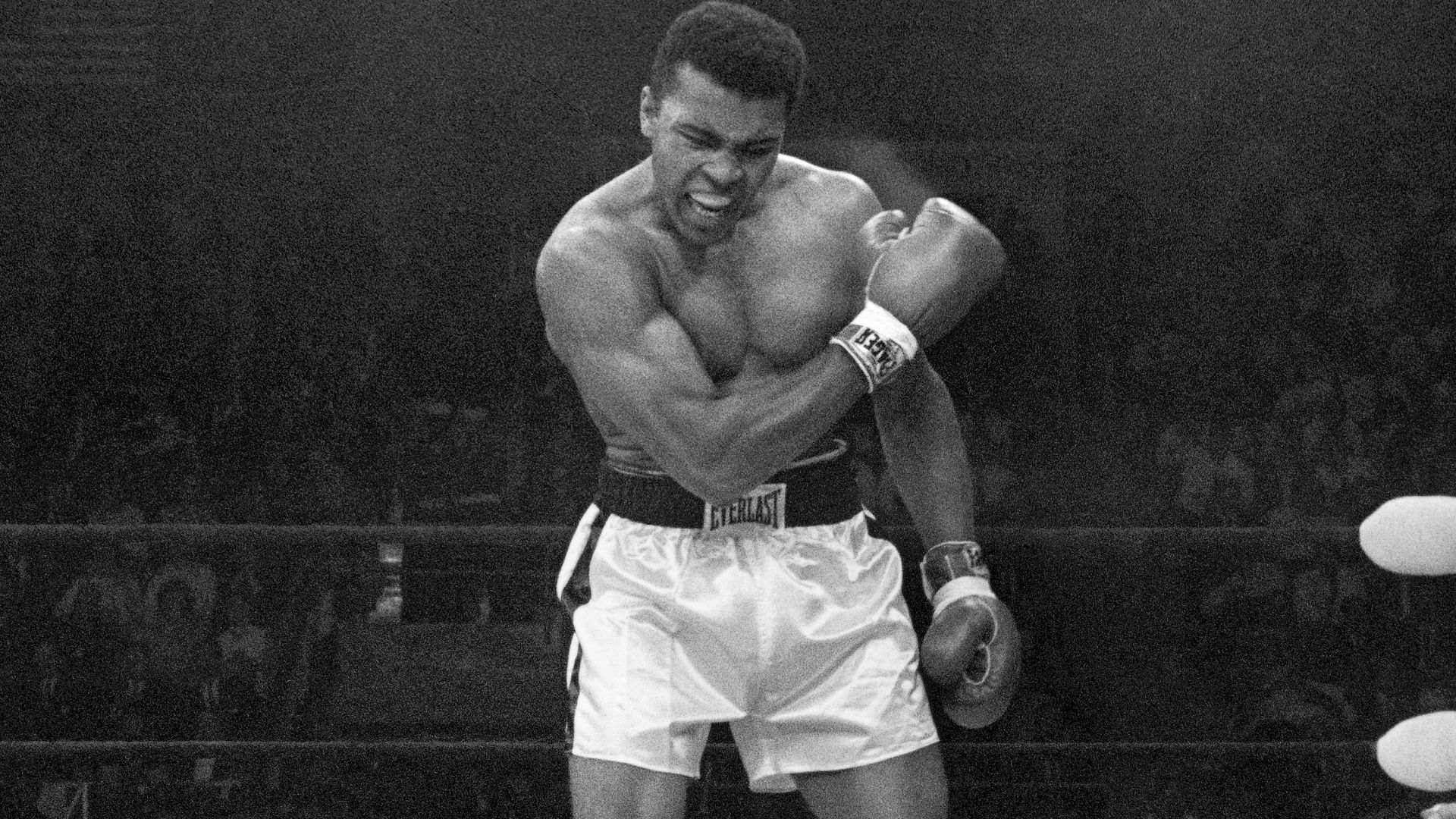
In 1964, Clay faced Sonny Liston for the heavyweight title. Most experts predicted a quick and brutal loss for the young challenger. Instead, Liston failed to answer the bell for the seventh round, and Clay was crowned heavyweight champion of the world.
Standing in the ring, he roared to reporters that he had shocked the world. He wasn’t wrong.
 John Rooney, Wikimedia Commons
Becoming Muhammad Ali
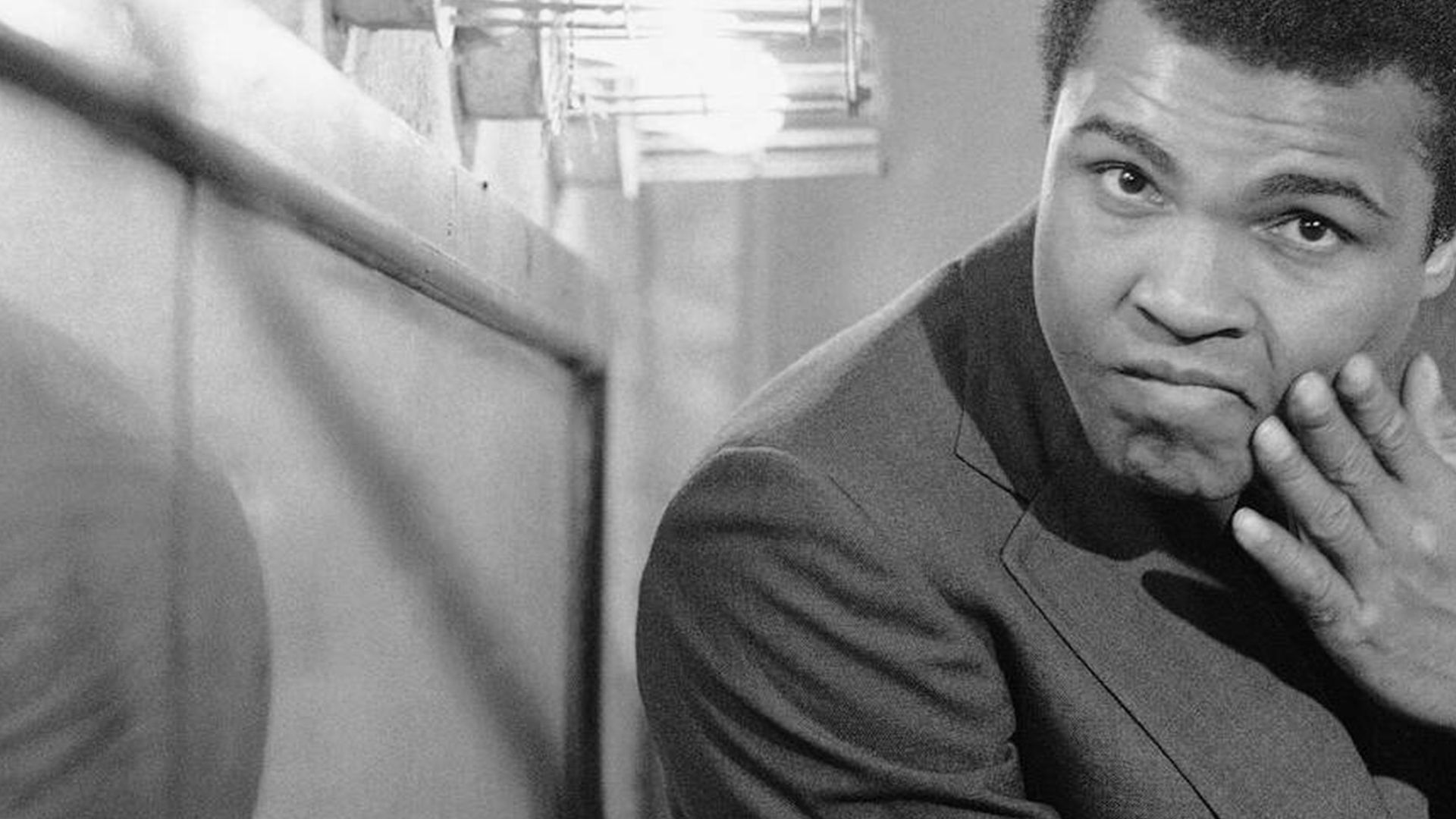
Shortly after winning the title, Clay announced his conversion to Islam and his membership in the Nation of Islam. He rejected his birth name, calling it a “slave name,” and declared himself Muhammad Ali.
The backlash was immediate and fierce. But Ali stood firm, insisting on defining himself on his own terms.
 AP Wirephoto, Wikimedia Commons

History's most fascinating stories and darkest secrets, delivered to your inbox daily.
A Title Stripped, A Stand Taken
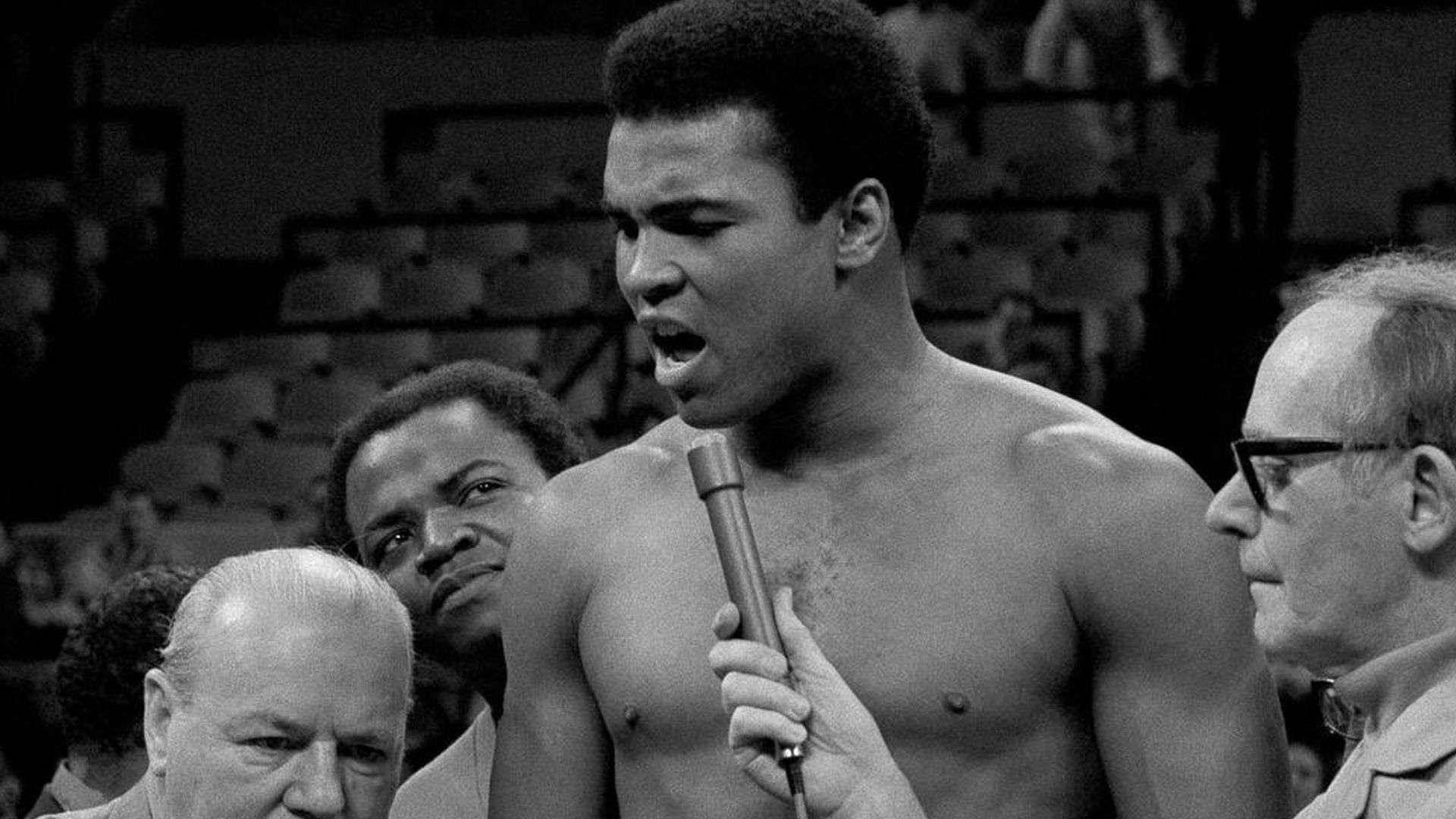
In 1967, Ali refused induction into the US Army during the Vietnam conflict, citing religious beliefs and opposition to the conflict. He risked everything—his title, his career, even his freedom—to stand by his convictions.
The boxing authorities stripped him of his heavyweight championship. He was banned from boxing during what should have been the prime of his athletic life.
 Associated Press, Wikimedia Commons
Years In Exile
For more than three years, Ali was unable to fight professionally. He spoke on college campuses, debated critics, and became a powerful voice in conversations about race and war. The battle over his draft refusal eventually reached the Supreme Court.
In 1971, the Court overturned his conviction. His right to box—and his name—were restored.
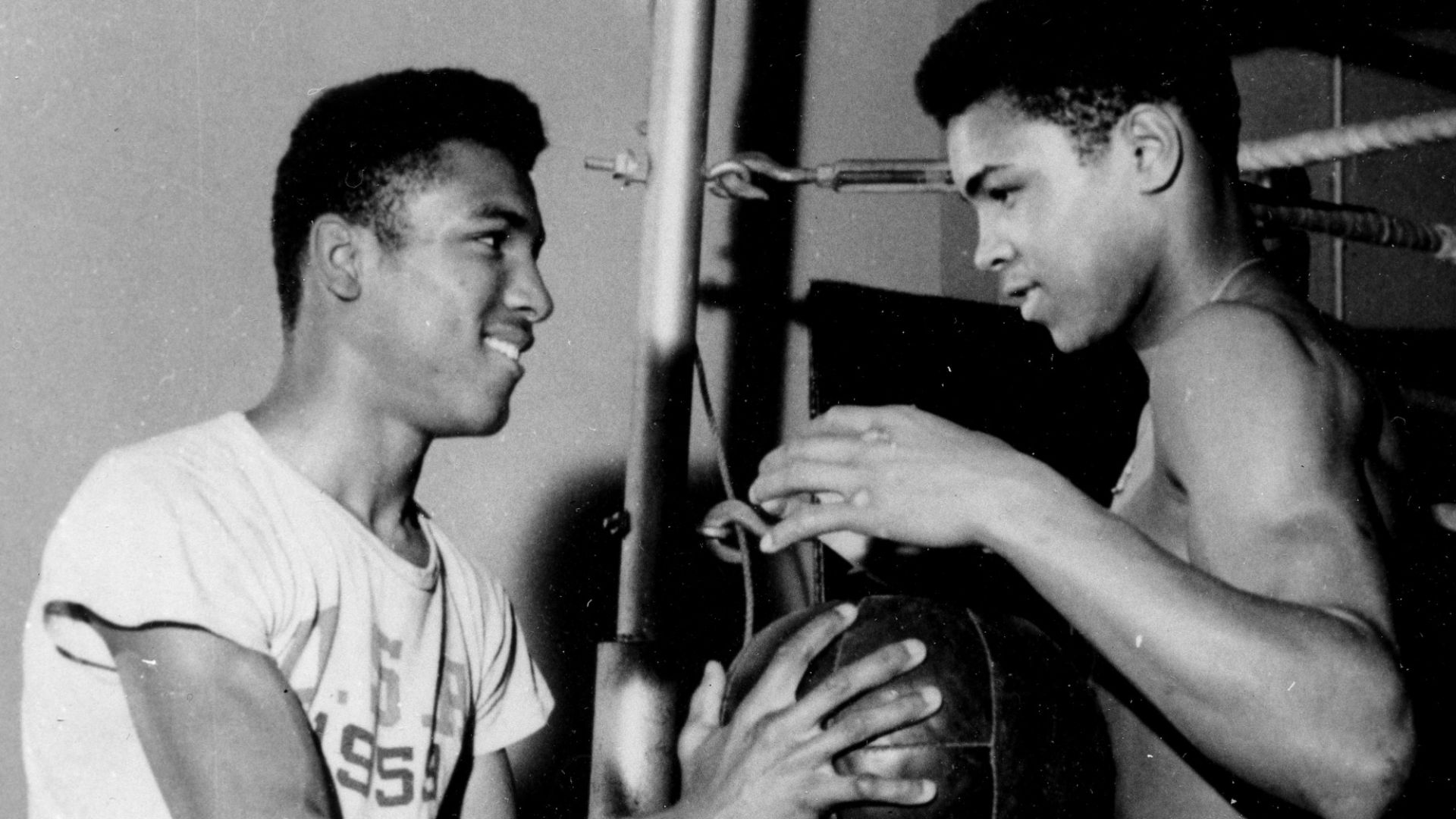 Tom Easterling, Wikimedia Commons
The Fight Of The Century
That same year, Ali faced Joe Frazier in what was billed as the Fight of the Century. Both men entered undefeated, and the anticipation was enormous. Frazier won by decision, handing Ali his first professional loss.
But even in defeat, Ali’s aura only grew.
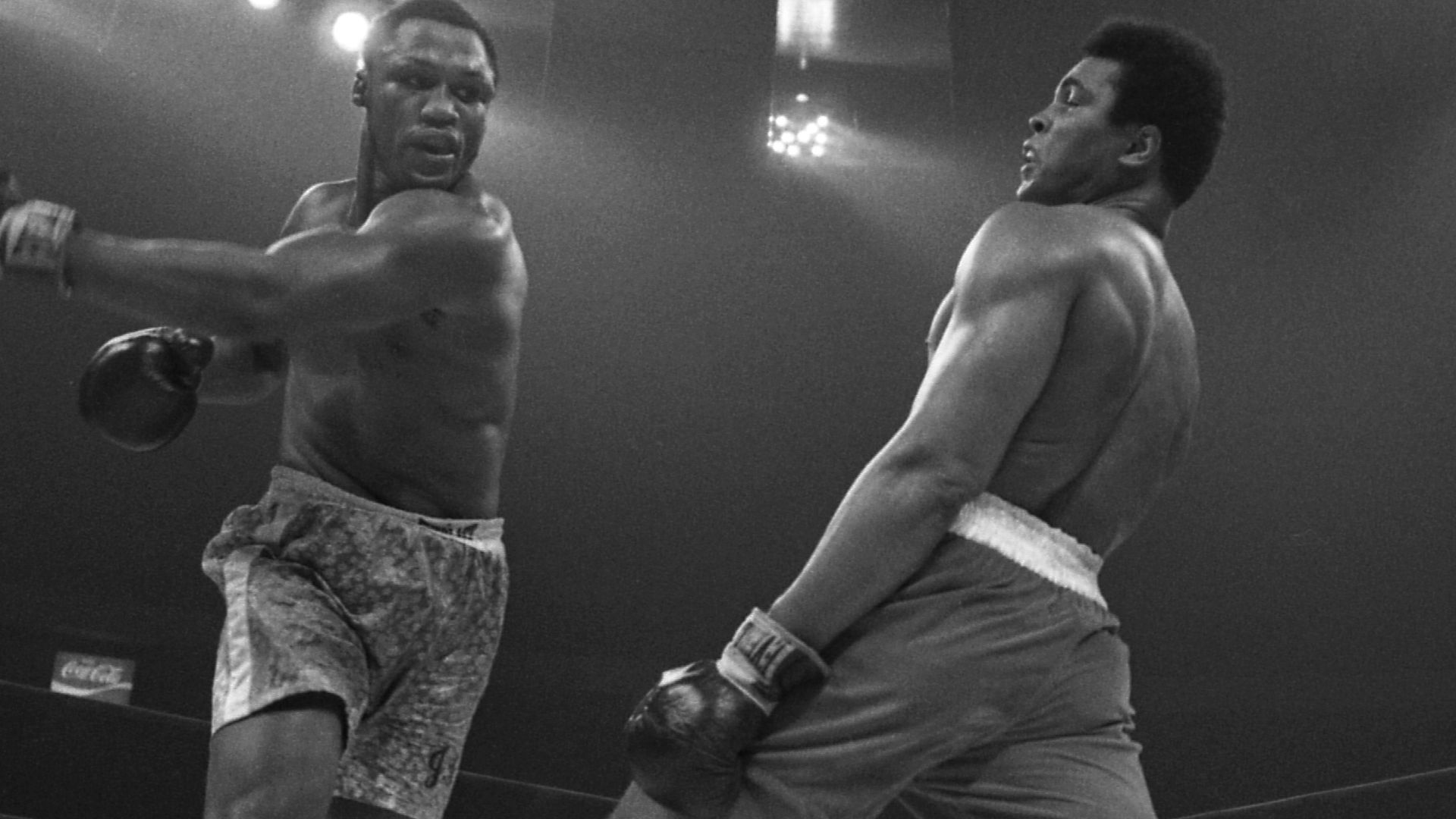 United Press International, Wikimedia Commons
Rumble In The Jungle
In 1974, Ali traveled to Zaire to face heavyweight champion George Foreman. Most believed Foreman’s power would be too much. Instead, Ali leaned against the ropes, absorbed punishment, and unveiled the now-legendary “rope-a-dope” strategy.
By the eighth round, Foreman was exhausted. Ali knocked him out and reclaimed the heavyweight title in one of boxing’s most famous upsets.
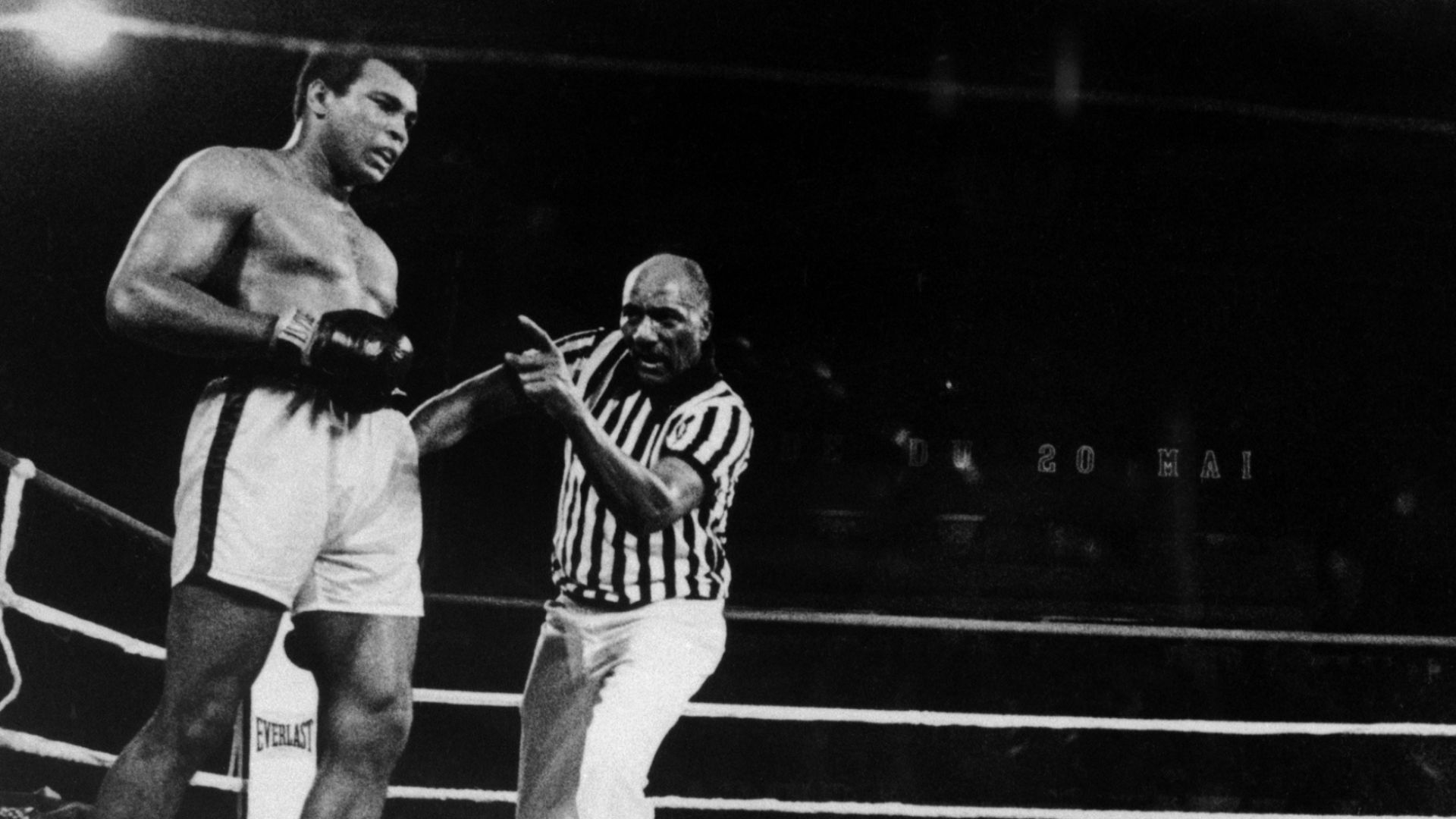 United Press International, Wikimedia Commons
Thrilla In Manila
Ali’s third fight with Joe Frazier in 1975 pushed both men to their limits. The bout was so punishing that Ali later said it was the closest he had come to dying. After 14 brutal rounds, Frazier’s corner stopped the fight.
It wasn’t just a victory—it was a testament to endurance and willpower.
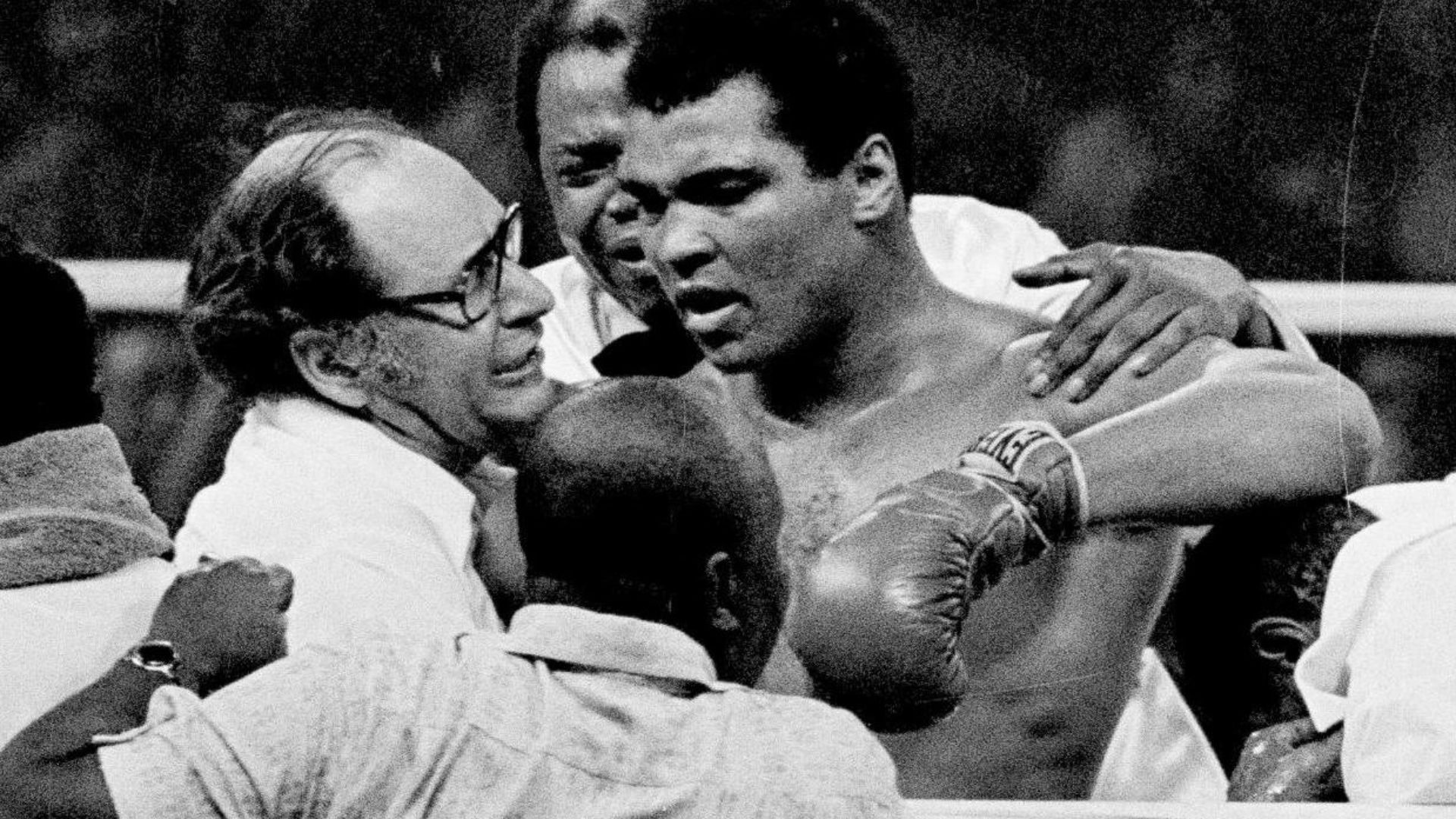 Associated Press, Wikimedia Commons
A Global Ambassador
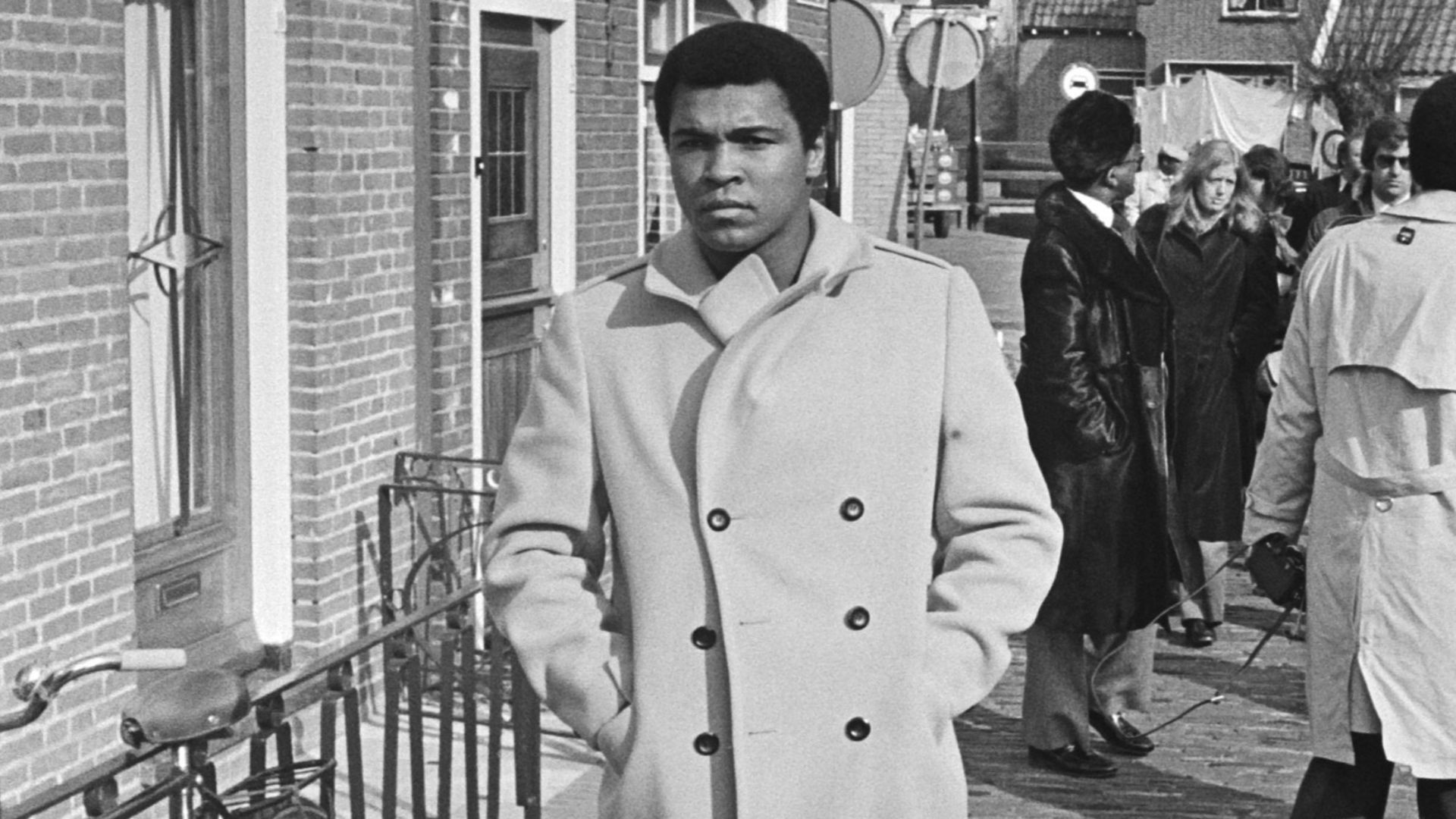
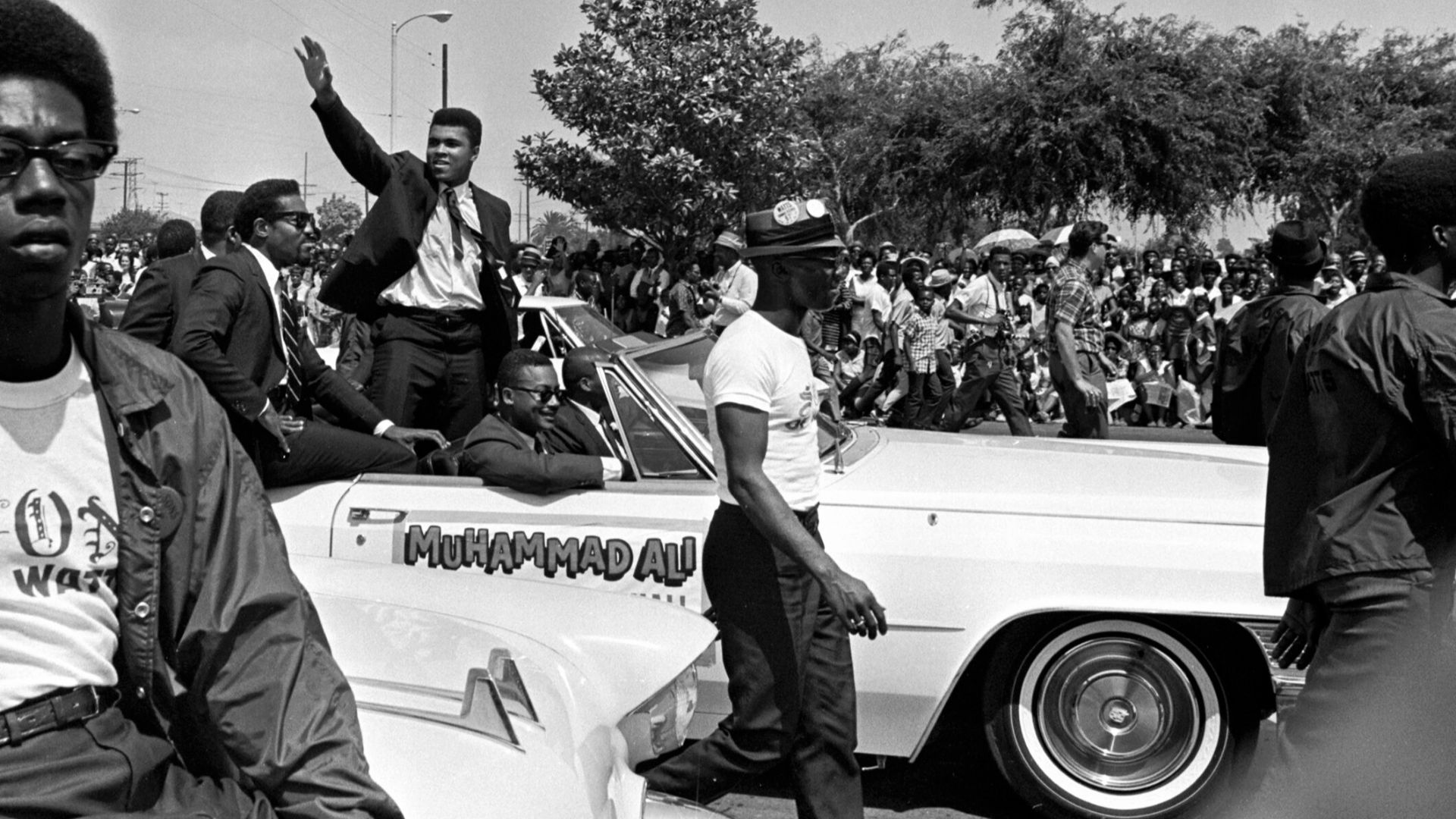
By the late 1970s, Ali was more than a boxer. He was a global figure, traveling internationally and meeting world leaders. Crowds gathered not just to watch him fight but to hear him speak.
His humor, charisma, and confidence transcended sports.
 Los Angeles Times, Wikimedia Commons
Battles Outside The Ring
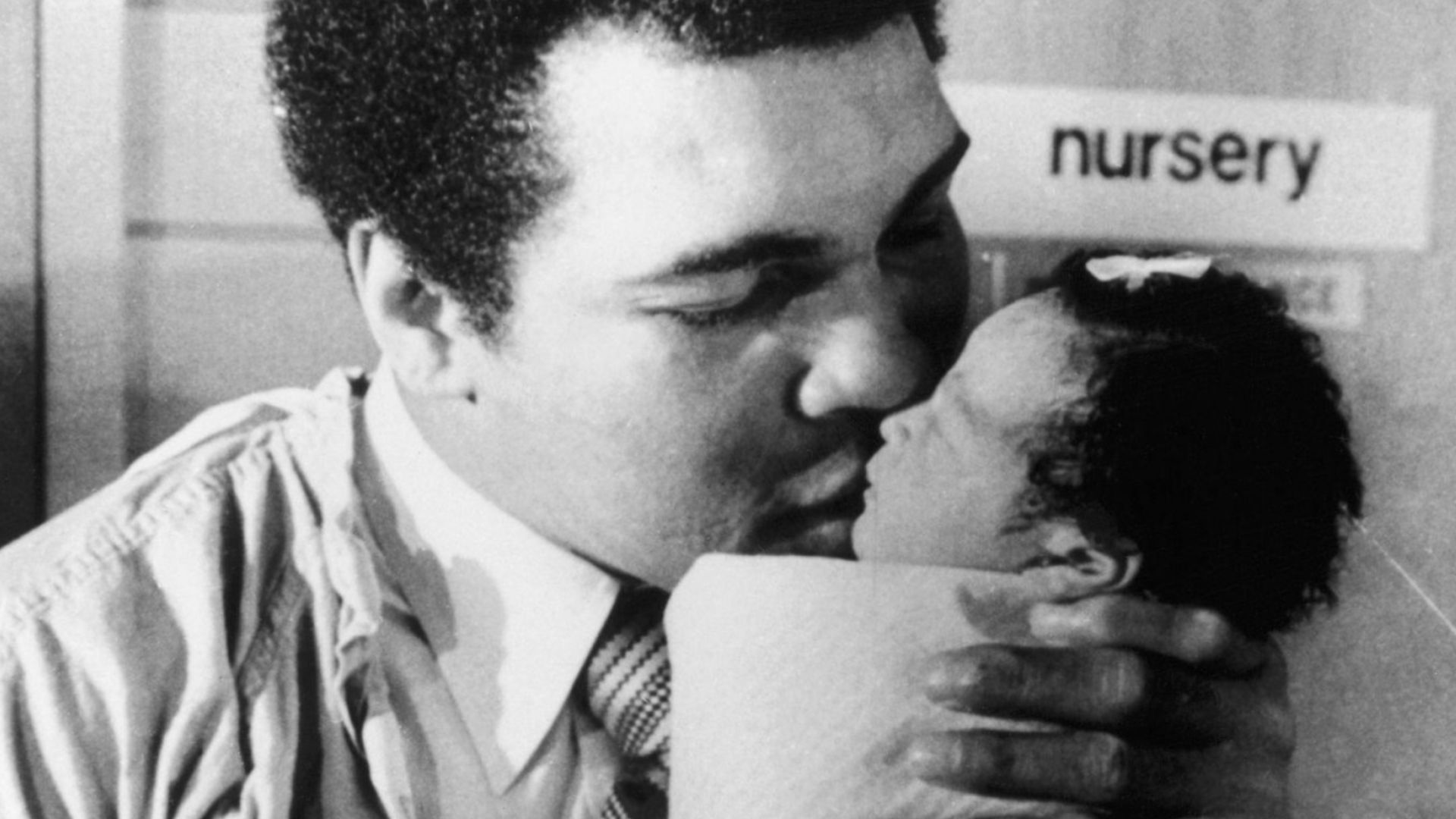
Ali’s life wasn’t without turbulence. He married multiple times and had several children, including daughter Laila Ali, who would go on to become a boxing champion herself. Fame brought scrutiny, and scrutiny brought pressure.
Yet he remained unapologetically himself—flawed, outspoken, and magnetic.
 Unknown authorUnknown author (UPI), Wikimedia Commons
The Final Title Reign
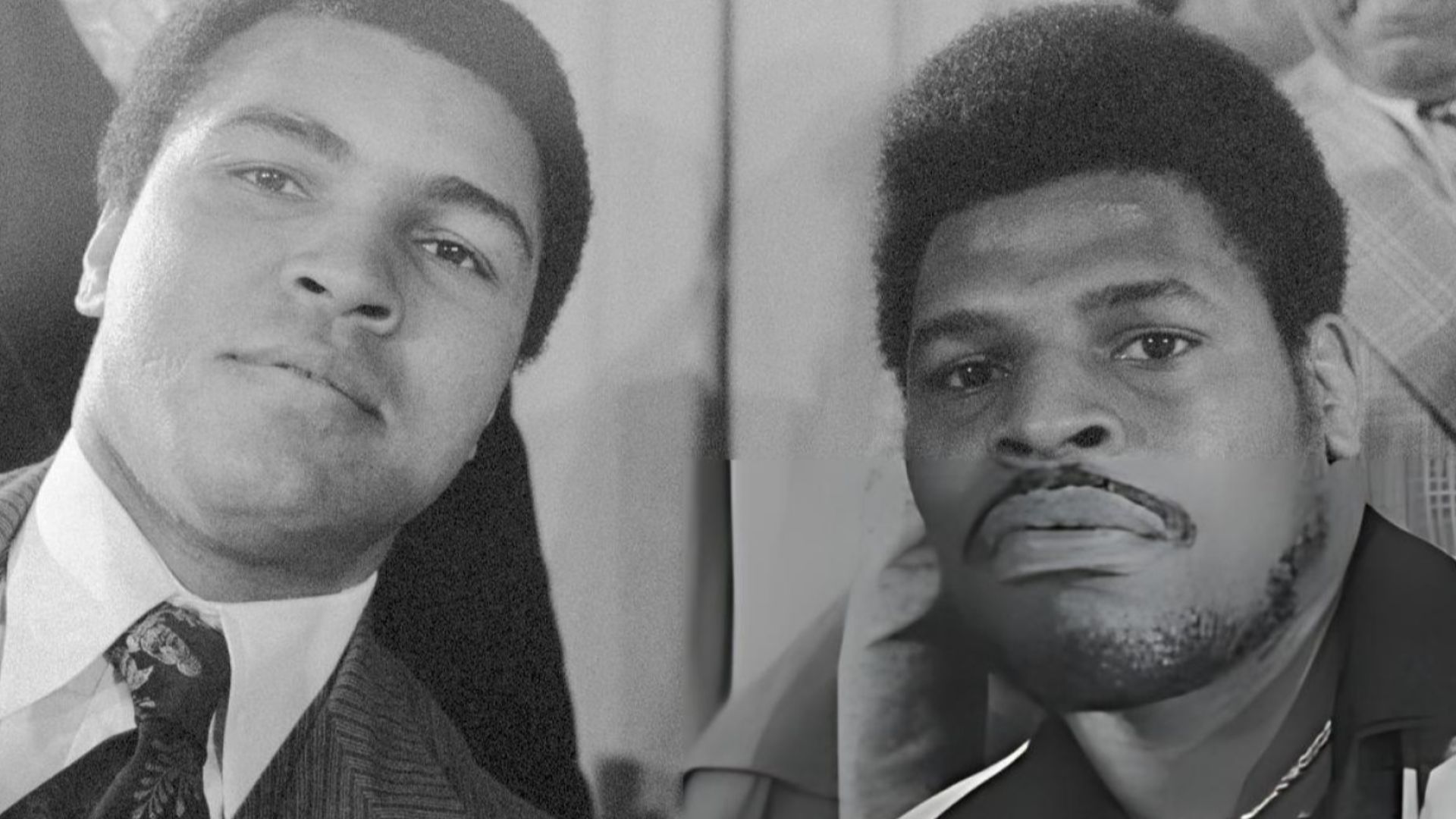
In 1978, Ali regained the heavyweight title by defeating Leon Spinks, becoming the first boxer to win the heavyweight championship three times. It was a milestone that cemented his place in boxing history.
He eventually retired from the sport in 1981 after a brief and ill-fated comeback attempt.
 United Press International, Wikimedia Commons
A New Opponent: Parkinson’s
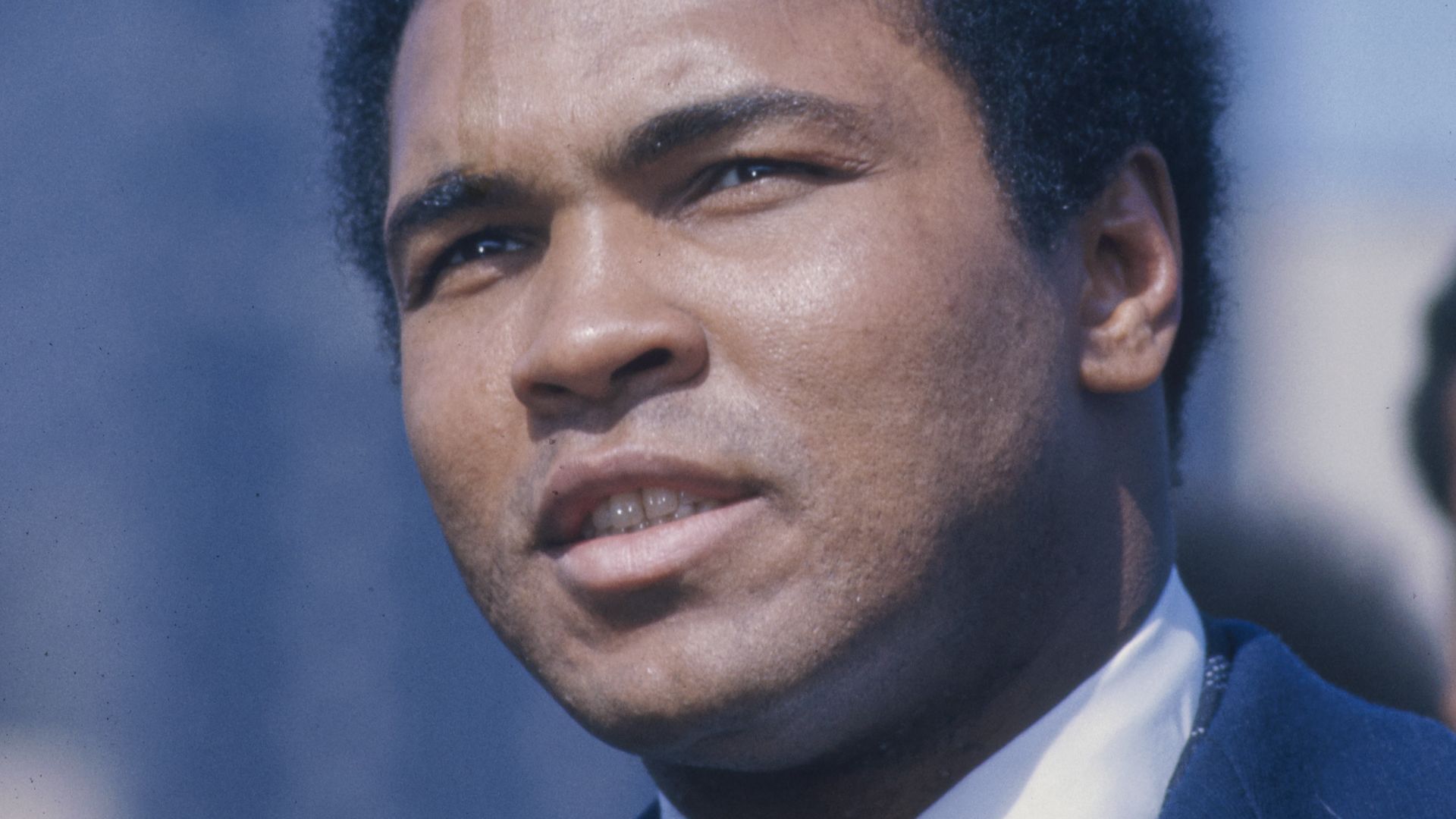
In 1984, Ali announced he had Parkinson’s disease. The diagnosis shocked fans around the world. The once lightning-fast fighter now moved slowly, his voice softer but still unmistakable.
He faced this challenge the same way he faced opponents in the ring—with grace and stubborn courage.
 Bernard Gotfryd, Wikimedia Commons
Lighting The Torch
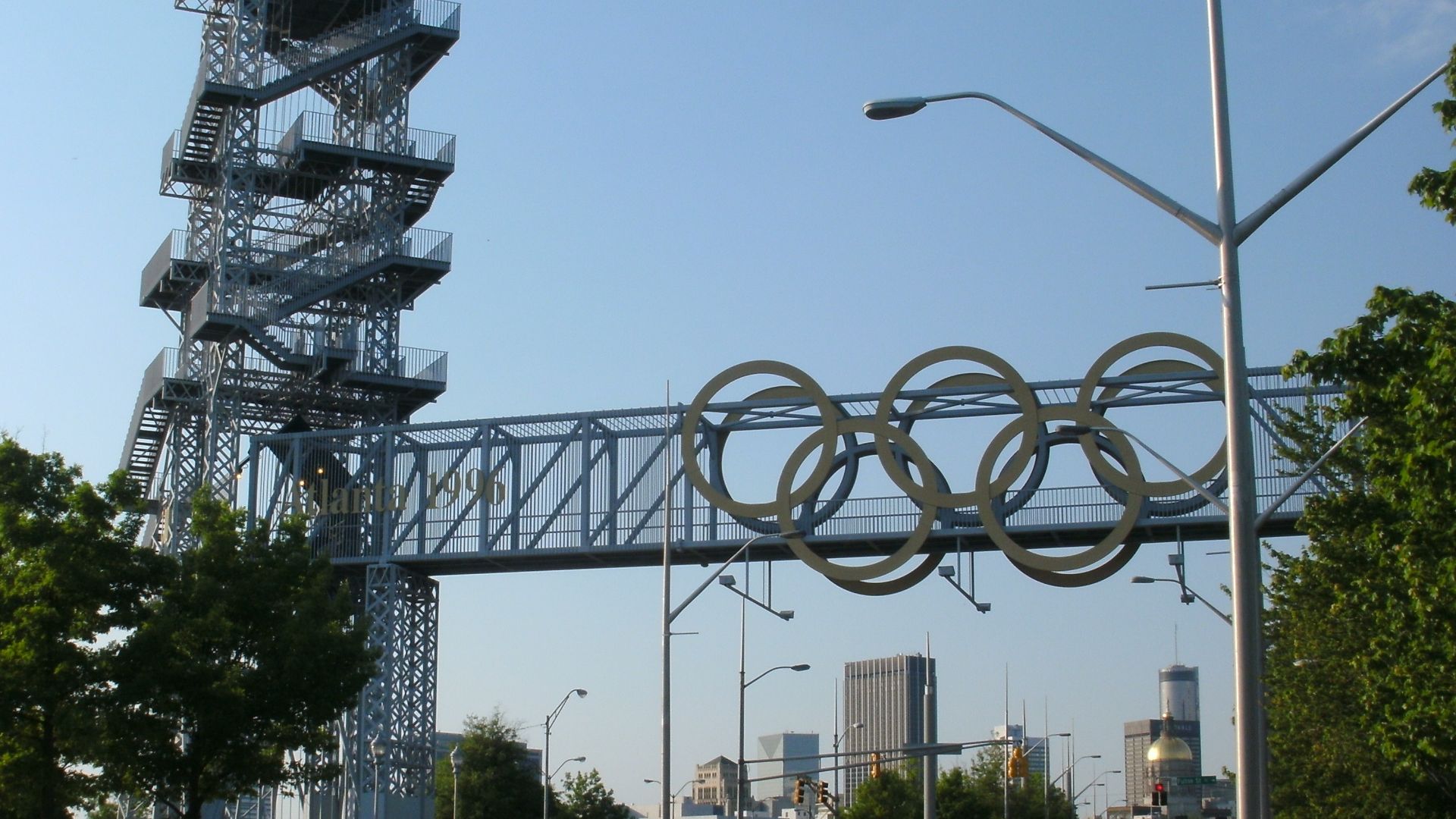
One of the most emotional moments of his later life came at the 1996 Atlanta Olympics. With trembling hands, Ali lit the Olympic cauldron as millions watched. It was a powerful image—an aging champion still carrying the flame of resilience.
The man who once tossed away a medal now stood as a symbol of endurance.
Humanitarian Efforts
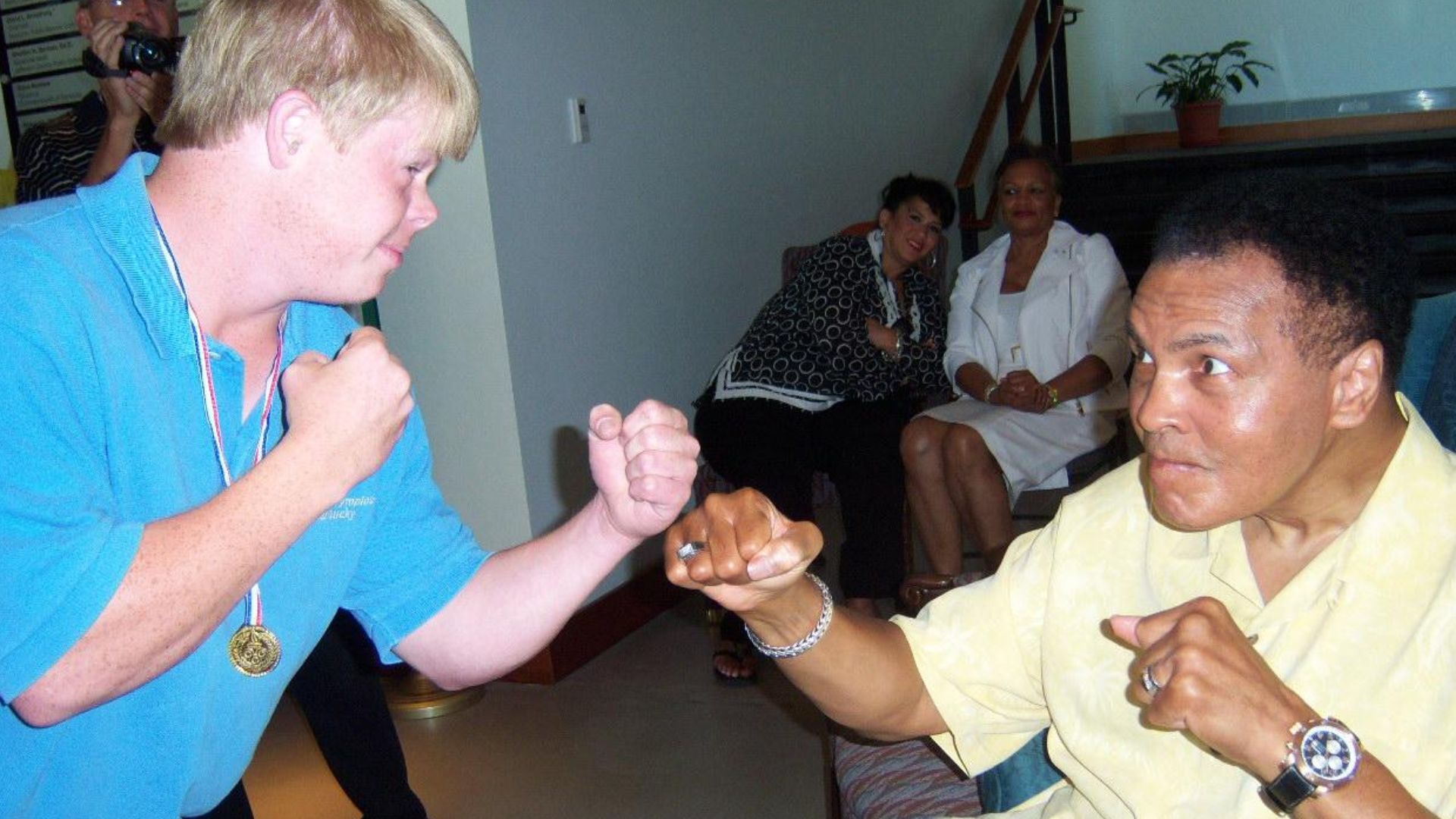
Ali dedicated much of his later life to humanitarian work. He traveled to countries in need, supported charitable causes, and used his fame to advocate for peace. His public persona softened, but his moral clarity remained.
He wasn’t just a former champion. He was a statesman of compassion.
 Monkey Mancheeks, Wikimedia Commons
The Final Bell
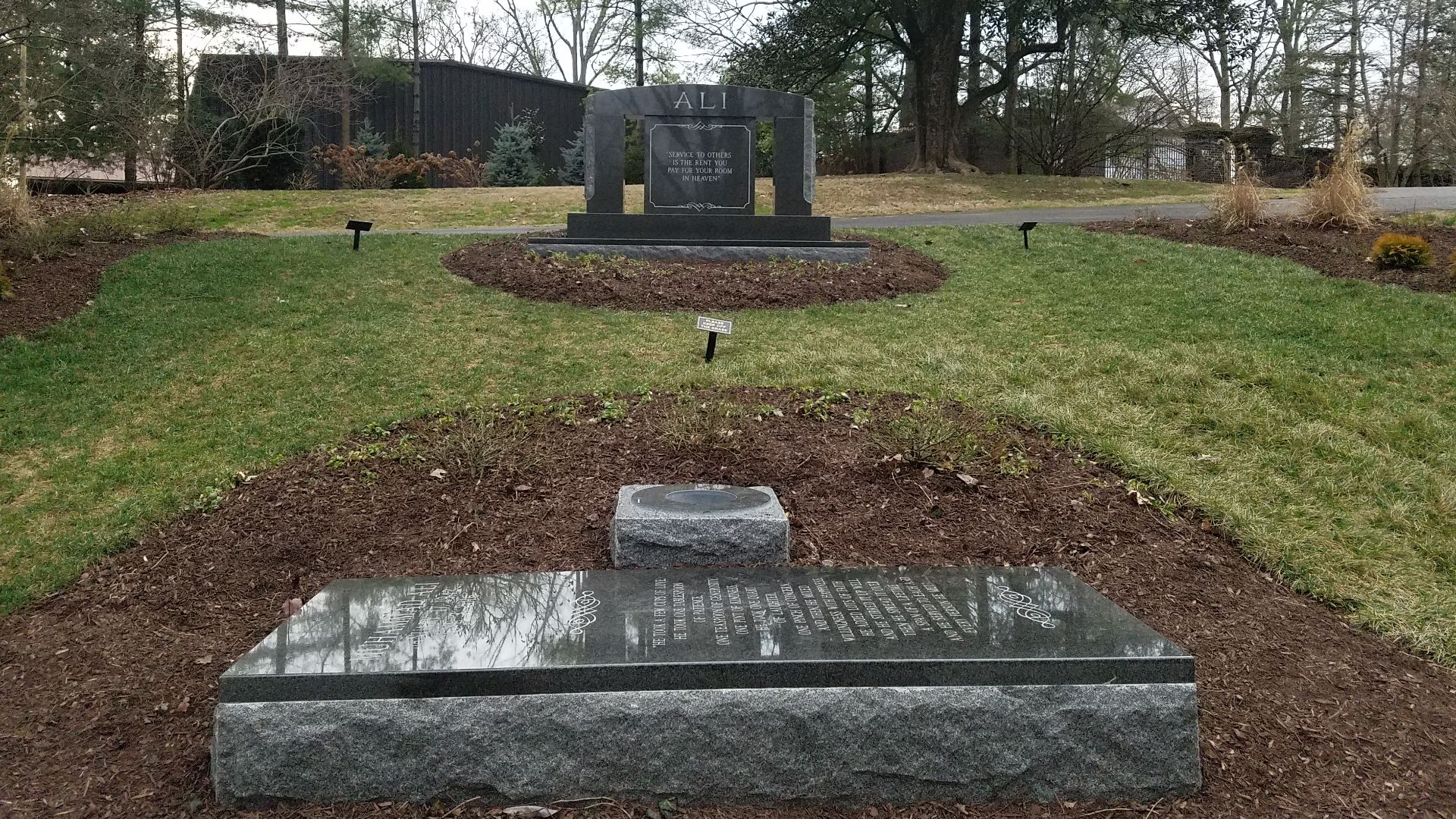
On June 3, 2016, Muhammad Ali passed at the age of 74. Tributes poured in from around the globe—athletes, politicians, artists, and everyday people who felt they had lost something personal. His funeral in Louisville drew world leaders and lifelong admirers.
The boy whose bike had been stolen had become a figure woven into global history.
The Legacy That Refuses To Fade
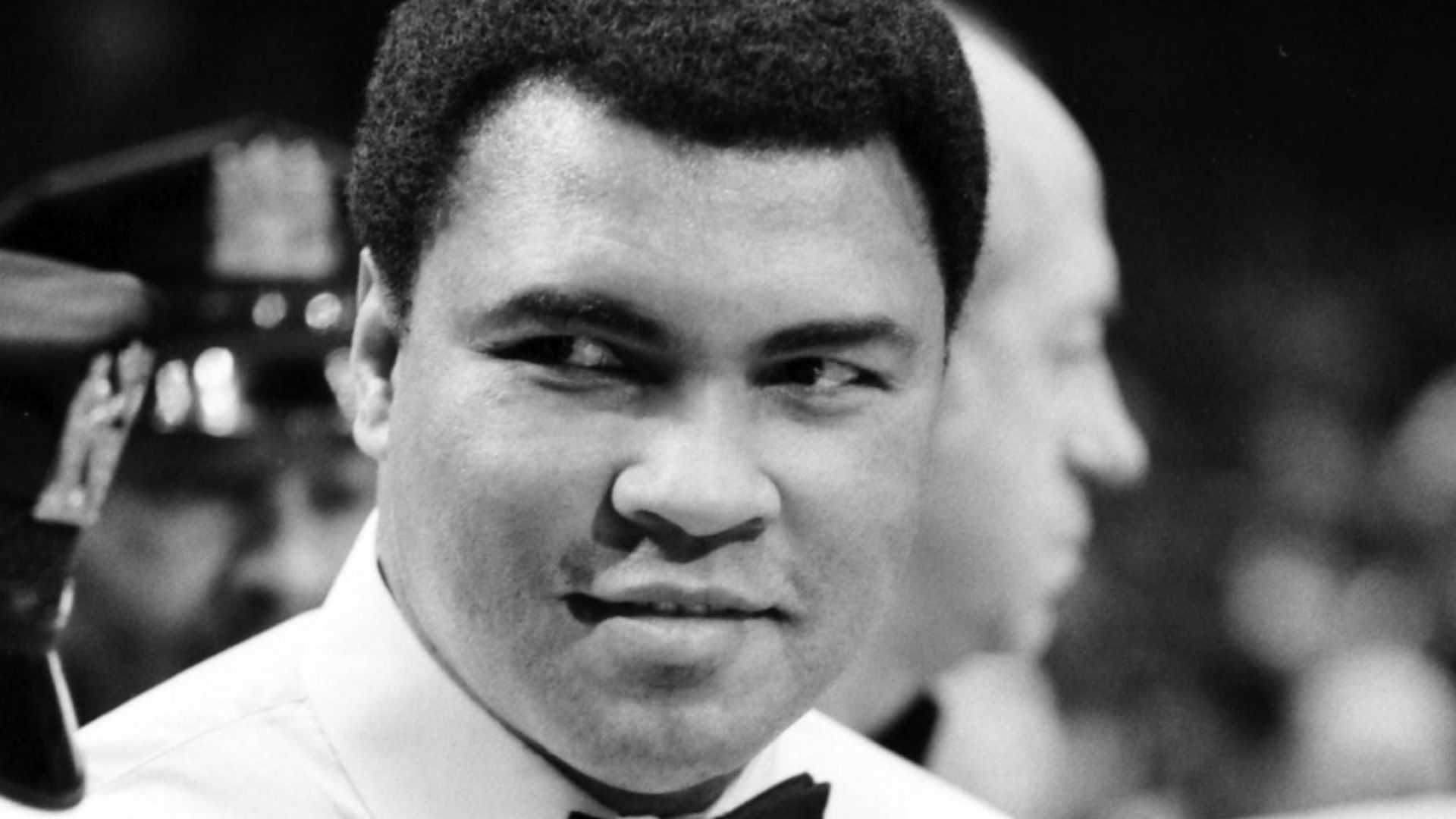
Ali’s story isn’t just about boxing titles or poetic trash talk. It’s about identity, conviction, and the audacity to demand respect in a world reluctant to give it. From an Olympic podium in Rome to a river in Kentucky, from draft resistance to global reverence, his life was a study in fearless self-definition.
 G.C. London Publishing Corp., Wikimedia Commons
You May Also Like:
Joan Collins, The Queen Of All Things Naughty
William Shakespeare’s Mysterious Wife
Fanny Mills, "The Ohio Big Foot Girl"
Source: 1