
When Your House Needed A Gadget For Everything
The 1990s home was crowded with single-purpose technology. One object answered the phone, another stored numbers, another played movies, and another held road-trip directions. Those jobs did not vanish; phones, broadband, flat screens, streaming, and digital storage absorbed them. The result is a surprising amount of once-normal household clutter that now looks like museum material.

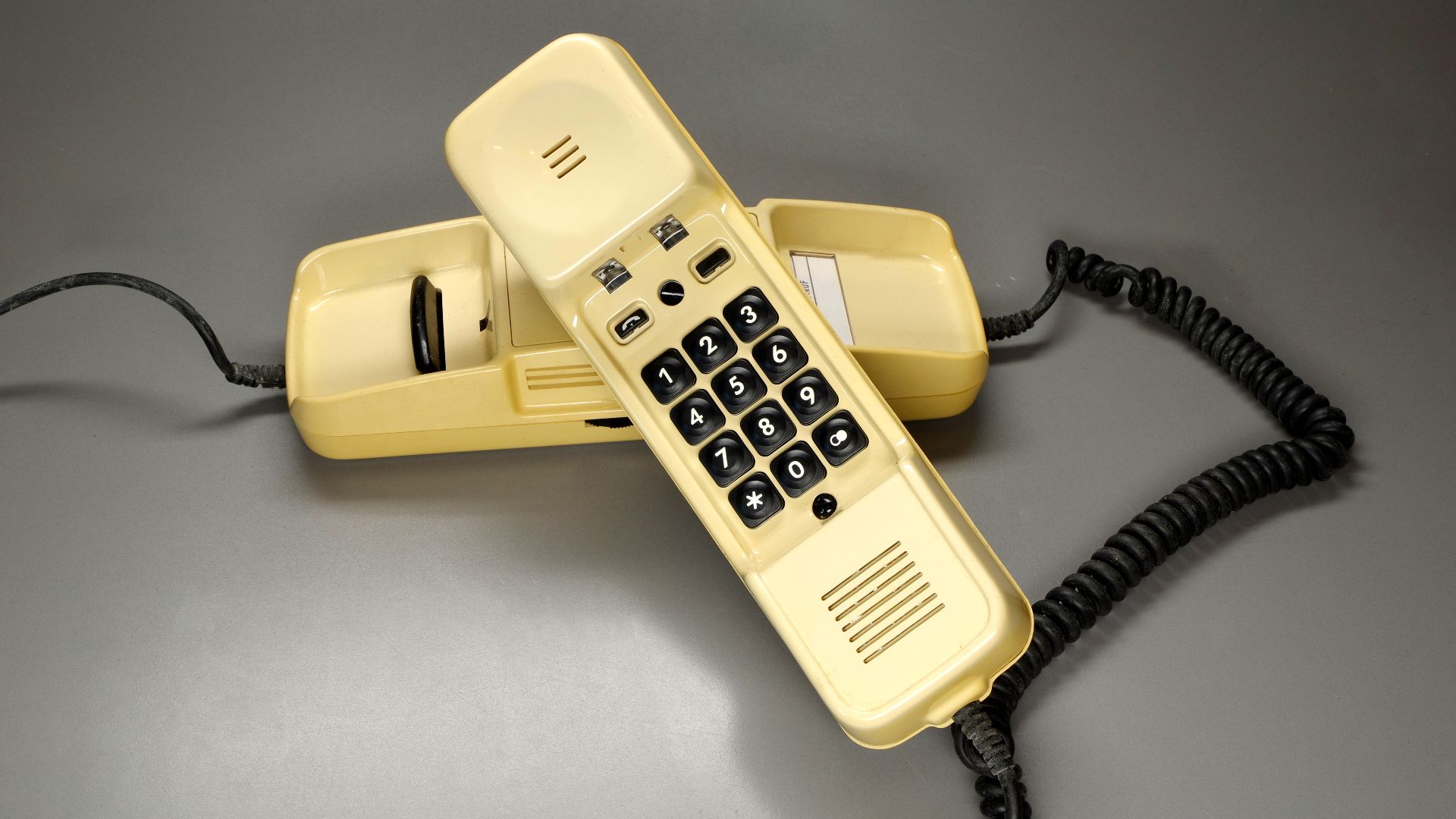
Corded Landline Phones
A kitchen or hallway phone with a coiled cord was still an ordinary fixture in the 1990s. That changed once wireless service became mainstream. CDC data show that by 2022, more than 70% of US adults lived in households without a landline.
 Berthold Werner, Wikimedia Commons
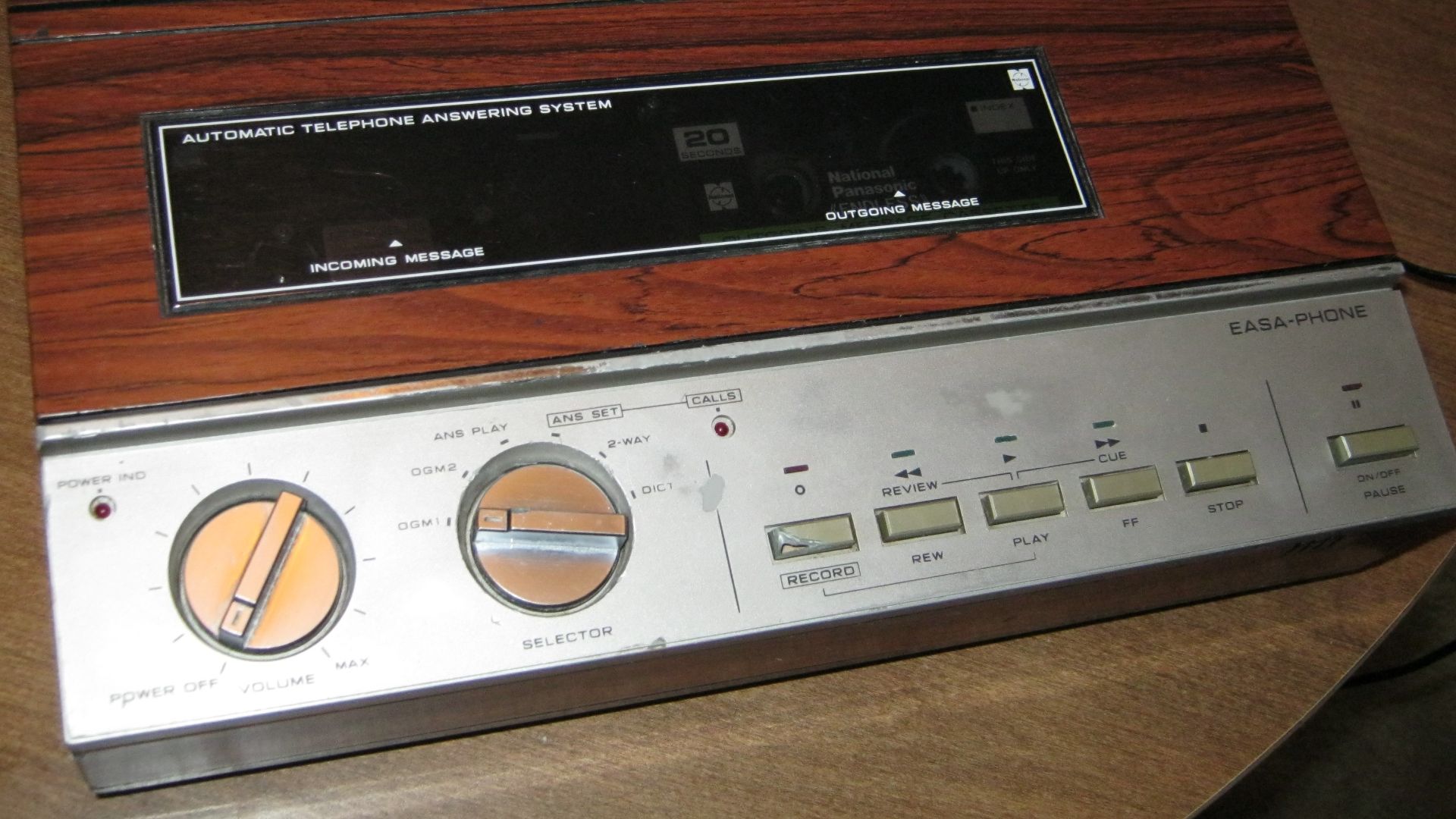
Separate Answering Machines
Before voicemail lived inside phone networks, missed calls often ended up on a separate answering machine. Smithsonian collections document home models that recorded messages on tape or cassettes. Cellphone voicemail and digital phone systems eventually made the standalone box unnecessary in most homes.
 phreakindee, Wikimedia Commons
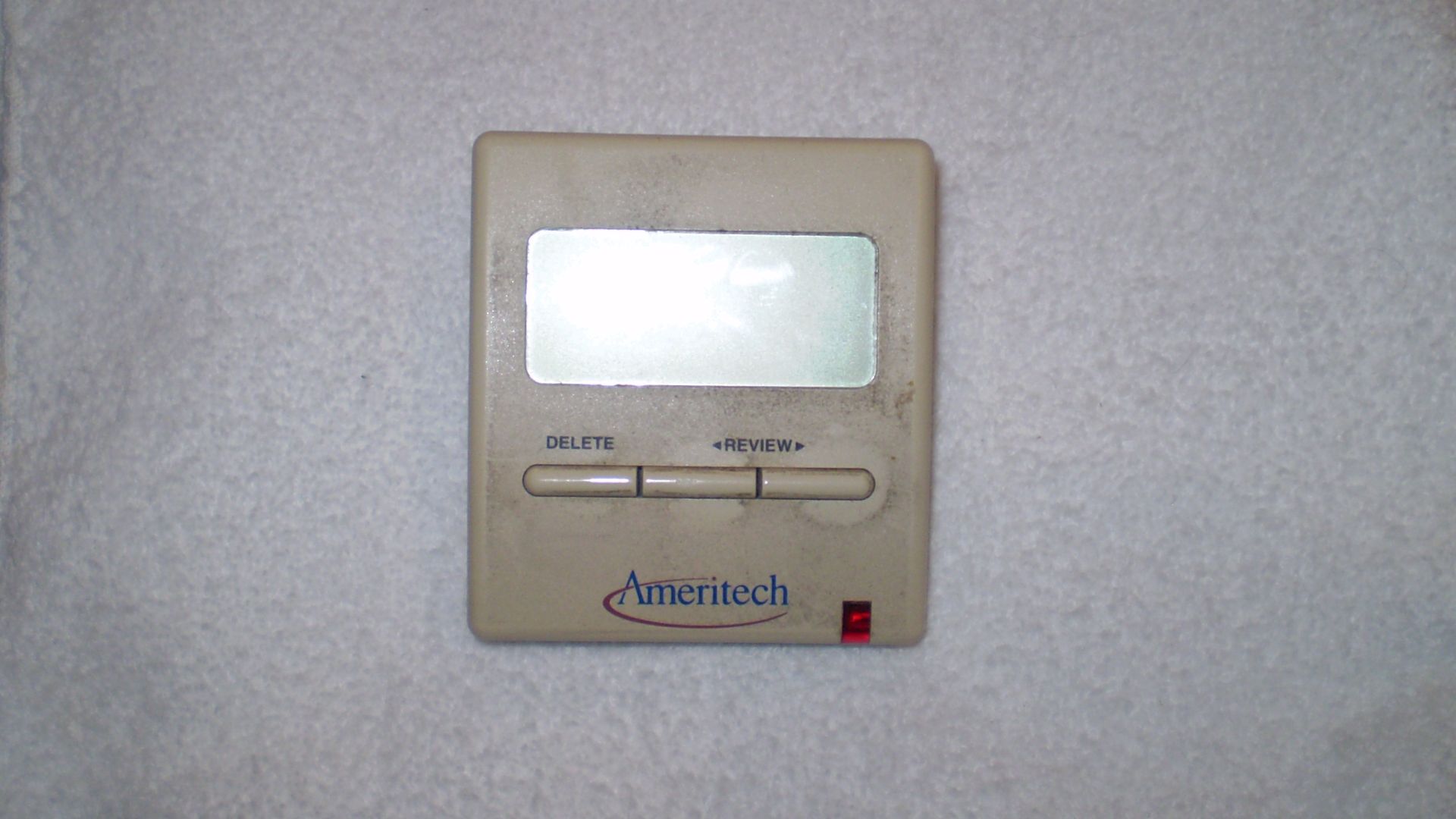
Stand-Alone Caller ID Boxes
Caller ID once required its own little screen next to the phone. A 1996 Washington Post report described boxes attached to household phones as the service became increasingly common. Once displays were built into phones, and later smartphones identified callers, the extra gadget faded away.

History's most fascinating stories and darkest secrets, delivered to your inbox daily.
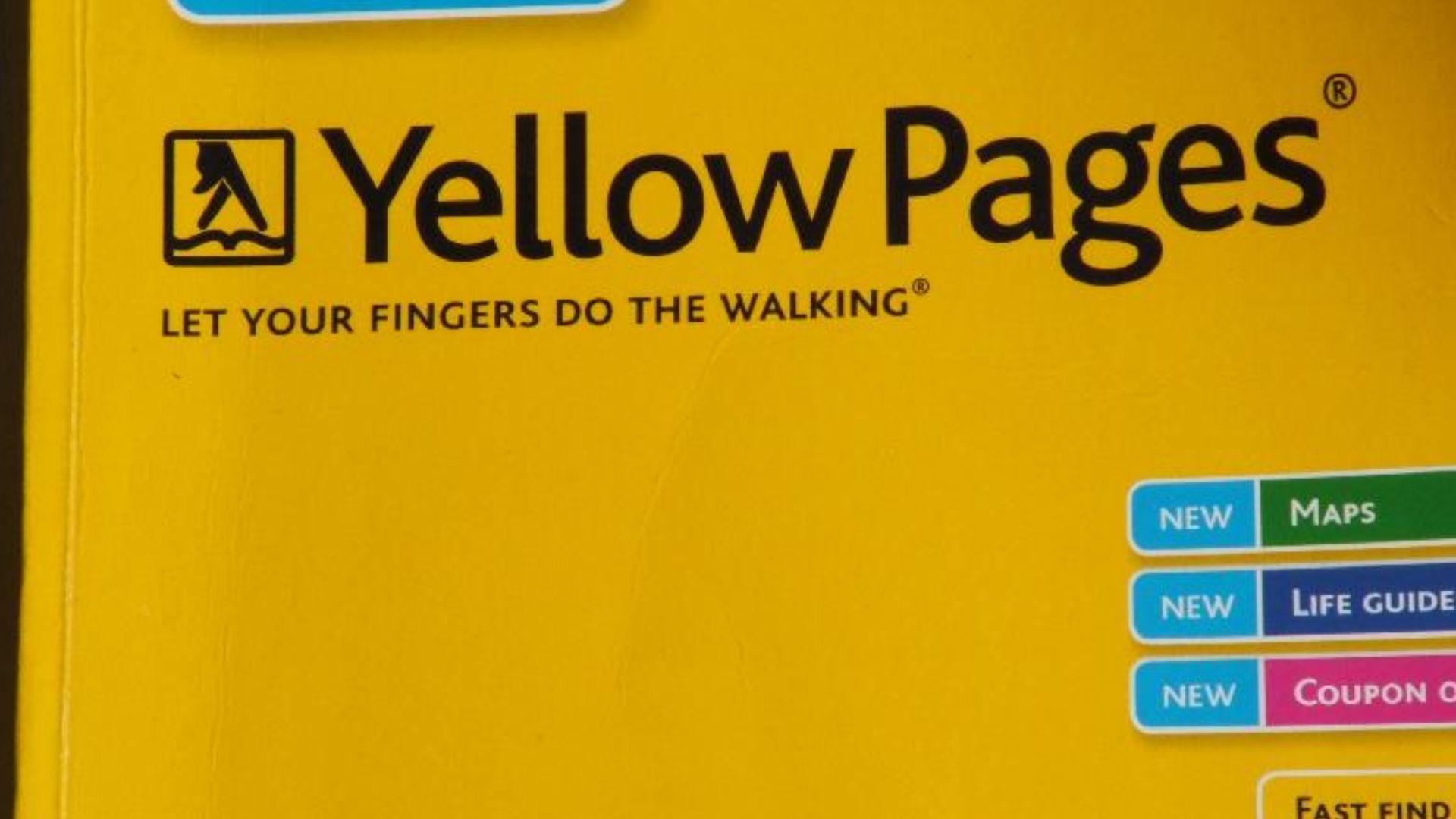
Printed Phone Books
White Pages and Yellow Pages once arrived automatically at millions of homes. By 2010, major phone companies were seeking permission to stop automatic distribution as consumers searched online and stored contacts in cellphones. The giant directory beside the phone became a relic.
 Gabriel Pollard, Wikimedia Commons
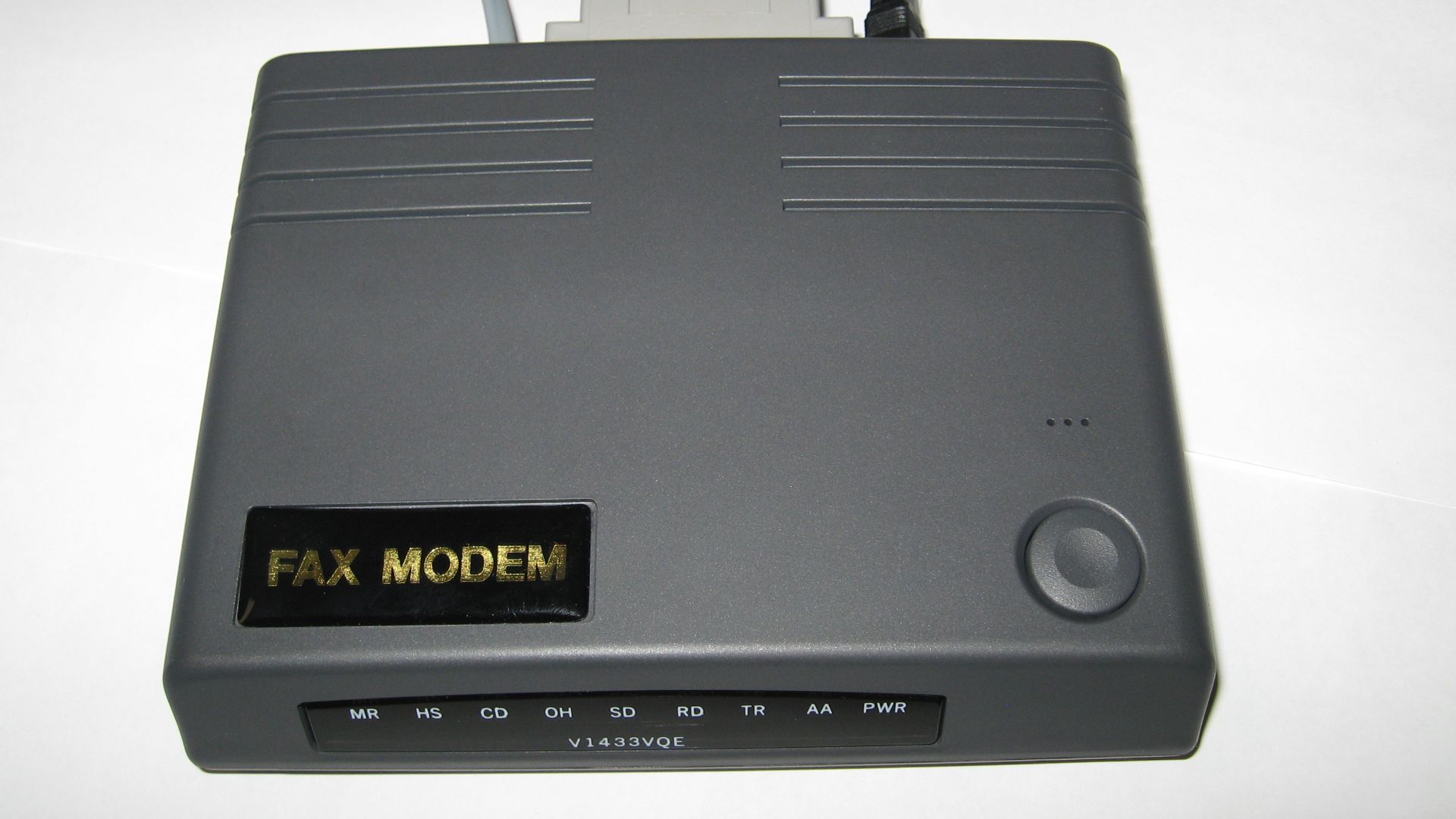
Dial-Up Modems
The modem’s screeches and busy signals were part of getting online in the 1990s. Pew found that 34% of American adults used dial-up in 2000, compared with 3% using broadband. By 2010, dial-up had fallen to 5% while broadband reached 64%.
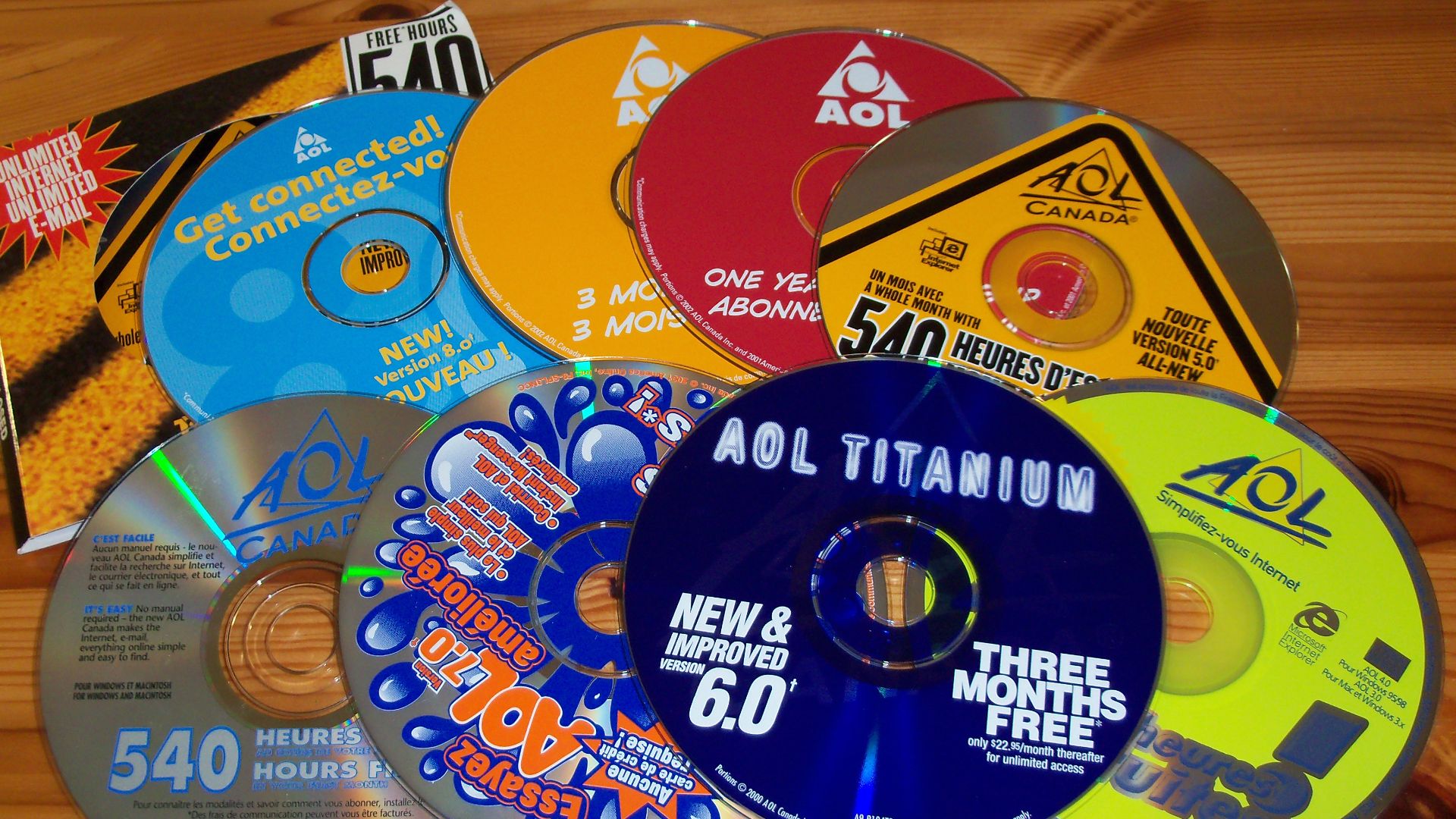
AOL Free-Trial CDs
Those shiny AOL discs seemed to appear everywhere. AOL says it shipped a billion trial CDs during the dial-up era, including discs tucked into magazines and cereal boxes. Once high-speed internet became normal, there was little reason to keep feeding promotional discs into computers.
 Jeran Renz (talk), Wikimedia Commons
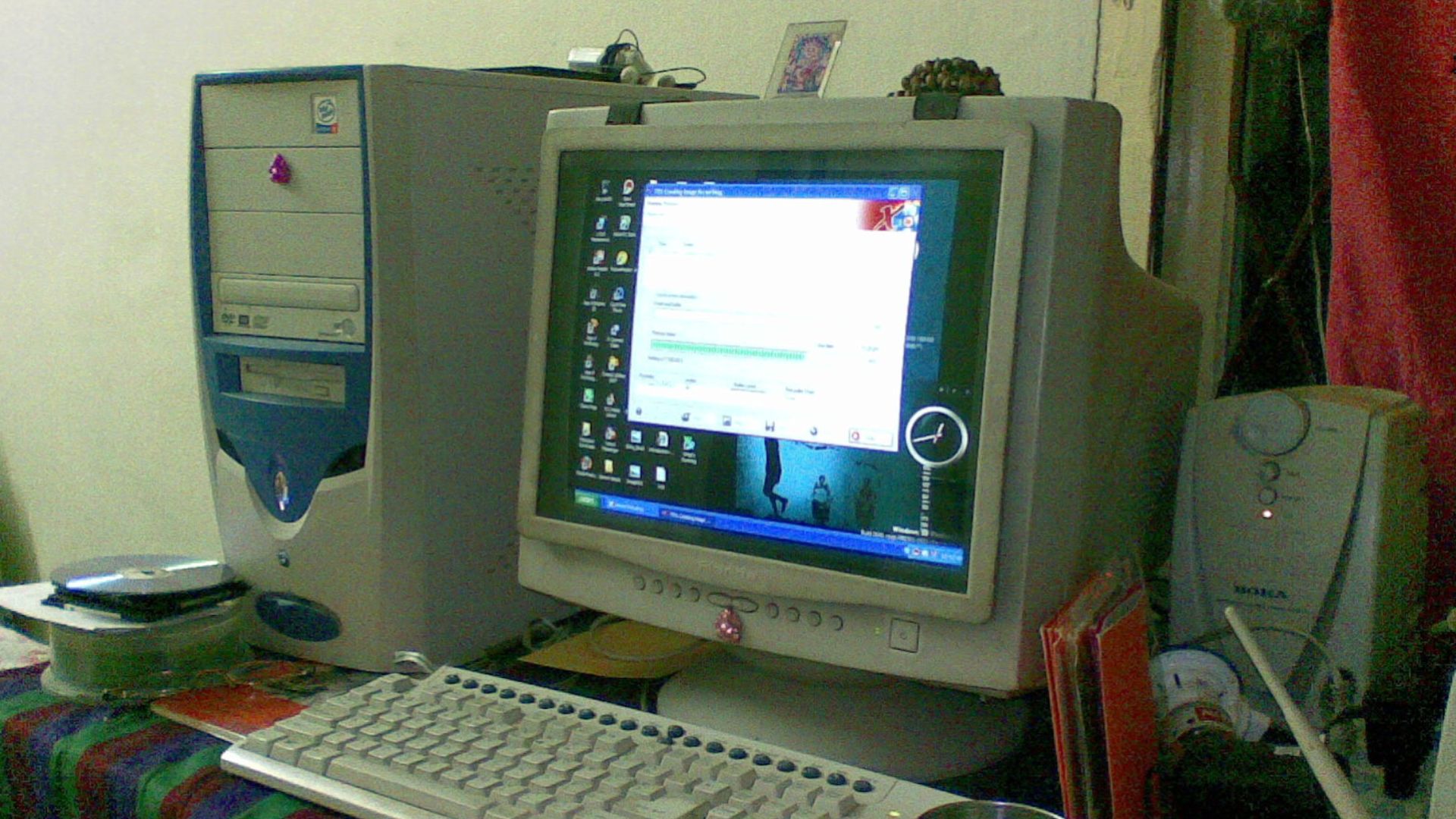
CRT Computer Monitors
A deep, heavy cathode-ray-tube monitor consumed a huge piece of the family computer desk. Flat panels steadily displaced them after 2000. The EPA now says demand for new CRTs has collapsed in favor of flat-panel technology, leaving old monitors largely as an e-waste problem.
 User:Adityamadhav83, Wikimedia Commons
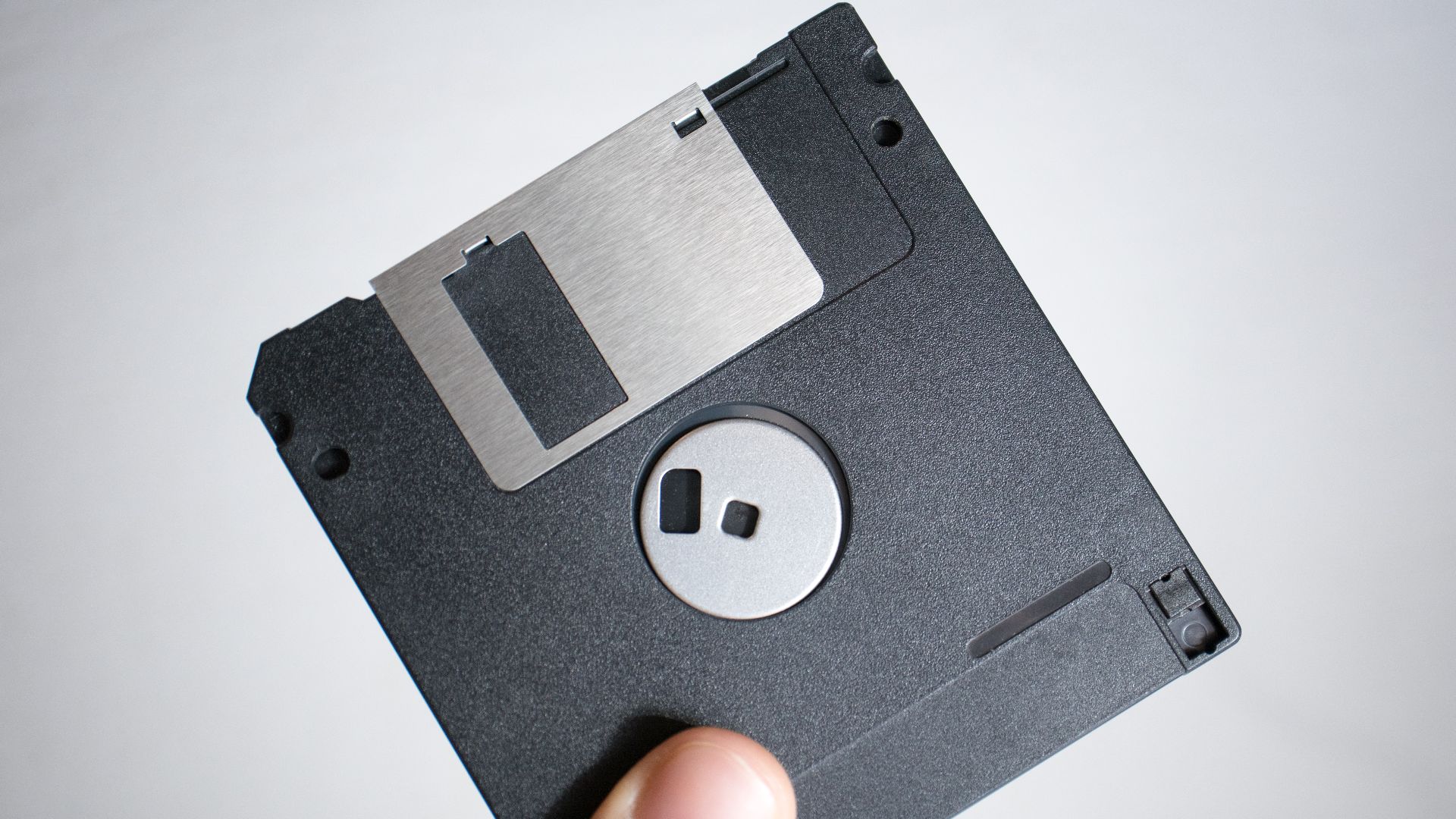
Floppy Disks
Saving schoolwork on a 3.5-inch floppy was routine in the 1990s. The 1998 iMac famously shipped without a floppy drive, signaling the format’s decline. A 2026 YouGov survey found only 2% of Americans still said they used floppy disks.
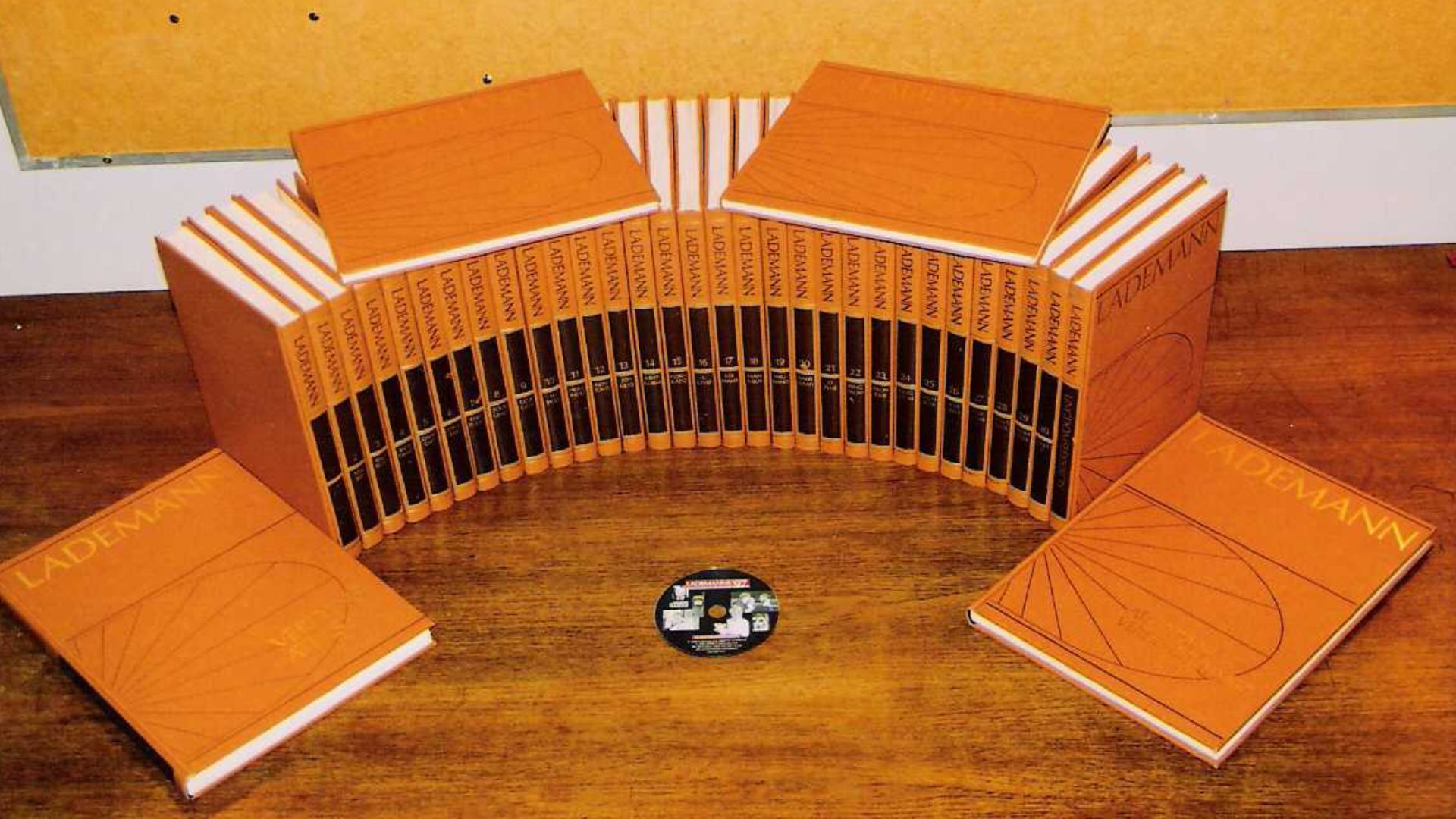
CD-ROM Encyclopedias
Reference shelves briefly went digital before the internet made even that format feel old. Microsoft Encarta delivered a multimedia encyclopedia on disc and later online, but Microsoft discontinued it in 2009, saying people were consuming reference information in different ways.
 Necessary Evil, Wikimedia Commons
History's most fascinating stories and darkest secrets, delivered to your inbox daily.
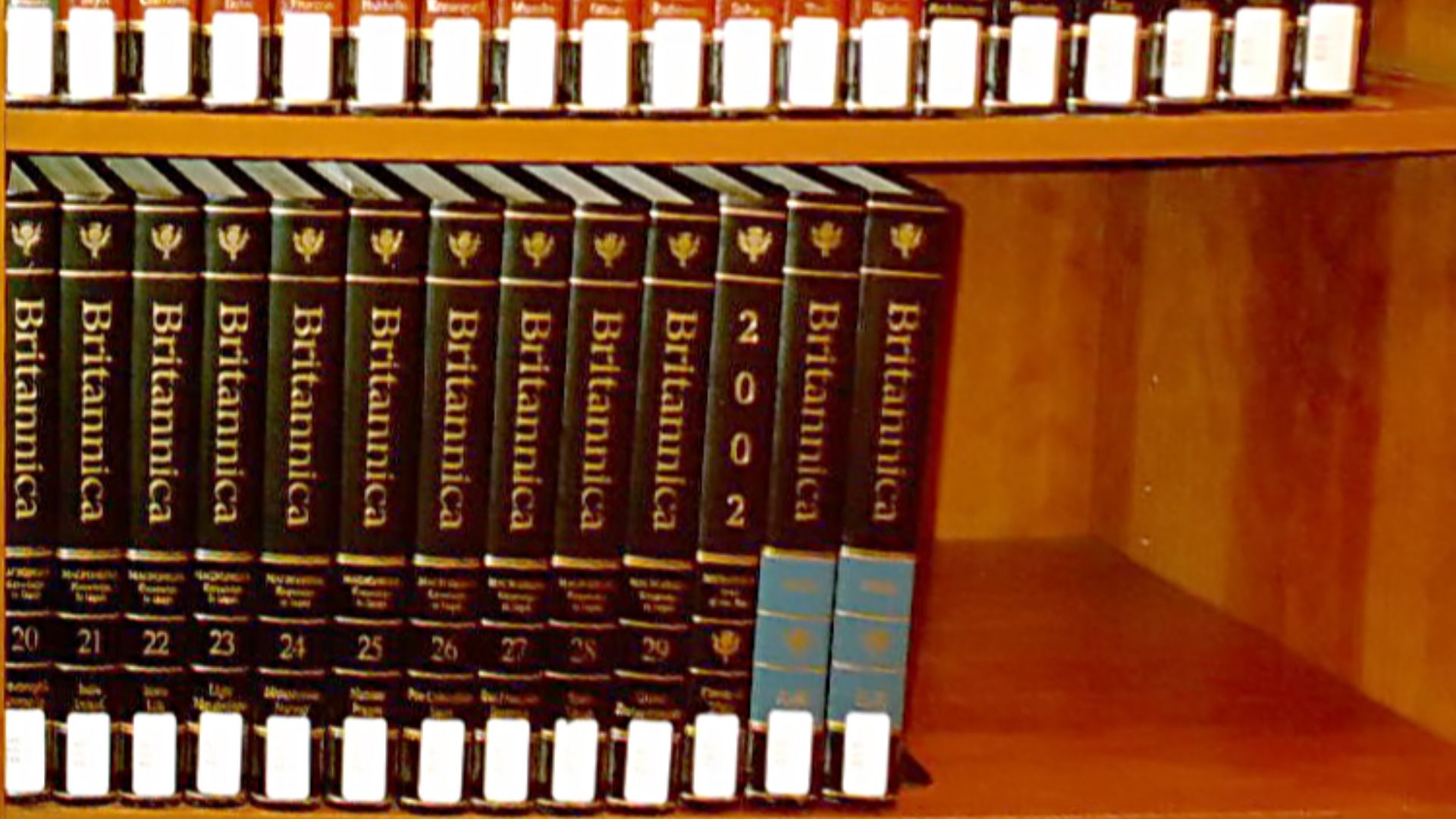
Printed Encyclopedia Sets
A multivolume encyclopedia could dominate an entire bookcase. Encyclopaedia Britannica’s print business peaked in 1990, when the company said it sold 120,000 sets. It stopped producing the printed edition in 2012 and continued digitally instead.
 User:SEWilco, Wikimedia Commons
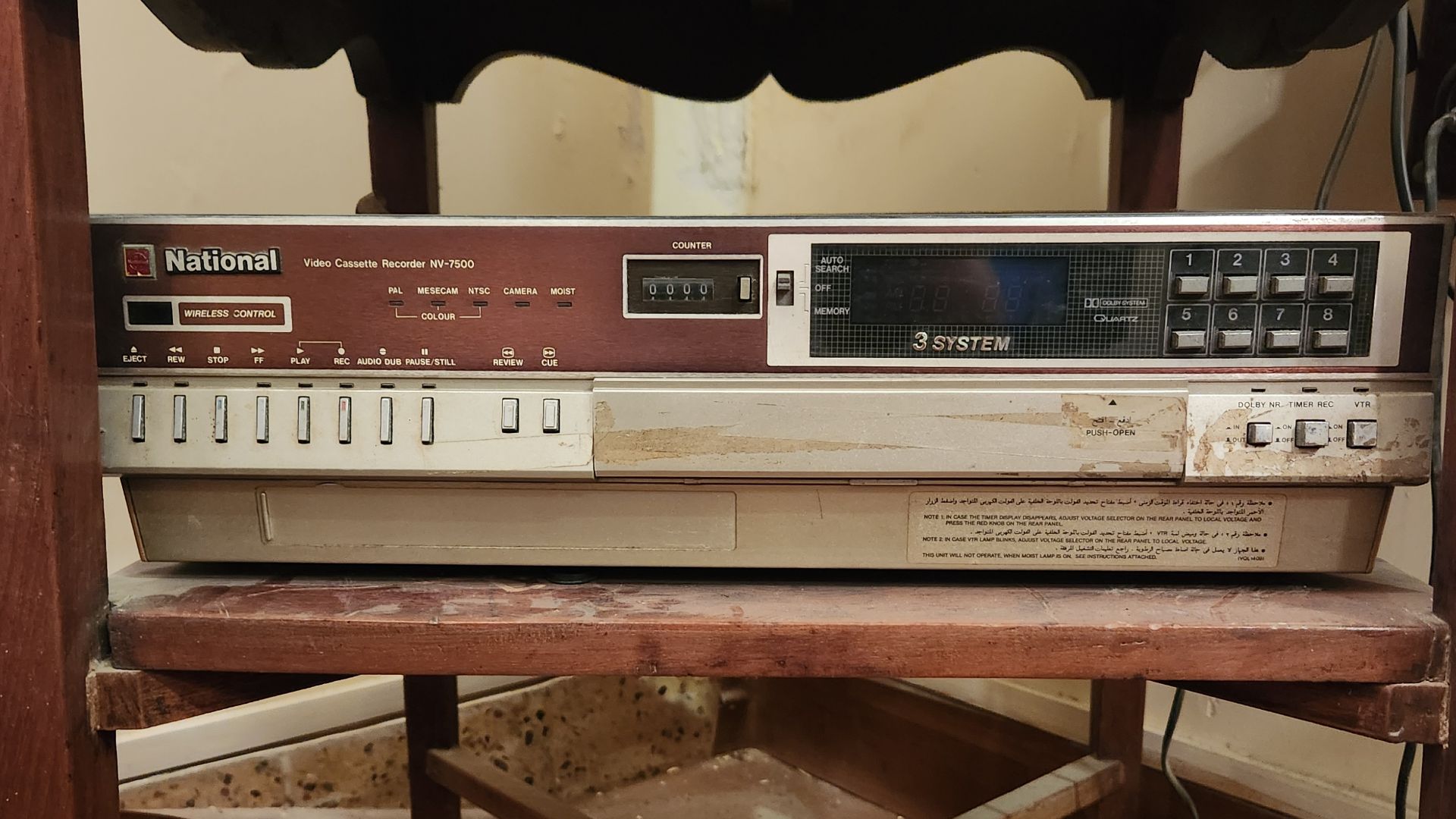
VCRs
The VCR let families rent movies and record television at home. DVD rentals surpassed VHS rentals in 2003, and major retailers rapidly reduced tape inventory. By the end of the decade, the machine that had anchored so many entertainment centers was disappearing.
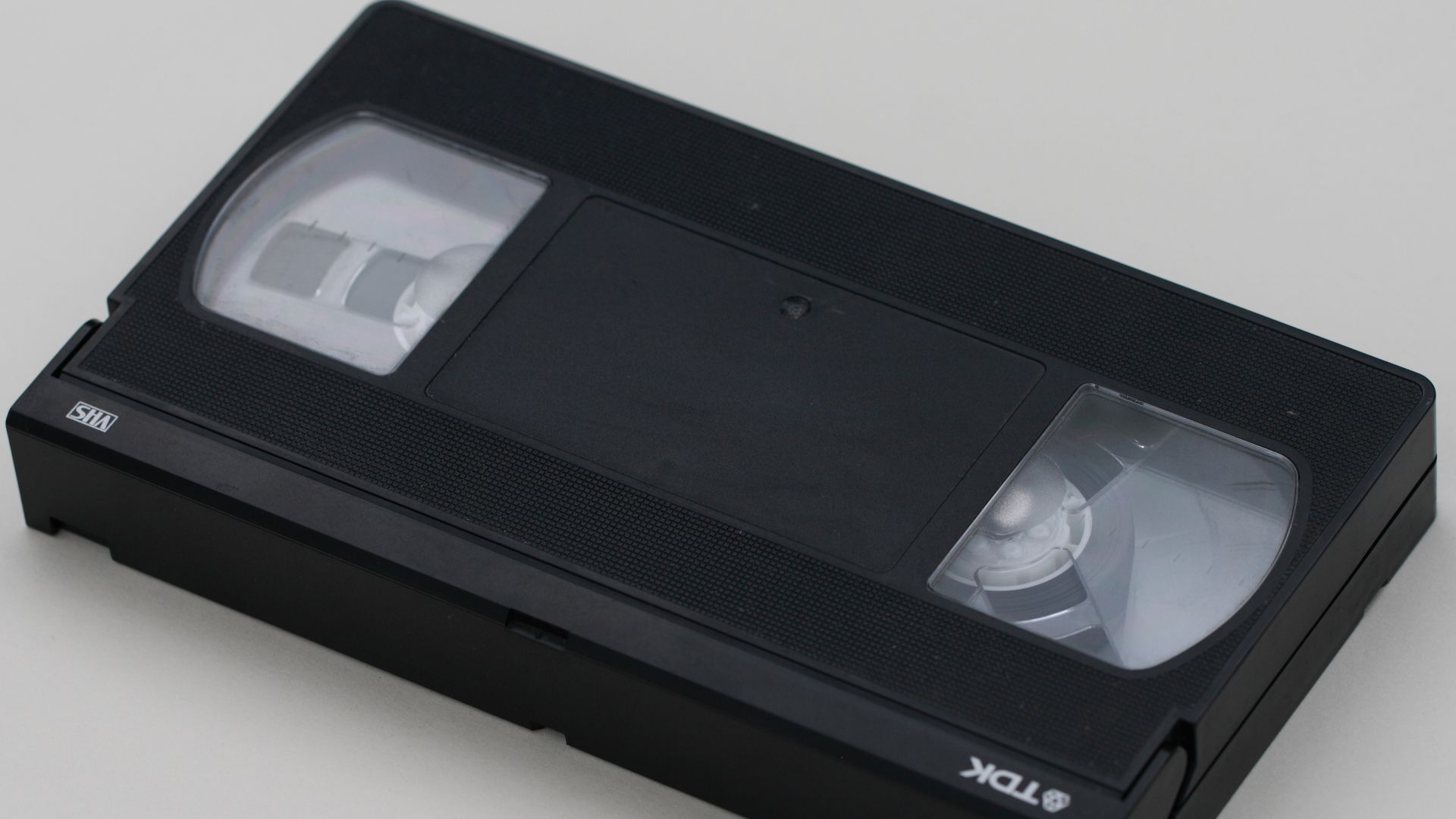
Blank VHS Tapes
Recording a sitcom, game, or movie meant keeping blank tapes ready. As VHS declined, so did the ritual of labeling cassettes and deciding what could be recorded over. Digital video recorders soon offered the same basic convenience without removable tape.
 Toby Hudson, Wikimedia Commons
Shelves Of VHS Movies
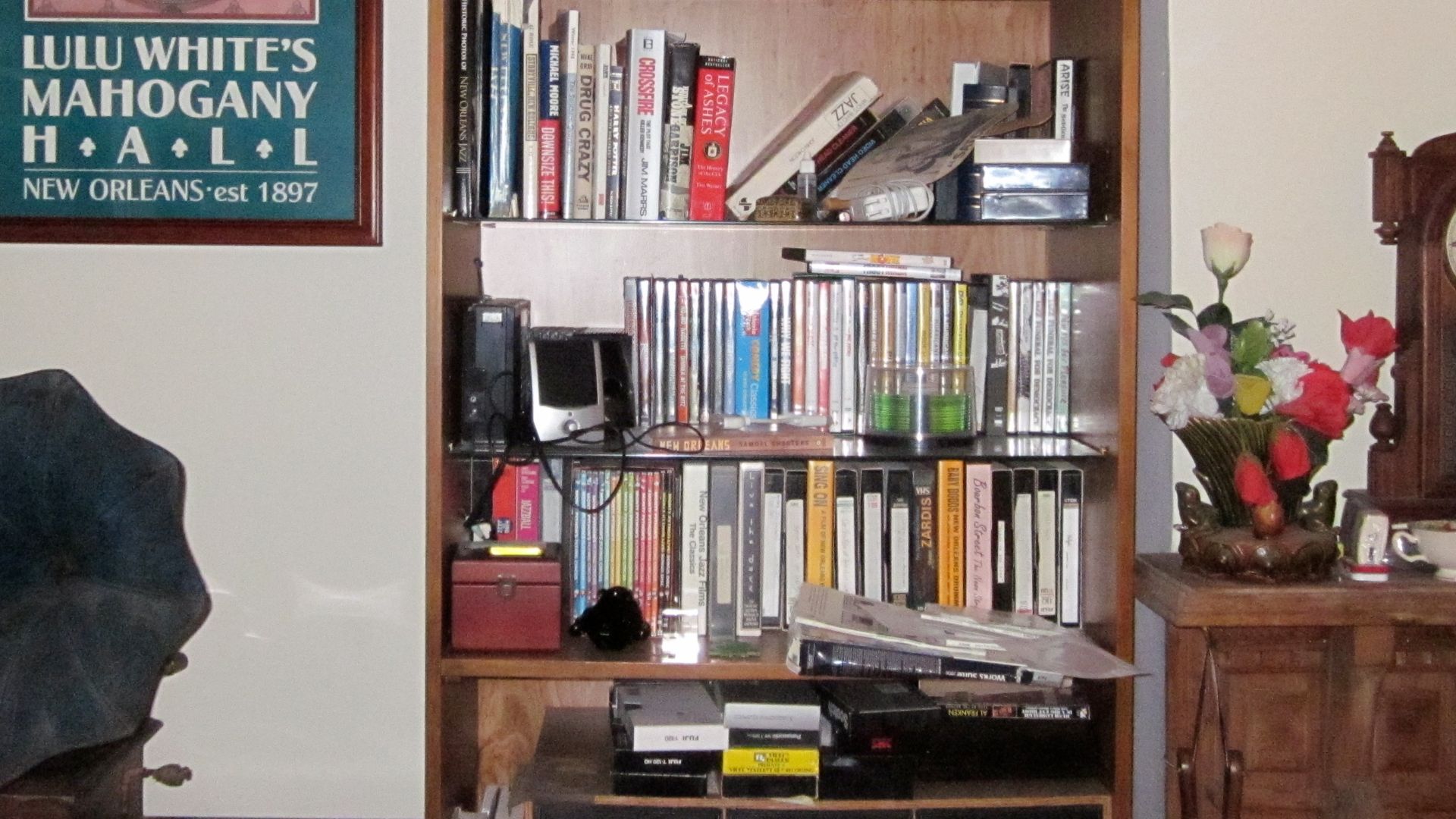
Home movie libraries once took up serious furniture space. The Los Angeles Times reported that the last major VHS supplier shipped its final truckload in 2008, after retailers shifted shelf space toward DVD and Blu-ray. Streaming later reduced physical movie collections even further.
 Infrogmation of New Orleans, Wikimedia Commons
CRT Televisions
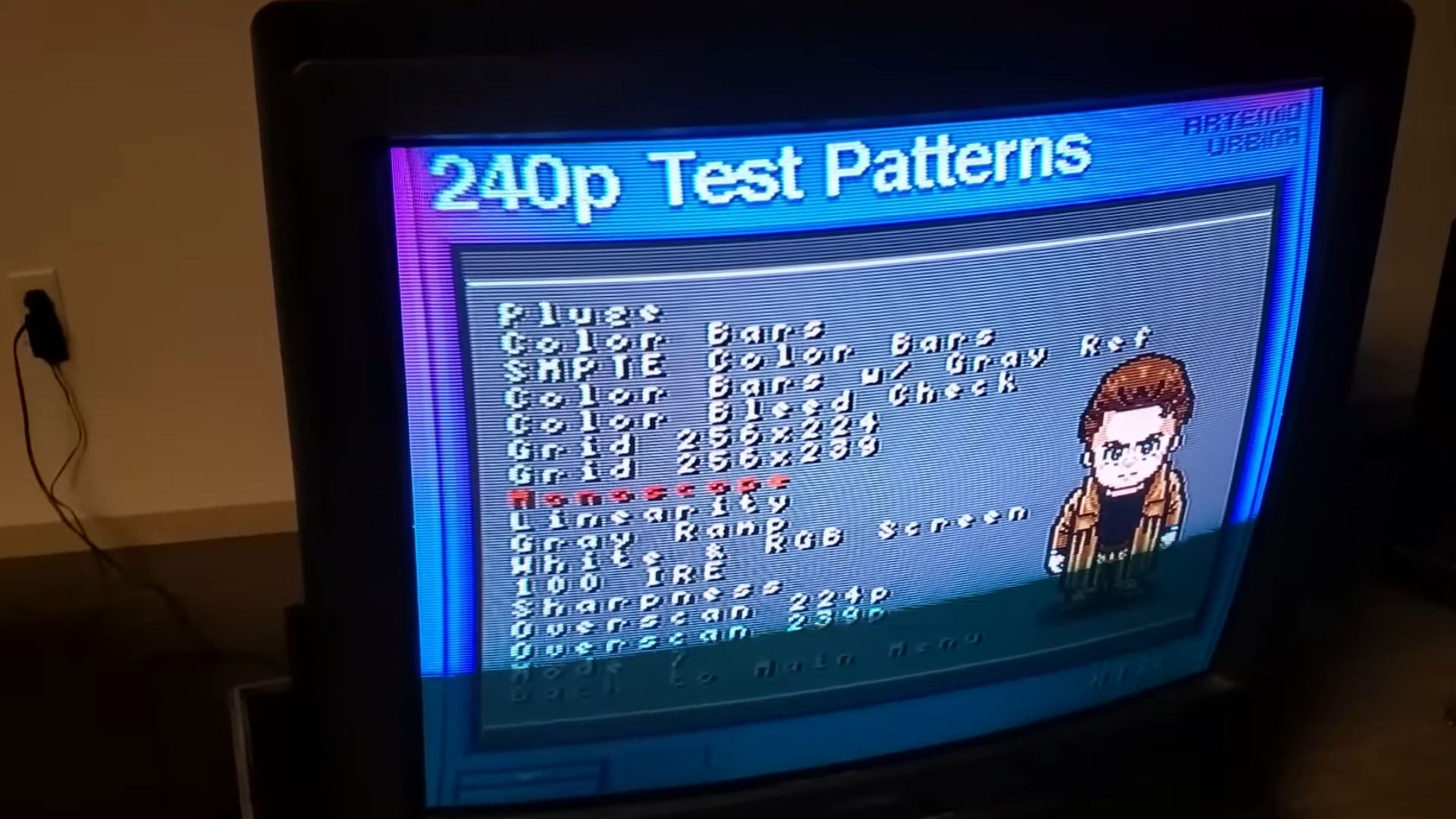
A big-screen television in the 1990s could be almost as deep as it was wide. ENERGY STAR research found CRTs still represented about 75% of North American TV shipments in 2004, but projected LCD shipments would overtake them by 2007.
Cassette Tape Collections
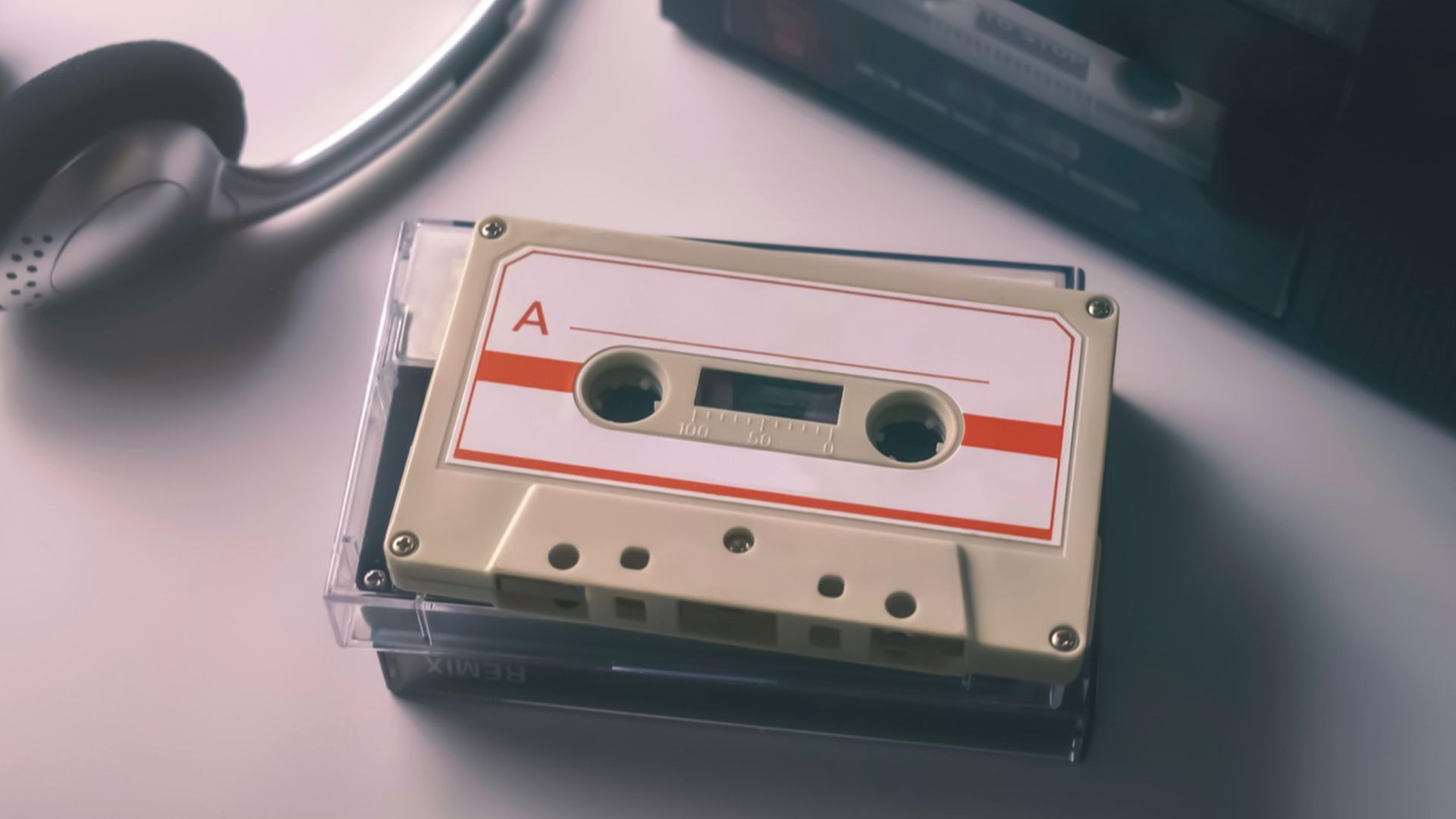
Cassettes survived well into the 1990s, especially in cars and portable players, but CDs overtook them in U.S. music revenue in 1991. Cassette sales kept falling afterward. Tapes now have a niche revival, but the everyday shoebox of mixtapes is no longer standard.
History's most fascinating stories and darkest secrets, delivered to your inbox daily.
Boomboxes With Cassette Decks
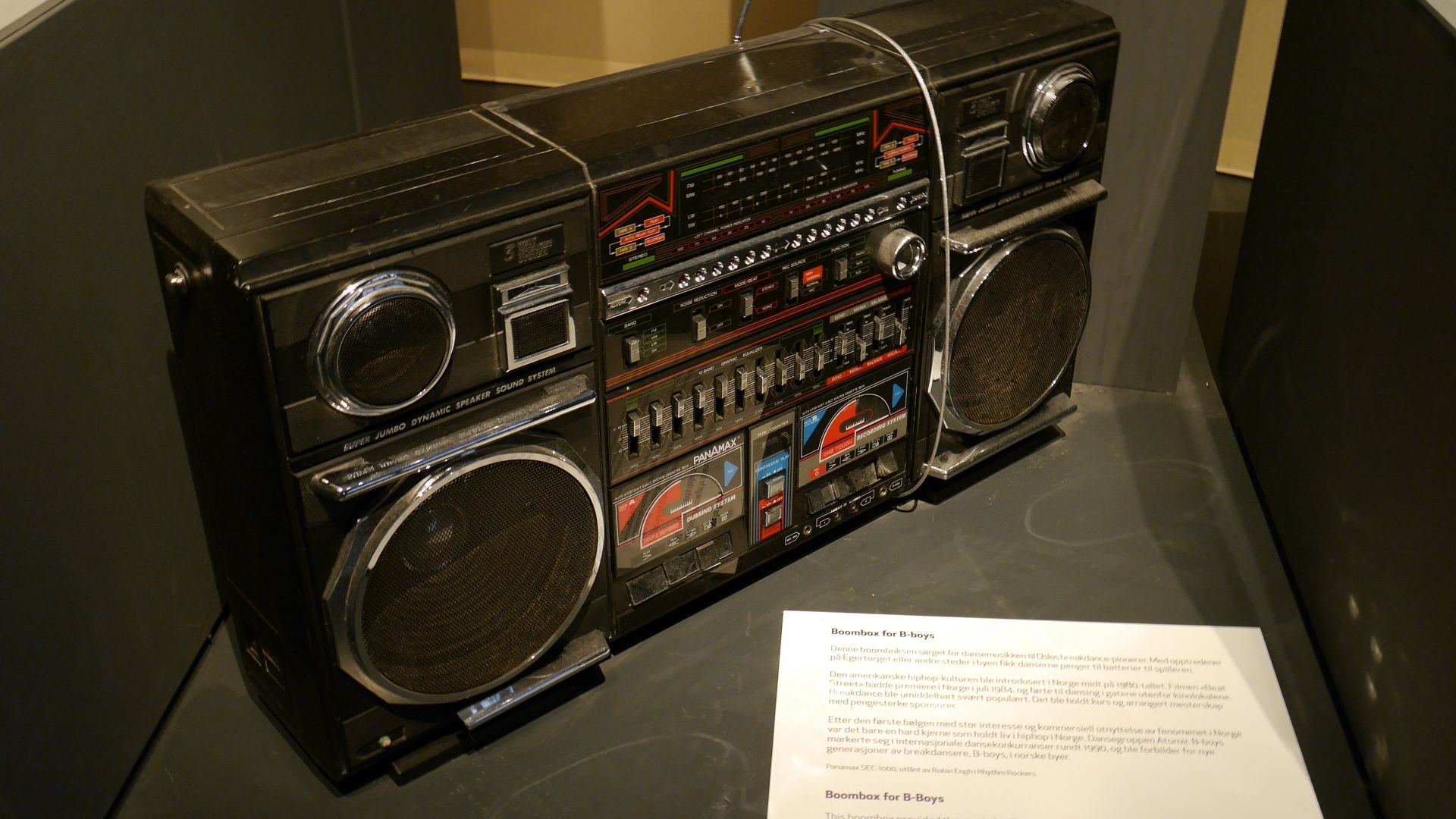
The classic boombox bundled radio, speakers, and cassette decks into one portable stereo. As cassette use declined and music shifted to CDs, digital files, and streaming, the tape-deck boombox lost its central purpose. Modern portable audio no longer depends on cassettes.
 Magnus Lien, Wikimedia Commons
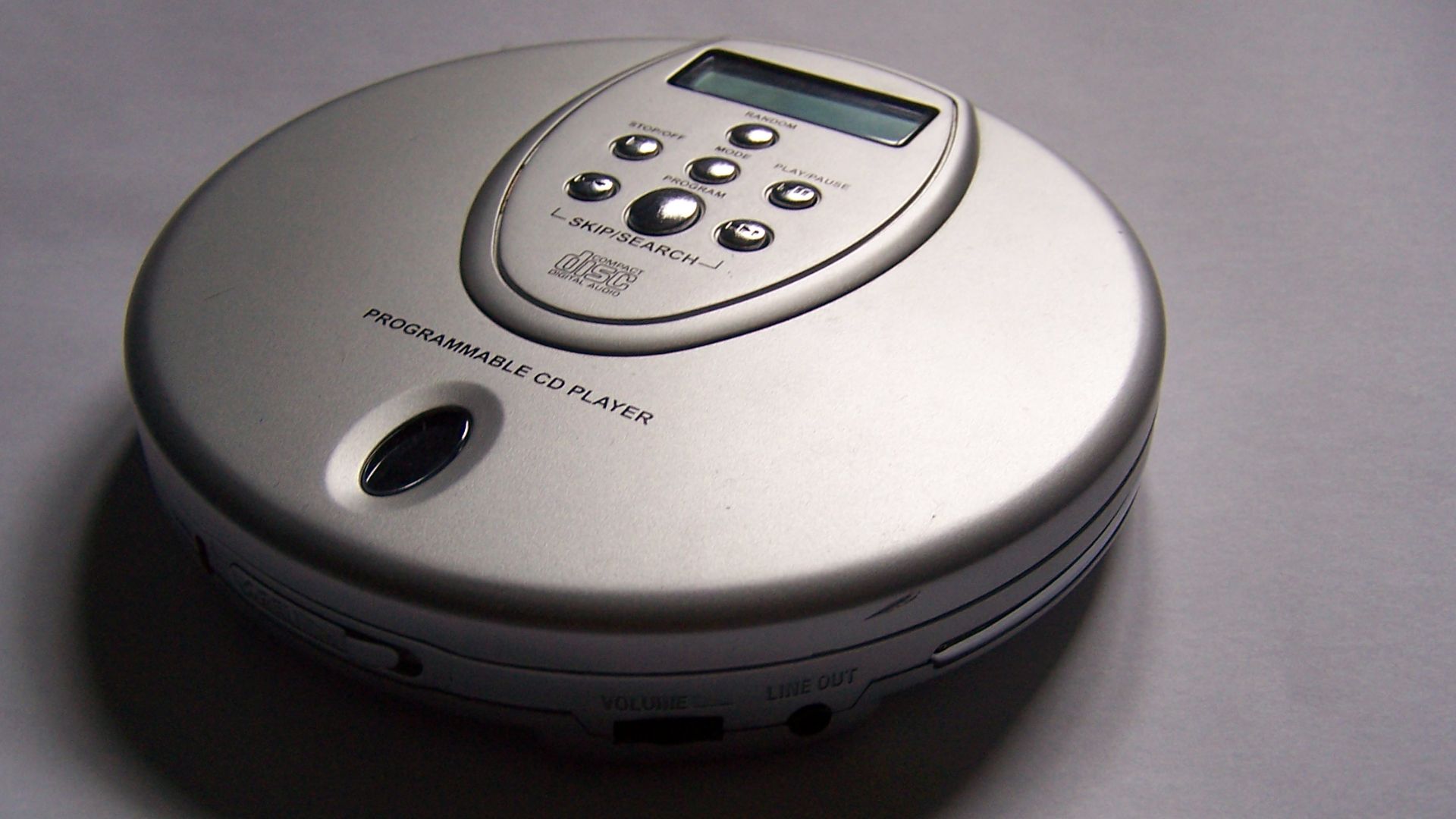
Portable CD Players
Portable CD players became the sleek successor to cassette players during the 1990s. Their reign was brief. MP3 players and later smartphones let listeners carry far more music without discs, and YouGov now places CD players among old technologies many former users have abandoned.
 User:Lcarsdata, Wikimedia Commons
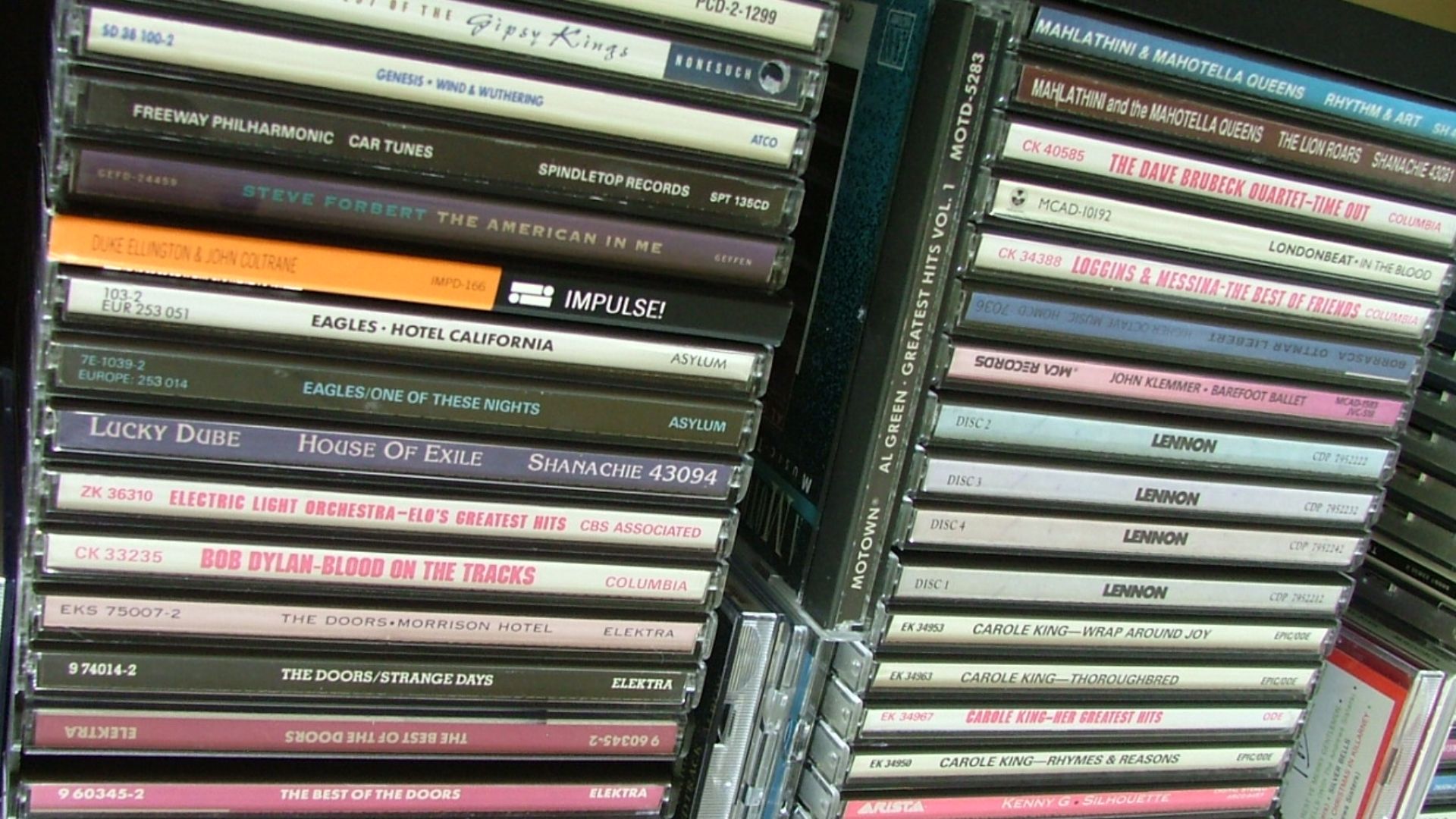
CD Towers
Owning music in the late 1990s often meant storing hundreds of jewel cases in purpose-built racks. RIAA data show U.S. CD sales peaking in 2000 at 943 million discs. As downloads and streaming took over, furniture designed around CD collections largely vanished too.
 Arbitrarily0, Wikimedia Commons
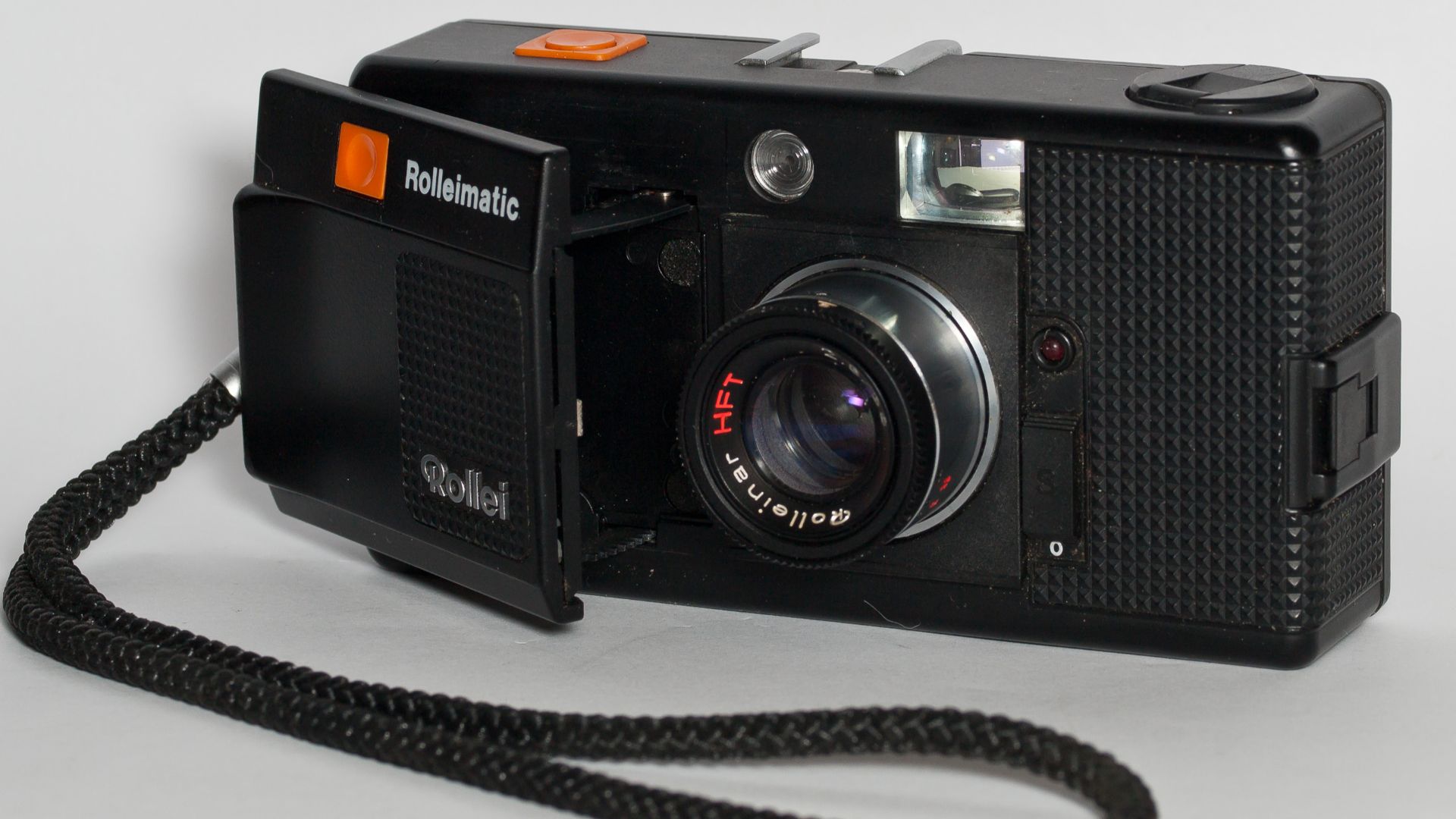
Film Cameras
Point-and-shoot film cameras were family-event staples. Digital cameras removed the cost and delay of film, and smartphones later replaced many standalone cameras. YouGov now lists film cameras among technologies that large numbers of former users no longer use.
 Uberprutser, Wikimedia Commons
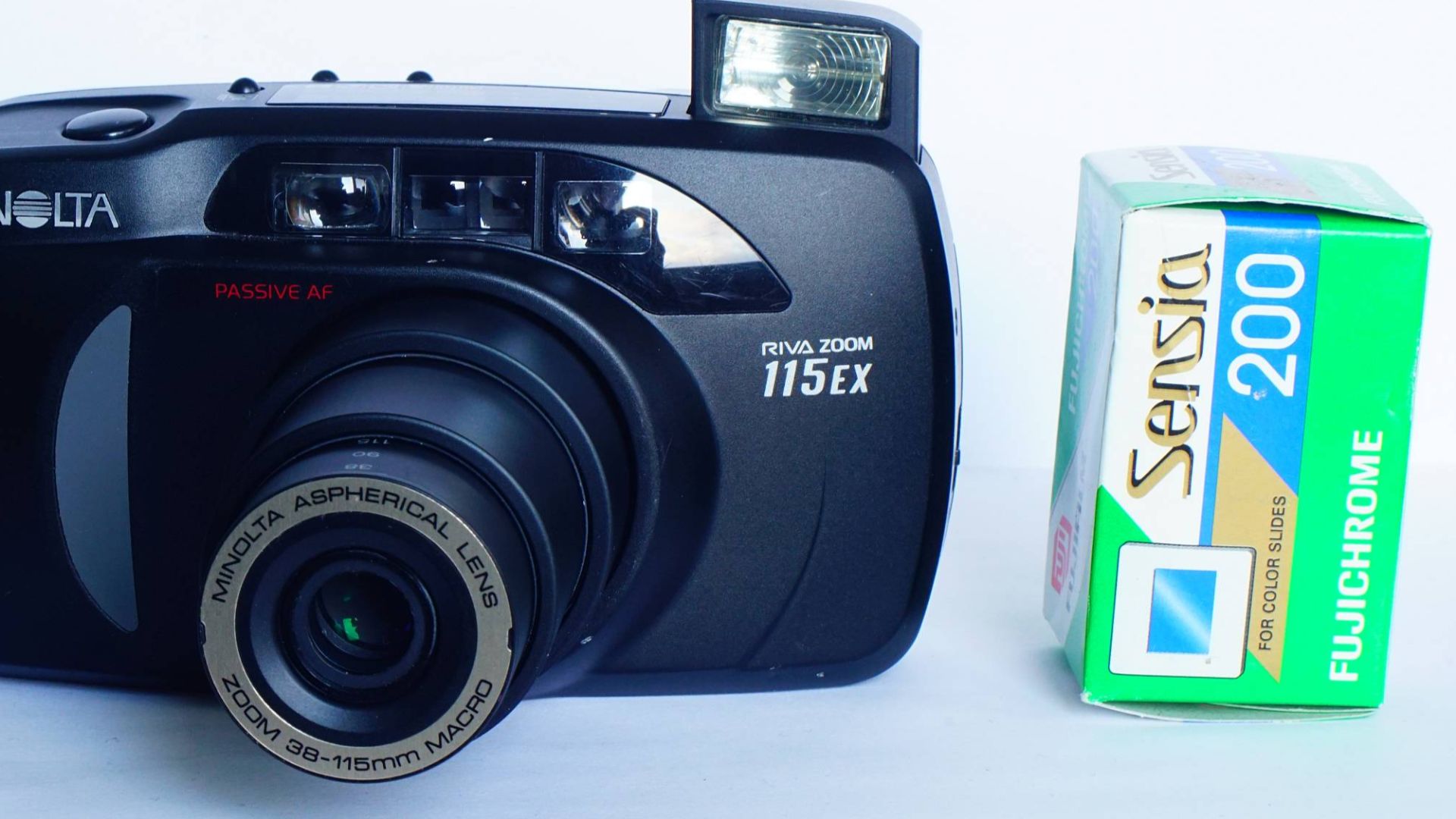
Rolls Of 35mm Film
A junk drawer could once hold spare rolls of 35mm film beside batteries and coupons. Digital cameras stored images on reusable memory cards instead, eliminating the need to buy a new roll for every batch of pictures. Film survived, but mainly as a specialty format.
 Minoltacollector, Wikimedia Commons
One-Hour Photo Envelopes
Getting pictures back meant collecting a paper envelope stuffed with glossy prints and negatives. Digital photography let people view shots immediately and print only what they wanted. By the early 2000s, one-hour labs were already closing or adding digital services to survive.
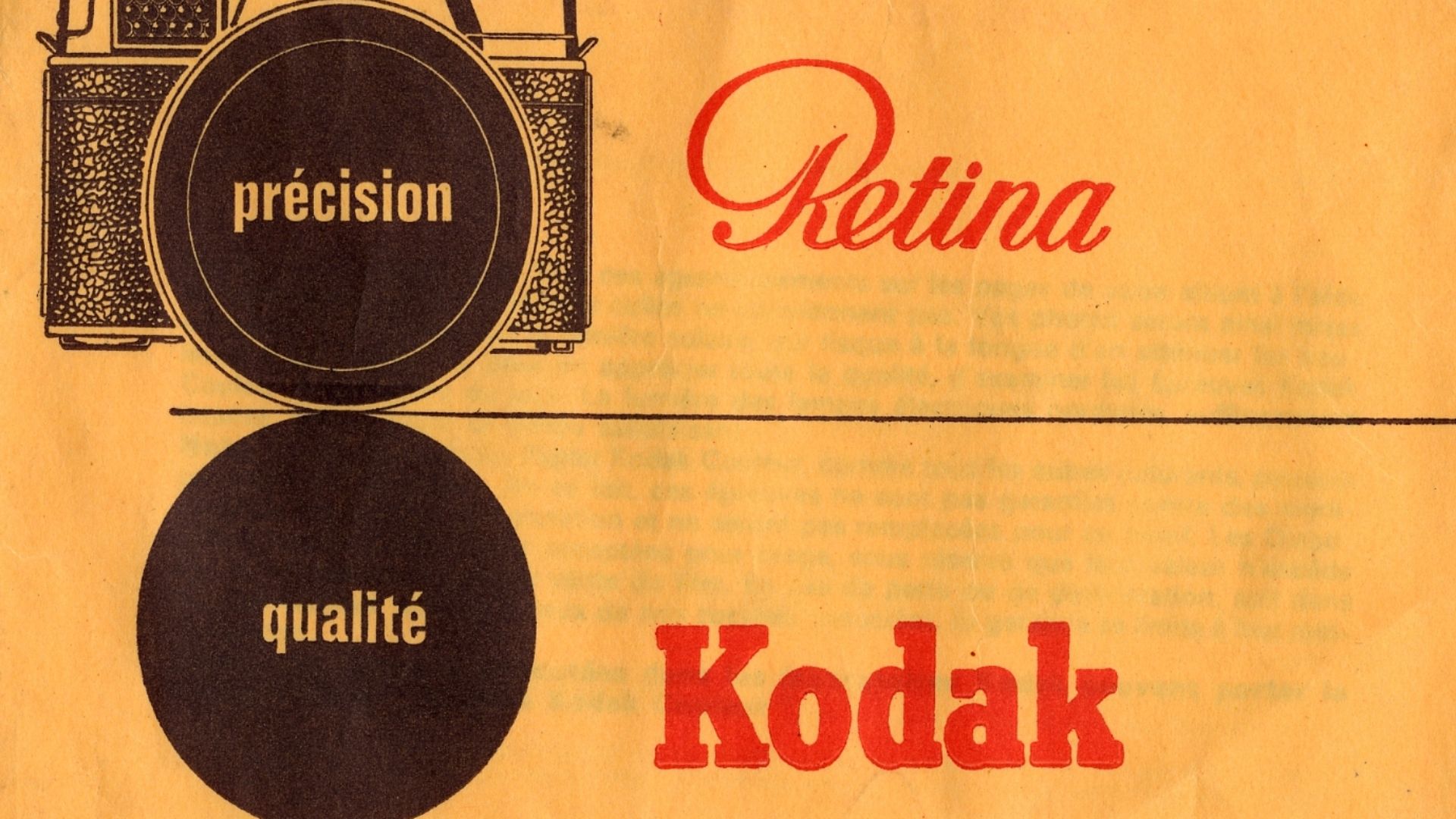 Jean-Jacques MILAN, Wikimedia Commons
History's most fascinating stories and darkest secrets, delivered to your inbox daily.
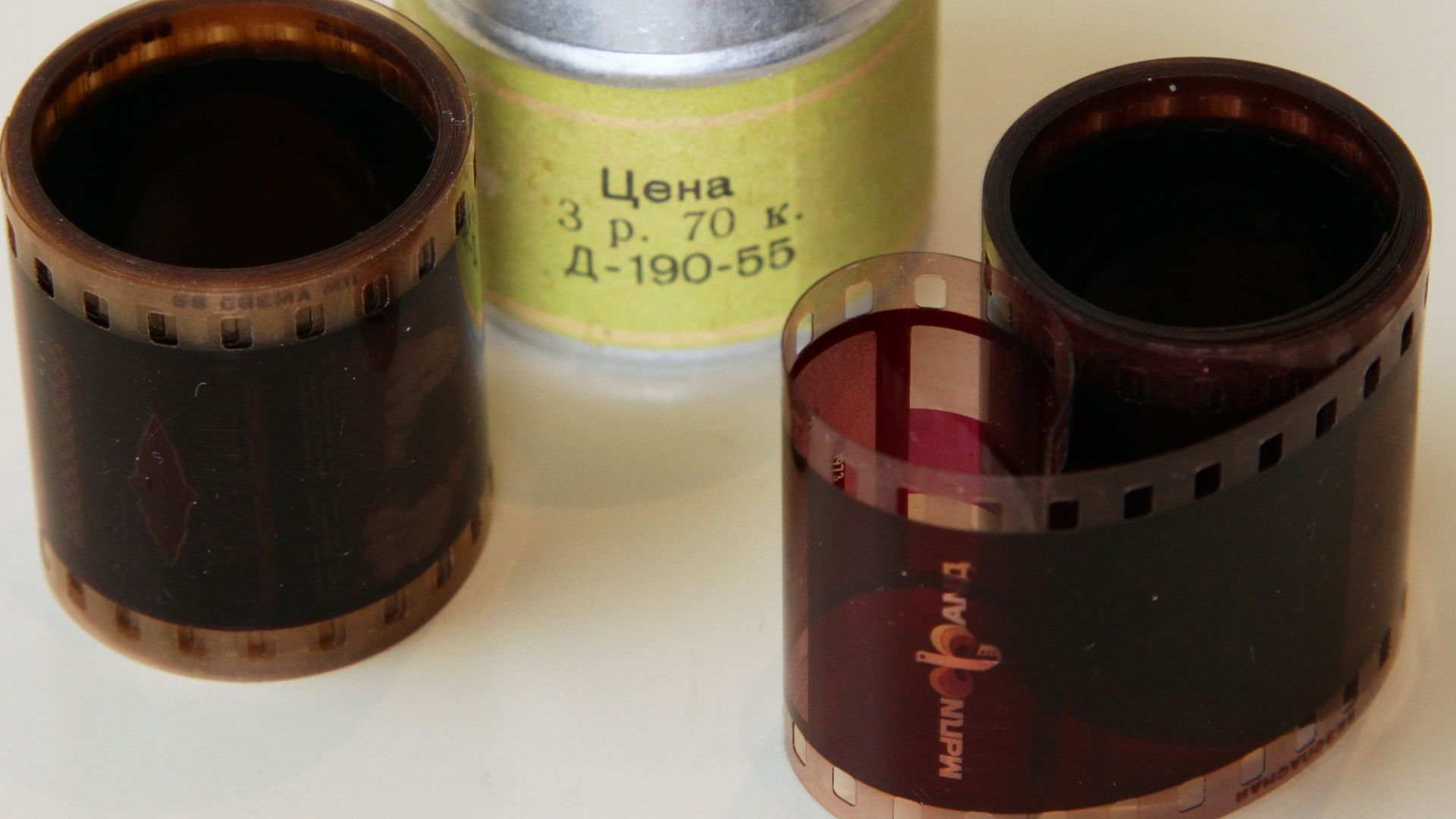
Strips Of Photo Negatives
Those brown-orange strips tucked behind finished prints were the original backups for family pictures. They existed because film had to be chemically developed before prints were made. Digital cameras skipped that physical negative entirely, pushing the strips out of ordinary household storage.
Tape-Based Camcorders
Family videos once required a dedicated camcorder and a supply of tapes. Smartphones absorbed that job so thoroughly that a 2026 YouGov survey found only 2% of Americans still used tape-based camcorders. The bulky camera bag became a rarity.
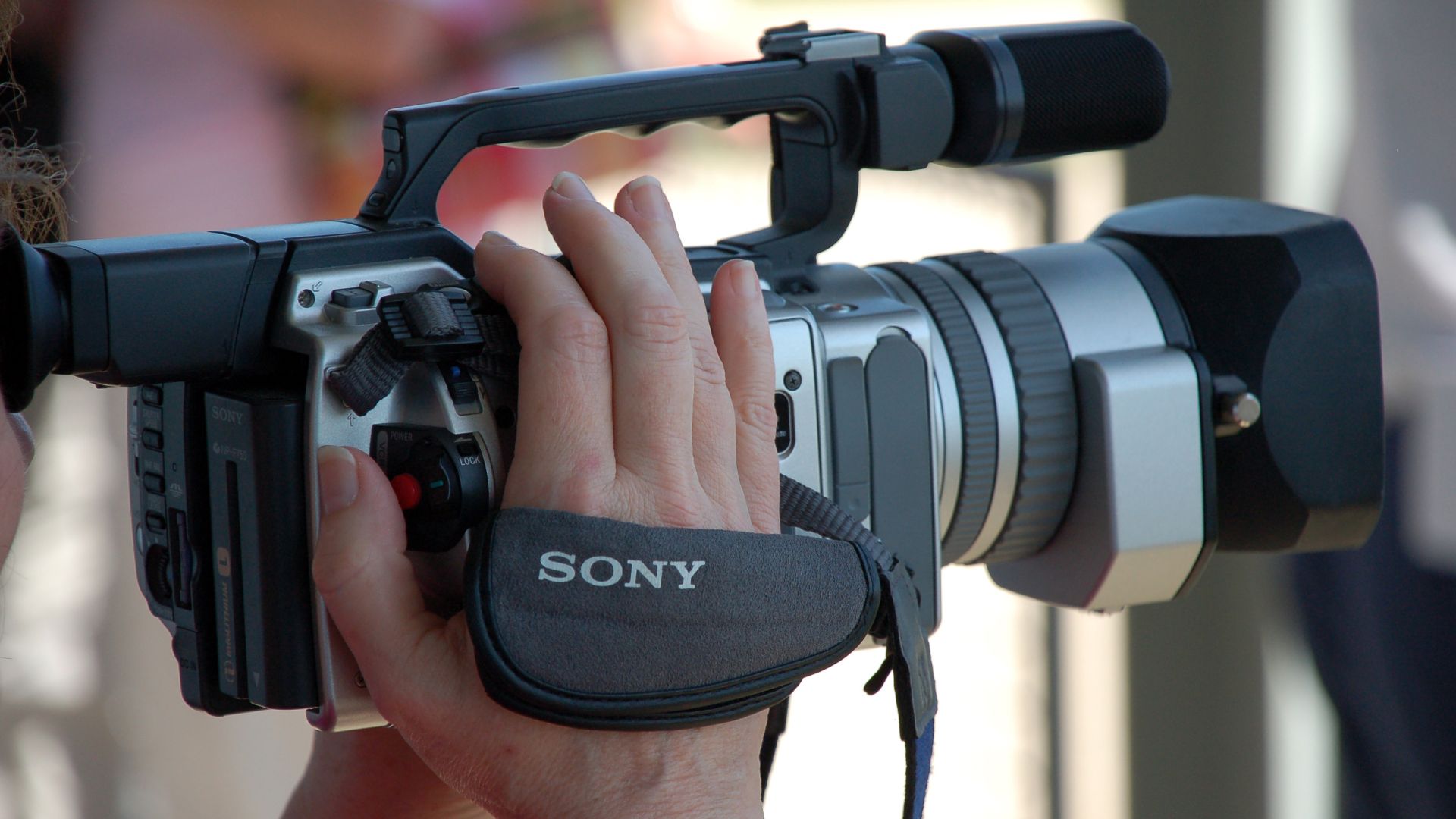 Nabukodinosaure, Wikimedia Commons
Paper Road Atlases
Before GPS, glove compartments held folding maps, road atlases, and highlighted routes. As navigation moved to GPS units and then phones, map printing declined. AAA said demand for paper guides was still substantial in 2010, but its print volume had already fallen.

You May Also Like:
American Businesses That Look Completely Different Than They Did 30 Years Ago