The Warning Usually Came Too Late
Some safety inventions didn't fail because they were useless. They failed because institutions decided they were too expensive, inconvenient, experimental, or simply unnecessary. Then people died, sometimes by the hundreds, and suddenly the device everyone had been putting off looked essential.
Mechanical Ventilators — The Copenhagen Polio Epidemic
Positive-pressure ventilation wasn't invented during Copenhagen's terrifying 1952 polio outbreak, but the epidemic demonstrated its value on a scale physicians could no longer ignore. At Blegdam Hospital, respiratory paralysis was taking patients out at an appalling rate, while the hospital had only a handful of negative-pressure respirators available. Anesthesiologist Bjørn Ibsen proposed tracheostomies followed by positive-pressure ventilation, initially delivered manually by teams of medical students squeezing breathing bags around the clock. Mortality among respiratory-failure patients fell dramatically, and the crisis helped establish positive-pressure ventilation and the modern intensive-care model.
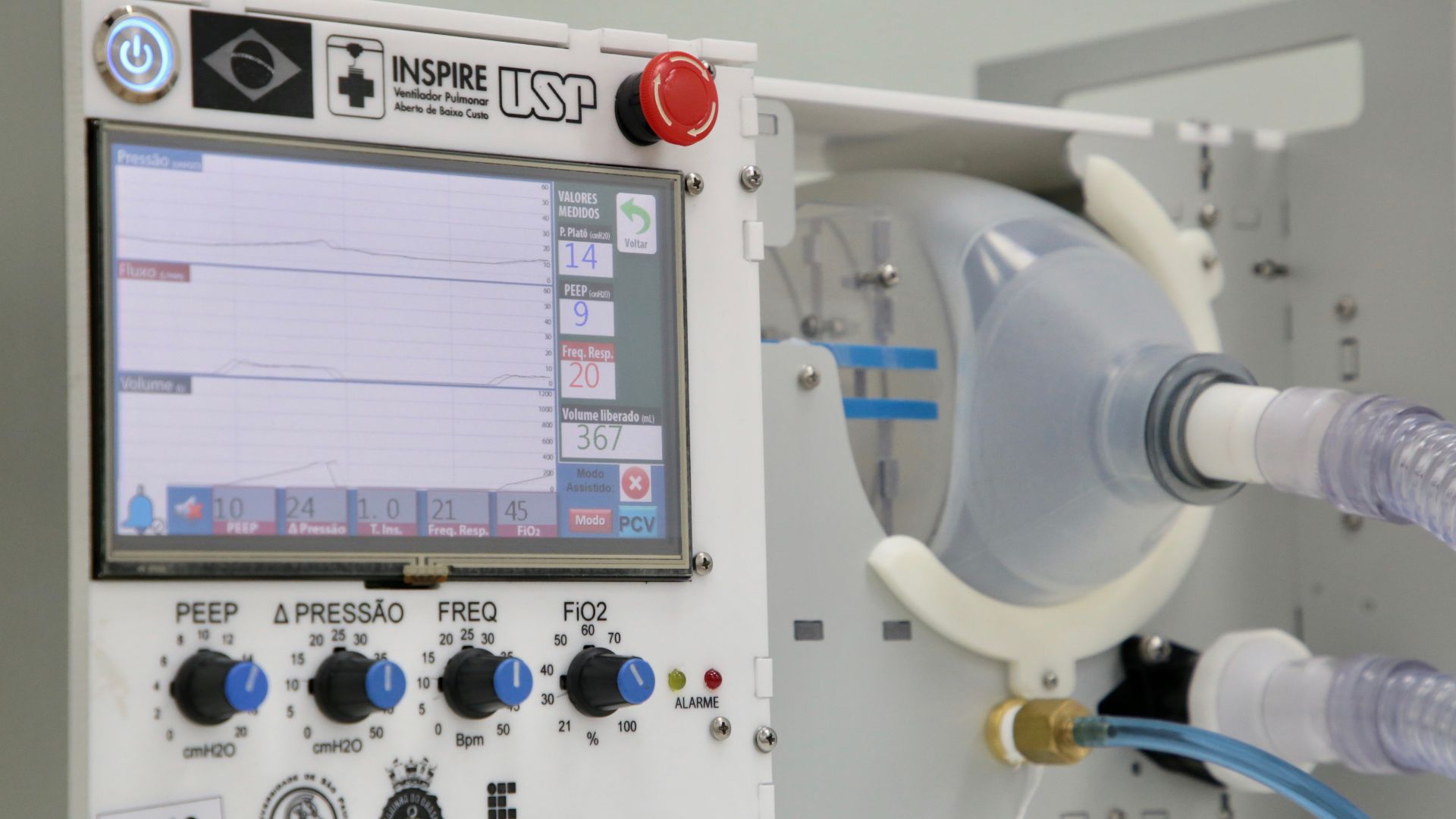 Governo do Estado de Sao Paulo, Wikimedia Commons
Automatic Fire Sprinklers — The Triangle Shirtwaist Factory Fire
Automatic sprinklers existed when fire broke out at New York's Triangle Shirtwaist Factory in 1911. The factory didn't have them. Within minutes, flames consumed the upper floors while workers encountered locked doors, inadequate escape routes, and a fire escape that ultimately collapsed. 146 people perished. Investigators later heard testimony that sprinklers could have dramatically changed the outcome, and New York enacted sweeping workplace and fire-safety reforms after the disaster. A technology building owners could previously dismiss as another expense suddenly looked cheap compared with what happened without it.
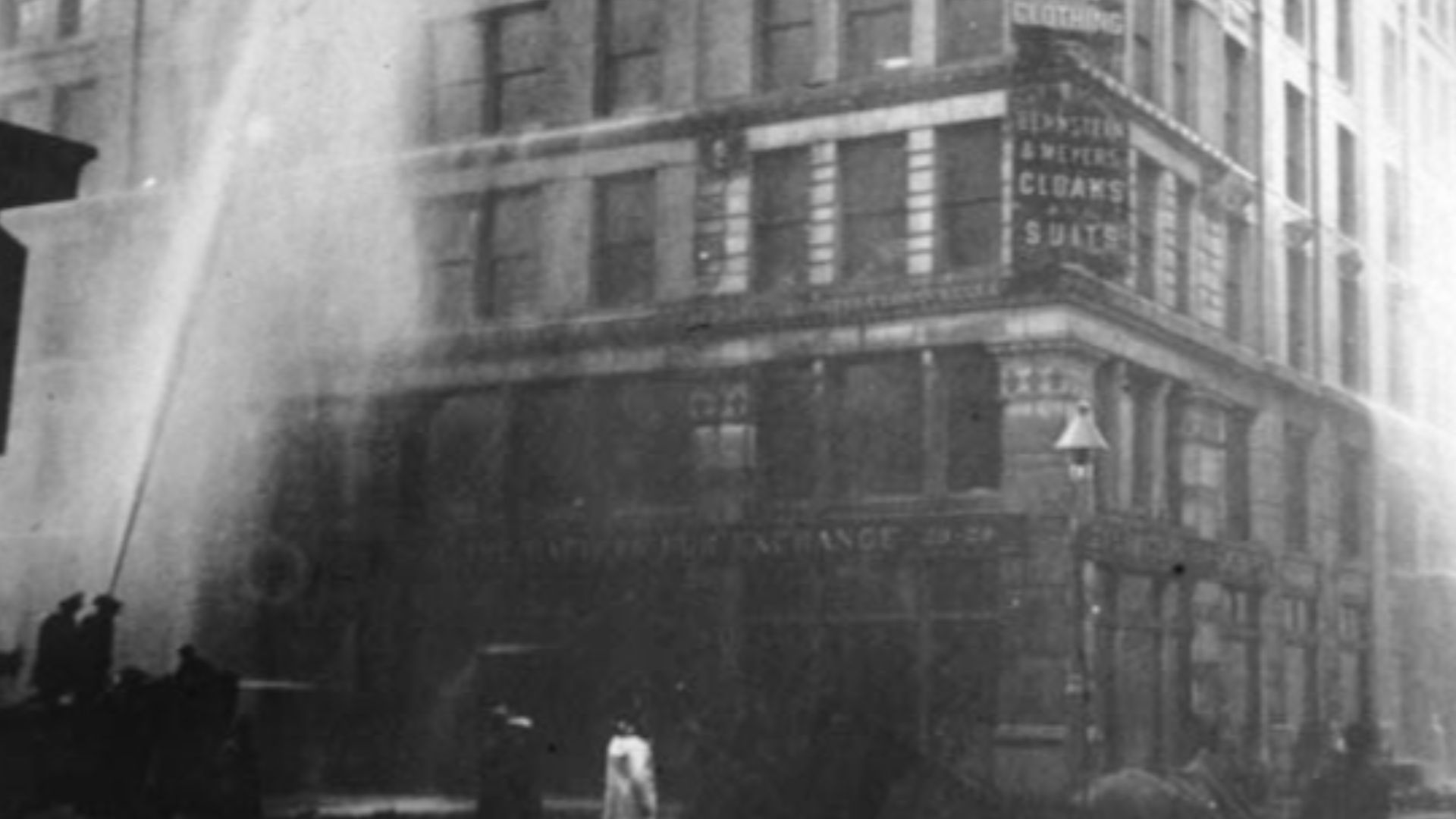 Unknown authorUnknown author, Wikimedia Commons
Pulse Oximeters — Anesthesia-Related Deaths
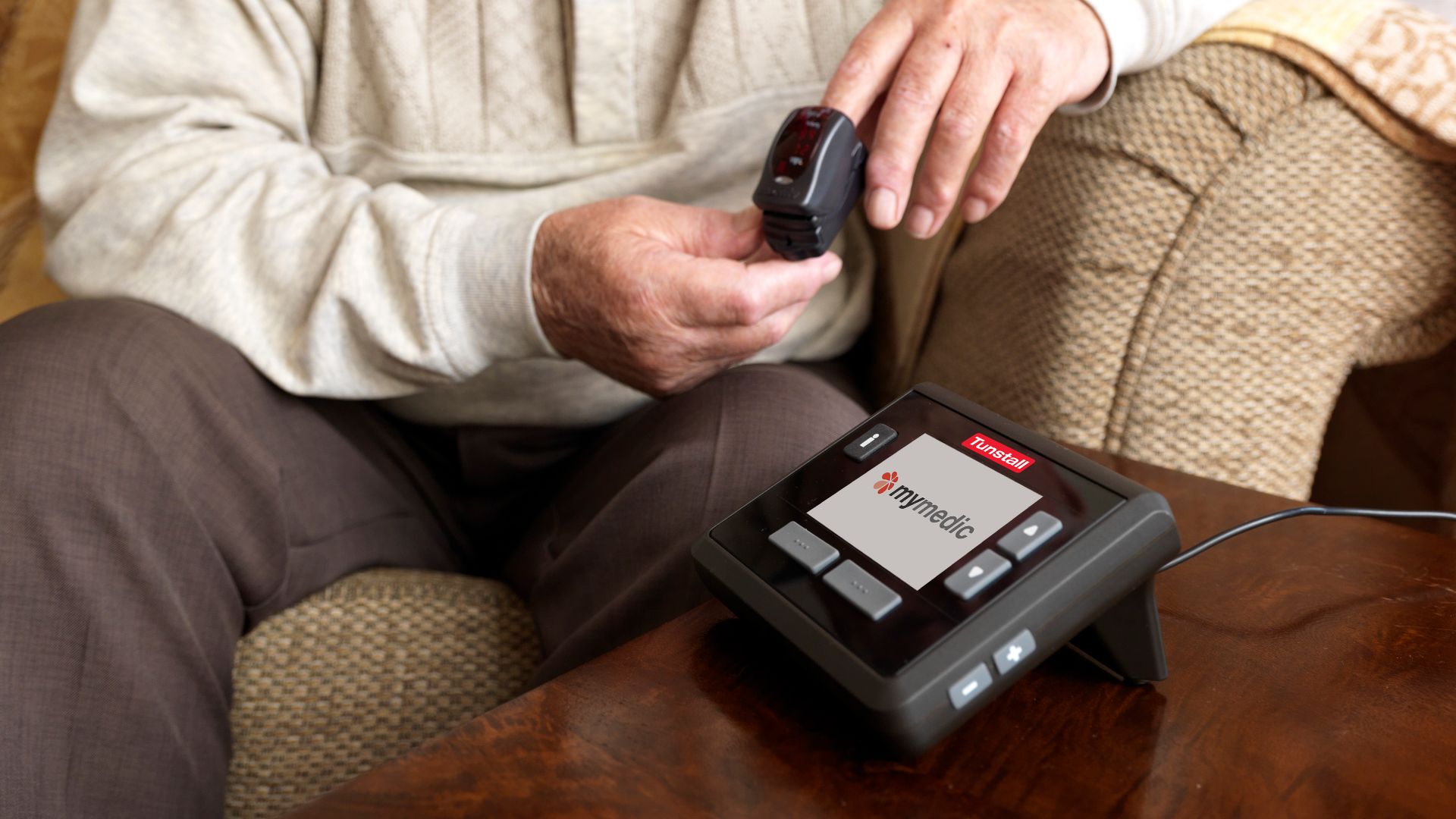
Earlier oximeters had existed for decades, but many were cumbersome, difficult to calibrate, and rarely used continuously during anesthesia. That became harder to tolerate as researchers documented preventable anesthesia deaths in which dangerously low oxygen levels went unnoticed until patients were already in severe trouble. Modern pulse oximeters provided an easy, continuous warning when blood oxygen began falling. By the mid-1980s, pulse oximetry was becoming standard during anesthesia, eventually spreading through recovery rooms, emergency departments, intensive-care units, and hospitals around the world.
 Tunstall Telehealthcare, Wikimedia Commons
Adequate Lifeboats — The Titanic
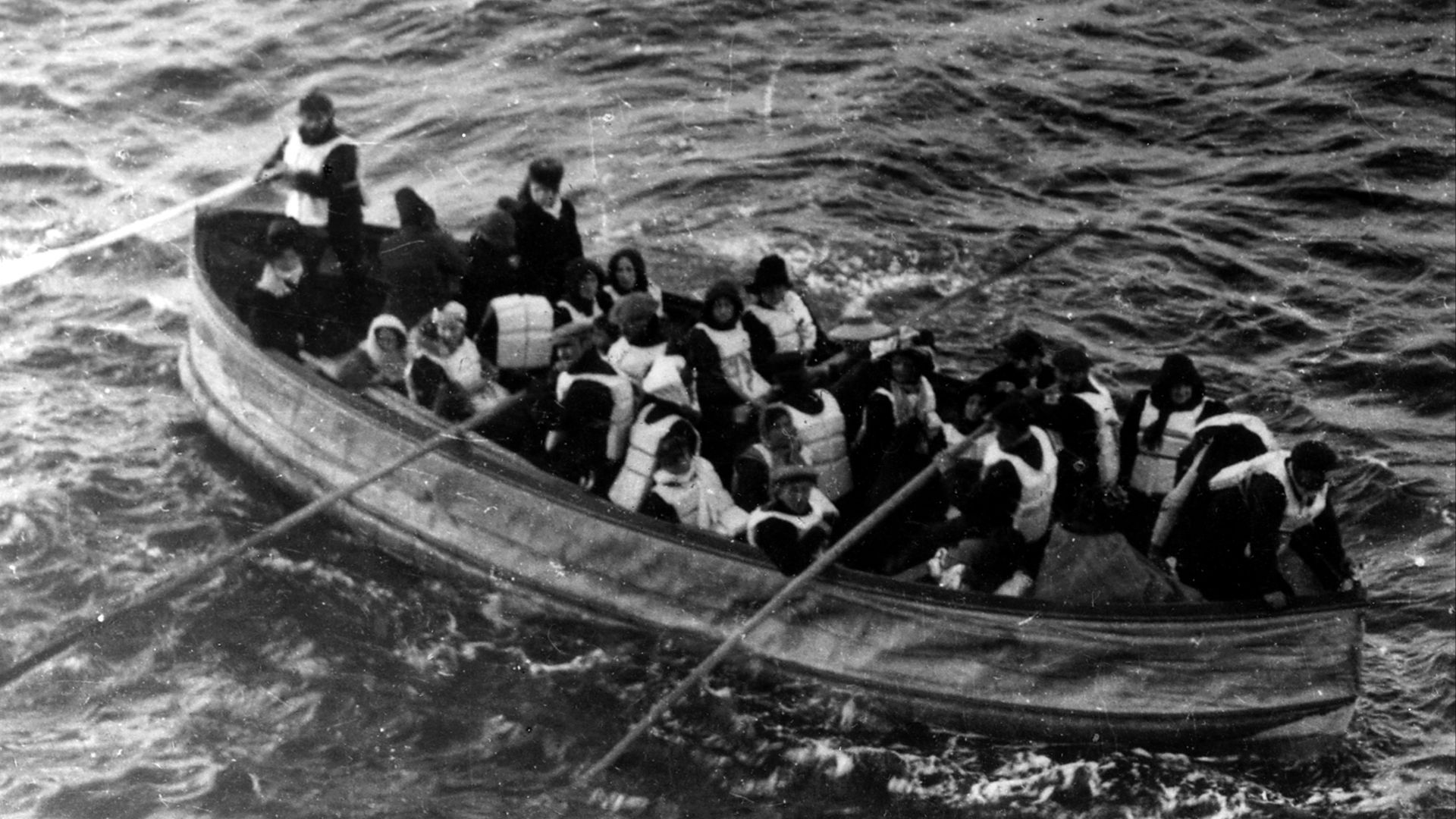
The Titanic wasn't lacking lifeboats because nobody had invented them. It lacked enough because maritime regulations had failed spectacularly to keep pace with increasingly enormous passenger ships. The liner carried boats for only a fraction of the people aboard, and even some of those left the sinking ship without being filled to capacity. More than 1,500 people lost their lives after Titanic struck an iceberg in April 1912. The disaster helped produce international maritime reforms requiring enough lifesaving capacity for everyone aboard and establishing much more serious procedures for emergencies at sea.
Neonatal Incubators — Premature Infant Deaths
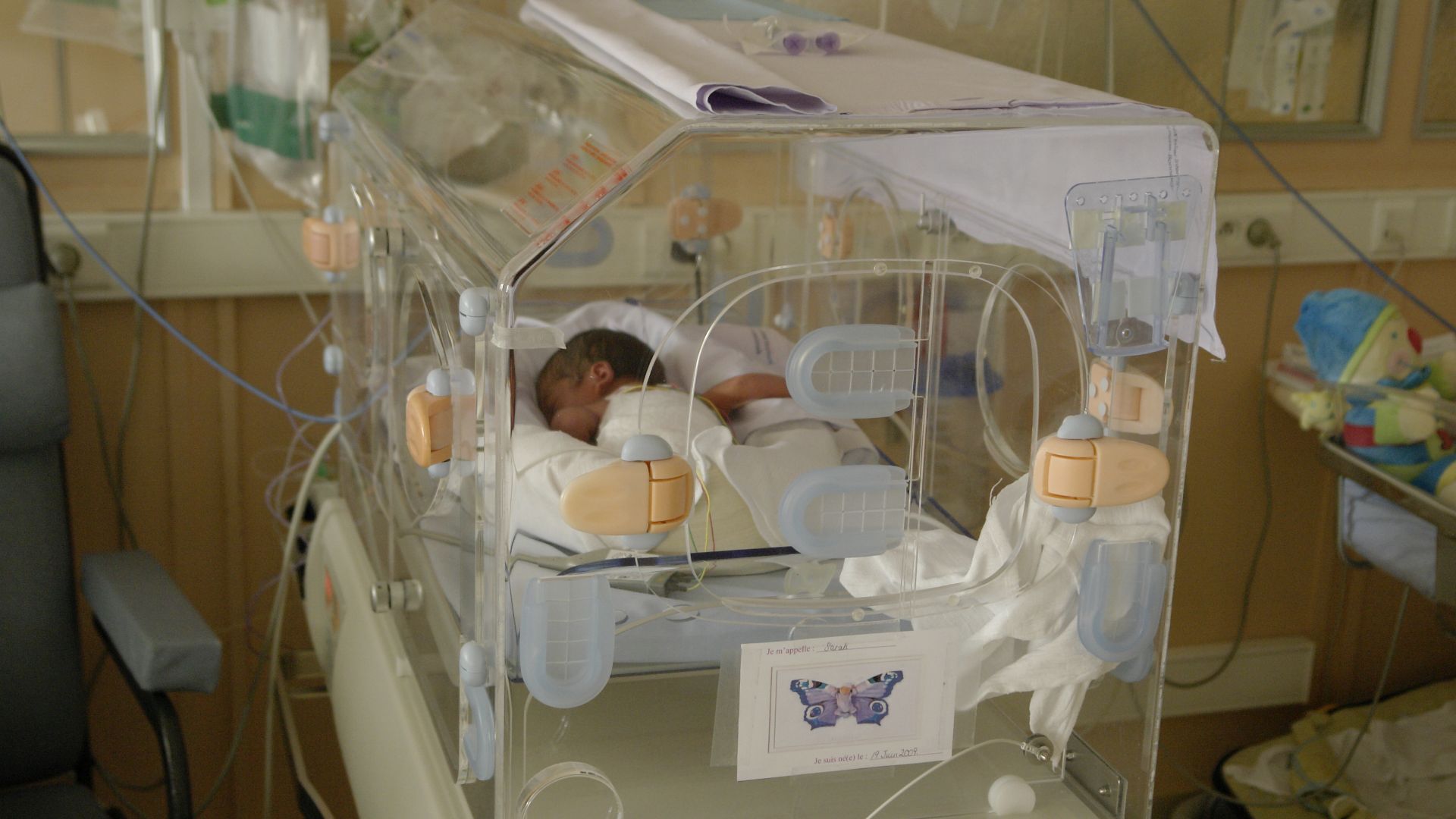
The first modern infant incubators appeared in Europe during the late 19th century, but the medical establishment didn't immediately reorganize neonatal care around them. Premature babies were still often considered unlikely to survive, while incubator technology developed unevenly over the following decades. Incredibly, public exhibitions of premature infants in incubators sometimes demonstrated the devices' potential more visibly than hospitals did. As physicians gradually recognized that controlled warmth, careful feeding, infection prevention, and specialized care could dramatically improve survival, incubators moved from curiosity to one of the foundations of modern neonatology.
 Yann (talk), Wikimedia Commons
Panic Bars — The Iroquois Theatre Fire
The Iroquois Theatre opened in Chicago in 1903 amid claims that it was extraordinarily safe. Weeks later, more than 600 people were dead. When fire spread through the packed theater, patrons encountered confusing exits, locked gates, inadequate escape arrangements, and doors that could be difficult to operate as crowds pressed against them. The catastrophe inspired major reforms and helped spur development of the horizontal “panic bar,” allowing an exit door to open when a fleeing crowd simply pushed against it. Anyone who's escaped through a modern crash-bar door has benefited from a lesson learned at horrifying cost.
 Scott Brody, Wikimedia Commons
Automated External Defibrillators — Sudden Cardiac Arrest In Public
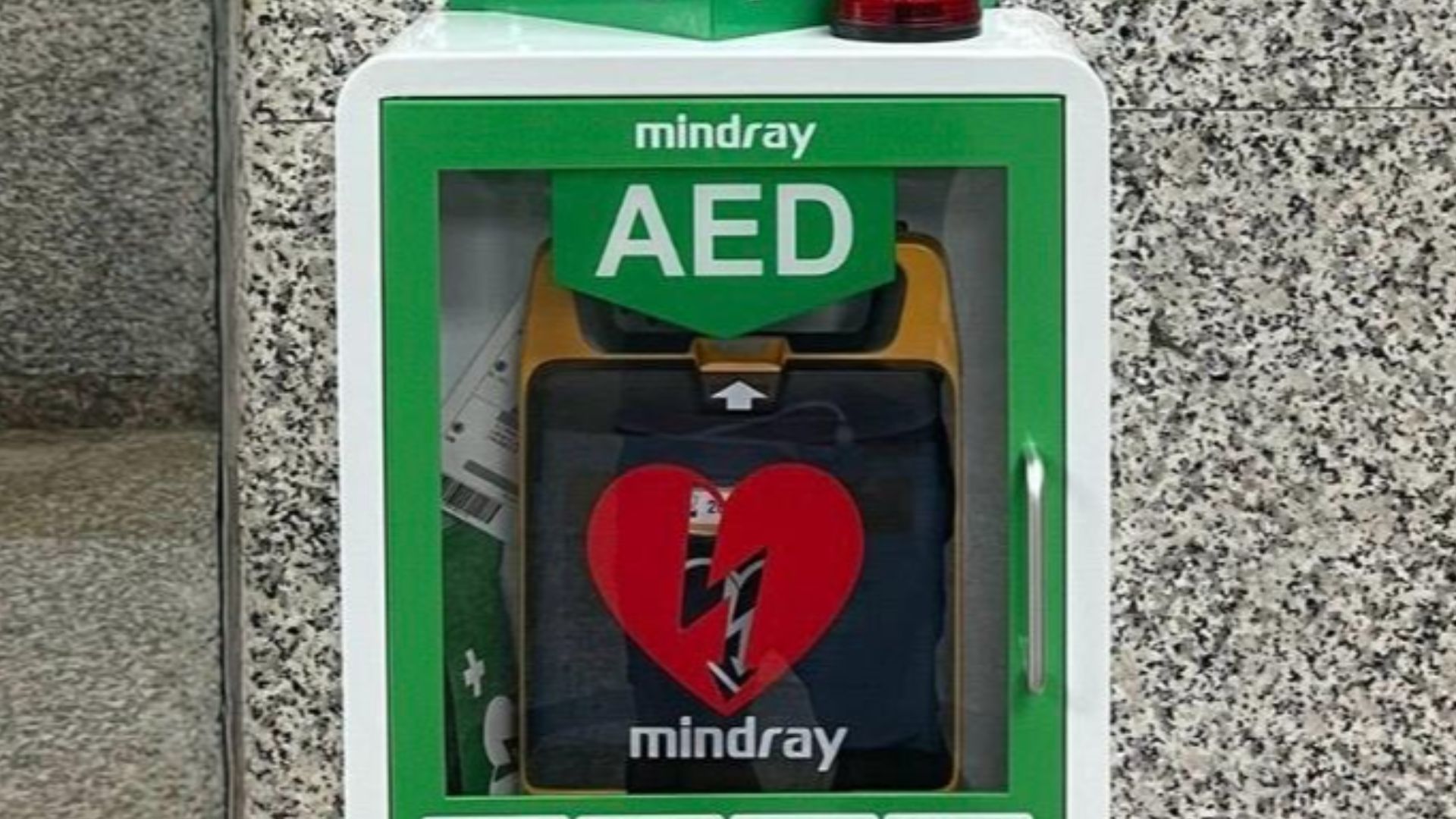
Defibrillation had been saving patients inside hospitals long before ordinary people started seeing AED cabinets in airports and shopping centers. The problem was time. When someone suffers a shockable cardiac arrest, waiting for hospital equipment can waste the crucial minutes in which defibrillation is most likely to work. As sudden deaths repeatedly occurred in airports, casinos, airplanes, schools, and sports facilities, public-access defibrillation gained momentum. Automated machines made the procedure far easier for trained bystanders, transforming defibrillators from specialist hospital equipment into devices increasingly expected wherever large crowds gather.
 Chercher1105, Wikimedia Commons
Continuous Shipboard Radio Watch — The Titanic
Wireless telegraphy was another technology Titanic already possessed. What ships didn't necessarily have was a requirement ensuring somebody was listening to it continuously. The nearby Californian had a wireless operator, but he had gone off duty before Titanic sent its fatal distress messages. After the disaster, regulators understood that radio was only useful in an emergency if someone was actually there to hear the call. New rules helped establish continuous radio watches on passenger ships, while the first International Convention for the Safety of Life at Sea created broader standards intended to prevent another catastrophe like Titanic.
 © 2009 K. Krallis (SV1XV), Wikimedia Commons

History's most fascinating stories and darkest secrets, delivered to your inbox daily.
The Cardiac Pacemaker — Fatal Heart Block
Early cardiac pacing could look more frightening than reassuring. Experimental devices were bulky, some required external wires, and the earliest implantable models had short battery lives and other serious limitations. But complete heart block could leave patients fainting repeatedly or simply dying because their hearts couldn't maintain a dependable rhythm. Successful implantable pacemakers beginning around the late 1950s demonstrated that electrical pacing could turn an otherwise potentially fatal rhythm disorder into something manageable. Once patients began living for years with improved devices, the argument for permanent cardiac pacing became much harder to resist.
 Brian Adducci, Wikimedia Commons
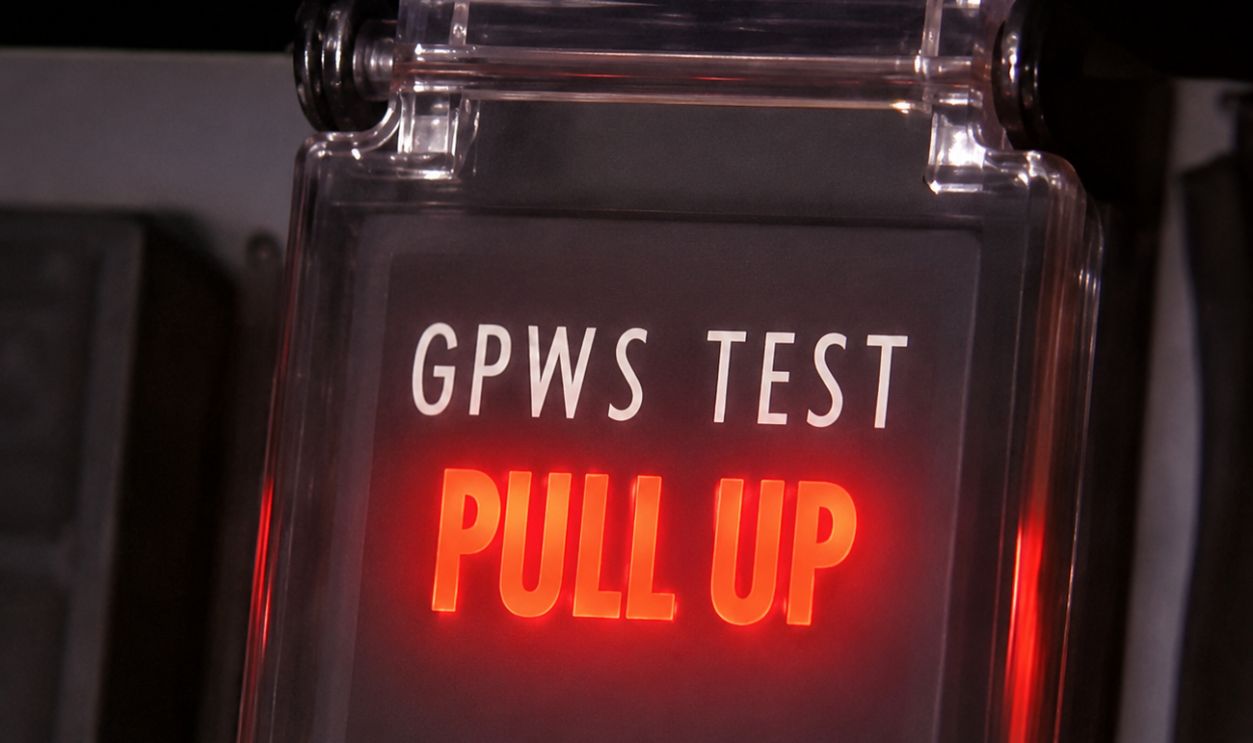
Ground Proximity Warning Systems — TWA Flight 514
Pilots don't need an airplane to malfunction for it to fly into a mountain. Controlled-flight-into-terrain accidents occur when a functioning aircraft is inadvertently flown into the ground, often in poor visibility or amid confusion about altitude and position. After TWA Flight 514 crashed into a Virginia mountain while approaching Washington Dulles International Airport in 1974, taking the lives of everyone aboard, pressure grew for a technological safeguard that could warn crews before impact. The FAA subsequently required ground proximity warning systems on large turbine-powered aircraft, giving pilots an electronic warning when terrain was getting dangerously close.
 Nonochat23, CC-BY-SA-4.0, Wikimedia Commons, Modified
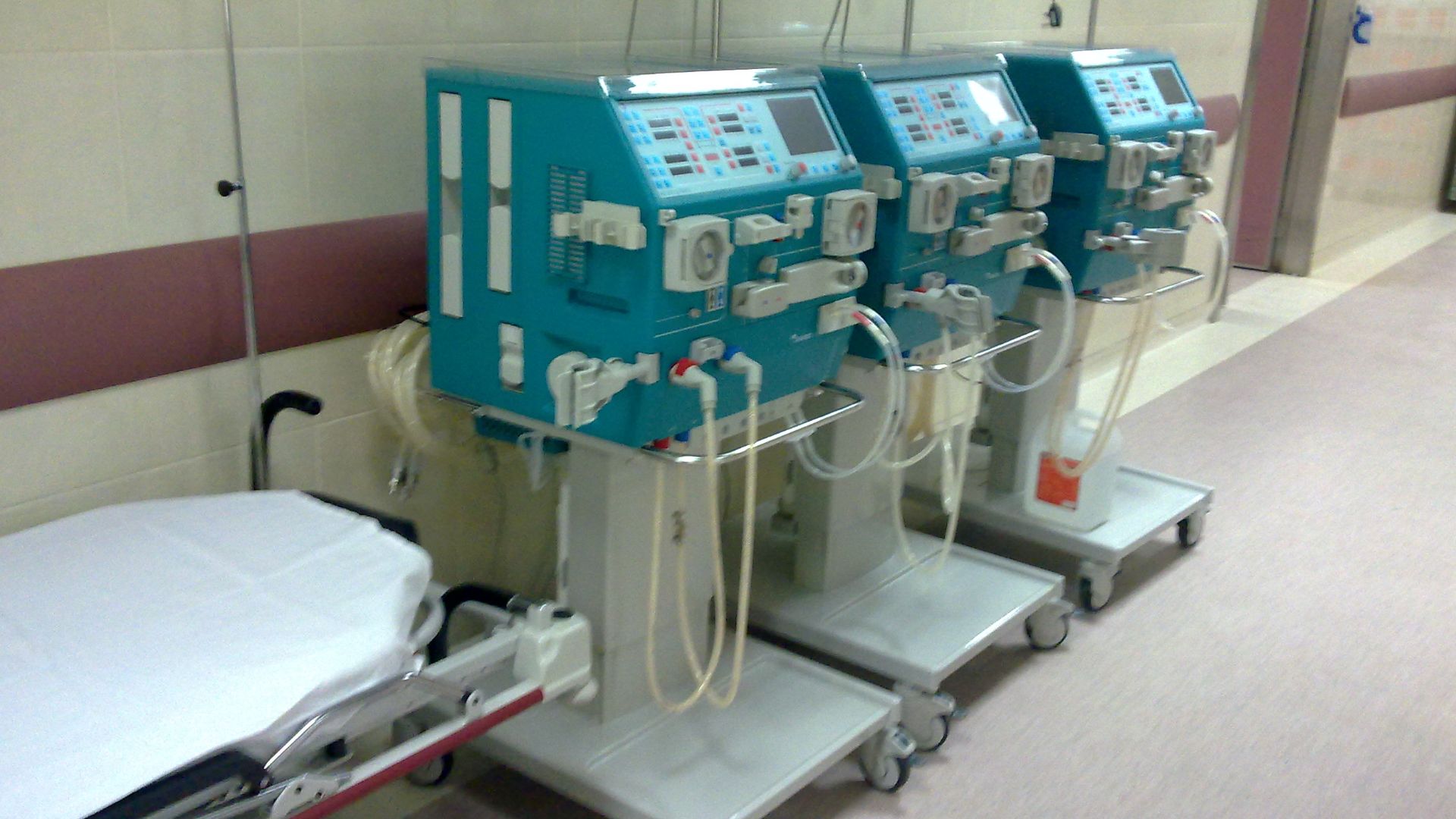
Dialysis Machines — Kidney-Failure Deaths
Willem Kolff began developing his artificial kidney during WWII, but the early results weren't exactly encouraging. His first patients generally perished, often because the machine could temporarily clean their blood but doctors couldn't repeatedly access their circulation safely. Then, in 1945, a woman with acute kidney failure recovered after dialysis, proving the concept could genuinely save a life. The breakthrough that made long-term dialysis practical came later with reliable vascular access, and patients who previously had virtually no hope of surviving irreversible kidney failure suddenly had an alternative.
 Irvin calicut, Wikimedia Commons
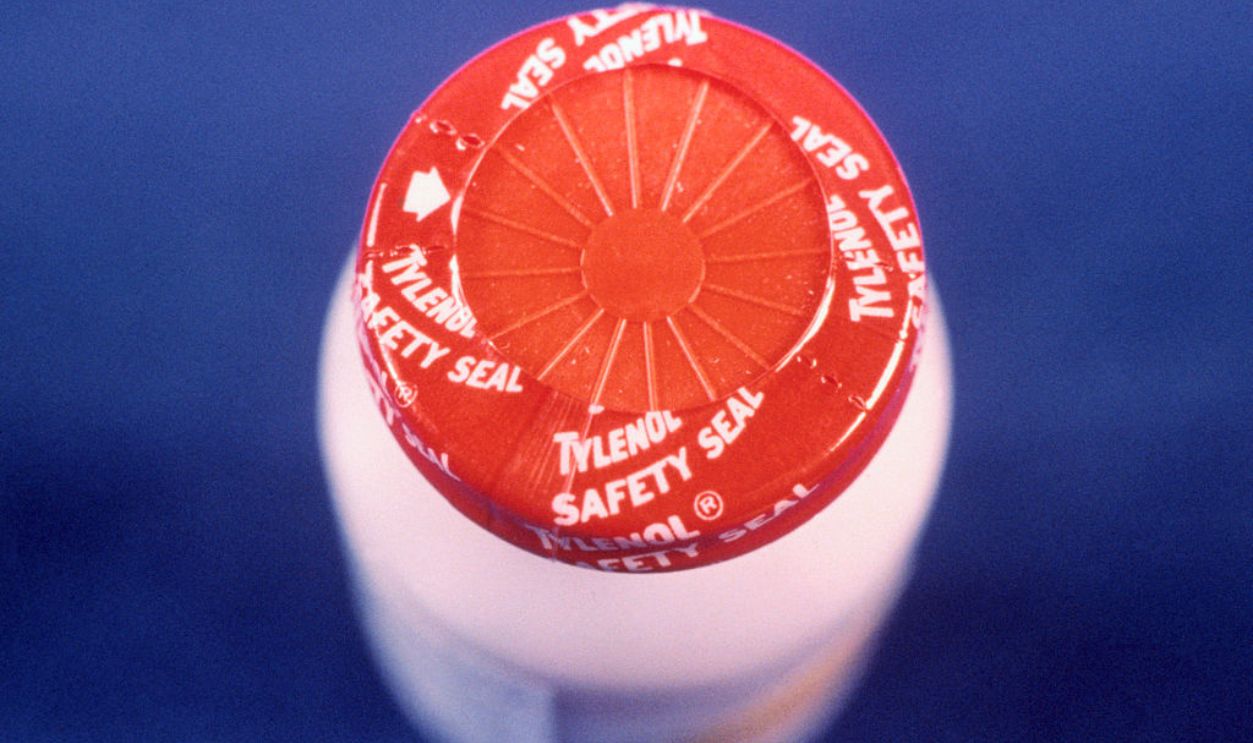
Tamper-Evident Medicine Packaging — The Tylenol Murders
In 1982, seven people in the Chicago area perished after taking Extra-Strength Tylenol capsules that someone had laced with cyanide. The killer was never conclusively identified, but the packaging problem was painfully obvious: consumers had little way to know whether a medicine bottle had been opened and altered before they bought it. Johnson & Johnson recalled products and introduced new protective packaging, while the FDA quickly issued federal tamper-resistant packaging regulations. Foil seals, plastic wrapping, sealed caps, and other annoyances we now routinely tear through are direct descendants of a nightmare that changed drug packaging almost overnight.
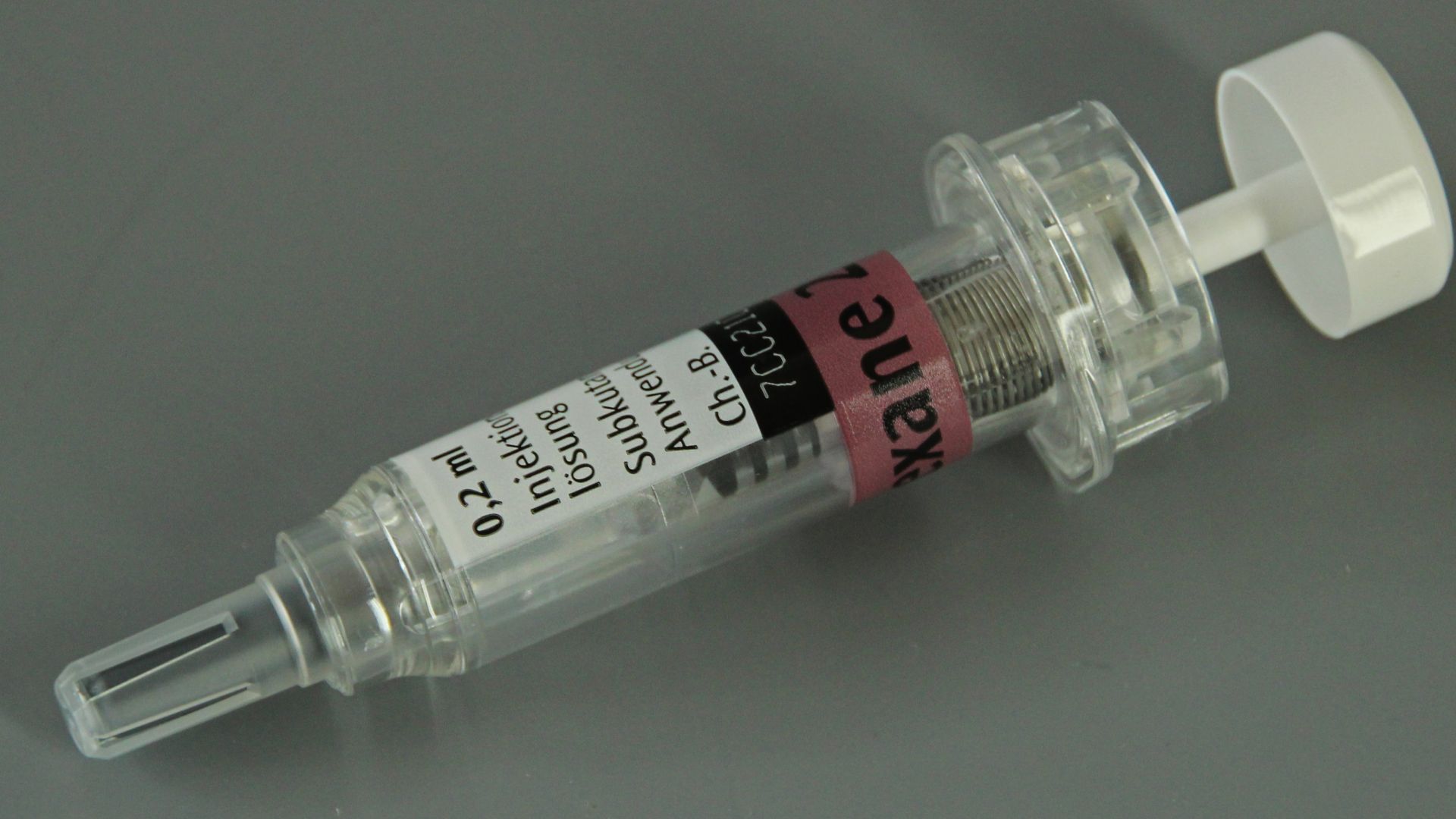
Safety Needles — HIV And Hepatitis Exposure
Healthcare workers had been accidentally sticking themselves with used needles long before HIV appeared. The AIDS epidemic made the consequences impossible to dismiss. A routine mishap could now expose a nurse, physician, laboratory worker, or cleaner to HIV, hepatitis B, hepatitis C, and other bloodborne diseases. Retractable needles, protective shields, needleless systems, and other safer designs increasingly became part of the solution. After years of pressure from healthcare workers and safety advocates, the federal Needlestick Safety and Prevention Act of 2000 strengthened requirements for employers to consider and implement safer needle technology.
 Photograph: Frank C. Muller, Frankfurt am Main, Wikimedia Commons
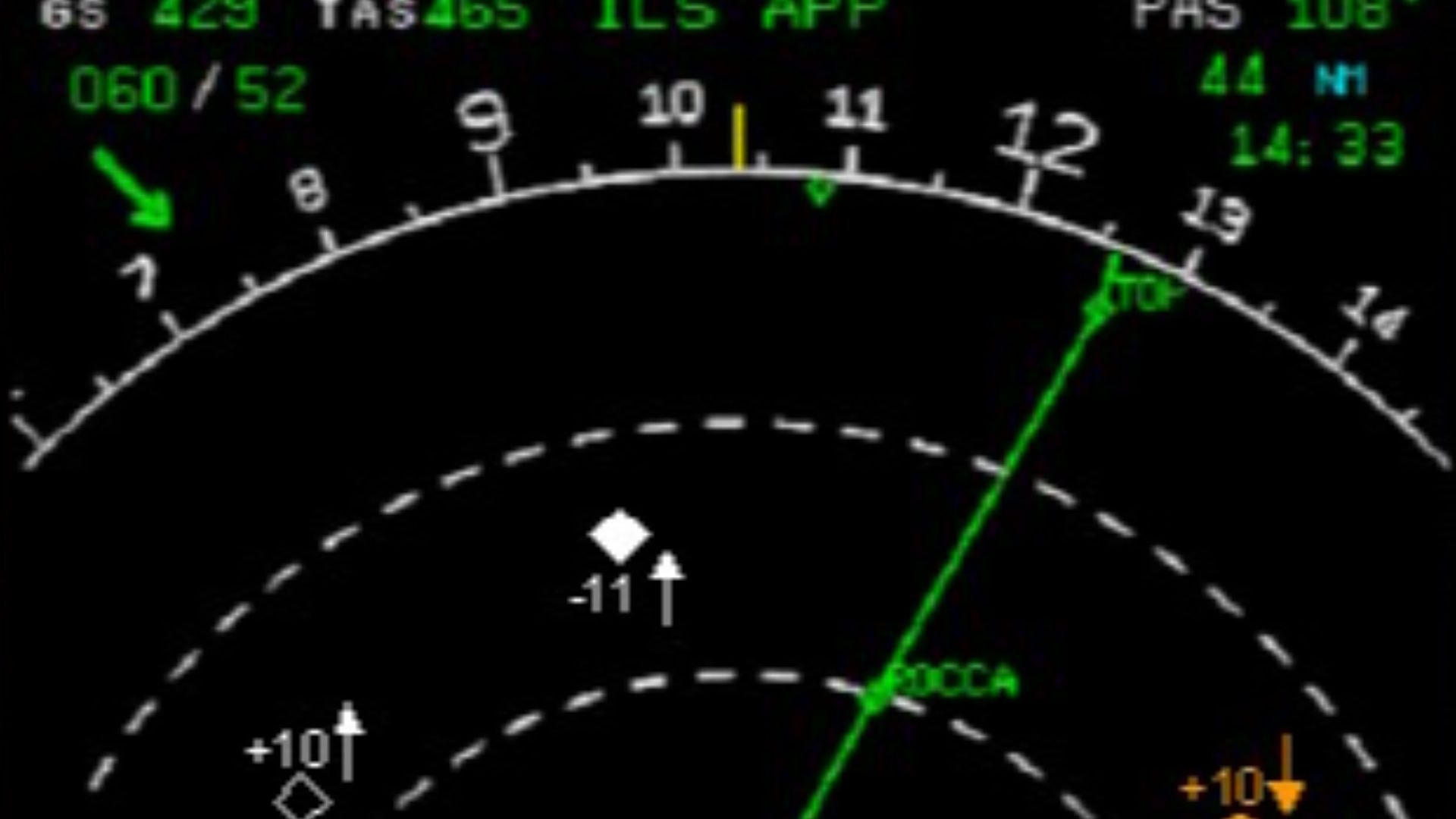
Traffic Collision Avoidance Systems — Aeroméxico Flight 498
Aviation experts had been trying to solve the midair-collision problem for years when Aeroméxico Flight 498 and a small Piper aircraft collided over Cerritos, California, in 1986. All 67 people aboard both aircraft lost their lives, along with 15 people on the ground. The catastrophe intensified pressure for technology capable of letting airplanes warn one another directly rather than depending solely on air-traffic controllers. Traffic Collision Avoidance Systems eventually became mandatory on many commercial aircraft, providing pilots with instructions to climb or descend when another aircraft creates an immediate collision threat.
 FlySafe Project, Wikimedia Commons
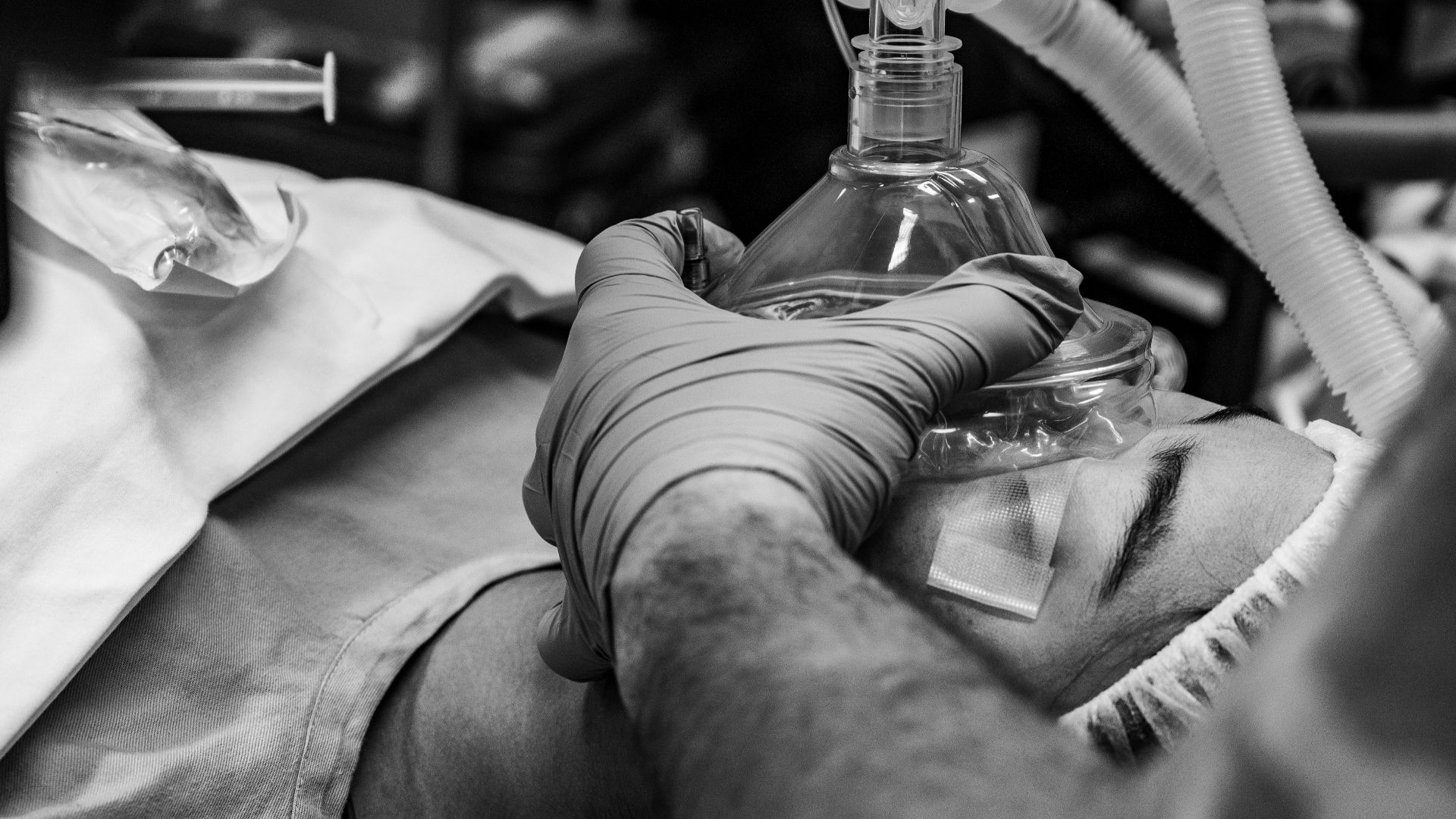
Anesthesia Gas Pin-Index Systems — Fatal Gas Mix-Ups
Anesthesia depends on delivering exactly the gases a patient needs, which means attaching the wrong cylinder can turn a simple setup error into a catastrophe. The pin-index safety system attacked the problem with wonderfully blunt engineering: different medical gas cylinders were given different configurations of holes and pins, making incompatible connections physically difficult or impossible. Instead of asking an exhausted clinician to notice every error, the equipment itself prevented many mistakes. Systems like this helped establish a broader principle that now dominates patient safety: when the consequences of human error can be fatal, don't rely exclusively on humans remembering not to make it.
 U.S. Air Force AFCENT by Airman 1st Class Robert Nichols, Wikimedia Commons
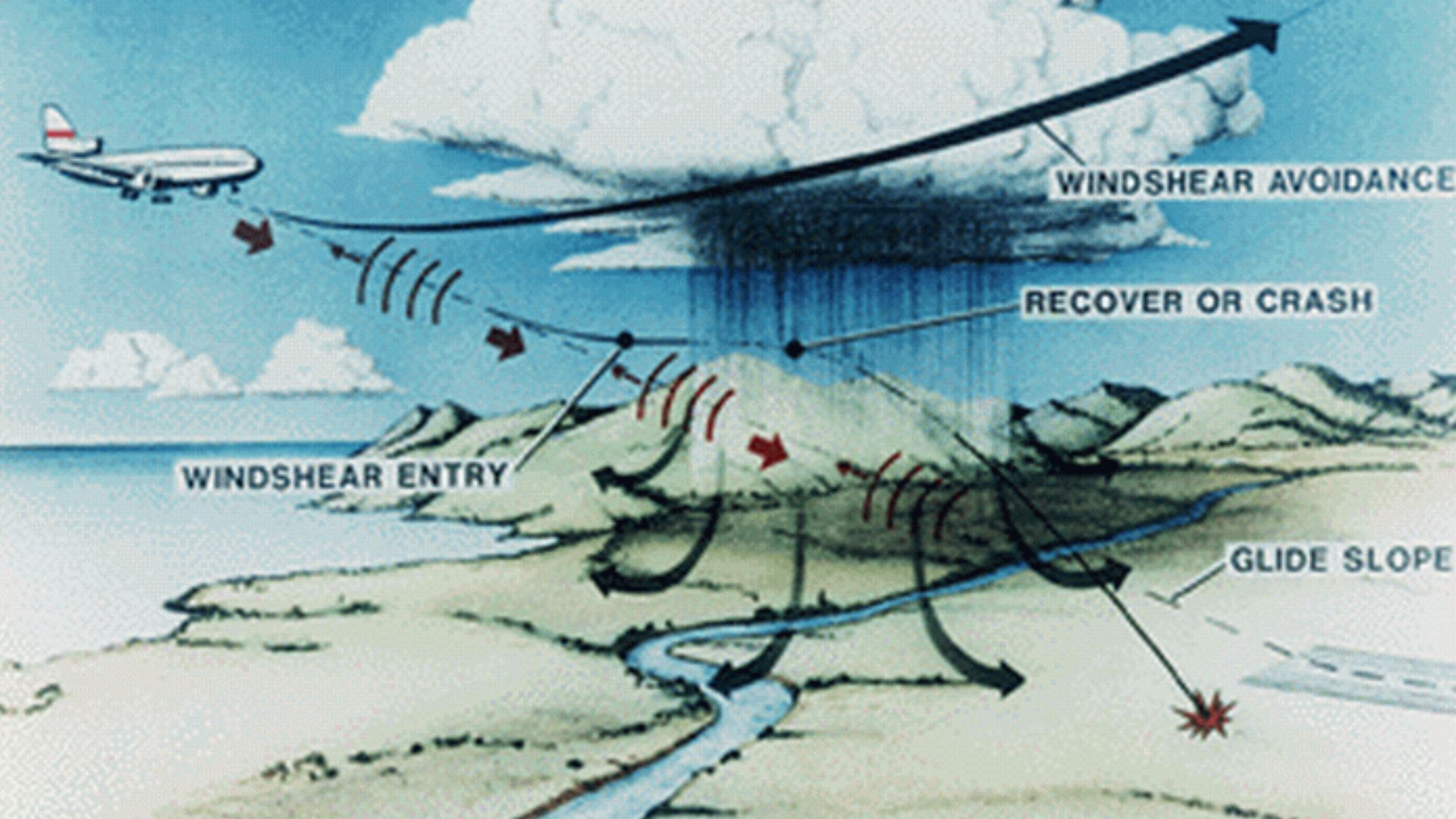
Airport Windshear Detection — Delta Flight 191
Pilots knew windshear and microbursts could be deadly, but reliably detecting them around airports remained difficult. On August 2, 1985, Delta Air Lines Flight 191 encountered a powerful microburst while approaching Dallas-Fort Worth, crashed short of the runway, slaying 137 people. The disaster accelerated development of better windshear warning systems, including Terminal Doppler Weather Radar. According to the FAA, Doppler technology was mature but hadn't yet been deployed at airports when Flight 191 crashed. By 1997, systems had been installed at 45 high-risk U.S. airports.
Quick-Opening Spacecraft Hatches — Apollo 1
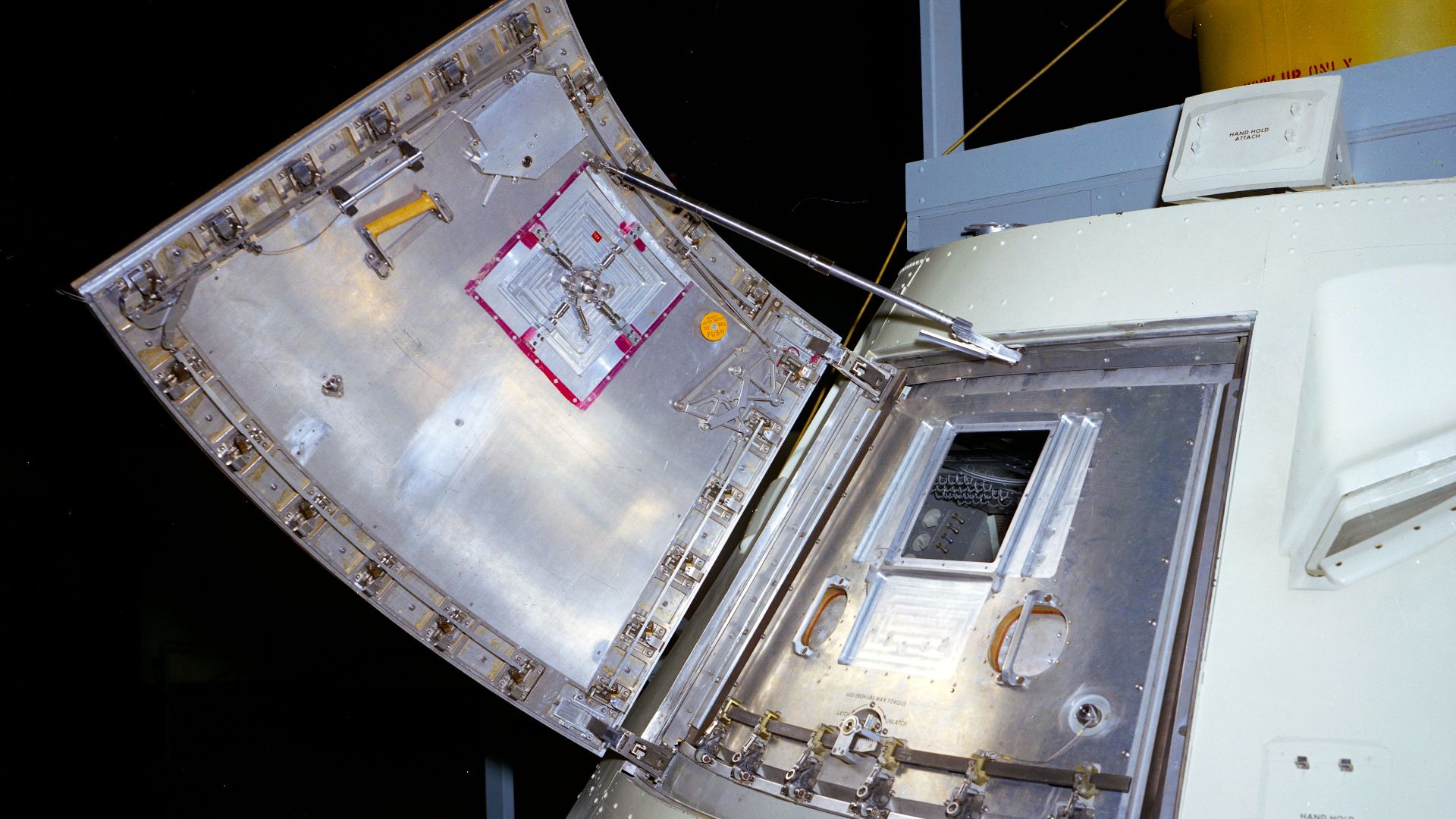
When fire erupted inside the Apollo 1 command module during a ground test in January 1967, astronauts Gus Grissom, Ed White, and Roger Chaffee faced a terrible design problem. The spacecraft's complicated three-piece hatch opened inward and took roughly 90 seconds to remove under ideal conditions. As pressure rose inside the burning capsule, opening it became impossible. After the three astronauts perished, NASA replaced the design with a unified outward-opening hatch that could be opened in only seconds, while also restricting combustible materials and making sweeping changes to spacecraft safety.
 Post-Work: User:W.wolny, Wikimedia Commons
Smoke Detection In Schools — Our Lady Of The Angels Fire
When fire swept through Chicago's Our Lady of the Angels School in December 1958, 92 children and three nuns lost their lives. The building complied with many existing requirements, which made the scale of the catastrophe even more disturbing. The disaster exposed weaknesses involving fire detection, alarms, exits, stairwells, and construction standards in older schools. Across the country, school buildings underwent inspections and upgrades as fire codes were strengthened. Faster detection and warning became a much more urgent concern because the fire demonstrated how quickly smoke and flames could trap children before adults understood what was happening.
 BLM Oregon & Washington, Wikimedia Commons
Self-Rescue Breathing Devices — Mine Disasters
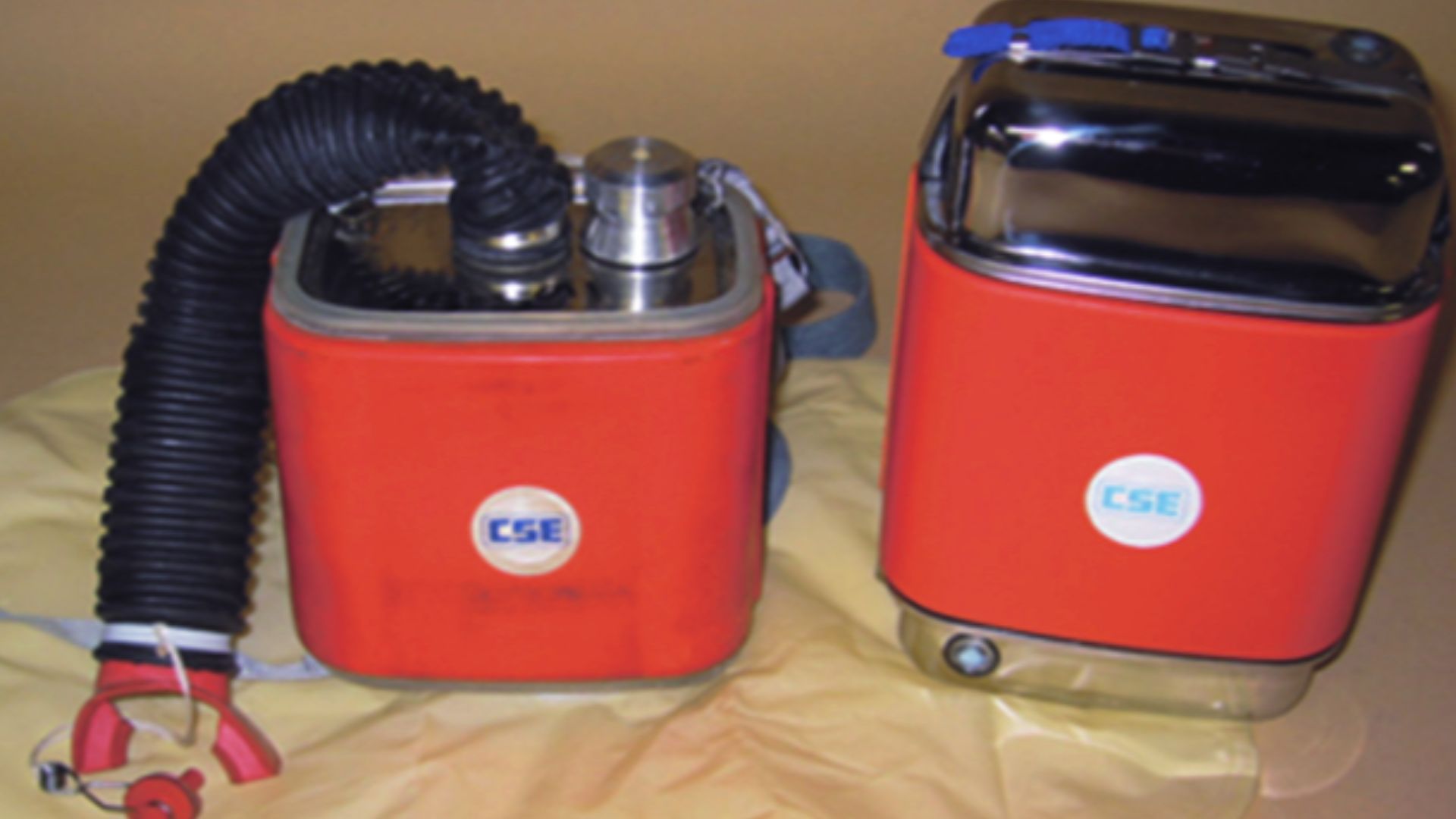
For generations, miners caught in underground fires and explosions could survive the initial blast only to die from carbon monoxide, smoke, or an atmosphere they couldn't breathe. Self-contained self-rescuers gave miners a portable supply of breathable oxygen for escape, but requirements continued evolving as disasters revealed how quickly one unit could become inadequate. Since 1980, underground U.S. coal miners have been required to have access to an SCSR. After the 2006 Sago and Aracoma Alma disasters, federal rules demanded additional devices, improved training, lifelines, and stronger evacuation planning. Once again, miners had paid for safety improvements with lives.
 US Occupational Safety and Health Administration, Wikimedia Commons
Hotel Sprinklers — The MGM Grand Fire
The MGM Grand in Las Vegas looked modern and luxurious when a fire began in its casino area on November 21, 1980. The blaze and especially its smoke spread through the massive hotel, snuffing out 85 people. Parts of the complex lacked comprehensive sprinkler protection, and many victims succumbed far above the original fire. The catastrophe, followed by the deadly Las Vegas Hilton fire only months later, intensified demands for stronger high-rise hotel fire codes. Sprinklers, smoke control, alarms, compartmentation, and other protections became much harder to treat as optional upgrades simply because an older building had escaped newer requirements.

Cockpit Voice Recorders — Unexplained Aircraft Crashes
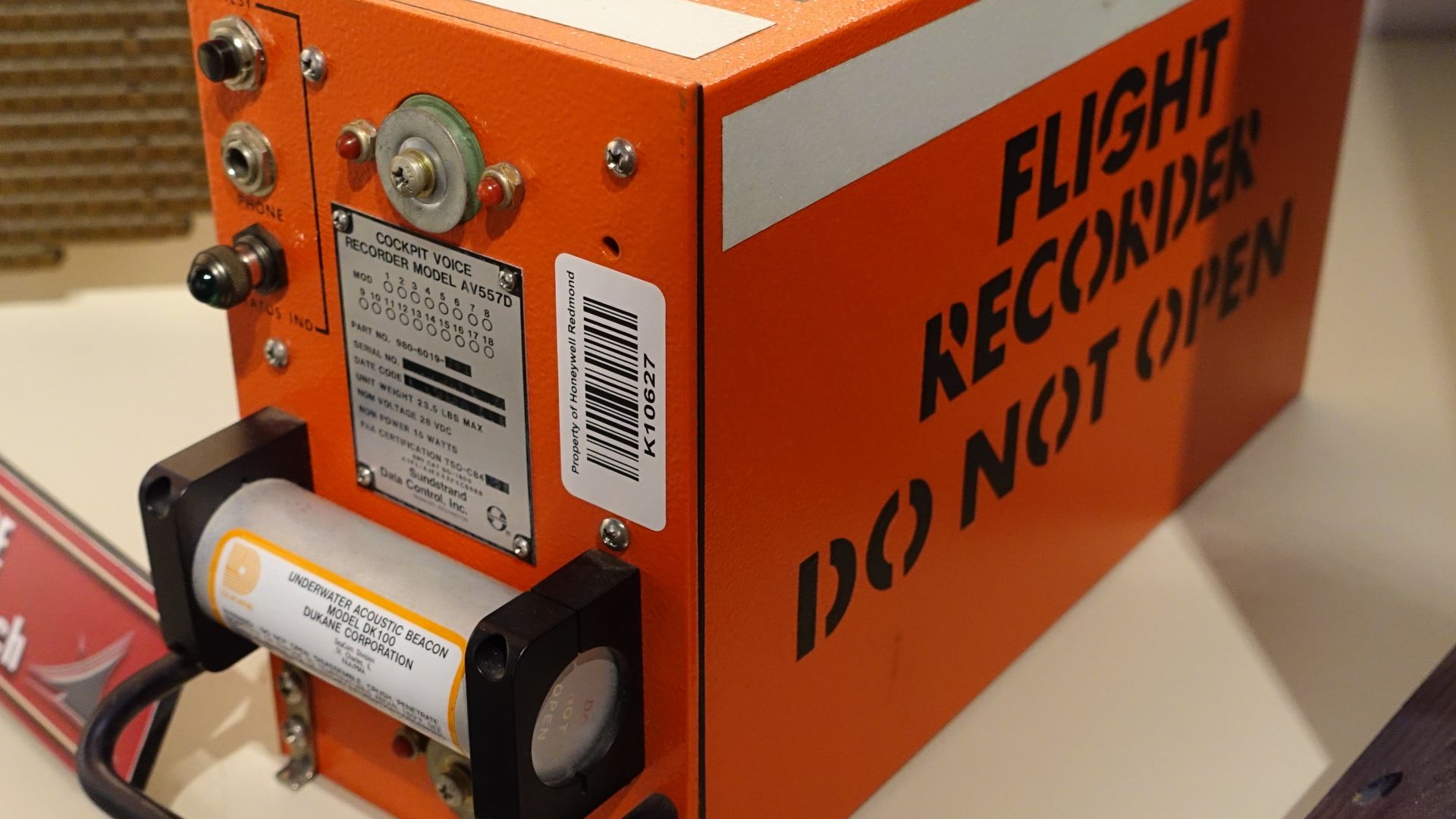
Before cockpit voice recorders became standard, investigators trying to explain a crash often had no reliable way to know what pilots had said, heard, or misunderstood during the final minutes of flight. Australian scientist David Warren became an early advocate for recording cockpit conversations after investigating mysterious de Havilland Comet crashes in the 1950s. His idea initially met considerable resistance, particularly from pilots concerned about privacy and surveillance. As increasingly complex aircraft accidents demonstrated how much crucial evidence disappeared with the crew, however, cockpit recording became too valuable to ignore. Today, the cockpit voice recorder is one of the first sources investigators seek after a major crash.
Flight Data Recorders — Early Jetliner Disasters
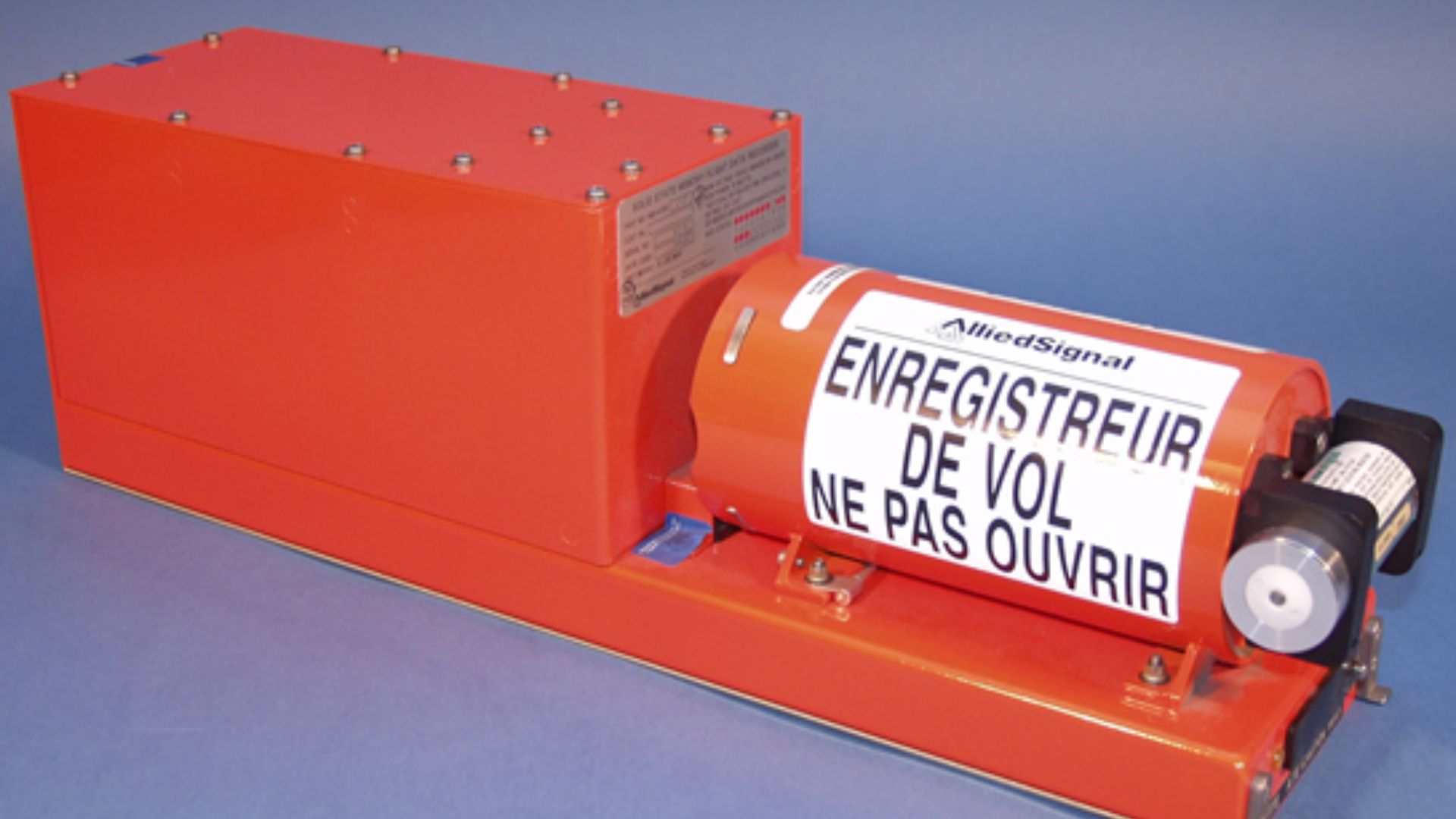
David Warren's original “flight memory” concept didn't only preserve voices. He envisioned recording vital technical information that could tell investigators what an aircraft had actually been doing before disaster struck. The need became especially obvious after several de Havilland Comet jetliners suffered catastrophic crashes in the 1950s, leaving investigators struggling to reconstruct events from wreckage scattered across enormous areas. Early enthusiasm for Warren's recorder was limited, but unexplained accidents made that skepticism increasingly difficult to defend. Modern flight data recorders now capture hundreds or even thousands of parameters, transforming mysterious crashes into events investigators can reconstruct second by second.
Fire Doors — Deadly School And Public-Building Fires
Fire doors aren't designed simply to give people another way out. Their crucial job is slowing the movement of flames and smoke so corridors and stairwells remain usable long enough for occupants to escape. Older schools and public buildings frequently lacked modern compartmentation, however, or remained exempt from newer requirements. The 1958 Our Lady of the Angels School fire in Chicago demonstrated the consequences when smoke and heat could race through open stairways and corridors. 95 people perished, most of them children. The catastrophe sparked nationwide inspections and fire-code reforms, strengthening requirements involving enclosed stairwells, fire-resistant doors, alarms, and other protections that could keep one burning area from quickly endangering an entire building.
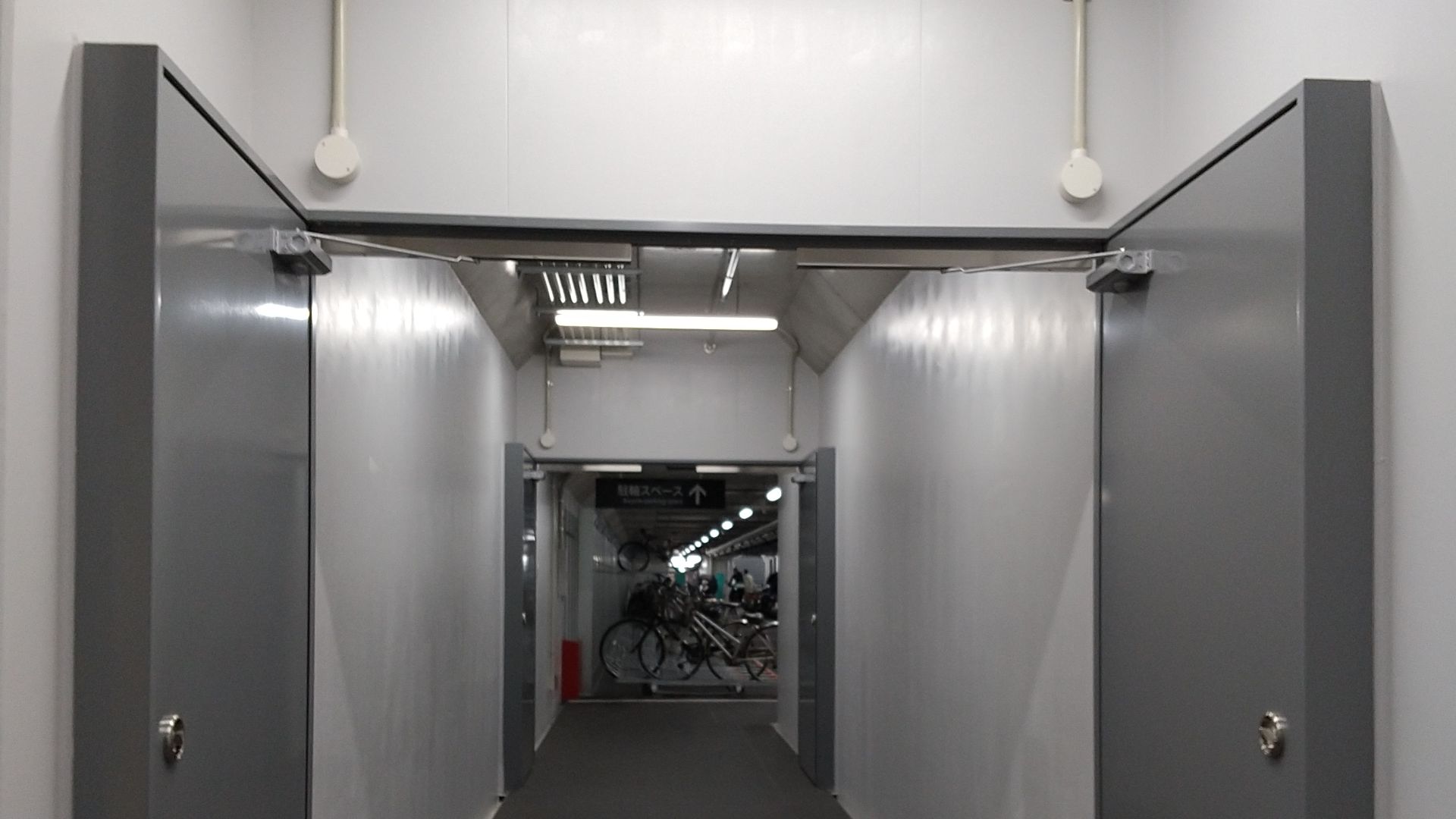
Illuminated Exit Signs — The Cocoanut Grove Fire
When fire tore through Boston's Cocoanut Grove nightclub on November 28, 1942, panic unfolded in smoke and darkness. Some exits were locked, hidden, obstructed, or difficult for terrified patrons to identify, while decorations and confusing interior spaces made escape even harder. The disaster left 492 people dead and became one of the deadliest nightclub fires in American history. Its aftermath brought sweeping changes to building and fire codes, including far greater attention to clearly visible exit markings, emergency lighting, and keeping escape routes unobstructed. An illuminated EXIT sign might seem like background scenery today, but disasters like Cocoanut Grove demonstrated why finding the door can't depend on being able to see through smoke.
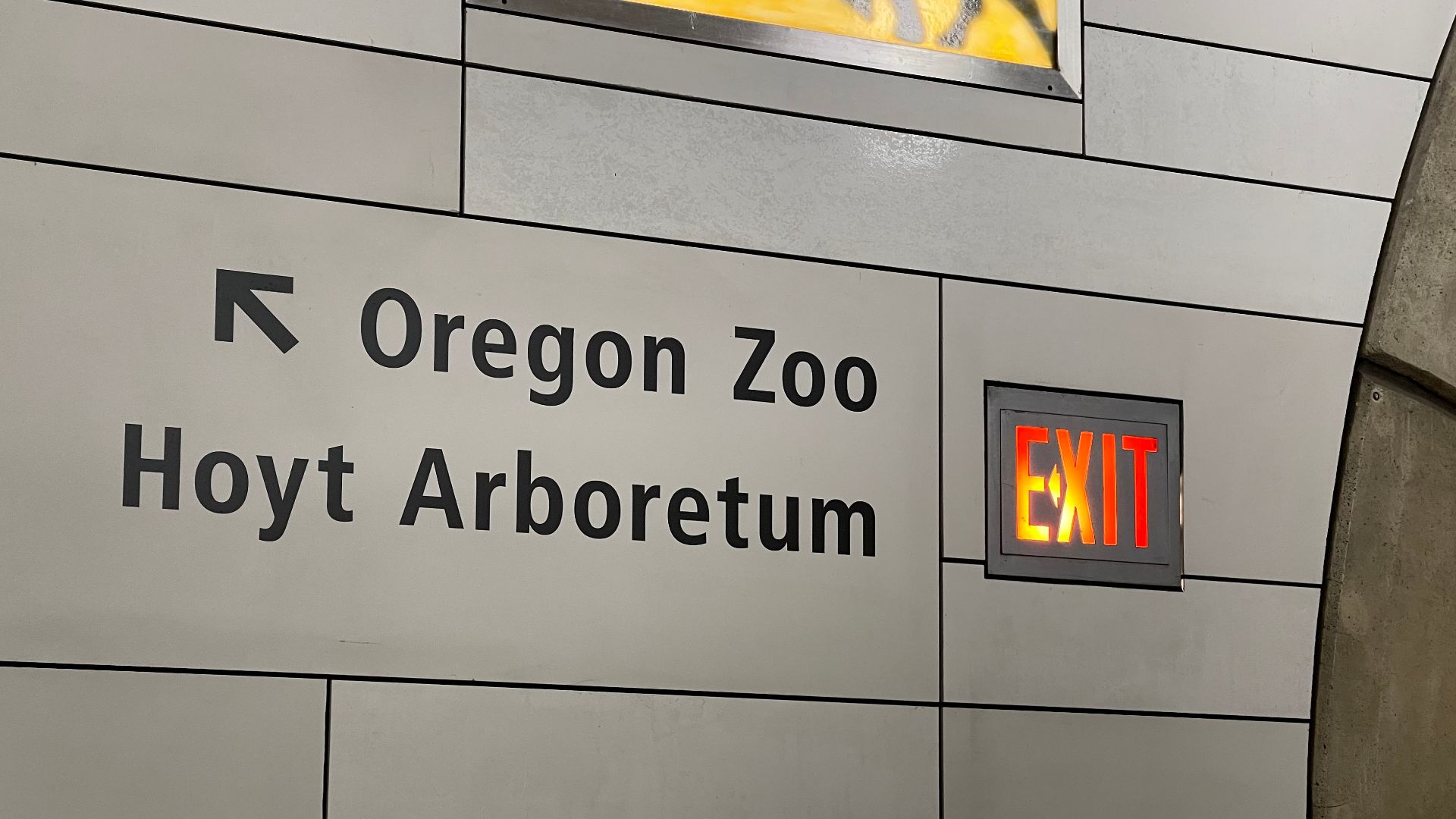
Revolving-Door Emergency Safeguards — The Cocoanut Grove Fire
Cocoanut Grove also revealed a particularly deadly problem with revolving doors. As terrified patrons rushed toward the nightclub's main entrance, people reportedly became packed against the revolving door, causing it to jam and creating a lethal bottleneck. Hundreds were trying to escape through a doorway designed for orderly movement rather than mass evacuation. The catastrophe reinforced safety rules limiting reliance on revolving doors and requiring conventional swinging exits capable of opening outward under crowd pressure. Modern revolving doors may also incorporate collapsible or “breakaway” features. The basic lesson was brutally simple: an entrance that works beautifully during normal business can become a trap when everyone needs to leave at once.
You May Also Like:
Inventors Whose Names Survived Even When Their Actual Inventions Changed Completely
Common Household Objects That Started As Medical, Military, Or Industrial Inventions
Famous Inventions That Were Rejected When They Came Out, Now They're Unavoidable