Business Back In The Day
Thirty years can completely rewrite what a familiar company does. Some businesses traded counters and catalogs for apps and subscriptions; others moved into cloud computing, streaming, health care or logistics. A few shrank from national institutions into tiny remnants. These 22 companies show how much can change in one generation.
Amazon
Amazon’s 1995 pitch was an online bookstore with more than one million titles. Its 2025 filing describes a far broader company spanning retail, third-party seller services, subscriptions, advertising and Amazon Web Services. Books remain, but they are only one part of the business.
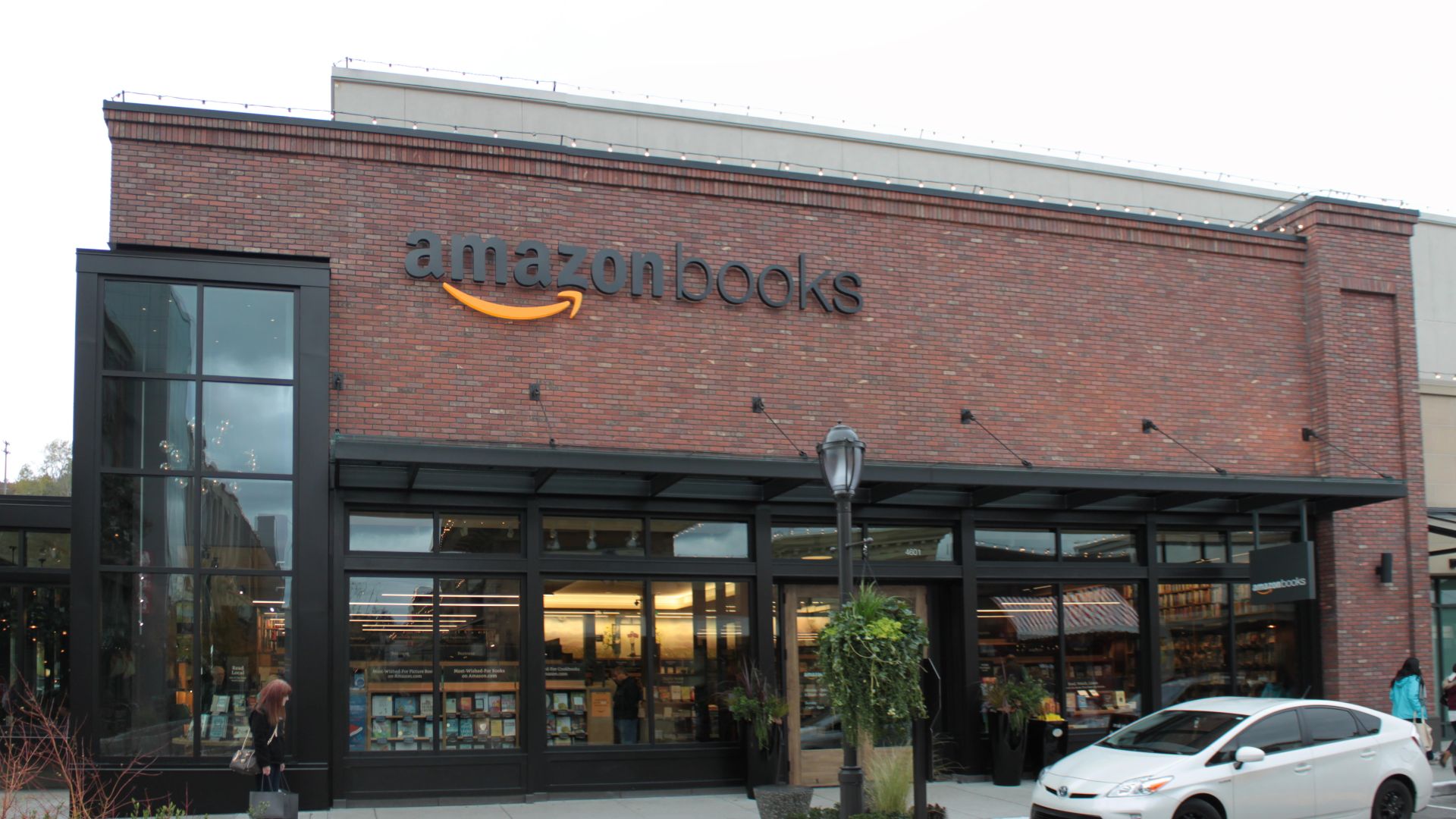 SounderBruce from Seattle, United States, Wikimedia Commons
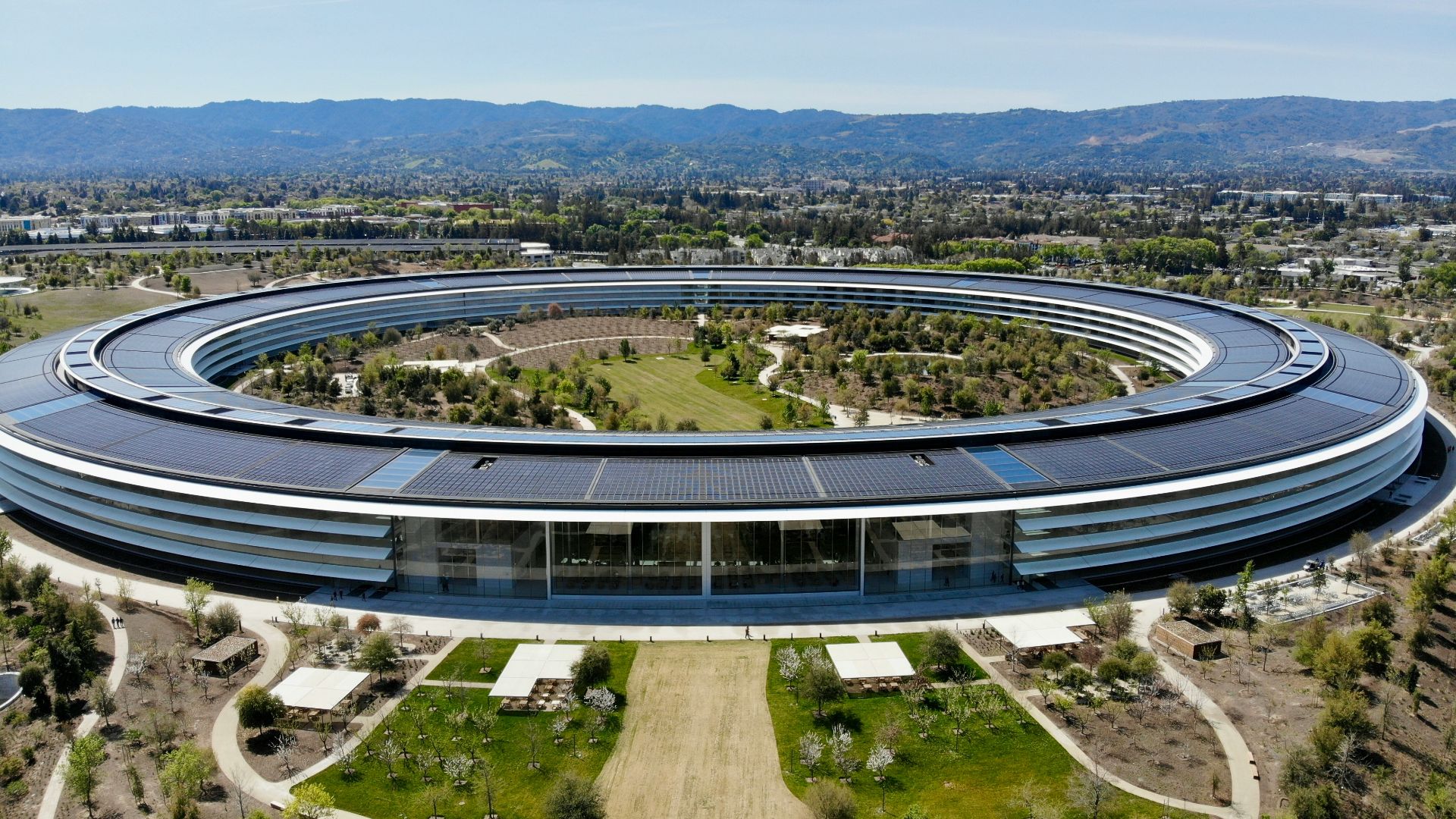
Apple
In 1996, Apple Computer was in crisis, posting an $816 million fiscal-year loss and acquiring NeXT, which brought Steve Jobs back. Today Apple sells Macs, iPhones, iPads, Apple Watches and Vision Pro, alongside services including iCloud, Apple Music and Apple Pay.
Microsoft
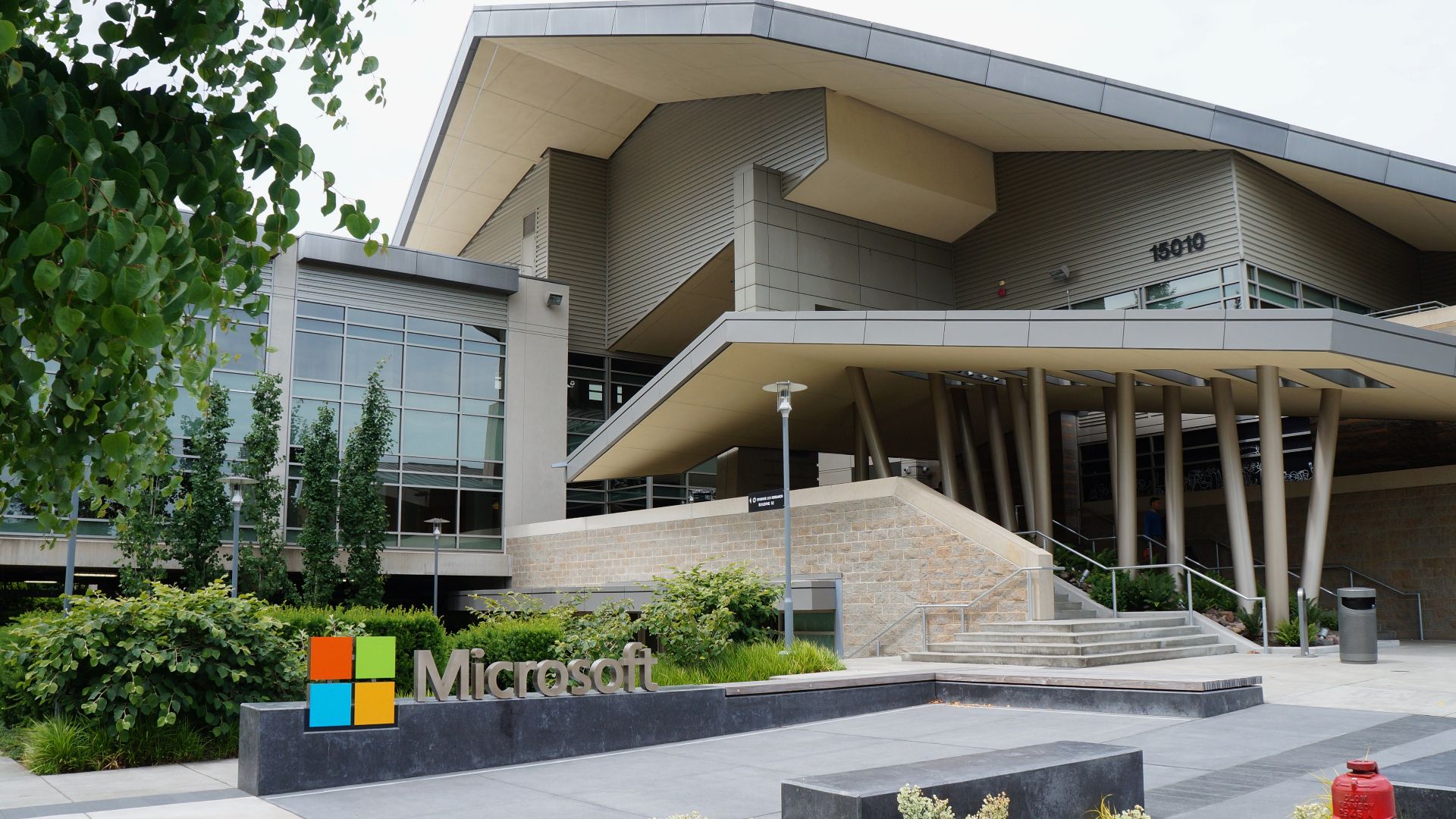
Microsoft’s 1996 story revolved around Windows, Internet Explorer, Exchange and MSN as personal computing moved online. Today the company’s business stretches from desktop software to Azure cloud computing and enterprise AI. Windows remains important, but Microsoft now reaches far beyond the PC.
 Jiaqian AirplaneFan, Wikimedia Commons
IBM
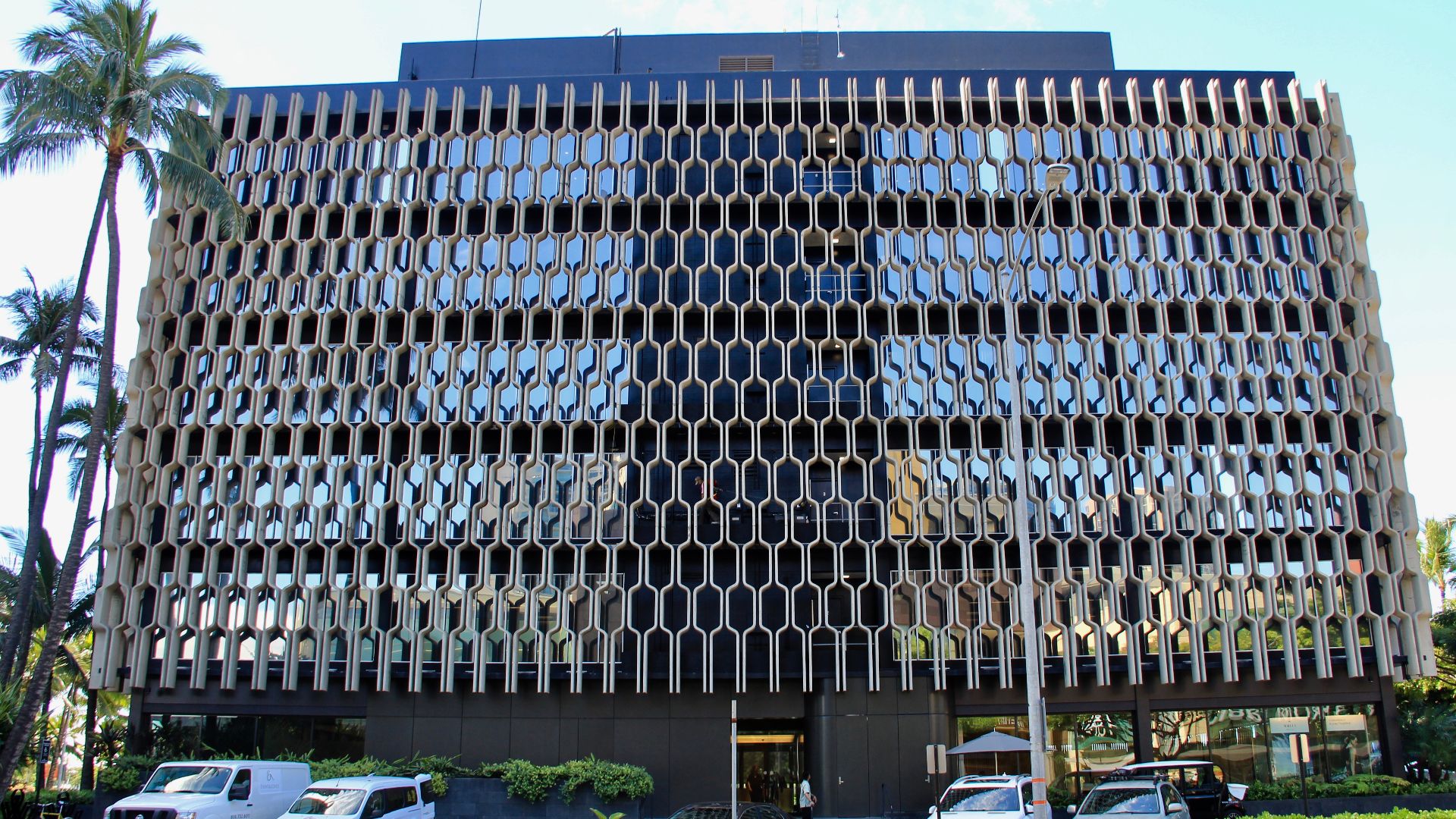
IBM’s ThinkPad laptops became fixtures of business computing in the 1990s. The company sold its personal-computer division to Lenovo in 2005 as it shifted away from PCs. In 2026, IBM emphasizes enterprise AI, hybrid-cloud management and consulting rather than consumer laptops.
 Daniel X. O'Neil, Wikimedia Commons
Adobe
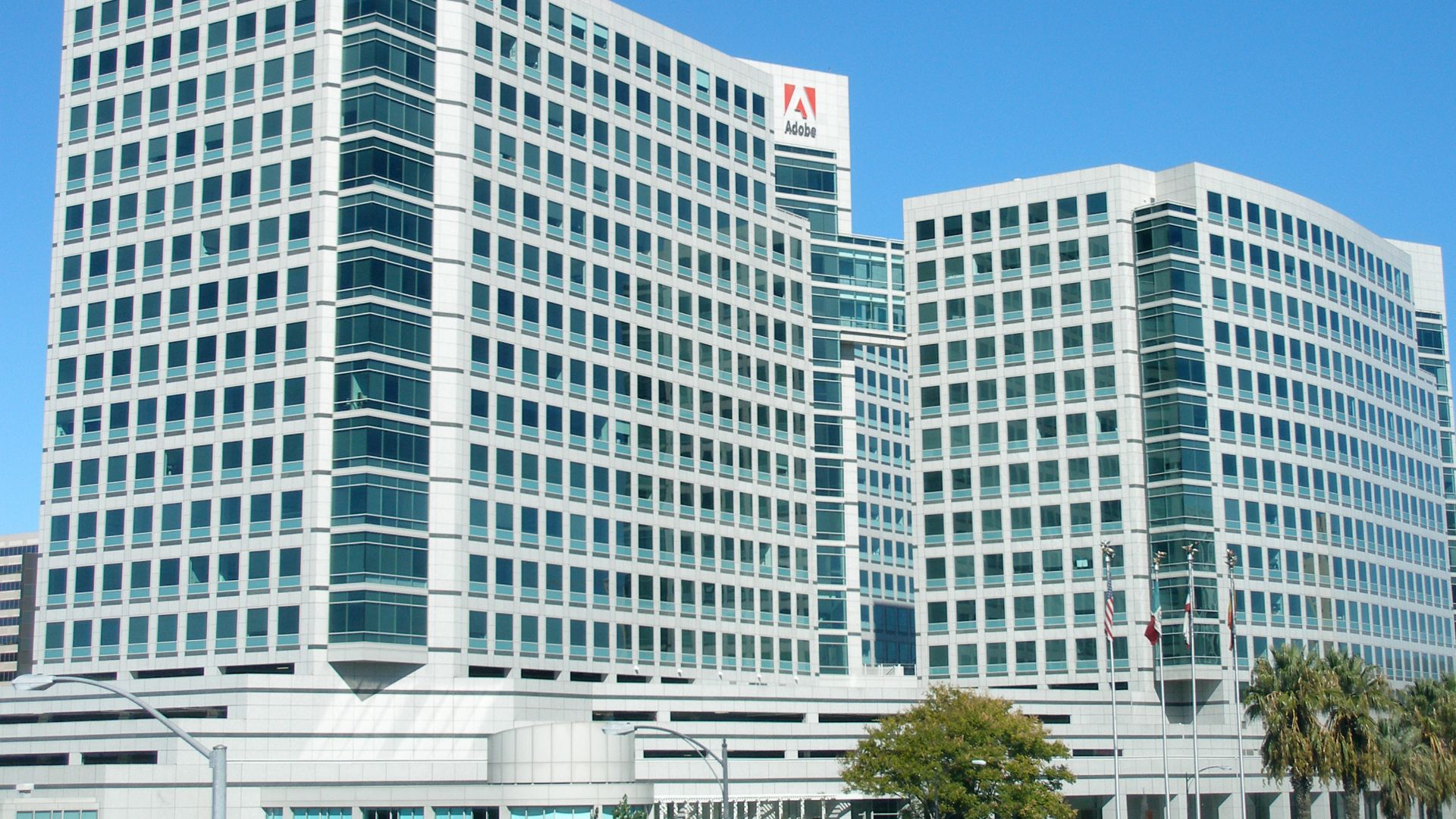
Adobe was once synonymous with expensive desktop software sold in boxes. In 2013, it stopped developing new boxed Creative Suite versions and moved its major creative applications toward Creative Cloud subscriptions, replacing periodic software purchases with a recurring subscription model.
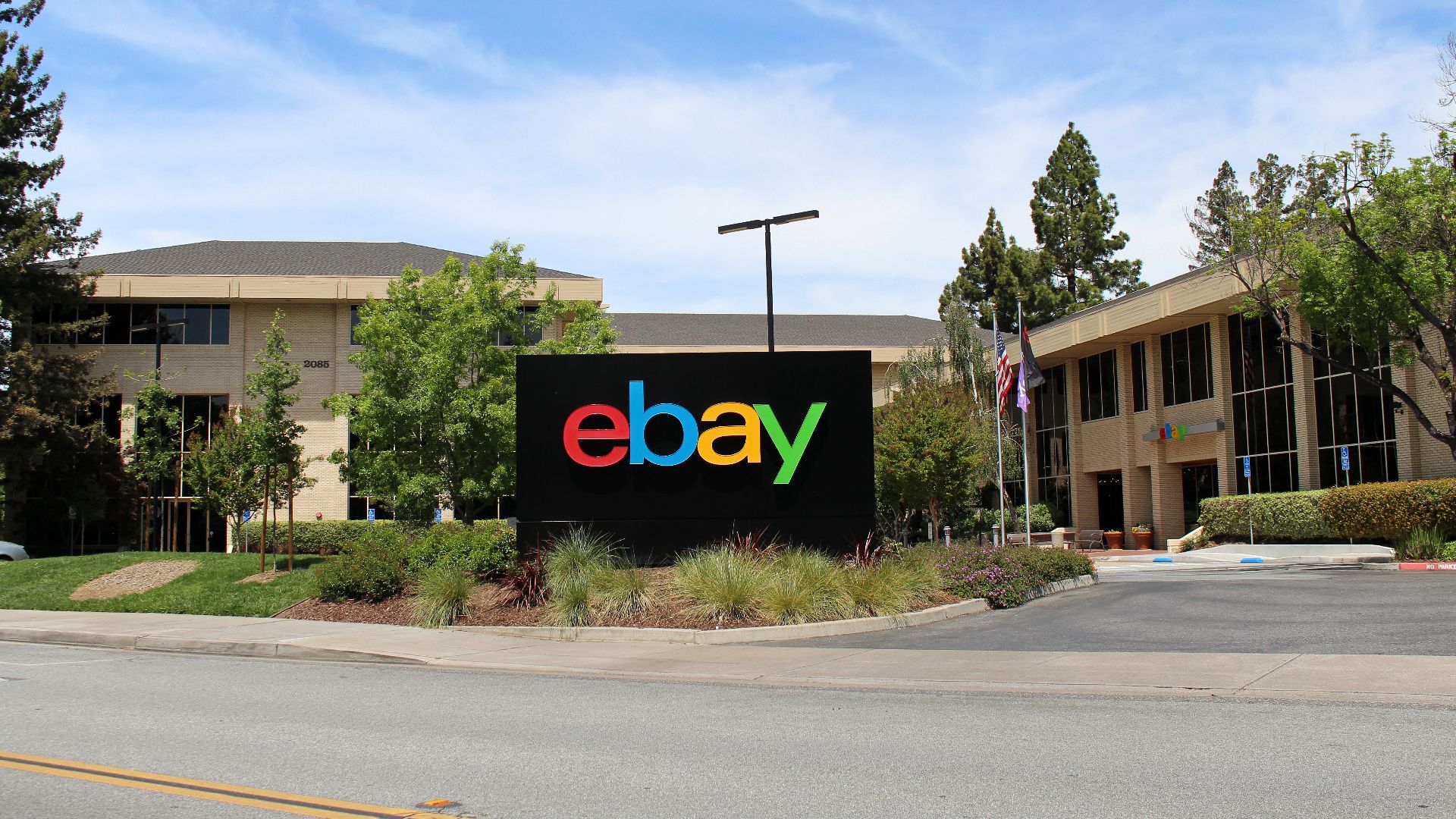
eBay
eBay began as AuctionWeb in 1995, and its first sale was a broken laser pointer. Just $7.2 million worth of goods changed hands in 1996. In 2025, eBay reported nearly $80 billion in gross merchandise volume across more than 190 markets.
The Walt Disney Company
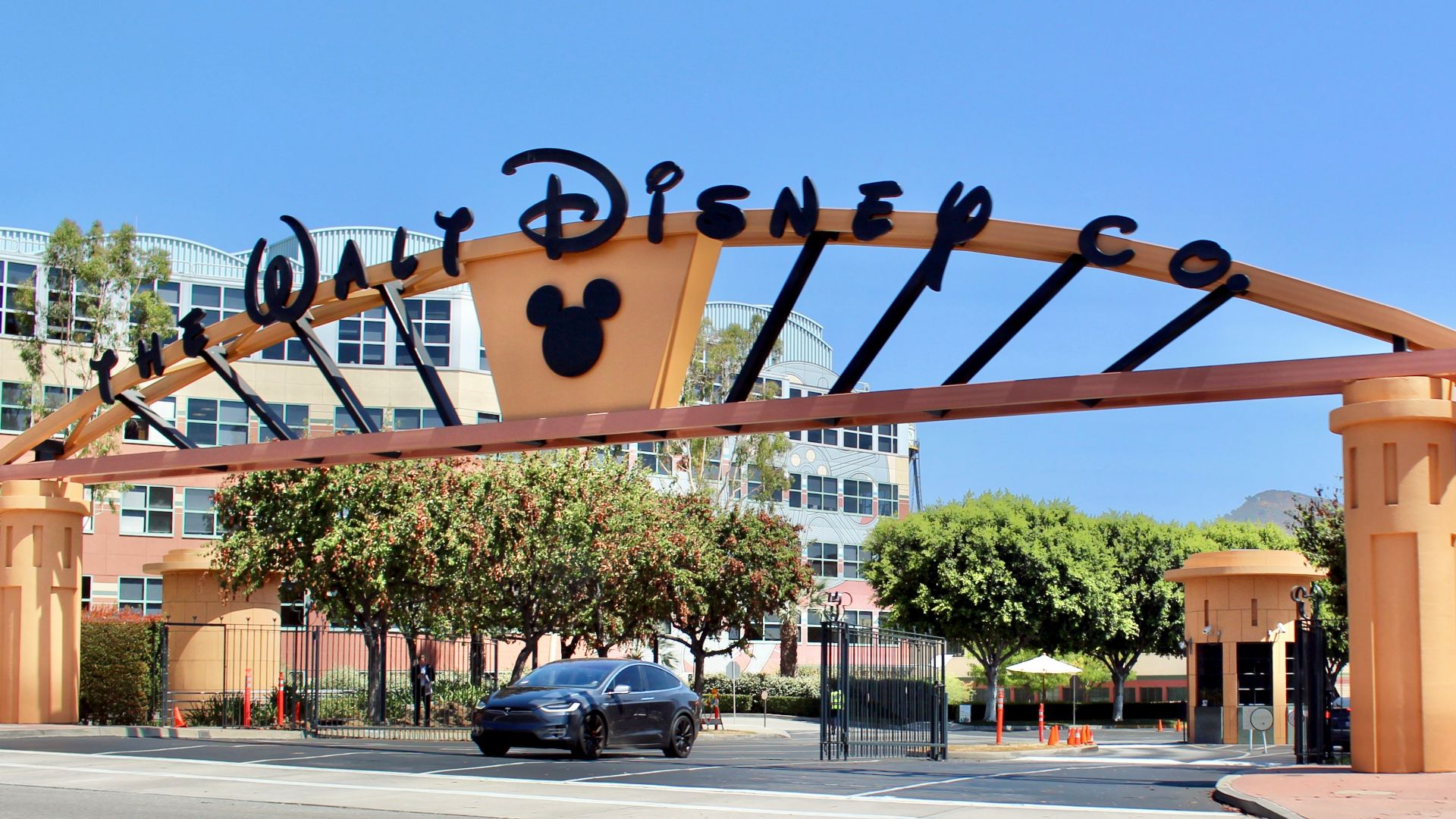
Disney entered 1996 completing its $19 billion acquisition of Capital Cities/ABC, adding major television and other media assets. In 2019, Disney launched Disney+ with programming from Disney, Pixar, Marvel, Star Wars and National Geographic, creating a direct streaming outlet for its biggest brands.
The New York Times
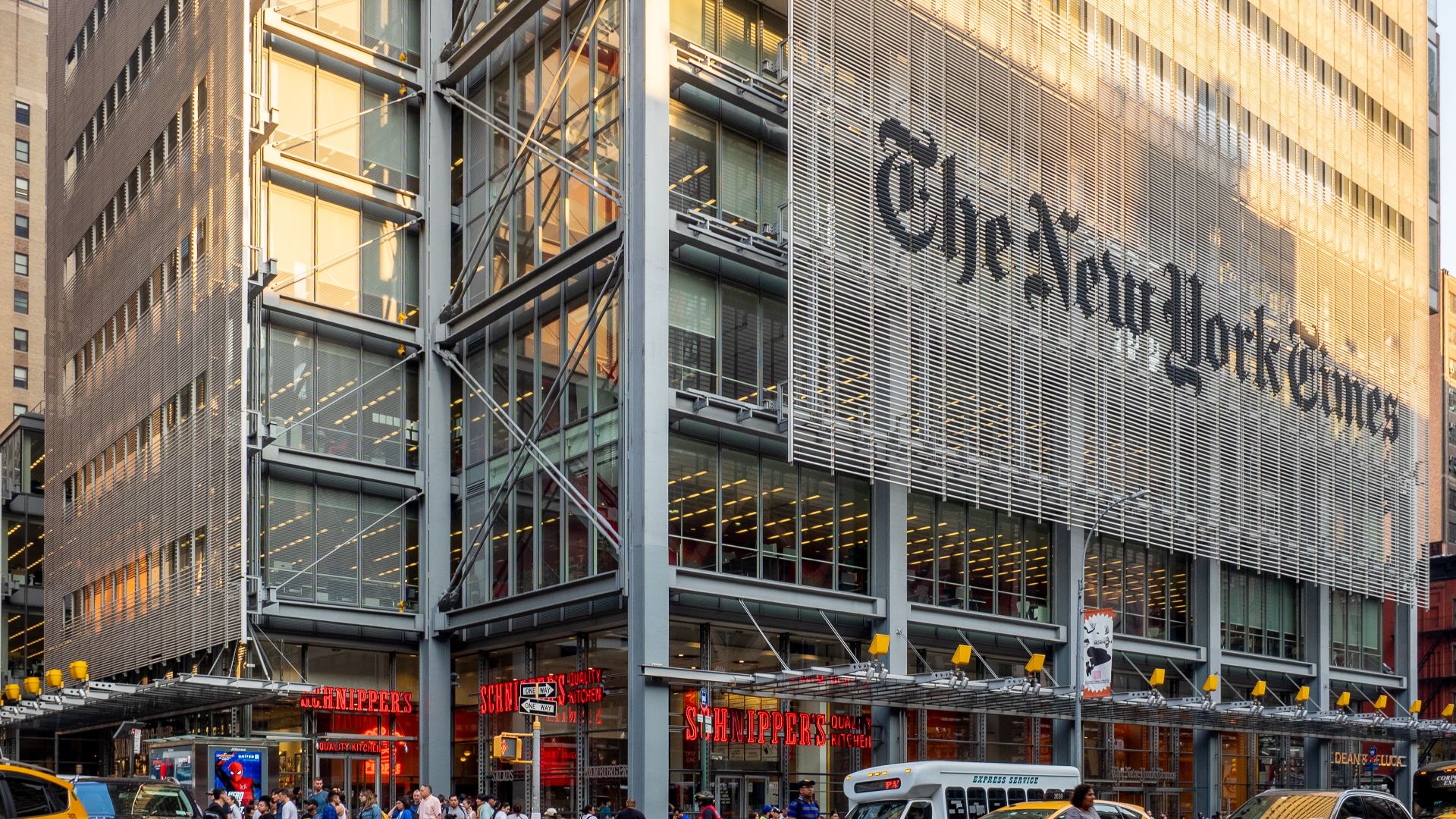
NYTimes.com began daily publication in January 1996, putting much of the newspaper online. By the third quarter of 2020, digital-only subscription revenue exceeded print subscription revenue for the first time, and the company had more than six million paid digital-only subscriptions.
 Ajay Suresh from New York, NY, USA, Wikimedia Commons
Walmart
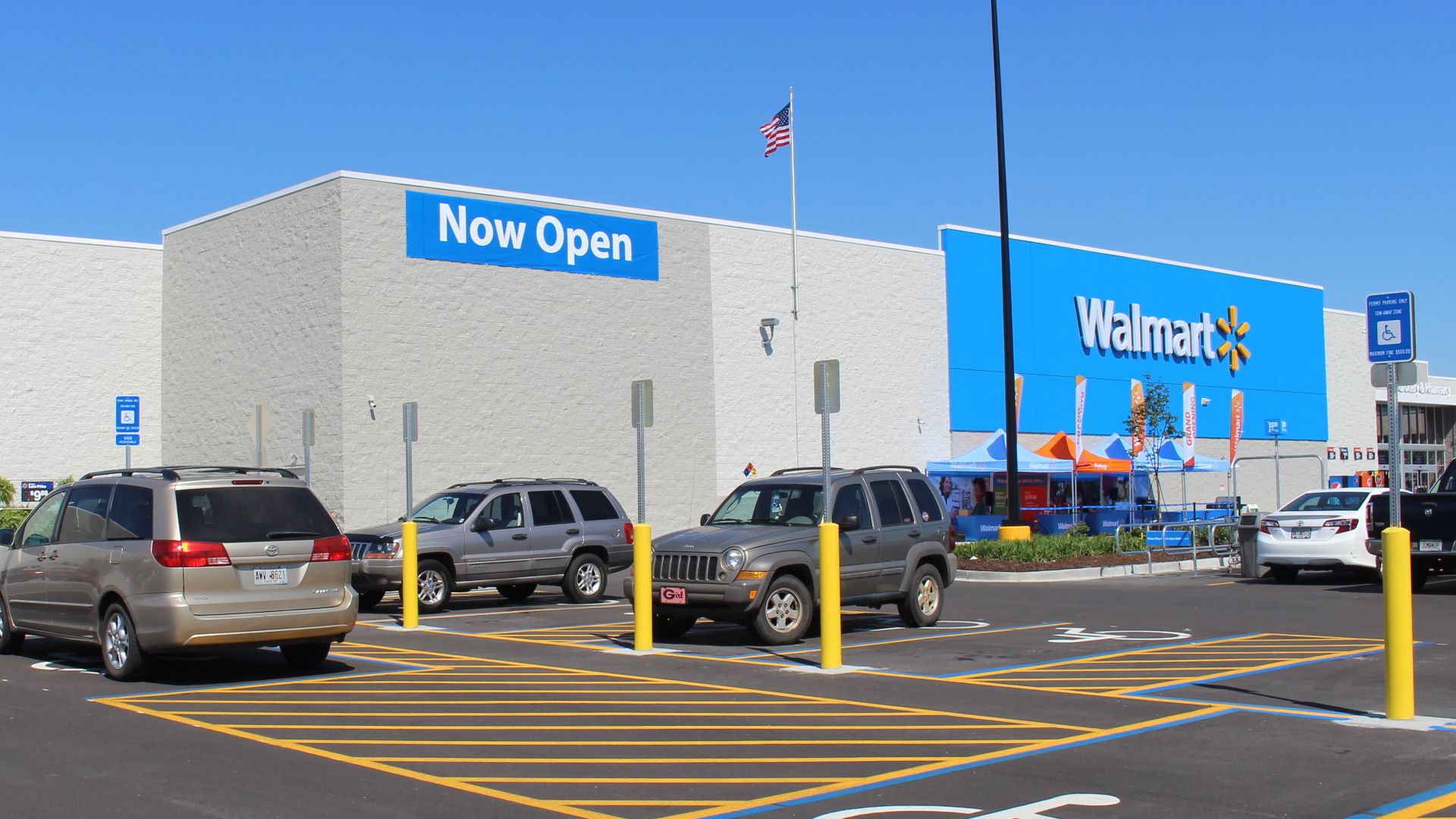
Walmart was already America’s largest retailer when Walmart.com was founded in 1996, but physical stores drove the business. Today its omnichannel system connects stores, distribution and fulfillment centers with e-commerce, letting customers choose shipping, pickup or delivery.
 Michael Rivera, Wikimedia Commons
Target
The first SuperTarget opened in 1995, while Target.com arrived in 1999. Today Target uses nearly 2,000 stores as fulfillment hubs for pickup and delivery. In 2025, the company said more than 80% of Americans could receive same-day delivery from Target.
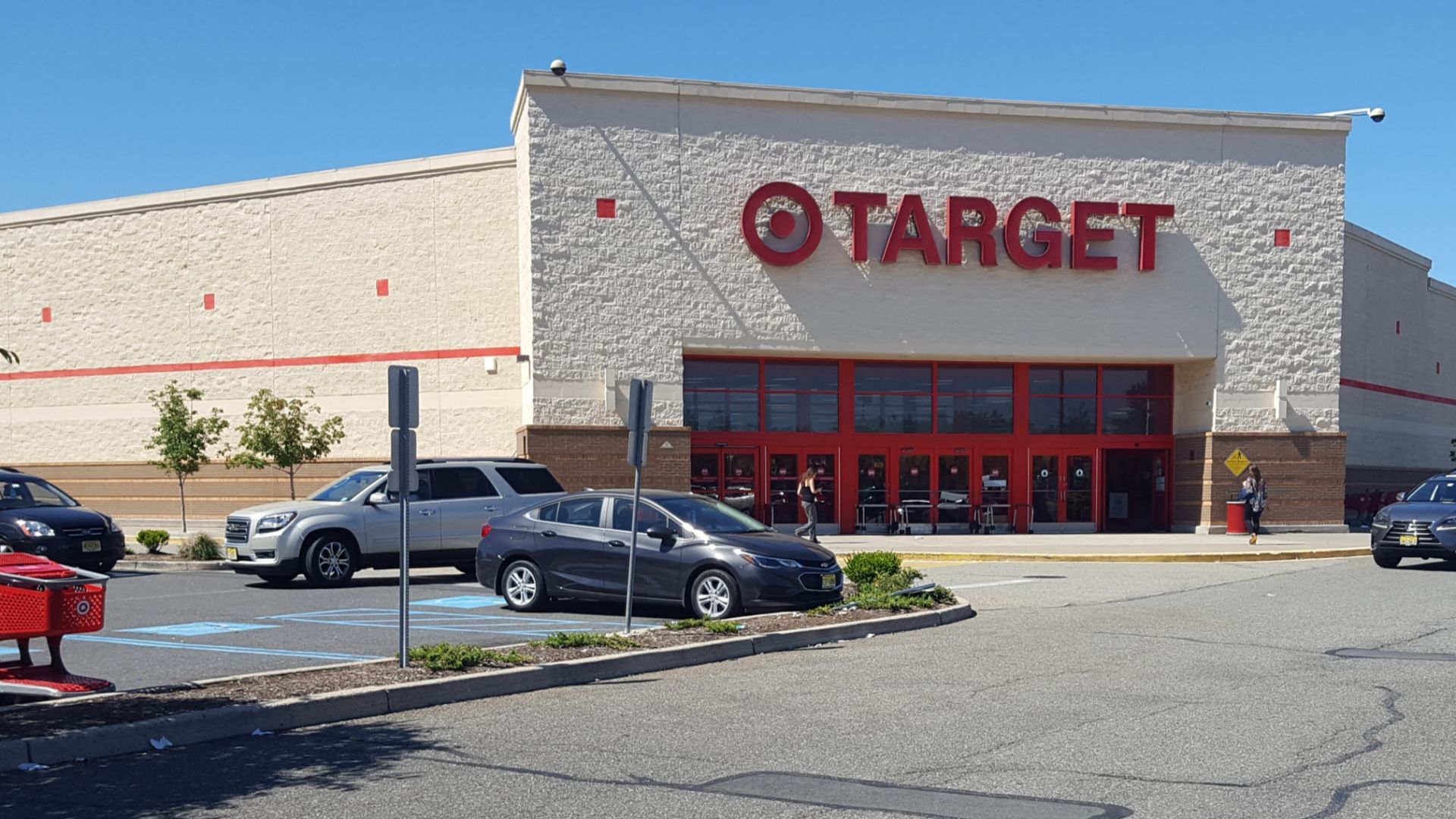 Mike Kalasnik from Jersey City, USA, Wikimedia Commons
Best Buy
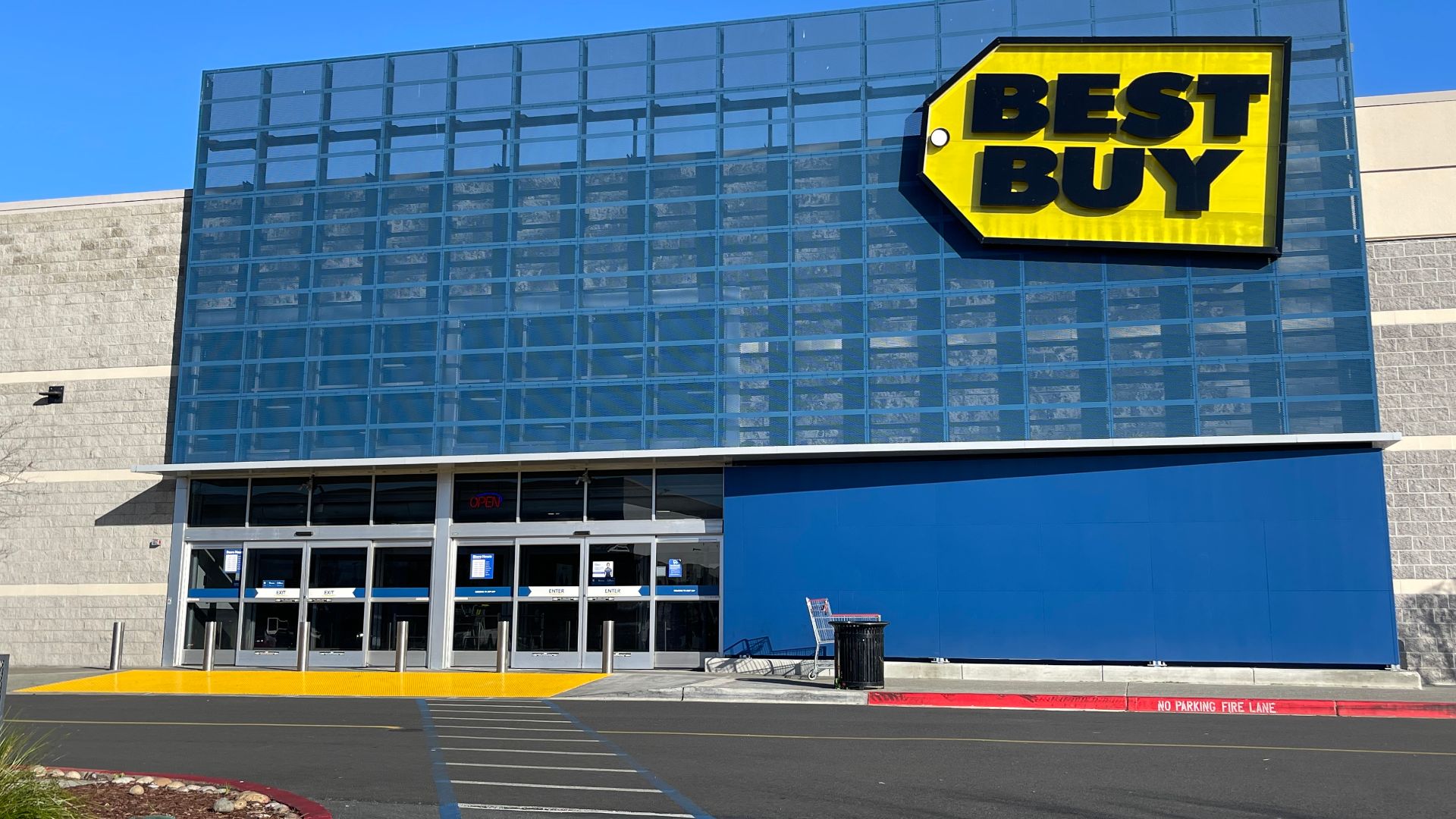
By mid-1996, Best Buy had 272 stores and nearly $8 billion in annual revenue. Its current model still relies on stores, but it also sells online and provides services in customers’ homes, including installation, technical support and repair.
Barnes & Noble
Barnes & Noble’s 1990s growth centered on giant “superstores” carrying up to 150,000 titles. After years of contraction, the chain is expanding again under James Daunt. Following a three-year store-opening campaign, Barnes & Noble ended 2025 with 702 locations.
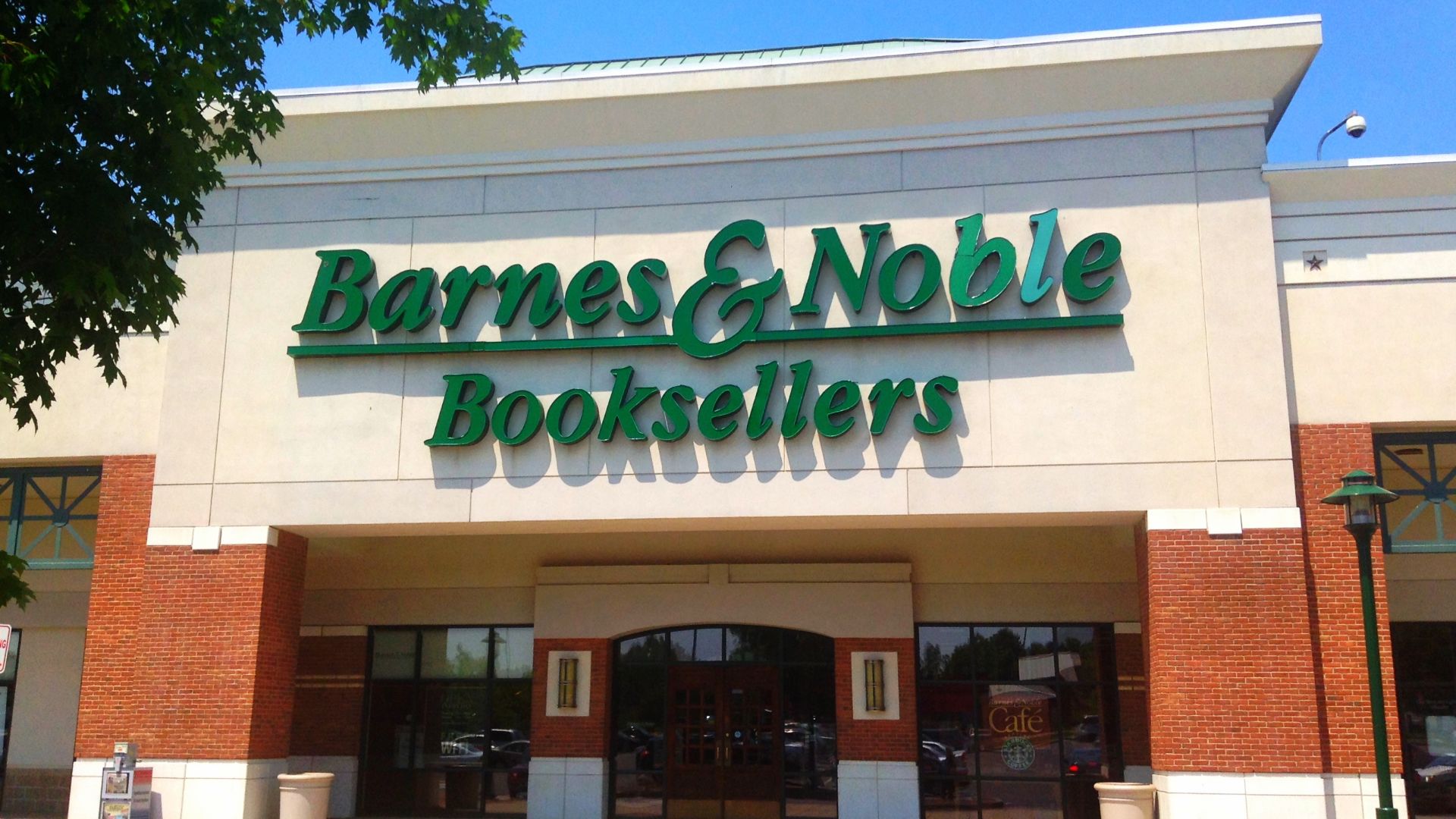 Mike Mozart from Funny YouTube, USA, Wikimedia Commons
Starbucks
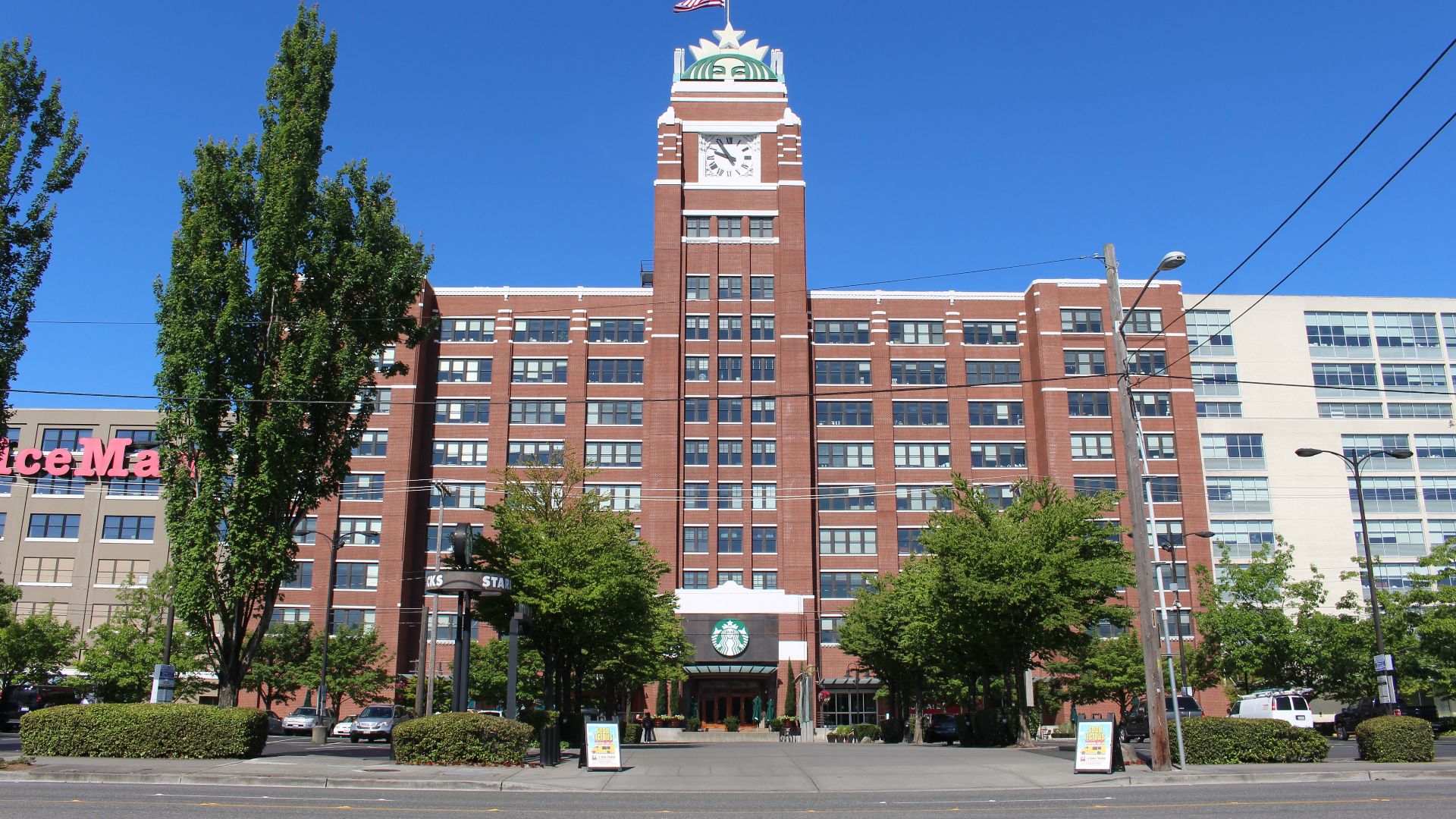
In 1996, Starbucks opened its first store outside North America, in Japan. Today part of the experience is digital: the 2026 Starbucks Rewards relaunch uses the company’s app to track Stars, benefits and three membership tiers.
McDonald’s
McDonald’s introduced its first drive-thru in the 1970s, and the format eventually generated roughly 70% of U.S. business. By 2019, remodeled restaurants were also adding self-order kiosks, table service, mobile ordering, curbside pickup and delivery.
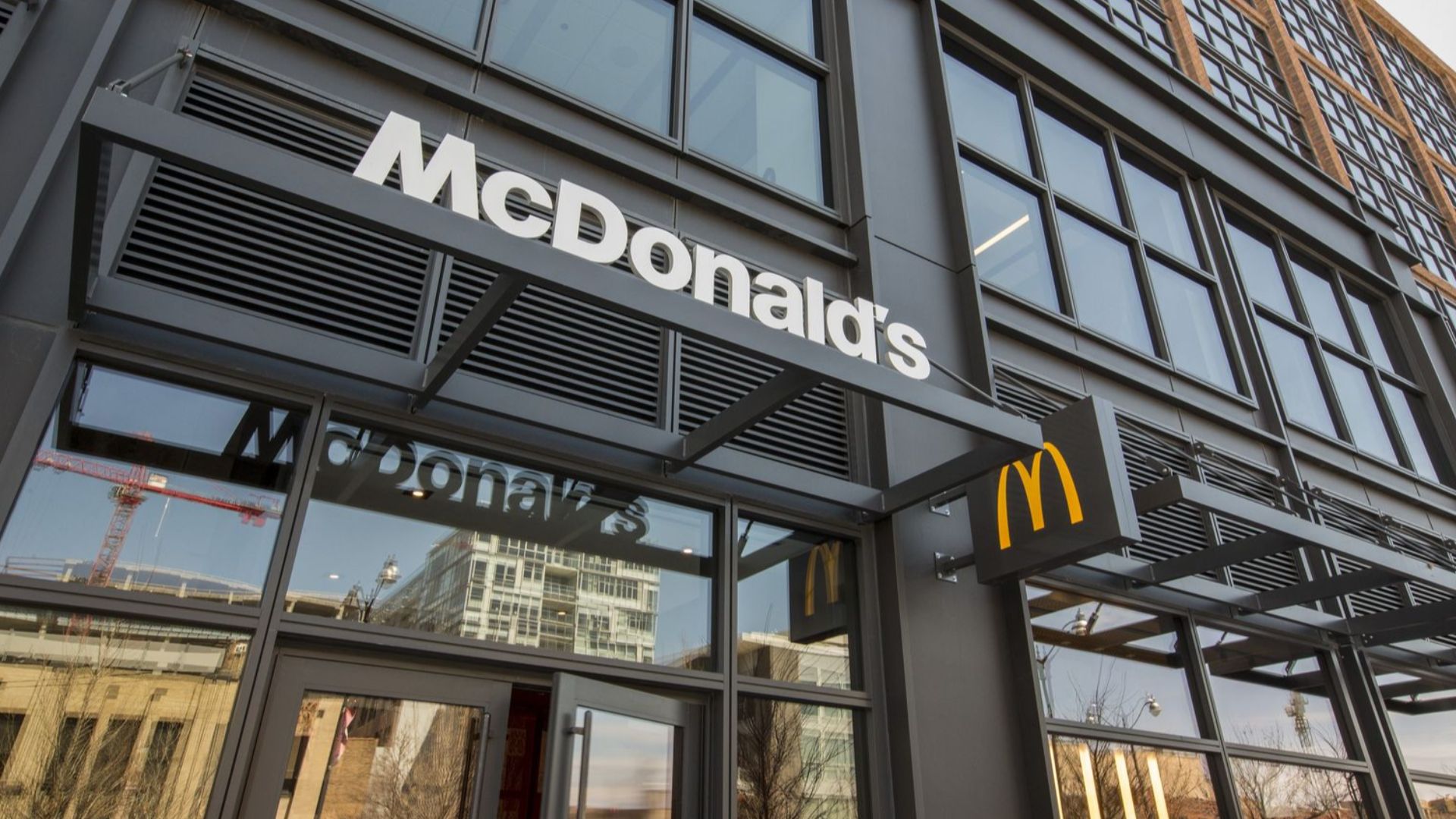 Dirk Tussing from Chicago IL, United States, Wikimedia Commons
Domino’s
Domino’s entered its 40th international market in 1995, when ordering still largely meant using the telephone. Online and mobile ordering arrived in 2007, followed by Domino’s Tracker in 2008. Today more than 85% of sales come through digital ordering channels.
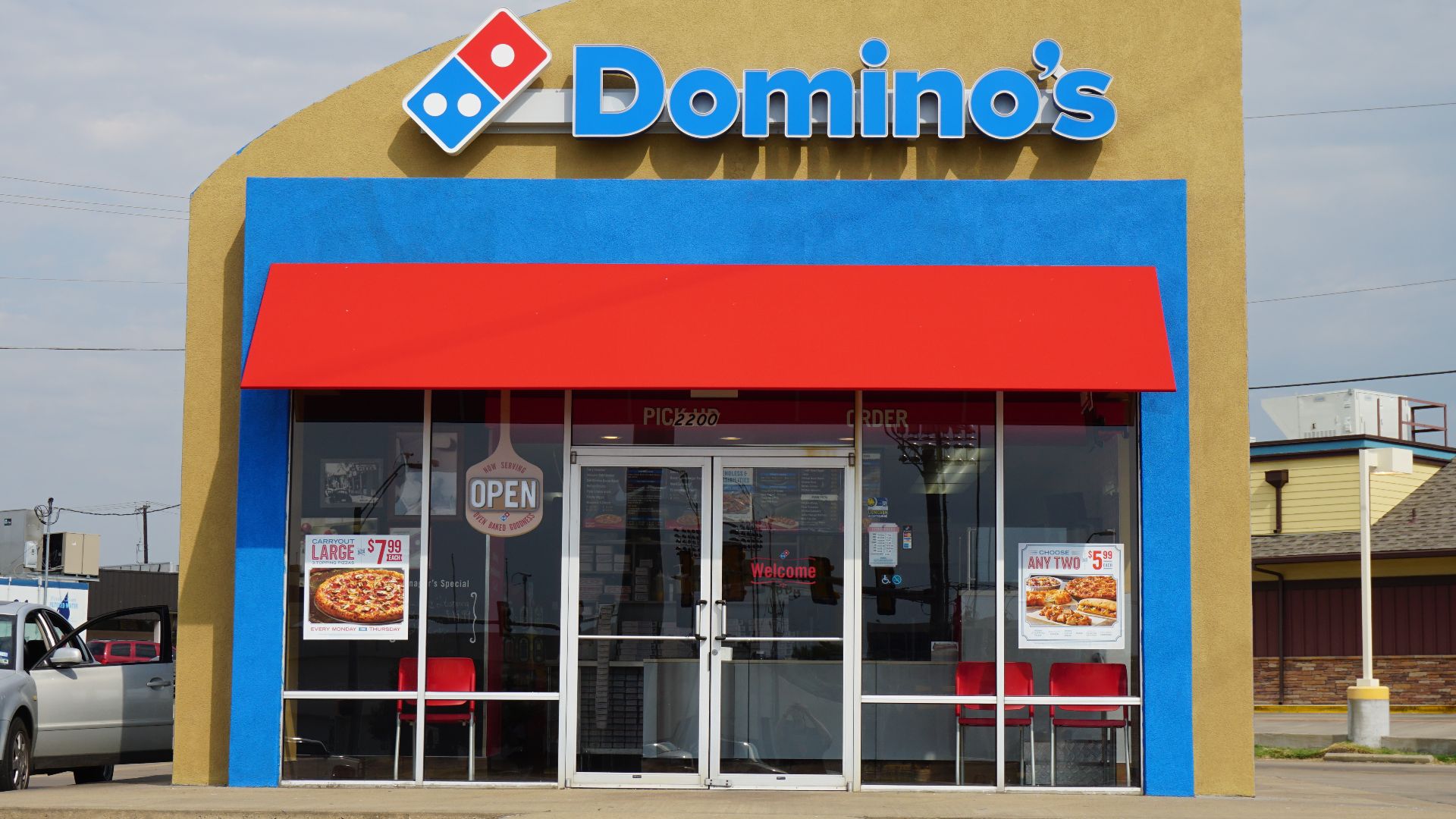 Michael Barera, Wikimedia Commons
CVS
CVS entered the 1990s as a growing drugstore chain. It later bought MinuteClinic in 2006, Caremark in 2007 and Aetna in 2018. Those moves pushed the company beyond retail pharmacies into clinics, pharmacy-benefit management and health insurance.
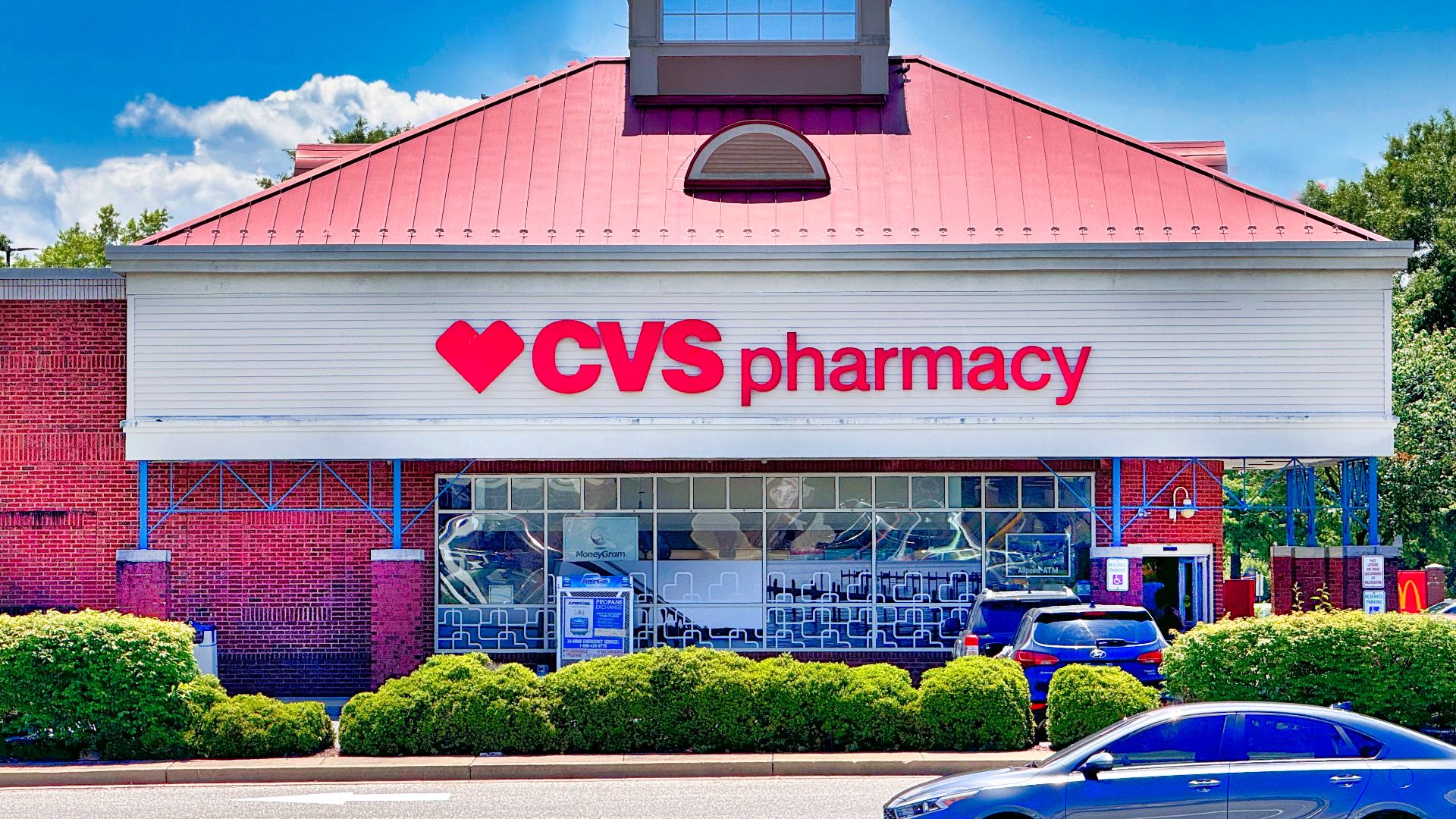 Harrison Keely, Wikimedia Commons
Sears
In 1996, Sears was the second-largest U.S. retailer, operating more than 800 department stores and 1,500 stand-alone specialty stores. After years of decline and a 2018 bankruptcy, a January 2024 CNN report found just over a dozen stores remaining in the continental United States.
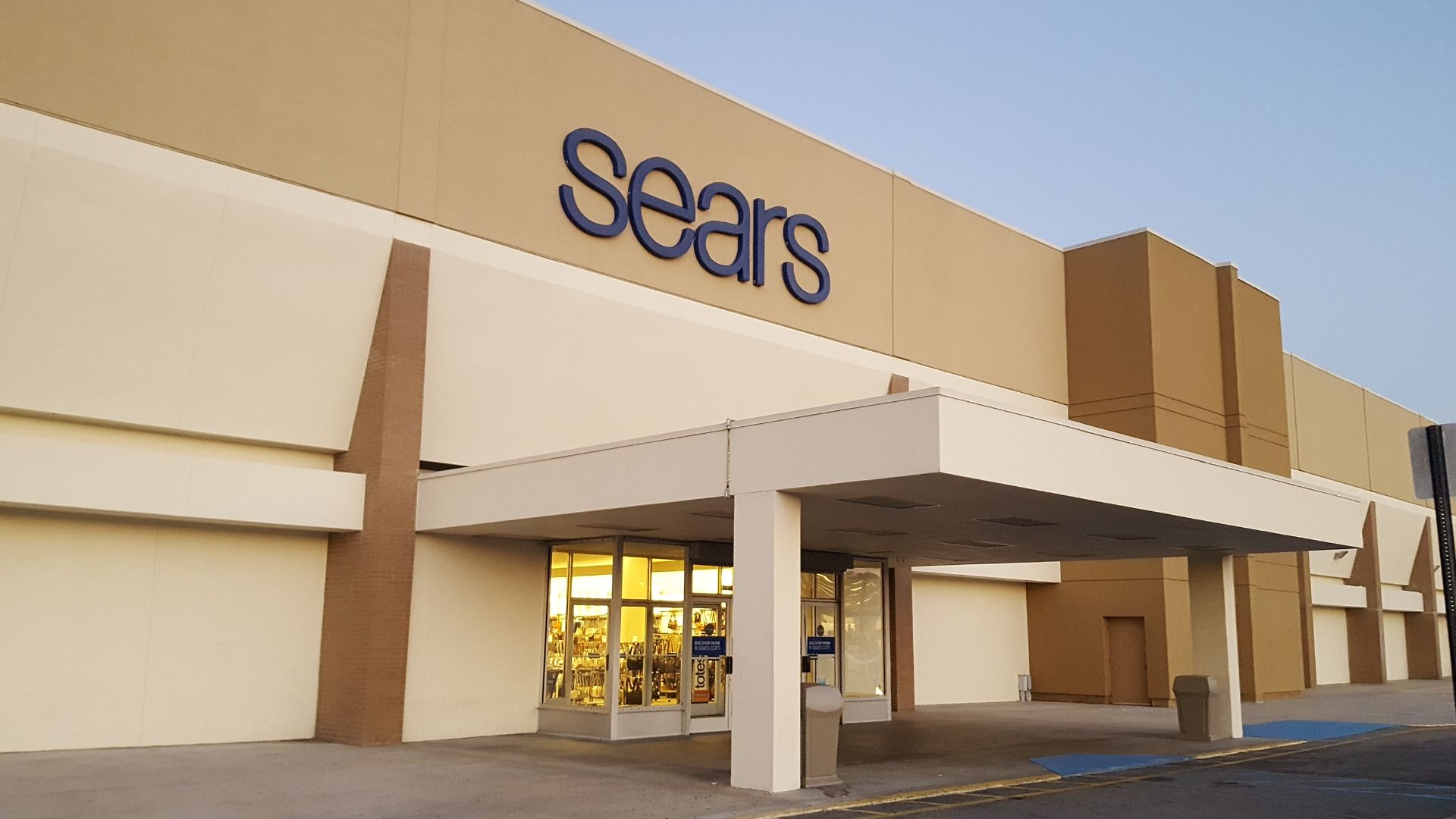 Mike Kalasnik from Jersey City, USA, Wikimedia Commons
Blockbuster
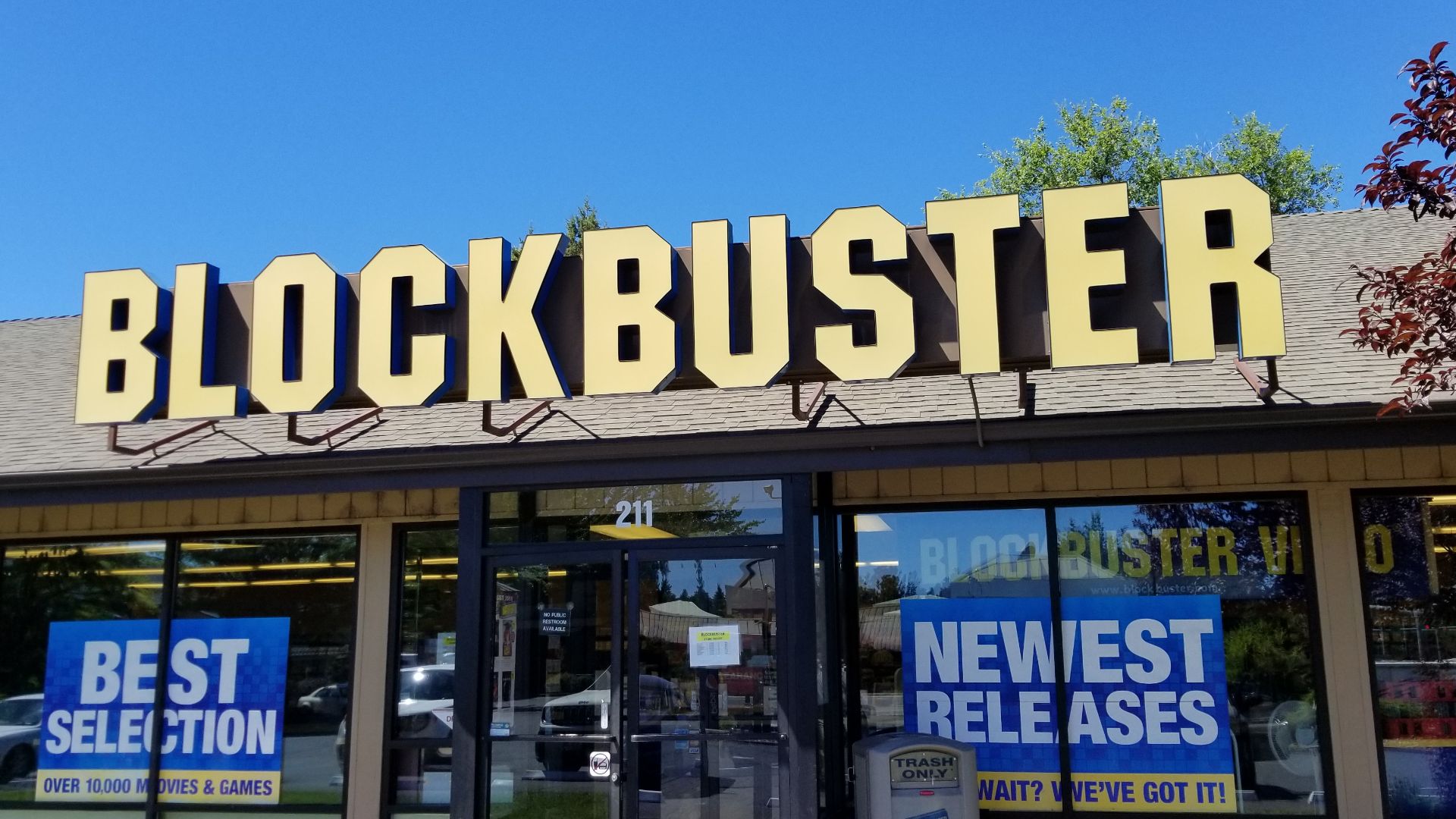
Blockbuster eventually reached roughly 9,000 stores worldwide before filing for bankruptcy in 2010. By 2019, only the Bend, Oregon, location remained. In 2024, its manager told The Washington Post that the store had shifted from rental-driven to tourism-driven.
 Coasterlover1994, Wikimedia Commons
RadioShack
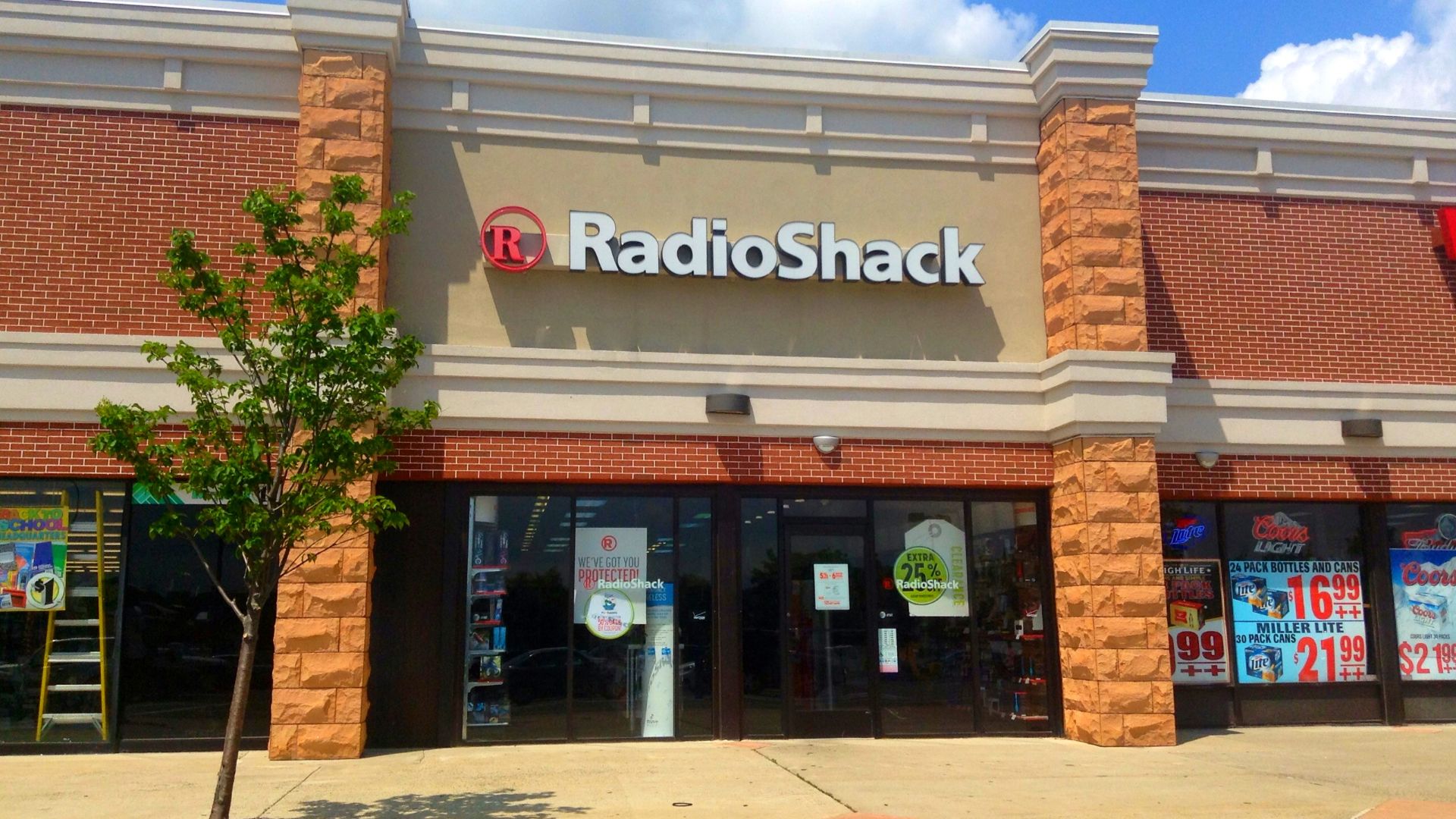
RadioShack once depended on a huge company-owned retail network; even in 2010 it reported 4,486 US stores and 1,267 kiosks. Today its U.S. presence includes an online catalog and reseller program after Unicomer acquired the brand’s intellectual-property assets in roughly 70 countries.
 Mike Mozart from Funny YouTube, USA, Wikimedia Commons
Kodak
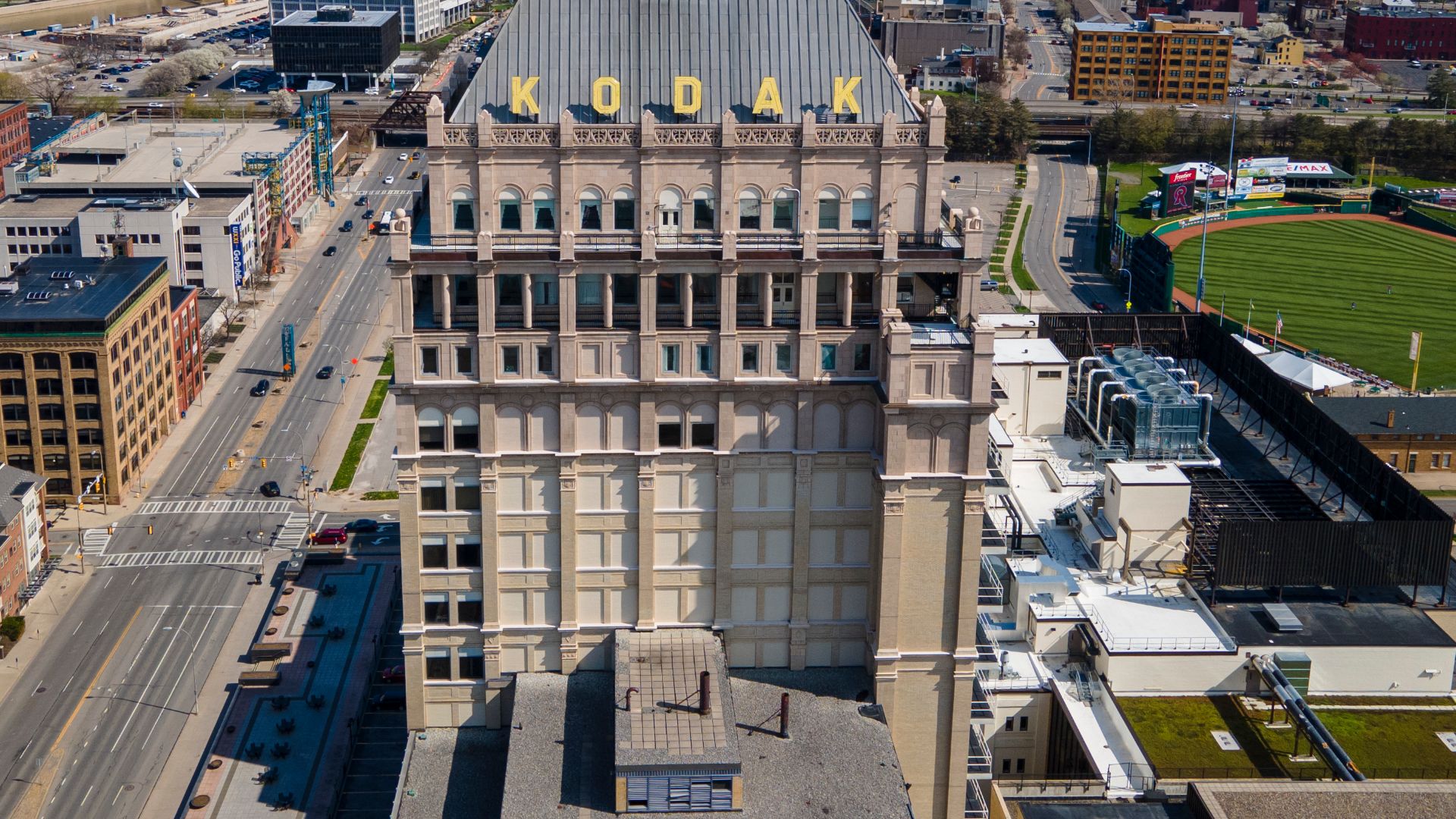
Kodak’s 1996 milestones included the ADVANTIX film system and compact digital cameras. Today the company describes itself as focused on commercial print and advanced materials and chemicals, with businesses ranging from printing systems to specialty chemicals, coatings and industrial films.
 TRexEditorNJ, Wikimedia Commons
General Electric
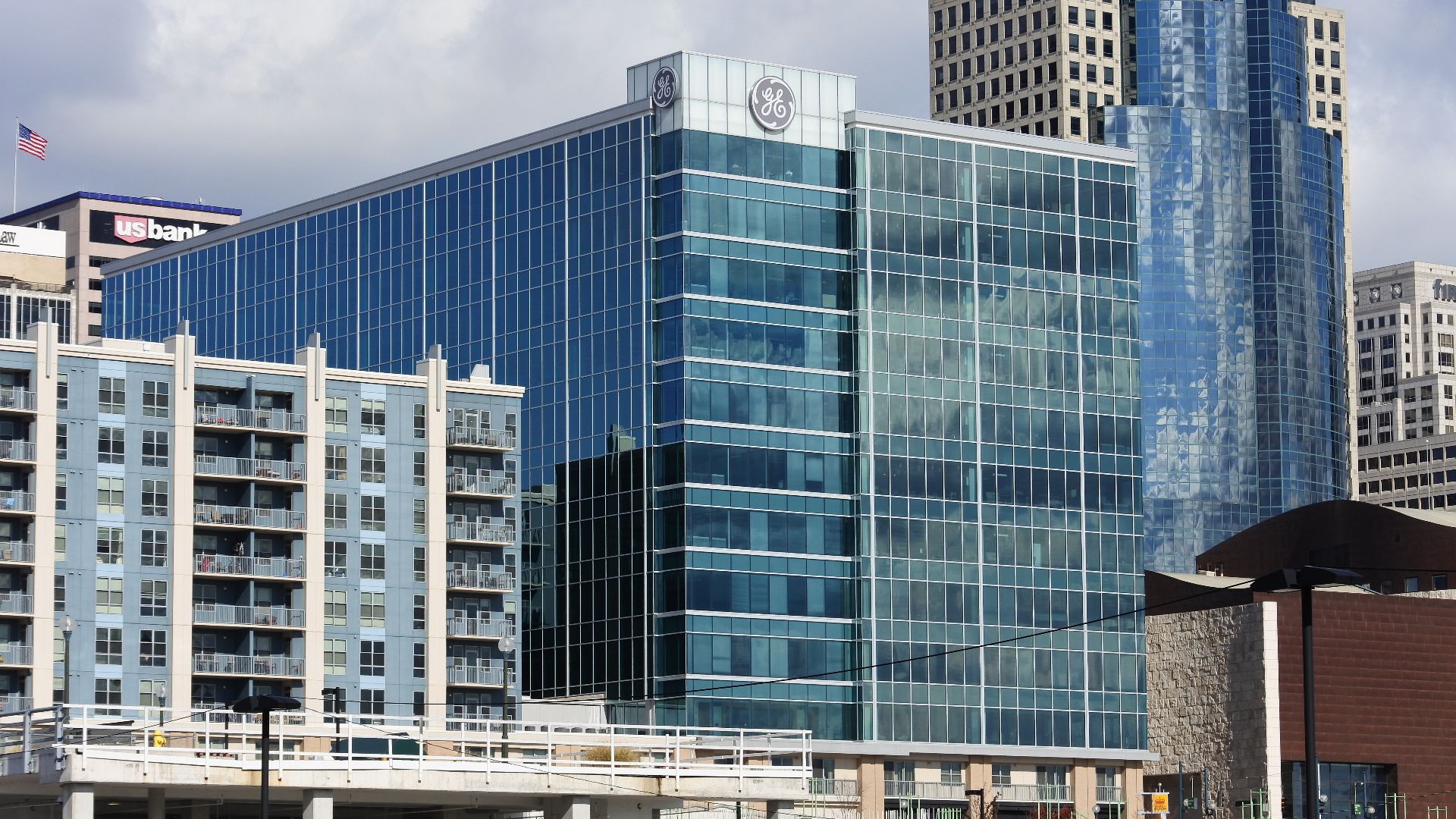
GE’s 1996 segments included aircraft engines, appliances, industrial products, NBC, plastics and power systems. That conglomerate has since been broken apart. GE HealthCare became independent in 2023 and GE Vernova in 2024, leaving GE Aerospace as the standalone GE company.
AOL
In 1996, America Online offered e-mail, chat, games and unlimited dial-up access for $19.95 a month. Dial-up lingered long after broadband became standard, but AOL finally discontinued the service on September 30, 2025, ending one of the defining products of the 1990s internet
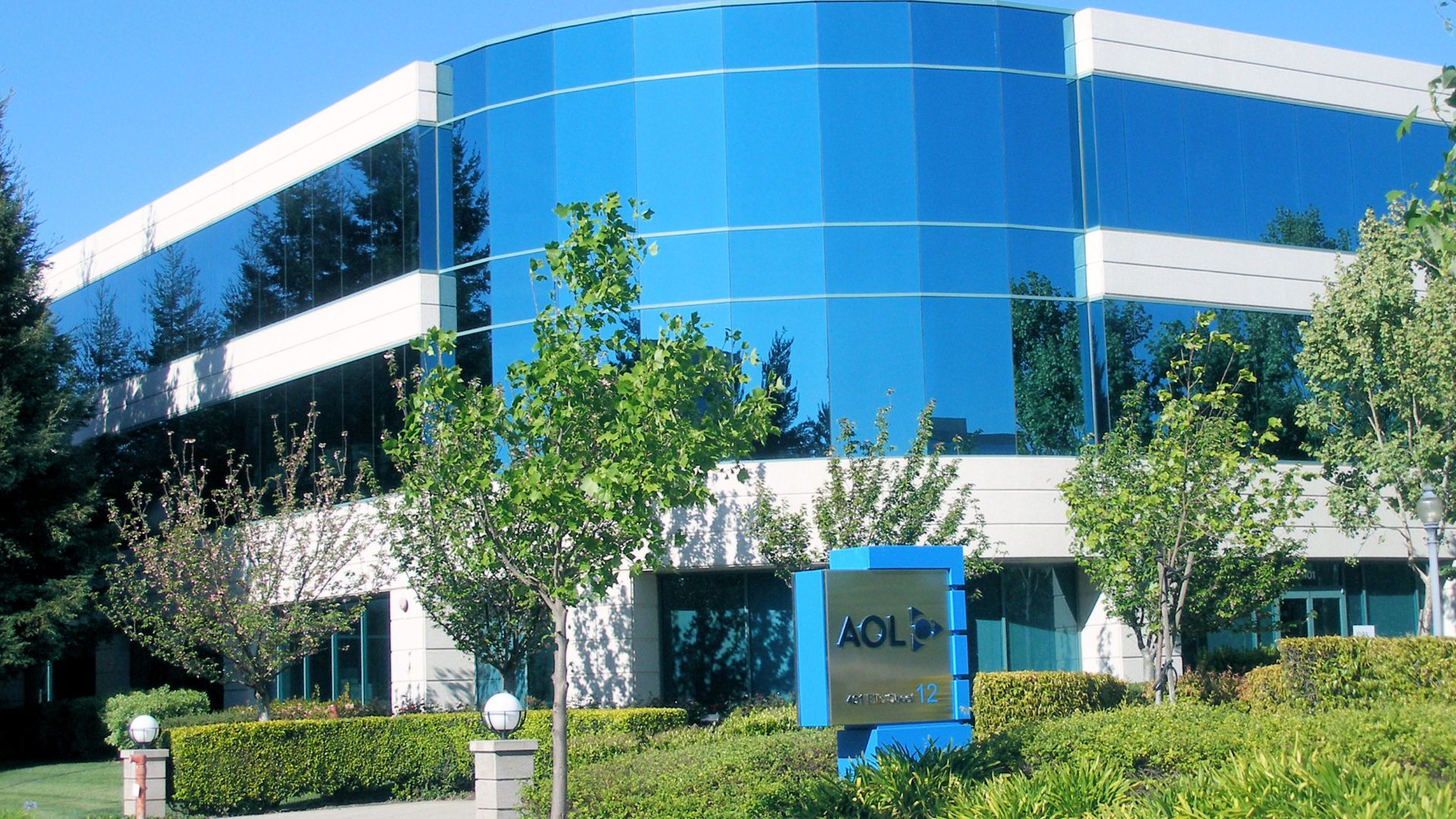 Coolcaesar at English Wikipedia, Wikimedia Commons
You May Also Like:
The Forgotten Toys Of The 70s—How Many Do You Actually Remember?
Boomer-Era Trends That Disappeared Almost Overnight—And They Want Them Back