It Was More Than Medicine
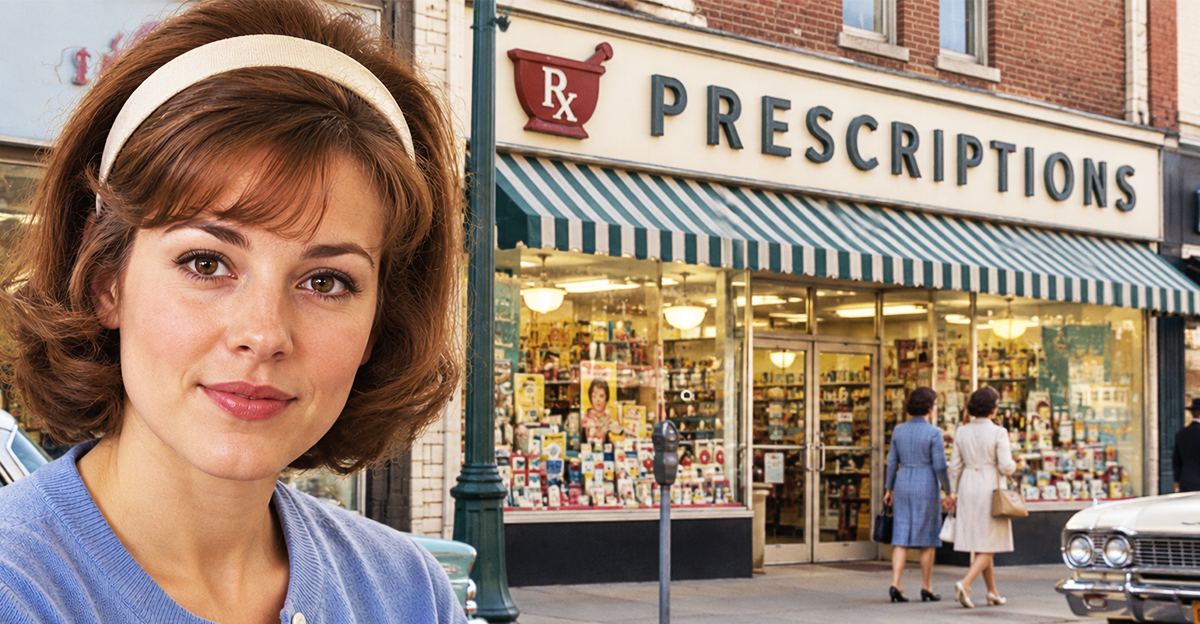
Walk into a 1960s American pharmacy and you might leave with a prescription, a hamburger, fishing tackle, a camera, perfume, a record album, and maybe even a banana split. Pharmacies had evolved into neighborhood general stores, stocking an astonishing assortment of merchandise alongside the prescription counter.
A Hamburger For Lunch
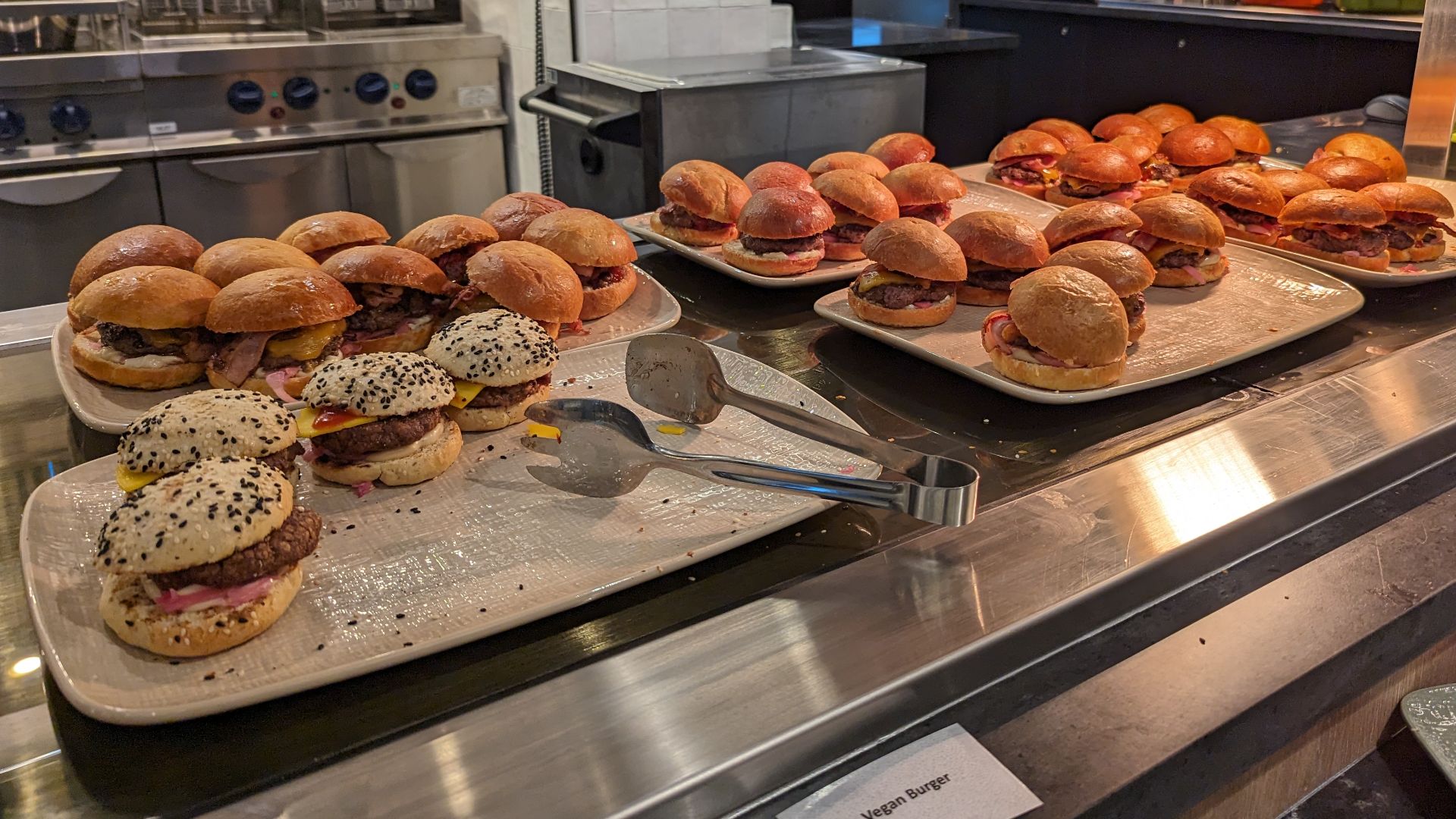
Some pharmacies doubled as neighborhood restaurants. Customers could sit at a counter and order sandwiches, soup, grilled food, coffee, pie, and other inexpensive meals. Pharmacy lunch counters remained common enough in the early 1960s to become important sites during the struggle to desegregate American public accommodations.
An Ice Cream Sundae
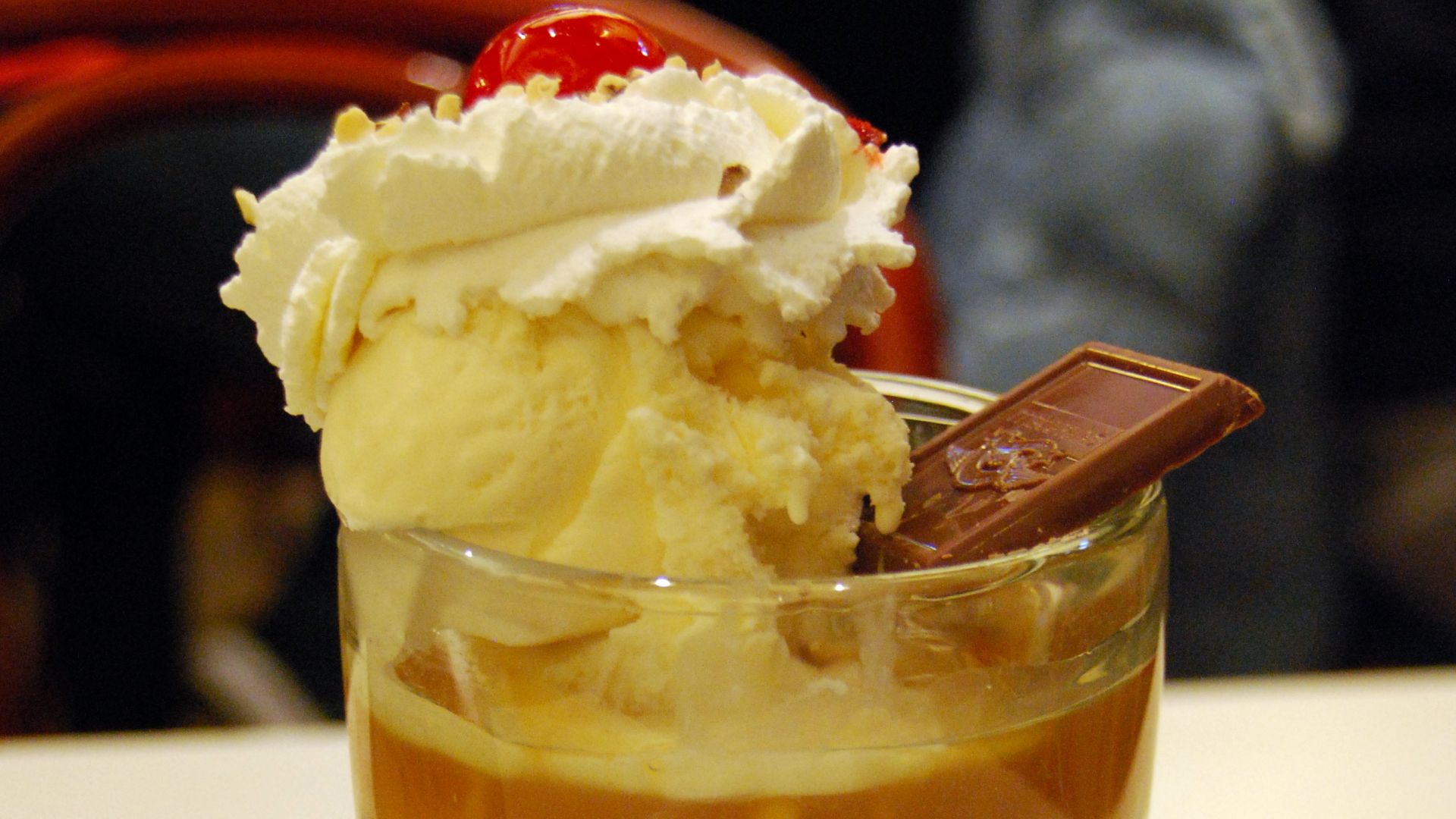
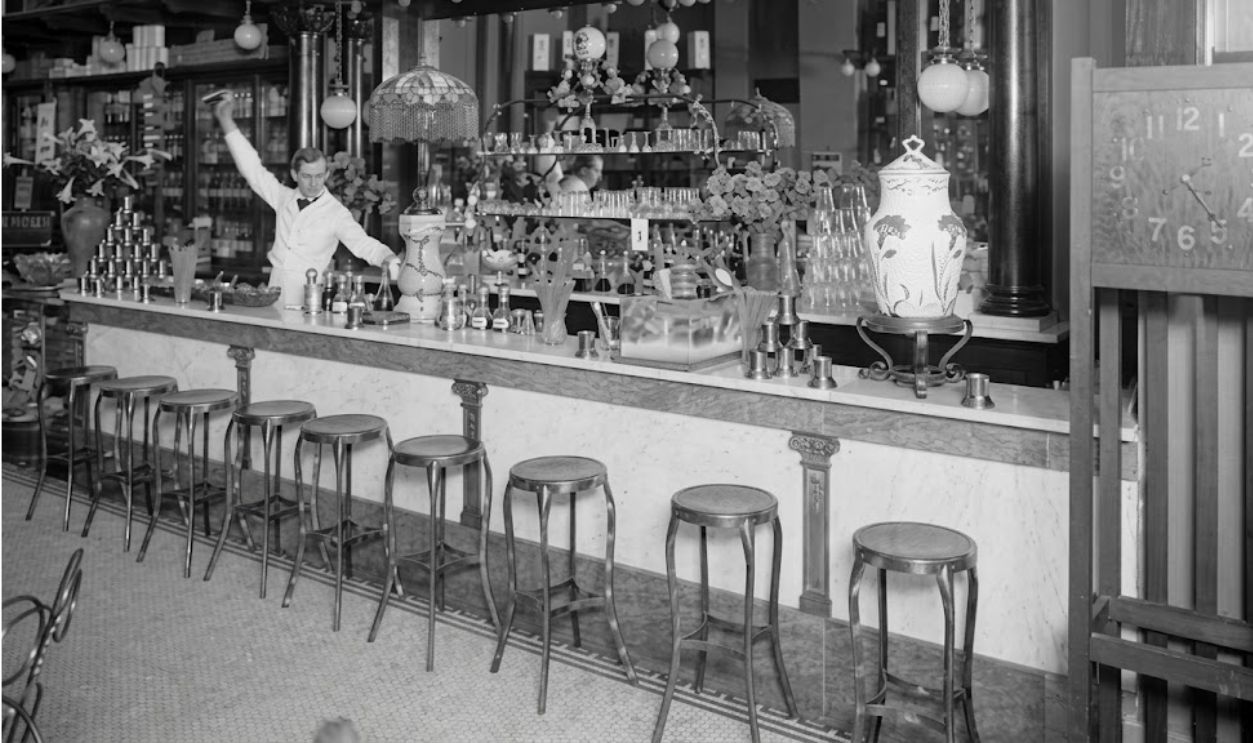
The pharmacy soda fountain survived well into the 1960s, particularly at independent pharmacies. Customers perched on stools for ice cream, sundaes, malts, shakes, and other treats. The fountain also made the pharmacy a social destination, especially for teenagers who weren't necessarily there to buy medicine.
 FASTILY (TALK), Wikimedia Commons
A Hand-Mixed Soda
Before grabbing a bottle from a refrigerator became the default, customers could order drinks mixed at the pharmacy fountain. Flavored syrups were combined with carbonated water to produce everything from familiar colas to old-fashioned fountain concoctions. Some elaborate fountains contained numerous dispensers for different flavors.
 Webster & Stevens, Wikimedia Commons, Modified
Fishing Gear
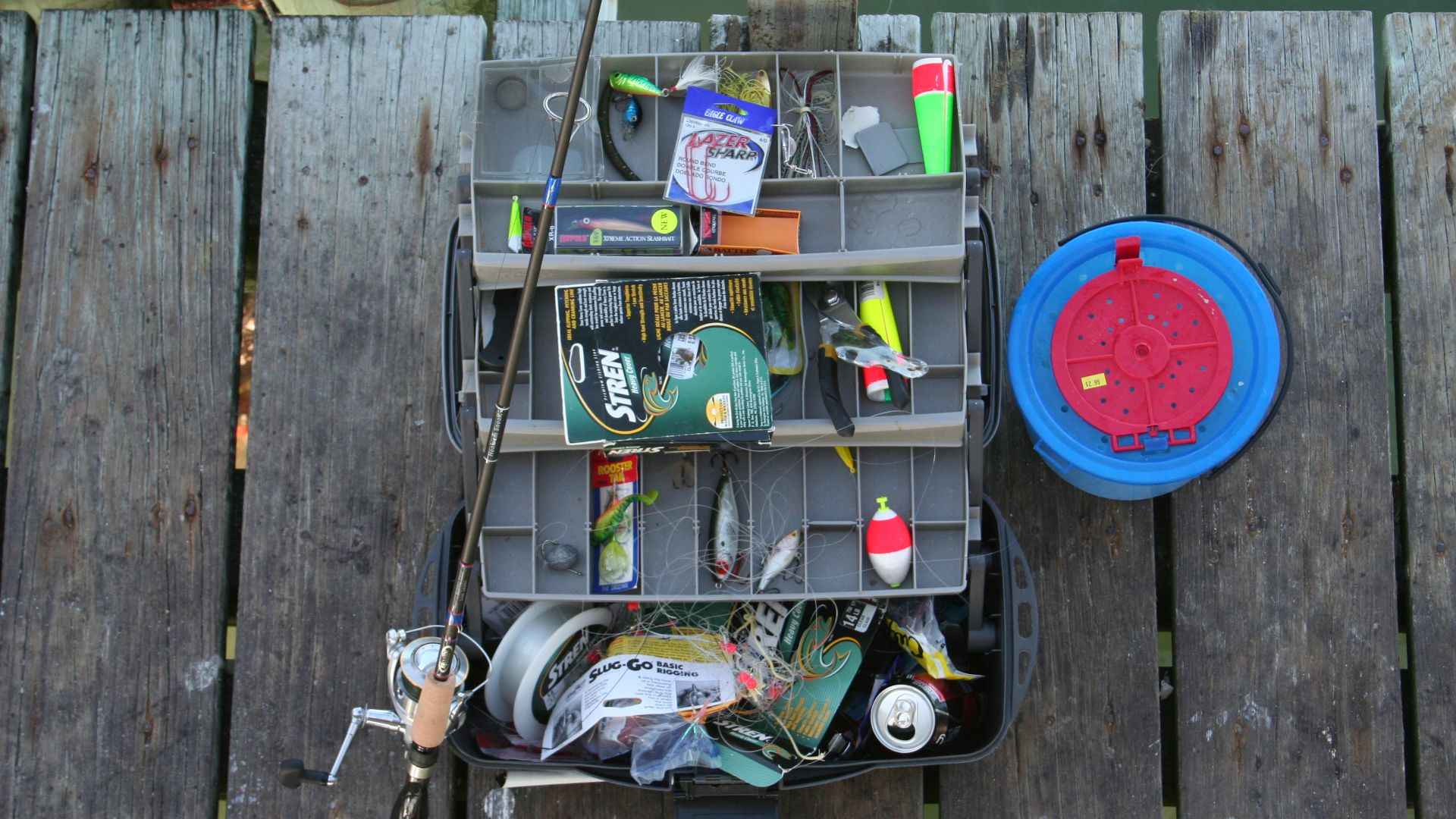
Need aspirin and a new fishing lure? Depending on your neighborhood pharmacy, that combination wasn't strange at all. Colorado's Sell-4-Less Pharmacy, for example, carried fishing and hunting supplies in addition to its prescriptions, personal goods, toys, cigarettes, magazines, veterinary products, and soda-fountain offerings.
 350z33 (talk), Wikimedia Commons
Hunting Supplies
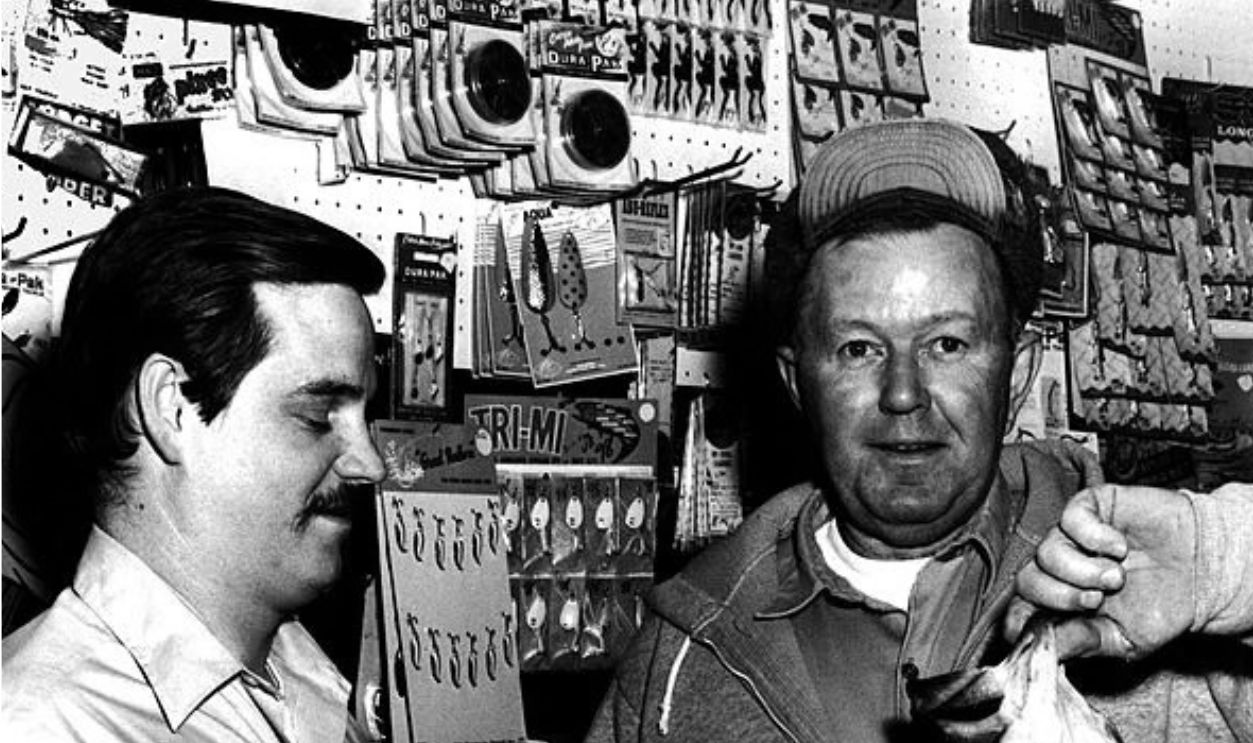
Pharmacies could also cater to hunters. That sounds bizarre if your idea of a pharmacy is a modern prescription counter surrounded by shampoo and vitamins, but independent stores often tailored their inventories to local customers. Sell-4-Less in Littleton specifically stocked both hunting and fishing supplies.
Riding Tack
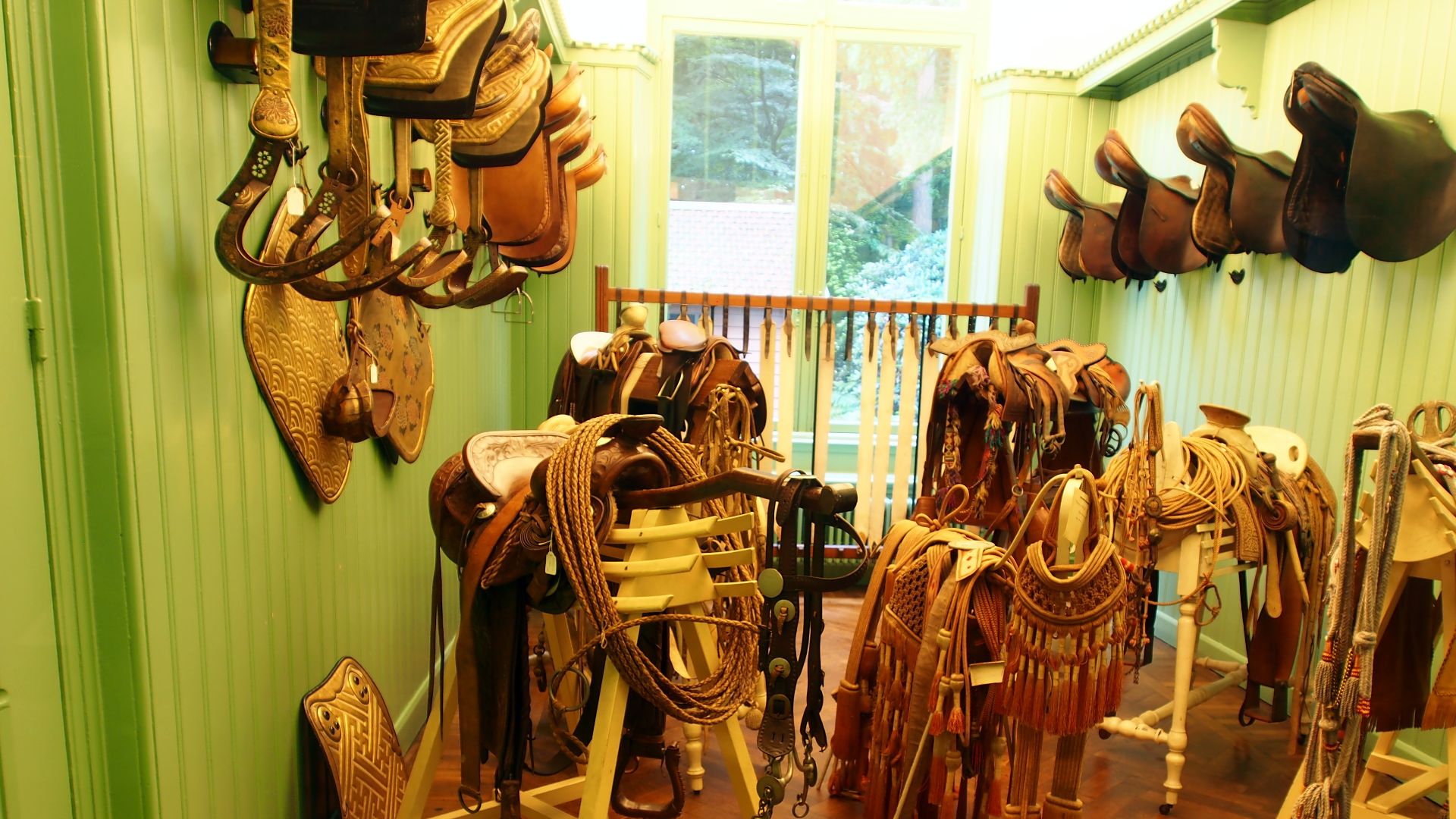
Here's one that would make today's pharmacy shopper do a double take. The same pharmacy maintained a tack shop in the back of the store, especially those in rural areas. In other words, customers could visit a pharmacist, have an ice cream soda, and pick up equipment for their horse under one roof.
 Alf van Beem, Wikimedia Commons
Veterinary Supplies
Medicine wasn't necessarily restricted to humans. Veterinary supplies appeared in American pharmacies, particularly stores serving communities where keeping animals was part of everyday life. The Smithsonian's collection of pharmacy advertising from the period includes veterinary products among the merchandise promoted to pharmacy customers.
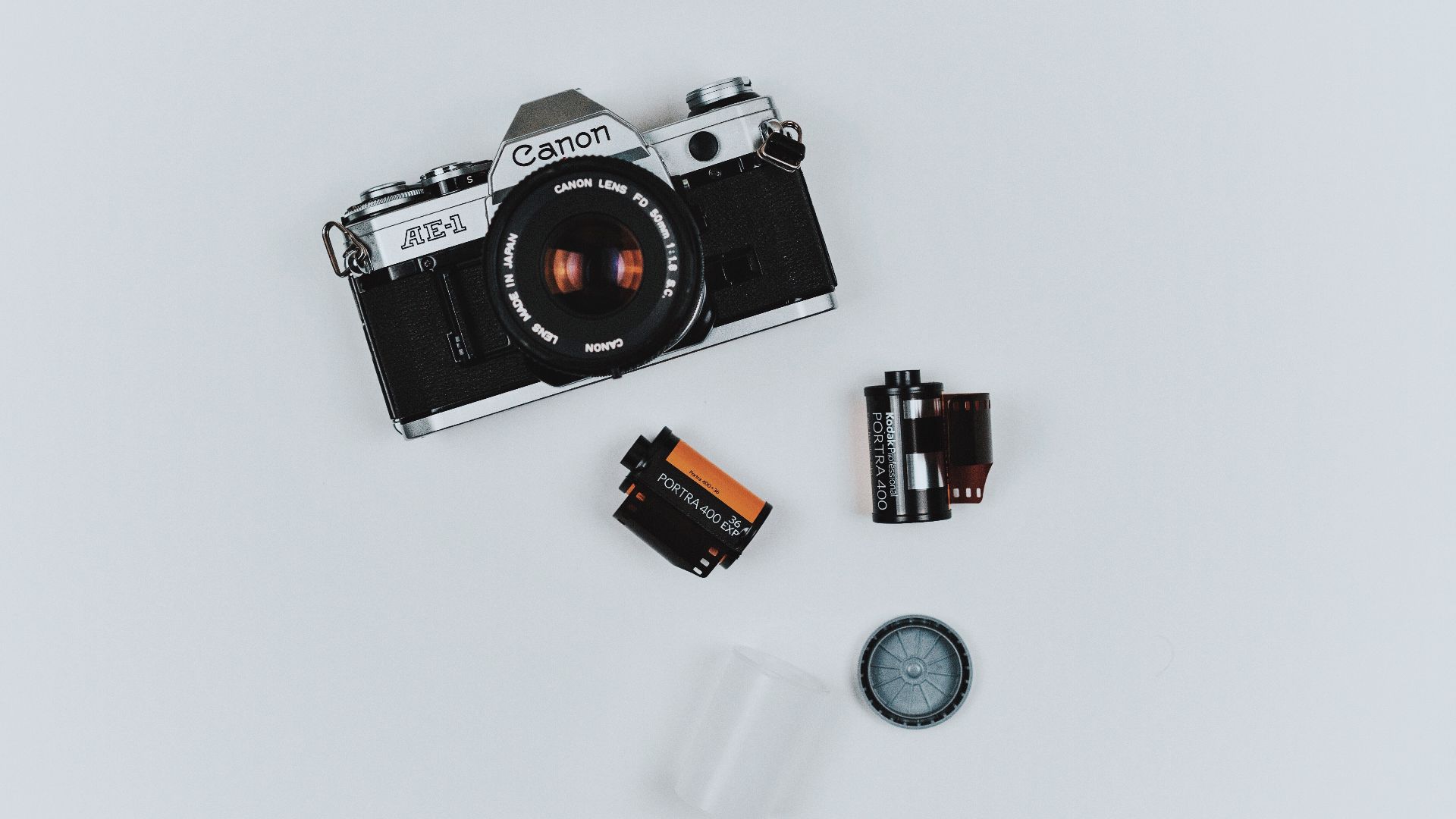
A New Camera
Before electronics chains and smartphones transformed photography, your neighborhood pharmacy could be a camera shop. Pharmacies were important photographic retailers, and Kodak products were a familiar sight. Cameras made perfect sense there because the store could also sell customers the film they would need afterward.
 Terri Monahan from Wellington, FL, USA, Wikimedia Commons

History's most fascinating stories and darkest secrets, delivered to your inbox daily.
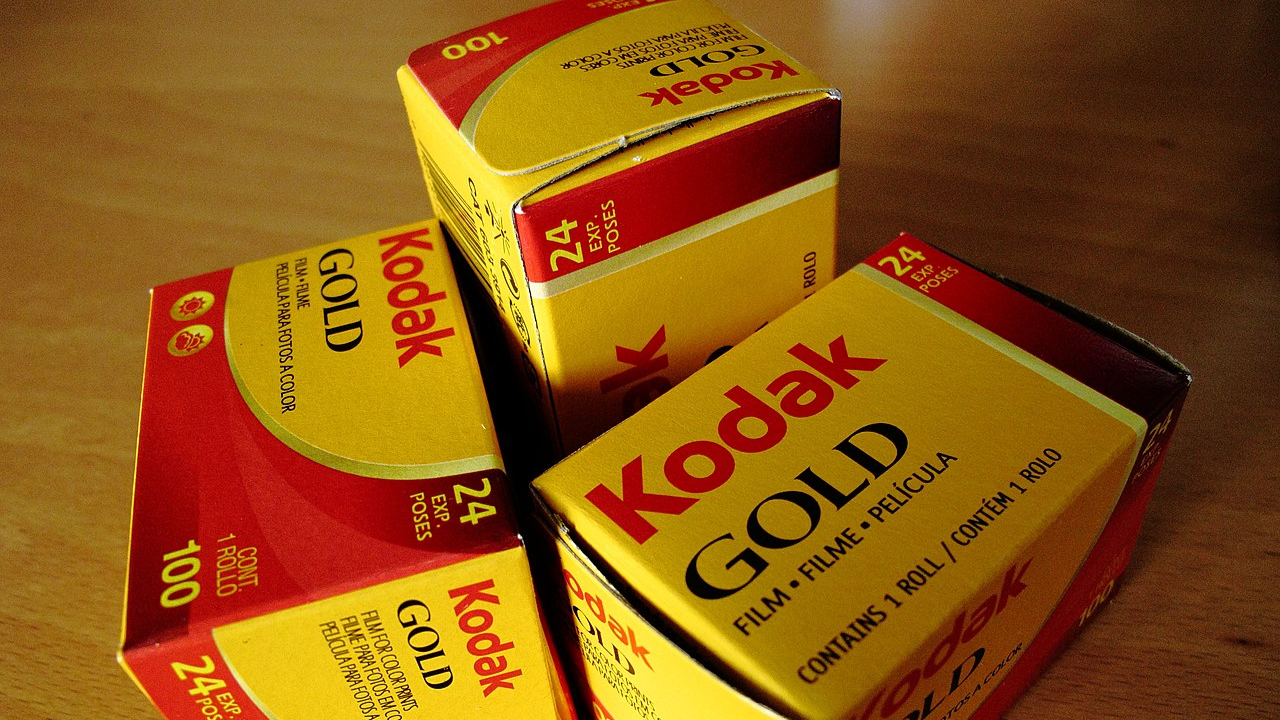
Rolls Of Camera Film
Picking up a roll of Kodak film at the pharmacy was once as routine as buying toothpaste. The Smithsonian preserves pharmacy advertising for Kodak products from this era, while Kodak's own history shows how rapidly amateur color photography expanded through the 1960s. Today, an entire generation has barely handled photographic film.
 MIKI Yoshihito, CC BY 2.0, Wikimedia Commons
Film Developing
The pharmacy didn't merely sell the film. Customers could bring exposed rolls back and have their pictures developed. Some stores served as collection points, sending film to processing laboratories and receiving the negatives and prints several days later. It was an analog ancestor of today's photo-sharing ecosystem.
 Mitchell Hollander mitchellsh, Wikimedia Commons
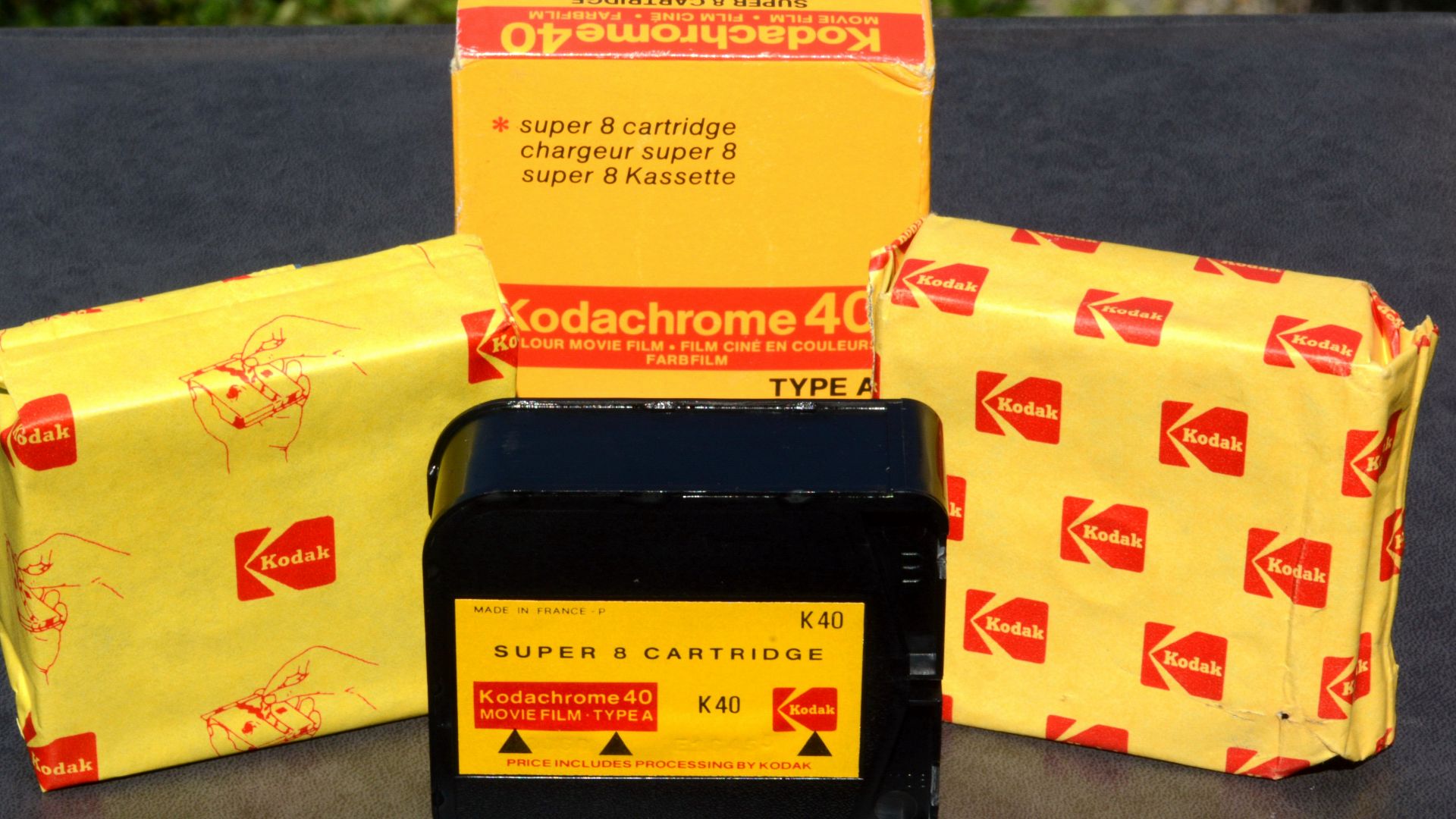
8mm Movie Film
Still pictures weren't the only memories Americans captured on film. Kodak had introduced 8mm versions of Kodachrome during the 1930s, and home movies remained a major consumer format during the 1960s. A pharmacy photo department could therefore supply products for the family's movie camera as well as its still camera.
Record Albums
Imagine going to pick up cough medicine and browsing LPs while you waited. Pharmacies increasingly became broad general-merchandise retailers, and record albums were among the categories associated with the traditional pharmacy business. The pharmacy counter was becoming only one department in an increasingly diverse store.
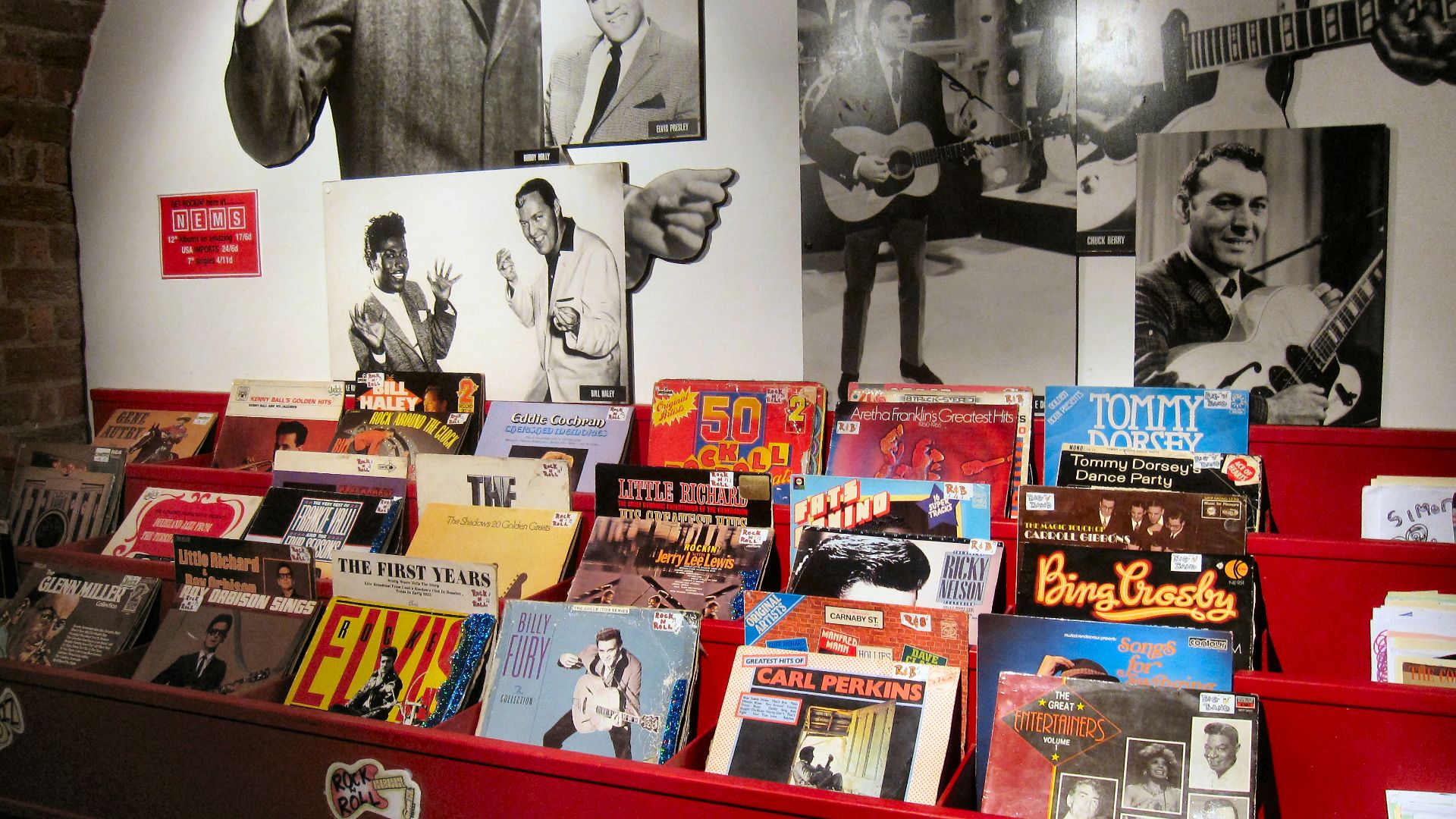 Ronald Saunders from Warrington, UK, Wikimedia Commons
Radios
You could even find consumer electronics. Radios appeared among the merchandise associated with the old full-service pharmacy, alongside watches, cameras, record albums, appliances, and photographic supplies. Today's pharmacies still sell assorted gadgets, of course, but browsing a pharmacy's radio department belongs to another retail world.
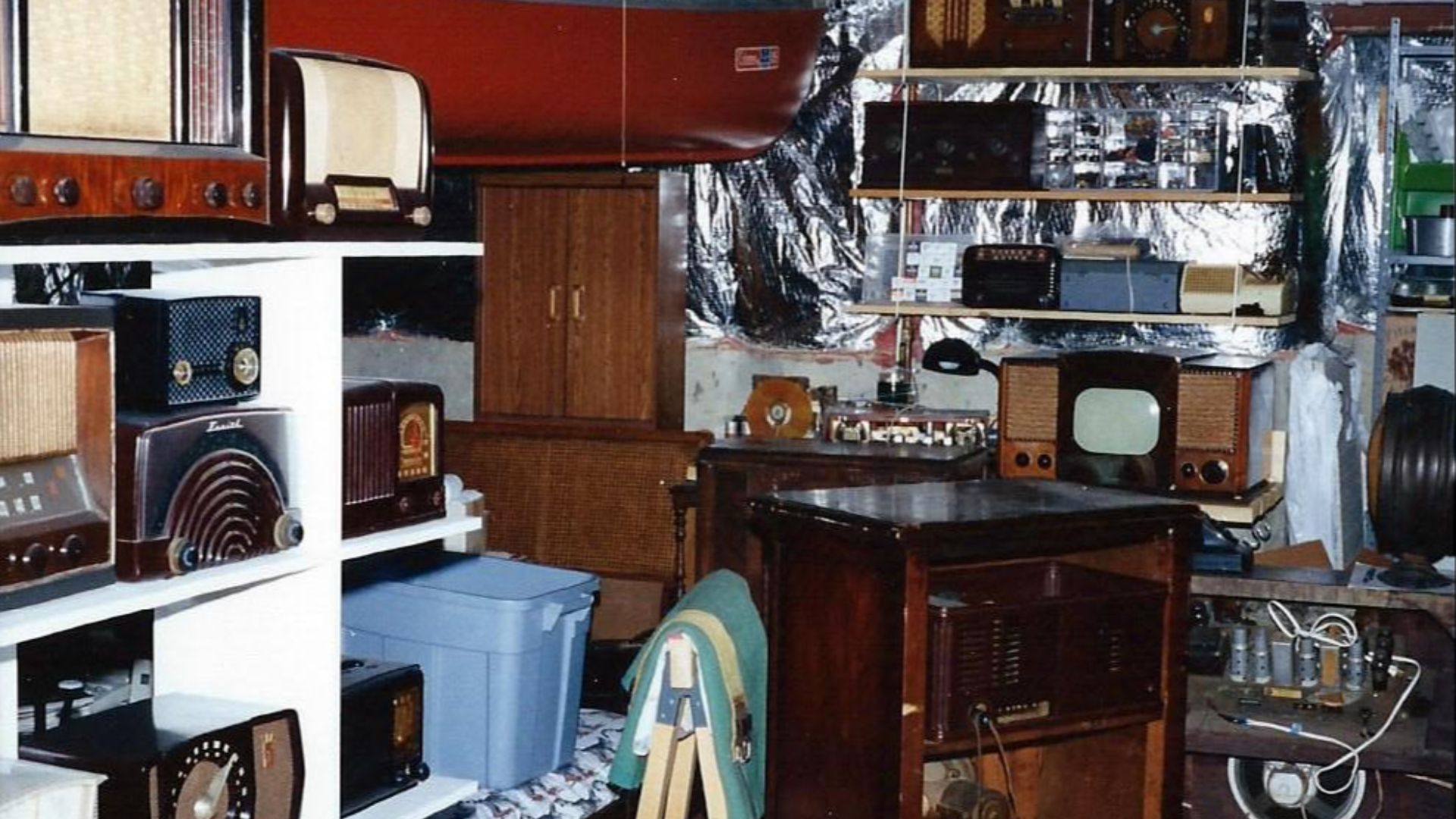 Joe Haupt from USA, Wikimedia Commons
Wristwatches
Running low on toothpaste? Why not buy a wristwatch while you're there? Watches were another category found in the sprawling inventories of traditional pharmacies. Such stores were attempting to capture as much neighborhood shopping as possible, making their shelves look more like miniature department stores than specialized pharmacies.
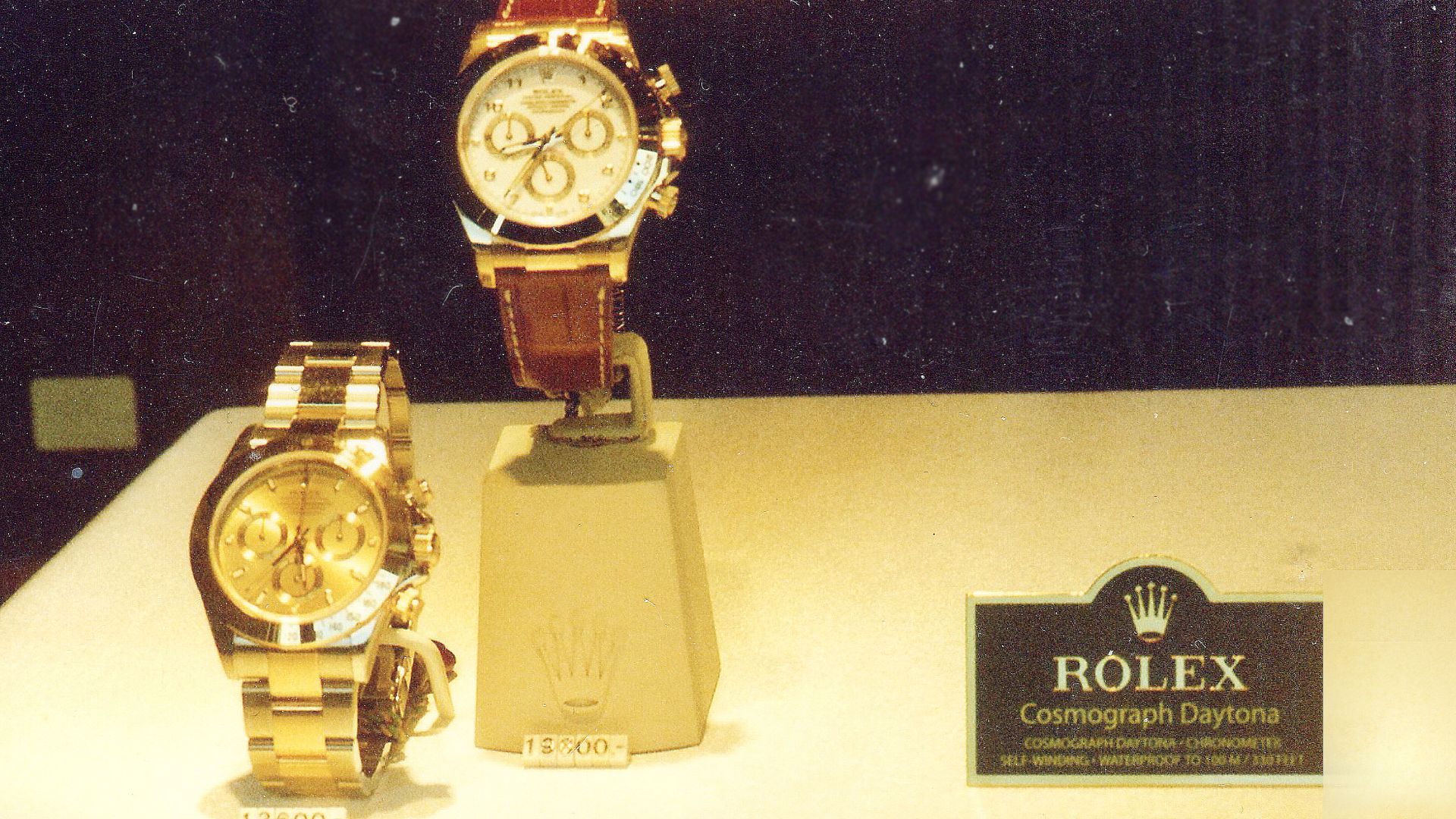 Vitold Muratov, Wikimedia Commons
Hardware And Tools
Some pharmacies carried tools and hardware, too. The distinction between pharmacy, variety store, and neighborhood general store could be surprisingly blurry. As self-service retail expanded, the front of the store increasingly became a place for profitable consumer merchandise while the actual prescription department remained toward the back.
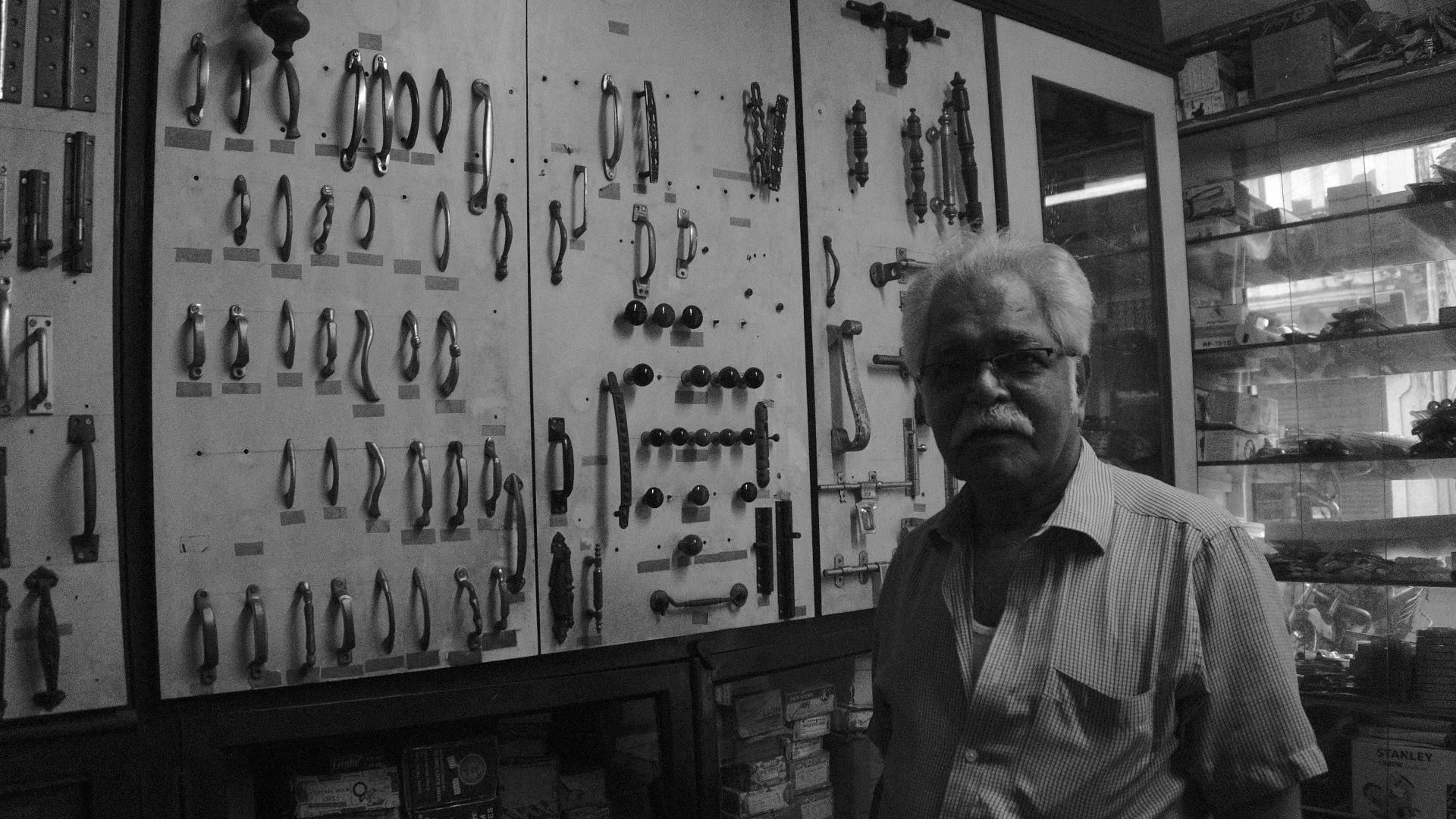 Fredericknoronha, Wikimedia Commons
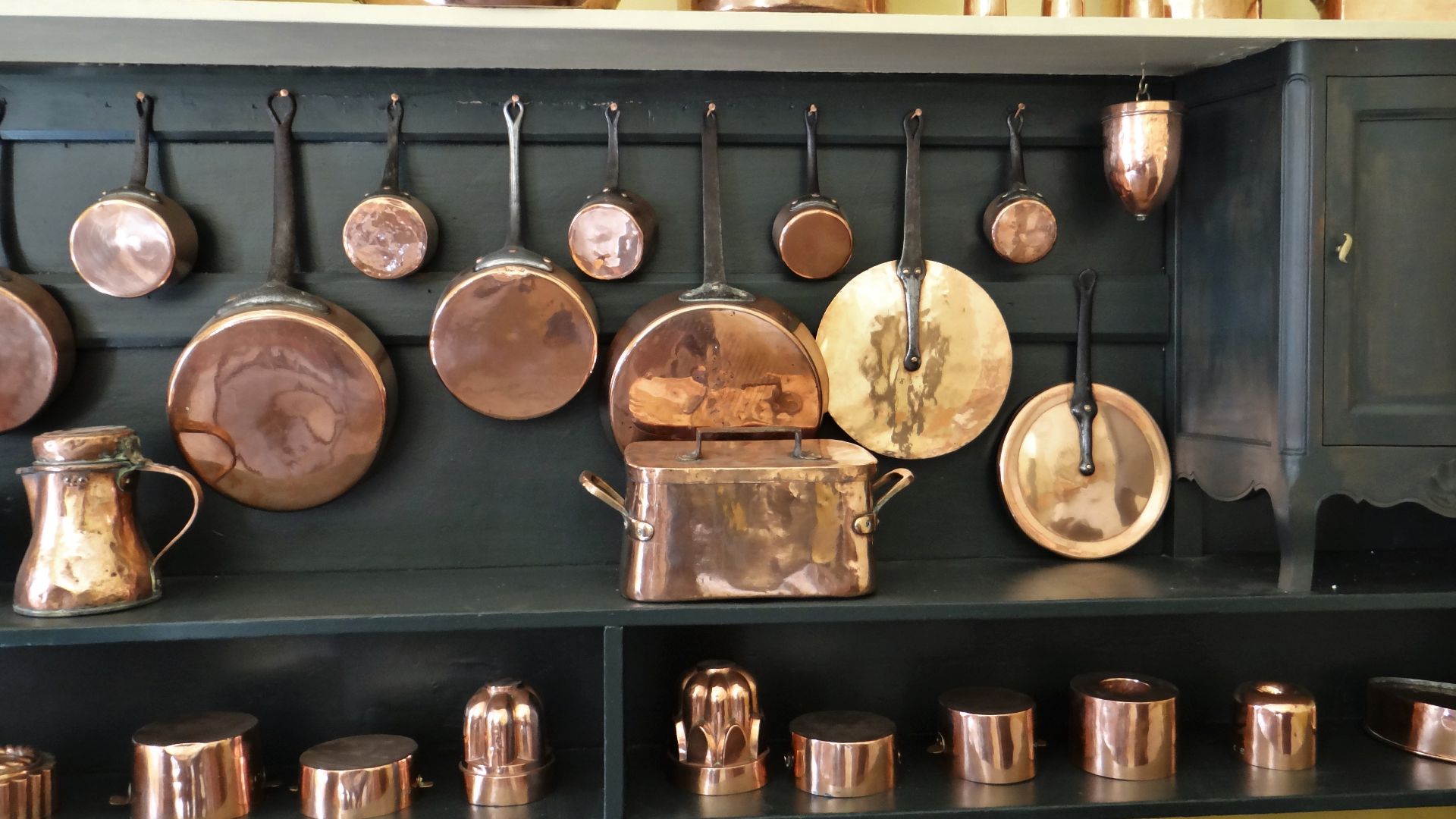
Kitchenware
The pharmacy could help furnish your kitchen. Kitchenware, housewares, small appliances, and cleaning supplies all appeared within the broader vocabulary of traditional pharmacy merchandising. It sounds peculiar today, but these stores competed for everyday household spending rather than relying exclusively on prescriptions and health products.
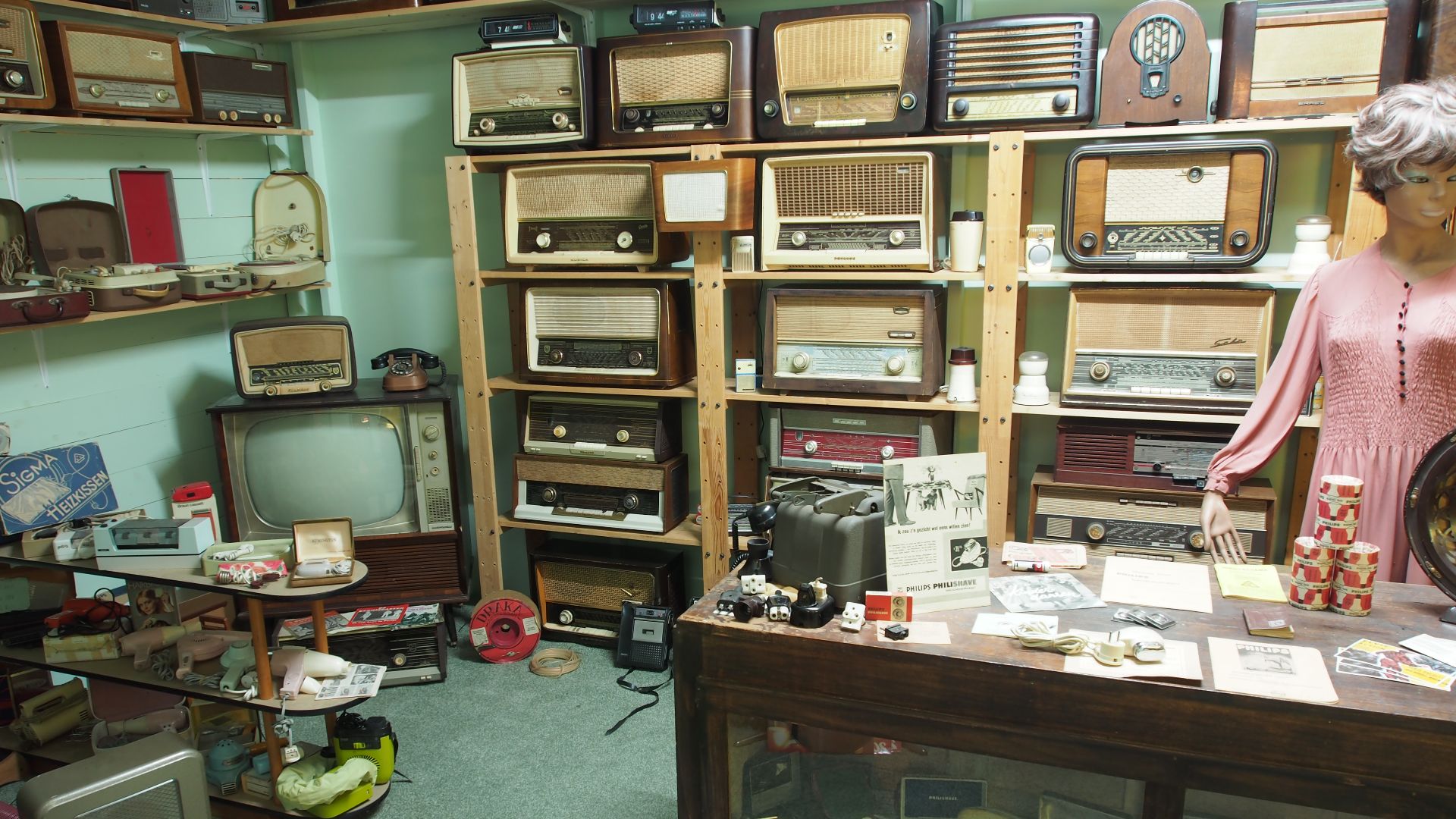
Small Appliances
That diversification could extend to small electrical appliances. Pharmacies were increasingly embracing self-service and using their floor space for merchandise customers could pick up without assistance. The result was a retail environment where appliances, cameras, radios, cosmetics, medicine, candy, and cigarettes could all coexist.
 Alf van Beem, Wikimedia Commons
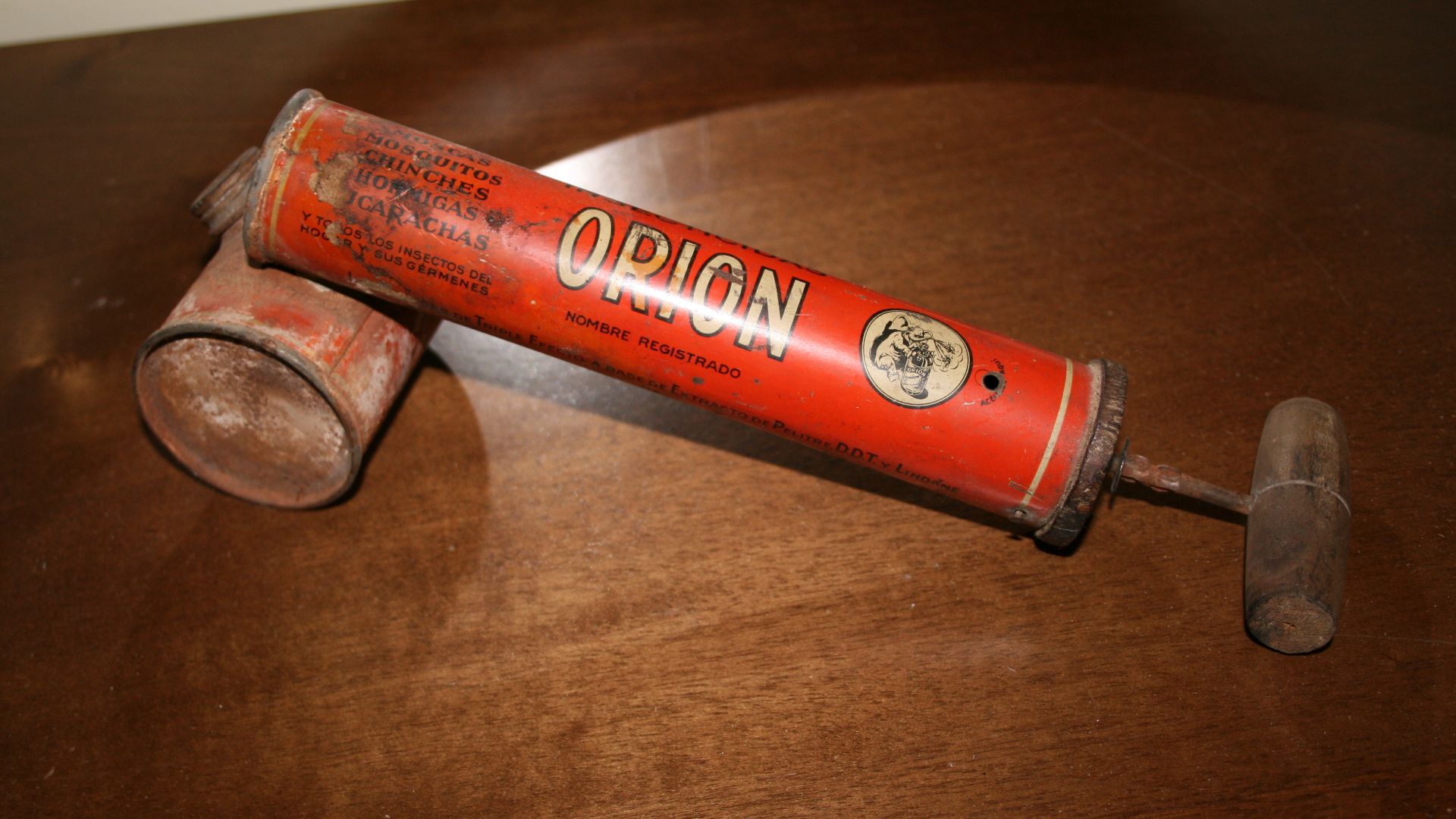
Insecticides
The household section could contain products that seem decidedly out of place beside a pharmacy counter today, including insecticides. Pharmacies stocked household cleaners, laundry products, hardware, and pest-control supplies as part of their general-merchandise business, making them useful one-stop shops long before that phrase became ubiquitous.
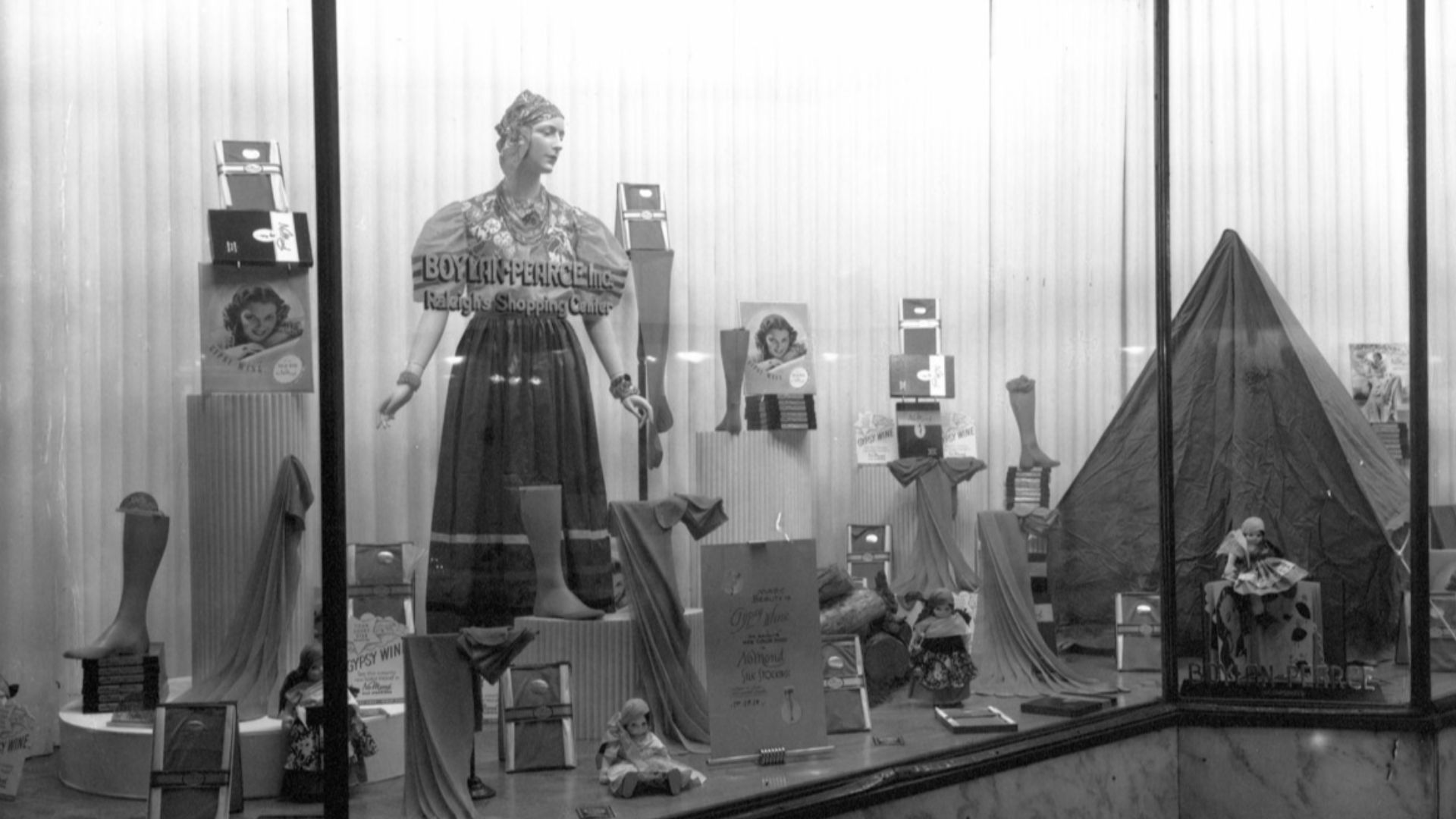
Hosiery
Need a pair of nylons on the way to dinner? The pharmacy might save the evening. Hosiery and pantyhose became standard convenience merchandise in many stores, alongside cosmetics, costume jewelry, toiletries, and other personal items. Modern pharmacies retain some clothing accessories, but a proper hosiery selection is increasingly hard to imagine.
 State Archives of North Carolina, Wikimedia Commons
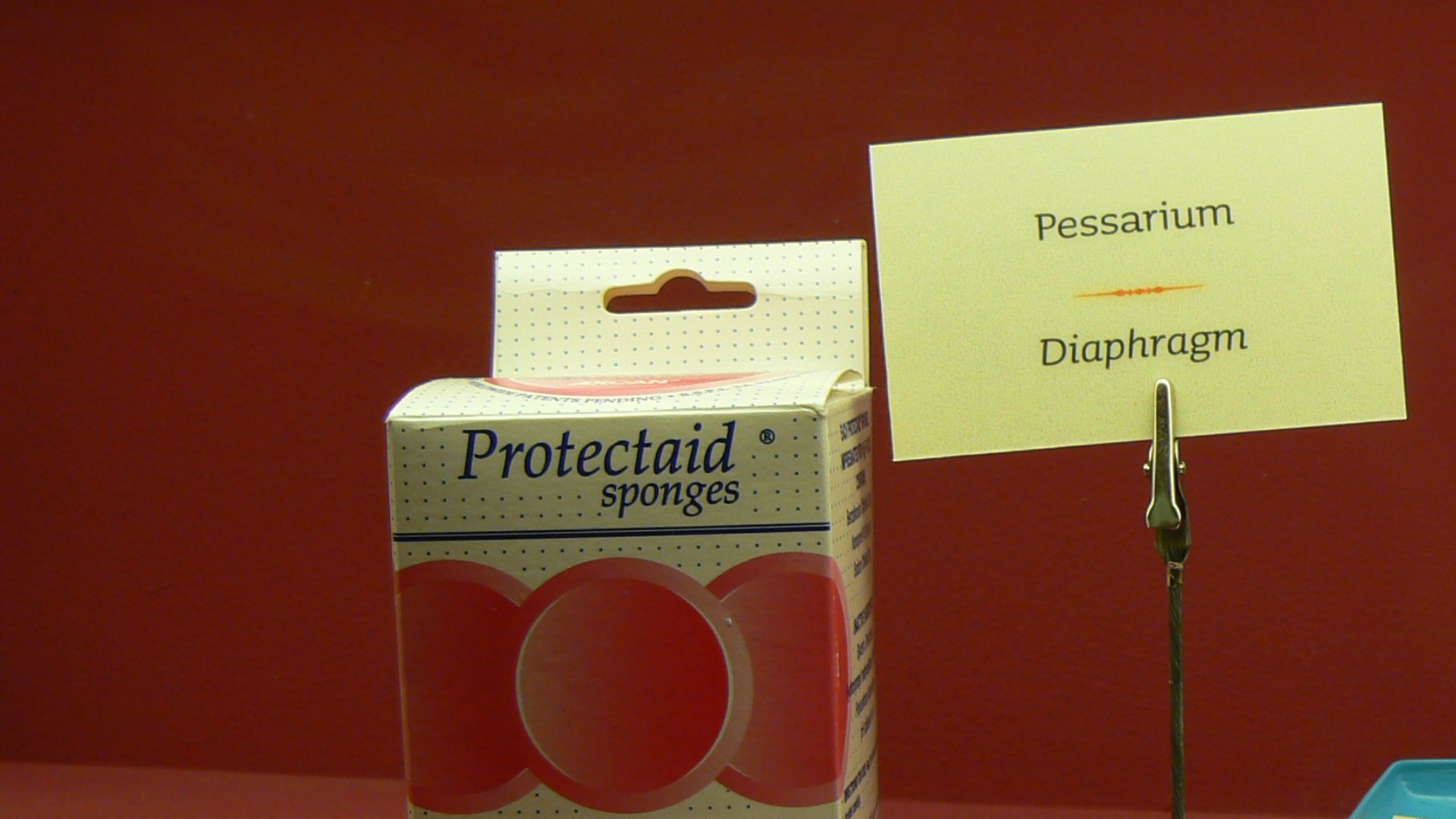
Birth-Control Diaphragms
Contraception changed dramatically during the decade. Diaphragms were among the established methods available to women, although access varied because state laws could restrict contraceptive sales and information. By 1965, the Supreme Court's Griswold v. Connecticut decision had struck down restrictions on contraceptive use by married couples.
High-Dose Birth-Control Pills
Enovid became the first oral contraceptive approved in the United States in 1960, and millions of women soon used the Pill. Those early formulations contained substantially higher hormone doses than modern versions and produced significant side effects. It was a revolutionary pill, but not quite the same product dispensed by pharmacies today.
 Главархив Москвы, Wikimedia Commons
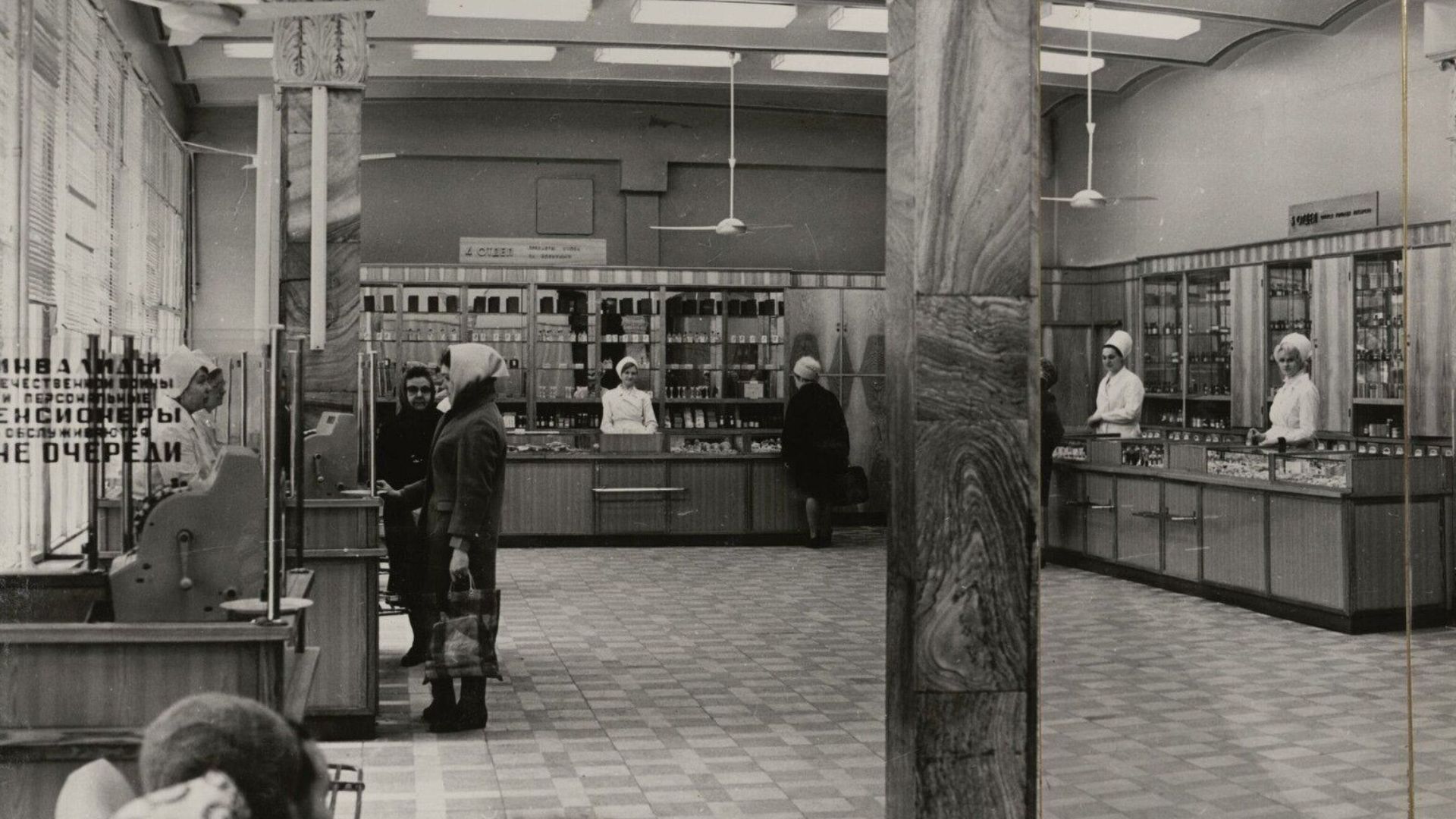
Tobacco Products
Buying cigarettes at the pharmacy wasn't remotely unusual. It occupied valuable retail space, and they could sit surprisingly close to products intended to keep customers healthy. The contradiction became harder to ignore after the landmark 1964 Surgeon General's report linked smoking with serious disease.
 Kosken Kuvaamo, Wikimedia Commons
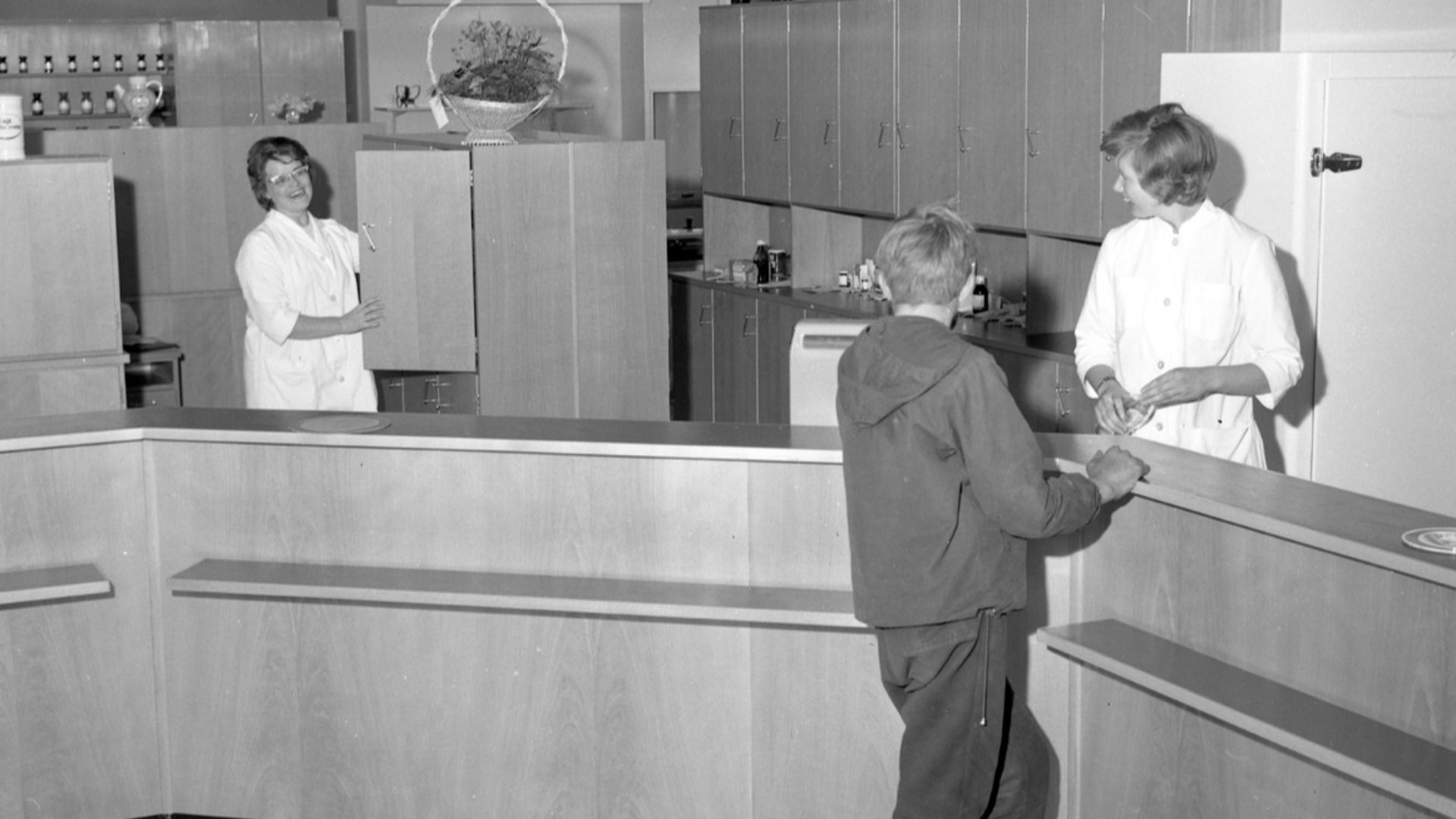
Why Pharmacies Sold Everything
The eclectic inventory wasn't an accident. By 1960, prescriptions accounted for roughly half of the average pharmacy's business. Candy, magazines, cosmetics, greeting cards, tobacco, and other front-of-store merchandise supplied the rest. The neighborhood pharmacy consequently had powerful financial reasons to sell far more than medicine.
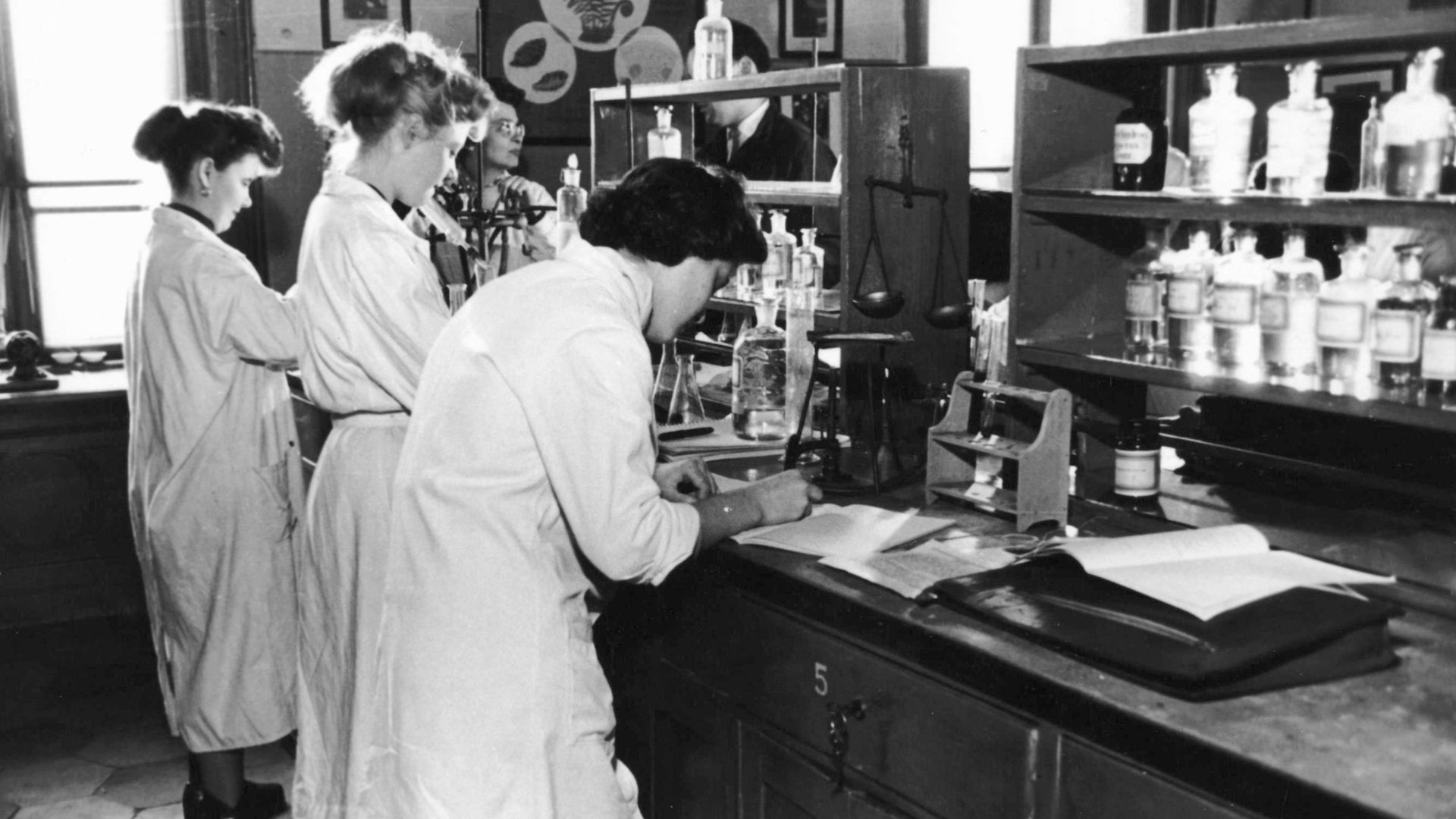
Then Retail Changed
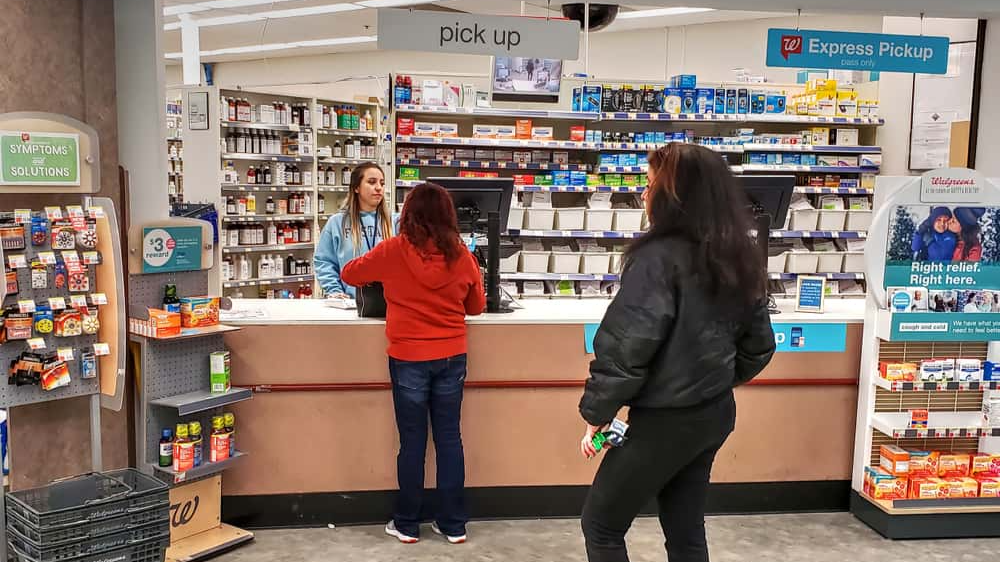
Self-service stores, supermarkets, discount retailers, specialty shops, convenience stores, and fast-food restaurants gradually carved away the pharmacy's old roles. Lunch counters disappeared, photography went digital, and large chains replaced many independent pharmacies. The modern pharmacy survived, but that wonderful anything-goes assortment of merchandise largely didn't.
You May Also Like:
The Forgotten Department Stores That Once Ruled The American Retail World
The Strangest Products People Once Bought From Mail-Order Catalogs—Would You Buy Any Of These?