Shopping Was Once Much Wilder
Before online shopping, mail-order catalogs placed an astonishing marketplace directly in customers’ hands. Alongside clothing and cookware, shoppers encountered houses, tombstones, live animals, dangerous medicines, and questionable health devices. Some were practical for their era, while others are difficult to imagine buying under any circumstances.
The Catalog Became A Rural Department Store
Sears issued its first catalog in 1888, initially concentrating on watches and jewelry. Its expanding “Big Book” eventually surpassed 1,000 pages and offered more than 100,000 products. For people living far from major stores, the catalog became a hardware shop, pharmacy, school, and general store rolled into one.

An Entire House Arrived By Train
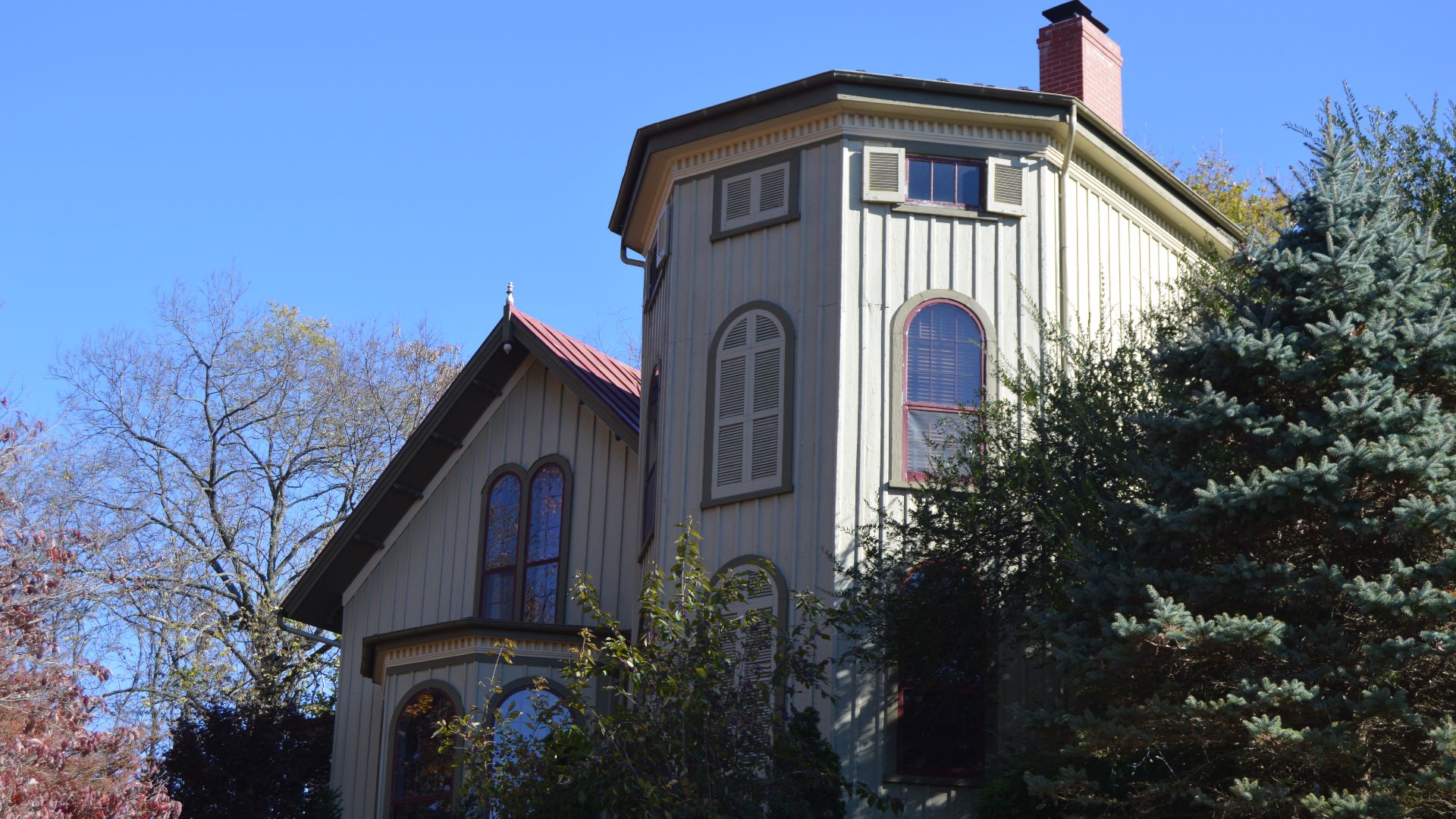
Beginning in 1908, Sears sold houses through its Modern Homes catalog. Buyers received plans and precut building materials, including lumber, nails, doors, and staircases, delivered primarily by rail. Customers still needed land, a foundation, and enough skill or hired labor to assemble everything.

Shoppers Could Order A Mansion
Not every Sears house was a modest bungalow. The ten-room Magnolia was an elaborate Honor Bilt model with columns, multiple porches, and a grand interior staircase. Its 1918 catalog price was $5,140, excluding the land and much of the construction labor.
The Bathroom Cost Extra
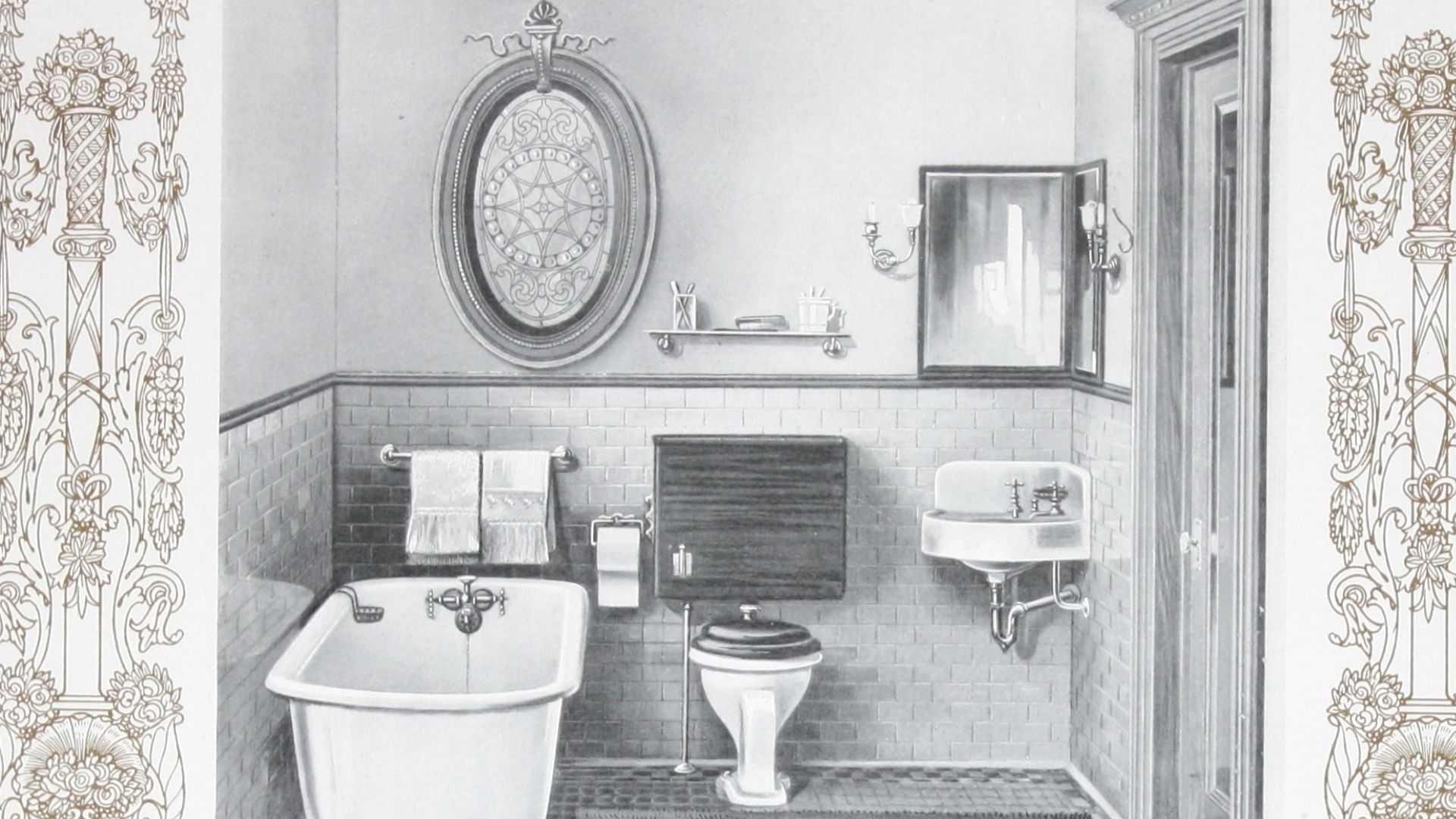
Some early house packages did not automatically include indoor plumbing. Sears told customers in its 1908 Modern Homes catalog that a bathroom could be arranged for an additional charge. A complete home delivered without a bathroom sounds startling today, but indoor plumbing remained unavailable in many American households.
 Standard Sanitary Manufacturing Company., Wikimedia Commons
Even The Outhouse Came By Mail
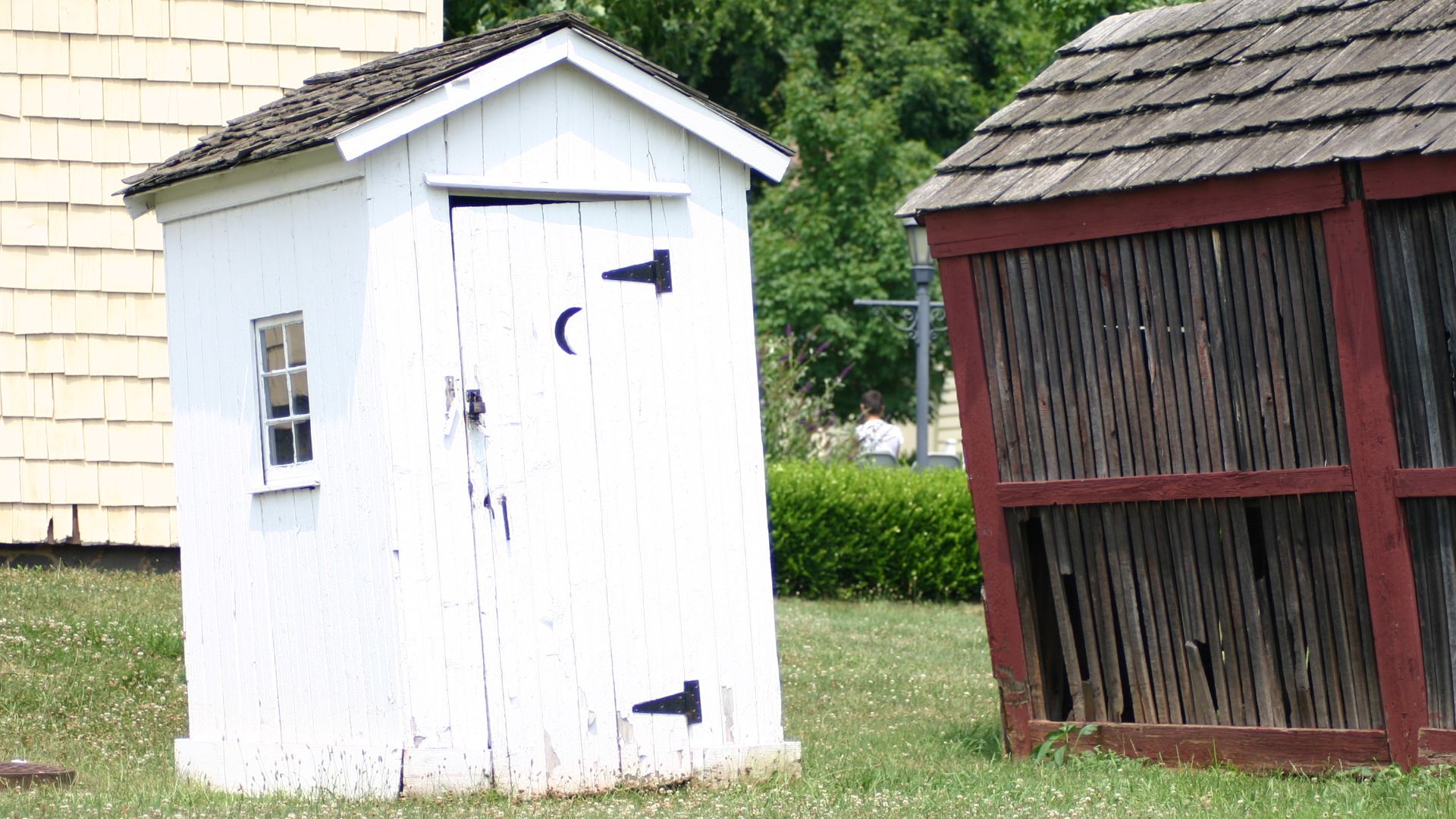
Customers who did not need a full residence could purchase smaller structures. Sears offered simple cottages alongside chicken coops, hog houses, garages, and outhouses. The catalog could therefore supply both a family’s home and several surprisingly specific buildings surrounding it.
 Javier Robles, Wikimedia Commons
Tombstones Were Available By Catalog
Sears published a special Tombstones and Monuments catalog in 1906. Customers selected a design, stone type, inscription, and decorative details without visiting a local monument dealer. The finished marker was shipped from the quarry and marble works in Vermont.

There Was Even A Mail-Order Sarcophagus
Budget-conscious families could choose simple markers, but Sears also accommodated more elaborate tastes. Its catalog offered a dark Barre granite sarcophagus beginning at $113.87. Shoppers could therefore browse clothes, tools, and a monumental final resting place through the same retailer.

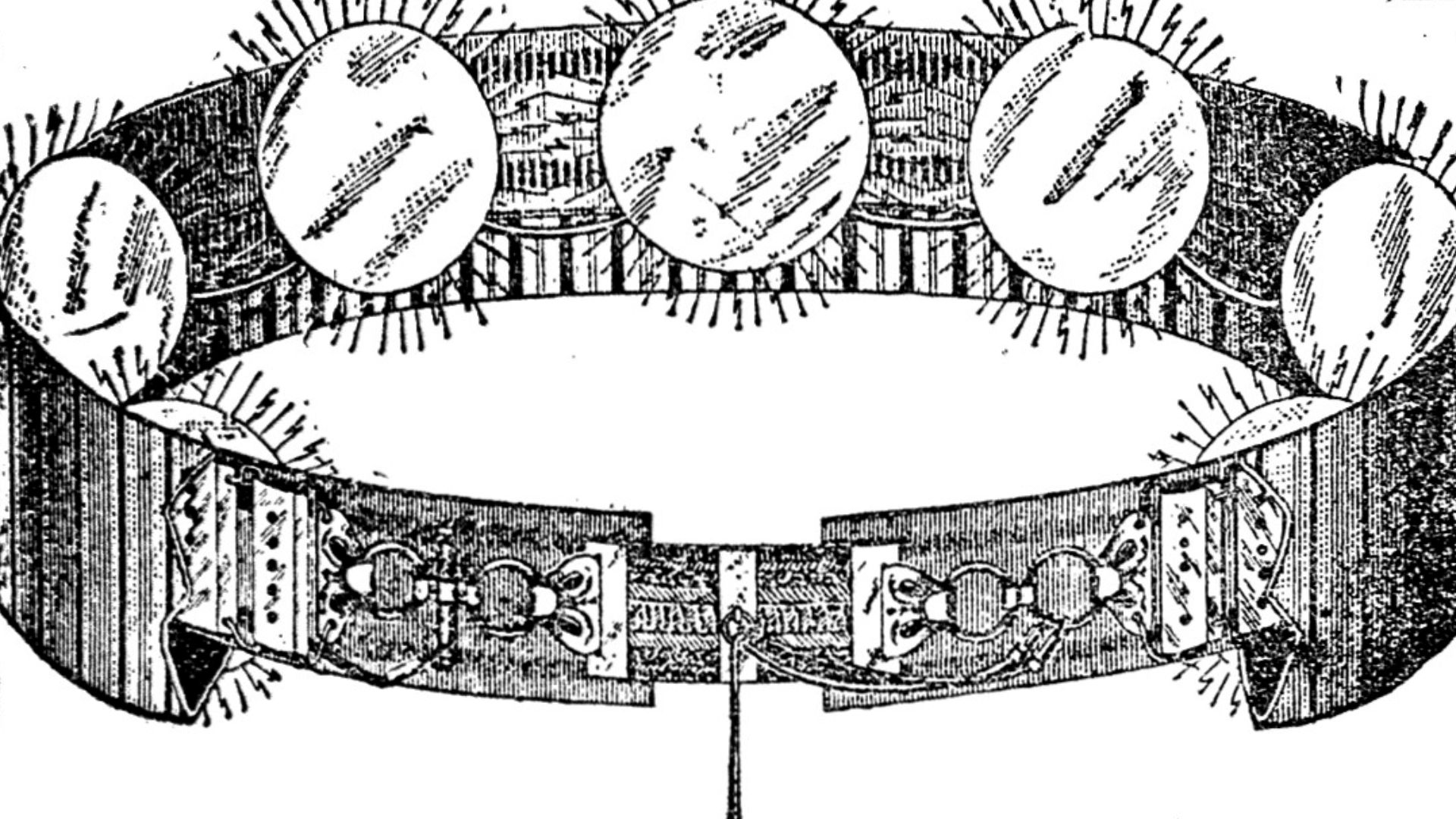
An Electric Belt Promised Manly Vigor
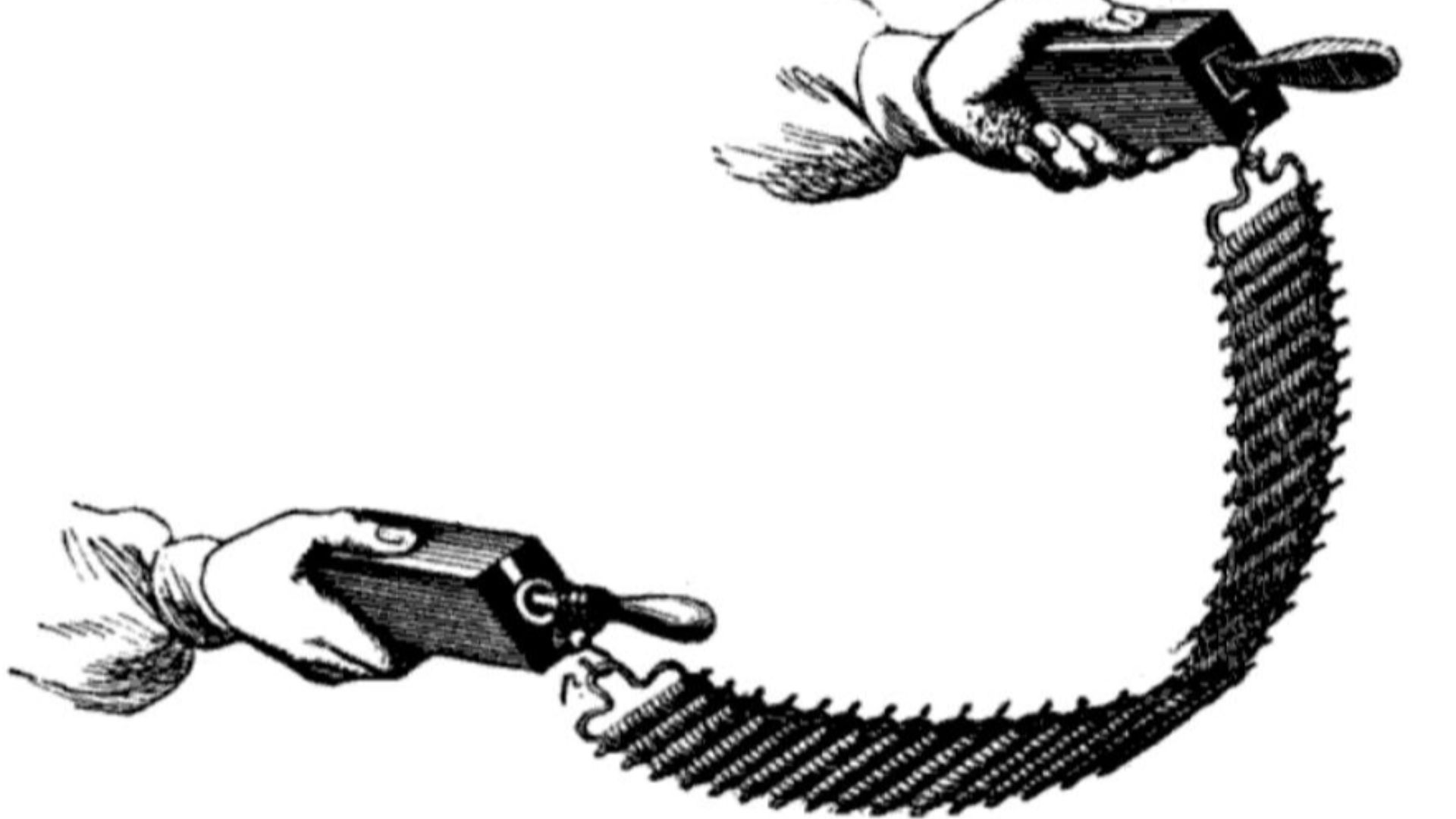
The Heidelberg Electric Belt used batteries and metal components to deliver an electrical current to the wearer. Sears advertising claimed the $18 device could treat male weakness and restore strength and virility. Such electrical remedies exploited the public’s fascination with a technology that still seemed mysterious and almost limitless.
 Unknown authorUnknown author, Wikimedia Commons

History's most fascinating stories and darkest secrets, delivered to your inbox daily.
Brain Pills Promised Better Spirits
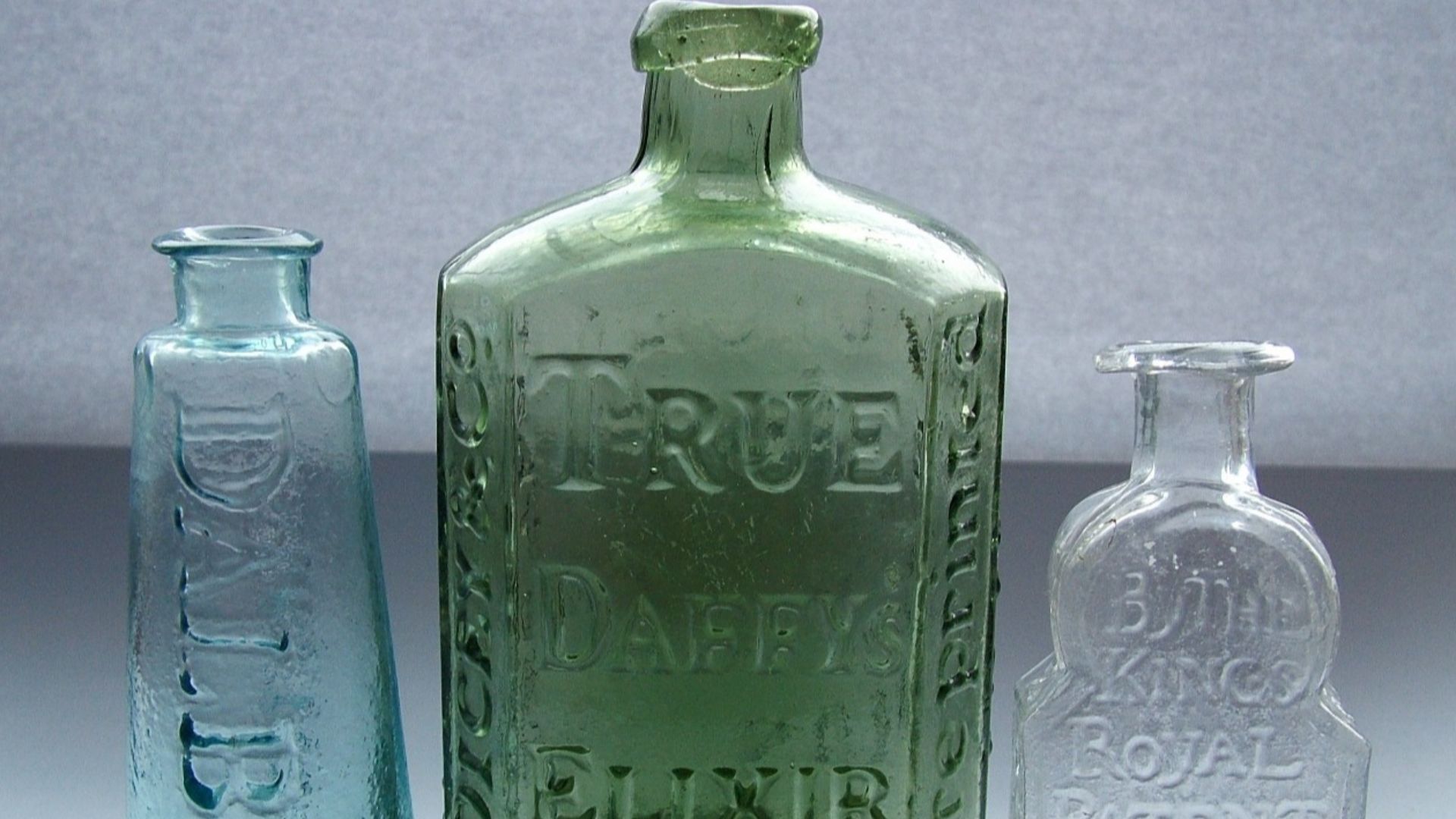
Dr. Hammond’s Nerve and Brain Pills were advertised for an extraordinary collection of complaints. The list included low spirits, nervousness, fatigue, visual disturbances, and digestive sensations. Instead of receiving a medical examination, customers could simply select the pills from a catalog and await delivery.
 Cindy Shebley, Wikimedia Commons
Blood Builder Claimed To Treat Serious Illnesses
Dr. Barker’s Blood Builder supposedly purified or “depoisoned” diseased blood. Sears advertisements associated it with conditions ranging from acne and ulcers to rheumatism and cancer. These sweeping promises appeared before modern consumer-protection laws imposed stronger controls on medical advertising.
 The original uploader was Deepestbluesea at English Wikipedia., Wikimedia Commons
Arsenic Wafers Were Sold For Beauty
Dr. Rose’s Arsenic Complexion Wafers promised to improve troublesome skin from within. Advertisements presented the arsenic-containing product as harmless and claimed it could address freckles, pimples, blackheads, and redness. In an era of poorly regulated cosmetics, a dangerous ingredient could be marketed as part of a beauty routine.
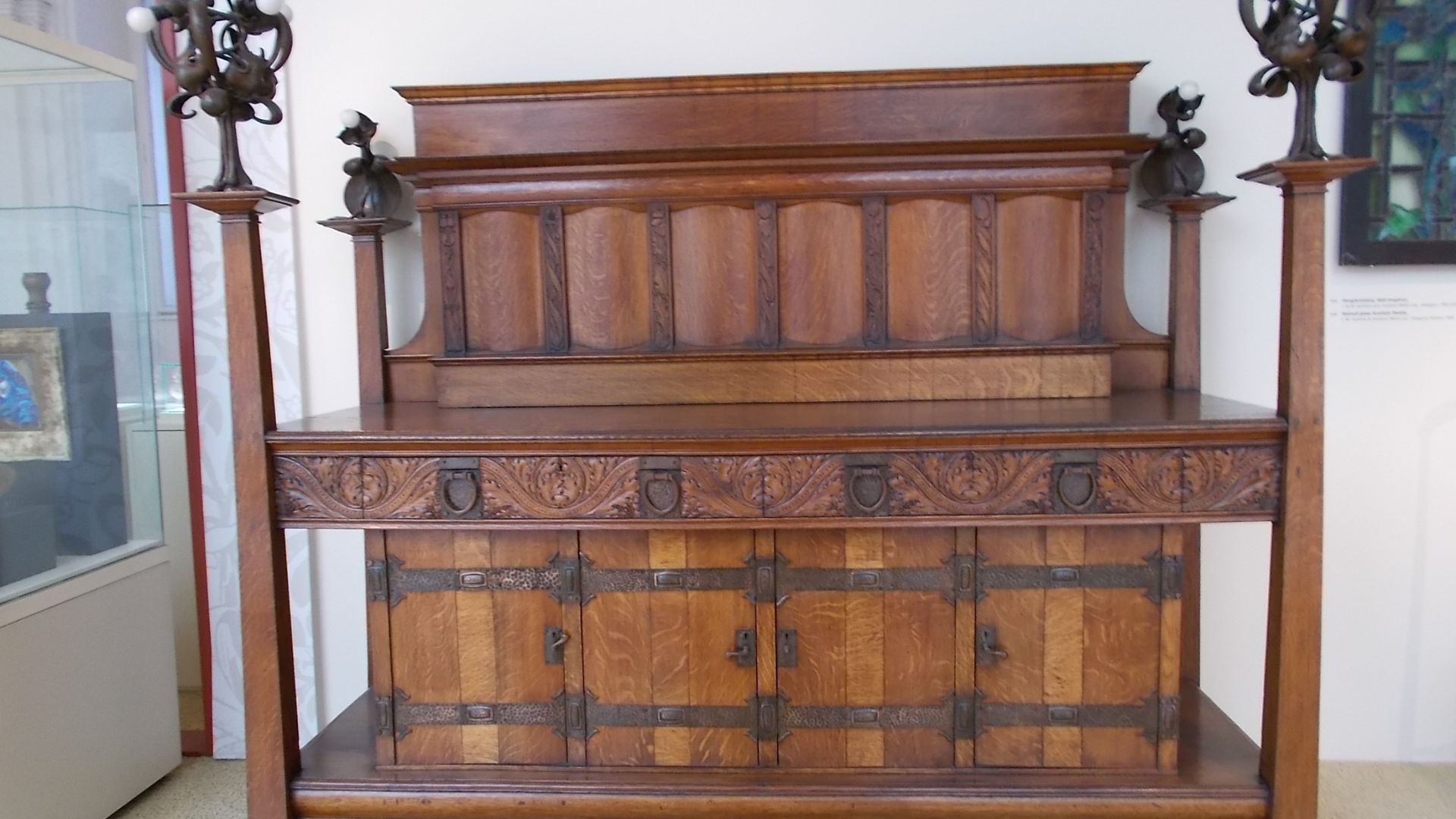
A Steam Cabinet Became A Home Spa
Sears sold vapor bath cabinets that enclosed the seated user’s body while leaving the head exposed. Steam circulated inside the cabinet, supposedly encouraging perspiration and removing harmful substances from the body. The contraption resembled a personal wooden sauna with a human head protruding from its top.
 Globetrotter19, Wikimedia Commons
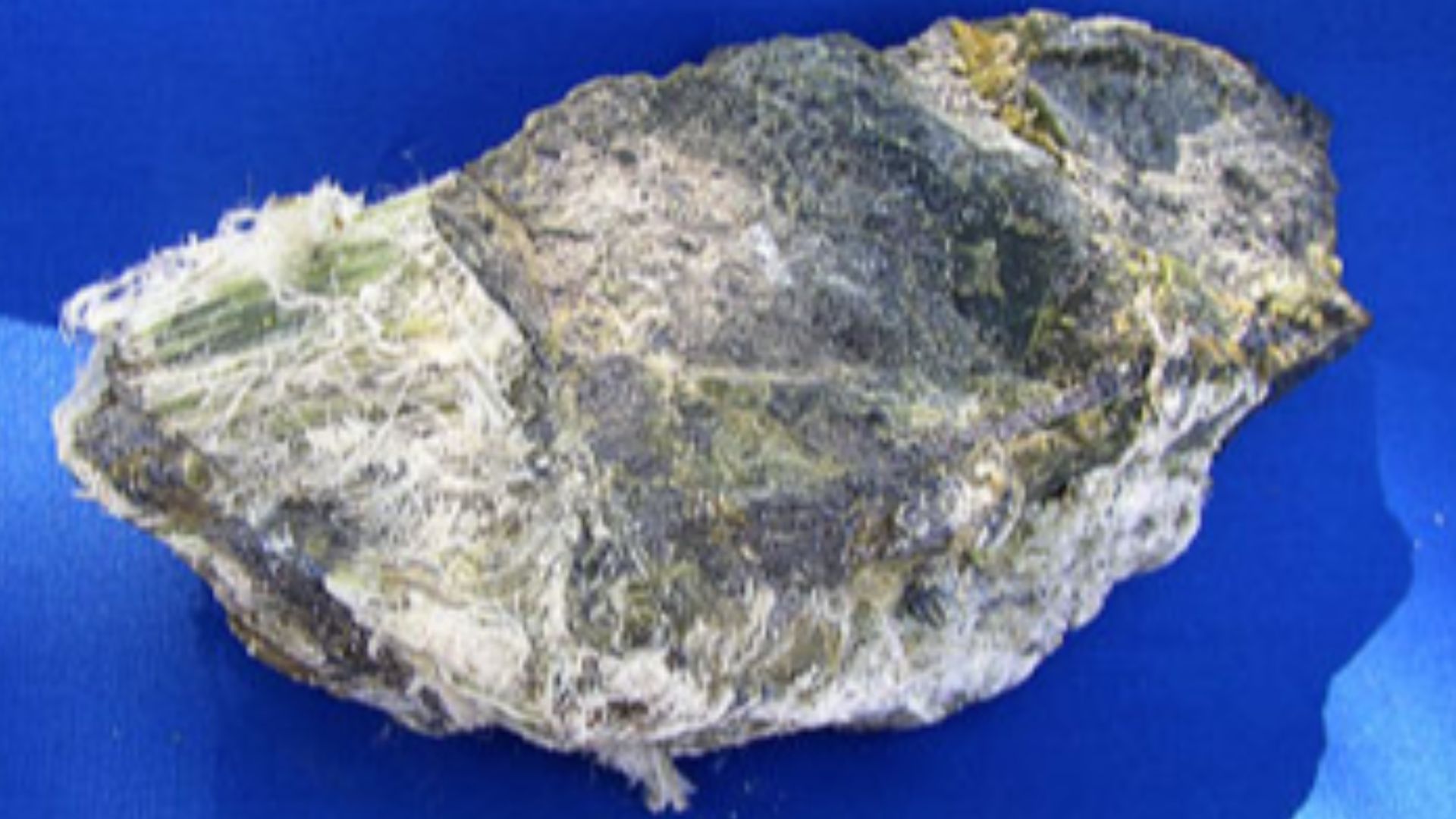
Asbestos Entered The Kitchen
Asbestos was once celebrated for its resistance to fire and heat. Sears catalogs consequently offered asbestos-lined or coated kitchen products, including stove mats, stove linings, toasters, and omelet pans. The same quality that made the mineral attractive for cooking equipment later contributed to widespread exposure and devastating disease.
 Unknown authorUnknown author, Wikimedia Commons
Firearms Traveled Through The Mail
Sears sold rifles and other firearms through its catalogs during a period of much looser federal regulation. A 1950 catalog advertised models from Remington, Browning, and Winchester for direct purchase. Federal legislation passed in 1968 later sharply restricted interstate mail-order firearm sales to consumers.
 Armemuseum (The Swedish Army Museum), Wikimedia Commons
Thousands Of Bees Arrived In A Package
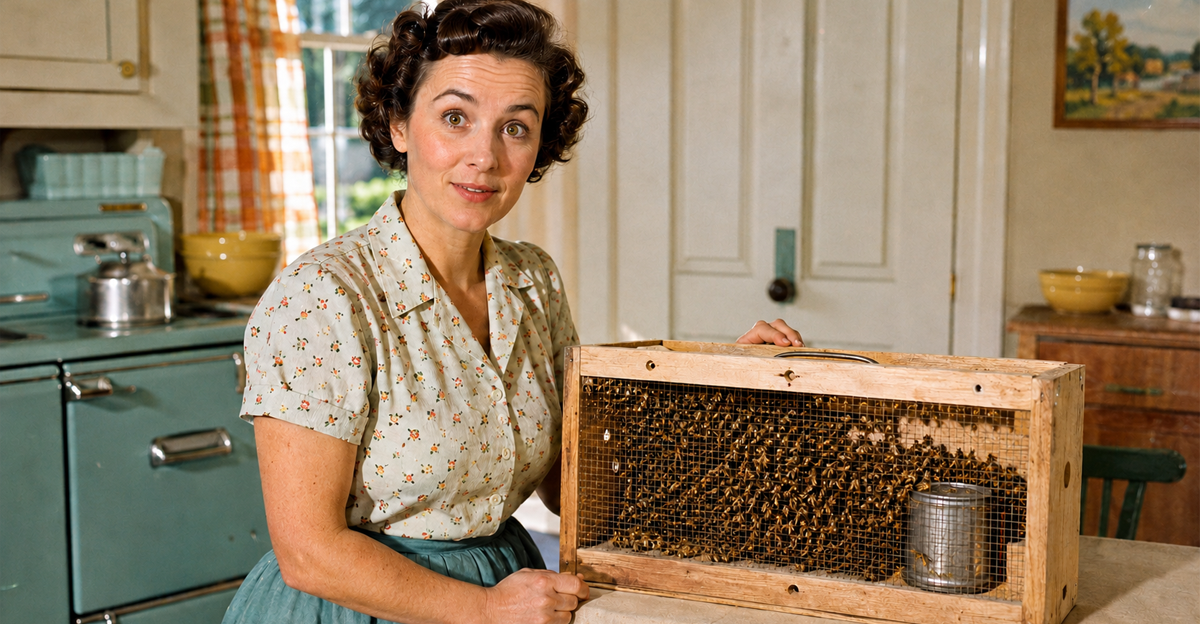
Farm and Ranch catalogs allowed customers to order live bees for establishing or expanding hives. Packages could contain thousands of bees along with a queen. Sears also sold protective veils and instructional material, which probably looked far more appealing once the buzzing shipment arrived.

Household Pets Appeared In The Catalog
During parts of the 1950s and 1960s, Sears offered live pets such as dogs, birds, and fish. Choosing an animal from a printed description was very different from meeting it before bringing it home. Shipping practices that once seemed like ordinary commerce would provoke serious animal-welfare concerns today.
Baby Chicks Came Through The Post
Live chicks were another mail-order offering, although they served an important agricultural purpose rather than simply providing companionship. The United States Postal Service still permits certain healthy day-old poultry to be mailed under detailed conditions. Catalog shopping therefore connected hatcheries with farmers who lived far beyond ordinary retail networks.
 OSU Special Collections & Archives : Commons, Wikimedia Commons
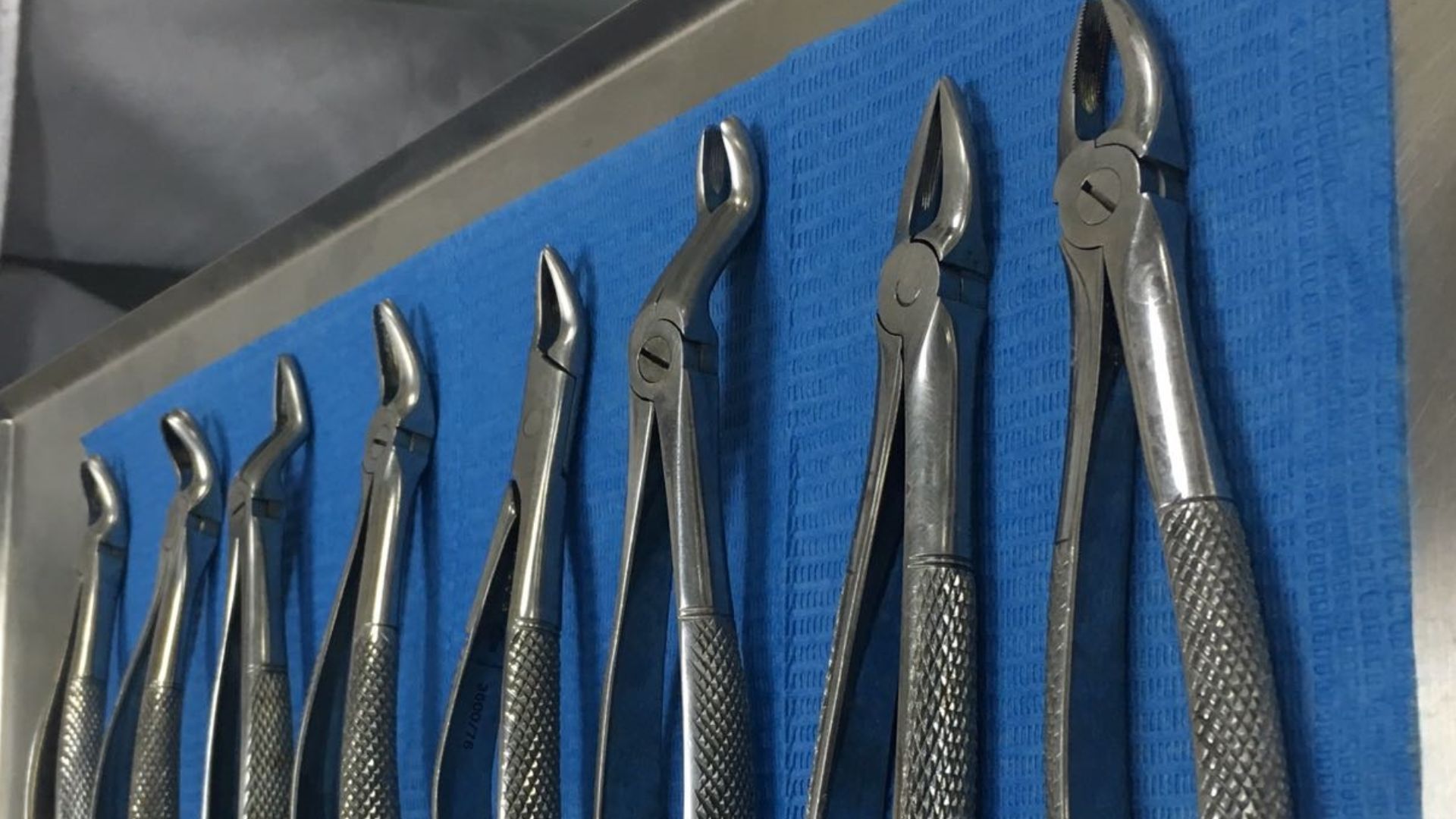
Horse Owners Could Buy Tooth Extractors
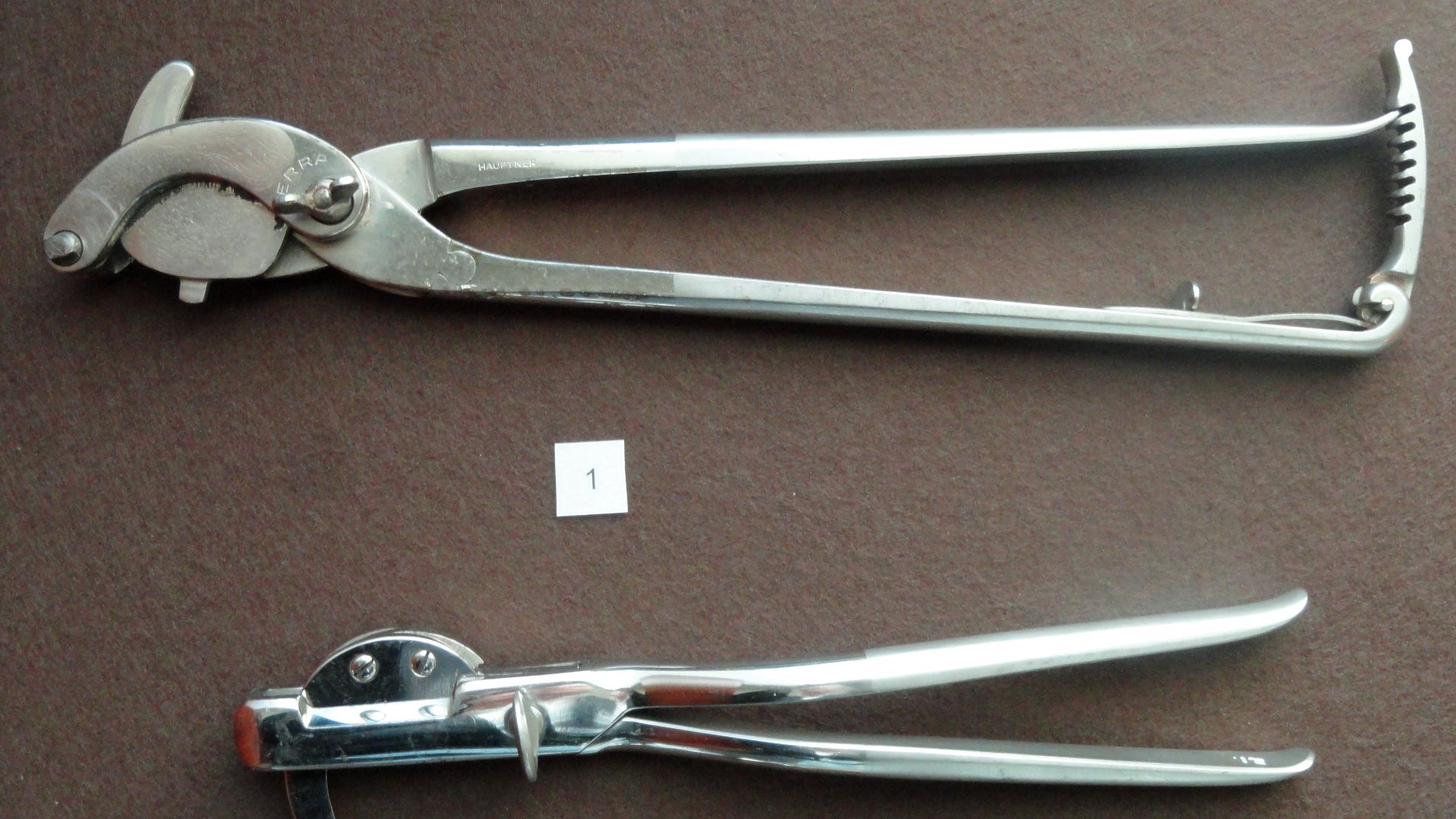
Sears stocked veterinary instruments for customers caring for working animals. Among them were extractors designed to remove the small vestigial teeth commonly called wolf teeth from horses. The tool reflected how frequently rural customers handled procedures that modern owners would normally leave to trained veterinarians.
 Revolver00870, Wikimedia Commons
Castrating Knives Were Ordinary Merchandise
Veterinary departments also advertised castrating knives and related livestock equipment. Such tools were practical on farms, but their appearance beside household goods makes old catalogs surprisingly graphic to modern readers. Sears assumed many customers possessed the experience to use specialized instruments without extensive instruction.
Otter Traps Were Shipped To Trappers
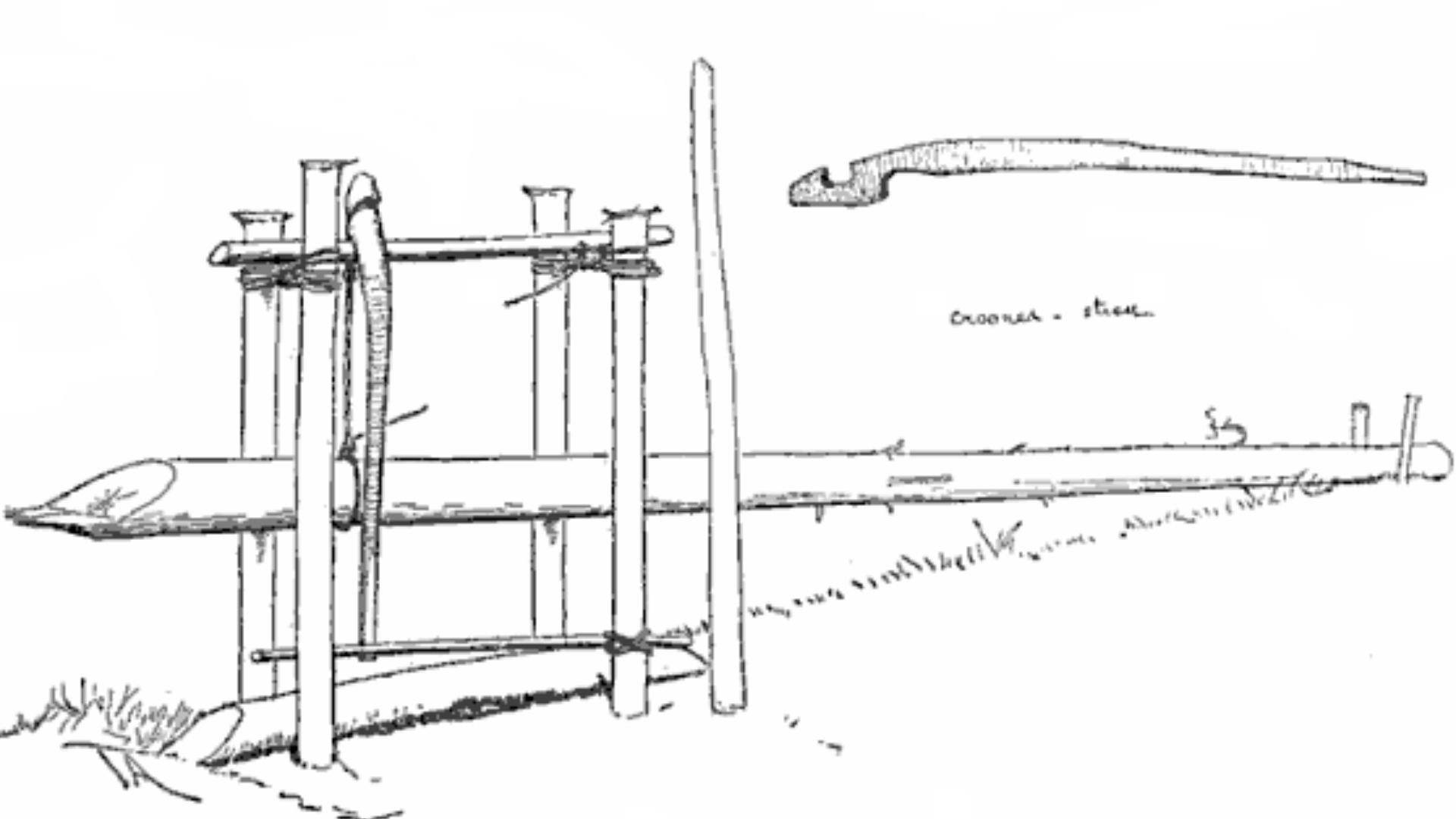
Steel traps for otters and other fur-bearing animals appeared among Sears’ outdoor and agricultural merchandise. Trapping supplied fur, food, income, and pest control for many rural households. A heavy spring-loaded trap was therefore treated as another standard tool that could be selected from a page and shipped away.
 Sewell Newhouse, Wikimedia Commons
Sears Also Wanted The Fur Back
Sears did more than equip trappers. Through its Tips to Trappers publications and fur-buying operation, the company encouraged customers to sell harvested pelts back to it. The arrangement created an unusual commercial circle in which Sears supplied the trap and later purchased what the customer caught.
 unknown / --Kuerschner 16:04, 24 March 2008 (UTC), Wikimedia Commons
Oyster Shells Came In 100-Pound Bags
A massive bag of crushed oyster shells sounds like an elaborate prank purchase. In reality, poultry keepers used the shells as a calcium source for laying hens. Sears sold 100-pound quantities because producing strong eggshells required a dependable dietary supply of calcium.

Bookkeeping Was Sold In A Box
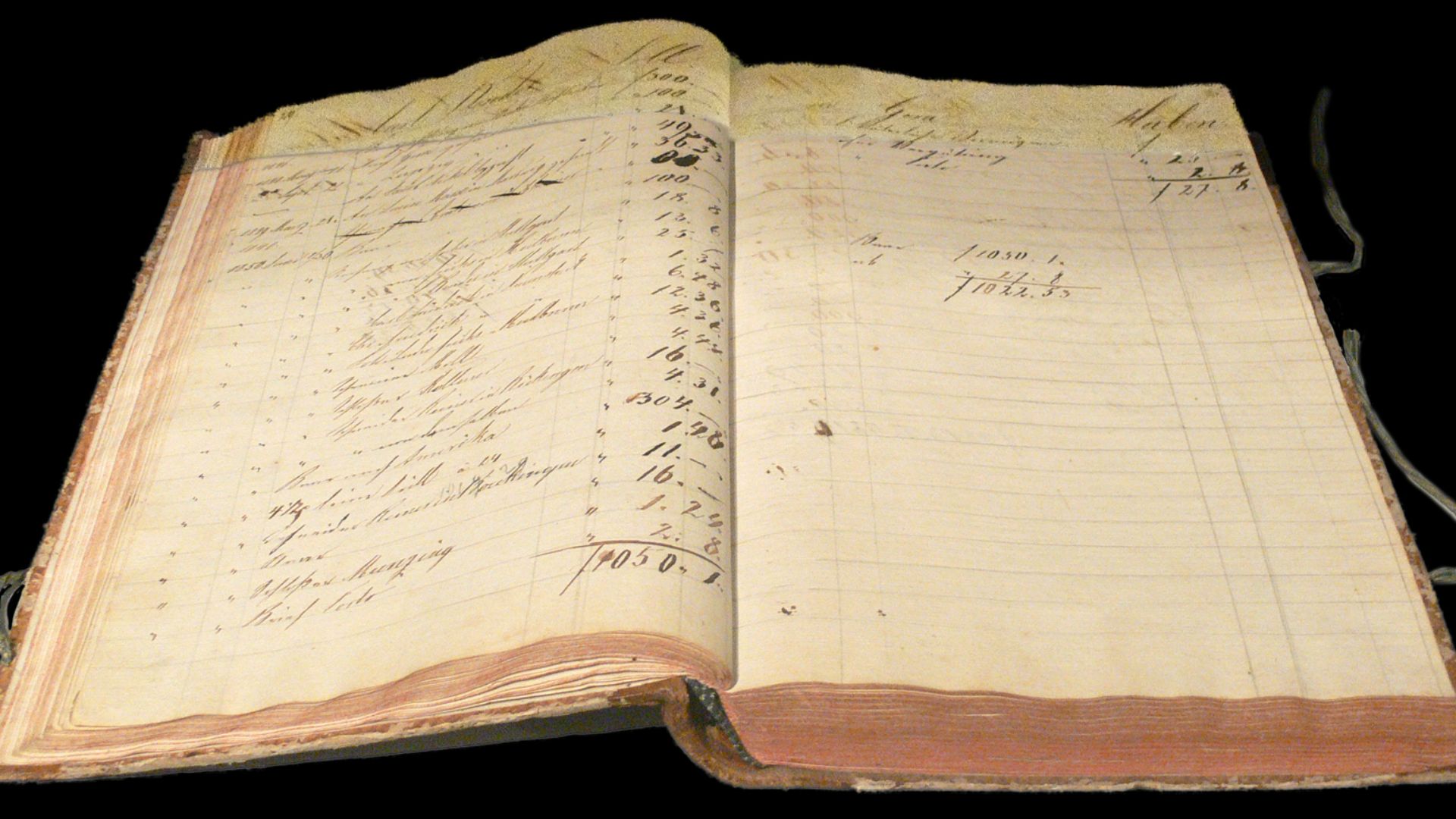
Customers could also order education rather than physical merchandise. A 1907 Sears catalog advertised a six-month bookkeeping course for $5, including ledgers, journals, balance sheets, and penmanship instruction. The roughly seven-pound package brought vocational training to people who might live nowhere near a business school.
Eyeglasses Required No Modern Eye Clinic
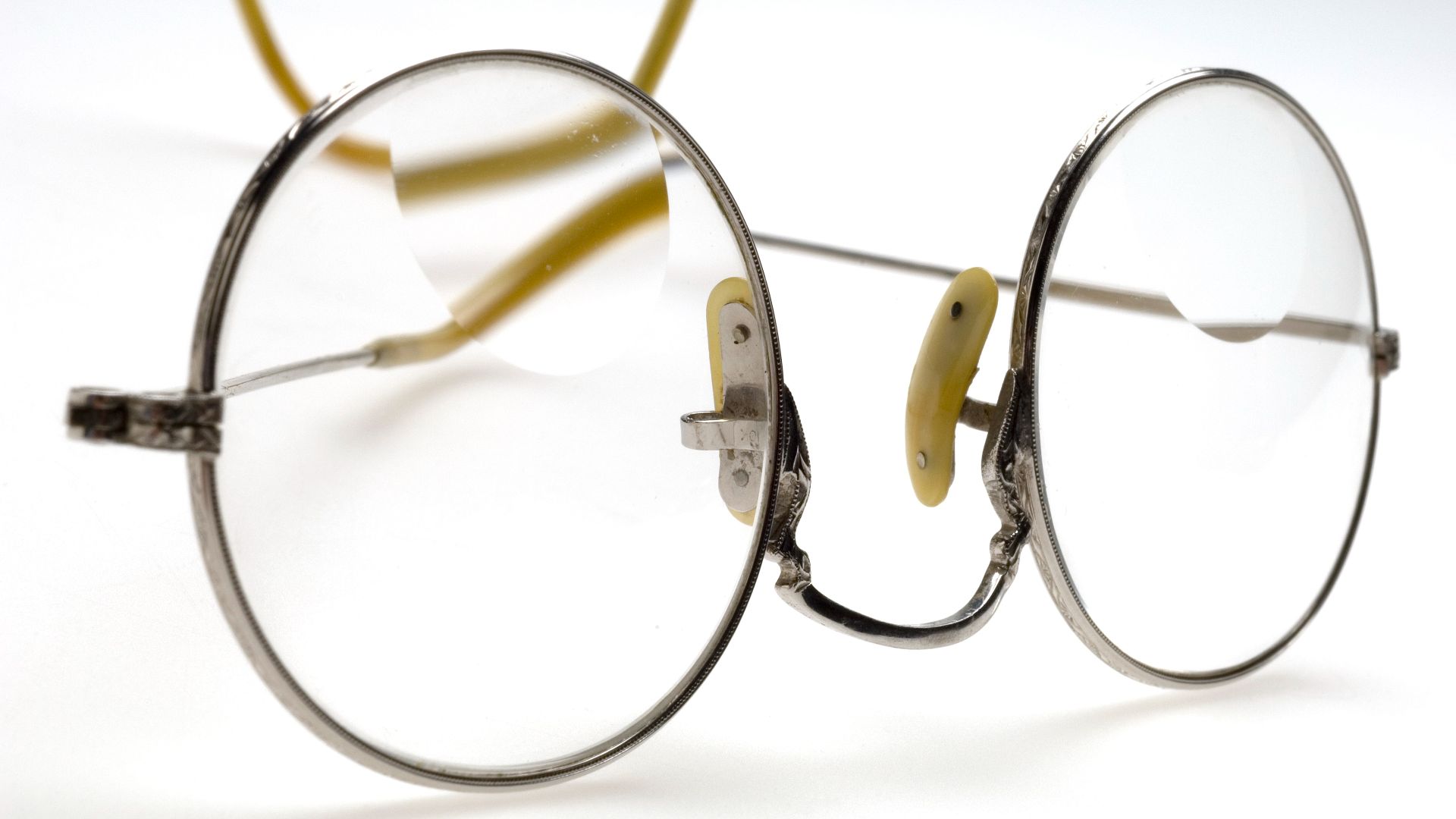
Eyeglasses were among the useful personal items Sears offered to rural customers. Catalogs provided methods for selecting lenses and frames without the convenient access to optometrists that many shoppers have today. The service increased access, although choosing corrective lenses by mail offered far less individualized assessment than a modern eye examination.
The Strangest Products Filled Real Needs
Some catalog offerings now look reckless, particularly arsenic wafers and cure-all electrical belts. Others, including poultry supplies, kit houses, and veterinary tools, reveal how independent rural households once had to be. Whether any of them remain tempting depends largely on how badly you want a mansion, several thousand bees, or your own personal steam cabinet.
You May Also Like:
Ordinary Jobs From The 20th Century That Vanished Faster Than Anyone Expected
Bizarre Things That People Somehow Once Believed Were Good For Their Health
The Coney Island Incubator Babies Were Put On Display, But The Spectacle Actually Saved Lives