Ordinary In America, Surprisingly Luxurious Elsewhere
A lot of American comforts don't feel luxurious because they're simply part of everyday life. But visitors used to smaller homes, tighter cities, different restaurant customs, or fewer convenience-focused services can notice them almost immediately. Sometimes the biggest culture shock isn't a famous landmark, but that the refrigerator makes its own ice.
Free Ice Water At Restaurants
Sit down at an American restaurant and there's a good chance a large glass of iced tap water will appear without anyone ordering it or paying for it. Refills may keep coming automatically throughout the meal. That's hardly universal around the world, where diners may be expected to order bottled water, pay for it separately, or specifically request tap water. Americans barely register the service, but visitors frequently do.

King-Size Beds
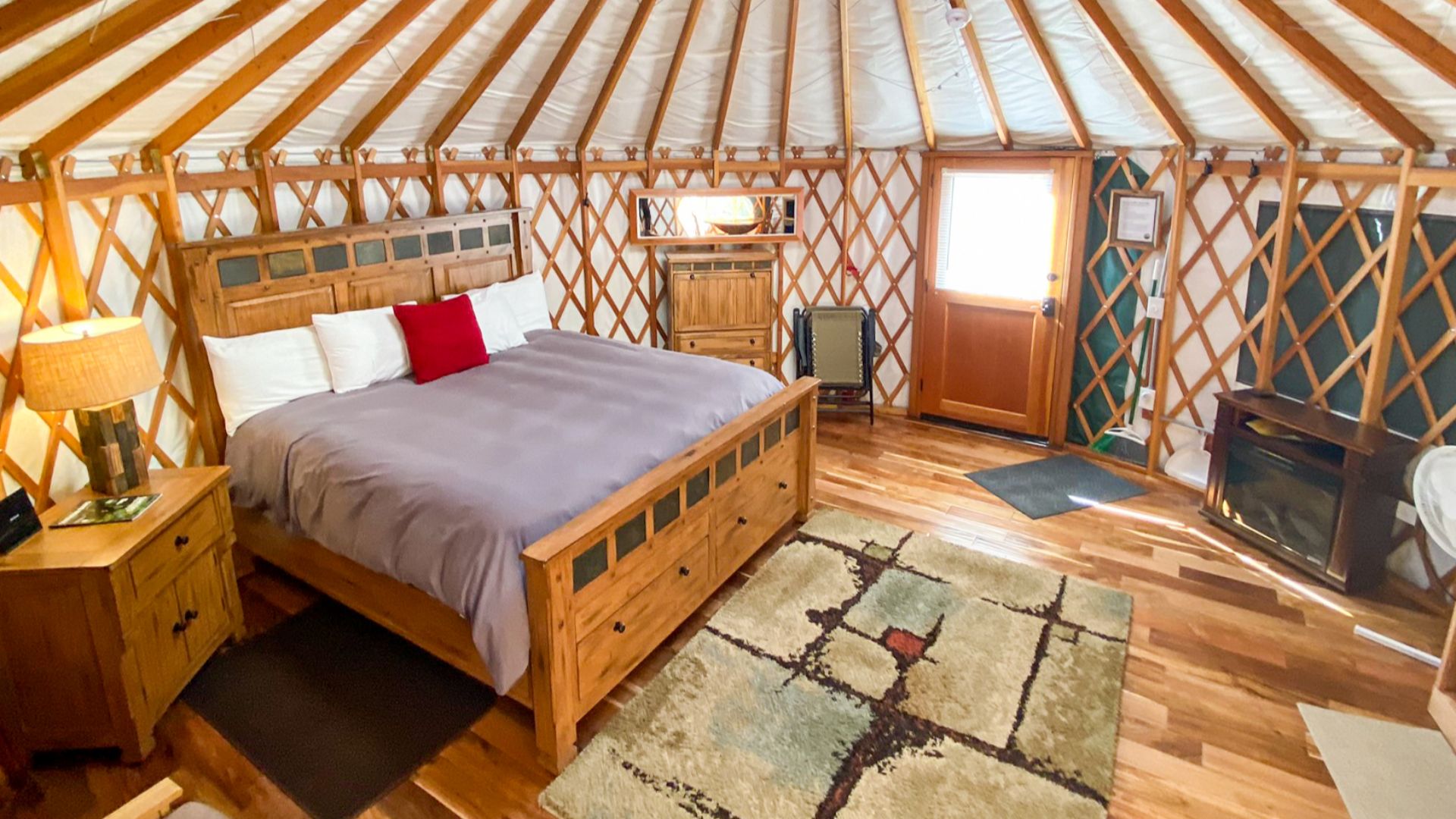
An American king-size mattress measures roughly 76 inches wide, giving two sleepers an amount of personal territory that can feel almost diplomatic. Large bedrooms and hotel rooms make enormous beds practical, and they're common enough that Americans don't necessarily consider them extravagant. Visitors from countries where bedrooms themselves are smaller may wonder why two people require a sleeping surface nearly as wide as some people's entire room.
Walk-In Closets
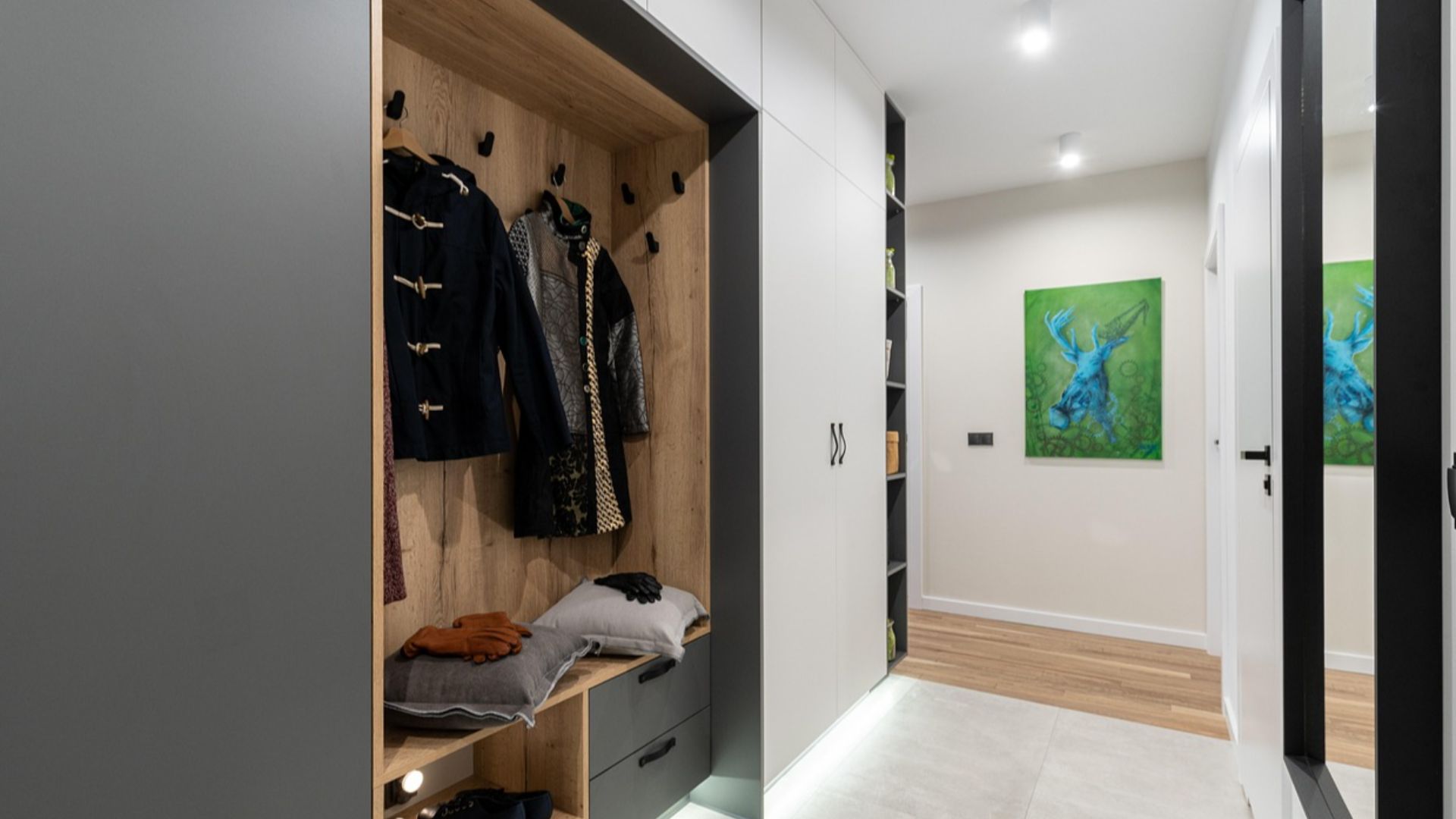
At some point, a closet stopped being a cupboard and became somewhere you could physically enter. Walk-in closets are a selling feature in many American homes, particularly in newer suburban construction. Some are large enough for shelving, drawers, shoe racks, mirrors, and seating. To somebody accustomed to a wardrobe against the bedroom wall, dedicating an entire room-like space exclusively to clothing can look less like storage and more like a private boutique.
Unlimited Soda, Coffee, And Iced-Tea Refills
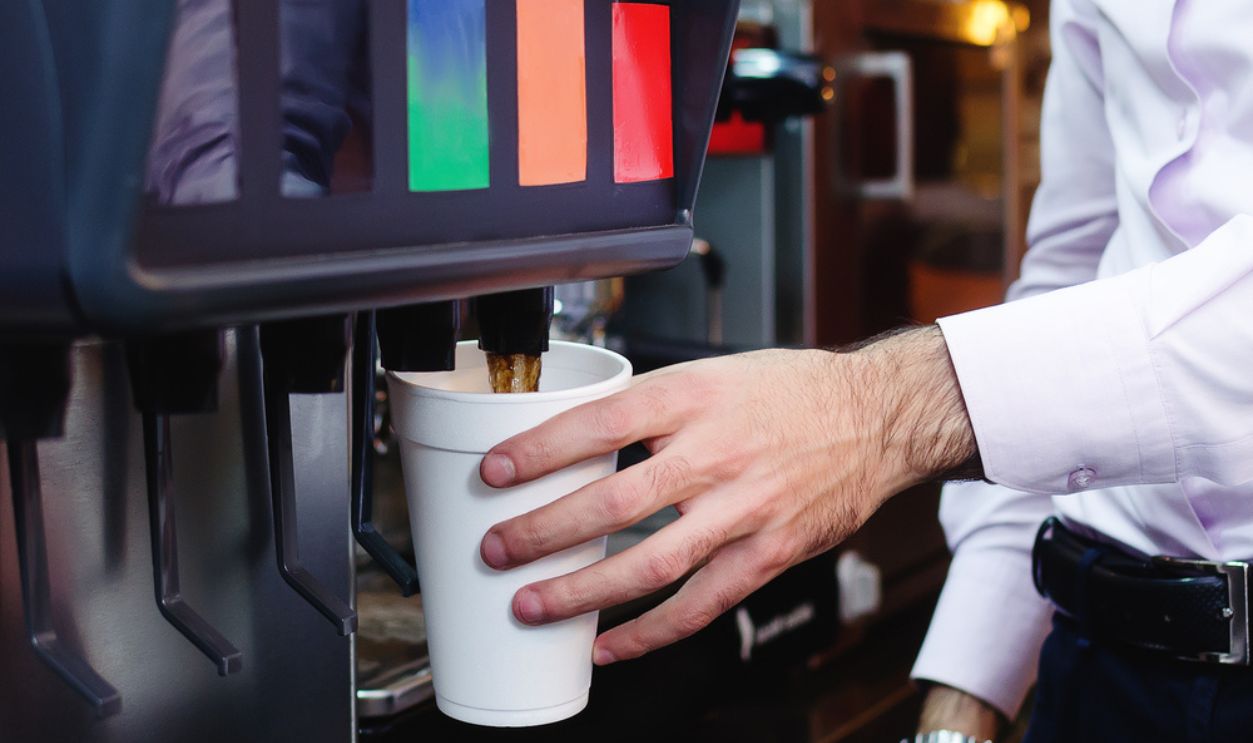
One purchased drink can somehow produce four drinks by the end of an American meal. Free refills on fountain soda, iced tea, and sometimes coffee are so ingrained in casual dining that Americans may be genuinely surprised when traveling abroad and discovering that every Coke appears separately on the bill. It's a small perk, but one that makes American restaurant service feel unusually abundant.
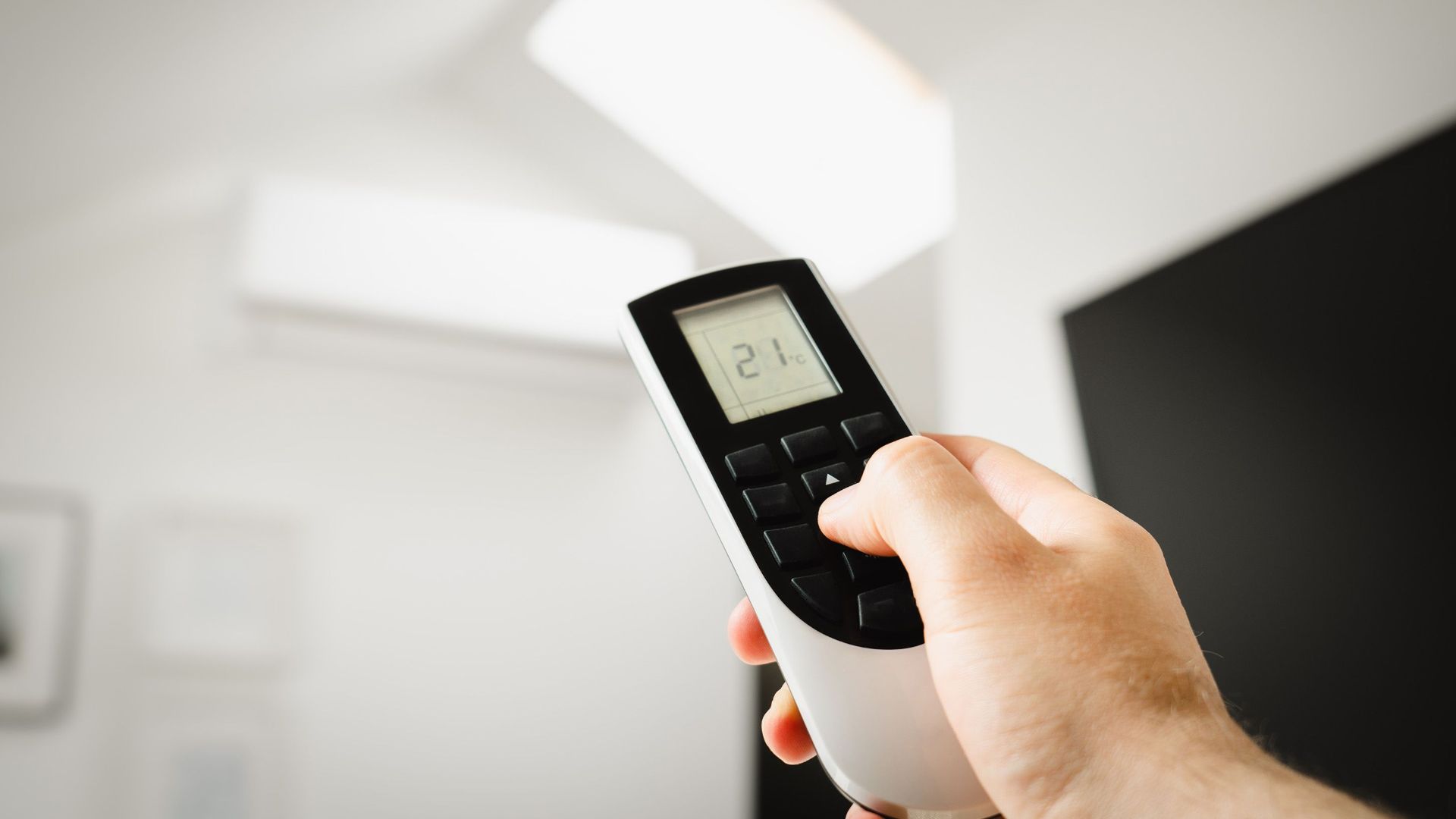
Air Conditioning Almost Everywhere
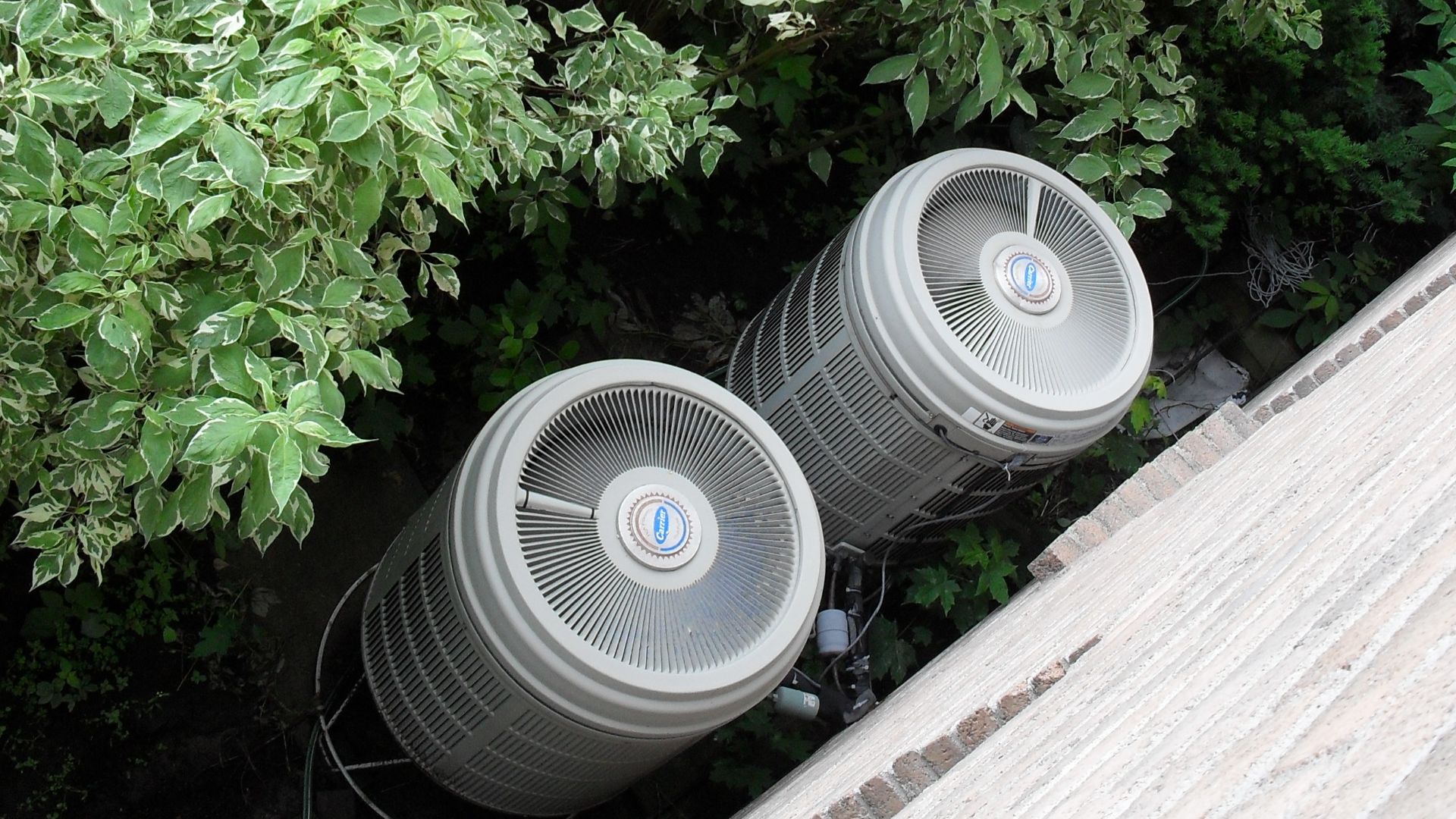
Americans don't merely air-condition their houses. They air-condition restaurants, offices, shopping malls, supermarkets, movie theaters, hotels, schools, cars, and practically anything else with walls. In 2020, air conditioning was used in 88% of US households, and nearly every new single-family home completed in 2024 had central air. Visitors from countries where residential AC remains less common can go from admiring the cool air to carrying a sweater in July surprisingly quickly.
Garbage Disposals
Few American kitchen appliances confuse foreign visitors faster than the machine hiding underneath the sink. Flip a switch and food scraps disappear into a loud spinning grinder connected to the drain. Garbage disposals aren't universal even within the United States, but they're far more familiar there than in many other countries. To someone who's always scraped every scrap into a trash or compost bin, deliberately putting food down the sink can feel completely wrong.
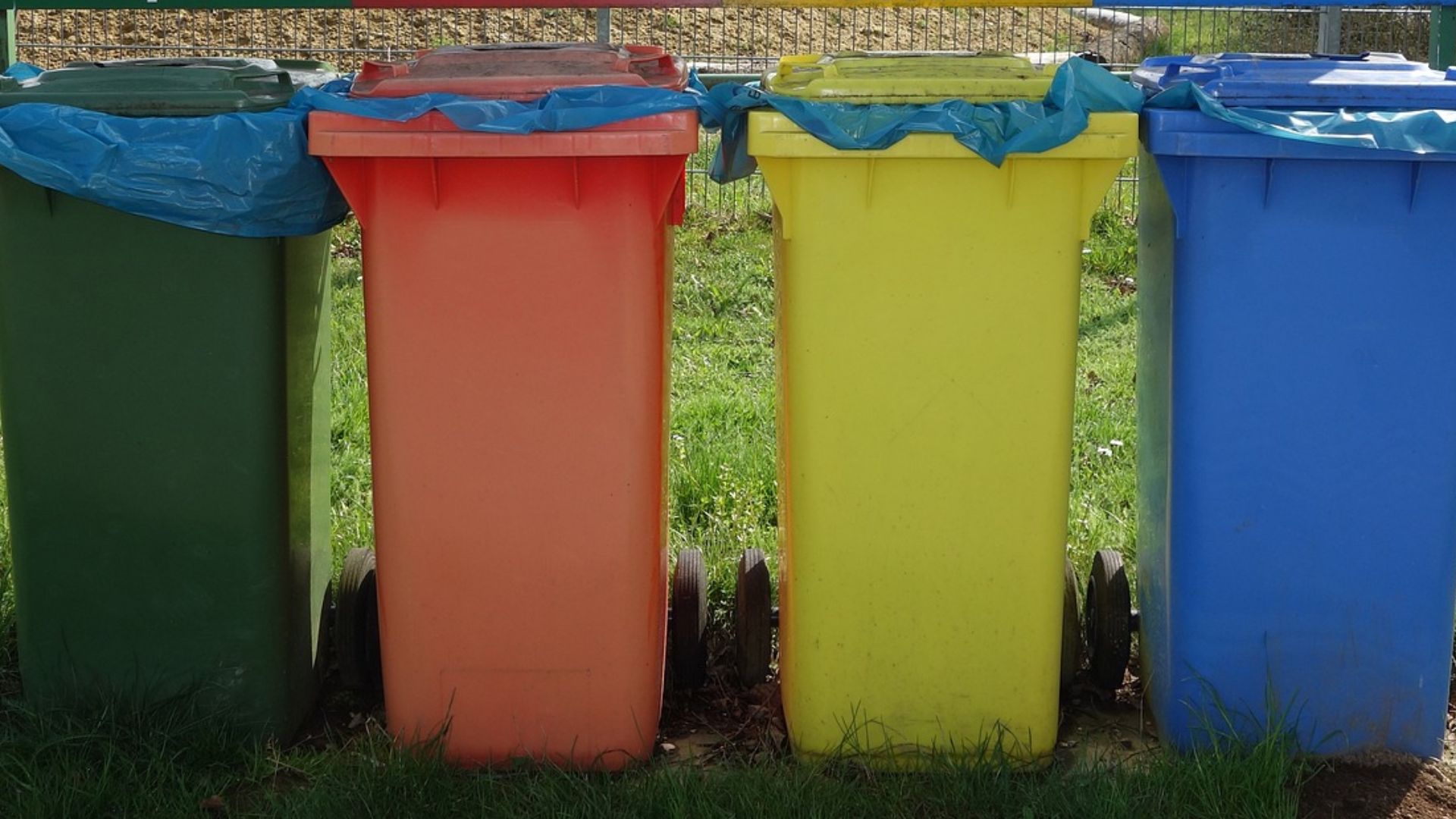
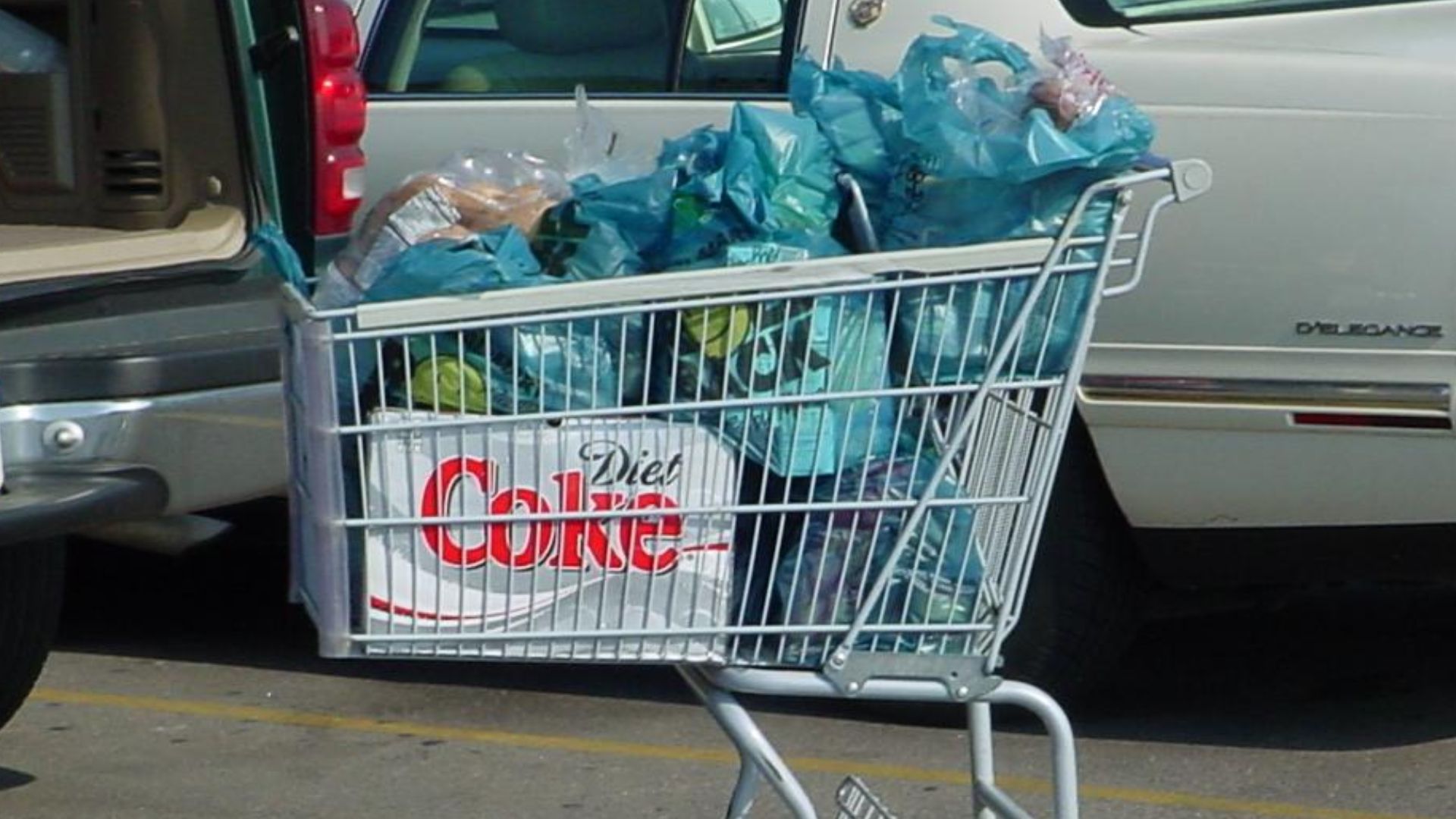
Buying Groceries And Household Goods In Bulk
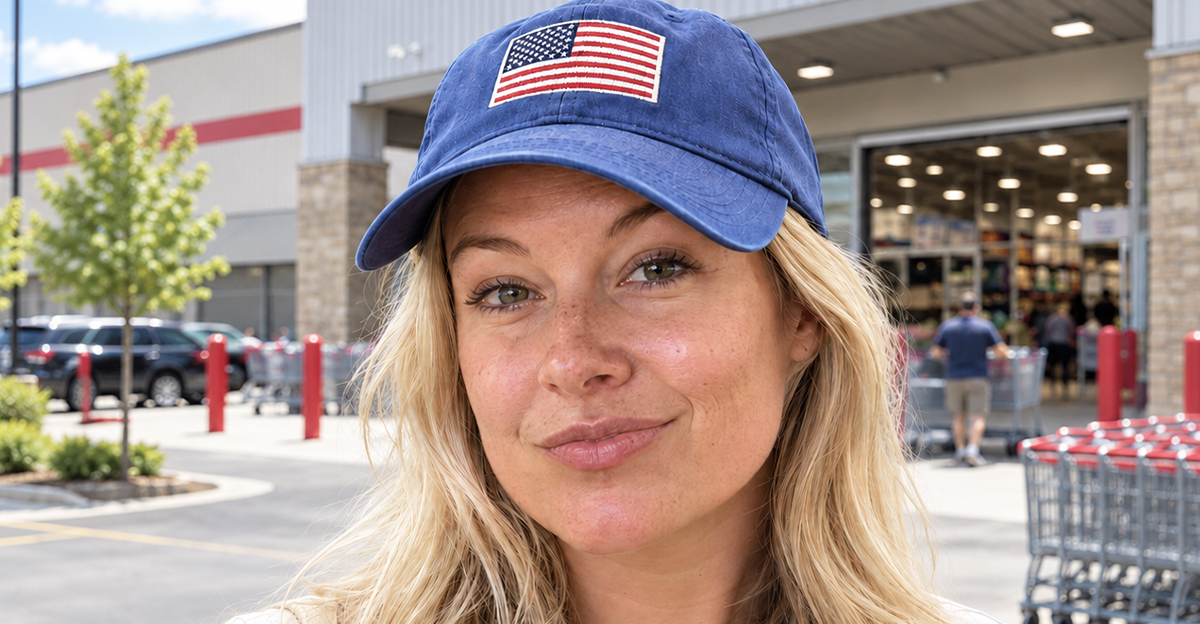
Why buy six rolls of paper towels when you can buy 18? Warehouse clubs and supercenters have made bulk purchasing a major part of American shopping culture, particularly for suburban families with cars and storage space. USDA data show warehouse clubs and supercenters taking an increasingly large share of US food-at-home spending. Giant detergent jugs and cereal boxes make perfect sense when you also have a giant pantry, basement, garage, or SUV to accommodate them.
Attached Garages
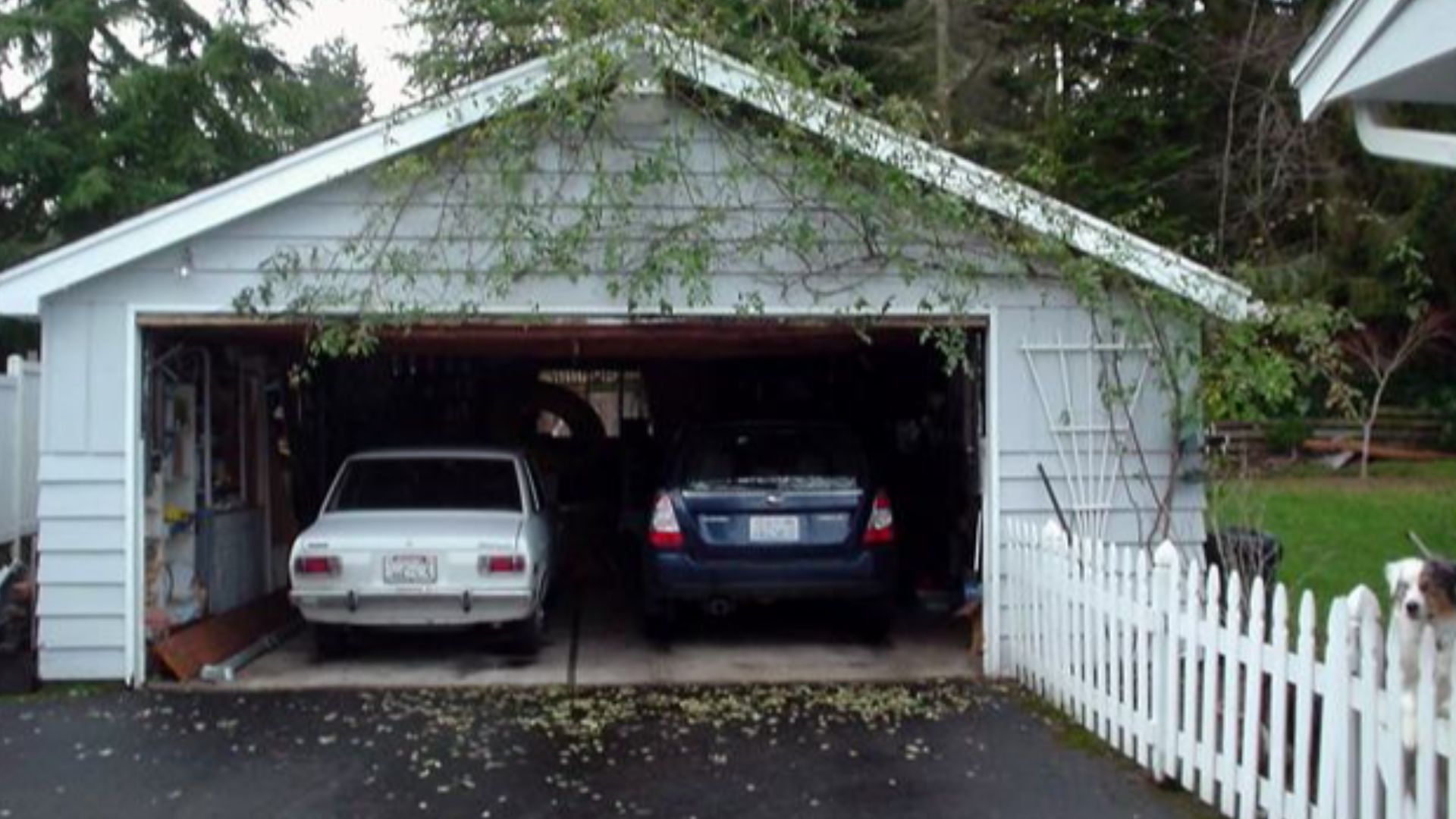
An attached garage provides an oddly specific comfort that becomes easy to take for granted: you can drive home in rain, snow, or freezing temperatures, close the garage door, and walk into the house without going outside again. It also provides storage for bikes, tools, holiday decorations, sports equipment, and approximately 47 boxes nobody has opened since moving. Two-car garages remain especially common in newer American detached homes.

History's most fascinating stories and darkest secrets, delivered to your inbox daily.
Large Refrigerators
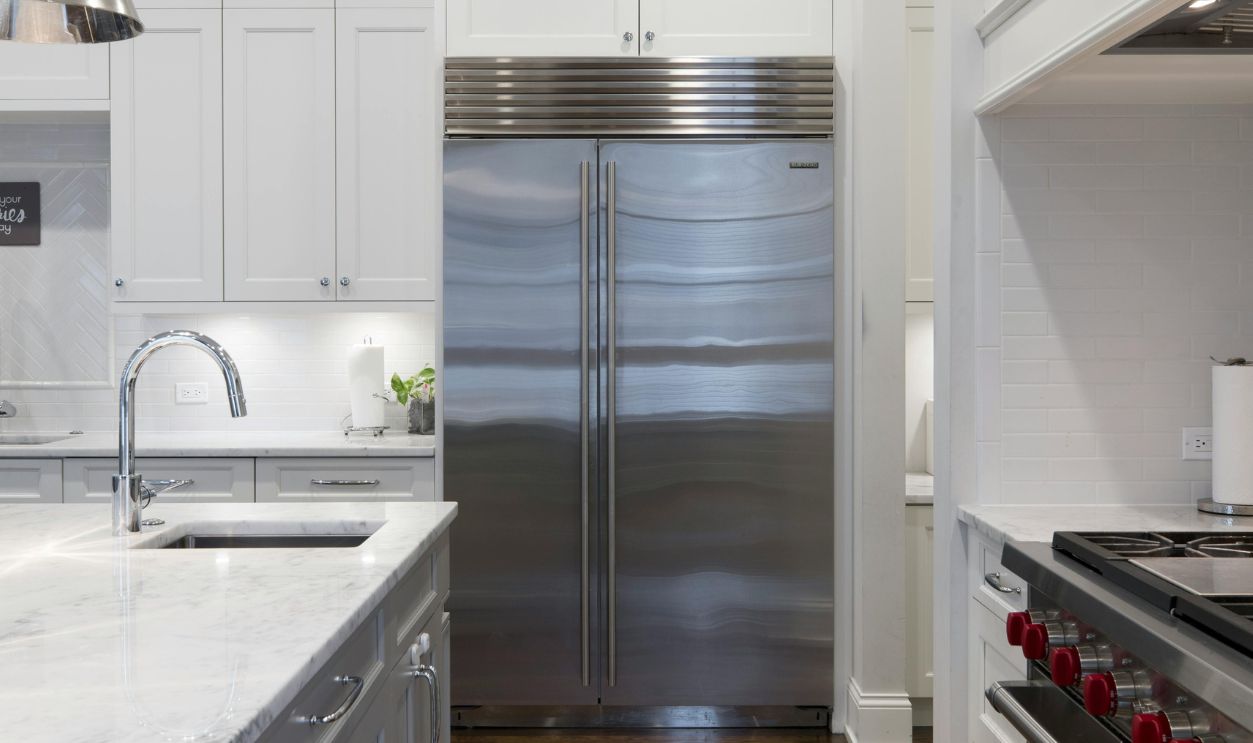
An American refrigerator can look less like an appliance and more like a pantry with electricity. Full-size models commonly provide generous refrigerator and freezer space, and larger kitchens make room for side-by-side doors, French-door designs, and extra freezer drawers. For visitors accustomed to compact refrigerators and more frequent grocery trips, the idea of fitting a week's groceries, leftovers, drinks, condiments, and a birthday cake into one machine can feel remarkably extravagant.
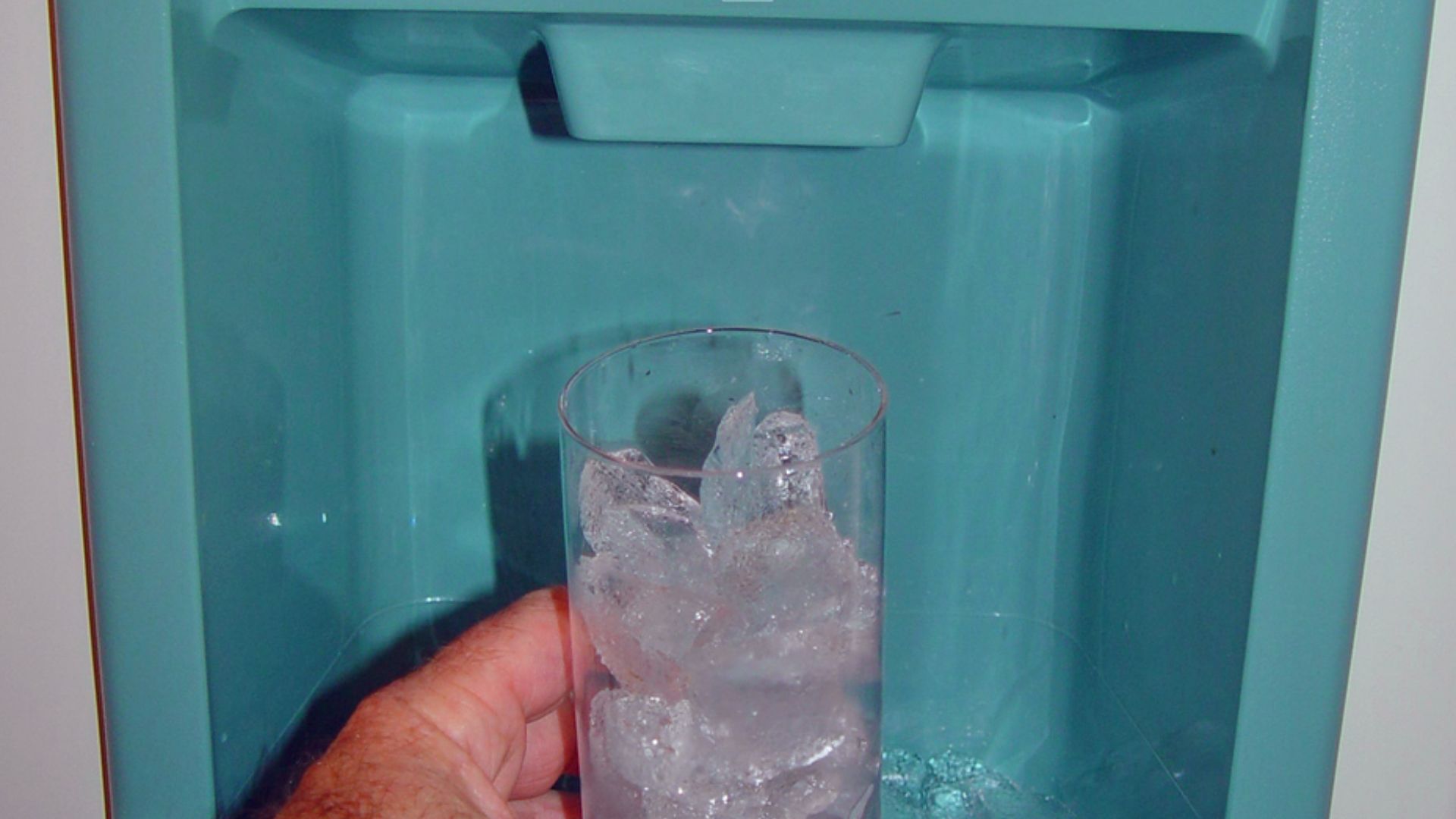
Built-In Ice Makers
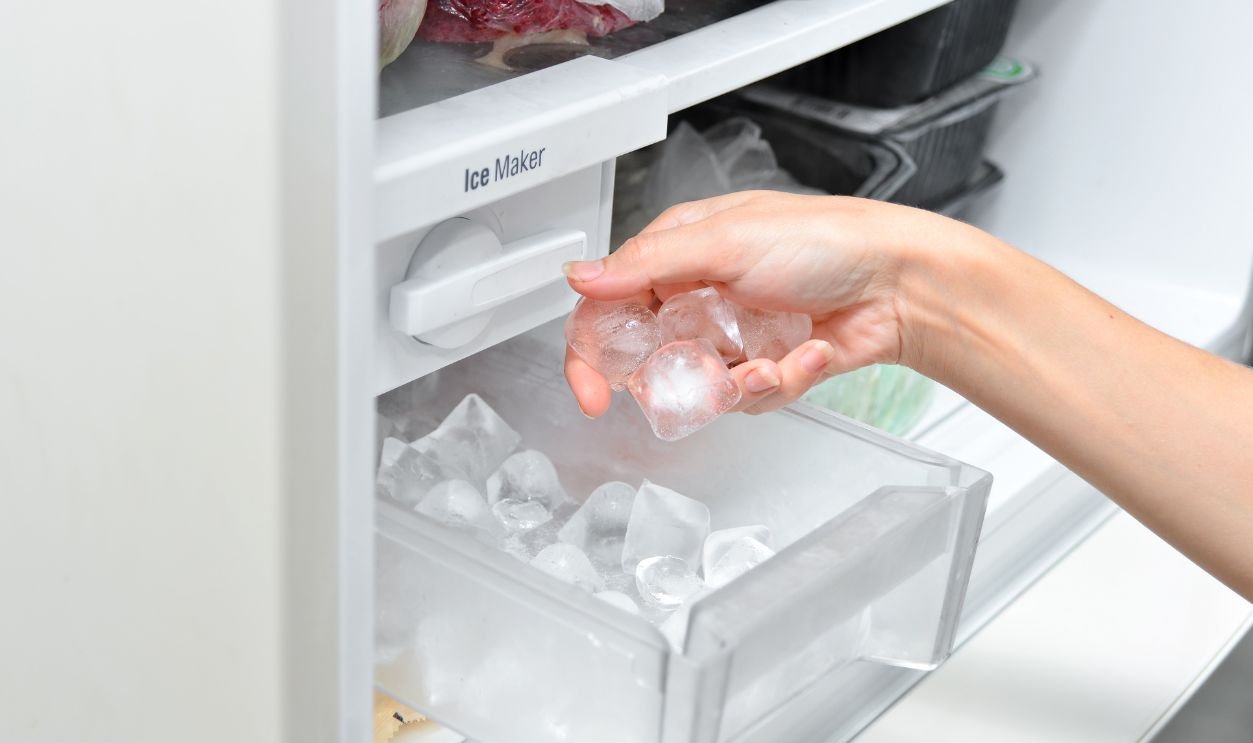
Americans like ice enough that many refrigerators simply manufacture it continuously. Open the freezer and cubes are waiting; press a glass against the dispenser and ice may pour directly through the door. In countries where people mostly fill trays manually or don't use much ice at all, dedicating part of a major appliance to making an endless supply can seem almost comically indulgent. In the US, running out of ice is treated like an appliance malfunction.
Clothes Dryers In The Home
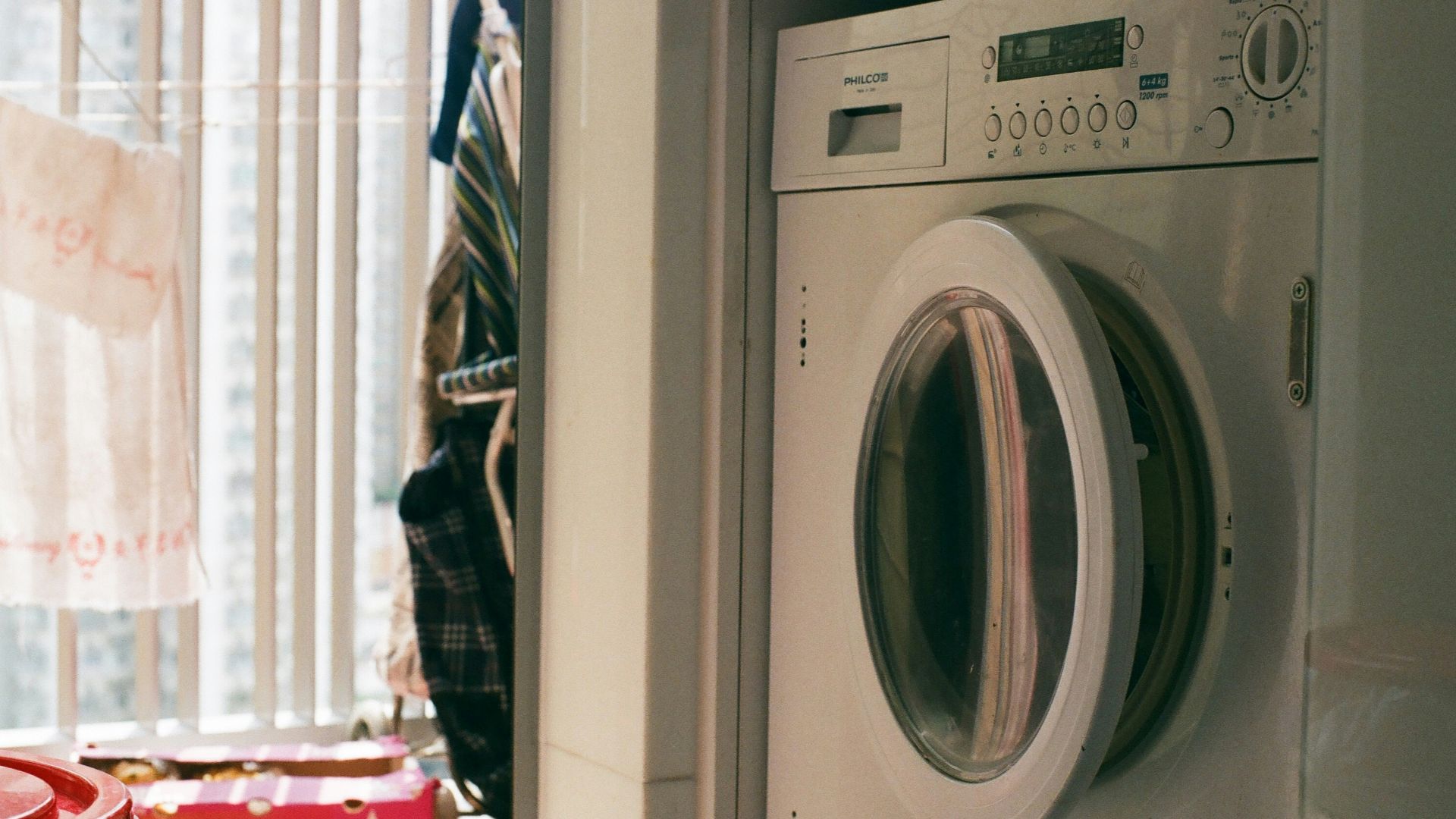
Throwing wet clothes into another machine and getting them back warm and dry an hour later doesn't strike most Americans as luxurious. Yet line-drying remains much more common in many countries, especially where homes are smaller or energy costs are higher. Roughly four out of five American homes have a clothes dryer. That turns laundry into a mostly indoor, weather-independent chore rather than something that requires racks, clotheslines, sunshine, or patience.
Dishwashers As A Standard Appliance
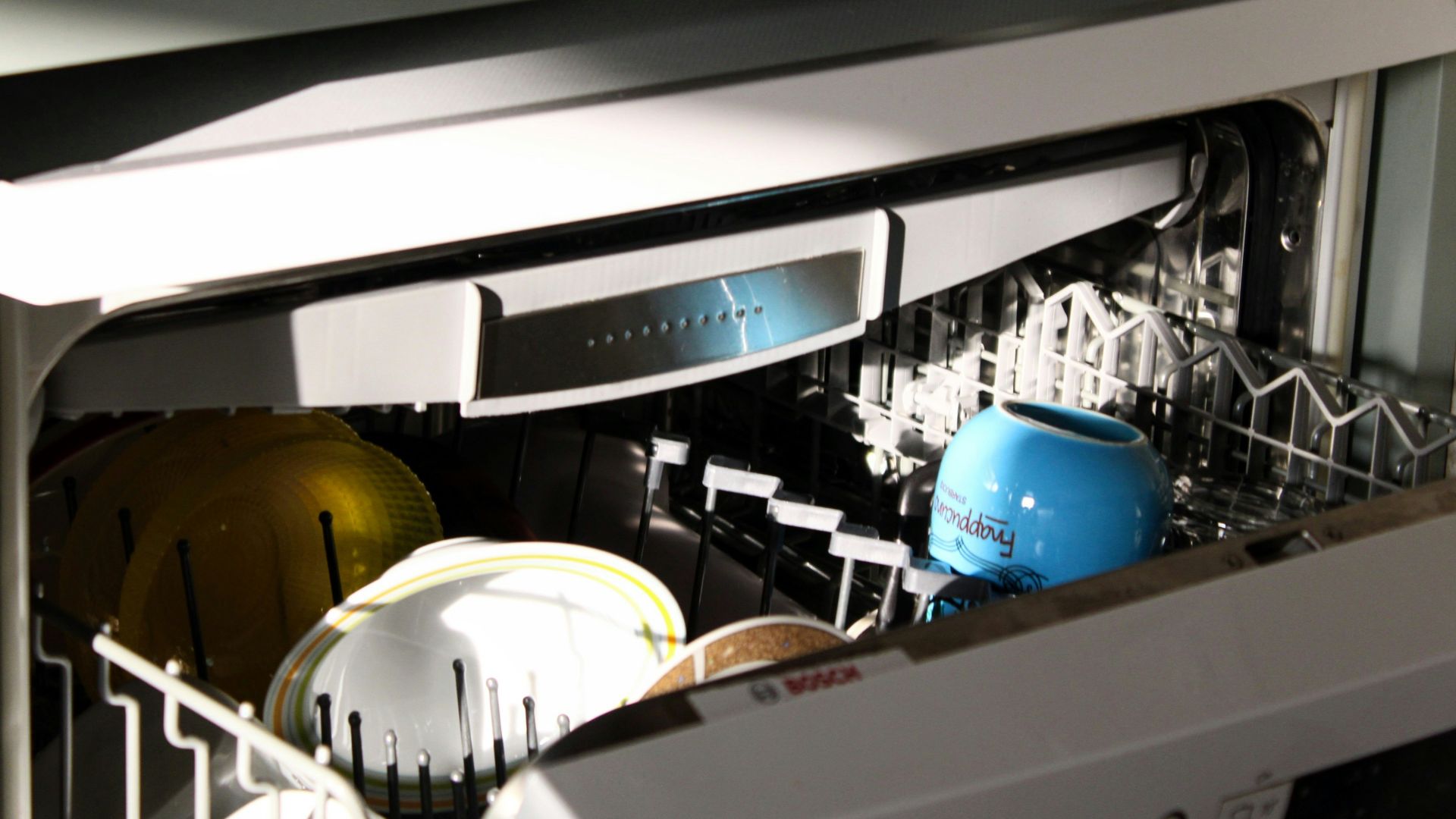
The dishwasher occupies a strangely humble place in American life. It's expensive machinery designed specifically to save people from standing at a sink, yet in many homes it's treated as a completely ordinary kitchen feature. Smaller apartments and kitchens elsewhere may not have room for one, while hand-washing remains common in many countries. Americans are more likely to argue about who forgot to unload it than marvel that it exists.
Large Washing Machines
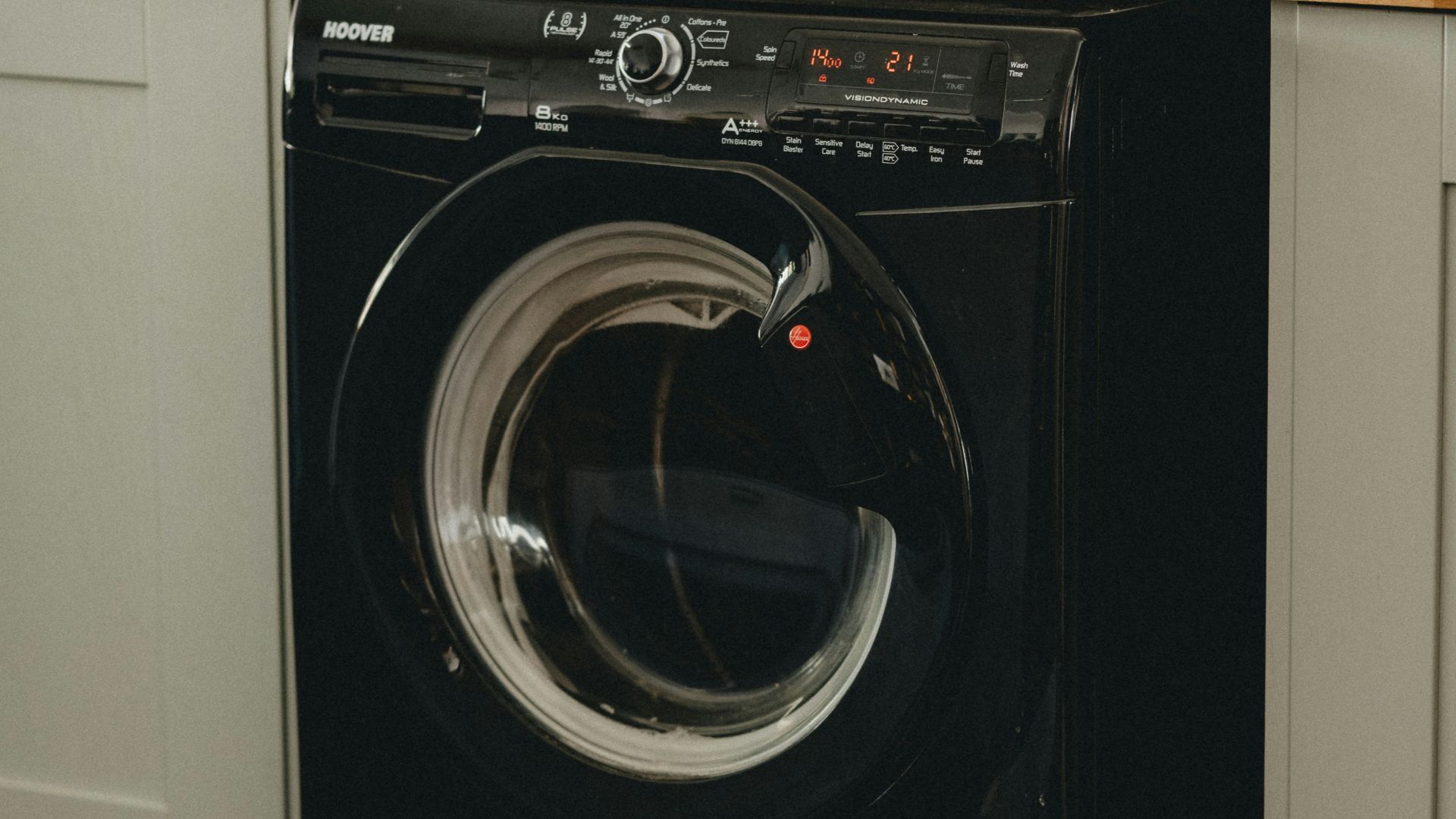
American laundry appliances can swallow a surprising amount of clothing. Full-size washers, especially top-loaders, are designed around relatively large loads, making it possible to wash towels, bedding, jeans, and piles of everyday clothing without dividing everything into several tiny cycles. Visitors accustomed to compact European or Asian machines may find the capacity almost absurd. Americans, meanwhile, still somehow manage to wait until every towel in the house is dirty.
Huge Suburban Supermarkets
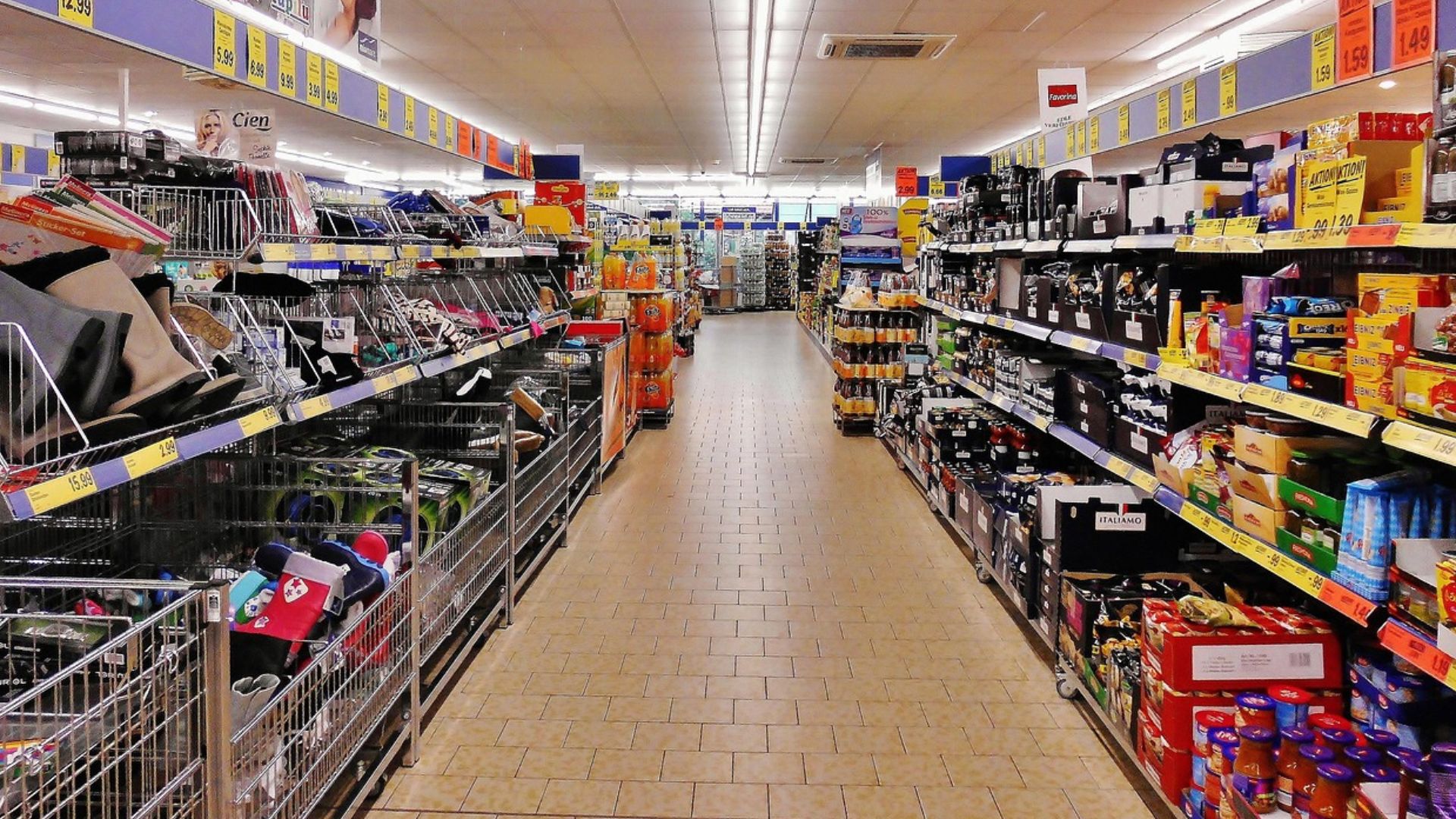
A routine American supermarket can be the size of a serious commercial building. Produce departments, bakeries, butcher counters, pharmacies, deli sections, frozen aisles, prepared meals, household cleaners, pet supplies, and dozens of versions of the same cereal may all exist under one roof. Visitors expecting a neighborhood grocery shop can be overwhelmed by the sheer scale. Choosing toothpaste shouldn't require a strategy, but sometimes it does.
Free Public Restrooms In Many Businesses
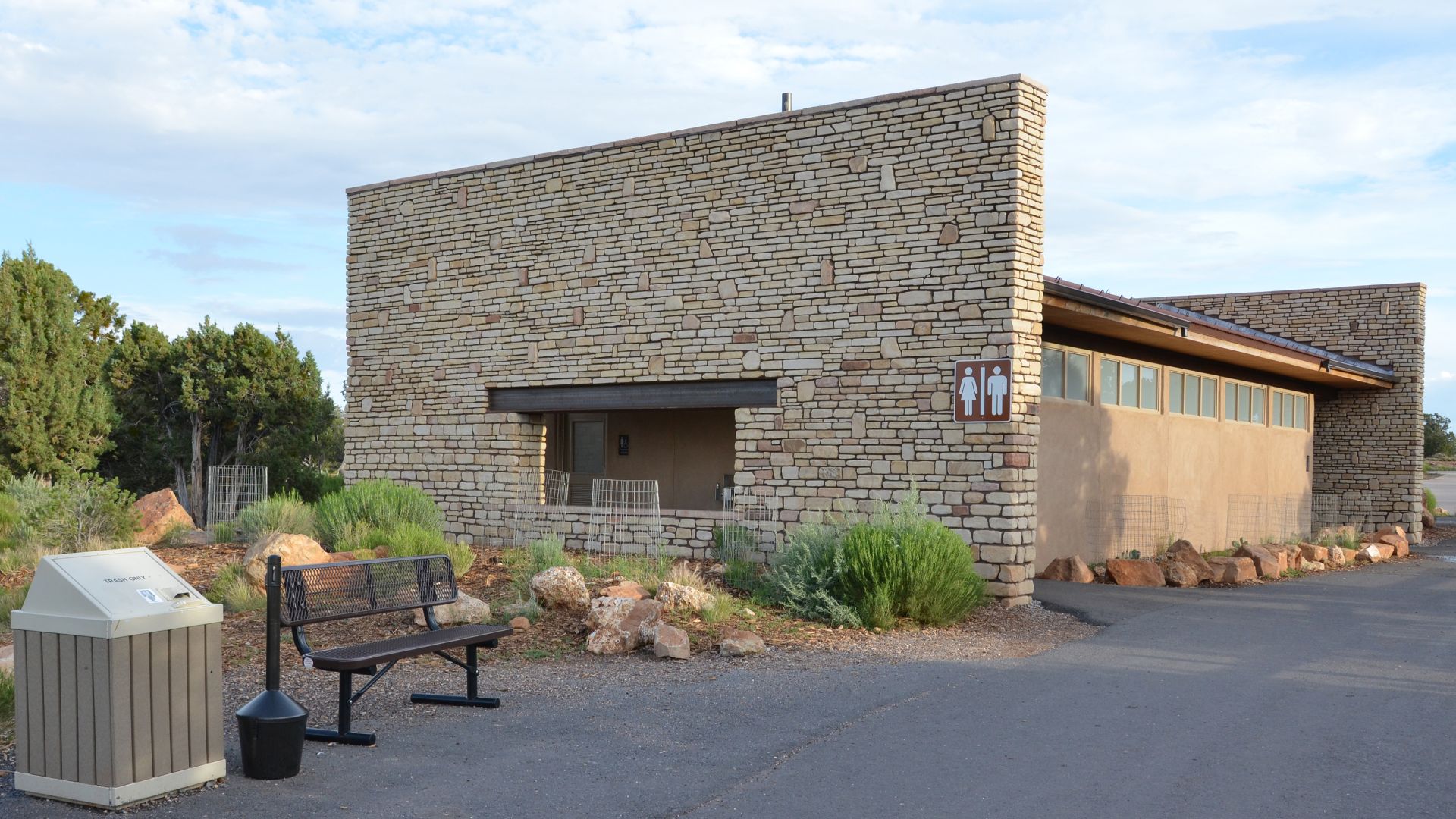
Finding a bathroom in an American shopping mall, department store, big-box retailer, supermarket, gas station, or restaurant often doesn't involve pulling out a coin. Access certainly isn't perfect everywhere, especially in major cities, but free customer restrooms remain common enough that Americans often assume one will be available. Visitors familiar with pay toilets can be pleasantly surprised that a bathroom break usually doesn't require finding exact change first.
 Grand Canyon National Park, Wikimedia Commons
Free Parking At Stores And Restaurants
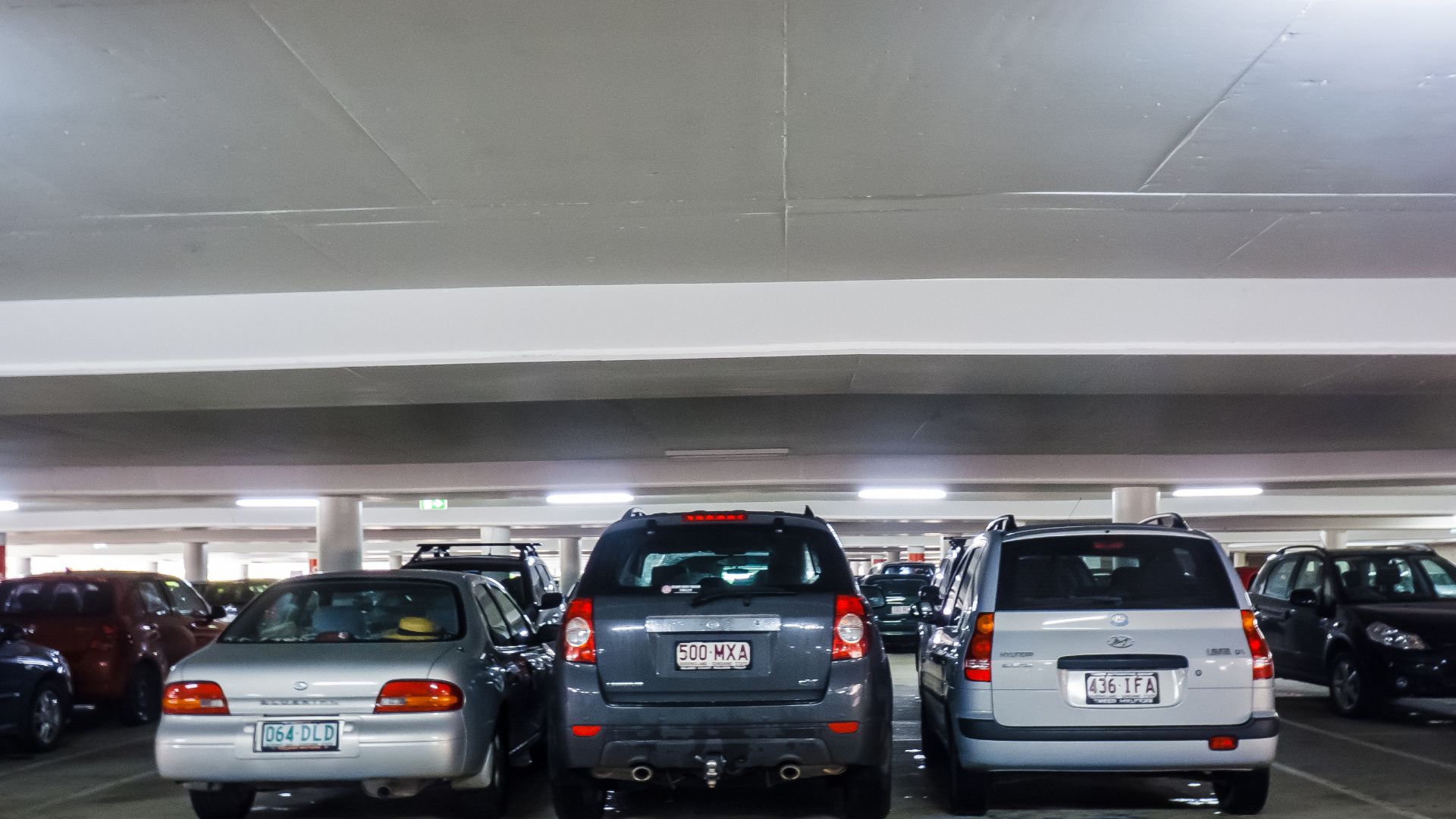
A suburban American restaurant can have more land devoted to parked cars than to the restaurant itself. Huge complimentary lots surround shopping centers, supermarkets, gyms, movie theaters, and big-box stores, making parking feel like a basic part of the transaction. In dense cities overseas, drivers may expect garages, meters, permits, or serious competition for curb space. Americans can become annoyed if the free spot is merely a little too far from the entrance.
 John Robert McPherson, Wikimedia Commons
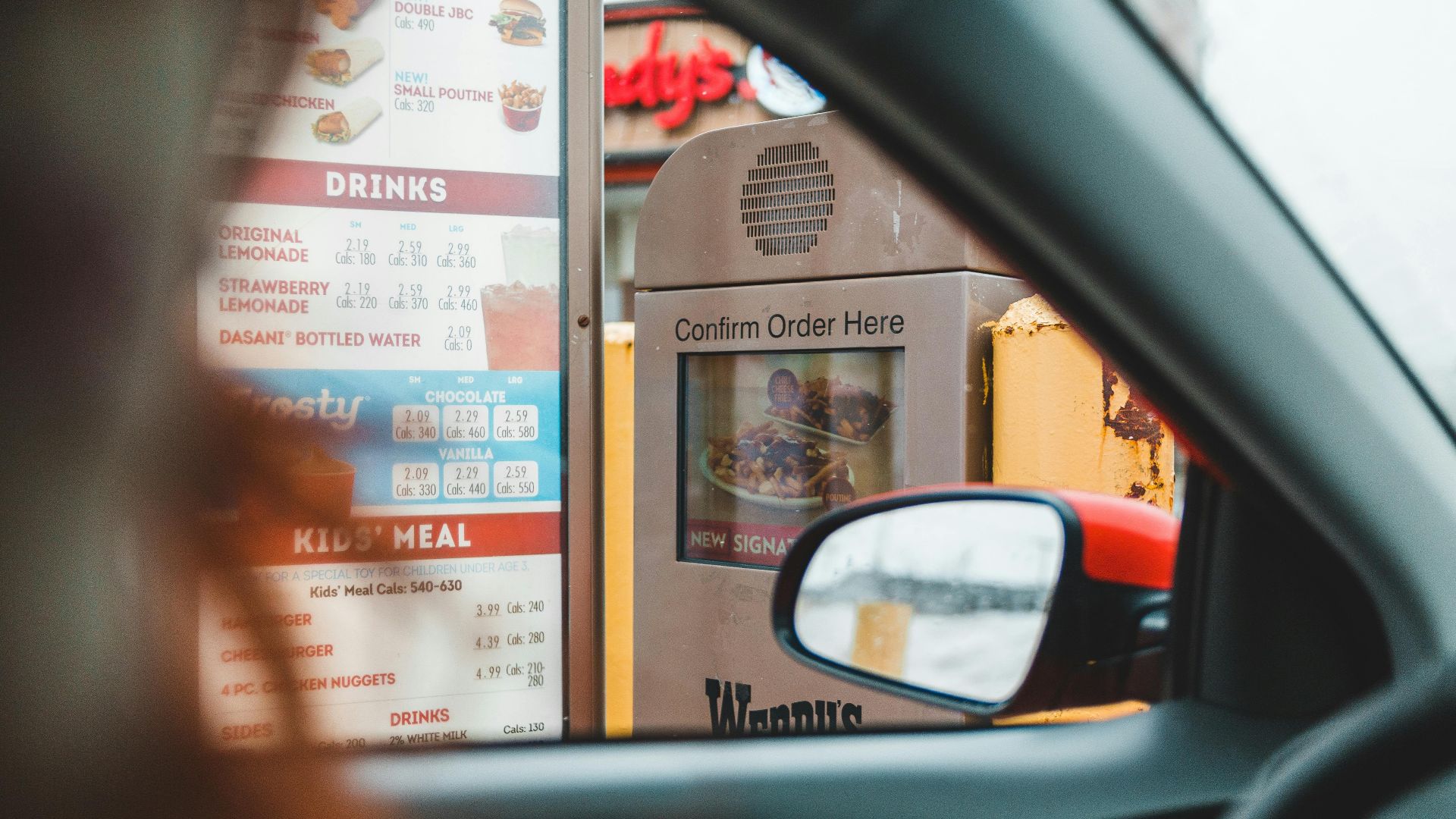
Drive-Thru Food, Coffee, Pharmacies, And Banking
America didn't invent every drive-through service, but it certainly embraced the concept. Fast food is only the beginning. Depending on the town, drivers can collect prescriptions, deposit checks, buy coffee, pick up groceries, and access other services without leaving the vehicle. The convenience makes more sense in a country built heavily around automobile travel. The American dream, apparently, includes completing errands without ever unbuckling the seat belt.
Large Suburban Houses
American homes really can be enormous by international standards, especially newer detached houses in suburbs. The median new single-family home completed in 2024 had more than 2,100 square feet of floor space. That doesn't mean every American lives in a huge house, but it helps explain why visitors may be startled by ordinary homes containing several bedrooms, family rooms, basements, offices, garages, and storage areas that would count as separate rooms elsewhere.

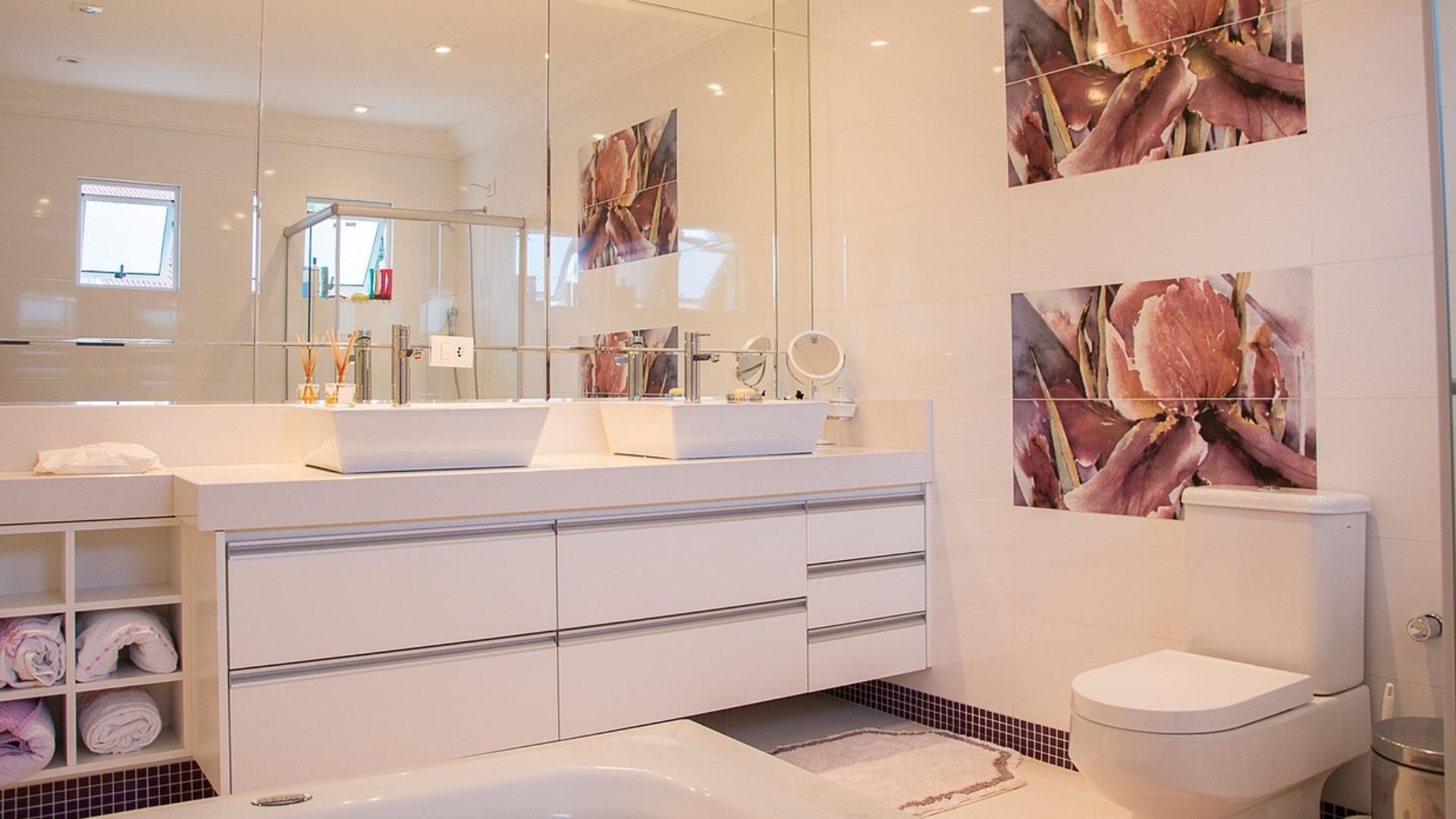
Multiple Bathrooms In One Home
Waiting for somebody to finish showering isn't a universal American childhood experience because many houses have more than one bathroom. Newer homes may include an ensuite for the primary bedroom, another full bathroom for children or guests, and an additional half-bath downstairs. Census data show hundreds of thousands of recently completed single-family homes with three or more bathrooms. Visitors from places where an entire household commonly shares one can find that surprisingly luxurious.
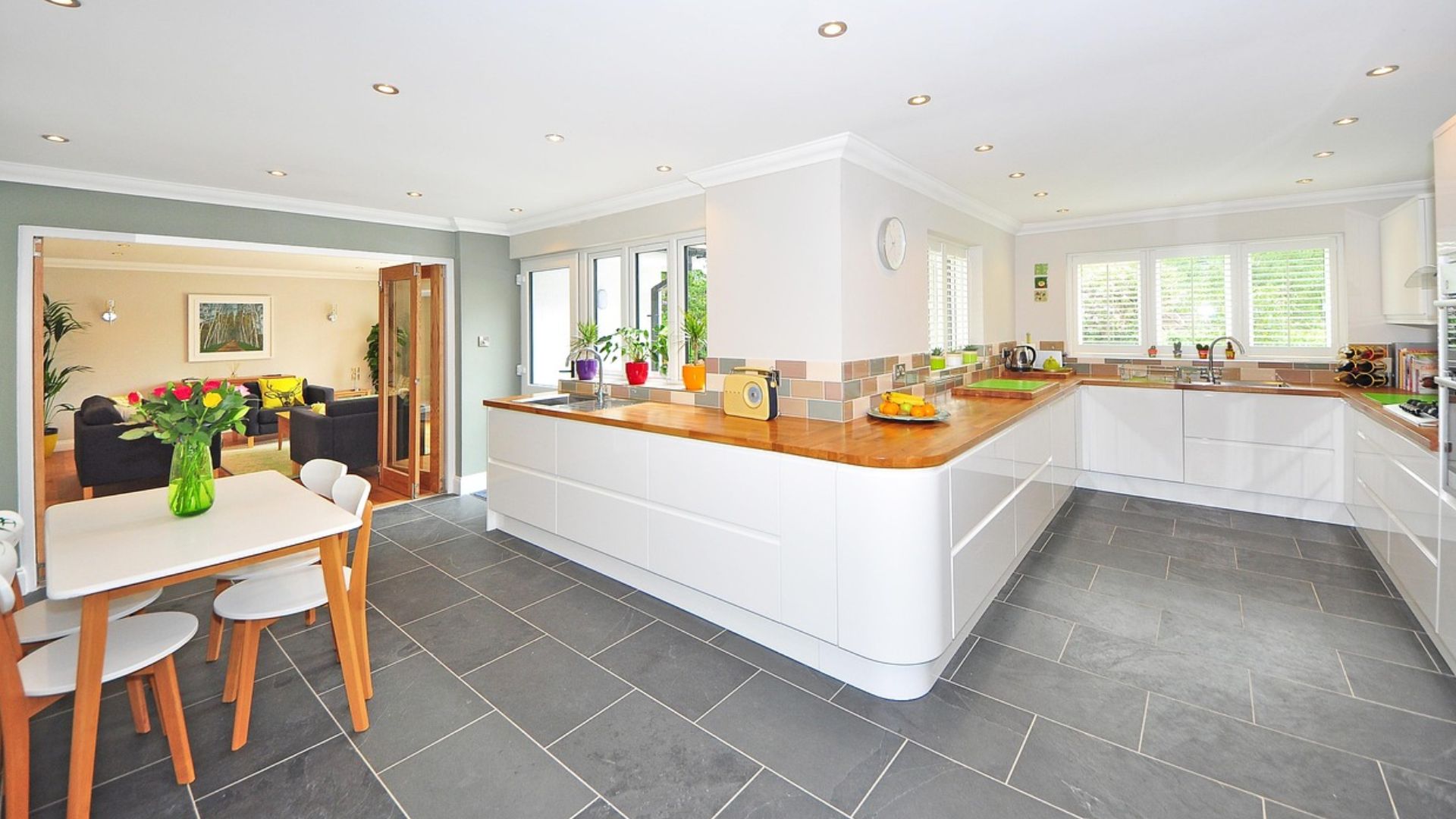
Spacious Kitchens With Lots Of Counter Space
American kitchens often assume that cooking requires room to spread out. Long countertops, central islands, double sinks, numerous cabinets, full-size appliances, and pantry storage are common aspirations, particularly in suburban homes. Visitors used to compact urban kitchens can be surprised that a kitchen itself becomes a gathering space. Americans may complain that the island isn't big enough while standing beside a countertop larger than someone else's entire kitchenette.
Long, Plentiful Hot Showers
Many Americans simply turn on the shower and expect hot water to remain available until they're finished. Standard showerheads can use 2.5 gallons per minute, and EPA estimates that showering accounts for nearly 17% of indoor residential water use. In regions where water shortages, smaller heaters, high energy prices, or different infrastructure encourage short showers, leisurely American shower habits can look genuinely luxurious. The greatest danger is somebody else using all the hot water first.

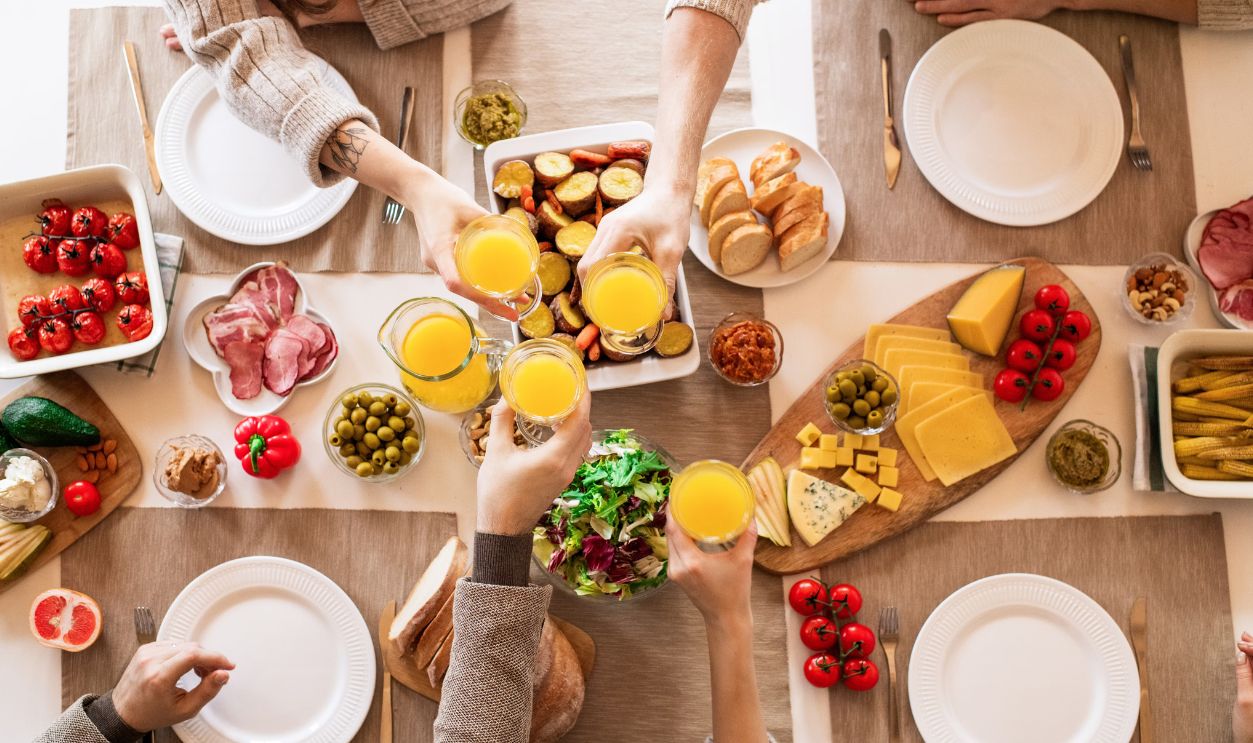
Large Restaurant Portions
American restaurant portions have become famous internationally for a reason. Entrées may arrive with multiple side dishes, oversized drinks, baskets of bread, and enough food to comfortably exceed what one person intended to eat. Portion sizes vary enormously by restaurant, but abundance is part of the appeal at many casual chains. Visitors sometimes discover that ordering an appetizer and entrée was an error only after the plates start arriving.
Taking Restaurant Leftovers Home
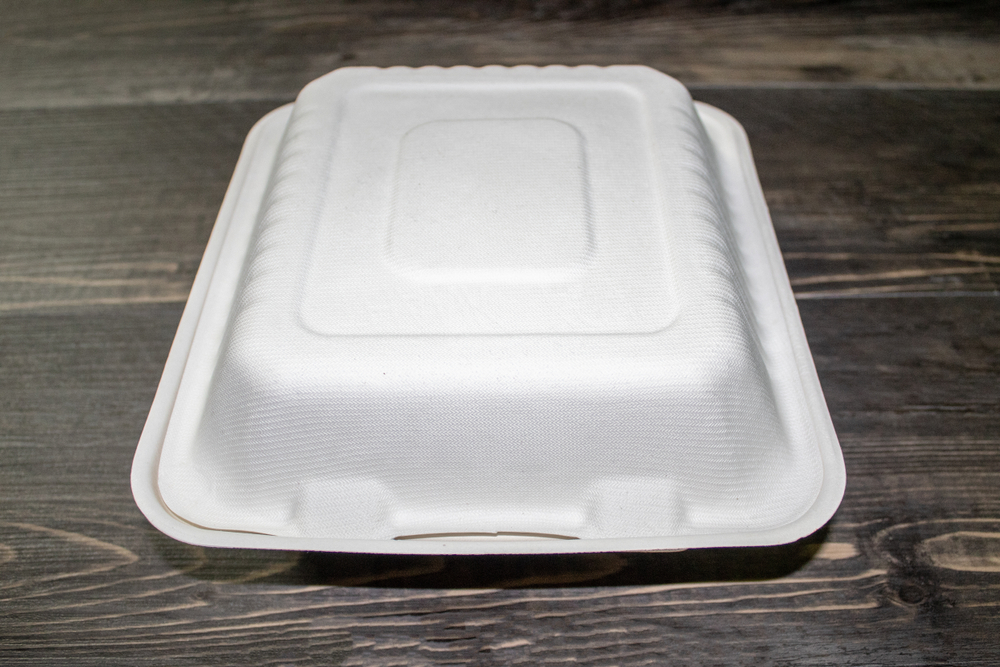
The giant portions make considerably more sense once you understand the box. Asking a server to package unfinished food is completely normal in the United States, and turning tonight's restaurant dinner into tomorrow's lunch can feel like part of the value. Smithsonian notes that the modern American “doggie bag” became common during the 20th century. In cultures where carrying restaurant leftovers home is less routine, watching everyone leave dinner clutching plastic containers can be unexpected.
Fast Doorstep Package Delivery
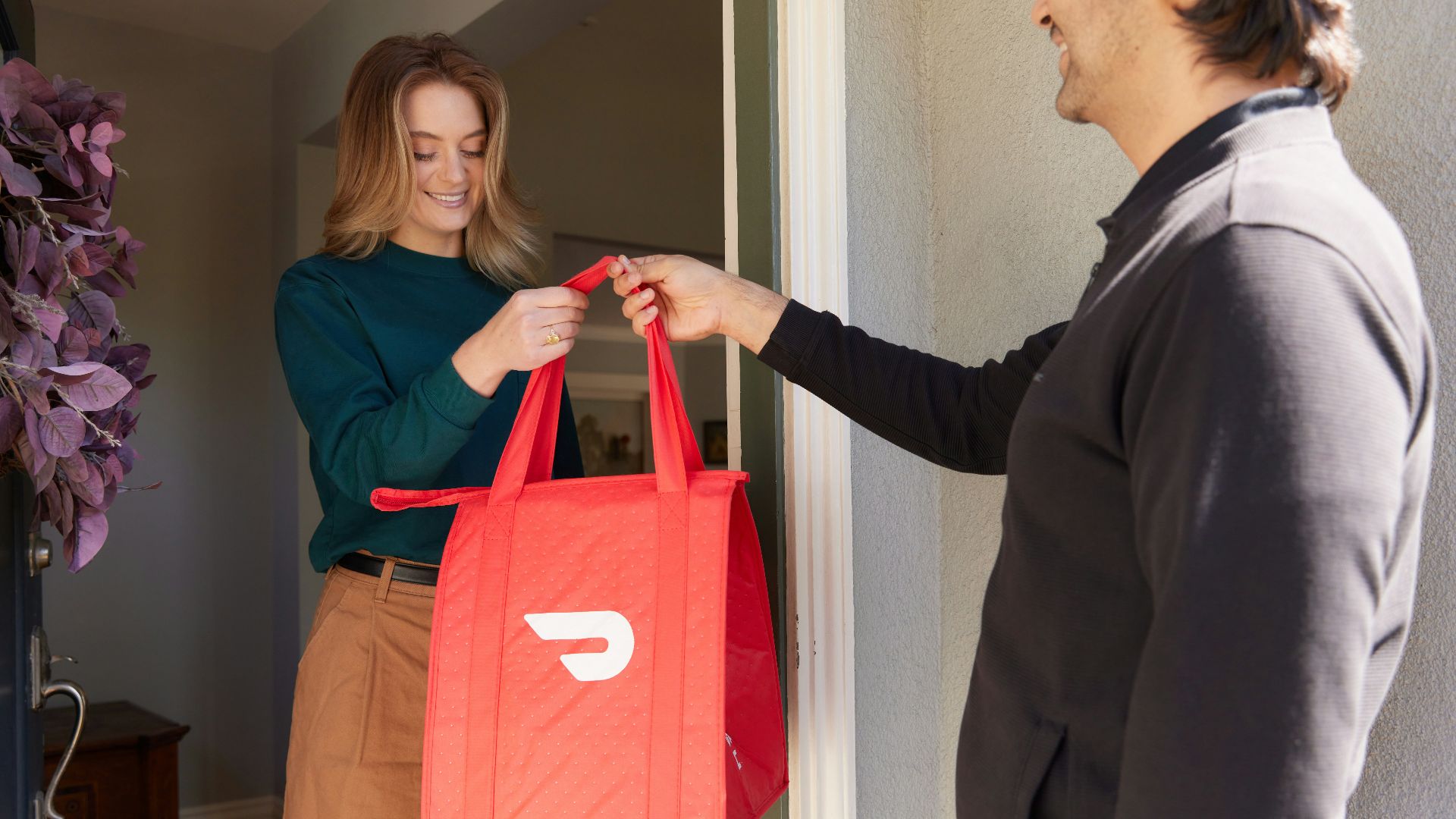
Americans increasingly expect almost anything to come to them. Clothes, phone chargers, toilet paper, pet food, coffee, cleaning supplies, and completely unnecessary purchases made at midnight may reach the front door remarkably quickly. US retail e-commerce sales reached hundreds of billions of dollars per quarter by 2026, while carriers now advertise same-day and next-day services. Waiting several weeks for an ordinary online order can feel almost prehistoric once you've become accustomed to that speed.
Very Late-Night Or 24-Hour Shopping And Food Options
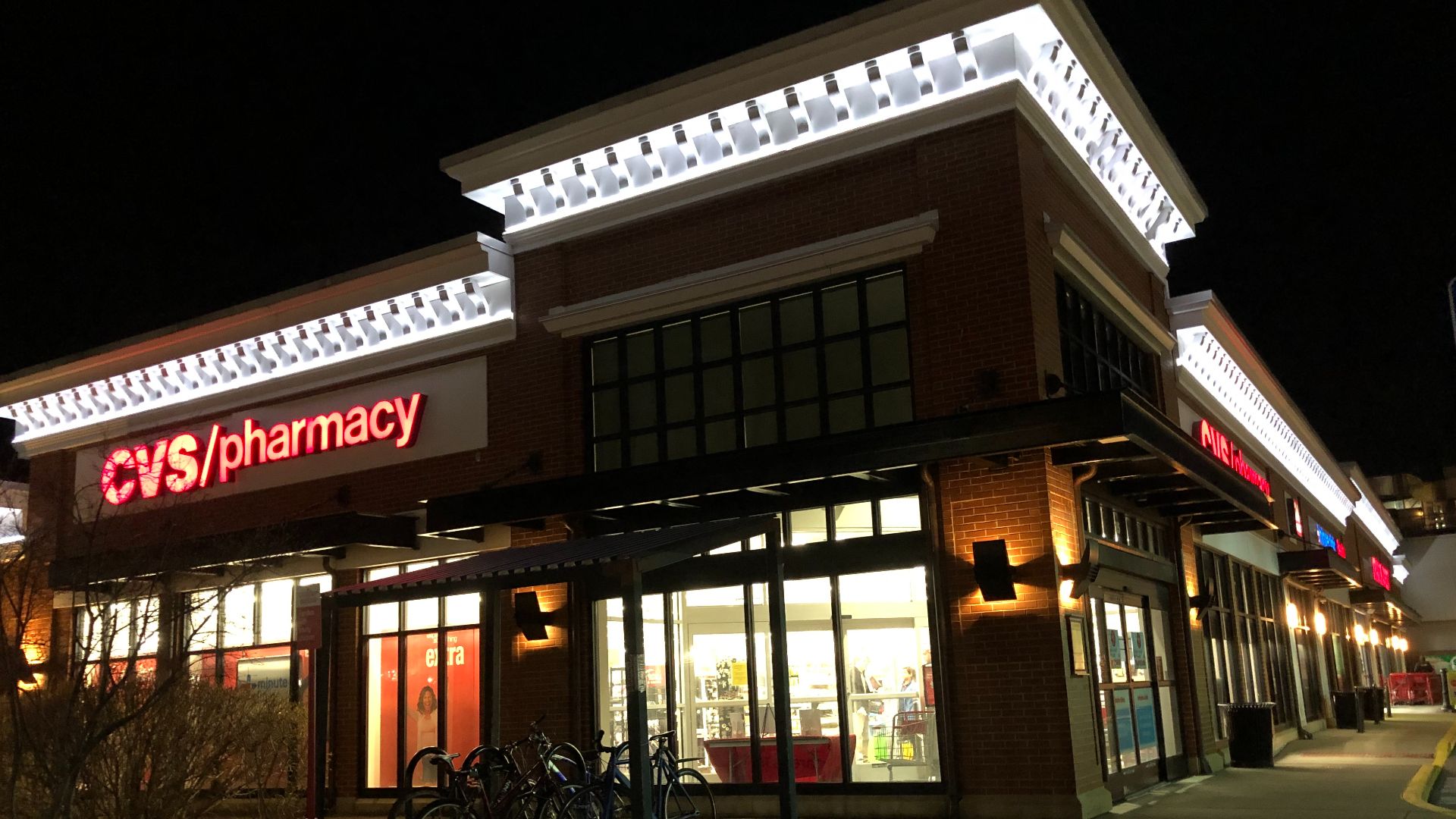
Twenty-four-hour retail isn't as universal in America as it once was, especially after the pandemic changed many store schedules, but late-night convenience remains striking in numerous places. Diners, fast-food restaurants, gas stations, pharmacies, and some supermarkets may operate long after most conventional businesses have closed. Visitors from countries where shopping districts become quiet early can find it strangely comforting to know tacos, cold medicine, and windshield washer fluid might all remain available at midnight.
 Todd Van Hoosear, Wikimedia Commons
Central Heating Throughout The Whole House
American heating expectations can be just as surprising as American air conditioning. Many homes use furnaces or heat pumps designed to warm the entire living space rather than relying primarily on individual room heaters. In colder regions, walking from the bedroom to the kitchen without changing climates feels completely normal. More than half of US residential energy consumption has historically gone toward space heating and cooling, which says plenty about how strongly Americans value temperature control.
 Kristoferb (talk), Wikimedia Commons
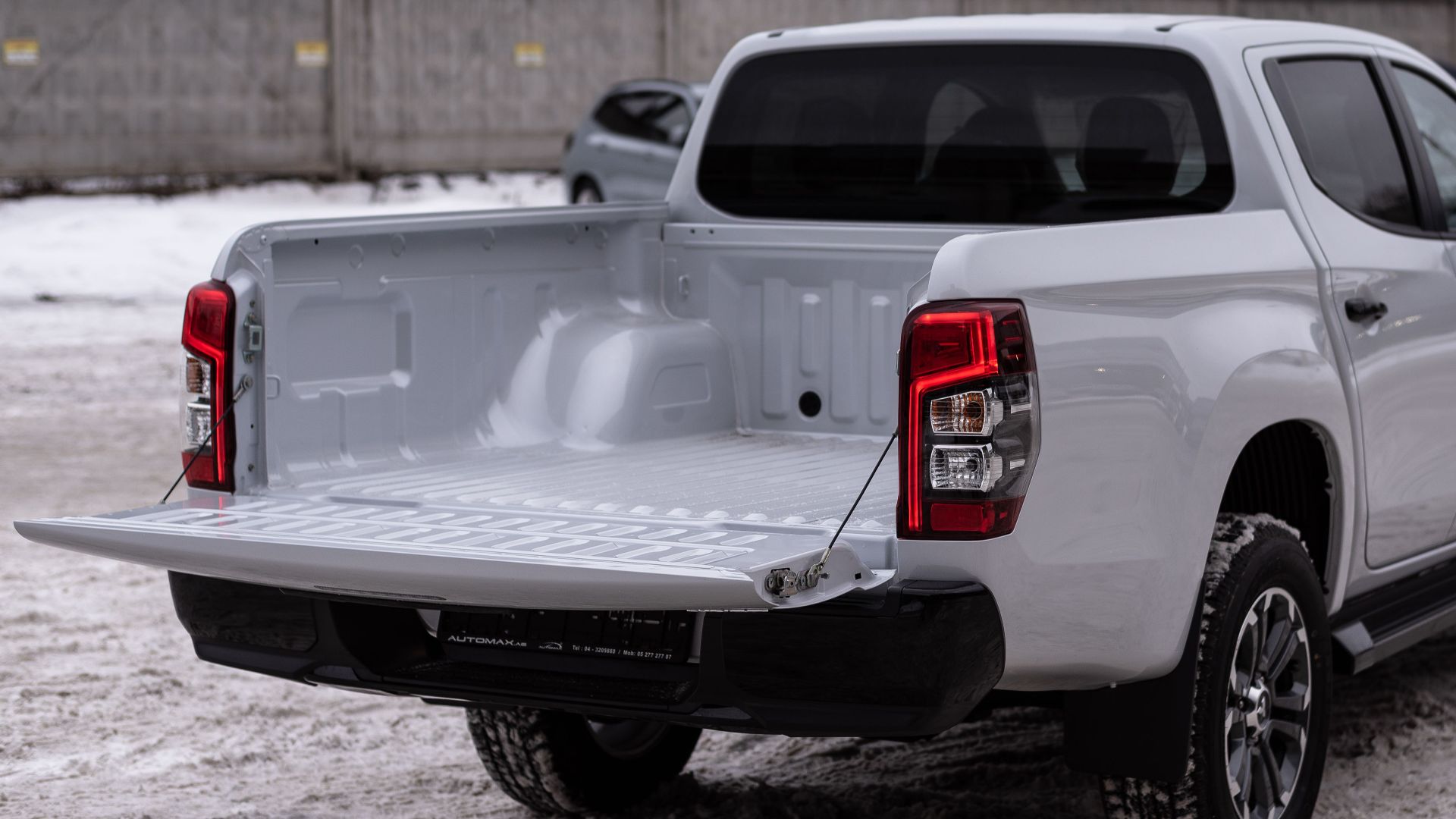
Large Cars With Roomy Interiors And Cargo Space
America's relationship with large vehicles is impossible to miss from the passenger seat. Pickup trucks, three-row SUVs, large crossovers, and roomy minivans offer generous legroom, wide seats, storage compartments, and cargo areas capable of swallowing a warehouse-store trip. Wide roads, suburban lifestyles, relatively long driving distances, and historically cheaper fuel helped make vehicle size feel normal. Visitors arriving from countries dominated by compact hatchbacks may feel like they're suddenly riding in living rooms.
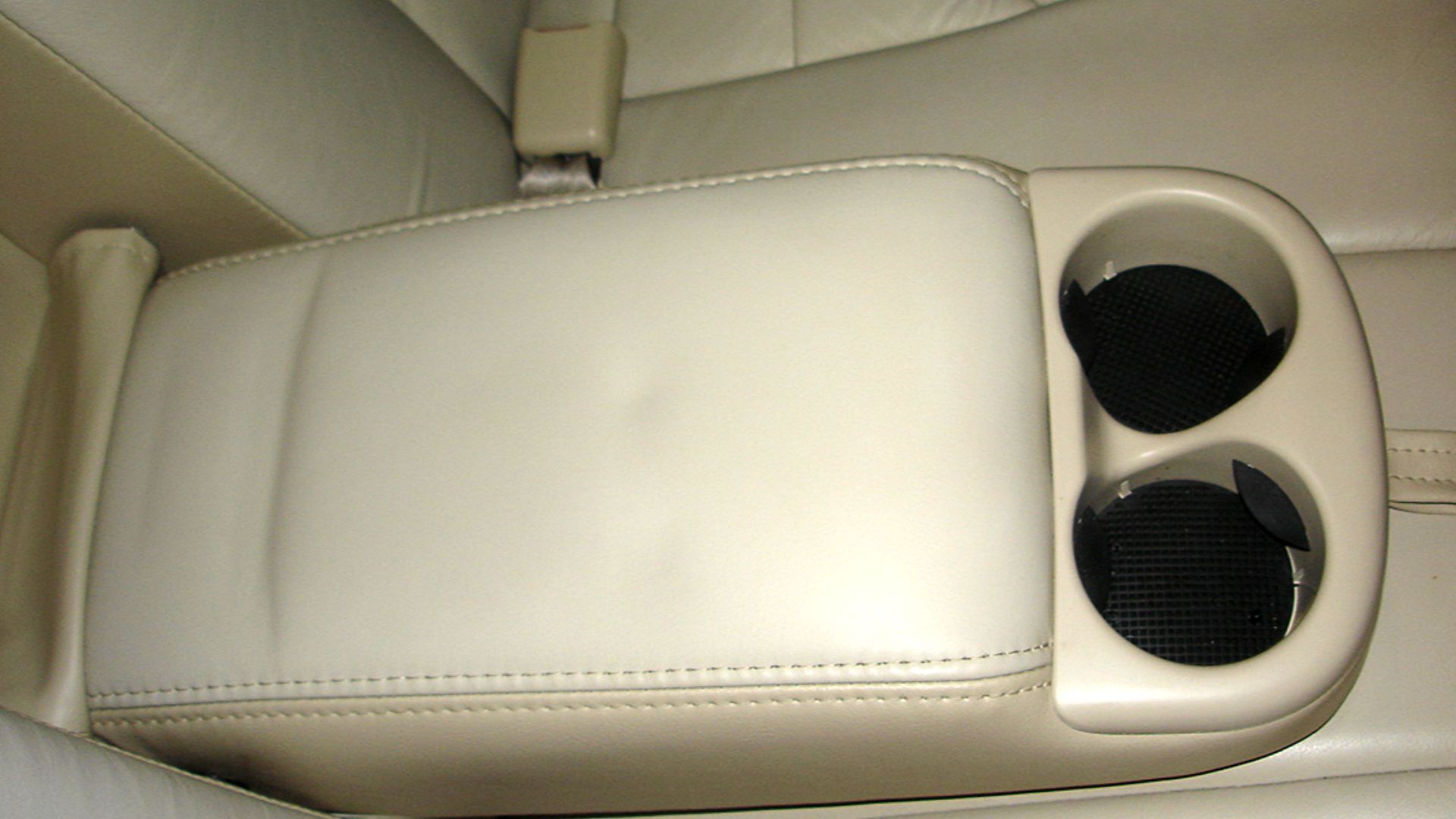
Cup Holders Everywhere
American cars take beverages extremely seriously. Cup holders appear in center consoles, doors, rear armrests, third-row seats, and sometimes places nobody realized needed hydration support. Some vehicles provide more cup holders than seats. It makes sense in a culture where long drives, drive-thrus, travel mugs, fountain drinks, and giant water bottles are everyday companions. What's funny isn't that cars have cup holders. It's how offended people become when there aren't enough.
 en:User:BrendelSignature, Wikimedia Commons
Hotel Ice Machines
Walk down the hallway of an American hotel and there's a decent chance you'll eventually encounter a machine producing free ice. Guests fill a plastic bucket and carry it back to their rooms as though unlimited frozen water is an obvious hotel amenity. Travelers from abroad can be baffled by both the machine and Americans' enthusiasm for using it. The tradition fits neatly with the country's broader insistence that practically every cold beverage needs even more cold added to it.
 Etan J. Tal, Wikimedia Commons
Public Drinking Fountains And Bottle-Filling Stations
Americans often expect drinking water to appear in schools, airports, parks, government buildings, gyms, museums, and other public facilities without requiring a purchase. Traditional fountains are increasingly joined by bottle-filling stations designed for reusable containers. They're easy to overlook until you visit somewhere they're uncommon. Being able to refill a bottle repeatedly while traveling without buying another one is a genuinely useful little luxury disguised as ordinary infrastructure.

You May Also Like:
The Forgotten Origins Of Simple Manners That Most Americans Still Follow Without Knowing Why
The Forgotten Industries That Once Employed Millions Of Americans
Old-fashioned products that Americans still refuse to give up even in 2026.