
The Jobs That Built A Continent
Long before software, logistics, and healthcare dominated employment, entire communities depended on industries that barely exist today. Some disappeared because of new technology, while others faded as consumer habits, globalization, or automation reshaped the economy. These once-massive employers helped build North America, and although many survive in niche forms, their heyday has long passed.
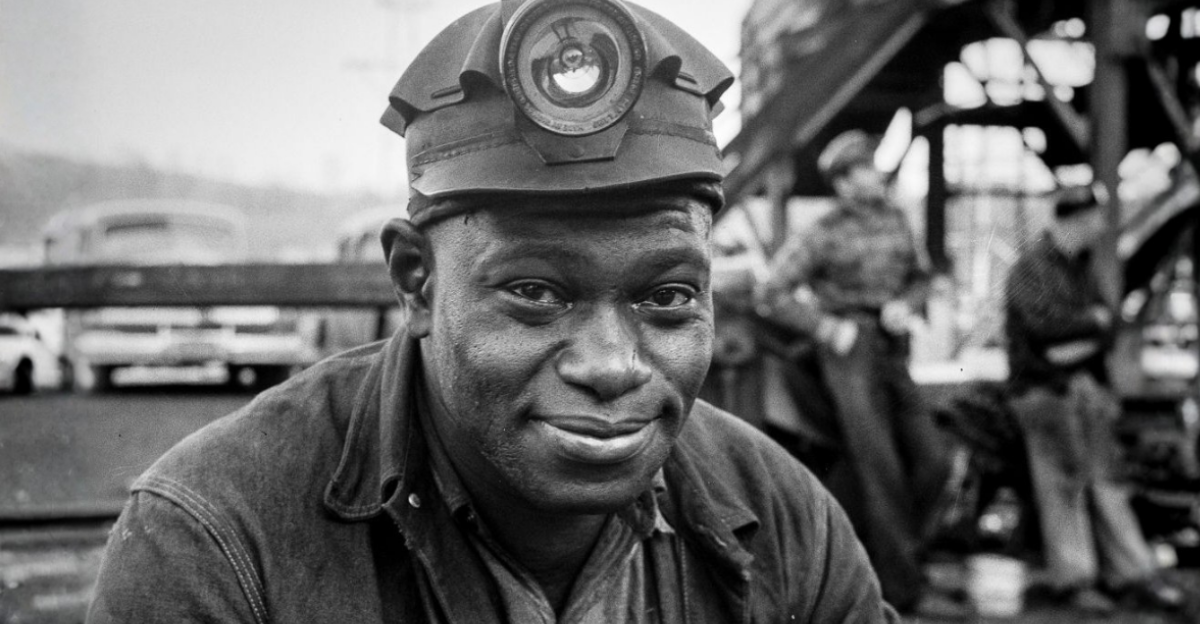 John Collier Jr., Wikimedia Commons
Telegraph Services
Before telephones became widespread, telegraph companies formed the backbone of long-distance communication. Thousands of operators, line installers, and maintenance crews kept messages flowing across the continent, making the profession one of the most important communications careers of the late 19th century. As telephone networks expanded during the early 1900s, telegraph employment steadily declined until it became a specialized service.
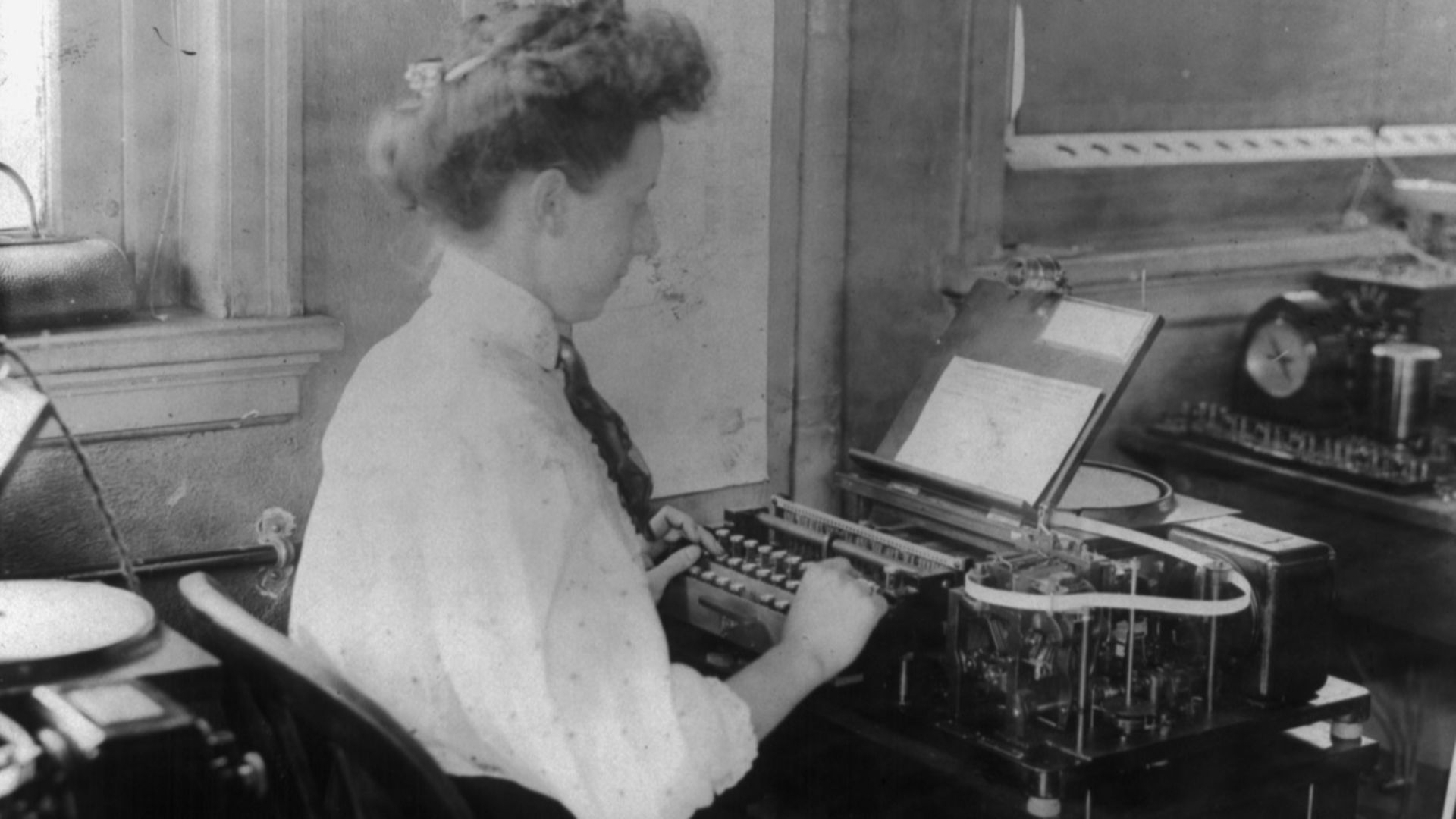 Schmidt, John Robert, copyright claimant, Wikimedia Commons
Passenger Railroad Operations
Railroads once ranked among North America's largest employers, with between 1.5 and 2 million Americans working for the industry annually before WWII. Conductors, station agents, dining-car staff, maintenance crews, and locomotive workers supported an enormous transportation network. Diesel locomotives, highway construction, trucking, and commercial aviation dramatically reduced employment after the 1940s, even though freight rail remains essential today.
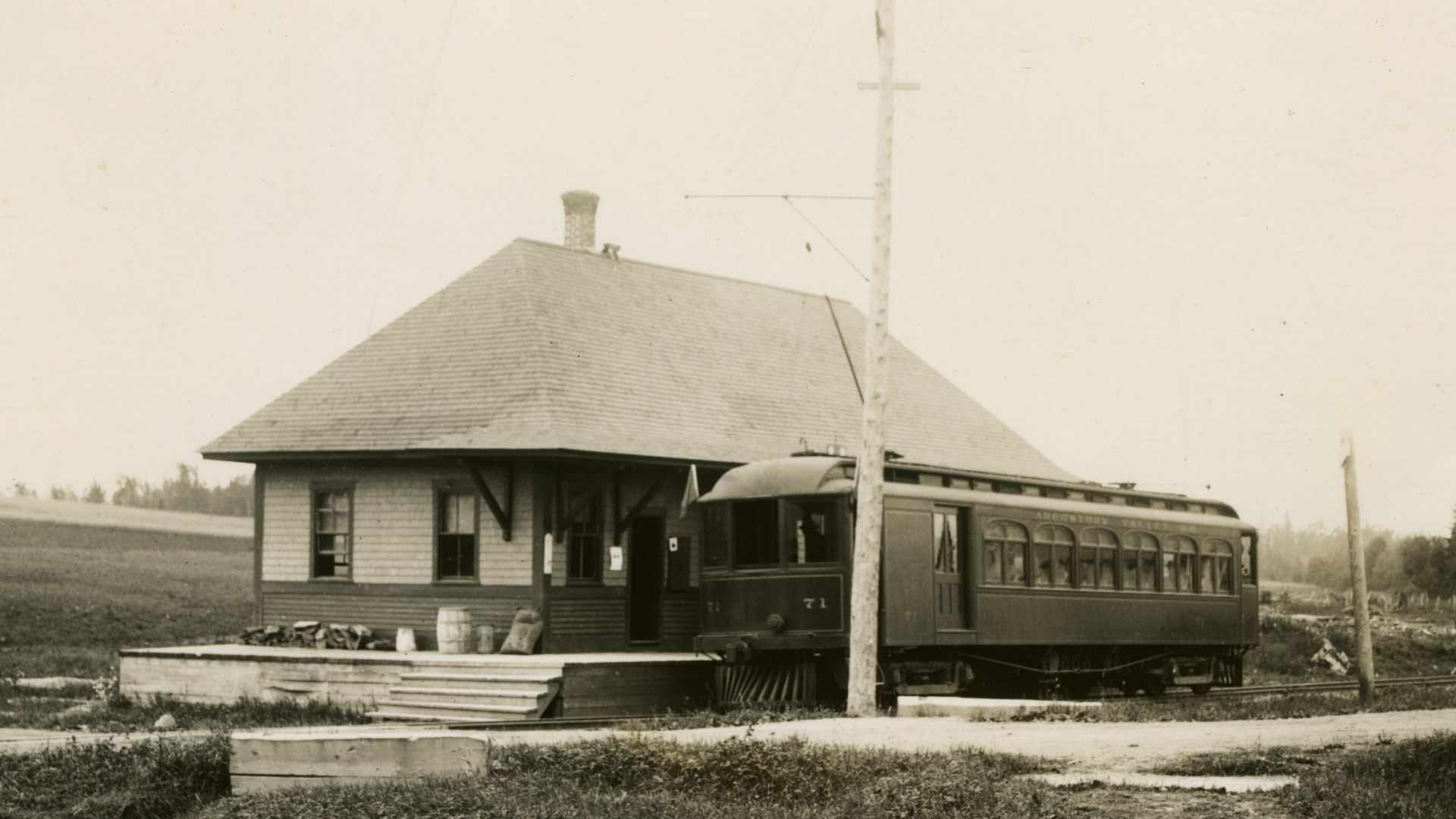 Collection of Osmond Richard Cummings, Wikimedia Commons
Textile Mills
Textile manufacturing transformed New England and parts of Canada into industrial powerhouses. Entire cities such as Lowell and Lawrence grew around cotton and wool mills that employed generations of immigrant families. Overseas manufacturing, automation, and changing global supply chains steadily reduced domestic textile employment beginning in the late 20th century.
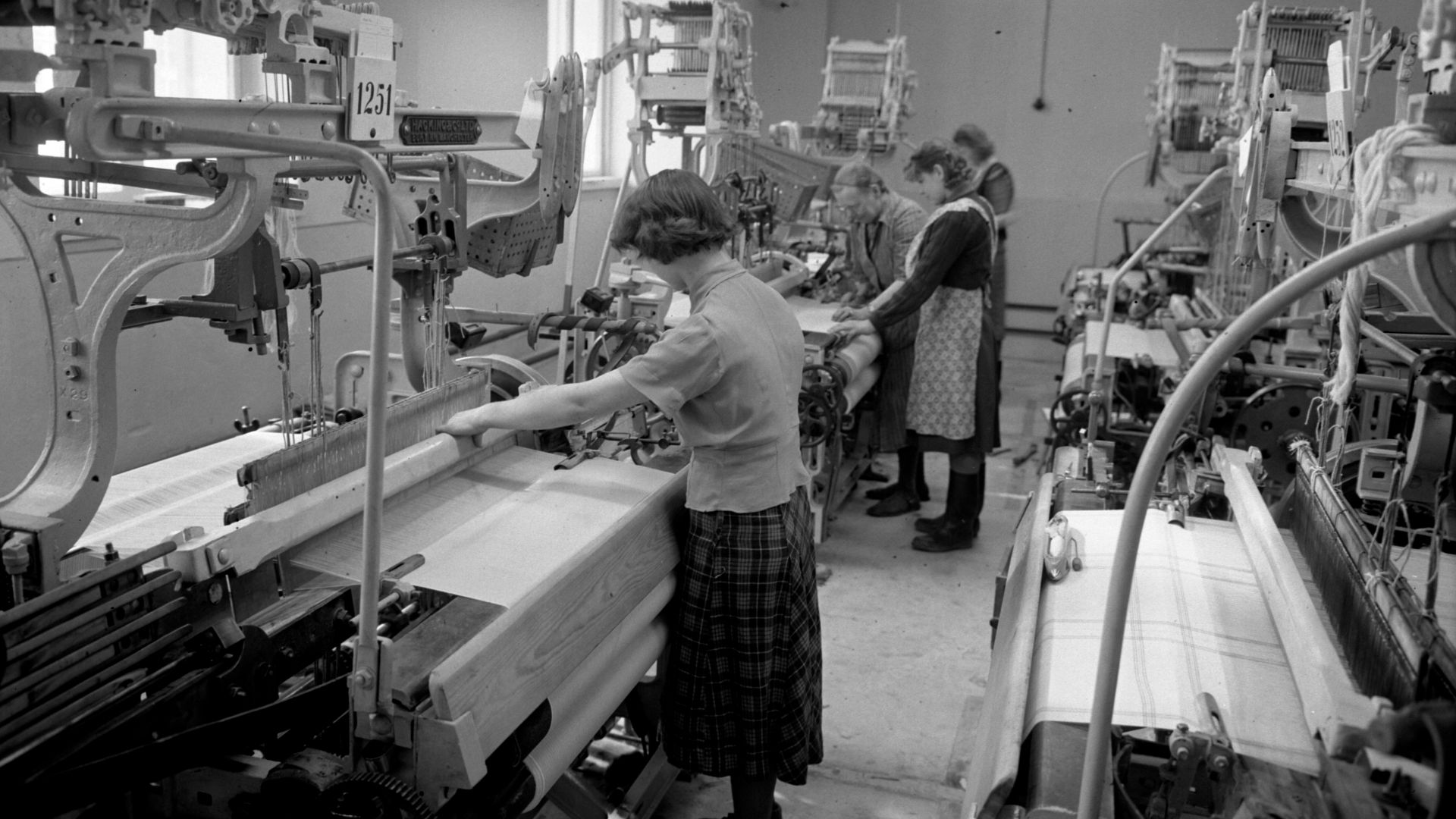 Museokeskus Vapriikki, Wikimedia Commons
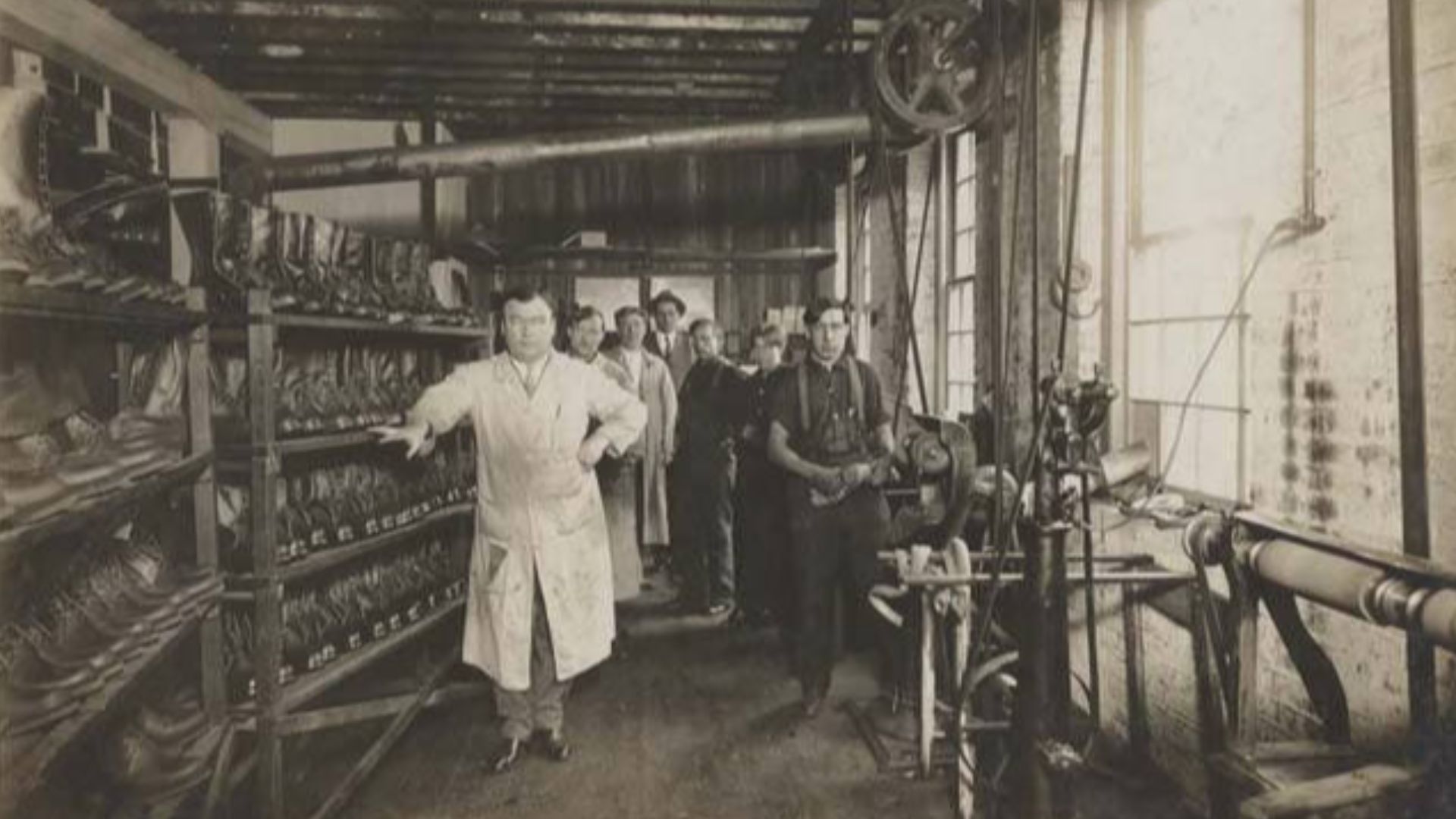
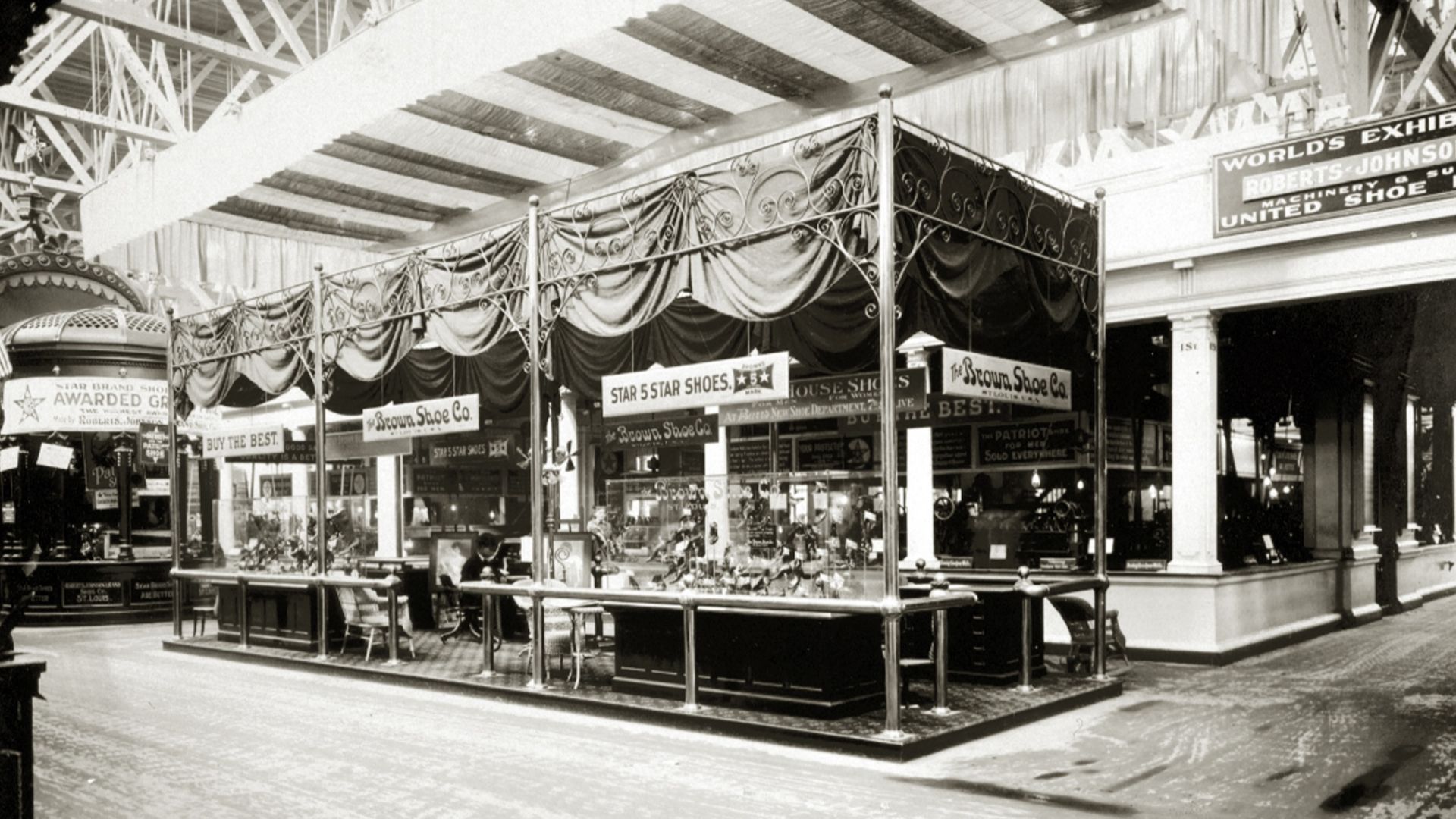
Shoe Manufacturing
American shoe factories once employed hundreds of thousands of workers in Massachusetts, Missouri, Ontario, and Quebec. Skilled cutters, stitchers, and finishers produced footwear for domestic and international markets. Much of that production eventually shifted overseas, leaving only a fraction of the industry's former workforce in North America.
 Unknown authorUnknown author, Wikimedia Commons
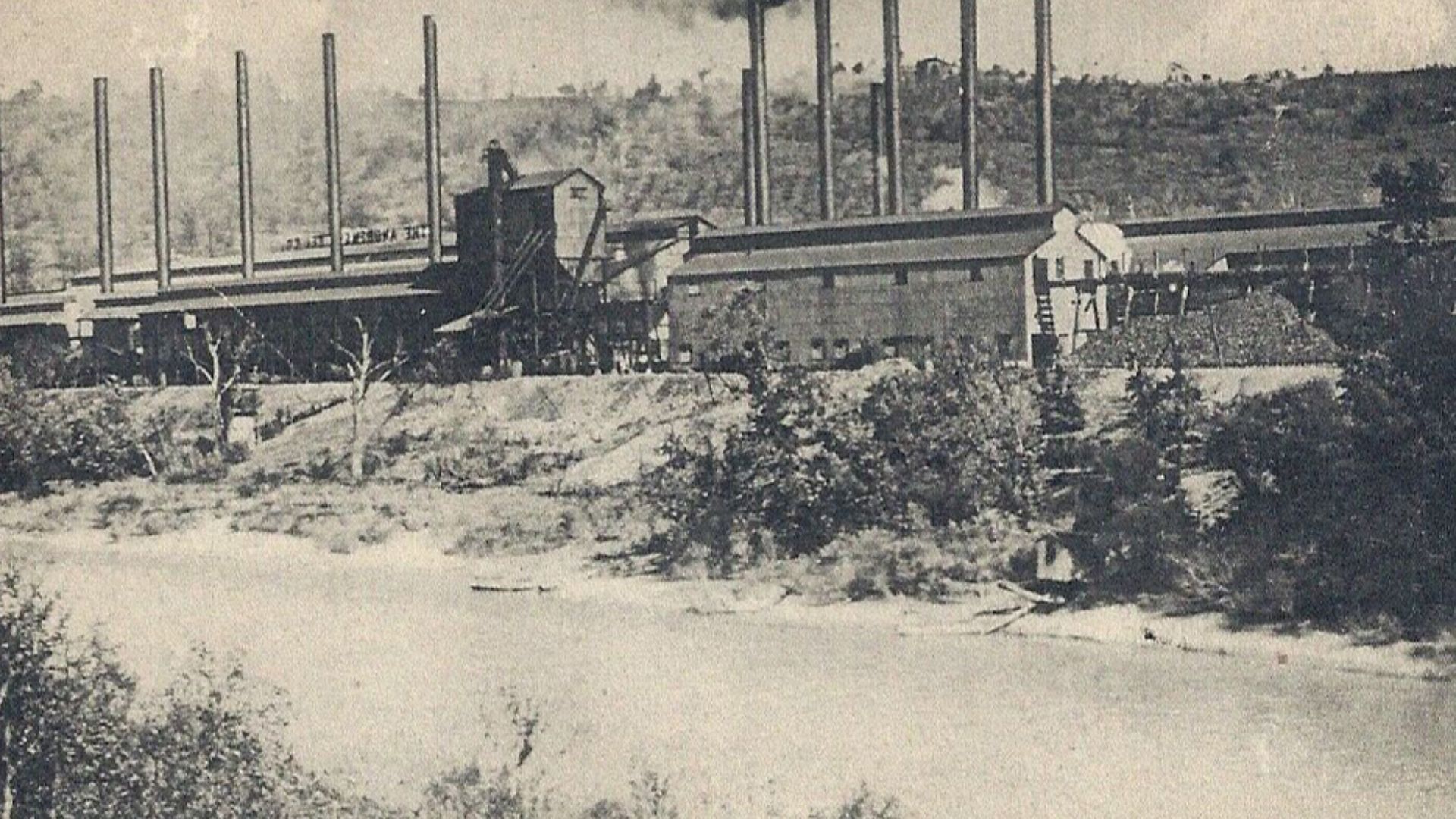
Steel Mills
Steel helped build skyscrapers, railroads, bridges, automobiles, and ships while employing massive workforces throughout cities such as Pittsburgh, Cleveland, Hamilton, and Gary. The industry expanded rapidly during the late 19th and early 20th centuries before automation, foreign competition, and mill closures sharply reduced employment. Modern steel production remains productive but requires far fewer workers than previous generations.
 Unknown authorUnknown author, Wikimedia Commons
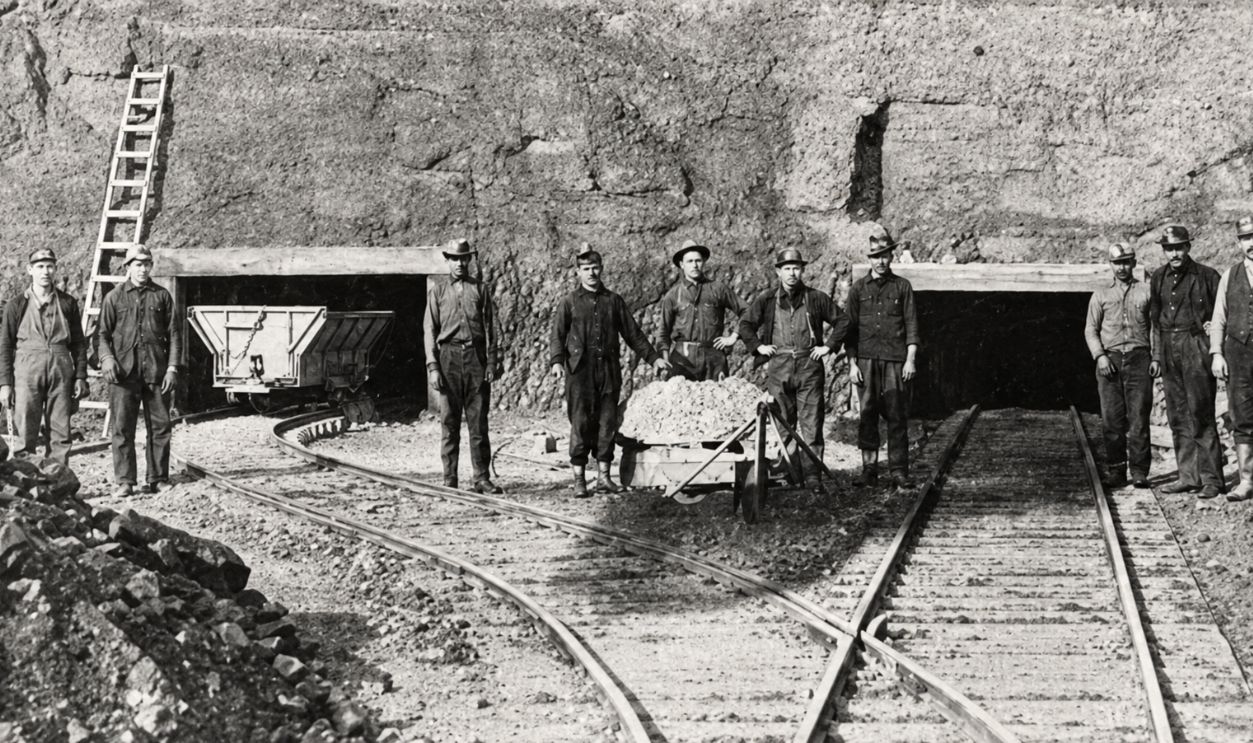
Coal Mining
Coal mining supported hundreds of thousands of families across Appalachia, western Canada, and other mining regions. Entire towns depended on mines for jobs, schools, and local businesses. Mechanization, cleaner energy sources, and declining demand for thermal coal have dramatically reduced mining employment despite continued production.
 Unknown Author, Wikimedia Commons, Modified
Shipbuilding Yards
Major shipyards along the Atlantic, Pacific, and Great Lakes once employed armies of welders, riveters, electricians, machinists, and engineers. Wartime production expanded these workforces even further. Today, shipbuilding remains important for military and specialized commercial vessels but employs only a fraction of its historic workforce.
![Photographs supplied by C.N., UK. (Bain News Service, publisher USA)
English women in shipbuilding yards
[1916]
1 negative : glass ; 5 x 7 in. or smaller.
Notes:
Title from data provided by the Bain News Service on the negative.
Forms part of: George Gra](https://www.factinate.com/storage/app/media/factinate/2026/7/15/1784076058c2683b060bd11507ed35b5d22a859a68a4441751.jpg) The Library of Congress, Wikimedia Commons
The Library of Congress, Wikimedia Commons
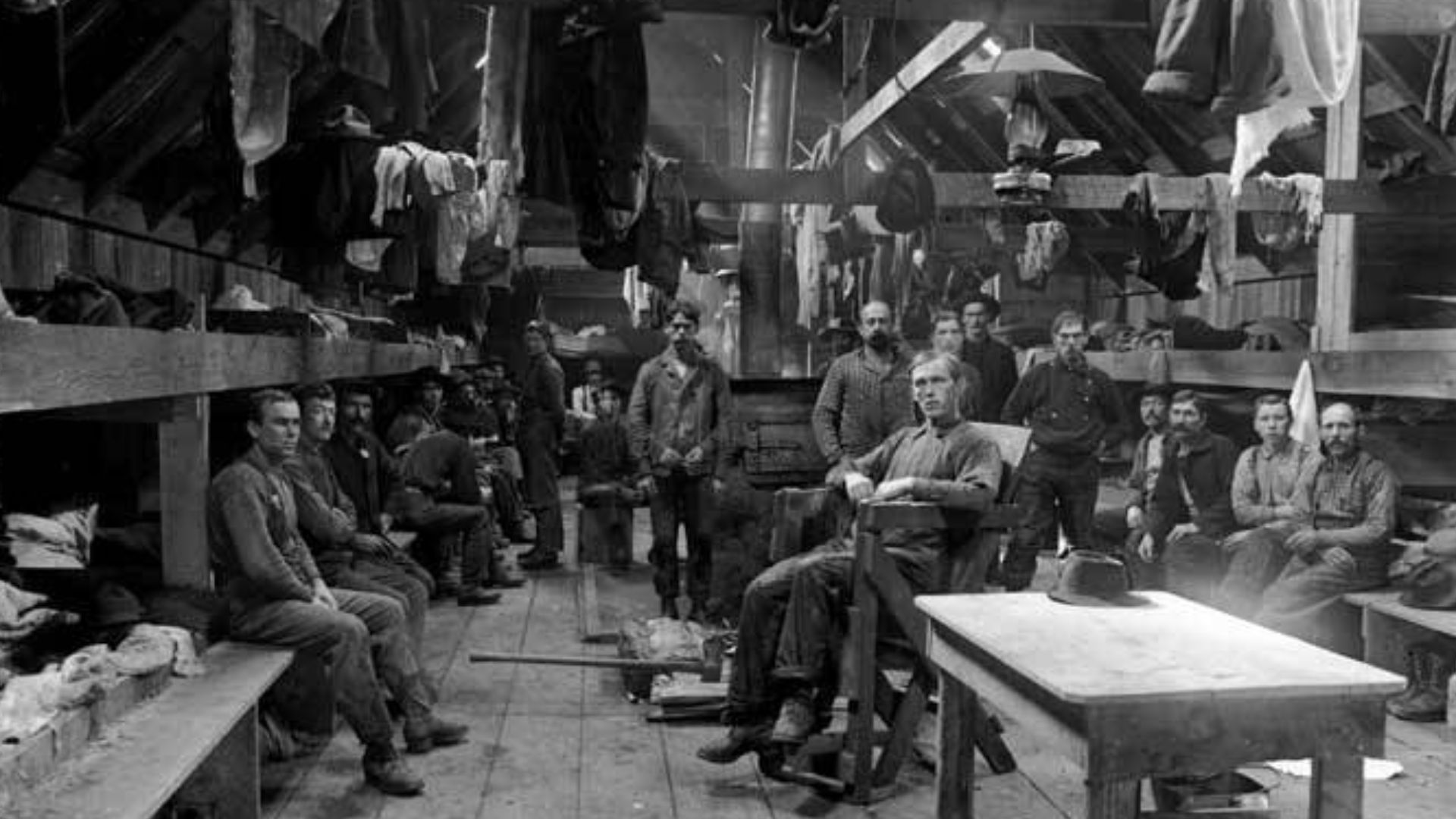
Logging Camps
Logging once required enormous crews using hand tools, horses, rail spurs, and river drives to move timber across forests in the United States and Canada. Seasonal logging camps became economic lifelines for countless rural communities. Modern harvesting equipment allows far fewer workers to process much larger volumes of timber.
 Webster & Stevens, Wikimedia Commons

History's most fascinating stories and darkest secrets, delivered to your inbox daily.
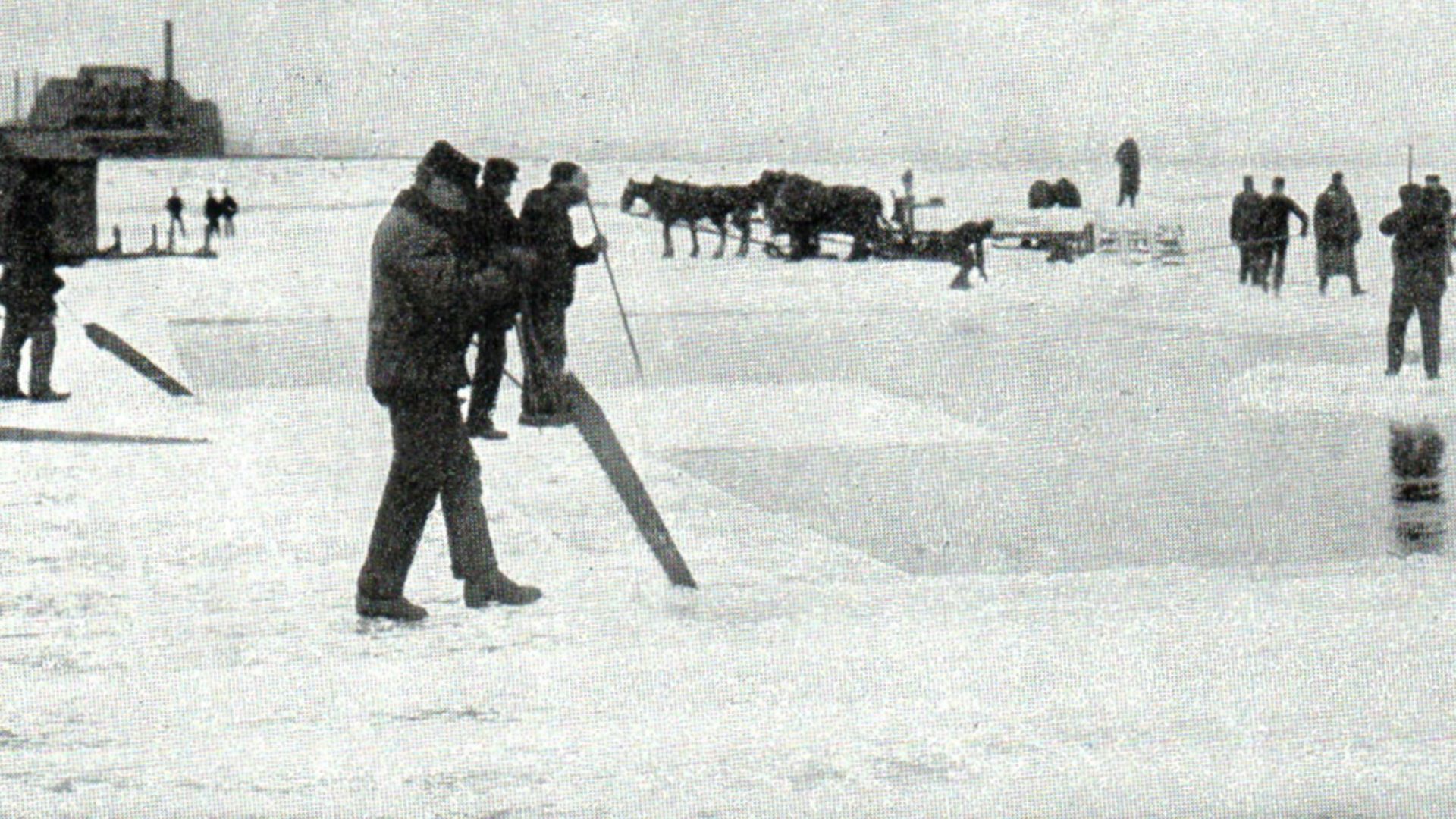
Ice Harvesting
Before electric refrigeration, companies harvested enormous blocks of natural ice from frozen lakes each winter. Workers cut, stored, transported, and delivered ice to homes, restaurants, and businesses throughout North America. Mechanical refrigeration largely eliminated the commercial ice harvesting industry during the first half of the 20th century.
 Brown Bros., Wikimedia Commons
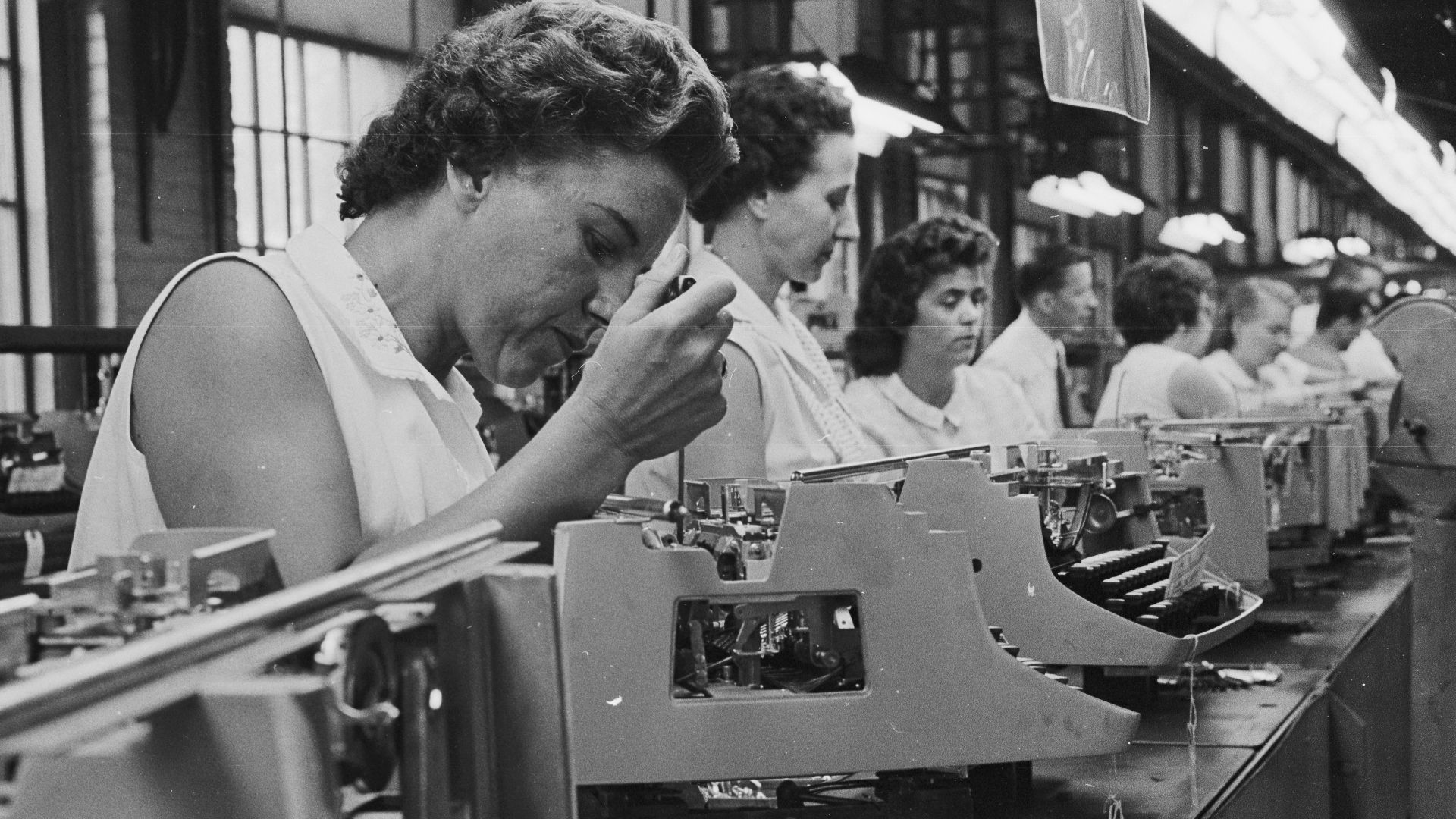
Typewriter Manufacturing
For decades, typewriters filled offices, schools, and government buildings, supporting large manufacturing operations across North America. Assembly workers, machinists, engineers, and repair technicians built and maintained millions of machines. Personal computers and word processors rapidly displaced the industry beginning in the 1980s.
 Warren K. Leffler, Wikimedia Commons
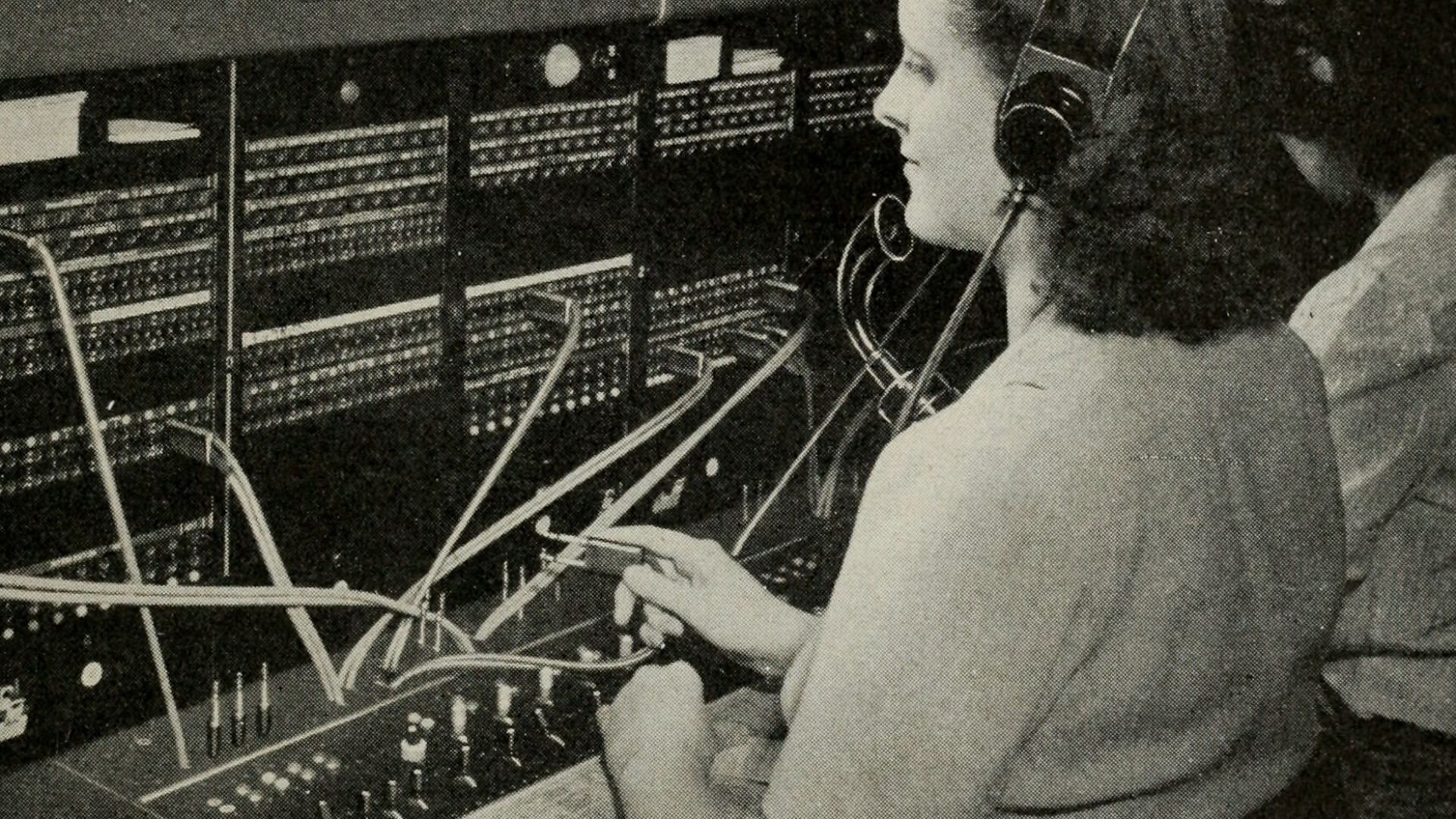
Telephone Switchboard Operations
Telephone operators manually connected calls for much of the 20th century, making switchboard operation one of the largest occupations for women. Automation steadily replaced manual exchanges beginning in the mid-century, while digital telecommunications nearly eliminated the role altogether. Emergency dispatching remains one of the few major occupations that still relies on live operators.
 Internet Archive Book Images, Wikimedia Commons
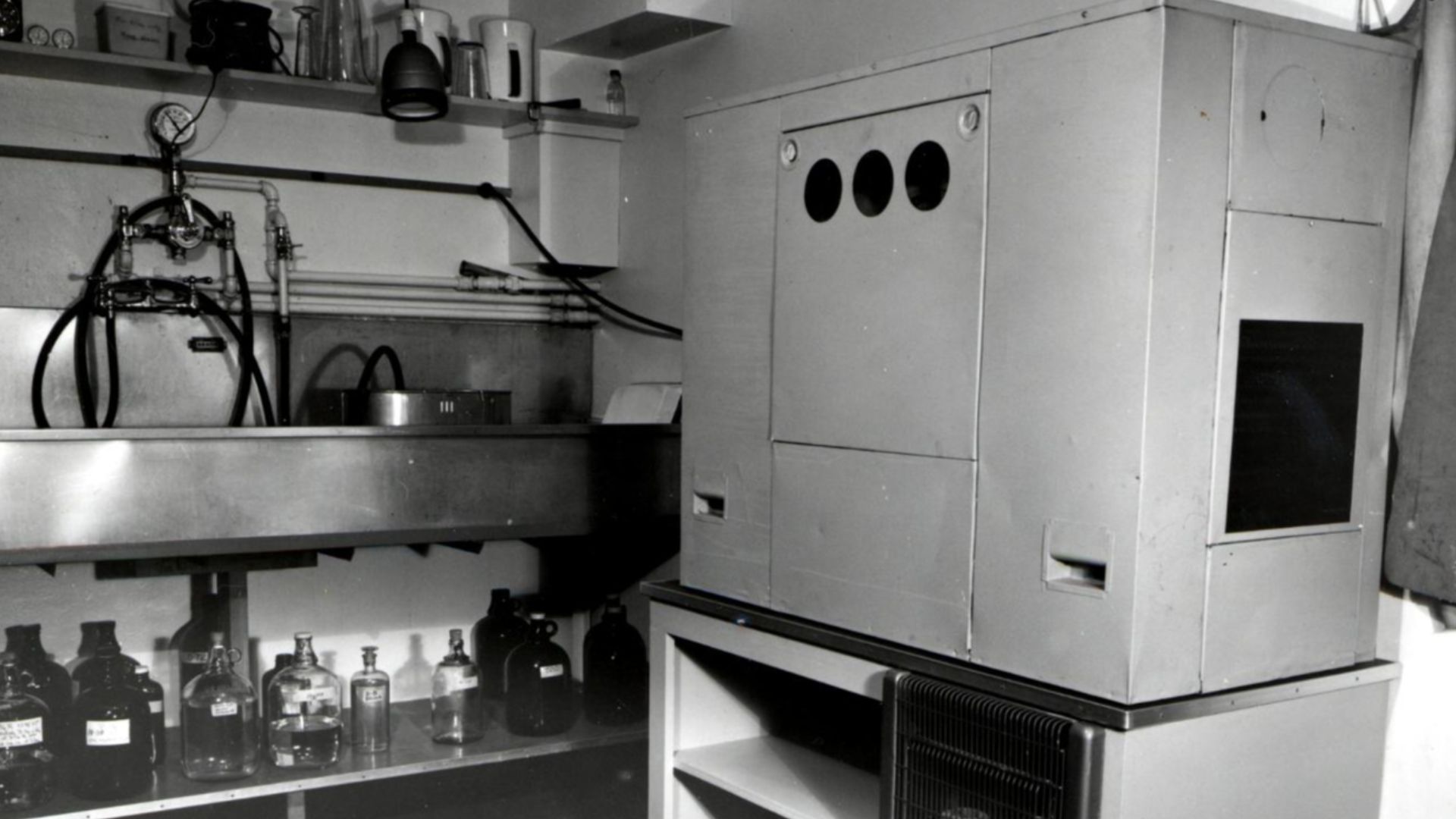
Film Processing Laboratories
Before digital photography, film labs developed negatives and printed photographs for families, newspapers, and professionals. Companies employed thousands of technicians who specialized in chemical processing and photo printing. Digital cameras and smartphones caused demand for traditional film processing to collapse within just a few decades.
 R6, State & Private Forestry, Forest Health Protection, Wikimedia Commons
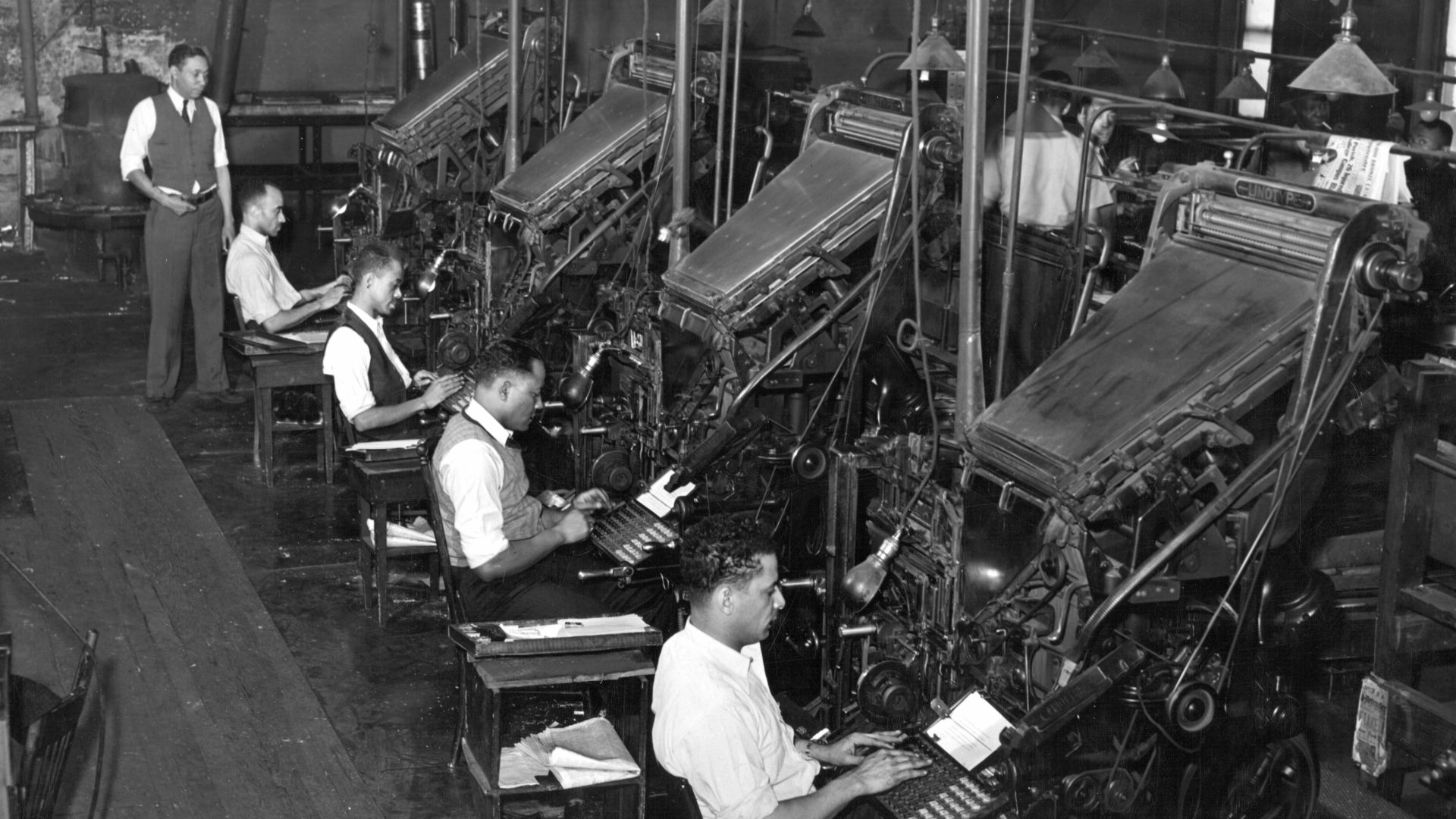
Newspaper Typesetting
Printing newspapers once required highly skilled typesetters who manually assembled pages using hot-metal or linotype equipment. These specialized workers formed an essential part of the publishing industry for generations. Computer publishing software eliminated most traditional typesetting jobs by the late 20th century.
 Russell Lee, Wikimedia Commons
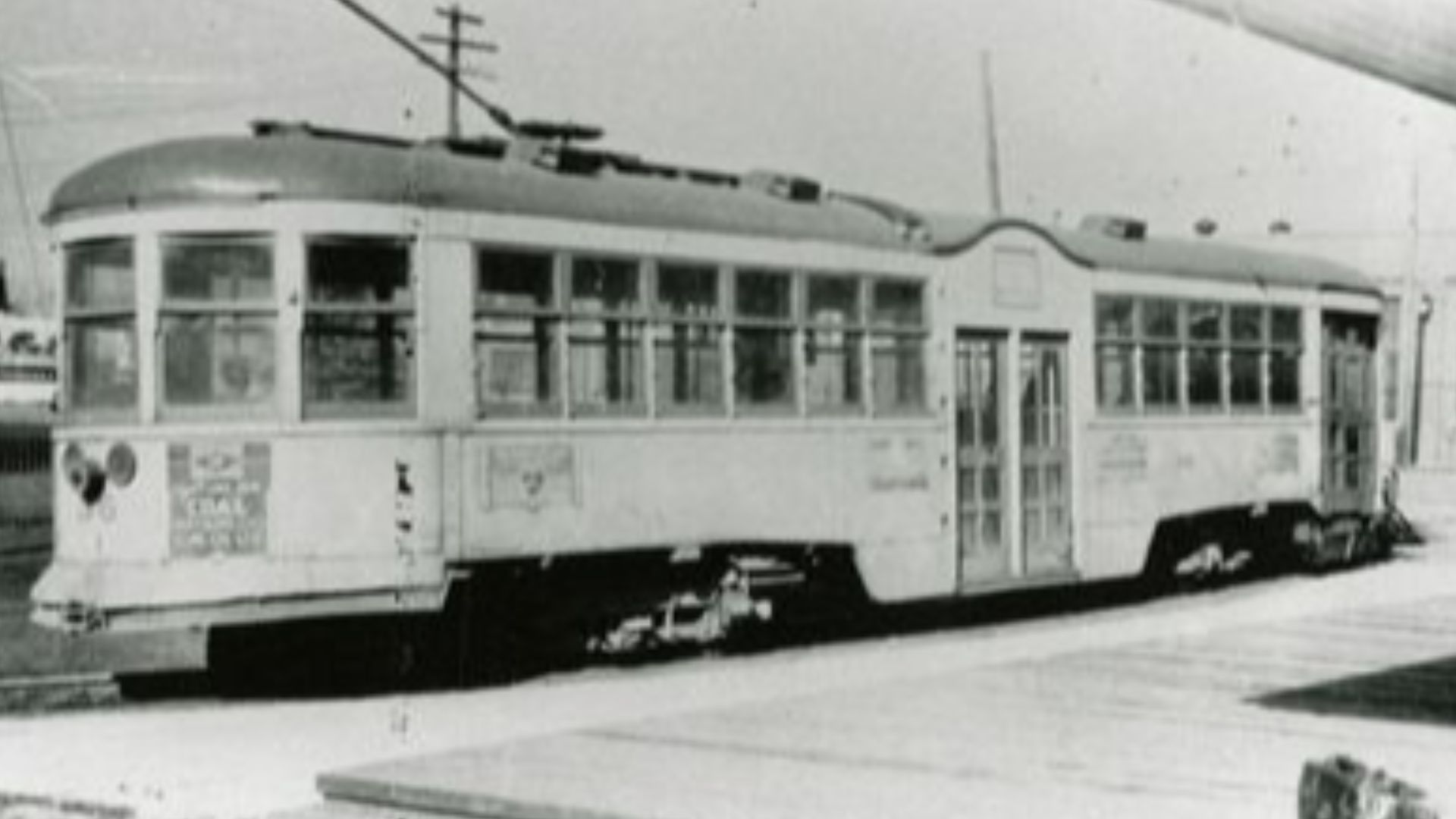
Streetcar Manufacturing
As electric streetcars spread across North American cities, factories produced thousands of passenger cars while employing large numbers of skilled industrial workers. The growth of automobiles and buses reduced demand for streetcar systems after World War II. Although light rail has returned to many cities, the industry remains much smaller than during its peak.
 Unknown authorUnknown author, Wikimedia Commons
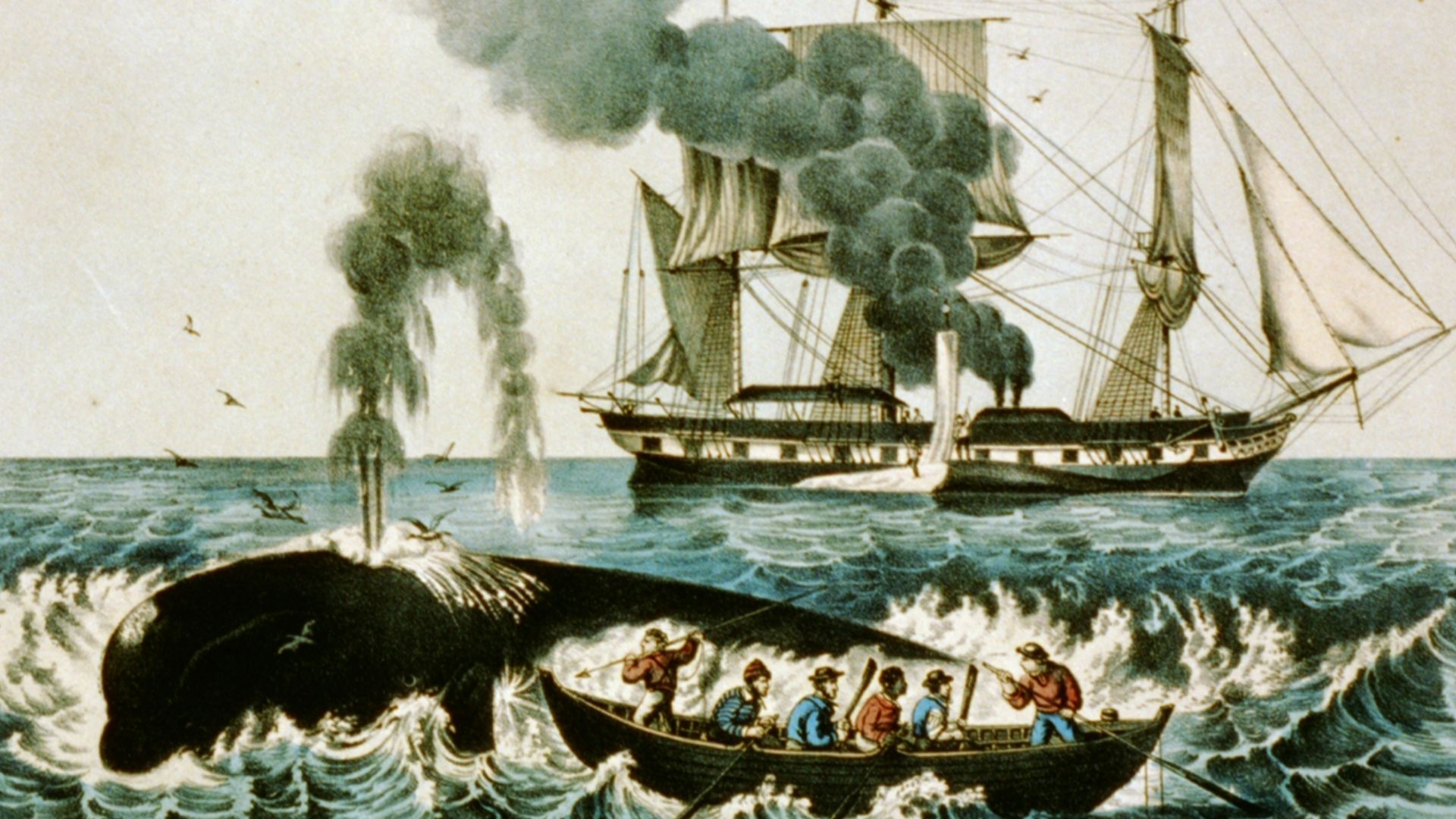
Commercial Whaling
Whaling supported coastal economies by supplying whale oil for lighting and lubrication before petroleum products became widespread. Thousands of sailors, processors, and shipbuilders depended on the trade throughout the 19th century. Petroleum, conservation efforts, and international protections eventually brought commercial whaling to an end across North America.
 Luigi Chiesa, Wikimedia Commons
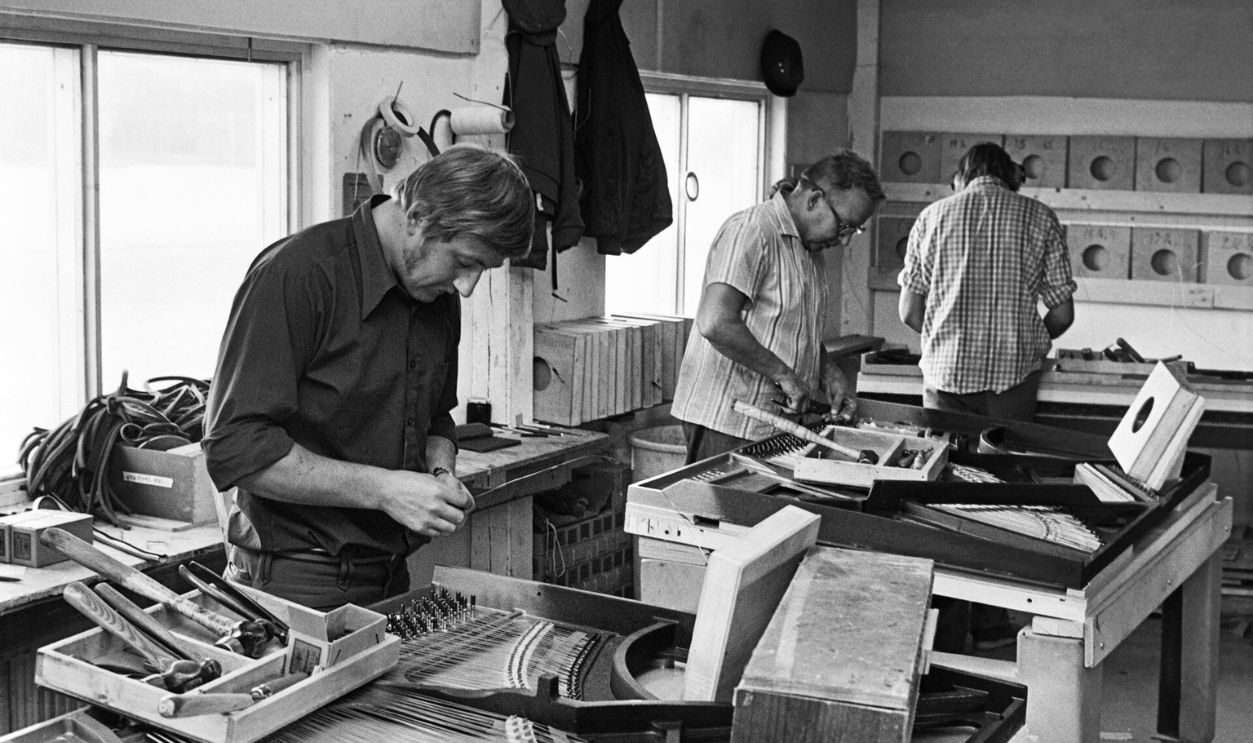
Piano Manufacturing
At the beginning of the 20th century, pianos were considered essential household entertainment, creating thriving manufacturing centers in the United States and Canada. Large factories employed cabinetmakers, metalworkers, finishers, and tuners. Radio, recorded music, television, and changing consumer preferences sharply reduced demand over time.
 Finnish Heritage Agency, CC BY 4.0, Wikimedia Commons
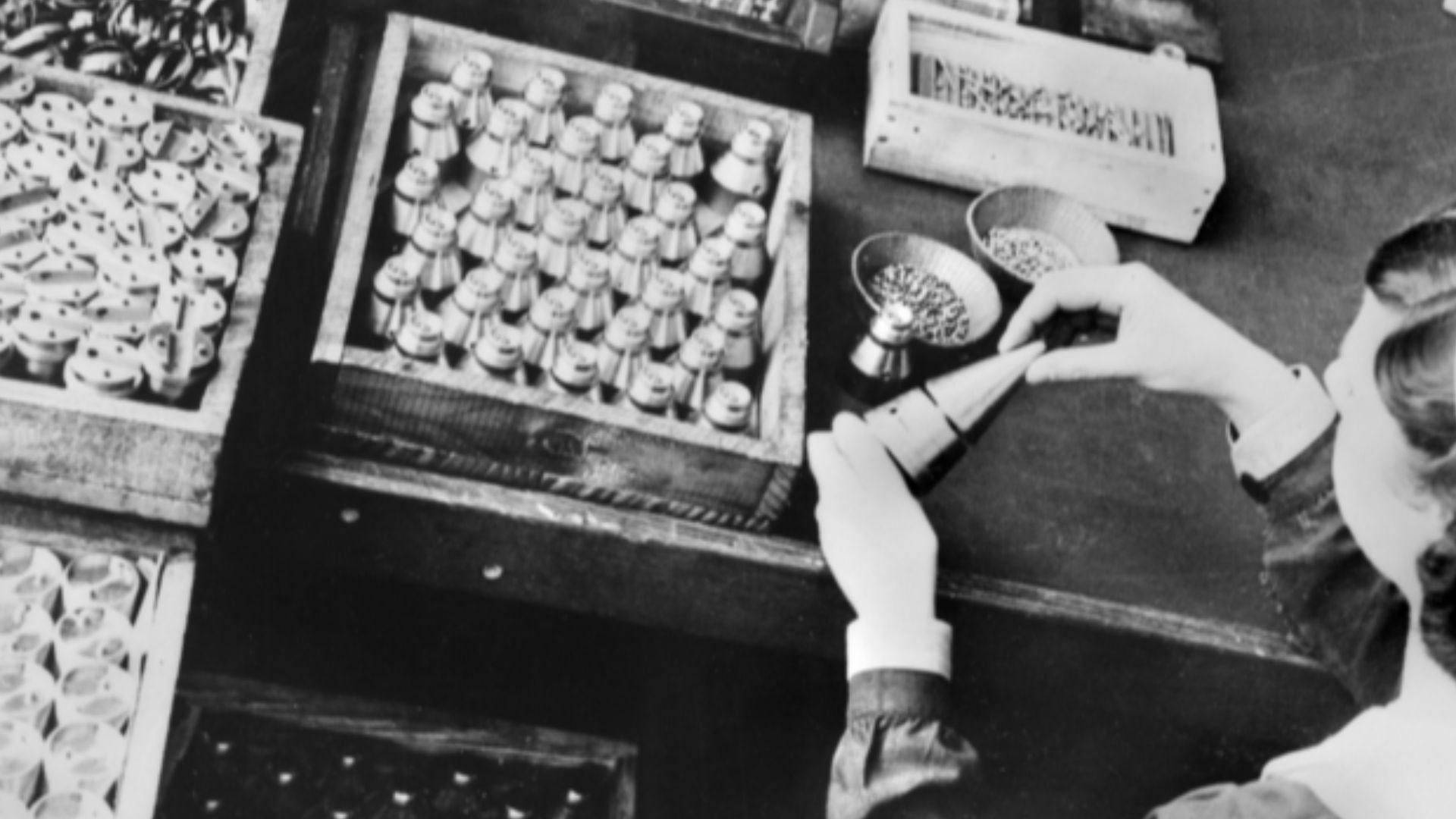
Watch Manufacturing
North America once supported a substantial watchmaking industry led by companies such as Waltham and Elgin in the United States. Precision manufacturing techniques employed thousands of skilled workers for decades. Foreign competition and the quartz revolution fundamentally changed the industry during the late 20th century.
 Bottomley, Clifford, Wikimedia Commons
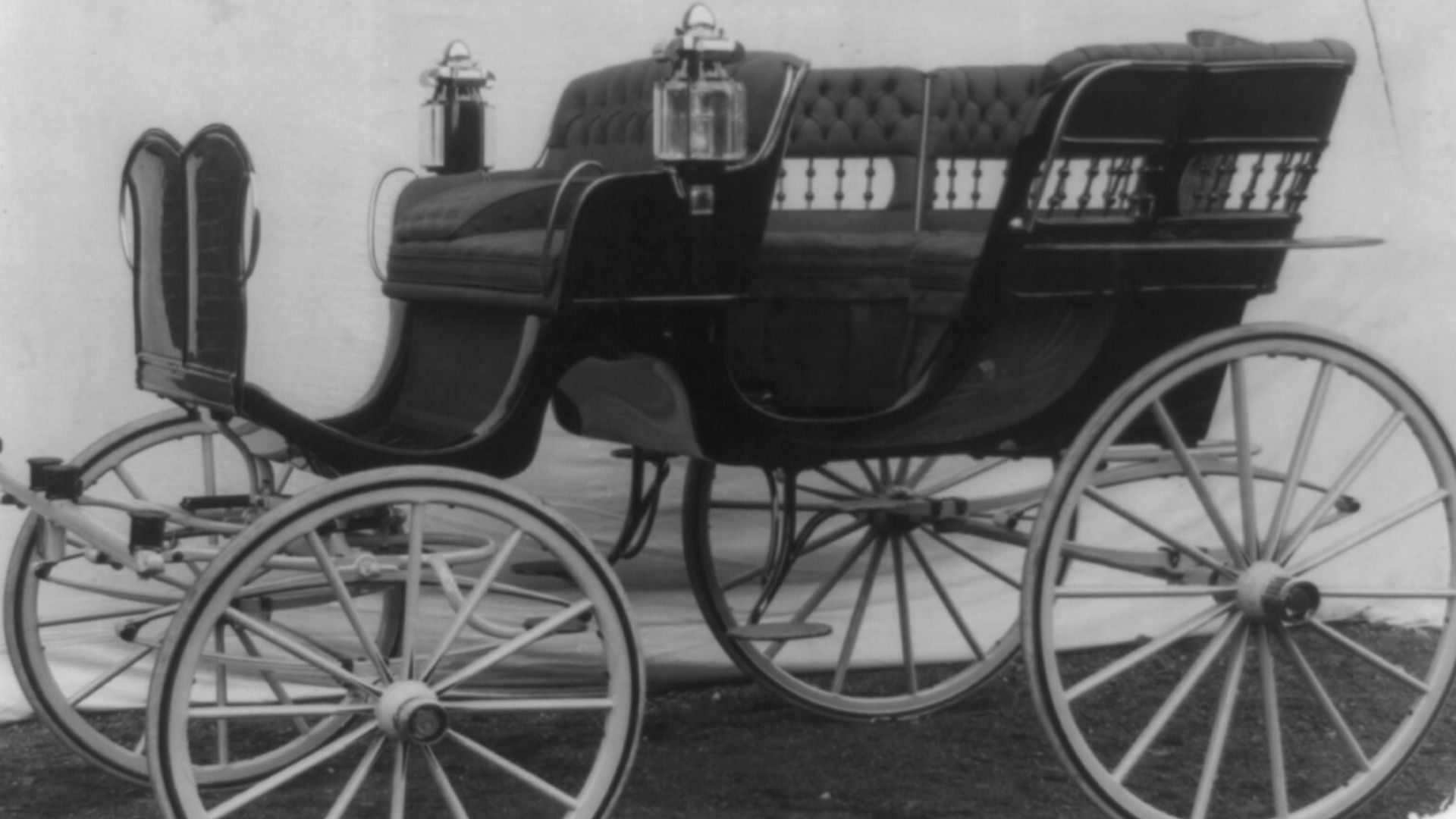
Horse-Drawn Carriage Manufacturing
Before automobiles dominated transportation, carriage factories produced wagons, buggies, and coaches for businesses and families across North America. The industry supported wheelwrights, blacksmiths, upholsterers, and woodworkers in nearly every region. Mass-produced automobiles rapidly displaced horse-drawn vehicles during the early 1900s.
 Miscellaneous Items in High Demand, PPOC, Library of Congress, Wikimedia Commons
The Legacy Lives On
Most of these industries did not vanish overnight. Instead, they slowly evolved, automated, relocated, or gave way to entirely new technologies that required fewer workers. Even so, their legacy remains visible in the cities they built, the transportation networks they created, and the millions of families whose livelihoods once depended on them.
 Official Photographic Company, Wikimedia Commons
You May Also Like:
Everyday American traditions that began as marketing campaigns—and somehow became permanent.
Failed Predictions That Seemed Certain At The Time
The Bizarre Inventions People Thought Would Change The World












.jpg)