Which Products Are You Still Standing By?
Technology changes constantly, but some products never really disappear. Even in 2026, millions of Americans continue holding onto old-fashioned items that feel dependable, comforting, and deeply familiar. From vinyl records to cast-iron skillets, these products survive because they offer something modern alternatives often cannot: nostalgia, durability, and a genuine emotional connection.
 cherryandbees, Adobe Stock Images
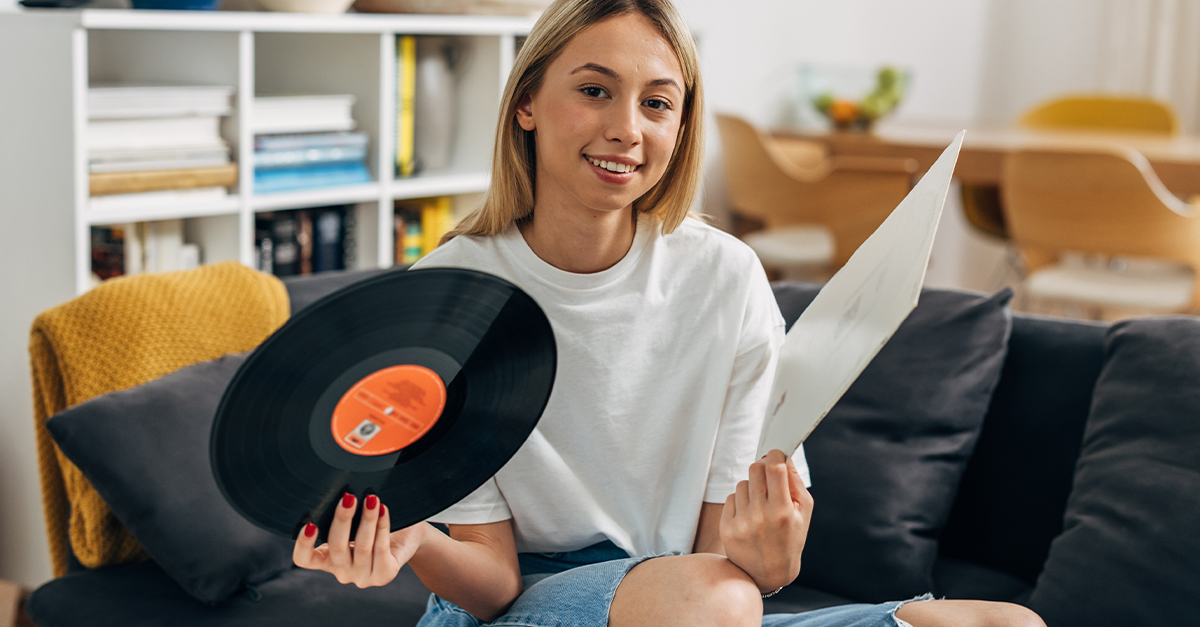
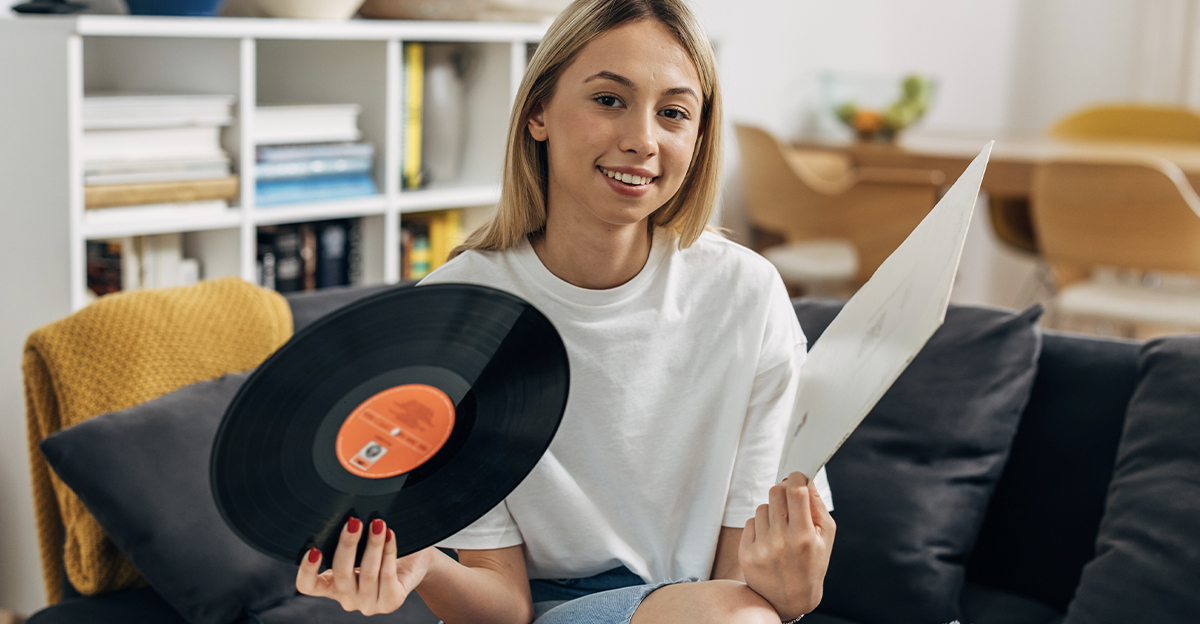
Vinyl Records Still Feel More Personal
Streaming may dominate music, but vinyl keeps winning hearts. Many Americans say records feel intentional in a way playlists never can. Flipping an album, reading liner notes, and hearing that faint crackle create an experience people aren’t ready to replace with taps on a screen.
For me, personally, slowly building a vinyl collection and seeing all of the album art displayed brings me so much joy.
Landline Phones Refuse To Completely Disappear
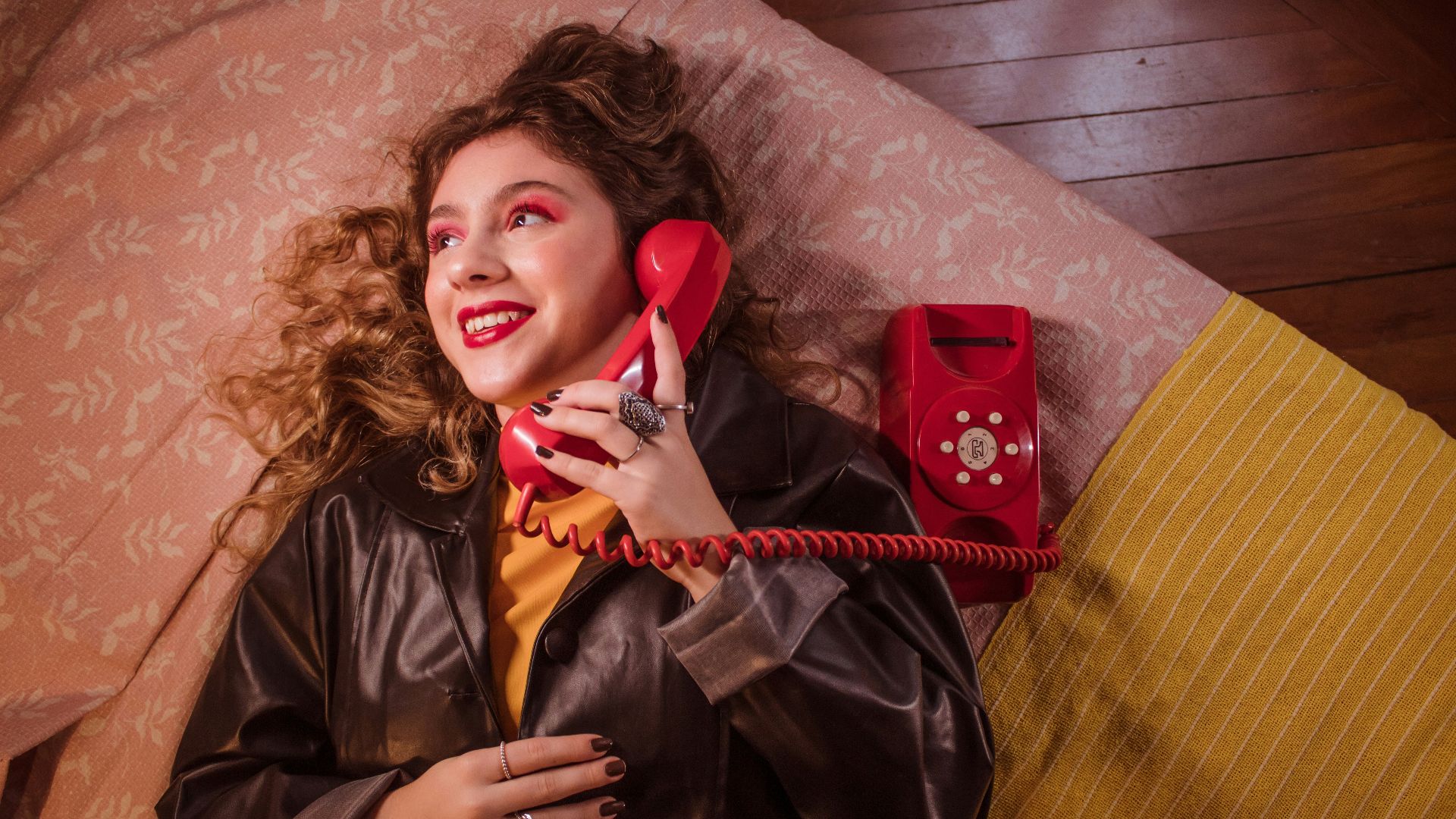
Even in 2026, millions of Americans still keep a landline at home. Older adults trust them during emergencies, while younger users surprisingly see them as a break from endless smartphone notifications. Some families simply like having one dependable phone everyone can hear ring.
Cast-Iron Skillets Continue To Dominate Kitchens
Nonstick pans come and go, but cast iron remains practically immortal. Americans love how these skillets last for generations and somehow make cornbread, steak, and fried potatoes taste better. Many families still proudly cook with pans handed down from grandparents decades ago. Once you discover the magic of a cast-iron skillet, no other pan will do.
Paper Books Still Beat Screens For Many Readers
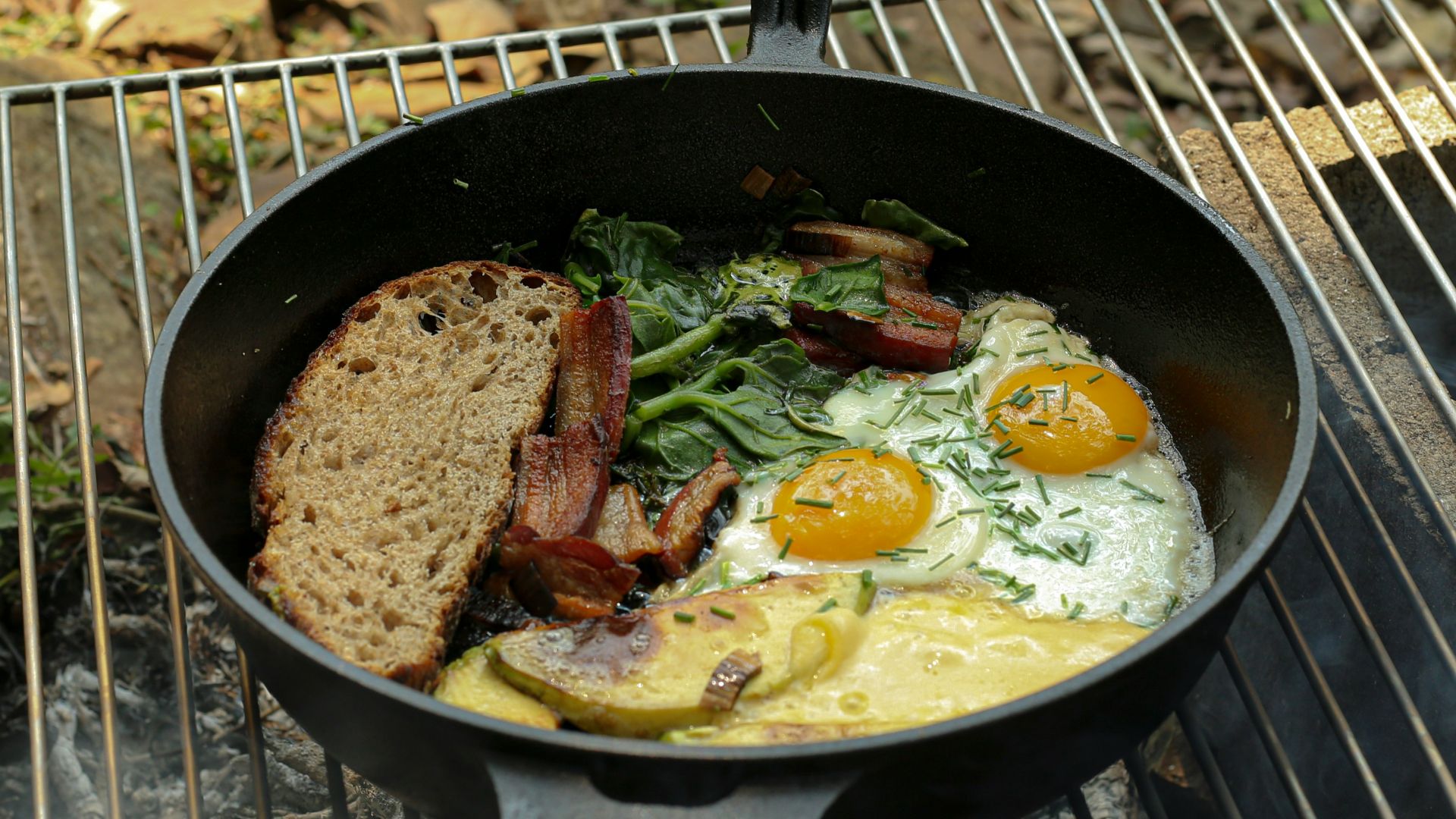
E-readers are convenient, but plenty of Americans still prefer real books. The weight of a hardcover, the smell of paper, and the ability to physically turn pages create a comforting ritual. For many readers, bookshelves feel more personal than a digital library ever could. And let's be serious, when it comes to browsing for books, nothing can ever beat spending hours in an old second-hand bookstore.
Books also give a space so much personality. I strongly believe that being surrounded by piles of books is the key to maintaining all-around contentment.
Mechanical Watches Never Really Went Away
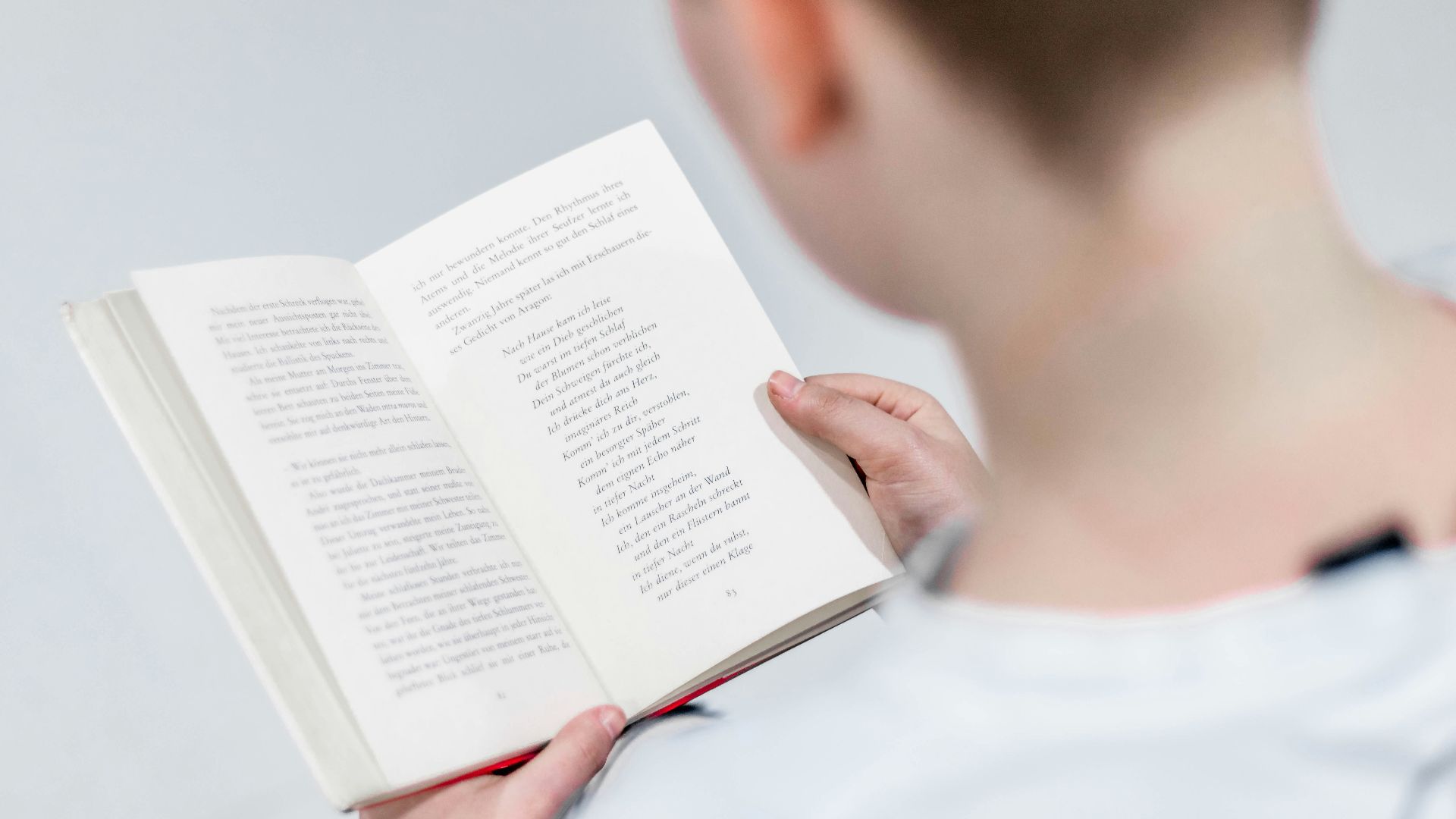
Smartwatches track everything imaginable, yet traditional watches still attract loyal fans. Americans continue buying mechanical timepieces because they feel timeless, elegant, and surprisingly emotional. Wearing a watch that can outlive its owner appeals to people tired of disposable technology.
Handwritten Greeting Cards Still Matter
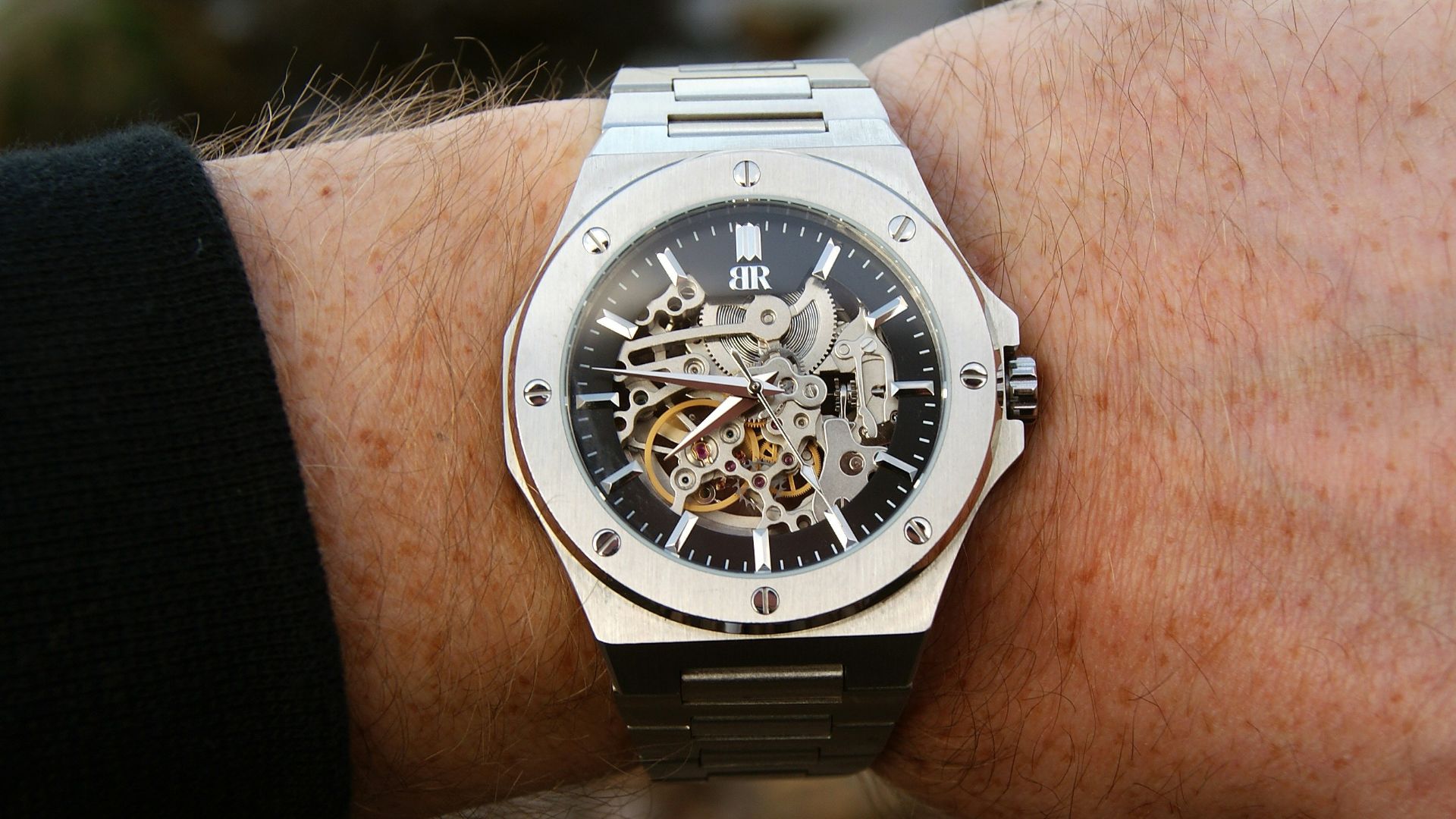
Texts are faster, but greeting cards carry emotional weight that emojis cannot match. Americans still buy birthday, sympathy, and holiday cards because handwriting feels sincere. Many people even save cards for years, turning simple notes into keepsakes connected to important memories.
A birthday post on social media just doesn't hit the same as a penned sentiment.
Film Cameras Have Become Cool Again
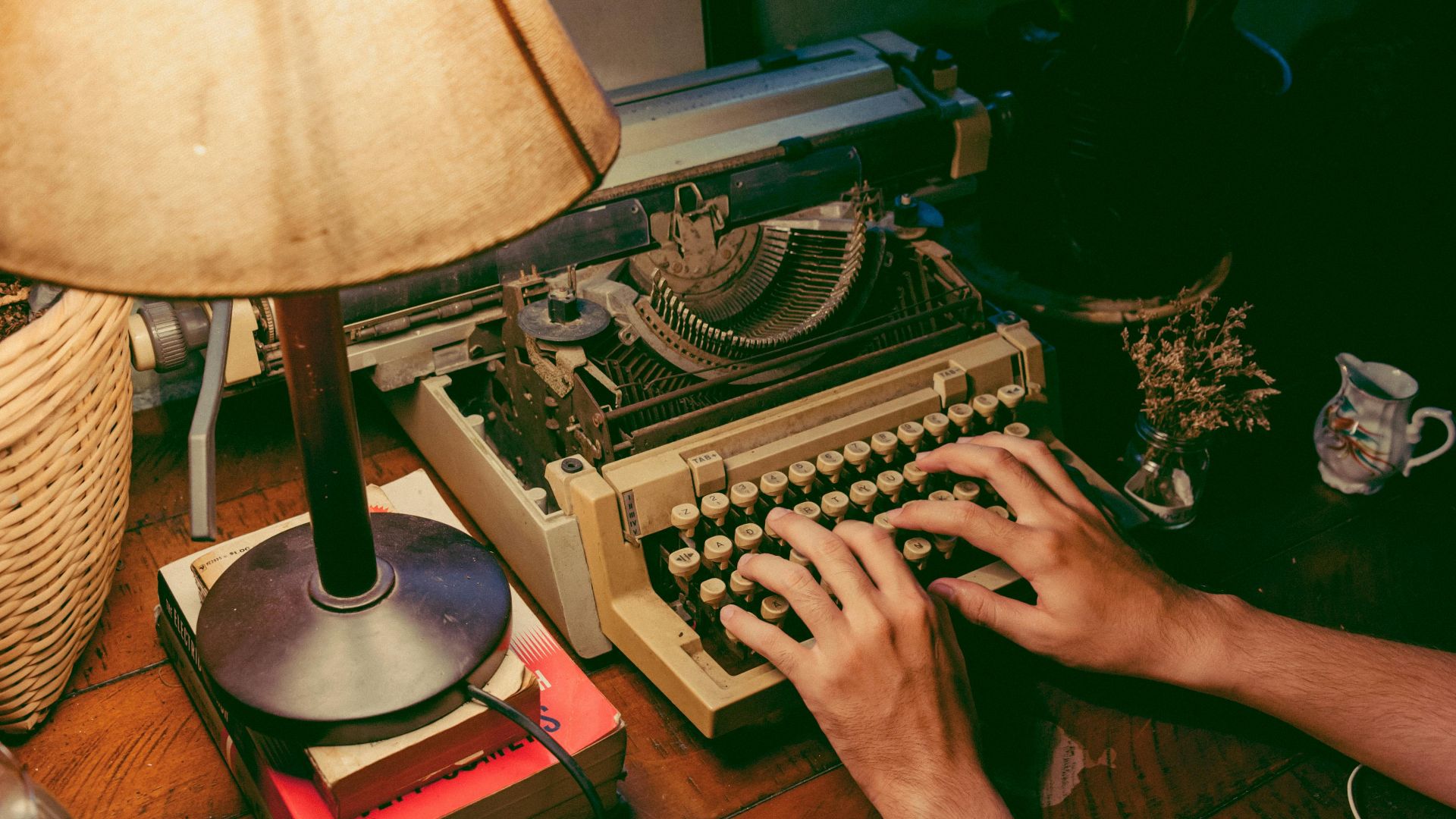
Younger Americans are embracing film photography despite digital convenience. Film forces people to slow down, carefully frame shots, and accept imperfections. That unpredictability is exactly why many photographers love it. The grainy, nostalgic look also feels refreshingly human in a filtered world.
Film cameras also force users to be intentional about what they're photographing. Smartphones allow you to keep thousands of photos, but how many of us are actually scrolling through our backlog? Having an album of favorite snapshots is strangely far more accessible and pleasurable to look through.
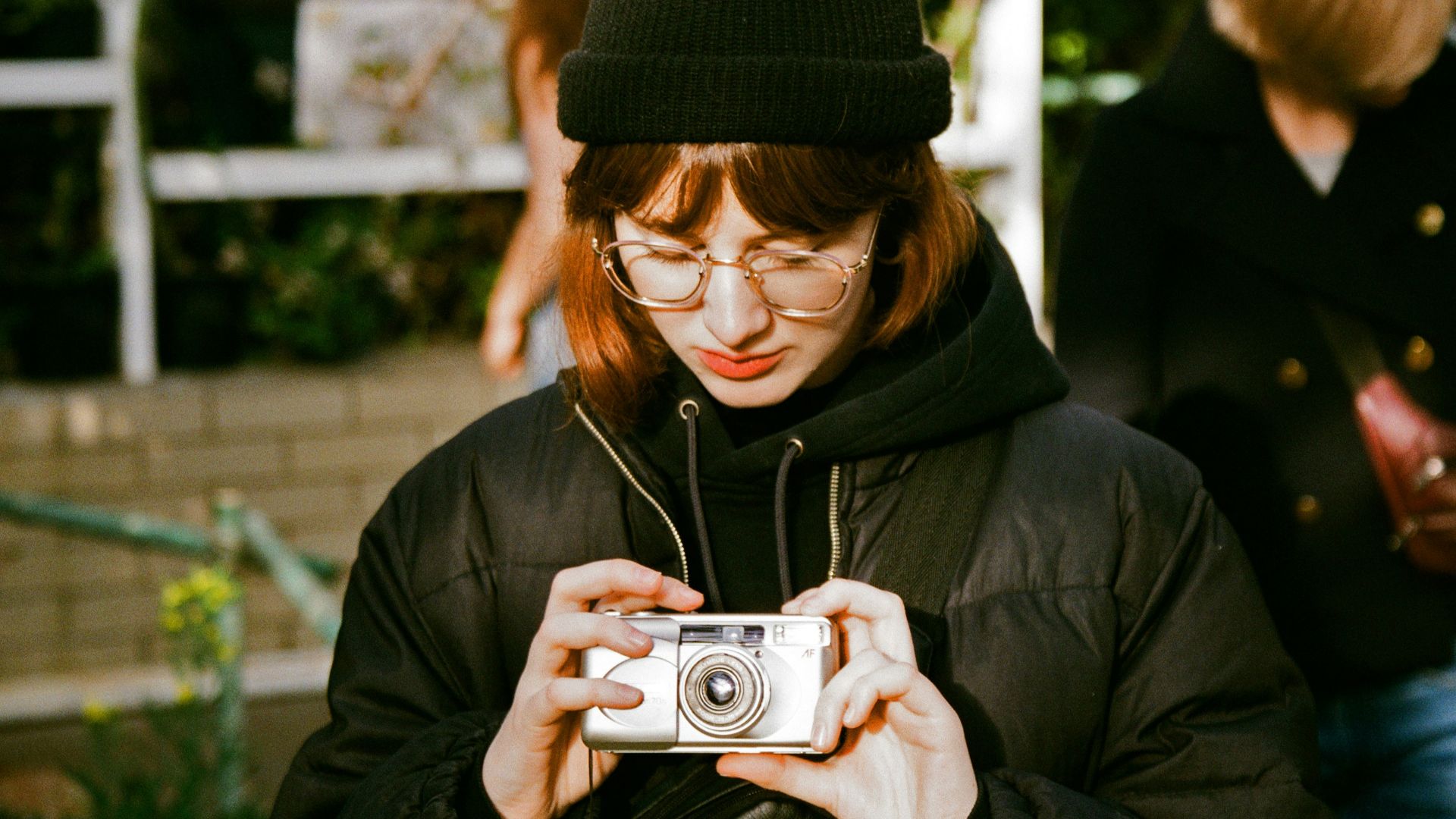
Fax Machines Somehow Survived
Most people joke about fax machines, yet many businesses still rely on them. Healthcare, government offices, and law firms continue using fax technology because it remains legally accepted and familiar. Americans may laugh about faxing, but it quietly refuses to disappear.
Cash Remains Popular For Everyday Spending
Digital wallets keep growing, but cash still feels reliable to millions of Americans. Some people prefer physically seeing money leave their wallet because it helps control spending. Others simply trust cash more during outages, emergencies, or moments when technology fails unexpectedly.
To this day, my mother always insists that I should have cash on me at all times: "Just in case!"

Paper Calendars Still Hang In Kitchens
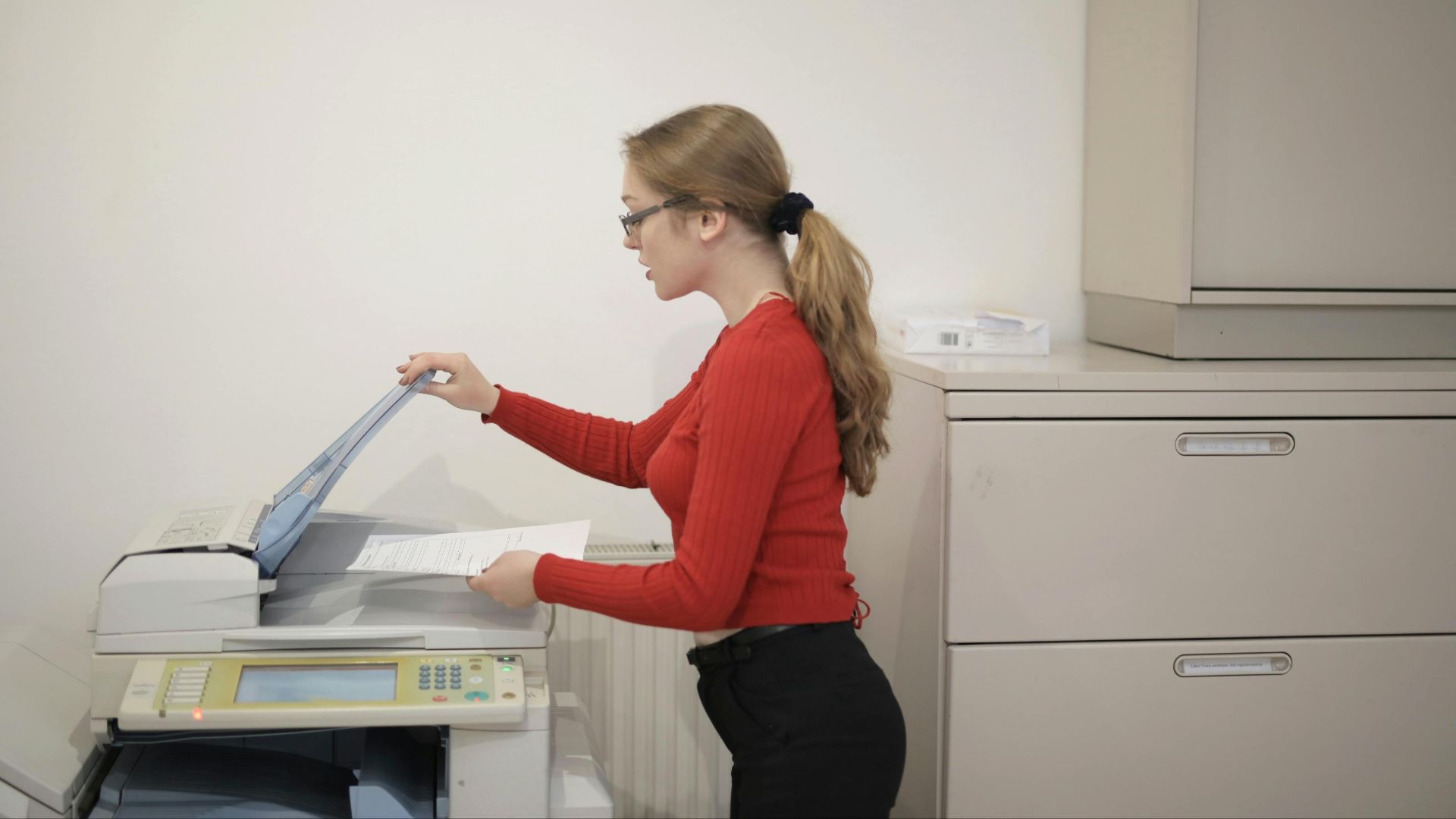
Phone reminders may beep constantly, but many families still trust paper calendars. Writing appointments by hand feels more memorable, and wall calendars allow everyone in the household to stay organized at a glance. For busy homes, old-fashioned simplicity still works beautifully.
Buying my annual paper calendar is a joy. There are so many themed options, and you can pick something that brings color, or even comedy, to your home decor.
Typewriters Have Developed A Cult Following
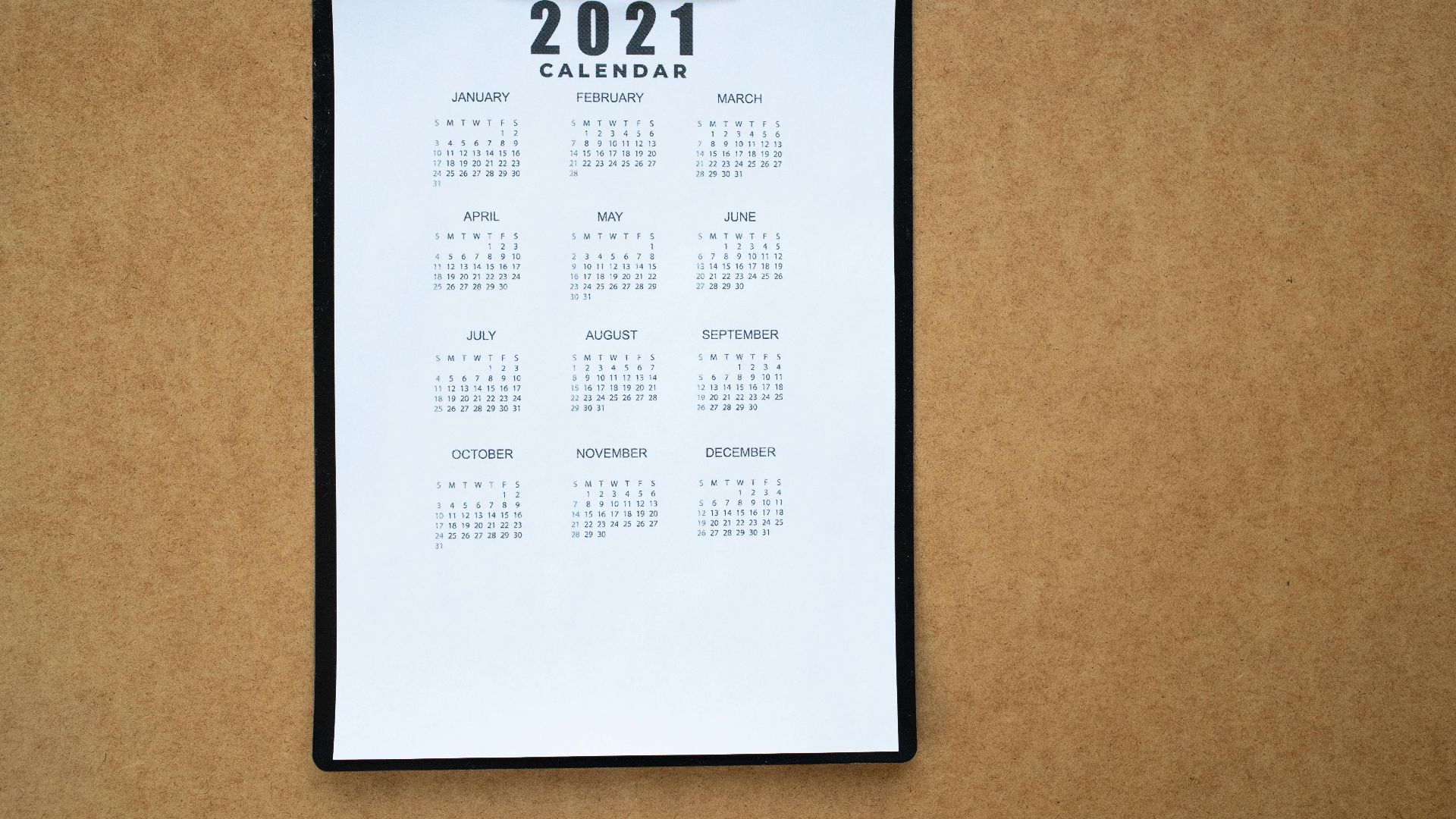
Typewriters are no longer necessary, but they remain strangely beloved. Writers often describe them as freeing because there are no notifications, tabs, or distractions. Every keystroke feels deliberate, and the loud clacking sound makes writing feel more physical and satisfying.
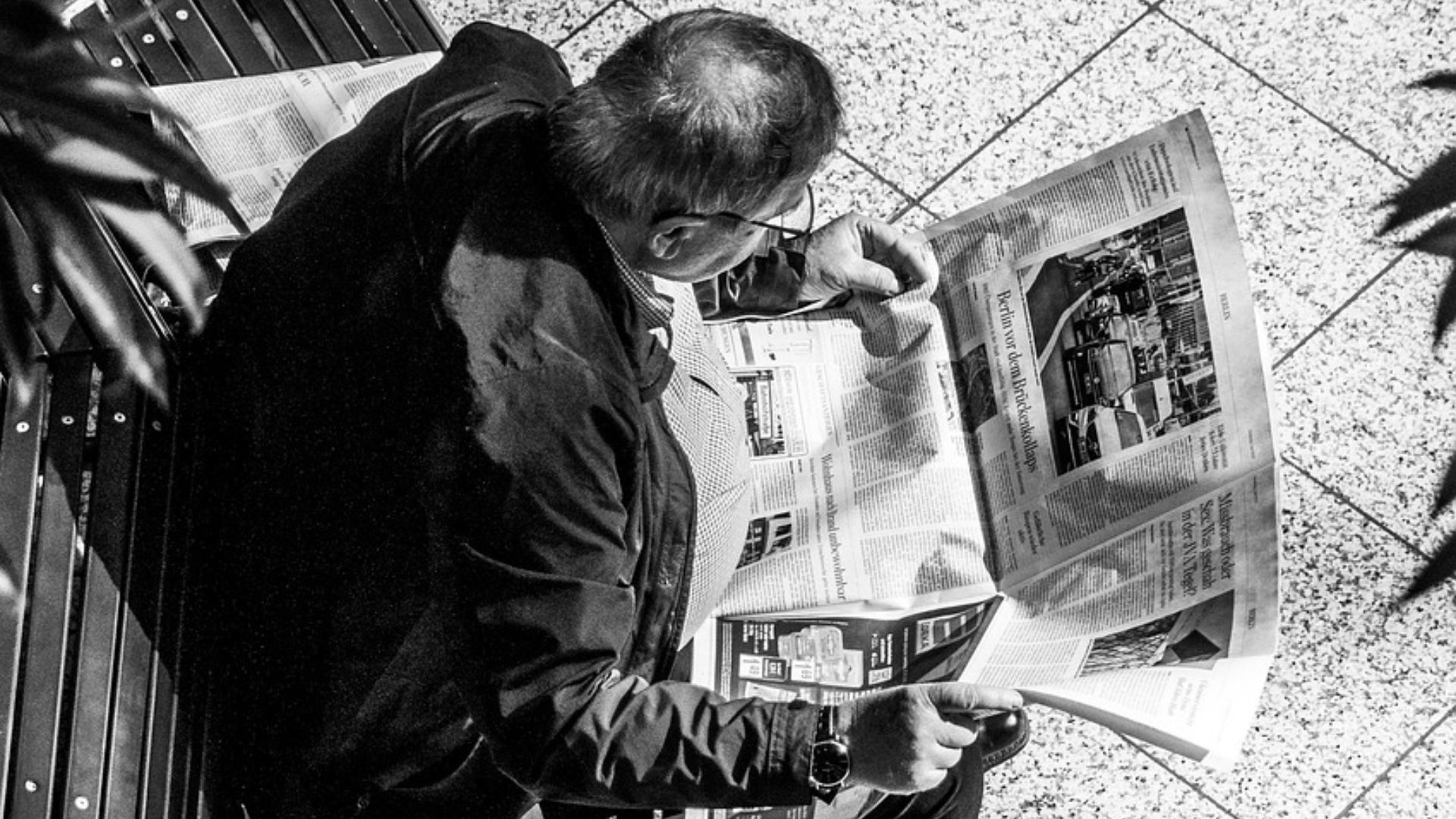
Printed Newspapers Still Have Loyal Readers
Digital news is instant, yet many Americans continue reading physical newspapers every morning. Some readers enjoy the slower pace and distraction-free experience. Others simply appreciate sitting with coffee and flipping pages instead of endlessly scrolling through stressful headlines online.
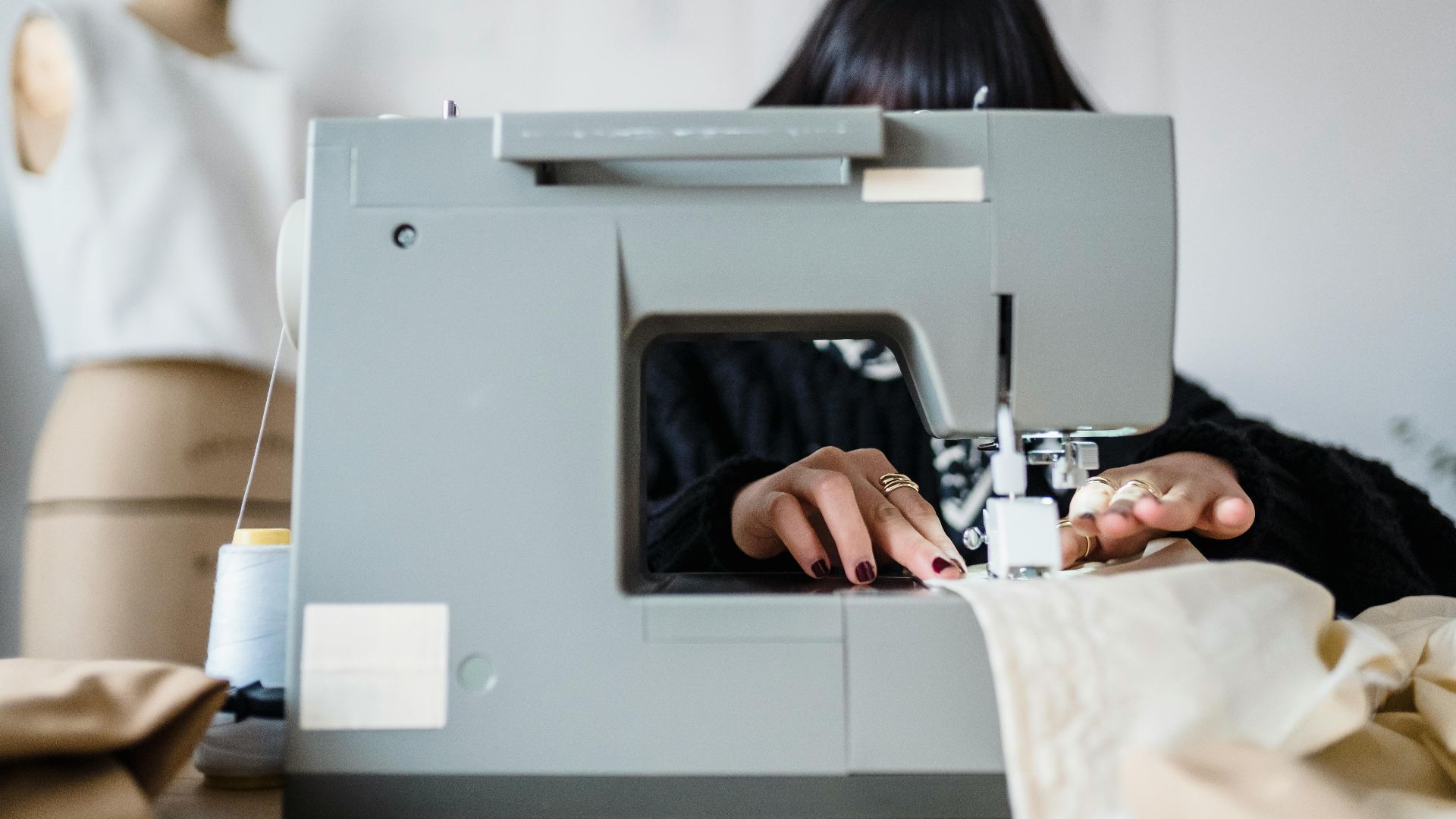
Home Sewing Machines Are Making A Comeback
Americans increasingly repair and customize clothing instead of throwing it away. Sewing machines appeal to people who want practical skills and less waste. Many younger adults are even learning techniques from parents and grandparents, keeping old traditions alive in modern homes. New generations also have a greater focus on sustainability, and want to learn to mend and make their own clothes.
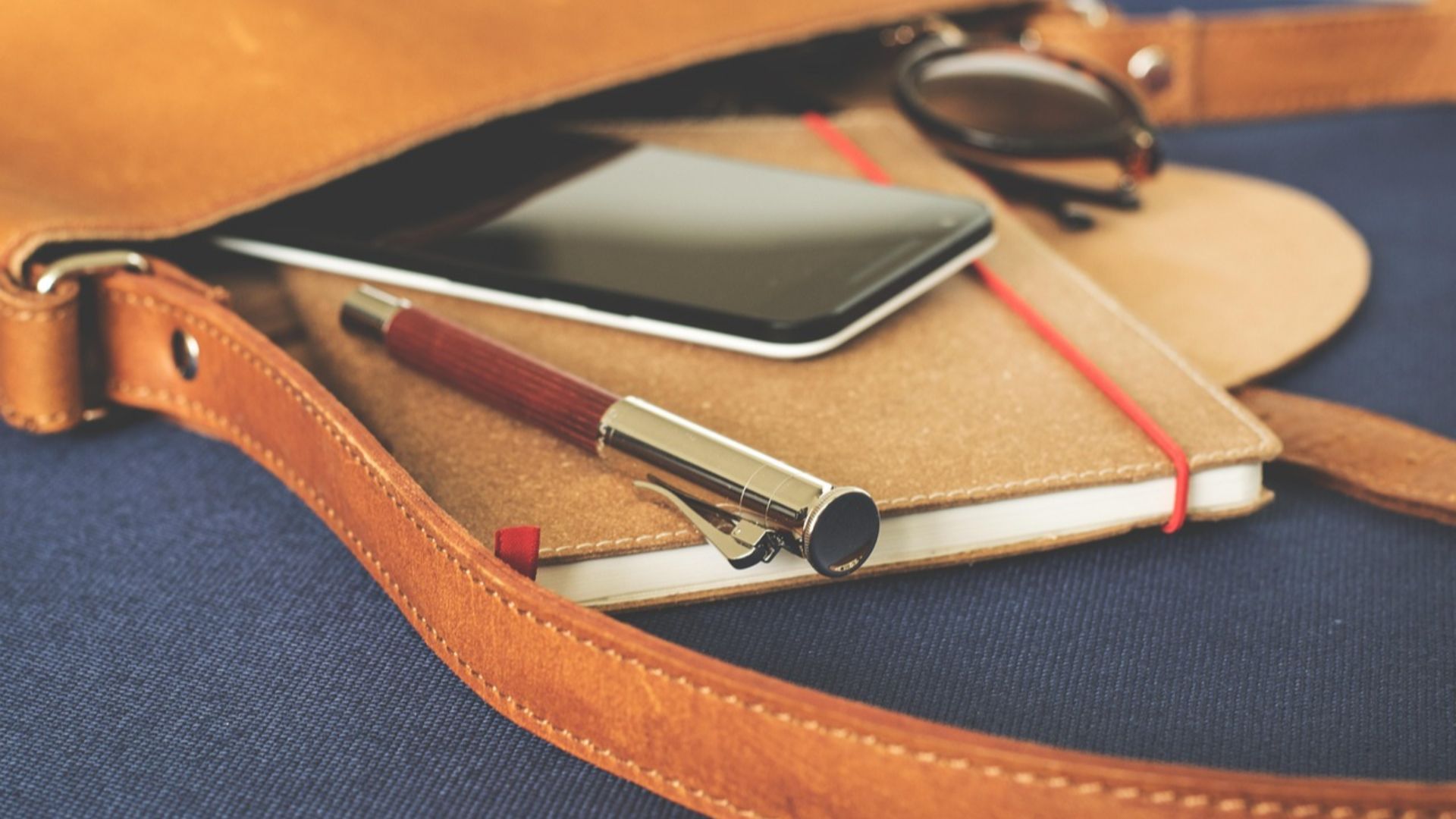
Pocket Notebooks Continue To Outsell Apps
Productivity apps promise organization, but many Americans still trust paper notebooks. Writing ideas by hand helps people focus and remember information better. Pocket notebooks also never run out of battery, crash unexpectedly, or distract users with notifications every few minutes.
In 2026, analog habits are making a massive comeback, with young folks adopting planner and journaling ecosystems.
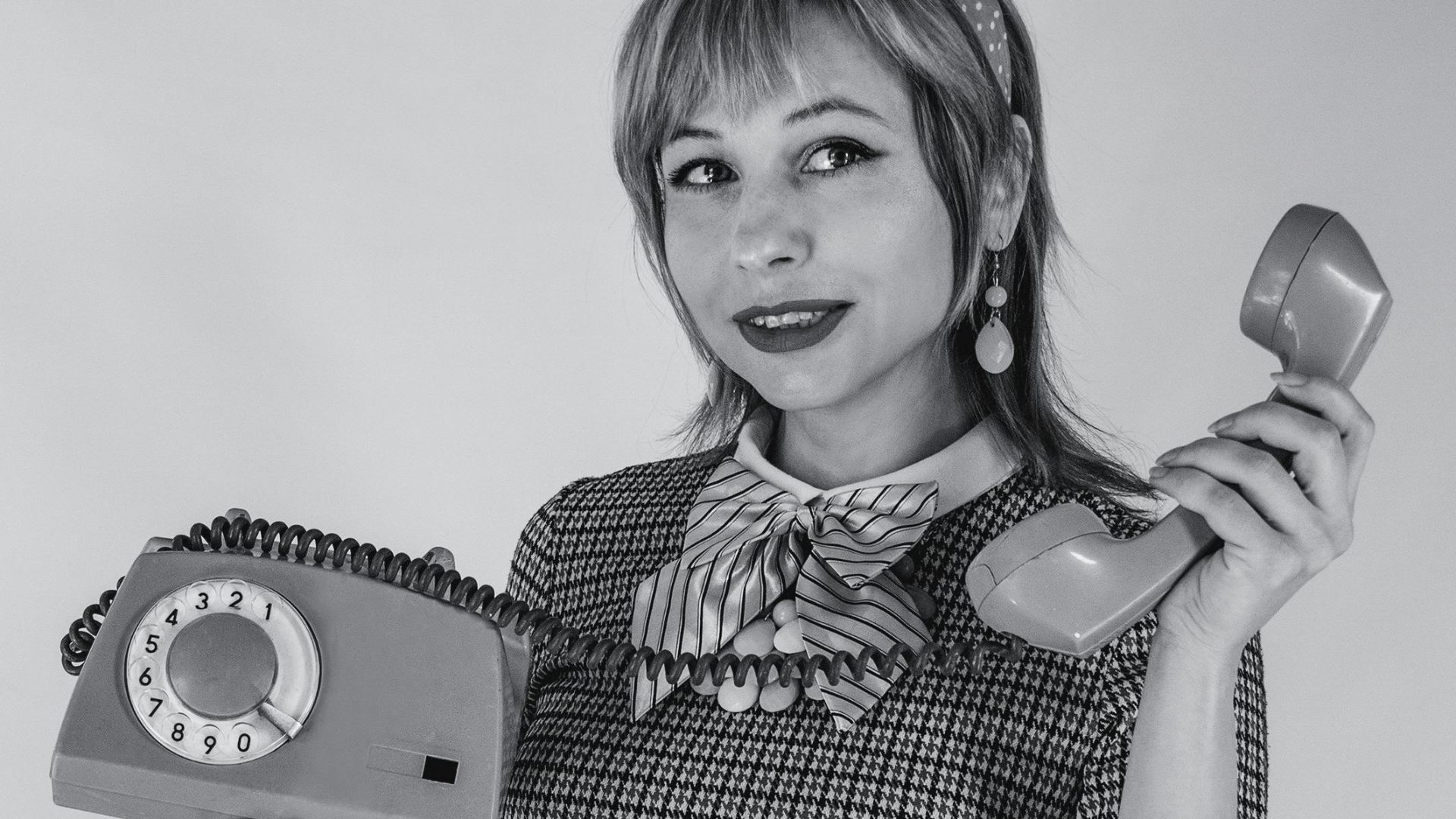
Rotary Phones Have Become Nostalgic Decor
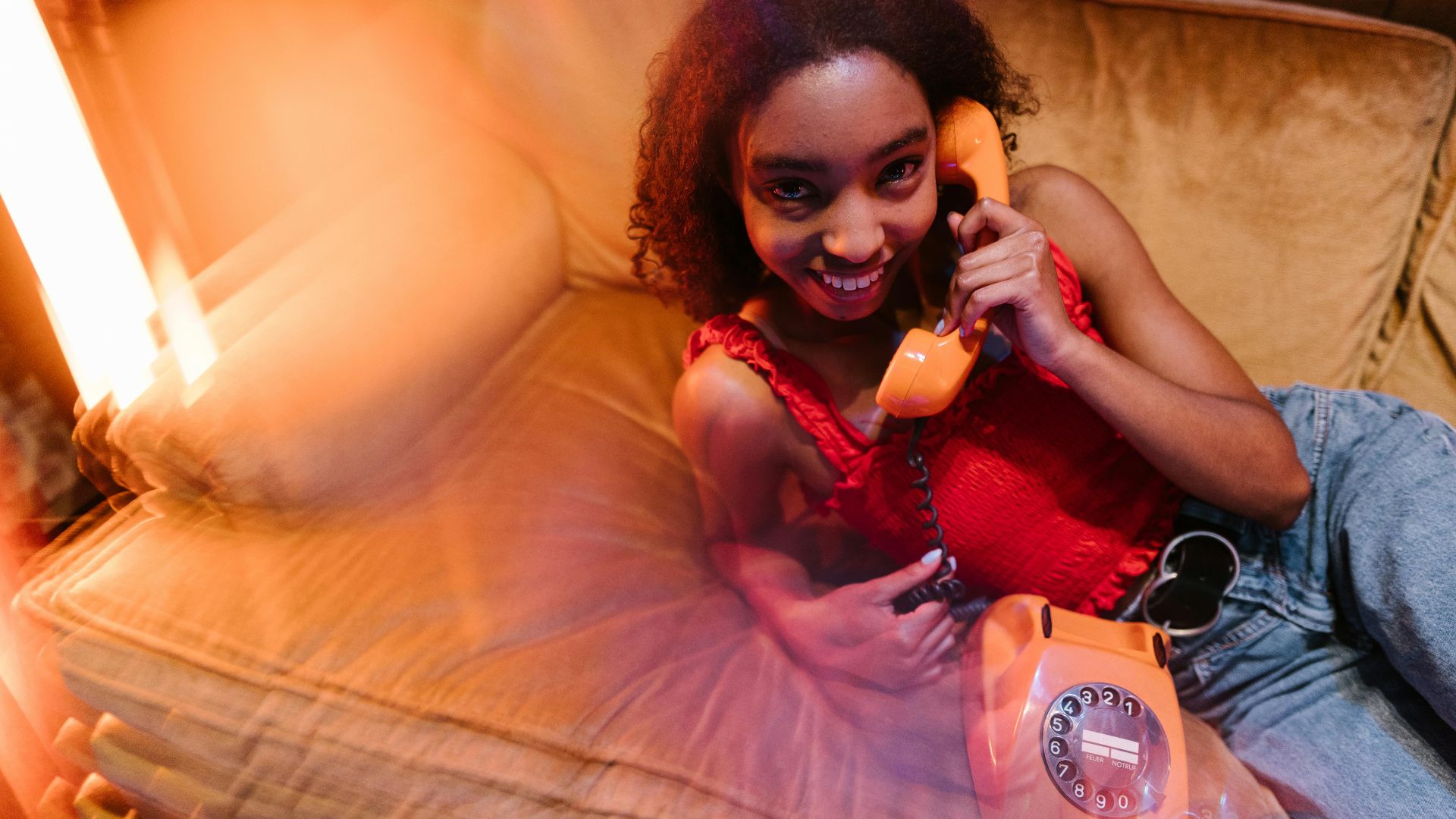
Some Americans now proudly display rotary phones in their homes. While many no longer function as primary phones, they symbolize slower and simpler communication. Younger generations especially seem fascinated by technology that required patience instead of instant replies and constant availability.
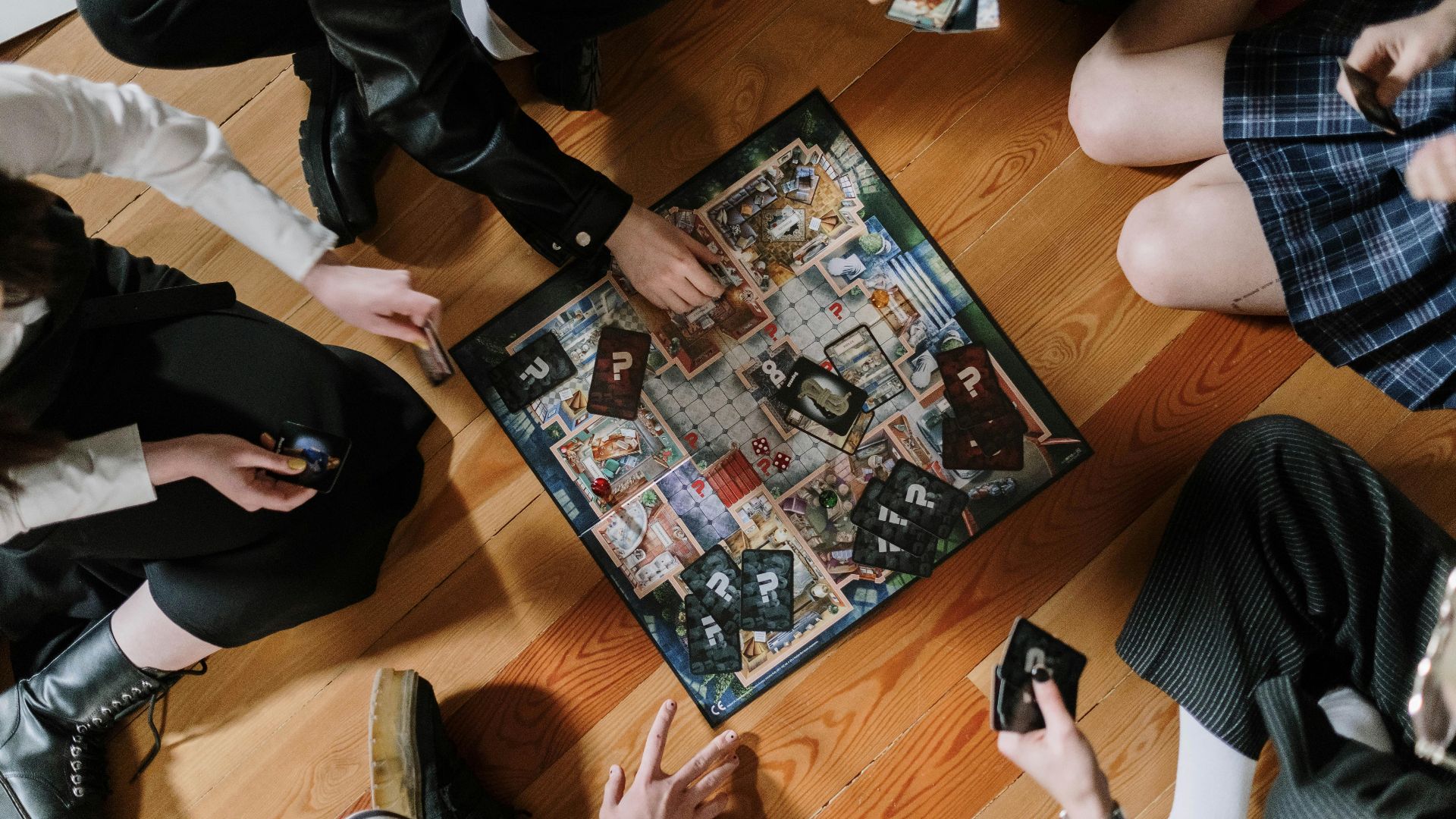
Board Games Still Bring Families Together
Video games dominate entertainment, yet board games continue thriving because they create face-to-face interaction. Families appreciate activities without screens, notifications, or ads. Sitting around a table for Monopoly or Scrabble feels refreshingly old-fashioned in an increasingly digital world. What's more? There are even board game cafés, where fun and community come together in an incredibly heartening way.
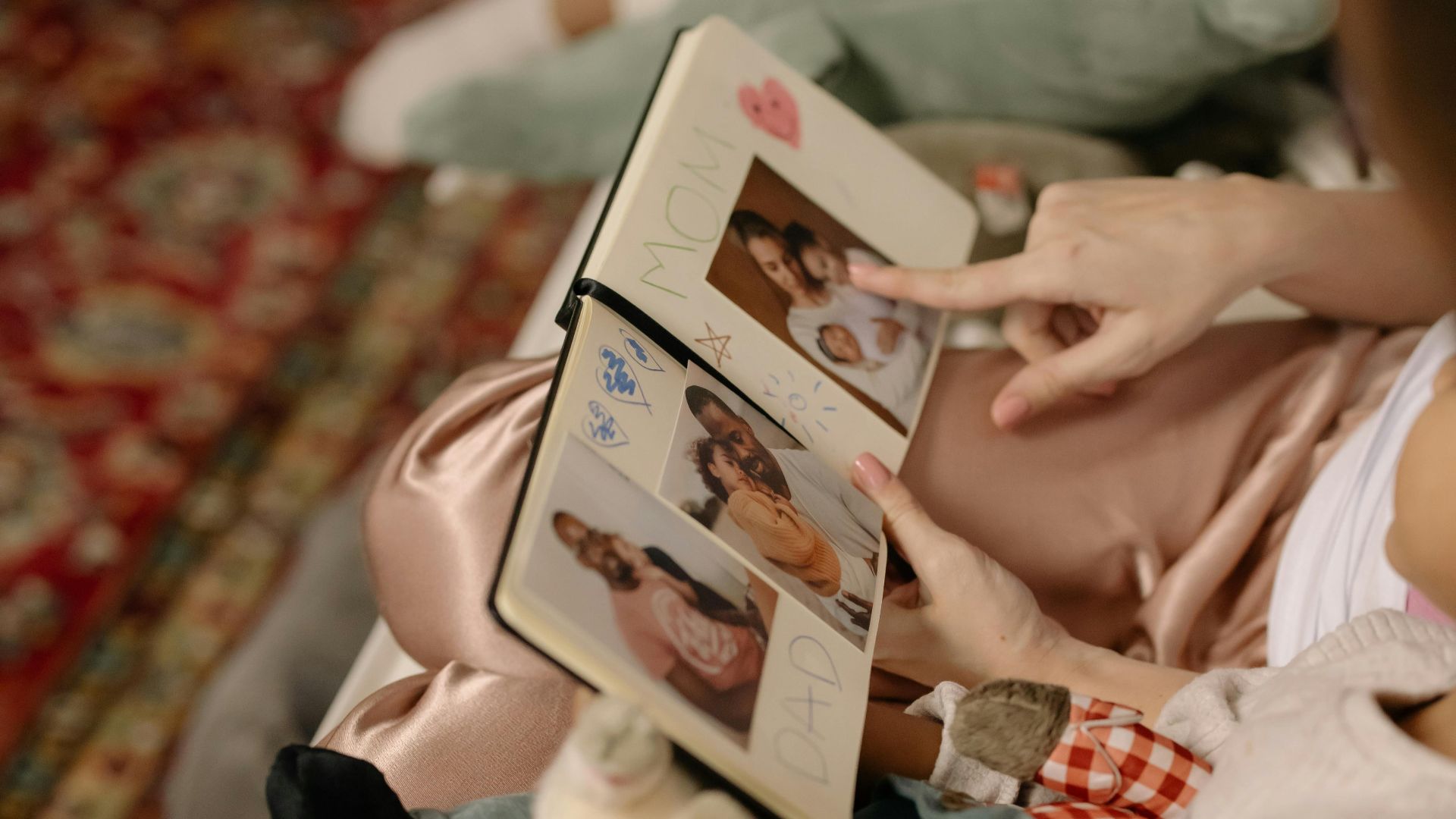
Printed Photo Albums Still Hold Emotional Value
Cloud storage is practical, but printed photo albums feel deeply personal. Americans continue organizing vacation pictures, wedding memories, and family milestones into physical albums because they become treasured heirlooms. Swiping through a phone just doesn’t create the same emotional connection.
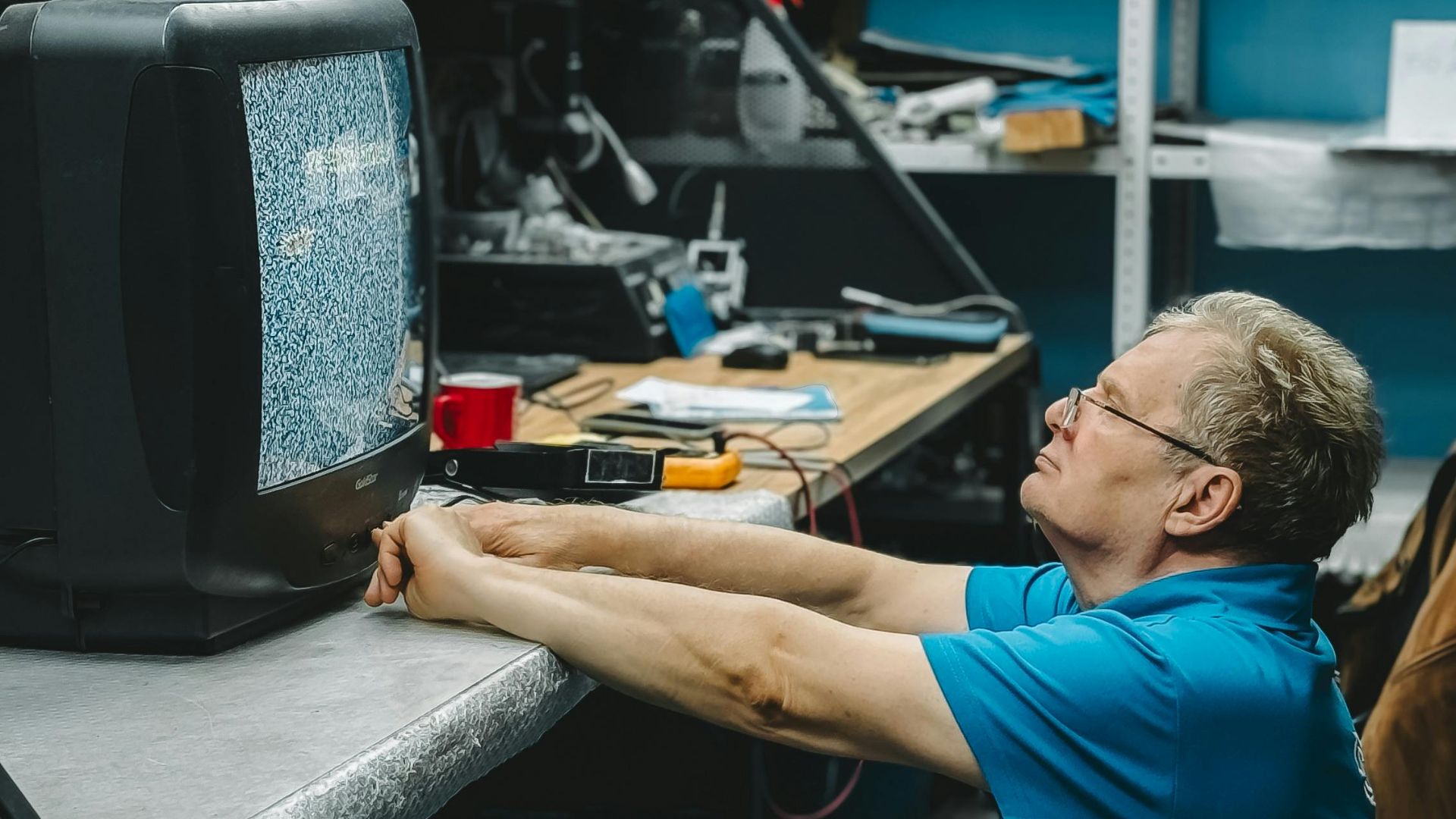
Cable TV Has More Fans Than Expected
Streaming services exploded, but many Americans still keep cable television. Older viewers appreciate familiar channel guides and live programming, especially for sports and news. Some households are also frustrated by juggling multiple subscriptions just to watch favorite shows.
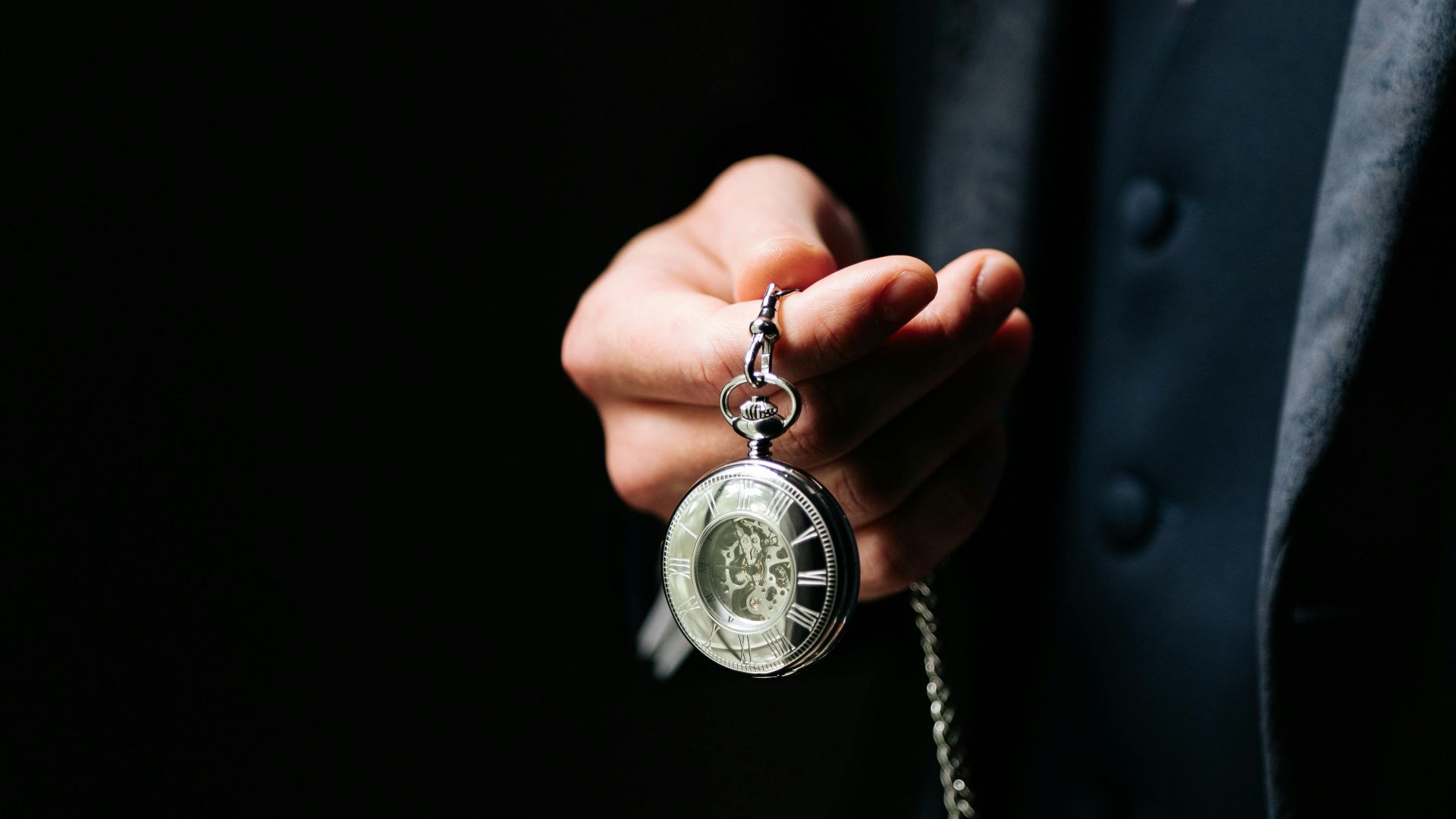
Pocket Watches Remain Collector Favorites
Pocket watches may seem outdated, but collectors and history lovers still cherish them. Americans are drawn to their craftsmanship, intricate gears, and vintage style. Many families even pass them down through generations, treating them more like treasured artifacts than simple clocks.
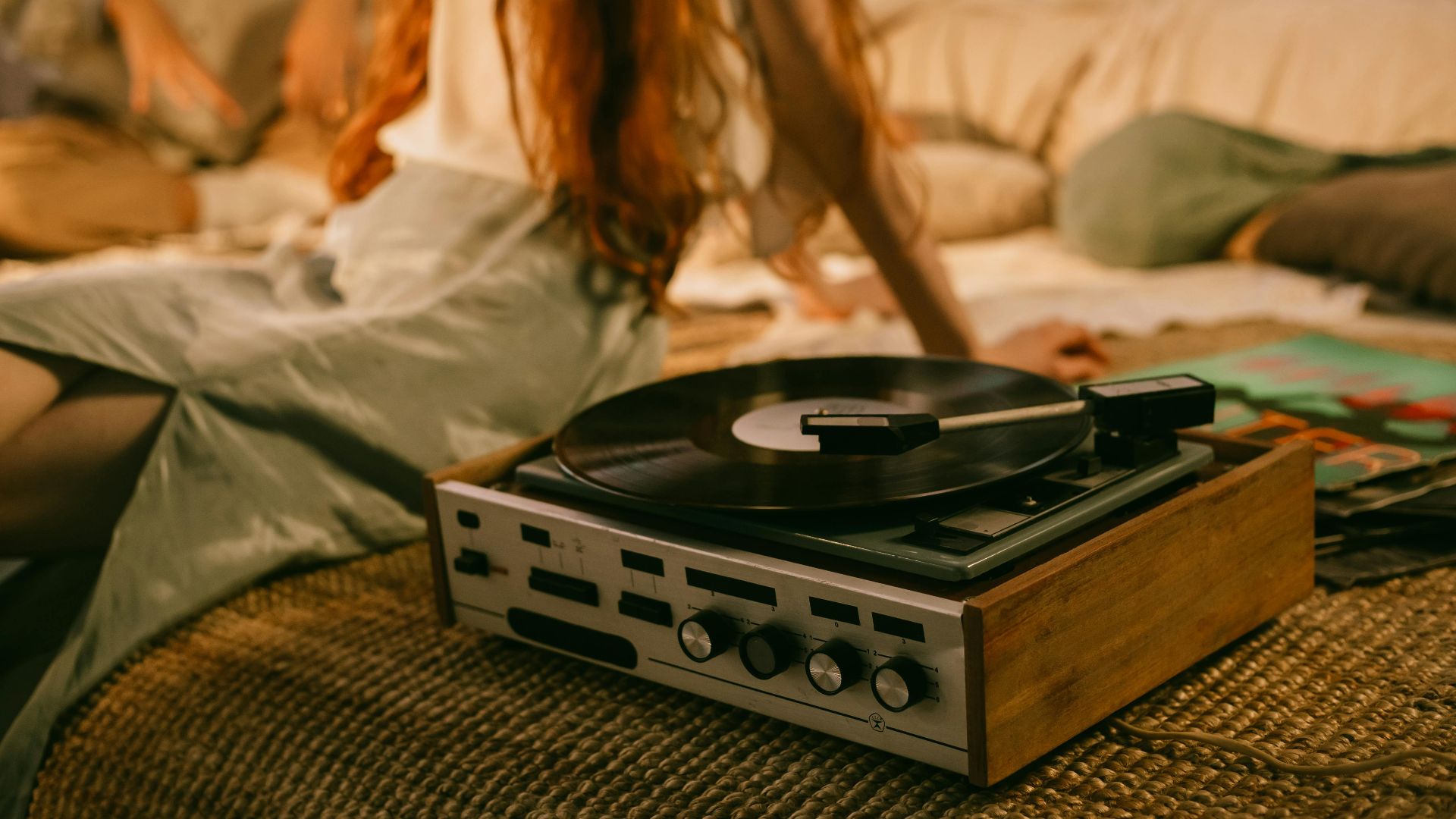
Record Players Became Lifestyle Pieces
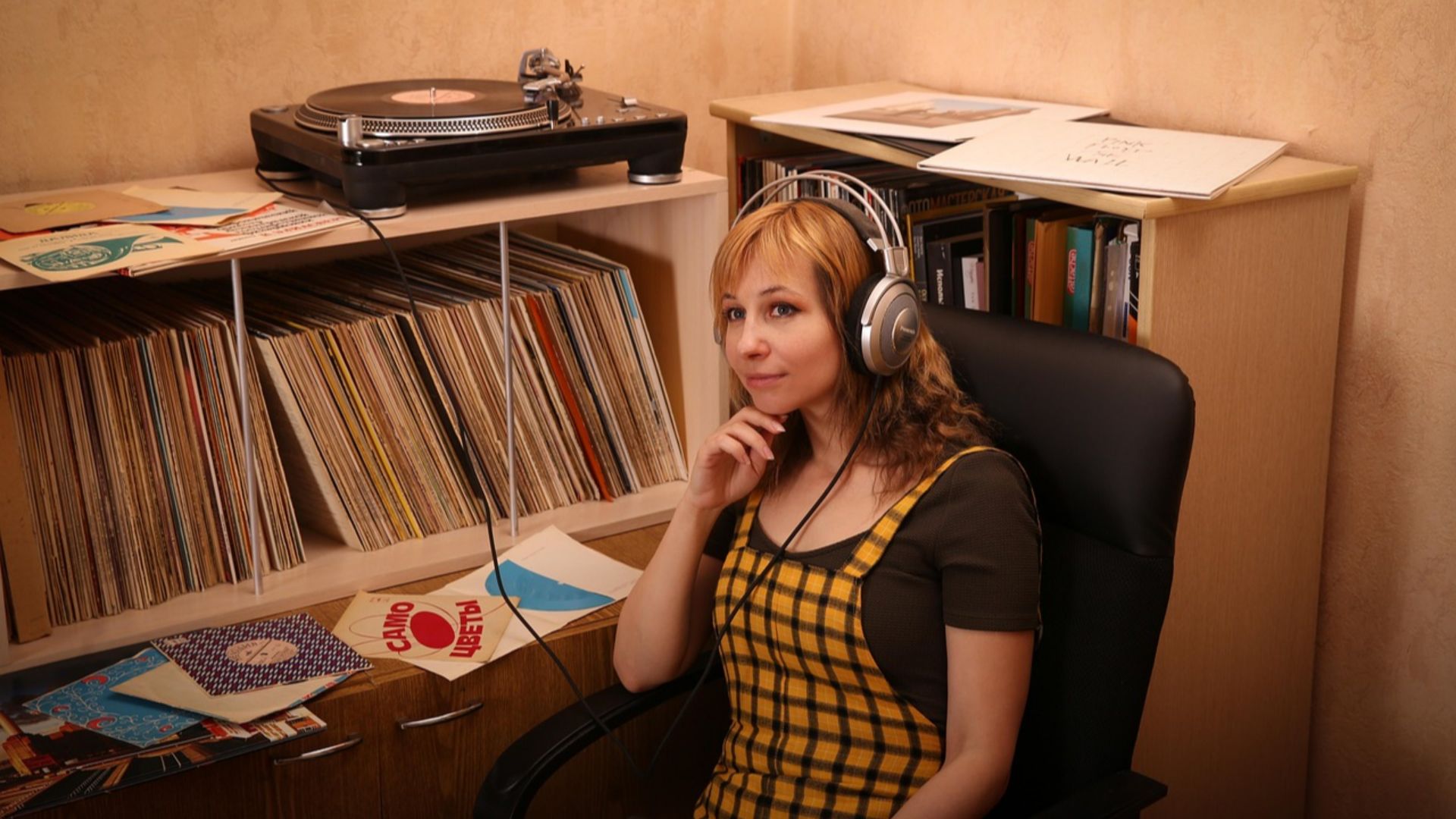
Modern turntables are now common in apartments and family rooms alike. Americans increasingly view record players as more than music devices. They represent slowing down, listening intentionally, and creating cozy spaces centered around shared experiences instead of endless scrolling.
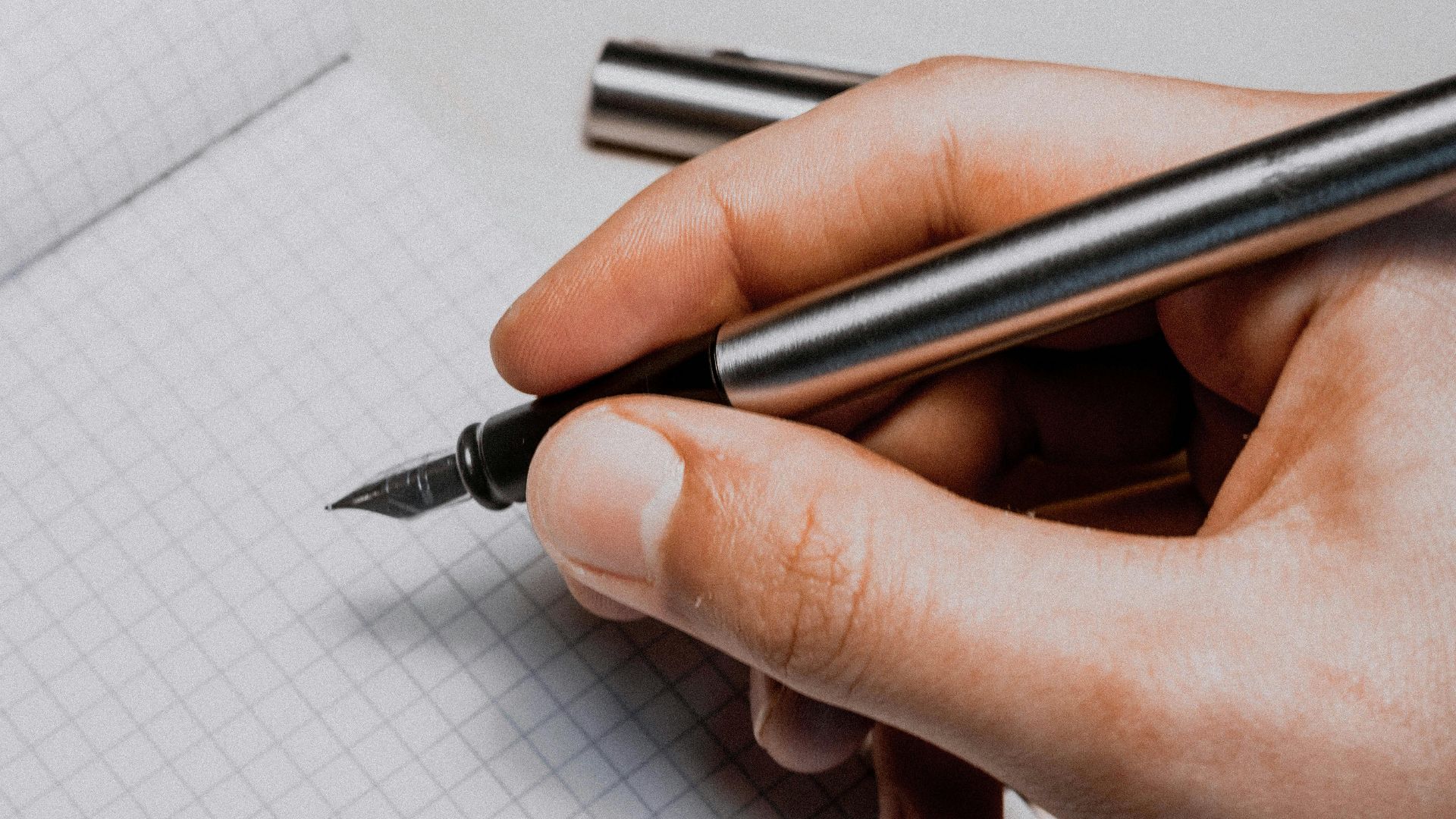
Fountain Pens Still Feel Luxurious
Typing may dominate daily life, but fountain pens continue attracting devoted users. Americans appreciate the smooth writing experience and personal touch they add to notes and signatures. Many pen owners also enjoy collecting inks and treating handwriting as a creative ritual.
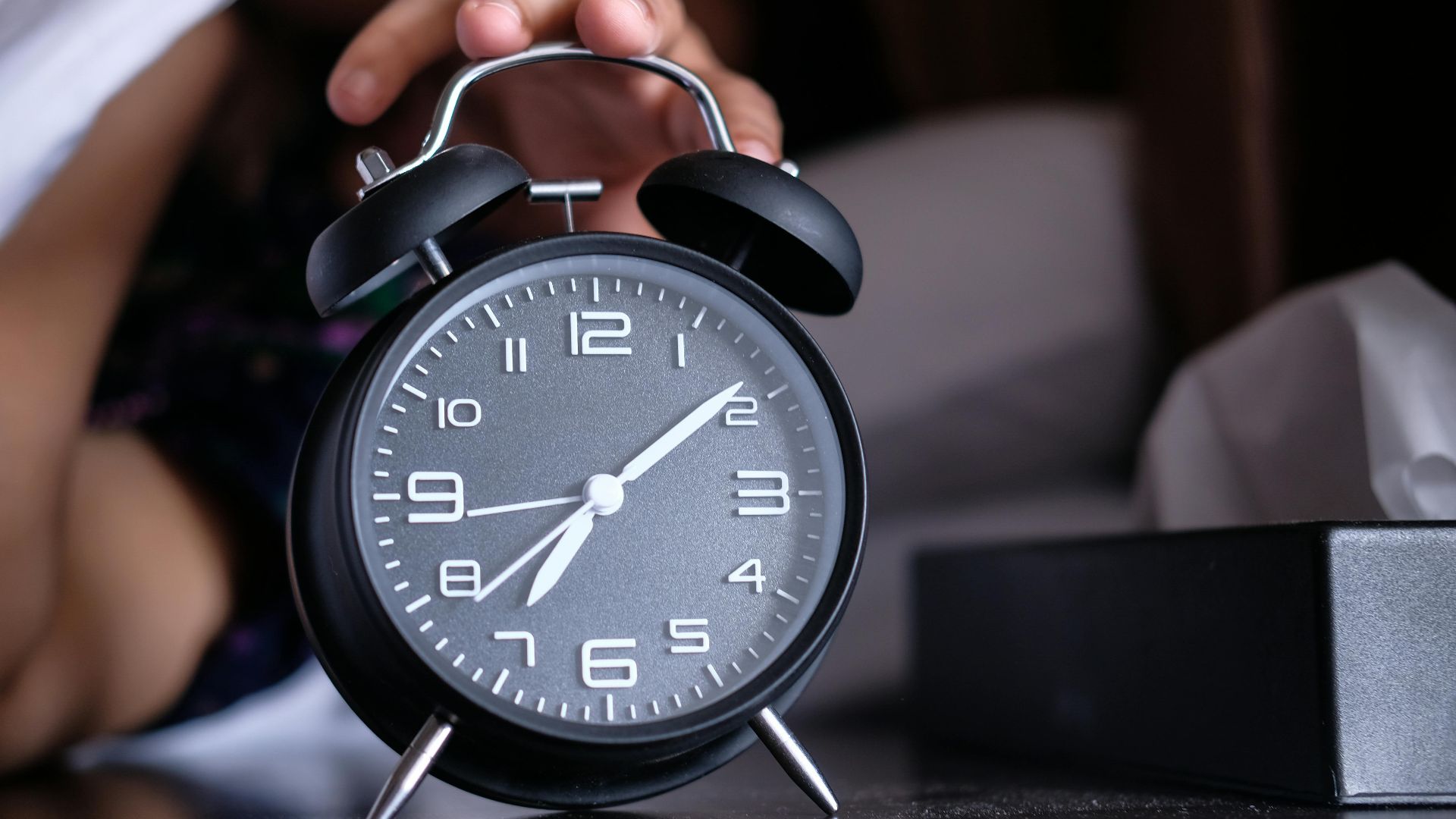
Alarm Clocks Continue Living On Nightstands
Smartphones technically replaced alarm clocks years ago, but dedicated clocks still sell well. Americans increasingly want phones out of bedrooms to improve sleep and reduce distractions. A simple alarm clock feels less stressful than waking up next to endless notifications every morning.
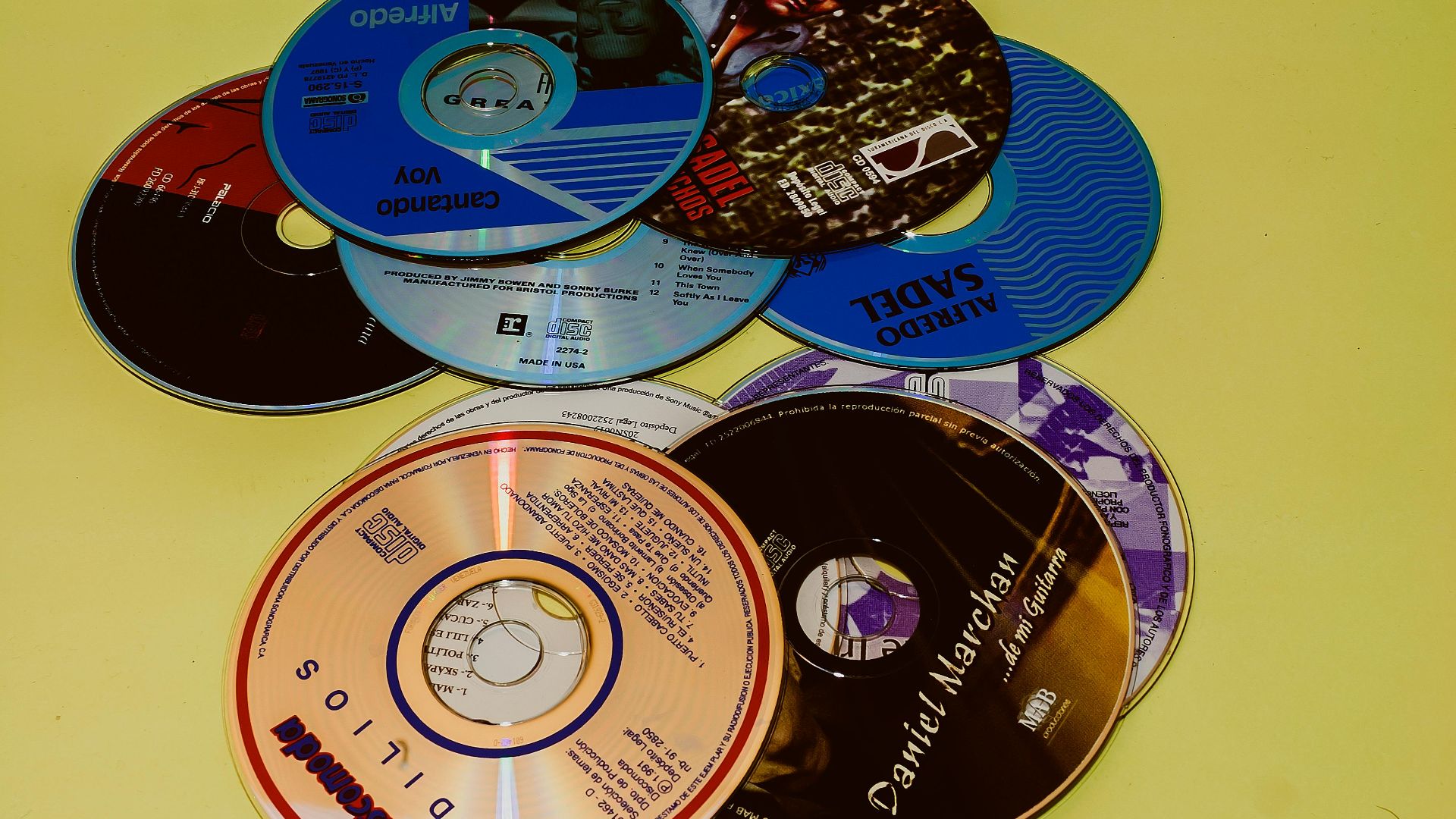
CD Collections Haven’t Completely Vanished
Streaming made CDs seem obsolete, yet many Americans still hold onto massive collections. Some people prefer owning music permanently instead of relying on subscriptions. Others simply feel nostalgic seeing shelves filled with albums that once defined different chapters of their lives.
Manual Kitchen Tools Still Beat Smart Gadgets
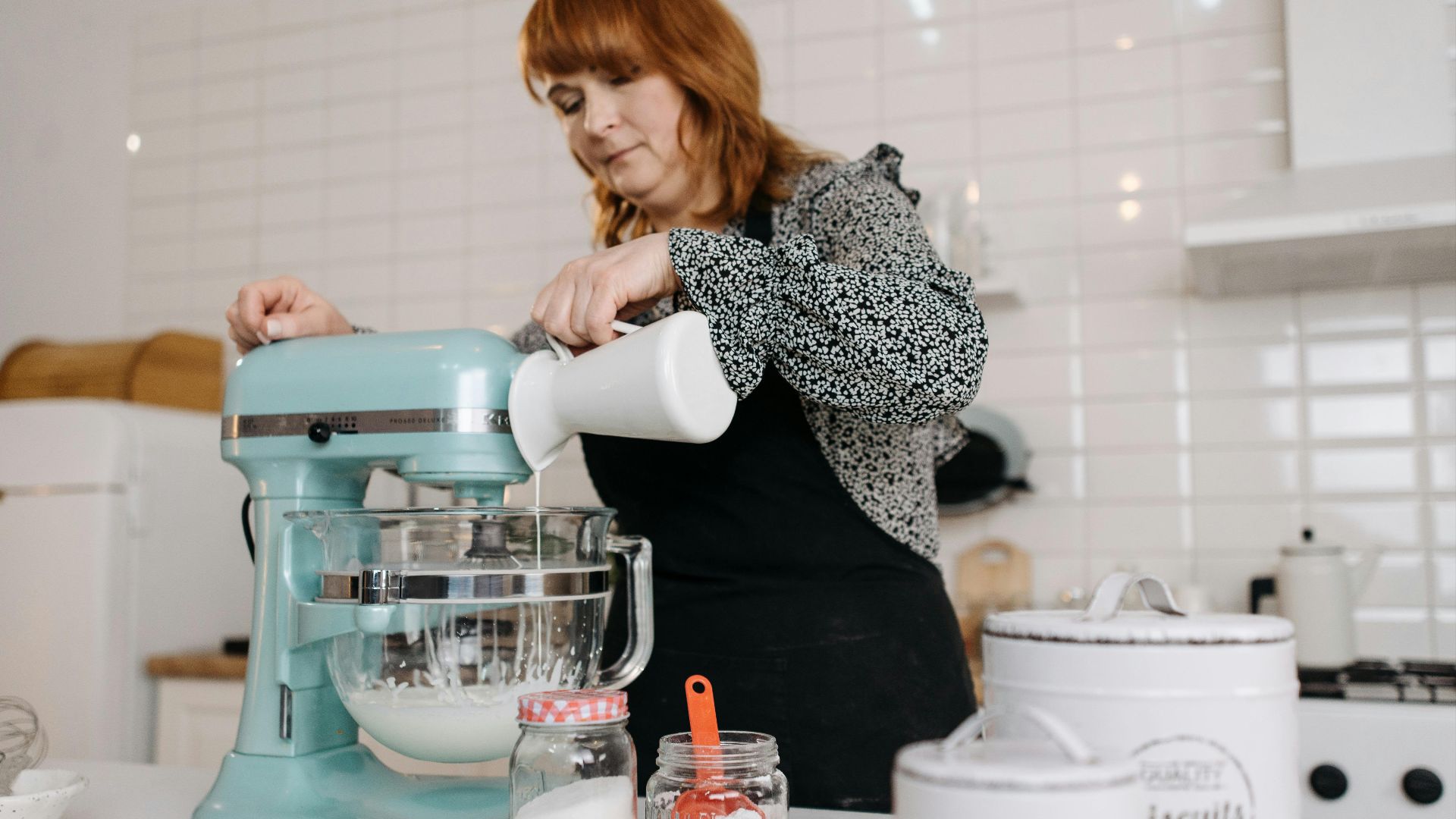
Americans continue trusting old-fashioned can openers, potato mashers, and hand mixers over trendy smart appliances. Traditional kitchen tools are cheaper, easier to repair, and surprisingly dependable. Sometimes people just want a gadget that works without needing Wi‑Fi or software updates.
Antique Furniture Keeps Winning Over Younger Buyers
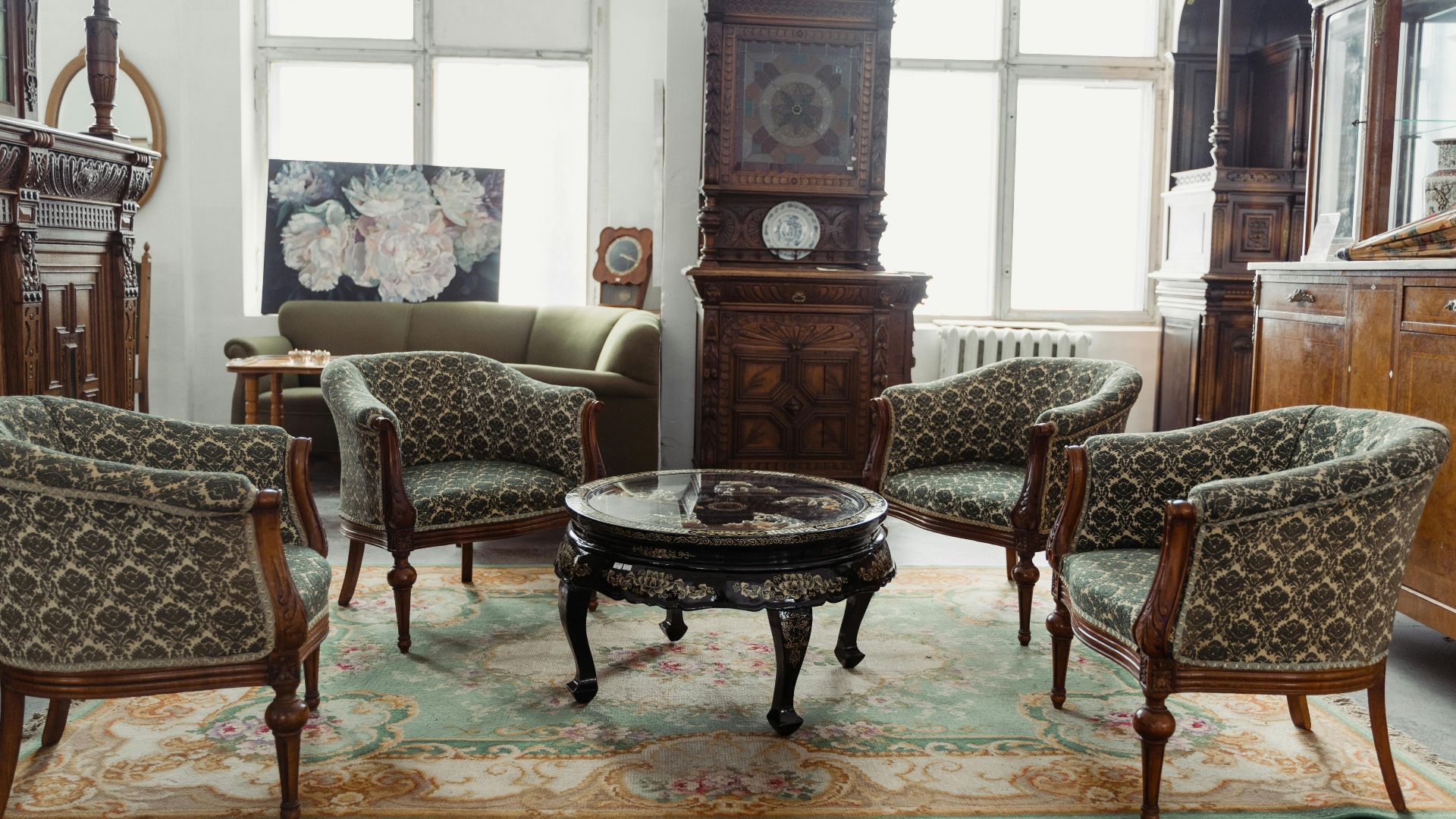
Mass-produced furniture may be convenient, but antique pieces remain highly desirable. Americans appreciate the craftsmanship, durability, and character of older furniture. Many younger buyers also see vintage items as more sustainable and meaningful than quickly assembled pieces designed to be replaced.
Americans Still Love Things Built To Last
Many old-fashioned products survive because they offer something modern replacements often lack: permanence. In a world filled with subscriptions, updates, and disposable gadgets, Americans continue gravitating toward products that feel reliable, repairable, and deeply connected to memory and tradition.
You May Also Like:
The Discovery Of London’s First Roman Basilica
33 Of History's Most Unbelievable Screwups