The Wisdom Of The Ages
For centuries, scientists have dismissed folklore and traditional knowledge out of hand as superstition, guesswork, or coincidence. As modern science advanced, most scientists expected these beliefs to disappear entirely. Instead, careful research has repeatedly uncovered evidence that certain long-disparaged ideas contain surprising elements of truth, even if their explanations weren’t fully understood.
Gut Feelings And The Second Brain
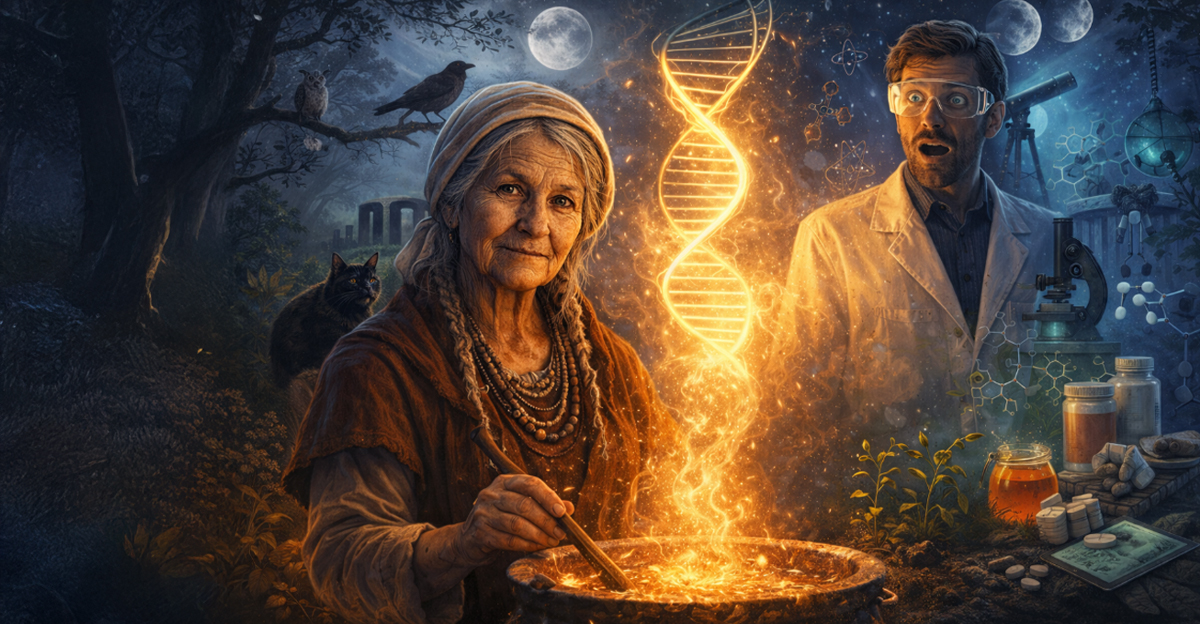
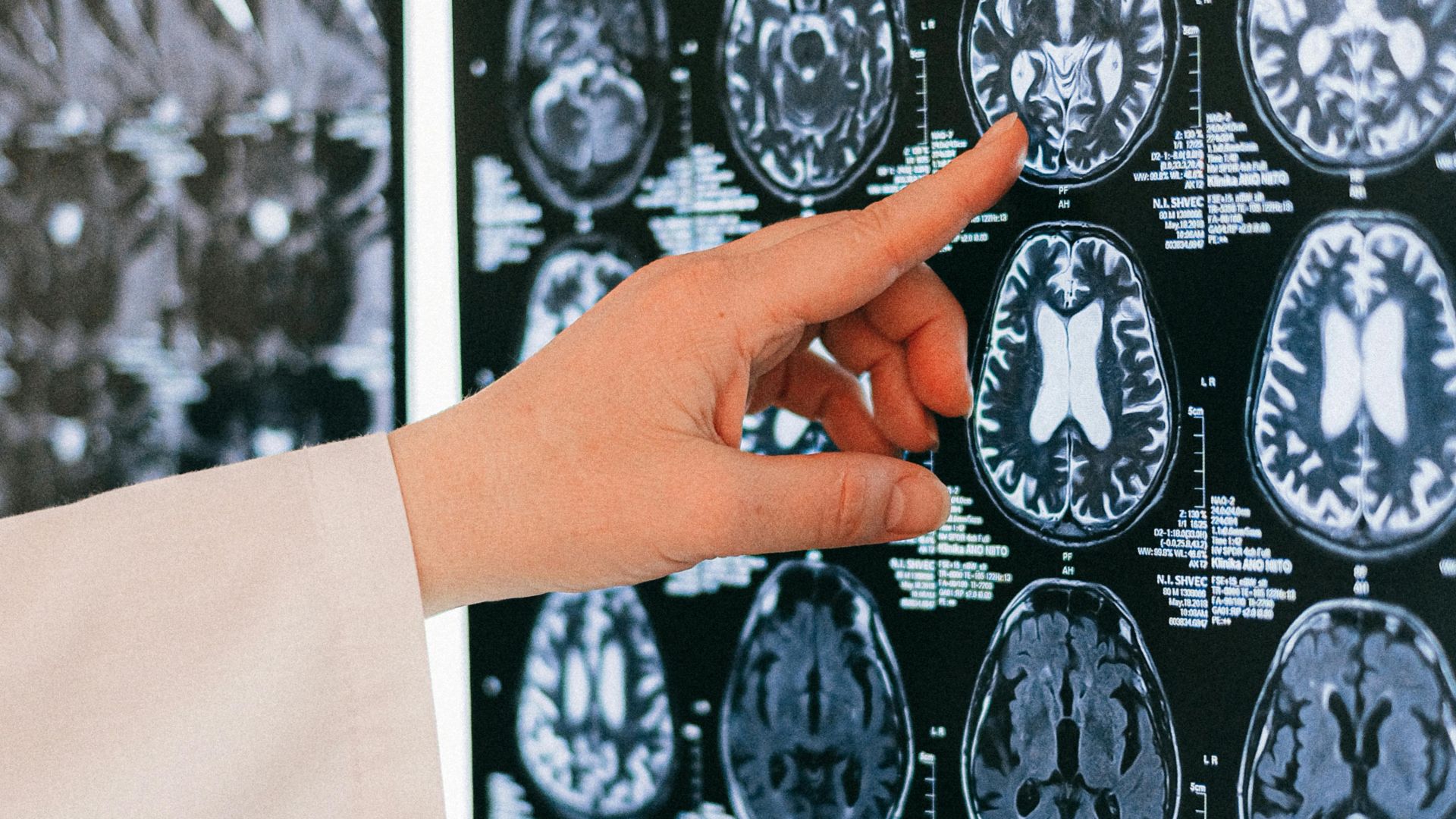
Folk sayings about feelings coming from the gut were once considered purely metaphorical. But modern neuroscientists revealed to their shock that the gut contains its own nervous system and communicates directly with the brain. The gut–brain connection influences mood, anxiety, and decision-making, validating long-standing beliefs that emotions are genuinely connected to physical sensations in the abdomen.

Willow Bark And Pain Relief
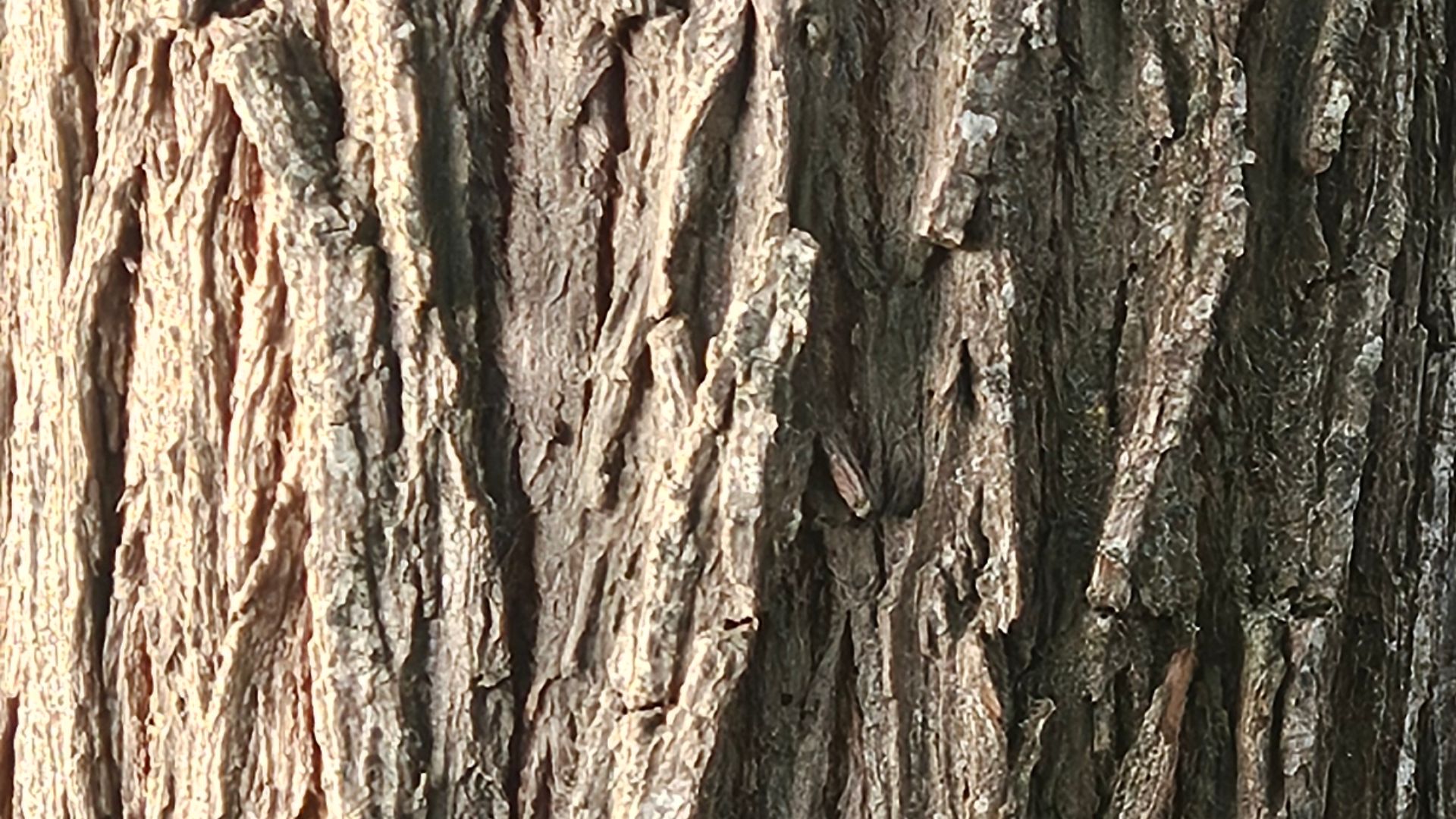
Ancient cultures used willow bark teas to ease pain and fever. Centuries later, scientists isolated salicin from willow bark, which became the key ingredient for aspirin. What started out as herbal folklore evolved into one of the most widely used over-the-counter medications in history, confirming once and for all that the people of the past weren’t just making things up.
Garlic As A Protective Food
Garlic was historically believed to ward off all kinds of bad things including illness, evil spirits, and general corruption. Modern research shows garlic contains beneficial compounds with antibacterial and antifungal properties. While it hasn't been proven to repel supernatural forces, its real biological effects explain why cultures have linked garlic consumption with health and protection from time immemorial.


History's most fascinating stories and darkest secrets, delivered to your inbox daily.
Honey As A Wound Treatment
Ancient healers applied honey to burns and wounds long before the discovery of modern germ theory. Contemporary medicine now uses medical-grade honey to treat infections. Its high sugar content and natural enzymes slow down the growth of bacteria, showing that the folk wound care practices scoffed at by scientists were actually based on real antimicrobial effects.

Fermented Foods And Digestive Health
Many traditional diets have emphasized eating fermented foods for strength and vitality. Scientists have overcome their long-ingrained skepticism and recognize that these foods support beneficial gut bacteria, improved digestion, and better immune response. Although people long ago lacked today’s microbiology knowledge, generations have correctly identified fermentation as essential for long-term health and food preservation.

Weather And Aching Joints
For generations, people claimed their joints ached before storms. Doctors once dismissed this as nothing more than the product of over-active imaginations. But research now shows that changes in barometric pressure can affect joint tissue, particularly in arthritis patients. This explains why weather sensitivity became embedded in folk experience, much to the consternation of skeptical scientists.

The Healing Power Of Music
Music has been used in rituals and healing ceremonies in cultures all over the world going back to the Stone Age and bone flutes, etc. Neuroscience has proven that music can reduce stress hormones, regulate heart rate, and improve emotional well-being. Though ancient explanations were based in spirituality, modern science does show measurable physiological benefits tied to rhythm and sound.

Cat Purring And Bone Healing
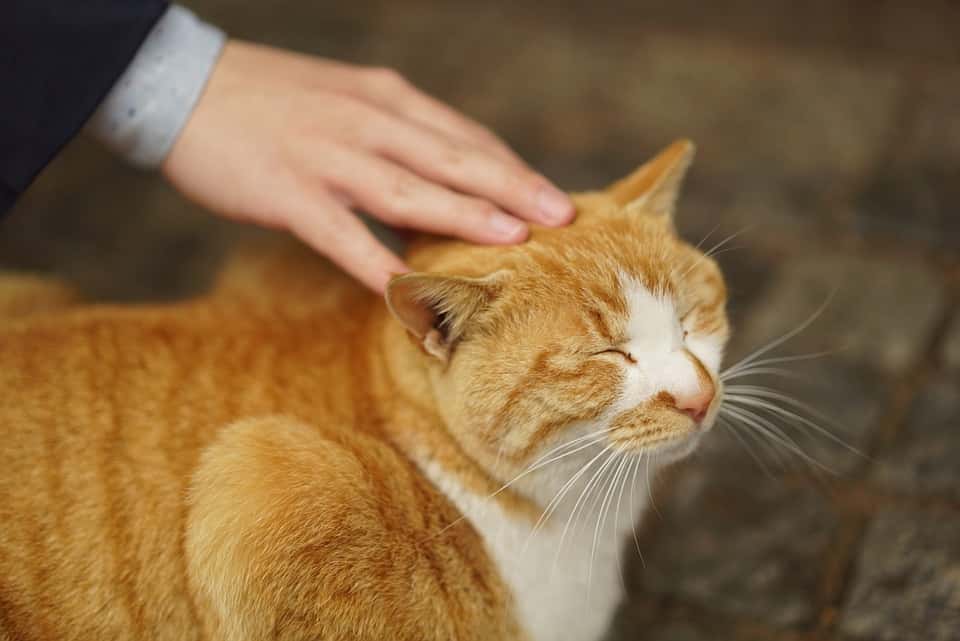
Folklore claimed that cat purring promoted healing and calm. Studies have shown purring vibrations occur at frequencies associated with bone regeneration and stress reduction. While cats might not be intentionally trying to heal humans, the vibrations they produce align with human biological repair mechanisms.
Hot Springs And Physical Recovery
Natural hot springs have long been considered sacred healing sites in many different cultures. Modern research indeed shows that mineral-rich warm water reduces inflammation and muscle tension. In defiance of modern skeptics, balneotherapy is now supported medically, proving conclusively that ancient bathing traditions were rooted in observable physical benefits.
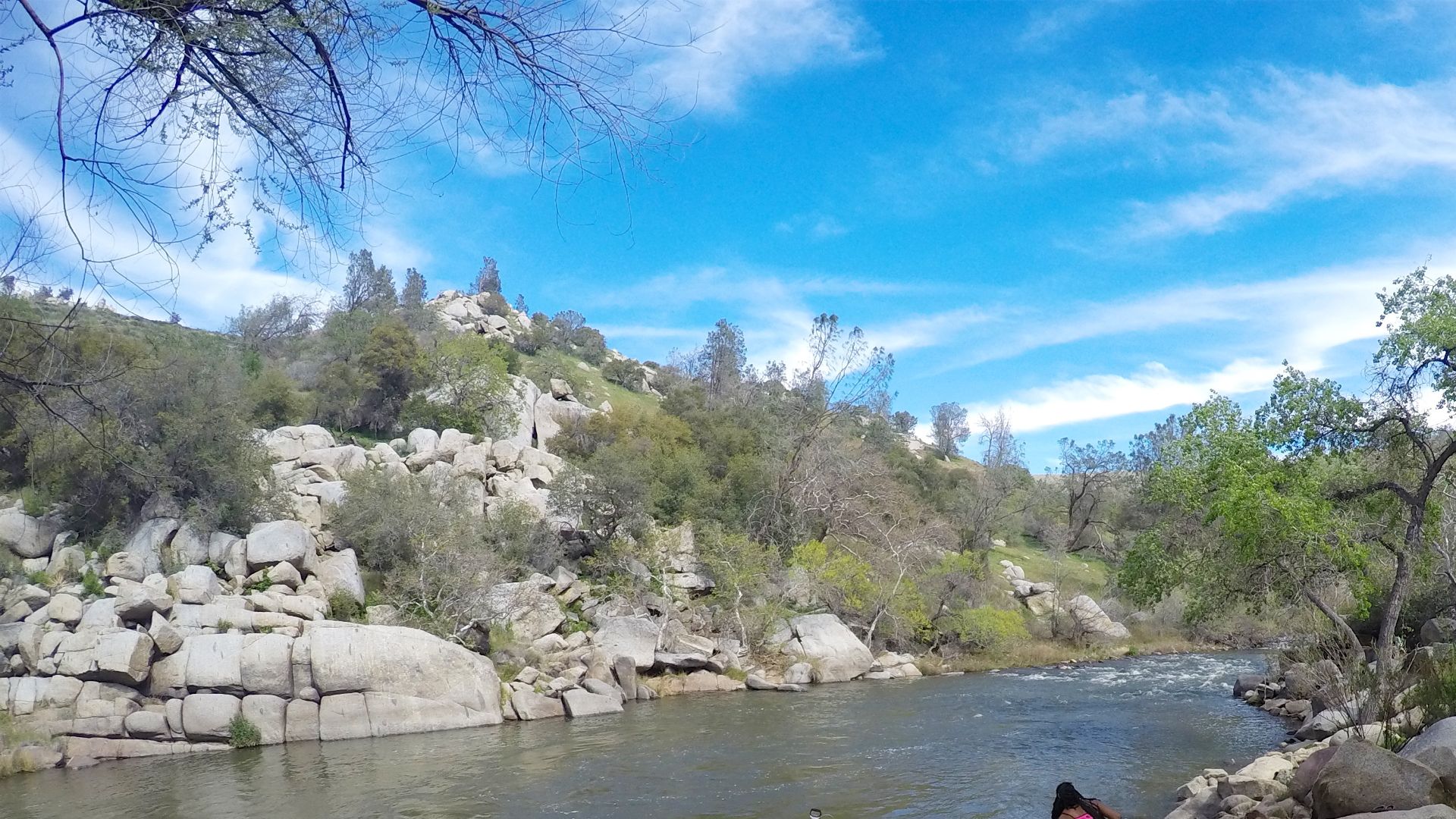 daveynin from United States, Wikimedia Commons
History's most fascinating stories and darkest secrets, delivered to your inbox daily.
Bad Air And Disease Spread
The old belief in harmful air causing sickness was scientifically incorrect in cause but not in effect. Poor ventilation does increase disease transmission. While bacteria and viruses were unknown, folk concern about stagnant air reflected real environmental health risks.

Lunar Cycles And Sleep Disruption
Timeless legends told and retold the links between the moon, human behavior, and restlessness. While exaggerated claims persist, studies show that the moon phases can subtly affect sleep patterns. Bright moonlight and its associated disruption of people’s circadian rhythm helps explain why lunar folklore endured across cultures.

Fasting As A Cleansing Ritual
Religious fasting traditions evolved as a path to purify the body and spirit. Modern biology confirms that intermittent fasting does trigger cellular repair and metabolic changes. Ancient fasting rituals were years ahead of their time in anticipating mechanisms that science would only get around to figuring out thousands of years later.

Herbal Antidepressants
St. John’s wort was used for melancholy long before clinical psychology. Modern trials show it can be effective for mild depression. Though dosage and safety require regulation, the plant’s mood-altering reputation was not unfounded folklore.

Intuition And Subconscious Processing
Folk wisdom often trusted gut intuition in dangerous situations, a phenomenon that was largely dismissed by modern science. But the most recent work in cognitive science shows the brain rapidly processes patterns without conscious awareness. What once was considered to be a mystical insight is now understood as subconscious risk assessment informed by experience.

Plants Responding To Danger
Traditional folk tales have claimed plants sensed threats. Research now shows plants release chemical signals when damaged, warning neighboring plants. While it is not a form of conscious awareness but a biochemical reaction, plant communication systems validate ancient wisdom about responsive behavior in vegetation.

History's most fascinating stories and darkest secrets, delivered to your inbox daily.
Traditional Childbirth Positions
Folk birthing practices favored upright positions. Modern obstetrics also recognizes that these positions can ease labor and reduce complications. Cultural traditions upheld these physical-biomechanical advantages long before medical studies finally confirmed them, and admitted that the old ways had been right all along.

Sleep Before Midnight Matters
Old proverbs and folk wisdom always insisted that early sleep was healthier. Science confirms that circadian rhythms prioritize early-night deep sleep phases. Disrupting these cycles affects our hormone regulation, showing that the old advice carried physiological truth beneath the moral dimension of the old advice.

Forests As Sacred Spaces
Indigenous beliefs treated old forests as spiritually vital. Today’s ecology confirms that ancient forests regulate climate, preserve biodiversity, and stabilize ecosystems on a local and even worldwide scale. What used to be walled off in the spiritual-cultural realm is now a proven fact of measurable environmental importance.
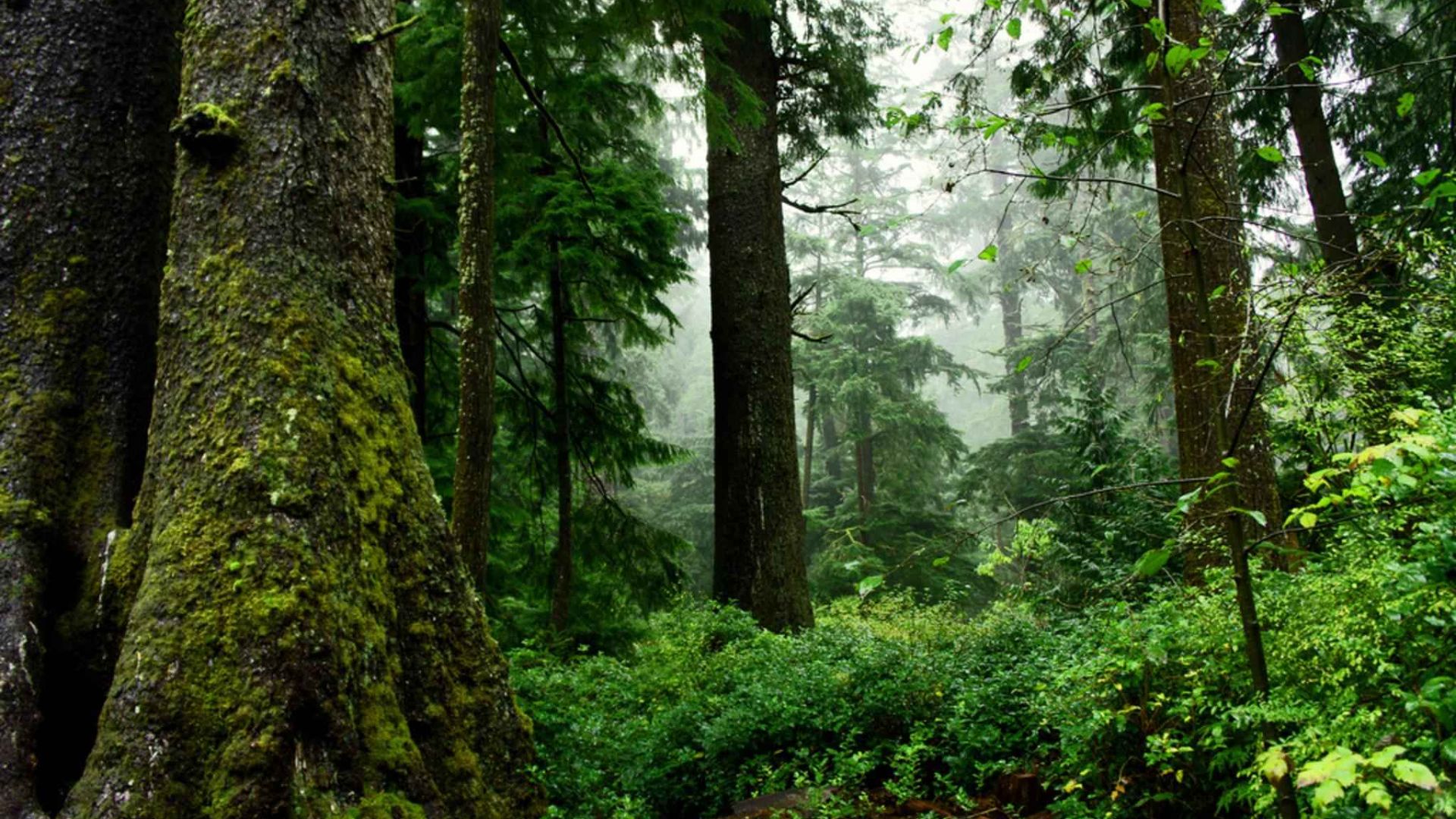 Patte David, U.S. Fish and Wildlife Service, Wikimedia Commons
Cold Exposure And Health
Cold water and air exposure were longtime parts of initiation rituals and toughening people up. Today’s research shows that controlled cold exposure can indeed improve circulation and immune response. The benefit only exists within limitations, which explains why the tradition persisted for so long in different cultures.

Unreliable Memory
Folk sayings warned that memory distorts truth. Neuroscience and social science now has long since confirmed that eyewitness and personal memory is reconstructive and famously prone to error. Cultural skepticism toward eyewitness accounts is in general agreement with modern psychological findings.
Animals Can Predict Disaster
Stories long claimed that animals sensed earthquakes or storms ahead of time, in stark contrast to science, which always rejected such claims as nothing more than old wives’ tales. While some claims were overstated, research has shown that animals perceive vibrations and pressure changes that humans can’t. Scientists had to realize that some behaviors precede natural events, giving partial grounding to those long-held beliefs.

History's most fascinating stories and darkest secrets, delivered to your inbox daily.
When Folklore And Science Meet
Science doesn’t validate all folklore, but it often can reveal why beliefs endured. Many traditions emerged from long observation rather than any coherently worked out theory. When modern research uncovers their biological or environmental basis, it reminds us that human knowledge evolves through a combination of observation, stories, and science.

You May Also Like:
42 Mysterious Facts About Memory
Telling The Bees: The Original Buzz Feed
Sleepwalking: A Mystery For Modern Science
Sources: 1, 2, 3, 4, 5, 6, 7, 8, 9, 10, 11, 12, 13, 14, 15, 16, 17, 18, 19, 20, 21