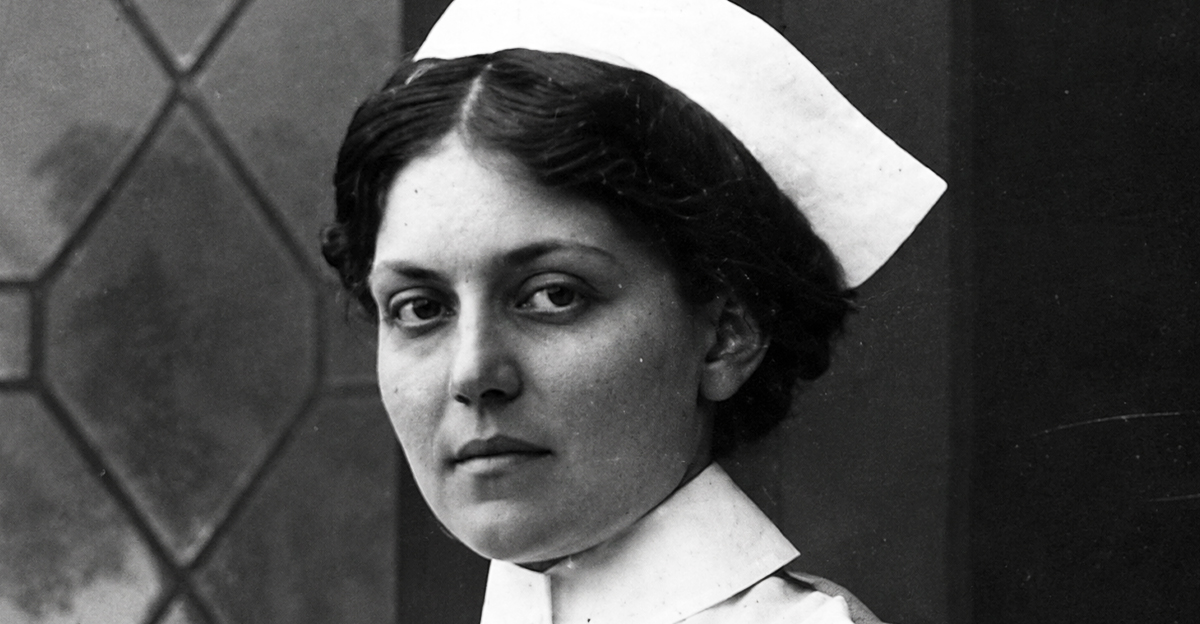
History Turns On Tiny Hinges
Most people never know when they're standing at the beginning of a major historical turning point. A small choice can set off a chain reaction that influences politics, science, culture, or even the fate of entire countries. Here are some of the strangest examples of tiny events changing everything that followed.
 Official photographer, Wikimedia Commons
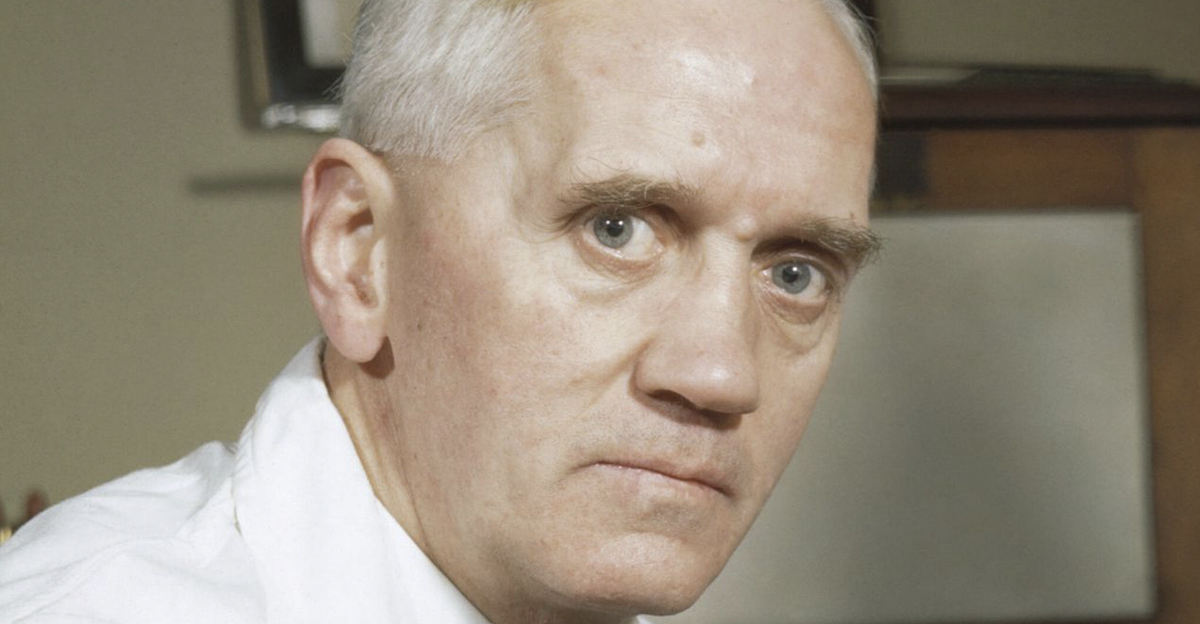
Fleming Almost Threw Away A Contaminated Dish
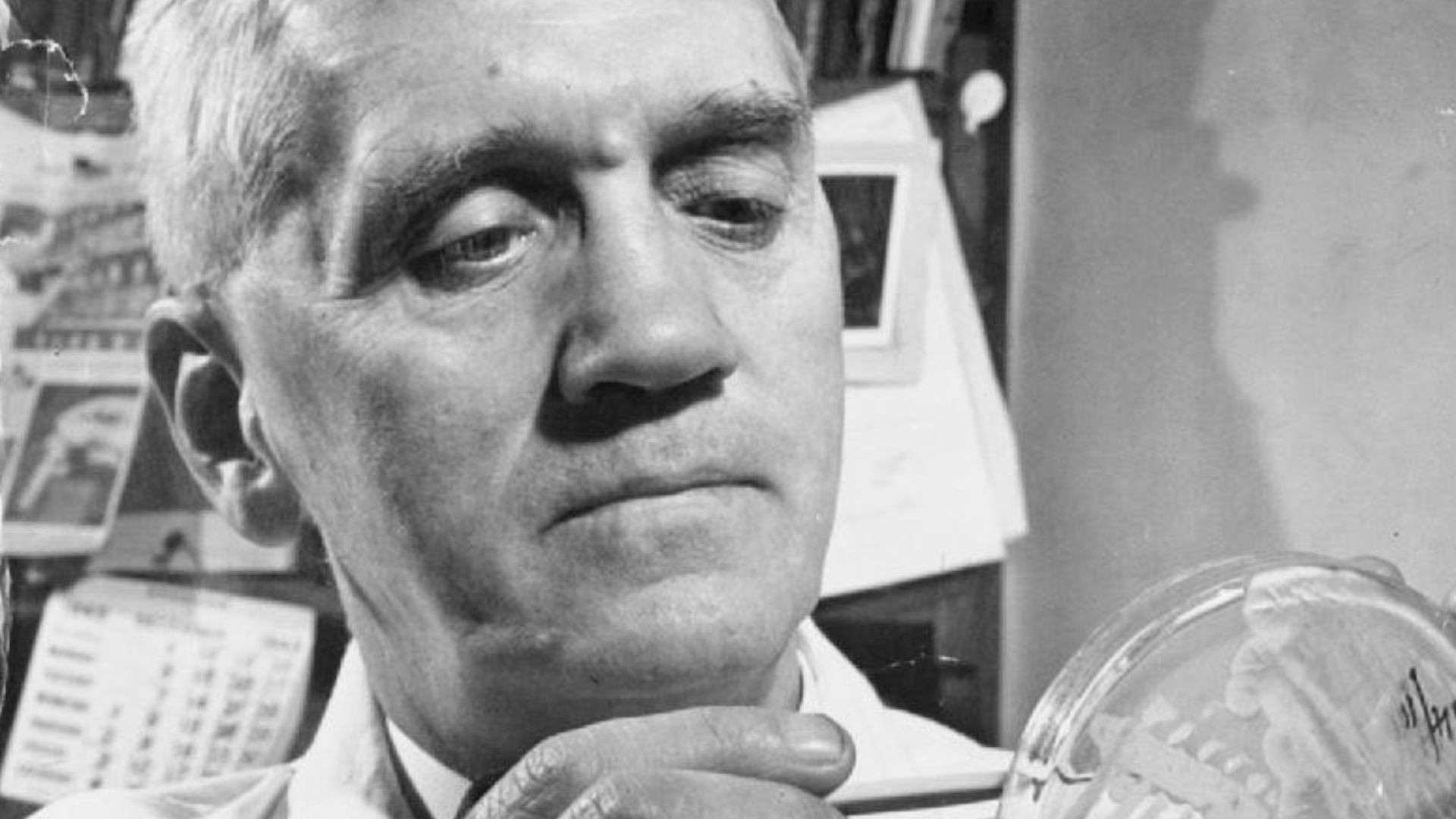
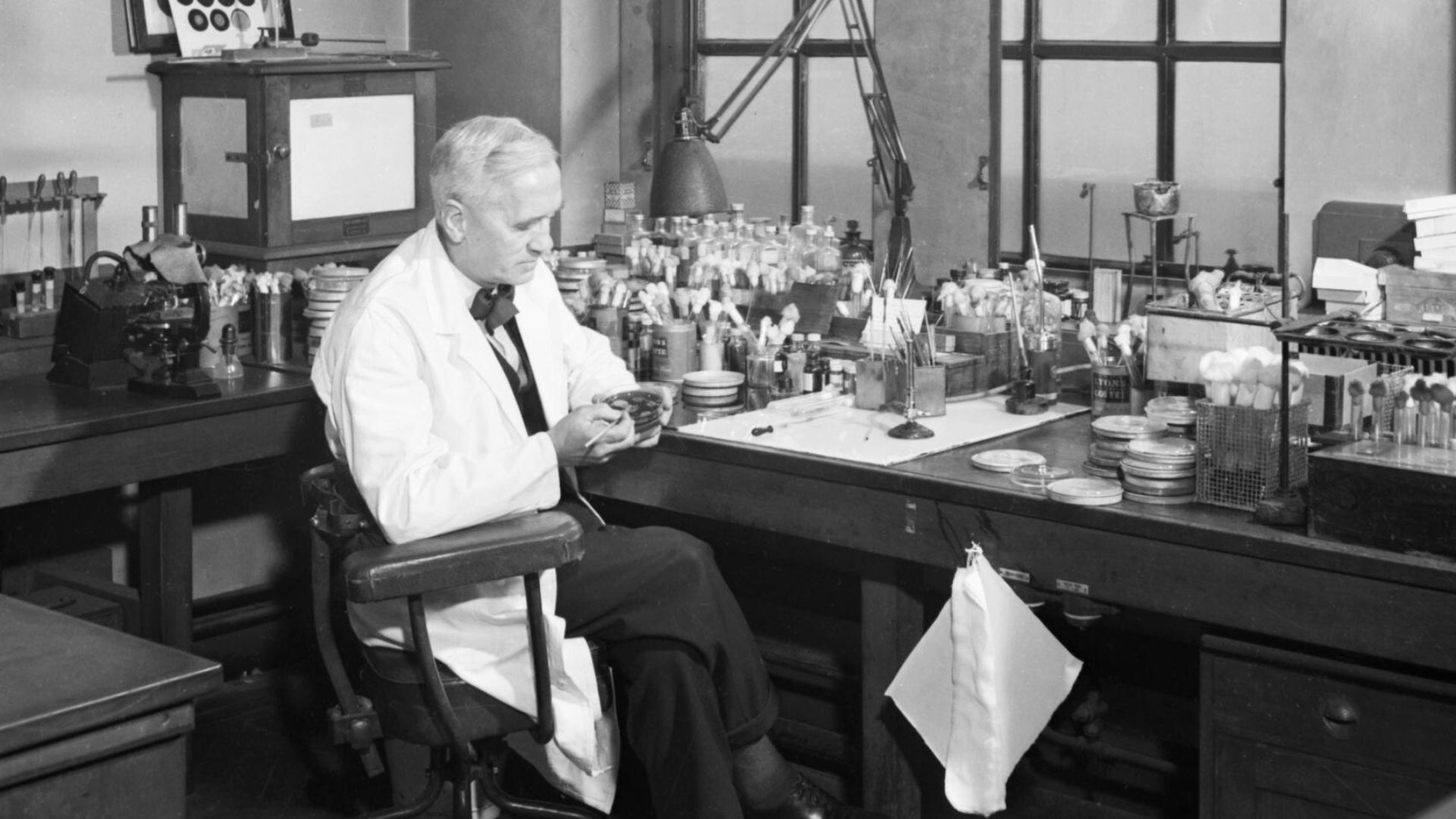
Alexander Fleming returned to his laboratory in 1928 and noticed something strange on a bacterial culture. Mold had contaminated the dish, but around it was a clear area where the bacteria weren't growing normally. Instead of simply tossing the spoiled plate away, Fleming investigated. He identified the mold as belonging to the Penicillium group and realized it was producing something capable of destroying bacteria. What looked like a ruined experiment contained the beginnings of one of medicine's greatest discoveries.
 Ministry of Information Photo Division Photographer, Wikimedia Commons
Fleming Almost Threw Away A Contaminated Dish (Cont'd)
Fleming's accidental observation was only the beginning. More than a decade later, researchers including Howard Florey, Ernst Chain, and their colleagues turned penicillin into a practical treatment and helped make mass production possible. By World War II, the drug was saving soldiers from infections that once routinely signalled the end for wounded men. What began with a contaminated culture dish ended by transforming modern medicine and saving countless lives.
 Ministry of Information Photo Division Photographer, Wikimedia Commons
Watergate Came Down To A Piece Of Tape
In the early hours of June 17, 1972, Watergate security guard Frank Wills noticed something remarkably small during his rounds: tape had been placed across a door latch so the door wouldn't lock. Wills removed it and continued working. When he returned later, the door had been taped open again. This time, he realized someone might still be inside and called police. Officers entered the building and apprehended five burglars inside the Democratic National Committee headquarters.
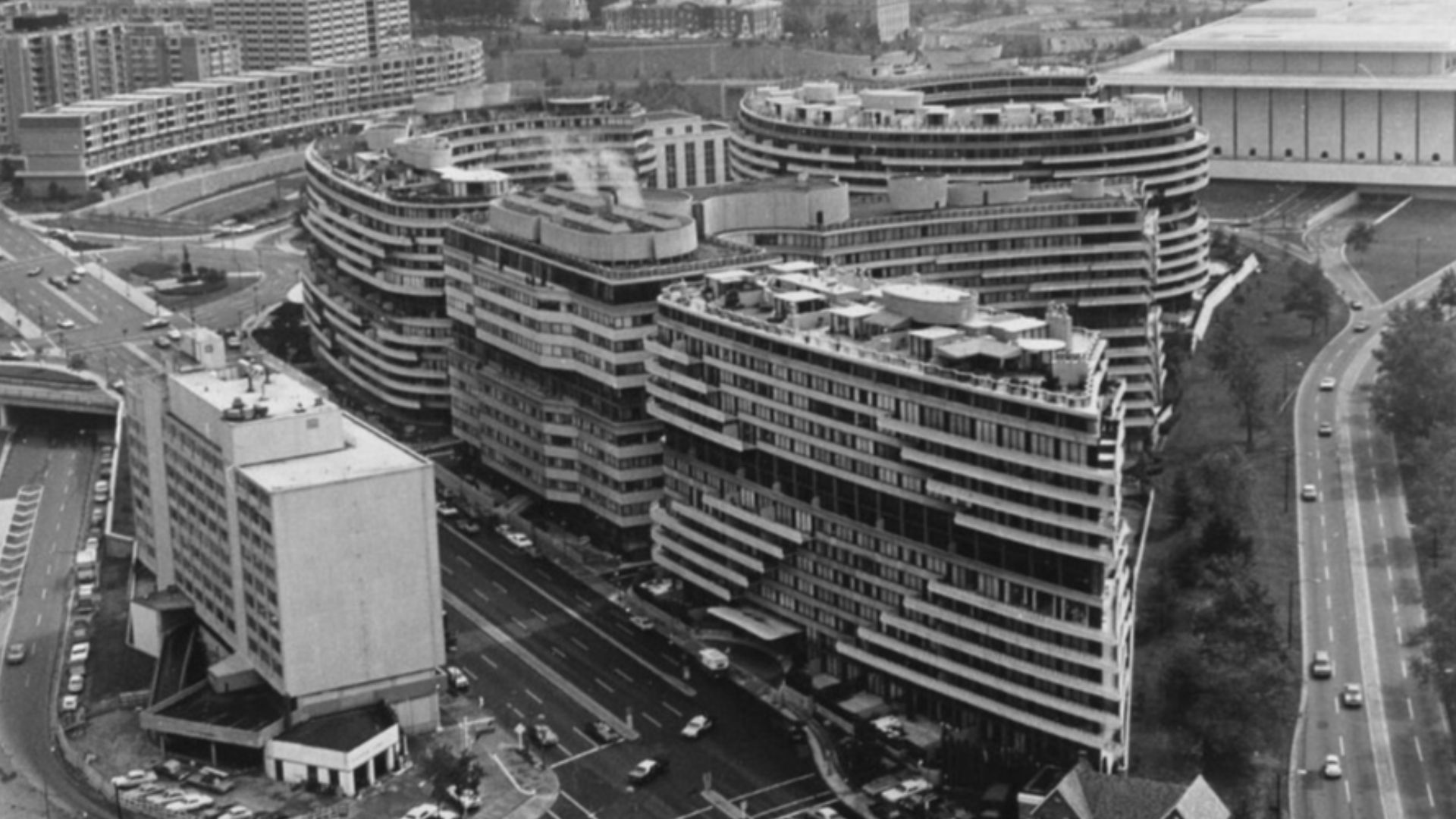
Watergate Came Down To A Piece Of Tape (Cont'd)
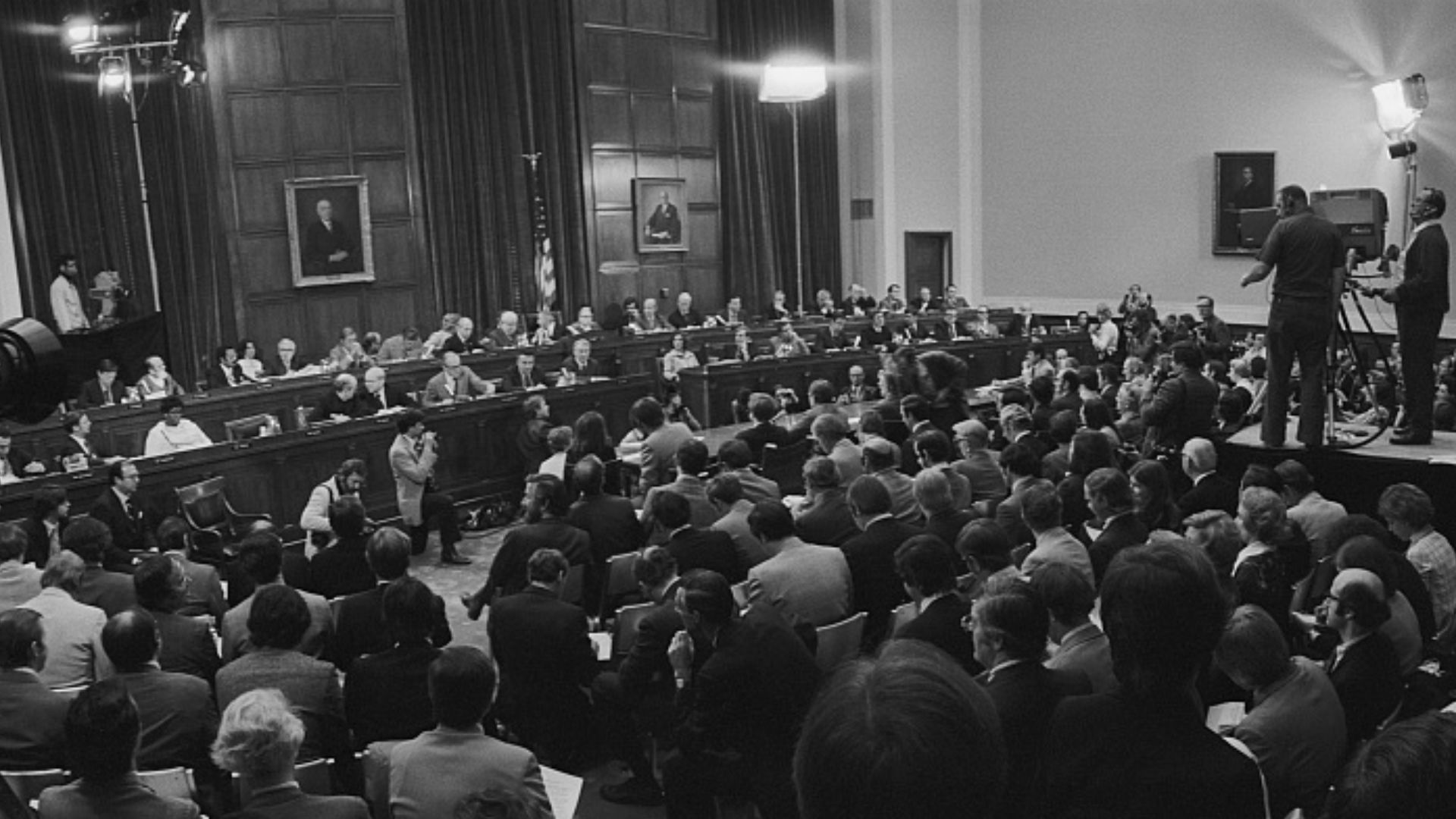
Those arrests exposed connections to President Richard Nixon's re-election operation and eventually opened the door to investigations into political espionage, secret campaign money, obstruction, and a White House cover-up. The scandal consumed Washington, led to convictions, and culminated in Nixon's resignation on August 9, 1974. Historical accounts differ over whether the burglars used masking tape, duct tape, or another kind, but the essential detail remains the same: one alert security guard noticing a tiny strip of tape helped set off the chain reaction that brought down an American president.
The French Revolution Sent Elite Chefs Into The Streets
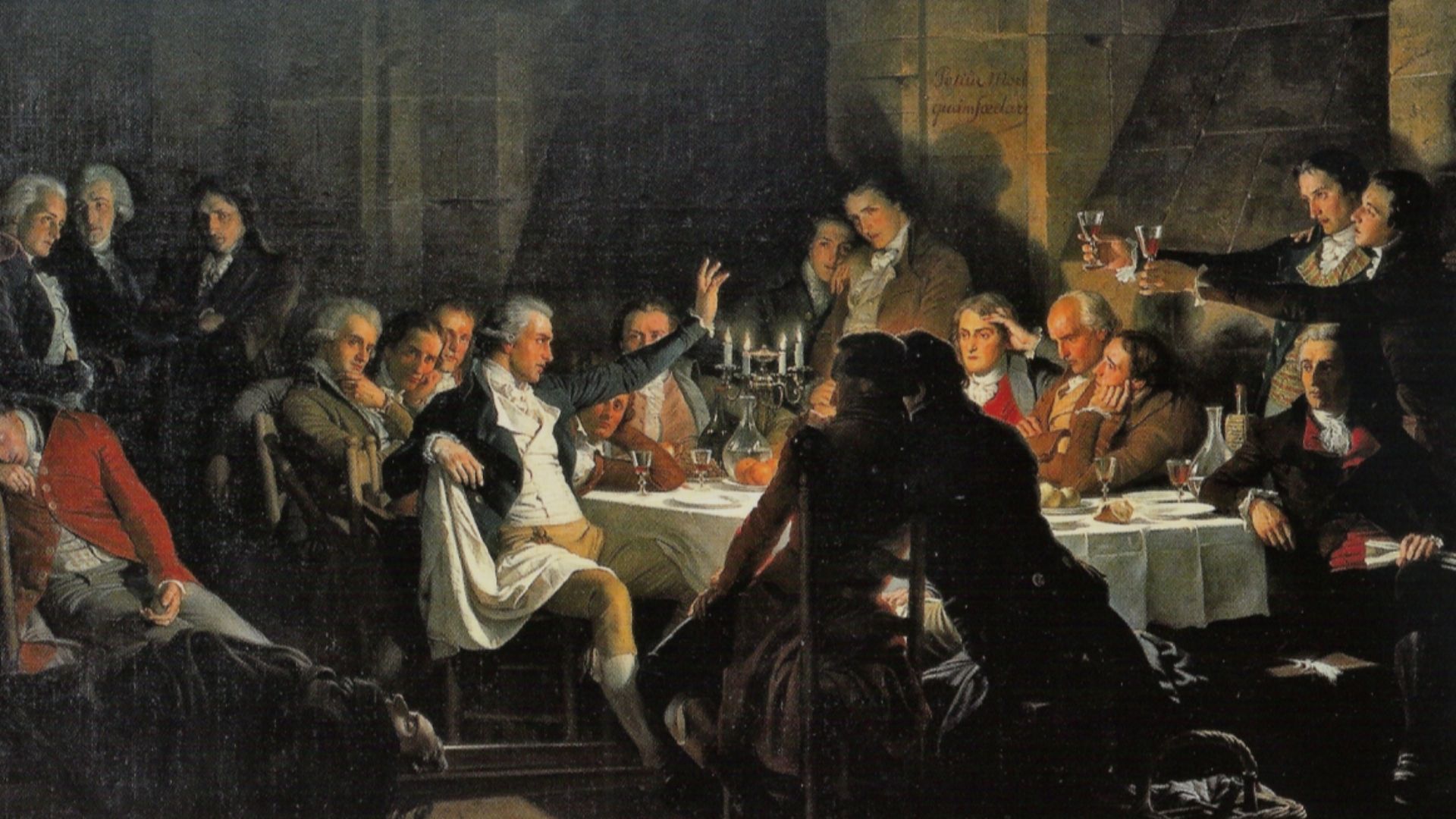
Before the French Revolution, many of France's most highly trained cooks worked in aristocratic households, preparing elaborate meals that ordinary people would never experience. Then the Revolution shattered the social order supporting those kitchens. Nobles fled, lost fortunes, or faced execution, leaving numerous professional cooks without their traditional employers. Some responded by bringing skills previously reserved for private estates into the commercial world, joining an expanding restaurant culture where paying customers could experience sophisticated cooking without receiving an invitation to a nobleman's dining room.
 Henri Félix Emmanuel Philippoteaux, Wikimedia Commons
The French Revolution Sent Elite Chefs Into The Streets (Cont'd)
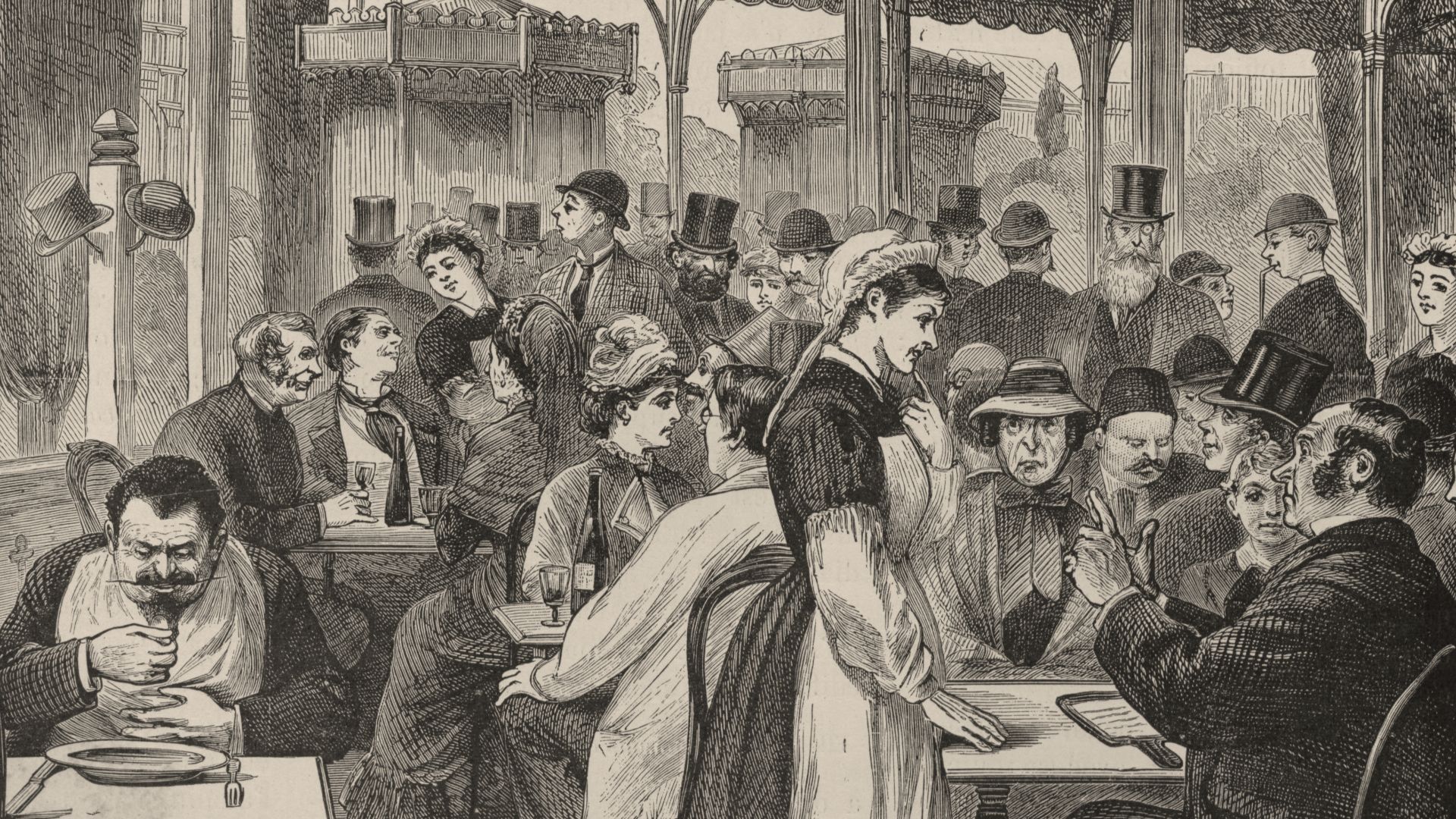
Restaurants had already existed in Paris before 1789, so the Revolution didn't invent dining out from nothing. What it did was dramatically change the environment around it. The weakening of aristocratic households and old guild restrictions created new opportunities for chefs, restaurateurs, and diners, helping Parisian restaurant culture expand rapidly in the decades that followed. Refined cooking increasingly moved from private palaces into public dining rooms, where menus, specialized service, and ambitious chefs could reach a much broader clientele. A political revolution that toppled France's old elite ended up helping reshape how people around the world go out to eat.
 Unknown authorUnknown author, Wikimedia Commons
The Führer Was Rejected From Art School
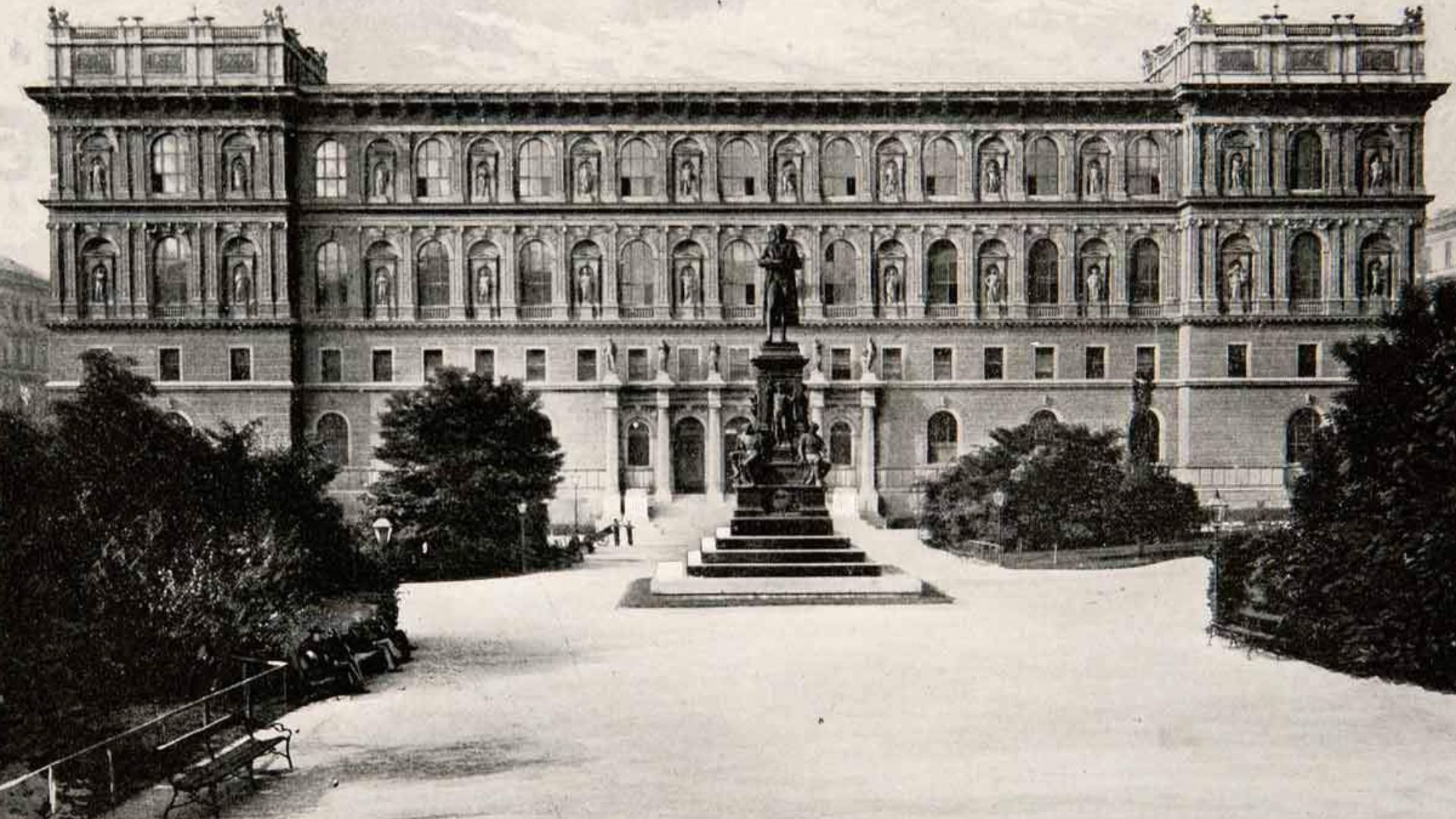
Before the Führer became synonymous with Germany’s Third Reich, he wanted to be an artist. In 1907, the Academy of Fine Arts Vienna rejected his application, concluding that his drawing skills were insufficient for its painting program. He tried again the following year and failed to gain admission. The rejection didn't instantly transform an aspiring painter into a dictator, but it became one of the most famous turning points in his early biography. An acceptance letter would have placed the young dictator on a very different path.
 AnonymousUnknown author, Wikimedia Commons
The Führer Was Rejected From Art School (Cont'd)
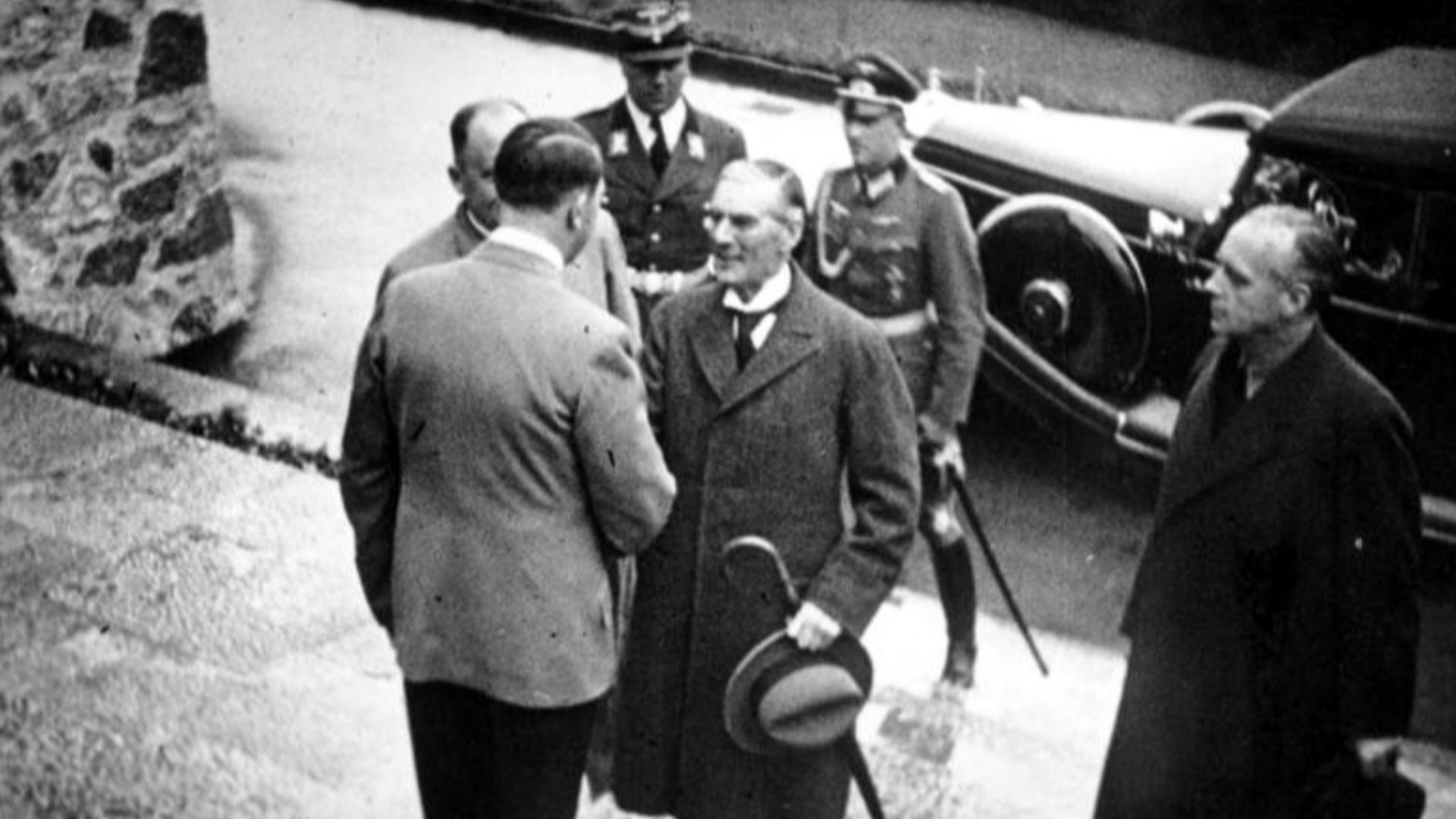
After his artistic ambitions collapsed, the Führer remained in Vienna, where he lived precariously and absorbed some of the nationalist and antisemitic currents circulating around the city. He later moved to Munich, fought in World War I, entered extremist politics, and eventually took control of Germany. From there came dictatorship, war, genocide, and a conflict that reshaped the entire world. It remains one of history's darkest examples of how an apparently ordinary rejection could sit near the beginning of an extraordinary chain of events.
 Unknown authorUnknown author, Wikimedia Commons

History's most fascinating stories and darkest secrets, delivered to your inbox daily.
One Assassination Set Europe On Fire
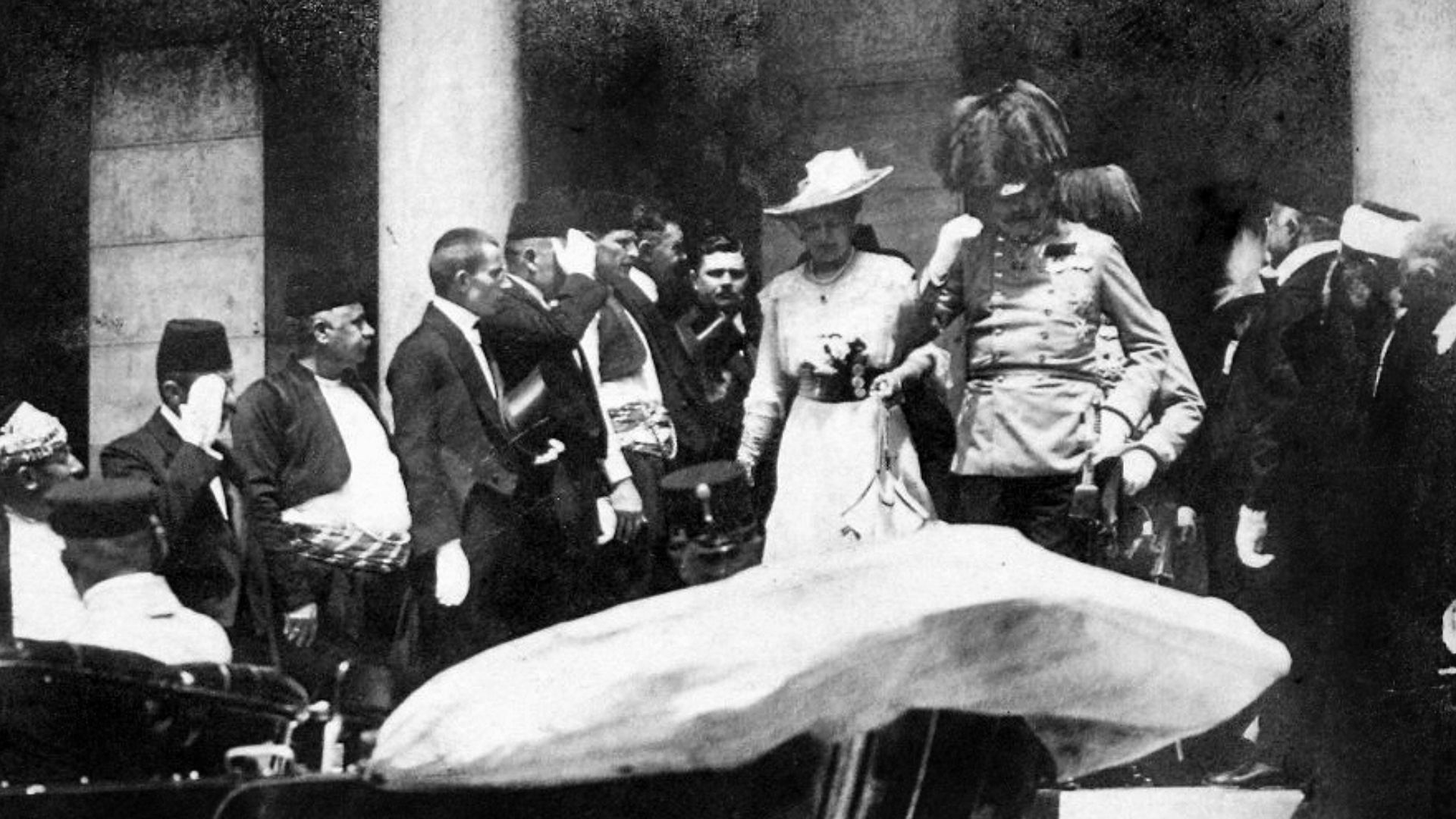
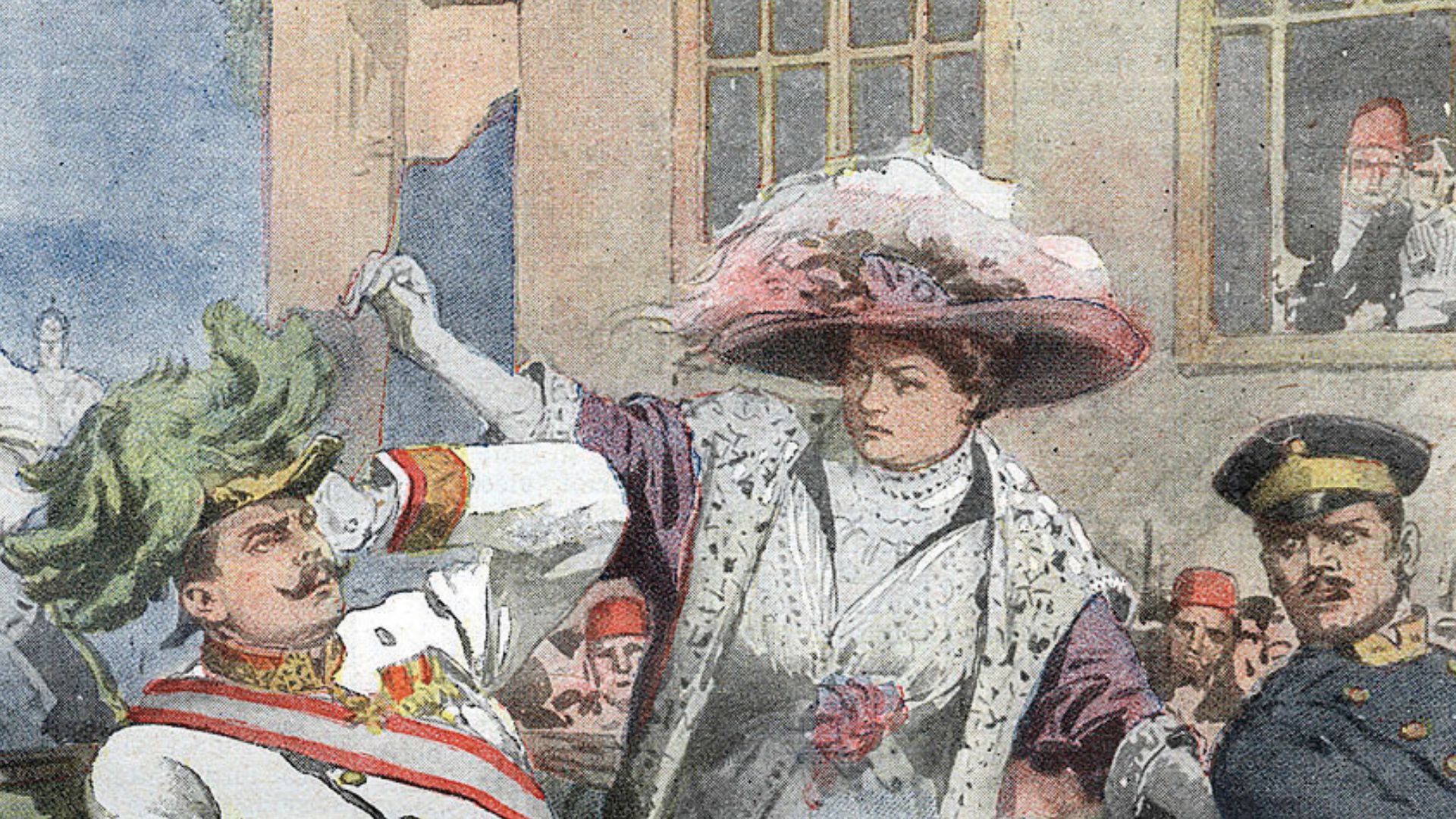
On June 28, 1914, Bosnian Serb nationalist Gavrilo Princip slew Archduke Franz Ferdinand, heir to the Austro-Hungarian throne, and his wife Sophie in Sarajevo. Europe was already packed with rival alliances, nationalist movements, military plans, and international grievances. The murders didn't create those tensions. They provided the spark. Austria-Hungary blamed Serbia, issued an ultimatum, and began a crisis that rapidly pulled Europe's great powers toward war.
 Walter Tausch, Wikimedia Commons
One Assassination Set Europe On Fire (Cont'd)
Austria-Hungary declared war on Serbia on July 28. Russia mobilized in Serbia's defense, Germany backed Austria-Hungary and declared war on Russia and France, and Britain's entry followed Germany's invasion of Belgium. Within weeks, an assassination in Sarajevo had helped turn a regional dispute into World War I. Four imperial systems collapsed, millions perished, borders were redrawn, and the unstable peace afterward helped create conditions for another world war. One morning in Sarajevo had set off consequences that stretched across decades.
 Achille Beltrame, Wikimedia Commons
A Factory Fire Helped Push Lego Toward Reinvention
Long before Lego became synonymous with plastic bricks, Ole Kirk Christiansen ran a woodworking business in Billund, Denmark, producing furniture and wooden toys. In 1942, a devastating fire destroyed his factory, wiping out much of the business he'd spent years building. Christiansen chose to rebuild rather than walk away. The disaster forced him to rethink how the company would survive, and within a few years Lego began experimenting with a radically different material that many traditional toy makers still viewed with suspicion: plastic.
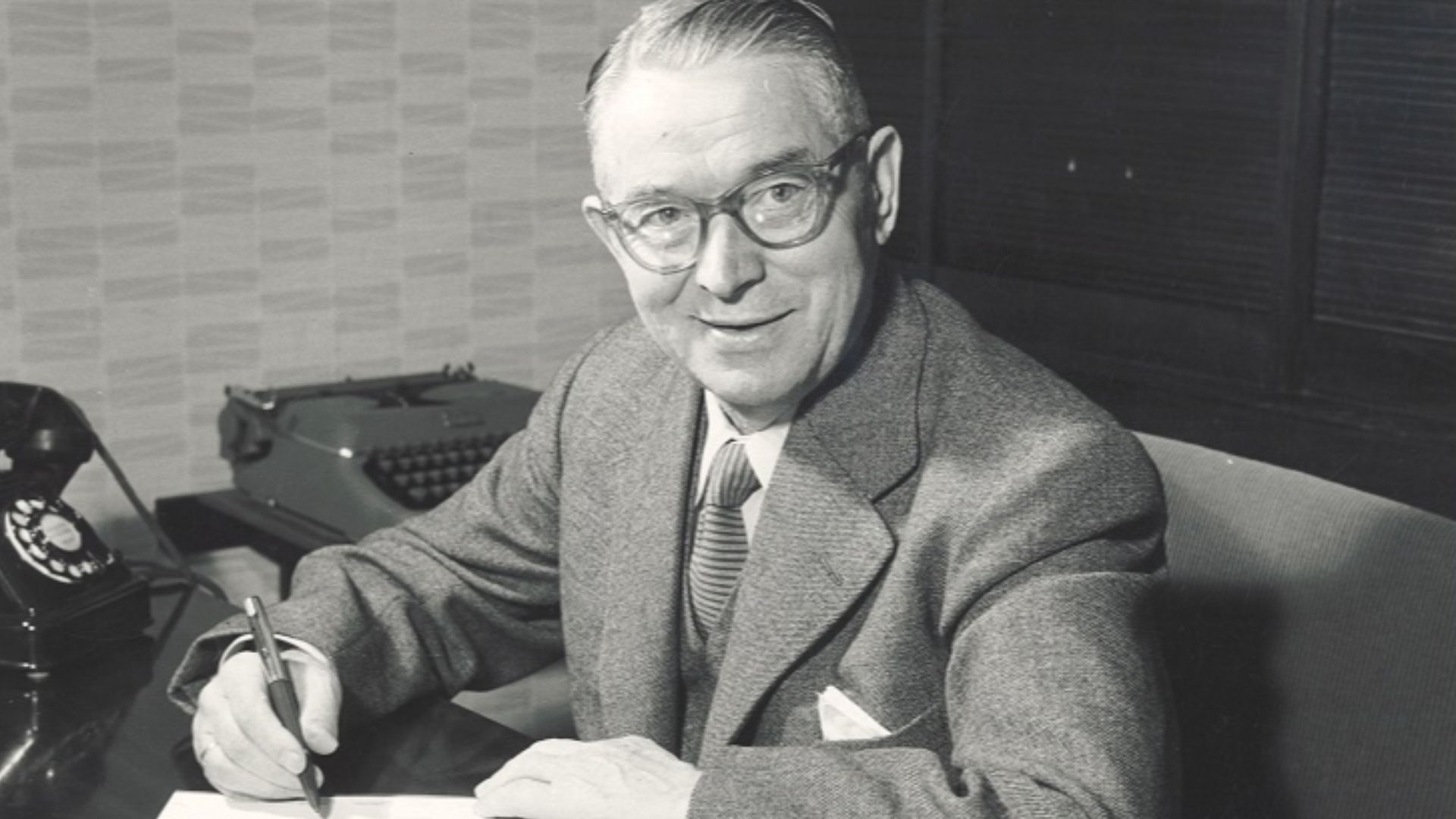 Unknown authorUnknown author, Wikimedia Commons
A Factory Fire Helped Push Lego Toward Reinvention (Cont'd)
Lego purchased a plastic injection-molding machine in the late 1940s and soon began producing early versions of the interlocking bricks that would define the company. Another warehouse fire in 1960 later destroyed much of Lego's remaining wooden-toy inventory, helping accelerate the decision to abandon wooden products altogether. From that point forward, the company concentrated increasingly on its plastic building system. A business repeatedly devastated by fire ultimately emerged with a completely different identity, and that forced reinvention helped turn a small Danish toy company into one of the world's most recognizable brands.

A Confused Announcement Opened The Berlin Wall
On November 9, 1989, East German official Günter Schabowski held a televised press conference and announced new rules allowing citizens to travel more freely. He had been given incomplete instructions and apparently wasn't fully briefed on when the policy was supposed to take effect. When a reporter asked when the changes began, Schabowski hesitated and then indicated that, as far as he knew, they were effective immediately. Millions of East Germans heard him say it live.
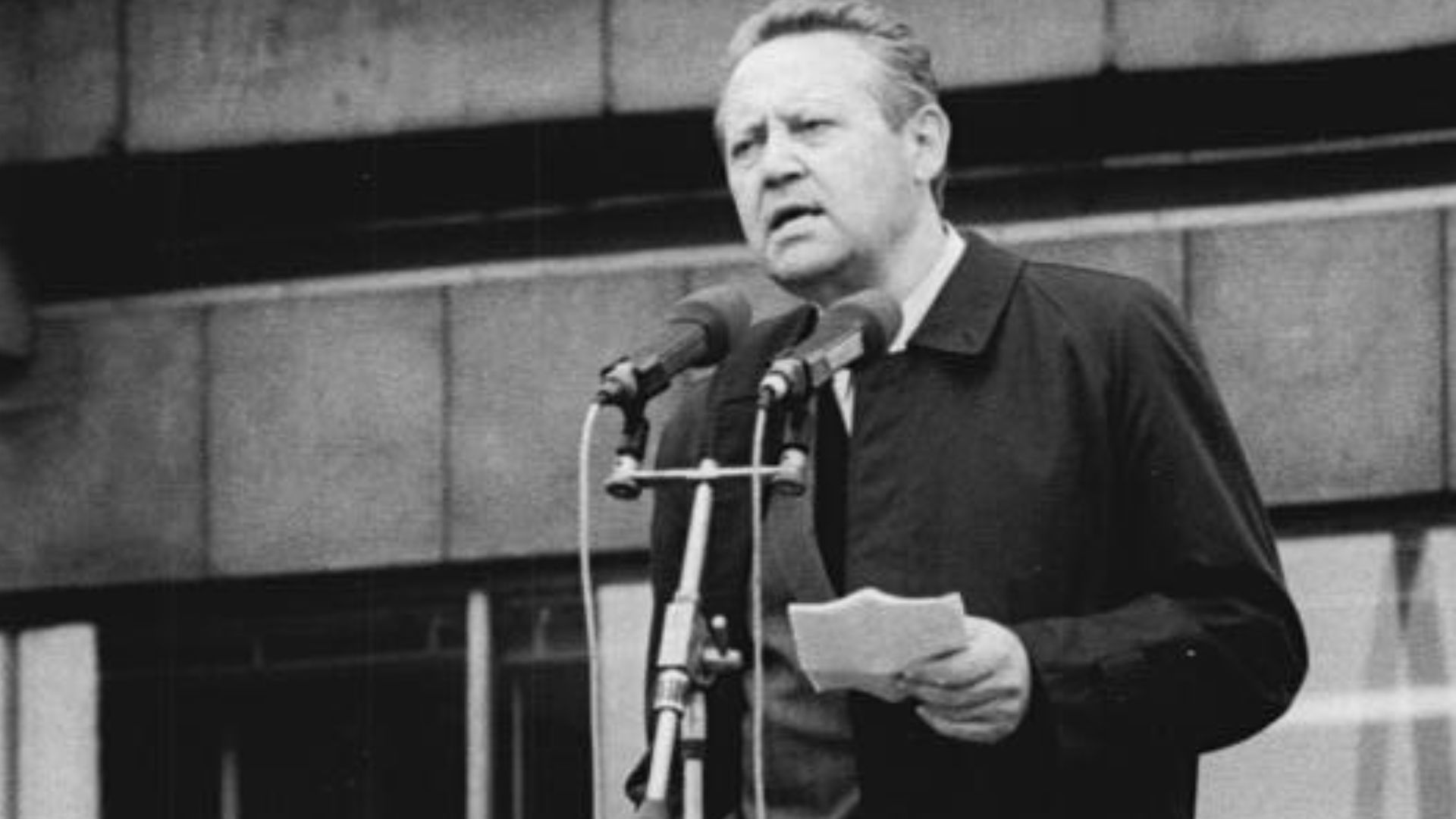 Hubert Link, Wikimedia Commons
A Confused Announcement Opened The Berlin Wall (Cont'd)
Crowds quickly gathered at border crossings demanding to be allowed through. The guards hadn't received clear orders corresponding with what viewers had just heard on television, and the pressure became impossible to contain. At the Bornholmer Strasse crossing, officials eventually began letting people pass, and other checkpoints followed. Berliners climbed onto the Wall and celebrated through the night. A few uncertain words at a press conference helped turn months of political pressure into one of the defining moments of the Cold War's collapse.
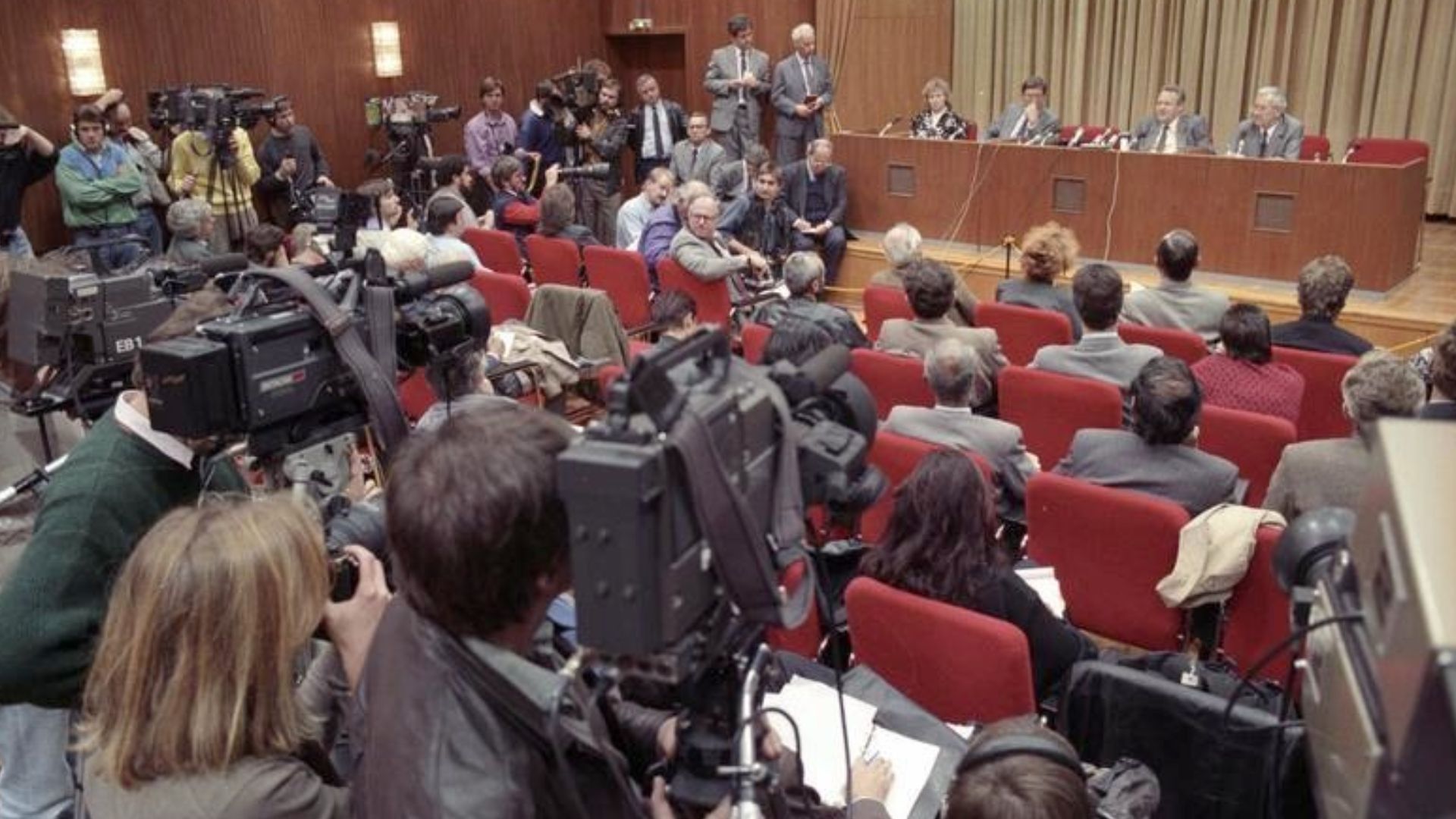 Thomas Lehmann, Wikimedia Commons
A Tornado Arrived During The Burning Of Washington
British troops captured Washington, DC, in August 1814 and burned major public buildings, including the Capitol and the White House. Then the weather turned violent. A severe storm struck the city, bringing torrential rain and what eyewitnesses described as a tornado. The winds reportedly tossed cannons, damaged buildings, and took lives. The rain also helped extinguish fires that had been burning through the capital, producing the wonderfully strange spectacle of weather interrupting an armed occupation.
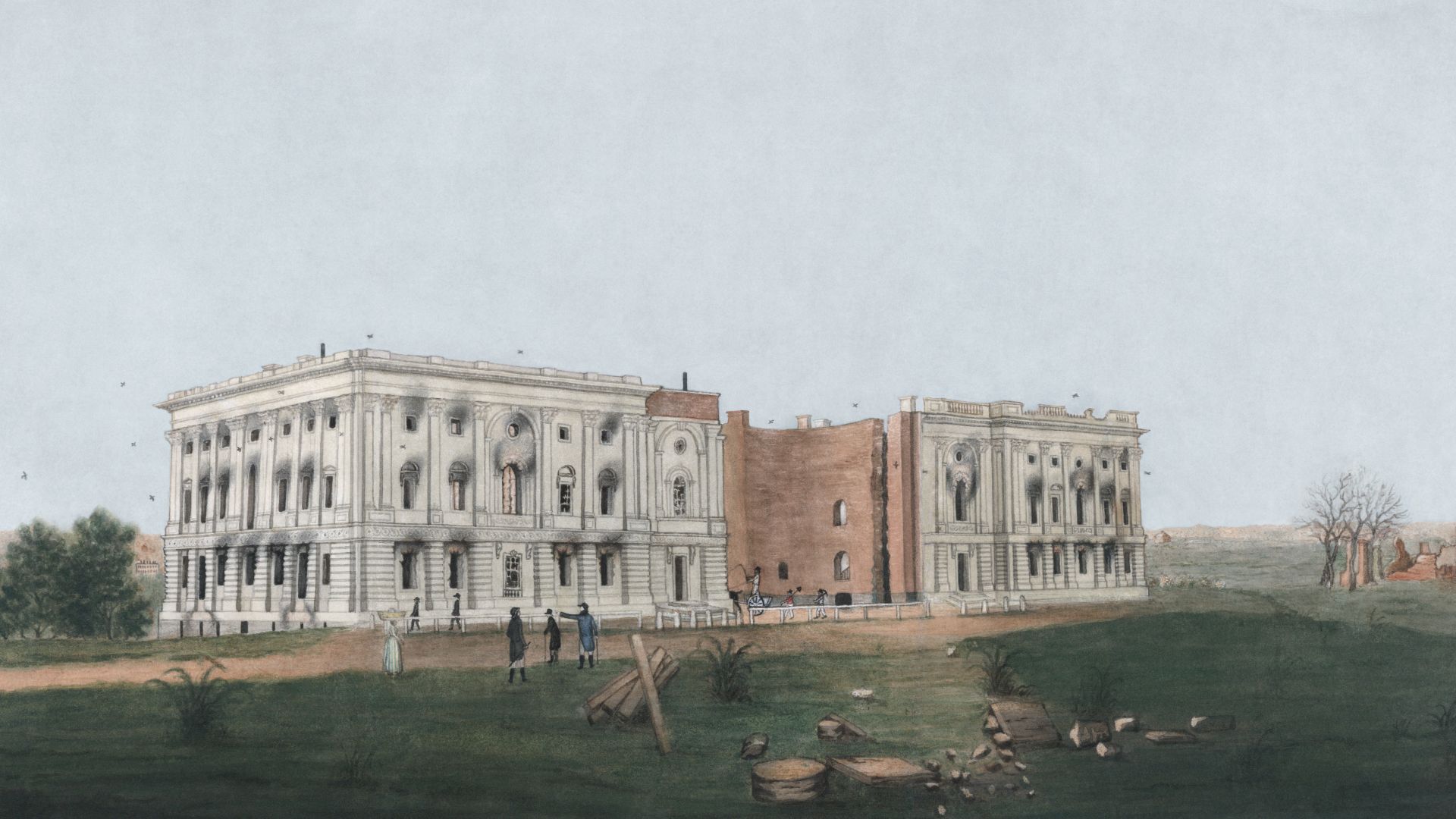 George Munger, Wikimedia Commons
A Tornado Arrived During The Burning Of Washington (Cont'd)
The violent storm slammed into Washington just as the British occupation was reaching its dramatic peak. Torrential rain helped put out fires, winds damaged military equipment, and the chaos complicated an already difficult situation for the invading force. Soon afterward, British troops withdrew from the city. One freak weather event had inserted itself into a war and helped shape how one of the most humiliating moments in American history came to an end.
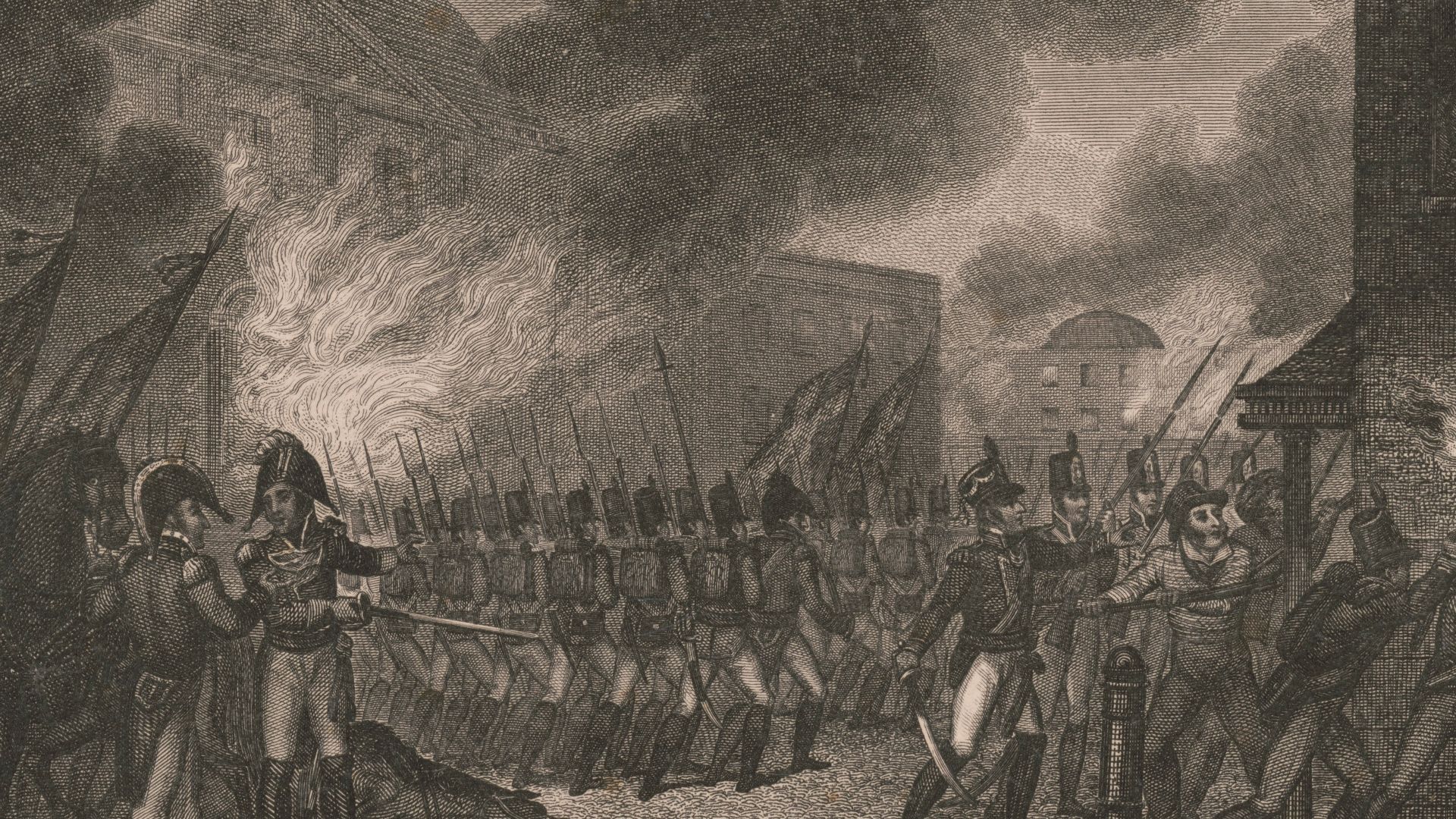 Cundee, J. (James), publisher, Wikimedia Commons
Titanic Sailed Without Binoculars For Its Lookouts
Shortly before Titanic sailed in 1912, officer David Blair was unexpectedly removed from the voyage during a reshuffling of senior officers. The ship's lookouts subsequently didn't have binoculars available in the crow's nest. A surviving key associated with Blair later helped inspire an irresistible story: that he'd accidentally taken the key to the binocular locker when he left, depriving the lookouts of equipment that could have helped them see the iceberg sooner.
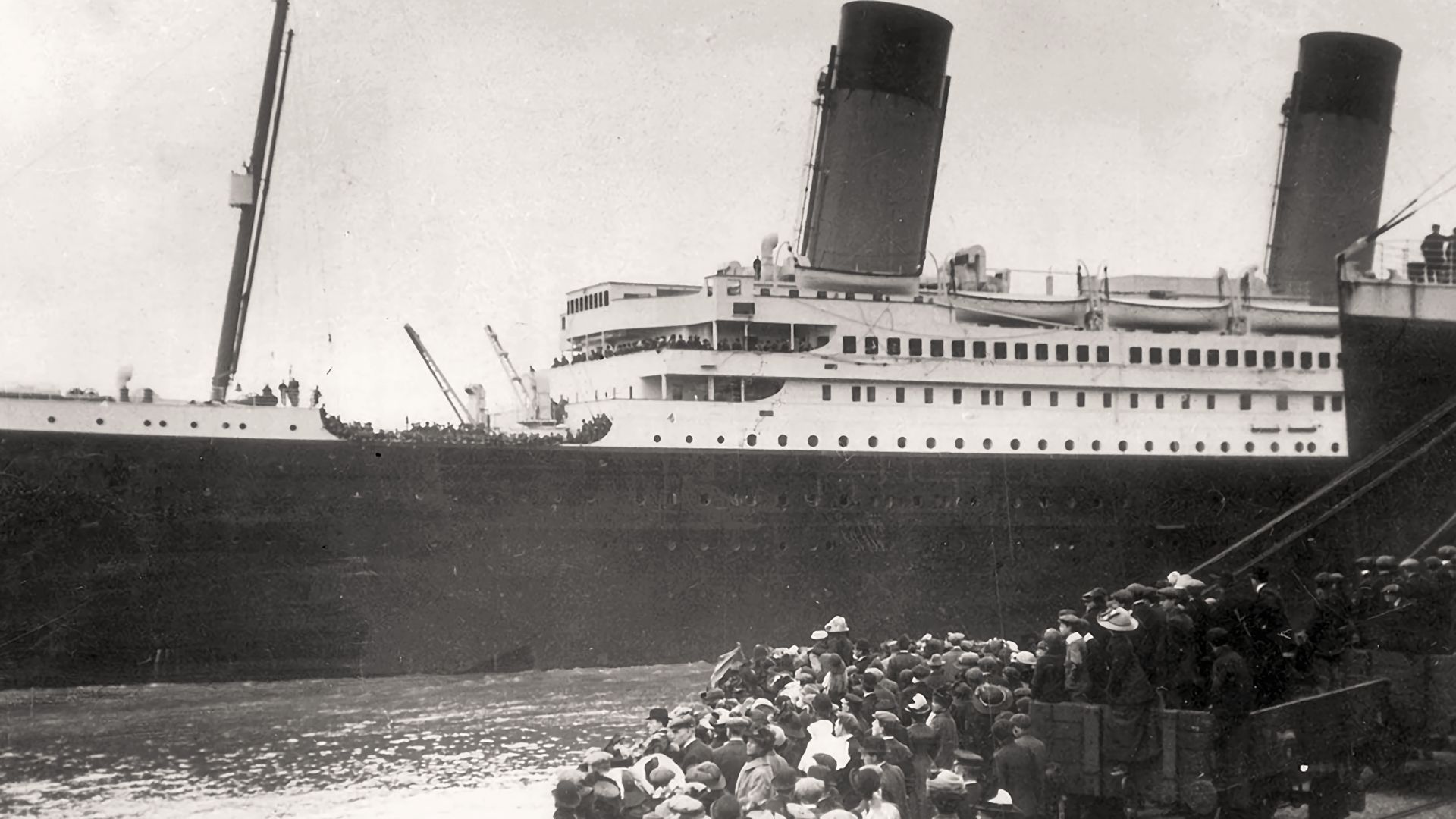 Unknown authorUnknown author, Wikimedia Commons
Titanic Sailed Without Binoculars For Its Lookouts (Cont'd)
When lookout Frederick Fleet finally spotted the iceberg, Titanic had only moments to react. The ship struck the ice, flooded, and sank in the North Atlantic, taking the lives of more than 1,500 people. Fleet later testified that binoculars might have allowed the iceberg to be spotted sooner. Whether they would have prevented the collision can never be known, but the missing equipment became one of the disaster's most haunting details: a tiny pre-voyage change that may have reduced the warning time aboard history's most famous doomed liner.
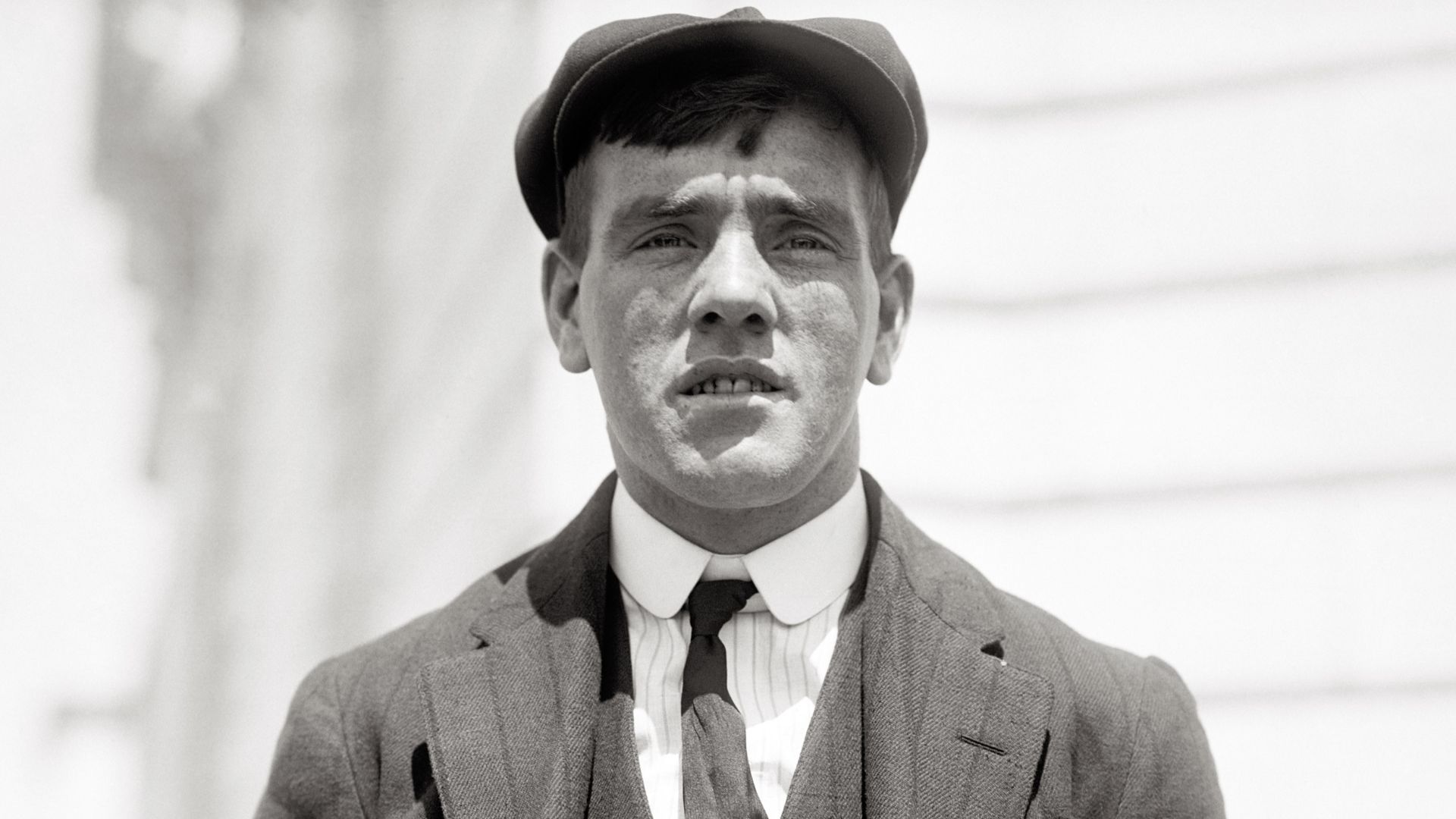 Unknown authorUnknown author, Wikimedia Commons
A British Soldier Supposedly Spared A Dictator
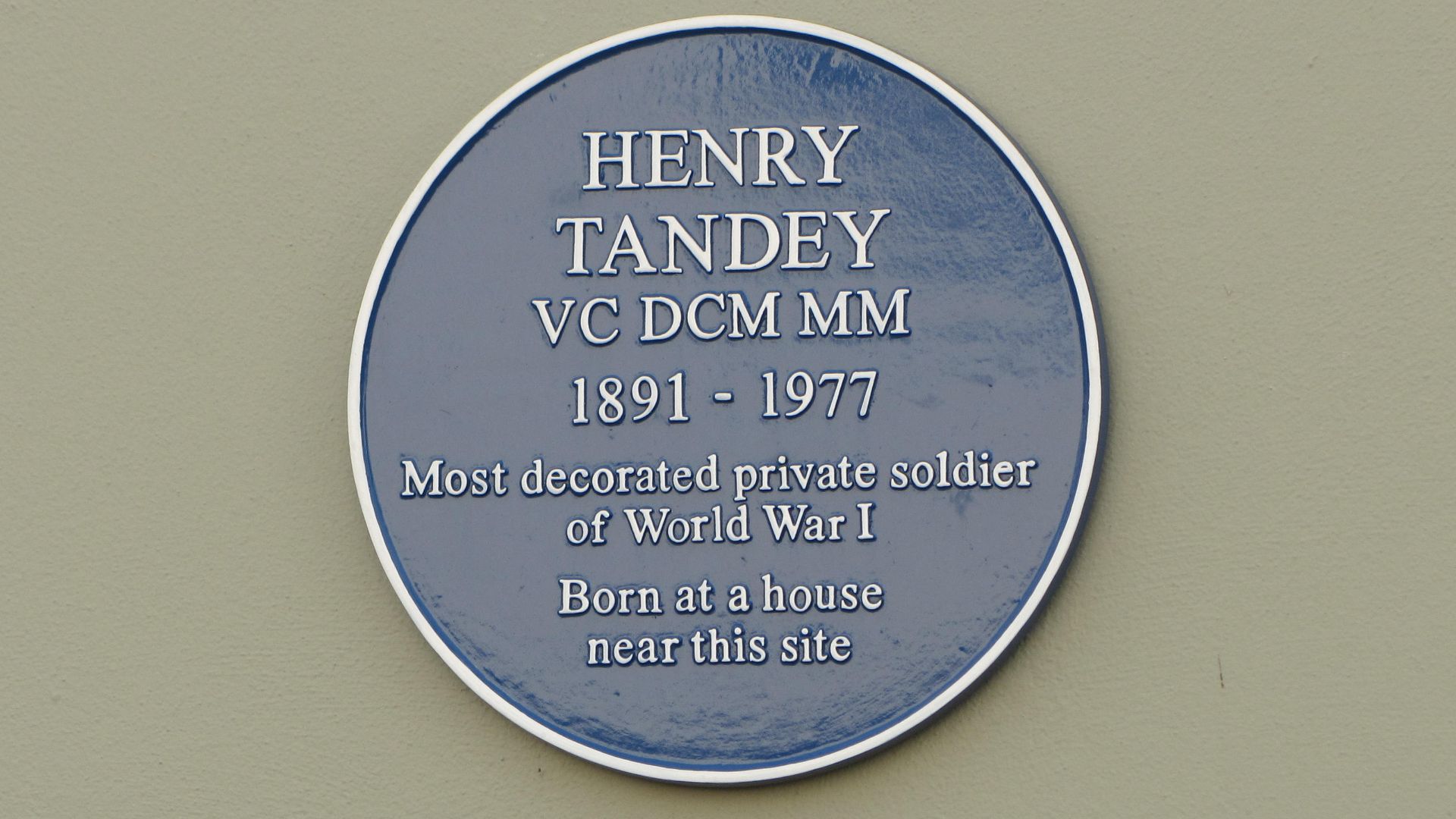
One of the strangest stories to emerge from WWI involves British soldier Henry Tandey. Tandey later recalled encountering a wounded German soldier during fighting in 1918 and choosing not to shoot him as the man retreated. Years later, a story developed that the German soldier had been the Führer. According to the tale, the dictator himself recognized Tandey from a famous painting and claimed that this was the British soldier who had once spared him.
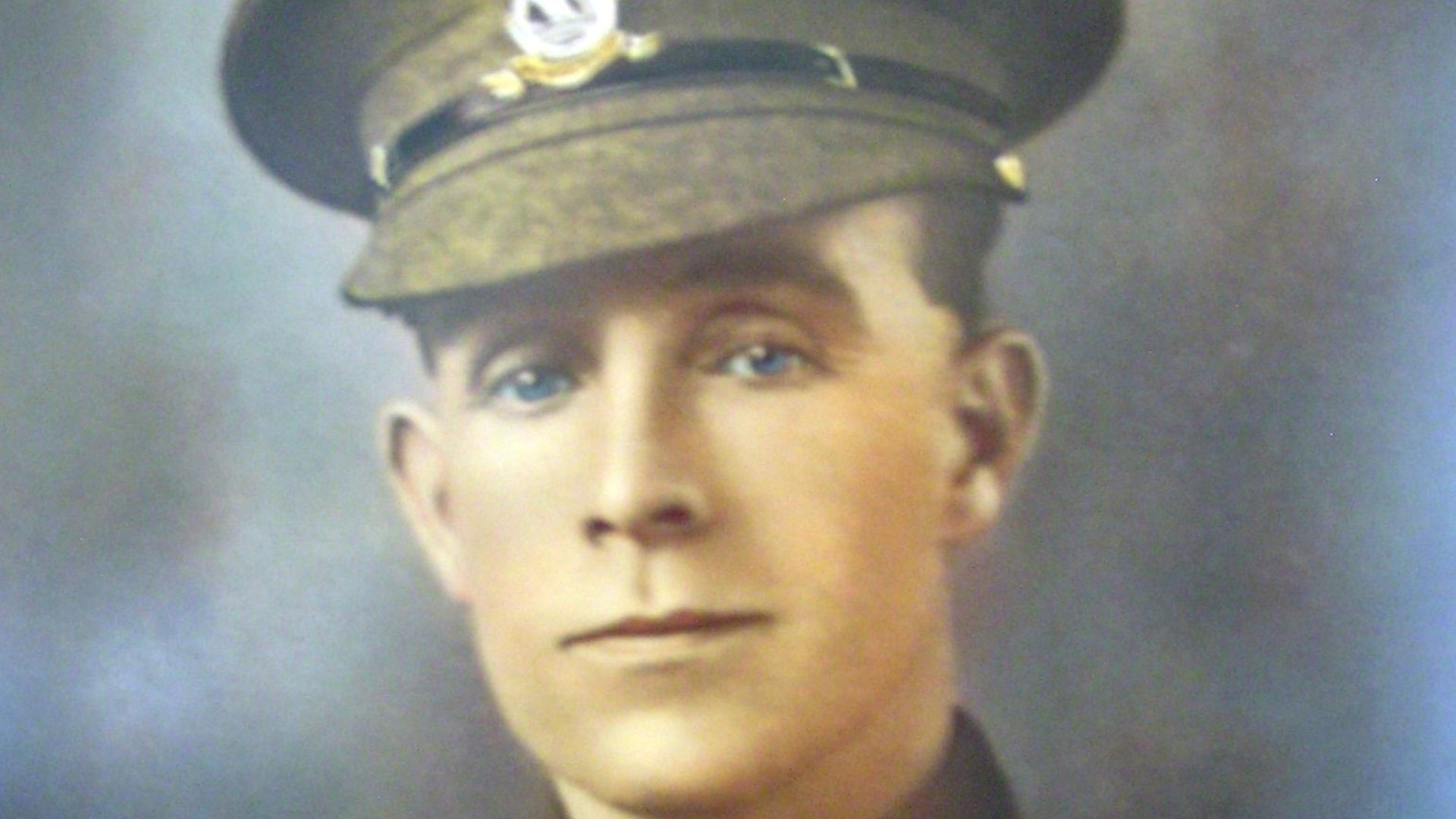 Richard Harvey (Regimental Archivist), Wikimedia Commons
A British Soldier Supposedly Spared A Dictator (Cont'd)
If the story is true, the consequences are almost impossible to comprehend. The wounded soldier supposedly allowed to walk away later became Germany's dictator, unleashed WWII in Europe, and oversaw the Holocaust. Tandey's split-second act of mercy would therefore sit at the beginning of one of the darkest chains in modern history. The identification remains disputed, but that uncertainty has only made the story more haunting.
 Bob Parkes , Wikimedia Commons
Enzo Ferrari Supposedly Insulted The Wrong Customer
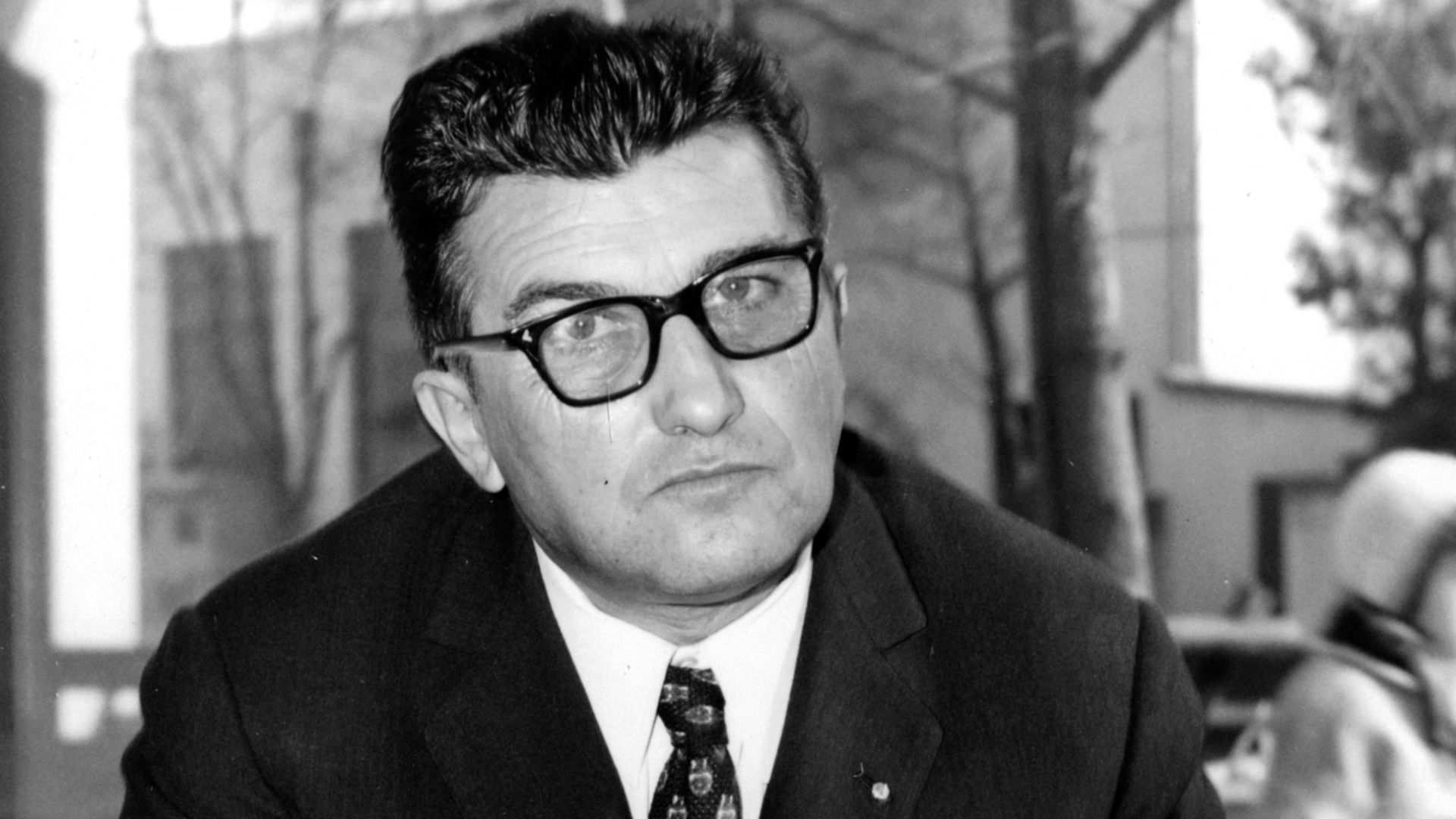
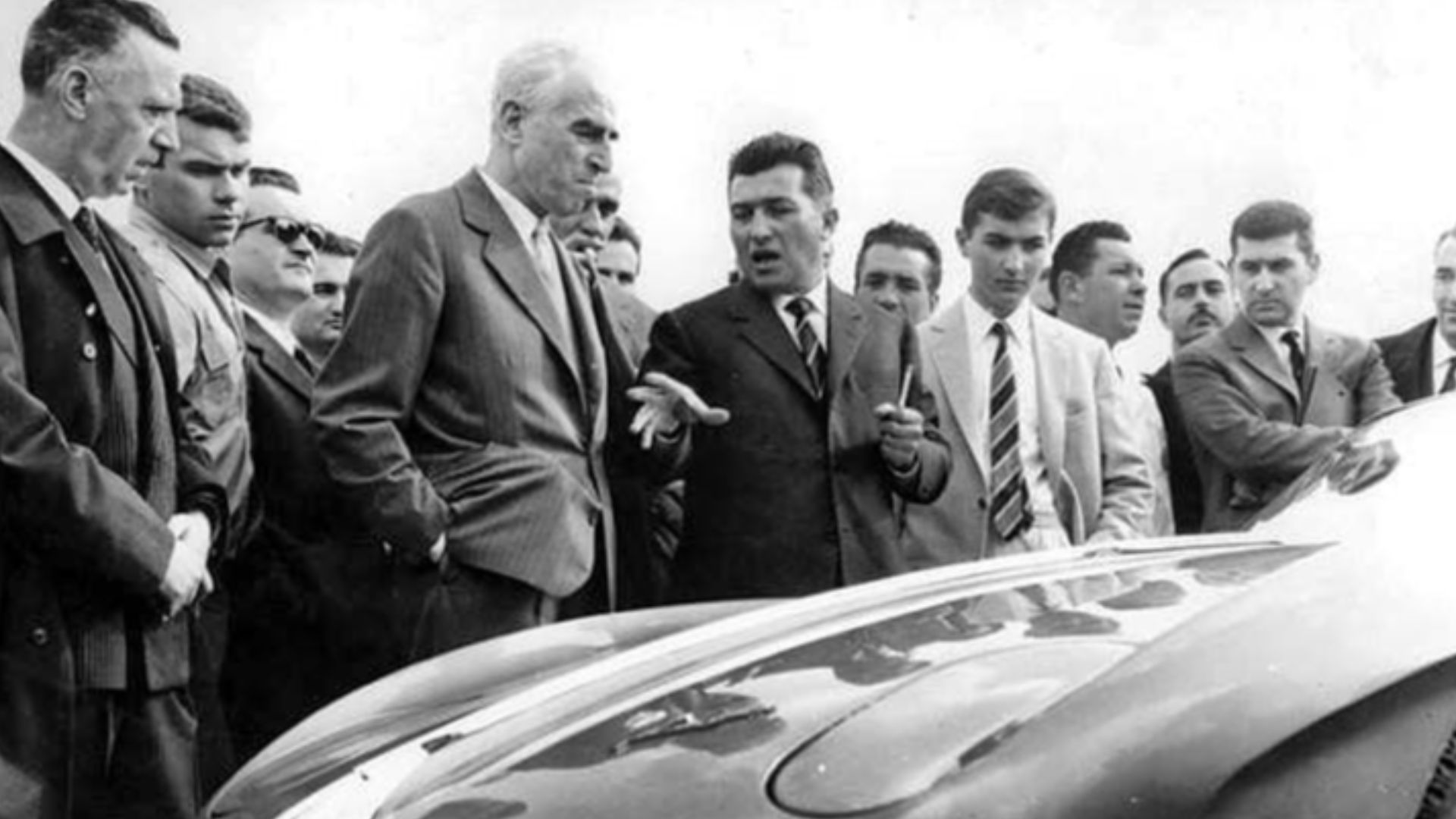
Ferruccio Lamborghini had already made a fortune manufacturing tractors when he developed a taste for expensive sports cars. According to the famous story, he became frustrated with recurring clutch problems in one of his Ferraris and brought his complaints directly to Enzo Ferrari. Ferrari allegedly dismissed the tractor manufacturer and effectively told him to stick to building farm equipment. Lamborghini didn't particularly enjoy being patronized.
Enzo Ferrari Supposedly Insulted The Wrong Customer (Cont'd)
Lamborghini founded Automobili Lamborghini in 1963 and quickly set out to build refined grand touring cars capable of challenging Ferrari. The 350 GT established the young company, while the Miura helped redefine the modern supercar. Lamborghini eventually became one of Ferrari's most famous and enduring rivals. A complaint about a clutch and an insult from another businessman helped ignite one of the greatest rivalries in automotive history.
 Unknown photographer, Wikimedia Commons
Henry VIII Was Never Supposed To Get The Crown
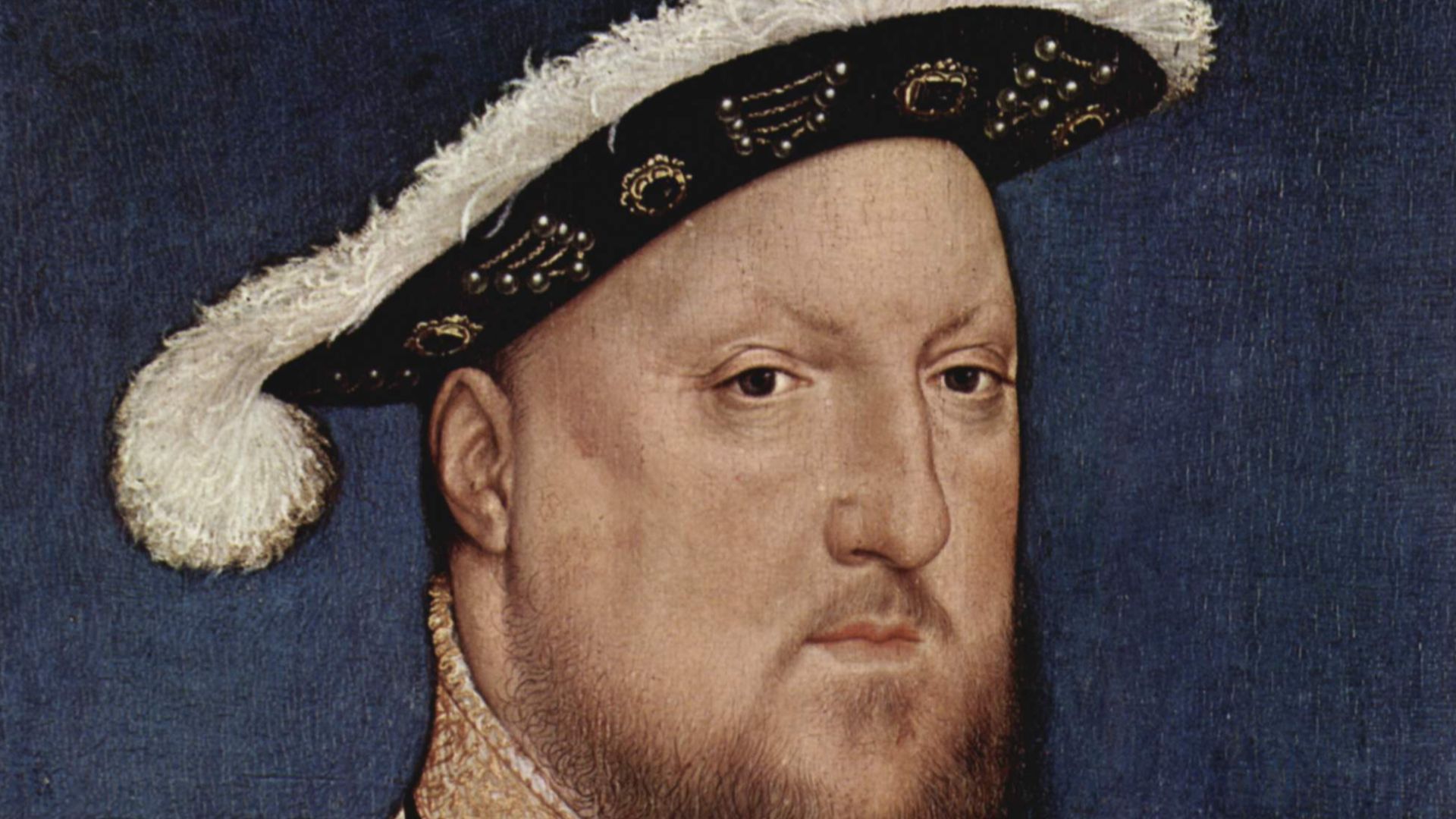
Henry VIII grew up as the younger son of Henry VII. His older brother Arthur was Prince of Wales and the expected future king. Then Arthur passed on in 1502, probably from illness, at only 15. Suddenly, 10-year-old Henry became heir to the throne. When Henry VII met his end seven years later, the younger son became Henry VIII and eventually married Arthur's widow, Catherine of Aragon. That unexpected succession would have consequences nobody watching the young princes could have predicted.
 Hans Holbein the Younger, Wikimedia Commons
Henry VIII Was Never Supposed To Get The Crown (Cont'd)
Henry's marriage to Catherine failed to produce the surviving male heir he desperately wanted, and his campaign for an annulment eventually contributed to England's break with papal authority. The resulting English Reformation transformed religion, politics, royal power, and everyday life across the kingdom. Henry later married Anne Boleyn, whose daughter became Elizabeth I and presided over another defining chapter of English history. Arthur's early demise had quietly redirected the Tudor dynasty and, with it, the future of England.
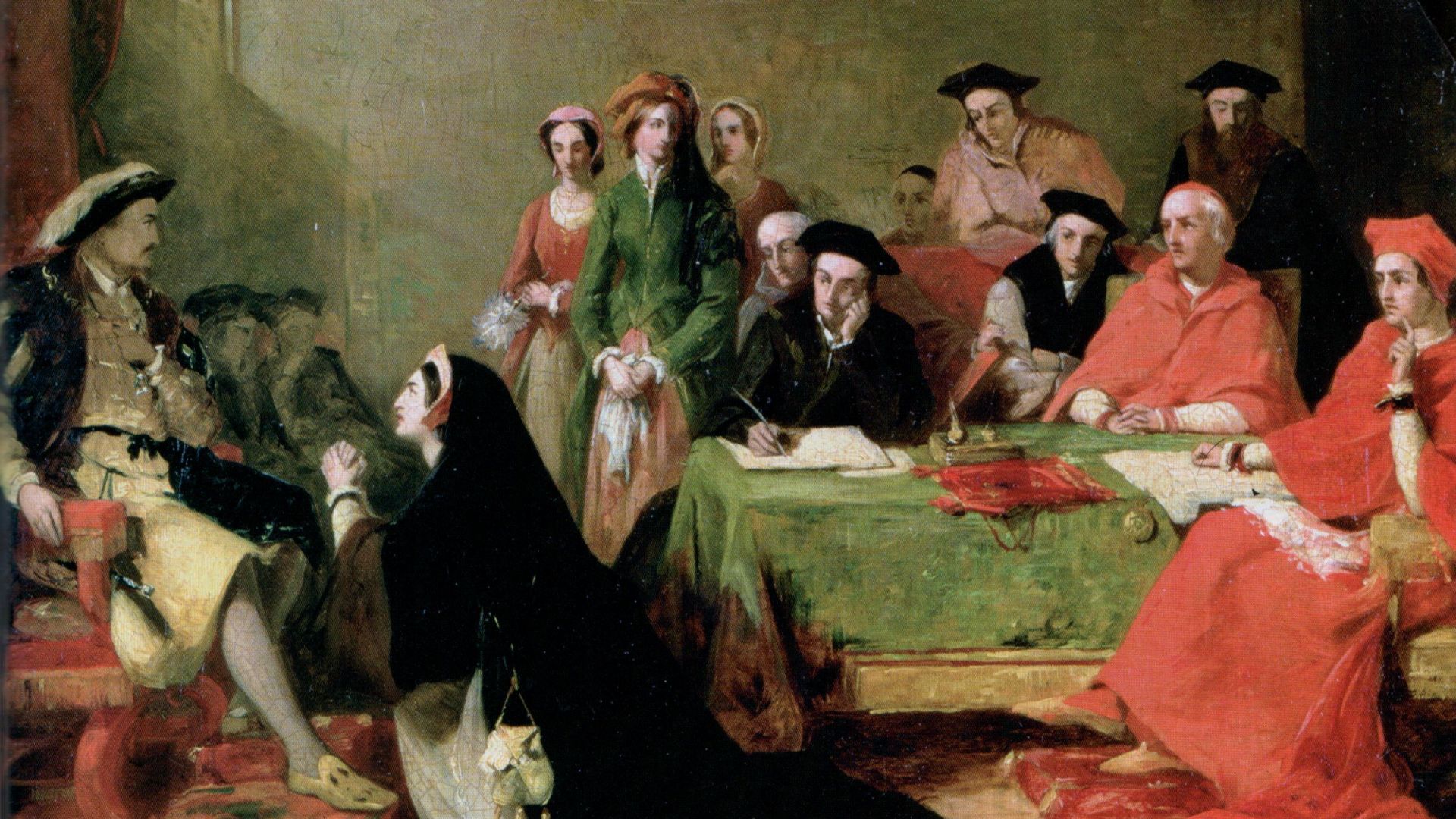 Henry Nelson O'Neil, Wikimedia Commons
Anne Frank’s Papers Were Left Scattered On The Floor
When authorities of the Third Reich raided the Secret Annex in Amsterdam in August 1944, Anne Frank and the other people hiding there were apprehended. During the search, Anne's diary papers were scattered across the floor as the contents of Otto Frank's briefcase were emptied. After the arrests, helpers Miep Gies and Bep Voskuijl returned upstairs and saw the papers lying there. They gathered them rather than leaving them behind amid the chaos.
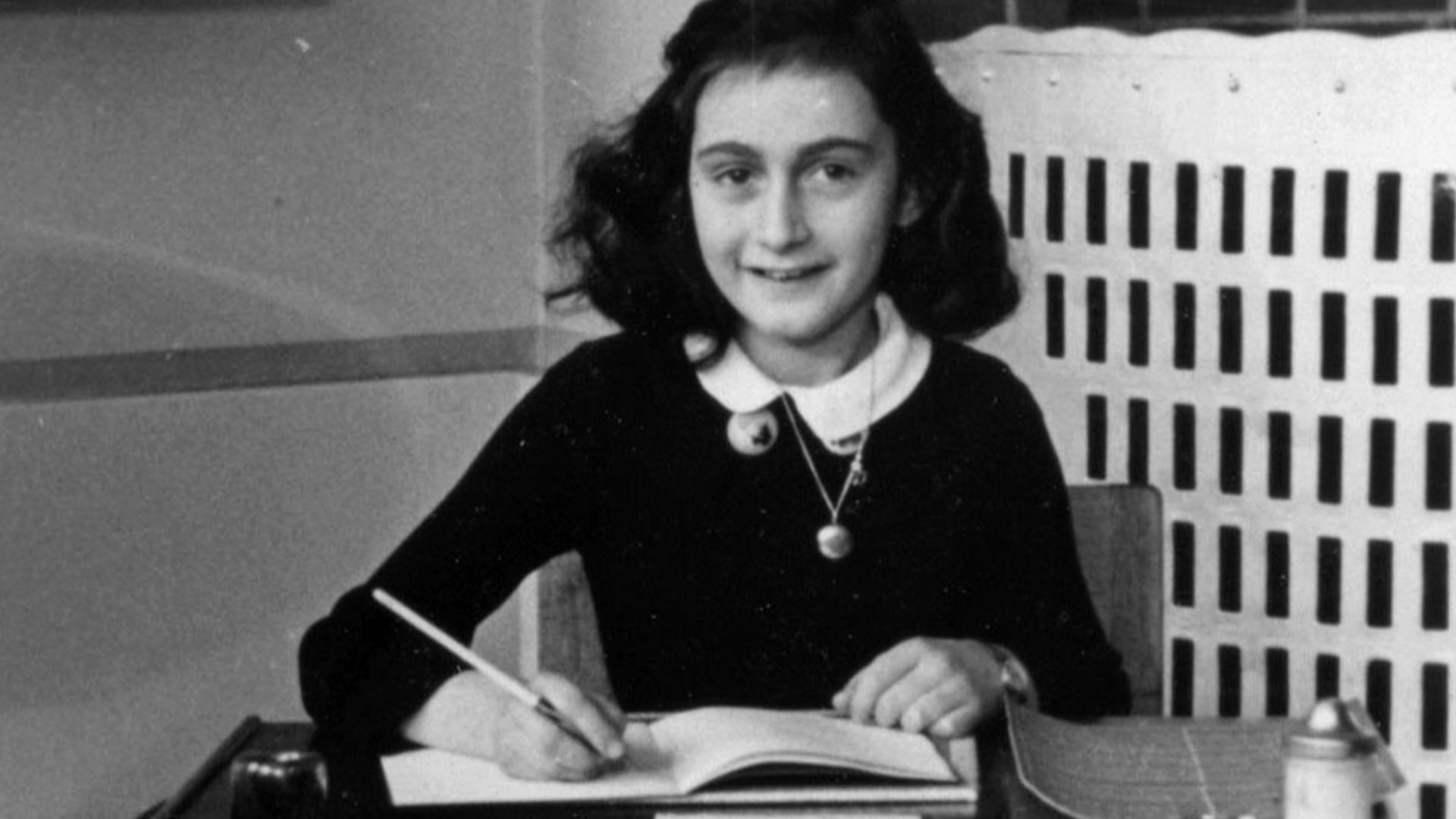 Unknown photographer; Collectie Anne Frank Stichting Amsterdam, Wikimedia Commons
Anne Frank’s Papers Were Left Scattered On The Floor (Cont'd)
Miep stored Anne's writings without reading them, hoping to return them to her after the war. Anne perished at Bergen-Belsen, while her father Otto became the only member of the immediate Frank family to survive. Miep then gave him the papers. Otto arranged for Anne's diary to be published, and the teenager's private words eventually reached tens of millions of readers around the world. A few pages picked up from the floor became one of the most enduring personal records of the Holocaust.
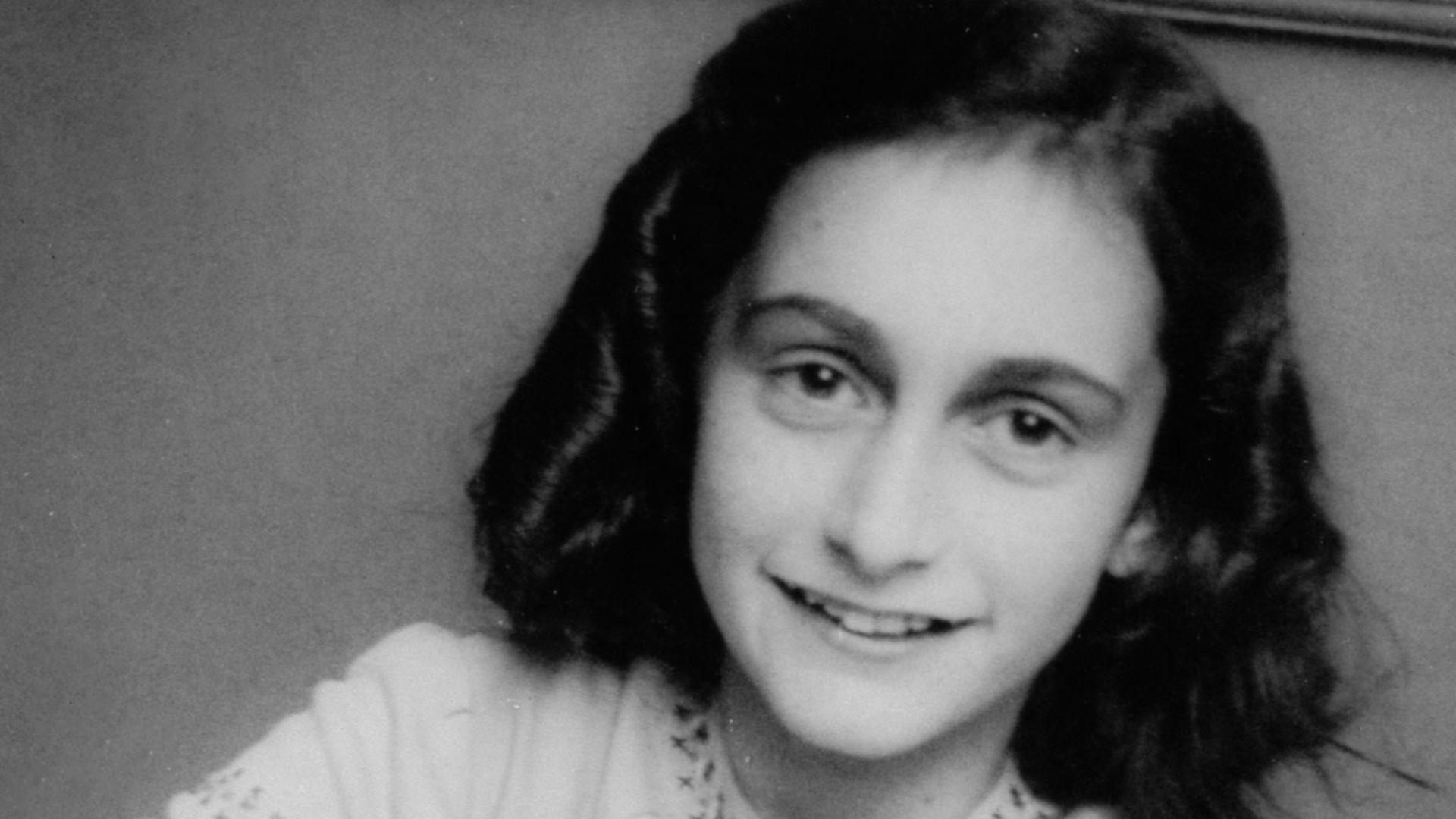 AnonymousUnknown author, Wikimedia Commons
A Whale Sank The Essex
In November 1820, the Nantucket whaleship Essex was operating far out in the Pacific when a large sperm whale repeatedly rammed the vessel. The ship eventually sank, leaving its crew thousands of miles from the South American coast in small whaleboats with limited supplies. Their ordeal became horrific. The survivors endured thirst, starvation, death, and eventually cannibalism during months adrift. Several men survived to tell an almost unbelievable story.
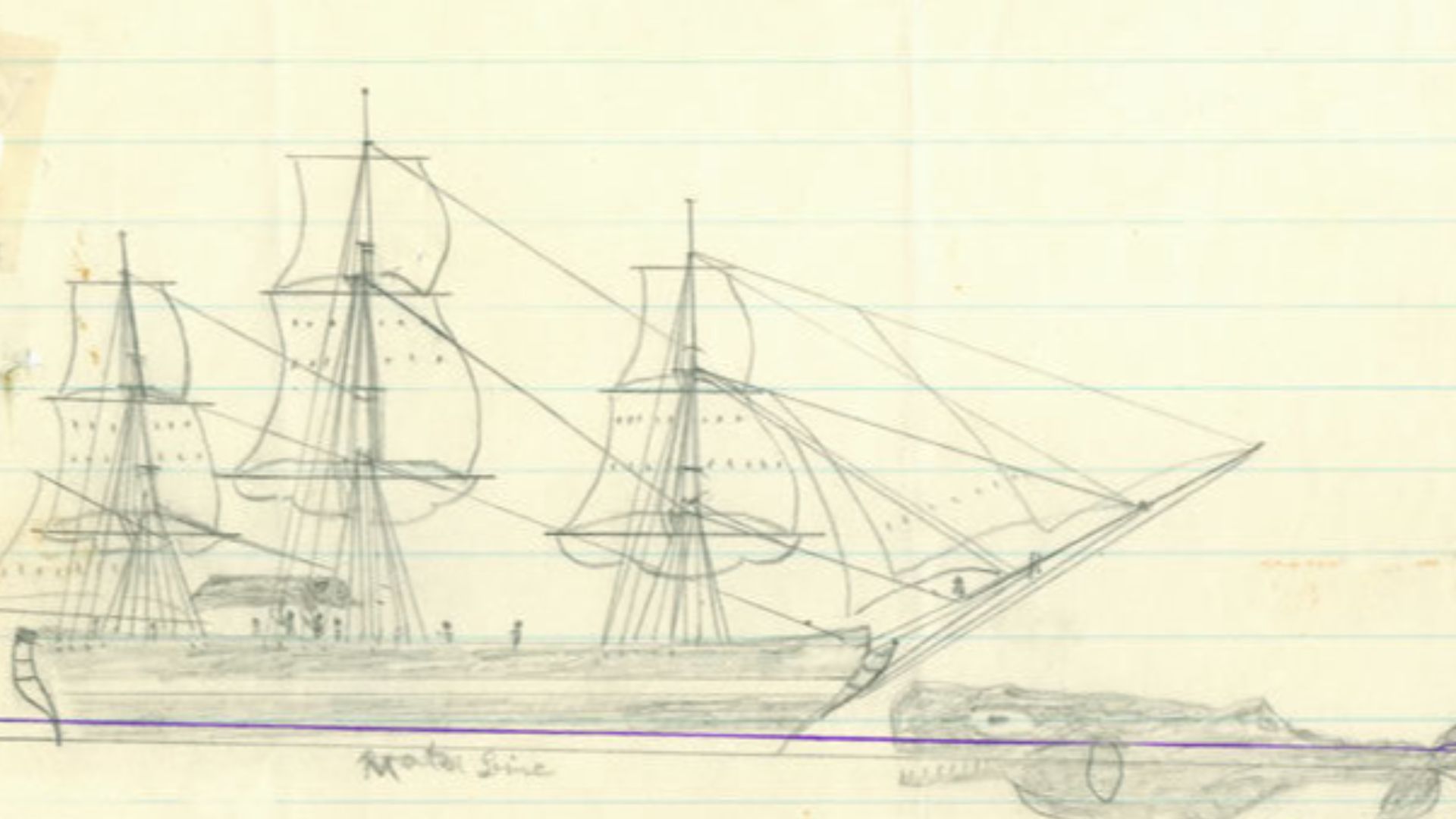
A Whale Sank The Essex (Cont'd)
Years later, Herman Melville encountered accounts of the Essex disaster, including a narrative written by survivor Owen Chase. The story of a whale attacking and sinking a ship became one of the real-world inspirations behind Moby-Dick. Melville transformed the ordeal into a sprawling novel about whaling, obsession, fate, and Captain Ahab's pursuit of the white whale. One extraordinary collision in the middle of the Pacific ultimately helped produce one of the defining works of American literature.
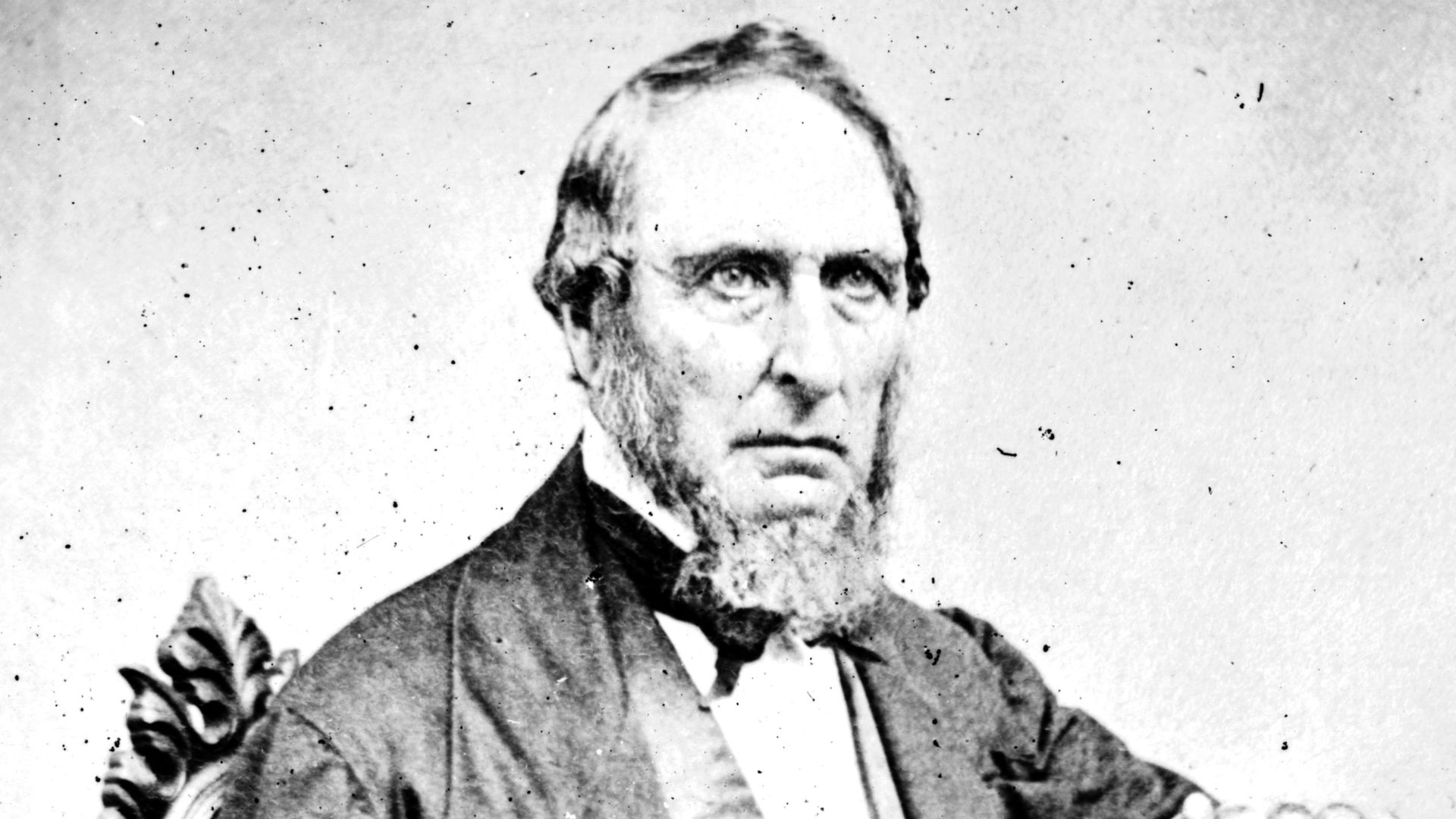 Unknown author, Wikimedia Commons
Edward Lorenz Took A Tiny Shortcut
In 1961, meteorologist Edward Lorenz wanted to repeat part of a computerized weather simulation. Rather than restart the entire calculation, he entered values from a previous printout and let the machine run. The numbers on the printout had been rounded to fewer decimal places than those stored internally by the computer. Lorenz assumed the tiny difference would be meaningless. Instead, the new simulated weather gradually departed so dramatically from the old run that it looked like an entirely different forecast.
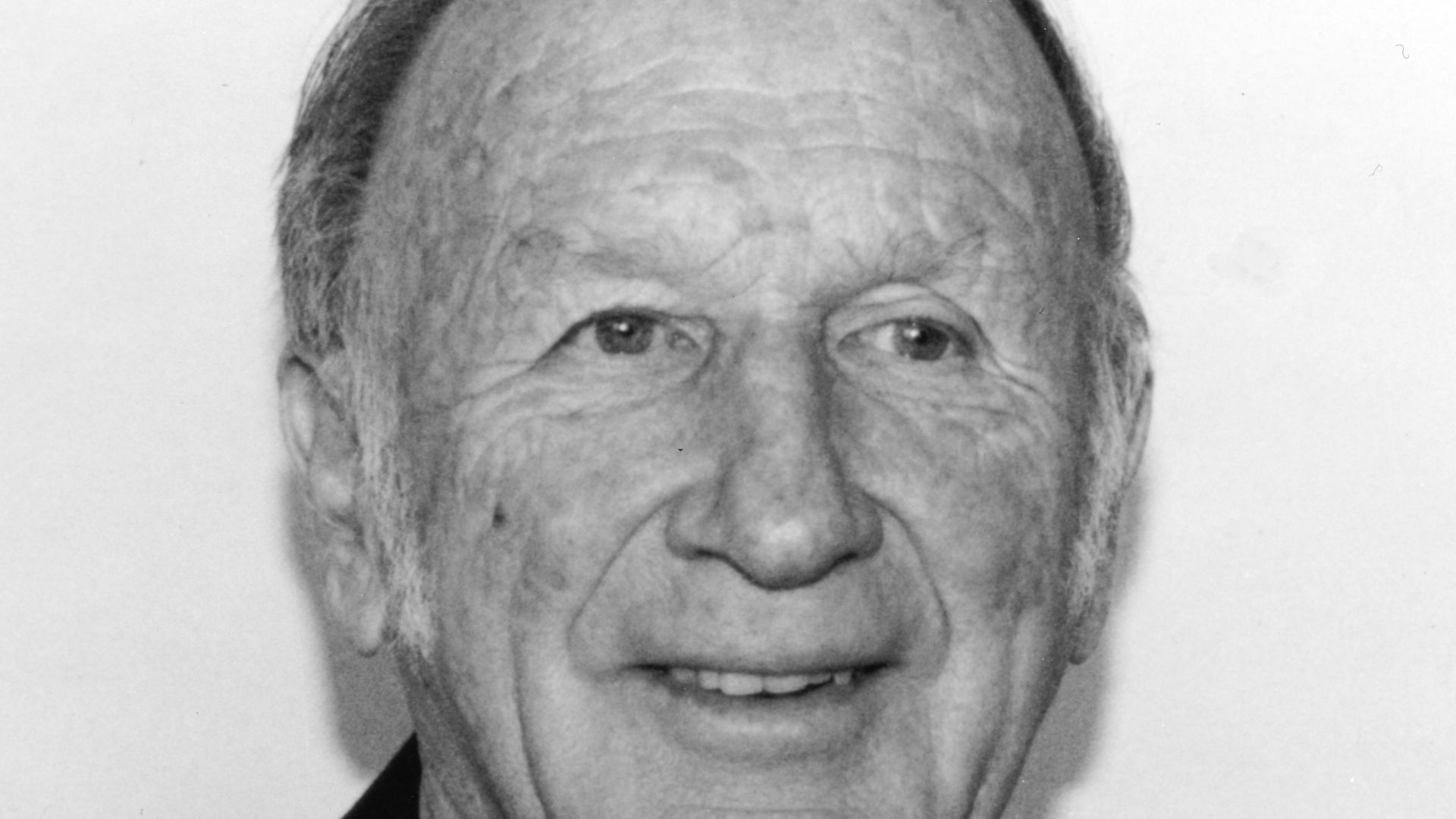 American Geophysical Union (AGU), courtesy of AIP Emilio Segrè Visual Archives, Wikimedia Commons
Edward Lorenz Took A Tiny Shortcut (Cont'd)
Lorenz realized he'd stumbled onto something fundamental about nonlinear systems: extremely small differences in initial conditions could produce enormously different outcomes later. His work became central to chaos theory and eventually inspired the term “butterfly effect.” A rounding shortcut involving a few decimal places helped reshape how scientists think about weather, predictability, and complex systems. The butterfly effect itself was born from a butterfly effect.
 Wikimol, Dschwen, Wikimedia Commons
Ho Chi Minh Tried To Get America’s Attention
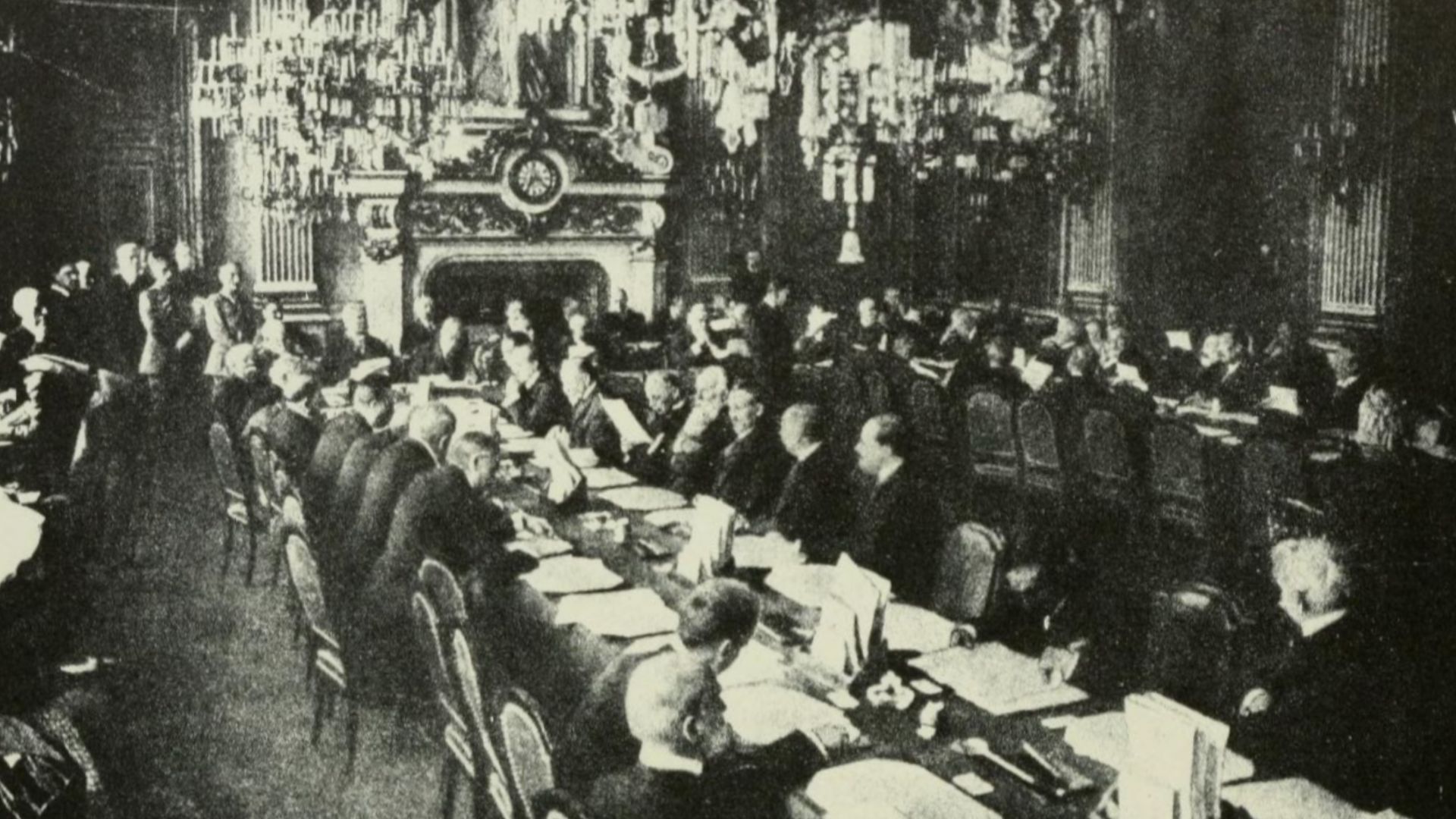
At the 1919 Paris Peace Conference, a young Vietnamese nationalist then known as Nguyen Ai Quoc helped present a petition demanding greater political rights for the Vietnamese under French colonial rule. He hoped principles of self-determination being discussed after World War I might apply to colonized peoples as well. President Woodrow Wilson and other major Western leaders didn't take up the Vietnamese demands. The colonial system in French Indochina remained intact.
Ho Chi Minh Tried To Get America’s Attention (Cont'd)
Nguyen Ai Quoc later became better known as Ho Chi Minh. He moved deeper into communist politics, helped establish the Indochinese Communist Party, led the independence struggle against France, and eventually became the central figure in North Vietnam. Decades later, the United States became deeply involved in a devastating war against the government he helped create. A petition that received little attention in Paris became an eerie opening chapter to one of America's longest and most divisive foreign conflicts.
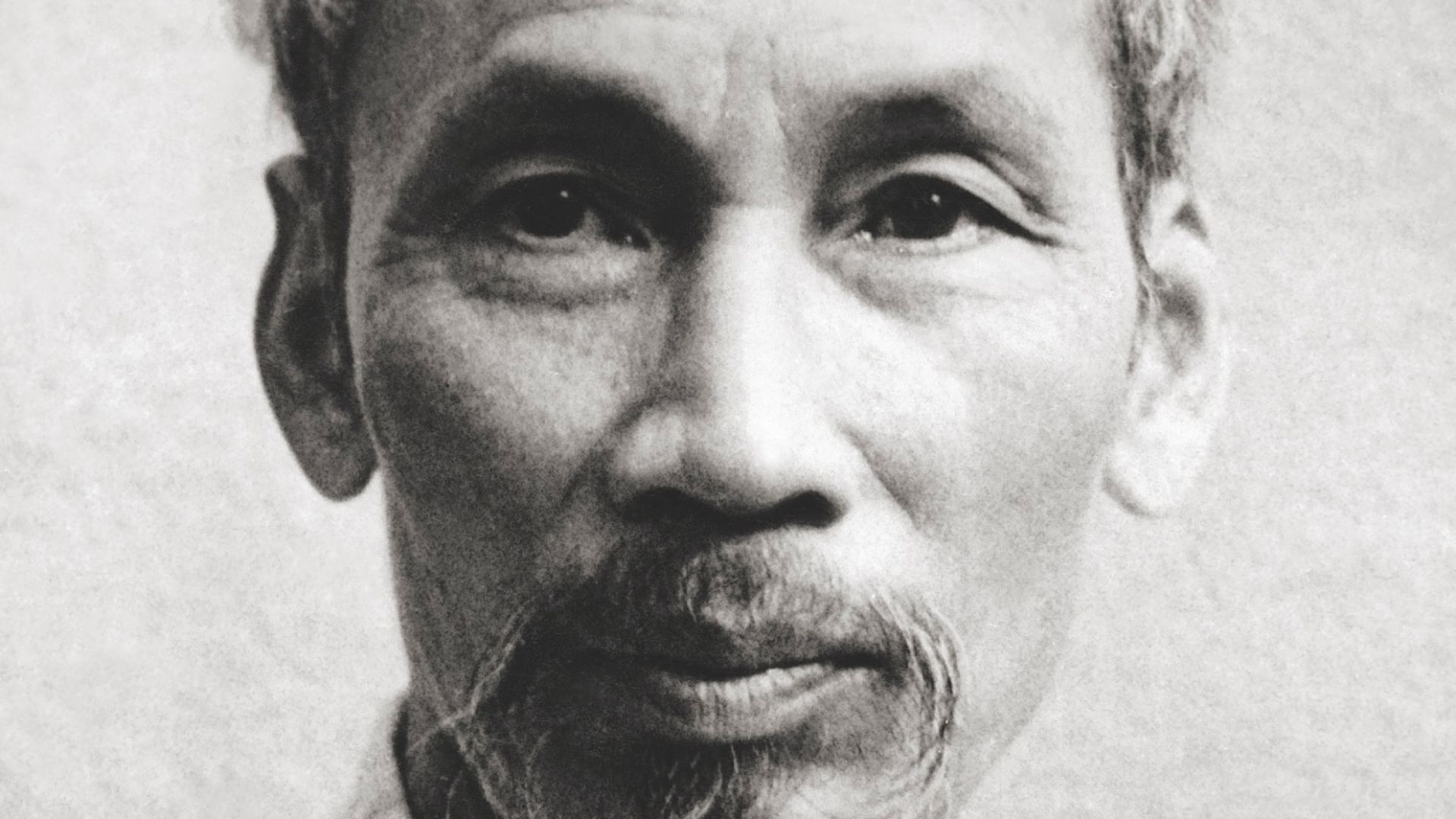 Unknown authorUnknown author, Wikimedia Commons
Postwar Japan Absorbed A Flood Of American Culture
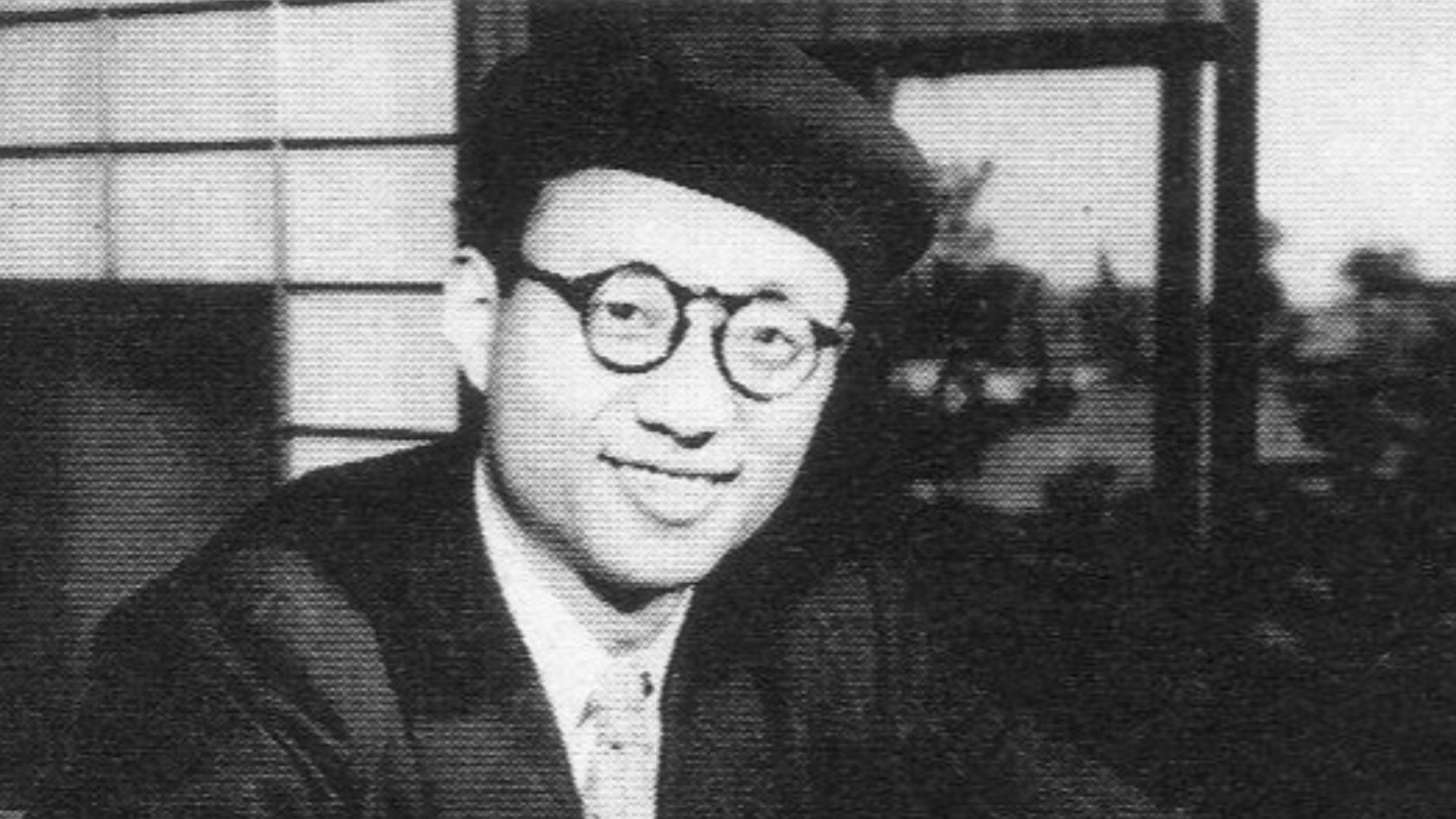
After Japan's defeat in World War II, the Allied occupation brought enormous political, economic, and cultural change. American movies, cartoons, comics, and popular culture became increasingly visible, interacting with Japanese artistic traditions that already stretched back generations. Creators including Osamu Tezuka absorbed influences from Western animation while developing distinctive storytelling techniques of their own. Tezuka's work eventually became foundational to the postwar manga and anime industries.
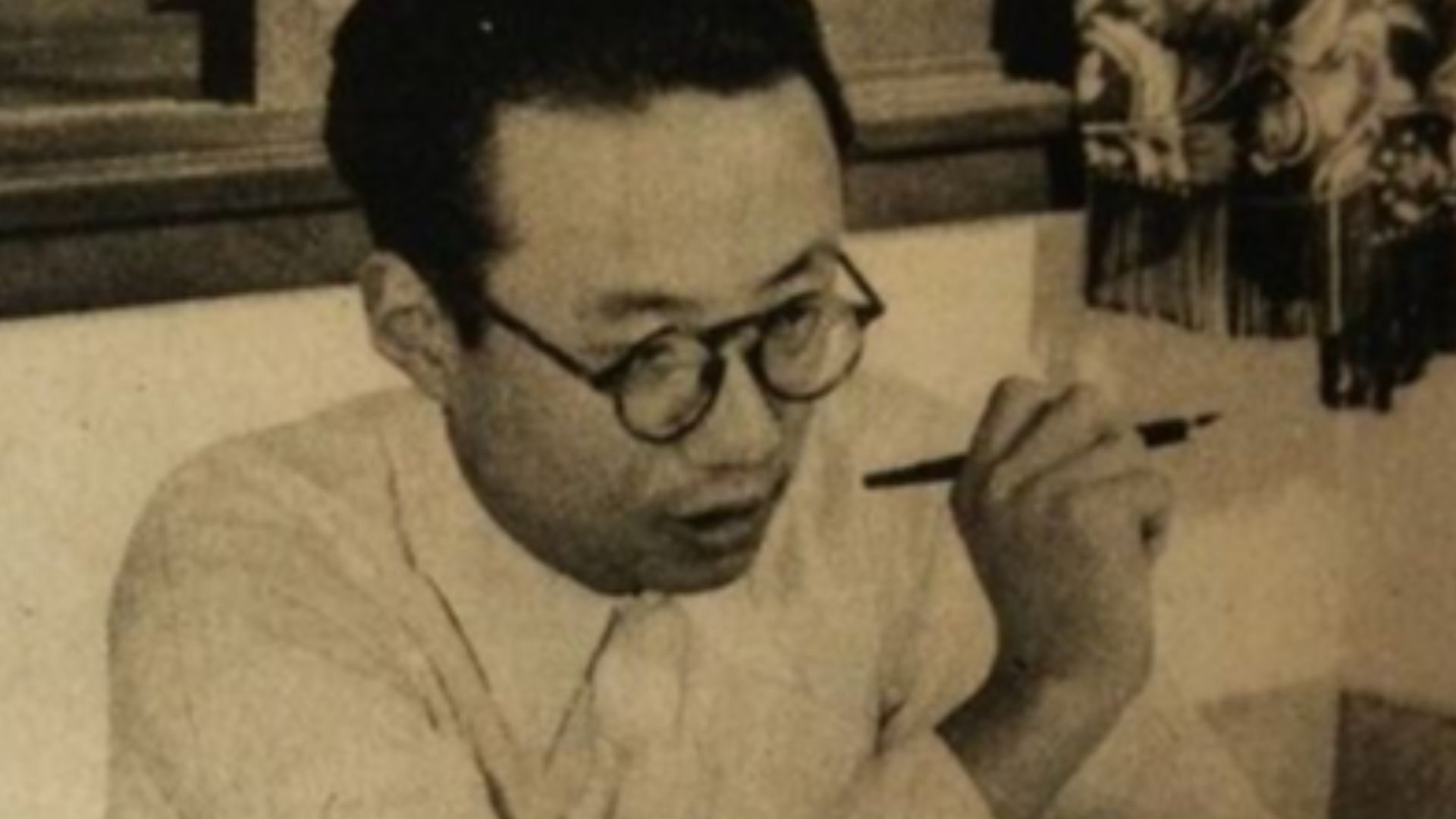
Postwar Japan Absorbed A Flood Of American Culture (Cont'd)
The cultural exchange that followed Japan's defeat helped accelerate a new era of manga and animation. Artists absorbed ideas from Disney and other Western creators, transformed them through Japanese visual traditions, and produced styles that became increasingly distinctive. Those works eventually traveled back across the Pacific, influencing American animation, comics, games, and popular culture in return. A wartime defeat helped set in motion a cultural feedback loop that would reshape entertainment on both sides of the ocean.
 Unknown authorUnknown author, Wikimedia Commons
Cities Really Did Have A Horse Problem
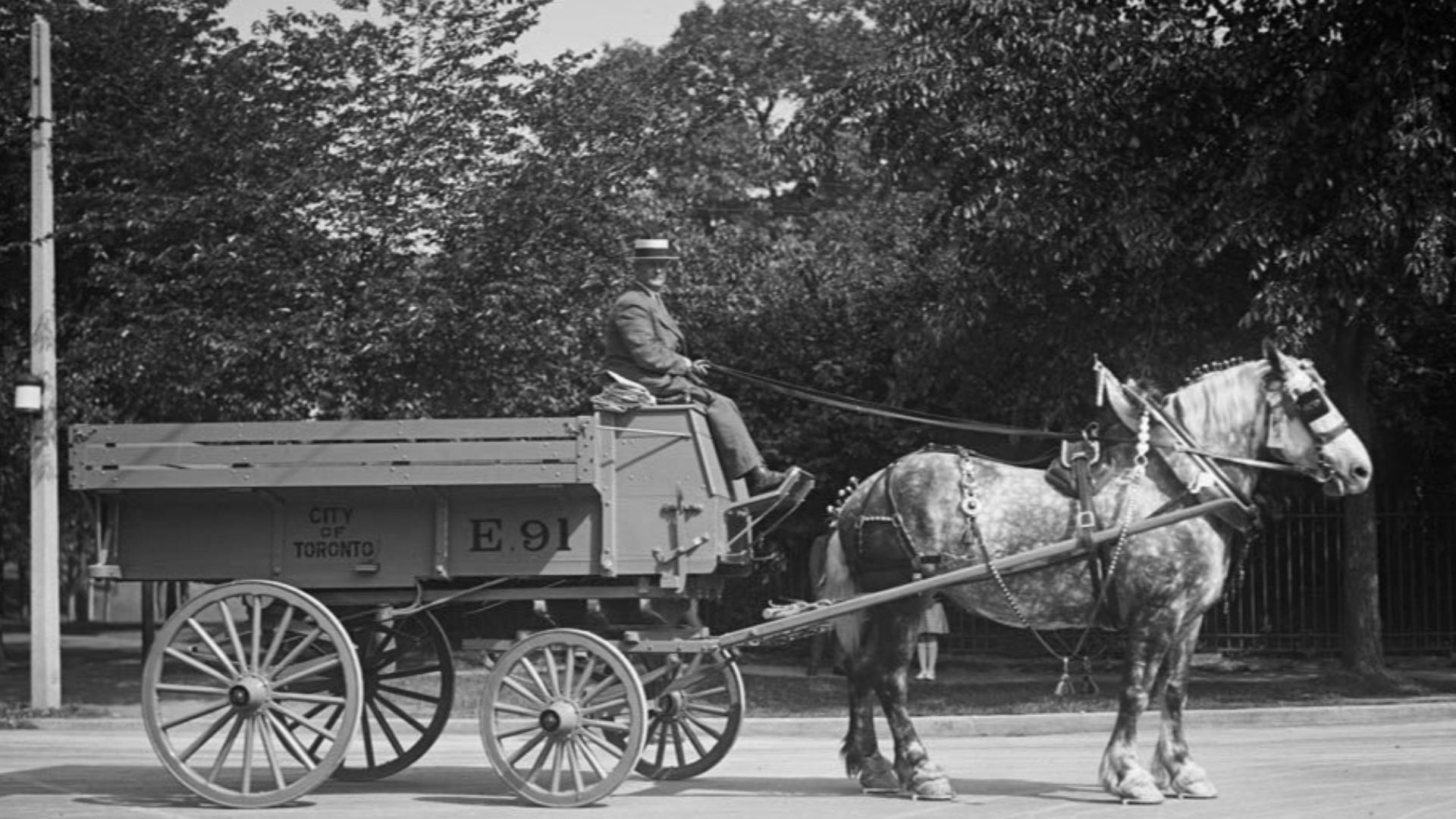
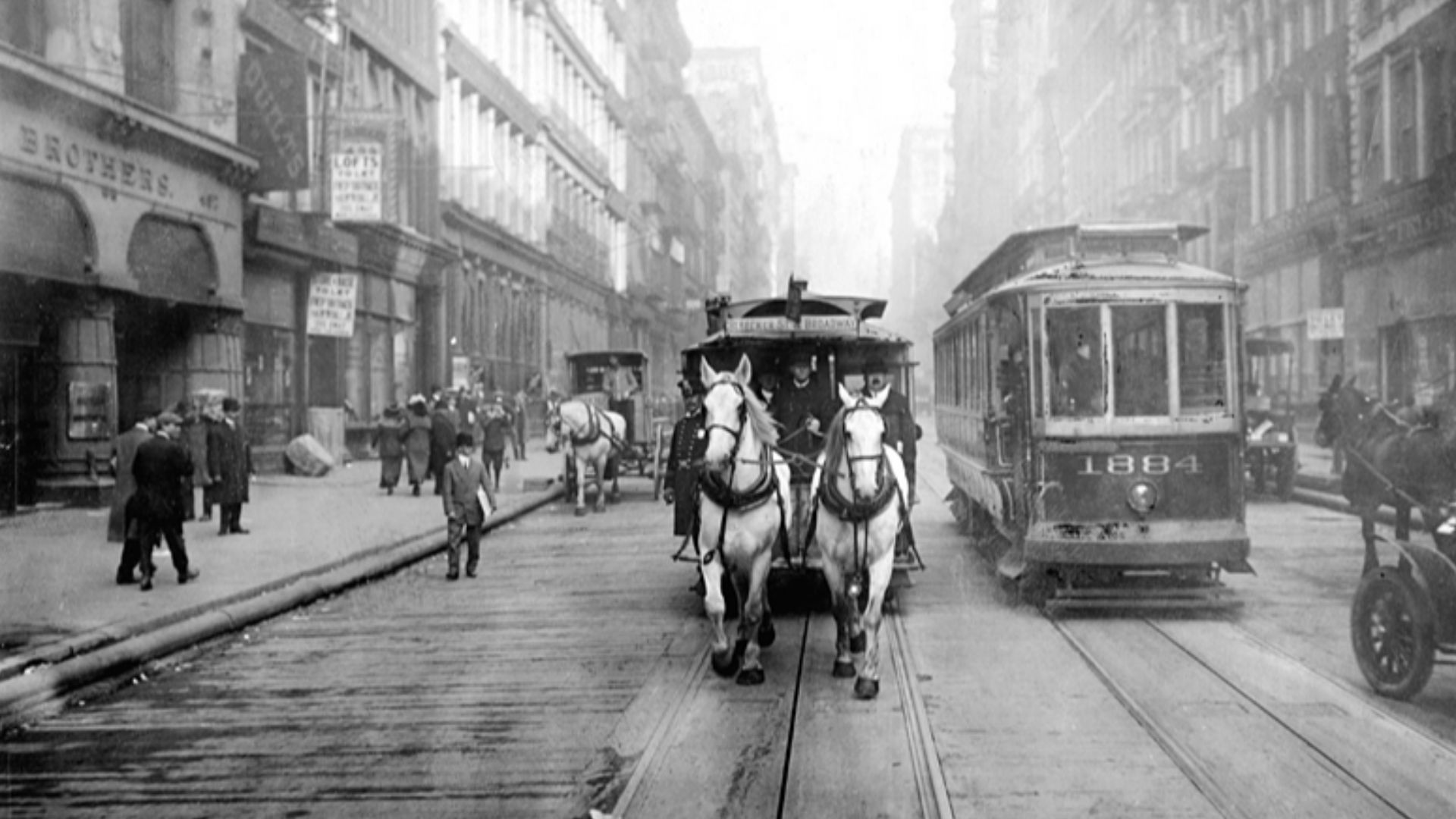
Before automobiles became dominant, major cities depended on enormous numbers of horses to pull streetcars, delivery vehicles, cabs, and private carriages. Those animals produced staggering quantities of manure and urine, while dead horses could remain on streets awaiting removal. Congestion was just as troublesome. Horses were essential to urban life and simultaneously responsible for some of its nastiest problems. As cities grew, the limitations of horse-powered transportation became increasingly obvious.
 Dept.. of Public Works, Wikimedia Commons
Cities Really Did Have A Horse Problem (Cont'd)
The pressure created by crowded, horse-dependent streets helped cities embrace new forms of mass transportation. Underground railways, electric streetcars, automobiles, and improved public transit gradually removed millions of horses from urban roads. Streets became cleaner and transportation faster, while metropolitan areas could spread farther from their old centers. A problem that literally piled up in city streets helped accelerate a transportation revolution that transformed how modern cities were built.
 Credited to The Brown Brothers, Wikimedia Commons
Europeans Became Obsessed With Chinese Porcelain
For centuries, Chinese porcelain was a luxury product Europeans desperately wanted to imitate. Its strength, whiteness, and translucency made it unlike ordinary European pottery, while the secret of producing true hard-paste porcelain remained elusive. European courts and merchants spent heavily importing it, and rulers encouraged alchemists and craftsmen to crack the recipe. That obsession eventually helped produce European porcelain manufacturing, most famously at Meissen in the early 18th century.
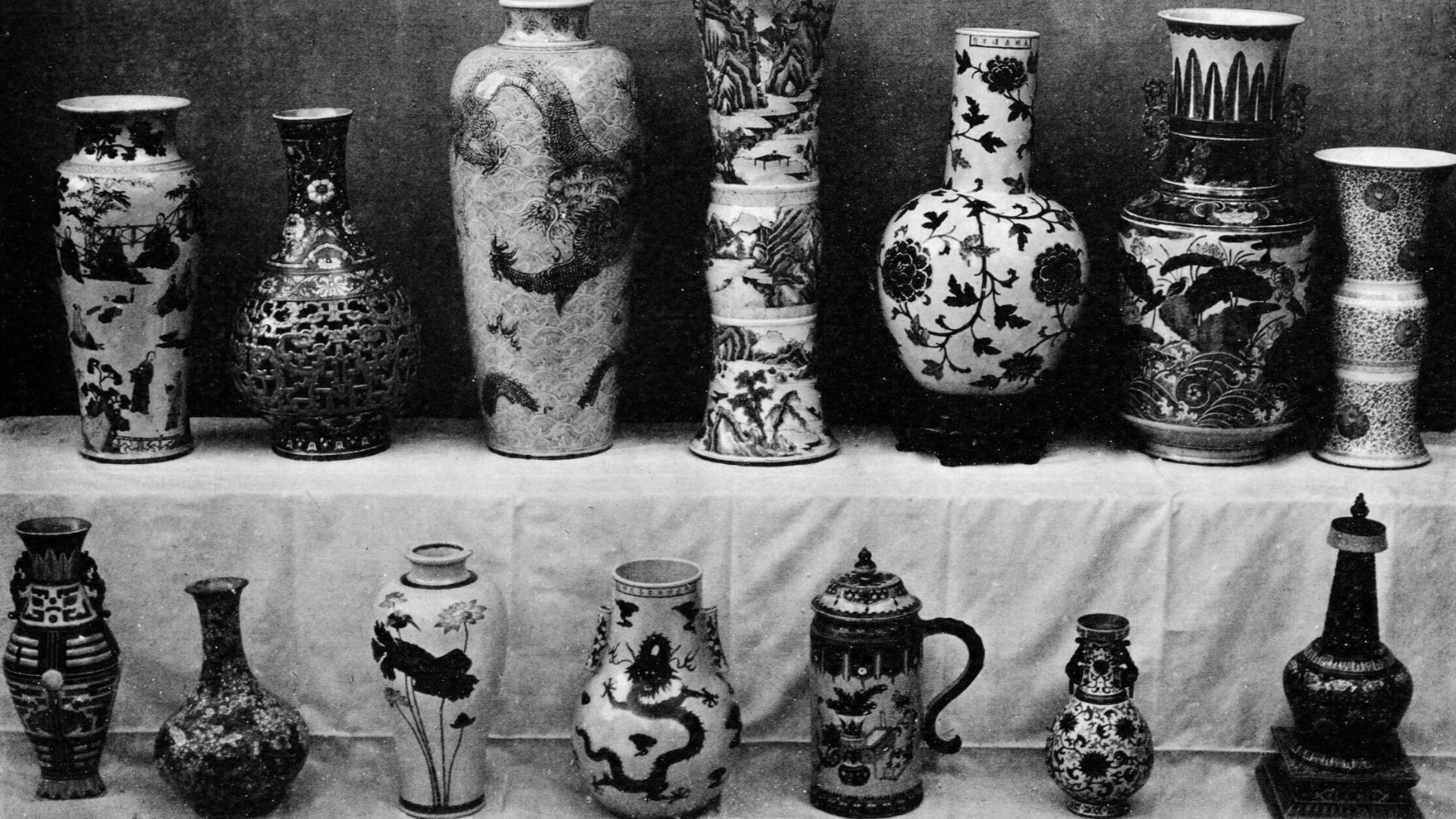 John Thomson, Wikimedia Commons
Europeans Became Obsessed With Chinese Porcelain (Cont'd)
The race to reproduce Chinese porcelain pushed European craftsmen, chemists, and patrons to experiment obsessively with minerals, firing temperatures, and manufacturing methods. In Saxony, Johann Friedrich Böttger and Ehrenfried Walther von Tschirnhaus eventually helped establish a workable European hard-paste porcelain formula. Meissen porcelain followed, launching a new luxury industry and encouraging competing factories across Europe. A desire to imitate imported Chinese tableware ended up transforming European ceramics, manufacturing, design, and luxury consumption.
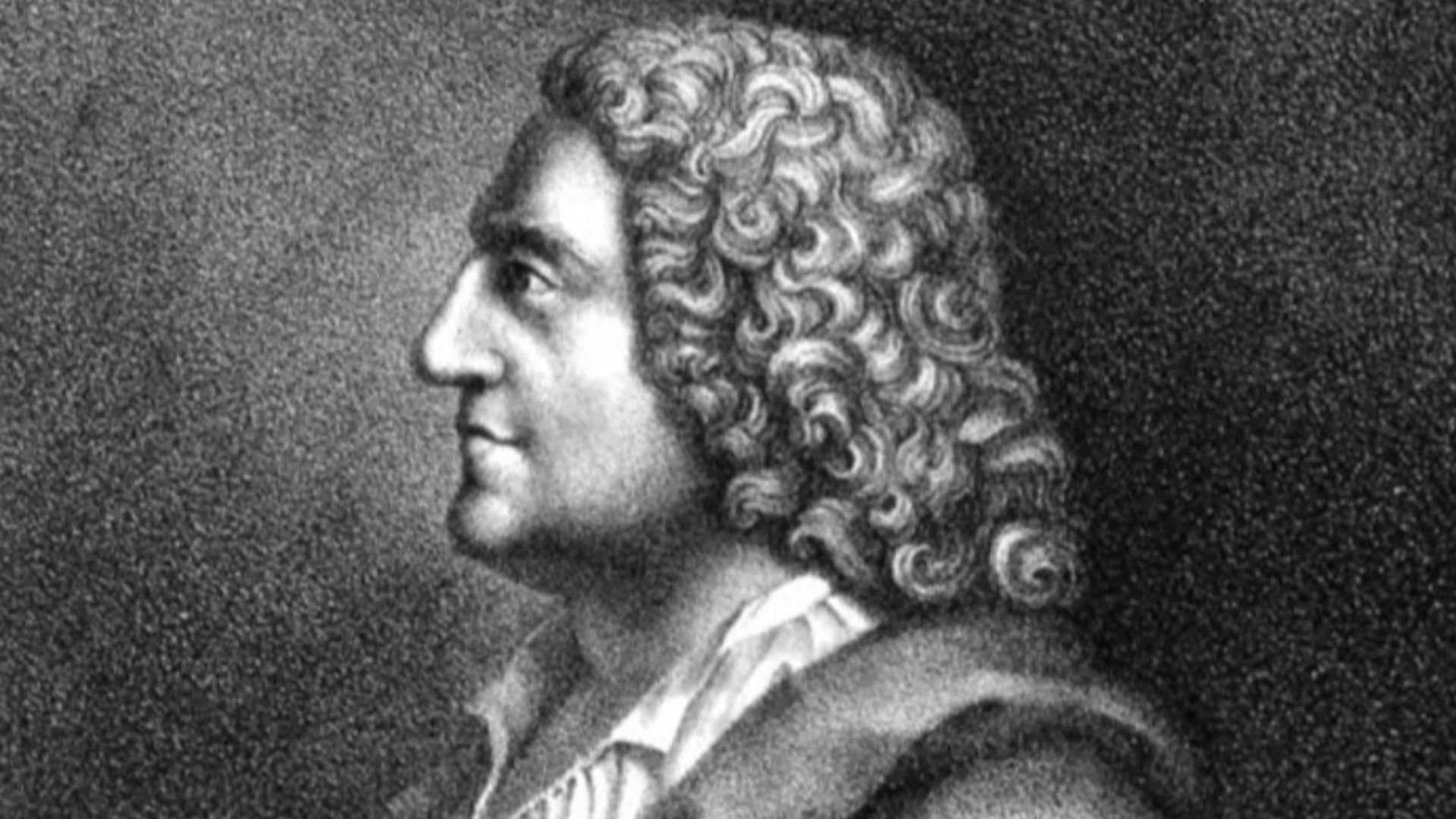 Eduard Sommer, Wikimedia Commons
Columbus Made A Monumental Mathematical Mistake
Christopher Columbus didn't sail west because everyone else thought Earth was flat. Educated Europeans already knew Earth was spherical. His gamble depended instead on badly underestimating its size and exaggerating how far east Asia extended. Columbus convinced himself that sailing west from Europe would bring Asia within manageable reach. Other experts were skeptical for good reason. If the Americas hadn't stood between Europe and Asia, his expedition might have run out of supplies long before reaching its intended destination.
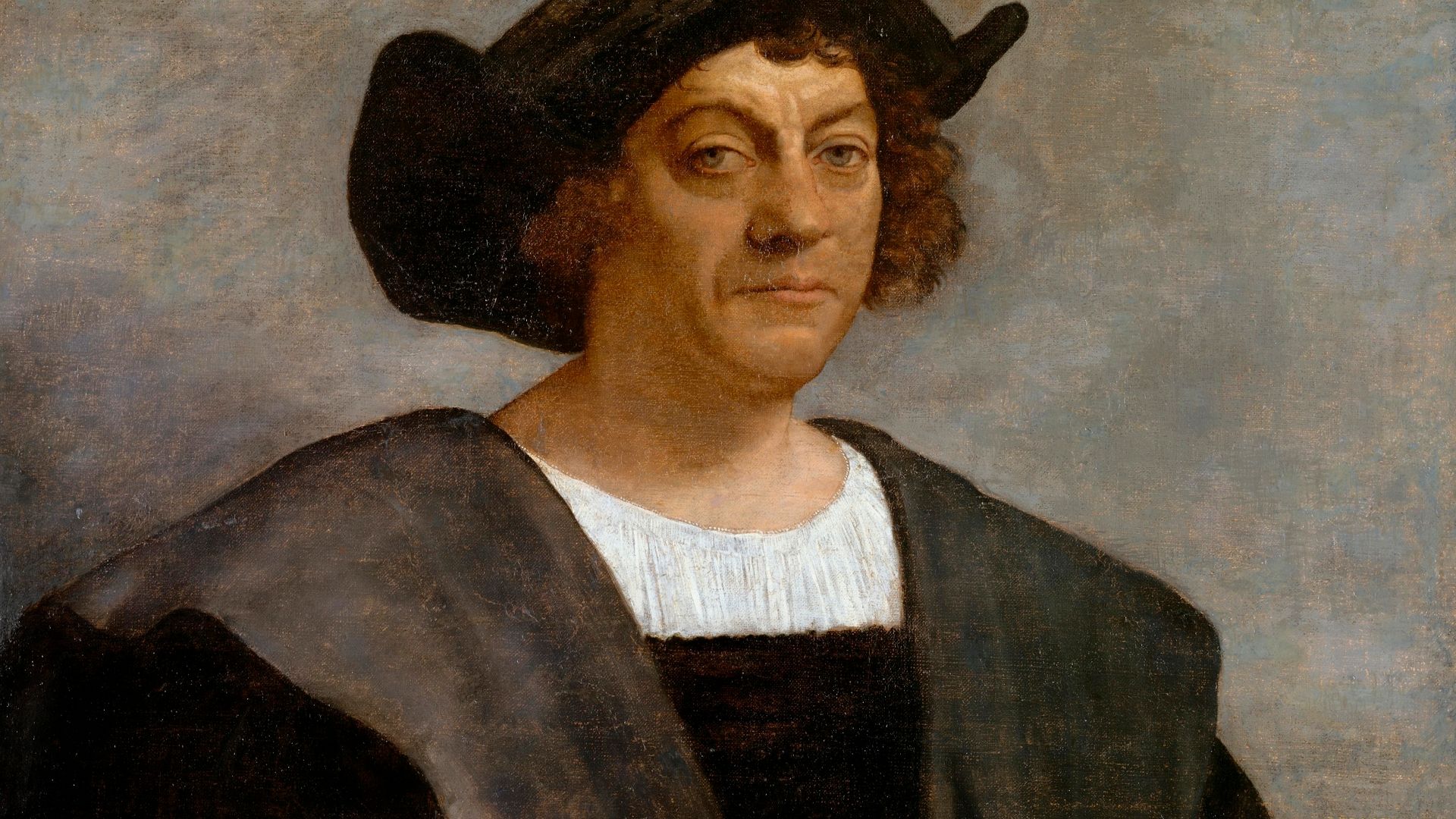 Sebastiano del Piombo, Wikimedia Commons
Columbus Made A Monumental Mathematical Mistake (Cont'd)
Columbus reached islands in the Caribbean in October 1492 while still believing he had reached lands associated with Asia. His geographical mistake helped initiate sustained European contact with the Americas. What followed included conquest, colonization, the Columbian Exchange, catastrophic epidemics among Indigenous peoples, forced labor, transatlantic slavery, and enormous movements of people, plants, animals, and wealth. One enormous miscalculation about the size of the planet helped redirect global history.
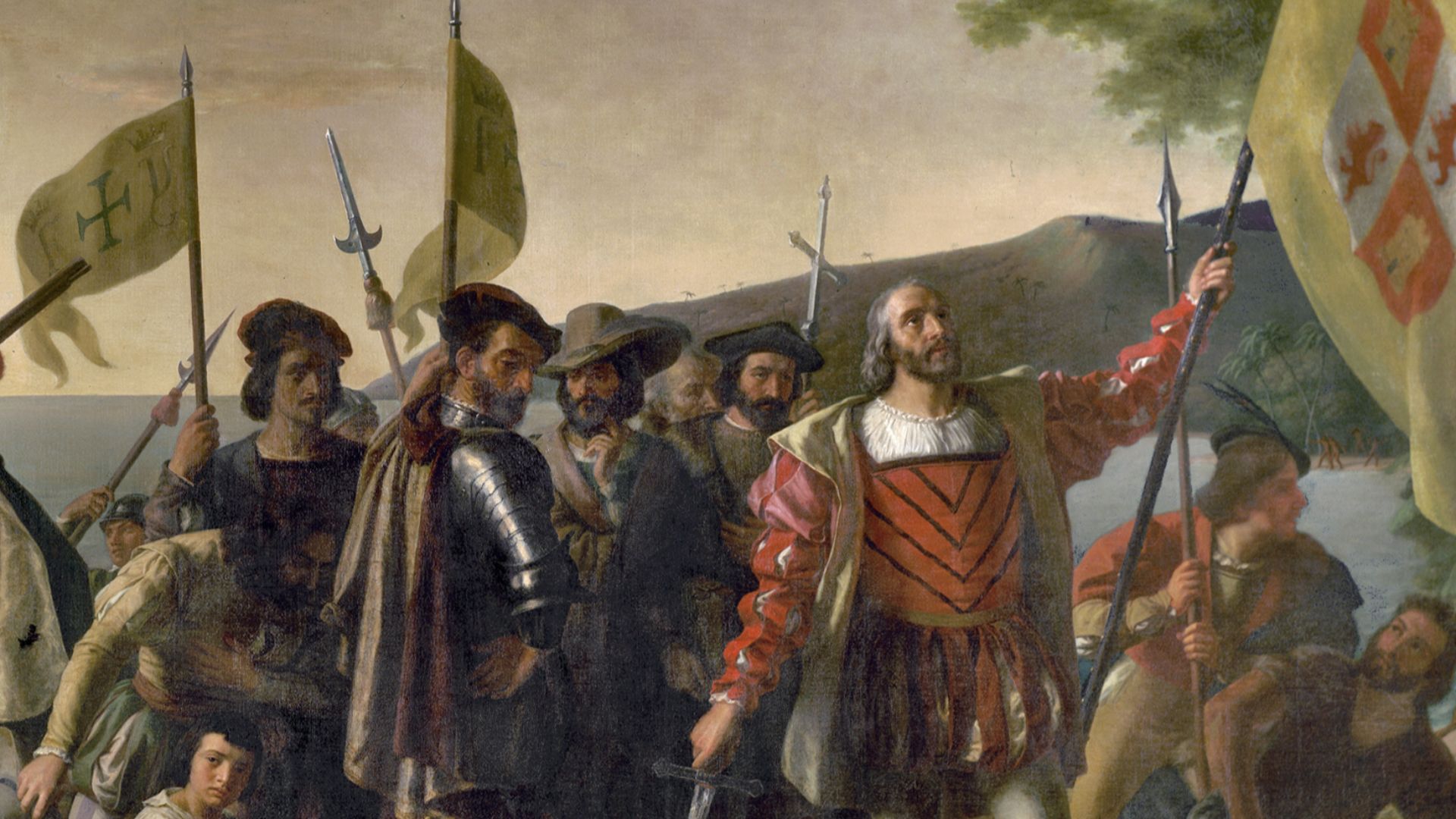 John Vanderlyn, Wikimedia Commons
You May Also Like:
Strange Historical Coincidences That Are Almost Impossible To Believe
Infamous Typos That Changed History Forever—Including One That Rewrote The Bible
The Forgotten Origins Of Simple Manners That Most Americans Still Follow Without Knowing Why