The Typos That Changed History Forever
History is usually shaped by kings, presidents, inventors, and explorers. But every now and then, someone accidentally leaves out a letter, adds an extra comma, or hits the wrong key—and chaos follows. Some typos have cost millions, embarrassed world leaders, confused entire generations, and even changed famous books. Proofreaders everywhere, this one's for you.
NASA's Million-Dollar Typo
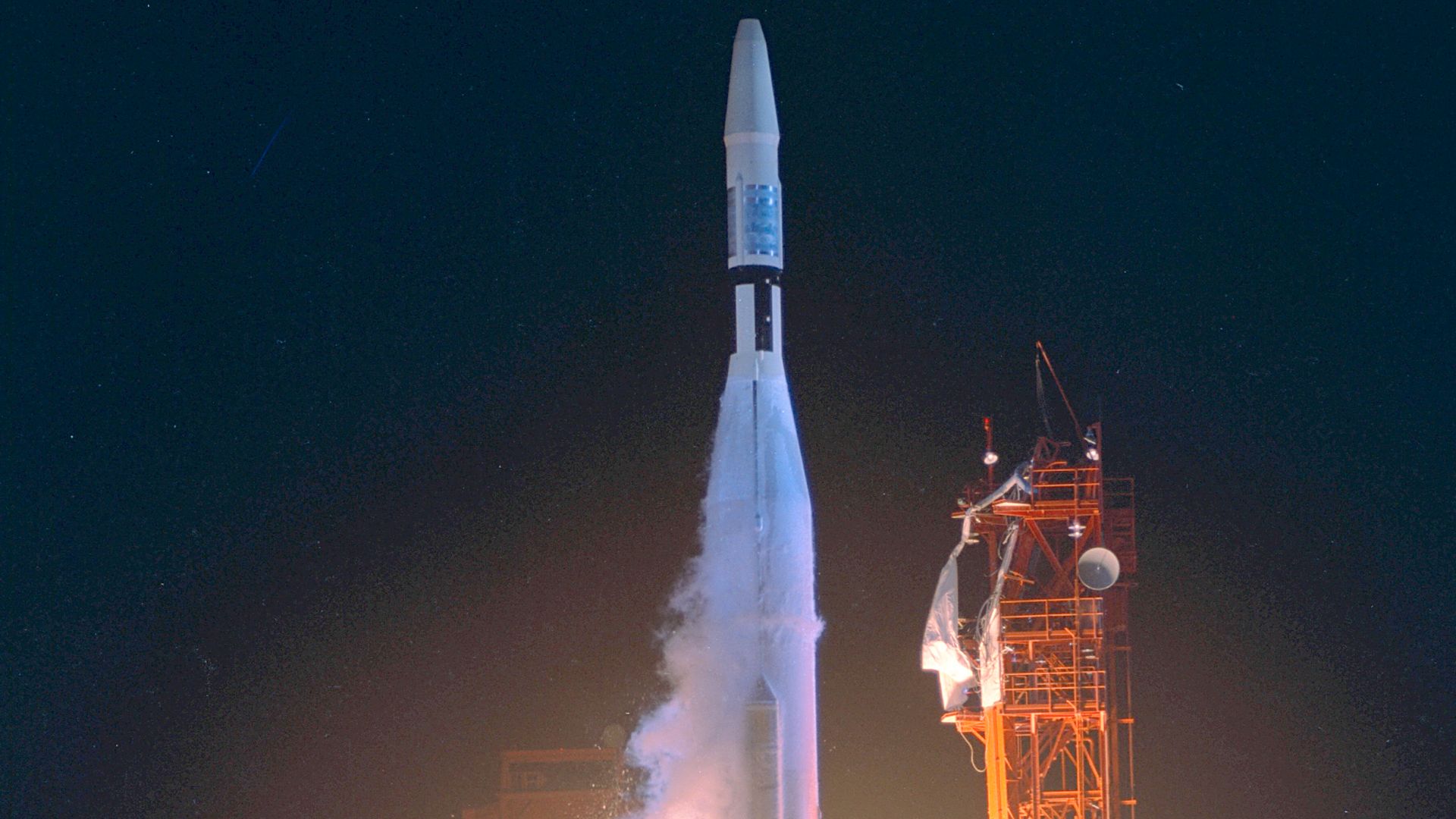
NASA's Mariner 1 mission was supposed to head toward Venus in 1962. Instead, just minutes after launch from Cape Canaveral, engineers had to destroy the spacecraft after it drifted off course.
The problem was traced to a tiny transcription error in the guidance equations, often described as a missing overbar. Science-fiction writer Arthur C Clarke later nicknamed it "the most expensive hyphen in history." That's one expensive typo.
The Missing Comma That Cost a Fortune
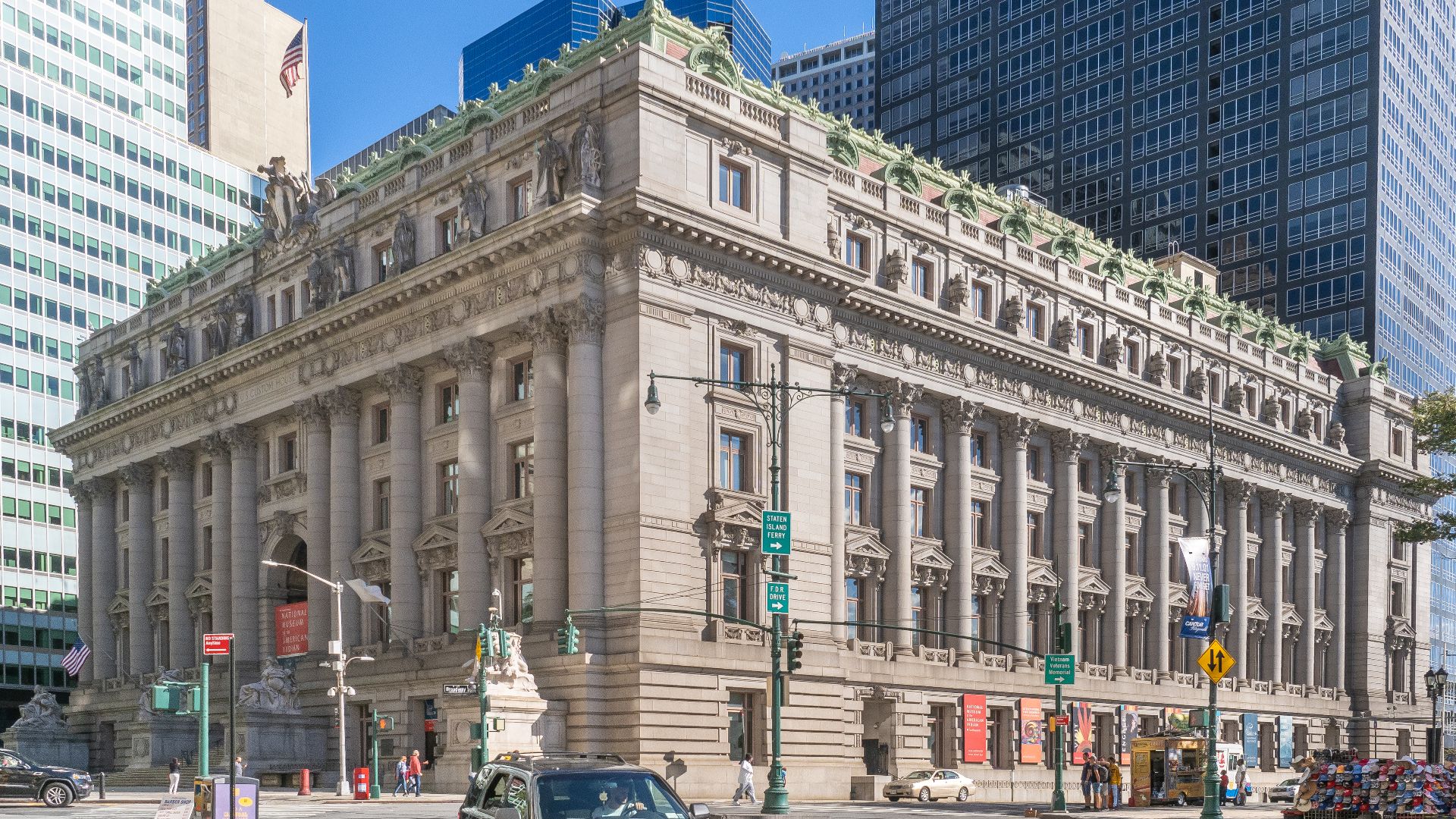
Congress learned the hard way that punctuation matters. In the 1872 US Tariff Act, one missing comma accidentally exempted imported fruit plants from customs duties.
Importers happily took advantage of the mistake before lawmakers finally corrected it. By then, the government had reportedly lost millions in revenue—all because one little comma decided to take the day off.
 ajay_suresh, Wikimedia Commons
A Stock Trade Gone Spectacularly Wrong
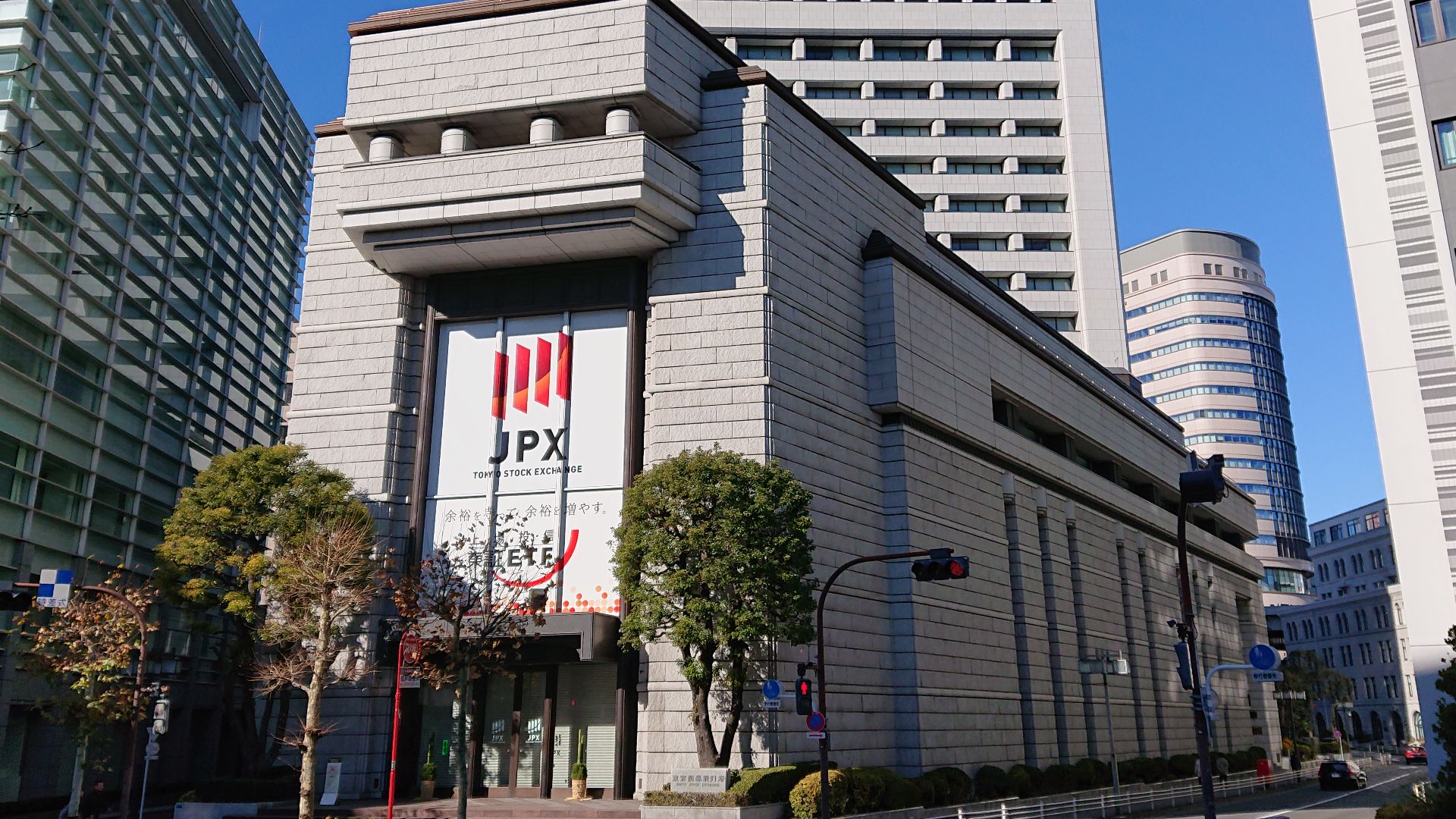
In 2005, trader Mizuho Securities intended to sell one share of a Japanese company for ¥610,000. Instead, someone entered an order to sell 610,000 shares for ¥1 each.
Oops.
The Tokyo Stock Exchange couldn't stop the order in time, and the mistake reportedly cost more than $200 million. Somewhere, a keyboard probably wanted a vacation afterward.
Moses Became... Mouses?
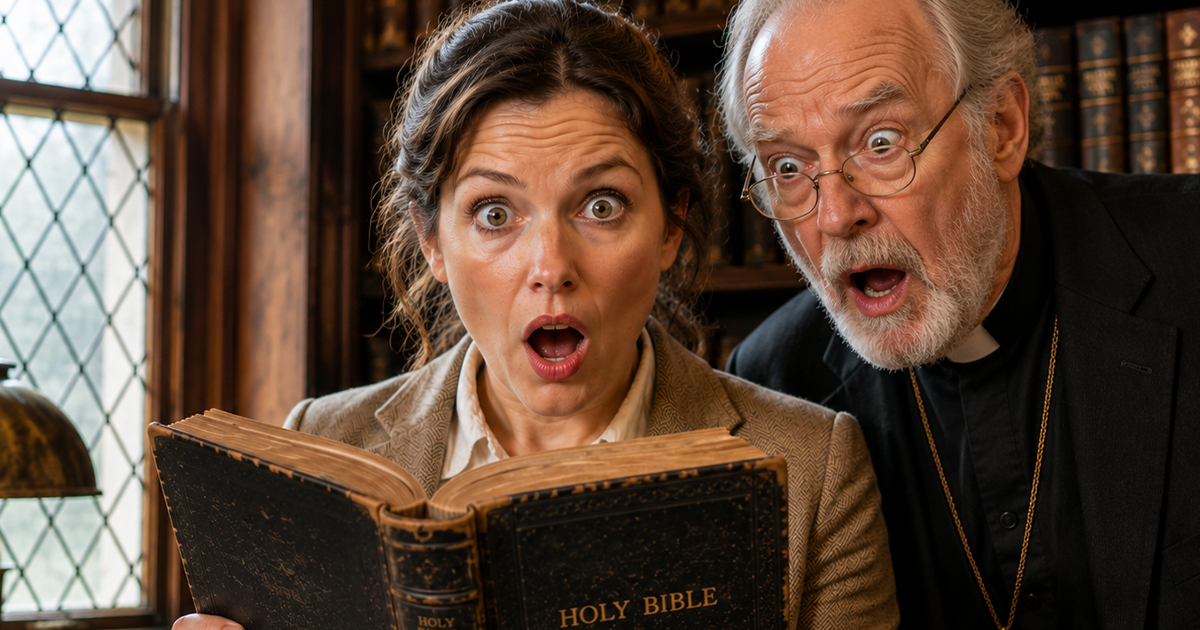
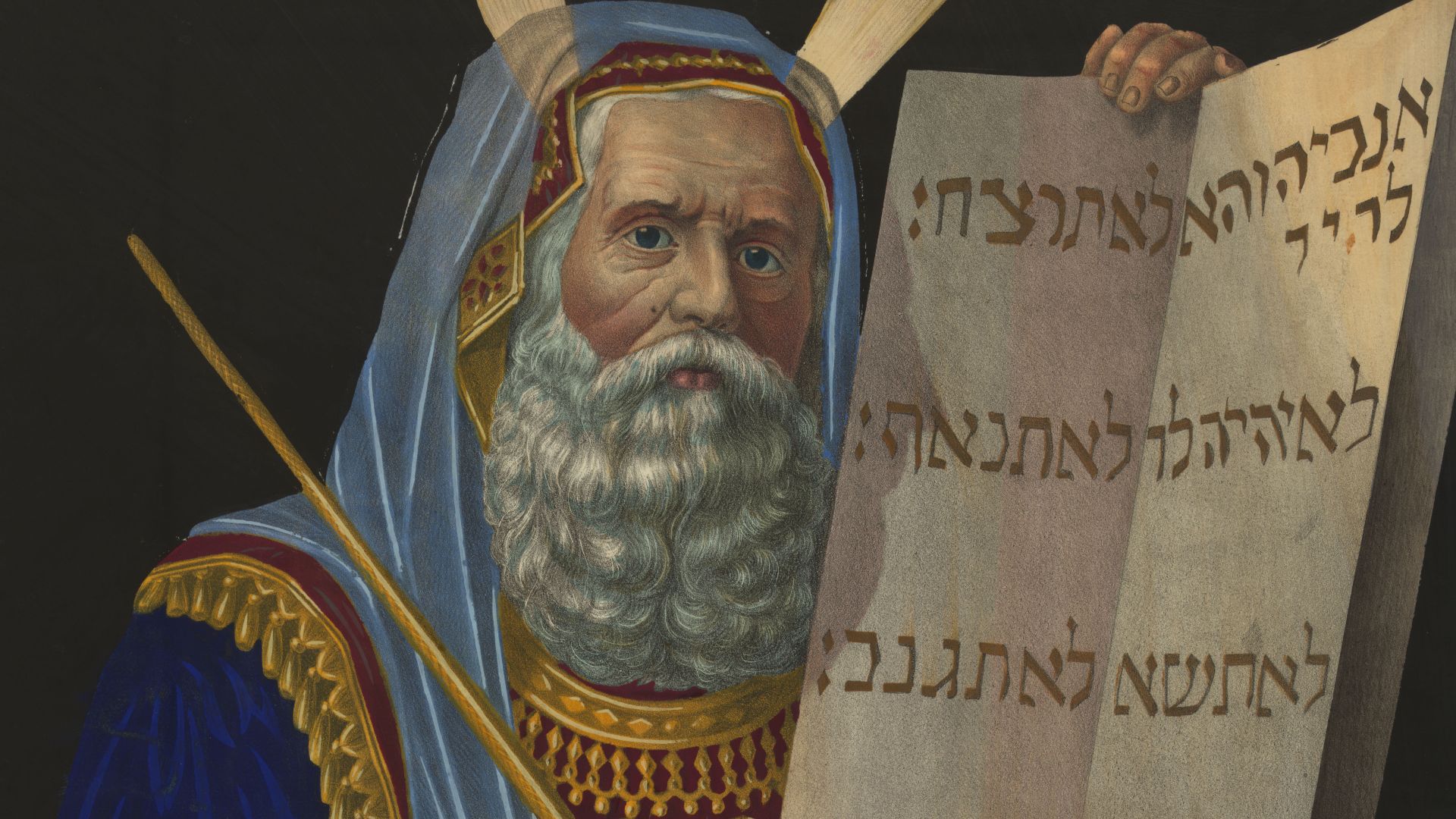
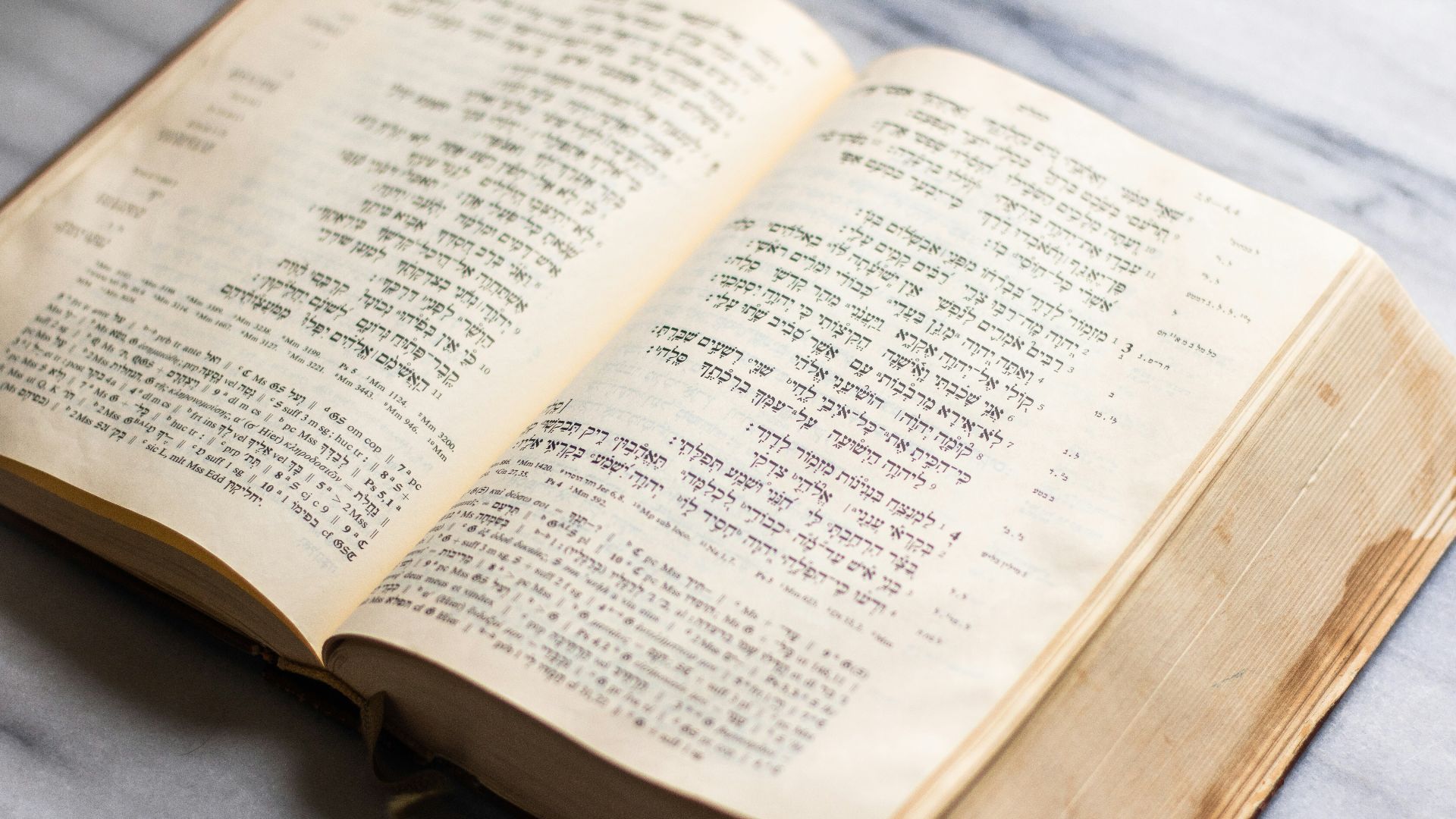
The 1702 "Printers' Bible" introduced readers to a brand-new biblical figure: "Mouses."
A simple typesetting mistake transformed Moses into something that sounded much smaller and fuzzier. Thankfully, readers understood who was actually leading the Israelites, but the embarrassing typo gave the edition a permanent place in printing history.
 Henry Schile, Wikimedia Commons
The Bible With Vinegar Instead of Vineyards
Oxford University Press produced another memorable mistake in 1717.
Instead of referring to the "Parable of the Vineyard" in Luke 20, a chapter heading called it the "Parable of the Vinegar." The biblical text itself was correct, but the nickname stuck forever. Sometimes one sour mistake is all it takes.
Ye Olde Was Never Actually Ye
Those charming shops called "Ye Olde Tavern" aren't quite as historically accurate as they seem.
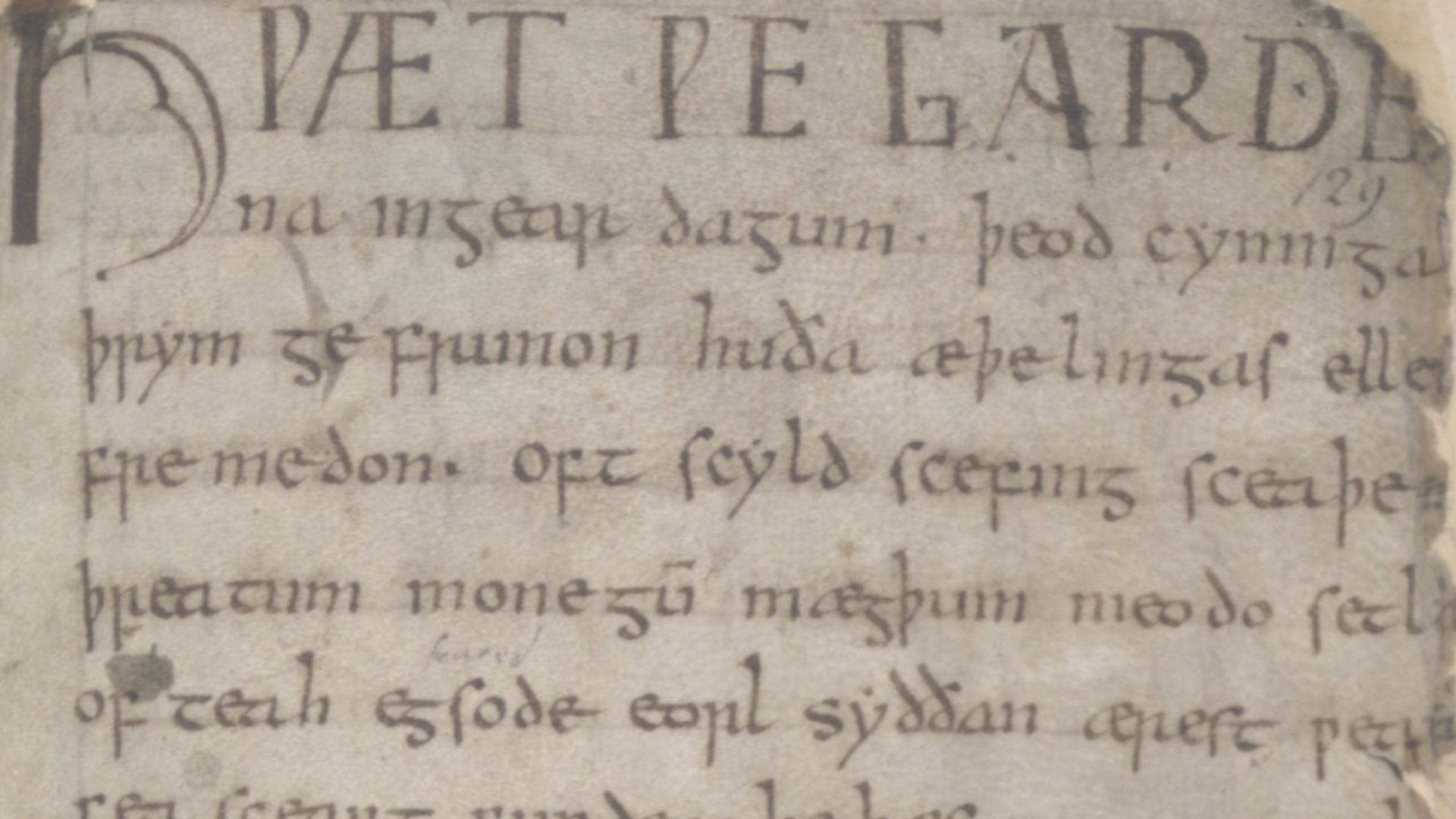
Early printers replaced the Old English letter "thorn," which represented the "th" sound, with the letter "Y" because the original character wasn't available in many typefaces. People eventually assumed it was pronounced "yee," when it was always meant to be "the."
The Stamp That Became a Collector's Dream
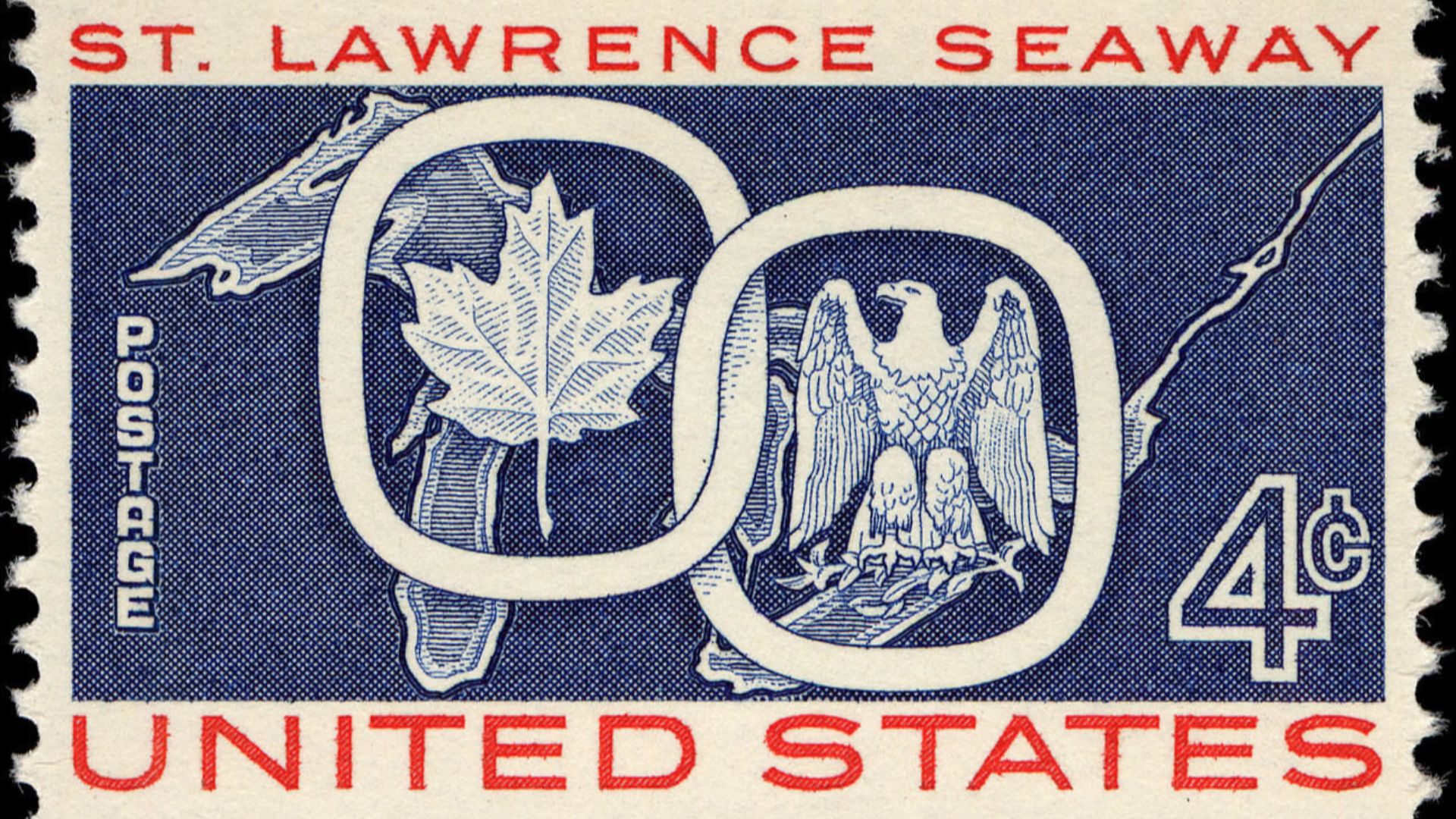
In 1959, Canada released stamps celebrating the St Lawrence Seaway. Some early printings accidentally omitted part of the identifying text.
Most people probably never noticed, but stamp collectors certainly did. Today, those printing errors are worth far more than the postage printed on them.
When Maps Created New Places
Before GPS, printed maps were considered the final word on geography. Unfortunately, they weren't always right.
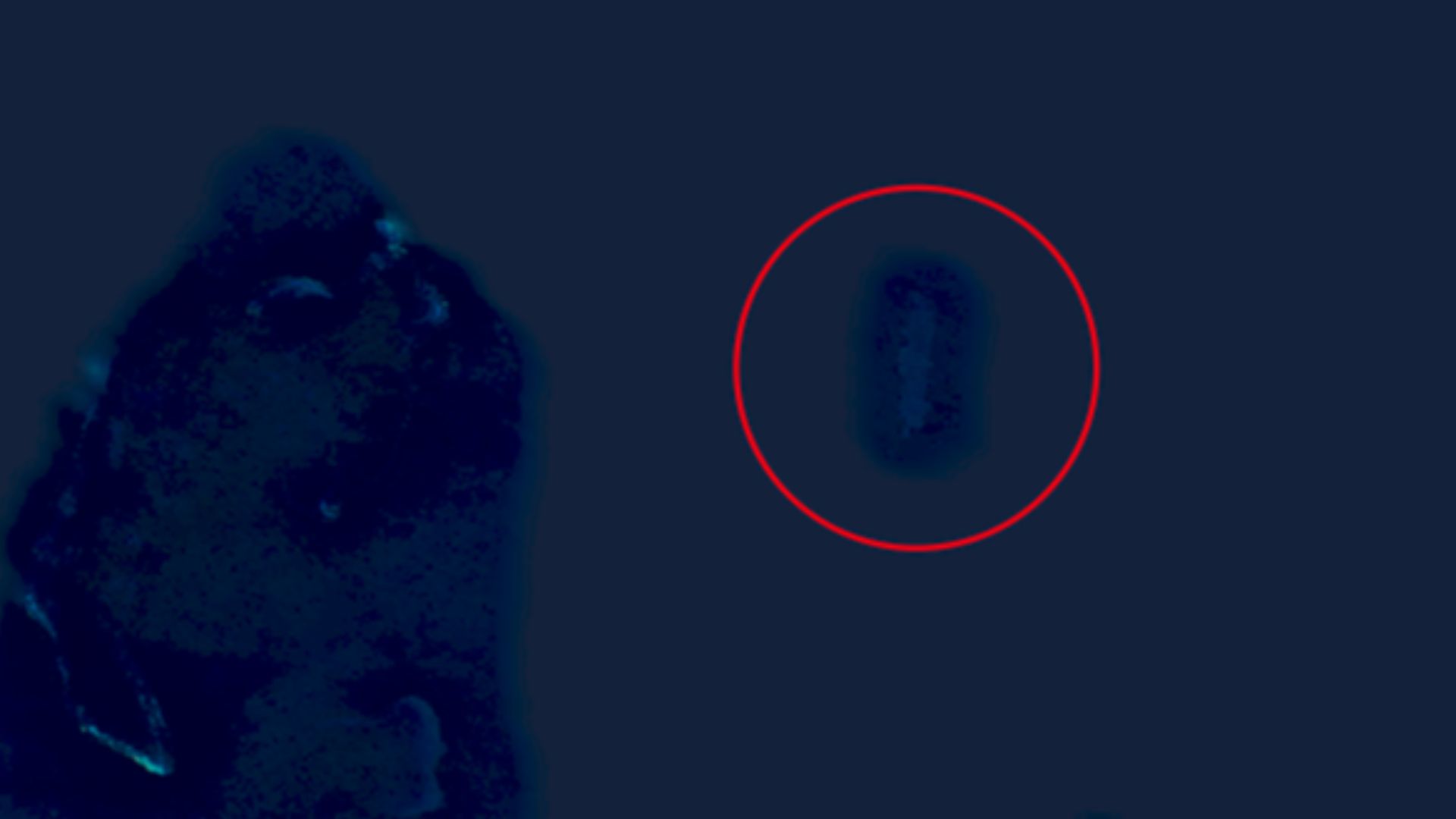
For decades, maps showed Sandy Island in the Coral Sea between Australia and New Caledonia. In 2012, Australian researchers sailed directly to its supposed location and discovered... nothing. The island had appeared on maps for over a century because of an old cartographic error that had simply been copied repeatedly.

History's most fascinating stories and darkest secrets, delivered to your inbox daily.
Dictionaries Aren't Perfect Either
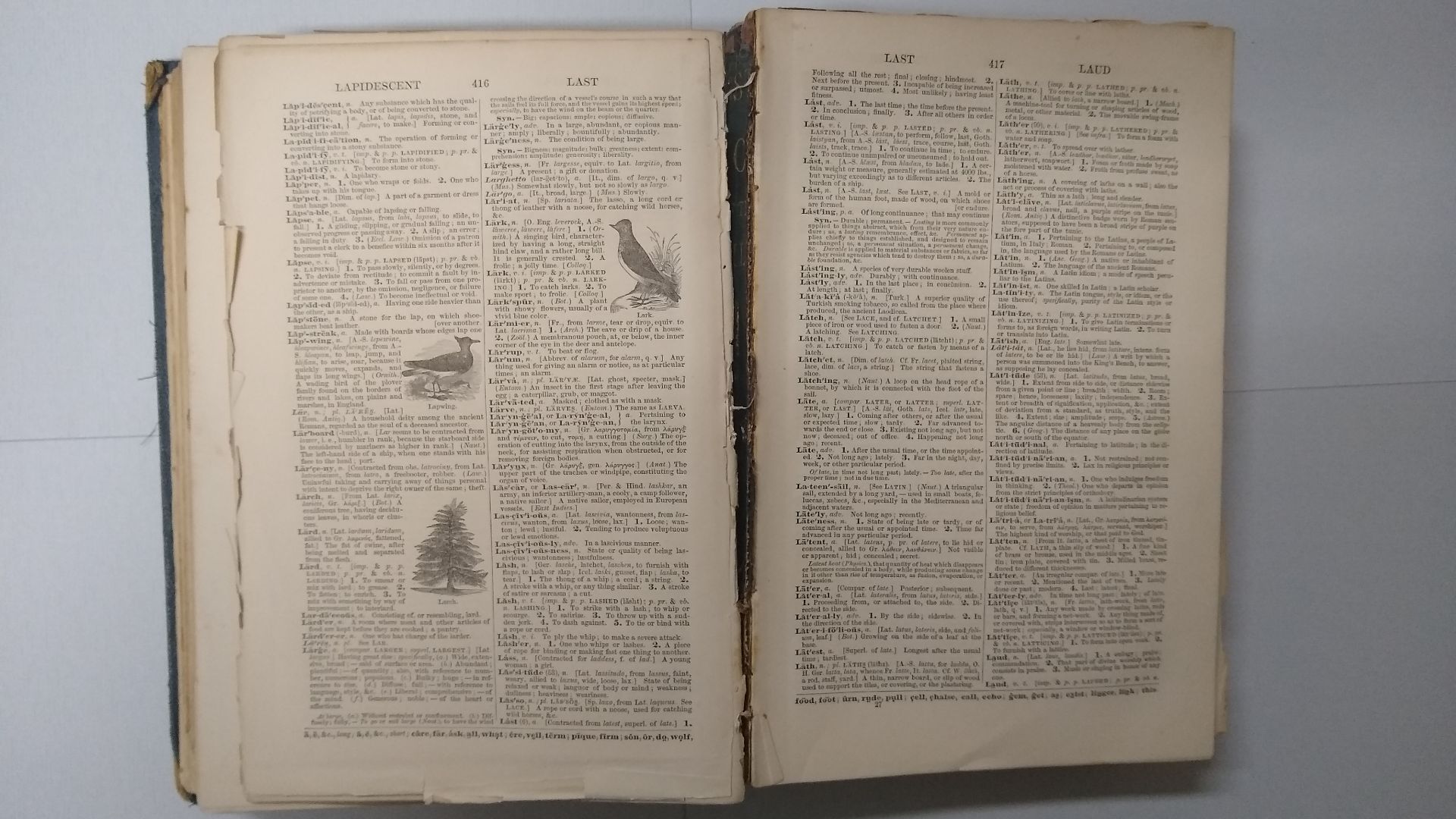
You'd think dictionaries would be immune to spelling mistakes. You'd be wrong.
In 1934, Webster's New International Dictionary accidentally included the word "dord," defining it as "density." The editors later discovered it wasn't a real word at all. Someone had misread the notation "D or d" (abbreviations for density) as a single word.
"Dord" remained in the dictionary for about five years before anyone realized the mistake.
 Mauro Cateb, Wikimedia Commons
One Comma, Millions of Dollars
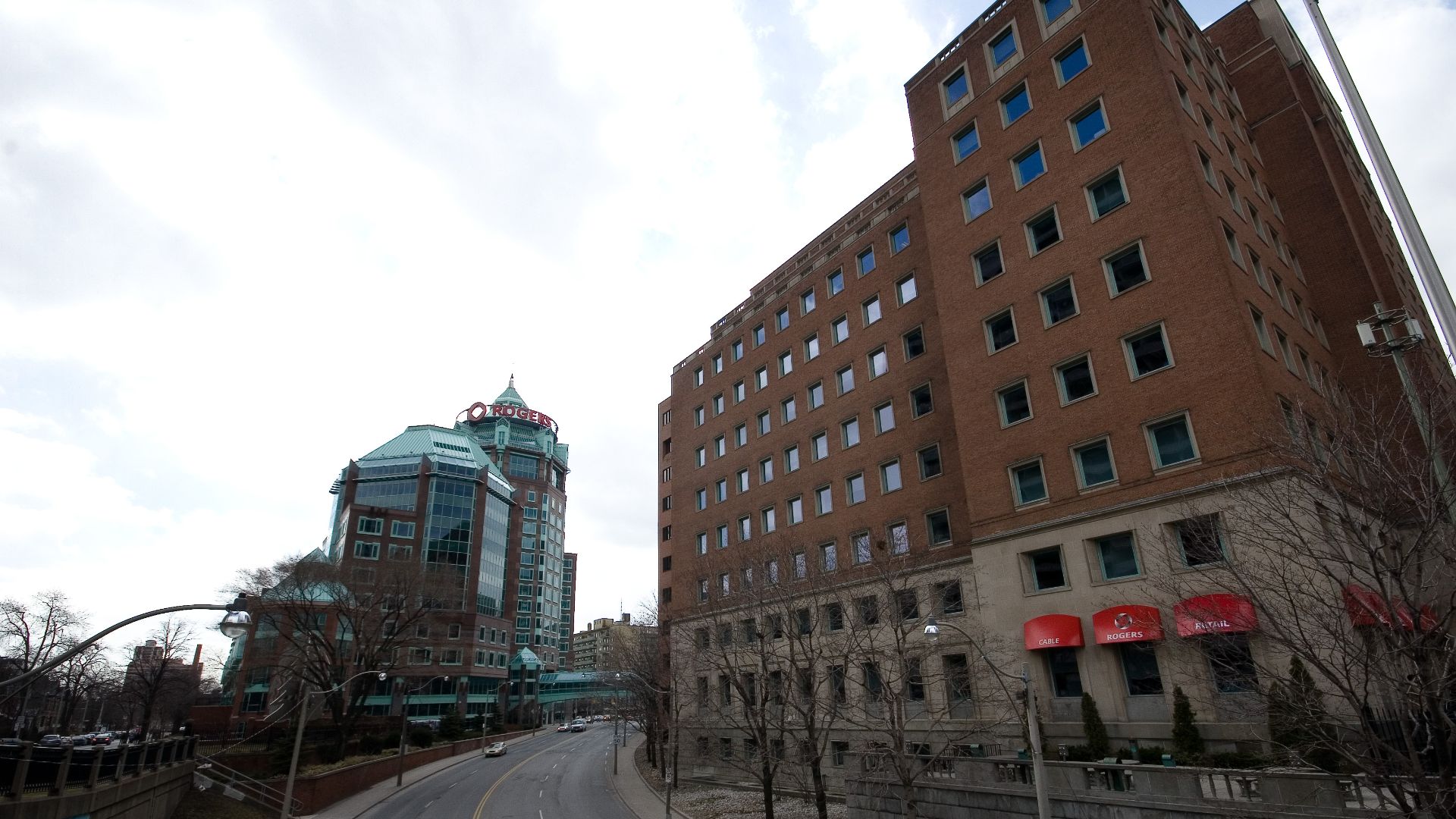
In 2006, Rogers Communications and Bell Aliant argued over the wording of a telecommunications contract in Canada.
The fight centered on—you guessed it—a comma. Regulators determined the punctuation affected how the contract could be canceled, turning one tiny mark into a dispute worth millions. English teachers everywhere felt strangely validated.
 Gary J. Wood from Toronto, ON, Canada, Wikimedia Commons
Contracts That Changed Meaning
Legal documents depend on precise wording, which is why lawyers love reading every sentence three times.
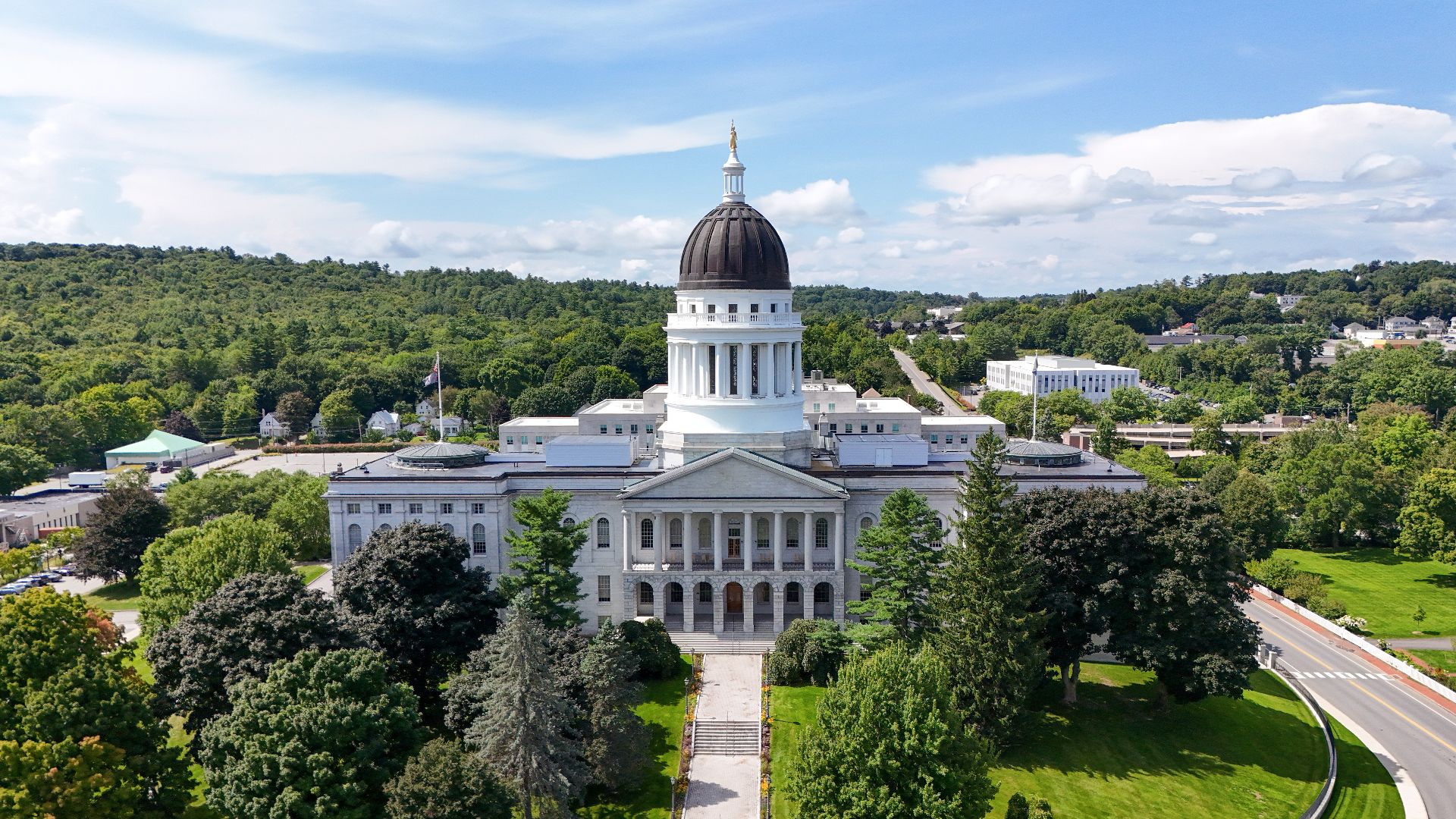
Take Oakhurst Dairy v. Maine (2017) for example. One missing Oxford comma in Maine labor law led to a lawsuit over overtime pay. The dispute ultimately resulted in a $5 million settlement.
Technically it wasn't a typo—it was omitted punctuation—but it's one of the world's most famous punctuation cases.
 Quintin Soloviev, Wikimedia Commons
Scientists Double-Check Everything for a Reason
Scientific papers occasionally contain tiny transcription mistakes involving symbols, formulas, or decimal points.
Economists Carmen Reinhart and Kenneth Rogoff published hugely influential research claiming countries with debt above 90% of GDP experienced dramatically slower growth.
In 2013, a graduate student discovered an Excel spreadsheet error that had excluded several countries. The paper had influenced economic policy around the world before the mistake was found.
 carmen reinhart, Wikimedia Commons
Decimal Points Can Be Dangerous
Medical journals treat typographical mistakes very seriously, especially when they involve medical dosages.
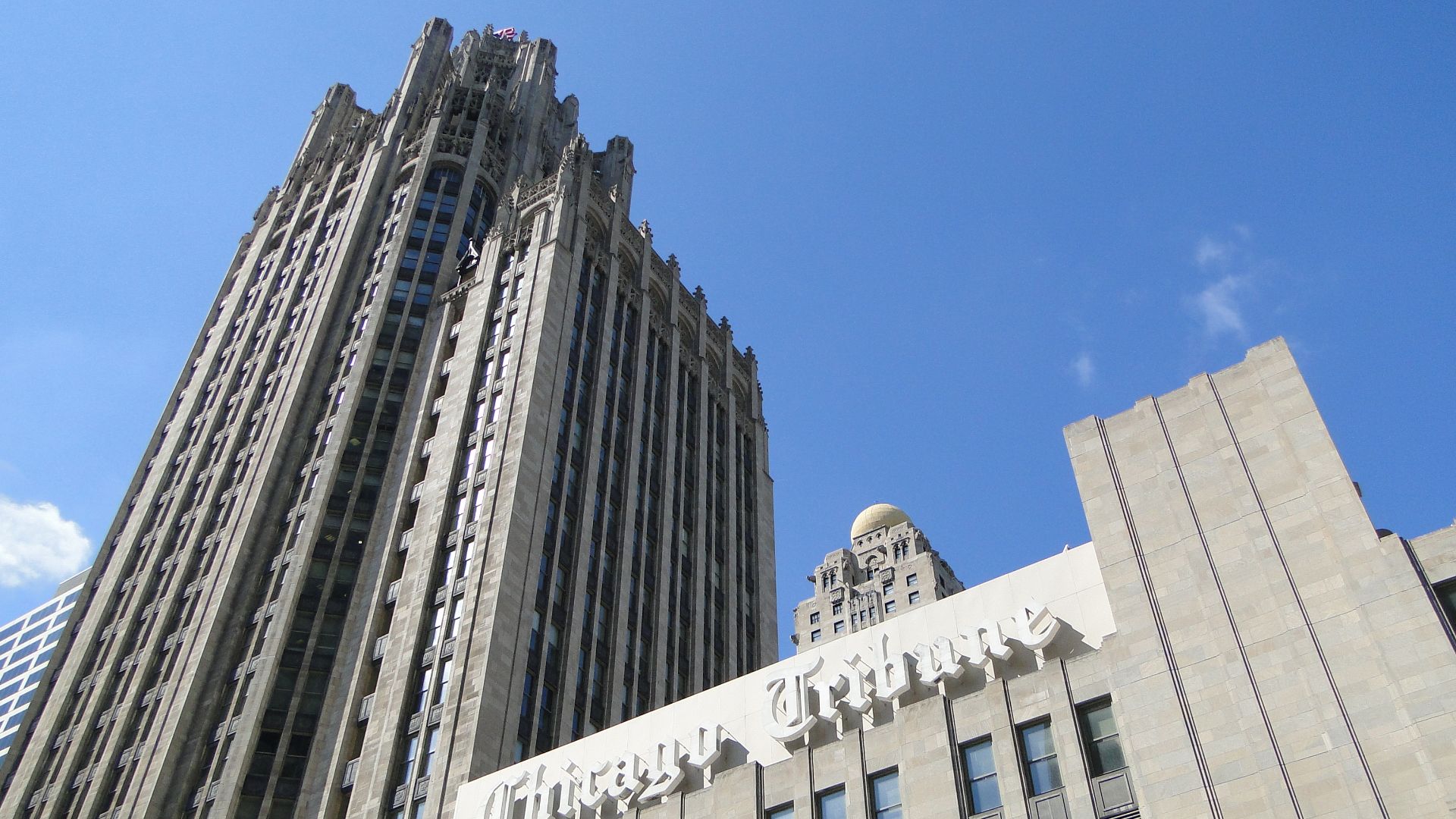
In 1916, the Chicago Tribune published a medical dosage that mistakenly placed the decimal point in the wrong position, dramatically increasing the recommended amount of morphine. The error was quickly recognized and corrected, but it became a classic example in medical publishing of how one tiny typographical mistake could have life-threatening consequences—and why dosage figures are checked so carefully today.
 Adam Jones, Ph.D., Wikimedia Commons
The Online Price That Was Too Good to Be True
As online shopping grew, retailers occasionally forgot a decimal point or entered the wrong price.
In 2001, Kodak accidentally listed a digital camera for around £100 instead of approximately £329 on its UK website. Thousands of customers rushed to place orders before Kodak canceled them.
![This is a Kodak EasyShare LS743 digital camera, and is from 2004.[1]](https://www.factinate.com/storage/app/media/factinate/2026/7/10/17836997984a8fe509710a2fe98094a6fa9a3e0b717f38c14b.jpg) Donmike10 at English Wikipedia, Wikimedia Commons
Donmike10 at English Wikipedia, Wikimedia Commons
The Newspaper That Called the Election Wrong
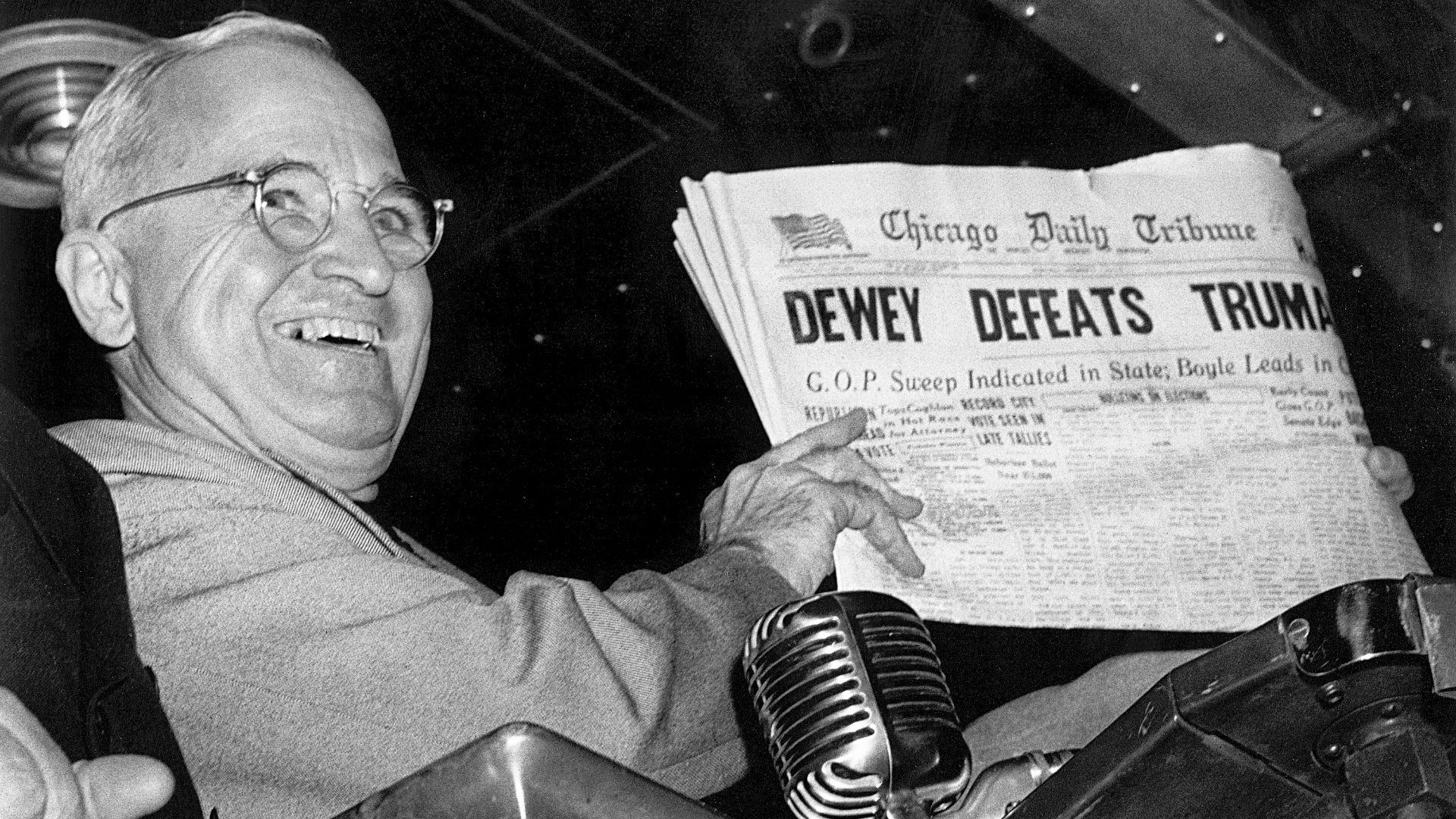
On November 3, 1948, the Chicago Daily Tribune confidently printed the headline: "Dewey Defeats Truman."
There was just one problem—Harry S Truman actually won. The newspaper had rushed to print before all the votes were counted, creating one of the most famous front pages in journalism. Truman's grin while holding the paper is still legendary.
 Byron H. Rollins, Wikimedia Commons
The Bible That Accidentally Encouraged Adultery
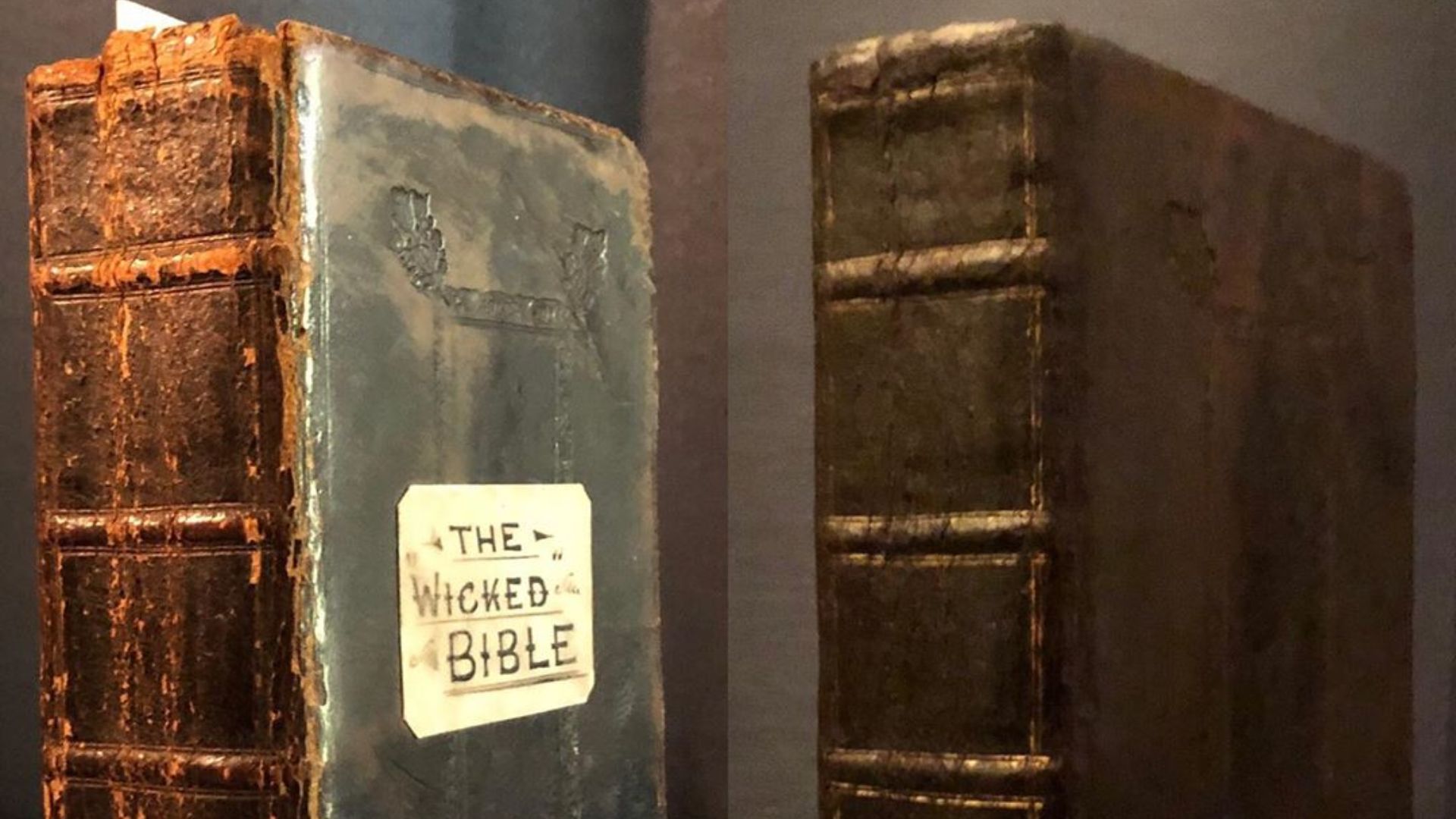
In 1631, London printers Robert Barker and Martin Lucas made one of history's most legendary blunders while printing the Bible. They accidentally left the word "not" out of the Seventh Commandment, leaving readers with the unforgettable instruction: "Thou shalt commit adultery."
King Charles I was not amused. The printers were fined heavily, their printing license was revoked, and nearly every copy was destroyed. Today, the surviving "Wicked Bibles" are incredibly rare—and probably make proofreaders break into a cold sweat.
 Narrington77, Wikimedia Commons
One Wrong Tweet Can Shake Markets
Today's typos travel much faster than they did in the days of printing presses.
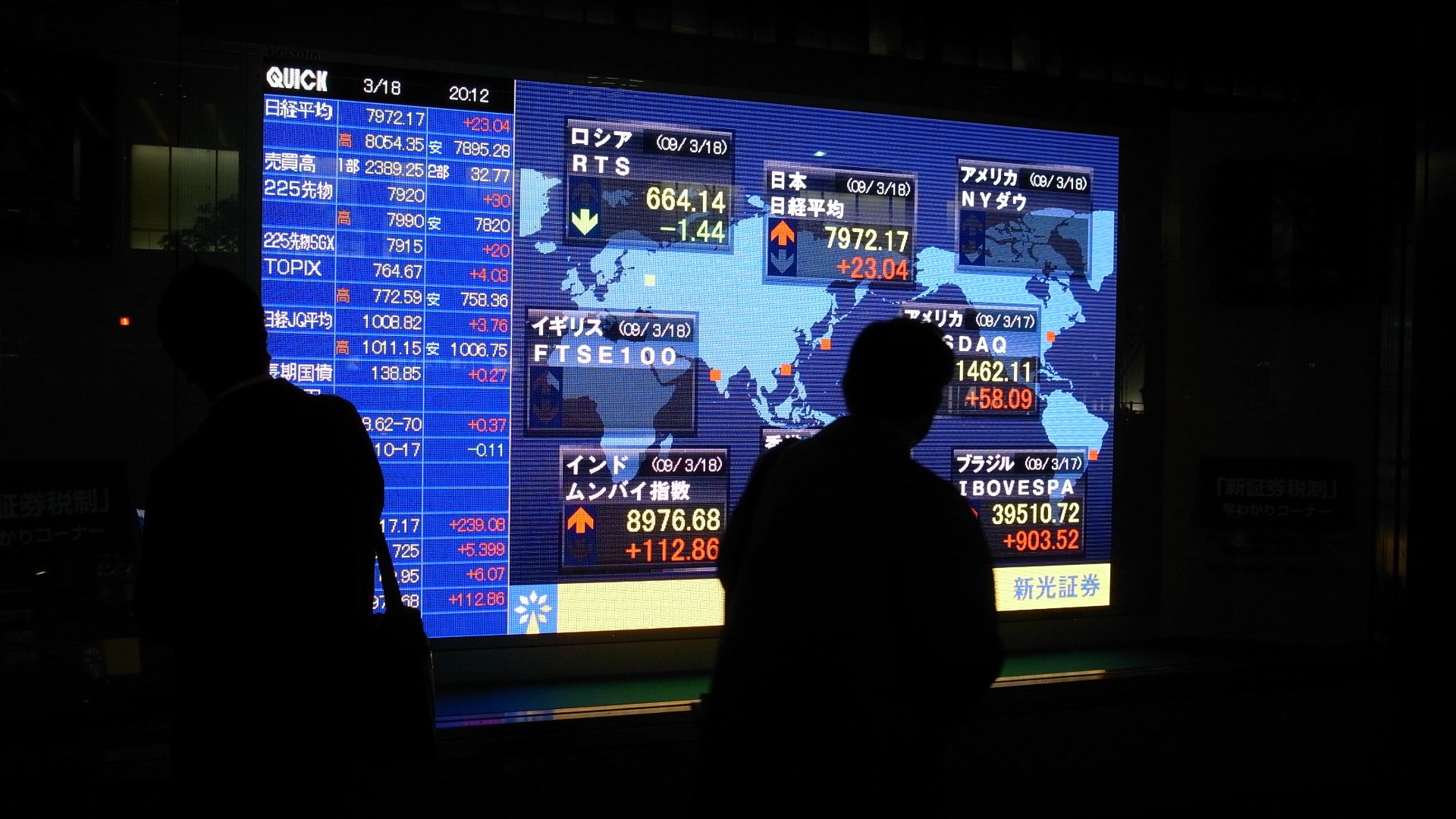
Mistyped company announcements, incorrect stock symbols, and accidental social media posts have briefly confused investors and moved financial markets before corrections appeared. It turns out autocorrect isn't always your friend.
 Kondo Atsushi, Wikimedia Commons
Tiny Mistakes, Huge Consequences
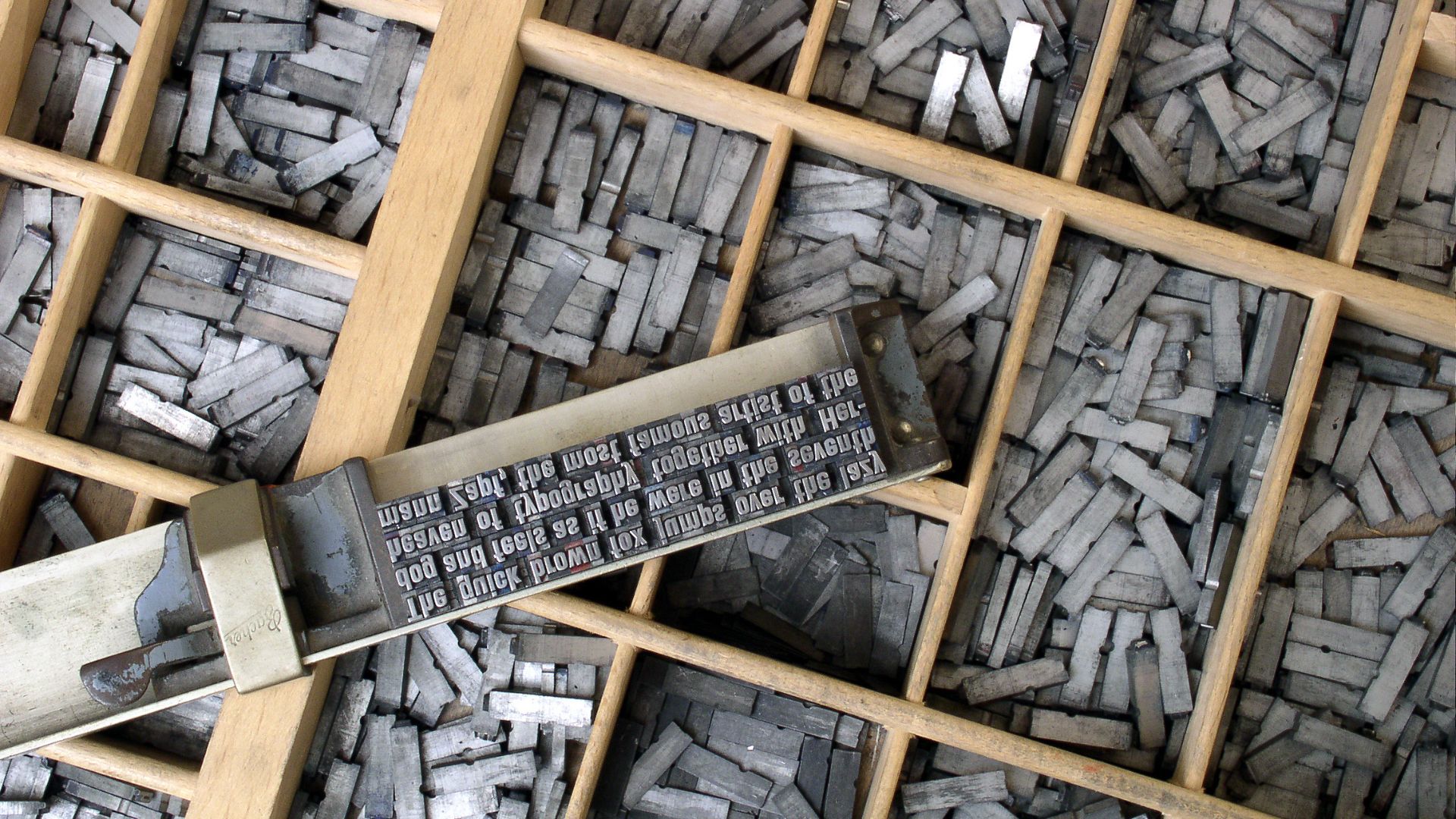
Most typos are harmless. They make us laugh, earn a quick correction, and disappear forever. But every so often, one slips into a Bible, a law, a newspaper, a scientific paper, or a billion-dollar contract—and suddenly that tiny mistake becomes part of history.
It's a comforting thought, really. The next time you spot a typo in an email, remember: at least you didn't accidentally rewrite the Ten Commandments or lose $200 million with one keyboard slip.
 Willi Heidelbach, Wikimedia Commons
You May Also Like:
Completely Normal American Habits From The 1970s That Would Seem Completely Bizarre Today—Did You Do Any Of These?
The Worst Man-Made Disasters in U.S. History
America’s Most Isolated Town