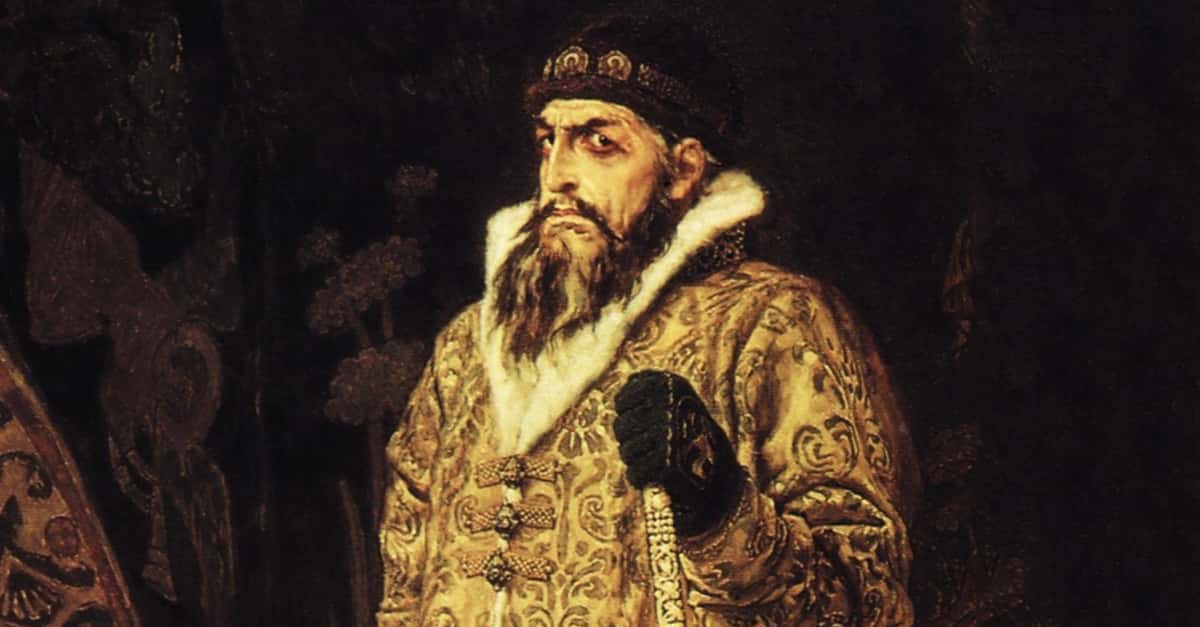
Stranger Than Fiction
History often seems like a straightforward chain of cause and effect, but every so often reality produces coincidences so astonishing that they sound like fiction. From ancient kings whose lives unexpectedly intersected to eerie connections spanning centuries, these remarkable true stories remind us that chance has played an extraordinary role throughout human history.
 Public Domain, Wikimedia Commons
Croesus And Solon
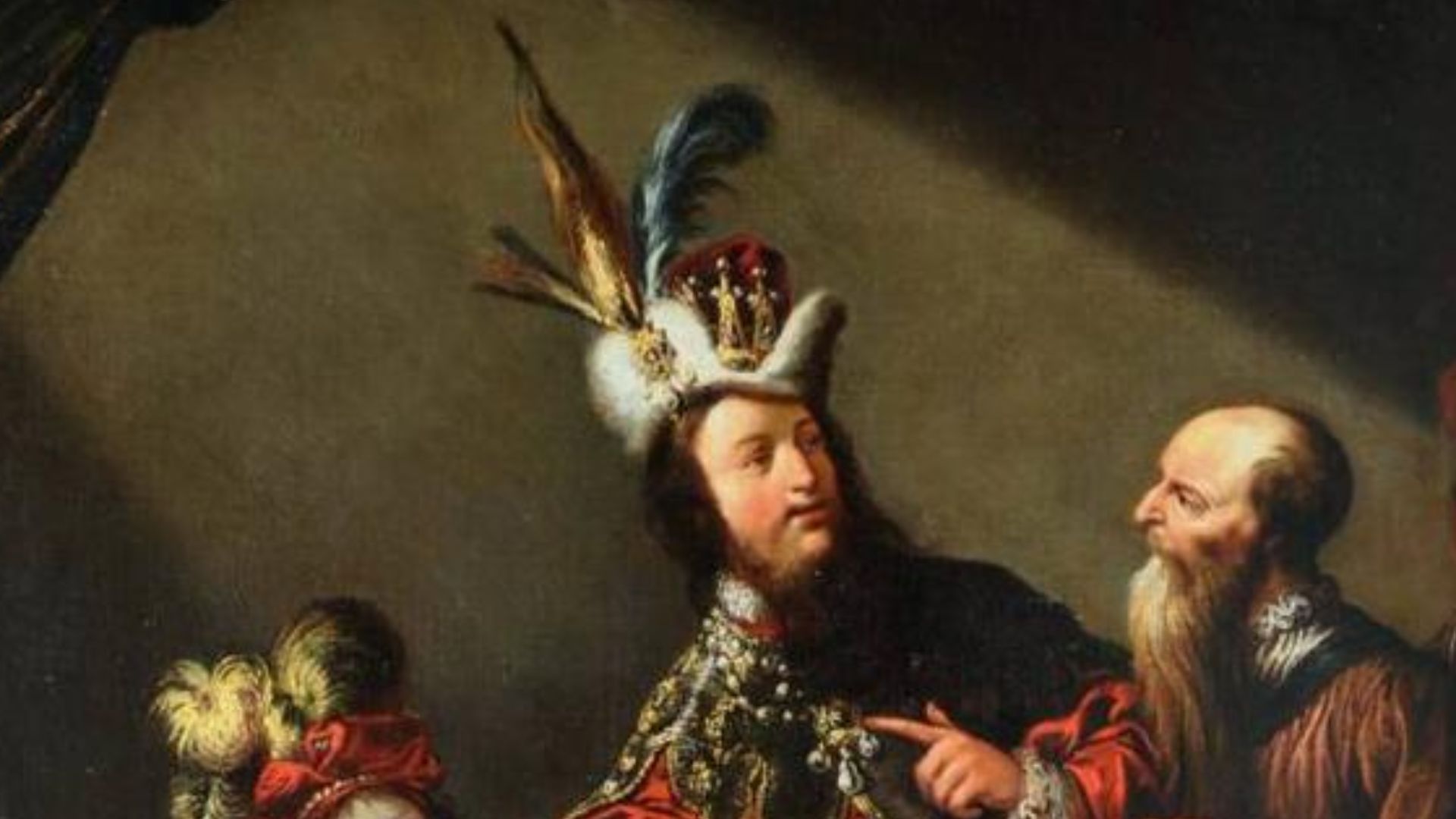
Around 560 BC, Croesus, the fabulously wealthy king of Lydia, asked the Athenian lawgiver Solon who the happiest man alive was, expecting to hear his own name. Instead, Solon warned that no one should be judged fortunate until death. Years later, after Croesus lost his kingdom to Cyrus the Great, he remembered Solon's words while standing atop his own funeral pyre. Cyrus spared his life after hearing the story, making one philosophical conversation unexpectedly shape the fate of two kings.
 Claude Vignon, Wikimedia Commons
Alexander Met The Last Pharaoh
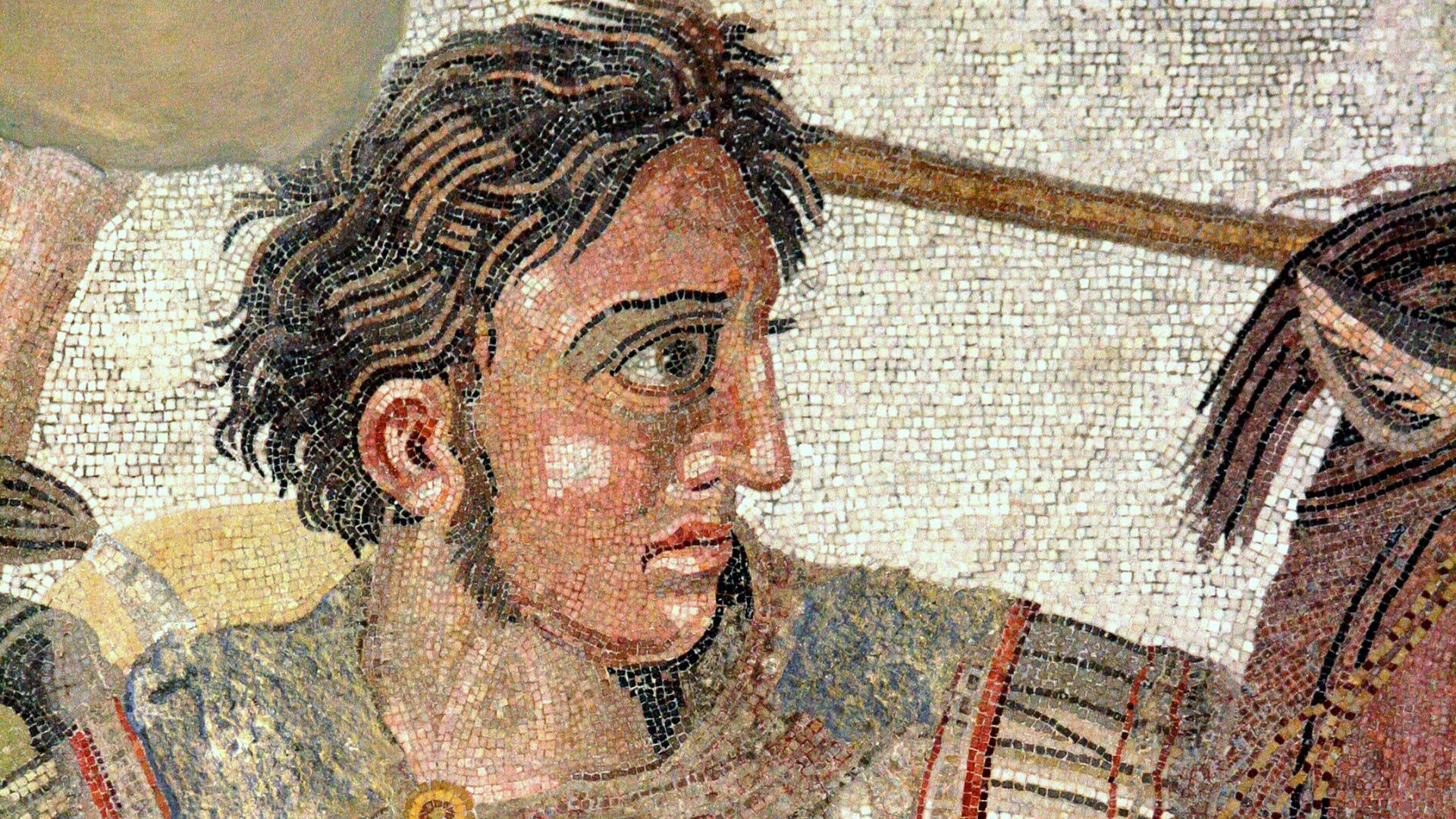
When Alexander the Great entered Egypt in 332 BC, he was welcomed as a liberator from Persian rule and crowned Pharaoh. By remarkable coincidence, his conquest brought him into contact with Nectanebo II's recently fallen dynasty, ending thousands of years of native Egyptian rule just as one of history's greatest conquerors began his own legendary empire.
 Unknown authorUnknown author, Wikimedia Commons
Hannibal And Scipio Finally Met
Few rivalries shaped history like that between Hannibal Barca and the Roman general Scipio Africanus. Years after Scipio defeated Hannibal at Zama in 202 BC, the two legendary commanders reportedly met in exile at the court of Antiochus III. Ancient historians record that they discussed military strategy together, allowing two of history's greatest generals to exchange ideas after spending years trying to destroy one another.
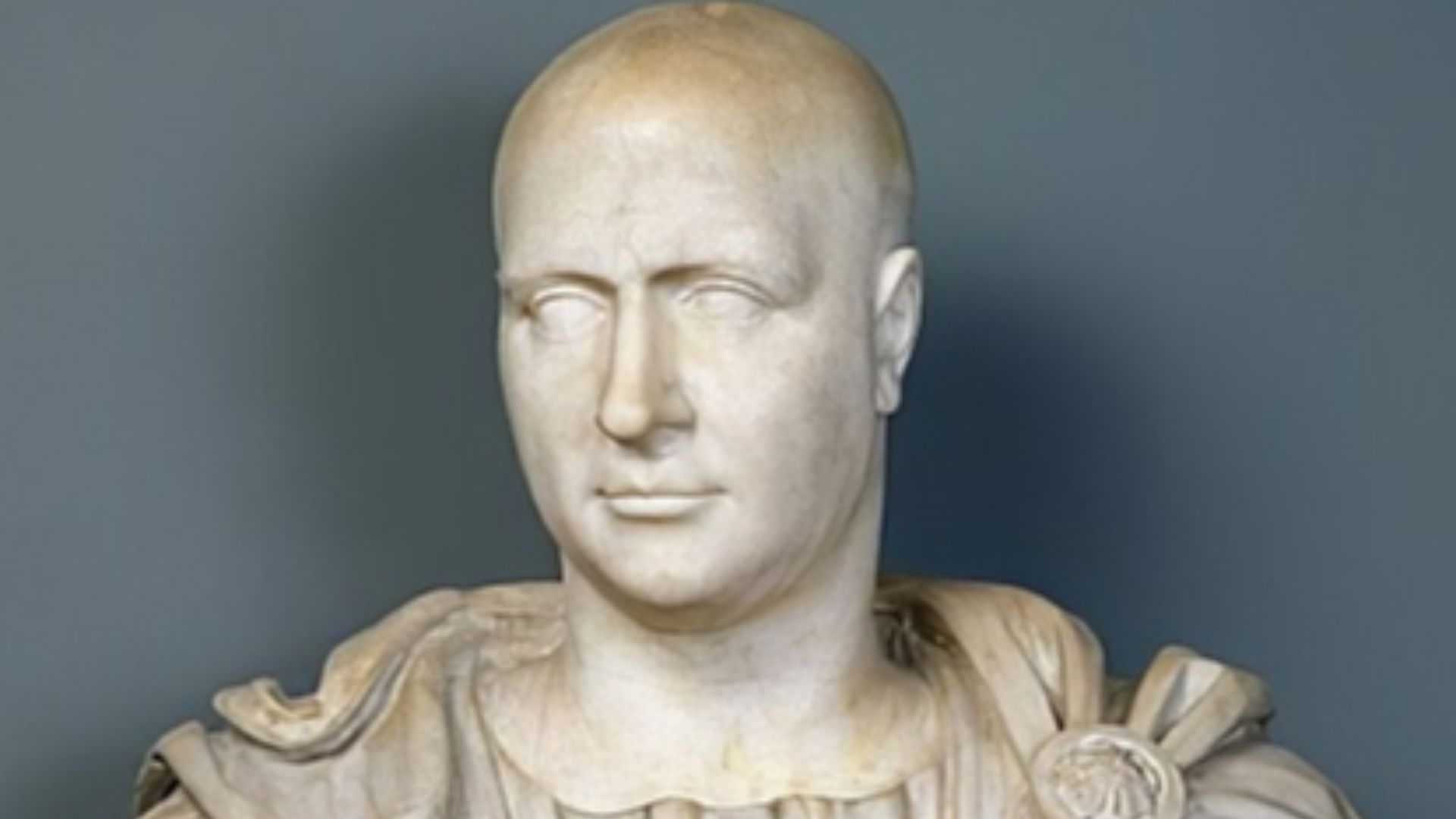
Caesar's Assassination Fulfilled A Warning
Roman tradition claimed that a seer warned Julius Caesar to "beware the Ides of March." According to ancient accounts, Caesar mocked the prediction upon reaching March 15, 44 BC, only for the prophet to reply that the day had arrived but had not yet passed. Moments later, Caesar entered the Senate and was assassinated by conspirators, forever linking one famous warning with one of history's most consequential murders.
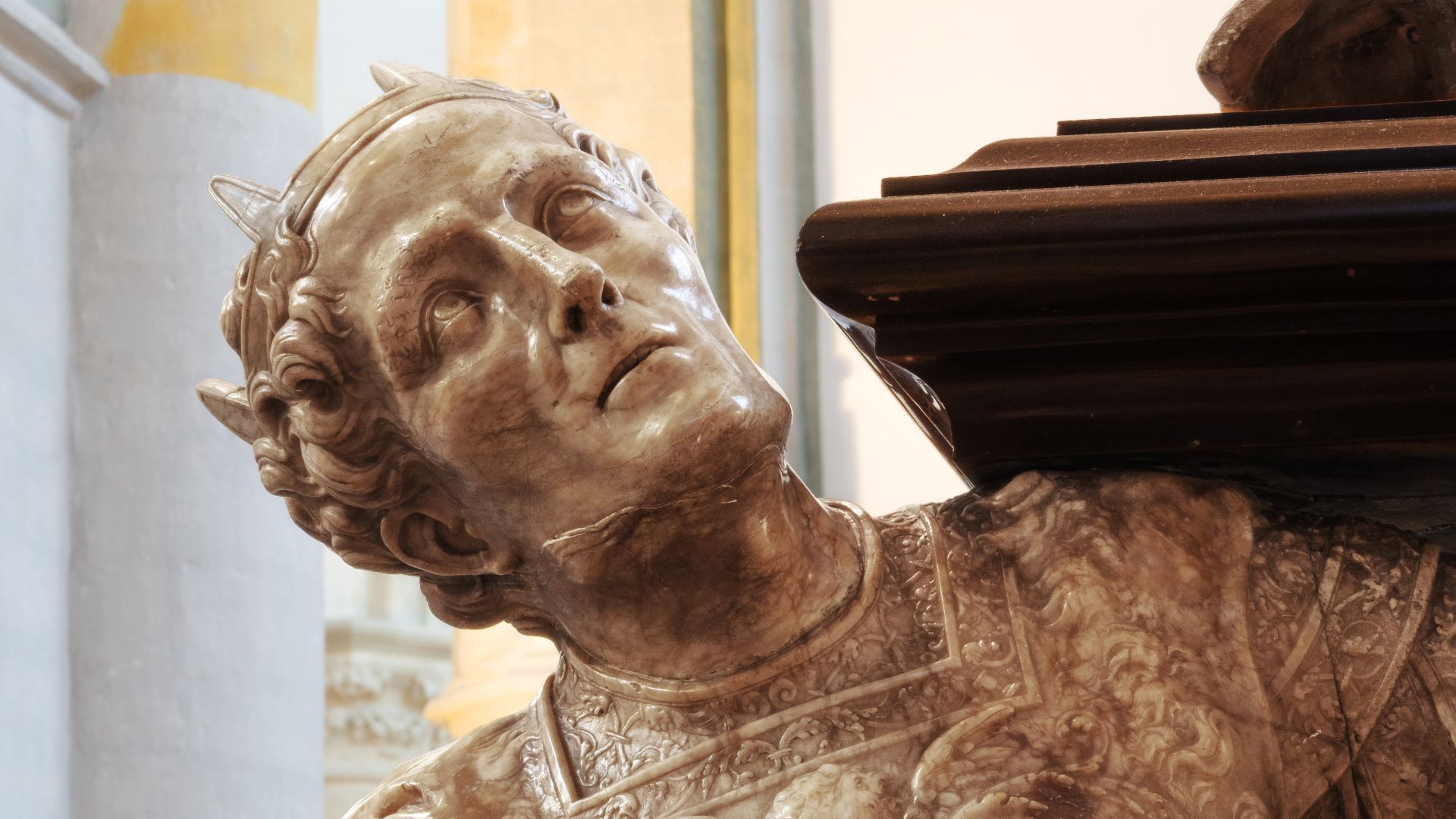 Renée Kools, Wikimedia Commons
Pompeii Preserved A Moment In Time
When Mount Vesuvius erupted in AD 79, thousands of ordinary Romans were instantly frozen in history. By astonishing coincidence, volcanic ash preserved not only buildings and artwork but even loaves of bread still sitting in ovens, meals left on tables, political graffiti, and shop inventories. The catastrophe accidentally created one of archaeology's greatest time capsules.
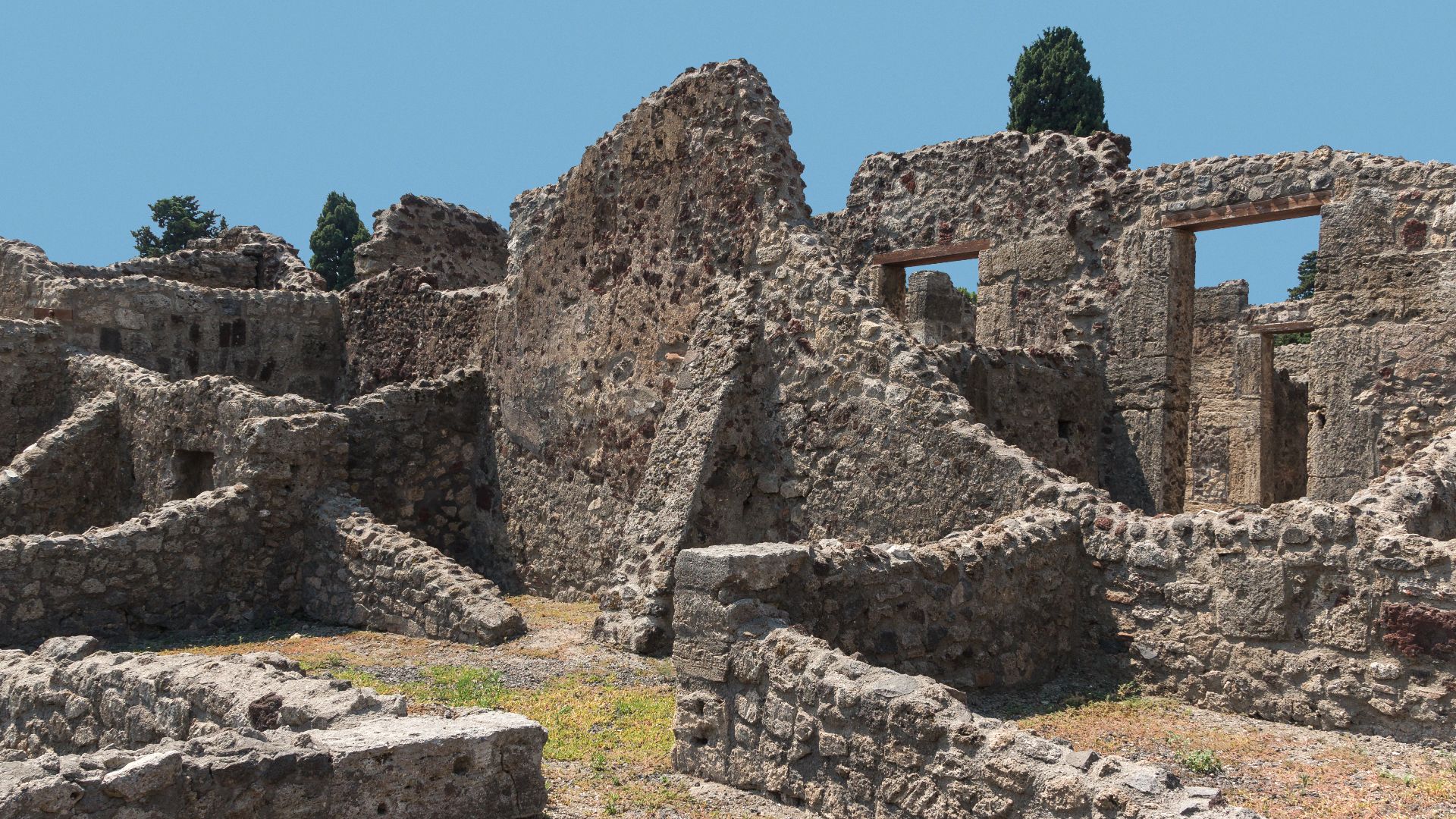
Charlemagne's Tomb Was Opened By Napoleon
More than 800 years after Charlemagne died in AD 814, Napoleon Bonaparte consciously modeled much of his imperial image after the Frankish emperor. During his rise to power, Napoleon visited Charlemagne's tomb at Aachen Cathedral and reportedly admired the remains of the ruler whose empire he hoped to rival, creating an extraordinary symbolic connection between two of Europe's greatest conquerors.
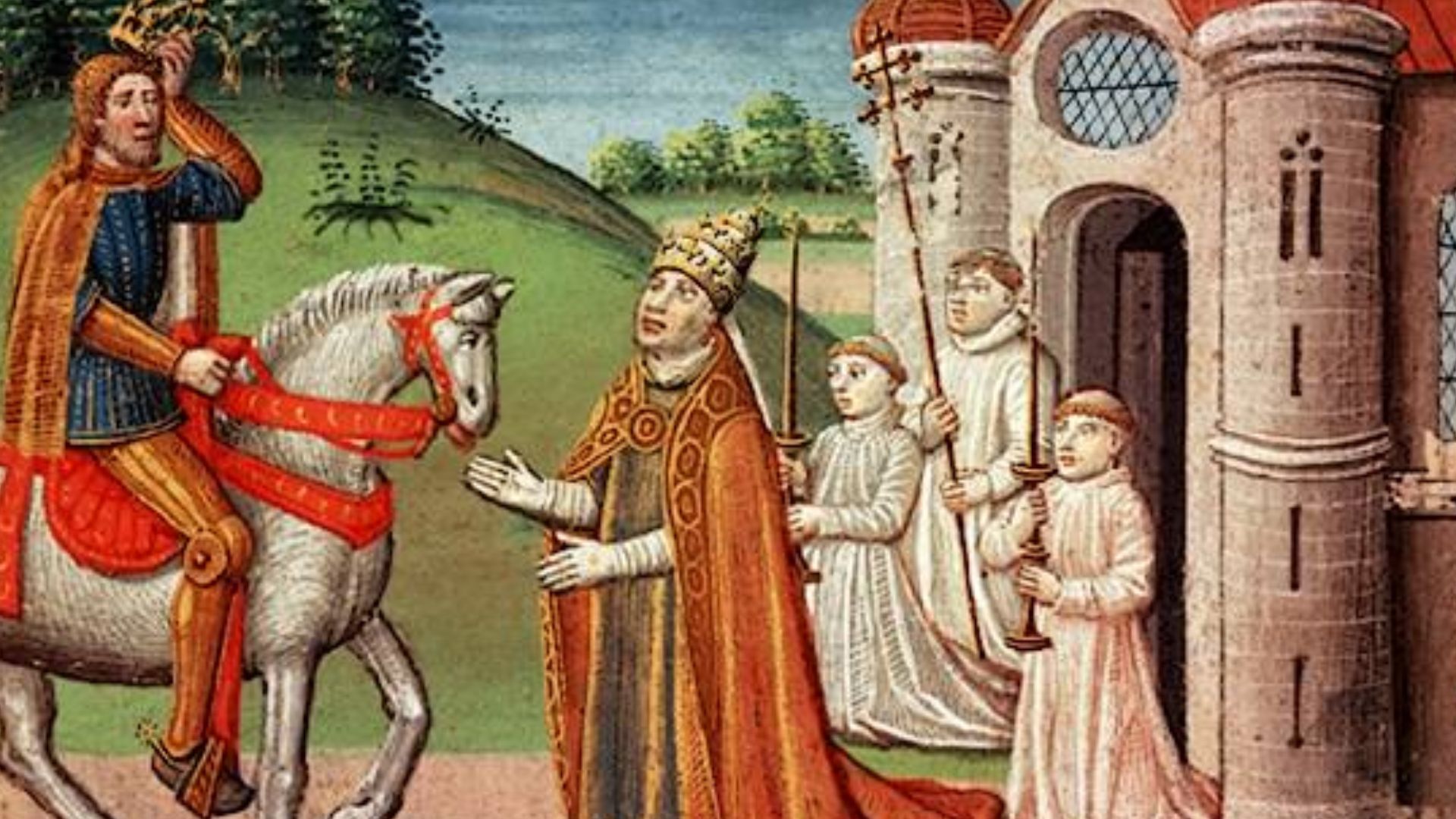 AnonymousUnknown author editor: Antoine Vérard, Wikimedia Commons
William The Conqueror's Sons Changed History Together
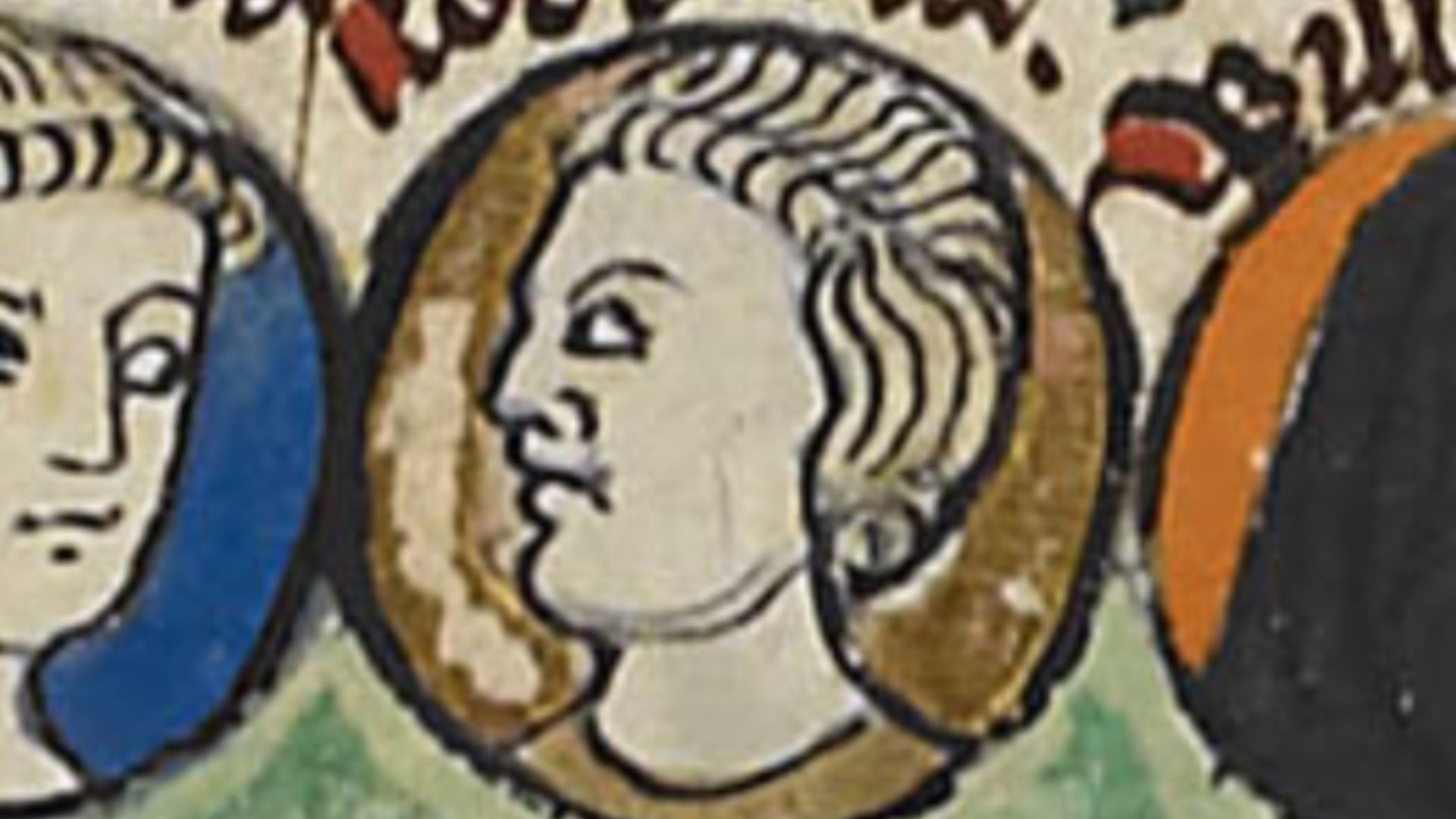
William the Conqueror's death in 1087 unintentionally created a remarkable coincidence. His eldest surviving son Robert inherited Normandy, while William Rufus inherited England. The brothers spent years competing for one another's territories, but their rivalry ultimately allowed their younger brother Henry to seize both crowns, unexpectedly reuniting the inheritance through a completely different son than anyone anticipated.
 AnonymousUnknown author, Wikimedia Commons
Genghis Khan's Descendants Ruled Opposite Ends Of Eurasia
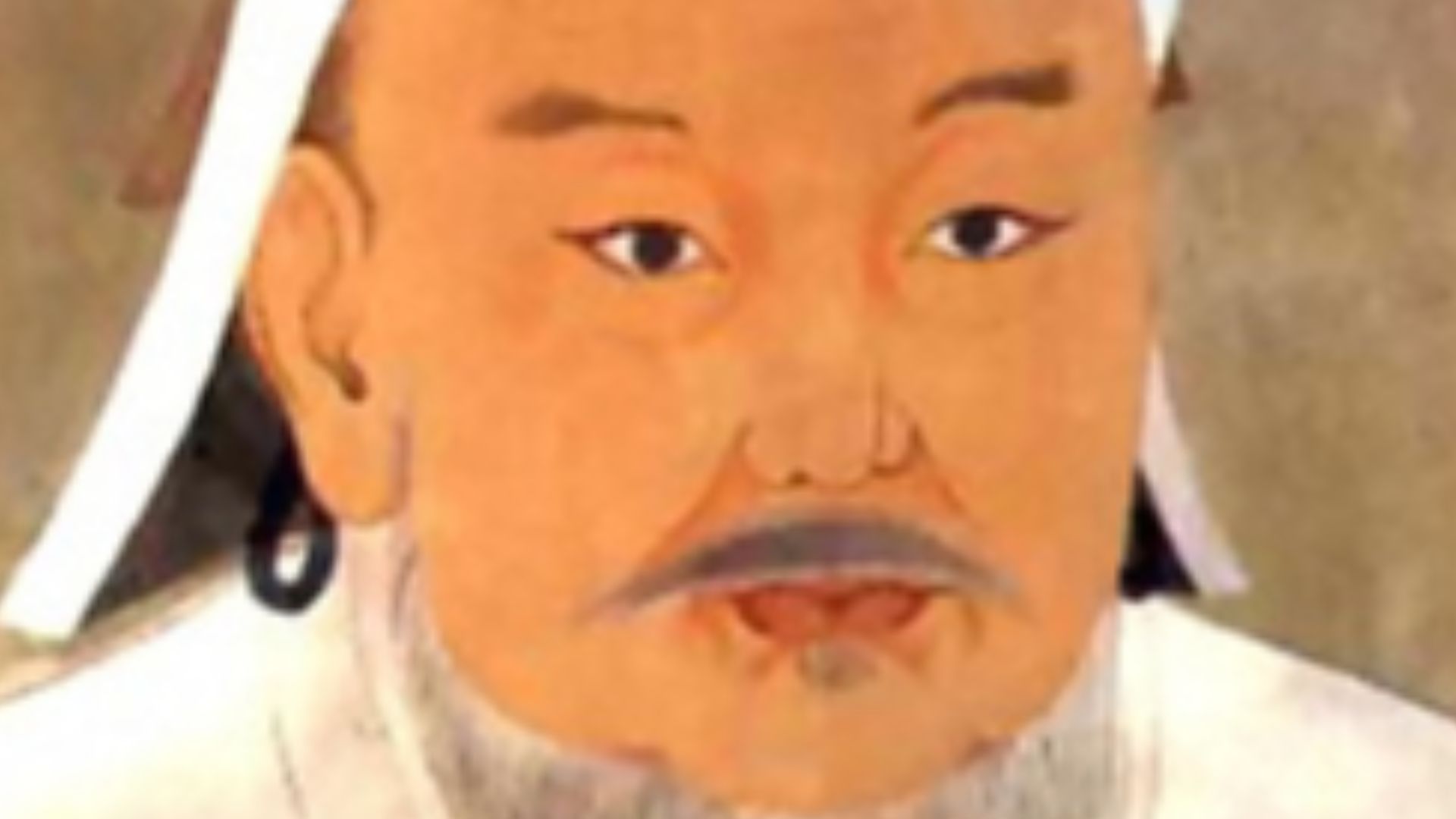
During the thirteenth century, descendants of Genghis Khan simultaneously ruled enormous portions of Asia and Eastern Europe. At almost the same time, Kublai Khan governed China while Batu Khan's successors dominated Russia through the Golden Horde. One family effectively controlled territory stretching across much of Eurasia, an astonishing concentration of political power in a single bloodline.
 AnonymousUnknown author court painter, The Yuan Dynasty (1279–1368), Wikimedia Commons

History's most fascinating stories and darkest secrets, delivered to your inbox daily.
Marco Polo Returned Home To Fight A War
After spending roughly twenty-four years traveling through Asia, Marco Polo finally returned to Venice around 1295. Almost immediately afterward, Venice entered war against its rival Genoa. Polo was captured during a naval battle and imprisoned, where he dictated his extraordinary travels to fellow prisoner Rustichello da Pisa. Without that unlikely imprisonment, one of history's most famous travel accounts might never have been written.
 Nikola Smolenski, Wikimedia Commons
The Black Death Helped Spark The Renaissance
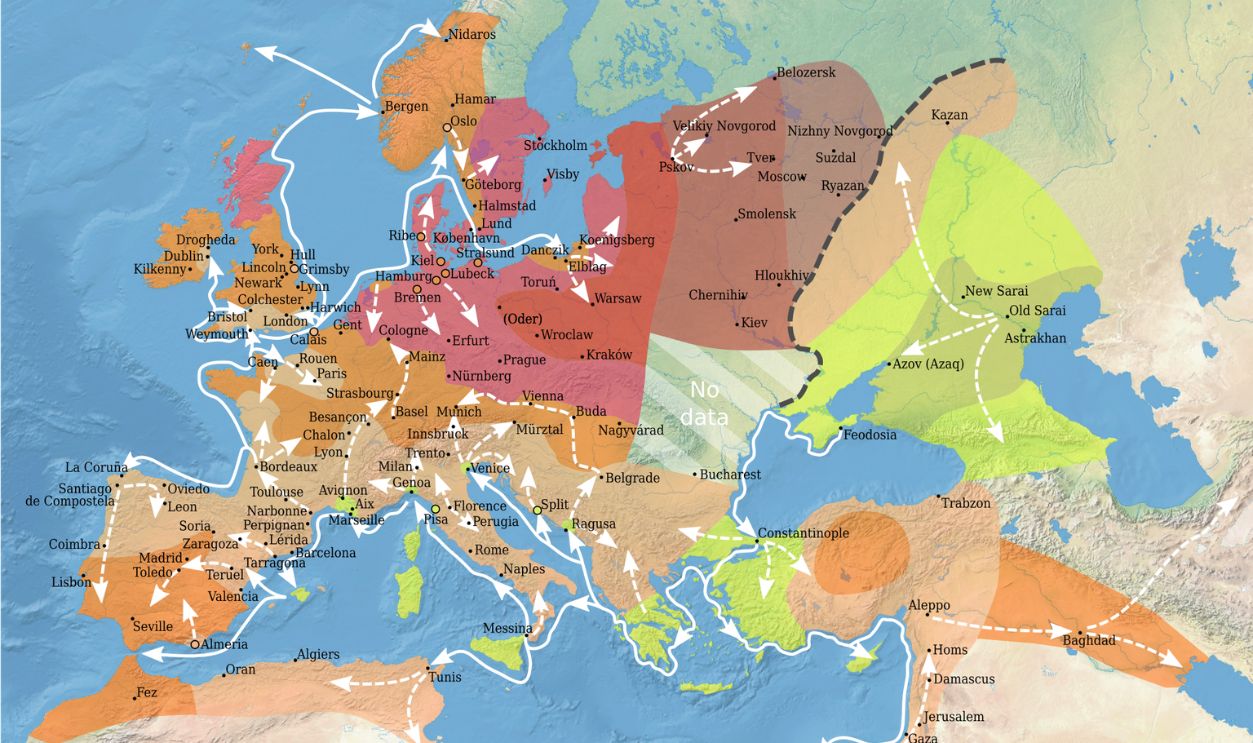
The Black Death killed perhaps one-third to one-half of Europe's population between 1347 and 1351. Ironically, the devastating pandemic also produced labor shortages, rising wages, weakened feudal structures, and increased social mobility. Historians argue these profound economic changes helped create conditions that later fueled the Renaissance, meaning one of history's deadliest disasters indirectly encouraged one of its greatest cultural flowerings.
 Flappiefh, CC BY-SA 4.0, Wikimedia Commons
Joan Of Arc And Gutenberg Lived In Overlapping Generations
Joan of Arc was executed in 1431. Around the same time, a young Johannes Gutenberg was growing up in Germany before developing movable-type printing. The coincidence is striking because Joan's dramatic life unfolded almost entirely before printing transformed Europe, while only a generation later, printed books would spread information on a scale previously unimaginable.
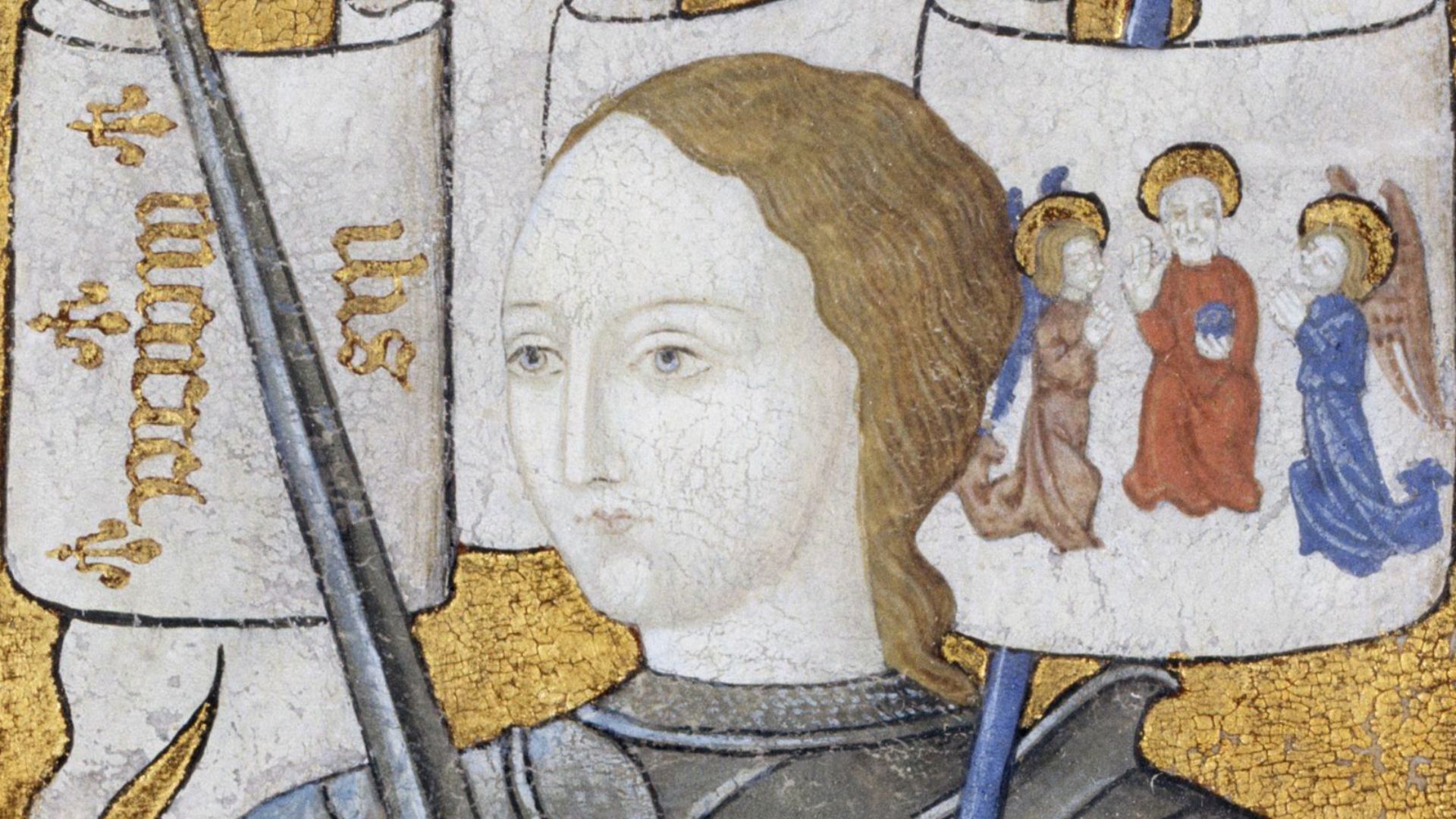 Meidosensei, Wikimedia Commons
Columbus Sailed As Granada Fell
Christopher Columbus departed Spain on his first voyage in August 1492, only months after Ferdinand and Isabella completed the Reconquista by capturing Granada from the Moors. The coincidence marked the end of nearly eight centuries of Islamic rule in Iberia at precisely the moment Spain began building an overseas empire that would reshape world history.
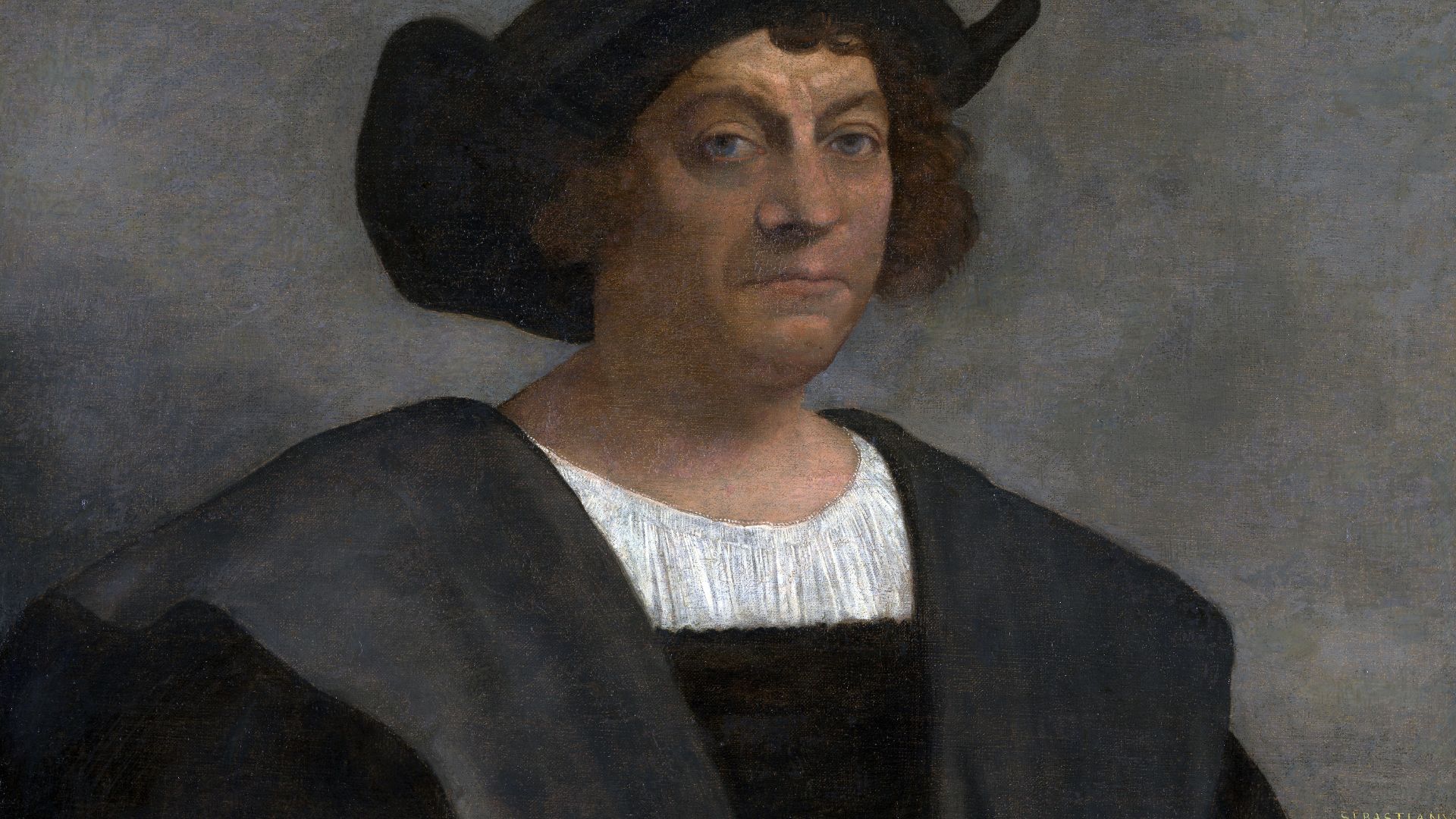 Sebastiano del Piombo, Wikimedia Commons
Michelangelo And Leonardo Worked In The Same Building
Florence briefly became home to two of history's greatest artistic geniuses at once. Around 1504, Leonardo da Vinci and Michelangelo were each commissioned to paint enormous battle murals inside the Palazzo Vecchio. Neither masterpiece survived, but the extraordinary coincidence meant two Renaissance legends worked side by side while quietly competing to outdo one another.
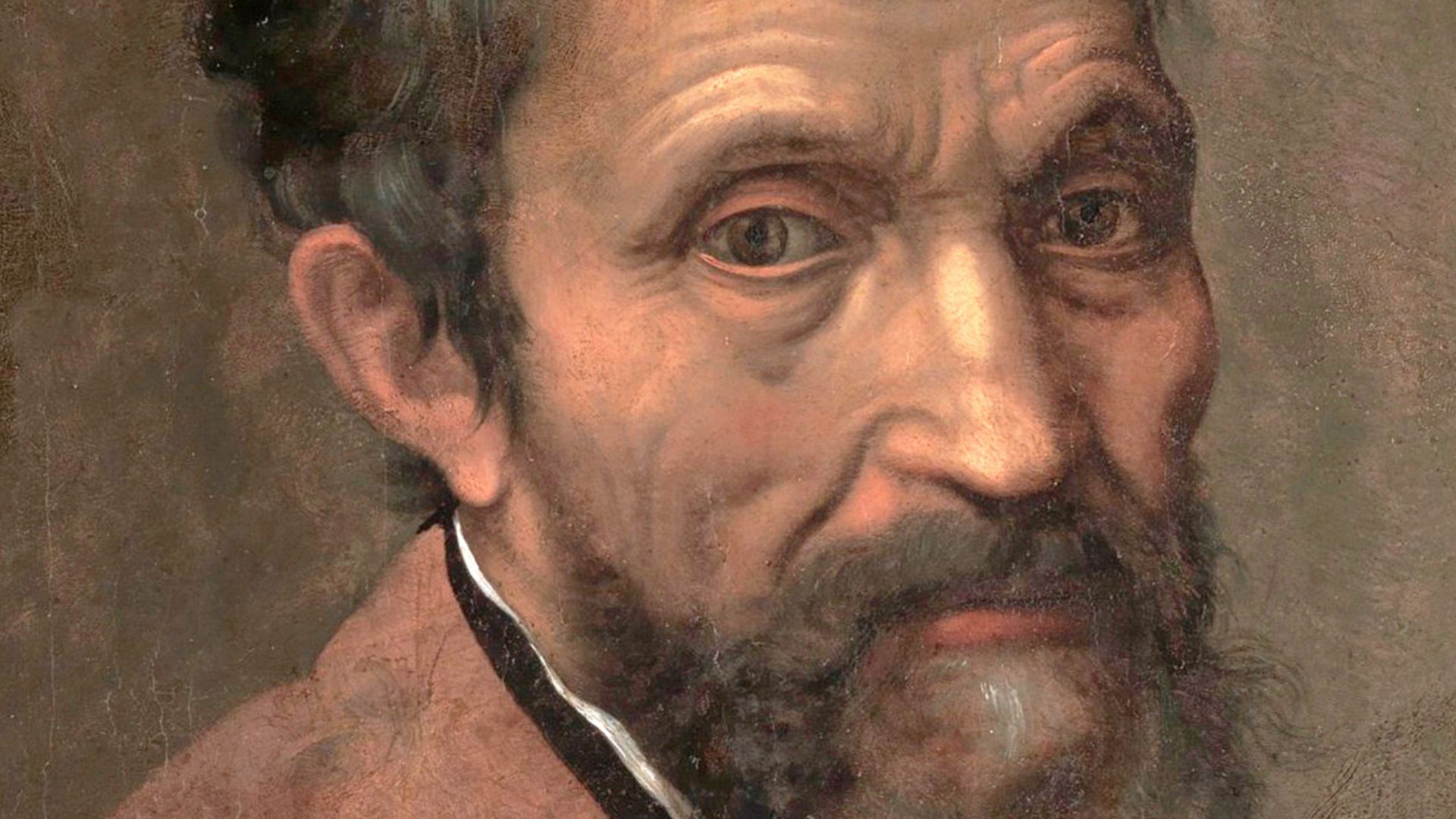 Attributed to Daniele da Volterra, Wikimedia Commons
Shakespeare And Cervantes Died At Almost The Same Time
William Shakespeare and Miguel de Cervantes—the towering literary figures of England and Spain—both died in April 1616. Because England and Spain used different calendars, they actually died about ten days apart, but the recorded dates appeared identical for centuries. The coincidence has become one of literature's most enduring historical curiosities.
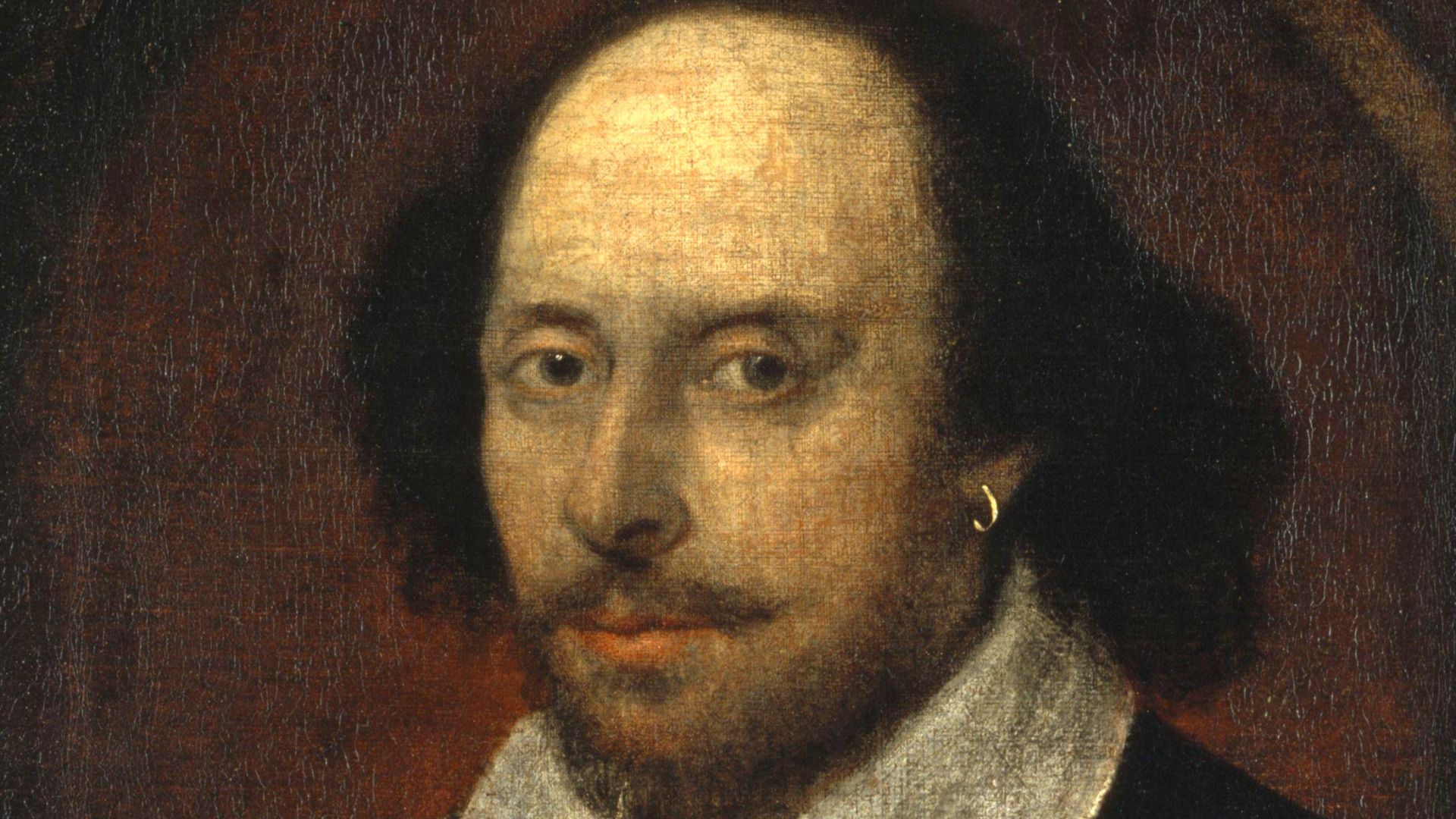 Attributed to John Taylor, Wikimedia Commons
Napoleon And Beethoven Almost Met
In 1805, Napoleon Bonaparte's armies occupied Vienna while Ludwig van Beethoven remained in the city. The composer famously admired Napoleon's early republican ideals before angrily scratching his name from the dedication page of his Eroica Symphony after Napoleon crowned himself emperor. Although they came astonishingly close to meeting, the two giants of European history never actually crossed paths.
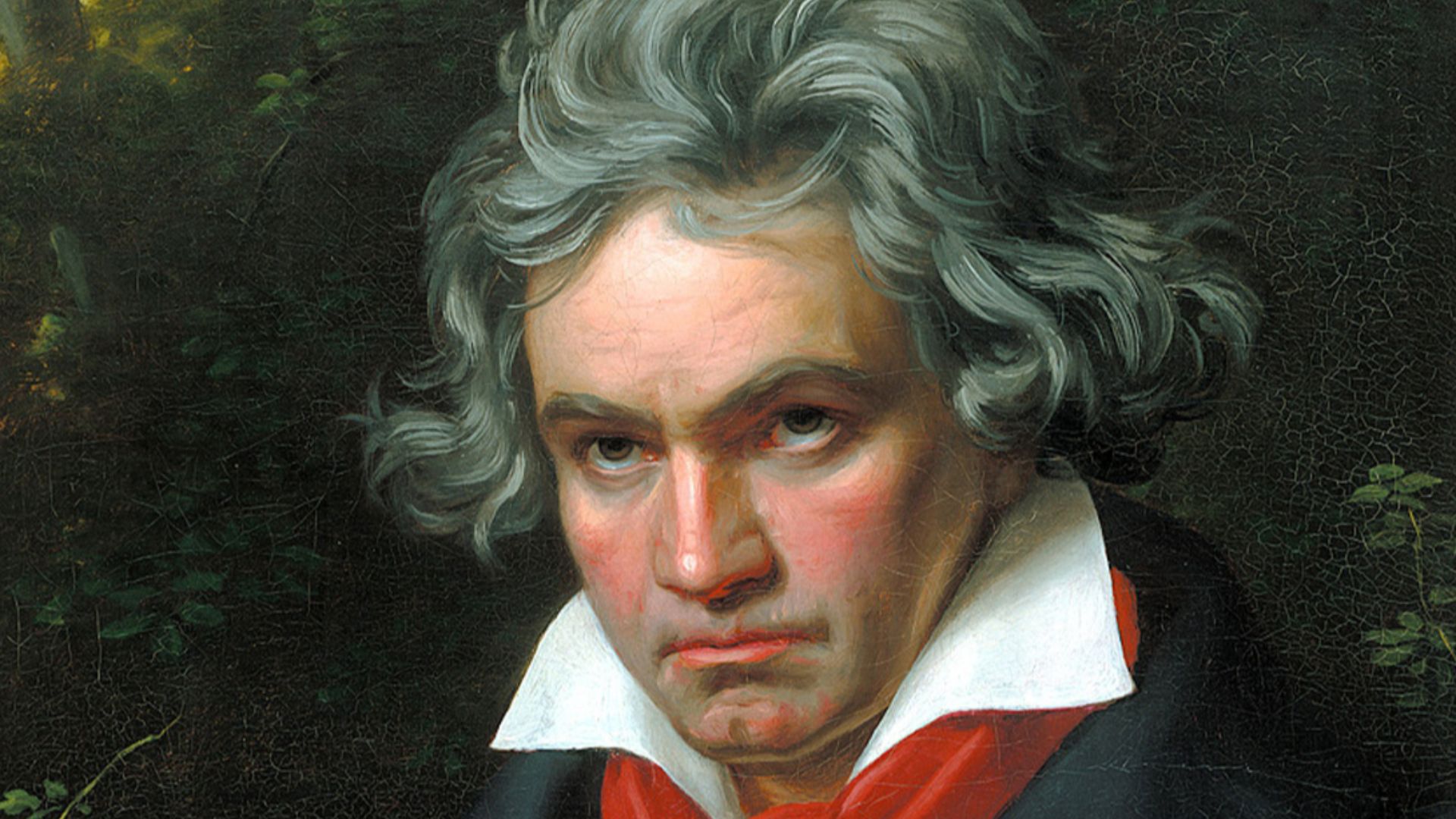 Joseph Karl Stieler, Wikimedia Commons
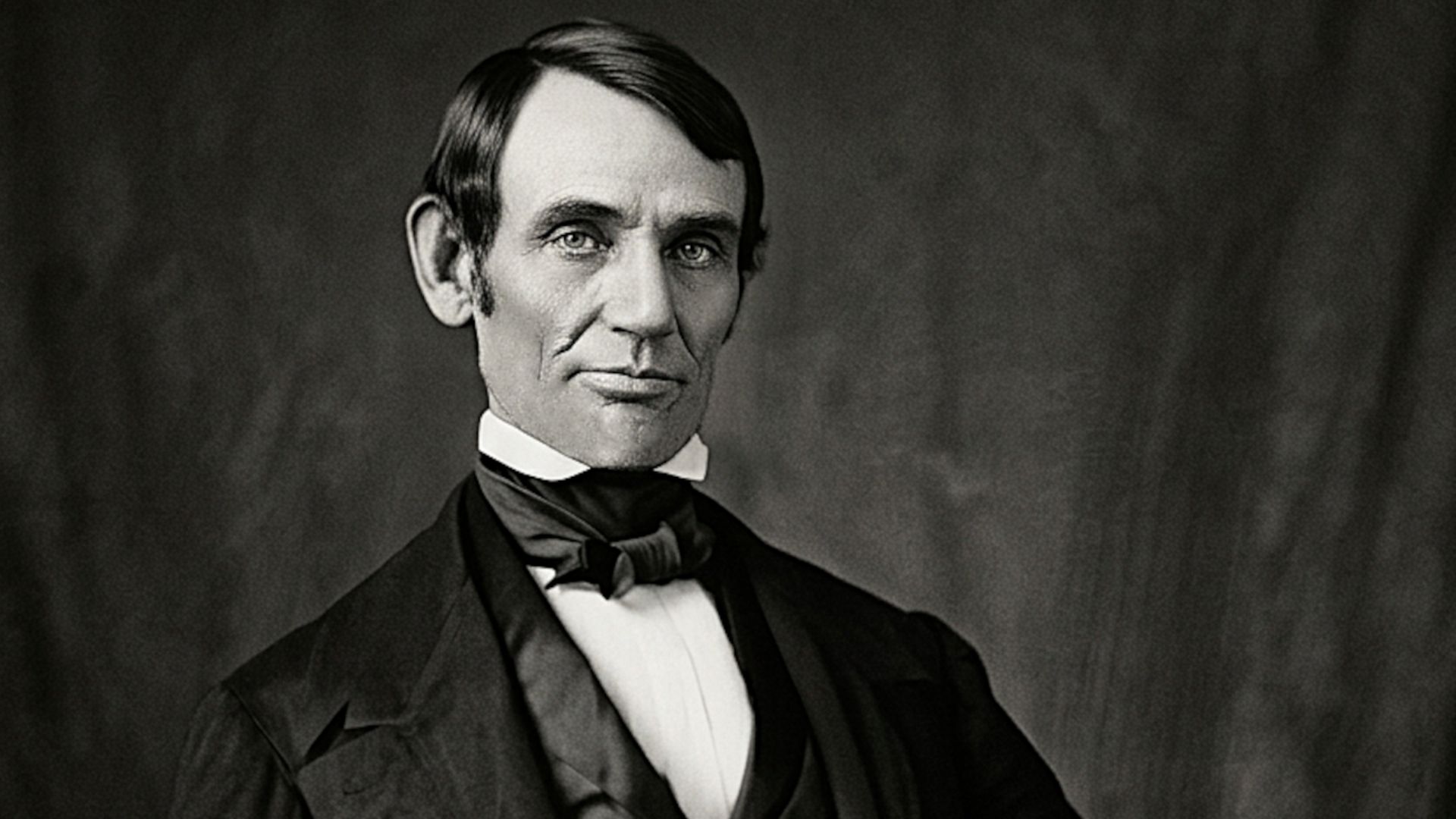
Lincoln And Darwin Were Born On The Same Day
Abraham Lincoln and Charles Darwin were both born on February 12, 1809, half a world apart. One transformed politics by preserving the United States during its greatest crisis, while the other revolutionized science with the theory of evolution. Their lives unfolded simultaneously, each profoundly changing humanity's understanding of society and nature.
Edgar Allan Poe Predicted A Real Shipwreck
In 1838, Edgar Allan Poe published The Narrative of Arthur Gordon Pym of Nantucket, in which four shipwrecked survivors resort to cannibalism and kill a cabin boy named Richard Parker. Remarkably, forty-six years later, the crew of the wrecked yacht Mignonette survived by killing and eating their own cabin boy—whose name was also Richard Parker.
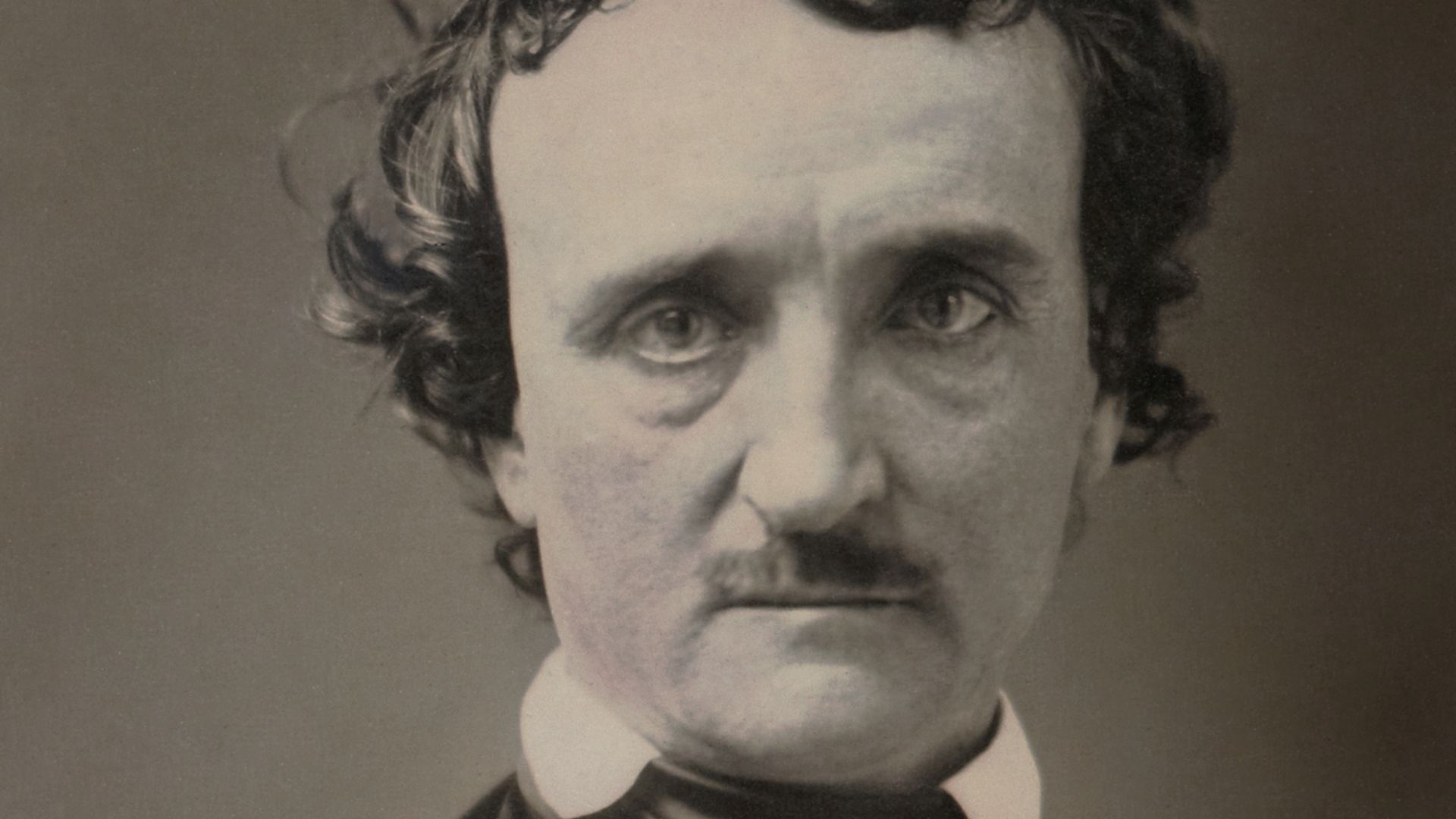 Unknown authorUnknown author; Restored by Yann Forget and Adam Cuerden, Wikimedia Commons
The Hoover Dam And Boulder Dam Confusion
Construction of the massive Colorado River dam began in 1931 under the name Boulder Dam. Political changes caused officials to rename it Hoover Dam, then revert to Boulder Dam, before Congress permanently restored the Hoover Dam name in 1947. For years, one of America's greatest engineering projects was officially known by two different names depending on who was in power.
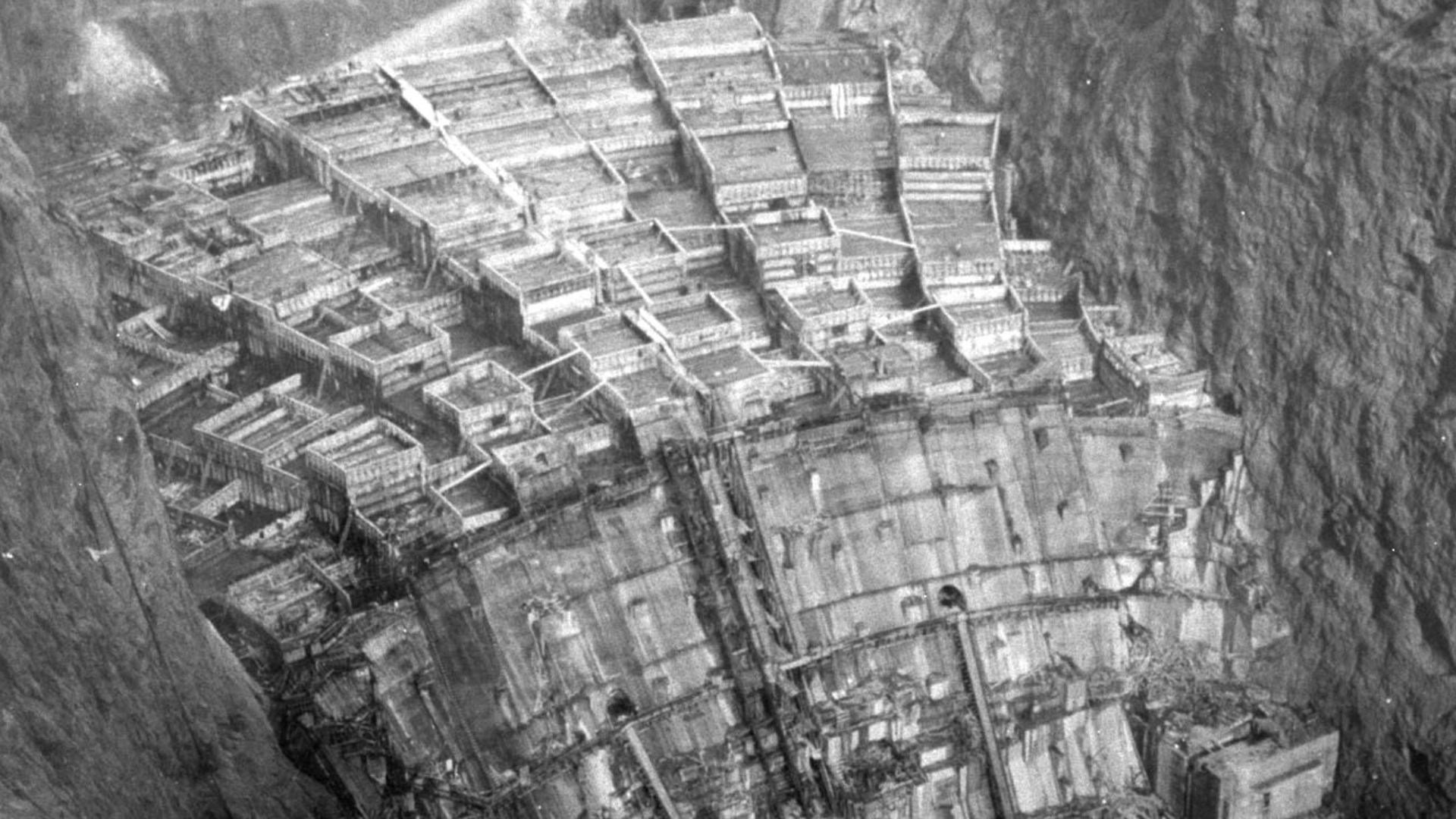 Bureau of Reclamation photographer, Wikimedia Commons
Mark Twain And Halley's Comet
Mark Twain was born on November 30, 1835, only two weeks after Halley's Comet made one of its periodic appearances. Late in life he joked that he had "come in with Halley's Comet" and expected to leave with it. Remarkably, Twain died on April 21, 1910, just one day after the comet reached perihelion during its next return.
![A portrait of the American writer Mark Twain taken by A. F. Bradley in New York, 1907.[1][2][3]](https://www.factinate.com/storage/app/media/factinate/2026/8/6/17859876022f75a91060651e37fd777eecc74bb7102c7a2034.jpg) A.F. Bradley, New York, Wikimedia Commons
A.F. Bradley, New York, Wikimedia Commons
The Titanic Novel That Came True
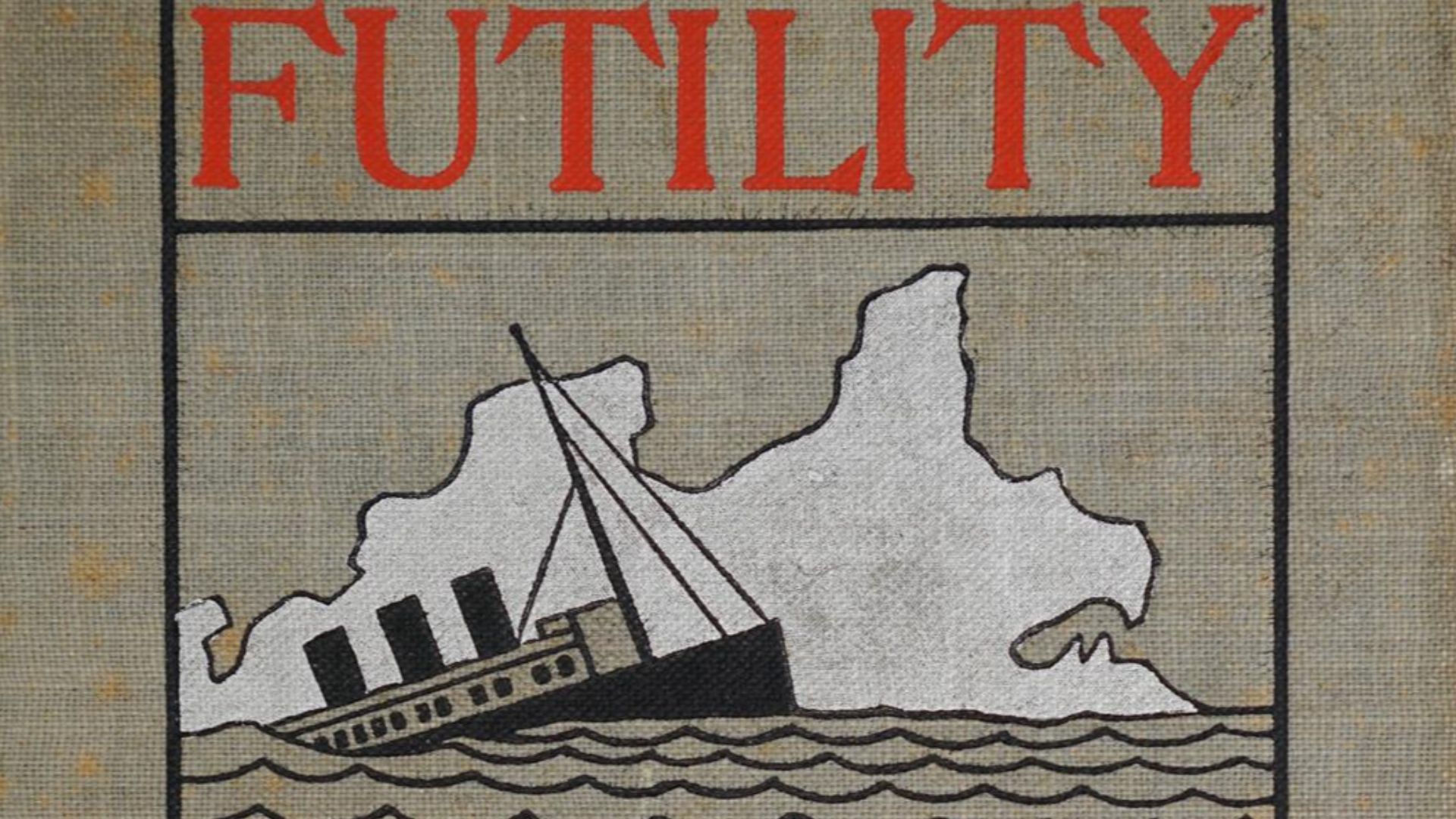
In 1898, Morgan Robertson published Futility, or the Wreck of the Titan, describing a gigantic, supposedly unsinkable passenger liner named Titan that struck an iceberg in the North Atlantic during April because it lacked enough lifeboats. Fourteen years later, the Titanic sank under astonishingly similar circumstances, creating one of history's eeriest literary coincidences.
 Unknown authorUnknown author, Wikimedia Commons
The Olympic Flag Was Lost For Decades
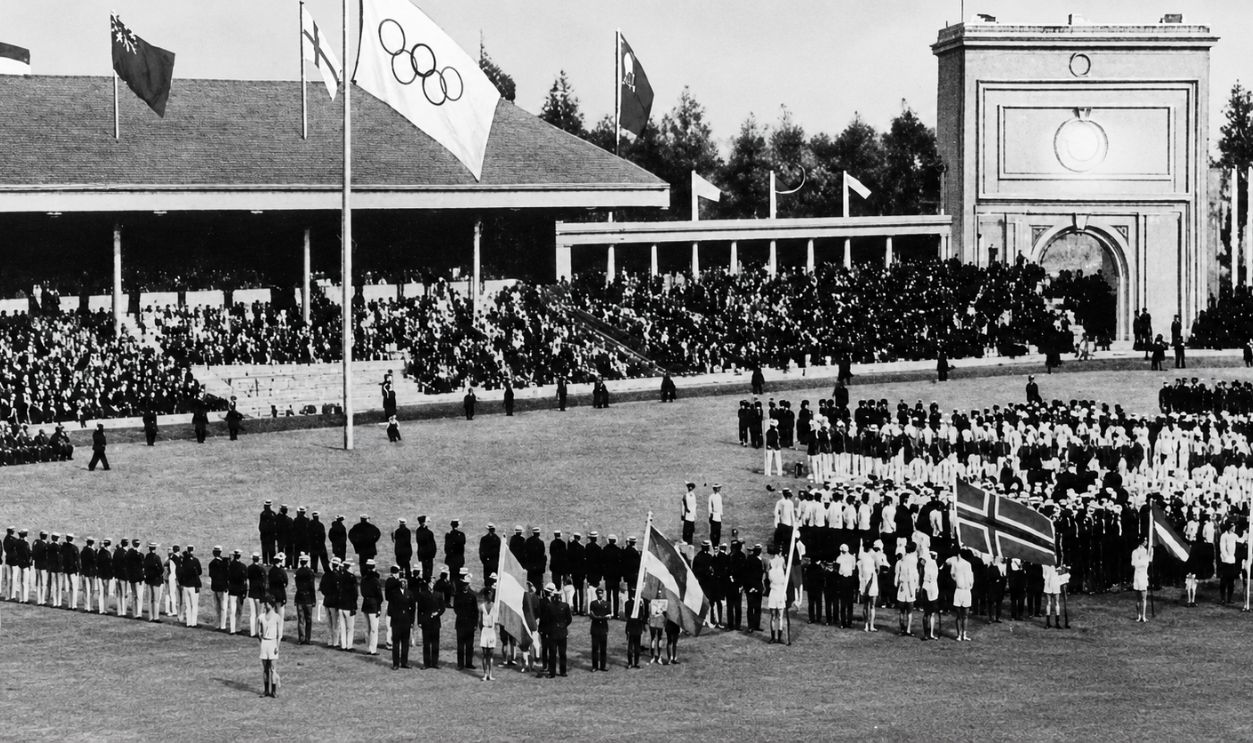
During the 1920 Olympic Games in Antwerp, an American diver secretly climbed a flagpole and took the official Olympic flag as a prank. The theft remained unknown for decades until, at age 101, former Olympian Hal Haig Prieste admitted he still had it and returned the flag to Olympic officials in 2000—after eighty years in his suitcase.
 Unknown Author, Wikimedia Commons, Modified
Violet Jessop Survived Three Sister-Ship Disasters
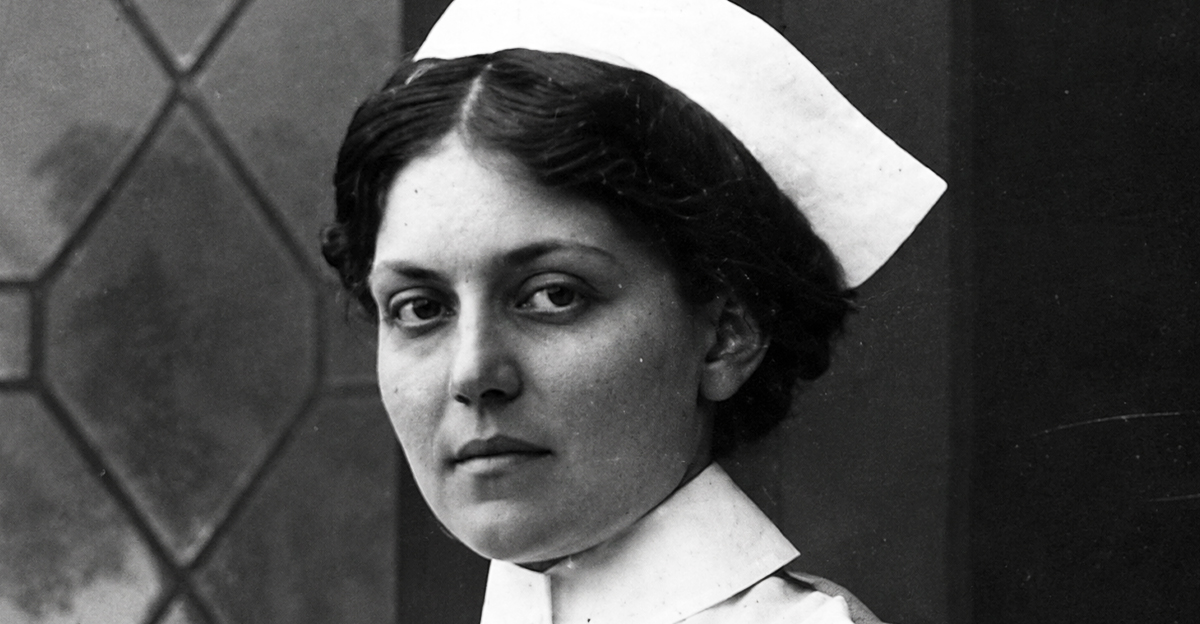
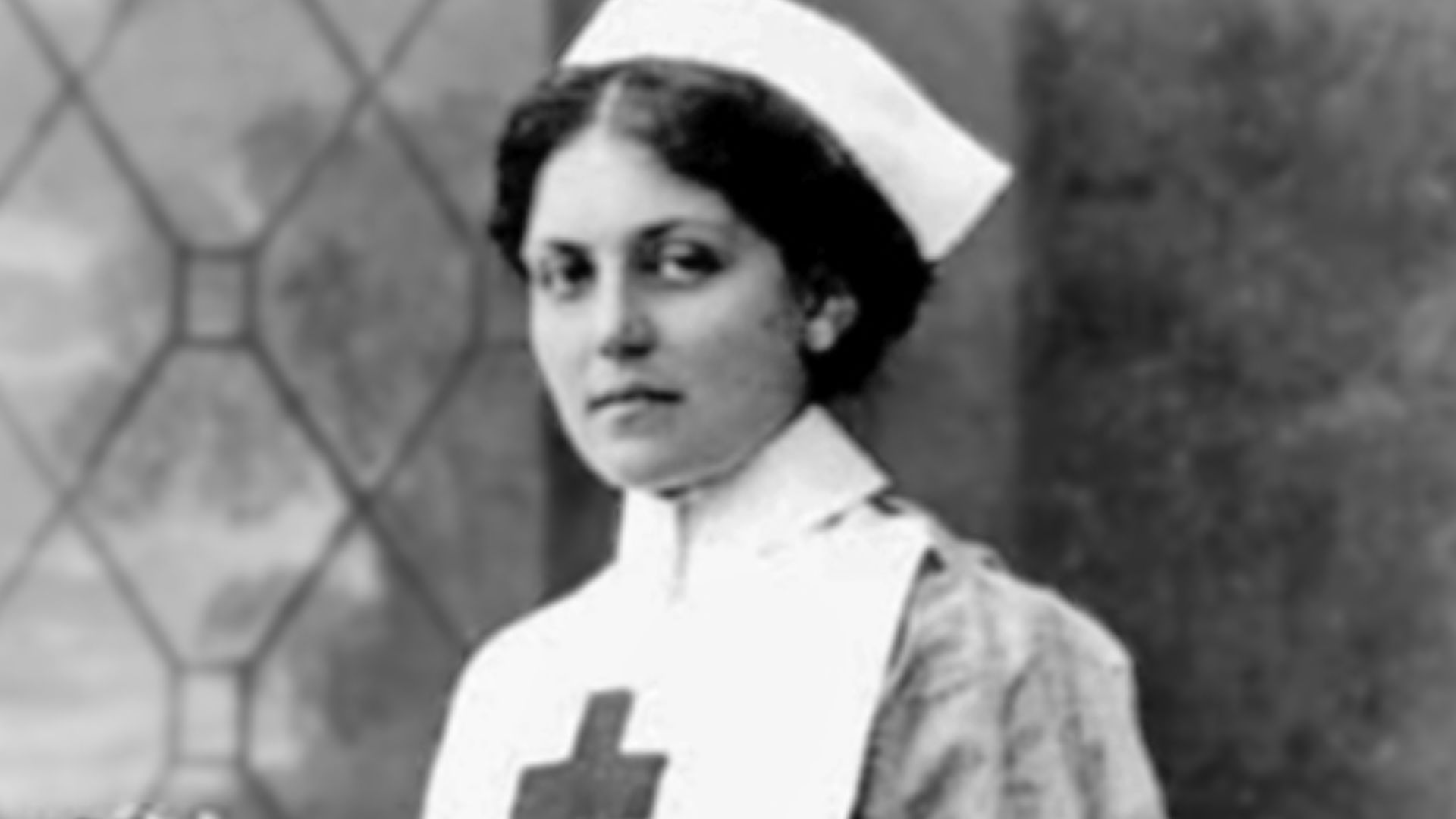
Few people experienced luck quite like ocean liner stewardess Violet Jessop. She served aboard the Olympic when it collided with another ship in 1911, survived the sinking of the Titanic in 1912, and escaped after the hospital ship Britannic struck a mine in 1916. All three vessels belonged to the same White Star Line class.
 Originally loaded to en-wiki by Boylo, Wikimedia Commons
The First And Last British Soldiers Of World War I
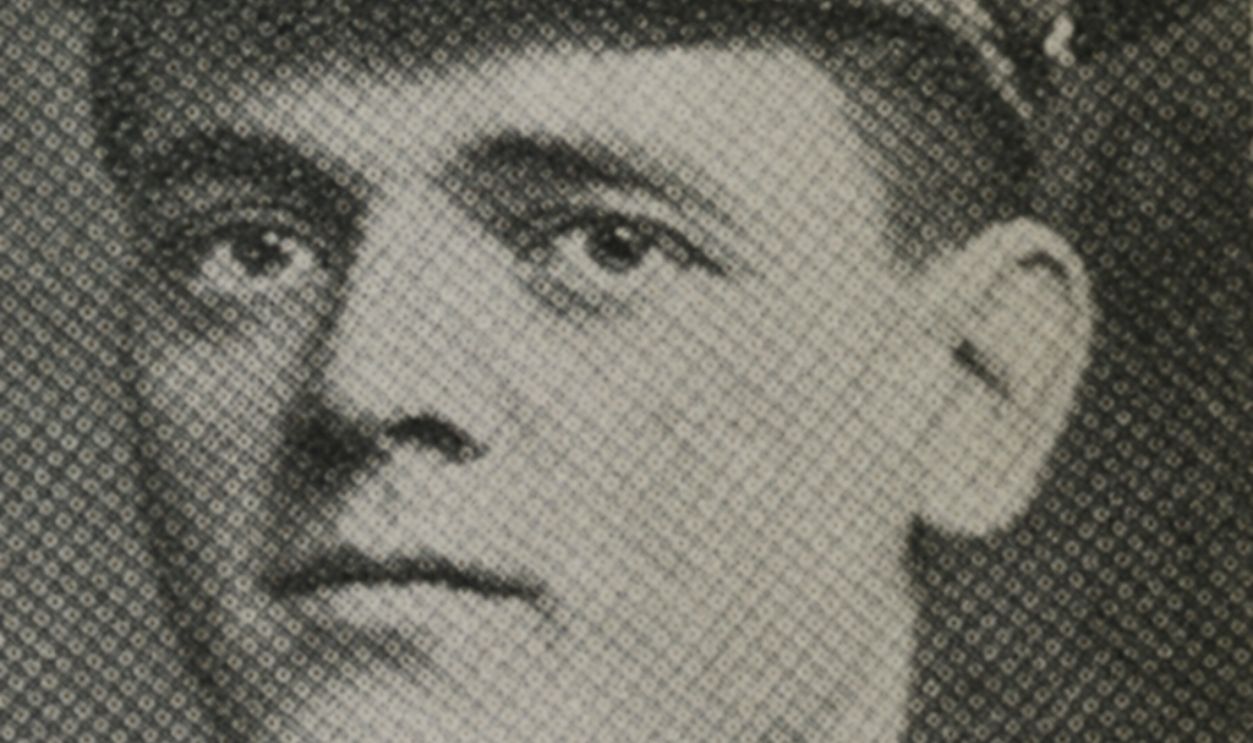
The first British soldier officially killed during the First World War was Private John Parr on August 21, 1914. The last was Private George Edwin Ellison, who died just ninety minutes before the armistice took effect on November 11, 1918. Remarkably, both men are buried in the same cemetery—St. Symphorien Military Cemetery in Belgium—only a few meters apart.
 Sheffield Daily Telegraph, Wikimedia Commons, Modified
A Car Crash Brought Together Two Future Leaders
In 1941, a young British Army officer named Bernard Montgomery was nearly struck by a vehicle while serving in North Africa. The driver happened to be another officer who would later become Field Marshal Harold Alexander. Both men eventually commanded Allied forces during critical campaigns, their careers briefly intersecting long before either became internationally famous.
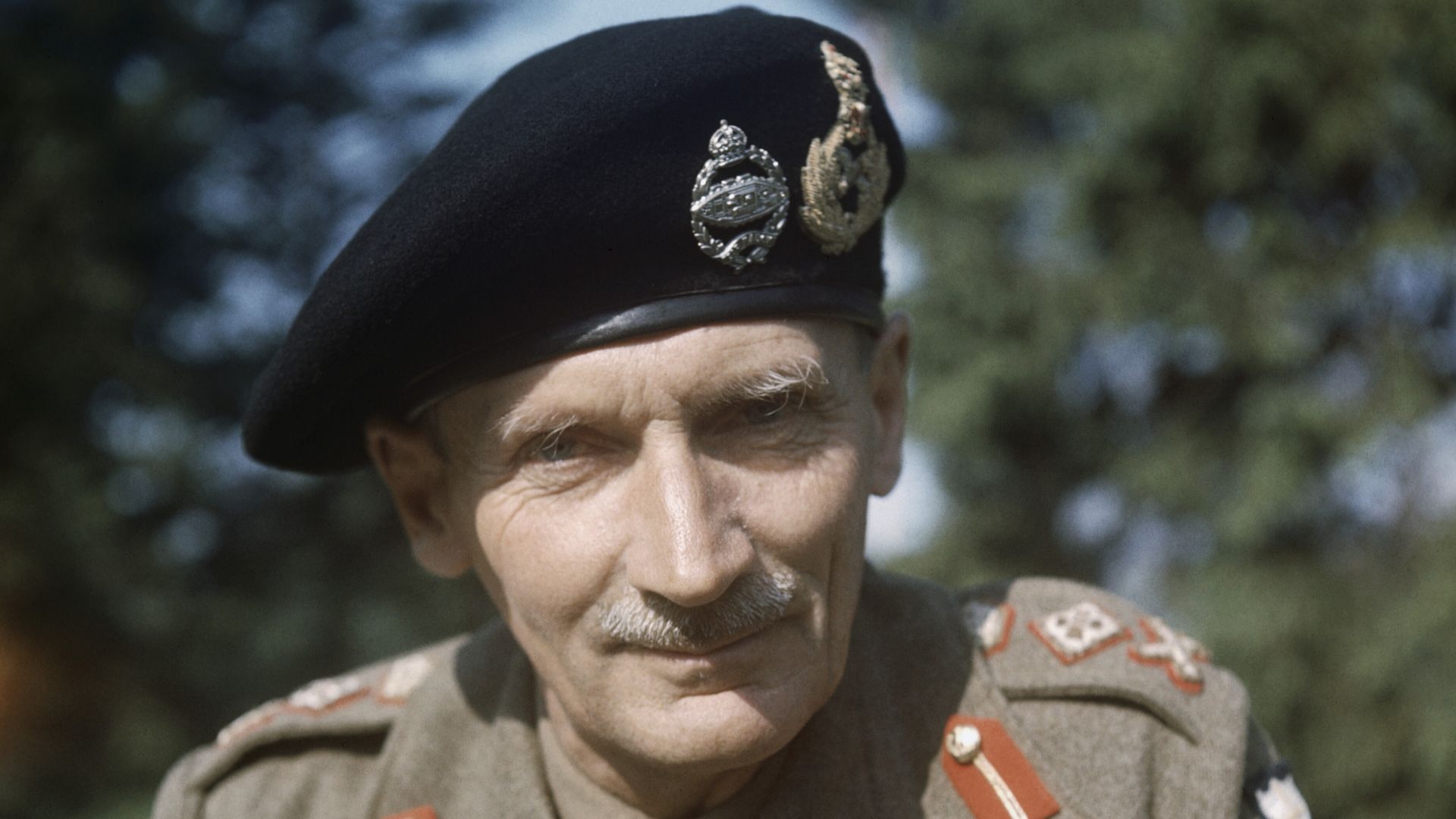 Possibly Edward George William Malindine, Wikimedia Commons
Anne Frank And Martin Luther King Jr. Were Born In The Same Year
Anne Frank and Martin Luther King Jr. were both born in 1929. While Anne documented the horrors of Nazi persecution before dying during the Holocaust, King grew up in the United States and became the defining voice of the Civil Rights Movement. Their lives reflected two of the twentieth century's greatest struggles for human dignity.
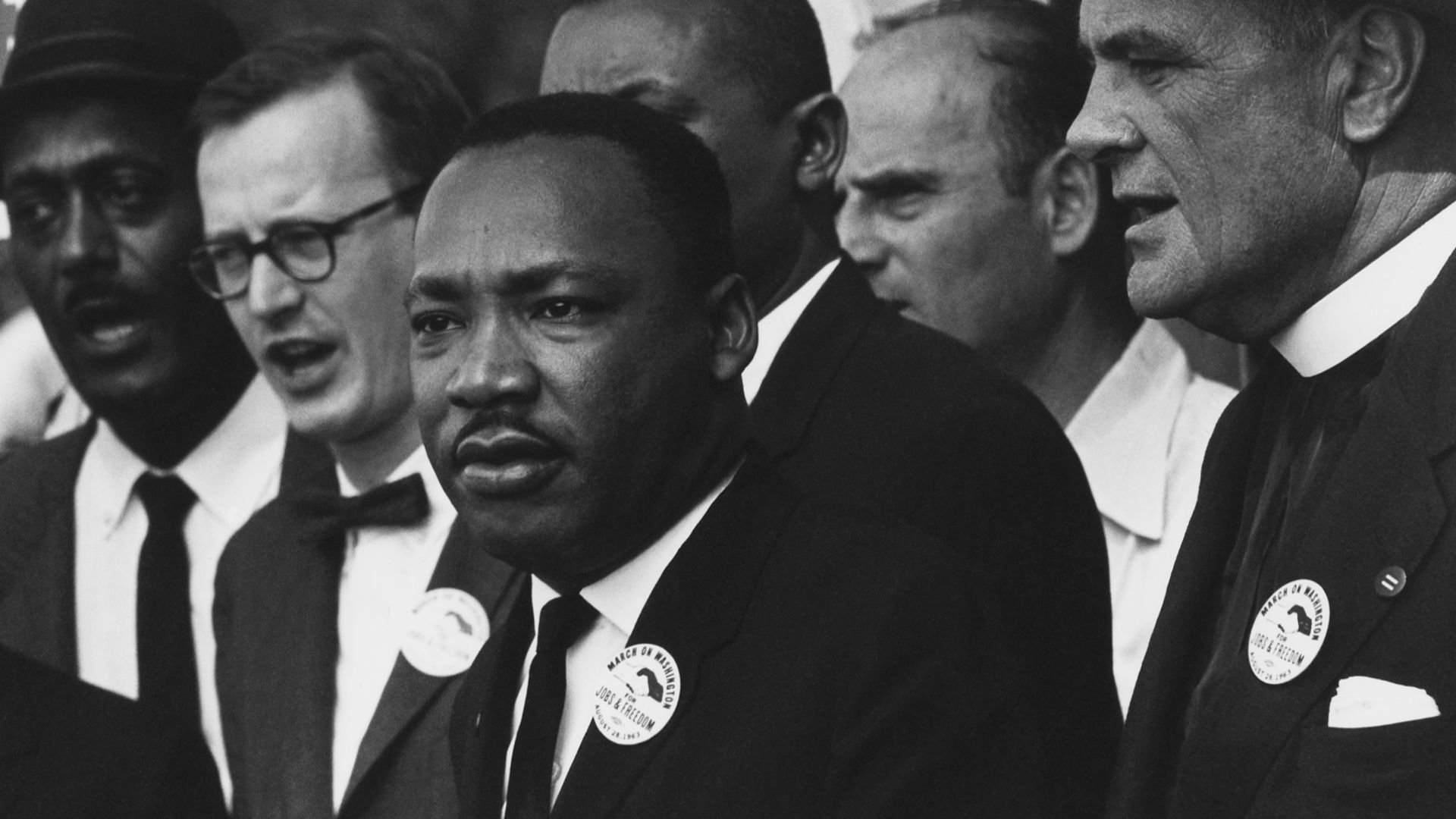 Rowland Scherman / Adam Cuerden, Wikimedia Commons
Tsutomu Yamaguchi Survived Both Atomic Bombings
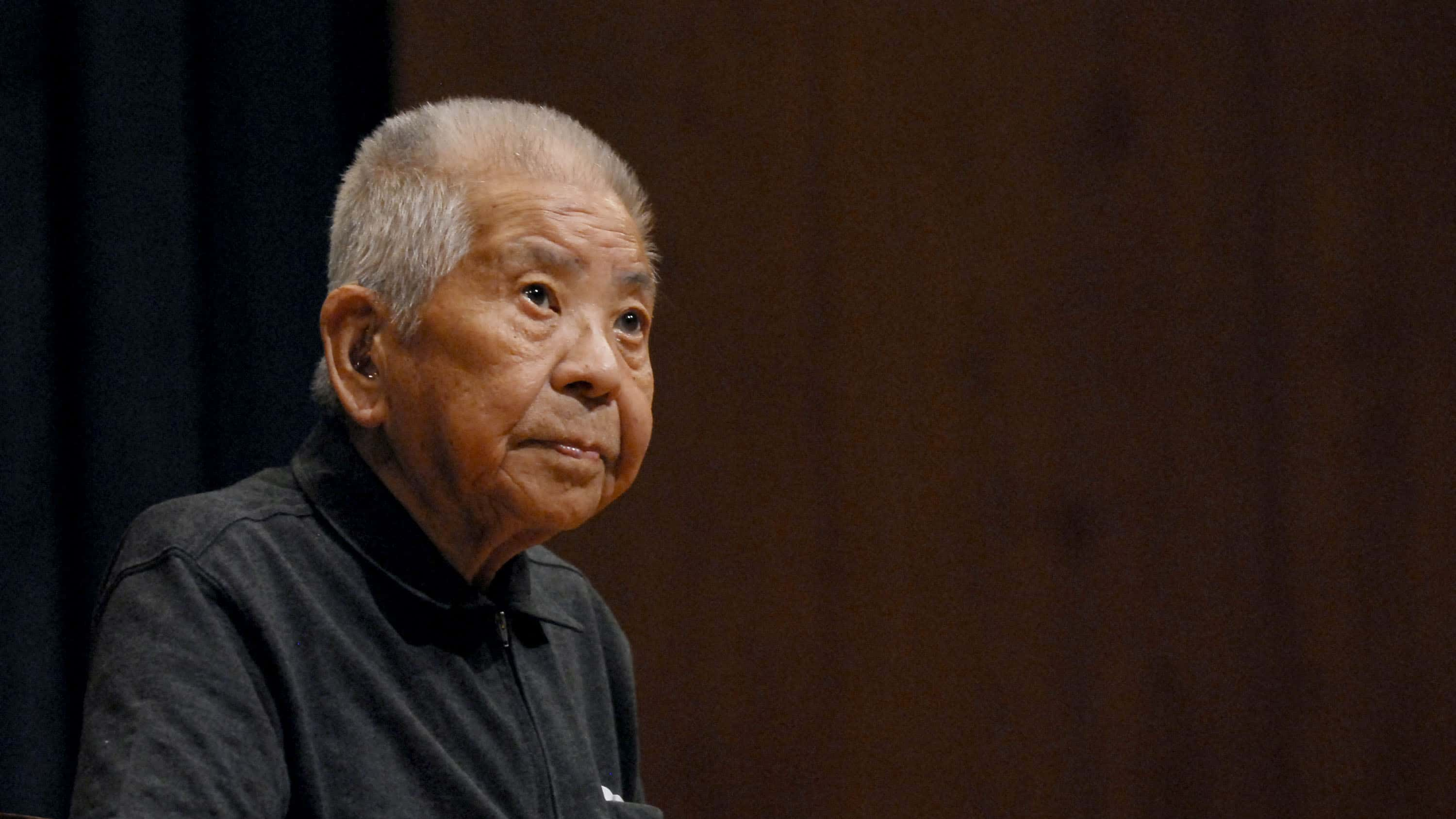
Japanese engineer Tsutomu Yamaguchi was in Hiroshima on August 6, 1945, when the first atomic bomb exploded. After surviving severe burns, he traveled home to Nagasaki—only to experience the second atomic bombing three days later. He remains the only person officially recognized by Japan as having survived both nuclear attacks.
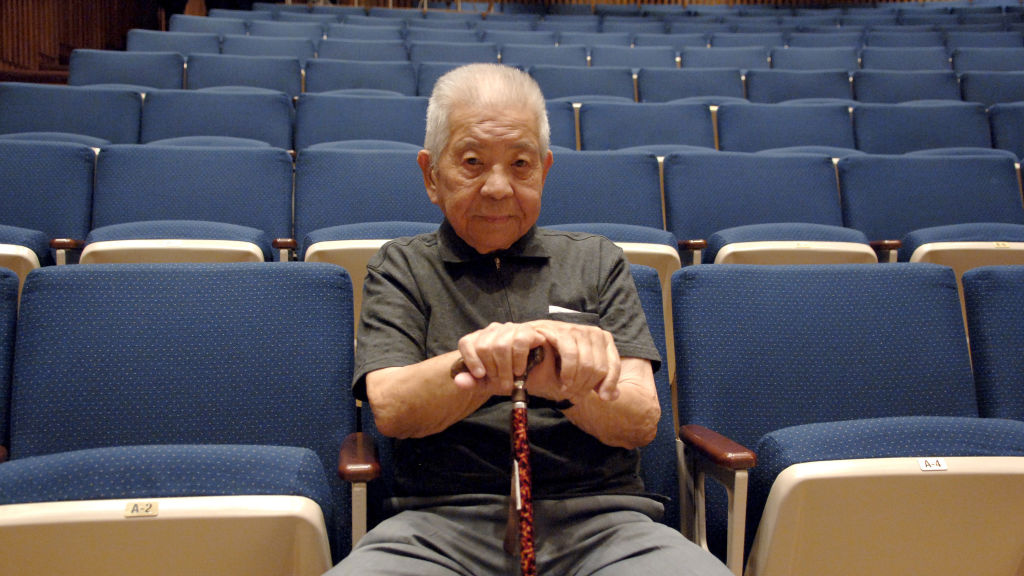
Violet Jessop And Tsutomu Yamaguchi Shared Remarkable Luck
Although they lived on opposite sides of the world and never met, Violet Jessop and Tsutomu Yamaguchi became famous for surviving disasters that seemed impossible to escape. Jessop survived the Titanic, Olympic, and Britannic, while Yamaguchi survived both atomic bombings. Their extraordinary stories remain unmatched examples of human endurance and improbable survival.
The Berlin Wall Opened By Mistake
On November 9, 1989, East German official Günter Schabowski mistakenly announced during a televised press conference that new travel rules took effect "immediately." Confused border guards, lacking further instructions, opened crossing points to enormous crowds. One of the Cold War's defining moments happened largely because of a bureaucratic misunderstanding and a poorly worded announcement.
 frollein2007, Wikimedia Commons
Adams And Jefferson Died On Independence Day
On July 4, 1826—the fiftieth anniversary of the signing of the Declaration of Independence—former Presidents John Adams and Thomas Jefferson both died within hours of one another. Once bitter political rivals who later became close correspondents, the two Founding Fathers passed away on the very day the nation celebrated the document they had helped bring into existence. According to tradition, Adams' final words were, "Thomas Jefferson survives," unaware that Jefferson had actually died several hours earlier.
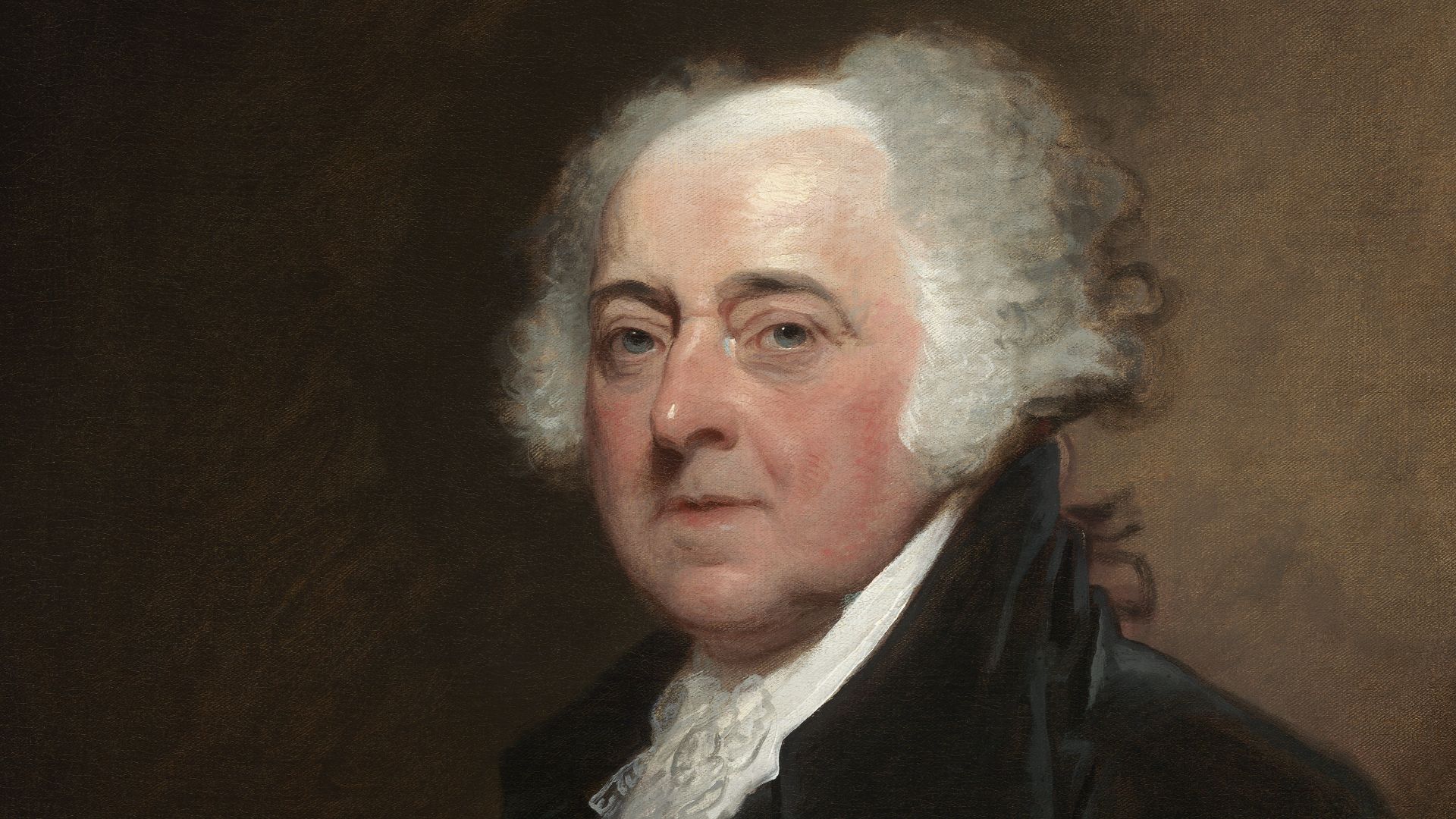 Gilbert Stuart, Wikimedia Commons
The Luck Of History
History often appears carefully planned when viewed in hindsight, but these remarkable coincidences reveal just how much chance has shaped the world. Whether involving kings, scientists, artists, disasters, or astonishing survival stories, these unlikely connections remind us that reality frequently produces narratives far stranger—and more compelling—than fiction ever could.
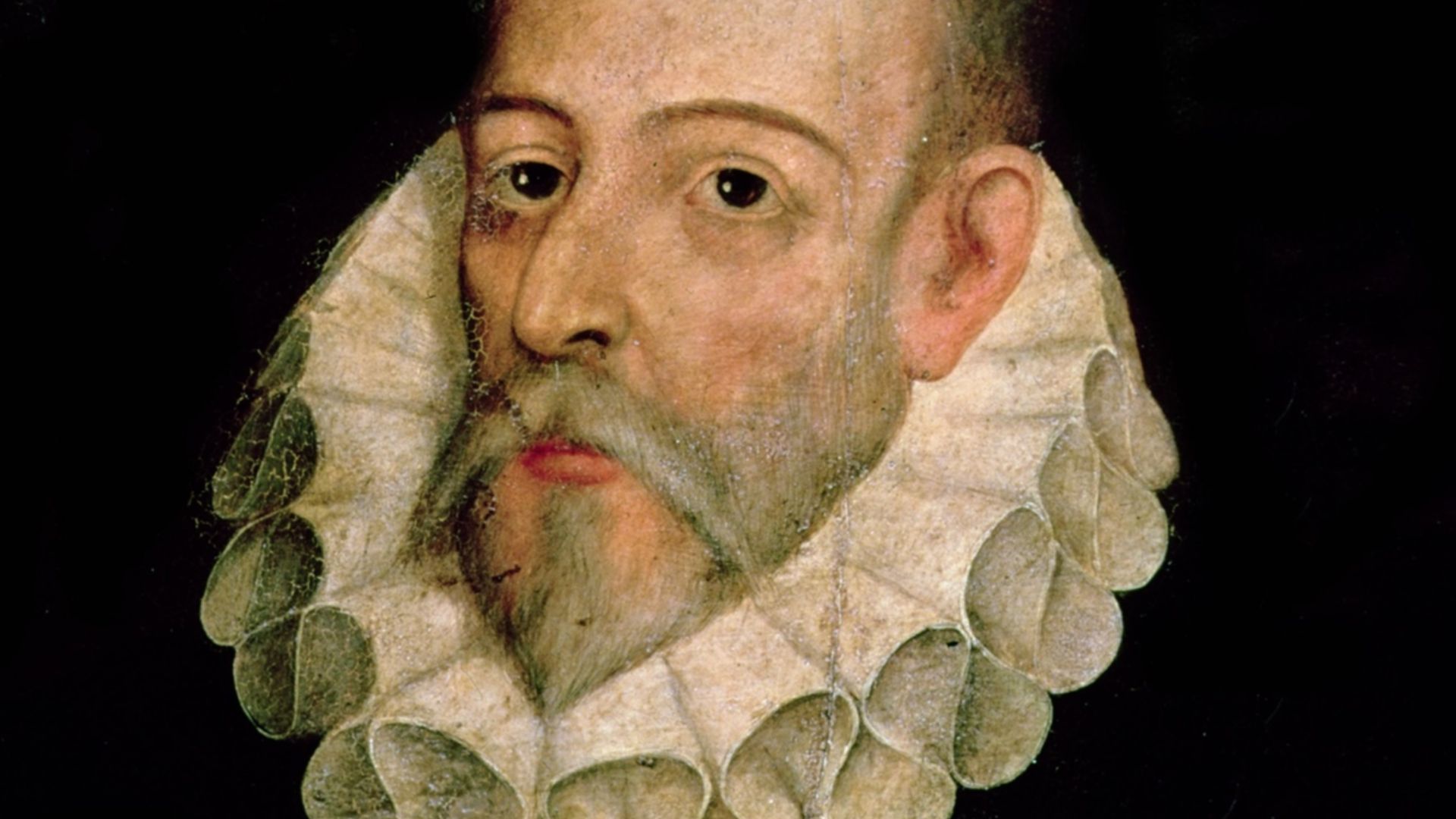 Attributed to Juan de Jáuregui, Wikimedia Commons
You May Also Like:
Honorable Facts About Abraham Lincoln, America’s Most Tragic President
Everyday American traditions that began as marketing campaigns—and somehow became permanent.