
Comfort Came With Consequences.
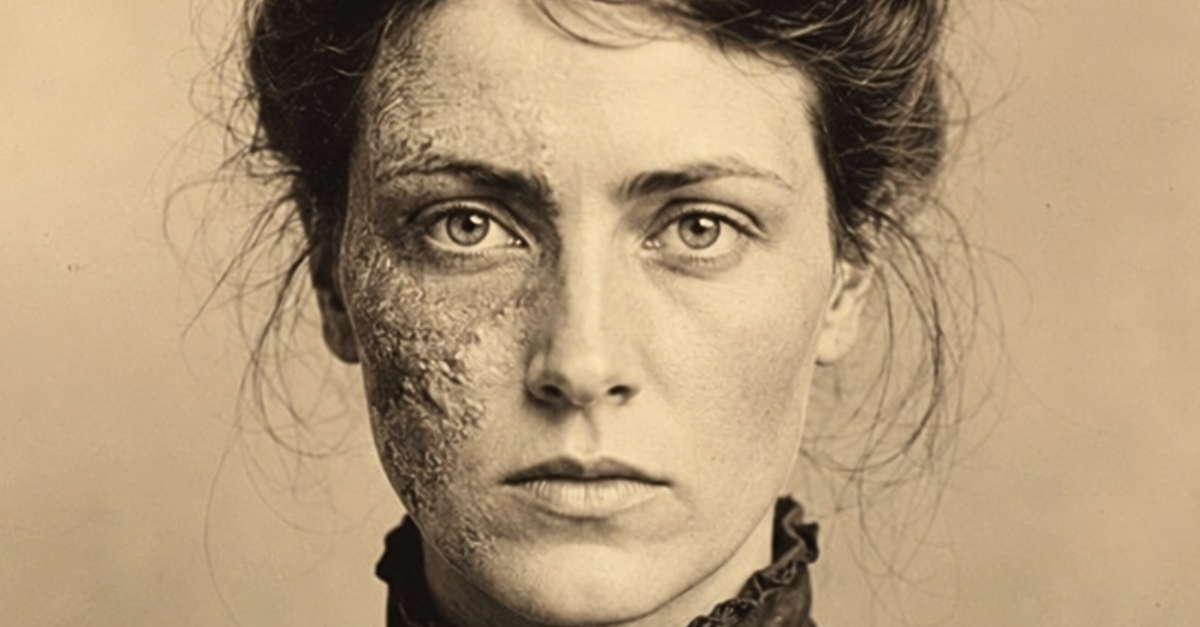
Many objects that once signaled wealth, taste, or modern living also exposed households to poison, fire, radiation, electric shock, and mechanical injury. Their histories reveal how quickly attractive new conveniences entered the home, and how slowly manufacturers and regulators learned to make them safe.
Arsenic Wallpaper Made Rooms Fashionably Toxic
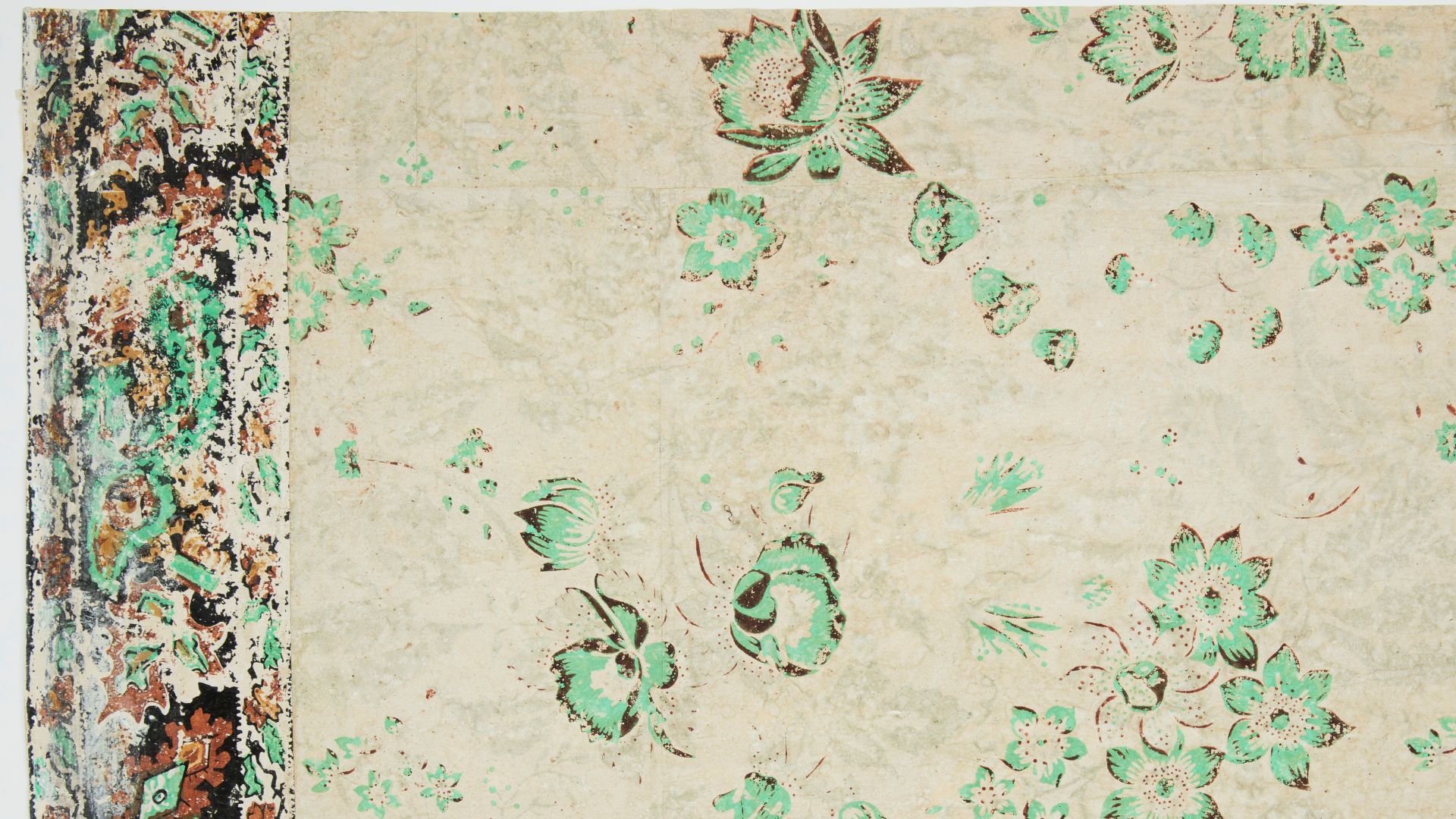
Brightly colored wallpaper transformed an ordinary room into a fashionable Victorian interior. Unfortunately, popular green pigments often contained arsenic, and physicians were publicly warning about possible household poisoning by the 1850s. Dust, flaking pigment, and contaminated indoor air could expose residents without producing an obvious source of illness. A product meant to display taste and prosperity instead made some of the era’s most beautiful rooms genuinely hazardous.
 Unknown artistUnknown artist, Wikimedia Commons
Grand Mirrors Could Leak Mercury
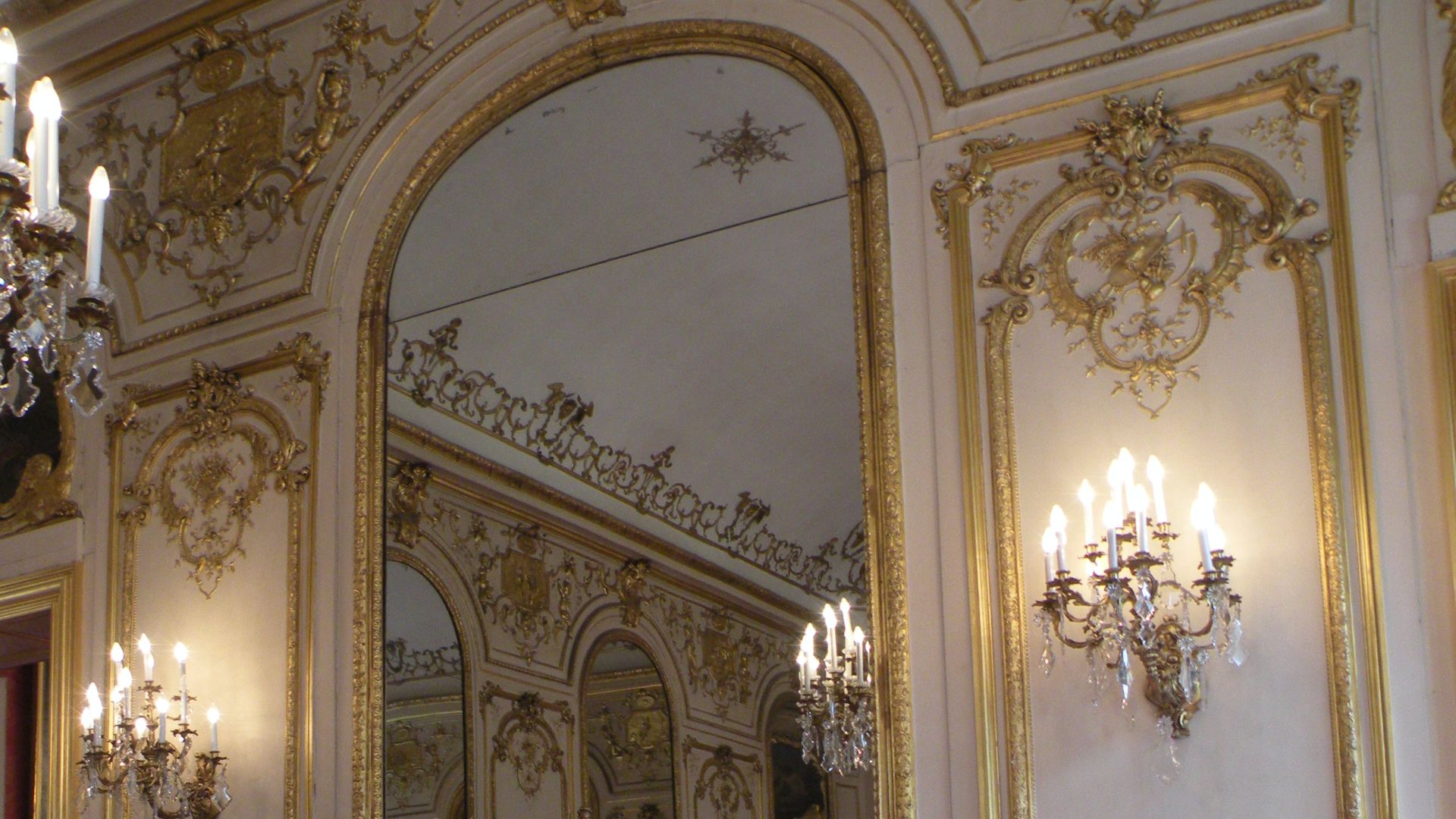
Large mirrors were once expensive symbols of status because producing broad, reflective sheets of glass required specialized labor and materials. From the 16th century into the 19th, many European mirrors used a reflective layer made from tin and mercury amalgam. Historic examples can still contain mobile mercury and release vapor or droplets as the backing deteriorates. Museums now store some antique mirrors with ventilation and trays designed to catch escaping mercury.
Crystal Decanters Came With A Hidden Ingredient
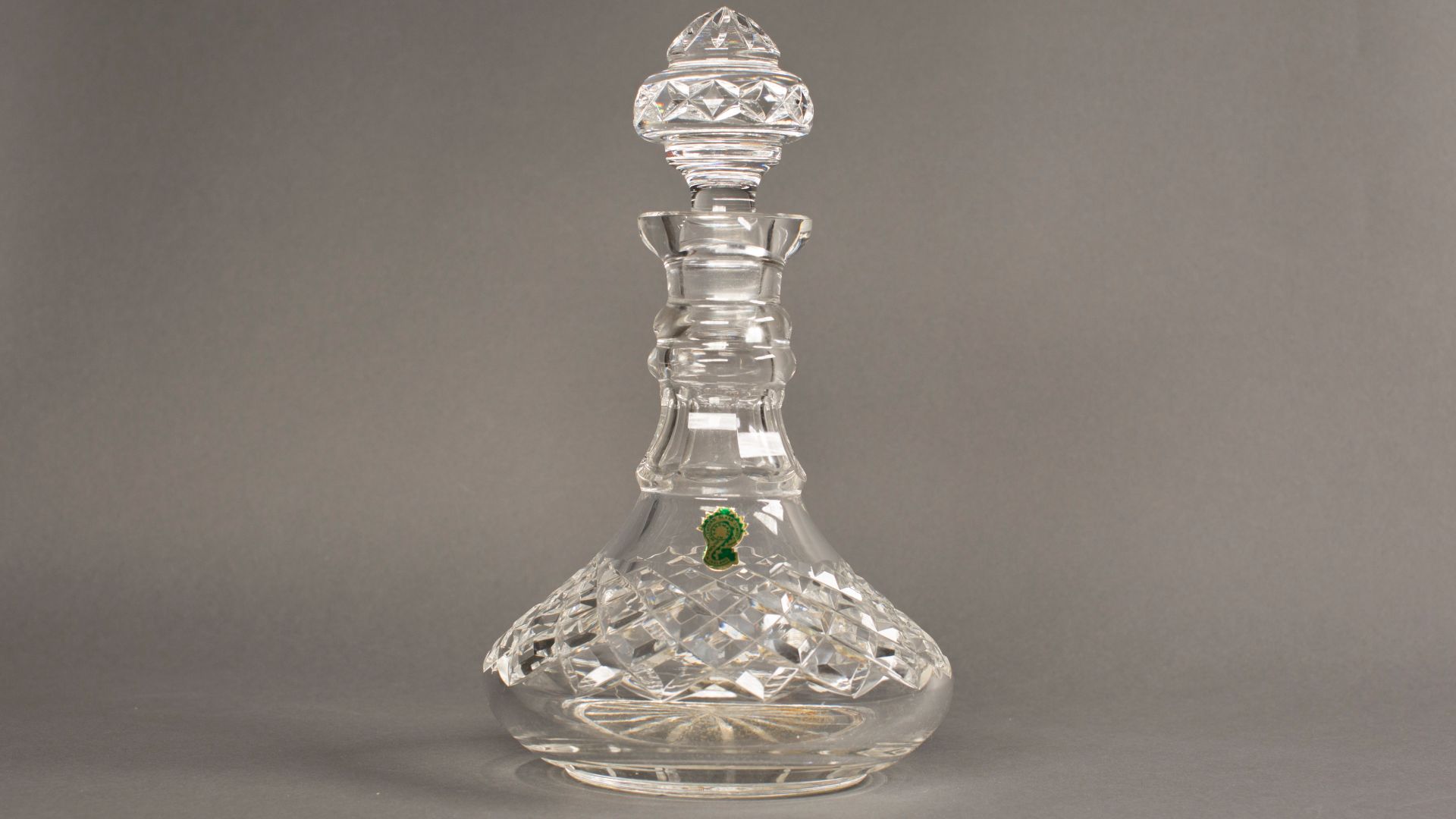
Cut-crystal decanters looked heavier, brighter, and more refined than ordinary glass bottles. Traditional lead crystal achieved that brilliance by adding lead oxide, but alcoholic and acidic liquids can draw some of the metal into the drink. The risk rises when spirits remain stored in a leaded decanter for extended periods. An object designed to make serving liquor look elegant could quietly contaminate what it displayed.
 President (1981-1989 : Reagan). White House Gift Unit. 1/20/1981-1/20/1989, Wikimedia Commons

History's most fascinating stories and darkest secrets, delivered to your inbox daily.
Decorated Plates Could Season The Food
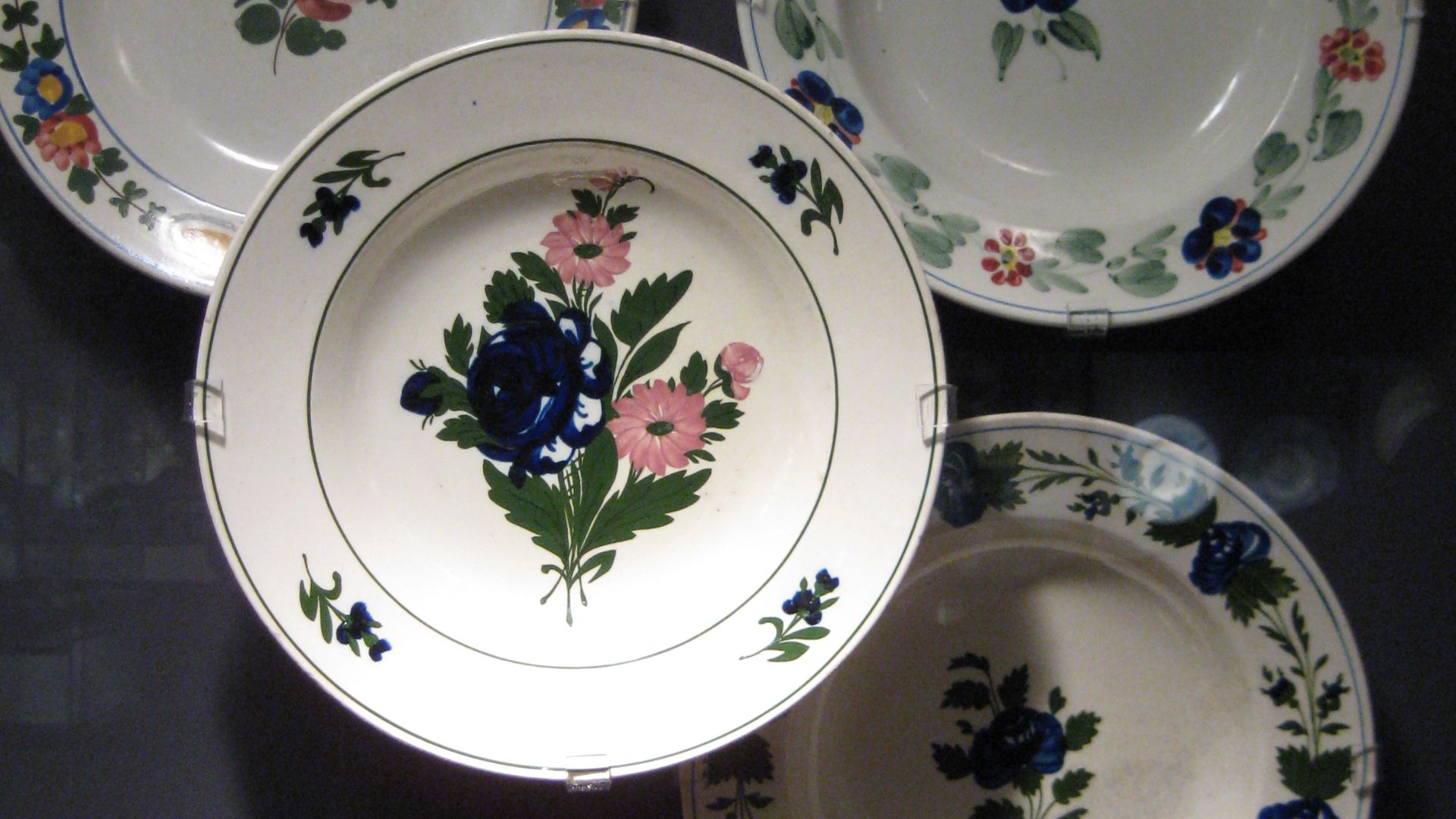
Colorful glazed ceramics allowed families to serve meals on dishes that resembled expensive imported wares. Lead helped create smooth, durable, vivid glazes, but acidic or salty foods could dissolve part of the surface and carry the metal into a meal. Vintage plates remain especially concerning when they are chipped, heavily worn, or poorly fired. The decoration that made a table look prosperous could also become a repeated source of exposure.
Uranium Glass Glowed Like A Party Trick
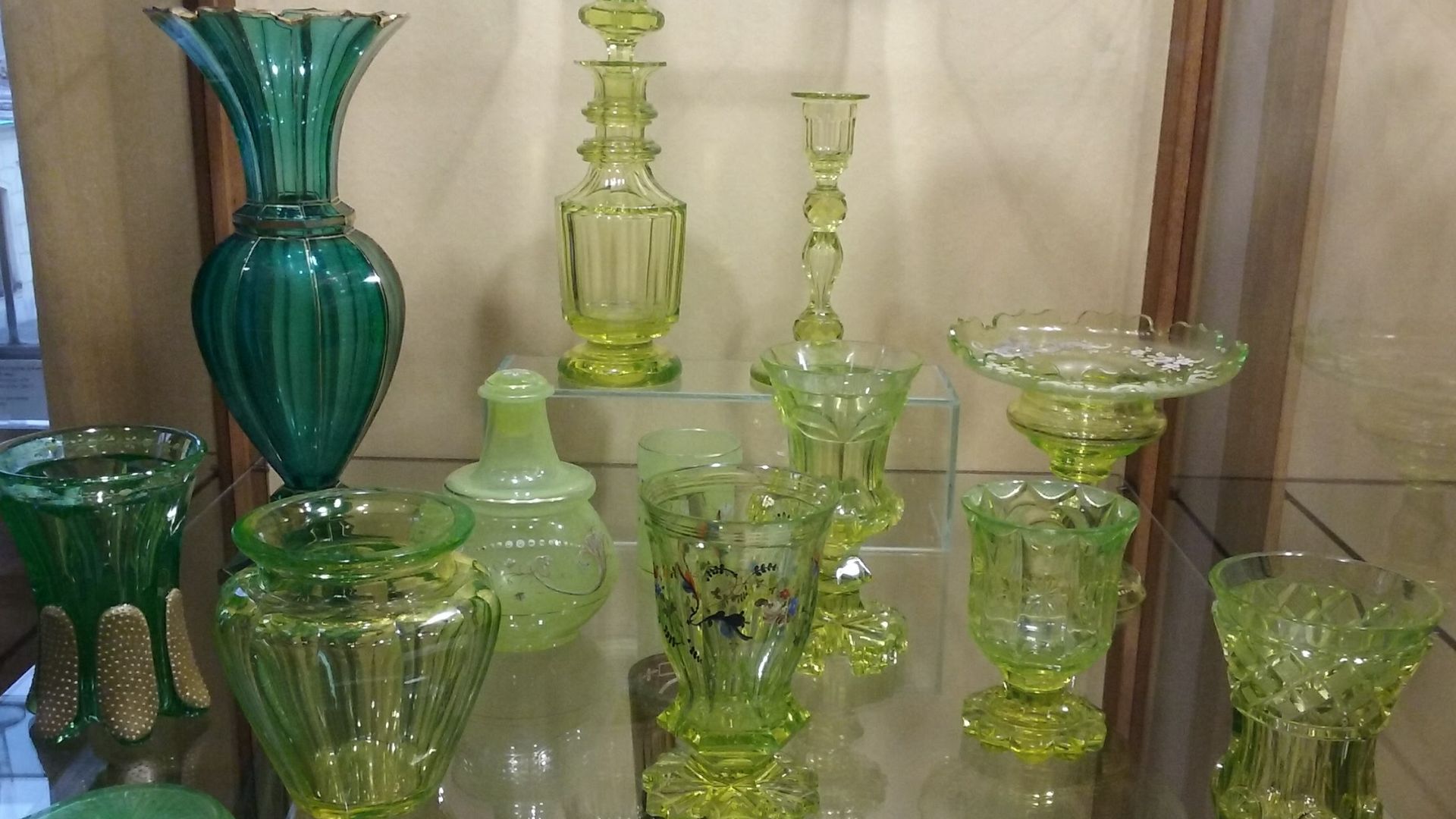
Manufacturers added uranium compounds to glass to create striking yellow or green tableware. Under ultraviolet light, many pieces glow an intense fluorescent green, making bowls, plates, and serving dishes especially dramatic. The objects contain measurable radioactivity, although intact pieces generally present a relatively limited exposure risk when handled normally. Their unsettling appeal comes from the fact that a prized decorative material later became inseparable from the nuclear age.
Radium Clocks Shone Through The Night
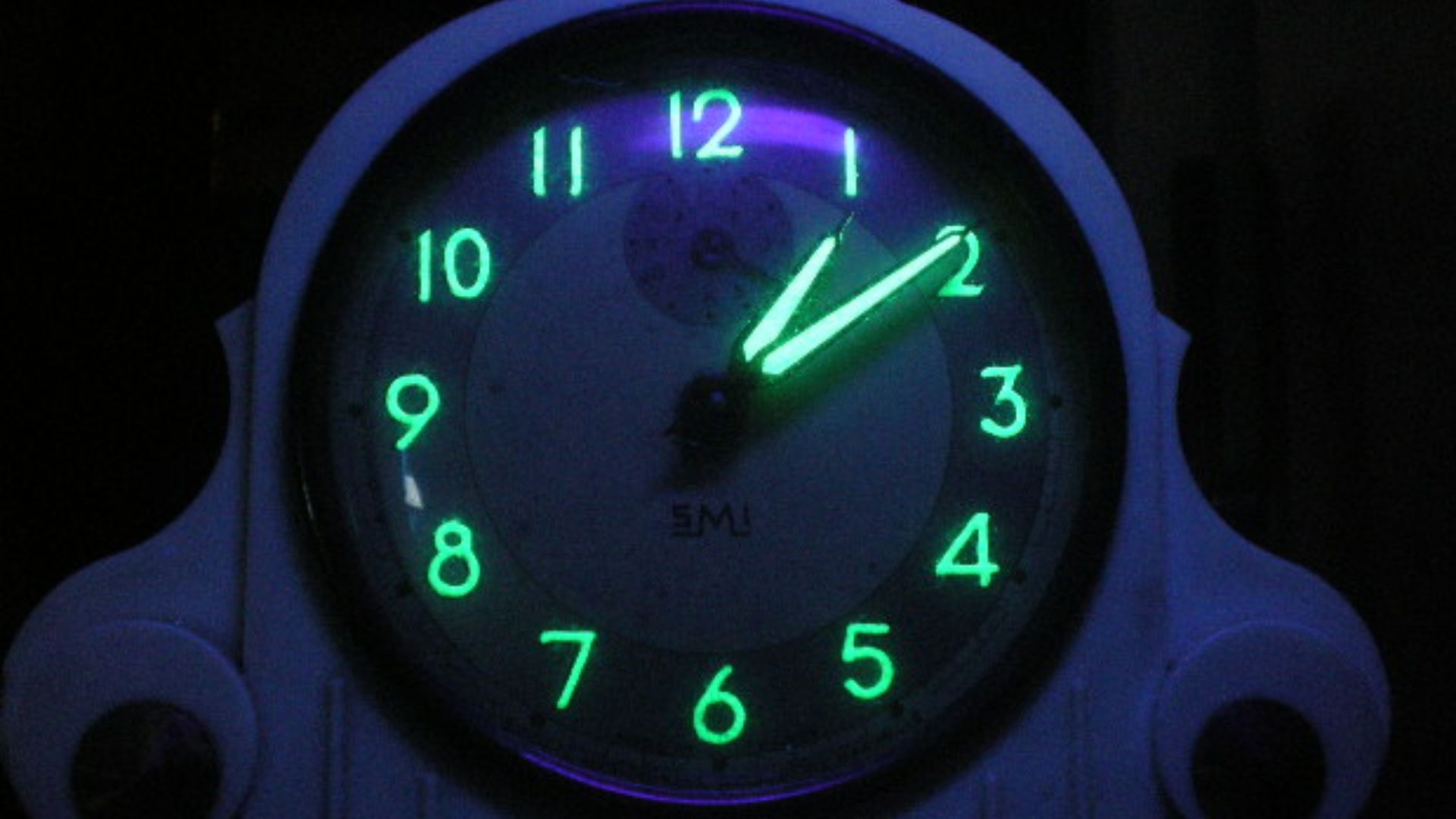
Self-luminous clocks offered a glamorous solution to an old inconvenience because their numbers could be read in complete darkness. Manufacturers used paint containing radium, which remained radioactive long after the visible glow faded. Dial painters suffered terrible injuries after ingesting the paint while shaping brushes with their lips, and damaged antique dials can still release contaminated dust. A bedside clock once marketed as futuristic can now require the handling precautions of a radioactive artifact.
Celluloid Combs Could Catch Fire
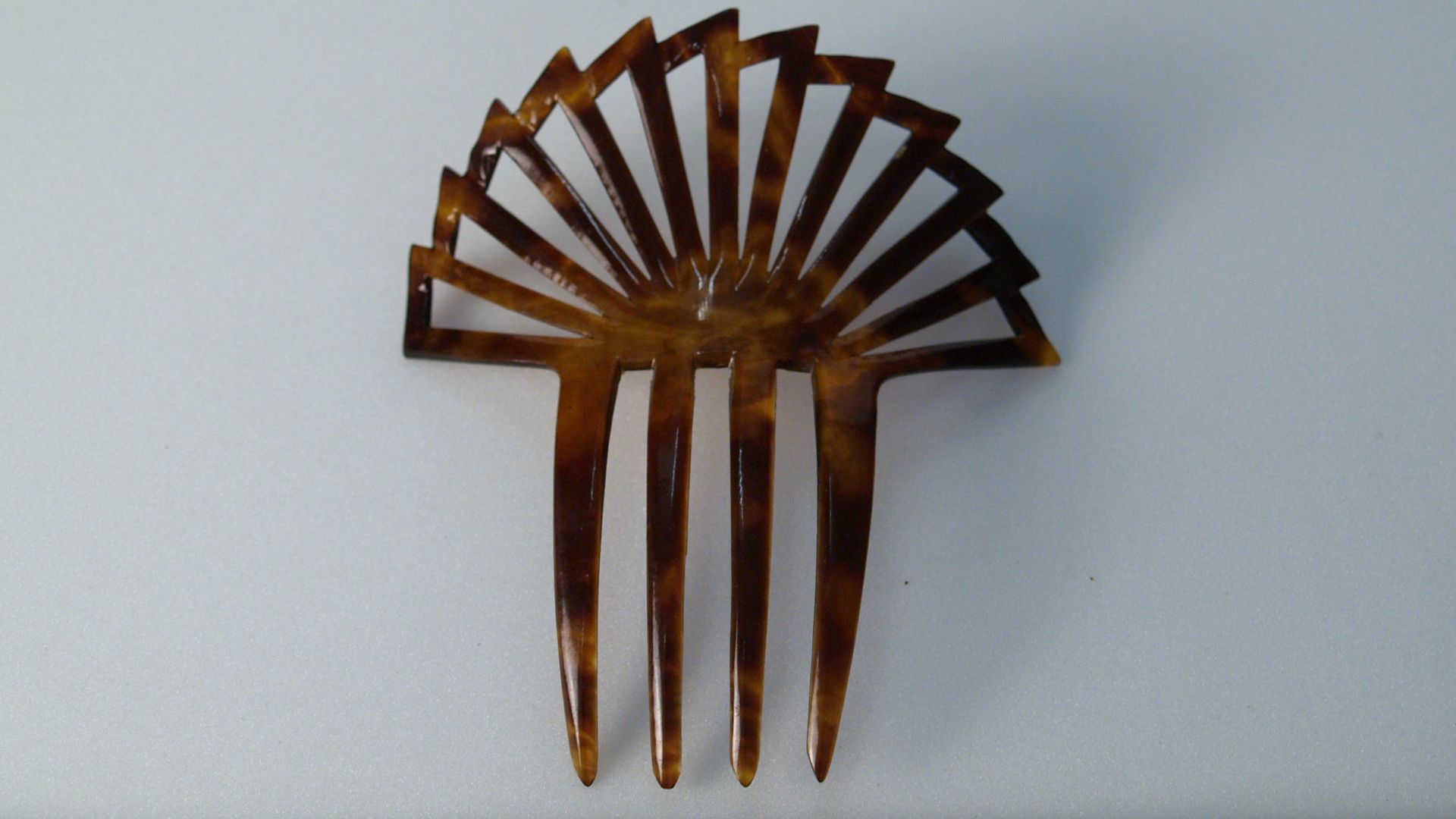
Celluloid let manufacturers imitate ivory, tortoiseshell, and other costly materials at a fraction of the price. It appeared in combs, buttons, collars, toys, dentures, and decorative household goods. The early plastic was highly flammable, which made a celluloid hair accessory dangerous near candles, stoves, or heated styling equipment. A clever imitation of luxury materials could ignite with alarming speed.
Matches Made Fire Convenient And Poisonous
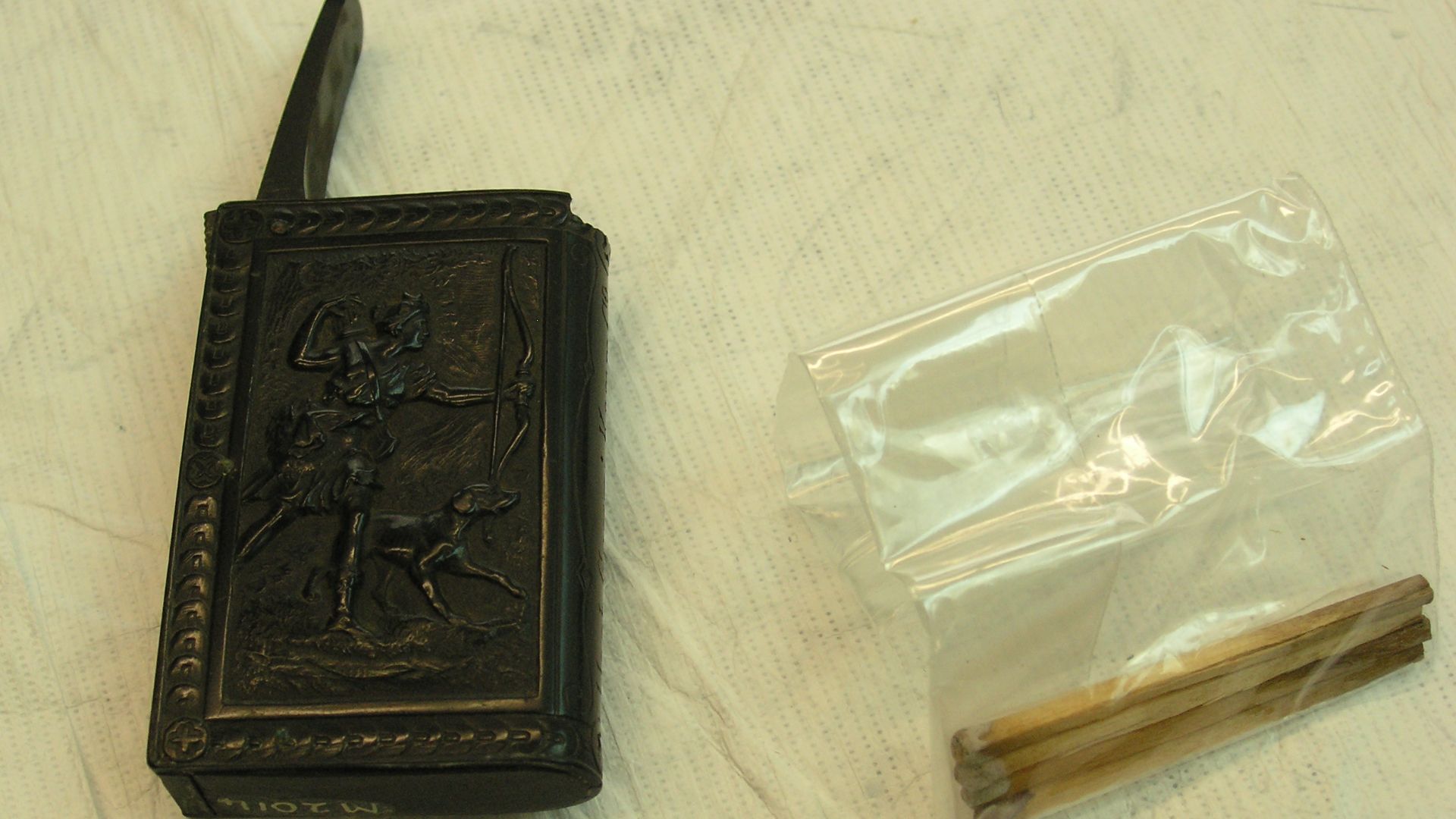
Friction matches gave ordinary households instant access to flame without flint, steel, or complicated chemical devices. Some widely used 19th-century matches contained white phosphorus, which ignited easily but poisoned factory workers and caused a gruesome condition known as phossy jaw. The United States prohibited white phosphorus matches in the early 20th century after safer alternatives became available. The tiny box beside the stove represented both modern convenience and one of industrial history’s ugliest occupational hazards.
Gaslight Filled Parlors With Modern Brilliance
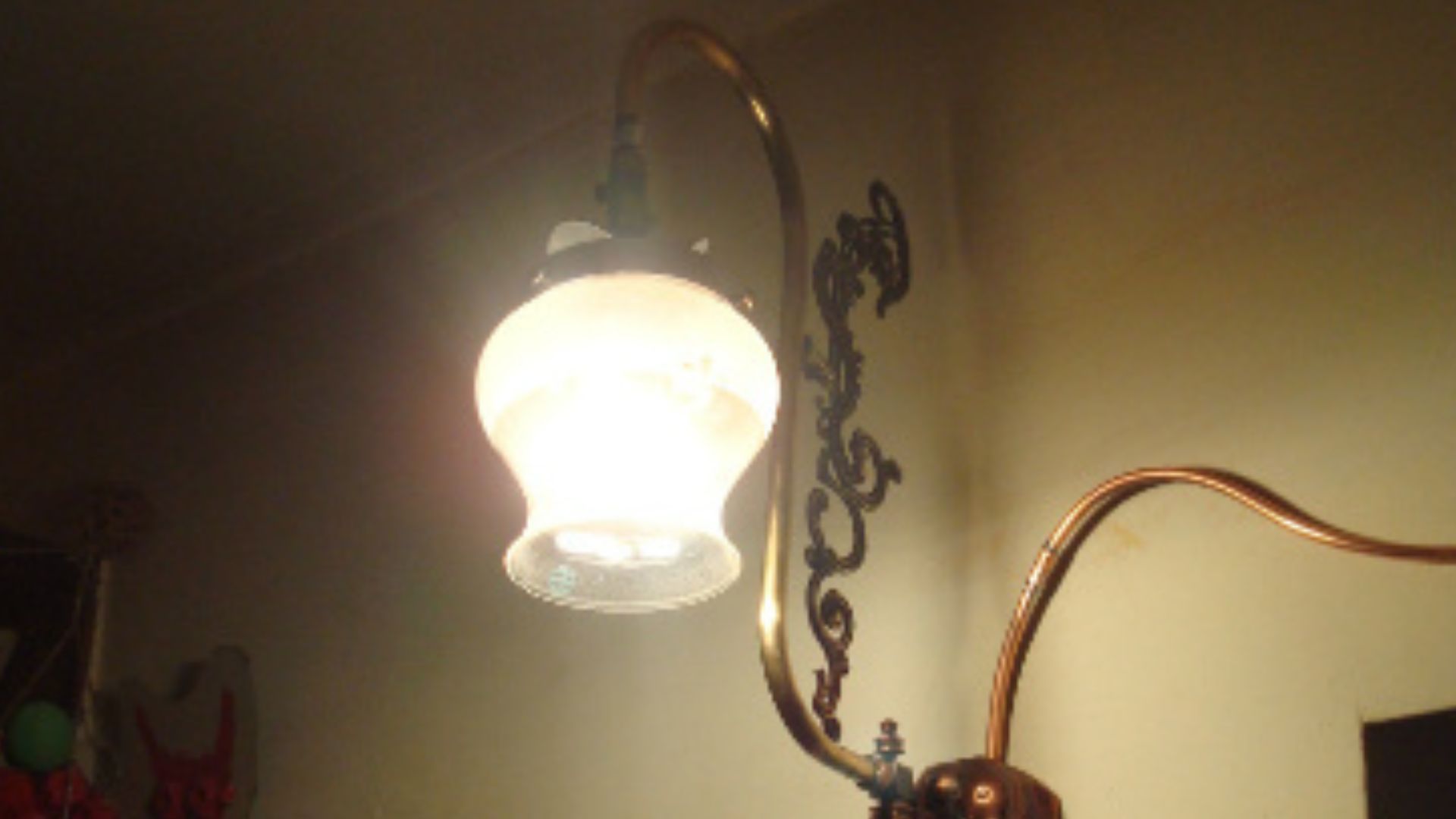
Gas lighting offered a level of steady indoor brightness that candles and simple oil lamps could not match. By the late 19th century, urban residents had grown accustomed to gas fixtures, pipelines, and professionally manufactured lighting equipment. Leaks could fill rooms with toxic or explosive gas, while flames consumed oxygen and produced heat and combustion fumes. The glowing chandelier that advertised modern city life could make the same room far less safe.
 Rer Isi Rer, Wikimedia Commons
History's most fascinating stories and darkest secrets, delivered to your inbox daily.
Kerosene Lamps Put Fire On The Table
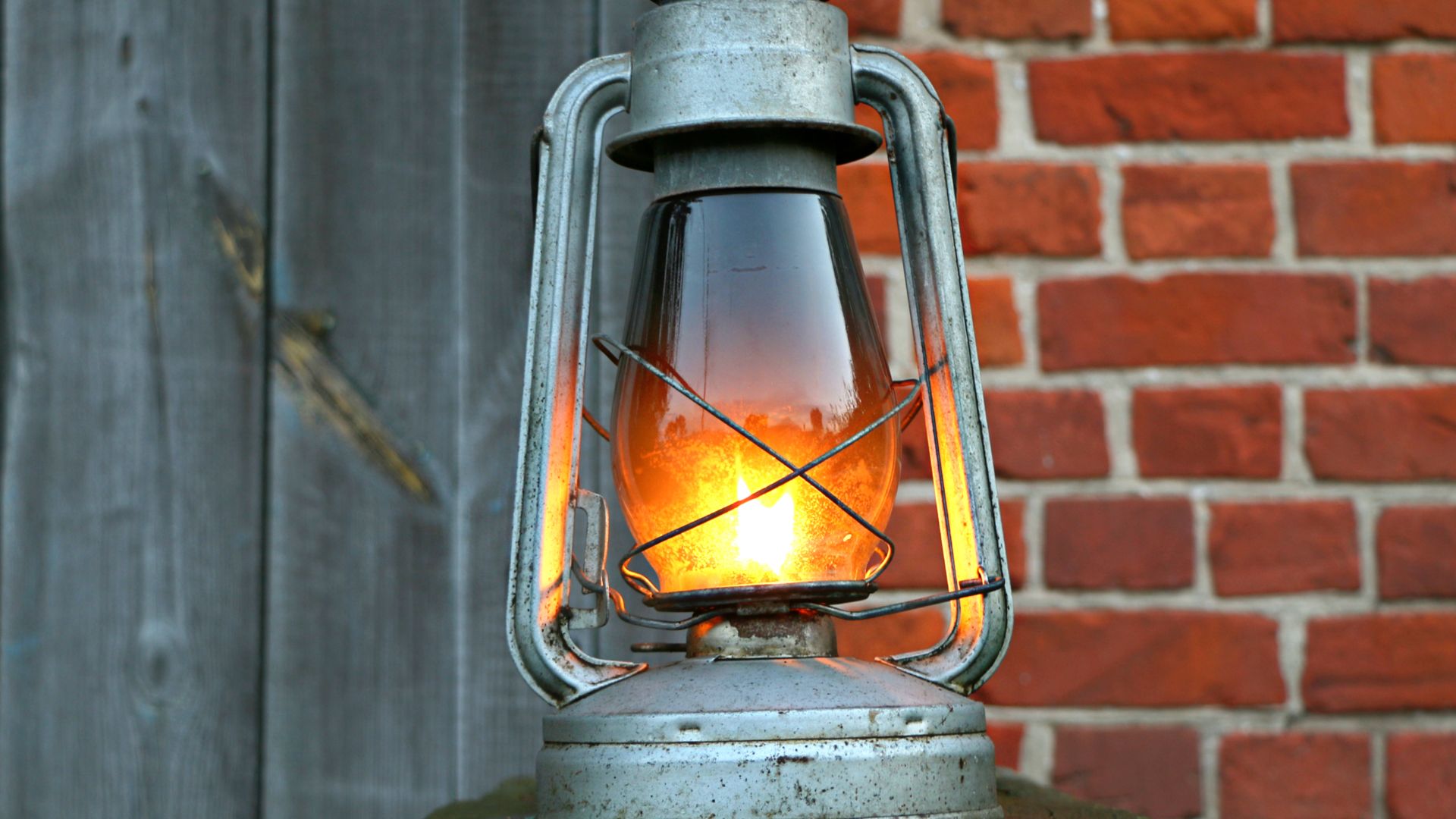
Kerosene lamps delivered brighter and cheaper illumination than many earlier household oils. Decorative glass reservoirs, brass fittings, and elaborate shades also turned lamps into prominent pieces of domestic furnishing. Spilled fuel, broken chimneys, runaway flames, and accidental substitution with gasoline could cause devastating fires. The lamp that extended reading and social life after dark also placed an open flame above a container of fuel.
Gas Ranges Made The Kitchen Look Modern
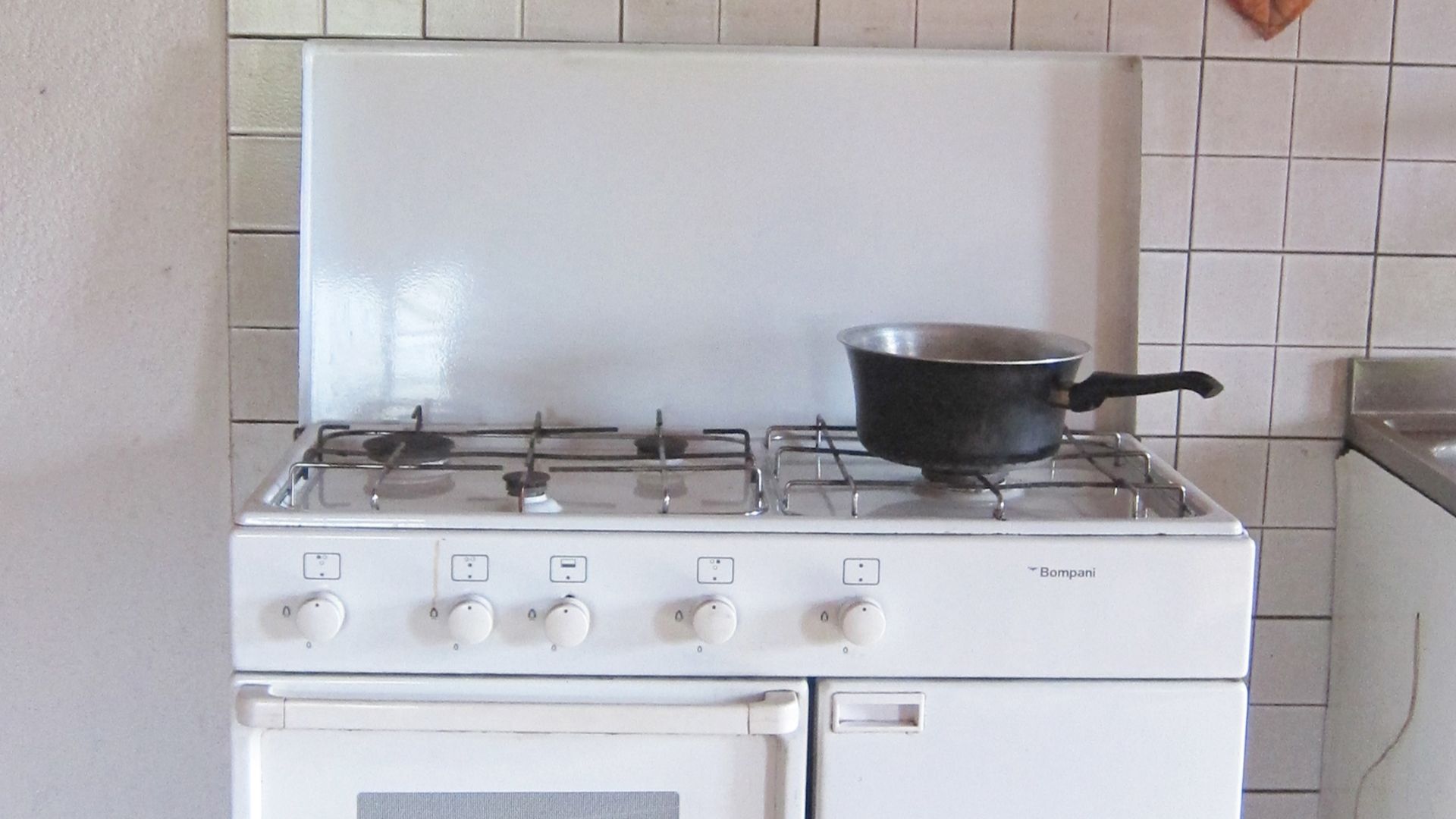
Gas companies promoted cooking as electricity began replacing gas in household lighting. Enamel ranges appeared cleaner and more controllable than coal or wood stoves, and a piped fuel supply removed much of the labor of carrying solid fuel. Yet open burners, faulty connections, poor ventilation, and incomplete combustion introduced risks of fire, explosion, and carbon monoxide exposure. The modern kitchen traded smoke and ash for a different set of invisible hazards.
 Mænsard vokser, Wikimedia Commons
Electric Fans Brought A Private Breeze
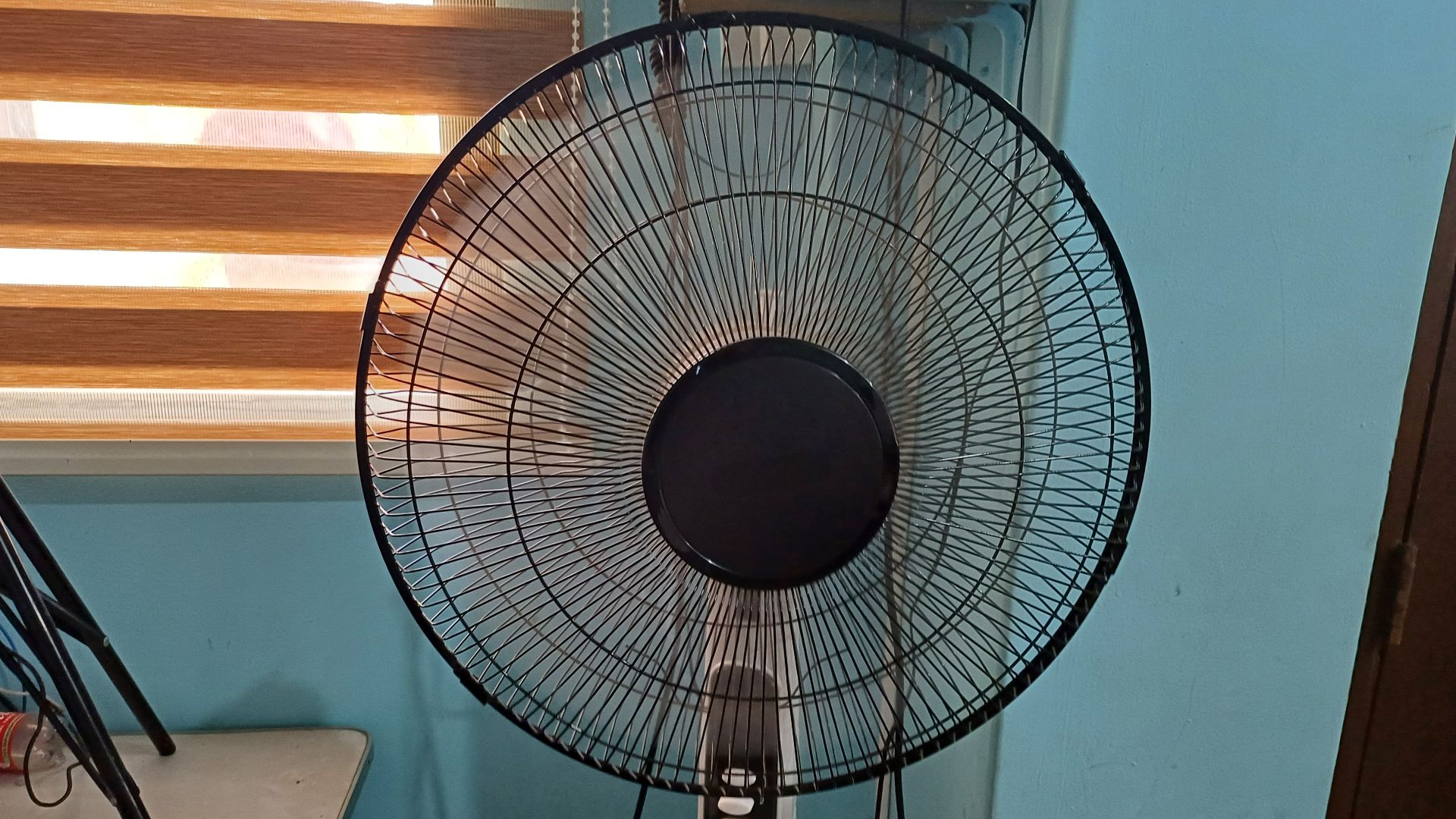
Early electric fans were attractive symbols of electrification because only connected households could enjoy mechanically produced cooling. Many early models used heavy metal frames and brass blades, while protective cages became more standardized during the early 20th century. Fans also introduced risks from accessible moving blades, deteriorating cords, overheating motors, and electrical faults. Even later safety studies continued to document fires, shocks, and electrocutions involving portable fans.
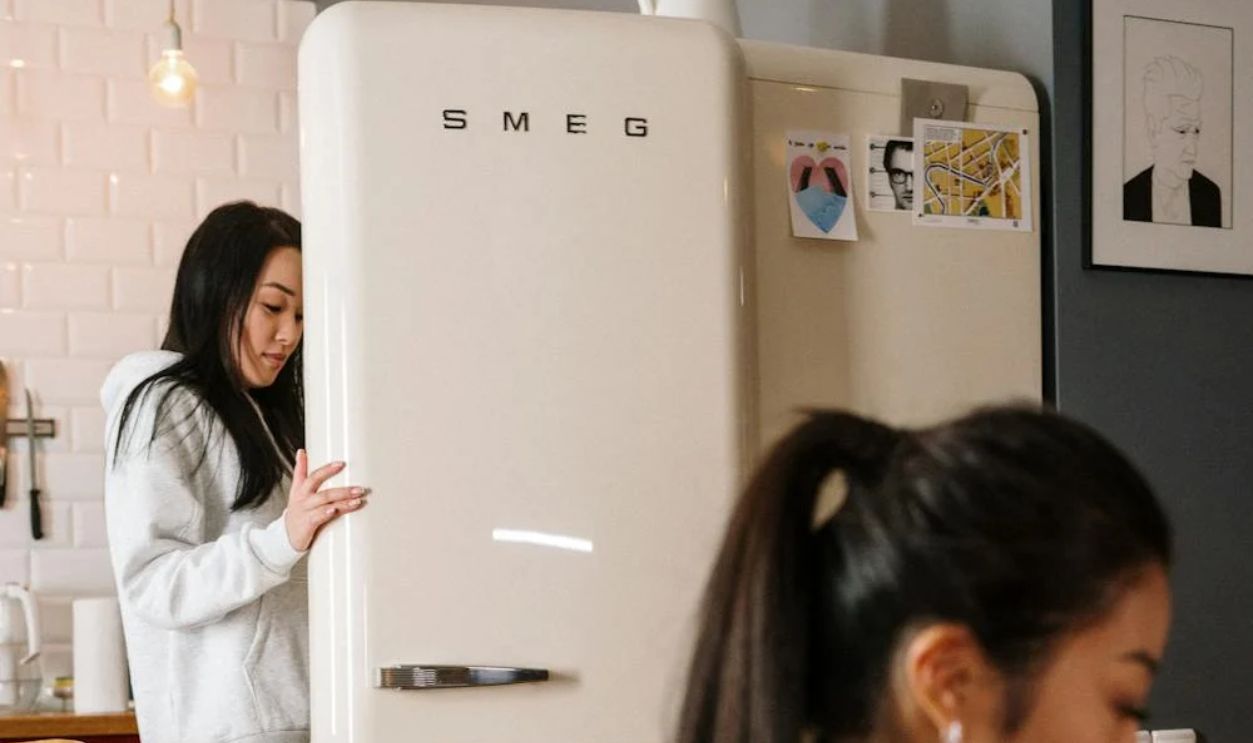
Refrigerators Hid Toxic Chemicals
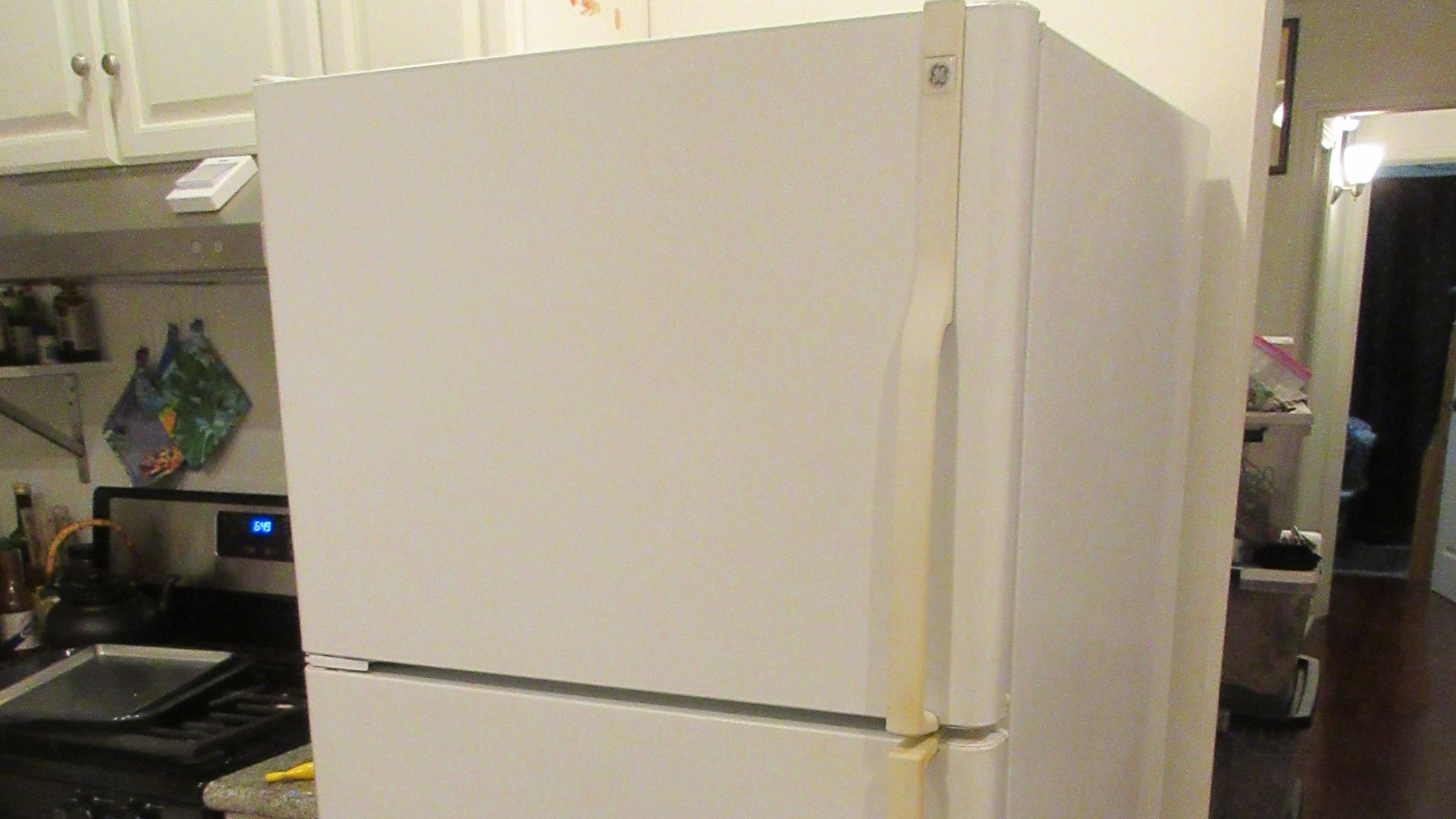
Mechanical refrigeration initially represented wealth, technological progress, and freedom from daily ice deliveries. Early domestic systems experimented with refrigerants that could be toxic, flammable, or both, while expensive machinery remained beyond many household budgets. Electric refrigerators became increasingly affordable during the 1930s and gradually displaced iceboxes. The appliance that made food safer could itself become dangerous if its sealed cooling system leaked.
 Infrogmation of New Orleans, Wikimedia Commons
Electric Irons Put Live Current In The Hand
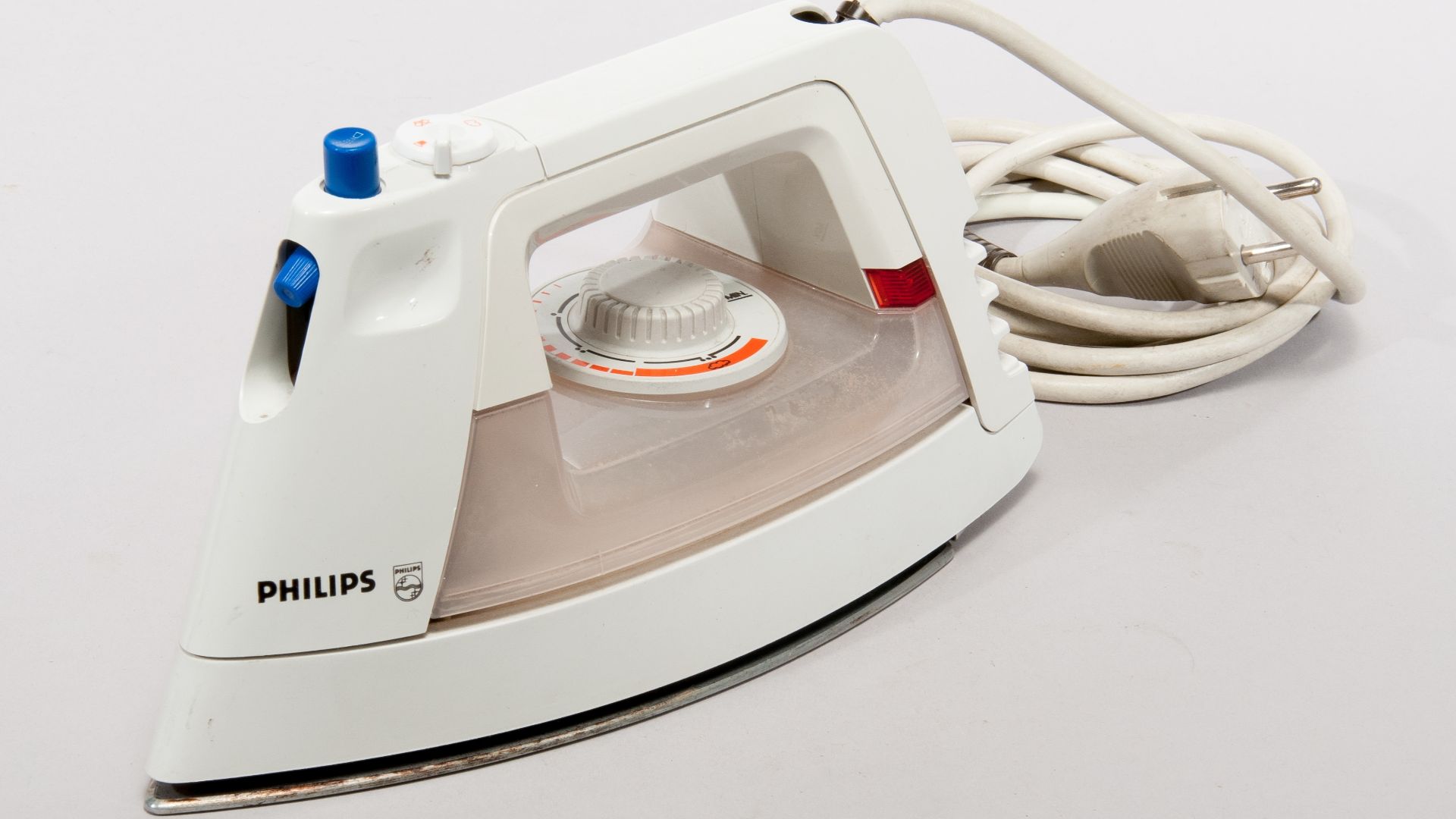
An electric iron eliminated the repeated heating and swapping required by heavy stove-heated irons. Utility companies and appliance manufacturers promoted electrical devices as sources of comfort, leisure, and reduced domestic labor. Early insulation, cords, plugs, and temperature controls were far less reliable than modern equivalents, placing heat and current directly in the user’s hand. The labor-saving device could burn fabric, scorch skin, start fires, or deliver a shock.
Early Toasters Left The Heat Exposed
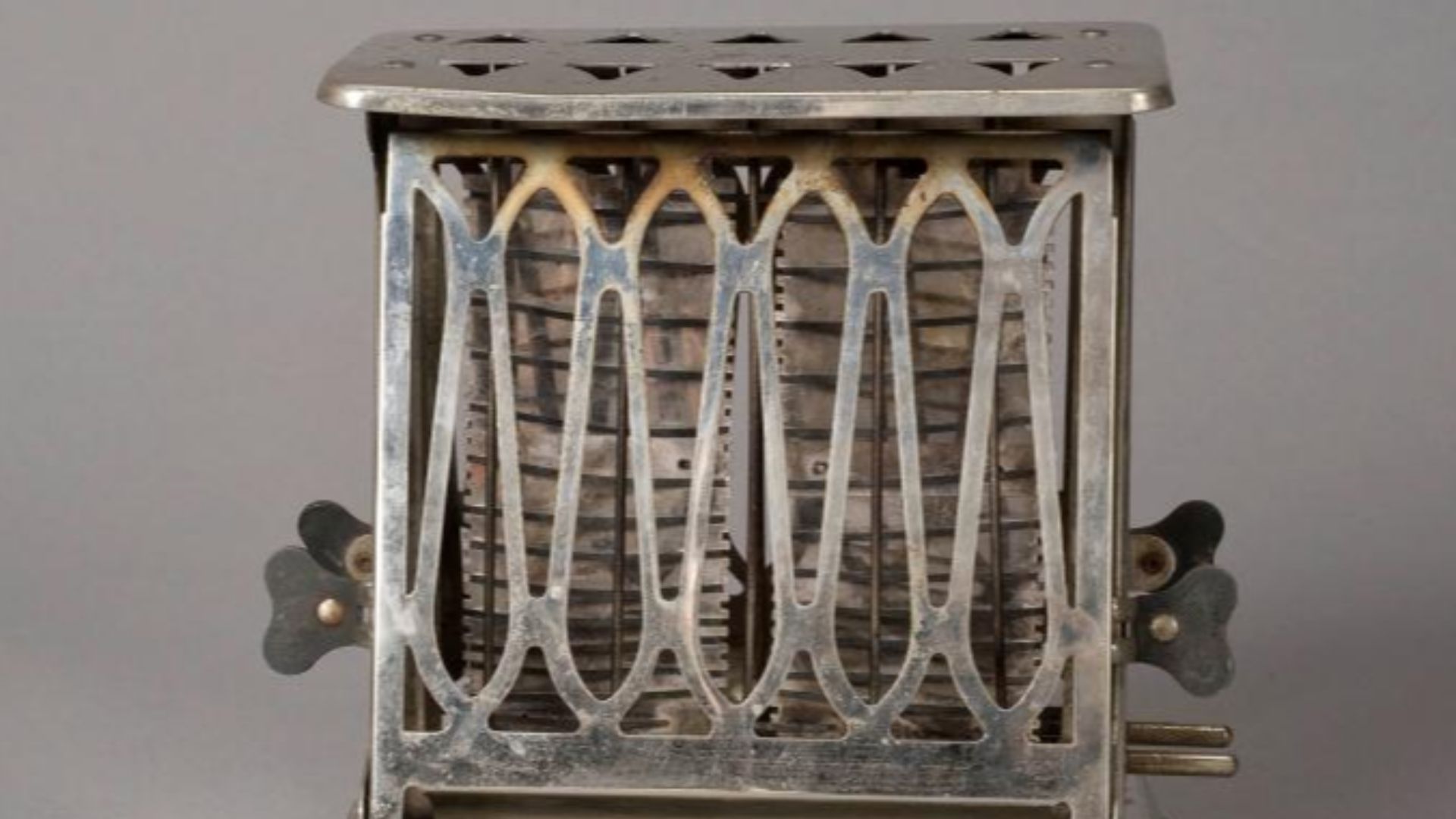
Electric toasters became fashionable symbols of the wired breakfast table during the 1920s. Early models often held bread beside exposed heating elements and required the user to turn the slice manually. Utilities sold these appliances door to door while promising that electrical outlets would create comfort and leisure. Contact with hot elements, crumbs, unreliable switches, and primitive wiring made the polished countertop device a fire and shock risk.
History's most fascinating stories and darkest secrets, delivered to your inbox daily.
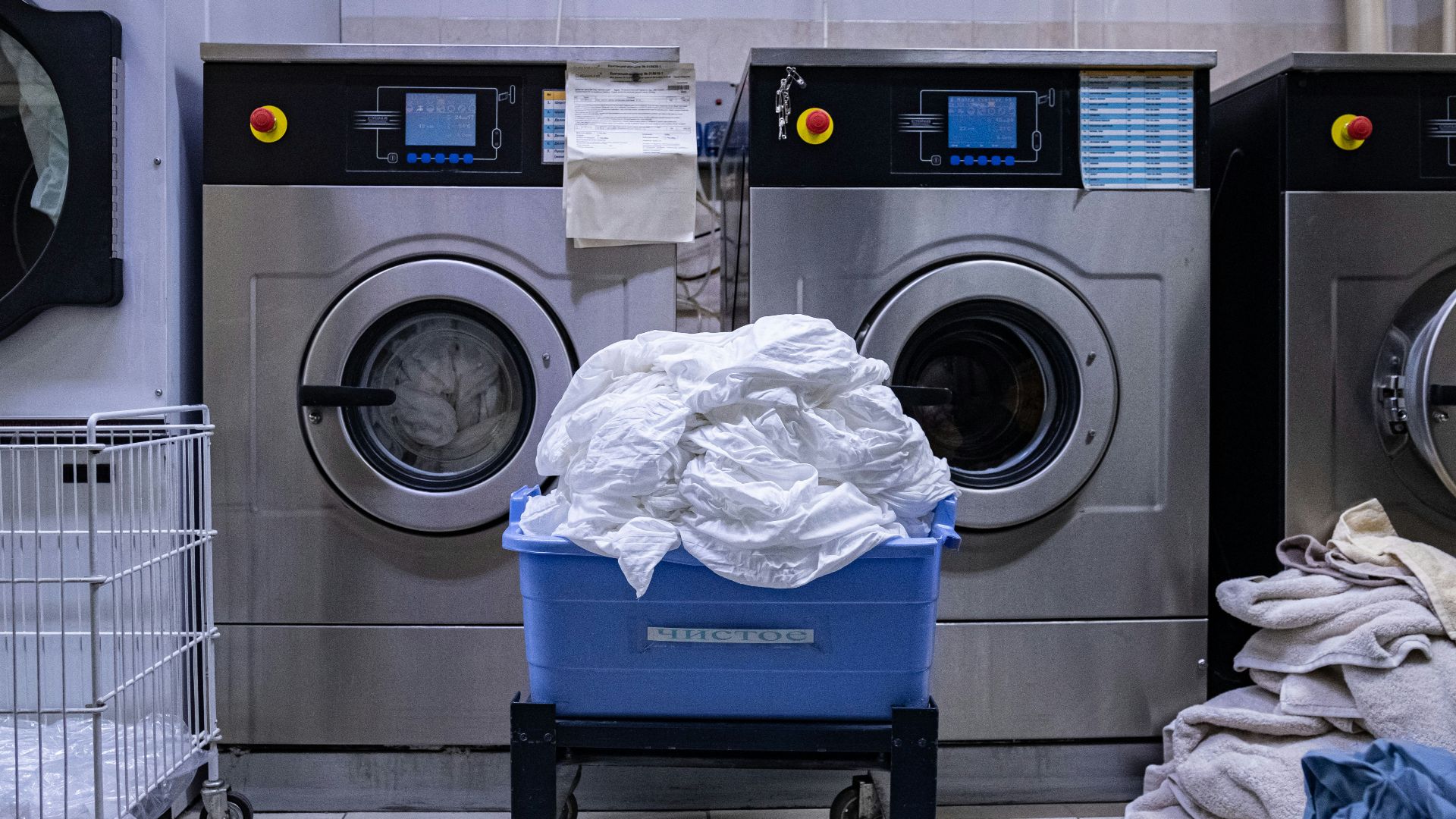
Washing Machines Sometimes Shocked Their Owners
Electric washing machines promised freedom from hours of scrubbing, hauling water, and manipulating heavy wet clothing. Their arrival was especially appealing in households that could afford both electricity and expensive new machinery. A Science Museum account notes that one 1920s model was so unsafe that it often shocked users when wet. Putting a motor, wiring, metal, and water together required safety engineering that the first generation of appliances did not always possess.
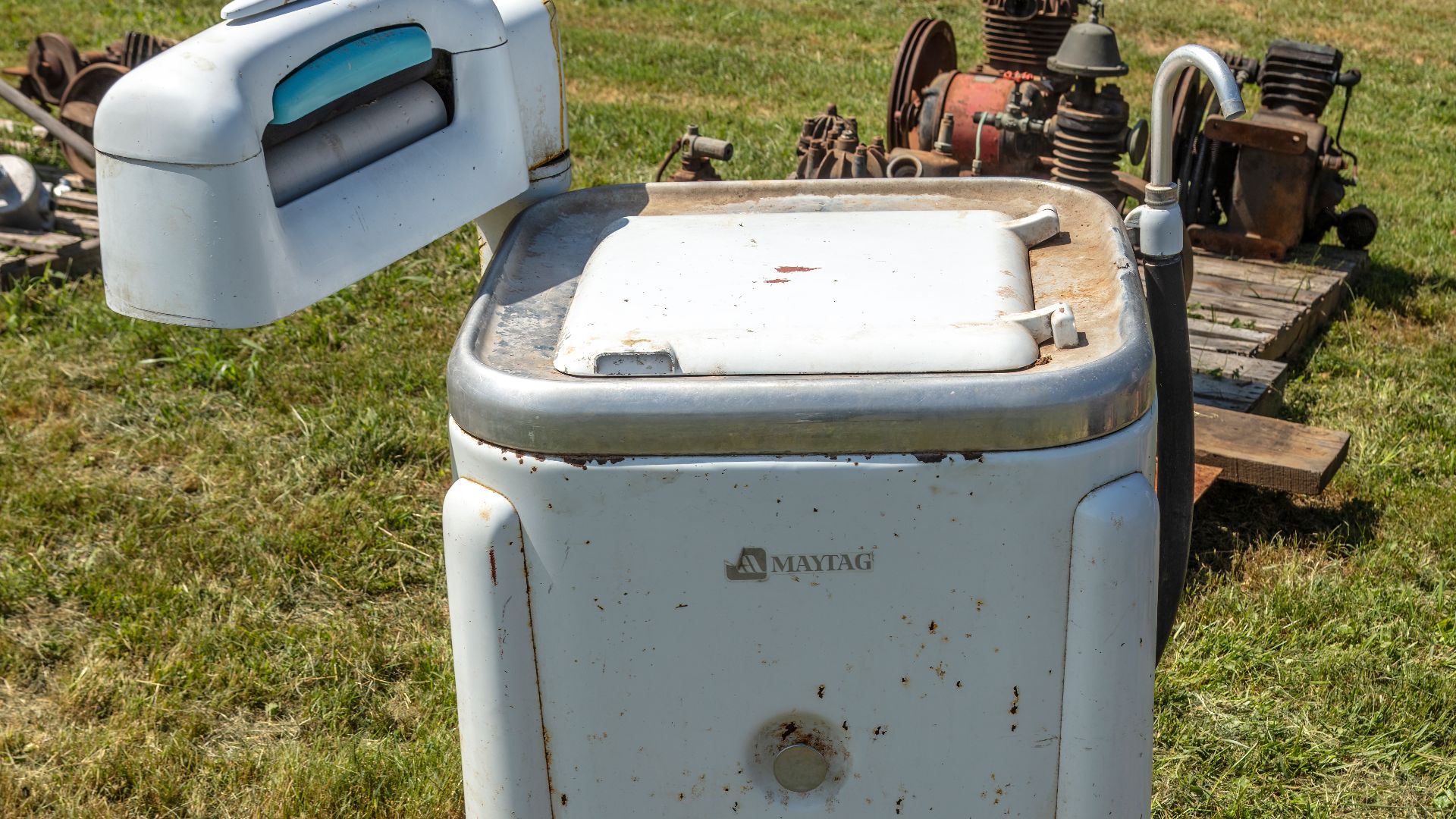
Wringers Could Pull In More Than Clothing
Before spin cycles, many washing machines squeezed water from fabric through powered rollers. The wringer saved enormous physical effort, but loose sleeves, fingers, hair, and children’s hands could be dragged between the rollers. Later machines added release bars and improved guards in response to injuries. A device celebrated for mechanizing laundry turned one of the home’s routine chores into a serious crushing hazard.
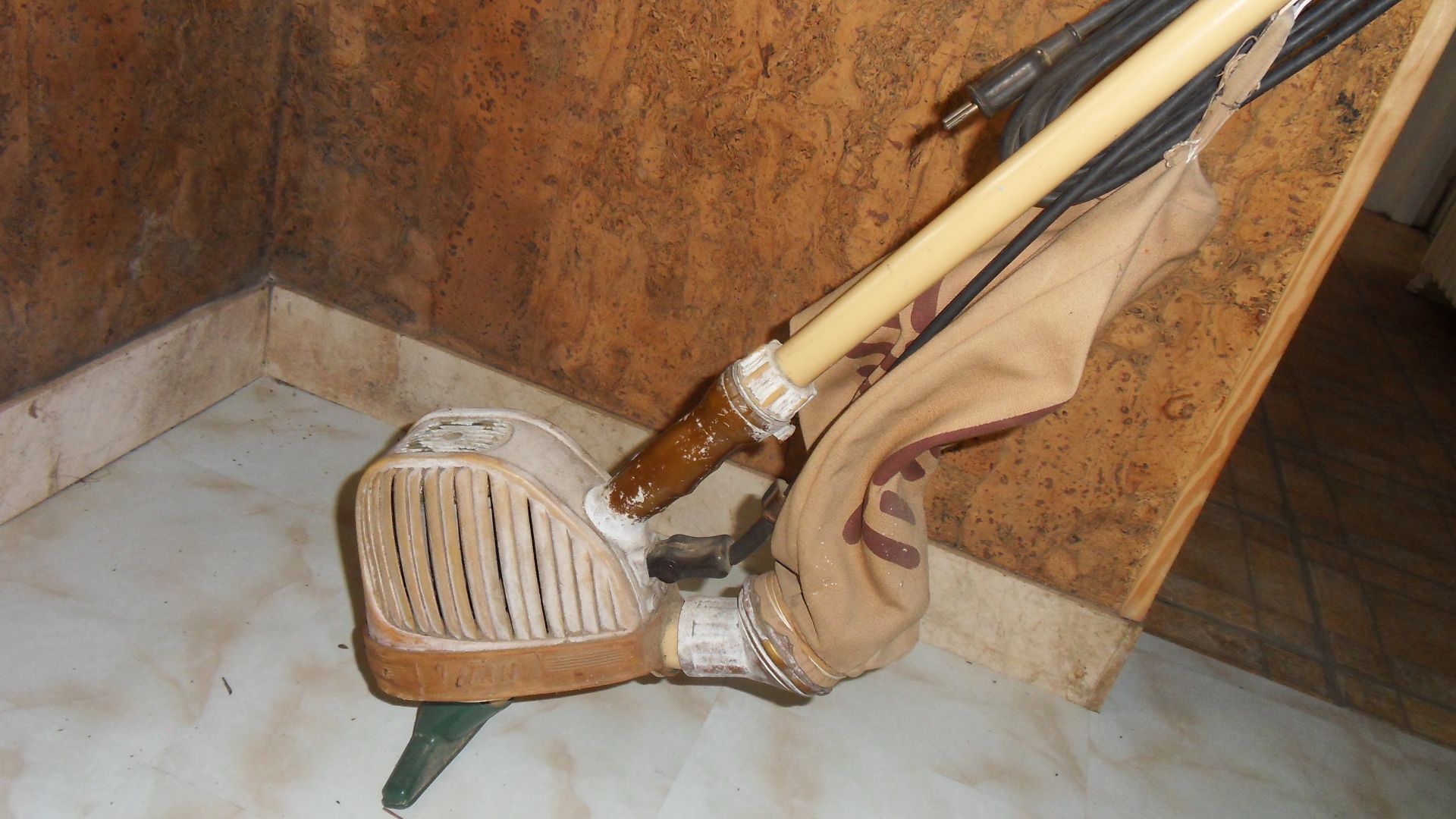
Vacuum Cleaners Arrived With Horses
The earliest successful powered vacuum-cleaning services were too large for an ordinary closet. Hubert Cecil Booth’s machines remained outside while long hoses ran through windows and doors, making mechanized cleaning an expensive public spectacle. Smaller electric models later moved into private homes as aspirational appliances that promised less drudgery and higher standards of cleanliness. Early electrical equipment, dust-filled bags, hot motors, and deteriorating cords nevertheless brought new fire and shock risks indoors.
 Clément Bucco-Lechat, Wikimedia Commons
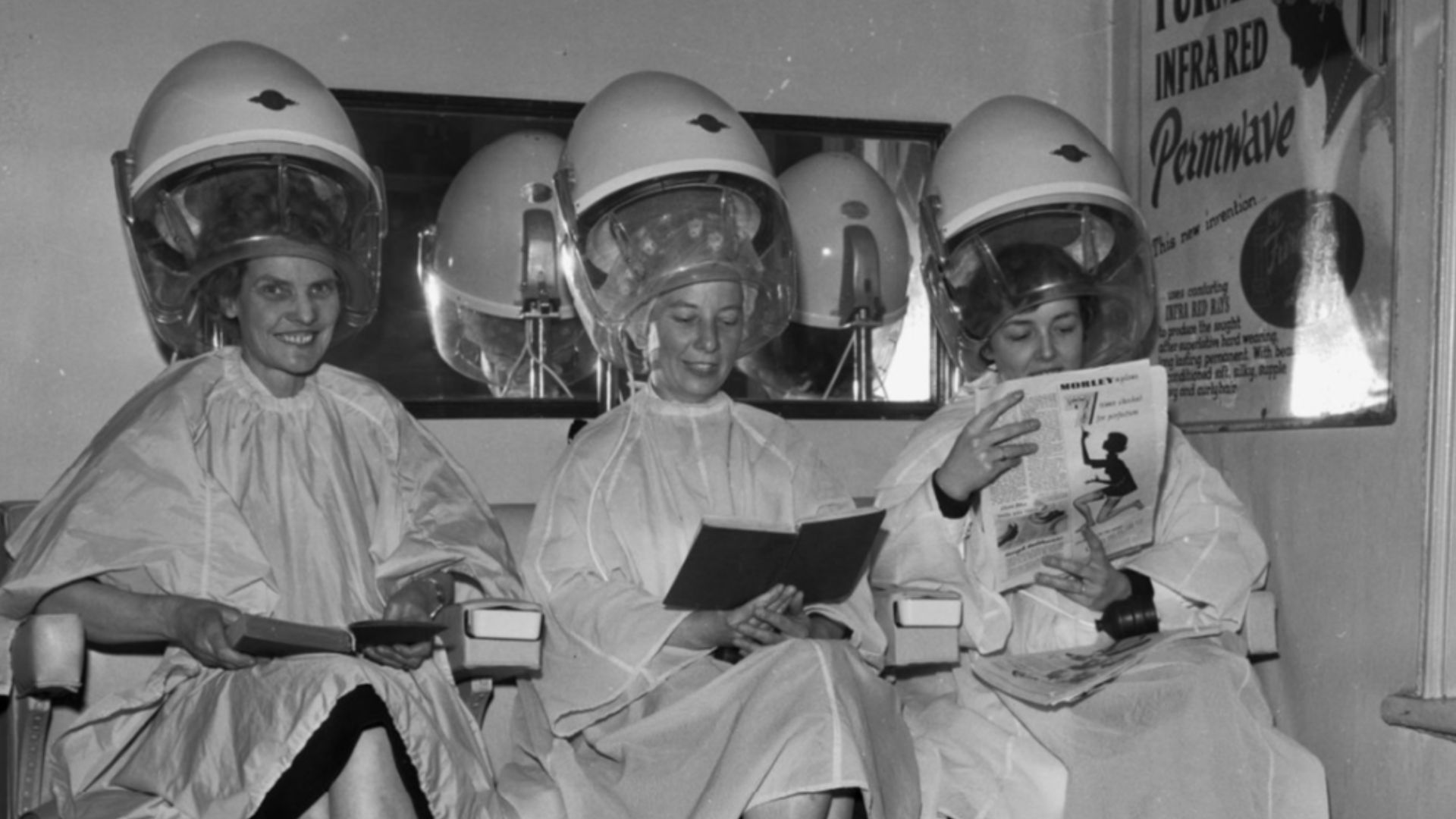
Hair Dryers Mixed Electricity With Water
Home hair dryers offered salon-style speed and convenience without an appointment. Their appeal increased as electrical grooming tools became part of the modern bathroom and dressing table. A plugged-in dryer falling into water can cause fatal electrocution, which is why modern handheld models require immersion-protection technology. Regulators still treat dryers lacking that protection as substantial product hazards.
 Geoff Charles, Wikimedia Commons
Electric Blankets Made Beds Feel Futuristic
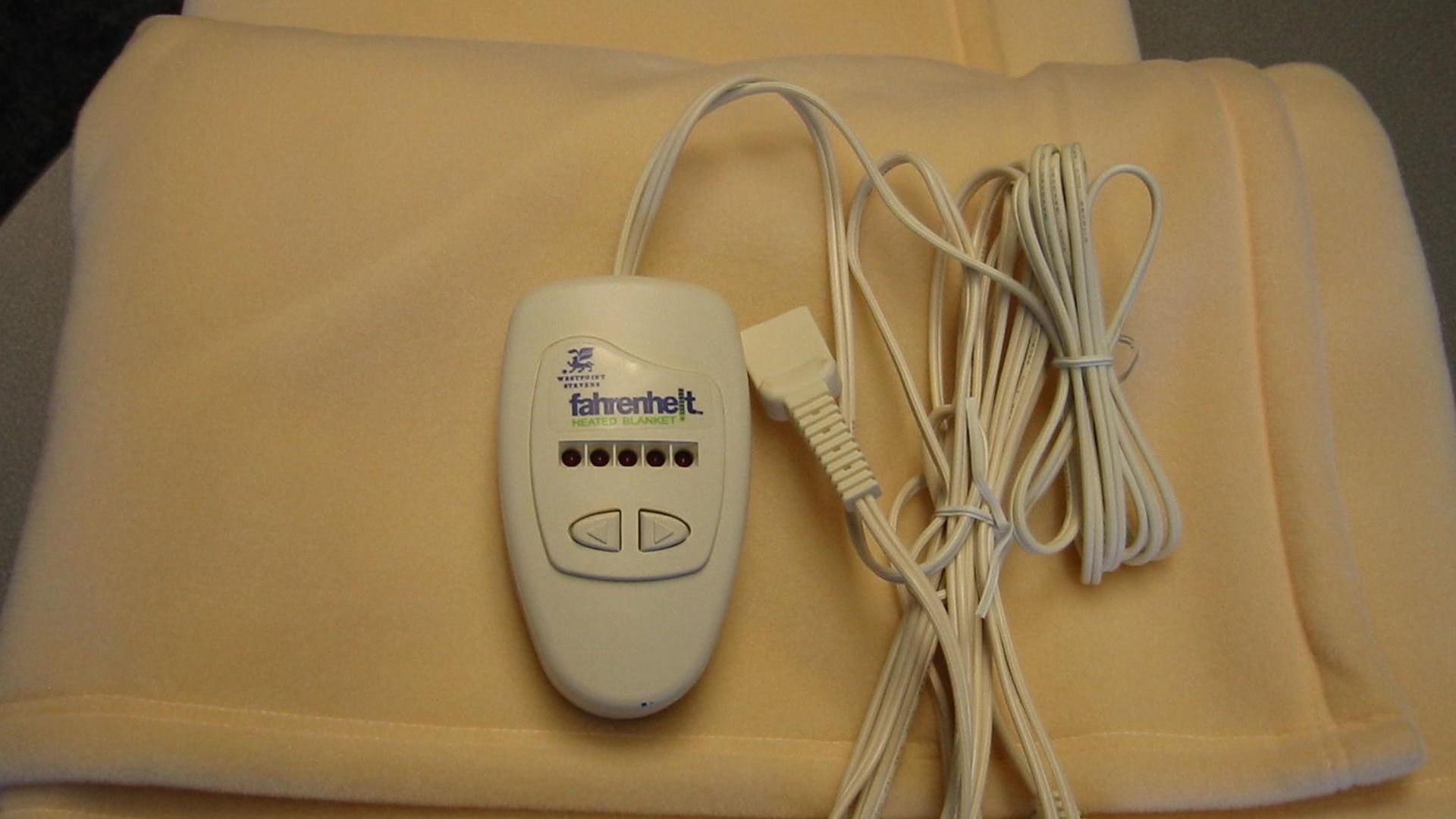
Electric blankets turned an ordinary bed into a heated appliance. They appealed to households seeking modern comfort without warming an entire home, but embedded wires could break, short, overheat, or ignite bedding. Burns and fires remain possible when heating elements or controls fail. The promise of effortless warmth placed electrical wiring against sleeping bodies for hours at a time.
 Limetolime at English Wikipedia, Wikimedia Commons
Pressure Cookers Put Dinner Under Force
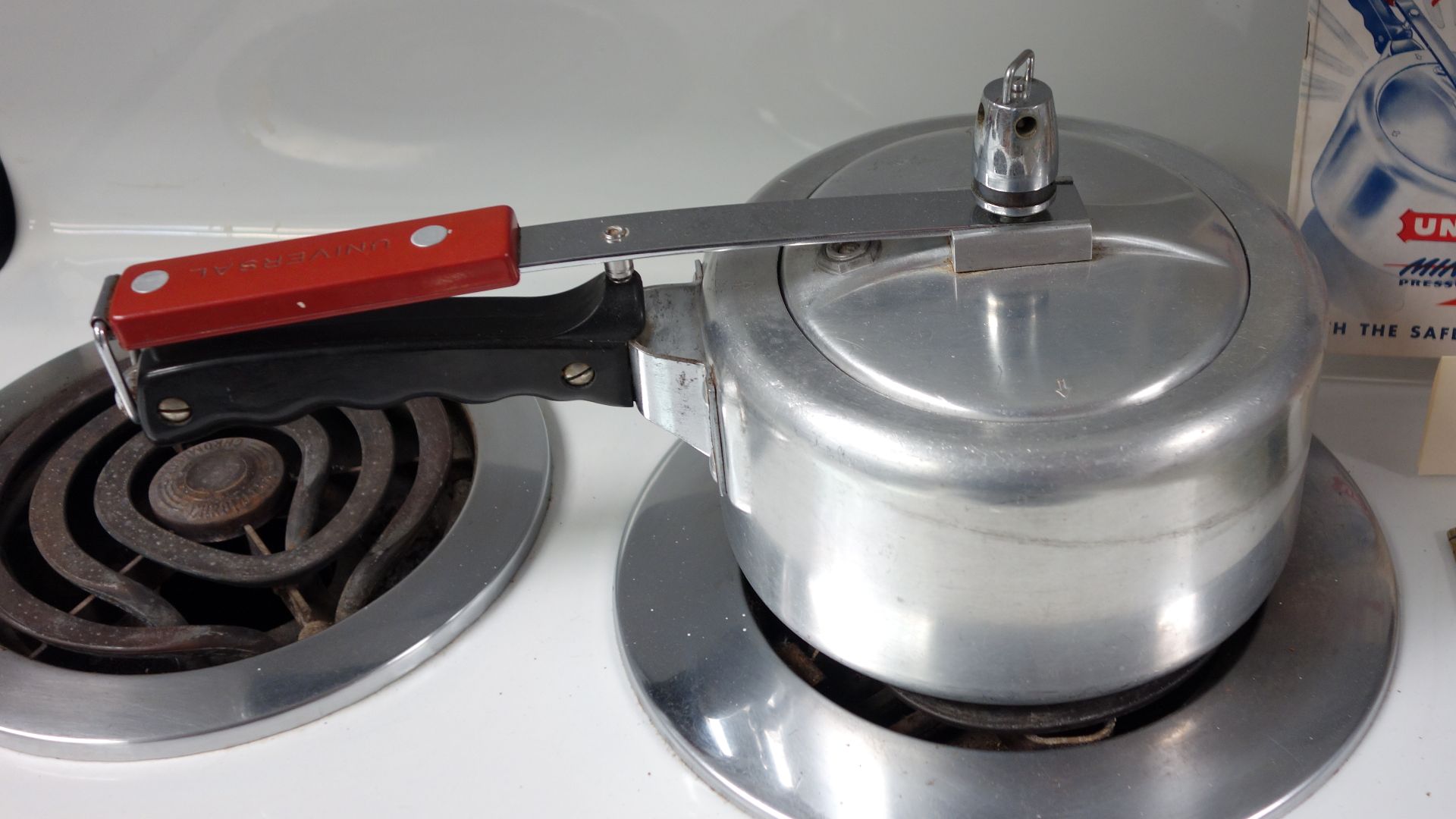
Pressure cookers promised tender food, reduced cooking time, and lower fuel use. Their polished metal bodies and scientific-looking gauges made them particularly attractive to households embracing modern kitchen efficiency. A blocked vent, faulty lock, overfilled pot, or premature opening can eject scalding liquid and steam. Improved valves and lid mechanisms made later models safer, but the underlying appliance still stores considerable energy under pressure.
History's most fascinating stories and darkest secrets, delivered to your inbox daily.
Lead Paint Made Color Look Permanent
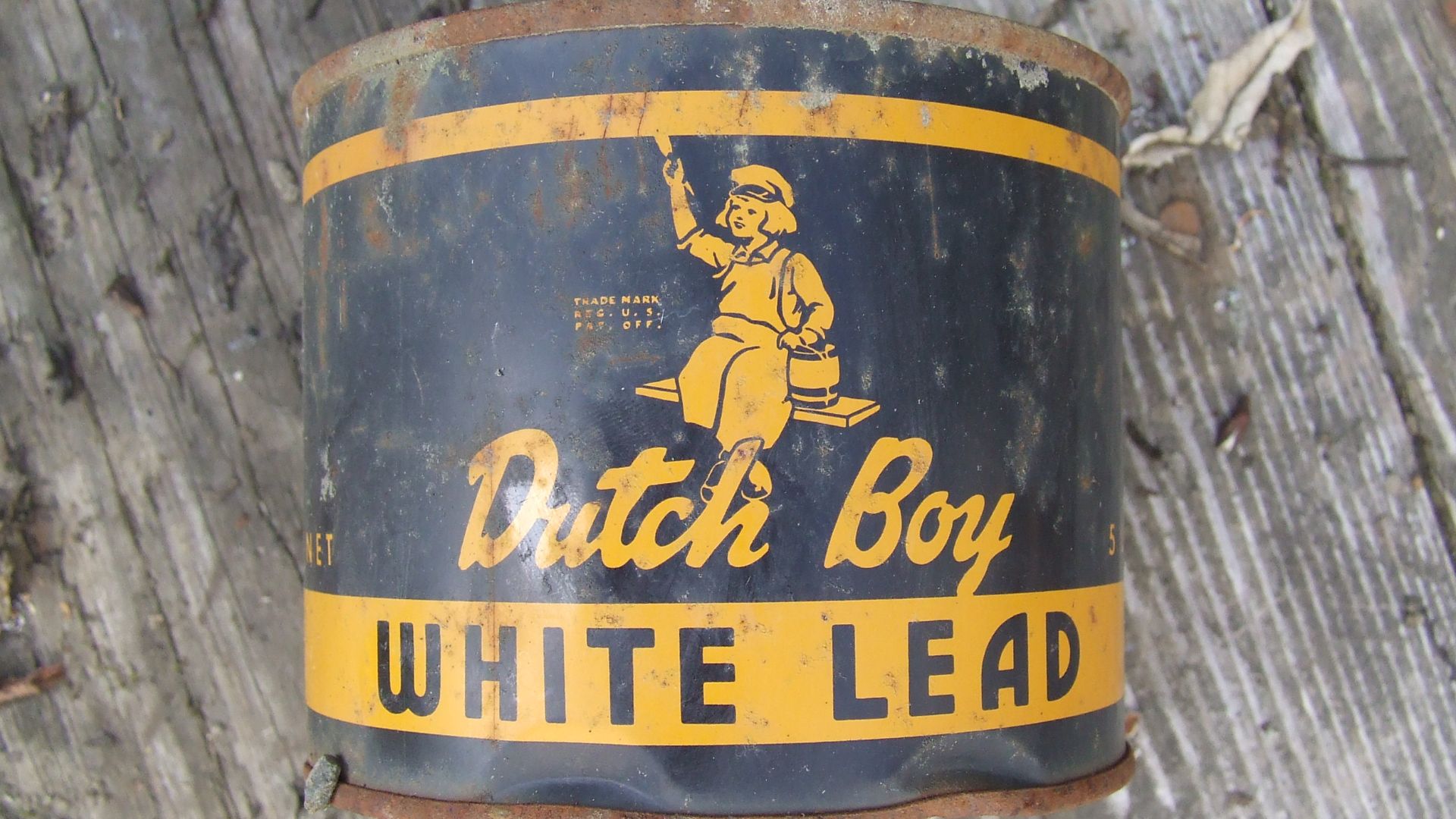
Lead pigments made household paint vivid, durable, washable, and resistant to moisture. Those qualities helped lead-based paint cover walls, windows, furniture, toys, and nurseries for decades. Medical evidence about childhood poisoning accumulated long before the United States prohibited lead paint in residential use in 1978. The premium finish survives in millions of older homes, where chips and renovation dust can still expose children.
Asbestos Made Household Heat Seem Harmless
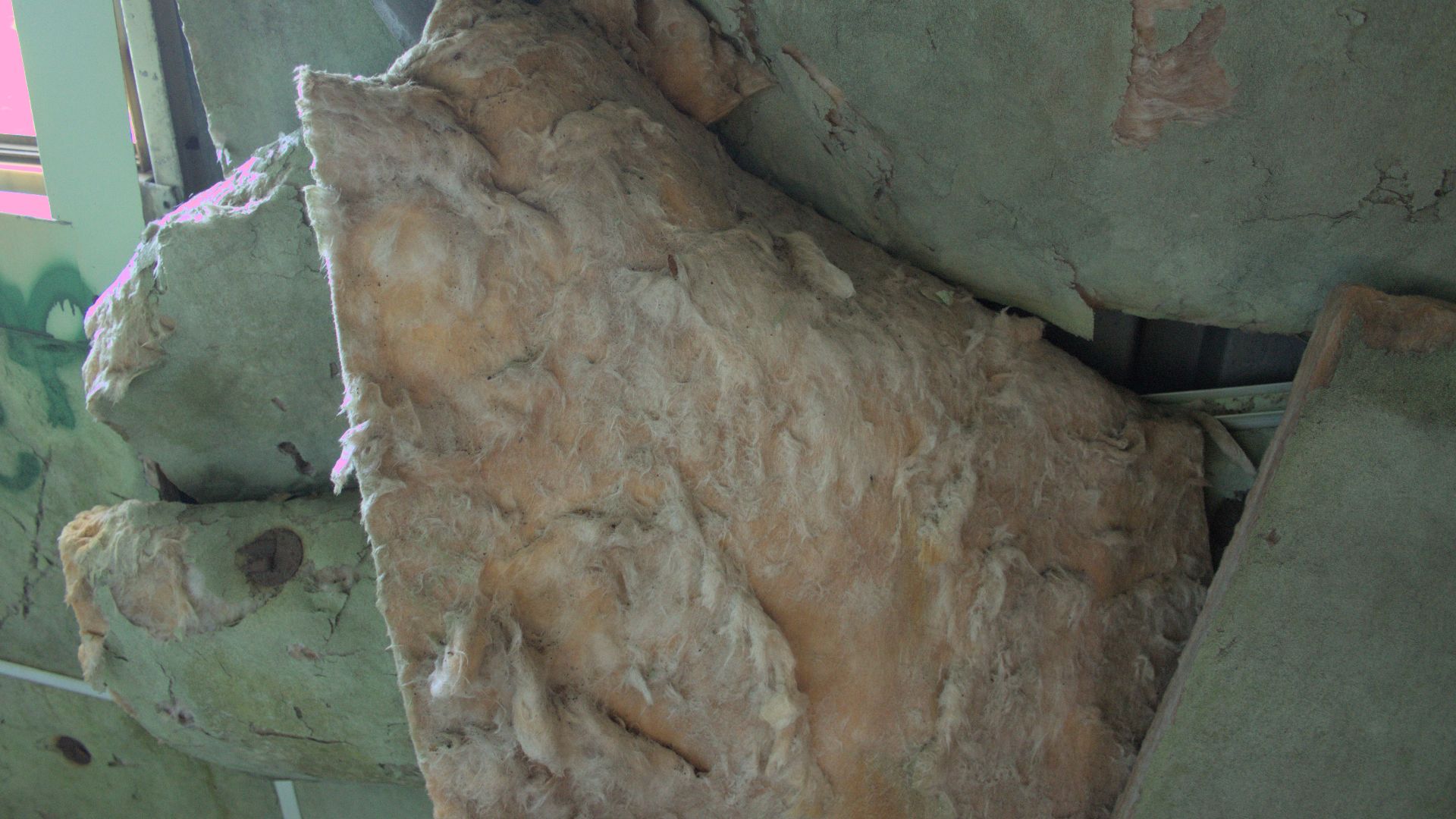
Asbestos resisted heat and flame, so manufacturers incorporated it into insulation, stove components, ironing equipment, protective fabrics, flooring, and other domestic materials. That fireproof reputation made the mineral appear ideal for homes adopting hotter and more powerful appliances. Inhaled asbestos fibers can cause severe disease, often after a delay of decades. A substance intended to protect households from fire created a danger that could remain hidden inside a building for generations.
 Luna Wagner, Wikimedia Commons
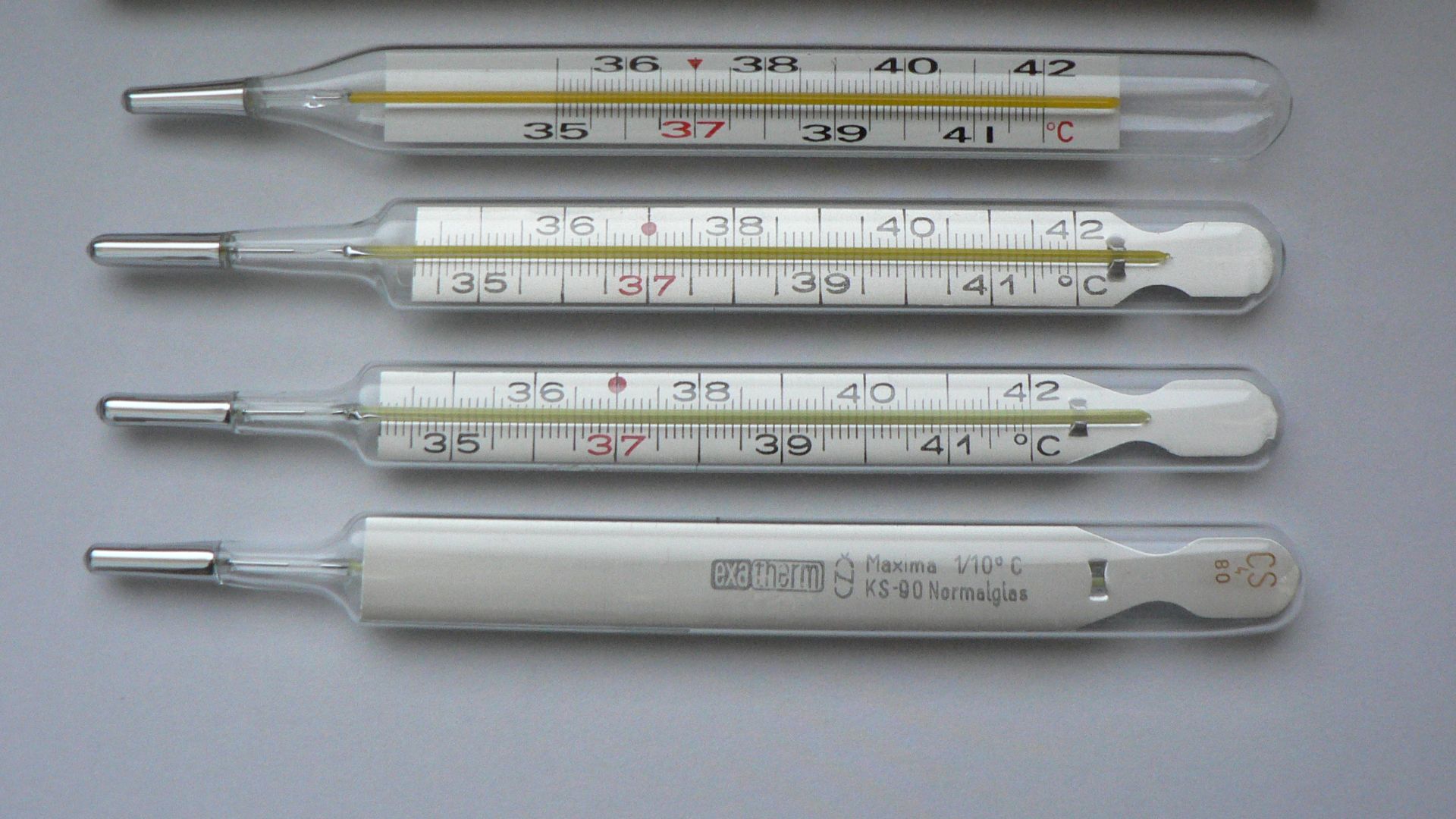
Mercury Thermometers Made Temperature Precise
Glass mercury thermometers offered compact, reliable measurements that once seemed almost magical. They moved from professional medical settings into ordinary medicine cabinets and allowed families to track fever at home. When the glass broke, however, elemental mercury scattered into small mobile beads and could release vapor indoors. Digital models eventually provided the same everyday convenience without requiring a toxic metal column.
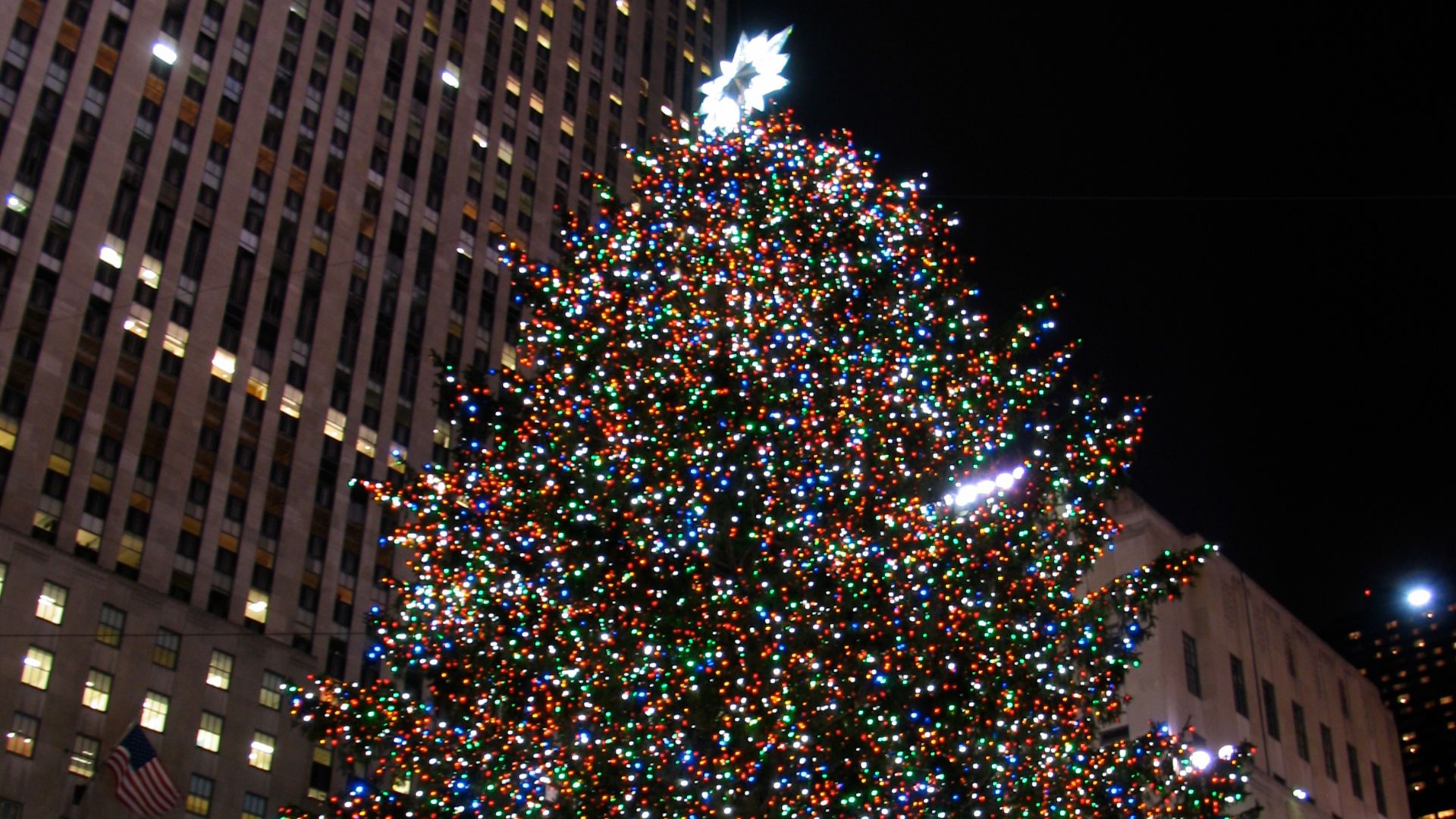
Christmas Lights Turned Trees Into Electrical Displays
Early electric Christmas lights were a dazzling alternative to candles placed directly on tree branches. At first, the cost of electrical service, wiring, and custom light sets made them a display of wealth and technological sophistication. As cheaper strings reached ordinary homes, undersized wiring, poor insulation, missing fuses, and damaged cords created fire and shock hazards. The decoration that removed one open-flame danger introduced an electrical one.
 Daniel Dimitrov, Wikimedia Commons
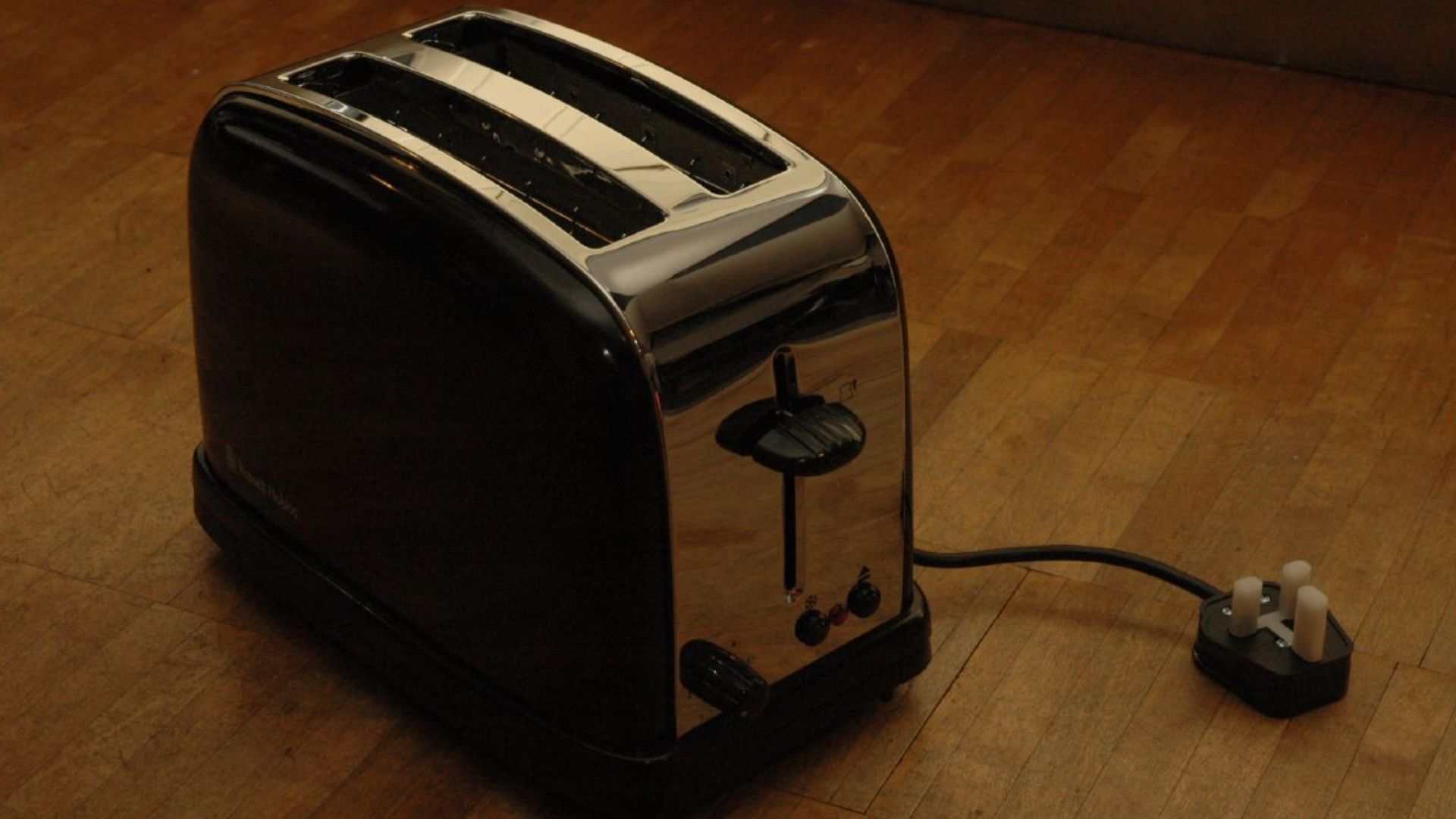
Pop-Up Toasters Could Refuse To Stop
The automatic pop-up toaster looked safer and more sophisticated than open-element models because it controlled timing and lifted the bread. Yet a failed switch could leave heating elements operating after the cycle ended. Consumer regulators have documented defective toasters capable of causing fires, contact burns, sparks, and severe electric shocks. Automation reduced the need for attention, but it also encouraged users to trust a machine that might not actually turn itself off.
 John Bell from UK, Wikimedia Commons
Luxury Often Arrived Before Safety
These objects were not embraced because people wanted danger in their homes. They promised brighter rooms, cleaner clothes, attractive tables, faster meals, personal comfort, and relief from exhausting work. Safety standards usually followed only after injuries revealed what inventors, manufacturers, and buyers had overlooked. The ordinary household object is often the final, safer version of something that began as an expensive and risky experiment.
You May Also Like:
The Forgotten Department Stores That Once Ruled The American Retail World
Historical Inventions That Solved Problems Nobody Has Anymore
Sources: 1, 2, 3, 4, 5, 6, 7, 8, 9, 10, 11, 12, 13, 14, 15, 16, 17, 18, 19, 20, 21, 22, 23, 24, 25, 26, 27, 28, 29, 30, 31, 32, 33, 34, 35, 36, 37, 38, 39










.jpg)