When Shopping Was An Event
Long before online carts and same-day delivery, department stores were where Americans shopped, socialized, ate lunch, and admired elaborate displays. Some of these retailers became household names that seemed destined to last forever. Yet changing consumer habits, competition from discount chains, and the rise of e-commerce gradually pushed many of them into history. Here are 21 department stores that once dominated American retail but have largely faded from everyday conversation.
 DogeGamer2015MZT, Wikimedia Commons
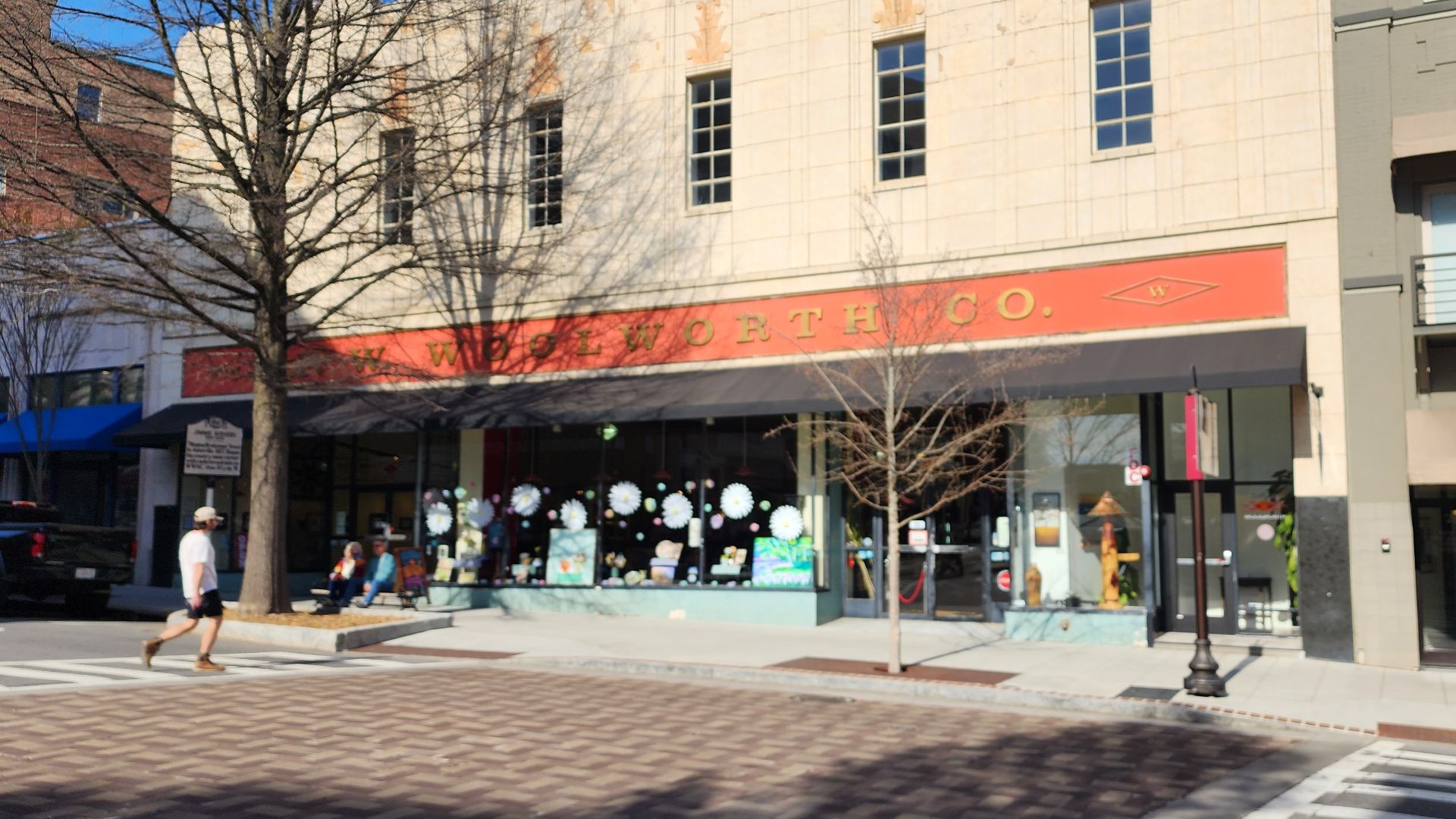
Woolworth
FW Woolworth built its reputation on the famous five-and-dime concept, offering affordable merchandise to millions of shoppers. At its peak, the company operated thousands of stores around the world. Competition from discount retailers eventually eroded its position, and the last U.S. Woolworth stores closed in 1997.
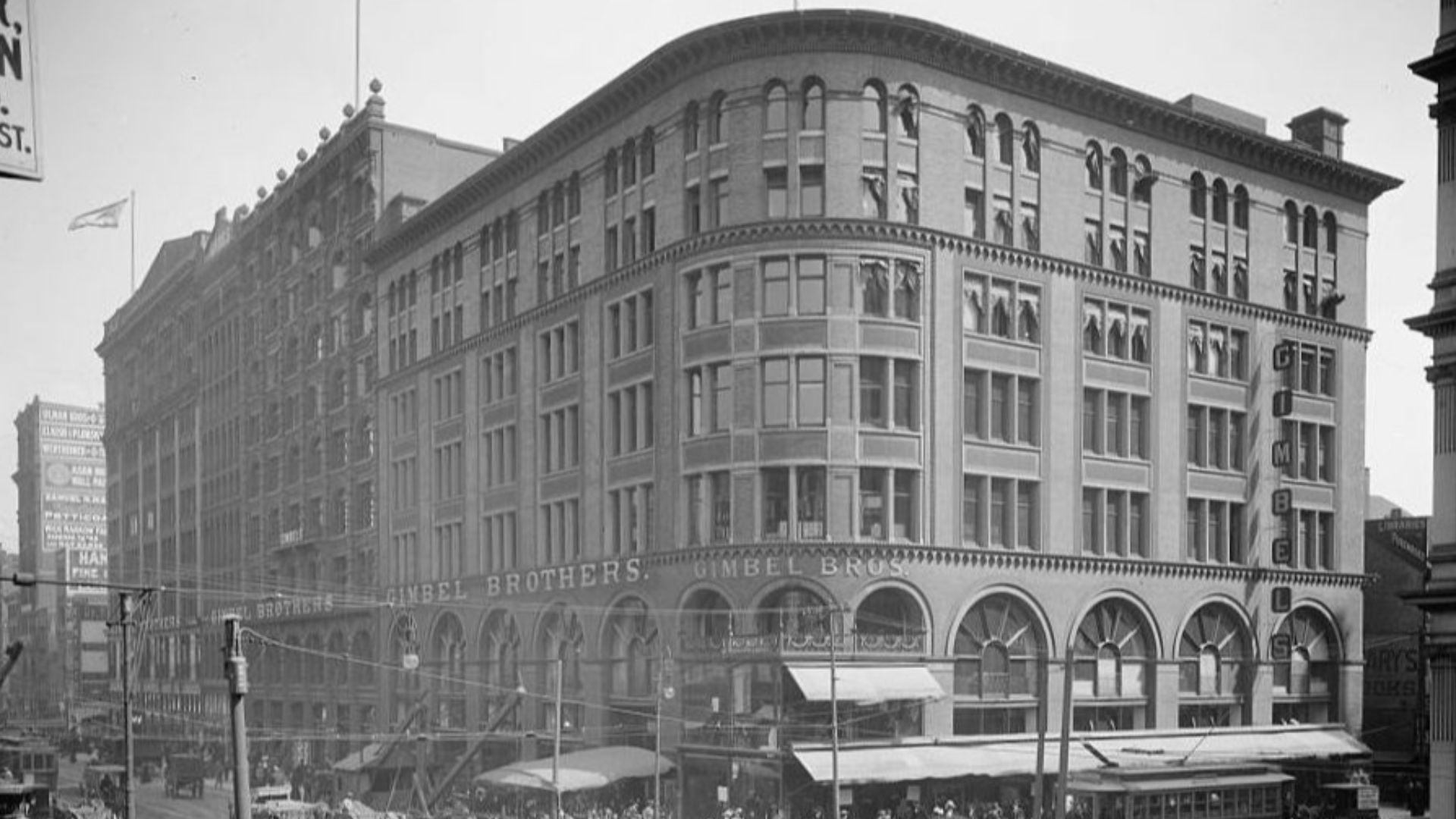
Gimbels
For decades, Gimbels was one of Macy’s biggest rivals and even operated the nation’s first department store Thanksgiving parade in Philadelphia. By 1930, it was reportedly the largest department store chain in the world by sales. The company ultimately closed its remaining stores in 1987 after struggling to remain competitive.
 Unknown authorUnknown author, Wikimedia Commons
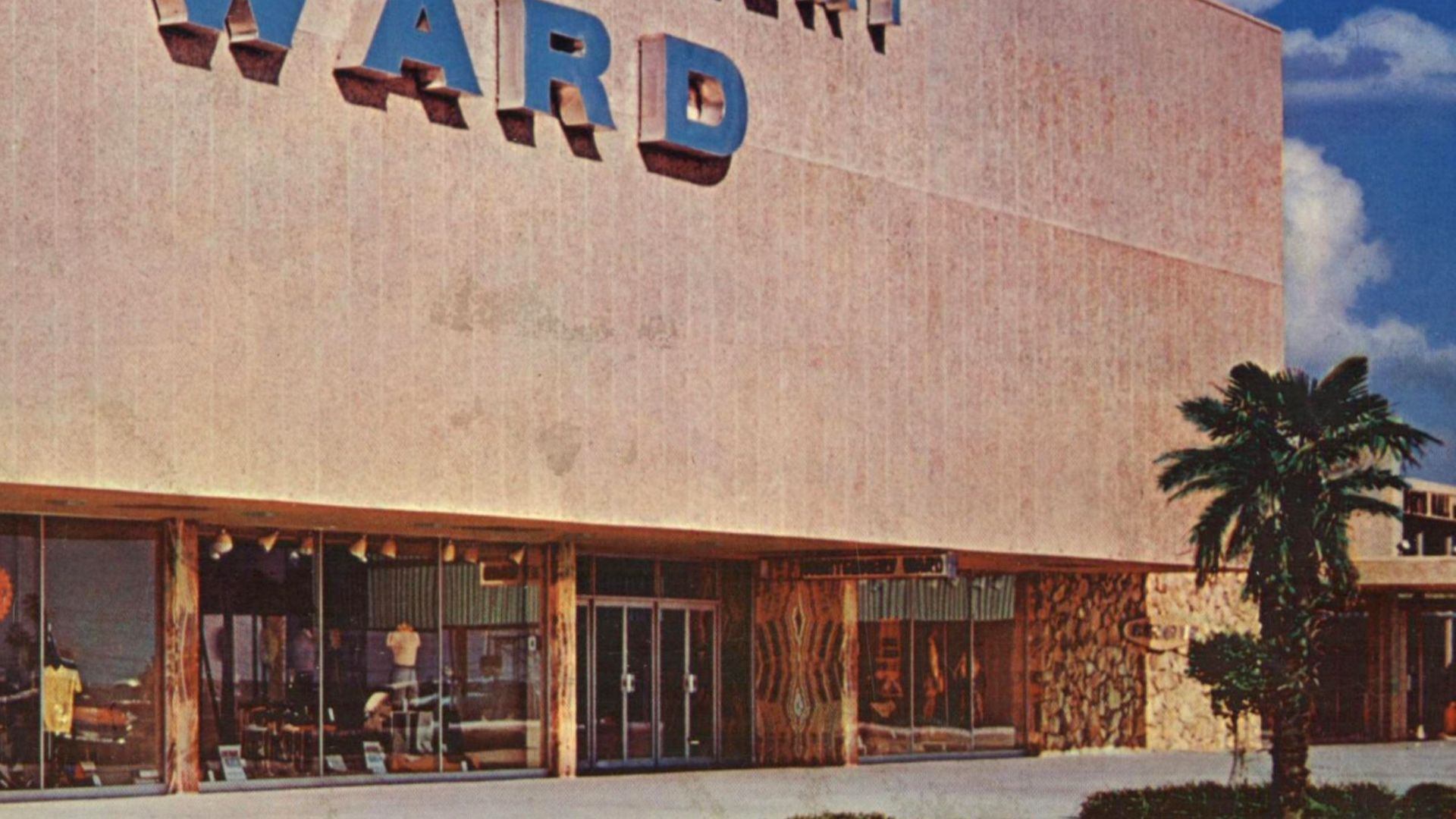
Montgomery Ward
Founded in 1872, Montgomery Ward became famous for its mail-order catalogs that helped rural Americans access goods they could not find locally. The company later expanded into physical department stores across the country. Although it remained a major retail force for generations, financial difficulties eventually led to its collapse as a department store chain.
 Click Americana, Wikimedia Commons
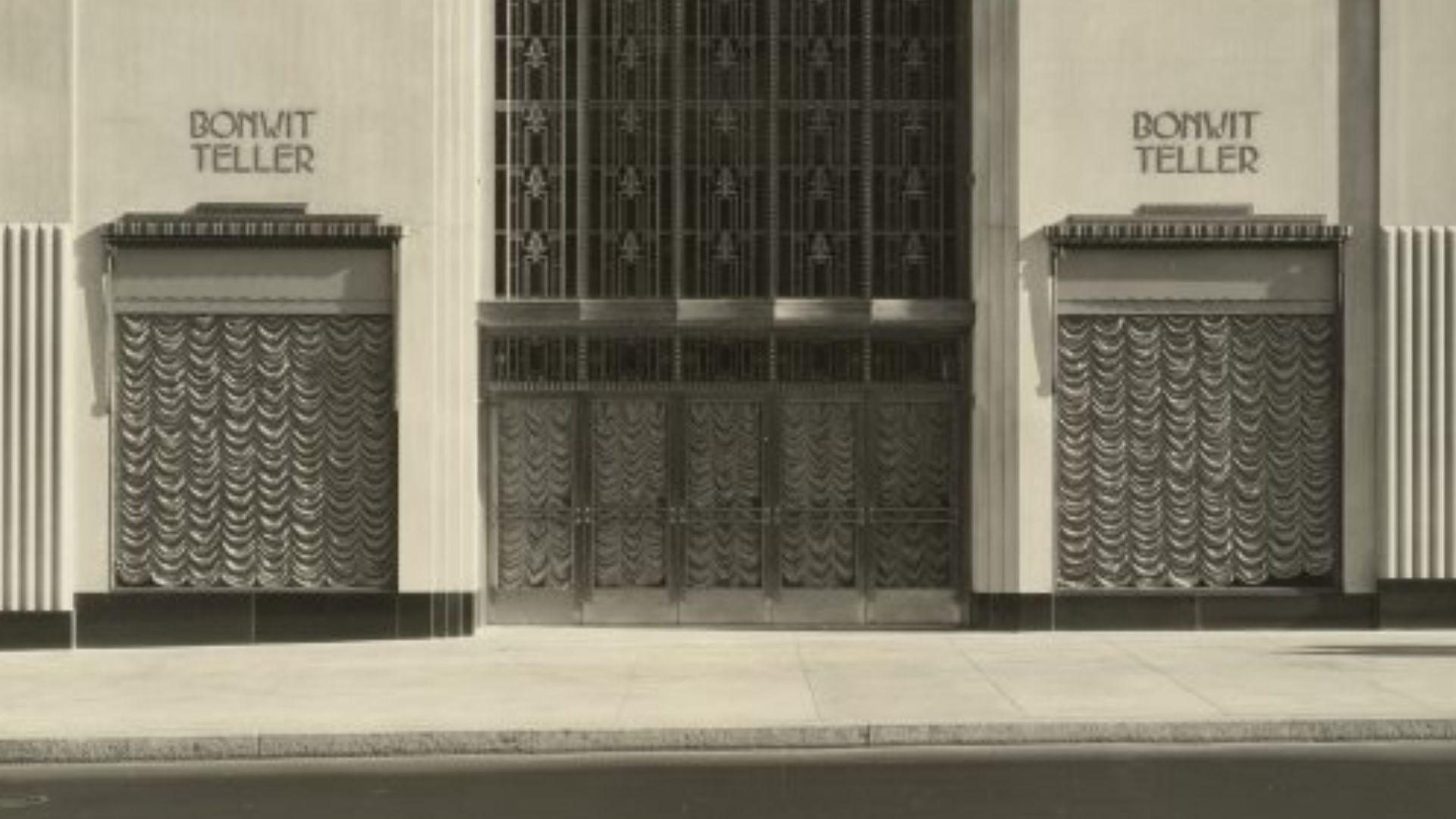
Bonwit Teller
Bonwit Teller carved out a niche as a luxury retailer specializing in high-end women’s fashion. Its Fifth Avenue flagship became one of New York City’s most recognizable shopping destinations. While the brand enjoyed decades of prestige, it gradually lost ground as the retail landscape evolved.
 Digital Collections, The New York Public Library, Wikimedia Commons
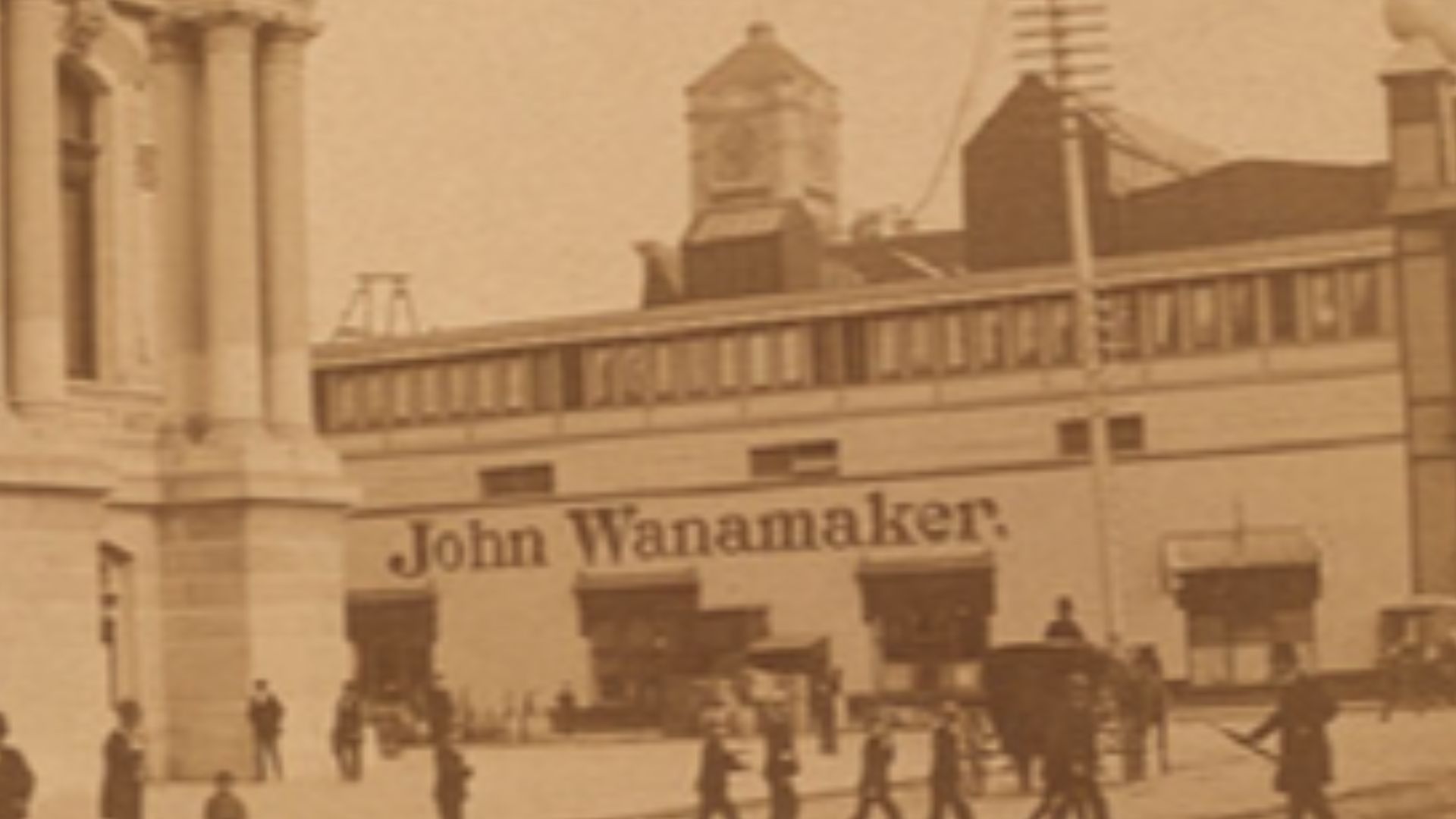
Wanamaker’s
John Wanamaker’s stores helped shape the modern department store experience. The company was known for grand architecture, innovative merchandising, and customer-focused practices that influenced retailers nationwide. Although the name disappeared through mergers and acquisitions, its impact on retail remains significant.
 (Life time:, Wikimedia Commons
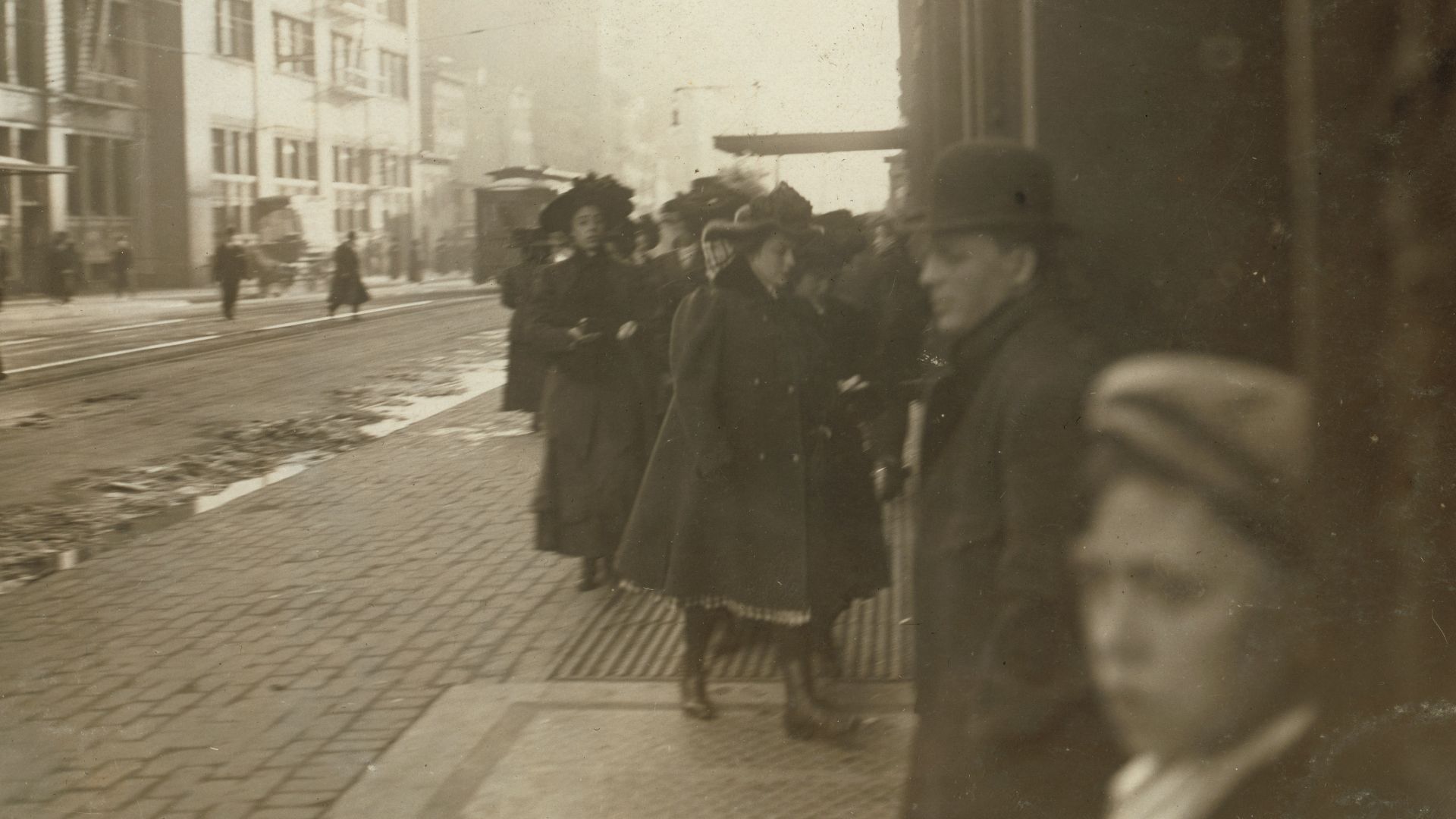
Abraham & Straus
Often called A&S, Abraham & Straus was a retail institution in New York City and the surrounding region. The chain became known for quality merchandise and strong customer loyalty. Eventually, corporate consolidation absorbed the brand into larger retail organizations.
 Hine, Lewis Wickes; National Child Labor Committee Collection, Wikimedia Commons
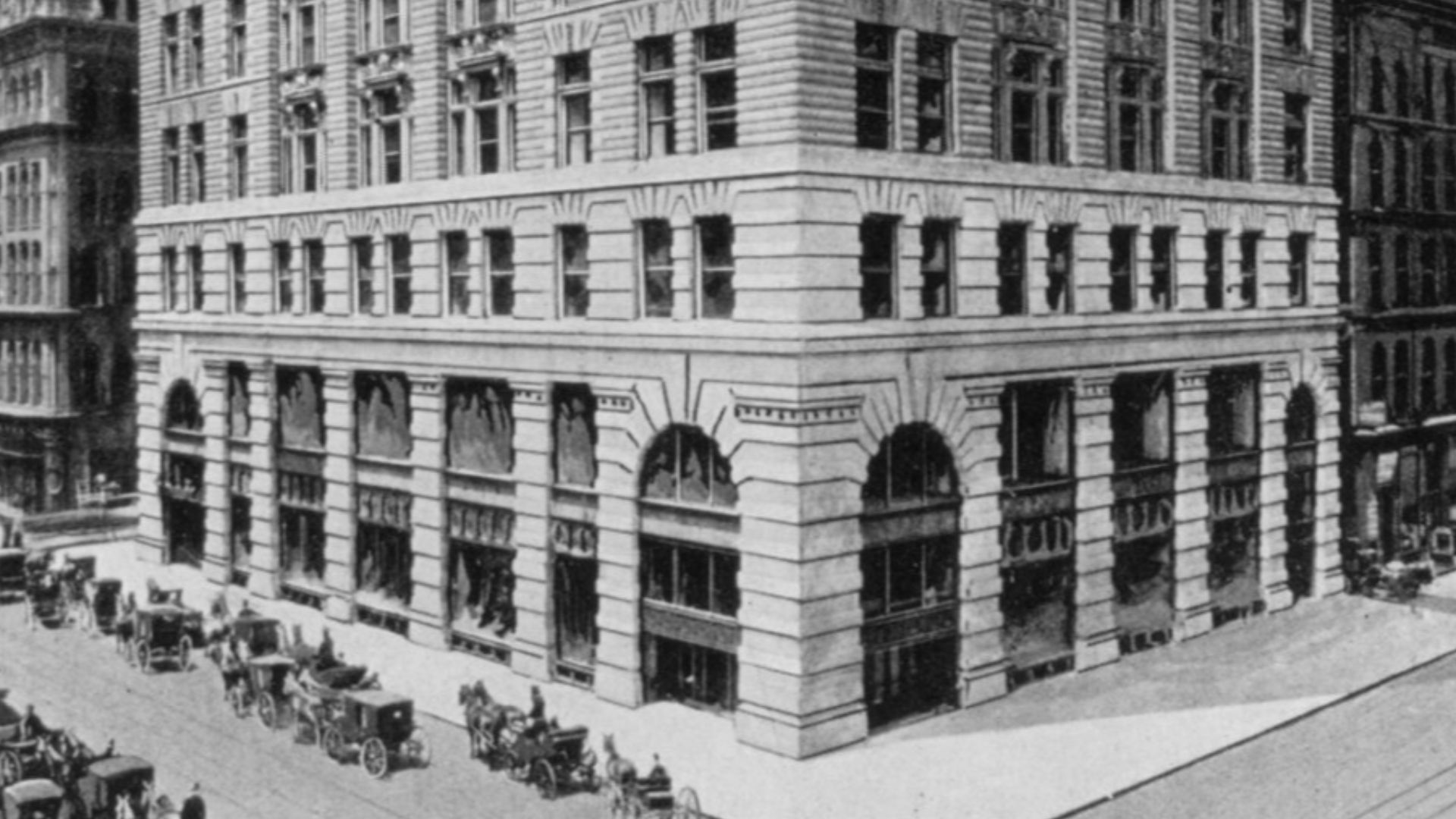
Marshall Field’s
Marshall Field’s was one of Chicago’s most iconic retailers and became famous for its elegant flagship store and holiday displays. The company’s slogan, “Give the lady what she wants,” became legendary in retail circles. Many shoppers still remember the brand fondly despite its eventual conversion into Macy’s locations.
 Miscellaneous Items in High Demand, PPOC, Library of Congress, Wikimedia Commons
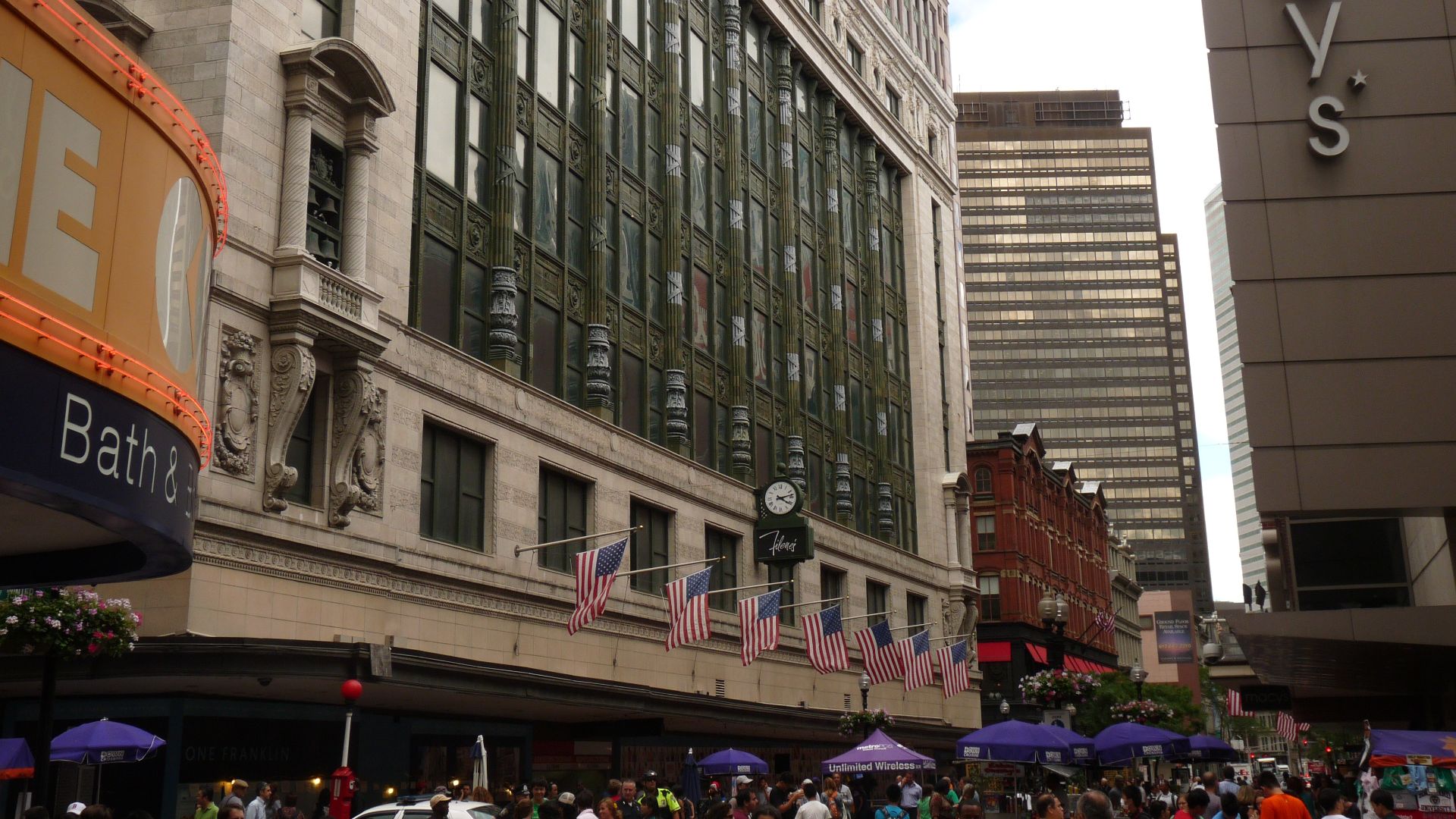
Filene’s
Filene’s built a strong reputation in New England and became especially famous for Filene’s Basement, a discount shopping concept that attracted bargain hunters. The parent department store chain remained influential for decades. Eventually, mergers led to the disappearance of the Filene’s name.

History's most fascinating stories and darkest secrets, delivered to your inbox daily.
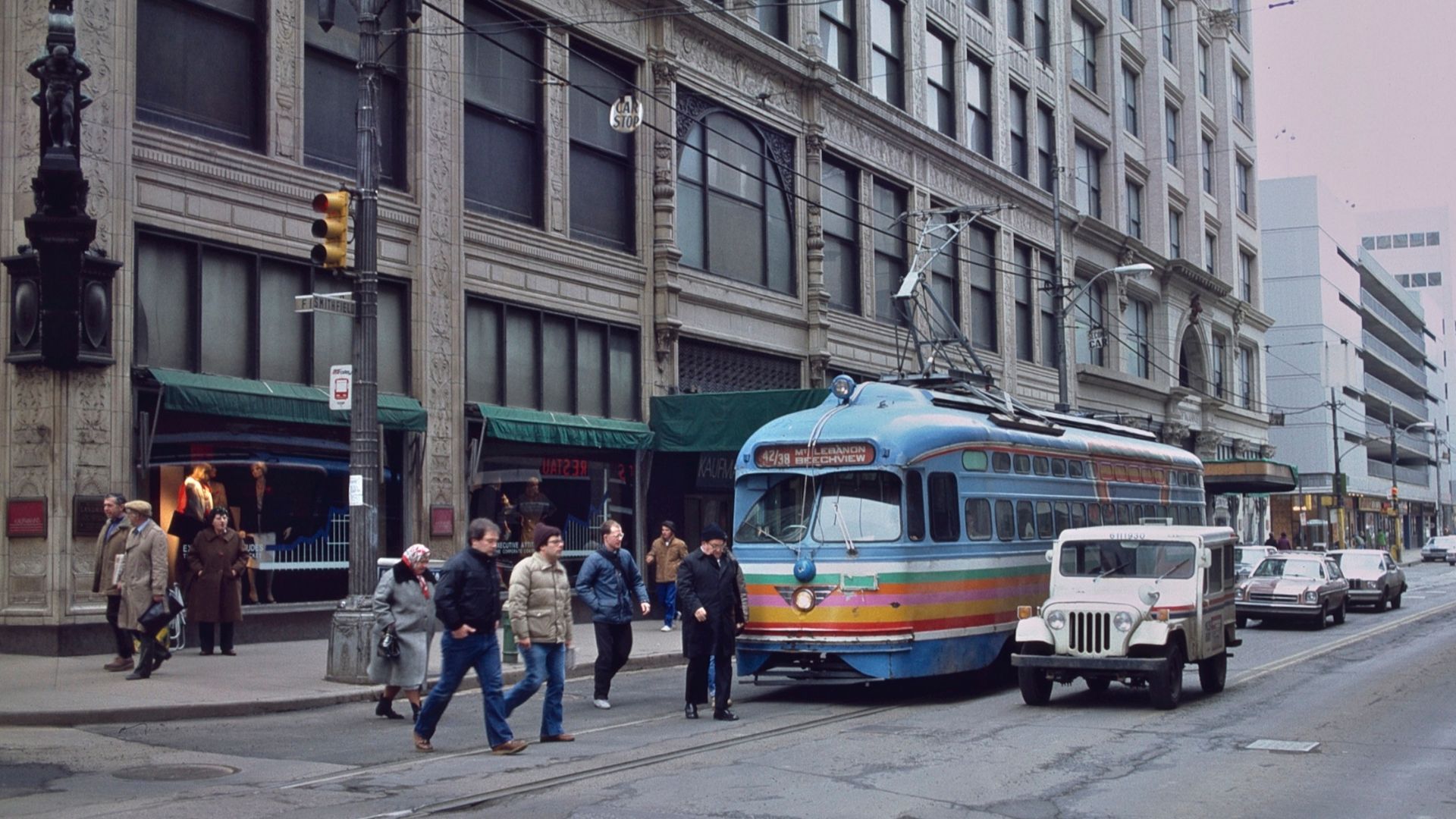
Kaufmann’s
Based in Pittsburgh, Kaufmann’s expanded into one of the most recognized department store brands in the northeastern United States. The flagship store became a city landmark and a major shopping destination. Like many regional chains, it ultimately disappeared during industry consolidation.
 Steve Morgan, Wikimedia Commons
Hecht’s
Hecht’s served customers throughout the Mid-Atlantic region and developed a reputation for dependable service and broad merchandise selections. The chain grew steadily during the twentieth century. Its stores were eventually rebranded as Macy’s as retail ownership became increasingly centralized.
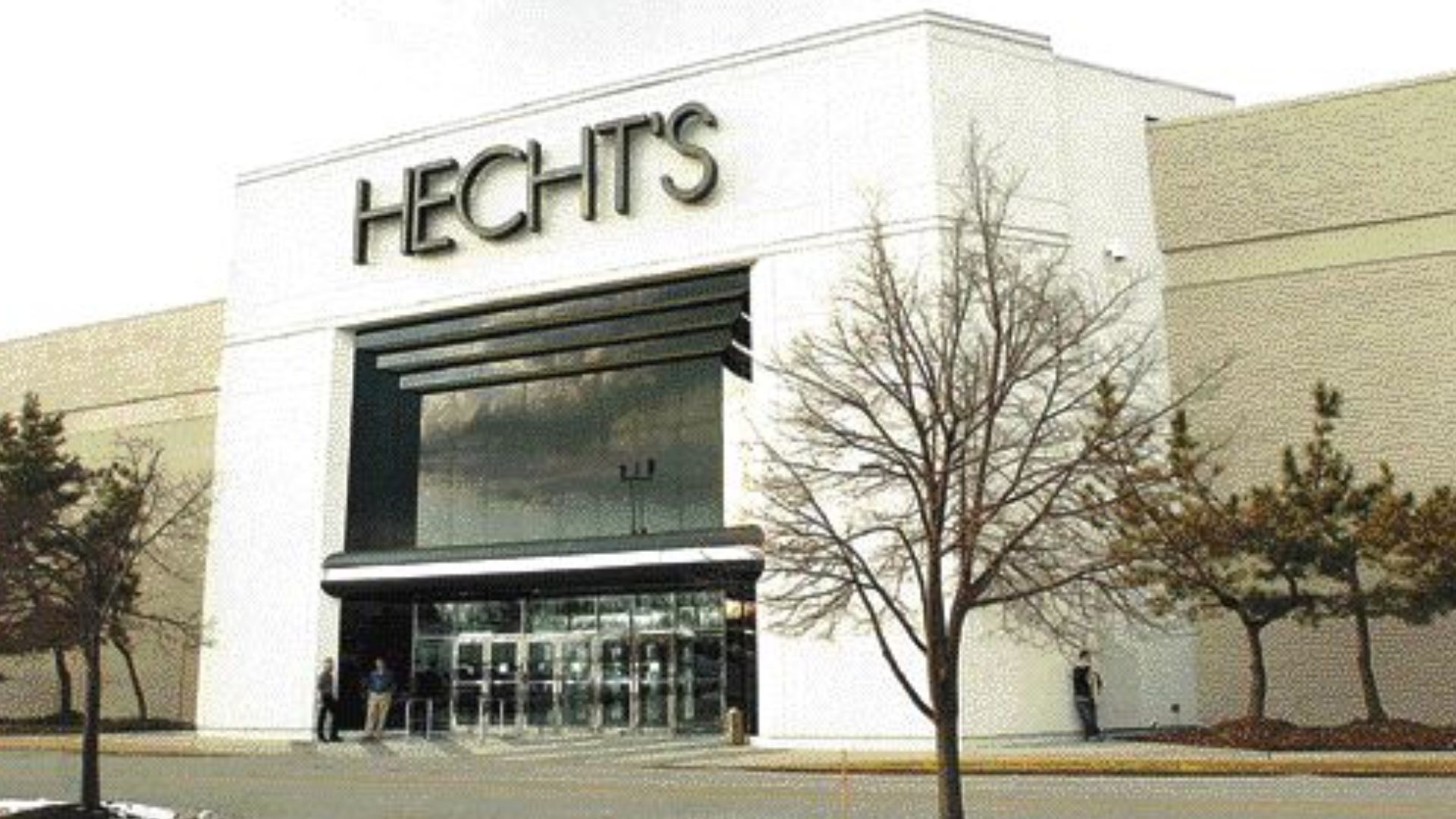 Caldorwards4 at English Wikipedia, Wikimedia Commons
Carson Pirie Scott
Often referred to simply as Carson’s, this retailer was deeply connected to Chicago shopping culture. Its flagship building became famous for its striking architecture and decorative ironwork. Despite its long history, the company struggled in the modern retail environment and gradually faded away.
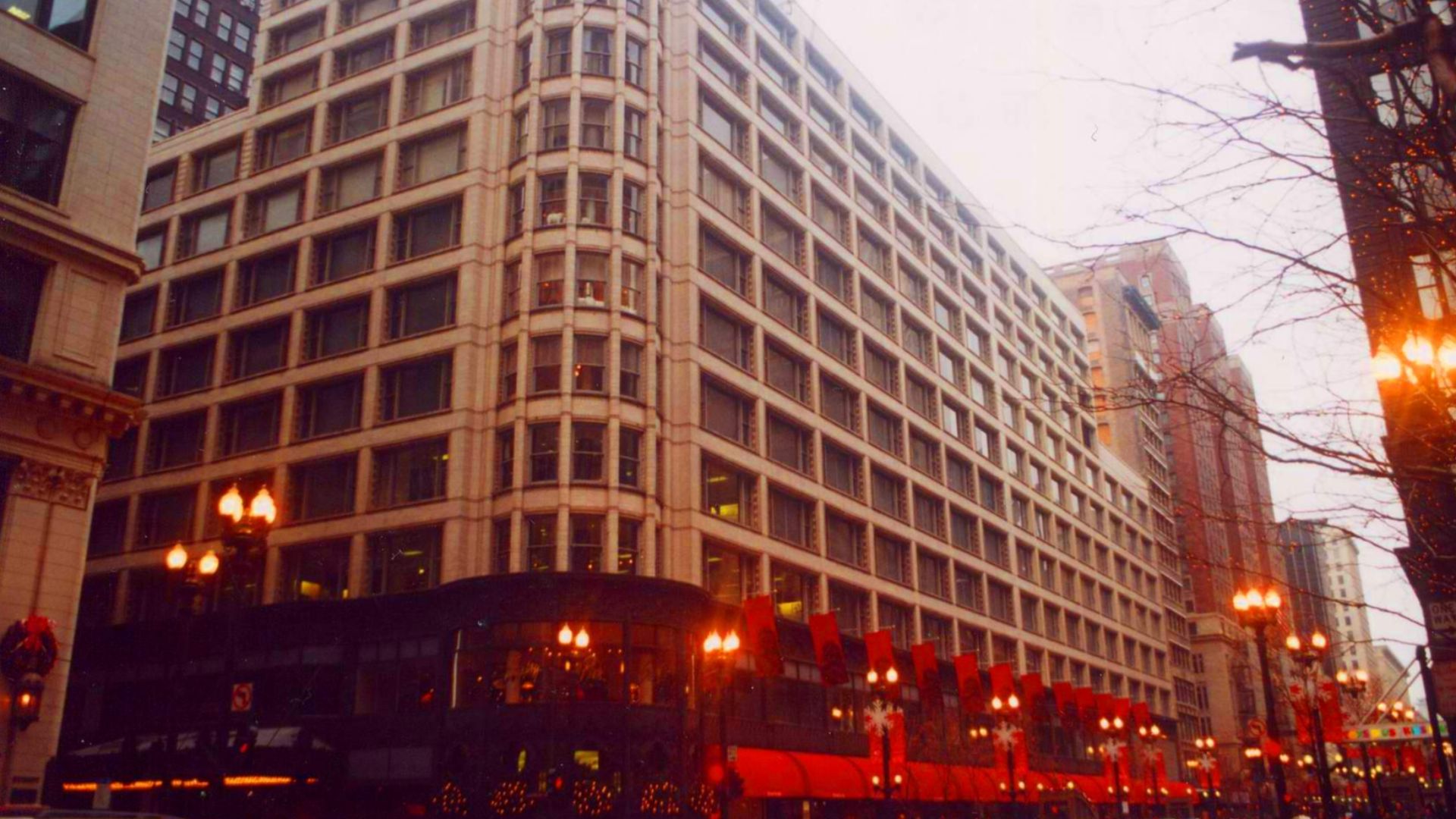 Elisa Rolle, Wikimedia Commons
Mervyn’s
Mervyn’s occupied a middle ground between department stores and discount retailers. The California-based chain expanded aggressively and became a familiar sight in malls across the western United States. Economic pressures and changing consumer preferences eventually led to its liquidation.
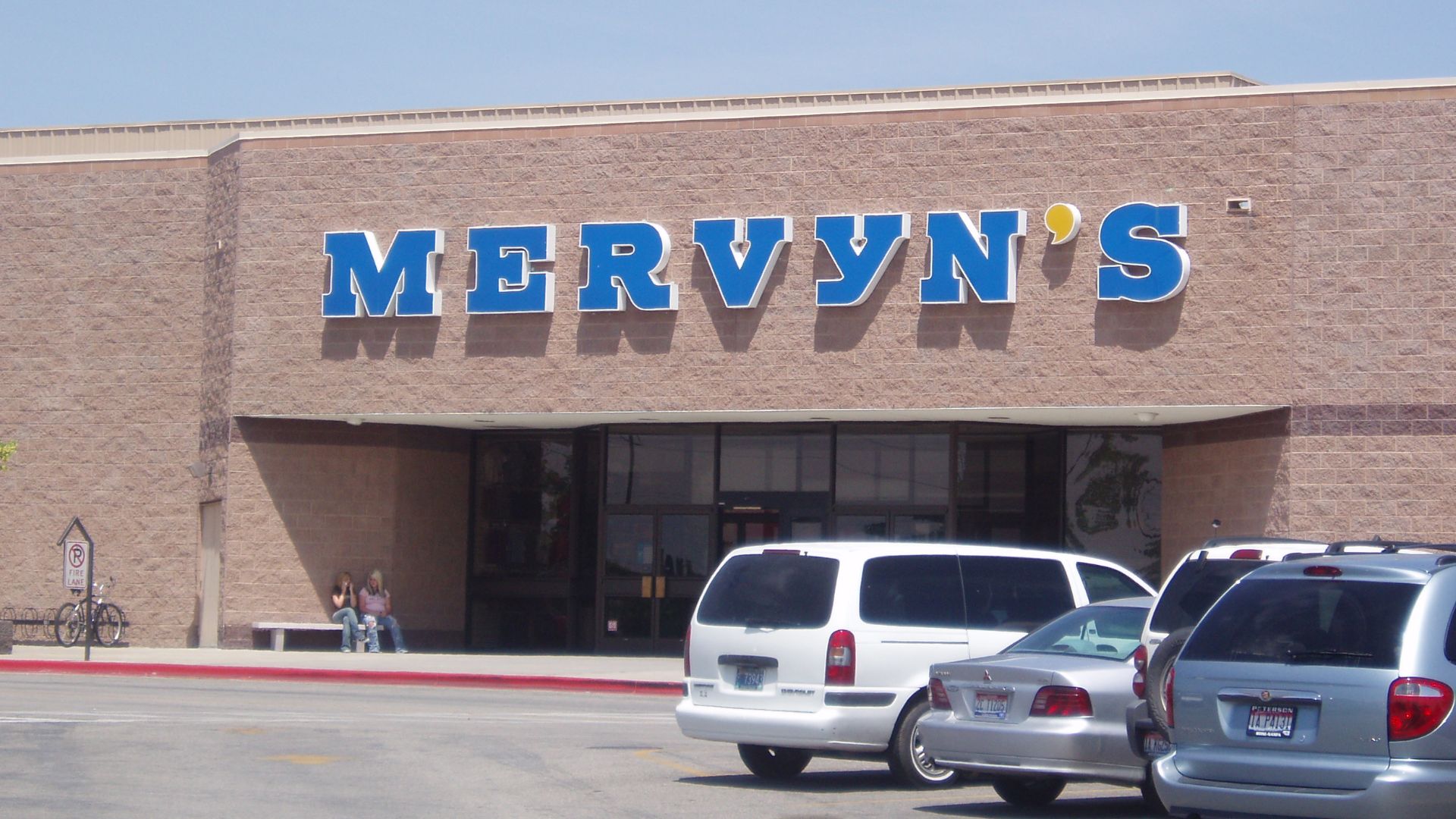 Caldorwards4 at English Wikipedia, Wikimedia Commons
Ames
Ames was a major discount department store chain that grew rapidly during the late twentieth century. For many small towns, it served as a primary shopping destination. Financial troubles and fierce competition from larger national retailers ultimately brought the chain to an end.
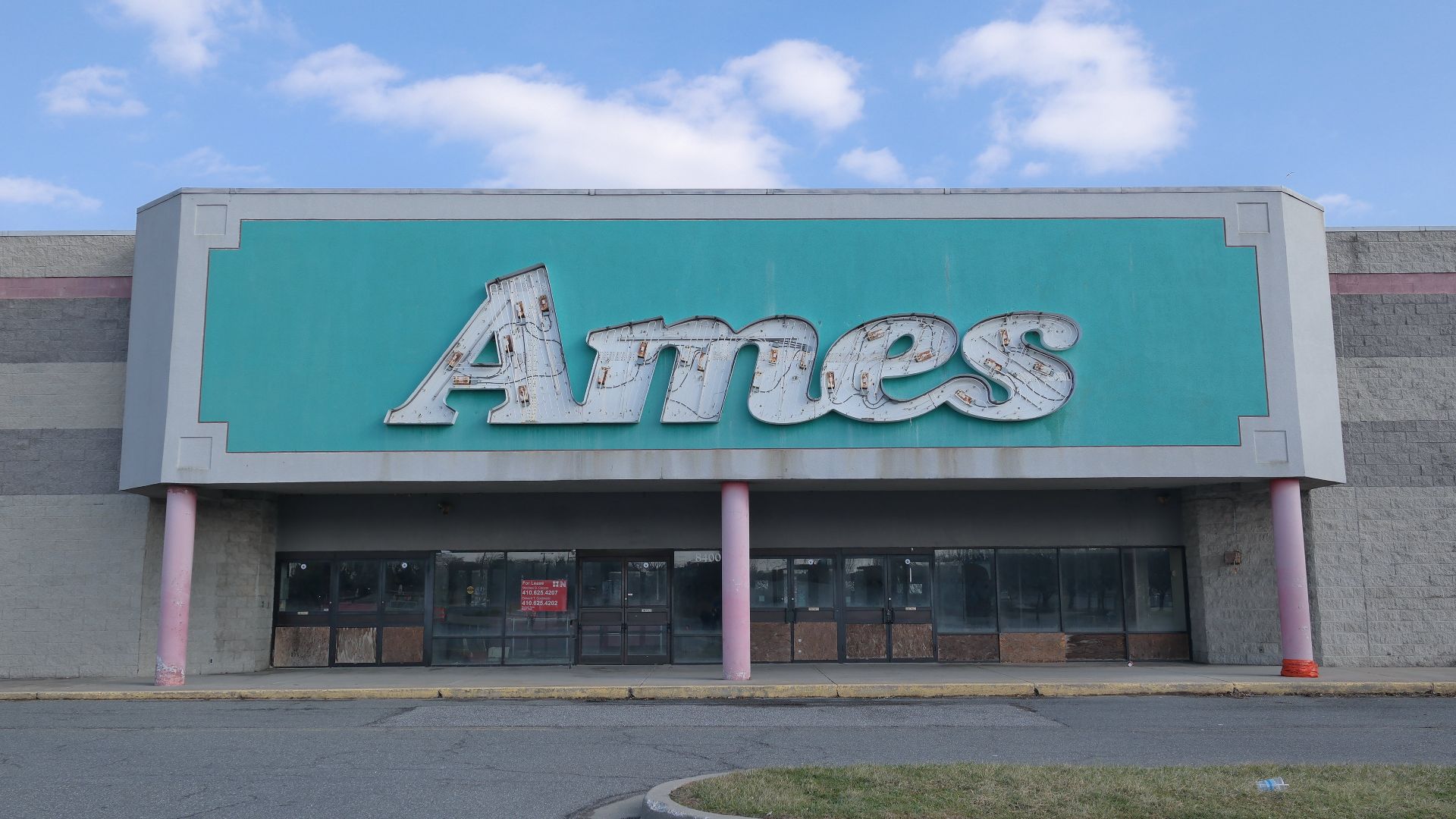 Aaron F. Stone, Wikimedia Commons
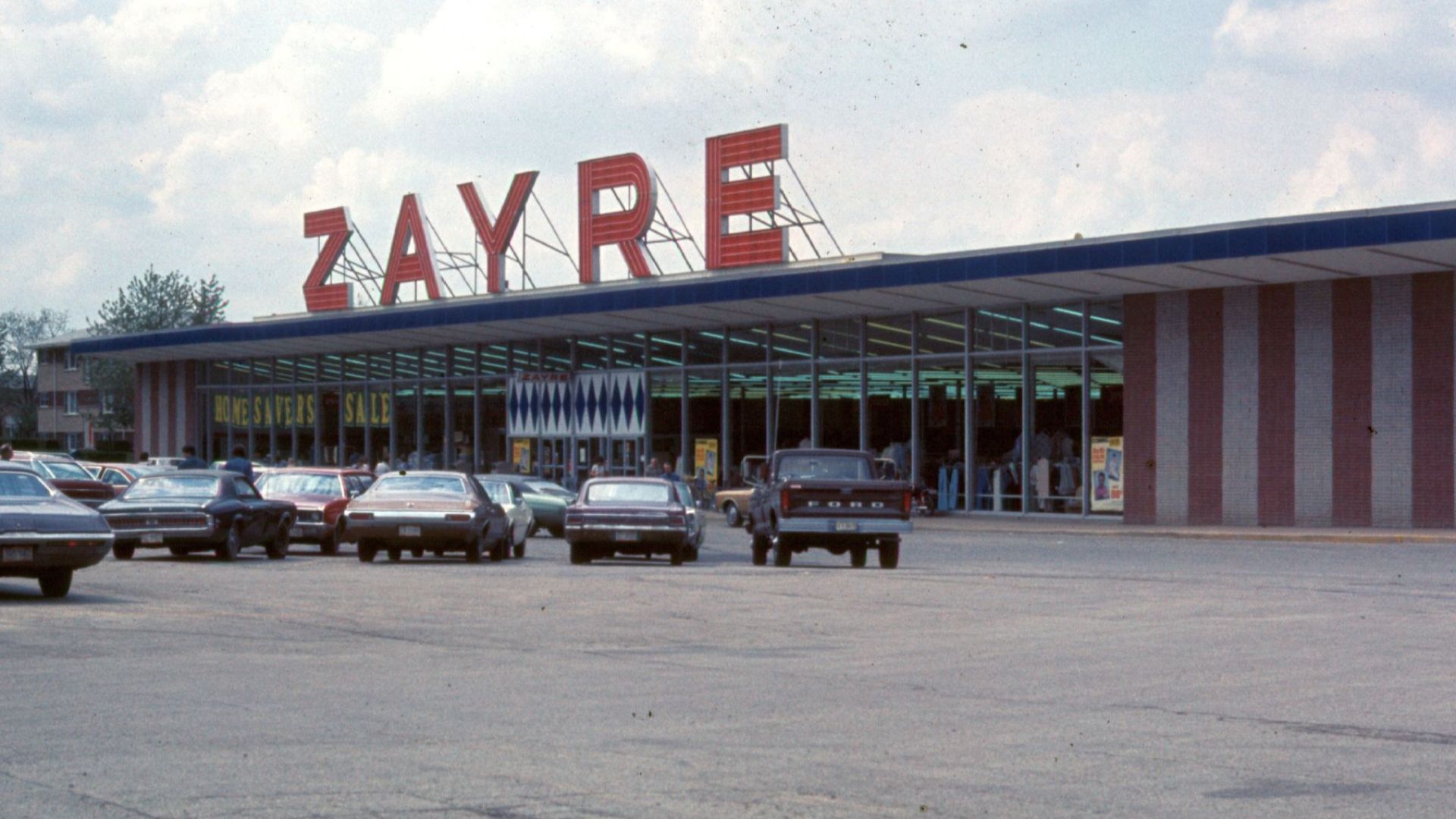
Zayre
Zayre attracted customers with discount pricing and a broad range of merchandise. The chain enjoyed considerable success throughout the 1970s and 1980s. Although the stores disappeared, Zayre’s corporate legacy continued through businesses that evolved from the company.
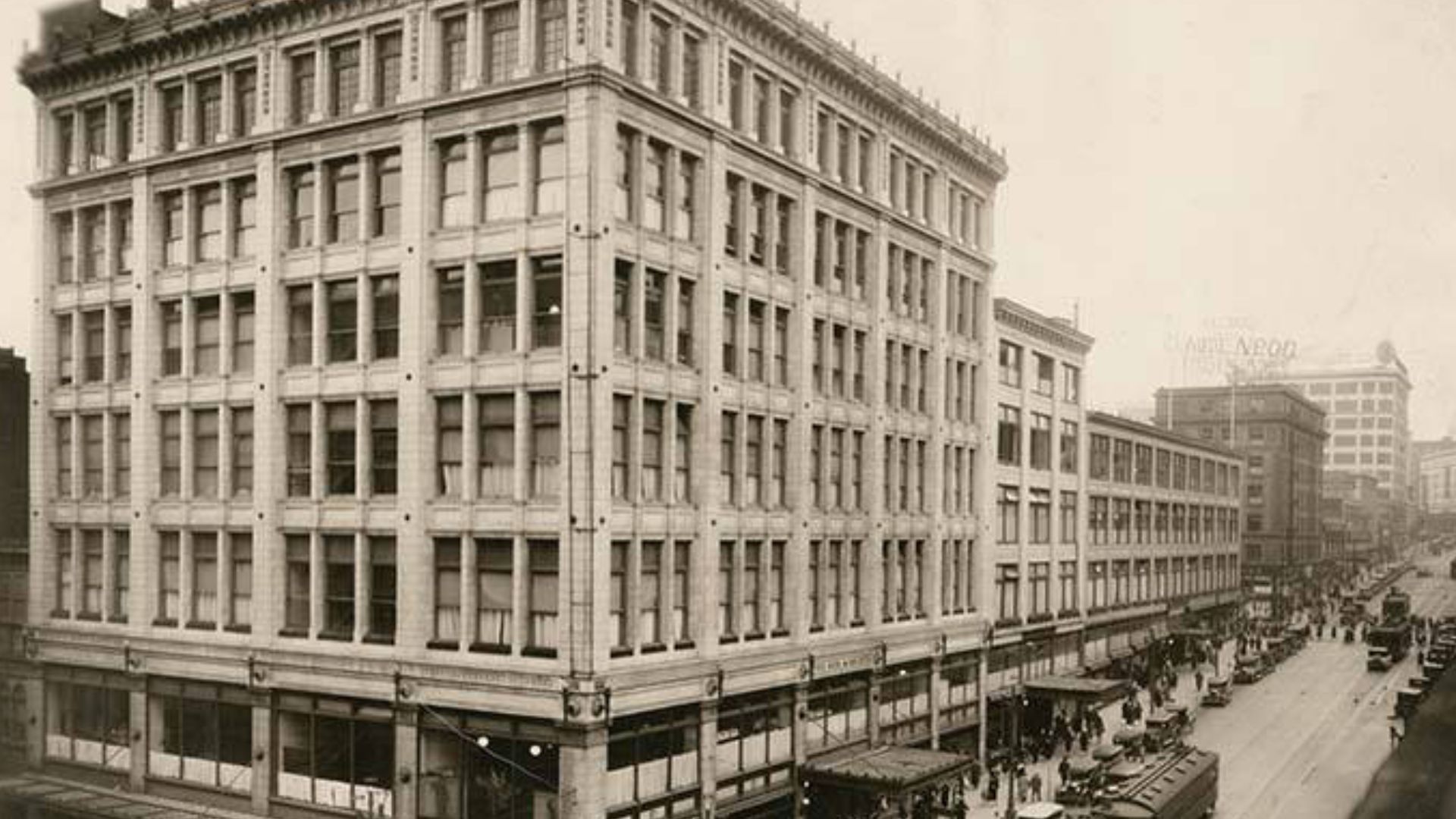
The Bon Marché
The Bon Marché became one of the Pacific Northwest’s best-known department store chains. Generations of shoppers visited its locations for clothing, home goods, and seasonal events. The brand eventually vanished through mergers and rebranding efforts.
 Unknown authorUnknown author, Wikimedia Commons
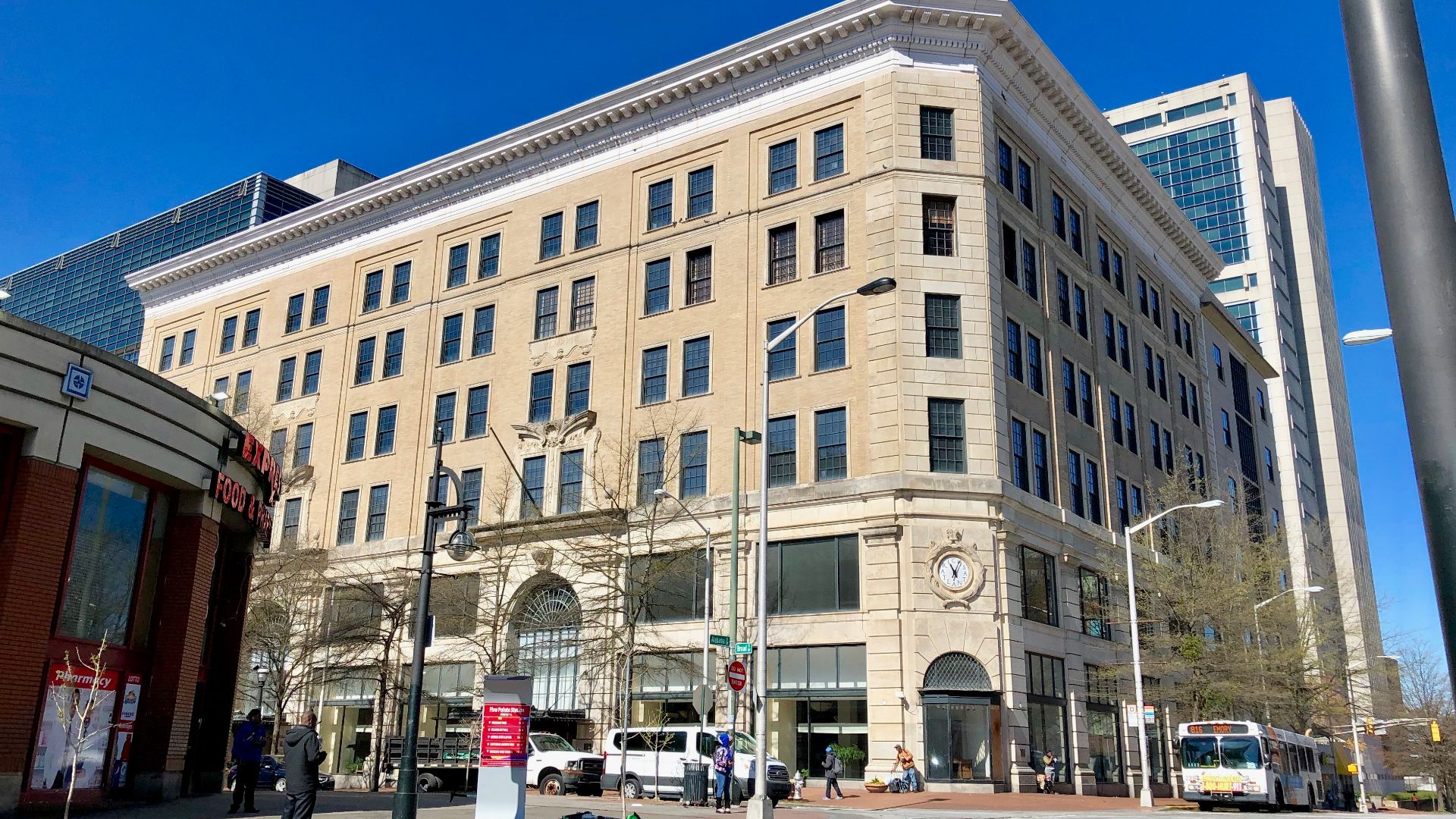
Rich’s
Rich’s was a beloved Atlanta institution and one of the South’s most influential department stores. The retailer became known for community events and memorable holiday traditions. Its name disappeared after becoming part of larger national retail networks.
 Warren LeMay from Cincinnati, OH, United States, Wikimedia Commons
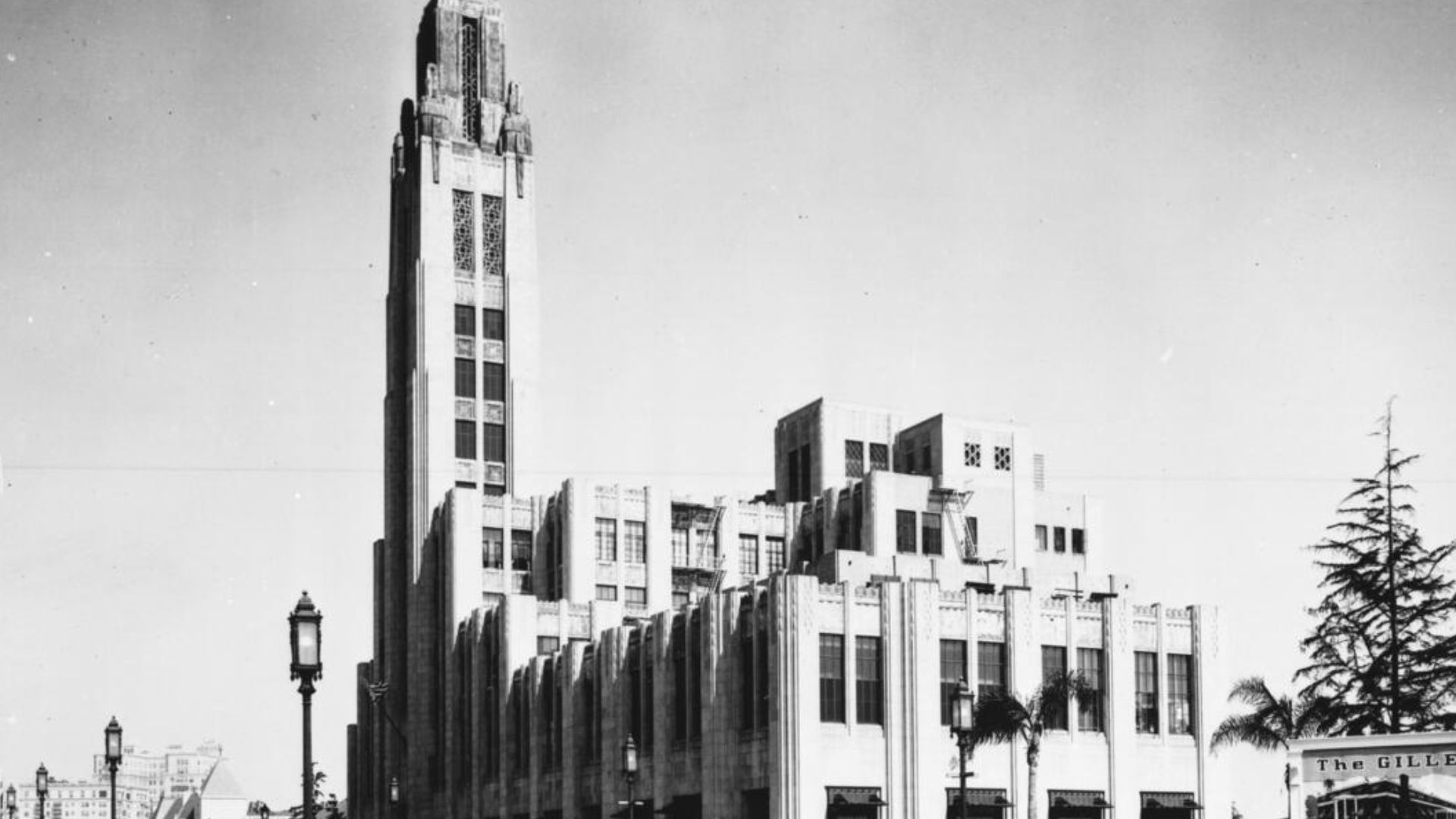
Bullock’s
Bullock’s helped define upscale shopping in Southern California for much of the twentieth century. The stores were known for stylish merchandise and elegant interiors. Industry consolidation eventually brought an end to the once-prominent brand.
 “University of Southern California Libraries” and “California Historical Society”, Wikimedia Commons
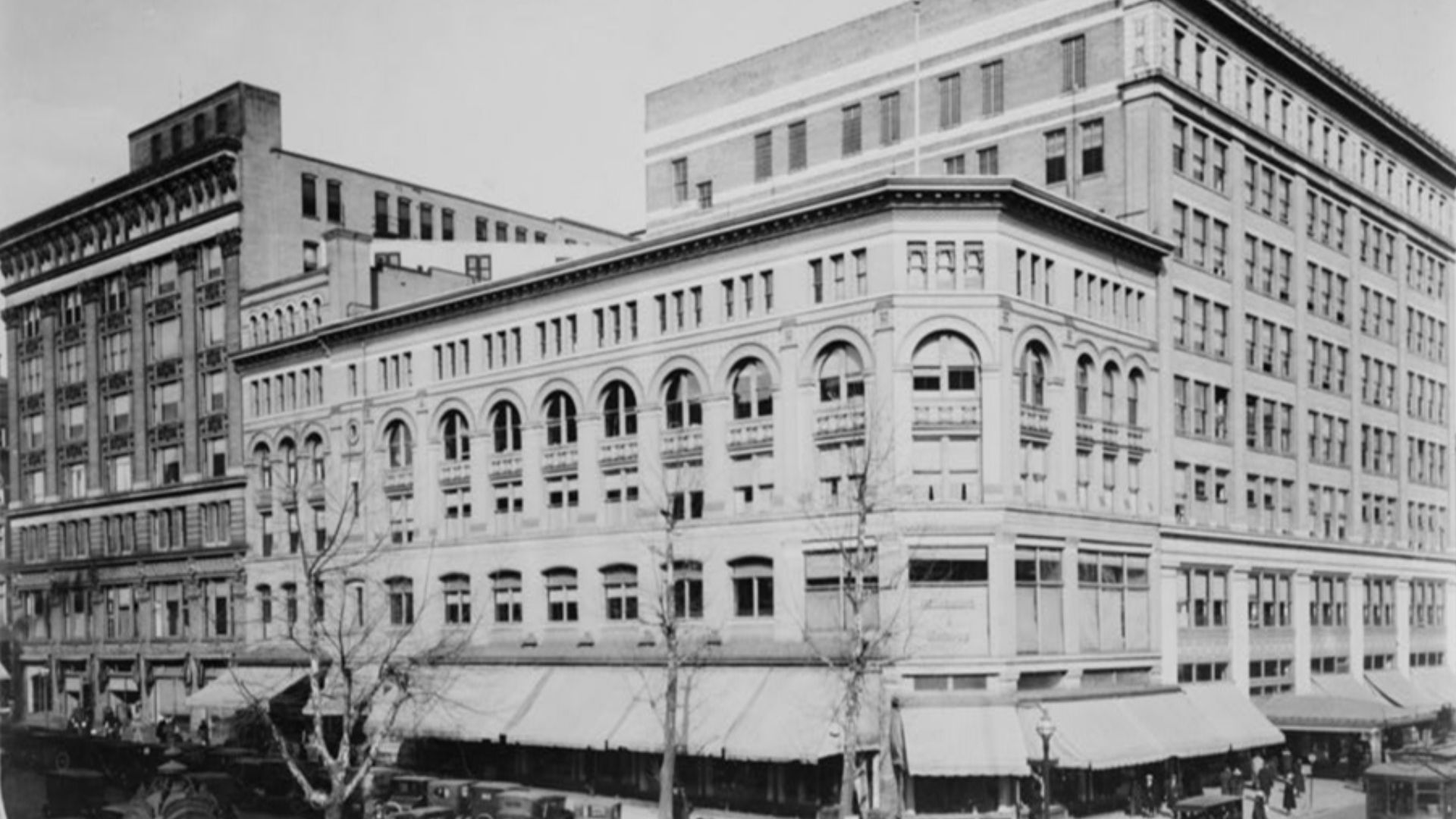
Woodward & Lothrop
Often called Woodies, this Washington, D.C.-based retailer was a regional powerhouse for decades. It built a reputation for quality merchandise and strong customer service. Financial problems during the 1990s ultimately forced the company into liquidation.
 National Photo Company Collection, Wikimedia Commons
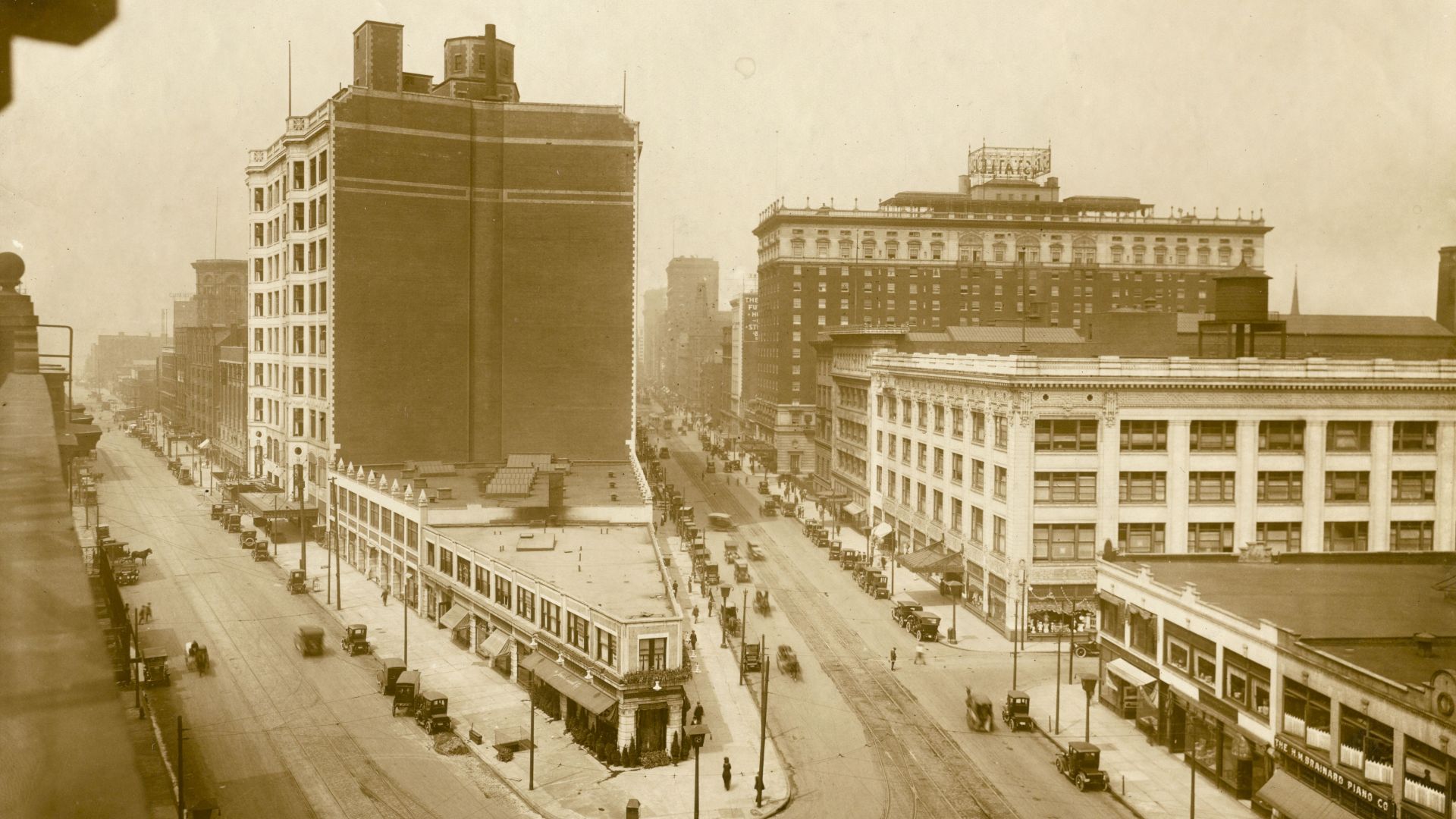
Higbee’s
Cleveland shoppers knew Higbee’s as a cornerstone of downtown retail. The store gained additional cultural recognition because its flagship building appeared in the holiday film A Christmas Story. Like many regional chains, it disappeared through acquisitions and rebranding.
 Cleveland Public Library, Wikimedia Commons
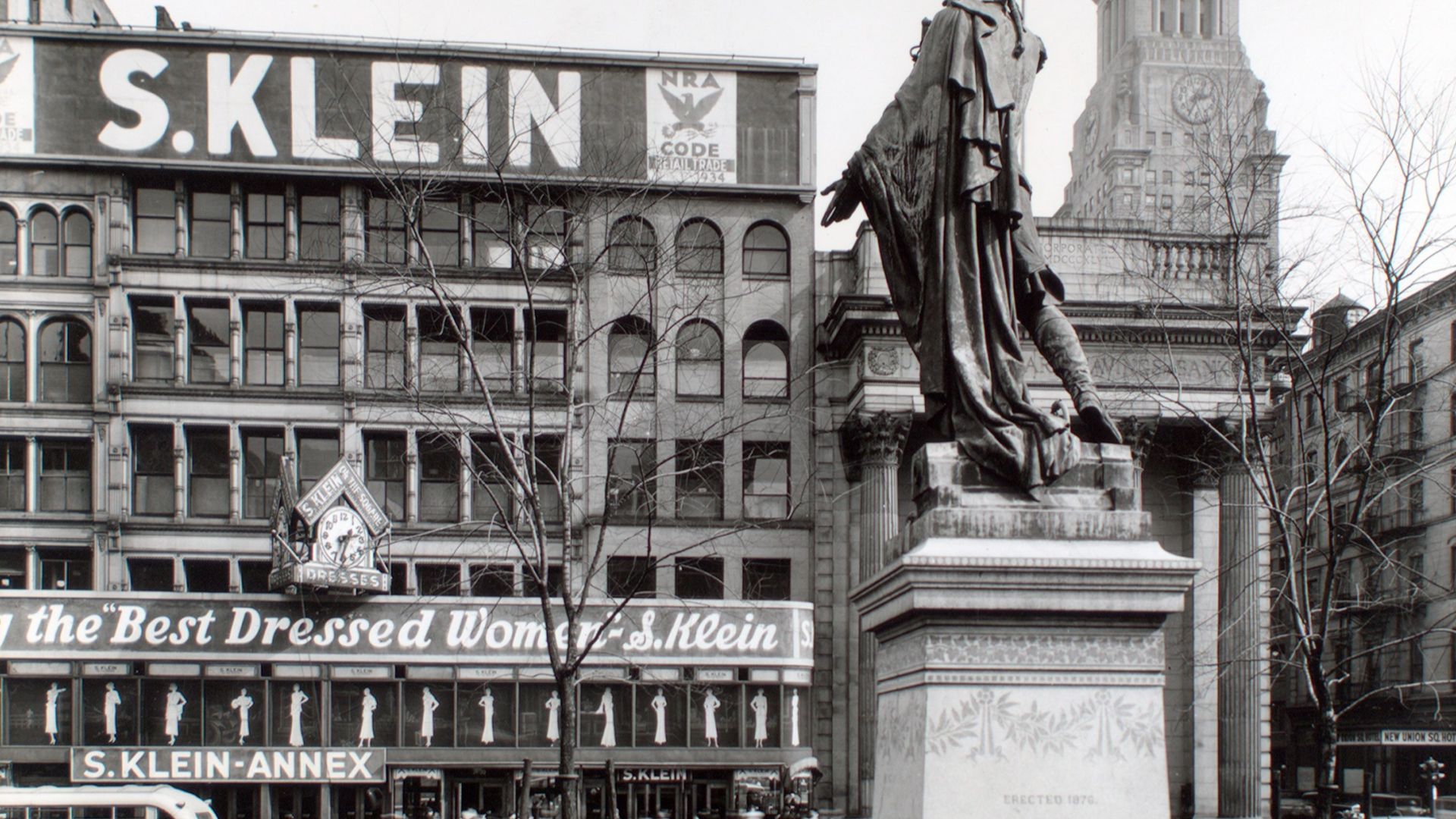
S. Klein
S Klein became famous for offering discount merchandise in urban markets long before modern discount giants arrived. The chain attracted shoppers looking for bargains and value. By the late 1970s, changing market conditions contributed to its closure.
 Berenice Abbott, Wikimedia Commons
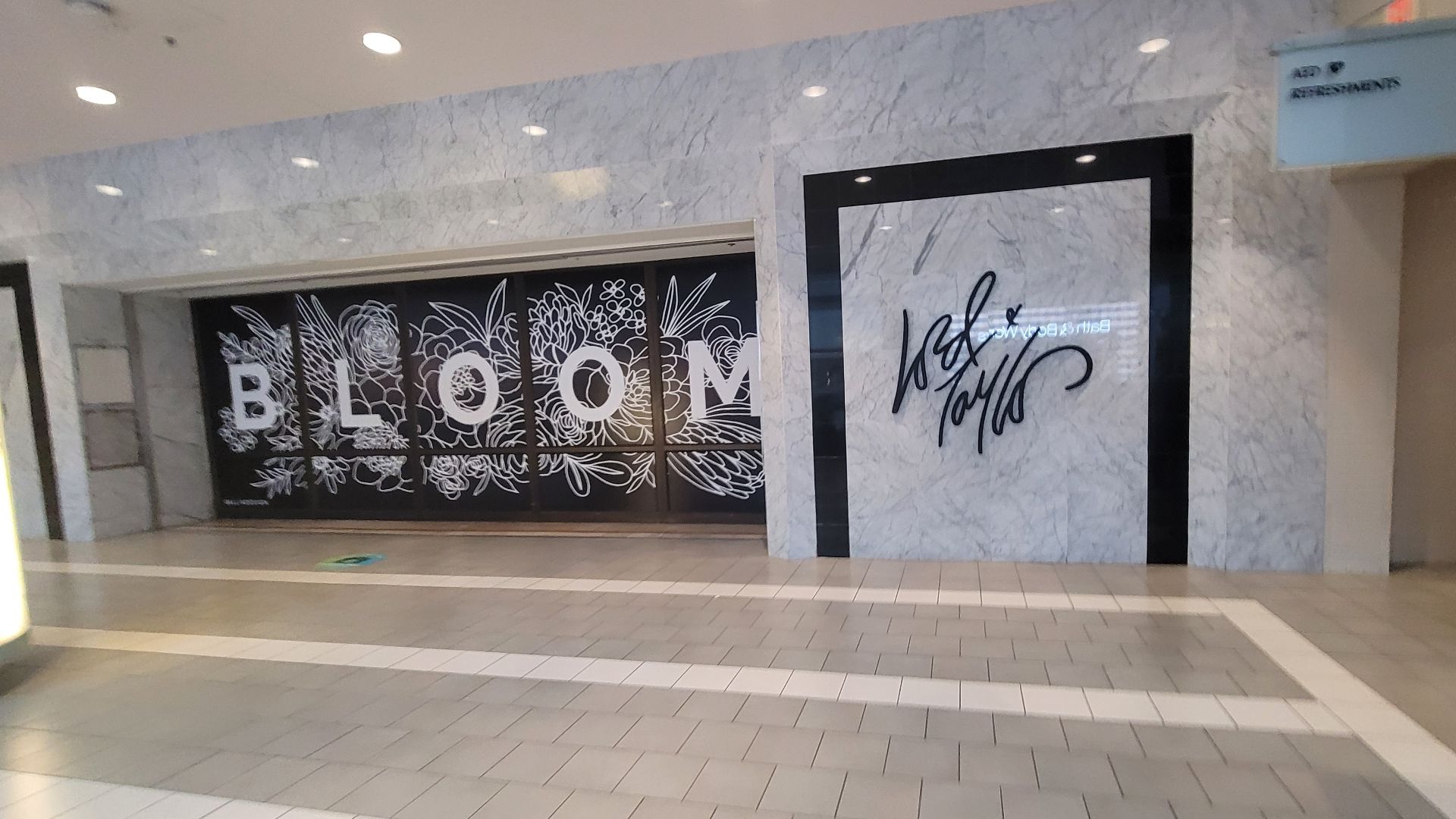
Lord & Taylor
Founded in 1826, Lord & Taylor became America's oldest department store chain and developed a reputation for fashion and upscale shopping. Its flagship stores were landmarks in major cities, and the brand remained influential for nearly two centuries. Although its physical stores eventually disappeared, the name continues to hold nostalgic value for many shoppers.
The End Of An Era
Department stores once stood at the center of American life. They introduced innovations, created holiday traditions, and served as gathering places for entire communities. While many of these famous names have disappeared from shopping malls and downtown streets, their influence can still be seen in modern retailing, proving that their legacy extends far beyond the stores themselves.
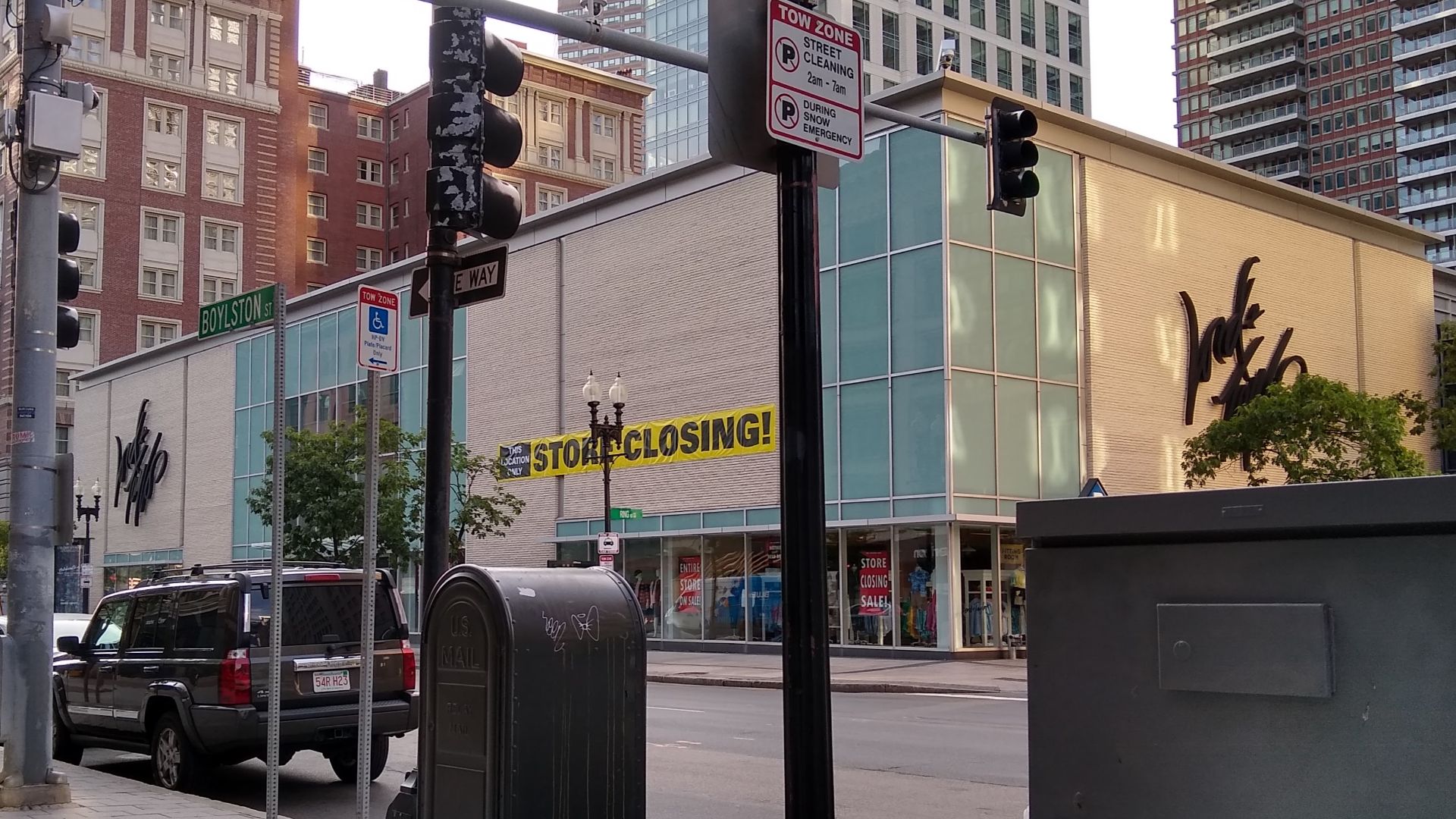 Whoisjohngalt, Wikimedia Commons
You May Also Like:
Historical Predictions That Sounded Ridiculous At The Time—But Turned Out To Be Correct
Boomer-Era Trends That Disappeared Almost Overnight—And They Want Them Back
Common Things Americans Used To Do In Public That Would Shock People Today