The Household Items Older Generations Used Completely Differently
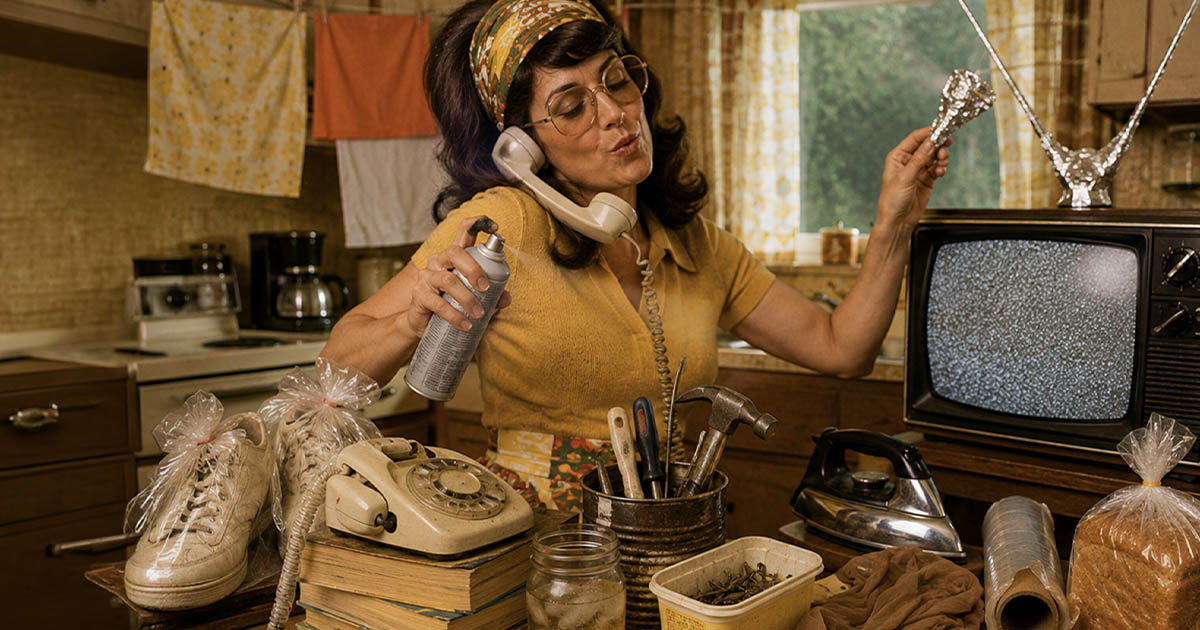
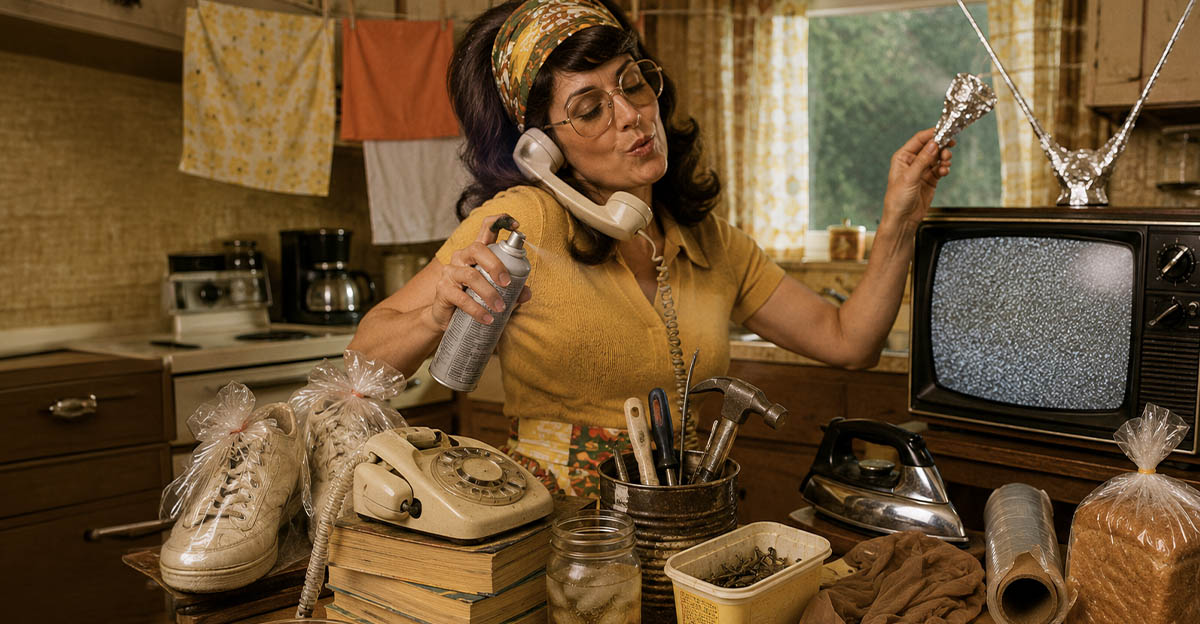
You probably have these items in your house right now—but if you used them like people did decades ago, someone would definitely question you. Back then, “normal use” was a lot more creative… and sometimes a little chaotic.
#25. Aluminum Foil as a TV Antenna Fix
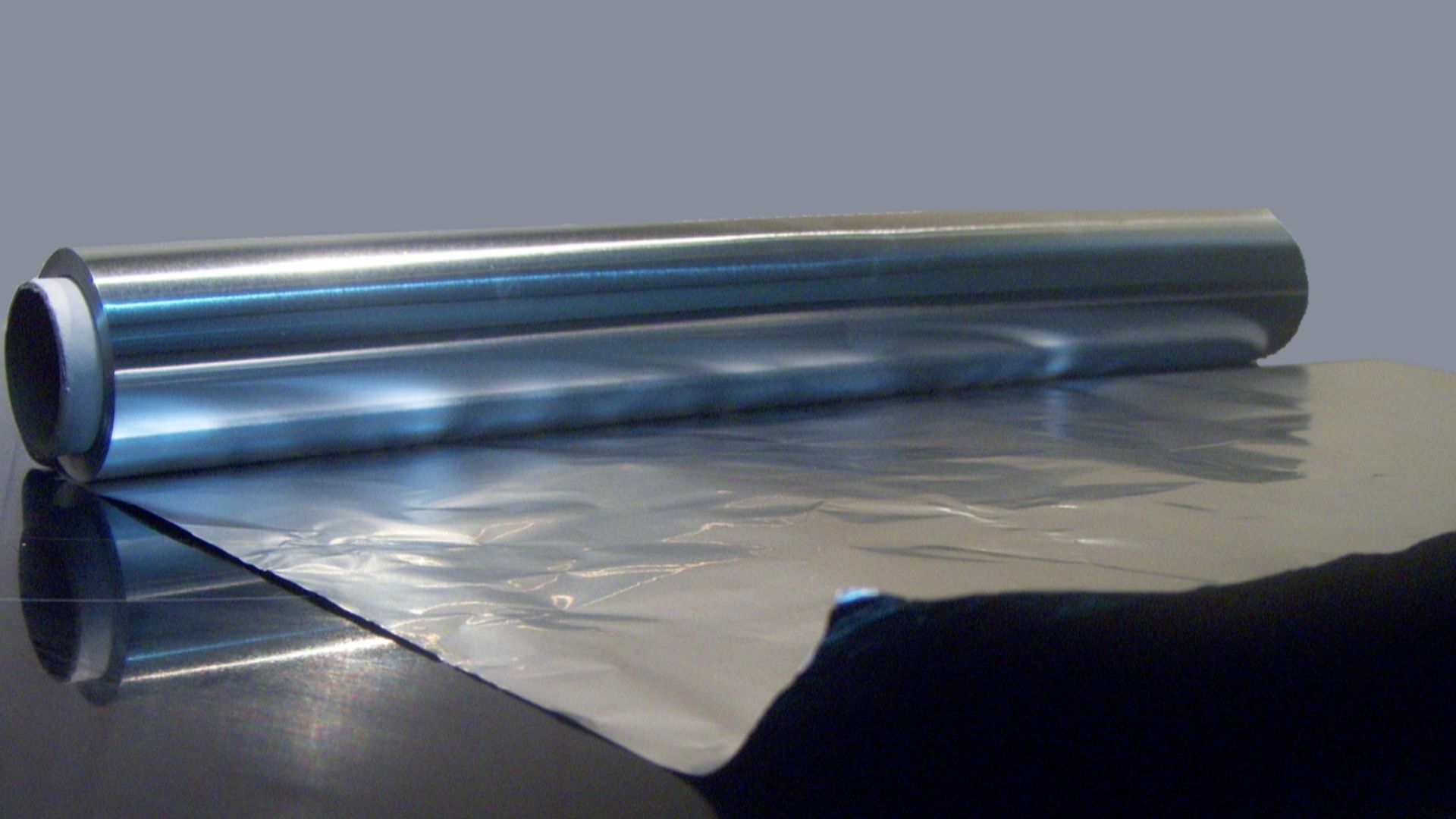
Before cable and streaming, bad TV reception was a daily struggle. People would wrap aluminum foil around rabbit ear antennas to boost signal strength. It actually worked sometimes. Today, it sounds like a weird science experiment instead of a living room solution.
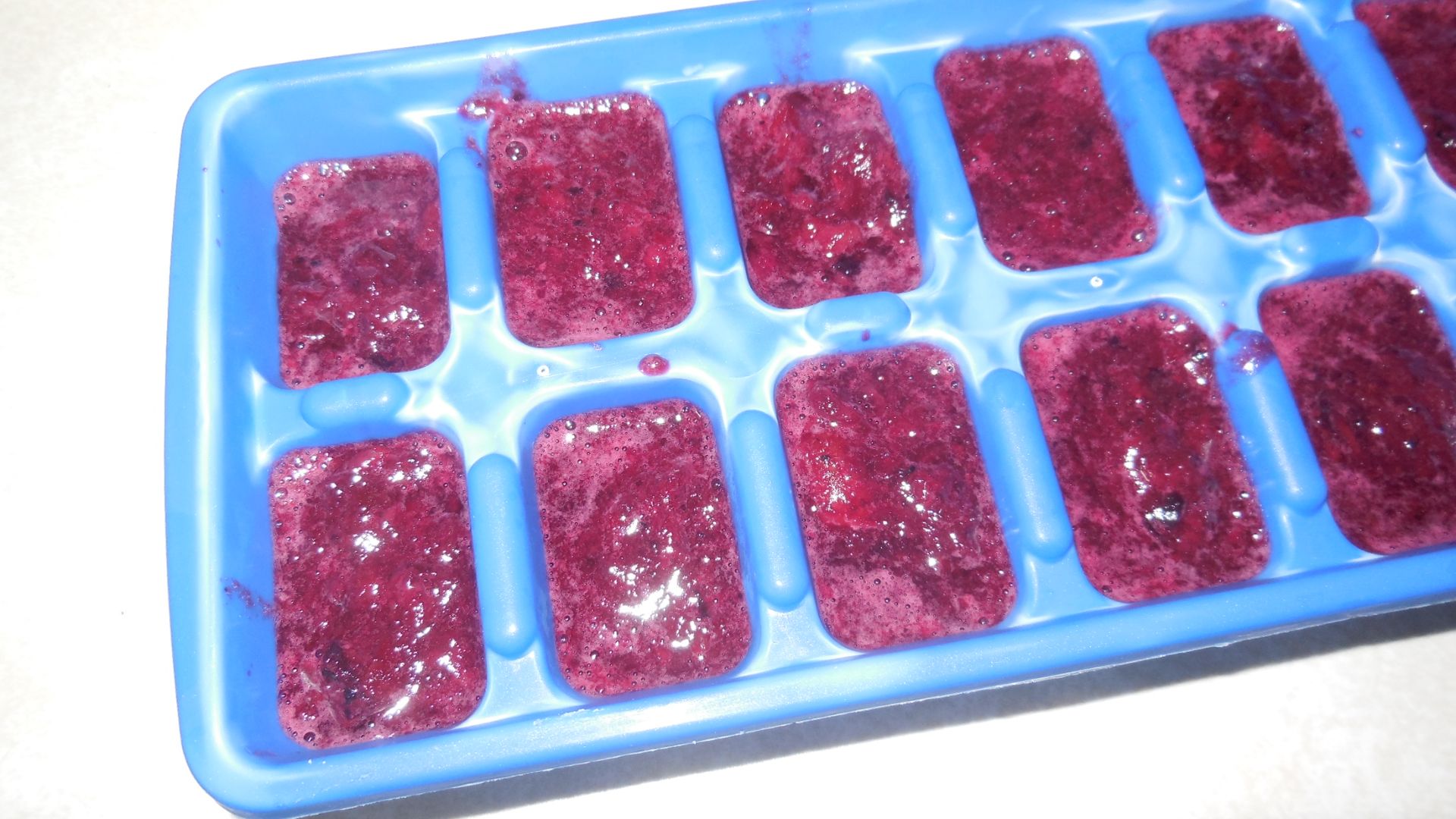
#24. Ice Trays for More Than Just Ice
Ice cube trays weren’t just for freezing water. People used them to store leftover sauces, baby food, and even herbs. It was a simple way to avoid waste. Today, we have specialty containers for everything, so this feels oddly resourceful.
 ParentingPatch, Wikimedia Commons
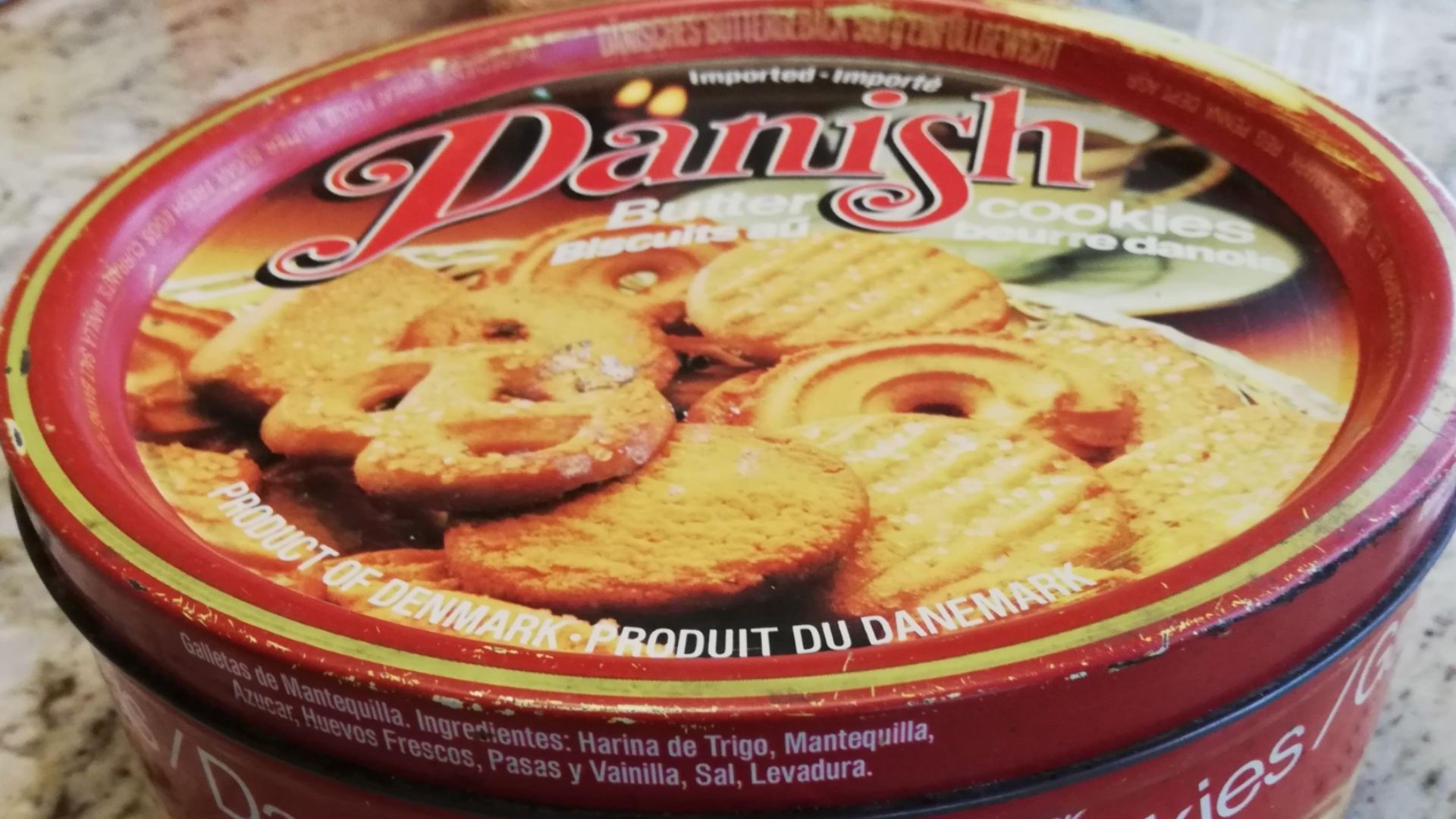
#23. Butter Tins as Storage Containers
Empty butter or margarine tubs were never thrown away. They became containers for leftovers, nails, buttons, or literally anything. You’d open one expecting food… and find screws instead. Today, that surprise would feel mildly confusing.
 Mojmir Churavy, Wikimedia Commons
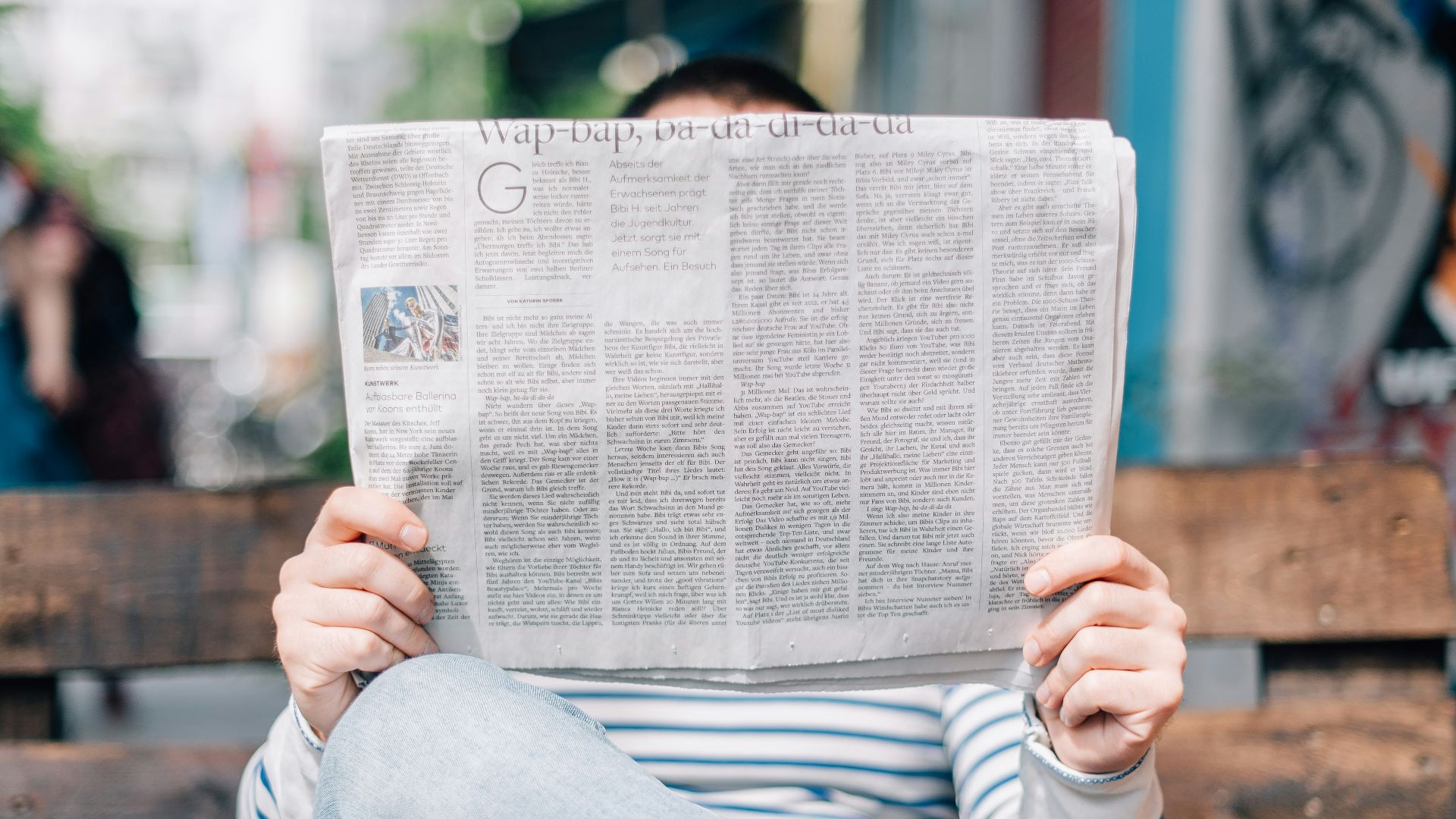
#22. Newspaper for Cleaning Windows
Before paper towels were everywhere, newspapers were the go-to for streak-free glass. The ink and texture worked surprisingly well. Today, the idea of rubbing newsprint all over your windows feels messy and outdated.
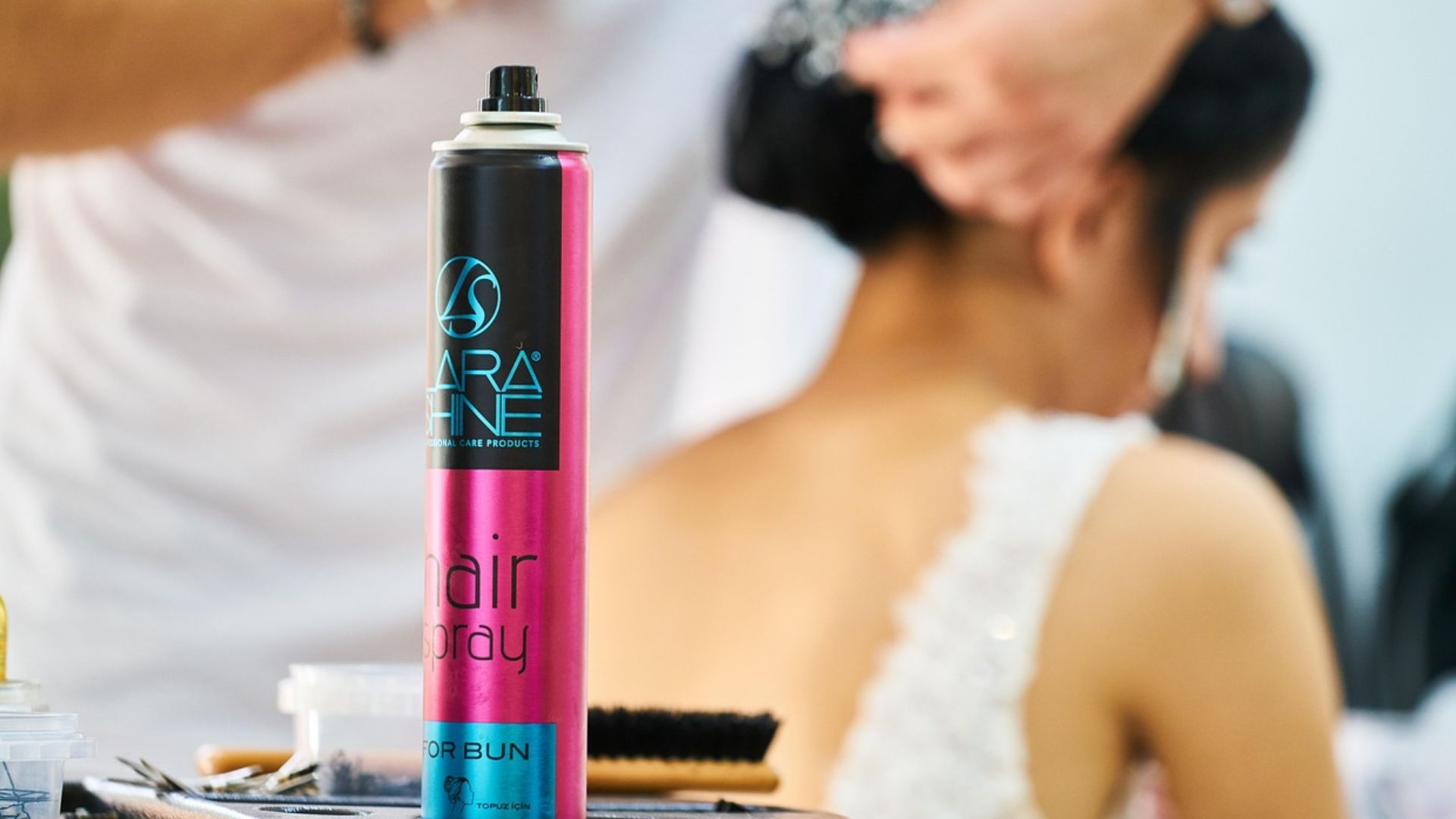
#21. Hair Spray to Fix Everything
Hair spray wasn’t just for hair—it was used to stop runs in pantyhose, set makeup, and even preserve drawings. It was basically a multipurpose fix-all. Today, using it that way would seem like a very random life hack.
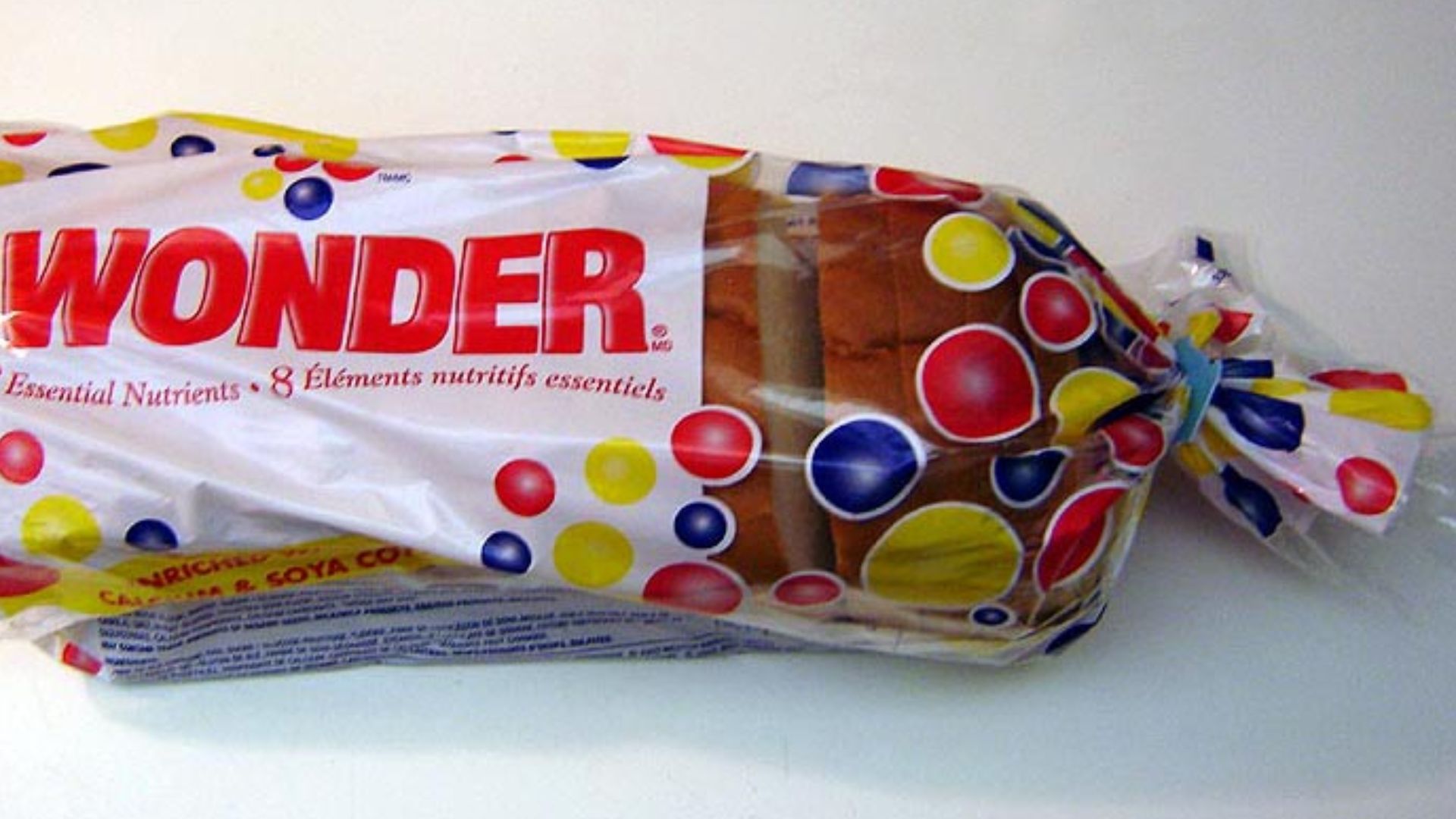
#20. Bread Bags as Shoe Covers
Plastic bread bags were slipped over shoes to walk through snow or wet grass. It was cheap, effective, and a little ridiculous. Today, people would just buy proper waterproof gear instead.
 User:Siqbal, Wikimedia Commons
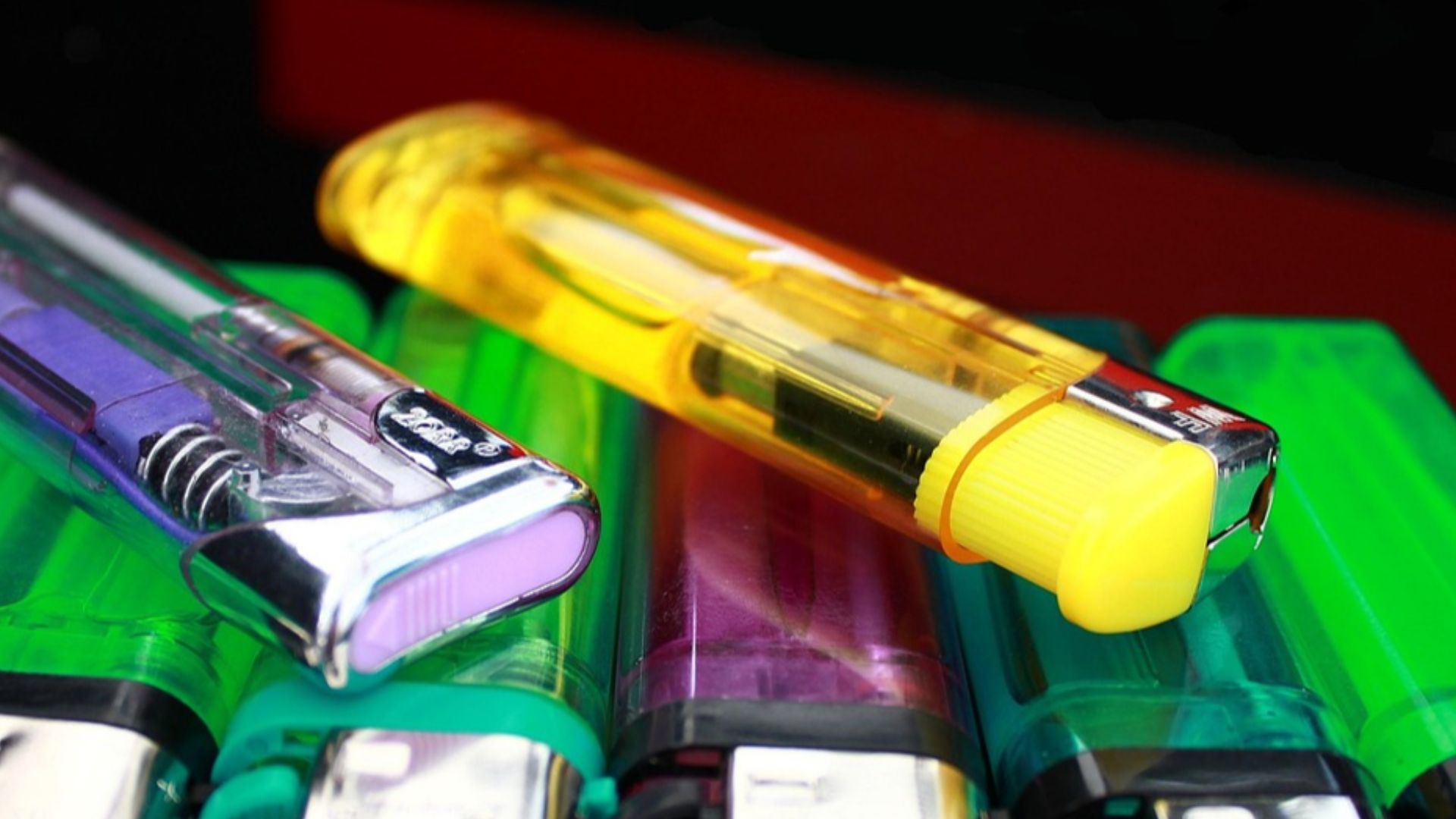
#19. Lighters as Multi-Tools
Lighters weren’t just for smoking—they were used to melt loose threads, fix frayed rope, and even seal plastic. It was common because they were always around. Today, using fire for household fixes would raise some eyebrows.
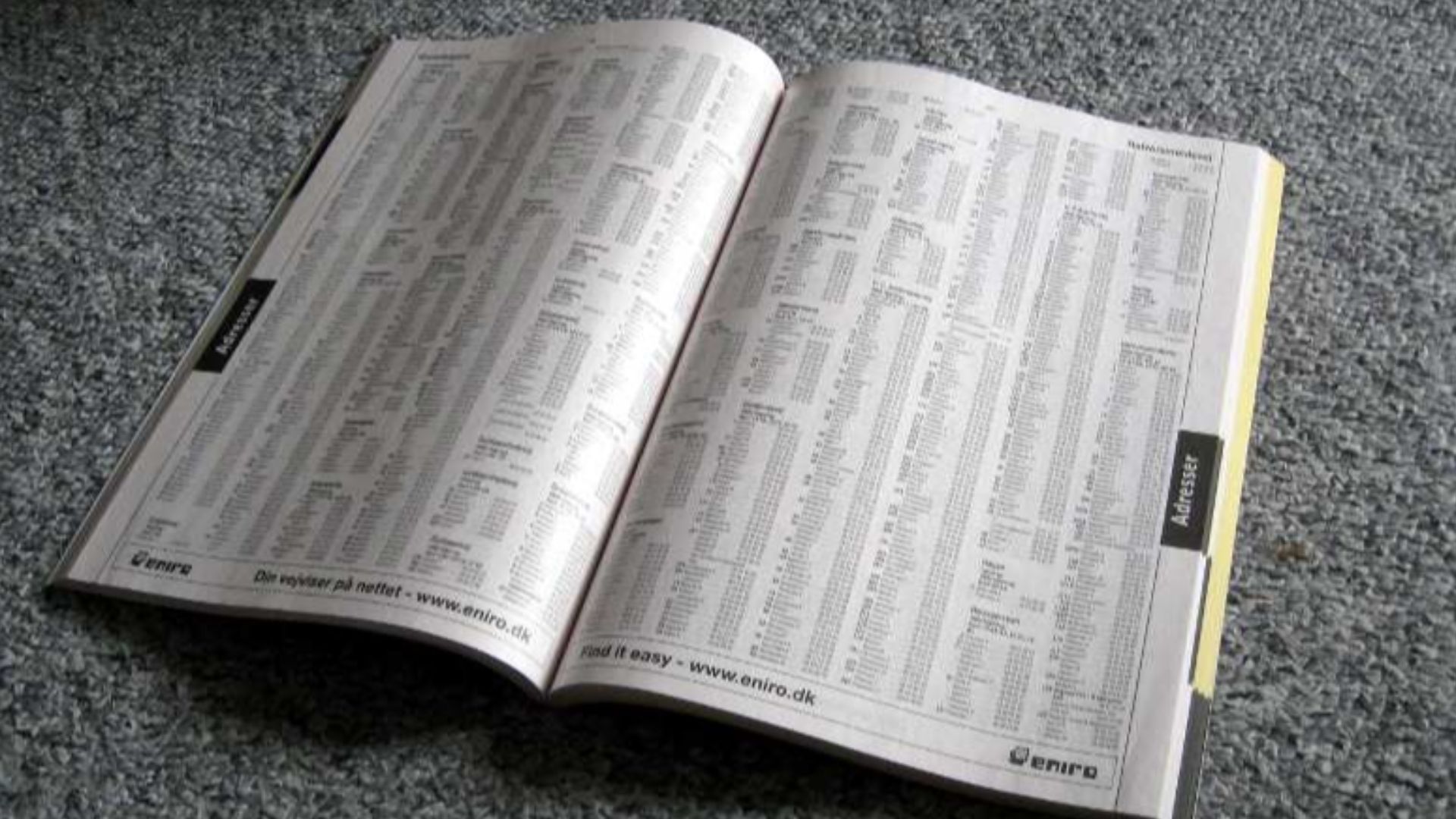
#18. Phone Books as Booster Seats
Need a little height at the dinner table? A stack of phone books did the trick. It was a quick solution before specialized furniture. Today, that would feel unstable and oddly impractical.
 © 2010 by Tomasz Sienicki [user: tsca, mail: tomasz.sienicki at gmail.com], Wikimedia Commons

History's most fascinating stories and darkest secrets, delivered to your inbox daily.
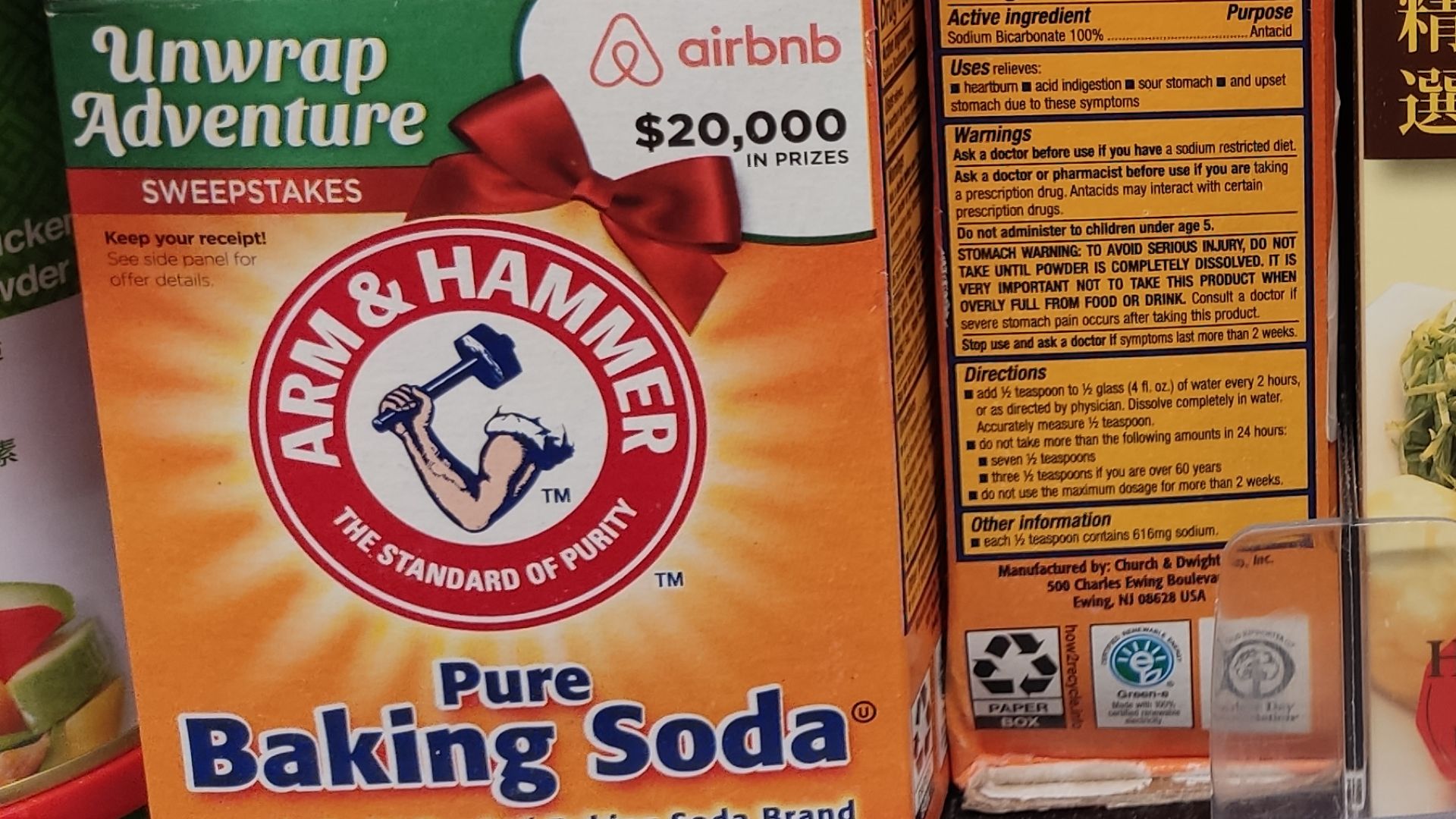
#17. Baking Soda for Everything
Baking soda was the original all-purpose cleaner. People used it for deodorizing, scrubbing, brushing teeth, and even treating minor burns. Today, we have entire aisles of products that replaced these simple uses.
 Nadihauming Hong, Wikimedia Commons
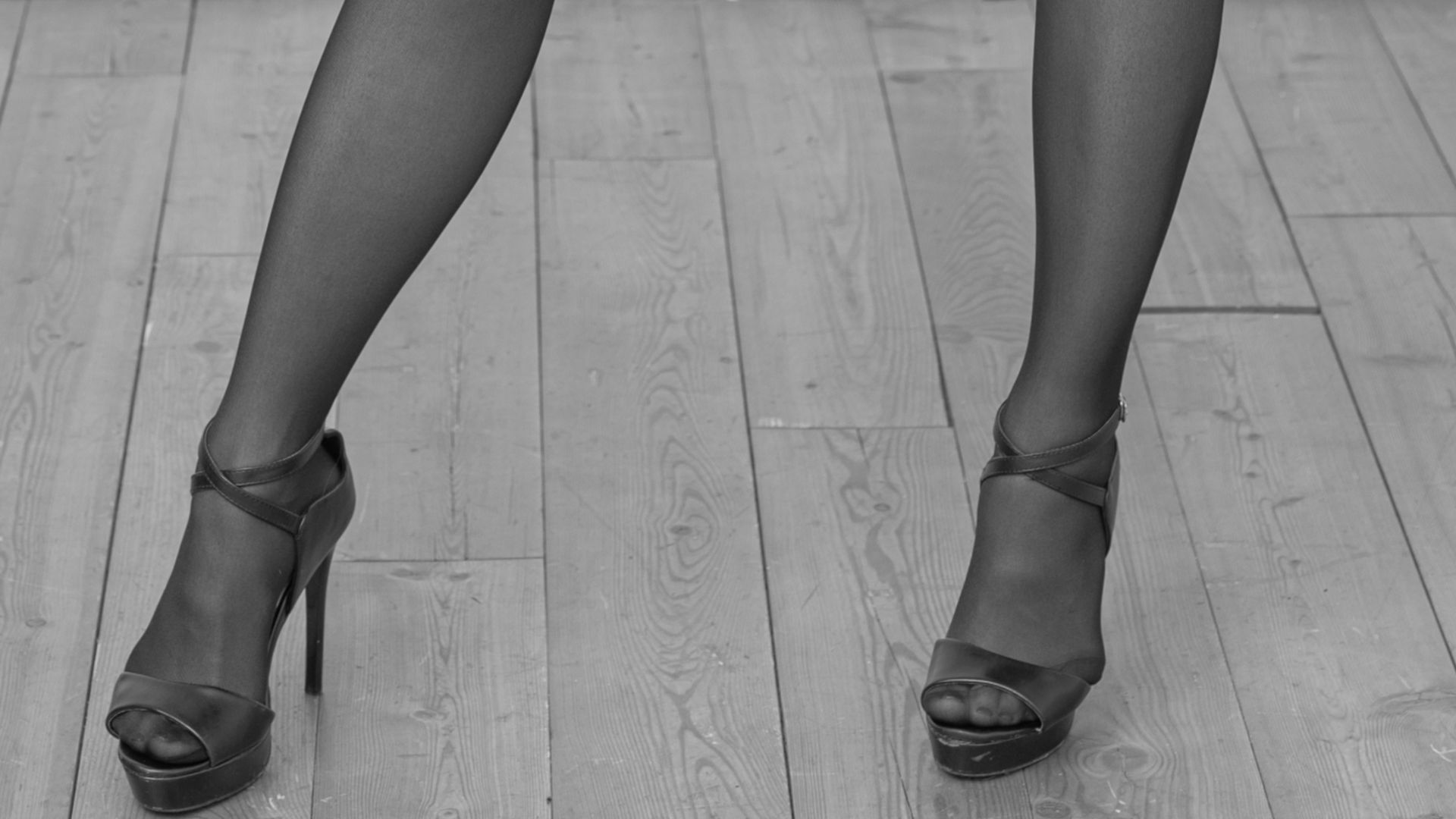
#16. Pantyhose as Cleaning Tools
Old pantyhose were repurposed for dusting, polishing, and even filtering liquids. The material was soft and effective. Today, most people would never think to use clothing as a cleaning supply.
 Tobias ToMar Maier, Wikimedia Commons
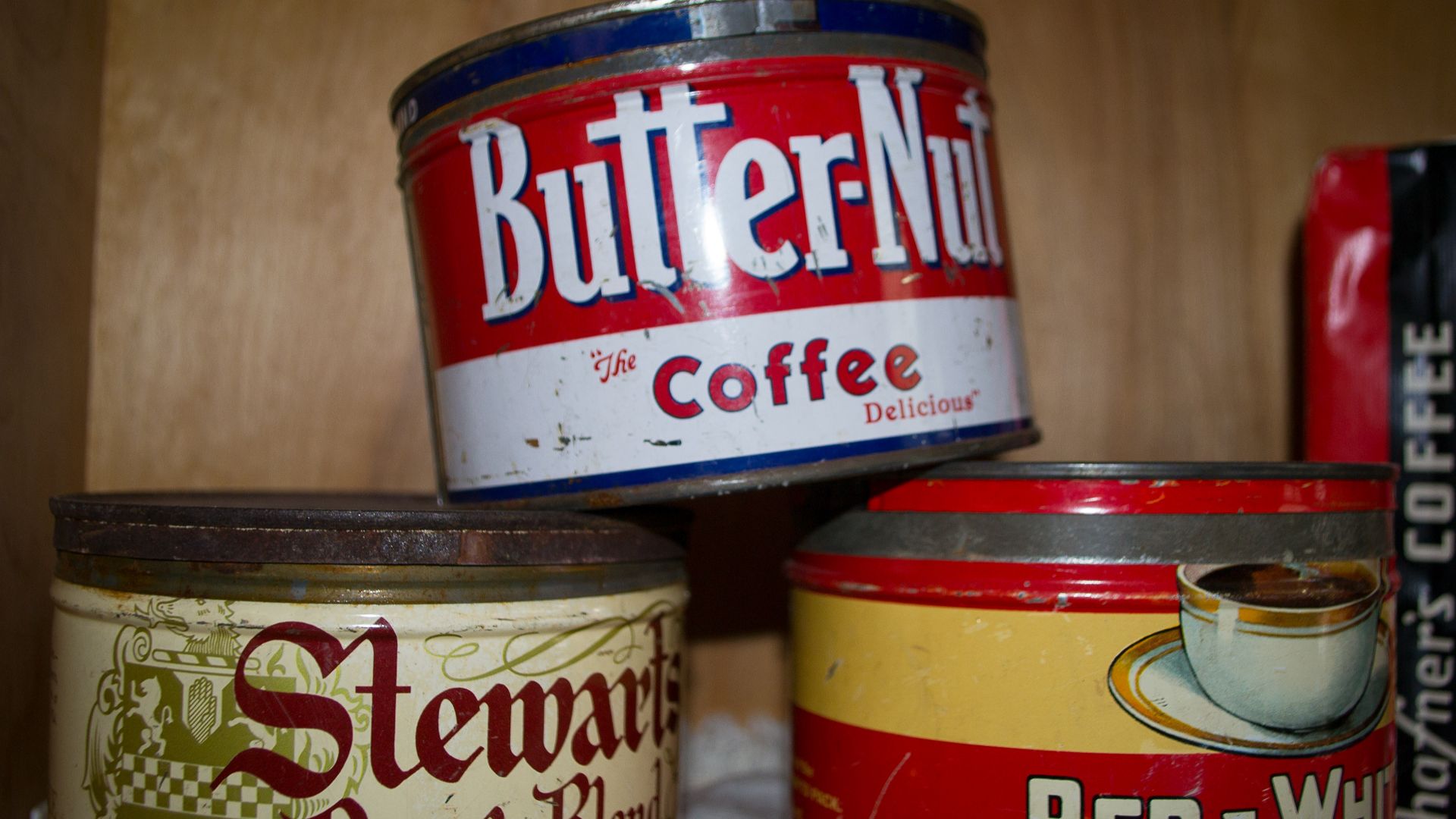
#15. Coffee Cans as Toolboxes
Empty coffee cans became storage for tools, nails, and hardware. They were sturdy and easy to stack. Today, with organized toolkits everywhere, this feels like a very DIY approach.
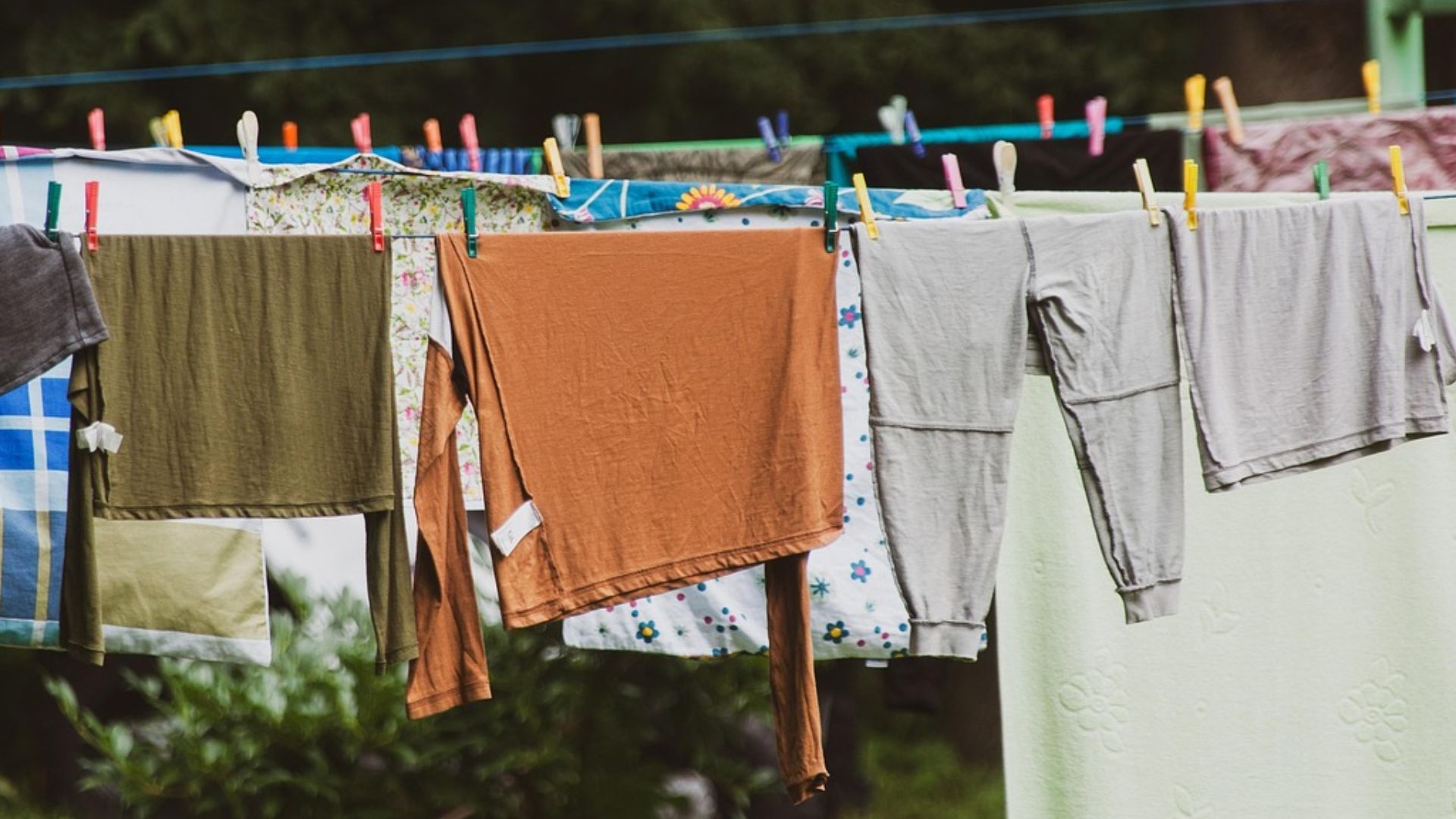
#14. Clotheslines Instead of Dryers
Dryers existed, but many people still hung clothes outside to dry. It saved energy and gave clothes that fresh-air smell. Today, it’s less common, especially in cities, and often replaced by convenience.
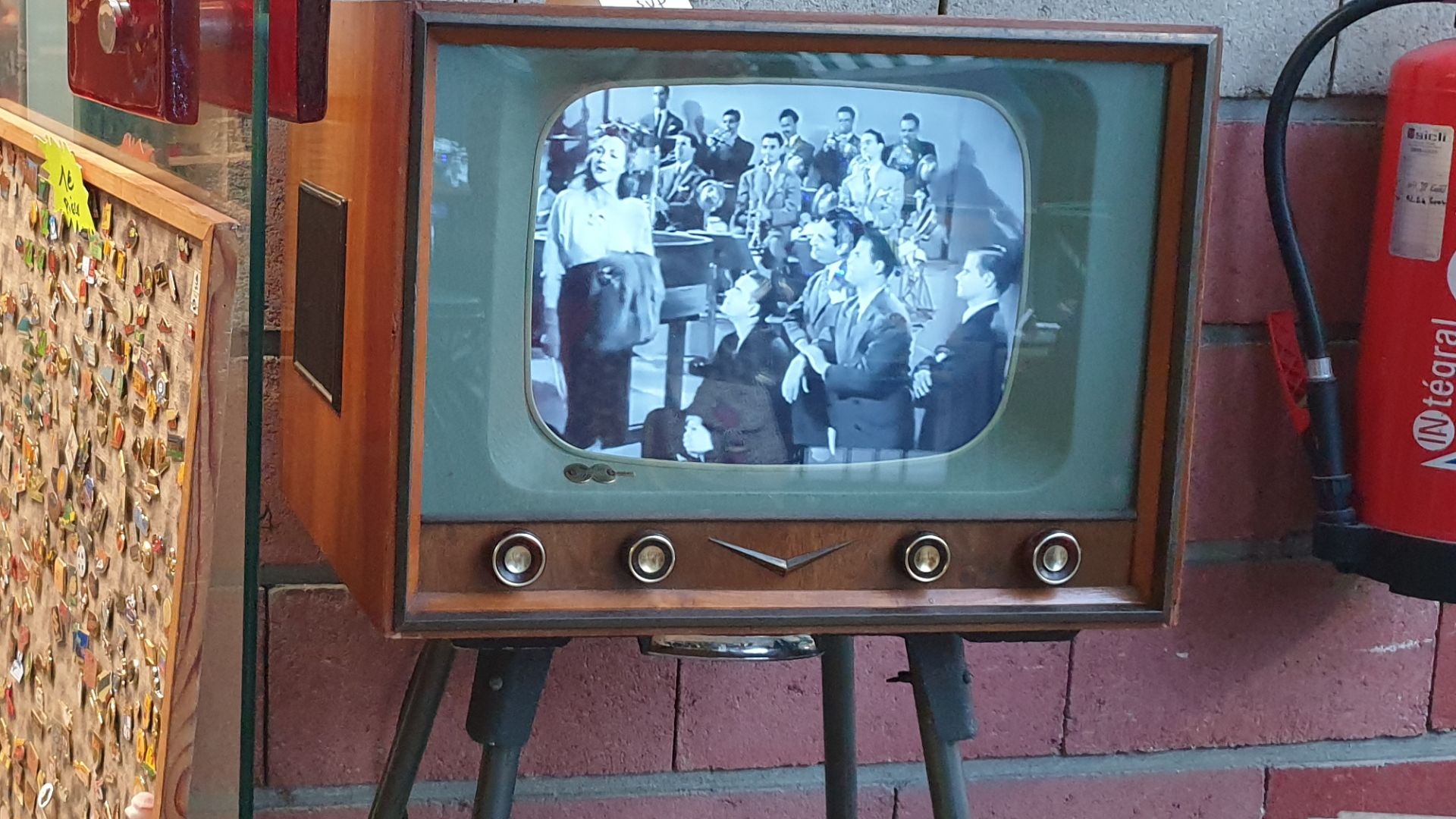
#13. TV Screens as Background Noise
People would leave the TV on all day, even if no one was actively watching. It was a form of comfort and entertainment. Today, that habit still exists—but back then, it was basically the only option.
#12. Mason Jars for Drinking Everything
Mason jars weren’t trendy—they were just what people had. They were used for water, tea, and anything else. Today, they’re more of a Pinterest aesthetic than a necessity.

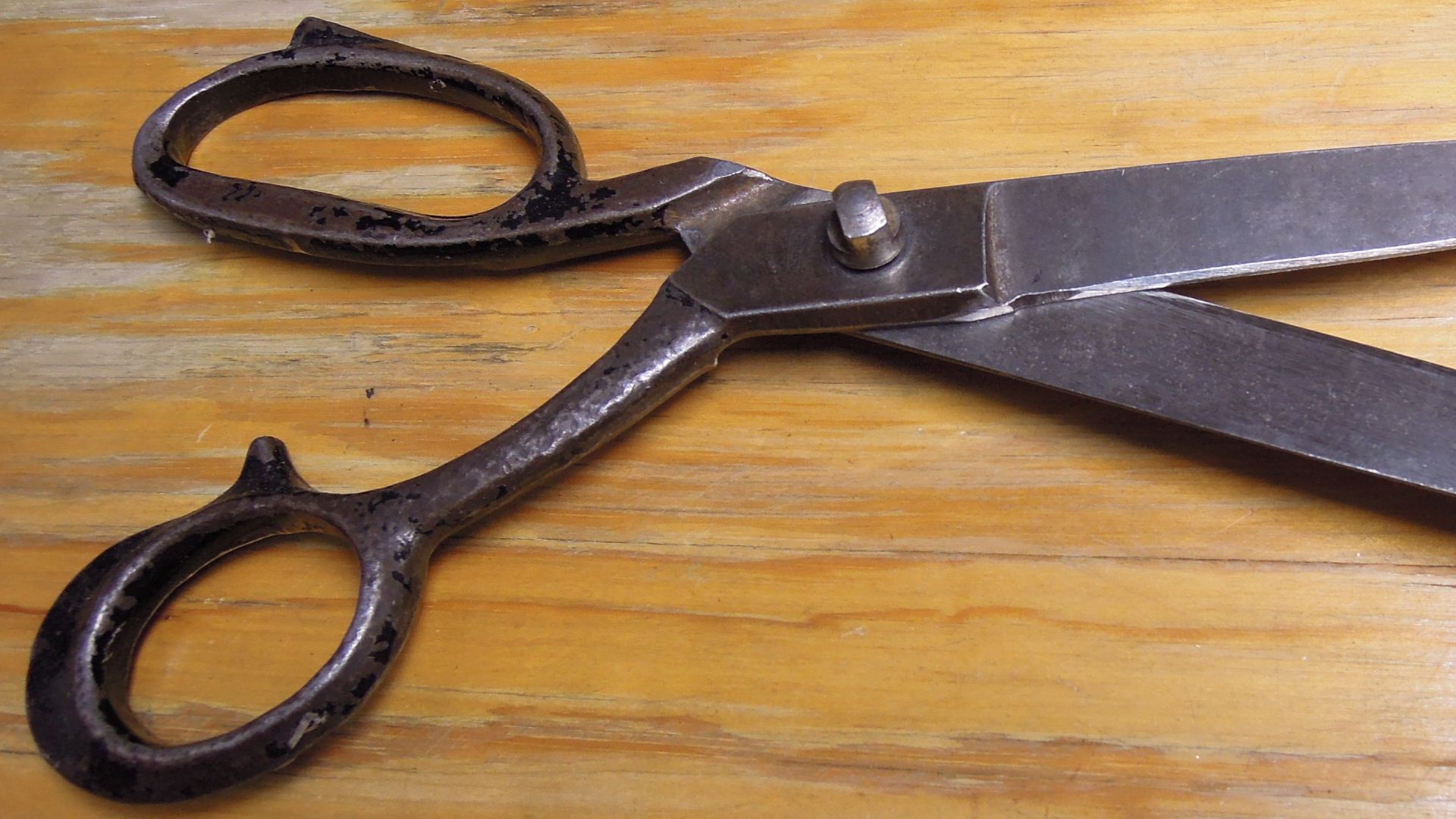
#11. Ironing Aluminum Foil to Sharpen Scissors
Instead of buying new scissors, people would cut through folded foil to sharpen the blades. It was a quick fix that actually worked. Today, most people would just replace them.
 Oto Zapletal, Wikimedia Commons
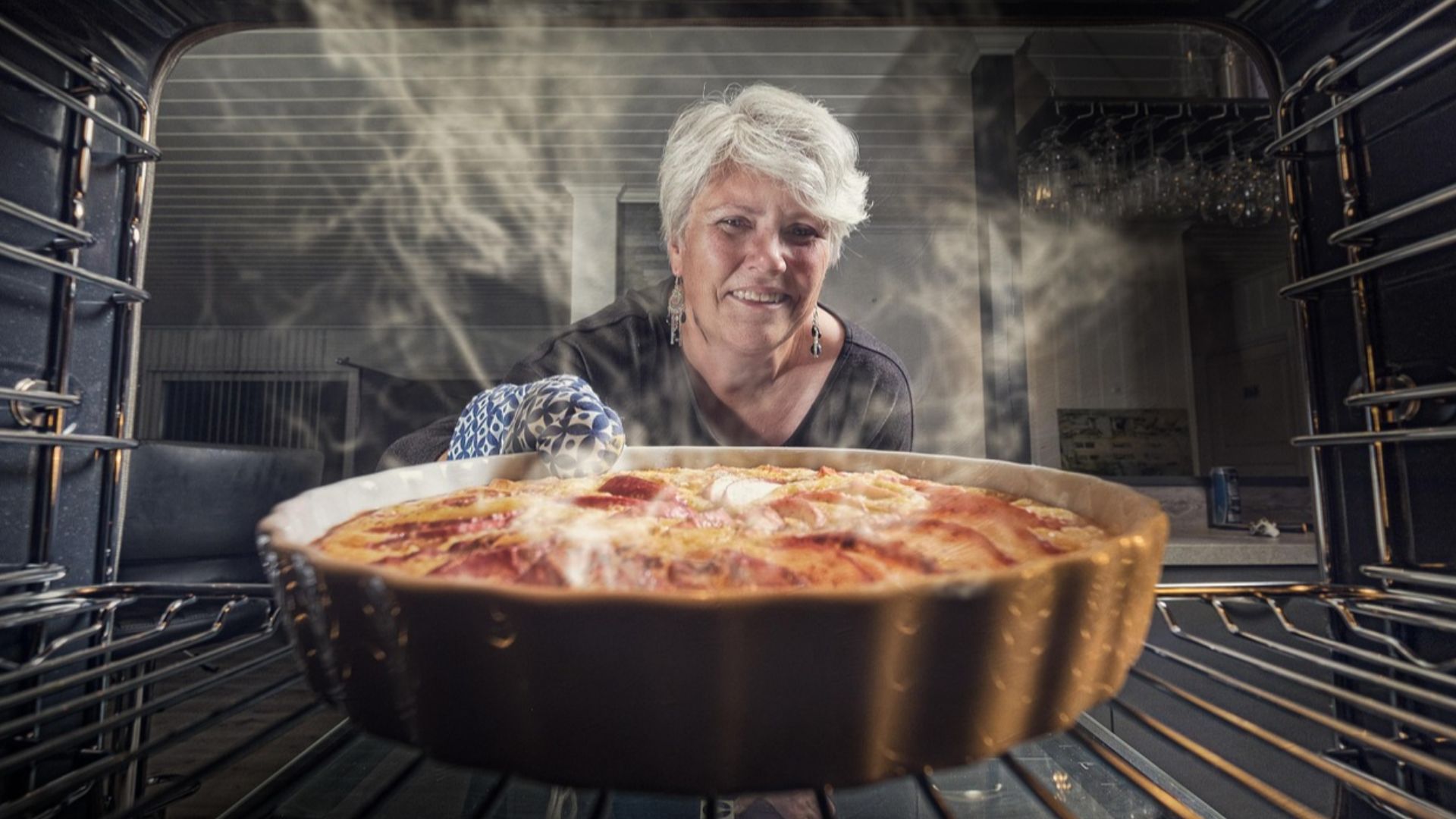
#10. Using Ovens to Heat the House
In colder months, some people would leave the oven door open after cooking to warm the kitchen. It made sense before efficient heating systems. Today, it’s considered unsafe and inefficient.
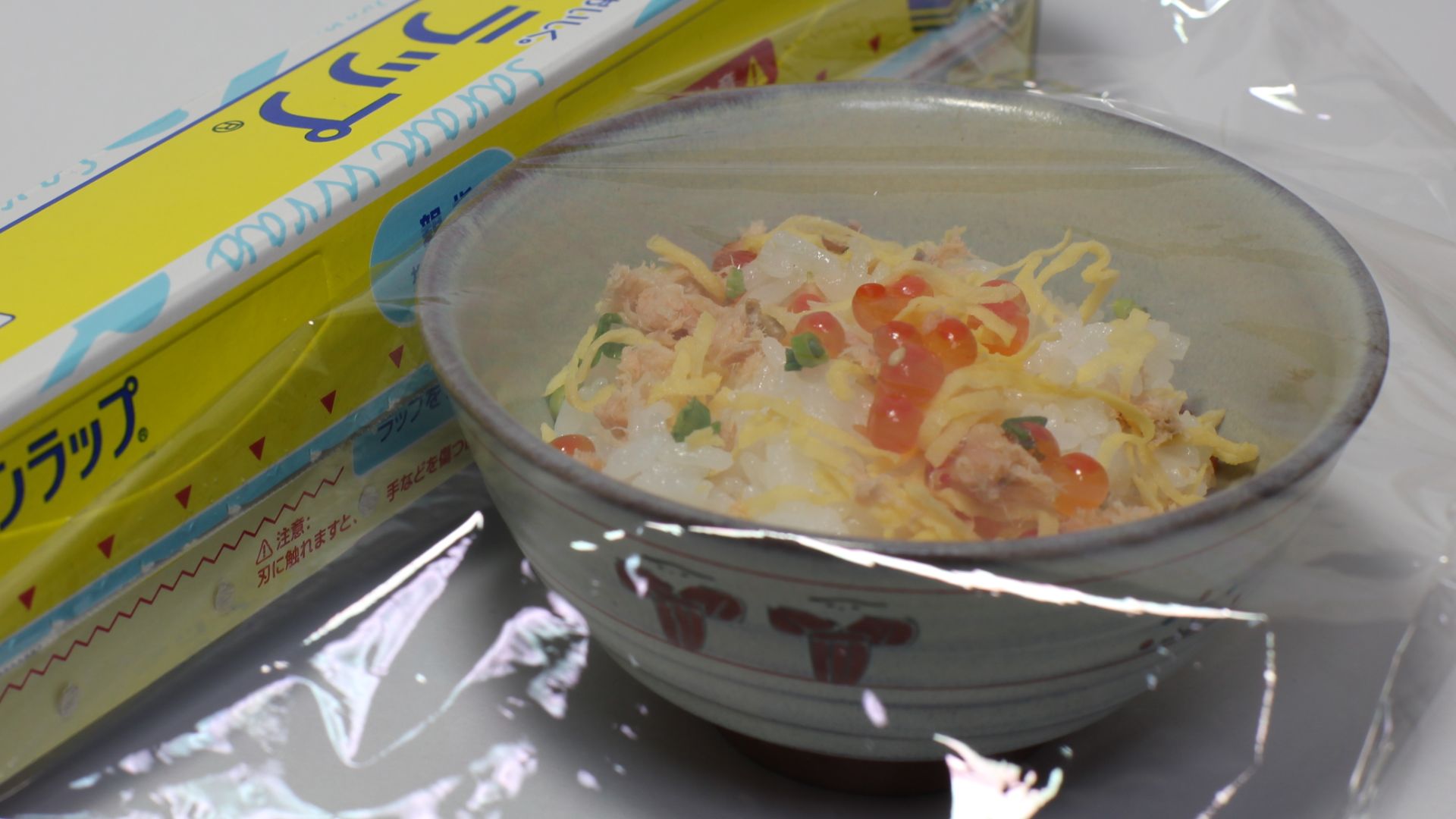
#9. Plastic Wrap for Everything
Plastic wrap was used excessively—covering food, lining shelves, even wrapping items for storage. It was cheap and convenient. Today, people are more conscious about waste and alternatives.
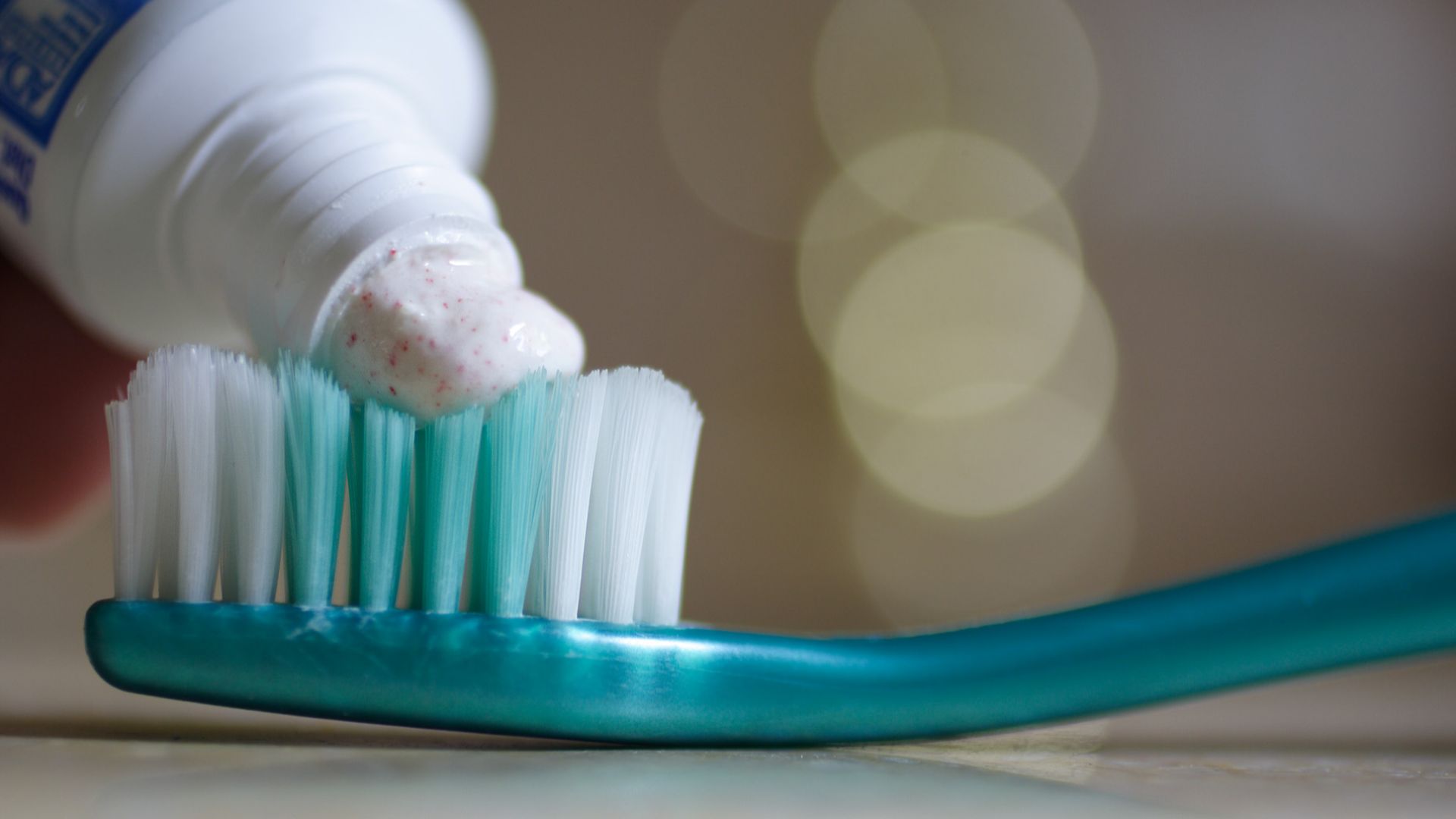
#8. Toothpaste for Cleaning Silver
Toothpaste wasn’t just for teeth—it was used to polish silver and remove stains. It worked because of its mild abrasives. Today, using it this way feels like a strange workaround.
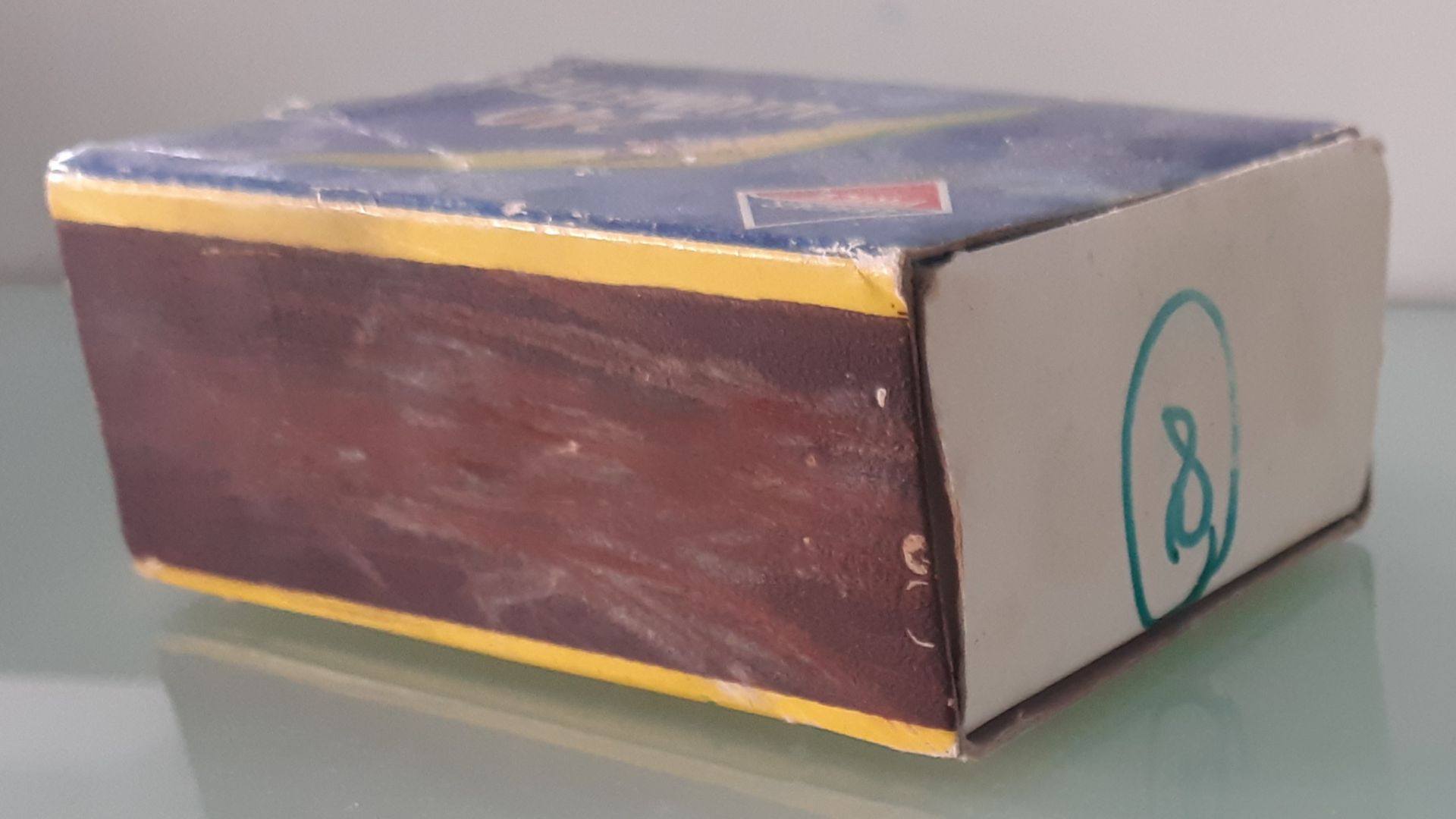
#7. Matches for Lighting Everything
Matches were everywhere and used constantly—for stoves, candles, and more. It was normal before automatic lighters became widespread. Today, constantly striking matches feels old-fashioned.
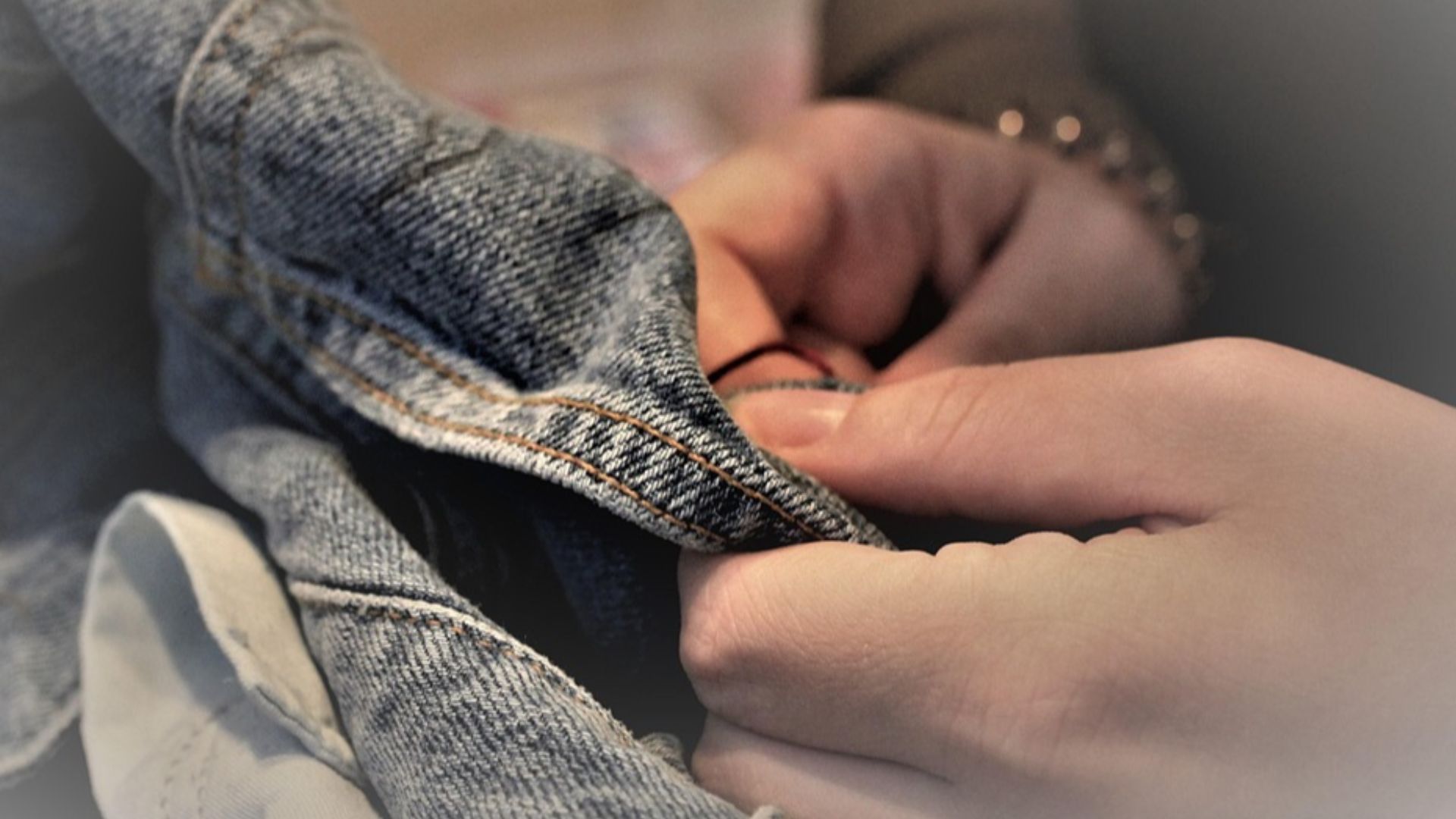
#6. Sewing Kits for Emergency Fixes
People kept sewing kits handy and actually used them regularly. Fixing clothes instead of replacing them was normal. Today, many people would just buy something new.
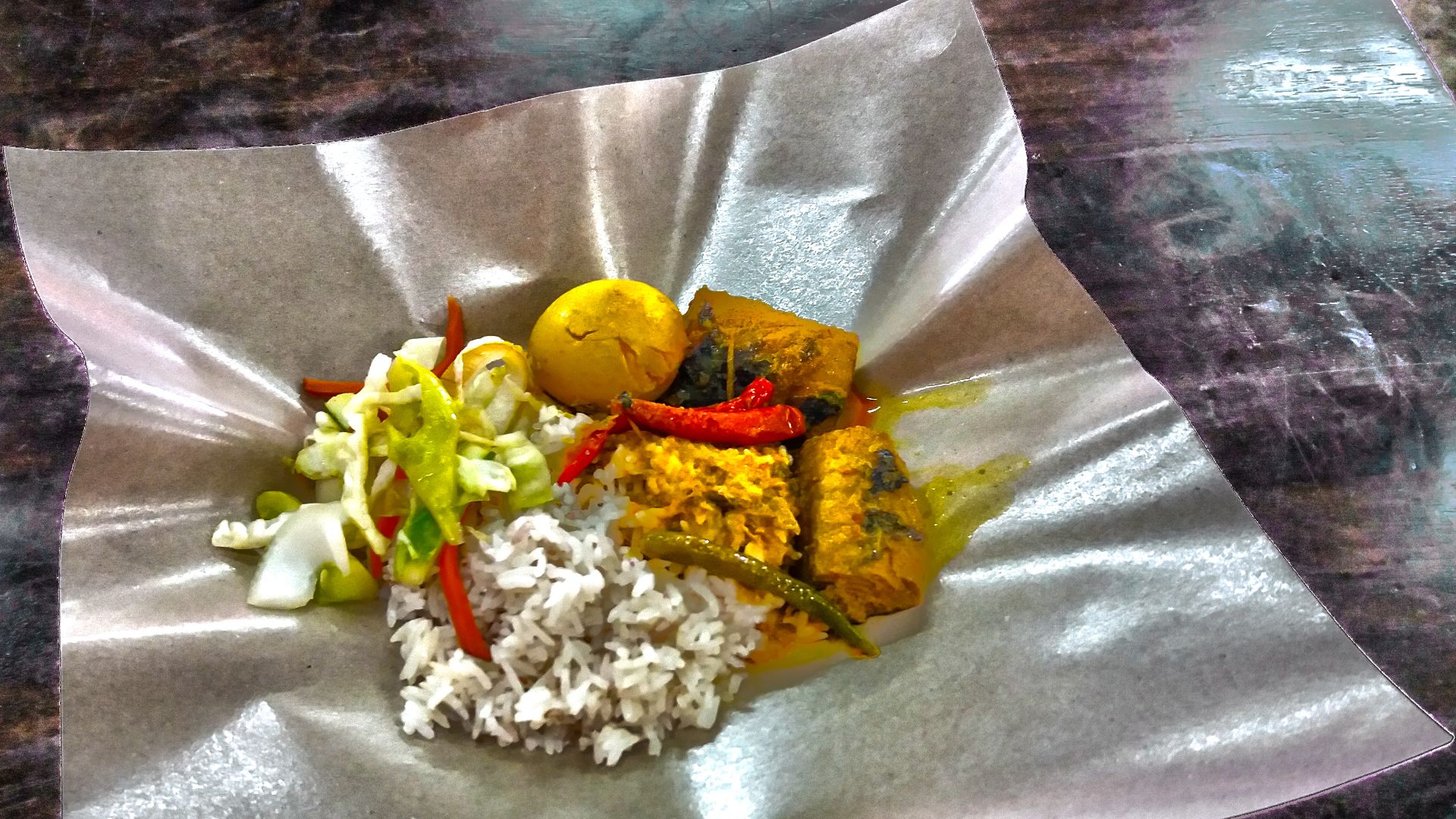
#5. Wax Paper Instead of Plastic Bags
Wax paper was used to wrap sandwiches and leftovers before resealable bags became common. It worked, but not perfectly. Today, it feels like a step backward in convenience.
 Chamberlain of Nilai, Wikimedia Commons
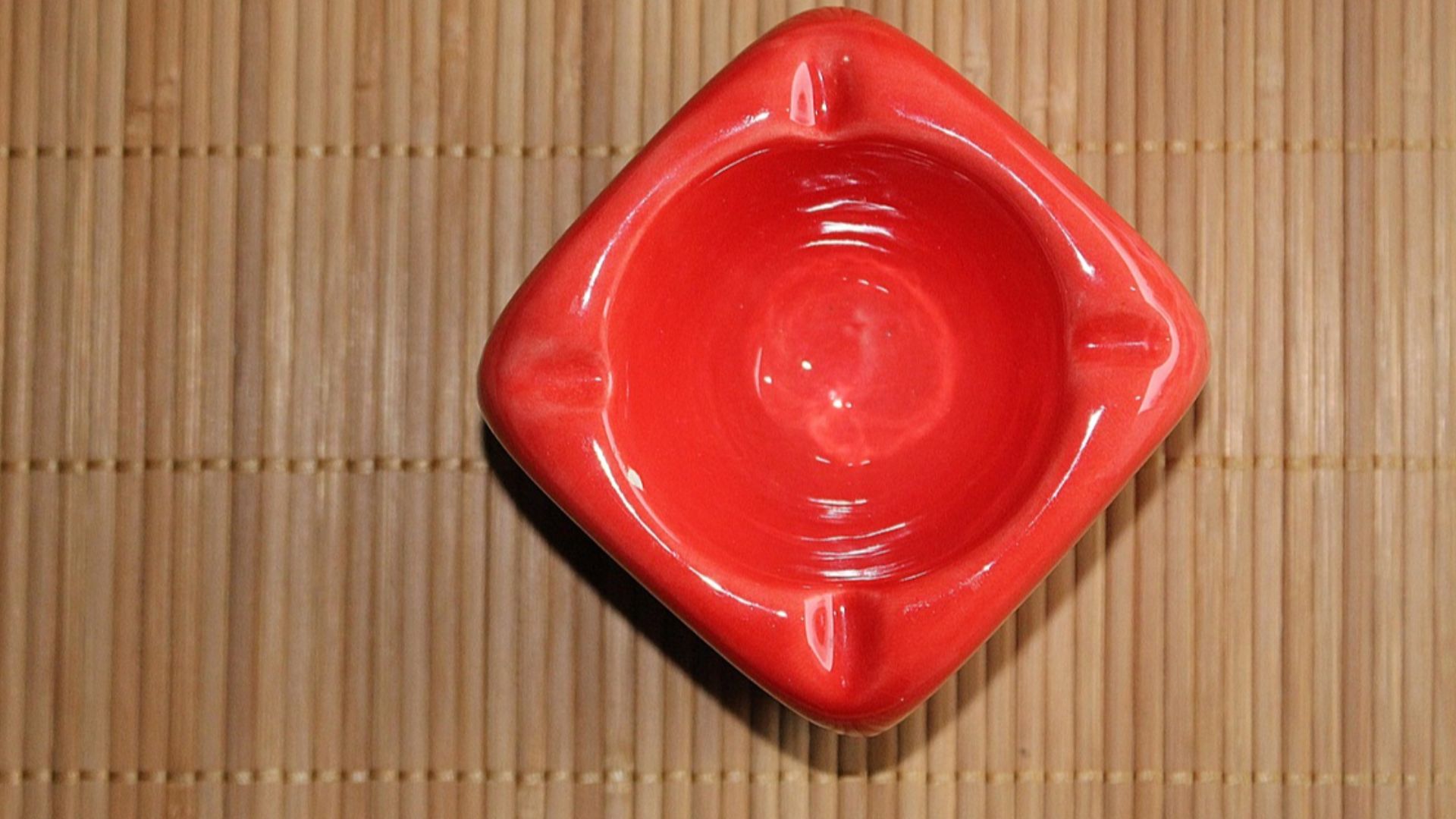
#4. Ashtrays in Every Room
Even non-smokers often had ashtrays for guests. It was just expected. Today, the idea of having ashtrays in your home feels outdated and unnecessary.
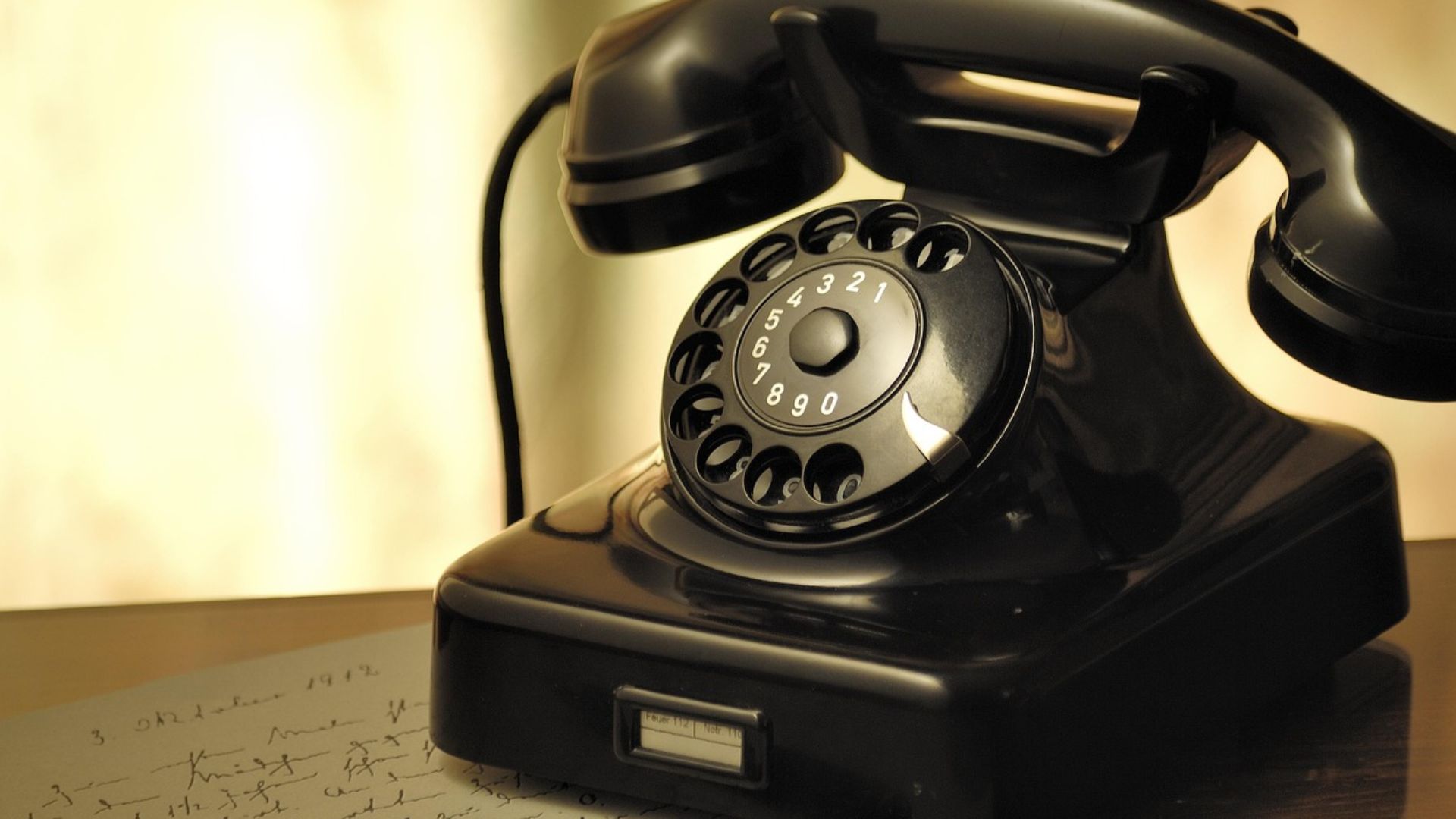
#3. Rotary Phones as Household Centerpieces
Phones weren’t personal—they were shared, stationary, and often placed in a central location. Everyone gathered around them. Today, phones are individual and always in your pocket.
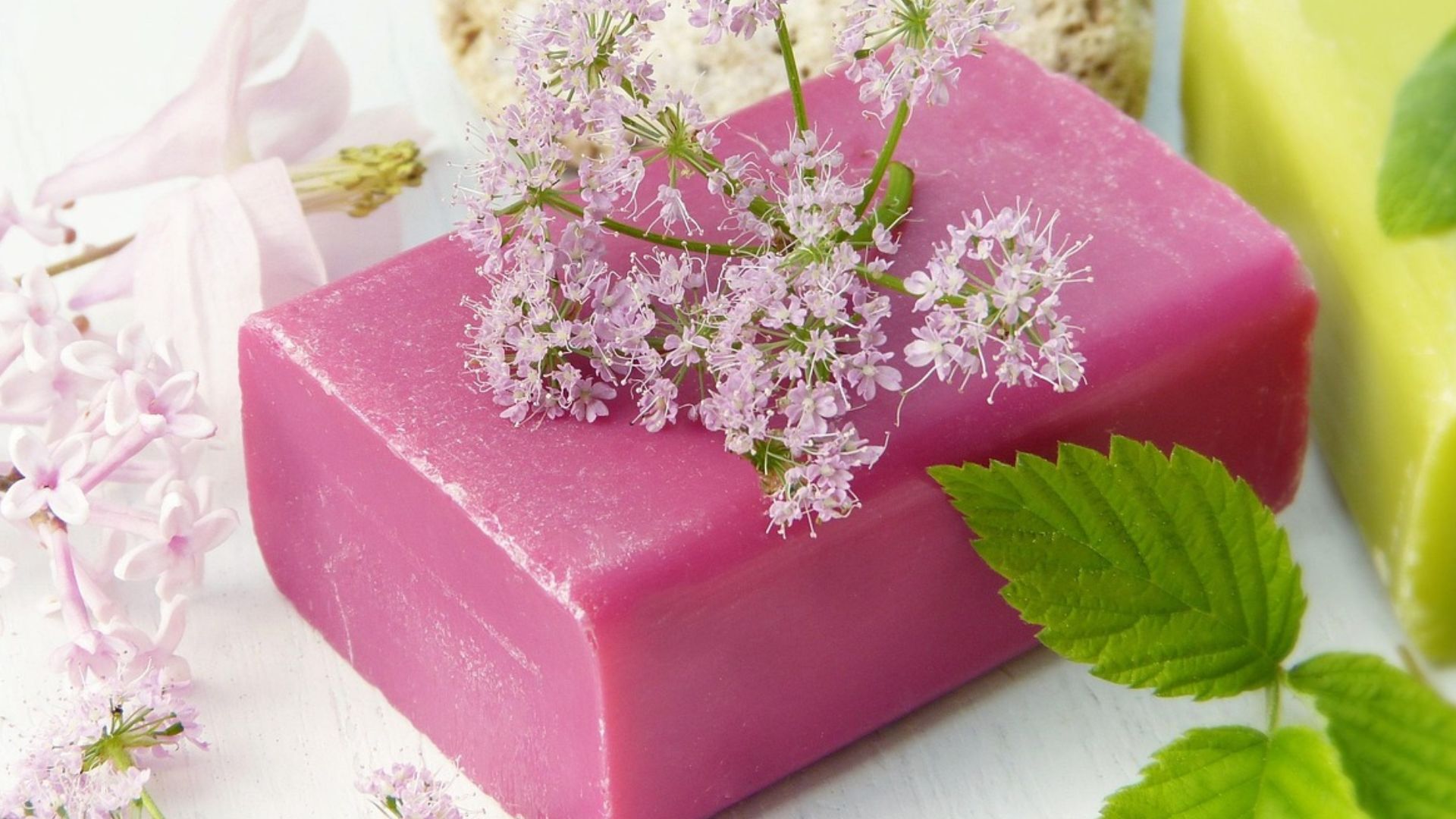
#2. Using Bar Soap for Everything
One bar of soap might be used for hands, body, and even laundry in a pinch. It was simple and practical. Today, we have separate products for each use.
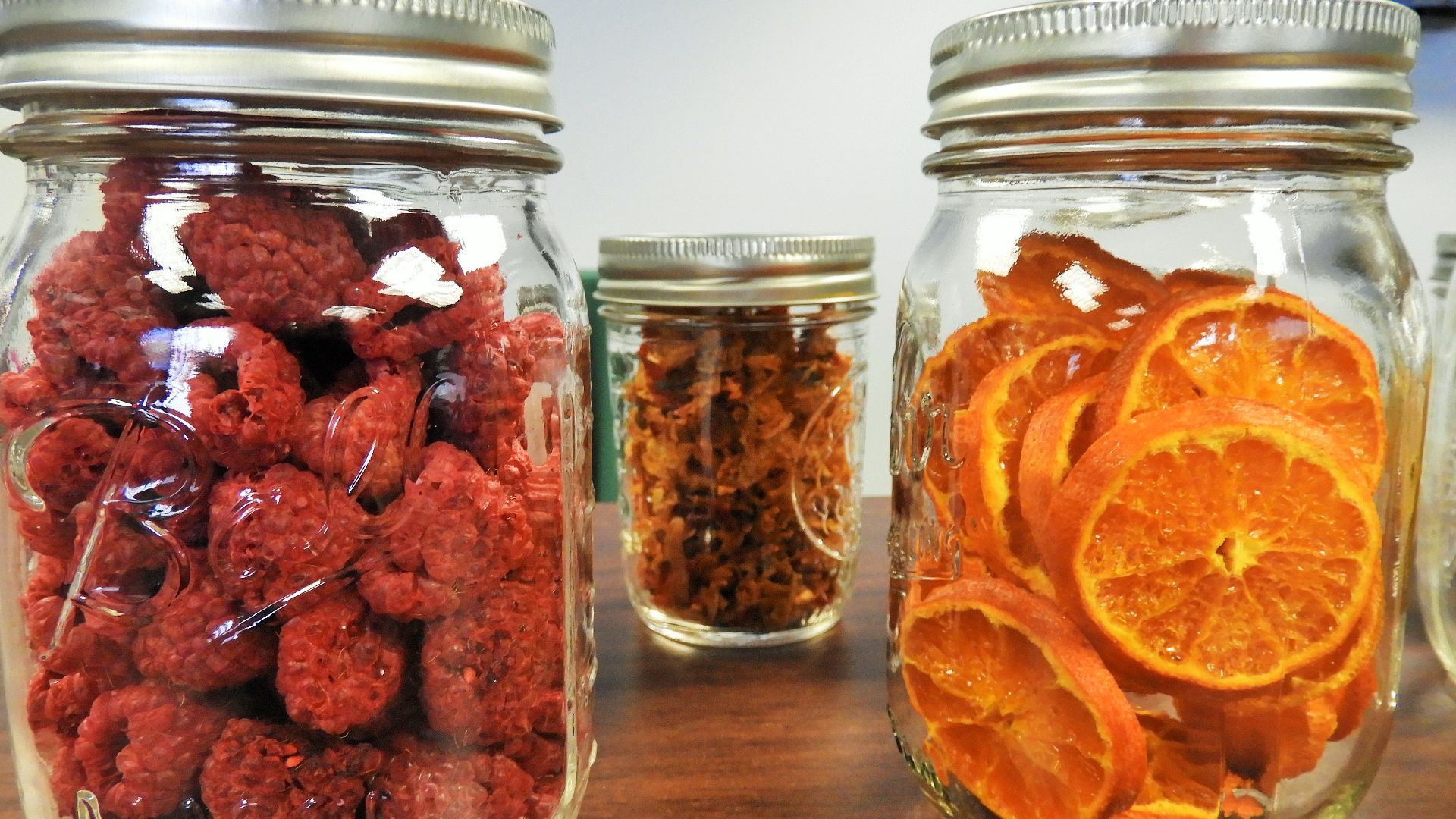
#1. Saving Every Jar and Container “Just In Case”
Nothing was thrown away if it could be reused. Jars, tins, and containers all had a second life. It was normal because people were more resourceful. Today, that level of saving feels almost excessive.
 Nutrition, Food Safety & Health, Wikimedia Commons
Why These Uses Feel So Strange Now
Most of these habits came from necessity, not choice. People reused, repurposed, and improvised because they had fewer options. Today, convenience replaced creativity—which is why these old habits feel so surprising now.

You May Also Like:
Completely Normal American Habits From The 1970s That Would Seem Completely Bizarre Today—Did You Do Any Of These?
The Worst Man-Made Disasters in U.S. History
America’s Most Isolated Town