Words That Spell Ruin
History has no shortage of words that sound terrifying in hindsight. Some were spoken on battlefields, some before executions, and others at moments when the people involved knew disaster was already unfolding. These quotes have endured because they capture fear, violence, defiance, and dread in just a few unforgettable words.
 Oppenheimer (2023), Universal Pictures
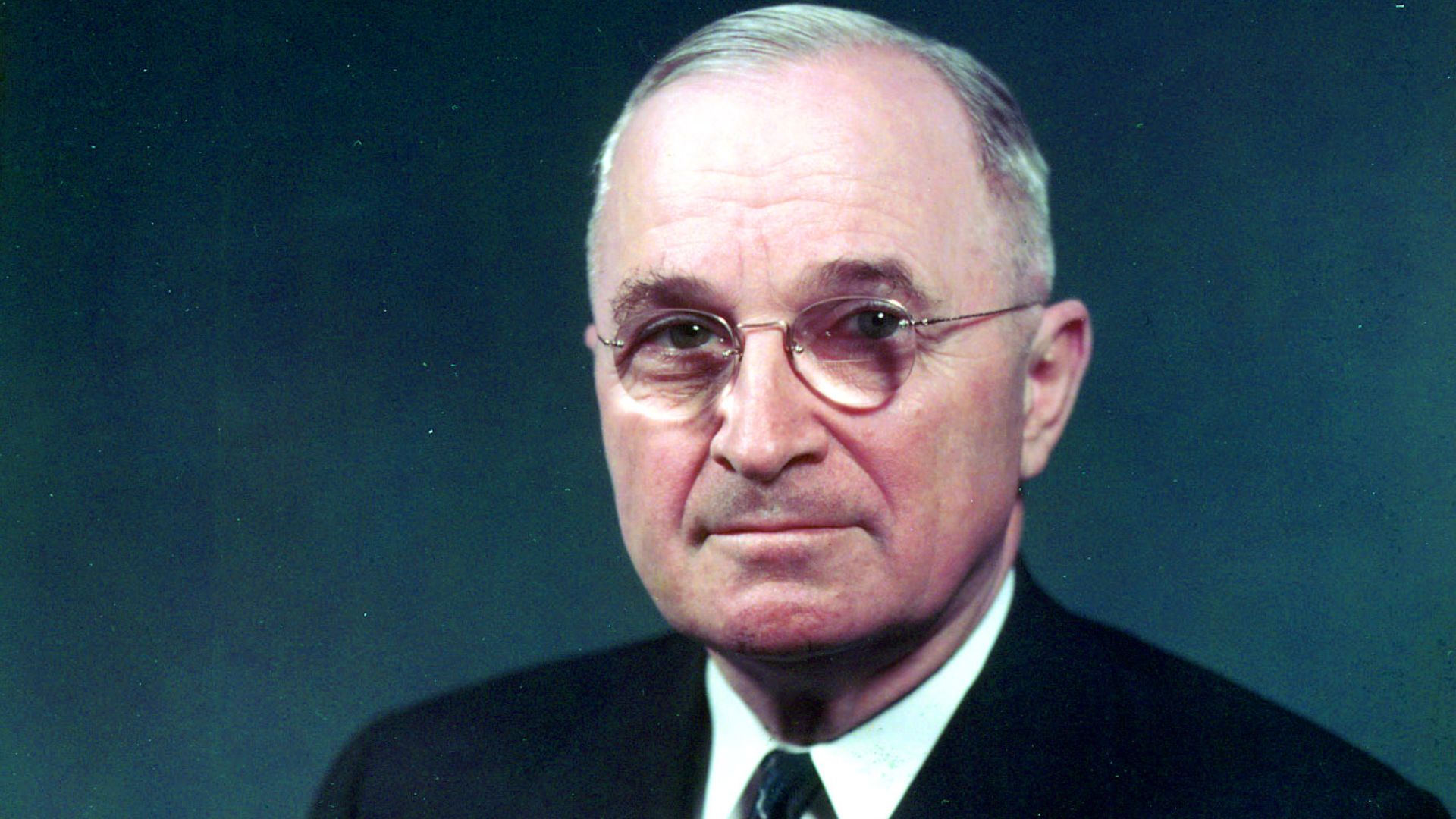
Truman Promised A “Rain Of Ruin”
The atomic age became terrifyingly real for civilians just weeks after Trinity. After the United States dropped an atomic bomb on Hiroshima on August 6, 1945, President Harry S. Truman warned Japan that further resistance could bring “a rain of ruin from the air, the like of which has never been seen on this earth.” A second atomic bomb struck Nagasaki three days later.
Roosevelt Named A Day Of Infamy
The United States had been jolted into another kind of nightmare four years earlier. Addressing Congress on December 8, 1941, Franklin D. Roosevelt called the previous day's attack on Pearl Harbor “a date which will live in infamy.” His original draft had said “a date which will live in world history,” but Roosevelt personally replaced those words with the far darker phrase remembered today.
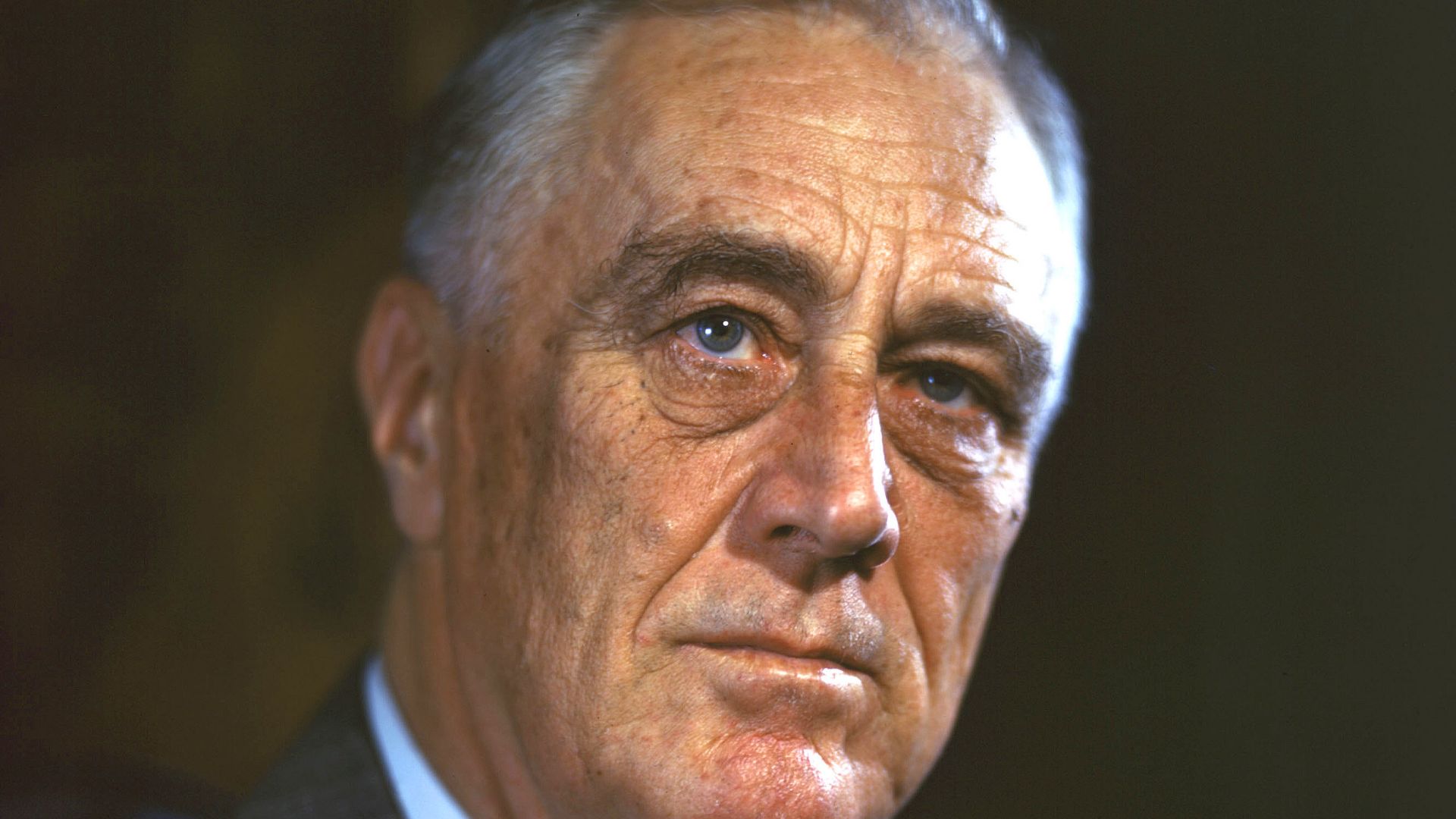 Leon Perskie, Wikimedia Commons
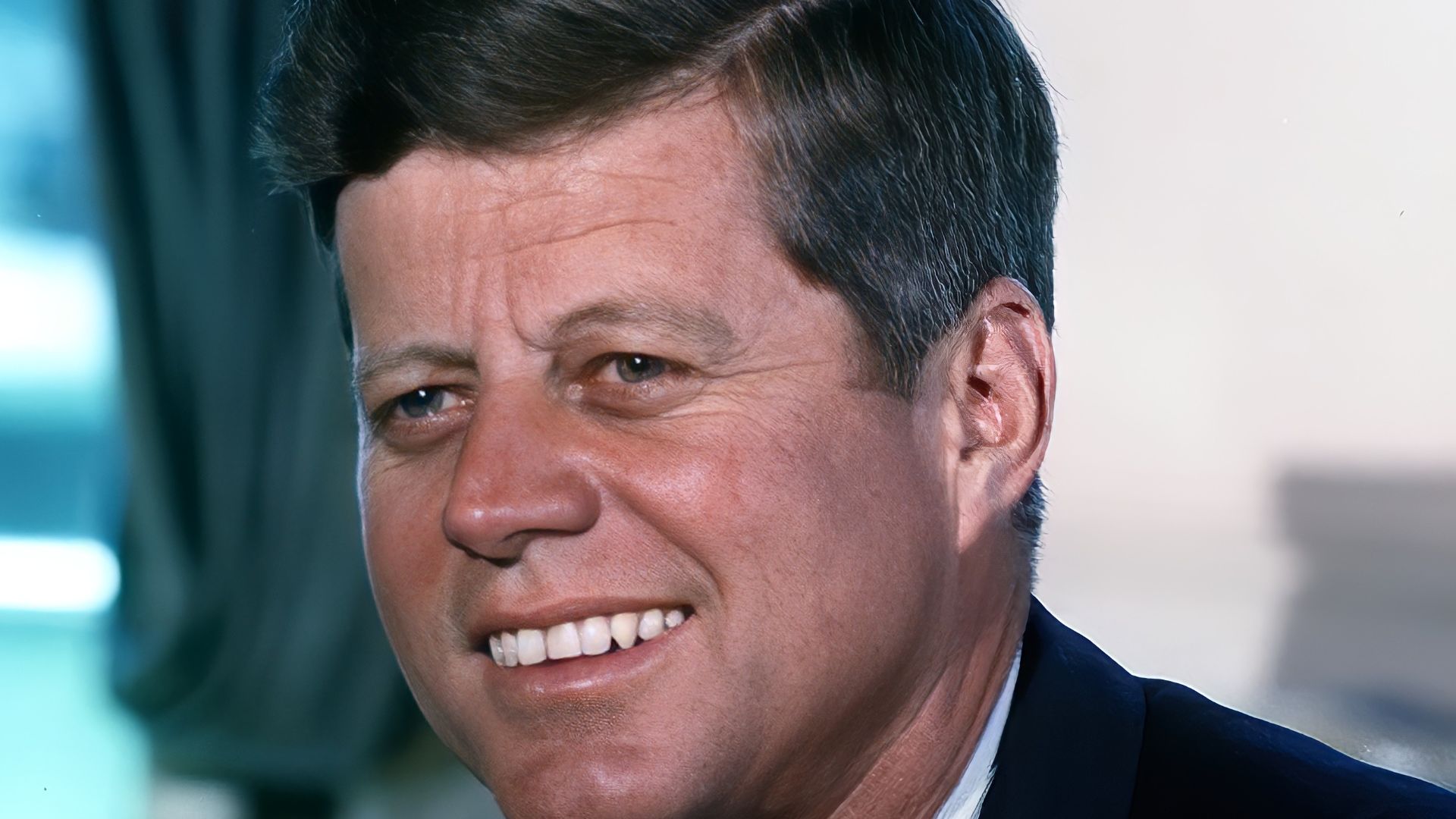
Kennedy Put Nuclear Retaliation Into Words
During the Cuban Missile Crisis, Americans did not have to imagine what nuclear escalation might sound like. On October 22, 1962, President John F. Kennedy announced that a nuclear missile launched from Cuba against any Western Hemisphere nation would require “a full retaliatory response upon the Soviet Union.” The statement made clear that a single launch could ignite a confrontation between nuclear superpowers.

History's most fascinating stories and darkest secrets, delivered to your inbox daily.
Khrushchev Said, “We Will Bury You”
Soviet leader Nikita Khrushchev provided one of the Cold War's most infamous phrases when his words were translated into English as “We will bury you.” American officials repeatedly cited the remark as evidence of Soviet hostility, and it became part of the era's atmosphere of existential competition. Whatever Khrushchev intended to convey about communism outlasting capitalism, the English wording sounded disturbingly literal in a nuclear age.
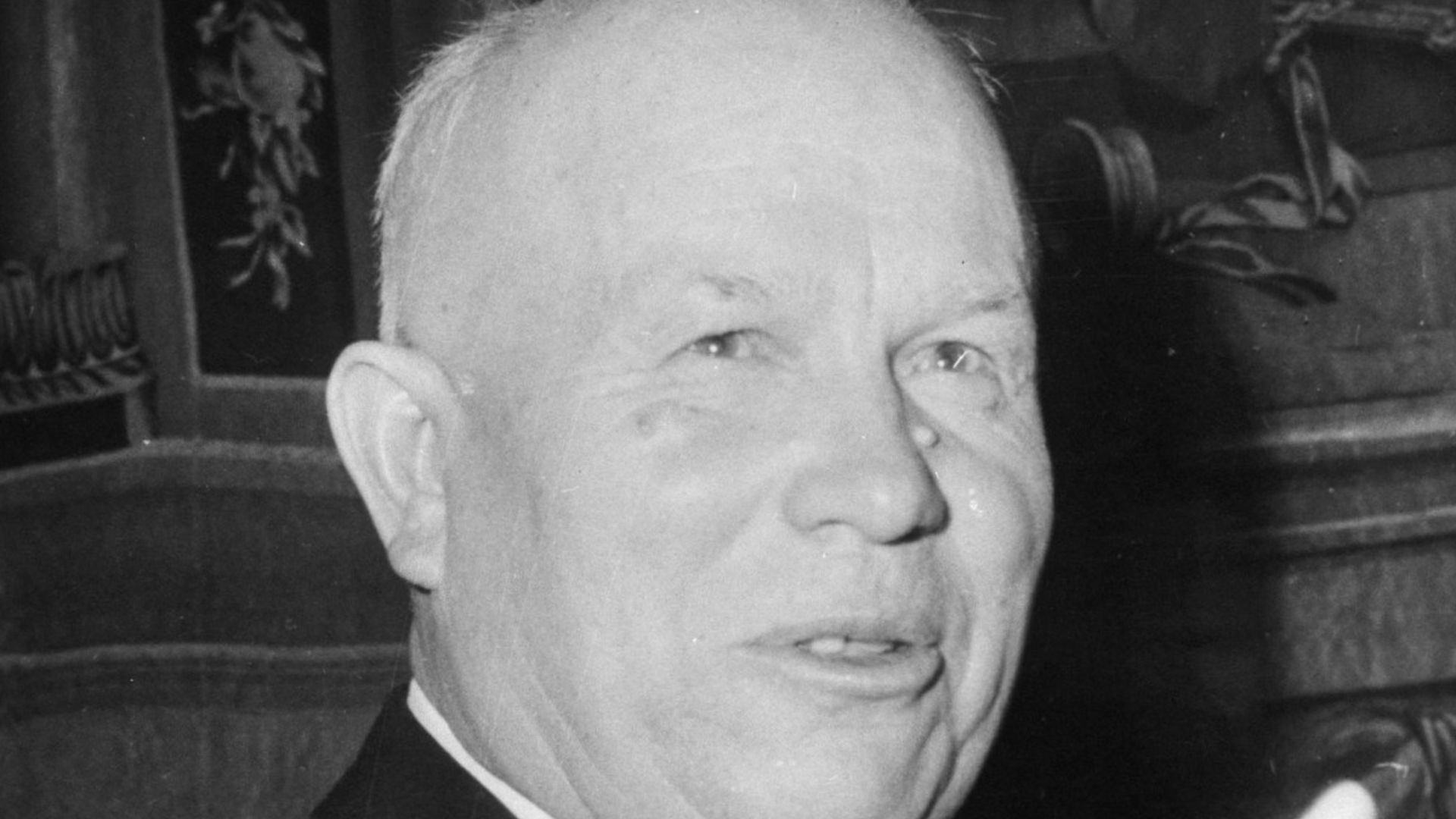 Unknown authorUnknown author, Wikimedia Commons
Reagan Summed Up The Nuclear Nightmare
Ronald Reagan was known for fiery Cold War rhetoric, including his description of the Soviet Union as an “evil empire.” Yet one of his starkest statements about the conflict stripped away any possibility of triumph: “A nuclear war cannot be won and must never be fought.” Reagan later recalled that Soviet leader Mikhail Gorbachev repeated the same principle during their arms negotiations.
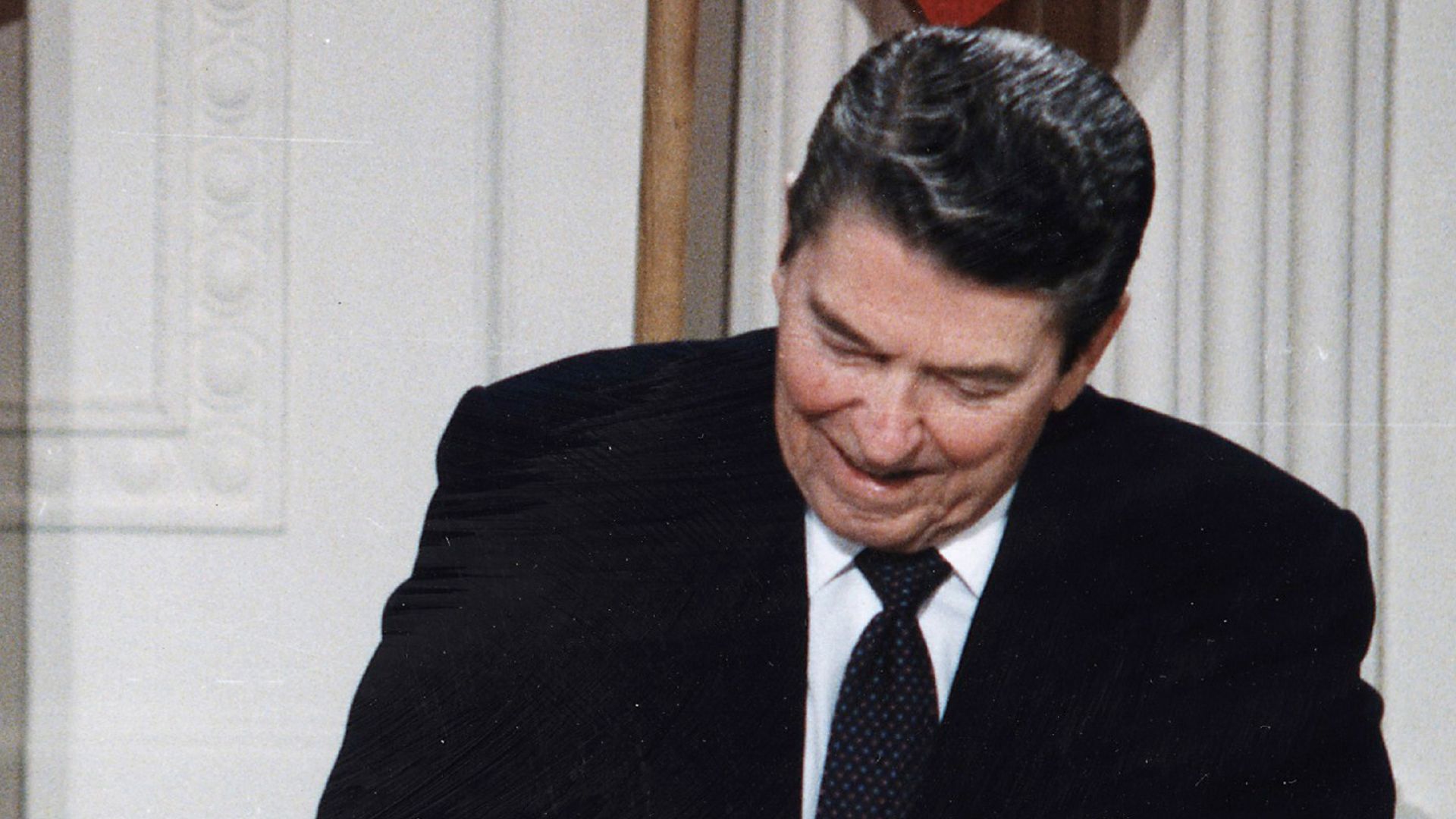 White House Photographic Office, Wikimedia Commons
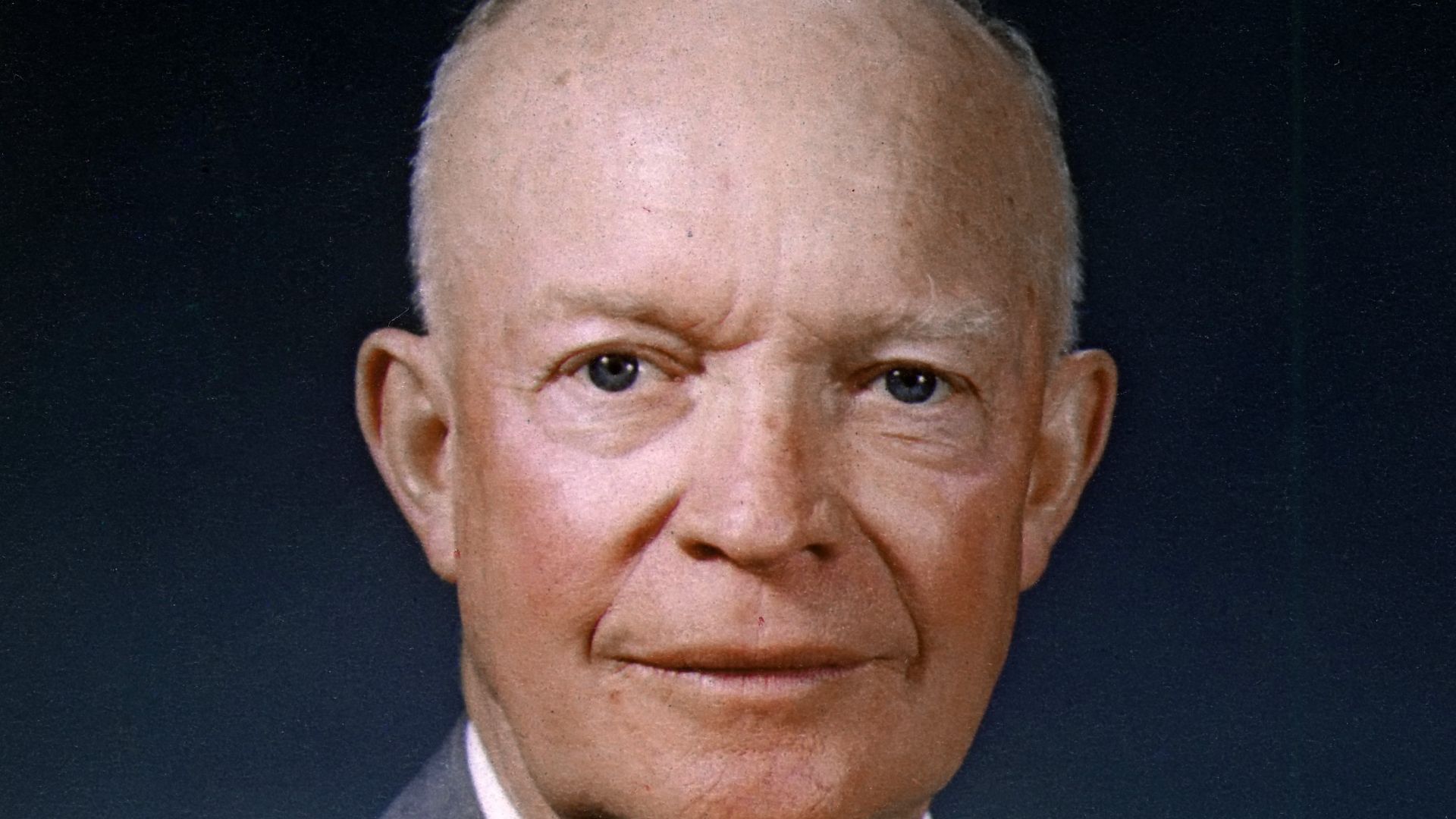
Eisenhower Prepared To Take The Blame
Before the D-Day invasion of Normandy, Dwight D. Eisenhower secretly drafted a statement to release if the landings failed. It ended with the sentence, “If any blame or fault attaches to the attempt it is mine alone.” The invasion succeeded, but the discarded note reveals exactly how seriously Eisenhower contemplated the possibility that he had ordered thousands of men into a catastrophe.
 White House, Wikimedia Commons
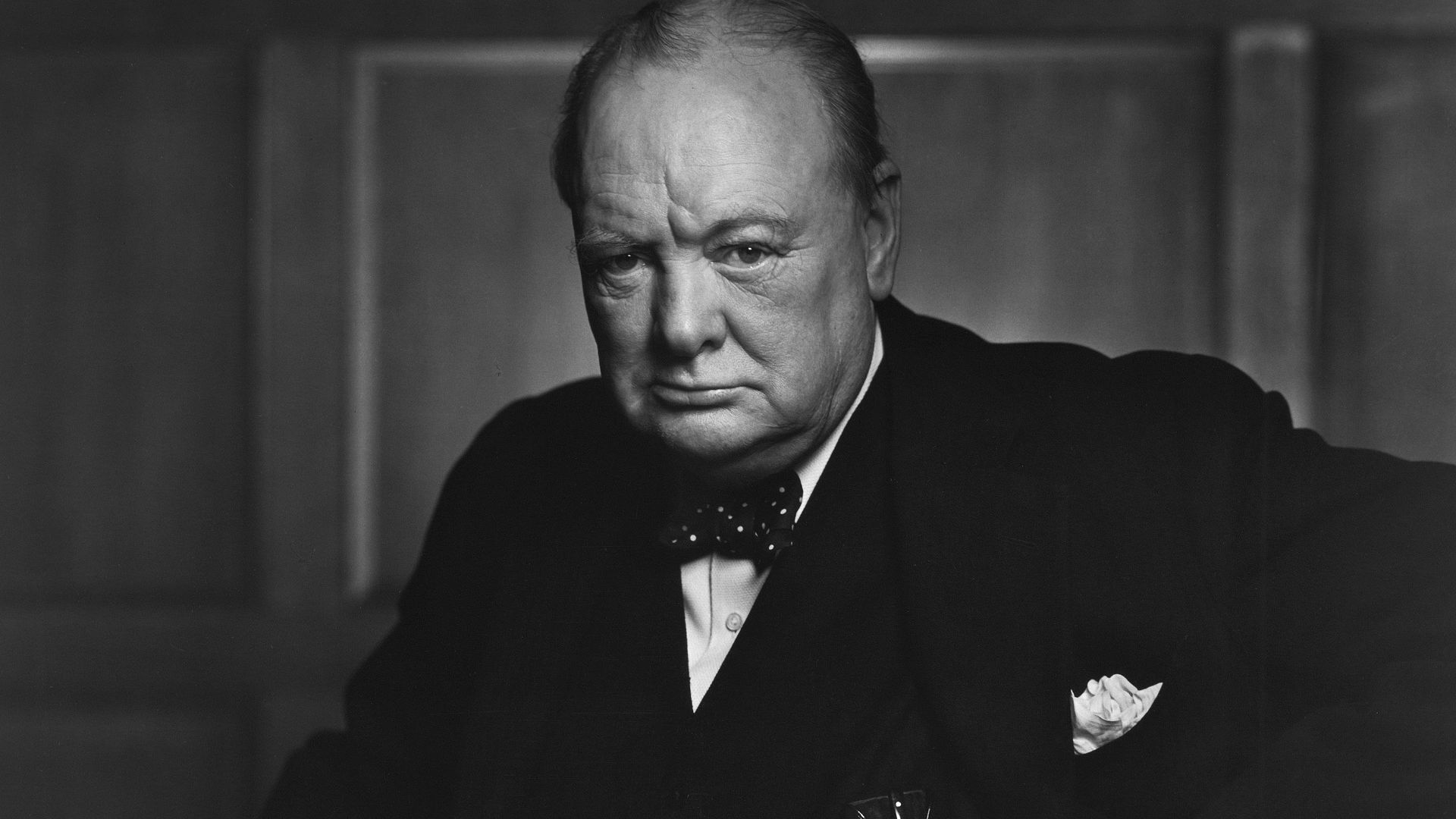
Churchill Refused To Imagine Surrender
Britain's military position looked frightening in the spring of 1940, even after hundreds of thousands of Allied troops escaped from Dunkirk. Winston Churchill told Parliament that Britain would keep fighting on beaches, landing grounds, fields, streets, and hills before declaring, “We shall never surrender.” The defiance is inspiring, but its long list of places where fighting might reach also reveals how close the war seemed to Britain's own homes.
 Yousuf Karsh, Wikimedia Commons
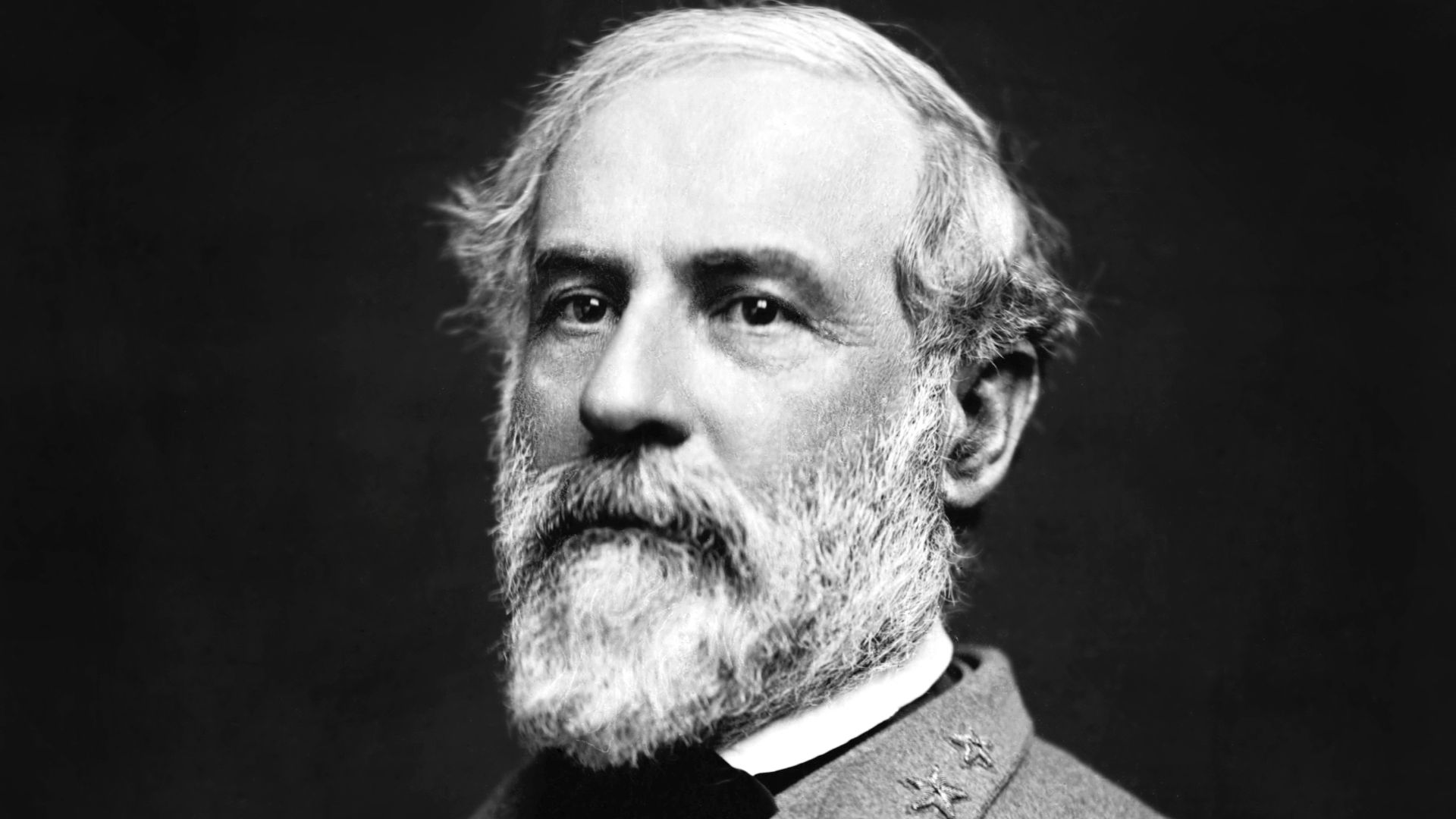
Lee Saw How Seductive War Could Become
At the Battle of Fredericksburg in December 1862, Confederate troops devastated repeated Union attacks against their position. Watching the carnage, Robert E. Lee reportedly told James Longstreet, “It is well that war is so terrible. We should grow too fond of it.” The remark is chilling because it recognizes that warfare can inspire excitement even while producing horrifying suffering.
 Julian Vannerson, Wikimedia Commons
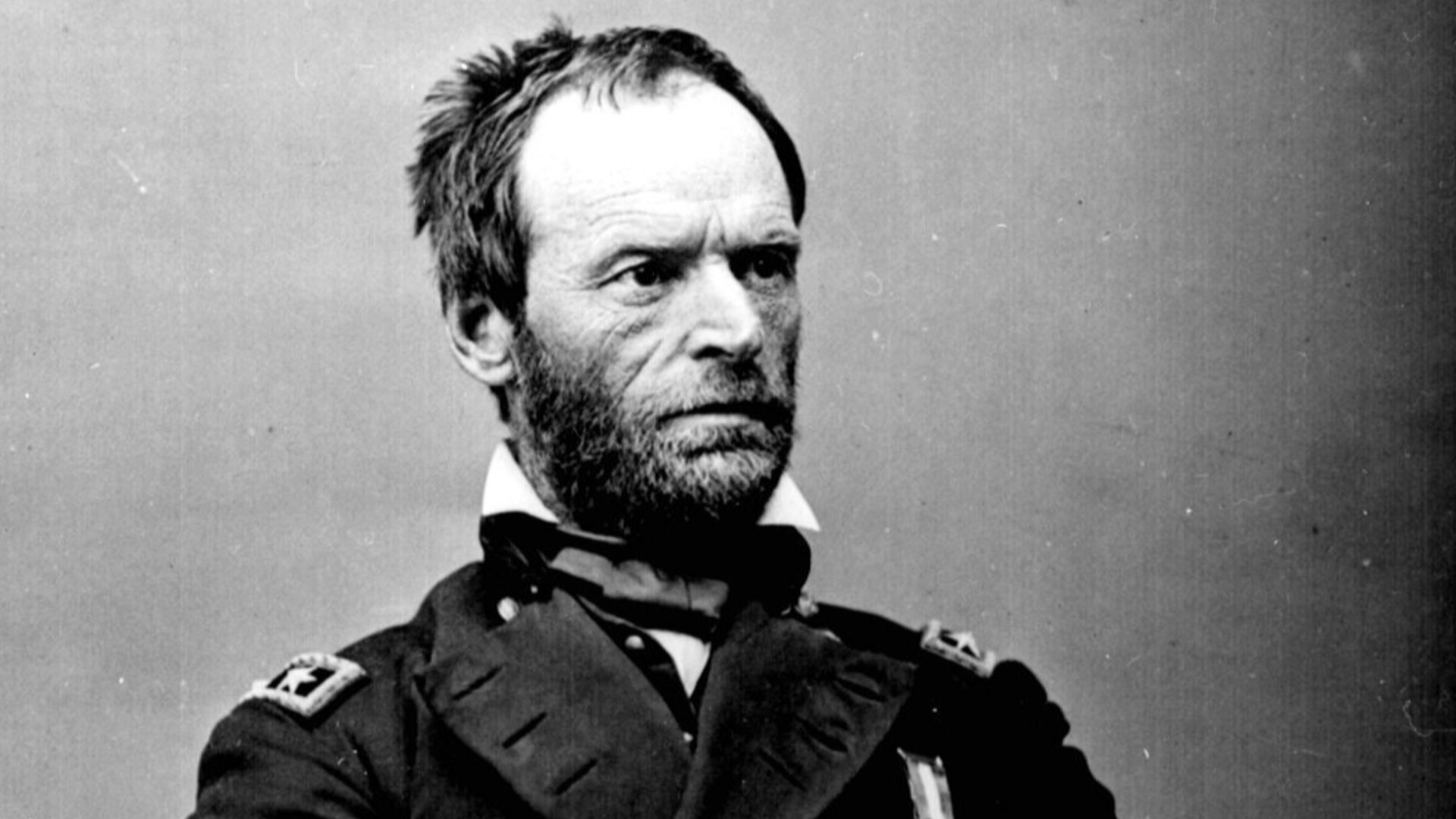
Sherman Refused To Soften The Truth
Union General William Tecumseh Sherman offered an even harsher description of conflict in 1864. Writing during the struggle over Atlanta, he stated, “War is cruelty, and you cannot refine it.” Sherman believed that restoring the Union required continued fighting, and he made no attempt to disguise the human cost behind that position.
 Mathew Benjamin Brady, Wikimedia Commons
History's most fascinating stories and darkest secrets, delivered to your inbox daily.
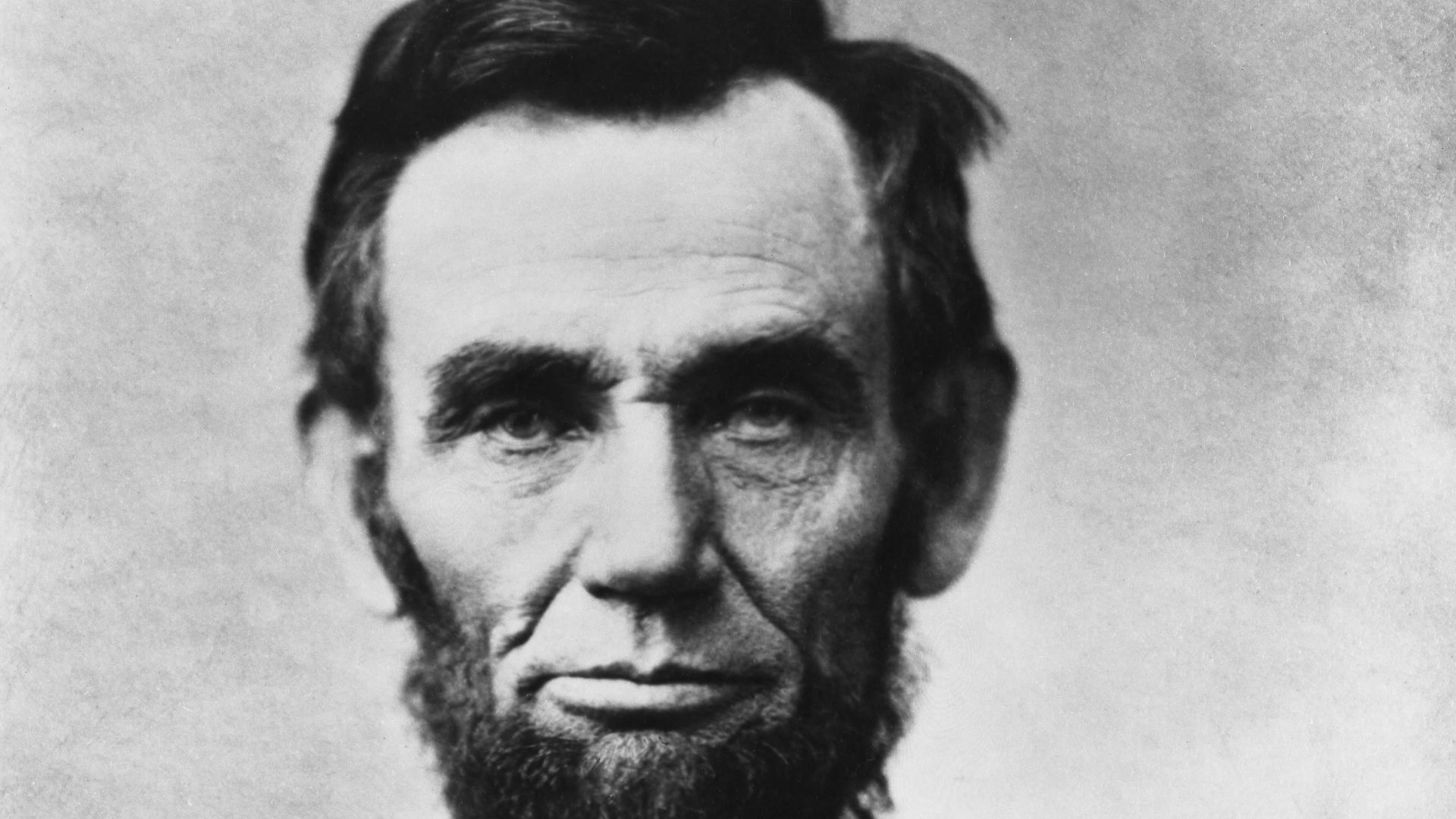
Lincoln Imagined Blood Paying For Blood
Abraham Lincoln's Second Inaugural Address came as the Civil War was nearing its end, but he offered no easy explanation for the country's suffering. Lincoln said that if the war continued until “every drop of blood drawn with the lash” was repaid by blood “drawn by the sword,” God's judgment could still be considered righteous. His words tied the slaughter of the war directly to the centuries of violence inflicted through slavery.
 Alexander Gardner, Wikimedia Commons
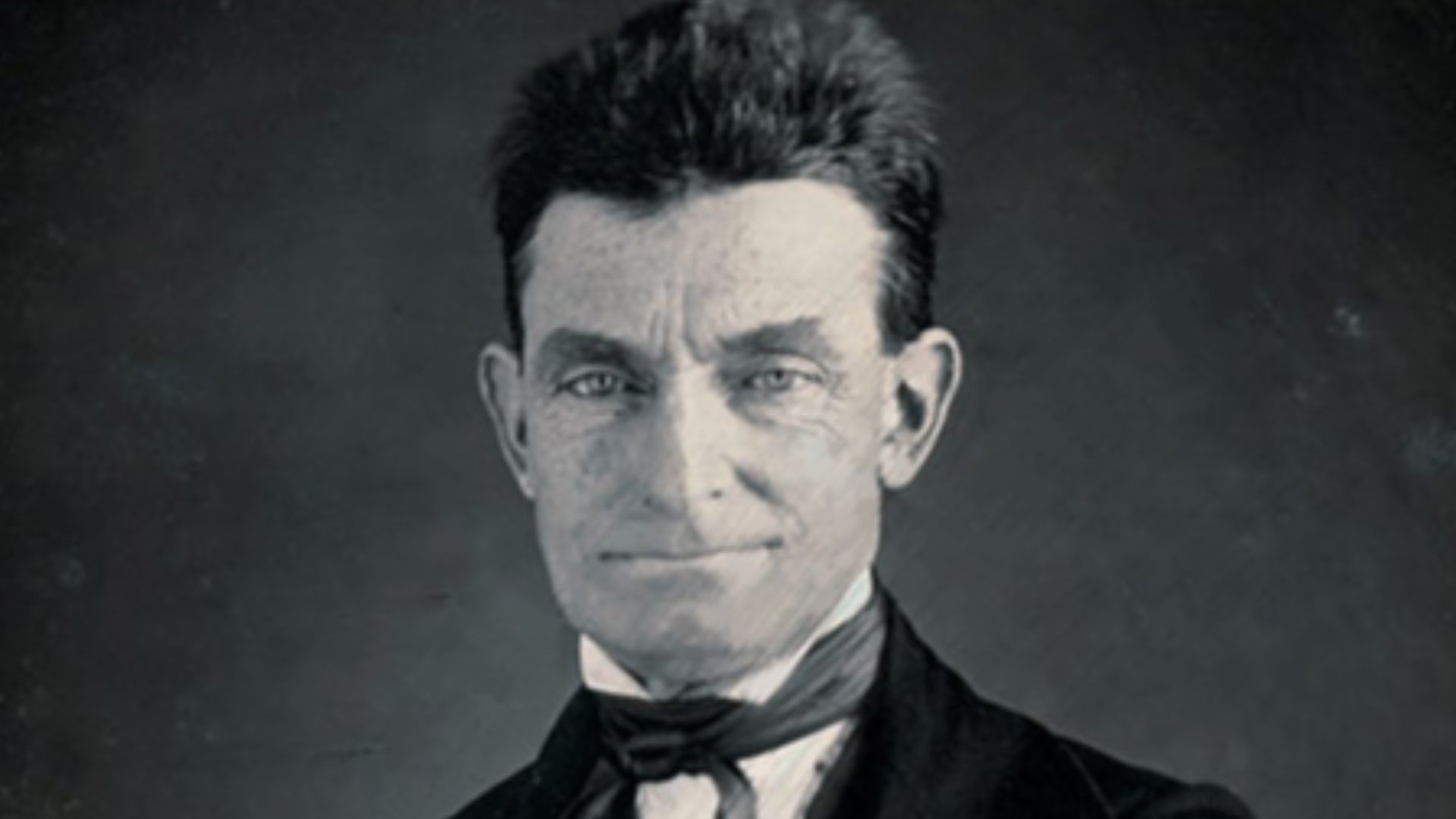
John Brown Predicted A Bloody Reckoning
A little more than a year before the Civil War began, abolitionist John Brown was awaiting execution for his raid on Harpers Ferry. He wrote that he was now certain “the crimes of this guilty land will never be purged away but with blood.” Brown was hanged on December 2, 1859, and the national conflict over slavery soon became the bloodiest war in American history.
 Augustus Washington, Wikimedia Commons
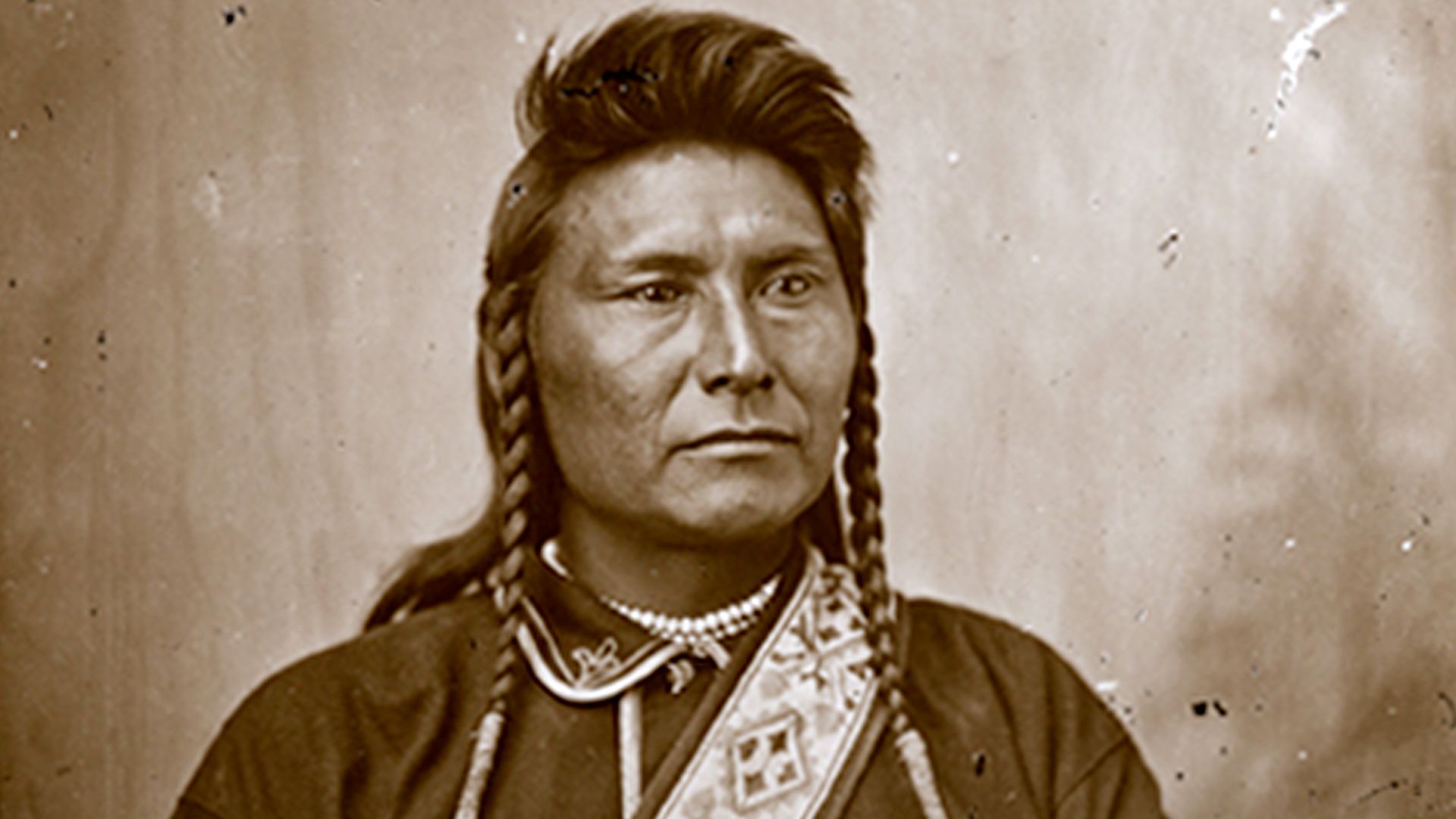
Chief Joseph Finally Had Enough
In 1877, the Nez Perce spent months fleeing U.S. forces while attempting to reach safety in Canada. After a final siege near the Bear Paw Mountains, Chief Joseph surrendered and declared, “From where the sun now stands, I will fight no more forever.” His exhausted words came after a journey of more than a thousand miles that ended only a short distance from the Canadian border.
 Unknown authorUnknown author, Wikimedia Commons
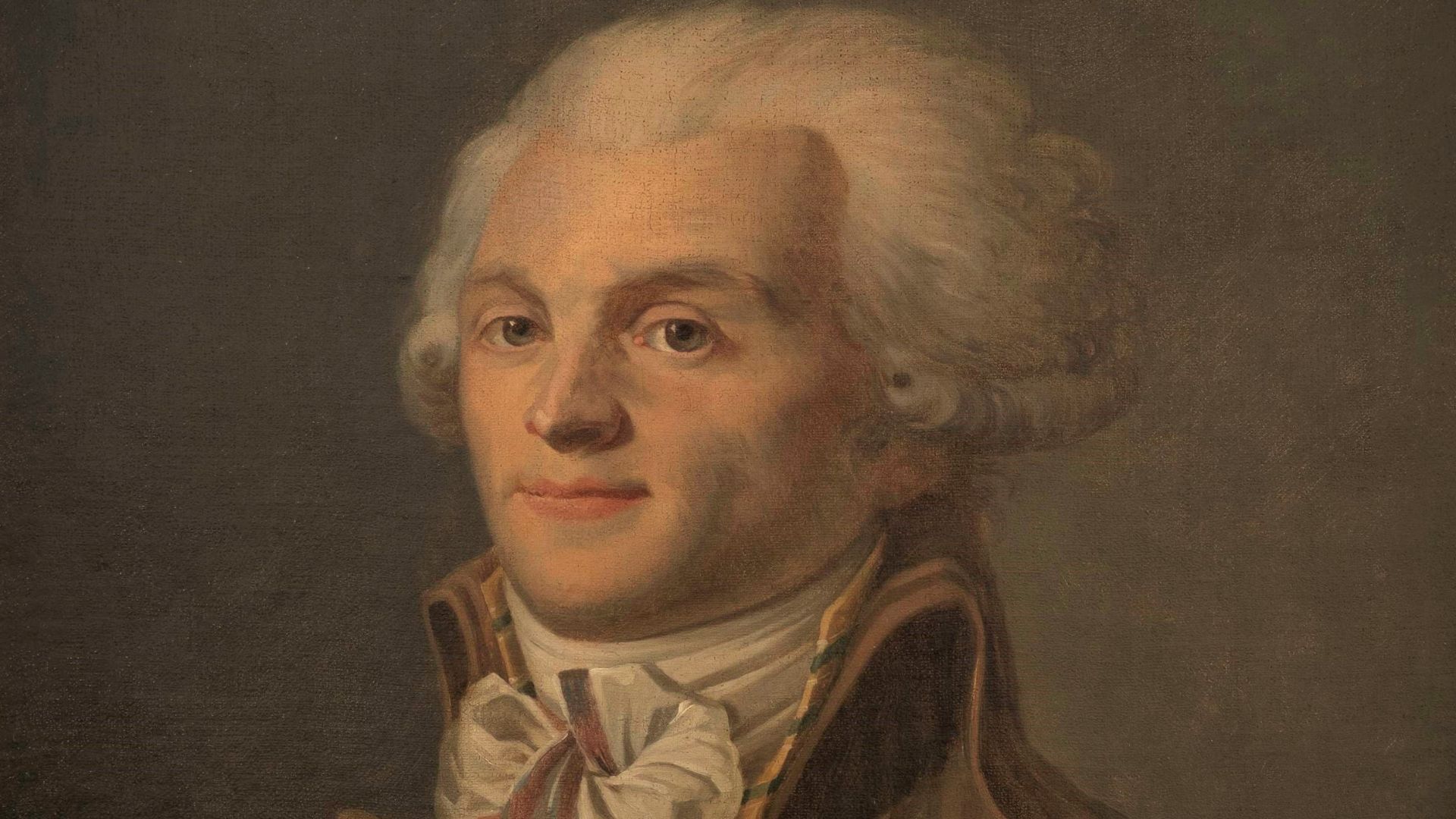
Robespierre Turned Terror Into A Virtue
During the French Revolution, Maximilien Robespierre did not describe political terror as an unfortunate necessity. In a February 1794 speech, he called terror “justice, prompt, severe, inflexible” and argued that revolutionary government required both virtue and terror. Coming from one of the dominant figures of the Reign of Terror, the neat philosophical language is almost more disturbing than an open threat.
 Unidentified painter, Wikimedia Commons
Hitler Publicly Predicted Annihilation
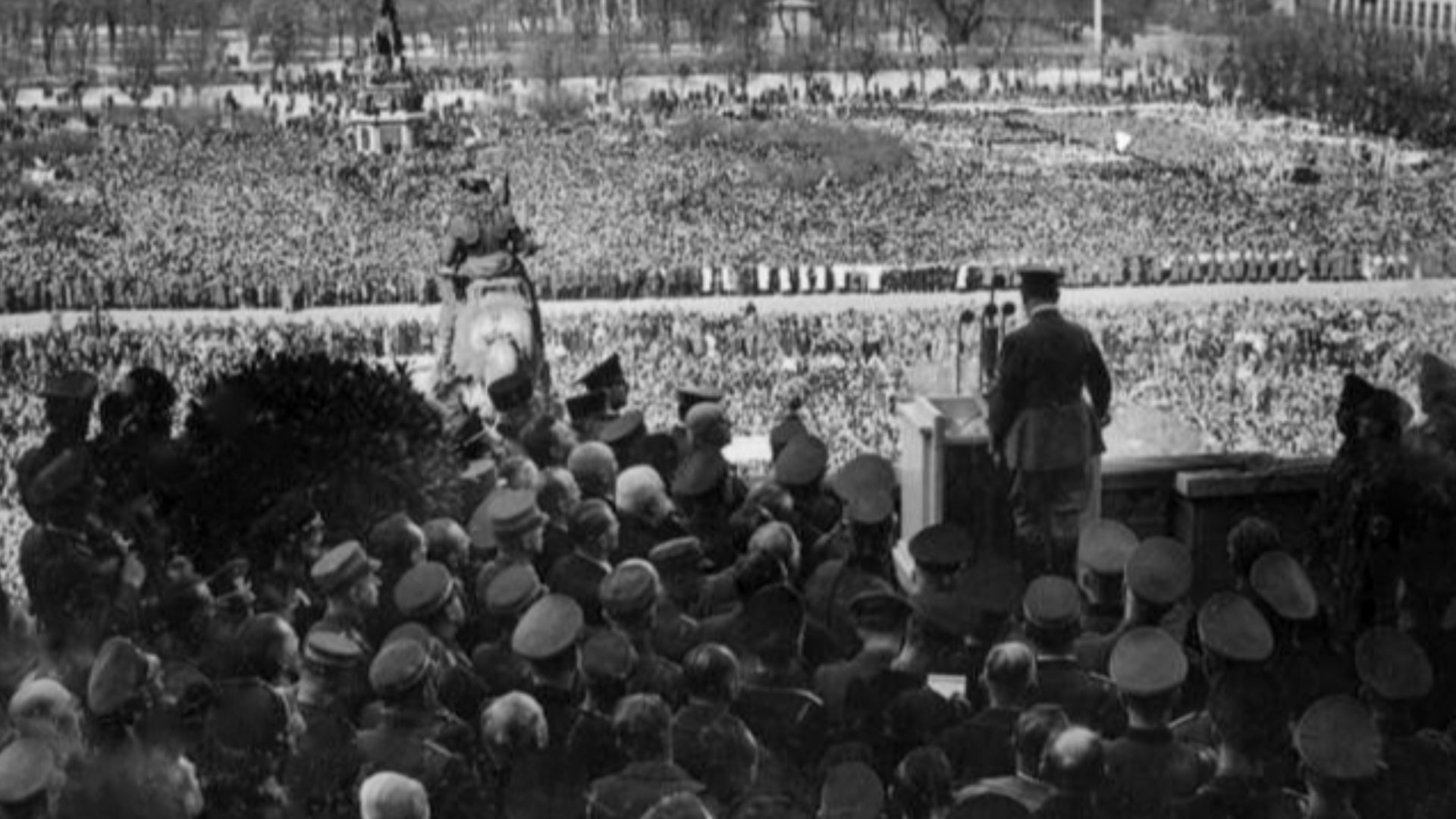
On January 30, 1939, Adolf Hitler stood before the Reichstag and delivered an unmistakably threatening prophecy. He declared that another world war would result in “the annihilation of the Jewish race in Europe,” while falsely blaming Jews for the possibility of such a conflict.
Germany subsequently carried out the systematic extermination of six million European Jews during the Holocaust.
 UnknownUnknown , Wikimedia Commons
Himmler Spoke Openly About It
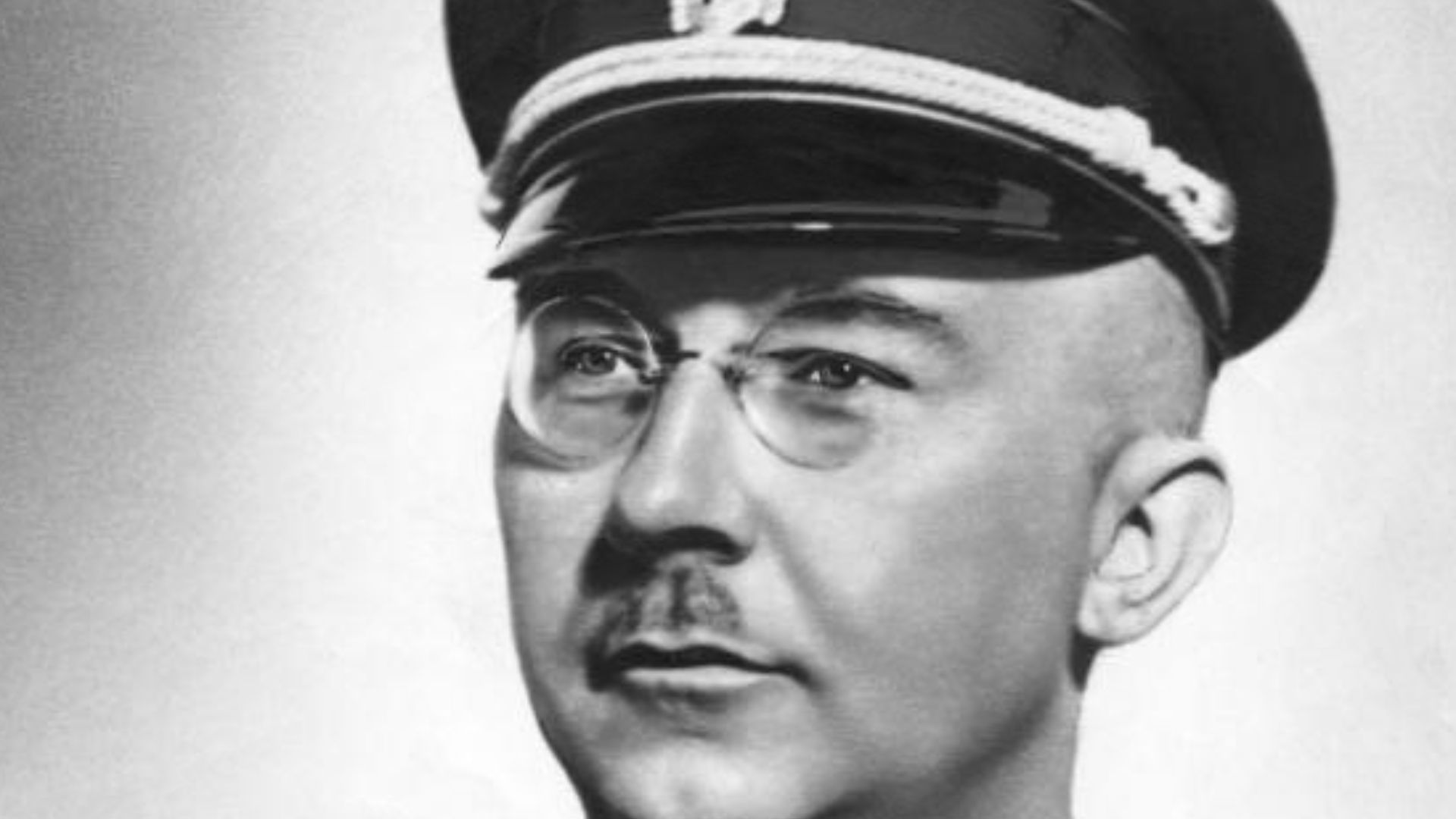
Some of the most horrifying evidence of Germany's intentions comes directly from Heinrich Himmler. Speaking privately to senior SS officers in Posen on October 4, 1943, Himmler explicitly referred to “the annihilation of the Jewish people” and described seeing hundreds or thousands of corpses lying together. He presented it as an obligation while insisting that this chapter of Nazi history should remain secret.
 UnknownUnknown , Wikimedia Commons
History's most fascinating stories and darkest secrets, delivered to your inbox daily.
Anne Frank Heard The Thunder Coming
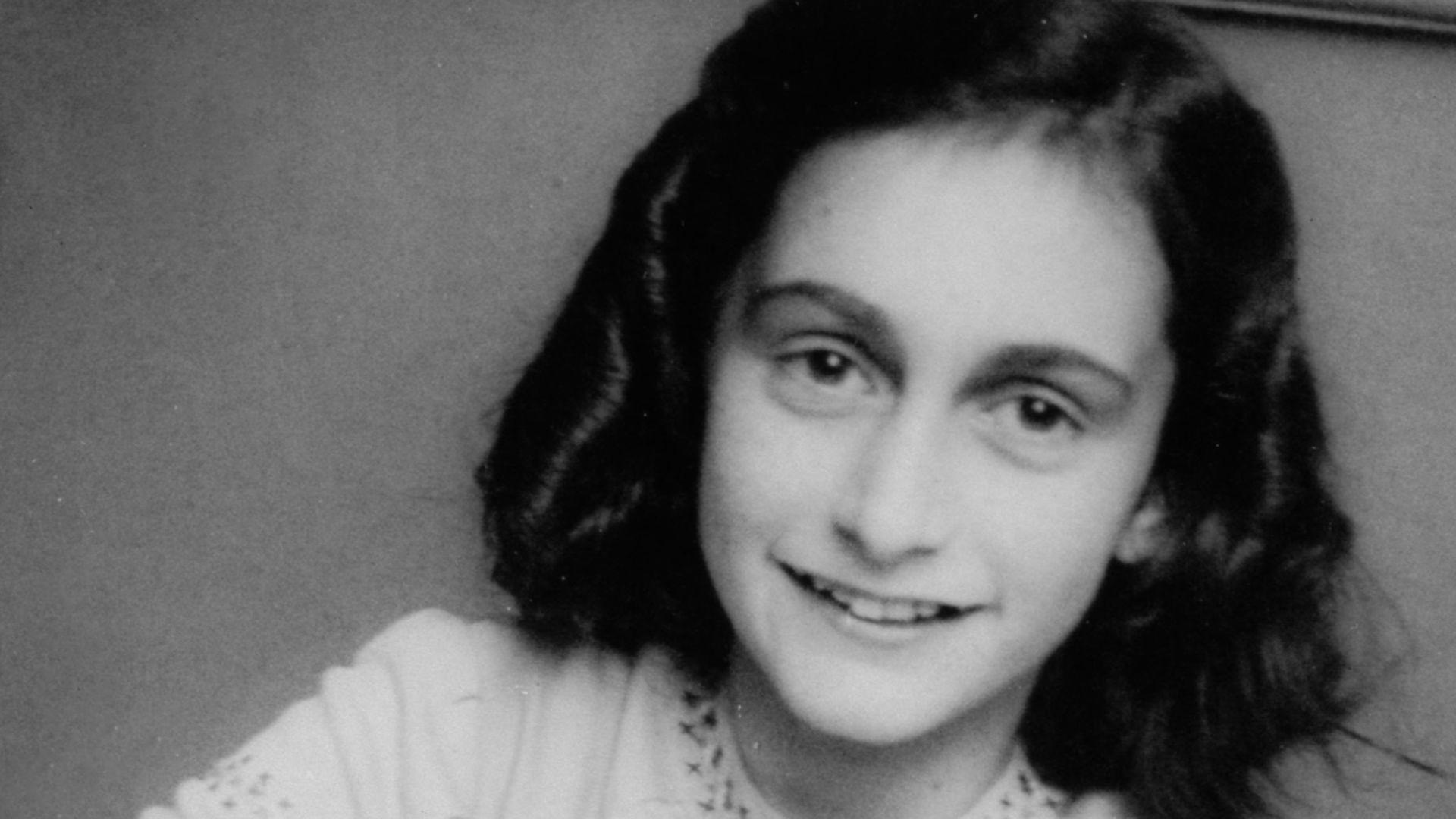
Anne Frank was hiding with her family in Amsterdam when she wrote one of her diary's most haunting passages on July 15, 1944. “I hear the approaching thunder that, one day, will destroy us too,” she wrote while reflecting on the suffering surrounding her. The Frank family was detained less than three weeks later, and Anne eventually died in the Bergen-Belsen concentration camp.
 AnonymousUnknown author, Wikimedia Commons
Mandela Was Prepared To Die
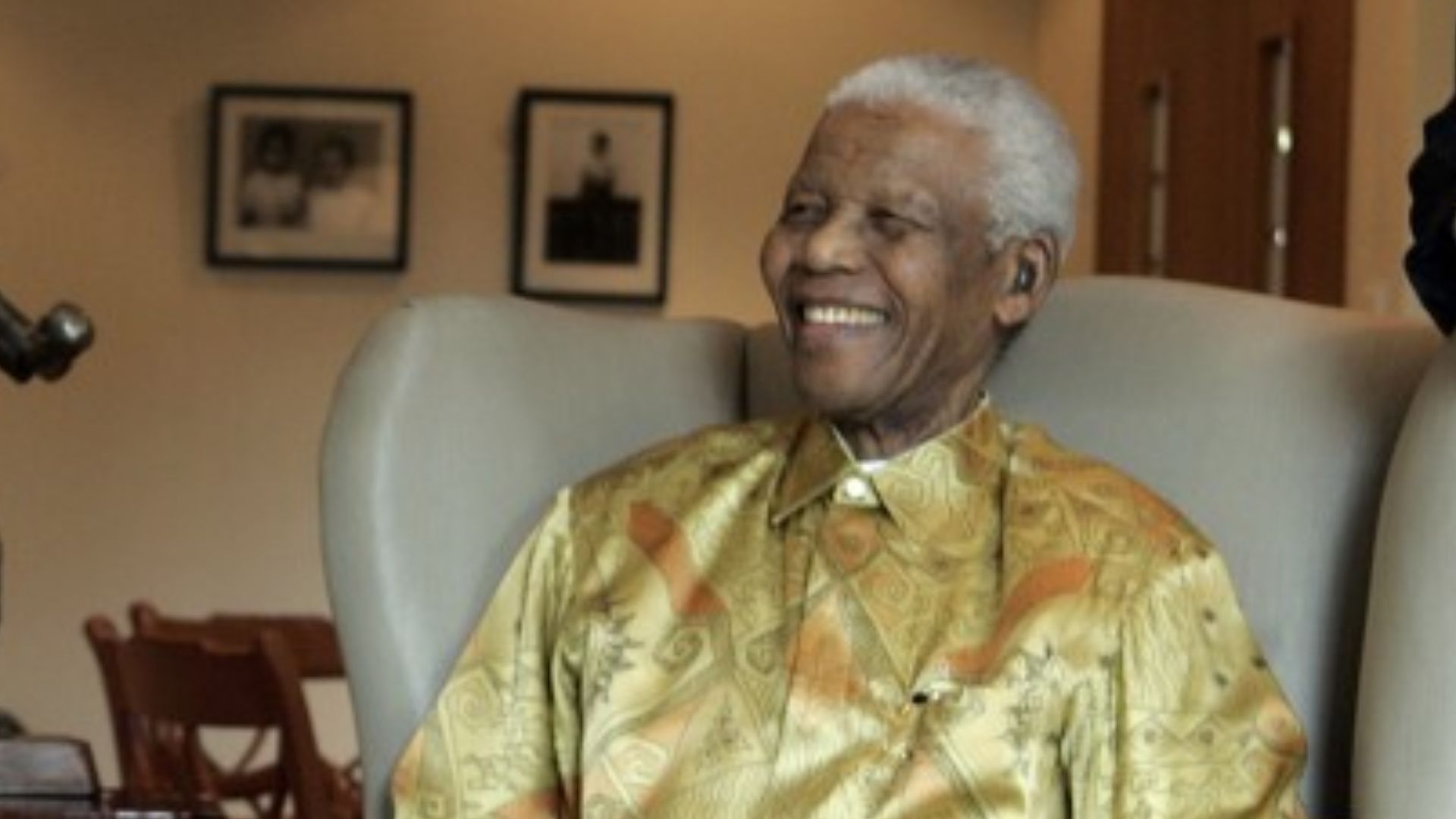
Nelson Mandela ended his famous Rivonia Trial statement with a declaration that carried a very real risk. After describing his hope for a democratic and free society, he said, “It is an ideal for which I am prepared to die.” Mandela escaped the death penalty but was sentenced to life imprisonment in 1964, spending 27 years behind bars before his release.
 Governor-General of Australia, Wikimedia Commons
King Seemed To Say Goodbye
On April 3, 1968, Martin Luther King Jr. told an audience in Memphis that he had “been to the mountaintop” and had seen the Promised Land. “I may not get there with you,” he warned, before saying that he was not worried or afraid of any man. King was assassinated on the balcony of the Lorraine Motel the following day.
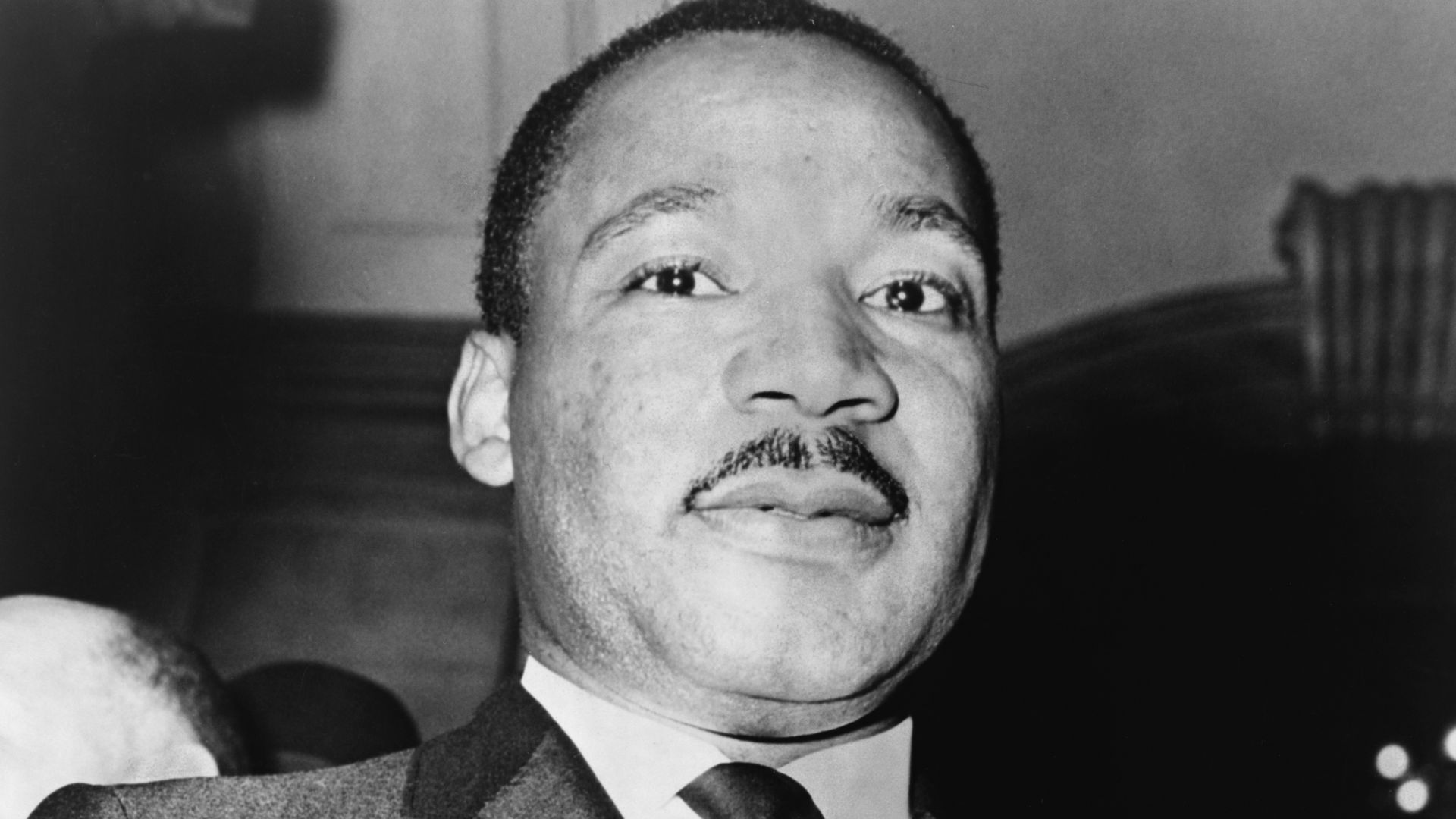 Phil Stanziola, NYWT&S staff photographer, Wikimedia Commons
Oates Walked Straight Into The Blizzard
Captain Lawrence Oates was suffering badly from frostbite during Robert Falcon Scott's doomed return from the South Pole. According to Scott's journal, Oates left the tent during a blizzard after saying, “I am just going outside and may be some time.” Scott wrote that everyone understood Oates was deliberately walking to his dark end in hopes of improving his companions' chances of survival.
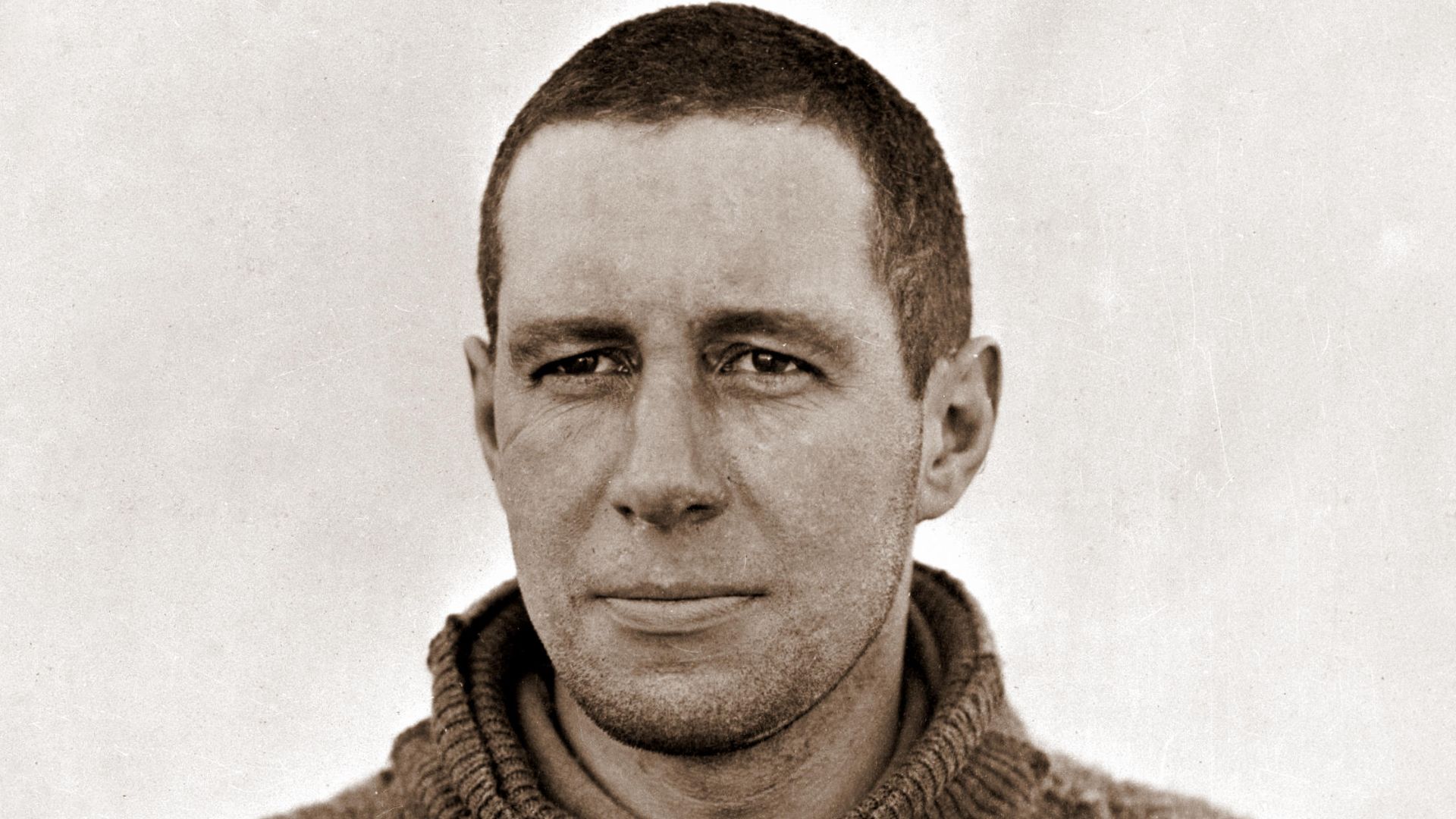 Herbert Ponting, Wikimedia Commons
Scott Realized The End Was Near
Oates' sacrifice could not save the remaining members of the expedition. In the same sequence of journal entries, Scott wrote that the surviving men were dangerously cold and confessed, “It must be near the end, but a pretty merciful end.” Scott, Edward Wilson, and Henry Bowers eventually died in their tent, only about 11 miles from a supply depot.
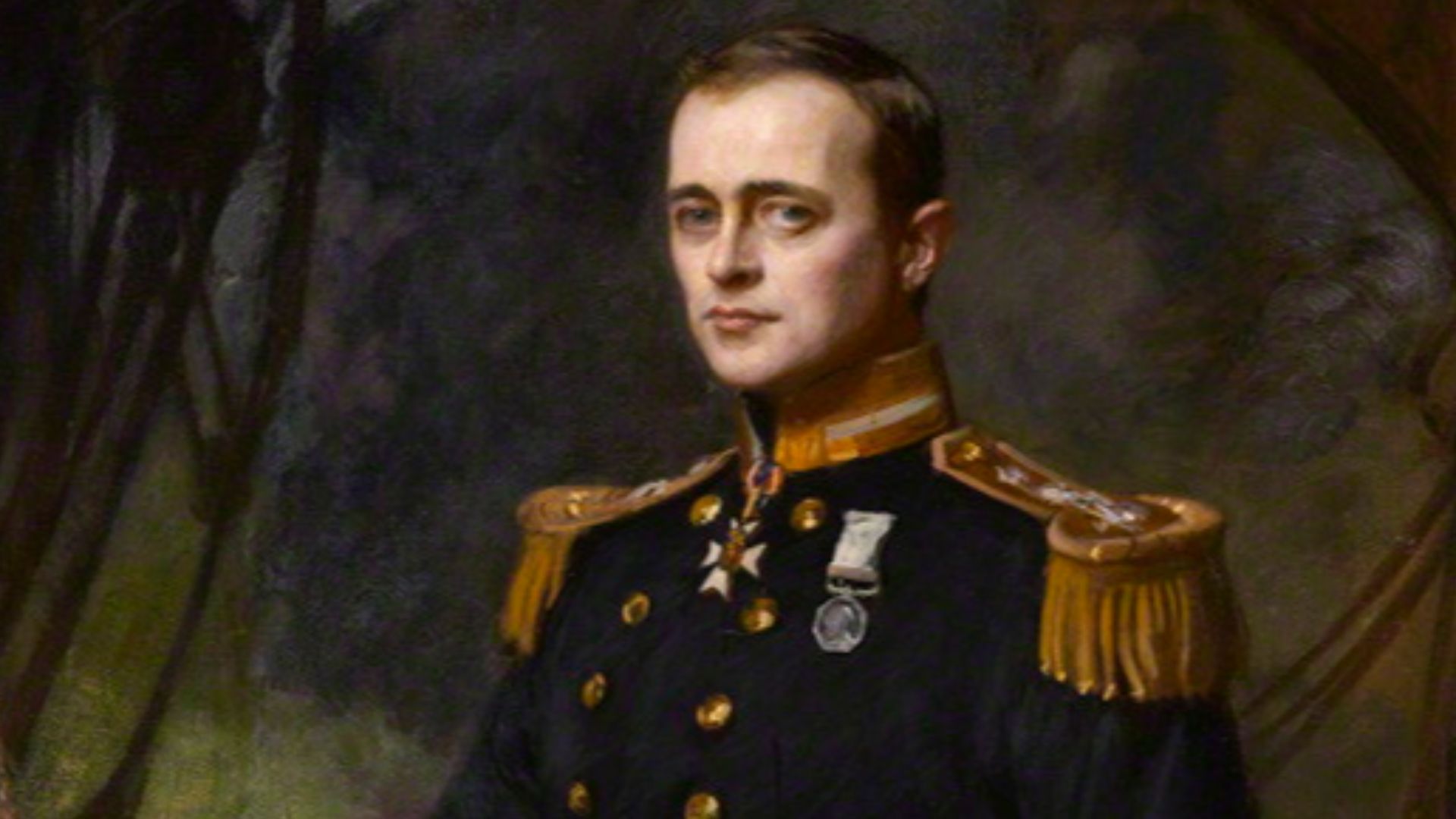 Daniel Albert Wehrschmidt (1861–1932), Wikimedia Commons
Pliny Thought The World Was Dying
Pliny the Younger survived the eruption of Mount Vesuvius in 79 CE and later described the disaster in letters to the historian Tacitus. He recalled a darkness filled with crying children and shouting adults, while some terrified people believed that “there were no gods any longer” and that the world had entered one final endless night. Pliny himself wrote that he felt as though he was “perishing with the world, and the world with me.”
 Angelica Kauffmann, Wikimedia Commons
History's most fascinating stories and darkest secrets, delivered to your inbox daily.
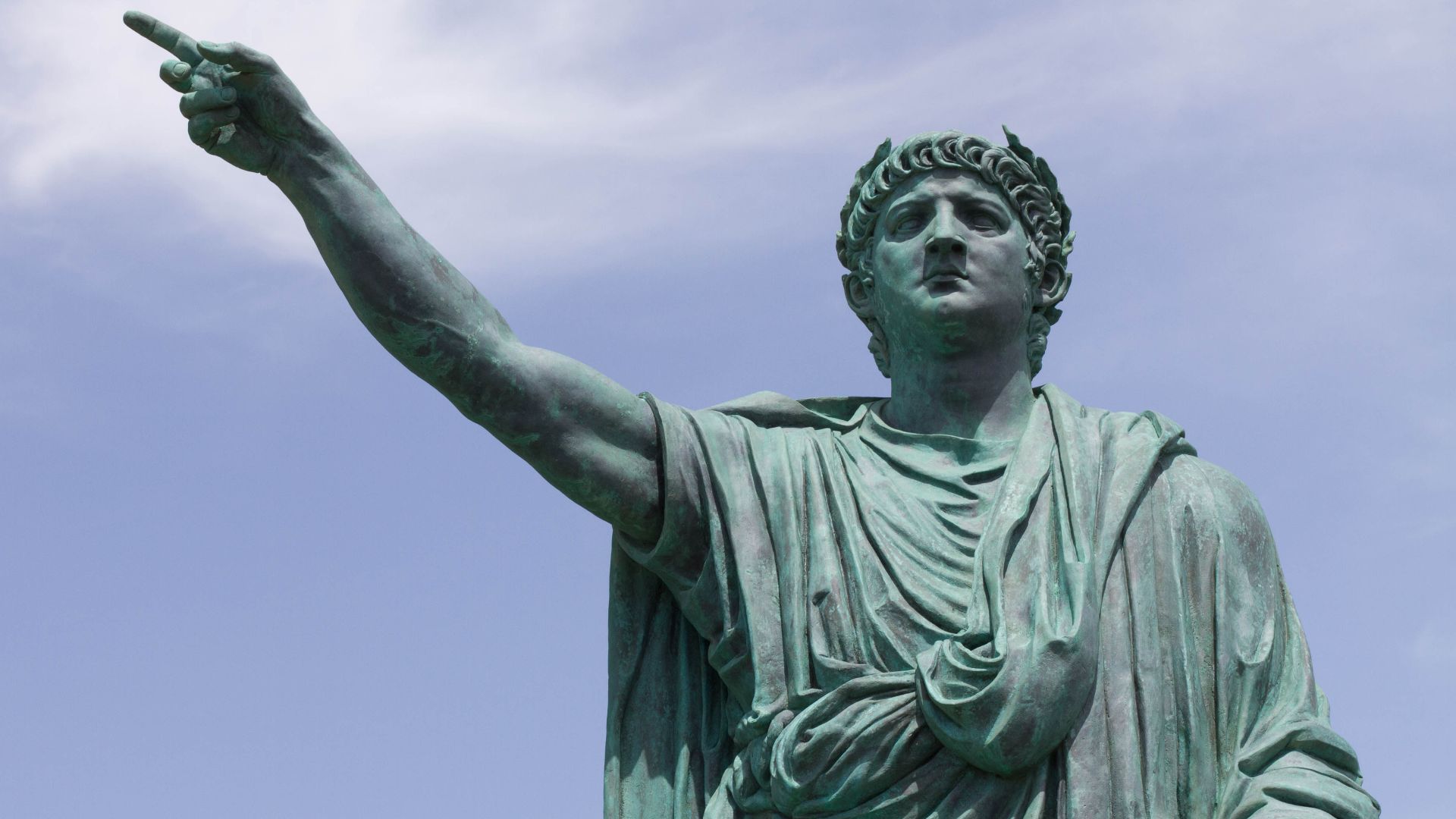
Nero Mourned Himself At The End
The Roman emperor Nero's last hours come to us through the ancient biographer Suetonius, so his reported words should not be treated like a modern recording. According to Suetonius, the fugitive emperor repeatedly lamented, “What an artist the world is losing!” while preparations were made for his passing in 68 CE. The line's eerie vanity has helped it survive for almost two thousand years.
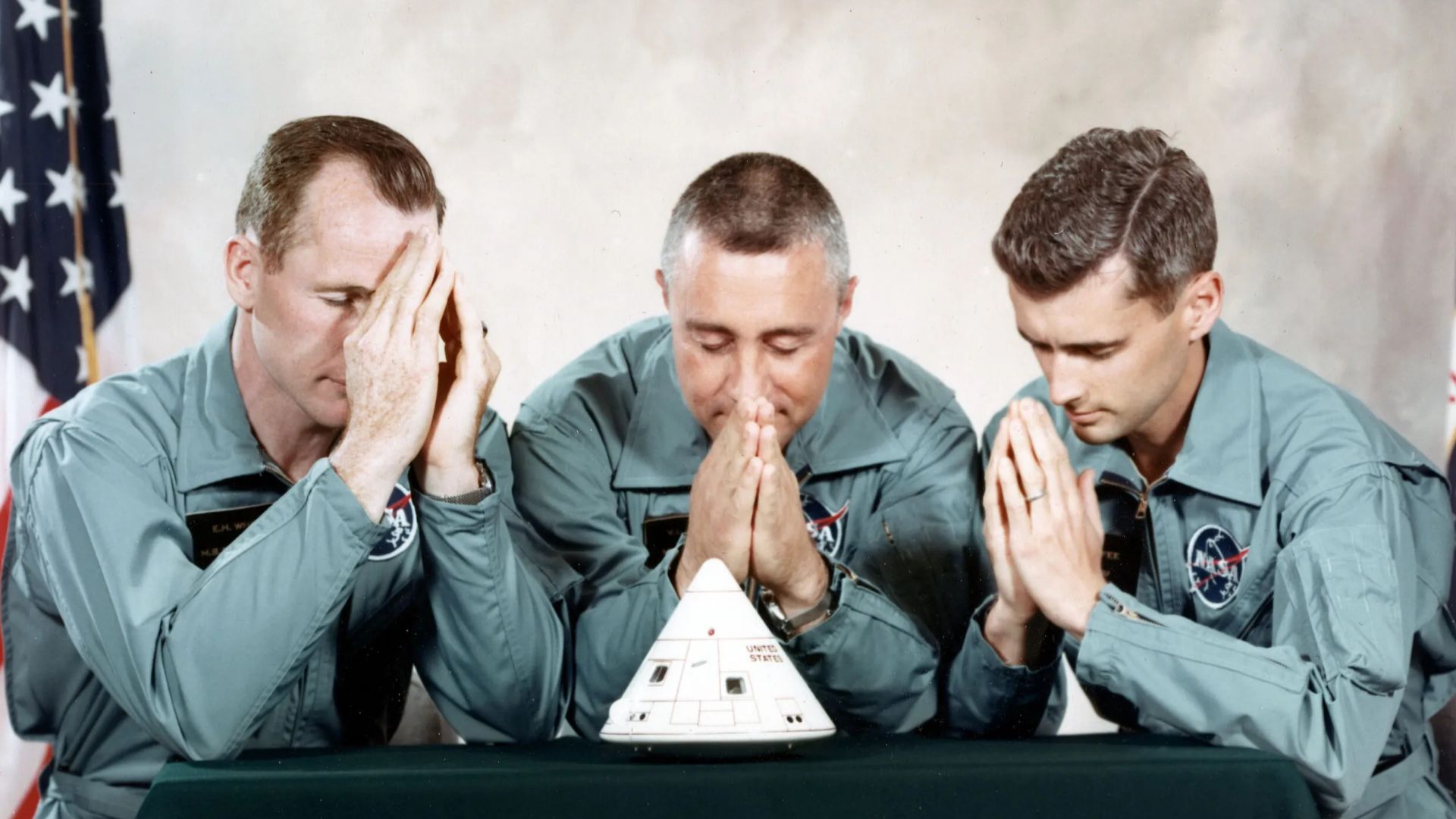
Apollo 1's Final Transmission Was Terrifying
On January 27, 1967, astronauts Gus Grissom, Ed White, and Roger Chaffee were inside their Apollo spacecraft during a ground test when fire broke out in the cabin. NASA's investigation found that part of the first transmission was clearly audible as “…got a fire in the cockpit,” although investigators could not definitively identify every speaker or word on the recording. All three astronauts died before the spacecraft's hatch could be opened.
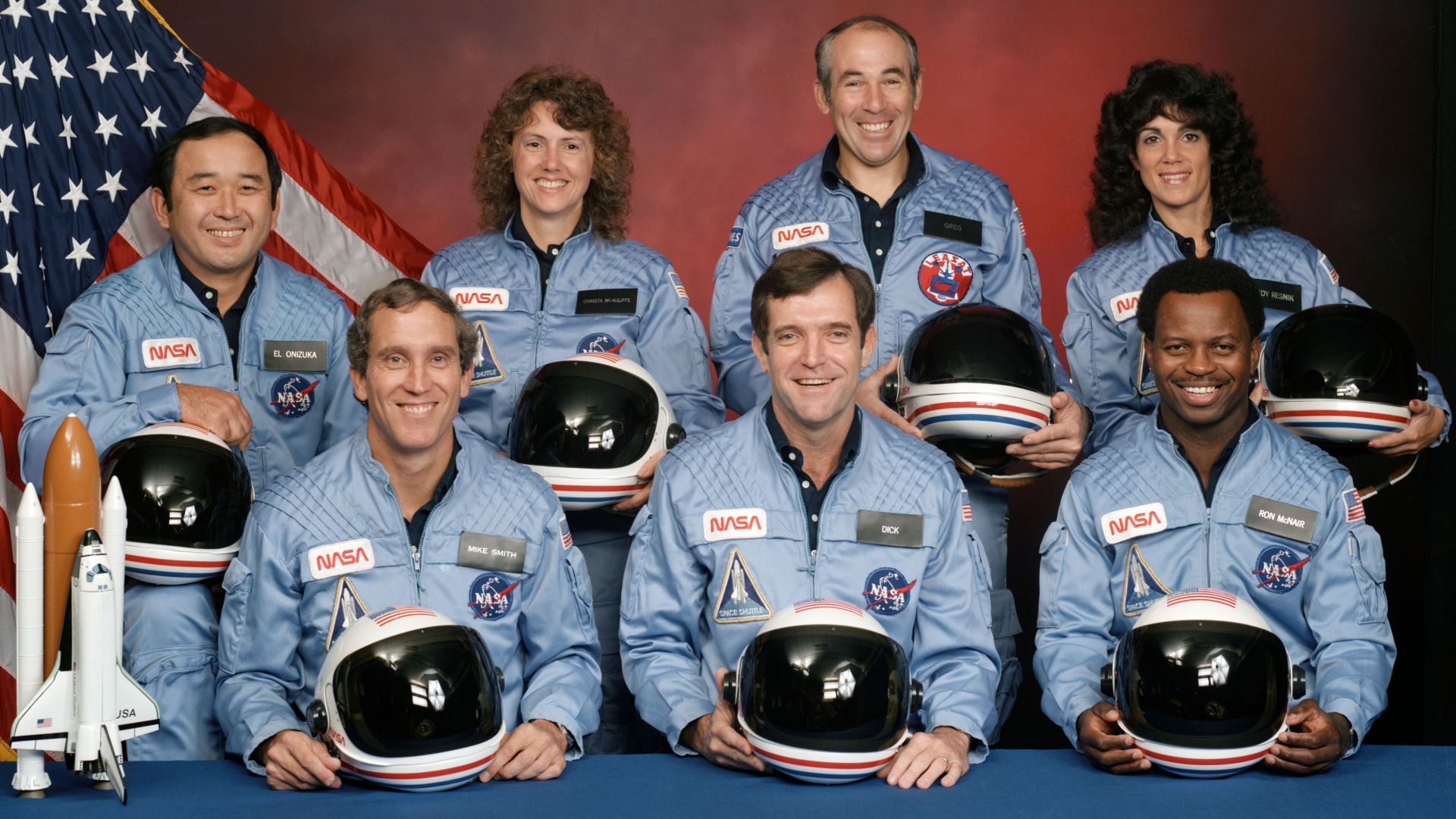
Challenger Ended With An Understatement
The space shuttle Challenger lifted off on January 28, 1986, before breaking apart shortly after launch. As stunned observers tried to understand the expanding cloud in the sky, NASA public affairs officer Steve Nesbitt told listeners, “Obviously, a major malfunction.” All seven crew members were lost, turning the restrained phrase into one of the most haunting broadcasts in the history of spaceflight.
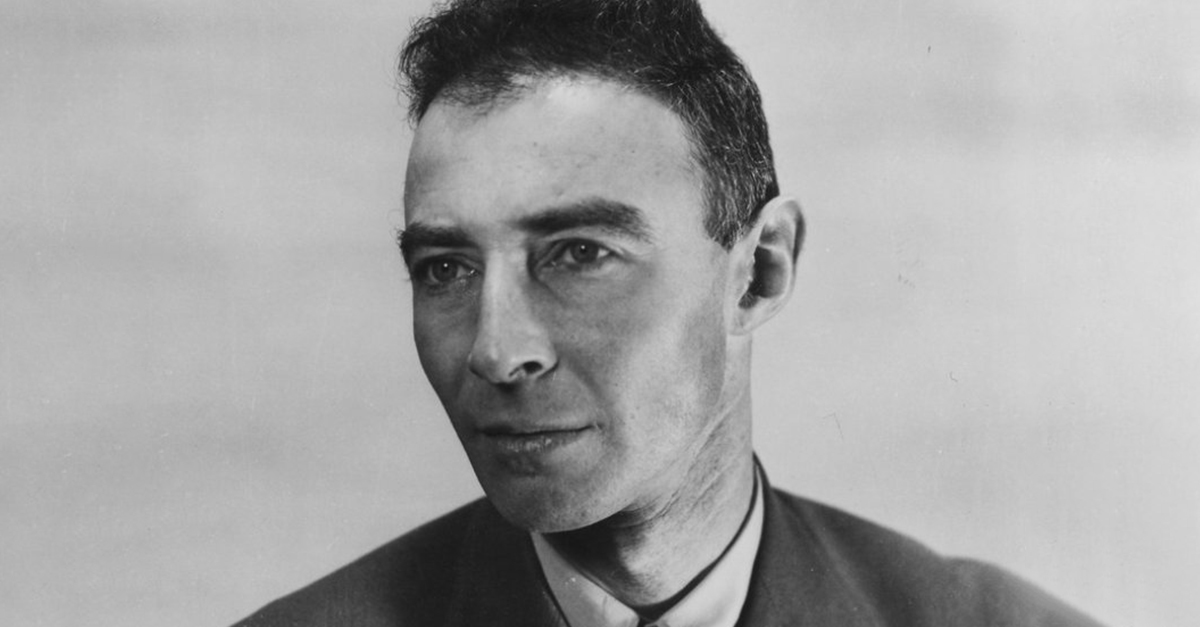
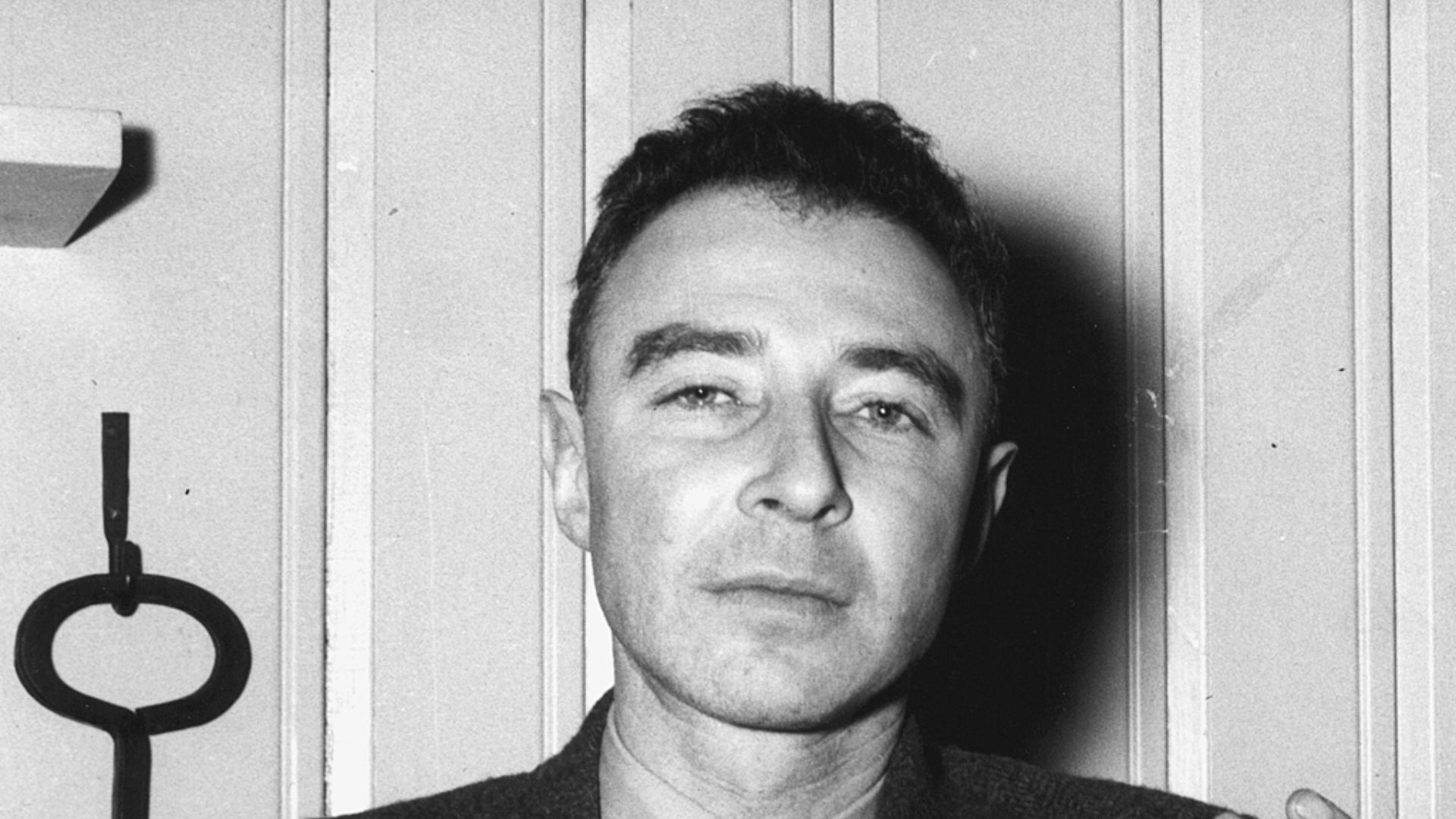
Oppenheimer Knew The World Had Changed
On July 16, 1945, the first atomic bomb exploded over the New Mexico desert during the Trinity test. J. Robert Oppenheimer later recalled a line from the Bhagavad Gita: “Now I am become Death, the Destroyer of worlds.” The words became inseparable from the moment humanity demonstrated that it could destroy entire cities with a single weapon.
 Ed Westcott (U.S. Government photographer), Wikimedia Commons
You May Also Like:
Historical Figures Who Will Forever Be Remembered For Quotes They Almost Definitely Never Said
The Most Iconic And Inspiring Quotes From History
Historical Quotes That Everyone On Earth Knows, Even Though They're Wrong
Sources: 1, 2, 3, 4, 5, 6, 7, 8, 9, 10, 11, 12, 13, 14, 15, 16, 17, 18, 19, 20, 21, 22, 23, 24, 25