
You're Saying It Wrong
History loves a good quote. They stick in the mind and can beautifully sum up a broader concept. It can be hard to believe that anyone ever said anything so perfect in the moment. Well, a lot of times, they didn't. Whether mistranslated, misquoted, misattributed, or even just fully made up, these quotes that everyone had heard aren't quite on the level.
 NASA / Edwin E. Aldrin, Jr., Wikimedia Commons
“Let Them Eat Cake” Said Marie Antoinette
Marie Antoinette is famously credited with saying, “Let them eat cake,” when told French peasants had no bread. There is no credible evidence she ever said this. A similar line appears in Jean-Jacques Rousseau’s Confessions, where he attributes it to an unnamed “great princess,” and the original French refers to “brioche,” not cake.
 Elisabeth Louise Vigee Le Brun, Wikimedia Commons
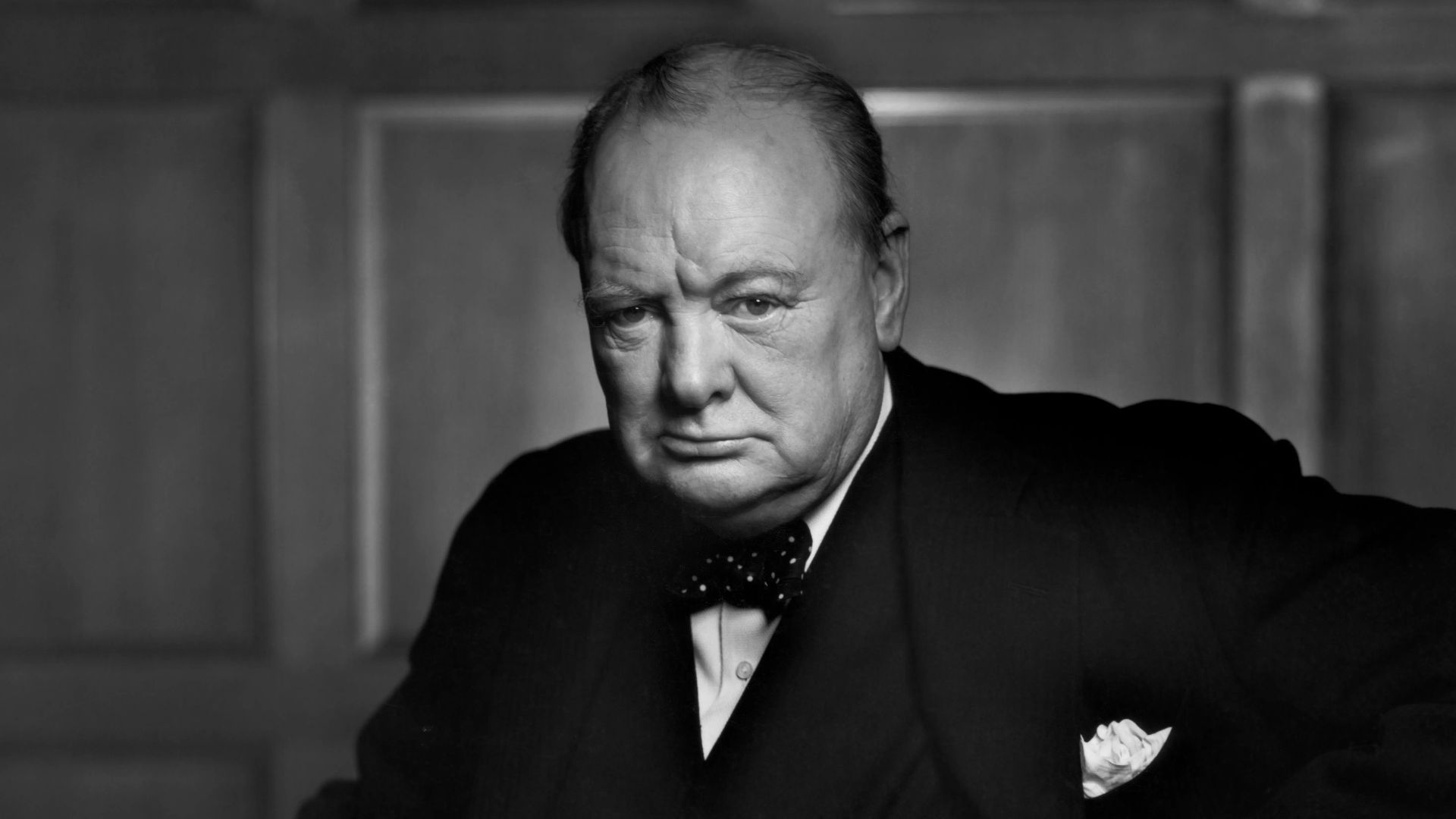
“Blood, Sweat, And Tears” Said Winston Churchill
The popular version trims and rearranges Churchill’s words. In his speech to the House of Commons on May 13, 1940, he said, “I have nothing to offer but blood, toil, tears and sweat.” The phrase became shorthand for British resolve during World War II, but they dropped the toil. It's cleaner.
 Yousuf Karsh, Wikimedia Commons
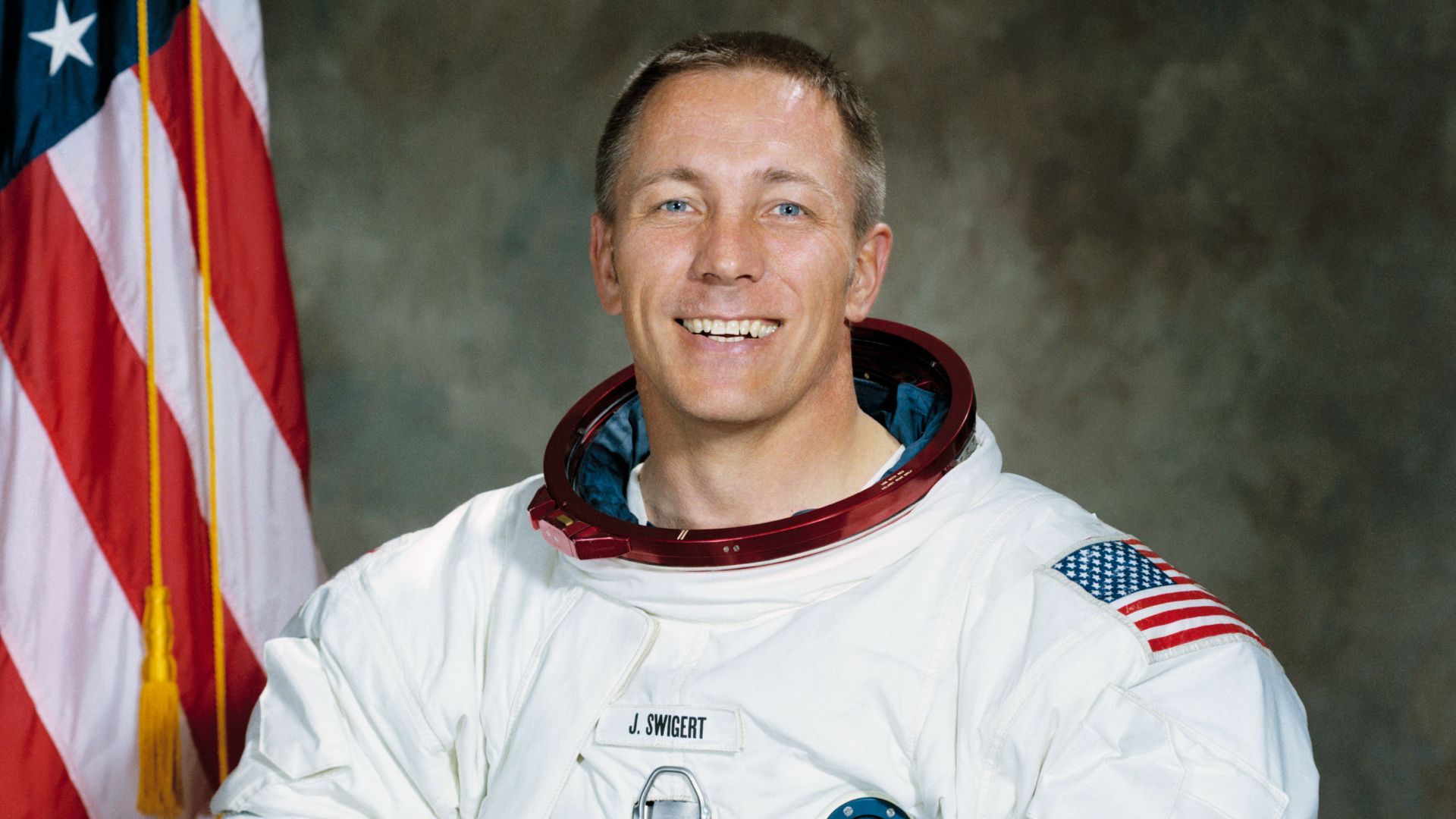
“Houston, We Have A Problem” Said Jack Swigert
The famous line from Apollo 13 is usually quoted in the present tense. What astronaut Jack Swigert actually said on April 13, 1970, was, “Okay, Houston, we’ve had a problem here.” Commander Jim Lovell then repeated a similar line, confirming the issue in the past tense.
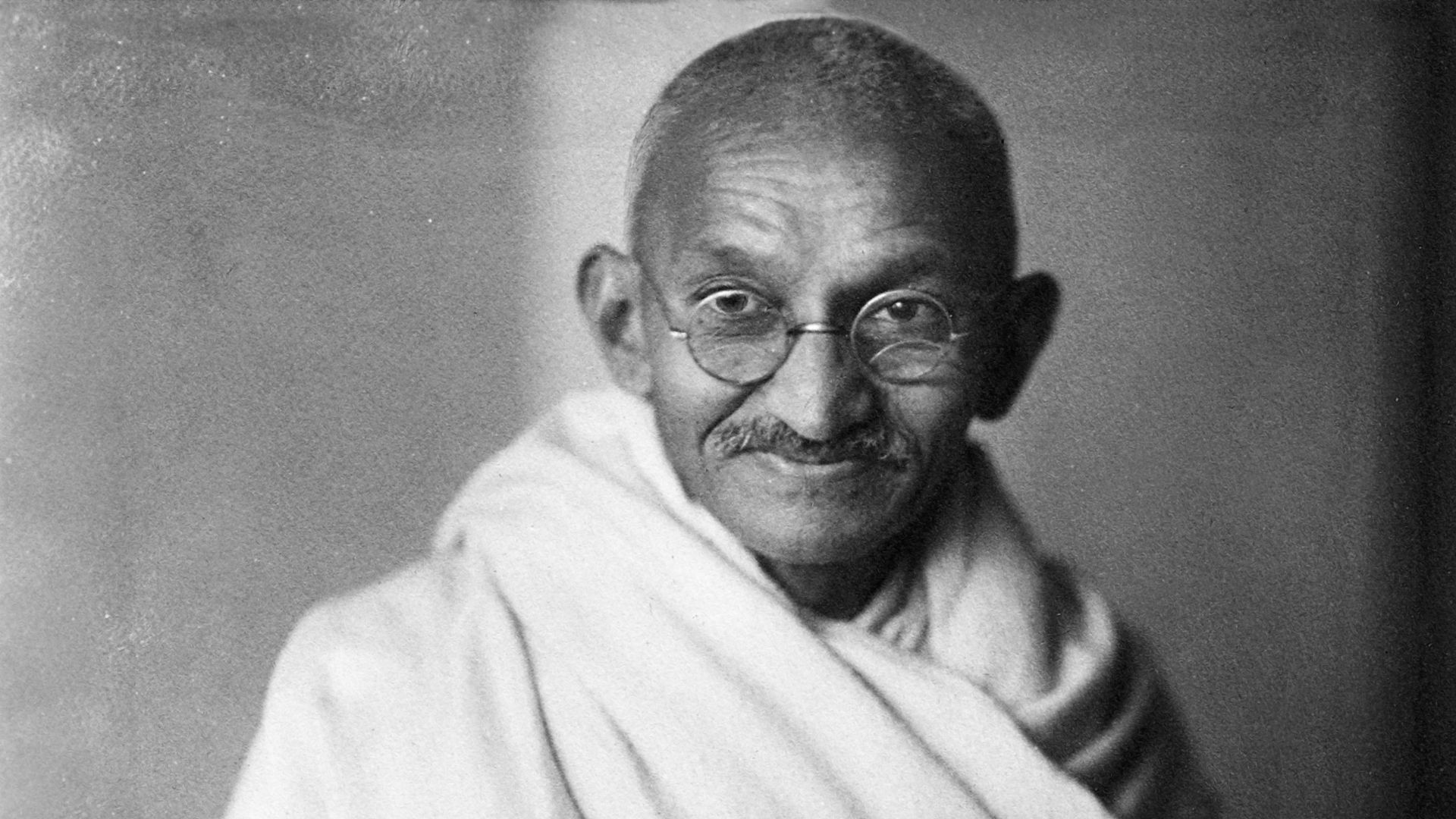
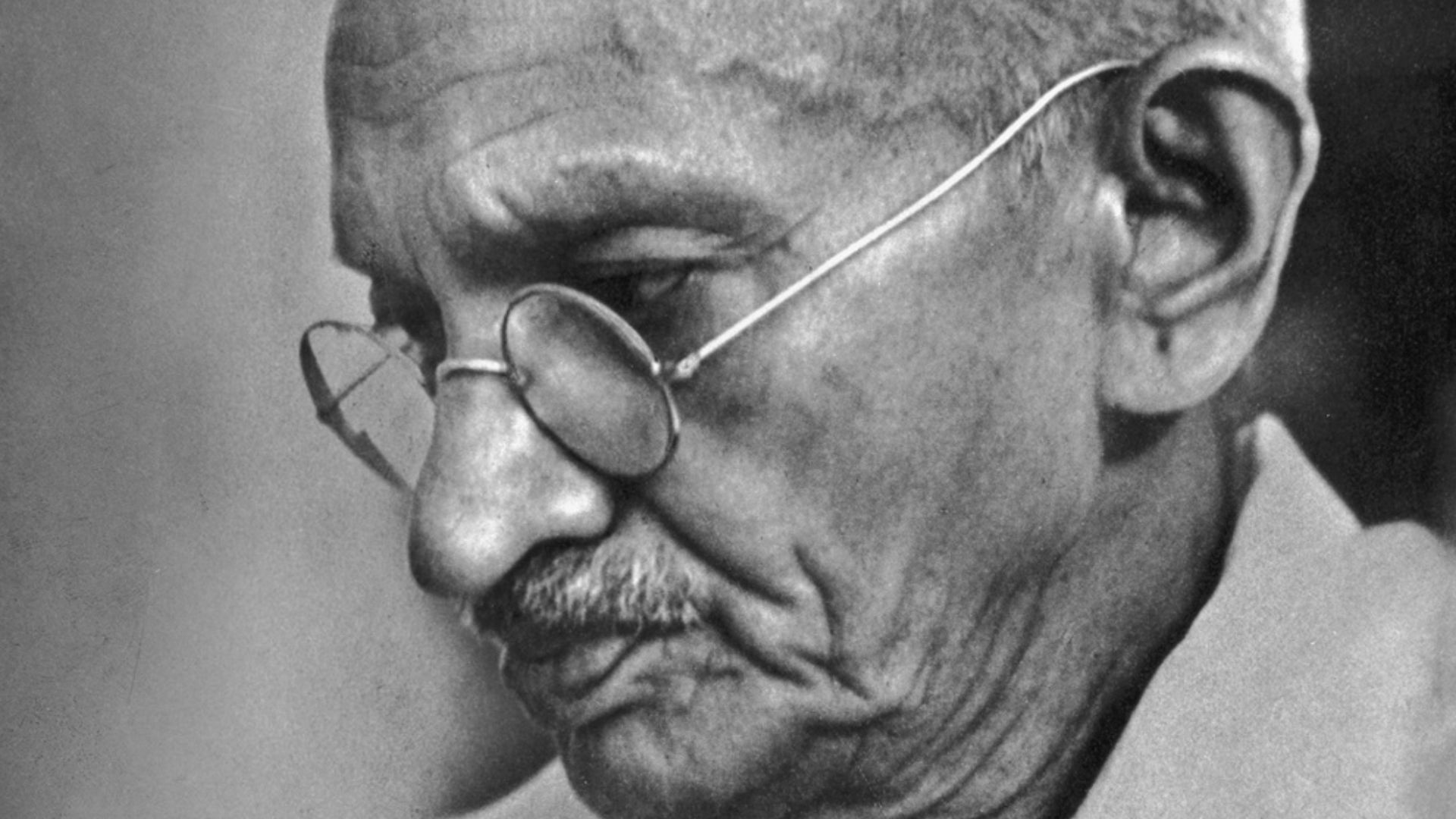
“Be The Change You Wish To See In The World” Said Mahatma Gandhi
This polished motivational quote does not appear in Gandhi’s recorded speeches or writings. A related 1913 passage reads, “If we could change ourselves, the tendencies in the world would also change.” The modern version is a paraphrase that captures the spirit, not the wording.
 Elliott & Fry, Wikimedia Commons
“I Disapprove Of What You Say, But I Will Defend To The Death Your Right To Say It” Said Voltaire
Voltaire never wrote these exact words. The sentence comes from Evelyn Beatrice Hall’s 1906 book The Friends of Voltaire, where she wrote, “I disapprove of what you say, but I will defend to the death your right to say it,” as a summary of his beliefs.
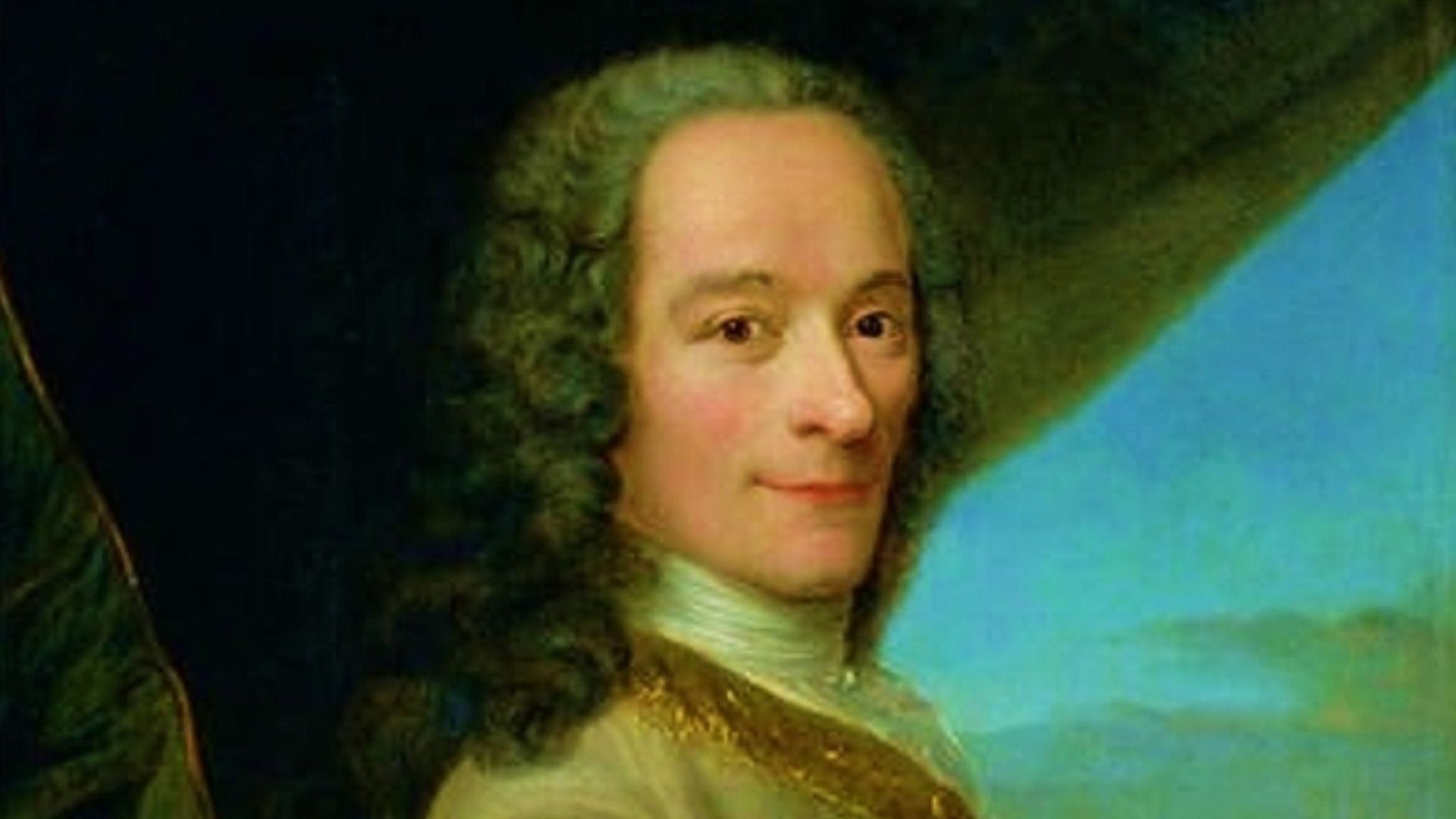 After Maurice Quentin de La Tour, Wikimedia Commons
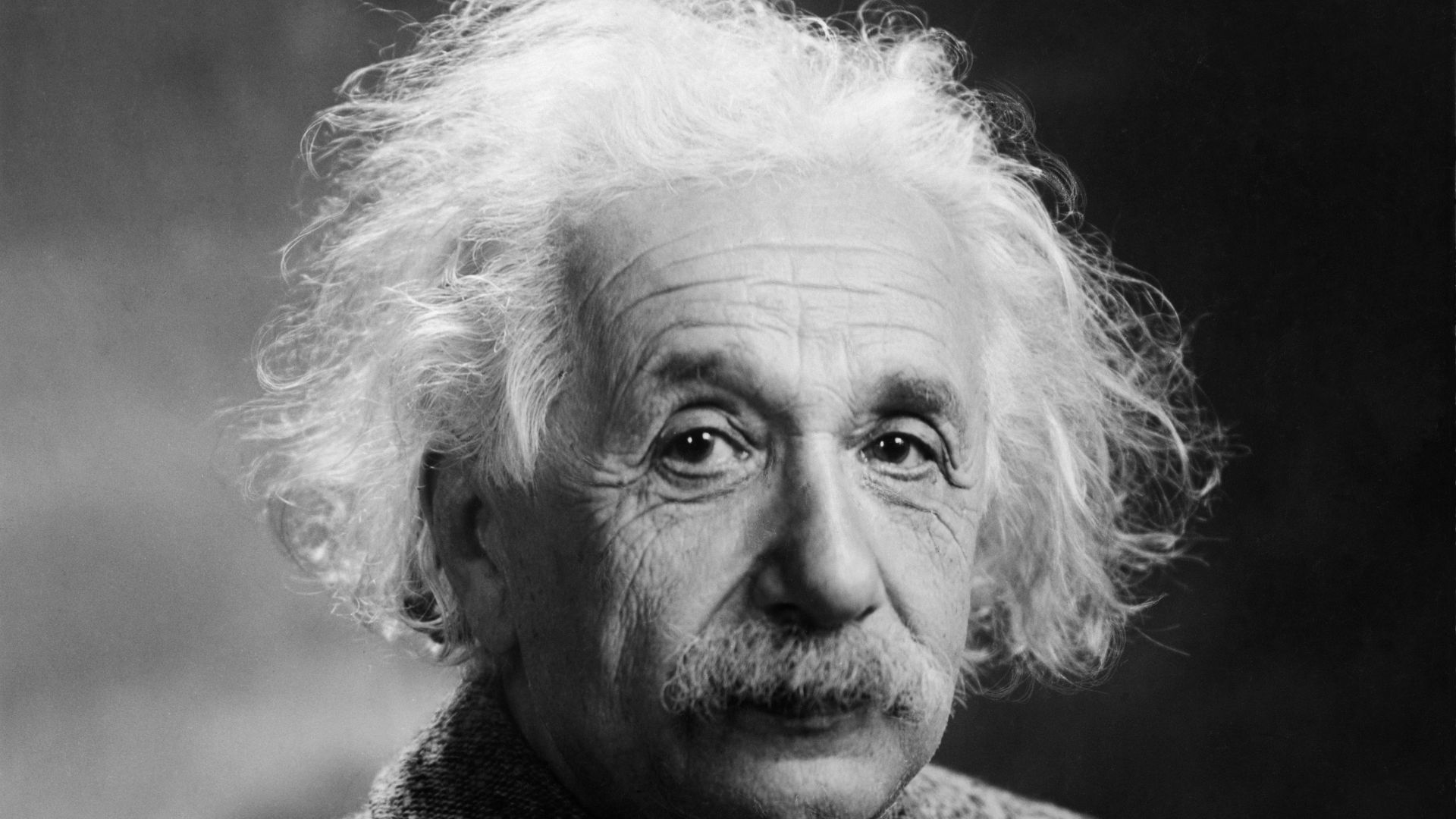
“Insanity Is Doing The Same Thing Over And Over And Expecting Different Results” Said Albert Einstein
There is no reliable documentation of Einstein saying this. Variations of the quote appeared in print in the 20th century without attribution to him. The neat definition of insanity seems to have been attached to his name long after his death.
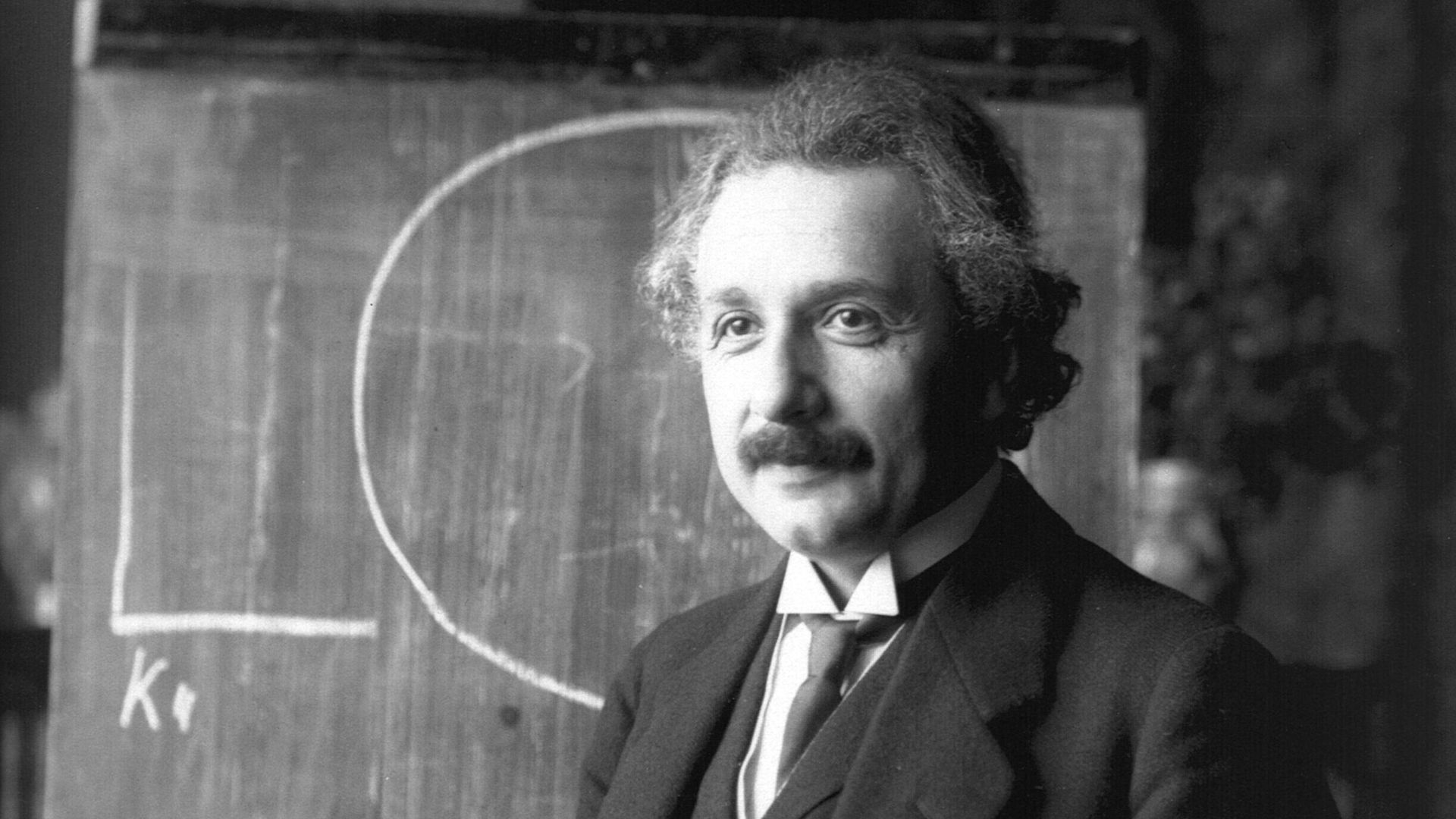 Ferdinand Schmutzer, Wikimedia Commons
“The Ends Justify The Means” Said Niccolò Machiavelli
This phrase does not appear verbatim in Machiavelli’s The Prince or other works. While he discusses the necessity of pragmatic and sometimes ruthless political action, the exact wording “the ends justify the means” is a later summary of ideas associated with him.
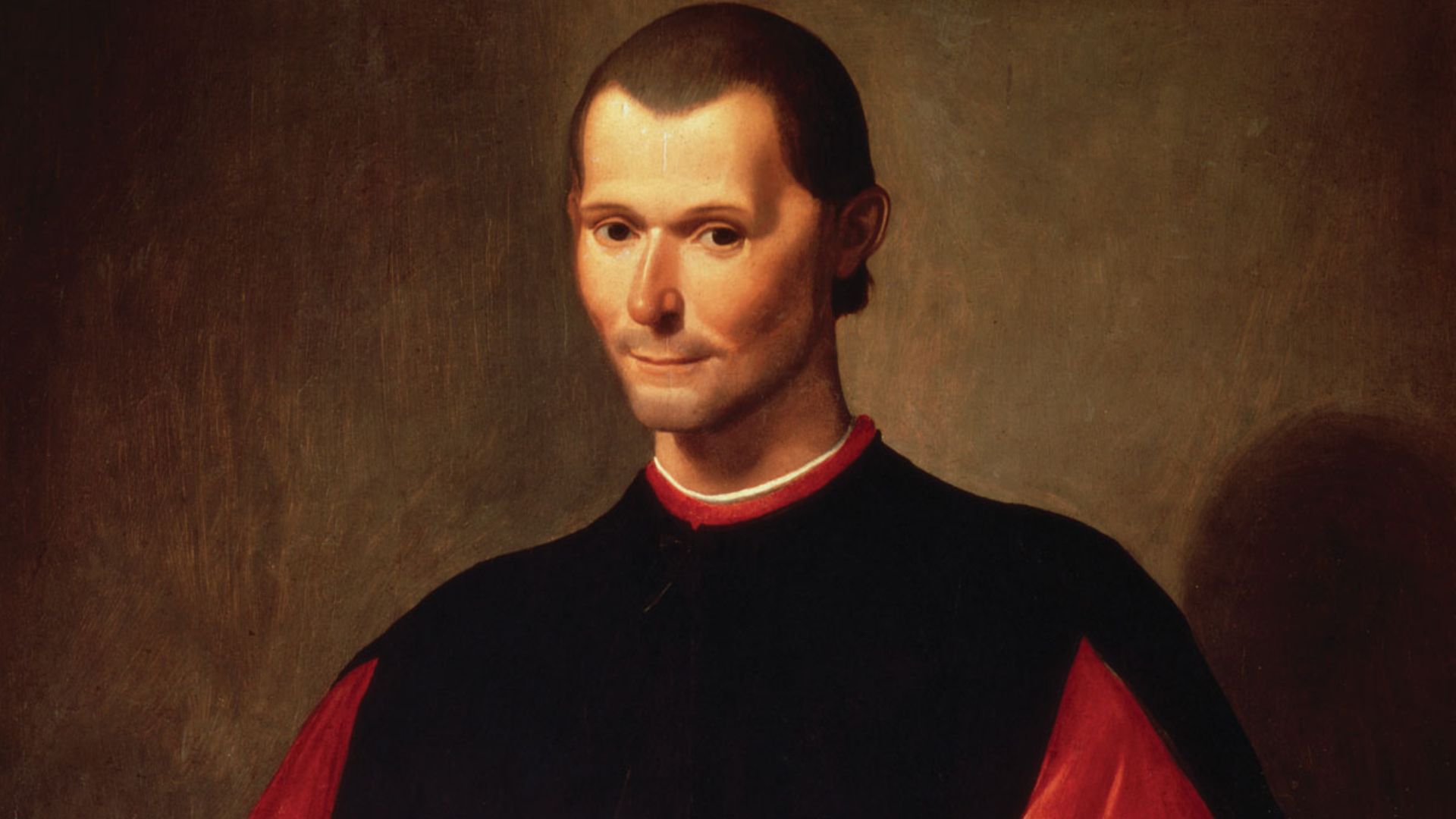 Santi di Tito, Wikimedia Commons
“A Lie Can Travel Halfway Around The World Before The Truth Puts On Its Shoes” Said Mark Twain
Mark Twain is often credited with this sharp observation. Documented attributions to Twain appear only after his death, and the saying circulates under several different names. There is no solid evidence Twain authored the line.
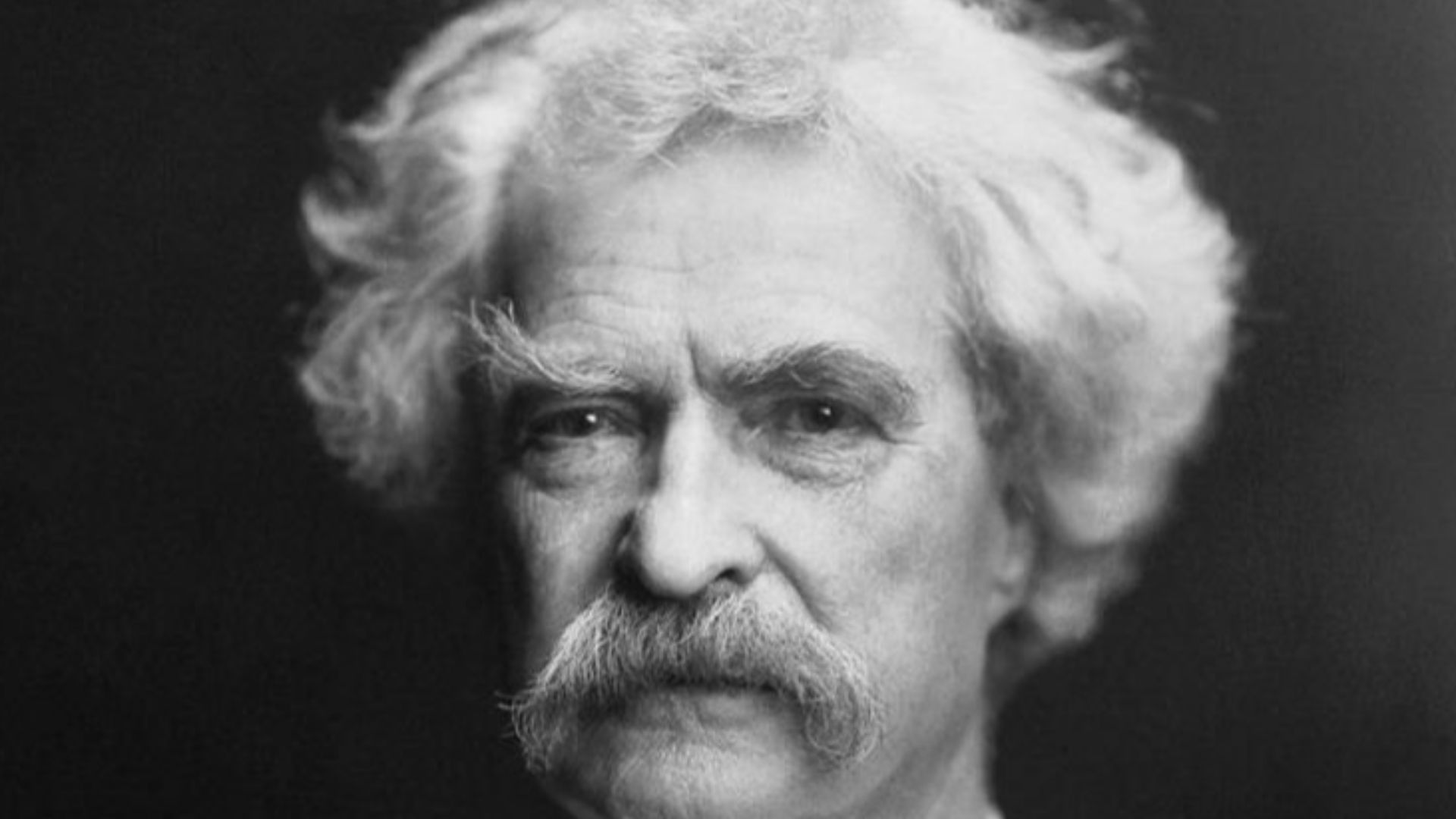 A.F. Bradley, New York, Wikimedia Commons

History's most fascinating stories and darkest secrets, delivered to your inbox daily.
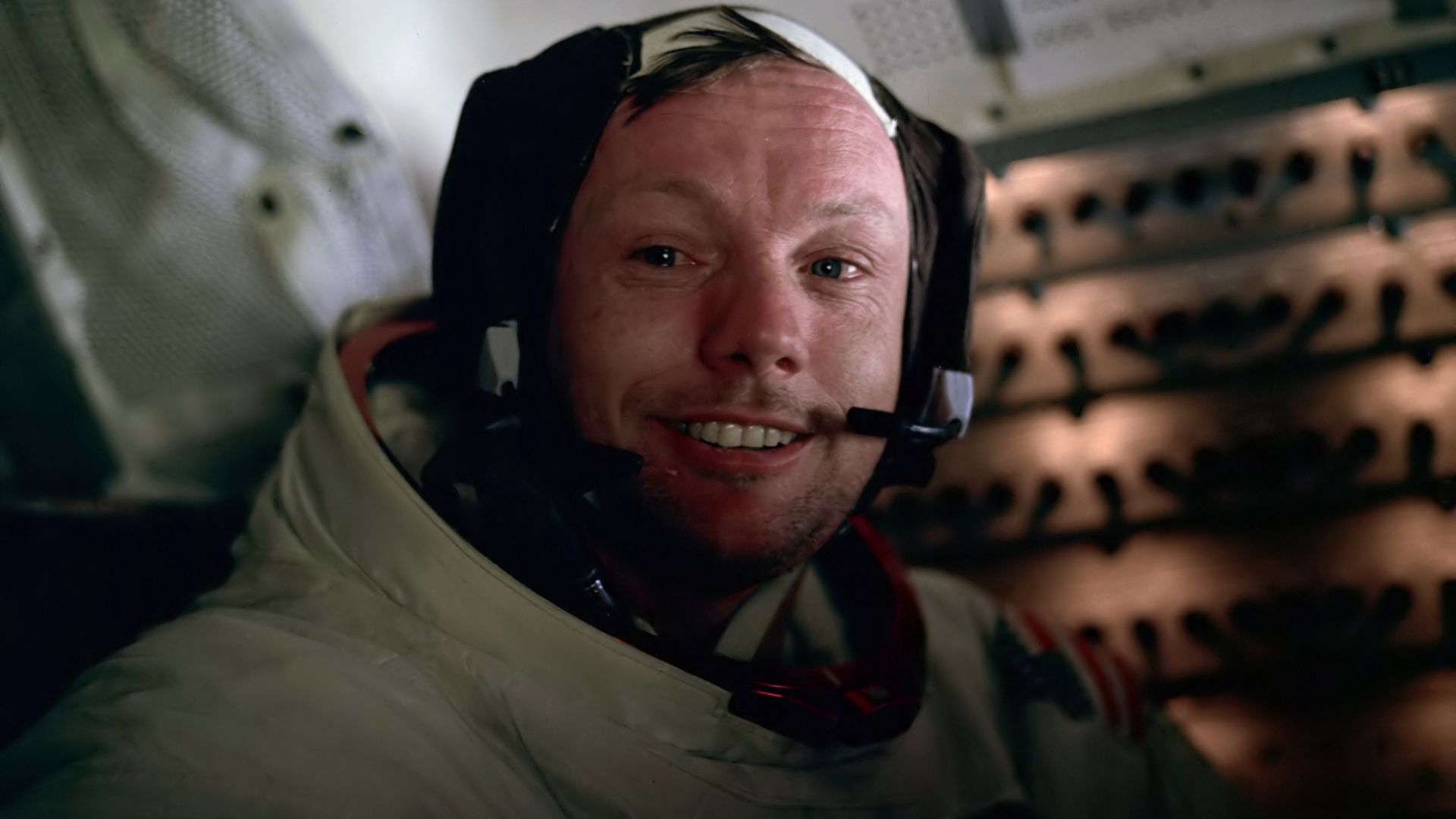
“One Small Step For Man” Said Neil Armstrong
On July 20, 1969, the transmitted line was recorded as, “That’s one small step for man, one giant leap for mankind.” Armstrong insisted he intended to say “for a man,” but “a” was lost in transmission.
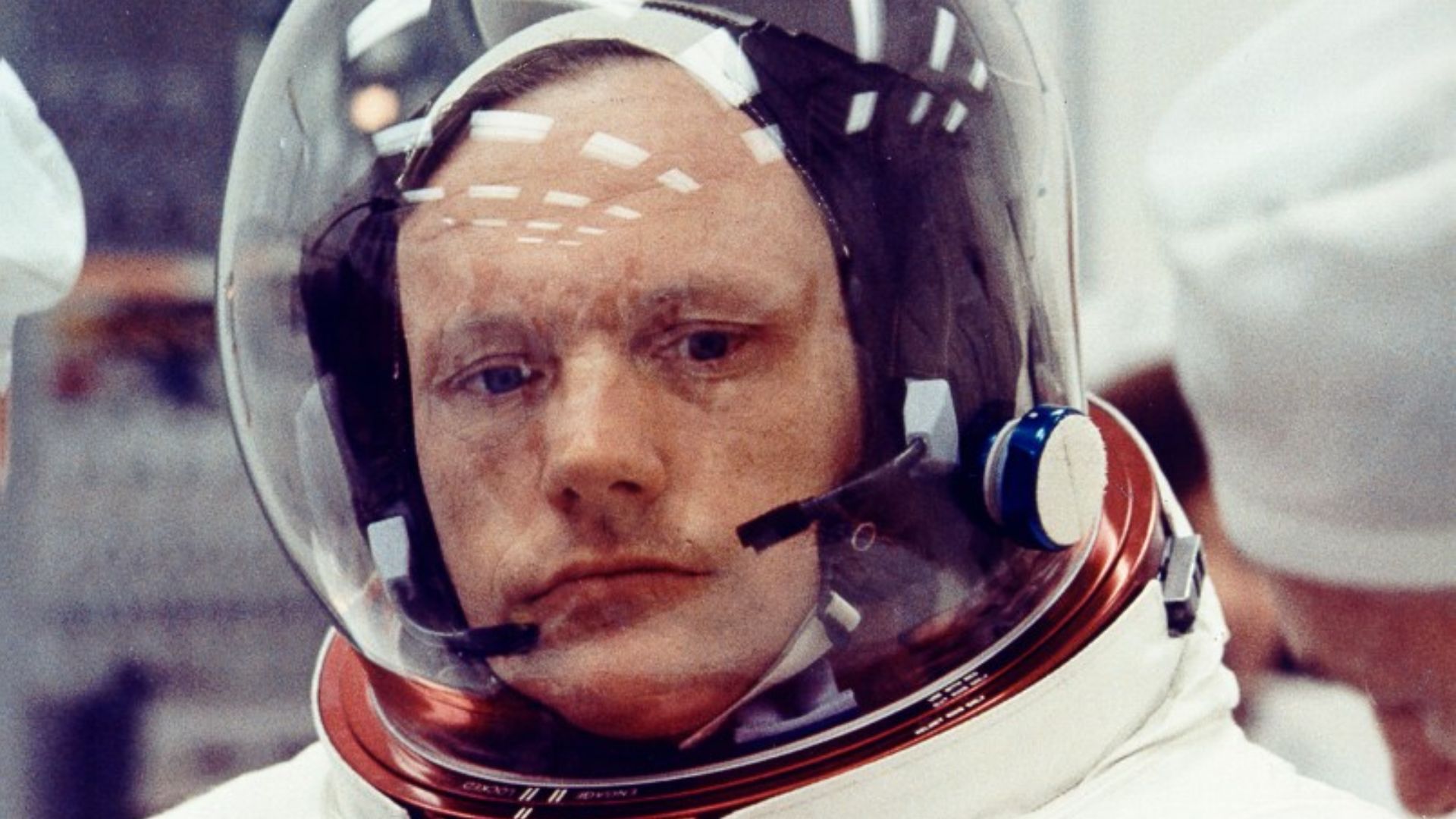
“Standing On The Shoulders Of Giants” Said Isaac Newton
In a 1675 letter to Robert Hooke, Newton did actually write, “If I have seen further it is by standing on the shoulders of giants.” The problem is that the metaphor itself was already centuries old and appears in medieval scholarship long before Newton used it.
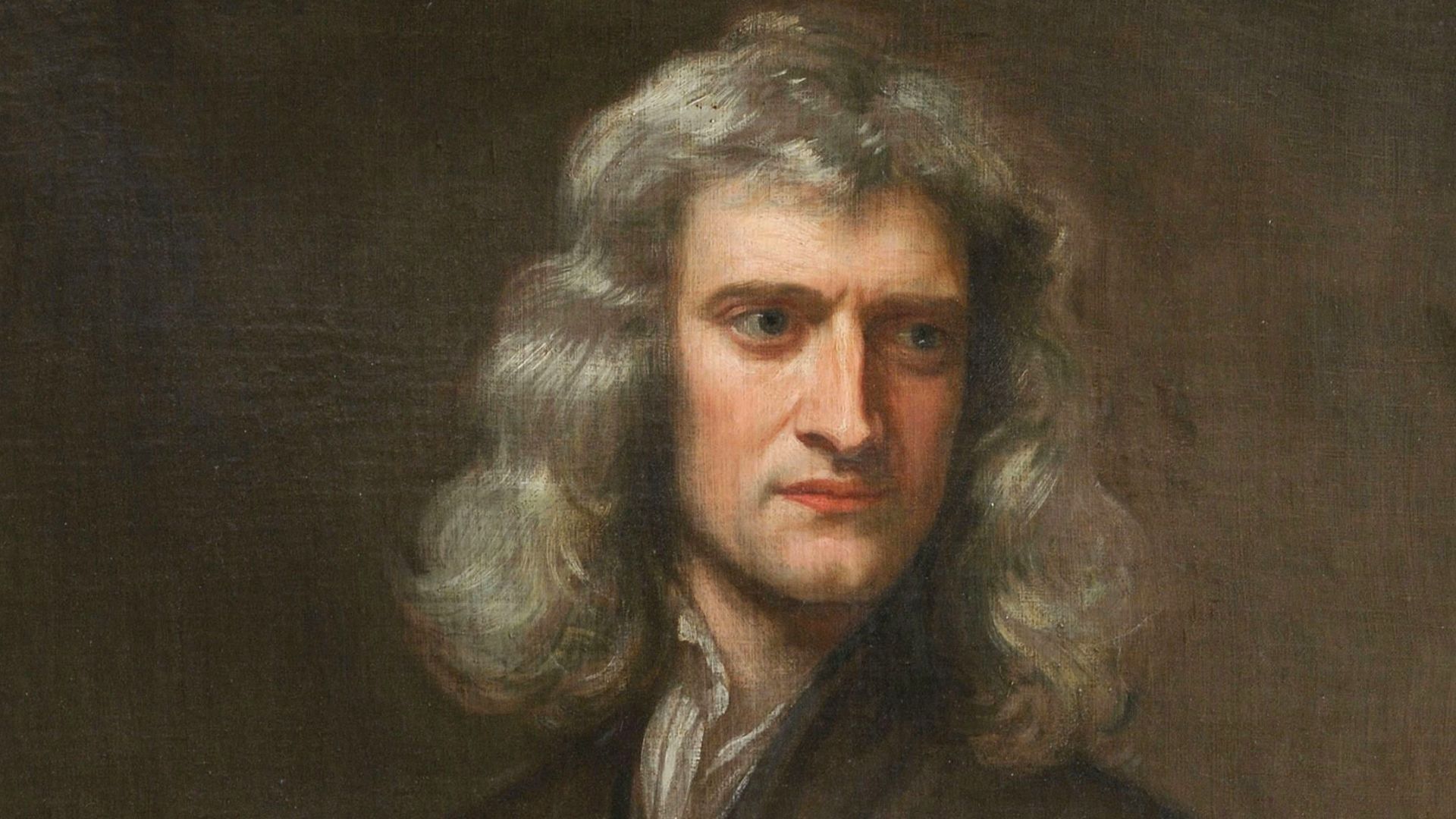 Godfrey Kneller, Wikimedia Commons
“I Cannot Tell A Lie” Said George Washington
The famous cherry tree story quotes young Washington as saying, “I cannot tell a lie… I did cut it with my hatchet.” The tale comes from Parson Weems’ early biography of Washington and is widely regarded by historians as apocryphal.
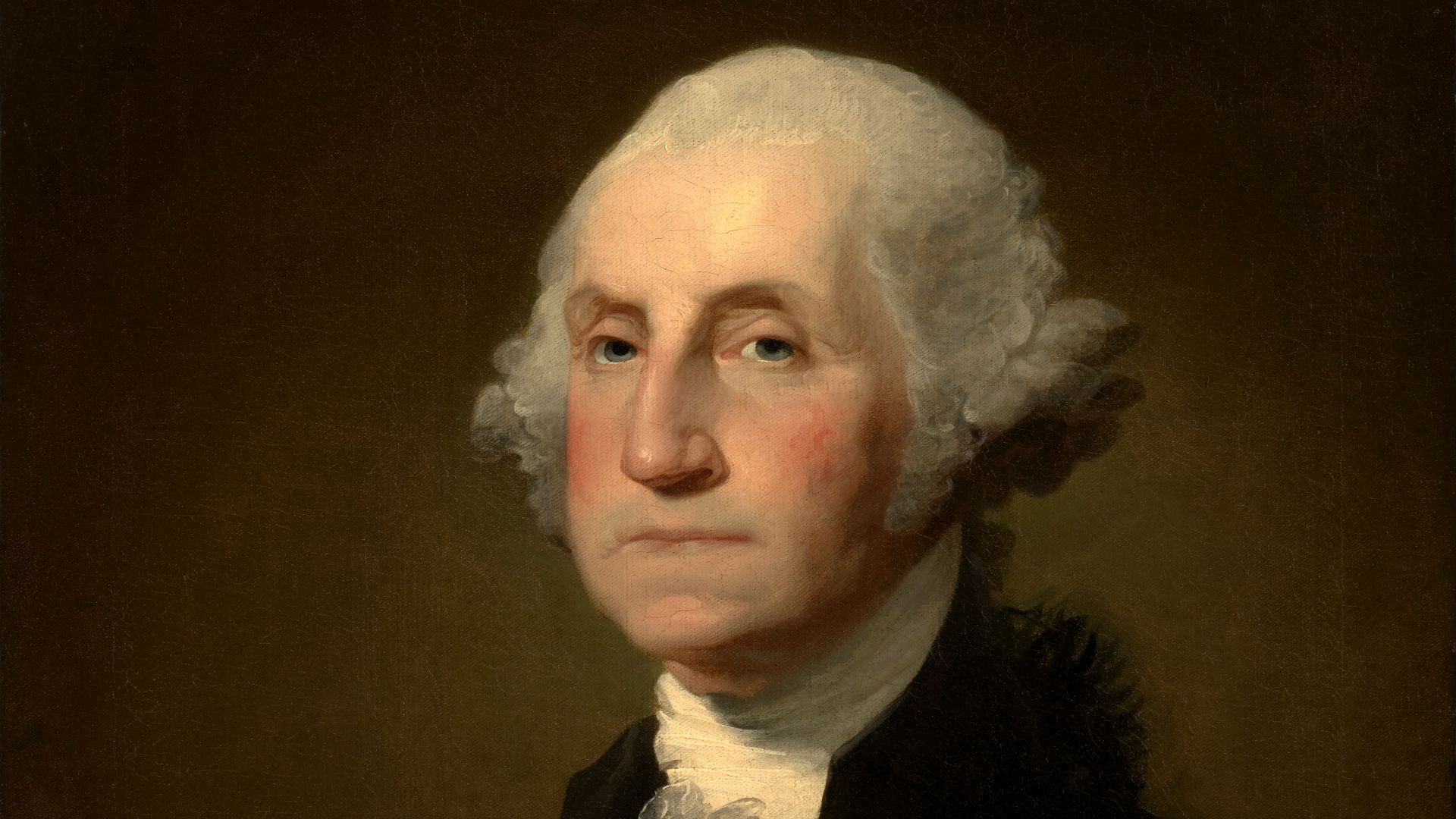 Gilbert Stuart, Wikimedia Commons
“If You’re Going Through Hell, Keep Going” Said Winston Churchill
This motivational quote is frequently attributed to Churchill. There is no verified record of him saying or writing these exact words. The line appears to have circulated anonymously before being linked to his name.
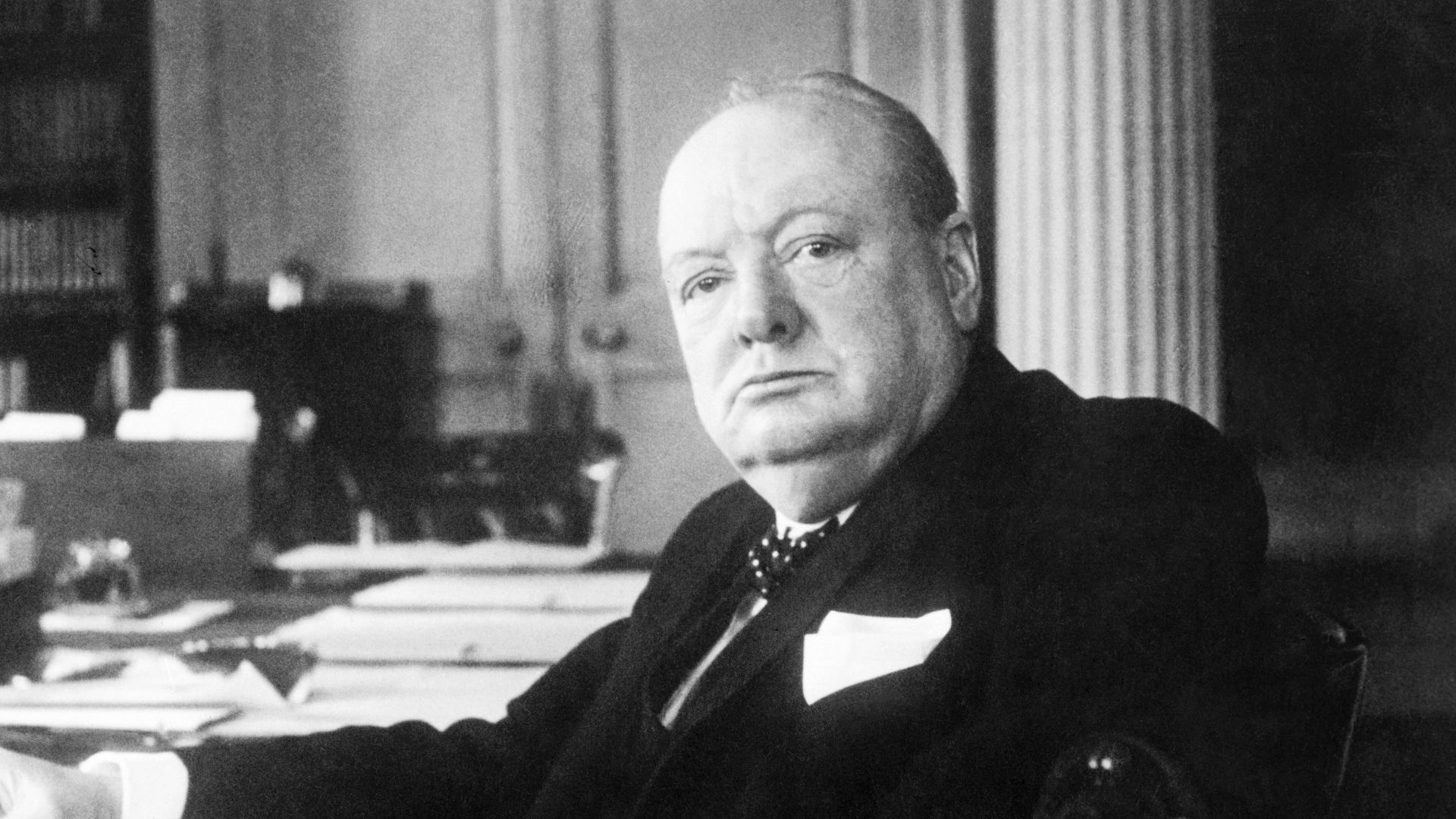 Cecil Beaton, Wikimedia Commons
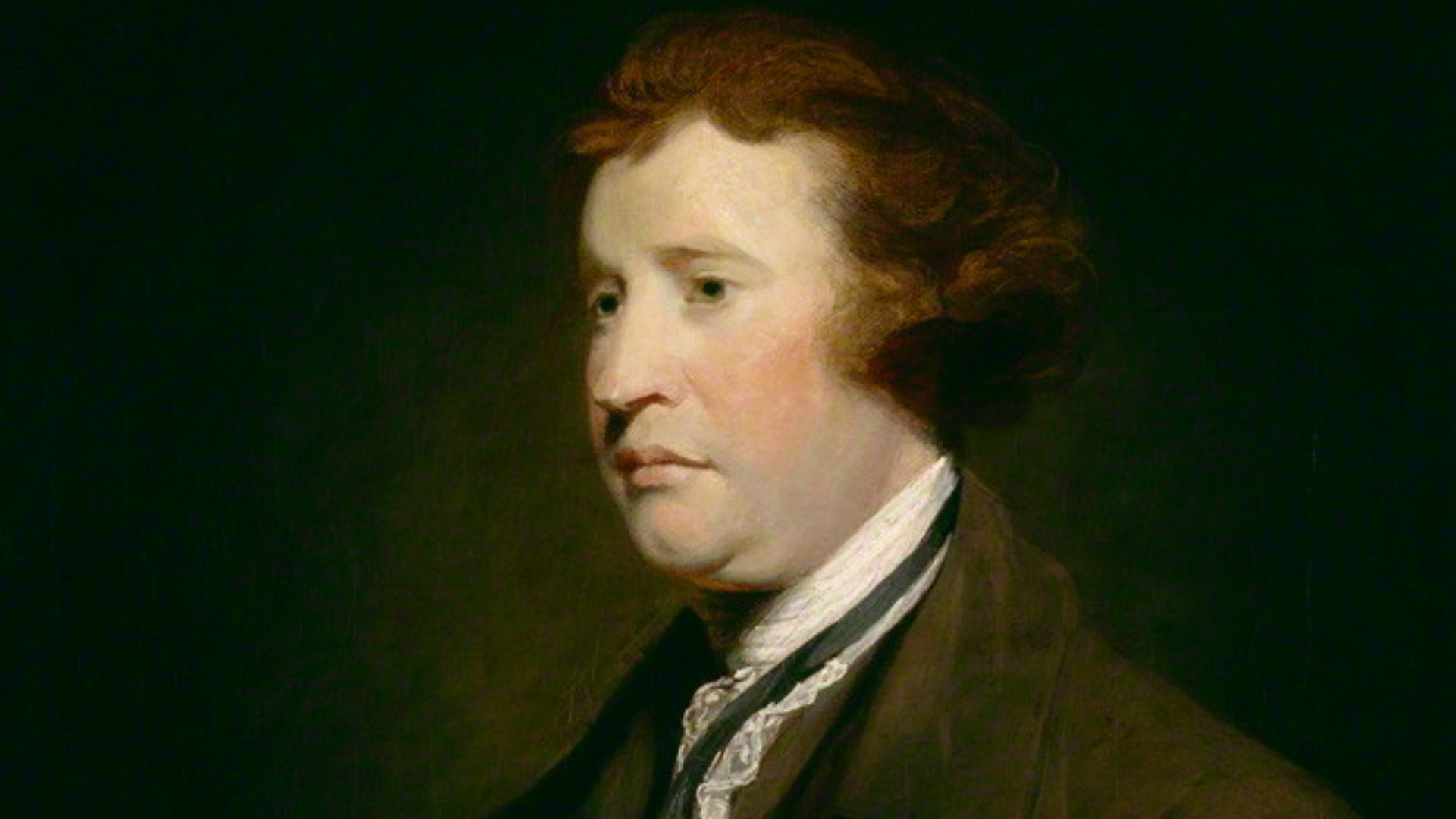
“The Only Thing Necessary For The Triumph Of Evil Is For Good Men To Do Nothing” Said Edmund Burke
This quote is often presented as a direct statement from Burke. While he expressed similar sentiments about civic responsibility, the exact wording does not appear in his speeches or writings. It is best understood as a paraphrase inspired by his ideas.
 Studio of Joshua Reynolds, Wikimedia Commons
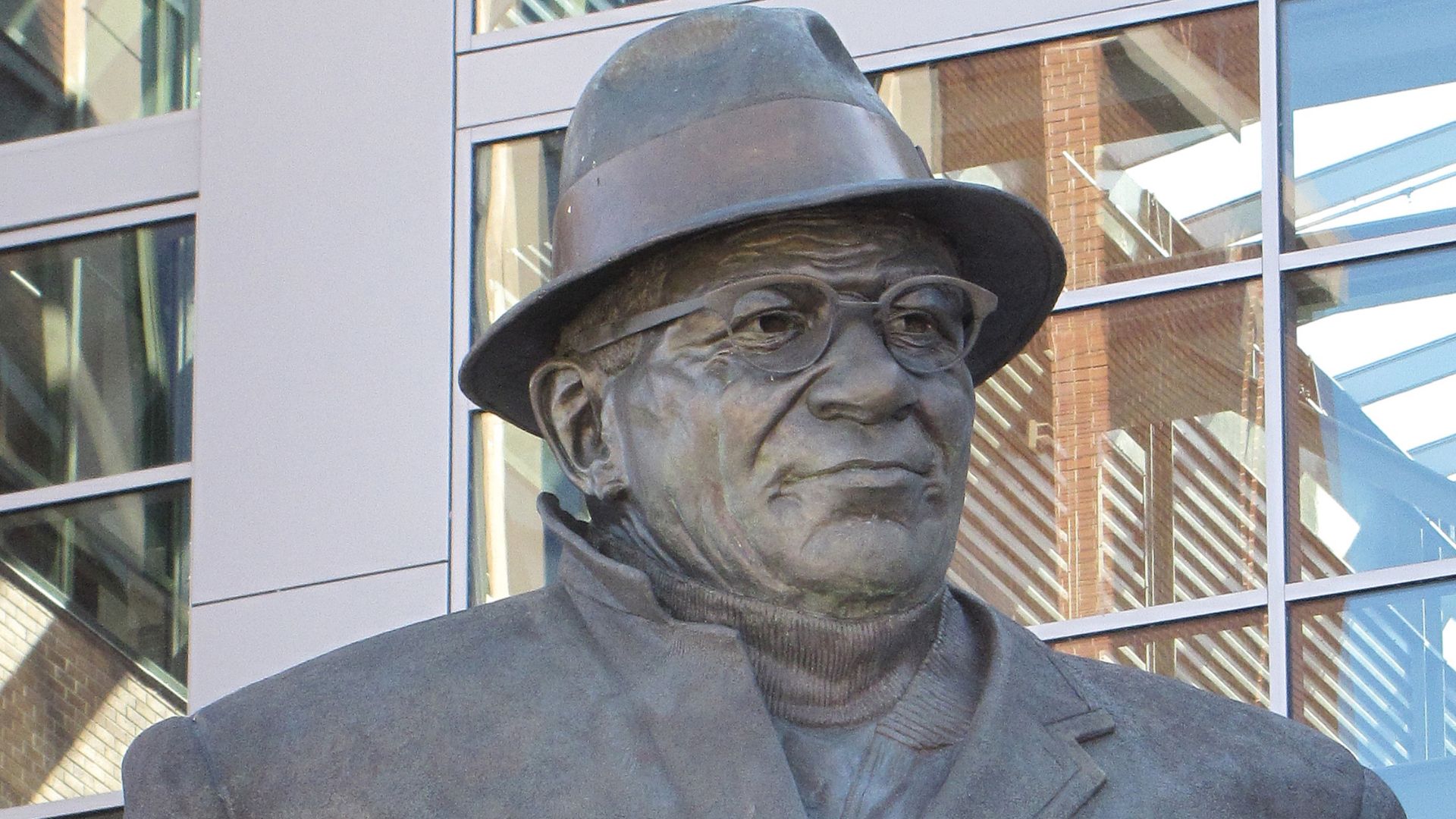
“Winning Isn’t Everything; It’s The Only Thing” Said Vince Lombardi
The phrase is strongly associated with Lombardi. However, evidence suggests that UCLA coach Henry “Red” Sanders said, “Winning isn’t everything; it’s the only thing,” in the 1950s, long before Lombardi popularized it.
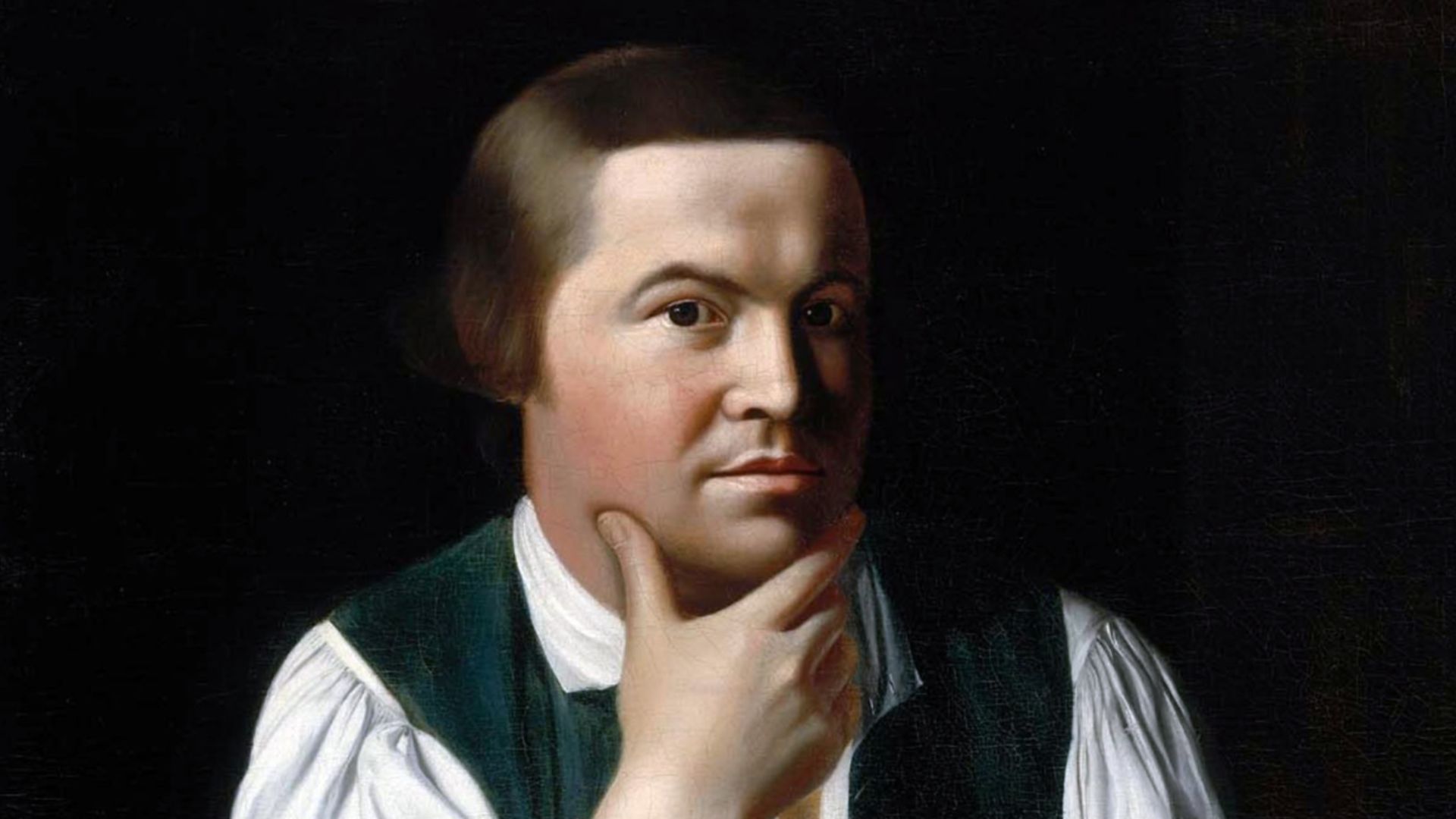
“The British Are Coming” Said Paul Revere
Legend says Revere rode through the night shouting, “The British are coming!” Historians note this would have been unlikely, since most colonists still considered themselves British, so that would only have confused them. More probable warnings referred to “the regulars.”
 John Singleton Copley, Wikimedia Commons
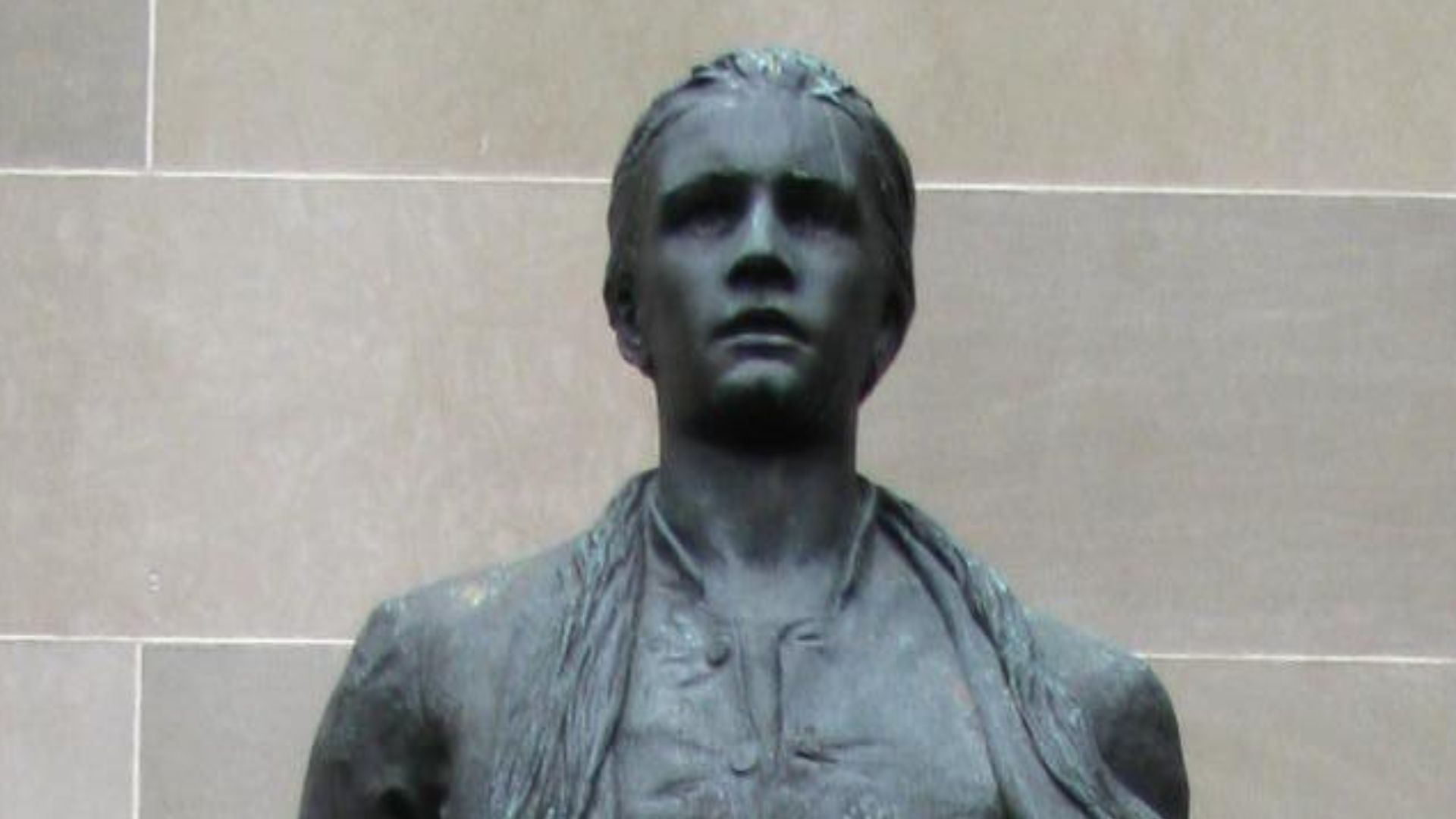
“I Only Regret That I Have But One Life To Lose For My Country” Said Nathan Hale
According to later accounts, Hale declared, “I only regret that I have but one life to lose for my country.” No official transcript exists, and historians point out the wording closely mirrors a line from Joseph Addison’s play Cato: “How beautiful is death, when earned by virtue! Who would not be that youth? What pity is it that we can die but once to serve our country!”
 Pratt, Bela Lyon, 1867-1917,, Wikimedia Commons
“Dr. Livingstone, I Presume?” Said Henry Morton Stanley
After a harrowing search through the Congo jungle, Stanley later reported greeting the missionary with, “Dr. Livingstone, I presume?” Most confidence in the exact wording comes from Stanley’s own later narrative of the 1871 meeting. However, the phrase doesn't appear in his journals from the time, and it was almost certainly a flourish written for narrative efffect.
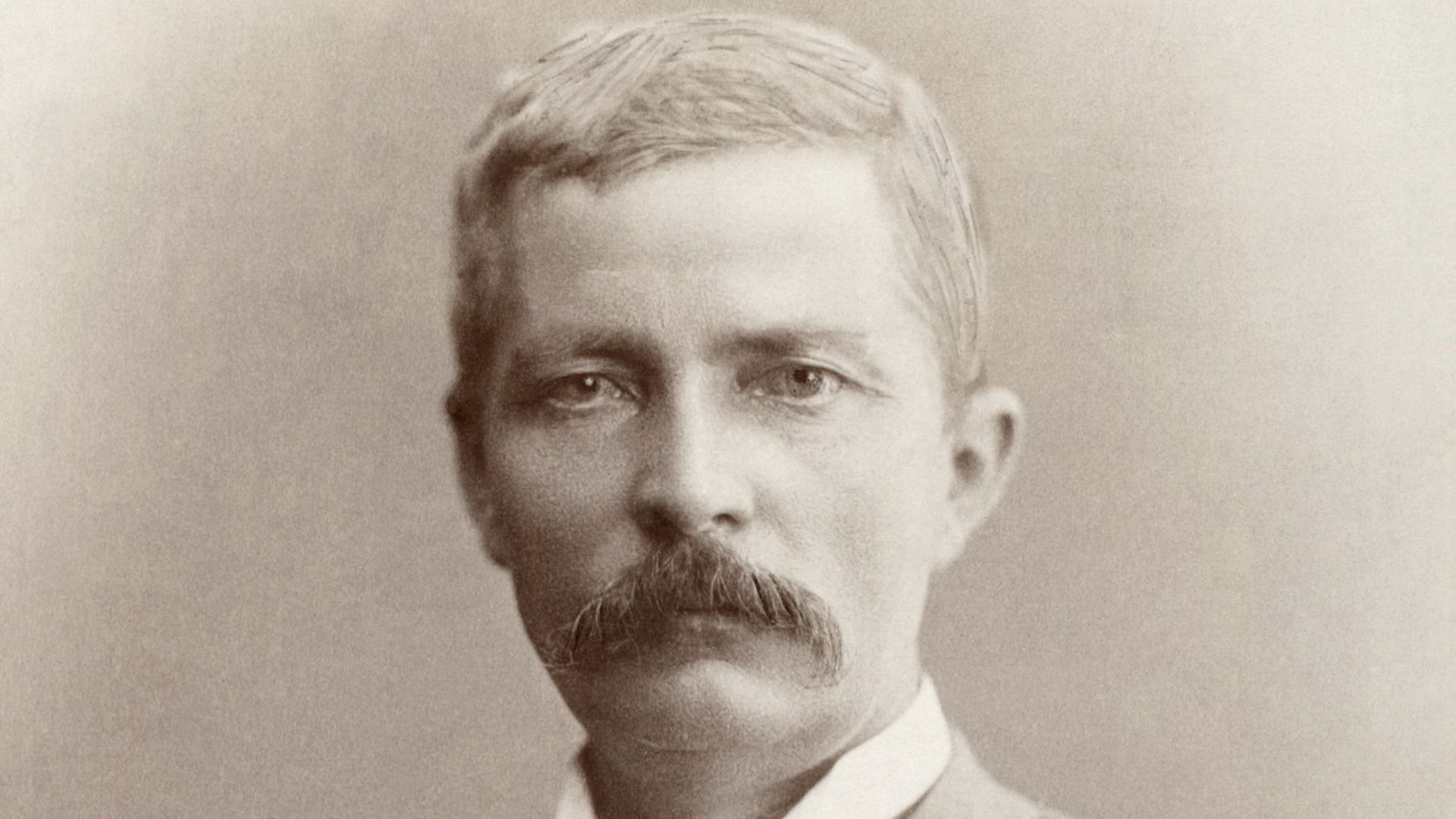 Charles Reutlinger, Wikimedia Commons
Why Misquotes Stick
Misquotes endure because they are concise, dramatic, and easy to remember. Once a line captures the public imagination, it can crowd out the more complicated truth.
 UnknownUnknown see [1], Wikimedia Commons
How To Fact-Check A Famous Line
The safest approach is to locate the earliest verifiable source and confirm the wording in context. Reliable archives, academic editions, and historical societies provide the most trustworthy documentation.

The Real Takeaway
History is already compelling without polished sound bites. Using the actual words, when we have them, respects both the historical record and the people who shaped it.
You Might Also Like:
The Truth About Abraham Lincoln, America’s Greatest President
It Doesn’t Take Much To Send Stephen King To A Dark Place
 Oren Jack Turner, Princeton, N.J., Wikimedia Commons