
Repeat Visitor
Halley’s Comet has always been tied to the name of Edmond Halley. He was the one who demonstrated its roughly 76-year return cycle way back in 1705. He used the astronomy and physics principles of that time to make his discovery. But research now suggests that an 11th-century English monk recognized the comet’s periodic nature almost six centuries before that. It’s a revelation that could rewrite a part of our accepted history of astronomy.

Halley’s Comet In Astronomy
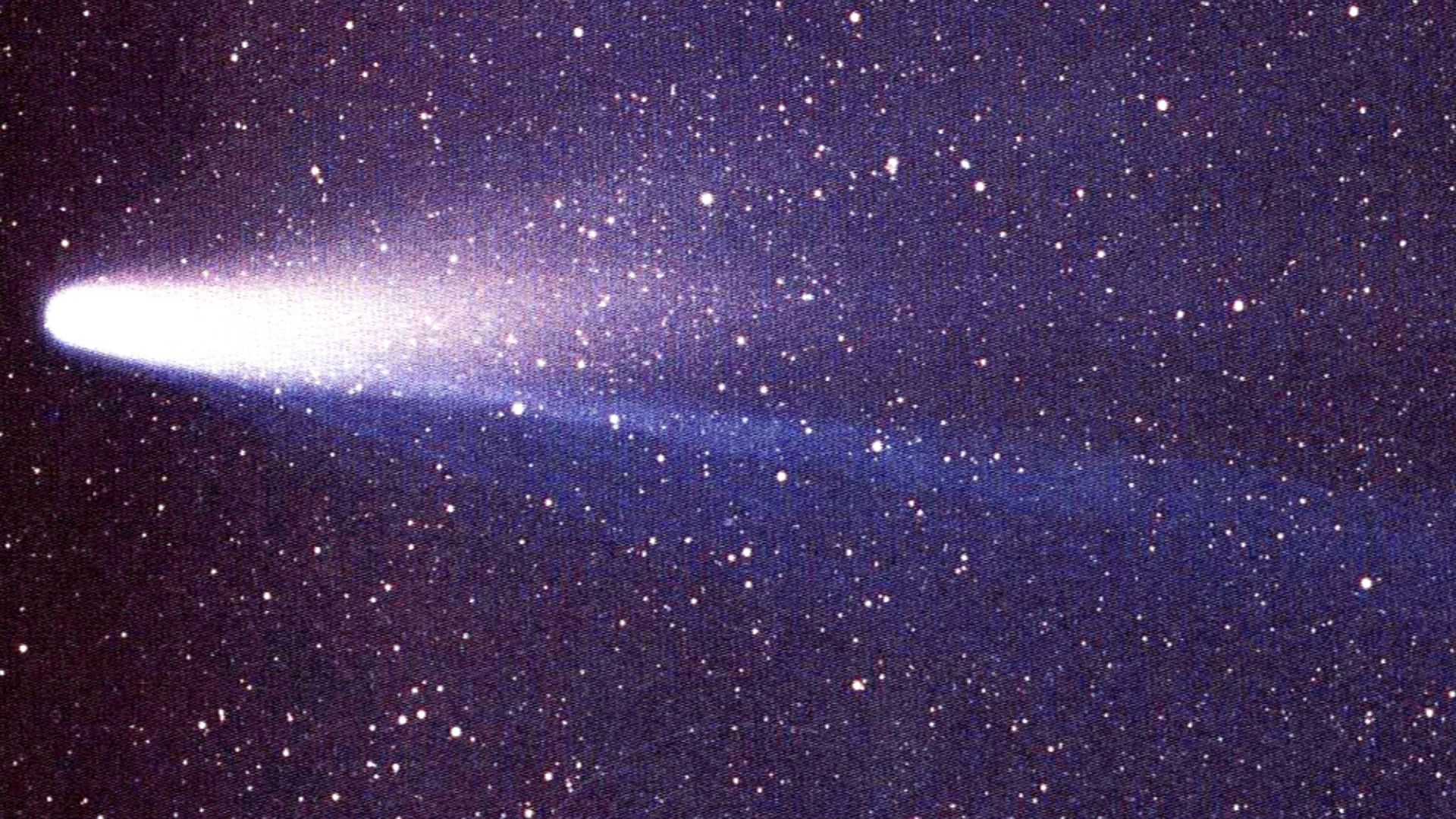
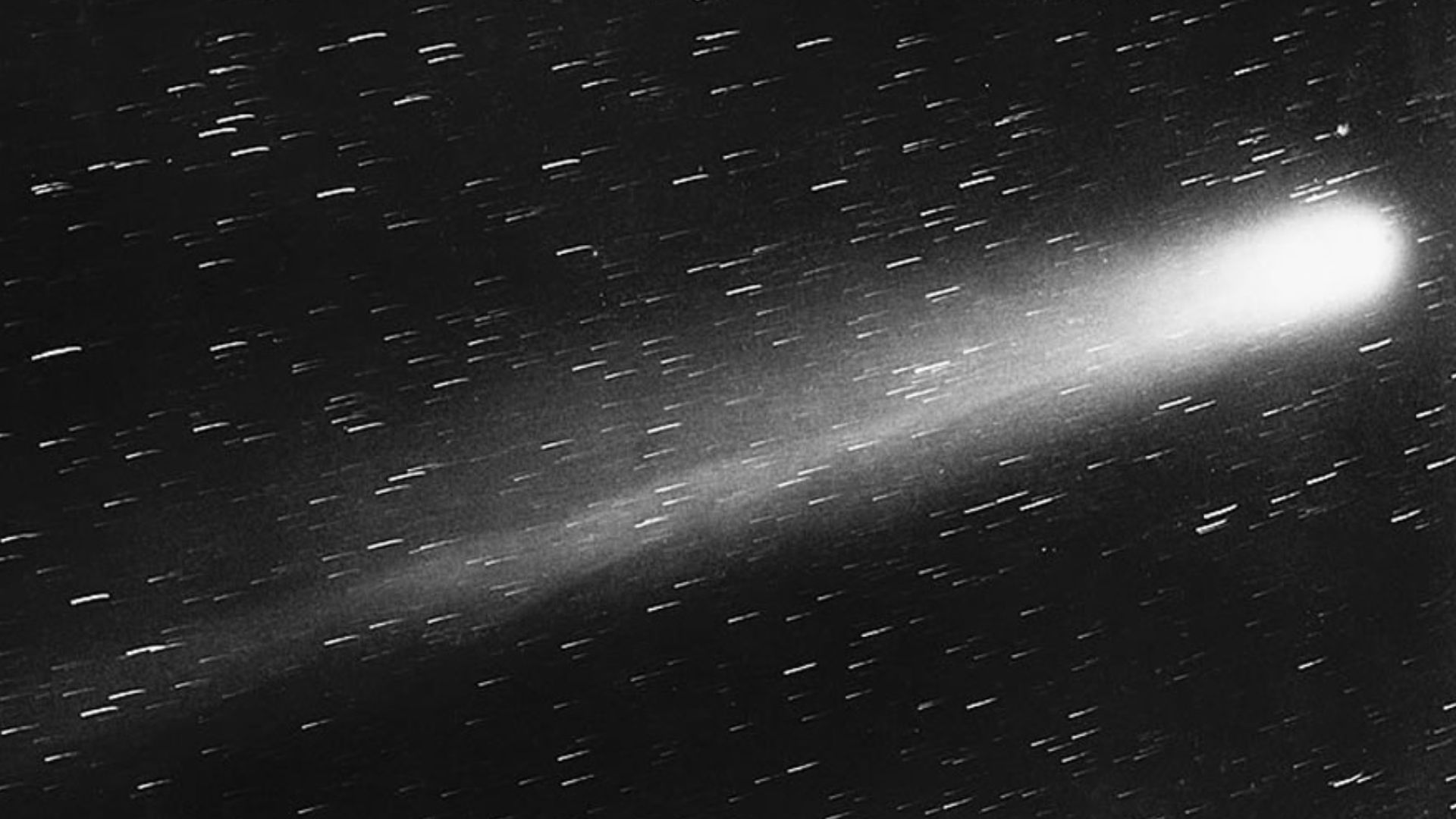
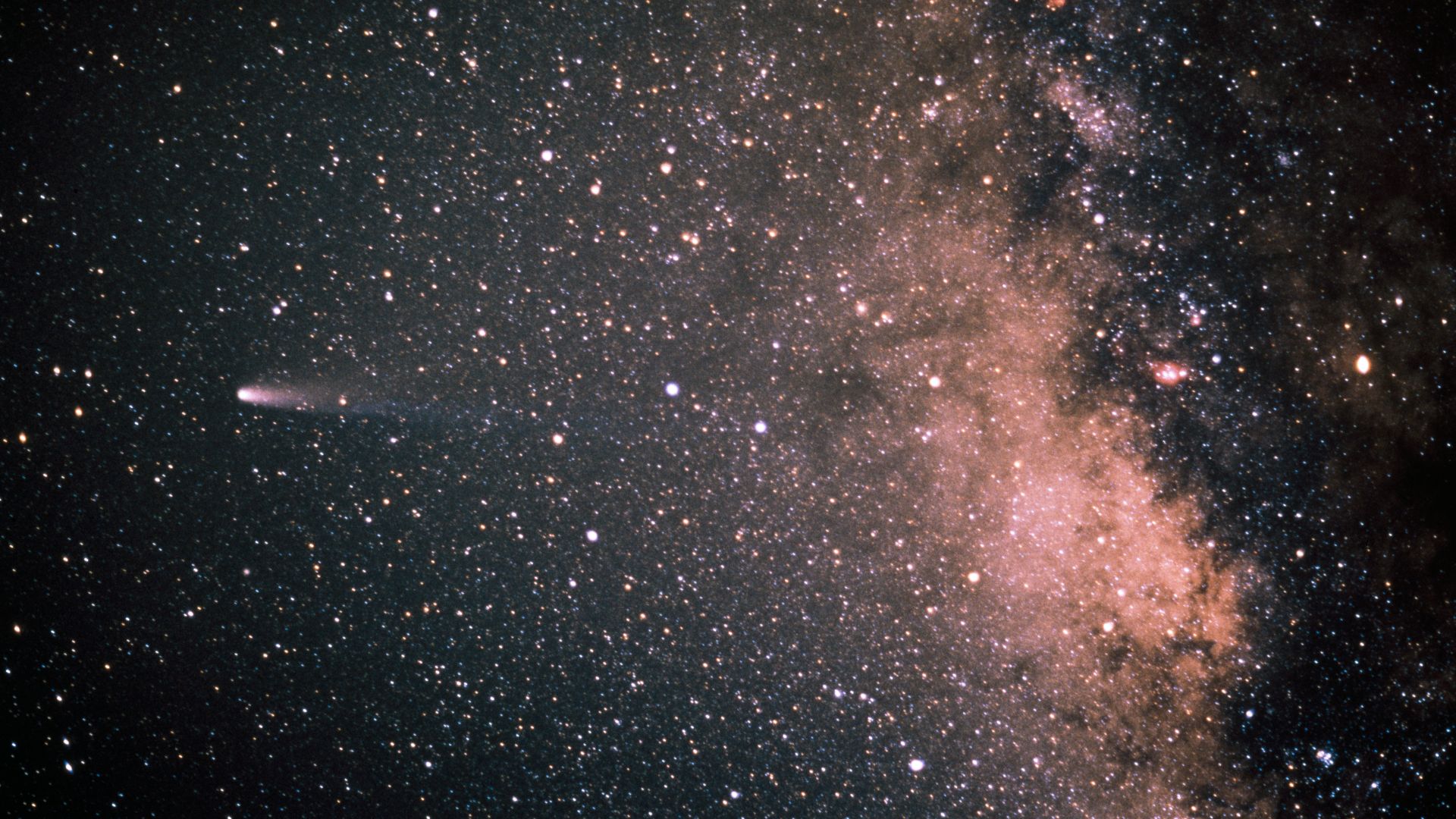
Halley’s Comet is the only known short period comet consistently visible to the naked eye. It returns to the vicinity of Earth every 72–80 years. Astronomers recorded its appearances as early as 240 BC, but it was Halley who first linked back all the various sightings in 1531, 1607, and 1682 to one single orbiting body.
 NASA/W. Liller, Wikimedia Commons
Halley’s Breakthrough
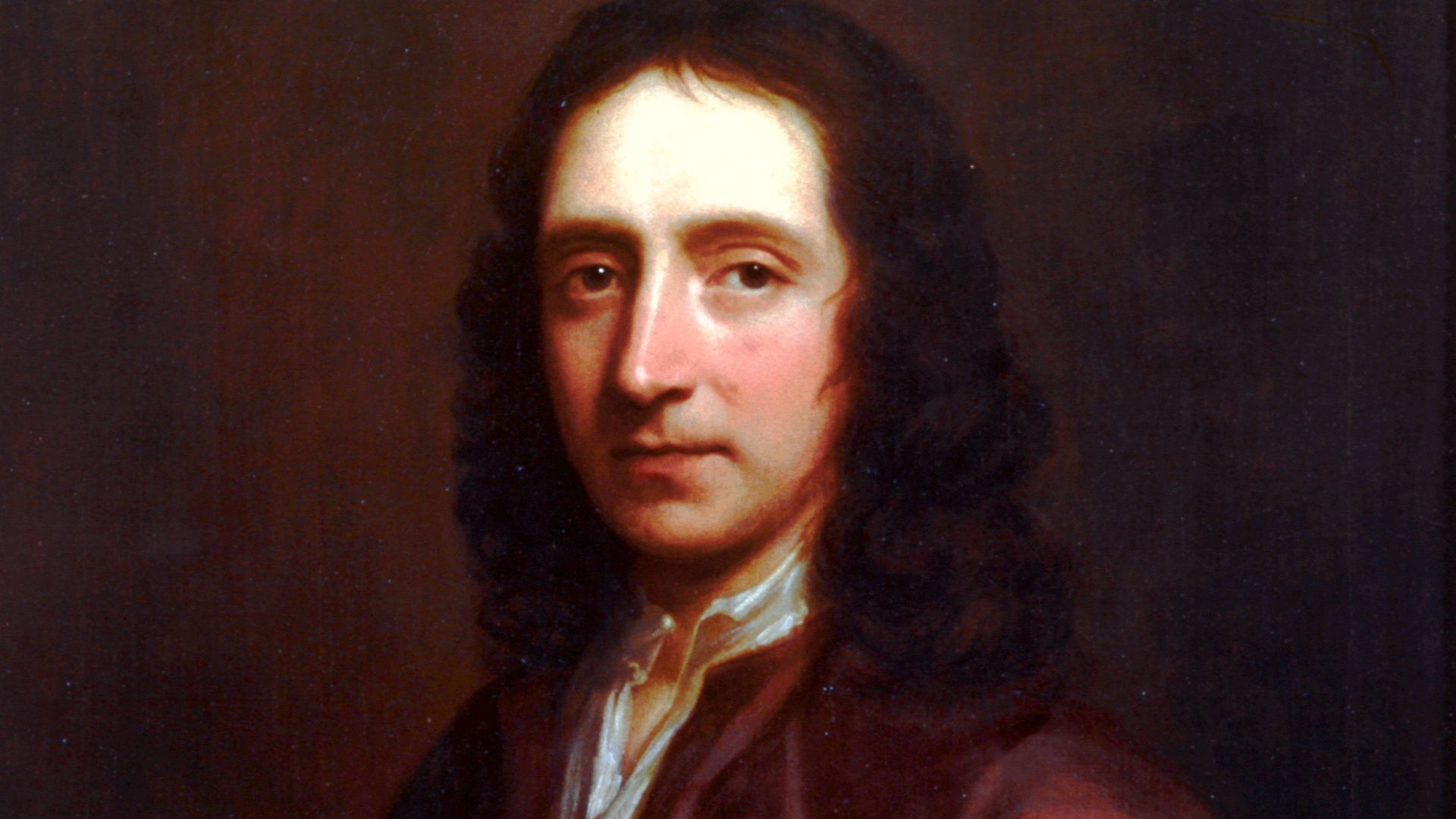
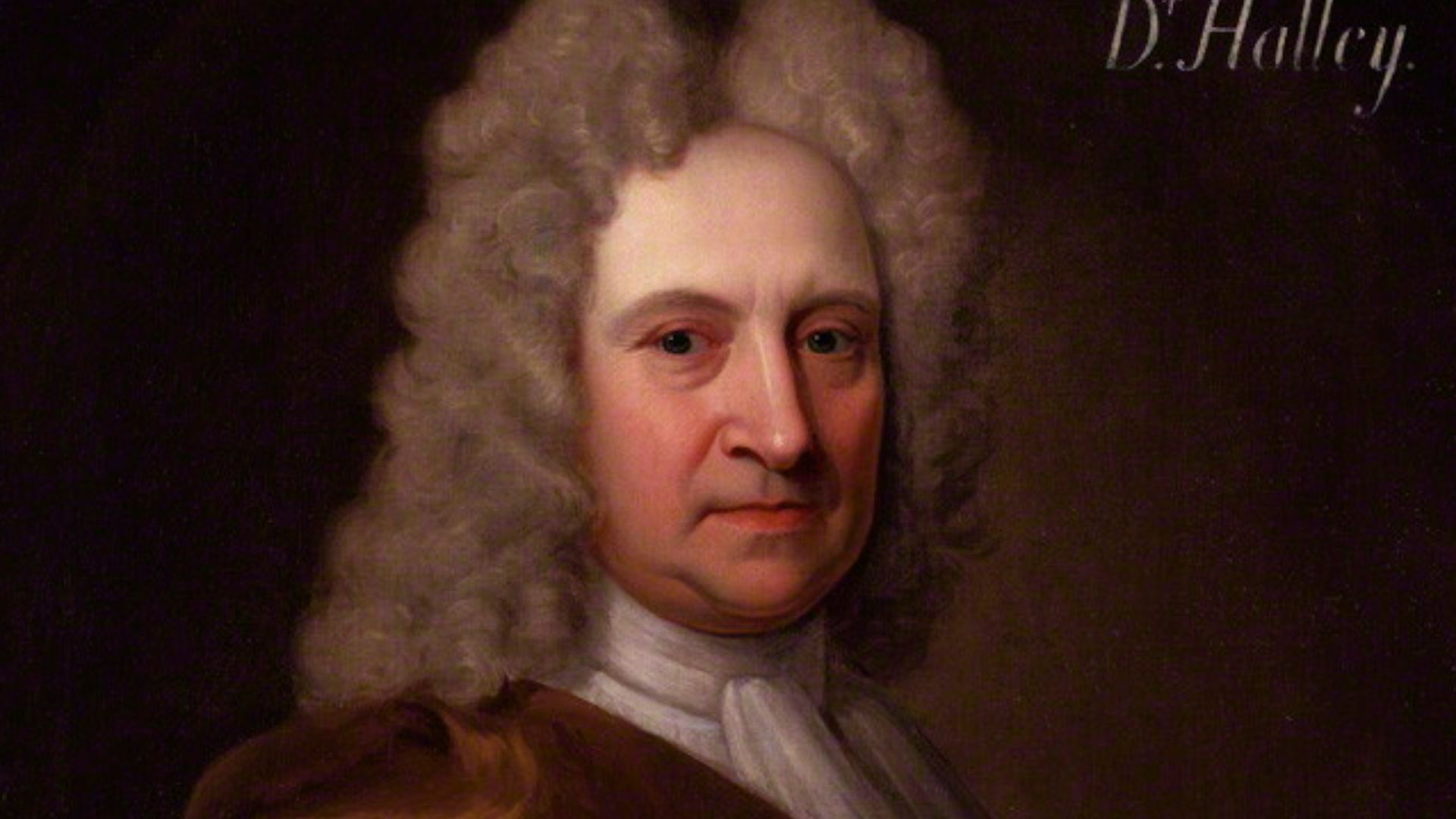
In 1705, Edmond Halley used gravity and Newton’s laws to make the argument that several bright comets were really just the same object returning on a predictable timetable. He correctly predicted that it would return in 1758. By this time Halley was long since passed away, but the accurate prediction cemented his lasting place in astronomy annals.
 Thomas Murray, Wikimedia Commons
Omens Of Medieval Skies
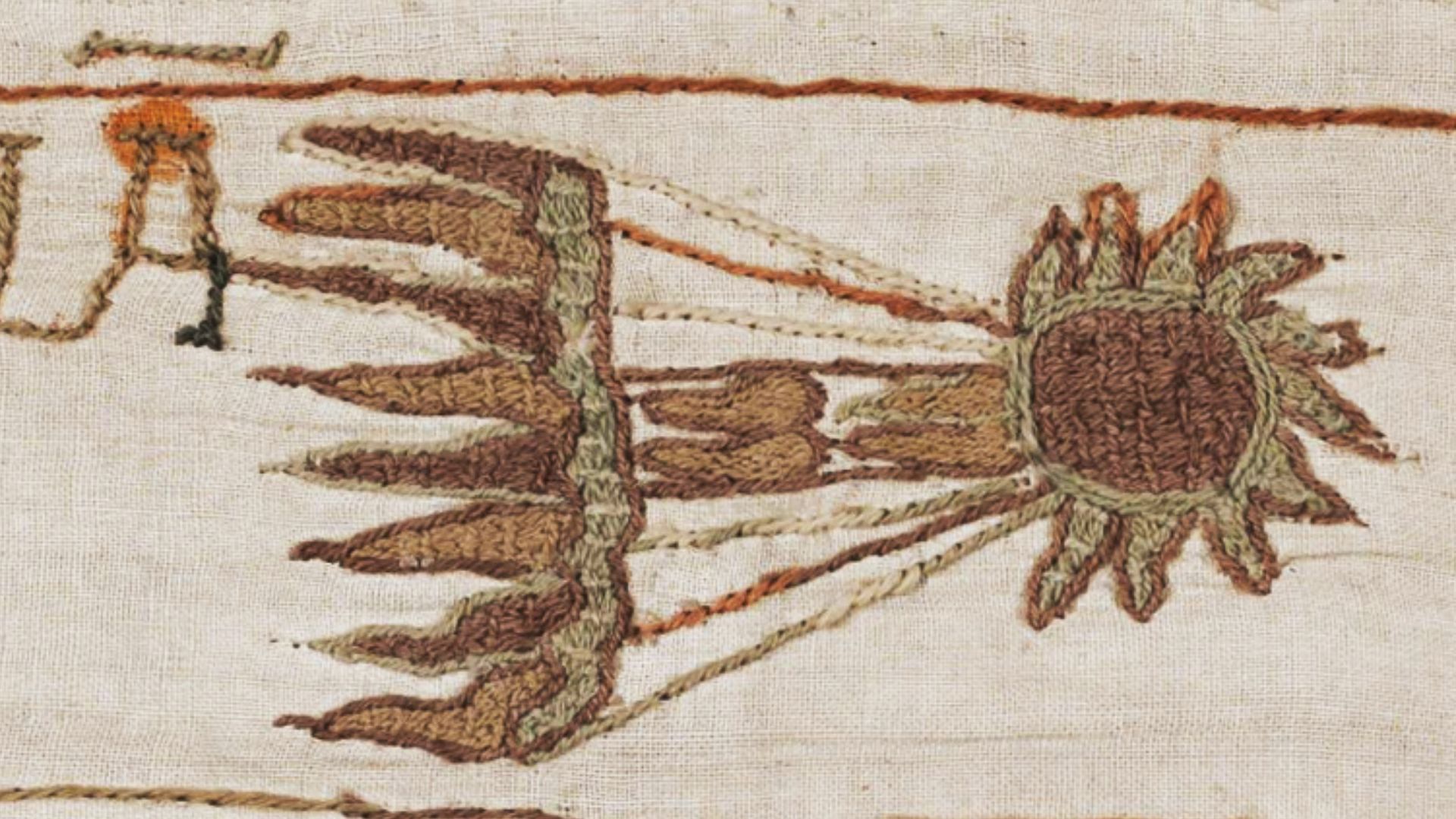
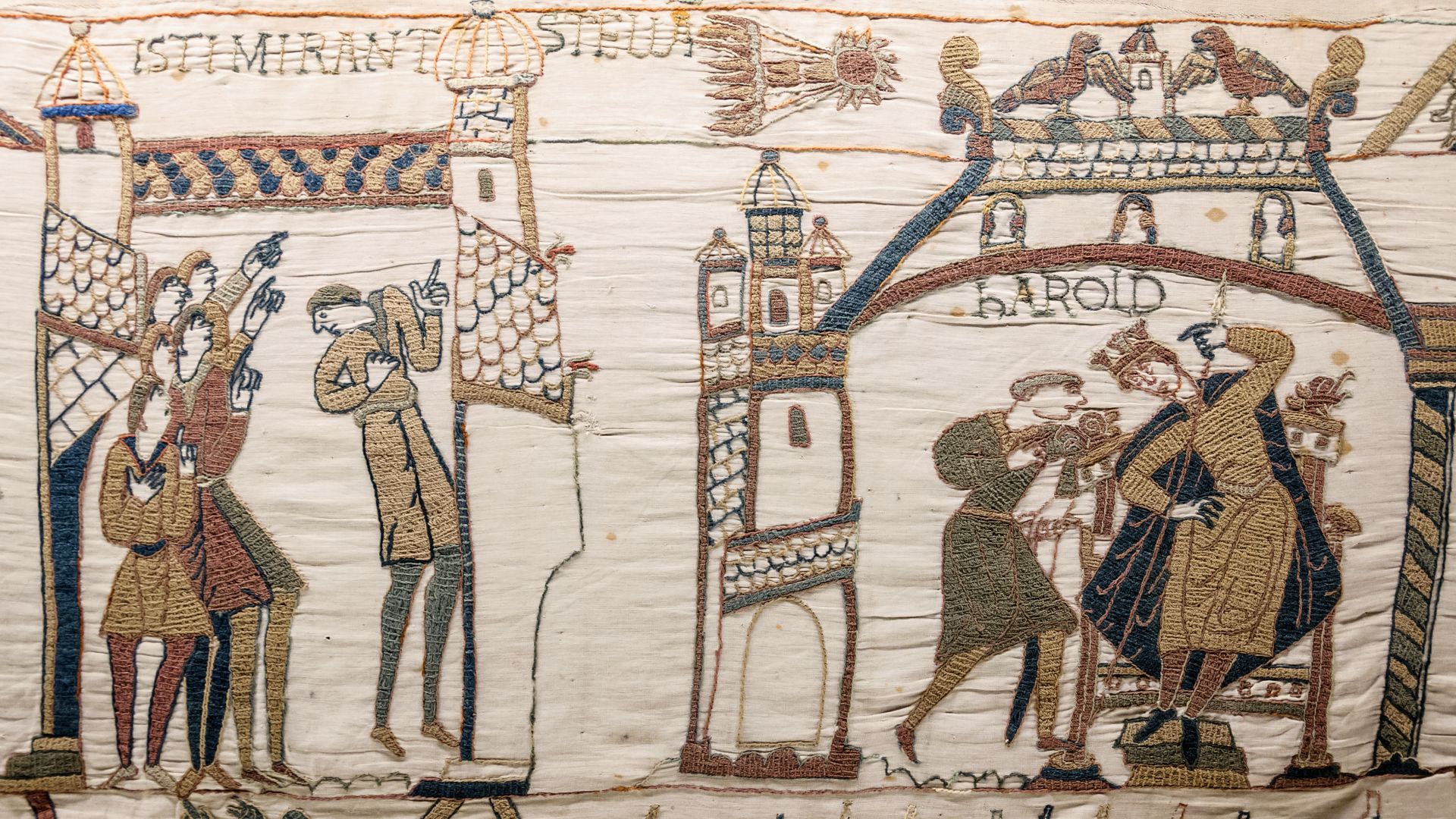
During the Middle Ages comets were interpreted by most people as ill omens, indicators that war, famine, or the death of a great ruler would soon be at hand. Chroniclers linked their appearance to chaos and upheaval. One of the earliest depictions of the comet appears on the famous Bayeux Tapestry, which shows a comet lighting up the sky just before the Norman Conquest of 1066.
 Unknown authorUnknown author, Wikimedia Commons

History's most fascinating stories and darkest secrets, delivered to your inbox daily.
Eilmer Of Malmesbury Enters The Record
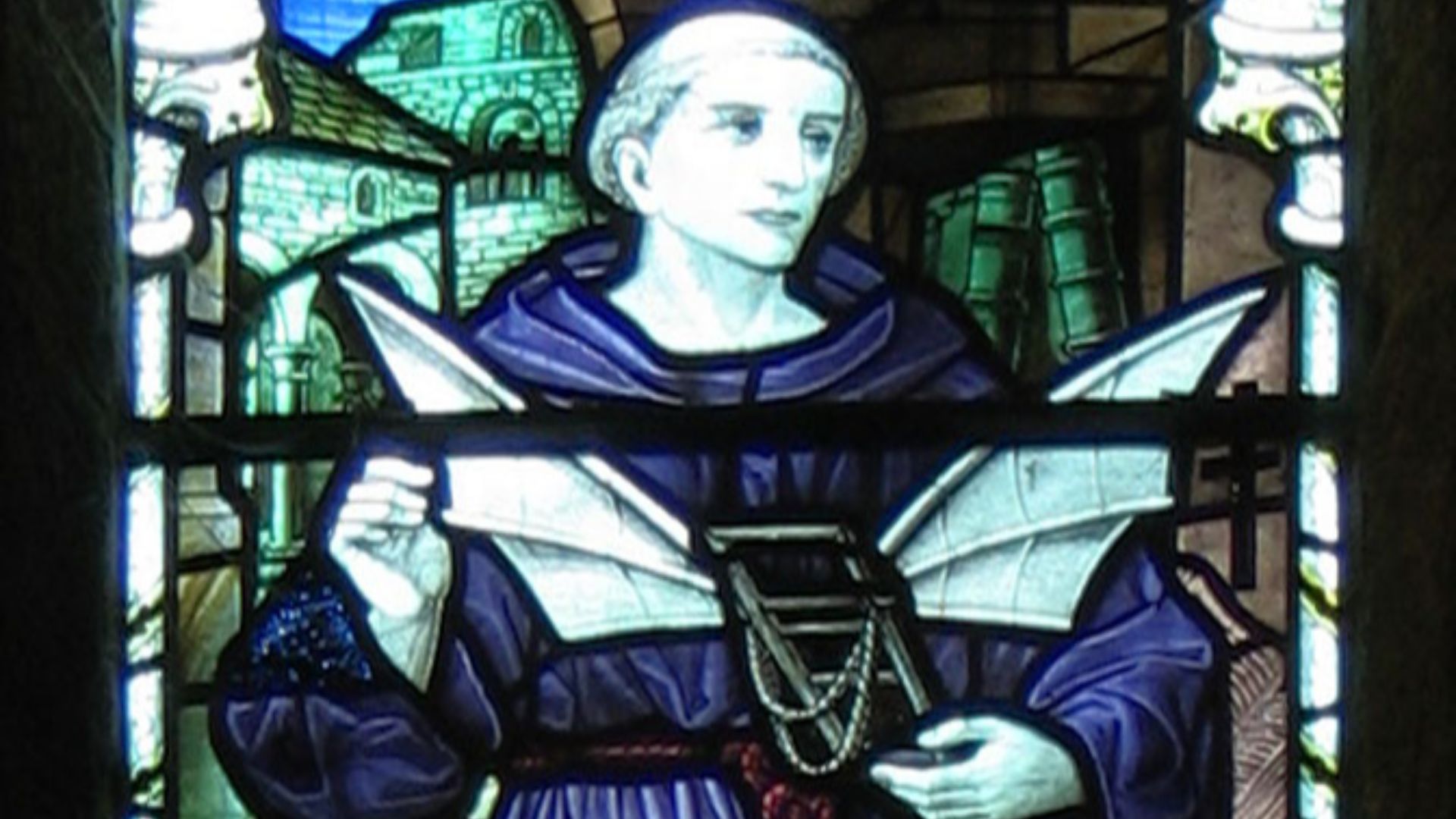
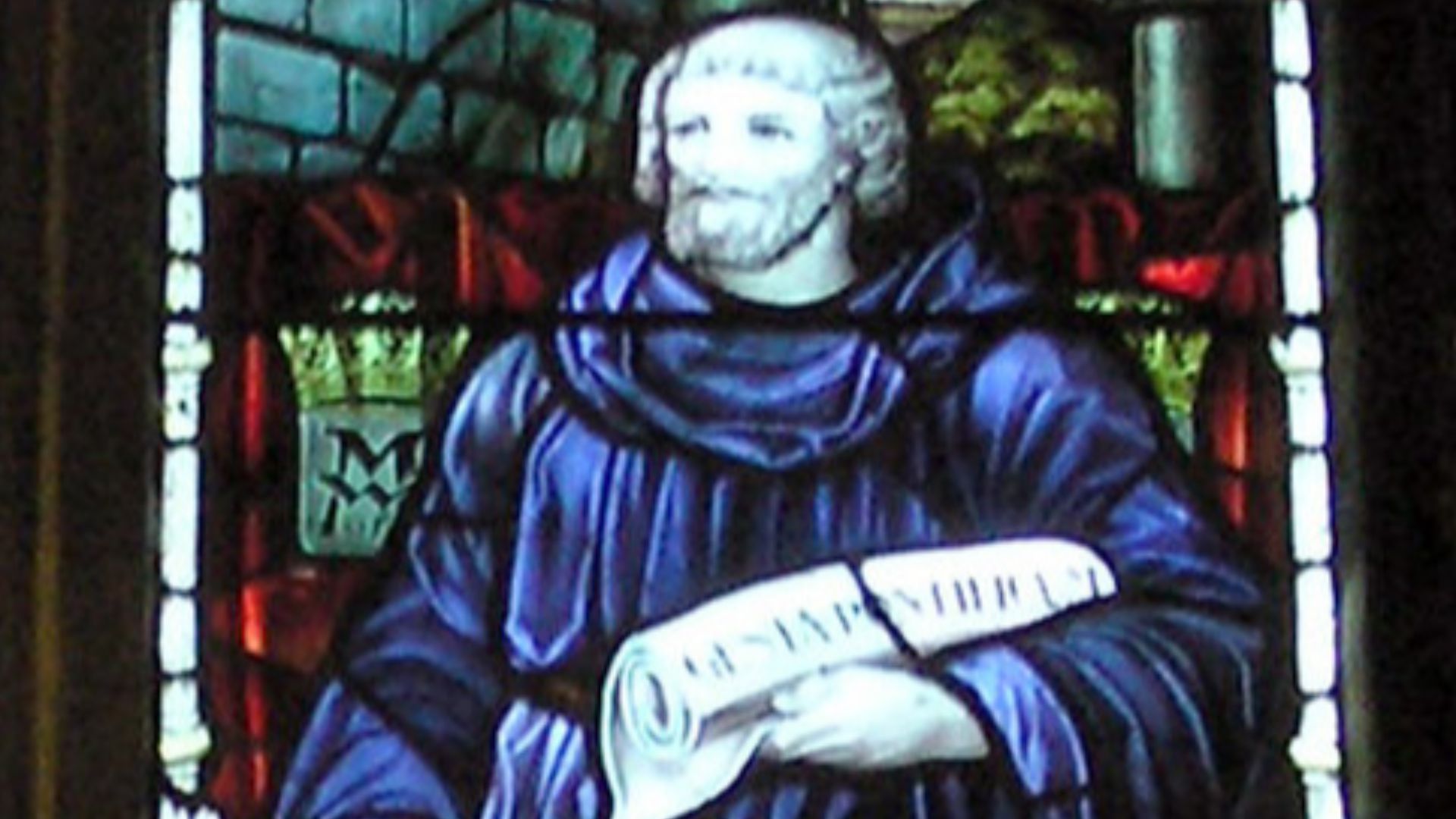
Eilmer of Malmesbury was an English Benedictine monk who lived in the early 11th century. Known today for an early attempt at human flight, he was also a keen observer of celestial events. A later chronicler recorded Eilmer’s remarks about seeing a great comet return during his lifetime.
 Solipsist~commonswiki, Wikimedia Commons
First Flight
Eilmer of Malmesbury is still remembered for his bold experiment in human flight. Inspired by the Greek myth of Daedalus and his son Icarus, he constructed wings and launched himself from a tower of Malmesbury Abbey, reportedly gliding a considerable distance before crashing. He survived with broken legs and later concluded that a tail was needed for stability.
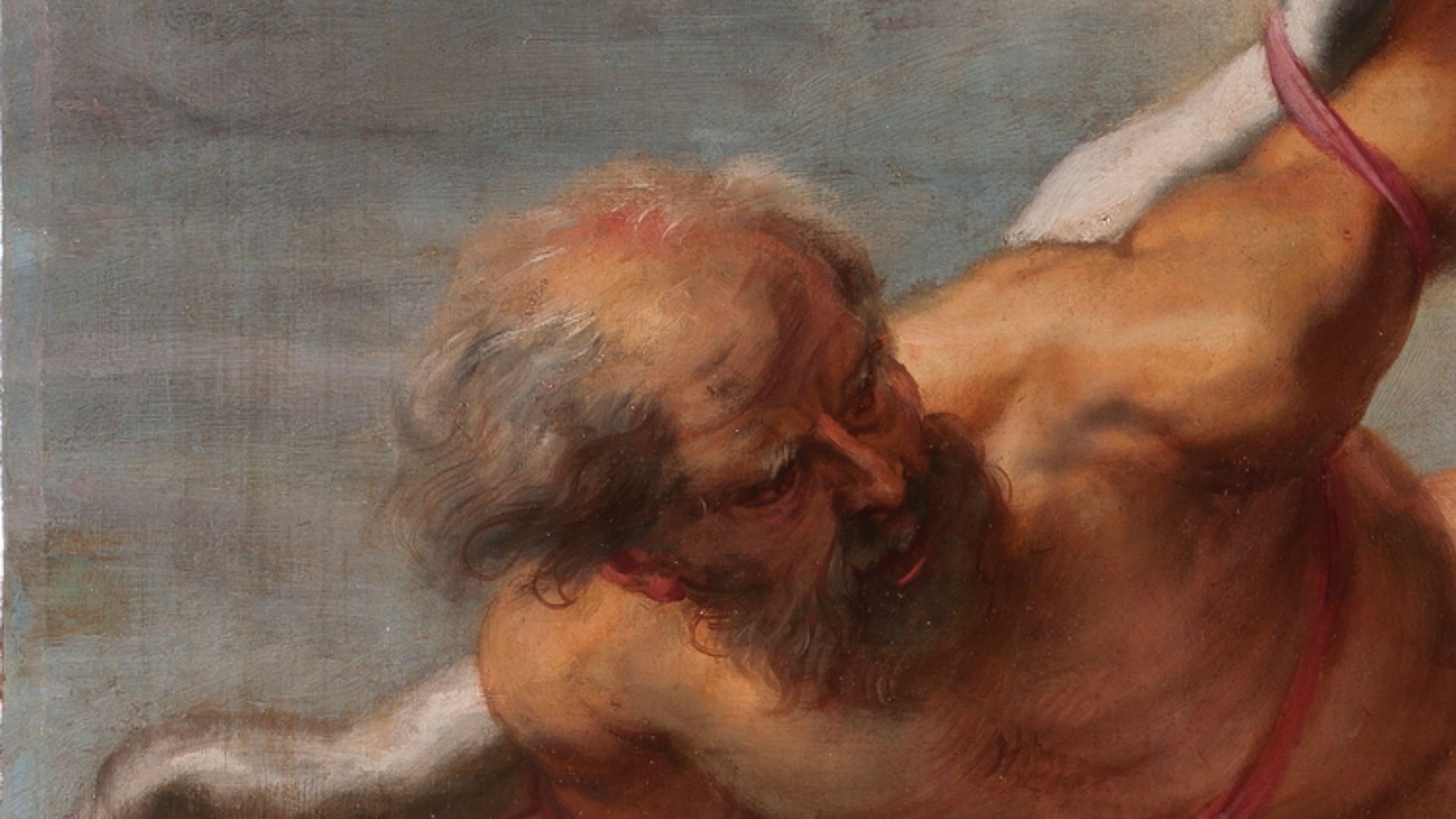 After Peter Paul Rubens / Peter Paul Rubens / Jacob Peter Gowy, Wikimedia Commons
The First Comet Eilmer Saw
Historical sources indicate that Eilmer observed a spectacular comet around 989 AD. At the time, there was really no existing scientific framework for predicting comet returns. As noted above, people had very little understanding of what a comet even was. Nevertheless, his memory would later be pivotal when he encountered a similar object decades later in the sky.
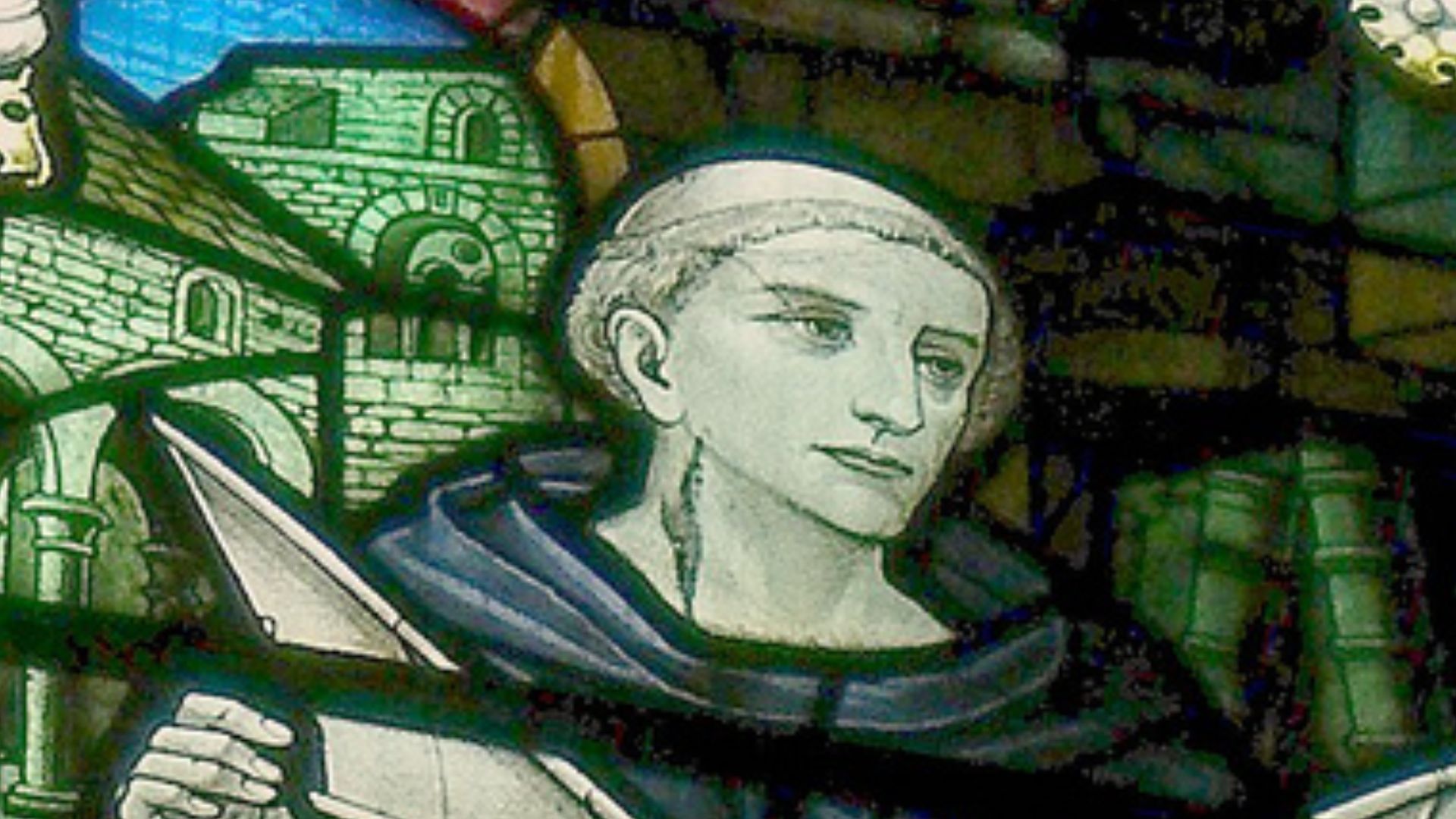 Radicalrobbo, Wikimedia Commons
The 1066 Appearance Of Halley’s Comet
In 1066, Halley’s Comet appeared once more, dominating the skies over Europe. It coincided with major political changes, including the Norman invasion of England. The comet was widely seen and recorded. The coincidence of the events in England made its appearance one of the most famous astronomical events in medieval history.
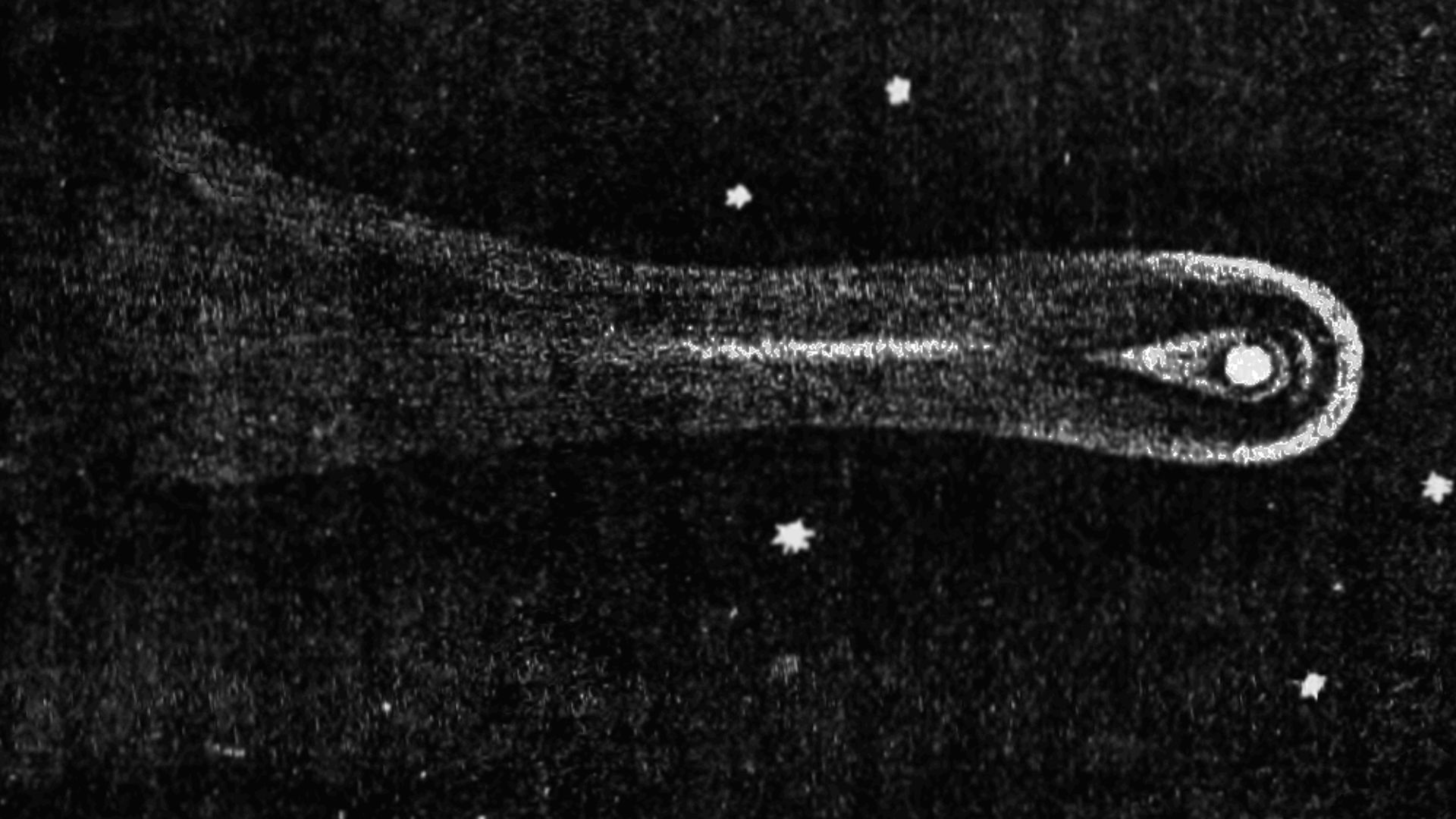 Unknown authorUnknown author, Wikimedia Commons
He Recognized A Returning Object
According to the later accounts, Eilmer recognized the comet of 1066 as the same one he had witnessed as a younger man. This connection suggests he understood that the object followed a cycle, a conclusion that was incredibly advanced for that time period.
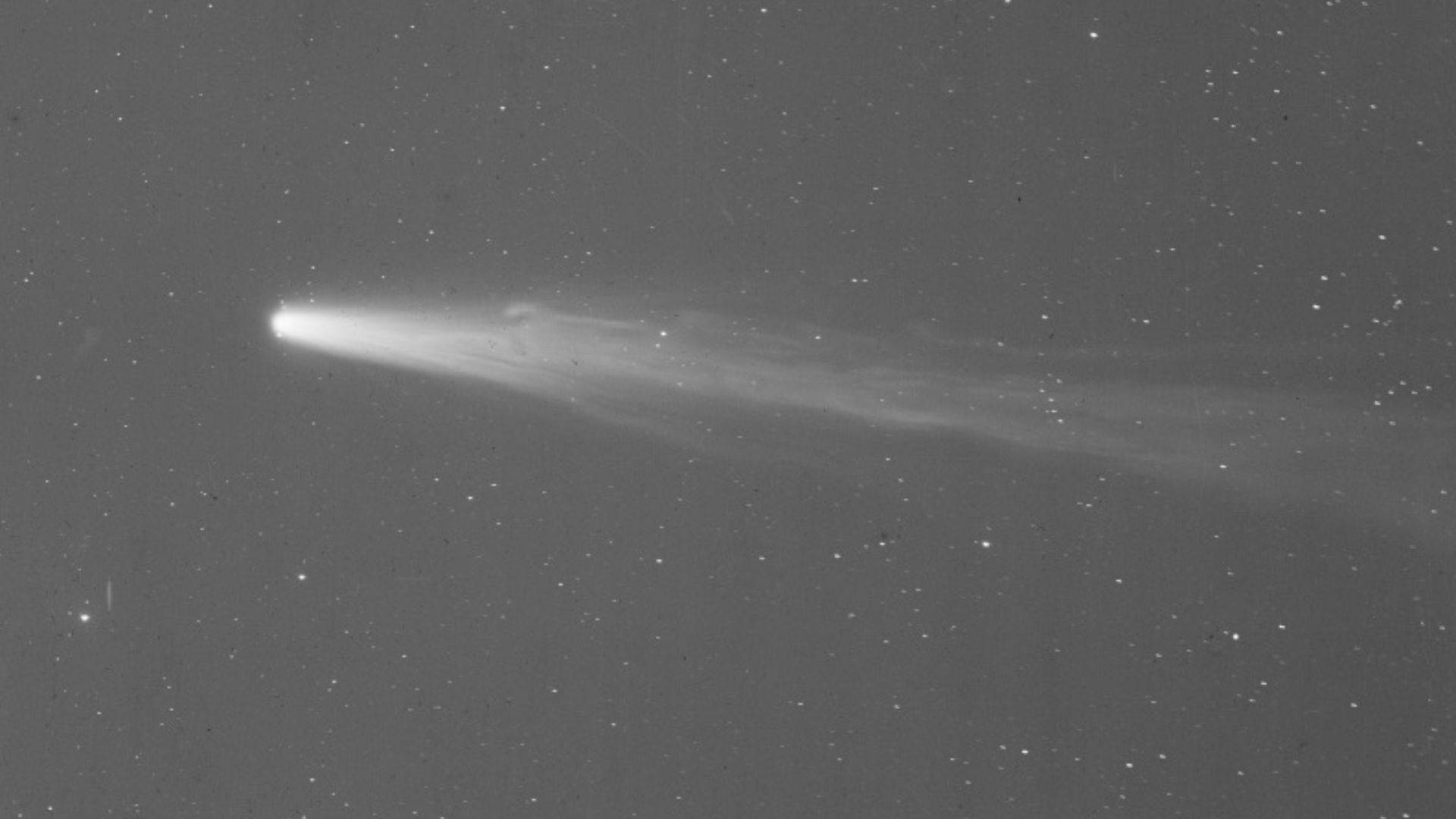 Harvard College Observatory, Wikimedia Commons
Surviving Written Evidence
Evidence for Eilmer’s insight comes from the writings of William of Malmesbury in the 12th century. He quoted Eilmer as thoughtfully reflecting on the comet’s return. This implied an awareness that celestial events could repeat themselves even though they appeared to be completely random.
 Arpingstone, Wikimedia Commons
History's most fascinating stories and darkest secrets, delivered to your inbox daily.
No Math
Unlike Edmond Halley, Eilmer relied completely on his memory and observational skills. He had no precision instruments, calculations, or physical laws that he could use to understand or explain the phenomenon. His conclusion was based only on him noticing recurring patterns in the natural world.
 Richard Phillips, Wikimedia Commons
Comet Records Beyond Europe
Halley’s Comet was also meticulously recorded by the Chinese astronomers of the time, who tracked its movements for weeks. While these records didn’t explicitly link appearances centuries apart, these consistent celestial observation across cultures helped to gain a fuller understanding of what was going on way up in the sky.
Norman Conquest And Cosmic Meaning
The 1066 comet became historically inseparable from the Norman Conquest in medieval storytelling. Even the skeptics were now convinced that it foretold political catastrophe. Eilmer’s more analytical reaction was in stark contrast with more popular interpretations that framed comets as divine warnings.
Eilmer’s Insight Was Forgotten
Eilmer’s observation was buried within bales of old historical chronicles and never found its way into scientific texts. Without any theoretical framework or mathematical proof, his idea wasn’t treated as a scientific discovery by later scholars.
 Reinhold Haefner/ESO, Wikimedia Commons
The Modern Rediscovery
Modern researchers recently reviewed William of Malmesbury’s text using astronomical modeling. Their findings suggest the comets described align with Halley’s known orbital path. This strongly supports the argument that Eilmer saw and described the same object twice.
 Brocken Inaglory, Wikimedia Commons
The Academic Publication
The study appeared in a scholarly volume published by Leiden University called Dorestad and Everything After: Ports, Townscapes & Travellers in Europe, 800–1100 which is focused on medieval travel and urban networks. It reflects a greater collaboration between historians and astronomers, blending textual study with the help of today’s most modern orbital calculations.
 Internet Archive Book Images, Wikimedia Commons
History's most fascinating stories and darkest secrets, delivered to your inbox daily.
Debate Among Historians
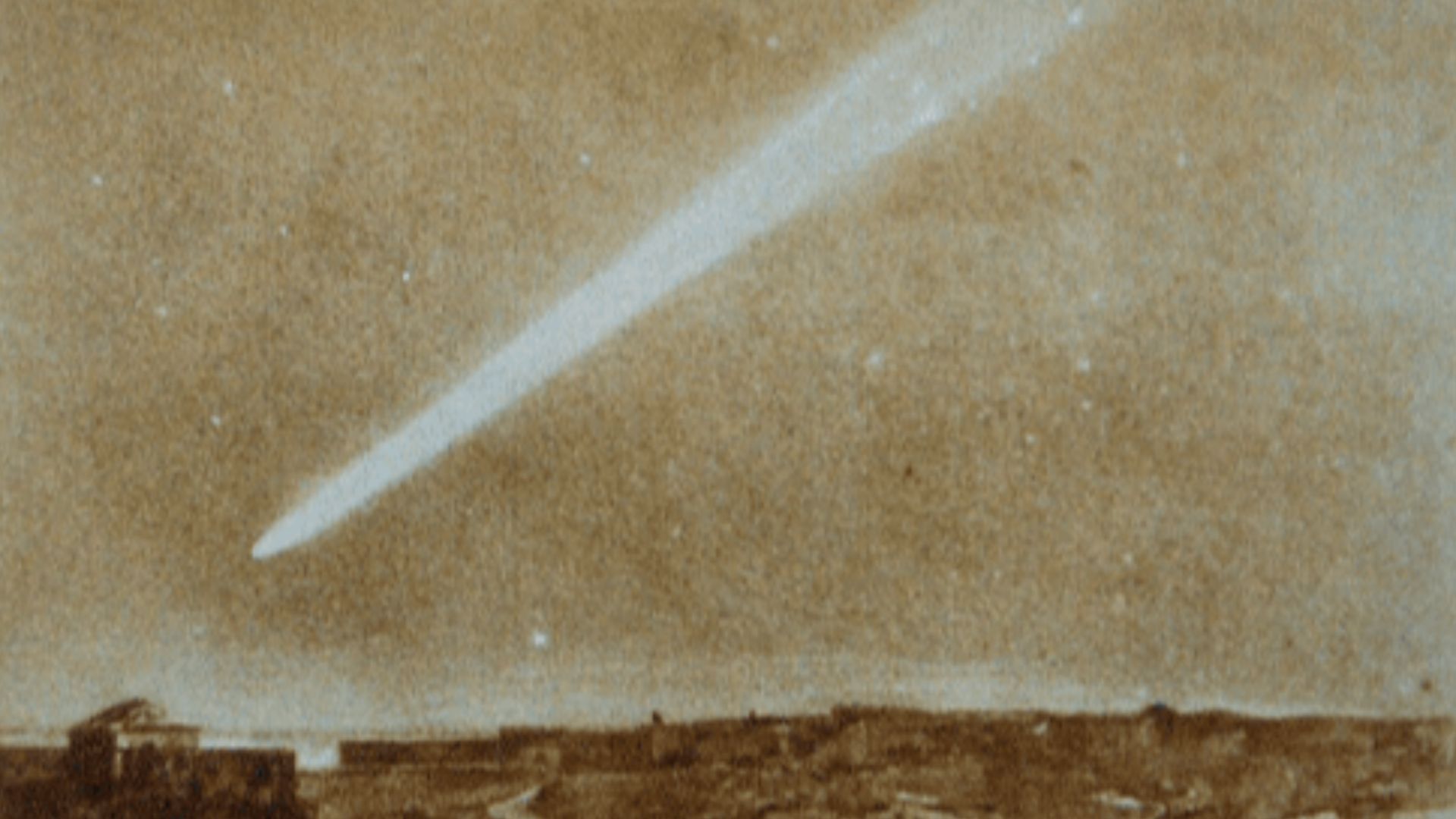
Some experts caution that medieval language may possibly exaggerate or misinterpret events. Critics argue that Eilmer could have also been referencing a different comet. The debate is just a normal part of the challenge of understanding and translating old narrative sources into scientific conclusions.
 Giuseppe Calì, Wikimedia Commons
Reevaluating Scientific Credit
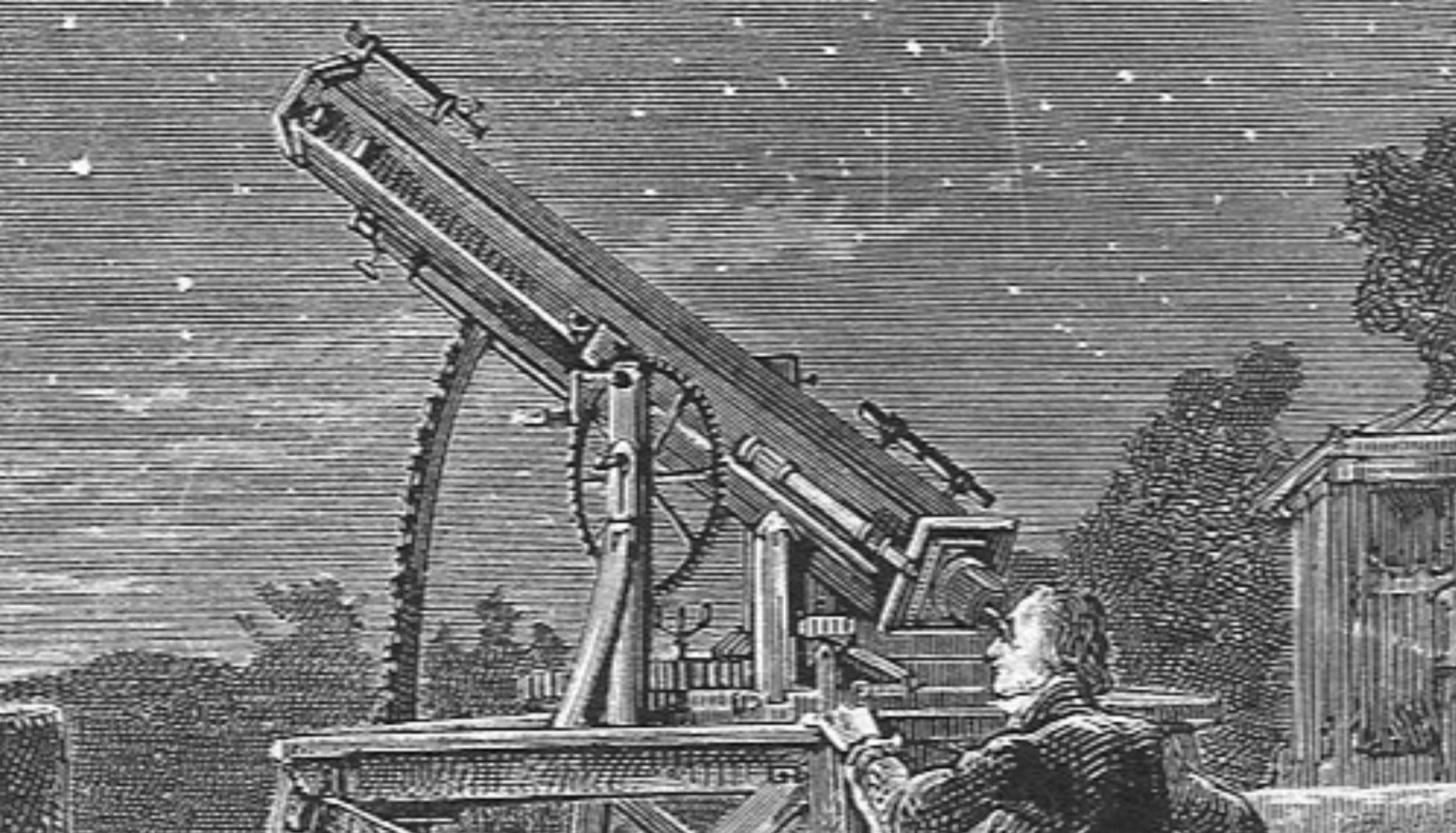
If Eilmer’s conclusion gains wide acceptance, it could end up affecting how scientific credit is given. Recognition of repeating phenomena may not require detailed equations, just careful observation and memory across many decades.
 Paul Philippoteaux / Charles Laplante, Wikimedia Commons
Halley’s Enduring Contribution
Despite the new evidence, Edmond Halley’s work is still essential. His achievement gave a mathematical explanation for comet motion and enabled us to make even more reliable predictions into the future, which turned astronomy into a predictive science as well as an observational one.
 Philipp Salzgeber, Wikimedia Commons
Better View Of Medieval Science
Eilmer’s story proves that medieval thinkers were capable of making some remarkable observations and connecting them to a larger insight. Even though the people of the time had very few tools to work with, these remarks represented a step forward for humanity’s understanding of the cosmos.

You May Also Like:
Facts About The Middle Ages In Europe And Around The World
When England's King Was A Viking From France: William And The Battle Of Hastings