
They Faded Away And Came Back
History isn’t just shaped by random events and social forces, but by decisions about what is remembered and what facts and people are allowed to fade. Across centuries, influential figures have been minimized, erased, or sidelined because of politics, prejudice, changing power structures, or the discomfort they caused later generations. These individuals once mattered a great deal, even if today’s textbooks now barely mention them.
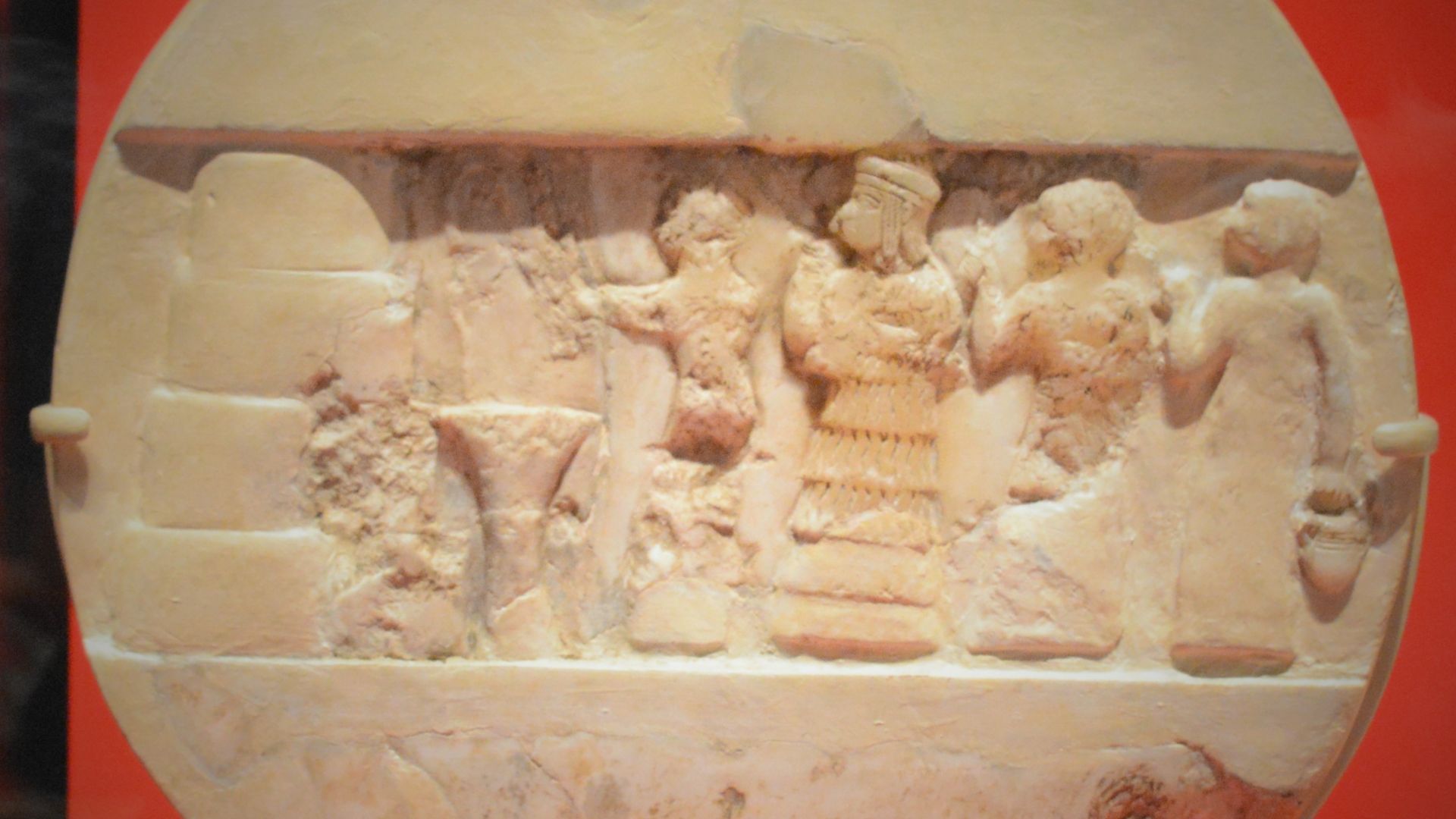
Enheduanna
Enheduanna, daughter of Sargon of Akkad, lived around 2300 BC and is the earliest known named author in history. As a high priestess and poet, she shaped theology and imperial ideology in ancient Mesopotamia, but her role was largely ignored in the early histories of literature and religion in the region.
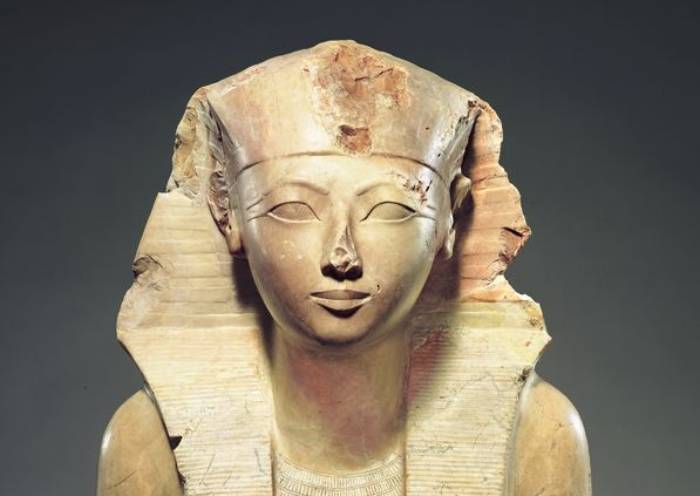
Hatshepsut
Hatshepsut ruled Egypt in the 15th century BC as a pharaoh in her own right. After her death, her images and inscriptions were systematically defaced by successors who sought to reassert male dynastic authority, causing the splendor of her reign to be downplayed or erased for centuries.
 Metropolitan Museum of Art, Wikimedia Commons
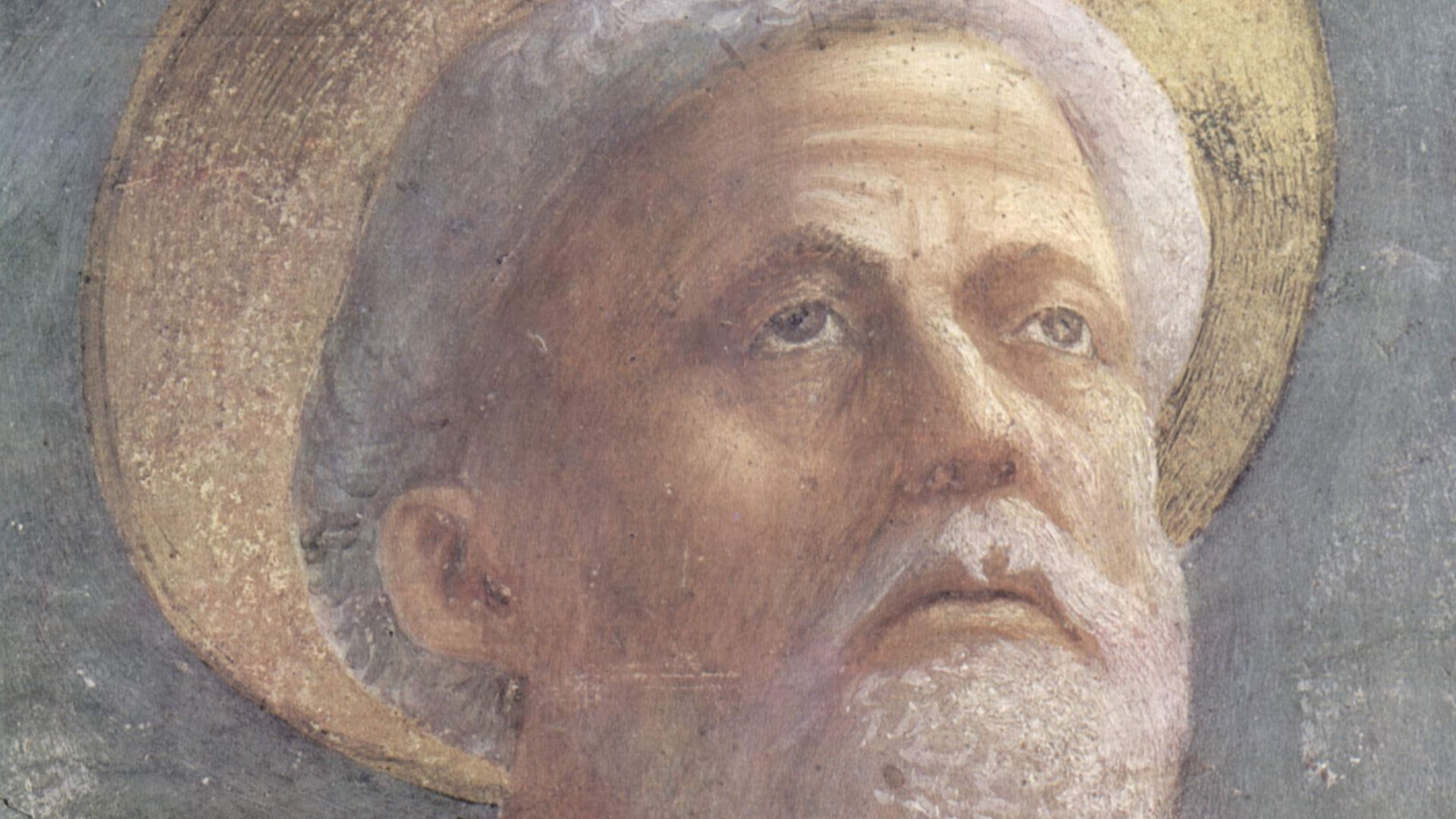
Masaccio
Masaccio was an early 15th-century Florentine painter whose revolutionary use of linear perspective, anatomical realism, and light transformed Western art with techniques we now take for granted. His frescoes directly influenced later masters like Michelangelo, yet Masaccio himself was often overshadowed by the amazing artists that he helped inspire.
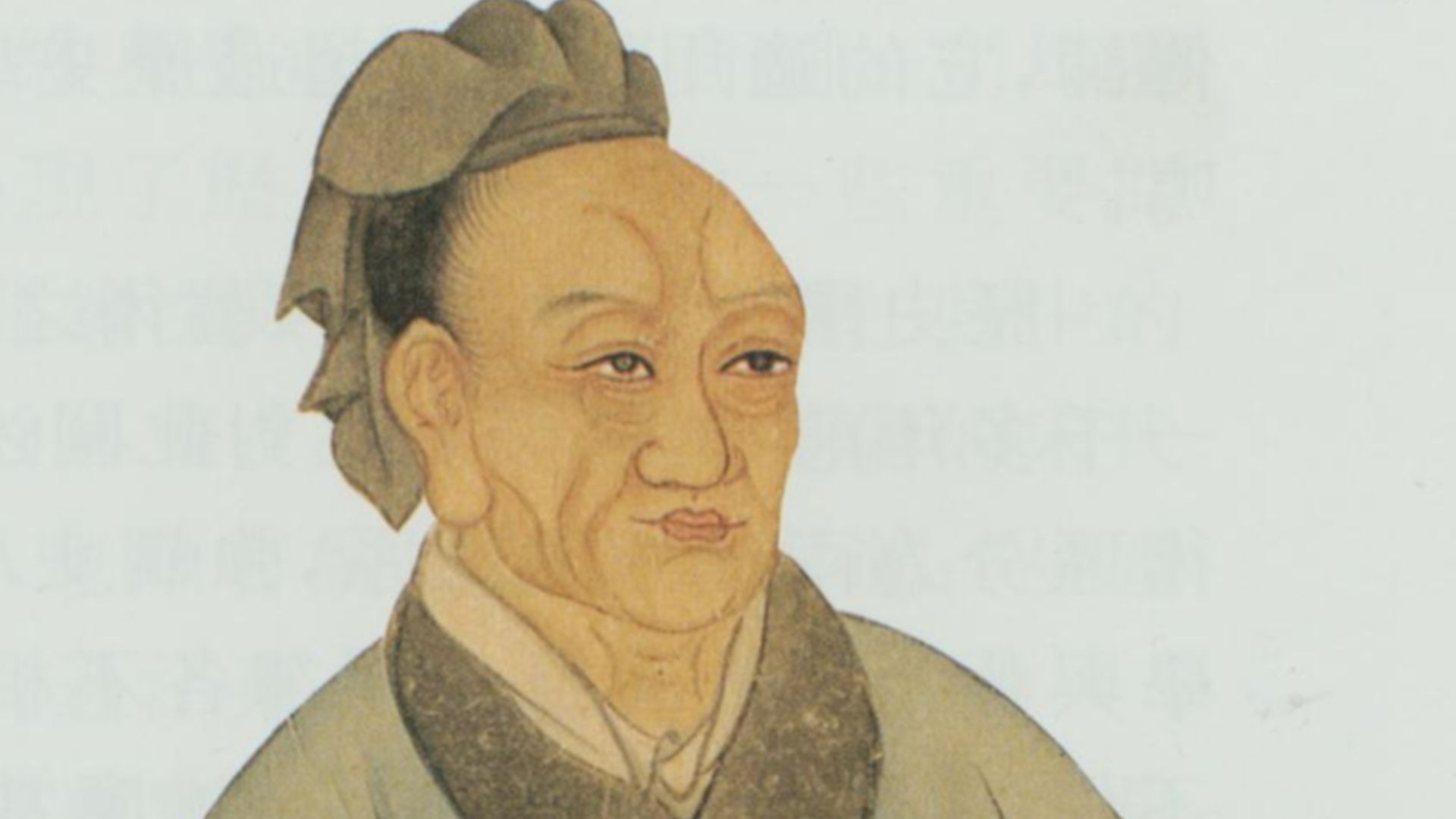
Sima Qian
Sima Qian, born around 145 BC, authored Records of the Grand Historian, establishing the foundational structure of Chinese historical writing. Despite shaping historiography for millennia, his personal story was later minimized by the political miscalculation he made and the brutal punishment that he endured because of his indiscretion.
Hypatia of Alexandria
Hypatia was a mathematician and philosopher in fourth-century Egypt whose murder symbolized the decline of classical scholarship in a time of upheaval and religious fanaticism. Her intellectual achievements were often reduced to legends so that subsequent scholars could gloss over the deep-running conflicts between philosophy, science, and religious authority.
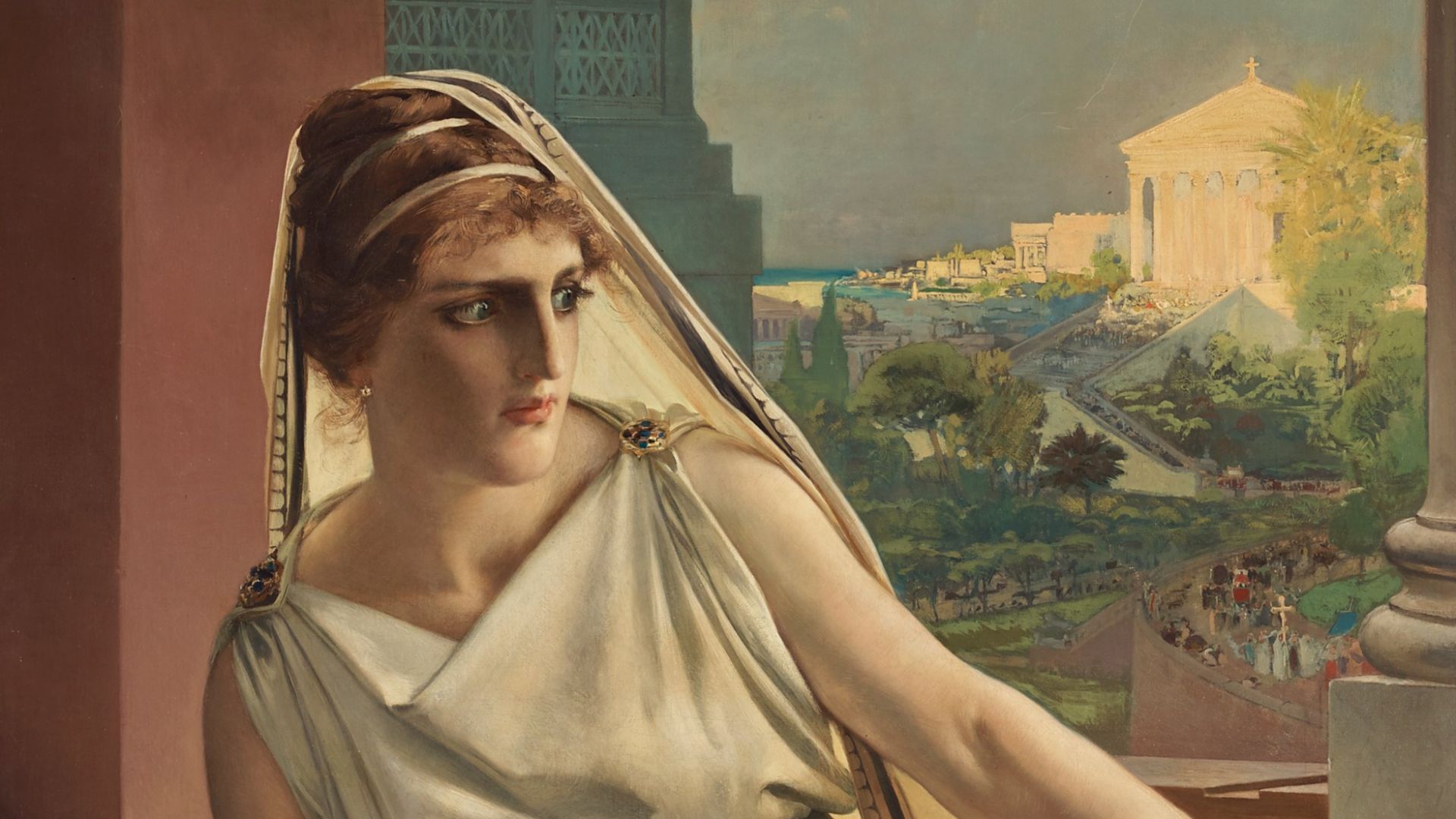 Julius Kronberg, Wikimedia Commons
Wang Zhenyi
Wang Zhenyi was an 18th-century Chinese astronomer and mathematician who explained eclipses, the procession of the equinoxes and celestial mechanics. Despite her significant contributions, her work was largely omitted from scientific narratives in the Chinese society of the time that privileged male scholars.
Mansa Musa
Mansa Musa ruled the Mali Empire in the 14th century, in what was that country’s Golden Age. Overseeing one of the wealthiest states in medieval history, Musa’s influence on African trade was recognized in the Arabic sources of his time, but this narrative was long sidelined in Western-centered historical narratives.
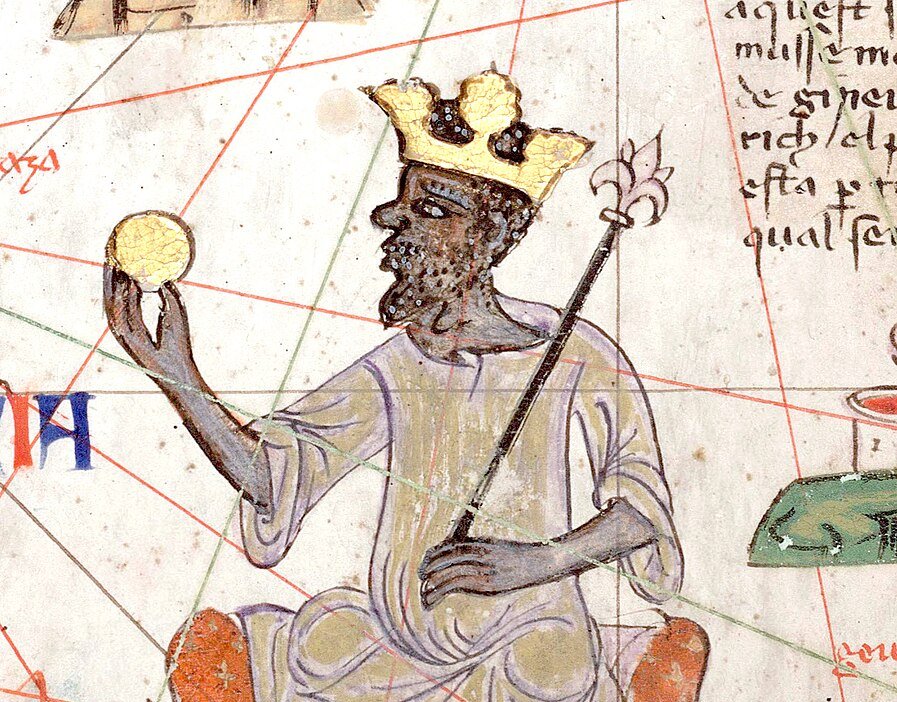 Bibliotheque nationale de France, Wikimedia Commons
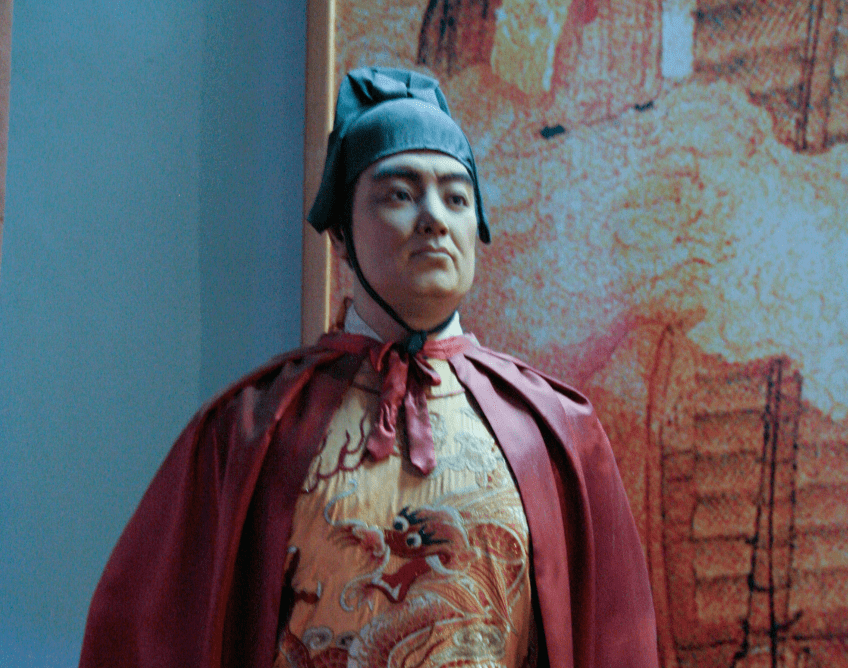
Zheng He
Zheng He commanded massive Chinese naval expeditions in the early decades of the 15th century, reaching Africa several decades before European explorers did. After his death, records of his voyages largely disappeared. Whether they were deliberately suppressed by Ming officials, or simply got scattered and lost amongst various Imperial Chinese bureaucracies is still a subject of debate by historians.

History's most fascinating stories and darkest secrets, delivered to your inbox daily.
Bartolomé de las Casas
Bartolomé de las Casas documented abuses against Indigenous peoples in the Americas during the Spanish conquests in the 16th century. His work complicated the imperial narratives, leading later histories to marginalize his contributions to the dimly flickering early concepts of human rights.
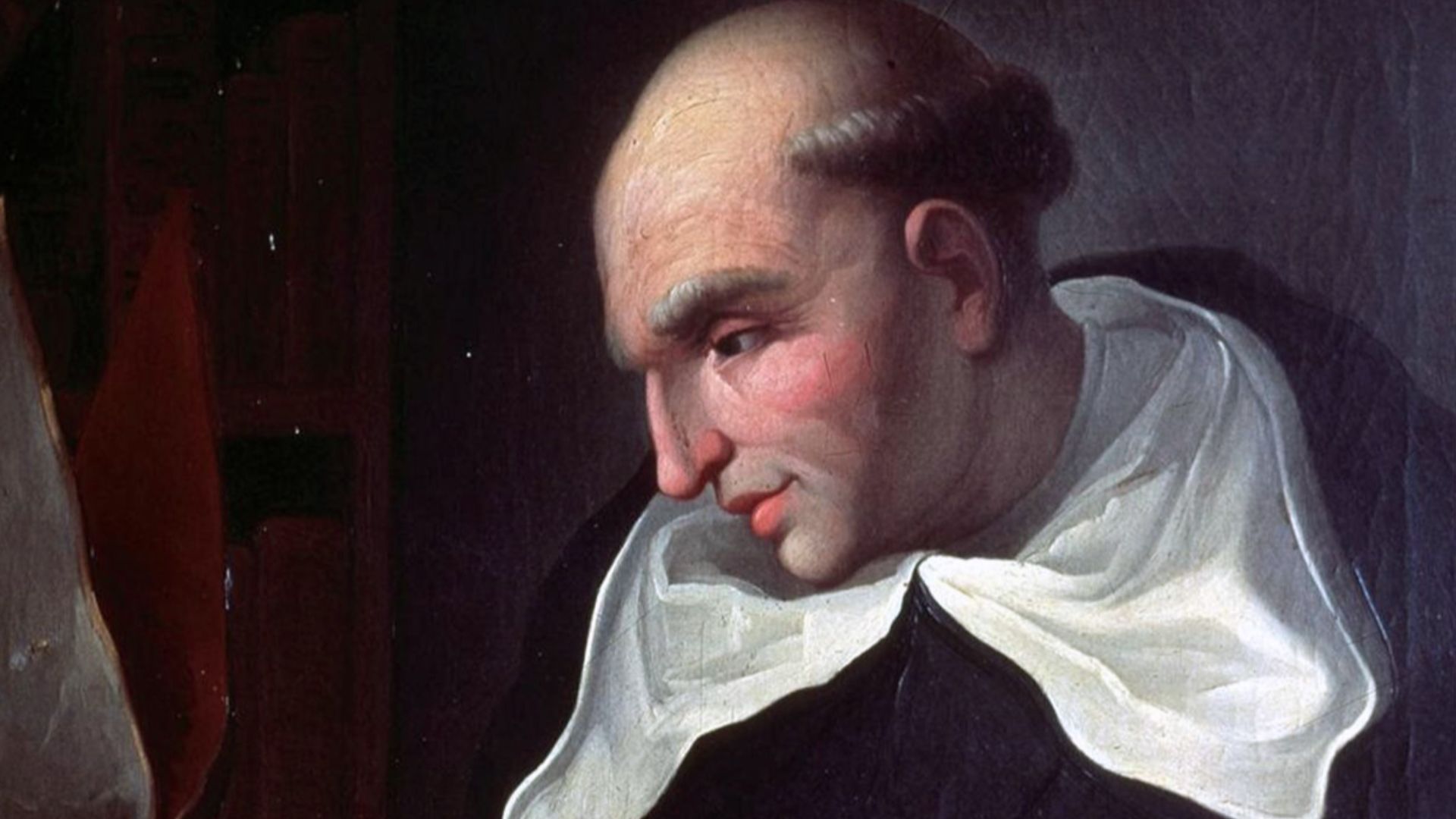 anonymous / Unidentified painter, Wikimedia Commons
François Leclerc du Tremblay
François Leclerc du Tremblay, known as Père Joseph, was a 17th-century Capuchin friar and adviser to Cardinal Richelieu. Though he lacking formal official authority, he wielded enormous behind-the-scenes influence over French diplomacy during the Thirty Years’ War. Tremblay was the subject of a biography, Grey Eminence (1941) by the English writer Aldous Huxley.
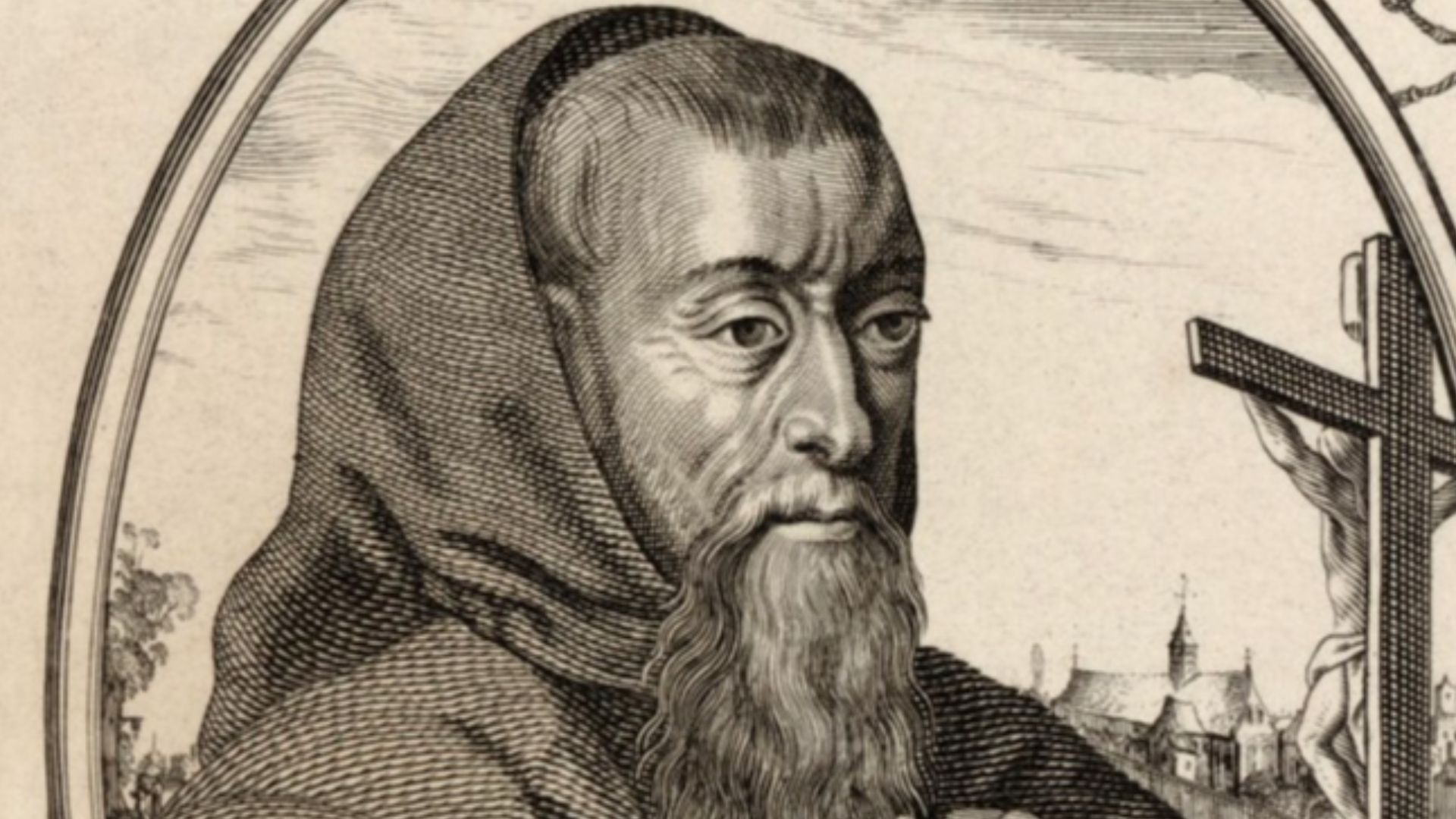 Unknown authorUnknown author, Wikimedia Commons
Phillis Wheatley
Phillis Wheatley, enslaved in colonial America, published poetry in the 18th century that challenged everyone’s beliefs about race, smarts, and artistic talent. Despite gaining fame within her own time, she was long left out of the literary canons because of mainstream reluctance to acknowledge Black achievements under slavery.
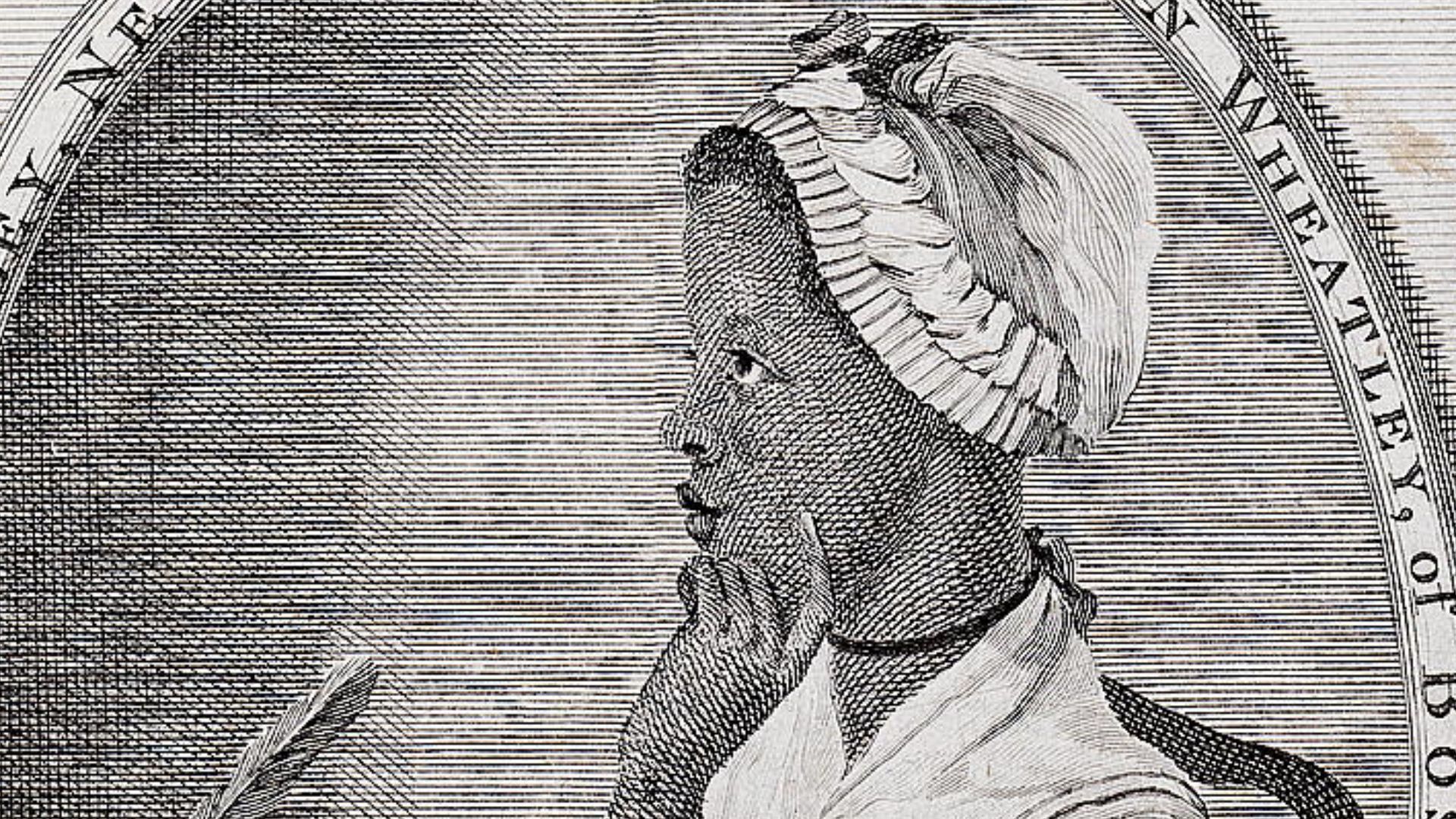 Scipio Moorhead, Wikimedia Commons
Ignaz Semmelweis
Ignaz Semmelweis discovered in the 19th century that handwashing dramatically reduced deaths from infection. Ridiculed by his peers and dismissed during his lifetime, his contributions were also minimized in medical histories that emphasized the germ theory pioneers who came afterward.
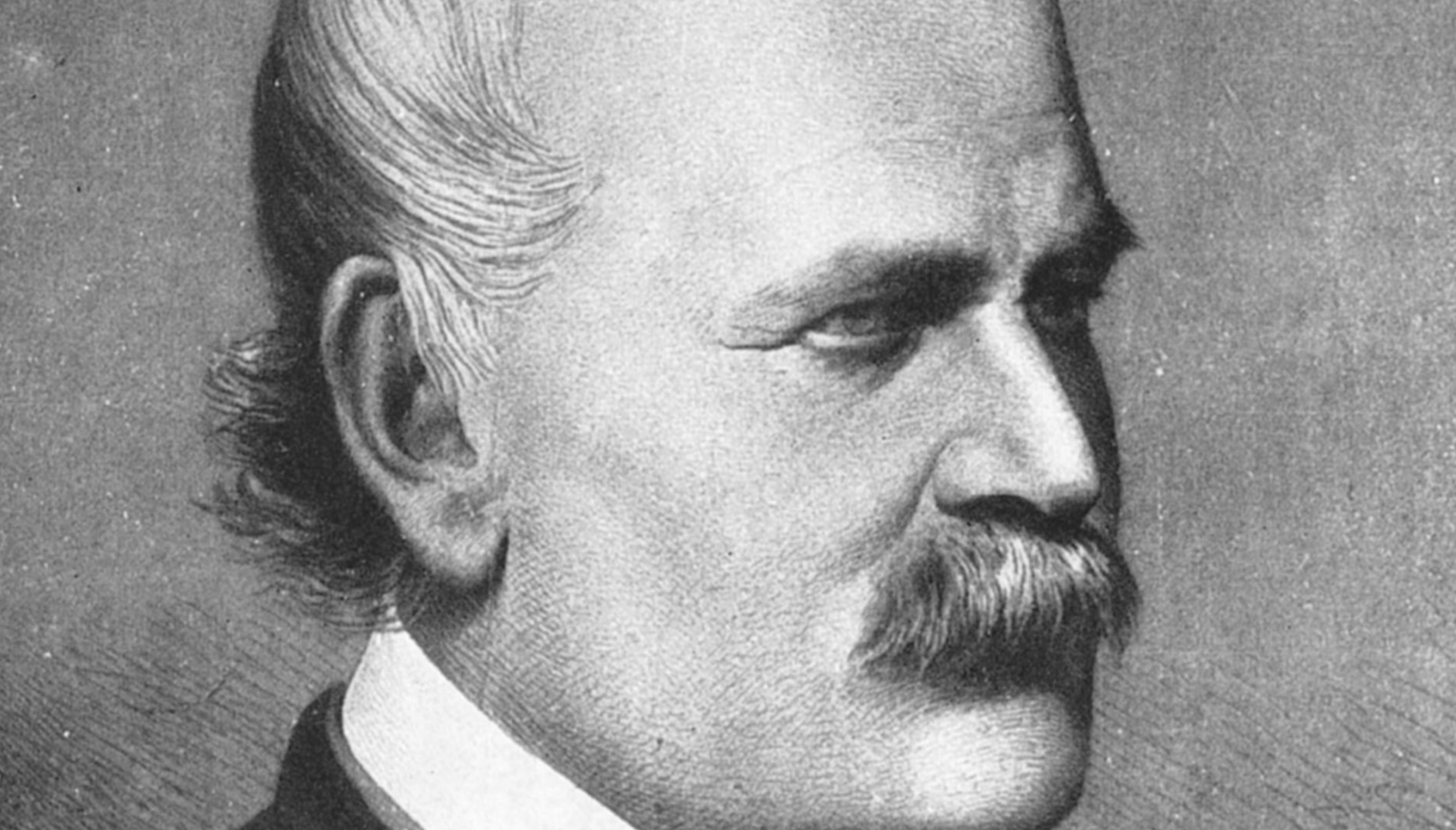 After Jeno Doby's engravig, Wikimedia Commons
Sophie Germain
Sophie Germain was a mathematician who made major advances in number theory during the Napoleonic era but only published her work under male pseudonyms. Her work influenced later math supersleuths, yet her name was often omitted from textbooks that centered on the work and ideas of male scholars.
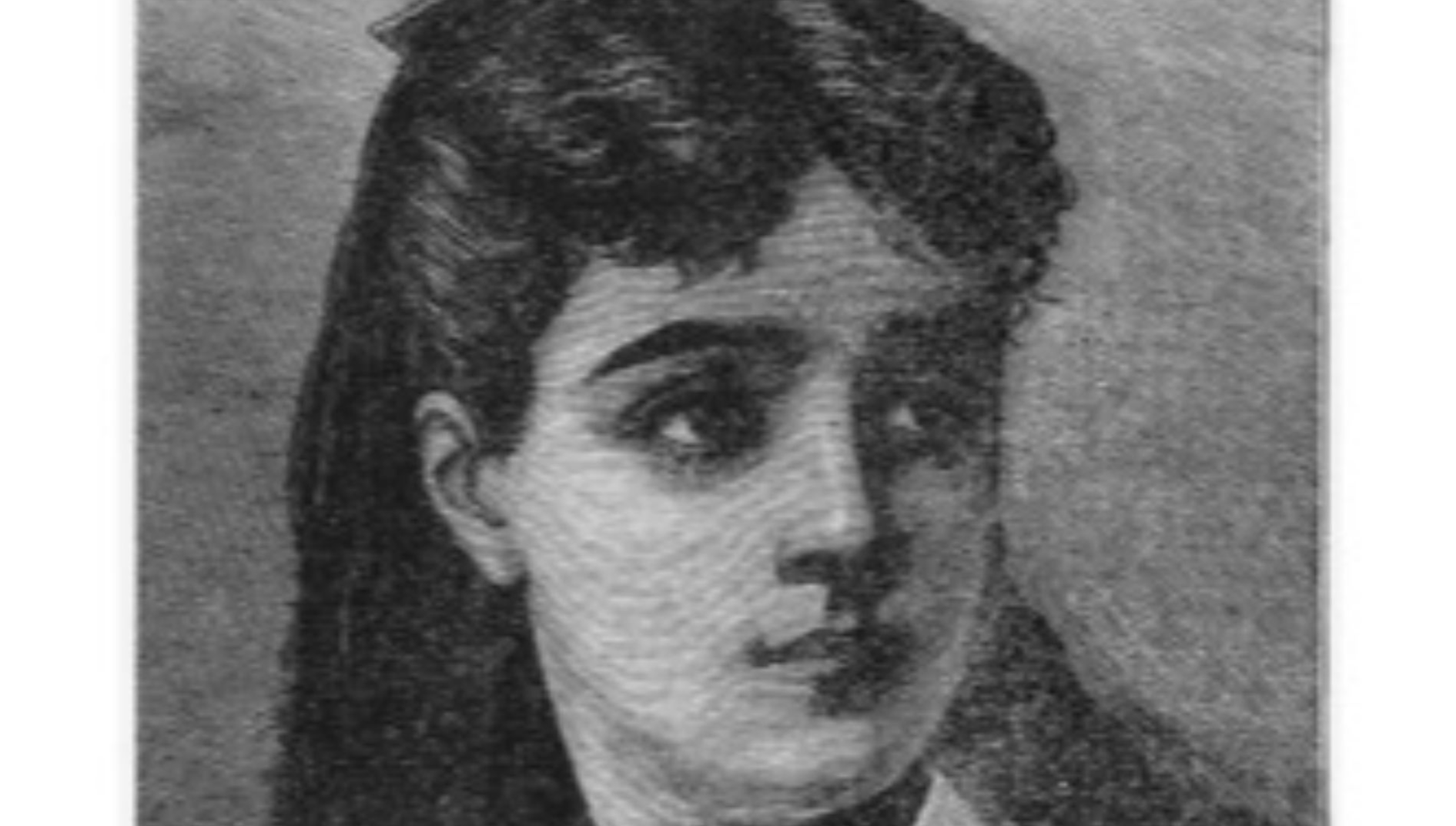 Edward Ancourt, Wikimedia Commons
Toussaint Louverture
Toussaint Louverture led the only successful slave revolt in history, laying the foundations for Haiti’s independence. His strategic genius was long minimized in Western histories that had a difficult time ascribing revolutionary ideals to Black leadership.
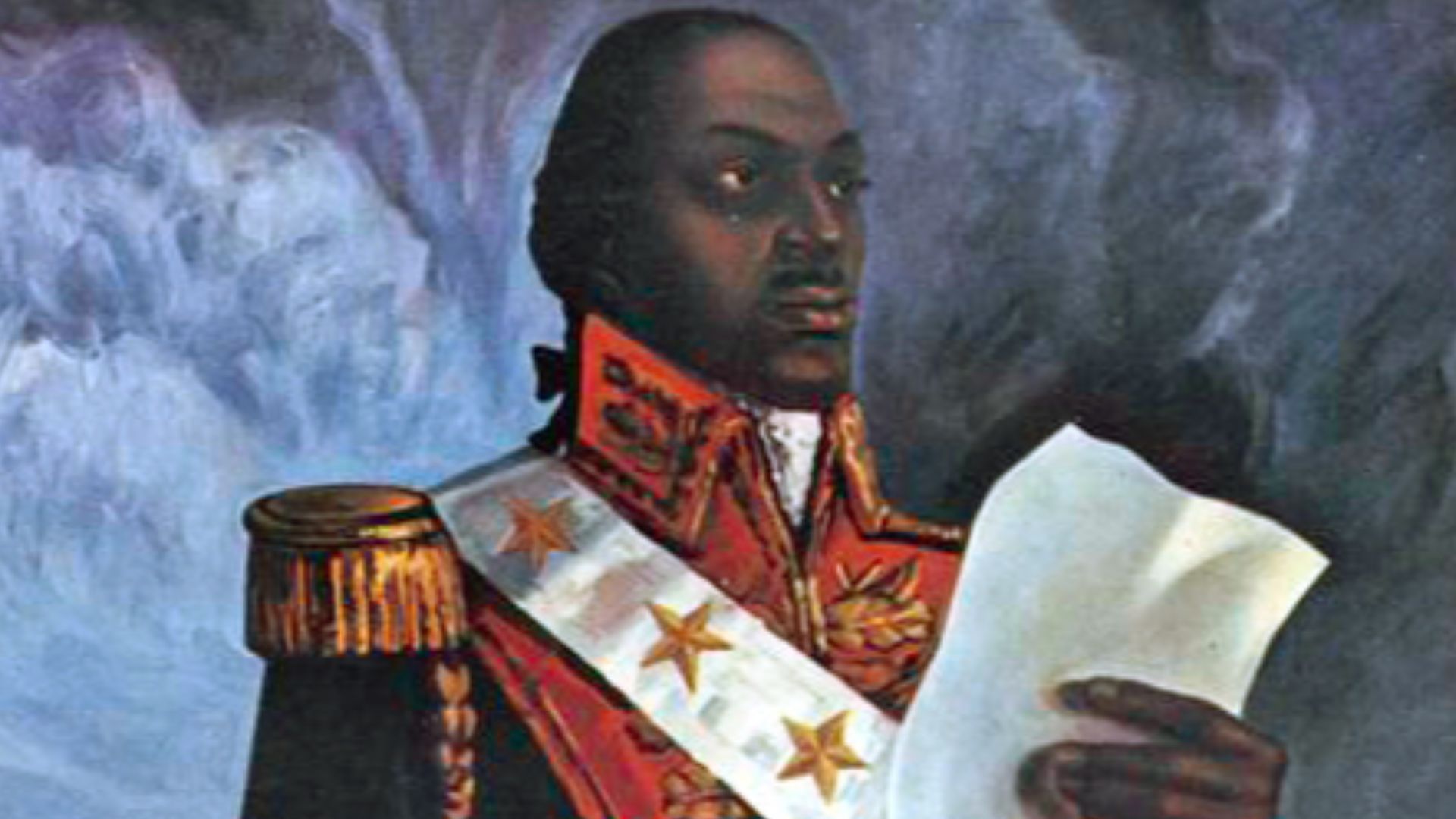 Unknown authorUnknown author, Wikimedia Commons
Ada Lovelace
Ada Lovelace wrote the first algorithm intended for a machine—way back in the 19th century. For decades, her role in the history of computing was minimized as exaggeration before more recent experts went back into the historical record, re-examined her work and restored Lovelace to her proper historical role.
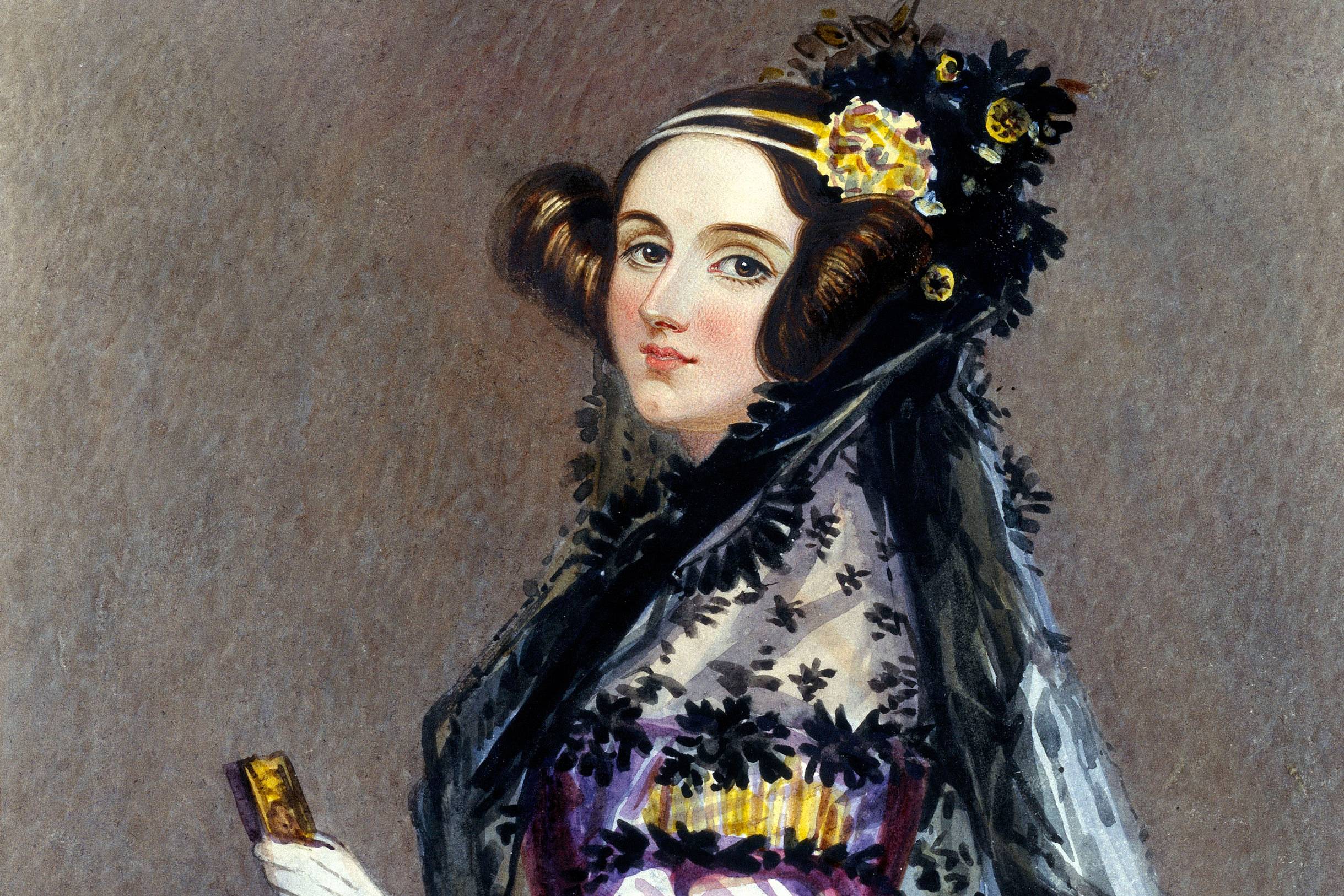 Alfred Edward Chalon, Wikimedia Commons
Mary Seacole
Mary Seacole was a nurse who provided medical care for wounded soldiers during the Crimean War alongside the more famous Florence Nightingale. Despite contemporary acclaim, her contributions were largely erased from British medical history for the all-too-familiar reasons of race and institutional bias.
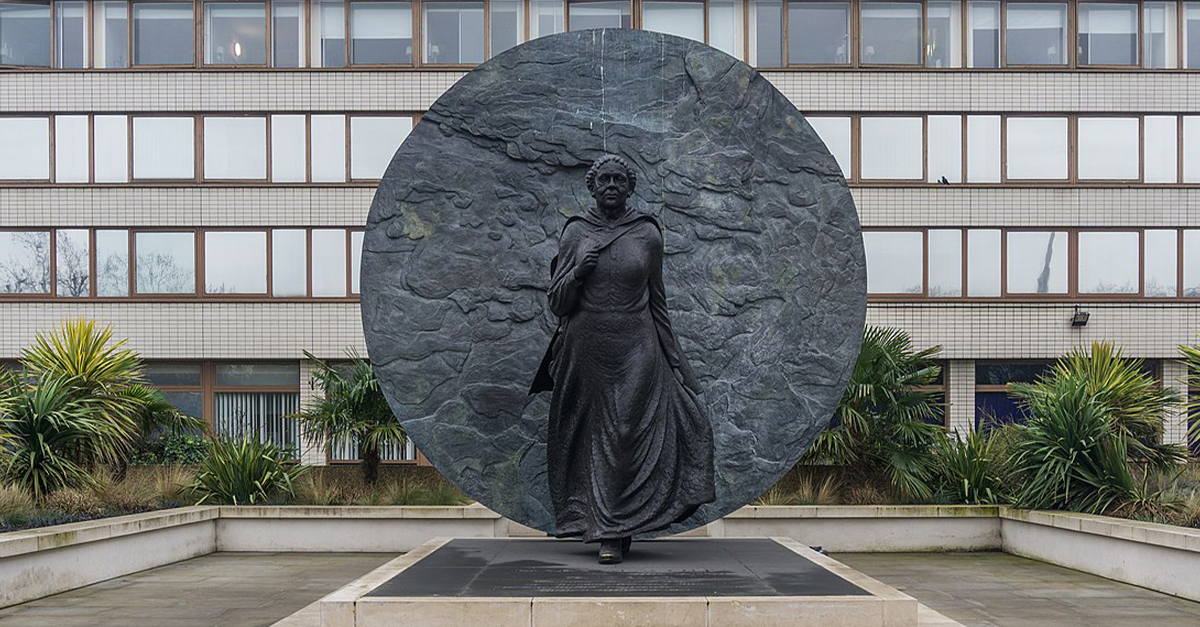 Sumit Surai, Wikimedia Commons
Henrietta Leavitt
Henrietta Leavitt discovered the relationship between variable stars and distance, enabling measurement of the scale of the universe. Her work underpinned modern cosmology but was rarely given much credit in the early astronomy textbooks.
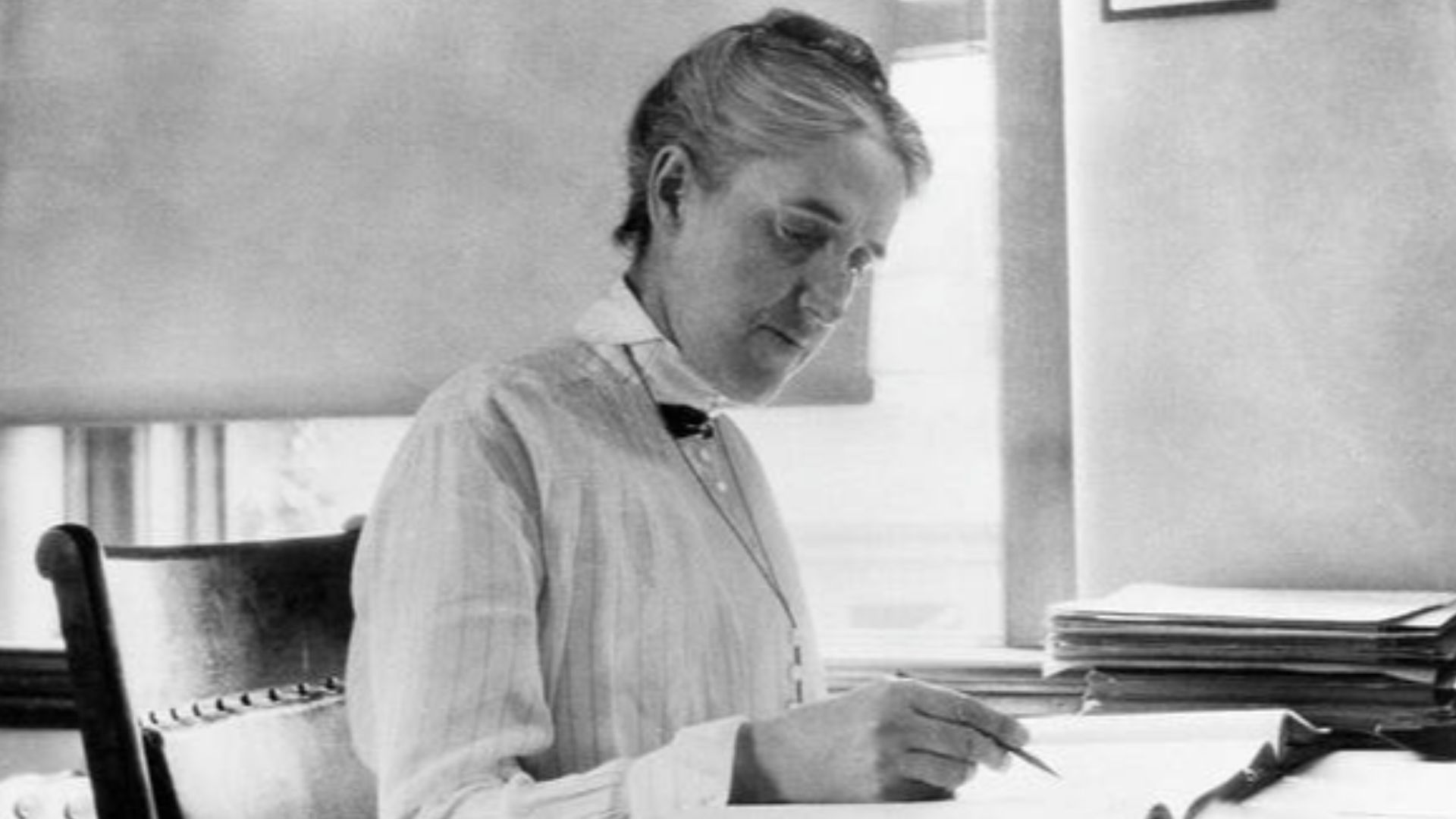 Margaret Harwood, Wikimedia Commons
Charles Eastman
Charles Eastman was a Native American doctor and writer who did much to shape early Native representation in US intellectual life. An influential writer with white audiences, he struggled with the idea of assimilation of Native Americans with white people—his complicated views on the matter fell out of mainstream favor.
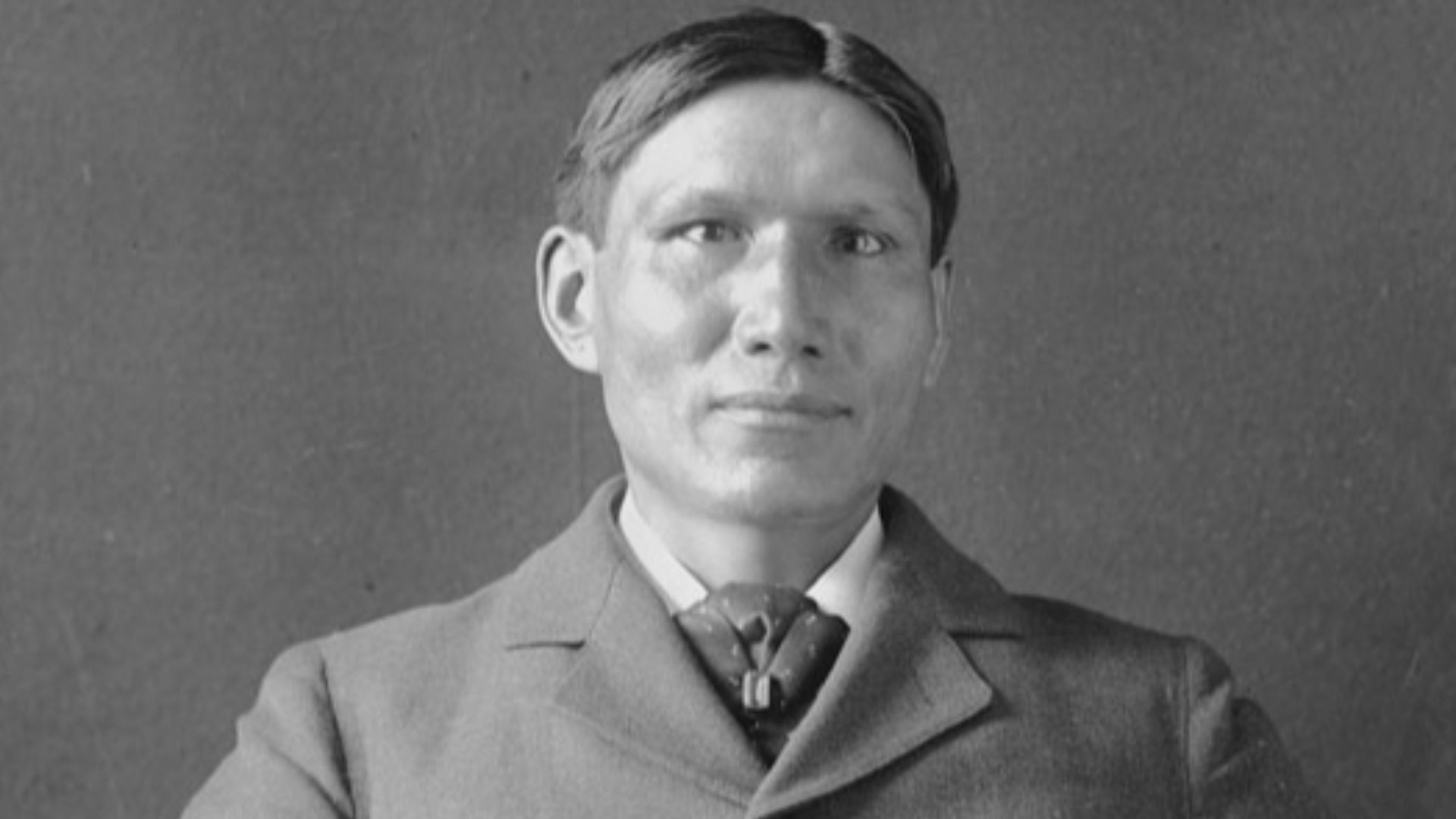 Sawyer, Wells Moses Artist, Wikimedia Commons
Ching Shih
Ching Shih commanded tens of thousands of pirates in early 19th-century China. Her strategic leadership surpassed most of the conventional naval commanders of her era, but her story rarely appears in standard historical surveys of this time.
Lise Meitner
Lise Meitner co-discovered nuclear fission, but her male colleague Otto Hahn received sole credit with a Nobel Prize in 1944. Nominated for the Nobel Prize dozens of times, that was the closest Meitner ever came to winning. A longtime resident of Vienna, she had to flee Austria after it was taken over by the Germans. But gender bias was what really contributed to her long omission from nuclear science histories.
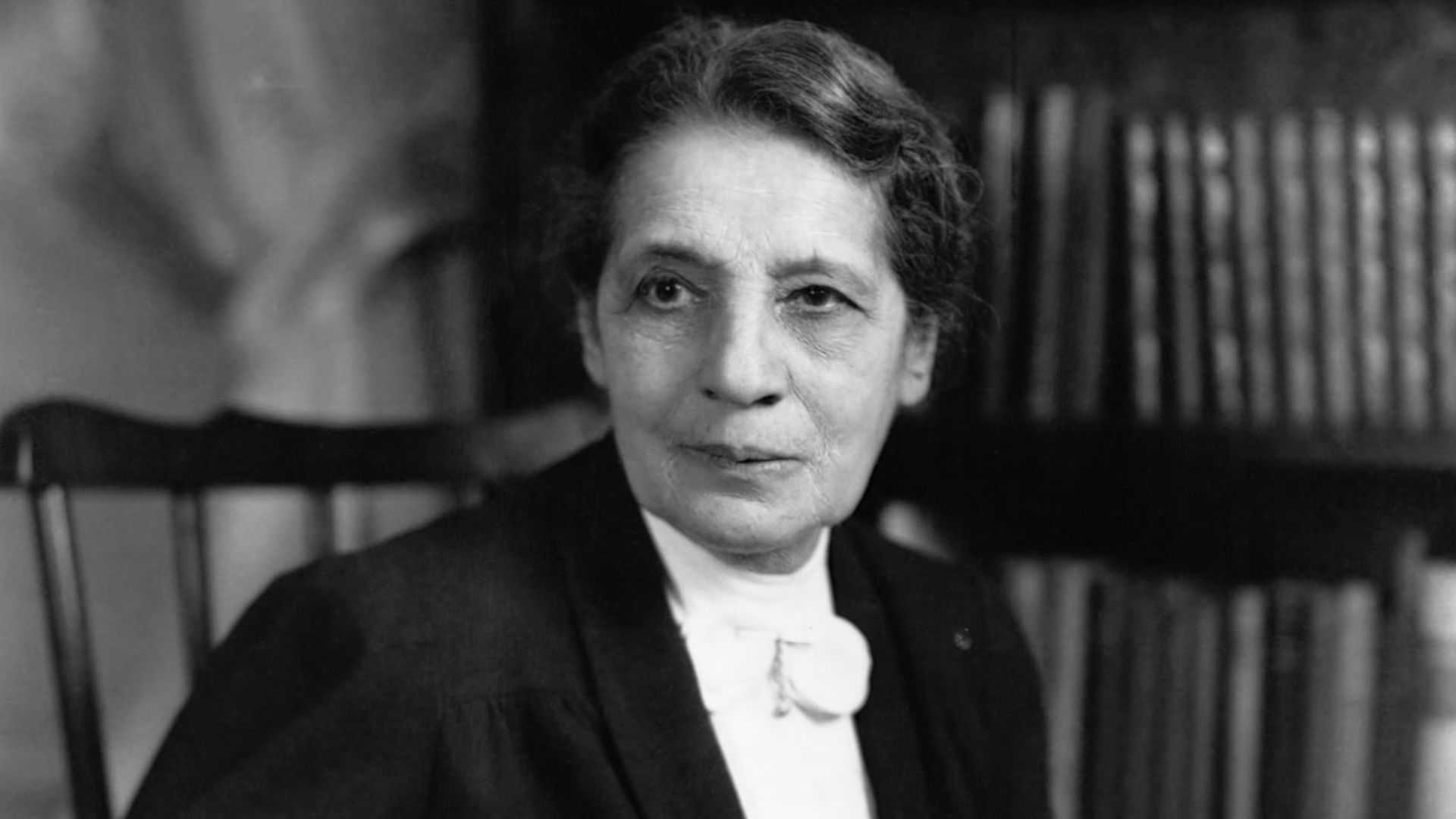 Harris & Ewing, Wikimedia Commons
Bayard Rustin
Bayard Rustin was a chief organizer of the March on Washington of 1963 that galvanized the civil rights movement, but despite his years of commitment to the cause, he was marginalized due to his sexuality and the conservative political beliefs he adopted later in his life. His strategic influence was downplayed in simplified civil rights narratives.
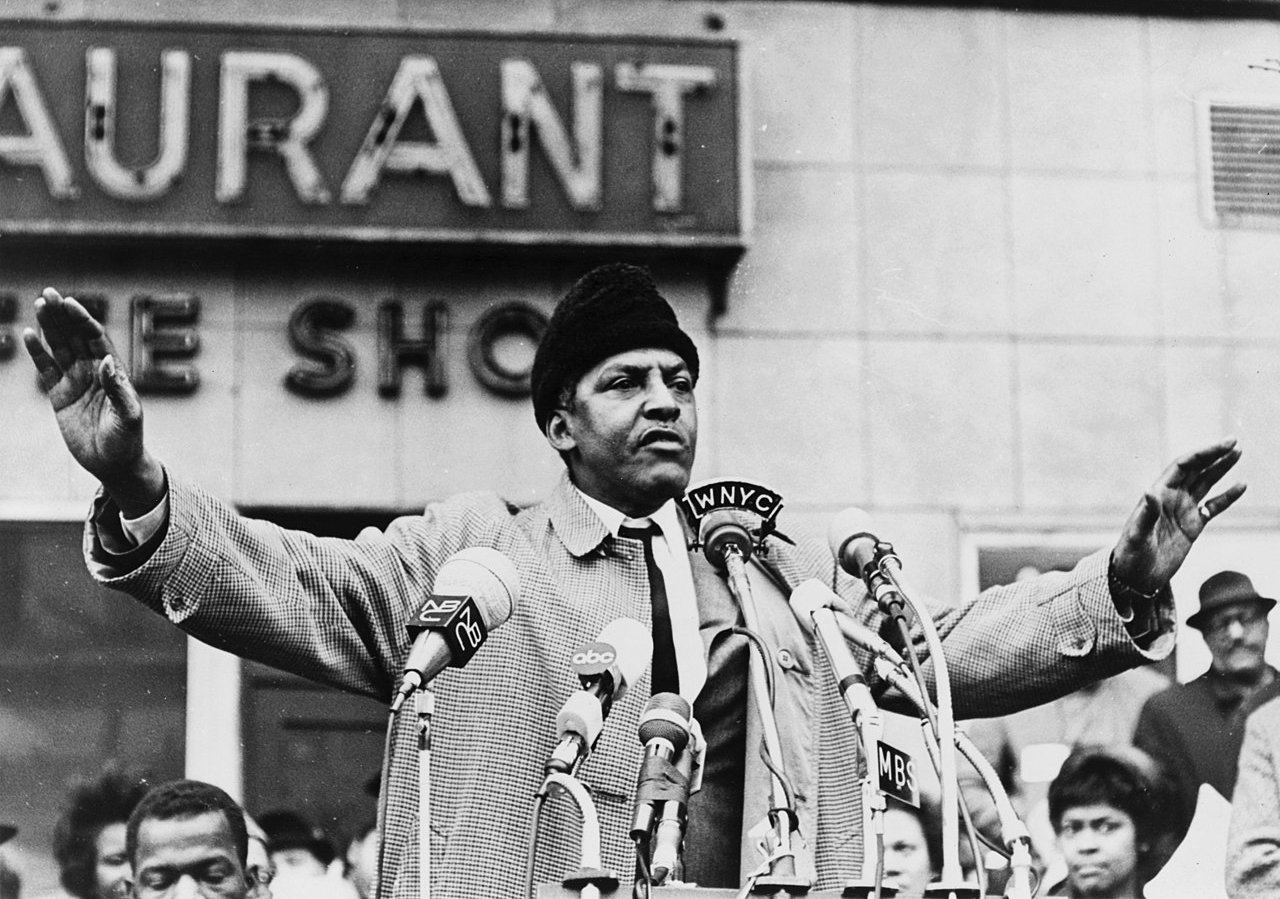
Rosalind Franklin
Rosalind Franklin generated a lot of the critical data that led to the discovery of the double helix structure of DNA. Her role was overshadowed for decades in favor of her male colleagues, which perpetuated some distorted accounts of the discovery of DNA, and scientific discoveries more broadly.
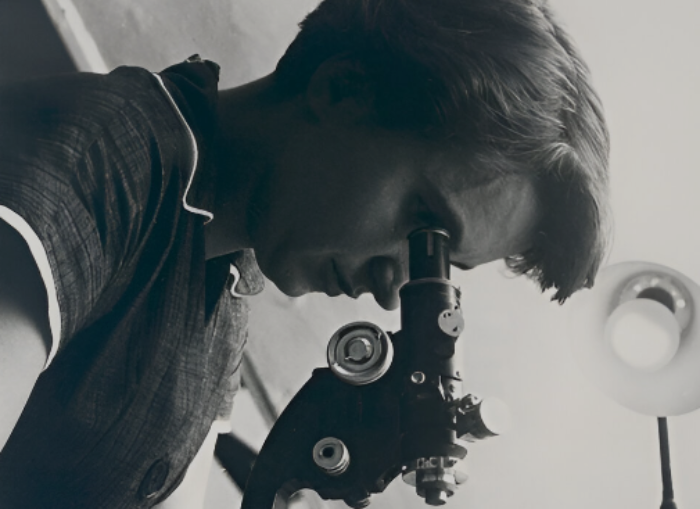 MRC Laboratory of Molecular Biology, CC BY-SA 4.0, Wikimedia Commons
Katherine Johnson
Katherine Johnson calculated trajectories for NASA’s earliest space missions. But for much of the 20th century, her work remained invisible due to race, gender, and institutional secrecy. Her contributions were brought out of the shadows of obscurity by the film Hidden Figures (2016).
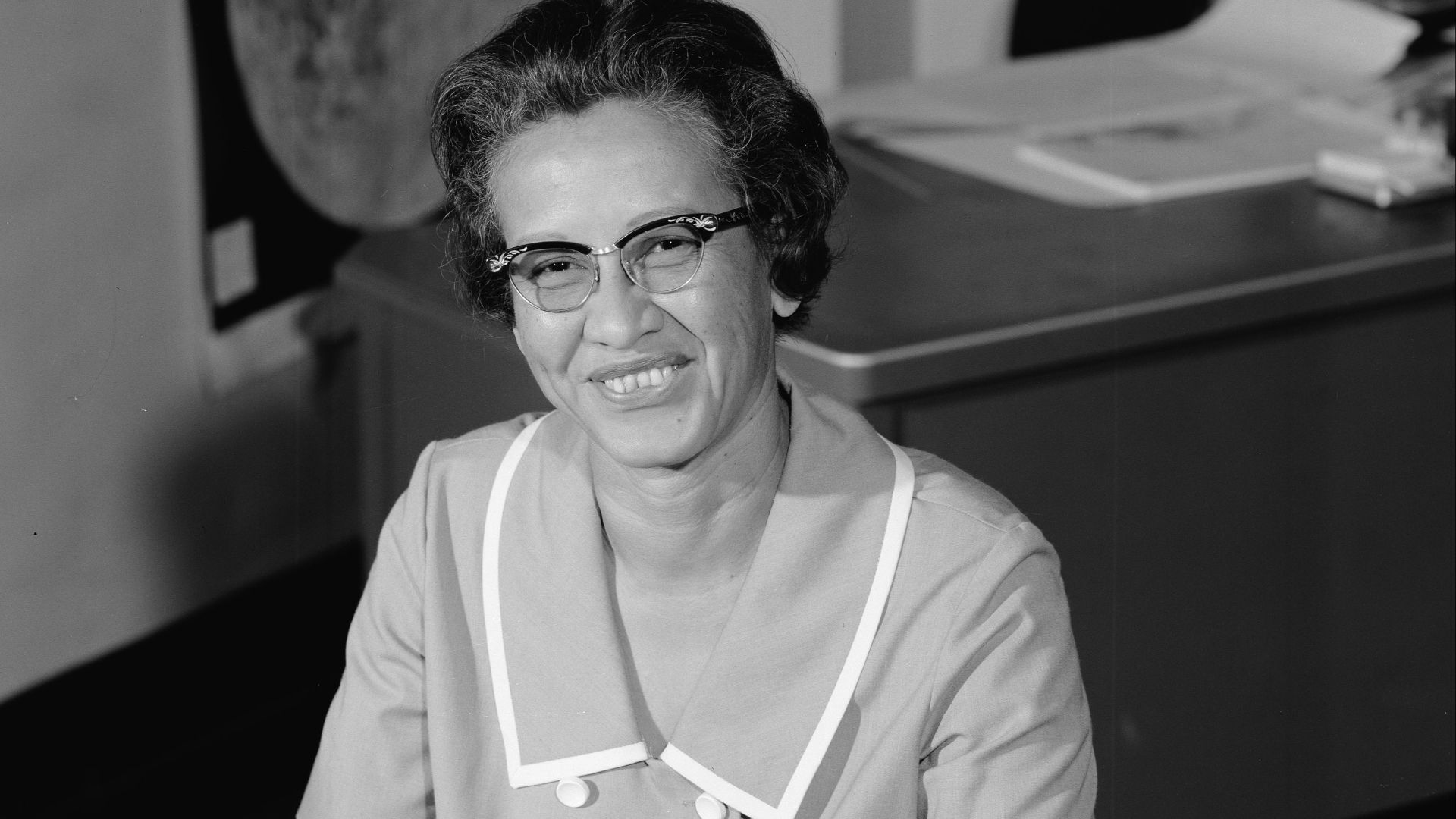
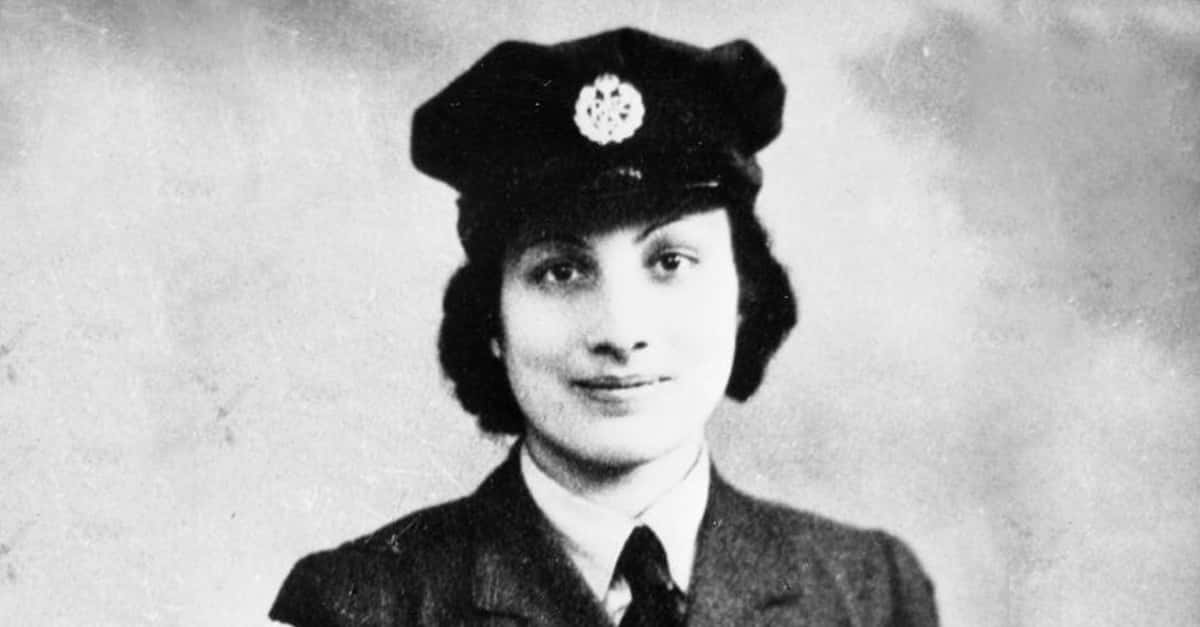
Noor Inayat Khan
Noor Inayat Khan served as a wireless operator for British intelligence aiding the French Resistance network during World War II. Her story was kept classified for years, limiting recognition of her bravery and ultimate sacrifice under the veil of top-secret state security.
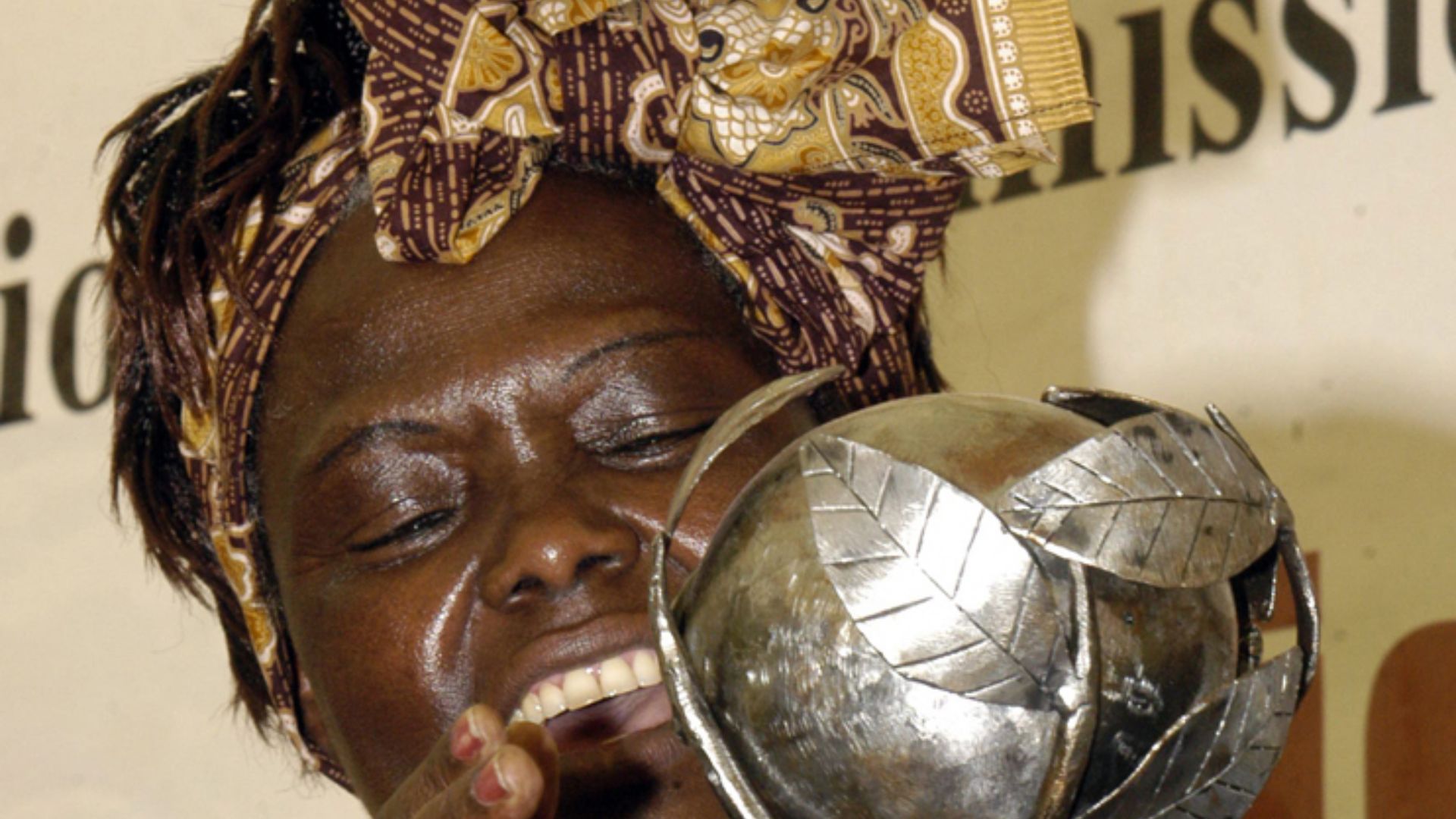
Wangari Maathai
Wangari Maathai founded the Green Belt Movement that linked environmental protection with democracy and women’s rights in her home country of Kenya. Despite global impact, her humanitarian work was often excluded from mainstream environmental history until late recognition, which included the Nobel Peace Prize in 2004.
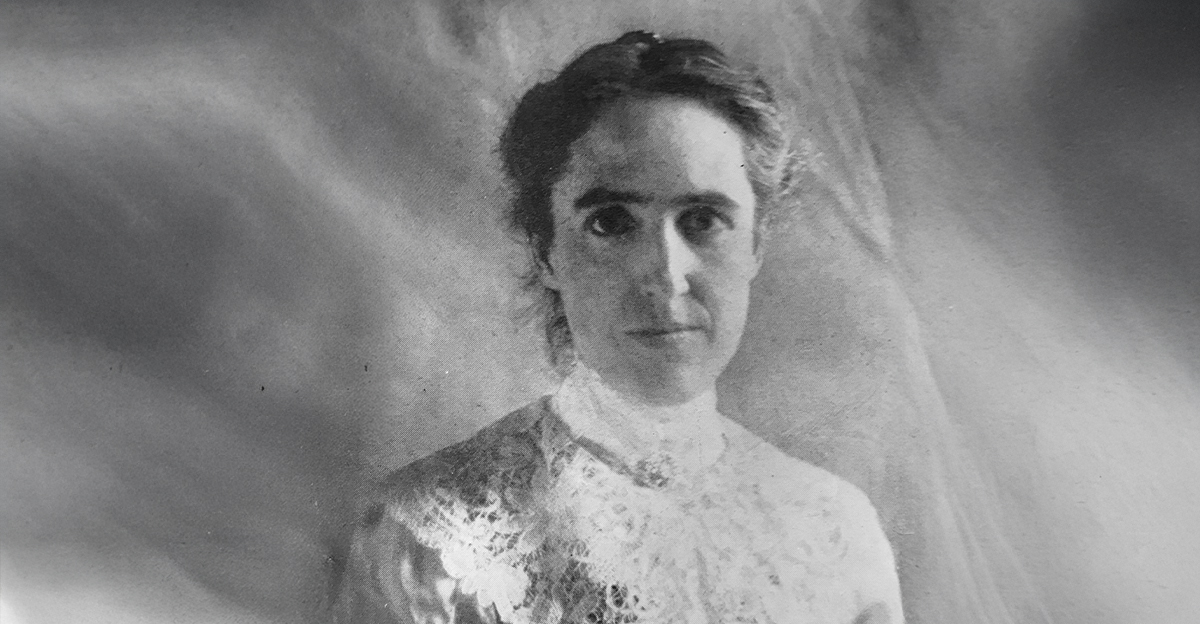
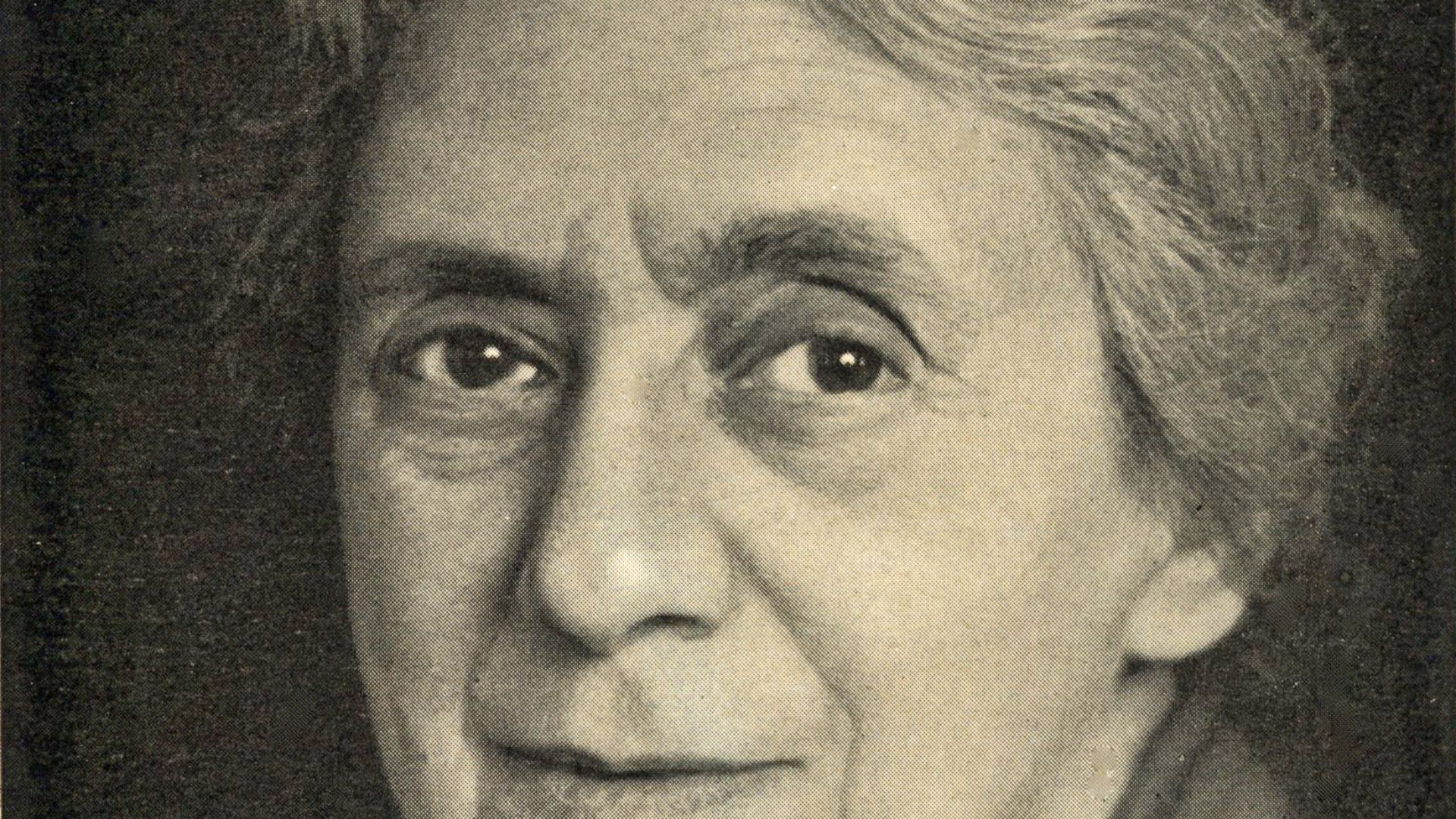
Henrietta Szold
Henrietta Szold reshaped social welfare and education in early 20th-century Palestine. She was committed to Arab-Jewish bi-nationalism in what later became the state of Israel. Her influence was later overshadowed by male political leaders in the tales told by today’s history books.
 Alexander Ganan, Wikimedia Commons
You May Also Like:
Unbelievable Facts About The Most Incredible People In History










.jpg)


