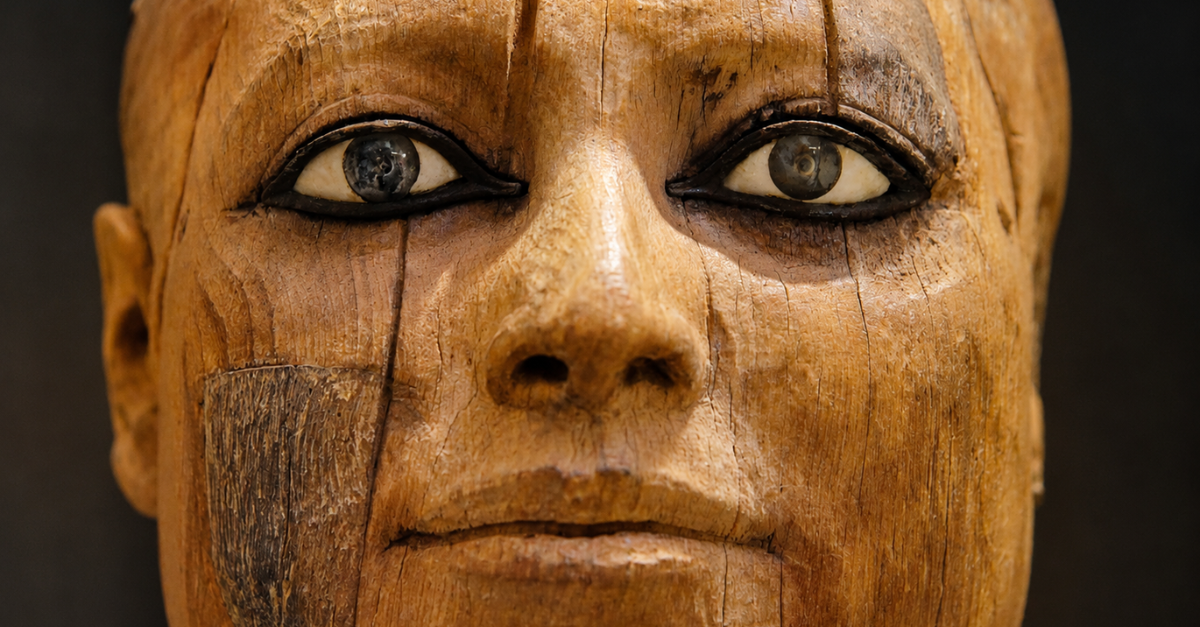
Across the ancient world, people earned their living by reading sheep livers, guarding sacred flames, carrying royal messages, and preparing bodies for eternity. These occupations reveal how deeply work was shaped by religion, empire, slavery, and beliefs that would make many of the roles impossible today.
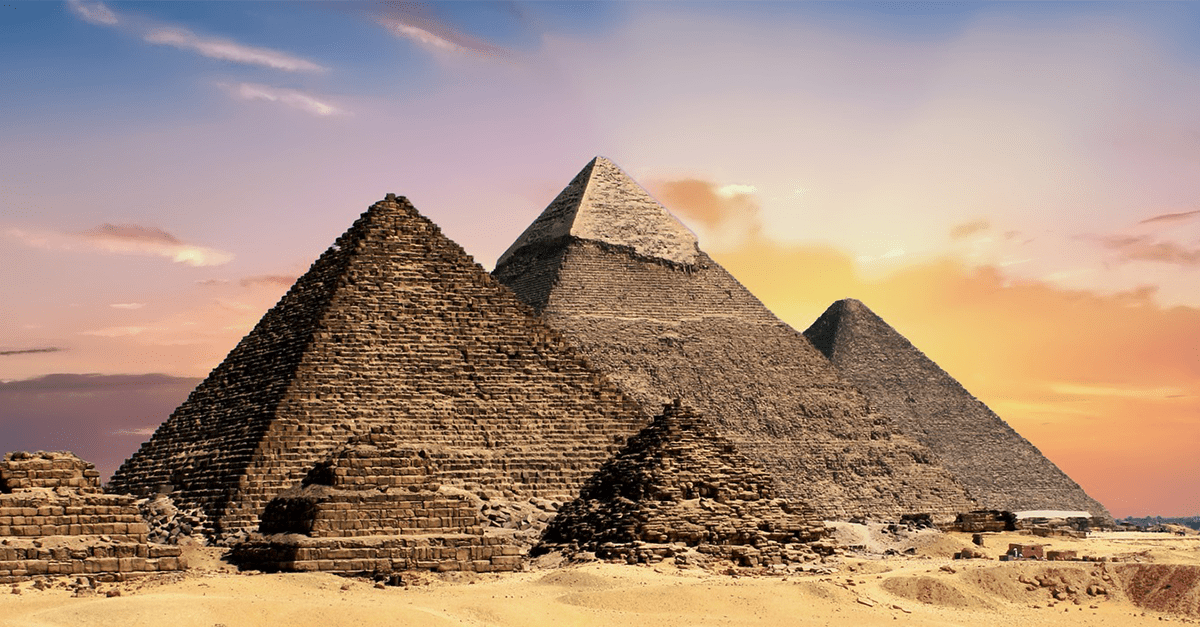
As some of the oldest standing structures on Earth, the Great Pyramids have inspired us, and mystified us, for thousands of years.

An ancient scroll has been resting in London's British Museum since 1839. For nearly two centuries, scholars studied Papyrus Anastasi I as Egyptian training material. Then, researchers and biblical archaeology groups re-interpreted elements.
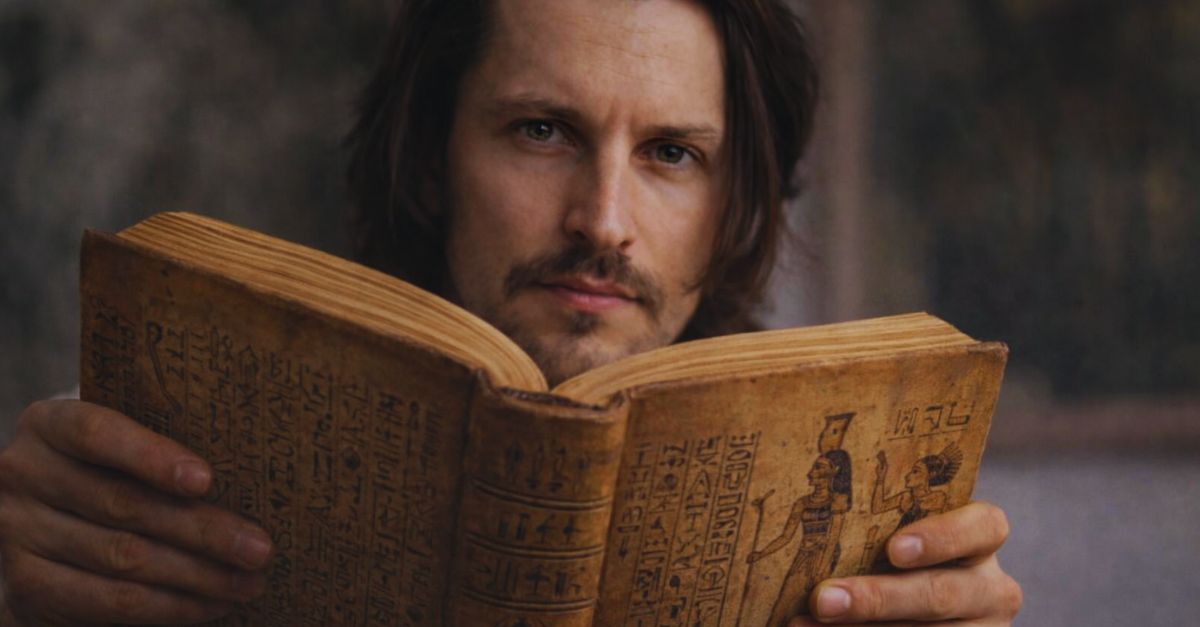
Opening a mummy usually promises linen and dust. Then a book appears, dated centuries later, and calm scholarship meets raised eyebrows. This story follows how that surprise unraveled through method, not magic. Stay curious and keep reading as the details do the talking. You might smile along the way, too.
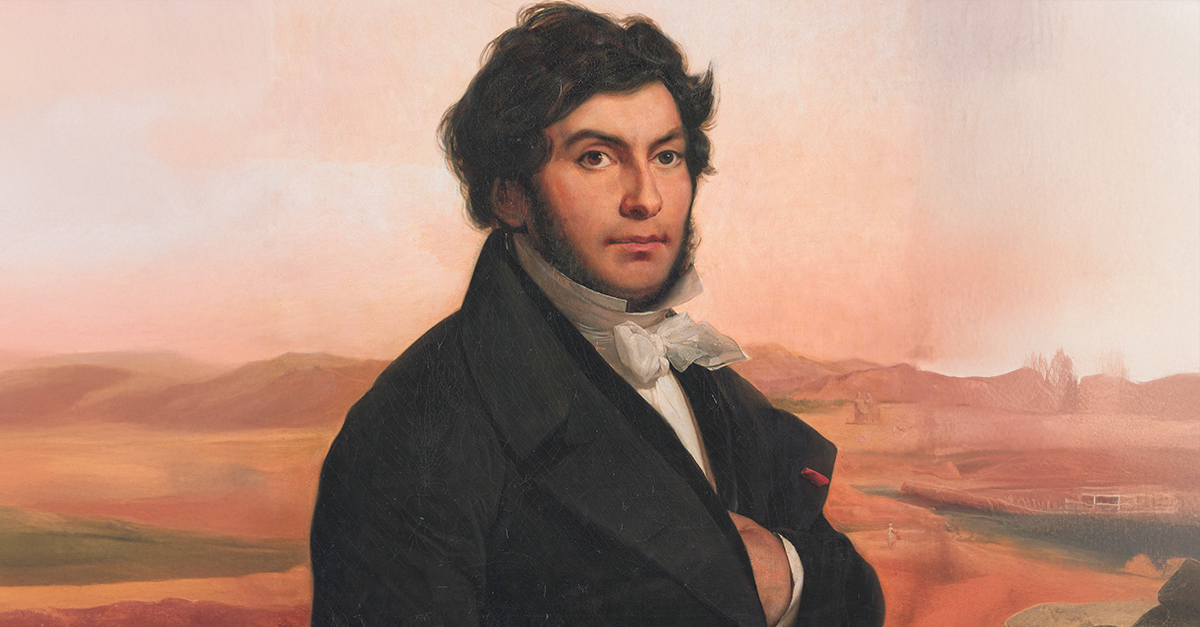
Jean-François Champollion was the scholar who used the Rosetta Stone to decode ancient Egyptian hieroglyphs, giving voice to a lost civilization.

Deep beneath the sands of Egypt, archaeologists exploring the temple of Taposiris Magna uncovered something extraordinary—a perfectly carved corridor stretching thousands of feet below ground. This “geometric miracle”, as experts call it, reveals the precision and ambition of ancient builders. What began as a search for Cleopatra's Tomb soon turned into one of the most remarkable tunnel discoveries in modern archaeology.
If you like humaverse you may also consider subscribing to these newsletters:
