A Footnote History Forgot
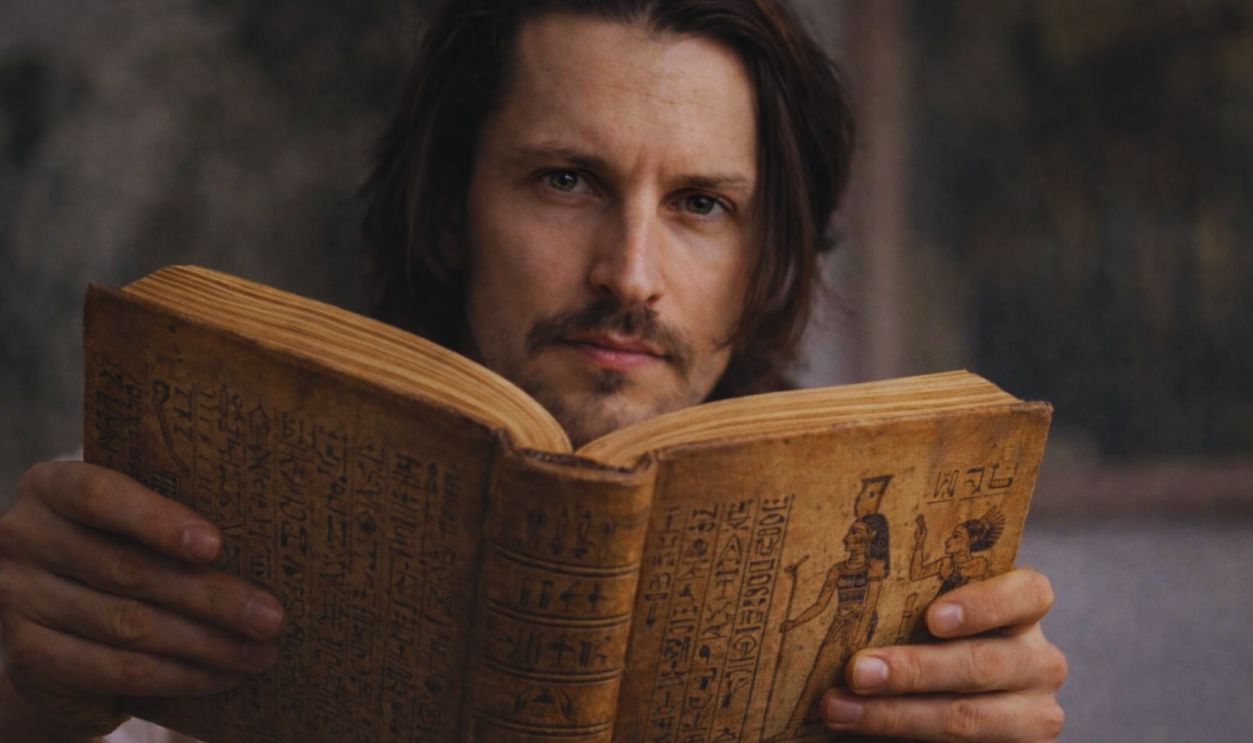
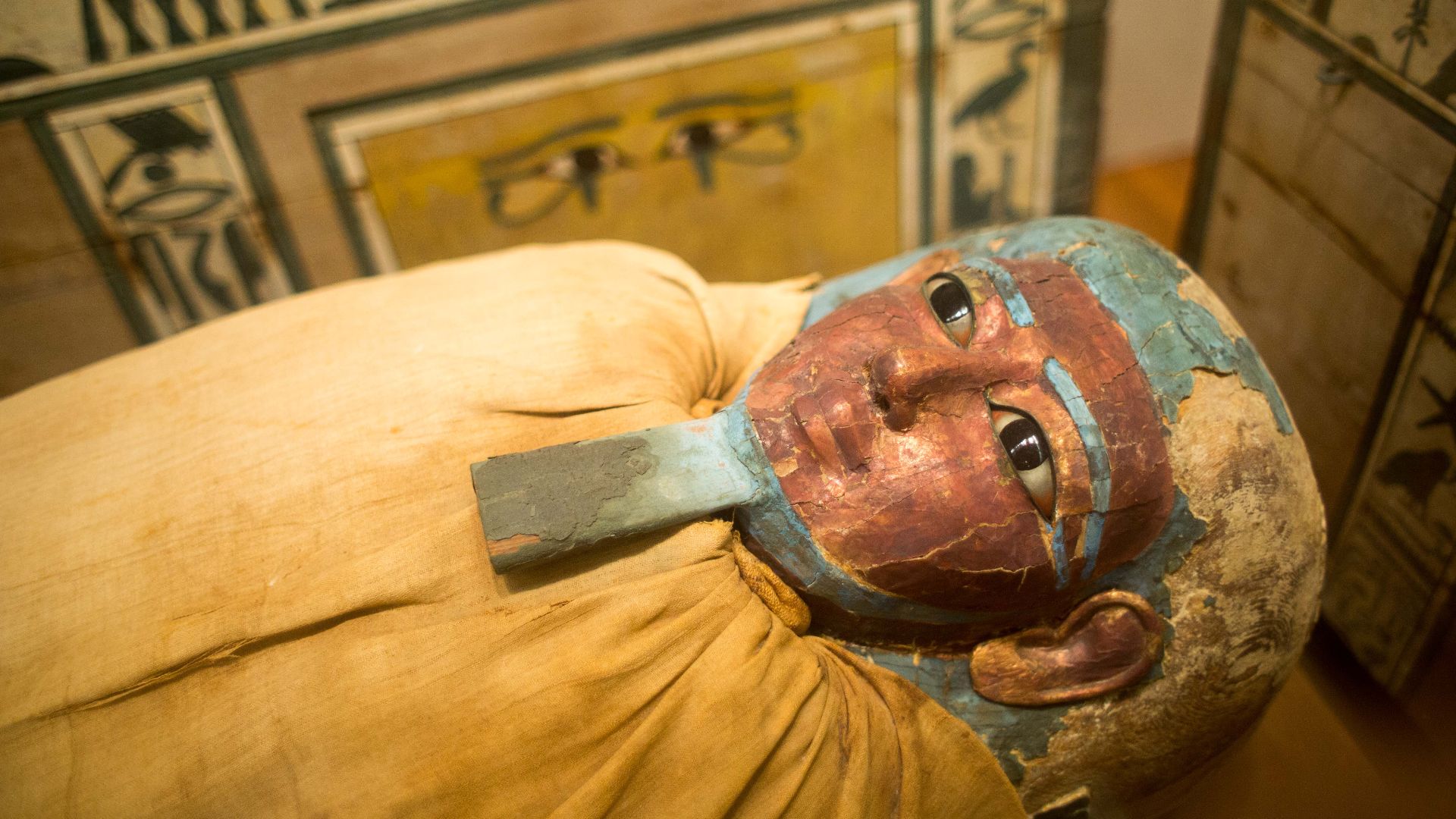
Opening a mummy usually promises linen and dust. Then a book appears, dated centuries later, and calm scholarship meets raised eyebrows. This story follows how that surprise unraveled through method, not magic.
 KoolShooters, Pexels, Modified
The Real Archaeological Context
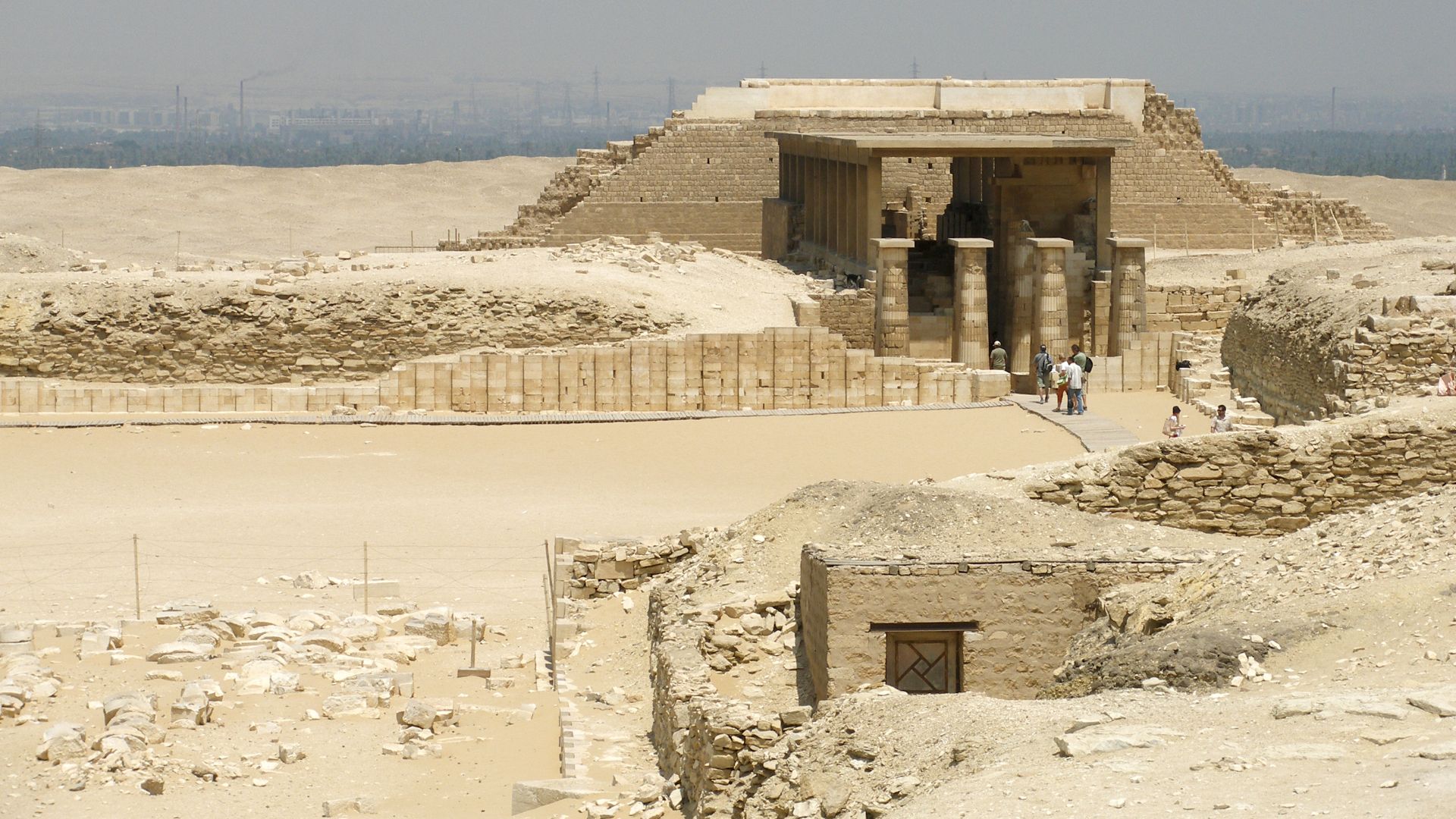
Archaeology rarely delivers tidy surprises. Most mummies surface from reused burial spaces or previously disturbed ground. Context outweighs shock, and without careful records, objects lose their story. That silence later invites speculation, even though physical placement usually explains how unexpected items appear nearby.
 Vyacheslav Argenberg, Wikimedia Commons
When Mummies Were Opened Publicly
During the nineteenth century, mummy unwrappings became public events rather than controlled studies. Layers were removed quickly, while documentation lagged behind. As a result, spatial evidence vanished. Modern analysis relies on scattered notes and circumstantial clues rather than dependable first-hand records.
 Victorgrigas, Wikimedia Commons
Why a Book Raised Immediate Questions
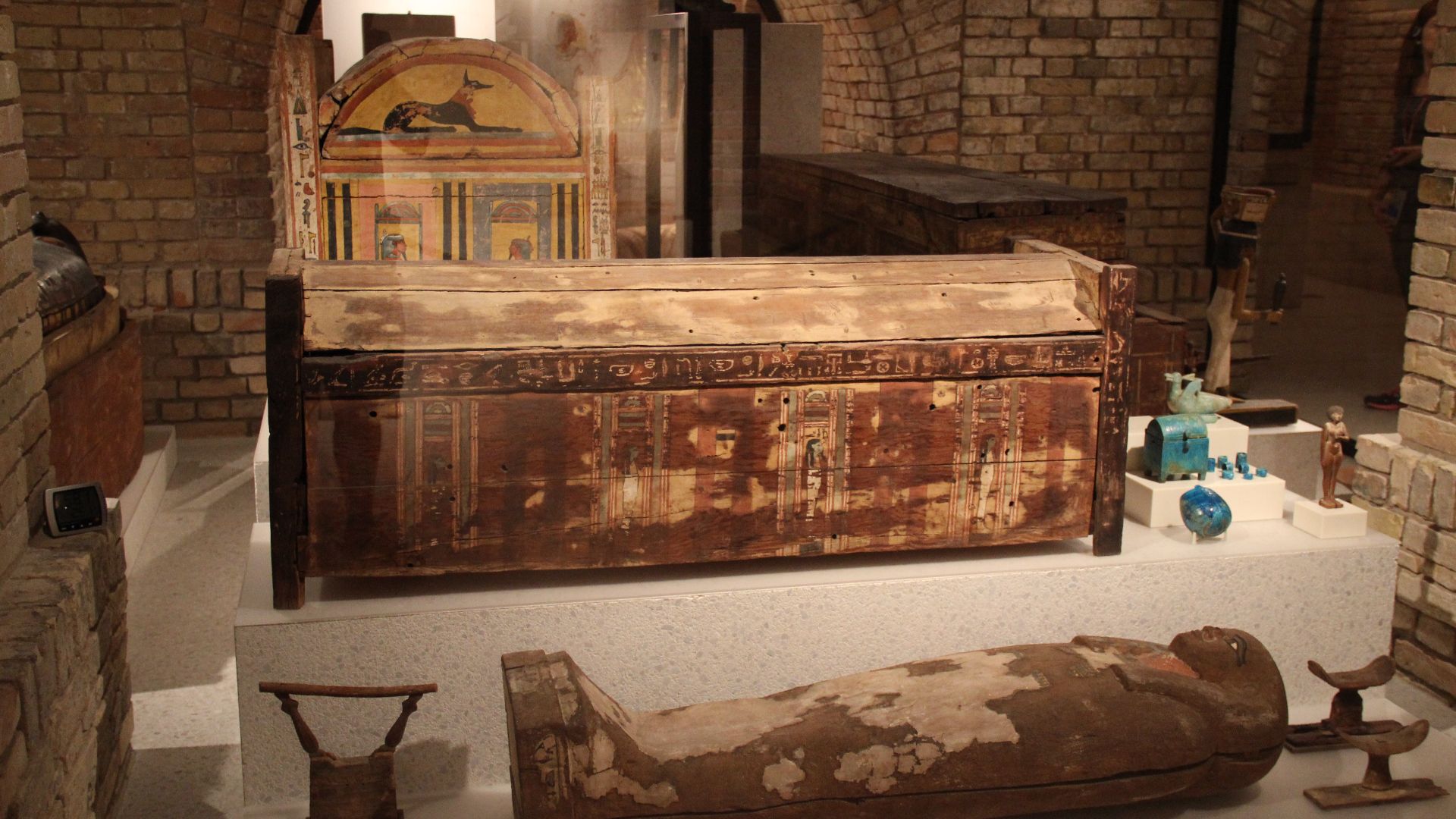
Ancient Egyptian burials followed conventions, and a book disrupted expectations. Scrolls made sense. Bound pages did not. That contrast drew attention fast. Curiosity centered on timing and placement, even though later retellings leaned toward mystery instead of historical probability.
 Gary Todd from Xinzheng, China, Wikimedia Commons
The Dating Problem No One Could Ignore
Material analysis dated the book to centuries after the mummy itself. That gap reframed the story. The chronology pointed toward reuse or concealment rather than an anomaly. Physical evidence often speaks more clearly than excavation memories written years after the original discovery.

Why Materials Change the Conversation
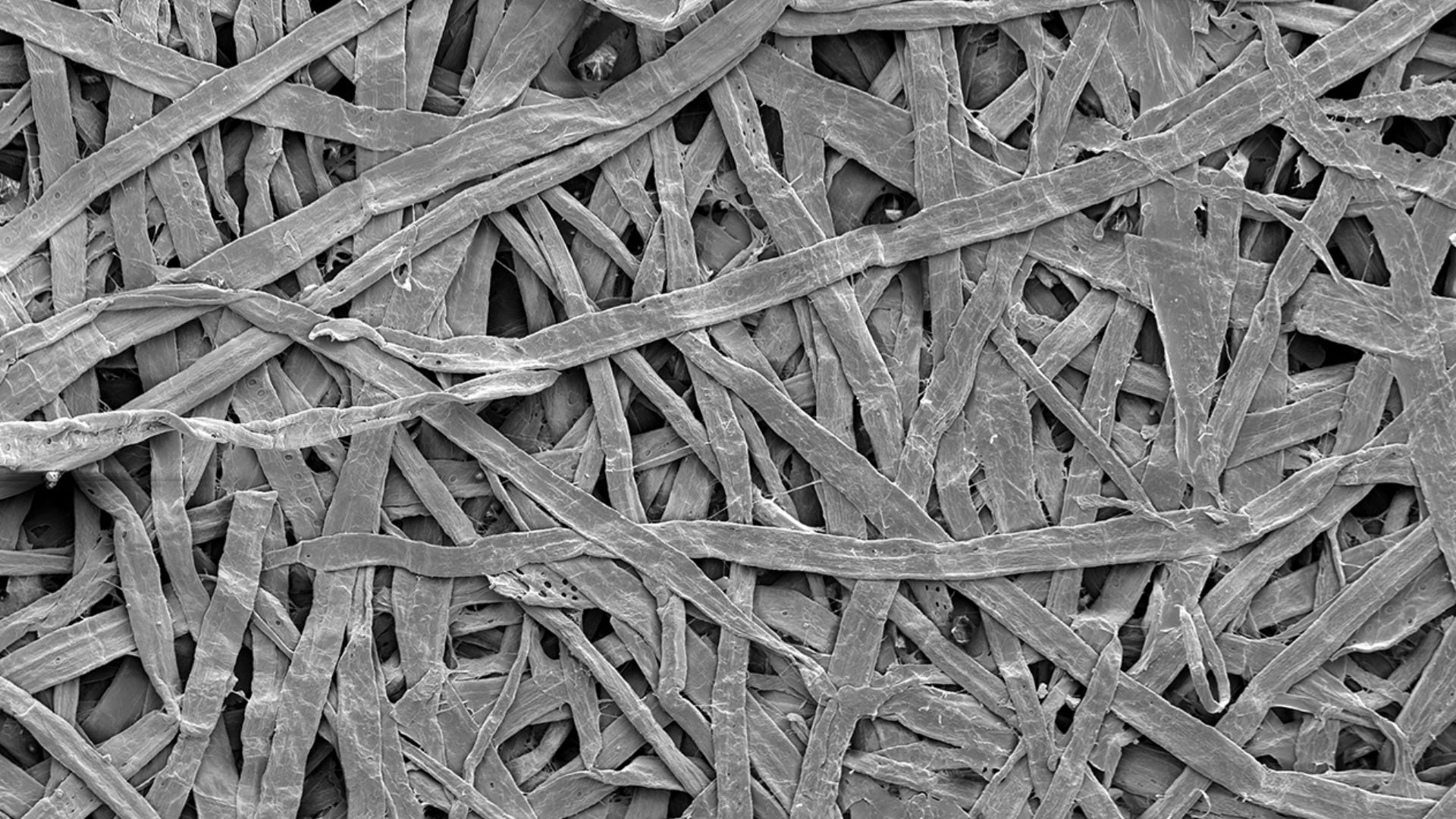
Speculation survives until materials step in. Paper fibers reveal age, inks signal period, and bindings expose habits. Once testing begins, drama fades quickly. The book stops behaving like a miracle and starts acting like an object that arrived later through human hands.
Burial Goods Versus Later Intrusions
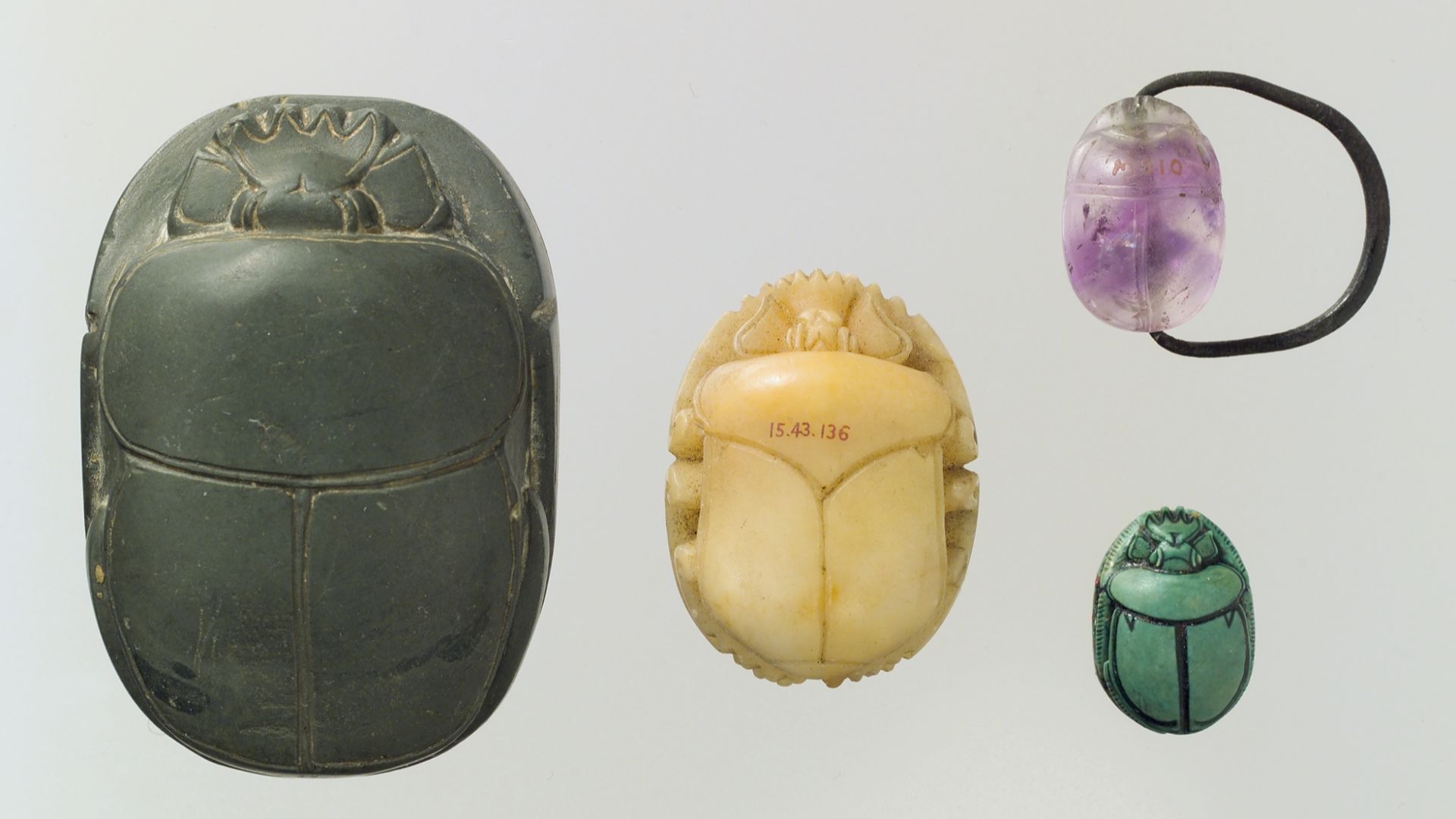
Objects placed during burial usually sit in stable positions set before wrapping or sealing. The book appeared above compressed layers and outside the expected body alignment. Such placement indicates later insertion, since original grave goods remain fixed while intrusions disrupt surrounding materials without reshaping the burial itself.
 Yellowstone National Park, Wikimedia Commons
Egypt’s Long History of Tomb Reuse
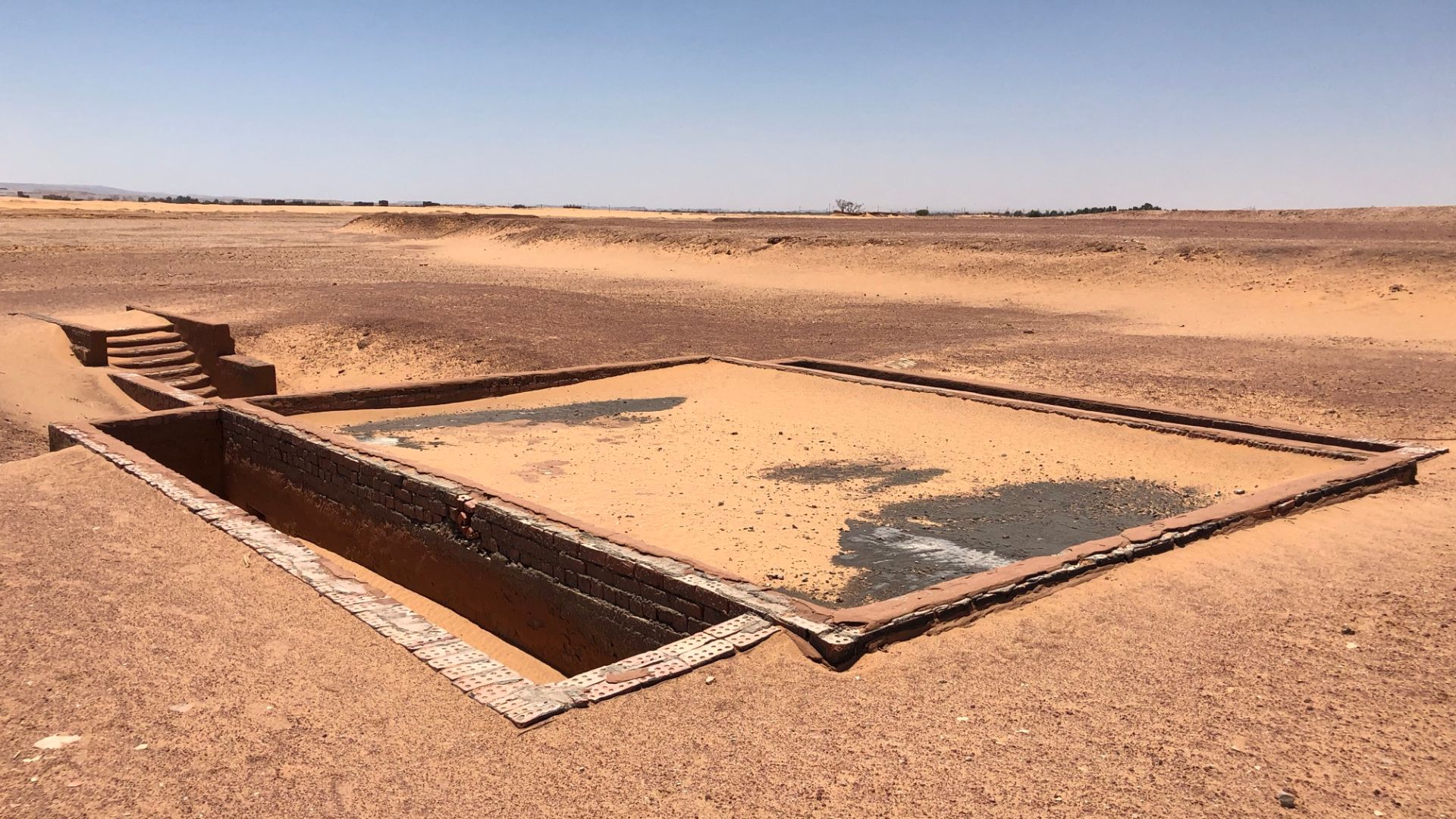
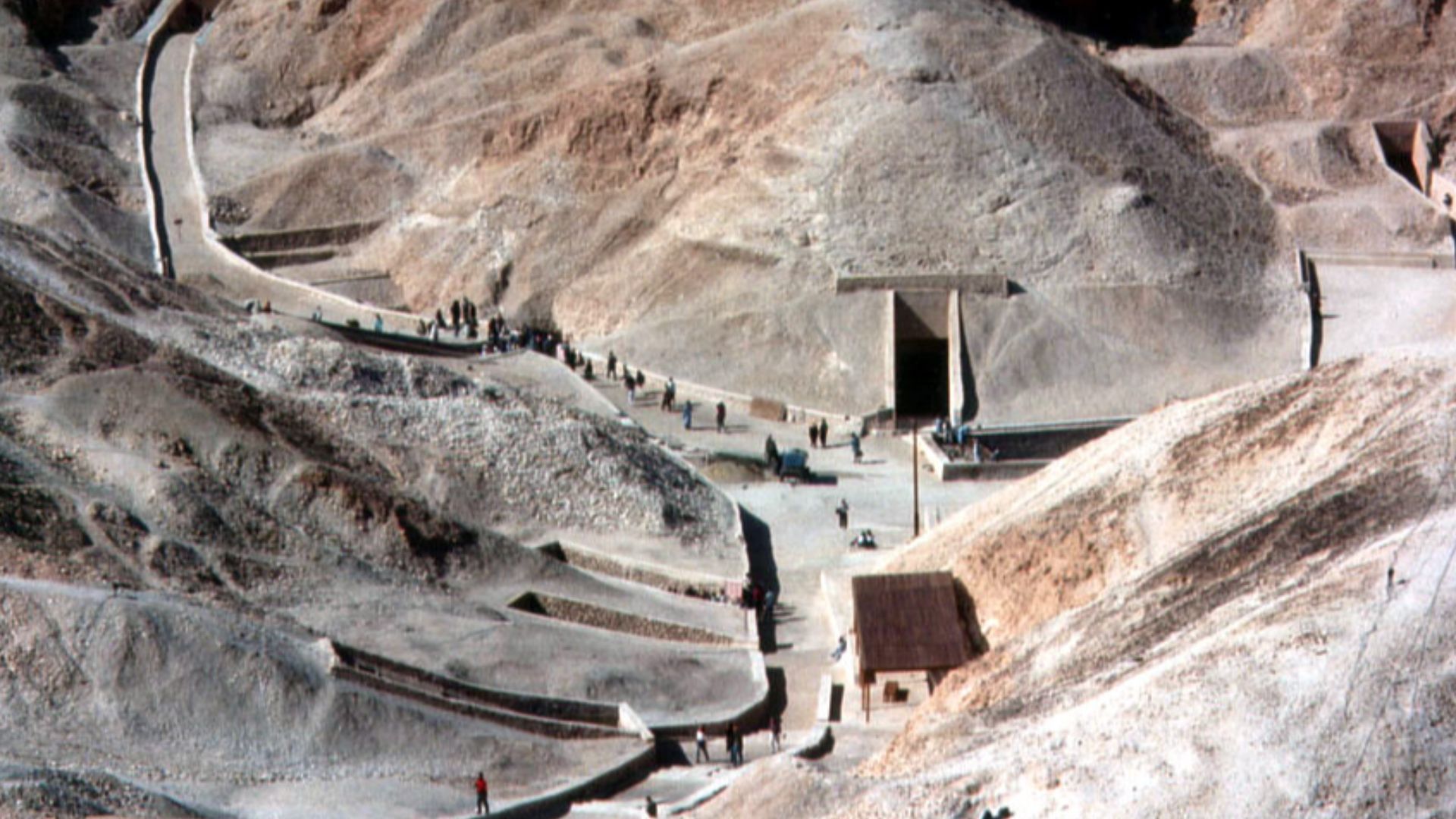
Tombs rarely stayed closed forever. Families reopened them. New burials arrived. Storage followed. Across centuries, older spaces gained new meaning. Within that cycle, a book could slip into a coffin chamber without ceremony, leaving later observers puzzled by an unintentional time collision.
 Viktor Lazic, Wikimedia Commons
Religious Texts Hidden for Protection
Periods of upheaval encouraged secrecy. Texts faced risk, so concealment felt safer than destruction. A sealed tomb offered protection since fear, not ritual, often guided placement. That motivation reframes the book as guarded knowledge rather than an object meant to accompany the dead.
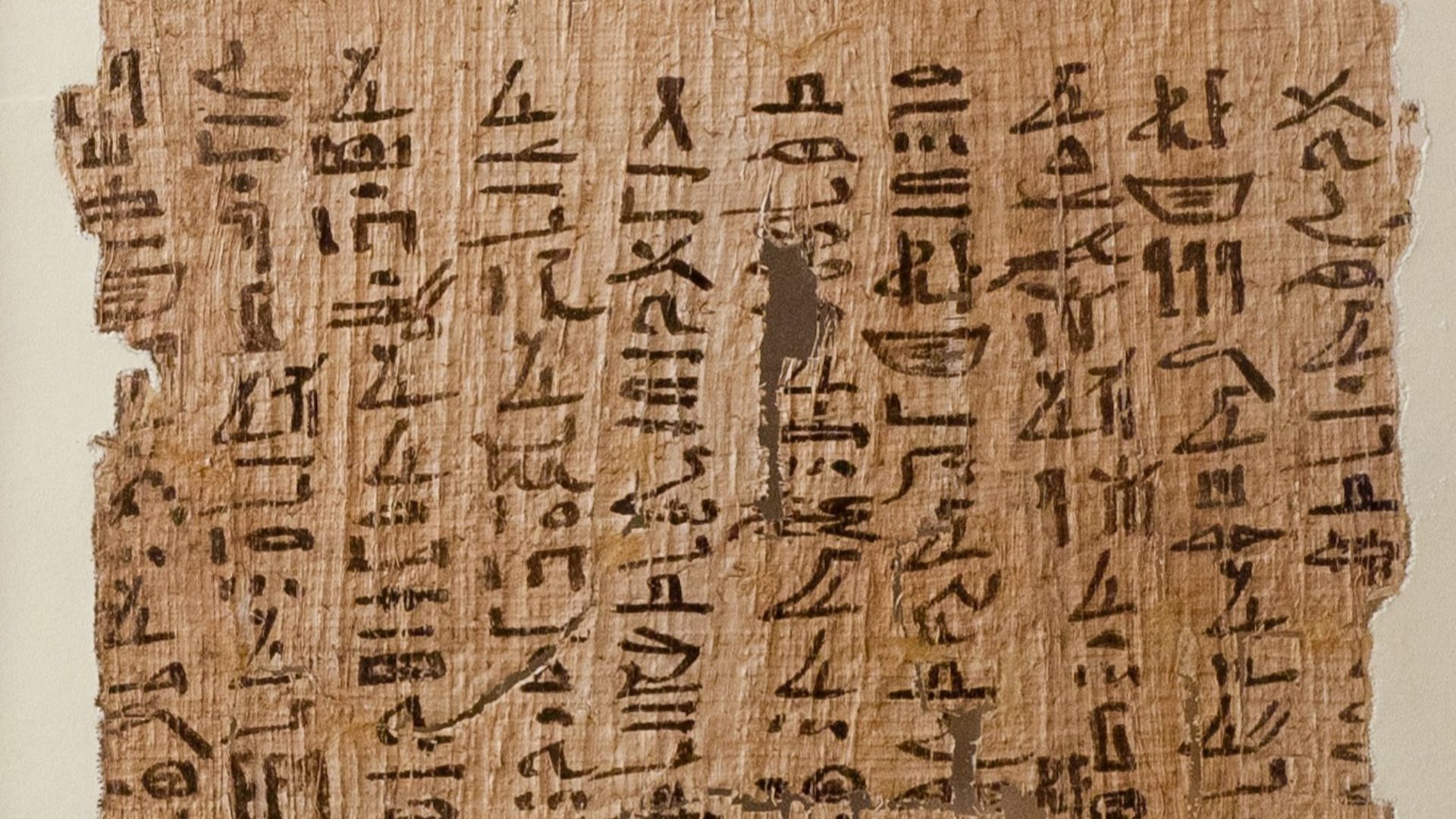
Funerary Texts Versus Personal Writings
Funerary writings followed formal structures tied to belief systems, while personal books reflected individual needs. Differences in tone and layout reveal purpose. The discovered text aligned with private use, weakening claims that it belonged to a planned burial context.
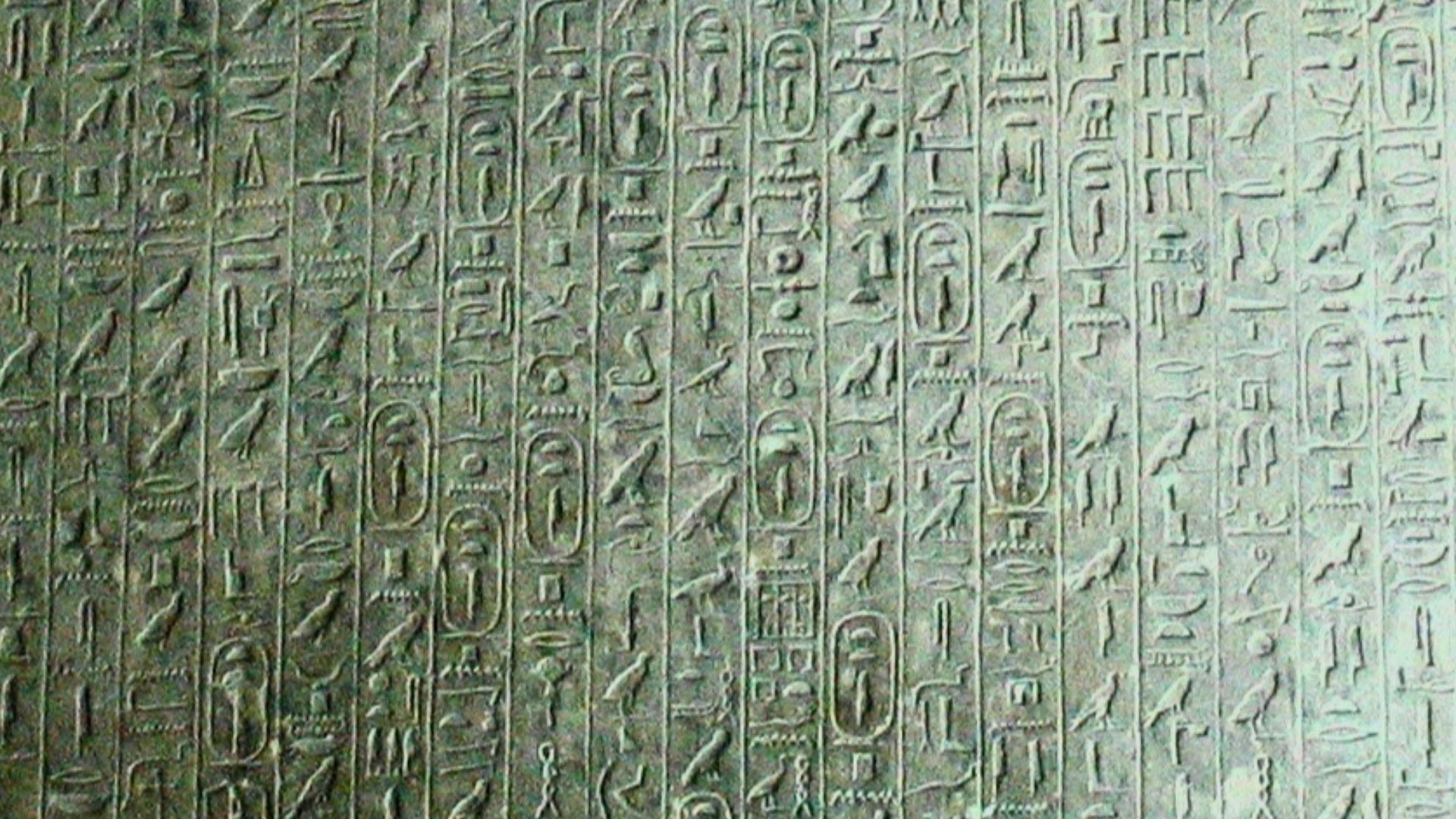
Language as a Time Marker
Language carries fingerprints that resist erasure over time. Spellings shift, scripts change, and favored phrasing moves on. Once examined closely, the book dated itself forward, reinforcing material analysis and challenging claims that tied it to the mummy’s era.
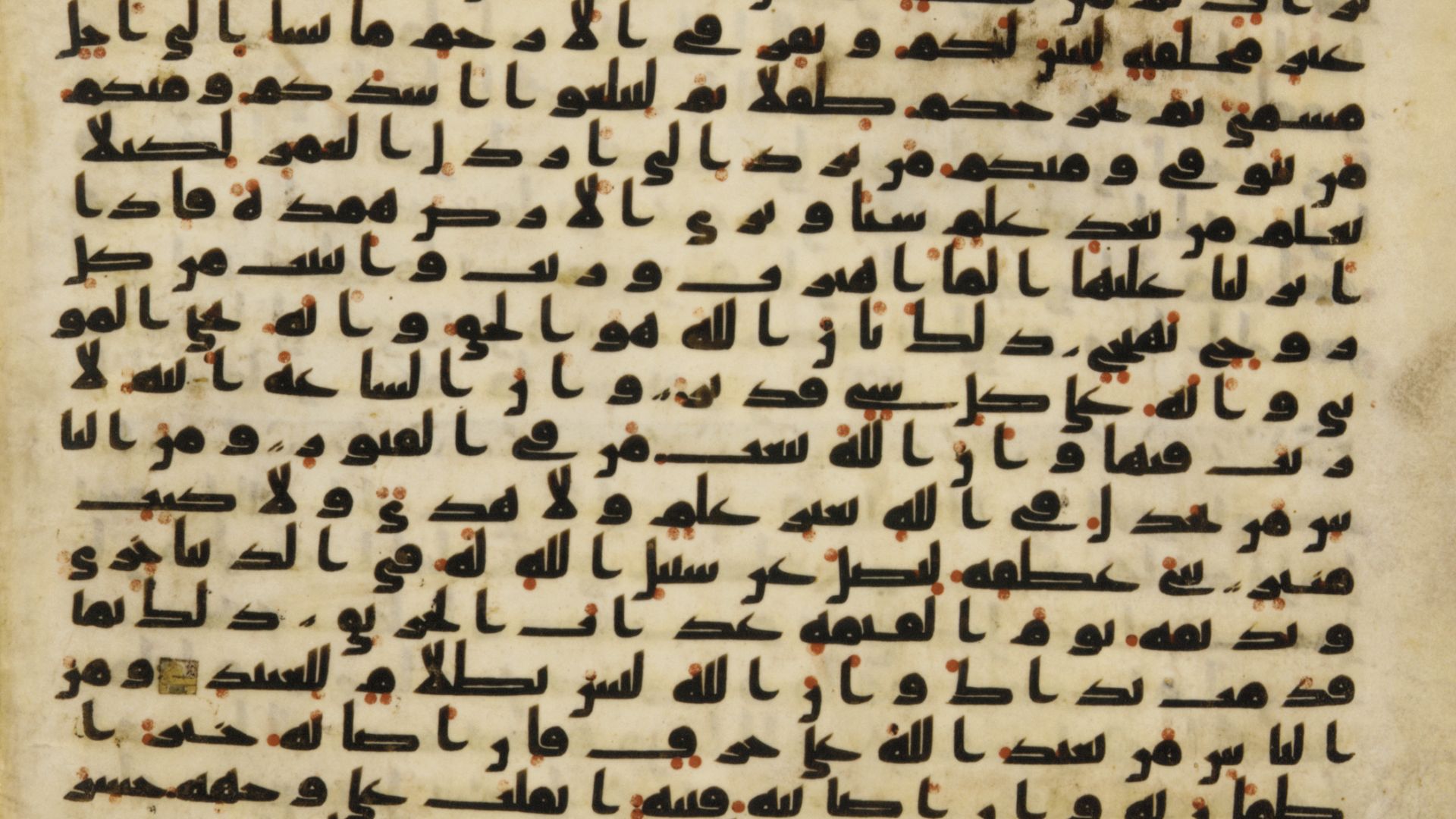
Why “No One Can Explain” Misses the Point
Archaeology rarely offers single answers, and uncertainty does not equal impossibility. Competing explanations often coexist while evidence accumulates. In this case, the explanation existed early. What lingered was disagreement, shaped by missing records and cautious scholarship rather than true historical mystery.
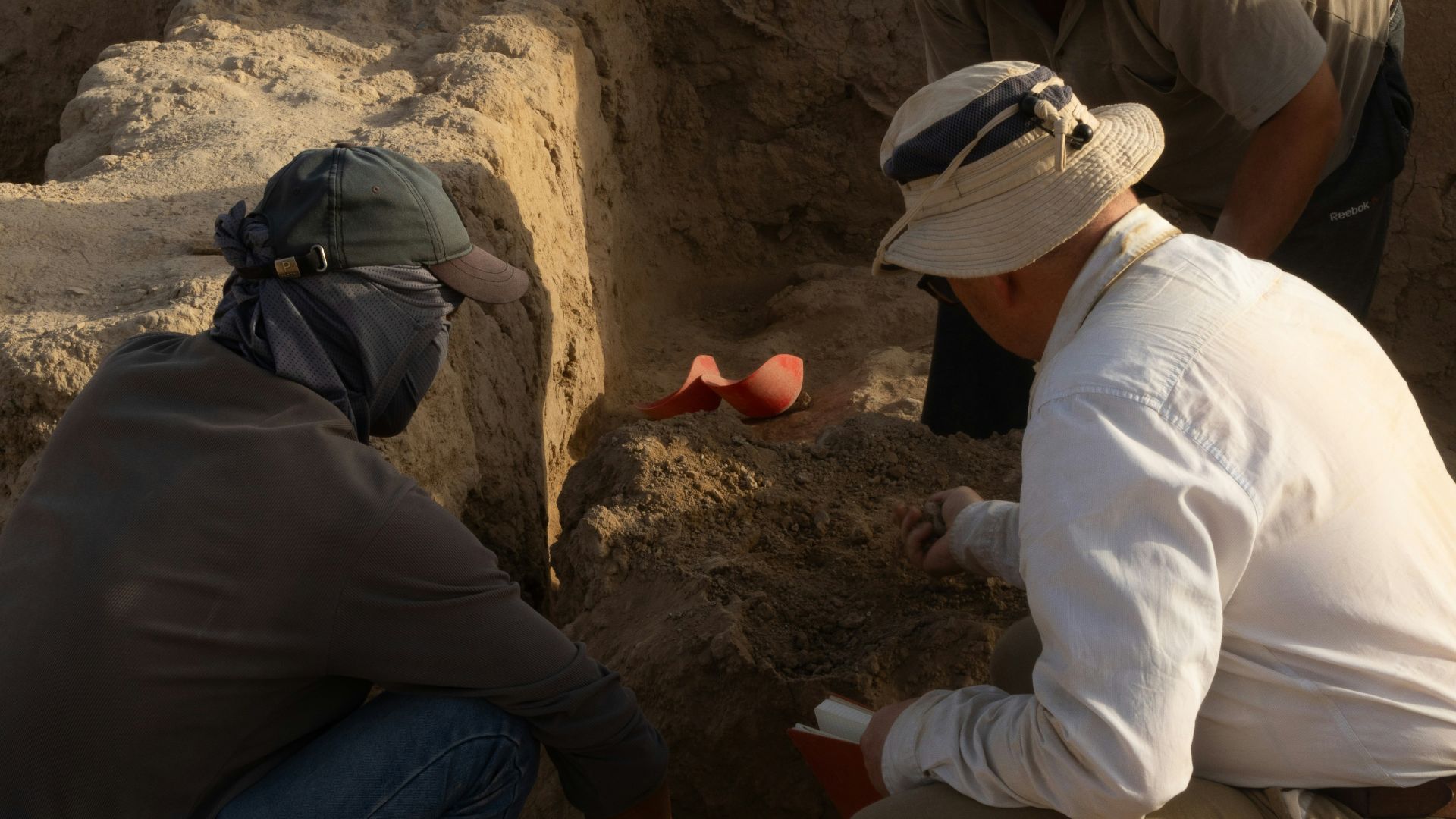 Aleksander Stypczynski, Unsplash
Carbon Dating and Its Limits
Carbon dating helped narrow the book’s age, but results never stand alone. Environmental exposure, later handling, and sample contamination affect precision. Consequently, laboratories paired dating with material study.
 Yulia Kolosova, Wikimedia Commons
Ink as Historical Evidence
Ink composition reflects available resources and regional habits. Certain formulas appear only after specific periods. Analysis of the book’s ink aligned with post-medieval practices. That detail reinforced other findings, showing how small chemical traits can anchor large chronological conclusions.
 Eric Magnan, Wikimedia Commons
Who Would Have Owned Such a Book
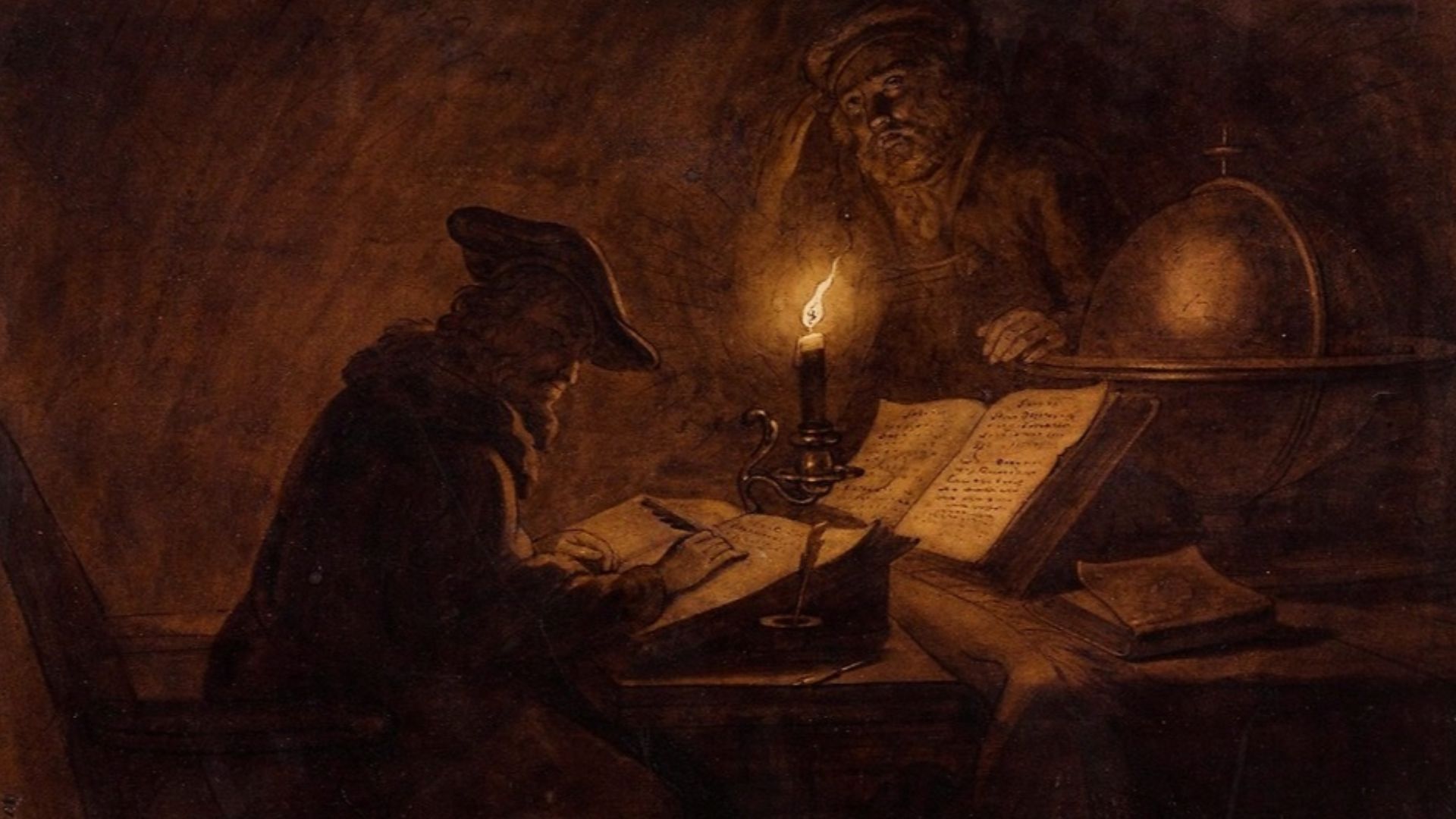
Books were personal investments, copied by hand and guarded closely. Ownership implied literacy, purpose, and time. Imagining the reader shifts focus away from spectacle. The book begins to feel human, carried for use or protection, rather than staged for burial.
 Michiel Versteegh, Wikimedia Commons
Hidden Versus Buried on Purpose
Intent matters more than location. Buried objects usually signal final placement, while hidden ones suggest future retrieval. The book’s positioning favored concealment. That distinction shifts interpretation, framing the object as something meant to survive danger rather than accompany the dead.
Colonial Era Handling Complications
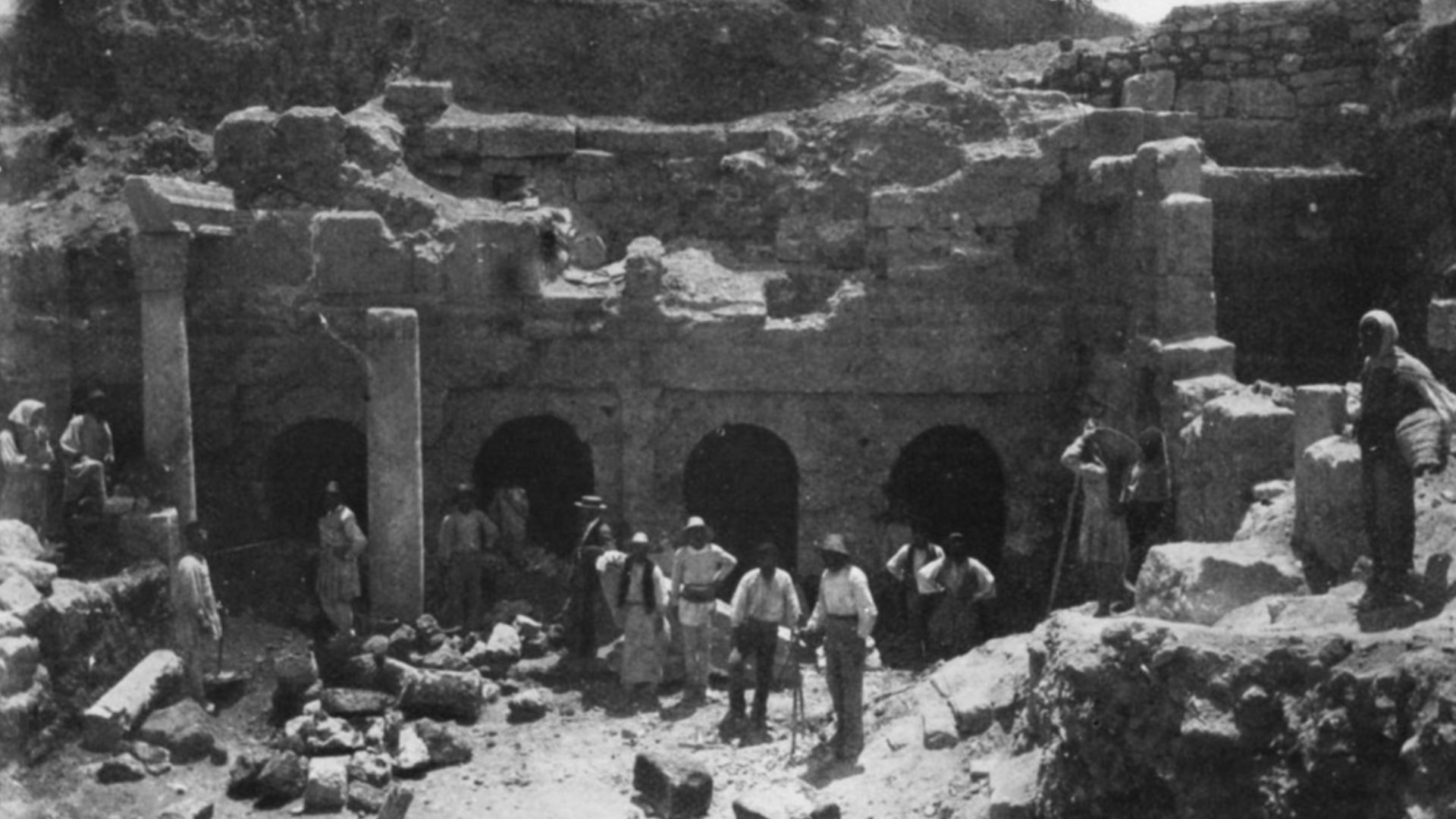
Early excavations operated under different priorities, where speed outweighed careful documentation. Objects moved quickly, while written records lagged behind. Context fractured as a result. By the time the book surfaced, uncertainty already existed, leaving later explanations sounding weaker than the evidence supported.
 Archaeologists of the American School of Classical Studies at Athens, Wikimedia Commons
Museums and the Problem of Lost Provenance
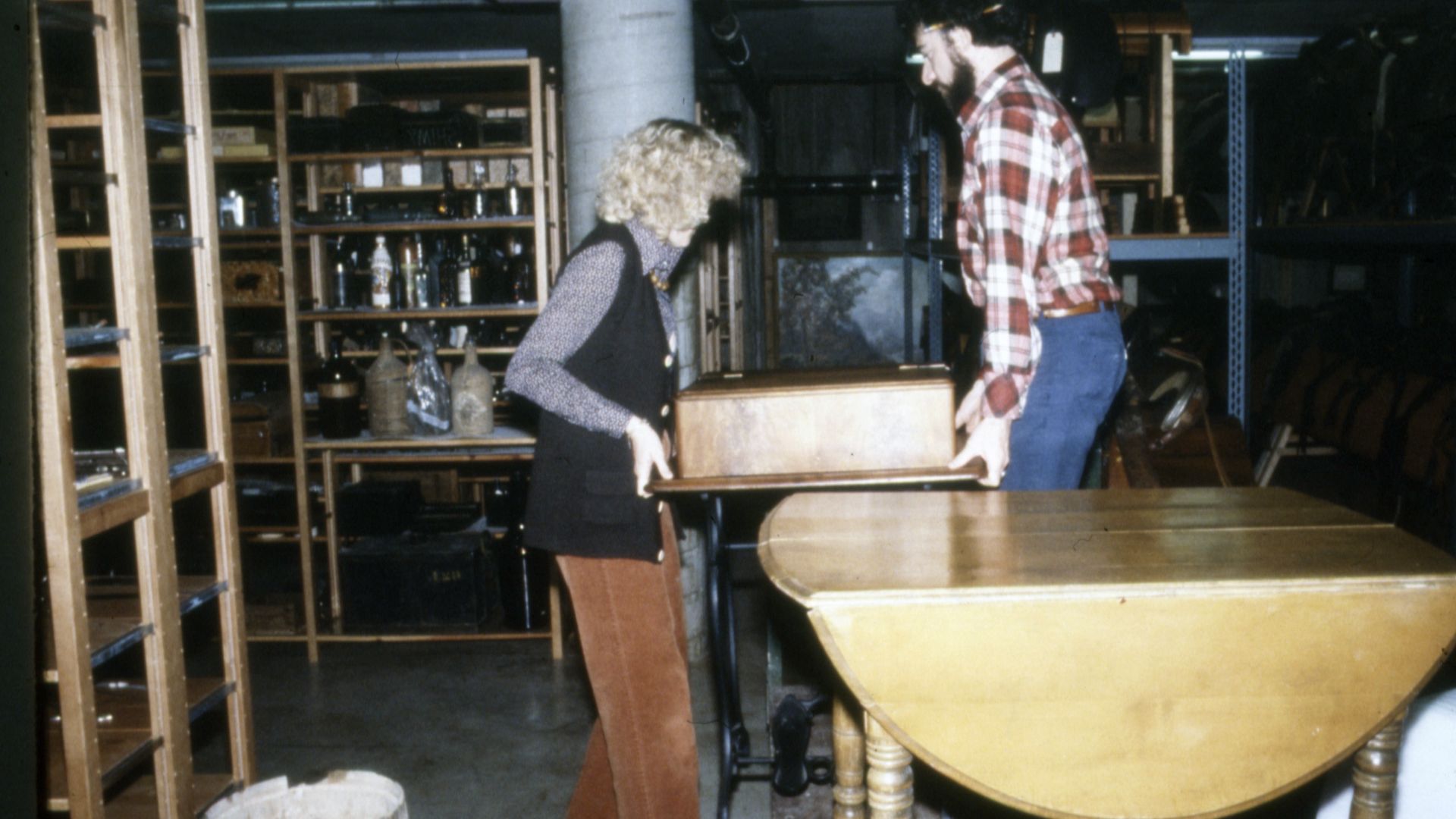
Many artifacts entered collections with limited records. Transfers between dealers, collectors, and institutions blurred origins further. The book inherited that confusion. Without a clean paper trail, interpretation relied heavily on physical analysis rather than excavation notes that no longer existed.
 Heritage Preservation Department - MNHS, Wikimedia Commons
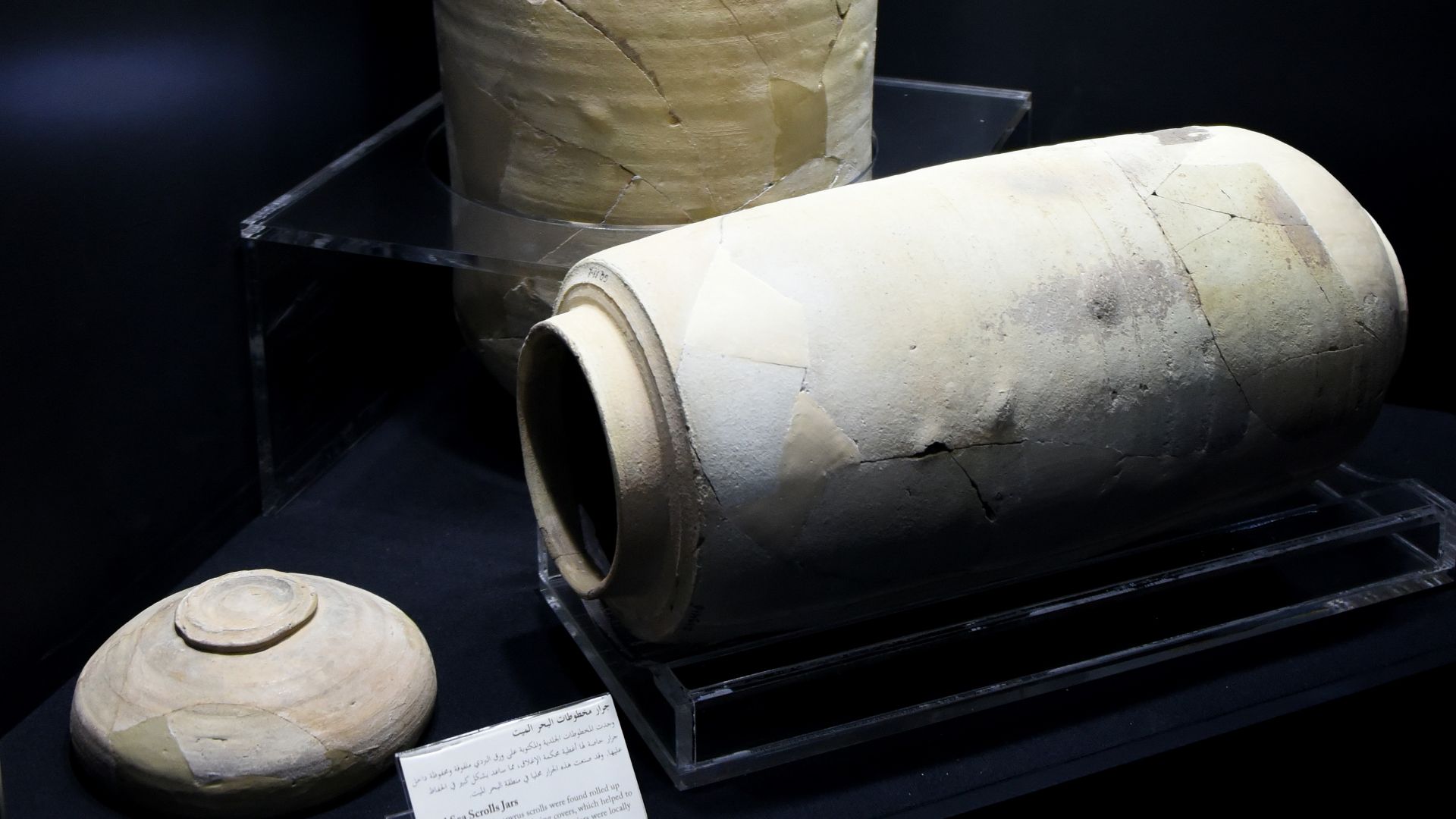
Containers Often Traveled Separately from Texts
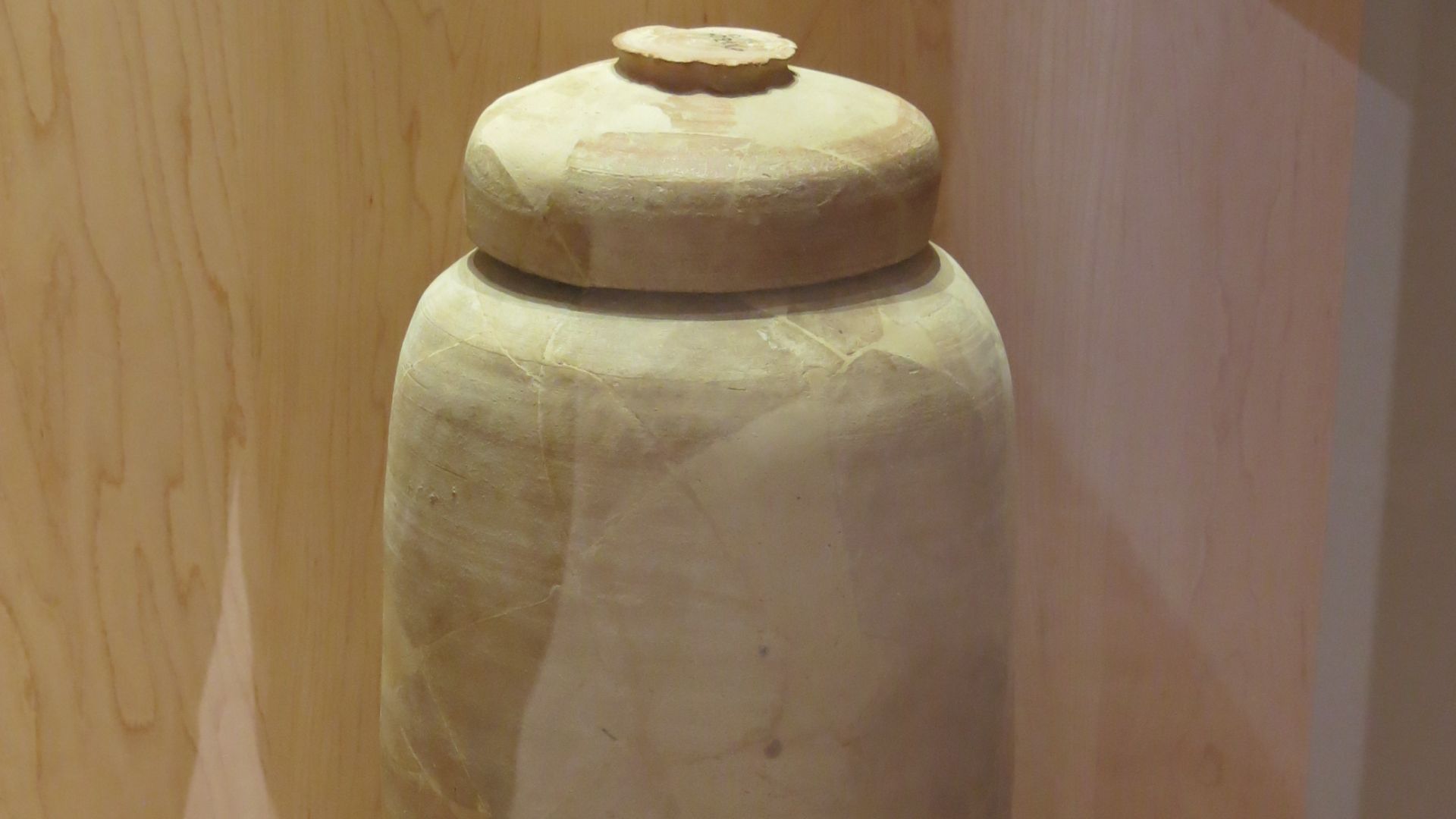
Books were frequently stored inside boxes, wrappings, or cases designed for transport. Those containers moved easily between locations. When separated from their original context, texts could end up far from intended settings. Such mobility explains how a book might reach a tomb without a ceremonial purpose.
 Osama Shukir Muhammed Amin FRCP(Glasg), Wikimedia Commons
Literacy Was Limited but Highly Concentrated
Reading ability remained confined to narrow social groups rather than the wider population. Books circulated within small communities and passed between hands over time. That concentration increased the likelihood of reuse or relocation, especially during periods of disruption, travel, or institutional change.
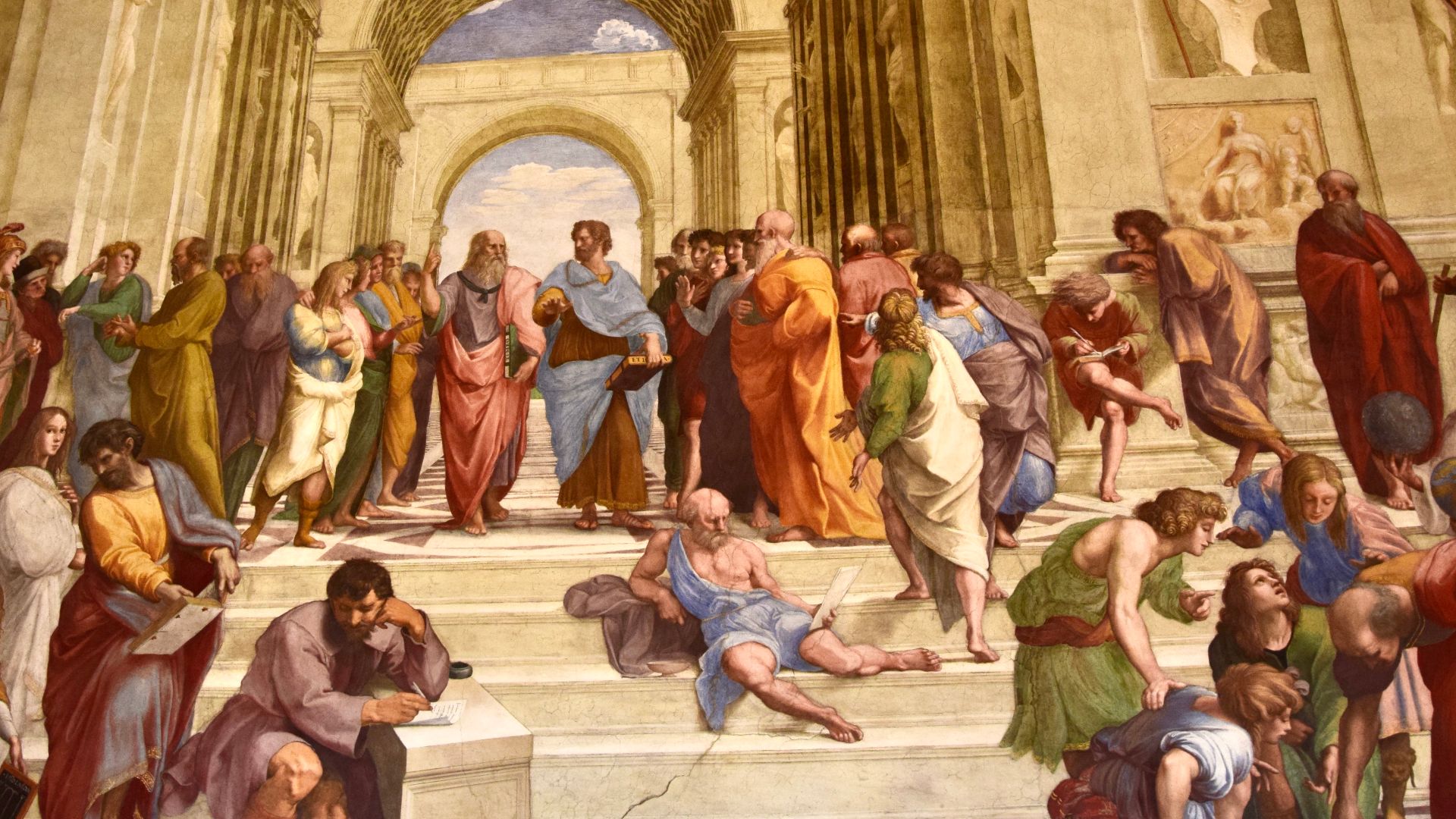
Other Finds That Sound Impossible at First
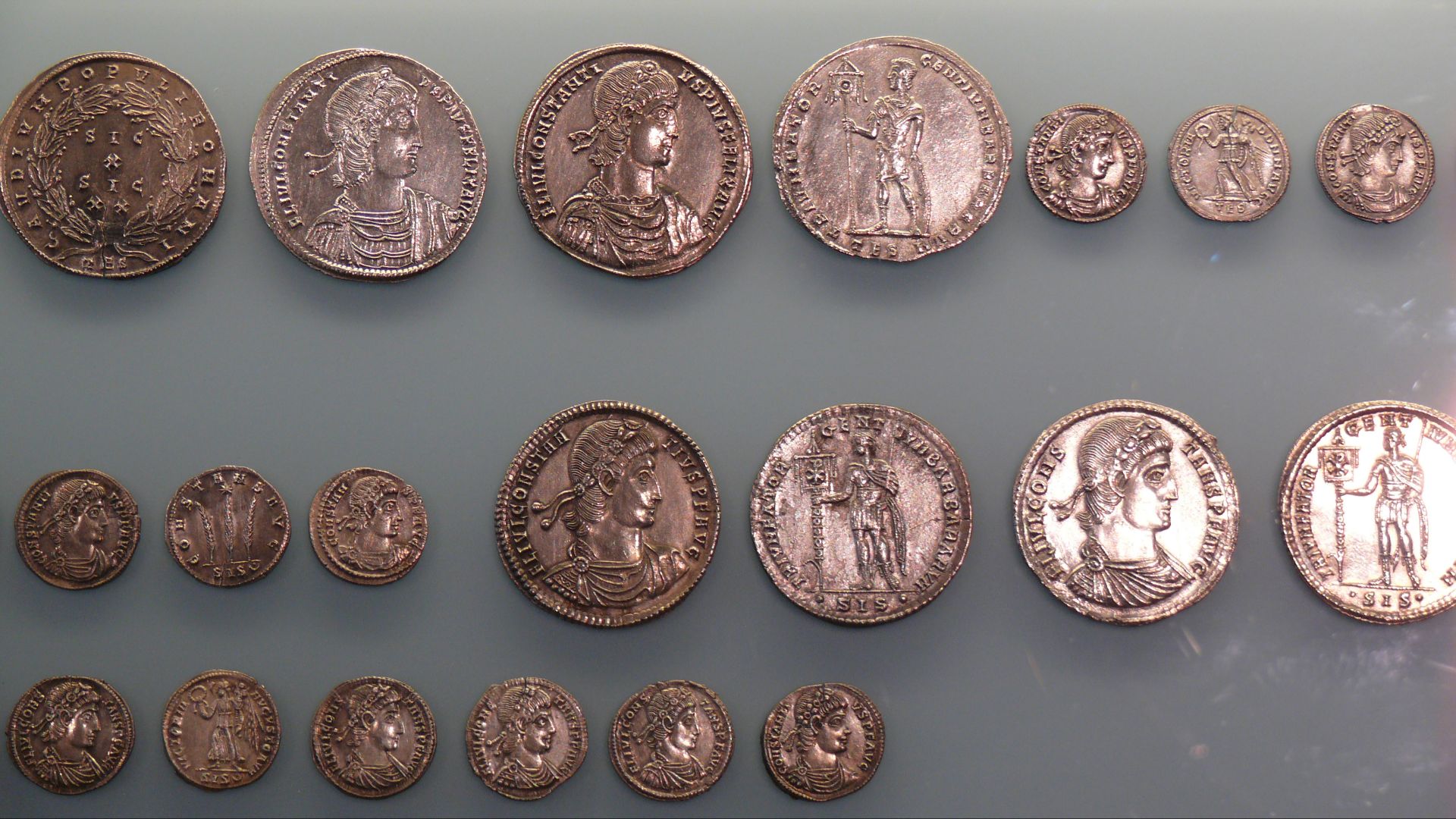
History loves irony. Roman coins appear in medieval layers. Modern nail marks appear on ancient walls. Each case sparks surprise before context settles nerves. The book fits that pattern, where time layers collide through reuse rather than rewriting historical timelines.
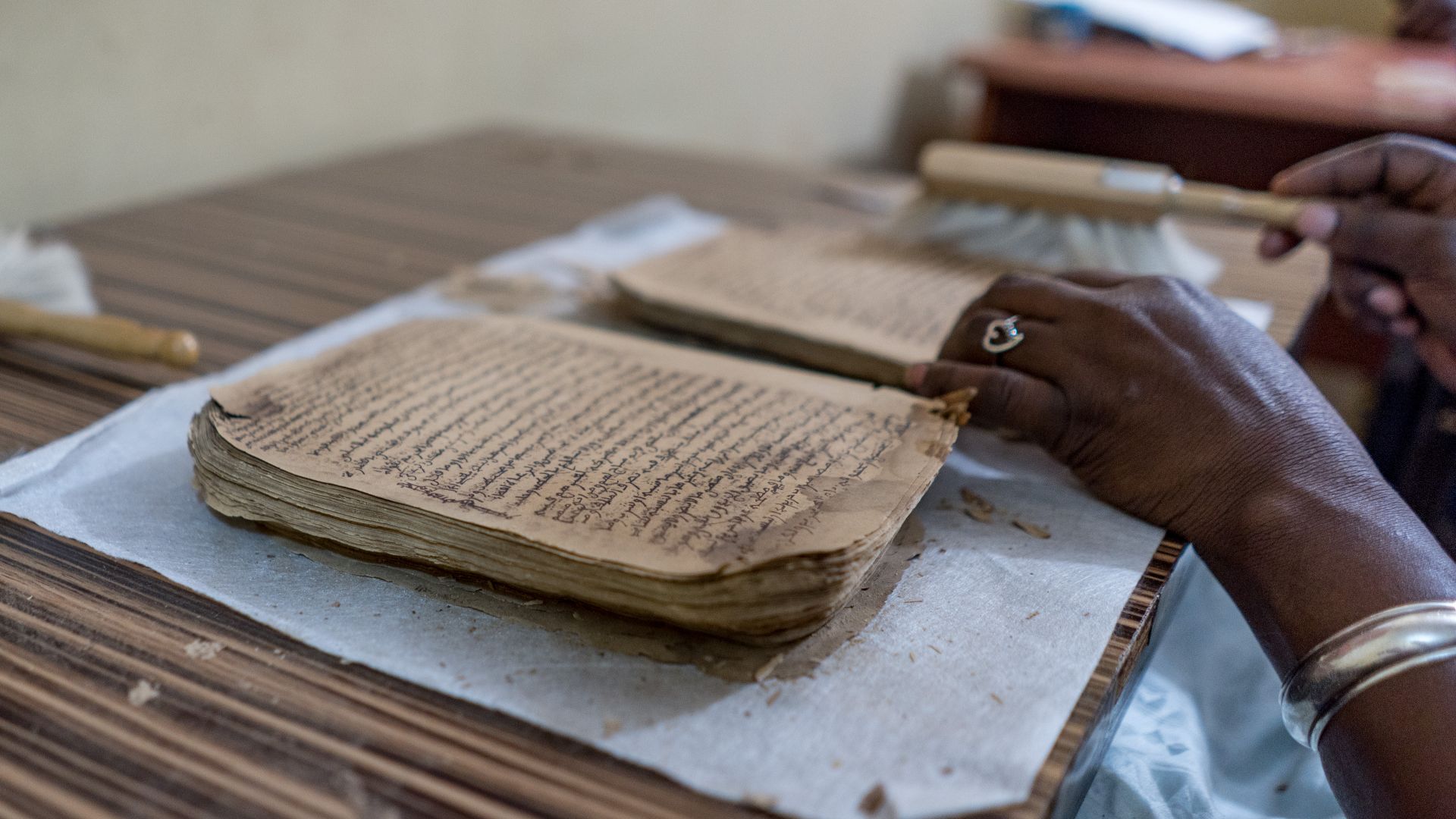
Why the Book Survived at All
The book lasted because conditions worked in its favor over time. Dry air reduced deterioration, limited contact preserved structure, and isolation shielded it from disruption. While organic remains declined steadily, the pages endured, resurfacing later as an unexpected witness to a forgotten moment.
 Mark Fischer, Wikimedia Commons
Conservation Reveals Hidden Clues
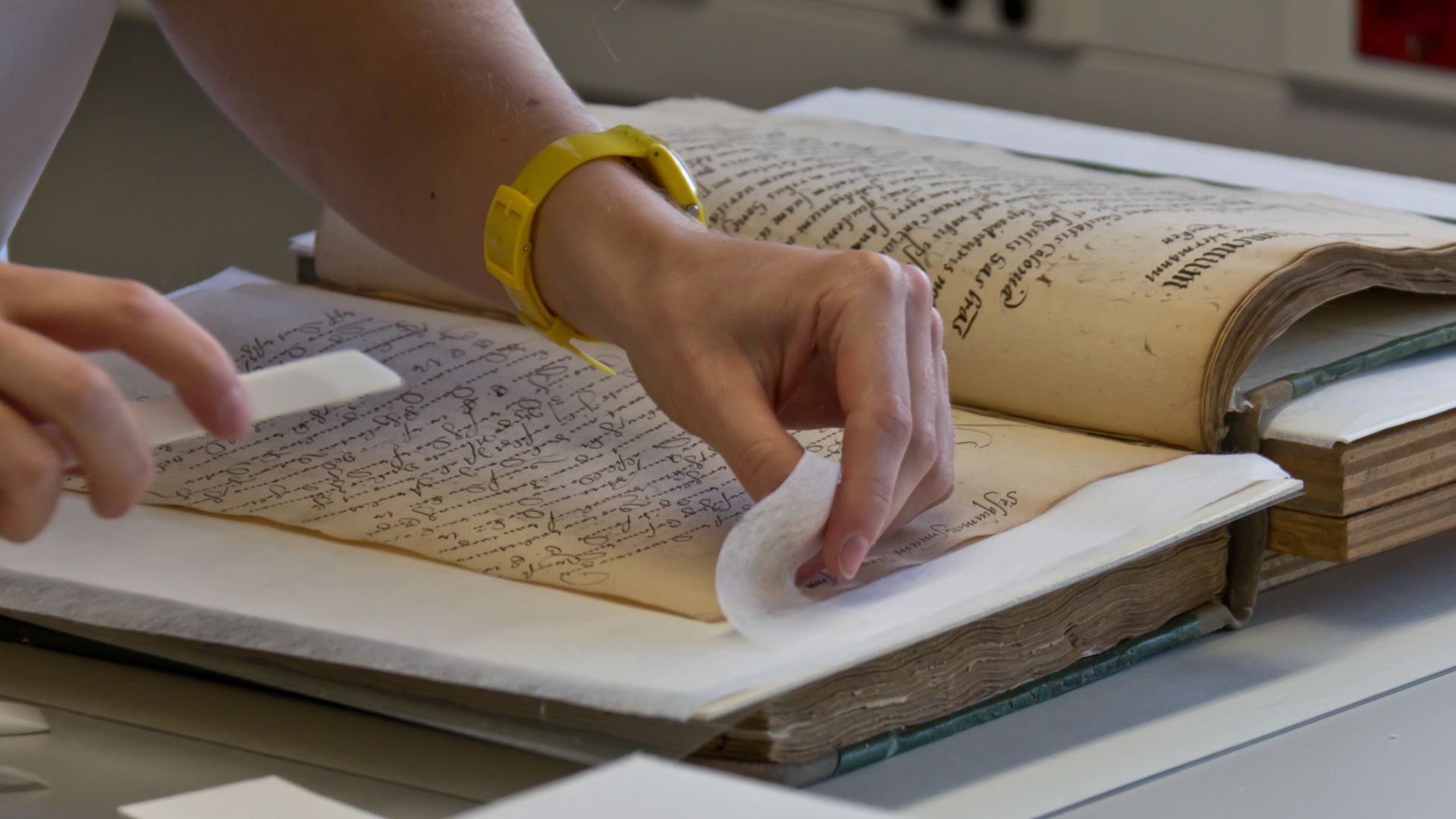
Modern conservation prioritizes stabilization before interpretation. Once secured, the book underwent imaging and material study that clarified wear patterns and faint markings. Those findings revealed how the text had been handled and used, offering insight into its life well before reaching the tomb.
 Raimond Spekking, Wikimedia Commons
Why Archaeologists Did Not Agree Immediately
Consensus rarely arrives quickly when evidence enters unevenly. Material analysis suggested one explanation, while incomplete records limited certainty. Scholarly caution slowed conclusions. Disagreement reflected discipline rather than confusion, since archaeology values restraint until multiple forms of evidence support a single interpretation.
 Yellowstone National Park, Wikimedia Commons
How Headlines Reshaped the Story
Media coverage favored intrigue over process. Nuance gave way to compression, and uncertainty turned into spectacle. Repetition reinforced that framing. Over time, the book gained mystery through retelling, even as researchers continued addressing the find through ordinary historical explanation.

What the Discovery Actually Changed
The discovery altered the understanding of context more than chronology. Attention shifted toward tomb reuse, documentation limits, and human decisions across centuries. While mystery drew interest, the lasting value came from showing how routine historical processes can create discoveries that appear extraordinary.
 Fotograf/Photographer: Peter J. Bubenik (1995), Wikimedia Commons