They Never Completely Disappeared
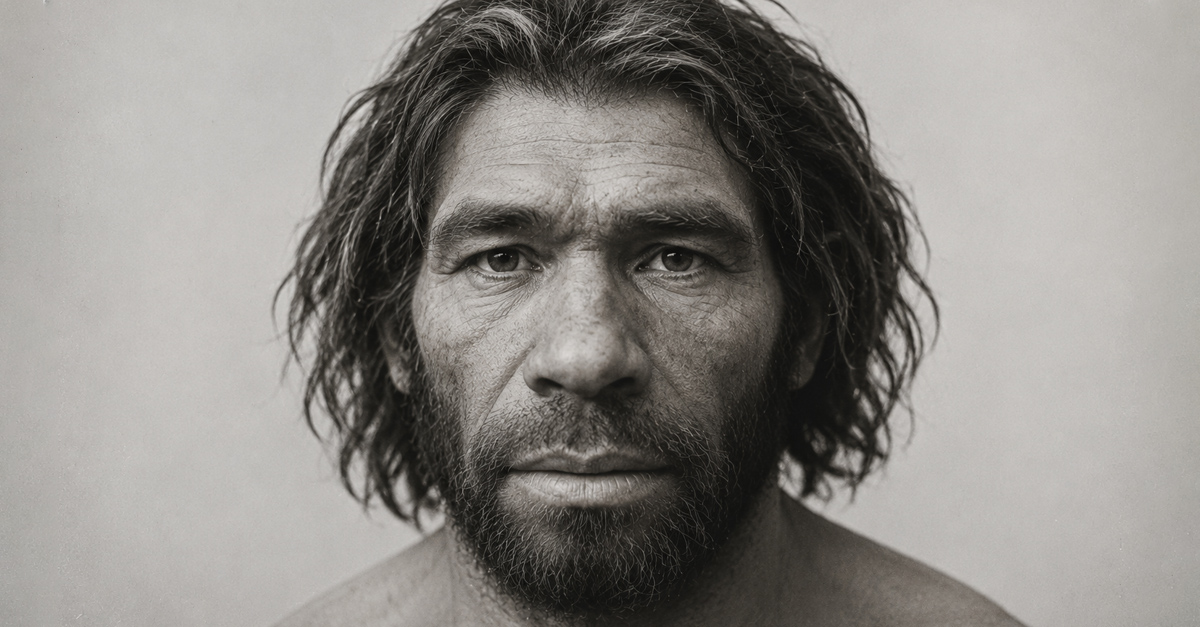
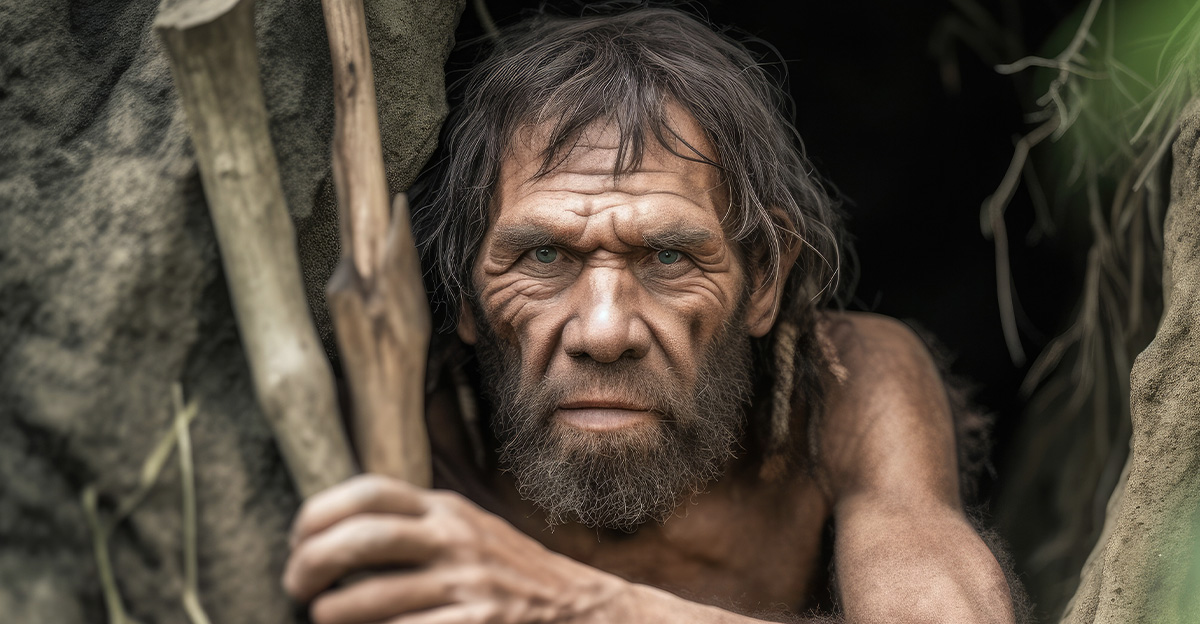
Neanderthals vanished roughly 40,000 years ago, but pieces of their genomes didn't. After Neanderthals and modern humans interbred, some of that inherited DNA survived for tens of thousands of generations and still affects traits in people today. The strangest part is where it turns up.
Some People May Be Morning People Partly Because Of Neanderthals
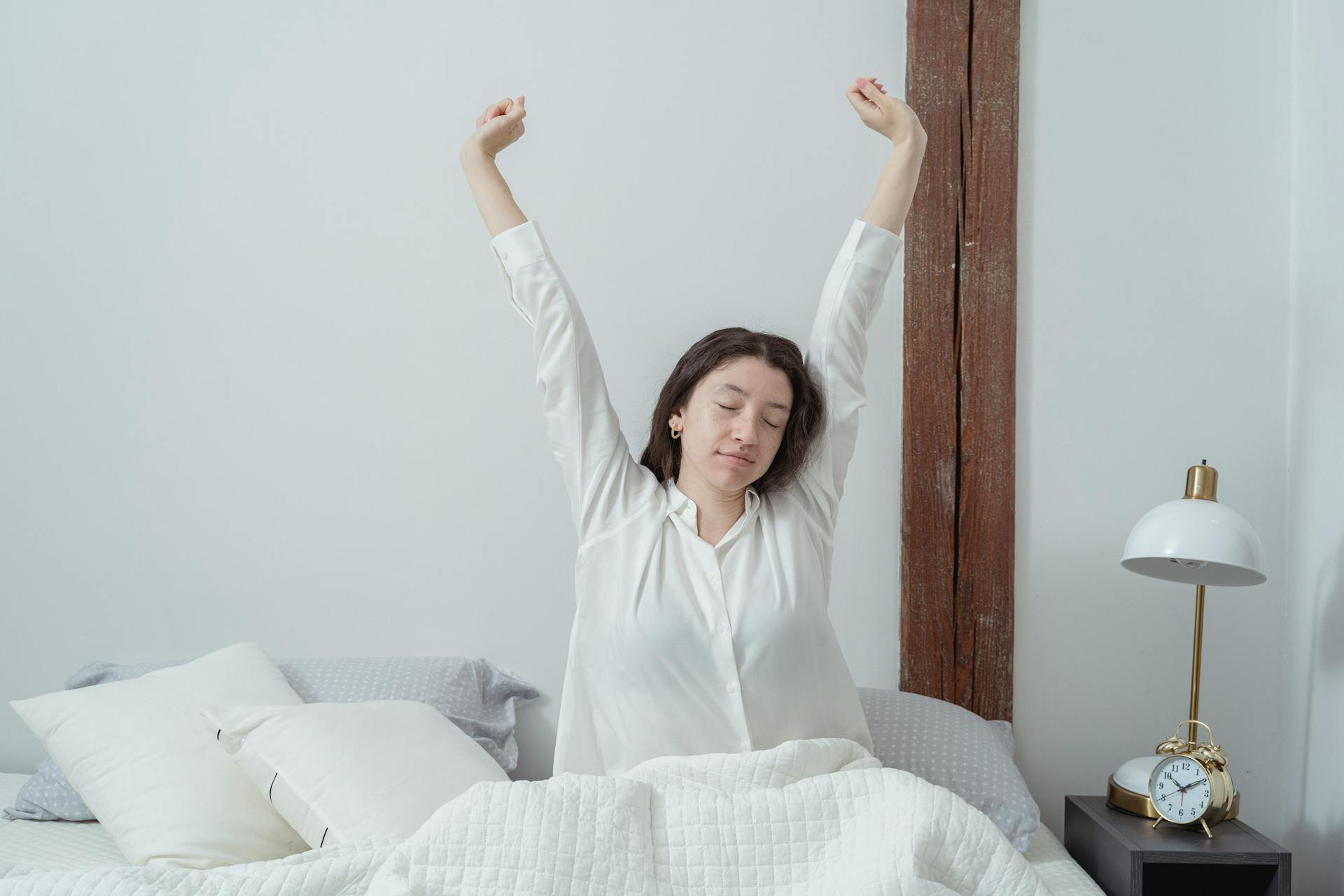
That irritating coworker who's cheerful at 6:30am may have an extremely ancient excuse. Researchers studying circadian genes found that Neanderthal-derived variants are associated with chronotype, and the strongest introgressed effects tended to increase the likelihood of being a morning person in modern Europeans. Scientists have suggested that this may relate to adaptation to the dramatically changing daylight patterns of higher latitudes. It certainly doesn't mean every early riser can blame Neanderthals, but it does mean today's alarm-clock preferences may contain echoes of life thousands of generations ago.
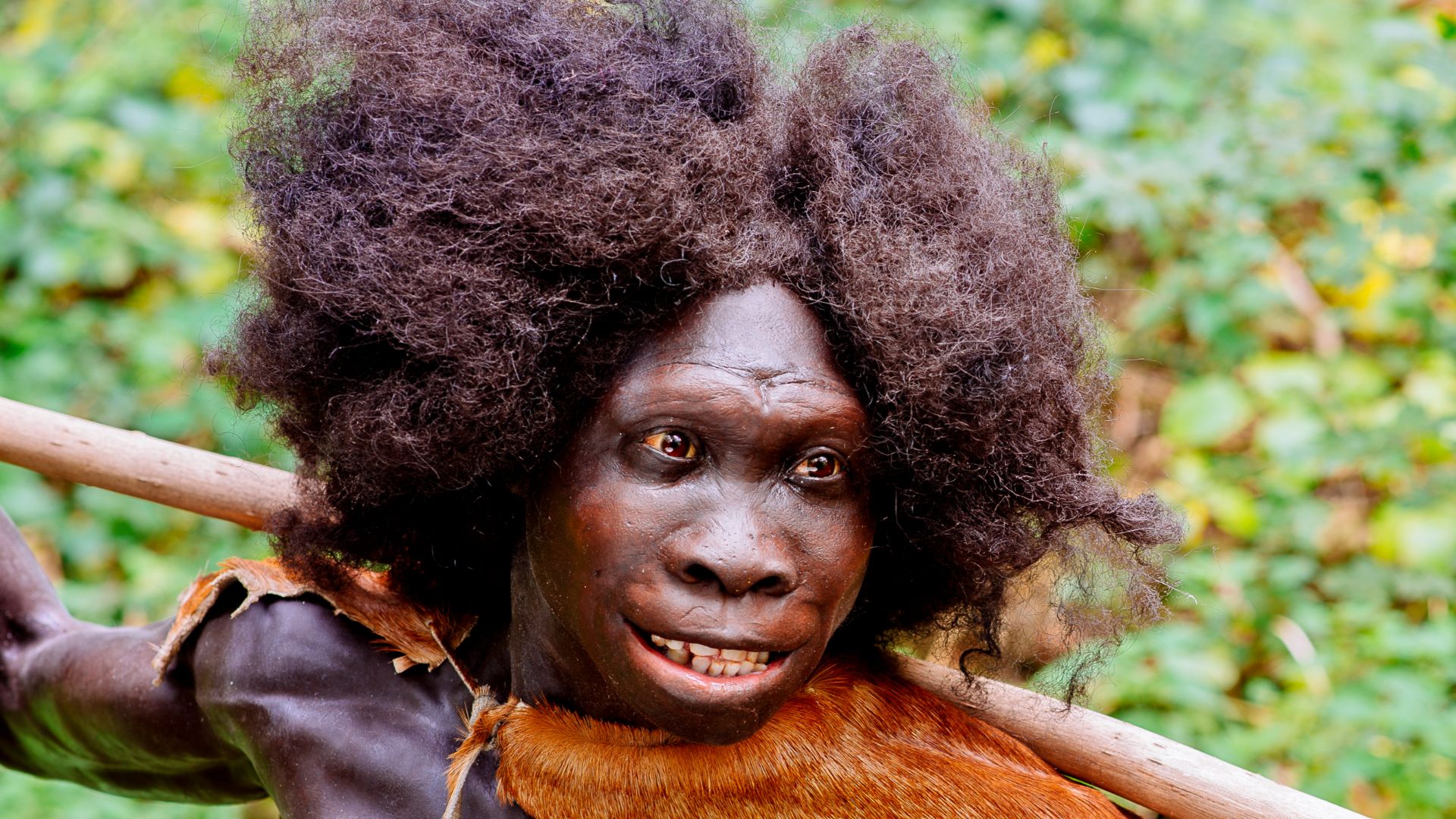 Neanderthal Museum, Wikimedia Commons
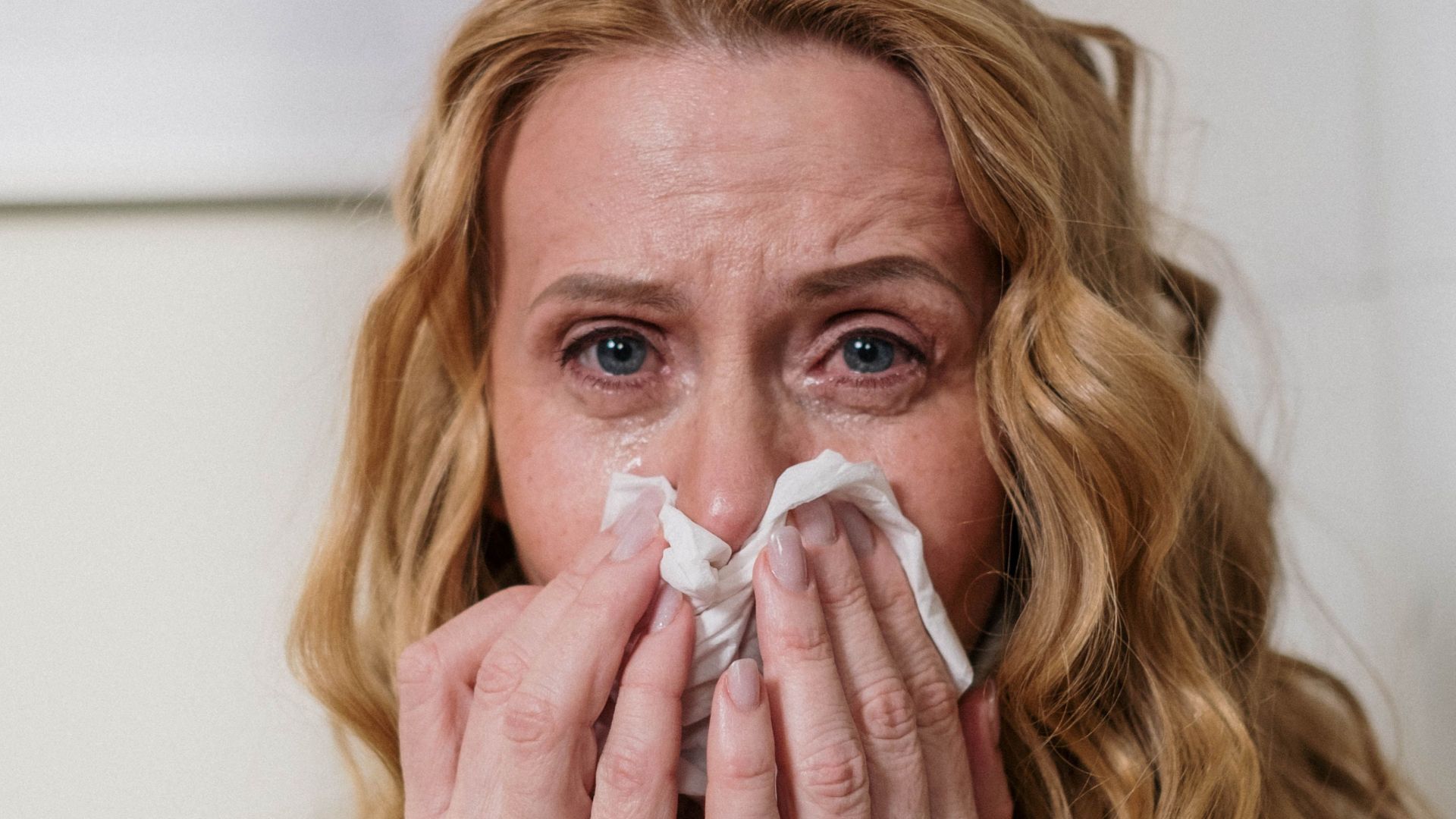
Ancient Immune Defenses May Also Make Allergies More Likely
When modern humans entered Eurasia, Neanderthals had already spent hundreds of thousands of years encountering local microbes. Interbreeding may therefore have provided useful genetic shortcuts. Variants around the TLR1, TLR6, and TLR10 immune genes appear to have increased immune responsiveness and were likely useful against pathogens. There's a catch. Some of those same archaic variants are associated today with a greater susceptibility to allergies. What once made an immune system aggressively alert to unfamiliar threats can become considerably less helpful when that same system overreacts to harmless substances.
DNA Tests Turned Neanderthal Ancestry Into A Conversation Starter
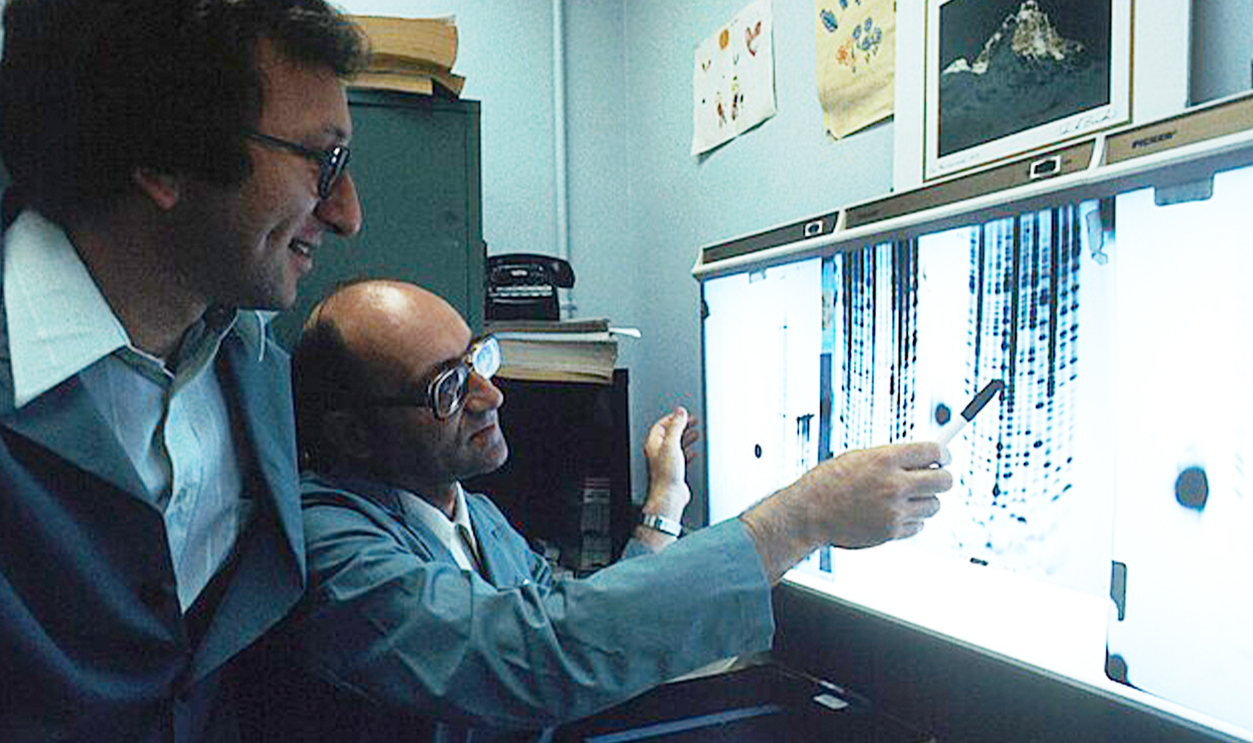
For most of history, nobody could casually announce how many Neanderthal variants they carried. Consumer DNA testing changed that. Companies including 23andMe began giving customers Neanderthal ancestry reports, letting people compare their number of archaic variants and see possible associations with modern traits. Inevitably, this became social material: people joke about being “more Neanderthal” than friends and relatives or blame ancient DNA for quirky habits. The science is much subtler. Individual variants usually have small effects, and a Neanderthal ancestry score isn't remotely a personality test, no matter how tempting it is to treat it like one.
 Linda Bartlett (Photographer), Public domain, via Wikimedia Commons
Neanderthal DNA Can Change How Pain Feels
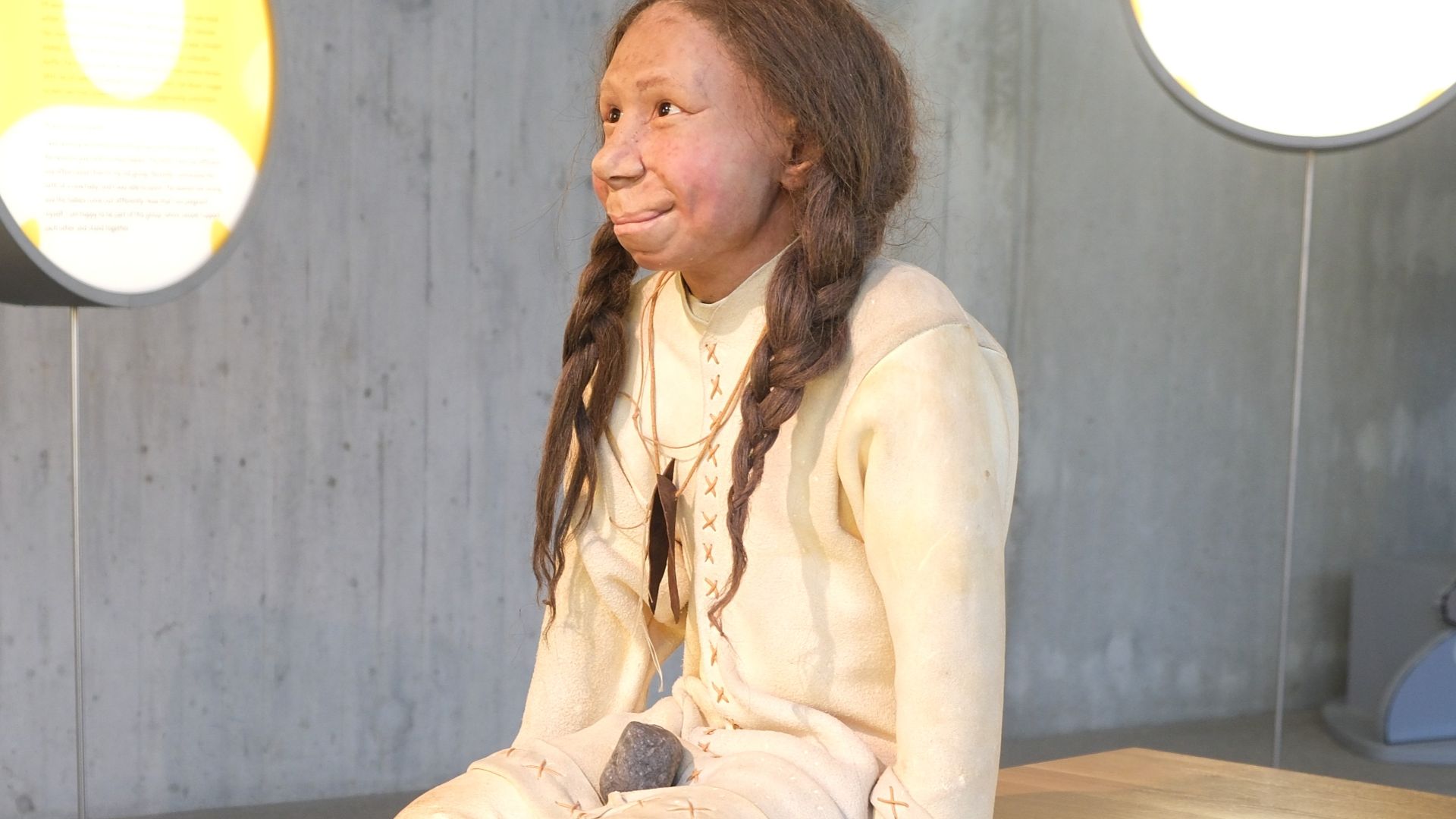
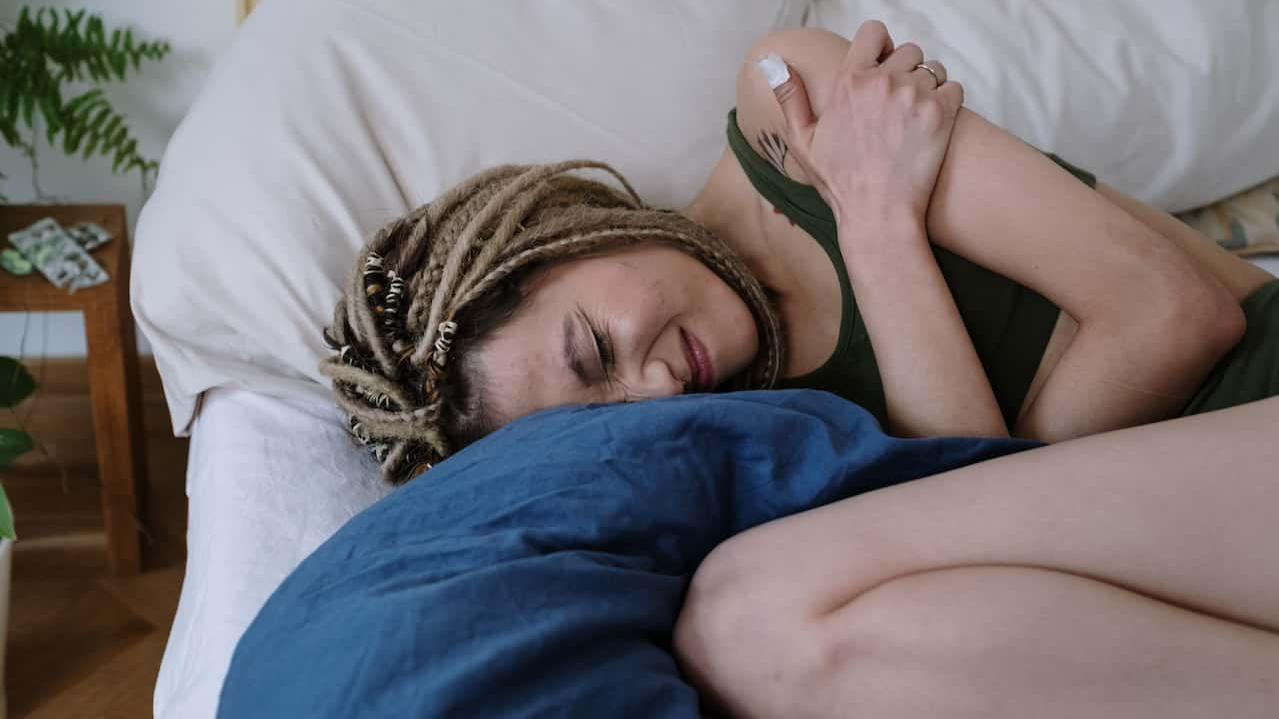
Pain tolerance isn't simply a matter of being “tough”. Researchers have identified Neanderthal-derived variants in SCN9A, a gene involved in the Nav1.7 sodium channel used by pain-sensing nerves. A 2023 study involving Latin American populations found that certain archaic variants were associated with greater sensitivity to mechanical pain after experimental sensitization. Their frequency varied considerably by ancestry and was particularly associated with Native American-derived chromosome segments. It doesn't mean carriers live in constant pain. It does mean something as personal as how sharply the body registers certain painful stimuli can partly reflect an encounter between human populations tens of thousands of years ago.
 Ziko van Dijk, Wikimedia Commons
One Neanderthal Inheritance Raised The Risk Of Severe COVID-19
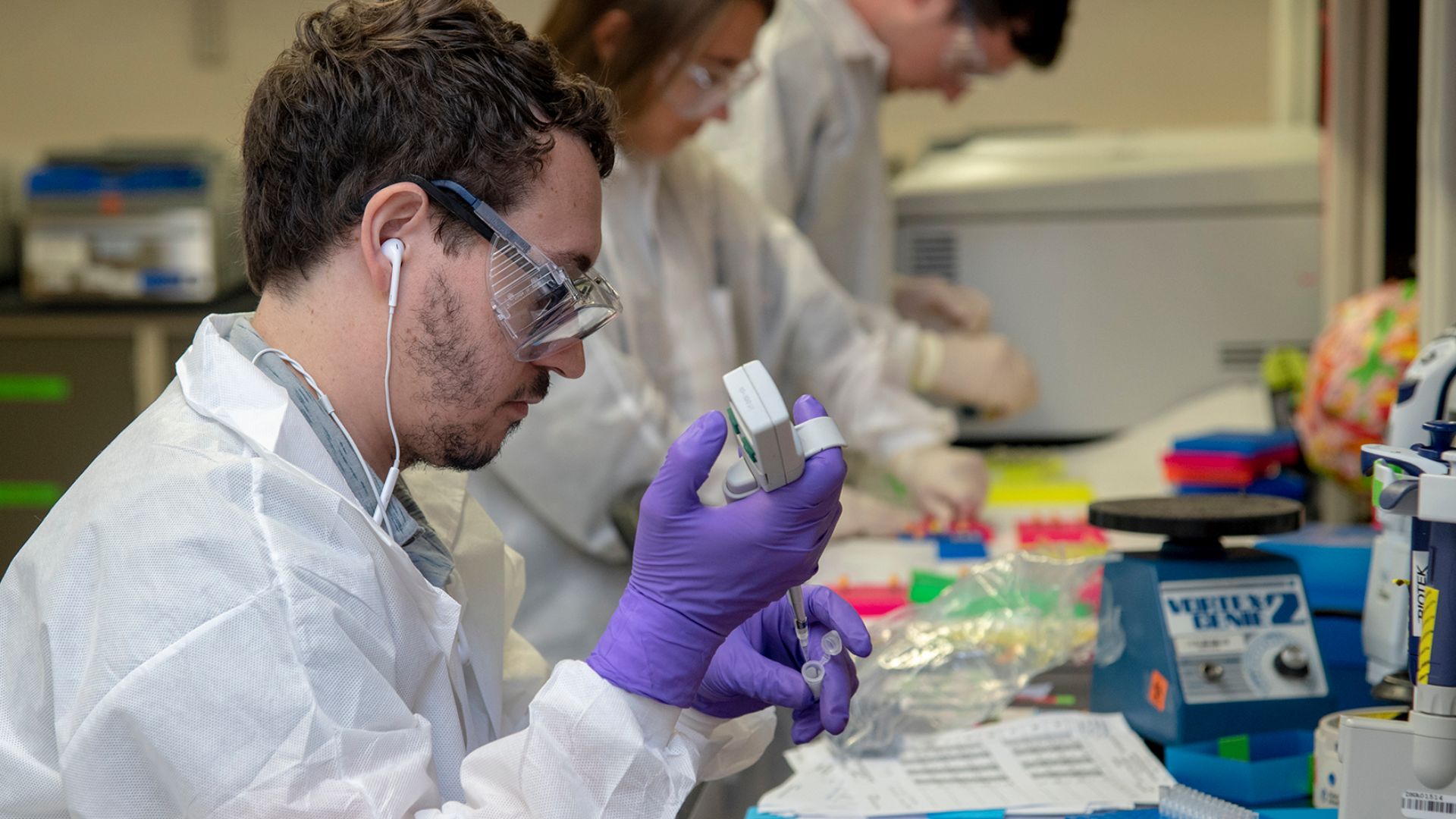
When researchers began searching for genetic reasons some COVID-19 cases became dramatically worse than others, they found an astonishing connection to prehistory. A major risk haplotype on chromosome 3 was inherited from Neanderthals. Early research found that carriers faced substantially increased odds of hospitalization from severe COVID-19, although age, health, vaccination, exposure, and many other factors obviously played much larger roles in an individual's outcome. The archaic region is especially common in parts of South Asia and occurs at lower frequencies in Europe. A virus that emerged in the 21st century was interacting with genetic material inherited tens of thousands of years earlier.
 Air Force Staff Sgt. Nicole Leidholm, photographer, Wikimedia Commons
Beauty Standards Can Land On Traits With Prehistoric Roots
Humans assign enormous cultural meaning to appearance, but some of the underlying biological variation is extremely old. Neanderthal-derived variants contribute to differences in pigmentation, tanning, hair color, and other visible traits. Research has even identified an introgressed Neanderthal region associated with increased nasal height in a study of Latin American participants. None of this determines whether someone fits a particular culture's beauty standard. That's the strange part: biology can preserve an ancient variant for tens of thousands of years, then a completely modern society can decide that the resulting feature is fashionable, unattractive, desirable, or socially meaningful.
 Daniela Hitzemann (photograph), Wikimedia Commons
Neanderthal DNA May Have Helped Some Pregnancies Succeed
One particularly surprising inheritance involves the progesterone receptor, which plays an important role in maintaining pregnancy. Researchers identified Neanderthal-derived variants of the PGR gene that remain relatively common in present-day populations outside Africa. In a British cohort, carriers showed less bleeding during early pregnancy and lower rates of miscarriage, while the variant was associated with greater expression of the progesterone receptor. Researchers have suggested that a fertility advantage could help explain why the archaic haplotype survived at substantial frequencies. Some Neanderthal DNA may still exist precisely because it helped generations of later humans have children.
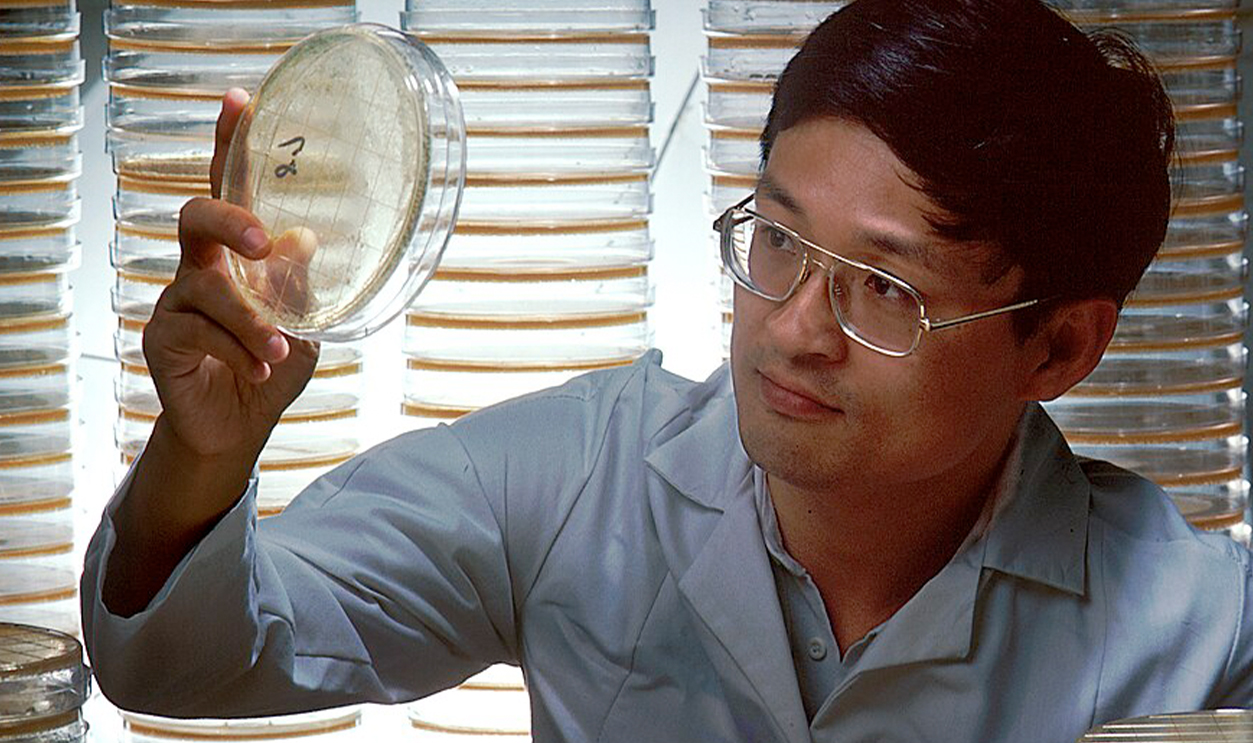 Bill Branson, Wikimedia Commons
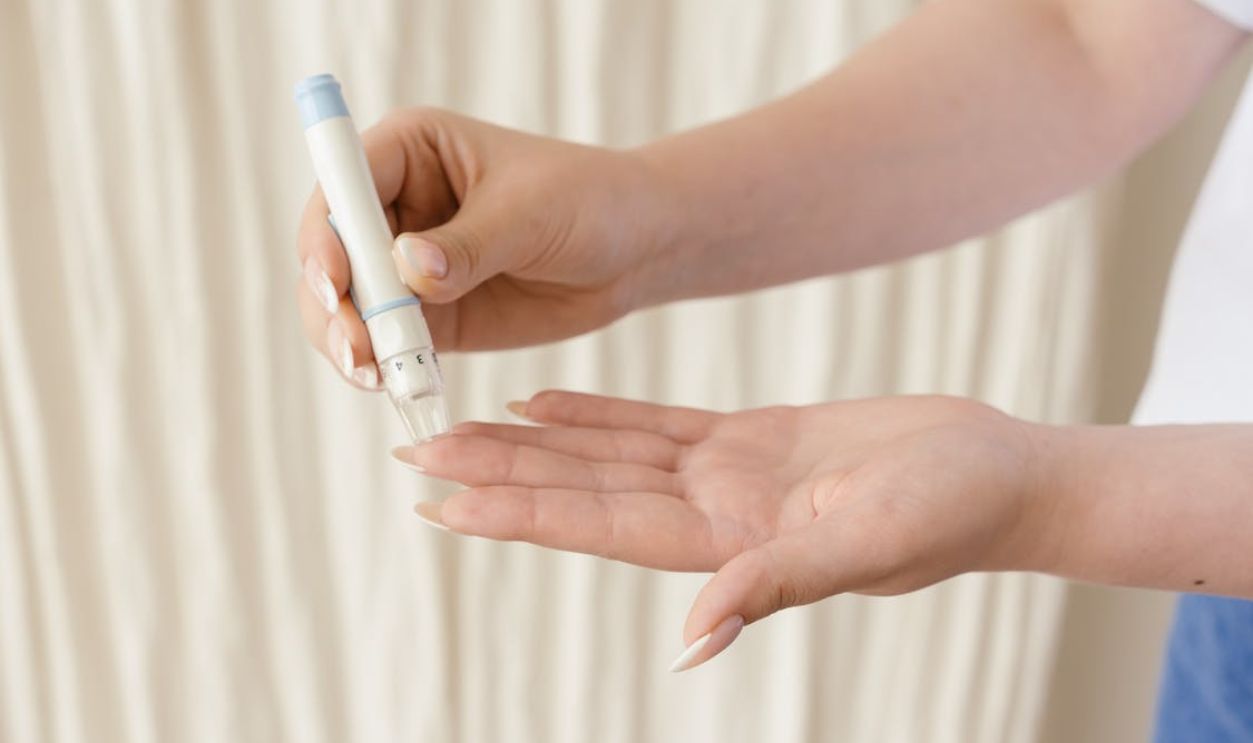
Neanderthal DNA Can Still Influence Diabetes Risk
One Neanderthal-derived genetic region has been linked to a very modern health problem: type 2 diabetes. Researchers identified a haplotype involving the SLC16A11 gene that increases diabetes risk and appears to have entered modern humans through ancient interbreeding with Neanderthals. It's especially common in people with Native American ancestry and is therefore particularly relevant in some Latin American populations. Scientists have linked SLC16A11 to changes in lipid metabolism, although diabetes obviously depends on many genetic, lifestyle, and environmental factors. It's another remarkable case of Ice Age DNA interacting with conditions Neanderthals themselves could never have encountered.
Neanderthal DNA Rewrote The Human Family Tree
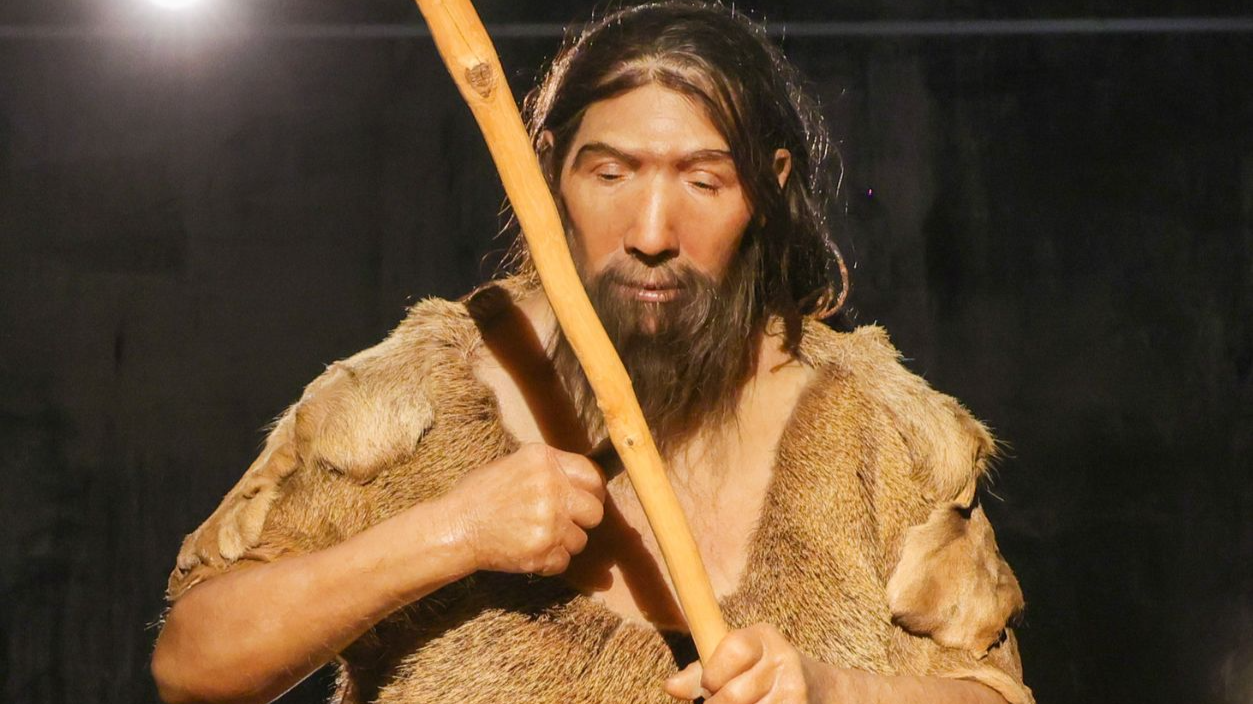
For much of the 20th century, popular accounts often presented human evolution as a relatively clean replacement story: modern humans arrived, Neanderthals disappeared, and one group simply replaced the other. Ancient DNA demolished that simplicity. Genetic evidence showed that the populations met and interbred, leaving surviving Neanderthal ancestry in present-day humans. Recent ancient-genome research places a major shared admixture event ancestral to present-day non-Africans roughly 45,000 to 49,000 years ago. Human evolution suddenly looked less like one branch triumphantly replacing another and more like populations meeting, separating, mixing, and carrying pieces of one another into the future.
 picture alliance, Getty Images
Modern Immune Systems Still Carry Neanderthal Reinforcements
The immune system contains some of the clearest evidence that interbreeding could be useful. Modern humans moving into Eurasia encountered pathogens that Neanderthals had already been dealing with for immense spans of time. Introgressed variants in several immune-related genes appear to have boosted immune responses and, in some cases, underwent positive selection after entering modern human populations. That doesn't make Neanderthal immunity universally “better”. Evolution keeps whatever works in a particular environment. But acquiring useful immune variants from people already adapted to Eurasia may have given newly arrived modern humans an immediate advantage that would otherwise have taken countless generations to evolve.

Skin And Hair Can Carry Pieces Of Neanderthal History
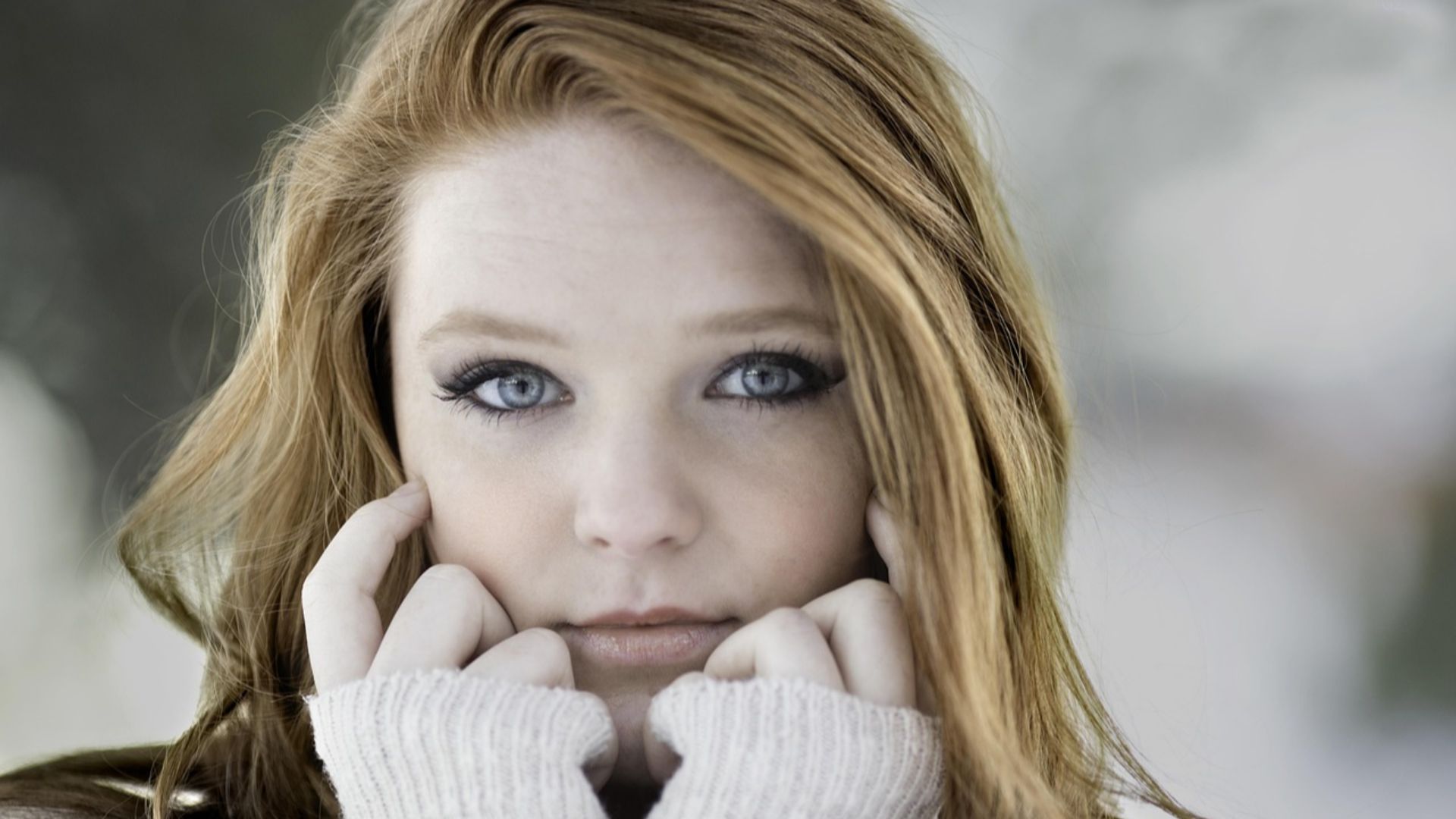
Neanderthal ancestry isn't associated with one single “Neanderthal look”. Research using UK Biobank data found multiple introgressed variants associated with skin tone, tanning, sunburn susceptibility, and hair color. Interestingly, different Neanderthal variants push pigmentation in different directions, contributing to both lighter and darker traits. That undercuts the simplistic idea that scientists have identified one appearance inherited from Neanderthals. Instead, Neanderthal populations themselves appear to have carried variation, and some of that diversity survived in modern humans. A feature someone notices in the mirror may therefore have a genetic history extending deep into the Pleistocene.
The Traditional Workday May Suit Some Ancient Body Clocks Better Than Others
There's a social consequence hiding inside the morning-person finding. Schools, factories, offices, and commuter systems have traditionally been organized around the assumption that large numbers of people can wake and perform effectively at similar hours. Yet chronotype varies partly for biological reasons, and archaic introgression appears to be one tiny contributor. Neanderthal-derived circadian variants linked with morningness won't explain why one person loves 7am and another can barely speak before 10, but they reinforce something modern work culture often forgets: the difference between an “early bird” and a “night owl” isn't purely discipline or attitude.
Ancient DNA May Still Affect Blood Clotting
Blood that clots quickly can be very useful when injuries are common and medical treatment doesn't exist. In modern life, however, excessive clotting can create serious problems. Research using electronic medical records identified a Neanderthal-derived allele associated with hypercoagulation, one example of how an adaptation can make sense in one environment and become troublesome in another. Scientists have to be careful not to invent an evolutionary story every time they find an association, but the broader principle is important. Natural selection doesn't design traits for modern hospitals, desk jobs, or long lifespans. It preserves variants that helped people survive and reproduce under very different conditions.
“Neanderthal” Has Become A Pretty Bad Insult
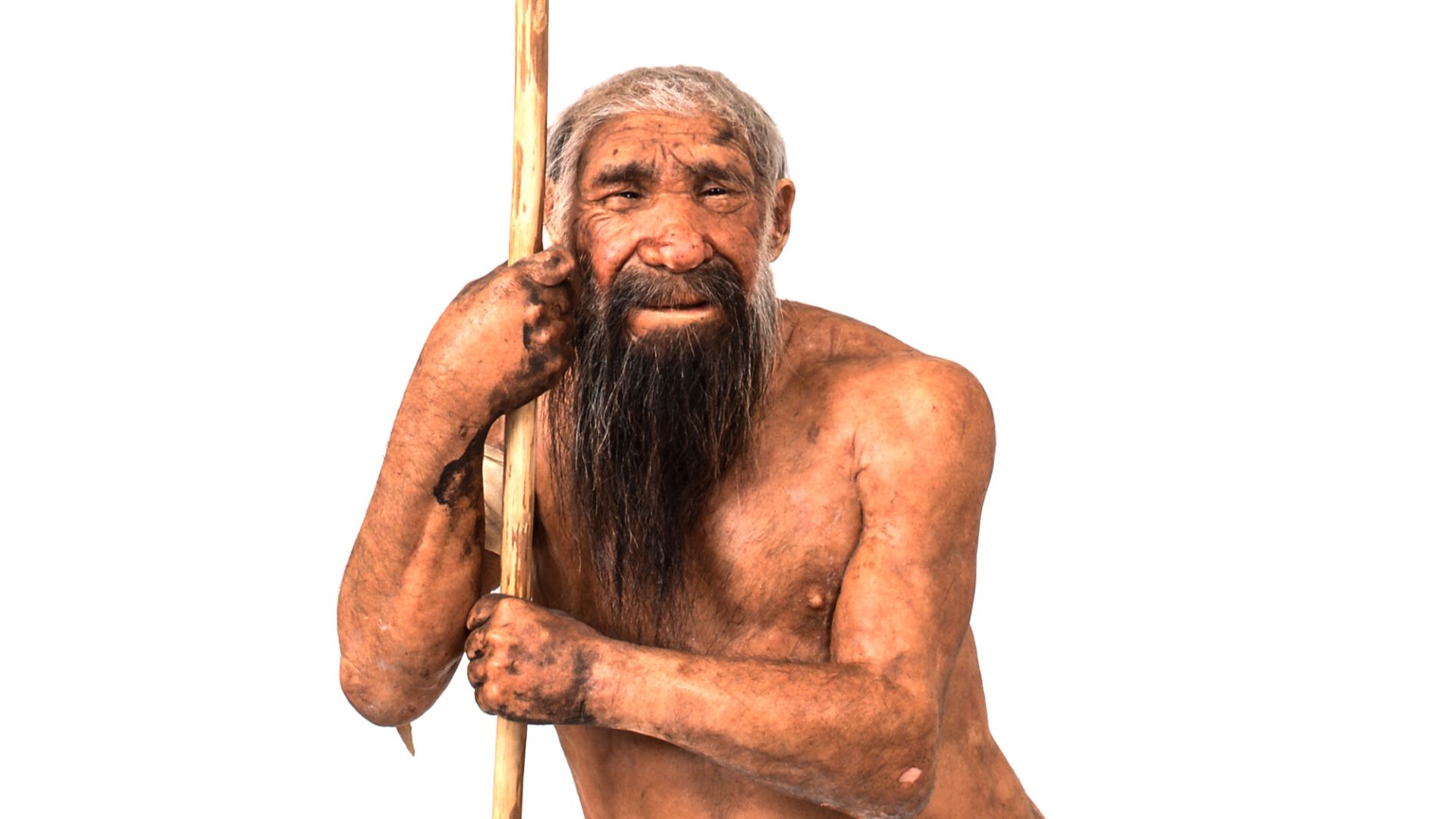
Calling someone a “Neanderthal” still implies they're stupid, crude, violent, or hopelessly primitive. Genetics has made that insult increasingly awkward. Neanderthals weren't merely evolutionary failures waiting for modern humans to replace them. They were close human relatives whose populations contributed useful genetic variation to later people, including immune-related and other adaptations that remain in living genomes. None of this means Neanderthals were secretly modern humans in disguise. It does mean the old cartoon caveman stereotype has aged badly. Every time someone uses “Neanderthal” to mean biologically inferior, the genomes of millions of modern humans provide a rather funny rebuttal.
Another Piece Of Neanderthal DNA Did The Opposite During COVID-19
The COVID story gets even stranger because Neanderthal ancestry wasn't working in only one direction. While the chromosome 3 haplotype increased the risk of severe disease, researchers identified another Neanderthal-derived region on chromosome 12 involving the OAS genes that was associated with protection against severe COVID-19. Later fine-mapping strongly implicated an OAS1 splice variant in that protective effect. Separate genetic inheritances from the same extinct human population could therefore push risk in opposite directions during the same modern pandemic. Evolution doesn't leave behind a single package labeled “good” or “bad”. It leaves variants whose effects depend on circumstances.
 California Department of Fish and Wildlife from Sacramento, CA, USA, Wikimedia Commons
Your Genome Preserves Meetings That Happened Before Countries Existed
Neanderthal ancestry is distributed unevenly around the world because human populations have enormously complicated migration histories. Present-day people outside Africa typically carry a small percentage of Neanderthal-derived ancestry, although later migrations also carried archaic segments back into African populations. Different populations inherited and retained different pieces. That means a modern genome can preserve traces of encounters that occurred long before concepts like nationality, ethnicity, or modern geographic borders existed. Beneath identities created during the last few centuries sit genetic fragments produced by migrations and meetings that happened tens of thousands of years before recorded history began.
Some Archaic Variants Have Been Associated With Depression And Mood
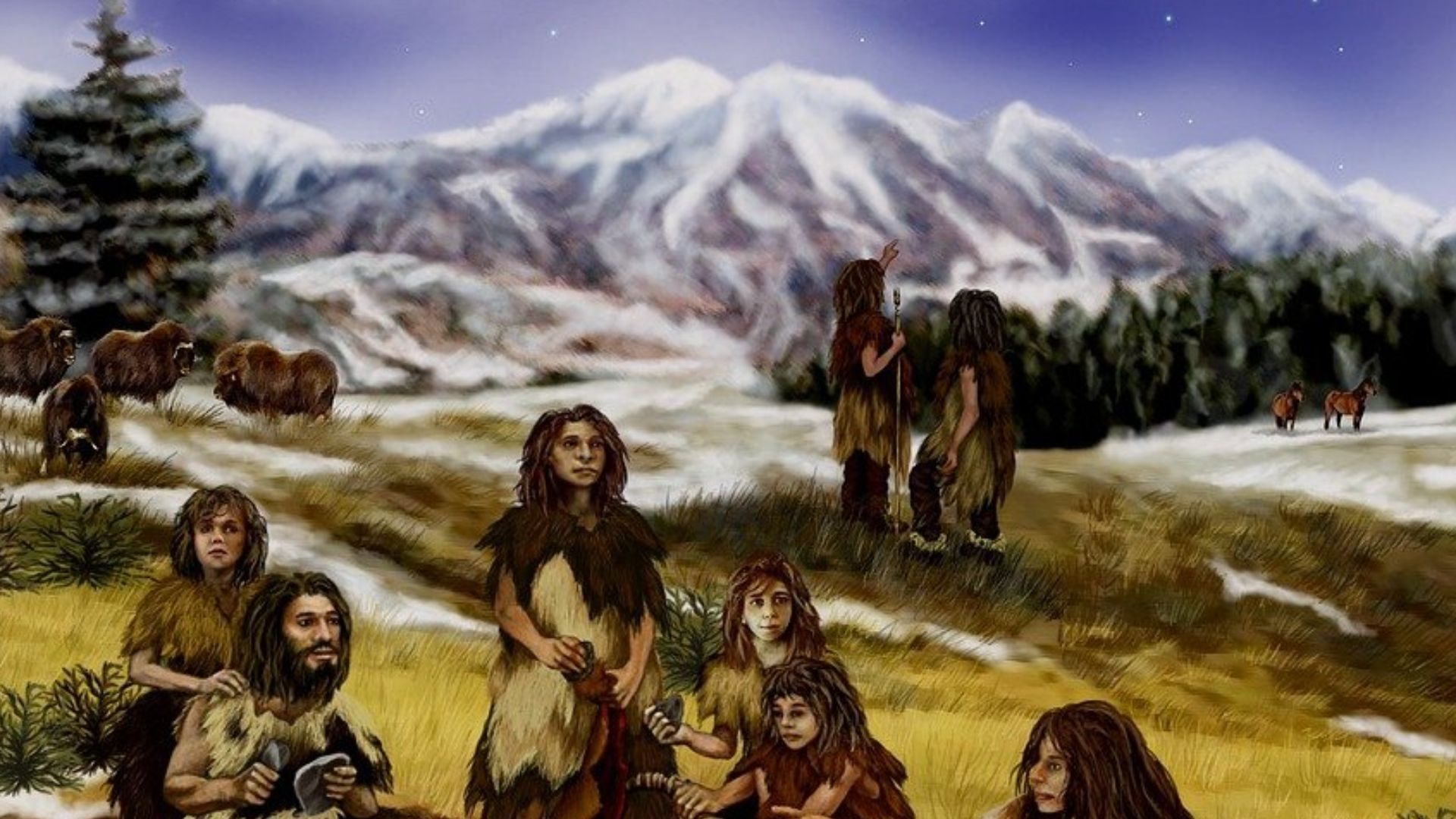
Large genomic datasets have also connected Neanderthal-derived variants with mood-related traits and depression risk. That finding needs especially careful handling. Depression isn't a “Neanderthal trait,” and no archaic variant comes remotely close to determining whether someone will develop it. Mental health reflects complicated interactions among many genes, life experiences, environment, physical health, and social conditions. What the research does show is that some pieces of archaic ancestry participate in biological pathways that still influence modern neurological and behavioral variation. Even aspects of life people think of as profoundly modern can contain tiny genetic contributions from populations that disappeared millennia ago.
Neanderthal DNA Can Change How The Body Responds To Bacteria
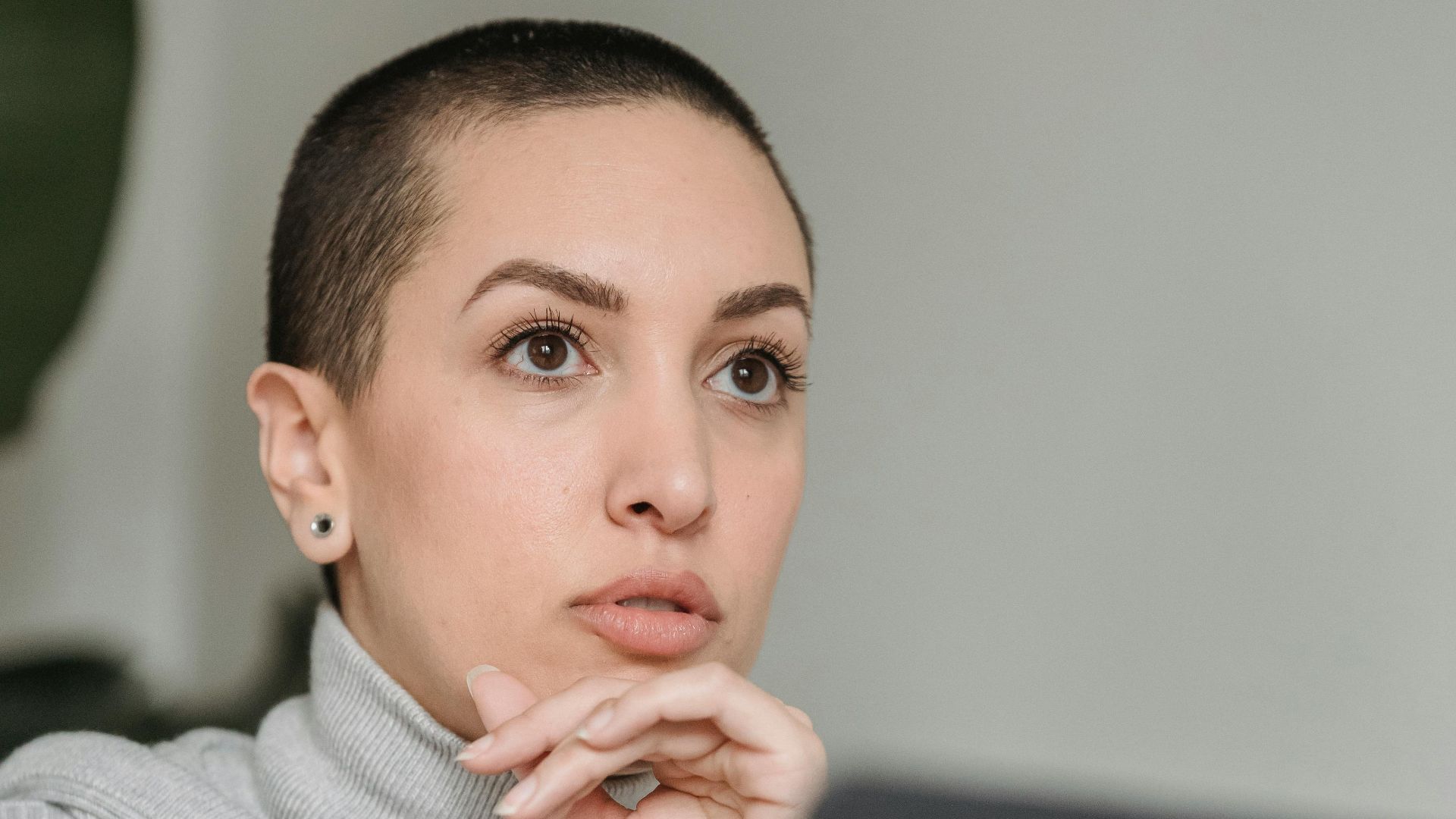
Some introgressed Toll-like receptor variants don't merely produce a generically “stronger” immune system. They're associated with specific differences in how people interact with microbes. Research on the TLR1-TLR6-TLR10 region found that archaic-derived haplotypes can increase expression of these immune genes and have been associated with lower Helicobacter pylori seroprevalence. The same genetic neighborhood is also connected with increased allergy susceptibility. It's a beautifully messy evolutionary trade-off: DNA that may improve defenses against certain microbes can simultaneously make an immune system more likely to overreact to things that aren't dangerous at all.
Genetics Helped Kill Off The “Dumb Caveman” Version Of Neanderthals
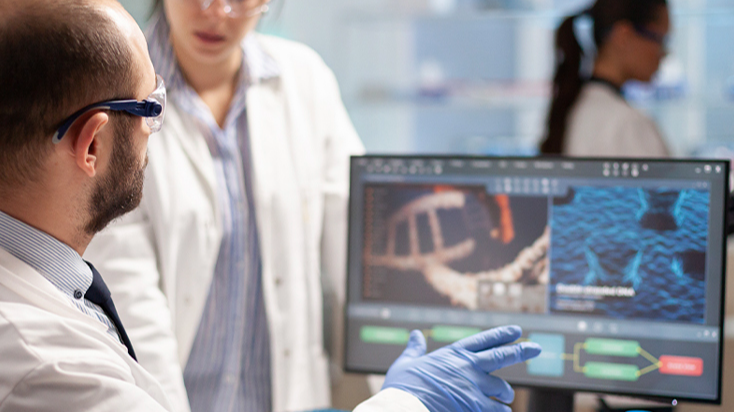
Archaeology had already complicated the brutish stereotype, but genomics delivered an especially powerful blow. Neanderthals weren't some completely separate dead end with nothing to do with living people. Their descendants, in a genetic sense, are partly still here. The discovery that surviving Neanderthal variants contributed to immunity, pigmentation, circadian biology, and other traits made it much harder to portray interbreeding as an encounter between sophisticated modern humans and biologically irrelevant primitives. The scientific picture keeps changing, but one conclusion has held up remarkably well: human prehistory was much more interconnected than older popular stories suggested.
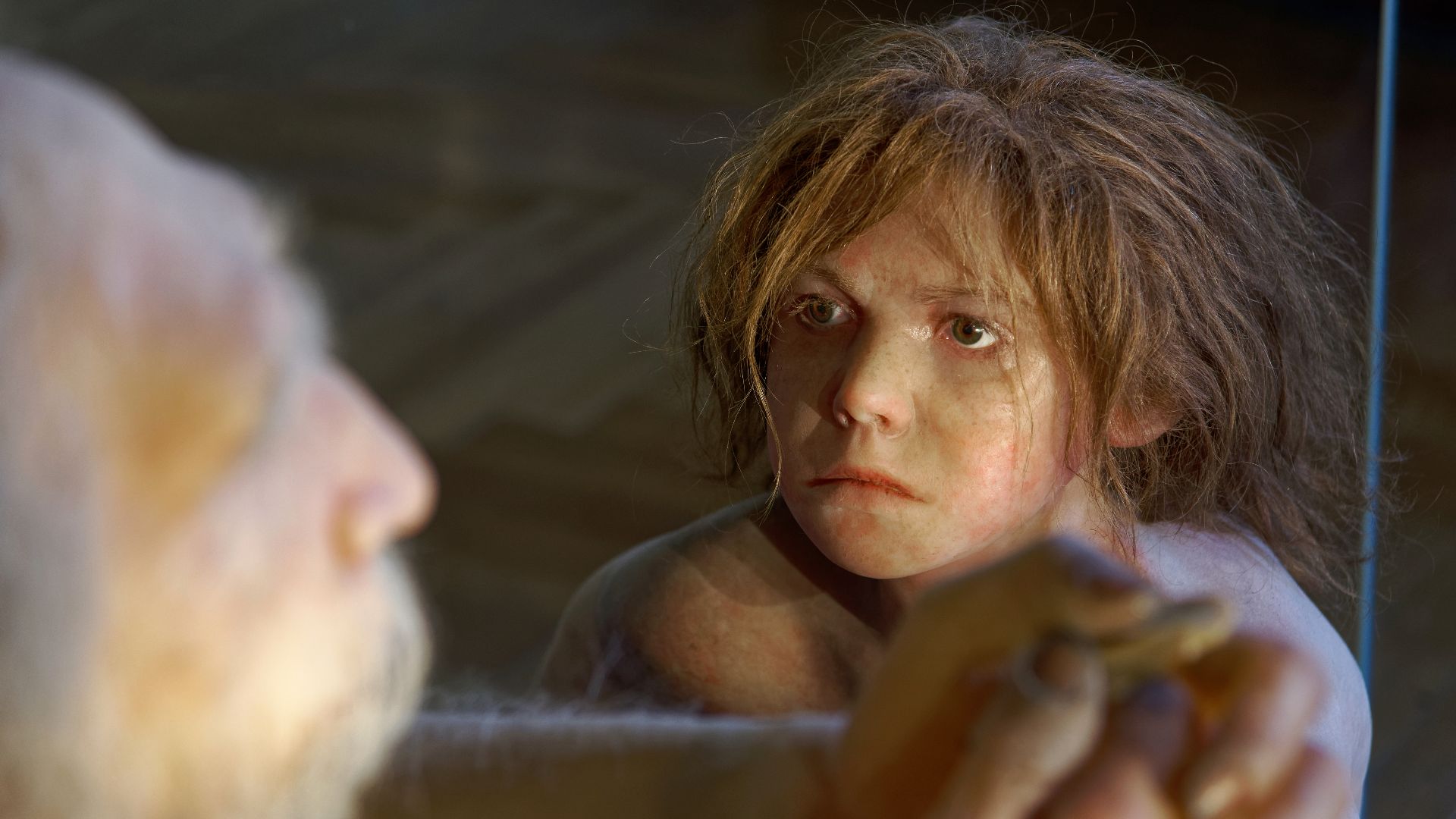 Jakub Hałun, Wikimedia Commons
Some Neanderthal DNA Changes The Skin’s Relationship With Sunlight
Sun exposure produces another evolutionary trade-off. Studies of medical records and genetic data have associated Neanderthal-derived variants with actinic keratosis, skin lesions caused by long-term ultraviolet exposure, as well as differences in tanning and sunburn susceptibility. Those findings make sense within a broader pattern: pigmentation and skin biology faced new selective pressures as humans moved between regions with very different UV levels. But the variants people carry today exist in lifestyles Neanderthals never encountered, complete with indoor work, international travel, deliberate tanning, sunscreen, and much longer average lifespans. Ancient adaptations are now operating in an environment that changed almost unimaginably fast.
 The British Museum, Wikimedia Commons
Our Antiviral Defenses Still Include Archaic Ingredients
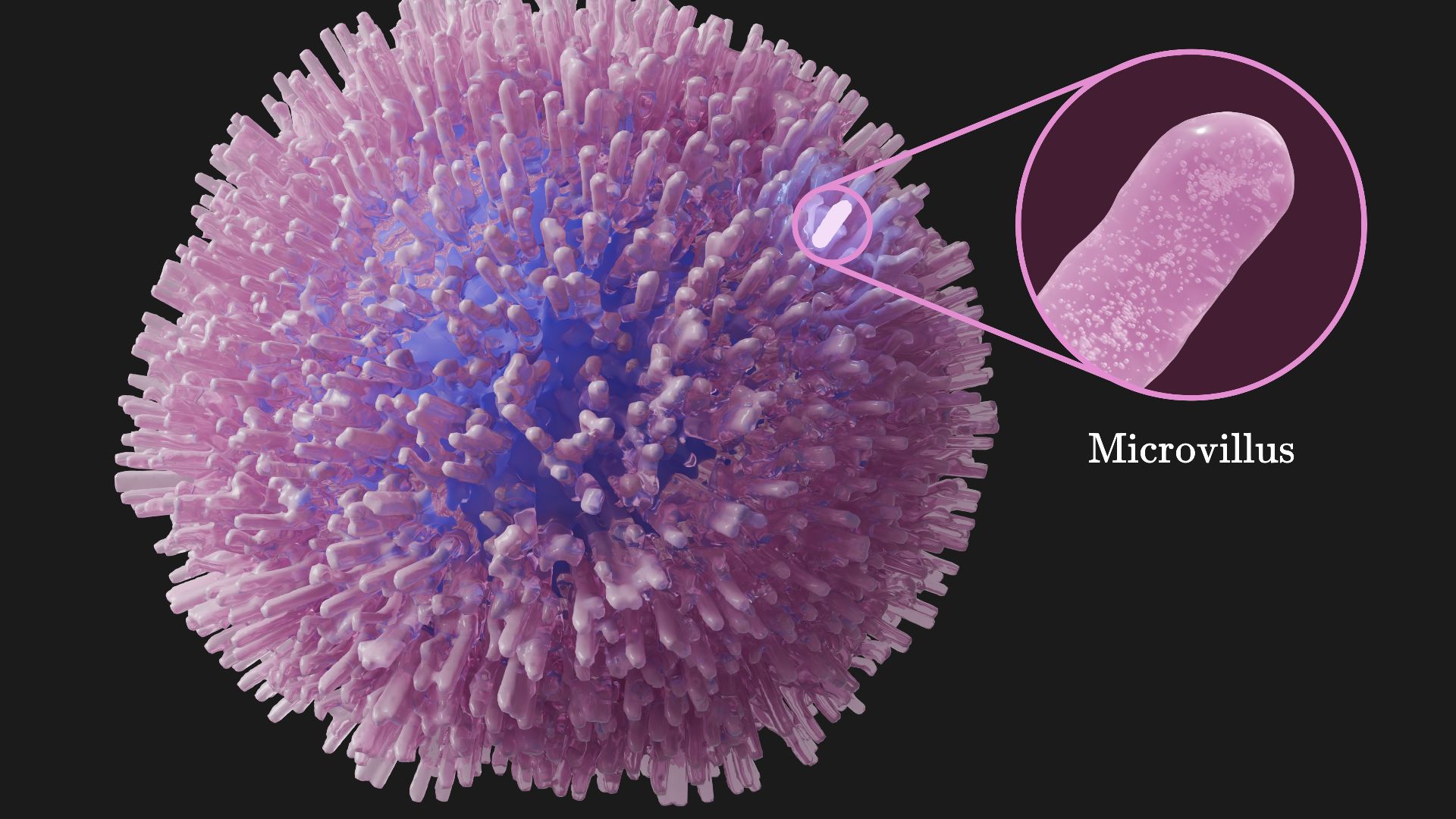
Viruses appear to have been particularly important in preserving some introgressed DNA. Researchers have found evidence of Neanderthal ancestry in genes involved in antiviral responses, including the OAS cluster and other immune pathways. Studies of adaptive introgression have even found enrichment involving proteins that interact with viruses, suggesting viral exposure may have helped determine which Neanderthal variants modern humans retained. In practical terms, our immune systems weren't built entirely from genetic innovations originating within Homo sapiens. Some useful defenses were effectively acquired through interbreeding with another human population that had already spent immense amounts of time adapting to Eurasian pathogens.
 Otosakanum2, Wikimedia Commons
Ancient DNA Can Make Modern Ideas About “Toughness” Look Simplistic
People routinely turn pain into a character judgment. Someone who tolerates an injury quietly is “tough”; someone who reacts strongly supposedly isn't. The discovery that inherited variants can influence pain sensitivity complicates that attitude. Neanderthal-derived changes in SCN9A are only one small piece of a much larger biological picture, but they offer a striking example of why two people can experience the same physical stimulus differently. Culture loves treating pain tolerance as evidence of courage, weakness, masculinity, stoicism, or resilience. Biology doesn't necessarily cooperate. Sometimes the difference may start with how someone's sensory neurons are wired.
Neanderthal DNA Shows Why Evolution Never Really Ends
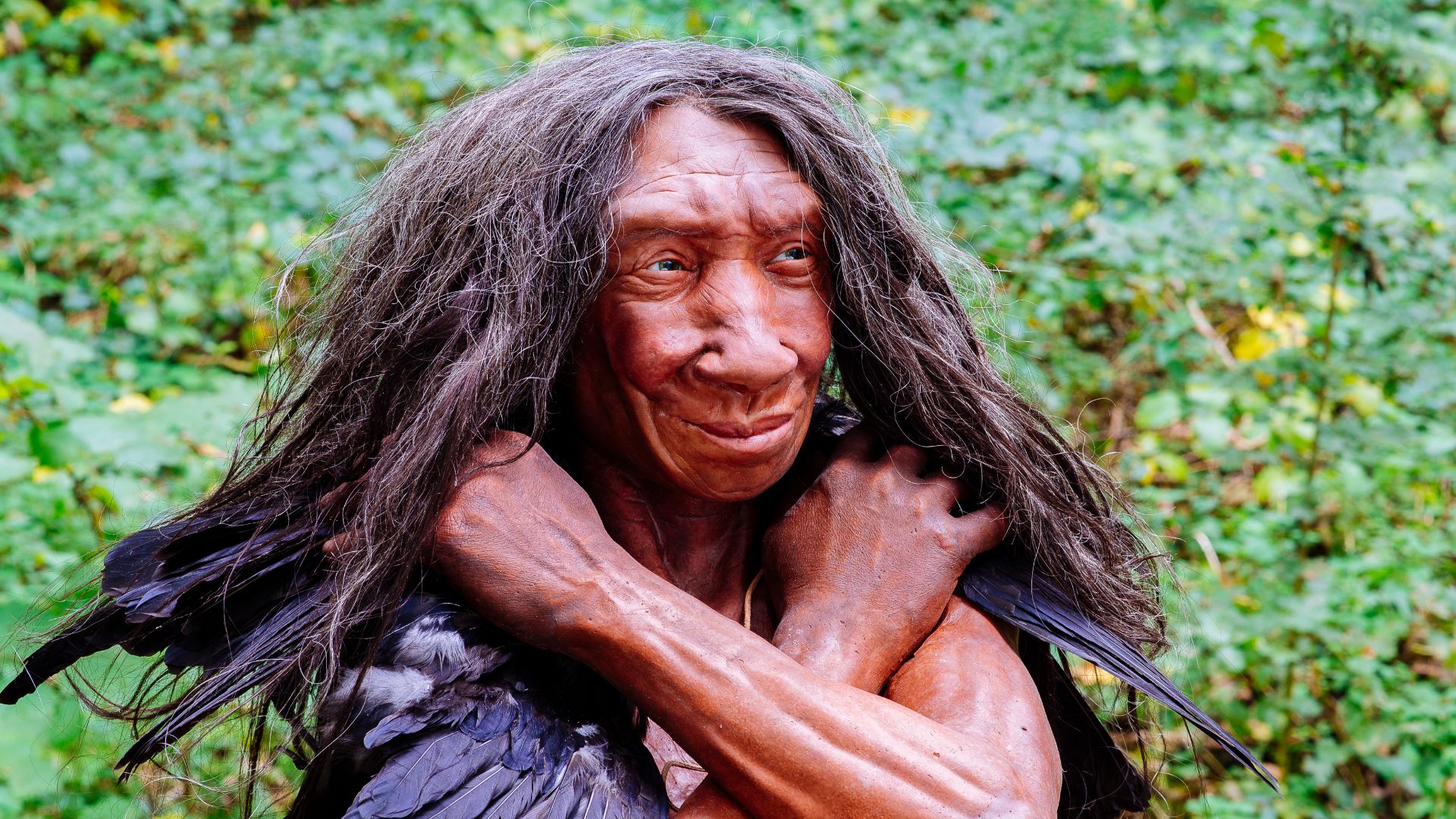
The most interesting thing about Neanderthal ancestry may not be any single trait. It's that genetic material inherited roughly 50,000 years ago keeps finding itself tested against environments its original carriers could never have imagined: office schedules, modern medicine, global pandemics, artificial lighting, and consumer DNA tests. Some variants still appear helpful. Some carry trade-offs. Others probably have effects so tiny that nobody notices them individually. Neanderthals disappeared as a distinct population, but the genetic consequences of meeting them are still unfolding every day inside living people.
 Neanderthal-Museum, Mettmann, Wikimedia Commons
You May Also Like:
Scientists recreated Neanderthal hunting techniques, and the results were unexpectedly dangerous.
Scientists Now Think Neanderthals May Have Been Physically Stronger—But Far Less Efficient
We Thought We Understood The Neanderthals, But Genetic Studies Have Revealed A Different Story