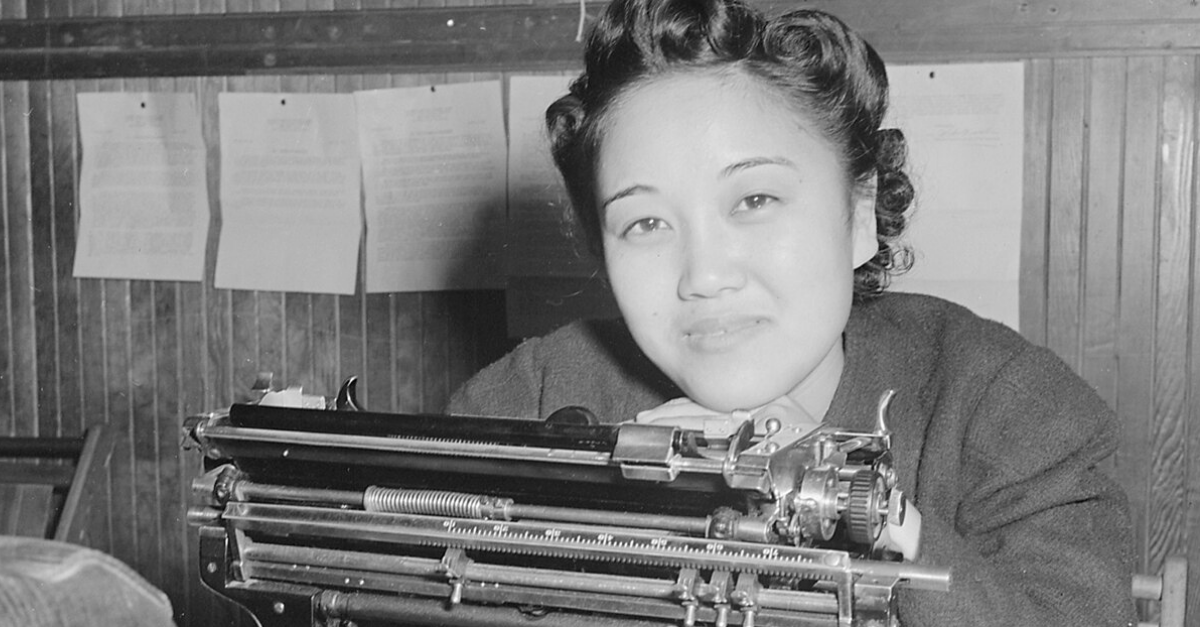
When Familiar Work Suddenly Disappeared
The 20th century created millions of jobs built around telephones, trains, newspapers, neighborhood deliveries, and new forms of entertainment. Many seemed so essential that workers expected them to remain dependable careers for life. Instead, technological and social changes caused some occupations to shrink within a generation.
 Everett Collection, Shutterstock
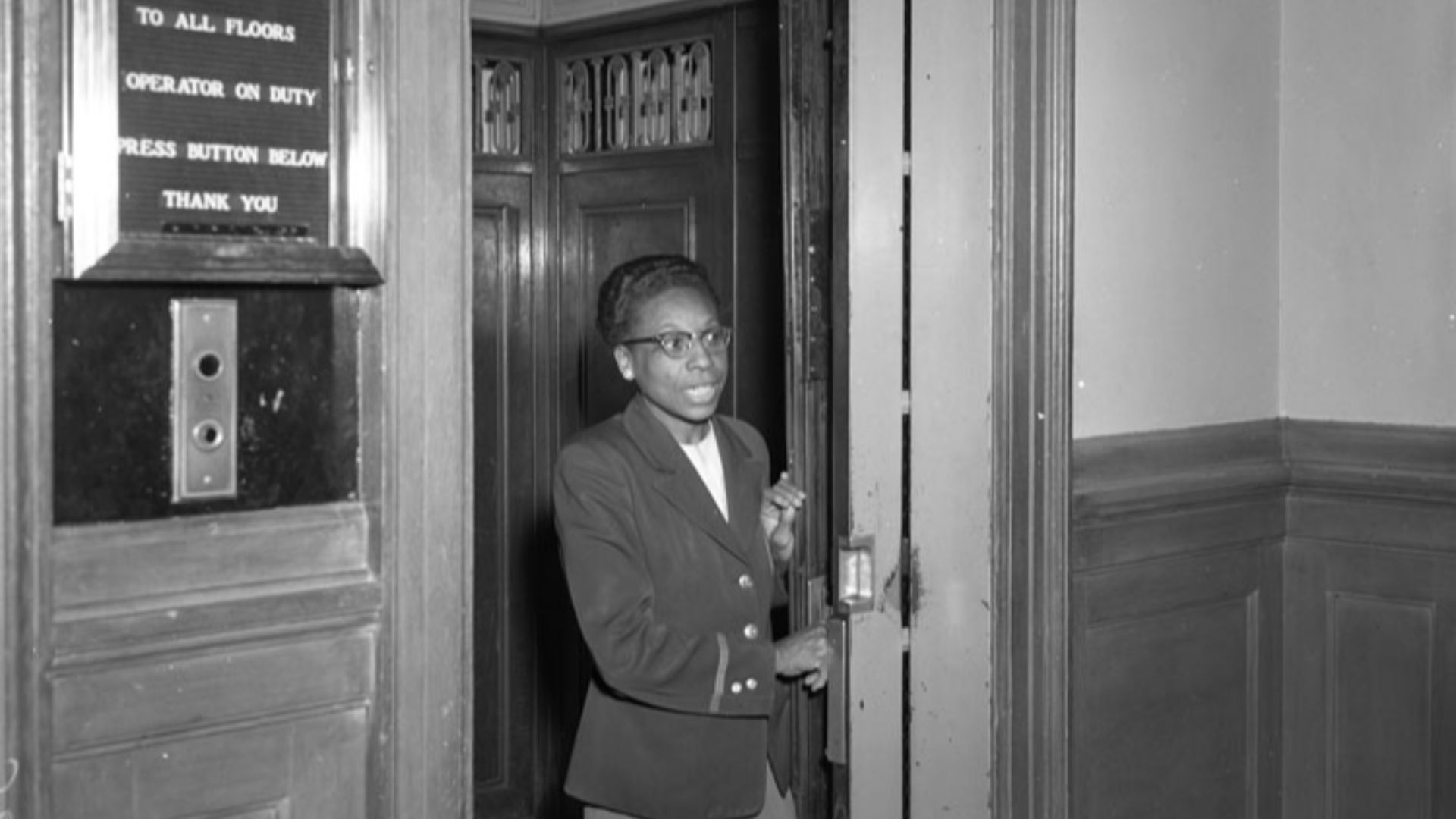
Elevator Operator
For much of the early 20th century, operating an elevator required skill and concentration. The operator controlled the car’s speed, aligned it with each floor, opened the doors, and announced stops. Automatic controls and push-button elevators turned a common urban occupation into a novelty preserved mainly in select historic or luxury buildings.
 The Library of Virginia from USA, Wikimedia Commons
Bowling Pinsetter
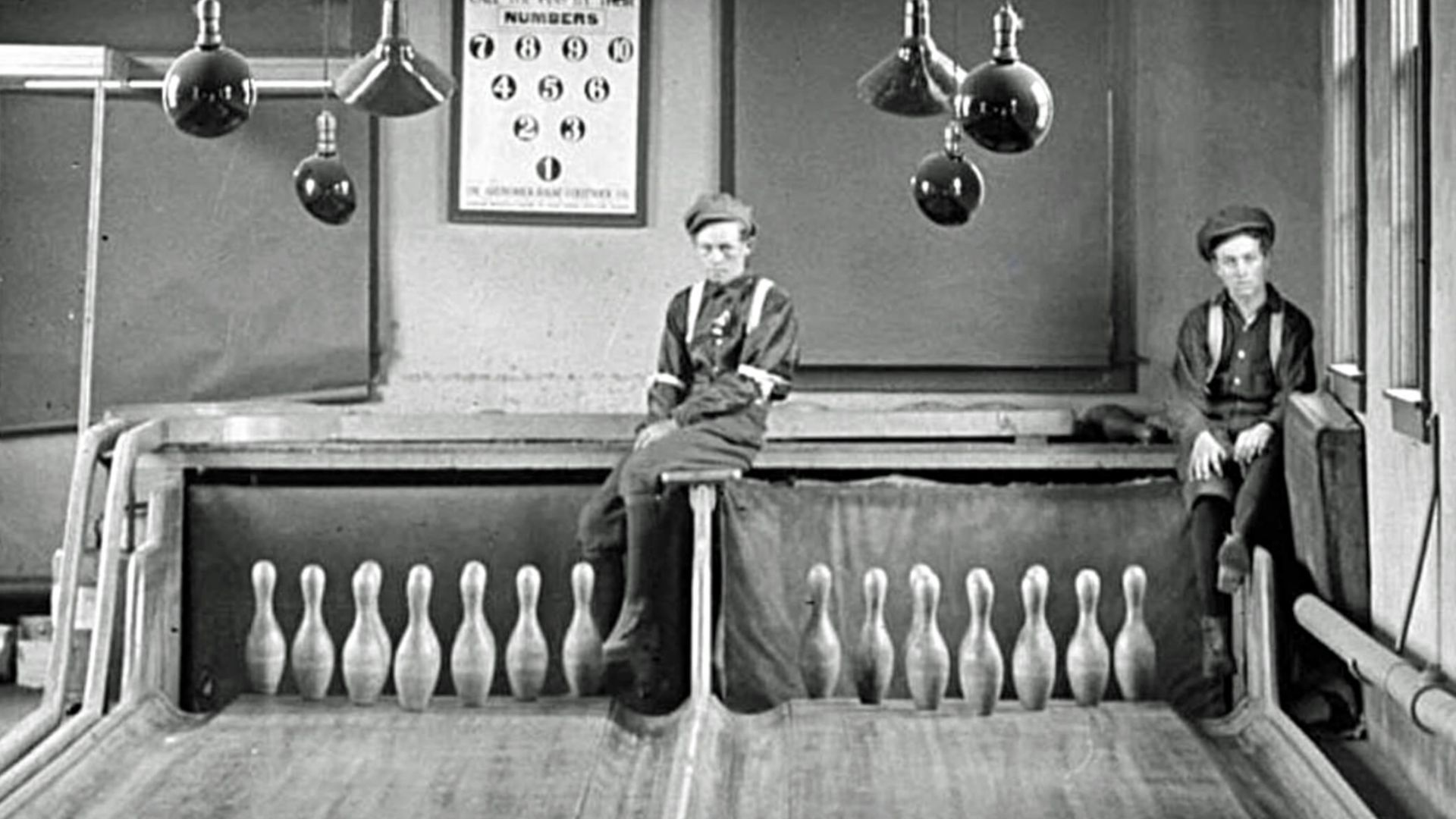
Before bowling alleys installed automated equipment, workers had to clear fallen pins and arrange new sets by hand. These pinsetters were often teenage boys who worked behind the lanes close to fast-moving balls and flying pins. Mechanical pinsetting machines spread rapidly after their development in the 1930s, making manual crews largely unnecessary.
 Unknown photographer, 1890-1910, Wikimedia Commons
Milk Delivery Driver
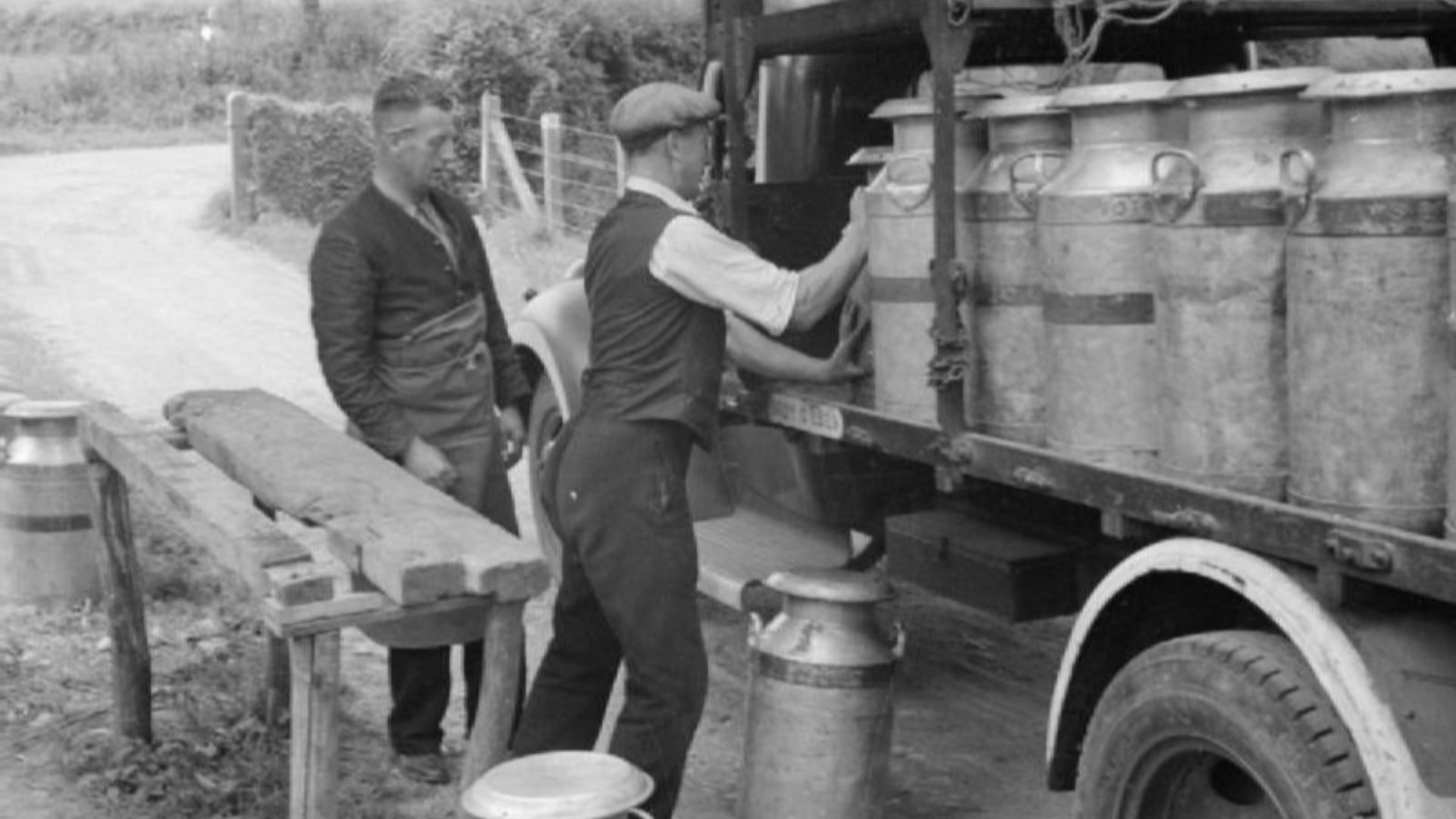
Milkmen once brought glass bottles of fresh milk directly to customers’ doorsteps, often several times a week. Frequent delivery was important when household refrigeration remained limited and milk spoiled quickly. Better refrigerators, supermarkets, disposable containers, and changing shopping habits caused traditional milk routes to disappear across much of North America.
 Ministry of Information Photo Division Photographer, Wikimedia Commons
Ice Delivery Worker
Before electric refrigerators became standard, many households depended on iceboxes to keep food cold. Delivery workers carried heavy blocks of ice from trucks into kitchens, sometimes using large metal tongs to handle them. The rapid adoption of mechanical refrigeration during the mid-20th century destroyed the enormous delivery network that had supported the trade.

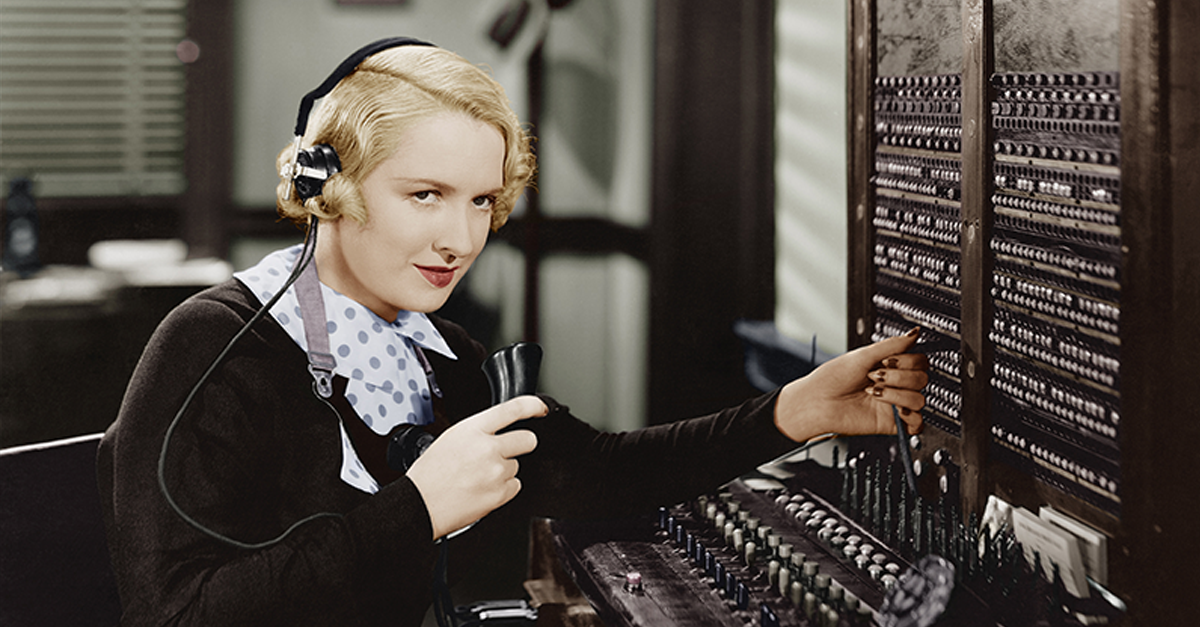
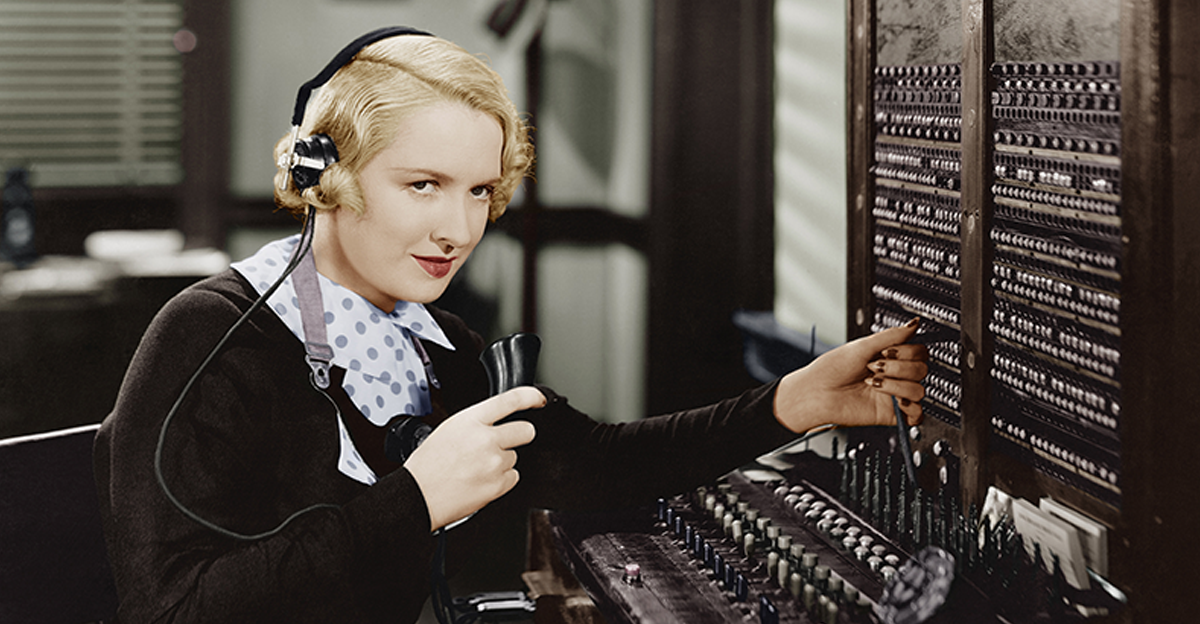
Telephone Switchboard Operator
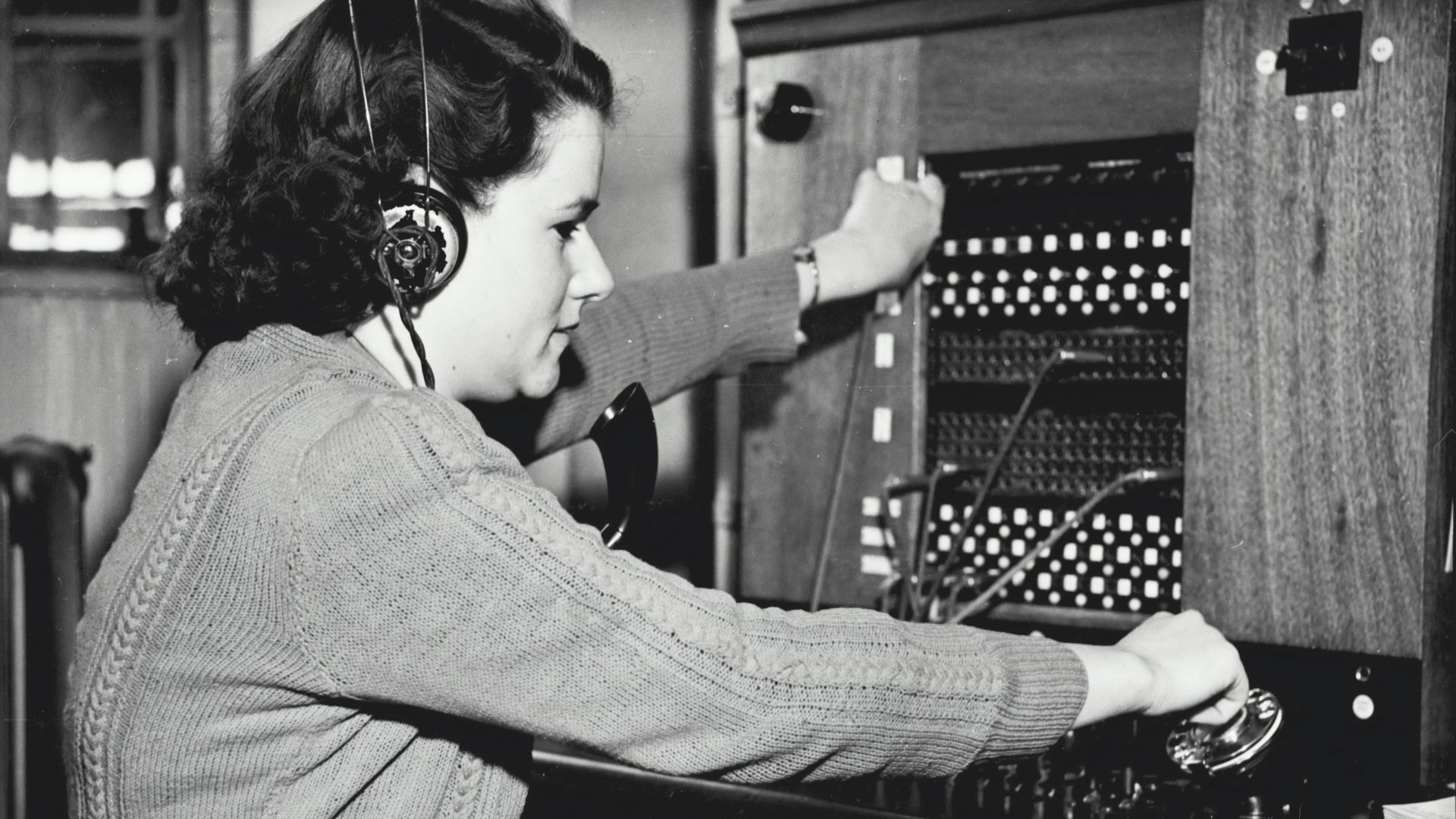
Early telephone users could not simply dial another person directly. Switchboard operators physically connected calls by inserting plugs into the correct jacks, making them an essential part of everyday communication. Automated exchanges and direct dialing gradually eliminated most of these positions, although a small number of specialized operators remain.
Telegraph Operator
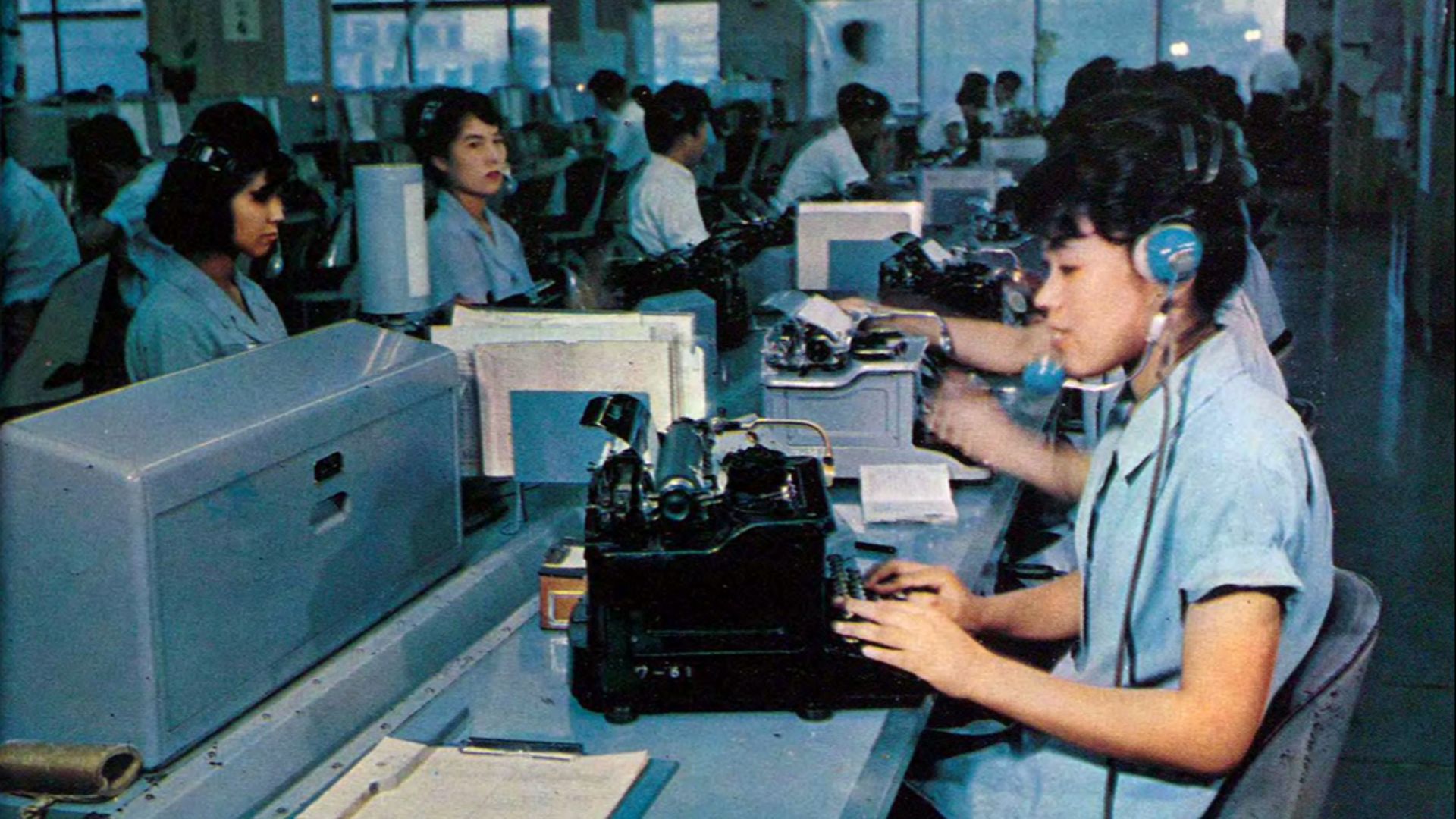
Telegraph operators translated written messages into coded electrical signals and transmitted them across vast distances. Railroads, newspapers, businesses, and governments relied heavily on their speed and accuracy. The telephone, fax machine, and internet eventually made commercial telegraphy unnecessary, and Western Union ended its American telegram service in 2006.
 NTT Public Corporation, Wikimedia Commons
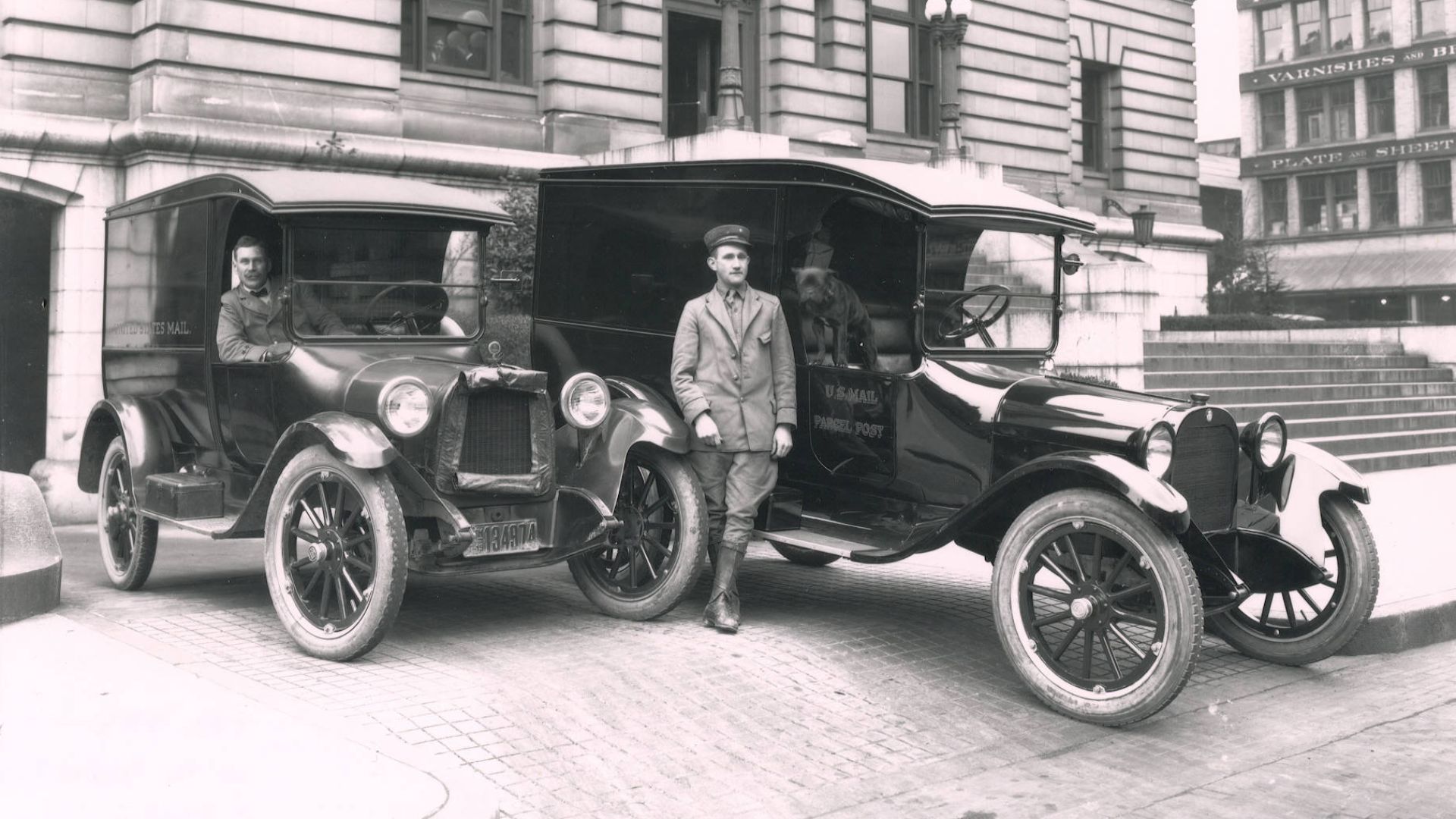
Telegram Messenger
Sending a telegram was only half the process because someone still had to carry the printed message to its recipient. Young messengers became familiar figures in cities, delivering everything from business notices to urgent family news. As telephones reached more homes and offices, both telegram traffic and the messenger jobs supporting it collapsed.
 Marvin Dement Boland, Wikimedia Commons
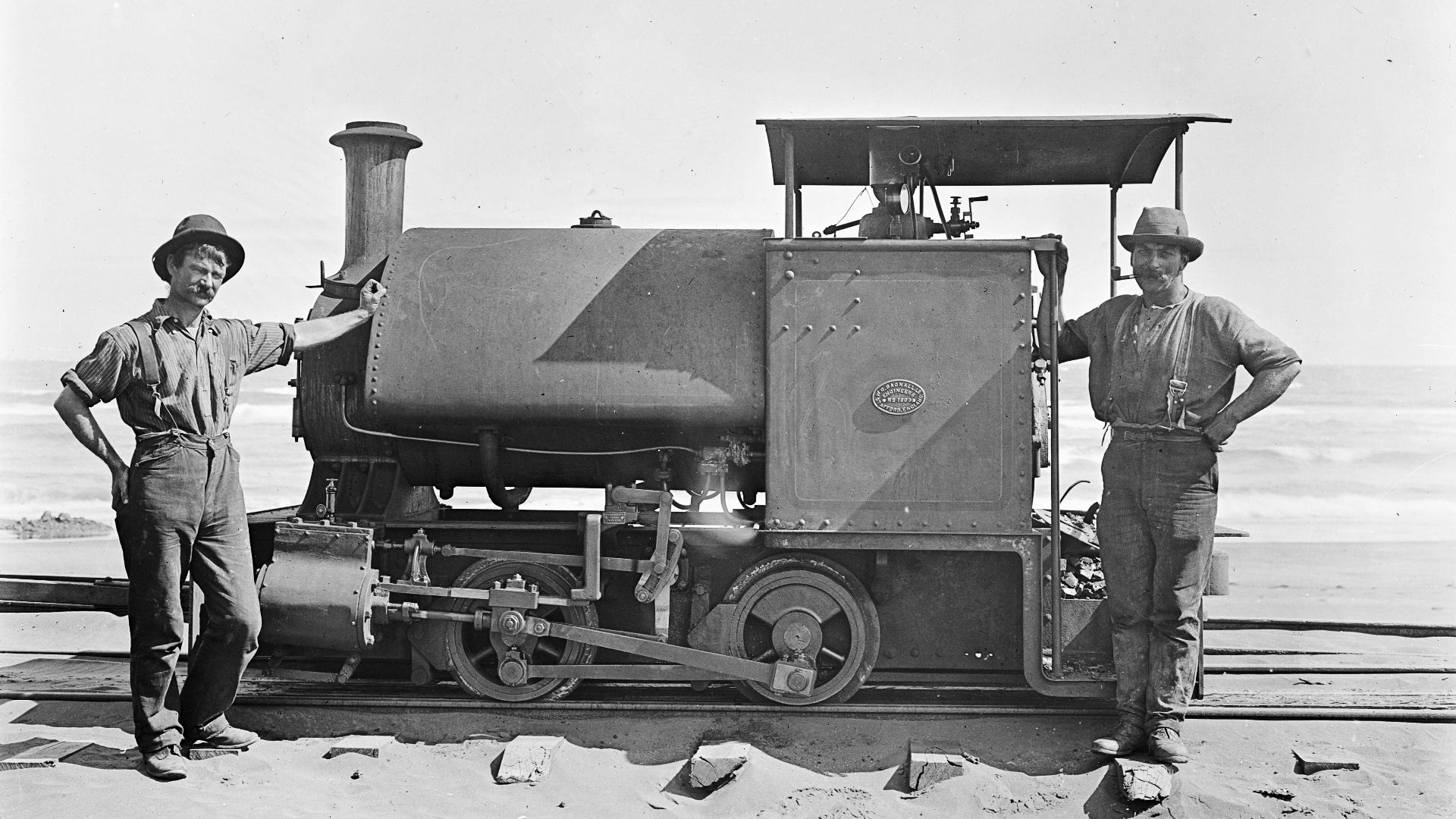
Railway Locomotive Fireman
Steam locomotives needed firemen to shovel coal, maintain boiler pressure, watch the track, and assist the engineer. The work was exhausting, dirty, and vital to keeping a train moving safely. Diesel locomotives required no coal fire, and their widespread adoption after World War II sharply reduced the need for the traditional position.
 Godber, Albert Percy, 1875-1949, Wikimedia Commons

History's most fascinating stories and darkest secrets, delivered to your inbox daily.
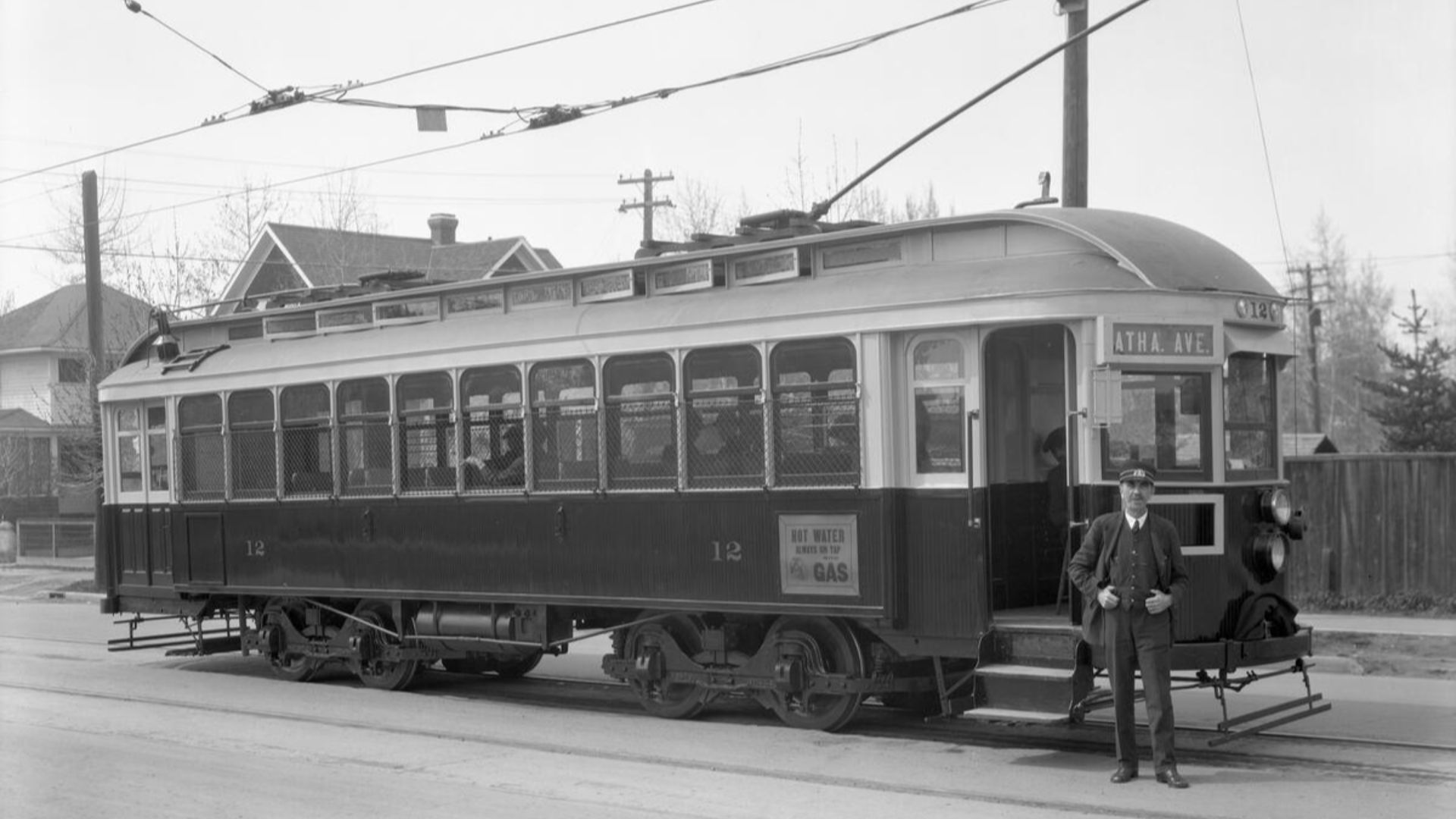
Streetcar Conductor
Streetcar conductors collected fares, called out stops, helped passengers, and signaled when the vehicle could move. They worked alongside motormen in cities where electric streetcars carried enormous numbers of commuters. Buses, automobiles, automated fare systems, and the dismantling of streetcar networks caused most conductor positions to vanish.
 McDermid Studio, Wikimedia Commons
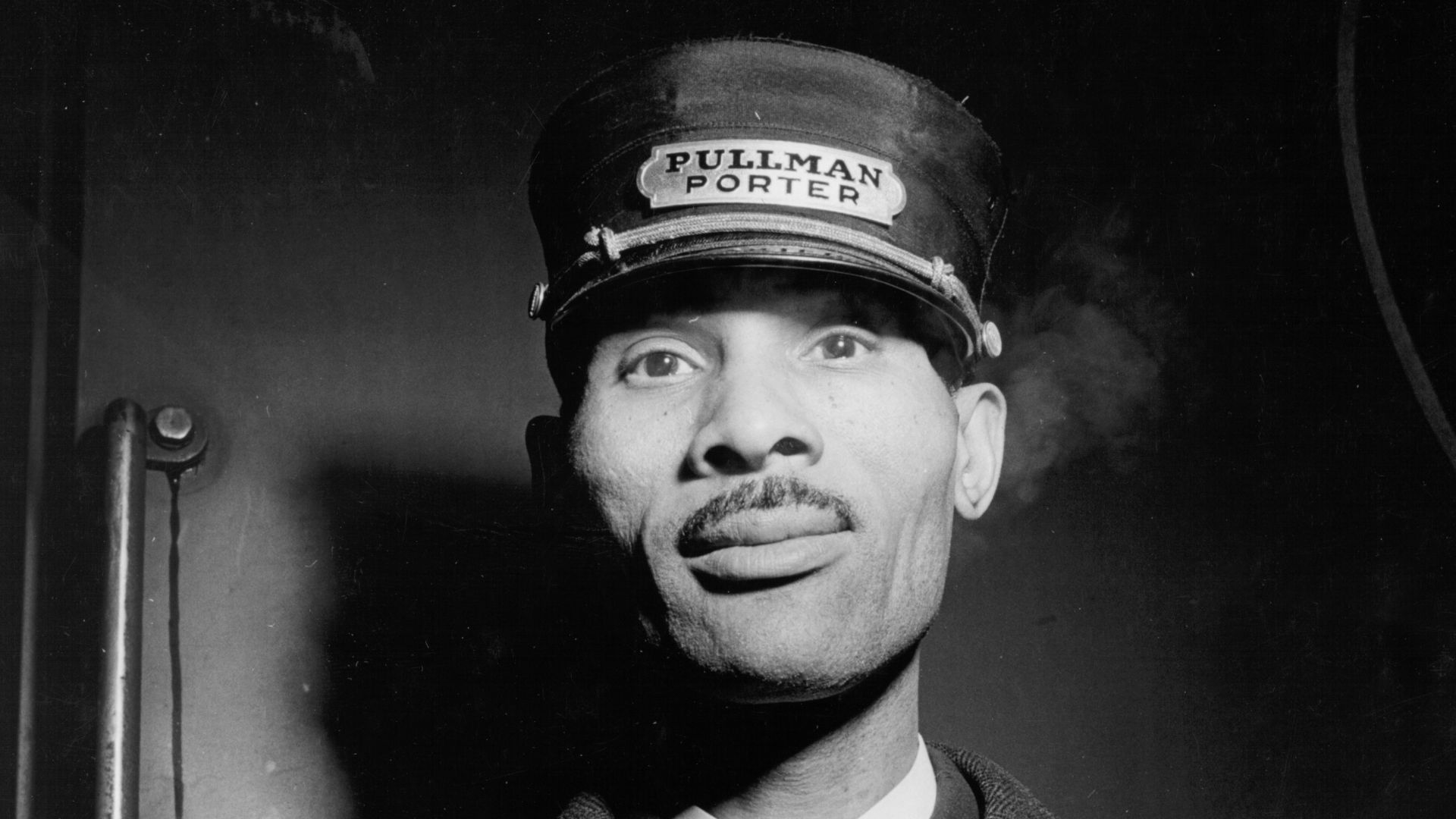
Pullman Porter
Pullman porters made beds, carried luggage, shined shoes, served passengers, and handled countless requests aboard sleeping cars. The occupation provided important employment for generations of Black men, although the work involved discrimination, long hours, and dependence on tips. Passenger rail declined after World War II, while changing sleeping-car service steadily reduced the once-prominent workforce.
 Jack Delano, Wikimedia Commons
Door-To-Door Salesperson
Door-to-door sales representatives once demonstrated vacuum cleaners, cosmetics, cookware, insurance, and other products inside customers’ homes. The system worked especially well when television advertising was limited and suburban households had fewer nearby shopping options. Shopping malls, discount retailers, changing household schedules, and online commerce made the classic traveling salesman far less common.
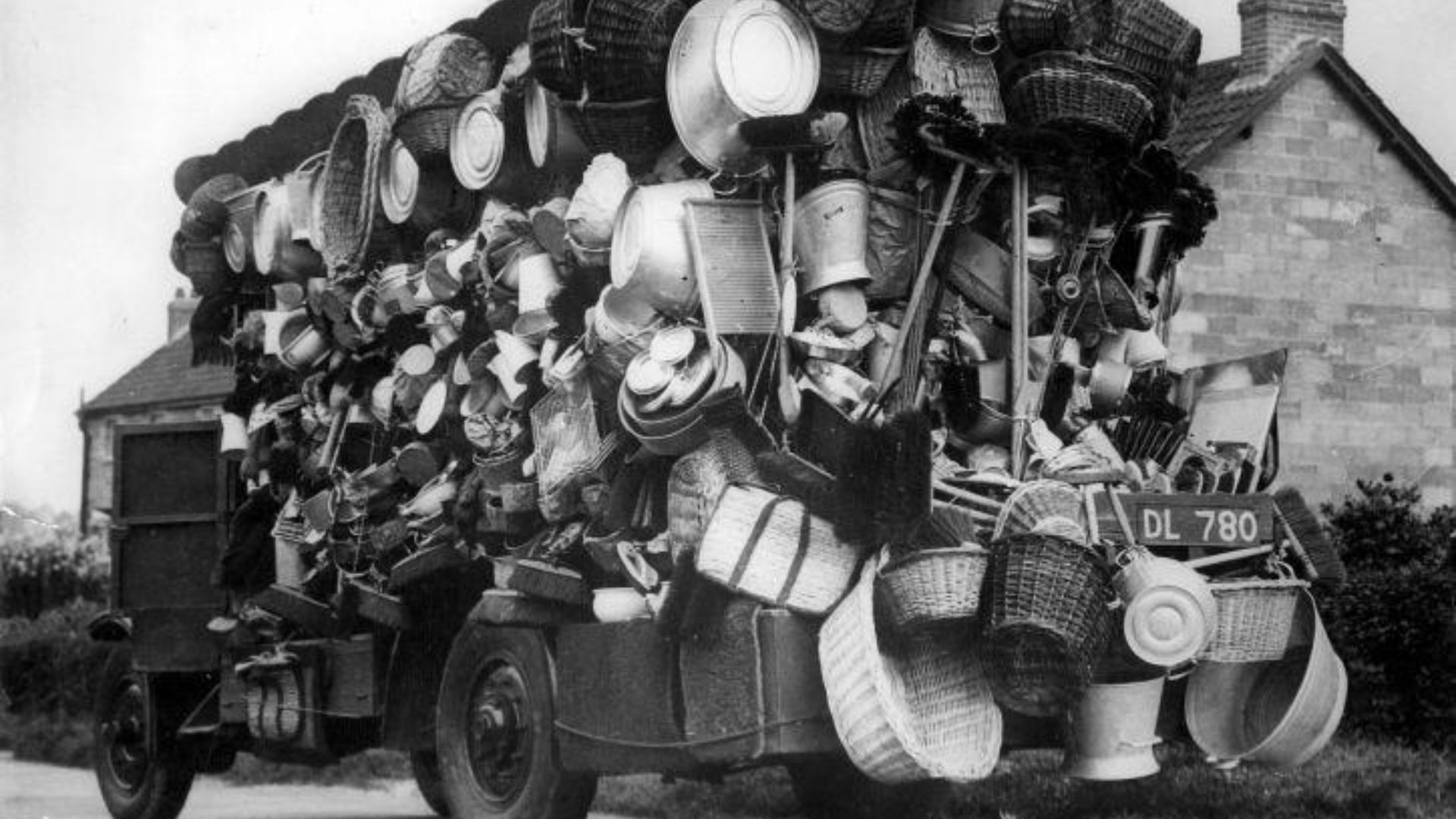 Nationaal Archief, Wikimedia Commons
Encyclopedia Salesperson
Printed encyclopedias were expensive products, so publishers employed sales representatives to persuade families that owning a set was an educational investment. Representatives often visited homes and delivered carefully rehearsed presentations aimed at parents. Affordable computers, digital reference products, and free online information destroyed the mass market for multivolume encyclopedias with surprising speed.
 DALL-E, with text prompt from Aaron Lucas, Wikimedia Commons
Linotype Operator
Linotype operators used complex keyboard-driven machines to cast entire lines of metal type for newspapers and books. The machines transformed printing by replacing the slow process of arranging individual letters by hand. Phototypesetting and computerized page design spread during the late 20th century, leaving skilled operators with equipment that publishers no longer needed.
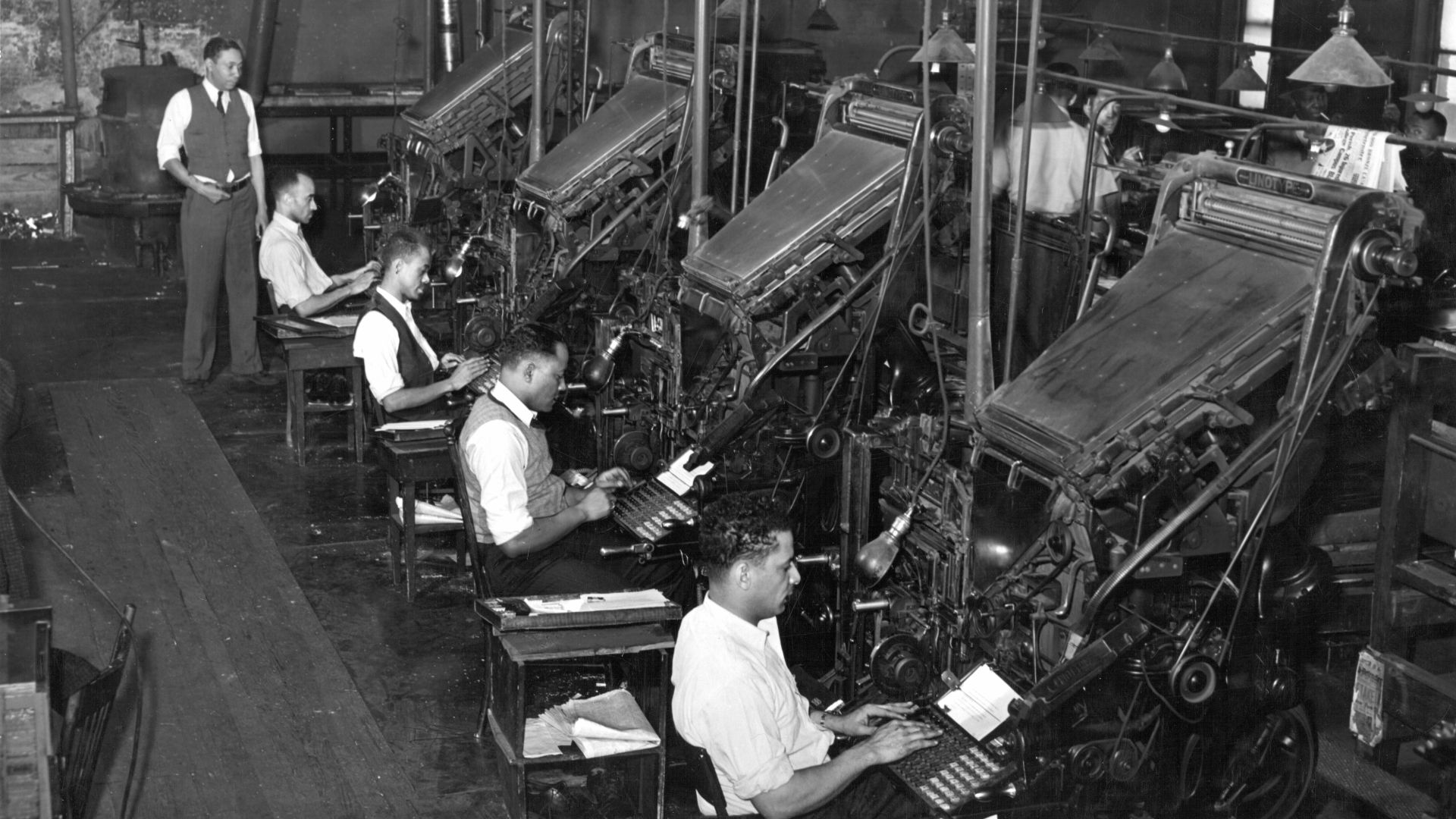 Russell Lee, Wikimedia Commons
Newspaper Compositor
Compositors arranged type, headlines, photographs, advertisements, and other elements into printable newspaper pages. The work demanded accuracy, visual judgment, and a detailed understanding of the printing process. Desktop publishing allowed editors and designers to assemble pages digitally, removing many traditional production steps and the jobs attached to them.
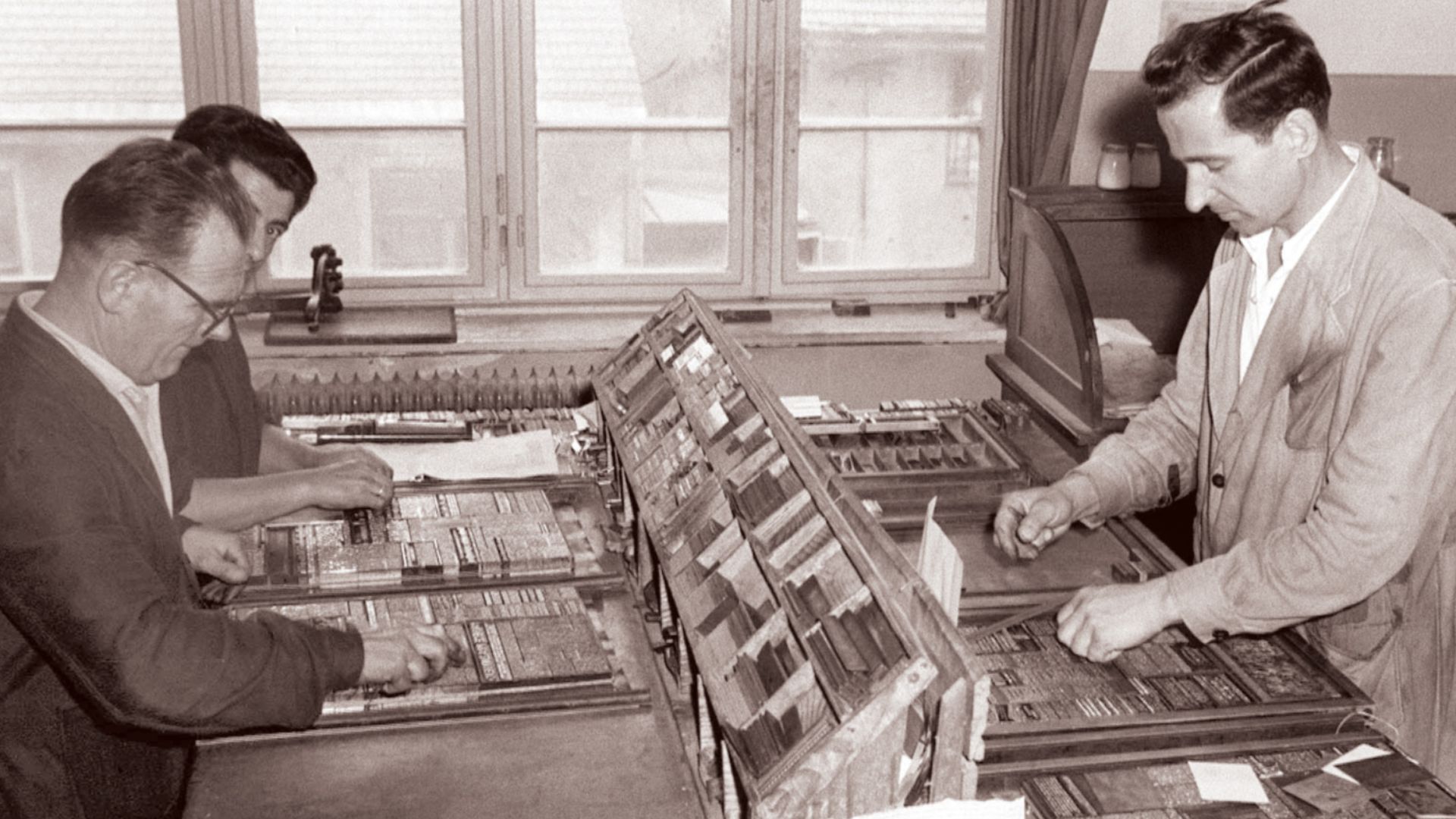
Copy Boy
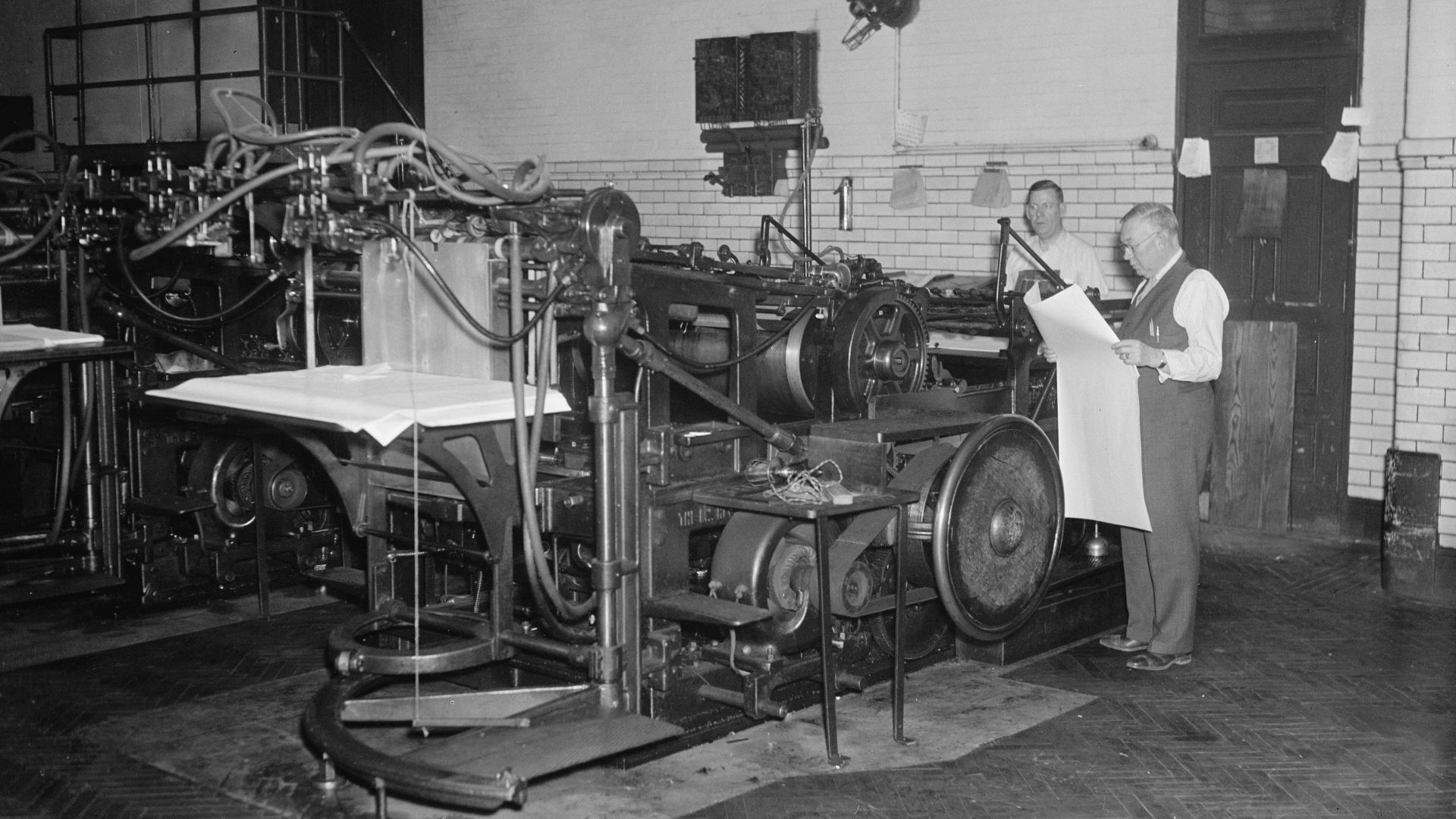
Large newspapers once employed copy boys to carry articles, messages, proofs, and photographs between reporters, editors, and production departments. The entry-level job gave many aspiring journalists a close view of how a newsroom operated. Computer networks, email, and digital publishing made the constant movement of physical paper unnecessary.
 Harris & Ewing, photographer, Wikimedia Commons
Keypunch Operator
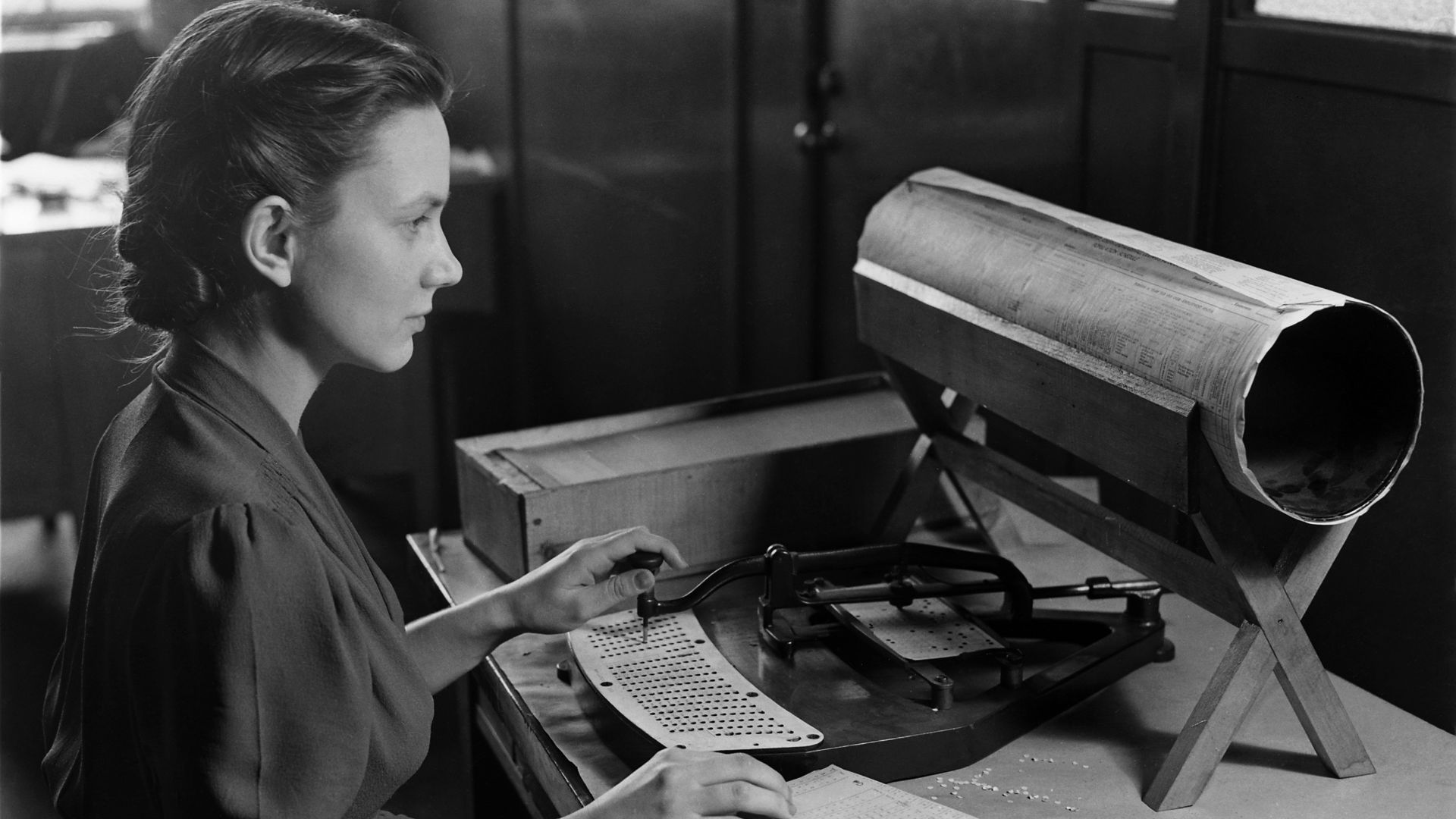
Companies once stored enormous quantities of information on punched cards. Keypunch operators, most of whom were women, typed data into machines that punched precisely placed holes into each card. Magnetic storage, computer terminals, and newer data-entry systems made punched-card departments obsolete during the late 20th century.
 Unknown authorUnknown author or not provided, Wikimedia Commons
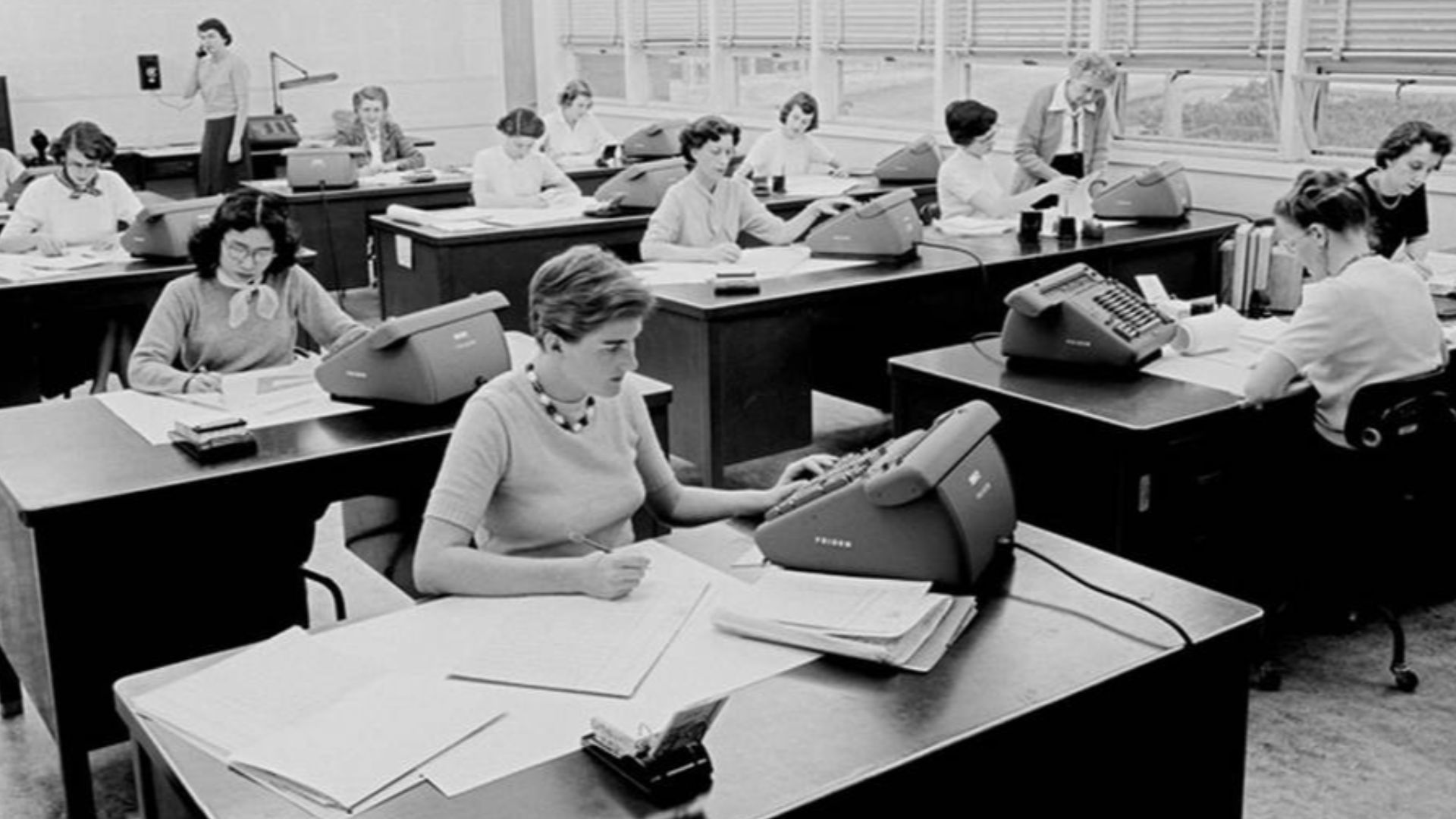
Human Computer
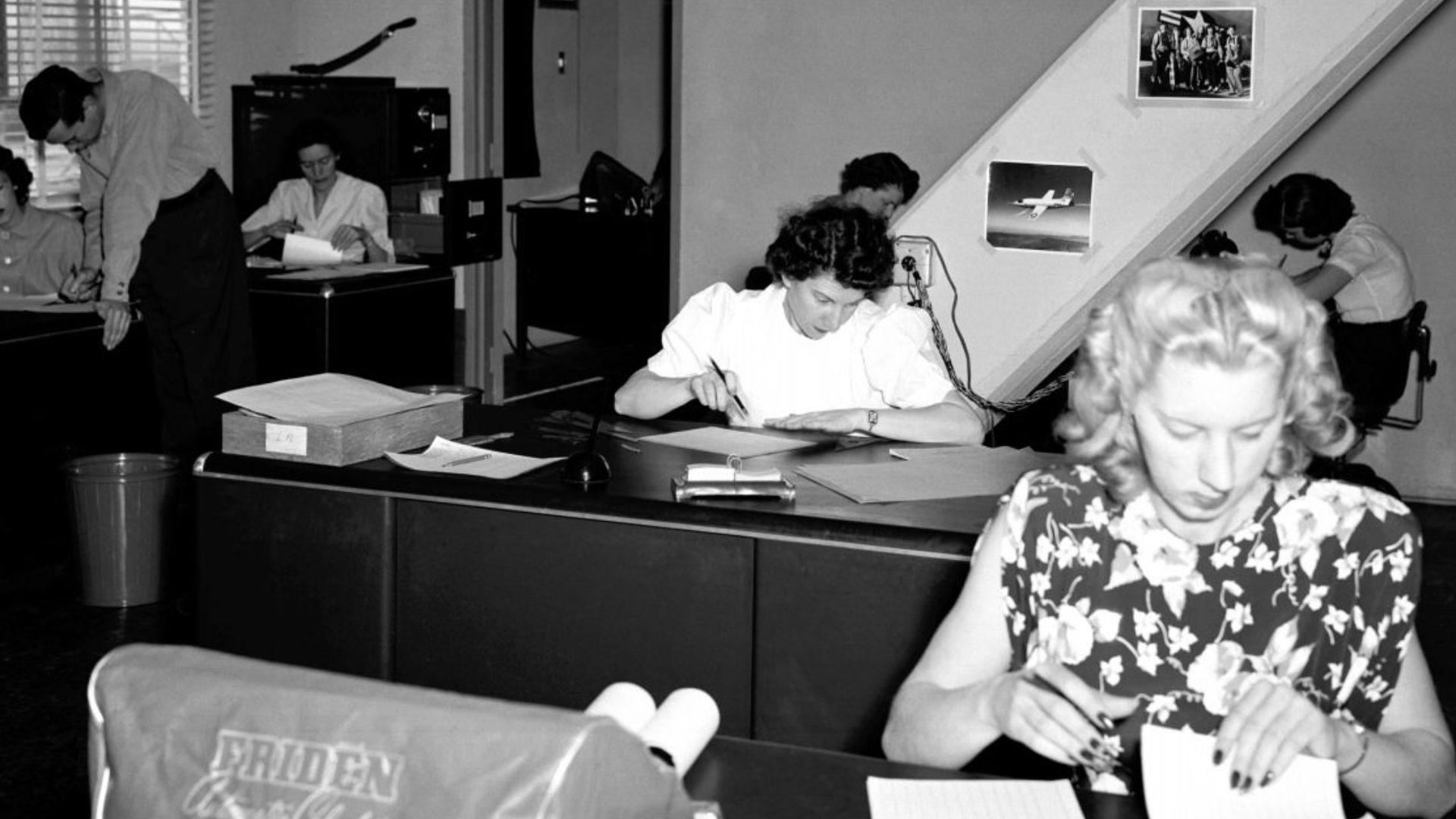
Long before computer referred primarily to a machine, it described a person hired to perform calculations. Human computers produced mathematical tables and supported scientific, military, engineering, and spaceflight projects, often using mechanical calculators. Electronic computers eventually performed the same work faster, although many human computers successfully moved into programming and technical careers.
 NACA (NASA), Wikimedia Commons
Dictation Typist
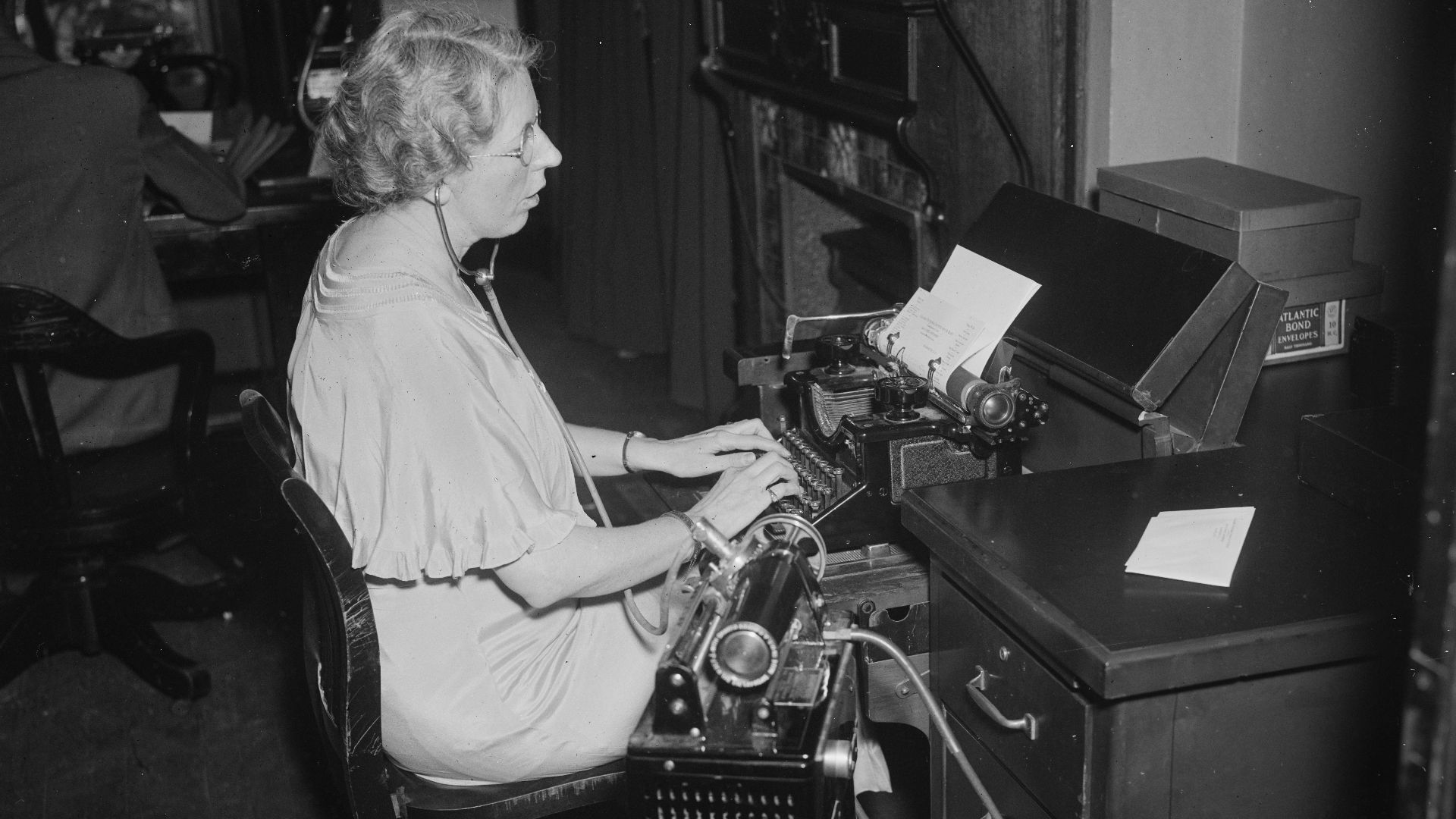
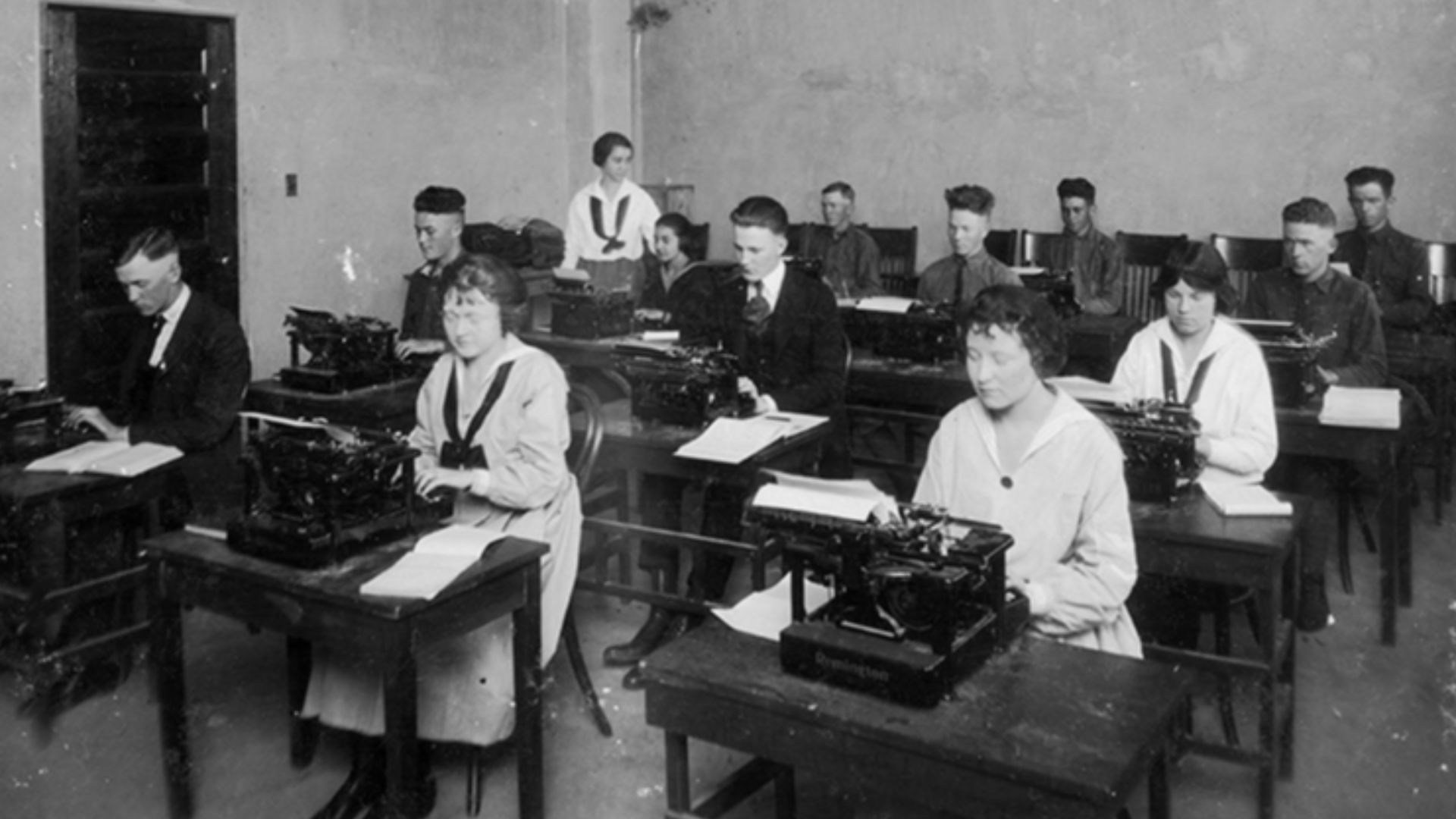
Executives and professionals regularly dictated letters and reports for typists to transcribe. Some typists worked from recorded audio, while others took notes directly before producing polished documents on typewriters. Personal computers and word-processing software allowed office workers to create and revise their own documents without a dedicated transcription employee.
 Harris & Ewing, photographer, Wikimedia Commons
Stenographer
Stenographers used shorthand or specialized machines to record speech at high speed. Businesses, courts, government offices, and public meetings depended on their ability to create accurate written records. Court reporting remains a specialized profession, but recording technology and ordinary office software eliminated many general stenography positions.
 University of Texas at Arlington Photograph Collection, Wikimedia Commons
Movie Theater Projectionist
Film projectionists loaded reels, threaded projectors, adjusted focus, changed reels at precise moments, and solved mechanical problems during screenings. A mistake could interrupt a movie or damage an expensive print. Multiplex automation and digital cinema turned projection into a largely computerized process that could be managed with far fewer employees.
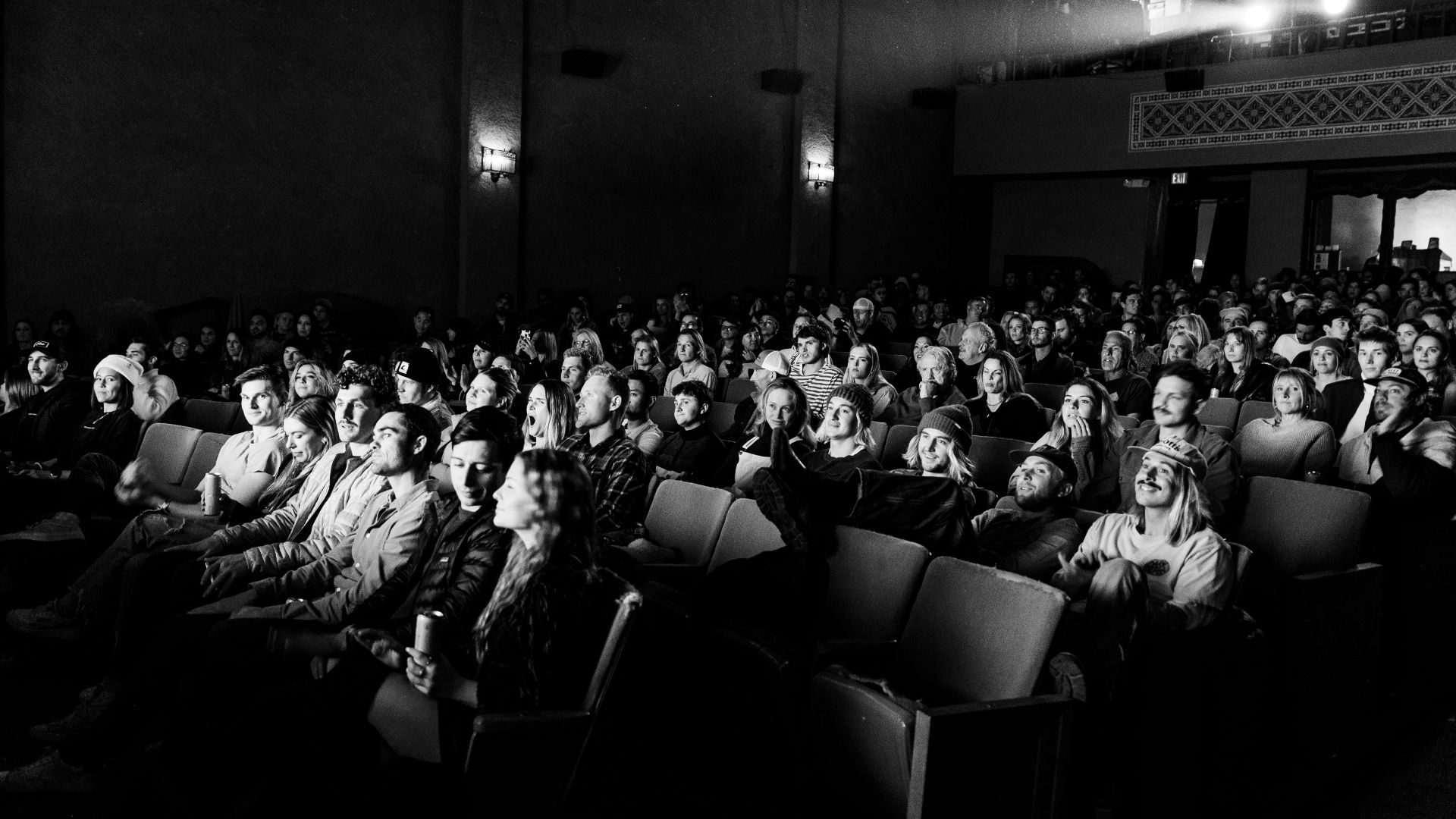
Photo Laboratory Technician
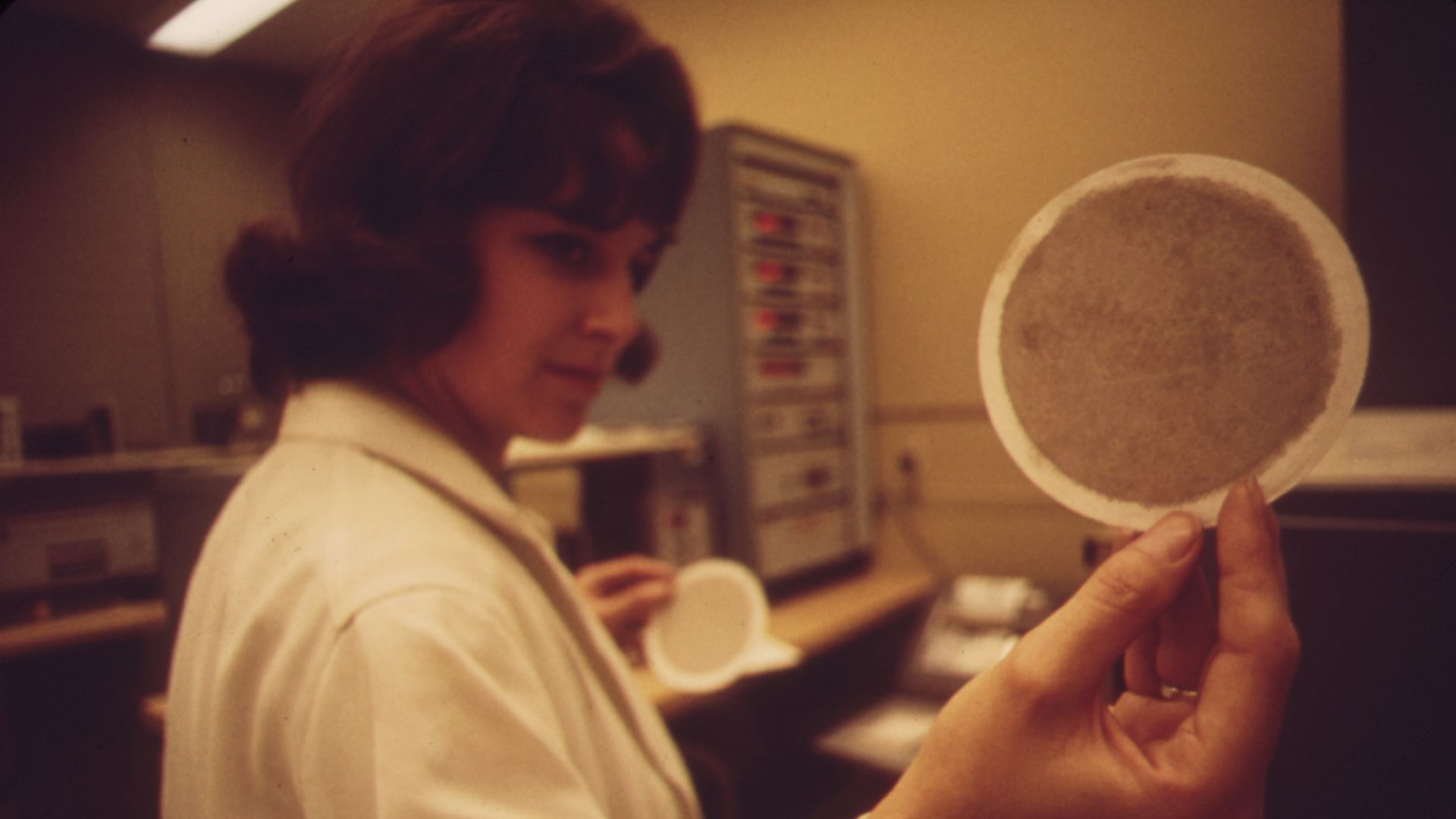
Photo lab technicians developed film, produced prints, corrected exposure, mixed chemicals, and maintained sensitive processing equipment. Drugstores and shopping centers once operated busy counters serving customers who regularly dropped off rolls of film. Digital cameras and smartphones almost instantly removed the need to develop photographs before viewing them.
 Charles O'Rear, Wikimedia Commons
Video Rental Clerk
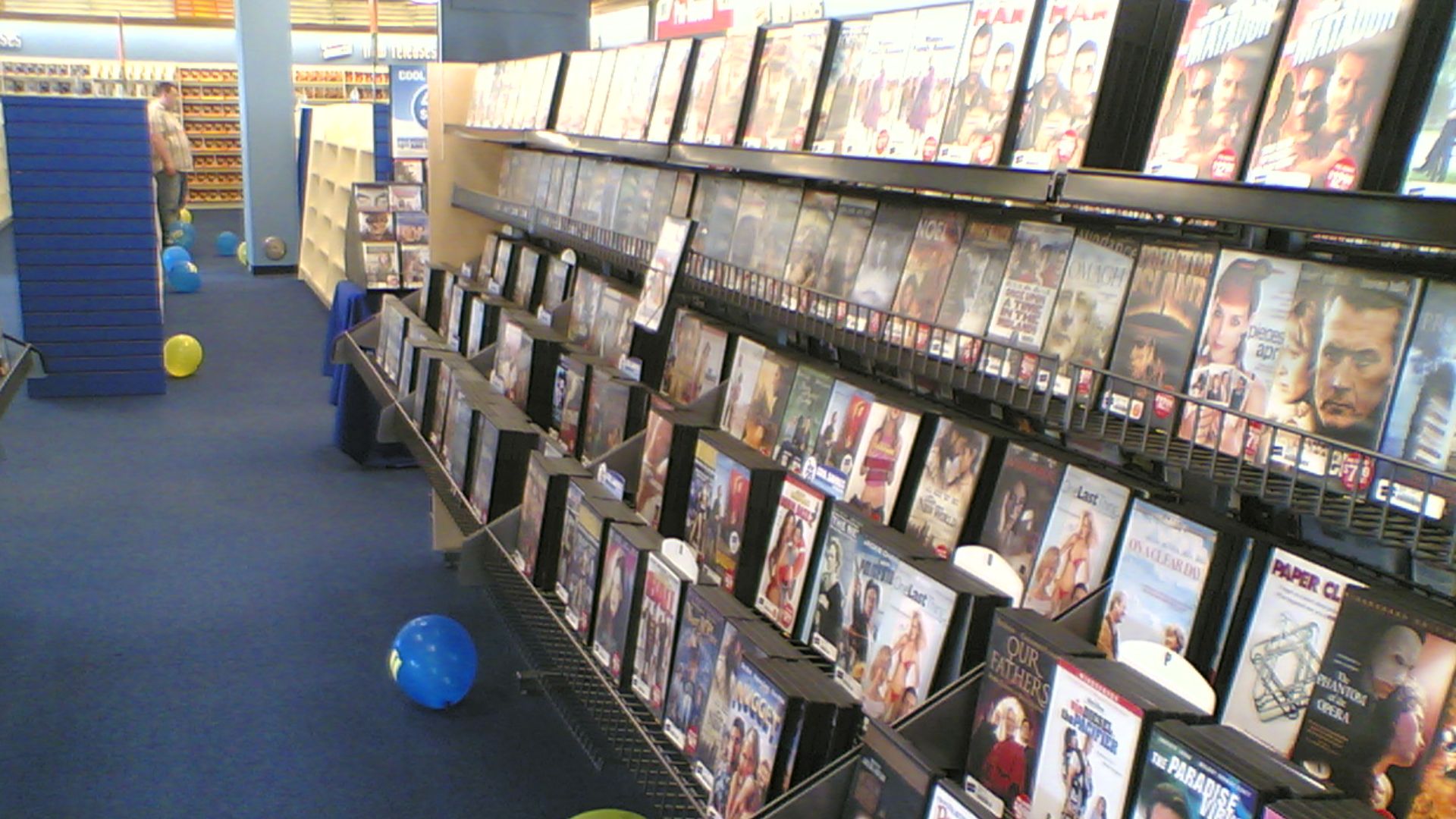
Video store employees recommended movies, organized shelves, opened customer accounts, collected late fees, and rewound returned tapes. The job became a recognizable part of suburban life during the VHS and DVD eras. Streaming services and inexpensive digital rentals caused major video chains and thousands of independent stores to close within a remarkably short period.
 Tracy the astonishing, Wikimedia Commons
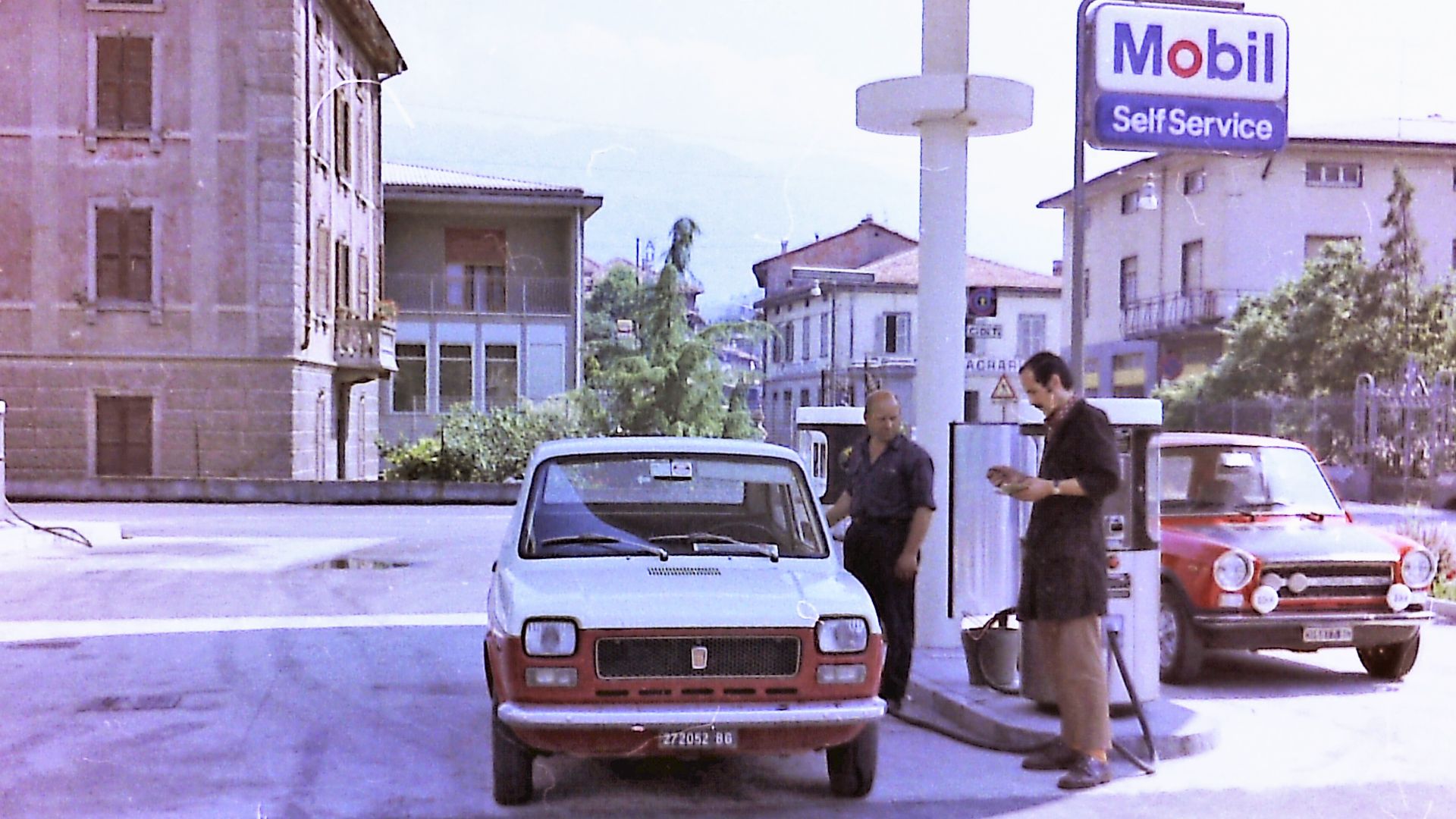
Full-Service Gas Station Attendant
Gas station attendants pumped fuel, cleaned windshields, checked oil, and sometimes performed minor repairs. Drivers once expected this assistance as a normal part of buying gasoline. Self-service pumps spread because stations could reduce labor costs, leaving only a few jurisdictions where attendants are still routinely required.
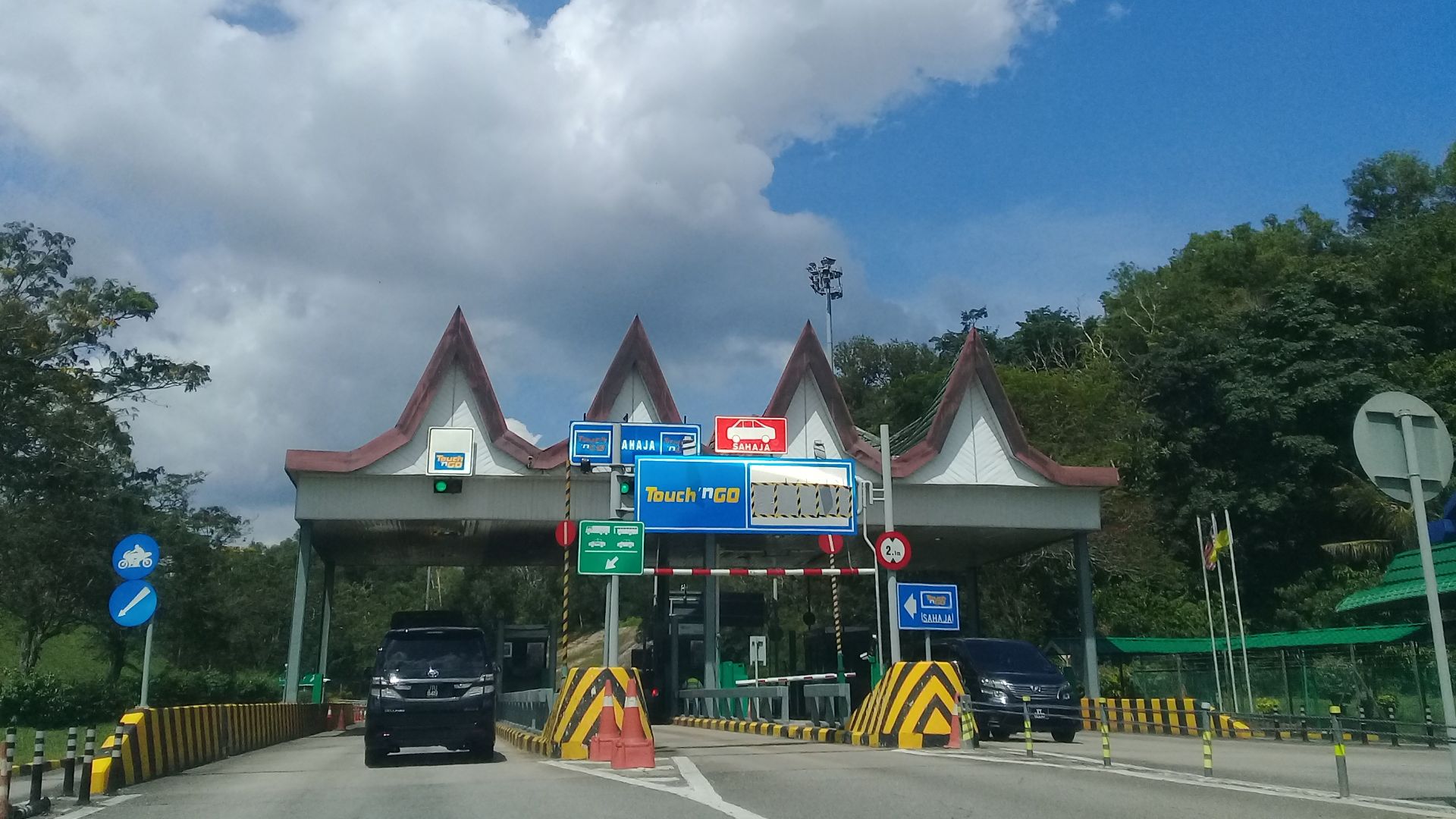
Highway Toll Collector
Toll collectors spent their shifts accepting cash, making change, issuing receipts, and helping confused motorists. Large toll plazas employed substantial crews because every vehicle needed to stop at a staffed booth. Electronic transponders and license-plate billing have allowed many highways to remove both booths and collectors entirely.
 Wiki Farazi, Wikimedia Commons
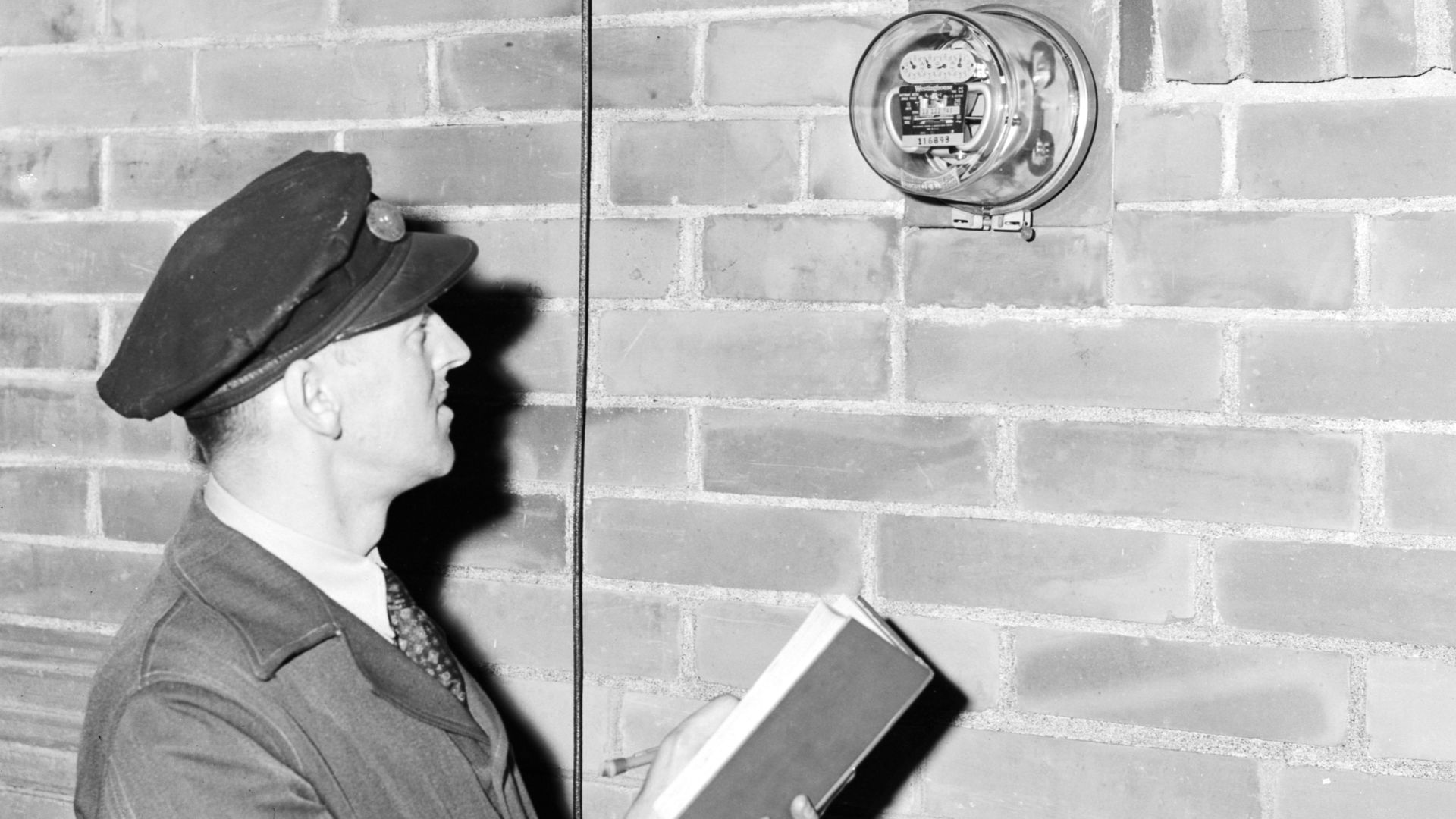
Meter Reader
Utilities once sent workers to visit every home and business so they could inspect electricity, gas, or water meters. Readers walked long routes and sometimes faced locked gates, severe weather, or territorial animals. Automated and smart meters now transmit usage remotely, greatly reducing the number of employees required to gather readings.
 Seattle Municipal Archives from Seattle, WA, Wikimedia Commons
Travel Reservation Agent
Booking a flight once commonly required visiting or calling a professional with access to specialized reservation systems. Agents compared schedules, issued paper tickets, arranged hotels, and helped travelers understand complicated fares. Airline websites and online booking platforms allowed customers to perform most of those tasks themselves, rapidly shrinking routine reservation work.

The Jobs Changed Before People Could Prepare
These occupations did not all disappear completely, and several survive in specialized, ceremonial, or luxury settings. What vanished was the enormous demand that had once made them ordinary ways to earn a living. Their stories show how quickly a stable career can become a historical curiosity when an entire system changes around it.
You May Also Like:
The Strangest Jobs That Disappeared With Modern Technology
Strange Competitions That Were Once Taken Very Seriously
Historical Geniuses Who Were Complete Disasters Outside Their Field
Sources: 1, 2, 3, 4, 5, 6, 7, 8, 9, 10, 11, 12, 13, 14, 15, 16, 17, 18