The Mystery Unfolded
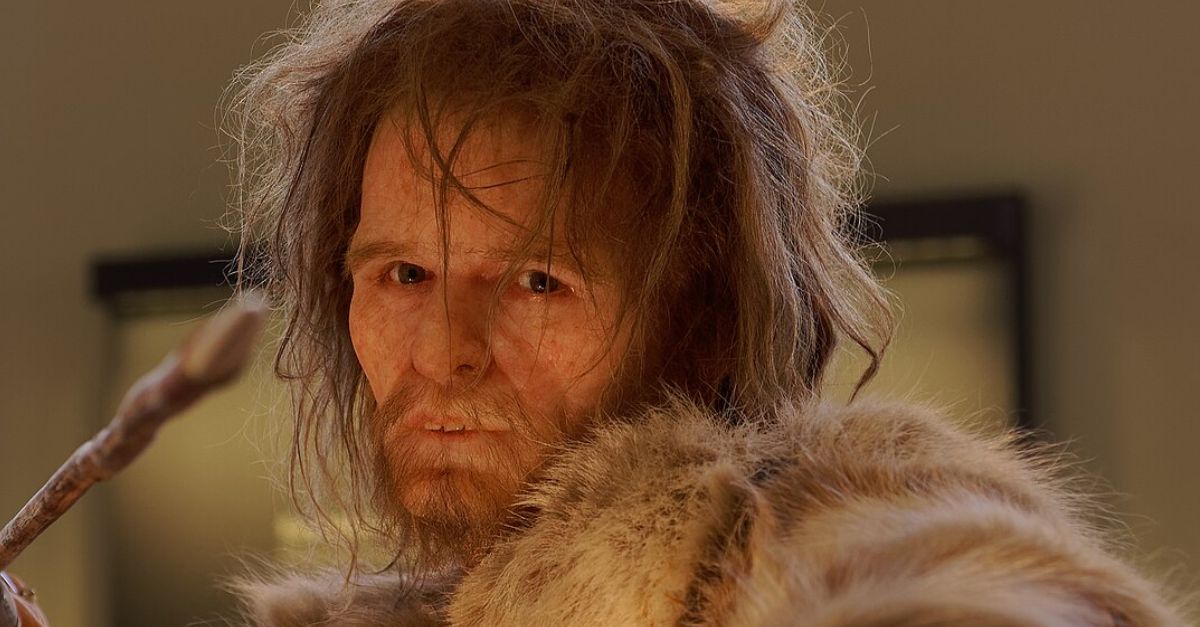
Neanderthals have long been misunderstood as primitive and uniform, shaped by early scientific bias and popular culture. Modern archaeology and genetics now reveal complex societies, regional diversity, and adaptive intelligence that challenge nearly everything we thought we knew.
 Jakub Halun, Wikimedia Commons
Who Were The Neanderthals?
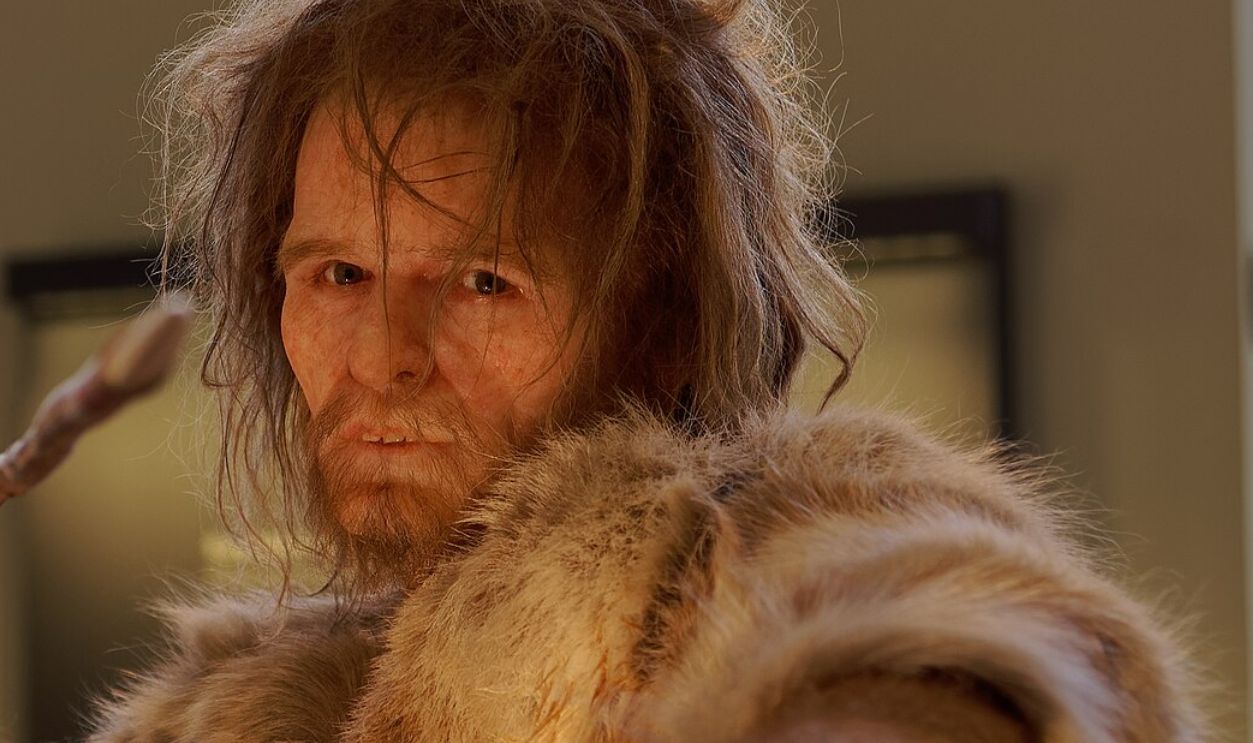
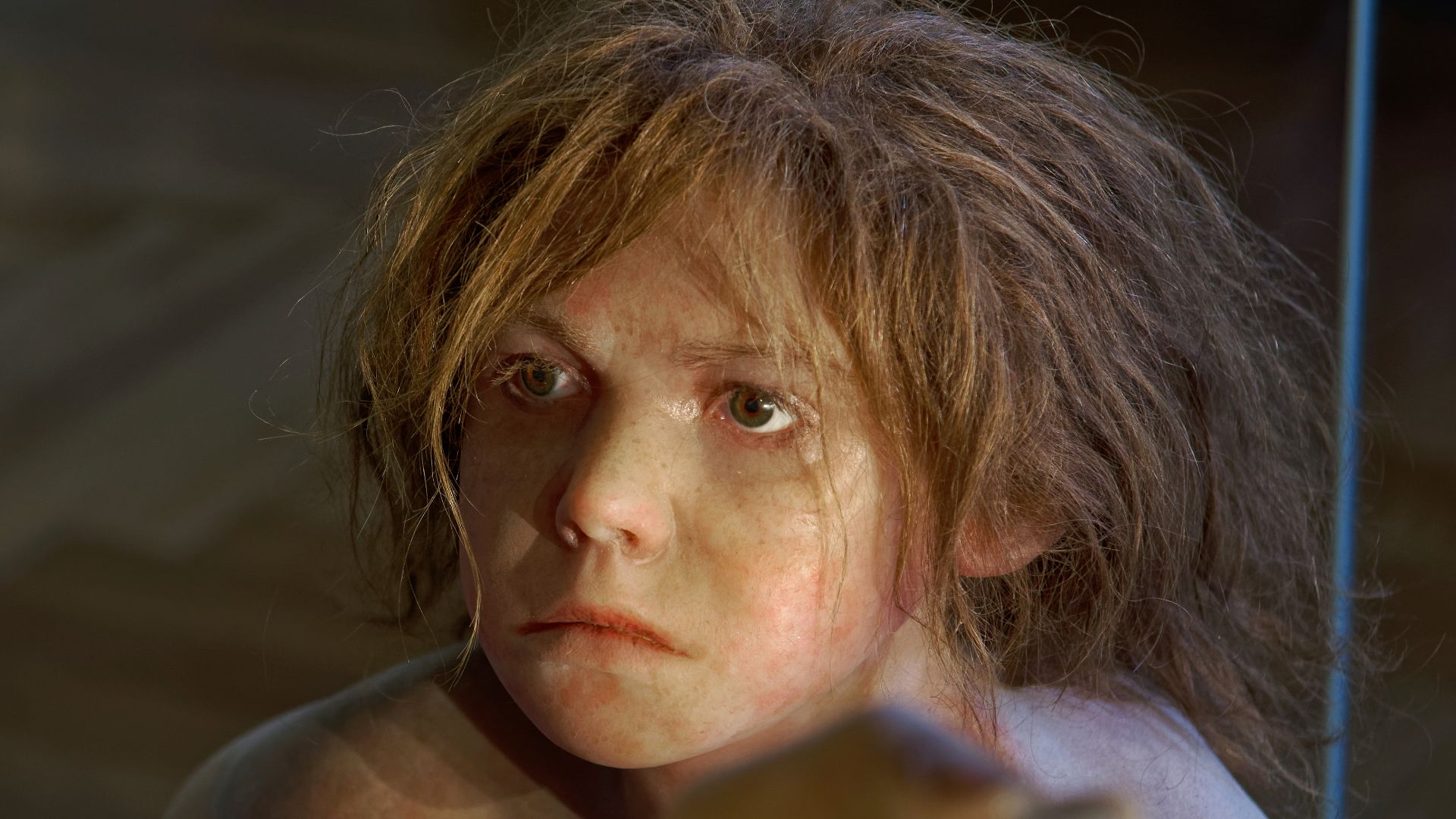
Long before modern humans dominated the planet, Neanderthals thrived across Eurasia between 400,000 and 40,000 years ago. They were not a separate species of beasts, but close human relatives who shared a common ancestor with us roughly 600,000 years ago.
 Jakub Halun, Wikimedia Commons
Early Discoveries Shaped Lasting Misconceptions
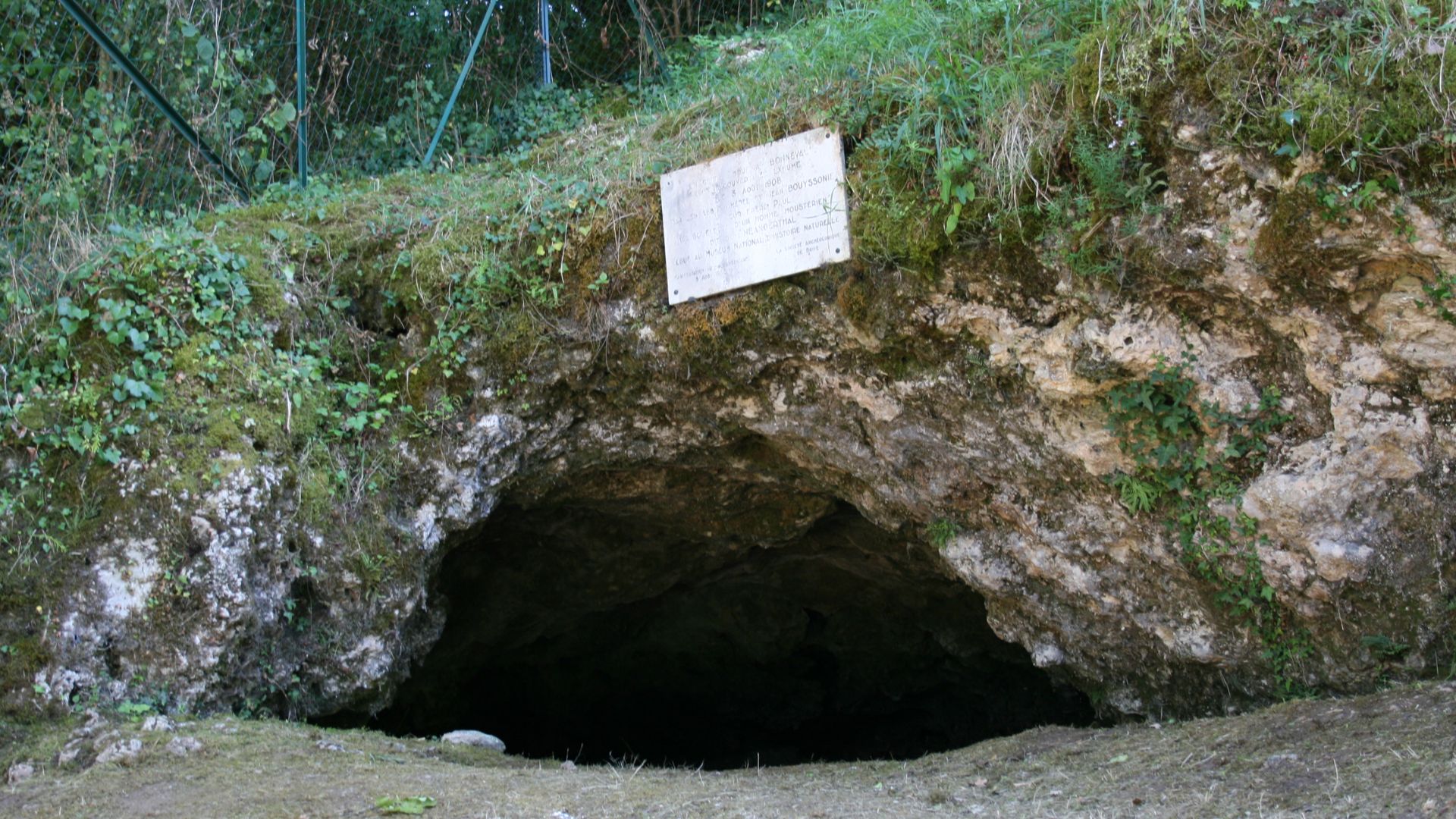
In 1908, a nearly complete skeleton found at La Chapelle-aux-Saints in southwestern France appeared to be deliberately buried. Yet archaeologist Marcelin Boule described Neanderthals as brutish and unintelligent. His influential interpretation dominated textbooks for decades, and cemented the “caveman” stereotype in public imagination.
 120 / V. Mourre, Wikimedia Commons
The First Discoveries
Even in 1856, when unusual human-like bones emerged from Germany’s Neander Valley, early scientists labeled them primitive and almost animal-like. As more fossils surfaced across Europe and western Asia, it became clear that Neanderthals were a successful, widespread human population.
A Vast And Varied Homeland
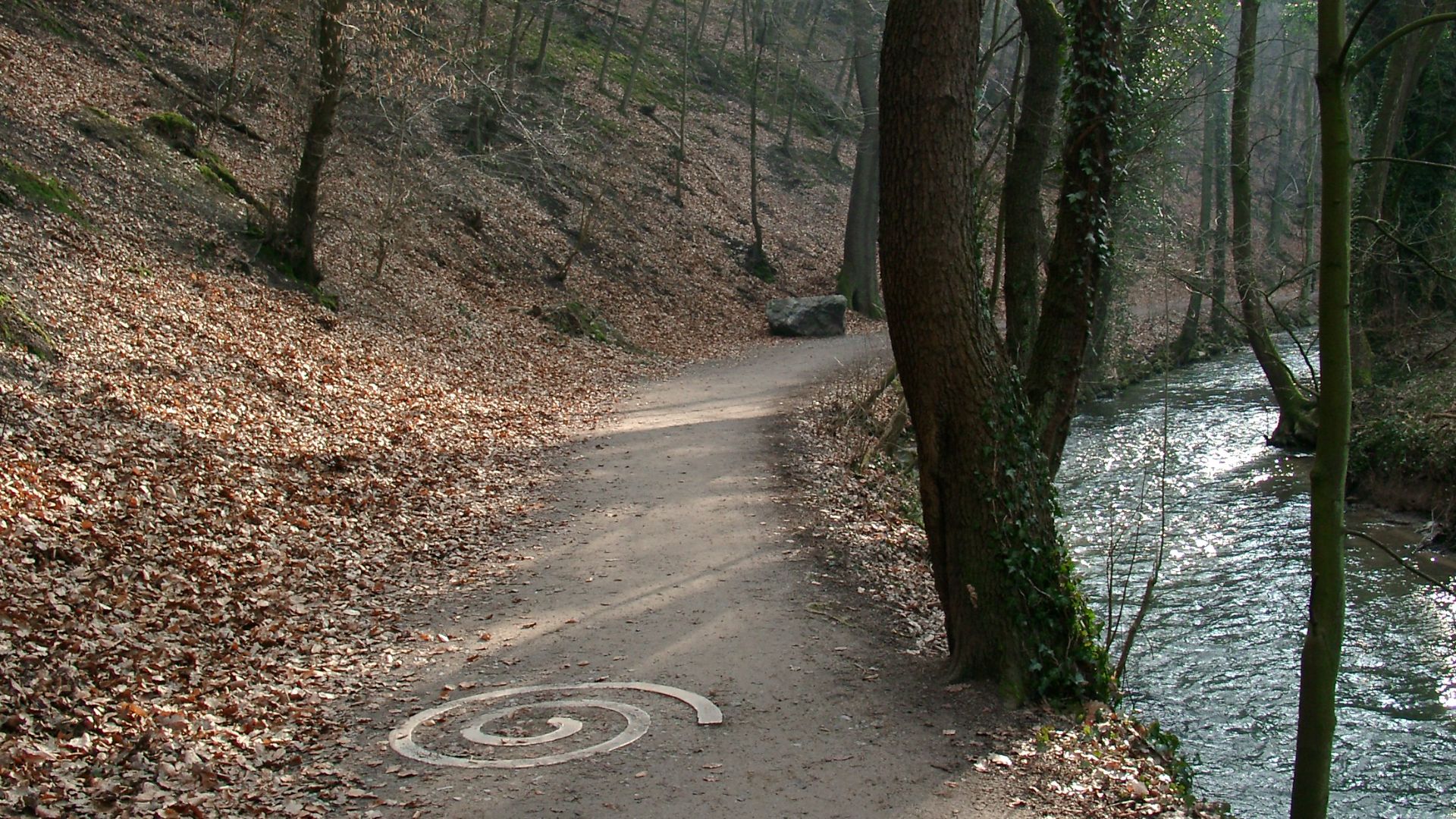
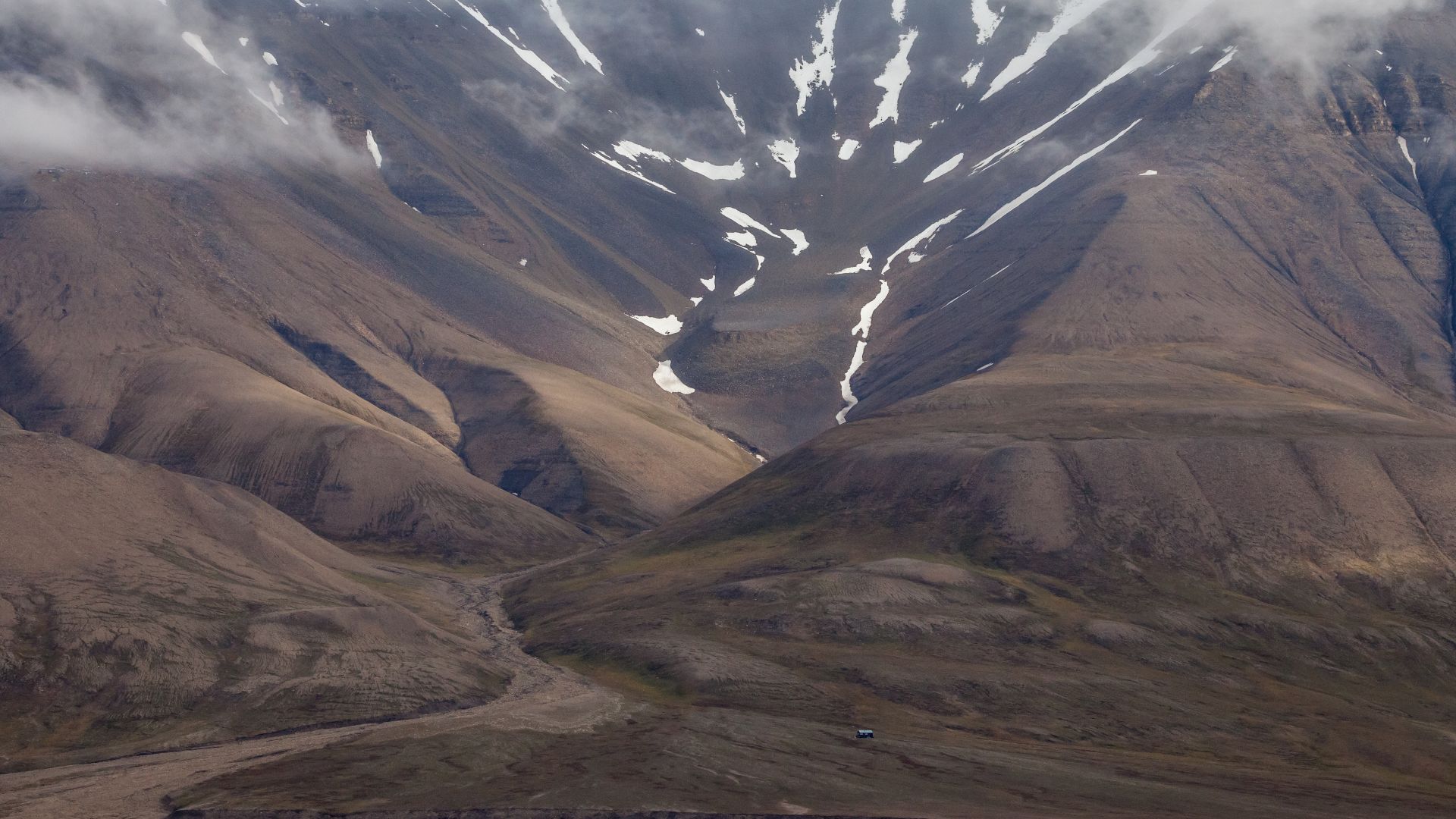
Their world stretched from Spain across Europe and into western Asia and the Middle East to reach Siberia. This enormous range shows Neanderthals weren’t limited by environment but adapted to tundra, grasslands, and forests with remarkable resilience and wit.
Discovery That Changed Neanderthal Image
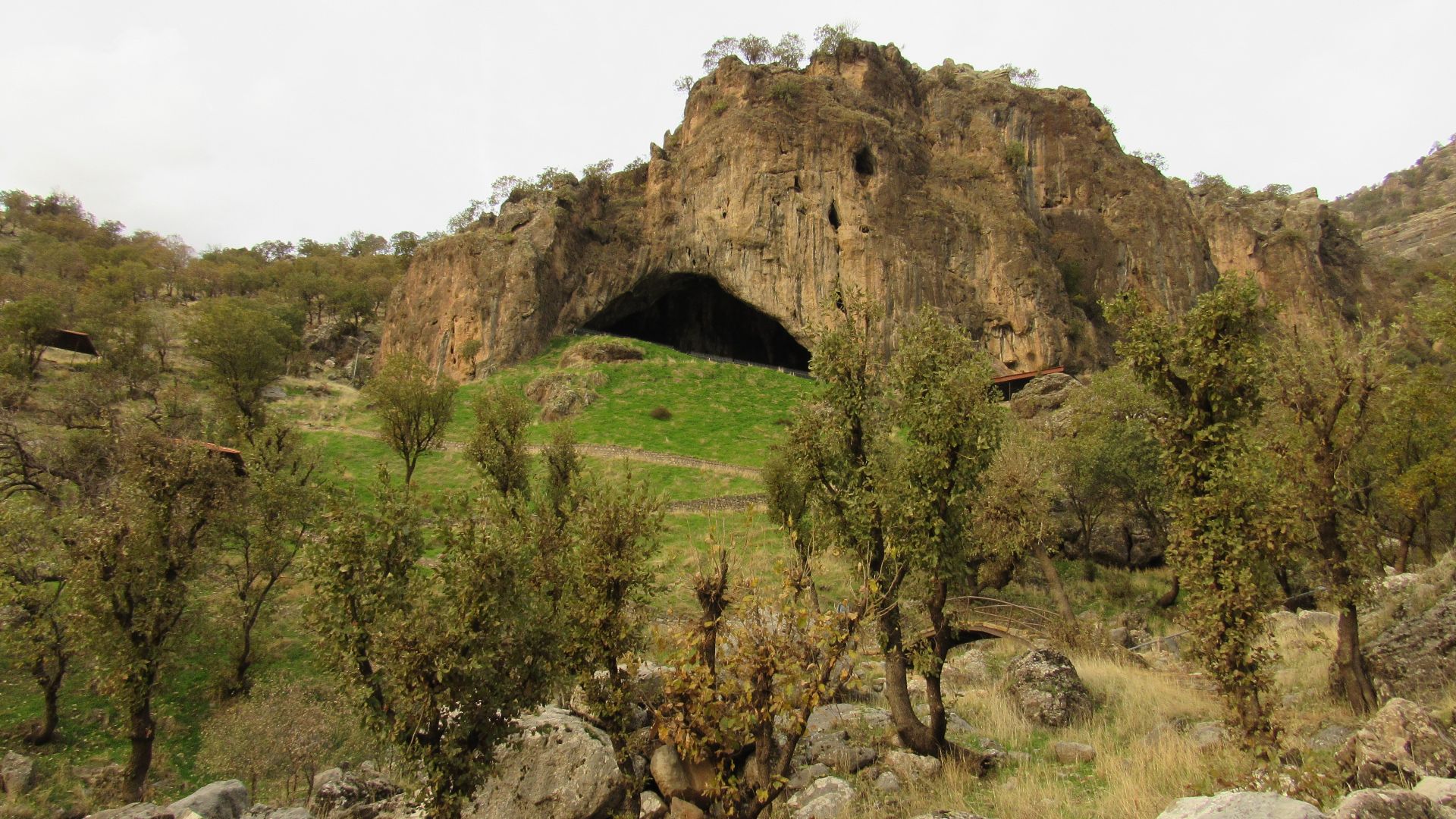
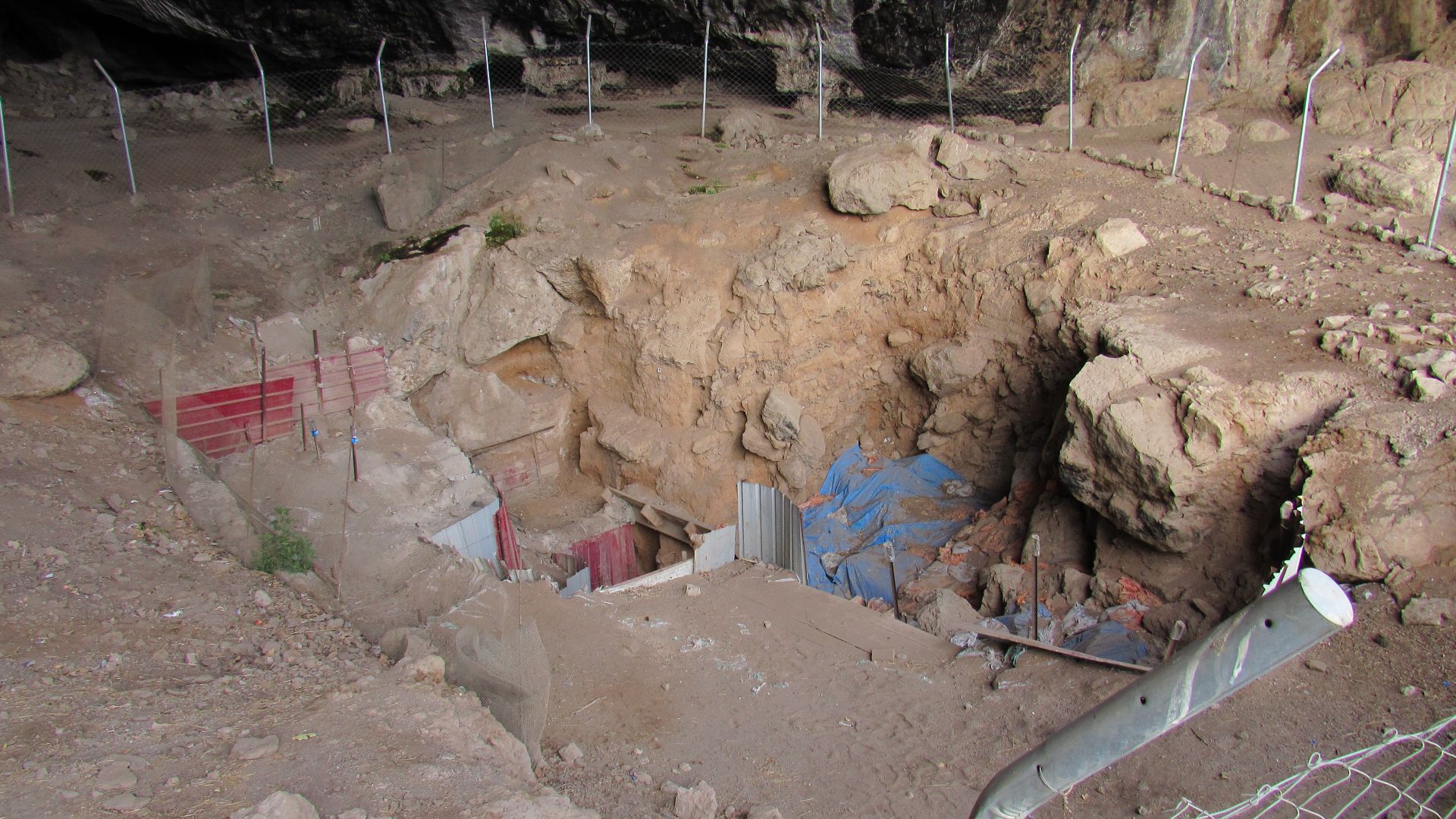
Hidden in the Zagros Mountains of northern Iraq, Shanidar Cave revealed at least 10 Neanderthal individuals during excavations led by Ralph Solecki in the 1950s and 60s. The site transformed views of Neanderthals from brutish survivors into socially complex humans.
Discovery That Changed Neanderthal Image (Cont.)
One individual, Shanidar 1, lived for years despite severe injuries. He had a withered arm and a crippled foot. He survived because of group care and protection. Another burial, Shanidar 4, contained flower pollen suggesting symbolic rituals. Though debated, newer discoveries strengthen evidence of deliberate burial and cultural behavior.
Life During The Ice Ages
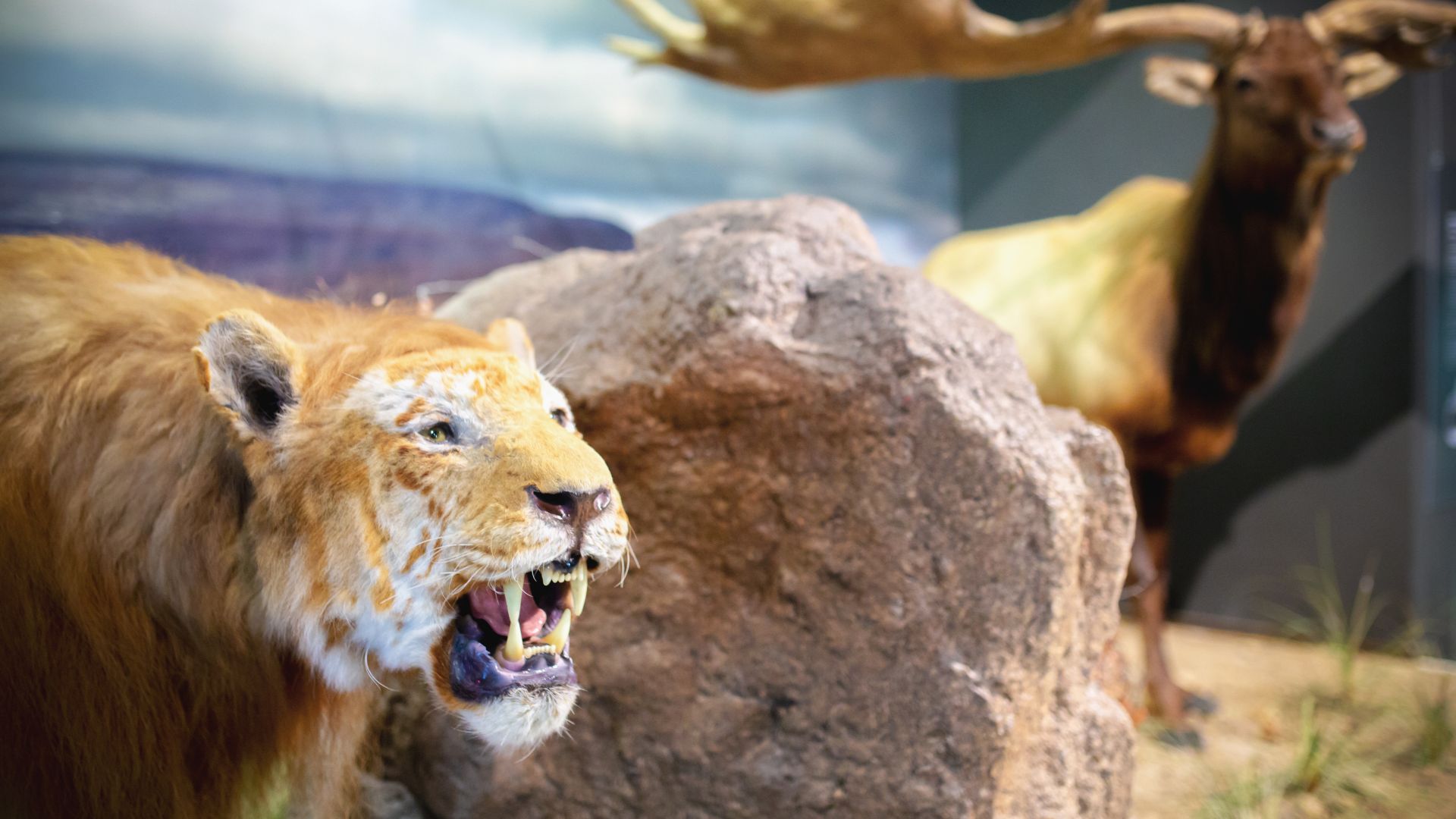
Neanderthals endured dramatic glacial cycles during the Pleistocene period. Freezing temperatures shaped how they lived their lives and sheltered themselves for survival. Seasonal shifts constantly changed food availability. It also forced the groups to adapt their movements and strategies.
 Ice Age Centre, Wikimedia Commons
Hunting Fire And Daily Survival
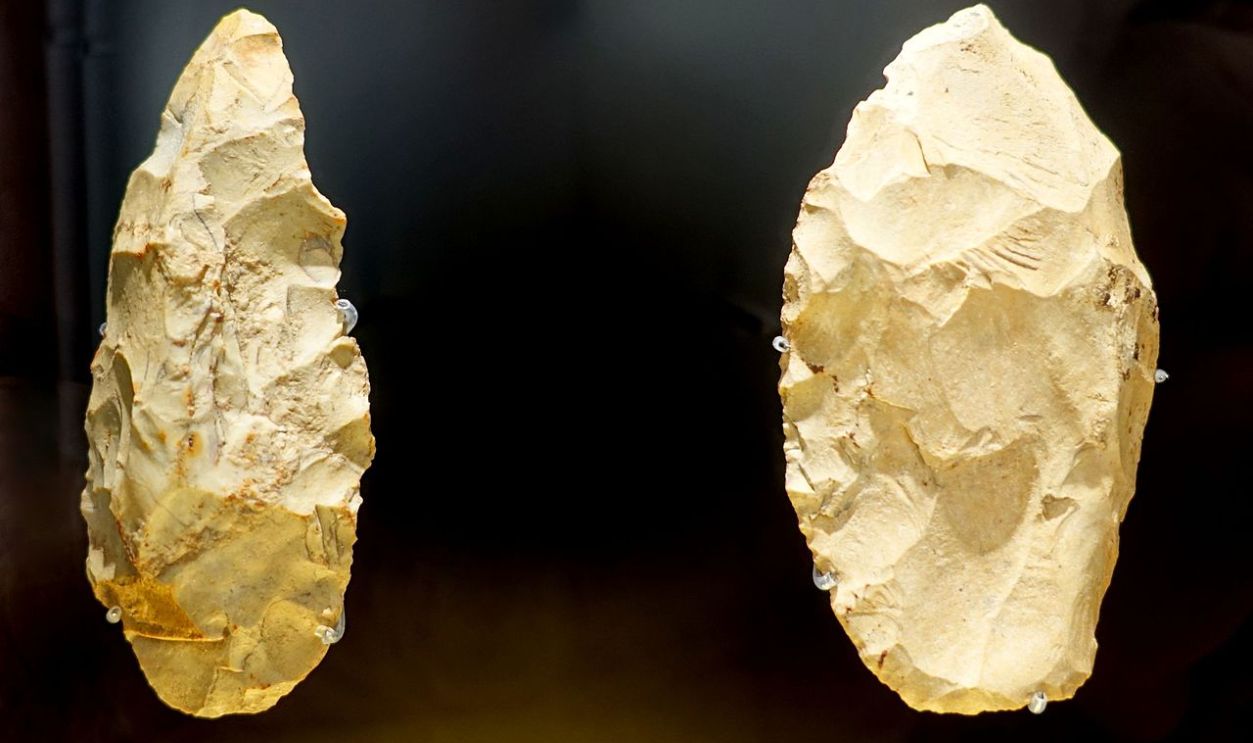
The daily lives of Neanderthals were defined by strength and cooperation. They hunted massive animals like mammoths and bison using stone tools. Over time, they even mastered fire for various uses. It was a clear reflection of intelligence and planning essential for harsh prehistoric environments.
Bodies Built For Cold Climates
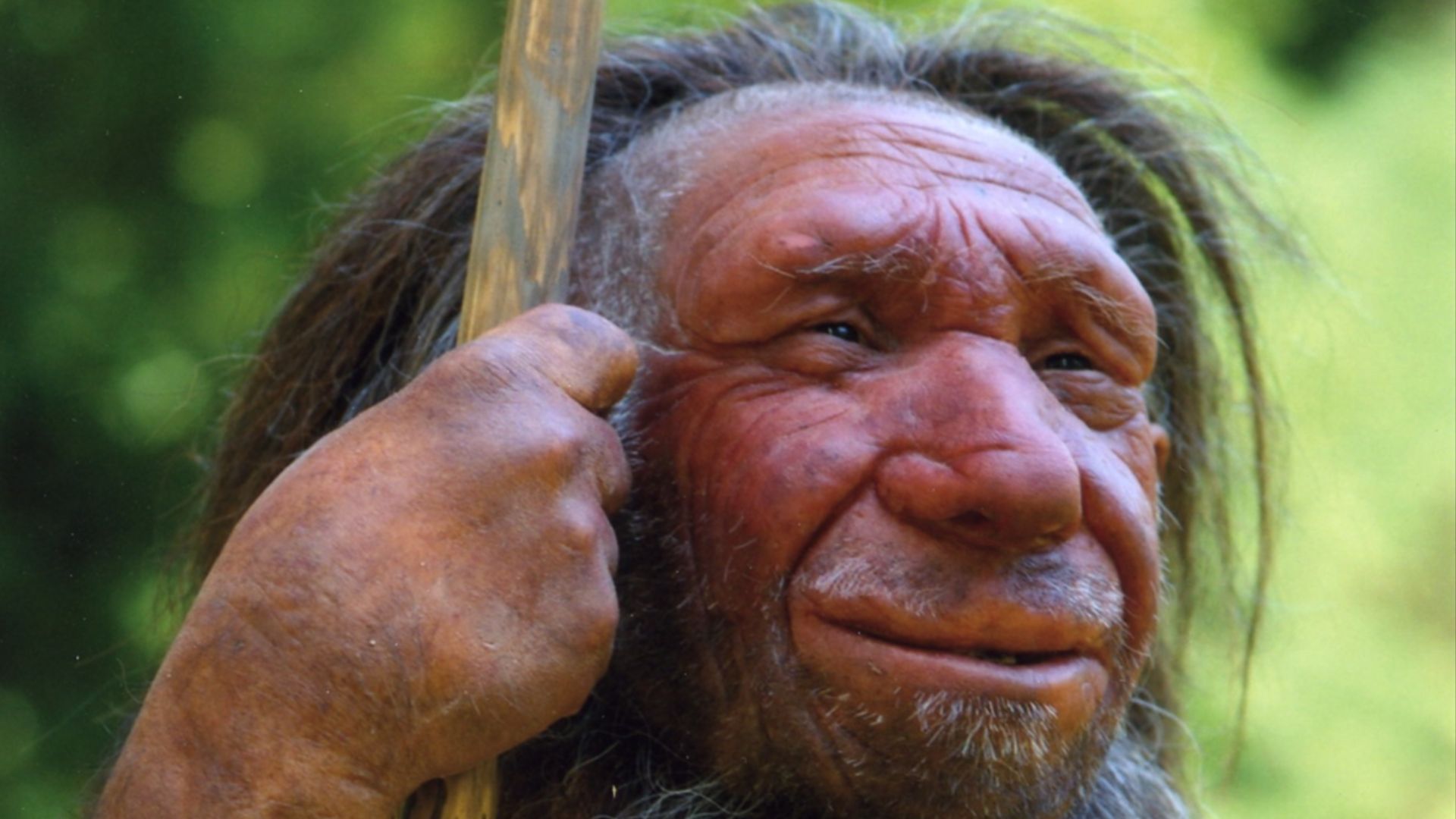
Their thick bones and muscular frames supported intense physical activity. Wide noses likely warmed cold air before breathing, while shorter limbs reduced heat loss. Every physical feature reflected adaptation to freezing conditions rather than modern ideas of race.
 Neanderthal-Museum, Mettmann, Wikimedia Commons
Assumptions Shaped By Early Biases
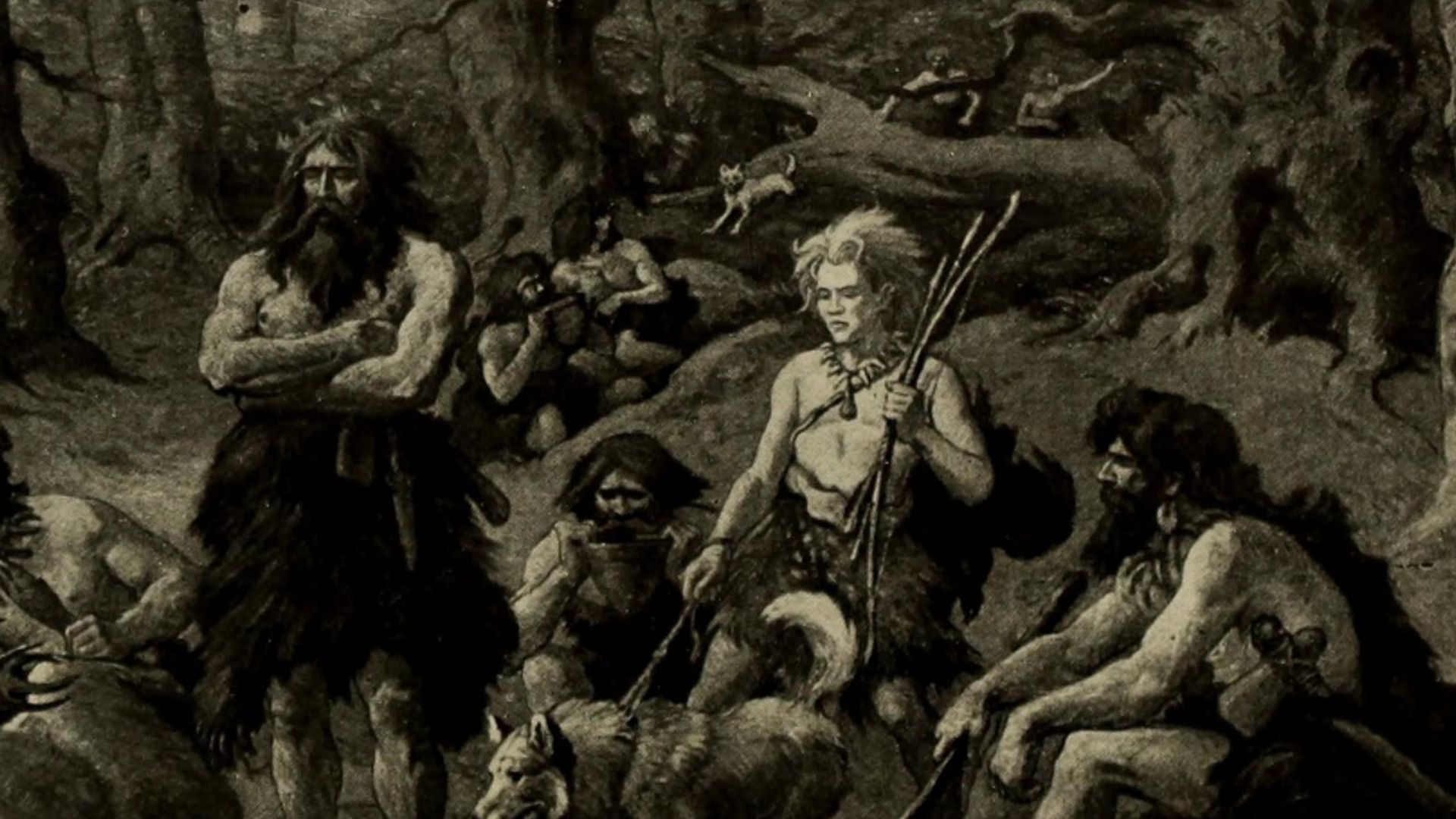
For a long time, scholars believed Neanderthals must have had pale skin simply because they lived in northern regions. These conclusions weren’t backed by biological evidence but by climate-based guesses. Racial thinking of the era also influenced how scientists imagined and illustrated ancient humans.
 Internet Archive Book Images, Wikimedia Commons
Why Pigmentation Was Evolutionarily Important
Skin color plays a crucial role in human survival. Lighter skin helps produce vitamin D in low-sun environments, and darker skin protects against harmful ultraviolet radiation. By studying pigmentation, scientists can better understand how ancient humans adapted to different climates over thousands of years.

Genetics Changed Archaeological Understanding Forever
In the late 20th century, researchers began extracting ancient DNA from fossils to revolutionize archaeology. Instead of relying only on bones and tools, scientists could now study genetic traits directly. This breakthrough challenged many long-held assumptions built solely on physical appearances.

Decoding The Neanderthal Genetic Blueprint
A major scientific milestone arrived in 2010 with the first complete Neanderthal genome. It contained roughly three billion DNA base pairs and revealed surprising similarities with modern humans. Most strikingly, it confirmed that Neanderthals and Homo sapiens interbred thousands of years ago.
 National Cancer Institute, Unsplash
Genes That Control Human Pigmentation
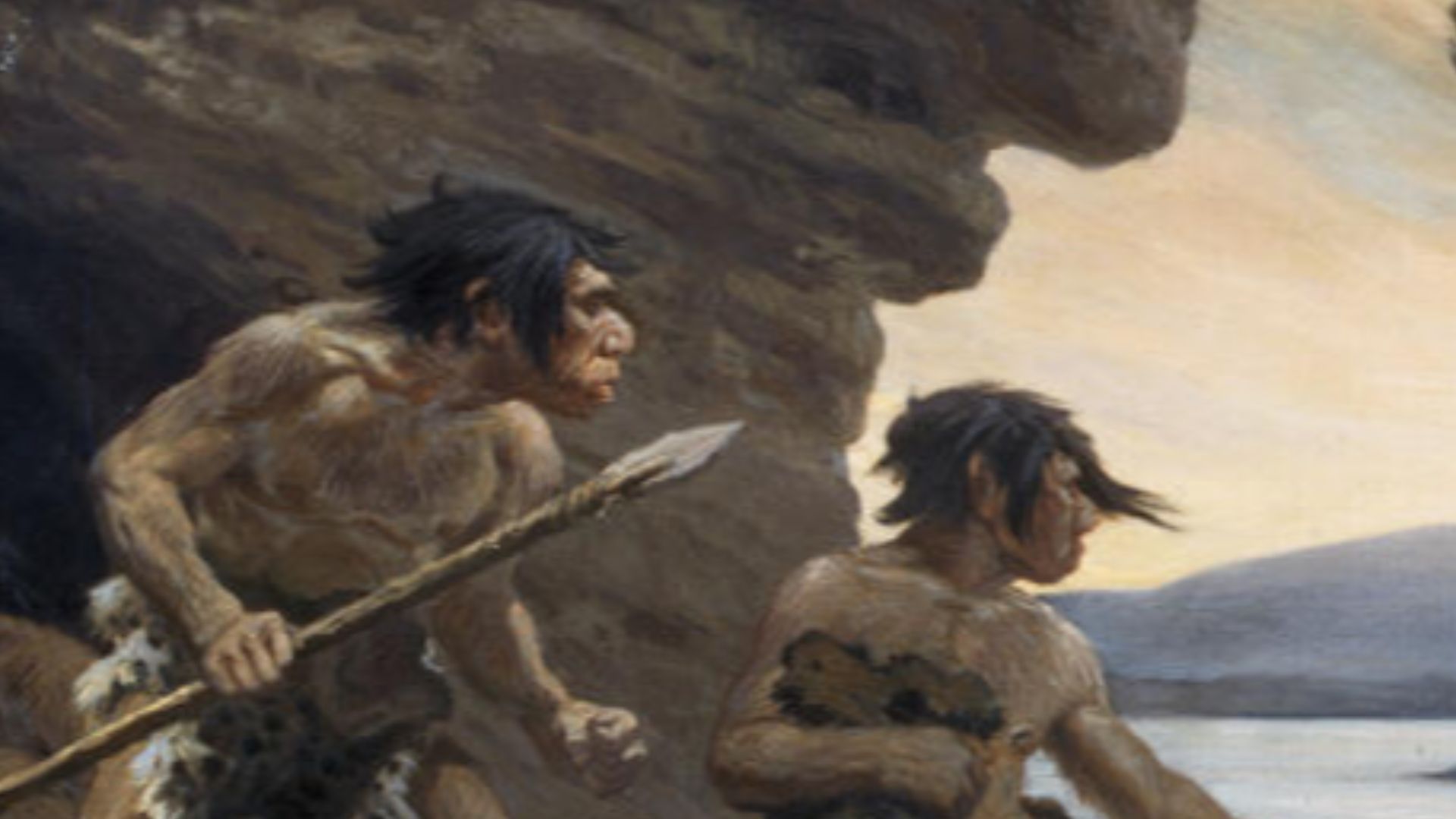
Scientists identified key pigmentation genes within Neanderthal DNA, including MC1R, which influences melanin production and can affect hair and skin color. Finding these genetic markers helped researchers to move beyond speculation about their looks and directly study Neanderthal appearance.
 Charles Robert Knight, Wikimedia Commons
Red Hair Appeared In Populations
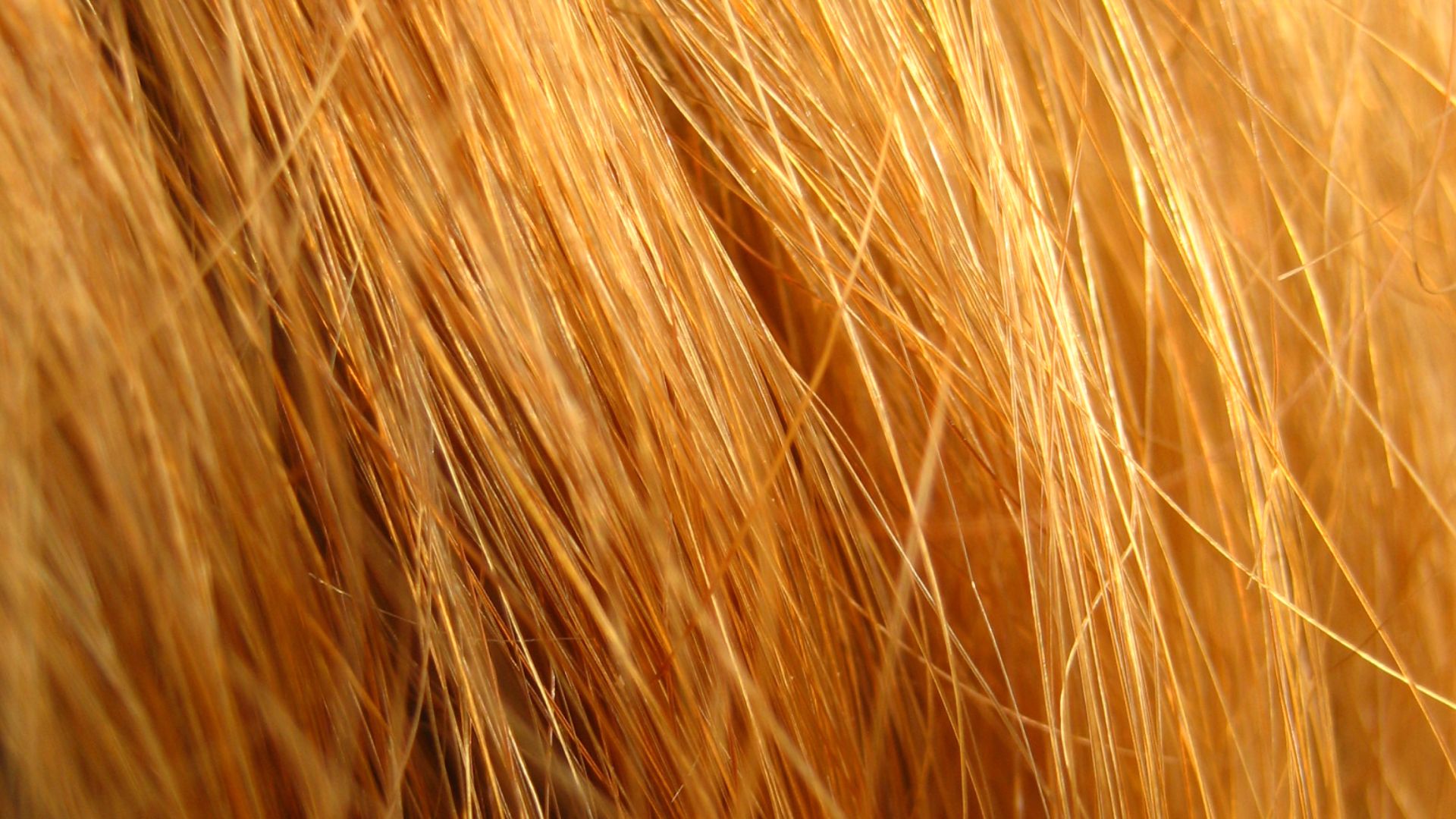
Mutations in the MC1R gene also suggested that some of them may have had red hair. However, this feature was not widespread across all groups. Instead, it likely developed within smaller, isolated populations where specific genetic traits became more common.
 Sunny Ripert, Wikimedia Commons
Northern Neanderthals Adapted To Darkness
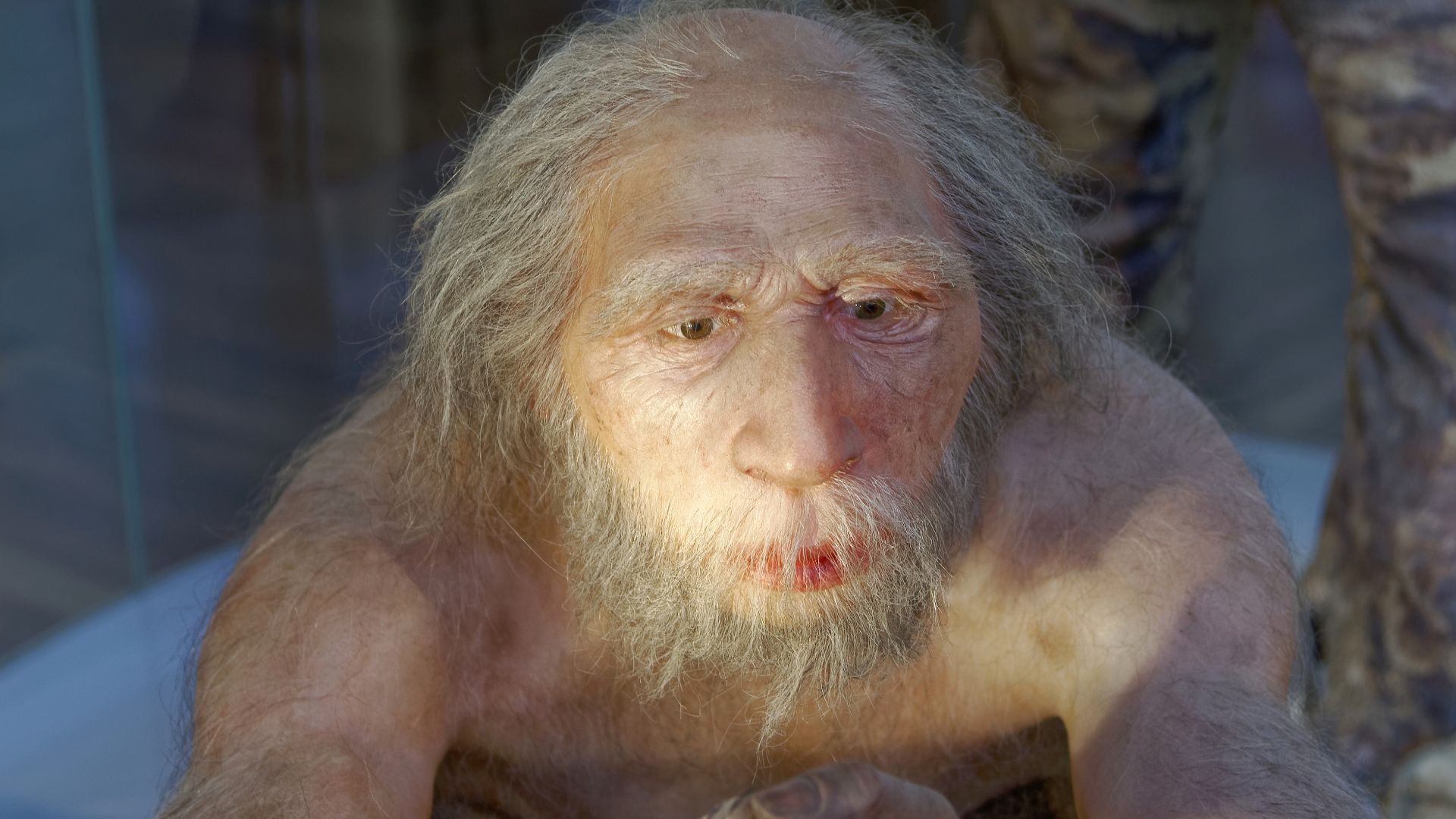
In the frozen landscapes of Ice Age Europe, weak sunlight made survival challenging. Over generations, many Neanderthals likely developed lighter skin tones that helped their bodies absorb more vitamin D, which was harder to obtain during long, dark winters.
 Jakub Halun, Wikimedia Commons
Northern Neanderthals Adapted To Darkness (Cont.)
Genetic research later supported this adaptation. Scientists discovered specific alleles in some Neanderthal populations linked to fairer skin, similar to those found in modern Europeans. These traits weren’t cosmetic but practical. They offered a biological advantage in northern environments.

Not All Neanderthals Were Light
The ones living in the Middle East faced stronger sunlight and warmer climates. Genetic markers found in remains from these areas indicate that, on average, individuals from these areas had greater pigmentation suited to sunnier environments than their northern counterparts.
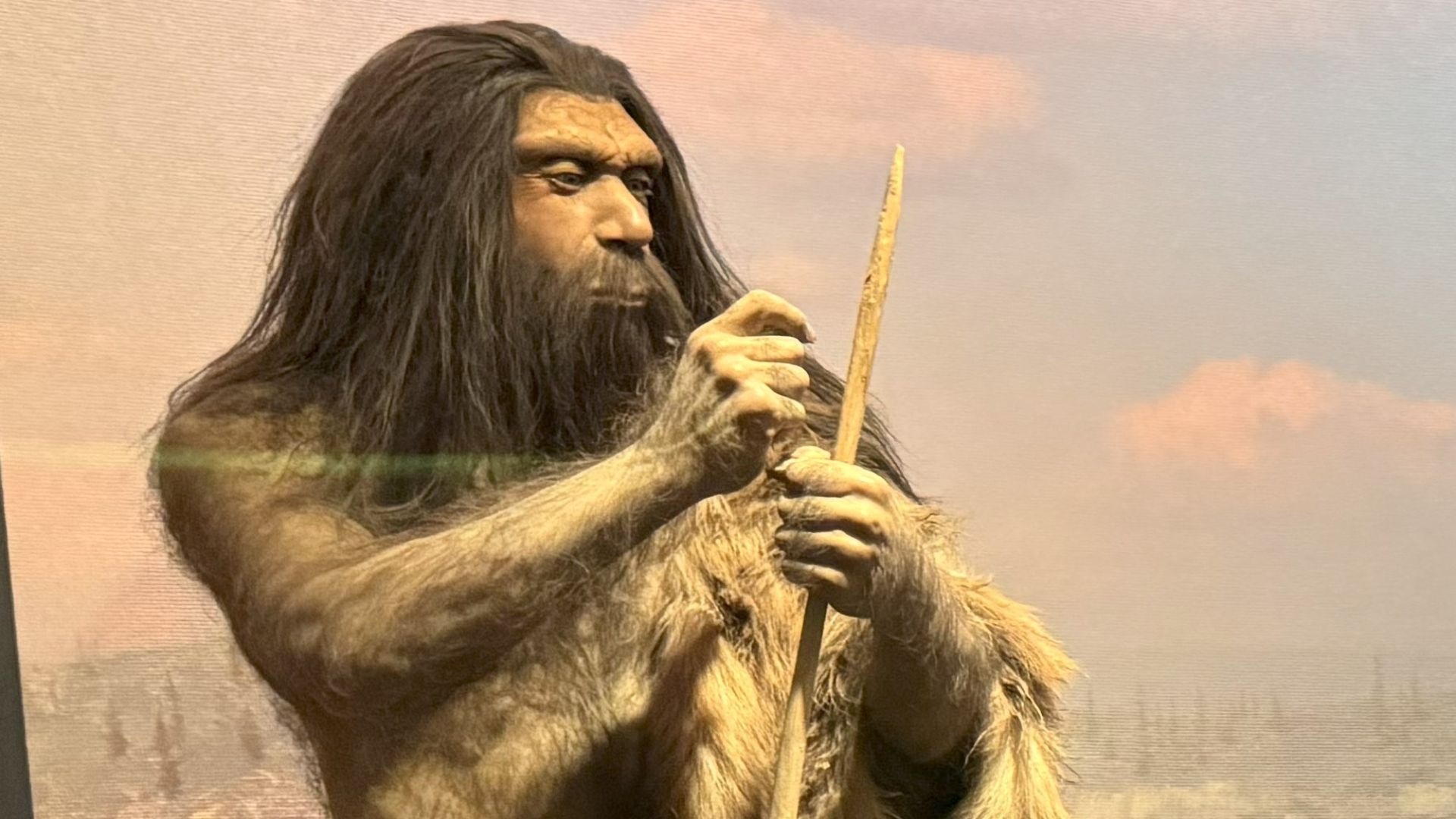
Eyes Show Unexpected Color Diversity
Genetic clues within Neanderthal DNA reveal a surprising spectrum of eye colors, including blue, green, and brown. These features varied by region and population, much like among people today. The visible diversity existed long before modern humans spread across the globe.
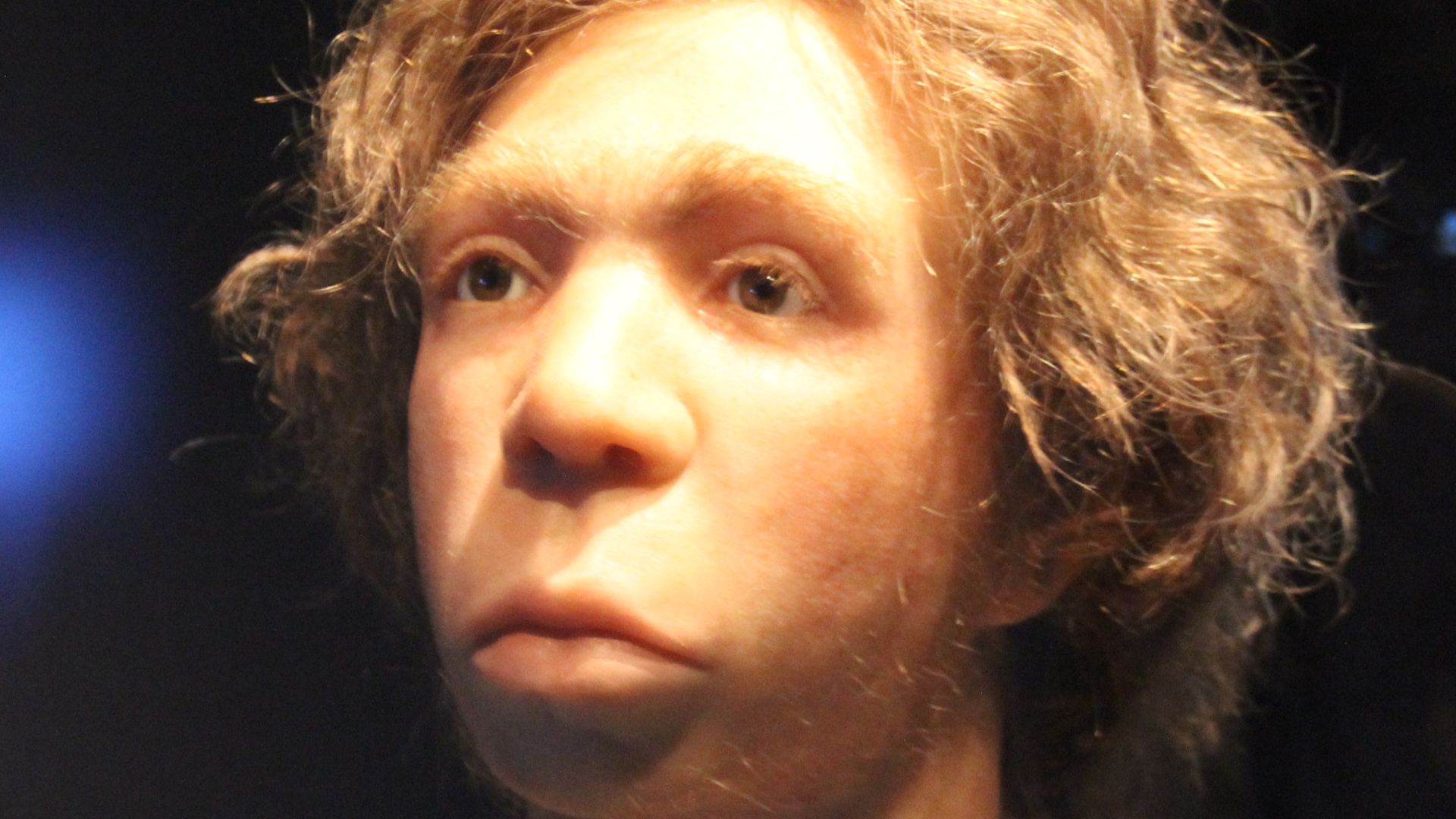
Eyes Show Unexpected Color Diversity (Cont.)
Modern humans later inherited pigmentation-related haplotypes from Neanderthals, which included those spanning the OCA2 gene linked to eye color variation and BNC2 associated with tanning ability and skin tone. These genetic segments remain common across Eurasian populations and shape pigmentation diversity today.

Neanderthals Ate More Than Meat
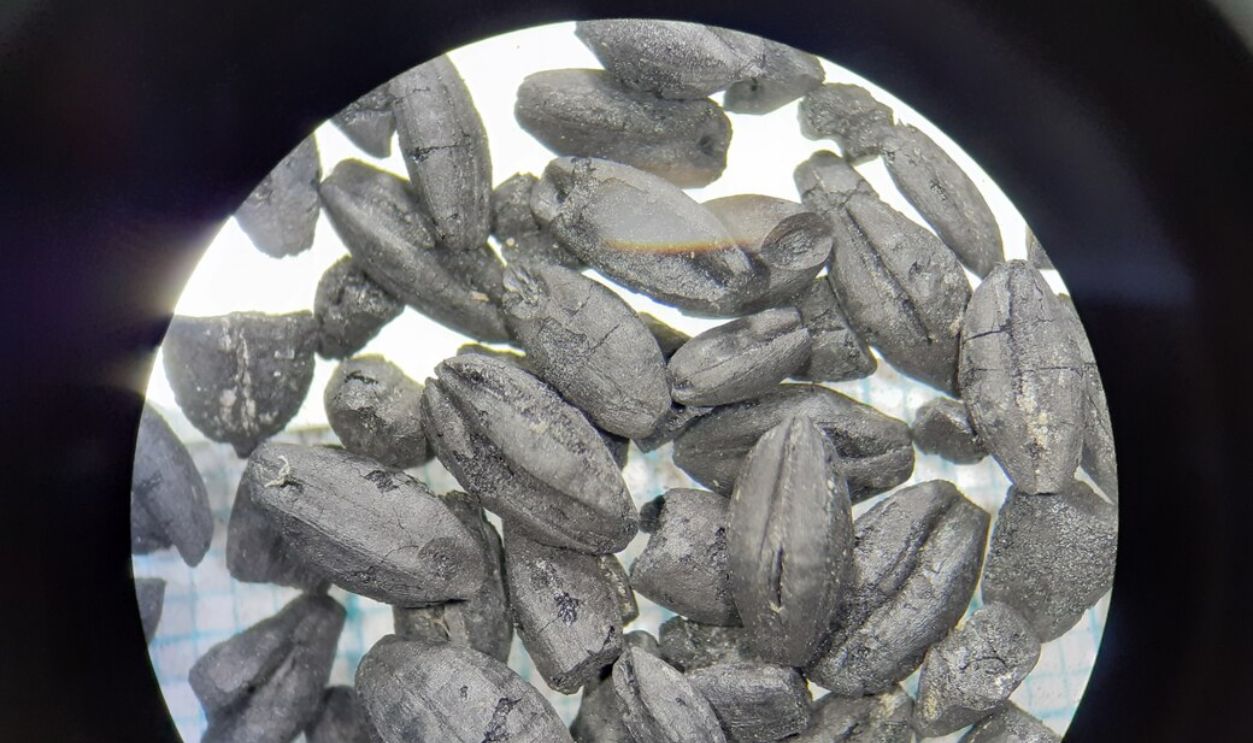
For years, they were imagined as pure hunters, but science tells a richer story. Plant remains and isotope studies reveal Neanderthals also consumed seeds and cooked plants. It was a flexible diet that adapted to environments and available food sources.
Neanderthals Mixed With Modern Humans
Around 50,000 years ago, Neanderthals and Homo sapiens crossed paths and interbred as modern humans spread out of Africa. Today, people outside Africa carry about one to two percent Neanderthal DNA. This genetic blending influenced several traits, including aspects of human pigmentation.

Pale Skin Appeared Much Later
Genetic studies reveal that modern Europeans did not inherit light skin from ancient human relatives. Instead, key genetic sweeps for lighter pigmentation occurred between 11,000 and 19,000 years ago. This happened long after those earlier populations disappeared around 28,000 years ago.

Western Culture Shaped Neanderthal Image
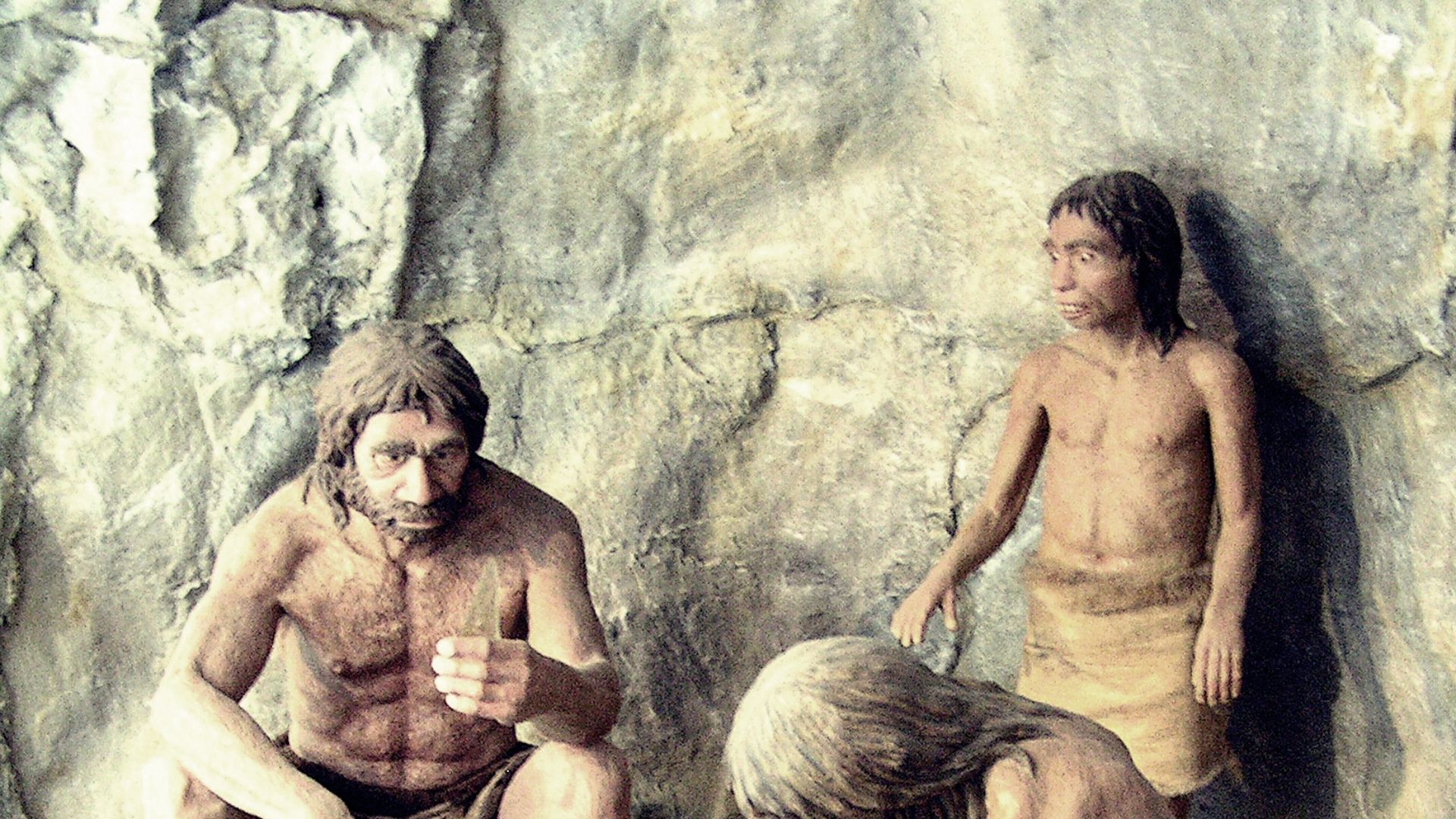
Early paintings and museum displays showed Neanderthals as rough, pale “cavemen,” to reinforce simplistic ideas of their appearance. School textbooks echoed these visuals, while popular movies exaggerated their primitiveness. Over time, these portrayals fixed a misleading, one-dimensional image in the public imagination.
 Jaroslav A. Polák from Brno, Czech Republic, Wikimedia Commons