The Luckiest Fool Alive
Timothy Dexter rose from poverty to become one of early America’s strangest millionaires. Barely educated and relentlessly mocked, he made investments that appeared destined for disaster. Instead, one improbable success followed another, leaving his enemies baffled and Dexter convinced that he was a businessman and philosopher without equal.
Born Into Poverty
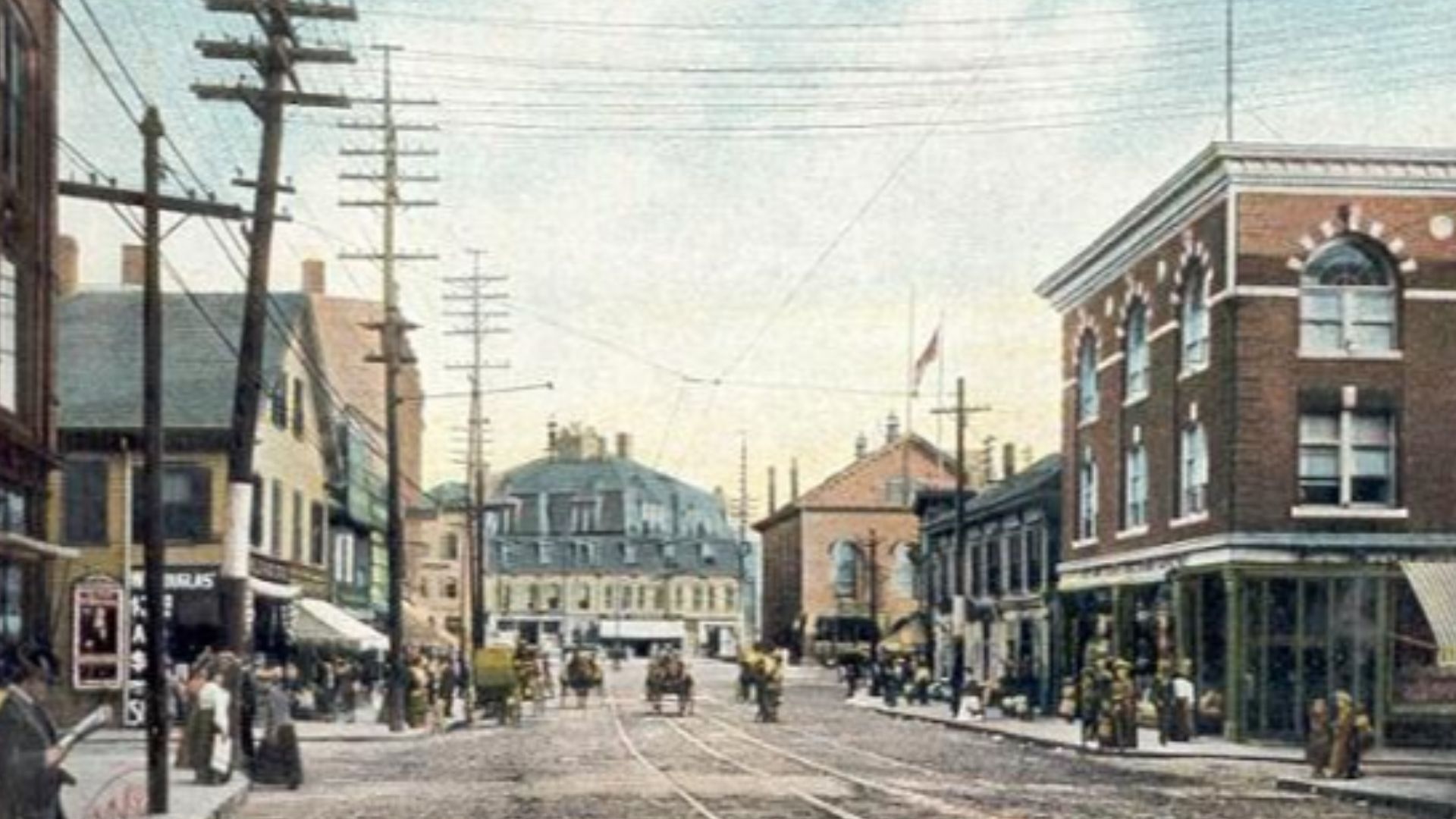
Dexter was born on January 22, 1747, in Malden, Massachusetts, into a poor family. His childhood offered little hint of the bizarre fortune ahead. With very little formal education, he left school at eight years old and went to work as a farm laborer.
 Unknown authorUnknown author, Wikimedia Commons
Learning A Useful Trade
At 16, Dexter became a tanner’s apprentice and spent several years learning the trade. Afterward, he eventually established his own leatherworking business. The experience gave the poorly educated young man a practical route into commerce, although conventional business practices would never define his later career.
 Unknown authorUnknown author, Wikimedia Commons
Pestering His Way In
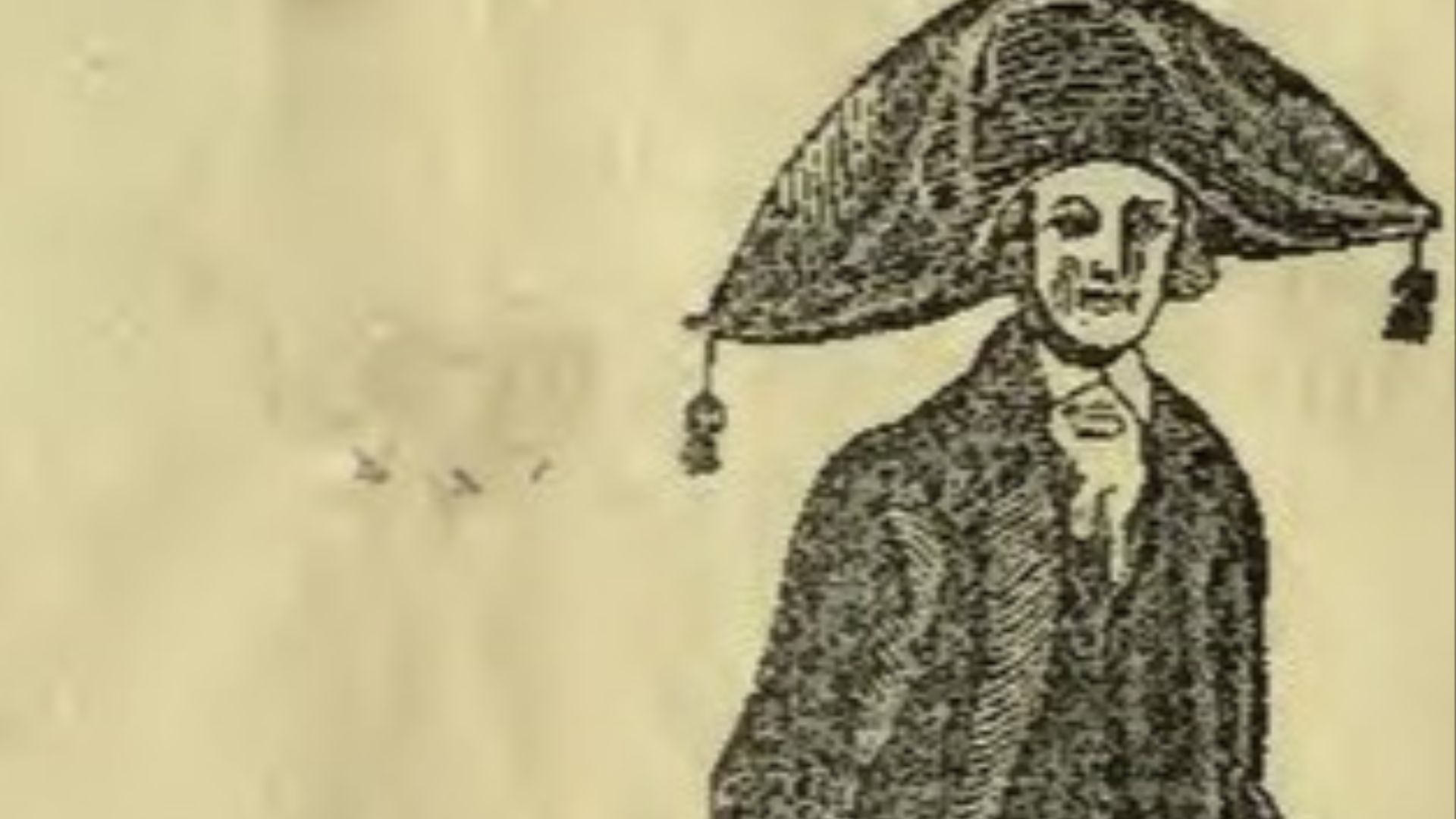
Dexter also craved the respectability of public office and repeatedly pestered officials in Malden for a government position. Eventually, apparently just to get the persistent young man off their backs, they made him an official deer counter. There was only one problem: there were no deer in Malden.
 John H. Bufford, Wikimedia Commons
A Fortunate Marriage
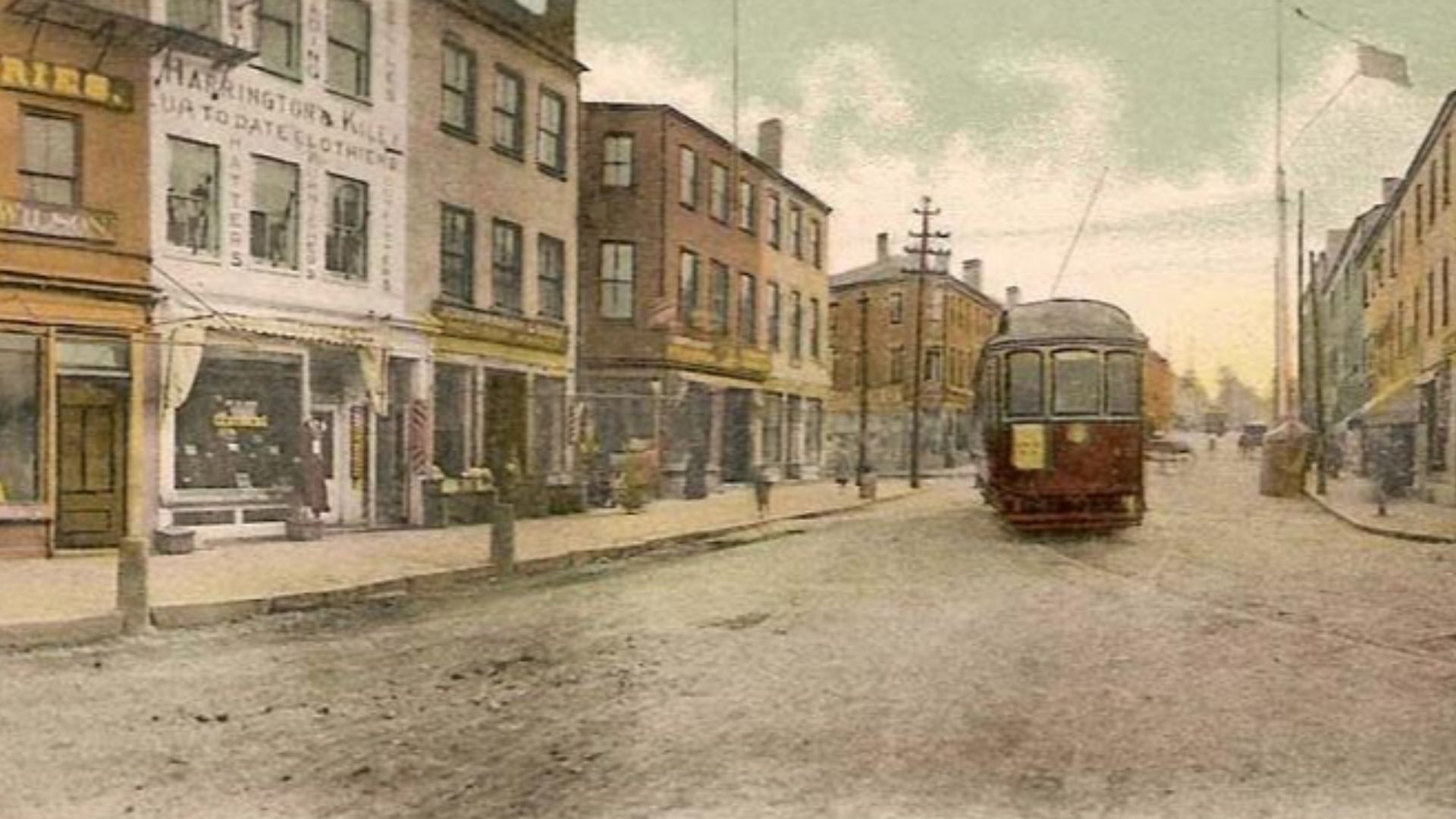
In 1769, Dexter moved to Newburyport, Massachusetts, where he married Elizabeth Frothingham, a wealthy 32-year-old widow. The marriage transformed his circumstances. Using his new resources, Dexter bought a mansion and operated a basement shop selling goods including gloves, hides, moosehide trousers, and whale blubber.
 Unknown authorUnknown author, Wikimedia Commons
The Currency Gamble
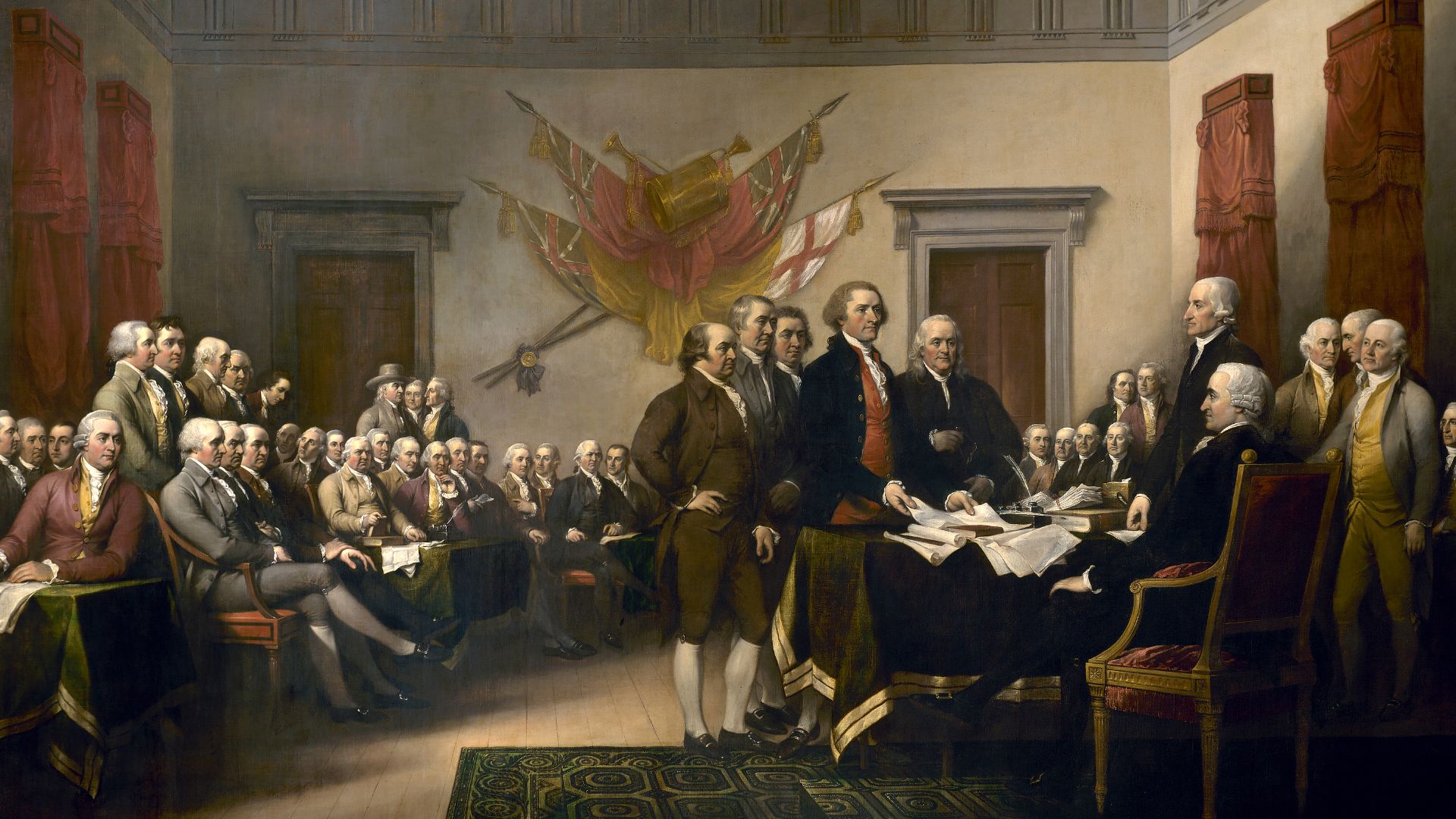
After the American Revolution, Dexter bought large quantities of heavily depreciated Continental currency. The notes appeared nearly worthless, making the investment look foolish. When governments later honored the paper at varying rates, Dexter made a considerable profit and gained the money needed to pursue increasingly adventurous commercial schemes.
 John Trumbull, Wikimedia Commons
Becoming An Exporter
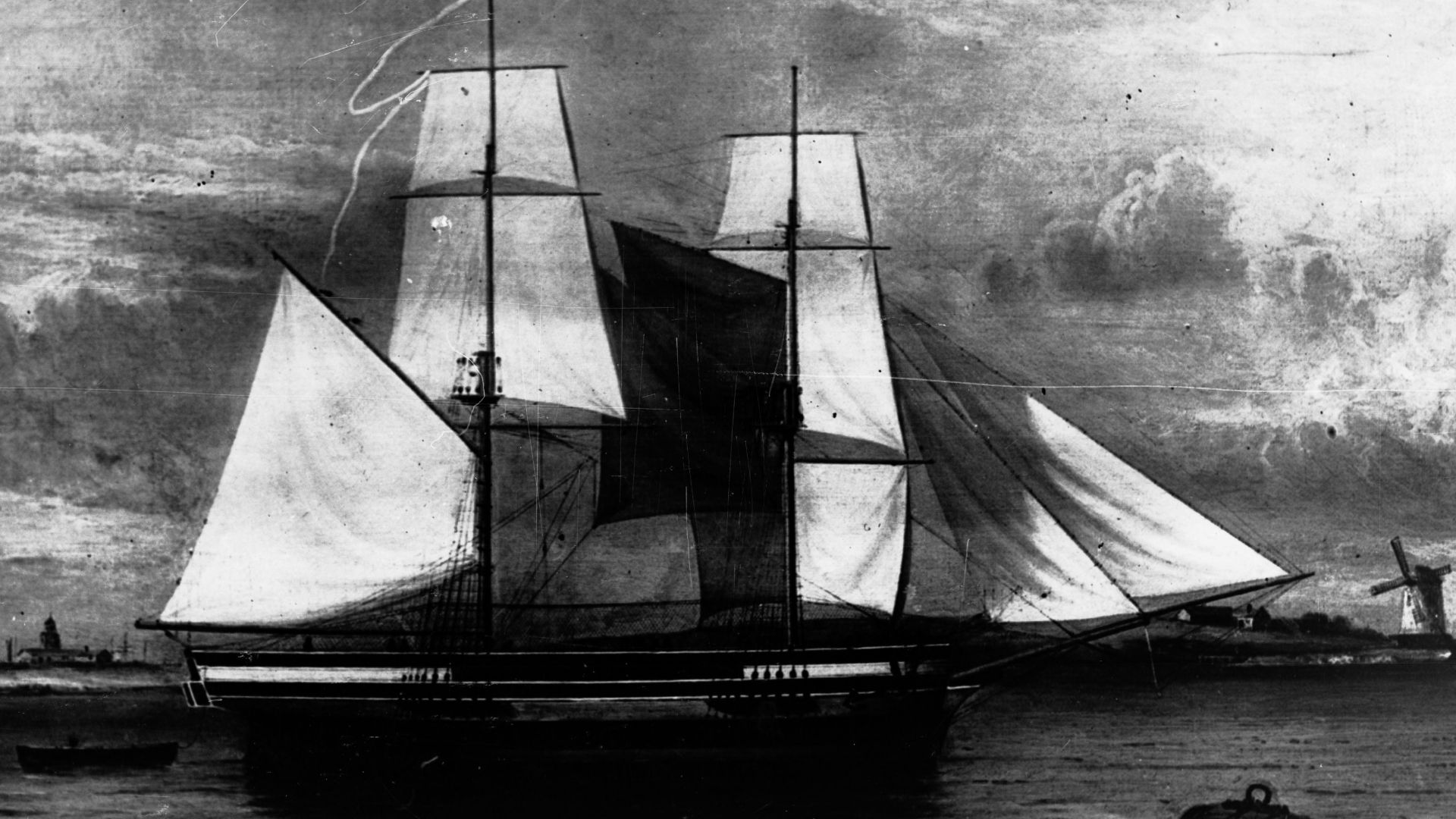
Flush with money from his currency speculation, Dexter built two ships and entered the export business, trading with Europe and the West Indies. His lack of education and unusual manner made him a target for established merchants, who began offering deliberately ridiculous advice they hoped would destroy him.
 State Government Photographer, Wikimedia Commons
Warming Pans In Paradise
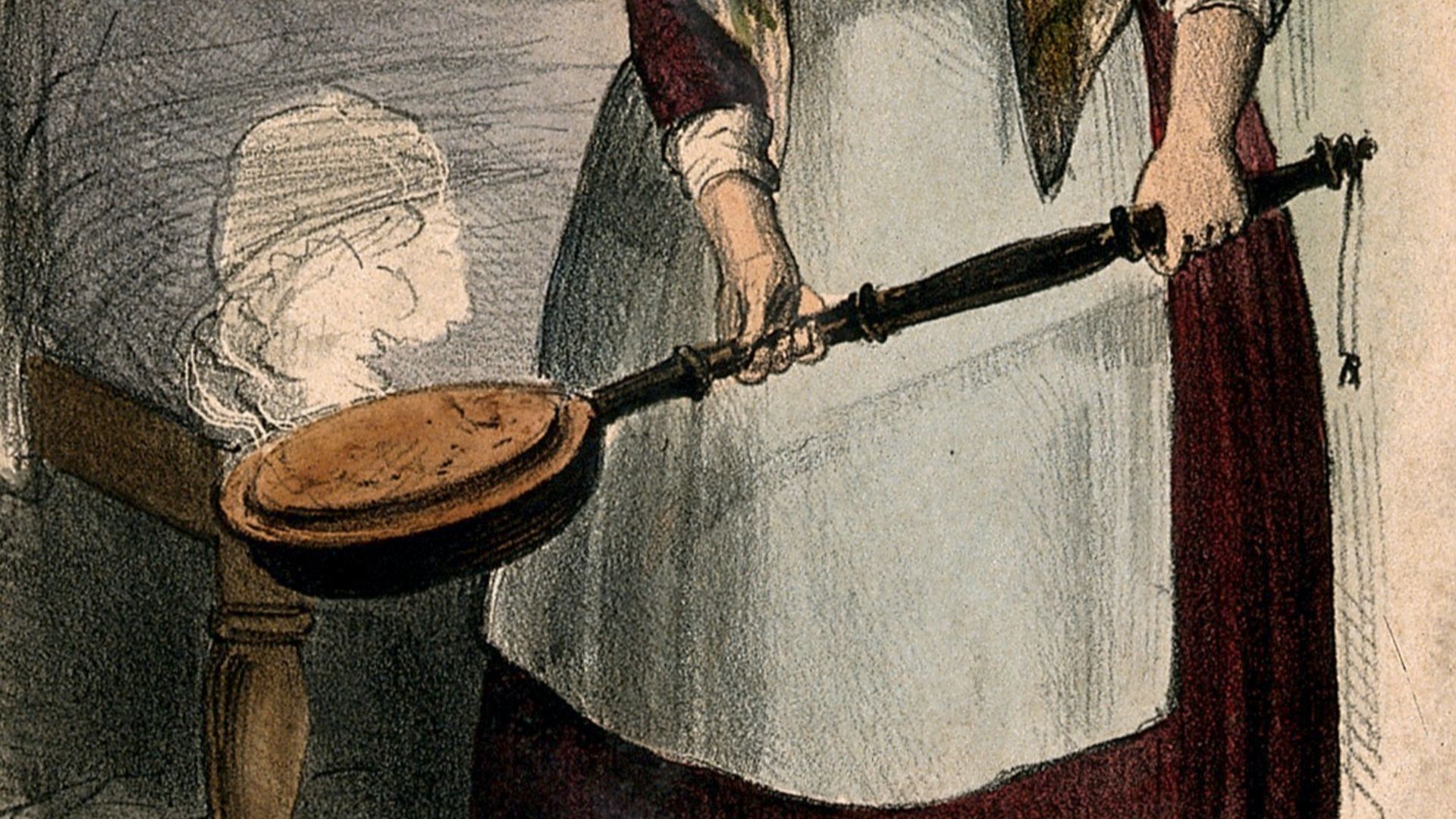
One rival reportedly suggested sending warming pans, used for heating beds in cold climates, to the tropical West Indies. Dexter followed the advice. Instead of failing, the pans were repurposed and marketed as ladles for the local molasses industry, allowing the absurd shipment to produce another profit.
Mittens Find New Buyers
Apparently undeterred by the geographic absurdity of his previous shipment, Dexter also sent wool mittens to the West Indies. Once again, circumstances rescued him. Asian merchants reportedly bought the mittens for export to Siberia, turning another seemingly nonsensical commercial venture into an unlikely financial success.
 HadynMD, CC BY-SA 4.0, Wikimedia Commons

History's most fascinating stories and darkest secrets, delivered to your inbox daily.
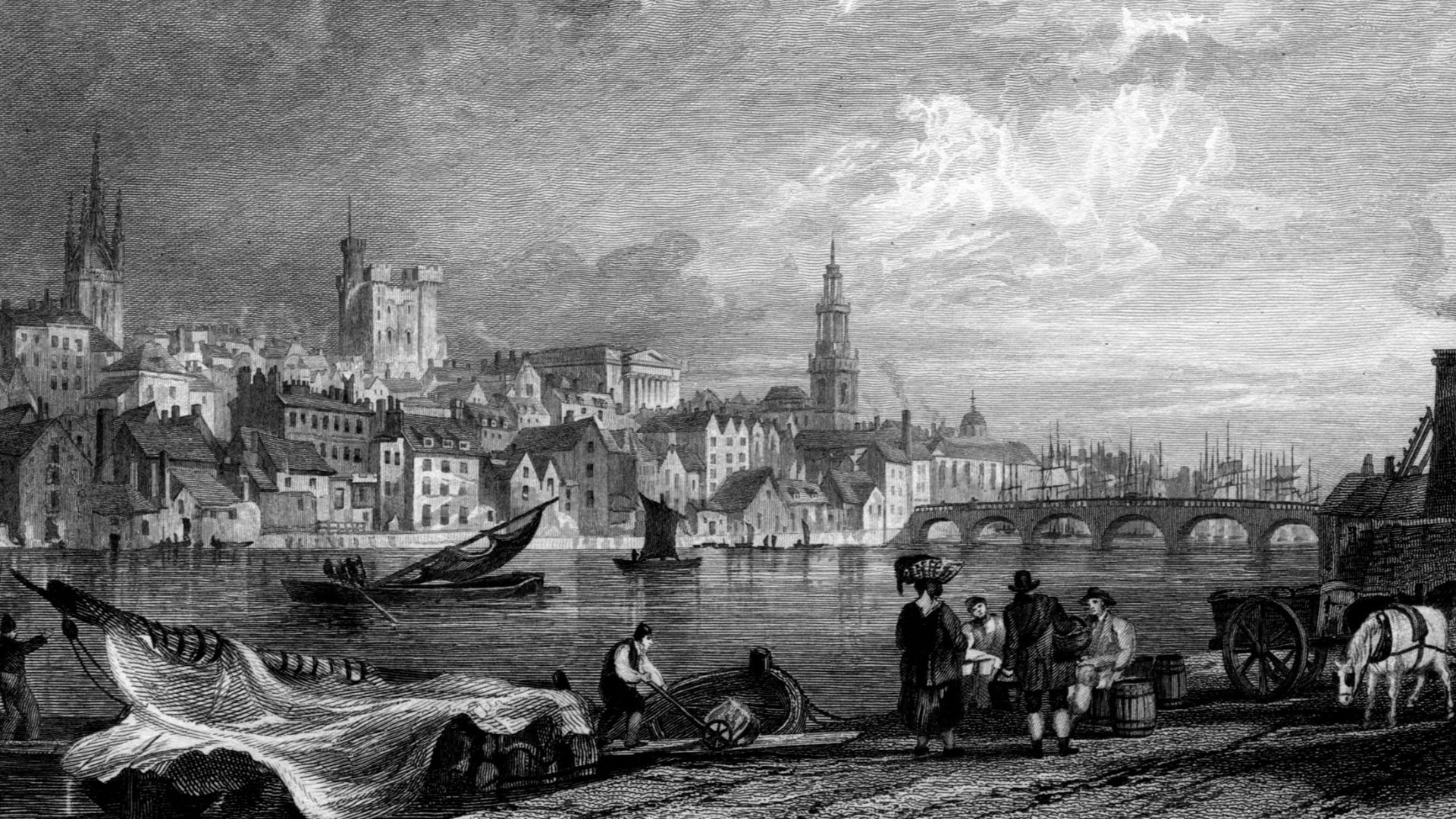
Coal Goes To Newcastle
Dexter’s rivals supposedly encouraged him to “ship coal to Newcastle,” the British city famous for its coal industry. Dexter actually did it. In another extraordinary stroke of fortune, his shipment arrived during a miners’ strike, creating unusual demand and allowing him to sell the cargo at a premium.
 William Miller, Wikimedia Commons
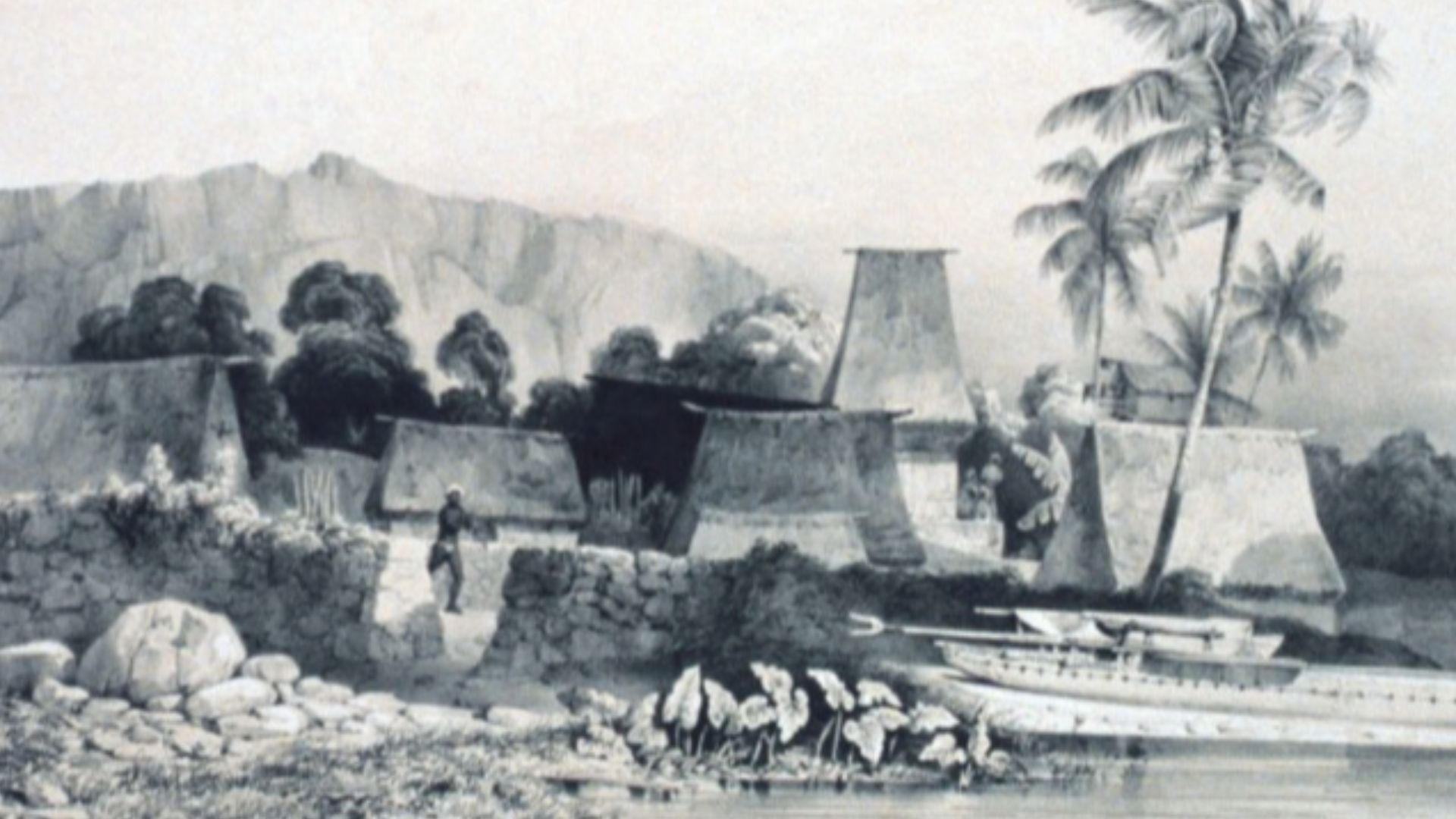
Gloves Head South
Practical jokers next encouraged Dexter to ship gloves to the South Sea Islands, another plan that appeared commercially ridiculous. His ships reportedly arrived just as Portuguese vessels were passing through on their way toward colder destinations, and the sailors bought Dexter’s otherwise badly misplaced merchandise.
Bibles Find A Market
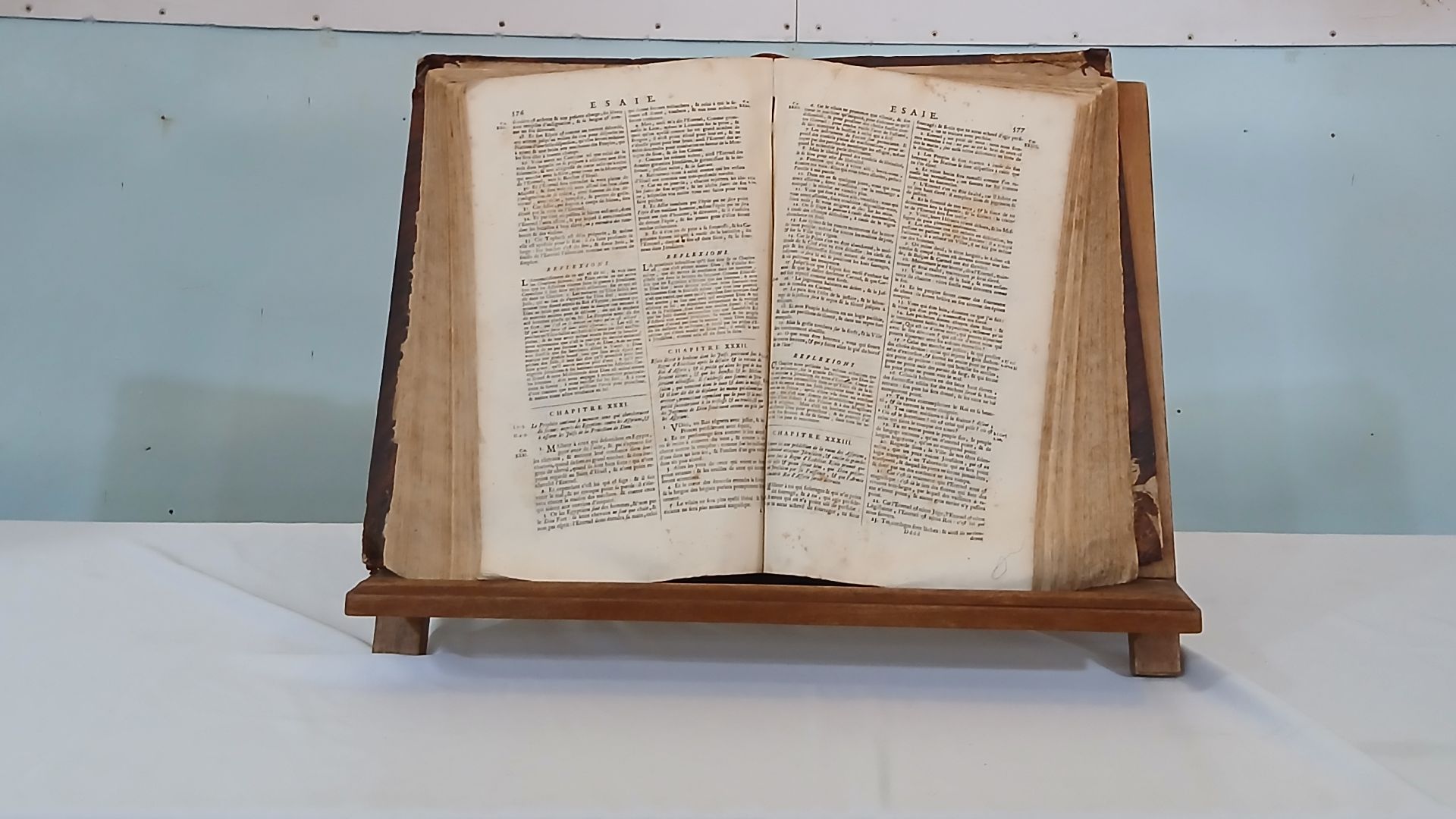
Dexter’s improbable run continued when he exported Bibles to the East Indies. The venture again found unexpected demand, this time from missionaries. A businessman regarded by his social rivals as ignorant and incompetent had somehow turned another peculiar shipment into yet another profitable commercial transaction.
Cats Become Cargo
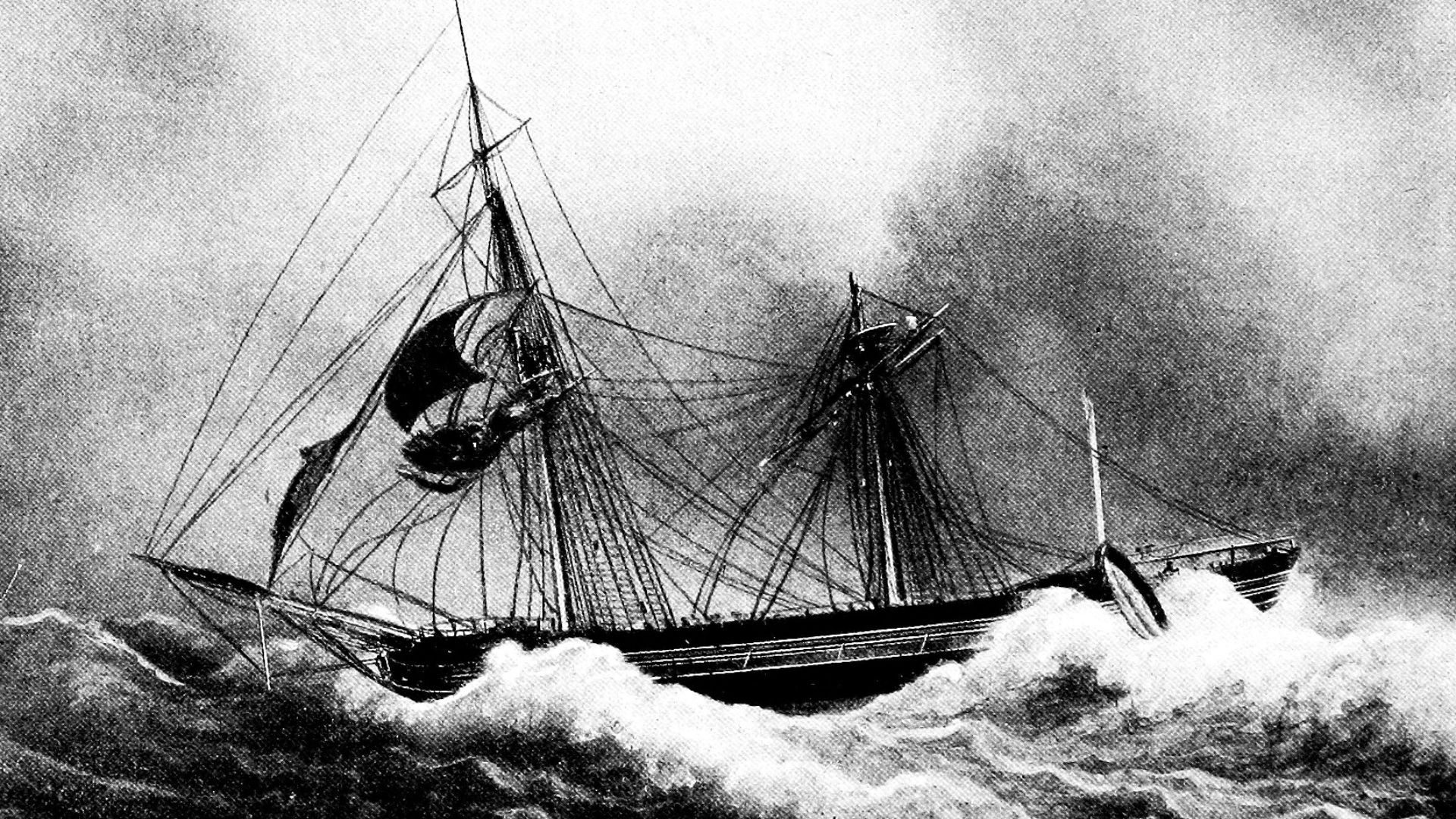
When Newburyport struggled with stray cats, Dexter gathered them and shipped them to the Caribbean. Plantation owners reportedly welcomed the animals as a means of controlling rats around their warehouses. Even an export cargo consisting of unwanted New England cats somehow added to Dexter’s growing reputation for impossible success.
 Kok Leng Yeo, CC BY 2.0, Wikimedia Commons
Whalebones Pay Off
Dexter also accumulated whalebones in another seemingly questionable venture. Once again, the merchandise found a profitable use, this time as material for corset stays. His repeated successes made it increasingly difficult to decide whether Dexter possessed hidden business instincts or simply enjoyed an almost supernatural streak of good fortune.
 George Alfred Avison (excepting attributed paintings from museums), Wikimedia Commons
Fool Or Secret Genius?
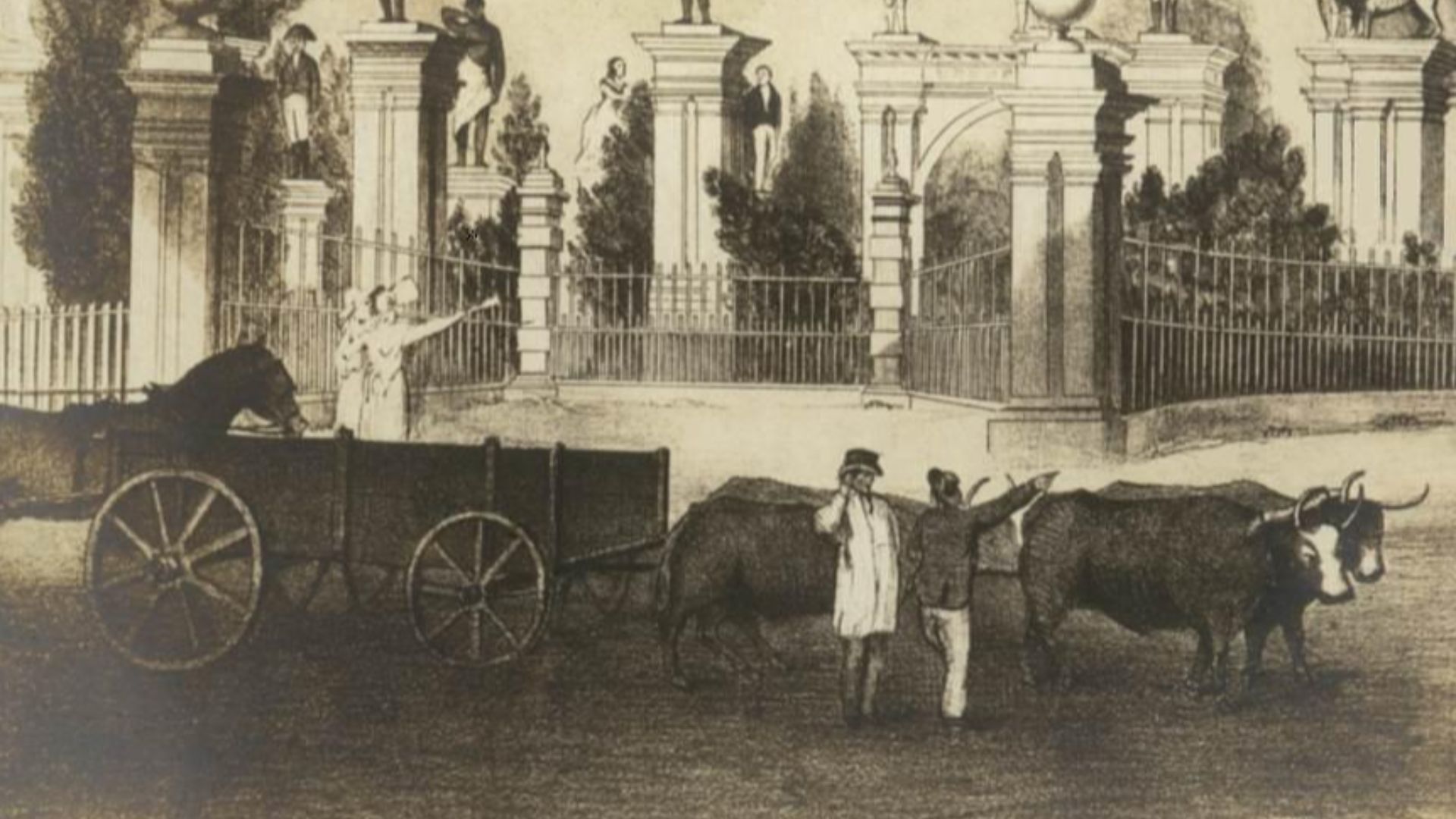
Dexter’s contemporaries often considered him unintelligent, yet his own boasting suggested that he understood certain useful principles. He recognized the potential value of goods others dismissed and appreciated the advantages of cornering overlooked markets. He also appeared to understand that “acting the fool” could itself be useful.
 John H. Bufford, Wikimedia Commons
Money Couldn’t Buy Acceptance
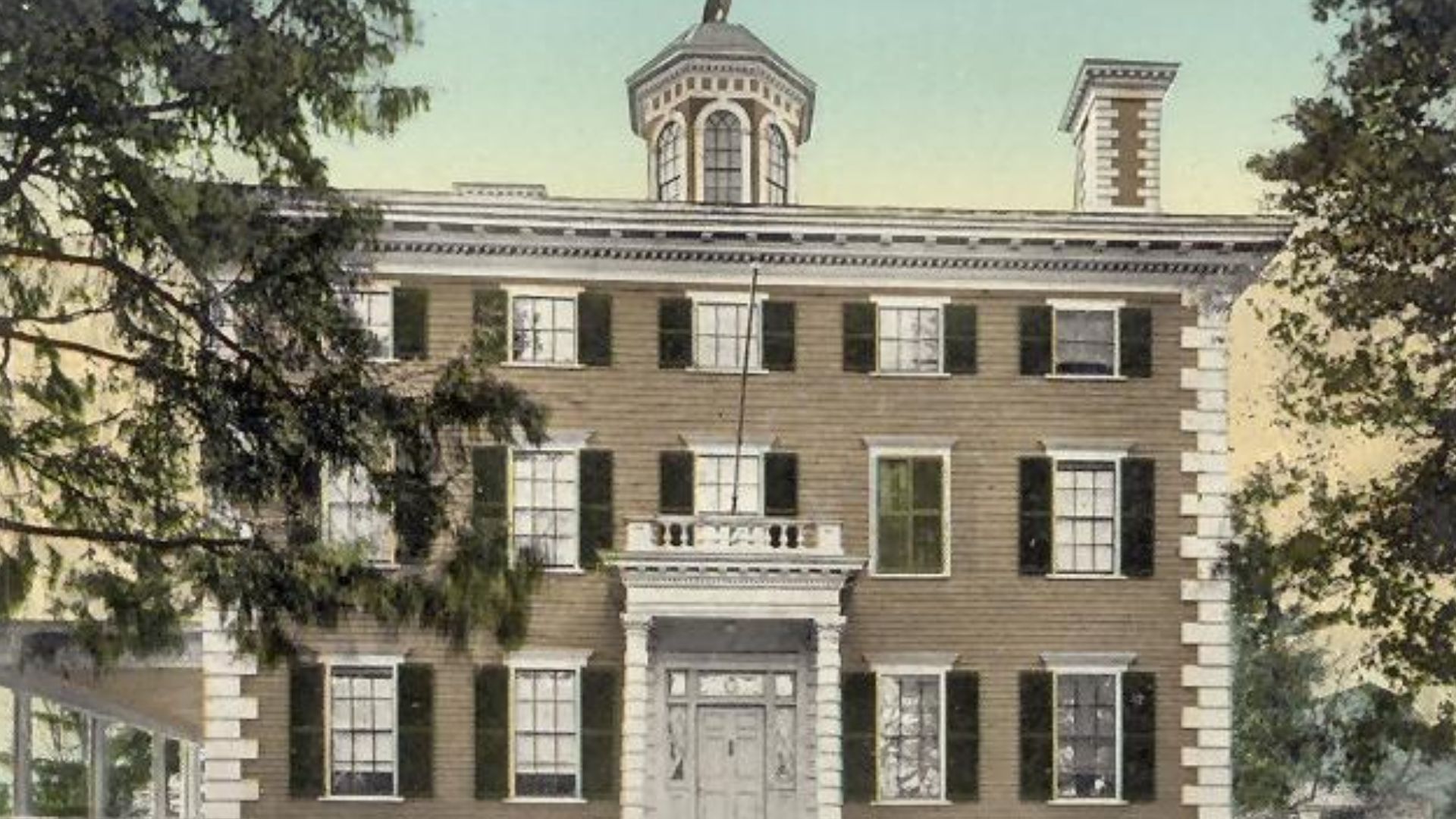
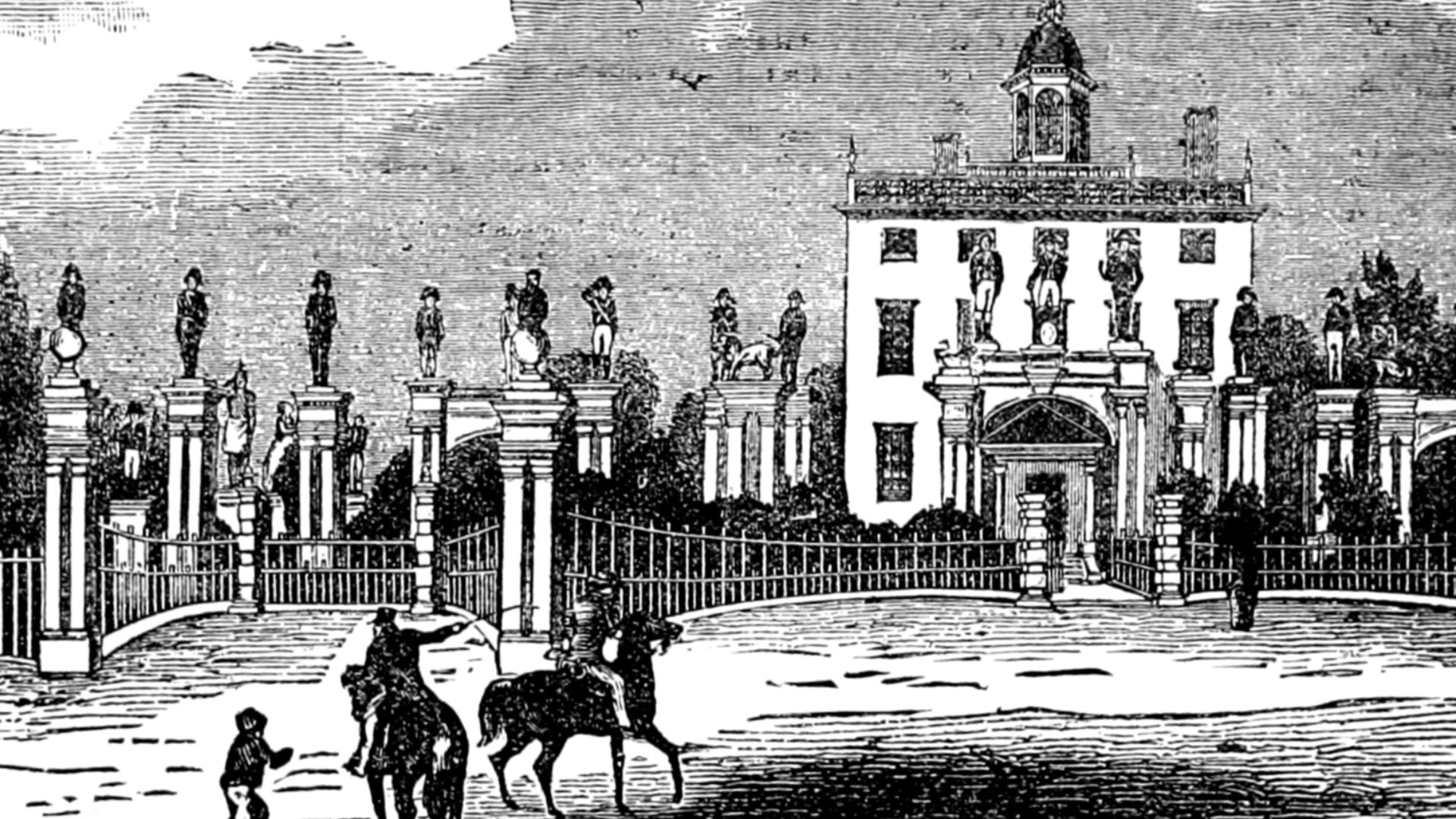
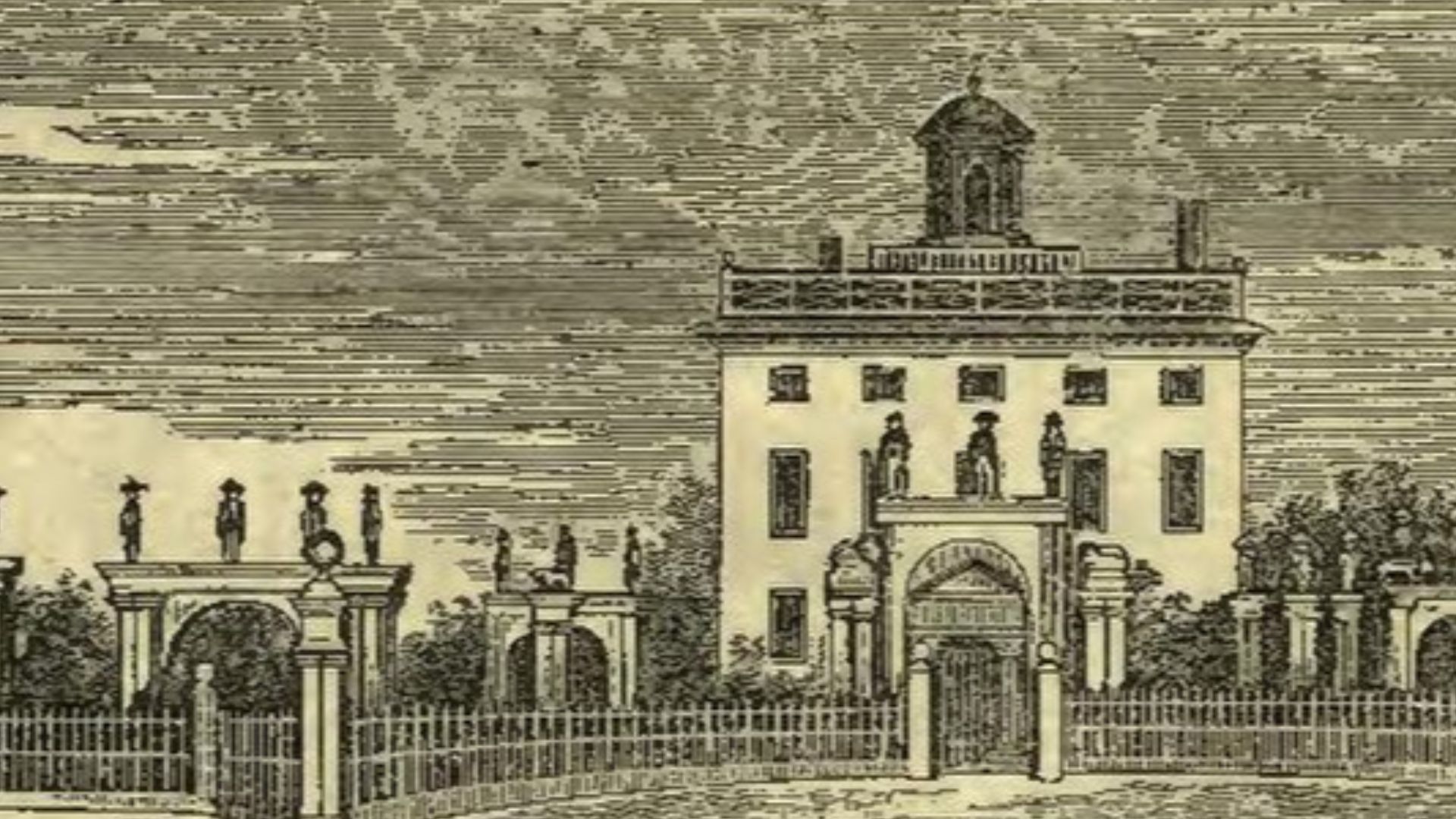
Whatever the source of his success, wealth did not bring Dexter the social standing he desperately wanted. New England high society continued to snub the uncultured merchant. Dexter responded by buying a prominent Newburyport house and turning it into an extravagant monument to his wealth, ambition, and eccentricity.
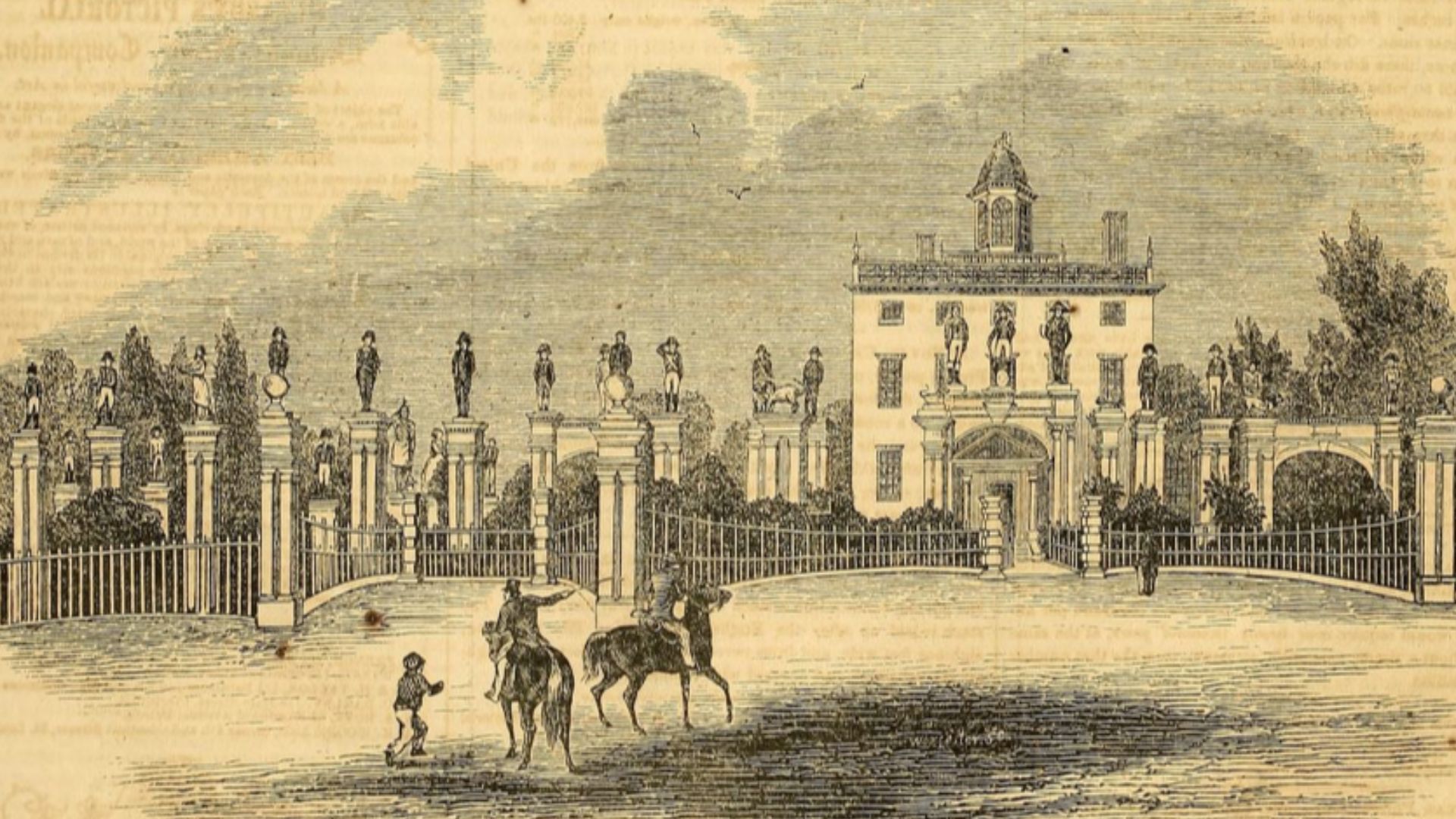
His Extraordinary Mansion
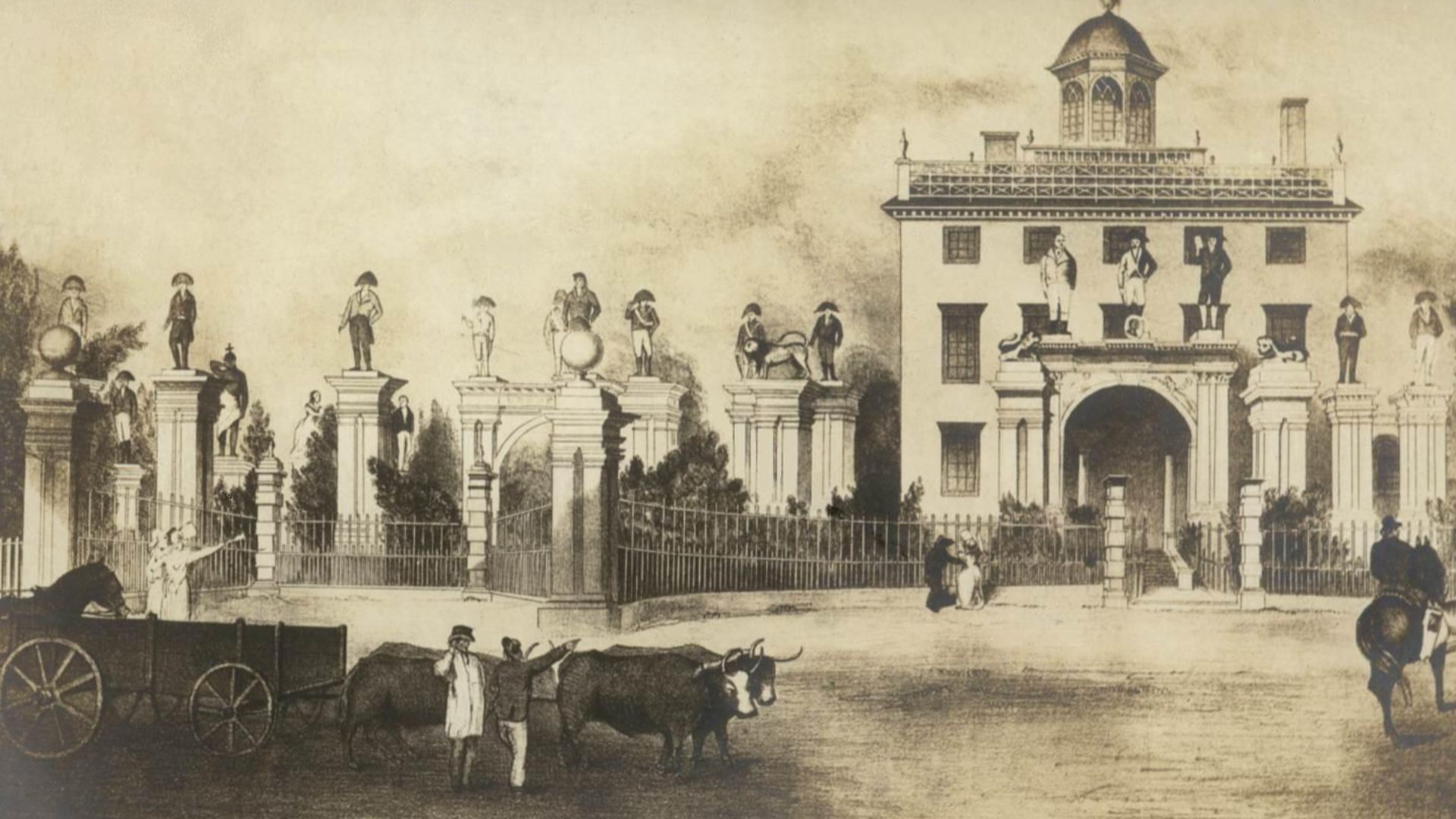
Dexter decorated his property with minarets, a golden eagle above the cupola, and a mausoleum for himself. The grounds contained 40 wooden statues depicting famous figures including George Washington, Thomas Jefferson, William Pitt, Napoleon Bonaparte, and, inevitably, Timothy Dexter himself.
 Unknown authorUnknown author, Wikimedia Commons
Greatest Philosopher Around
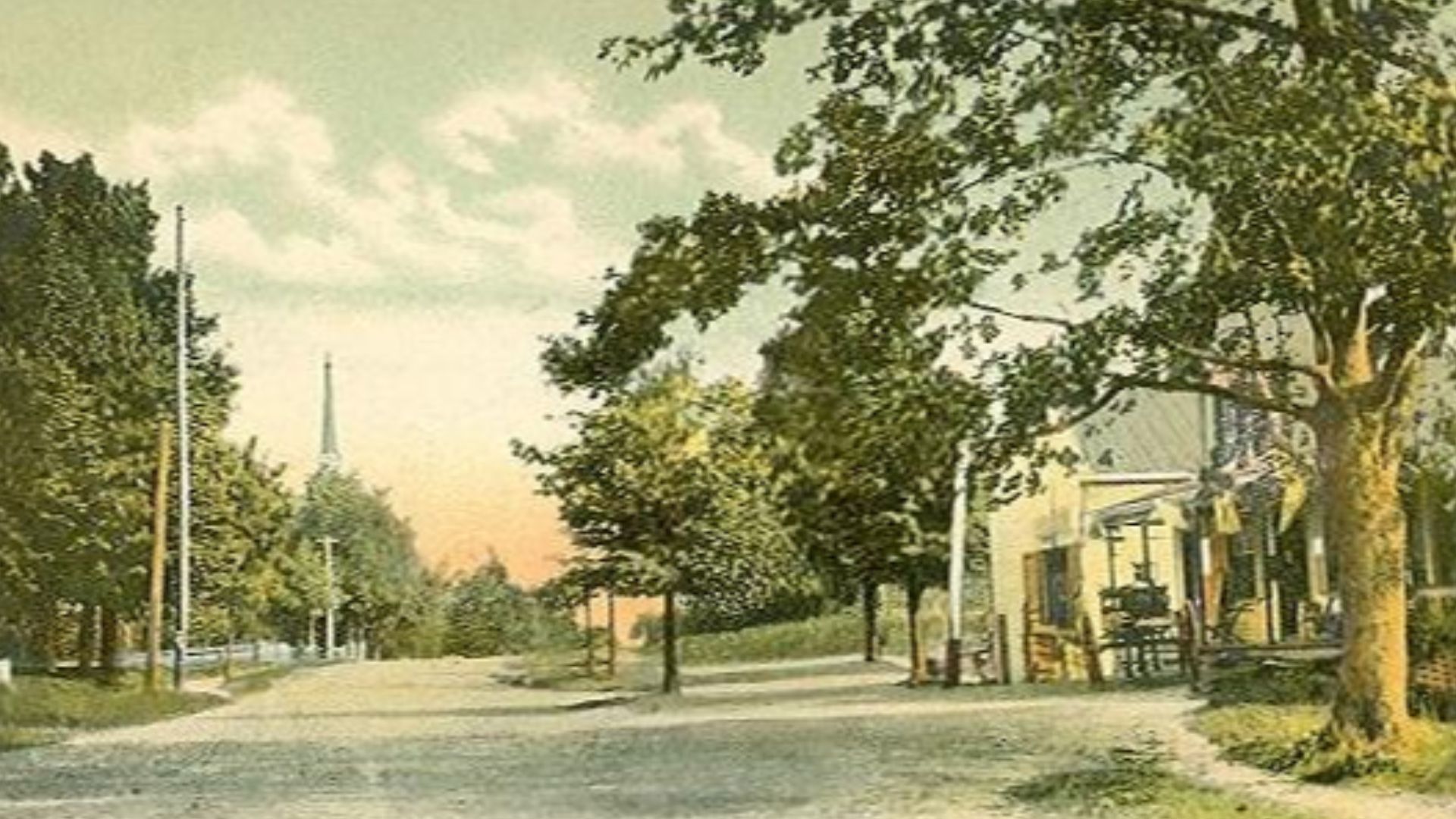
Dexter’s statue of himself carried an inscription proclaiming him first in the East, first in the West, and the greatest philosopher in the Western World. He also bought an estate in Chester, New Hampshire, where he encouraged people to address him with aristocratic titles.
 Unknown authorUnknown author, Wikimedia Commons
Lord Dexter Wants Office
Dexter repeatedly petitioned local authorities for public office. In 1776, he received the position of “Informer of Deer,” requiring him to report deer in the area and enforce hunting laws. Dexter was reportedly proud of the appointment, despite there being no deer around Newburyport.
![Title: A view of the mansion of the late Lord Timothy Dexter in High Street, Newburyport, 1810 / J.H. Bufford's lith.
Creator(s): J.H. Bufford's Lith.,
Date Created/Published: [Boston, 184-?]
Medium: 1 print : lithograph, hand colored.
Summary: View of m](https://www.factinate.com/storage/app/media/factinate/2026/7/14/1784003713f860cb0bd01aee55a08a3dd532722f9ef9dcc972.jpg)
A Very Strange Household
Dexter’s family life could be as bizarre as his business career. He sometimes told visitors that his living wife, Elizabeth, was dead and that the woman seen around the house was merely her ghost. His treatment of her would become even more disturbing during his most notorious publicity stunt.

Dexter Fakes His Death
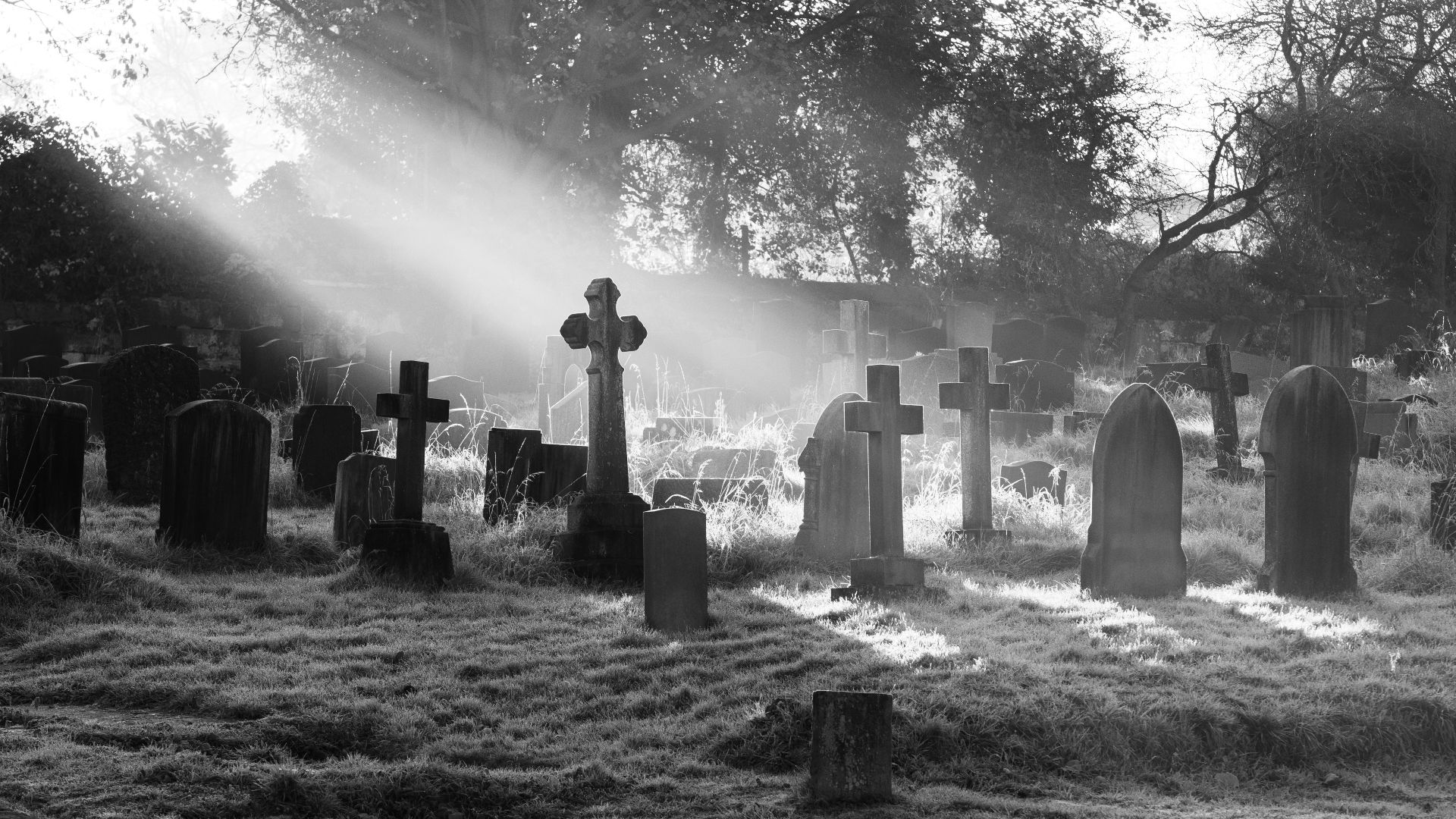
Wanting to discover how people would react to his death, Dexter staged his own demise and arranged a mock wake. Approximately 3,000 people reportedly attended. Rather than enjoying the remarkable turnout, Dexter secretly watched the proceedings and became fixated on one attendee’s reaction in particular.
Watching His Own Funeral
Dexter attended his own funeral in disguise, observing the mourners who had gathered to grieve him. His attention eventually settled on Elizabeth. When he decided that his wife was not crying enough, the elaborate spectacle took an ugly turn after Dexter revealed that he was still alive.
A Cruel Ending
After revealing the hoax, Dexter confronted his wife over what he considered her inadequate grief and beat her with his cane. The disturbing episode exposed a cruel side to the eccentric merchant whose bizarre commercial luck and comic self-promotion might otherwise make his story seem merely amusing.
Becoming An Author
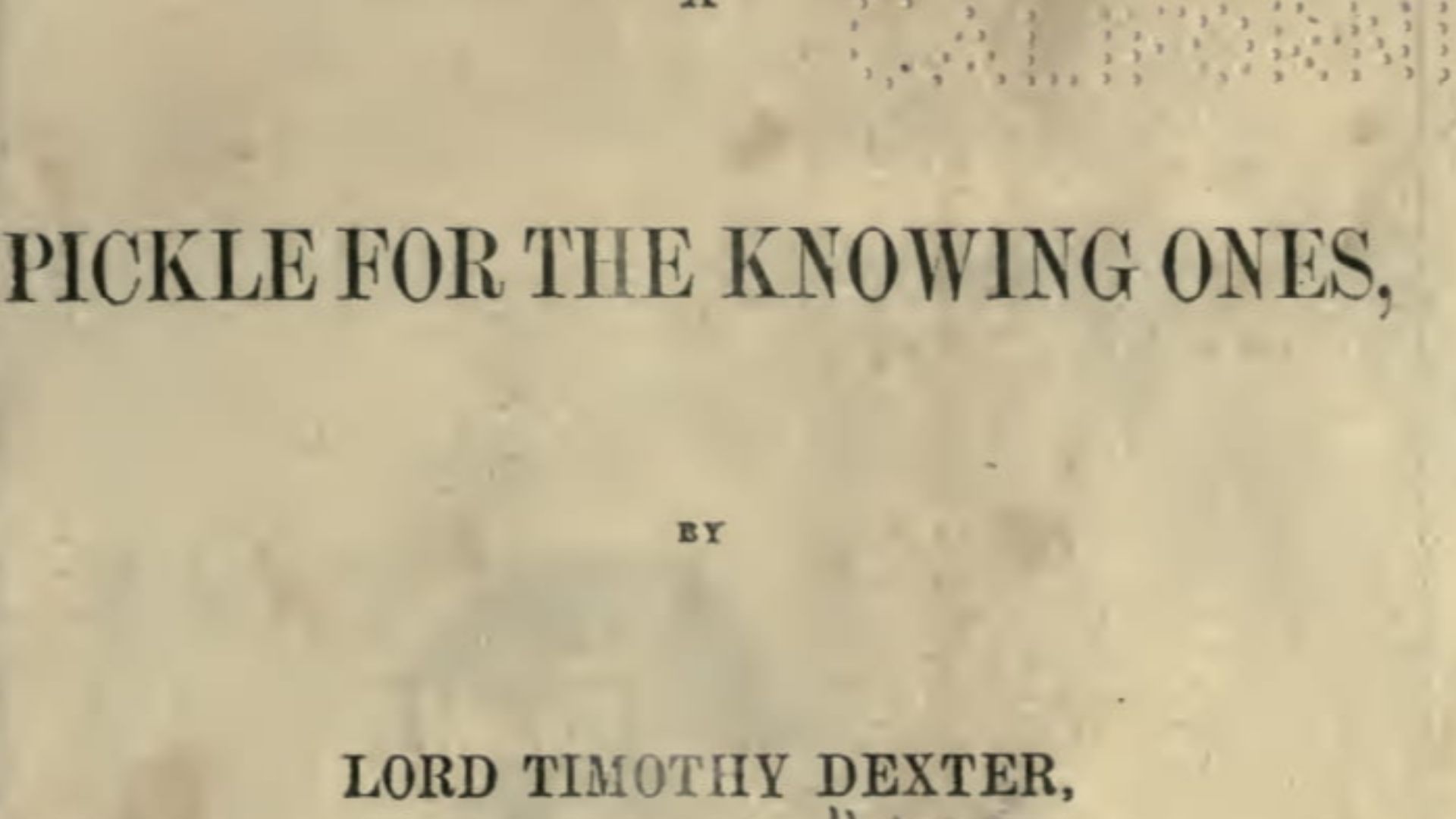
At around 50, Dexter decided that the world needed his wisdom. He wrote A Pickle for the Knowing Ones, also known as Plain Truth in a Homespun Dress. The book offered complaints and opinions about subjects including politicians, the clergy, and his wife.
 Timothy Dexter Scanned by University of California, Wikimedia Commons
Punctuation Was Optional
Dexter’s book contained 8,847 words and 33,864 letters, but no punctuation, while its spelling and capitalization were wildly unconventional. He signed his name at the end of chapters as though they were letters. He initially distributed the 1802 first edition free, but the book became popular.
 Written by Timothy Dexter, uploaded by University of California Libraries, Wikimedia Commons
Pepper And Salt It
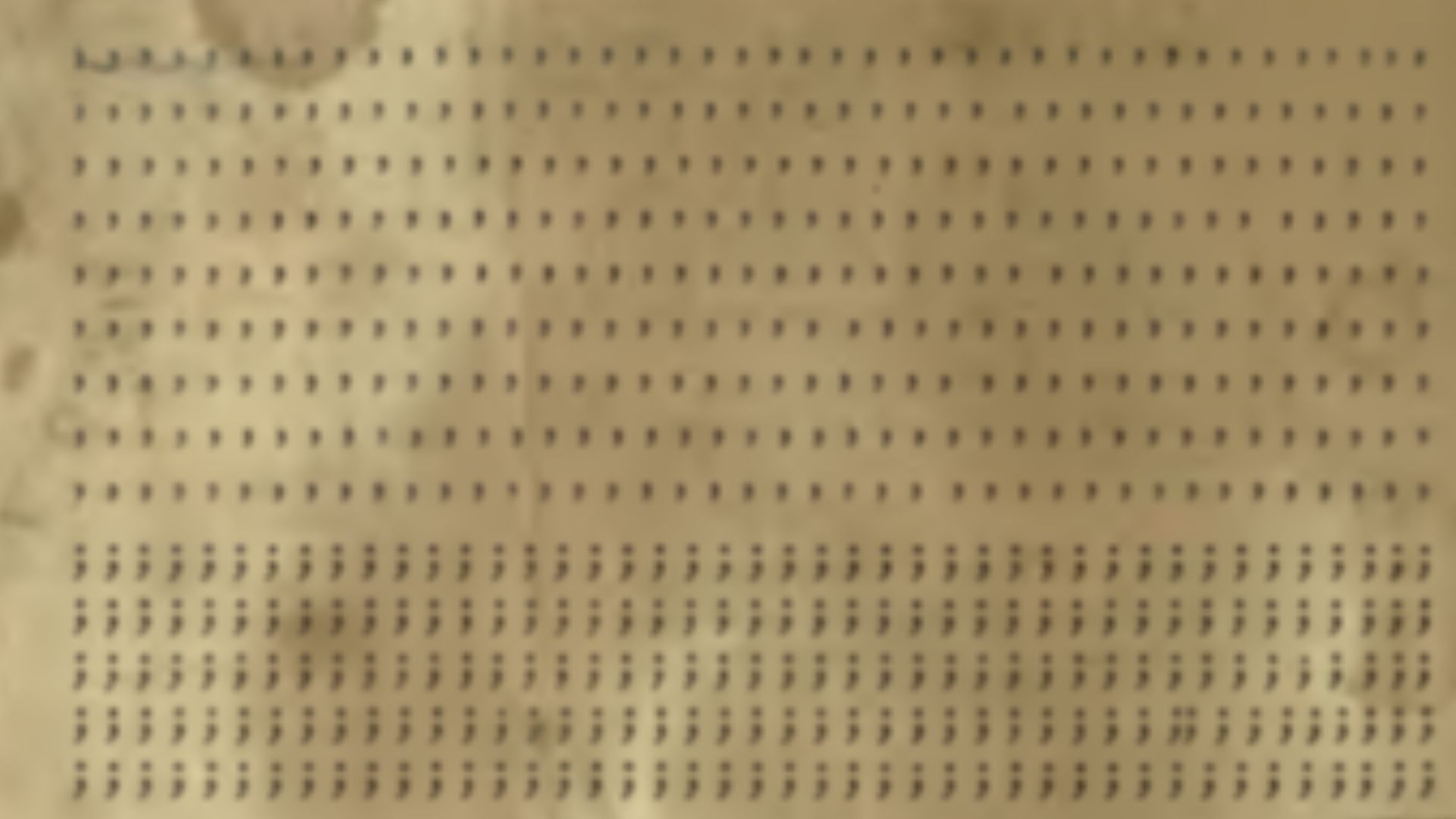
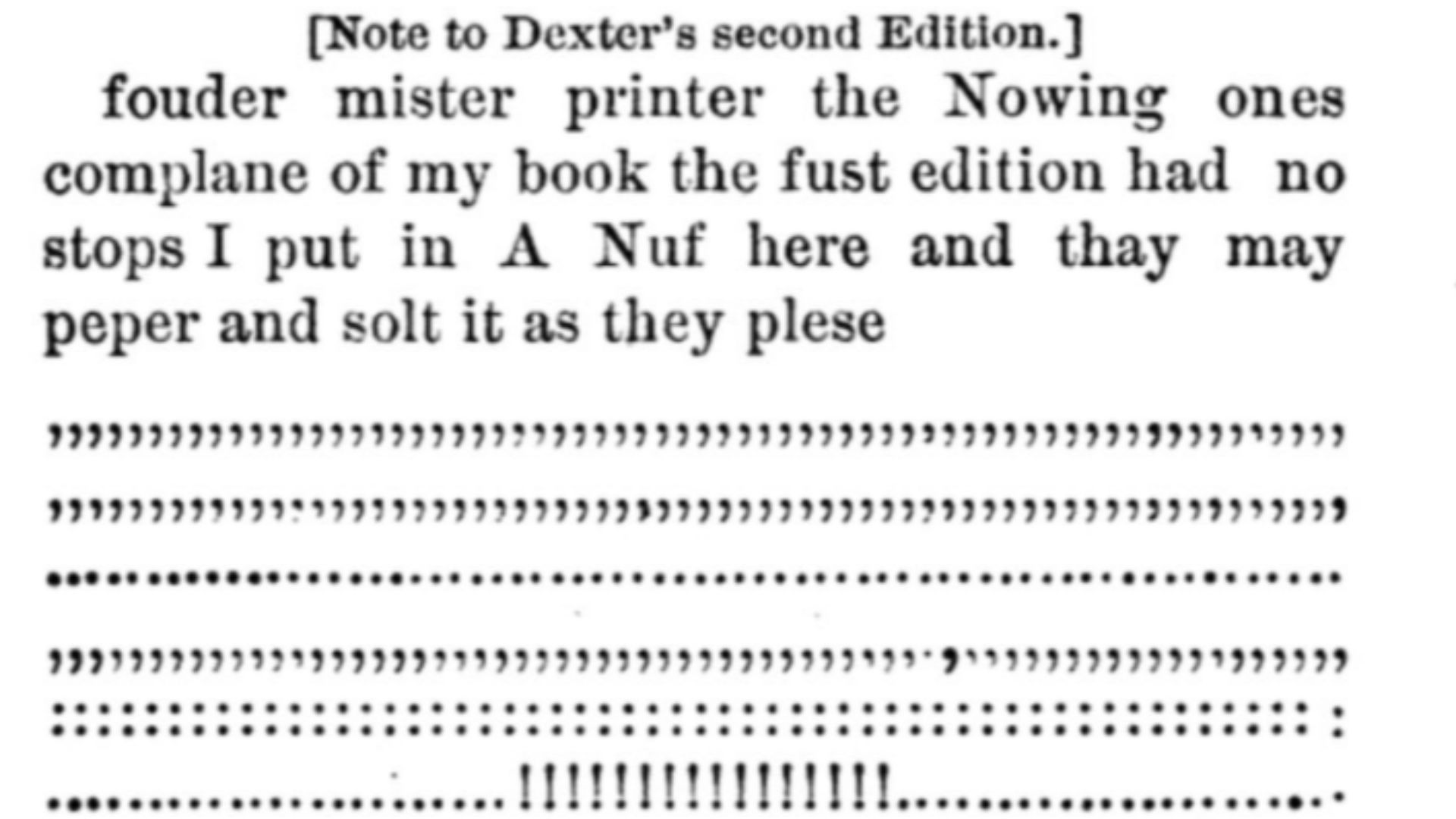
When readers complained about the absence of punctuation, Dexter offered an unforgettable solution. The second edition included a separate page containing 11 lines of punctuation marks. Readers and printers could insert them wherever they wished, or, as Dexter put it, “pepper and salt” the text themselves.
 Timothy Dexter, Wikimedia Commons
His Luck Finally Ended
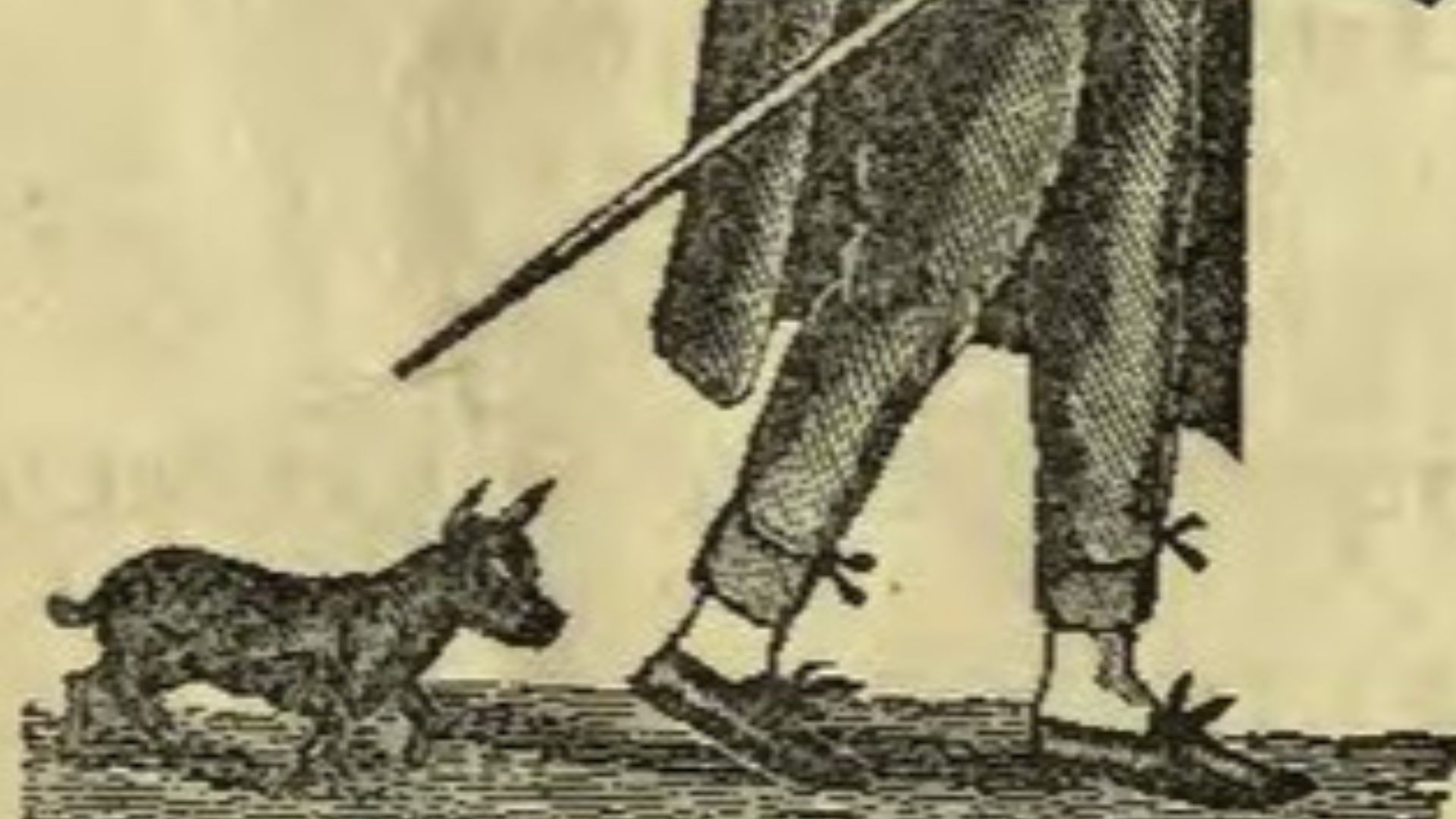
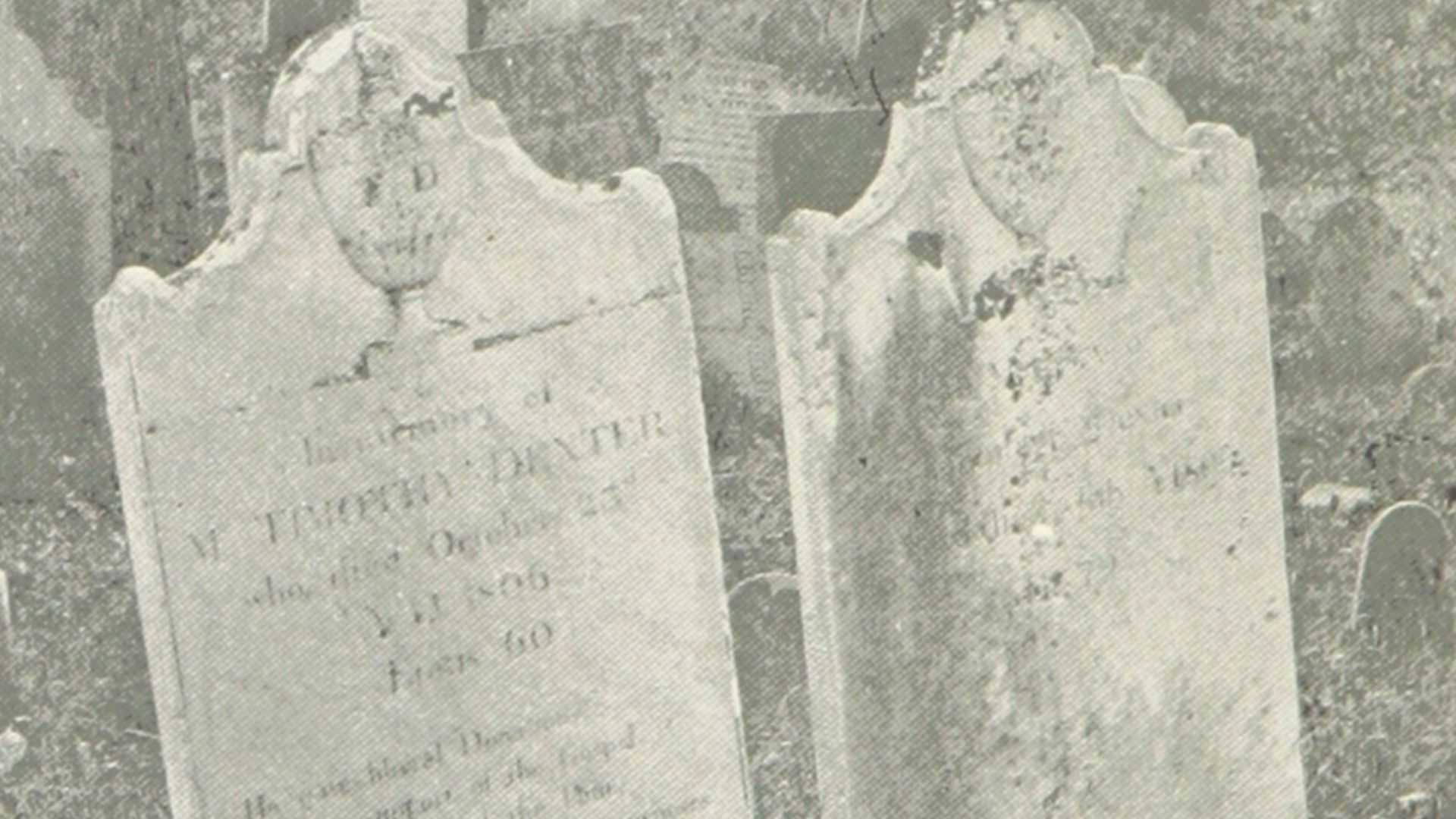
Timothy Dexter died in Newburyport on October 23, 1806. The Massachusetts Probate Office valued his estate at $35,027.39, proving that whatever his contemporaries thought of his intelligence, his fortune had been very real. His property and many of its extravagant decorations were later dispersed.
 Unknown authorUnknown author, Wikimedia Commons
The Fool Nobody Forgot
Dexter’s obituary was hardly flattering about his intellectual abilities, yet his reputation survived. His mansion, statues, strange book, fake funeral, and impossible commercial victories turned him into an enduring eccentric. Whether lucky fool, secret genius, or master self-promoter, Timothy Dexter is one of the greatest oddballs in American history.
 The British Library, Wikimedia Commons
You May Also Like: