
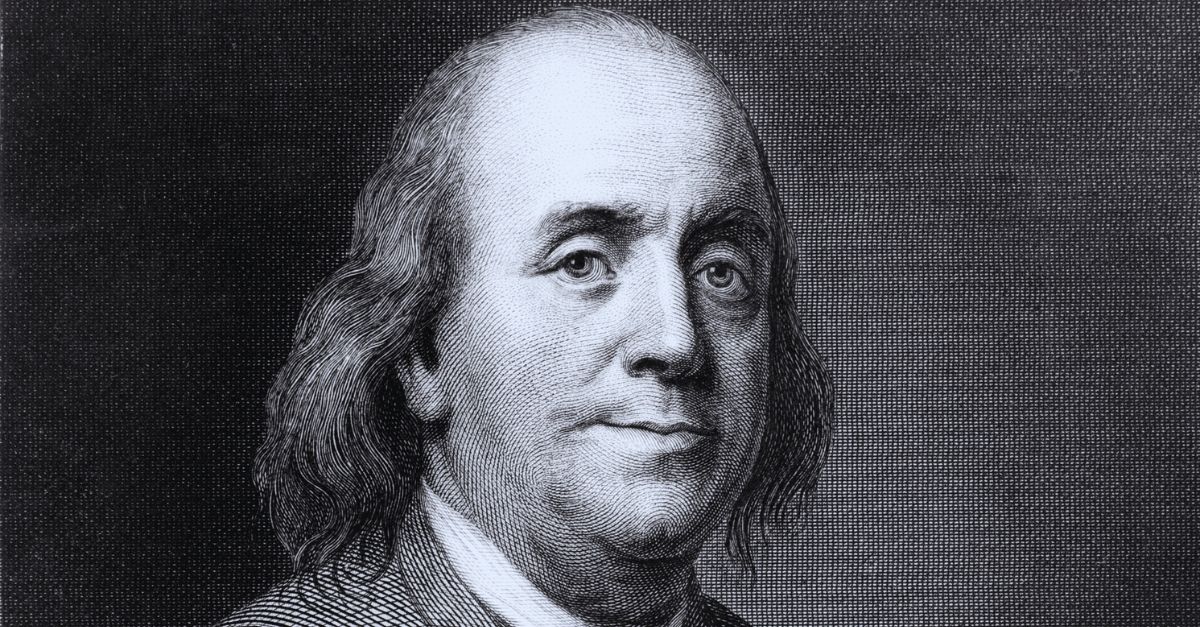
A Man Of Many Talents
Ask a group of people today what the 18th-century polymath Benjamin Franklin should be remembered for the most, and chances are that a variety of answers will come up. Was he a mainly a man of words, who made himself a successful printer, publisher, journalist and author of unique wit and philosophical outlook? Or should he be remembered as a genius inventor? What about his role as one of the Founding Fathers of the country?
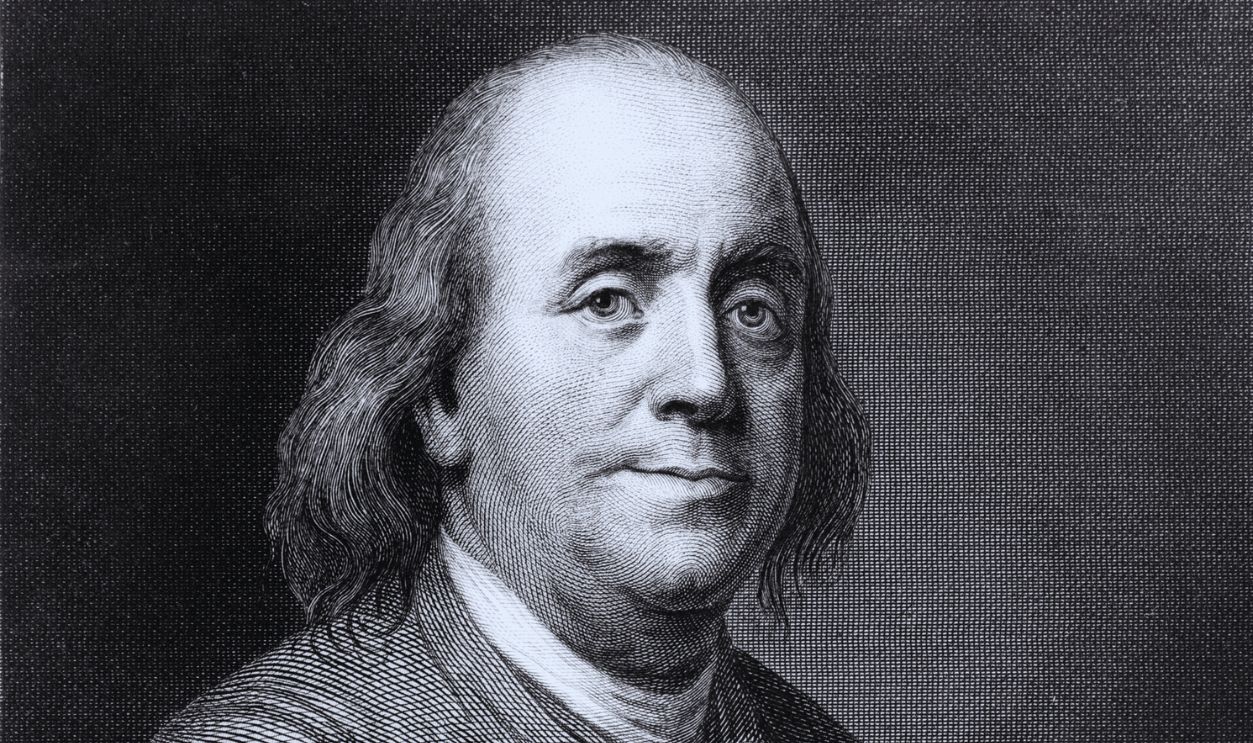 Joseph-Siffred Duplessis, Library of Congress LC-USZ62-25564, Wikimedia Commons
Founding Father & Great Inventor
Perhaps he should be most celebrated as the revered statesmen: the Founding Father and first ambassador to France, a role that led to the Franco-American alliance, which proved integral in the American Revolution. Such is the man’s reputation that some people still – mistakenly – name Franklin as a US president. But there will always be those who first and foremost regard this titan in United States history as one of the leading scientists and inventors of his day.
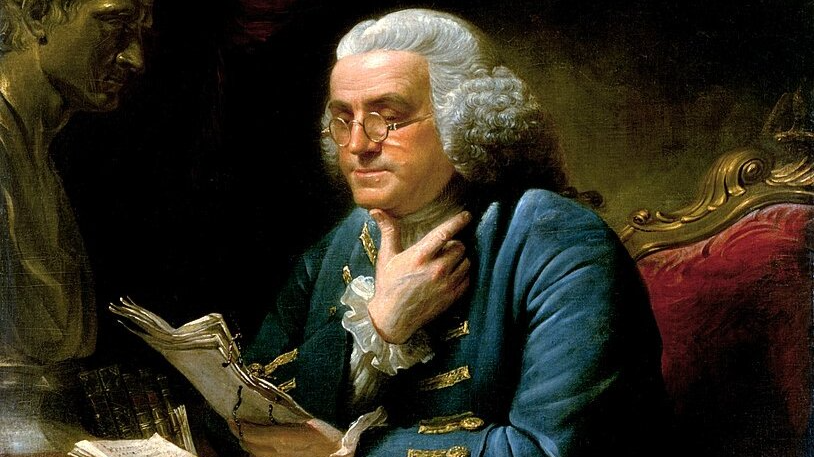 David Martin, Wikimedia Commons
He Never Patented Any Of His Inventions
Franklin’s contributions were not only numerous and life-changing, but offered as a gift. He never patented anything, stating in his autobiography, “As we enjoy great advantages from the inventions of others, we should be glad of an opportunity to serve others by any invention of ours; and this we should do freely and generously.”
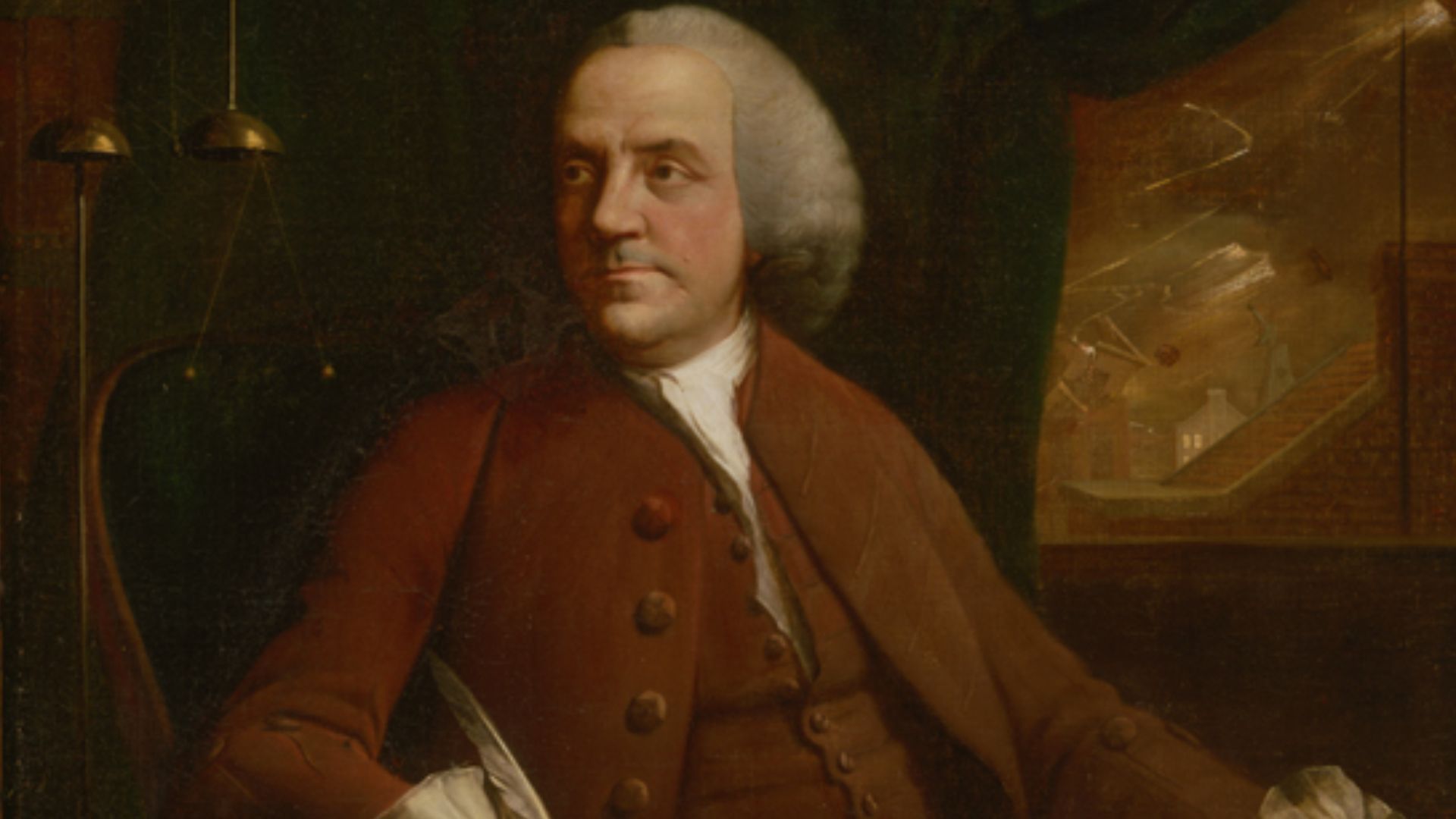 Mason Chamberlin, Wikimedia Commons
Advancement In Electricity
Having retired from his business interests as an extremely wealthy man in his early forties, Franklin started experimenting with electricity in 1746. He would alter our understanding of how it works, challenging the theory that electricity should be treated as two fluids by proposing it behaved as a single fluid that could be positively or negatively charged.
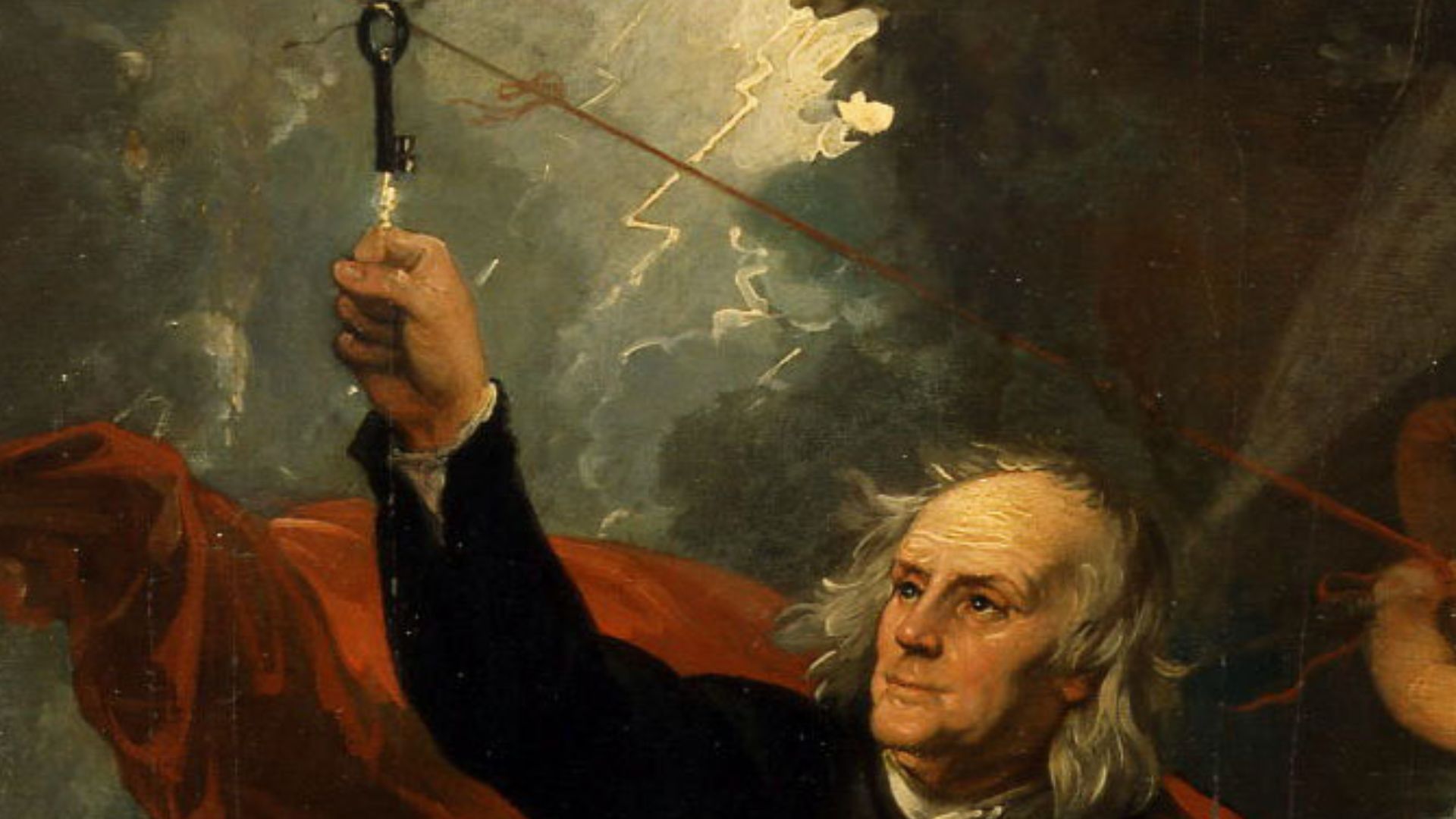 Benjamin West, Wikimedia Commons
He Coined The Words We Use Today
It was Franklin who used the terms ‘positive’, ‘negative’ and ‘charge’ in relation to electricity in the first place. He furthered the very language around the study, also establishing the electrical basis for terms like ‘battery’ and ‘conductor’.
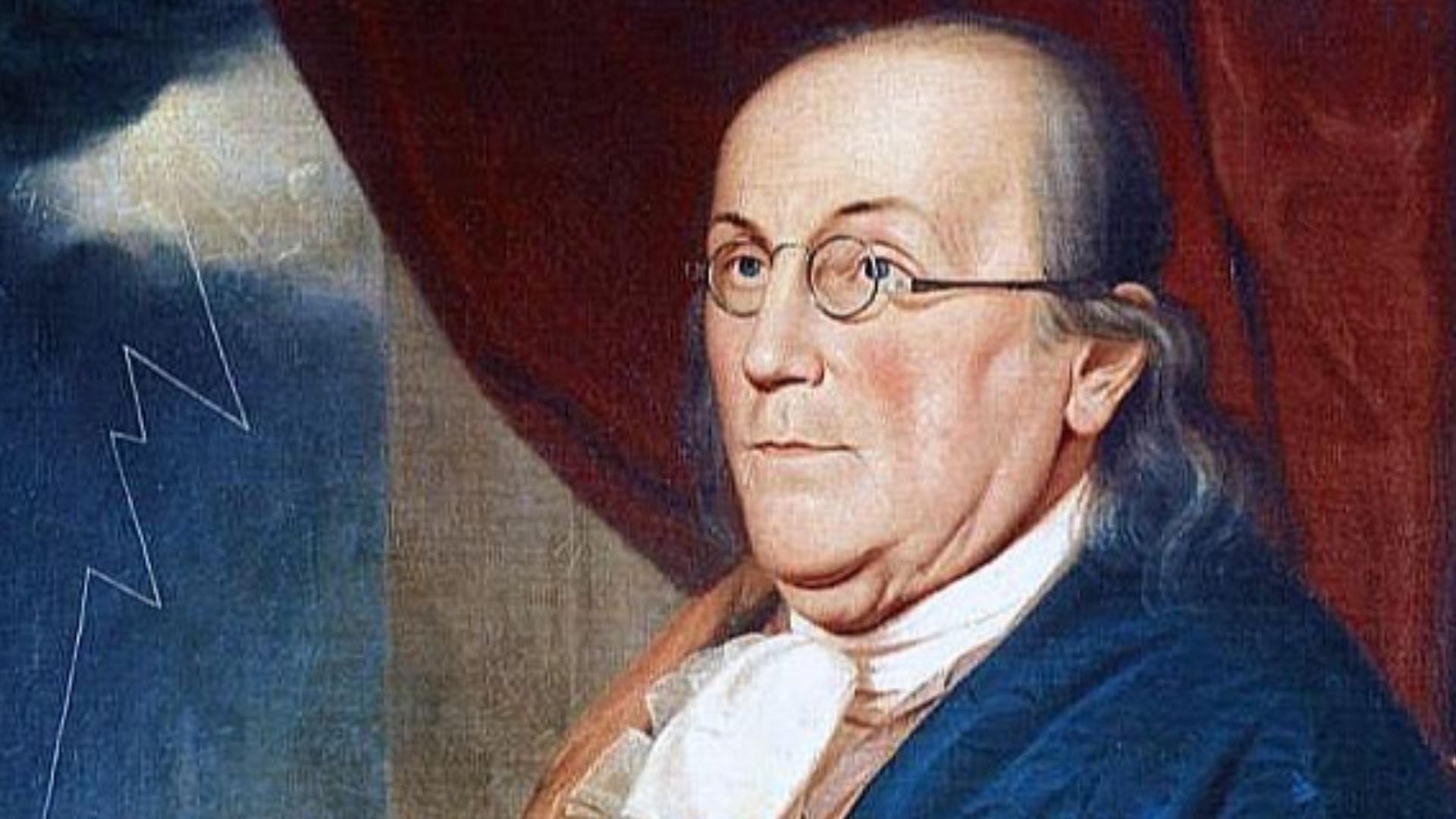 Charles Willson Peale, Wikimedia Commons
What Was Ben Franklin’s Kite Experiment?
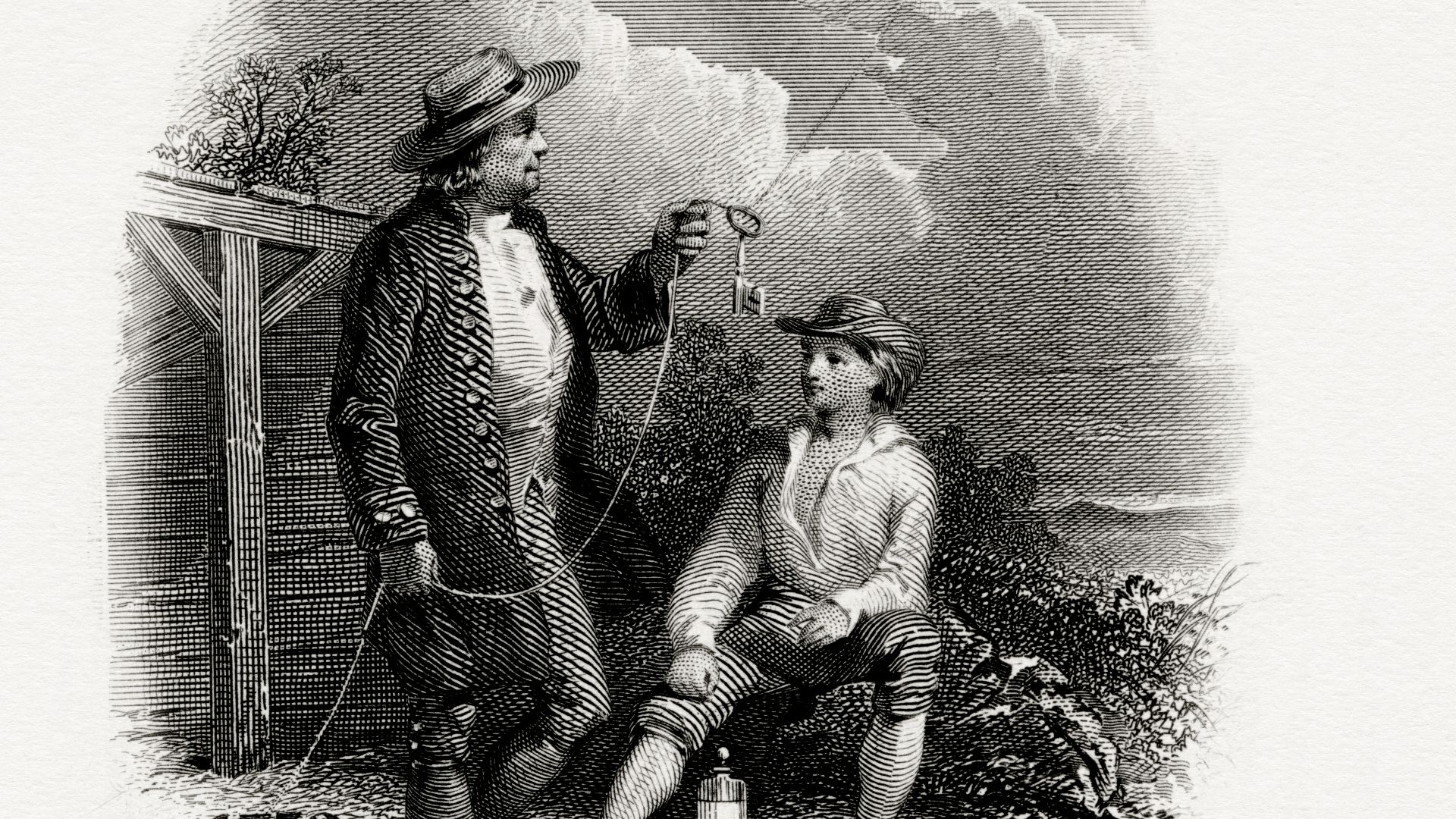
Of course, what really made Franklin a world-famous scientist was his legendary kite experiment, so famous that it even gets a namedrop in the musical Hamilton – that is, despite ongoing uncertainty whether it happened at all. If the accounts are to be believed – including a letter by Franklin in the Pennsylvania Gazette – he set out in June 1752 to prove his theory that lightning was of an electrical nature. His method was to fly a kite in a storm, with a metal key attached.
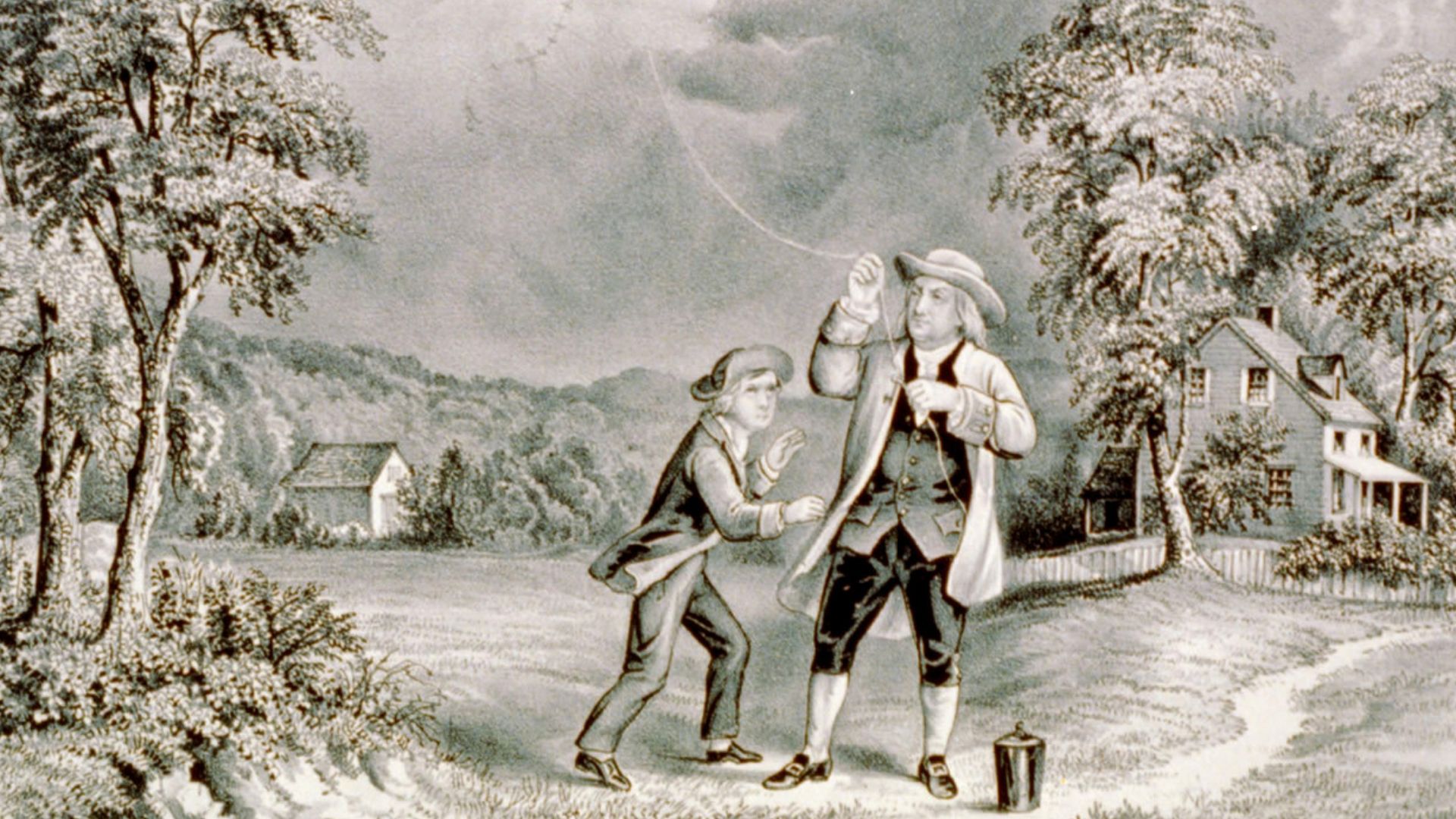 Currier & Ives, New York, Wikimedia Commons
He Was Proven Right
This picked up the charge in the atmosphere, which was conducted into a Leyden jar (discovered in the 1740s, it was a device for storing static electricity), thus confirming that Franklin was right. While another scientist, French physicist Thomas-François Dalibard, had actually carried out a similar test a month earlier, it was based on Franklin’s published notes. So the American gets the credit. Now let's look closer at the many inventions of Benjamin Franklin.
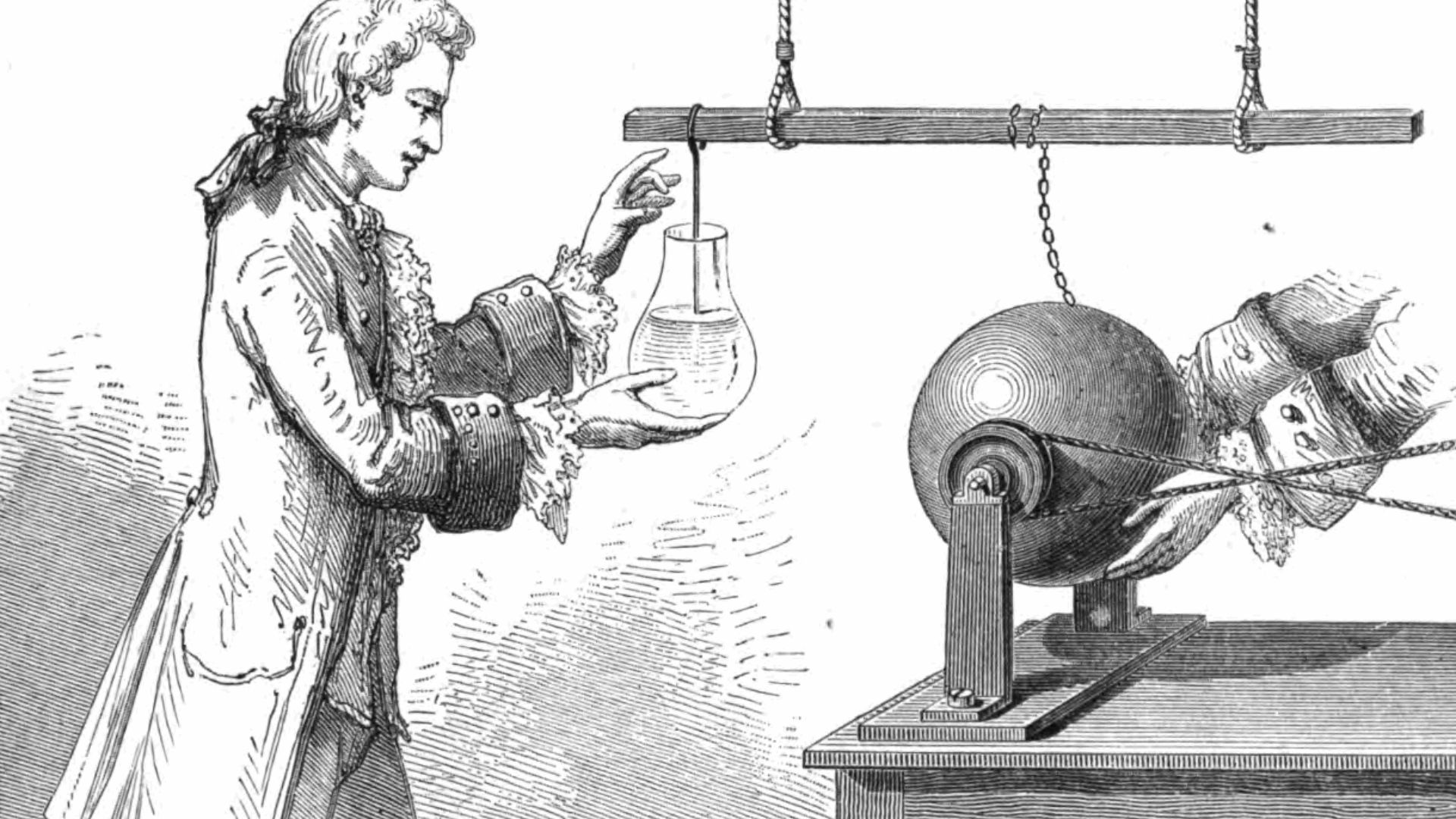 The drawing seems to be signed 'Laplante' in the lower right corner, Wikimedia Commons
The Lightning Rod
Franklin’s experiments with electricity had one clear practical purpose in mind: to prevent the fire and destruction that could be caused to wooden buildings when hit by lightning. His solution was a metal pole that could be fixed on the top of the building with a wire running to the ground in order to conduct the electricity safely away.
 Alfred Jones, for the Bureau of Engraving and Printing, Wikimedia Commons
His Invention Caught On Fast
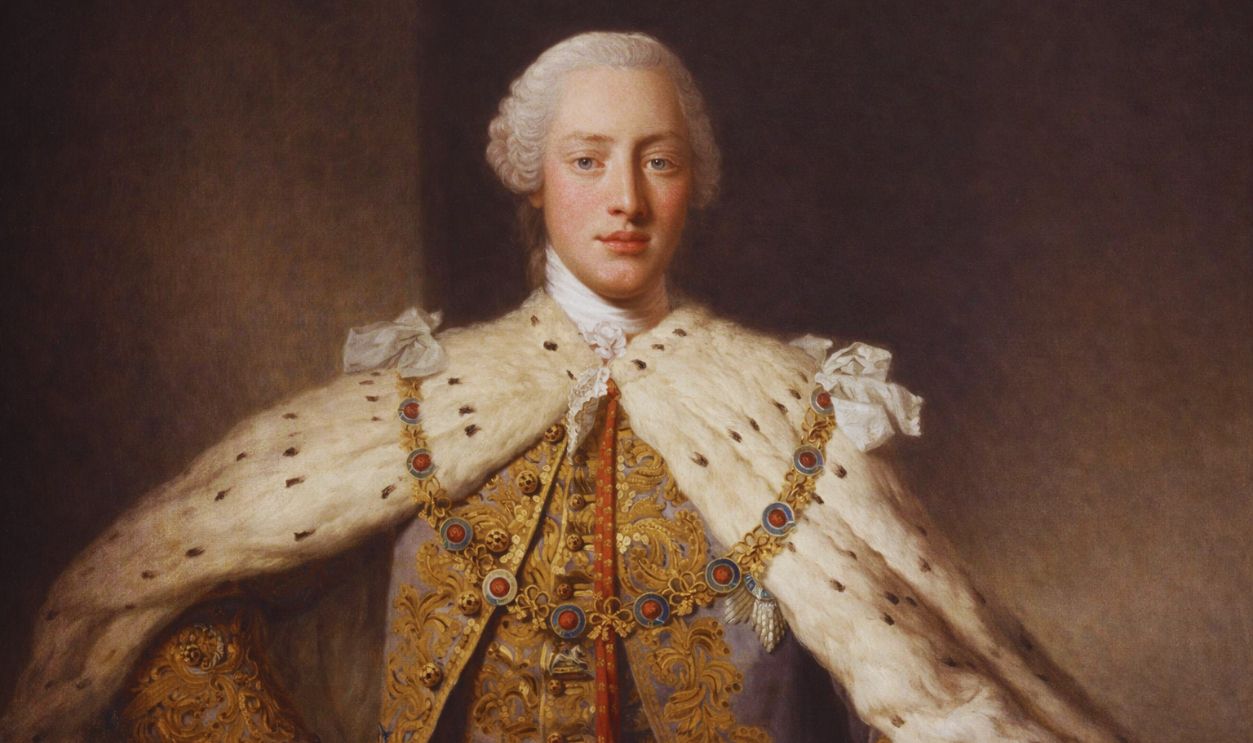
The utility of the lightning rod was immediately apparent, and it remains a vital addition to structures today. Even King George III, who would curse Franklin’s name when the American Revolutionary War came, had them installed on Buckingham Palace. That said, he did make the political move of picking rounded lightning rods, as suggested by British scientists, over Franklin’s pointed ones.
 Anonymous, Wikimedia Commons, Modified
Swimming Fins
Franklin’s inventing mind got whirring at a young age. Aged 11, and a keen swimmer, he designed handheld aides to make him go faster in the water. Resembling an artist’s paint palette, they were oval-shaped pieces of wood with holes for the thumbs to increase the surface area of his stroke. He also tried fins for the feet, although less successfully.
 Gabriel Jacques de Saint-Aubin, Wikimedia Commons
He Popularized Swimming
Beyond his invention, Franklin went to great lengths to popularize the pastime of swimming, espousing its health benefits and genuinely considering becoming a swim teacher. While living in London before the War of Independence, he went for daily dips in the Thames. He is now honoured in the International Swimming Hall of Fame.
 Louis Carrogis Carmontelle / Francois Denis Nee, Wikimedia Commons
The Franklin Stove
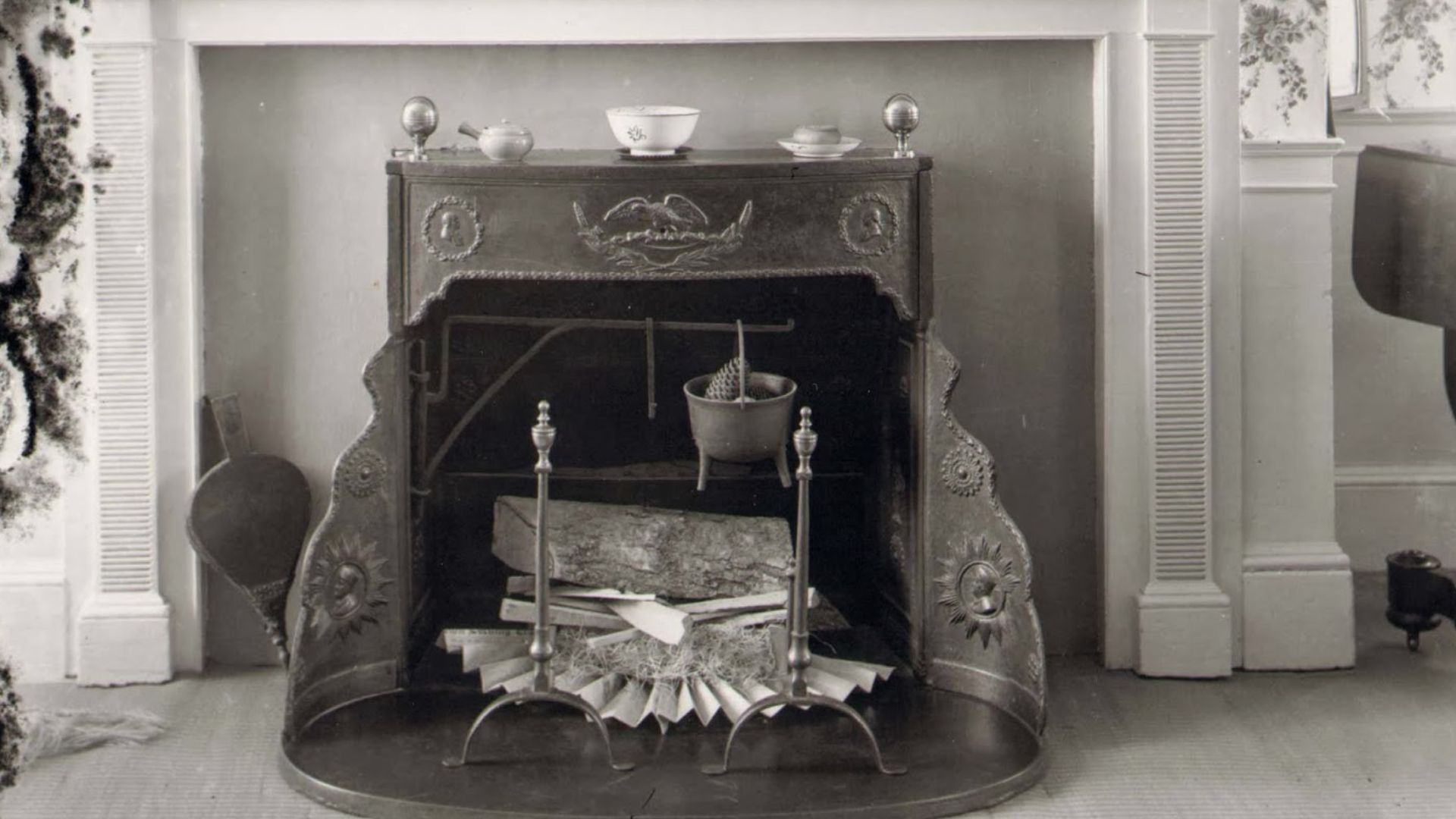
This new way of heating homes was so good that it got named after the man himself. Whereas traditional fireplaces used a lot of fuel and posed the risk of starting a blaze where one wasn’t wanted, the Franklin stove was more efficient, while producing less smoke and fewer errant sparks.
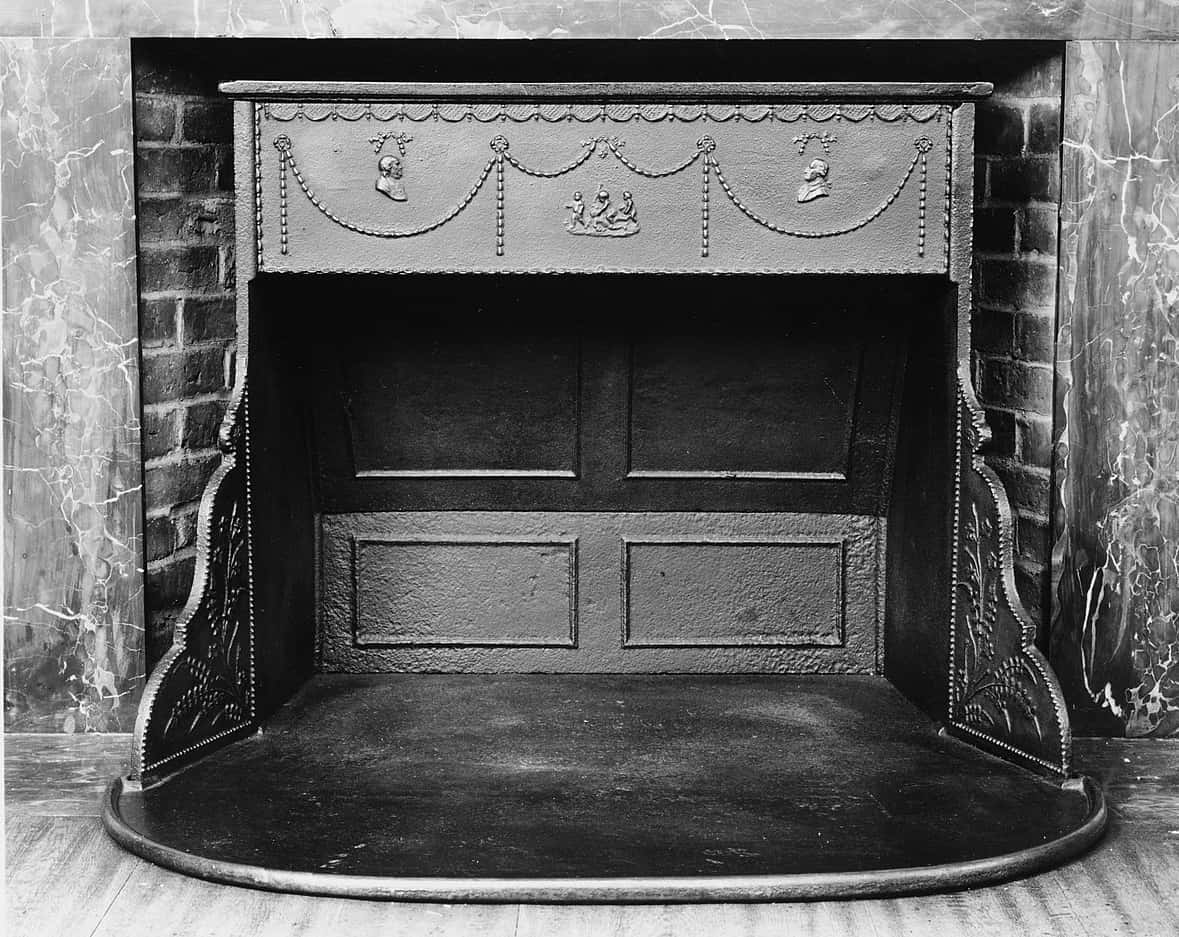
A Major Improvement In Home Heating
The Franklin Stove comprised a cast-iron box standing away from the chimney, with a hollow space at the back to allow more heat to circulate quicker. From going on sale in 1742, and getting refinements by fellow American David Rittenhouse in the 1780s, it set a new benchmark for interior heating.
Urinary Catheter
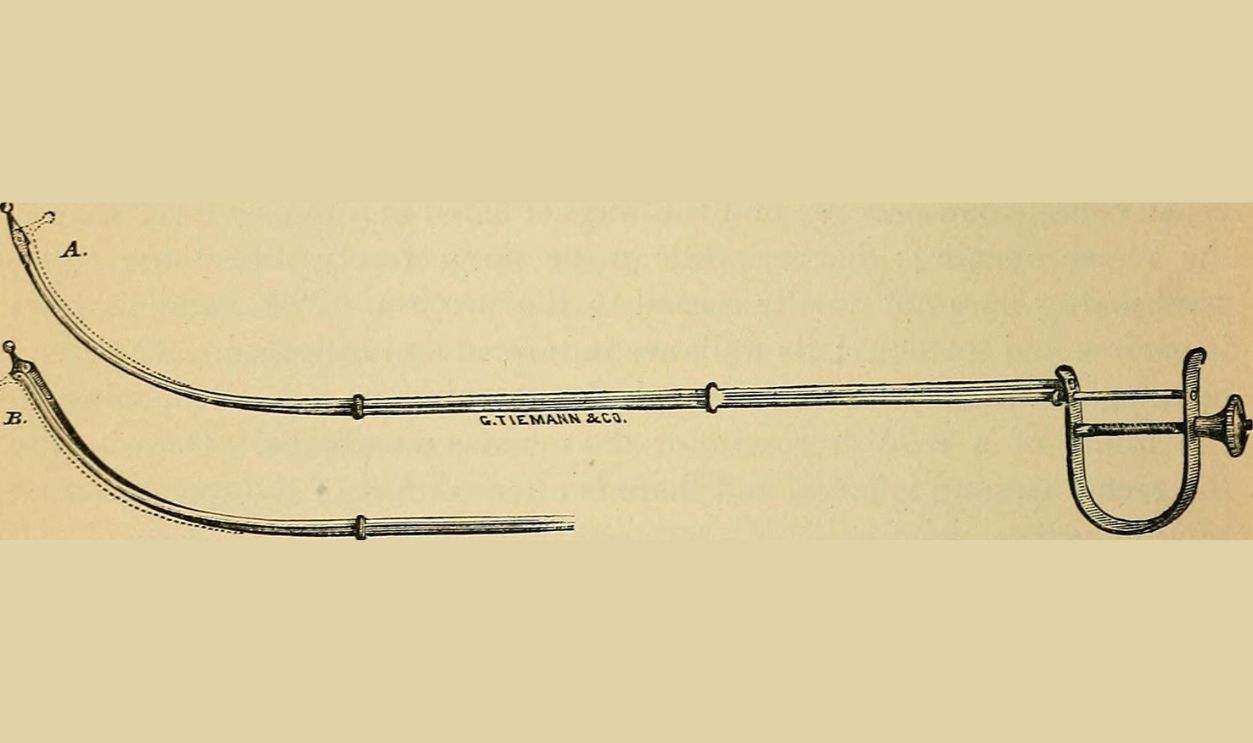
Franklin did not invent the original catheter (medically, a tube inserted into the urethra to allow urine to drain), but he developed a much less painful version. That in itself has caused many suffering people to praise his name over the years.
 Creator:Pierre Michel Alix, Wikimedia Commons
His Brother Was Grateful
It began around 1752 when his older brother John got kidney stones and needed catheters inserted regularly. At the time, these were solid tubes that caused significant pain. Franklin got to work making something more flexible, resulting in a tube made of hinged sections whipped together by a local silversmith. He hastily sent it to his brother with instructions on its much less painful use.
 Internet Archive Book Images, Wikimedia Commons
Bifocals
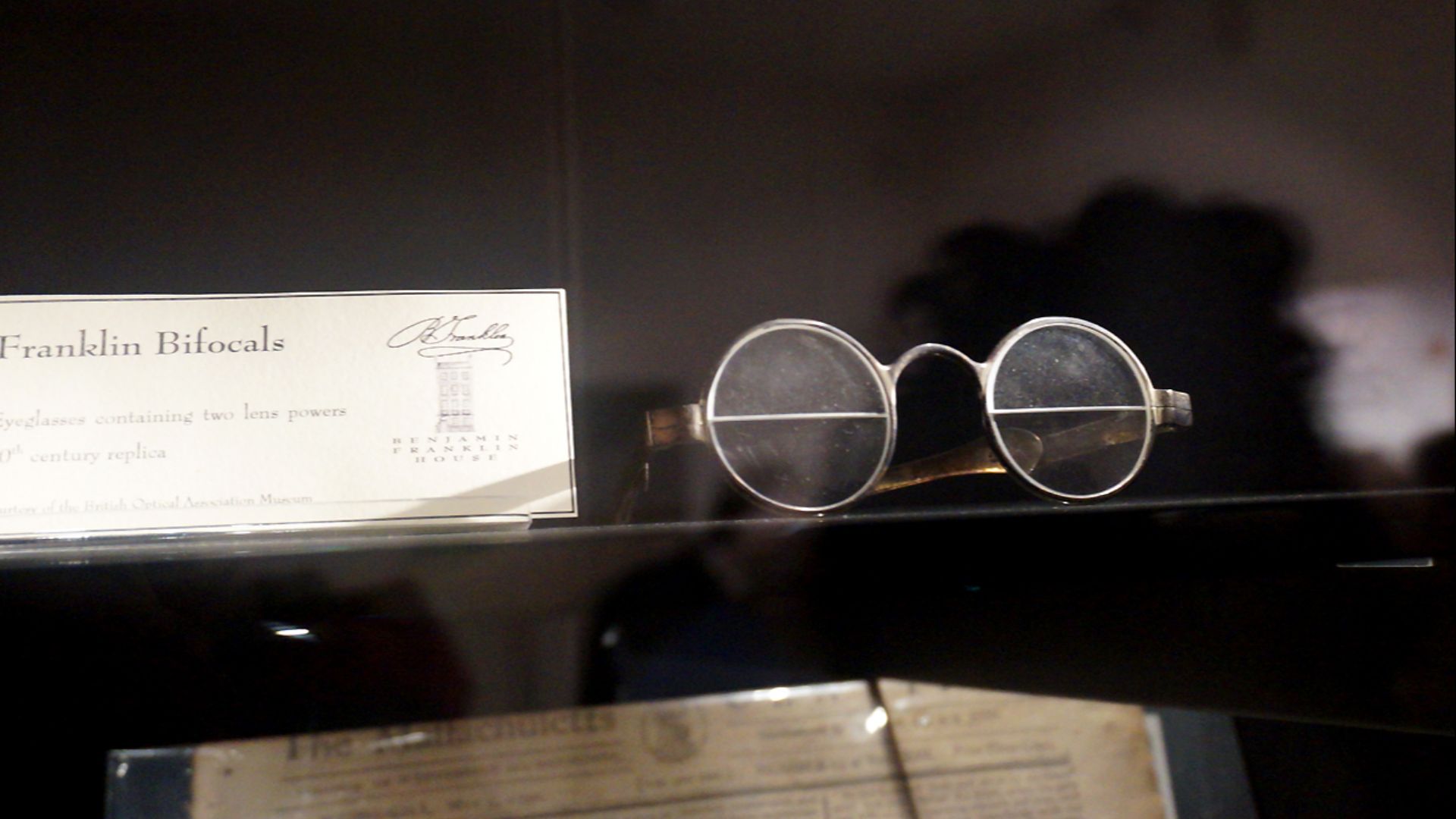
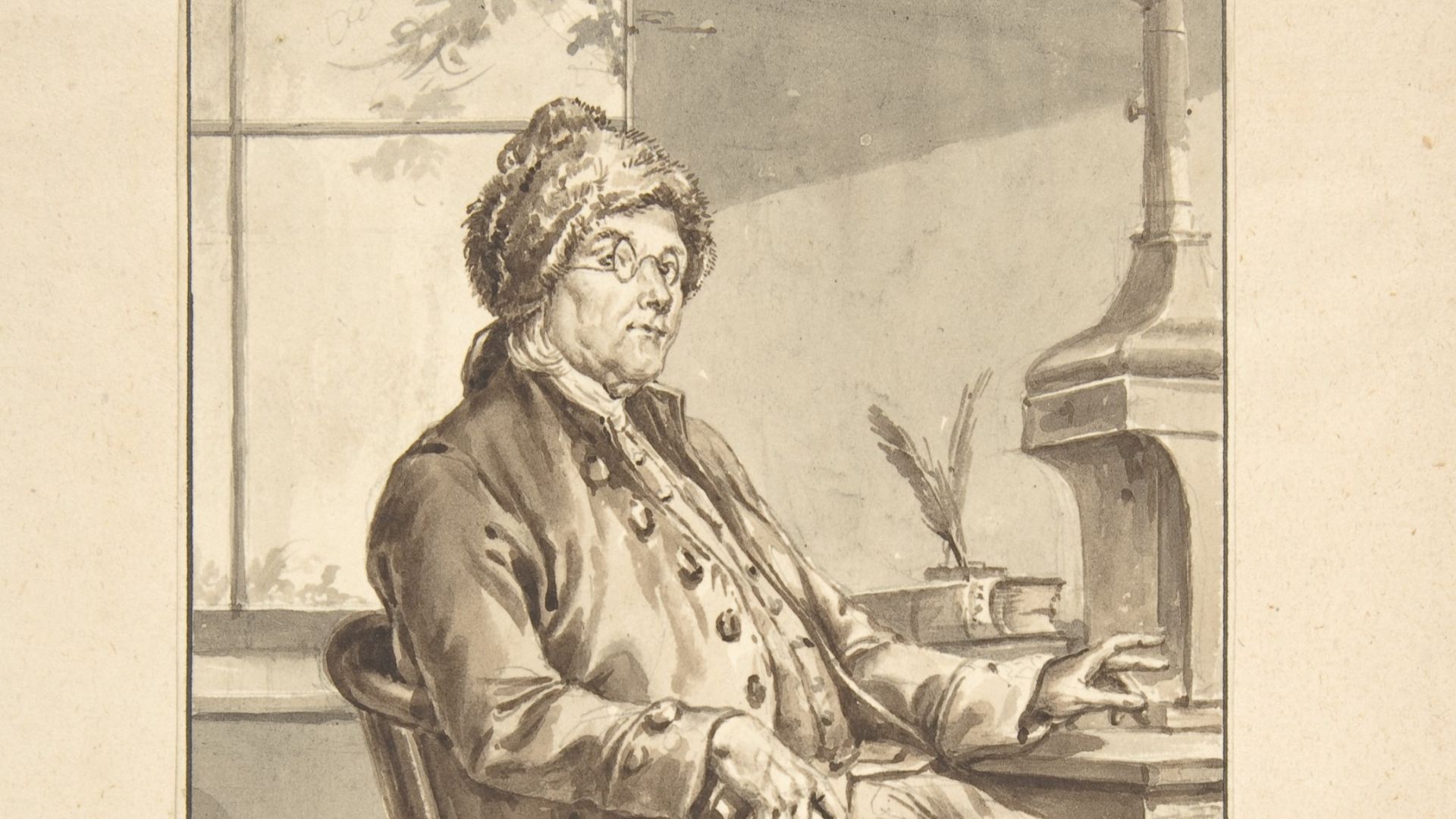
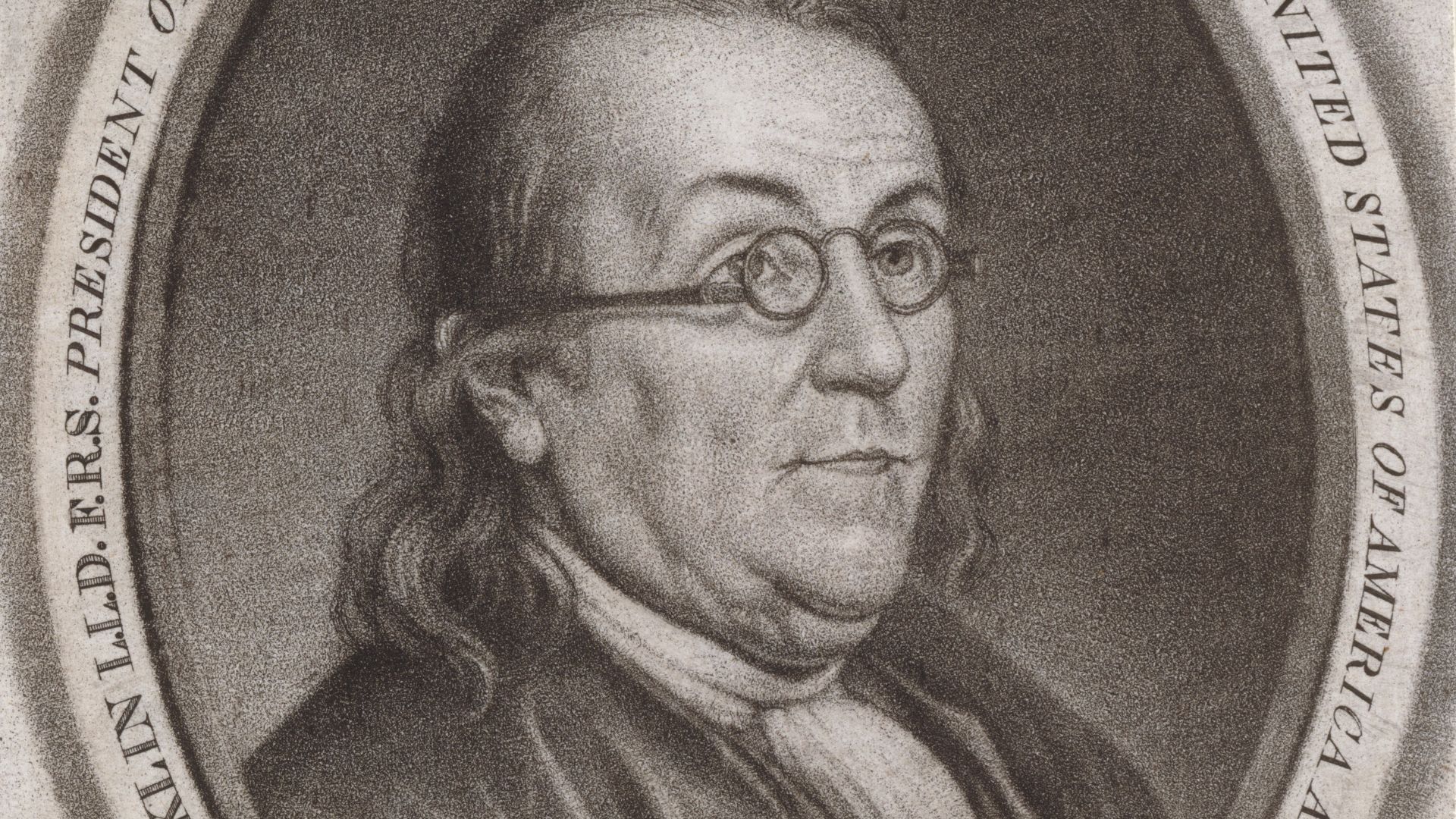
Being both nearsighted and farsighted in later life, Franklin came to the conclusion that constantly swapping out his different pairs of spectacles was a pain he could do without. By cutting both types of lenses in half, he created a pair of glasses with the top half ideal for seeing long distances and a bottom half more suited to close-up reading. There have been some questions raised in recent years over whether he was the true inventor of the bifocals or just an early adopter, but he certainly made them an eye-catching invention.
Long Arm
Along with the bifocals, the Long Arm helped Franklin satisfy his love of reading in old age as his health faltered in the 1780s. The clue is in the name: this was a grabbing device – made of a piece of wood with claw-like fingers at the end that could be manipulated by pulling a cable – to make it easier to grab a book from the top shelf without clambering up and down step ladders.
 Jean Francois Bozio, Wikimedia Commons
Spill-Proof Soup Bowl
Admittedly, inventing the soup bowl does not sound impressive. This, however, was an unspillable soup bowl. Franklin wanted to put a stop to accidents while slurping at sea, as the ship tossed and turned, so devised a simple yet elegant solution. His design had the usual bowl in the centre, but this was surrounded with smaller containers around the rim. When something caused it to tip, the soup ran into one of these mini bowls instead of onto the table.
 Charles Willson Peale / Benjamin Franklin, Wikimedia Commons
Armonica
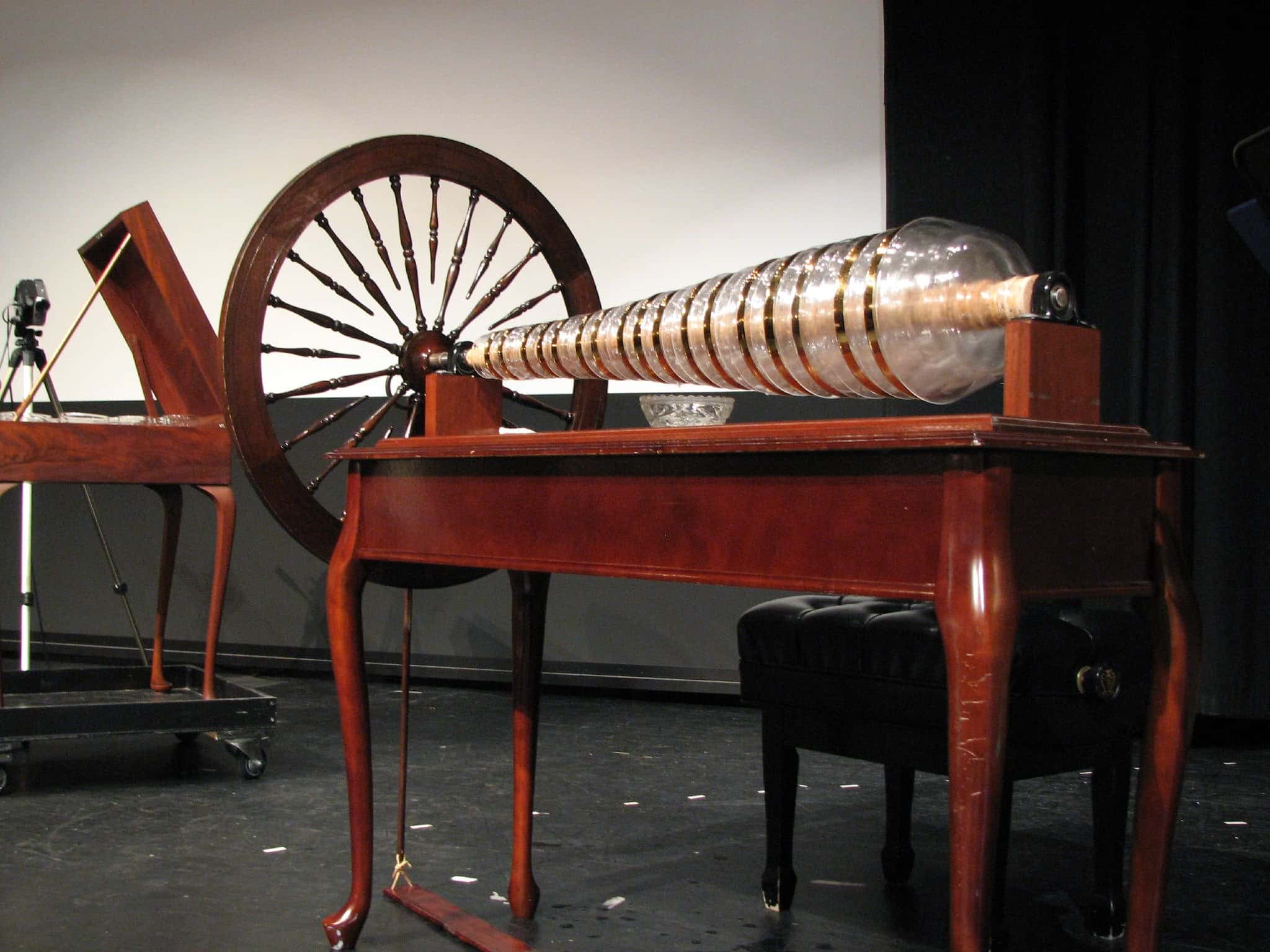
You know that otherworldly sound made by rubbing a dampened finger over the rim of a wine glass? That inspired Franklin’s musical instrument, the armonica. Made around 1761, it consisted of 37 glass bowls lined up on a rotating spindle, which the player turned via a foot pedal while keeping their fingers lubricated for their performance. Each bowl had been made to exact specifications by London-based glassblower Charles James to produce different notes without needing any liquid inside.
An Instrument Like No Other
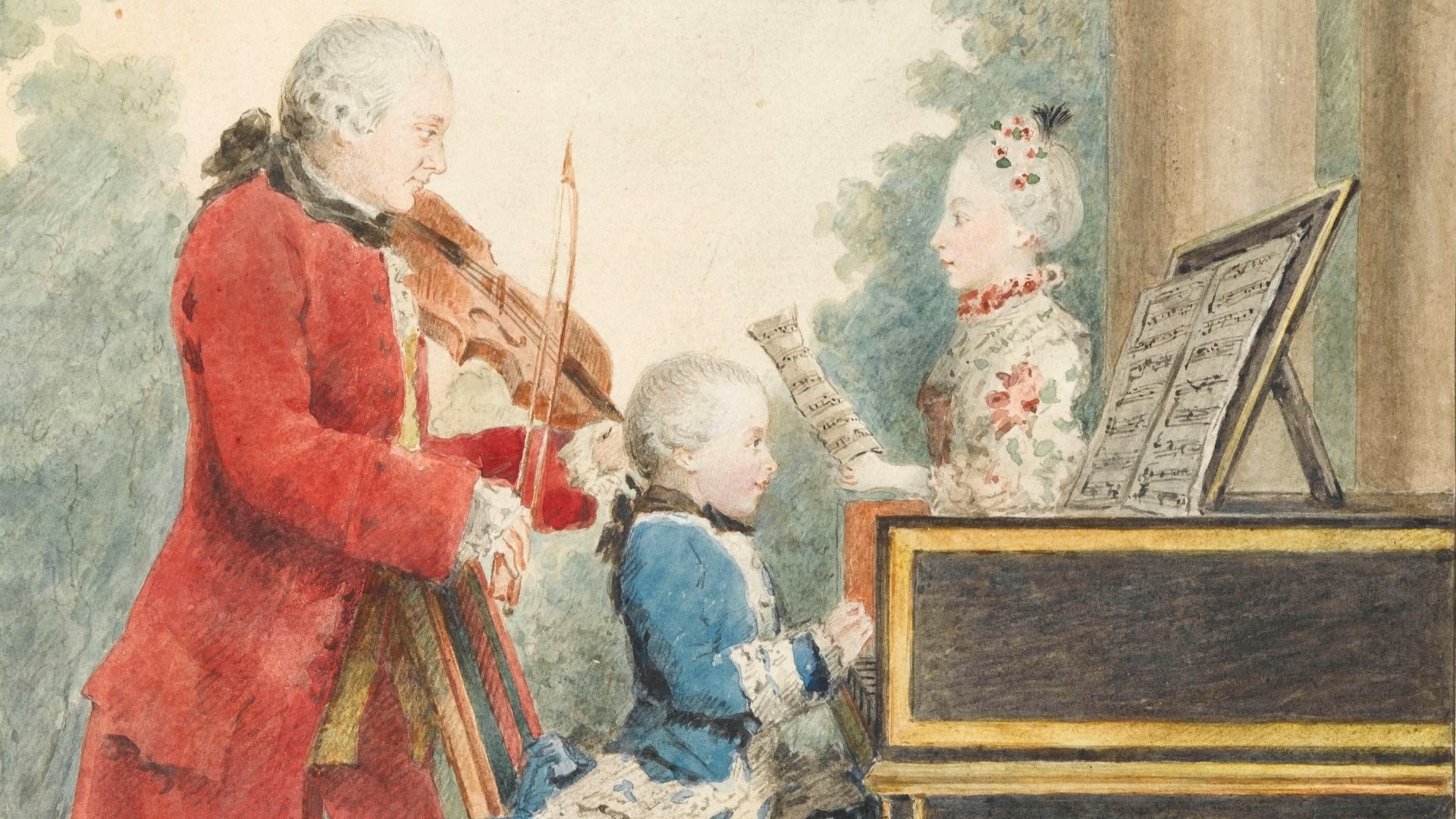
The instrument caused a stir in the musical scene of Europe, with names like Mozart and Beethoven composing pieces to make the most of its ethereal sound. Franklin would later say, “Of all my inventions, the glass armonica has given me the greatest personal satisfaction.”
This content was created in partnership with HistoryExtra.












_(studio_of)_-_George_III_(1738%E2%80%931820)_-_851758_-_National_Trust.jpg)

