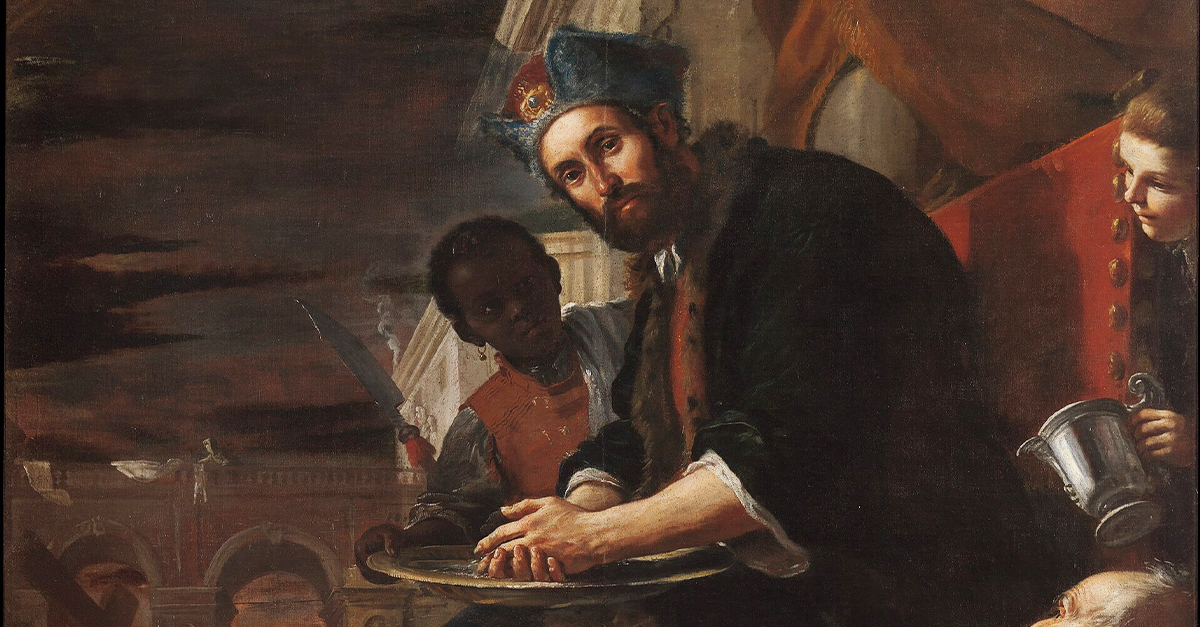
Lost Between History And Legend
Pontius Pilate is one of the most controversial characters in the story of Jesus Christ. But historians know surprisingly little about the Roman governor himself. Ancient writers, religious traditions, and later legends often conflict with one another, leaving modern researchers to try and separate the real historical evidence from centuries of speculation and mythmaking.
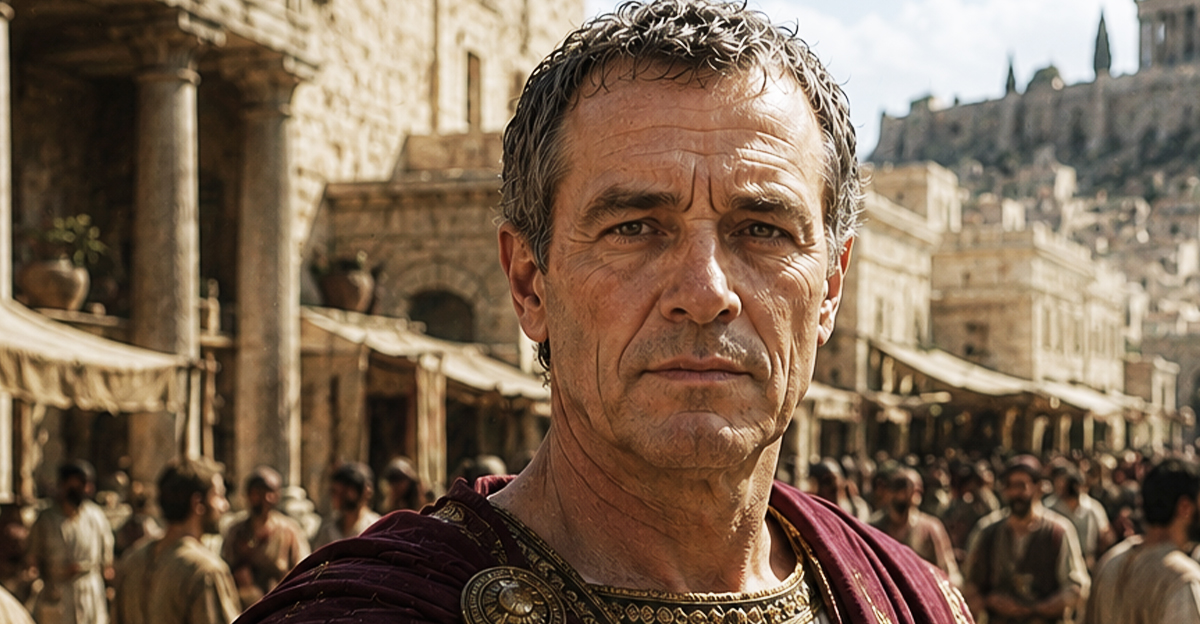
The Man Rome Sent To Judea
Most historians agree that Pontius Pilate served as the Roman prefect or governor of Judea (today southern Israel) between roughly AD 26 and AD 36. Beyond that basic timeline, reliable information gets surprisingly thin. A lot of what later generations believed about Pilate came from religious texts and traditions rather than official Roman records. That uncertainty seeps into nearly every discussion about his life.
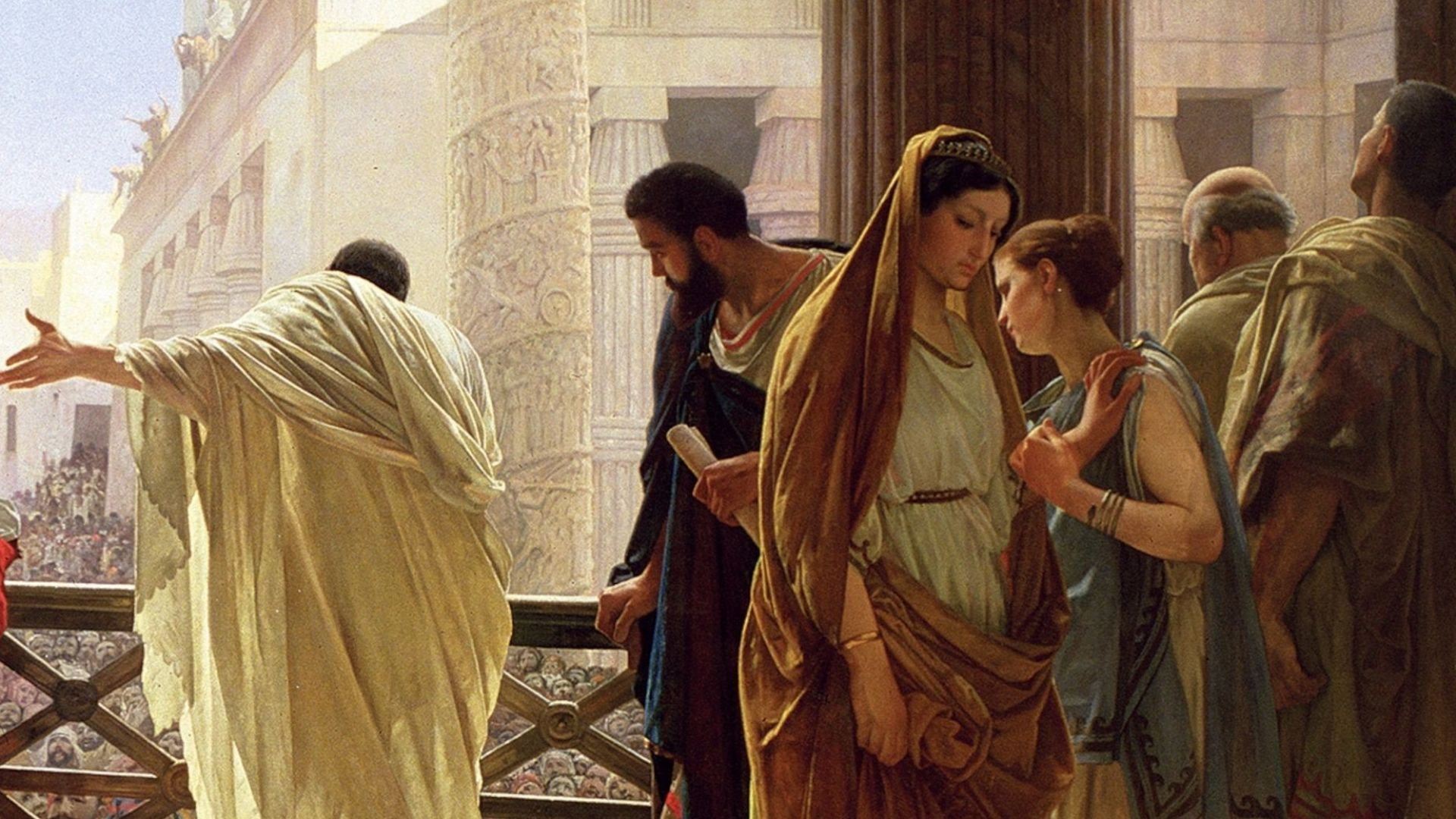 Antonio Ciseri, Wikimedia Commons
The Mystery Of Pilate’s Origins
Even Pilate’s origins are still uncertain. Some scholars think he came from a Roman military family connected to the Samnite (southern) region of Italy, while others think his name suggests ties to Roman aristocratic circles. The problem is, no surviving Roman biography explains where he was born or how he first entered imperial service. That void in the record forces historians to rely heavily on scattered clues.
 Screenshot from The Last Temptation of Christ, Universal Pictures (1988)
Climbing Rome’s Political Ladder
Roman governors typically advanced through military or political appointments before they were promoted to provincial authority. Historians think Pilate likely followed a similar path, though direct evidence is lacking. Pilate may have benefited from political patronage in Rome during Emperor Tiberius’s reign. Those possible political alliances were later pivotal to understanding his actions in Judea.
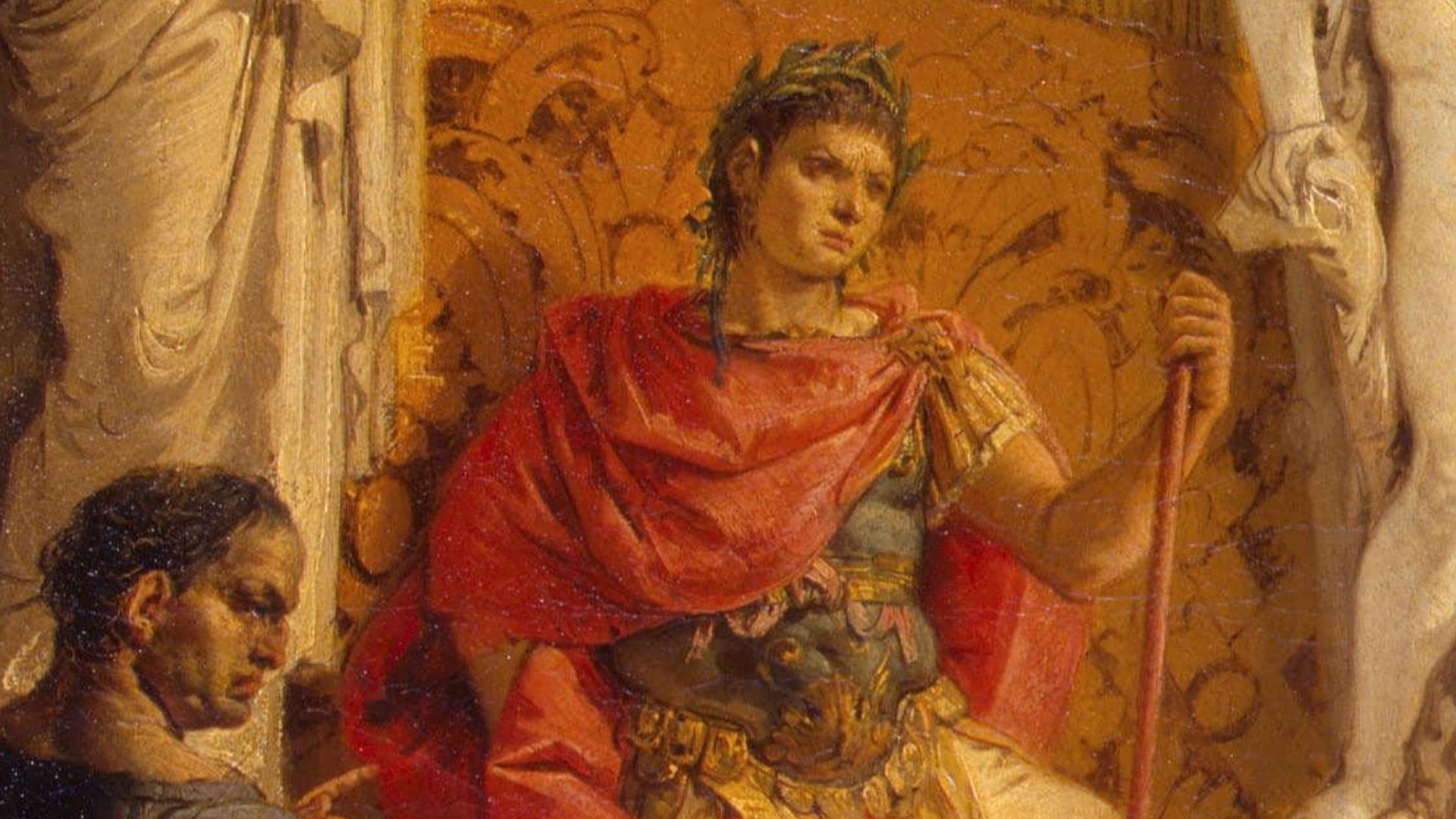 Giovanni Battista Tiepolo, Wikimedia Commons
Governing A Dangerous Province
Pilate governed one of the Roman Empire’s most politically sensitive territories. Judea was filled with religious tensions, nationalist resentment, and hostility toward Roman occupation. Ancient writers like Philo and Josephus portrayed Pilate as harsh, inflexible, and sometimes provocative toward Jewish customs. Those tensions would soon put him at the center of one of history’s most famous trials.
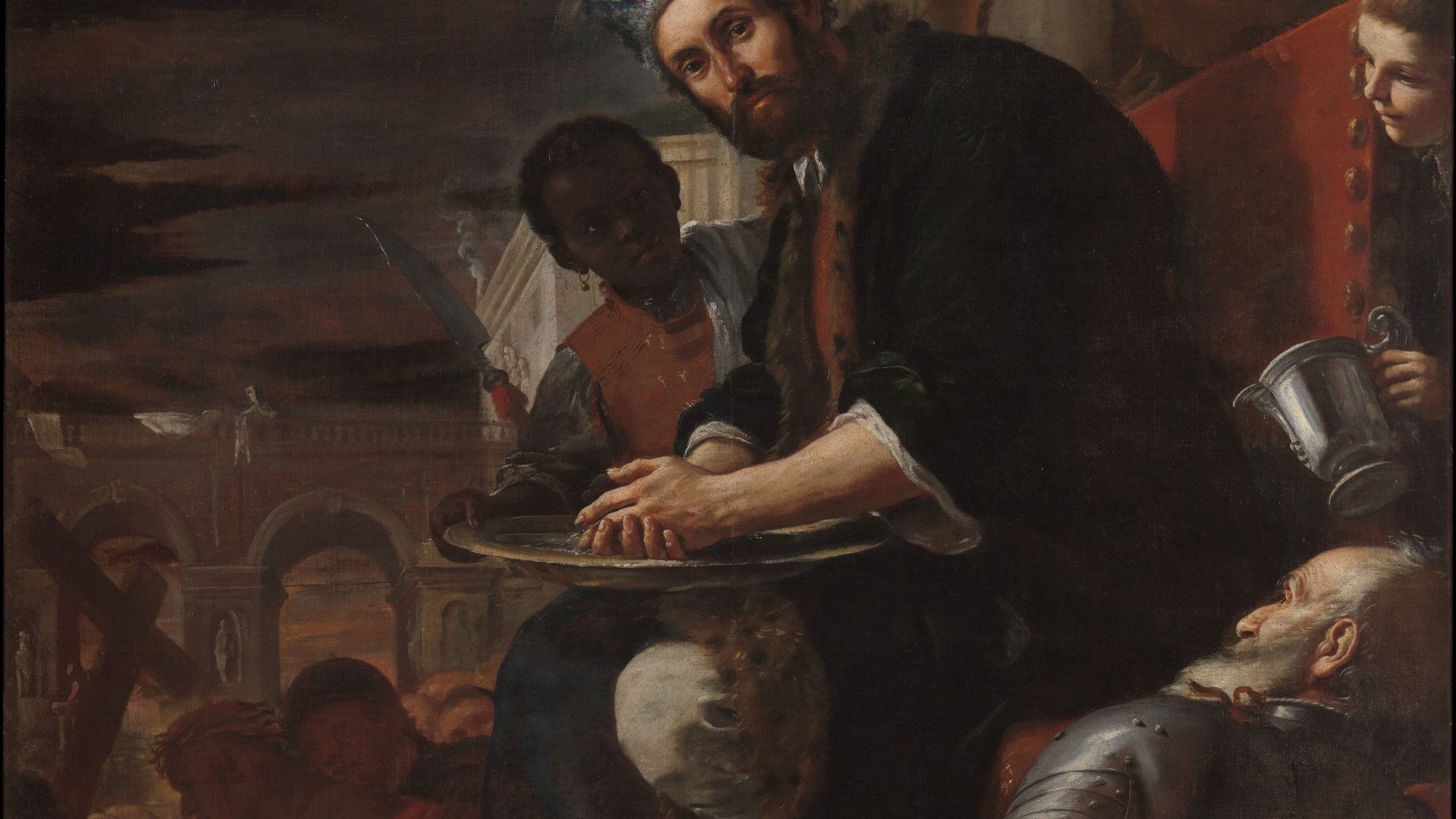 Mattia Preti, Wikimedia Commons
The Controversy Over Roman Standards
According to historical accounts, Pilate angered many Jewish residents early in his rule by bringing Roman military standards bearing imperial imagery into Jerusalem. Jewish opposition to graven images made the move very controversial. Some sources claim Pilate backed down after protests threatened to spiral out of control. The incident revealed how quickly unrest could erupt under Roman rule.
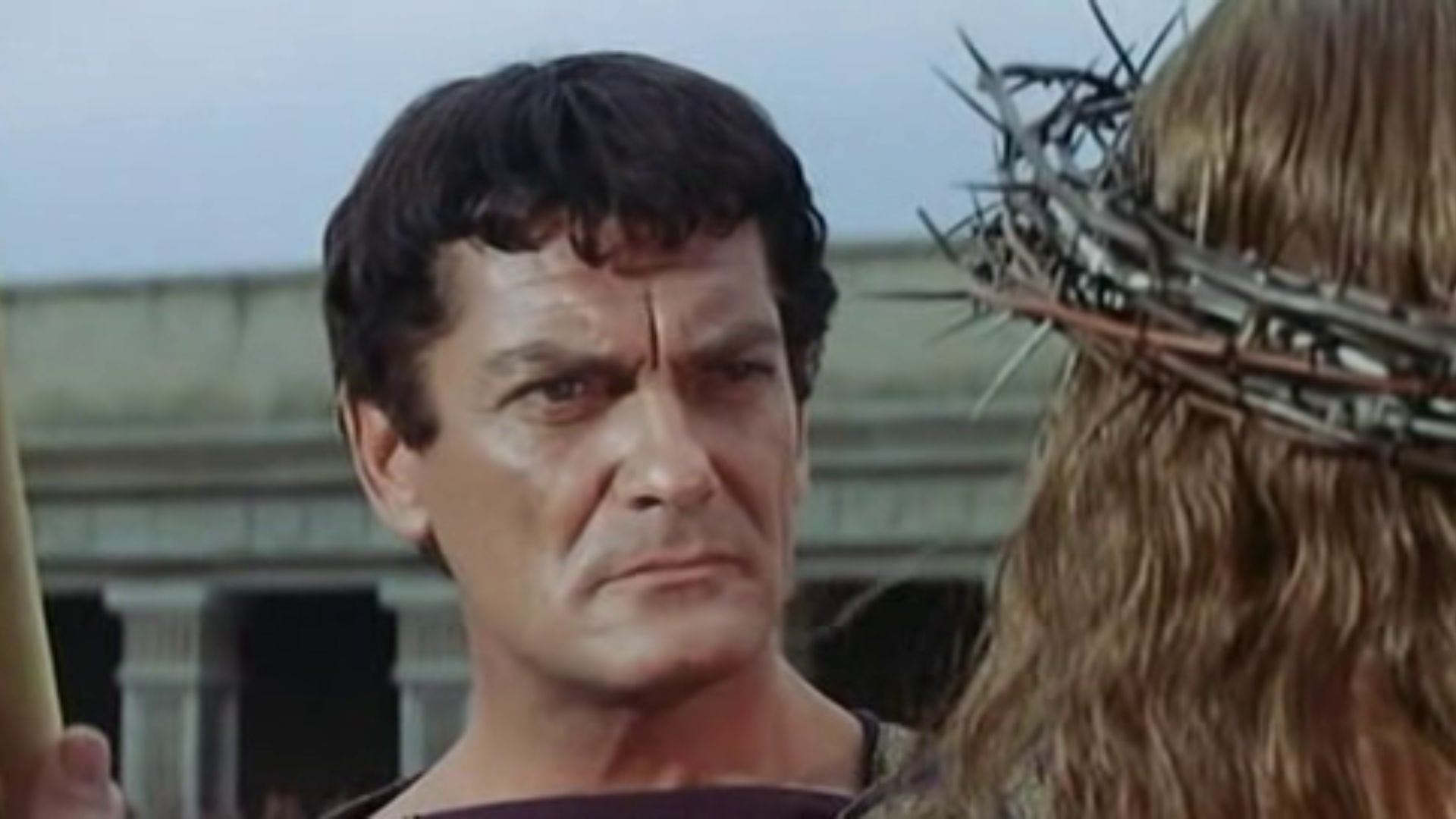 Utente:Vabbe, Wikimedia Commons
The Temple Treasury Dispute
Another confrontation reportedly emerged when Pilate used Temple treasury funds to finance an aqueduct project for Jerusalem. Ancient sources describe public outrage and violent suppression of protesters. Historians debate the truth of those accounts, but the story reinforced Pilate’s reputation as a governor willing to use force when challenged. Those incidents shaped later views of his character.
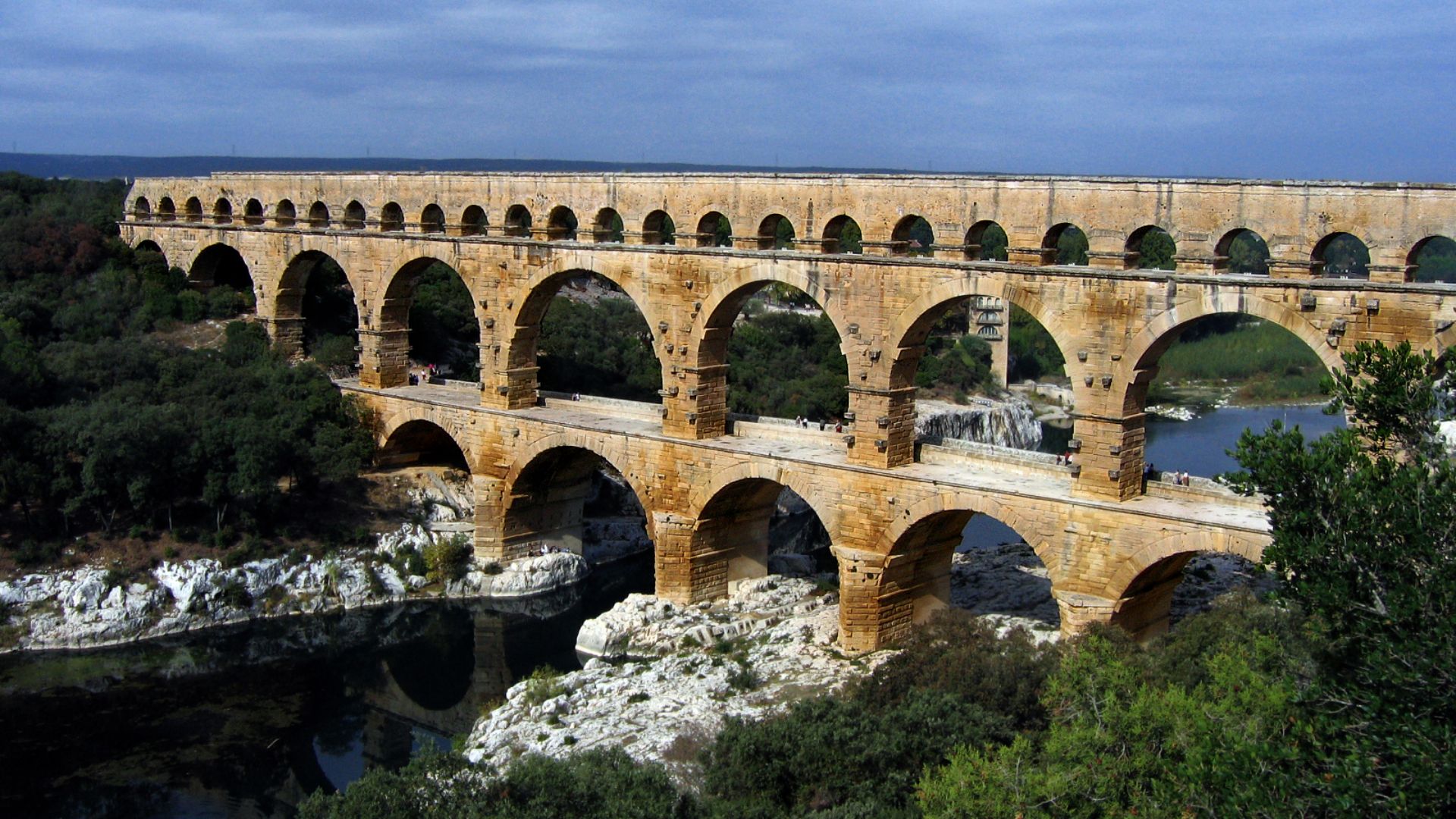
The Archaeological Discovery That Confirmed Pilate
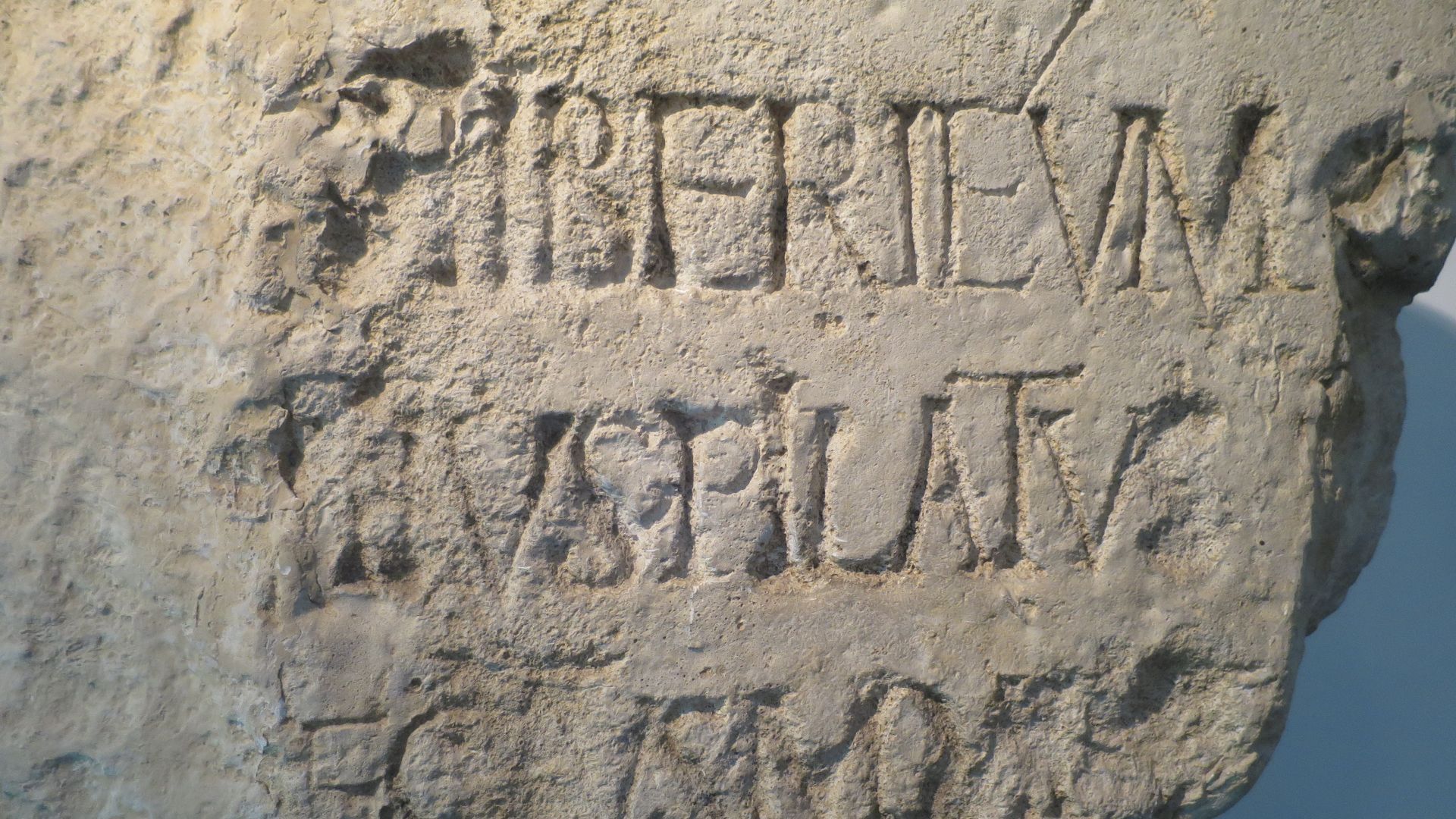
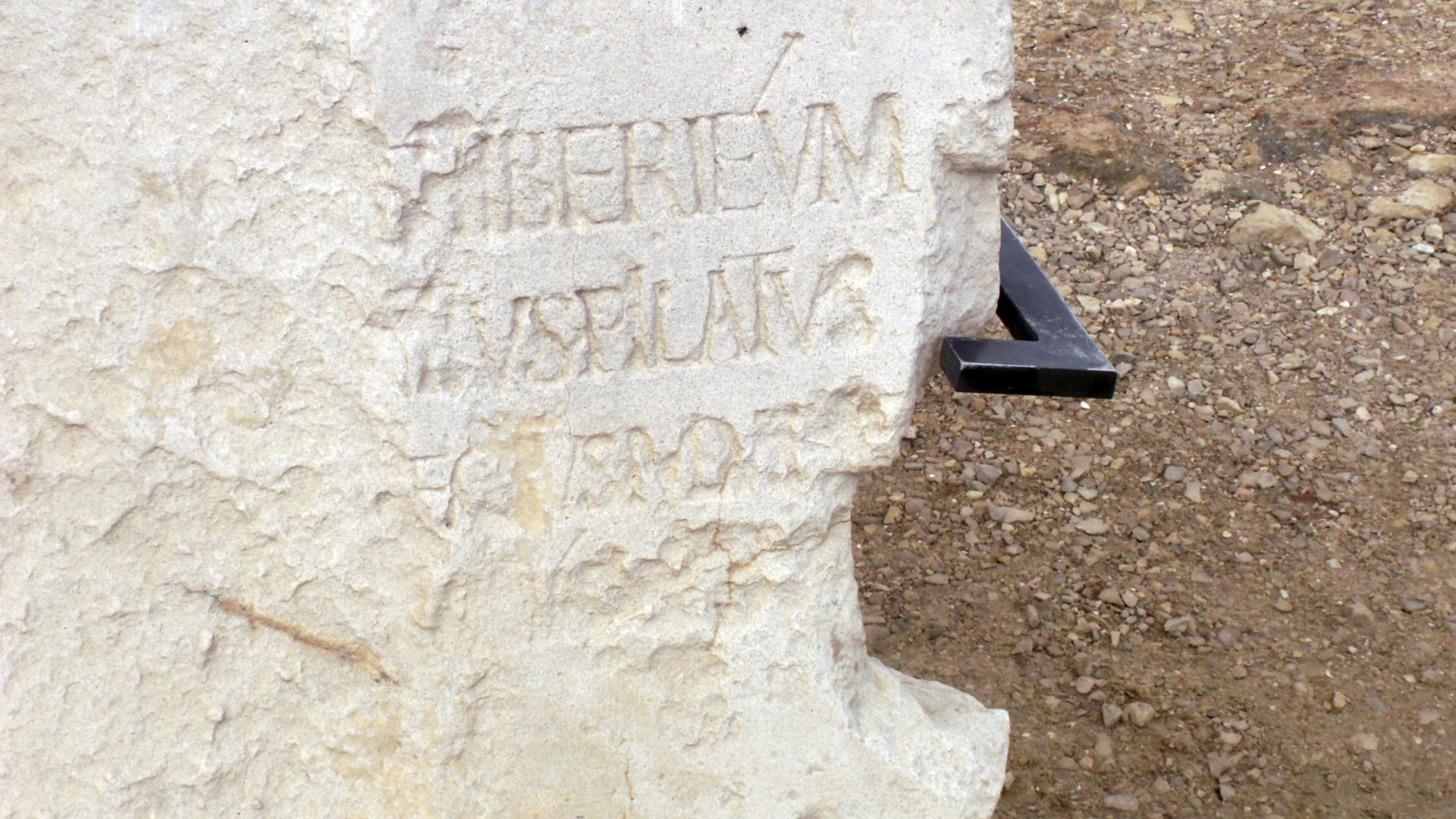
One of the strongest pieces of direct evidence for Pilate’s existence emerged in 1961, when archaeologists discovered the famous Pilate Stone at Caesarea Maritima. The inscription identified him as prefect of Judea under Emperor Tiberius. That archaeological discovery became critically important because it confirmed that Pilate wasn’t just a legendary or symbolic figure from scripture.
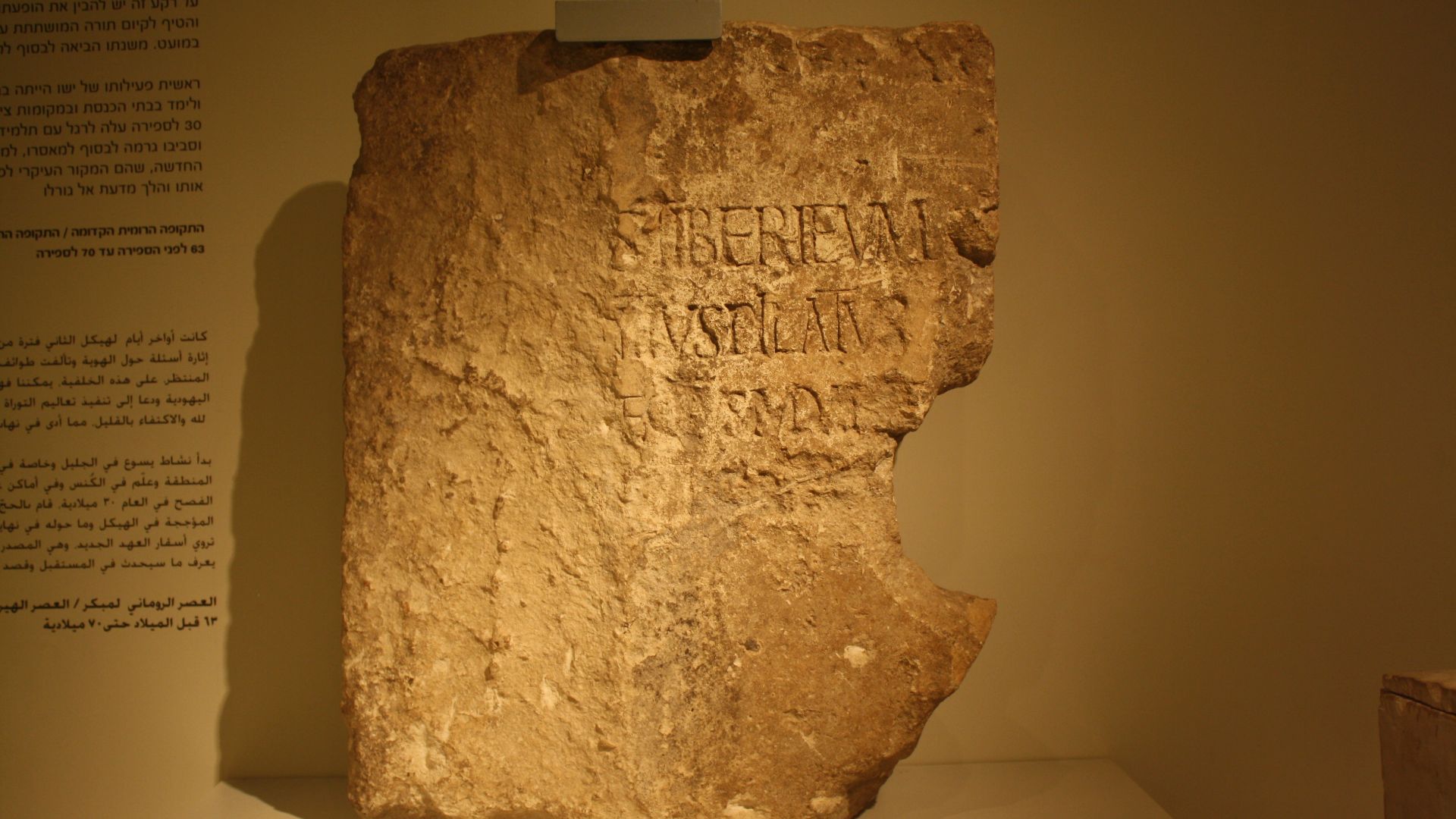
Rome’s Expectations For Provincial Governors
Pilate’s main responsibility was to keep order and ensure tax collection for Rome. Governors who failed to prevent unrest could face serious political consequences. Understanding that political pressure helps explain why Roman officials often acted ruthlessly during periods of religious tension or potential rebellion. That broader context becomes especially important during the Passover season in Jerusalem.
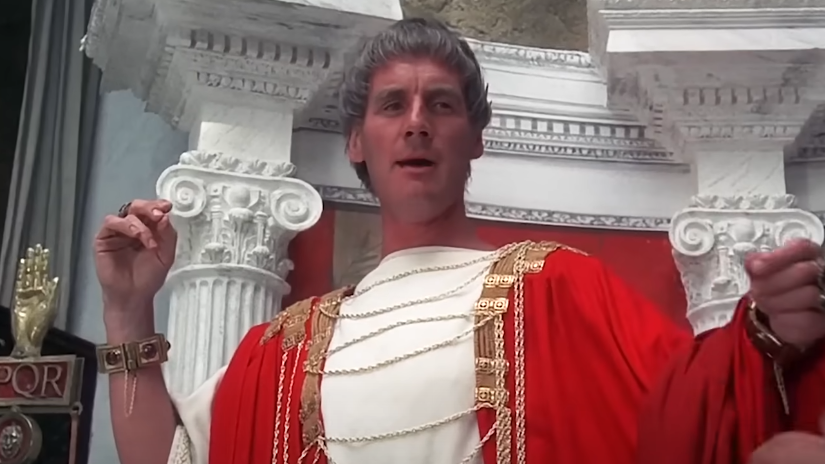 Screenshot from Monty Python's Life of Brian, HandMade Films (19790

History's most fascinating stories and darkest secrets, delivered to your inbox daily.
A City On Edge During Passover
Jerusalem was especially volatile during Passover because huge crowds gathered to celebrate Jewish liberation from oppression. Roman authorities feared that nationalist unrest could easily erupt into revolt. Pilate likely traveled to Jerusalem from Caesarea during major festivals to oversee security. The tense atmosphere made up the backdrop for the trial accounts described in later Christian scripture.
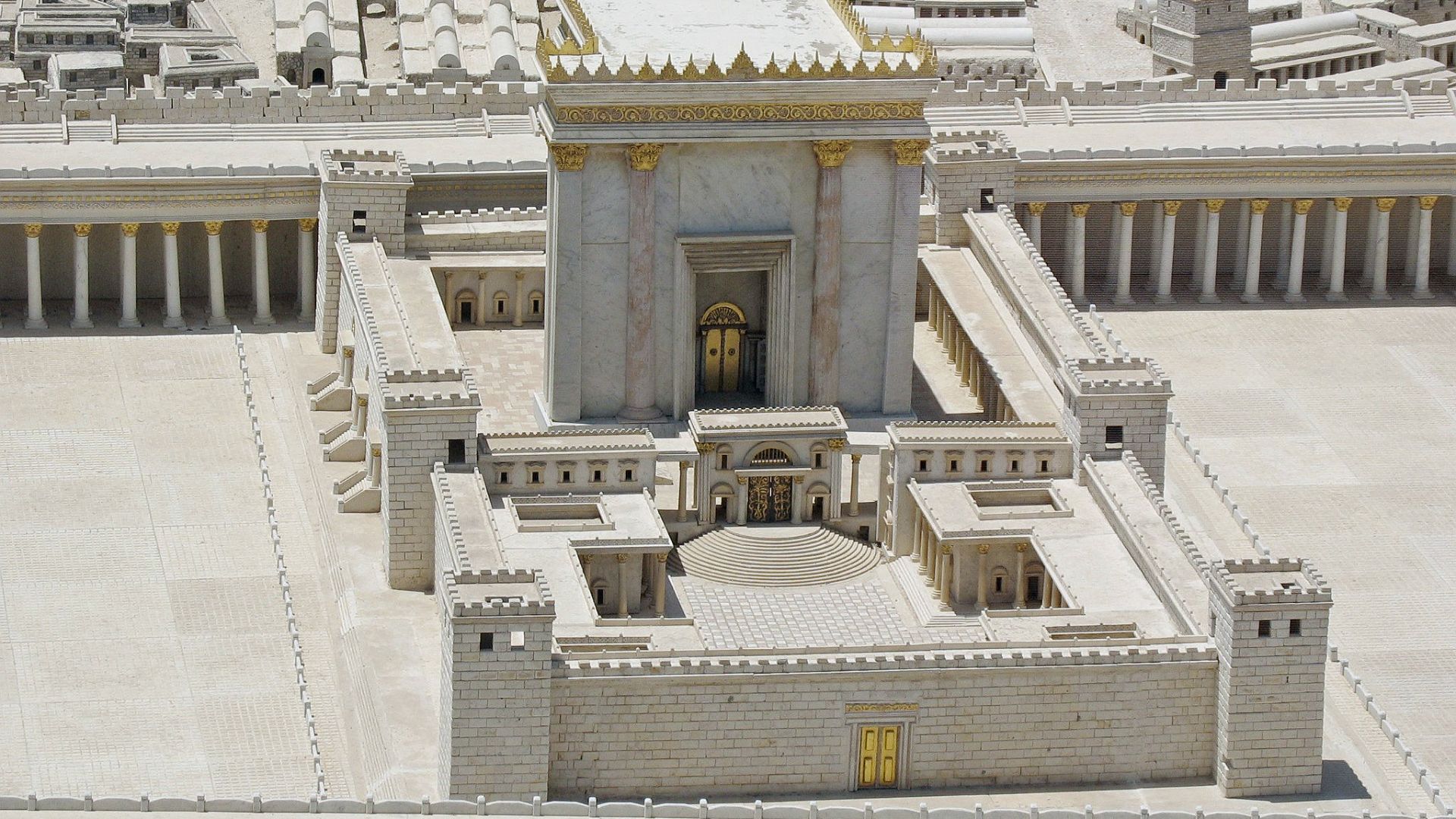
The Trial That Changed History
The New Testament presents Pilate as the Roman official who authorized the crucifixion of Jesus. Yet the Gospel accounts portray him differently in certain details. Some passages depict Pilate as reluctant and pressured by local religious leaders, while others emphasize his authority and responsibility. Historians don’t all agree on the extent to which political calculation shaped these portrayals.
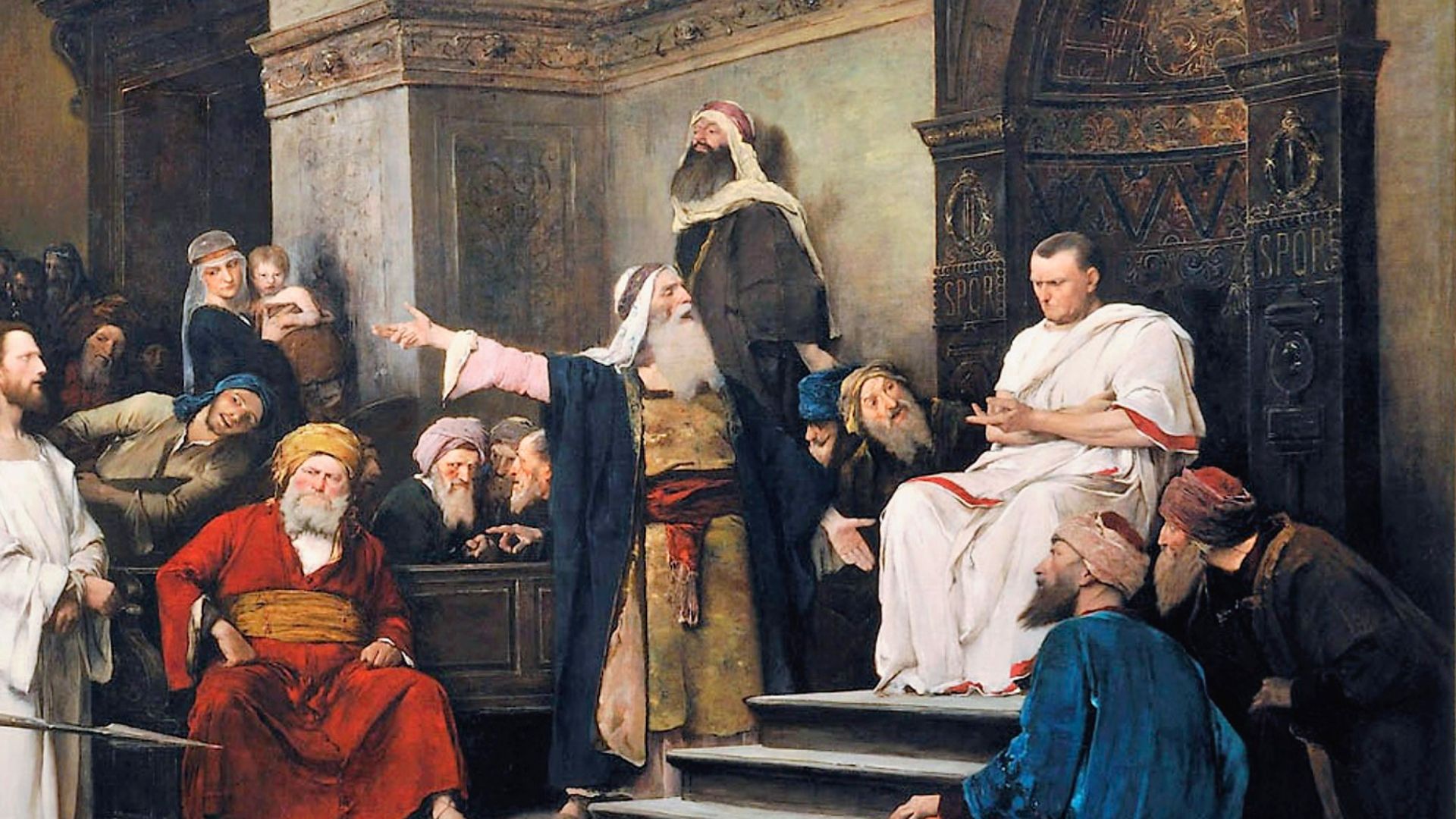 Mihaly Munkacsy, Wikimedia Commons
The Famous Handwashing Scene
Gospel passages describe Pilate questioning Jesus and symbolically washing his hands before the crowd. Historians are divided on whether those moments reflect literal events, theological symbolism, or shaping of the narrative by early Christian writers. The handwashing scene is one of the most enduring images of Pilate’s legacy. It also influenced later Christian interpretations of guilt and responsibility.
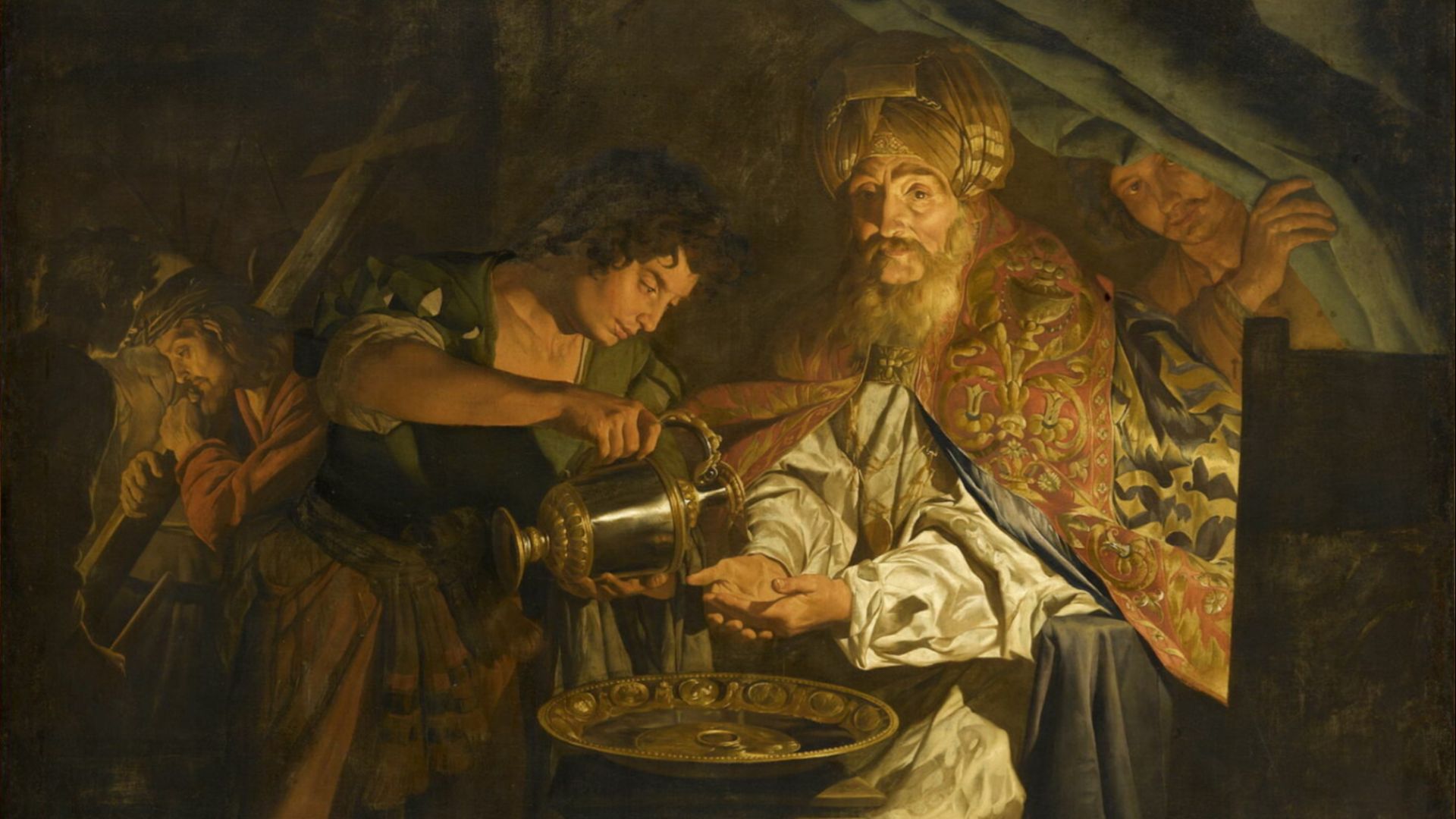 Matthias Stom, Wikimedia Commons
Why Rome Used Crucifixion
Crucifixion was a Roman punishment that was usually set aside for rebellion, sedition, or threats against imperial rule. From Rome’s perspective, anyone viewed as a possible destabilizing figure could face execution. Pilate’s decision likely reflected political concerns about keeping order rather than theological disputes. It’s a distinction that has to be kept in mind in modern historical analysis.
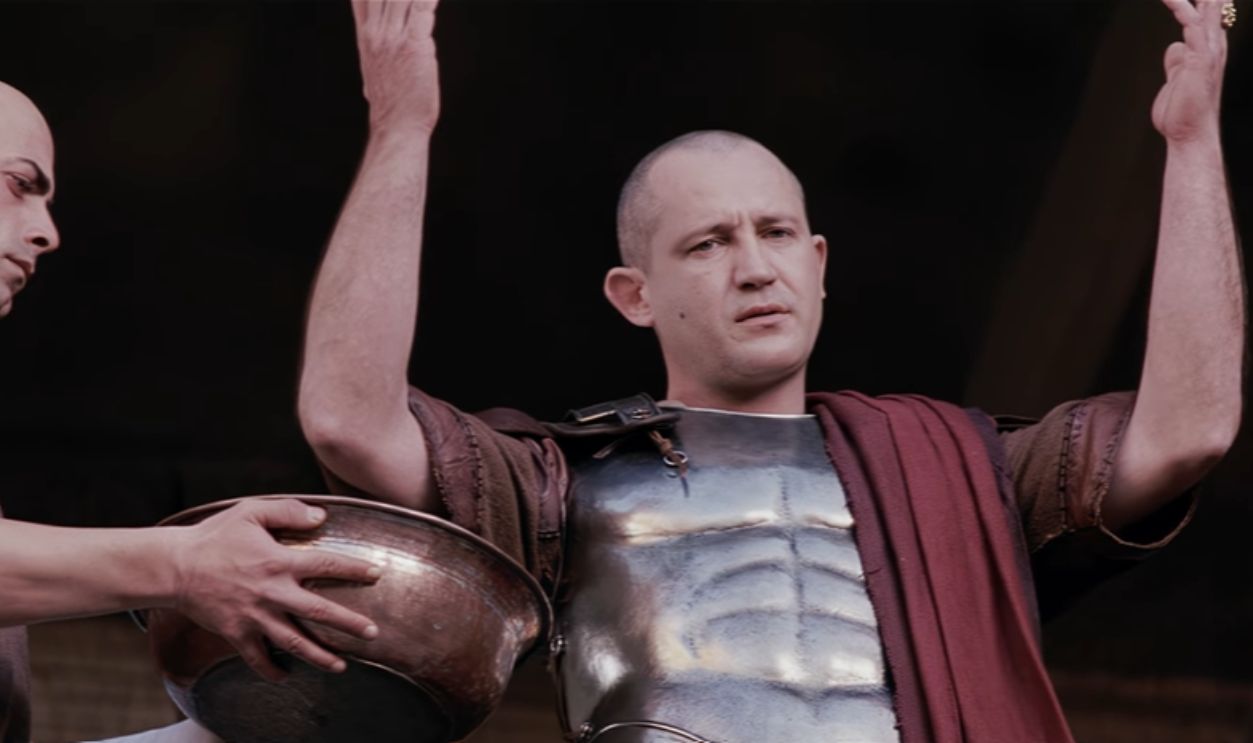 Screenshot from The Passion of the Christ, Newmarket Films (2004)
Fear Of Imperial Retribution
Some historians argue that Pilate may have feared appearing weak before Emperor Tiberius if unrest broke out in Jerusalem. Roman officials who lost control of provinces risked severe punishment or removal. That may explain why Pilate ultimately approved harsh measures despite his apparent hesitation in some Gospel narratives. Fear of political failure could be deadly in imperial Rome.
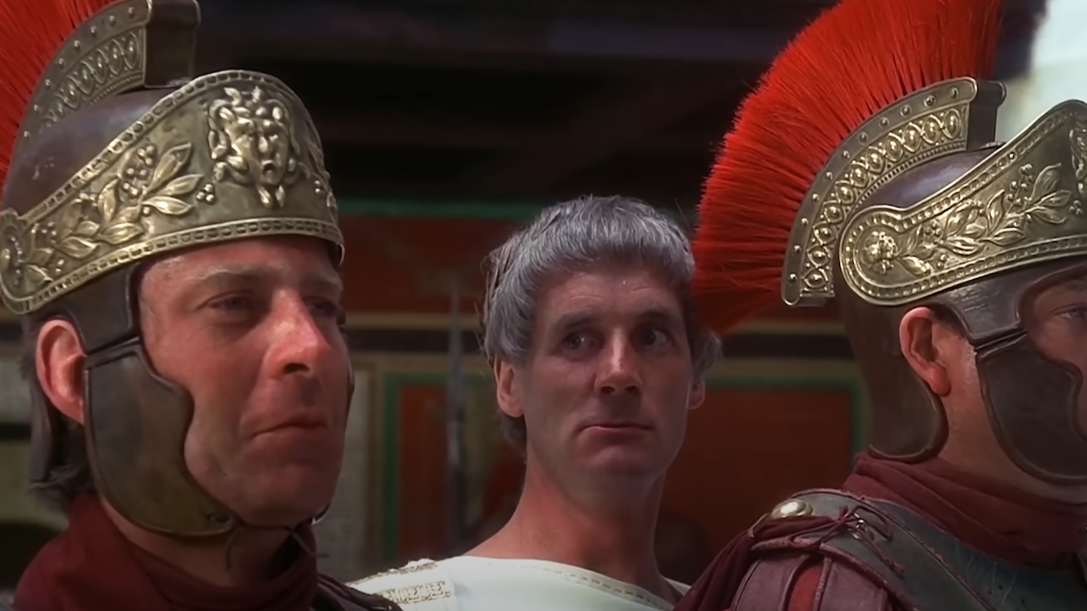 Screenshot from Monty Python's Life of Brian, HandMade Films (19790
What Ancient Historians Recorded
Outside Christian scripture, Jewish historian Josephus (37–100 AD) and Roman historian Tacitus (56–120 AD) both referenced Pilate. Tacitus briefly confirmed that Jesus was executed during Tiberius’s reign under Pilate’s authority. Josephus offered additional descriptions of Pilate’s governing style. Although there are gaps in his life story, these two sources help to establish Pilate as a genuine historical figure.
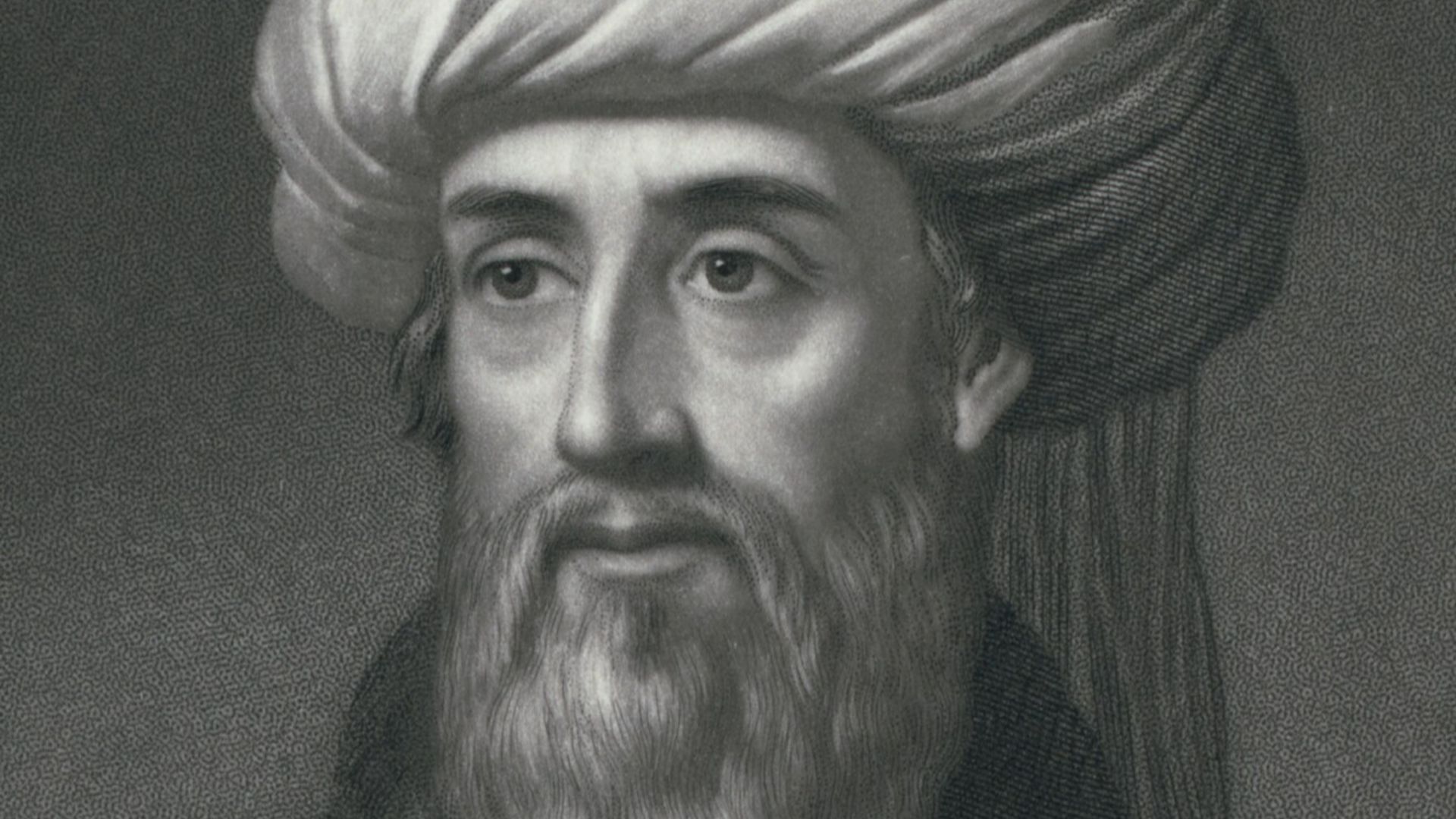 Scan by NYPL, Wikimedia Commons
Pilate’s Reputation For Brutality
Ancient descriptions often portrayed Pilate as ruthless, stubborn, and sometimes dismissive of local traditions. But historians warn that surviving accounts may reflect political or religious bias. Because so few sources are left from Judea during this period, there’s no way for scholars to fully reconstruct Pilate’s personality with certainty. Separating historical fact from legend is an ongoing challenge.
![Musée gallo-romain de Fourvière (Lyon) - Parti inférieure d'un stylobate découvert en remploi lors de la démolition de l'église Saint-Côme à Lyon. Haut. 96cm ; larg.175cm. Deux inscriptions :
à gauche : [---] / patr[ono ---] ate praef(ecto) / coloniae act](https://www.factinate.com/storage/app/media/factinate/2026/6/1/1780308350af802a2c493358be0e9e101907ec00aee28879f2.jpg) Arnaud Fafournoux, Wikimedia Commons
Arnaud Fafournoux, Wikimedia Commons
The Samaritan Incident
Pilate’s downfall may have been triggered by a violent confrontation involving Samaritan pilgrims around AD 36. Josephus claimed Pilate ordered the use of deadly force against a gathering that Rome viewed as potentially rebellious. Complaints reportedly reached the Syrian governor Vitellius, who ordered Pilate back to Rome. After that point, the historical record becomes frustratingly unclear.
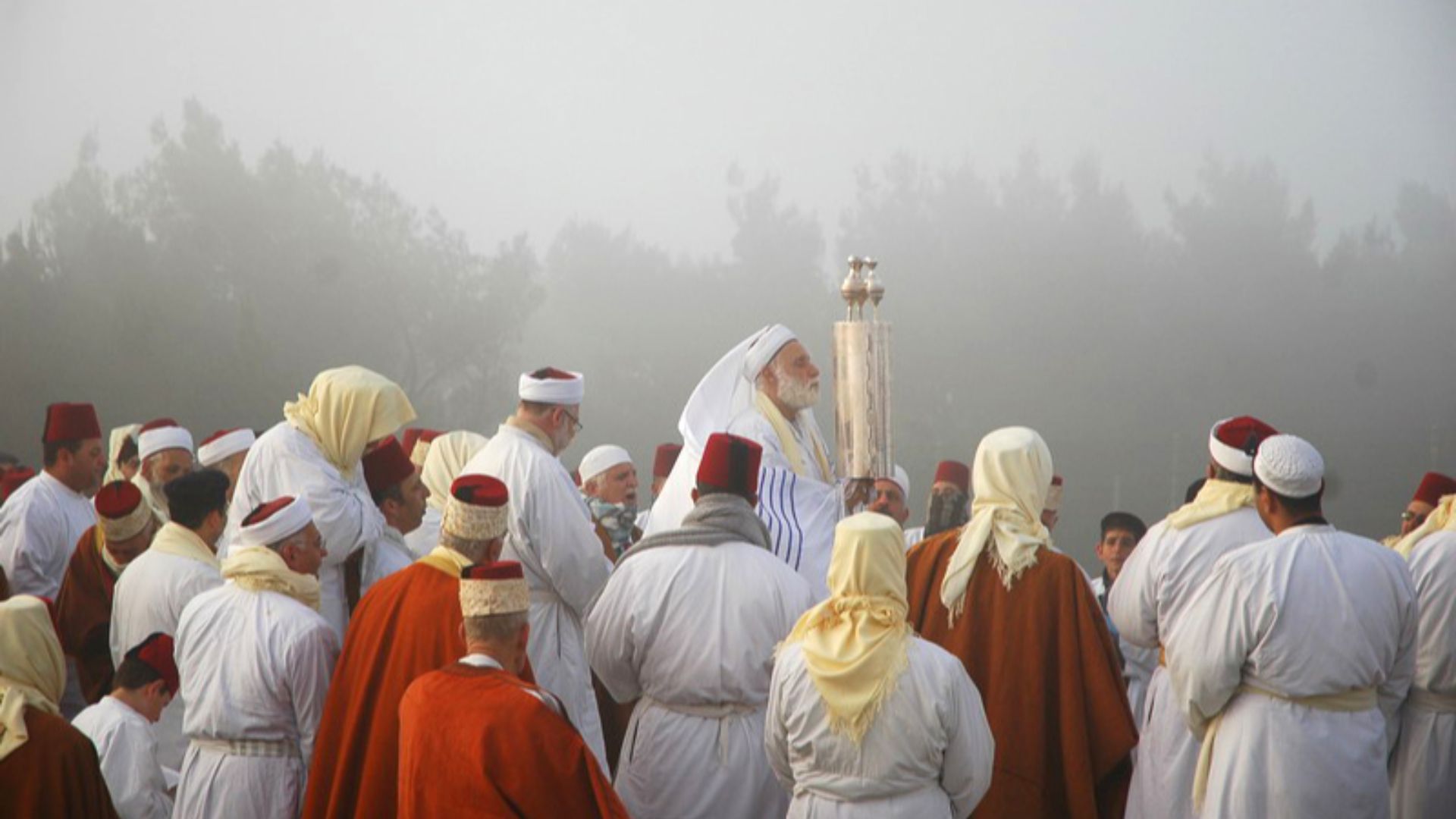 Edkaprov (Edward Kaprov)., Wikimedia Commons
He Suddenly Disappeared From The Record
After Pilate’s recall to Rome, reliable documentation about him pretty much vanishes. Historians don’t know whether he faced punishment, retirement, exile, or execution. Later writers came up with numerous theories about his fate, but surviving Roman records don’t offer any definite answer. That uncertainty has swung the door wide open for centuries of legend and speculation.
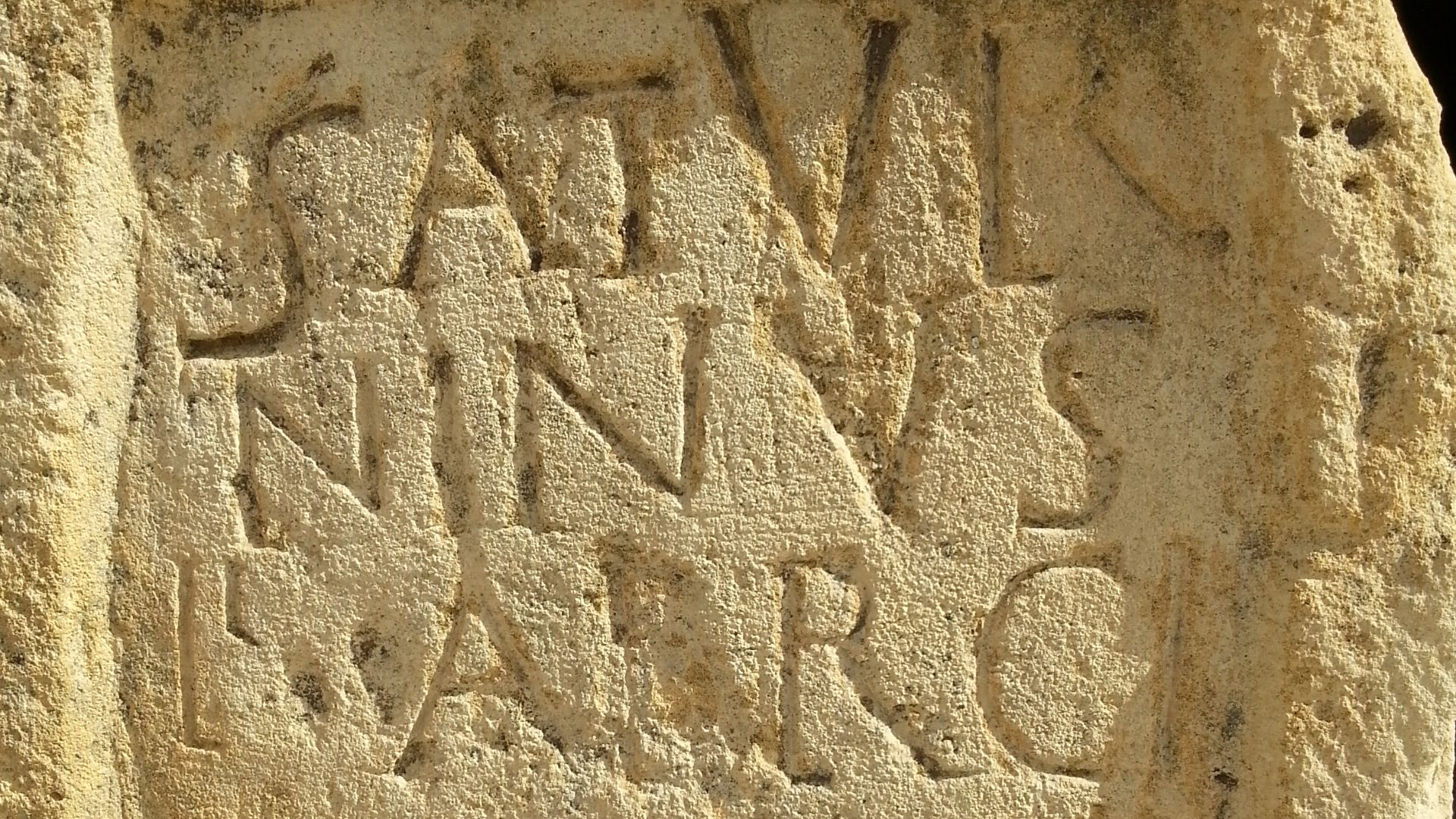
Dark Legends And Curses
Some later traditions claimed Pilate took his own life after falling out of imperial favor. Medieval stories even connected his death to haunted lakes and cursed locations in Europe. Historians generally treat these accounts as legends rather than verified history. Still, the persistence of these kinds of legends are proof of how fascinated later generations became with Pilate’s mysterious end.
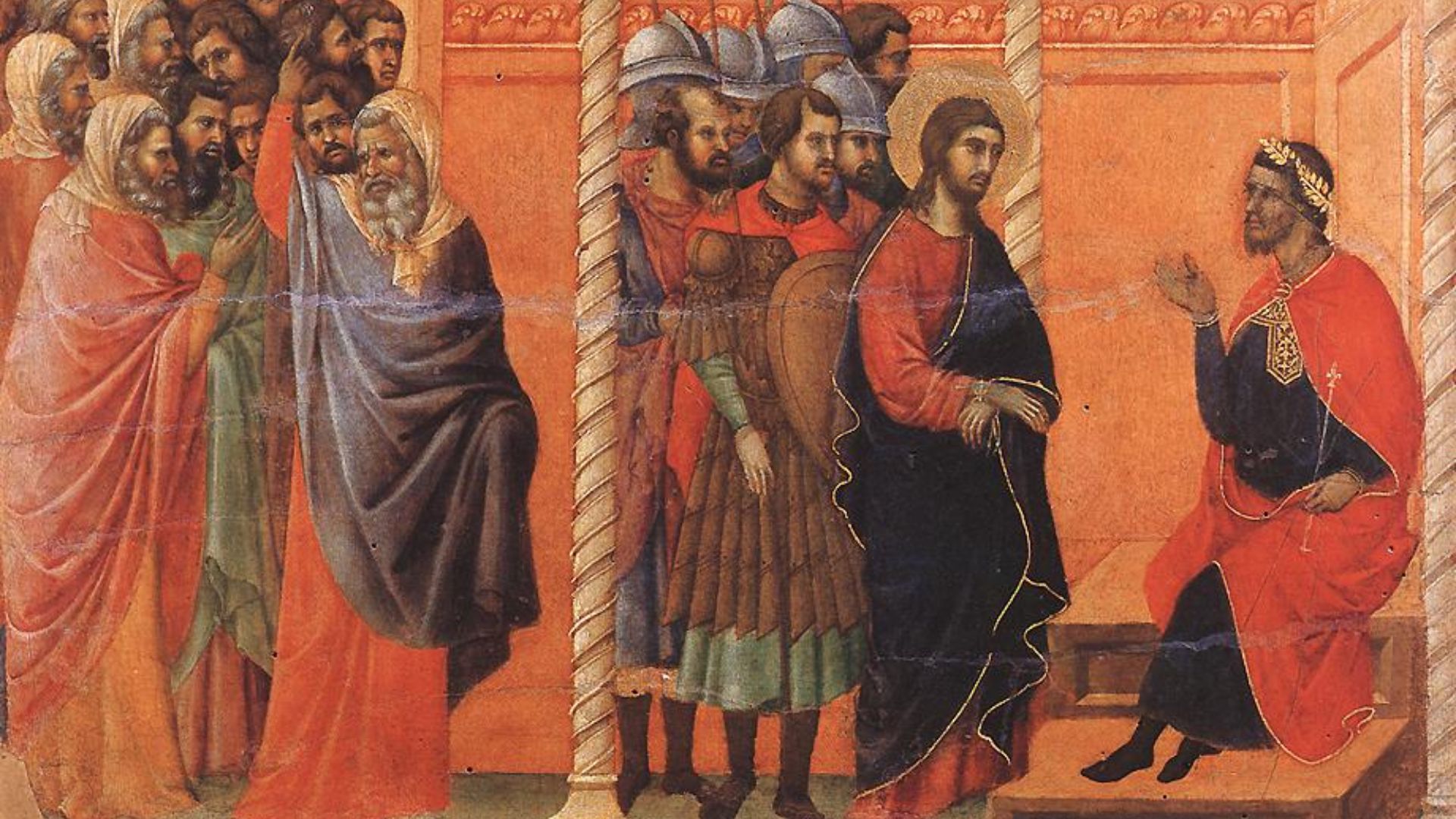 Duccio di Buoninsegna, Wikimedia Commons
Claims That Pilate Converted
Other traditions moved in a totally different direction. Some Christian writings and later legends claimed that Pilate eventually converted to Christianity after the crucifixion of Jesus. These stories often portrayed him as remorseful or spiritually transformed. But historians claim there’s no solid Roman evidence to confirm such claims. The conversion narrative is highly speculative and disputed.
 Screenshot from The Last Temptation of Christ, Universal Pictures (1988)
The Strange Legacy Of Pilate’s Wife
Pilate’s wife also became part of later Christian tradition. The Gospel of Matthew briefly mentioned her warning to Pilate after having troubling dreams about Jesus. Later traditions identified her as Claudia Procula and dramatically inflated her role. Some Christian communities eventually looked on her as spiritually significant in her own right, further expanding the mythology surrounding Pilate’s household.
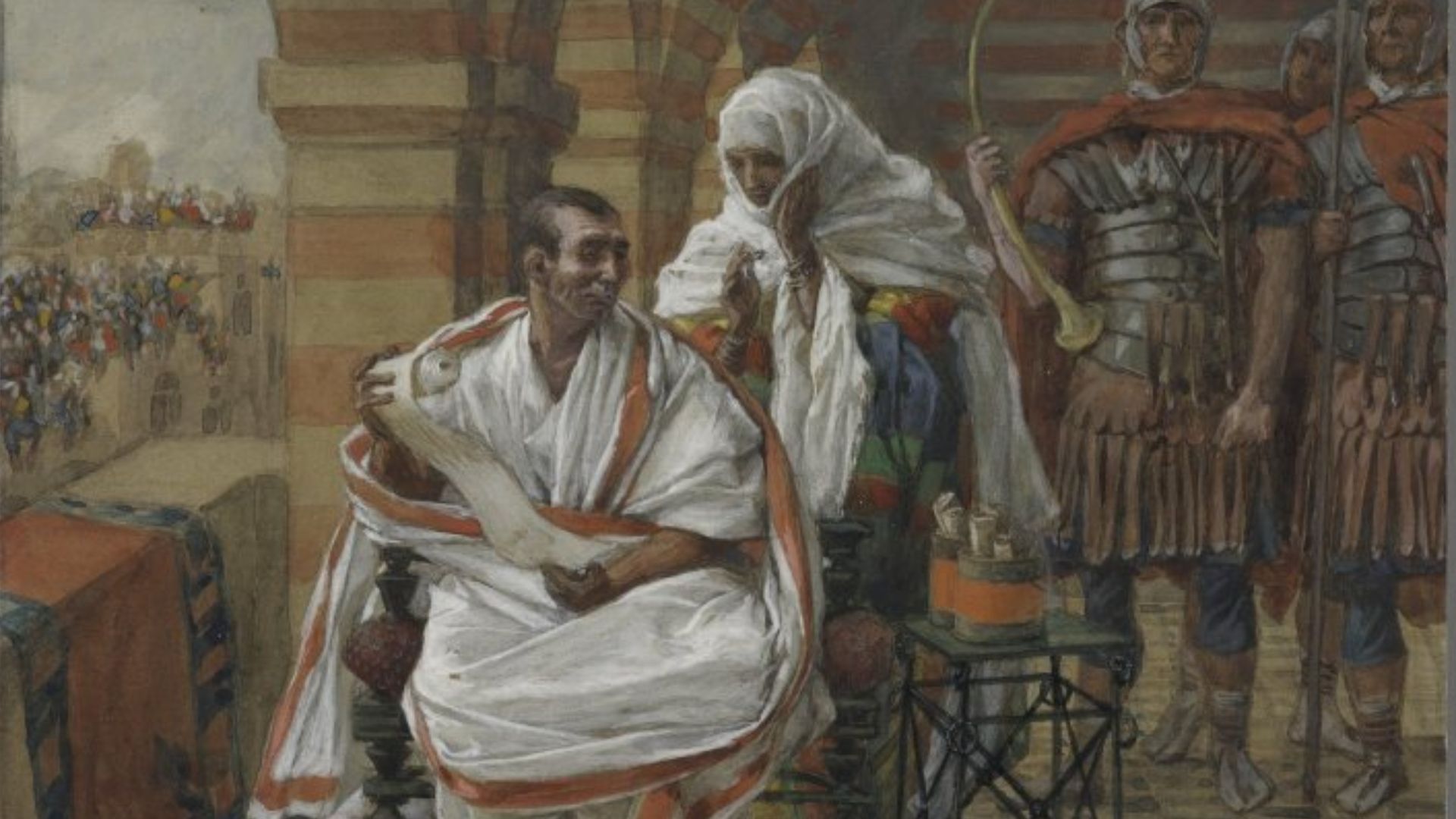 James Tissot, Wikimedia Commons
Why Some Christians Venerate Pilate
One of the most surprising developments in Pilate’s legacy involves sainthood. The Ethiopian Orthodox Tewahedo Church venerates both Pontius Pilate and his wife as saints. This tradition focuses on Pilate’s perceived reluctance during Jesus’s trial and later legends surrounding repentance. Few people outside those traditions are aware that Pilate occupies such an unusual religious role.

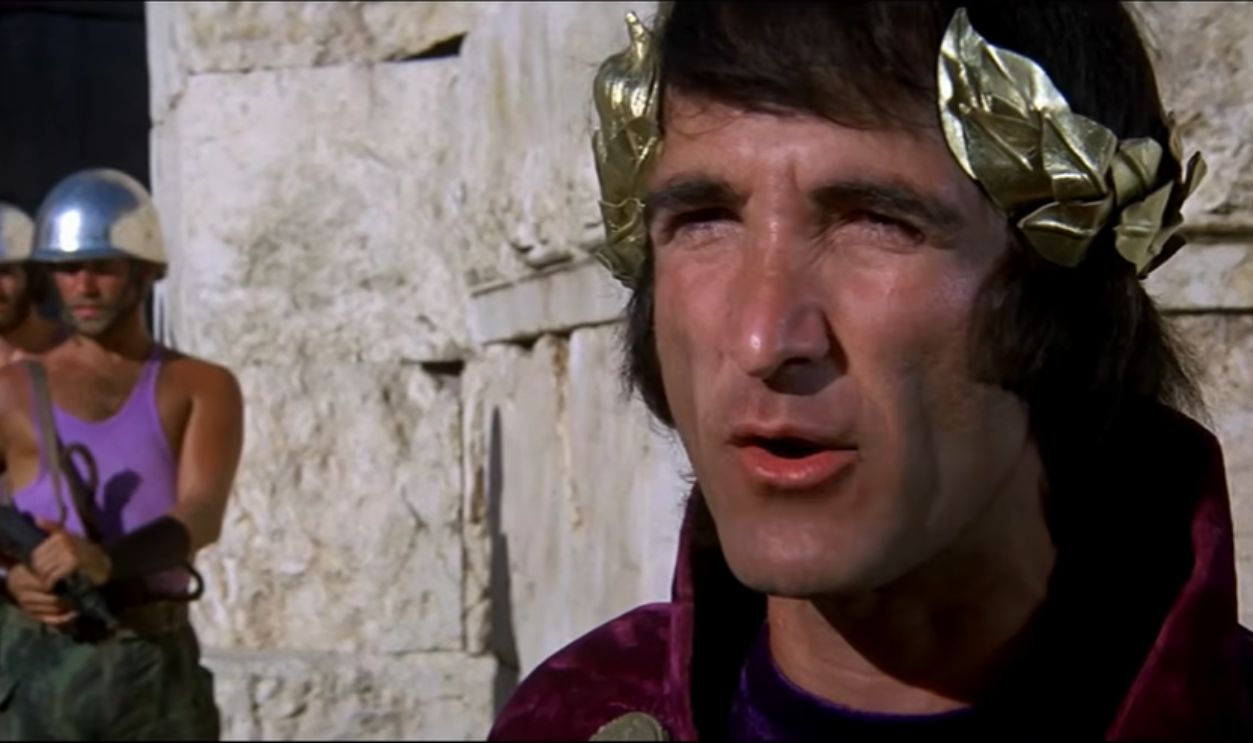
From Governor To Religious Symbol
In much of broader Christianity, however, Pilate is looked on as a symbol of moral weakness, political compromise, and failure to resist injustice. His name entered creeds and liturgy largely because of his role in the crucifixion narrative. Over time, Pilate went from a provincial Roman administrator to being a deeply symbolic historical and religious figure.
 Screenshot from Jesus Christ Superstar, Universal Pictures (1973)
Medieval Europe Reinvents Pilate
Medieval writers greatly expanded Pilate’s story through plays, legends, and religious stories. Some depicted him as a villain consumed by guilt, while others emphasized his hesitation and internal conflict. These later interpretations reflected the theological concerns of their own eras rather than real historical evidence. Pilate’s image continued to evolve long after the Roman Empire disappeared.
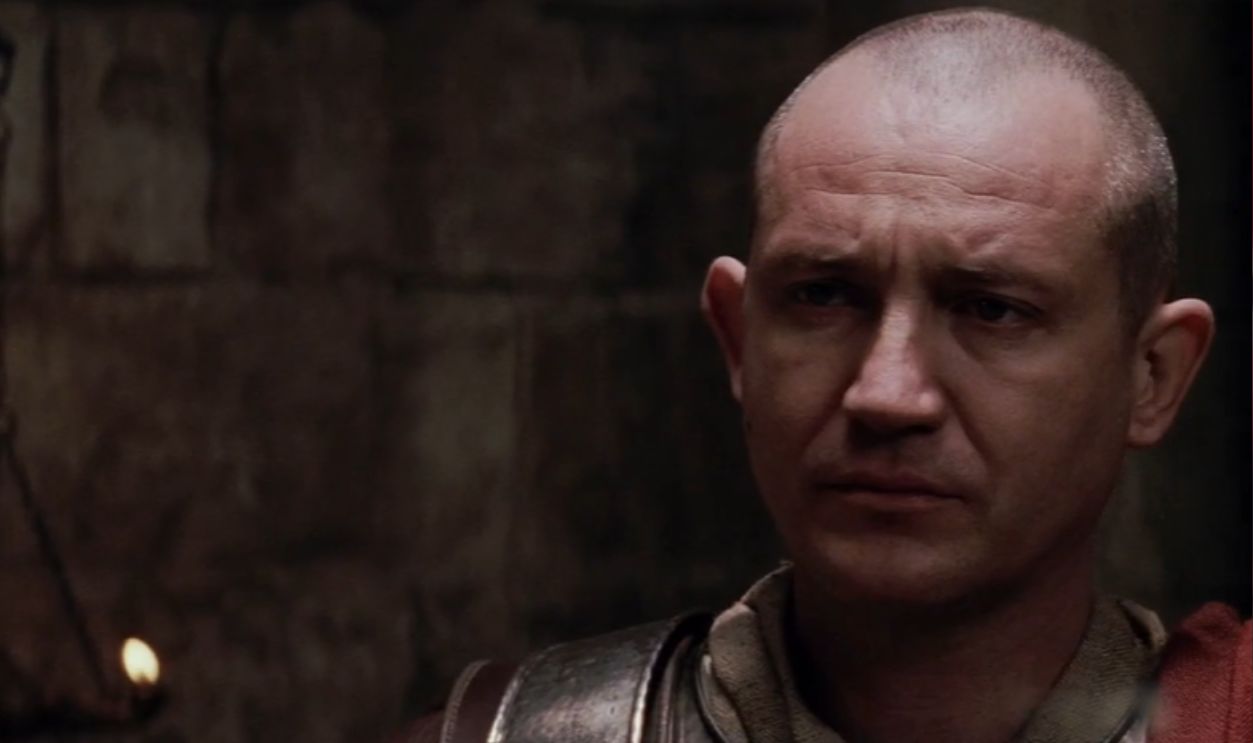 Screenshot from The Passion of the Christ, Newmarket Films (2004)
Archaeology Vs Tradition
Today's historians put enormous importance on archaeological evidence because there’s so little written evidence about Pilate. The Pilate Stone and scattered references from ancient historians are our strongest factual anchors. Beyond those sources, much of Pilate’s story quickly enters into the realm of interpretation, theology, or legend. It's important to keep that distinction in mind when examining his historical legacy.
 Reinhard Dietrich, Wikimedia Commons
The Debate Over Pilate’s Character
Scholars continue to debate whether Pilate was exceptionally cruel or simply representative of Roman provincial governors during the period. Some argue his harshness was typical for Roman administrators faced with unrest. Others believe surviving accounts suggest an unusually provocative style of leadership. The limited evidence means the debate will likely continue indefinitely.
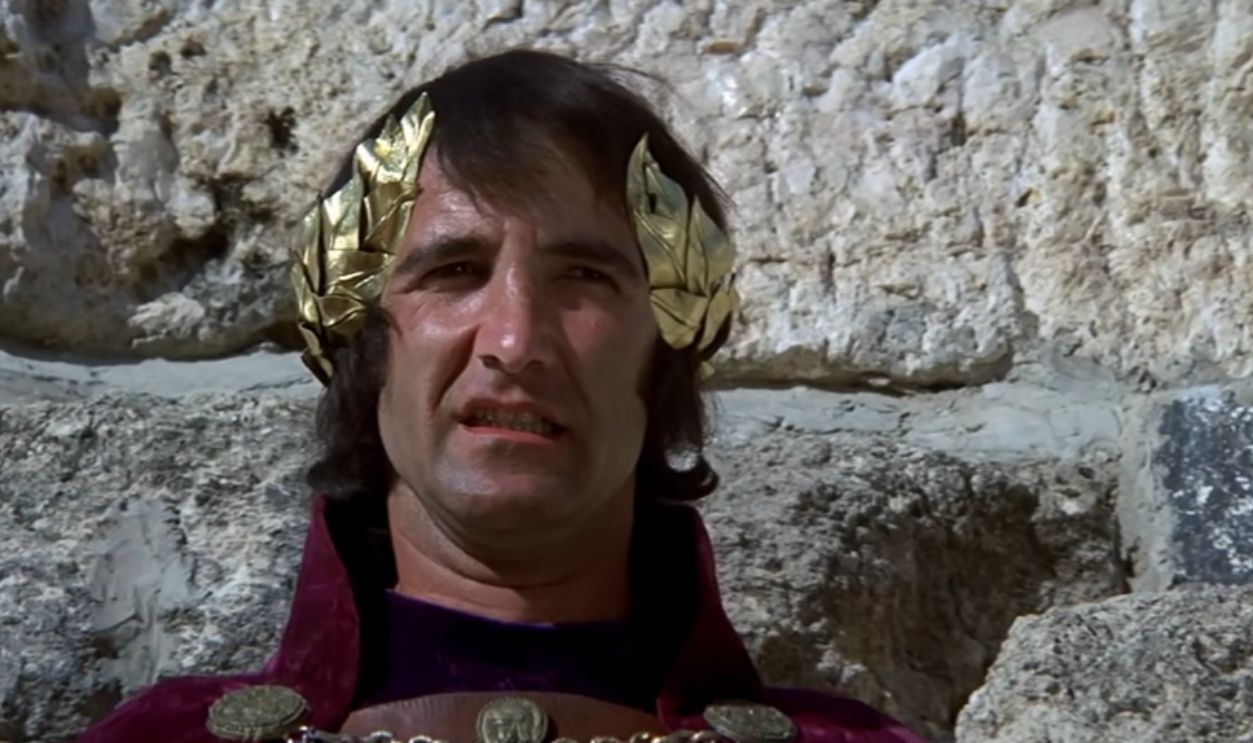 Screenshot from Jesus Christ Superstar, Universal Pictures (1973)
Why Pilate Still Fascinates Historians
Few Roman officials are remembered as vividly as Pontius Pilate, despite the fact that historians know so little about his personal life. His role in the crucifixion guaranteed that his name would survive for centuries across all the different religious, historical, and cultural traditions. Ironically, the uncertainty around him may be one reason his legacy remains so compelling.
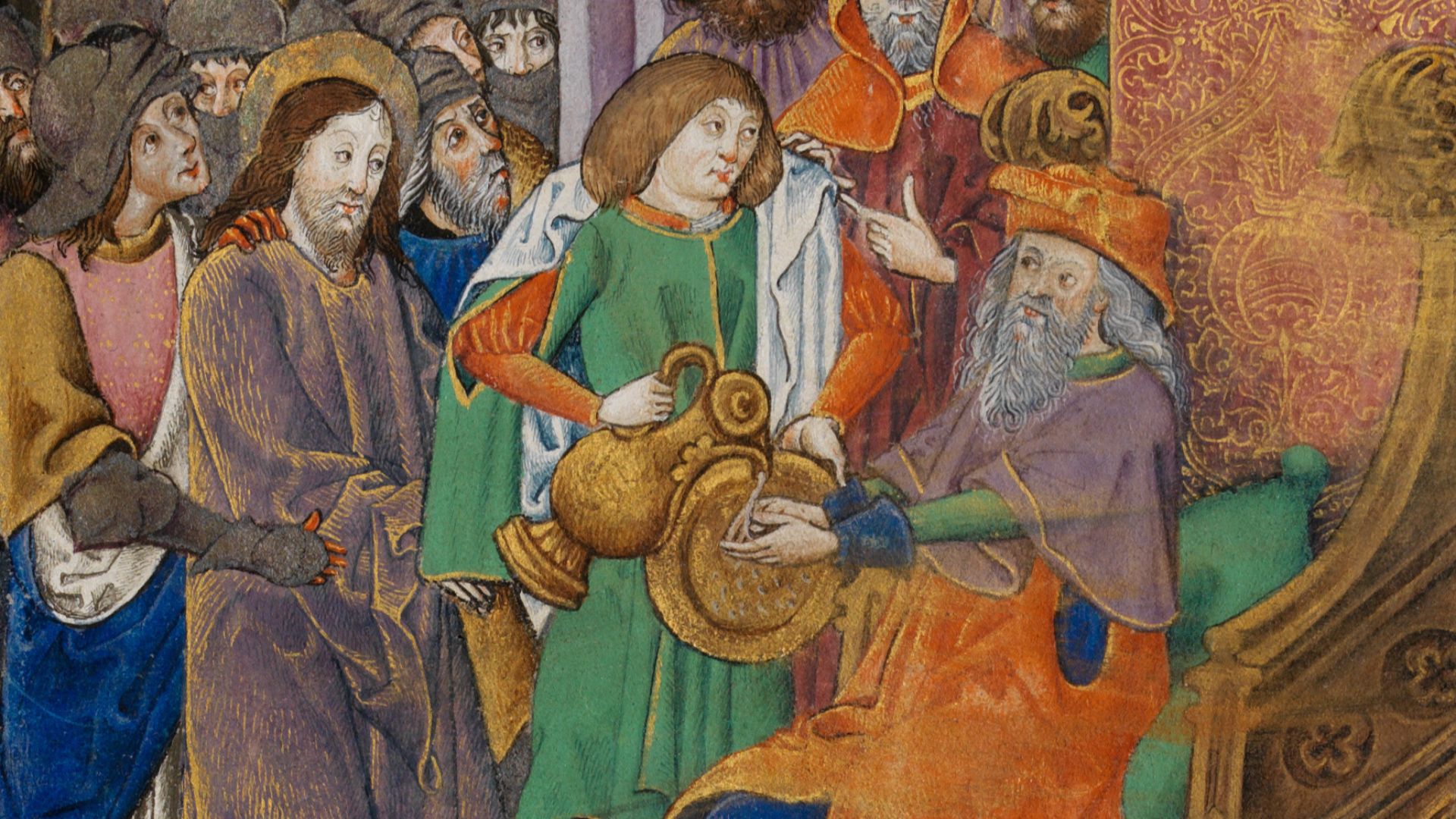 Unknown authorUnknown author, Wikimedia Commons
Closing Thoughts On Pilate’s Legacy
Archaeologists and ancient historians confirm that Pontius Pilate was a real person who governed Judea and authorized the execution of Jesus, but a multitude of other details about his life are still unclear or heavily disputed. Over the centuries, Pilate went from a provincial Roman governor to being one of history’s most debated and symbolically charged figures.
 Marion Doss, Wikimedia Commons
You May Also Like:
John of Patmos, The Mysterious Author Of The Book Of Revelation
The Oracle at Delphi was the ancient world’s most trusted source of wisdom.