
The Mysterious Exile Of Patmos
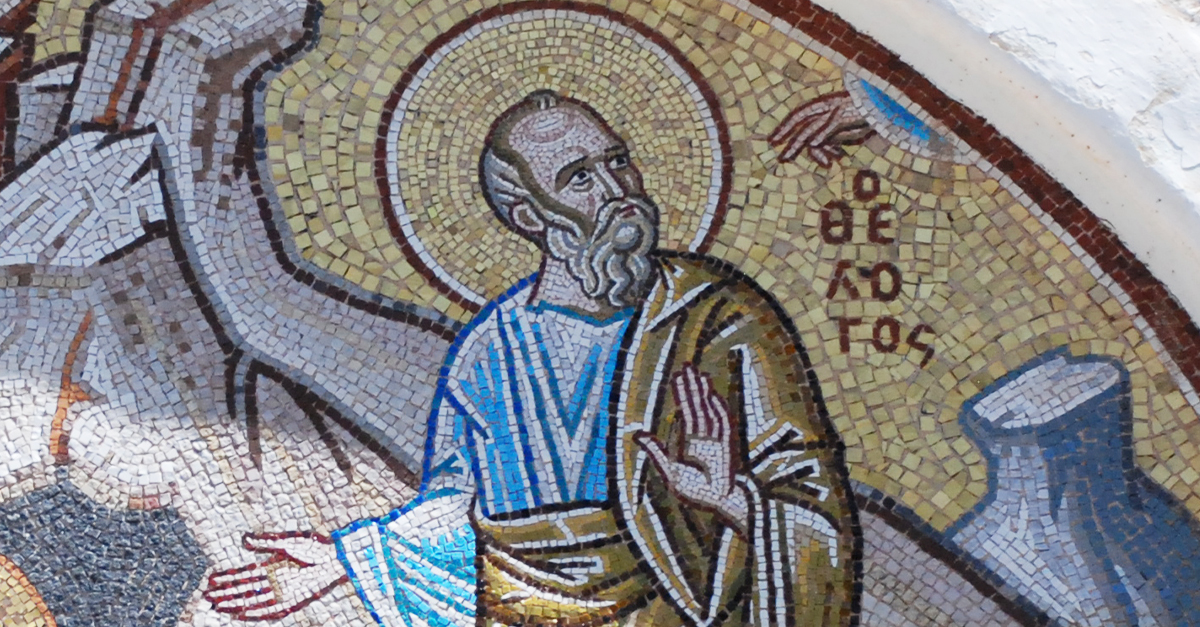
John of Patmos is one of the most mysterious figures in early Christian history. Identified as the author of the Book of Revelation, he wrote while in isolation as an exile on the barren rocky Aegean island under Roman rule. Whether people regard him as a prophet, apostle, or persecuted preacher, his identity and experiences inspire scholarship, debate, and fascination nearly two millennia later.
What We Actually Know
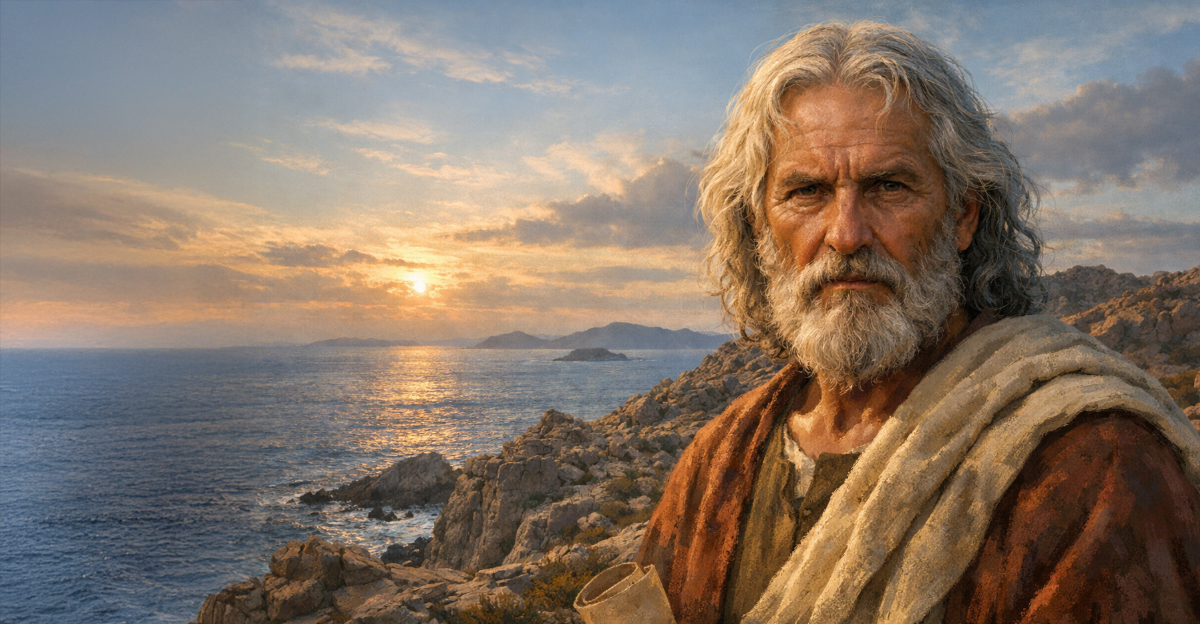
The Book of Revelation identifies its author simply as “John,” a servant of Jesus who was exiled by the Romans to Patmos off the coast of what is now Turkey. He didn’t call himself an apostle, nor did he give much biographical detail beyond his suffering and faith. Historically verifiable information about him is extremely limited, which means that scholars are forced to lean heavily on textual clues and later church testimony.
 Chester Beatty Library, Wikimedia Commons
Was He John The Apostle?
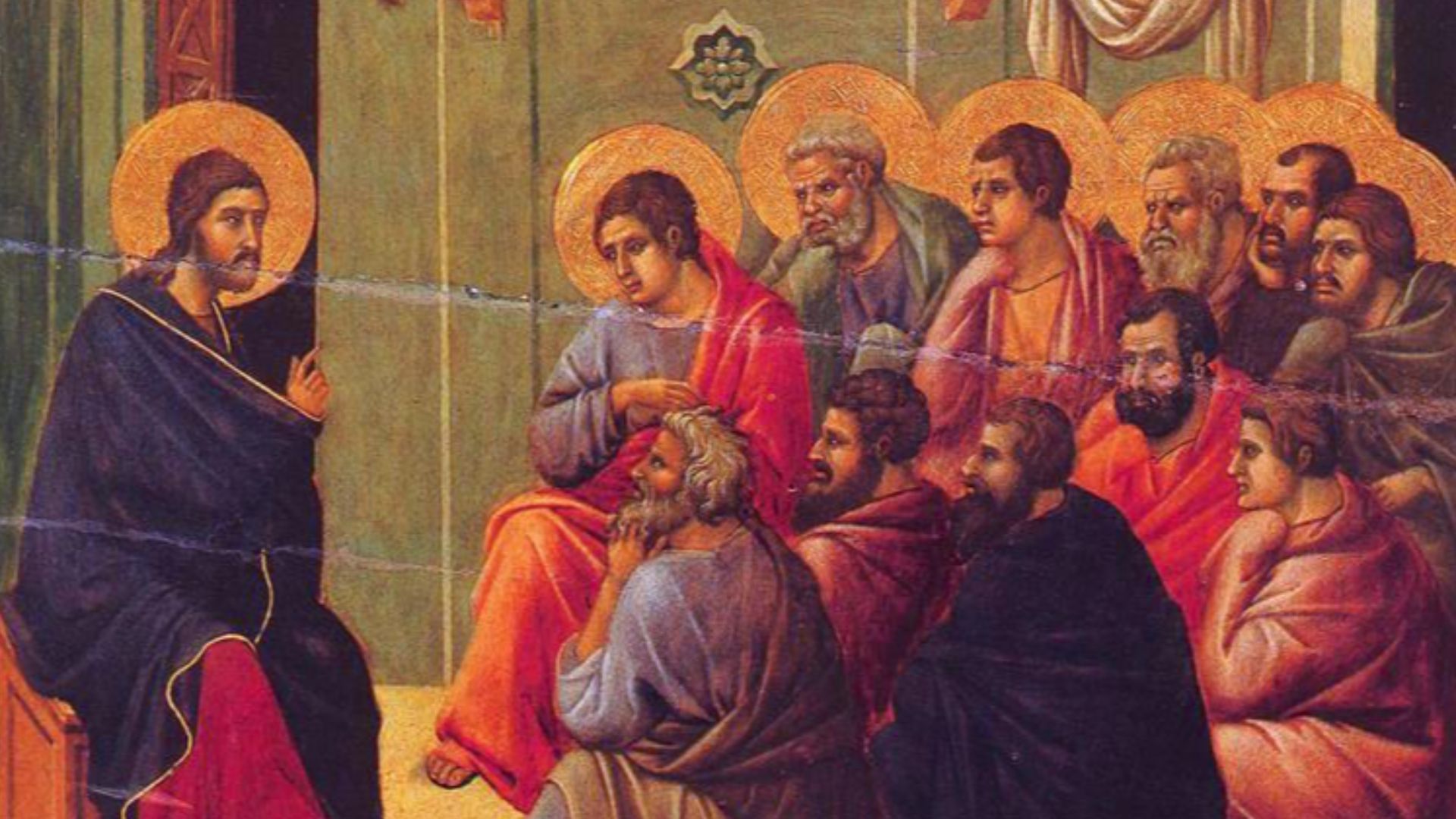
Early Christian leaders such as Irenaeus identified the author of Revelation with John the Apostle, who was one of Jesus’ inner circle. That attribution lent enormous authority to the text in the developing New Testament canon. However, linguistic differences between Revelation and the Gospel of John have caused many modern scholars to doubt whether the same person wrote both works.
 Duccio di Buoninsegna, Wikimedia Commons
A Different John?
Some historians argue that John of Patmos wasn’t the apostle, but a Jewish-Christian prophet living in Asia Minor (modern day Turkey). The Greek in Revelation is rougher and more Semitic in structure than the polished Greek found in the Gospel of John. This stylistic difference strongly hints that Revelation was the effort of a different author shaped by different educational and cultural influences.
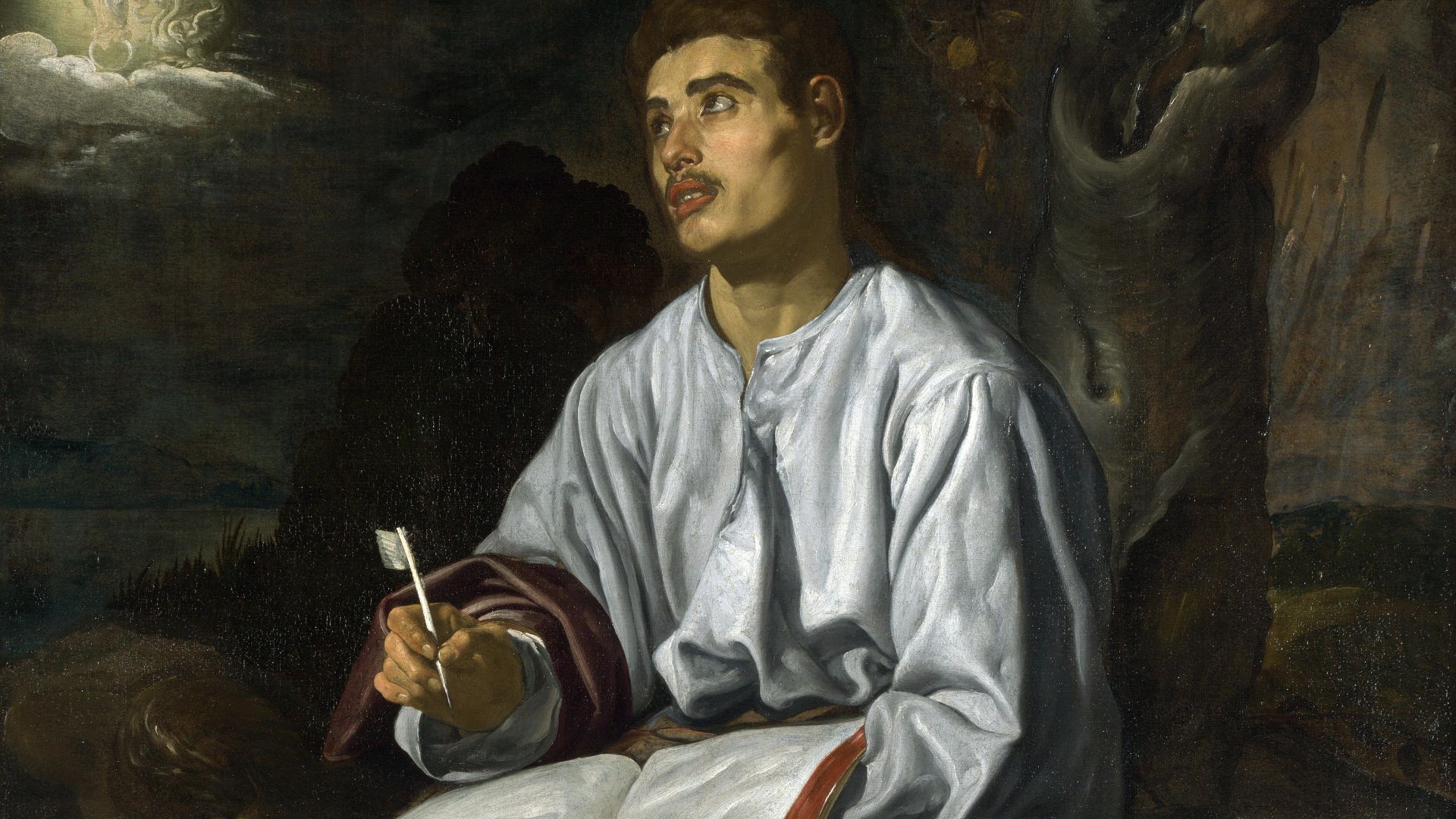 Diego Velazquez, Wikimedia Commons
Island Of Exile
Patmos was a small, rocky island used by the Romans as a place of banishment. Exile allowed authorities to silence noisy, dissenting, and disruptive voices without going through the controversy of executing them publicly. Banished far from urban centers and separated from churches, a man like John would have faced isolation, hardship, and uncertainty while he awaited possible release.
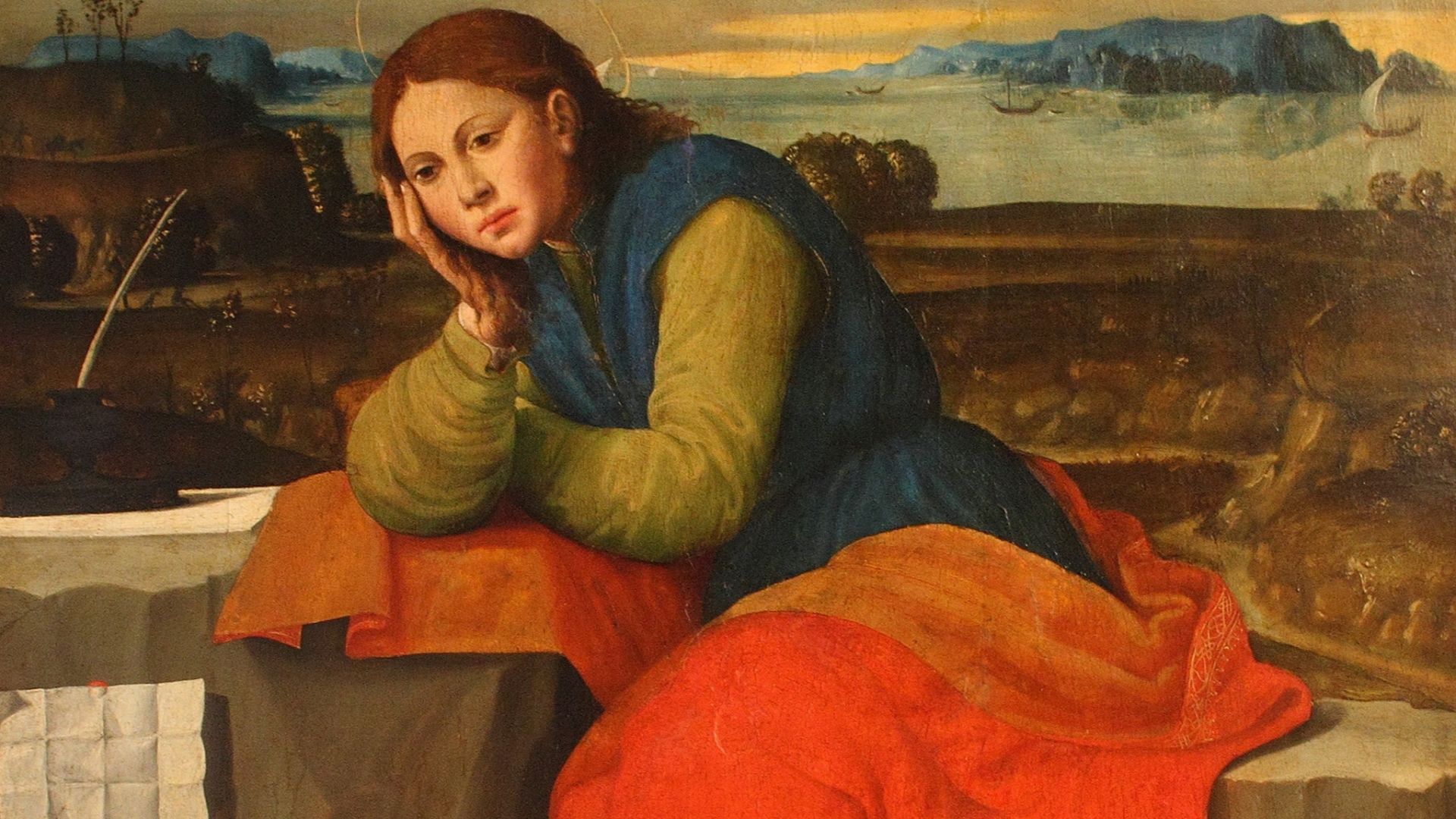 Giovanni Francesco Caroto, Wikimedia Commons
Why Was He Banished?
John himself writes that he was on Patmos “because of the word of God and the testimony of Jesus.” Most scholars see this as evidence that he was punished for preaching Christianity during a period of upheaval in the Middle East. Roman authorities often looked on Christians with suspicion, especially when they refused to take part in emperor worship.
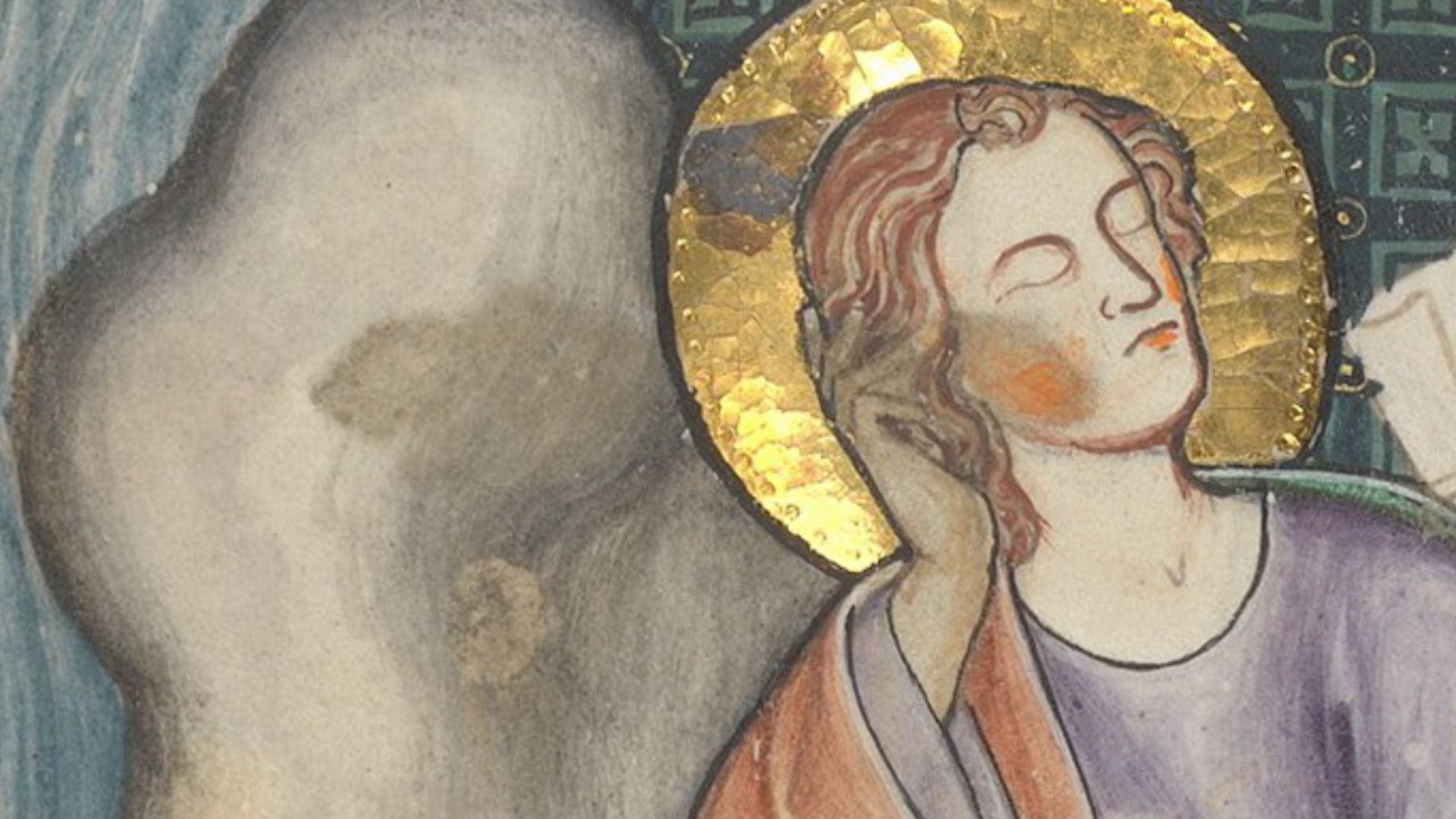 Made in Normandy, France, Wikimedia Commons
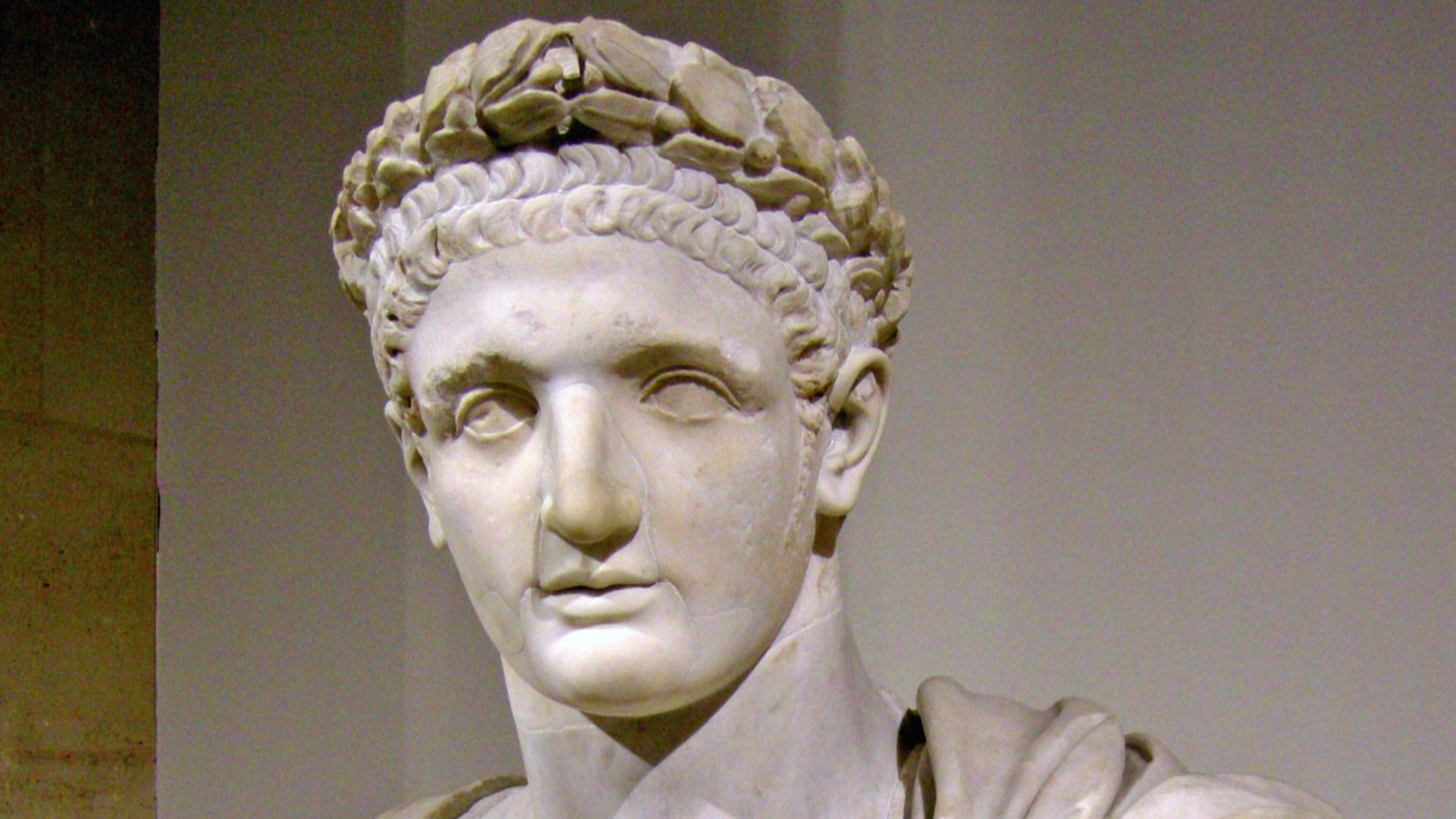
The Shadow Of Domitian
Many scholars date Revelation to the reign of Emperor Domitian, who ruled from 81 to 96 AD. Domitian was a staunch enforcer of imperial loyalty and may have imposed severe punishments on communities who they viewed as disloyal. If John refused to honor the emperor as divine, permanent exile would have been the consequence.
Vision In Isolation
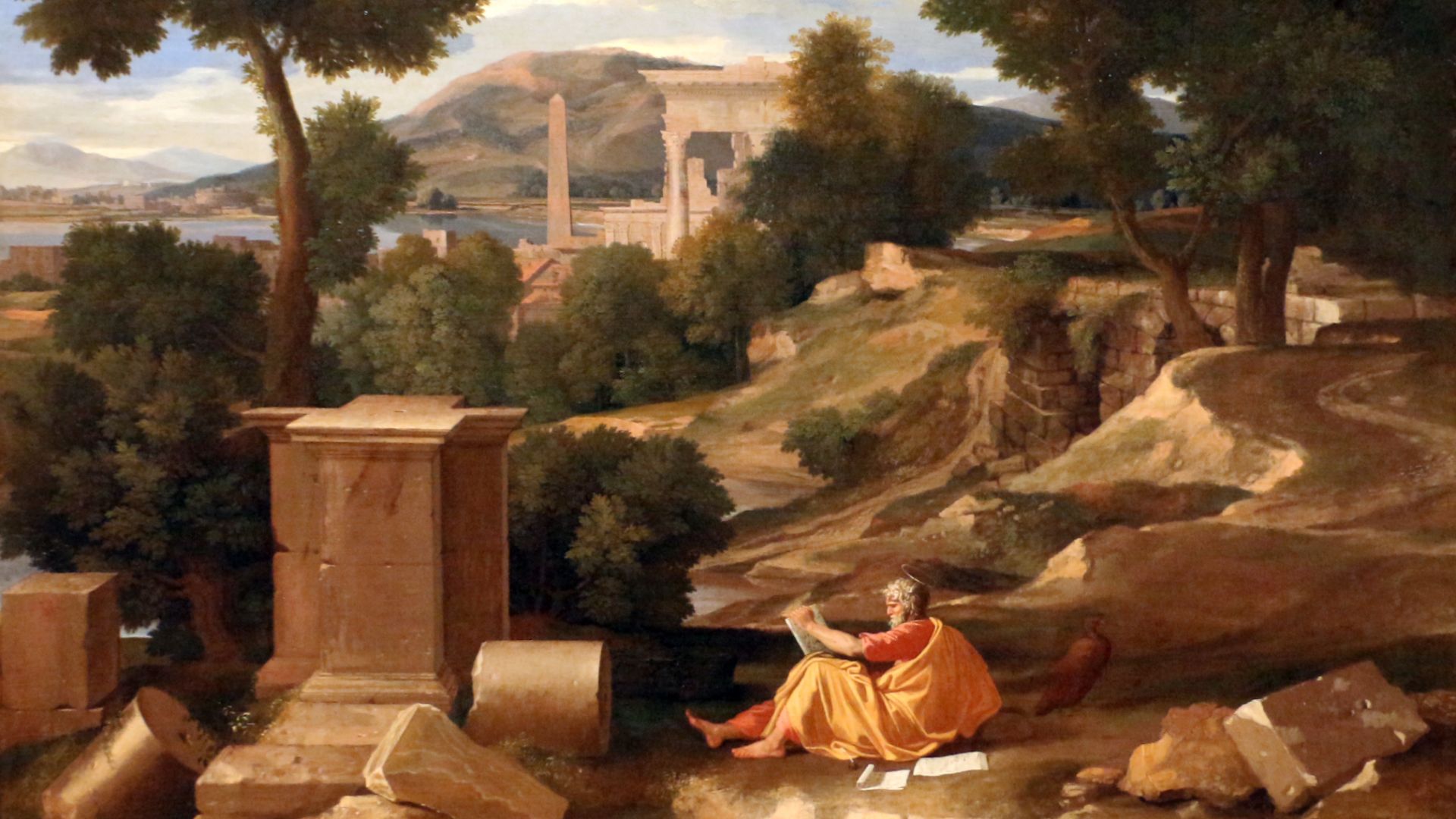
While on Patmos, John described the experience of having an overwhelming vision during worship. He said he heard a commanding voice that instructed him to write what he saw. What followed from that was a cascade of symbolic imagery marking the contours of a wild tale, including heavenly thrones, cosmic battles, angels, beasts, and divine judgment, all unfolding in dramatic sequence.
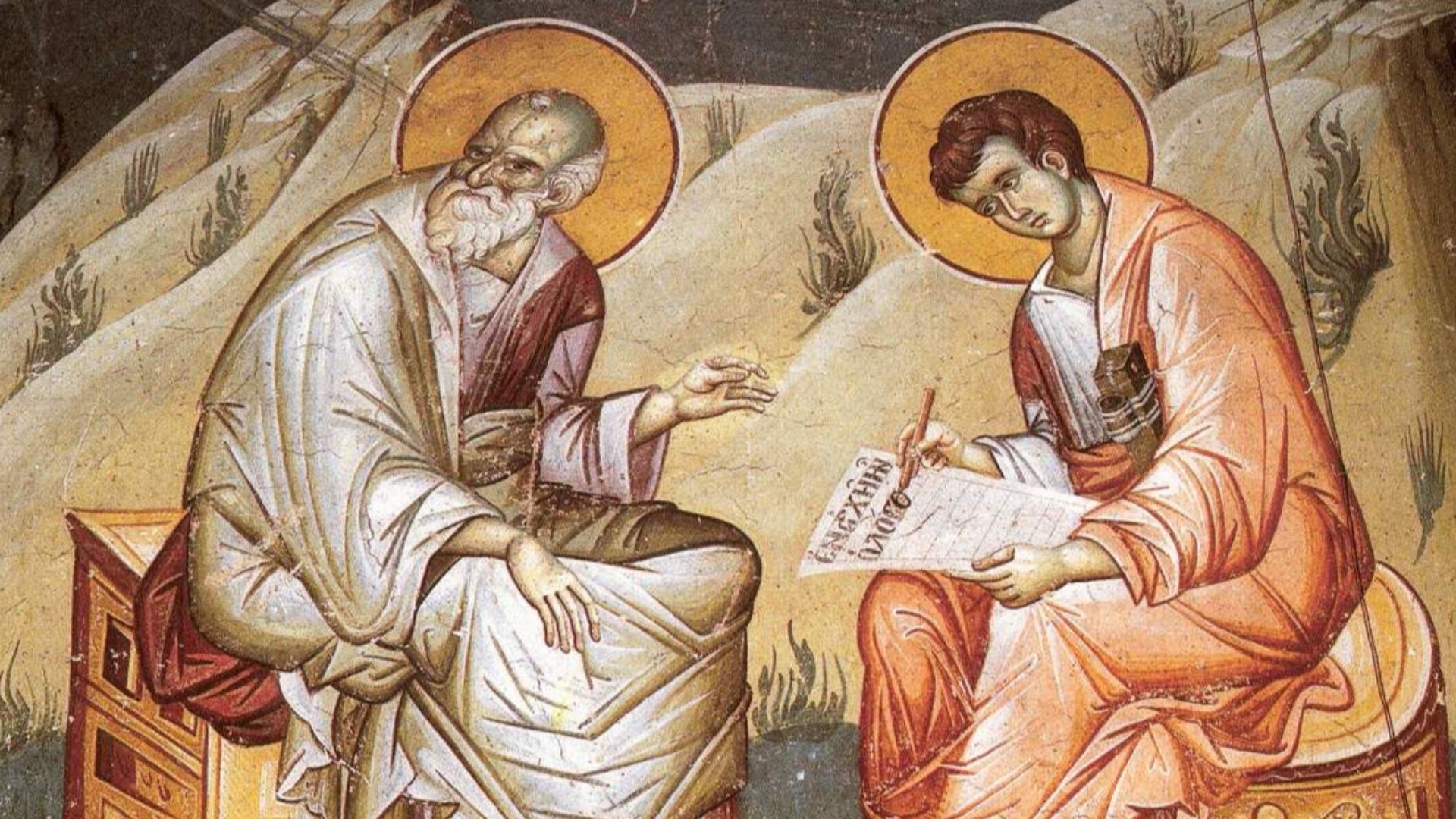 Manuel Panselinos, Wikimedia Commons
Writing To Seven Churches
Revelation opens with letters addressed to seven churches in Asia Minor, including Ephesus and Smyrna. These communities were struggling under persecution, internal conflict, and spiritual fatigue. John’s message was a mix of encouragement and warning, reassuring them that their faithful endurance of suffering would be rewarded by divine vindication.

History's most fascinating stories and darkest secrets, delivered to your inbox daily.
Why He Wrote Revelation
While Revelation is often recognized as a possible prediction of the distant future, it was also written as a message of solidarity to strengthen persecuted believers in the present. Its vivid symbolism allowed John to challenge Roman power indirectly. By casting Rome as a monstrous empire through vivid imagery, he could speak boldly while not having to spell out exactly who he was talking about.
 Priscilla Du Preez 🇨🇦, Unsplash
Beasts And Empires
Many people interpret The Beast rising from the sea and the corrupt city of Babylon as coded representations of imperial Rome. Apocalyptic literature traditionally used symbolic figures to depict catastrophic or traumatic real-world events. John’s audience would have understood those allusions and the veiled critique embedded beneath those images.
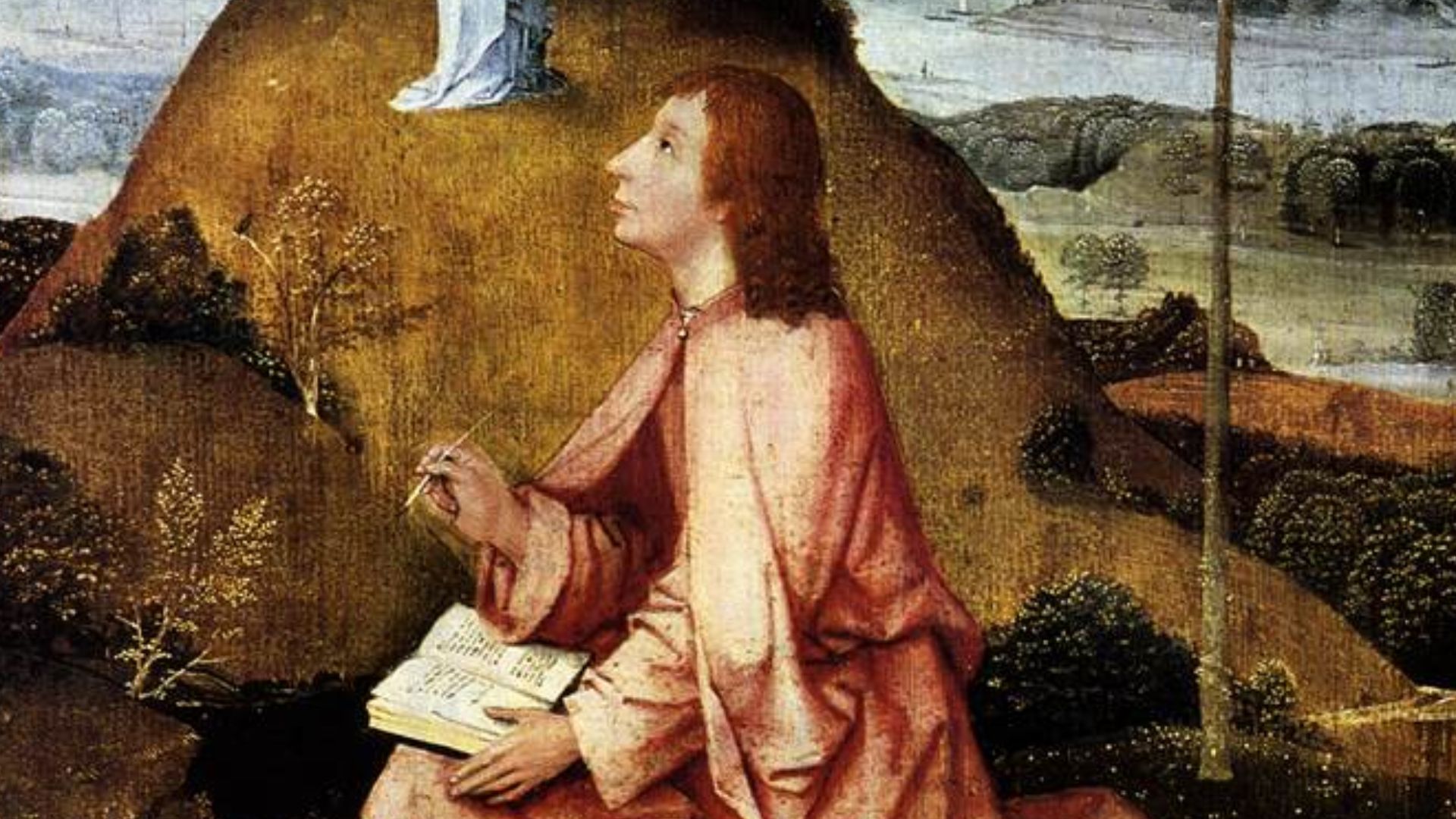 Hieronymus Bosch, Wikimedia Commons
The Number 666
Revelation identifies 666 as the “number of the Beast.” Many scholars believe this number encodes the name Nero Caesar using Hebrew numerical values. If this idea is accurate, this would suggest Revelation reflects first-century imperial memory and trauma rather than entirely occult or distant speculation about Judgment Day.
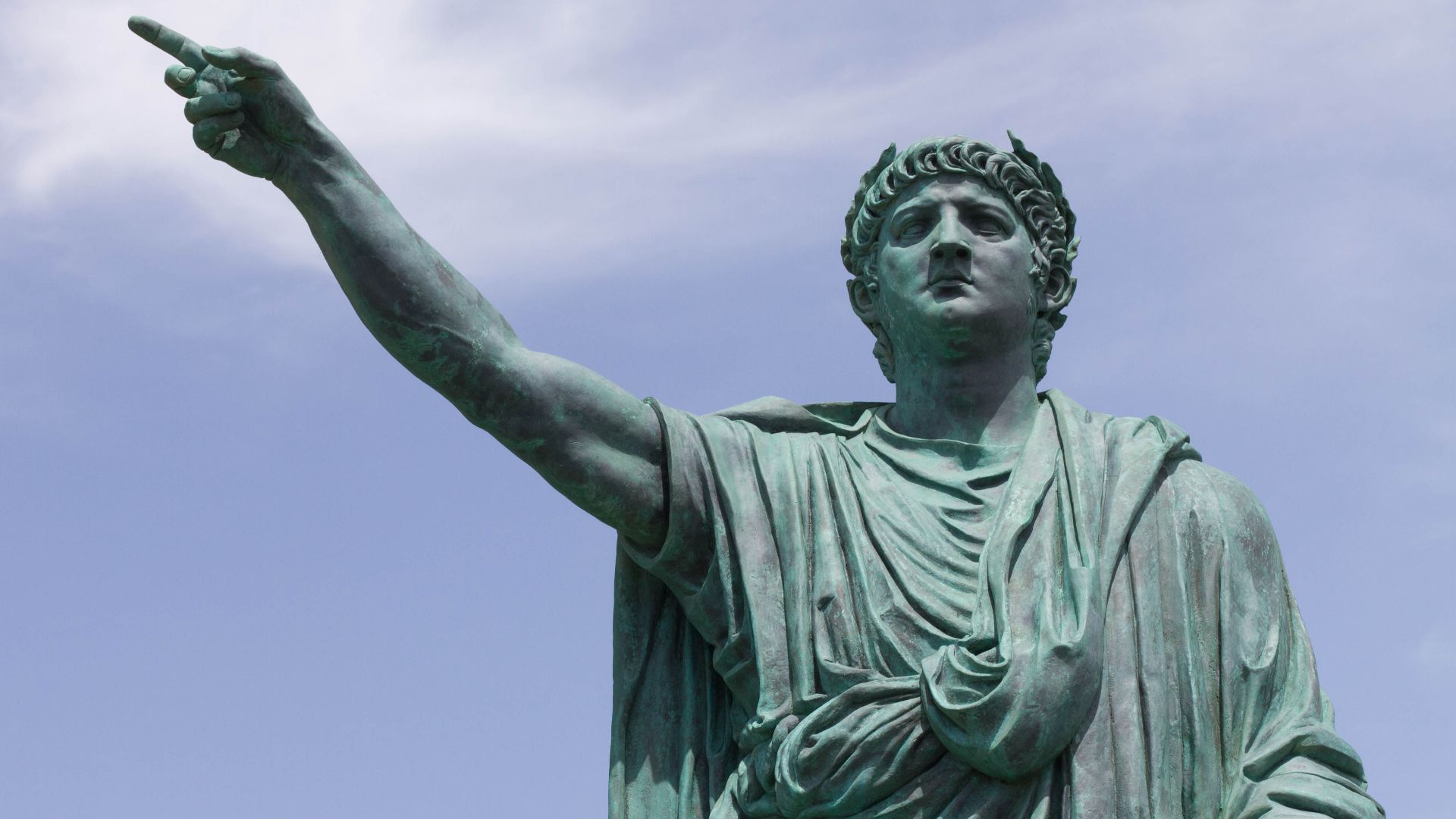
Apocalyptic Tradition
John’s writing stands in continuity with Jewish apocalyptic works like the Book of Daniel. These books also look at historical events through symbolic visions, portraying earthly kingdoms as beasts who will eventually face divine judgment. Revelation is a clear part of that tradition, placing Rome within a cosmic struggle between evil and divine sovereignty.
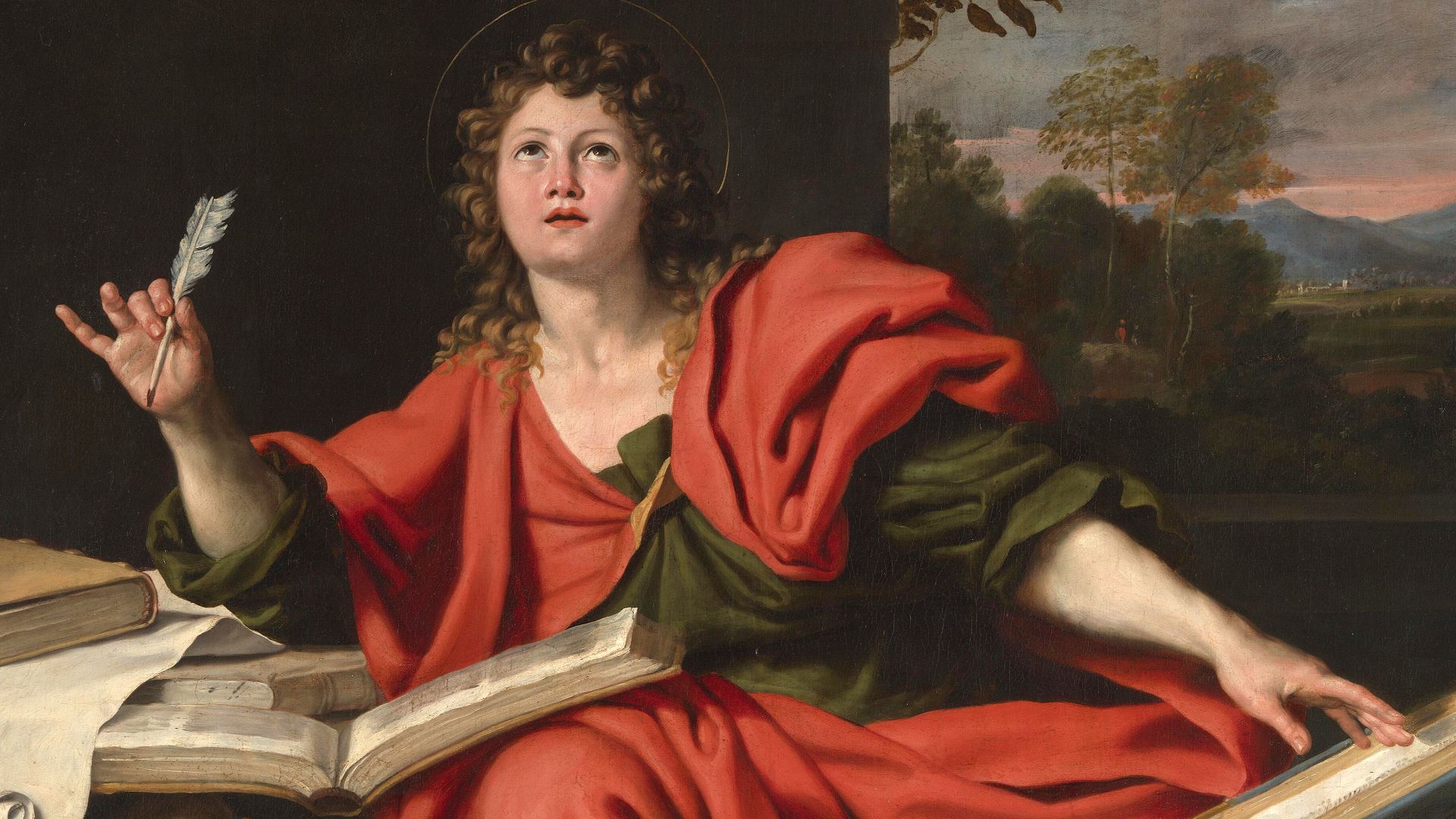 Domenichino, Wikimedia Commons
How The Early Church Responded
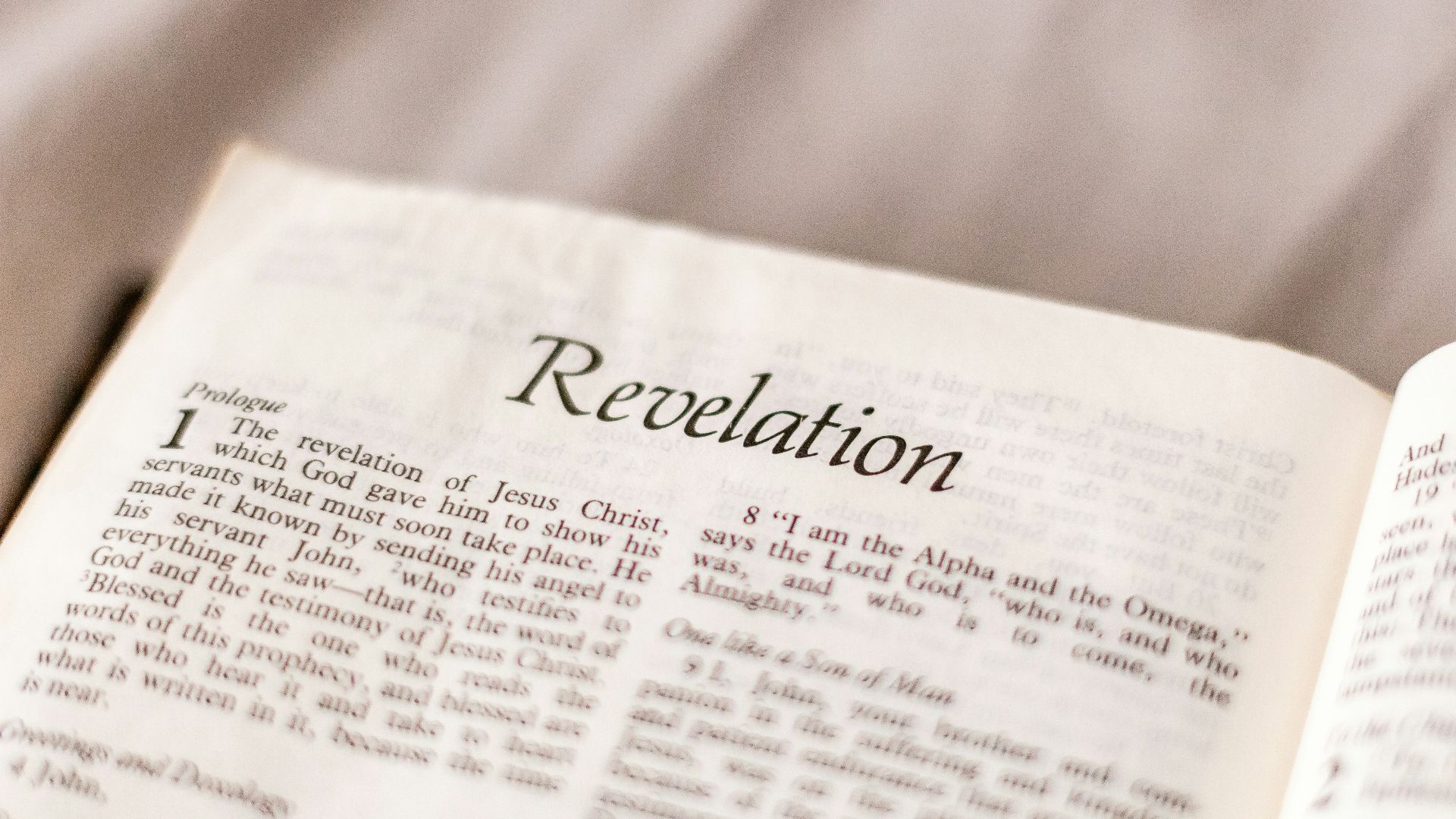
Revelation wasn’t very widely accepted when it was first written and started to circulate. Some early Christians viewed its imagery as inspiring and prophetic, while others found it obscurantist or unsettling. The debate over the book’s authorship and meaning went on for centuries before it was eventually formally recognized as canonical scripture.
Life After Patmos
According to early Christian tradition, John was eventually released after Emperor Domitian’s death, at which time he returned to Ephesus. There, he reportedly continued ministering and teaching. But these details are largely sourced to later writers, and historical certainty about his post-exile years is understandably limited.
Did He Die A Natural Death?
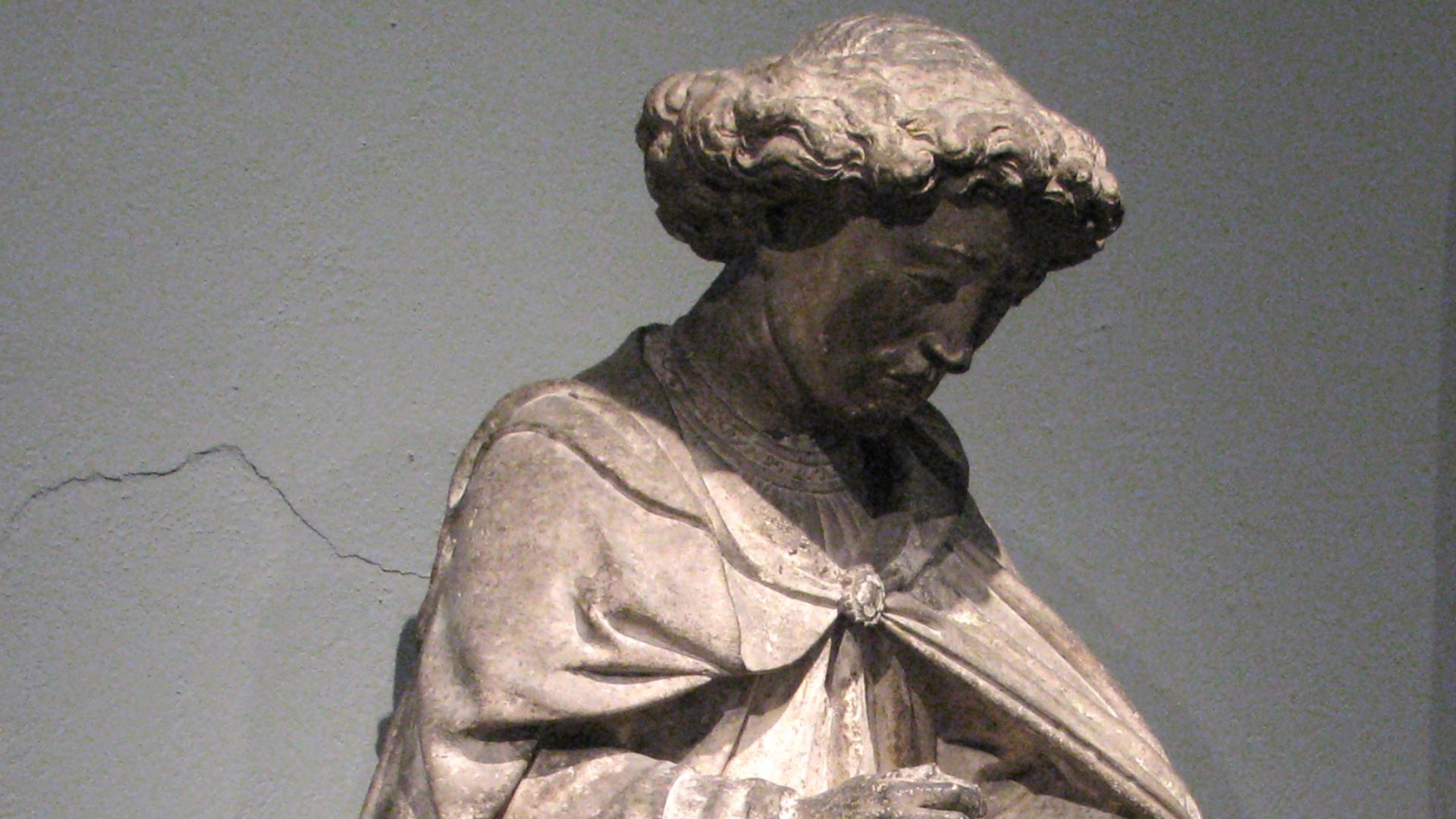
Unlike many other early Christian leaders who were executed, tradition holds that John died peacefully at a ripe old age. Some accounts portray him as the last surviving apostolic figure. Whether this narrative is literal or the product of legend, it set John apart from the many other martyr figures of the era.
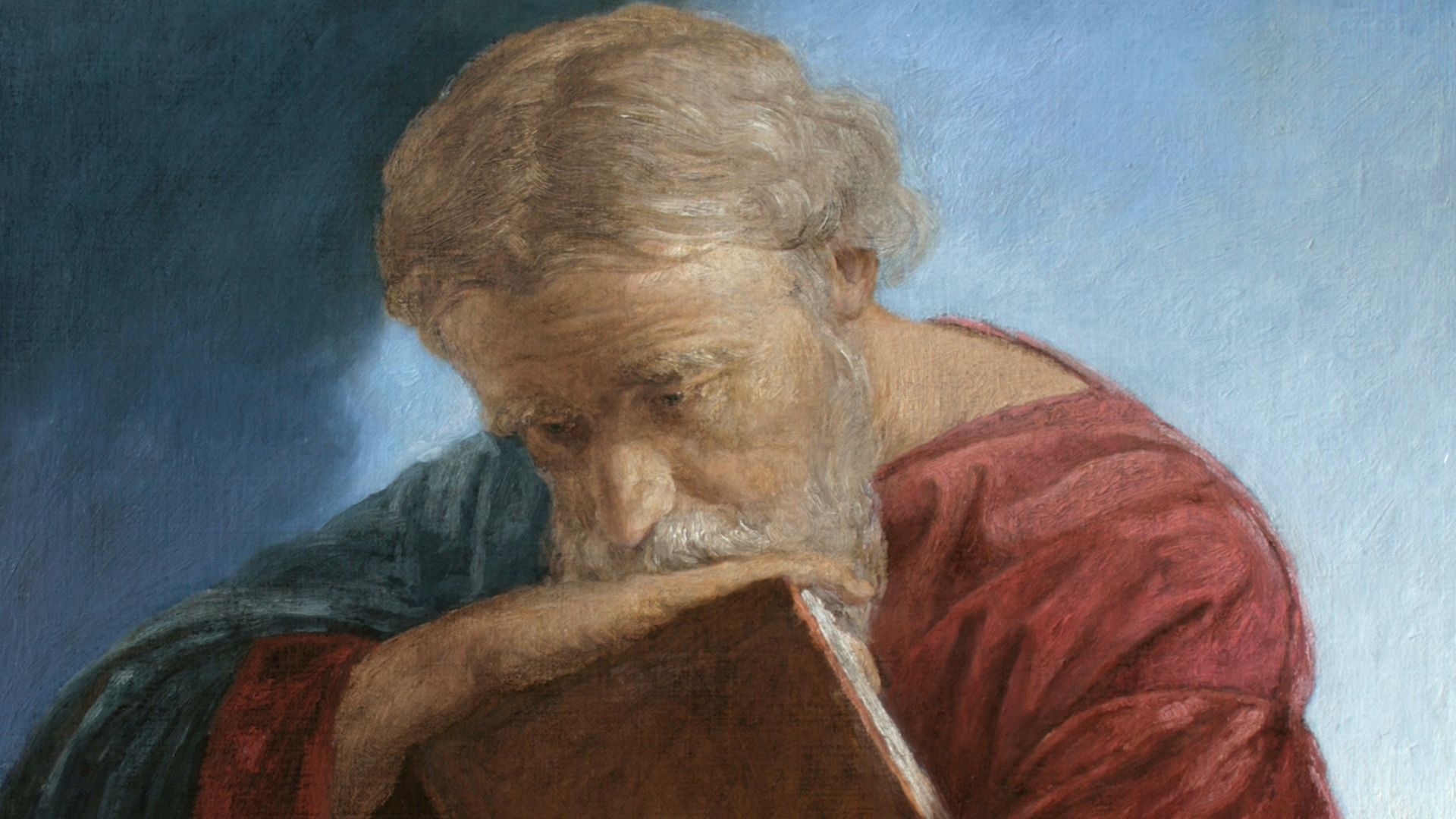 Andrei Mironov, Wikimedia Commons
Legends Surrounded Him
Over time, John’s story expanded in Christian imagination. Traditions developed during the Middle Ages that credited him with working miracles and attaining a prophetic insight beyond Revelation. Artistic depictions often portray him writing under divine inspiration, reinforcing an expanded image as heaven’s chosen scribe.
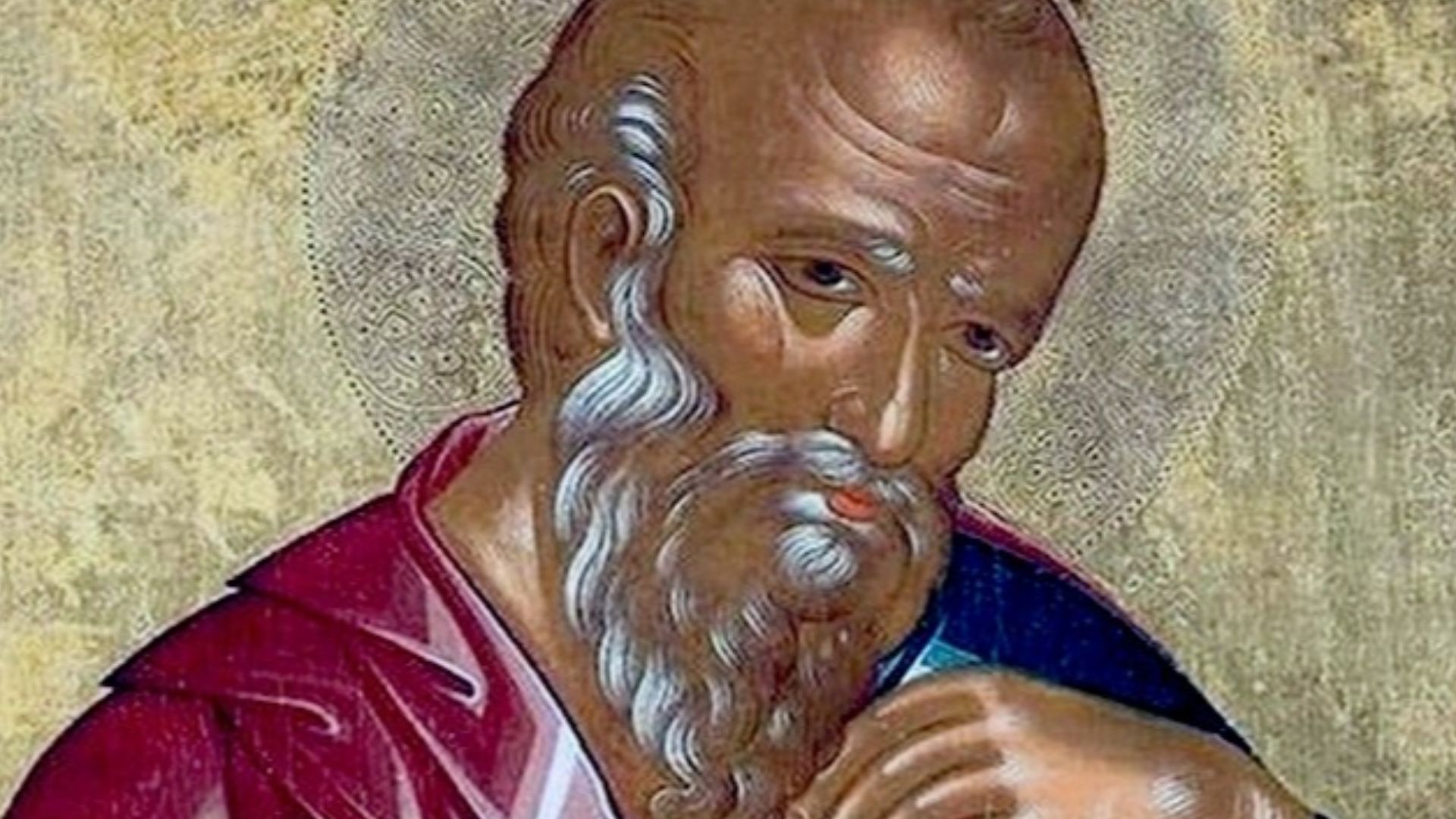 Unknown authorUnknown author, Wikimedia Commons
Where Is The Original Manuscript?
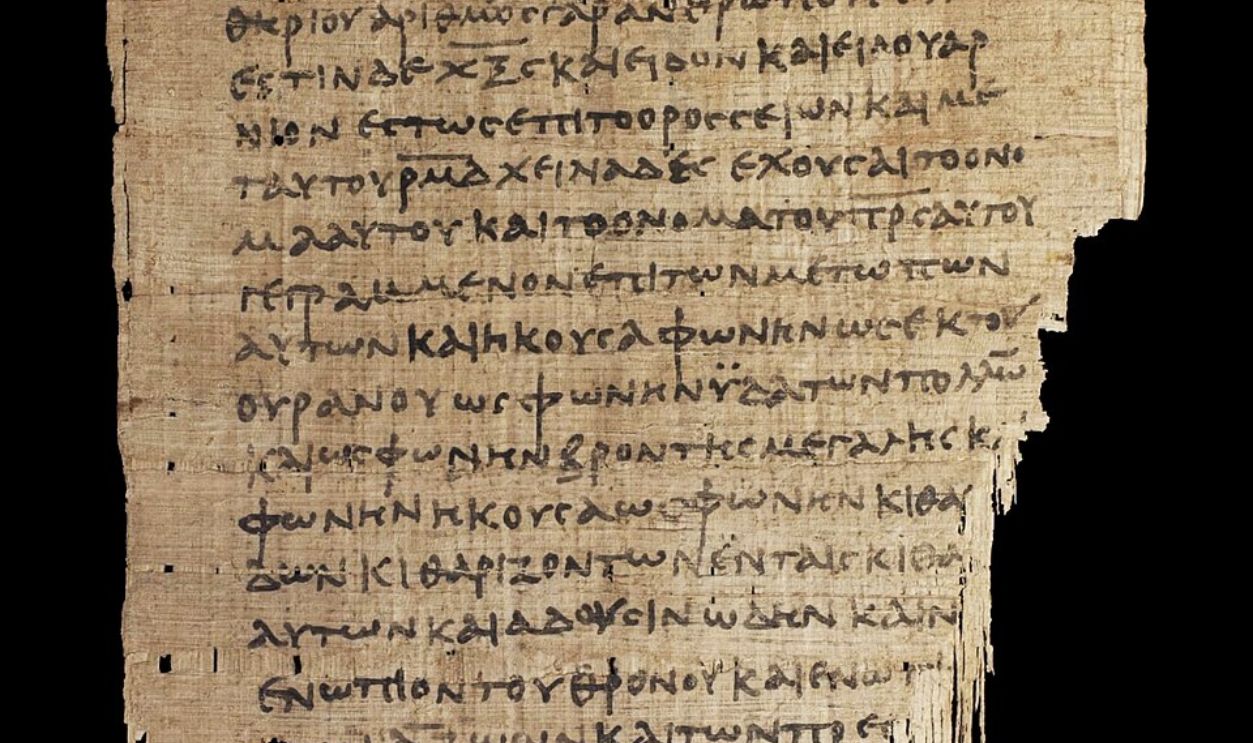
There is no surviving verified autographed copy of Revelation, as is also true for all the other New Testament texts. The original manuscript would most likely have been written on papyrus and diligently copied by early Christian scribes. All that we have left today are manuscript copies that were created generations after John of Patmos.
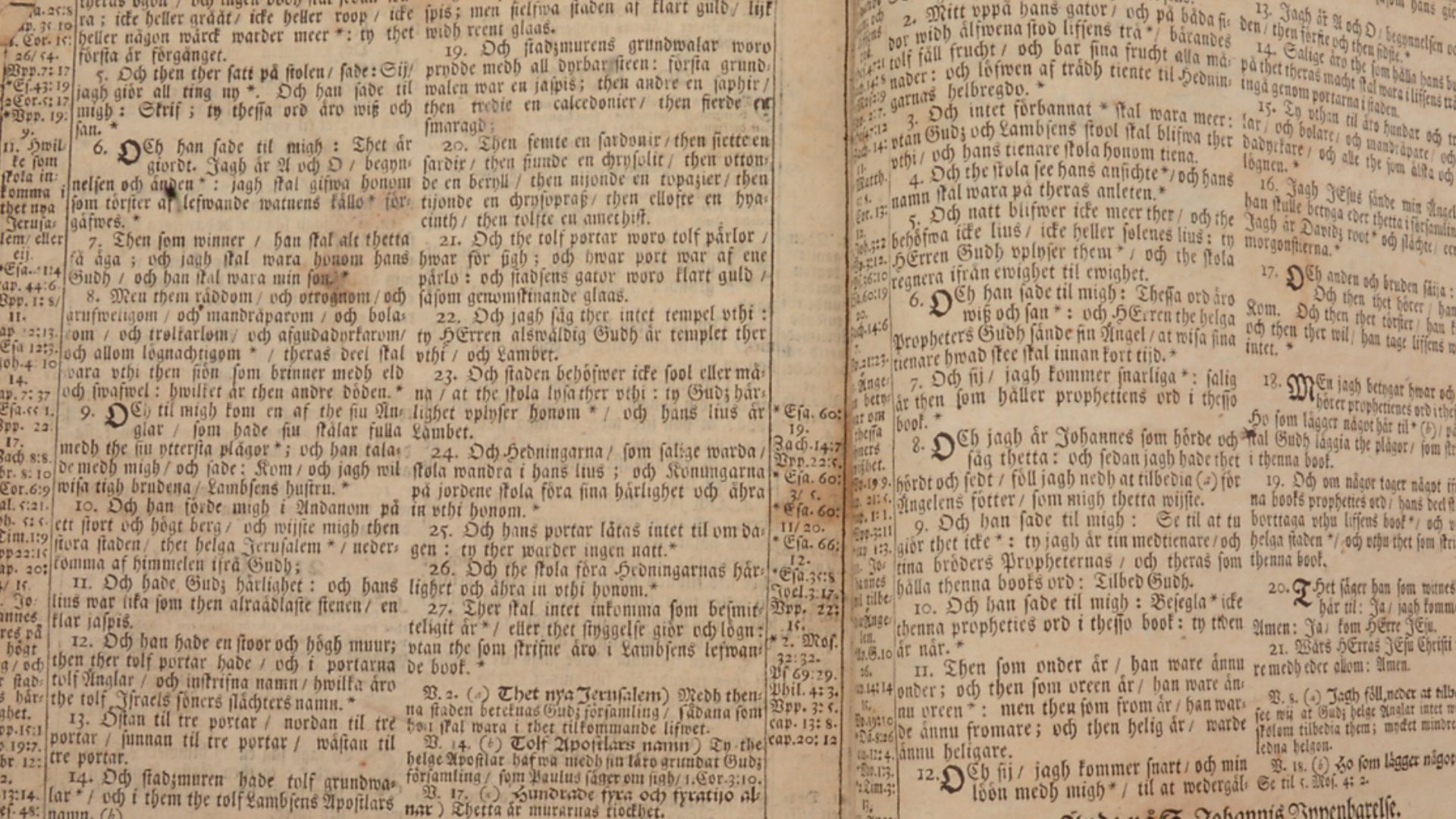
The Codex Sinaiticus
One of the oldest complete versions of Revelation appears in the Codex Sinaiticus. This was a fourth-century Greek manuscript. Much of this codex is still preserved at the British Library, where it remains a vital resource for textual scholars studying the history and development of early Christianity.
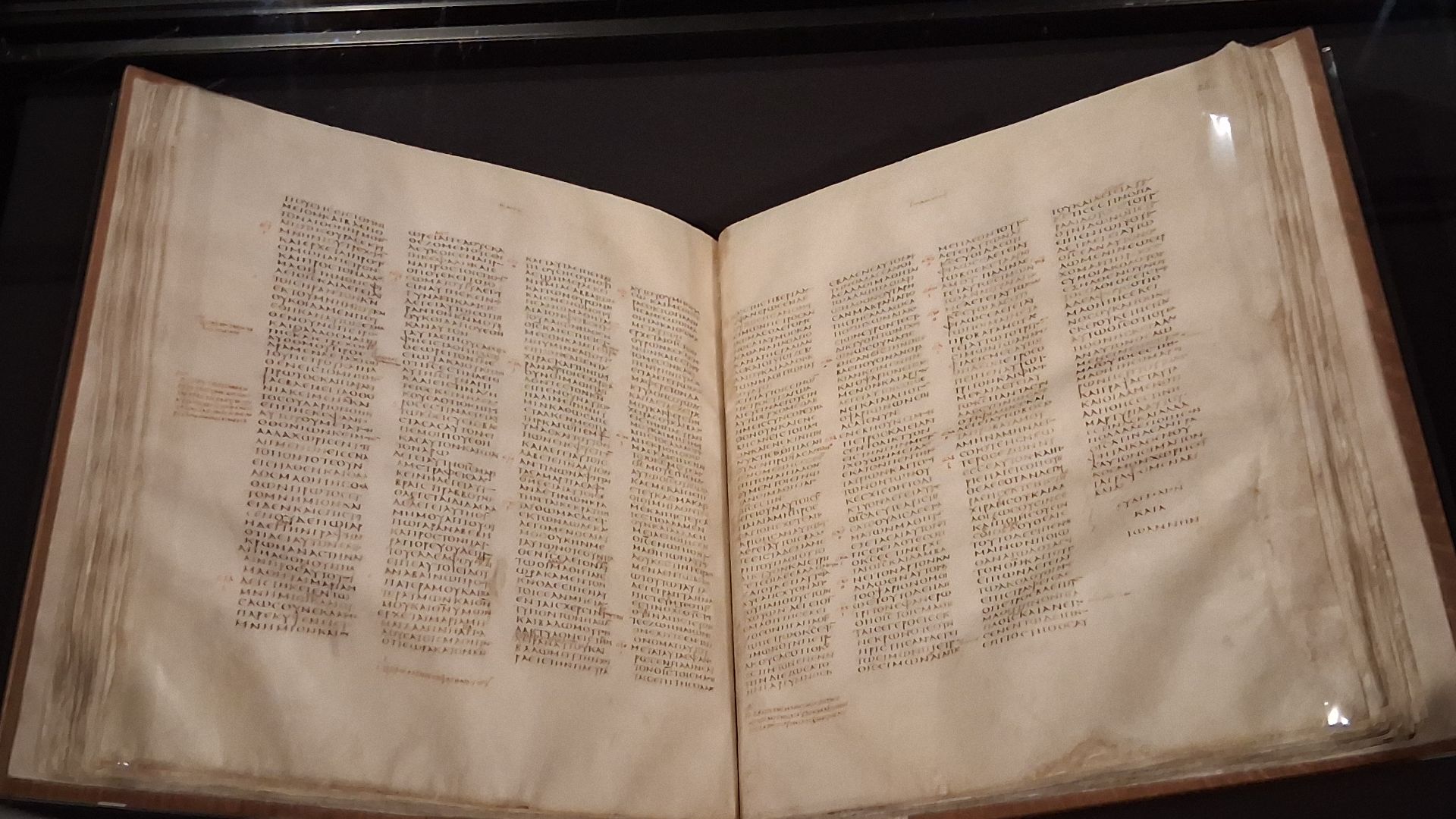 PotatoCow25, Wikimedia Commons
Transmission Through Centuries
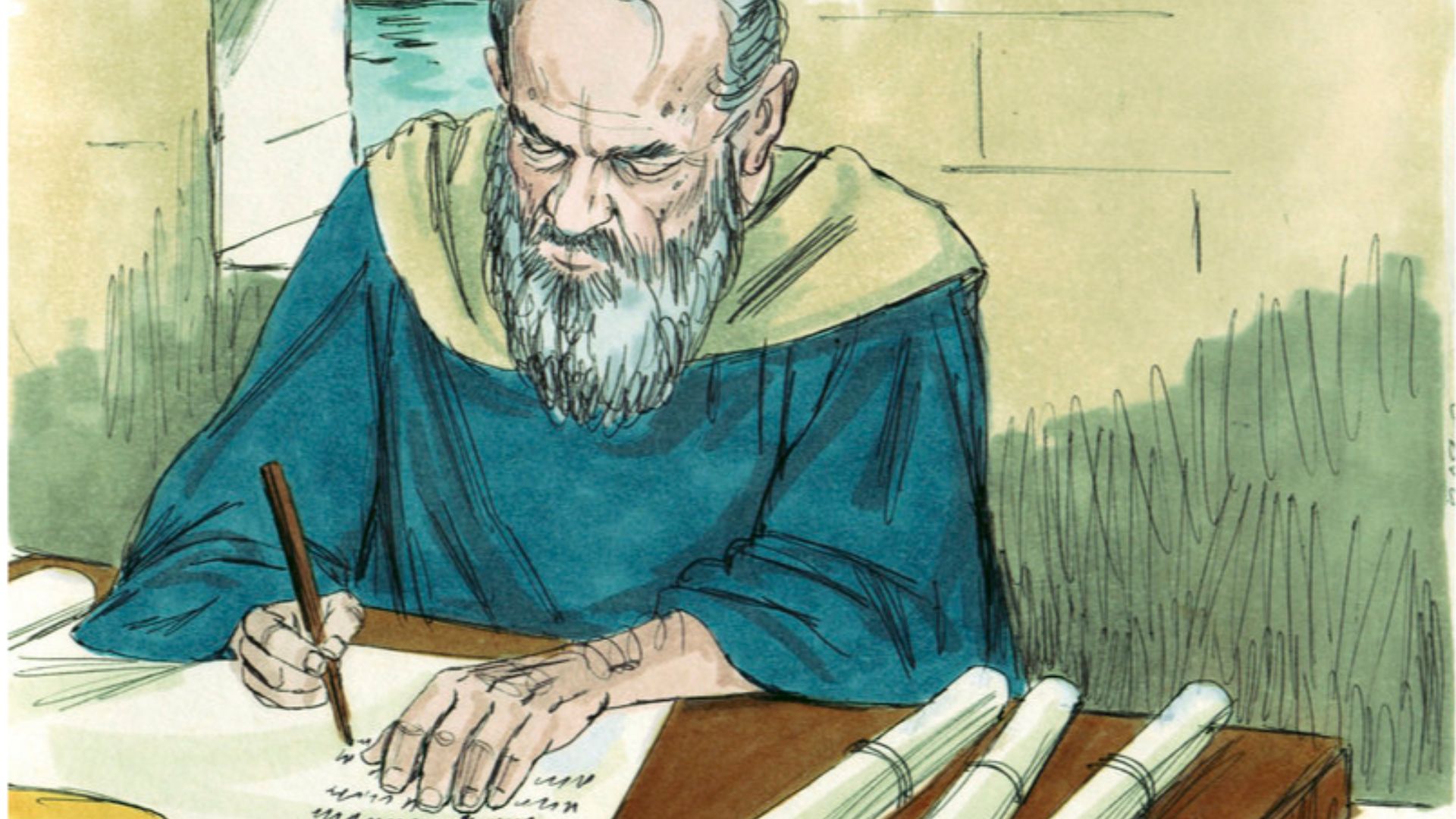
Over the centuries, scribes painstakingly copied Revelation by hand. Variations in wording inevitably emerged, but its central imagery and themes endured. Modern textual criticism analyzes the surviving manuscripts in order to reconstruct a reliable text closely aligned with what John likely wrote while in exile.
 PotatoCow25, Wikimedia Commons
Cave Of The Apocalypse
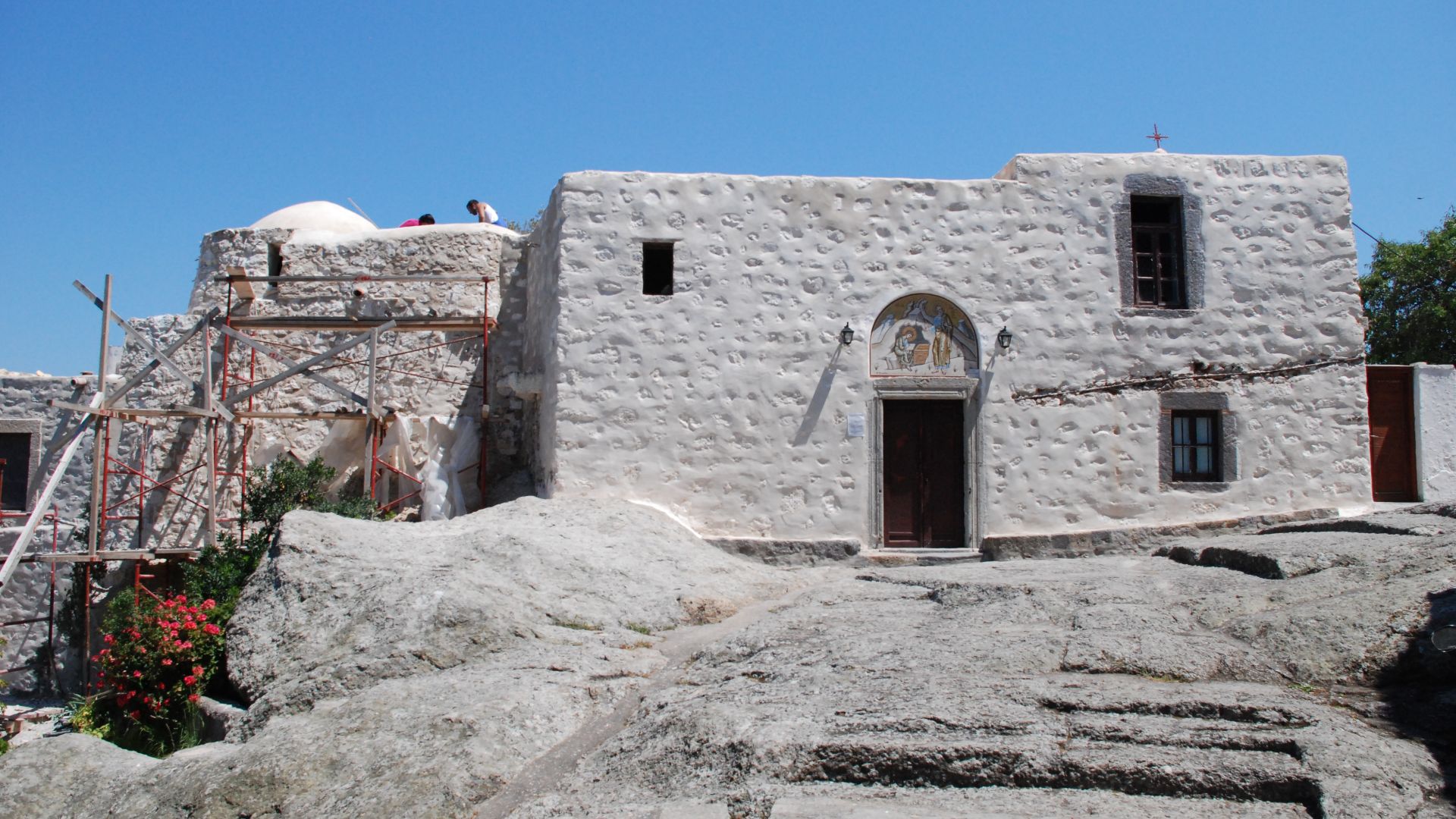
On Patmos, tradition identifies the Cave of the Apocalypse as the site where John received his startling visions. The cave has become a site of pilgrimage and reverence. Today, it stands as both historical monument and sacred space within Eastern Orthodox Christianity.
 simonjenkins' photos, Wikimedia Commons
Monastery Of Saint John
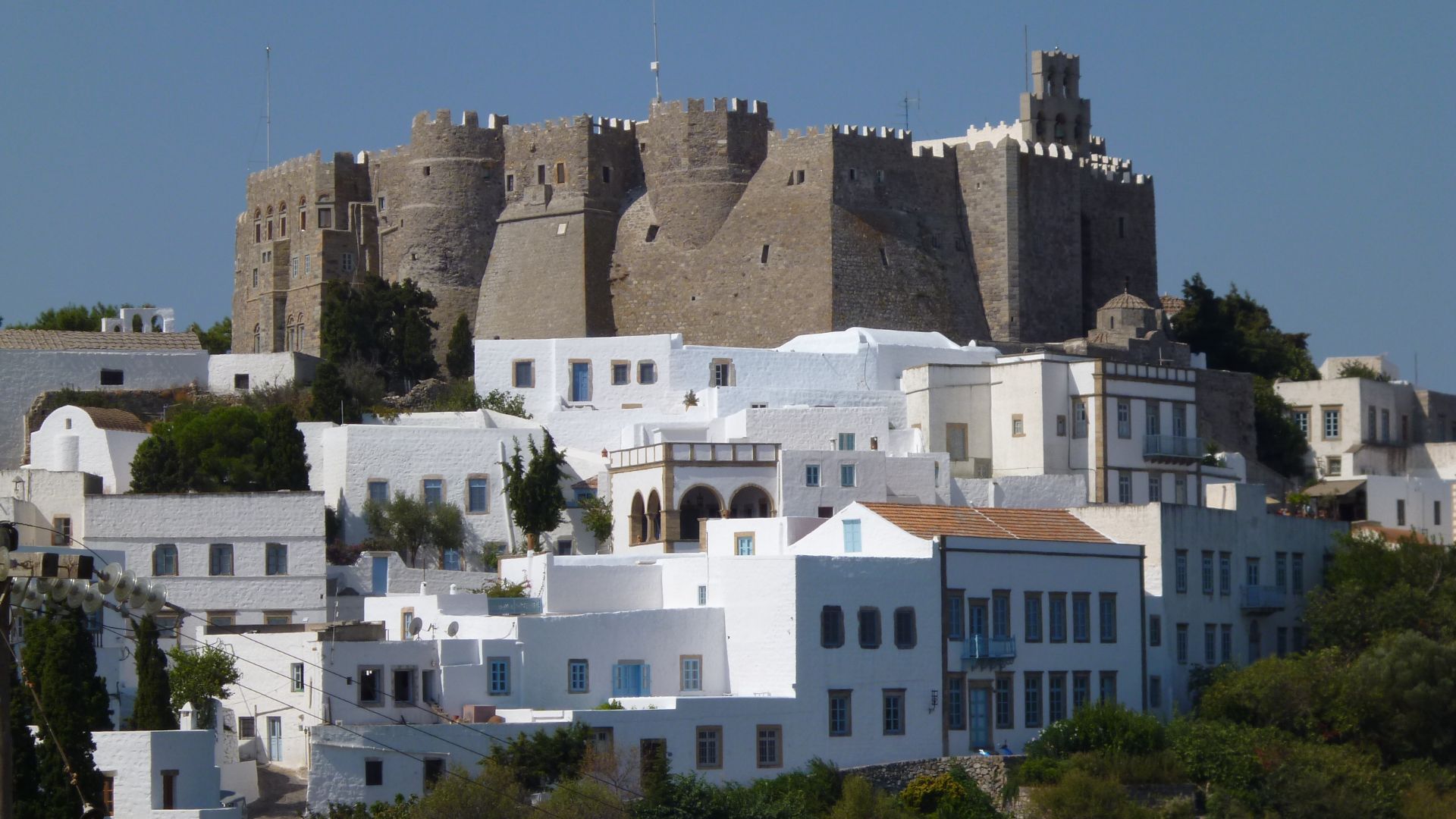
In the 11th century, the Monastery of Saint John the Theologian was built on Patmos. It preserves manuscripts and all the church history tied to Revelation. The monastery anchors the island’s identity firmly within its Christian memory.
 Valeria Casali, Wikimedia Commons
Influence On Christian Thought
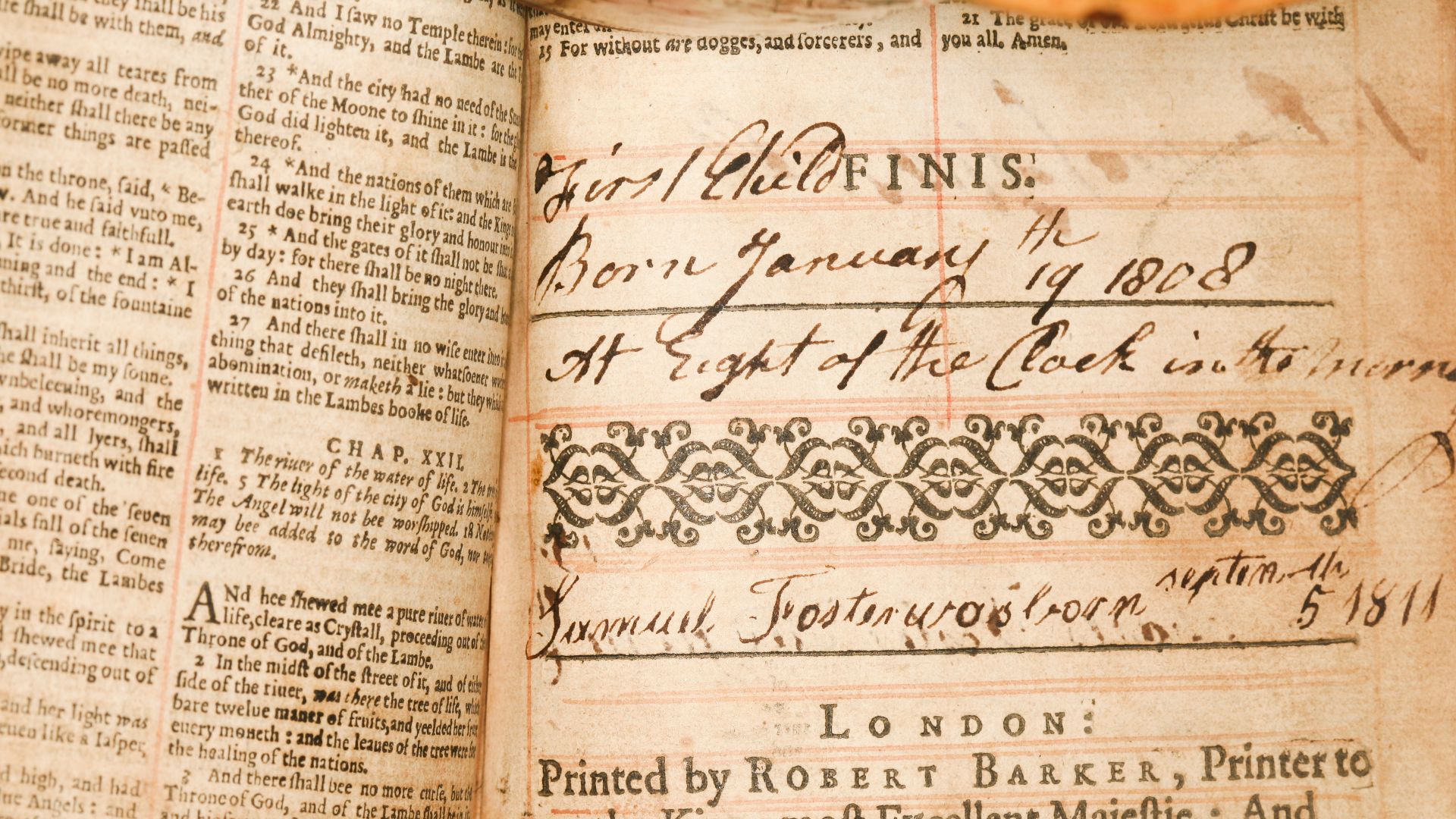
Whatever you may think of the Book of Revelation, there’s no denying that it has been very influential on the development of Christian theology, art, and imagination. Its imagery shaped medieval frescoes, Reformation-era preaching, and modern apocalyptic movements. Few biblical books are as open to a wide range of interpretation or enduring fascination.
 juxtapose^esopatxuj, Wikimedia Commons
A Book Of Hope Or Fear?
To some, Revelation is a terrifying narrative of catastrophe, divine wrath, and the end of days. To others, it is a declaration of hope for those enduring injustice. Its ultimate vision seems to at least promise some kind of renewal, “a new heaven and a new earth”, offering restoration after chaos.
Enduring Mystery
John of Patmos is still an enigma, and most likely always will be: an exile, a prophet, and a visionary wrapped into one shadowy historical figure. His solitary island experience helped him create one of the most debated and symbolically rich texts in religious history. Whether it is read as prophecy, poetry, or political resistance to Rome, his voice continues to echo across centuries.
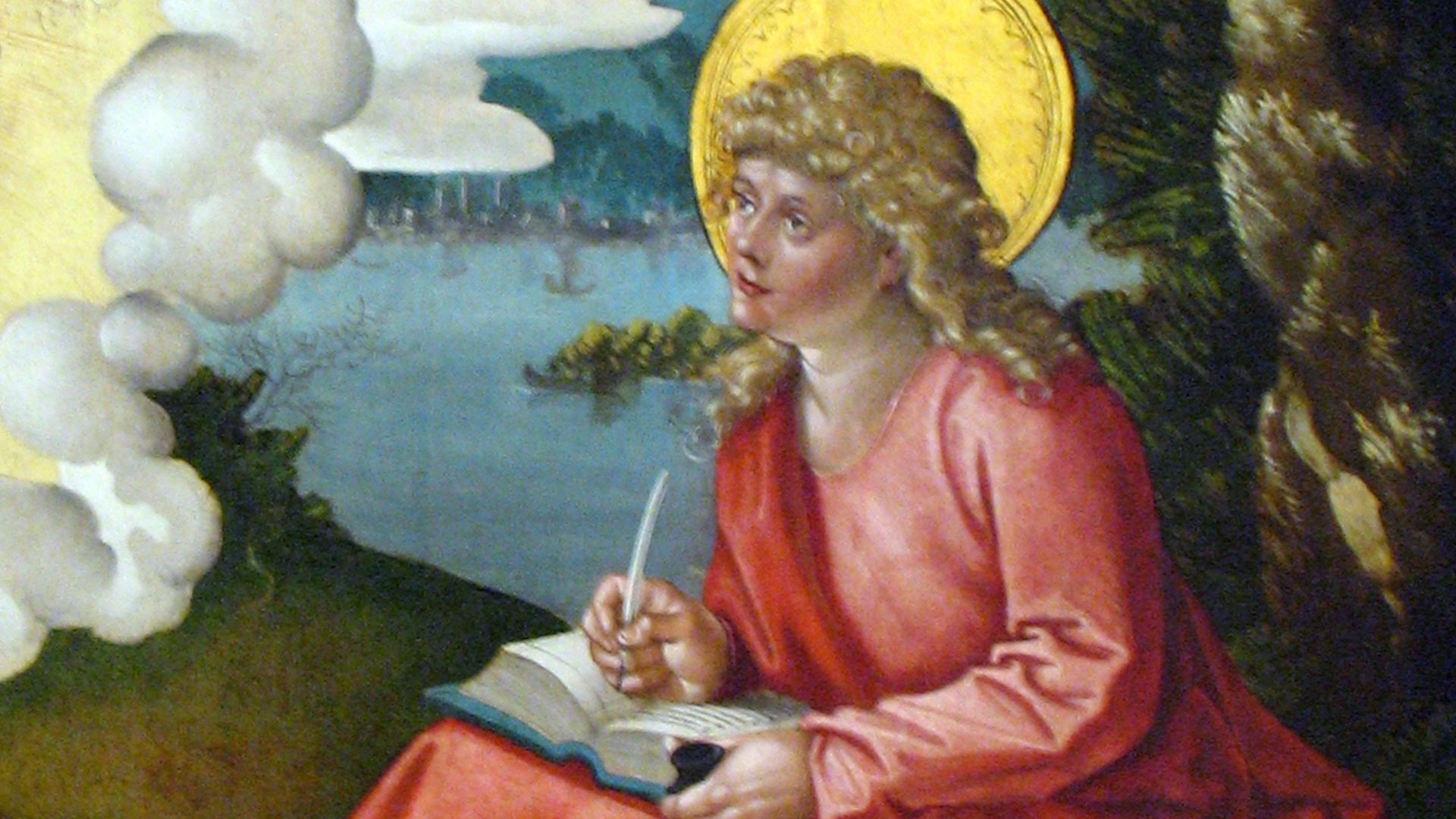 Hans Baldung Grien, Wikimedia Commons
You May Also Like:









.jpg)