Survival Was Only The Beginning.
Some people escaped shipwrecks, plane crashes, collapsed mines, shark attacks, and other catastrophes, then discovered that millions of strangers suddenly wanted a piece of their story. For these survivors, returning to ordinary life often meant learning how to live with cameras, questions, myths, expectations, and a public identity built around the worst day they had ever experienced.
Margaret Brown Refused To Panic On The Titanic
Margaret Brown was returning from Europe aboard Titanic when the liner struck an iceberg and sank in April 1912. After boarding Lifeboat 6, she helped maintain morale and pressed the crew to consider returning for people still in the water. Her actions transformed a wealthy Denver socialite into one of the disaster's best-known survivors.
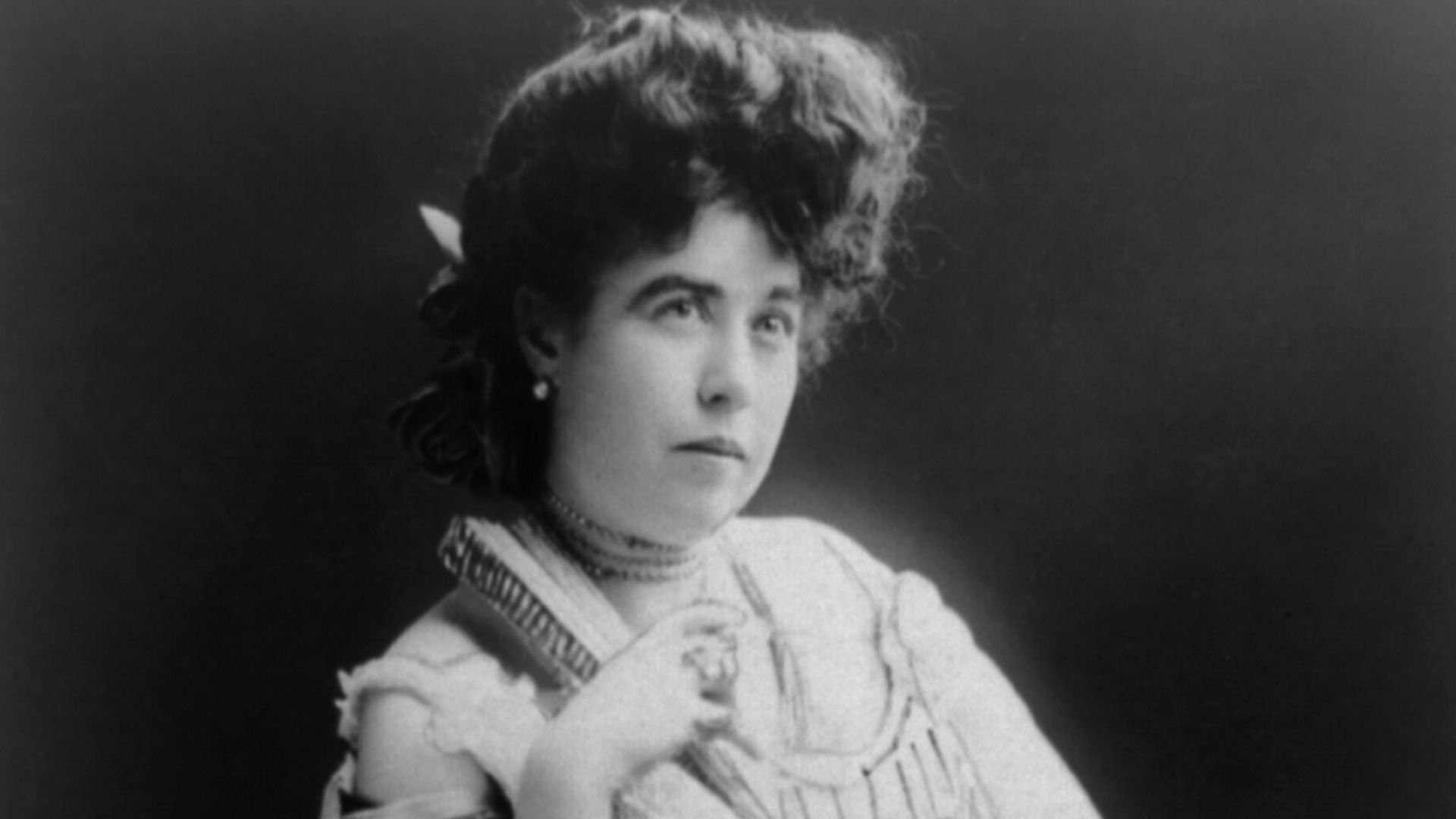 Bain News Service; quick cleanup by Adam Cuerden, Wikimedia Commons
Titanic Fame Gave Brown A Bigger Platform
Brown did not retreat after surviving the disaster. She became president of the Titanic Survivors' Committee and used the attention surrounding her to promote workers' rights, women's rights, education, and charitable causes. Her newfound visibility helped turn a terrifying voyage into political influence she had previously struggled to obtain.
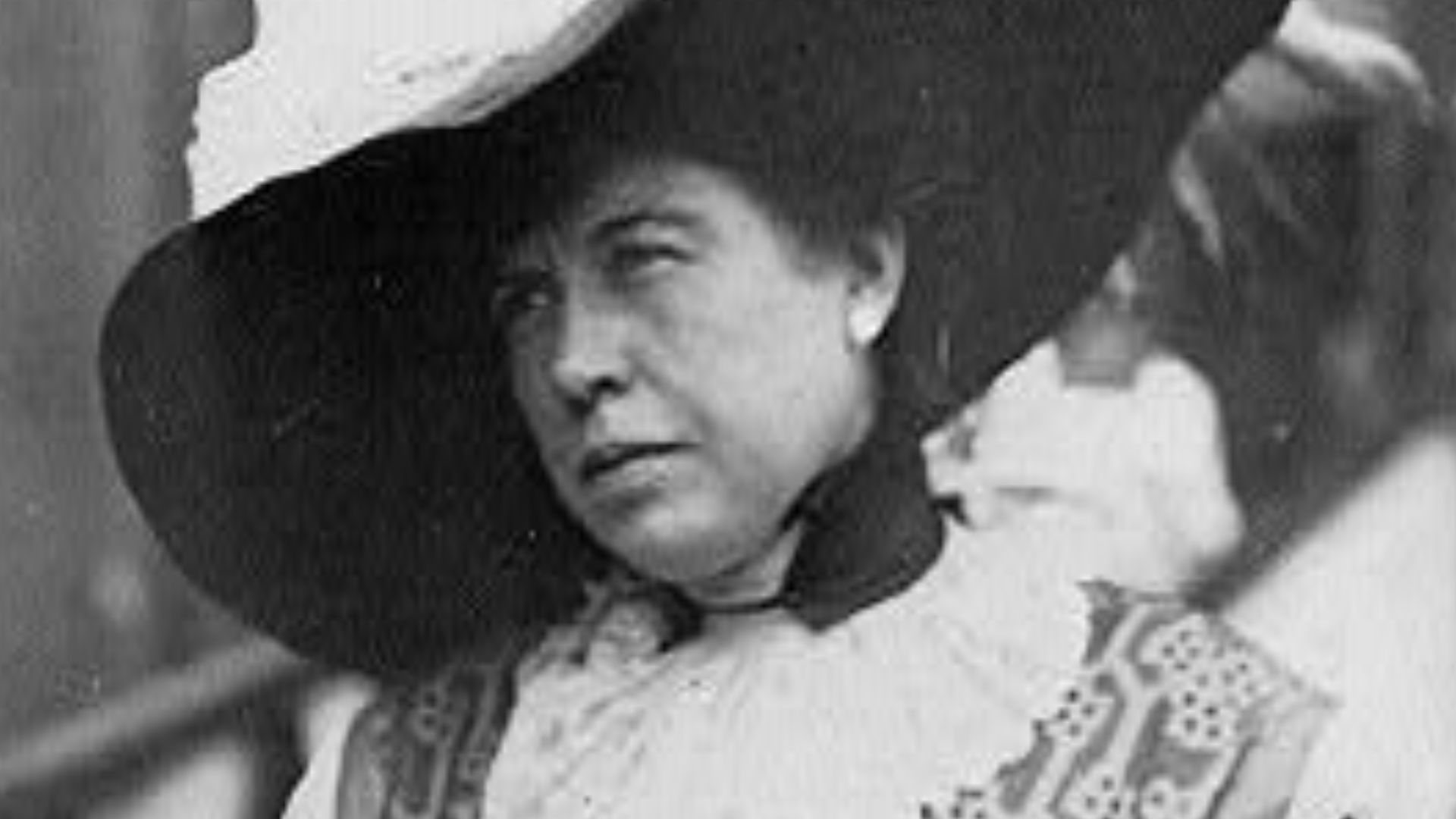 Bain Collection, Wikimedia Commons
The Legend Eventually Replaced Margaret
Later storytellers transformed Margaret Brown into the flamboyant character popularly known as "Molly," even though she was not called Molly during her lifetime. Family members became so frustrated with inaccurate retellings that they eventually withdrew from dealing with writers and historians for years. Brown survived Titanic, but her real personality also had to survive a public myth that became more famous than she was.
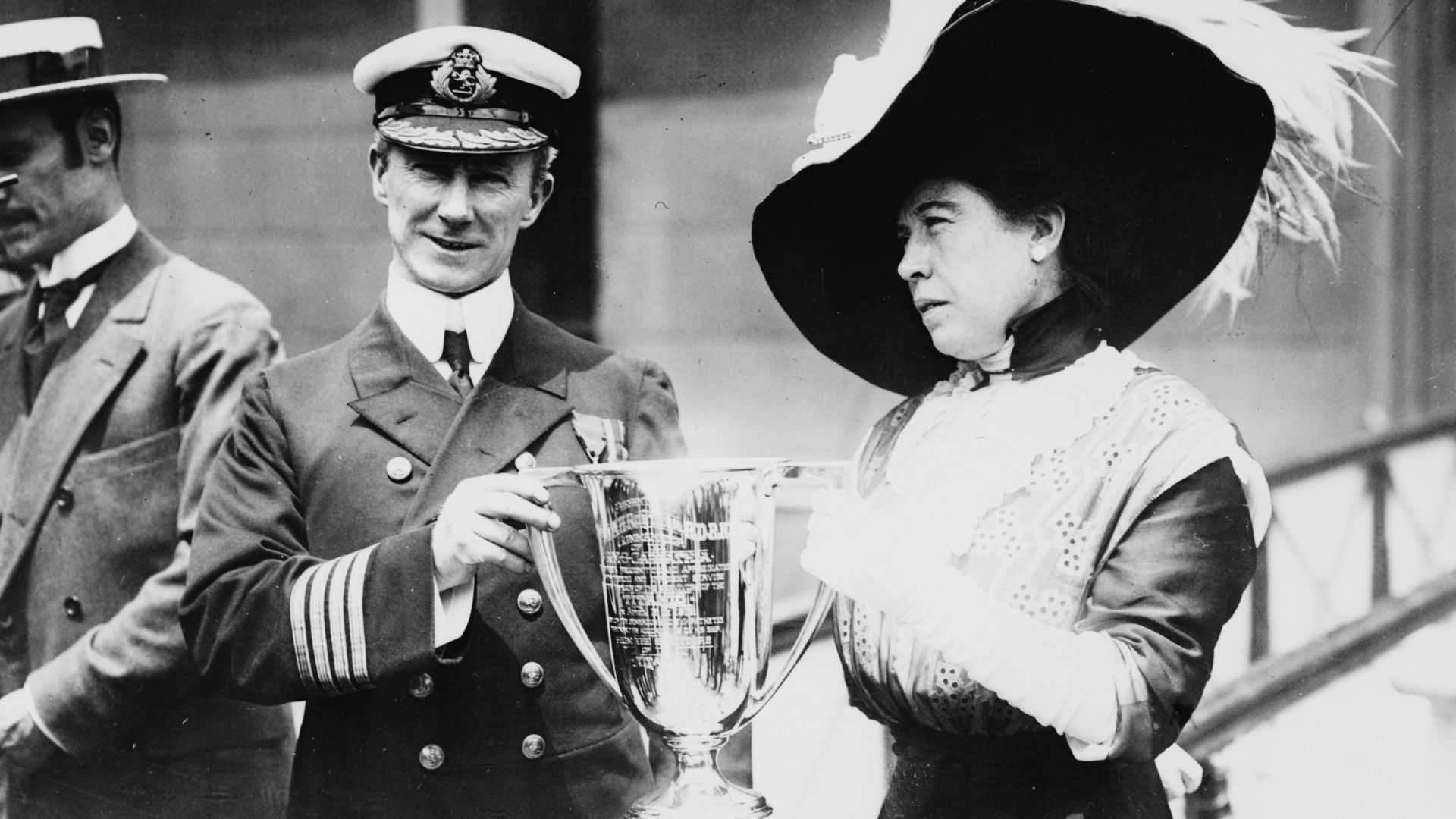 Bain News Service, Wikimedia Commons

History's most fascinating stories and darkest secrets, delivered to your inbox daily.
Juliane Koepcke Fell Out Of The Sky
Seventeen-year-old Juliane Koepcke was flying with her mother over Peru on Christmas Eve 1971 when LANSA Flight 508 broke apart during a violent storm. Still strapped into a row of seats, Koepcke fell thousands of feet into the Amazon rainforest and somehow survived. Injured and alone, she then spent roughly 11 days following waterways until she reached people who could help her.
 Cancillería del Perú, Wikimedia Commons
Reporters Found Juliane Almost Immediately
Koepcke's survival became international news almost as quickly as she emerged from the jungle. German broadcaster WDR reports that journalists pursued the shy teenager, while Stern secured an exclusive interview and letters arrived from around the world. Her father eventually sent her to relatives in Germany, giving his traumatized daughter some distance from the attention surrounding the disaster that had killed her mother.
 Cancillería del Perú, Wikimedia Commons
Juliane Built A Different Identity
Koepcke went on to study biology rather than making celebrity survival her sole profession. Decades later, she returned to the crash area with filmmaker Werner Herzog for Wings of Hope and became deeply involved with preserving the rainforest around her family's Panguana research station. Her survival remained famous, but she spent much of her adulthood making sure it was not the only meaningful thing she had ever done.
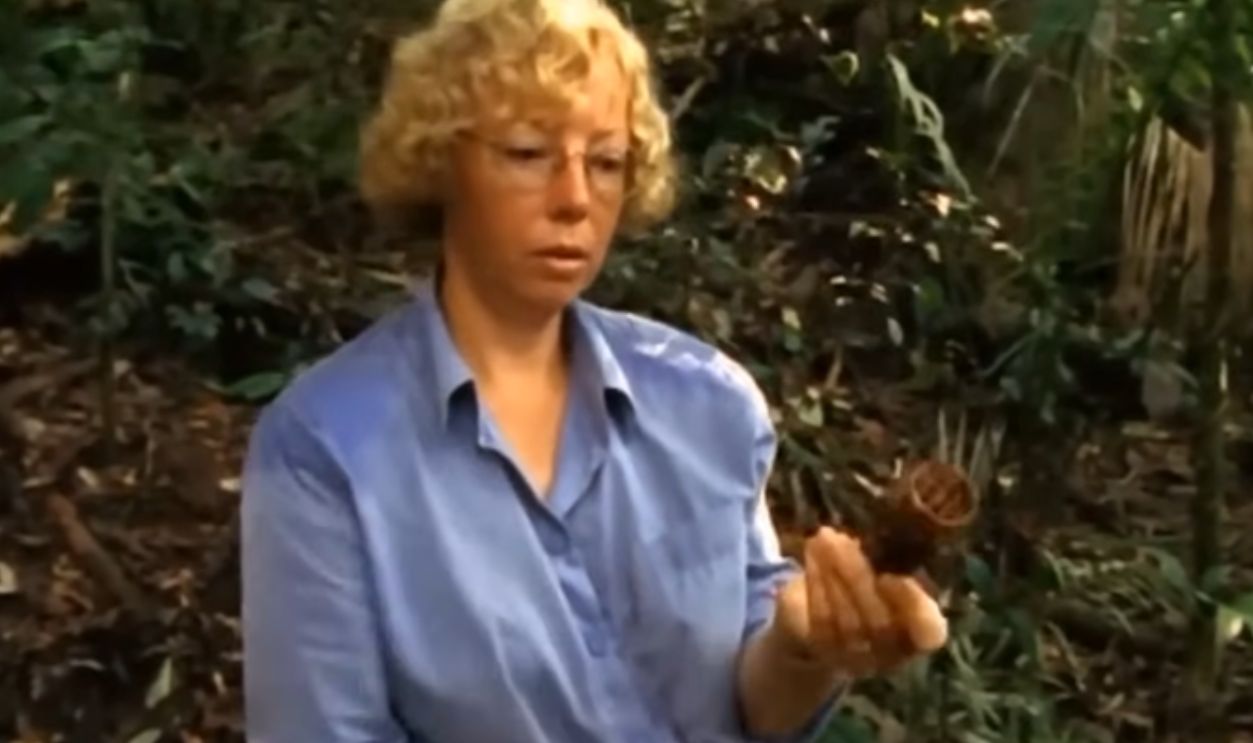 Screenshot from Wings of Hope, Werner Herzog Film (1998)
The Andes Survivors Came Home To A Miracle
Uruguayan Air Force Flight 571 crashed in the Andes in October 1972 while carrying a rugby team and others to Chile. Sixteen people ultimately survived more than two months in the mountains after Nando Parrado and Roberto Canessa completed an extraordinary trek to find help. The rescue instantly turned a group of exhausted young men into international celebrities.
 Pedro Escobal, Wikimedia Commons
Then The World Learned What They Ate
The survivors had stayed alive partly by eating the bodies of people who had died in the crash and its aftermath. Newspapers seized on that fact, forcing the men to explain an agonizing survival decision while still grieving relatives and friends. Parrado later recalled that journalists surrounded them for months and that sensational stories even claimed the survivors had invented parts of their ordeal.
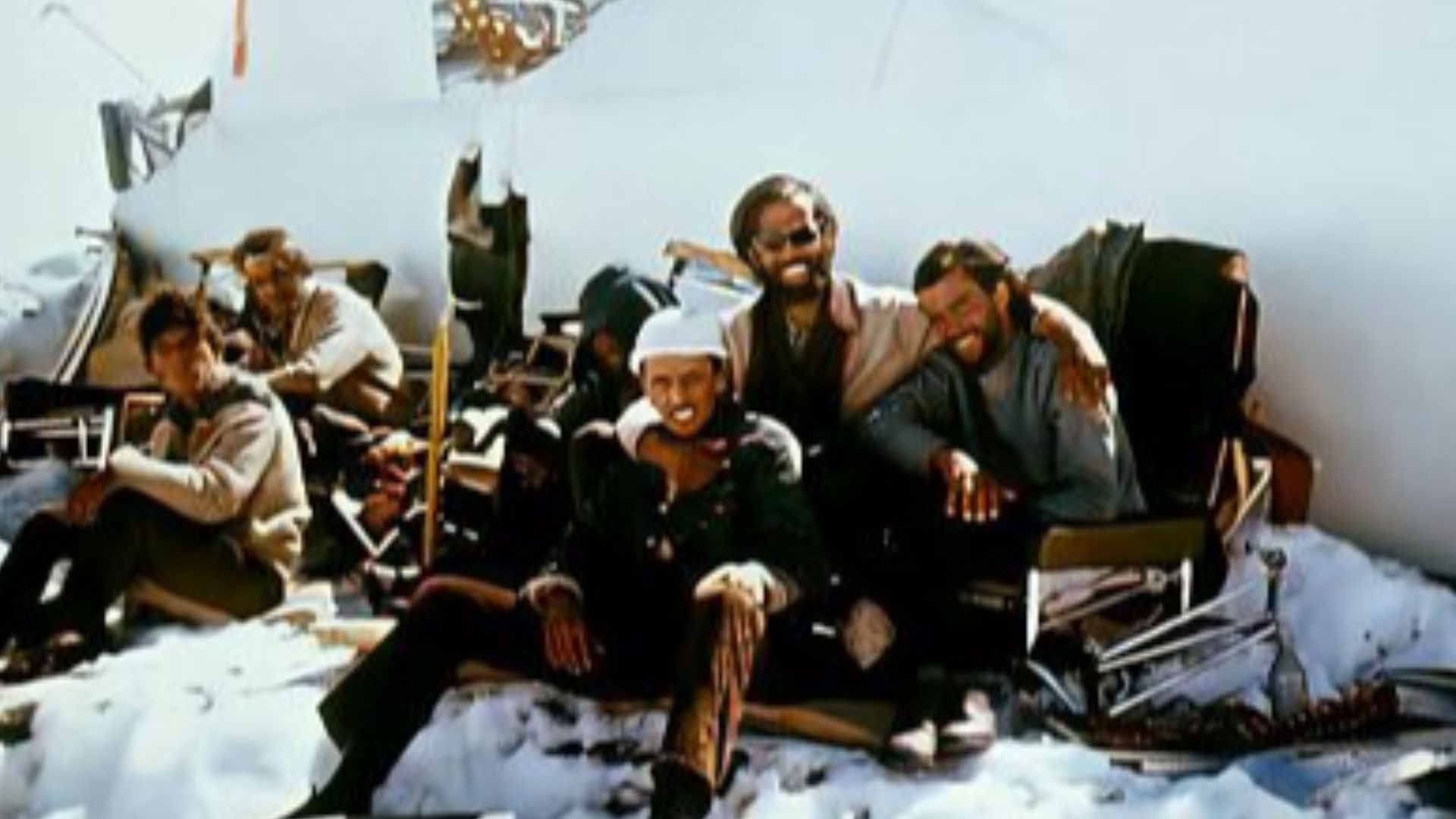 Gustavo Cervino, Wikimedia Commons
Some Suffered More After The Rescue
Six years after the crash, The Washington Post reported that several survivors believed their psychological struggles intensified after they returned home. Eduardo Strauch described years of depression, while Parrado had to resume life without the mother and sister who died in the mountains. Many eventually built careers, families, charitable projects, and public-speaking roles, but celebrity could not provide the clean ending audiences wanted from their survival story.
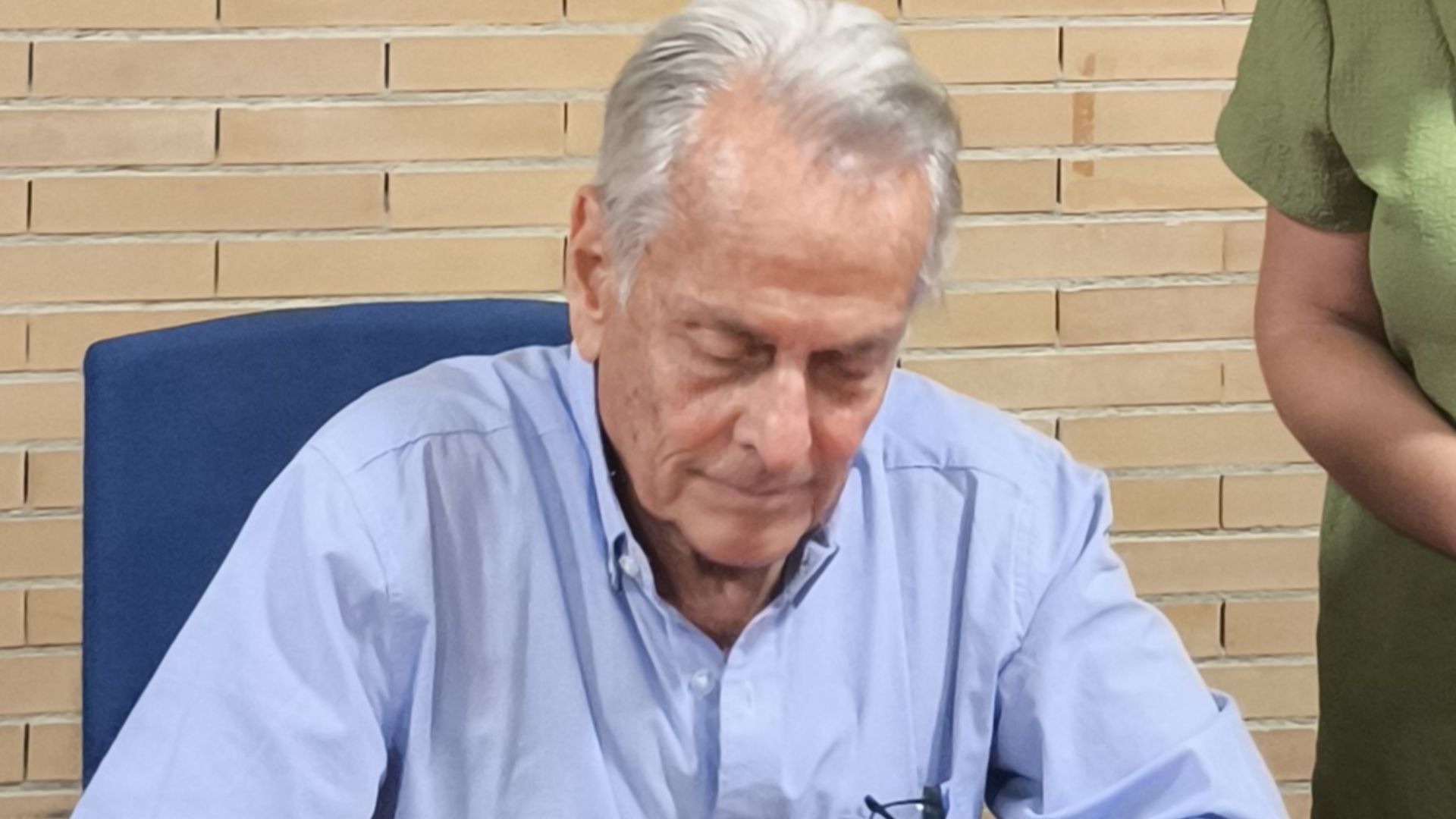 Estrella Ferre, Wikimedia Commons
History's most fascinating stories and darkest secrets, delivered to your inbox daily.
Baby Jessica Fell Into A Well
In October 1987, 18-month-old Jessica McClure slipped into a narrow abandoned well in Midland, Texas. She remained trapped roughly 22 feet underground for 58 hours while rescuers drilled beside the shaft and worked to reach her. Television networks interrupted regular programming, turning the rescue into one of the defining live-news events of the decade.
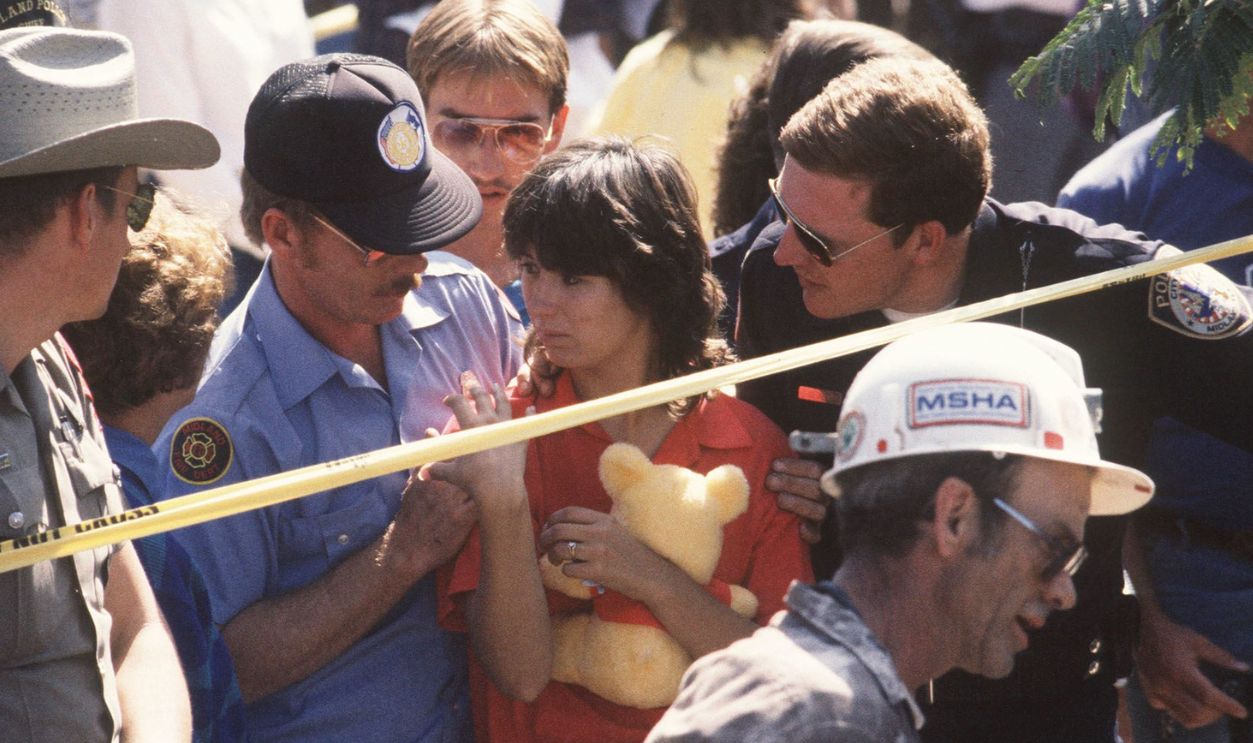
America Suddenly Thought It Knew Her
President Ronald Reagan remarked that Americans had effectively become Jessica's godparents during the rescue. Donations poured into a trust fund for the toddler, a Pulitzer Prize-winning photograph preserved the moment she emerged, and a television movie followed. Jessica had become one of the country's most recognizable children before she was old enough to remember what had happened.
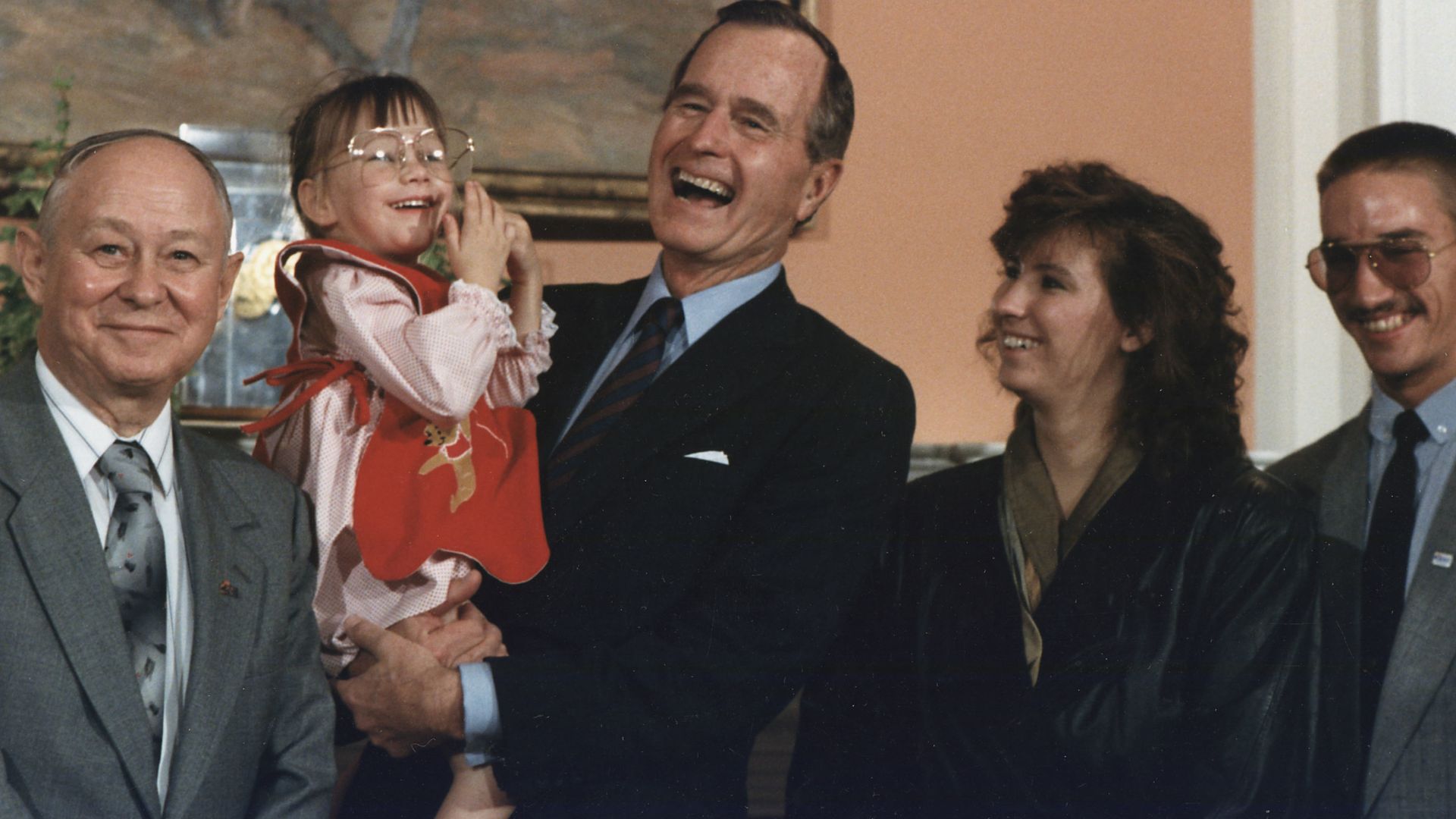 Susan Biddle, Wikimedia Commons
Jessica Chose An Ordinary Life
As an adult, Jessica McClure Morales largely avoided building a celebrity career around the rescue. She married, raised children, worked ordinary jobs, and remained close to Midland, although physical reminders of the accident stayed with her. Decades later, she emphasized that the well was part of her story rather than the definition of her entire identity.
![George H. W. Bush;Jessica Mcclure;Chip Mcclure [& Family]](https://www.factinate.com/storage/app/media/factinate/2026/8/26/fct-slides-4.jpg)
Tsutomu Yamaguchi Survived Hiroshima
Tsutomu Yamaguchi was on a business trip in Hiroshima when the first atomic bomb exploded on August 6, 1945. The blast temporarily blinded him, damaged his hearing, and badly burned his upper body. He survived the night and made his way back to his hometown of Nagasaki.
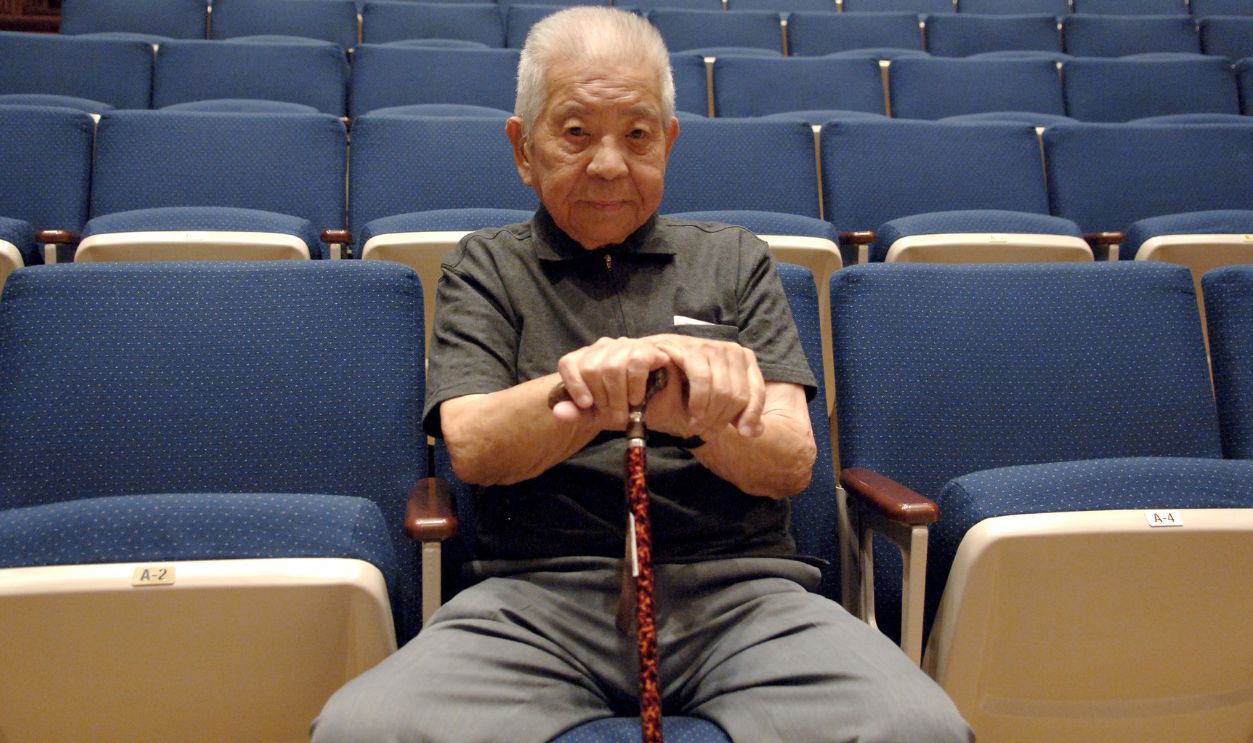
Then Nagasaki Exploded Around Him
On August 9, Yamaguchi returned to work despite his injuries and began explaining the destruction of Hiroshima to a skeptical supervisor. During that conversation, the second atomic bomb detonated over Nagasaki. Yamaguchi survived again, making him one of the extraordinary group of people exposed to both atomic attacks.
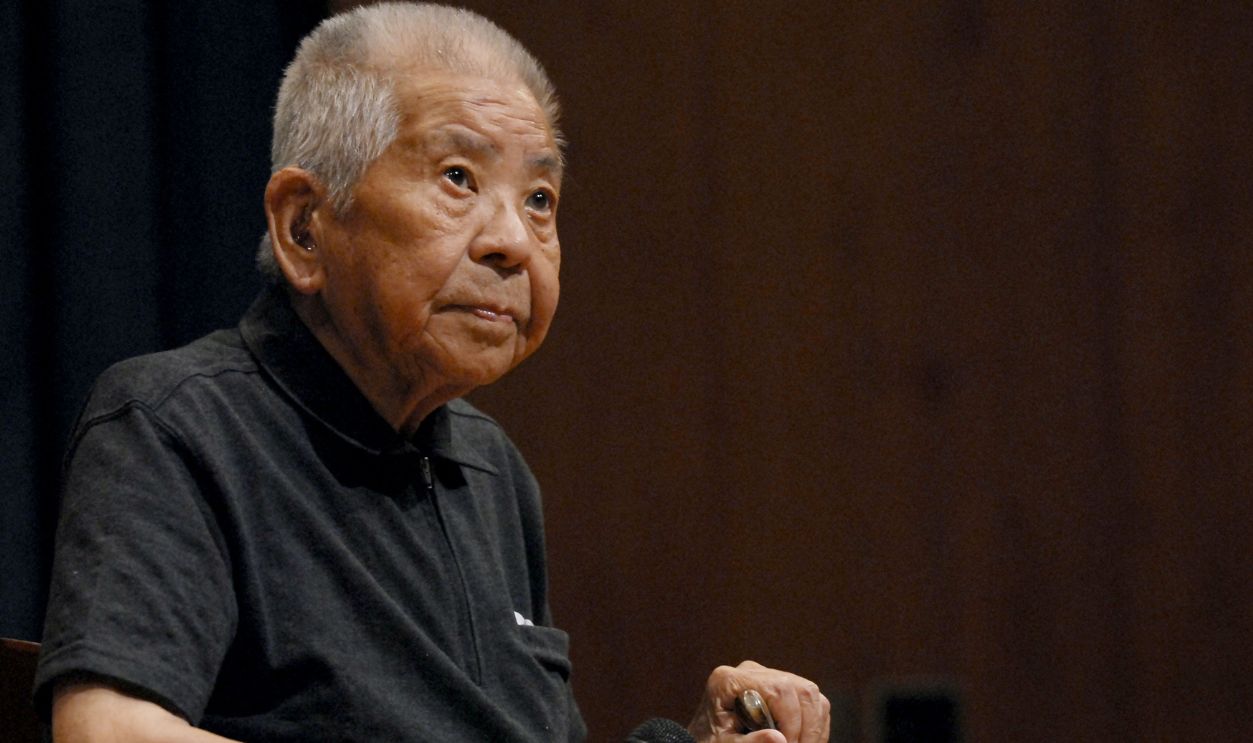
He Waited Decades To Become A Public Witness
Yamaguchi spent much of his postwar life working and raising a family rather than seeking attention for what happened. In later years, he became more public, wrote about his experiences, spoke against nuclear weapons, and addressed the United Nations in 2006. Japan officially recognized him in 2009 as having survived both bombings, turning a story he had carried quietly for decades into an international symbol of nuclear survival.
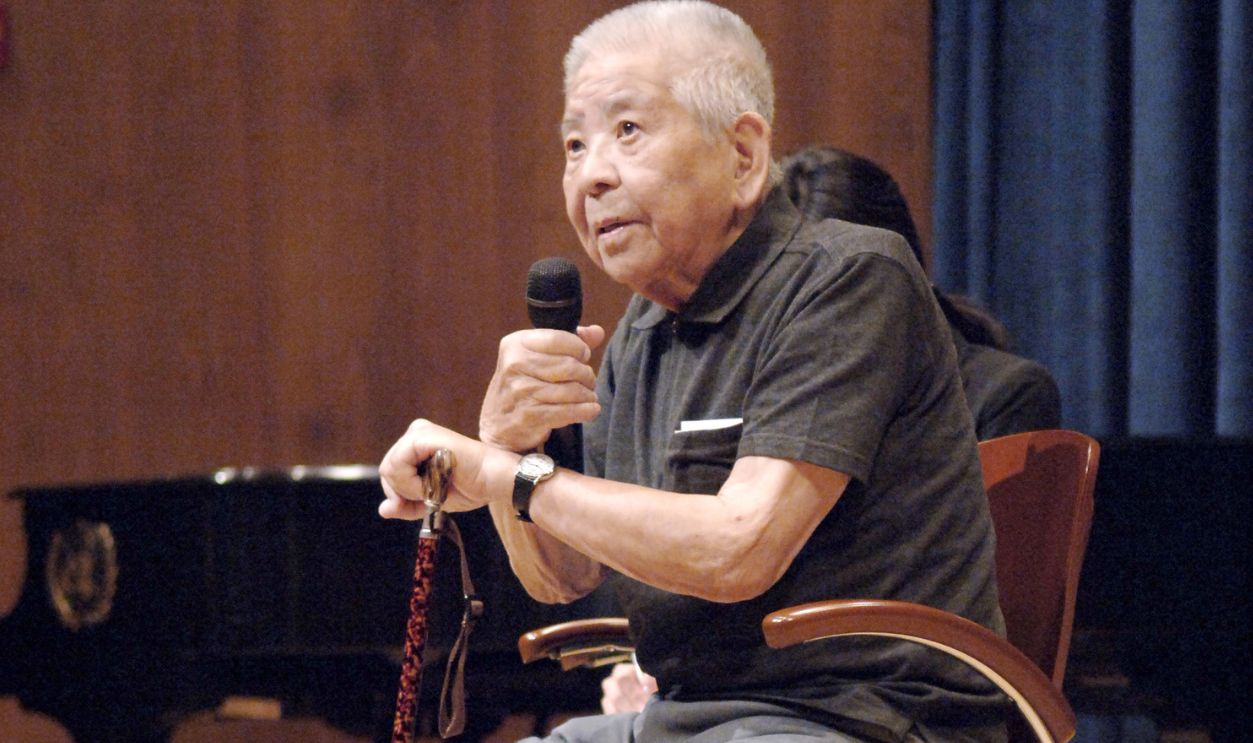
History's most fascinating stories and darkest secrets, delivered to your inbox daily.
Thirty-Three Miners Vanished Underground
A collapse at Chile's San José mine in August 2010 trapped 33 workers deep beneath the Atacama Desert. For more than two weeks, nobody on the surface knew whether they were alive before a drill finally reached their refuge. All 33 were eventually brought to the surface in October after 69 days underground, while television audiences around the world watched the rescue.
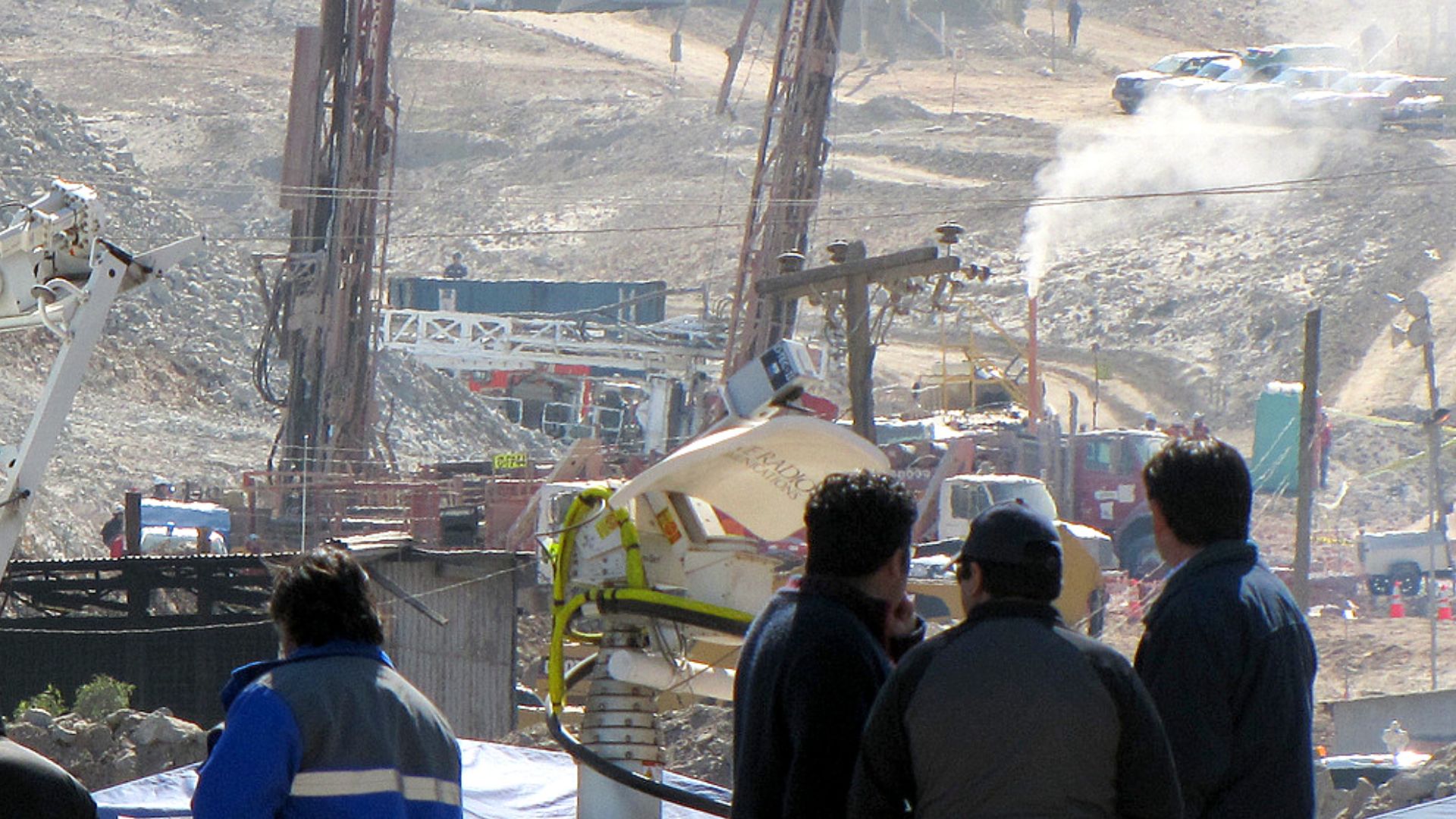 desierto_atacama, Wikimedia Commons
The Miners Became Rock Stars Overnight
The newly rescued men received invitations, gifts, interview offers, foreign trips, and proposed entertainment deals. They appeared before enormous crowds and were welcomed at places ranging from Wembley Stadium to Disneyland. Samuel Avalos later remembered people climbing trees simply to get a glimpse of them.
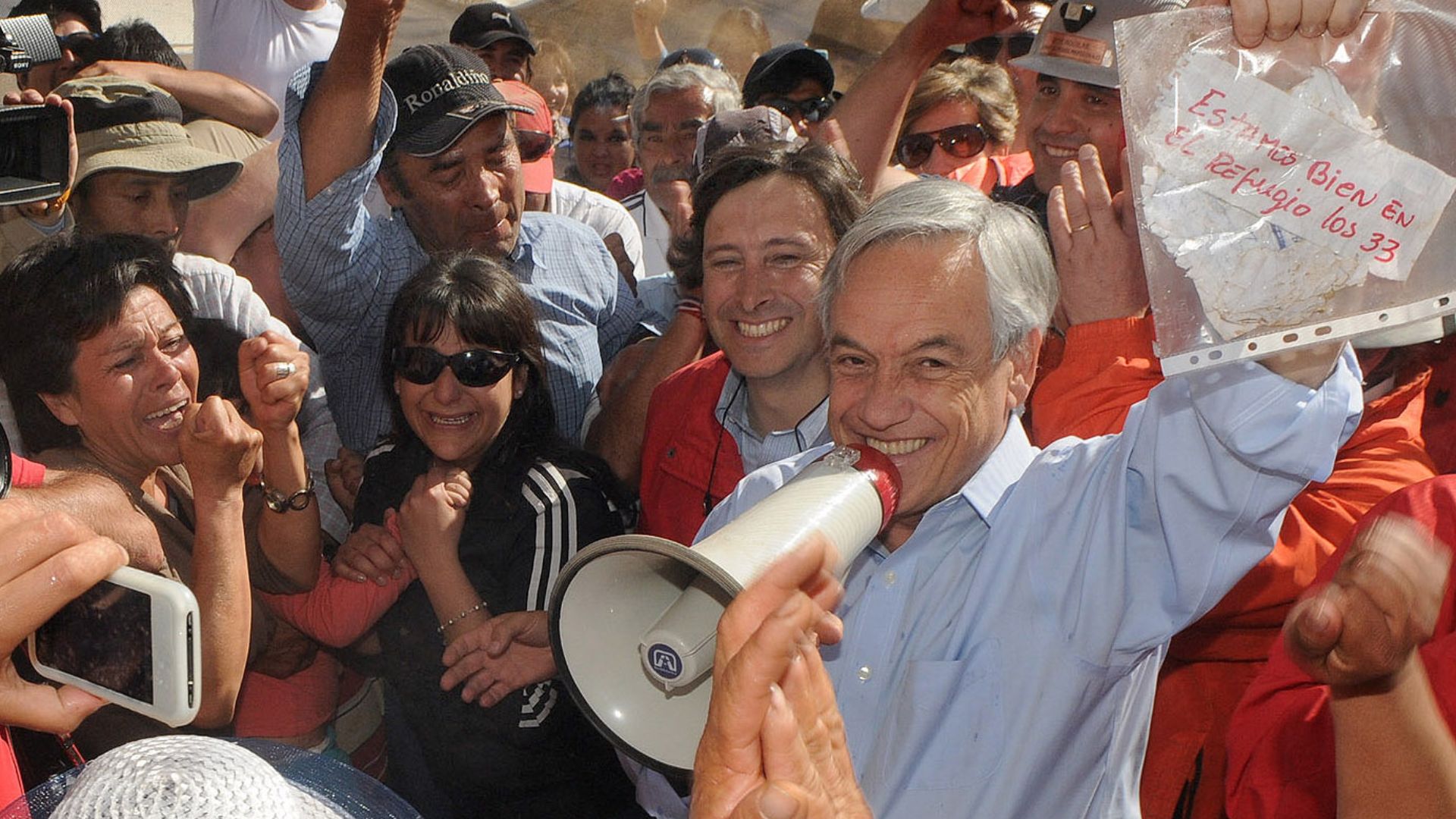 Gobierno de Chile, Wikimedia Commons
Fame Did Not Fix What Happened Underground
Within a year, many of the miners were again facing poverty, unemployment, health problems, and psychological trauma. Doctors and relatives warned that instant celebrity had created its own pressures while the men were still struggling to process confinement and near death. The Guardian described their experience as the "mixed blessings" of unsought fame, while Al Jazeera summarized the aftermath more starkly as fame without fortune.
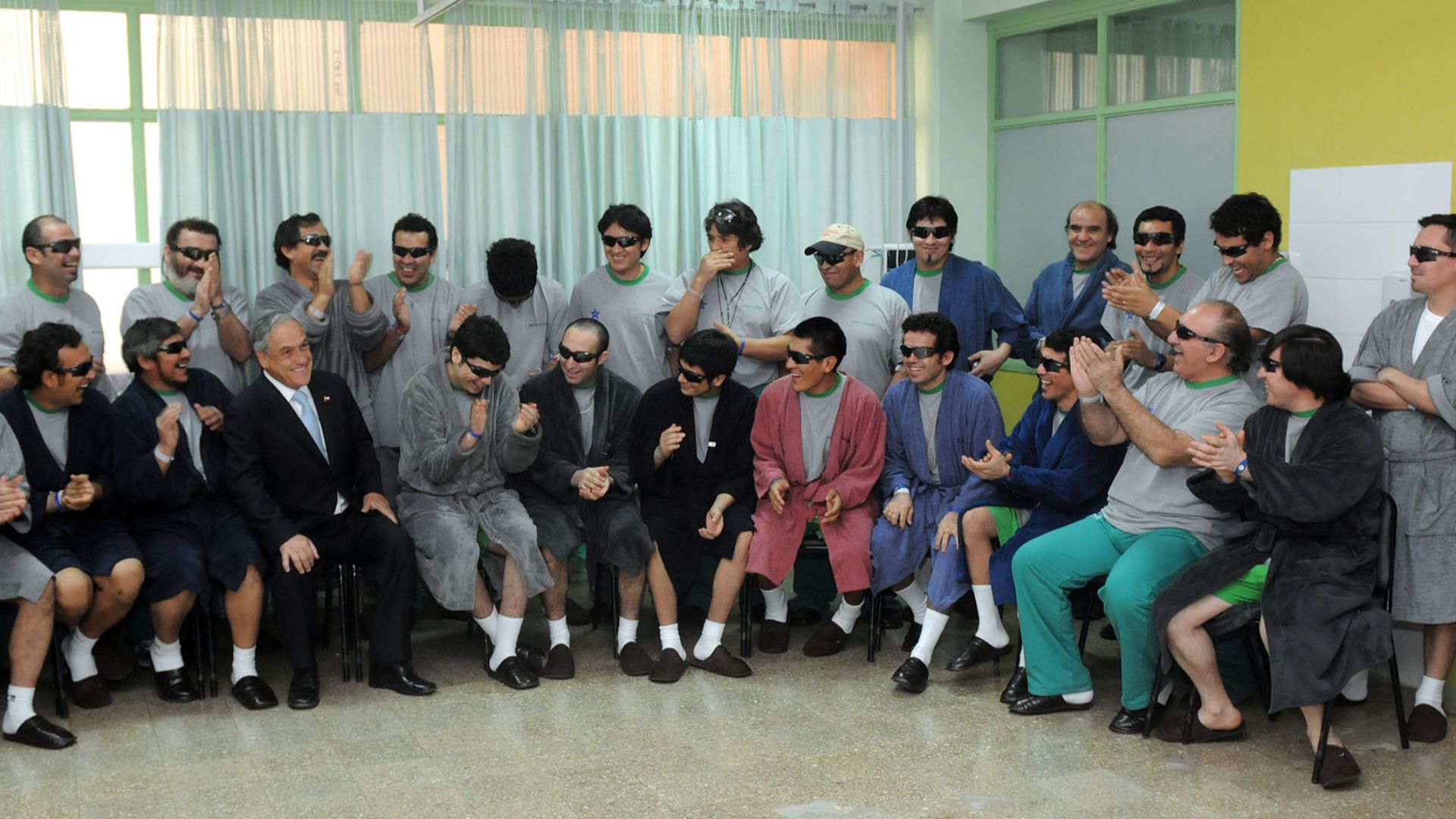 Gobierno de Chile, Wikimedia Commons
Aron Ralston Had To Cut Himself Free
In 2003, Aron Ralston became trapped alone in Utah's Bluejohn Canyon when an enormous boulder pinned his right arm against the rock wall. After five days without rescue and with almost no water remaining, he broke the bones in his trapped arm and amputated it with a small multitool. He then rappelled down a cliff and continued moving until rescuers reached him.
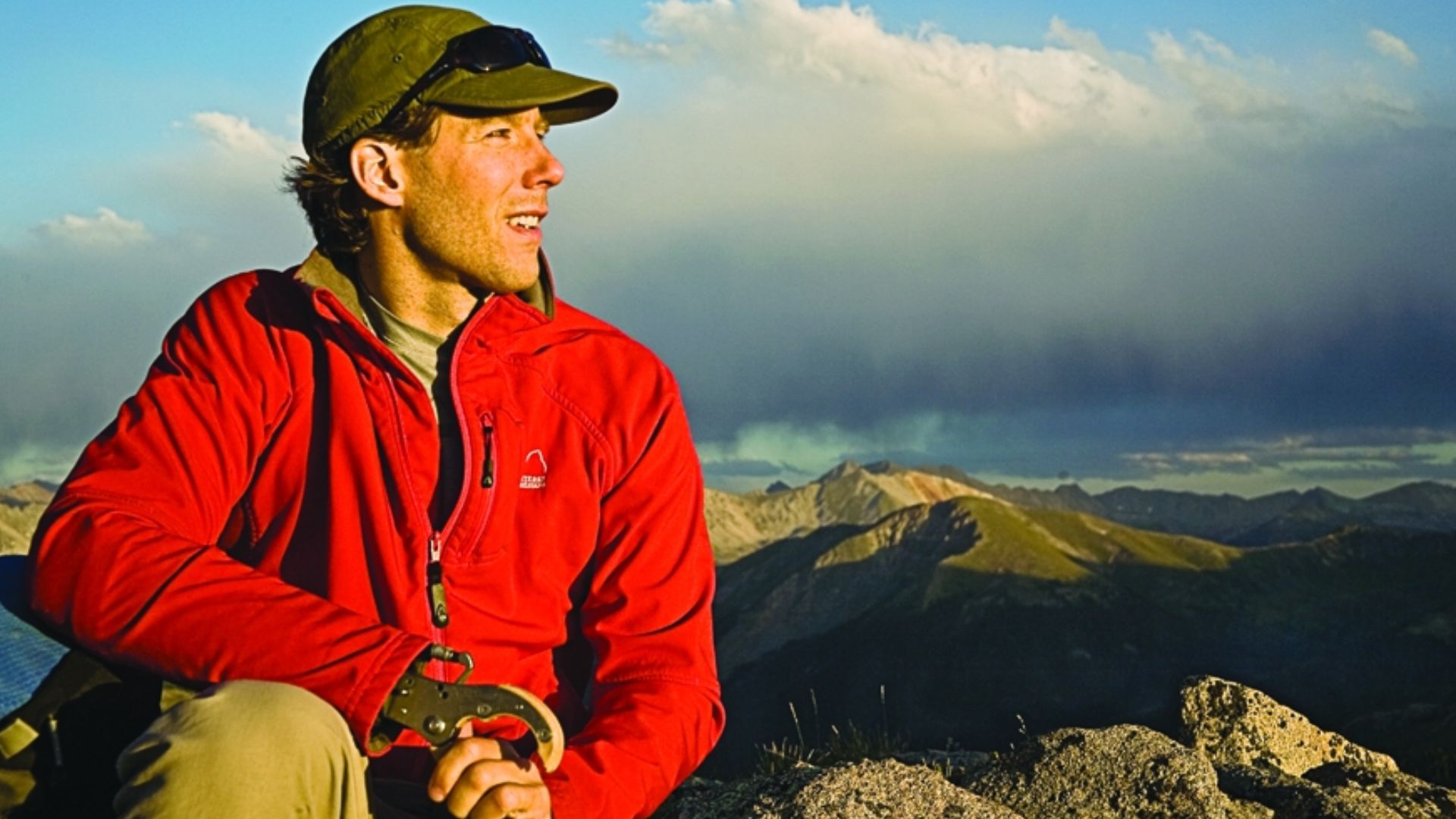 Michael Alvarez, Aron Ralston, Wikimedia Commons
His Private Ordeal Became Public Property
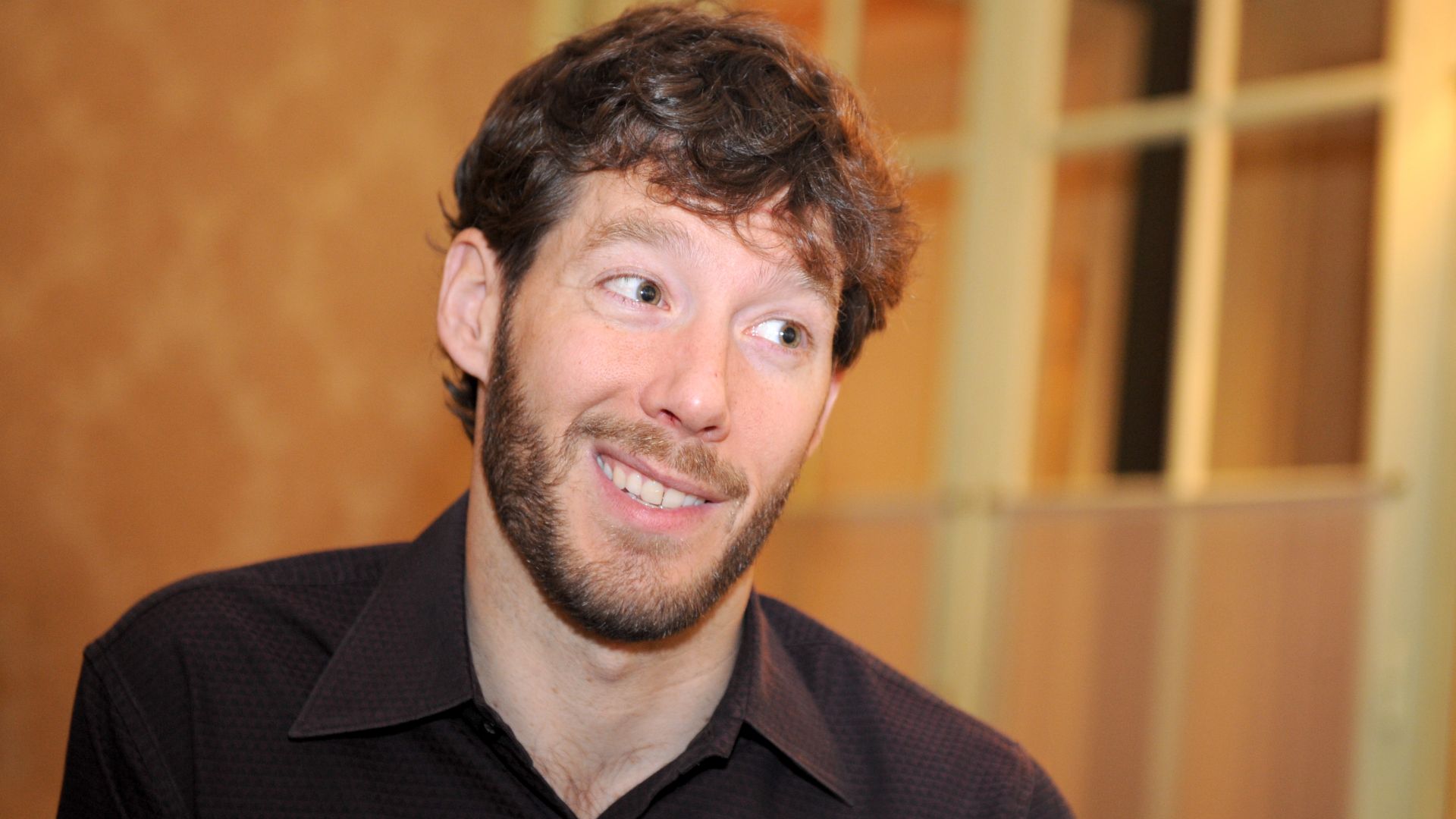
National attention began almost immediately after Ralston's rescue. Outside reported that more than 500 articles and hundreds of television and radio segments covered the story in the following days and weeks. Ralston's parents initially shielded him from reporters while he recovered, but within a week he was facing cameras and explaining in detail how he had amputated his own arm.
 Nicolas Richoffer, Wikimedia Commons
Ralston Had To Learn What Survival Meant
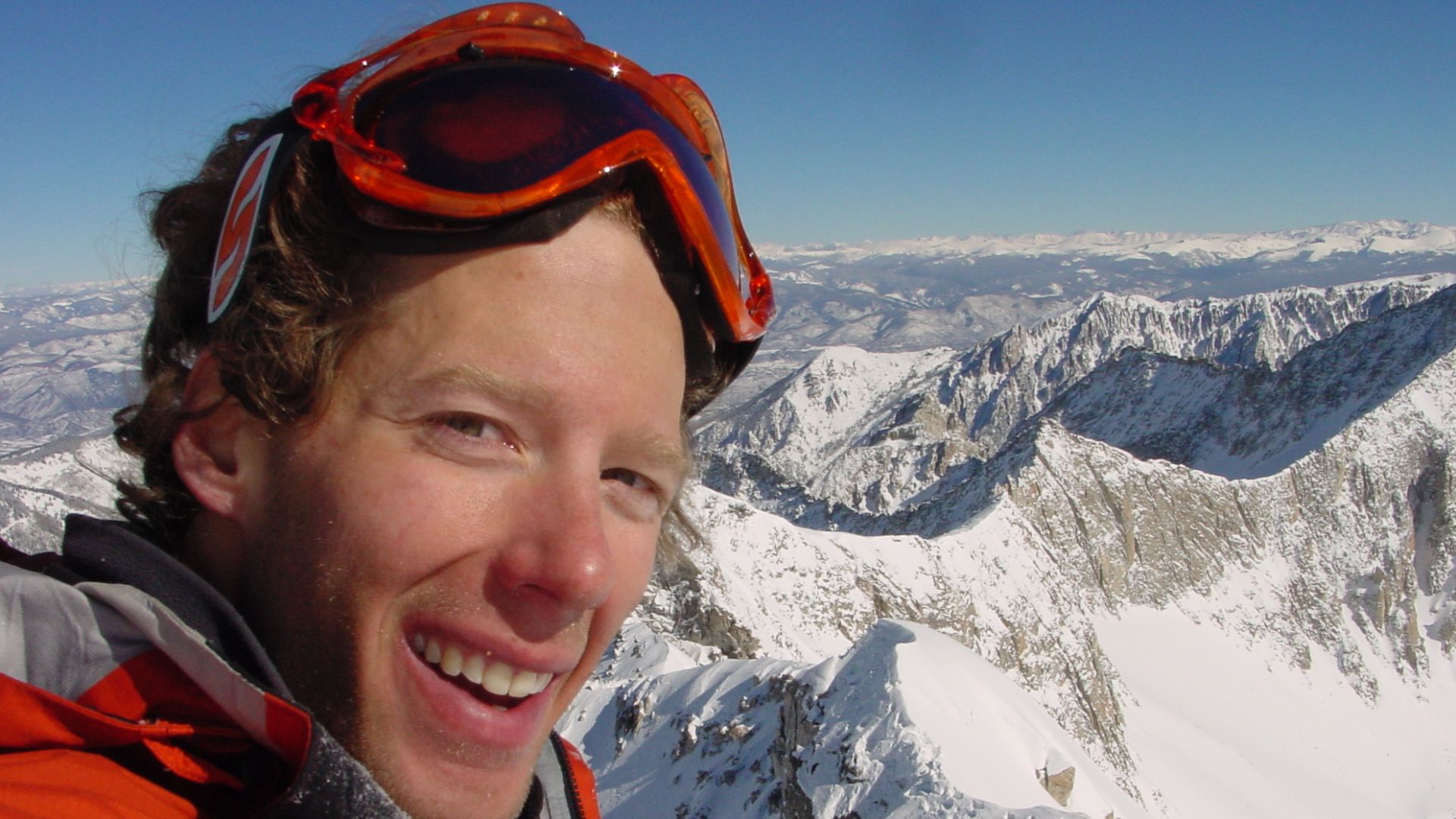
Ralston wrote the memoir Between a Rock and a Hard Place, became a motivational speaker, and later watched his ordeal recreated in the film 127 Hours. He admitted that survival initially reinforced a dangerous sense that he was almost invincible rather than humbling him, and a later personal crisis forced him to rethink that identity. Fame made him a symbol of toughness, while Ralston gradually came to emphasize relationships and dependence on other people instead.
 Aron Ralston, Wikimedia Commons
History's most fascinating stories and darkest secrets, delivered to your inbox daily.
Bethany Hamilton Lost An Arm At Thirteen
Bethany Hamilton was already a promising competitive surfer when a shark attacked her off Kauai in October 2003. The 13-year-old lost her left arm but survived after friends rushed her to medical care. Only weeks later, she returned to the ocean and began learning how to surf competitively with one arm.
 Denise M. Nevins, Wikimedia Commons
The Comeback Became Bigger Than The Attack
Hamilton's return to surfing generated enormous national interest and quickly transformed her into an inspirational public figure. She published Soul Surfer, appeared repeatedly on television, received a major comeback award, and eventually saw her life dramatized in a feature film. At an age when most teenagers were navigating high school, Hamilton was navigating an international audience fascinated by her body, courage, and recovery.

Bethany Had To Become More Than Inspiration
Hamilton has acknowledged that she initially found the attention uncomfortable and that interviews could interfere with what she really wanted to do, which was surf. She eventually chose to use her visibility deliberately, building a career that combined competition, speaking, writing, faith, and work with people facing adversity. The fame did not disappear, but Hamilton learned to direct it instead of simply being swept along by it.
 Gage Skidmore , Wikimedia Commons
Sully Landed An Airliner On The Hudson
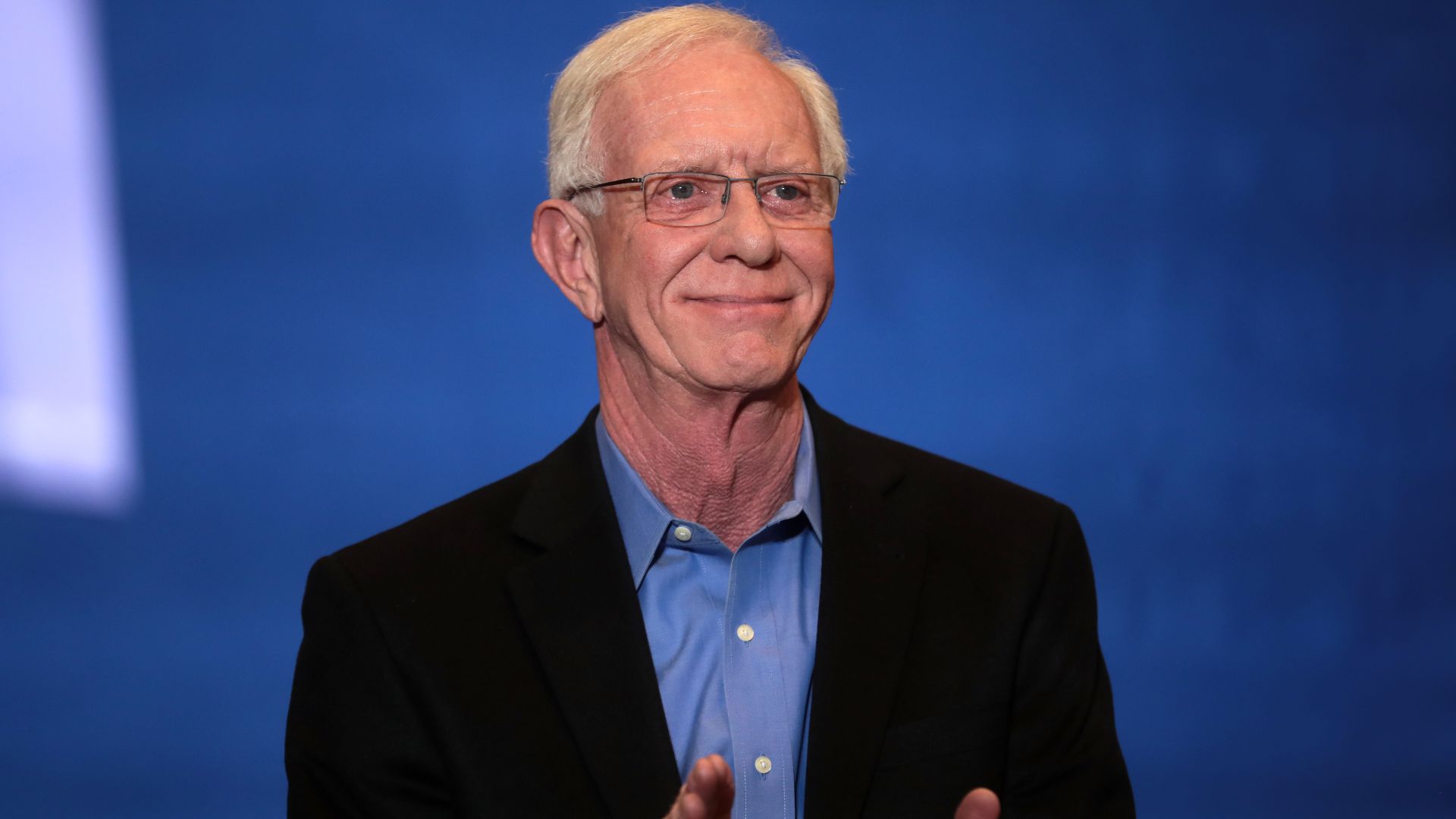
On January 15, 2009, US Airways Flight 1549 struck birds shortly after taking off from New York's LaGuardia Airport and lost thrust in both engines. Captain Chesley "Sully" Sullenberger and First Officer Jeffrey Skiles brought the Airbus A320 down on the Hudson River. All 155 people aboard survived, and the landing immediately became known as the "Miracle on the Hudson."
 Gage Skidmore from Surprise, AZ, United States of America, Wikimedia Commons
The Quiet Pilot Became A Global Celebrity
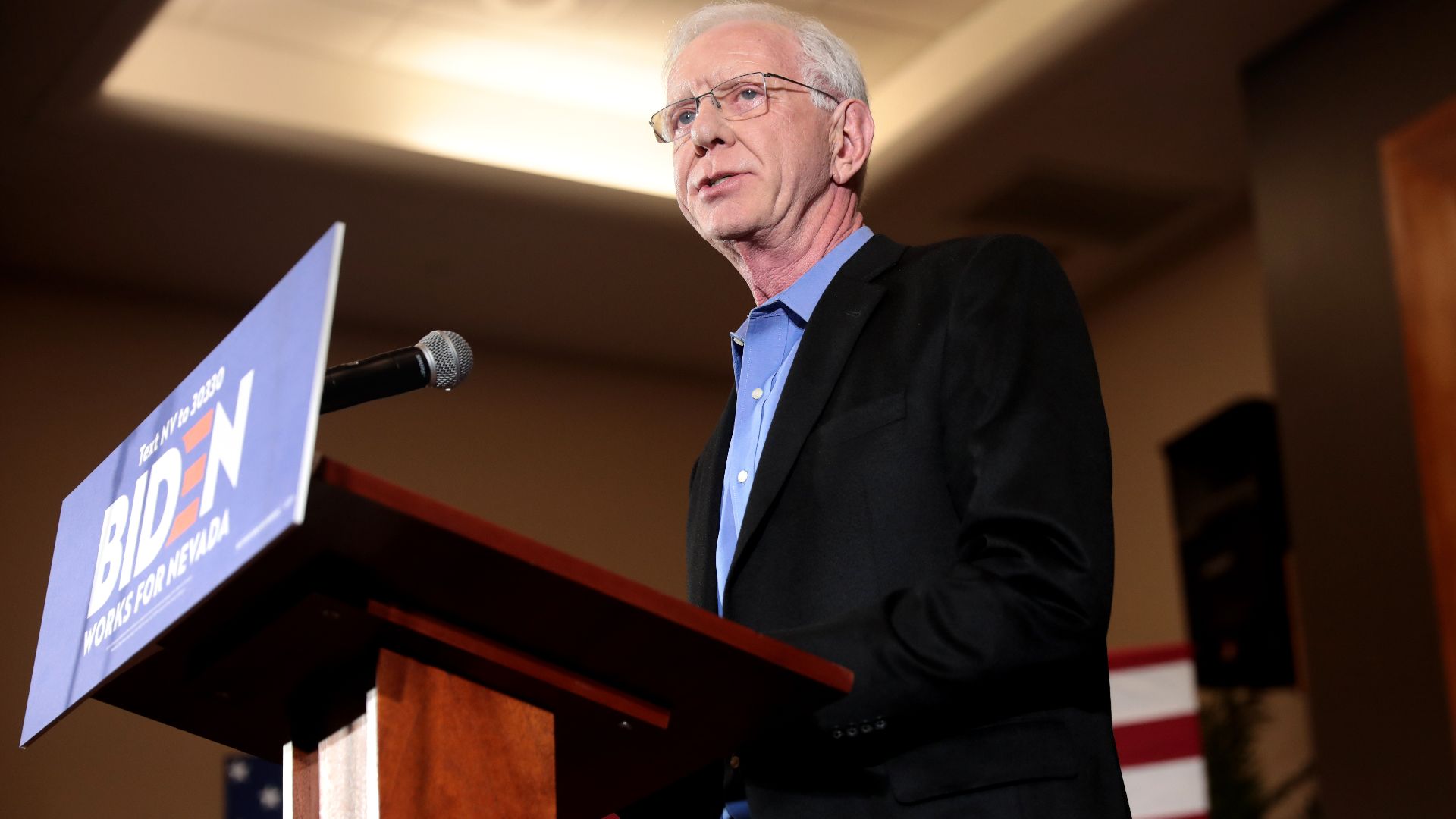
Sullenberger suddenly appeared on television, met political leaders, attended major public events, wrote a book, and became the public face of the rescue. He later said his family viewed the aftermath as a second traumatic phase because worldwide notoriety arrived so quickly and completely. A man accustomed to cockpit procedure had to learn, in his words, how to live a new life on the world stage.
 Gage Skidmore from Surprise, AZ, United States of America, Wikimedia Commons
Sully Eventually Turned Attention Into A Duty
Sullenberger never liked the idea that one man deserved all the credit for an event involving pilots, cabin crew, passengers, air traffic controllers, ferry crews, and first responders. He nevertheless concluded that his unwanted visibility gave him a responsibility to speak publicly about aviation safety and professional standards. The fame that initially felt overwhelming eventually became a platform he believed he could not simply walk away from.
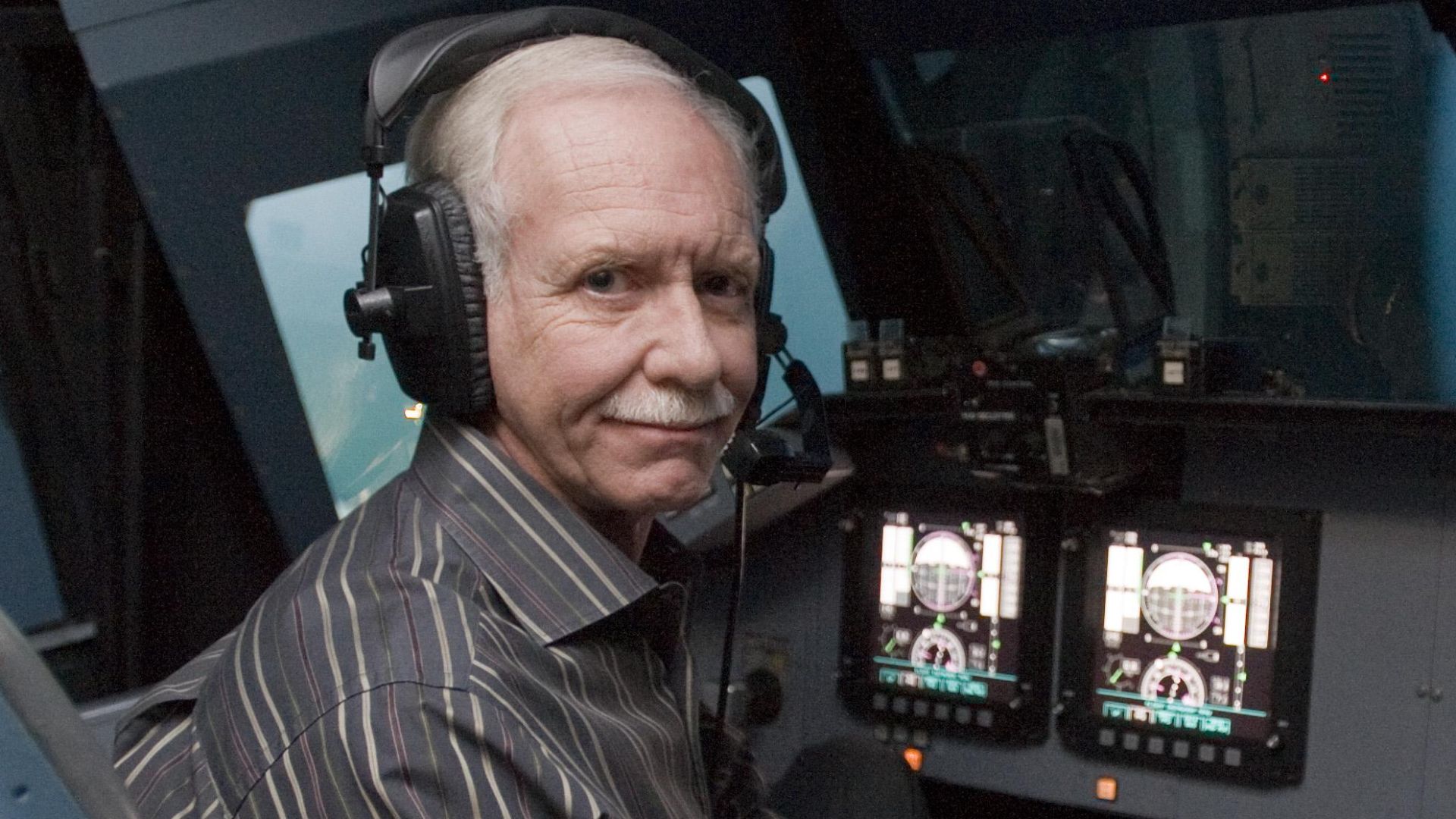 NASA Ames Research Center / Eric James, Wikimedia Commons
History's most fascinating stories and darkest secrets, delivered to your inbox daily.
Joe Simpson Was Left For Dead
In 1985, mountaineers Joe Simpson and Simon Yates were descending Siula Grande in Peru when Simpson suffered a catastrophic leg injury. During a desperate descent, Yates found himself being pulled toward disaster by Simpson's weight and eventually cut the rope connecting them. Simpson fell into a crevasse, survived, escaped from it, and spent days dragging himself back toward camp.
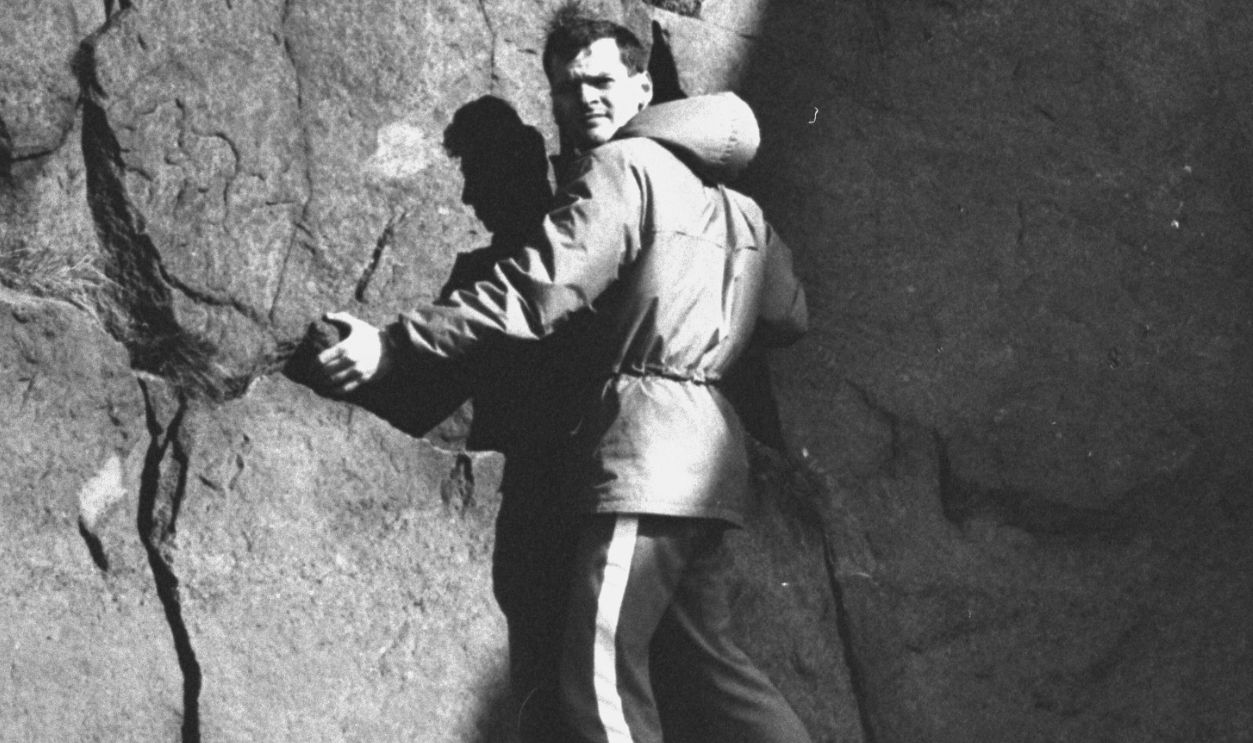
The Climbing World Put Yates On Trial
Rumors spread through mountaineering circles about Yates's decision to cut the rope, and Simpson became determined to explain what had actually happened. He later said that correcting those distorted versions was a major reason he wrote Touching the Void. The survival story therefore entered public life partly because Simpson wanted to defend the man whom outsiders were already judging.
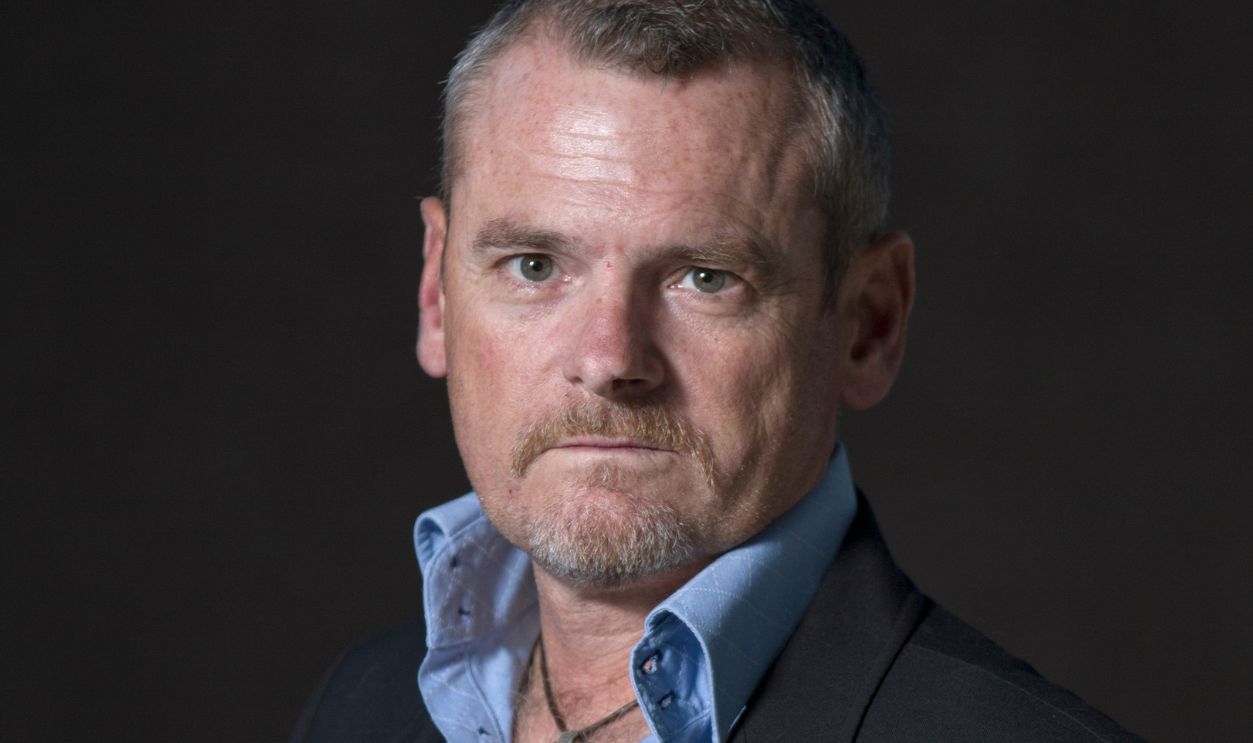
Joe Spent Decades Retelling Four Days
Touching the Void became a bestseller, then an acclaimed documentary and eventually a stage production. Simpson found himself repeatedly answering intimate questions about fear, friendship, death, and whether Yates had done the right thing, long after his shattered leg had healed. Surviving the mountain changed his body, but publishing the story ensured that those four days would follow him through the rest of his public life.
 summonedbyfells, Wikimedia Commons
You May Also Like:
History's Most Bone-Chilling Events
Sources: 1, 2, 3, 4, 5, 6, 7, 8, 9, 10, 11, 12, 13, 14, 15, 16, 17, 18, 19, 20, 21, 22, 23, 24, 25, 26, 27, 28, 29, 30