Survival Was Only The Beginning.
These people survived the impossible only to discover that the public wanted their stories long after they wanted their ordinary lives back. A few eventually embraced that attention, while others spent decades trying to separate themselves from the legends created around the worst moments they had ever experienced.
Ada Blackjack Was Left Alone In The Arctic
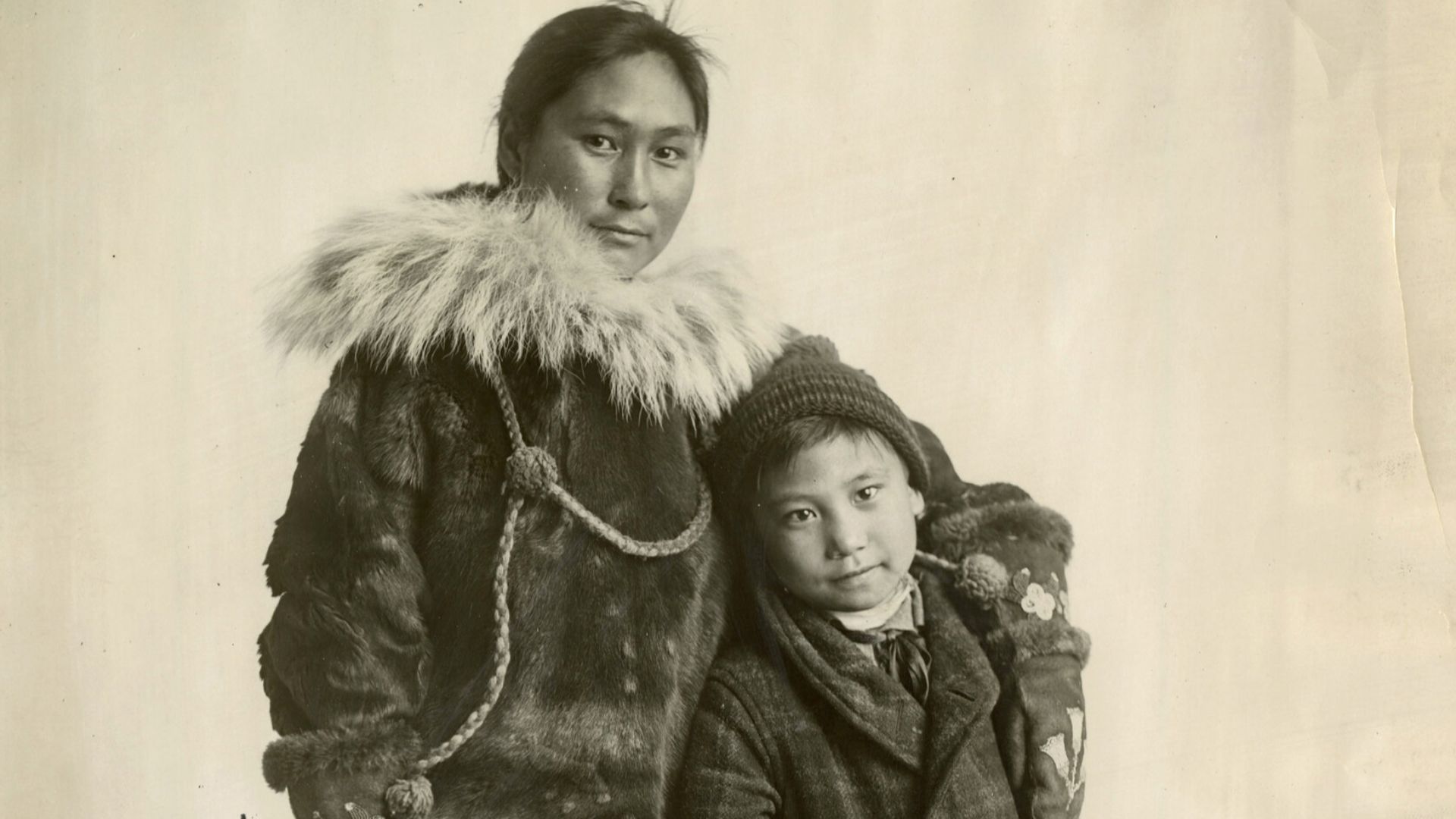
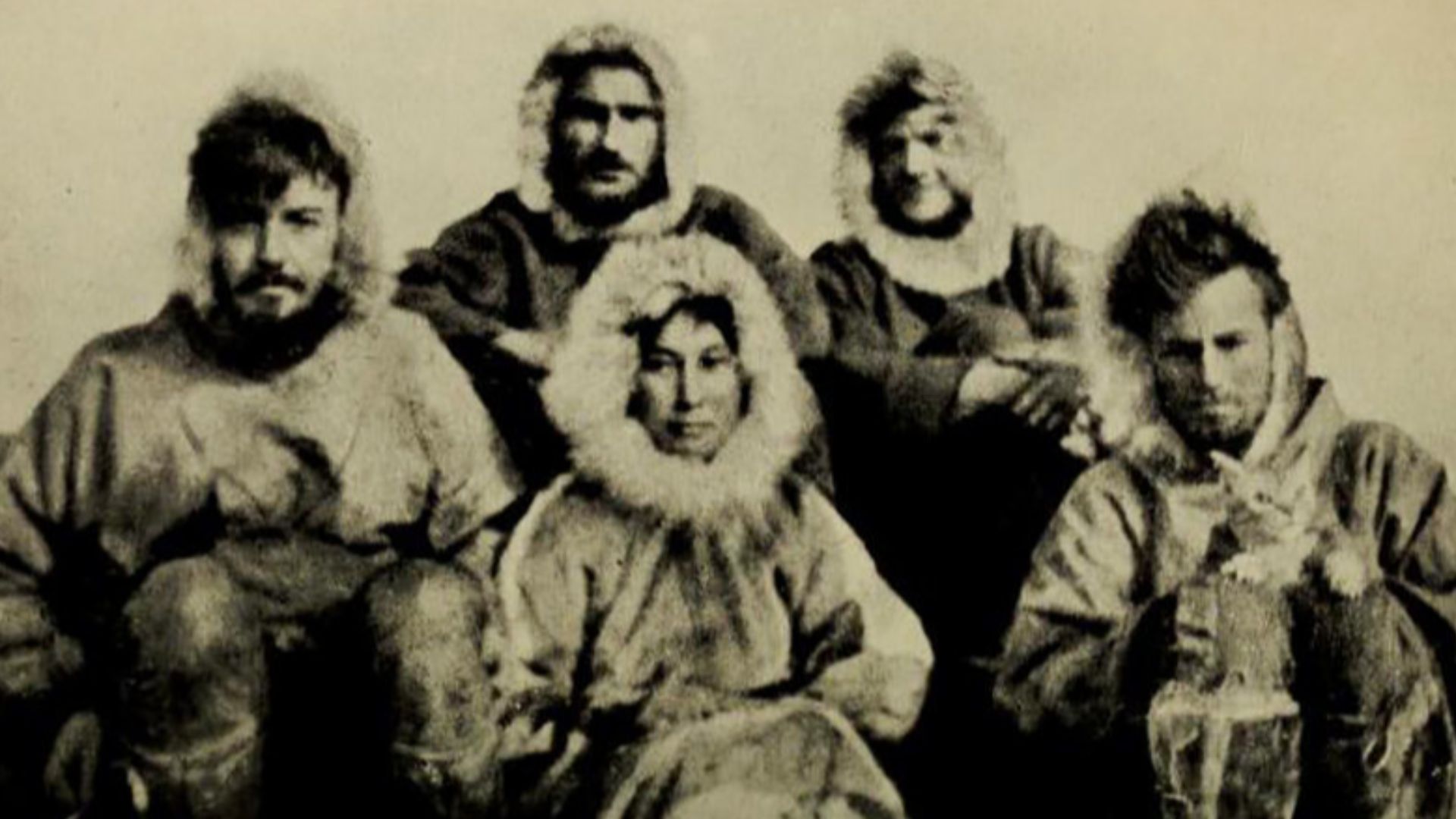
Ada Blackjack joined the 1921 Wrangel Island expedition because she desperately needed money to support her sick son. Conditions deteriorated until three expedition members left across the ice seeking help, while Ada remained behind caring for the seriously ill Lorne Knight. Knight eventually died, and the three men who had departed never returned. When a rescue ship finally reached Wrangel Island in 1923, Ada was the expedition's only survivor.
Reporters Were Waiting For The Woman Who Survived
Ada returned to civilization expecting to reunite with her son, but instead encountered intense press attention. The National Park Service describes journalists surrounding her after her return, alternately celebrating her as a heroine and circulating ugly rumors about what had happened on the island. Dartmouth's biographical records similarly describe a media circus surrounding the expedition. Ada had survived isolation only to find strangers eager to turn those private months into public property.
 Internet Archive, Wikimedia Commons
Other People Profited From Ada's Story
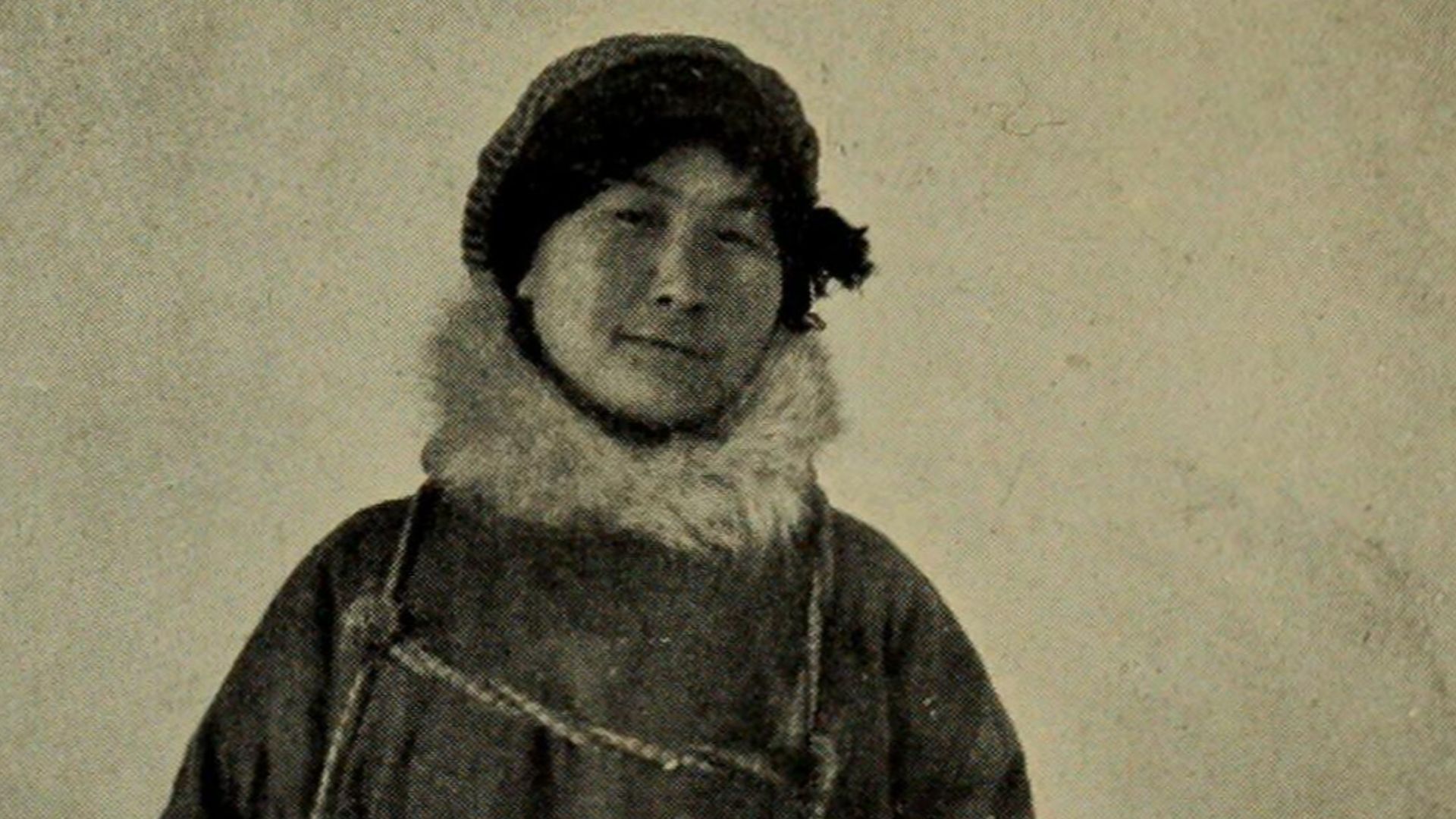
The imbalance became even more striking once books about the expedition appeared. The National Park Service reports that explorer Vilhjalmur Stefansson profited from Ada's story while paying her less than originally promised, and she never received royalties she had been told she would receive from a book drawing partly on her diary. Ada spent much of her later life in poverty and generally avoided attention. One of the Arctic's most astonishing survivors had become famous without becoming wealthy from the story everyone wanted to tell.
 Vilhjalmur Stefansson, Wikimedia Commons
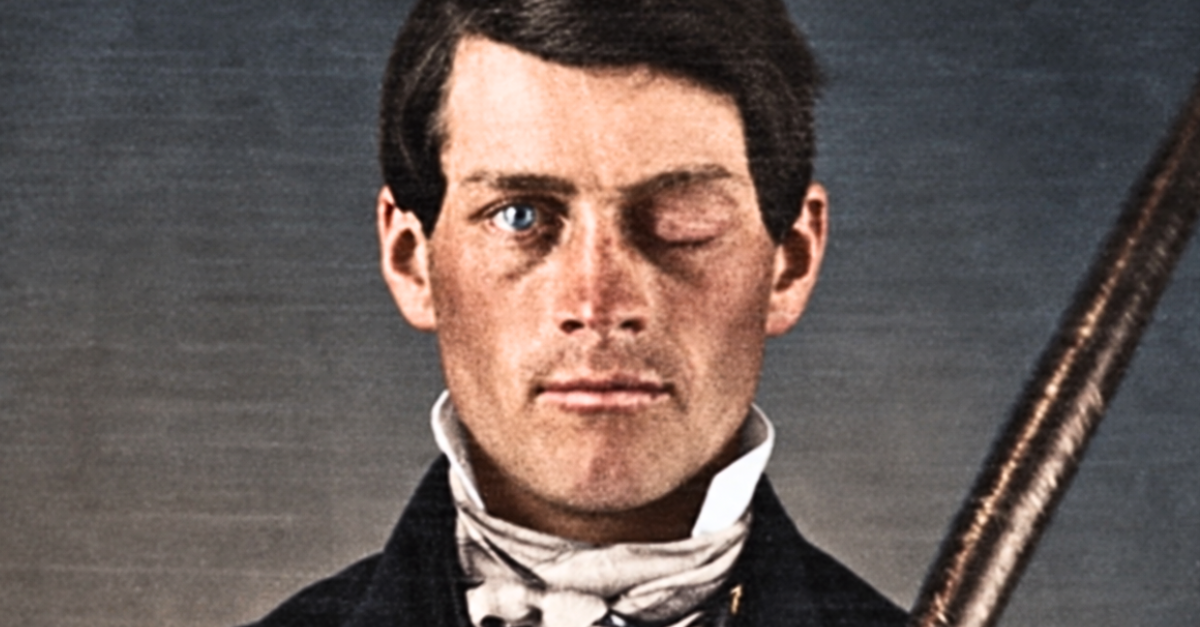
An Iron Bar Passed Through Phineas Gage's Head
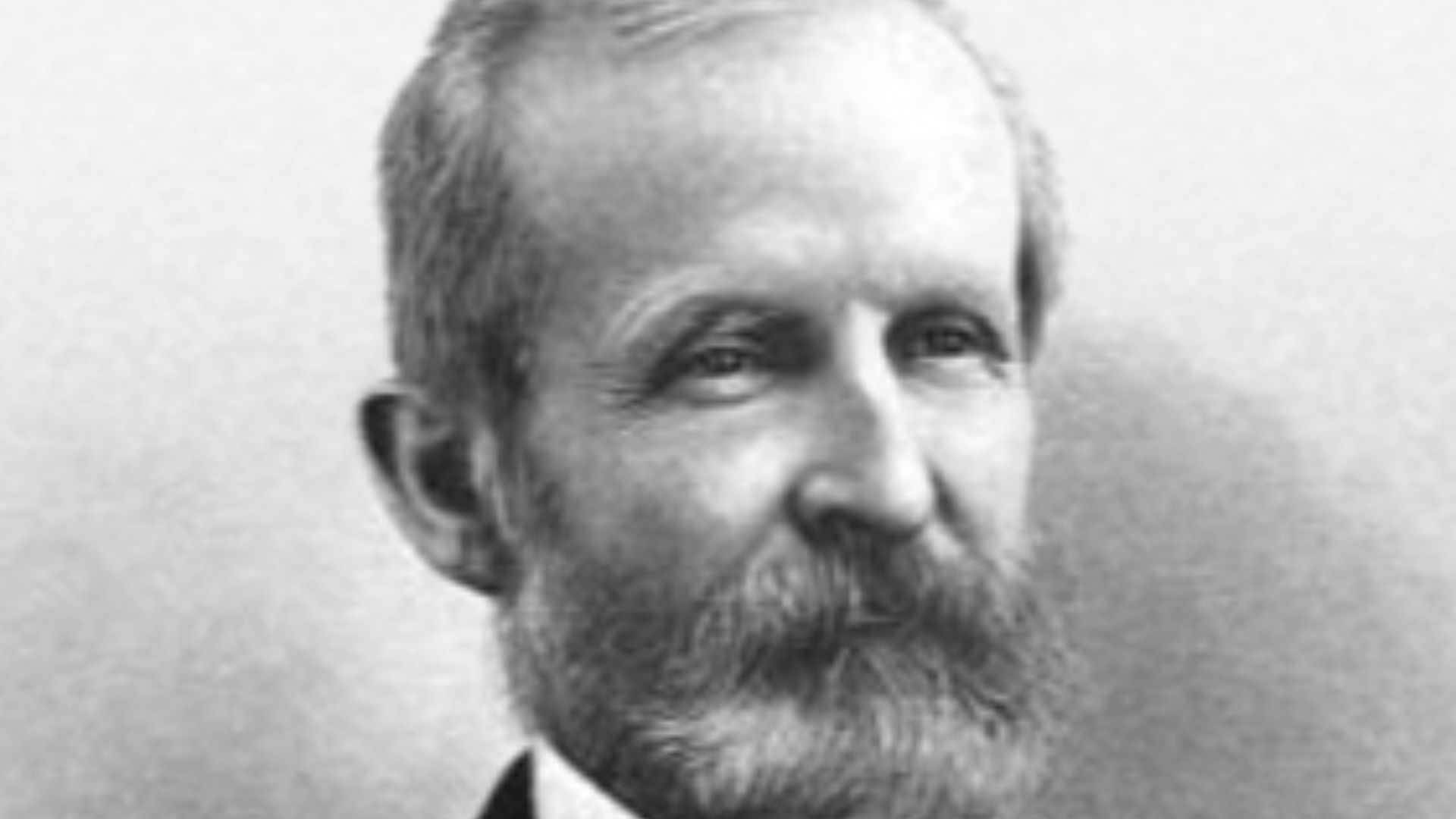
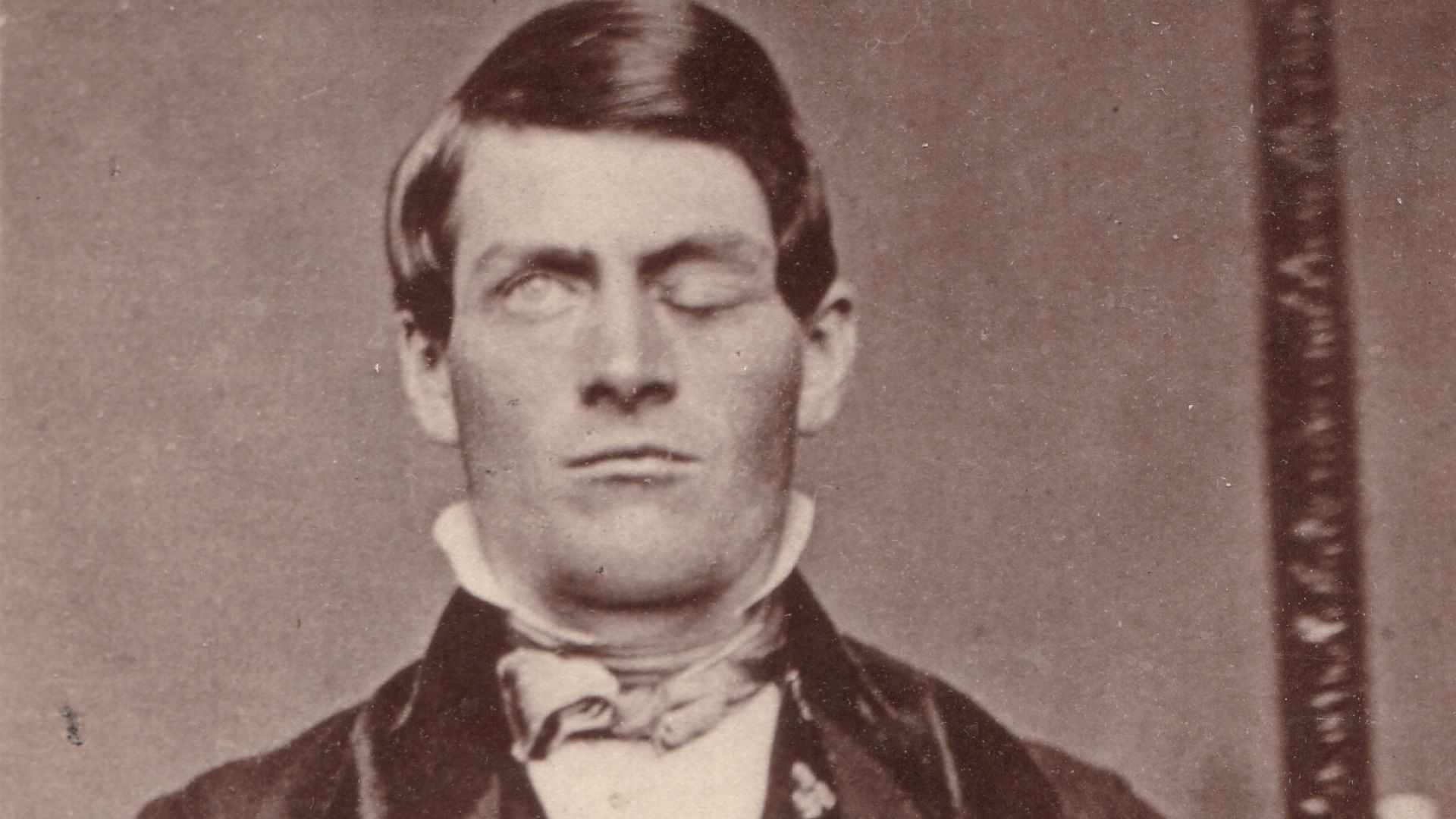
Railroad foreman Phineas Gage was preparing an explosive charge in Vermont in September 1848 when a premature blast fired his tamping iron through his cheek, brain, and skull. The rod was more than three feet long and weighed roughly 13 pounds, yet Gage remained conscious and survived. He lost sight in his left eye but recovered sufficiently to leave medical care. His survival alone was extraordinary enough to attract widespread medical interest.

Gage Became A Living Medical Curiosity
Gage's physician John Martyn Harlow reported substantial changes in his behavior after the injury, helping make the case famous in discussions of the brain and personality. Gage later exhibited himself publicly, including an appearance at Barnum's American Museum, and carried the tamping iron that had passed through his skull. His accident was no longer simply something that had happened to him because it had become the defining feature of his public identity. More than a century later, his skull, life cast, and iron remained major attractions in Harvard's medical collections.
 Book Author: Samuel Atkins Eliot, Wikimedia Commons
The Legend Eventually Became Bigger Than Gage
The public story of Gage gradually became more dramatic than the evidence justified. Smithsonian notes that later accounts portrayed him as an irresponsible, violent, drunken drifter, descriptions that went considerably beyond Harlow's original observations. Evidence that Gage later worked successfully as a coach driver in Chile complicates the idea that his personality was permanently destroyed. He survived one terrible accident, then spent the rest of history trapped inside a simplified story about what the accident supposedly did to him.
 Author of underlying work unknown., Wikimedia Commons
Margaret Brown Survived Titanic And Became A Heroine
Margaret Brown was aboard Titanic when the ship sank on April 15, 1912. After being rescued in Lifeboat 6, she helped organize assistance for poorer survivors aboard Carpathia and formed a survivors' committee that raised money for passengers in need. Newspapers quickly celebrated her as one of the disaster's memorable figures. Her actions during one terrible night suddenly gave a wealthy Denver activist national recognition.
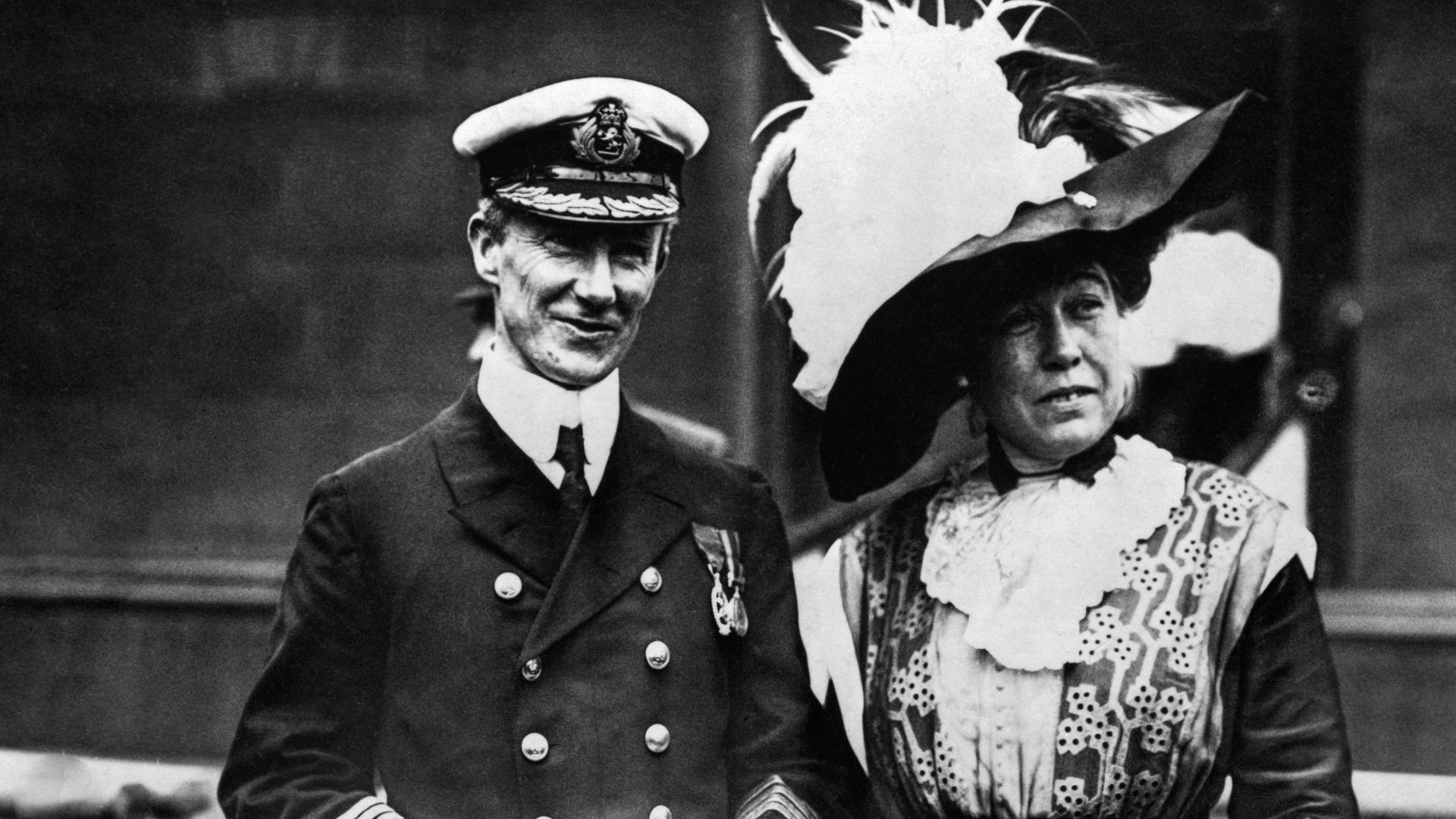 Unknown authorUnknown author, Wikimedia Commons
She Used Titanic Fame For Causes She Already Cared About
Brown did not simply retreat from the attention. She used her increased visibility to promote labor rights, women's rights, education, historic preservation, and humanitarian causes. During World War I, she worked on relief efforts in France and later received the French Legion of Honor. Titanic had made her a celebrity, but Brown repeatedly tried to redirect that celebrity toward work that had occupied her before the ship ever sailed.
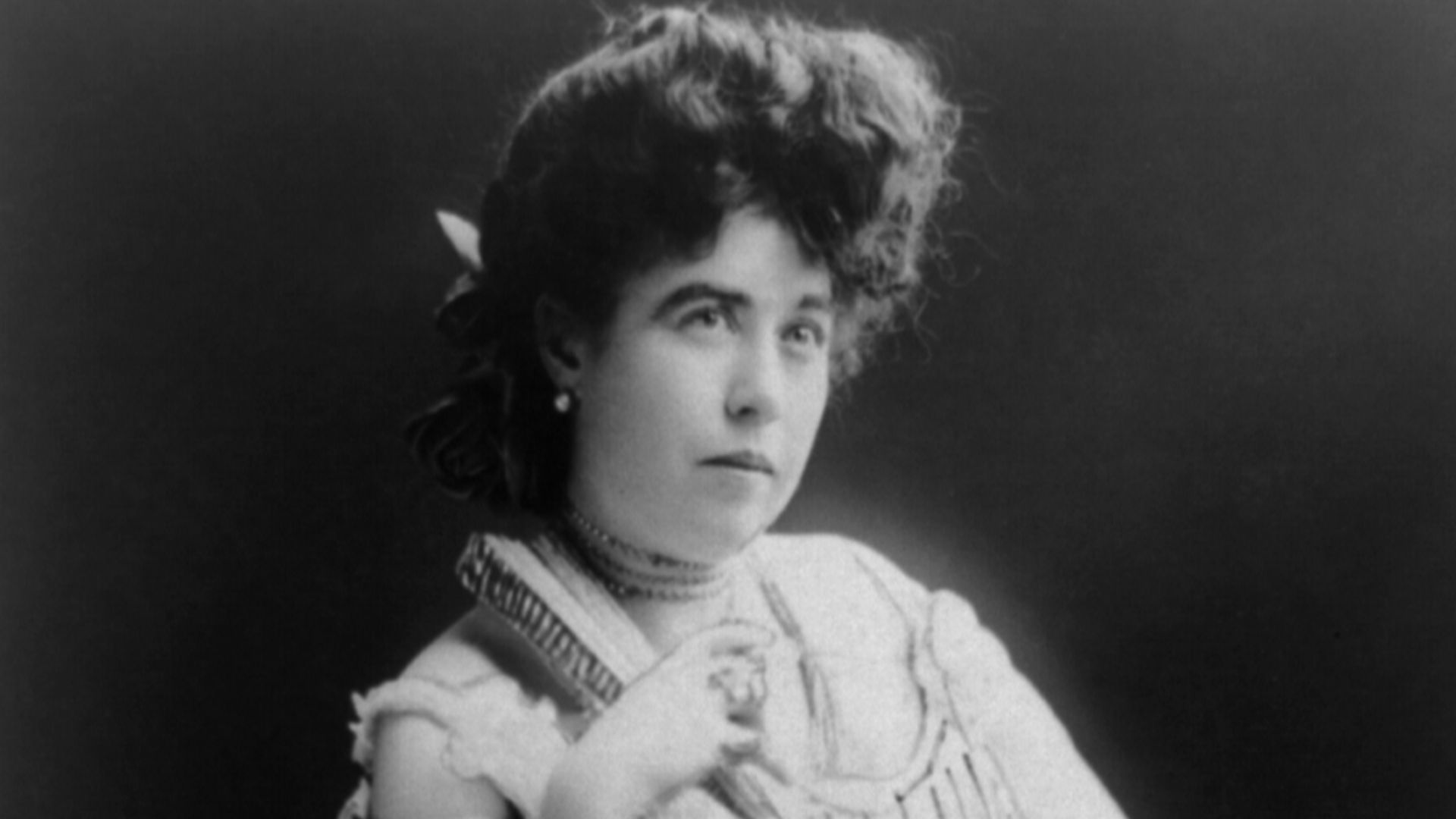 Bain News Service; quick cleanup by Adam Cuerden, Wikimedia Commons

History's most fascinating stories and darkest secrets, delivered to your inbox daily.
Then The Public Invented “Molly Brown”
The woman remembered by popular culture gradually drifted away from the real Margaret Brown. She was not commonly called “Molly” during her lifetime, while newspaper features, biographies, a Broadway musical, and Hollywood's The Unsinkable Molly Brown transformed her into a brash frontier caricature. The Molly Brown House Museum notes that some false stories began even in Brown's lifetime and expanded dramatically after her death. Titanic had made Margaret famous, but popular culture eventually made a different woman famous in her place.
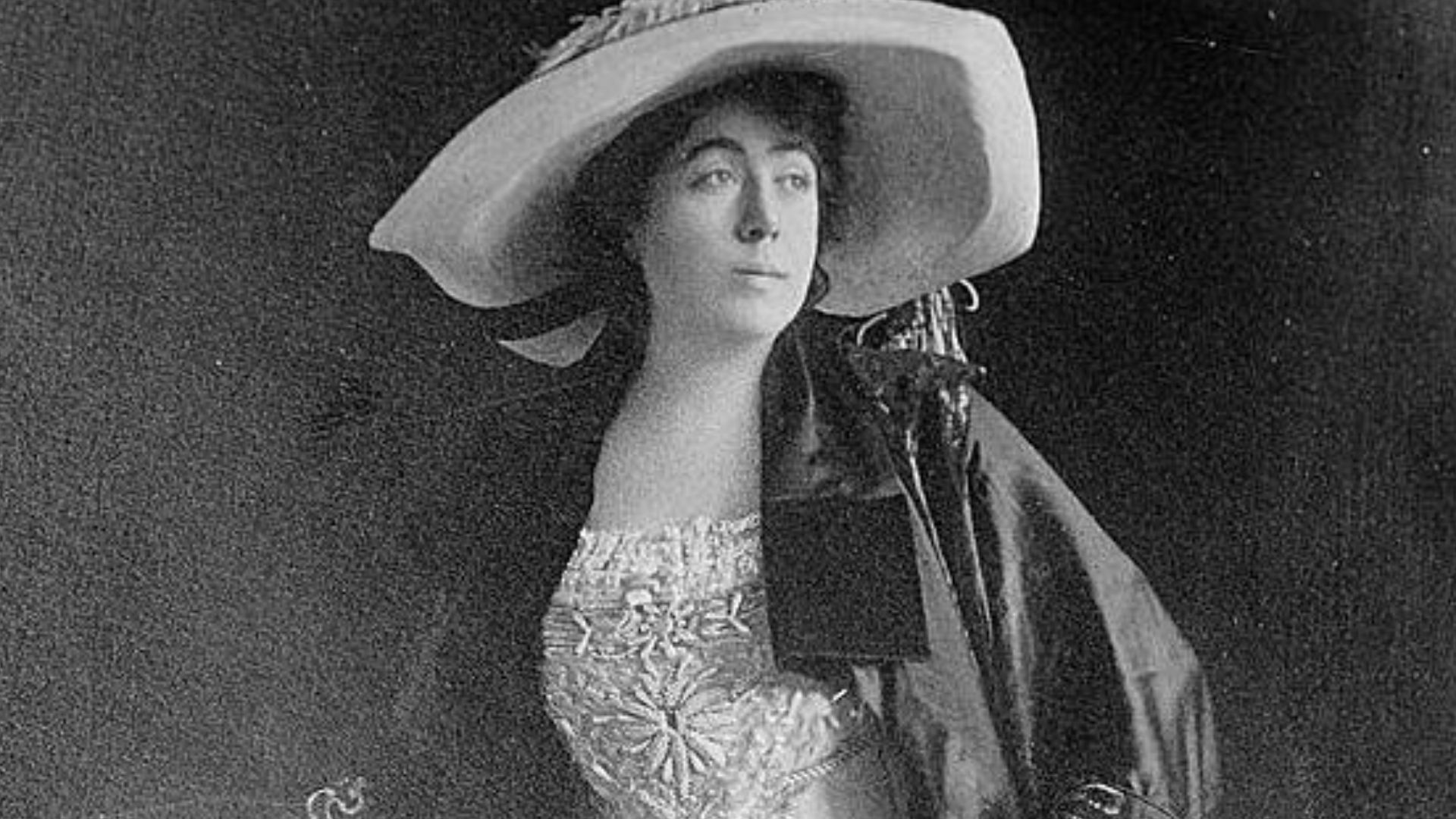 Bain News Service, publisher., Wikimedia Commons
Juliane Koepcke Fell Into The Amazon
On Christmas Eve 1971, 17-year-old Juliane Koepcke was aboard LANSA Flight 508 with her mother when the aircraft broke apart over the Peruvian rainforest. Koepcke fell thousands of feet while still strapped to a row of seats and regained consciousness alone beneath the jungle canopy. She had injuries including a broken collarbone and wounds, but she could walk. She became the sole survivor of the disaster.
 ERNESTO BENAVIDES, Getty Images
Eleven Days Of Survival Became International News
Koepcke followed streams and rivers because her biologist parents had taught her that waterways could eventually lead toward people. After roughly eleven days, she reached a shelter used by lumber workers and was rescued. Her extraordinary return immediately produced intense international attention, and she later recalled a media frenzy surrounding her survival. She was still a teenager attempting to process her mother's death while strangers around the world wanted every detail.
 Benutzer:Schoenitzer, Wikimedia Commons
She Eventually Returned To The Story On Her Terms
Koepcke moved to Germany, pursued biology, and later returned to Peru's rainforest professionally. In 1998 she revisited the crash region with filmmaker Werner Herzog for the documentary Wings of Hope, confronting memories she had spent years living with. She later became deeply involved in conserving the rainforest through the Panguana research station and foundation. A catastrophe that first made her a worldwide curiosity eventually became part of a larger story she could finally help shape herself.
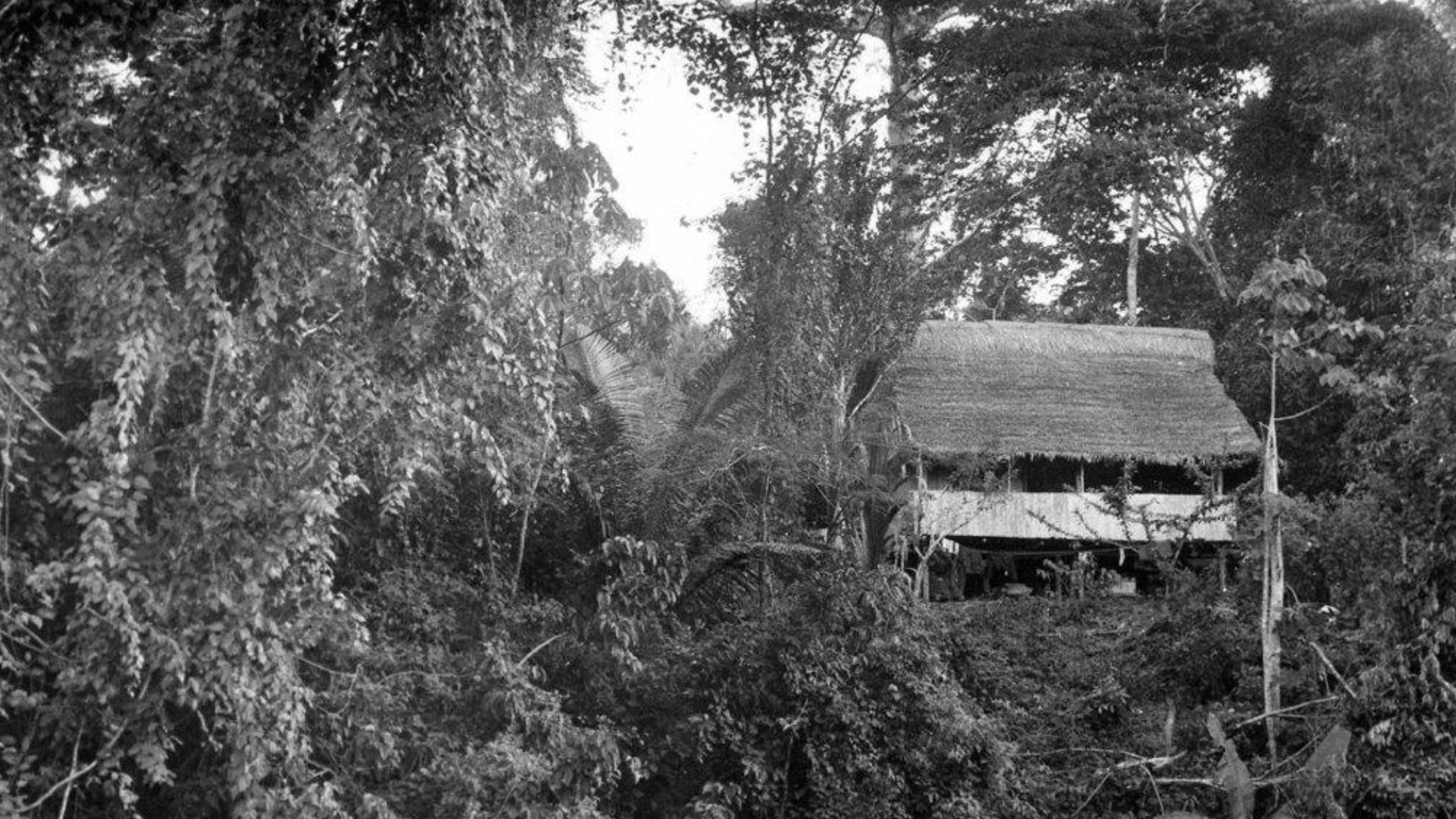 Maria Koepcke or Hans-Wilhelm Koepcke, Wikimedia Commons
Vesna Vulović Fell More Than Six Miles
Flight attendant Vesna Vulović was aboard JAT Flight 367 when the aircraft broke apart over Czechoslovakia on January 26, 1972. Vulović was the sole survivor and suffered a fractured skull, broken vertebrae, broken legs, a fractured pelvis, and other serious injuries. Guinness World Records recognizes her as surviving a fall of 10,160 meters without a parachute, based on the official investigation. She spent months recovering after a survival that seemed nearly impossible.

Yugoslavia Turned Vesna Into A National Hero
Vulović's survival made her a celebrity in Yugoslavia and across parts of Eastern Europe. Guinness eventually presented her with recognition for the record, and her story appeared repeatedly in interviews and popular accounts. JAT did not return her to flight-attendant duties because her presence aboard aircraft was expected to attract too much attention, instead giving her office work. Public fascination had become strong enough to influence the job she was allowed to do.
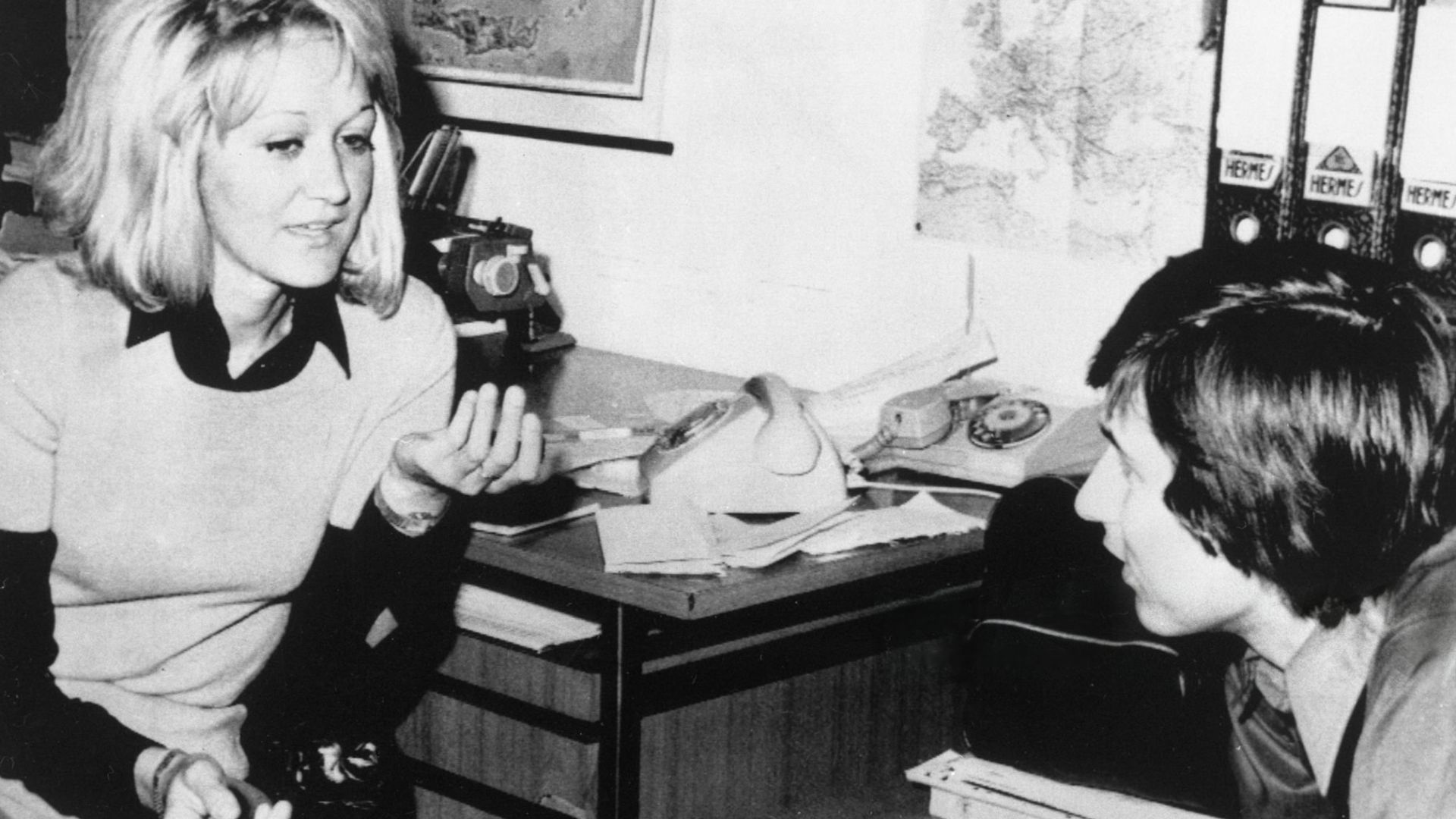
Eventually She Grew Tired Of Retelling The Fall
Vulović spent decades being asked to explain an event she could not actually remember. Later in life she declined numerous interview requests and expressed exhaustion with constantly discussing the accident. She also disliked being casually described as lucky when the crash killed everyone else aboard. The world knew her as the woman who survived an impossible fall, while she had to live with what that label left out.
 Unknown authorUnknown author - Assumed McDonnell Douglas, Wikimedia Commons
Nando Parrado Survived Seventy-Two Days In The Andes
Nando Parrado was among the passengers aboard Uruguayan Air Force Flight 571 when it crashed high in the Andes in October 1972. Parrado survived the crash, the extreme cold, starvation, and an avalanche, but his mother and sister died during the ordeal. Eventually he and Roberto Canessa crossed the mountains seeking help, leading rescuers back to the remaining survivors after 72 days. Sixteen people ultimately came home alive.
 Pedro Escobal, Wikimedia Commons
Rescue Brought A Different Kind Of Ordeal
Parrado later recalled having no idea how enormous the story would become. After rescue, the survivors were surrounded by journalists, paparazzi photographed Parrado, and strangers approached him in public. The revelation that the group had survived by eating the bodies of those who had died created an additional wave of sensational coverage. Parrado has said that for roughly six months journalists seemed to be everywhere they went.
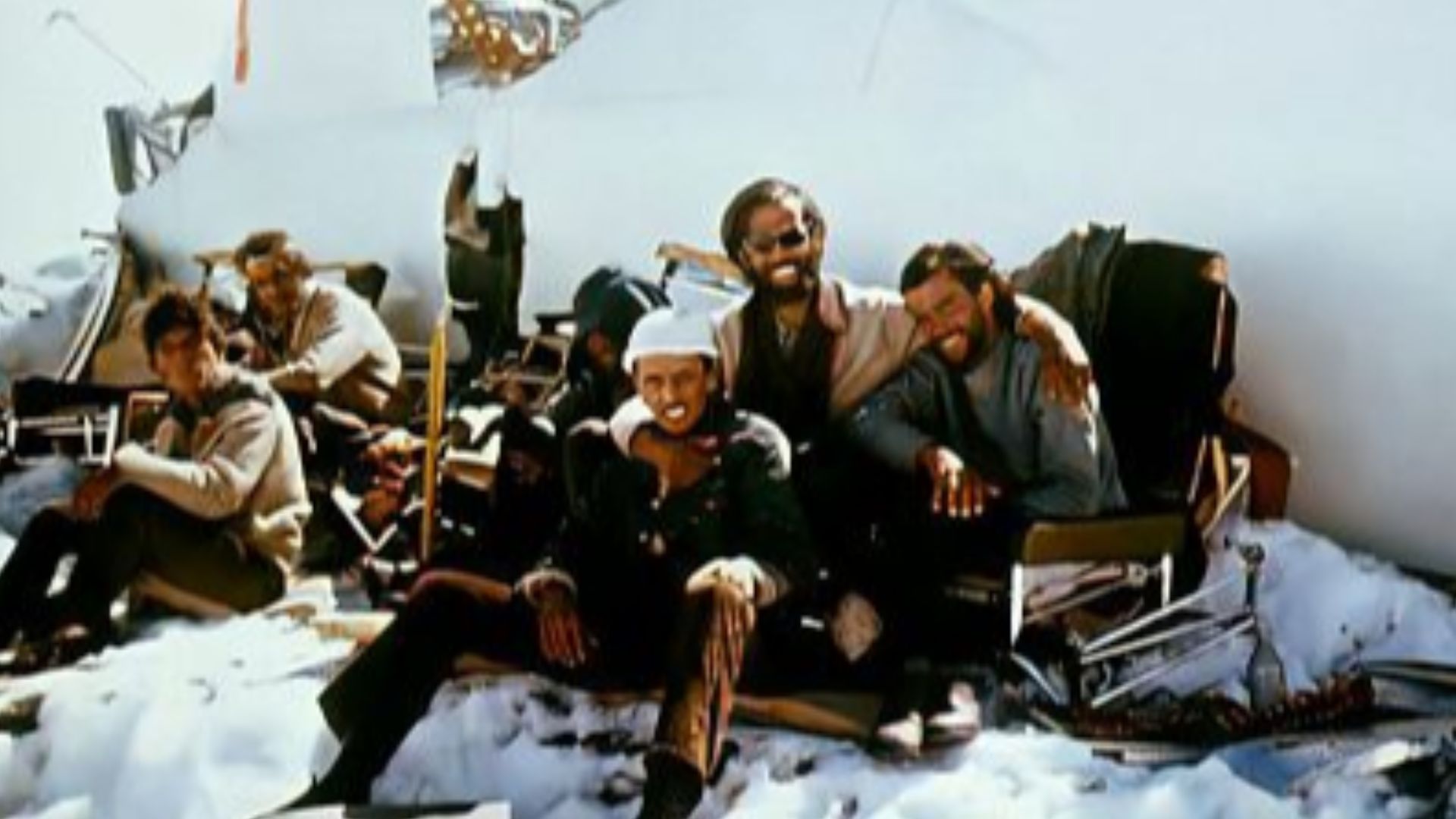 Gustavo Cervino, Wikimedia Commons
The Andes Never Stopped Following Him
Books, documentaries, the 1993 film Alive, and later Society of the Snow ensured that the disaster remained part of popular culture for generations. Parrado eventually began giving talks around the world and published his own account decades after the crash. He has described the public's enduring fascination as partly driven by people's desire to feel connected to an extraordinary experience they never lived themselves. The disaster became not just a chapter of his life but the story strangers would ask him to explain for the rest of it.
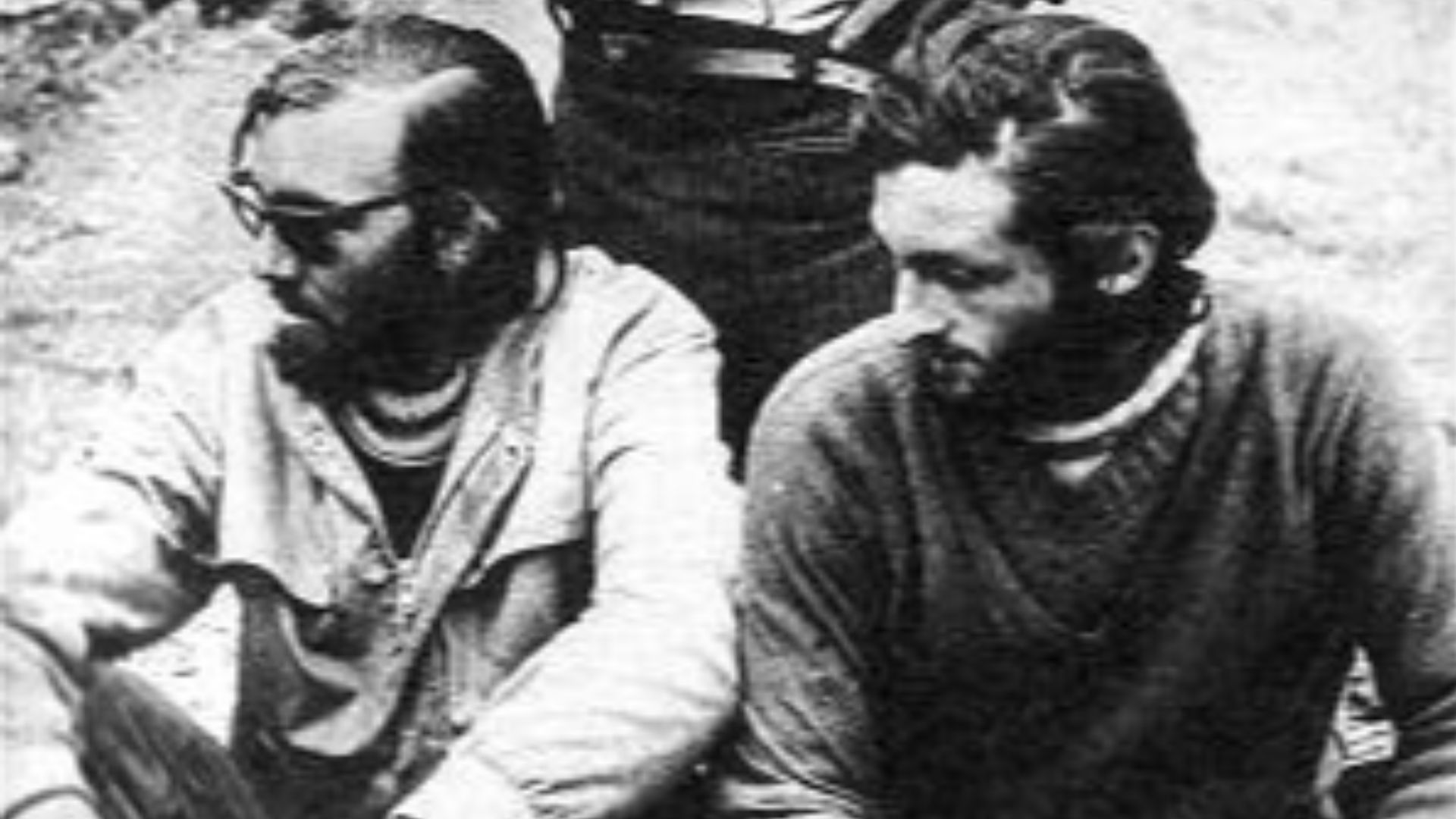 Héctor Maffuche, Wikimedia Commons
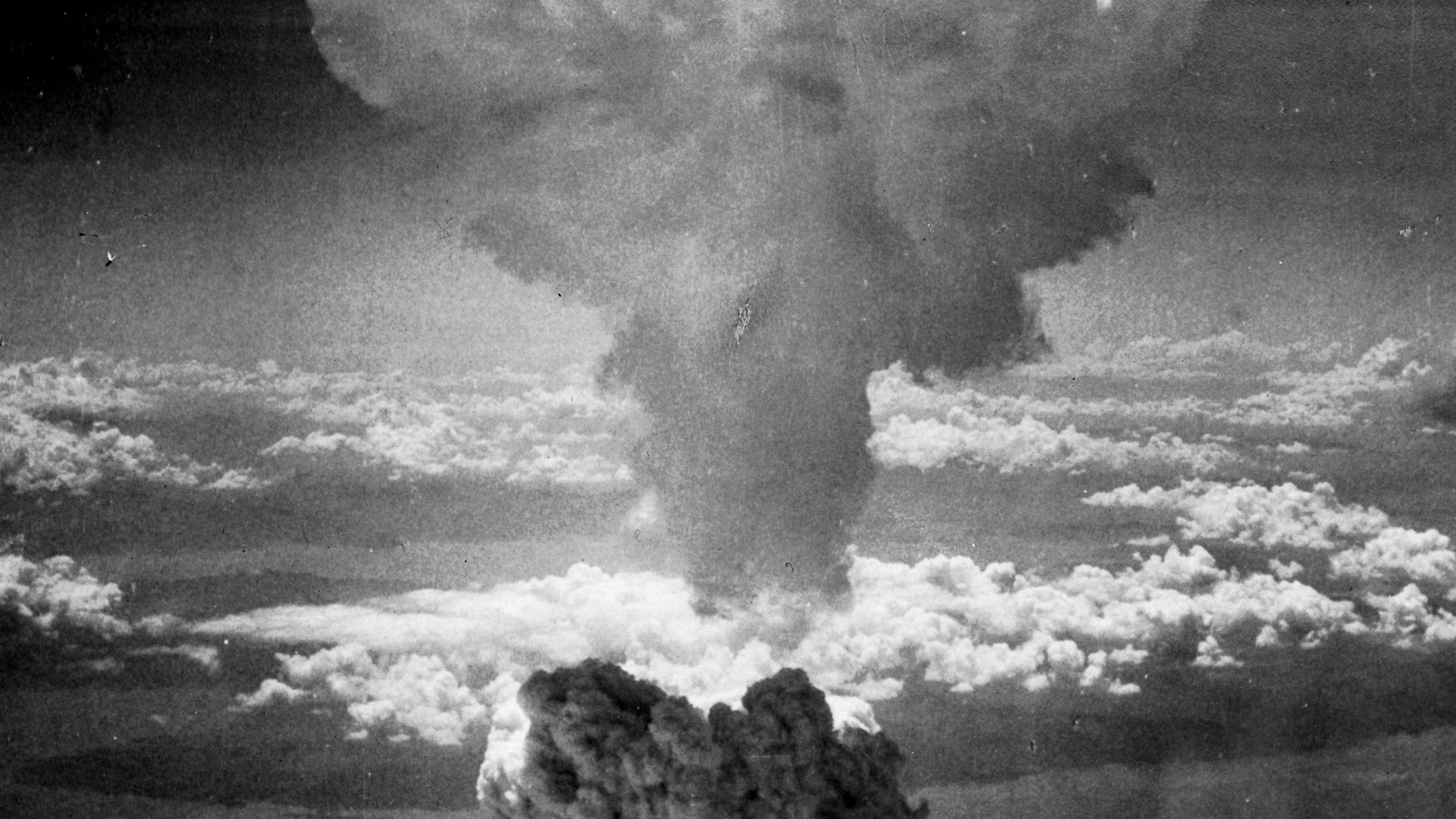
Tsutomu Yamaguchi Survived Hiroshima
Tsutomu Yamaguchi was working in Hiroshima on August 6, 1945, when the atomic bomb exploded over the city. He suffered severe burns but survived and managed to return home to Nagasaki. Three days after the first bombing, he was in Nagasaki when the second atomic bomb struck. Yamaguchi therefore experienced both attacks within the span of a single working week.
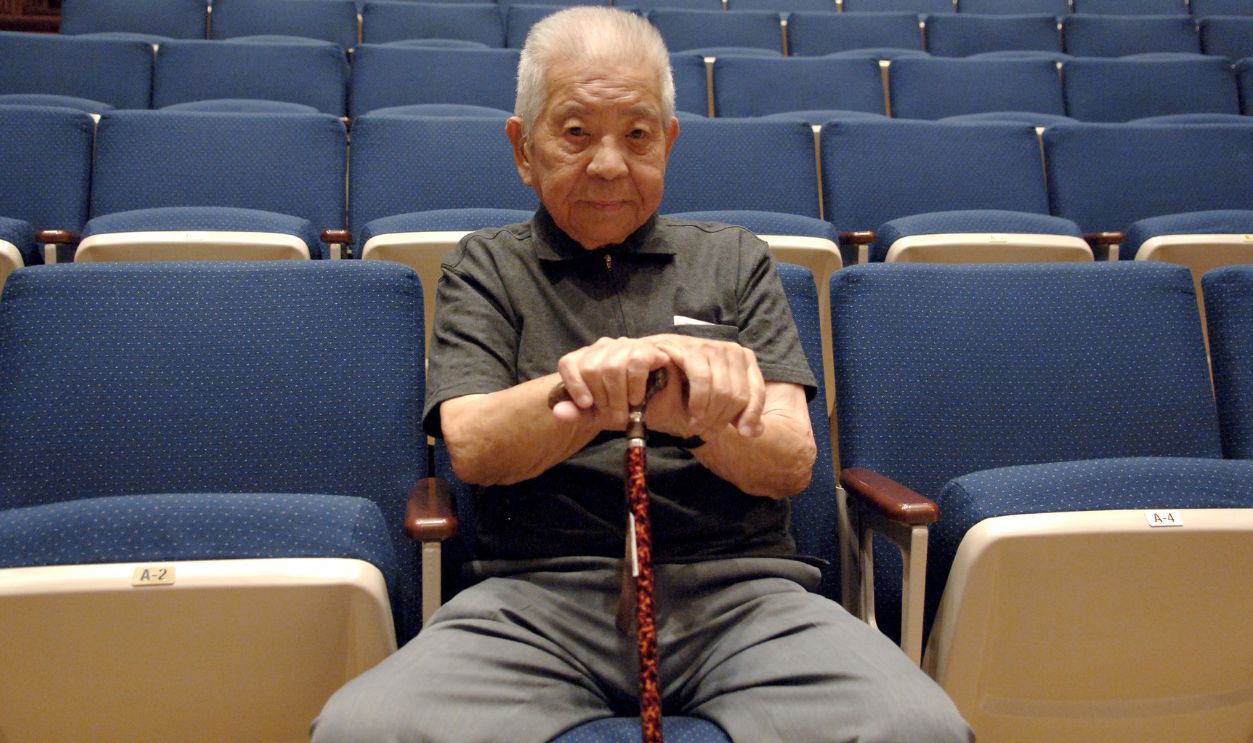
He Spent Decades Without Seeking Worldwide Attention
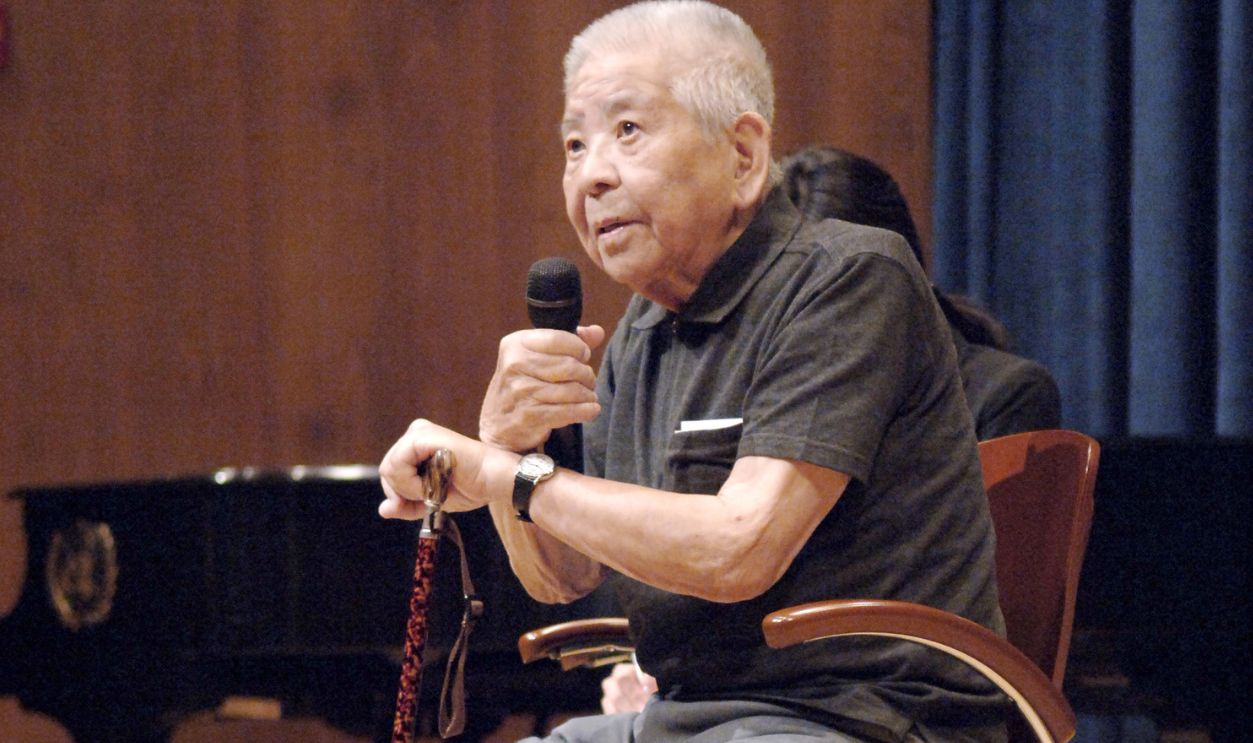
Yamaguchi returned to ordinary working life after the war, including employment with Mitsubishi. Although registered as a Nagasaki hibakusha, he did not initially make his experience of both bombings a major public campaign. Only late in life did he begin speaking more widely about what he had witnessed. His survival slowly changed from a private burden into testimony he believed needed to outlive him.
 Charles Levy, Wikimedia Commons
Recognition Made Him A Global Symbol
In 2009, Japanese authorities officially recognized Yamaguchi as having survived both Hiroshima and Nagasaki, making him the only person officially certified by the government in that category. By then he had spoken internationally, participated in documentaries, and addressed audiences connected with the United Nations about nuclear abolition. Rather than resisting the attention, Yamaguchi deliberately used it to carry an anti-nuclear message. Public fascination transformed his remarkable survival into a platform during the final years of his life.
Roy Sullivan Survived Lightning Again And Again
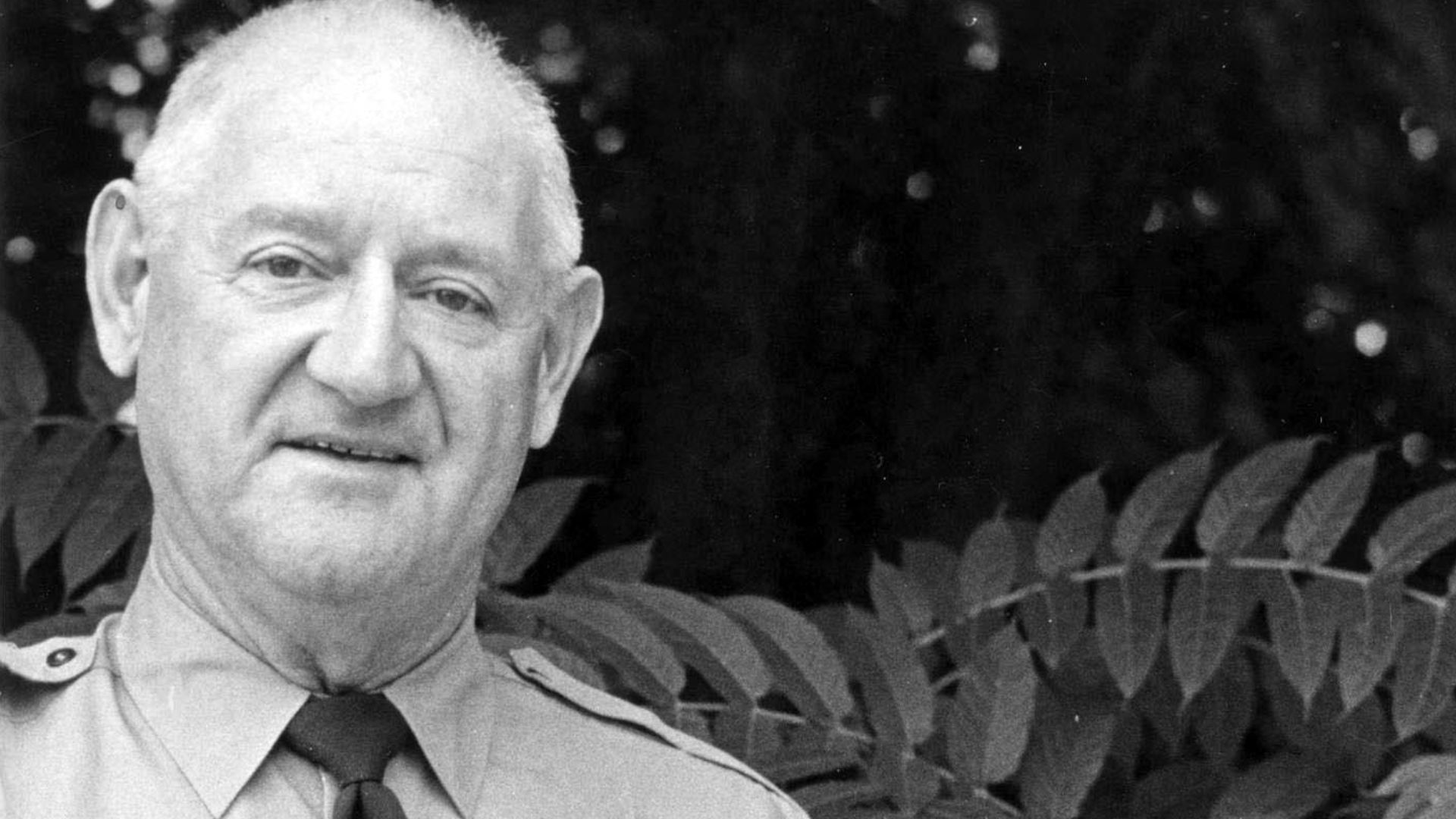
Shenandoah National Park ranger Roy Sullivan became famous for surviving an extraordinary series of reported lightning strikes. Guinness World Records recognizes seven strikes between 1942 and 1977, which burned his hair, damaged clothing, injured his legs and chest, and repeatedly sent him to medical care. One strike would have made a memorable story. Seven transformed Sullivan into the man newspapers could barely resist writing about.
 ShenandoahNPS, Wikimedia Commons
The “Human Lightning Rod” Became A Celebrity
After his fourth reported strike, Guinness placed Sullivan in its record book. He subsequently appeared on television programs, gave interviews, and became known through nicknames such as the “Spark Ranger” and “Human Lightning Rod.” The Washington Post notes appearances with David Frost, on To Tell the Truth, and later on That's Incredible! Sullivan's worst experiences had effectively turned him into a recurring entertainment story.

Fame Made It Harder To Separate Man From Myth
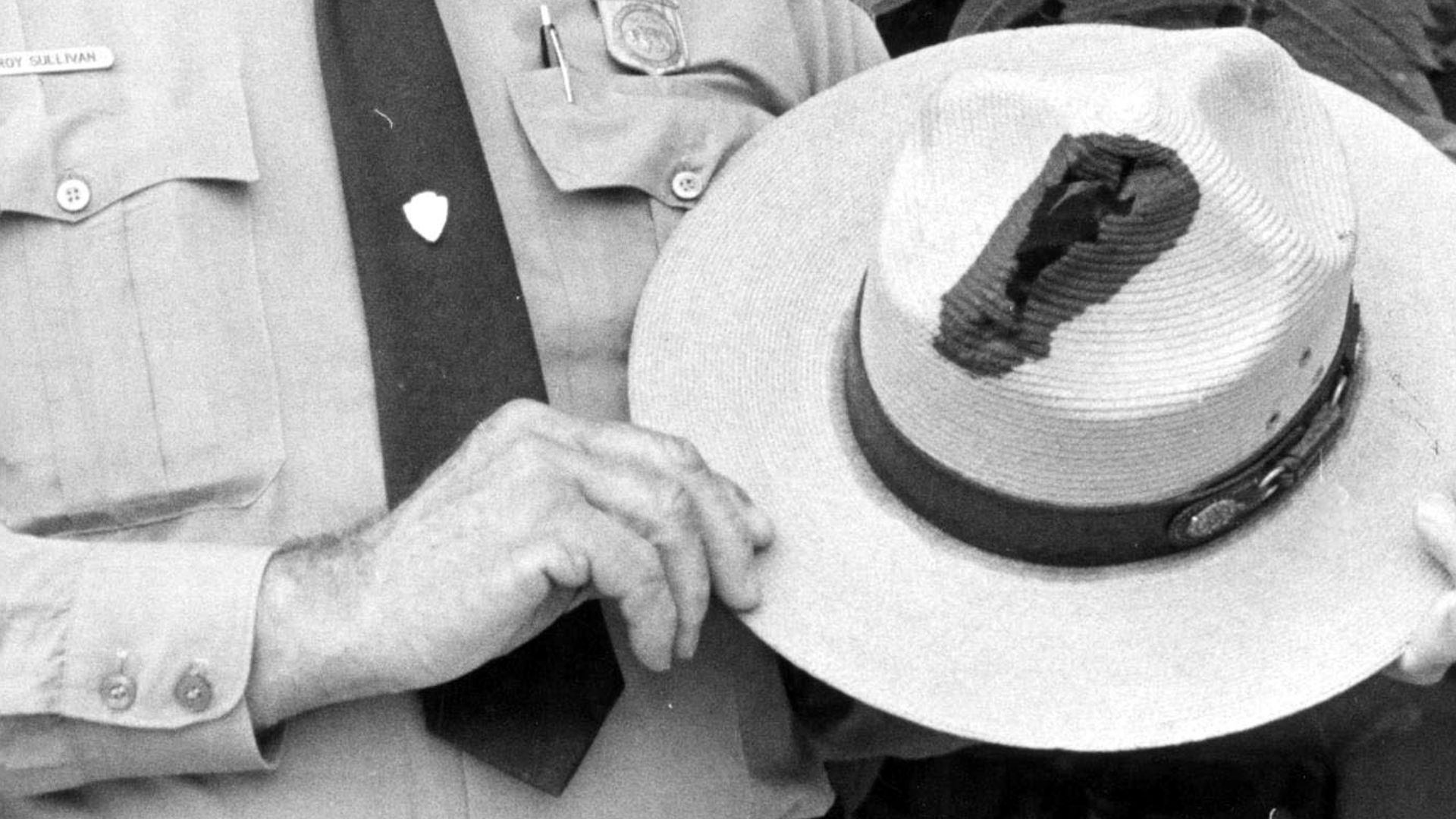
Even Sullivan's colleagues and later researchers debated individual details of his extraordinary record because no witness saw all seven strikes. The notoriety nevertheless became inseparable from him, and even decades after his death his scorched hats and stories continued circulating. People reportedly became nervous about standing near him during storms, reinforcing the idea that lightning somehow followed him. Sullivan survived the bolts, but the public image of the man chosen by lightning proved almost impossible to escape.
 ShenandoahNPS, Wikimedia Commons
“Baby Jessica” Became Famous Before She Could Speak For Herself
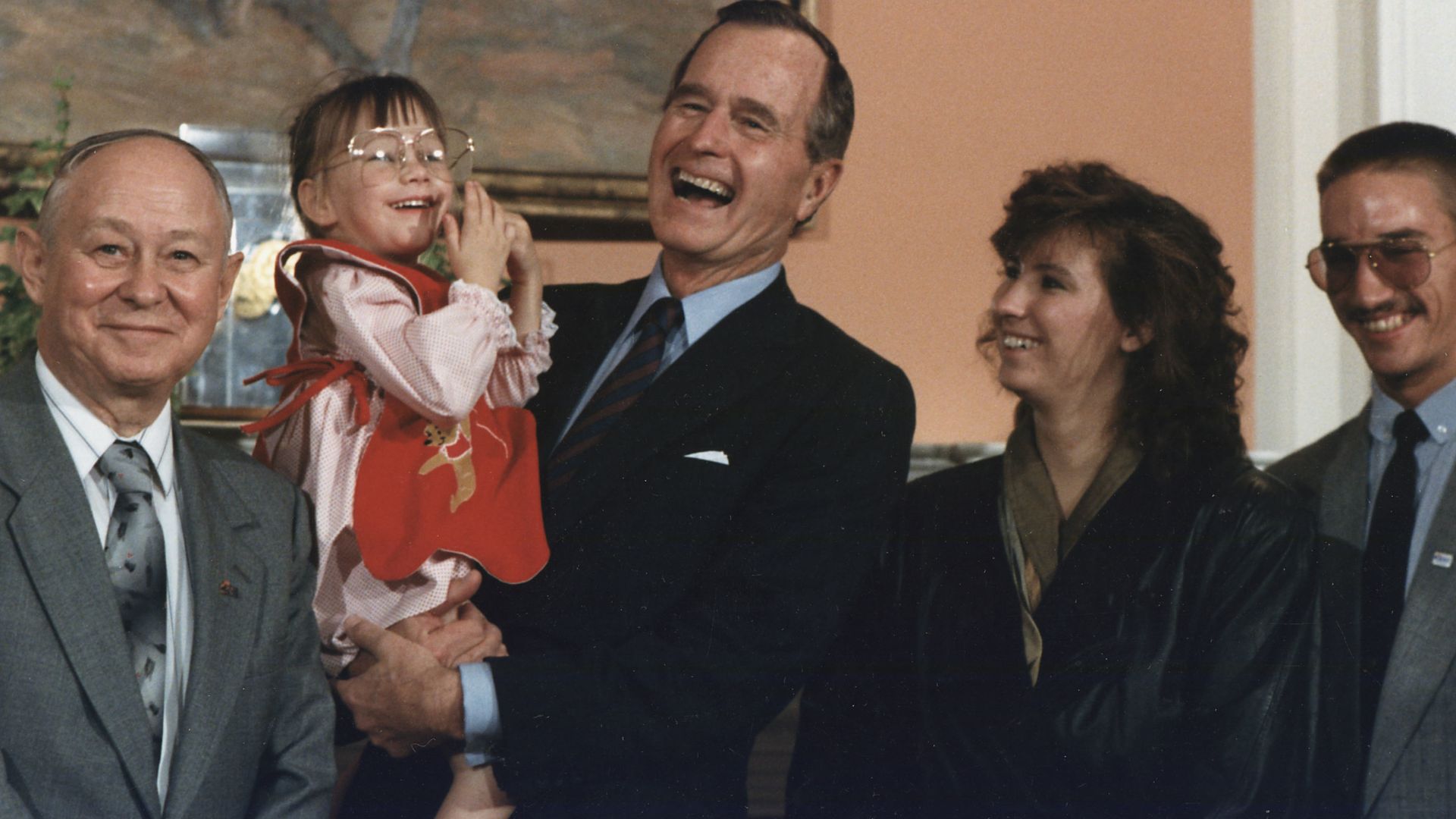
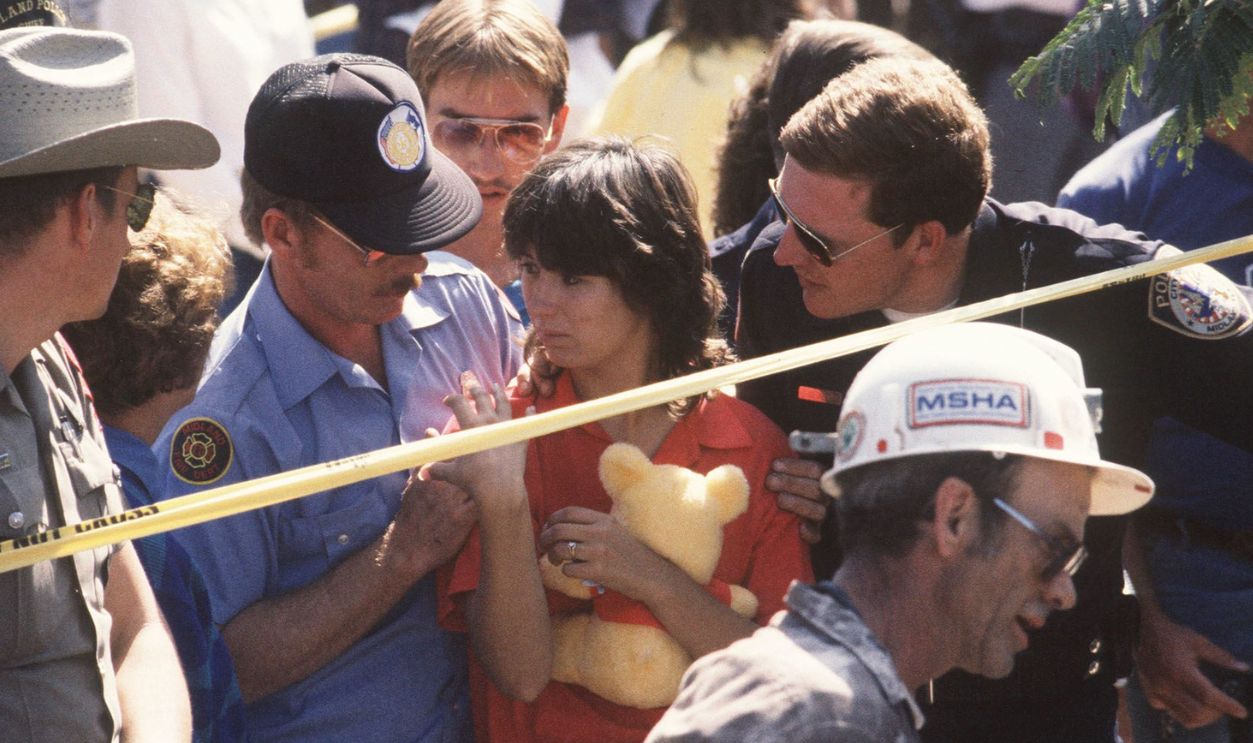
Eighteen-month-old Jessica McClure fell into a narrow abandoned well in Midland, Texas, in October 1987. She became trapped roughly 22 feet below ground while rescuers worked for 58 hours to reach her. Television crews broadcast the operation across the United States, turning the rescue into one of the early defining spectacles of round-the-clock television news. Millions of strangers knew Jessica's nickname before she was old enough to understand what fame meant.
![George H. W. Bush;Jessica Mcclure;Chip Mcclure [& Family]](https://www.factinate.com/storage/app/media/factinate/2026/8/26/fct-slides-4.jpg)
Rescue Dropped Her Into A Media Maelstrom
Jessica required multiple surgeries after being pulled from the well. ABC later described what followed as a media maelstrom involving press conferences, national attention, a meeting with President Ronald Reagan, and a trust fund created from donations sent by strangers. Her survival produced enormous relief, but it also meant that an intensely private childhood accident had become part of American popular memory. Jessica had no realistic opportunity to decide whether she wanted the story told.
 Susan Biddle, Wikimedia Commons
She Grew Up But “Baby Jessica” Did Not
As Jessica became a teenager and adult, strangers still recognized her from an event she could not personally remember. She told ABC that anonymity disappeared as soon as classmates connected her name with the child from the well. Later profiles found her living an intentionally ordinary life in Texas with a family of her own. The world kept remembering 18-month-old “Baby Jessica” even after Jessica McClure had long since grown past her.
Jessica Lynch Survived An Ambush And Captivity
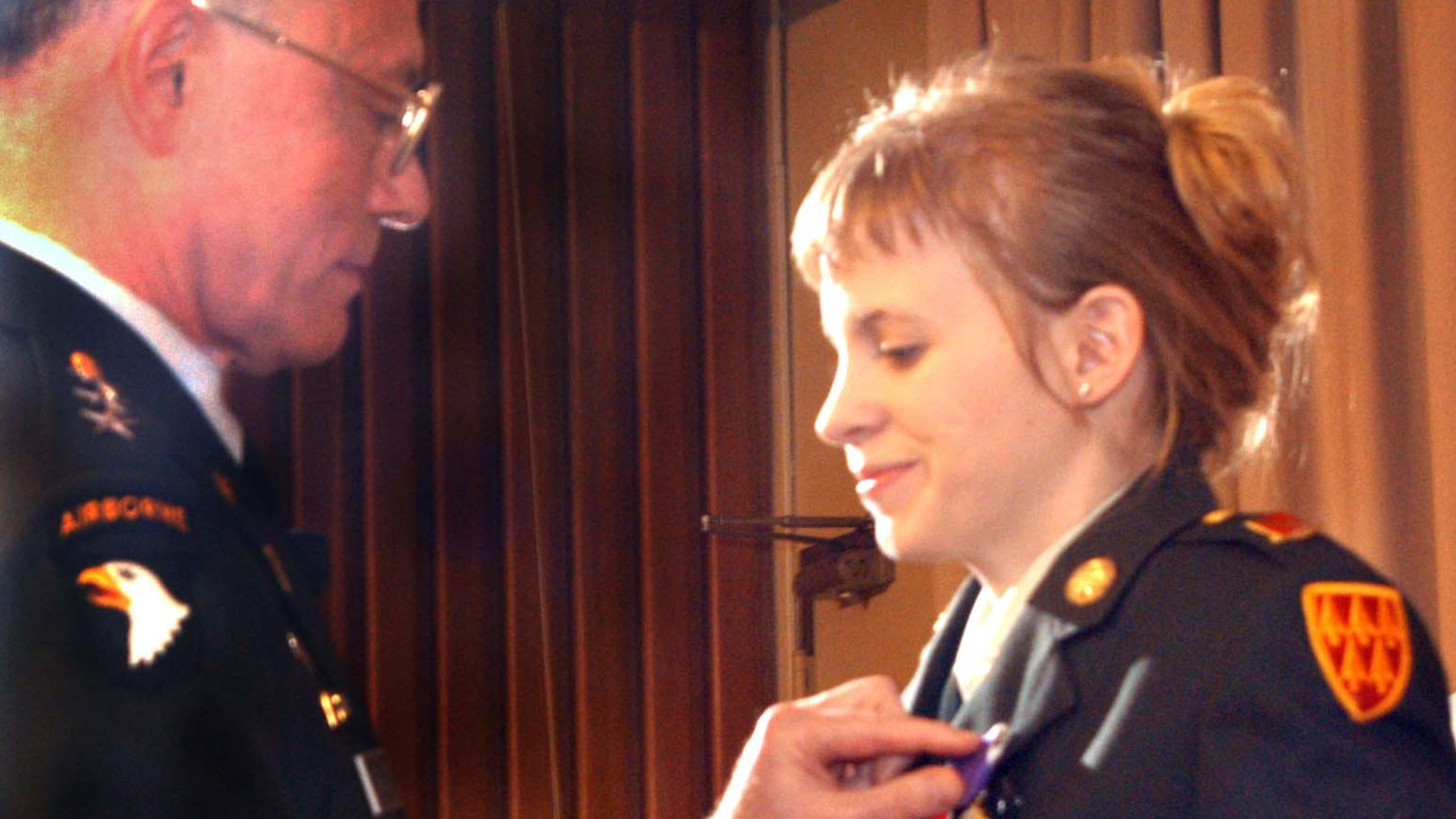
Army Private First Class Jessica Lynch was traveling with the 507th Maintenance Company when the unit became lost and was ambushed near Nasiriyah, Iraq, in March 2003. Lynch suffered severe injuries when her vehicle crashed and was taken prisoner before being treated in an Iraqi hospital. U.S. special operations forces recovered her on April 1. The dramatic rescue quickly became one of the most closely watched stories of the Iraq War.

The Media Created A Heroine She Did Not Recognize
Early reports claimed Lynch had continued firing until her ammunition was exhausted and had been shot or stabbed while fighting fiercely. Later investigation found that her weapon had jammed, she had not shot enemy soldiers, and her injuries resulted primarily from the vehicle crash rather than gunshot or knife wounds. The Washington Post, which had published some of the original claims, later examined how anonymous and unconfirmed accounts helped create the myth. Lynch suddenly became internationally famous for actions she herself said she had never performed.
 Brett McMillan, U.S. Army, Wikimedia Commons
Lynch Finally Took Her Own Story Back
Lynch publicly rejected the exaggerated hero narrative after returning home. She said it hurt that people had invented stories about her and insisted she would not take credit for things she had not done. In 2007, she appeared before Congress during hearings examining inaccurate information surrounding both her case and the death of Pat Tillman. Her experience became a striking example of surviving a catastrophe only to face a second struggle over who gets to decide what the survivor's story means.
 Mamie Mae Burke, Wikimedia Commons
You May Also Like:
Accidents That Changed Major Companies Forever
Tragic Facts About Plane Crashes
Historical Geniuses Who Were Complete Disasters Outside Their Field
Sources: 1, 2, 3, 4, 5, 6, 7, 8, 9, 10, 11, 12, 13, 14, 15, 16, 17, 18, 19, 20, 21, 22, 23, 24, 25, 26, 27, 28, 29, 30, 31, 32, 33, 34