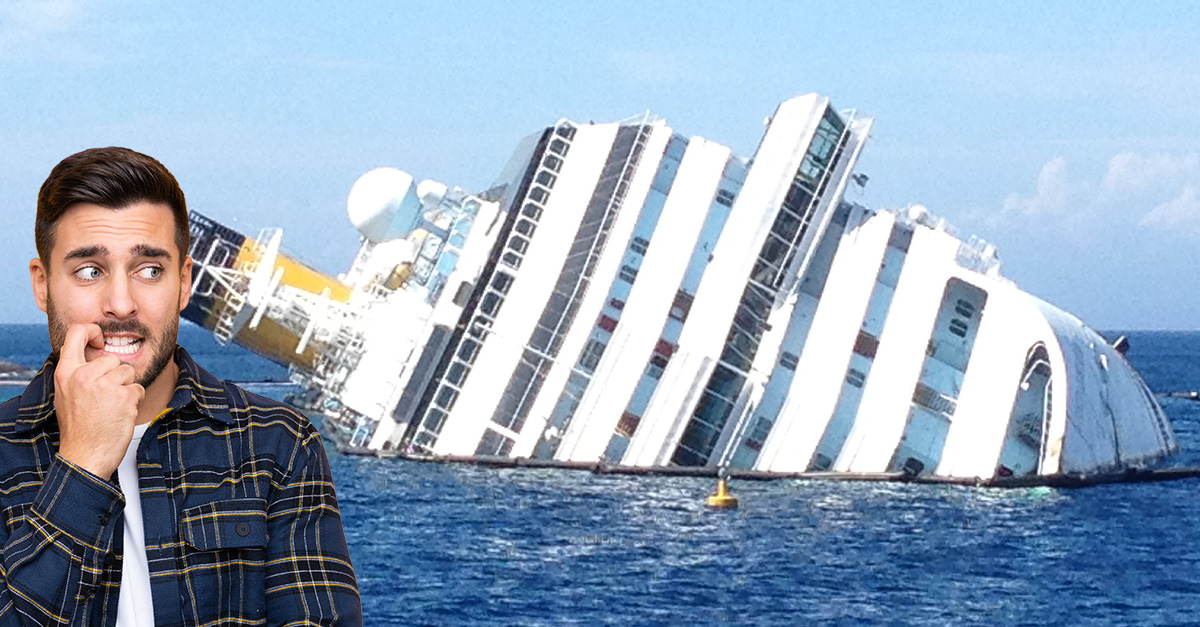
When Disaster Rewrites The Rulebook
Some company disasters are bad days. Others are history-shaking moments that force entire boardrooms to ask, “How did we let this happen?” From exploding phones to poisoned medicine, these accidents did not just damage reputations—they changed products, policies, leadership, and in some cases, whole industries.
 User:paolodefalco75, CC BY-SA 3.0 , via Wikimedia Commons
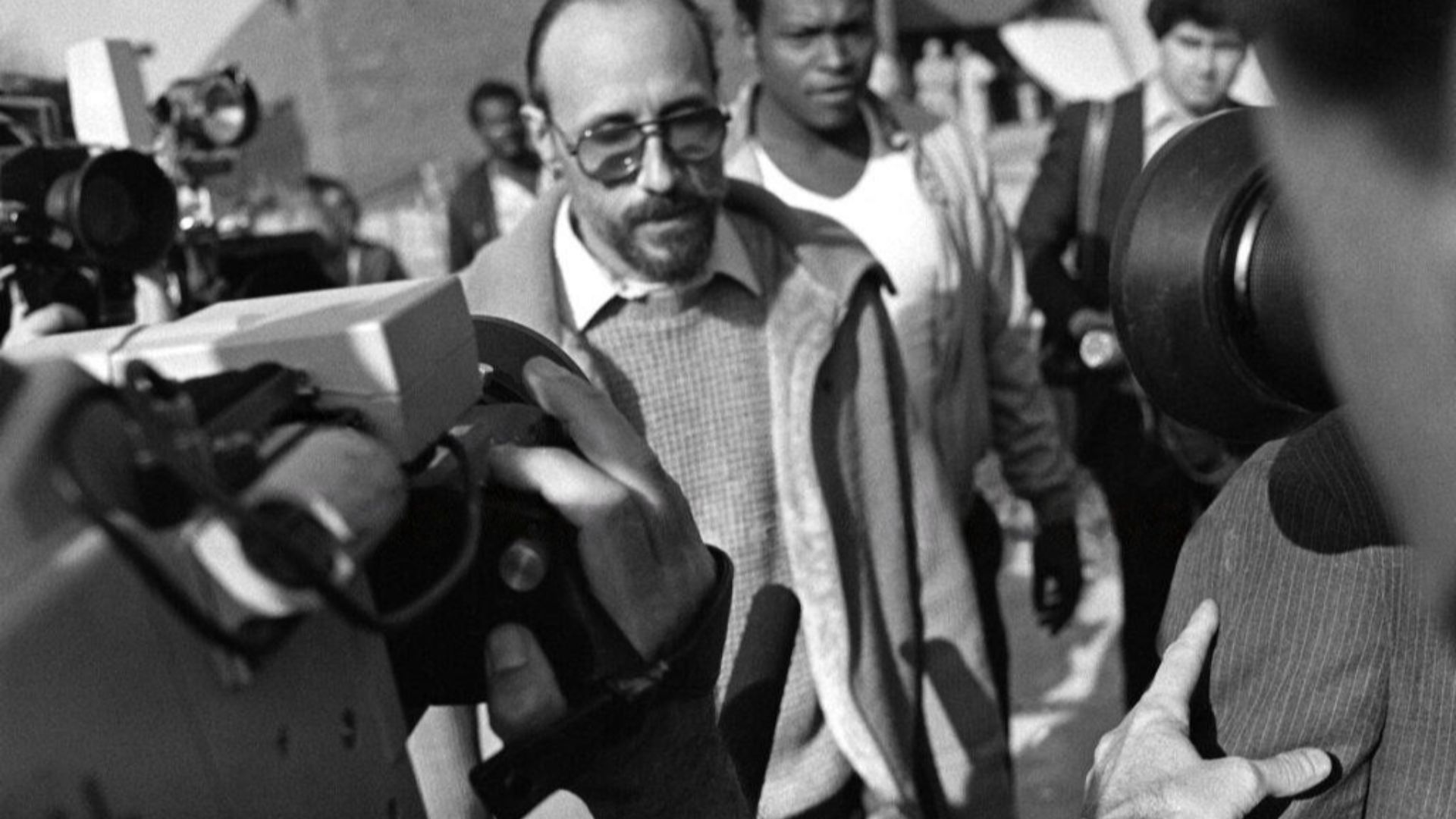
The Tylenol Poisonings
In 1982, cyanide-laced Tylenol capsules killed seven people in the Chicago area. Johnson & Johnson pulled millions of bottles from shelves and relaunched the product with tamper-evident packaging. The company’s fast response became the gold standard for crisis management, and medicine bottles were never quite the same again.
 Unknown authorUnknown author, Wikimedia Commons
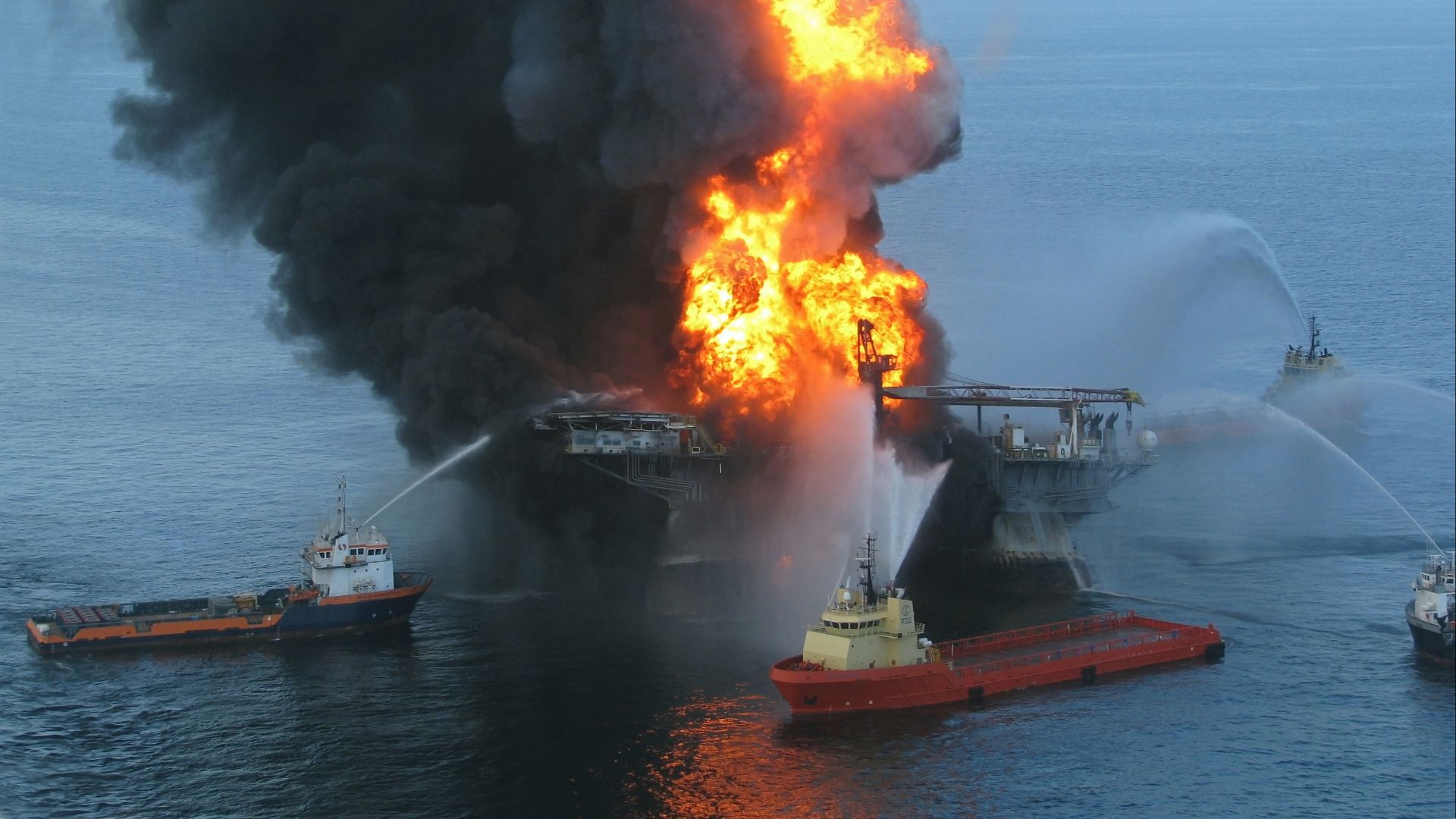
The Deepwater Horizon Explosion
BP’s 2010 Deepwater Horizon rig explosion killed 11 workers and unleashed a massive oil spill in the Gulf of Mexico. The disaster battered BP’s image, finances, and operations. Afterward, the company faced tougher oversight, paid enormous penalties, and had to rebuild its safety culture under a global spotlight.
 Unknown authorUnknown author, Wikimedia Commons
The Boeing 737 MAX Crashes
Two deadly 737 MAX crashes in 2018 and 2019 plunged Boeing into one of the worst crises in its history. Investigators focused on the MCAS flight-control system and Boeing’s safety processes. The company changed software, training, oversight, and leadership, while its reputation for engineering excellence took a bruising hit.
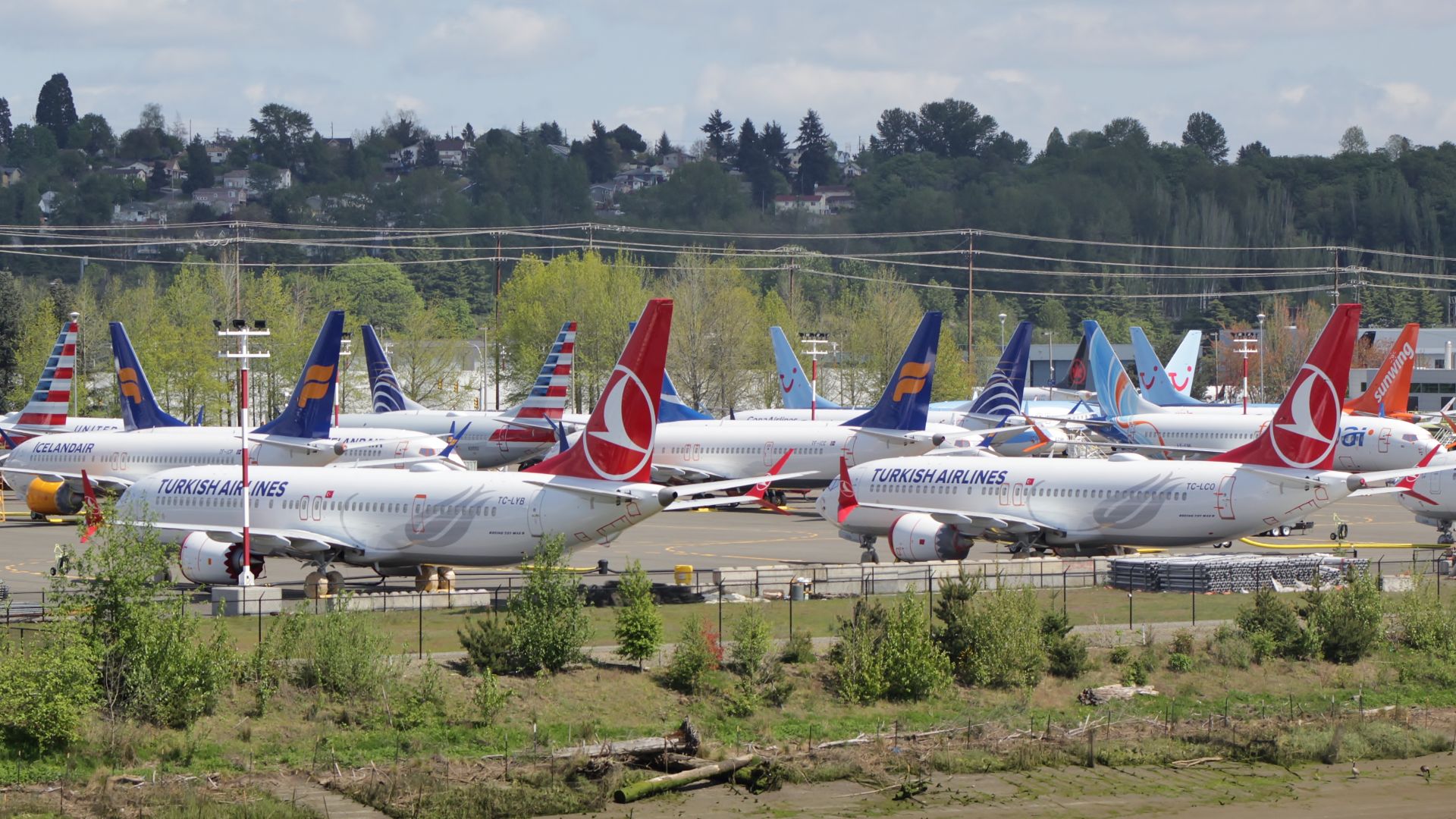 SounderBruce, Wikimedia Commons
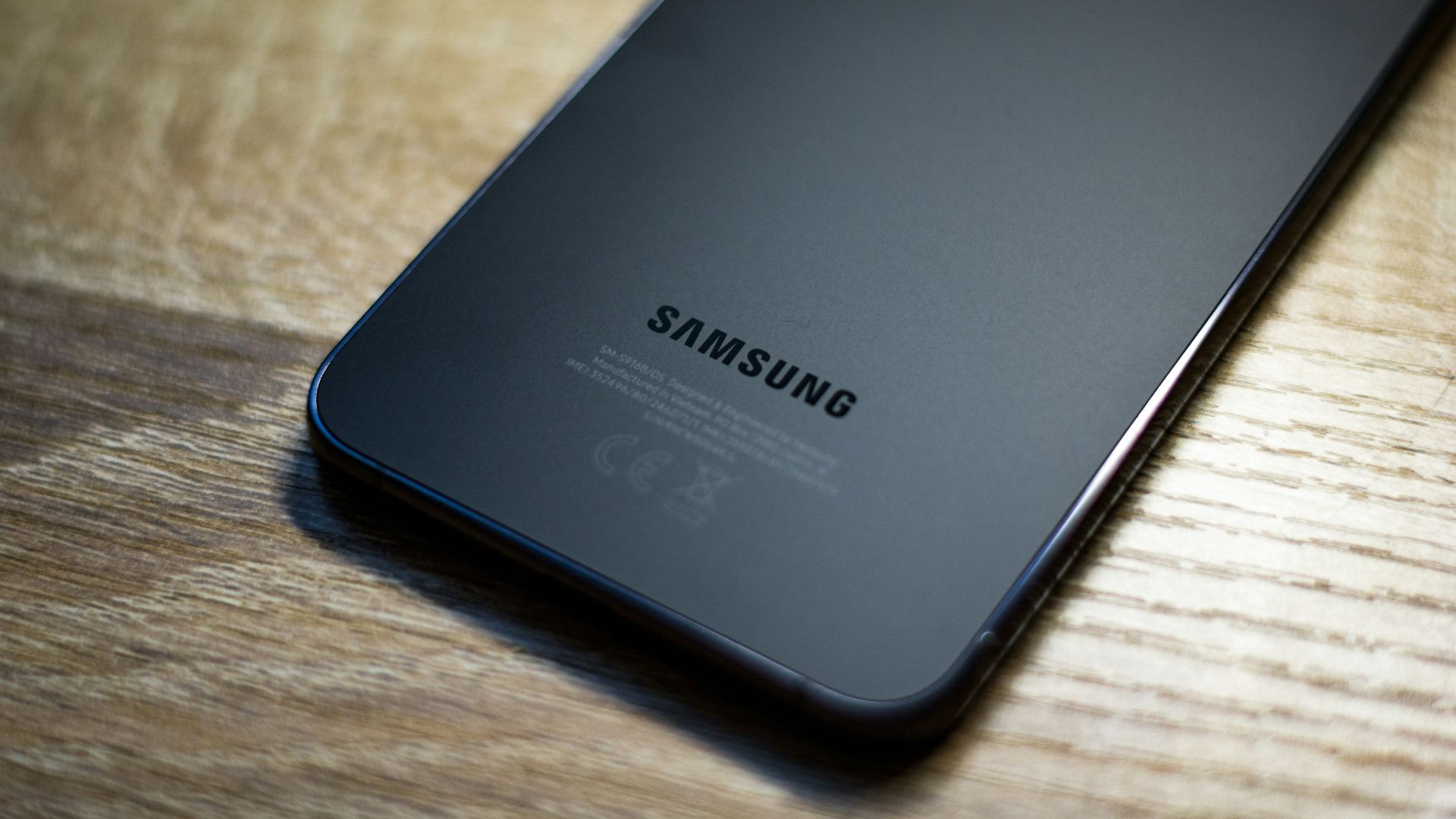
The Samsung Galaxy Note7 Fires
Samsung’s Galaxy Note7 was supposed to be a flagship triumph. Instead, battery fires turned it into a pocket-sized panic. Airlines banned the phone, Samsung recalled it, and the company introduced a new battery safety program. The mess forced Samsung to slow down, test harder, and win back trust.
The Exxon Valdez Spill
In 1989, the Exxon Valdez tanker ran aground in Alaska, spilling oil into Prince William Sound. Exxon became a byword for environmental disaster. The accident helped push changes in tanker design, emergency response, and shipping rules, including greater emphasis on double-hulled tankers and spill-prevention planning.
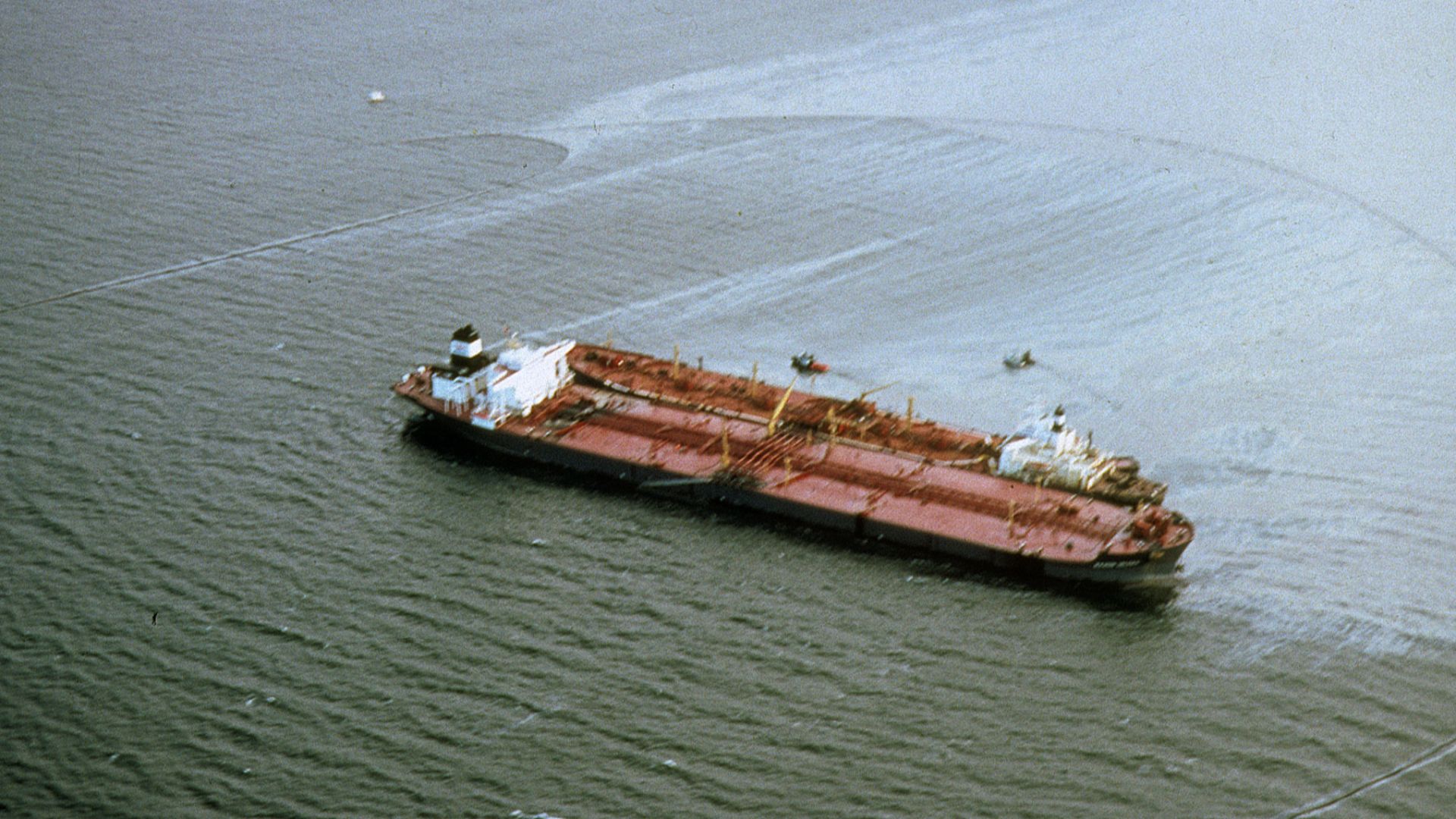 Exxon Valdez Oil Spill Trustee Council, Wikimedia Commons
The Bhopal Gas Disaster
A toxic gas leak at Union Carbide’s pesticide plant in Bhopal, India, in 1984 exposed hundreds of thousands of people. It became one of history’s worst industrial disasters. Union Carbide’s name was permanently scarred, and the tragedy forced chemical companies worldwide to rethink safety, maintenance, and community risk.
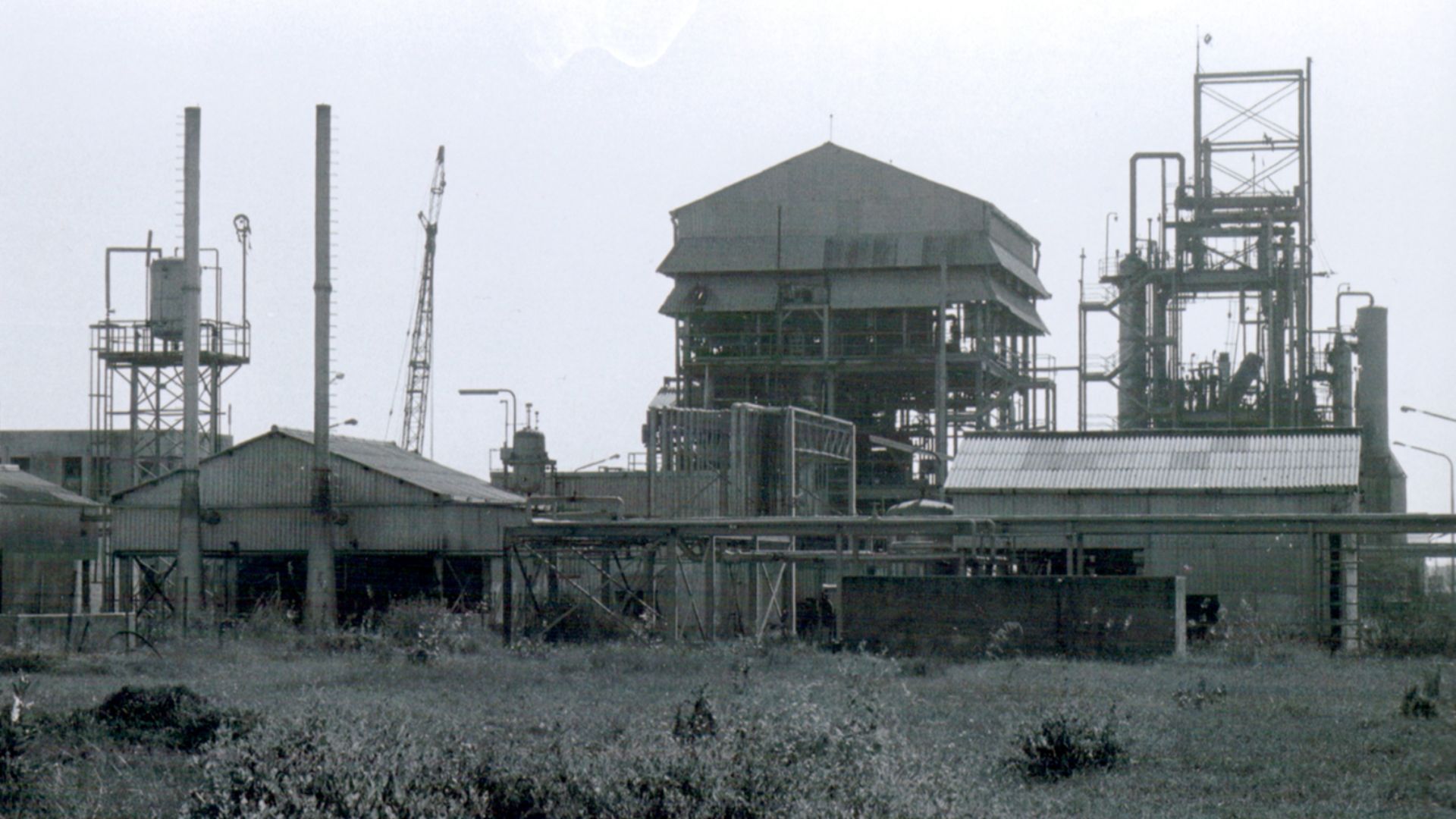 Bhopal Medical Appeal, Martin Stott, Wikimedia Commons
The Challenger Explosion
The 1986 Space Shuttle Challenger explosion killed seven astronauts and devastated NASA’s public image. Though NASA is not a company, its contractors, especially Morton Thiokol, faced intense scrutiny over the solid rocket boosters. The disaster changed NASA’s decision-making, engineering reviews, and tolerance for launch-day pressure.
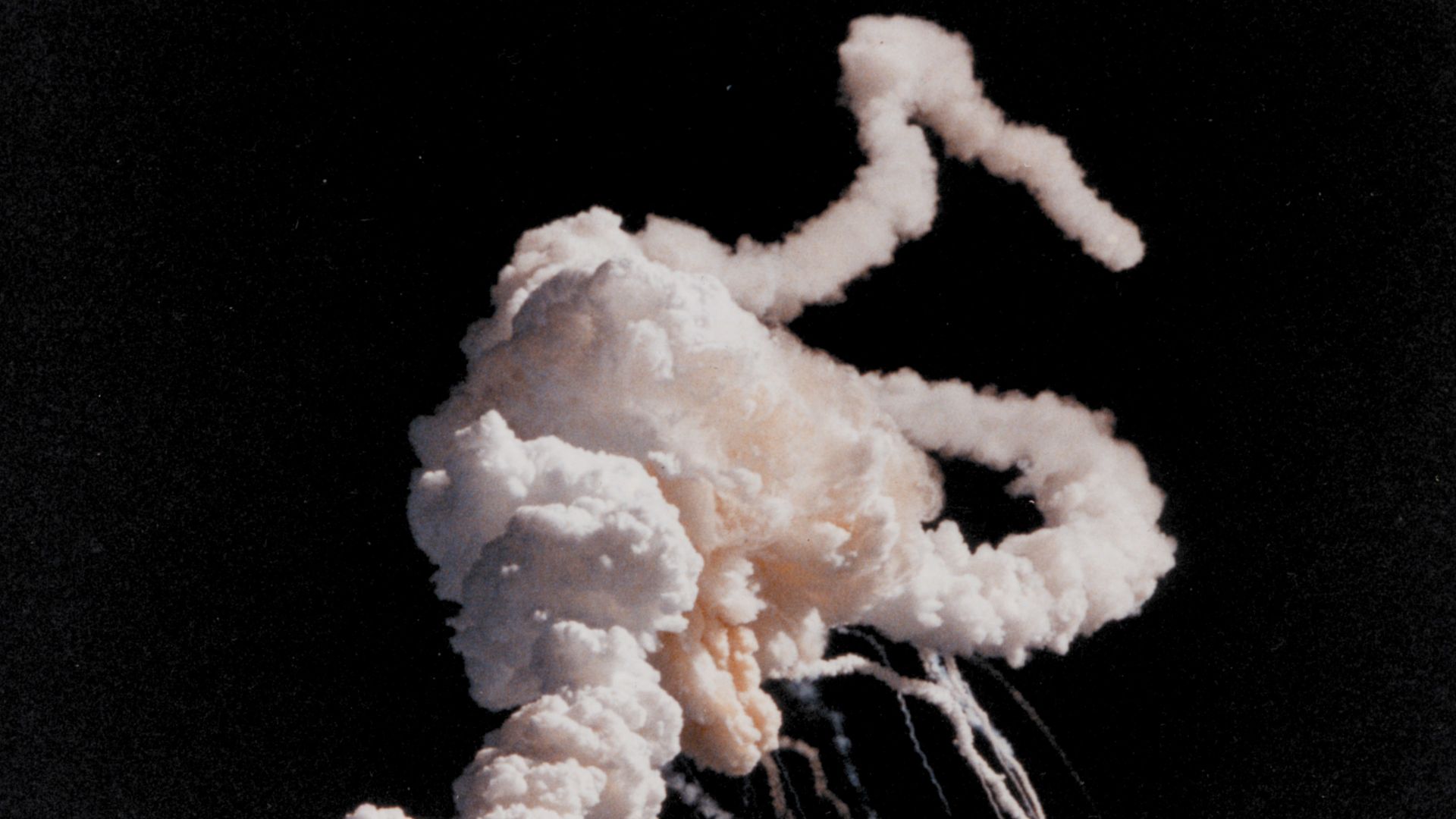 Kennedy Space Center, Wikimedia Commons
The Ford Pinto Fires
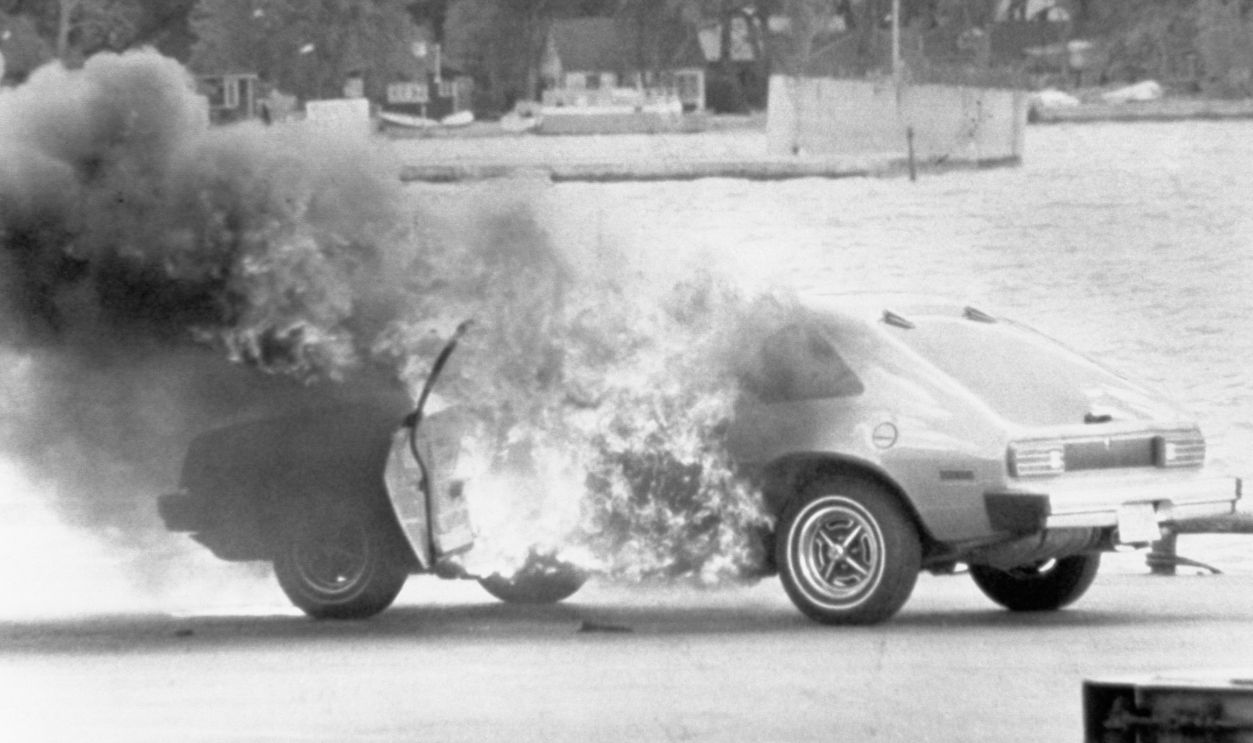
Ford’s Pinto became infamous after reports that rear-end crashes could rupture its fuel tank. The controversy turned the car into a symbol of dangerous cost-cutting. Ford eventually changed design practices, and the case still haunts business schools as a warning about what happens when numbers seem to outrank lives.

History's most fascinating stories and darkest secrets, delivered to your inbox daily.
The Firestone And Ford Explorer Rollovers
In the 1990s and early 2000s, tire failures on Ford Explorers were linked to deadly rollovers. Ford and Firestone blamed each other, ending a century-old business relationship. Both companies faced recalls, lawsuits, and brutal headlines, while tire monitoring and SUV safety became much bigger concerns for the auto industry.
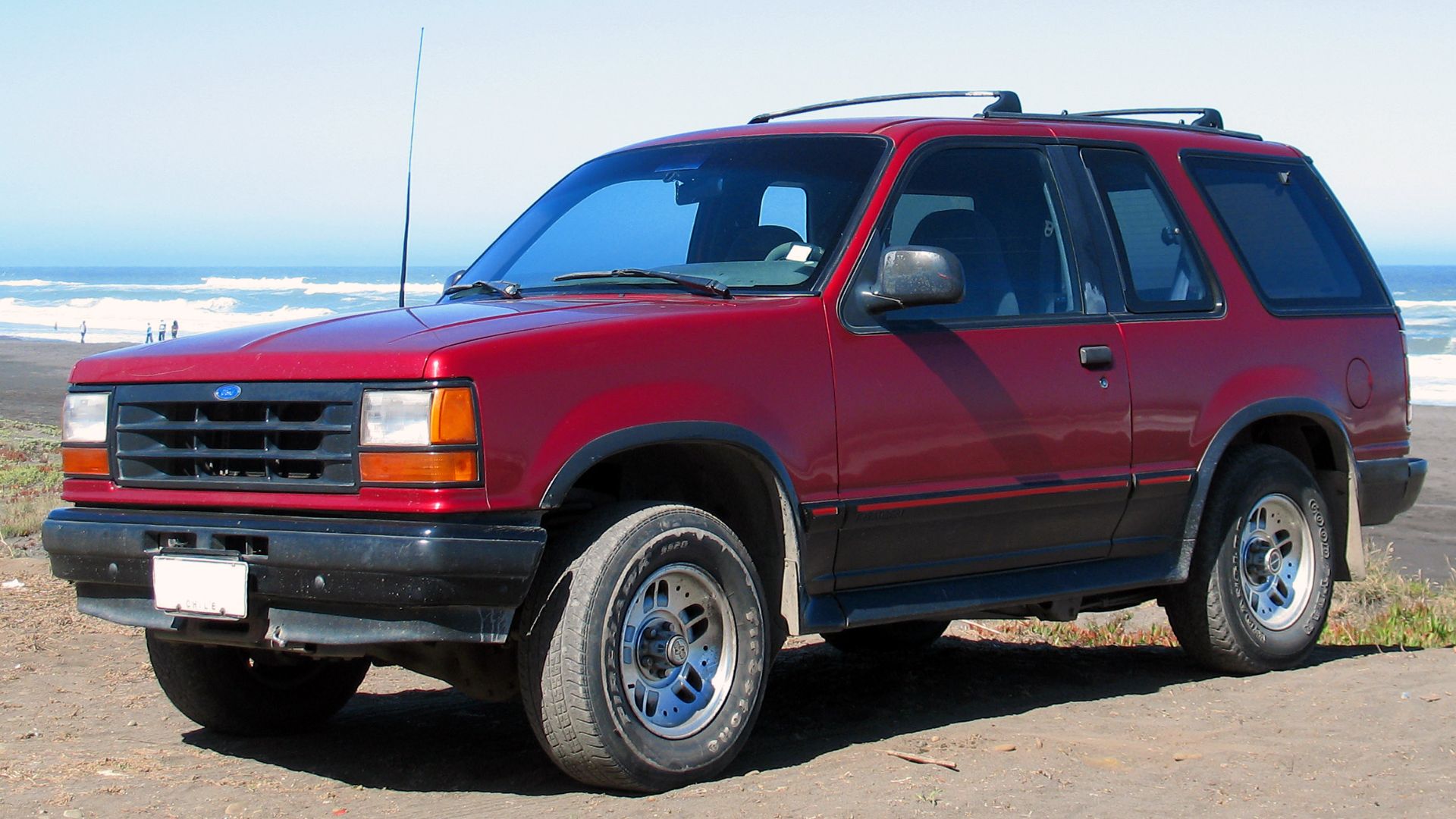 order_242 from Chile, Wikimedia Commons
The Fukushima Daiichi Meltdown
After Japan’s 2011 earthquake and tsunami, TEPCO’s Fukushima Daiichi nuclear plant suffered meltdowns. The disaster forced TEPCO into restructuring and compensation battles, while Japan rethought nuclear energy. Around the world, power companies revisited flood defenses, backup systems, and the uncomfortable question of what “unlikely” really means.
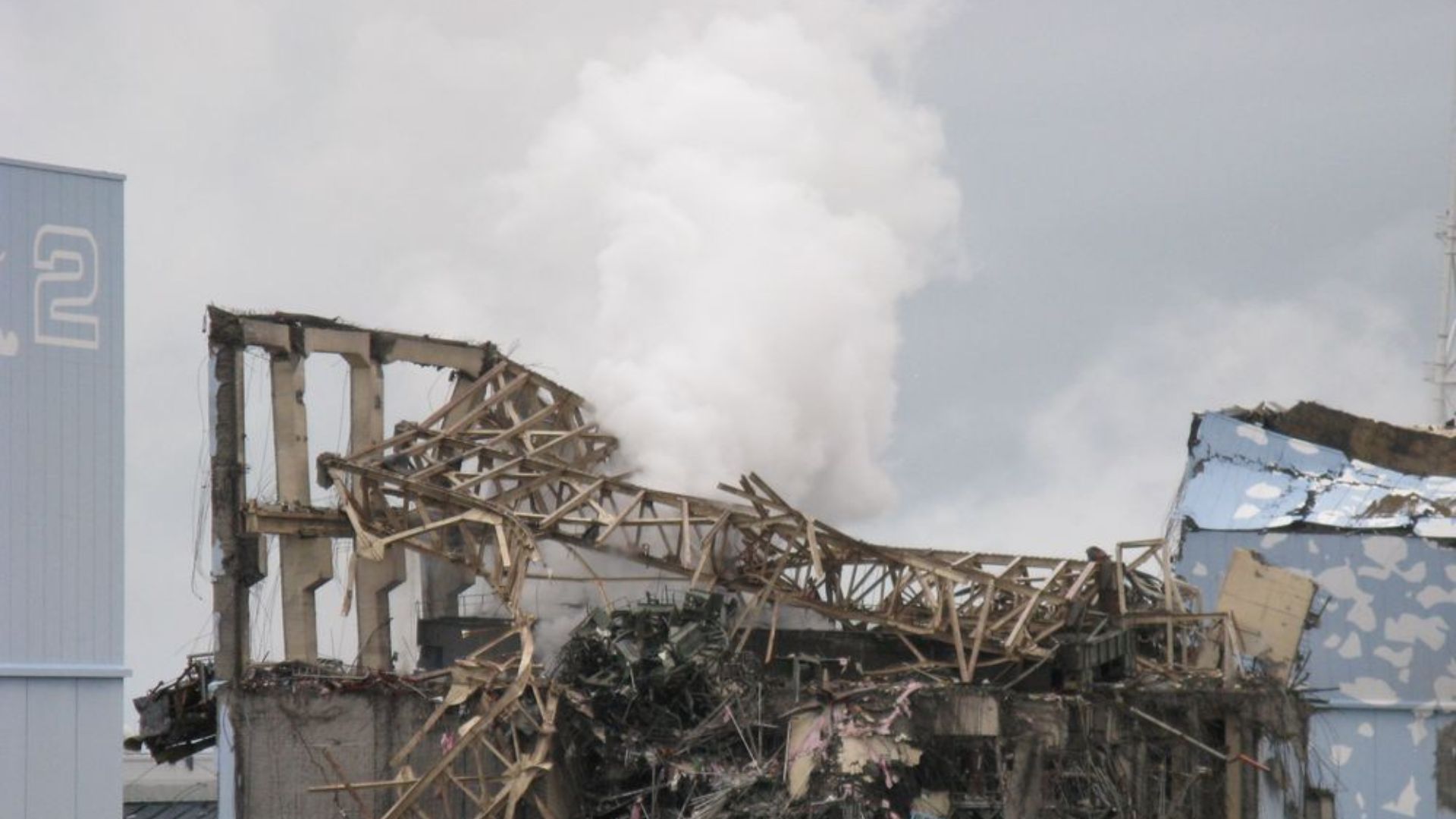 Agency for Natural Resources and Energy, Wikimedia Commons
The Rana Plaza Collapse
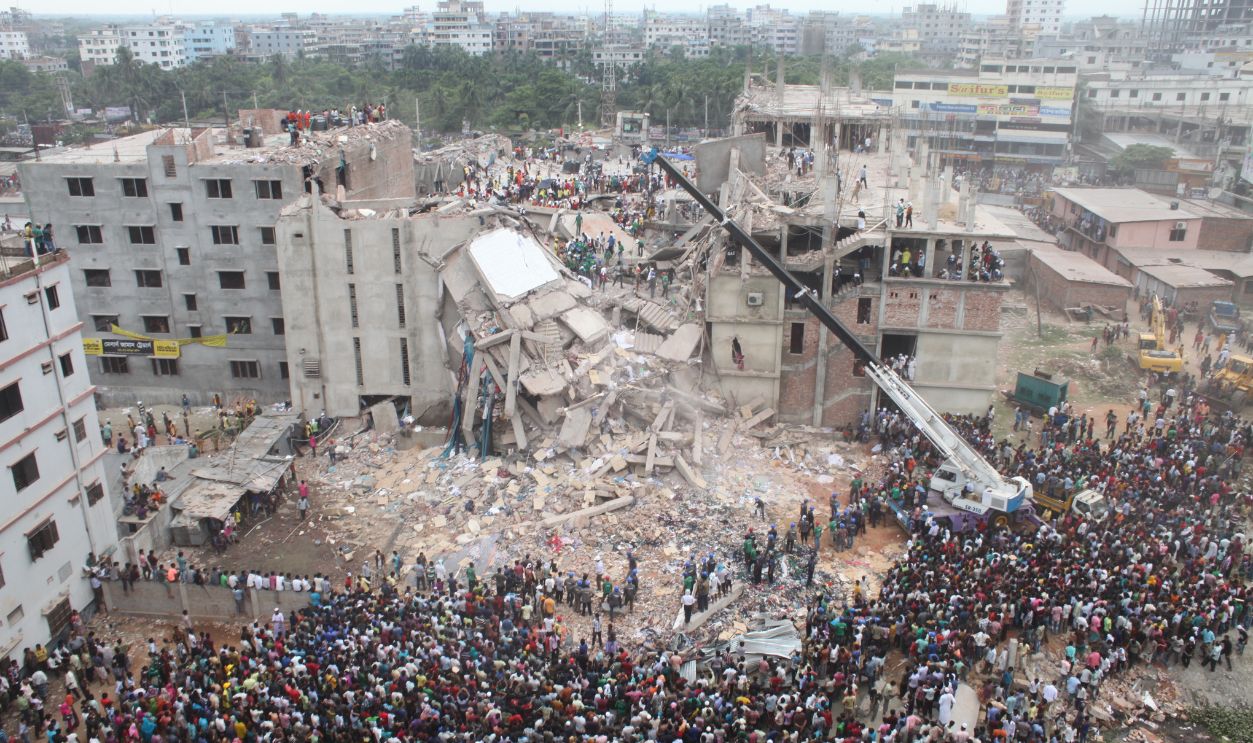
In 2013, the Rana Plaza building in Bangladesh collapsed, killing more than 1,100 garment workers. Brands sourcing from the factories faced global outrage. The disaster changed how major fashion companies talked about supply chains, factory inspections, worker safety, and the true cost of bargain clothing.
The OceanGate Titan Implosion
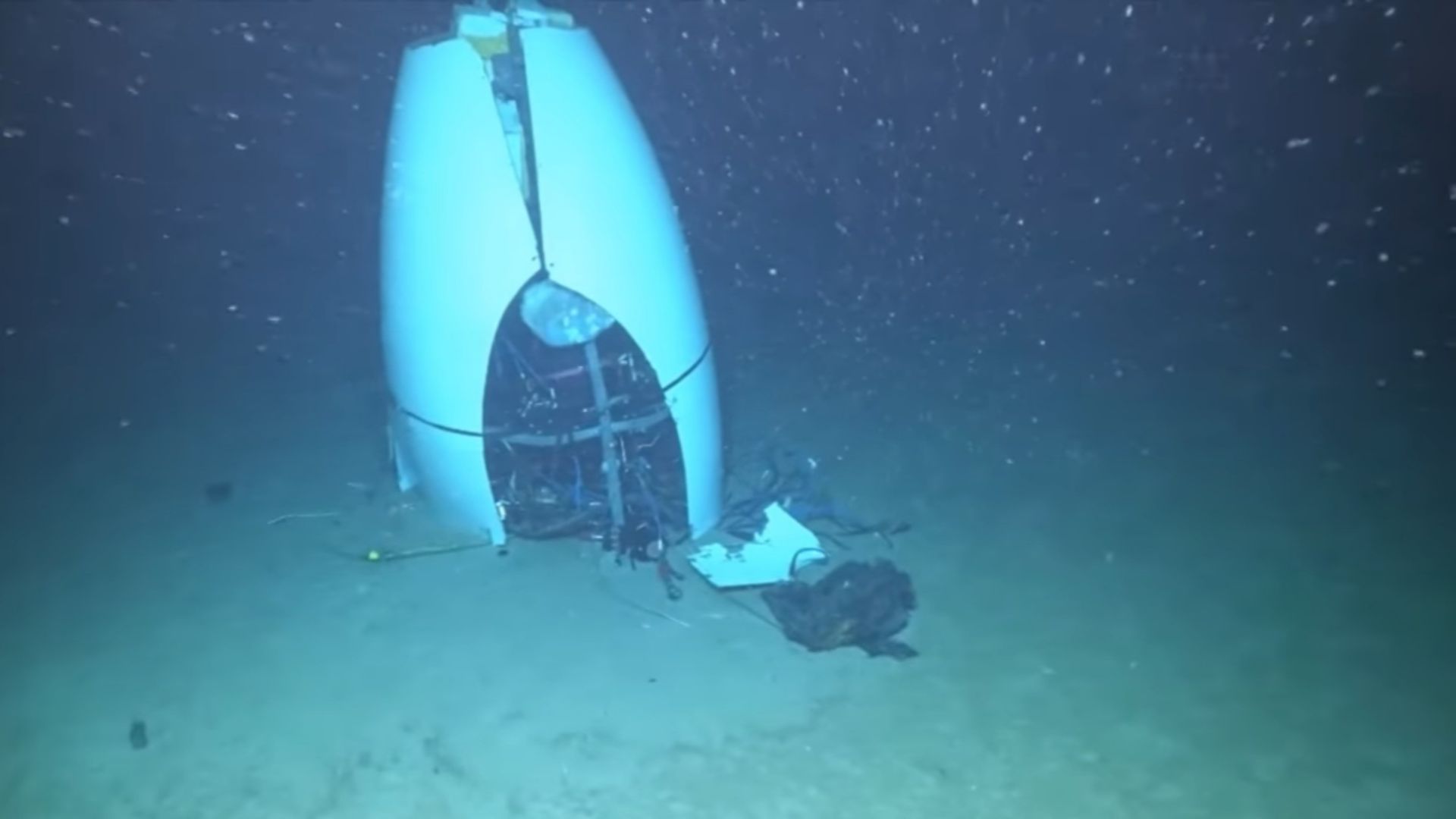
OceanGate’s Titan submersible imploded in 2023 during a dive to the Titanic wreck, killing all five people aboard. The company’s experimental approach and safety decisions came under intense scrutiny. OceanGate suspended operations, and the accident chilled the private deep-sea tourism industry almost overnight.
 United States Coast Guard, Wikimedia Commons
The BP Texas City Refinery Explosion
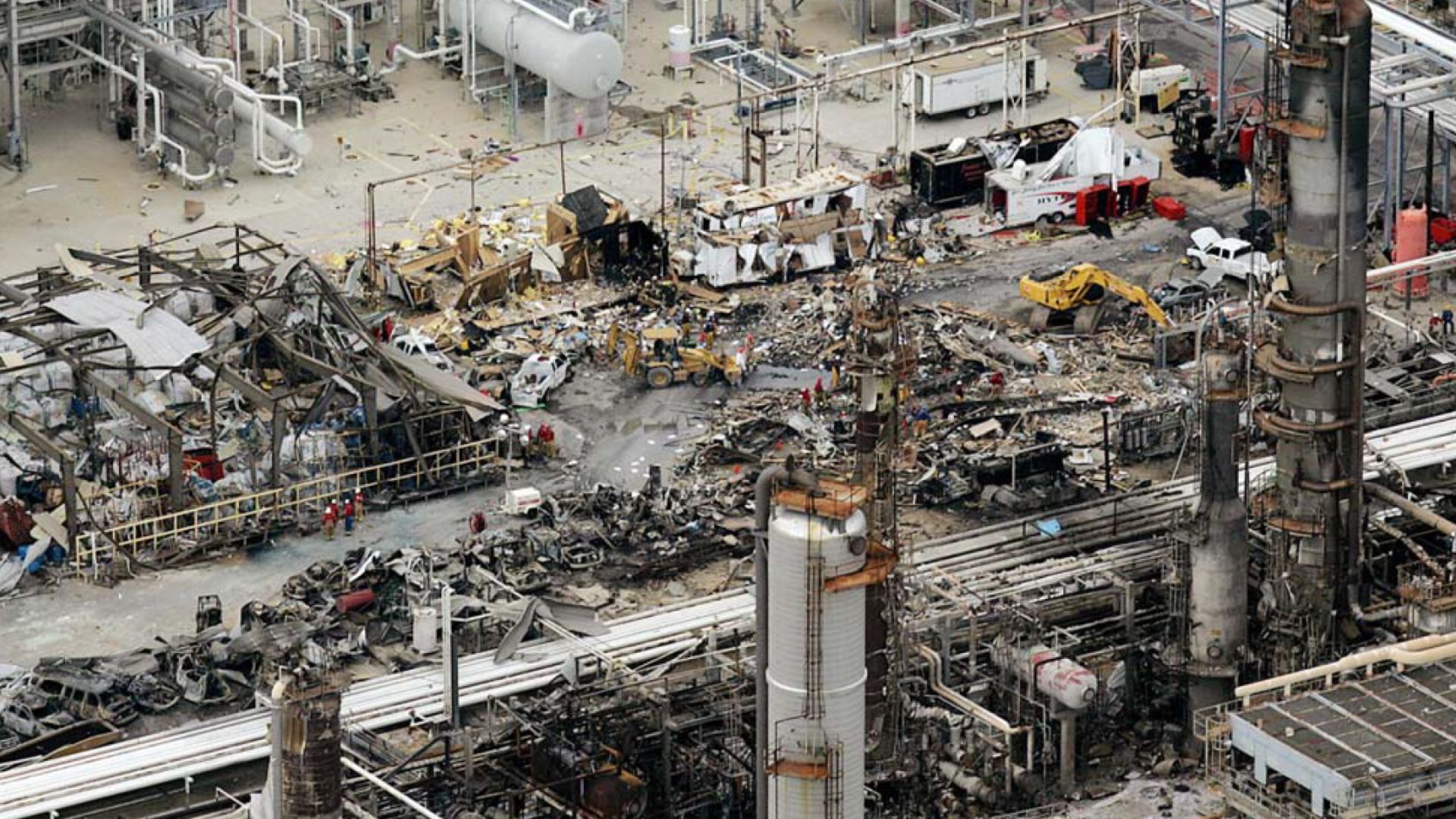
Before Deepwater Horizon, BP had another devastating crisis. In 2005, an explosion at its Texas City refinery killed 15 workers. Investigations criticized safety systems and management practices. BP promised reforms, but the tragedy became a grim warning that personal safety statistics do not always reveal deeper process-safety risks.
 U.S. Chemical Safety Board, Wikimedia Commons
The Piper Alpha Disaster
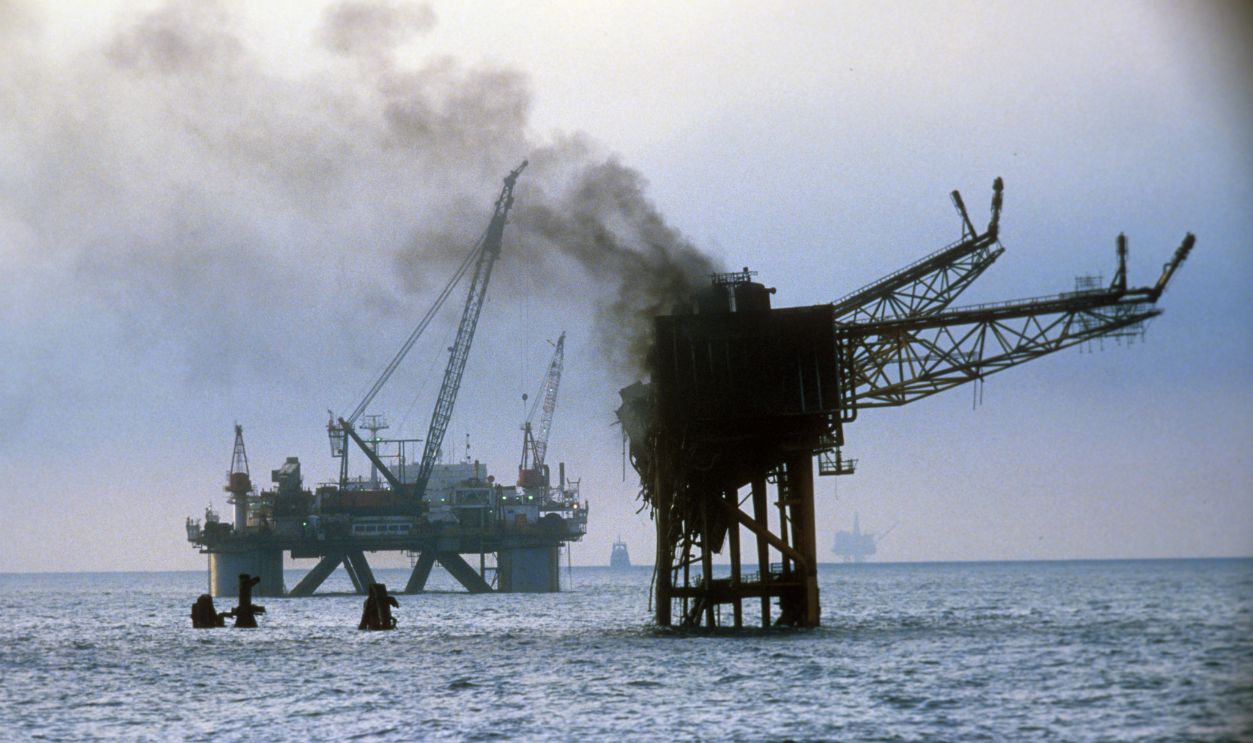
In 1988, an explosion destroyed Occidental Petroleum’s Piper Alpha oil platform in the North Sea, killing 167 people. The disaster changed offshore drilling forever. Companies tightened permit-to-work systems, emergency training, evacuation procedures, and platform design, proving that paperwork failures can become terrifyingly real in minutes.
The Lac-Mégantic Rail Disaster
In 2013, an unattended train carrying crude oil rolled into Lac-Mégantic, Quebec, derailed, and exploded, killing 47 people. The railway company, Montreal, Maine and Atlantic, collapsed into bankruptcy. The accident transformed rules around crude-by-rail, hand brakes, crew staffing, and how dangerous cargo moves through towns.
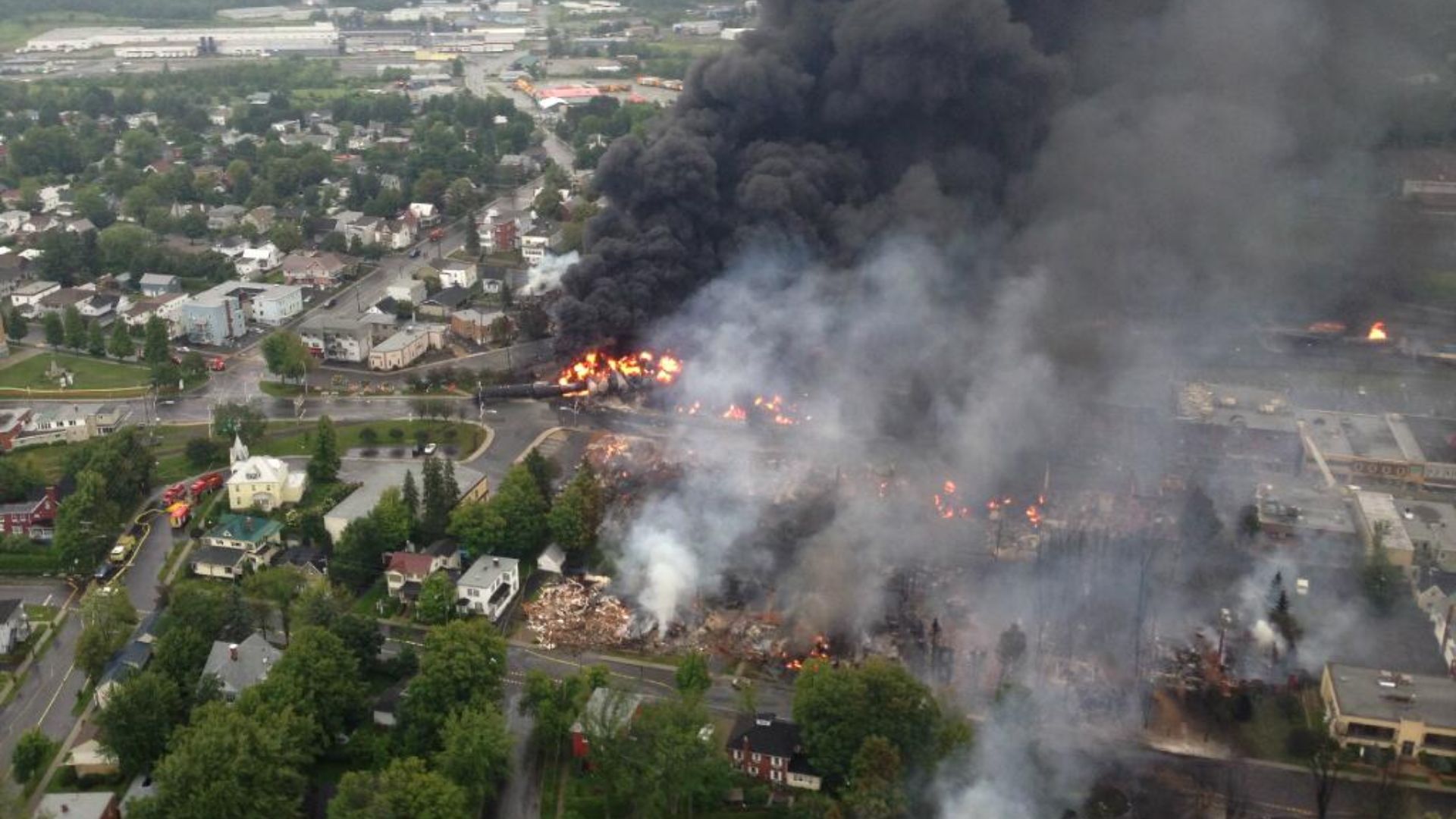 Surete du Quebec, Wikimedia Commons
The Volkswagen Diesel Emissions Scandal
Volkswagen’s “Dieselgate” was not a crash, but it was an engineering accident of trust. Software helped cars cheat emissions tests, and the fallout was enormous. VW paid billions, executives fell, and the company sharply accelerated its pivot toward electric vehicles, trying to leave diesel disgrace in the rearview mirror.
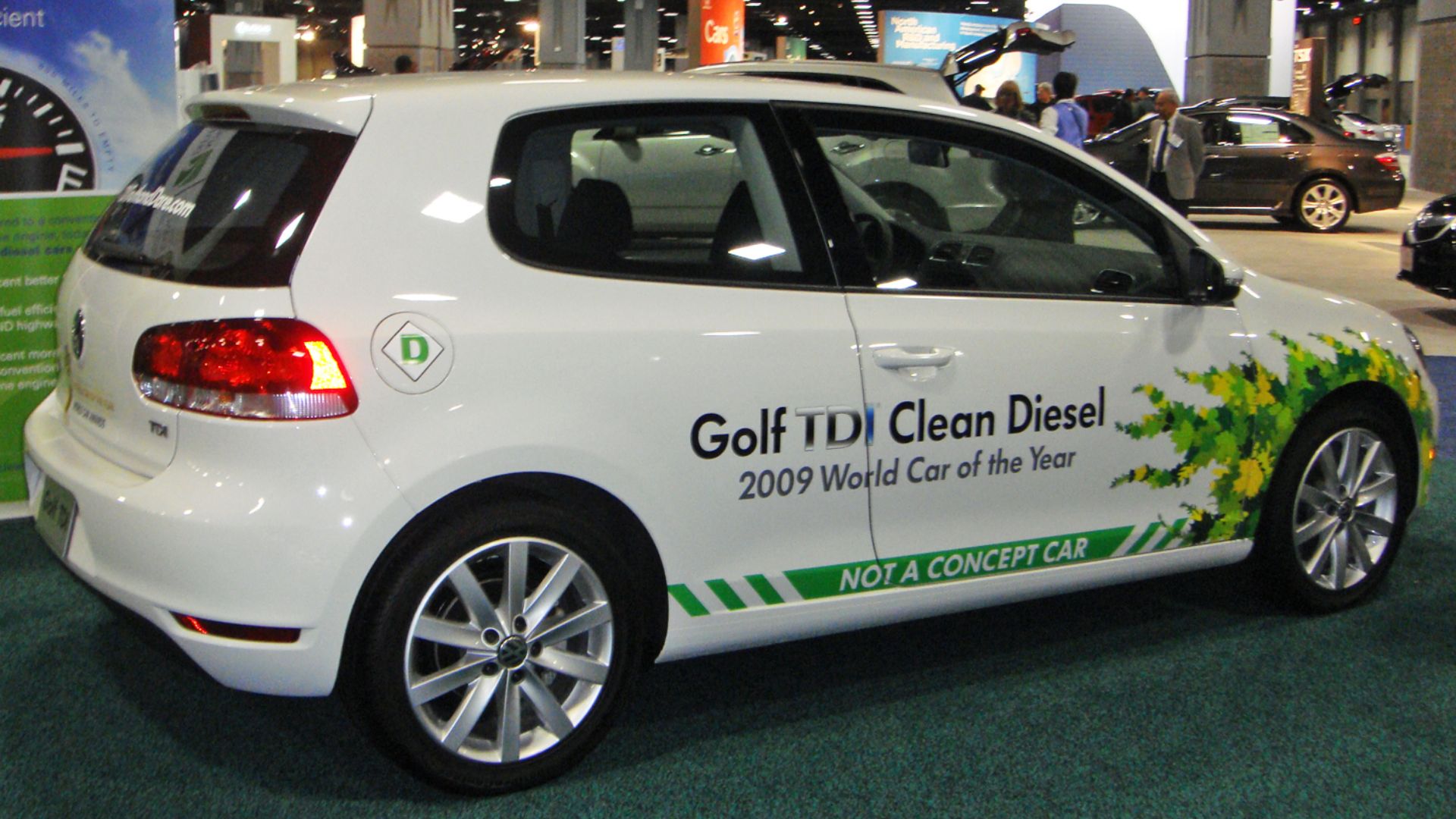 Mariordo Mario Roberto Duran Ortiz, Wikimedia Commons
The Toyota Unintended Acceleration Crisis
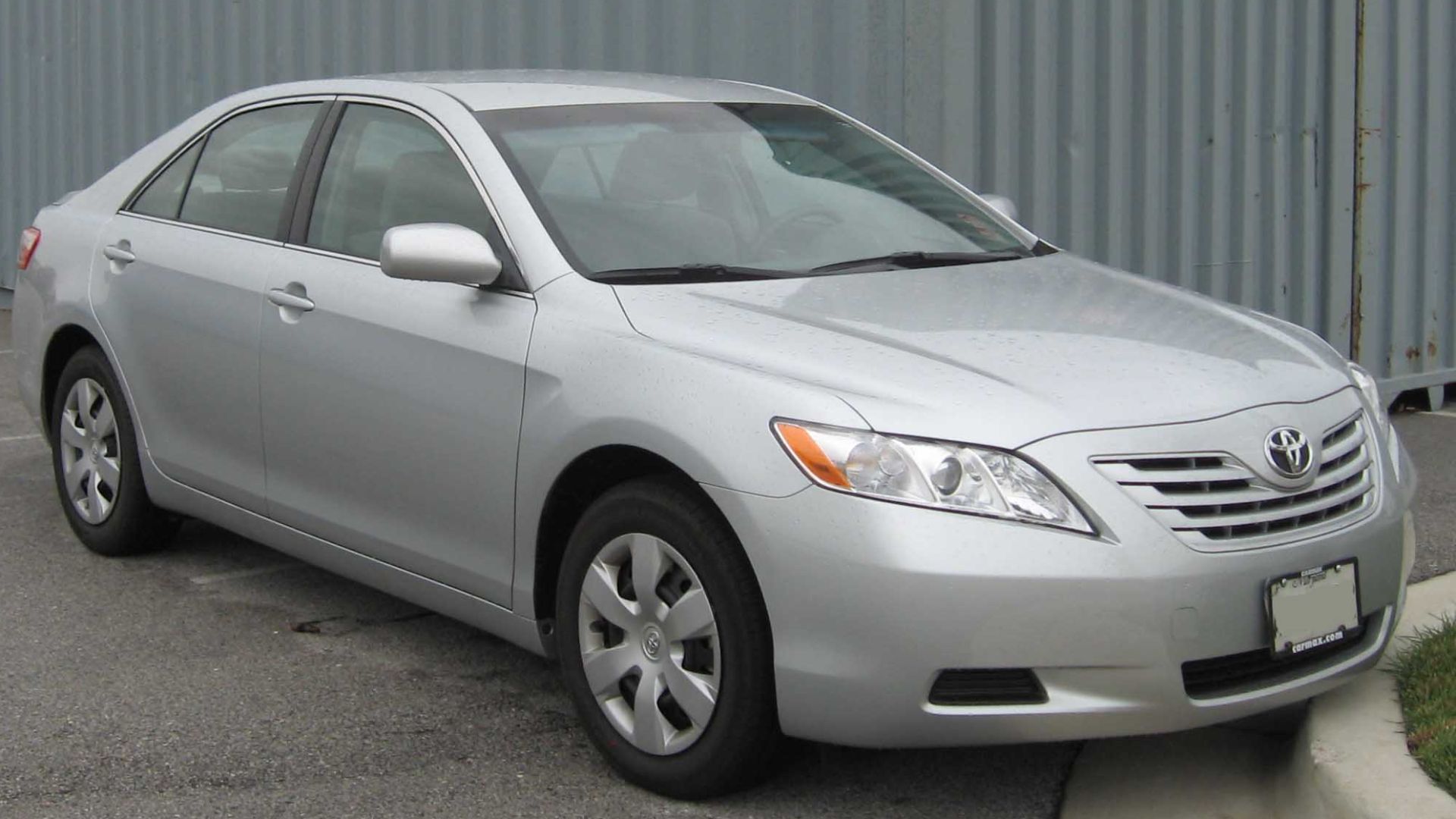
Reports of unintended acceleration led Toyota to recall millions of vehicles in 2009 and 2010. The company that had built its legend on quality suddenly looked vulnerable. Toyota overhauled recall handling, communication, and safety systems, learning that even beloved brands can skid when customers feel ignored.
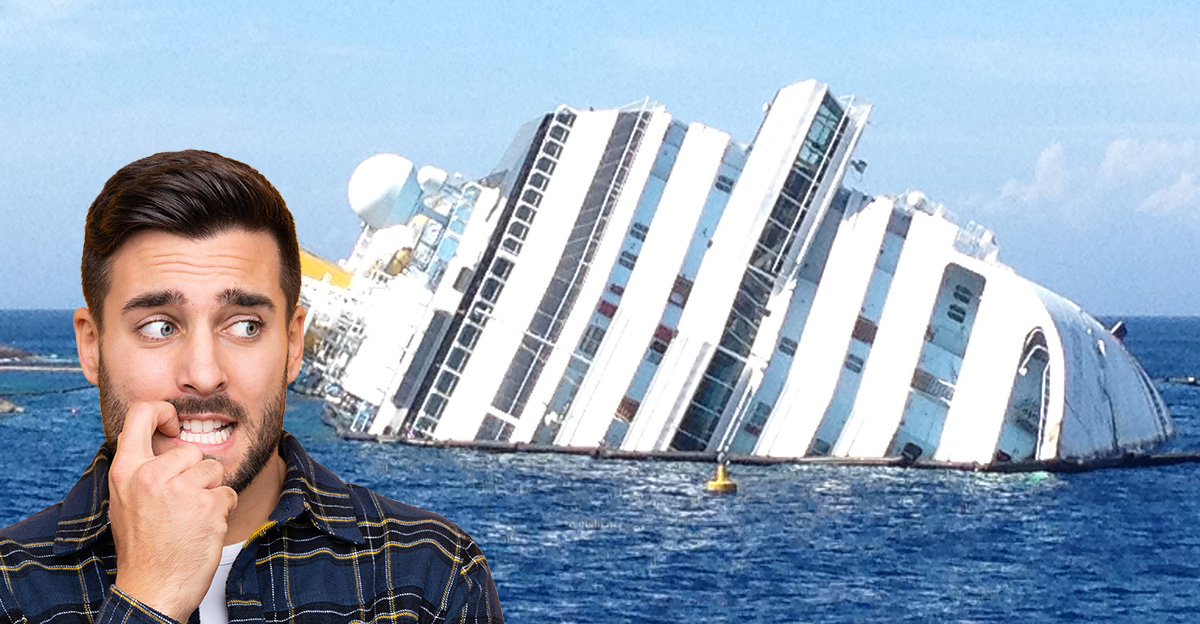
The Costa Concordia Shipwreck
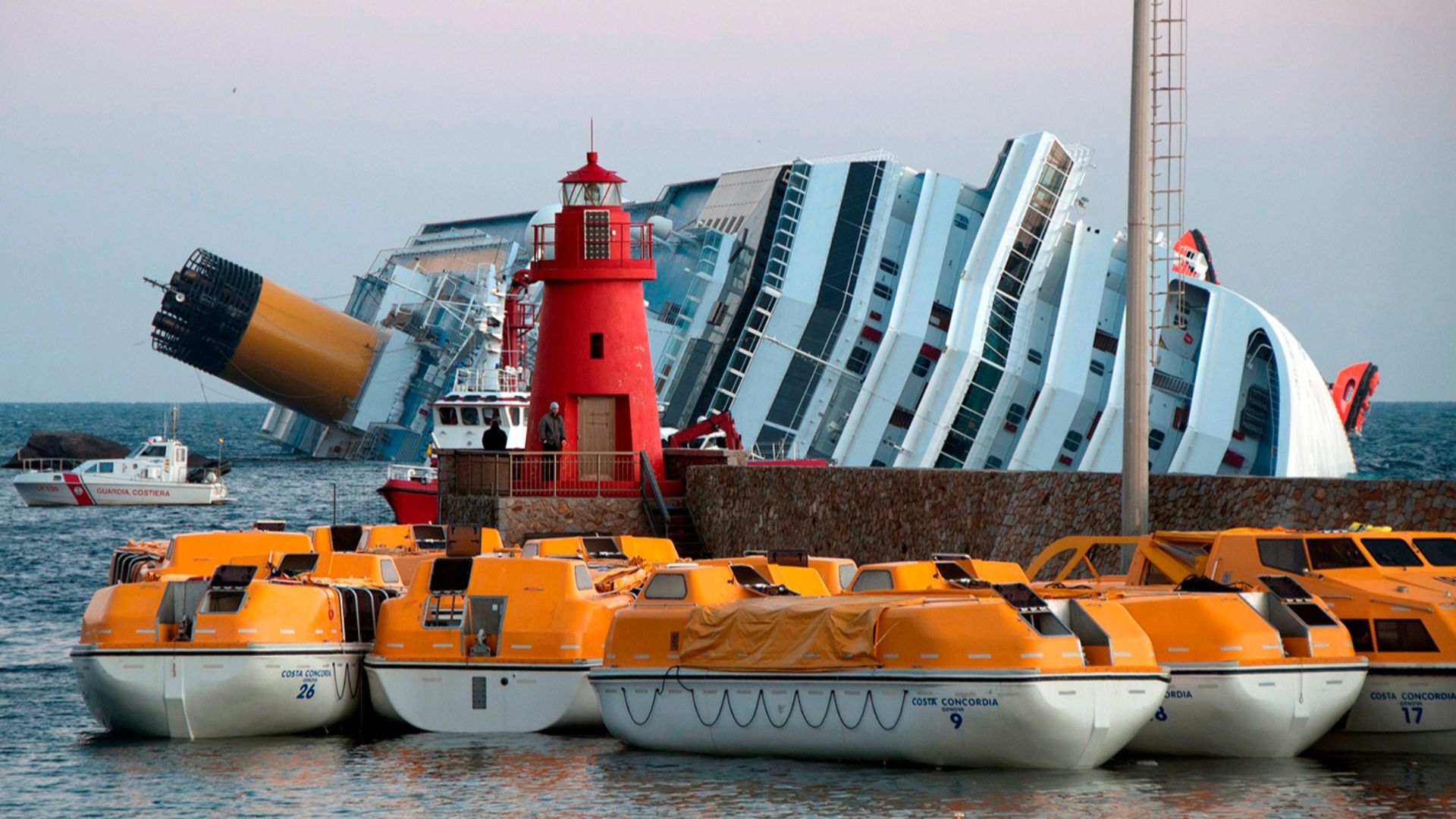
In 2012, the Costa Concordia cruise ship struck rocks off Italy and capsized, killing 32 people. Parent company Carnival faced a nightmare of images, lawsuits, and nervous passengers. Cruise operators tightened safety drills, bridge procedures, and emergency planning, while “reckless captain” became every cruise line’s horror phrase.
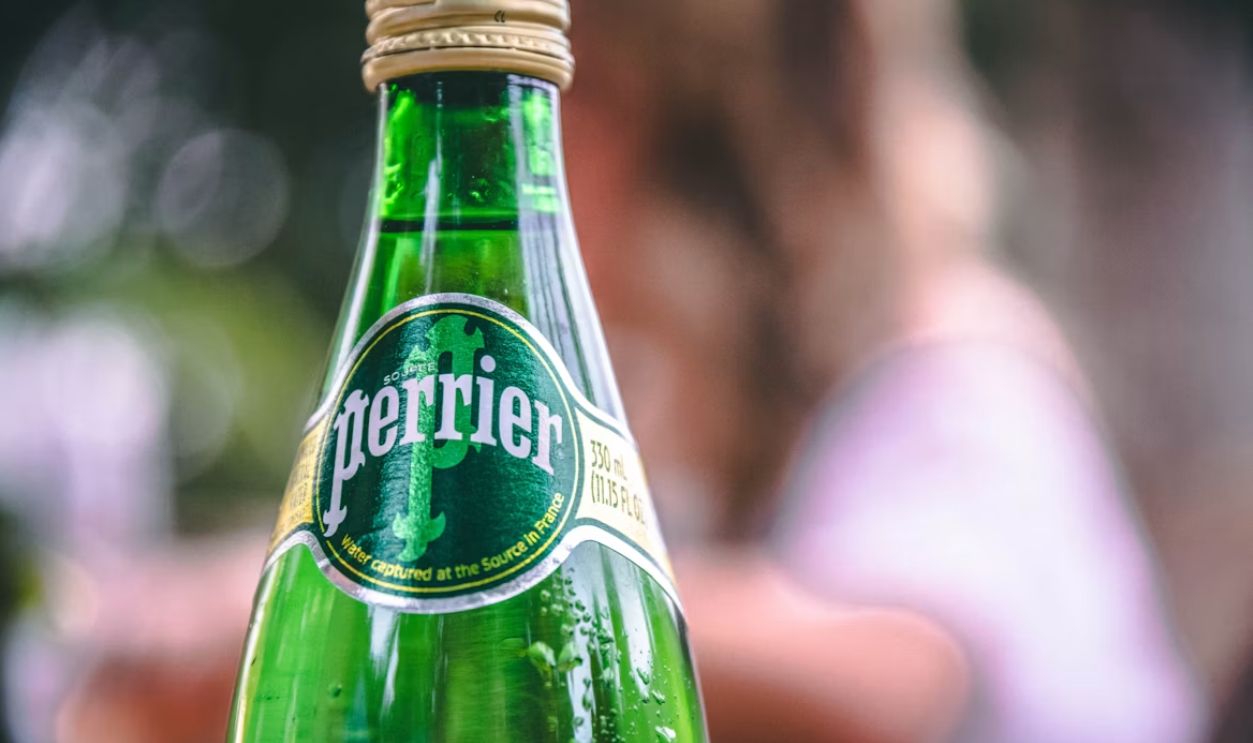
The Perrier Benzene Recall
In 1990, benzene contamination forced Perrier to recall millions of bottles around the world. The sparkling water brand, once seen as effortlessly chic, suddenly looked fragile. Perrier struggled to regain its old glamour, and the incident reminded food and drink companies that “pure” is a promise customers take seriously.
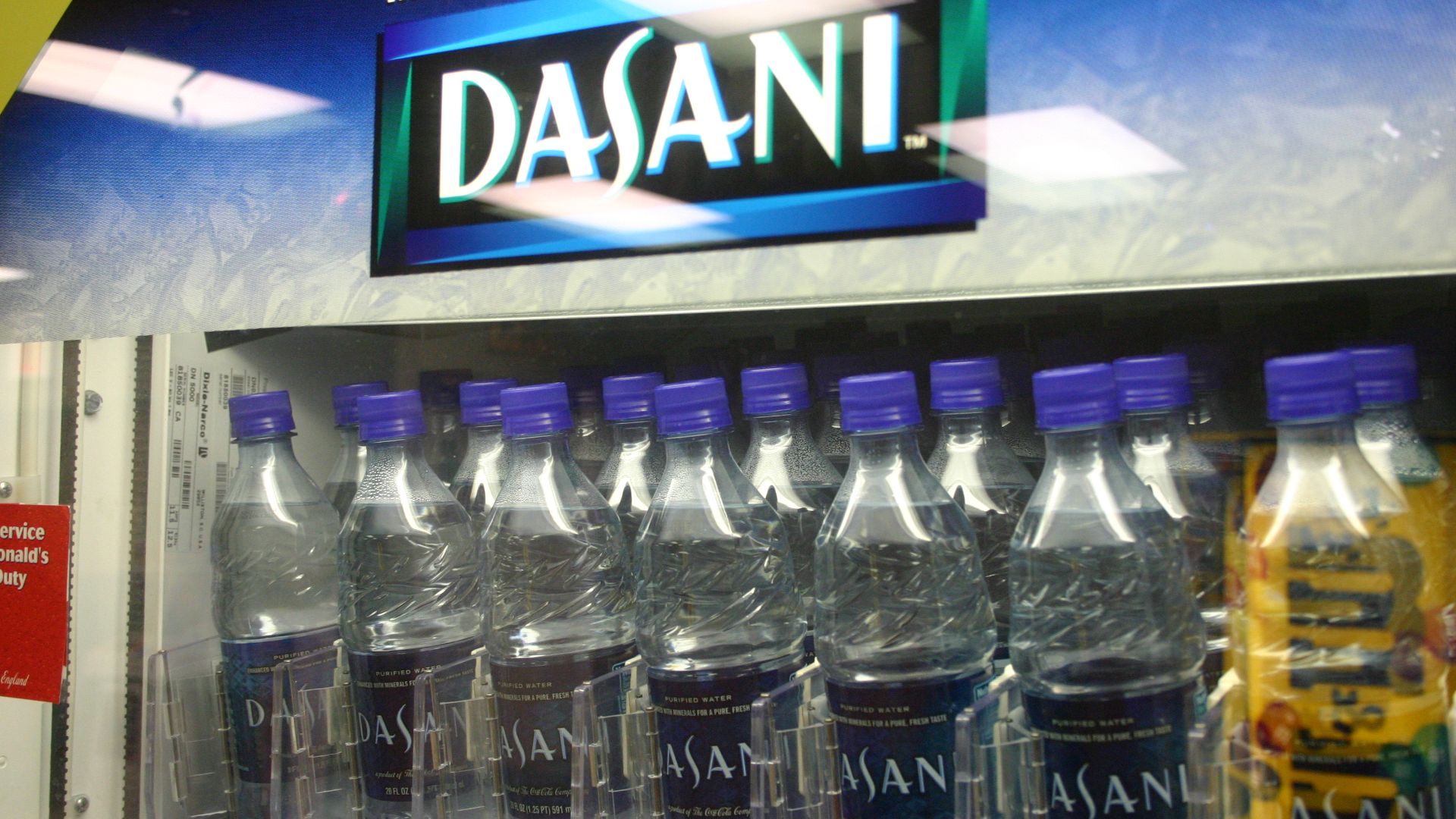
The Dasani UK Contamination Mess
Coca-Cola launched Dasani water in the UK in 2004, only to withdraw it after contamination concerns and embarrassing headlines about the product being purified tap water. The flop made Coke rethink local messaging and quality controls. In Britain, Dasani became a case study in how not to launch a brand.
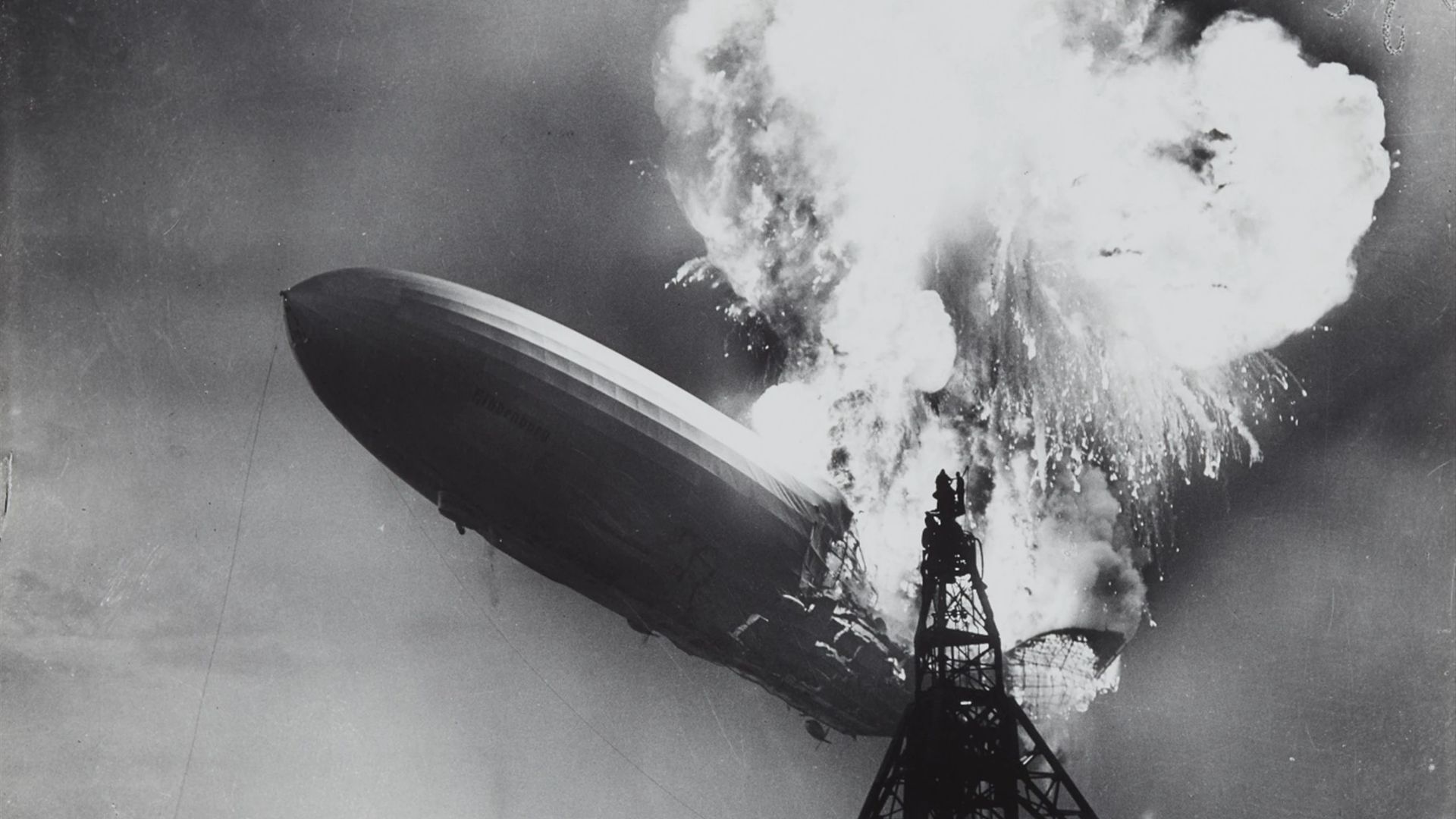
The Hindenburg Disaster
The 1937 Hindenburg airship fire destroyed public confidence in passenger airships almost instantly. The Zeppelin Company never recovered its old dream of luxury air travel in the clouds. The disaster helped shift attention toward airplanes, leaving airships as a dazzling but doomed chapter in transport history.
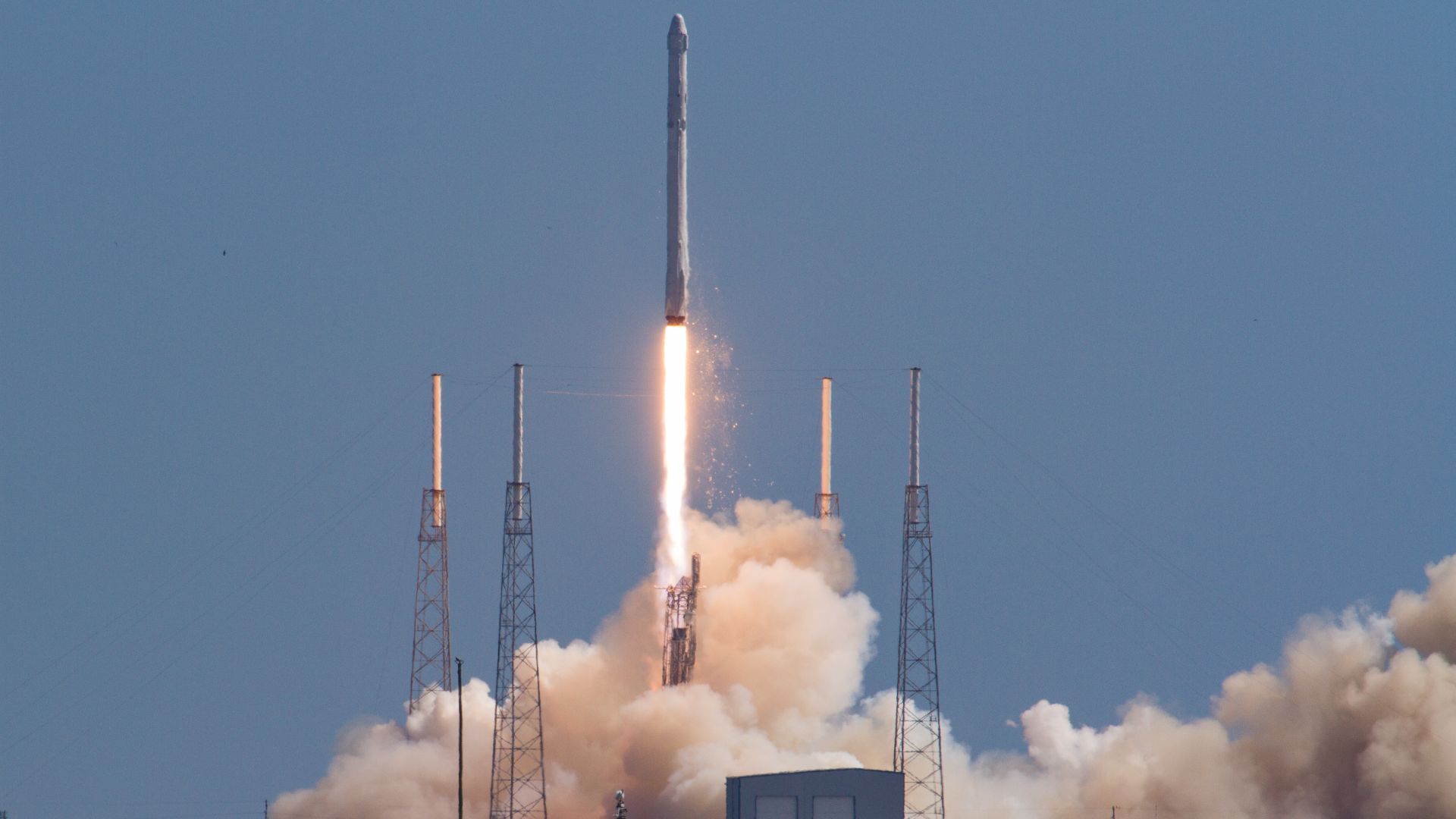
The SpaceX Falcon 9 Explosion
In 2016, a SpaceX Falcon 9 exploded on the launchpad during fueling, destroying a satellite. It was a painful setback for a company built on speed. SpaceX investigated the failure, changed procedures, and returned to flight, proving that in modern rocketry, failure can be brutal—but also useful.
 Michael Seeley from Melbourne, FL, United States, Wikimedia Commons
The Pepsi Syringe Scare
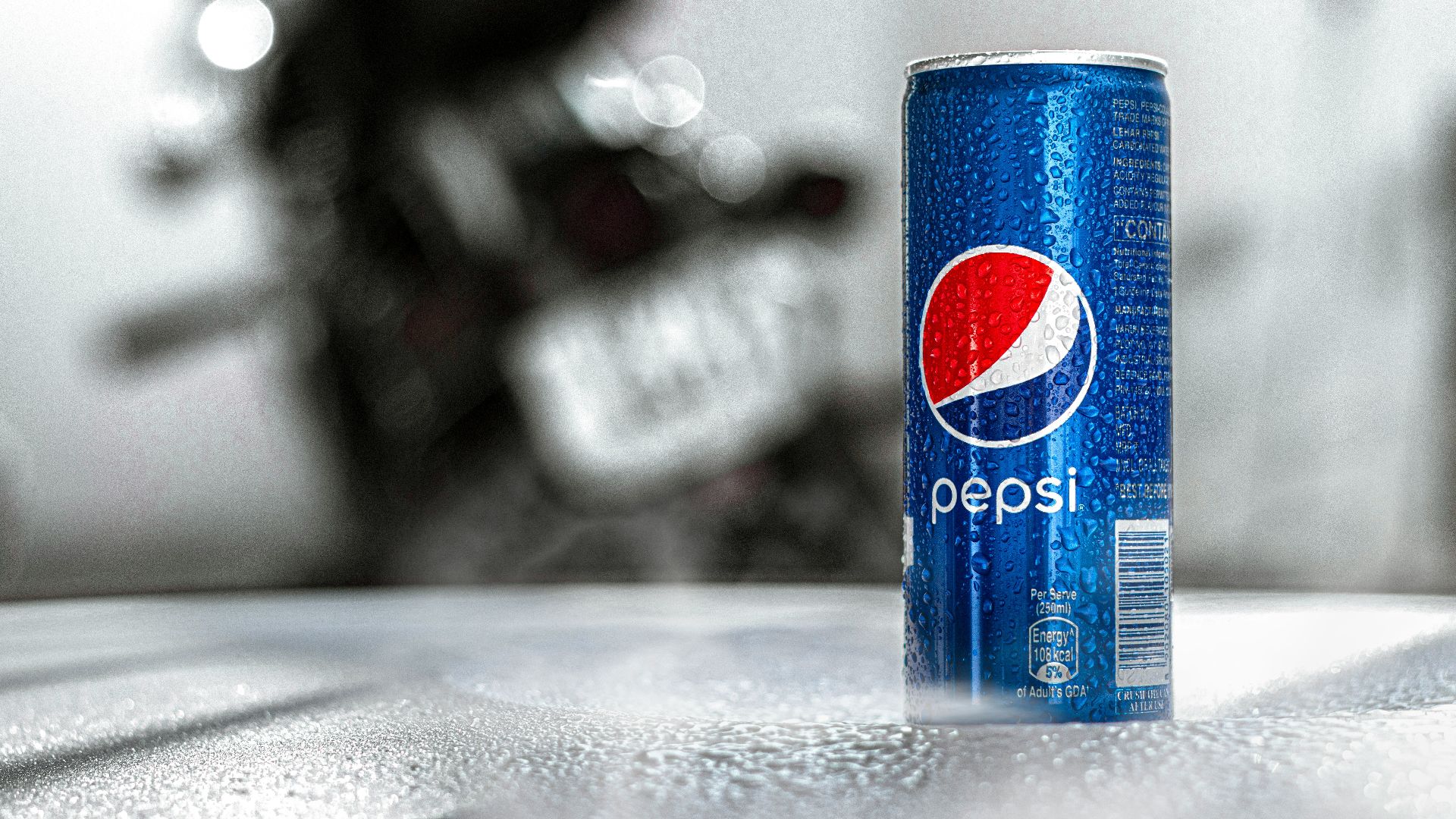
In 1993, reports claimed syringes were found in Diet Pepsi cans. PepsiCo responded aggressively, using video evidence to show tampering was likely happening after purchase. The crisis changed how the company handled public communication, proving that speed, transparency, and a little camera footage can save a brand.
The Therac-25 Radiation Overdoses
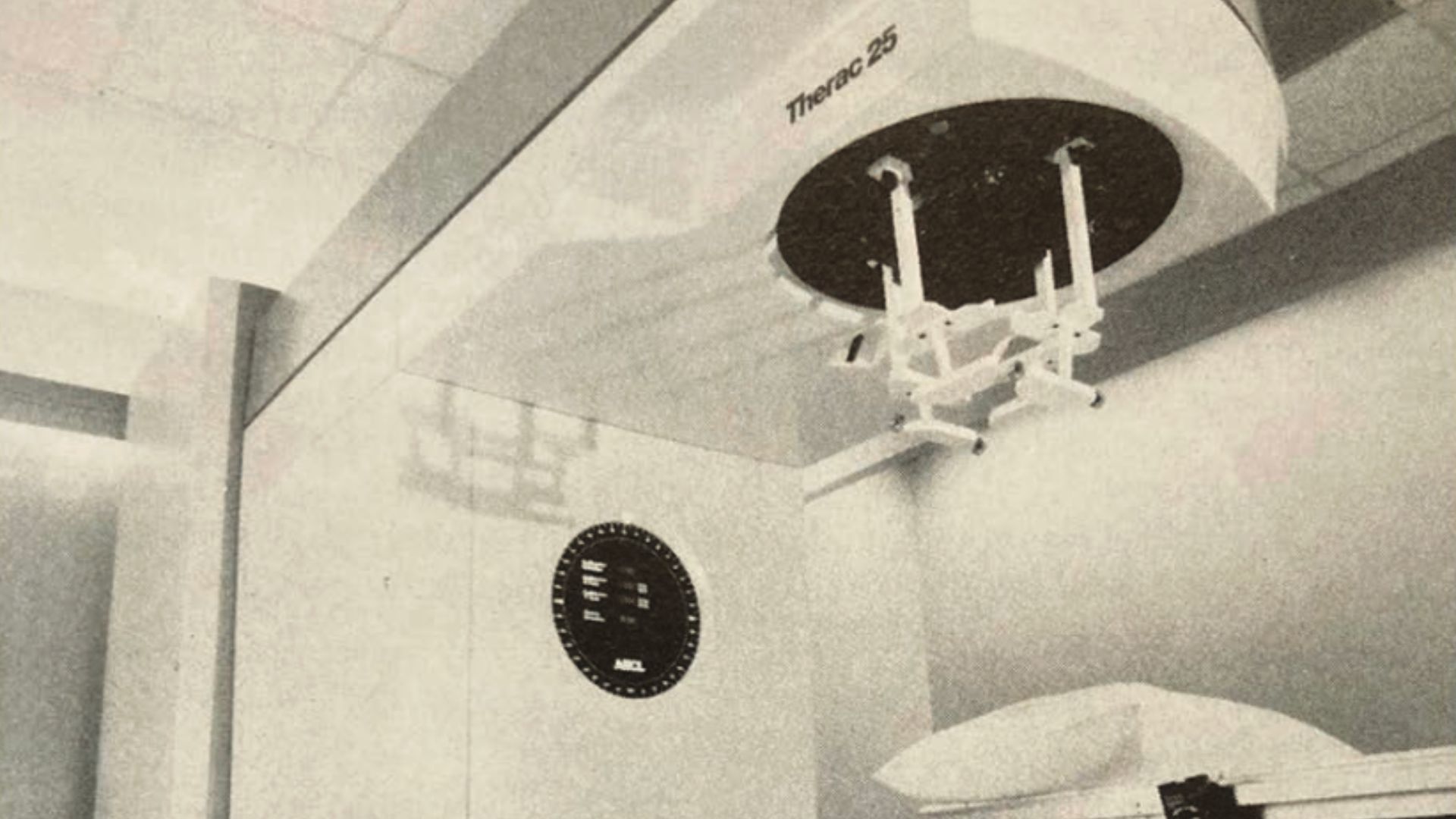
The Therac-25 radiation therapy machine delivered massive overdoses to patients in the 1980s because of software and design failures. Manufacturer AECL faced lasting criticism, and the case became legendary in software safety. It changed how engineers think about testing, interfaces, medical devices, and trusting machines with human lives.
 Unknown authorUnknown author, Wikimedia Commons
The Boeing Door Plug Blowout
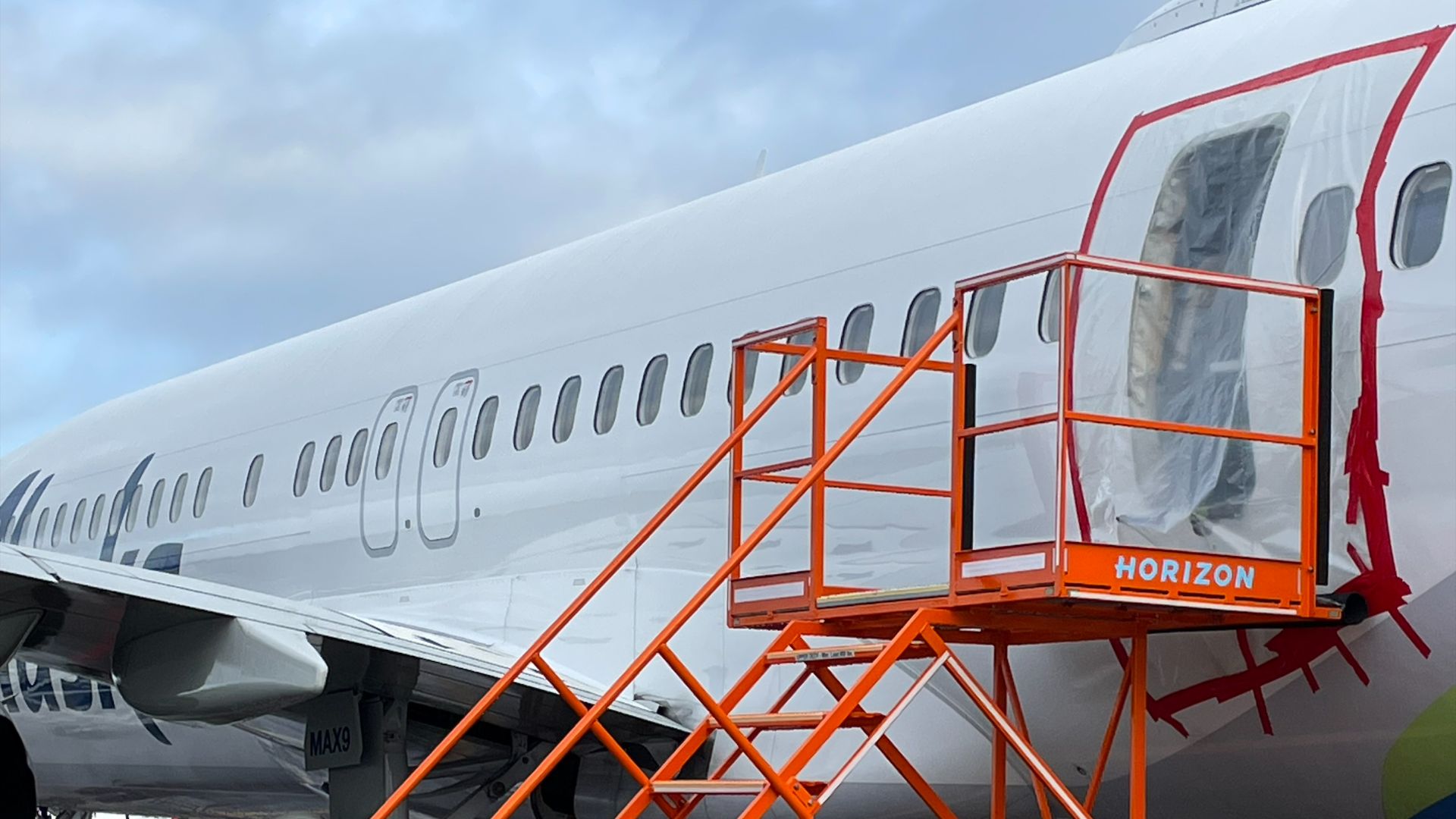
In 2024, an Alaska Airlines 737 MAX 9 lost a door plug mid-flight, triggering fresh scrutiny of Boeing’s manufacturing controls. No one died, but the reputational damage was huge. Boeing faced production limits, inspections, leadership pressure, and renewed questions about whether its safety culture had truly changed.
 National Transportation Safety Board, Wikimedia Commons
The Target Data Breach
Target’s 2013 data breach was not physical, but it was a corporate accident with massive consequences. Hackers stole customer payment data, and the retailer’s holiday season turned into a security nightmare. Target invested heavily in cybersecurity, changed leadership, and made data protection a boardroom-level issue.
The Lesson Companies Never Forget
Accidents do not just break machines, spill oil, or sink ships. They expose the habits, shortcuts, and blind spots hiding inside big organizations. The companies that survive are the ones that change afterward. The ones that do not? They become cautionary tales with very expensive footnotes.
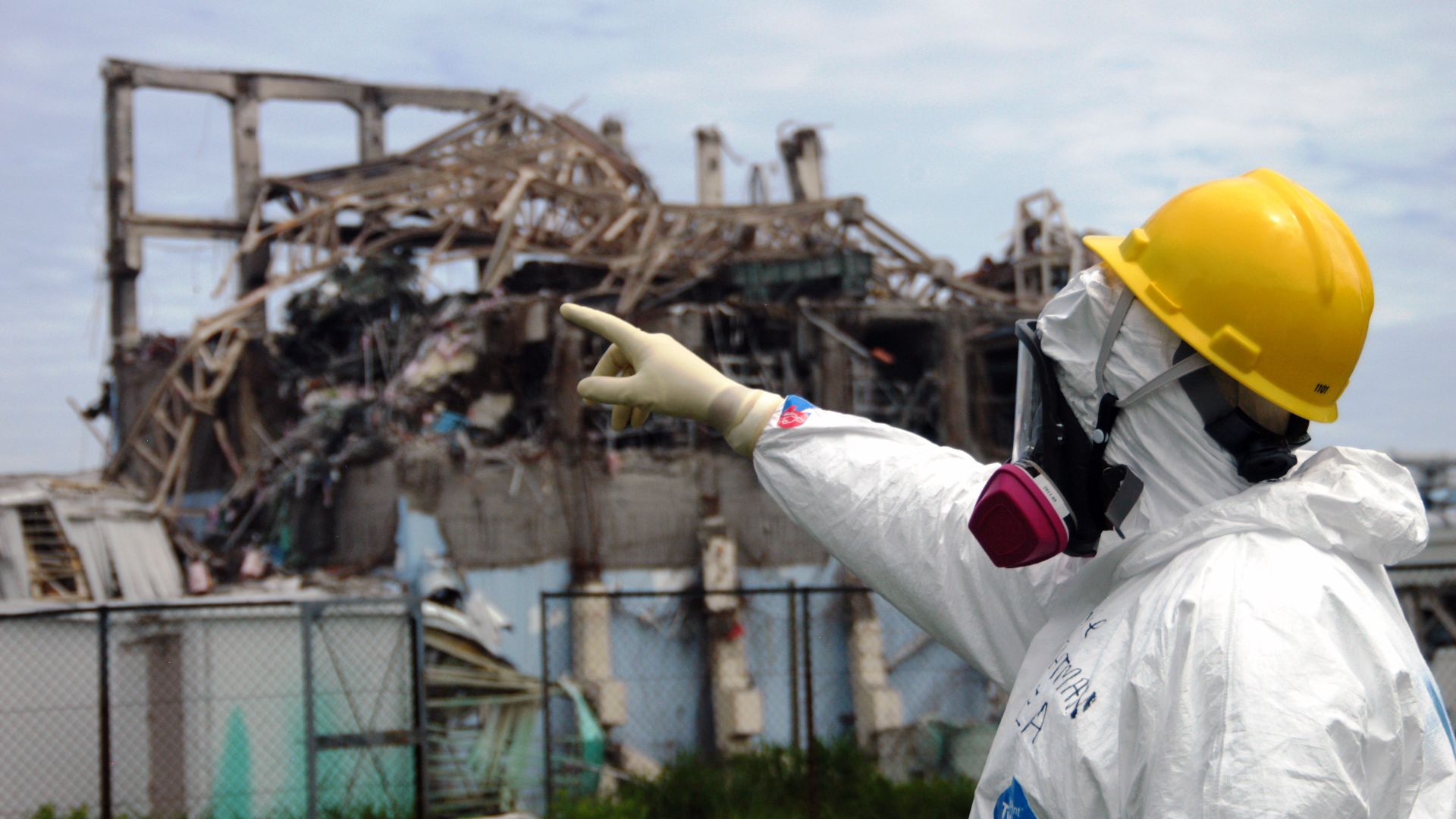 IAEA Imagebank, Wikimedia Commons
You May Also Like:
Righteous Facts About Mahalia Jackson, The Empress Of Gospel
Desperate Facts About Princess Sophia, The Royal Secret-Keeper