
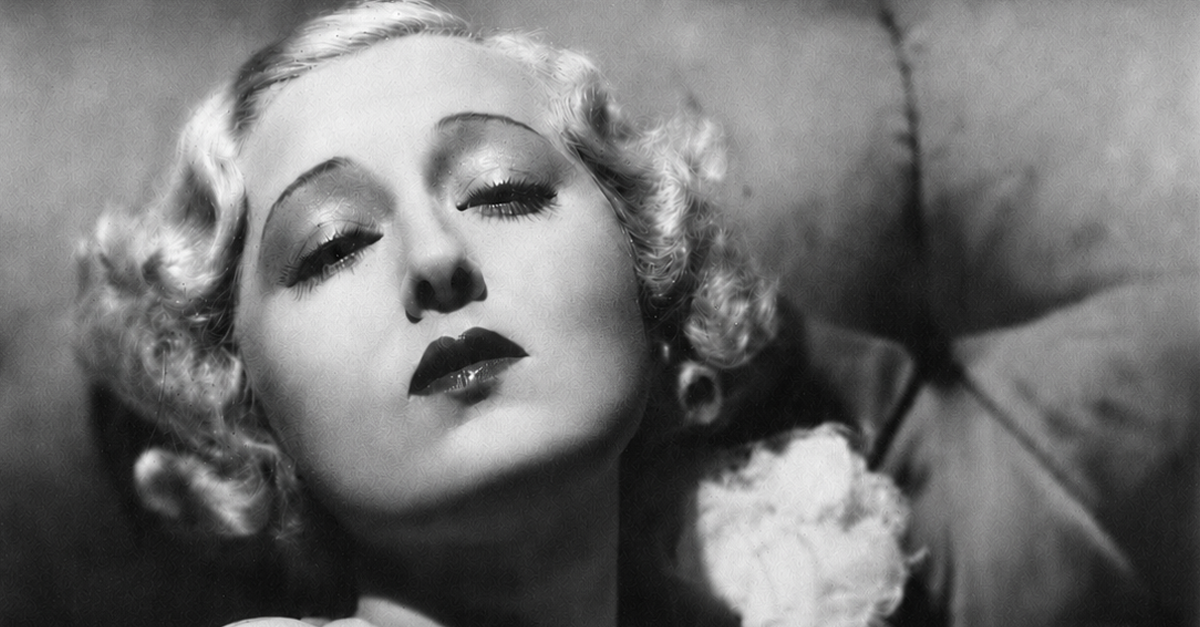
She Became Famous For Being Famous
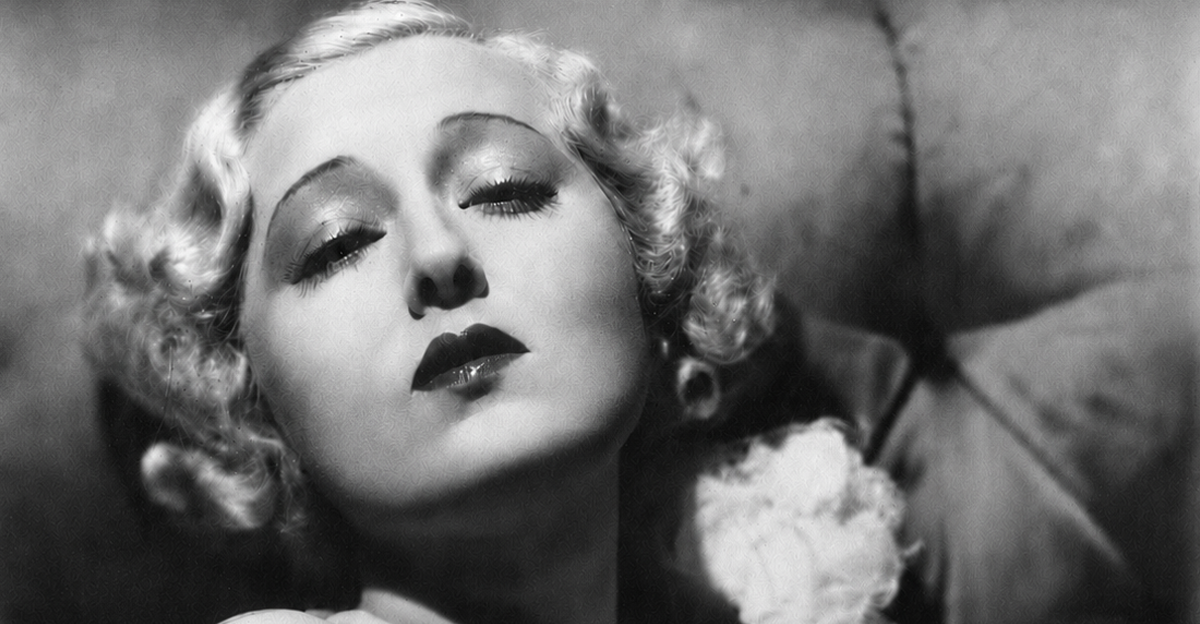
Long before reality television, Peggy Hopkins Joyce turned lavish living and turbulent romance into a career. She married six times, collected spectacular jewelry, appeared on Broadway, and turned her private life into public entertainment. During the 1920s, newspapers followed her relationships with an intensity normally reserved for royalty and movie stars.
 Unknown authorUnknown author, Wikimedia Commons
Peggy Started Far From High Society
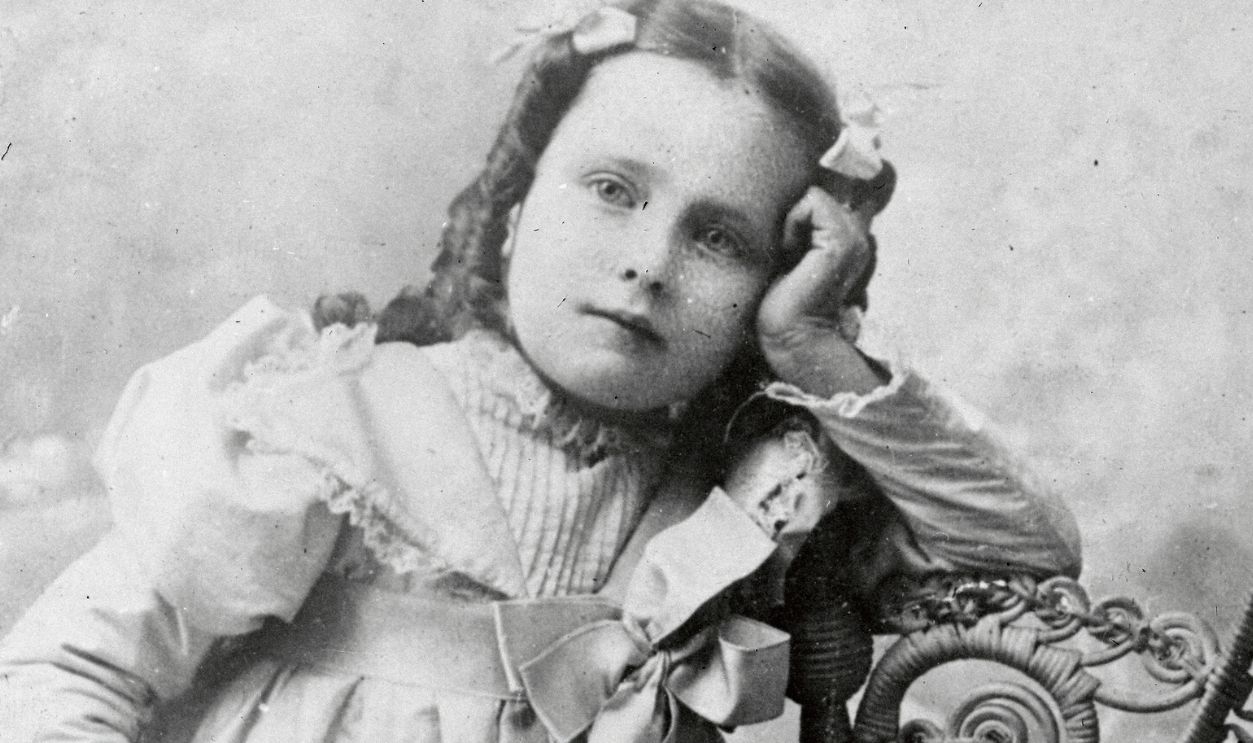
She was born Marguerite Upton in 1893 in Berkley, a community that later became part of Norfolk, Virginia. Her father worked as a barber, placing the family far outside the wealthy circles she eventually entered. According to later biographical accounts, Peggy decided early that an ordinary life held little appeal.
Her First Escape Became A Marriage
As a teenager, Peggy left home with a vaudeville bicycle performer, but the adventure quickly changed direction. While the two were en route to Denver via train, she met millionaire Everett Archer Jr. She dumped the bicyclist and in 1910 married Archer. The marriage was annulled after Archer learned that his young bride was underage.
 Unknown authorUnknown author, Wikimedia Commons
A New Husband Supplied A New Name
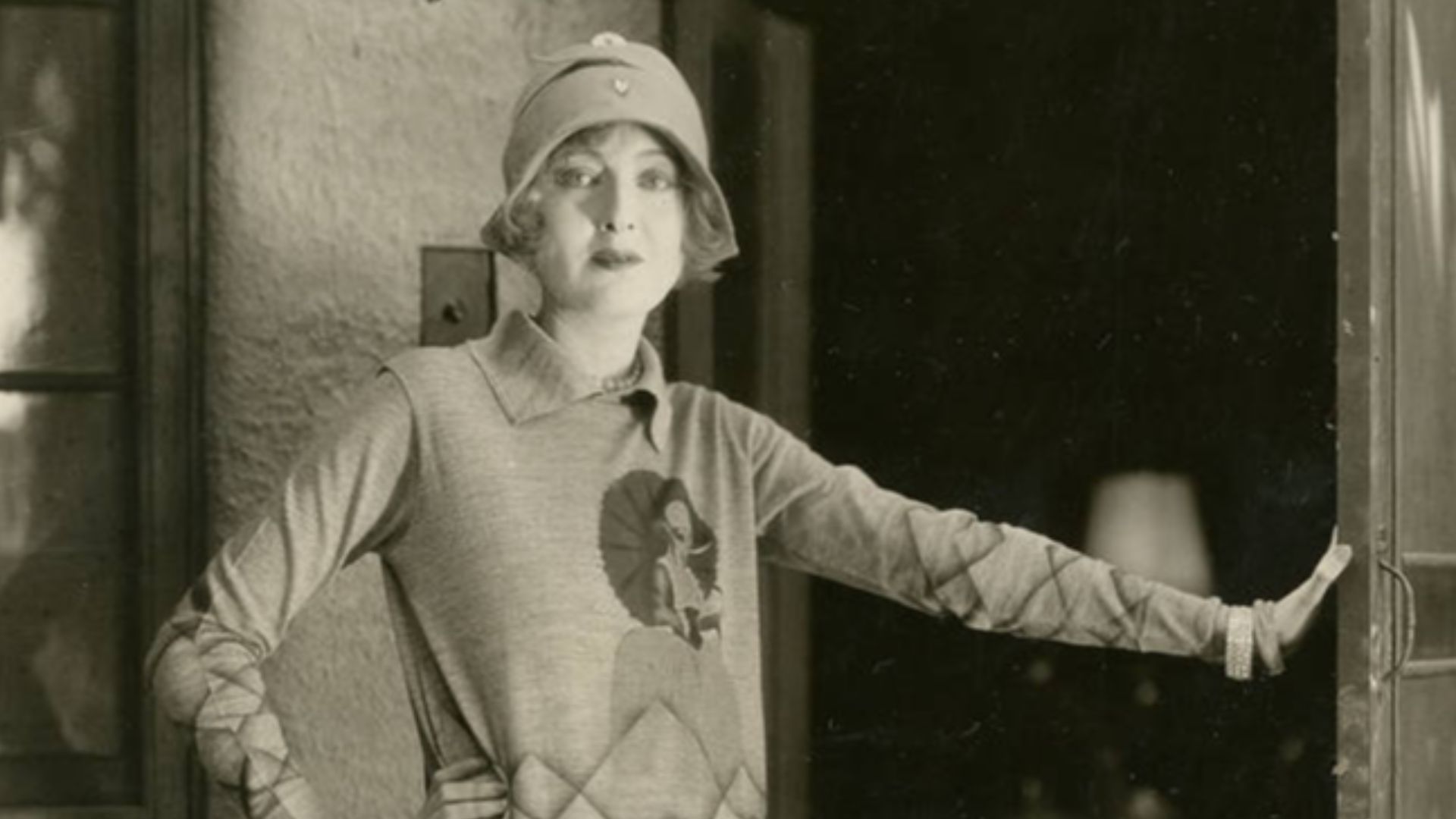
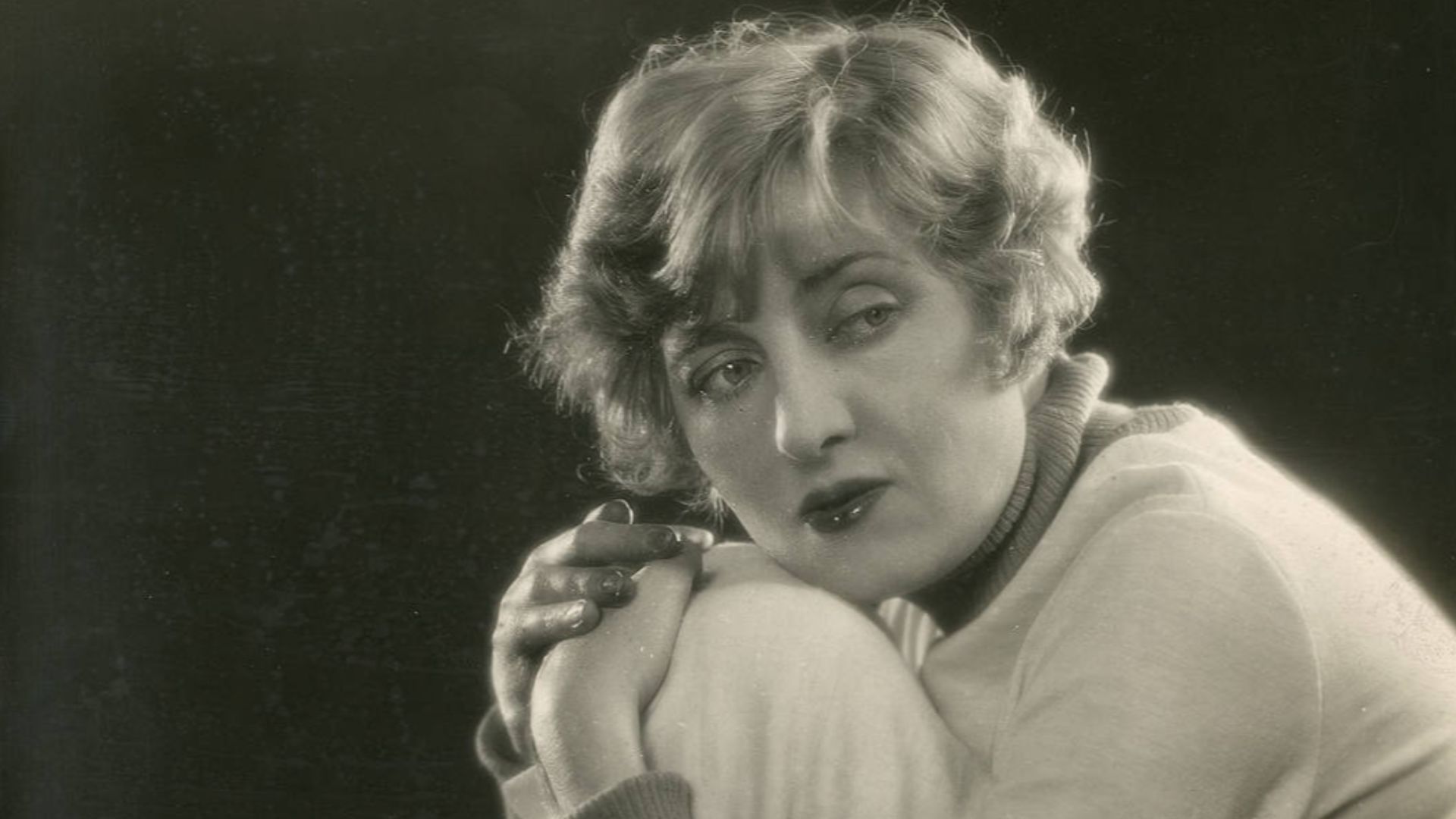
Peggy later attended the Chevy Chase School for Girls near Washington, D.C., where she met Sherburne Philbrick Hopkins Jr. The couple married in 1913, giving her the middle name that would eventually become part of her famous public identity. By 1917, however, Peggy had left the marriage and headed for New York.
 Unknown authorUnknown author, Wikimedia Commons
Broadway Offered A Better Stage
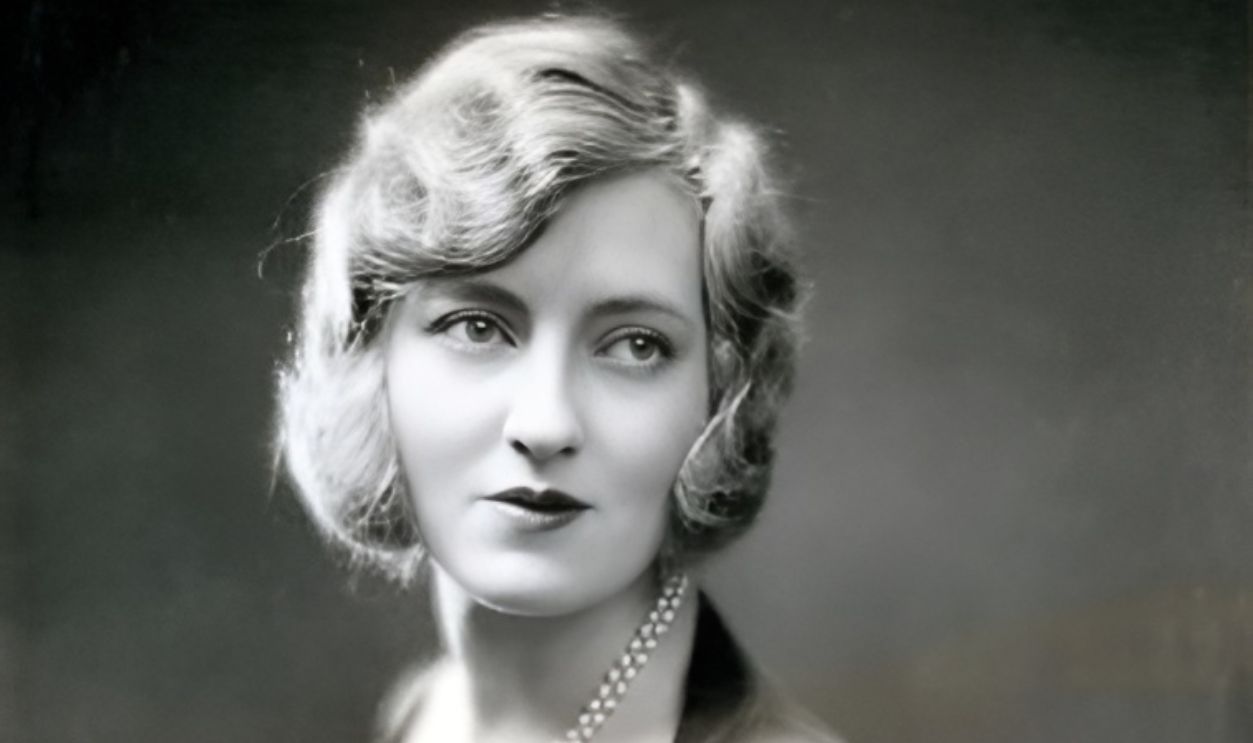
Peggy joined the Ziegfeld Follies and subsequently appeared in productions including Miss 1917, A Place in the Sun, and A Sleepless Night. Surviving Broadway records suggest that she worked steadily, even if critics never considered her an exceptional performer. Her greatest talent was making audiences curious about Peggy Hopkins herself.
 Ira D. Schwarz, Wikimedia Commons, Modified
A Lumber Millionaire Changed Everything
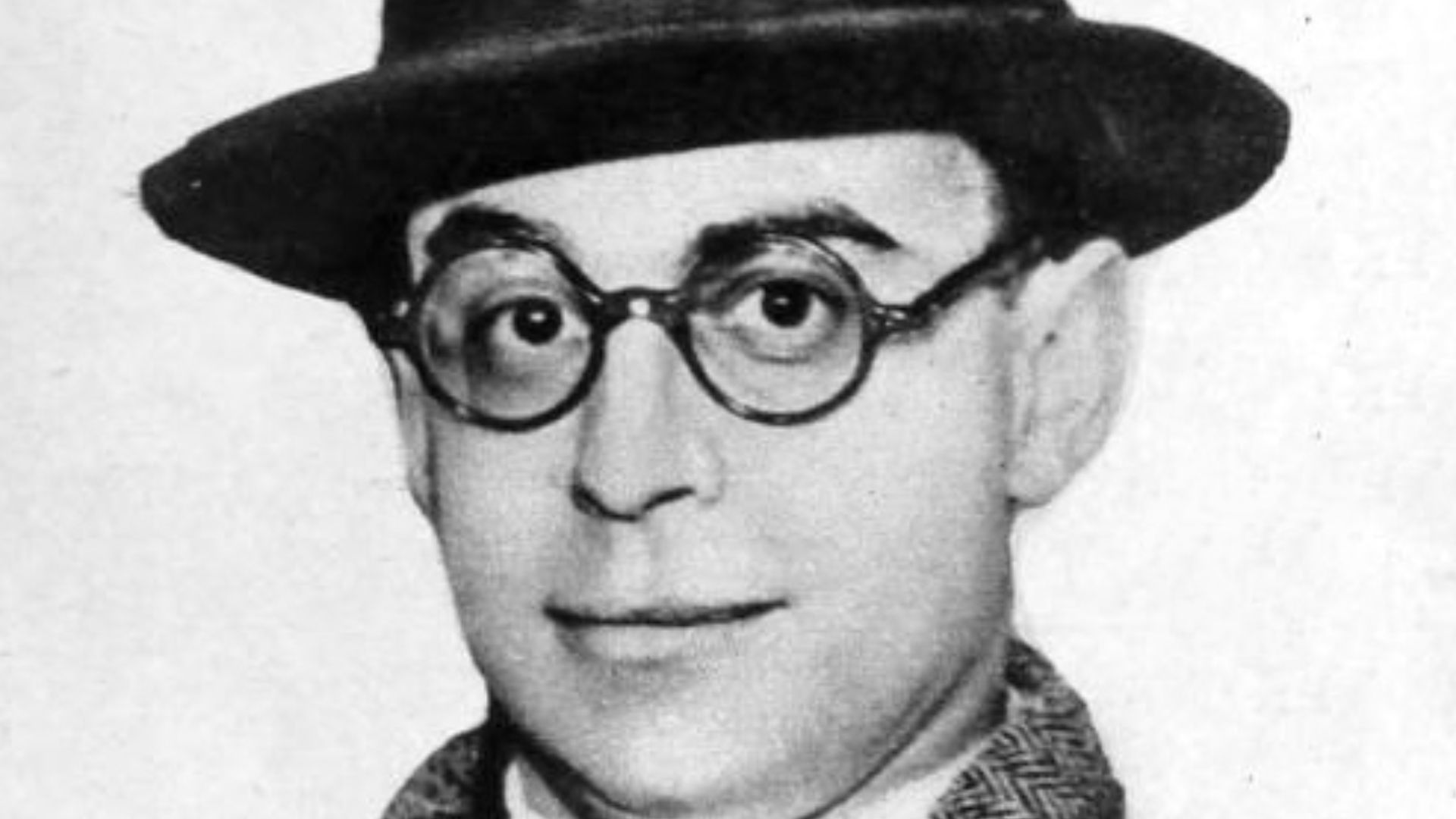
While still legally married to Hopkins, Peggy met J. Stanley Joyce, a wealthy Chicago lumberman. Her divorce from Hopkins became final in January 1920, and she married Joyce shortly afterward. This third marriage transformed her from a working actress into a national celebrity.
 Unknown photographer, Wikimedia Commons
The Spending Became Part Of The Story
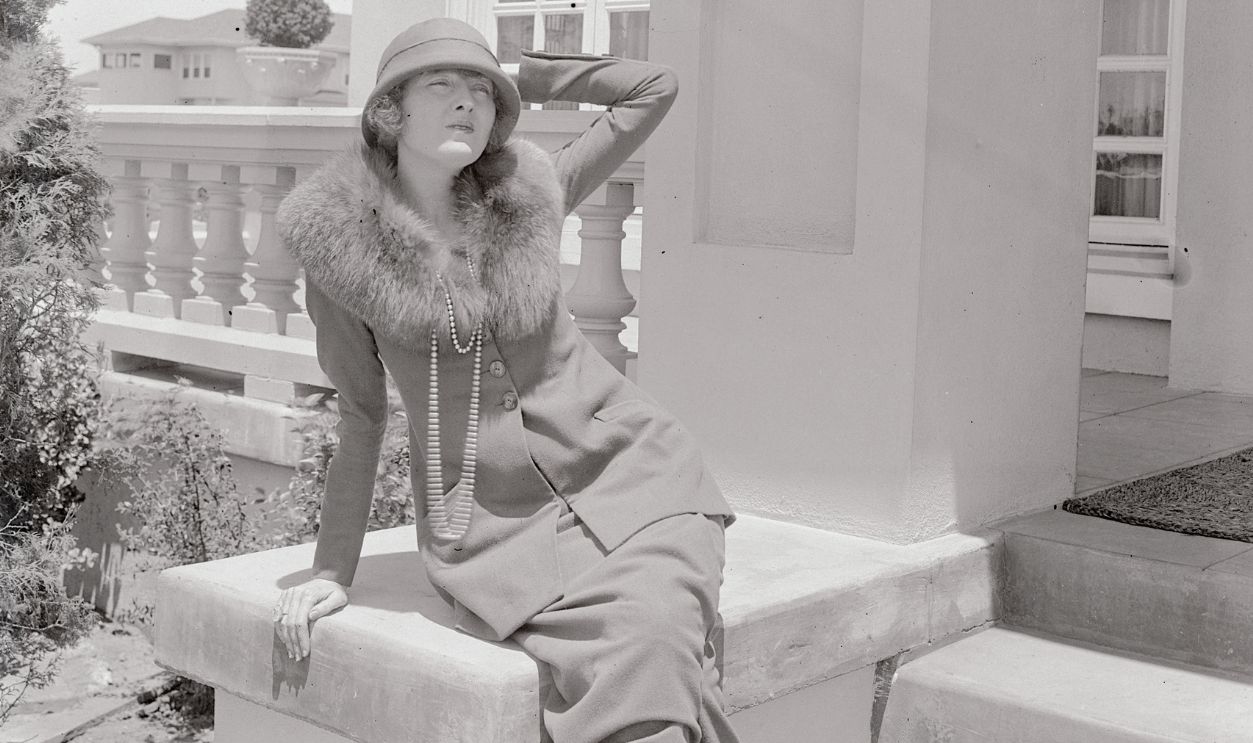
Reports about the marriage concentrated on the enormous amounts Joyce supposedly spent on his new wife. Jewelry, furs, cars, property, and costly trips appeared in accounts of their life together. The figures varied between reports, but even Joyce claimed that Peggy had cost him hundreds of thousands of dollars.
Their Breakup Filled The Front Pages
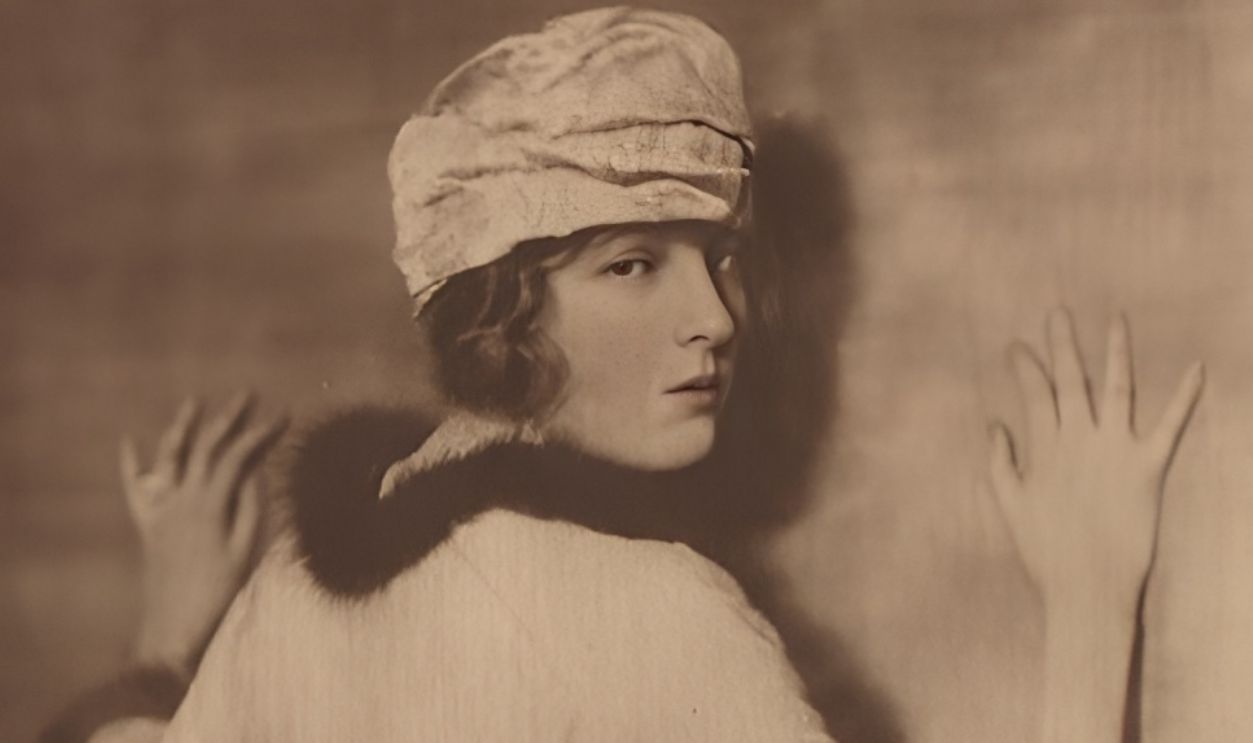
The marriage soon collapsed, and Joyce filed legal proceedings against Peggy in 1921. He alleged that she had entered the marriage as part of a scheme to obtain his fortune. Newspapers eagerly printed the charges, turning a domestic dispute into serialized entertainment.
 Unknown photographer, Wikimedia Commons, Modified
The Allegations Grew More Sensational
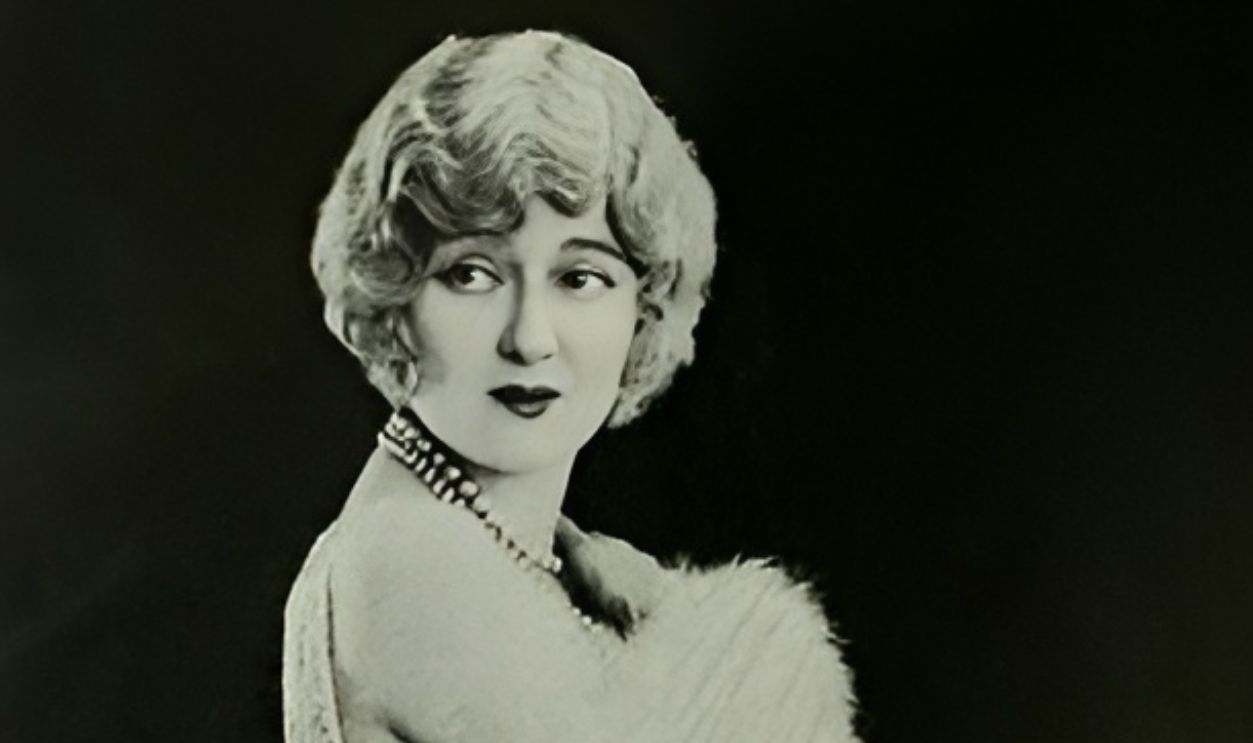
Joyce also claimed that Peggy had not been legally free to marry him, making bigamy one of the issues raised in court. His attorneys depicted her as a calculating woman who used romance to acquire money and expensive gifts. These were accusations made during bitter litigation, not neutral findings about her motives.
 Unknown photographer, Wikimedia Commons, Modified

History's most fascinating stories and darkest secrets, delivered to your inbox daily.
Peggy Knew How To Answer Back
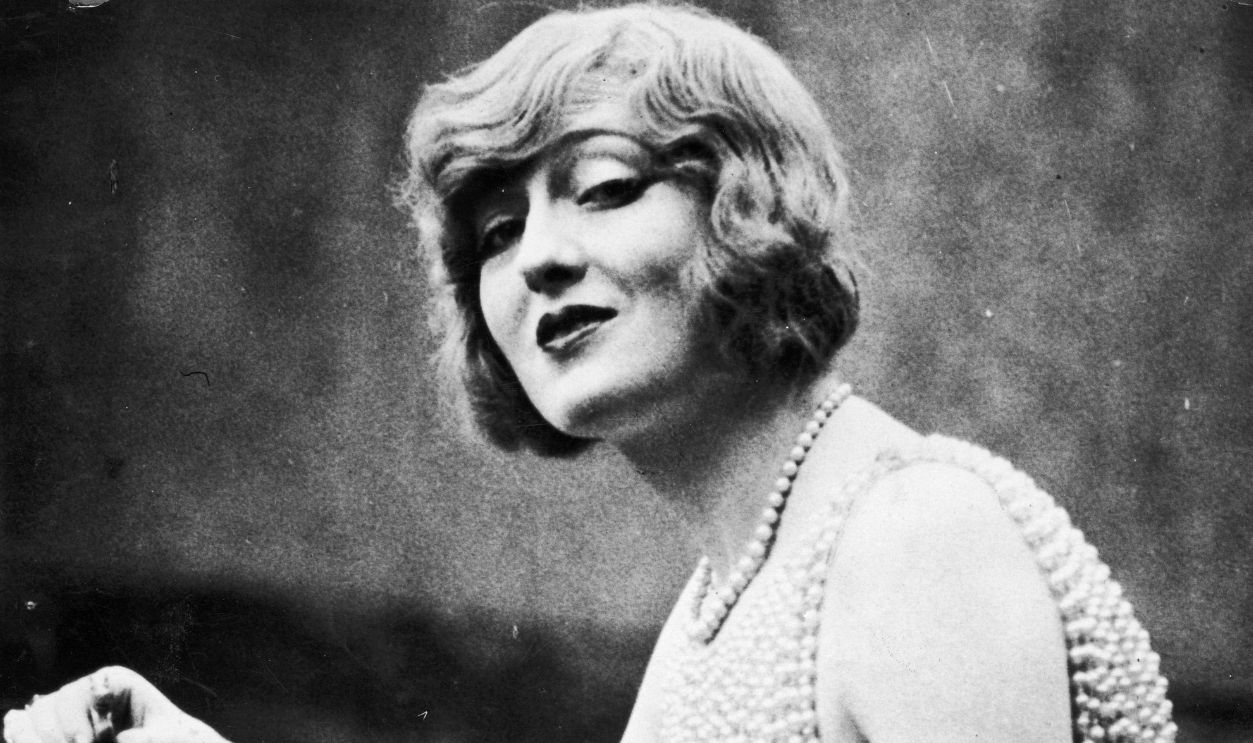
Rather than hiding, Peggy gave interviews and supplied reporters with her own dramatic version of events. In one widely circulated 1921 account, she described Joyce’s courtship, his extravagant presents, and the luxurious world he had offered her. Her willingness to talk ensured that she remained a central character instead of merely the target of his allegations.
 General Photographic Agency, Getty Images
She Kept The Name That Made Her Famous
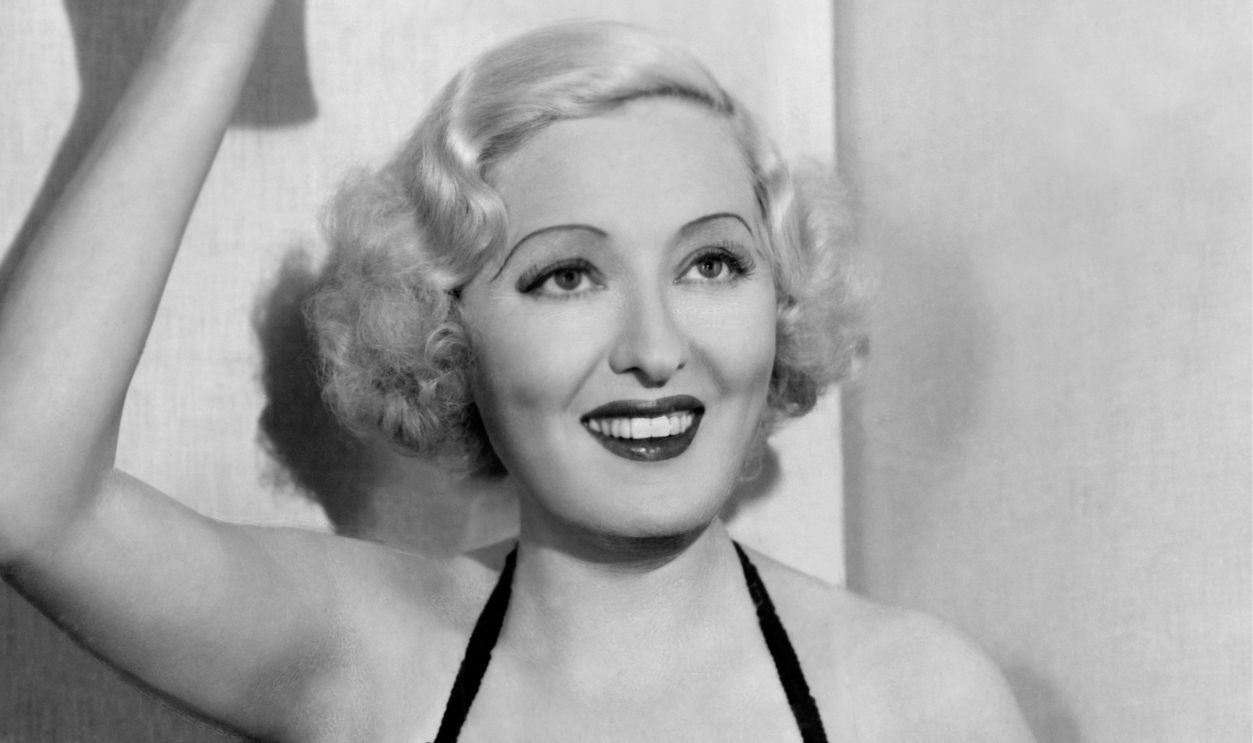
The legal struggle ended with Peggy retaining substantial property and jewelry, although published accounts disagree about the precise value. More importantly, she continued calling herself Peggy Hopkins Joyce. By combining the surnames of two former husbands, she created a name that newspapers and audiences already recognized.
 Underwood Archives, Getty Images
Attention Became Her Real Profession
Peggy learned that every engagement, breakup, jewel, and public statement could generate another story. Reporters portrayed her as a glamorous menace to wealthy men, while she gave them colorful material that kept the cycle moving. The press condemned her supposed excesses while profiting from the public’s fascination with them.
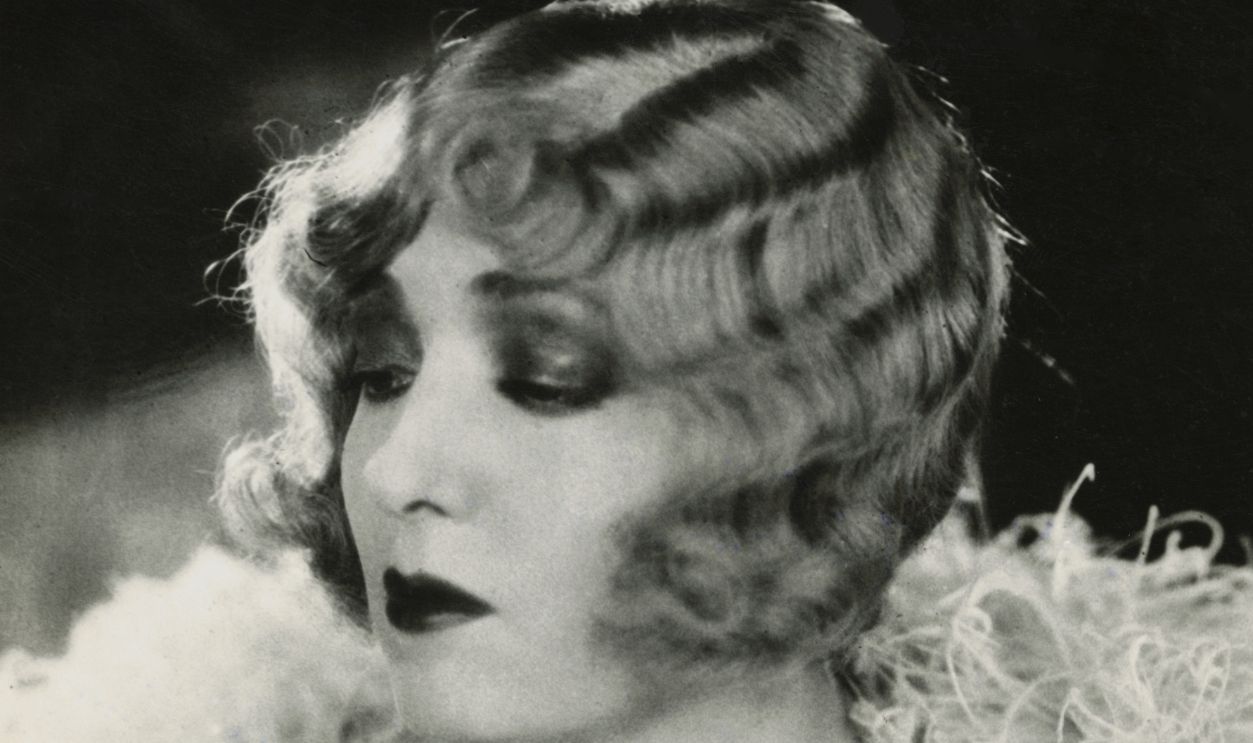
Europe Provided A Glamorous Backdrop
After leaving Stanley Joyce, Peggy spent considerable time in Europe and became linked to millionaire and French newspaper owner Henri Letellier. Reports repeatedly suggested that they might marry, but the expected wedding never occurred. Paris, Monte Carlo, luxury hotels, and transatlantic ships made her romantic adventures appear even more extravagant.
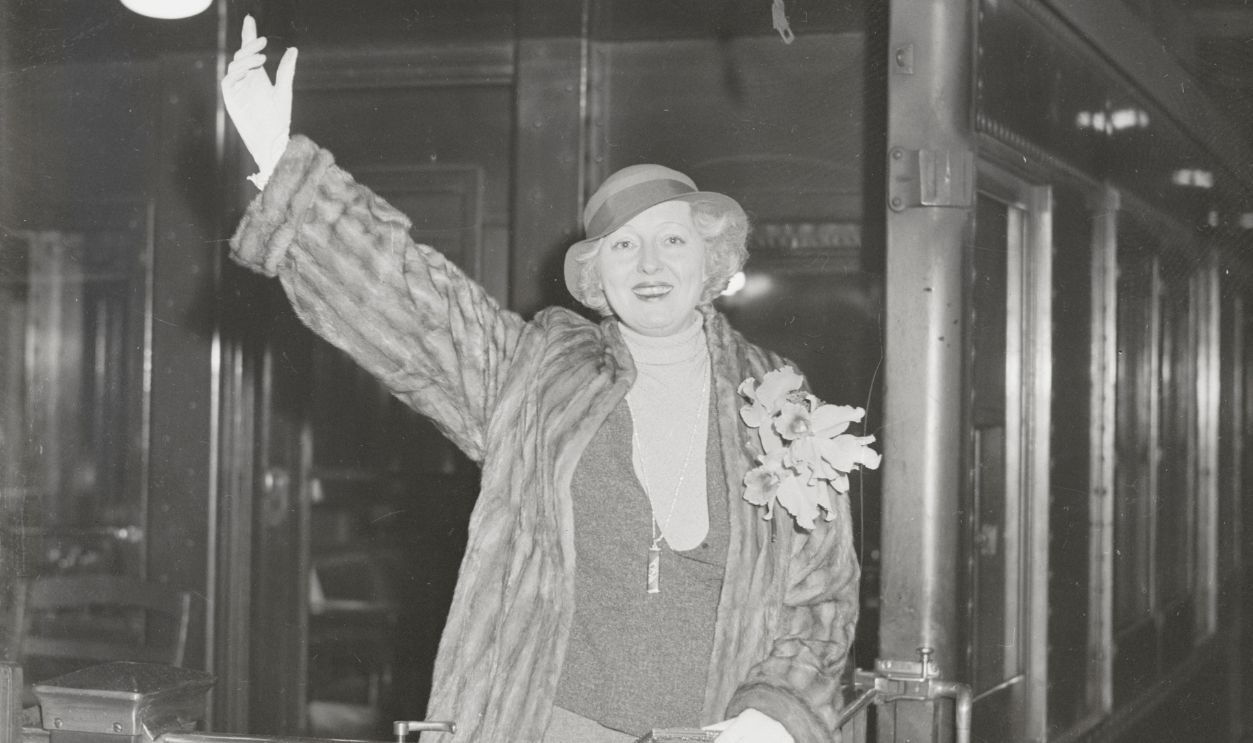
One Romance Ended In Tragedy
In 1922, Chilean diplomat William Errázuriz died after shooting himself in Peggy’s Paris hotel room. Peggy said he had wanted to marry her, while his family disputed the romantic explanation and pointed to financial troubles. The tragedy produced intense and frequently intrusive coverage that further fused her relationships with her public identity.
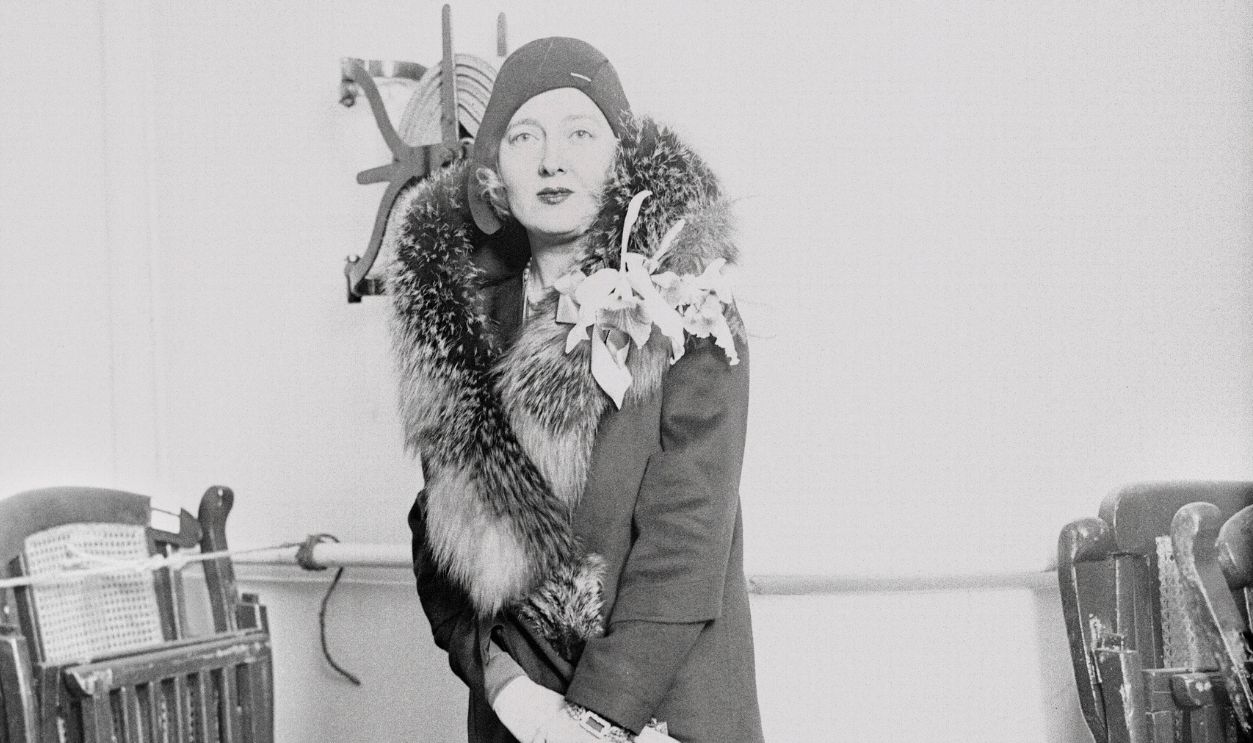
Customs Officials Joined The Drama
When Peggy returned from Europe in May 1922, American customs officials seized a diamond and emerald plaque that they said she had failed to declare. Contemporary reports valued the piece at $14,000, a remarkable sum at the time. Even a customs dispute therefore reinforced the image of Peggy surrounded by forbidden luxury.
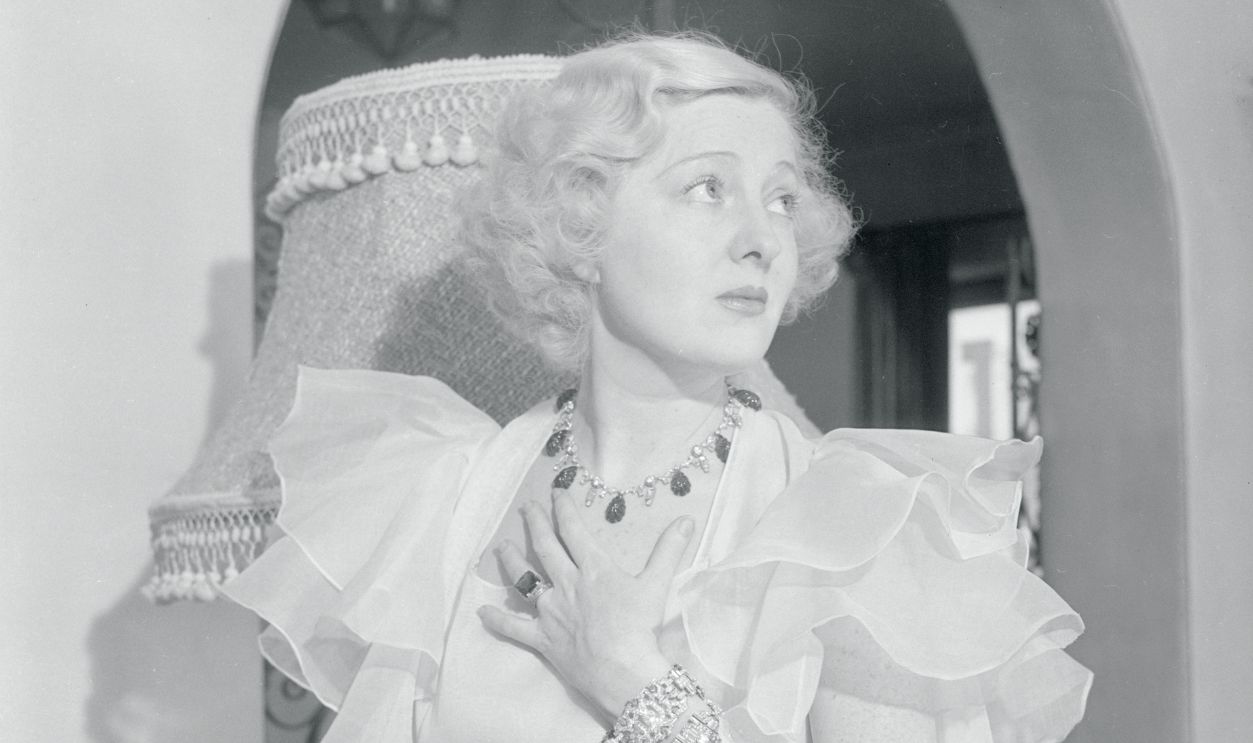
Scandal Sent Her Back To Broadway
Far from destroying her stage prospects, Peggy’s notoriety made her more marketable. She appeared in Earl Carroll’s Vanities in 1923, where audiences could see the woman they had been reading about for years. Her celebrity had begun to matter more than the traditional theatrical résumé behind it.
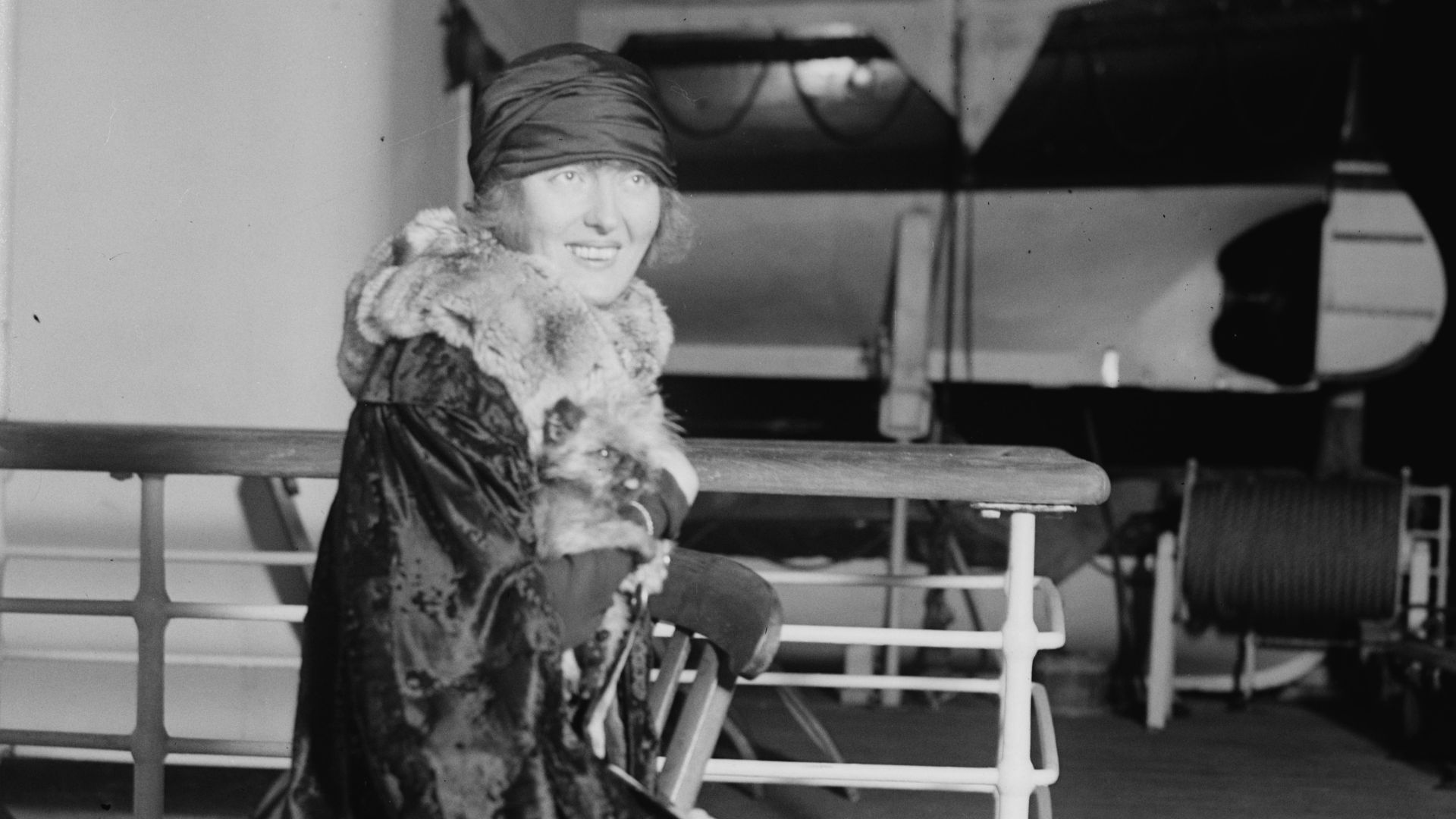 Bain News Service, publisher, Wikimedia Commons
Husband Number Four Had A Title
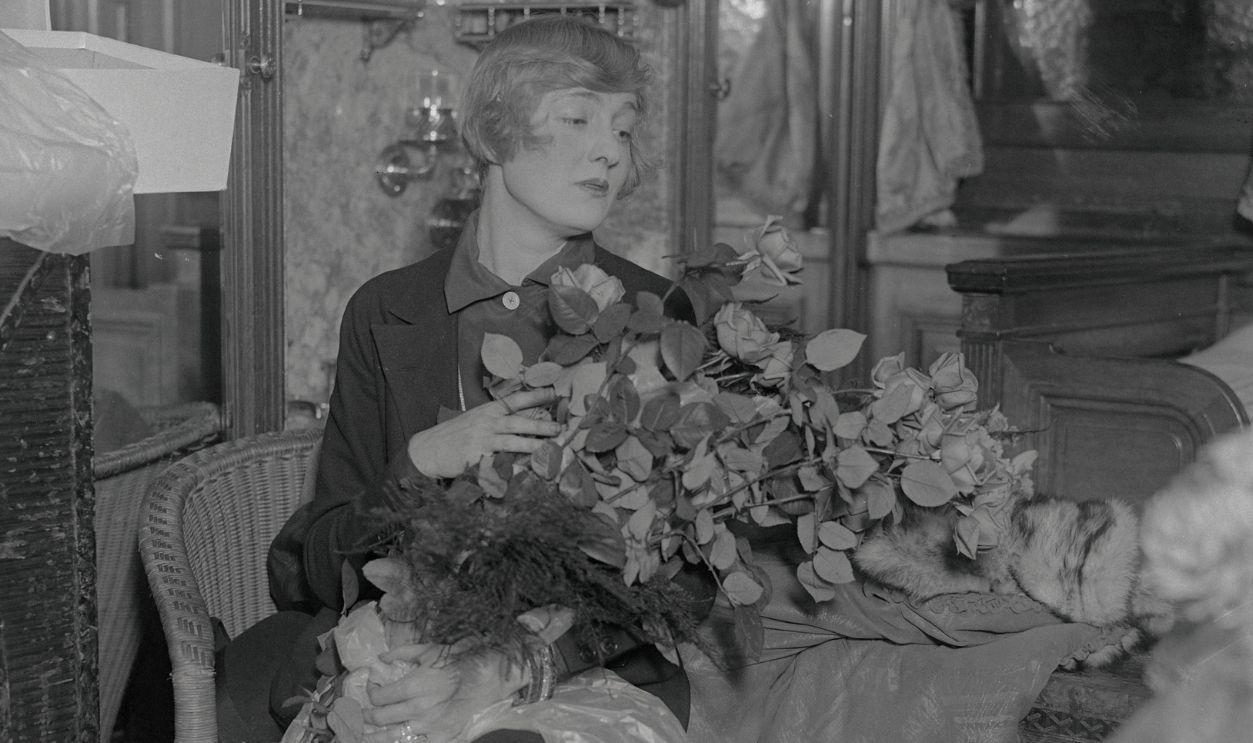
Peggy married Swedish Count Gösta Mörner in 1924 and announced that this time she had found genuine love. The relationship deteriorated within months as she returned to her career and the couple separated. Their divorce was completed before the release of her next major film in 1926.
Hollywood Tried To Use Her Notoriety
Peggy starred in the silent film The Skyrocket, playing a chorus girl who becomes a movie star. The film premiered aboard the ocean liner Leviathan in January 1926, an appropriately flashy setting for its celebrity lead. Reviews were mixed, and the production did not establish her as a lasting screen star.
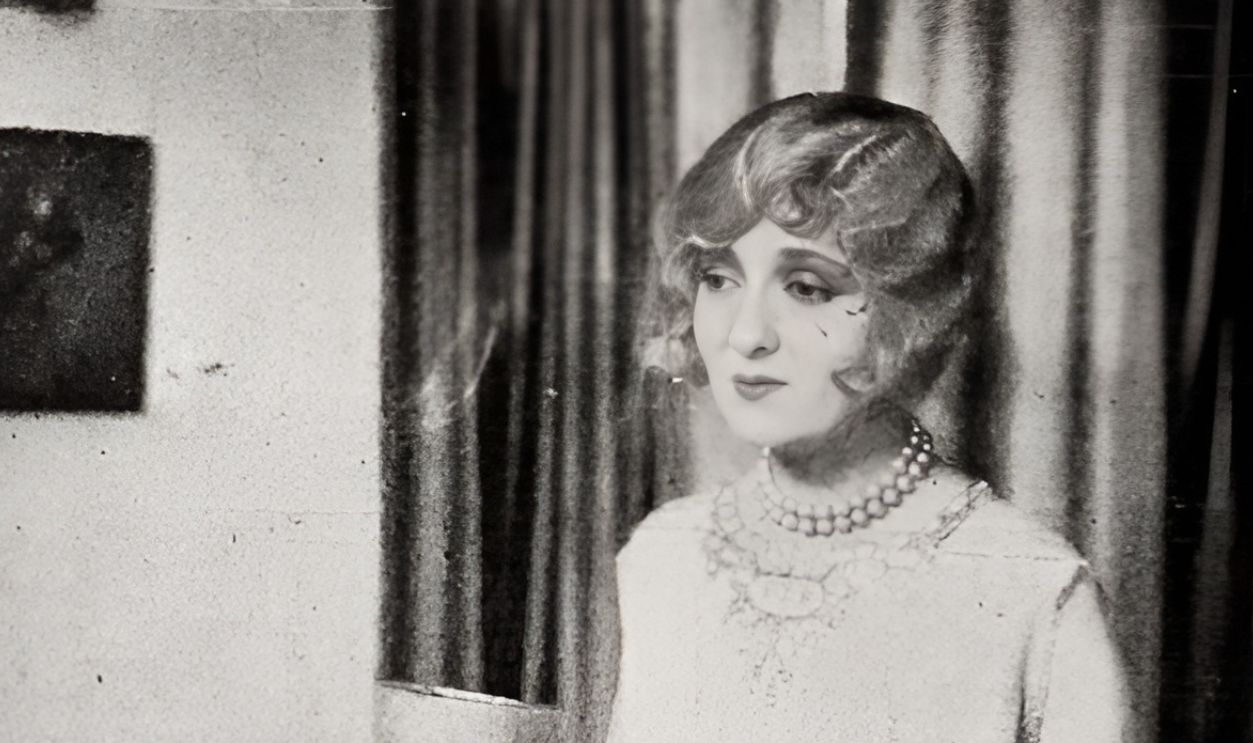 Celebrity Pictures / Associated Exhibitors, Wikimedia Commons, Modified
An Automobile Titan Entered The Picture
Her screen career stalled, but Peggy continued attracting extraordinarily wealthy men. She had an affair with Walter Chrysler, the married automobile magnate, who reportedly lavished jewelry and expensive cars on her. Their relationship strengthened her reputation as a woman who could turn romance with powerful men into spectacular luxury.
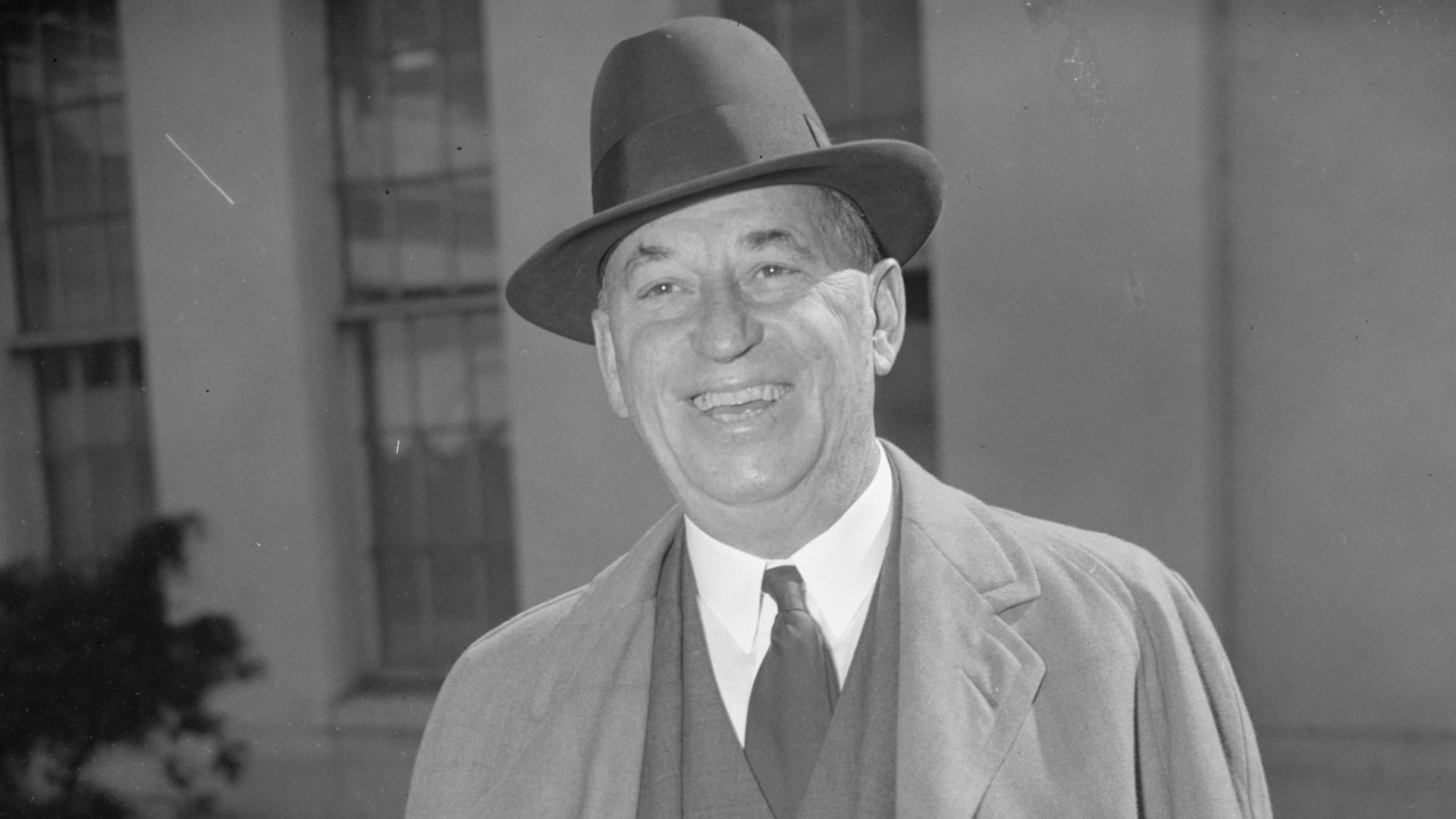 Harris & Ewing, photographer, Wikimedia Commons
Her Name Became A Cultural Punchline
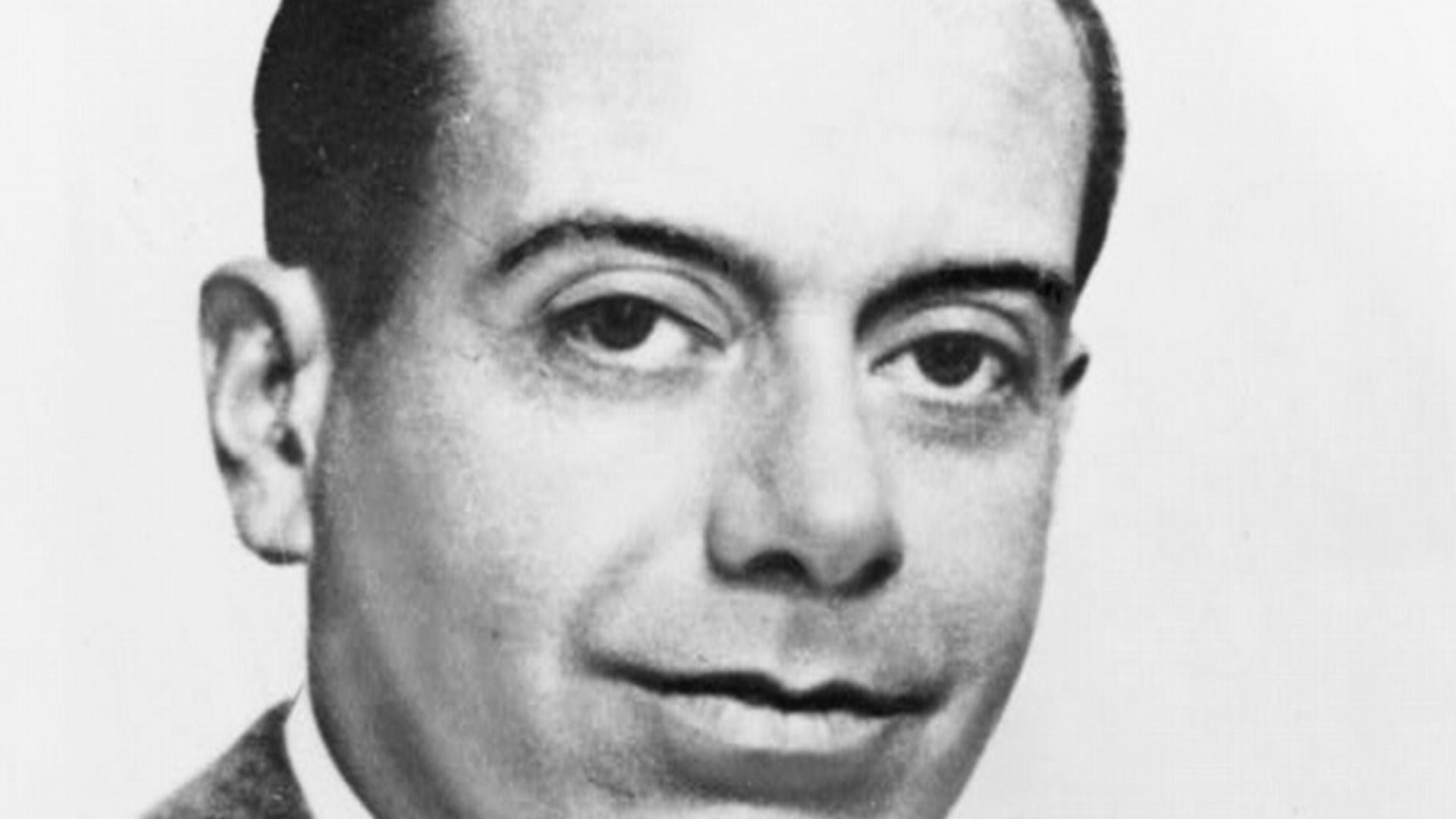
Even without a lasting film career, Peggy’s romantic reputation became so familiar that entertainers could mention her without explaining the joke. Cole Porter used her name in lyrics about marriage, divorce, and changing partners. Comedians and cartoonists likewise treated Peggy Joyce as shorthand for diamonds, wealthy men, and restless romance.
 unattributed, see link, Wikimedia Commons
Charlie Chaplin Borrowed From Her World
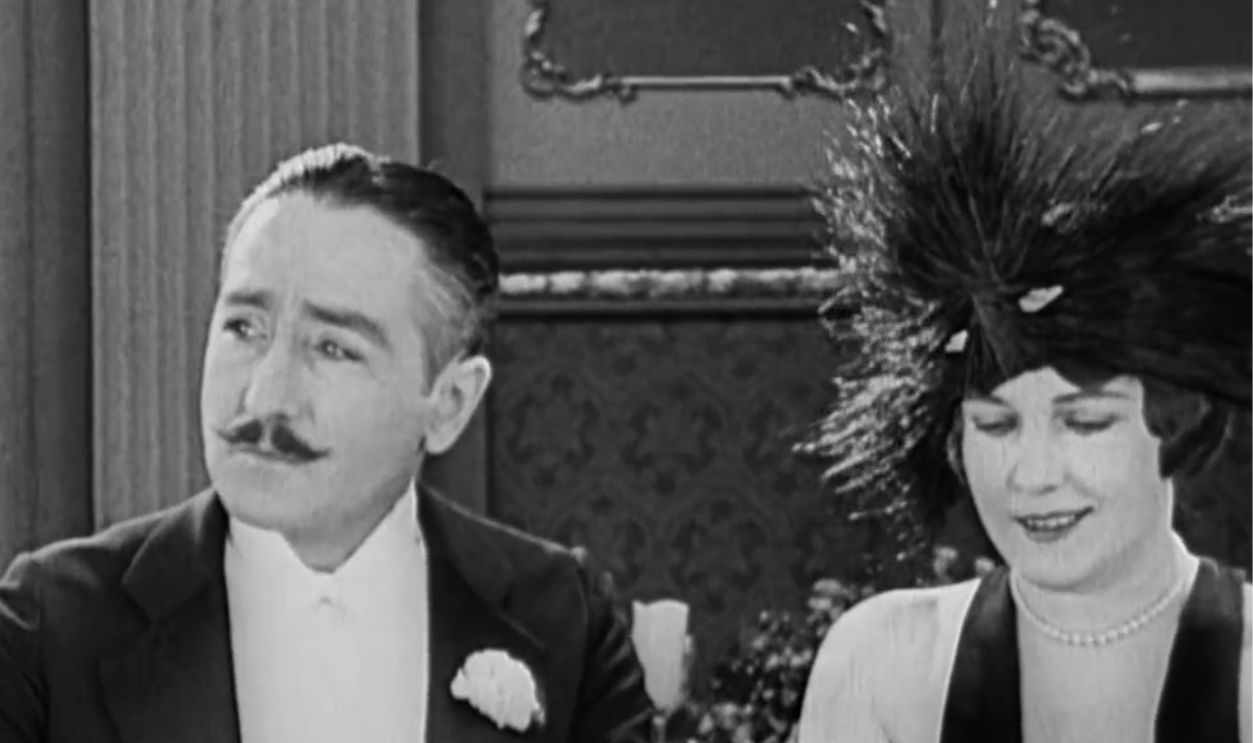
Peggy briefly became involved with Charlie Chaplin in 1922 and entertained him with stories about her European relationships. Turner Classic Movies identifies those conversations as an inspiration for Chaplin’s 1923 drama A Woman of Paris. The film followed a woman living in luxury as the companion of a wealthy man, echoing the sophisticated world associated with Peggy.
 Screenshot from A Woman of Paris, United Artists (1923)
She Published Her Own Version
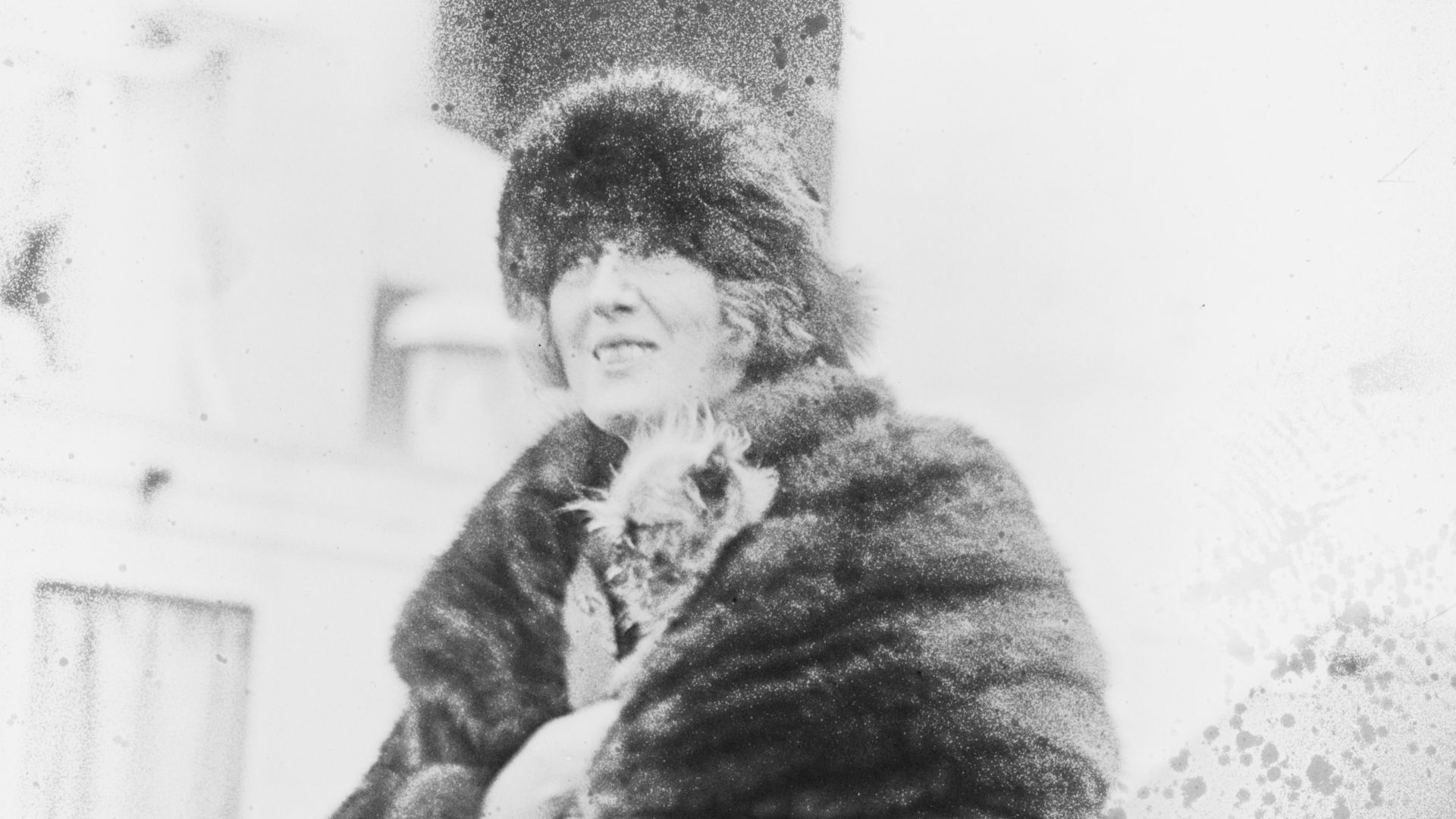
In 1930, Peggy released Men, Marriage and Me, an autobiographical account of her life and relationships. The book allowed her to package experiences that newspapers had already turned into public property. Its publication confirmed that her marriages were not merely personal history, but material she could sell.
 Bain News Service, publisher, Wikimedia Commons
She Eventually Played Herself
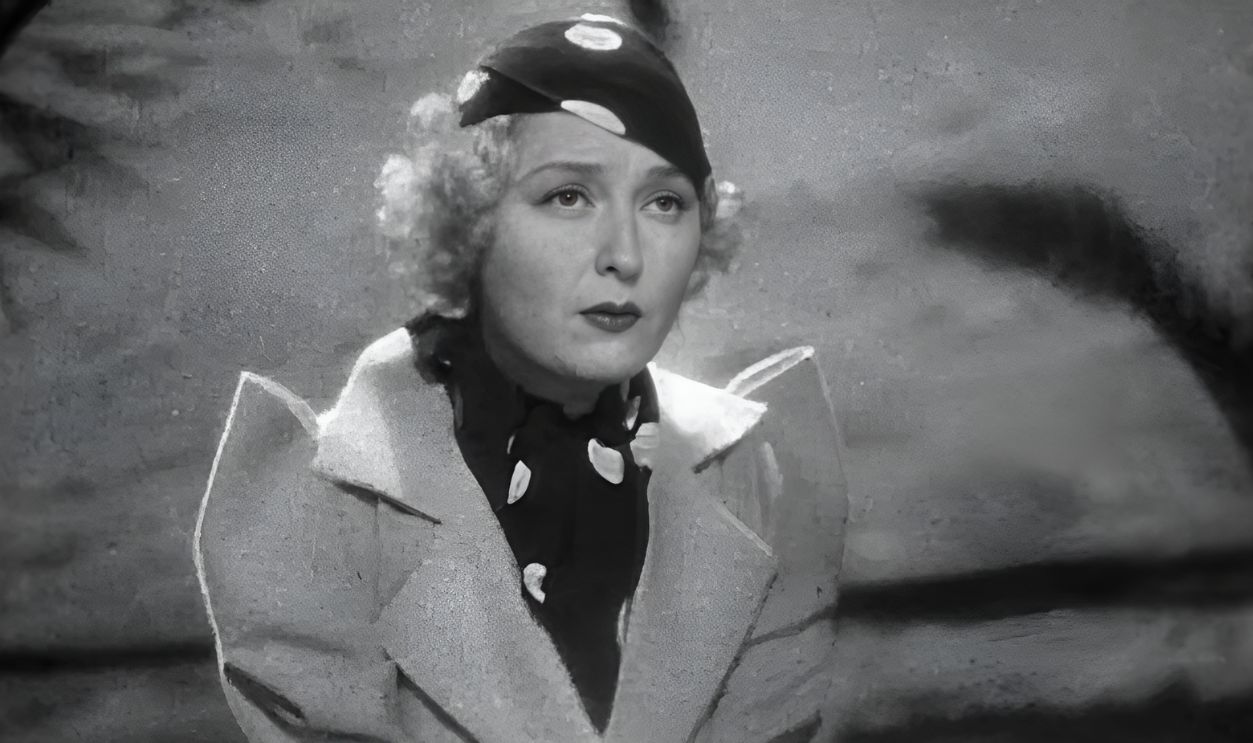
Peggy returned to the screen in the 1933 musical comedy International House. She appeared as herself, and the film included jokes about her diamonds and romantic reputation. Hollywood no longer needed her to portray a fictional character because Peggy Hopkins Joyce had become a recognizable character of her own.
 Screenshot from International House, Paramount Pictures (1933)
Her Most Famous Diamond Survived Her
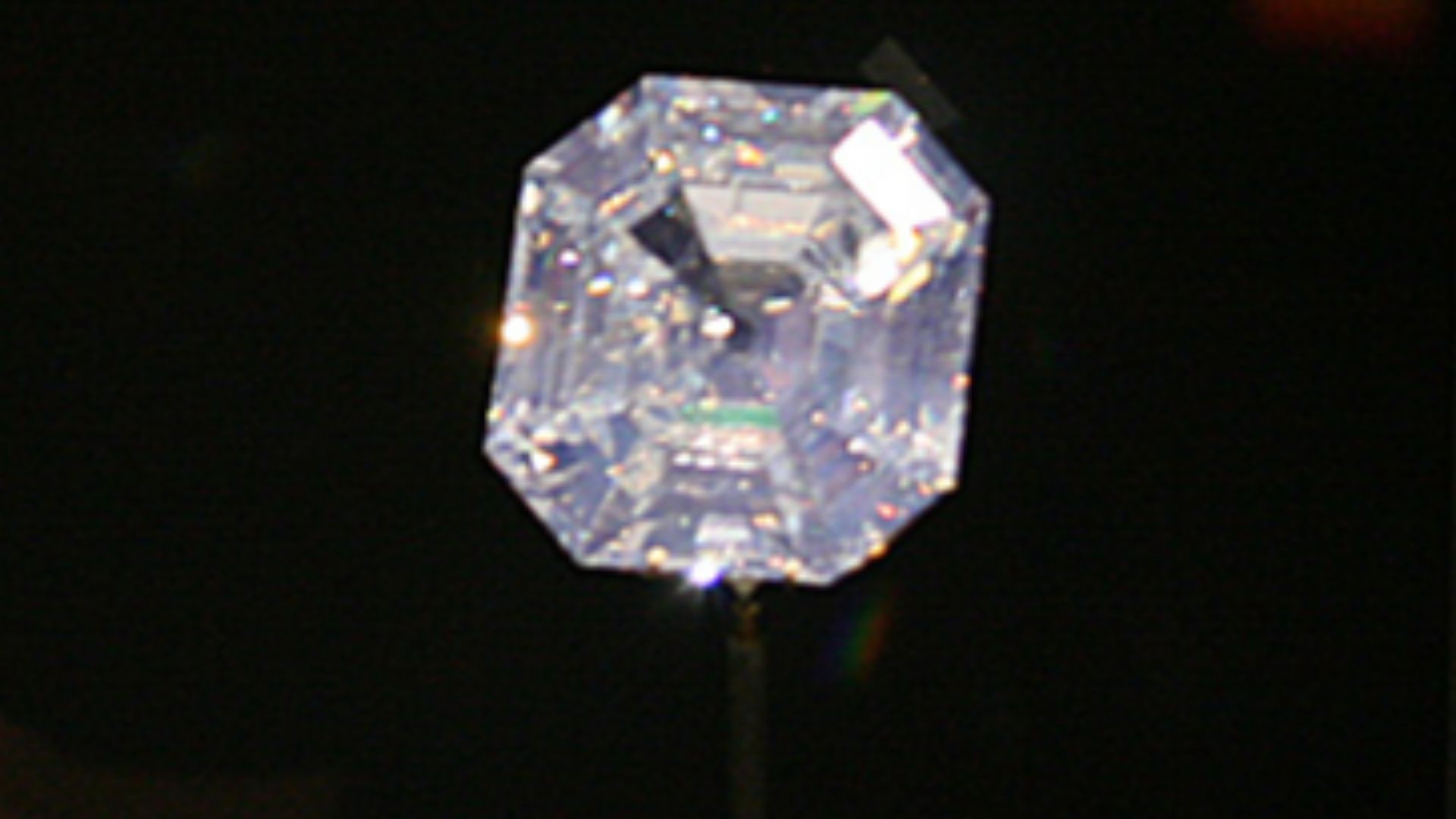
Among the jewels associated with Peggy was the 127.01-carat Portuguese Diamond. Harry Winston acquired it from her in 1951 and later displayed it in his traveling Court of Jewels. The Smithsonian obtained the diamond in 1963, and it remains part of the National Gem Collection.
She Married Again After Nineteen Years
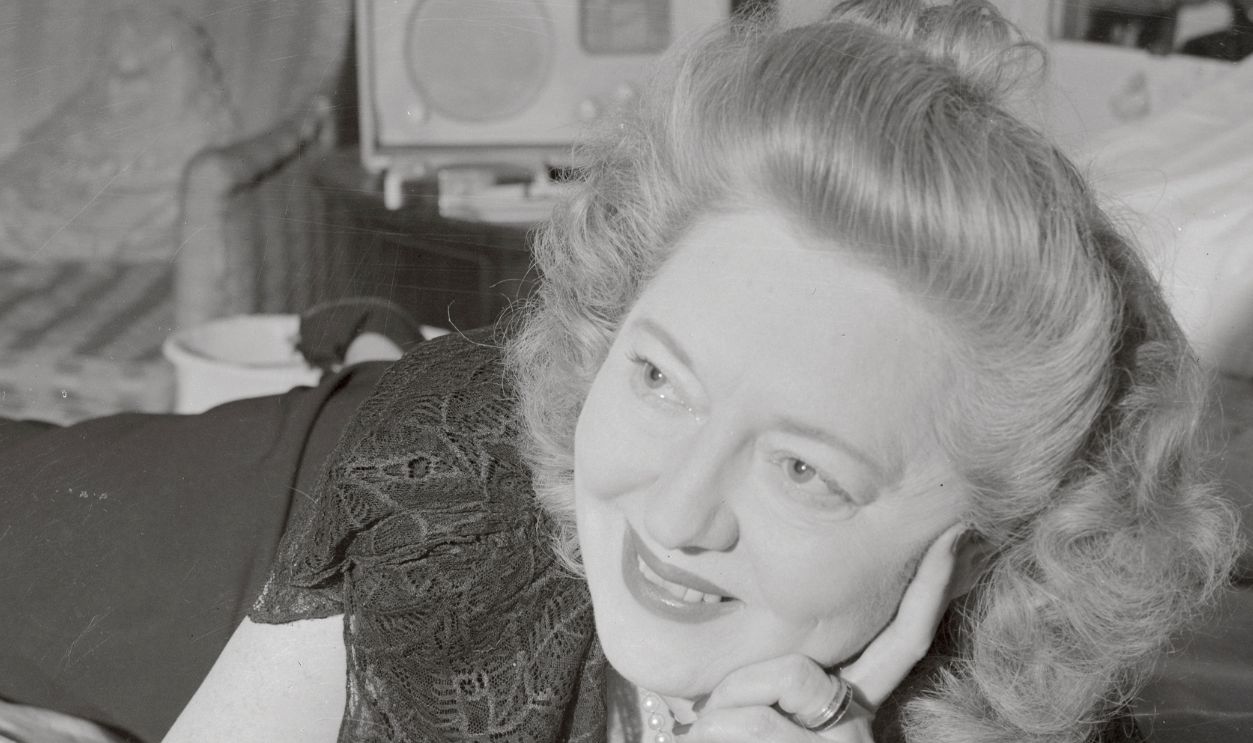
Peggy remained unmarried for nearly two decades after her divorce from Mörner. In December 1945, she married consulting engineer Anthony Easton in Virginia. Contemporary coverage noted that she refused to promise to “obey” him during the ceremony, ensuring that even the wording of her vows became news.
Her Sixth Marriage Stayed Secret
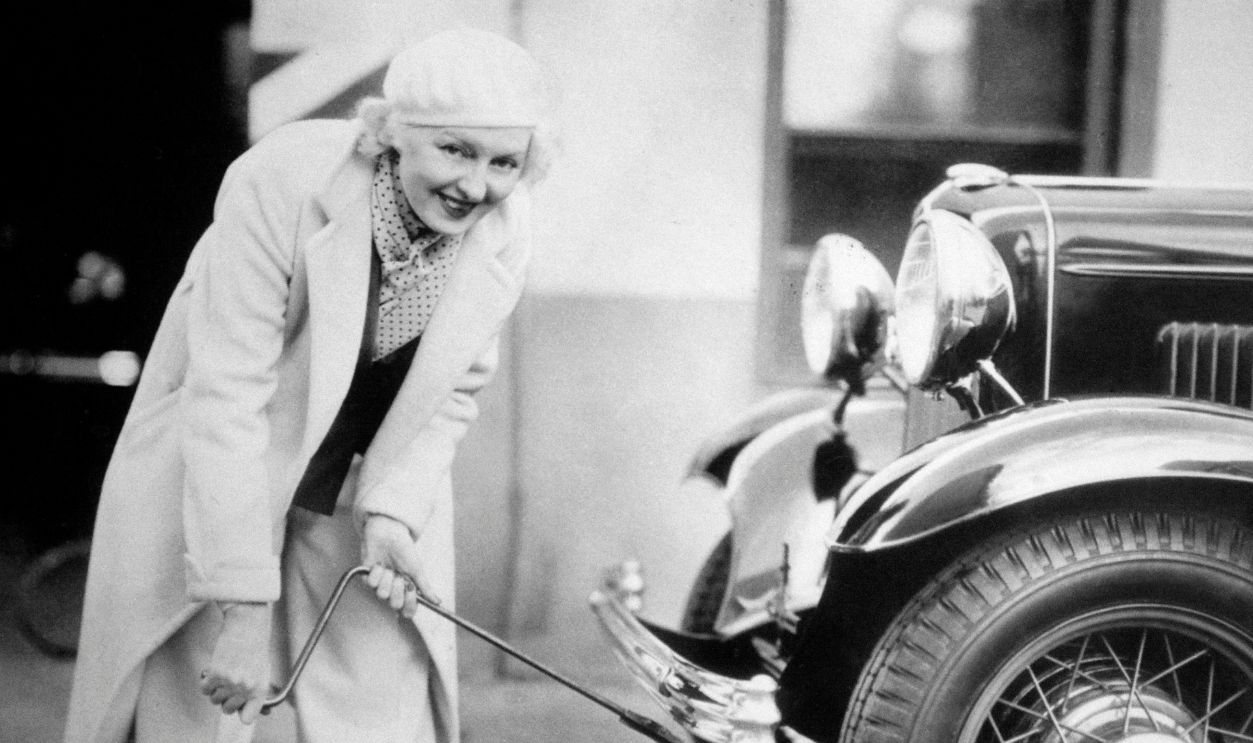
Peggy later married Andrew C. Meyer, a former bank employee considerably younger than she was. The couple kept the union private until a reporter uncovered it in 1956, when Peggy said they had already been married for three years. She described the relationship as happy, and they remained together for the rest of her life.
The Headlines Followed Her To The End
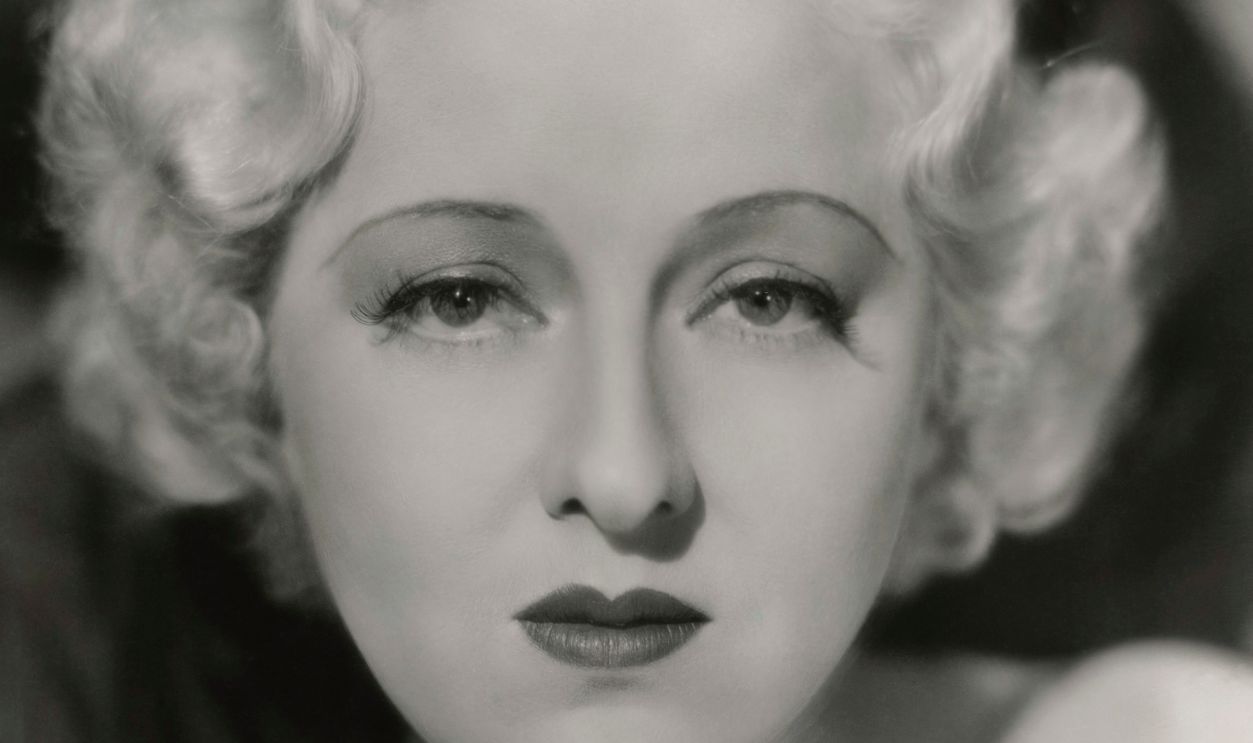
Peggy developed throat cancer and entered Memorial Hospital in New York in June 1957. She died there on June 12 at the age of 64. Obituaries naturally emphasized her six marriages, expensive jewelry, and reign as one of the most discussed women of the Jazz Age.
 Universal History Archive, Getty Images
Peggy Understood The Celebrity Business
Peggy was repeatedly dismissed as a “gold digger,” a label shaped by both sexism and the very publicity she encouraged. Yet she also demonstrated an unusually modern understanding of fame, turning scrutiny into stage work, films, interviews, and a memoir. Newspapers could not look away because Peggy consistently gave them what celebrity culture still demands: glamour, conflict, wealth, reinvention, and another story tomorrow.
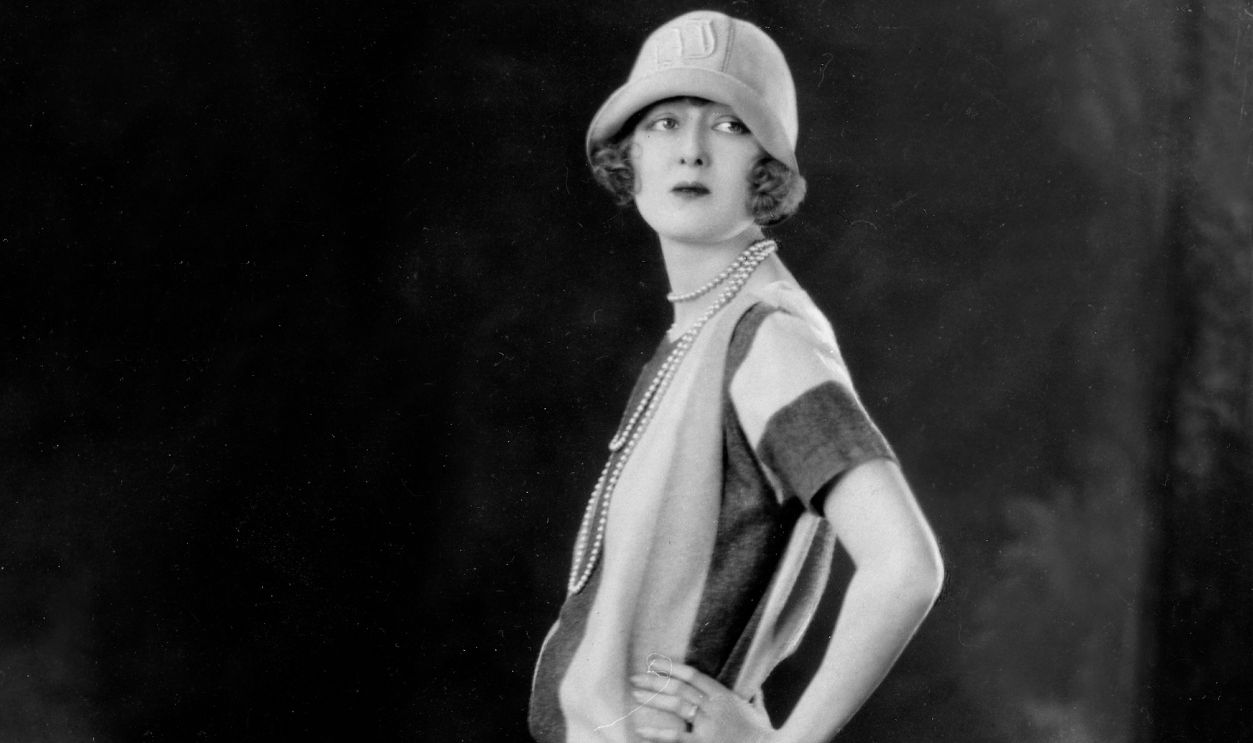 ullstein bild Dtl., Getty Images
You May Also Like:
How The Yorkshire Witch Convinced Britain That A Chicken Laid Prophetic Eggs
How Sir Arthur Conan Doyle Fell For The Cottingley Fairies Hoax










_-_8.jpg)