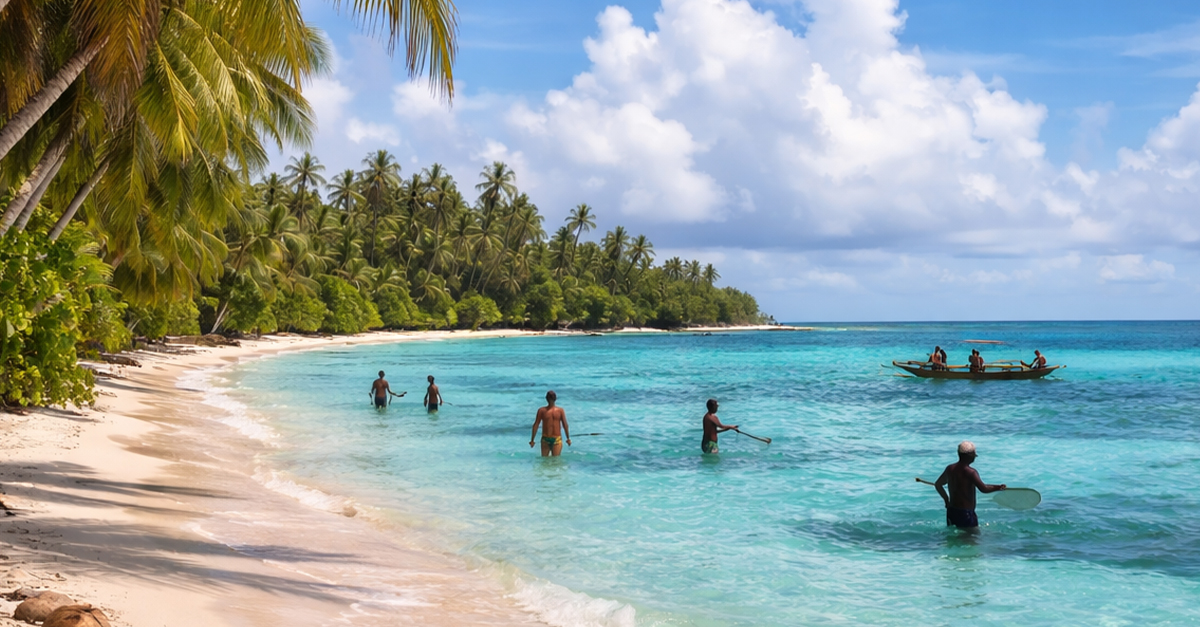
Life On Bikini Before The Bomb
Before the arrival of foreign militaries and scientists, Bikini Atoll was home to a small but thriving community in the Marshall Islands. The Bikini Islanders lived by fishing, gathering coconuts, and maintaining a close relationship with the sea and small stretch of land around them. Their culture, language, and traditions developed over centuries on this coral island paradise.
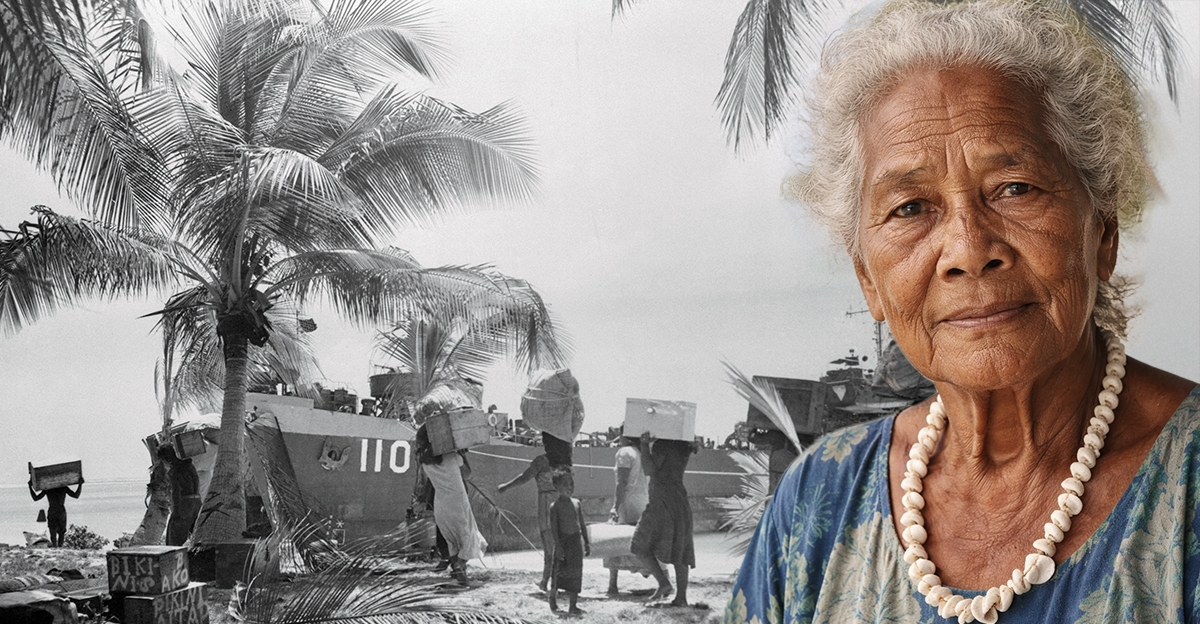 Bettmann Archive, Getty Images; Factinate
The United States Takes Control
During World War II, the United States military captured the Marshall Islands from Japan. After the war, the islands became part of a United Nations Trust Territory directly overseen by the United States. American officials soon began to look around for remote locations where they could test new atomic weapons without endangering large populations.
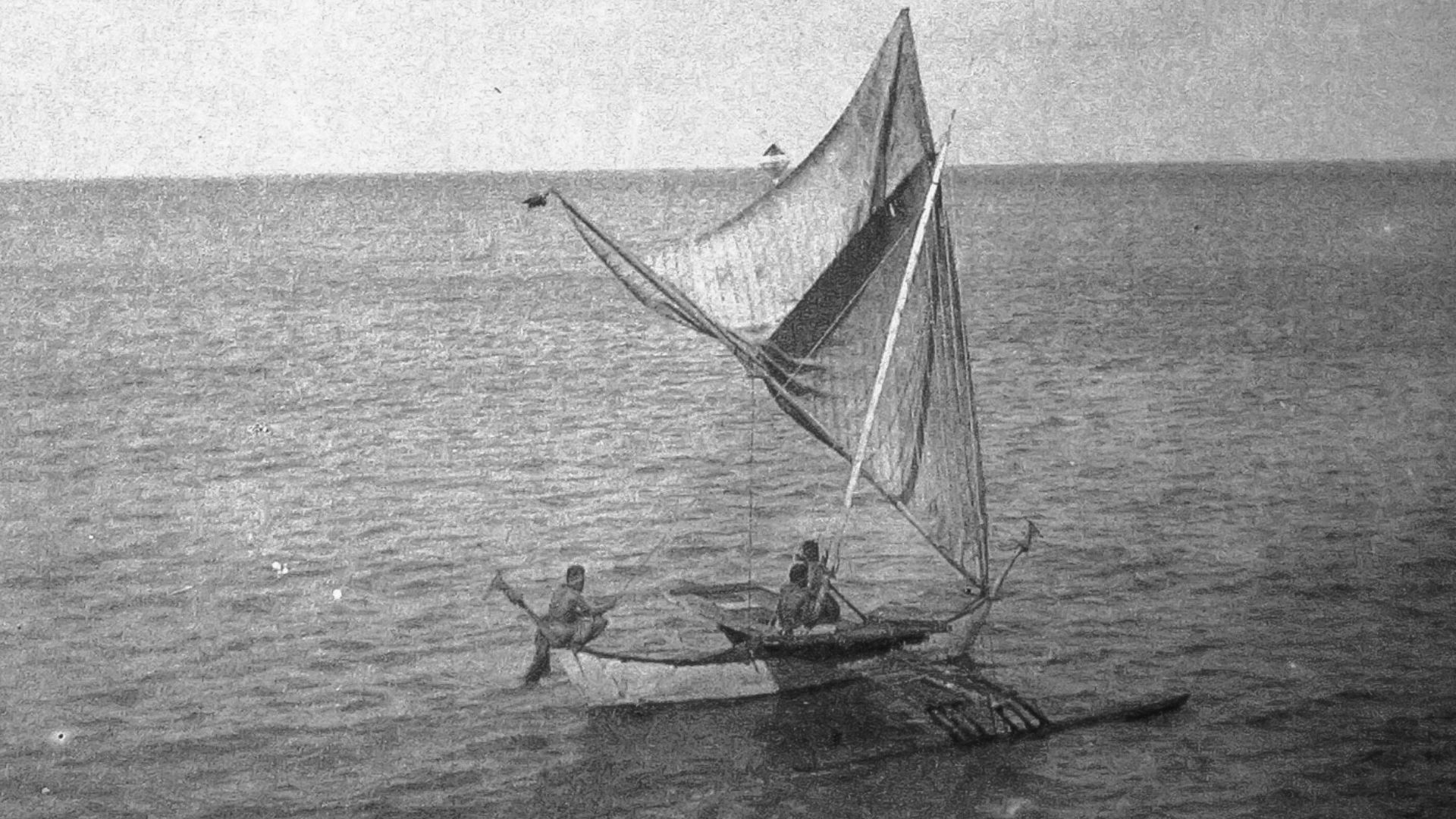
Bikini Selected For Atomic Tests
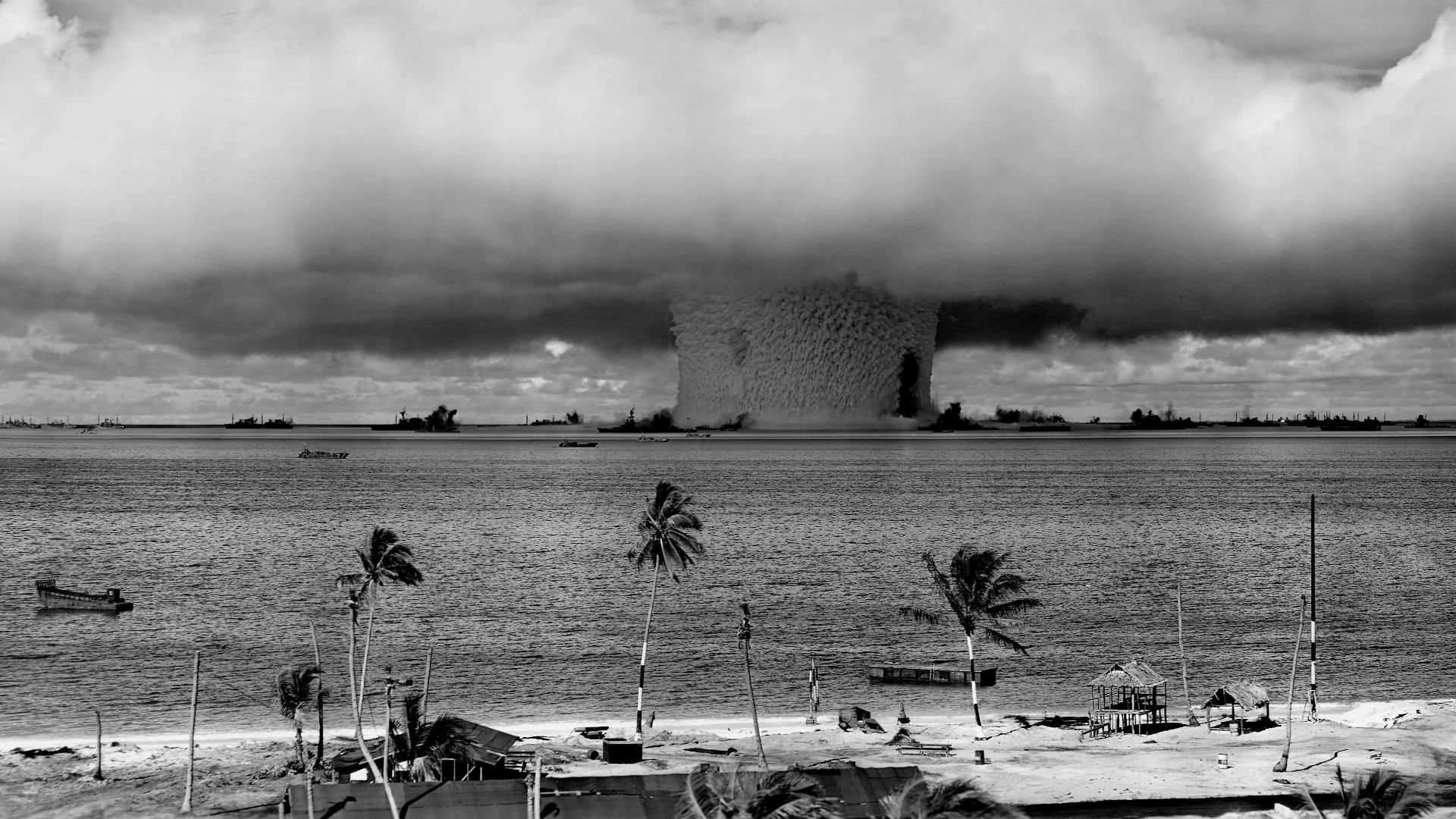
In 1946, the U.S. military decided on Bikini Atoll as the site for a massive nuclear weapons testing program known as Operation Crossroads. The atoll’s lagoon was perfect for testing the effects of atomic bombs on naval fleets. Sadly, the decision meant that the entire Bikini Islander community would have to be uprooted and shipped somewhere else.
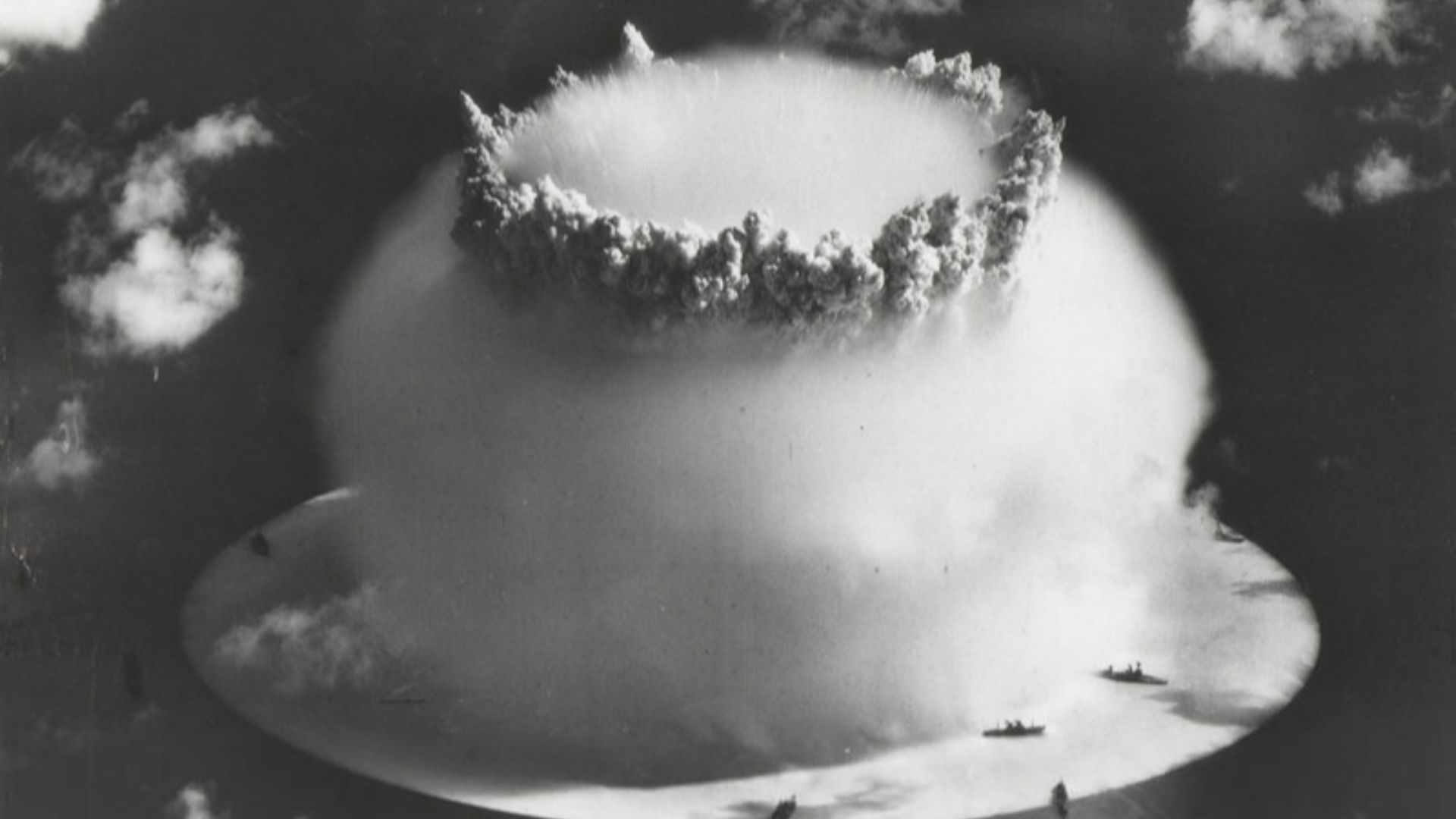 U.S. Army Photographic Signal Corps, Wikimedia Commons
A Request From The Americans
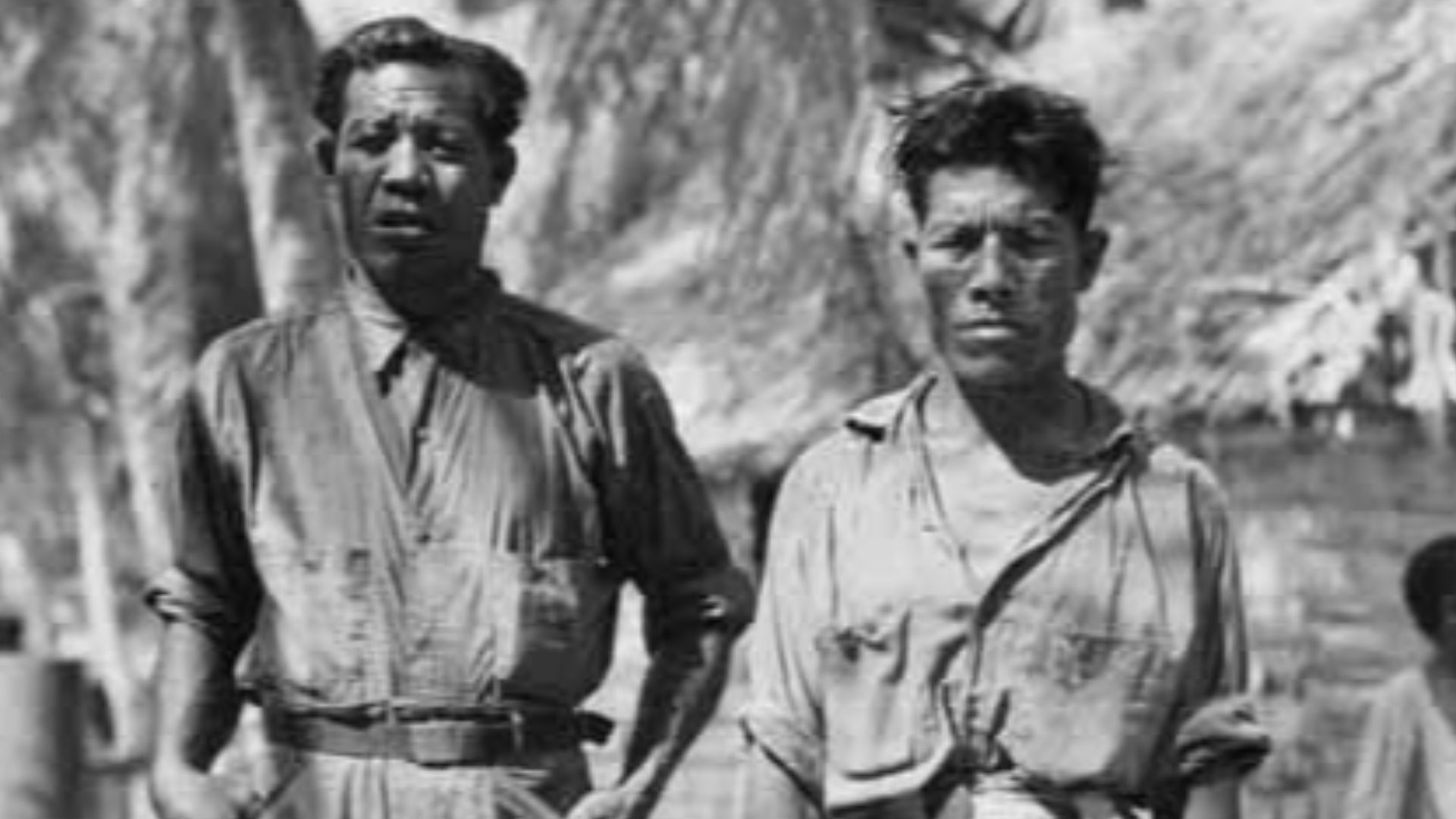
That same year, U.S. Commodore Ben H. Wyatt gathered the Bikini Islanders together and explained that the United States needed their island “for the good of mankind and to end all world wars.” The residents were asked to temporarily relocate so the tests could go ahead. Many agreed, trusting American promises they would eventually be able to return.
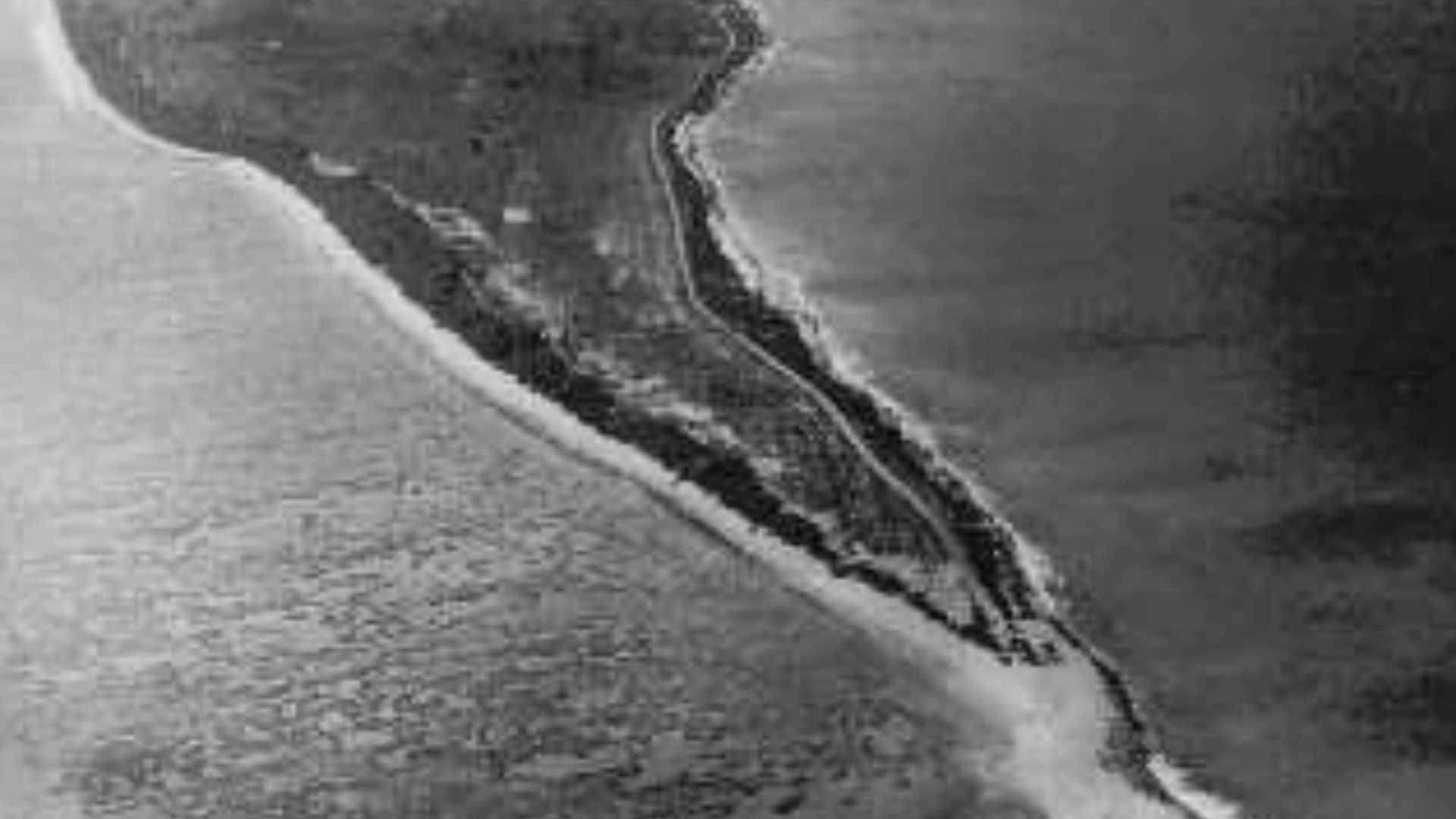 TTPI(Trust Territory of the Pacific Islands) Headquarters, Wikimedia Commons

History's most fascinating stories and darkest secrets, delivered to your inbox daily.
Leaving Their Homeland
Soon afterward, roughly 167 Bikini Islanders were forced to pack up and leave their ancestral home. They packed only what things they could carry and departed by ship in March 1946. The relocation was officially described as temporary, but the residents were hardly confident that they would ever see their island again.
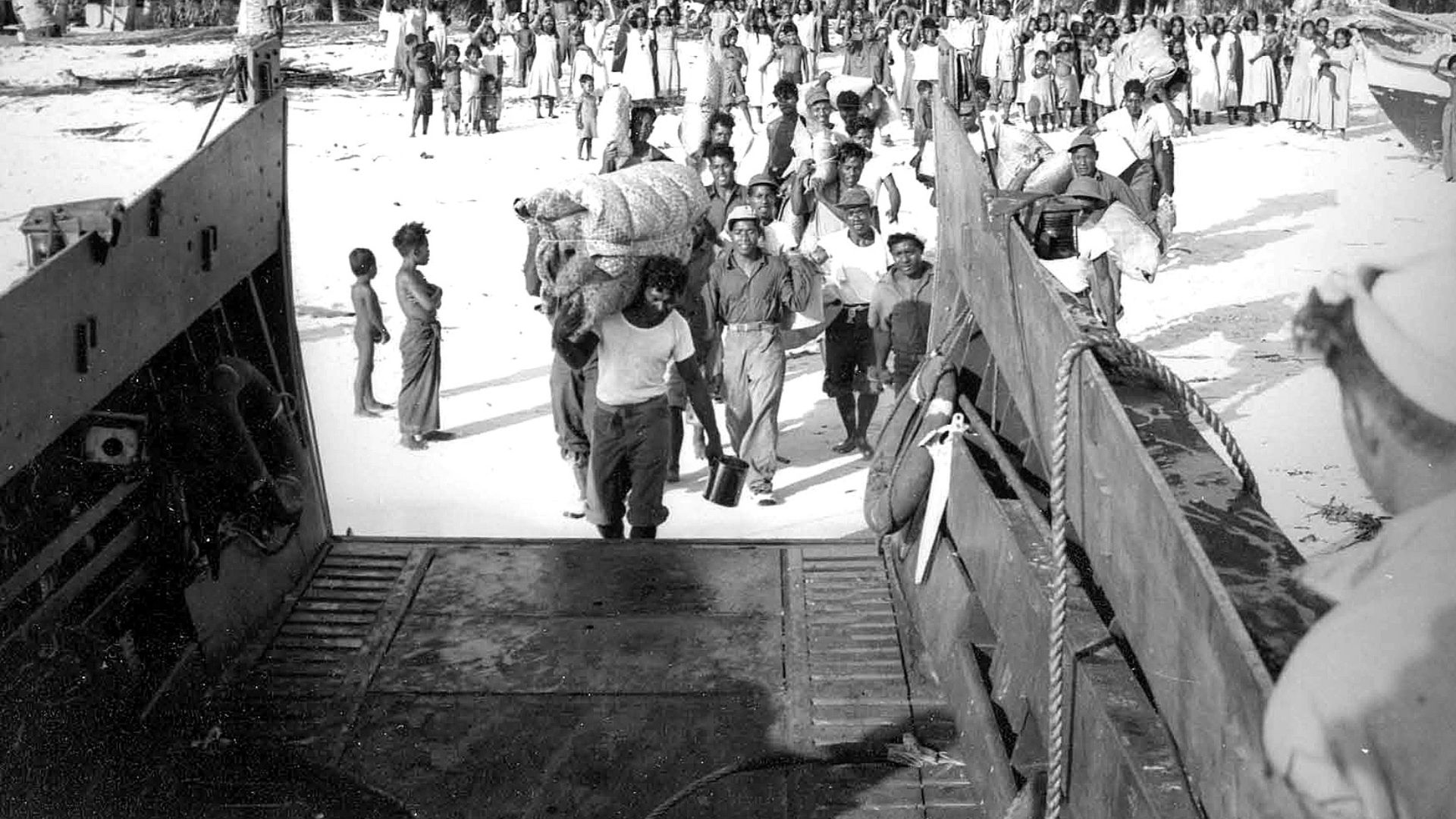 United States Navy, Wikimedia Commons
First Stop: Rongerik Atoll
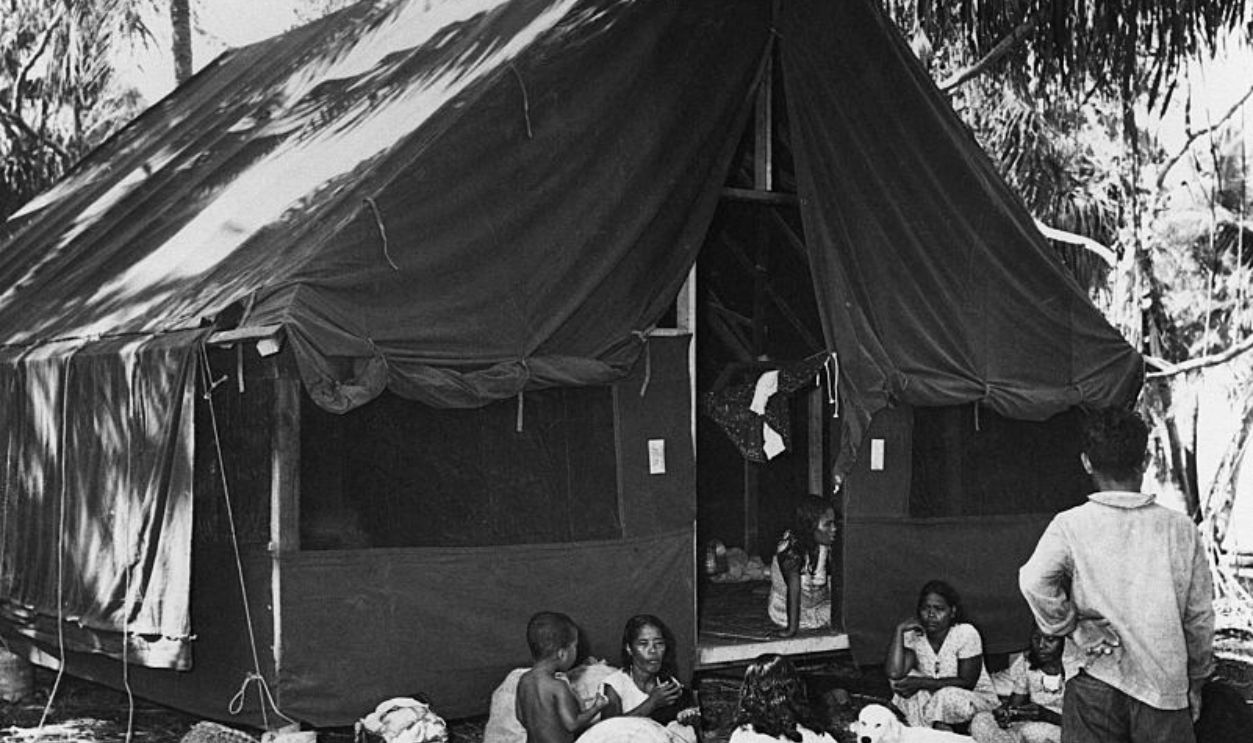
The Bikini Islanders were initially relocated to nearby Rongerik Atoll, about 125 miles east of their homeland. American officials believed the uninhabited atoll could support the population. But the problem was, Rongerik had limited food resources and poor soil, making it unsuitable for sustaining the displaced community.
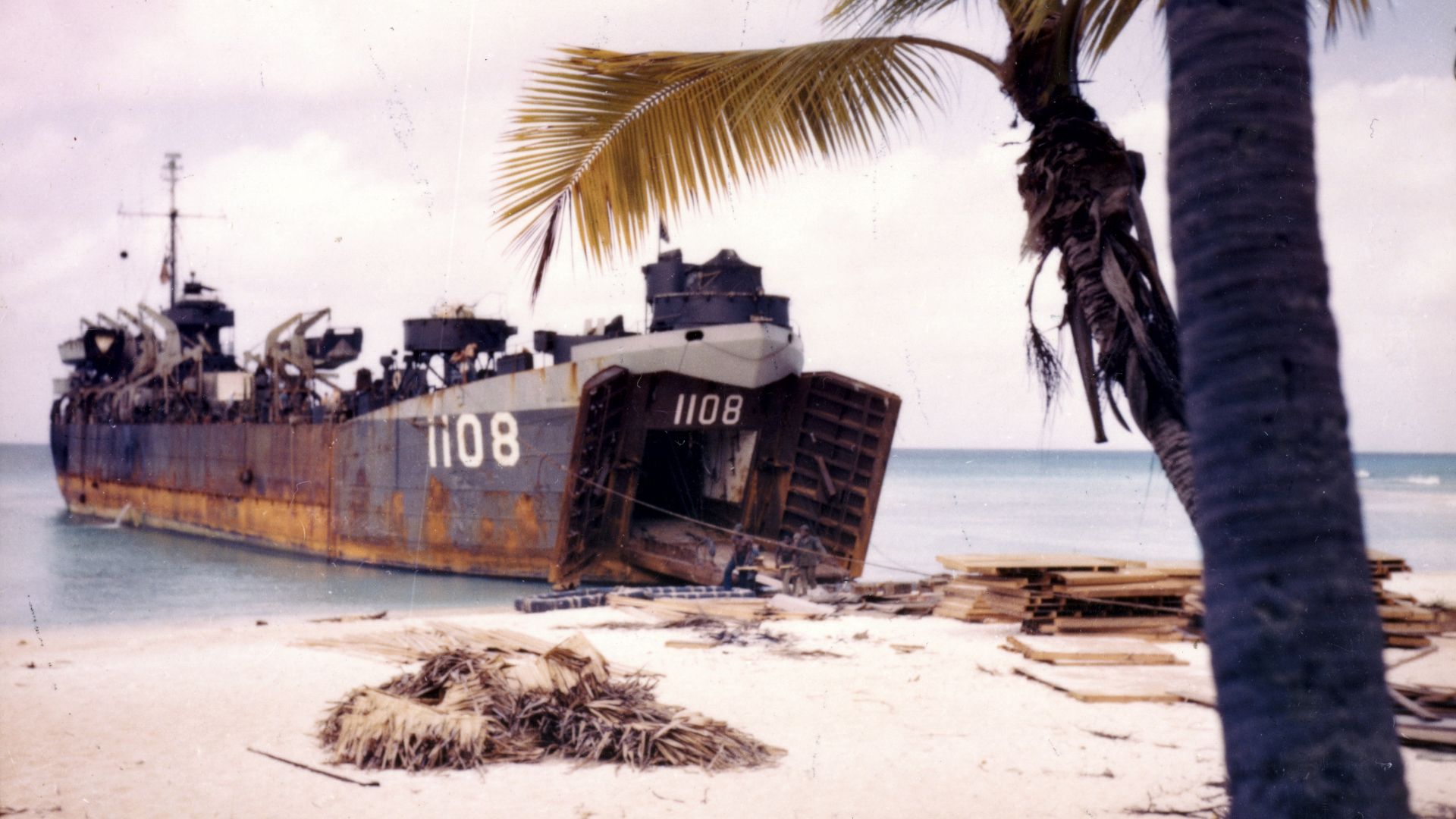
A Growing Food Crisis
Life on Rongerik quickly turned into a desperate struggle to survive. The island lacked enough fish, coconuts, and other resources to support the new residents. Crops failed, and supplies from the outside world arrived only sporadically. Within a short time, the Bikini Islanders began to suffer hunger and malnutrition.
 Joint Task Force 1, Wikimedia Commons
Pleas For Help
The Bikini Islanders repeatedly asked American authorities for help and relocation to another of the many islands in the region. Reports from visiting officials confirmed that conditions on Rongerik were indeed dire. Finally, the United States admitted that the relocation had been a mistake and started planning another move for the struggling community.
 U.S. Government, Wikimedia Commons
A Temporary Stay On Kwajalein
In 1948, the U.S. Navy evacuated the Bikini Islanders from Rongerik and transported them to the military base on Kwajalein Atoll. The stay there was supposed to be temporary while the authorities figured out a new permanent location for them. Although conditions improved a little, the islanders still had no stable home.
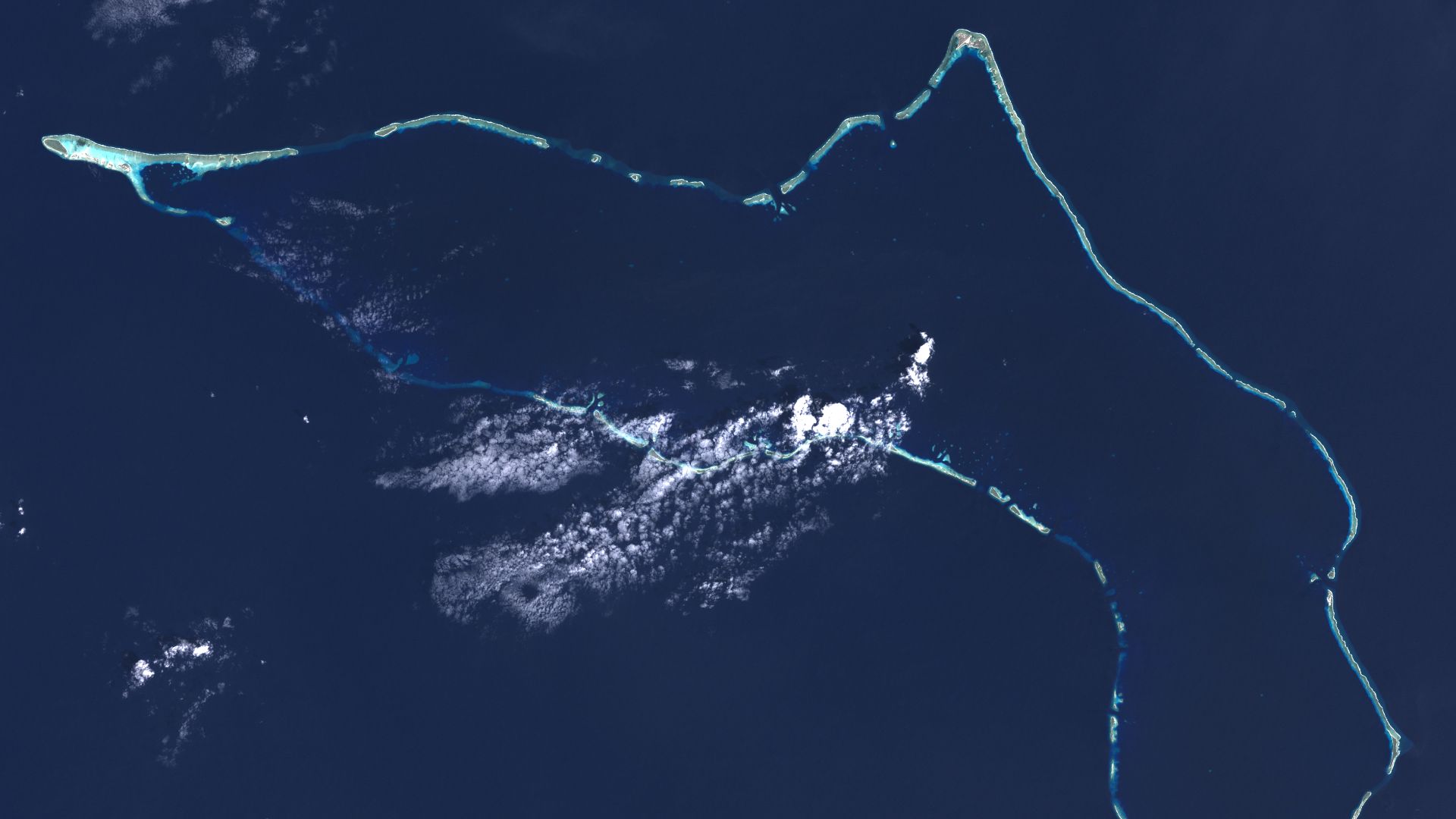
Relocation To Kili Island
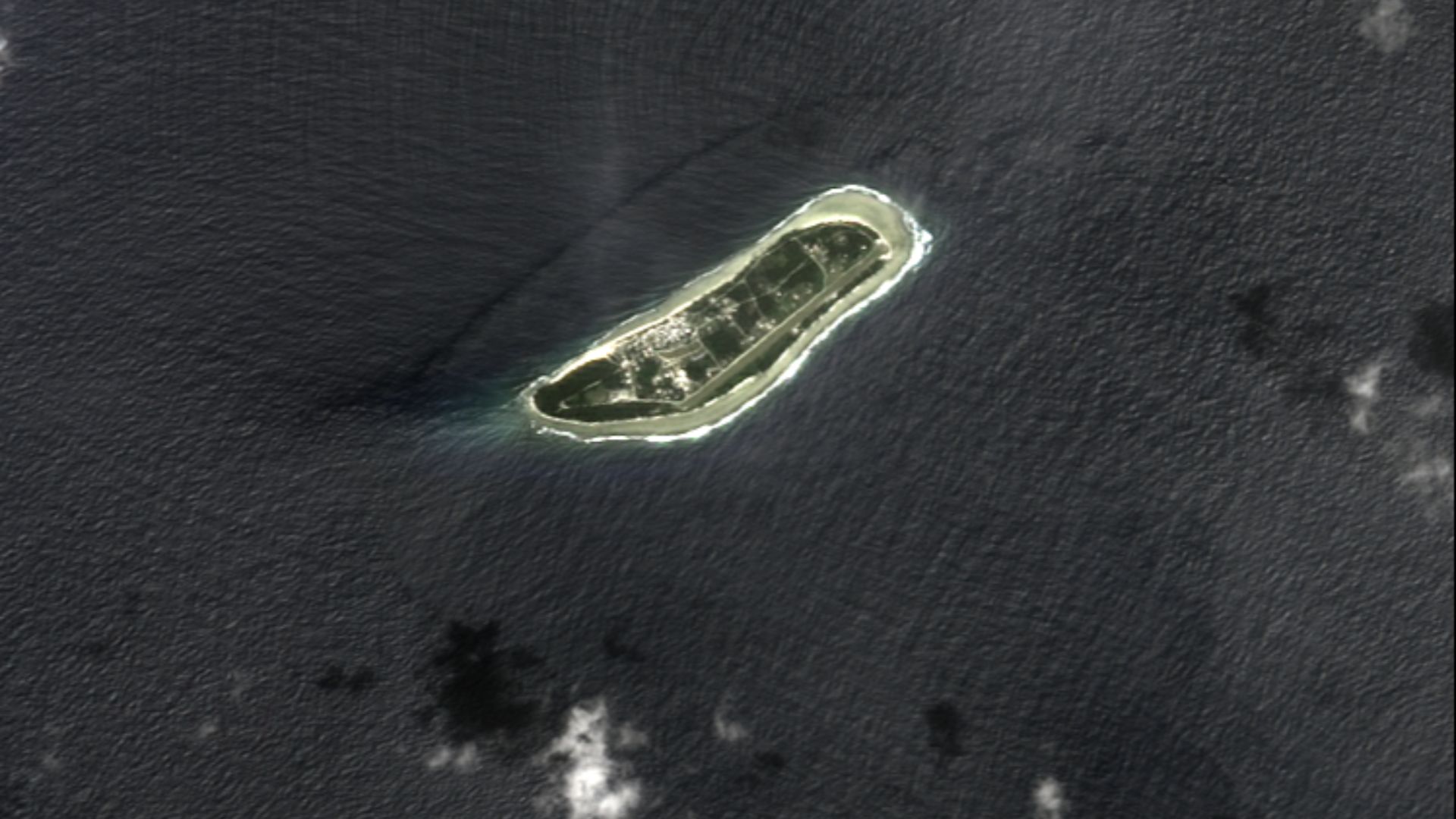
Later in 1948, the community was permanently relocated to Kili Island. This is a small island far from their ancestral atoll. Unlike Bikini, Kili didn’t have the all-important sheltered lagoon and had far fewer natural resources. Fishing was much more dangerous, and the land couldn’t properly support traditional ways of life.
History's most fascinating stories and darkest secrets, delivered to your inbox daily.
Difficult New Reality
Life on Kili proved to be a challenge for the people. The island’s rough seas often hindered boats from landing with supplies, leaving residents stuck for long periods. Without a lagoon for safe fishing and transportation, the Bikini Islanders struggled to maintain their economic and cultural traditions.
Nuclear Tests Continue
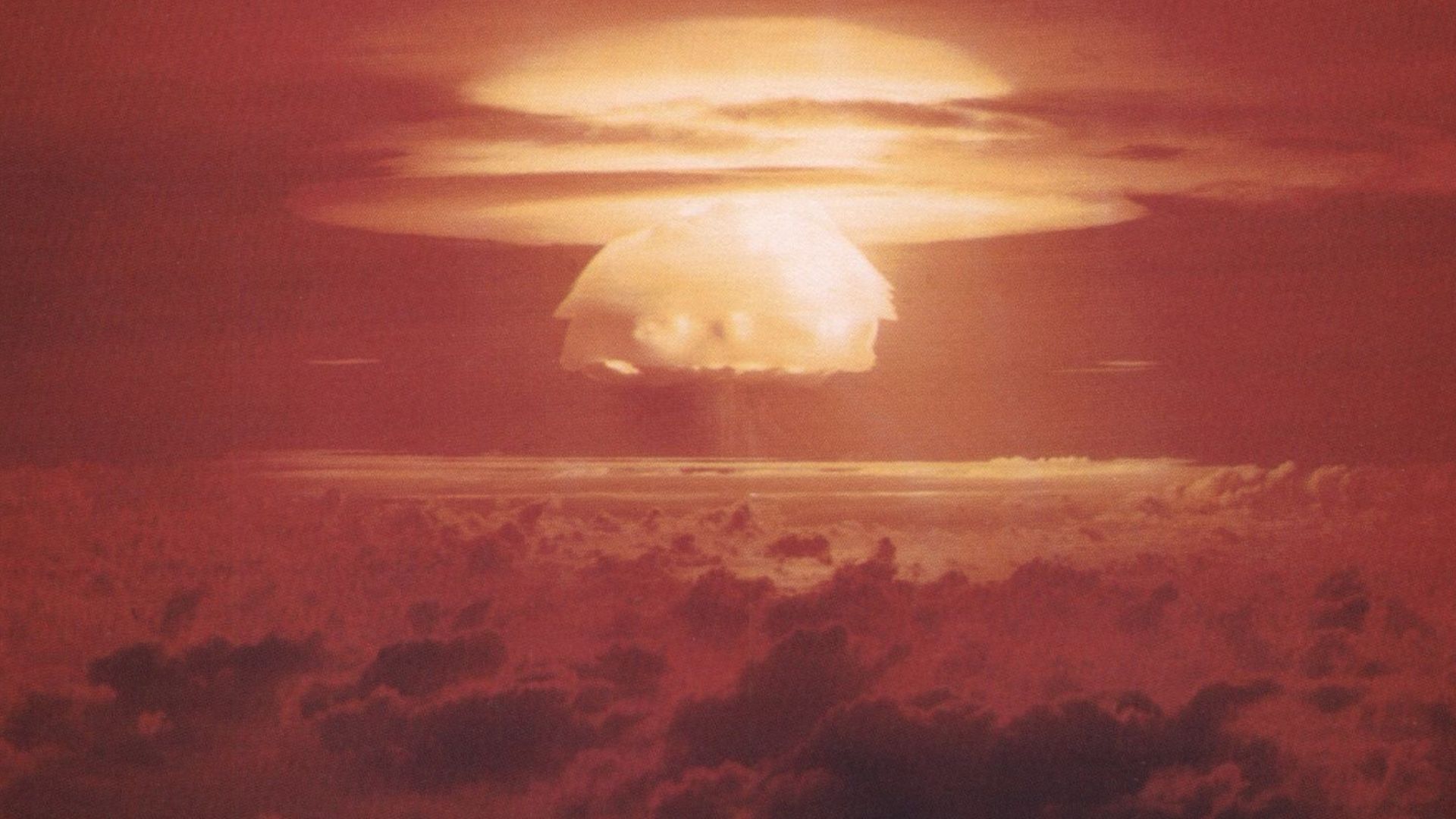
Meanwhile, the United States carried out a series of nuclear tests at Bikini Atoll between 1946 and 1958. These detonations included some of the most powerful weapons ever tested, including the enormous hydrogen bomb known as Castle Bravo in 1954, which spread radioactive fallout across vast swathes of territory.
 United States Department of Energy, Wikimedia Commons
Radiation Concerns Grow
The nuclear tests left Bikini Atoll heavily contaminated with radioactive material. Scientists went to work studying the environmental damage and its potential health effects. For the displaced islanders, the dream of returning home was beginning to fade as radiation levels remained dangerously high.
A Hopeful Resettlement Attempt
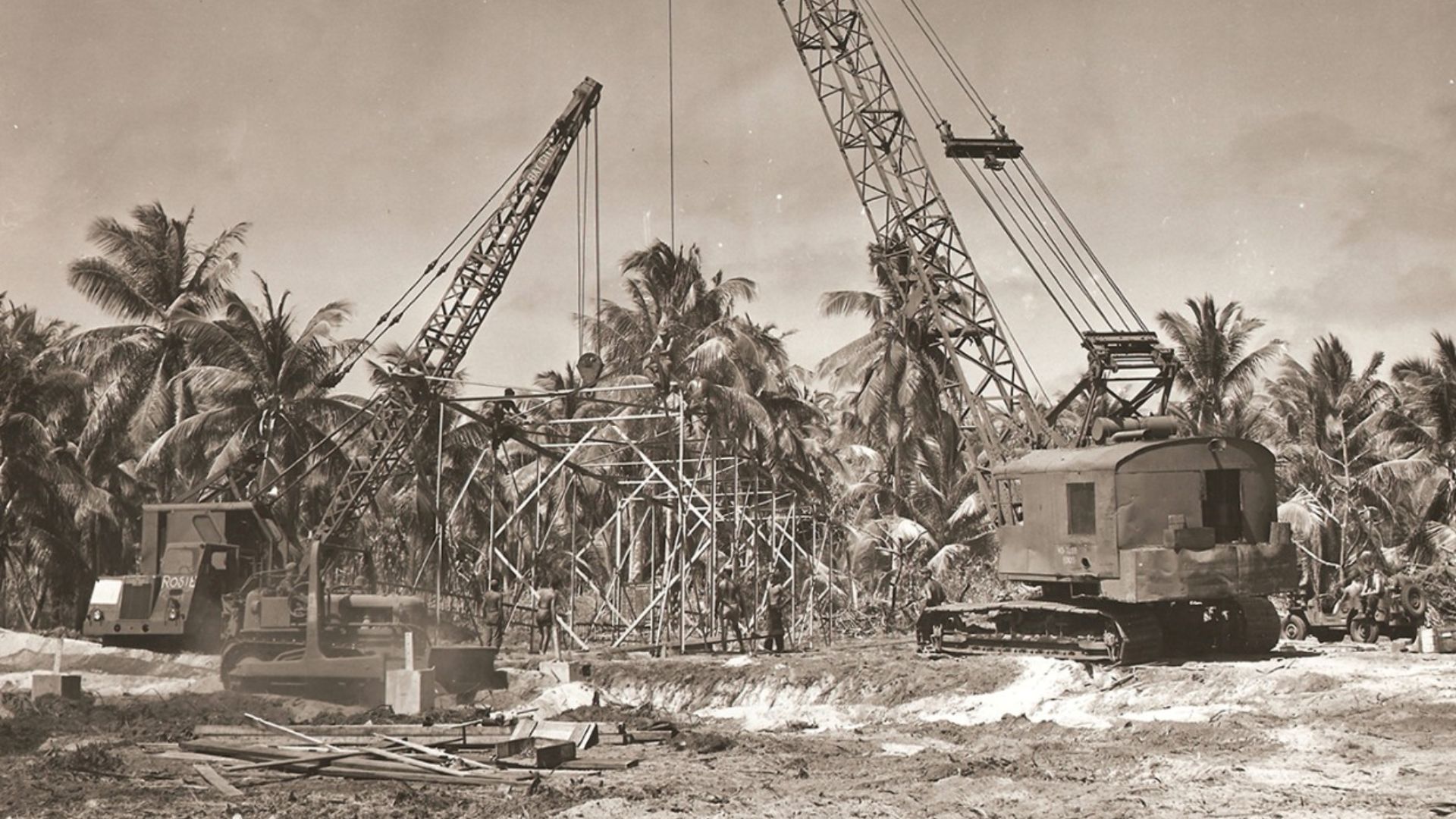
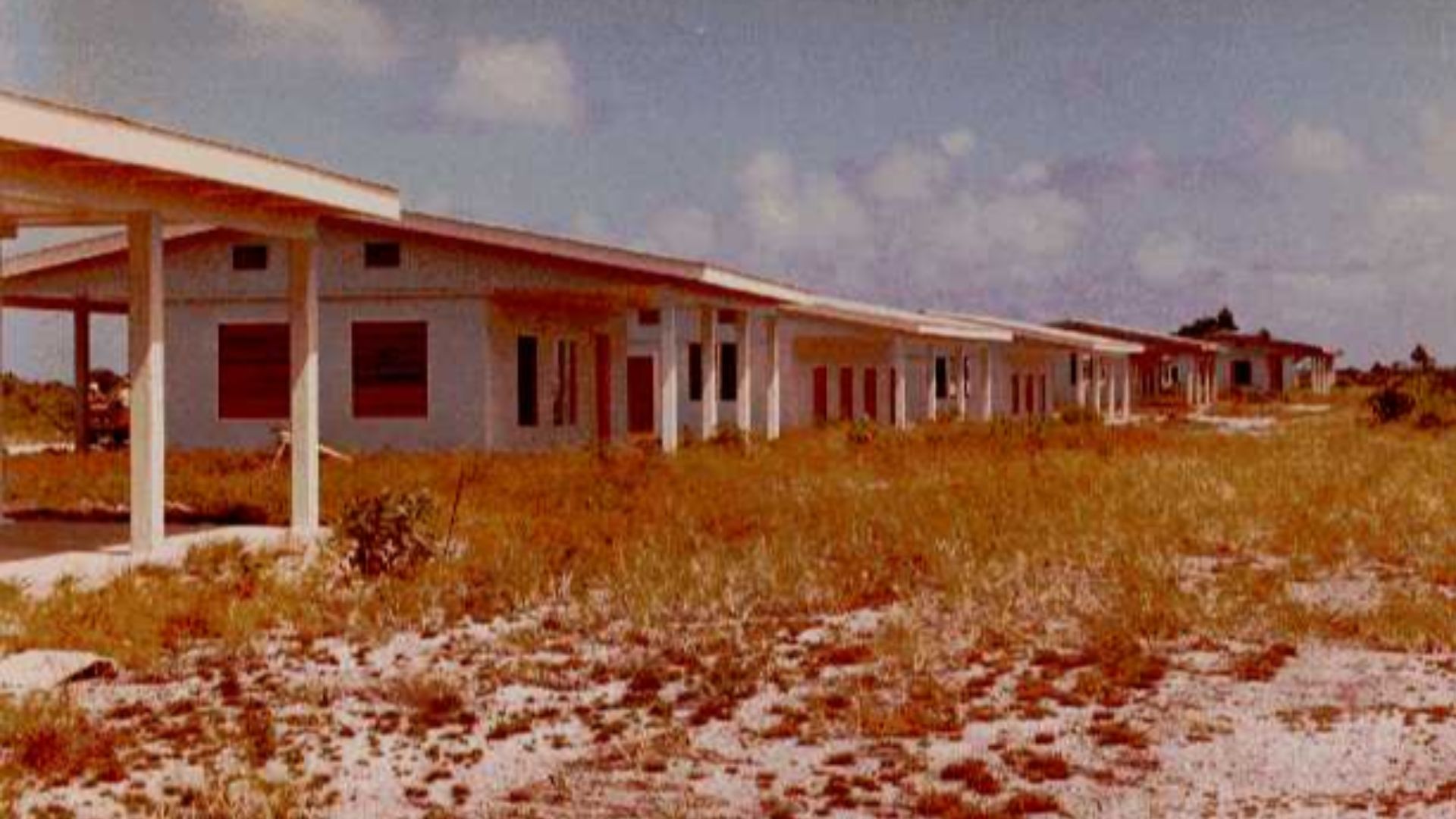
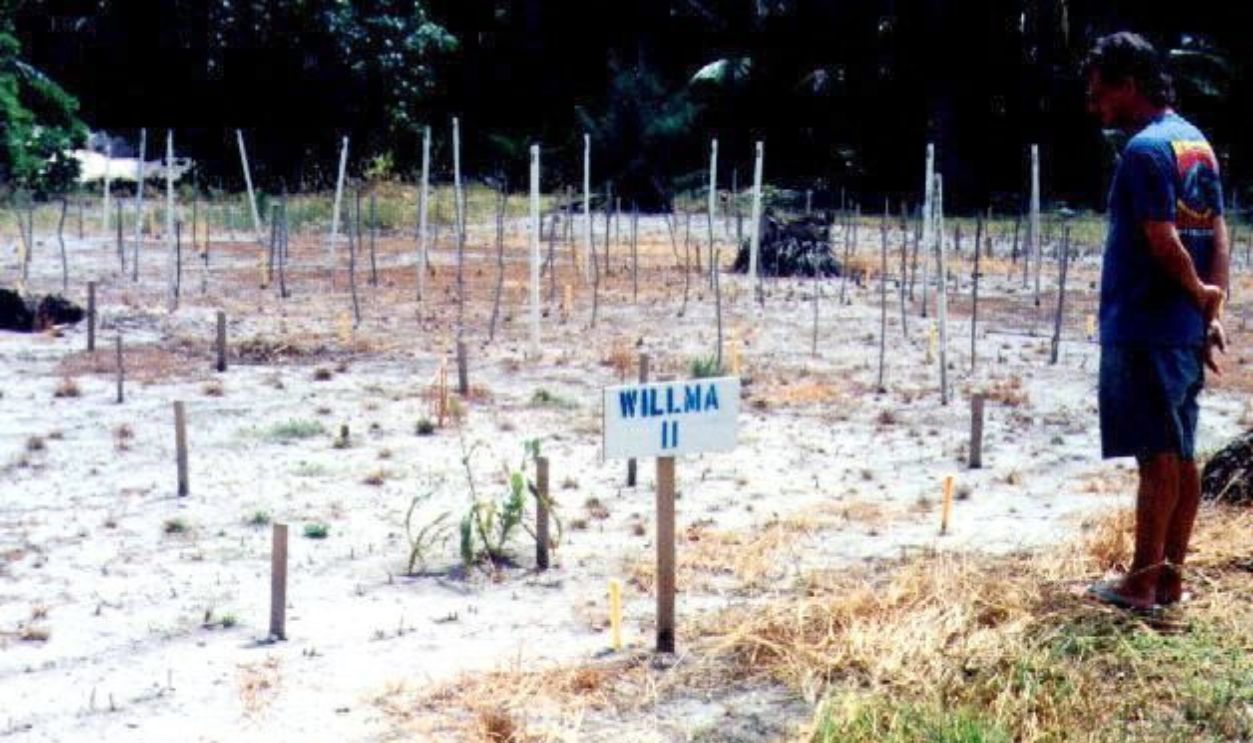
In the late 1960s, U.S. officials declared that Bikini Atoll was safe for limited resettlement. Several Bikini families returned to rebuild homes and plant crops. For a brief period, it seemed as if it might be possible that the long exile was at last coming to an end.
 United States Navy, Wikimedia Commons
Hidden Dangers
Unfortunately, scientific monitoring soon demonstrated that radiation was accumulating in the bodies of the returning residents. Contaminated soil and food sources exposed the people to unsafe levels of radioactive materials. By 1978, authorities decided that the islanders couldn’t safely remain on Bikini.
Evacuated Once Again
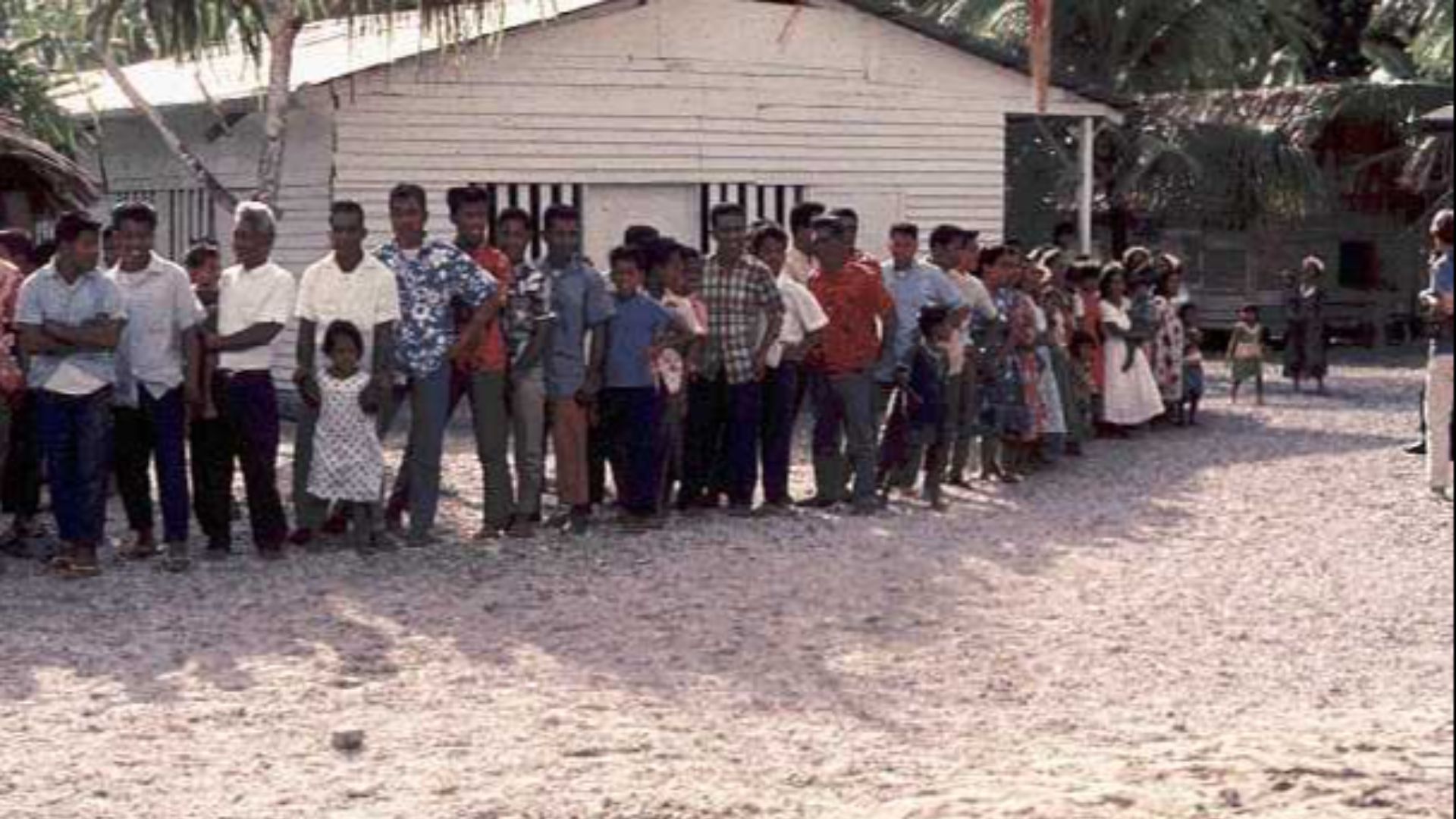
The returning families were again evacuated, marking the second forced removal of Bikini Islanders from their homeland. The residents were again relocated, many returning to Kili Island. The renewed displacement only strengthened the community’s sense of injustice and broken promises.
 TTPI(Trust Territory of the Pacific Islands) Headquarters, Wikimedia Commons
History's most fascinating stories and darkest secrets, delivered to your inbox daily.
Search For Compensation
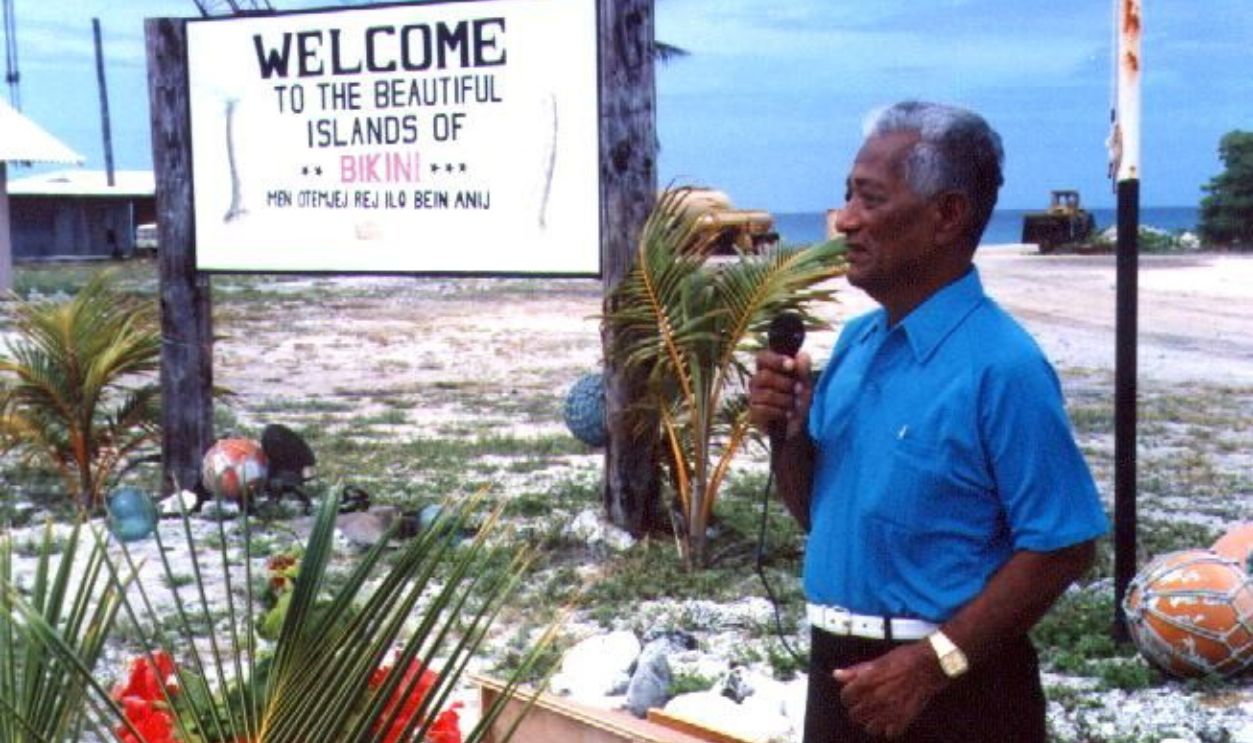
Over time, the Bikini Islanders began to seek compensation for the loss of their homeland and the hardships they’d suffered through all the relocations. They argued that the United States had a responsibility to try to redress the long-term environmental damage and suffering endured by their community. They sued the U.S. government in 1975, for $900 billion.
Trust Funds And Legal Claims
Various trust funds were eventually set up to provide financial compensation to the displaced islanders. Although the money from the settlement arrangements added to up to a few hundred million dollars, a lot of the residents argued that the payments were inadequate. Legal claims were filed seeking additional compensation for specific charges of land damage, health risks, and decades of displacement.
Nuclear Claims Tribunal
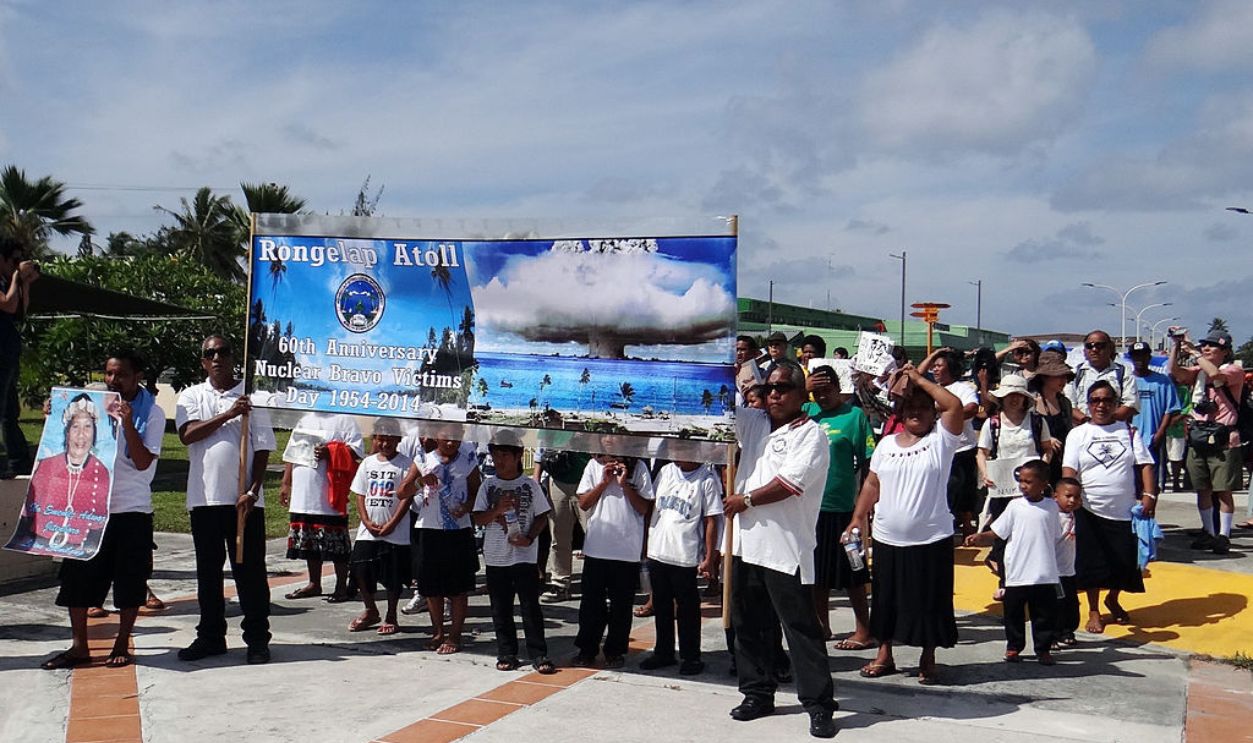
In the 1980s, the Nuclear Claims Tribunal was set up to assess compensation claims from Marshall Islanders affected by nuclear testing. The tribunal awarded the Bikini Islanders billions of dollars in damages for land contamination and related losses. Unfortunately, much of this compensation was never fully paid.
 United States Navy, Wikimedia Commons
Unpaid Judgments
Although the tribunal ruled in favor of the Bikini Islanders in 2001 to the tune of $278 million, the U.S. government argued that the settlement funds already provided were sufficient. As a result, much of the tribunal’s awards were left unpaid. The community continues to advocate for additional compensation and recognition of their losses.
A Community Still In Exile
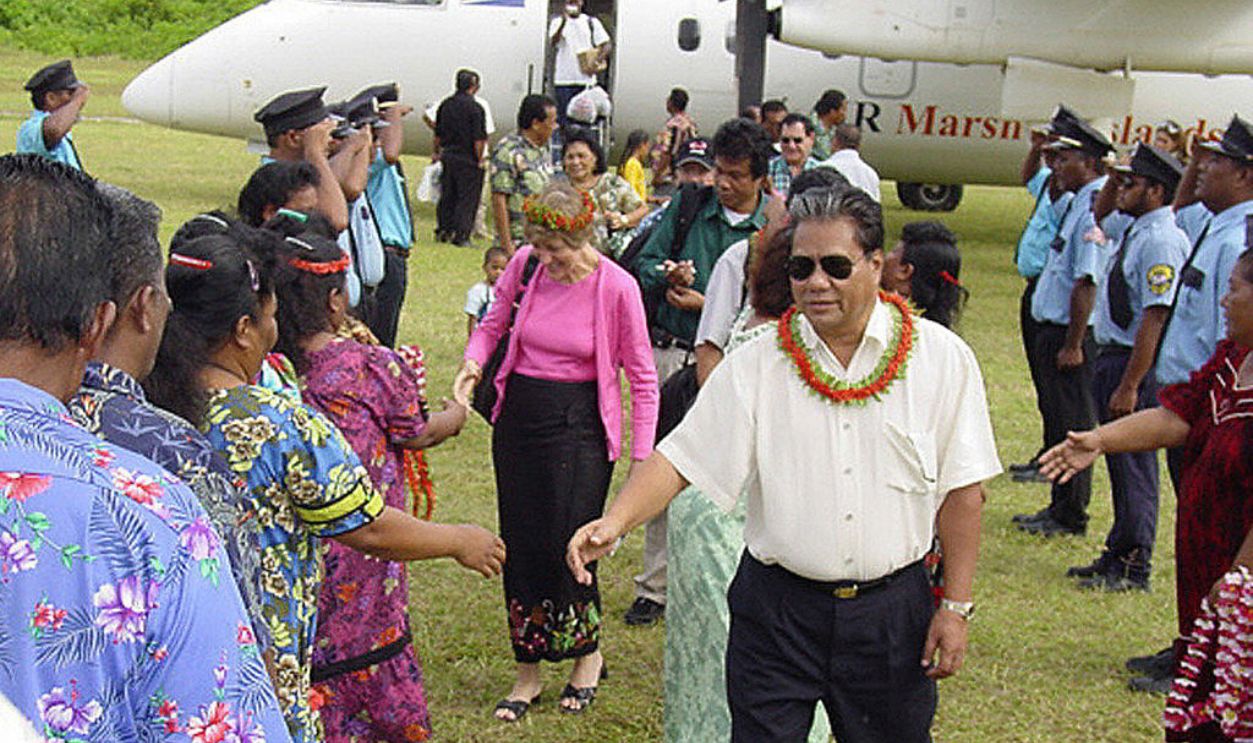
Today, many Bikini Islanders and their descendants continue to live on Kili Island and other parts of the Marshall Islands. Many have moved to the mainland United States. While limited visits to Bikini Atoll have been permitted, permanent resettlement is still difficult because of the lingering environmental concerns.
 TTPI(Trust Territory of the Pacific Islands) Headquarters, Wikimedia Commons
Remembering Bikini’s History
The story of the Bikini Islanders is one of those stories about the trampling of people’s rights in the relentless pursuit of technological progress. Forced from their homeland in the name of scientific experimentation and military strategy, the community continues to seek justice and restoration for a displacement that has gone on for 80 years.
You May Also Like:
Typhoon Cobra blindsided the US Navy just weeks after one of its greatest victories of WWII.