
Medicine Is Full Of Names
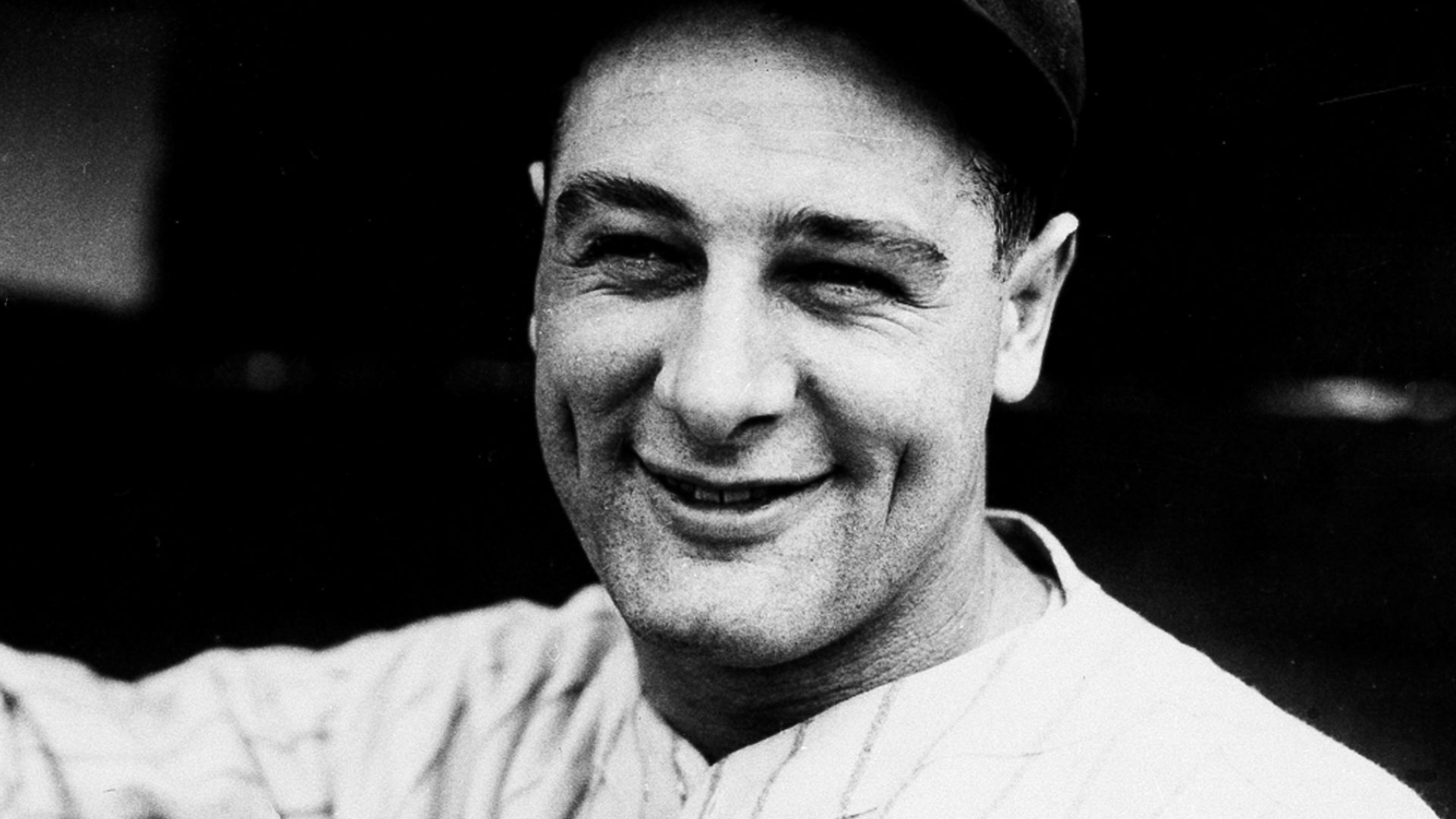
Doctors use thousands of words that sound almost abstract until you discover there was once a real person behind them. Some honor physicians who recognized diseases. Others preserve the names of patients, families, athletes (like Lou Gehrig, above) and even convention attendees whose illnesses changed medicine. Their stories are hiding in plain sight.
 Columbia University, Wikipedia Commons
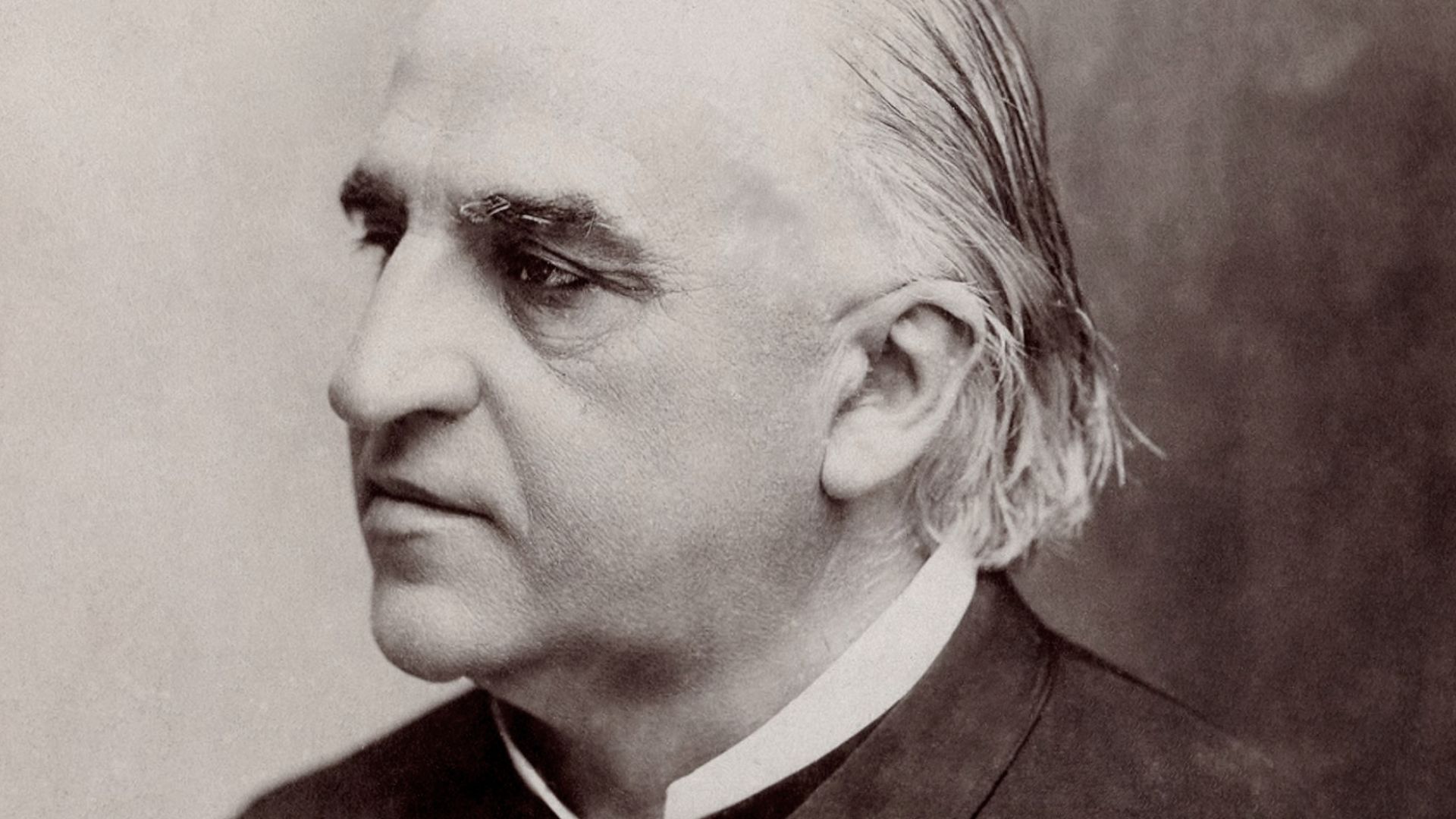
Parkinson Disease
London surgeon and apothecary James Parkinson published An Essay on the Shaking Palsy in 1817, describing six people with the characteristic movement disorder. Parkinson didn't actually name the disease for himself. Decades later, influential French neurologist Jean-Martin Charcot helped establish “Parkinson's disease” as the enduring name.
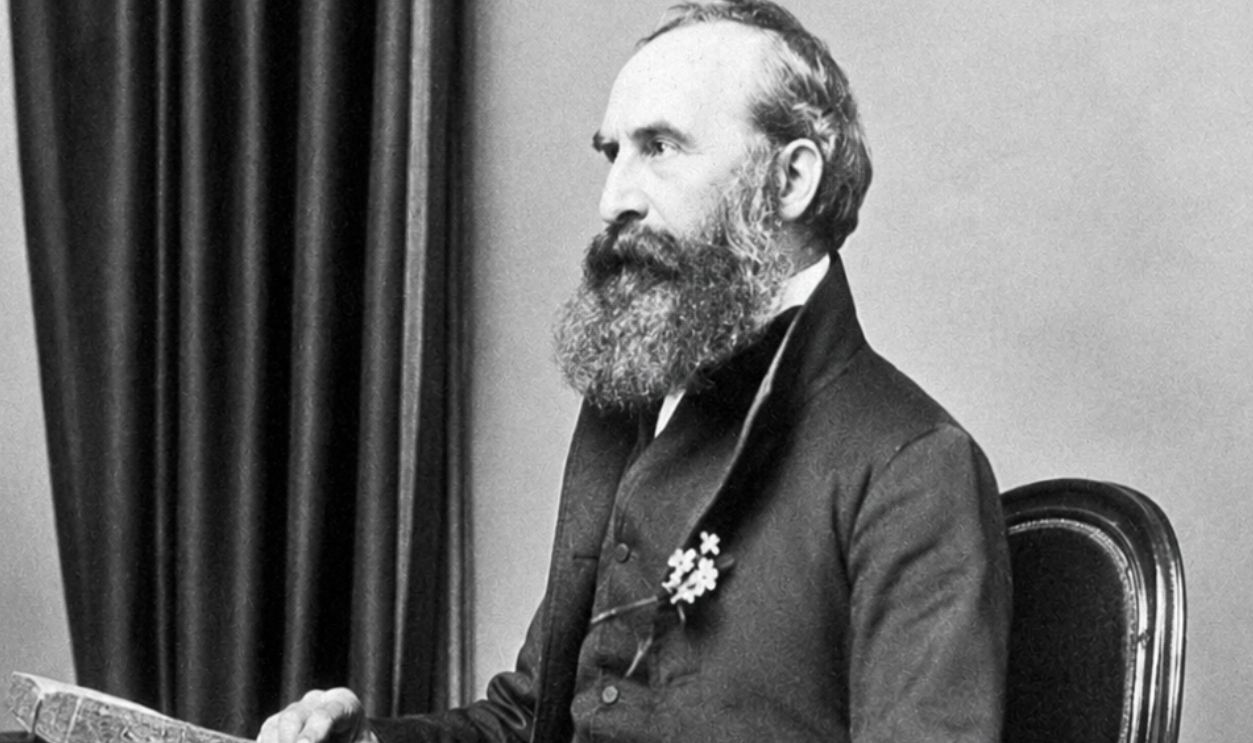
Hodgkin Lymphoma
Thomas Hodgkin described a distinctive pattern of enlarged lymph nodes and spleens in 1832, but his work initially attracted limited attention. Years later, Samuel Wilks encountered similar cases, discovered Hodgkin's earlier paper and publicly credited him. That act of scholarly honesty helped put Hodgkin's name permanently into medical vocabulary.
 Materialscientist, Wikimedia Commons, enhanced
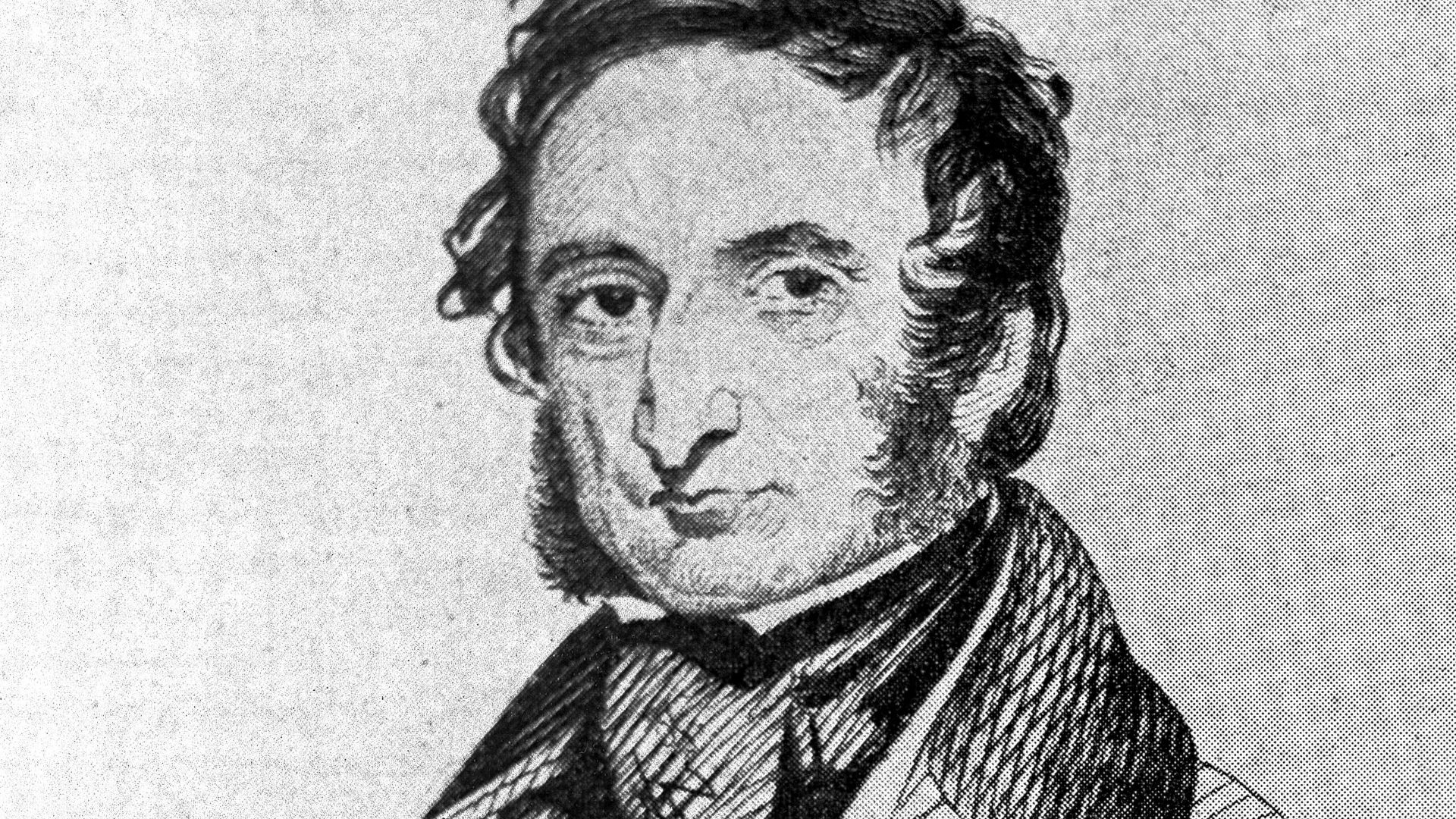
Graves Disease
Irish physician Robert James Graves described patients with the combination of goiter and heart palpitations during lectures in Dublin in 1834–1835, later incorporating the characteristic bulging eyes into his published account. Others had described similar illness earlier, which helps explain why the condition is also called Basedow disease in parts of Europe.

History's most fascinating stories and darkest secrets, delivered to your inbox daily.
Addison Disease
Thomas Addison was investigating a puzzling form of anemia when he noticed disease in the adrenal glands of some patients. His landmark 1855 monograph connected adrenal destruction with a recognizable clinical illness. French physician Armand Trousseau subsequently helped cement Addison's name by calling the condition “Addison's disease.”
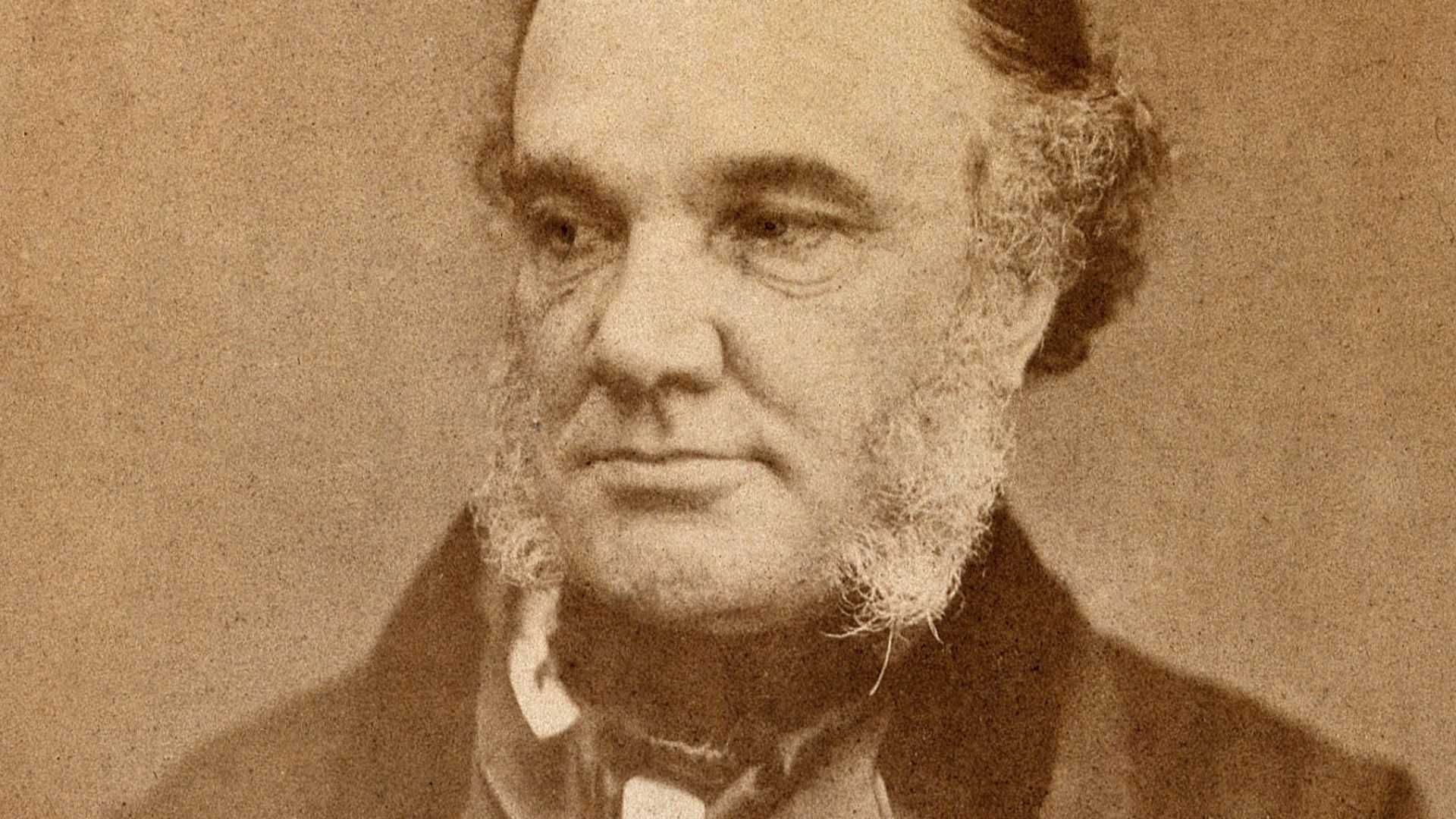
Bell Palsy
Sir Charles Bell's experiments and anatomical work helped establish the facial nerve's role in facial movement, leading his name to become attached to sudden peripheral facial paralysis. Yet Bell wasn't actually the first to describe it. Researchers have found recognizable accounts by earlier physicians, including a remarkably detailed Dutch case from 1683.
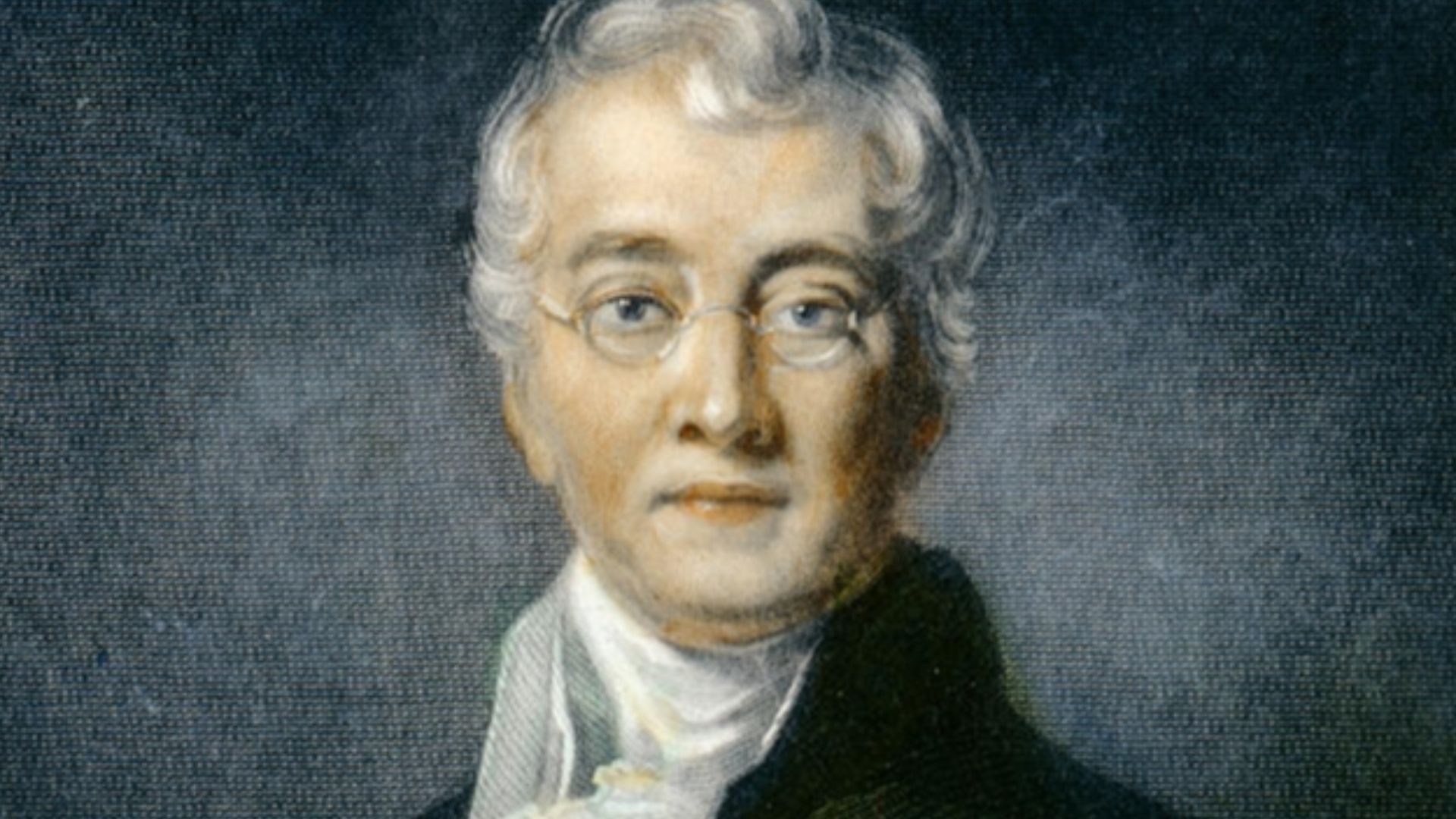
Down Syndrome
John Langdon Down became medical superintendent of England's Royal Earlswood Asylum and published a recognizable description of the condition now bearing his name. His original terminology reflected discredited 19th-century racial theories and was eventually abandoned. In 1961, genetic experts proposed new terminology, and “Down's syndrome” emerged as the preferred eponym.
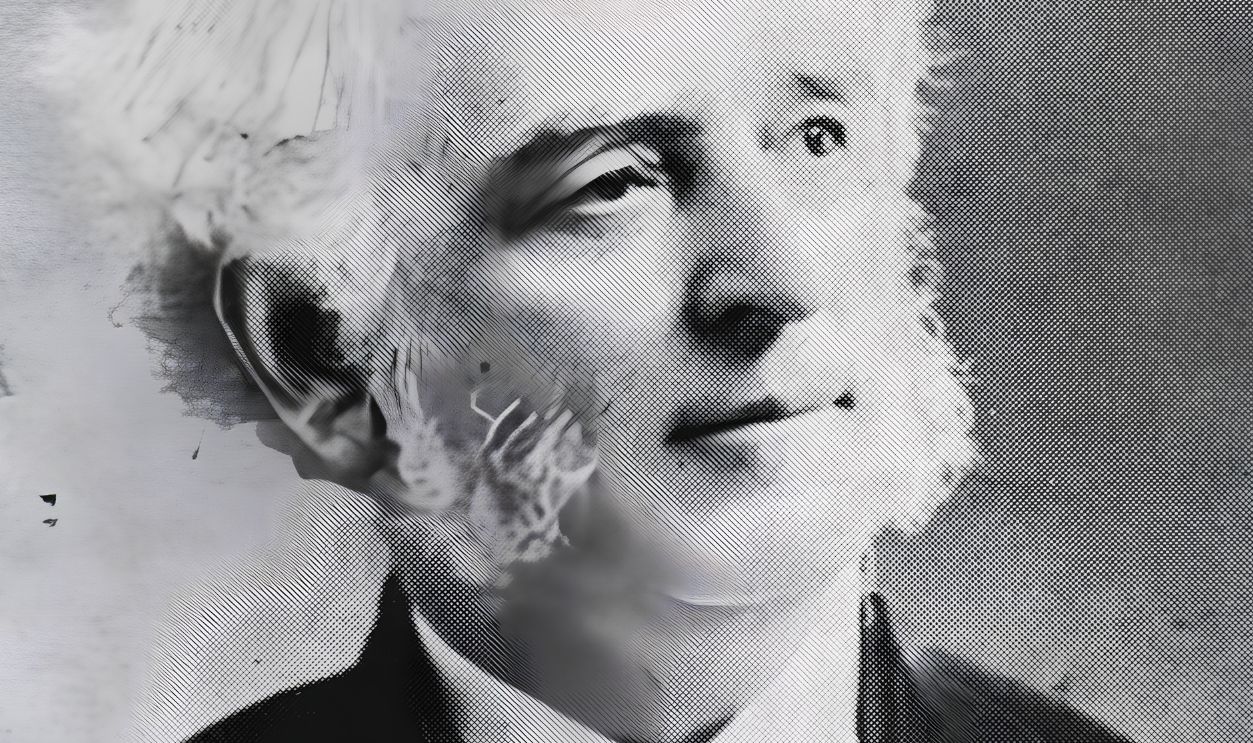
Tourette Syndrome
Georges Gilles de la Tourette published his famous description of the neurological syndrome in 1885, but one of its most important patients had been described 60 years earlier. Jean-Marc-Gaspard Itard documented an aristocratic woman known as the Marquise de Dampierre, whose involuntary movements and vocal outbursts became foundational to understanding the condition.
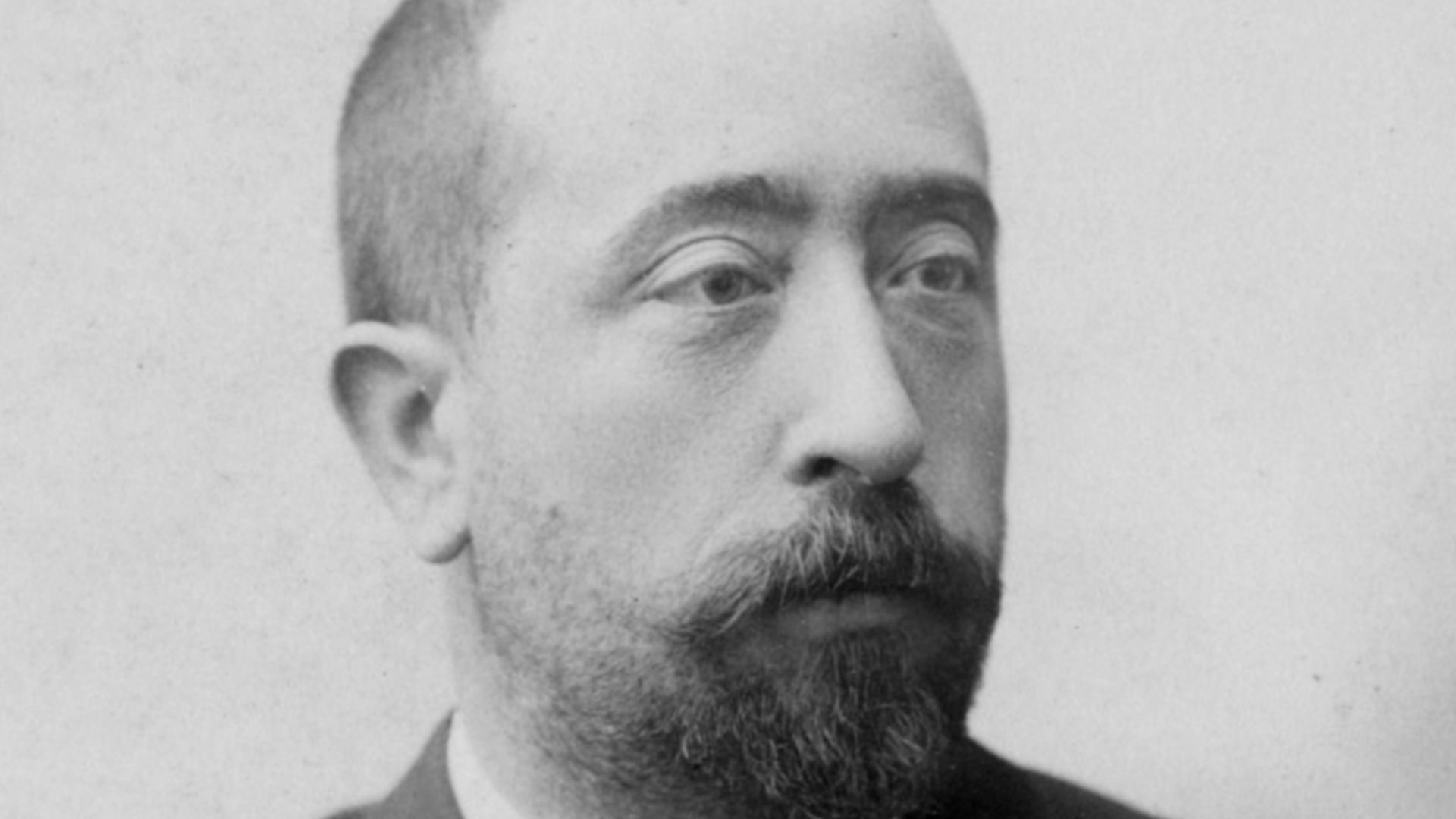 Eugène Pirou, Wikimedia Commons
Kaposi Sarcoma
Austro-Hungarian dermatologist Moritz Kaposi described five patients with an unusual multifocal skin cancer in 1872. More than a century later, Kaposi sarcoma suddenly became widely known when an aggressive form appeared among people with severe immune deficiency during the emerging AIDS epidemic. Researchers eventually connected the cancer with human herpesvirus 8.
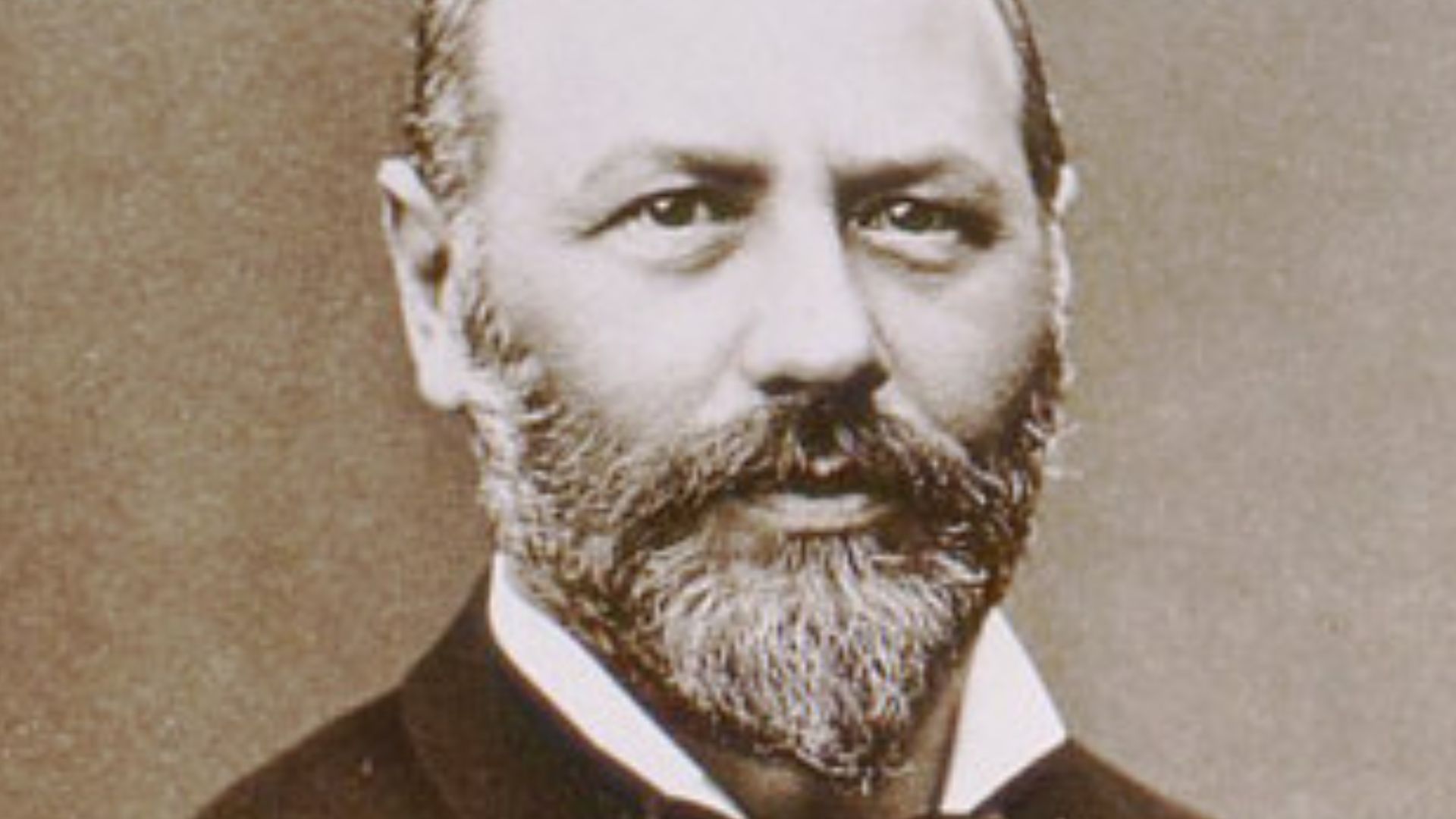 Fritz Luckhardt (1843–1894); see here, Wikimedia Commons
Alzheimer Disease
The famous medical name hides another person: Auguste Deter. Alois Alzheimer treated the 51-year-old woman after she developed profound memory, language and behavioral problems. After Deter died in 1906, Alzheimer examined her brain and found distinctive abnormalities. Emil Kraepelin subsequently attached Alzheimer's name to the disease.
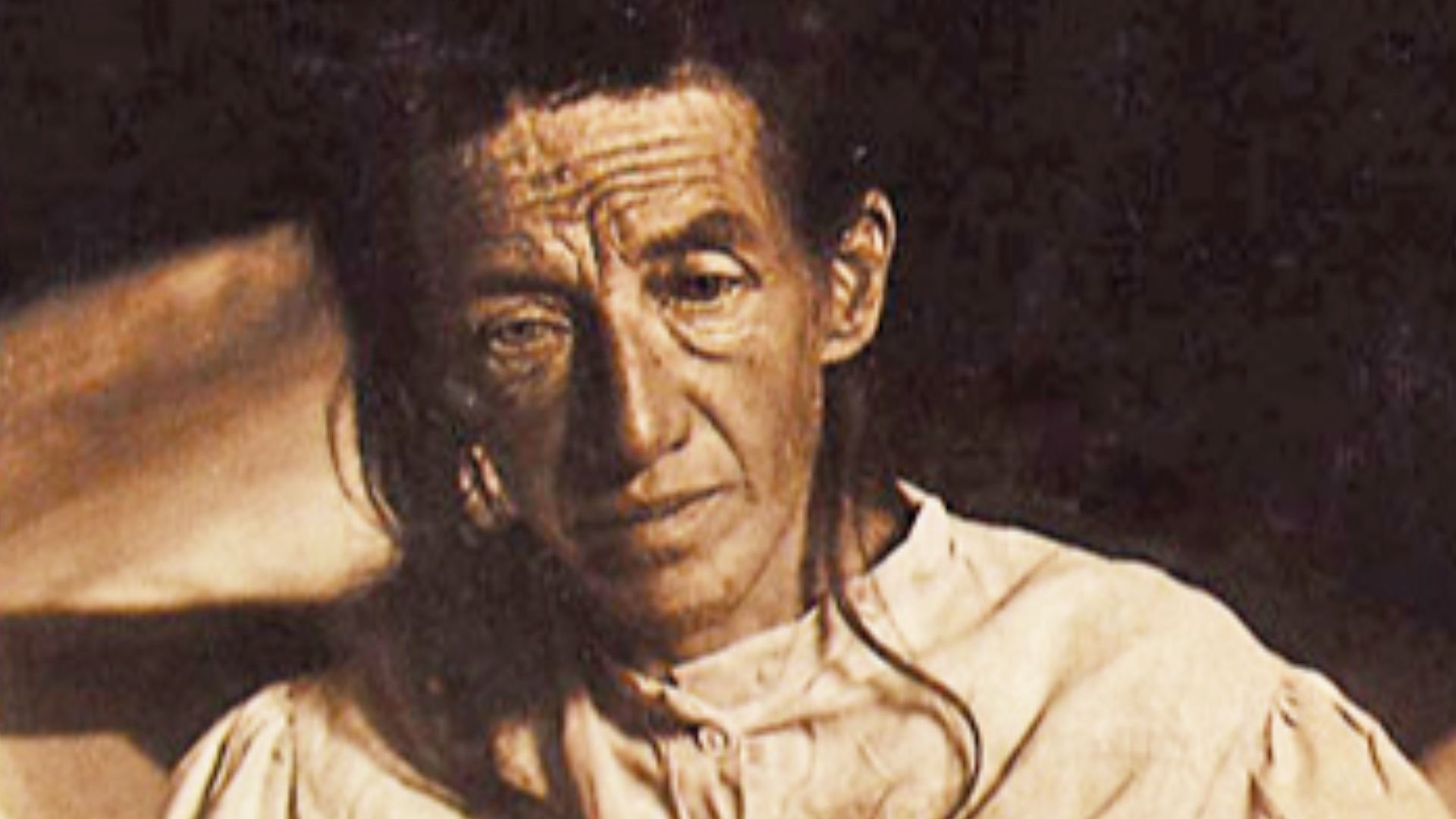 Unknown authorUnknown author, Wikimedia Commons
History's most fascinating stories and darkest secrets, delivered to your inbox daily.
Hashimoto Thyroiditis
Japanese physician Hakaru Hashimoto examined thyroid specimens from four middle-aged women and published his findings in Germany in 1912, calling the condition struma lymphomatosa. His work attracted little attention for nearly two decades. Eventually doctors recognized it as a distinct disorder, and “Hashimoto disease” entered medical usage.
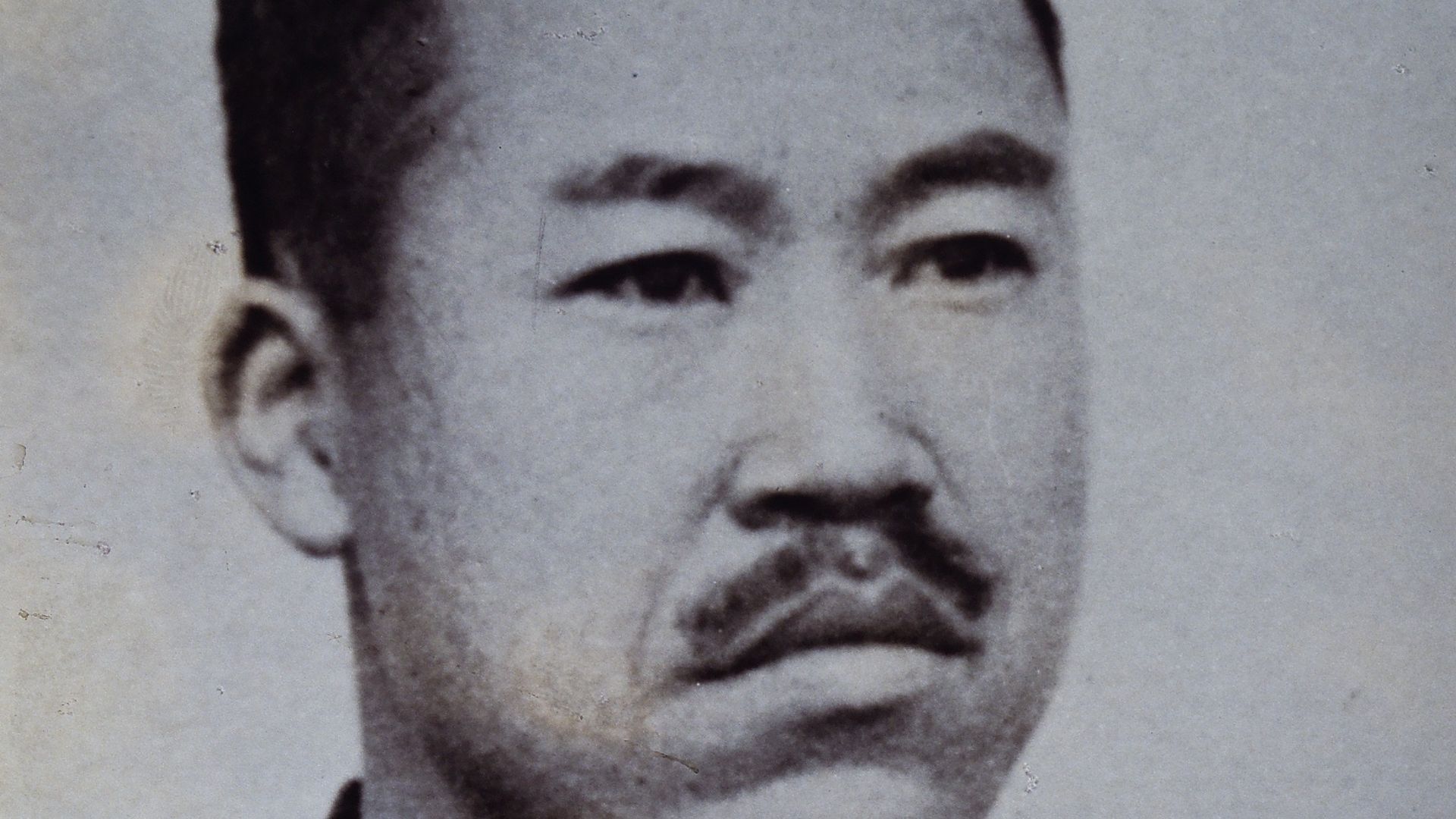
Cushing Syndrome
Harvey Cushing became one of the founding figures of modern neurosurgery, but his name also survives in an endocrine disorder. He described the clinical syndrome associated with excessive cortisol exposure, including characteristic changes in weight distribution and appearance. Today, Cushing syndrome can result from several causes, including prolonged corticosteroid medication.
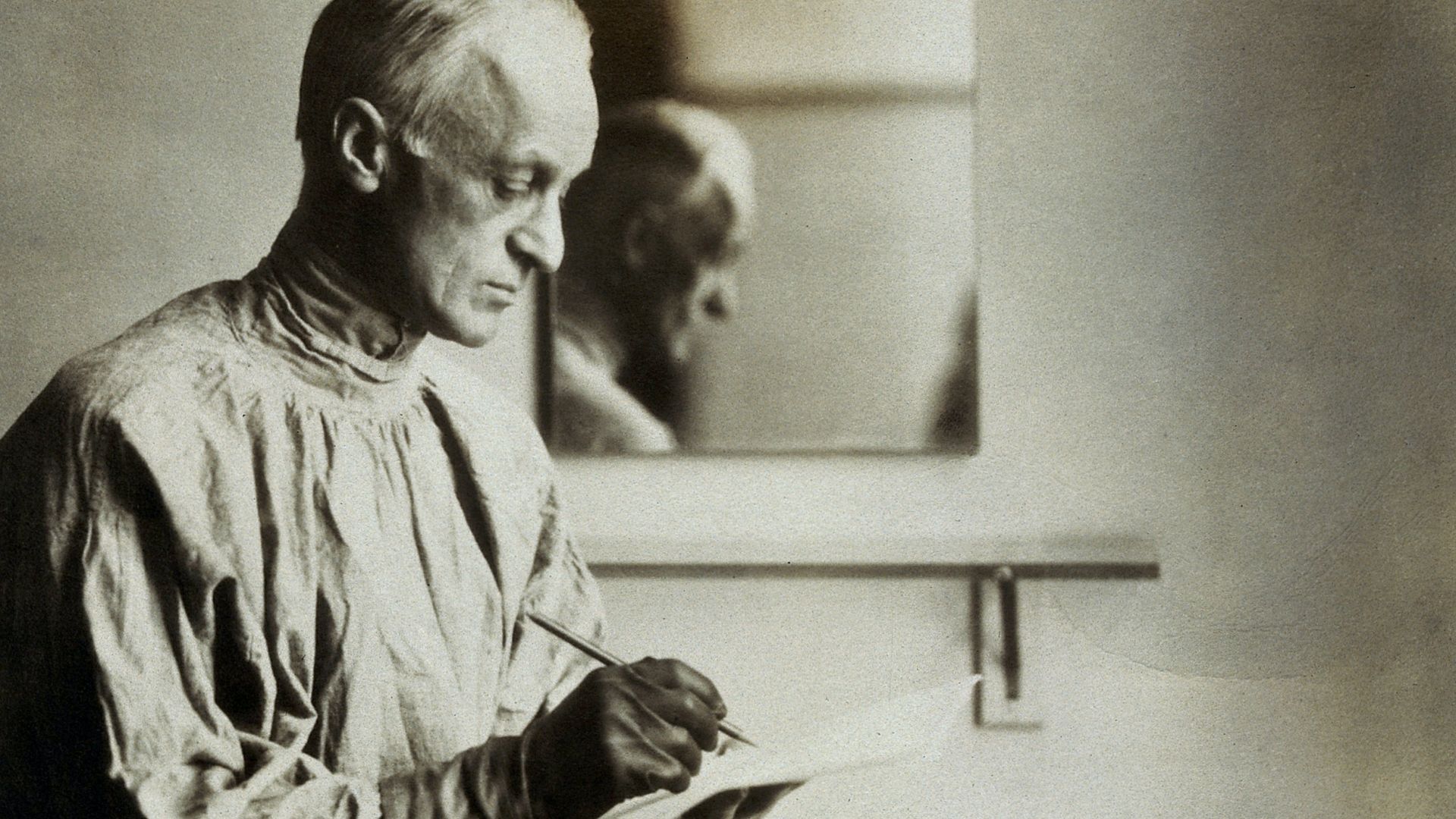
Crohn Disease
Burrill Crohn's name won a peculiar lottery of medical history. In 1932, Crohn, Leon Ginzburg and Gordon Oppenheimer published a landmark paper describing inflammatory disease of the terminal ileum. Ginzburg and Oppenheimer had identified most of the 14 cases, yet “Crohn's disease” ultimately became the name everyone remembered.
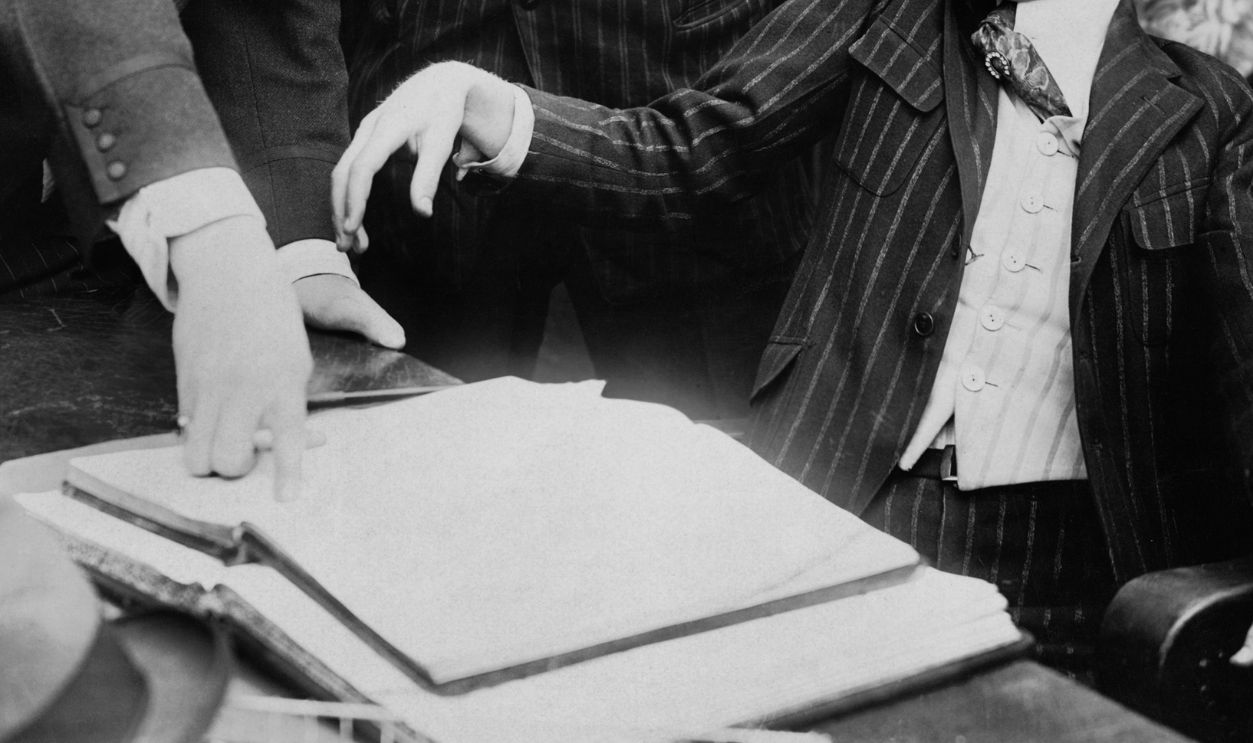 Everett Collection, Shutterstock
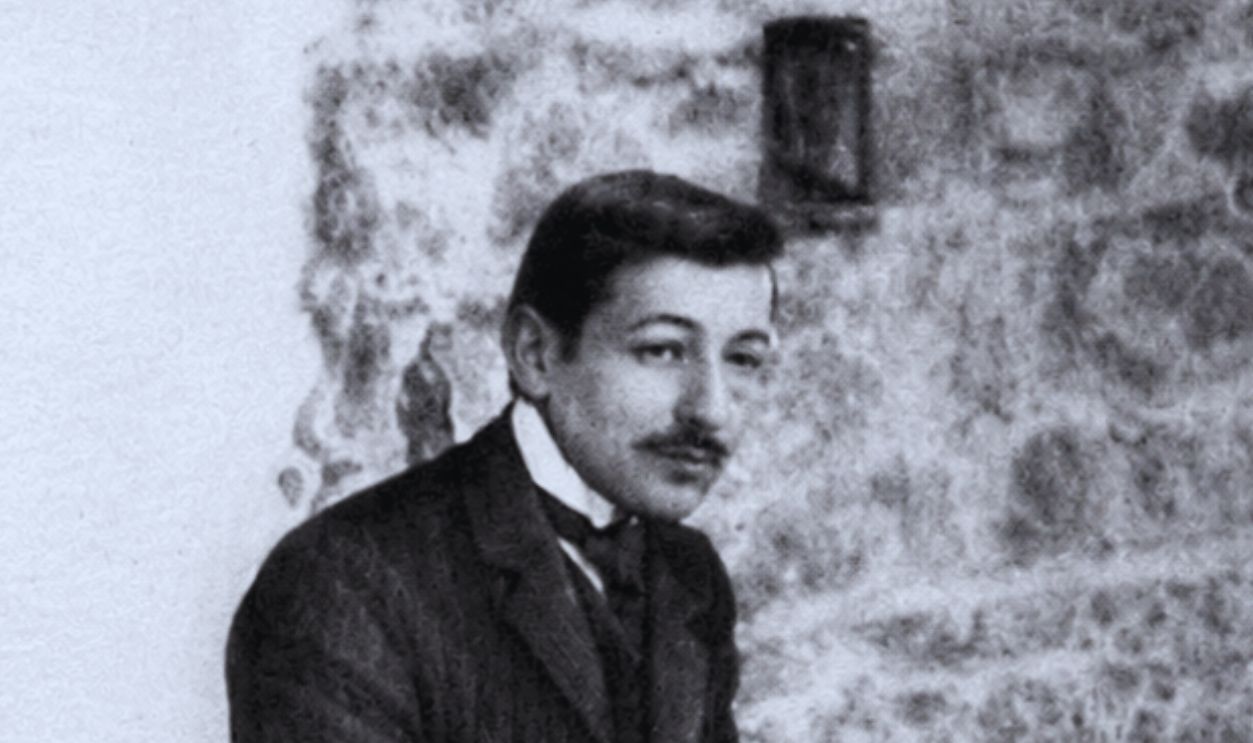
The Pap Smear
“Pap smear” is simply the shortened legacy of Greek physician George Papanicolaou. He realized that malignant cervical cells could be recognized microscopically and reported the technique in 1928, although it initially attracted skepticism. Later research established its effectiveness, and cervical cytology became one of medicine's great cancer-screening successes.
 Jarould, Wikimedia Commons, enhanced
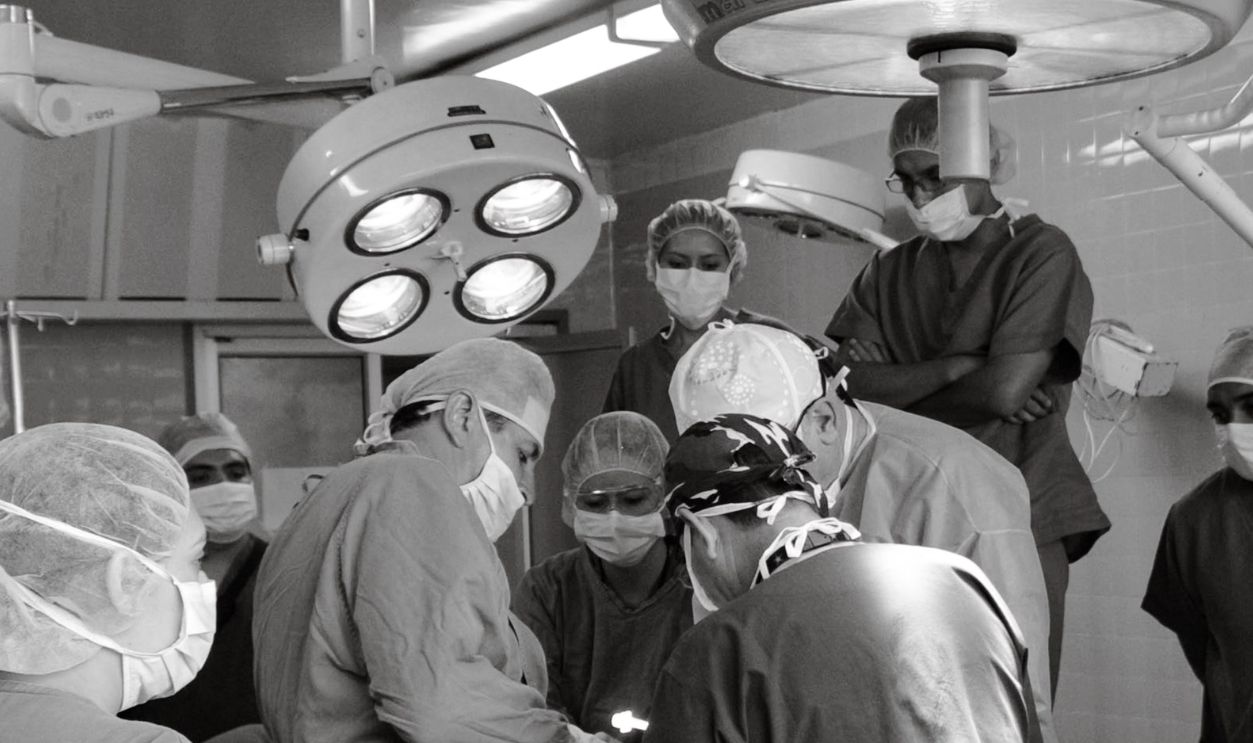
The Whipple Procedure
Pancreaticoduodenectomy existed before Allen Oldfather Whipple, but the Columbia surgeon transformed and popularized the operation. He reported three two-stage procedures in 1935 and later performed a successful one-stage version. The extraordinarily complex operation became known simply as the Whipple procedure, though earlier surgeons helped make it possible.
HeLa Cells
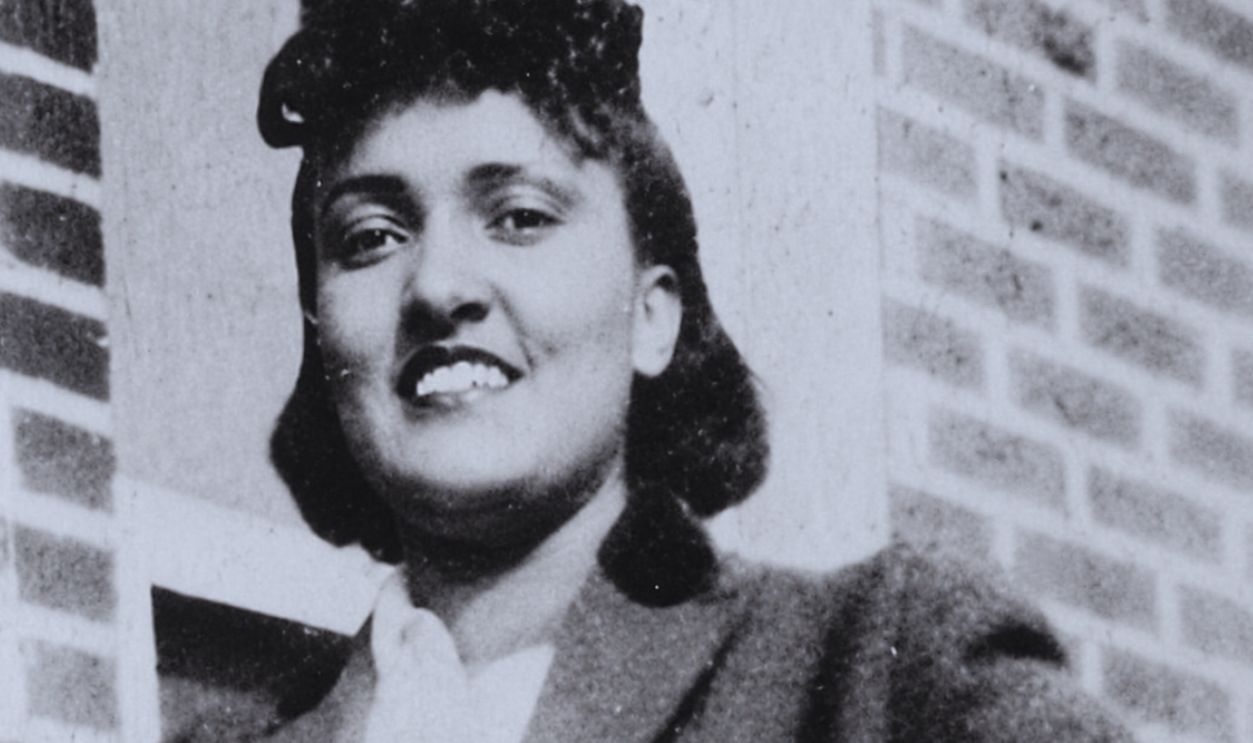
Henrietta Lacks never consented to becoming one of medicine's most consequential names. Cells taken from her cervical tumor at Johns Hopkins in 1951 proved astonishingly capable of surviving and multiplying in laboratories. “HeLa” came from the first two letters of her first and last names, while her identity remained obscured for years.
 Oregon State University, Wikimedia Commons, enhanced
History's most fascinating stories and darkest secrets, delivered to your inbox daily.
Christmas Disease
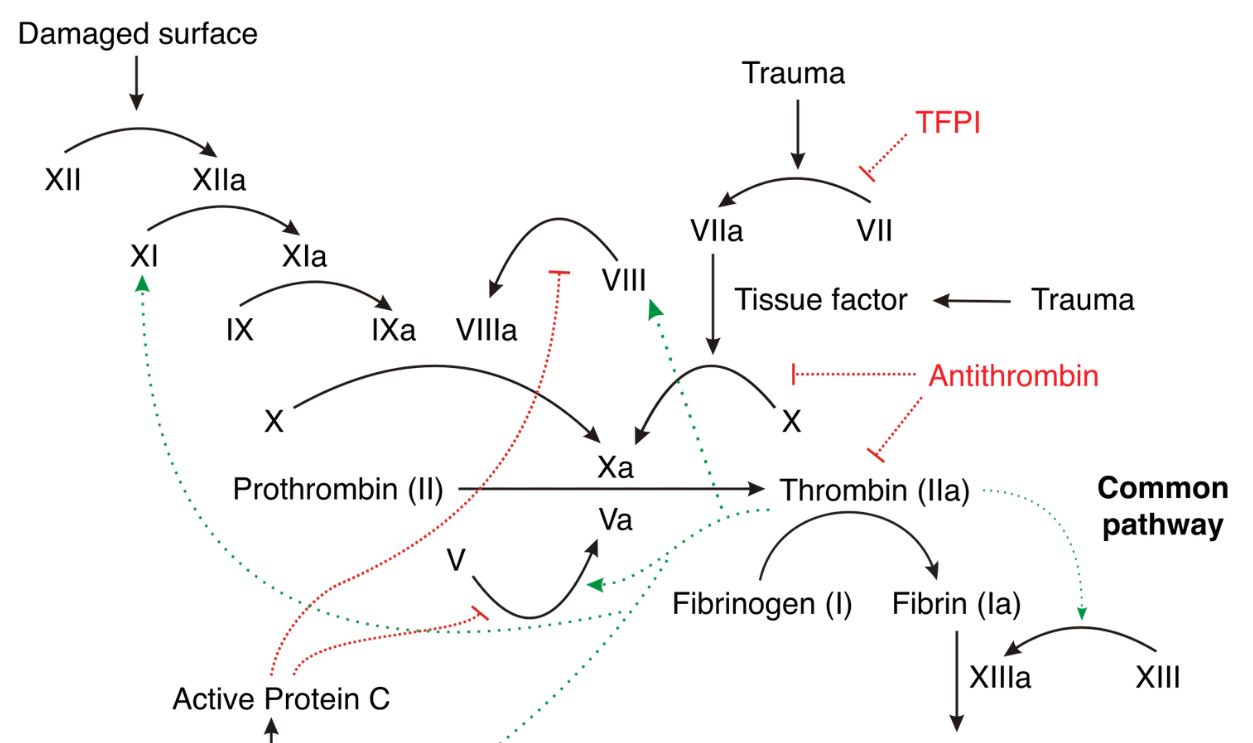
Christmas disease sounds seasonal, but Christmas was a person's surname. Stephen Christmas was a young boy whose unusual bleeding disorder helped researchers distinguish what became hemophilia B from classic hemophilia. The missing clotting protein was consequently called Christmas factor before becoming more prosaically known as factor IX.
The Apgar Score
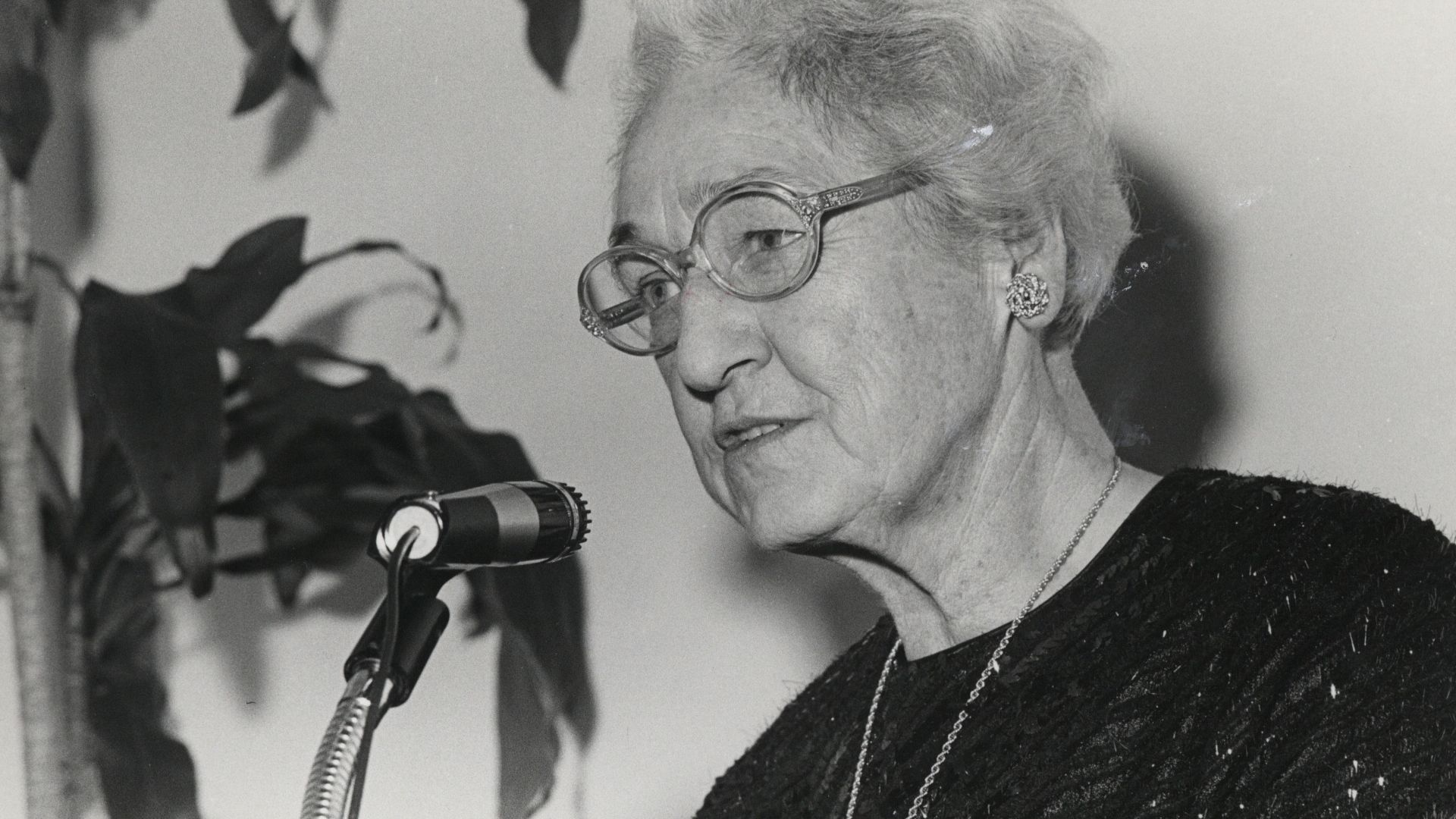
Every newborn receiving an Apgar score carries Virginia Apgar's name into another generation. The Columbia anesthesiologist devised the rapid assessment in 1952 after considering how doctors could systematically evaluate babies immediately after birth. Heart rate, breathing, muscle tone, reflex response and color produced a simple score that spread worldwide.
Hageman Factor
John Hageman was a 37-year-old railroad brakeman undergoing routine preoperative testing when doctors discovered something strange: his blood clotted abnormally slowly in glass tubes, yet he had no unusual bleeding history. Oscar Ratnoff's investigation uncovered a previously unidentified component of coagulation, named Hageman factor and now called factor XII.

Hartnup Disease
This disease commemorates not a physician but an entire English family. Researchers described four affected Hartnup siblings in 1956 after discovering abnormal amino-acid transport associated with symptoms including photosensitive rash and neurological problems. The family's surname became the permanent label for the rare inherited metabolic disorder.

Lou Gehrig's Disease
French neurologist Jean-Martin Charcot described amyotrophic lateral sclerosis decades before Lou Gehrig was born. But when the seemingly indestructible New York Yankees star was diagnosed in 1939 and abruptly retired, Americans suddenly had a famous face for the mysterious illness. ALS consequently became widely known in the United States as Lou Gehrig's disease.
 Unknown authorUnknown author, Wikimedia Commons
Mortimer's Malady
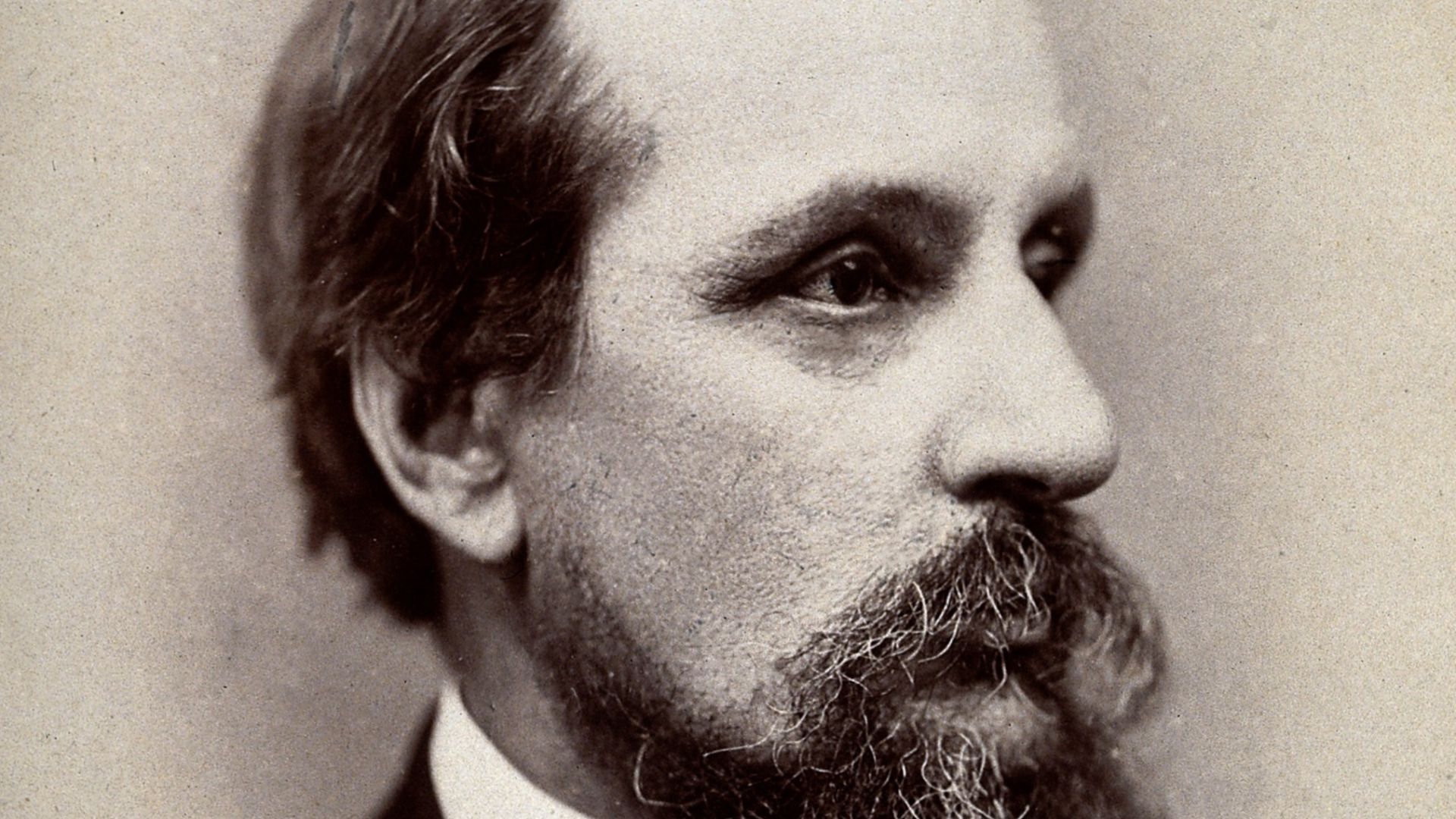
One nearly forgotten patient briefly had a disease named after her. Dermatologist Jonathan Hutchinson described a 64-year-old woman called Mrs. Mortimer with unusual reddish skin lesions and called the condition “Mortimer's malady.” Later research connected such cases with the disease now known as sarcoidosis, and Mortimer's name largely disappeared.
History's most fascinating stories and darkest secrets, delivered to your inbox daily.
JC Virus
“JC” isn't a scientific abbreviation. It preserves the initials of John Cunningham, a patient with progressive multifocal leukoencephalopathy. Researchers isolated a previously unknown polyomavirus from his tissue in 1971 and named it JC virus. The virus is now known to infect much of the adult population, usually without causing illness.
 syedfahadghazanfar, Shutterstock
Tommy John Surgery
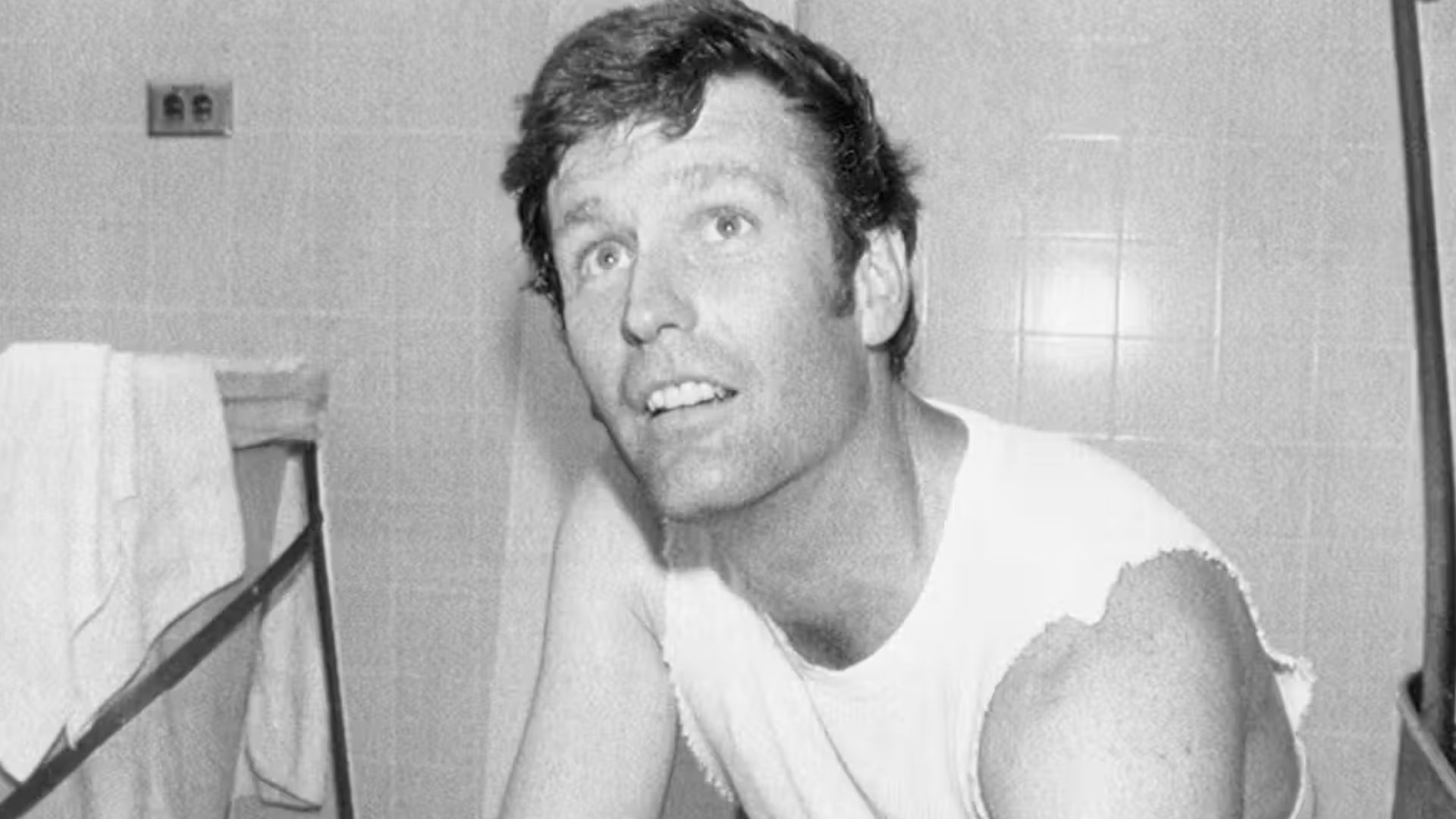
Dodgers pitcher Tommy John tore the ulnar collateral ligament in his pitching elbow in 1974, an injury that could have ended his career. Surgeon Frank Jobe tried a radical reconstruction using a tendon from John's wrist and initially estimated only a one-in-100 chance of success. John returned to the majors in 1976.
 United Press International, Wikimedia Commons
The Heimlich Maneuver
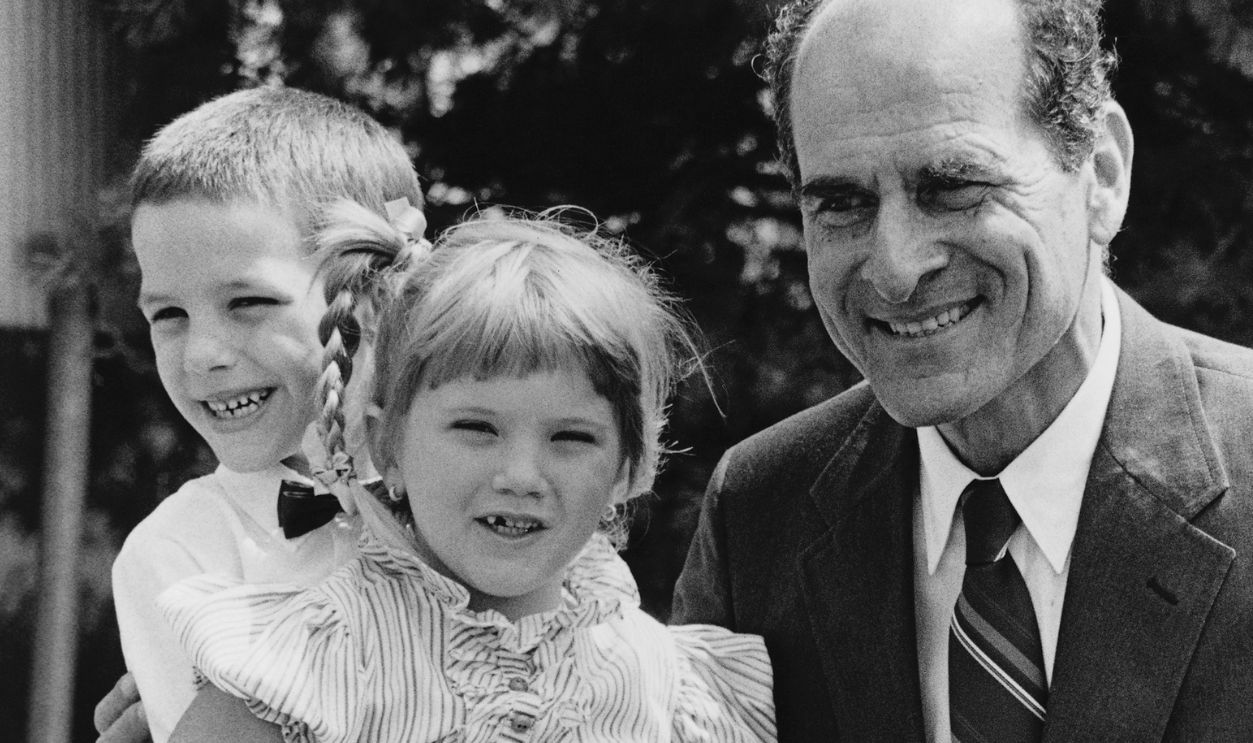
Thoracic surgeon Henry Heimlich proposed a startlingly simple response to choking: abdominal thrusts intended to force air upward and expel an obstruction. He published the technique in 1974, and newspapers quickly spread the idea. “Heimlich maneuver” became one of the rare medical eponyms recognized far beyond hospitals and medical schools.
Legionnaires' Disease
This one commemorates a group of patients rather than a doctor. After an American Legion convention in Philadelphia in 1976, attendees began developing mysterious, severe pneumonia. Ultimately more than 200 people became ill and dozens died. Investigators eventually isolated the previously unknown bacterium responsible, and the outbreak supplied the disease's enduring name.

Burkitt Lymphoma
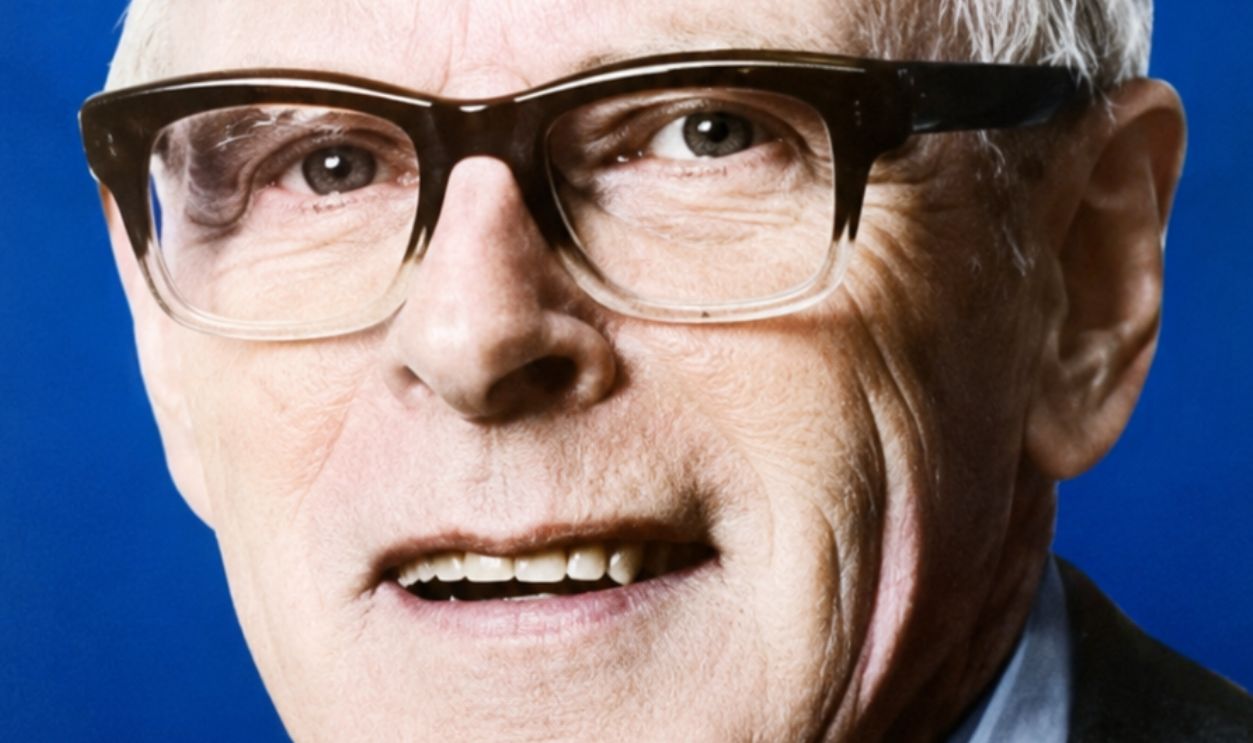
Irish surgeon Denis Burkitt was working in Uganda when he recognized a striking pattern among African children with rapidly growing tumors, particularly around the jaw. In 1958 he published observations involving 38 children. The cancer became Burkitt lymphoma, while subsequent research helped establish its remarkable connections with Epstein-Barr virus and chromosomal abnormalities.
 NutritionFacts.org, Wikimedia Commons, enhanced
You May Also Like:
Unhealthy Facts About The Most Dangerous People In Medical History
Ancient Medical Treatments That Somehow Worked
Everyday Words That Came From People Whose Names Most Of Us Have Forgotten












.jpg)

