
Medicine Before Modern Medicine
Ancient healers lacked laboratories, antibiotics, anesthesia, and any real understanding of microbes, yet not everything they prescribed was useless. Through observation and experimentation, some civilizations discovered treatments with genuine medical benefits. From honey-covered wounds to moldy bread, these surprisingly effective remedies occasionally anticipated modern medicine by centuries, even if their practitioners had no idea why they worked.
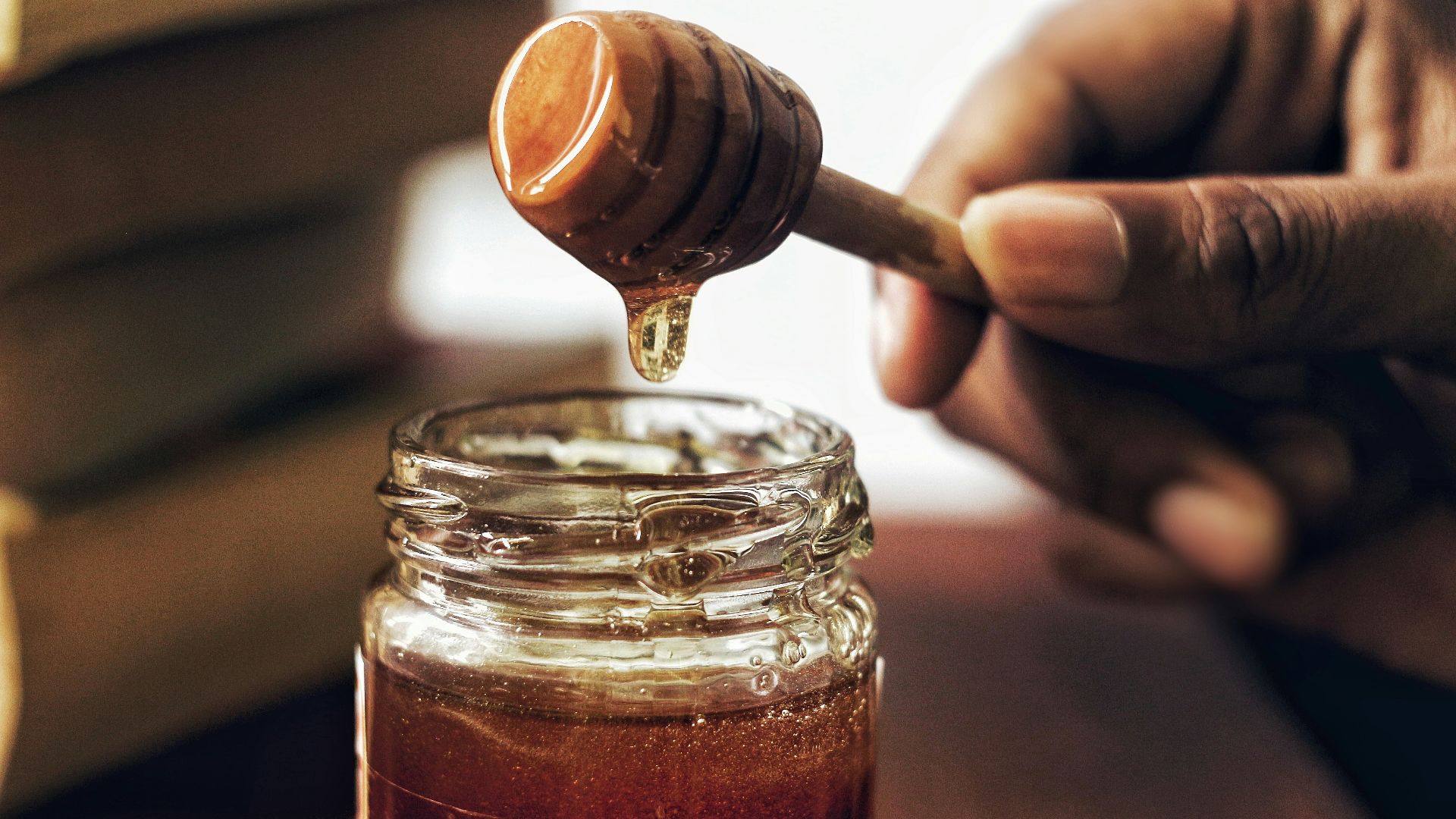
Honey On Wounds
Ancient Egyptians used honey to dress wounds, and there was genuine science hidden inside the practice. Honey's high sugar concentration, acidity, and production of small amounts of hydrogen peroxide can inhibit bacterial growth. Medical-grade honey is still used today for certain wounds and burns, making this ancient remedy remarkably enduring.
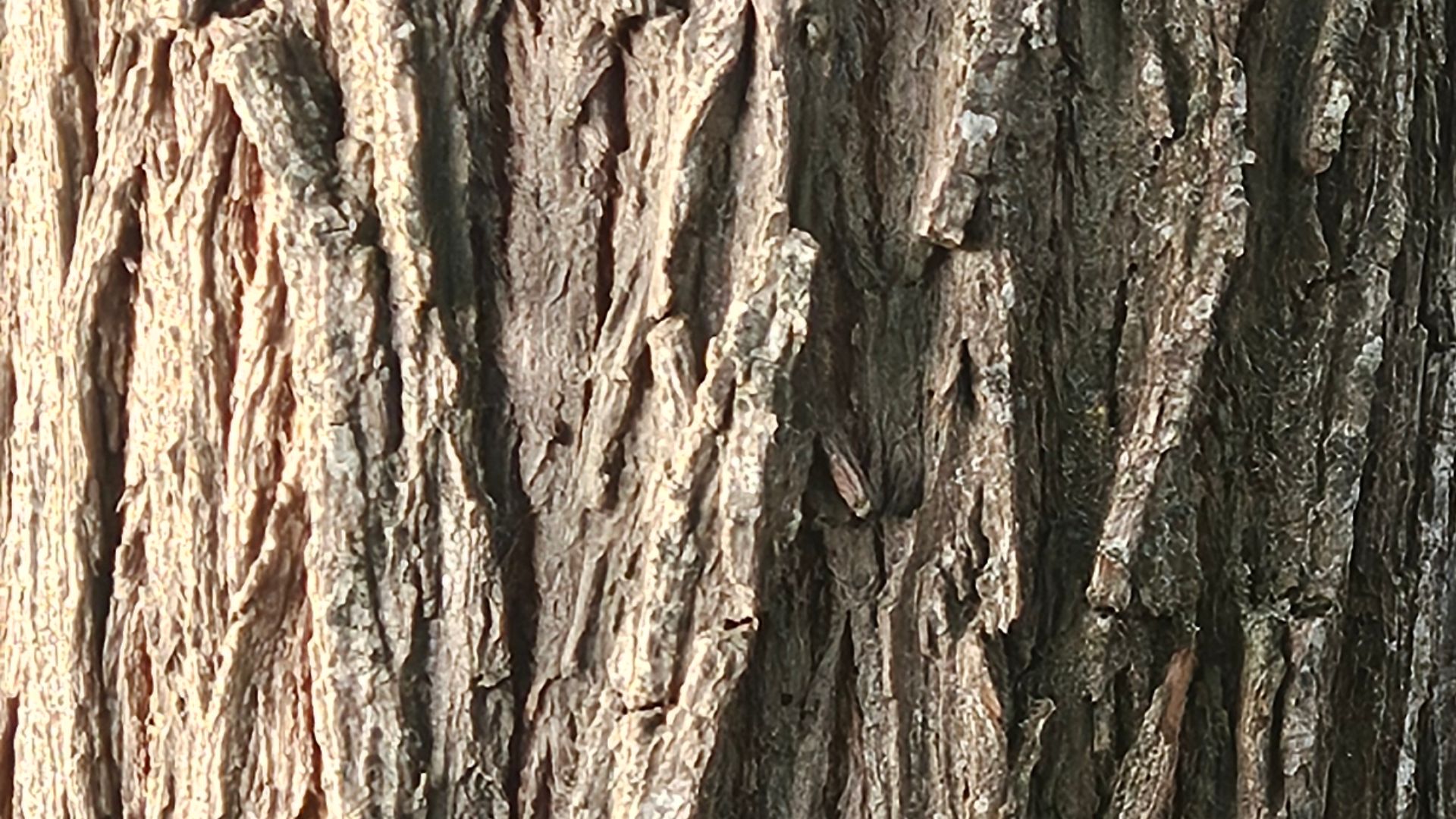
Willow Bark For Pain
People across the ancient world used willow bark to relieve pain and fever. The bark contains salicin, a chemical related to the active compounds that eventually inspired aspirin. Ancient physicians could not explain the chemistry, but generations of patients nevertheless benefited from one of nature's most effective early painkillers.
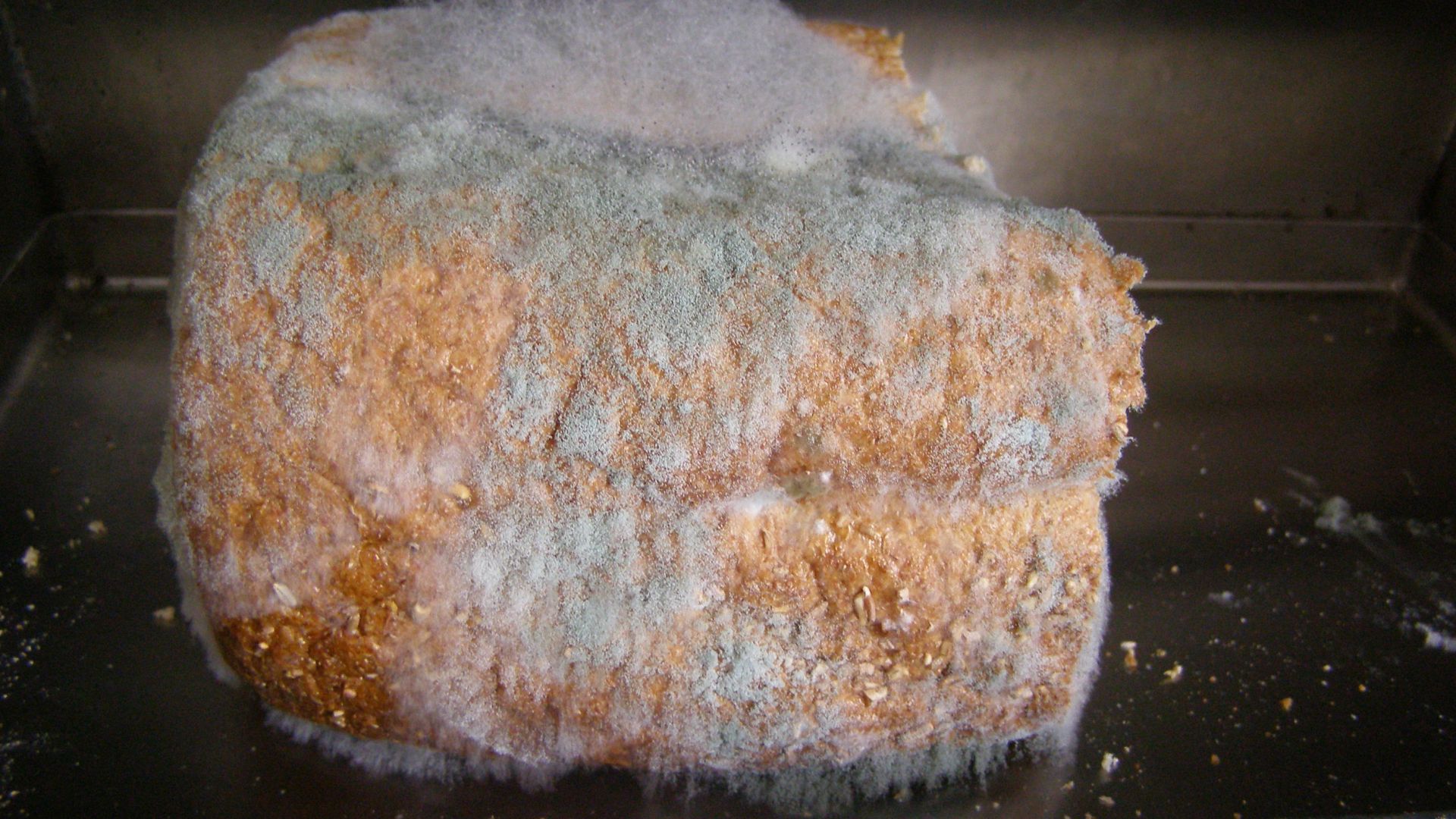
Mold Against Infection
Long before Alexander Fleming discovered penicillin, some ancient cultures reportedly applied moldy bread or other mold-containing substances to infected wounds. Certain molds produce antibacterial compounds, meaning the seemingly disgusting treatment occasionally could have inhibited dangerous bacteria. It was unreliable and potentially hazardous, but the underlying principle anticipated antibiotics astonishingly early.
 Matt Wharton, Wikimedia Commons
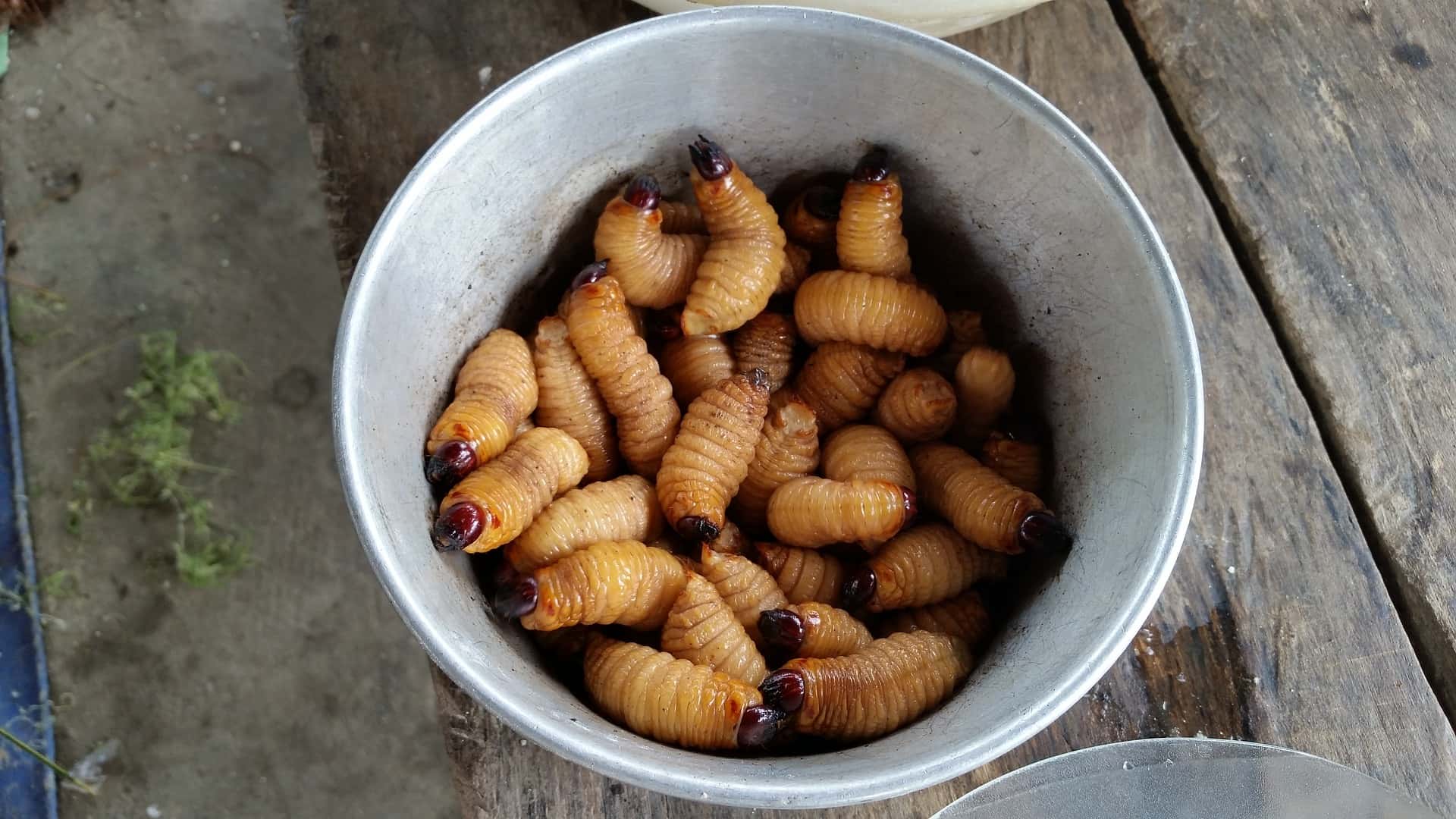
Maggots Cleaning Wounds
Allowing maggots near an injury sounds horrifying, yet certain fly larvae preferentially consume dead tissue while leaving healthy tissue relatively unharmed. Ancient and Indigenous peoples observed this effect long before scientists understood it. Sterile maggot therapy remains an accepted treatment for carefully selected wounds that resist conventional healing.
Leeches Relieving Congestion
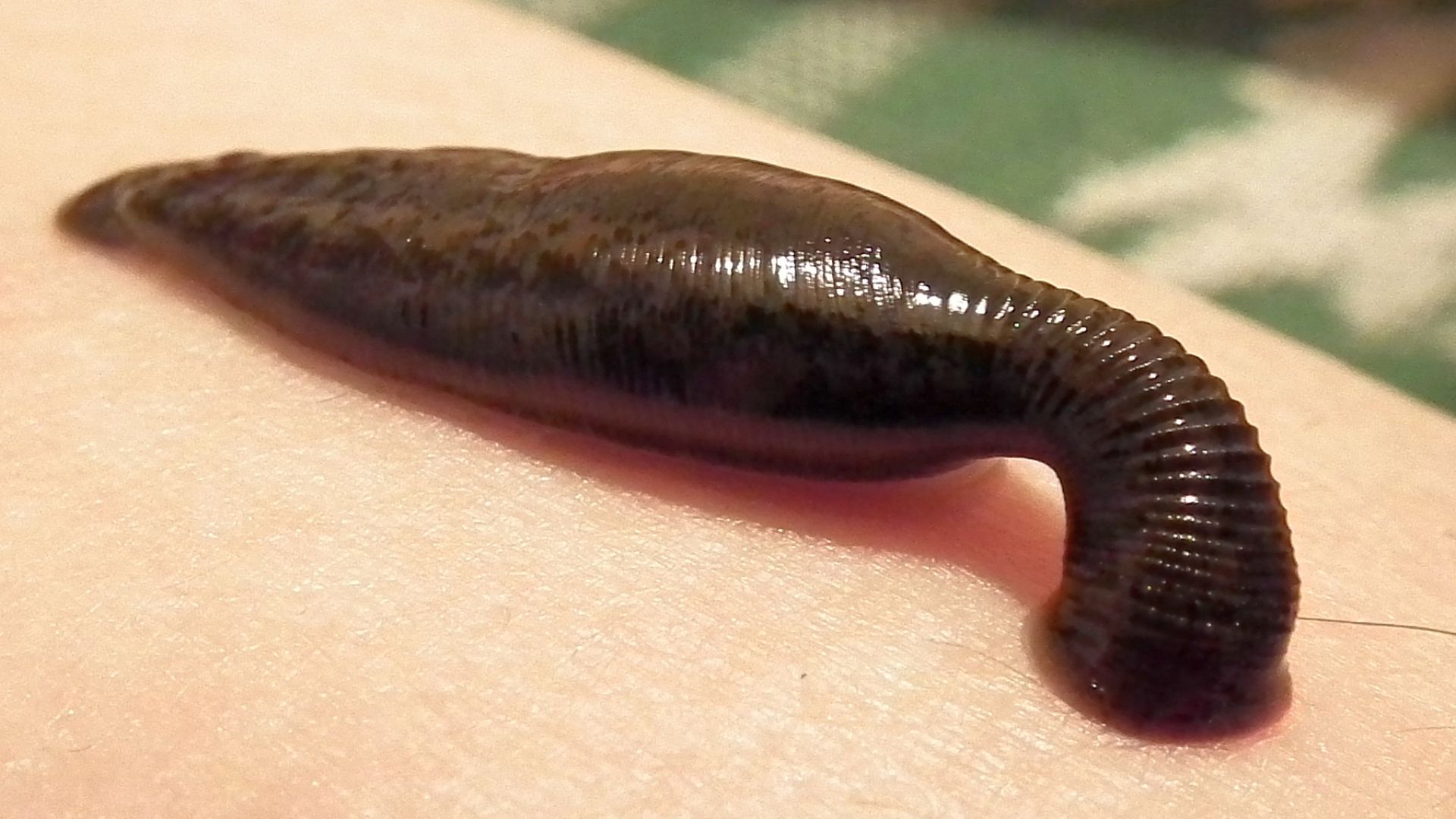
Bloodletting harmed countless patients, but medicinal leeches were not entirely worthless. Their saliva contains hirudin, a powerful anticoagulant that prevents blood from clotting. Modern surgeons sometimes use specially raised leeches to restore circulation after reconstructive procedures when blood becomes dangerously congested in reattached tissue.
Garlic Fighting Microbes
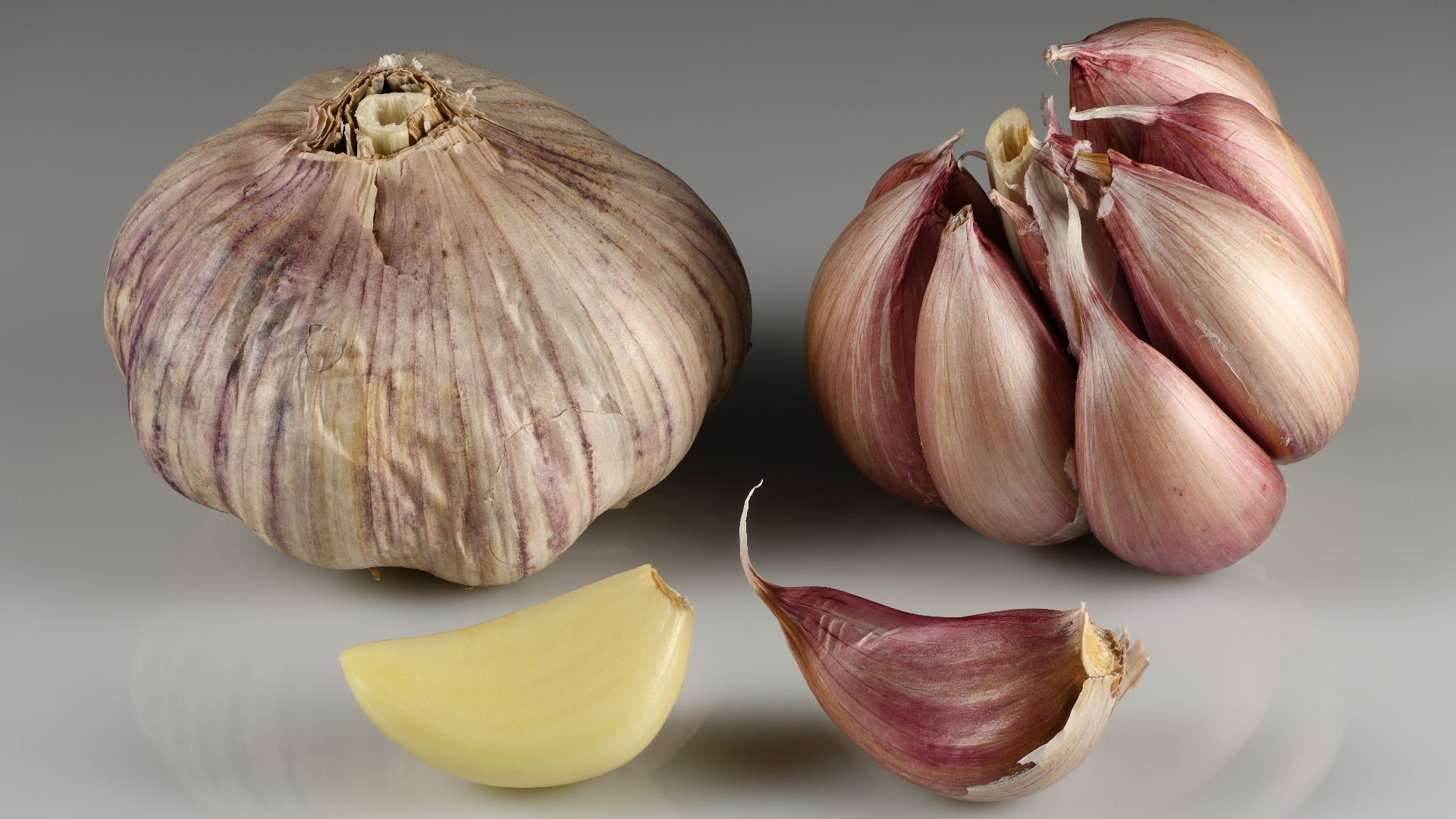
Garlic was used medicinally by ancient Egyptians, Greeks, Romans, Chinese, and others. Crushing fresh garlic produces allicin, a compound with demonstrated antimicrobial activity in laboratory studies. Ancient claims surrounding garlic often went far beyond what science supports, but treating it as something more than a cooking ingredient was surprisingly perceptive.
 Ivar Leidus, Wikimedia Commons
Acupuncture Easing Pain
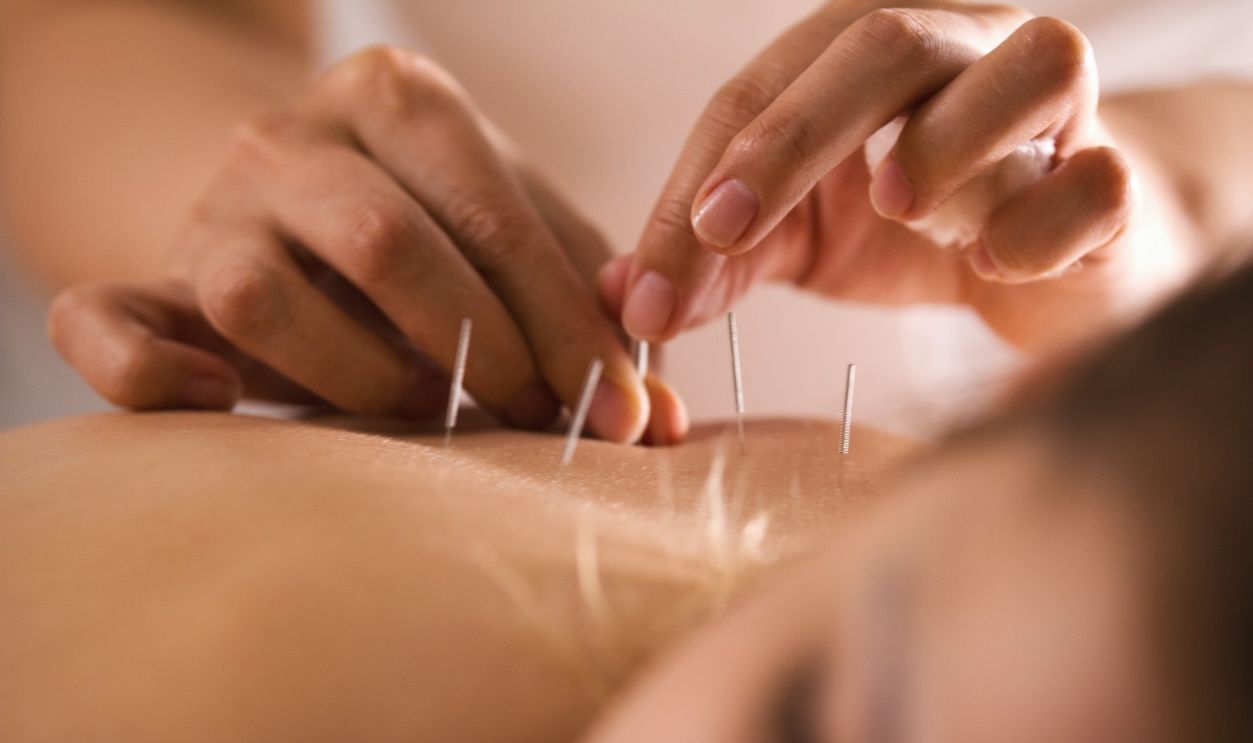
Acupuncture developed in ancient China and became surrounded by elaborate theories involving the movement of qi through the body. Modern evidence does not validate those traditional anatomical explanations, but research suggests acupuncture can provide modest relief for certain types of chronic pain and nausea when performed appropriately.
 KONSTANTIN_SHISHKIN, Shutterstock
Artemisia Against Malaria
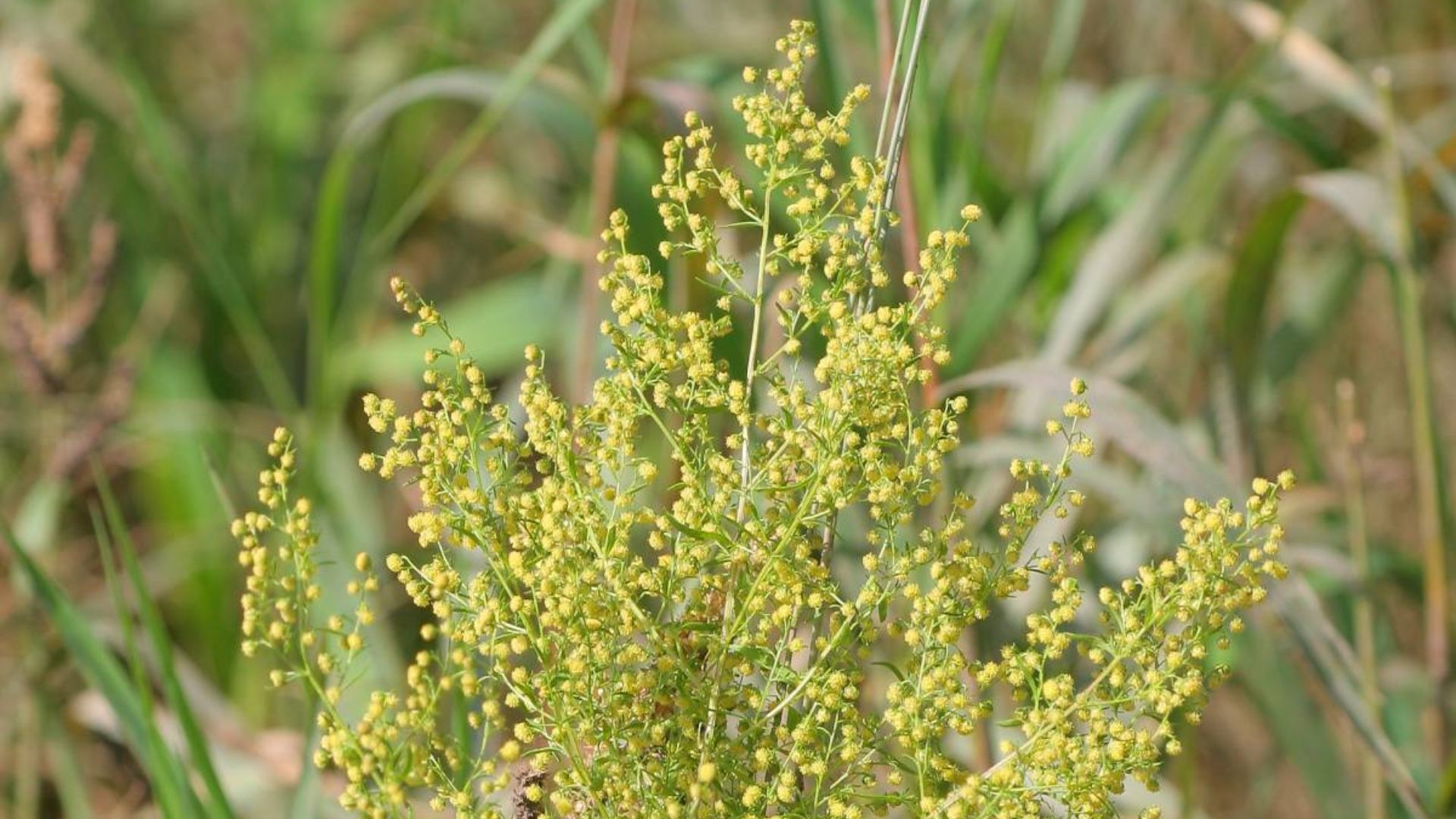
Traditional Chinese medicine used Artemisia annua, or sweet wormwood, to treat fever for centuries. Researcher Tu Youyou eventually turned to ancient medical texts while searching for malaria treatments. Her work produced artemisinin, which became a cornerstone of modern antimalarial therapy and earned her a share of the 2015 Nobel Prize.
 Kristian Peters -- Fabelfroh 11:39, 16 September 2007 (UTC), Wikimedia Commons

History's most fascinating stories and darkest secrets, delivered to your inbox daily.
Cinchona For Malaria
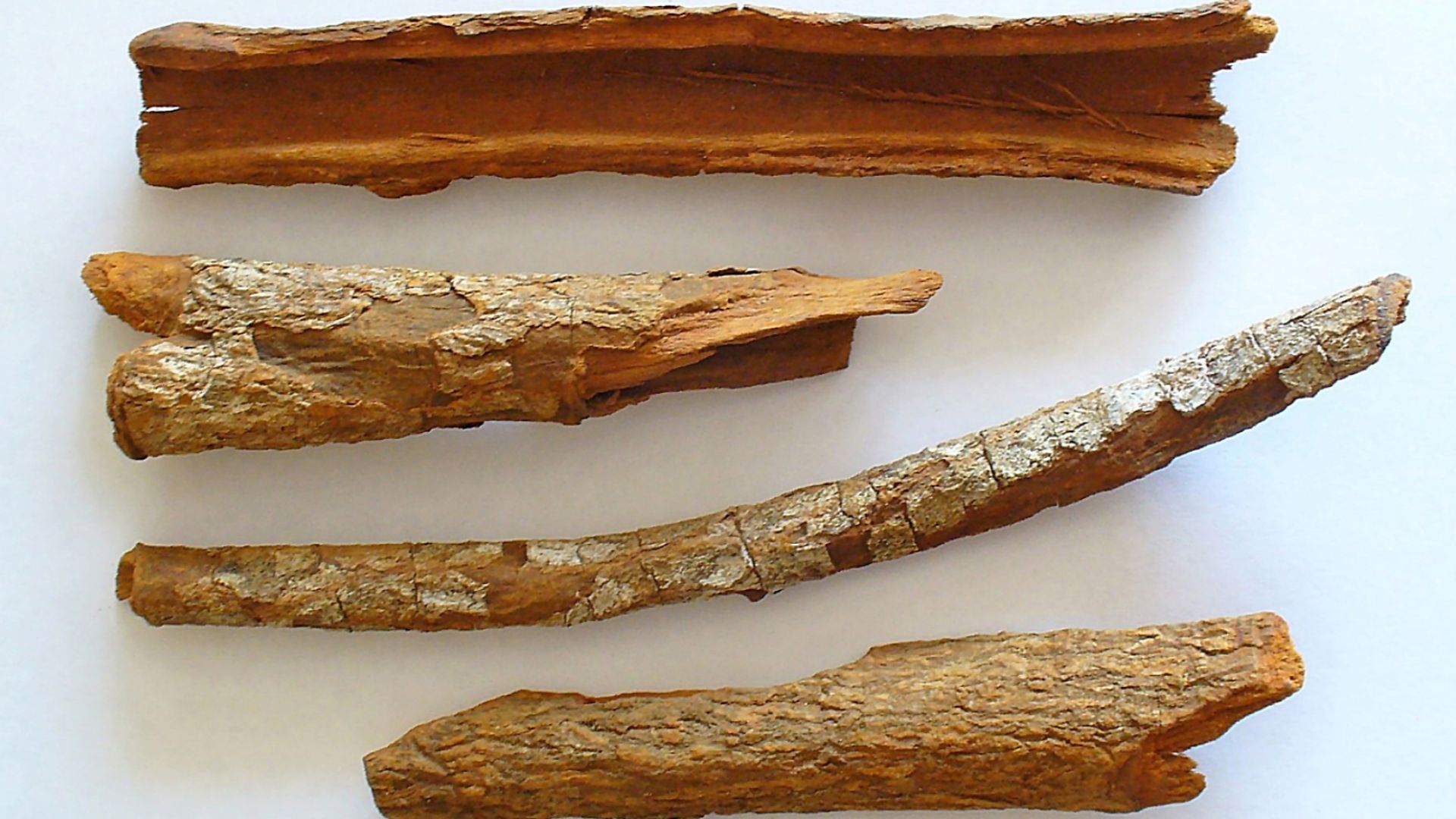
Indigenous peoples of South America used cinchona bark medicinally before Europeans adopted it as a treatment for malaria. The bark contains quinine, which became one of history's most important antimalarial drugs. Its effectiveness helped transform medicine and even influenced European expansion into malaria-ridden regions around the world.
Clay For Stomach Trouble
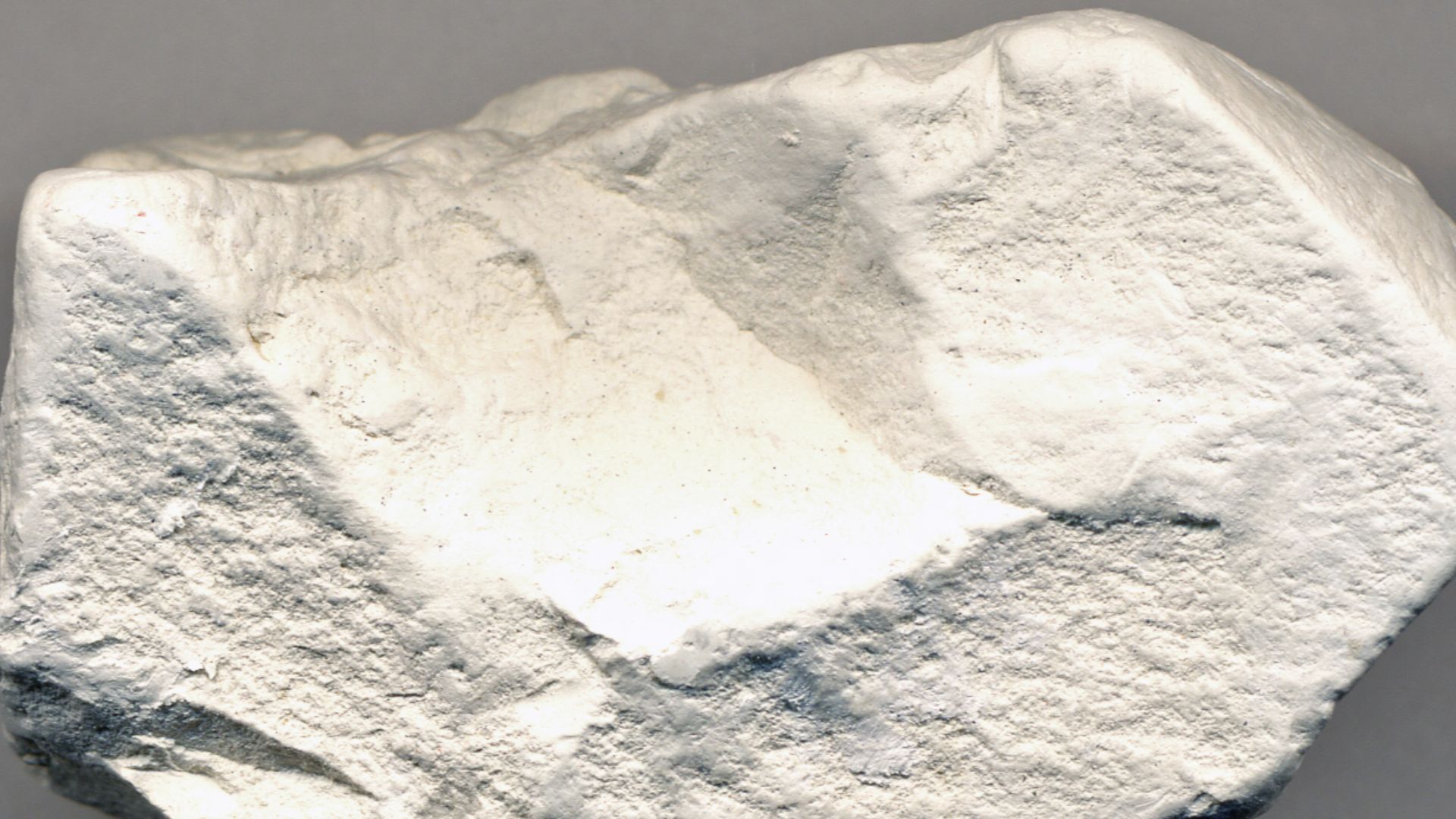
Various ancient societies consumed certain clays to treat digestive problems. Although indiscriminate clay consumption can be dangerous, substances such as kaolin can absorb water and other materials in the digestive tract. Kaolin later became an ingredient in medicines for diarrhea, giving an ancient practice an unexpected connection to modern pharmacology.
 James St. John https://www.flickr.com/people/jsjgeology?rb=1, Wikimedia Commons
Saltwater For Wounds
Ancient physicians sometimes cleaned injuries using saltwater or saline-like solutions. Strong salt concentrations can damage tissue, so crude versions were hardly ideal. Nevertheless, washing contaminants from wounds was fundamentally sound. Sterile saline eventually became one of modern medicine's standard tools for irrigating and cleaning injuries.

Cauterizing Severe Bleeding
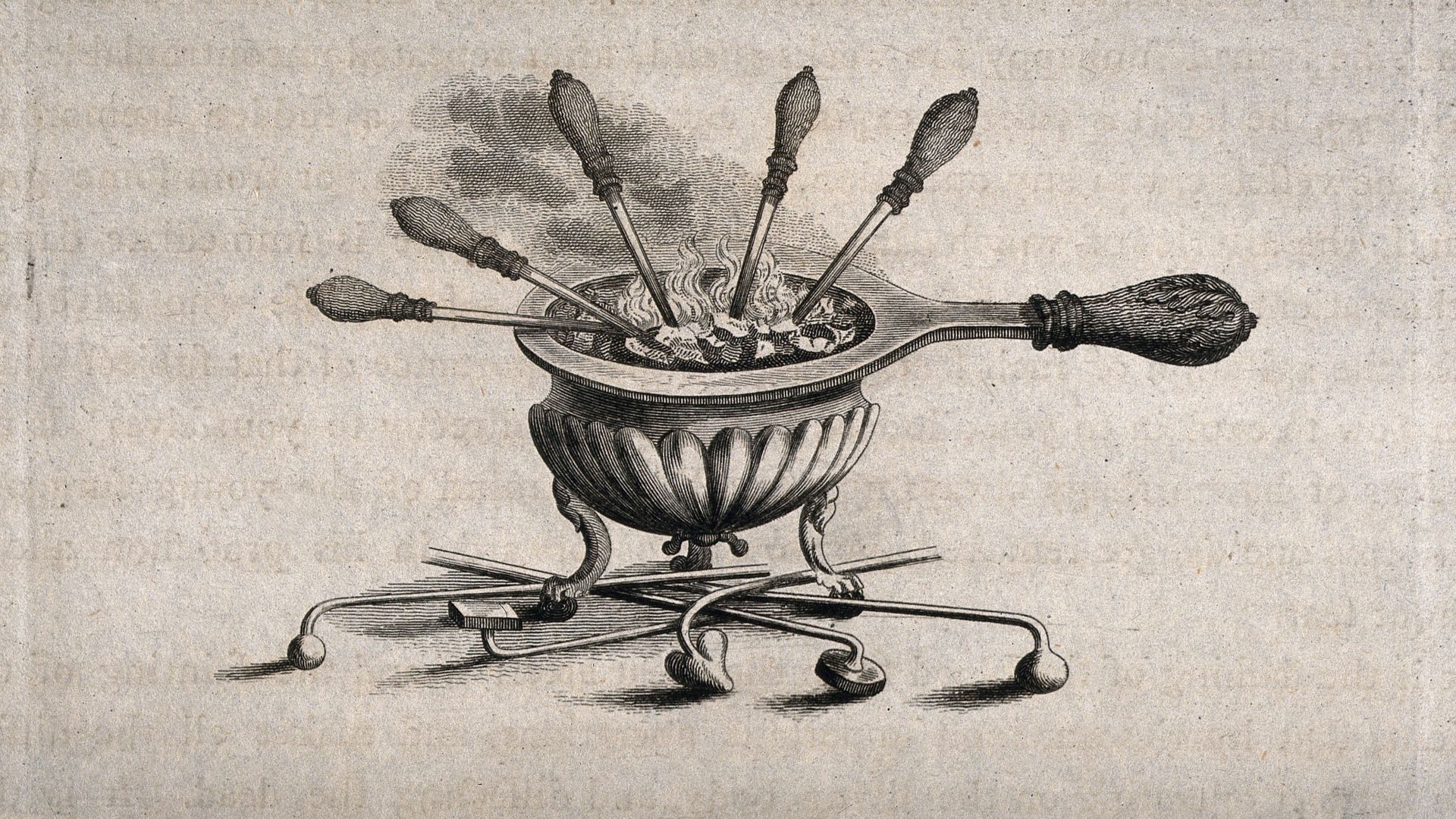
Ancient surgeons sometimes burned wounds with heated metal to stop catastrophic bleeding. The procedure was agonizing and could cause infection or tissue damage, but heat really can seal blood vessels and control hemorrhage. Modern electrocautery uses a vastly safer and more precise version of essentially the same principle.
Setting Broken Bones
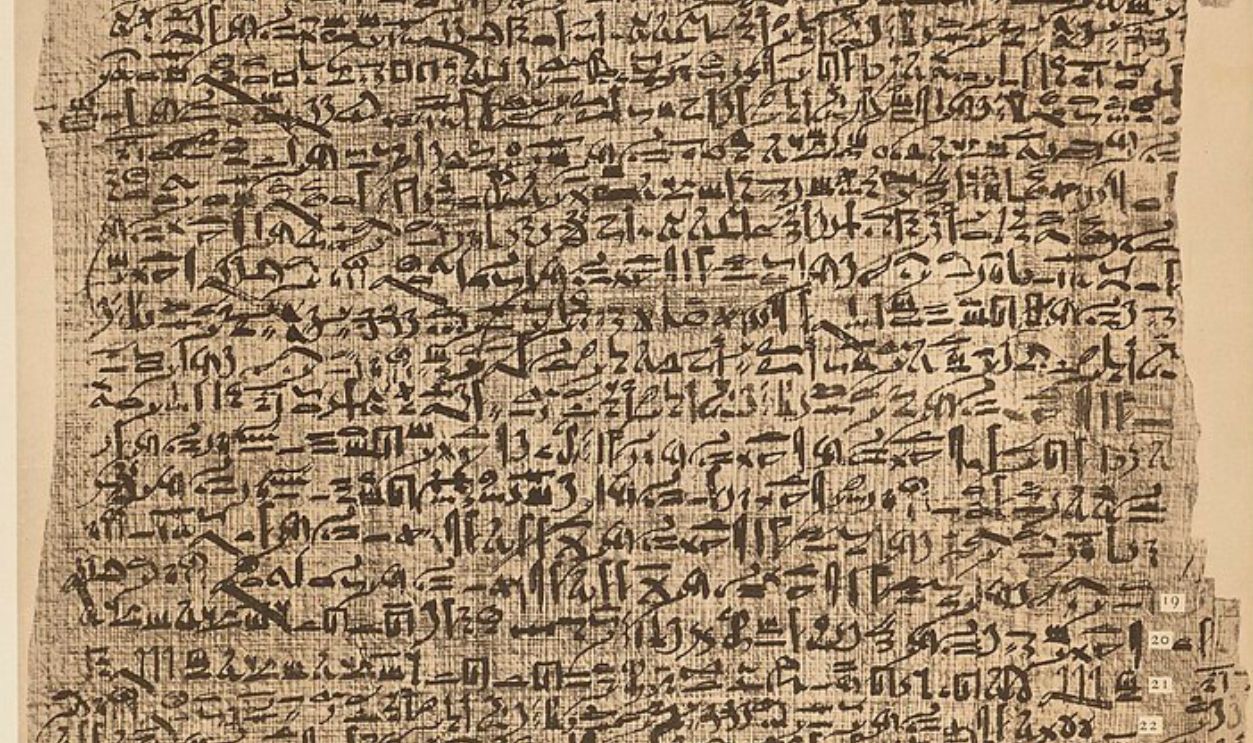
Ancient Egyptian medical texts reveal surprisingly sophisticated approaches to fractures, including examining injuries and immobilizing damaged limbs with splints. Keeping broken bones stable allows natural healing while reducing further injury. Modern casts and orthopedic devices are vastly more advanced, but the basic therapeutic principle would have been recognizable thousands of years ago.
 Unknown Author, CC BY 4.0, Wikimedia Commons
Traction For Fractures
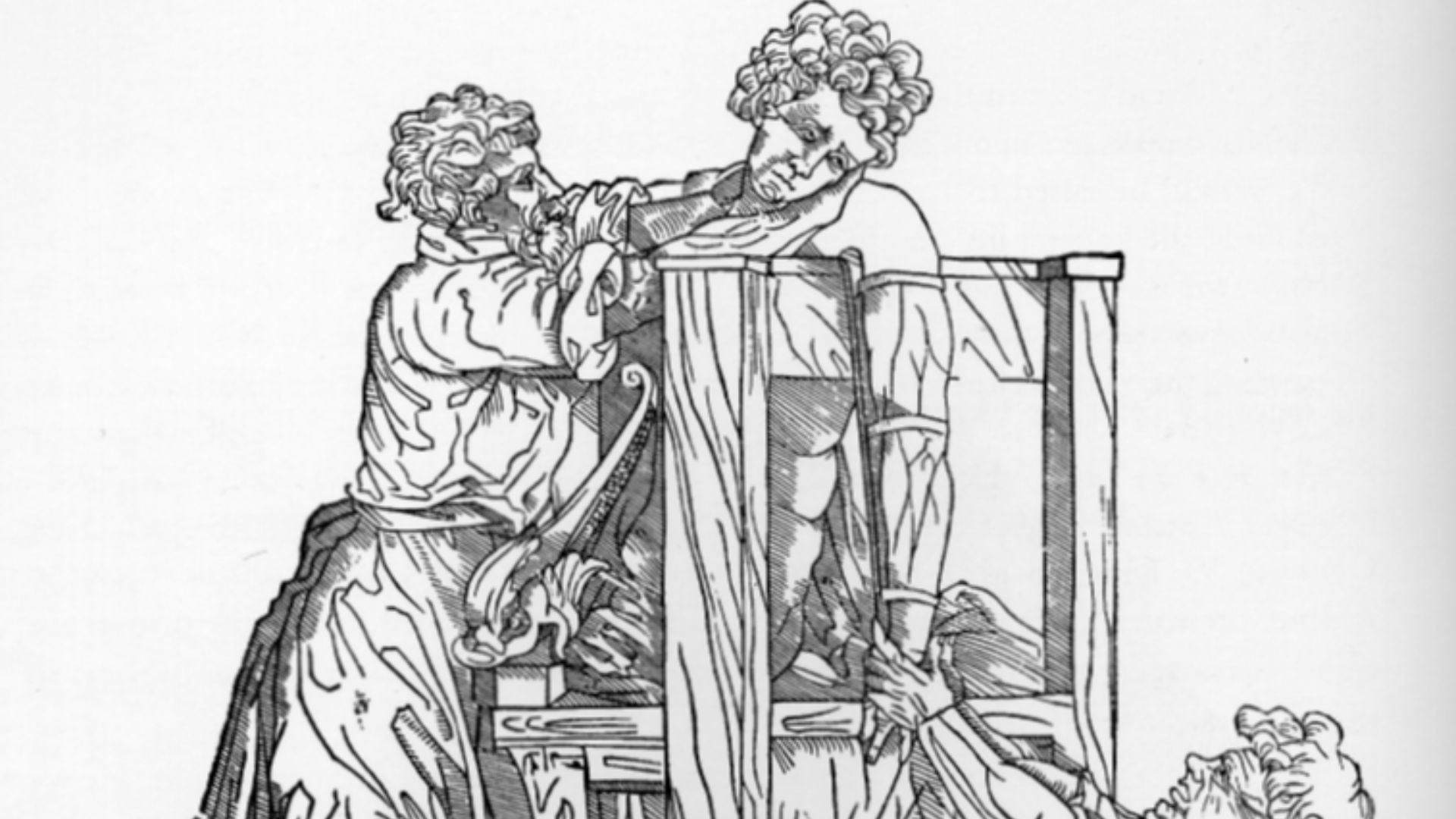
Greek physicians associated with the Hippocratic tradition developed devices that applied traction to fractures and dislocations. Some methods were brutal by today's standards, but carefully controlled traction really can align bones and reduce certain injuries. Versions of the principle remain part of orthopedic medicine, although techniques have become considerably safer.
 Francesco Salviati, Wikimedia Commons
Suturing Wounds Closed
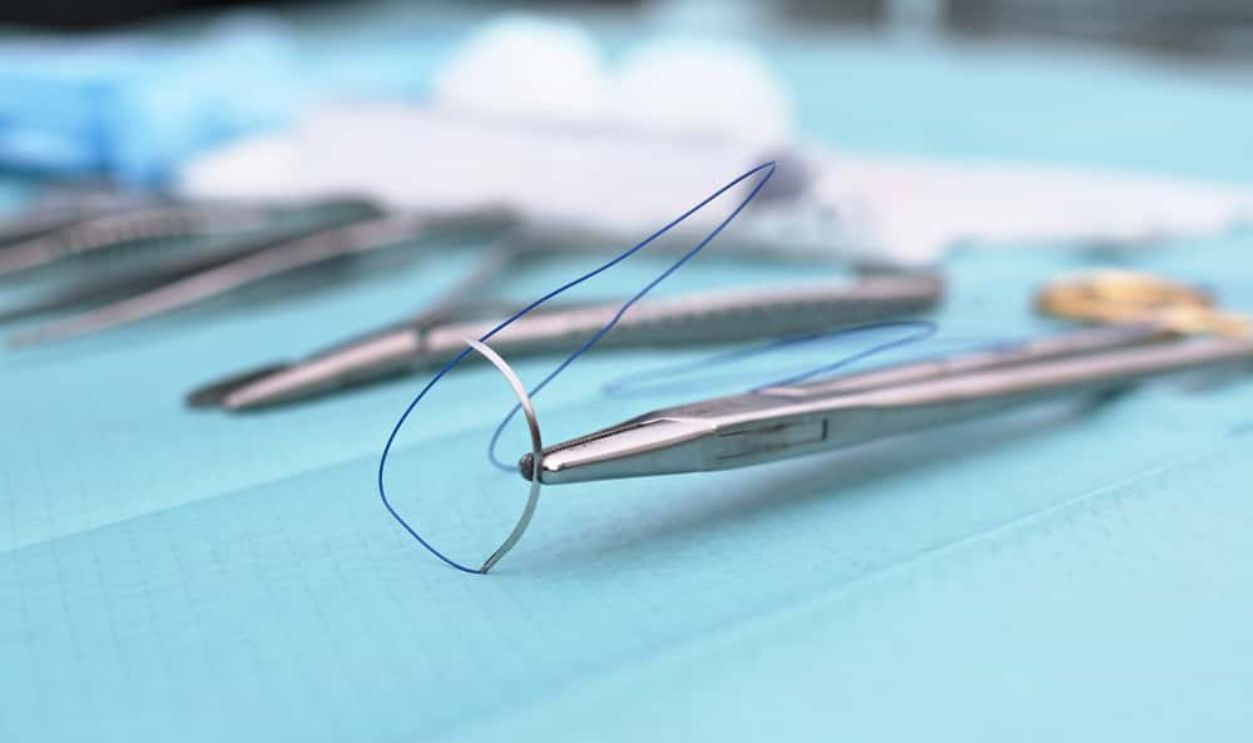
Ancient civilizations developed numerous ways of closing wounds, from linen thread to animal sinew. Indian medical traditions even described using biting ants to clamp wound edges before removing their bodies. Closing suitable wounds helps protect tissue and encourage healing, making suturing one of antiquity's most enduring surgical ideas.
Trepanation Relieved Pressure
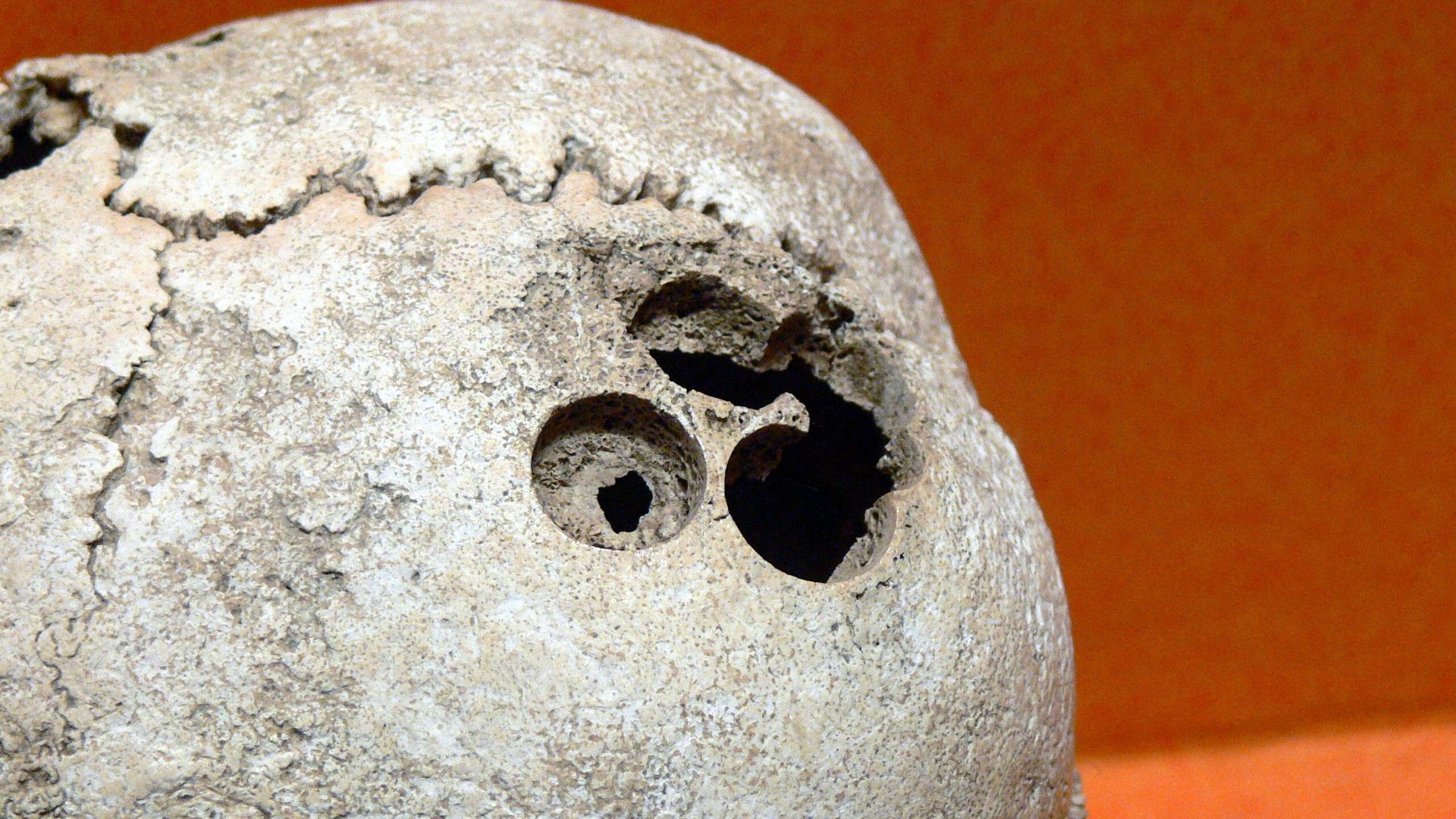
Drilling a hole into someone's skull sounds like the definition of primitive medicine, especially when performed for supernatural reasons. Yet trepanation could occasionally relieve pressure caused by head trauma or bleeding. Archaeological skulls showing substantial healing demonstrate that some patients astonishingly survived the procedure for years afterward.
 Wolfgang Sauber, Wikimedia Commons
Cataract Couching
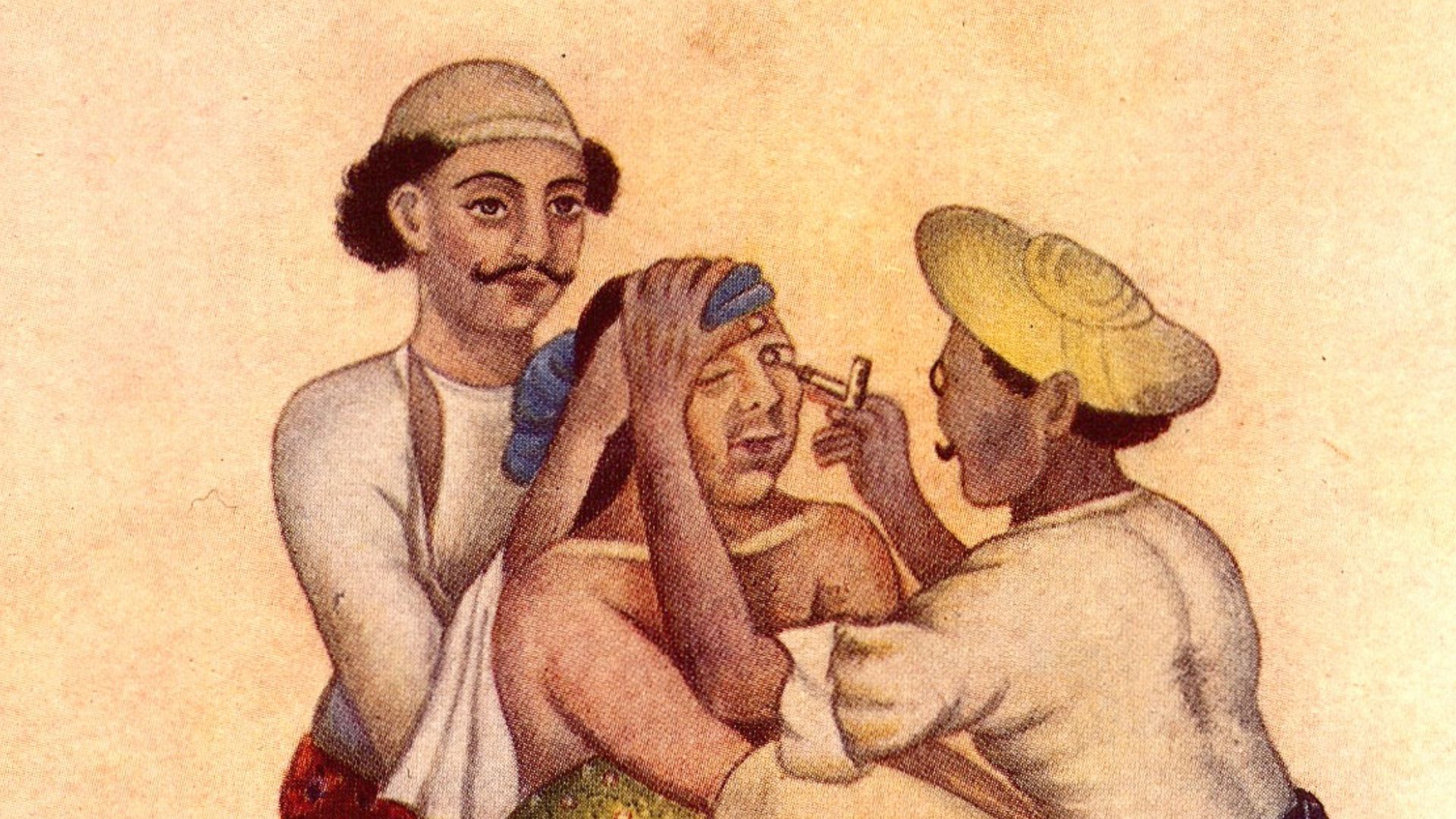
Ancient surgeons in India practiced "couching," using an instrument to push a clouded lens away from the eye's visual axis. Complications were common and vision remained badly impaired, but successful procedures could restore some sight to otherwise blind patients. Modern cataract surgery follows a radically safer approach to the same underlying problem.
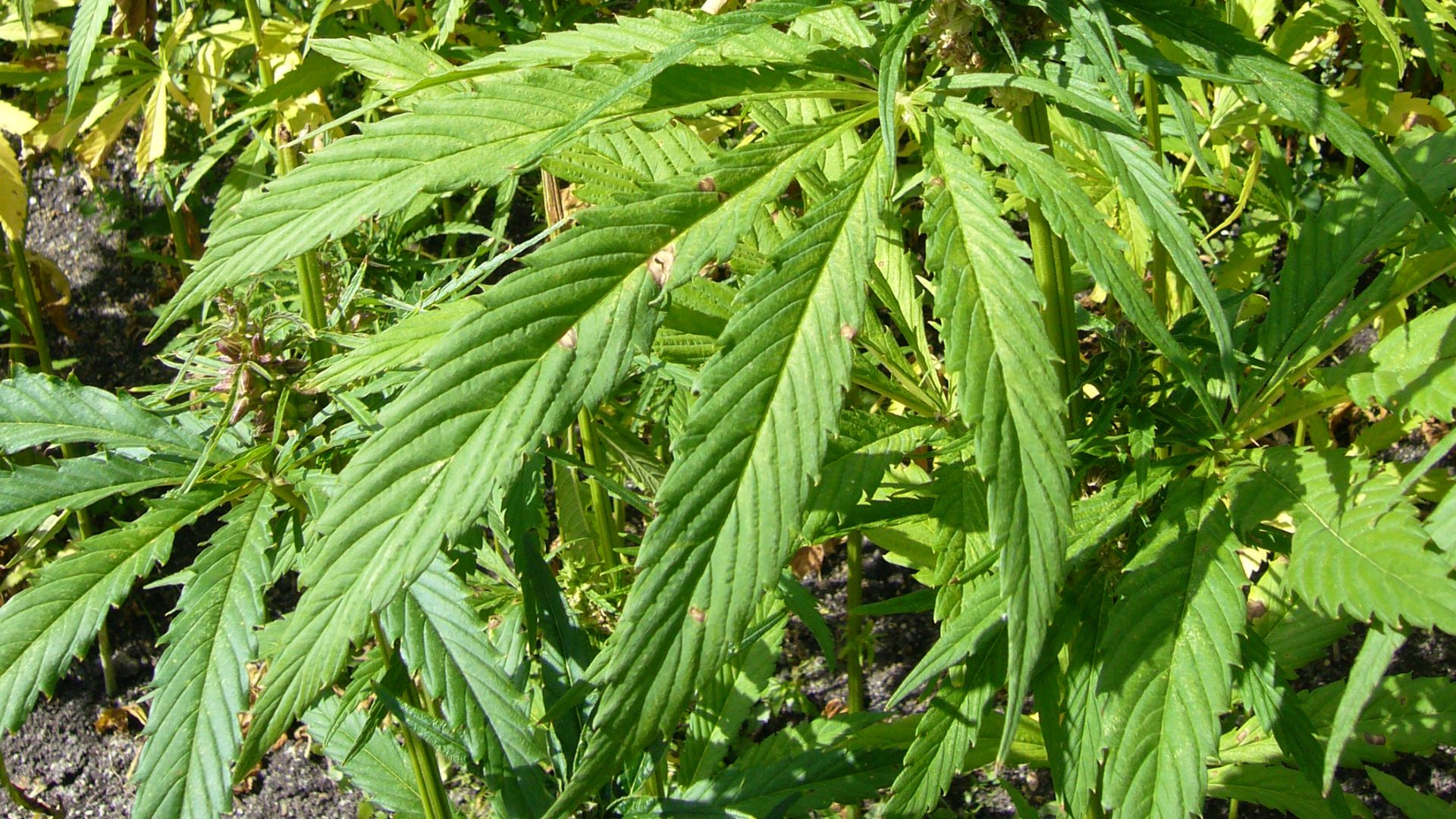
Cannabis For Pain
Cannabis has a medicinal history stretching back thousands of years, particularly in Asia. Ancient healers employed it for pain and other complaints without understanding its active compounds. Modern medicine recognizes that cannabinoids can have legitimate therapeutic effects in certain circumstances, although many traditional claims remain unsupported and cannabis carries meaningful risks.
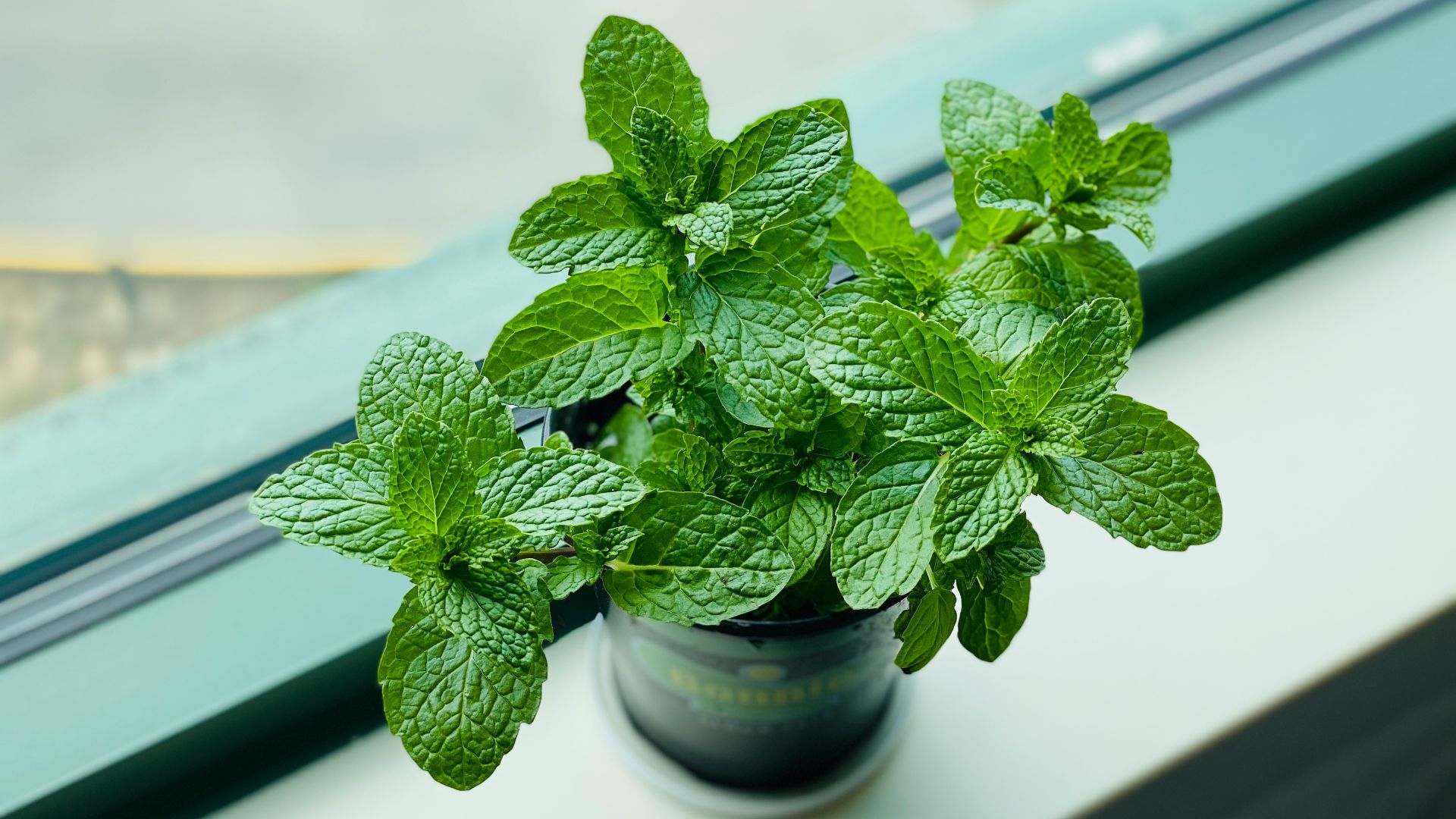
Mint For Digestion
Mint has been used for digestive complaints since antiquity. Modern research suggests peppermint oil can reduce symptoms of irritable bowel syndrome in some patients by relaxing intestinal smooth muscle. Ancient physicians certainly did not understand those mechanisms, but their observation that mint could soothe certain stomach complaints was not merely folklore.
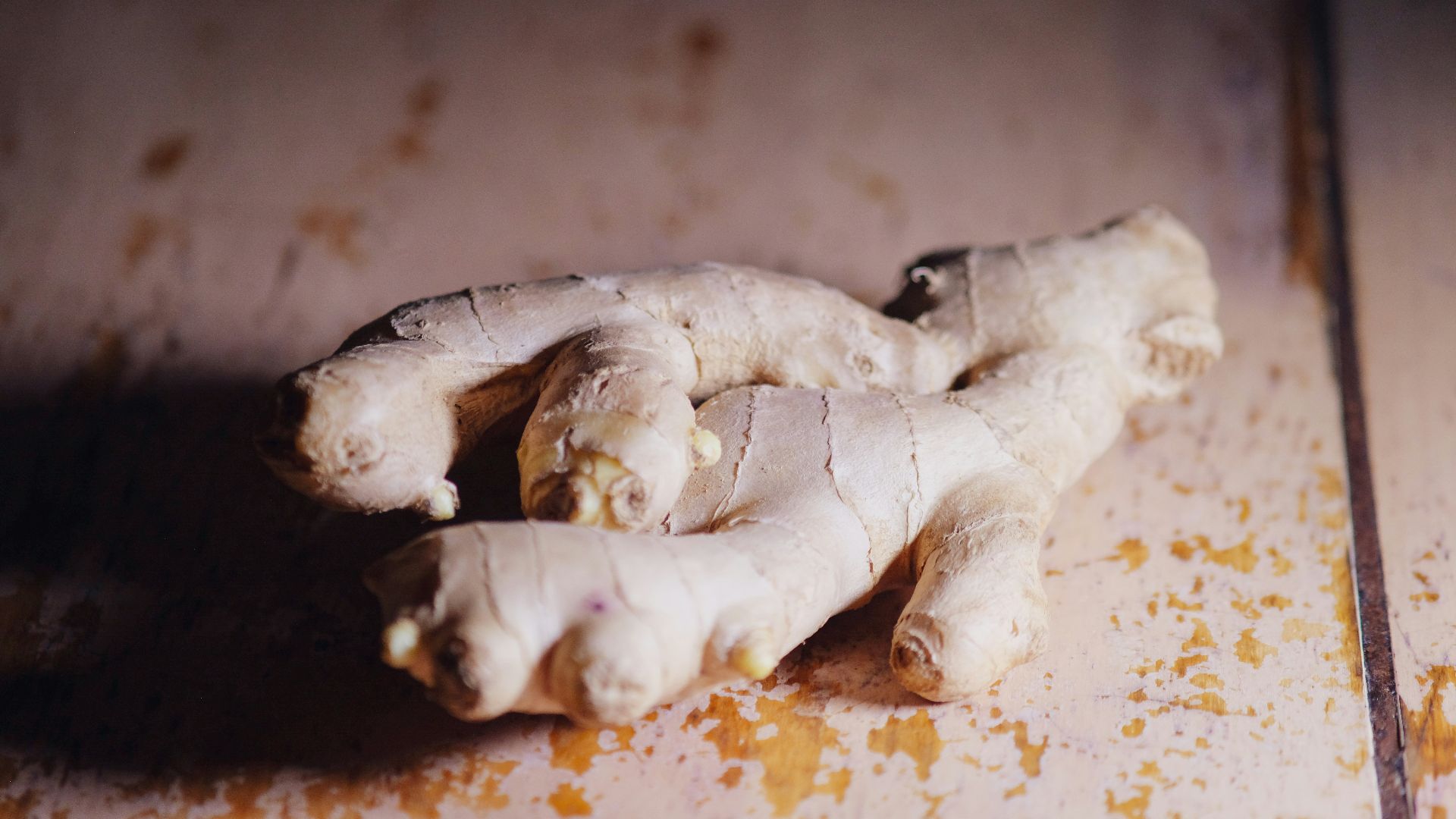
Ginger Against Nausea
Ancient Chinese and Indian medical traditions valued ginger for digestive problems and nausea. Thousands of years later, clinical research supports ginger as a potentially useful treatment for some forms of nausea, including pregnancy-related morning sickness. Dosage and individual circumstances matter, but this kitchen remedy possesses genuine pharmacological activity.
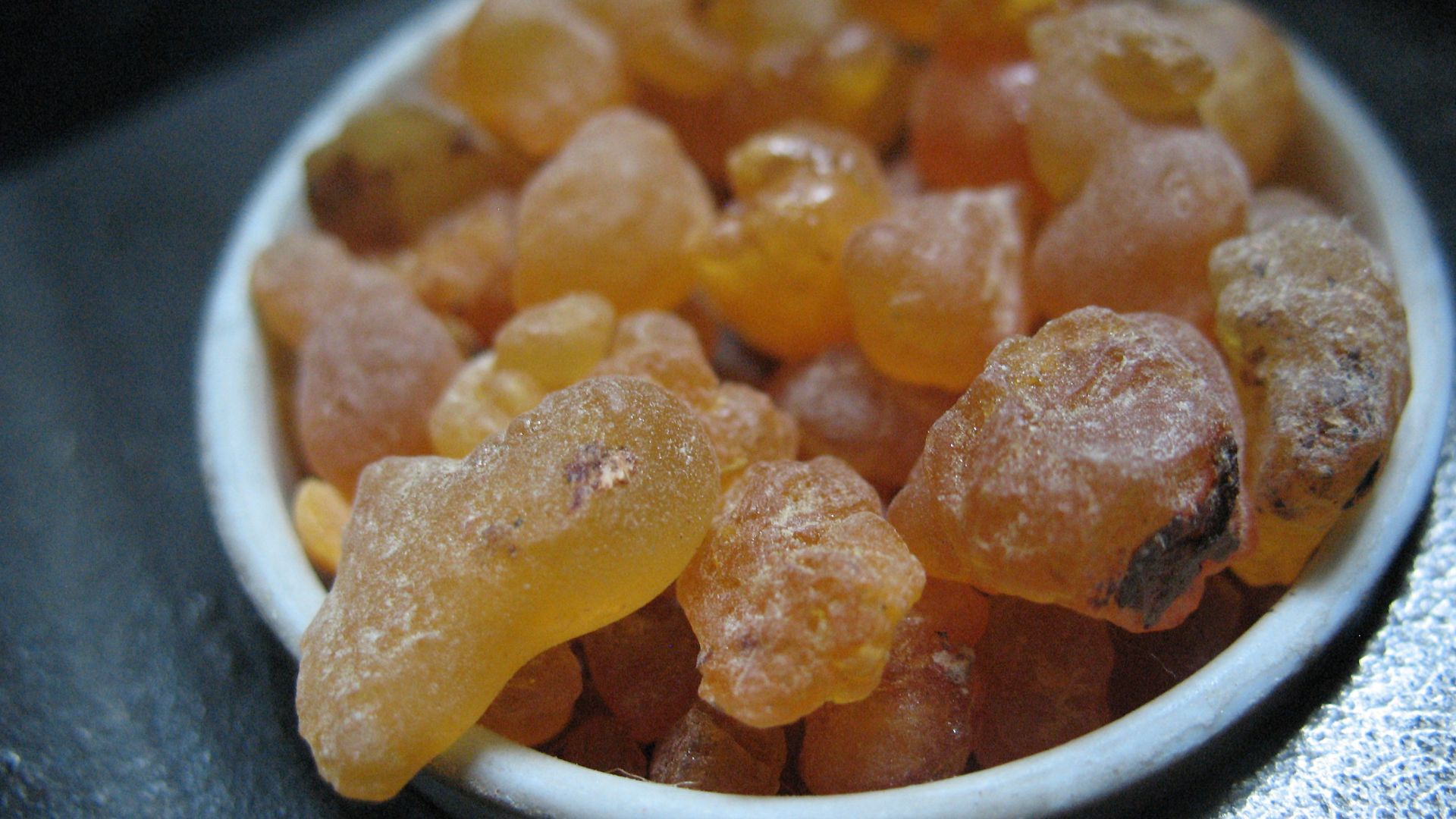
Frankincense And Inflammation
Frankincense was far more than ceremonial incense in ancient societies. Traditional healers used preparations derived from Boswellia species for inflammatory complaints. Modern researchers have identified boswellic acids with anti-inflammatory properties, and some evidence suggests standardized extracts may help certain conditions, although the evidence remains less definitive than for established medications.
 Lupus in Saxonia, Wikimedia Commons
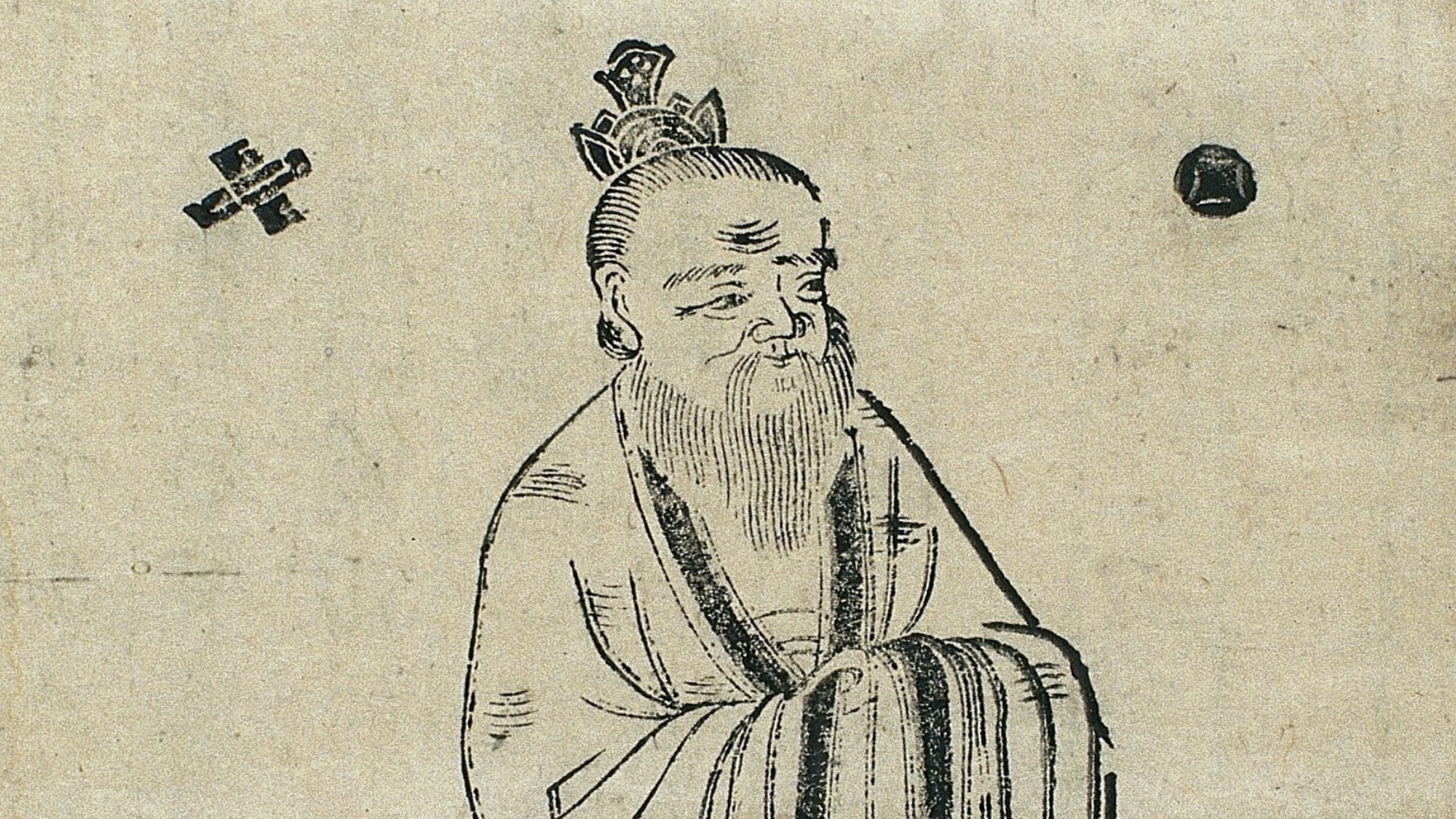
Fecal Medicine Had Logic
Ancient medicine occasionally used fecal material in ways that were dangerous and frequently disgusting. Yet the broader idea that material from a healthy digestive system might influence illness has an extraordinary modern counterpart. Carefully screened fecal microbiota transplantation can now treat recurrent Clostridioides difficile infection with remarkable effectiveness.
 Gan Bozong (Tang period, 618-907), Wikimedia Commons
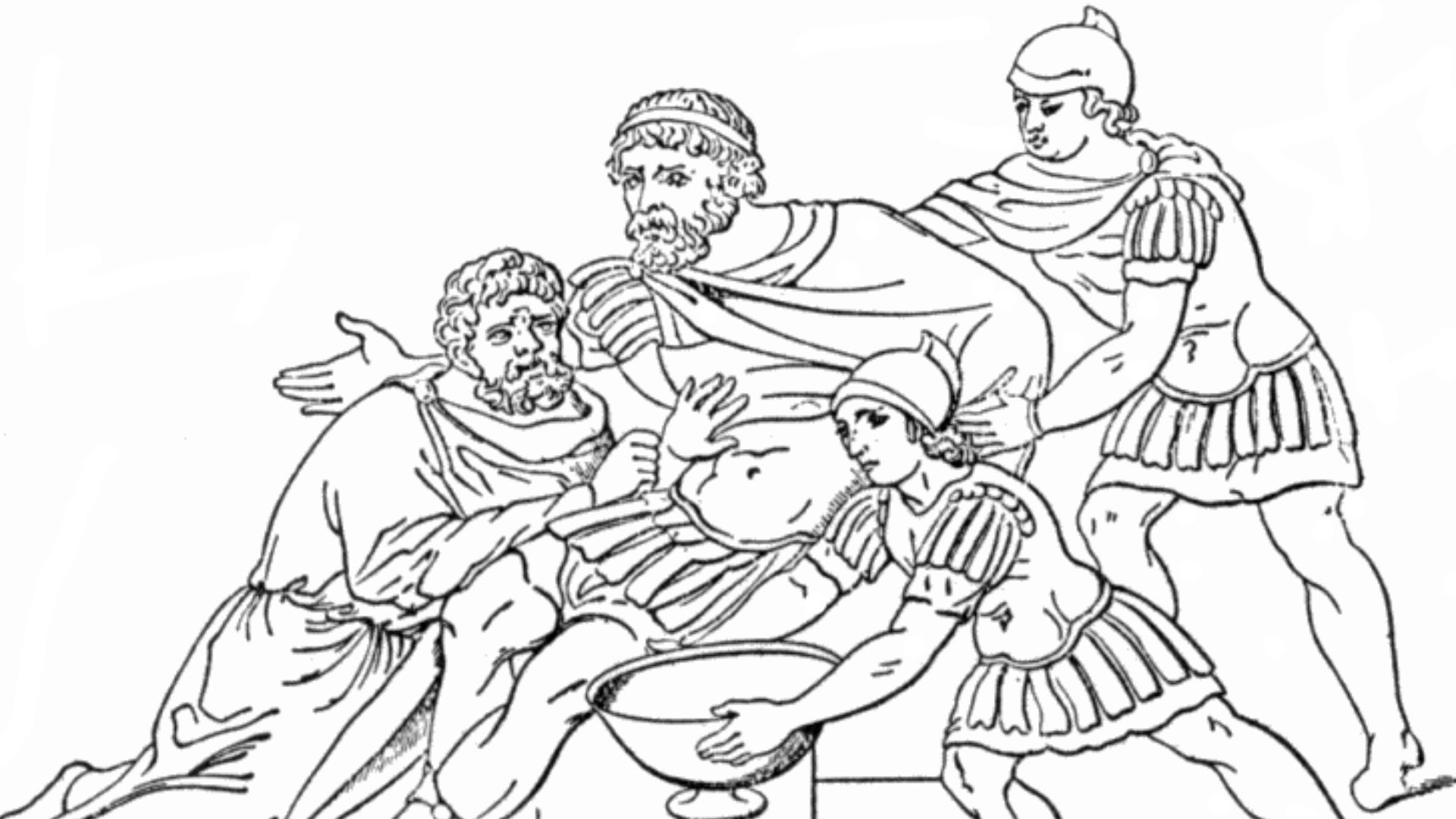
Surgery With Wine
Wine appeared frequently in ancient wound care and surgery, sometimes as a washing agent and sometimes as something patients drank beforehand. Its alcohol concentration was generally too low for reliable sterilization or anesthesia, but certain preparations could have offered limited antimicrobial effects while intoxication provided at least some relief from pain and fear.
 Unknown authorUnknown author, Wikimedia Commons
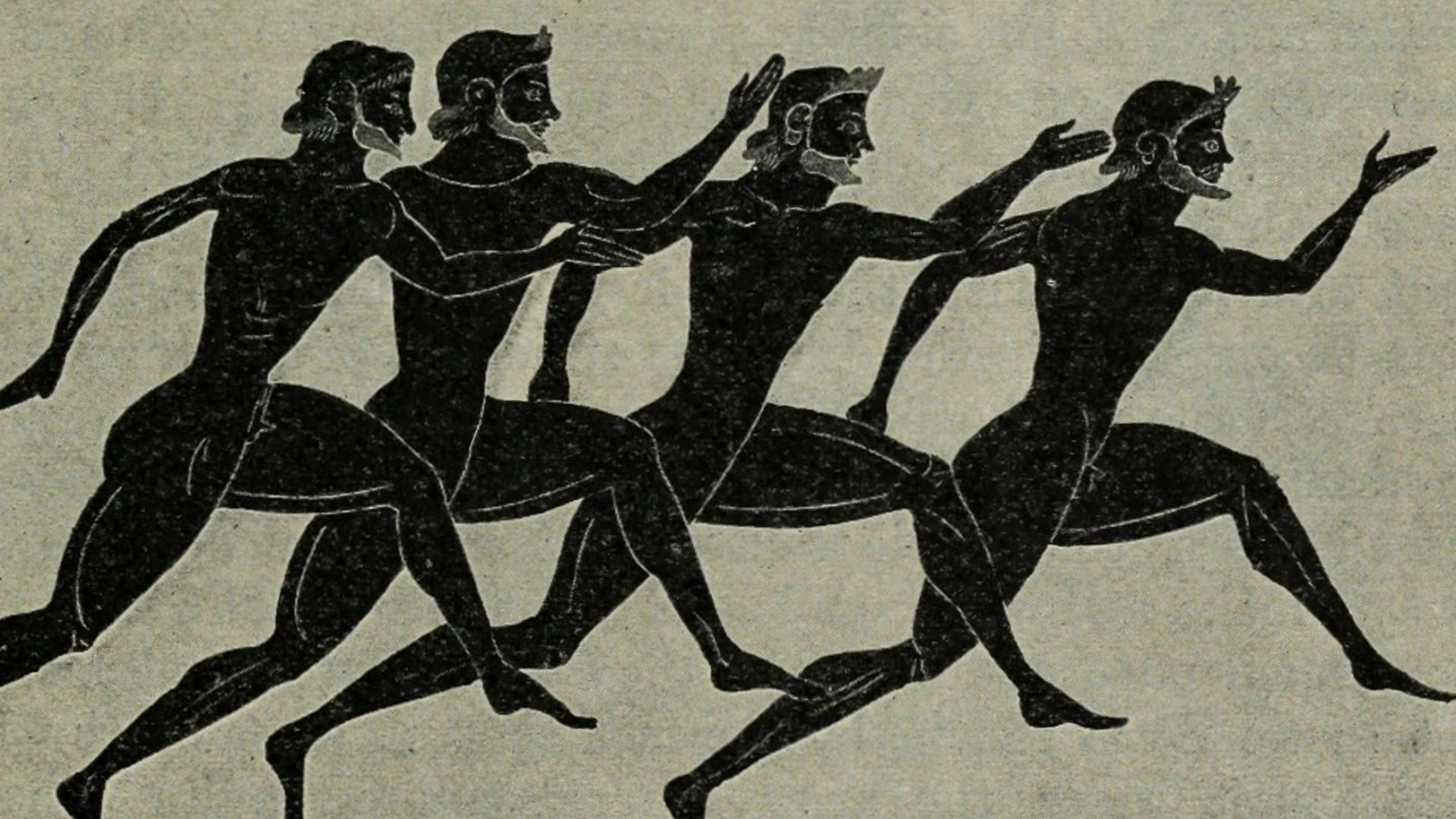
Exercise As Medicine
Hippocrates and other ancient physicians recognized that physical activity could help maintain health. That advice sounds almost mundane today, but it represented an important shift toward prevention. Modern research overwhelmingly confirms that regular exercise reduces the risk of numerous chronic diseases and improves cardiovascular, metabolic, musculoskeletal, and mental health.
 Internet Archive Book Images, Wikimedia Commons
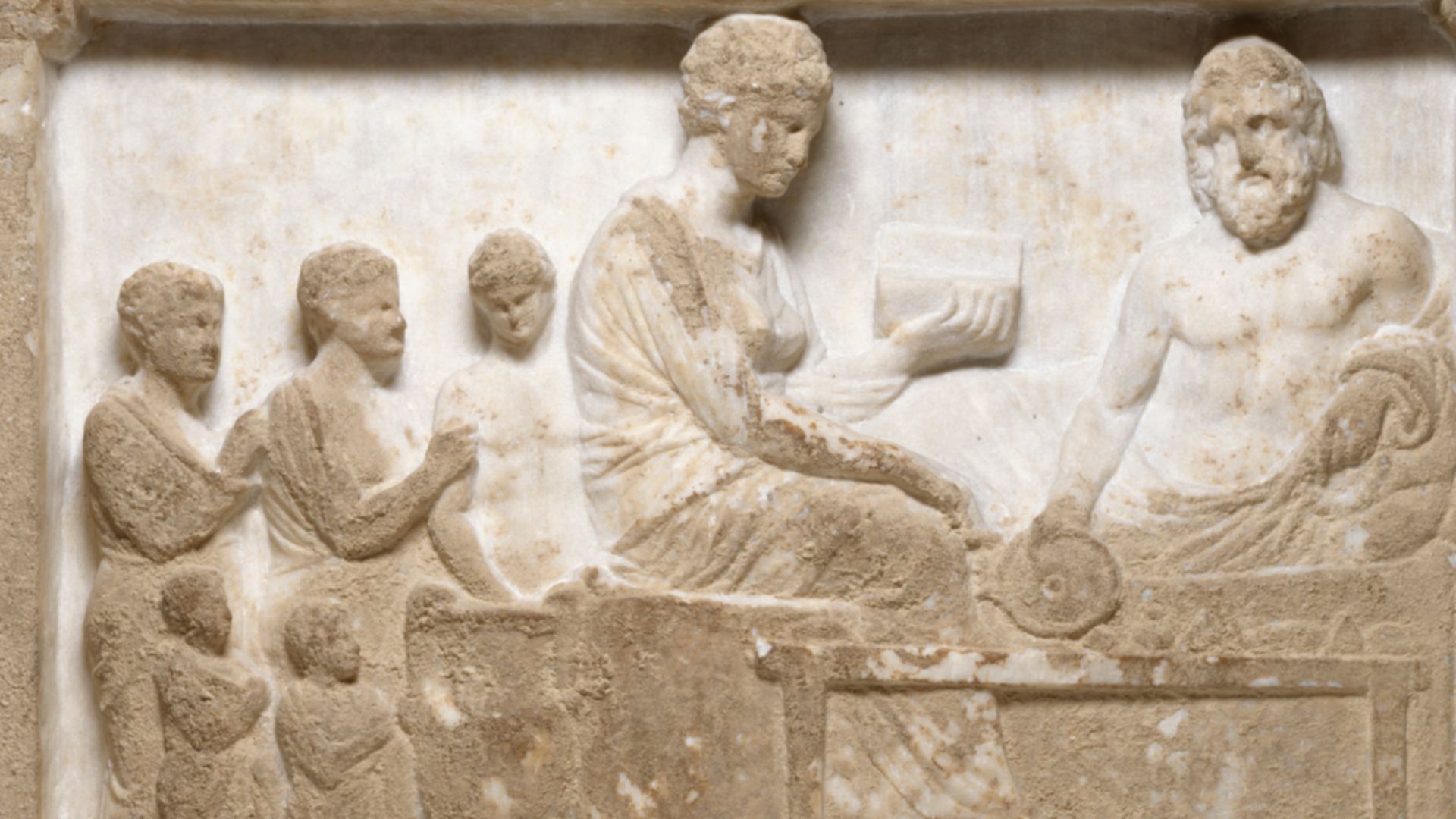
Diet As Treatment
Ancient Greek physicians placed enormous importance on food, adjusting diets according to a patient's condition. Their explanations often relied on incorrect theories about bodily humors, but the central insight survived: what people eat profoundly affects health. Modern medicine now uses dietary interventions to manage conditions ranging from diabetes to cardiovascular disease.
 Anonymous (Greece)Unknown author, Wikimedia Commons
They Learned By Watching
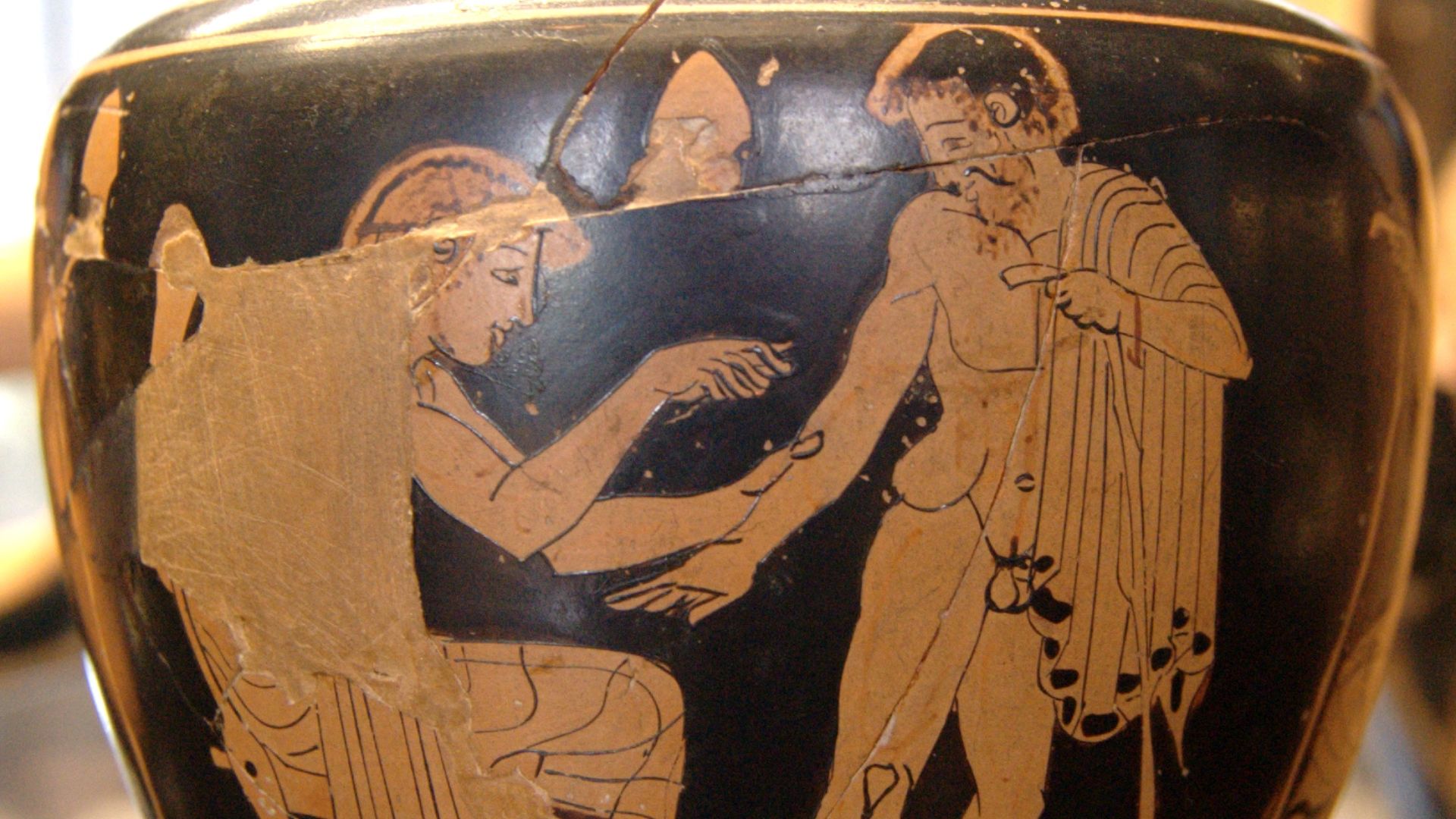
Ancient medicine mixed brilliant observation with superstition, dangerous theories, and treatments that could be worse than the disease. Yet healers also spent generations watching what happened to real patients. Occasionally, experience led them to therapies whose effectiveness modern science could finally explain, proving that useful medical knowledge sometimes appeared long before anyone understood the biology behind it.
 Clinic Painter (eponymous vase), Wikimedia Commons
You May Also Like:
Sickening Medical Practices Doctors Thought Worked
Facts About Bizarre Medical Practices
Unhealthy Facts About The Most Dangerous People In Medical History