A Hen Announced The End Of The World
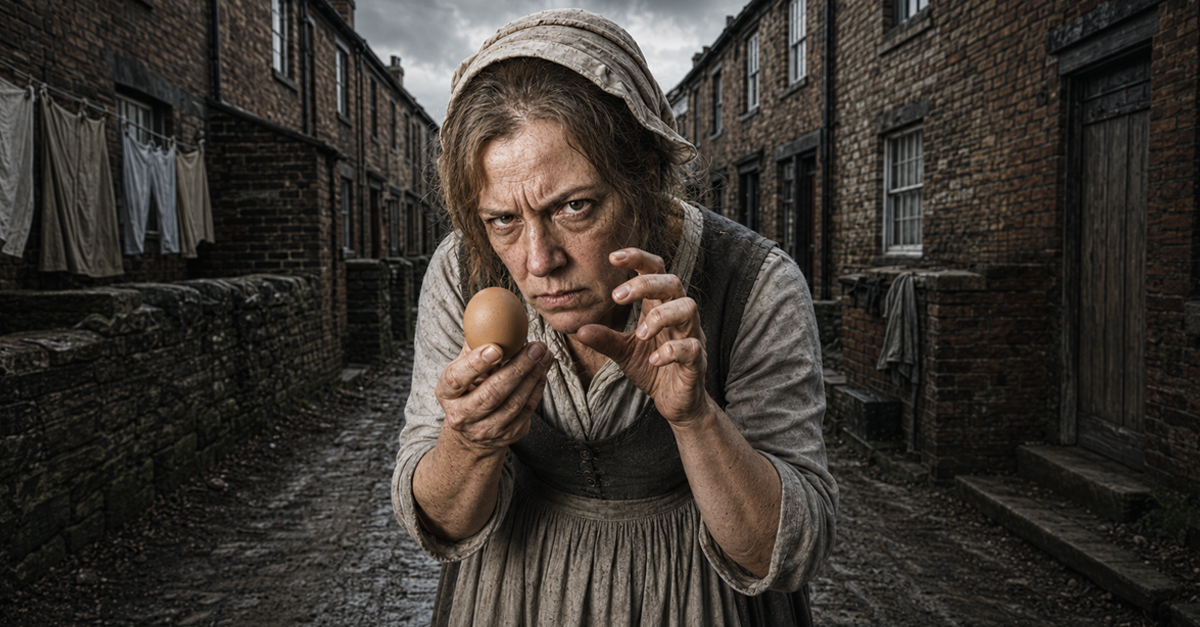
In 1806, people around Leeds heard that a chicken had produced an extraordinary warning. Its eggs supposedly carried the words “Christ is coming,” suggesting that Judgment Day was near. Crowds came to inspect the miracle, but the bird’s owner had built her reputation on deception.
The Yorkshire Witch Was No Witch
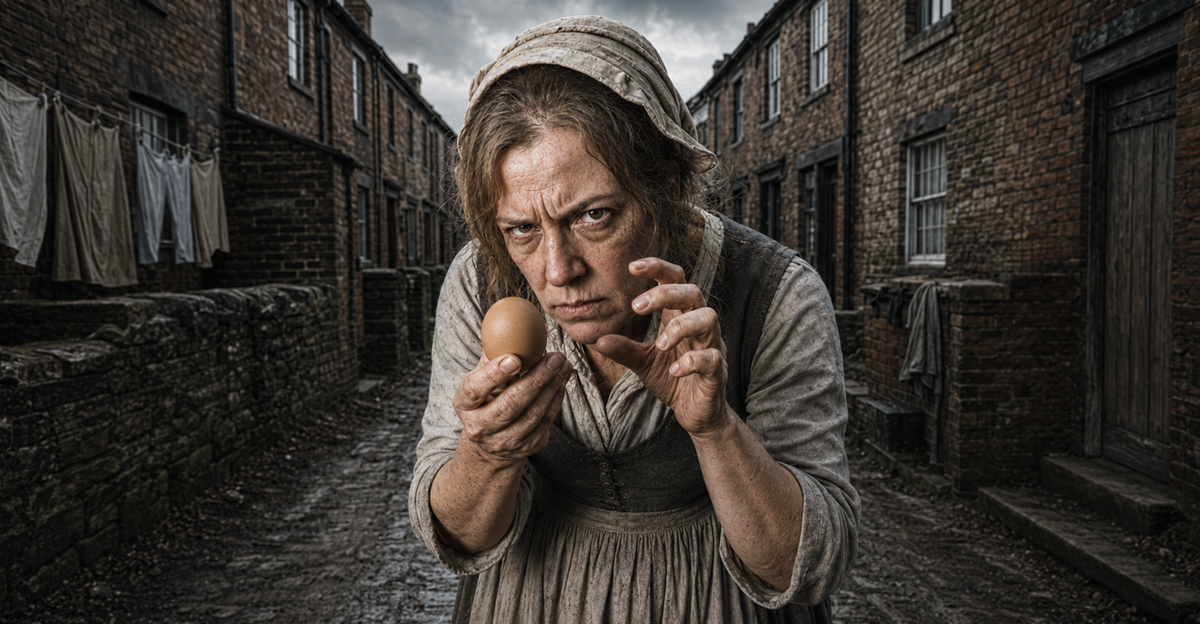
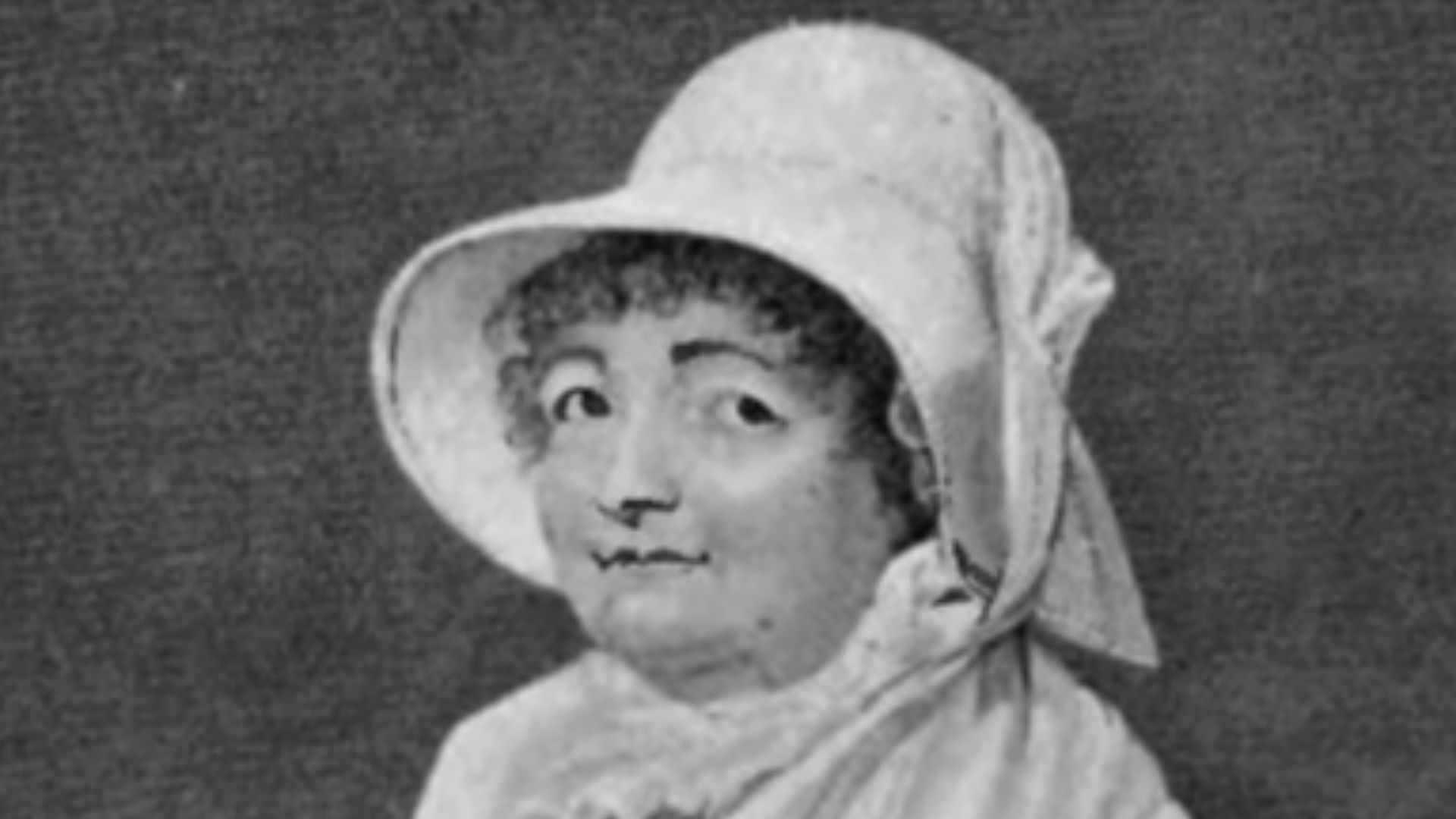
Mary Bateman became notorious as the “Yorkshire Witch,” but she was never convicted of witchcraft. England’s witchcraft laws had been repealed decades before her trial. Bateman was actually a fortune-teller, thief, fraudster, and ultimately a convicted murderer.
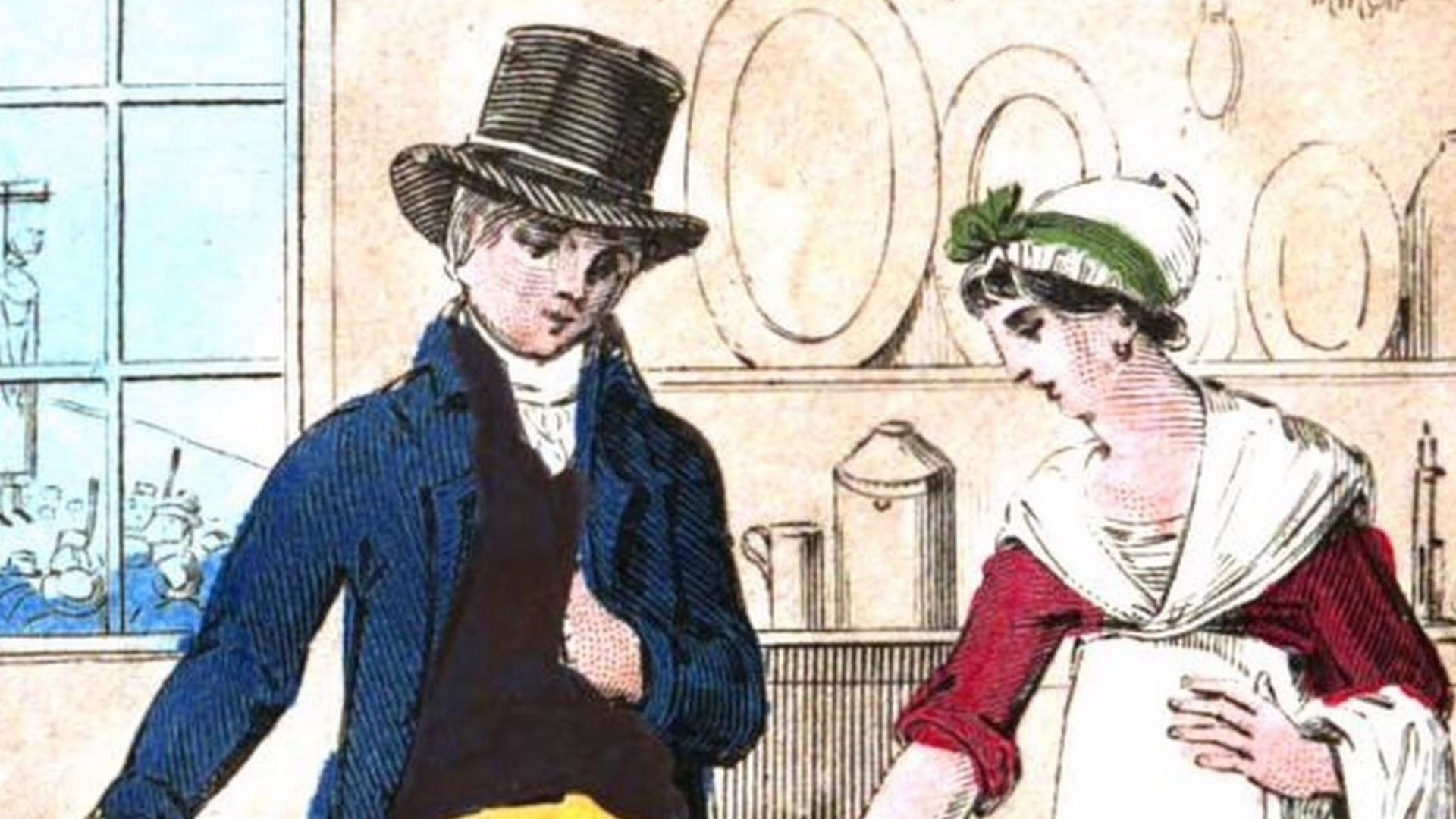 Unknown 19th-century artist, Wikimedia Commons
Mary Harker Came From Rural Yorkshire
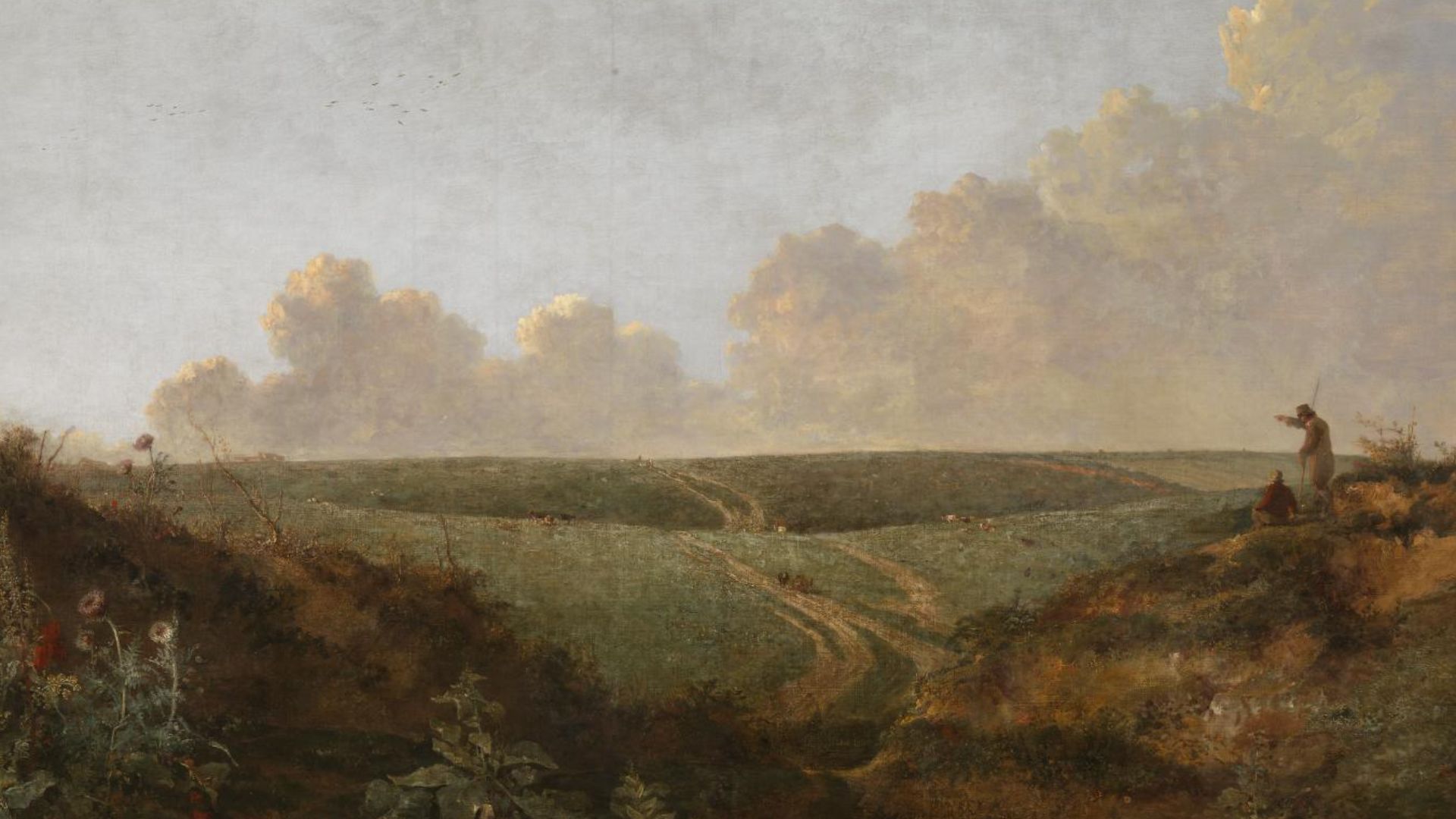
Bateman was born Mary Harker in 1768 to a farming family at Aisenby in the North Riding of Yorkshire. She learned to read and write, accomplishments that later helped her compose instructions and impersonate distant correspondents. Her early life initially looked much like that of other working-class Yorkshire girls.
Domestic Service Offered A Way Forward
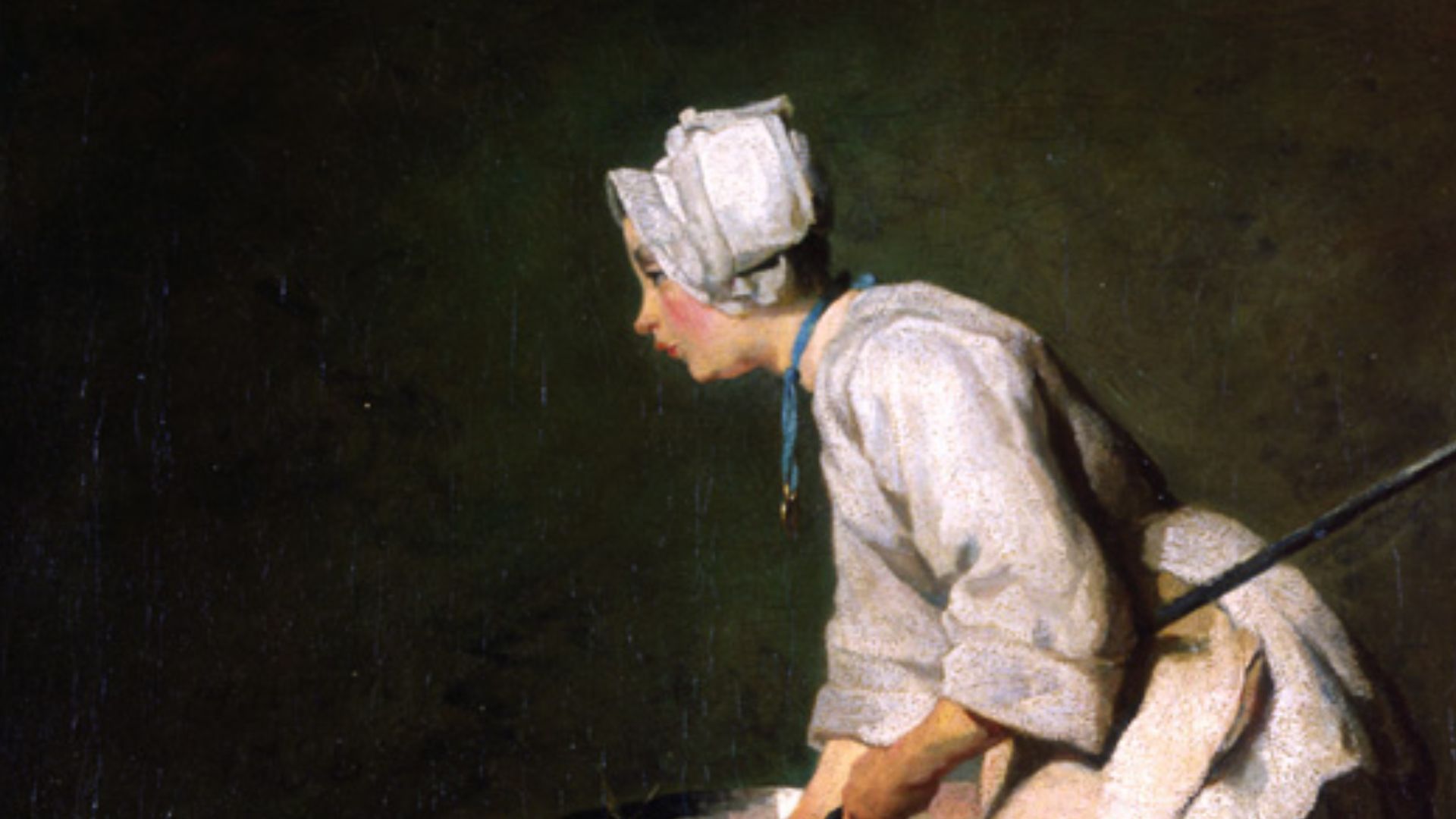
Around the age of 12 or 13, Mary entered domestic service in Thirsk. Such employment commonly prepared girls of her background for years of paid work before marriage. Mary’s time in service proved unsettled, partly because she had already begun stealing.
 Jean-Baptiste-Siméon Chardin, Wikimedia Commons

History's most fascinating stories and darkest secrets, delivered to your inbox daily.
Theft Became A Lasting Pattern
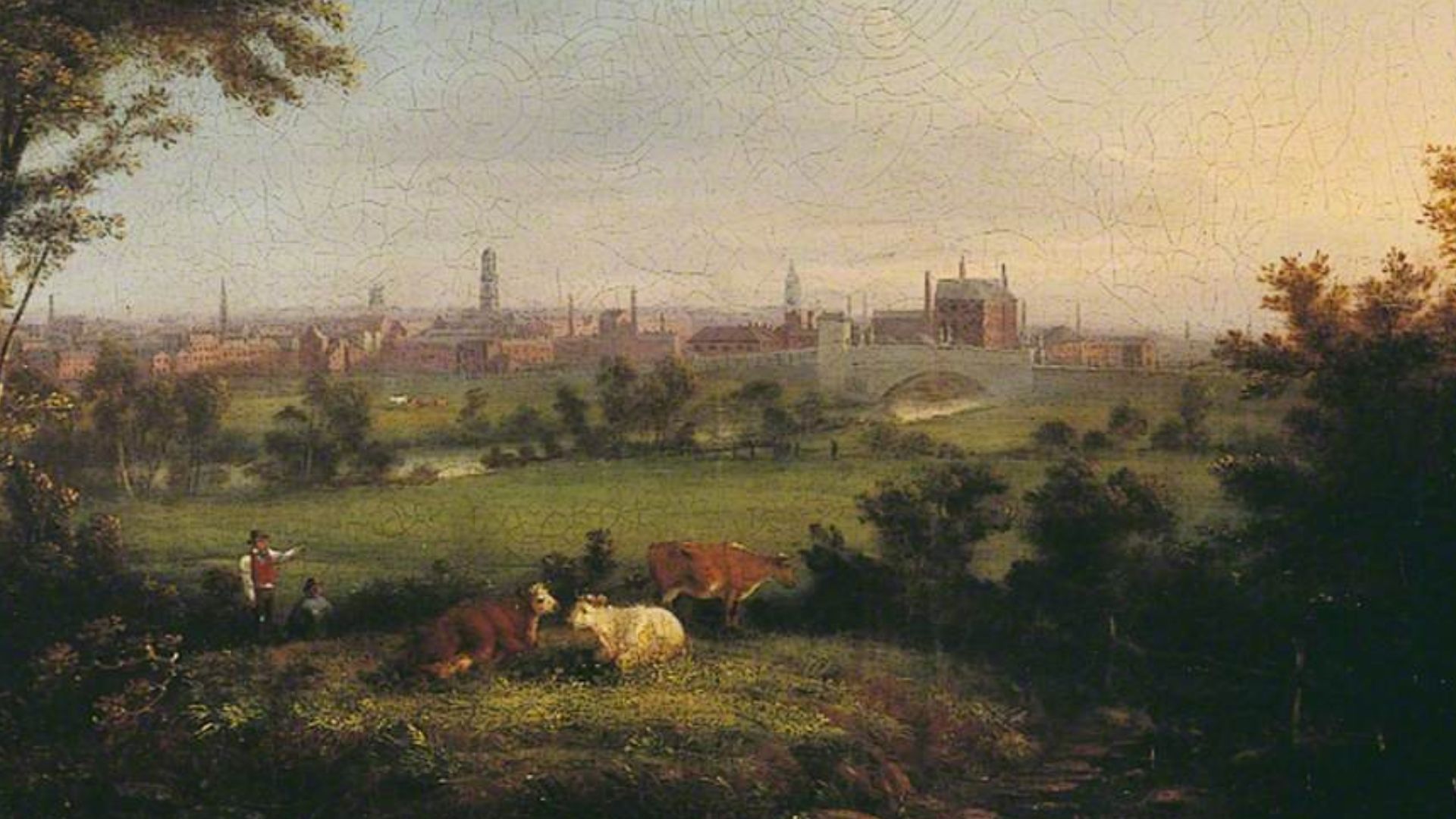
Mary moved between employers during her teenage years and repeatedly attracted suspicion. By about 15, she had settled in Leeds and found work as a dressmaker, making veils or mantuas. Clothing work paid poorly, but Mary soon discovered a more profitable trade.
 Joseph Rhodes, Wikimedia Commons
She Began Selling The Supernatural
Mary developed a sideline telling fortunes and eventually presented herself as a “wise woman.” People consulted such practitioners for charms, cures, lost property, and protection from supposed supernatural harm. Christian prayers could appear alongside spells, so these services did not necessarily seem incompatible with religion.
 Eleanor Vere Boyle, Wikimedia Commons
Marriage Did Not End The Deception
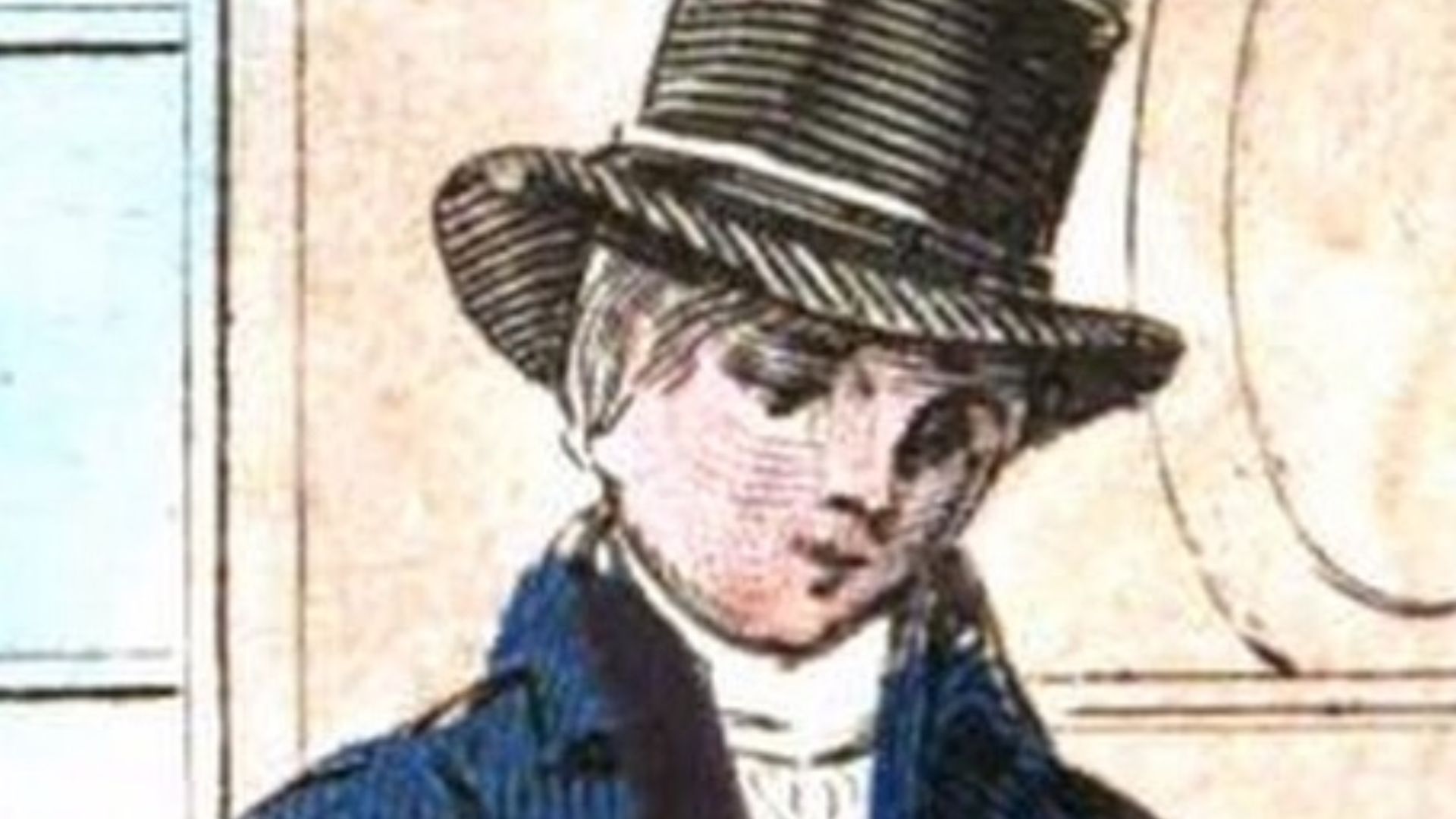
Mary married wheelwright John Bateman in 1792. Records indicate that she stole from people living in the same lodging houses and bought goods using established customers’ names. On one occasion, John reportedly returned home to discover that she had sold their furniture to satisfy a victim.
 Unknown 19th-century artist, Wikimedia Commons
Charity Became Another Opportunity
Bateman also collected linen and clothing while claiming that the goods were intended for sick or impoverished people. Instead of delivering the donations, she pawned or sold them. Her schemes worked because they exploited both sympathy and trust.
 Dioskourides of Samos, Wikimedia Commons
Leeds Still Believed In Cunning Folk
Belief in practical magic survived even as educated opinion became increasingly skeptical of witchcraft. Wise or cunning folk promised services that conventional medicine and local authorities could not always provide. Bateman learned to turn illness, uncertainty, and fear into income.
 John William Waterhouse, Wikimedia Commons
Joanna Southcott Changed The Atmosphere
Bateman attended meetings linked to Joanna Southcott, a Christian prophet who predicted momentous religious events. Her followers eagerly awaited divine intervention and treated prophecy as an urgent part of everyday life. Bateman borrowed Southcott’s apocalyptic message, then devised a supposed miracle that seemed to confirm it.
History's most fascinating stories and darkest secrets, delivered to your inbox daily.
Then The Prophet Hen Appeared
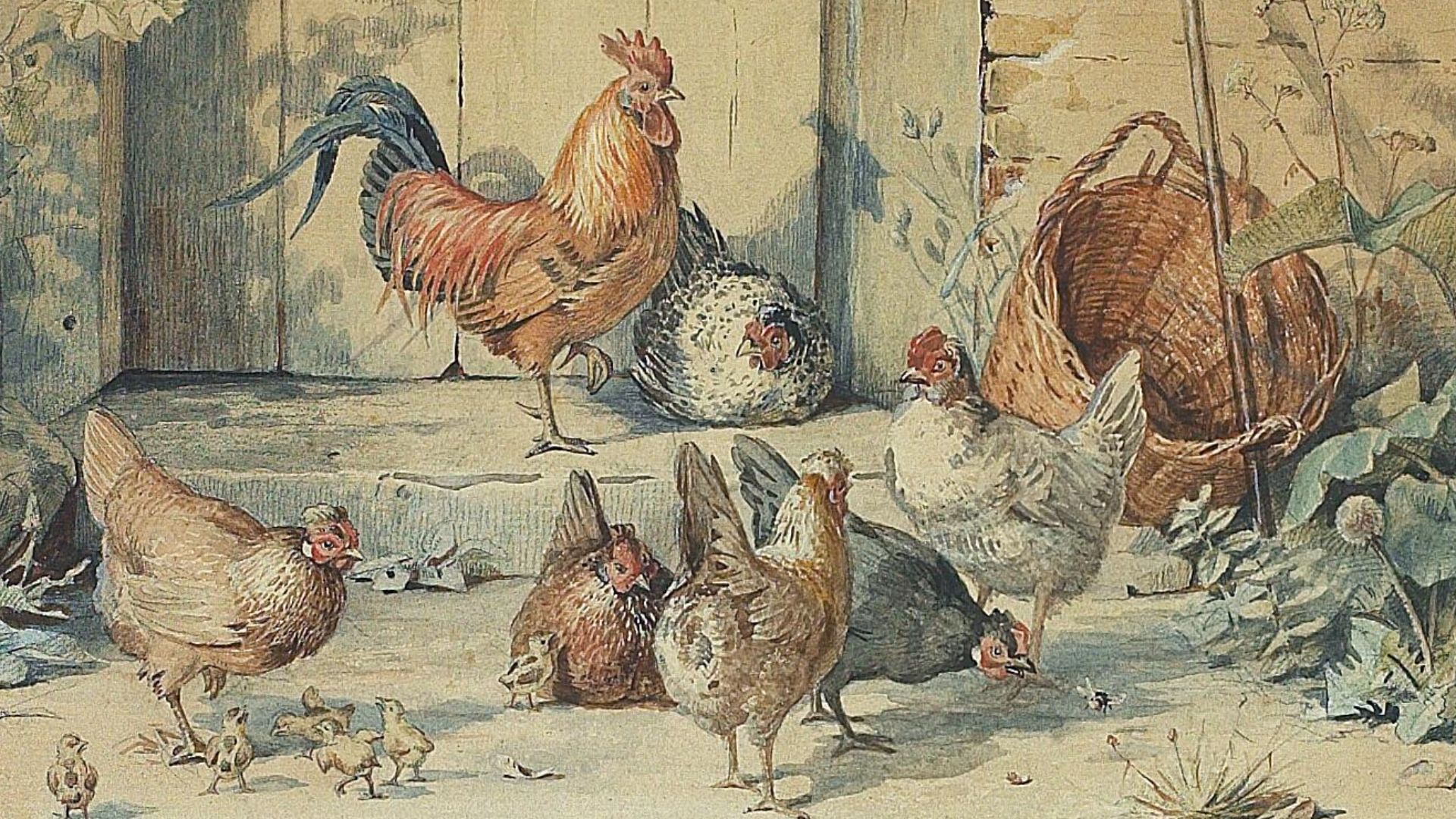
In 1805 or 1806, Bateman claimed that one of her hens had begun laying prophetic eggs. Each shell allegedly carried a message announcing Christ’s return, seemingly turning Southcott’s warnings into physical evidence. The spectacle became known as the Prophet Hen of Leeds.
 George Chernilevsky, Wikimedia Commons
The Message Was Dramatically Simple
The warning usually appears in historical accounts as “Christ is coming,” although some retellings reproduce a misspelled version. A short inscription was easy to understand and frighteningly difficult to ignore. Bateman had transformed an ordinary breakfast food into apparent evidence of an approaching apocalypse.
 Spicer, William Ambrose, 1866-, Wikimedia Commons
Visitors Paid To See The Miracle
Bateman charged visitors one penny to view the hen and its remarkable eggs. A penny was small enough to attract curious residents while still producing income from a large crowd. The supposed prophecy therefore worked as both a religious sensation and a commercial attraction.
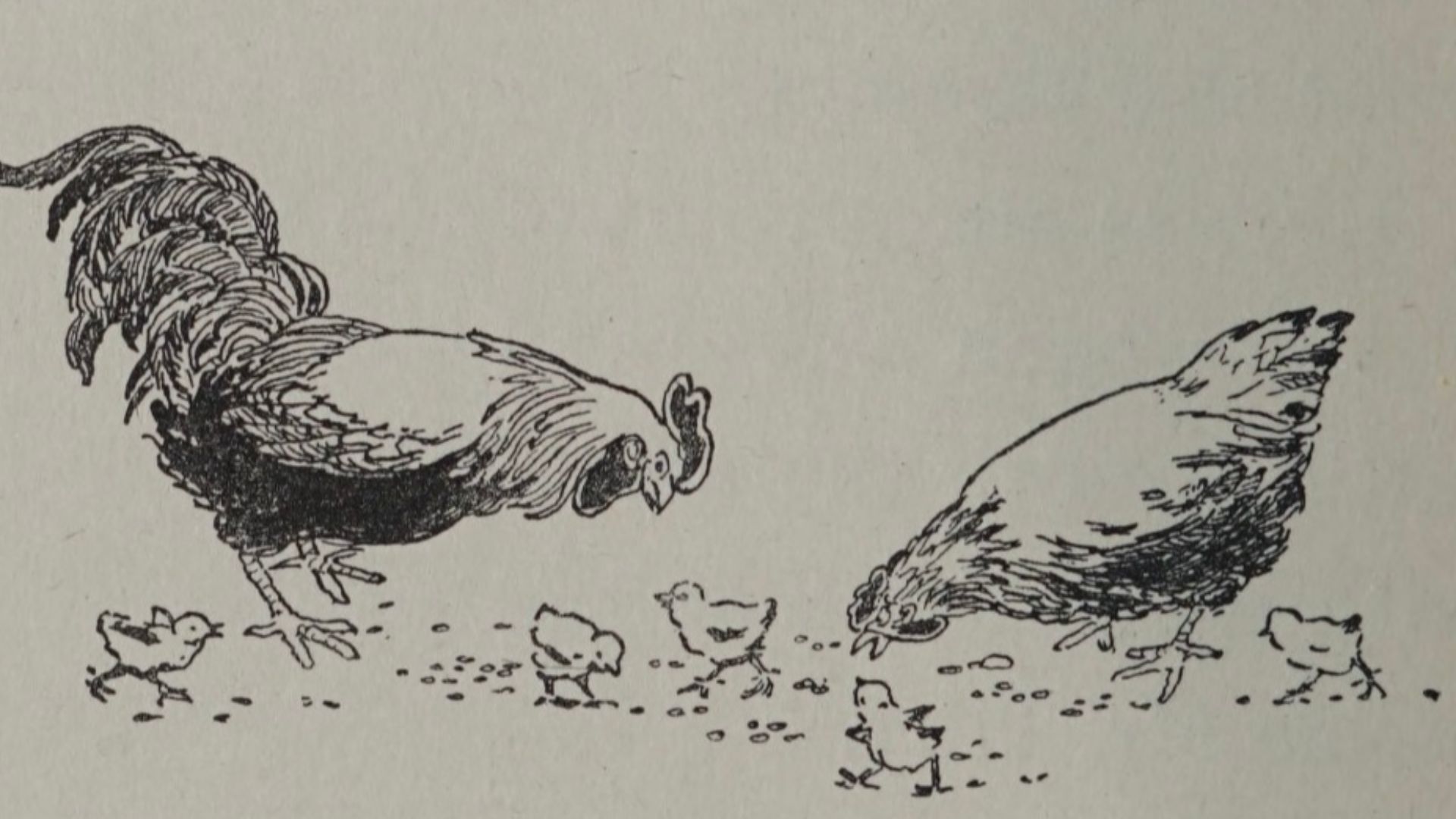 Lucy Fitch Perkins, Wikimedia Commons
Fear Spread Around Leeds
Nineteenth-century writer Charles Mackay later claimed that great numbers of people visited and believed Judgment Day was approaching. Some reportedly prayed and reconsidered their behavior after seeing the eggs. Whatever the precise size of the panic, the incident became famous enough to enter histories of British popular delusions.
 Charles Rogers, Wikimedia Commons
The Egg Seemed Like Perfect Evidence
Visitors did not simply hear a prediction from another self-appointed prophet. They could look at an apparently physical message that had emerged from a living animal. That tangible quality made the claim more persuasive than an ordinary rumor.
 Gemma Stiles from Sydney, Australia, Wikimedia Commons
Skeptics Watched The Hen Closely
Not everyone accepted the miracle. Mackay’s later account says several men observed the bird and uncovered the deception. The eggs, they concluded, had been inscribed before being returned to the hen so that they could appear to have emerged with the message already attached.
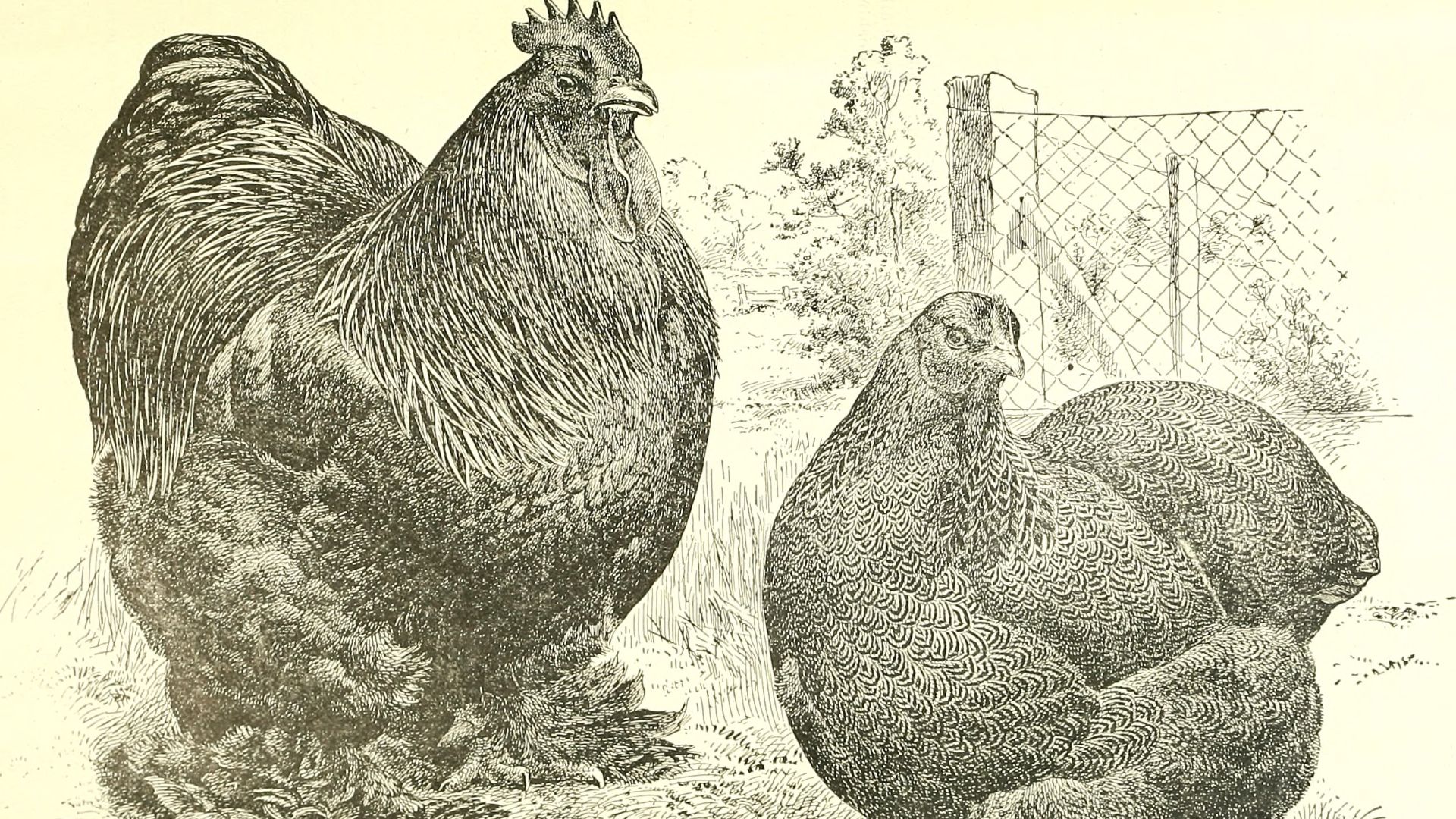 Internet Archive Book Images, Wikimedia Commons
History's most fascinating stories and darkest secrets, delivered to your inbox daily.
The Trick Had A Cruel Explanation
Mackay claimed that corrosive ink had marked the shells and that the prepared eggs were forced back into the bird. Modern retellings have suggested that an acidic liquid could etch calcium carbonate eggshells. However, the surviving evidence does not establish Bateman’s exact chemical recipe, and historians note that the complete method remains uncertain.
 FlickreviewR, Wikimedia Commons
The Hen Lost Its Gift
The bird was eventually removed from Bateman’s care and placed in another home. It continued laying eggs, but none carried divine warnings. The disappearance of the messages provided a simple and convincing answer to the mystery.
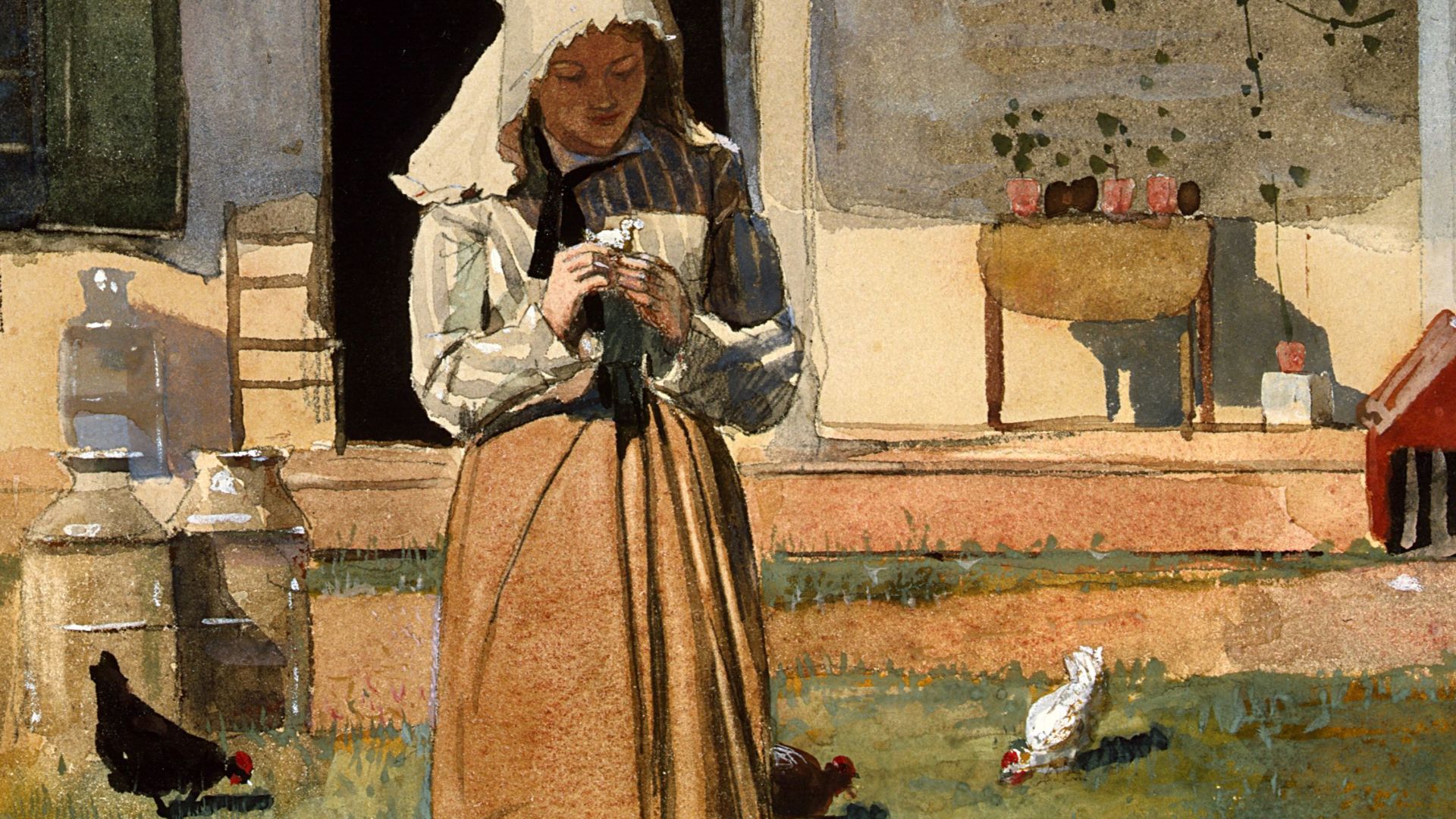 Winslow Homer, Wikimedia Commons
Laughter Replaced Apocalyptic Fear
Mackay wrote that people who had prayed over the prophecy soon laughed after learning the explanation. The world had not ended, and the Prophet Hen became a public embarrassment. Bateman’s reputation nevertheless survived the collapse of this particular scheme.
 Jerry Michalski, Wikimedia Commons
Imaginary Women Expanded Her Reach
Bateman later claimed to communicate with distant wise women called Mrs. Moore and Miss or Mrs. Blyth. These women appear to have been her inventions, conveniently living far enough away to prevent clients from meeting them. Bateman collected fees and controlled every supposed letter exchanged with them.
The Perigos Sought Her Help
In 1806, Rebecca and William Perigo of Bramley turned to Bateman after Rebecca experienced troubling symptoms. Rebecca believed that she might be suffering from a nervous or supernatural affliction. Bateman claimed that her mysterious correspondent Miss Blyth could help.
 Paul Gavarni, Wikimedia Commons
The Cure Became An Expensive Trap
Over roughly ten months, Bateman extracted money, clothing, furniture, and other goods from the couple. Historians estimate that the cash alone reached £70, more than a skilled tradesman might earn in a year. Letters supposedly written by Miss Blyth instructed the Perigos to surrender property and destroy the correspondence.
 Geoff Charles, Wikimedia Commons
History's most fascinating stories and darkest secrets, delivered to your inbox daily.
A Pudding Carried The Real Danger
The Perigos were eventually told to mix a series of white powders into puddings. Earlier powders appear to have been harmless, but a later preparation made both William and Rebecca violently ill. Rebecca ate her full portion, while William managed only a spoonful.
 Mennonite Church USA Archives, Wikimedia Commons
Rebecca Perigo Did Not Recover
Rebecca died on May 24, 1807, approximately a week after eating the pudding. William still did not immediately report Bateman and continued seeking explanations from her. He even sent more of his late wife’s belongings to the fictional Miss Blyth.
 Michelangelo, Wikimedia Commons
A Worthless Charm Exposed Everything
Financial desperation eventually led William to open charms that had been sewn into the couple’s mattress. They should have contained valuable coins entrusted to Bateman. Instead, he discovered low-value coins and scrap paper.
 FOTO:Fortepan — ID 18933: Adományozó/Donor: Mészöly Leonóra., Wikimedia Commons
Bateman Finally Faced Justice
William contacted the authorities in October 1808, and Bateman was arrested. Investigators found suspicious substances and property connected to her clients. She was taken to York Castle and charged with the willful murder of Rebecca Perigo.
 Sir Basil Mott (1859-1938), Wikimedia Commons
Her Last Deception Failed
Bateman’s trial in March 1809 lasted about 11 hours, but the jury reached its guilty verdict within minutes. She then claimed to be 22 weeks pregnant, which could have delayed her execution. A panel of married women examined her, rejected the claim, and left the death sentence in place.
 Unidentified painter, Wikimedia Commons
The Prophet Hen Became Her Strange Legacy
Mary Bateman was hanged at York on March 20, 1809, still denying that she had murdered Rebecca. Her body was publicly displayed and dissected, while her skeleton remained a museum object until it was returned to the University of Leeds in 2015. The prophetic eggs endure as the strangest part of her story, but the harmless-looking hoax belonged to a much darker career built on fear and manipulation.
 O.A. Hermansen, Wikimedia Commons
You May Also Like:
How Sir Arthur Conan Doyle Fell For The Cottingley Fairies Hoax
Ordinary Jobs From The 20th Century That Vanished Faster Than Anyone Expected