
Babies Became A Boardwalk Attraction
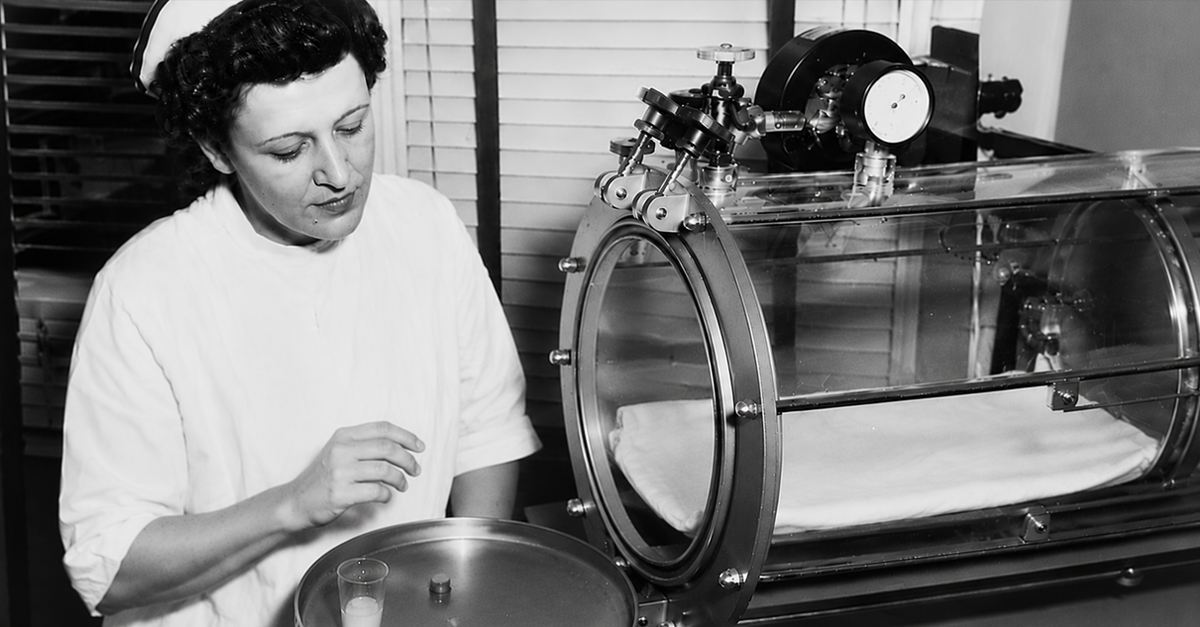
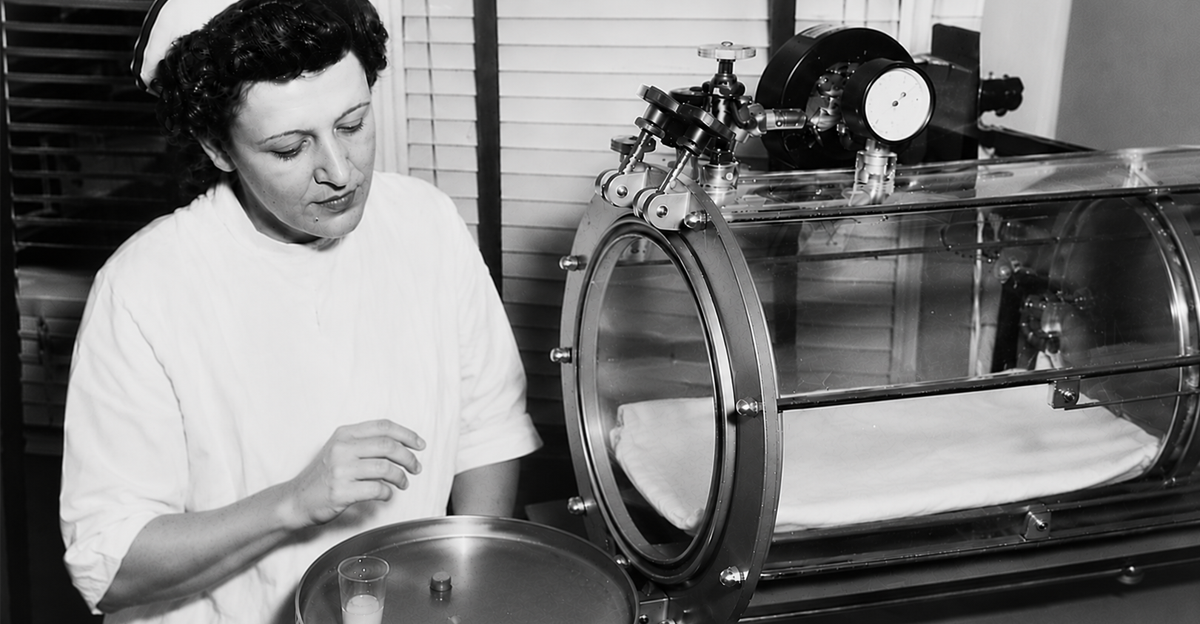
In the early 20th century, visitors to Coney Island could step away from the roller coasters and see something far more startling. Behind glass windows, premature babies rested inside heated incubators while paying crowds watched. It looked like a sideshow, but the infants were receiving medical care that many American hospitals could not provide.
 Bettmann, Getty Images, modified
Premature Birth Was Often A Death Sentence
Premature infants faced enormous risks before modern neonatal medicine developed. Their small bodies struggled to remain warm, fight infection, and take in enough nourishment. Many hospitals lacked the equipment, trained nurses, and dedicated facilities needed to keep them alive.
Doctors Had Few Ways To Help
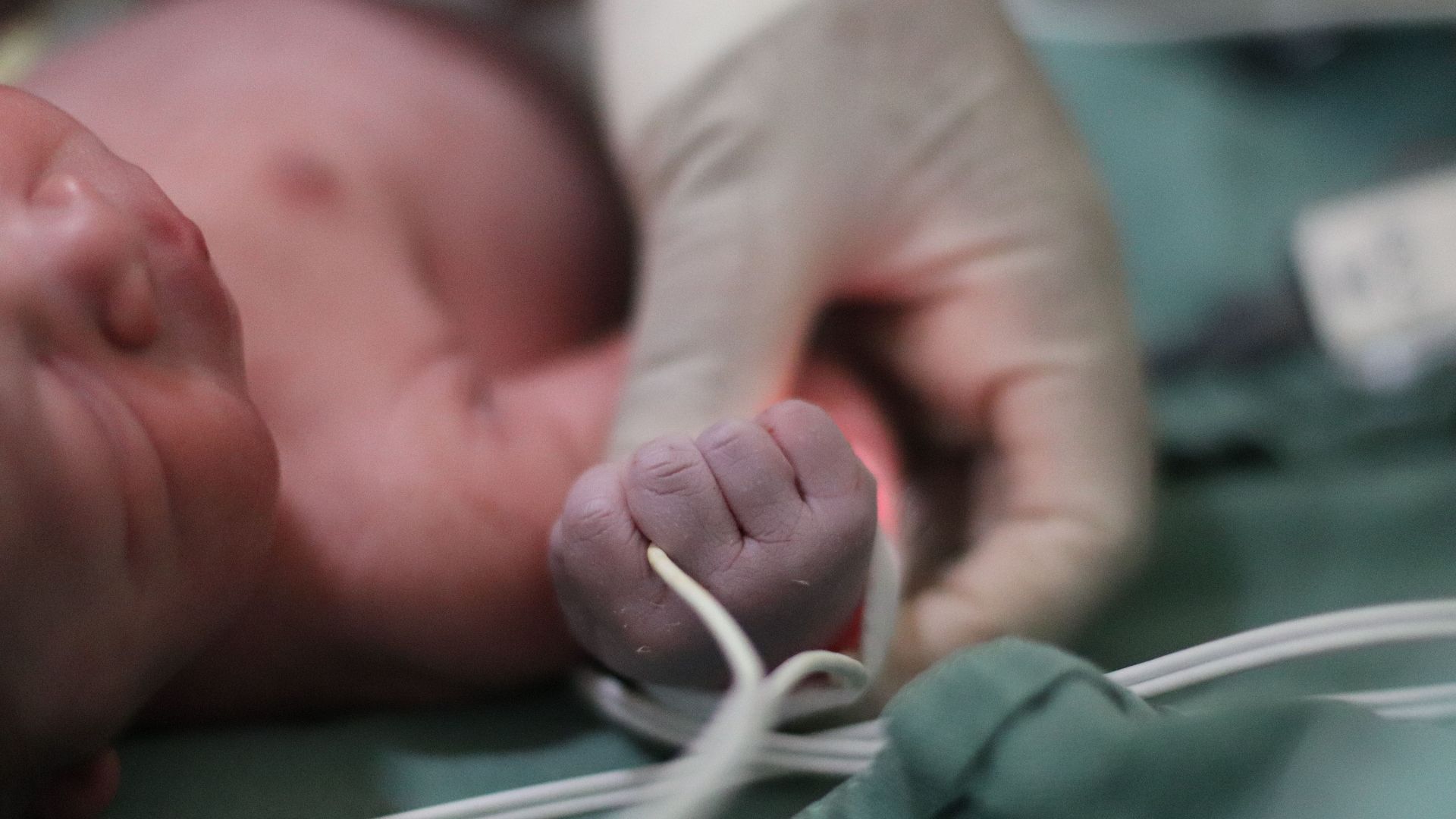
Pediatrics was still developing as a medical specialty at the beginning of the 20th century. Hospitals often focused their limited resources on patients thought to have a strong chance of survival. Extremely small babies were sometimes considered too fragile to save, leaving desperate parents with few options.
The Incubator Began In France
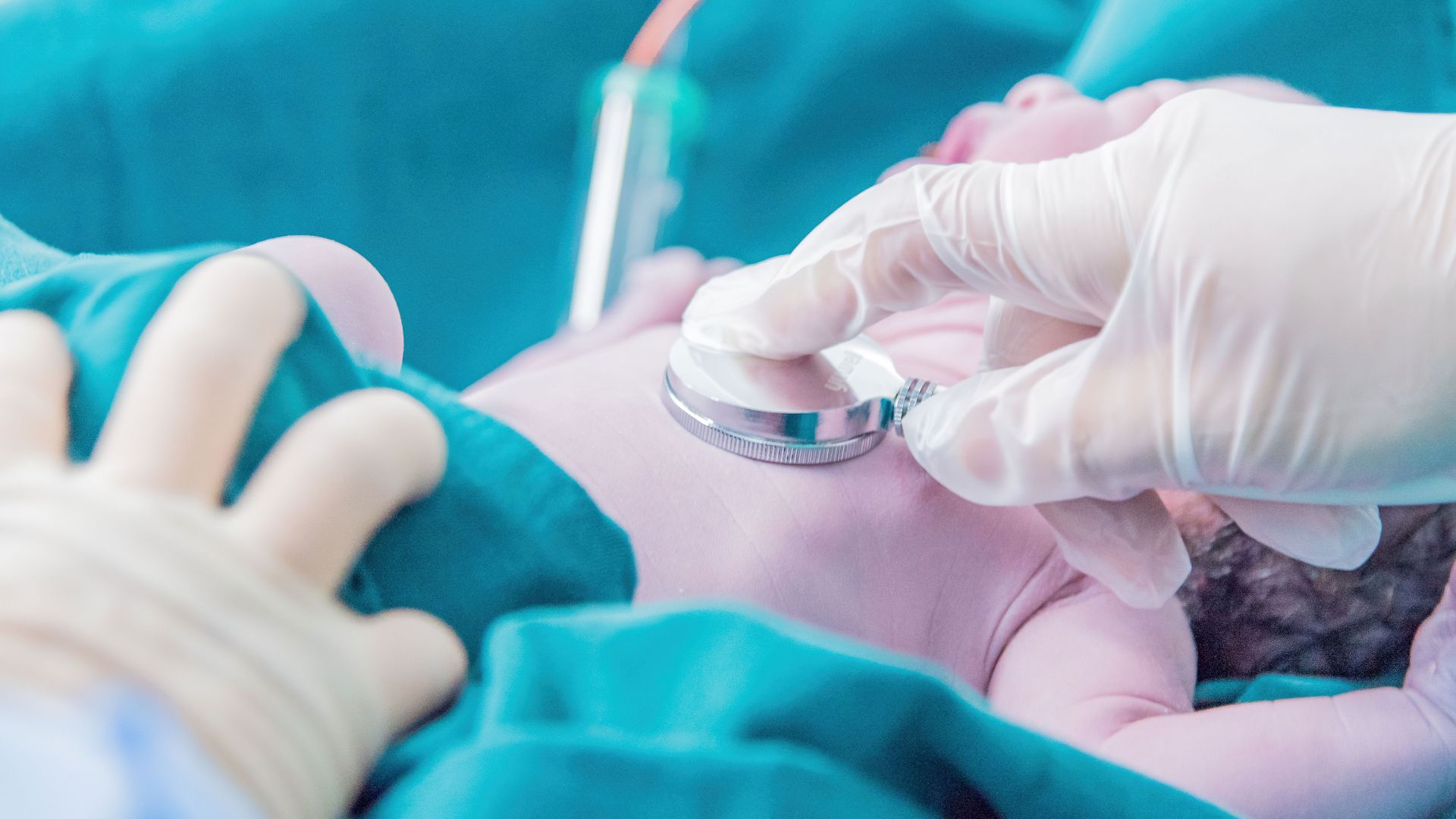
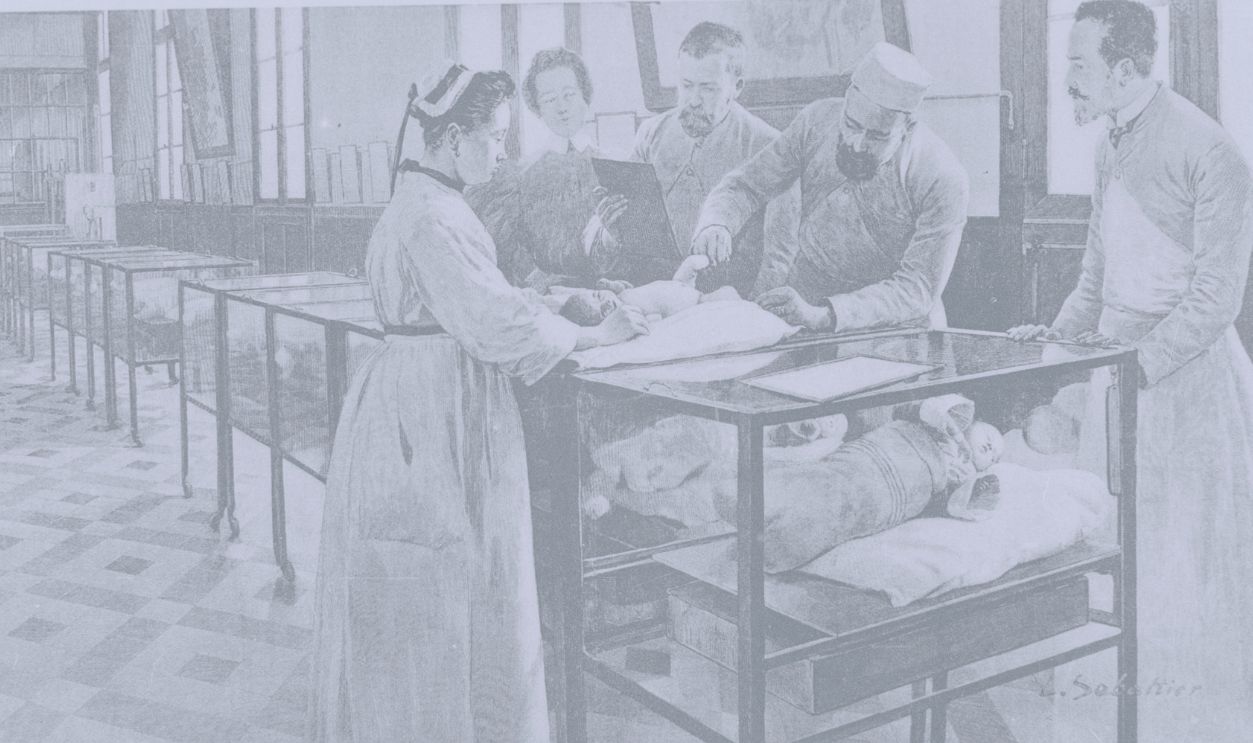
French obstetrician Stéphane Tarnier helped pioneer warming chambers for premature infants during the 1880s. His designs were reportedly inspired by heated incubators used for poultry, although the machines were adapted for human babies. Tarnier demonstrated that controlled warmth could significantly improve an infant’s chances of survival.
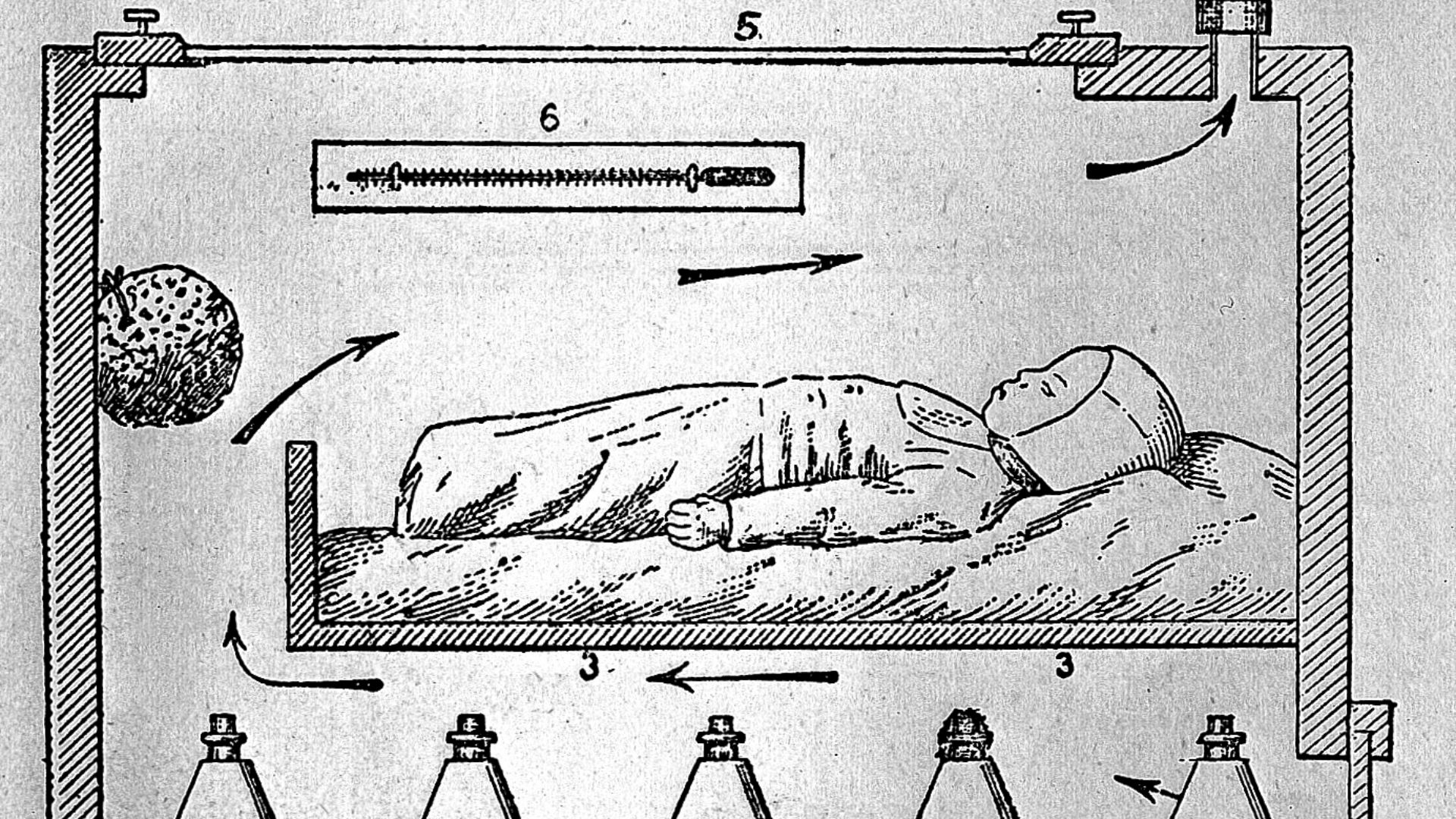
Pierre Budin Improved Premature Care
French physician Pierre Budin became another major advocate for premature babies. He emphasized temperature control, careful feeding, cleanliness, and continued involvement from the child’s mother. His methods helped establish several principles that would eventually become central to neonatal medicine.
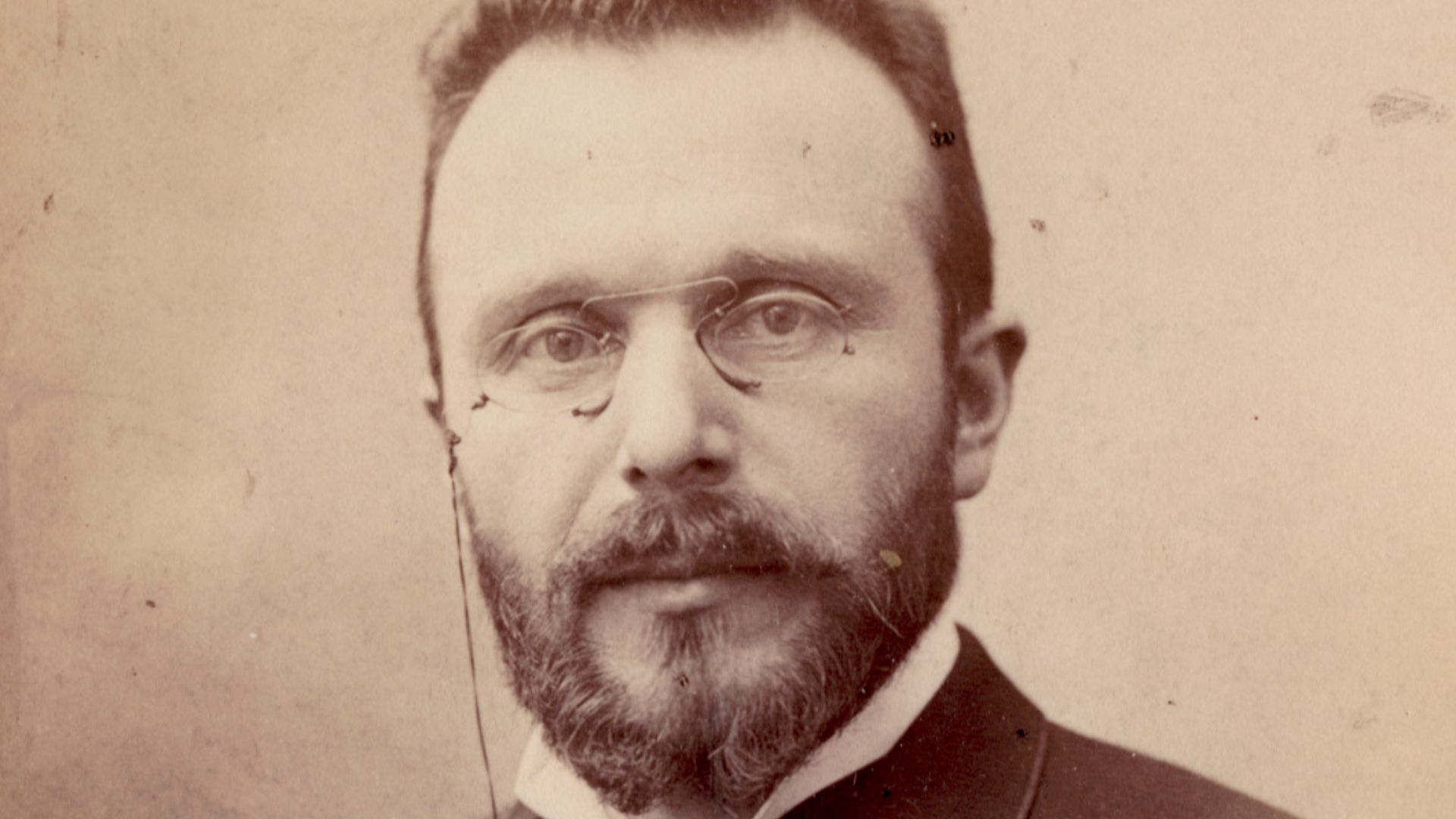 Eugène Pirou, Wikimedia Commons
Martin Couney Entered The Story
Martin Couney became the most famous promoter of infant incubators, although much about his background remains uncertain. He presented himself as a European-trained doctor and claimed connections to respected French physicians. Later researchers found no reliable evidence that he had earned a medical degree.
Couney Built A Convincing Legend
Couney offered different accounts of his birthplace, education, and medical training over the years. Newspapers often repeated his claims without checking them, helping him develop the reputation of an experienced physician. Modern historians generally describe him as a skilled showman who became a determined advocate for premature infants.
Incubators Became Public Entertainment
Before incubators were widely accepted by hospitals, they appeared at international exhibitions and fairs. Visitors paid to see tiny babies being cared for inside glass-fronted machines. The displays promoted the new technology while generating the money needed to fund the nurseries.
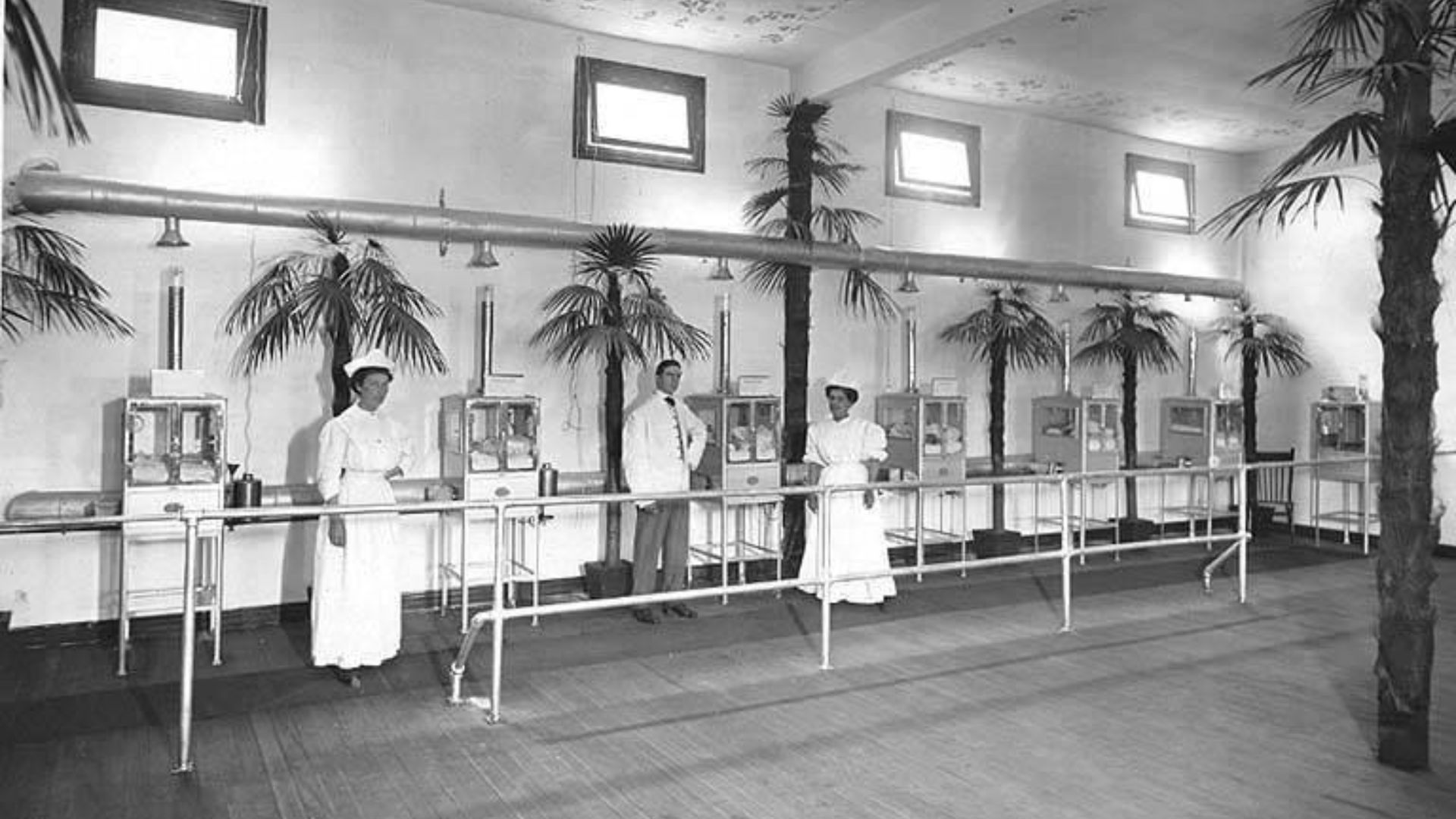 Unknown authorUnknown author, Wikimedia Commons
America Saw The Babies In 1898
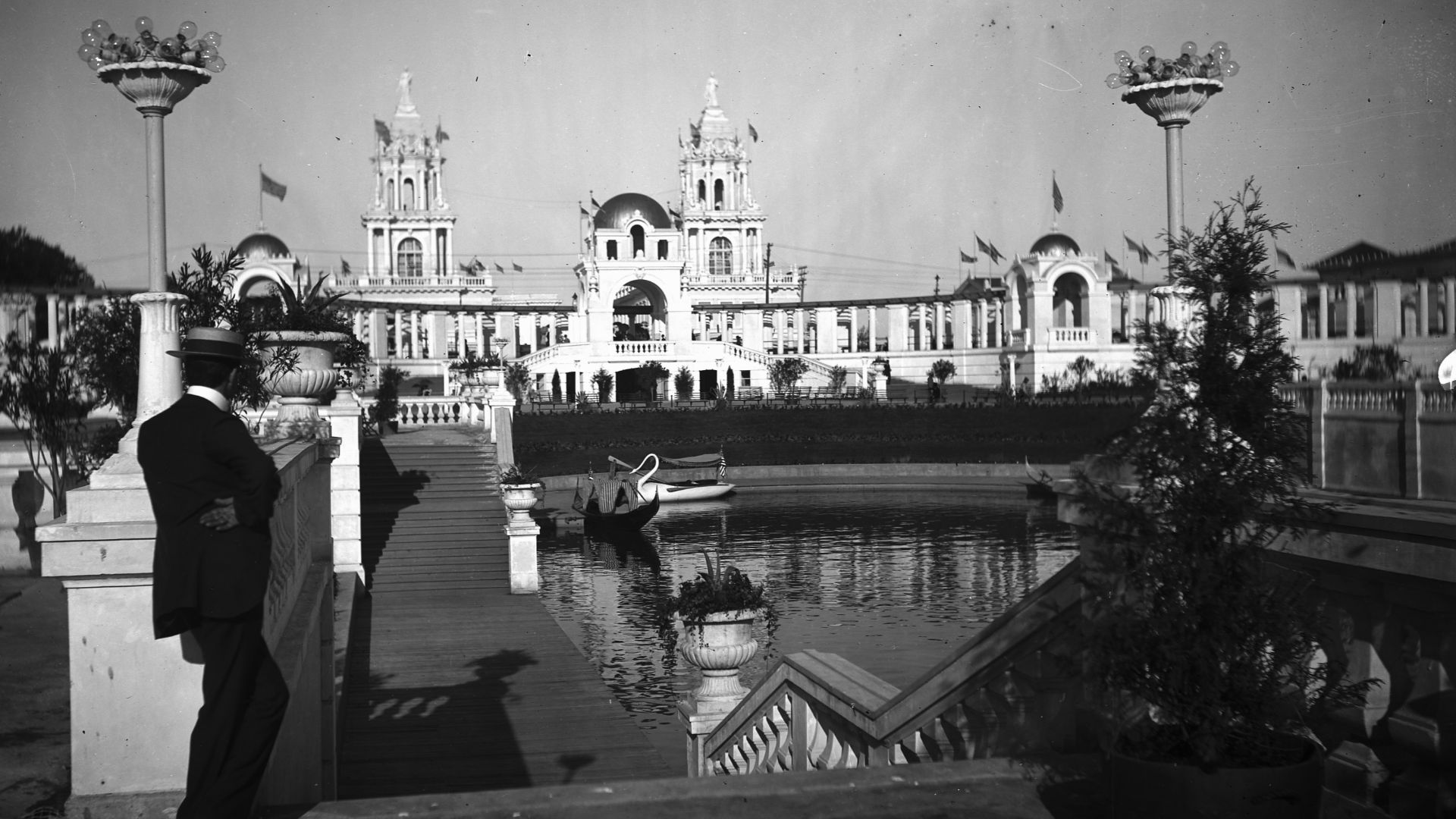
An infant incubator exhibit appeared at the Trans-Mississippi and International Exposition in Omaha in 1898. Couney soon became associated with similar attractions at fairs and amusement grounds across the United States. For many Americans, these displays offered their first look at organized premature infant care.
 Smithsonian Institution from United States, Wikimedia Commons

History's most fascinating stories and darkest secrets, delivered to your inbox daily.
Coney Island Offered The Perfect Stage
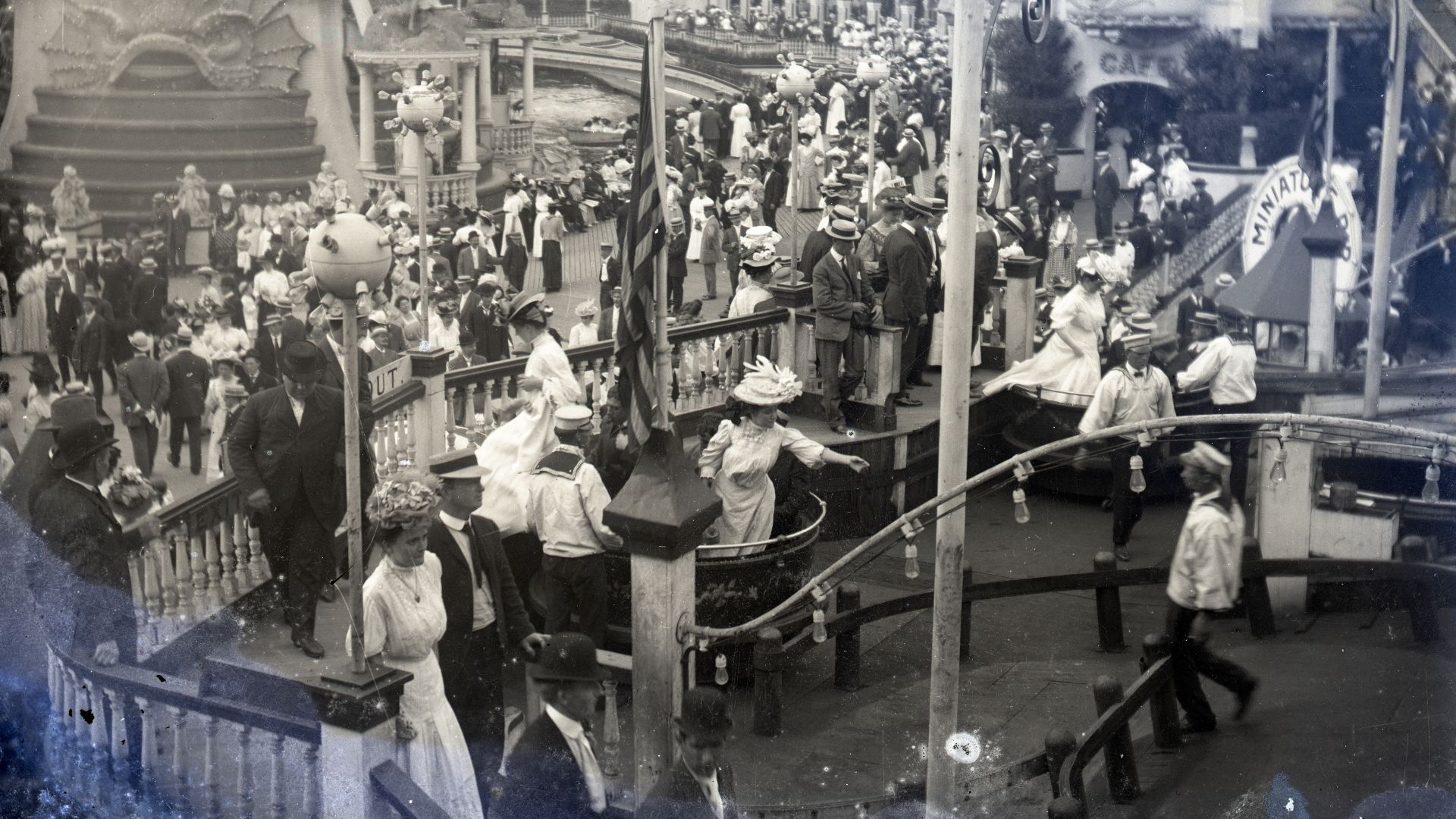
Coney Island was becoming one of the country’s greatest entertainment destinations. Its amusement parks competed with elaborate rides, animal acts, theatrical performances, and spectacular exhibitions. In 1903, Couney opened an infant incubator attraction at the newly established Luna Park.
 Richard from USA, Wikimedia Commons
The Sign Promised Living Babies
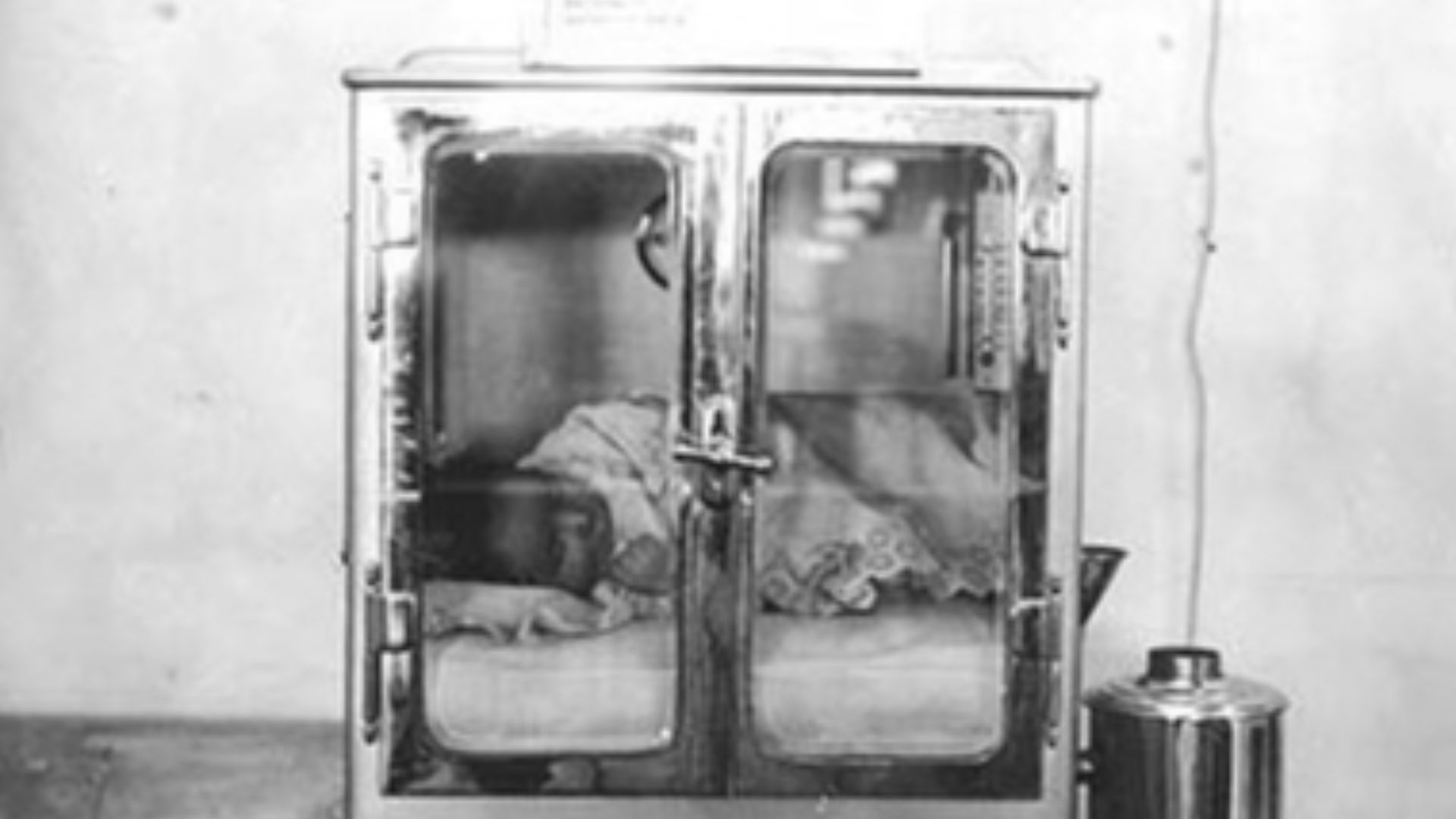
Large signs advertised living babies in incubators to people walking along the midway. Visitors paid an admission fee before entering a specially constructed facility. Inside, they found rows of premature infants receiving genuine care rather than performers taking part in an illusion.
 Frank H. Nowell, Wikimedia Commons
The Crowd Paid For The Care
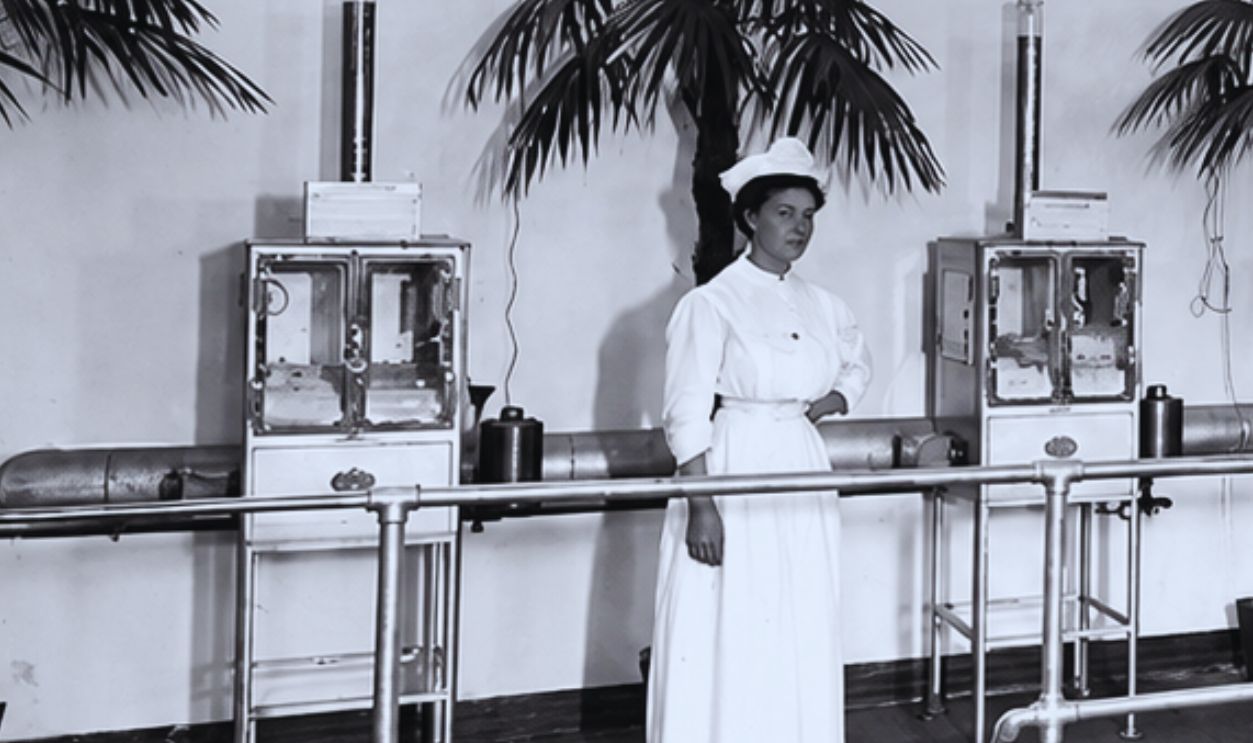
Couney did not normally charge parents for treating their babies. Instead, admission fees from spectators paid for incubators, nurses, wet nurses, food, equipment, and round-the-clock operation. Public curiosity funded medical treatment that many families could never have afforded.
 Baby incubator exhibitUploaded by jmabel, Wikimedia Commons
Parents Had Few Alternatives
Families sometimes brought babies to Coney Island after hospitals told them that little could be done. Some physicians even directed parents to Couney because he had equipment their institutions lacked. For many infants, the amusement park clinic represented their only realistic chance of survival.
The Nursery Was Carefully Controlled
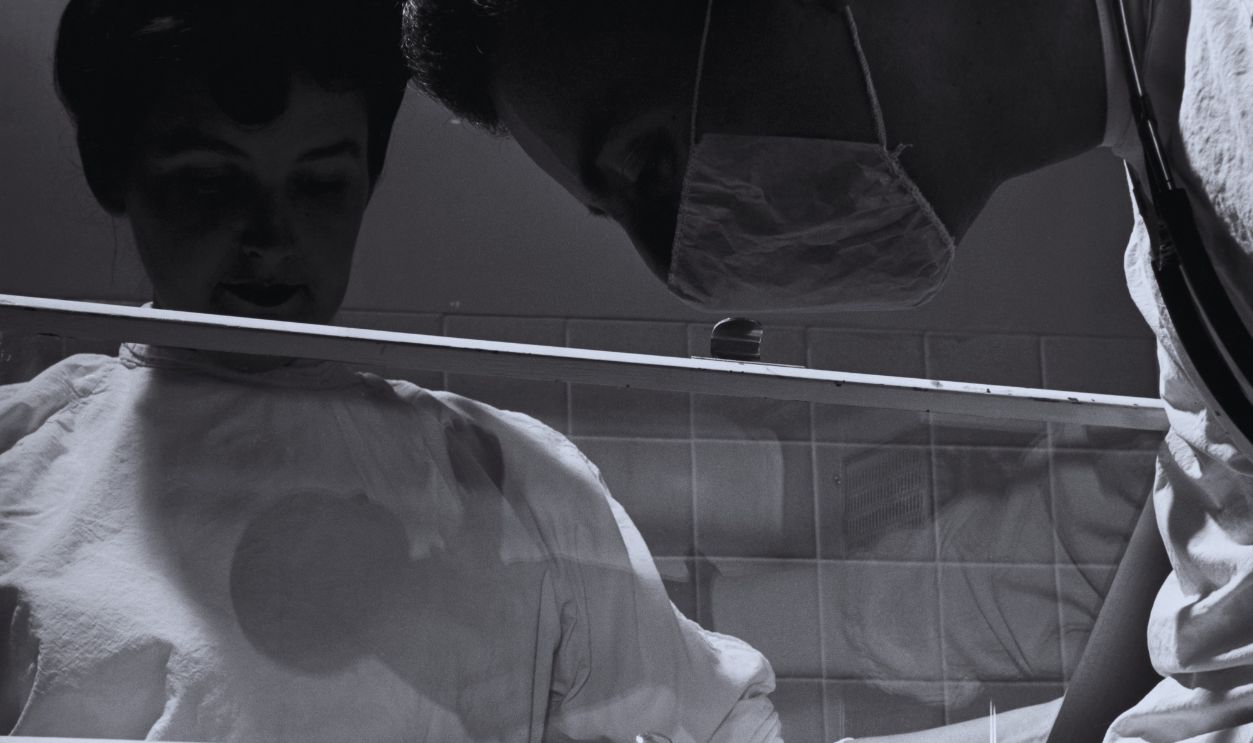
Despite the noise and excitement outside, Couney attempted to maintain a professional environment. His facility employed trained nurses and followed strict routines involving feeding, weighing, cleanliness, and temperature control. Visitors often remarked on the contrast between the carnival setting and the serious work taking place inside.
 Jessie Tarbox Beals (attributed), Wikimedia Commons
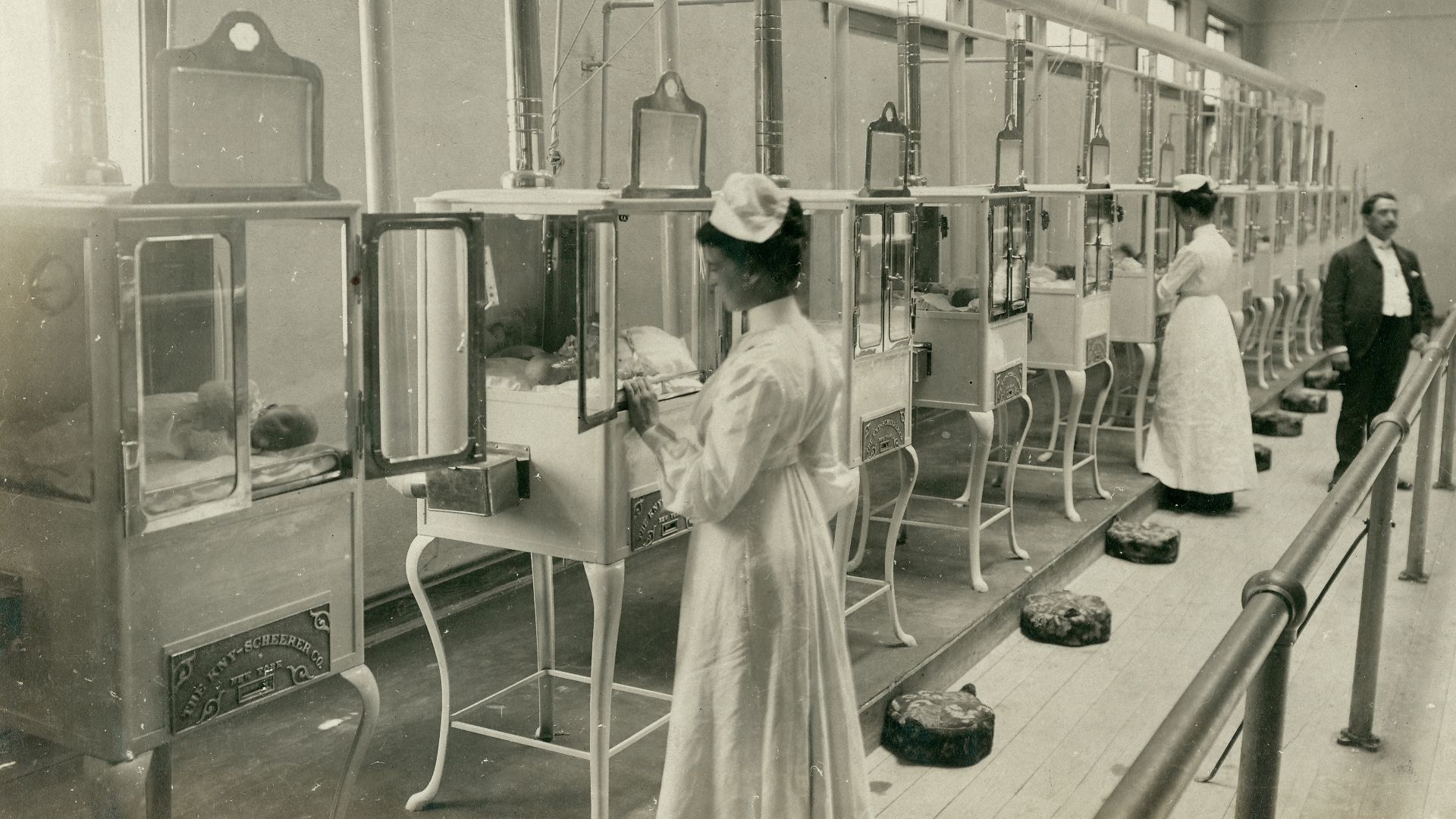
Nurses Provided Constant Attention
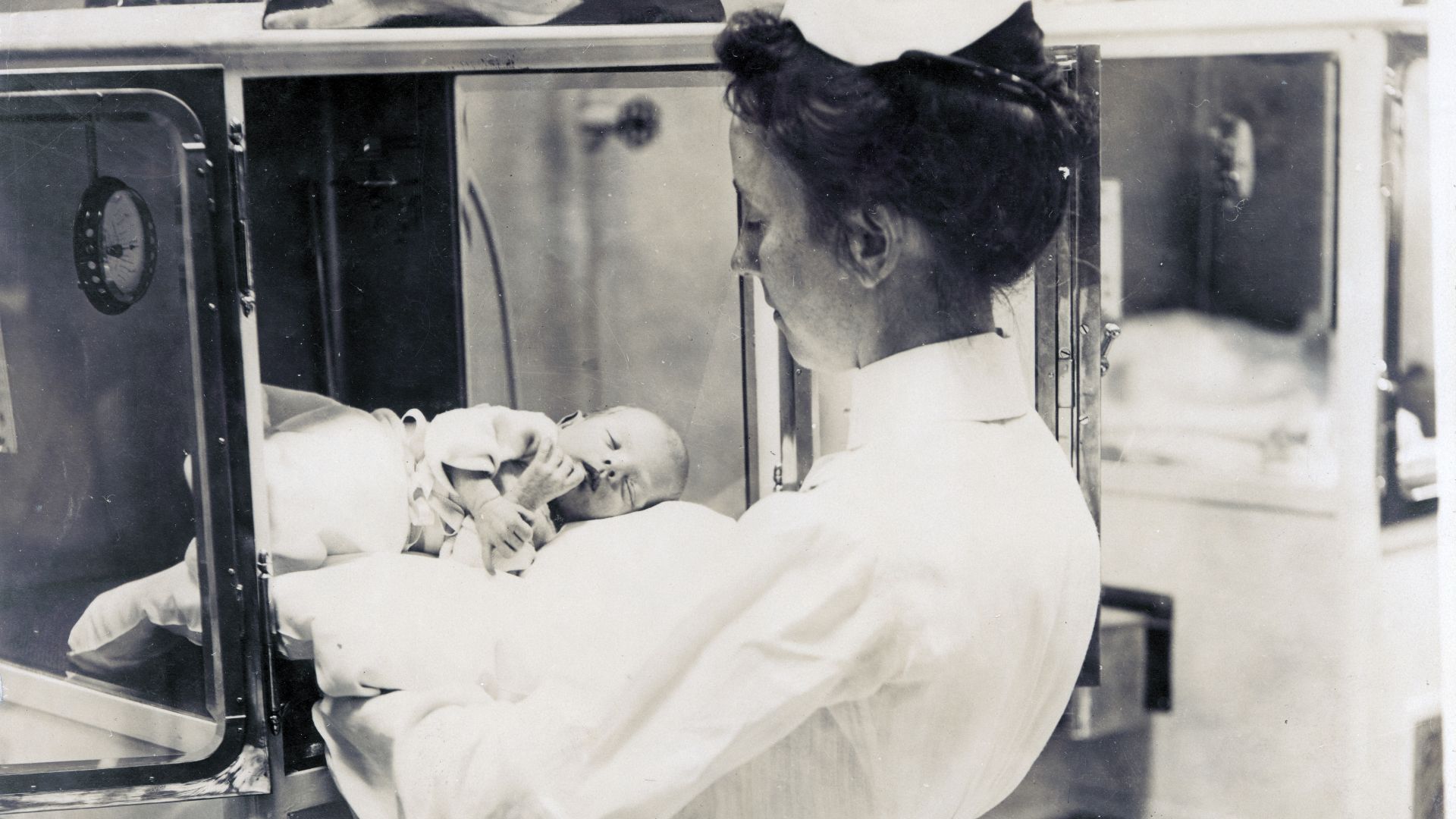
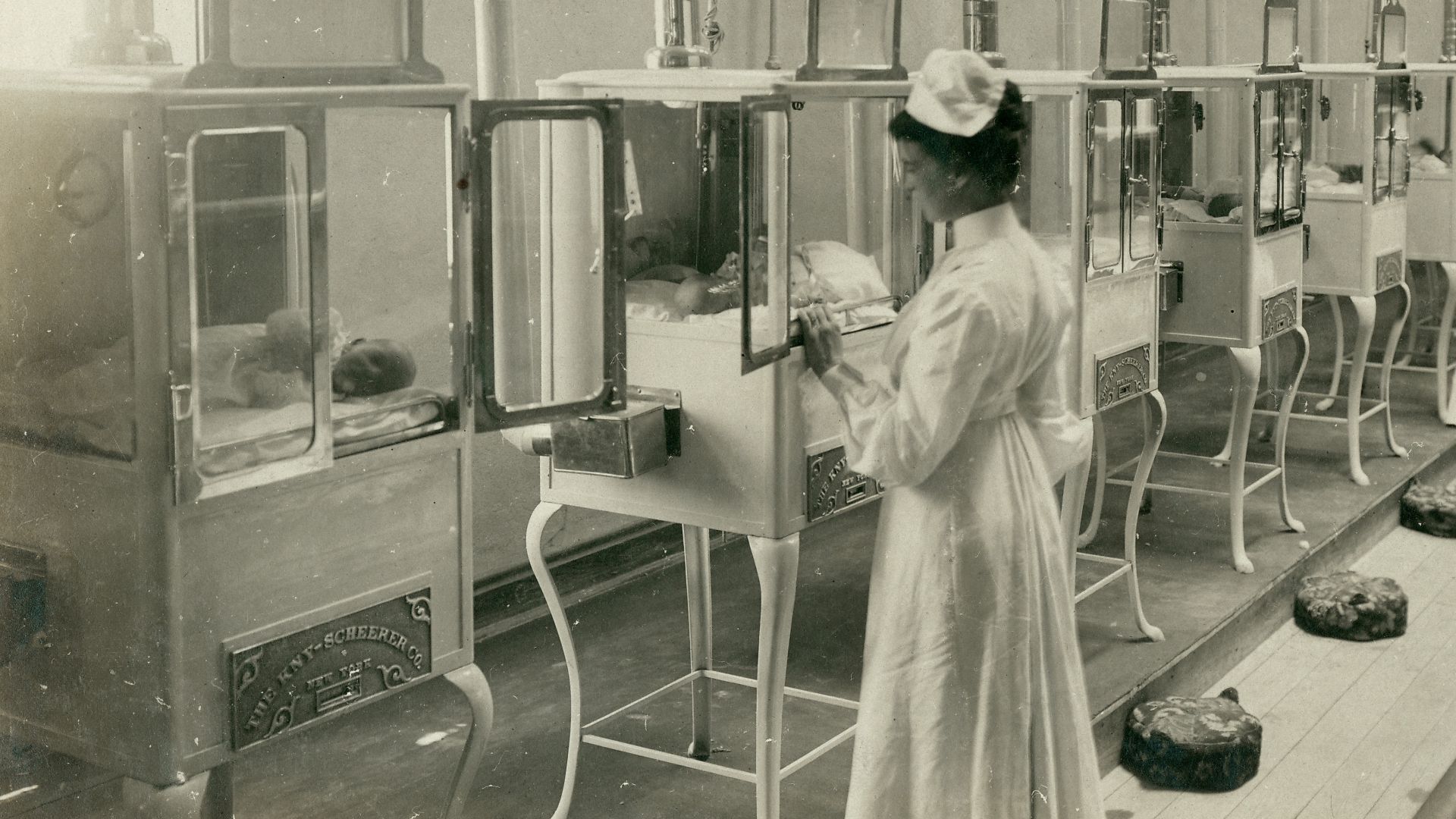
The babies required care throughout the day and night. Nurses monitored their temperature, cleaned the incubators, recorded changes in weight, and watched for signs of illness. Their close attention was at least as important as the incubator machinery itself.
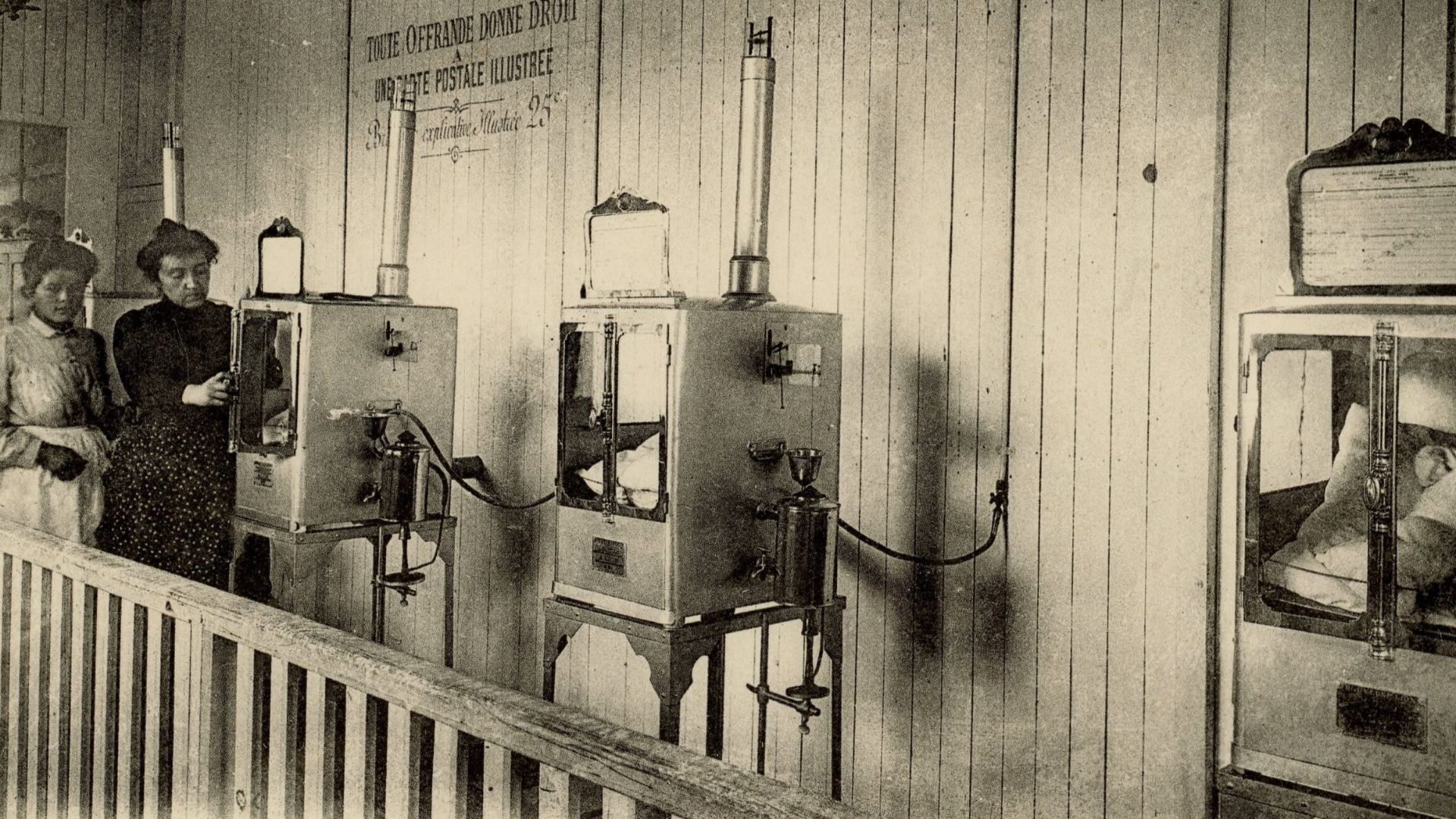
Warm Air Protected Fragile Infants
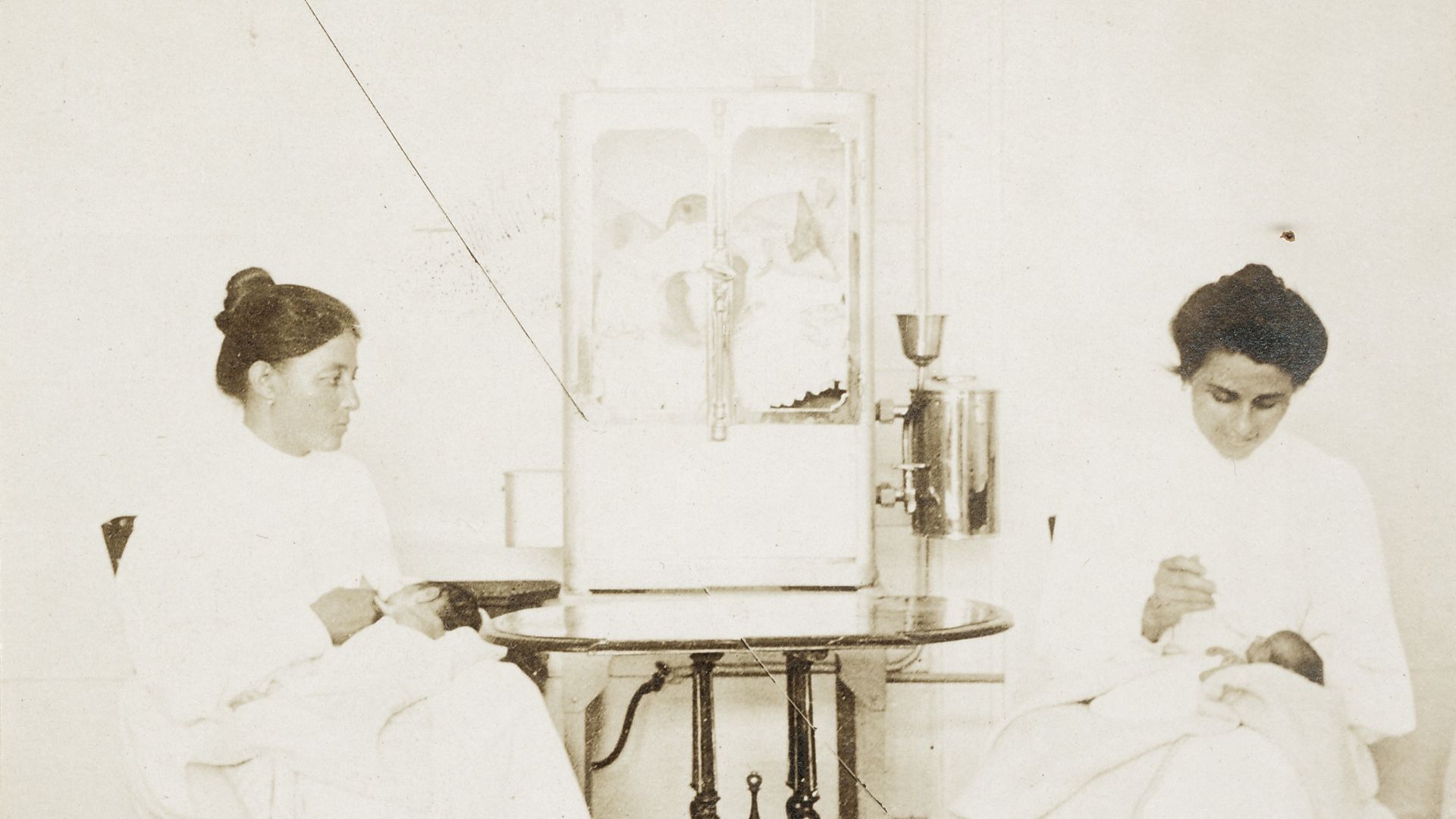
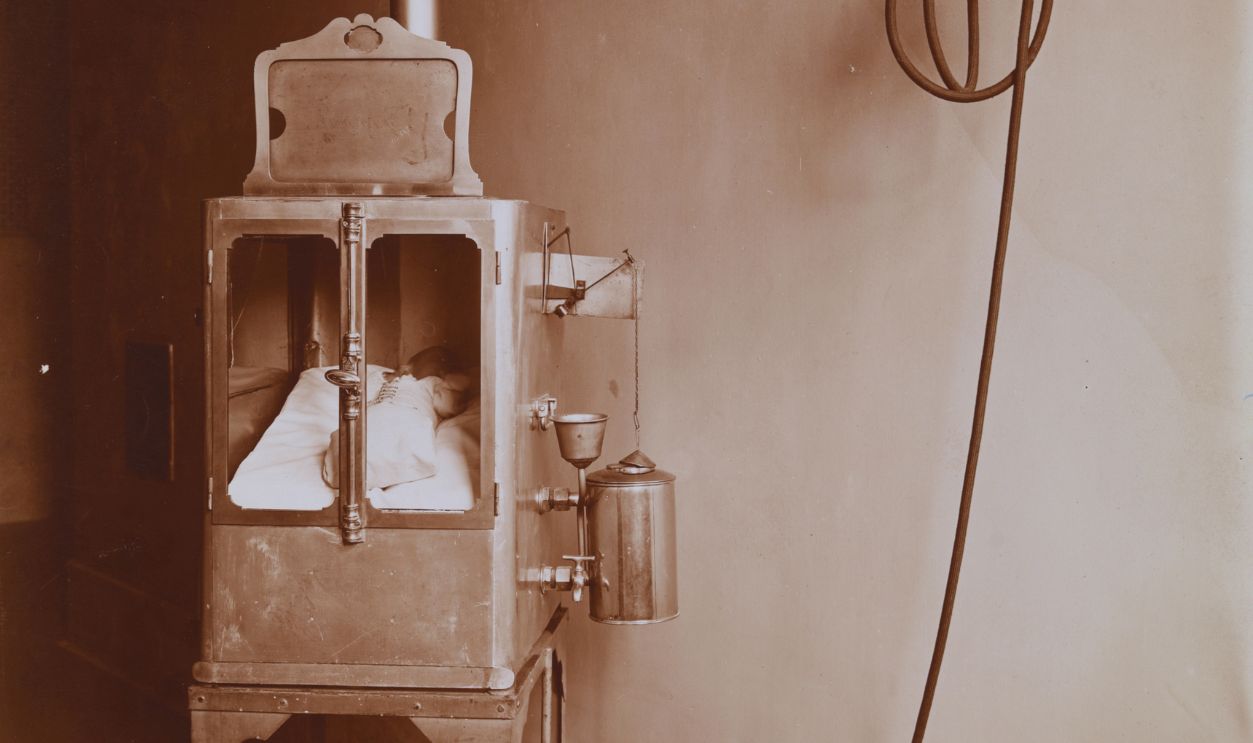
Couney’s incubators used pipes, boilers, filters, and thermostats to create a consistently warm environment. Air circulated through the machines and around the infants inside. The equipment was primitive by modern standards, but it protected babies who could not regulate their own body temperature.
 Jessie Tarbox Beals (attributed), Wikimedia Commons
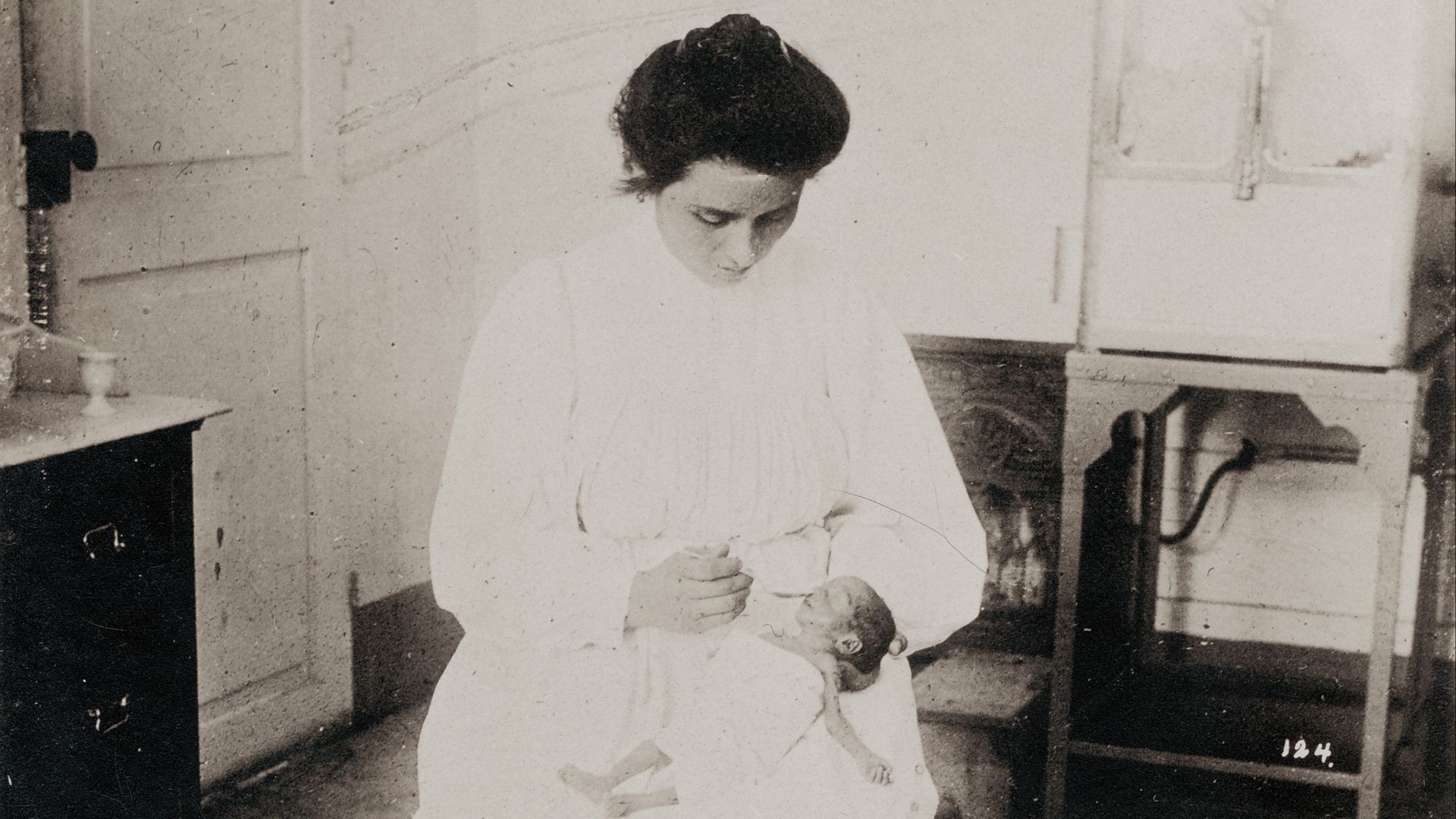
Feeding Required Patience
Many premature babies were too weak to nurse normally. Couney’s staff relied heavily on breastmilk and sometimes used bottles, spoons, or other carefully controlled feeding methods. Wet nurses were employed because breastmilk was easier for the fragile infants to tolerate.
 Unknown authorUnknown author, Wikimedia Commons
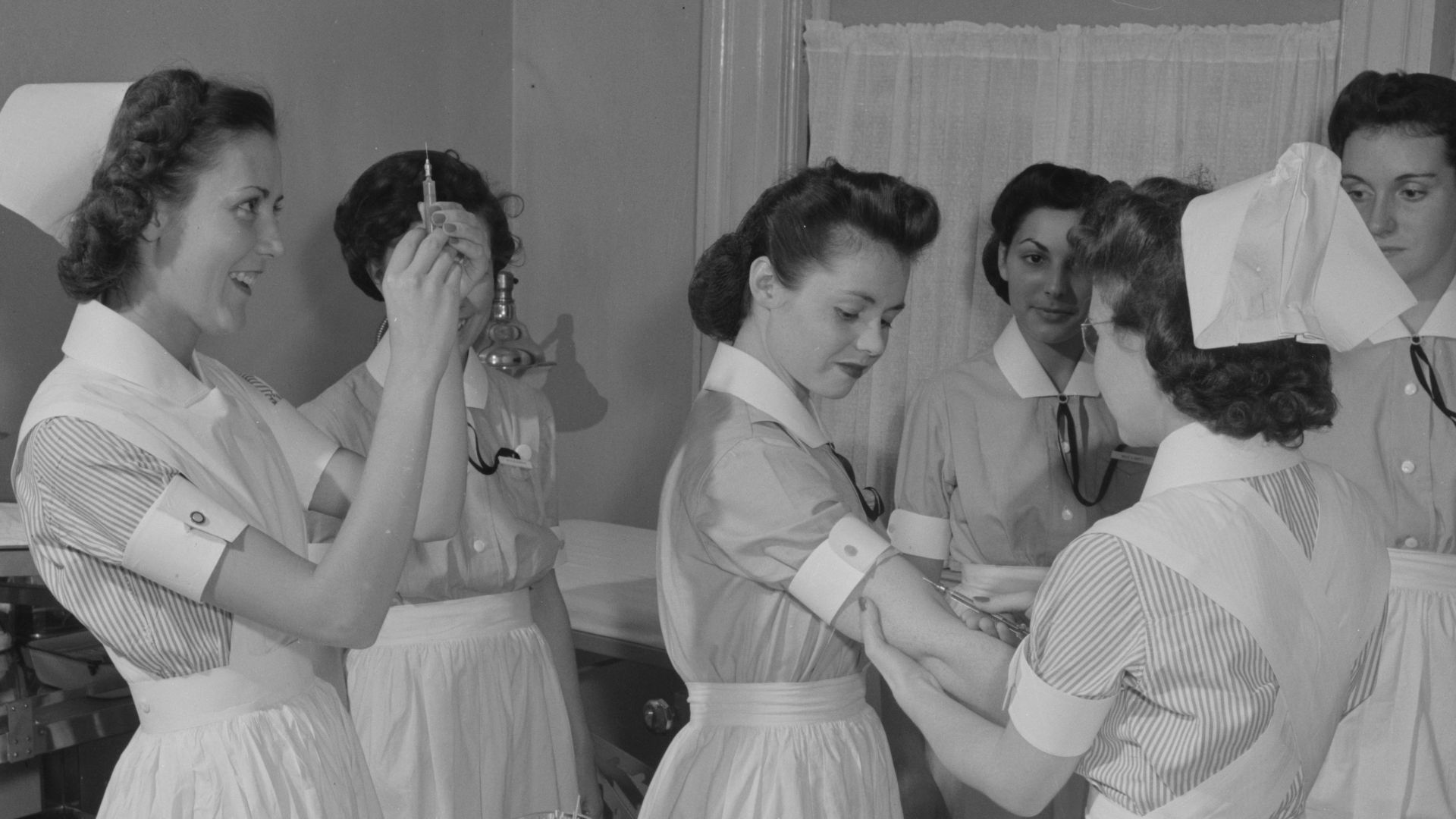
Cleanliness Was Taken Seriously
Infection posed a constant threat to premature babies. Couney’s team stressed handwashing, clean clothing, restricted access, and the regular cleaning of equipment. These procedures were unusually rigorous during a period when infection control remained inconsistent in many hospitals.
 Fritz Henle, Wikimedia Commons
The Babies Were Still Part Of A Show
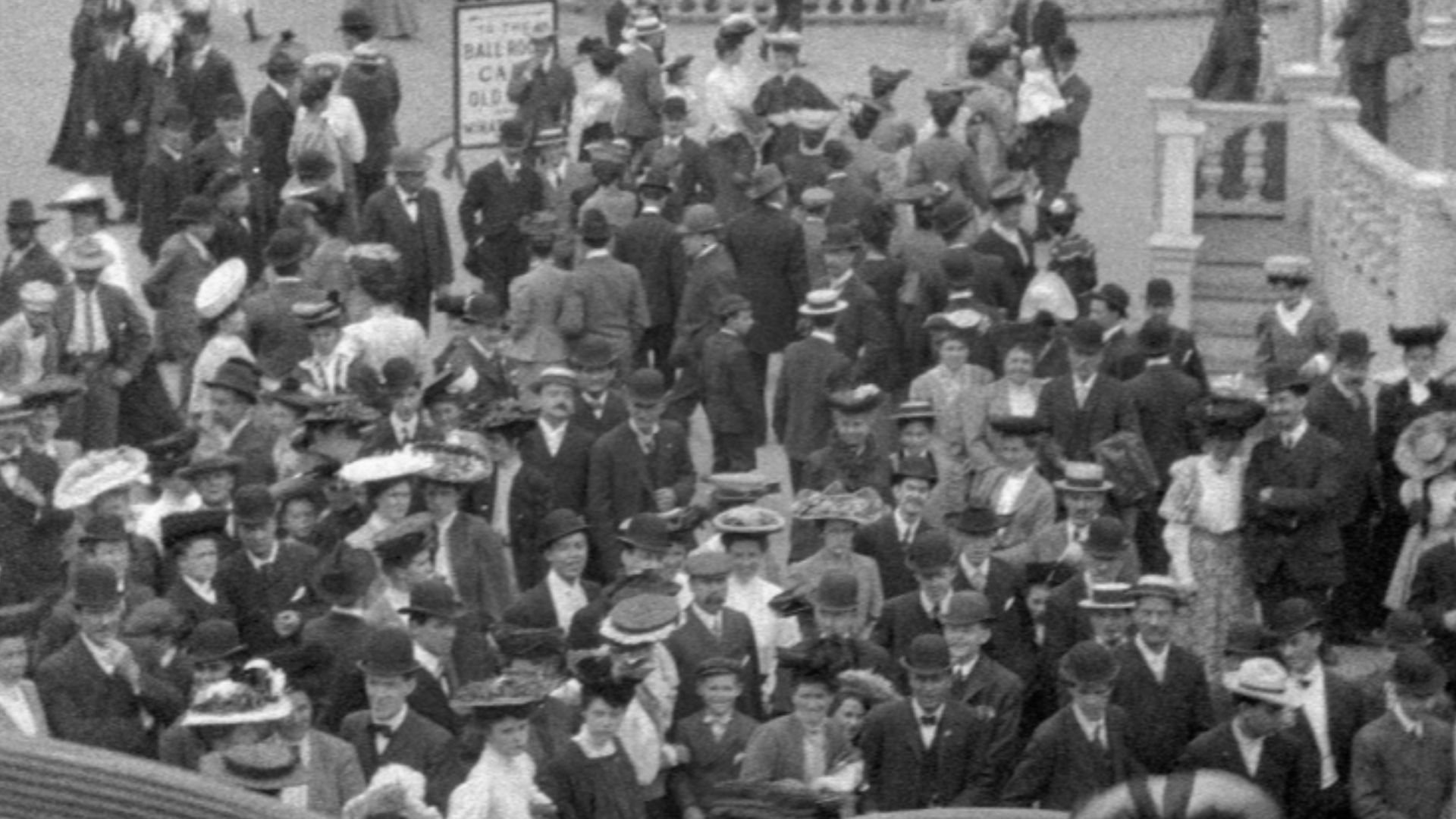
The life-saving purpose of the clinic did not erase its theatrical presentation. Nurses occasionally lifted babies from the incubators so visitors could appreciate how small they were. One demonstration reportedly involved slipping a ring over an infant’s arm, turning medical vulnerability into a memorable spectacle.
 Unknown authorUnknown author, Wikimedia Commons
Critics Accused Couney Of Exploitation
Some physicians and social reformers believed the displays were unethical. They argued that seriously ill babies should not be exhibited beside amusement rides, animal acts, and other midway attractions. Critics also worried that crowds might expose the infants to infection.
 Brooklyn Museum, Wikimedia Commons
Couney Pointed To The Survivors
Couney responded that the babies would otherwise receive little or no specialized treatment. He claimed that his facilities achieved much better survival rates than were normally seen among premature infants. His recordkeeping did not meet modern clinical standards, but many former patients unquestionably survived under his care.
 Museum of the City of New York/Byron Collection, Getty Images
Dreamland Opened Another Nursery
The demand for Couney’s services led to a second incubator facility at Dreamland, another major Coney Island amusement park. For several years, premature babies were treated at both Dreamland and Luna Park. The nurseries became permanent features of Coney Island’s unusual entertainment landscape.
A Fire Threatened The Babies
Dreamland was destroyed by a massive fire in May 1911. Staff members evacuated the infants from the incubator building as flames spread through the park. The babies were moved to safety, and Couney continued operating from the surviving Luna Park facility.
 Bain News Service, publisher, Wikimedia Commons
Couney Took The Show Across America
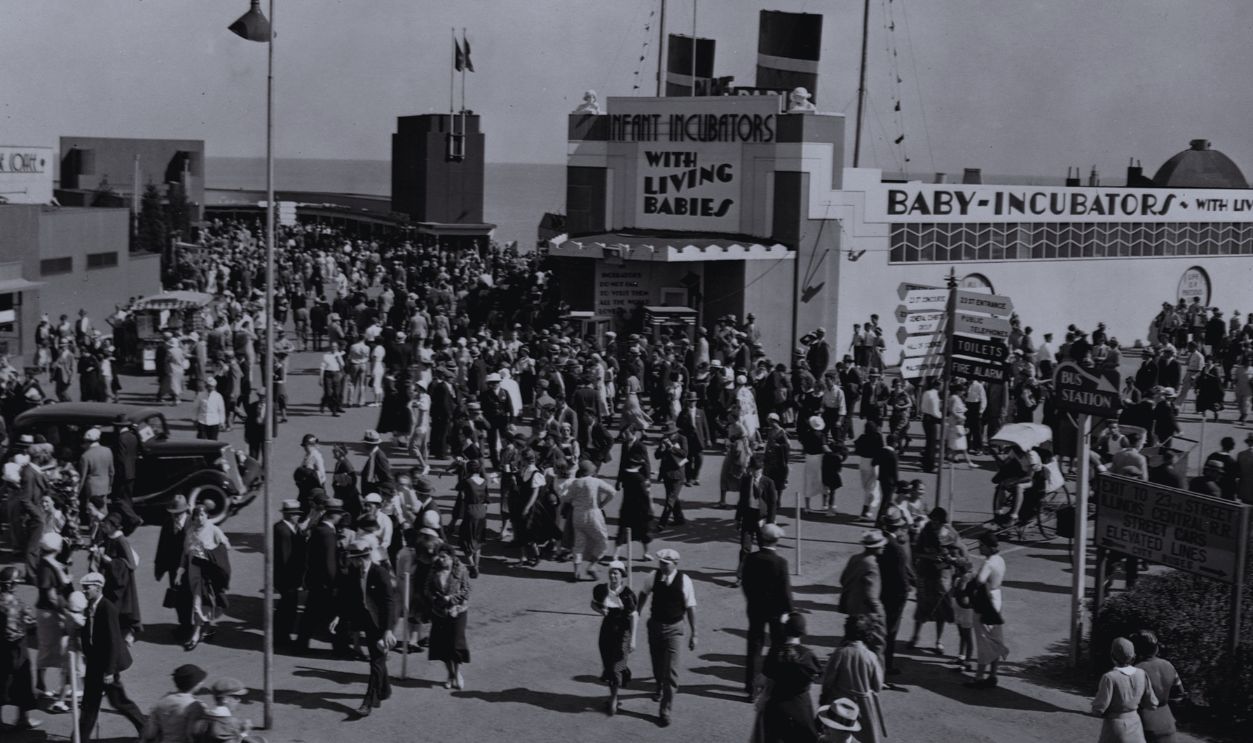
Coney Island became his best-known location, but Couney also operated incubator exhibits in Atlantic City and at major expositions. His displays appeared at fairs in cities including Buffalo, Chicago, and San Francisco. Each attraction combined medical treatment, public education, and commercial entertainment.
 Library of Congress, Getty Images
A Respected Pediatrician Joined Him
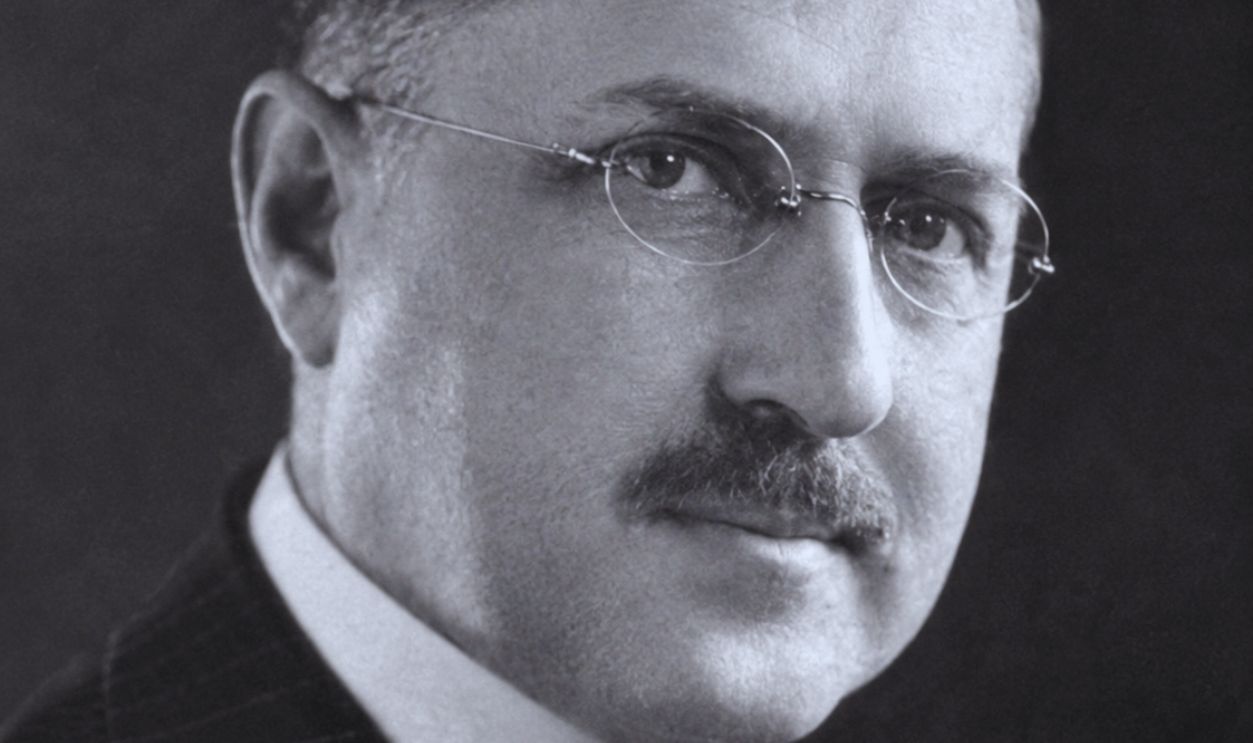
Couney eventually developed a working relationship with Julius Hess, a respected Chicago pediatrician. Hess designed improved incubators, wrote an influential medical textbook, and helped establish specialized hospital care for premature babies. His involvement gave Couney’s work greater credibility within the medical community.
 Edmunds Studio (no individual credited), Wikimedia Commons
Former Patients Returned Healthy
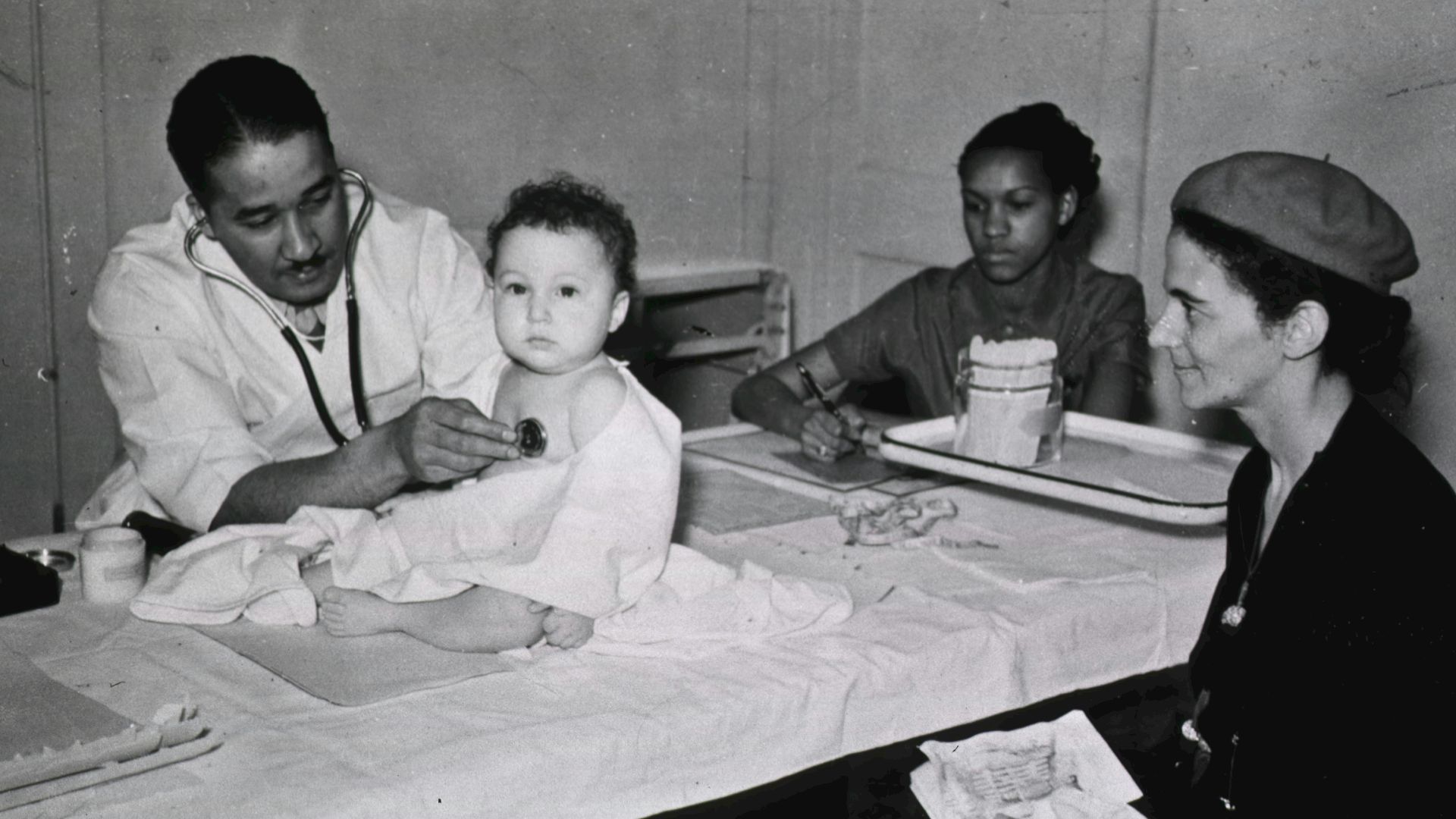
Couney frequently received visits and letters from people who had once occupied his incubators. Their healthy appearances challenged the belief that premature infants were doomed to remain weak or disabled. Some survivors later gave interviews describing how the Coney Island exhibit had saved their lives.
 National Library of Medicine, Unsplash
Hospitals Finally Caught Up
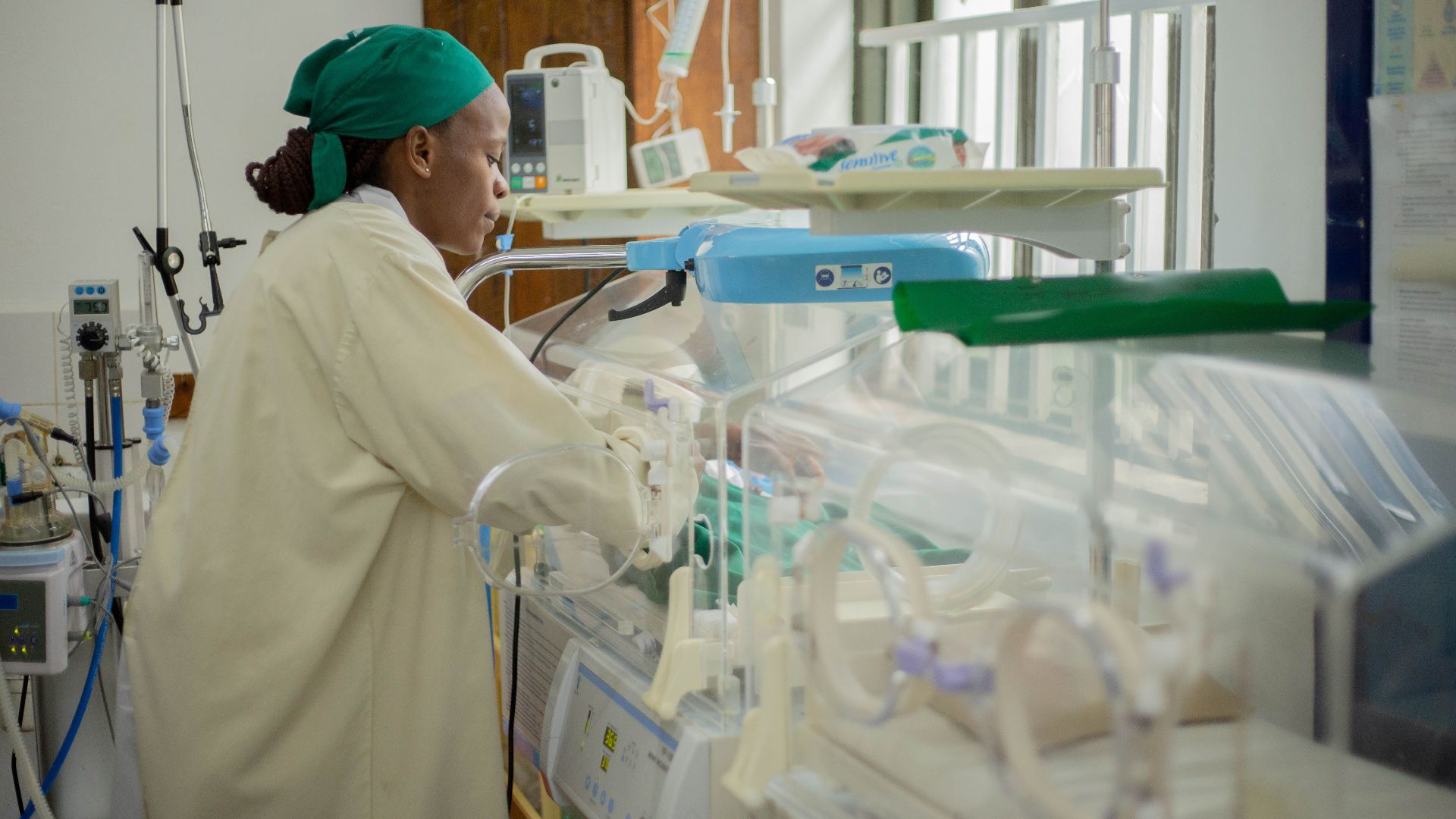
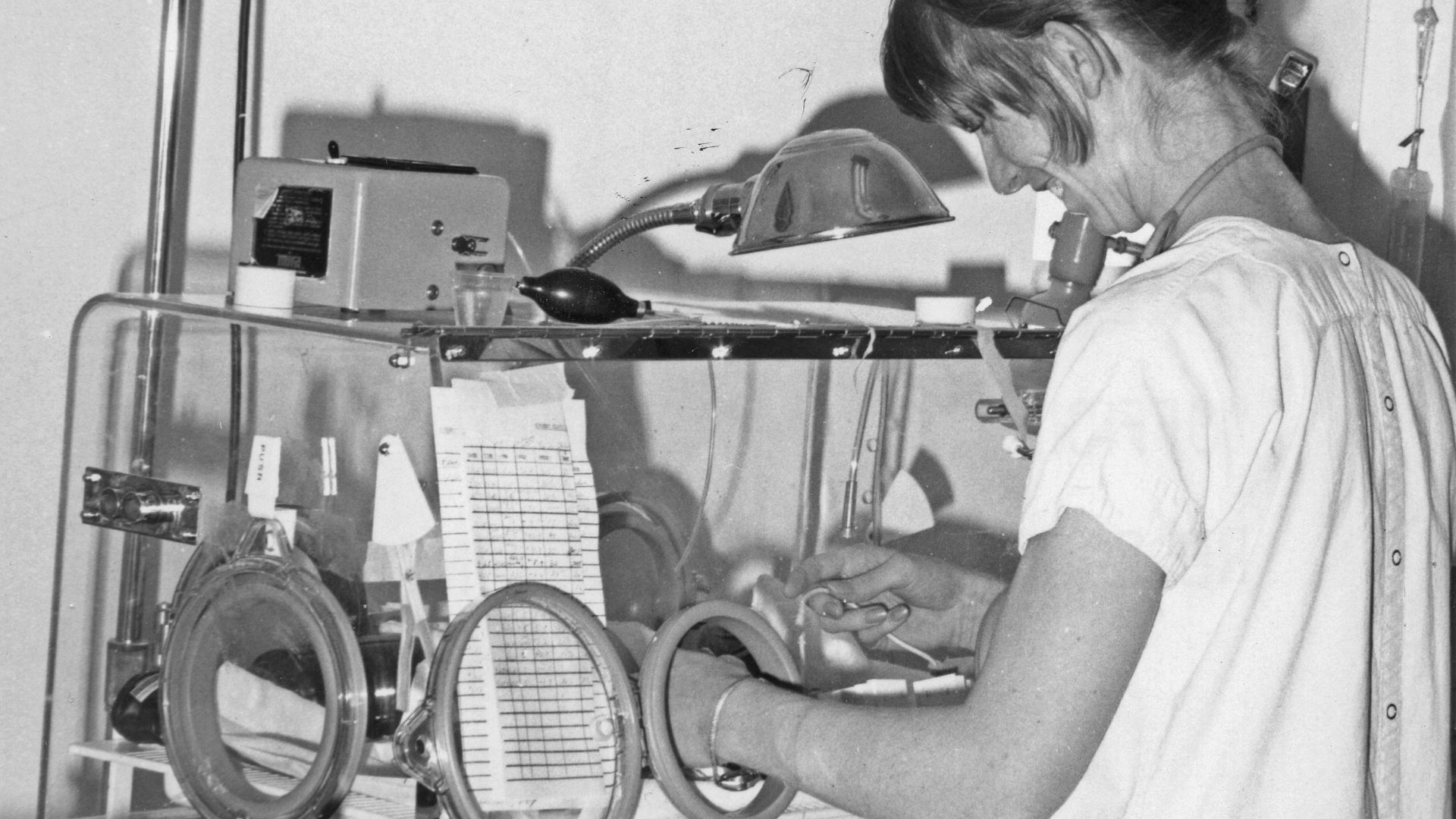
Specialized hospital nurseries gradually became more common during the 1930s and 1940s. Physicians such as Hess helped bring incubators, trained nursing, and organized premature infant care into mainstream medicine. As hospitals adopted these practices, families no longer needed to seek treatment at an amusement park.
The Spectacle Helped Change Medicine
Couney’s Luna Park exhibit closed in 1943 after operating for four decades. His questionable credentials and theatrical methods remain uncomfortable parts of the story, but the care provided by his staff saved many lives. The paying crowds helped prove that premature babies could survive and pushed hospitals to take their treatment more seriously.
 Jessie Tarbox Beals (attributed), Wikimedia Commons
You May Also Like:
Ordinary Jobs From The 20th Century That Vanished Faster Than Anyone Expected
How Sir Arthur Conan Doyle Fell For The Cottingley Fairies Hoax
Bizarre Things That People Somehow Once Believed Were Good For Their Health










.png%20)