History Loves A Monster.
Victorious dynasties, political enemies, religious propagandists, playwrights, and filmmakers have spent centuries turning complicated people into convenient villains. Modern scholarship has not necessarily declared these figures innocent, but closer examination of the evidence has made many of their darkest legends considerably harder to defend.
Richard III Became Shakespeare's Perfect Monster
Richard III ruled England for barely two years, yet his reputation became one of the darkest in British history. Tudor-era writers portrayed him as physically deformed, morally corrupt, and willing to murder almost anyone standing between him and the throne. Shakespeare later transformed that tradition into an unforgettable theatrical villain. Modern scholars note that the Tudors had an obvious political reason to depict the king their dynasty defeated as a monster.
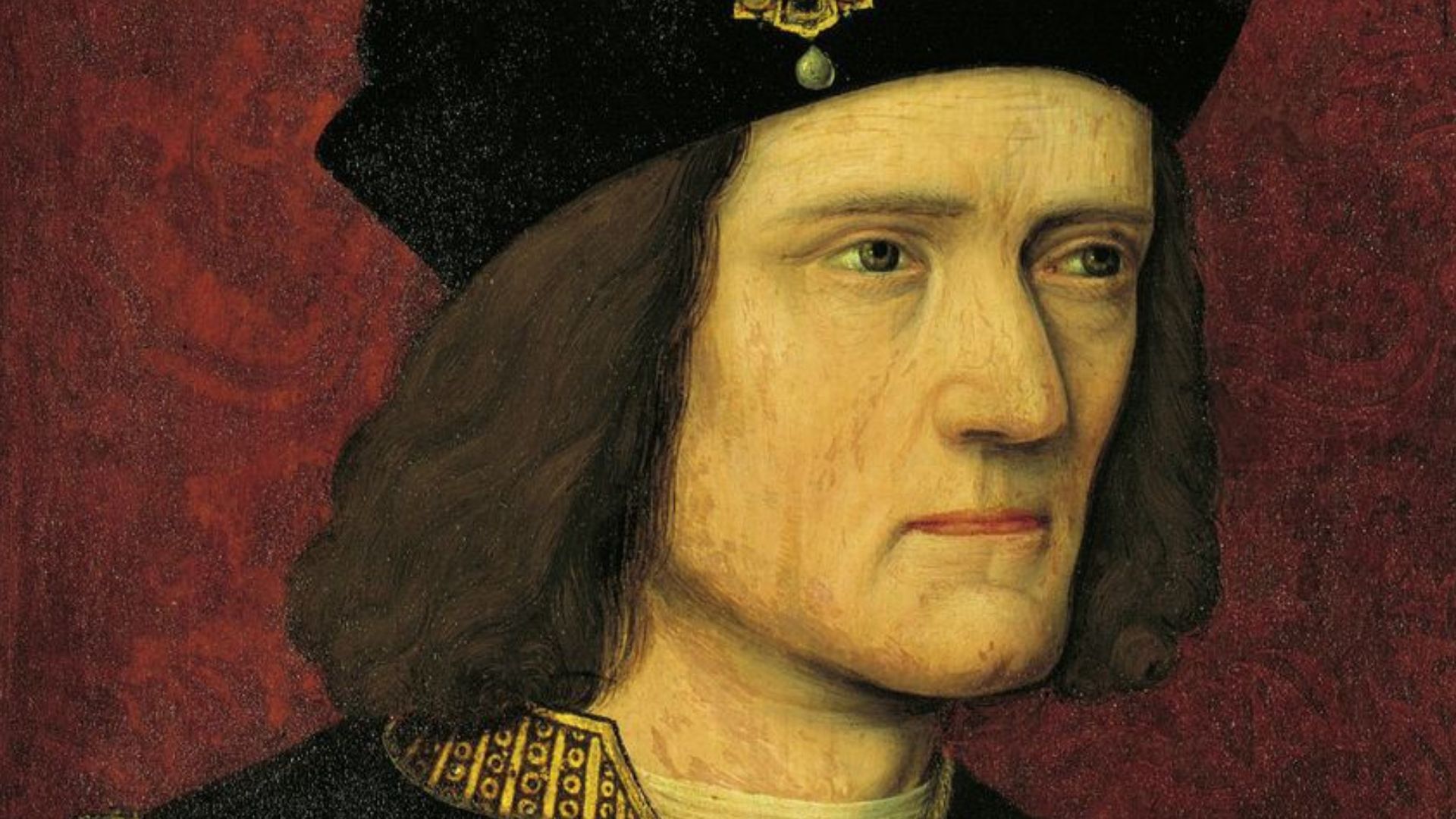 British School, Wikimedia Commons
The Princes Still Haunt His Reputation
Richard's nephews Edward V and Richard, Duke of York, disappeared after being placed in the Tower of London in 1483. Richard benefited politically from their removal, which has made him the leading suspect for centuries, but no surviving evidence conclusively proves who killed them or even precisely when they died. Historic Royal Palaces still describes their fate as an unresolved historical mystery. Reconsidering Richard therefore does not mean proving his innocence, only admitting that the most famous charge against him remains unproven.
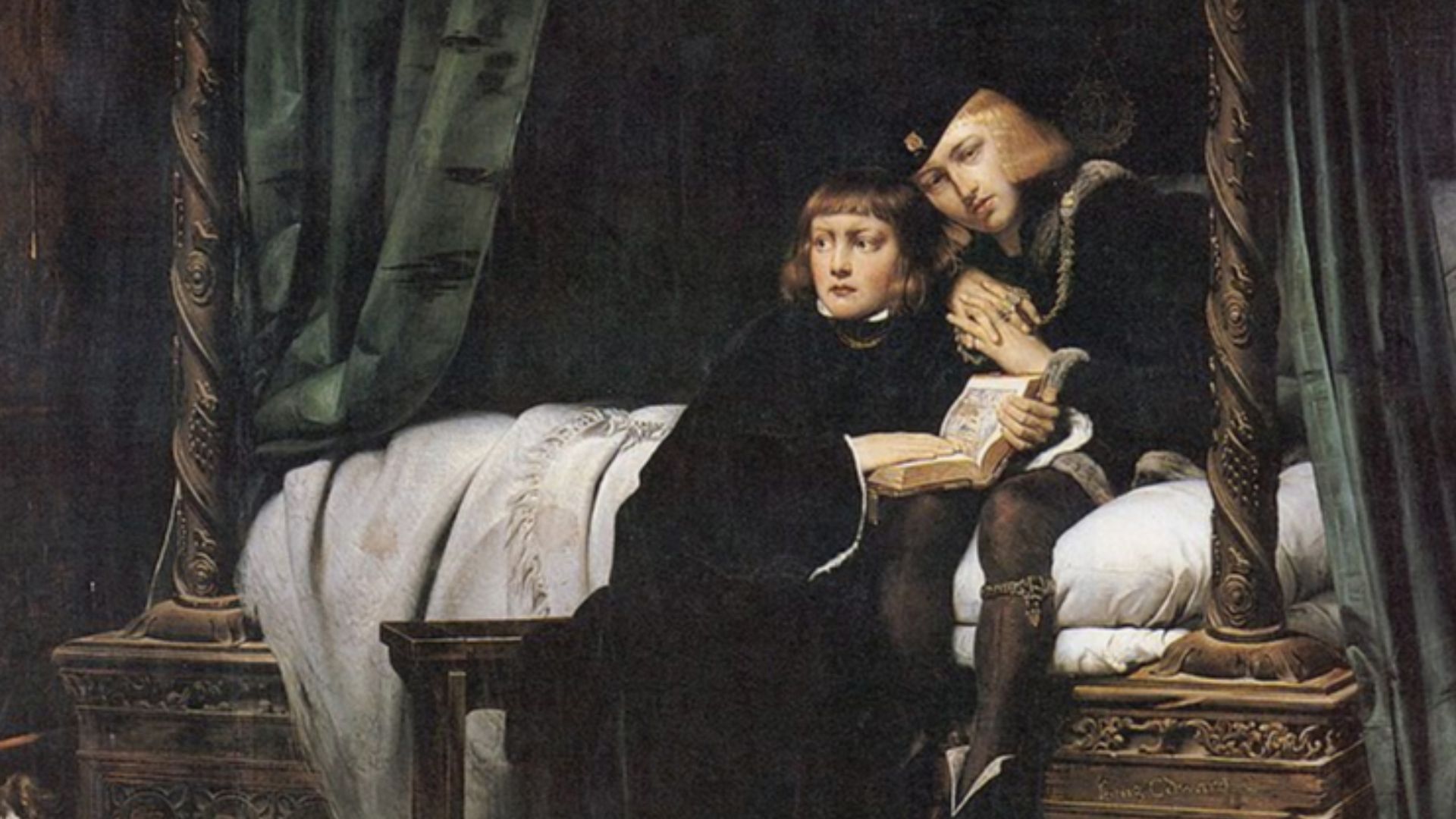 Paul Delaroche, Wikimedia Commons
His Skeleton Corrected One Famous Smear
When Richard's remains were discovered beneath a Leicester parking lot in 2012, scientists confirmed that he had severe scoliosis. They found no evidence for Shakespeare's withered arm or the grotesque hunchback long associated with the king. Researchers concluded that his physical difference would probably have been relatively subtle, with one shoulder slightly higher than the other. Archaeology could not settle Richard's morality, but it did expose how propaganda had exaggerated his body to make his character appear equally twisted.
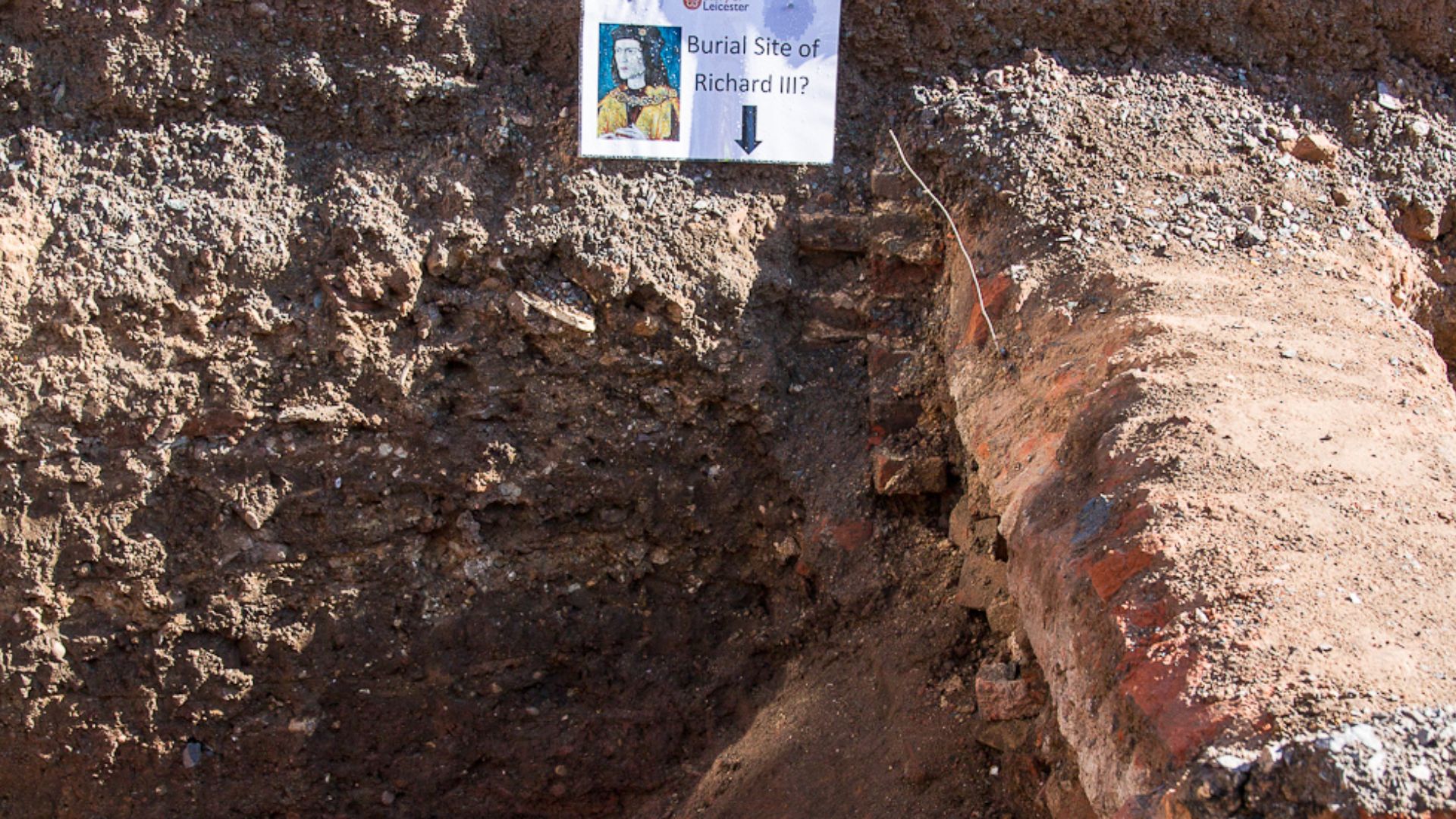 Chris Tweed, Wikimedia Commons

History's most fascinating stories and darkest secrets, delivered to your inbox daily.
Anne Boleyn Was Condemned As An Adulteress
Anne Boleyn's fall in 1536 was astonishingly rapid. Henry VIII's second wife was accused of adultery with several men, an affair with her brother George, and conduct that supposedly threatened the king's life. She and the accused men were convicted, and Anne was executed at the Tower of London. For generations, the lurid charges made it easy to present her as dangerously immoral.
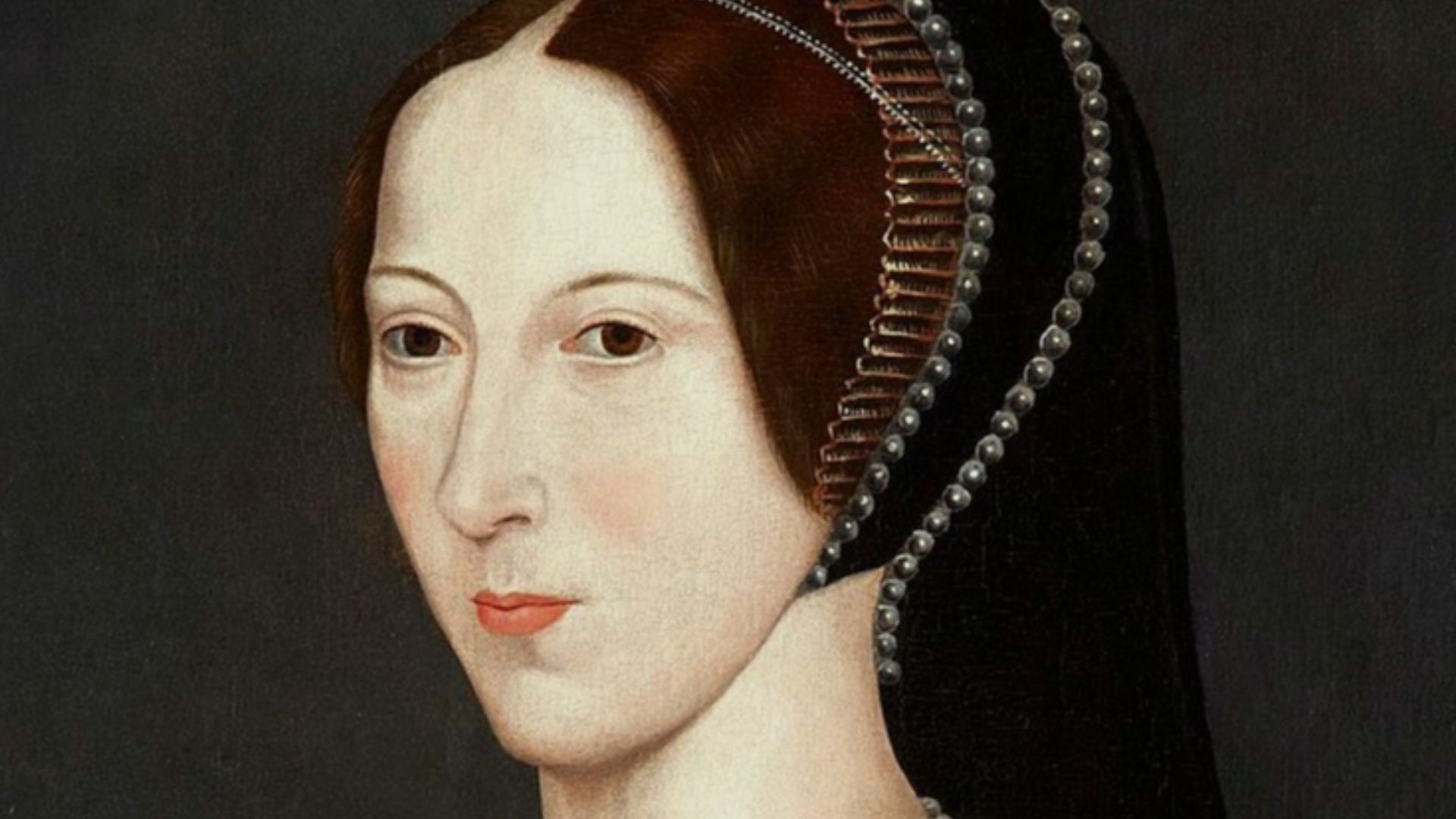 Historylover1500, Wikimedia Commons
Modern Historians Found A Shaky Case
The traditional case against Anne has fared badly under modern scrutiny. Historic Royal Palaces calls her trial a sham dominated by her enemies, while most historians reject the idea that the accusations accurately described a network of affairs. Cambridge historian Greg Walker likewise argues that Anne's fall cannot simply be explained as justice catching up with a guilty queen. The evidence now points far more strongly toward court politics, Henry's changing intentions, and Anne's dangerous position than toward the sensational story told at her trial.
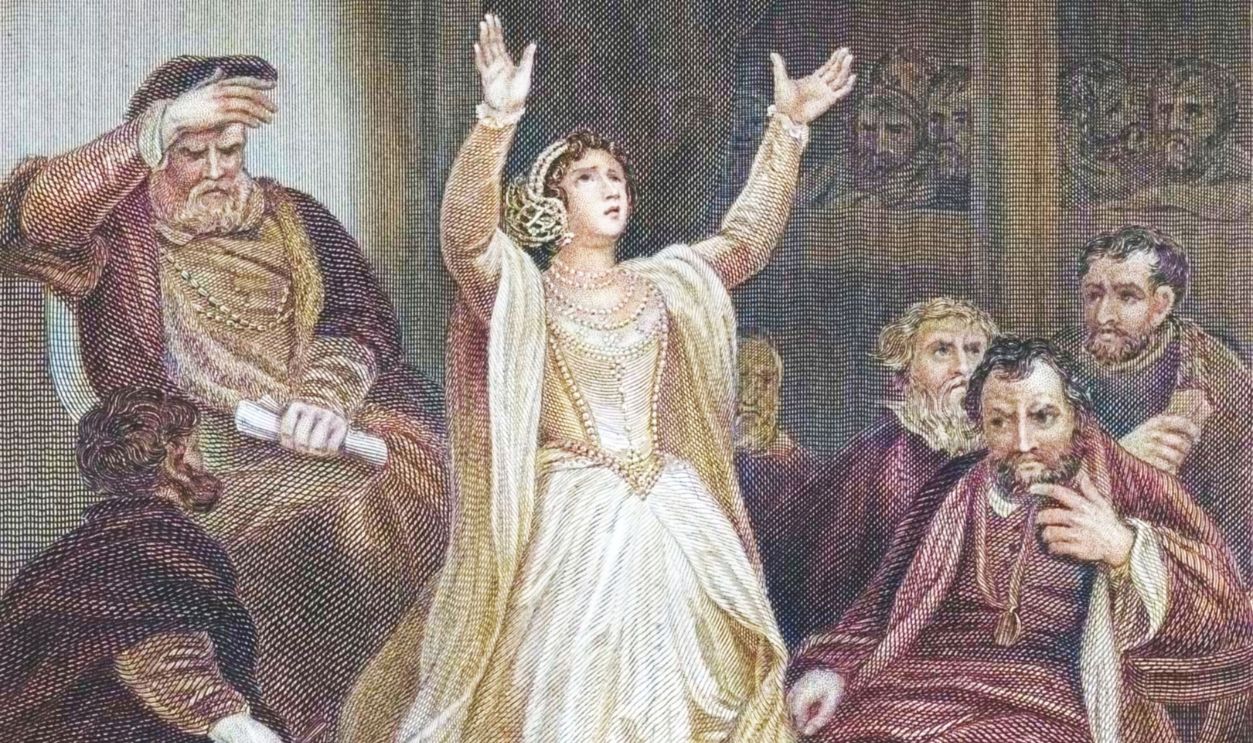
Her Reputation Became Bigger Than The Evidence
Anne's enemies had every incentive to portray her downfall as deserved. Once Henry needed his marriage ended, accusations of betrayal offered a politically convenient explanation for removing a crowned queen. Later writers amplified the drama, while Anne became alternately a schemer, seductress, Protestant martyr, and feminist icon. The modern reassessment is less glamorous than any of those versions because it treats her as a politically significant woman destroyed by a court where accusations did not need to be fair to be fatal.
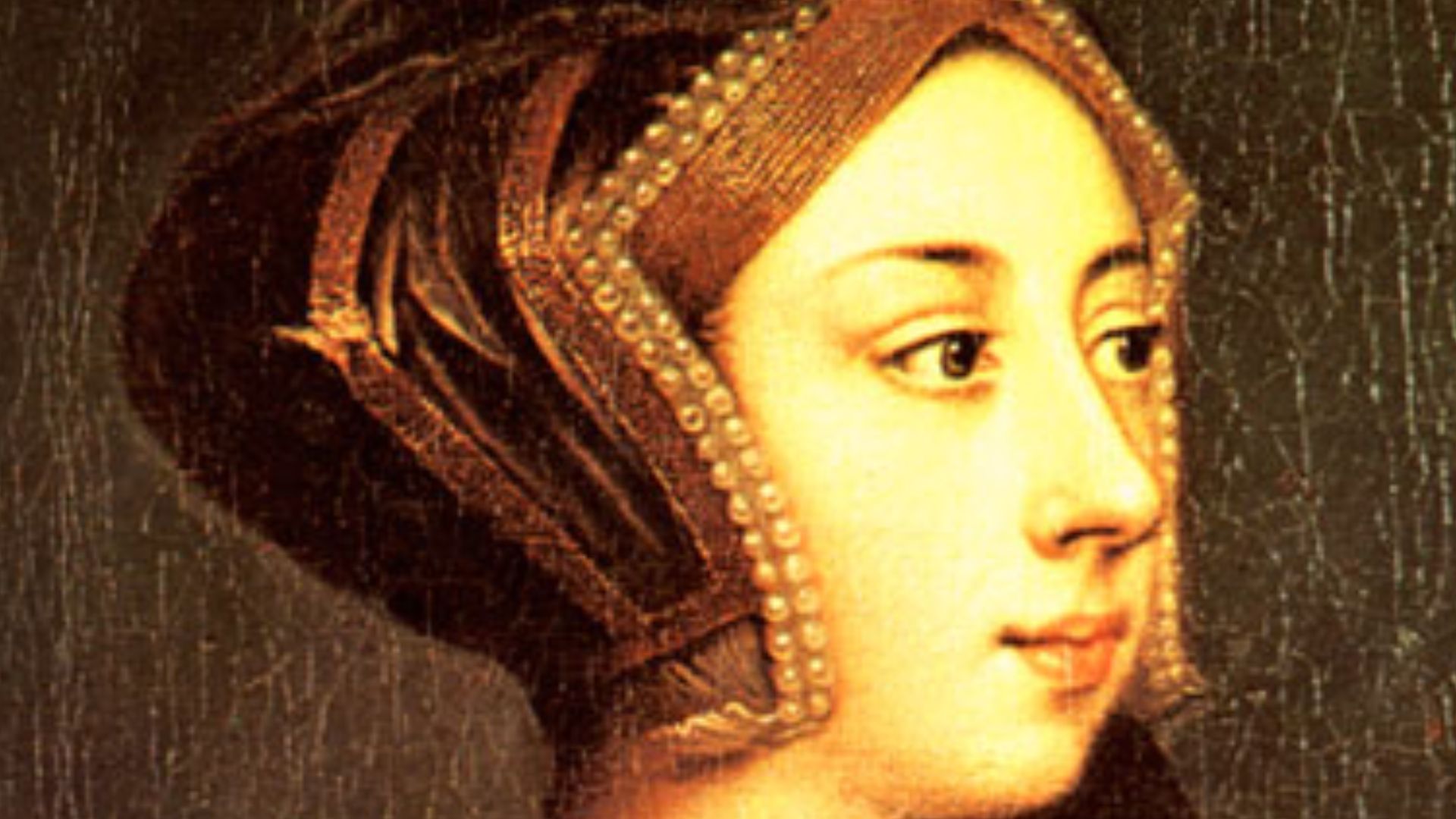 Hans Holbein the Younger, Wikimedia Commons
Marie Antoinette Became The Face Of Royal Greed
Marie Antoinette came to symbolize everything revolutionaries hated about France's monarchy. Pamphleteers accused her of extravagance, disloyalty, immorality, and almost limitless corruption. Her Austrian birth also made it easy to portray her as a foreign enemy living luxuriously at France's expense. By the time of the Revolution, attacking the queen had become a political industry of its own.
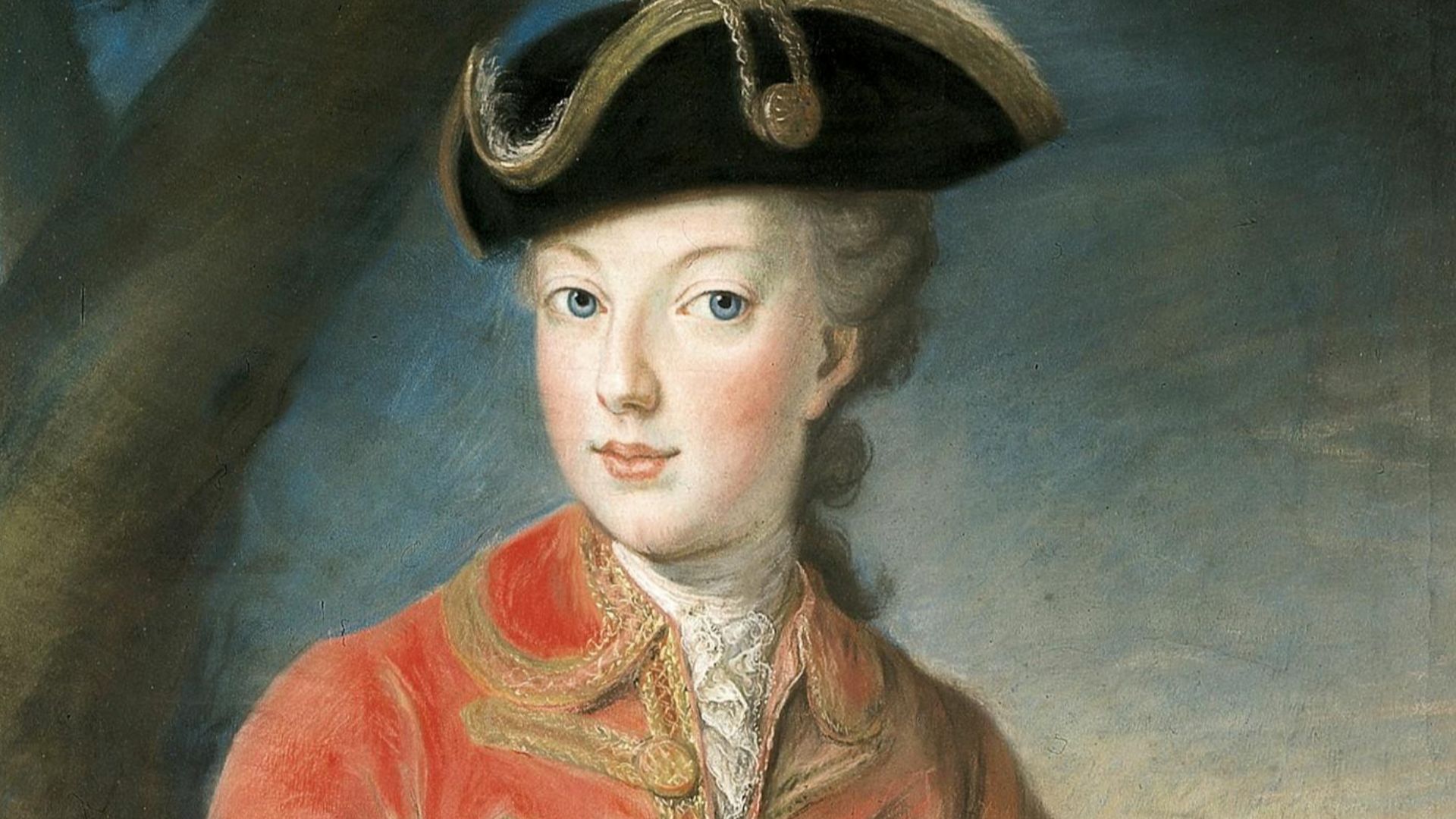 Joseph Kranzinger, Wikimedia Commons
She Never Said The Line Everyone Remembers
The most famous quotation attributed to Marie Antoinette is almost certainly false. Jean-Jacques Rousseau had already written a version of the “let them eat cake” story when Marie Antoinette was still a child living in Austria. Her surviving correspondence also suggests that she understood at least some of the suffering experienced by ordinary French people. The fictional quotation nevertheless proved irresistible because it perfectly matched the cruel, frivolous queen revolutionary propaganda had already created.
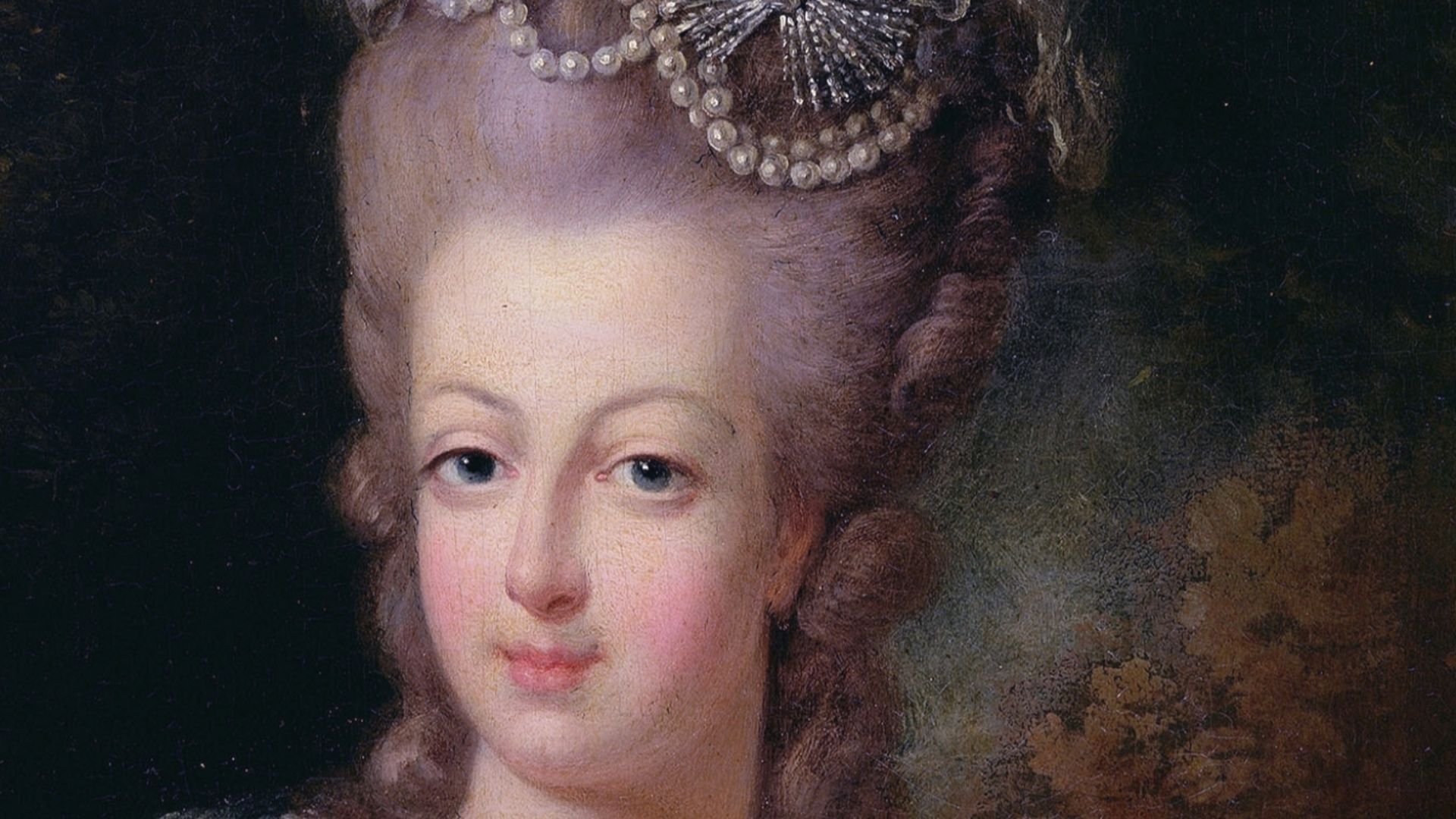 After Jean-Baptiste André Gautier-Dagoty, Wikimedia Commons
Reconsideration Does Not Make Her A Democrat
Marie Antoinette really was extravagant by ordinary standards and remained committed to monarchy during a revolutionary crisis. Historians have not transformed her into a secret champion of popular democracy. What has changed is the willingness to separate those genuine flaws from fabricated stories, obscene pamphlets, and blame for a financial disaster that had developed over generations. The modern queen is still politically flawed, but she is much less cartoonishly responsible for France's collapse than her enemies claimed.
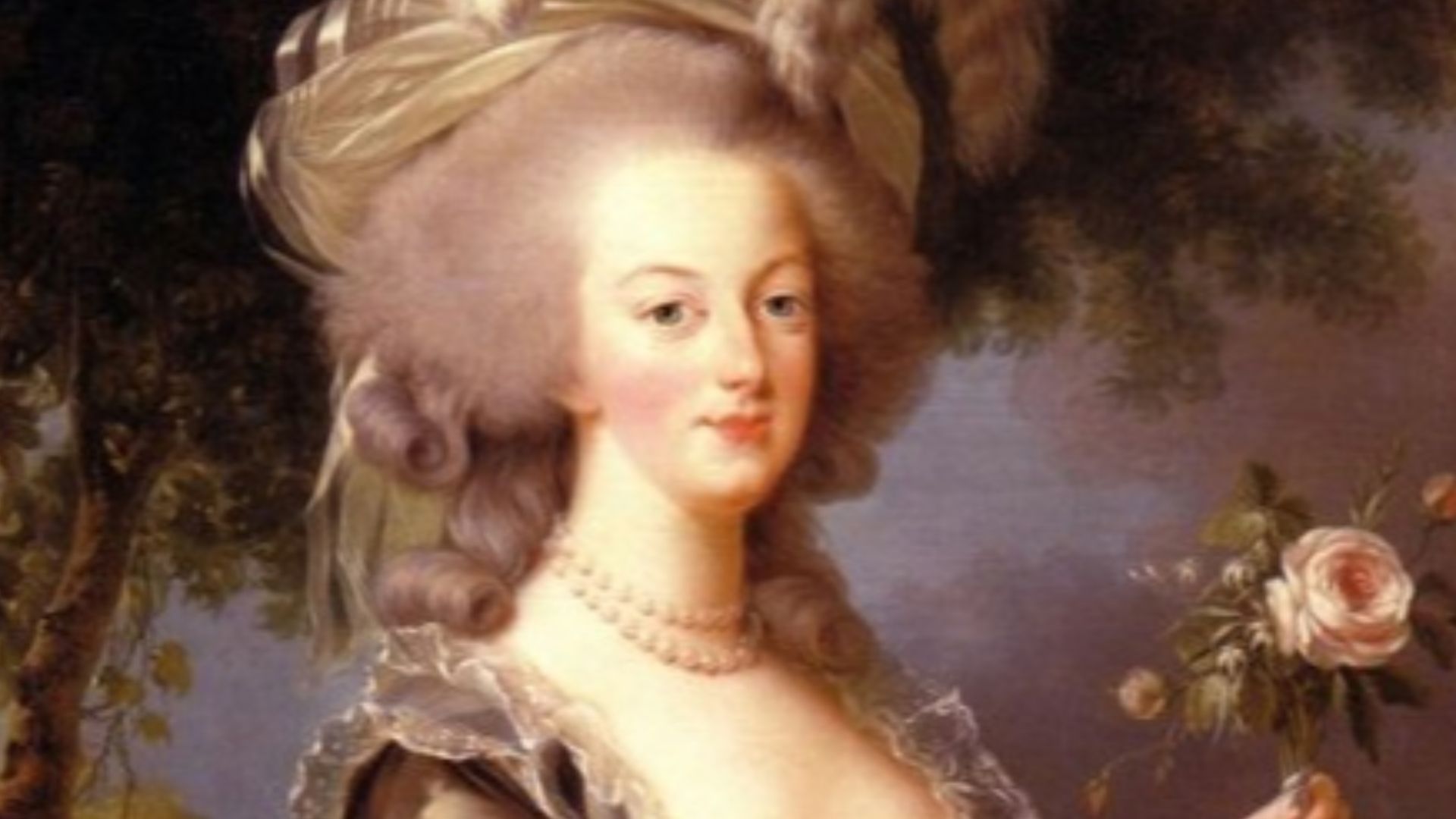 Élisabeth Louise Vigée Le Brun, Wikimedia Commons
History's most fascinating stories and darkest secrets, delivered to your inbox daily.
Cleopatra's Enemy Won The Propaganda War
Cleopatra VII lost Egypt to Octavian, the future emperor Augustus, in 30 BCE. Octavian needed to explain a Roman civil war without making his victory look like nothing more than another Roman defeating fellow Roman Mark Antony. His propaganda therefore emphasized Cleopatra as a dangerous foreign queen who had supposedly bewitched and corrupted Antony. The political strategy worked so well that the image survived long after Octavian's empire disappeared.
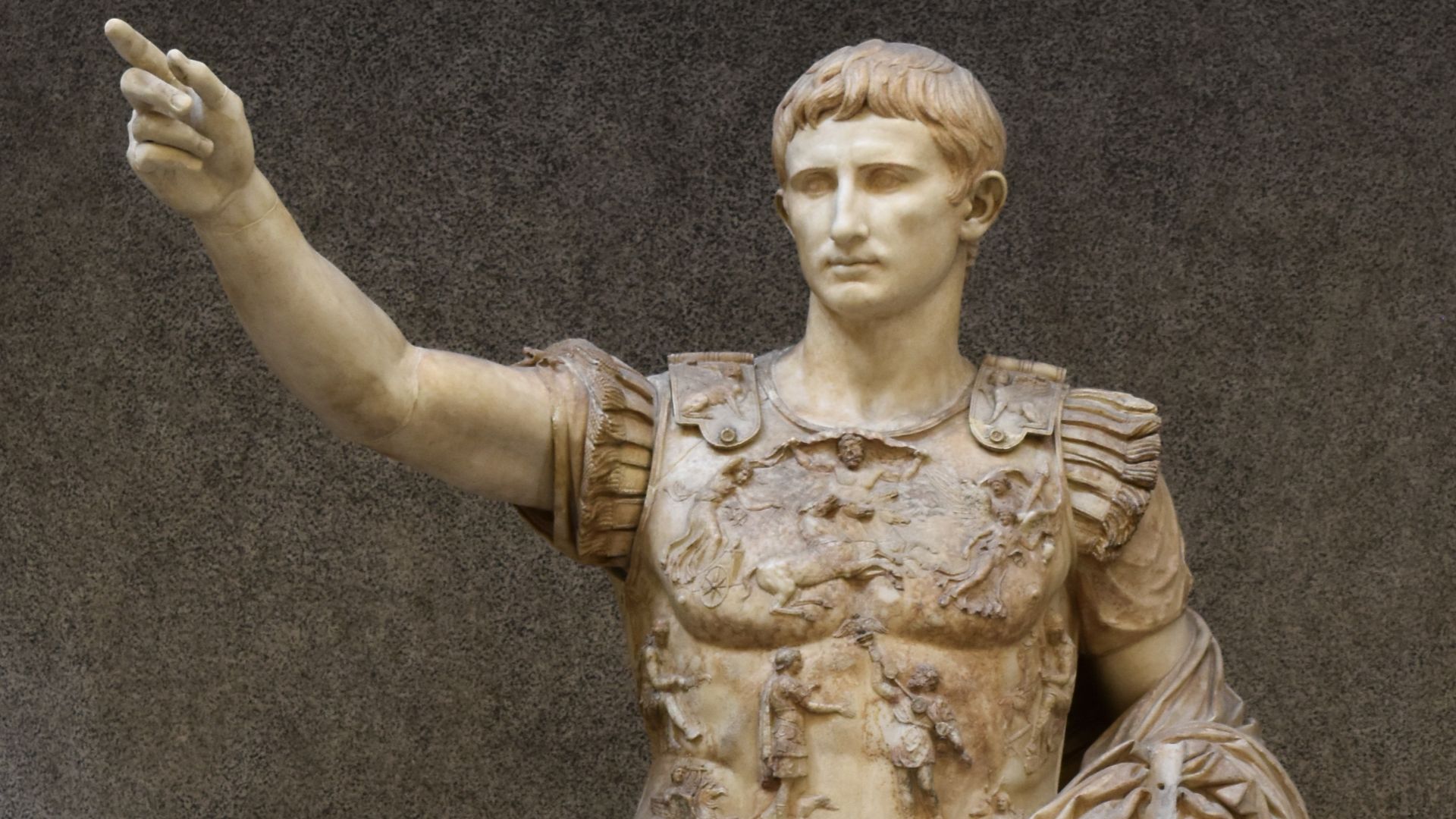 Joel Bellviure, Wikimedia Commons
Rome Turned A Ruler Into A Seductress
Later generations inherited much of Cleopatra's story through hostile Roman authors. She became famous primarily for relationships with Julius Caesar and Mark Antony rather than for governing Egypt. Smithsonian's reassessment emphasizes that she commanded armies and fleets, managed an economy, negotiated with foreign powers, and ruled one of the Mediterranean's richest states for more than two decades. The familiar temptress was only one politically useful fragment of a much larger life.
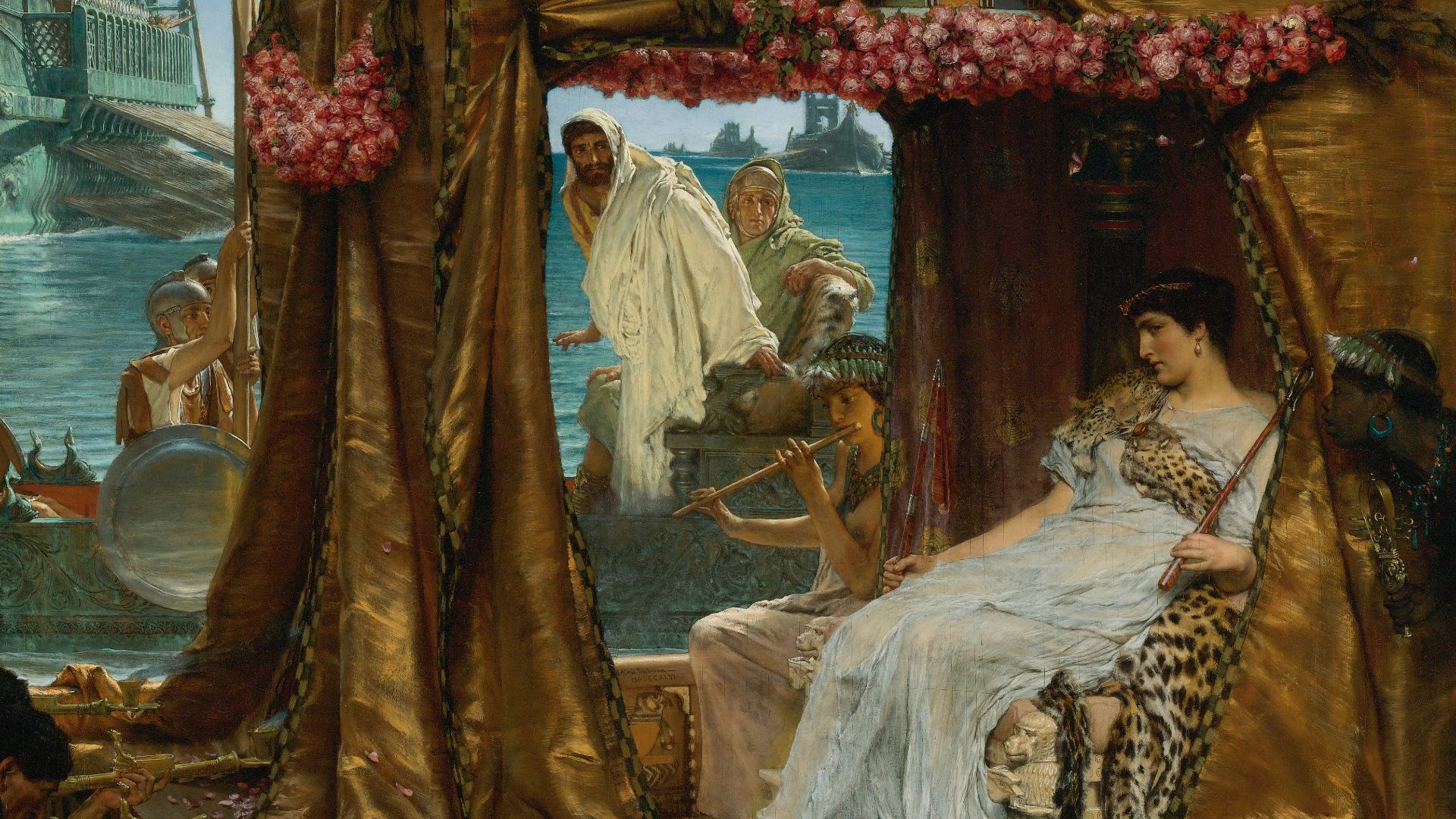 Lawrence Alma-Tadema, Wikimedia Commons
Her Real Ambition Was Keeping Egypt Alive
Cleopatra's alliances with powerful Romans were personal, but they were also strategic. Egypt faced an expanding Roman state capable of swallowing independent kingdoms, and Cleopatra repeatedly maneuvered to preserve her throne and country's autonomy. She was ruthless when necessary, as members of her dynasty routinely were, but the evidence fits a capable sovereign far better than the helplessly seductive villain of later imagination. Her enemy wrote the winning version because her enemy also won the war.

Mary I Became “Bloody Mary”
Mary I ordered roughly 280 Protestant heretics burned during her five-year reign, a brutal policy that remains central to any honest assessment of her rule. Protestant writers subsequently made those executions the defining feature of her entire life. John Foxe's enormously influential accounts of Marian martyrs helped generations of English readers remember Mary primarily as a Catholic persecutor. Her nickname eventually became more famous than almost anything else she accomplished.
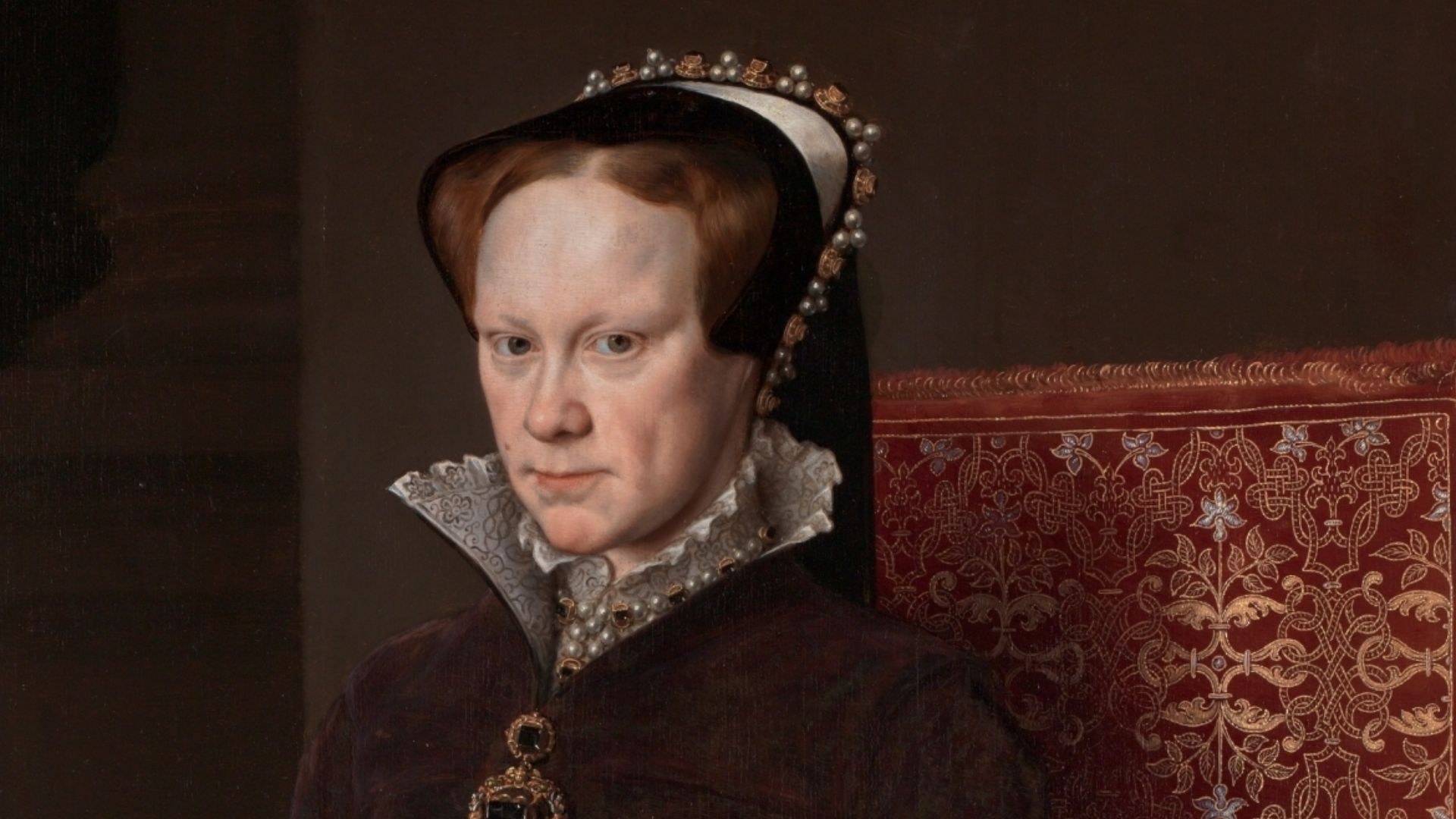 Antonis Mor, Wikimedia Commons
Her Successor Benefited From Better Public Relations
Mary's executions were horrific, but violence against religious opponents was hardly unique to her reign. Smithsonian notes that Henry VIII and Elizabeth I also authorized extensive executions, although later Protestant national memory treated those rulers much more favorably. Elizabeth's reign helped cement Protestantism as part of English identity, while Mary's attempt to reverse the Reformation made her the natural villain of the story England later told about itself. Reputation depended partly on who controlled the historical narrative after her death.
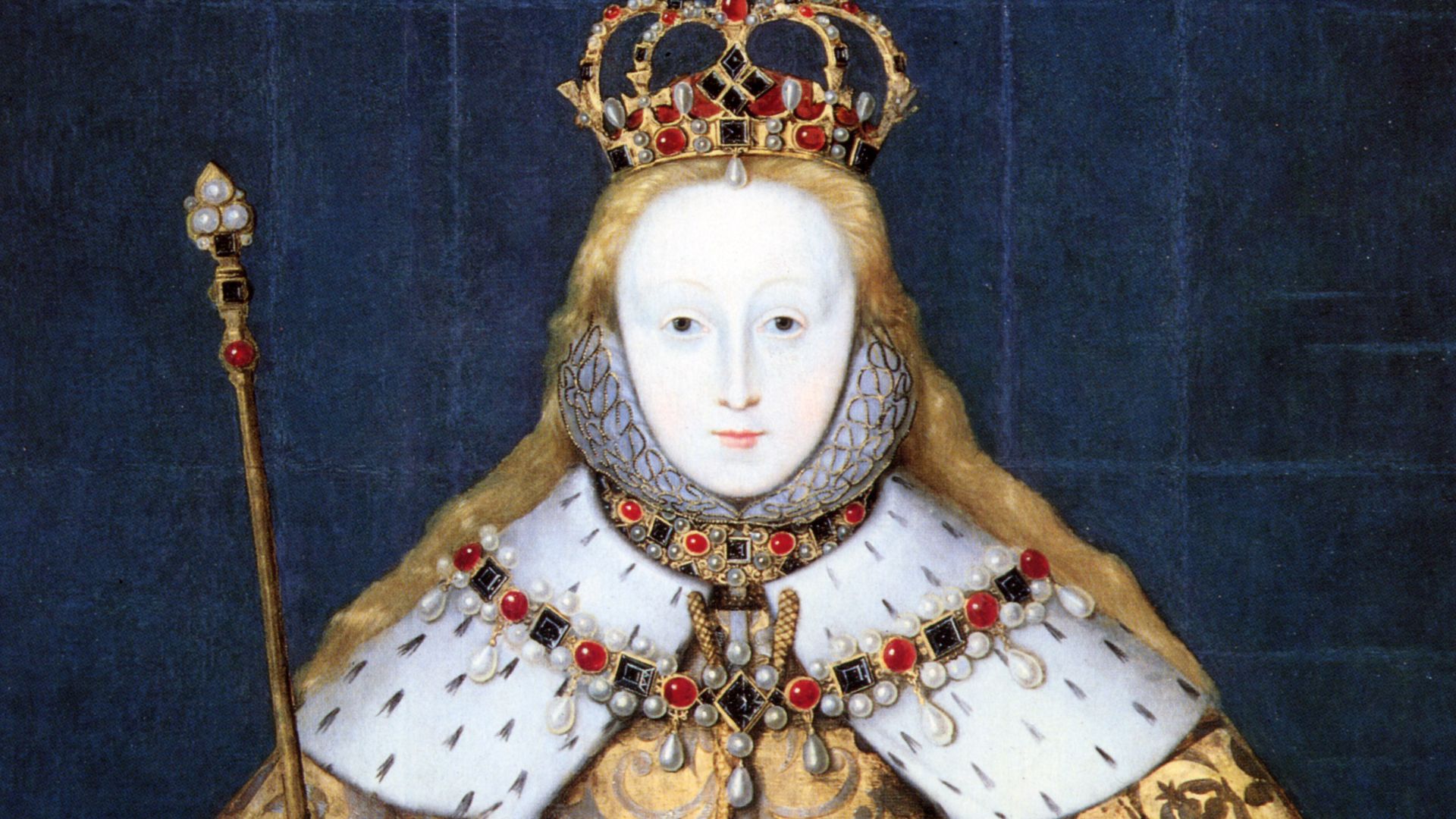 After Levina Teerlinc, Wikimedia Commons
Historians Found More Than A Persecutor
Recent scholarship has given more attention to Mary's political achievements as England's first crowned queen regnant. Her government pursued financial reforms, encouraged naval and commercial development, and established precedents that Elizabeth inherited. Historians have also challenged old depictions of Mary as weak, hysterical, or completely controlled by her husband Philip. None of that erases the burnings, but it replaces a single-note villain with a consequential and deeply contradictory monarch.
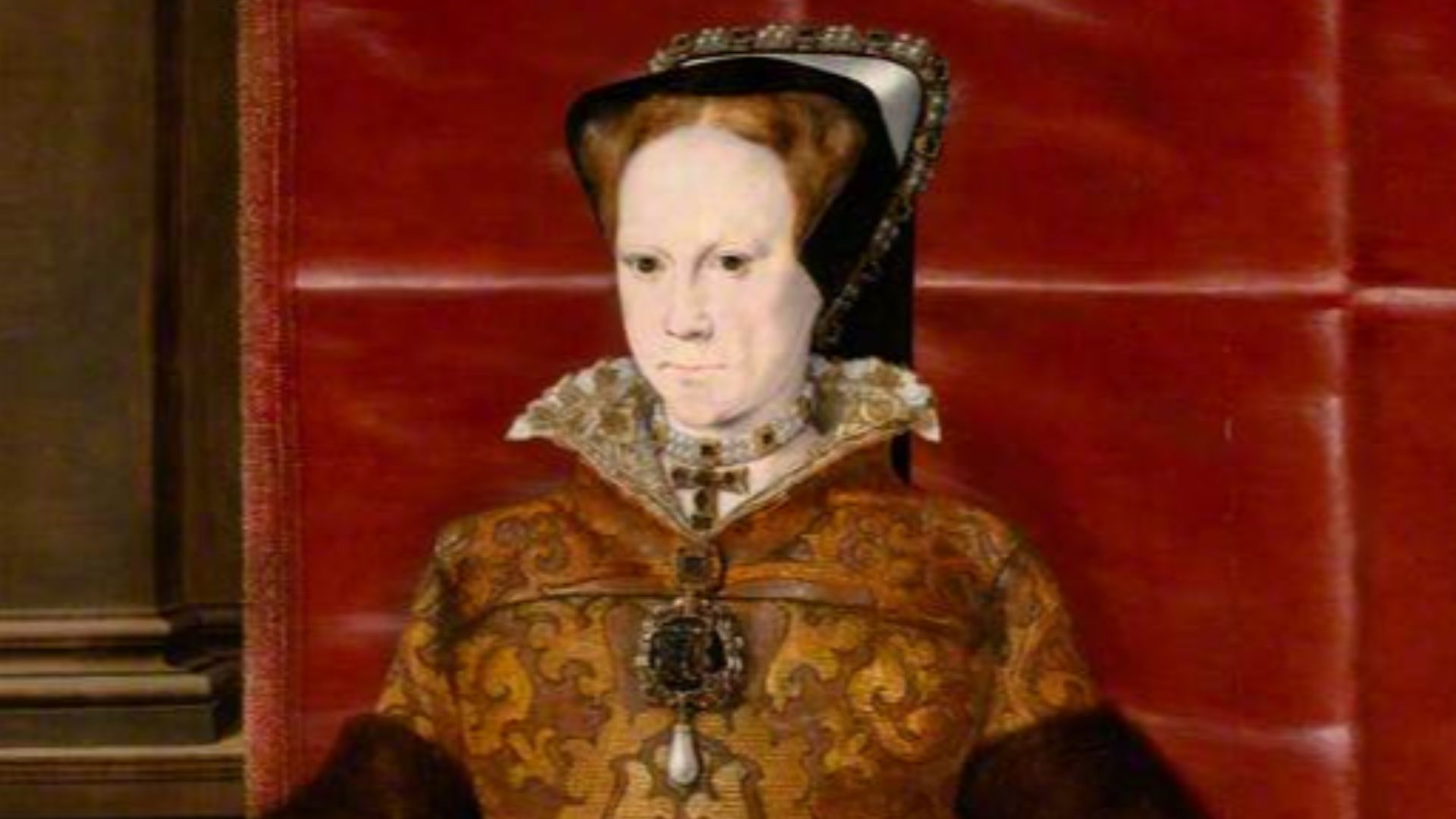 Hans Eworth, Wikimedia Commons
History's most fascinating stories and darkest secrets, delivered to your inbox daily.
Nero Was Blamed For Burning Rome
Few Roman emperors have a worse reputation than Nero. Later writers accused him of setting the Great Fire of Rome in AD 64 and enjoying the destruction while performing music, eventually inspiring the expression that he “fiddled while Rome burned.” The British Museum notes that these stories were preserved largely through elite authors hostile to Nero's style of government. They became central to his image as an emperor who delighted in suffering.
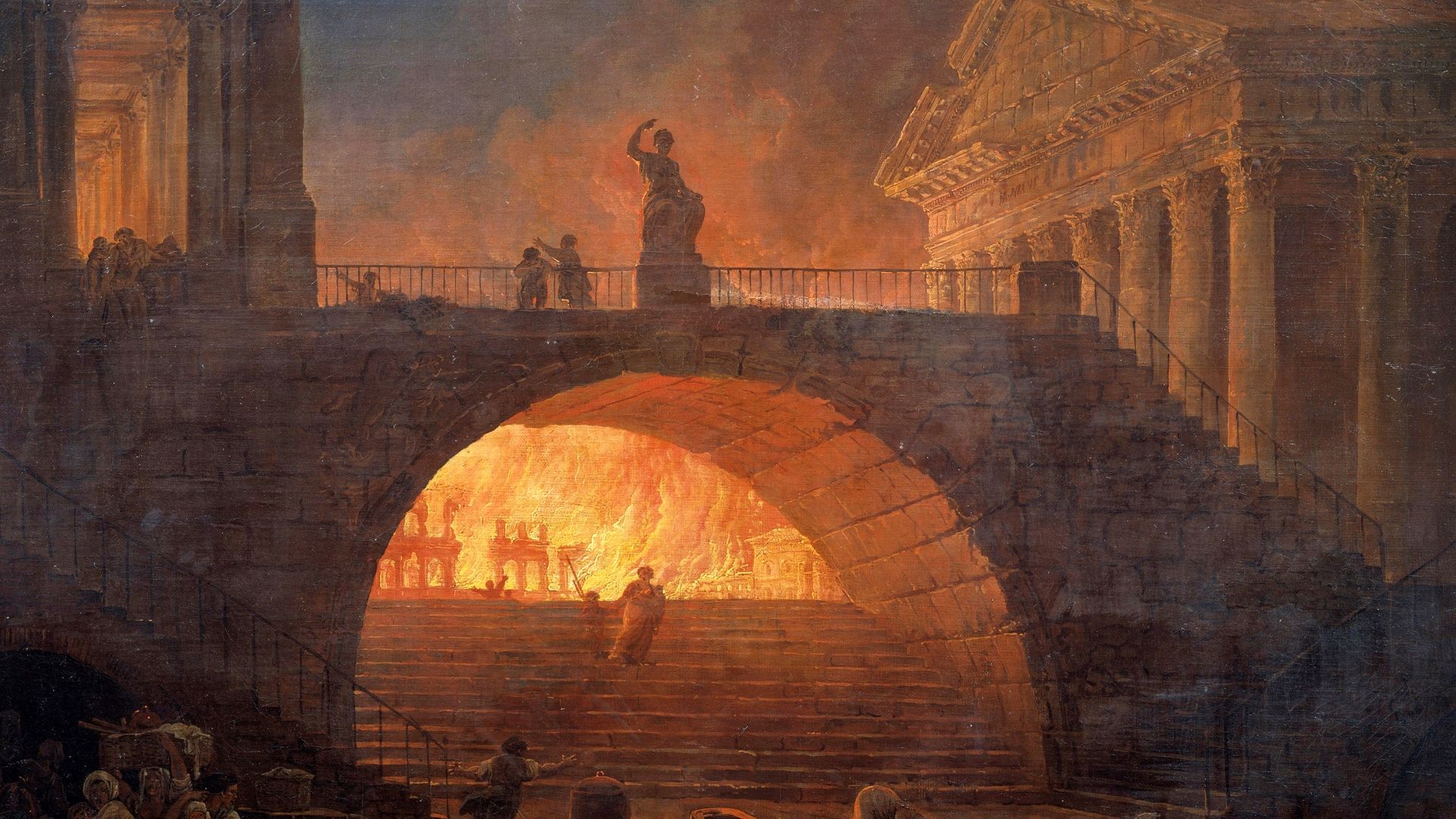 Hubert Robert, Wikimedia Commons
The Fire Story Does Not Hold Up Well
The evidence that Nero deliberately burned Rome is extremely weak. Tacitus, who was alive at the time, reported that Nero was away when the fire began and returned to organize relief. Nero opened spaces for displaced residents, arranged food supplies, and later imposed new building regulations aimed at reducing fire risk. He did persecute Christians after the disaster, but that genuine brutality does not make the arson accusation true.
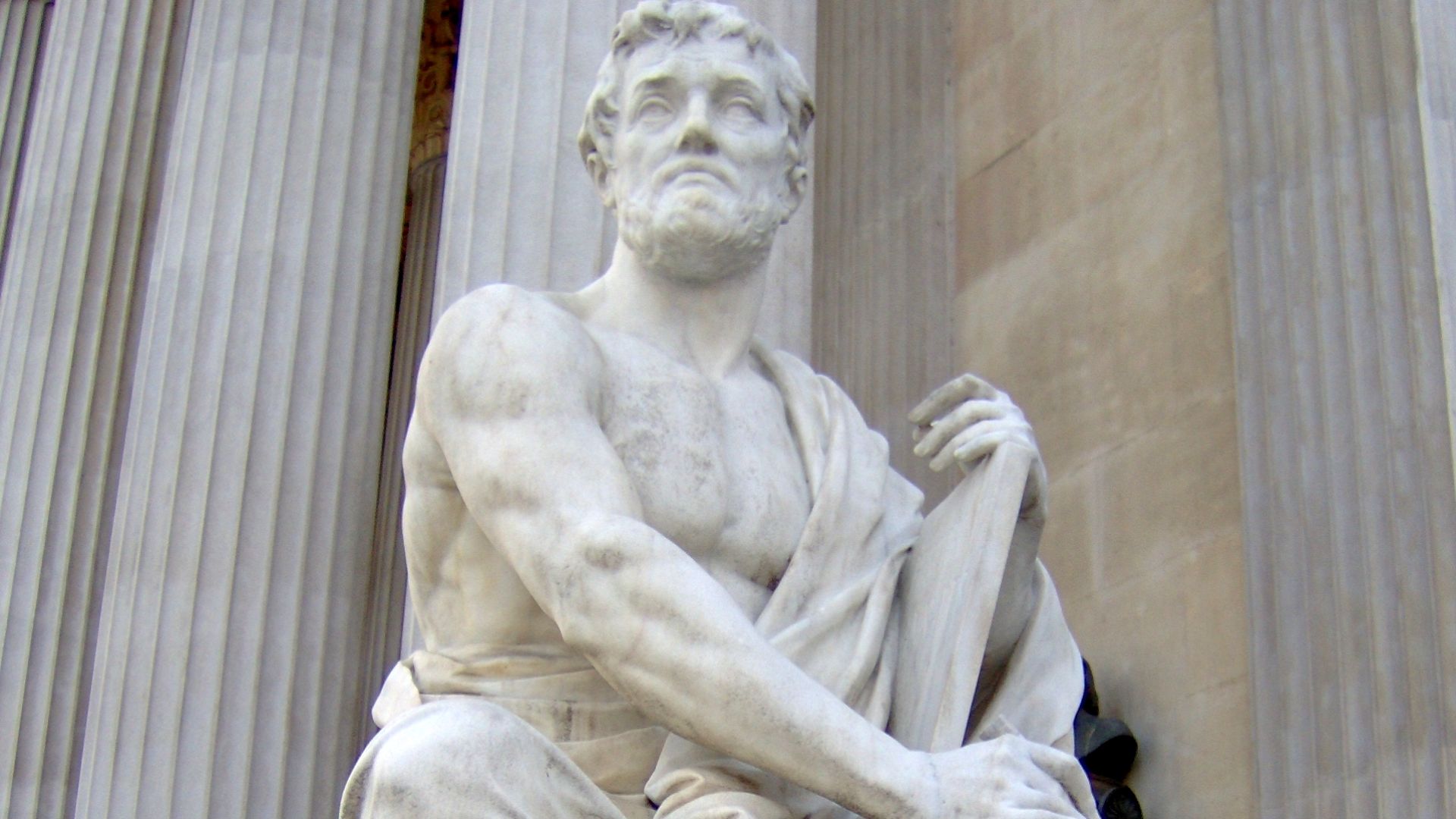
A Better Nero Is Still Not A Nice Nero
Modern reassessment has not transformed Nero into a misunderstood humanitarian. His reign included executions, political violence, extravagant spending, and the deaths of people close to him. What historians increasingly question is whether every hostile anecdote passed down by senatorial authors should be accepted literally. The British Museum's recent treatment of Nero argues for a more complicated emperor whose popularity and policies cannot be understood solely through stories written by enemies.
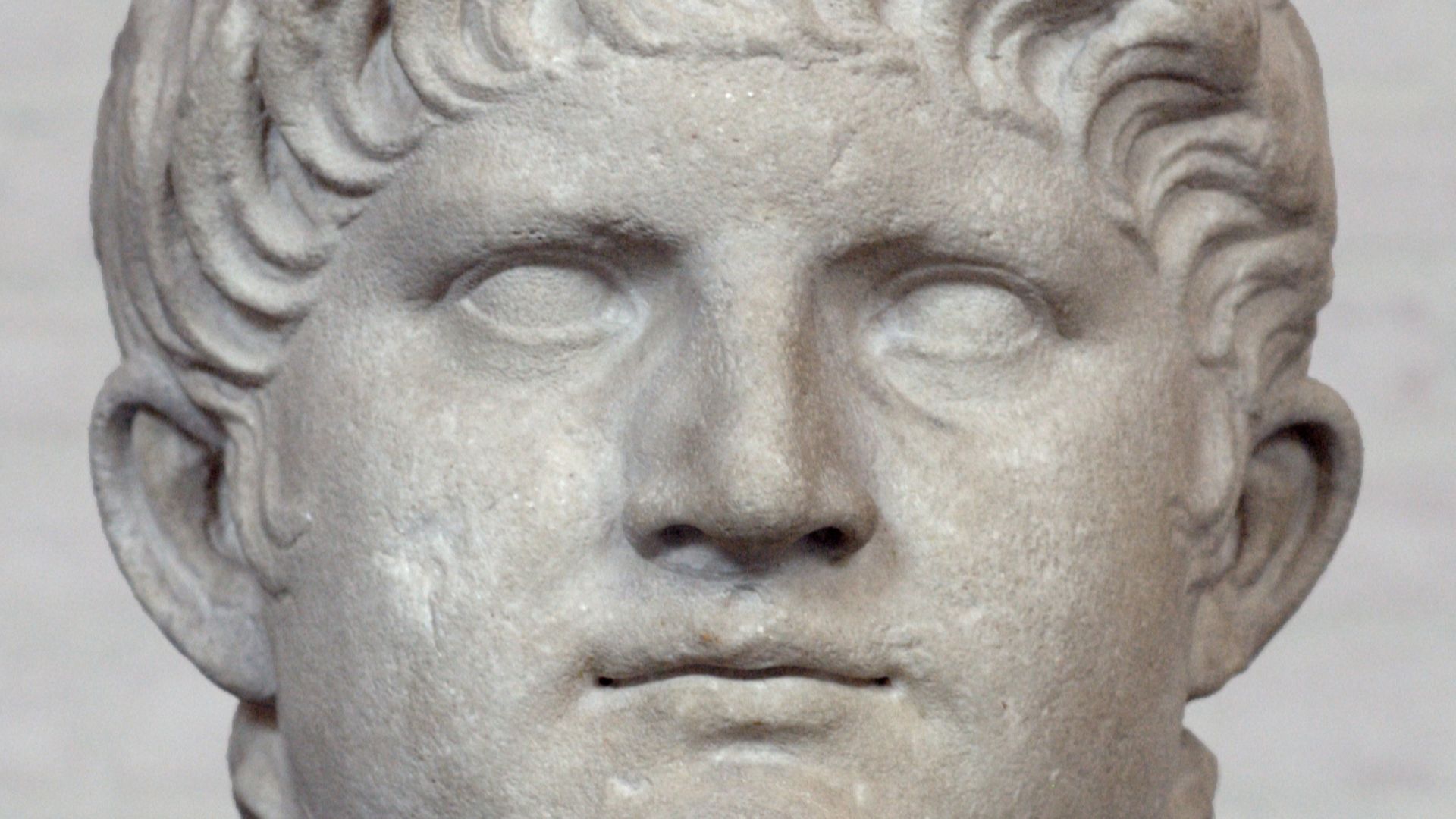 Bibi Saint-Pol, Wikimedia Commons
Catherine De' Medici Became The Serpent Queen
Catherine de' Medici spent decades at the center of France's murderous Wars of Religion. Later accounts portrayed the Italian-born queen mother as a poisoner, sorcerer, political manipulator, and architect of almost every atrocity surrounding the Valois court. Stories claimed she maintained poison workshops and used beautiful women to ensnare political opponents. Her supposed wickedness became so familiar that she acquired the lasting image of a sinister “serpent queen.”
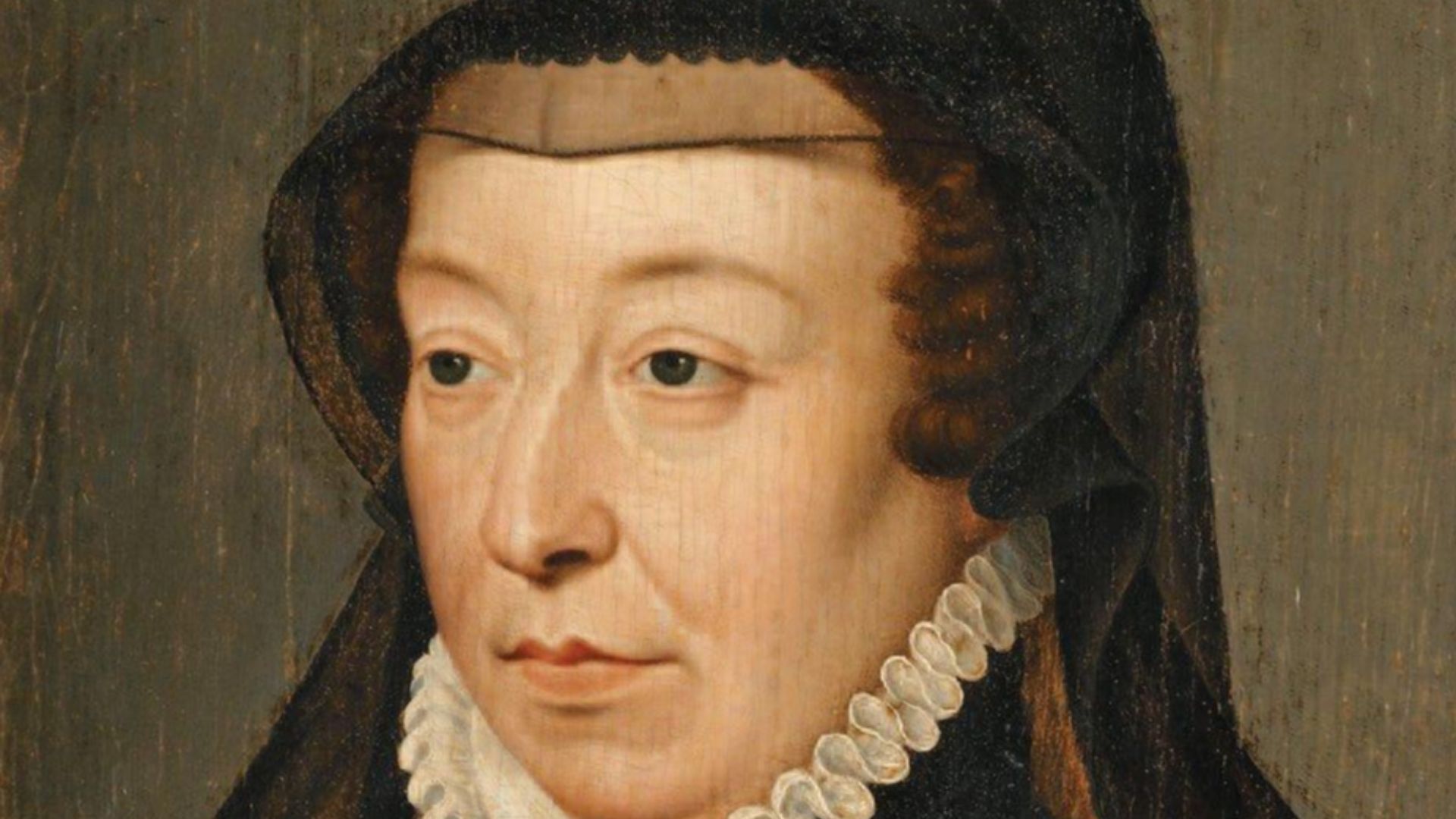 Workshop of François Clouet, Wikimedia Commons
The Poison Stories Mostly Fell Apart
Several of Catherine's most memorable crimes have little supporting evidence. The persistent claim that she murdered Jeanne d'Albret with poisoned gloves is considered unfounded, with historians favoring illness as the cause of Jeanne's death. Tales involving magical laboratories and an organized squad of seductresses likewise belong more comfortably to Catherine's black legend than to demonstrable history. Anti-Italian prejudice and suspicion toward powerful women helped these stories flourish.
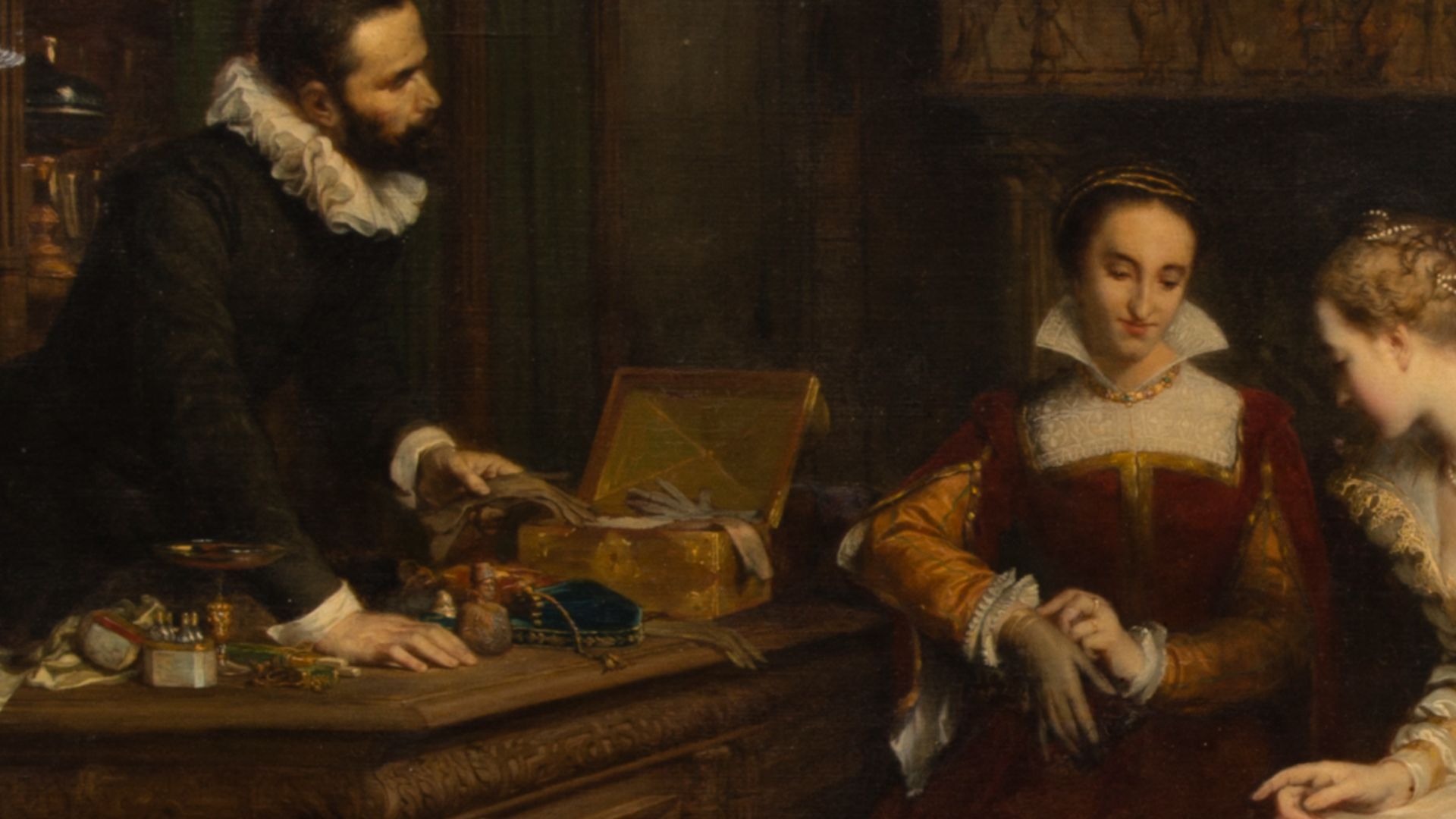 Pierre Charles Comte, Wikimedia Commons
Even The Massacre Is More Complicated
Catherine's connection to the St. Bartholomew's Day Massacre of 1572 remains intensely debated. She was certainly involved in the political crisis surrounding Protestant leader Gaspard de Coligny, but historians dispute how far she planned the wider slaughter that followed. Her previous efforts to negotiate religious peace make the simplistic image of a queen patiently plotting the destruction of every Protestant difficult to sustain. She was a ruthless political survivor, but the evidence does not neatly match the supervillain constructed after her death.
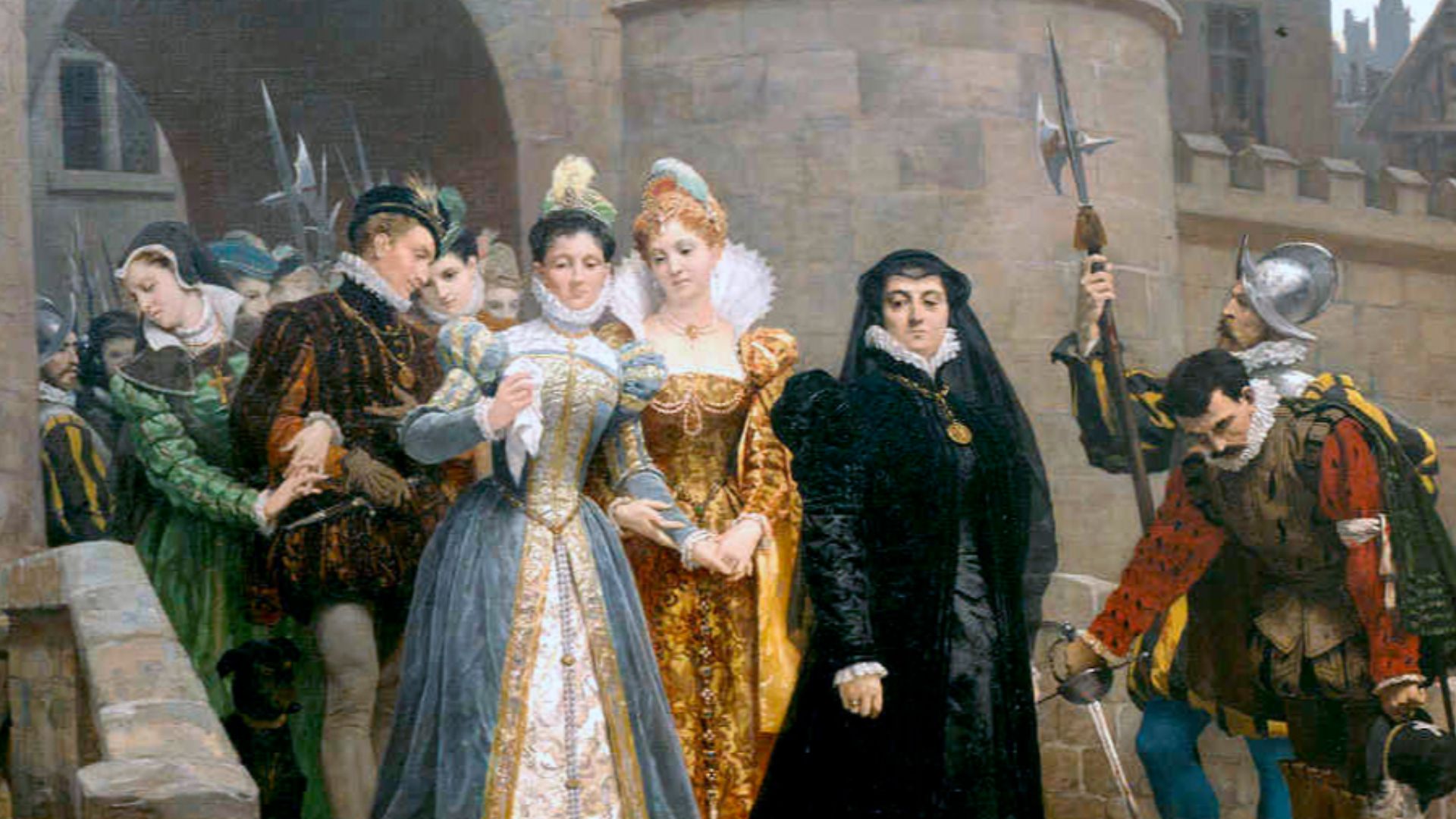 Édouard Debat-Ponsan, Wikimedia Commons
History's most fascinating stories and darkest secrets, delivered to your inbox daily.
Wu Zetian Was Written As A Female Monster
Wu Zetian became the only woman in Chinese history to openly rule the empire in her own right. Later chroniclers accused her of murdering relatives, poisoning rivals, manipulating emperors, and violating the political and gender order. Some of the allegations may contain truth because Wu unquestionably used harsh methods to secure power. The difficulty is that much of her surviving reputation comes through writers deeply hostile to the very idea of a woman occupying the imperial throne.
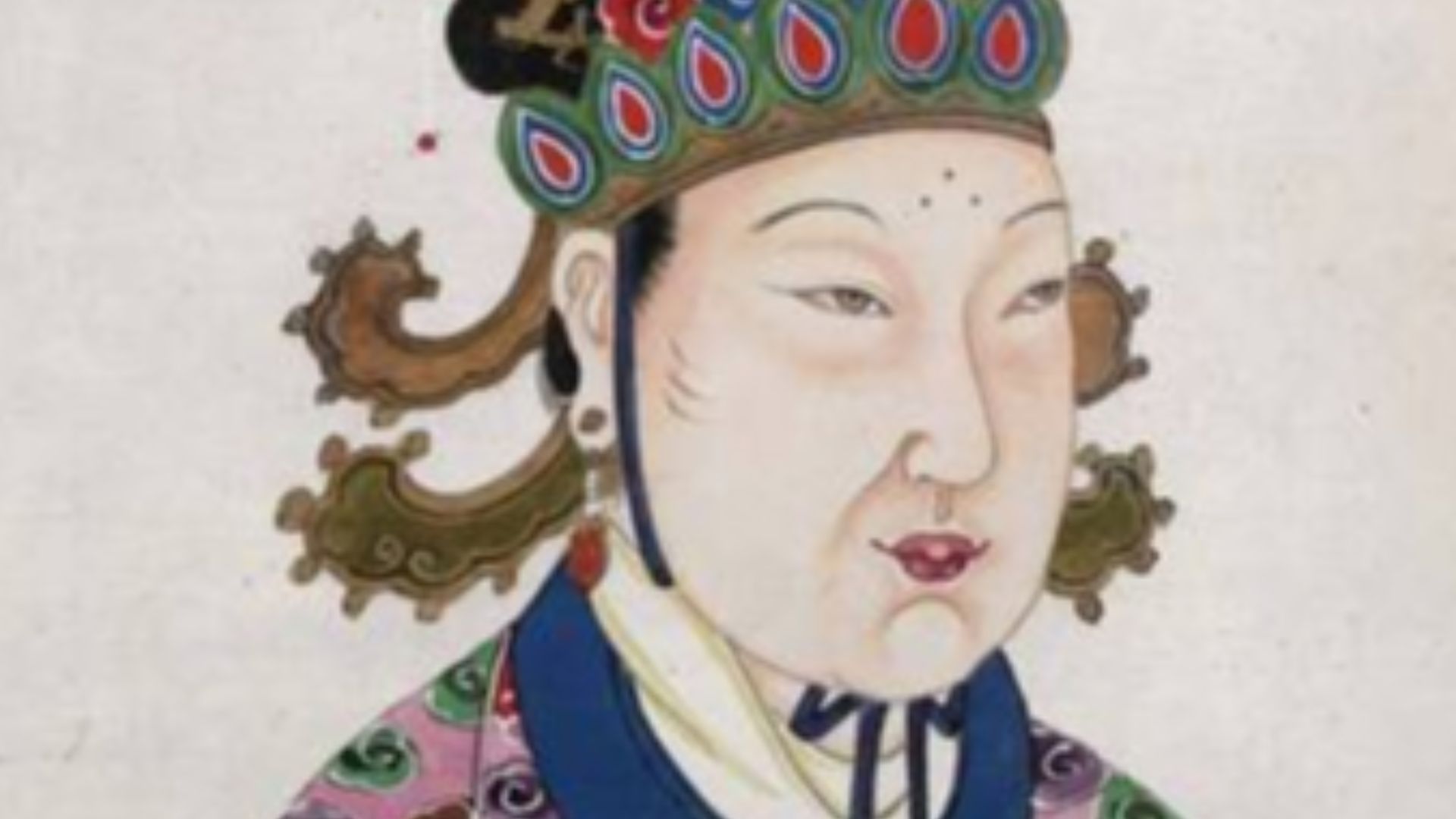 Unknown authorUnknown author, Wikimedia Commons
Confucian Historians Had Reasons To Hate Her
Wu offended powerful assumptions about gender, succession, and proper government. She displaced the Tang dynasty temporarily with her own Zhou dynasty and supported Buddhism in ways that challenged traditional Confucian elites. Official historical writing later emerged from precisely the class of scholars most disturbed by those changes. Modern historians therefore have to separate plausible accounts of political violence from moralizing tales designed to demonstrate why female rule was supposedly unnatural.

Her Empire Was Not Falling Apart
The villainous tradition struggles to explain one inconvenient fact: Wu governed effectively for decades. Her reign was generally stable, taxation was reduced in some periods, government recruitment became more merit-oriented, and China's influence remained extensive. Smithsonian's reassessment stresses that she could be ruthless toward elite opponents while governing ordinary subjects far more successfully than her reputation suggests. She was hardly gentle, but neither was she the chaotic monster later chronicles needed her to become.
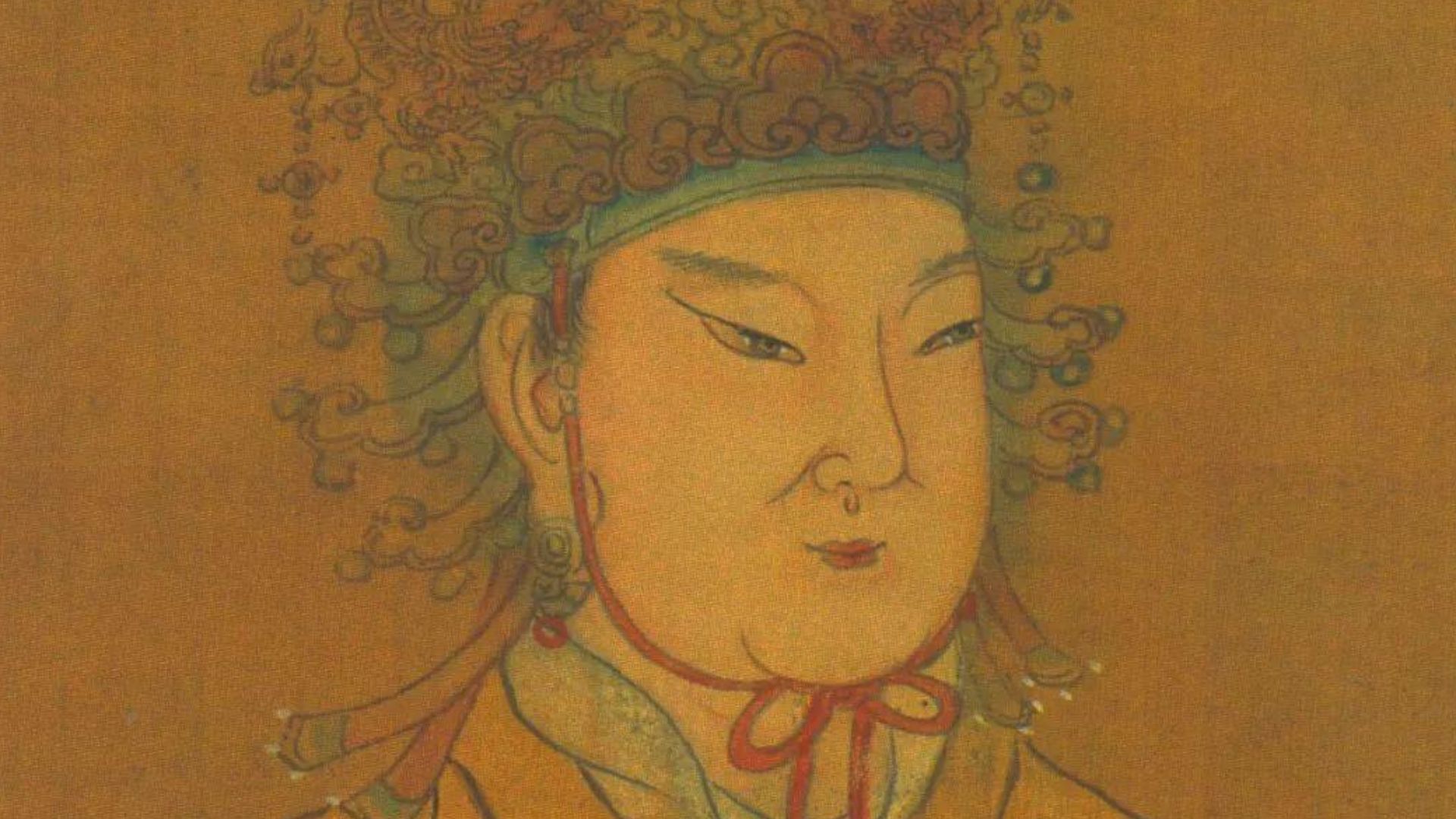 Unknown authorUnknown author, Wikimedia Commons
Captain Bligh Became The Tyrant Of The Bounty
The 1789 mutiny on HMS Bounty made William Bligh one of maritime history's classic villains. Novels and films repeatedly portrayed him as a sadistic commander whose brutal punishments pushed Fletcher Christian and the crew beyond endurance. Bligh really did possess an explosive temper and could humiliate officers publicly. Yet historians and maritime museums have increasingly challenged the idea that he was exceptionally cruel by Royal Navy standards.
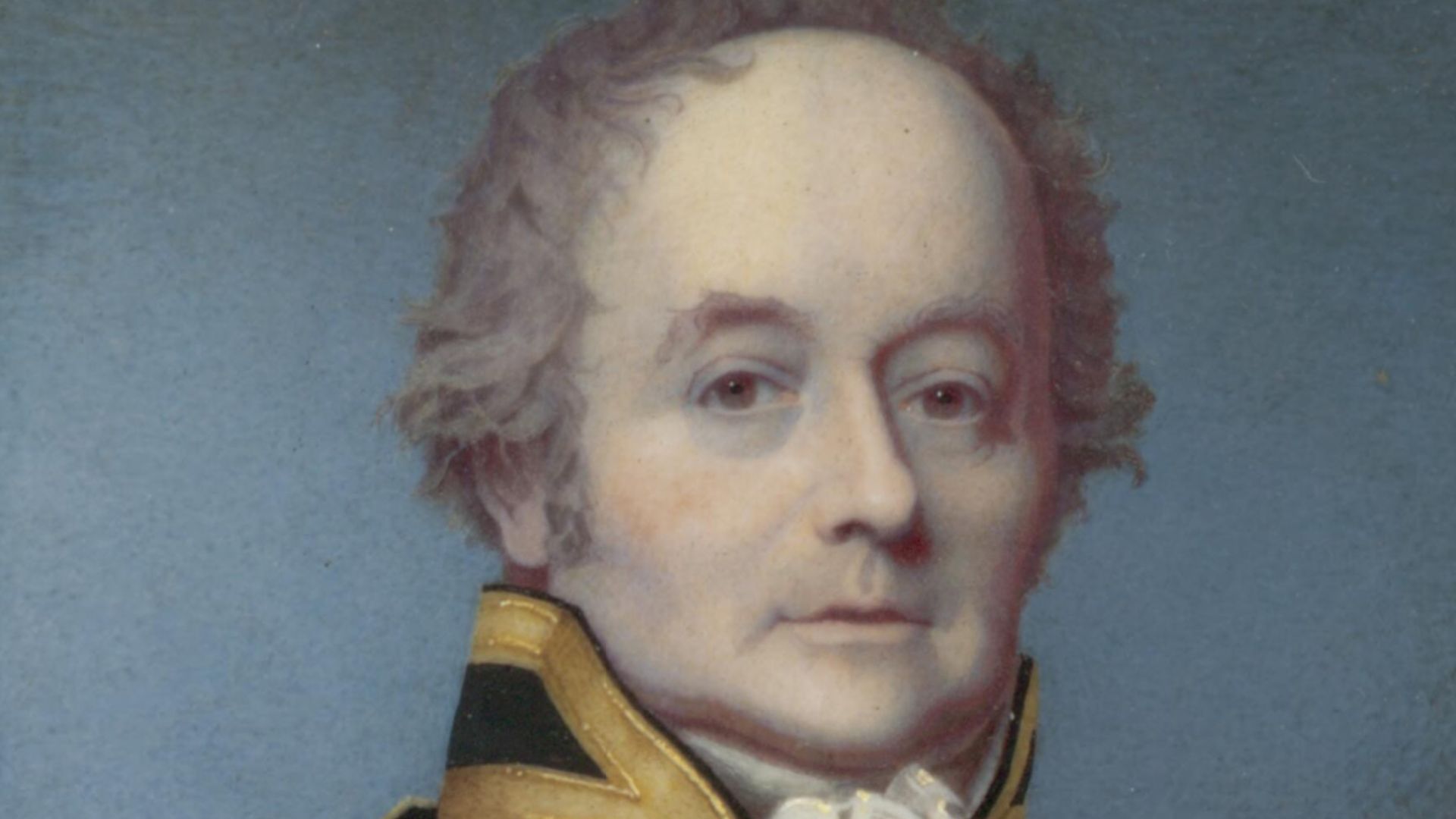 Alexander Huey, Wikimedia Commons
The Supposed Monster Was An Extraordinary Sailor
After the mutineers forced Bligh and 18 loyal men into a small open launch, he navigated them more than 3,600 nautical miles to safety. The voyage required extraordinary navigation, rationing, discipline, and endurance. Bligh later served with distinction in major naval battles and was promoted to senior rank. Those achievements sit awkwardly beside the movie version of a barely competent tyrant obsessed only with punishment.
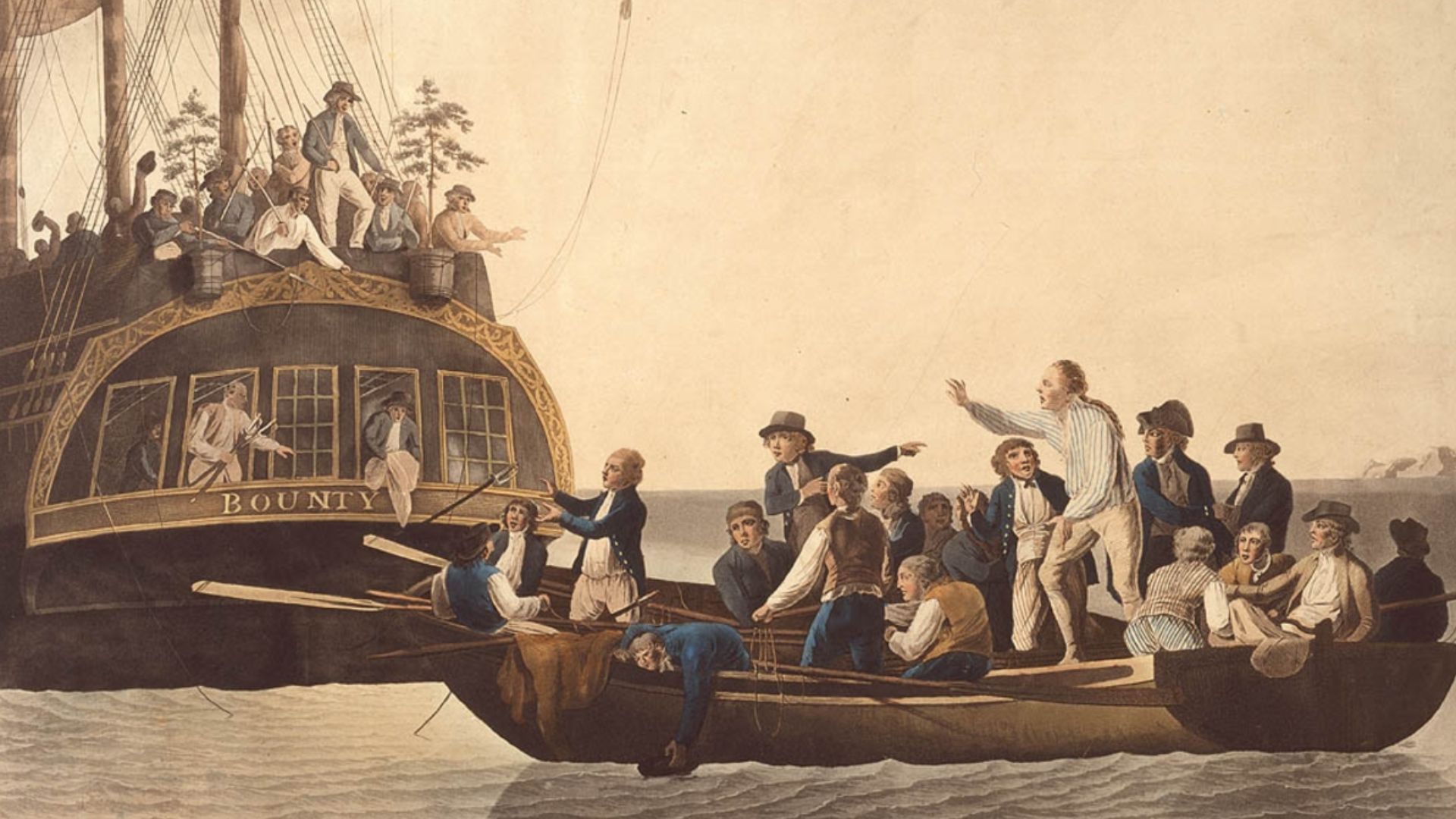 The original uploader was 4tilden at German Wikipedia., Wikimedia Commons
Bligh's Real Flaw Was More Human
The newer interpretation does not make Bligh pleasant. Royal Museums Greenwich describes his volatile temper and repeated clashes with officers, while Australian sources emphasize his lack of tact during later political conflicts. He was strict, argumentative, and capable of humiliating people, but the image of extraordinary physical brutality was magnified by later retellings. The real Bligh may have been less a sadistic monster than a talented leader with disastrous interpersonal skills.
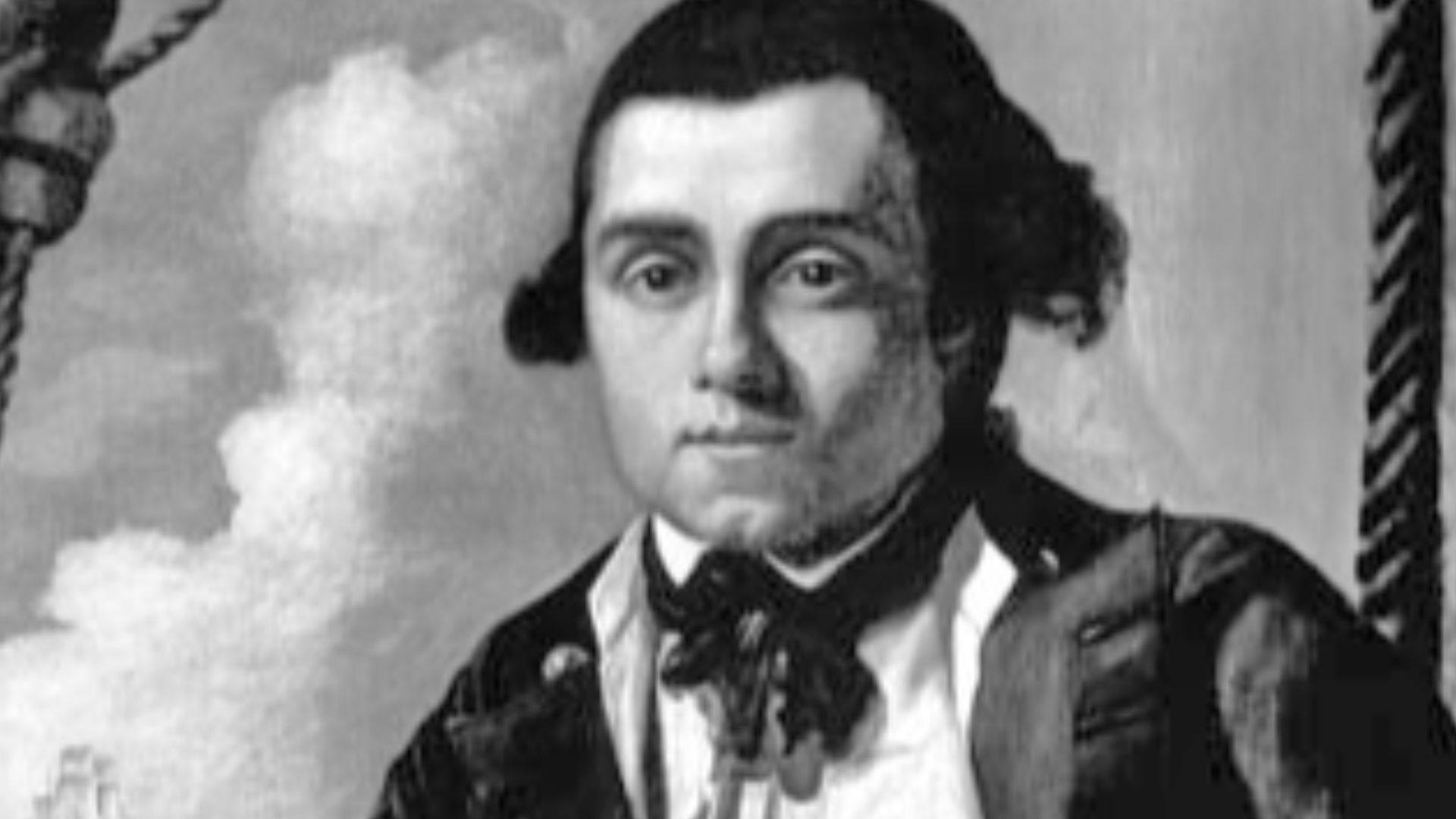 John Webber, Wikimedia Commons
History's most fascinating stories and darkest secrets, delivered to your inbox daily.
Salieri Was Cast As Mozart's Murderer
Antonio Salieri enjoyed a successful career in Vienna, but popular culture remembers him mainly as the jealous composer who destroyed Mozart. Rumors that Salieri poisoned his younger rival spread after Mozart's death and were dramatized by Alexander Pushkin. Rimsky-Korsakov later adapted the story into an opera, and Peter Shaffer's Amadeus carried the murderous rivalry into modern popular culture. A fictional plot eventually became more familiar than Salieri's actual career.
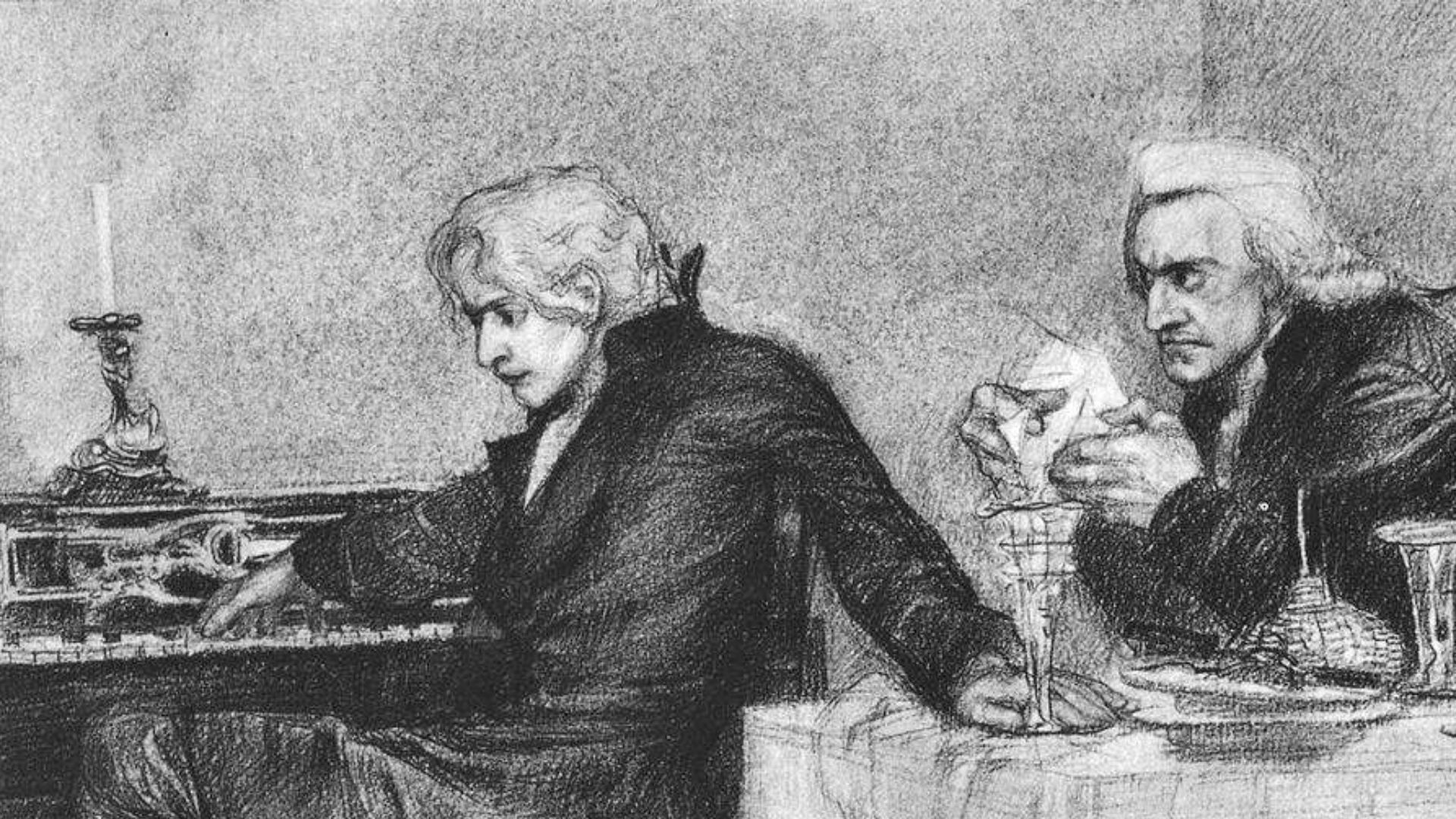 Mikhail Vrubel, Wikimedia Commons
The Two Rivals Actually Worked Together
There is no convincing evidence that Salieri murdered Mozart. In fact, surviving evidence reveals a much more complicated professional relationship, including a musical work jointly composed by Mozart, Salieri, and Cornetti. Salieri also attended Mozart's funeral and later taught Mozart's son. Competition existed, but the idea of a lifelong homicidal obsession belongs to literature and theater rather than demonstrated history.
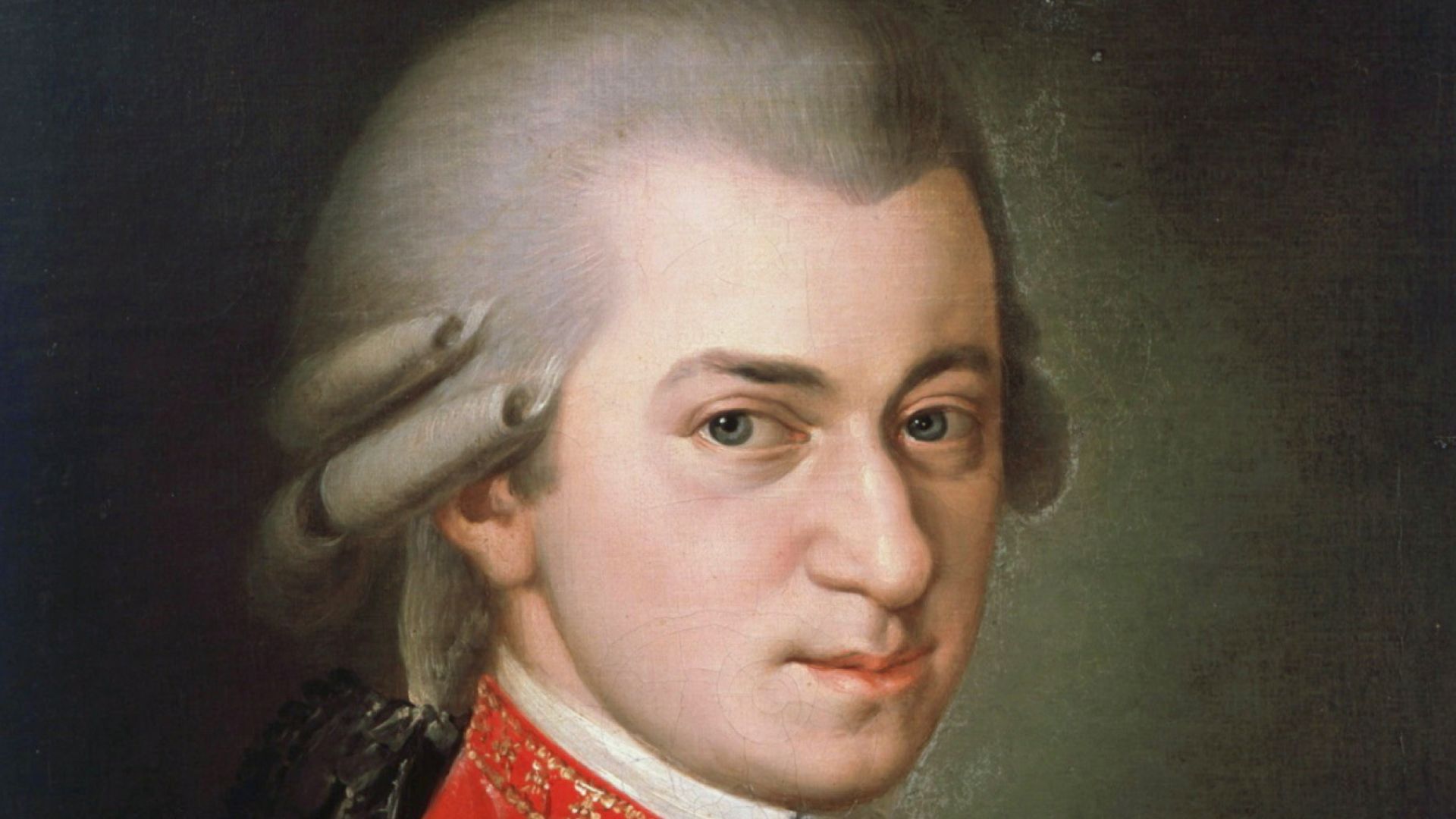 Barbara Krafft, Wikimedia Commons
Fiction Became Stronger Than Salieri's Real Career
Salieri was a respected composer and an influential teacher whose pupils included figures such as Beethoven and Schubert. Yet the enormous popularity of Amadeus made him synonymous with mediocre jealousy for audiences who had never heard his music. The Library of Congress explicitly describes the film as a highly fictionalized treatment of the composers' lives. Salieri's rehabilitation therefore offers perhaps the purest example on this list of a historical villain created not by evidence, but by a story that was simply too good to stop telling.
 Sikander Iqbal, Wikimedia Commons
You May Also Like:
Accidental Inventions That Changed Our Lives Forever
The 20th Century's Most Important Inventions
Things You Didn't Realize Were American Inventions
Sources: 1, 2, 3, 4, 5, 6, 7, 8, 9, 10, 11, 12, 13, 14, 15, 16, 17, 18, 19, 20, 21, 22, 23, 24, 25, 26, 27, 28, 29, 30, 31, 32, 33, 34