
Yesterday’s Gimmick Is Often Tomorrow’s Habit
New products can look ridiculous when they challenge habits people have followed for decades. Some of the inventions on this list were openly mocked, while others were dismissed as overpriced toys, ugly novelties, or solutions to problems nobody seemed to have. What looked unnecessary at first often became ordinary once prices fell, designs improved, and people discovered practical reasons to use it.
The Telephone Sounded Like A Toy
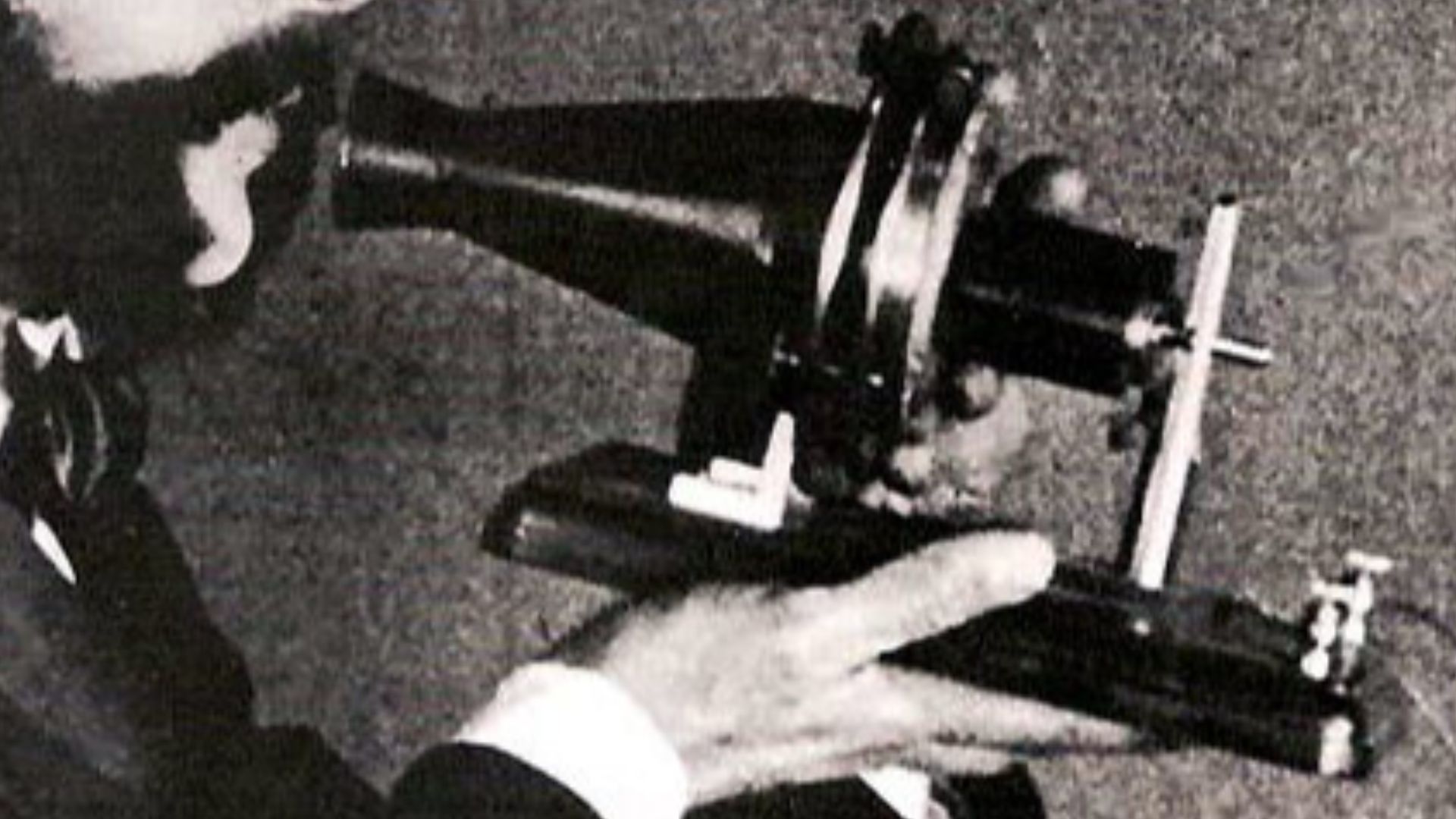
When telephones appeared in the late 19th century, the idea of voices traveling through wires struck many people as bizarre. Critics questioned why anyone needed one when telegraph messages already existed, and Western Union president William Orton reportedly dismissed Alexander Graham Bell’s invention as essentially a toy. Today, carrying instant voice communication in your pocket barely feels remarkable.
 Unknown authorUnknown author; film commissioned by AT&T., Wikimedia Commons
Early Cars Looked Like Noisy Mechanical Jokes
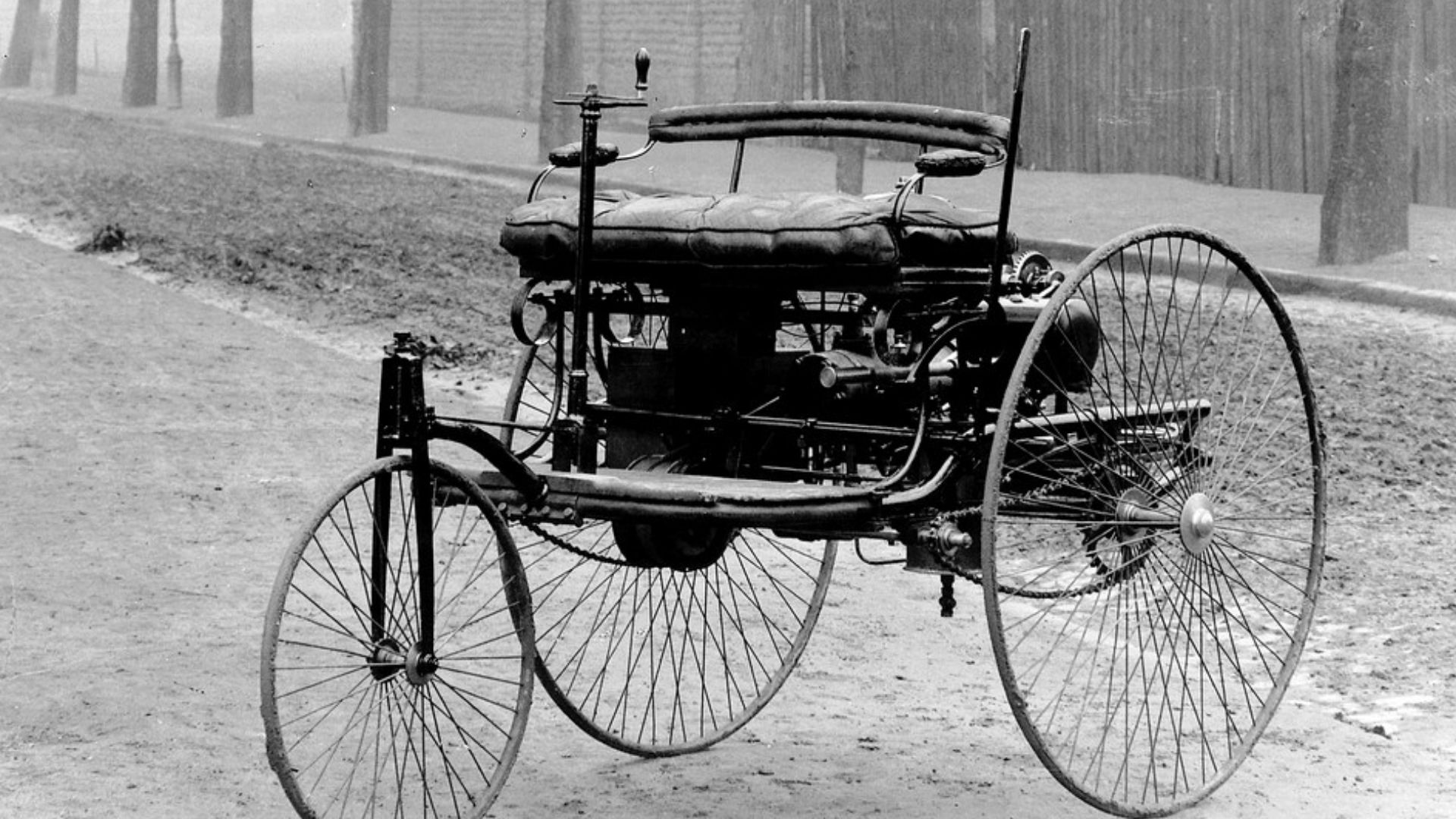
The first automobiles were expensive, unreliable, noisy, and frightening to people accustomed to horses. Critics questioned whether these temperamental machines could ever replace established forms of transportation, and early British laws even required someone to walk ahead of certain vehicles carrying a warning flag. Cars eventually became so ordinary that entire cities and transportation systems were redesigned around them.
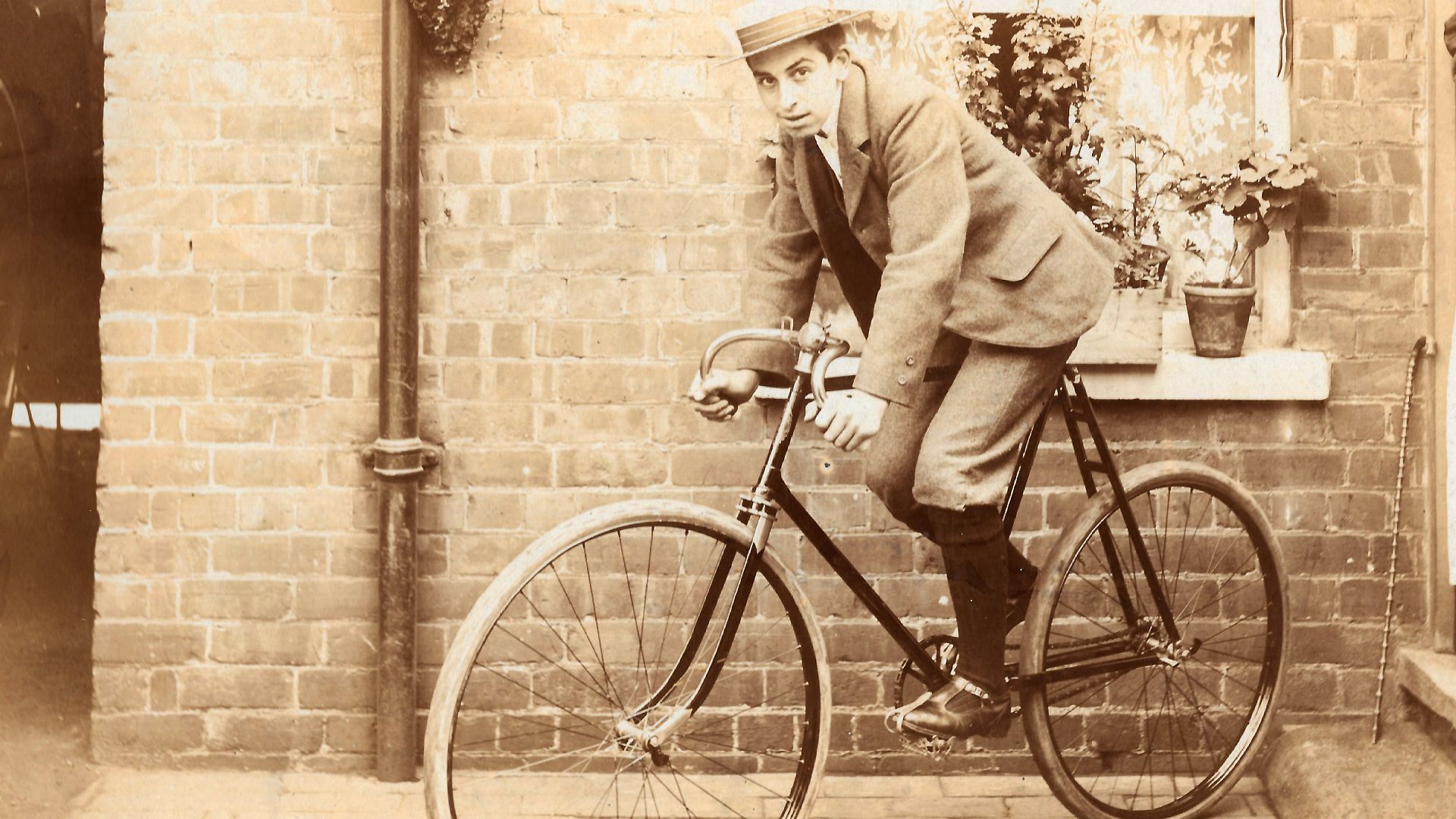
Bicycles Were Dismissed As Rich People’s Toys
Early pedal bicycles were heavy machines with hard wheels that produced such a rough ride they earned the nickname “boneshakers.” Many observers saw cycling as a frivolous pastime rather than a serious form of transportation. Modern bicycles are used for commuting, exercise, recreation, sport, and everyday transportation around the world.
 Photos of the Past from Hanwell, London, UK, Wikimedia Commons
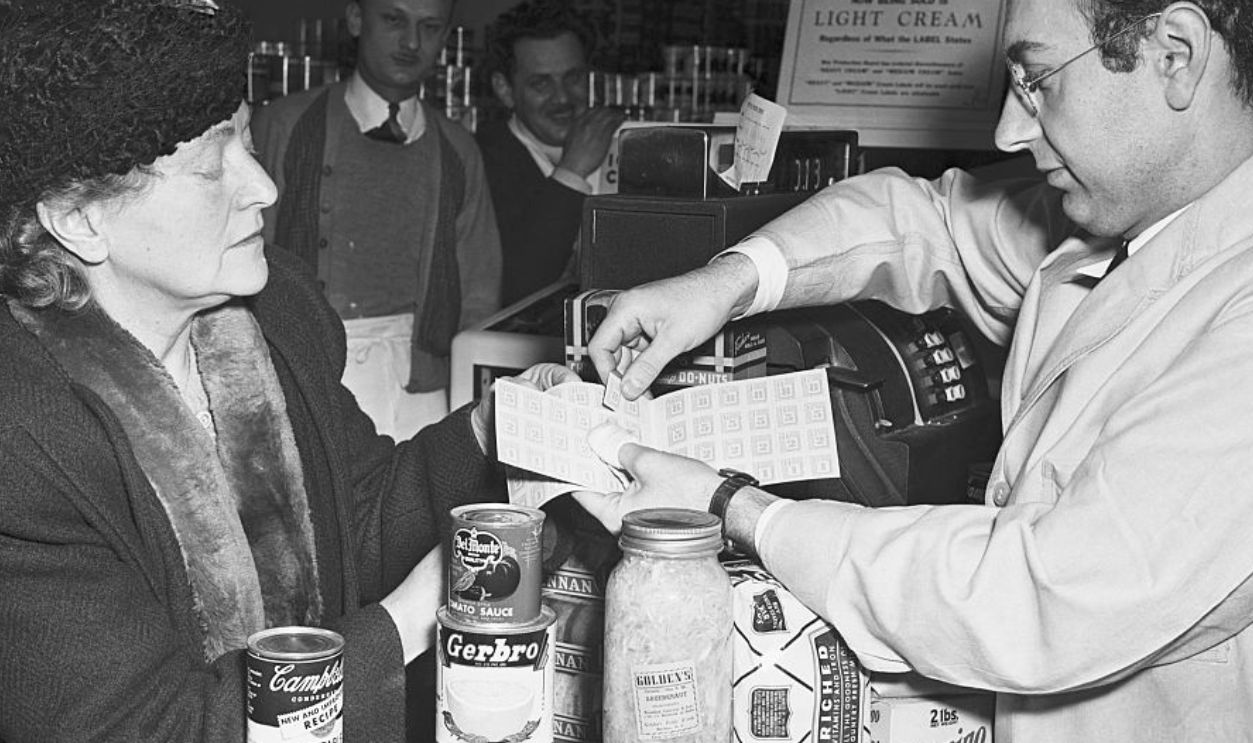
Canned Food Seemed Like An Awkward Experiment
Early canned food had one obvious problem: the can opener had not been invented yet. Consumers sometimes needed hammers, chisels, or other tools to get inside, while primitive manufacturing methods also created legitimate safety problems. Modern cans are an unremarkable supermarket staple because the technology, packaging, and food safety processes improved dramatically.
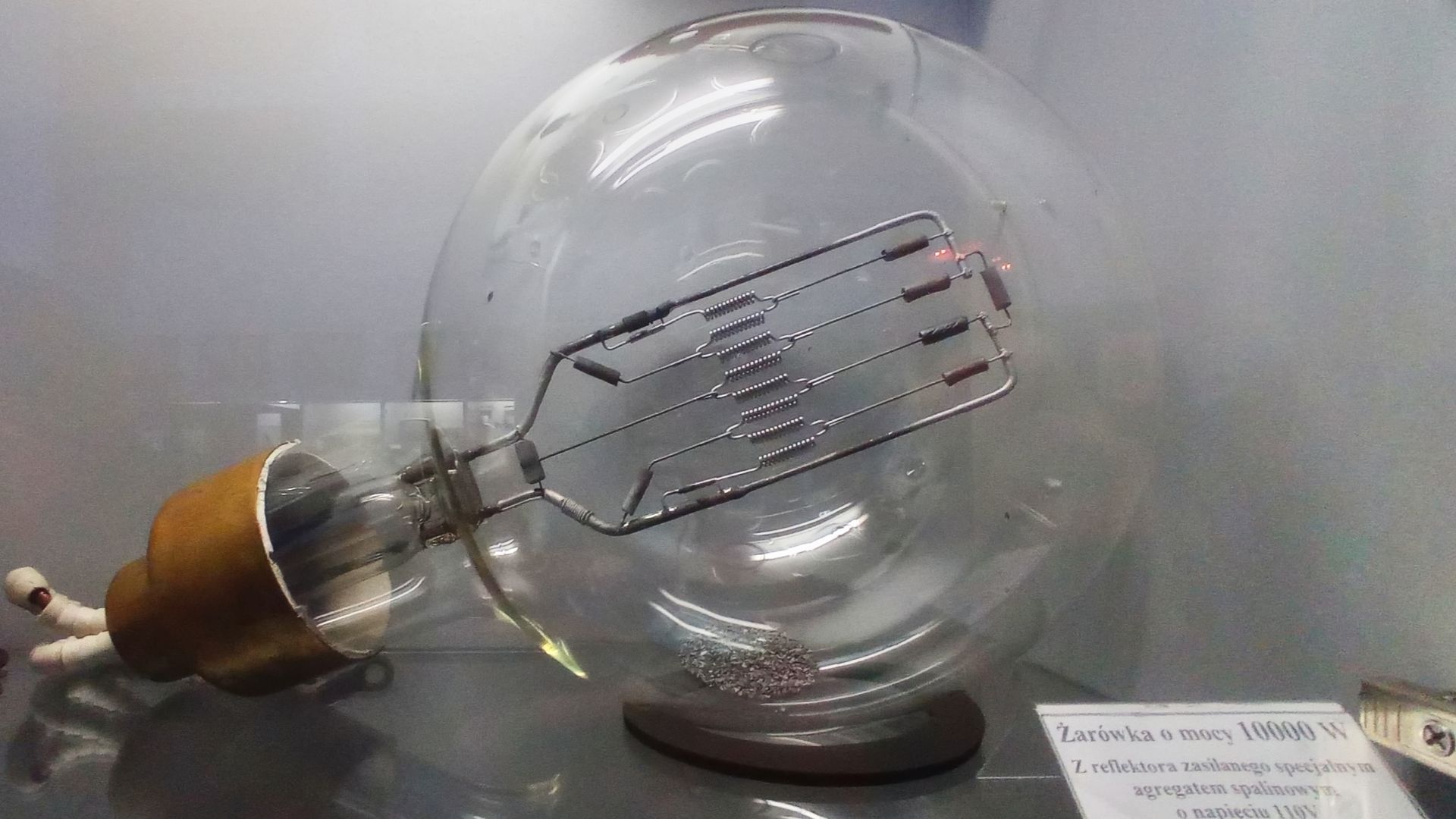
Electric Lights Looked Impractical
When electric lighting began spreading in the 19th century, early bulbs were expensive, unreliable, and sometimes treated as an impractical novelty. British politicians raised concerns about bringing electricity into private homes, while members of the public complained about the harsh appearance of electric illumination. Electric lighting eventually became such a basic part of modern life that its absence is more noticeable than its presence.
 Adrian Tync, Wikimedia Commons
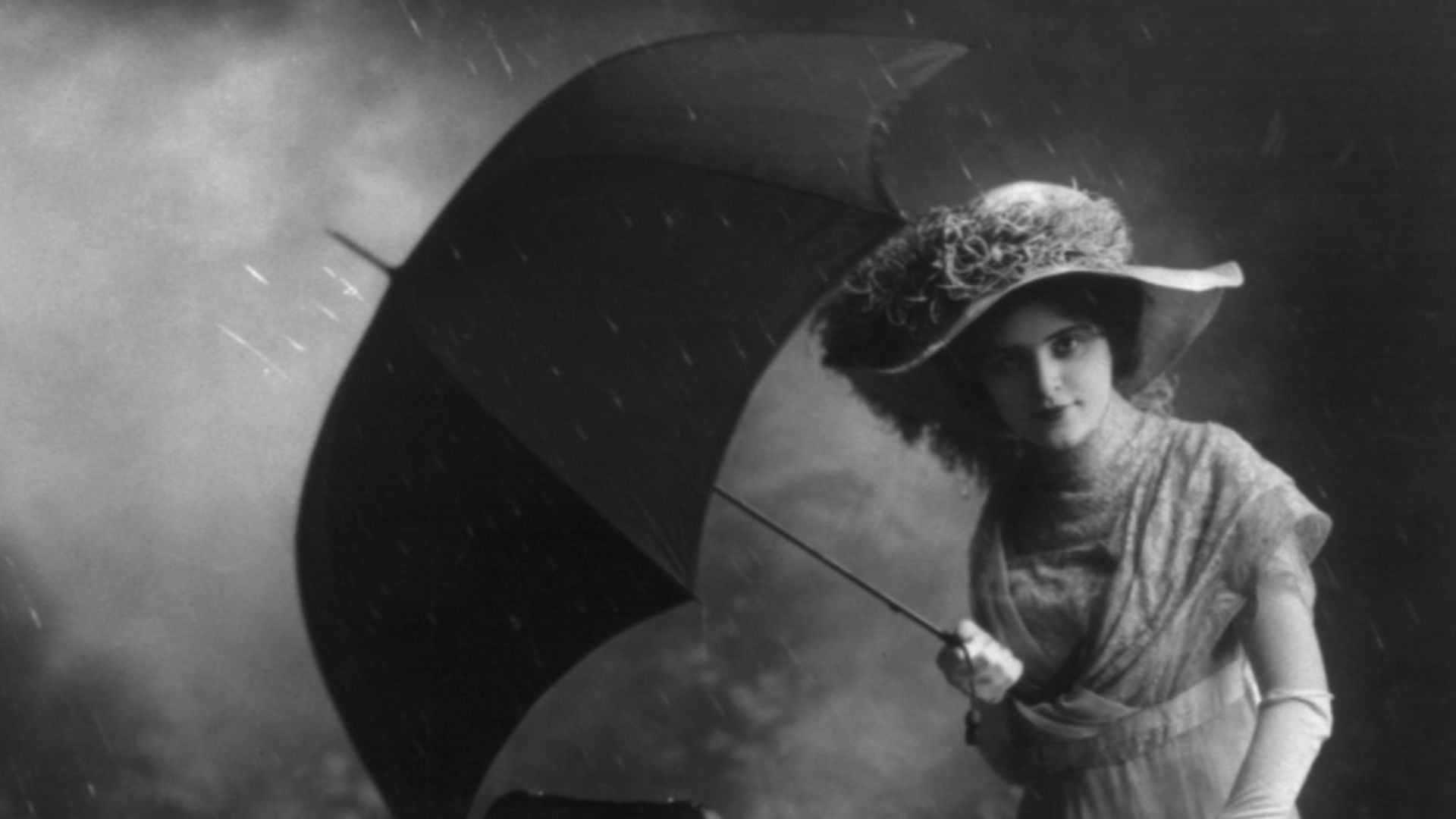
Umbrellas Once Made Men Targets For Ridicule
Umbrellas may be one of the least controversial objects imaginable today, but that was not always true. Men carrying them in 18th-century Britain could be mocked as effeminate, while coach drivers had an economic reason to dislike a device that allowed pedestrians to stay dry without hiring a carriage. Eventually, avoiding a soaking proved more persuasive than fashion conventions.
 Miscellaneous Items in High Demand, PPOC, Library of Congress, Wikimedia Commons
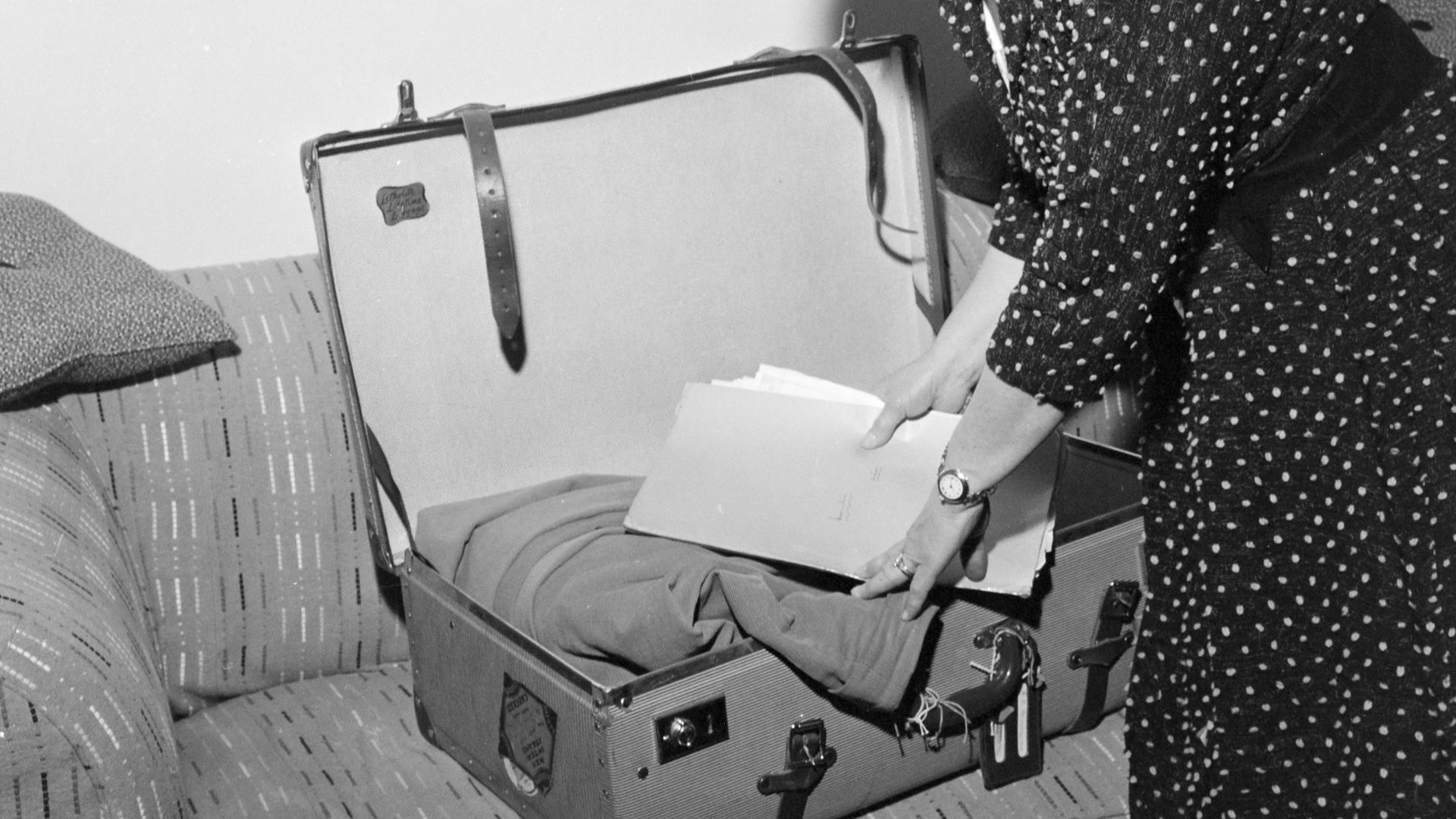
Wheeled Suitcases Somehow Seemed Unmanly
Bernard Sadow patented wheeled luggage in the early 1970s, but department-store buyers initially resisted the idea. Contemporary gender expectations held that men were supposed to carry heavy luggage rather than roll it, and Sadow later described difficulty convincing retailers that customers would accept the design. Modern airports make the old objection seem almost incomprehensible because wheels are now standard on most large suitcases.
 Photographer unidentified, Wikimedia Commons
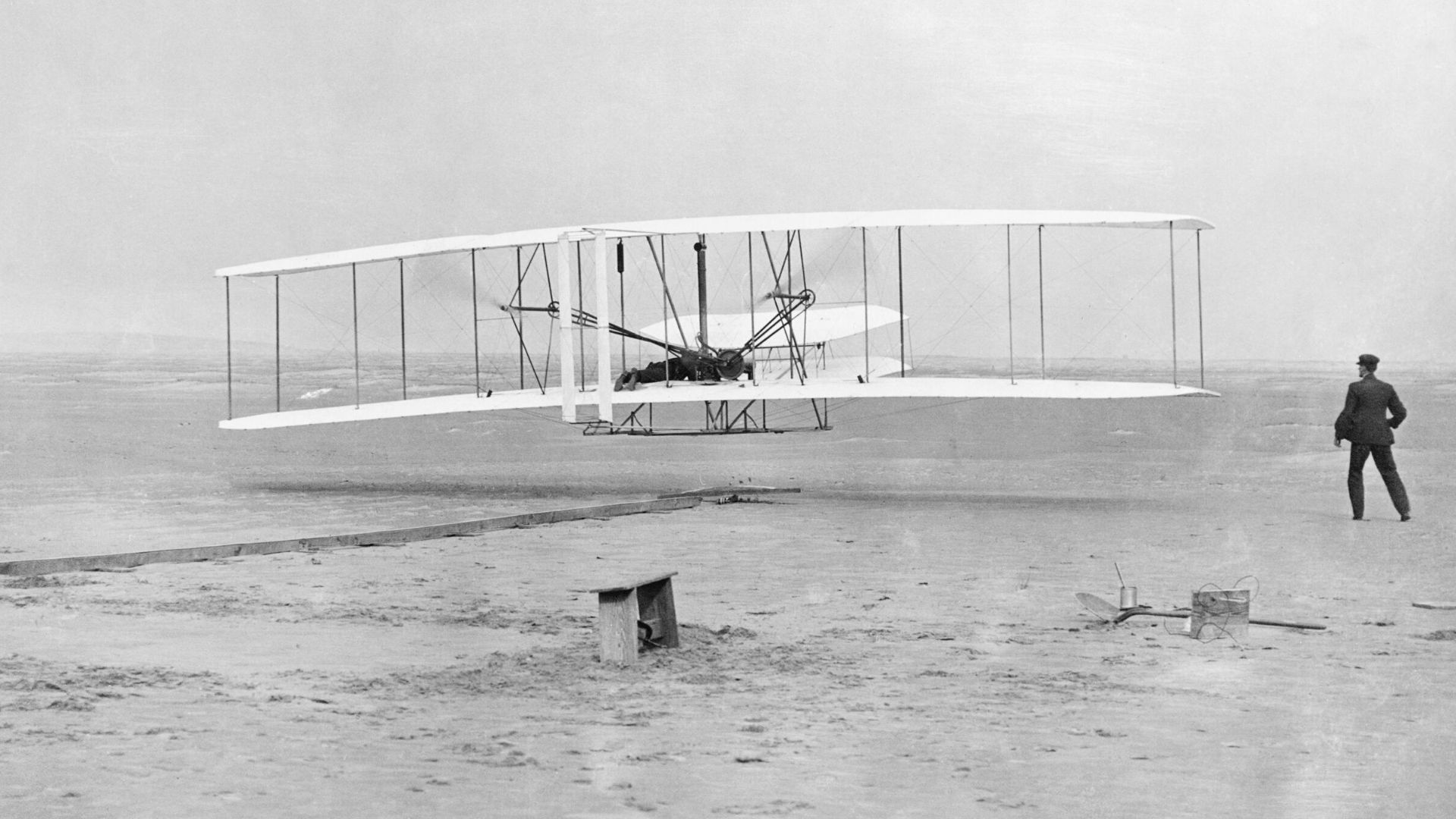
Airplanes Were Supposed To Be Impossible
Early aviation pioneers faced years of skepticism from journalists, scientists, and the wider public. Even after the Wright brothers achieved sustained powered flight in 1903, their accomplishment initially attracted far less attention than its historical importance would suggest. Commercial aviation eventually turned the supposedly absurd dream of routine flight into an everyday transportation industry.
 Daniels John T, Kill Devil Hills Life Saving Station, Wikimedia Commons

History's most fascinating stories and darkest secrets, delivered to your inbox daily.
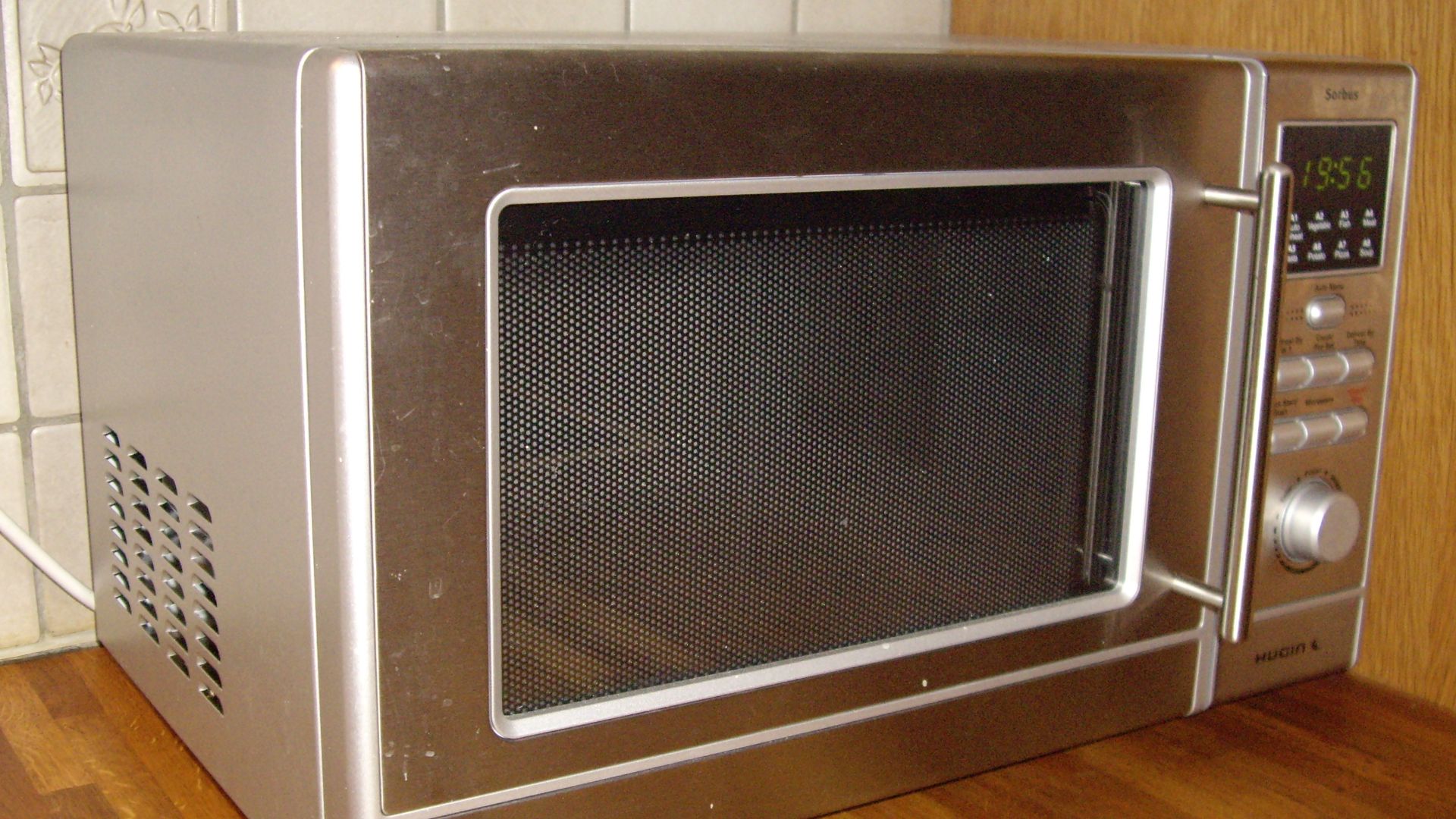
The Microwave Made People Nervous
Microwave ovens brought an unfamiliar form of cooking into the home, and early consumers had questions about radiation, food quality, and whether the machines belonged in ordinary kitchens. The technology also behaved differently from conventional ovens, making it easy for inexperienced users to overcook certain foods. Despite the doubts, microwaves eventually became fixtures in homes, offices, convenience stores, and restaurant kitchens.
Bottled Water Sounded Almost Absurd
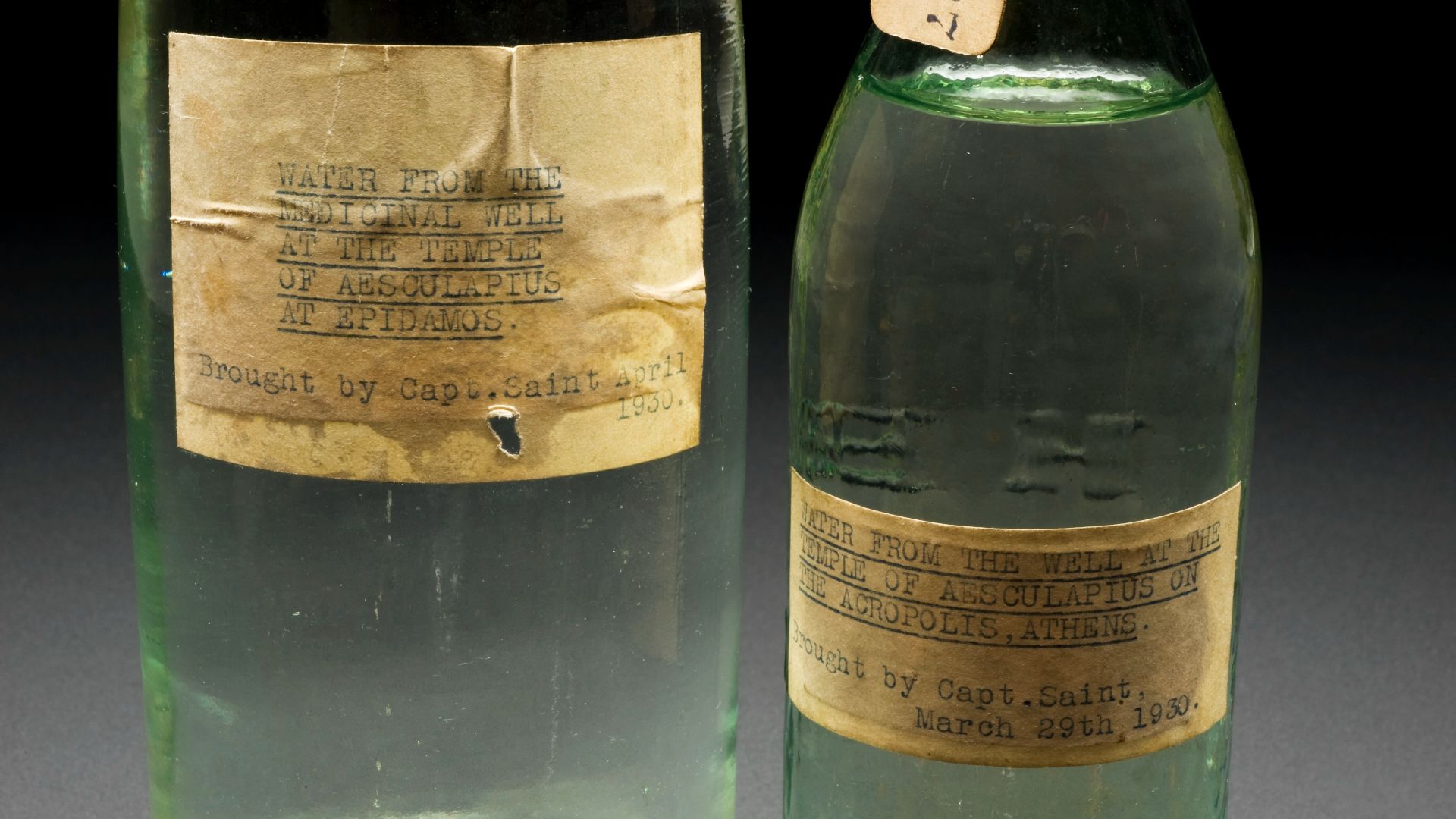
In places with reliable municipal water, paying for plain water once seemed like an extremely strange proposition. Water expert James Salzman recalled that in the 1970s, selling bottled water in the United States could seem about as ridiculous as selling bottled air, before Perrier helped reposition it as a desirable consumer product. Bottled water later became a huge global industry, even as debates about cost, environmental impact, and the advantages of tap water continued.
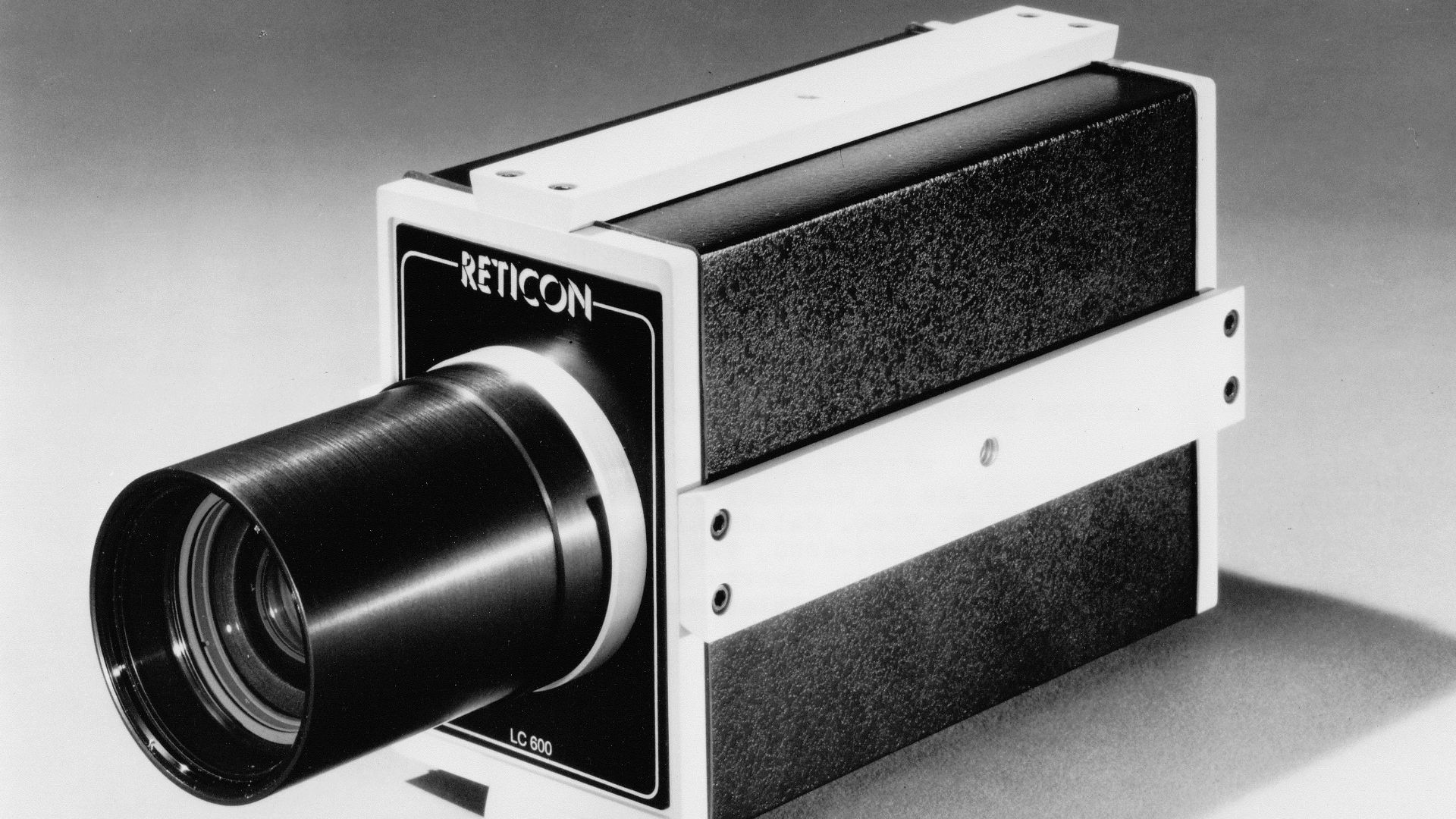
The Digital Camera Threatened A Proven Business
Kodak engineer Steve Sasson built an early portable digital camera prototype in 1975, but it was far from ready for consumers. The device needed about 23 seconds to record an image, required a television for viewing, and entered a world in which personal computers were not yet commonplace. Digital photography eventually replaced film for most everyday picture taking, showing how quickly an impractical prototype can become the foundation of a new normal.
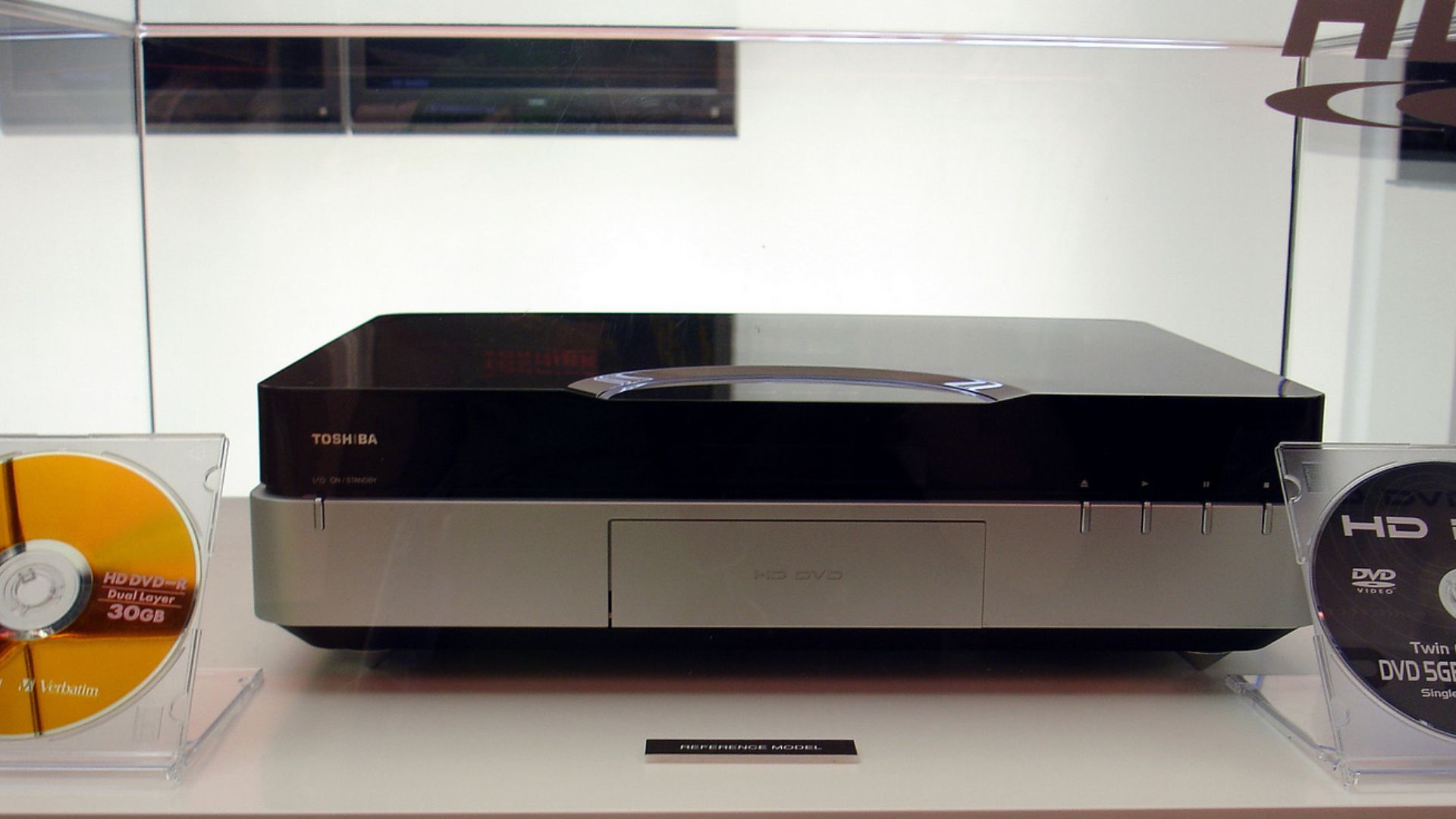
DVD Players Looked Like An Expensive Gamble
When consumer DVD players reached the United States in 1997, buyers faced high prices, limited movie selections, and machines that could not record television like a VCR. Wired concluded that anyone who was not a serious gadget or video enthusiast would probably be better off waiting. Prices fell, movie catalogs expanded, and DVD soon became a dominant home-video format before streaming eventually displaced it.
 Andreas -horn- Hornig, Wikimedia Commons
Flat-Screen TVs Once Cost A Fortune
A thin television seems completely ordinary now, but early LCD sets asked consumers to pay breathtaking premiums for modest screen sizes. Sharp introduced a 20-inch LCD television costing thousands of dollars, and even company executives initially questioned how much demand such expensive displays could attract. Falling manufacturing costs turned flat panels from futuristic luxury products into the standard television design.

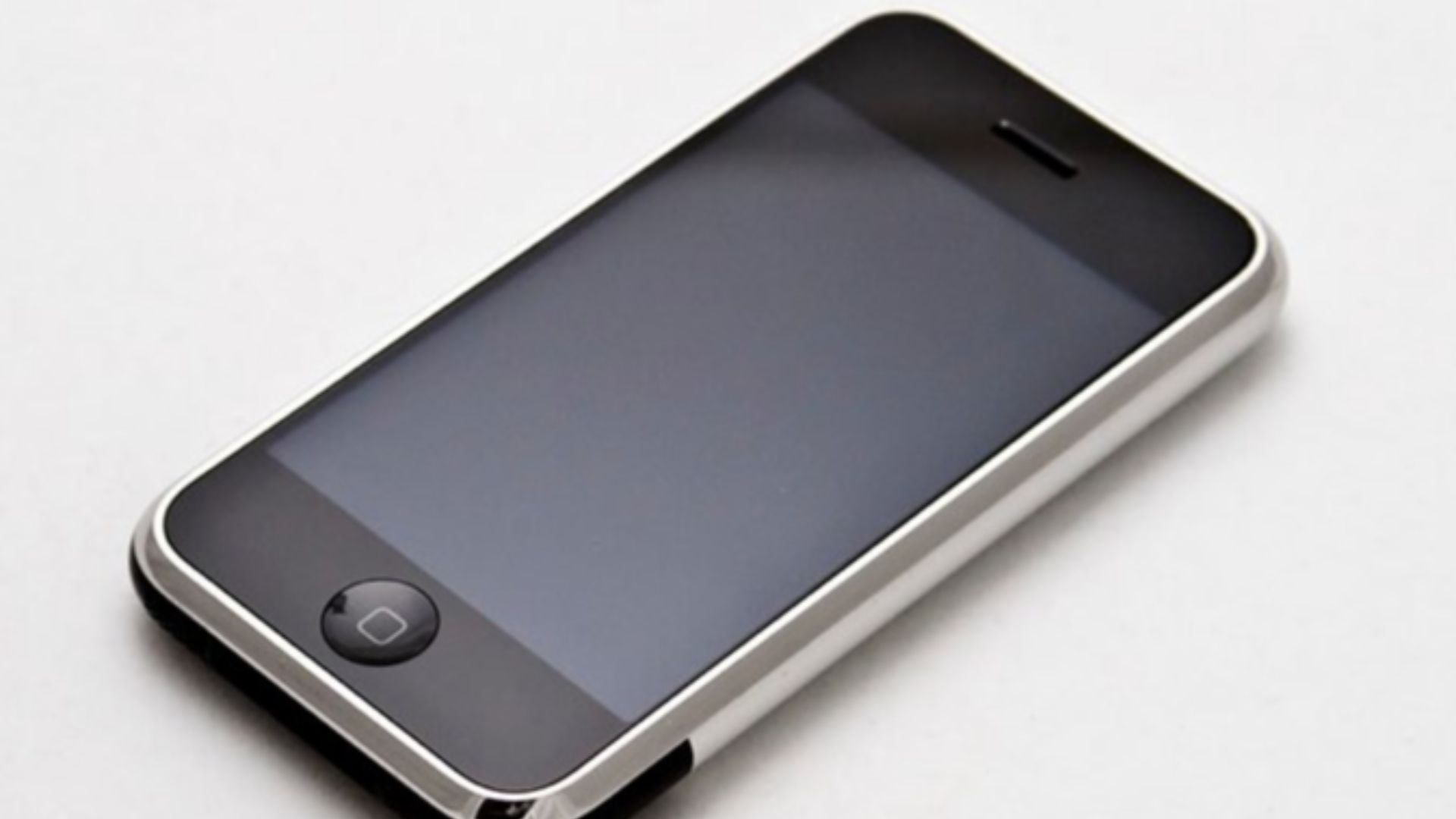
The Original iPhone Got Literal Laughter
Apple’s first iPhone eliminated the physical keyboard that business users associated with serious smartphones and carried a high launch price. Microsoft CEO Steve Ballmer publicly laughed when discussing the device and doubted its prospects in the phone market. The touchscreen interface instead helped establish the basic design language that nearly every major smartphone manufacturer eventually adopted.
 Carl Berkeley from Riverside California, Wikimedia Commons
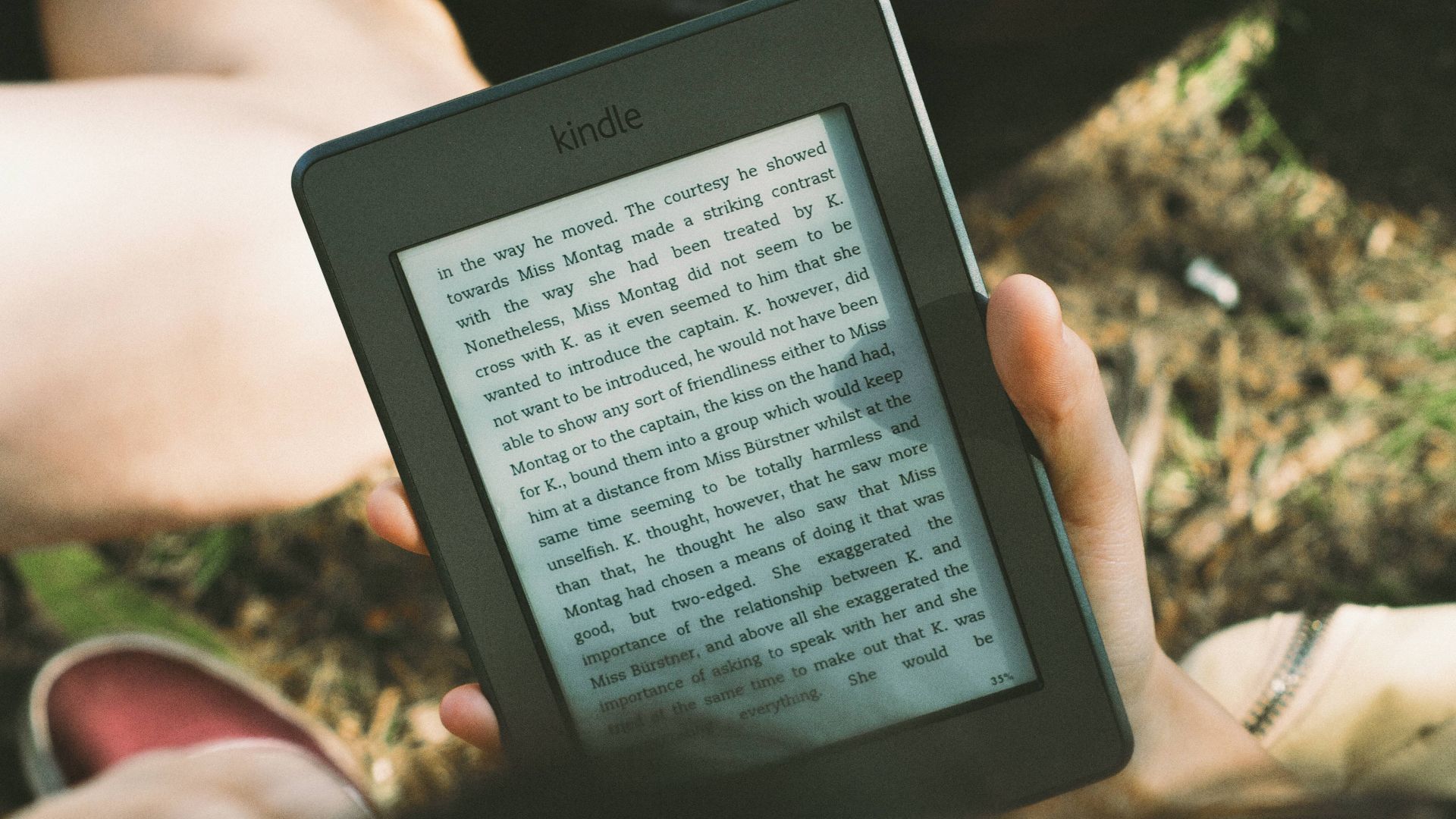
The Kindle Was Mocked For Being Ugly And Expensive
Amazon launched the original Kindle in 2007 for about $400, and the early reaction was hardly universal enthusiasm. Critics complained that it was expensive, unattractive, and unlikely to persuade ordinary readers to abandon paper books, yet the first model still sold out. E-readers later became an established way to purchase, store, and carry large libraries of books.
 James Tarbotton jamestarbotton, Wikimedia Commons
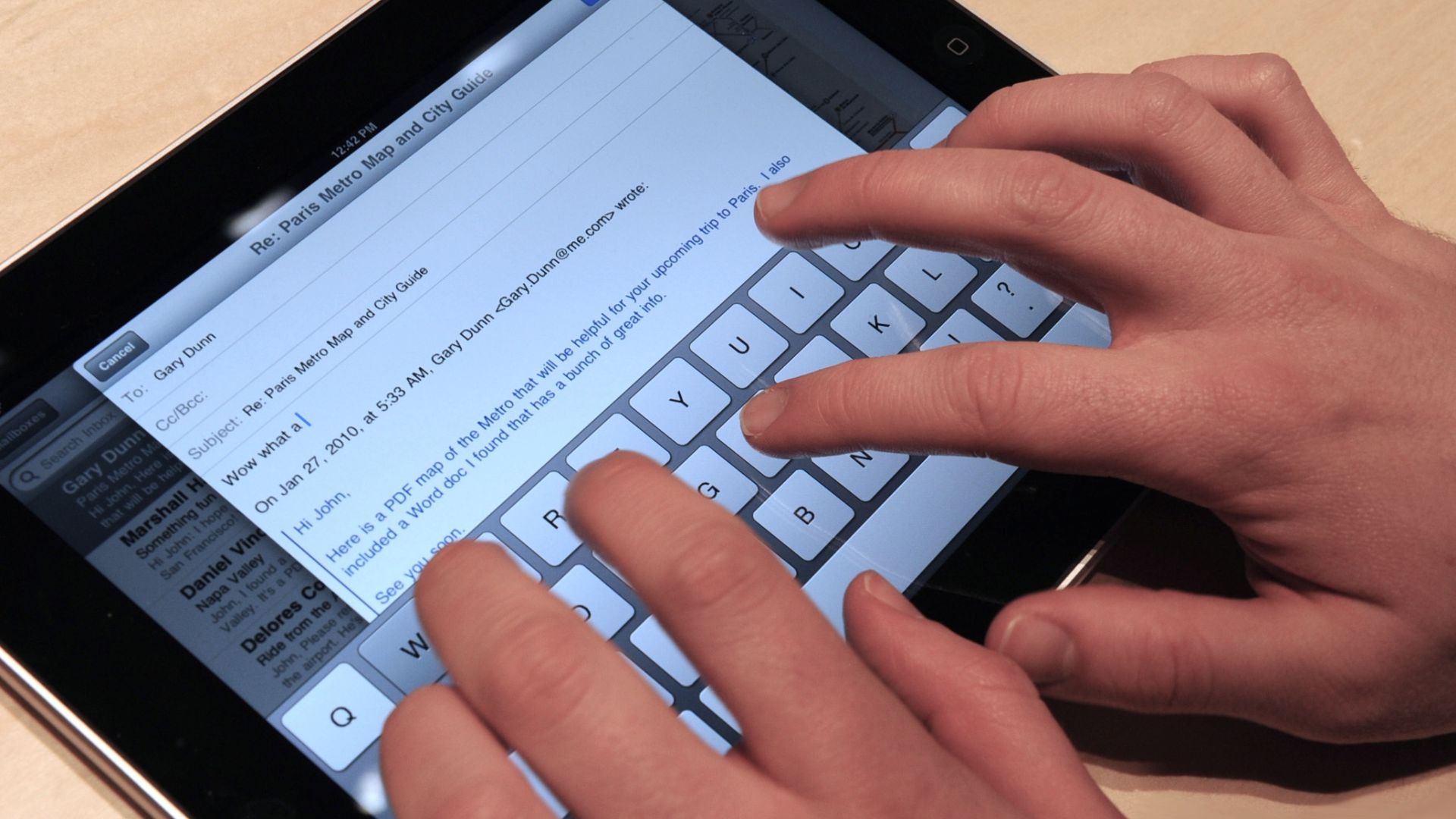
The iPad Was Just A Giant iPhone, Apparently
When Apple unveiled the iPad in 2010, plenty of observers struggled to understand where it belonged between phones and laptops. A Wired poll found about 60 percent of participating readers said they would not buy one, while critics repeatedly compared it with an oversized iPhone or iPod Touch. Tablets subsequently became familiar devices for entertainment, education, travel, retail, and workplace applications.
 matt buchanan, Wikimedia Commons
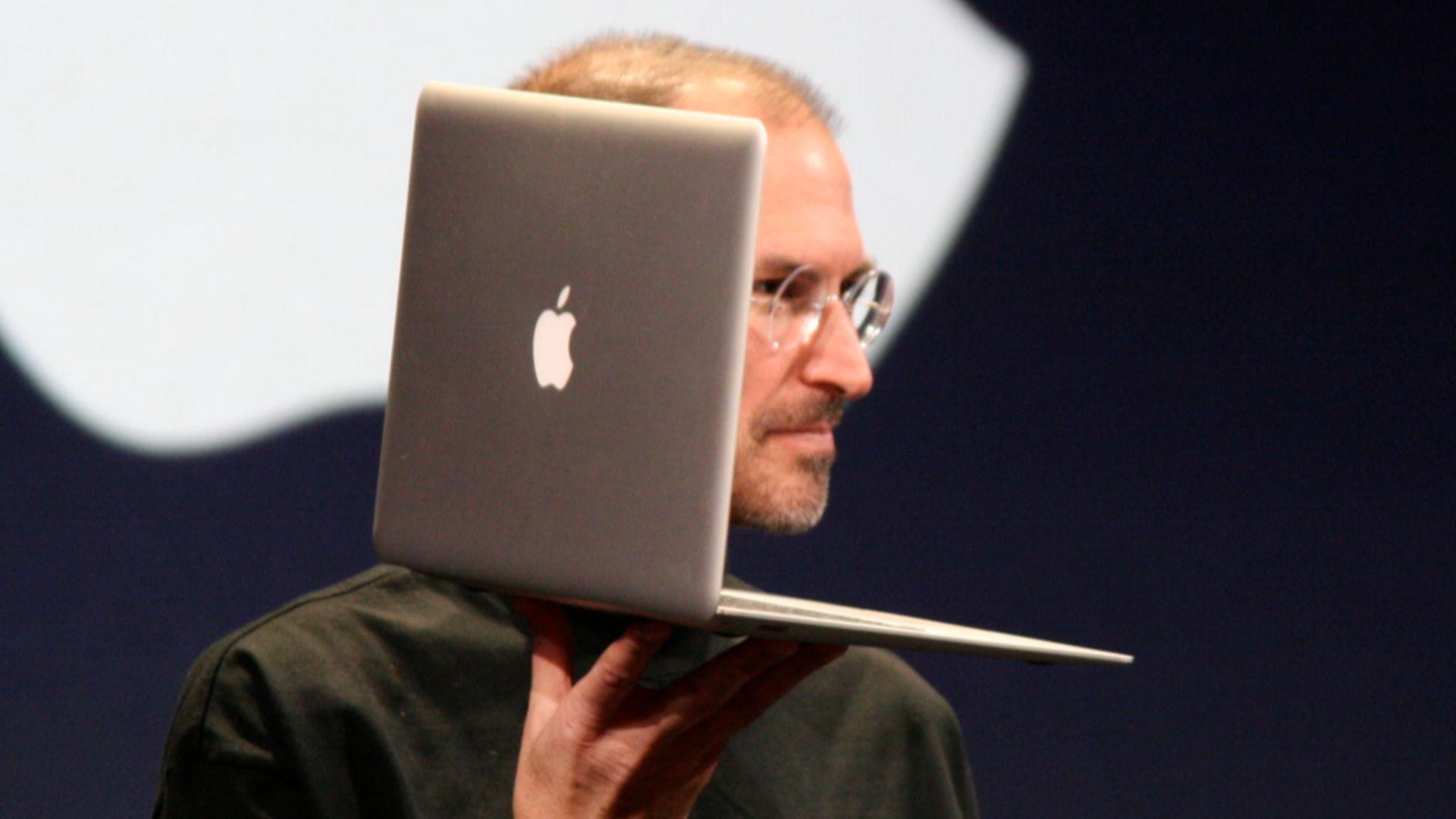
The MacBook Air Looked Too Thin For Its Own Good
Apple’s first MacBook Air made a dramatic entrance in 2008, but its extreme thinness required sacrifices that drew substantial criticism. It was expensive, comparatively limited in performance, and omitted familiar features including an optical drive and several ports. Those controversial decisions anticipated an industry-wide shift toward thinner laptops, fewer legacy connections, and greater reliance on wireless services.
 Matthew Yohe, Wikimedia Commons
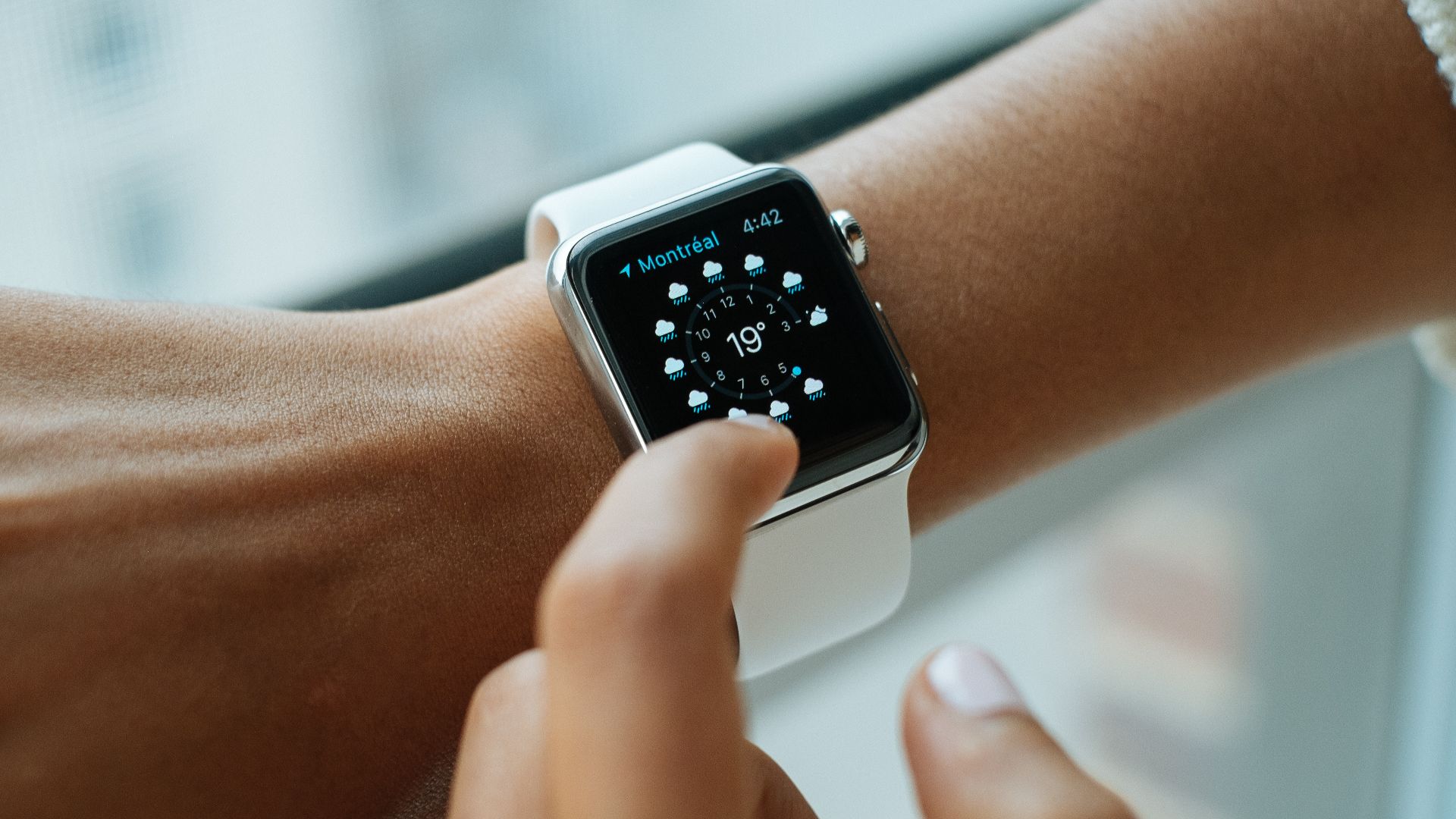
The Apple Watch Was A Gadget Nobody Needed
Early Apple Watch reviews in 2015 repeatedly questioned whether consumers actually needed another screen on their wrists. Reviewers complained about its price, learning curve, slow software, limited independence from the iPhone, and short battery life under demanding use. Smartwatches nevertheless became an established consumer electronics category, particularly for notifications, fitness tracking, payments, and health monitoring.
 fancycrave1, Wikimedia Commons
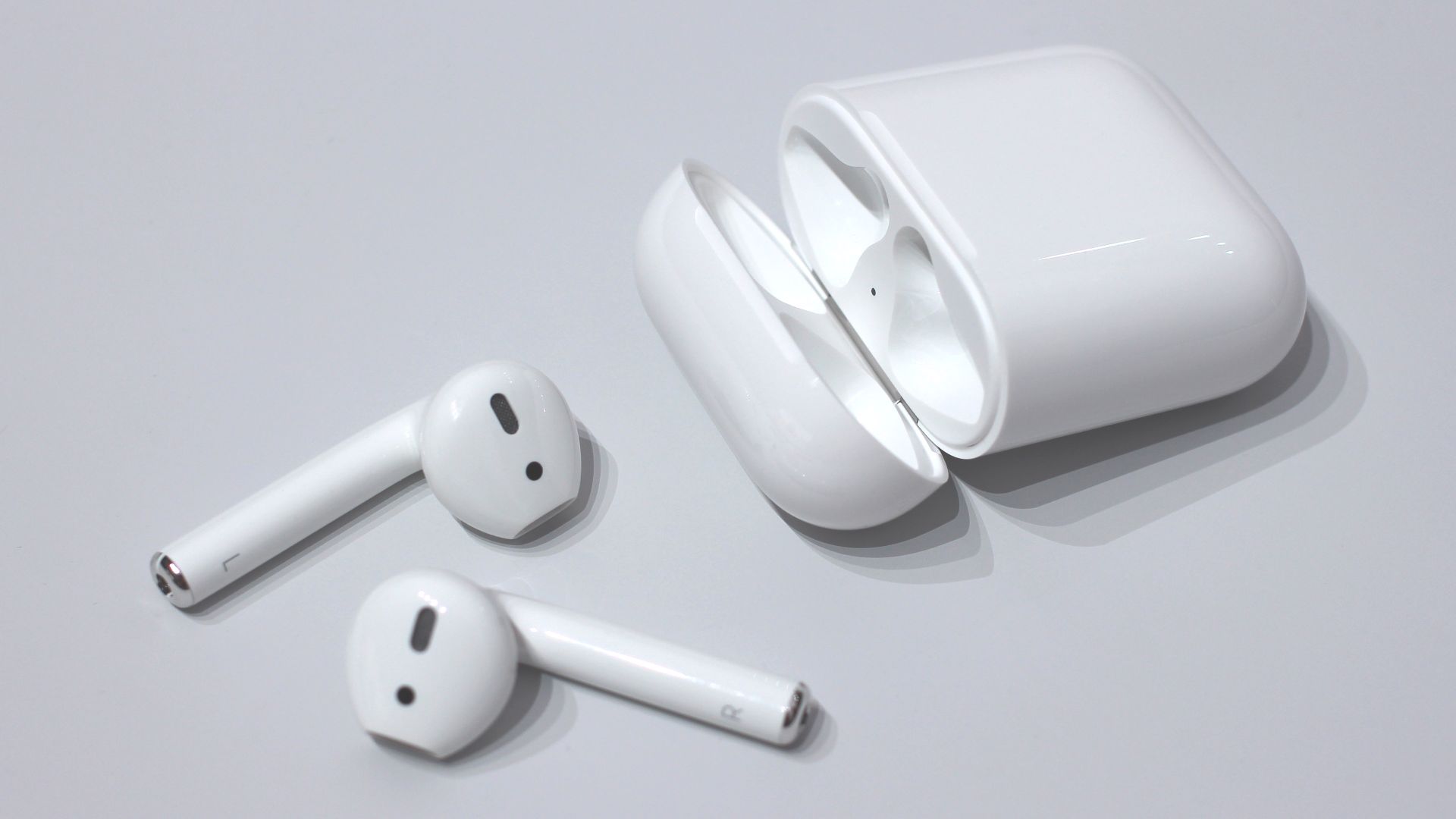
AirPods Looked Like An Expensive Experiment
Apple’s AirPods arrived in 2016 alongside the controversial removal of the traditional headphone jack from the iPhone 7. Engadget’s first impressions said the earbuds sat somewhere between genuine usefulness and gimmickry, questioning whether they could become essential for iPhone owners. Within a few years, AirPods were a major commercial success and helped make completely wireless earbuds an everyday sight.
 Maurizio Pesce from Milan, Italia, Wikimedia Commons
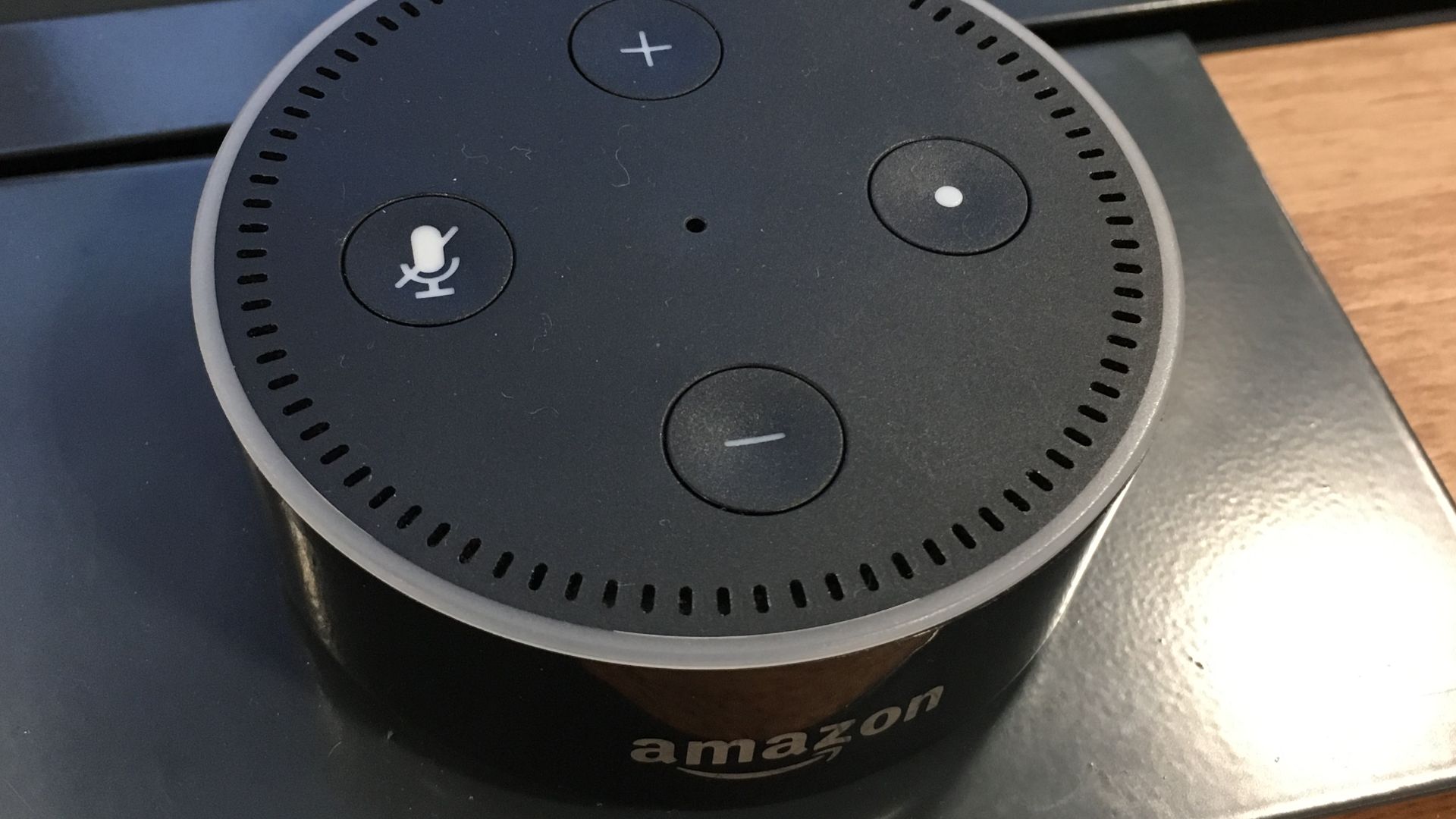
Talking To An Amazon Echo Felt Strange
Amazon Echo initially offered a relatively narrow collection of voice-controlled functions, which made the idea of placing an always-listening smart speaker in the home seem questionable to many consumers. A 2016 Computerworld review recalled that the early Echo started as a gimmick with limited abilities before third-party features expanded what it could do. Voice assistants and smart speakers subsequently became established parts of the connected-home market, even as privacy concerns remained.
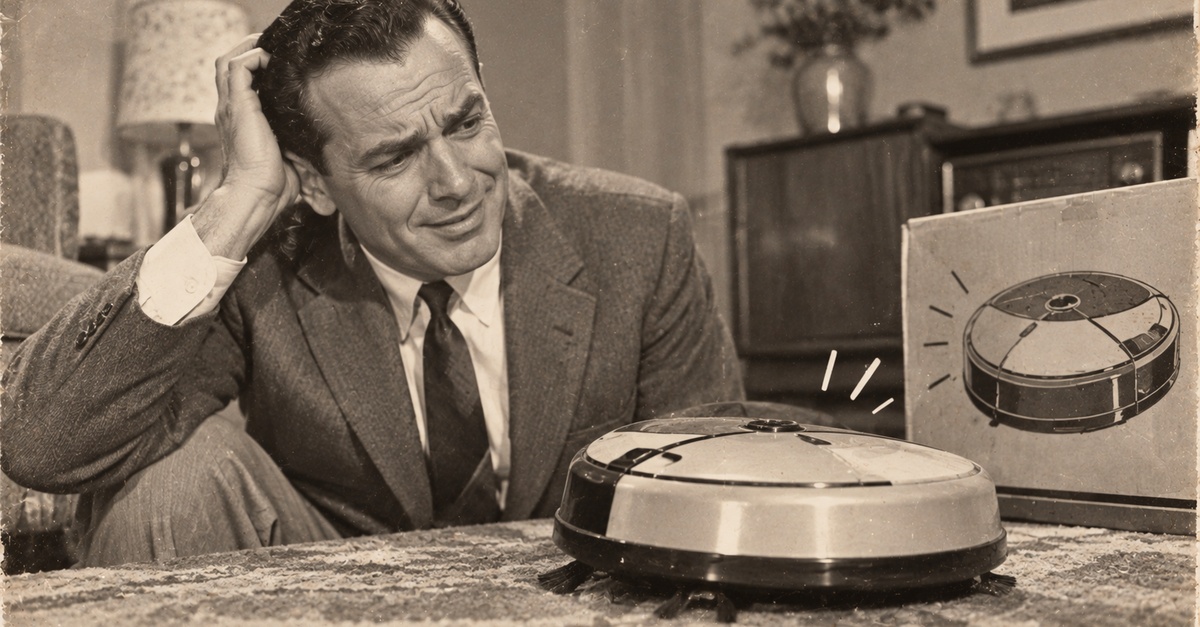
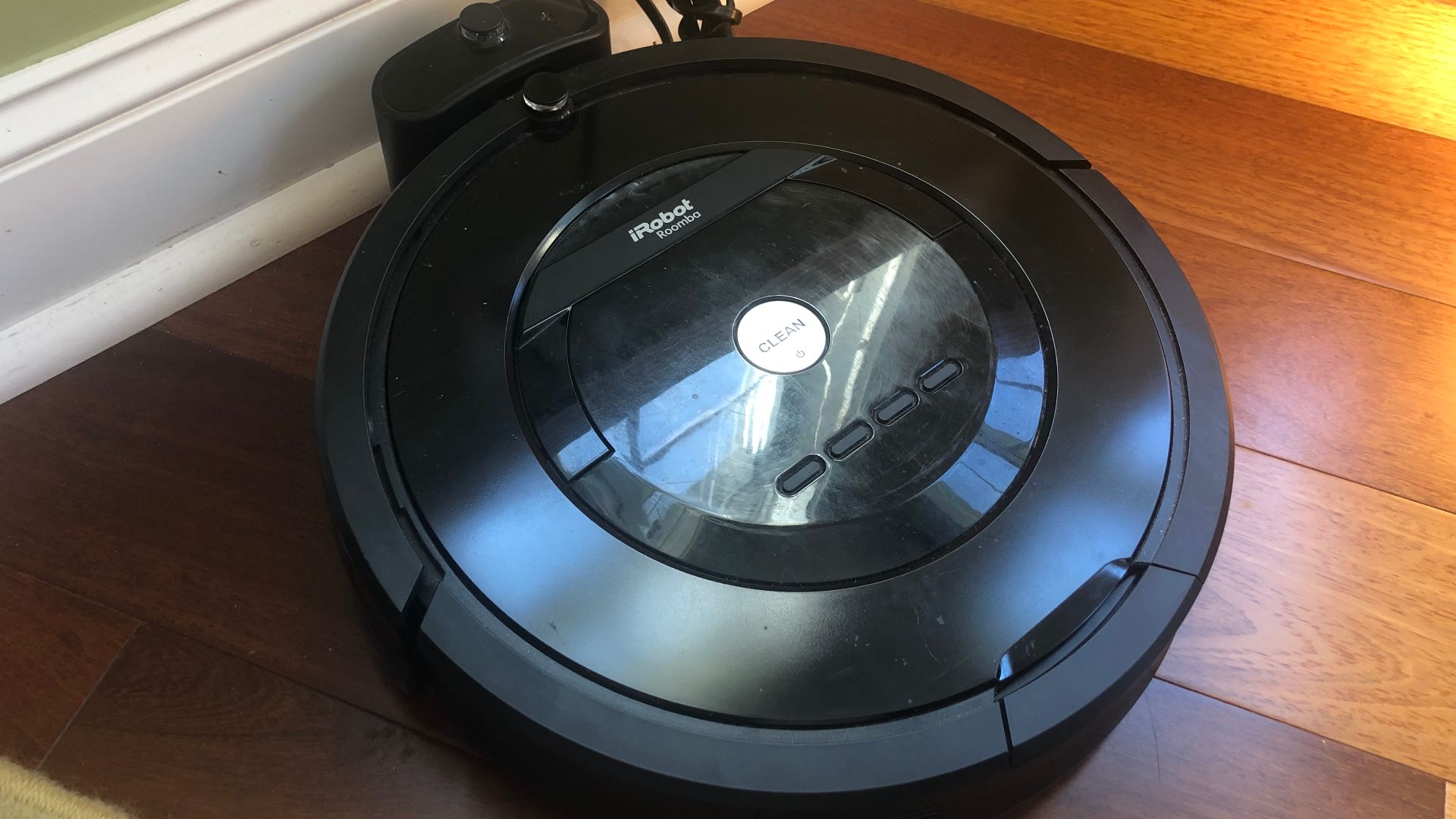
Roomba Looked Like A Robot Toy
A little disc wandering around the floor sounded suspiciously close to a novelty when iRobot introduced the Roomba in 2002. Contemporary coverage specifically stressed that the machine was not a gimmick because, despite its limitations, it genuinely picked up everyday household dirt. Robot vacuums later became a significant segment of the vacuum-cleaner industry and inspired an entire category of autonomous floor-cleaning machines.
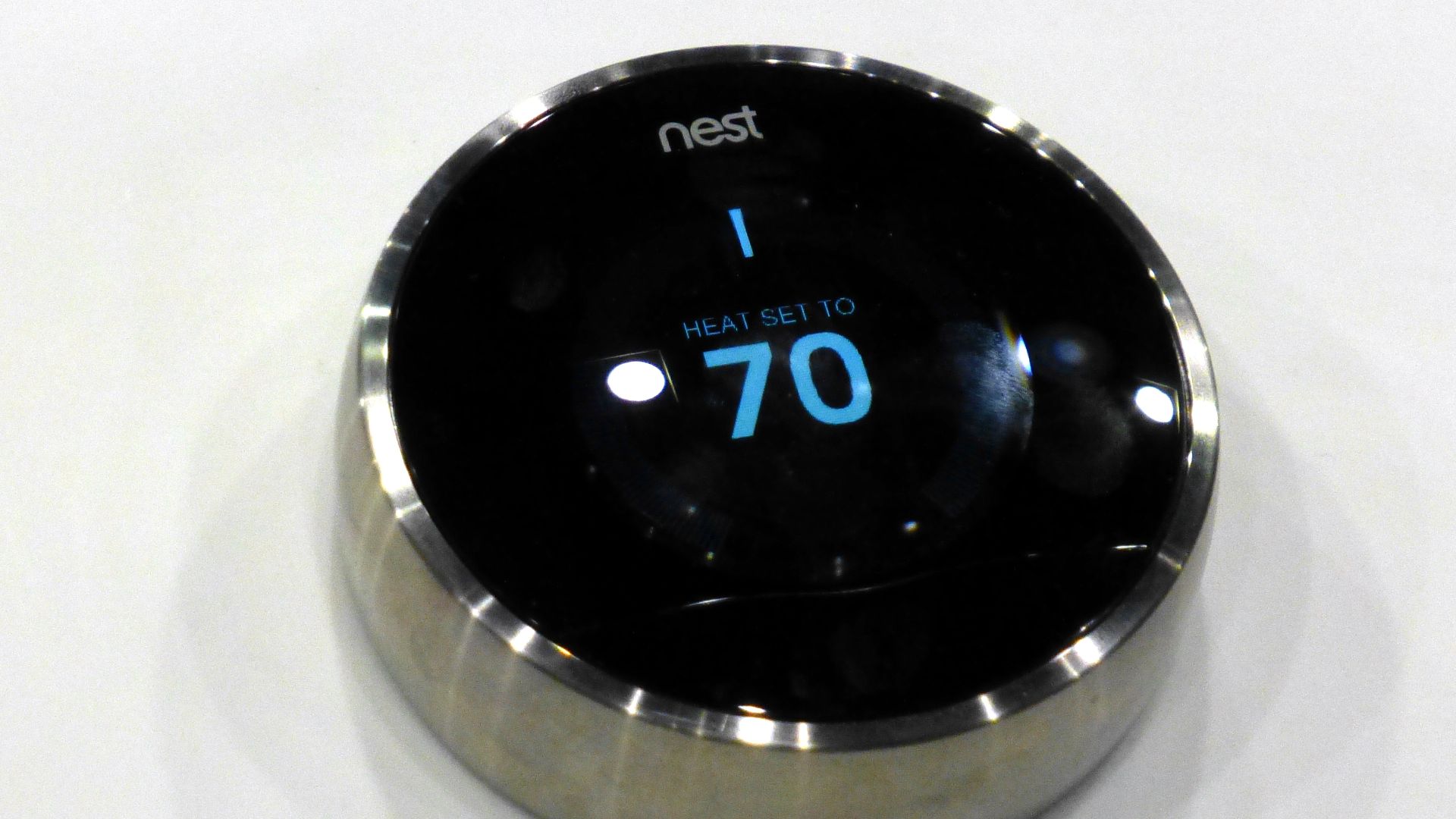
The Nest Thermostat Sounded Excessive
Spending hundreds of dollars on a beautifully designed thermostat sounded odd enough that one early reviewer was greeted with disbelief simply for reviewing it. Nest added Wi-Fi, smartphone controls, sensors, and learning software to a device that most people previously ignored unless they felt too hot or cold. Smart thermostats are now a recognized home-automation category, and the original Nest helped define what consumers expected from them.
 David Berkowitz from New York, NY, USA, Wikimedia Commons
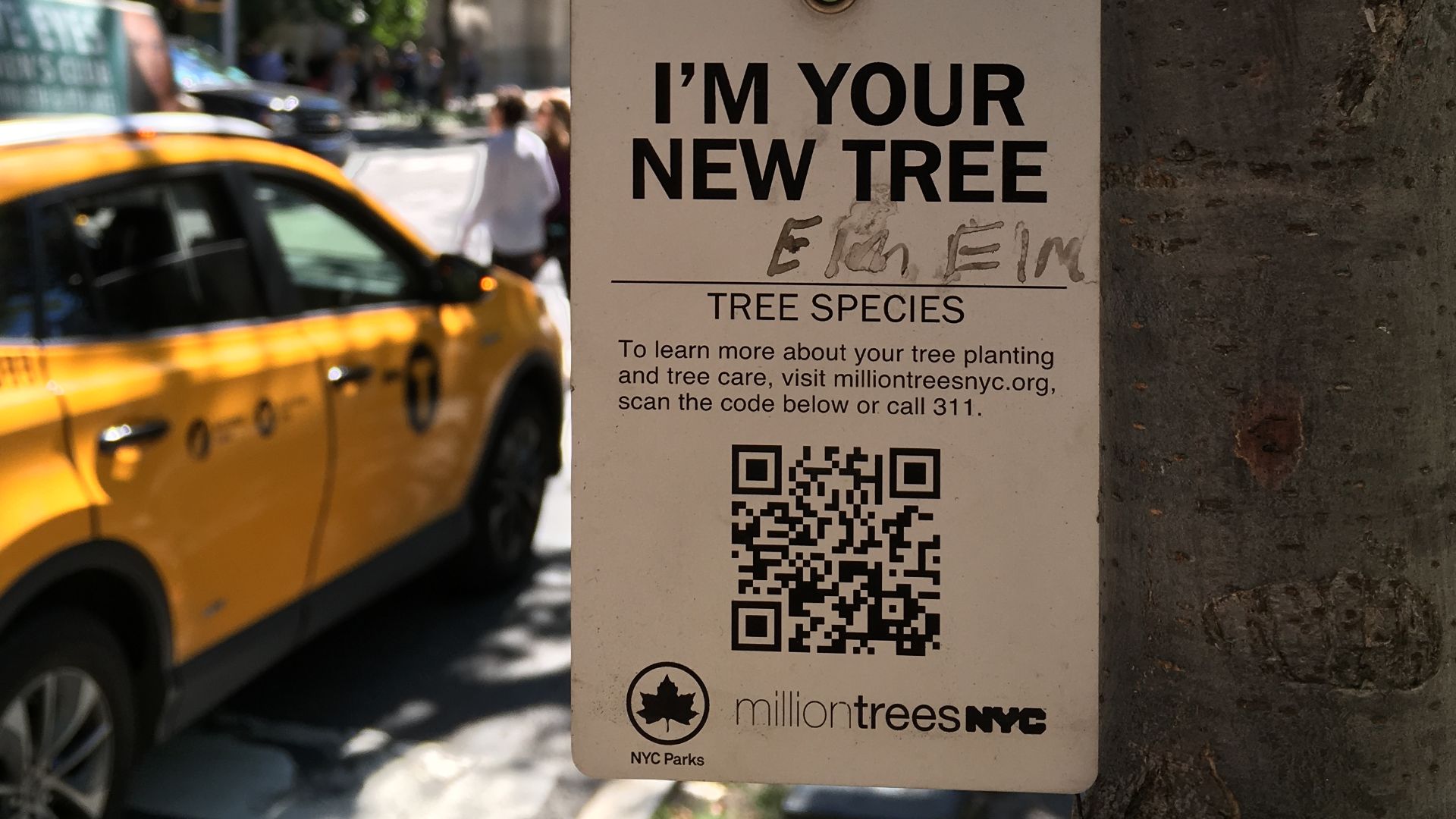
QR Codes Came Back From Near Irrelevance
QR codes existed for years without becoming a routine part of everyday consumer behavior in much of the West. Smartphones initially required separate scanning software, mobile data was less universal, and the technology frequently appeared to be another awkward marketing trick. Better phone cameras and the demand for touch-free menus, forms, payments, and information during the COVID-19 pandemic finally pushed QR scanning firmly into ordinary life.
 Bristolfolks, Wikimedia Commons
Selfie Sticks Went From Punchline To Tourist Gear
Few modern accessories have attracted mockery as quickly as the selfie stick. Photography buyers reportedly dismissed early versions as gimmicks, while later models became the subject of jokes, bans, and arguments about public etiquette. They nevertheless became familiar travel accessories because extending a phone beyond arm’s length makes group photographs and wide-background selfies easier to capture.

Crocs Turned Ugliness Into The Product
Crocs never needed critics to point out their unconventional appearance because the company eventually embraced the argument itself. The foam clogs were repeatedly mocked for their looks, and Time even included Crocs on a 2010 list of bad inventions. Years later, celebrity collaborations, fashion partnerships, customization, and renewed demand helped transform the polarizing shoes into a major global footwear brand.
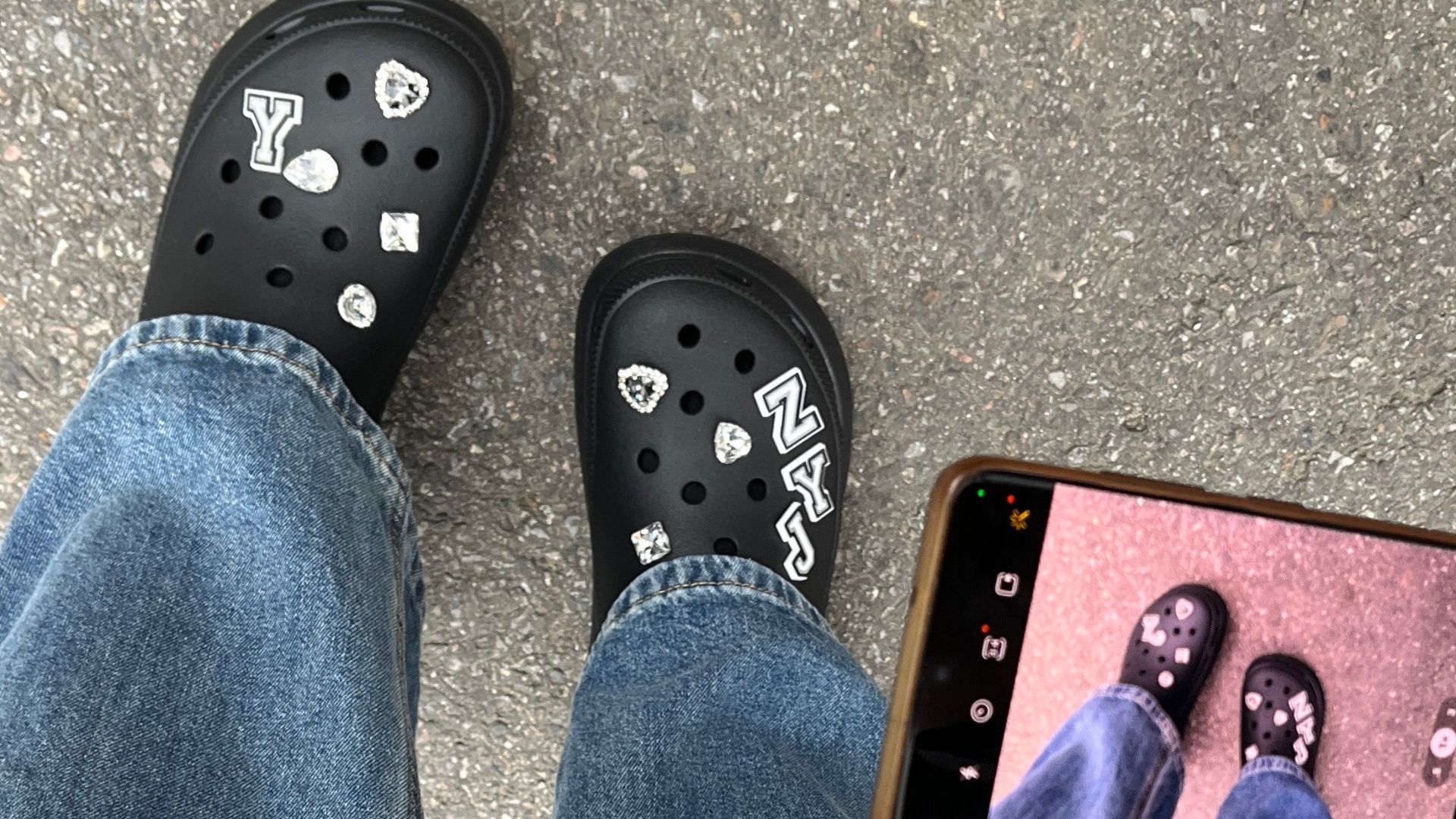 Zhou Yuji1028, Wikimedia Commons
Normal Usually Arrives Slowly
The interesting thing about these products is not that every critic was foolish, because many early complaints were completely reasonable. First-generation products really can be too expensive, awkward, unreliable, or incomplete, but improvements in technology and changes in behavior can erase those disadvantages surprisingly quickly. The next ridiculous-looking gadget may genuinely be pointless, or it may be something people barely notice using 20 years from now.

You May Also Like:
The Weirdest Rules People Once Followed At Work
The Discovery Of A Bronze Age Blade Workshop In Southern Israel
Resilient Facts About Ellen Burstyn, The Actor Who Worked With The Devil









