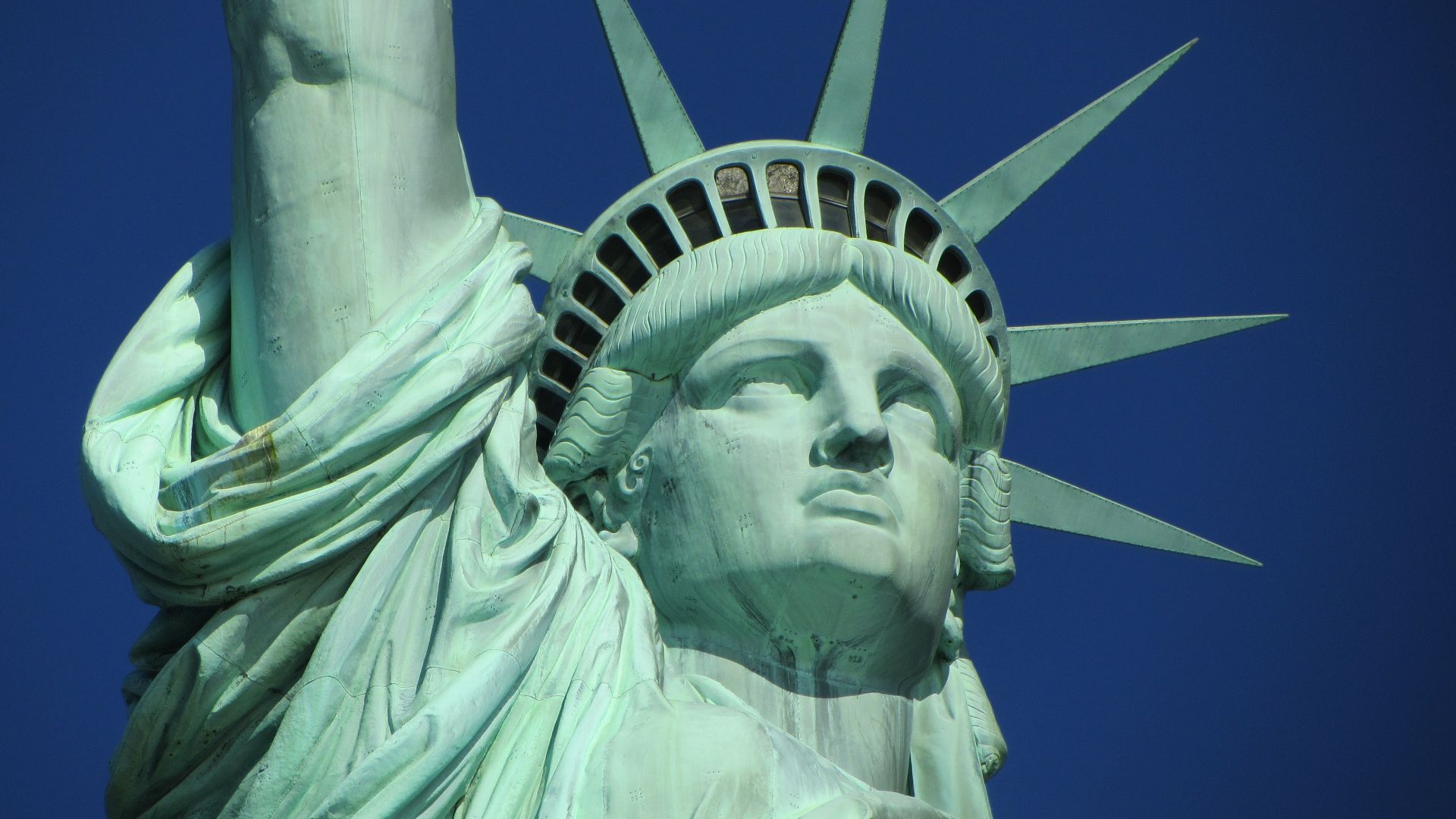
Lady Liberty Has Secrets
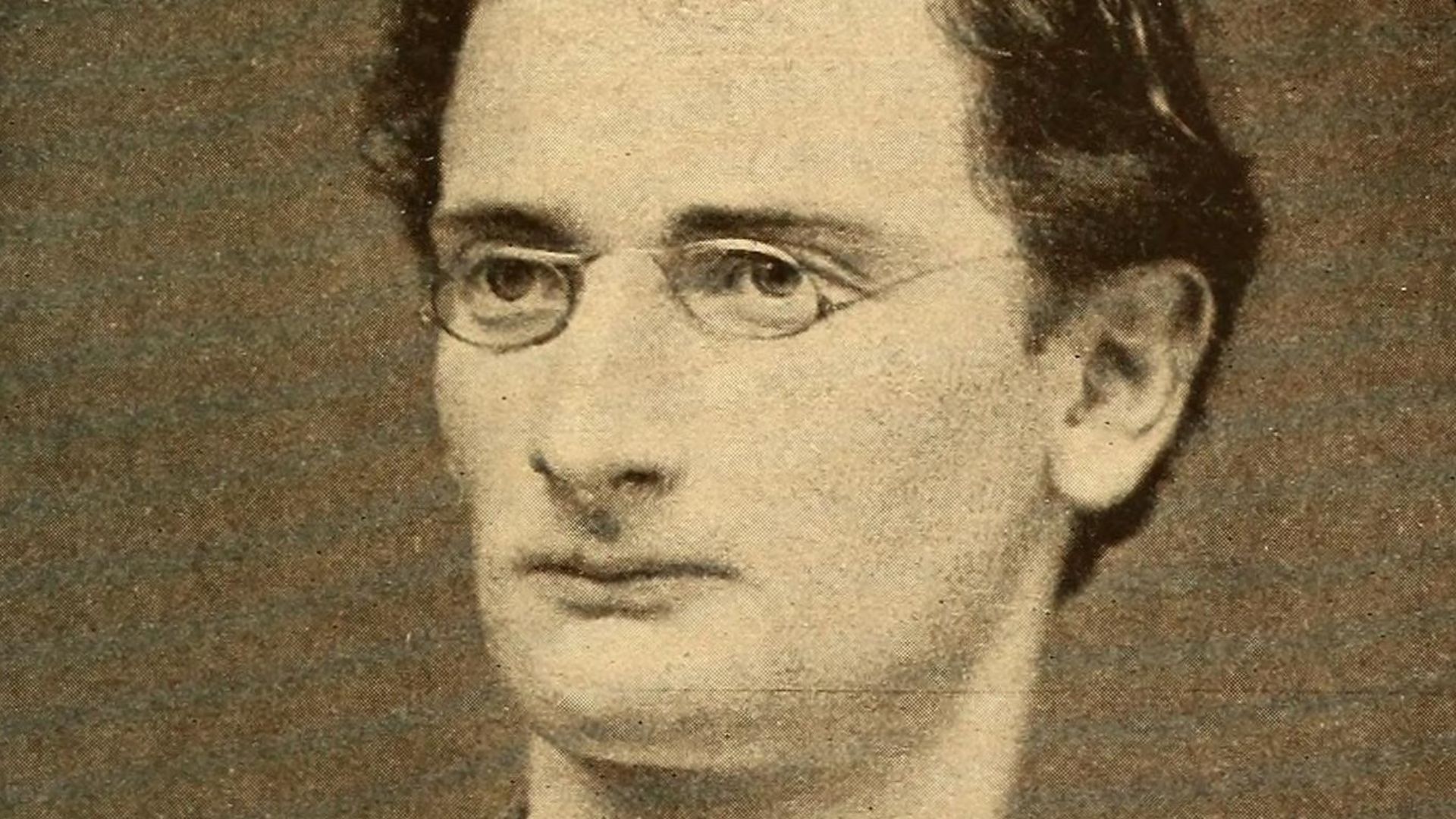
The Statue of Liberty is so familiar that it can seem as though there is little left to learn about her. Yet the monument has been a lighthouse, survived a wartime sabotage attack, changed color, stood on an old army fort, and welcomed millions who interpreted her very differently from her creators.
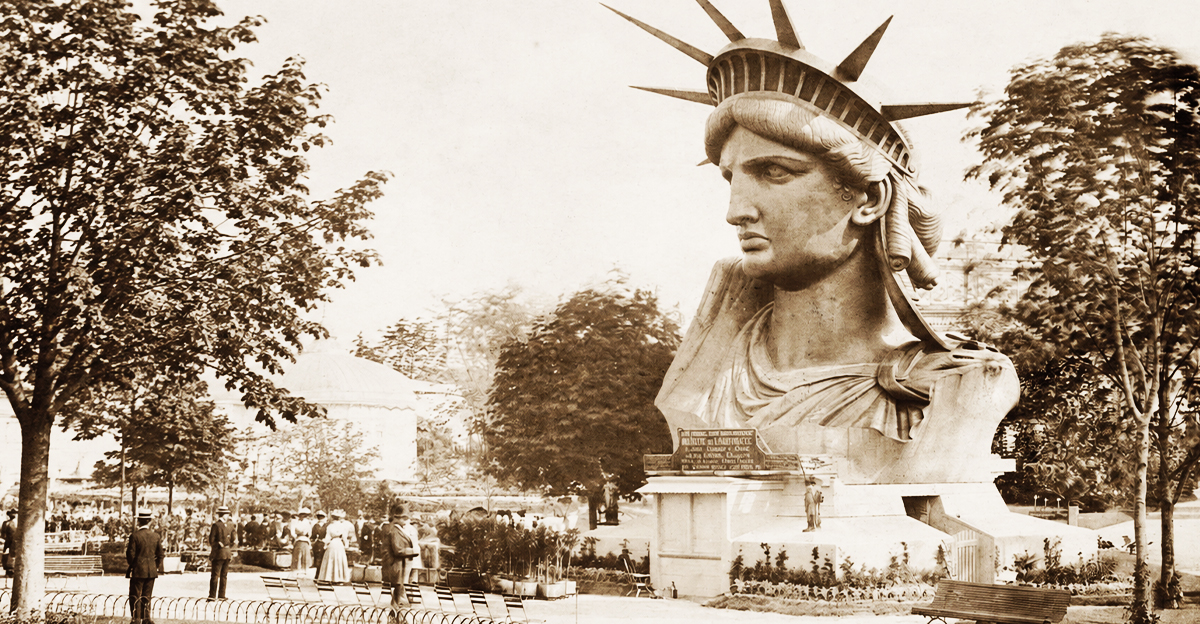 Albert Fernique, Public domain, via Wikimedia Commons
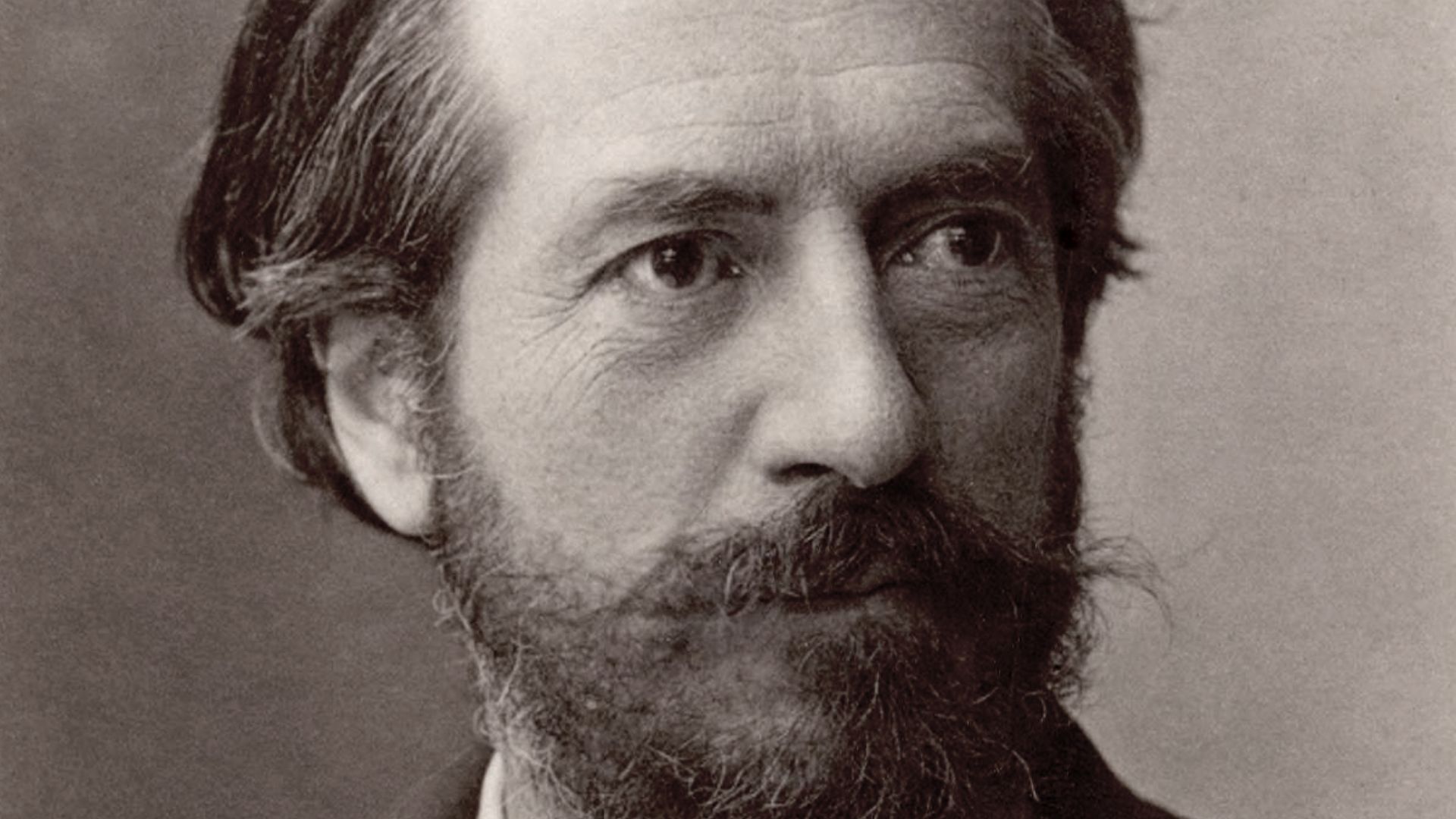
France Had An Agenda
French political thinker and abolitionist Édouard de Laboulaye promoted the idea of a monument honoring American liberty and Franco-American friendship. He also admired American democracy and hoped France would move further in that direction. Sculptor Frédéric-Auguste Bartholdi eventually turned that political idea into an enormous figure.
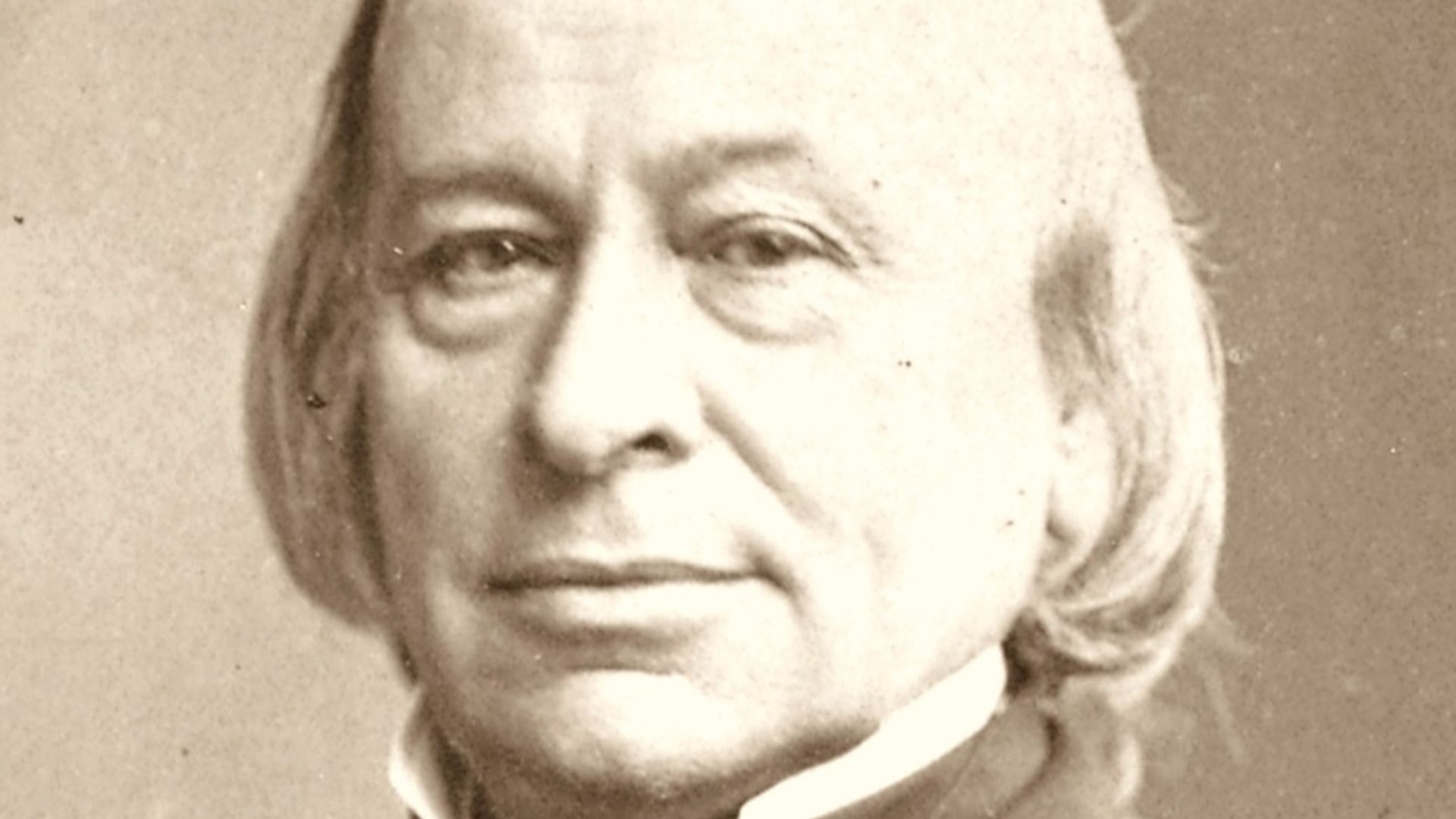 Jean-Nicolas Truchelut, Wikimedia Commons
The Origin Story Is Murky
For years, accounts said Laboulaye proposed the statue at an 1865 dinner following Abraham Lincoln's death. National Park Service researchers concluded that story is probably a legend traceable to an 1885 fundraising pamphlet. Available evidence instead points toward the statue's conception around 1870 or 1871.
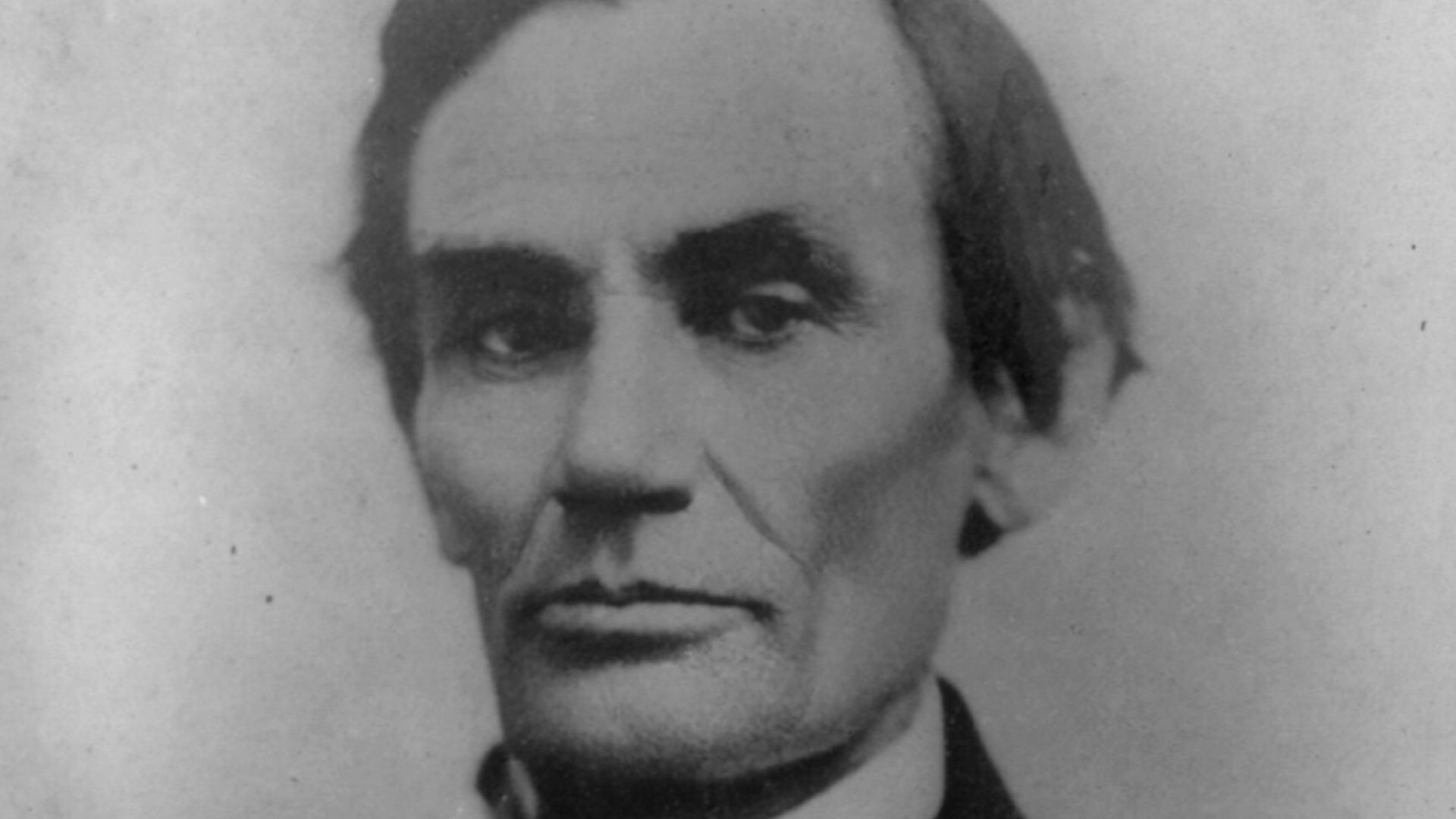 Thomson, William Judkins, photographer, Wikimedia Commons
Bartholdi Chose The Island
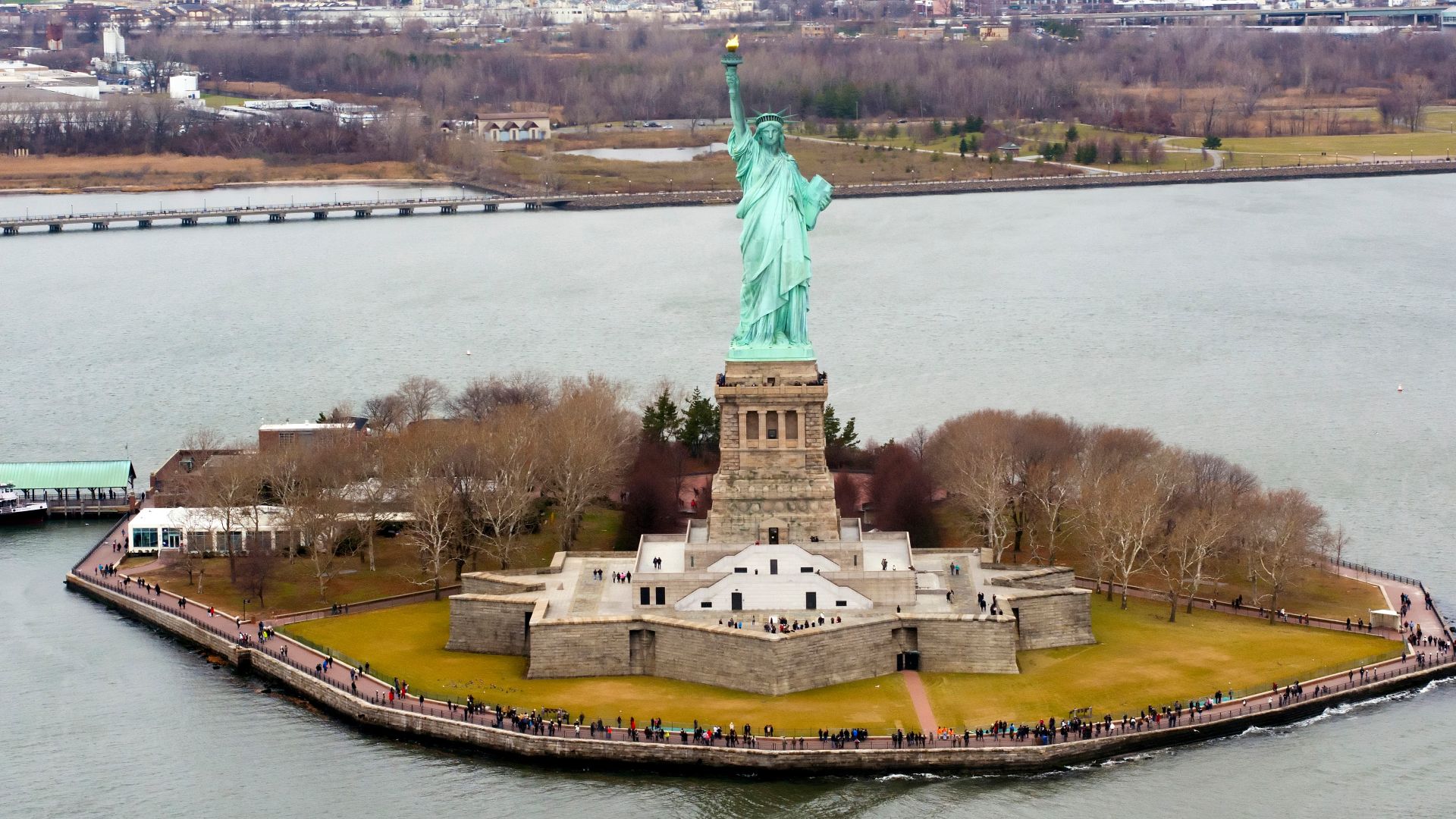
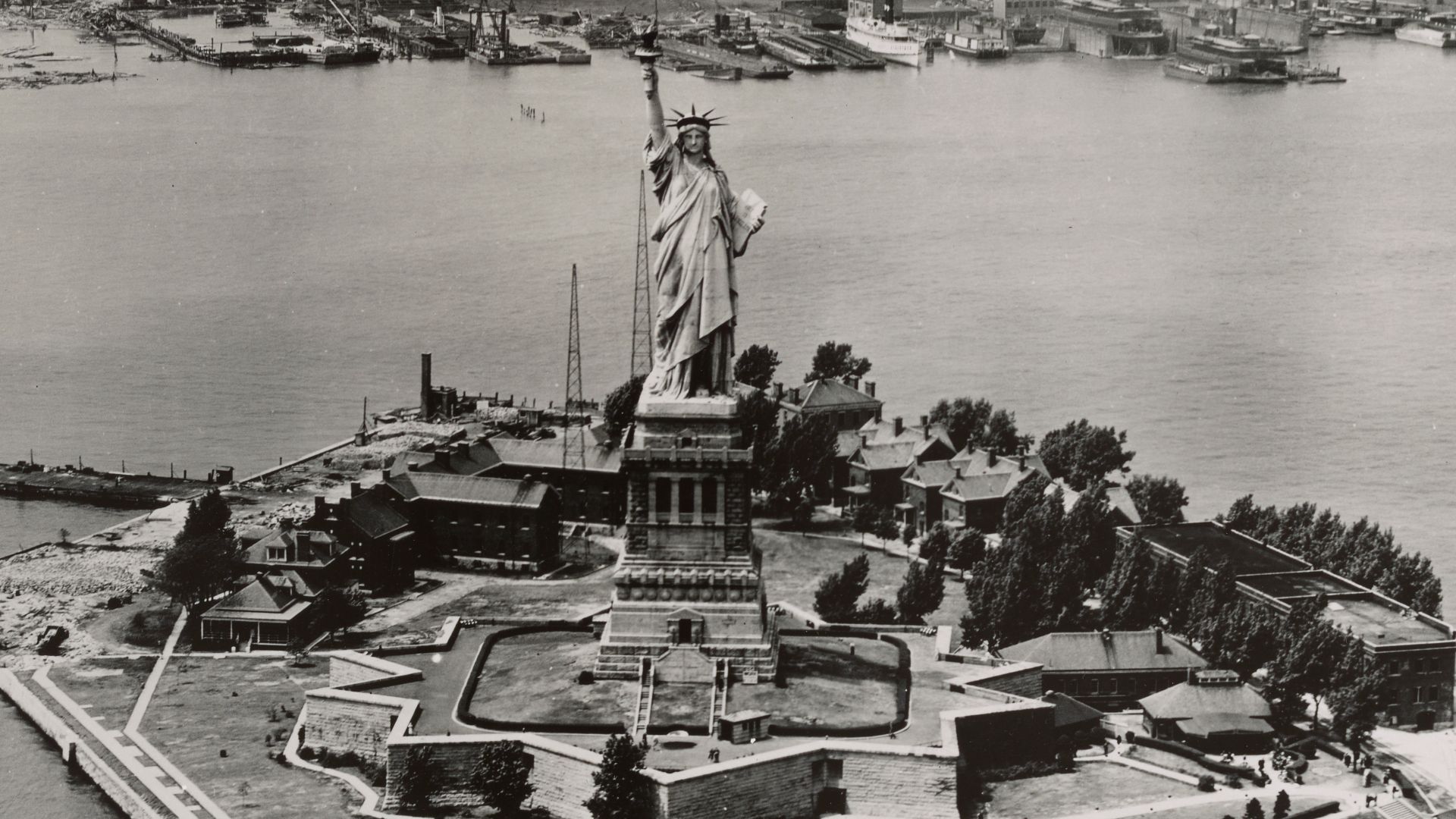
Bartholdi traveled to the United States in 1871 and selected Bedloe's Island in New York Harbor for his proposed monument. The little island had one enormous advantage: ships entering the harbor would pass it. Bartholdi regarded the location as part of the "gateway to America."
Liberty Wasn't Its Name
Its familiar nickname came later. Bartholdi called his creation La Liberté éclairant le monde, translated as "Liberty Enlightening the World." The torch therefore originally represented enlightenment, although generations of immigrants sailing into New York Harbor would give the raised light another powerful meaning: welcome.
 Don Ramey Logan, Wikimedia Commons
The Arm Came First
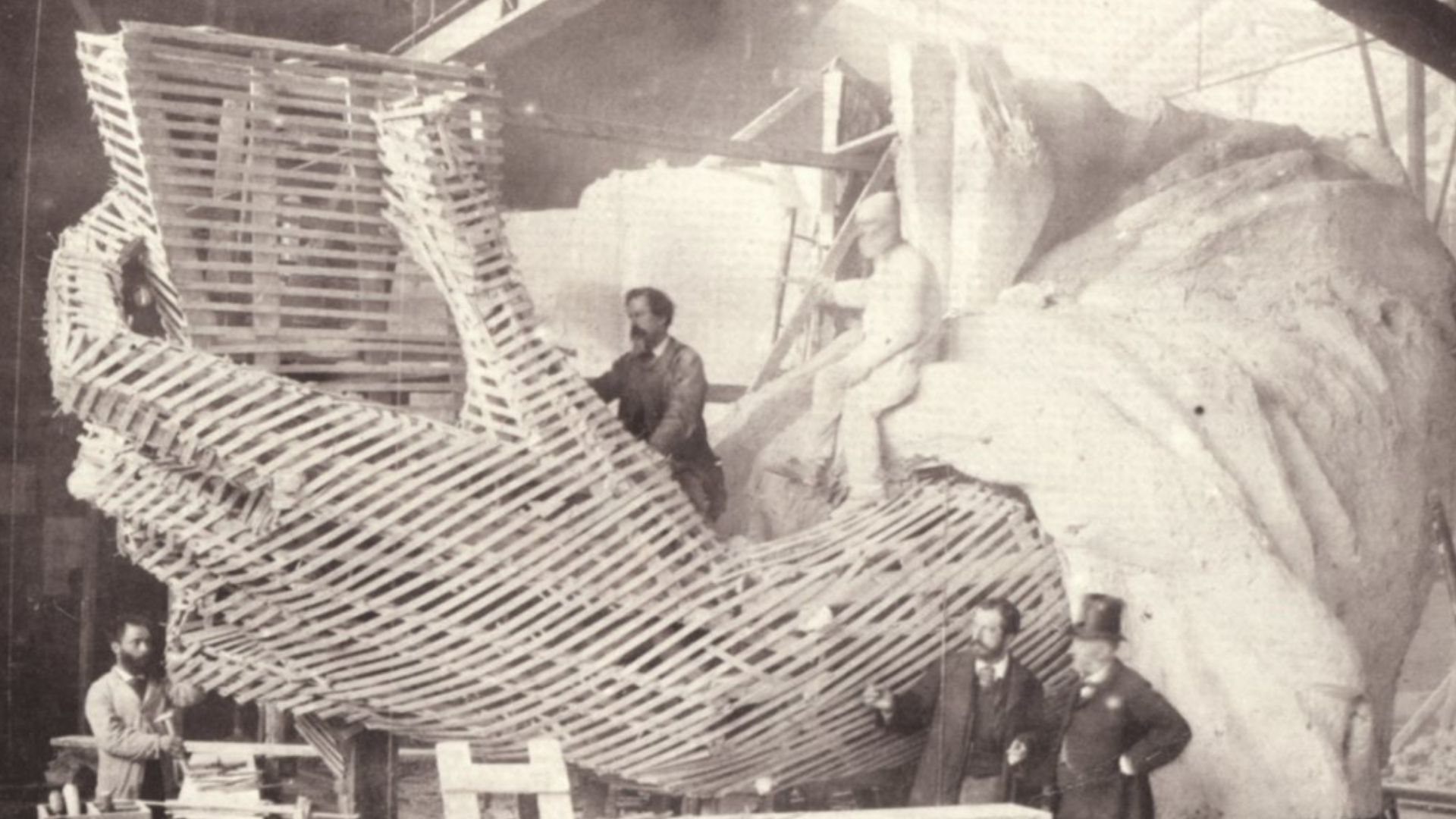
Americans got a preview long before the complete statue arrived. The arm holding Liberty's torch was completed in 1876 and exhibited at Philadelphia's Centennial Exposition. Two years later, the completed head and shoulders appeared at the Paris Universal Exposition, while work continued on the rest of her body.
 Unknown authorUnknown author, Wikimedia Commons
Eiffel Built Her Skeleton
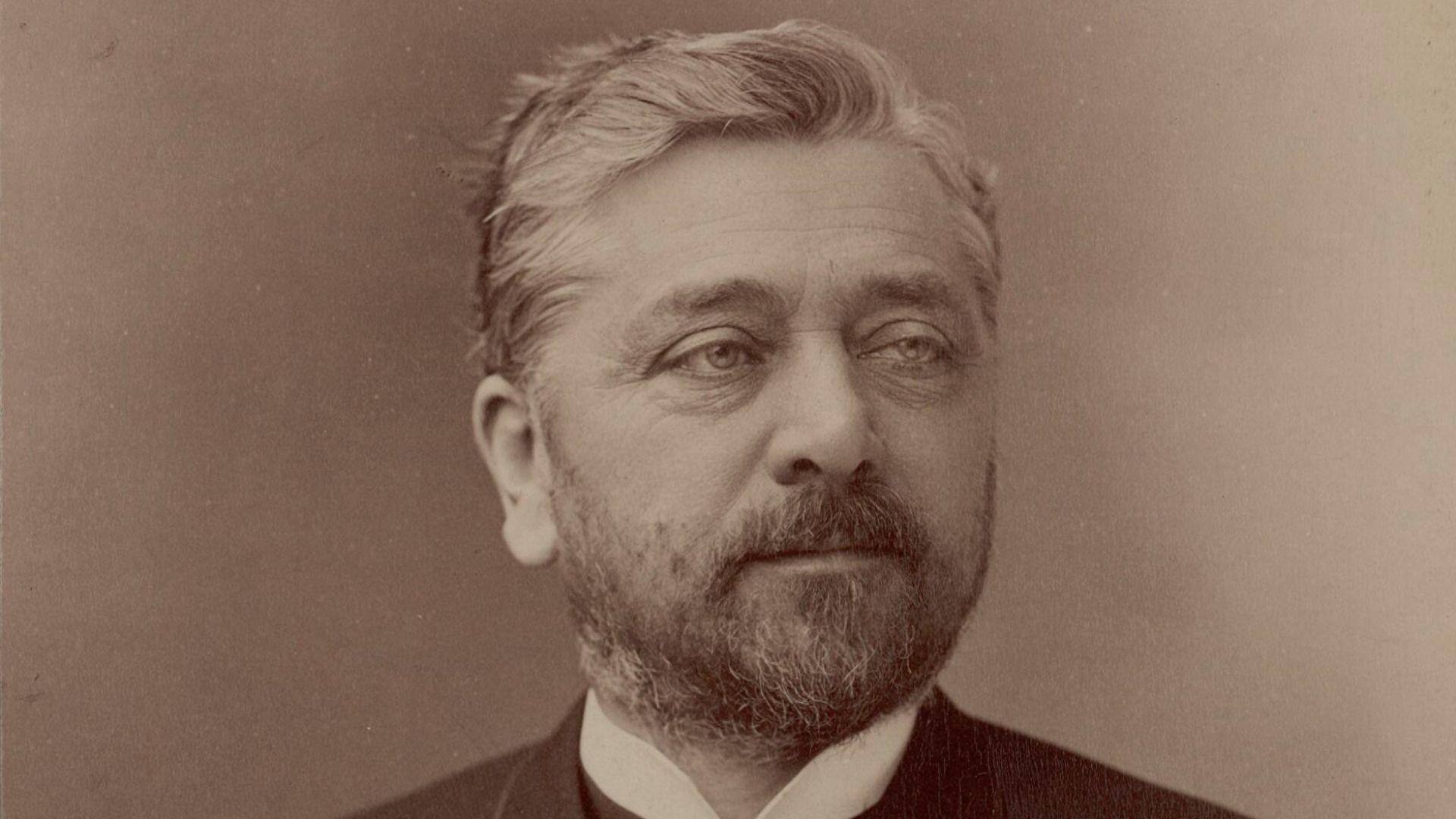
Gustave Eiffel became involved before building the Paris tower that made his name famous worldwide. After engineer Eugène Viollet-le-Duc died in 1879, Eiffel was hired to address the statue's structural challenges. His approximately 98-foot internal iron framework allowed the enormous copper exterior to withstand New York Harbor's winds.
Her Skin Is Surprisingly Thin
For something so gigantic, Liberty has remarkably thin skin. Her exterior copper sheeting is only about 3/32 of an inch thick, which the National Park Service compares to two pennies placed together. The copper was formed using repoussé, with sheets hammered into shape over wooden forms.
 Unknown authorUnknown author or not provided, Wikimedia Commons
She Was Built In Paris
The statue was constructed in France and completely assembled in Paris before Americans ever saw her standing in New York Harbor. The copper plates were finished by 1881, and the complete figure stood in Paris between 1881 and 1884. Only afterward was the massive gift taken apart for shipment.

History's most fascinating stories and darkest secrets, delivered to your inbox daily.
She Arrived In Pieces
Lady Liberty did not sail into New York standing majestically on a ship. Workers dismantled the completed monument and packed it for the Atlantic crossing aboard the French naval vessel Isère. The National Park Service records that the statue arrived in 1885 packed into hundreds of pieces and specially built cases.
 Edward Moran, Wikimedia Commons
America Nearly Blew It
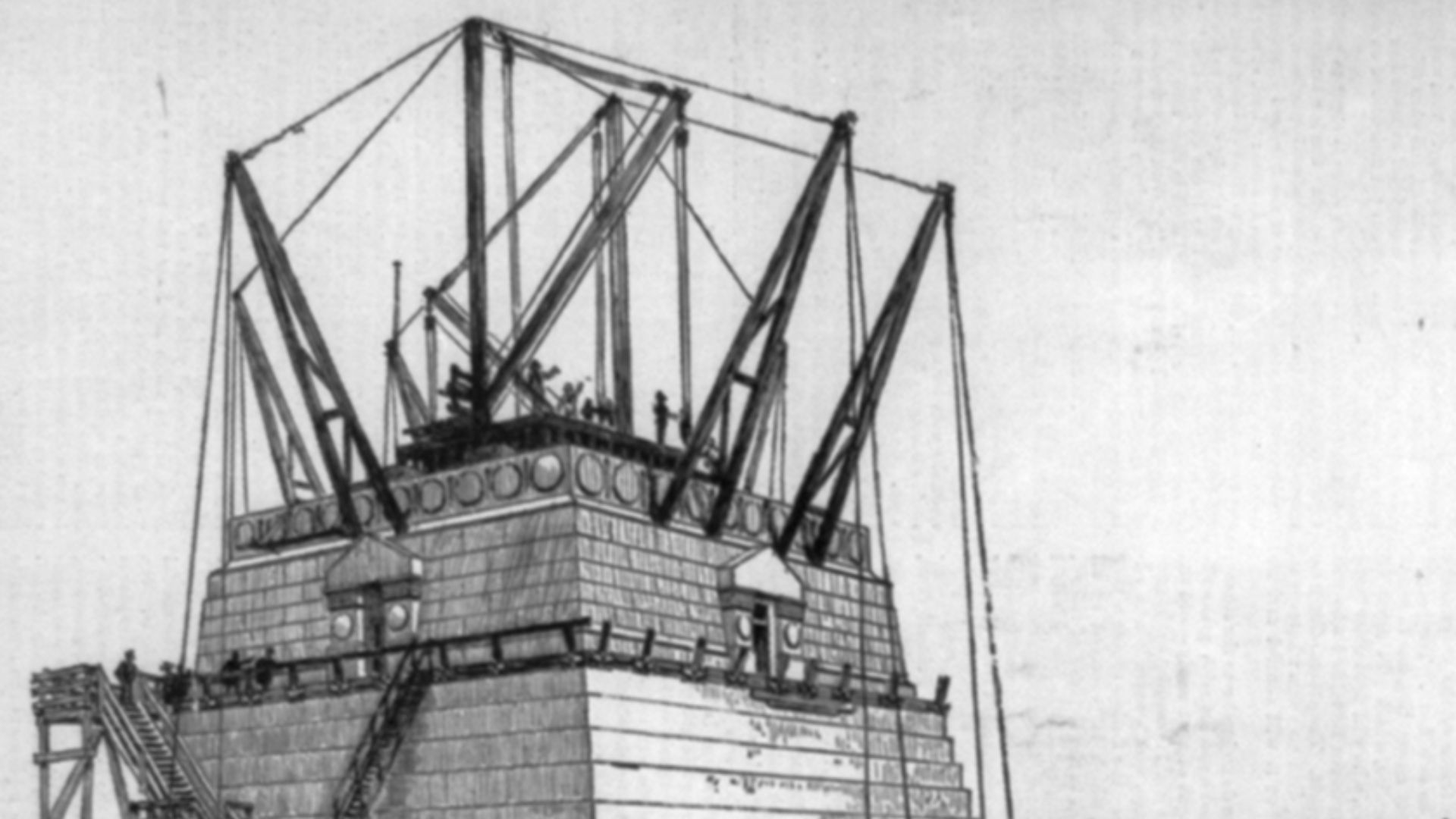
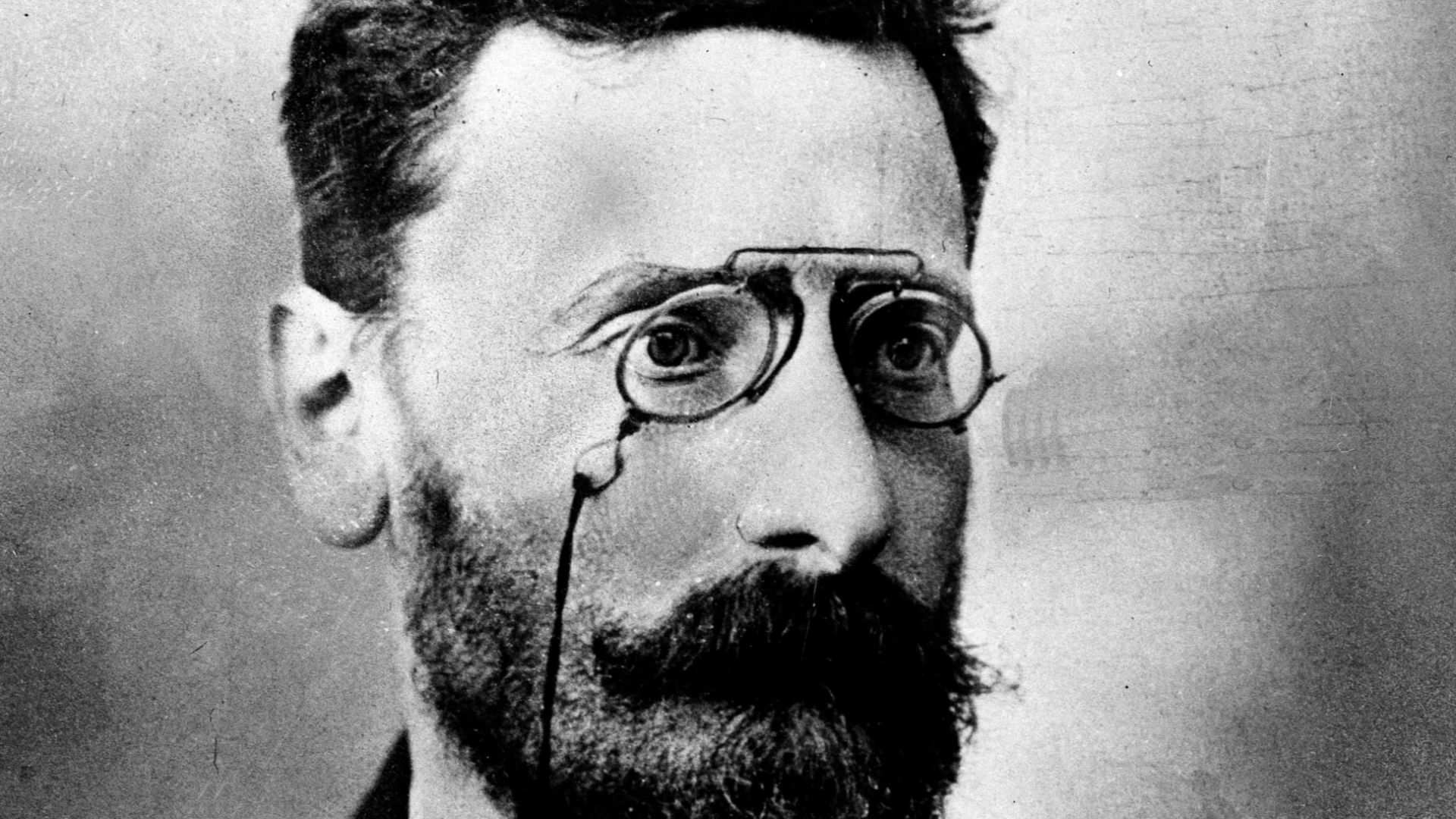
France paid for the statue, but Americans were responsible for financing its pedestal, and fundraising stalled badly. Newspaper publisher Joseph Pulitzer eventually appealed directly to ordinary readers of the New York World. More than 120,000 people contributed over $100,000, with many individual donations amounting to about a dollar or less.
 Unknown authorUnknown author, Wikimedia Commons
Pulitzer Printed Their Names
Pulitzer offered donors something wonderfully simple: recognition. His newspaper published the names of people who contributed to the pedestal fund, regardless of how small their gifts were. The campaign also printed human-interest stories from contributors, turning the struggling construction project into a remarkably successful exercise in mass crowdfunding.
 Unknown authorUnknown author, Wikimedia Commons
She Stands On A Fort
Look closely at Liberty's base and you can still see an earlier chapter of American history. Her pedestal sits within Fort Wood, an eleven-pointed star fort built between 1808 and 1811 to defend New York Harbor. The Army continued using Bedloe's Island as an outpost until 1937.
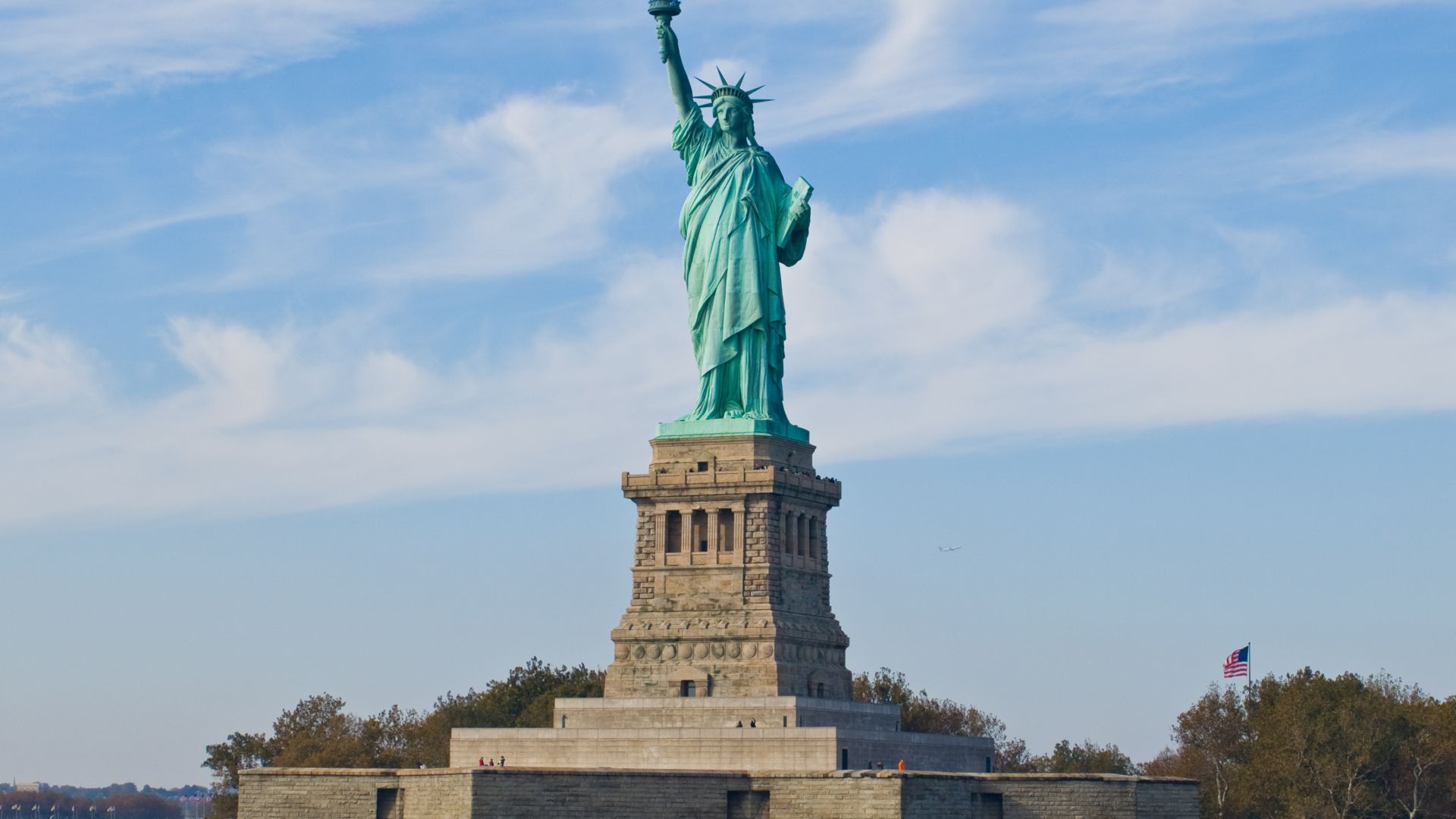 William Warby, Wikimedia Commons
The Island Changed Names
For most of the statue's early history, visitors were not going to Liberty Island at all. They were going to Bedloe's Island, the name used when Bartholdi selected the site and when the statue was dedicated. The island was officially renamed Liberty Island in the twentieth century.
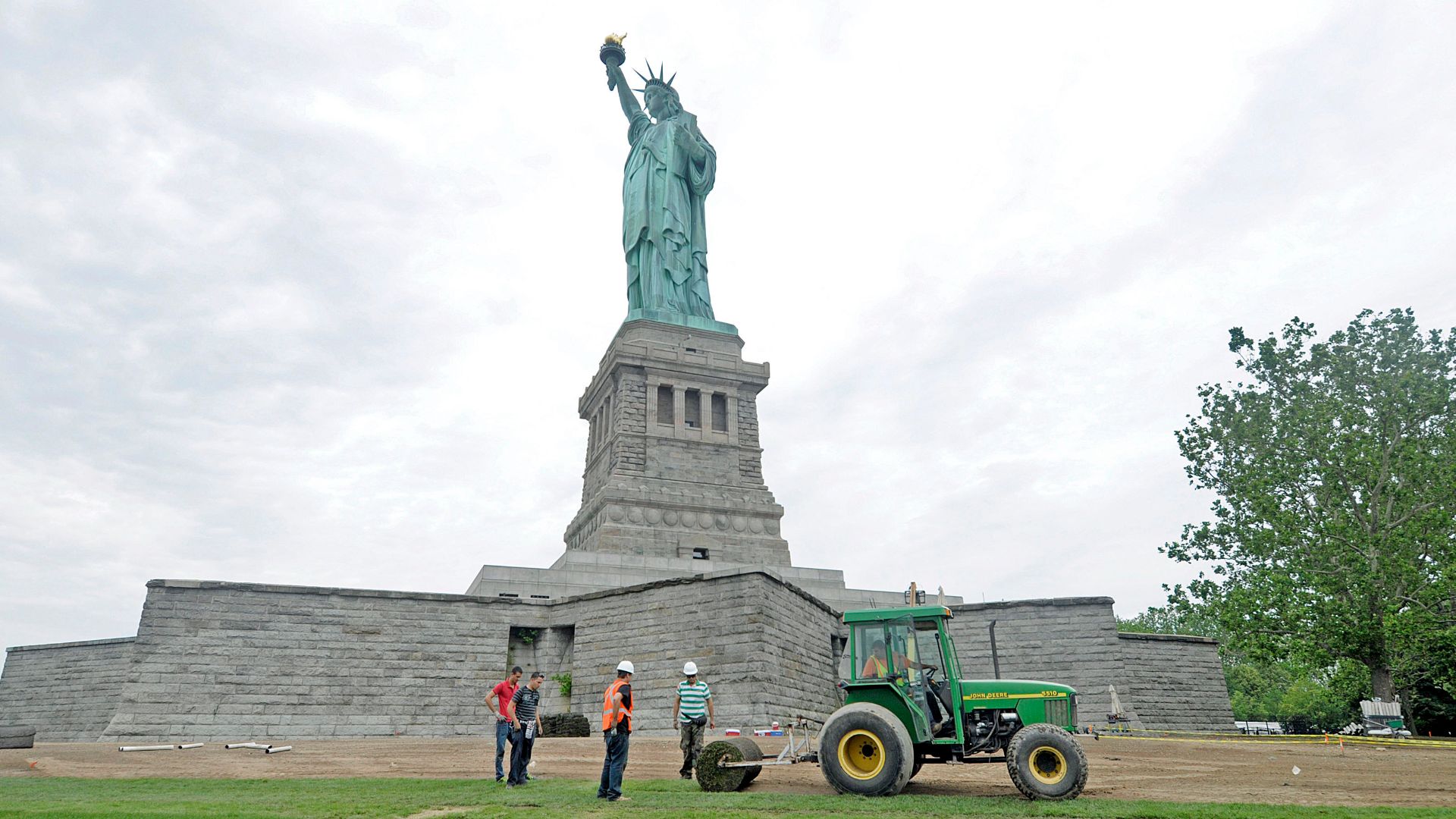 U.S. National Park Service, Wikimedia Commons
It Really Is New York
Geographically, Liberty Island looks tantalizingly close to New Jersey, leading to endless arguments about which state actually owns the statue's location. The National Park Service settles it: Liberty Island is federal property, but it lies within the territorial jurisdiction of New York under an interstate agreement dating to 1834.
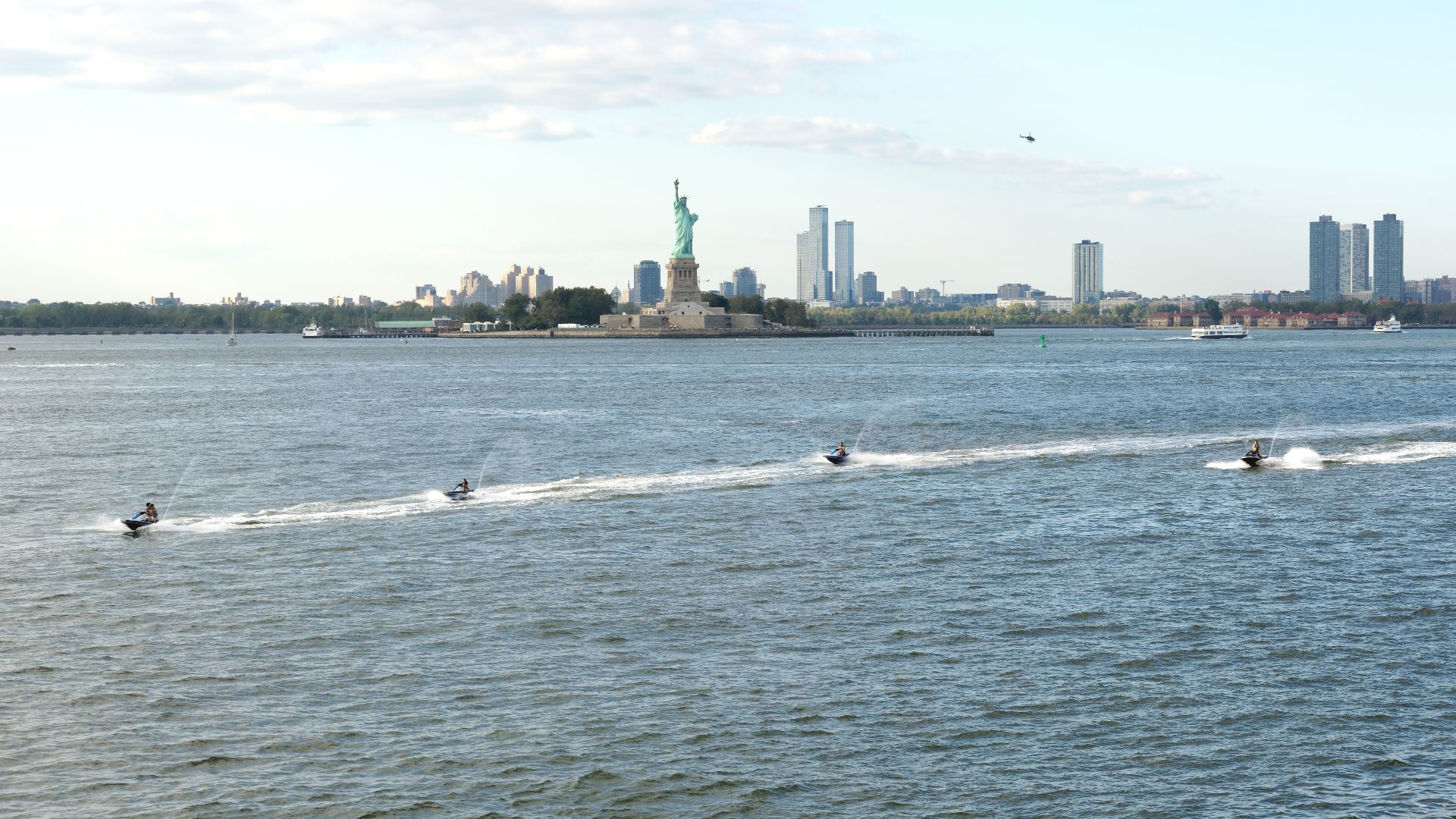 Jakub Hałun, Wikimedia Commons
She's Taller Than Expected
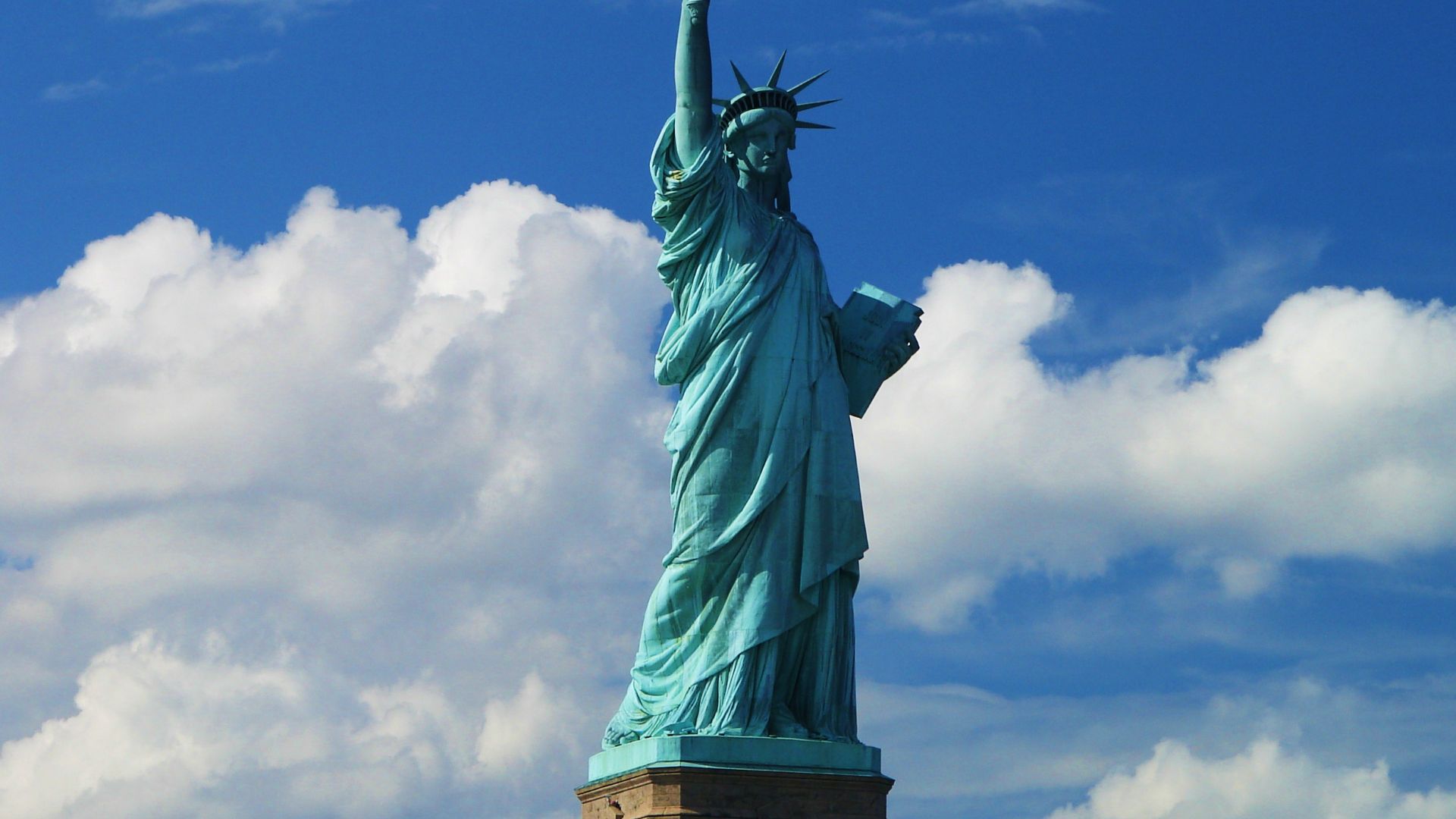
The copper statue itself measures 151 feet, 1 inch from its base to the torch. Add the pedestal and foundation and the complete monument rises 305 feet, 1 inch above the ground. When dedicated in 1886, the National Park Service says it was New York City's tallest structure.
 Jyothis at Malayalam Wikipedia, Wikimedia Commons
Her Finger Is Eight Feet
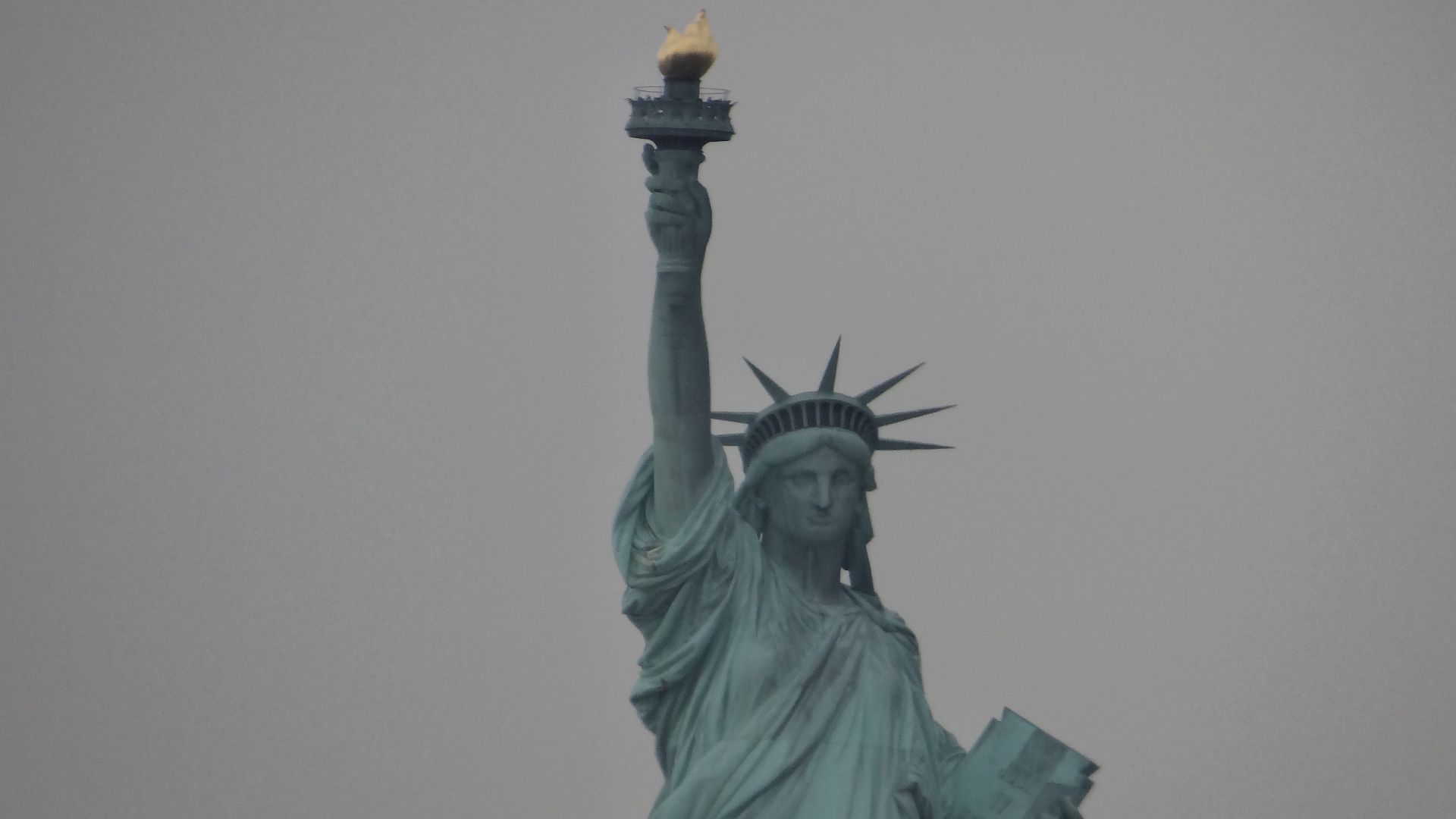
Liberty's scale becomes stranger when individual body parts are measured. Her index finger is eight feet long, her nose is four feet six inches, and her right arm stretches 42 feet. Her mouth is three feet wide, while the distance from her chin to the top of her skull exceeds 17 feet.
 PrasanthR at Malayalam Wikipedia, Wikimedia Commons
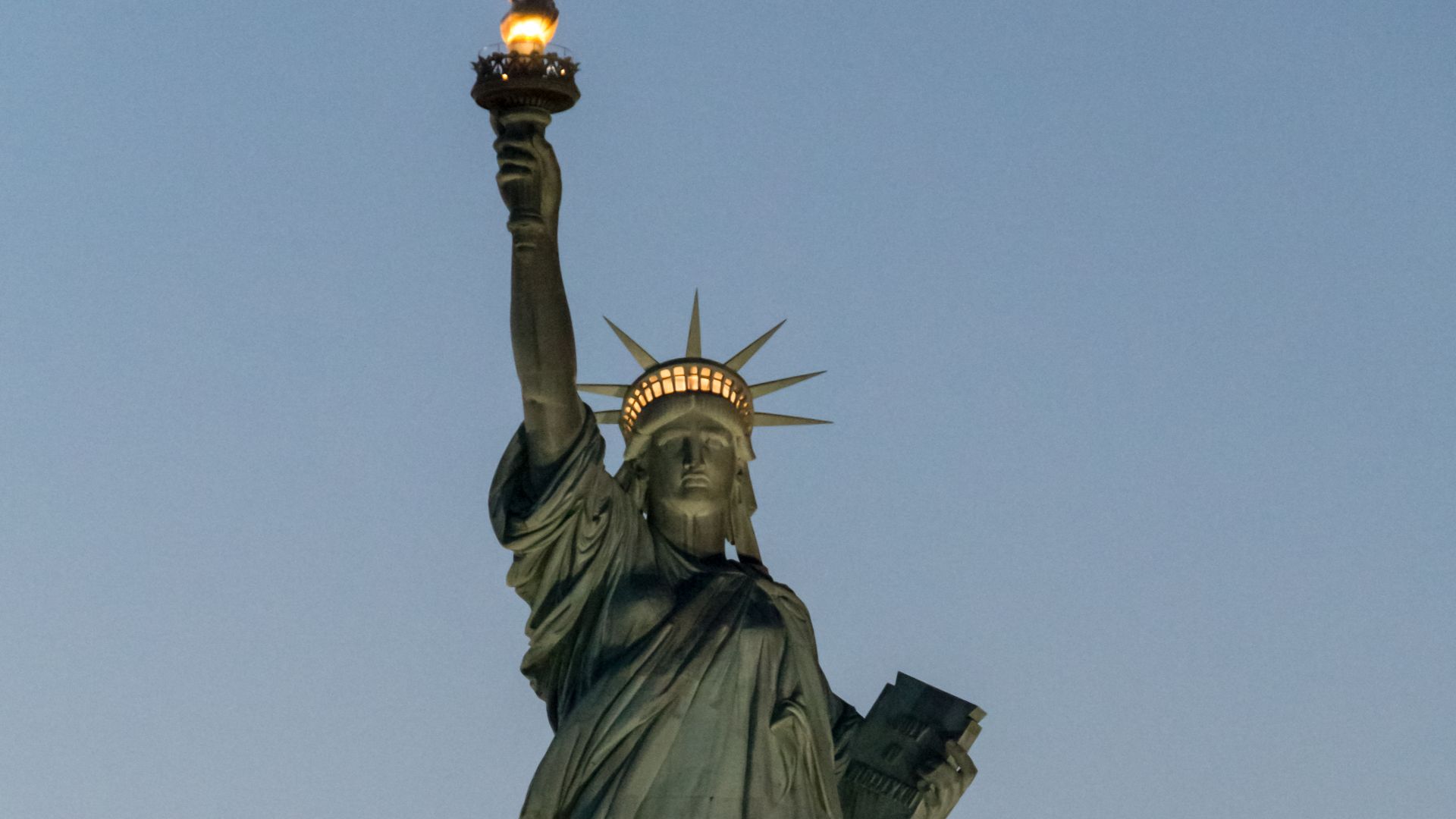
The Crown Has Windows
Liberty's crown contains 25 windows and seven rays. The National Park Service describes the rays as part of a nimbus, or halo, surrounding the figure's head. Visitors reaching the crown can look through its windows toward New York, but getting there requires climbing hundreds of steps inside the monument.
Her Feet Tell More
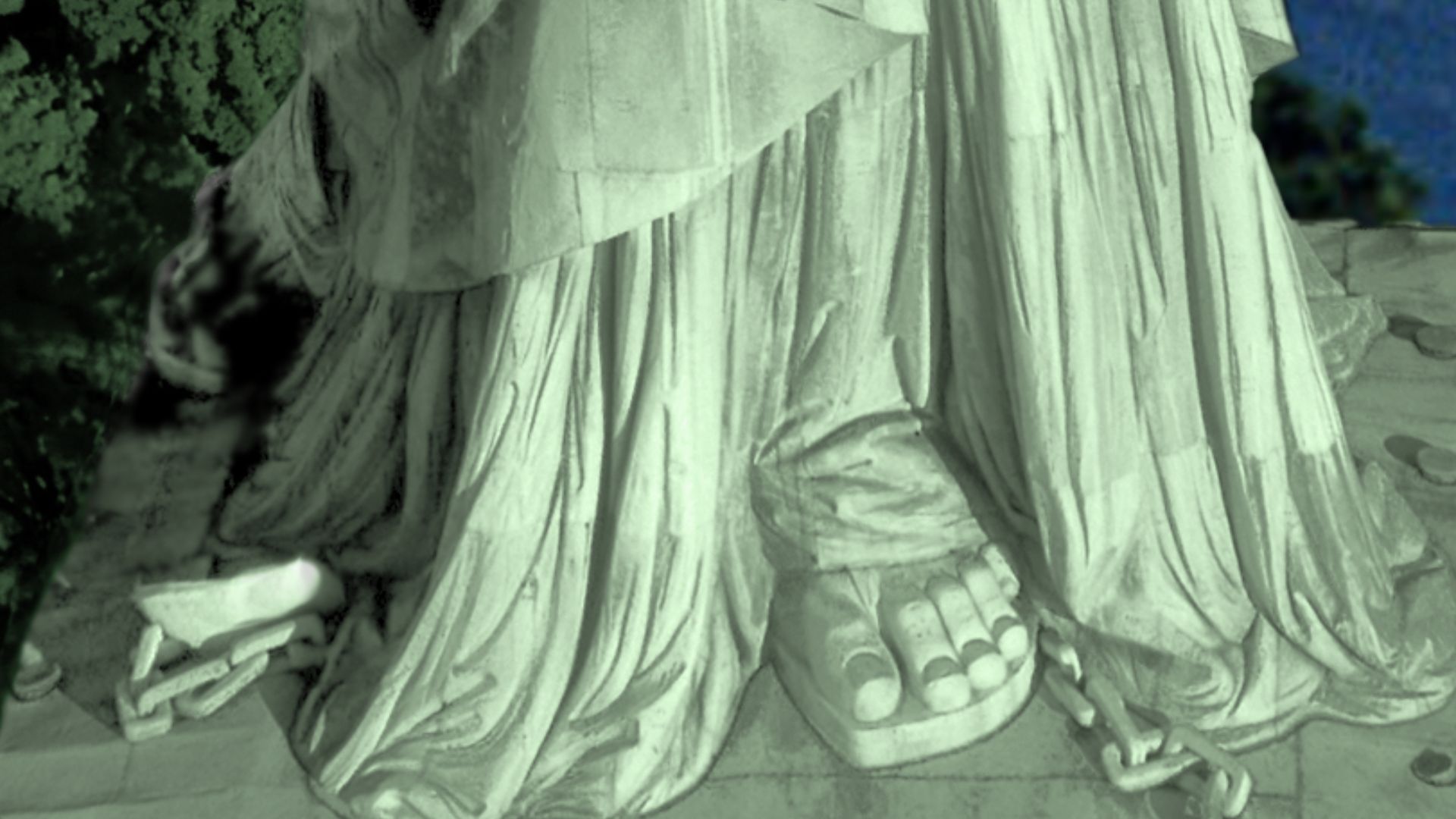
One of Liberty's most meaningful details is nearly impossible to see clearly from ground level. At her feet lie a broken shackle and chains, imagery connected to freedom from oppression and tyranny. Her right foot is also positioned as though she is moving forward rather than standing completely still.
The Tablet Has One Date
The enormous tablet tucked into Liberty's left arm is more than 23 feet long and 13 feet wide. Inscribed on it in Roman numerals is "JULY IV MDCCLXXVI." That translates to July 4, 1776, deliberately connecting Bartholdi's French monument with the American Declaration of Independence.
 Centennial Photographic Co.,, Wikimedia Commons
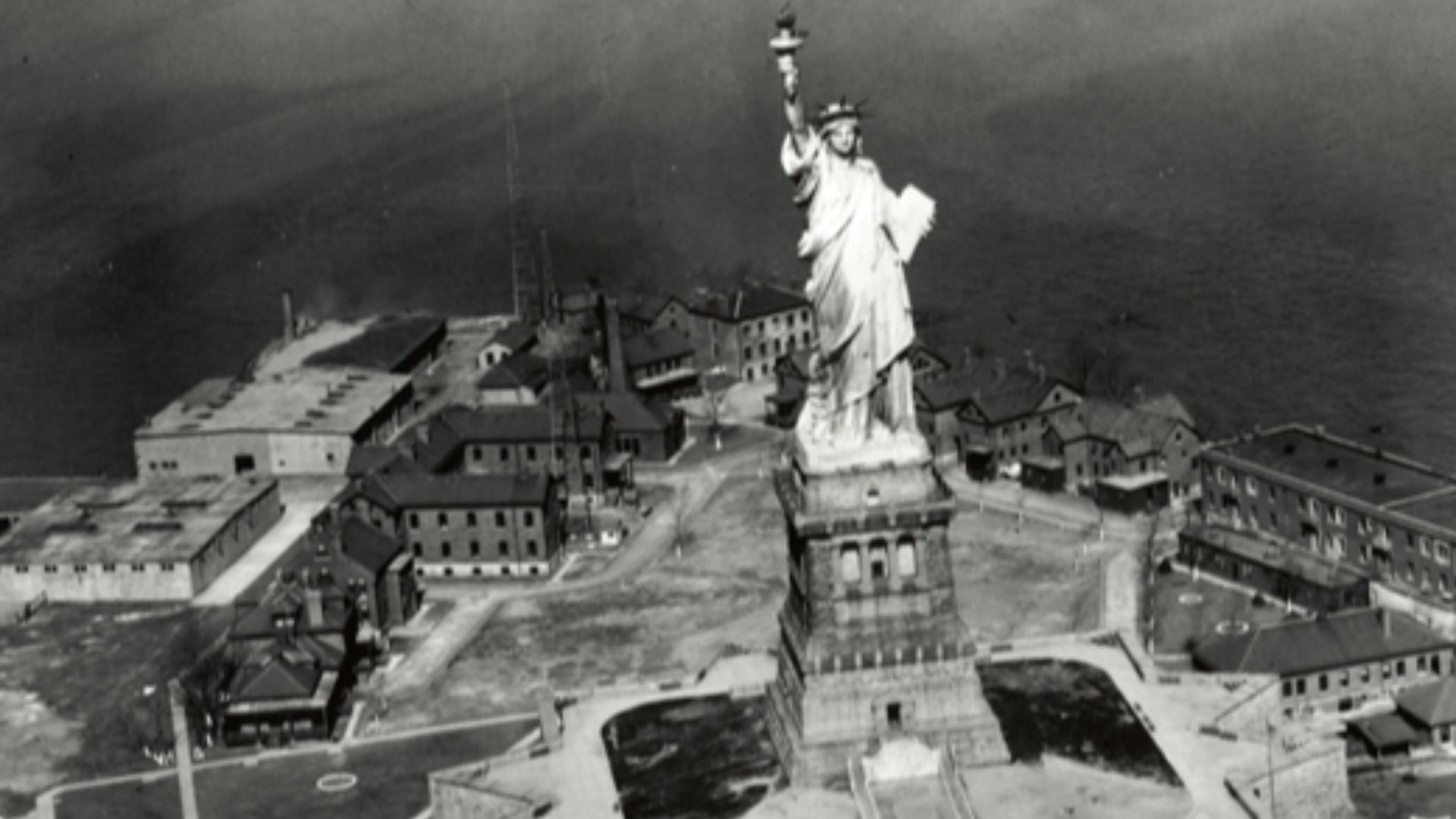
She Wasn't Always Green
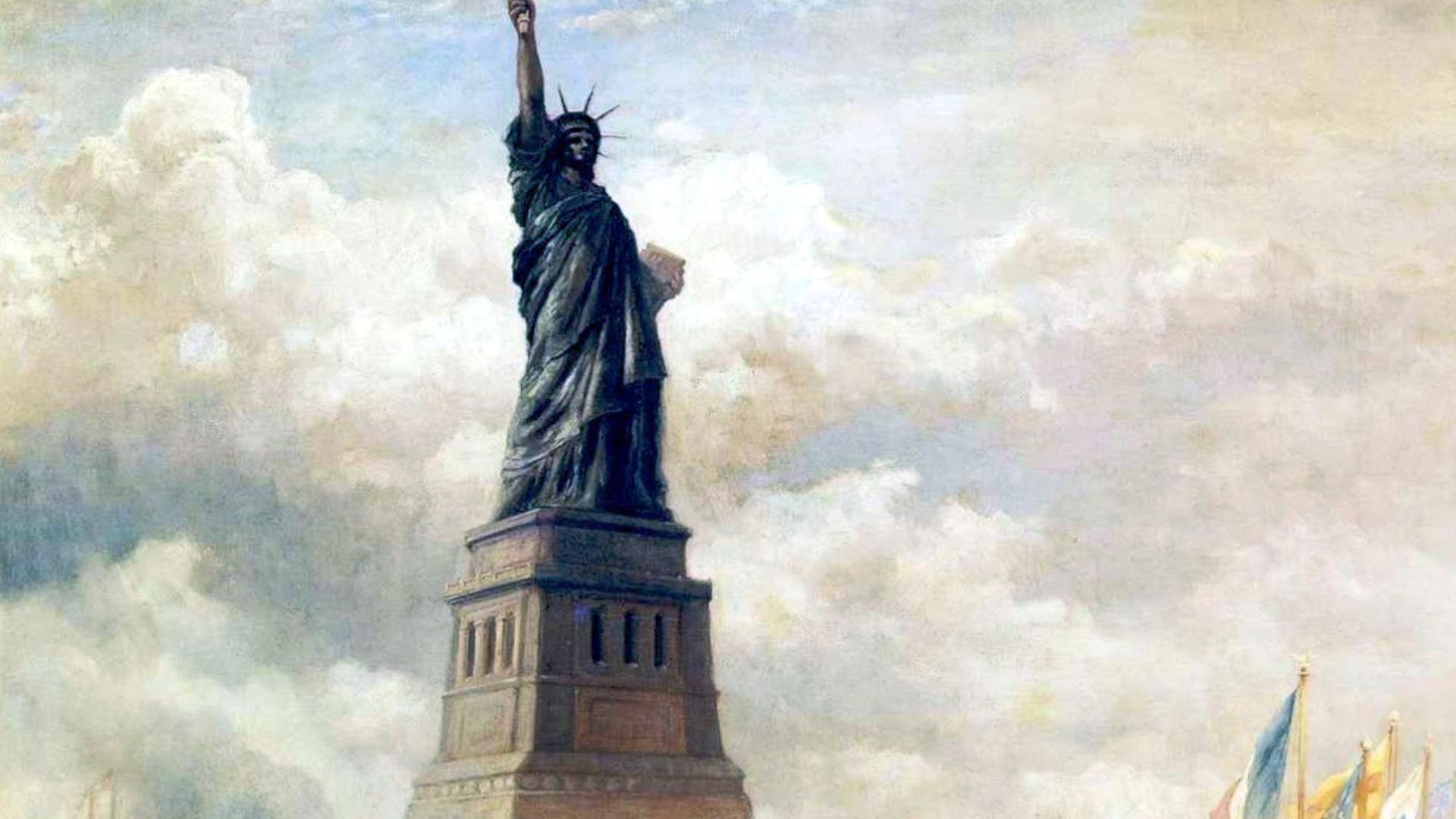
Visitors at the 1886 dedication did not see the familiar sea-green figure Americans know today. Liberty's copper exterior originally had a brownish copper or bronze appearance. Exposure to the environment gradually produced a protective green patina through oxidation, with the National Park Service noting that the transformation was evident by 1906.
 Unknown photographer for Department of Agriculture, Wikimedia Commons
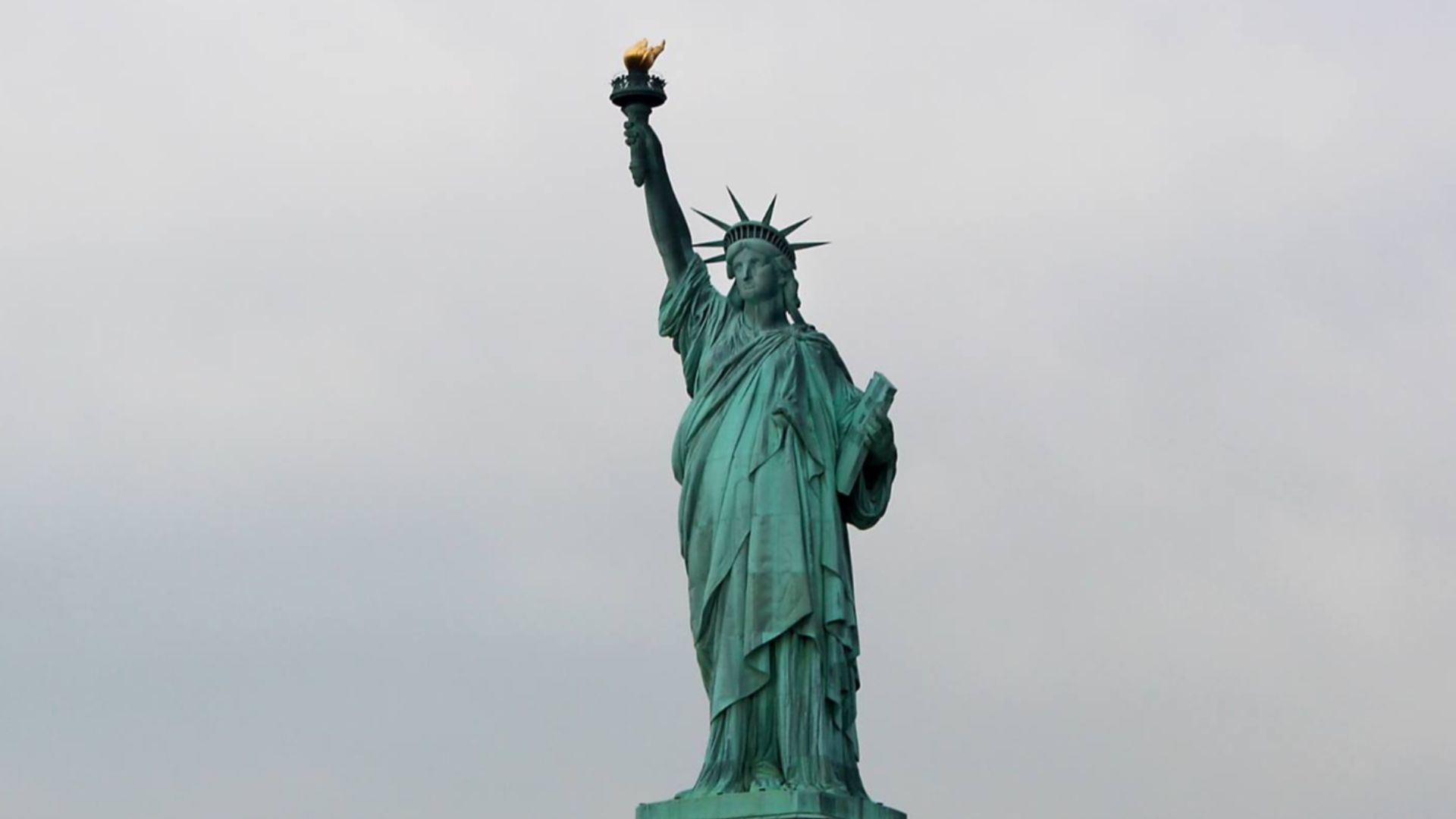
Liberty Became A Lighthouse
The federal government actually classified the statue as a lighthouse. Its torch was electrically illuminated, and President Grover Cleveland placed the monument under the U.S. Lighthouse Board in 1886. Unfortunately, Liberty had not been designed as a navigational aid, and the light proved ineffective. The War Department assumed control in 1901.
The Dedication Excluded Women
Thousands celebrated Liberty's dedication on October 28, 1886, but the island ceremony itself was attended by roughly 2,000 to 2,500 men. Women suffragists who could not obtain tickets without male accompaniment chartered a boat instead, using the occasion to call attention to women's lack of political liberty.
 Dietmar Rabich, Wikimedia Commons
Saboteurs Damaged The Statue
On July 30, 1916, saboteurs targeted a huge ammunition depot at nearby Black Tom in Jersey City. The resulting explosions damaged buildings around New York Harbor and affected the Statue of Liberty. The attack occurred while the United States was still officially neutral in World War I.
 Alex Proimos from Sydney, Australia, Wikimedia Commons
The Torch Never Reopened
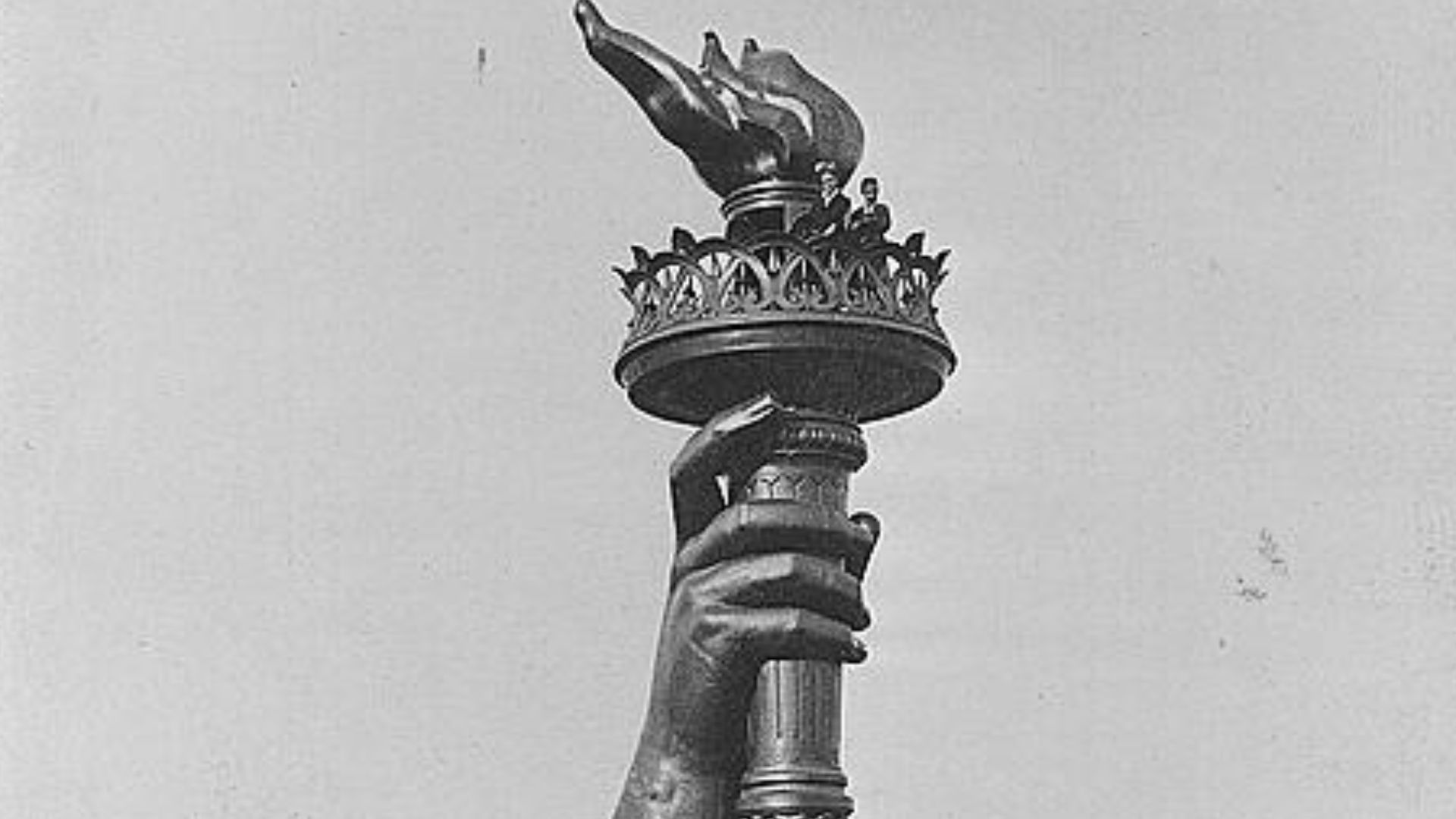
The Black Tom explosion had a lasting consequence few visitors realize. The Statue of Liberty's torch has remained closed to visitors since the 1916 attack. Even National Park Service employees reach the area using a narrow 40-foot ladder when they need to maintain the floodlights illuminating the torch.
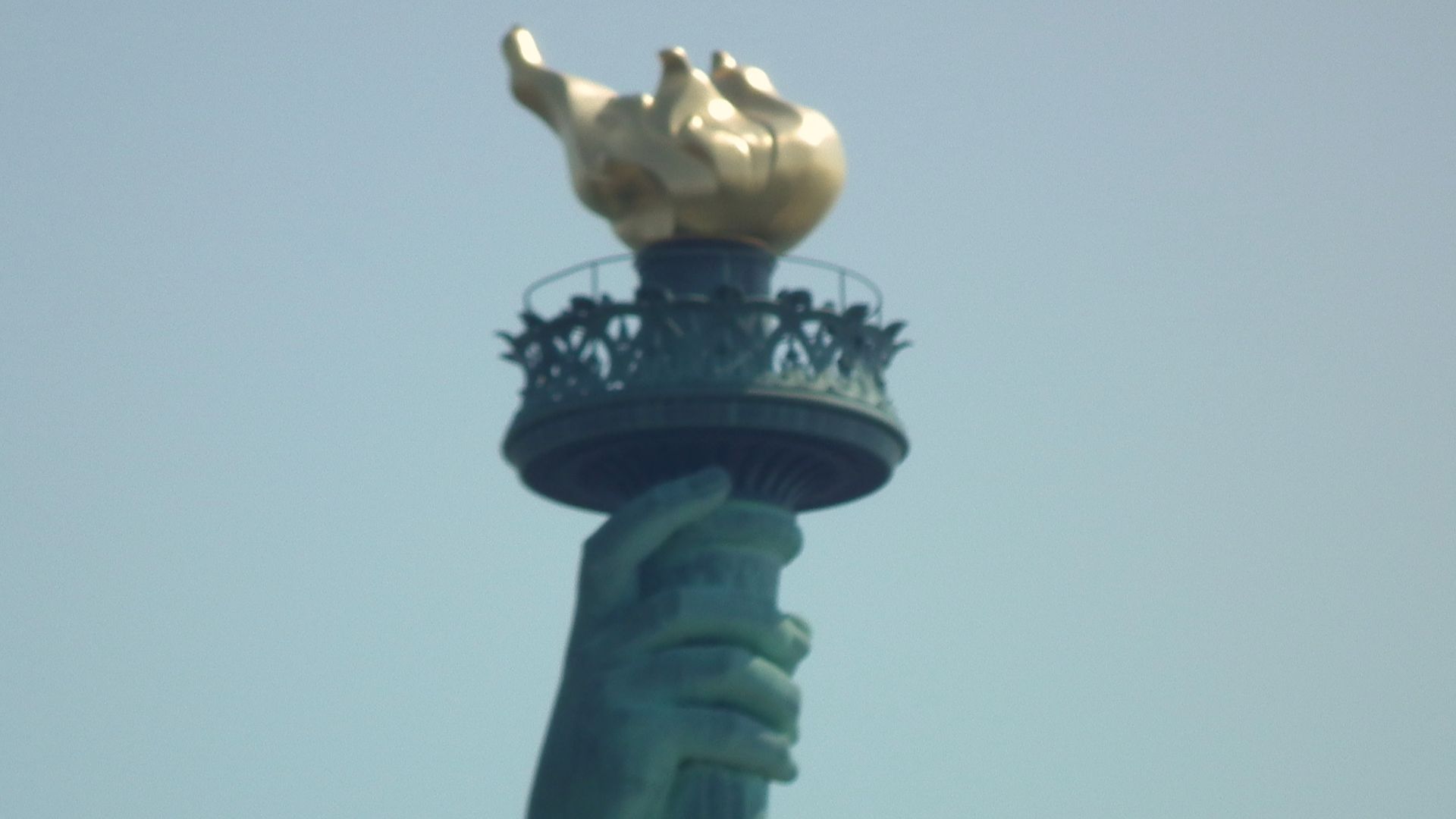
Today's Torch Isn't Original
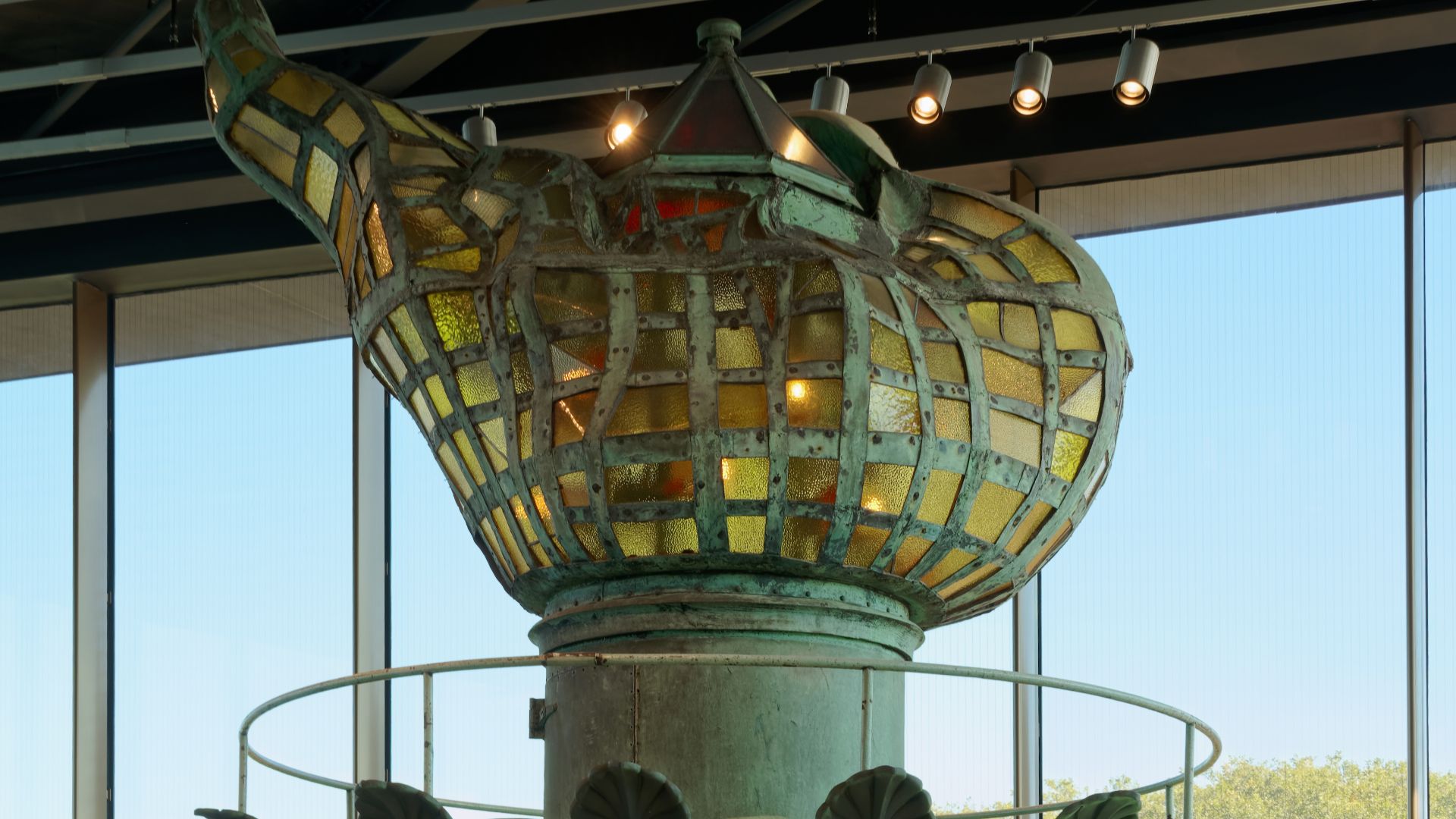
The torch seen today dates from the statue's massive 1980s restoration. Workers replaced the badly deteriorated earlier torch with one based on Bartholdi's original design, covering the flame with gold leaf. The historic 1886 torch survives and is now displayed inside the Statue of Liberty Museum.
 Jakub Hałun, Wikimedia Commons
Immigrants Changed Her Meaning
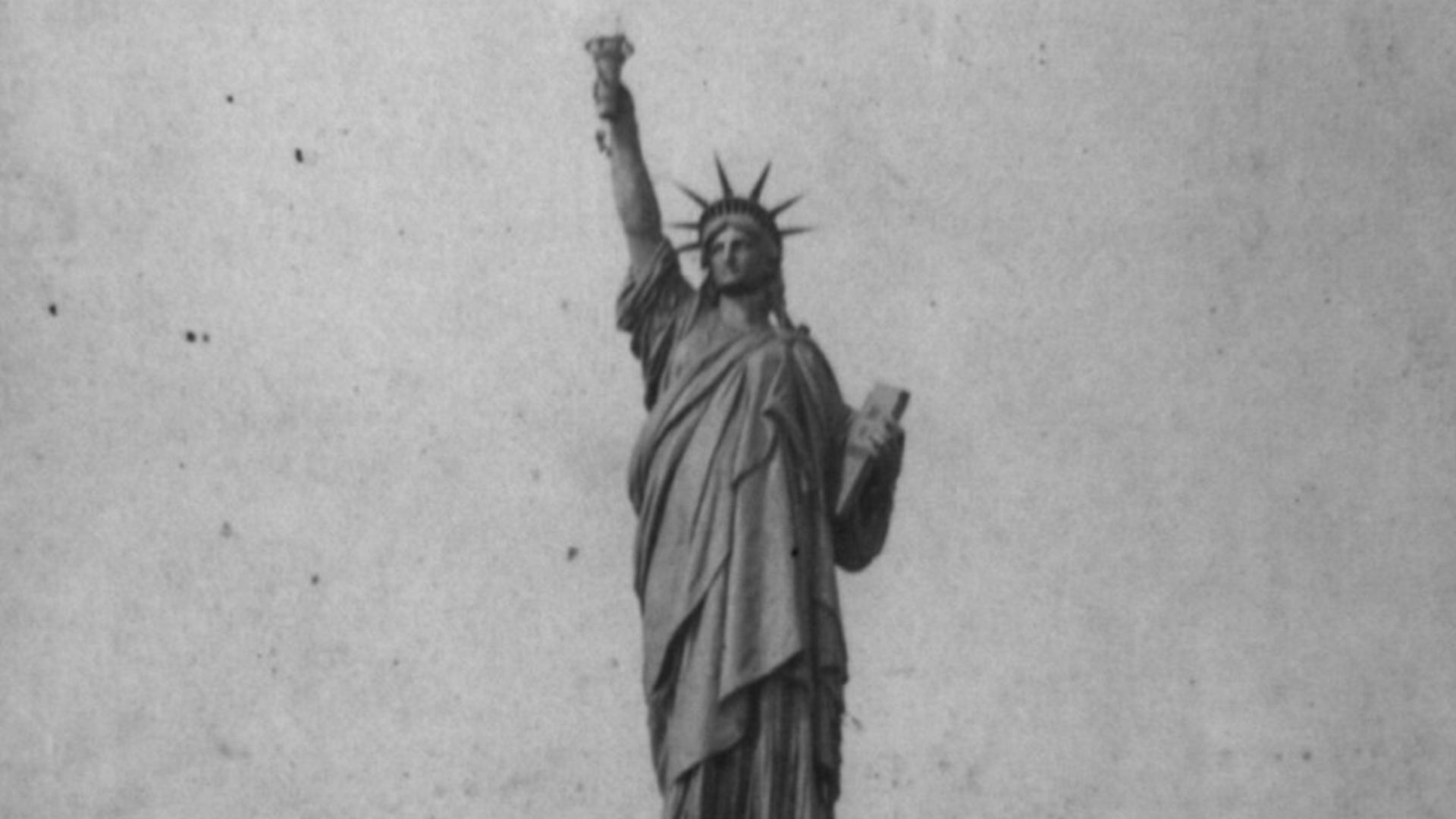
Between 1886 and 1924, almost 14 million immigrants entered the United States through New York, and many saw Liberty while approaching their new country. Her creators intended the torch to symbolize enlightenment. To countless newcomers, however, the figure increasingly became a welcoming "Mother of Exiles" and symbol of arrival.
 Miscellaneous Items in High Demand, PPOC, Library of Congress, Wikimedia Commons
The Poem Came Later
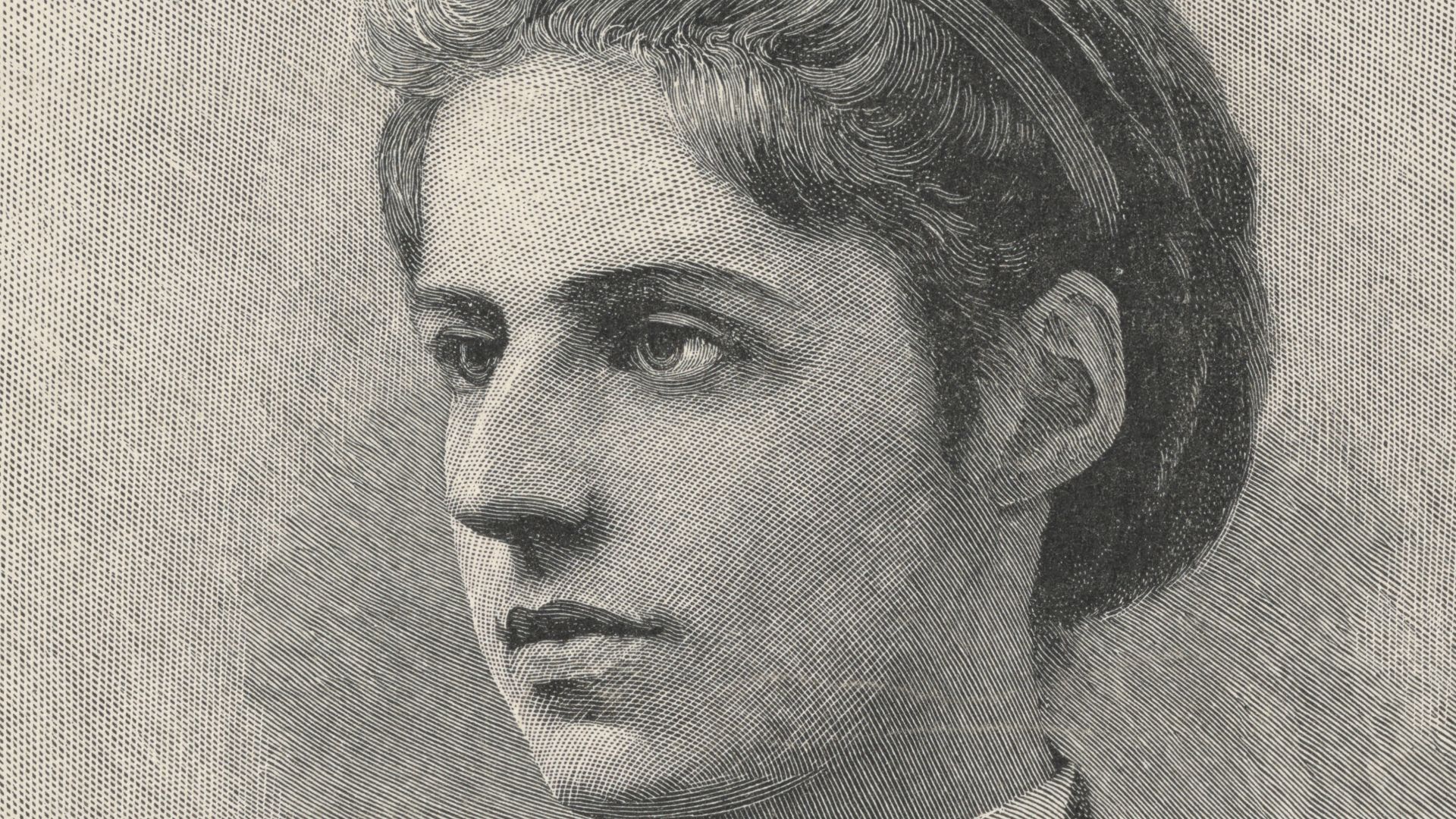
Emma Lazarus wrote "The New Colossus" in 1883 to help raise money for the pedestal, but her poem was not originally a prominent part of the monument. It received little attention at first. Only in 1903 was the poem engraved on a bronze plaque and placed at the statue's base.
 T. Johnson and W. Kurtz, Wikimedia Commons
Ellis Island Opened Later
The Statue of Liberty was already nearly six years old when Ellis Island's federal immigration station opened on January 1, 1892. From 1892 to 1924, more than 12 million immigrants were processed there, cementing the visual relationship between the immigration station and the colossal figure standing nearby in the harbor.
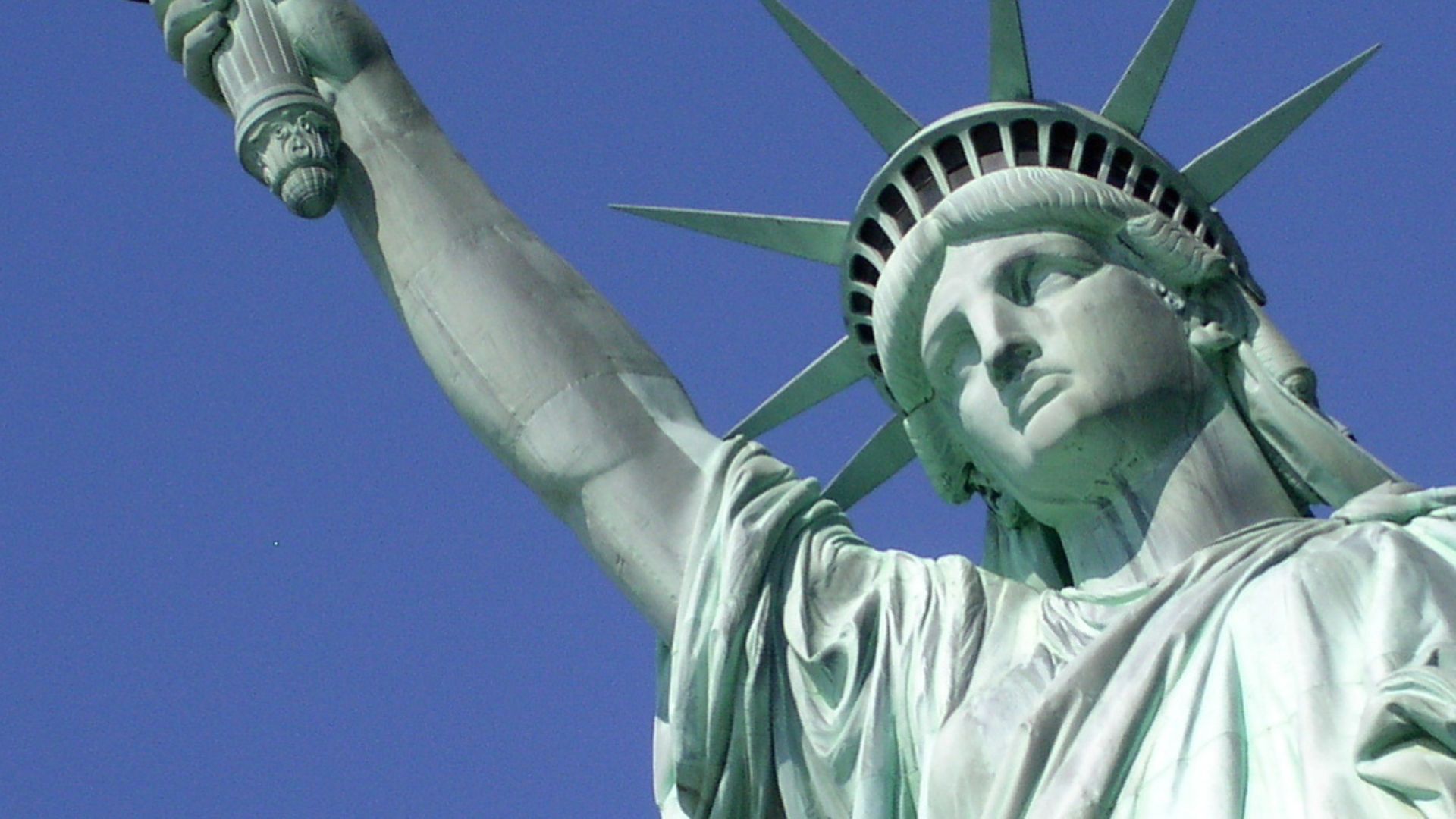 https://www.flickr.com/photos/buggolo/ Stefano Brivio, Wikimedia Commons
You May Also Like:
Patriotic Facts About July 4th
Hectic Facts About New York City, The City That Never Sleeps
Sources: 1, 2, 3, 4, 5, 6, 7, 8, 9, 10, 11, 12, 13,14, 15, 16