When History Takes An Unexpected Turn
History is full of remarkable figures who achieved extraordinary things, but some met ends that were strikingly ironic. From Marie Curie and Harry Houdini to Amelia Earhart, these stories show how life's final chapter can take an unexpected turn.
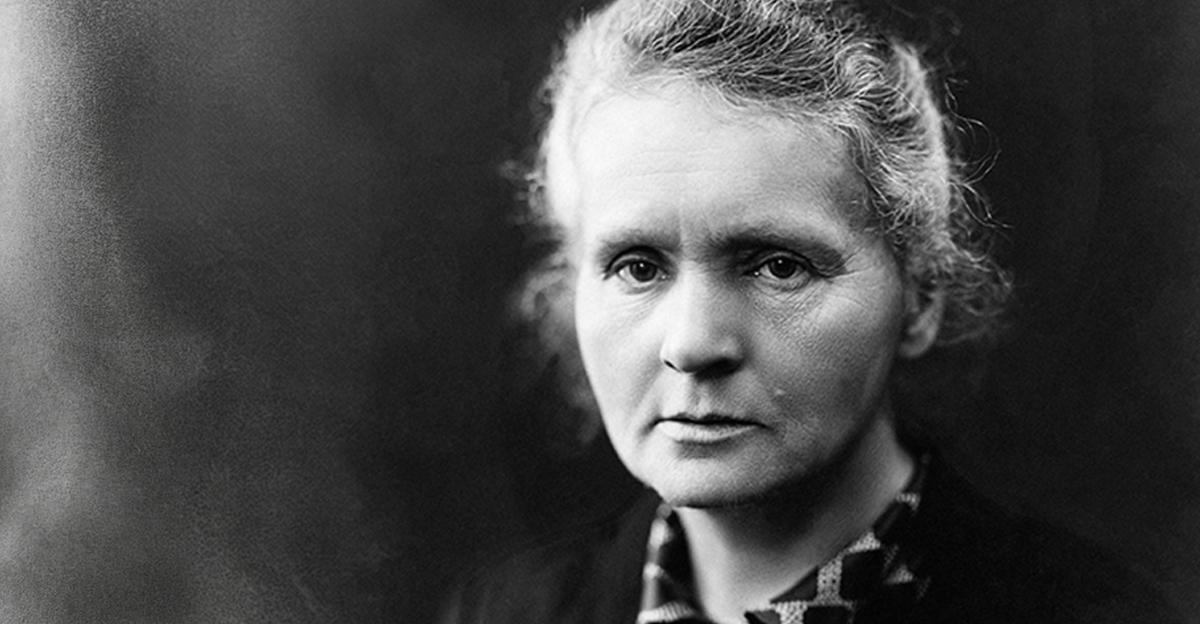
Qin Shi Huang
Qin Shi Huang united China and built a legacy meant to outlast every rival. He also became fascinated with the idea of immortality, sending seekers in search of life-extending substances. Historical accounts connect his final years to elixirs that may have contained mercury, turning his dream of endless life into one of history’s most famous ironies.
 Unknown authorUnknown author, Wikimedia Commons
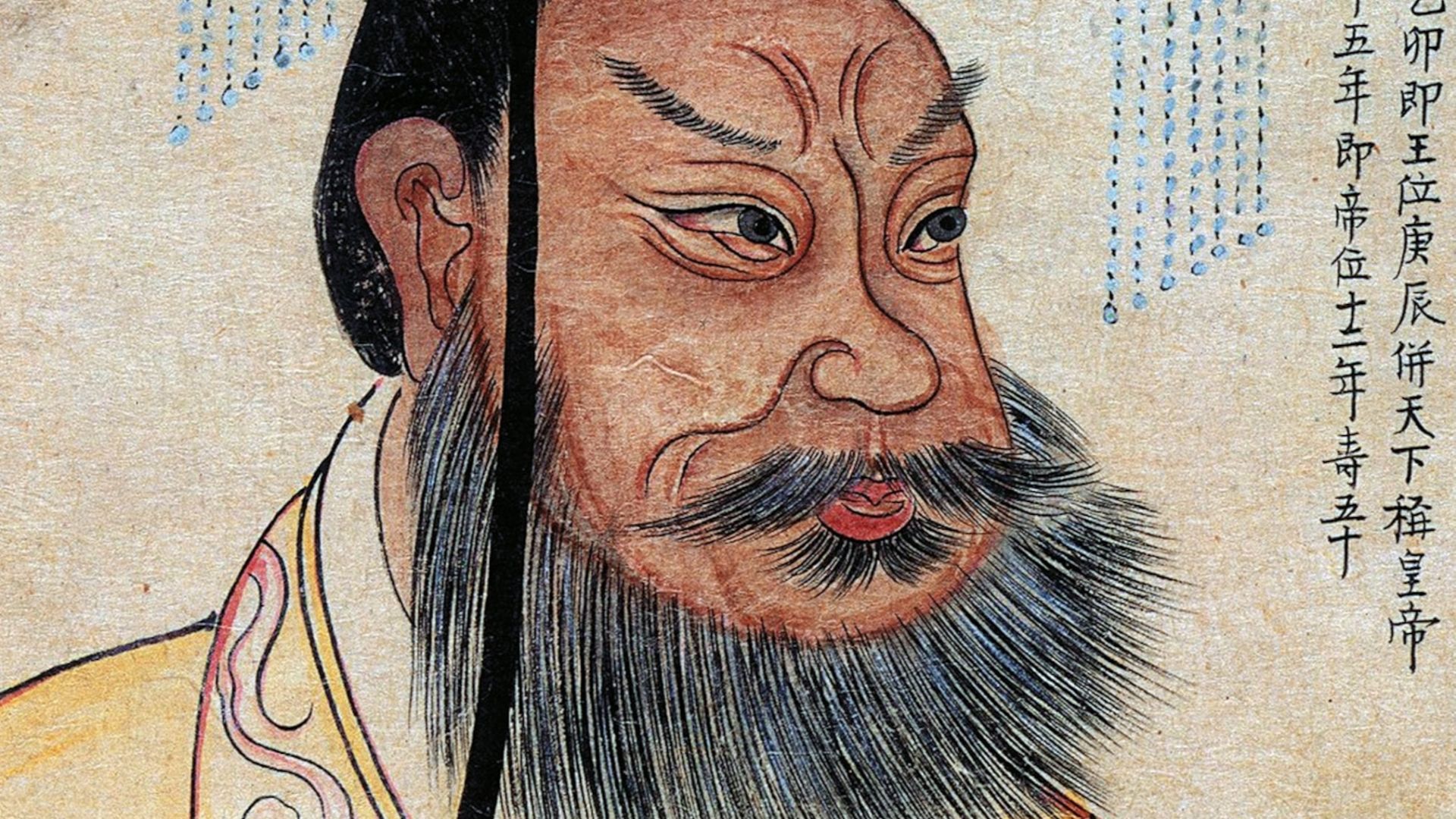
Isadora Duncan
Isadora Duncan transformed modern dance with movement that felt free, natural, and dramatic. Her long, flowing scarves became part of her unmistakable image. In 1927, one of those scarves caught in the wheel of a car in Nice, causing the accident that killed her.
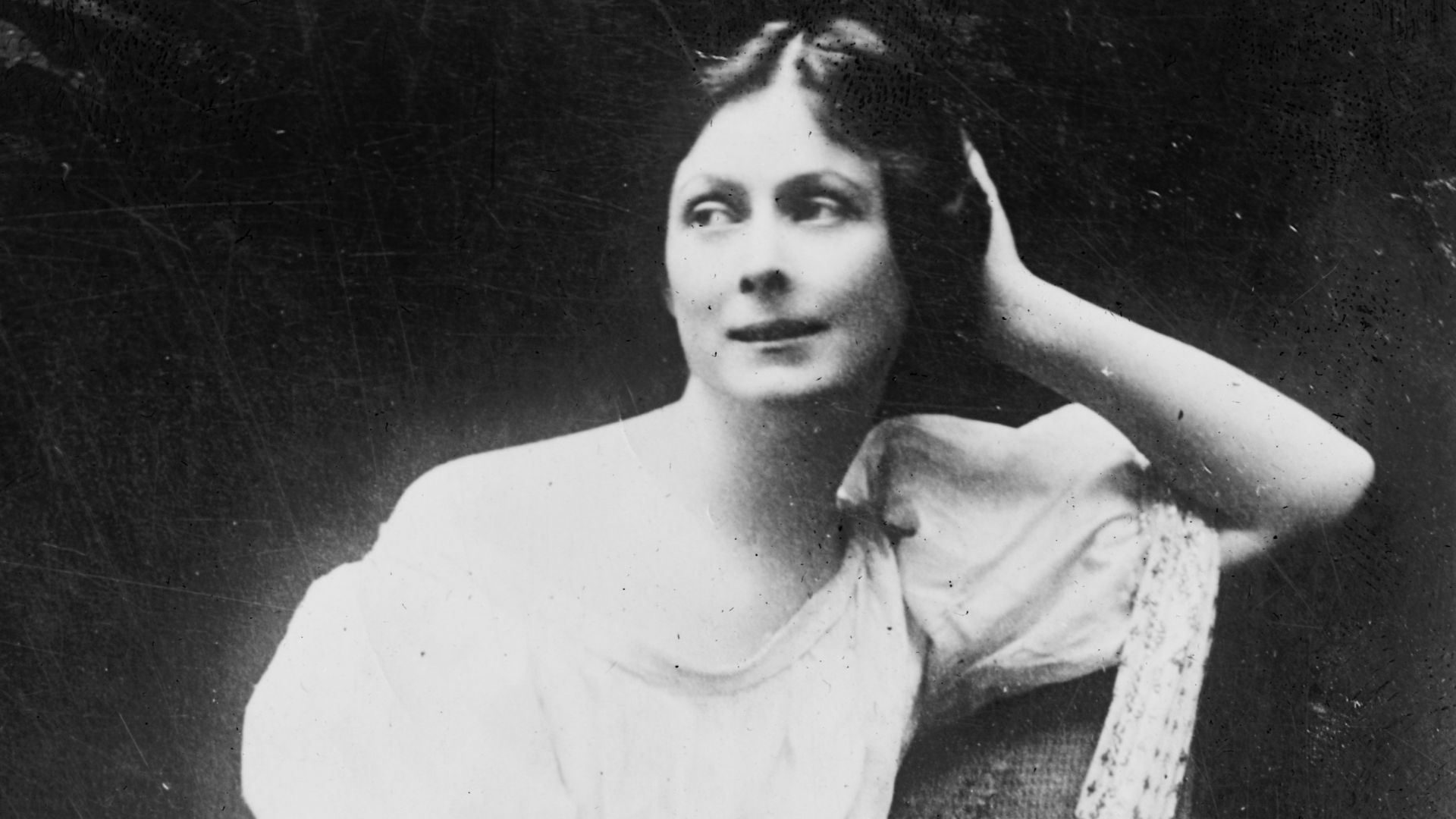 Bain News Service, publisher, Wikimedia Commons
Jean-Baptiste Lully
Jean-Baptiste Lully dominated music at the court of Louis XIV and helped define French opera. During a performance, he struck his foot with the heavy staff then used for conducting. The injury became infected, and the great master of rhythm died after refusing amputation.
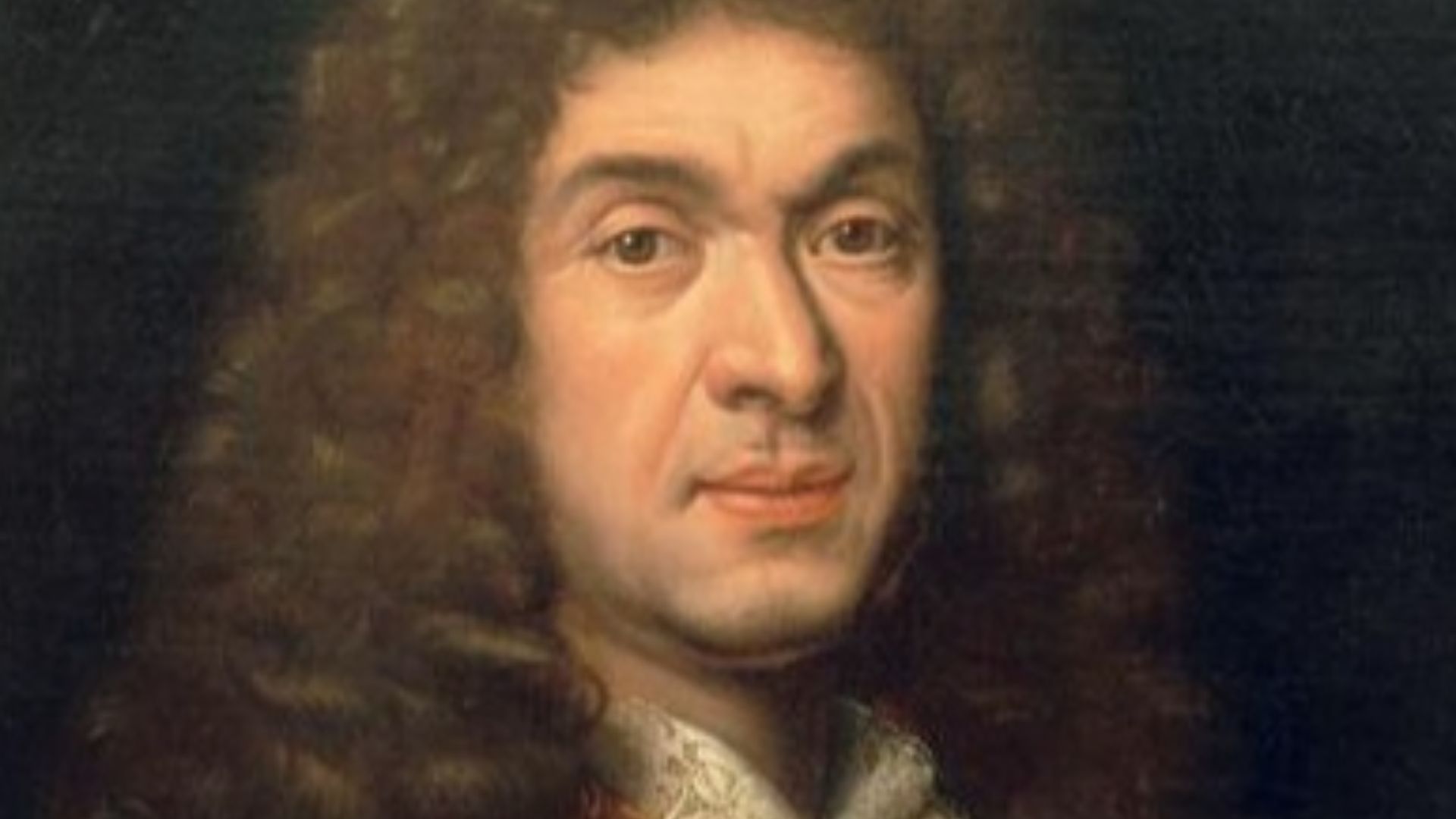 Paul Mignard, Wikimedia Commons

History's most fascinating stories and darkest secrets, delivered to your inbox daily.
Frances Bacon
English philosopher Francis Bacon helped popularize the empirical approach that became central to the scientific method. According to a long-repeated early account, he developed a fatal case of pneumonia after experimenting with preserving meat in snow. Whether every detail is exact or not, the story endures because it mirrors the curious spirit that made him famous.
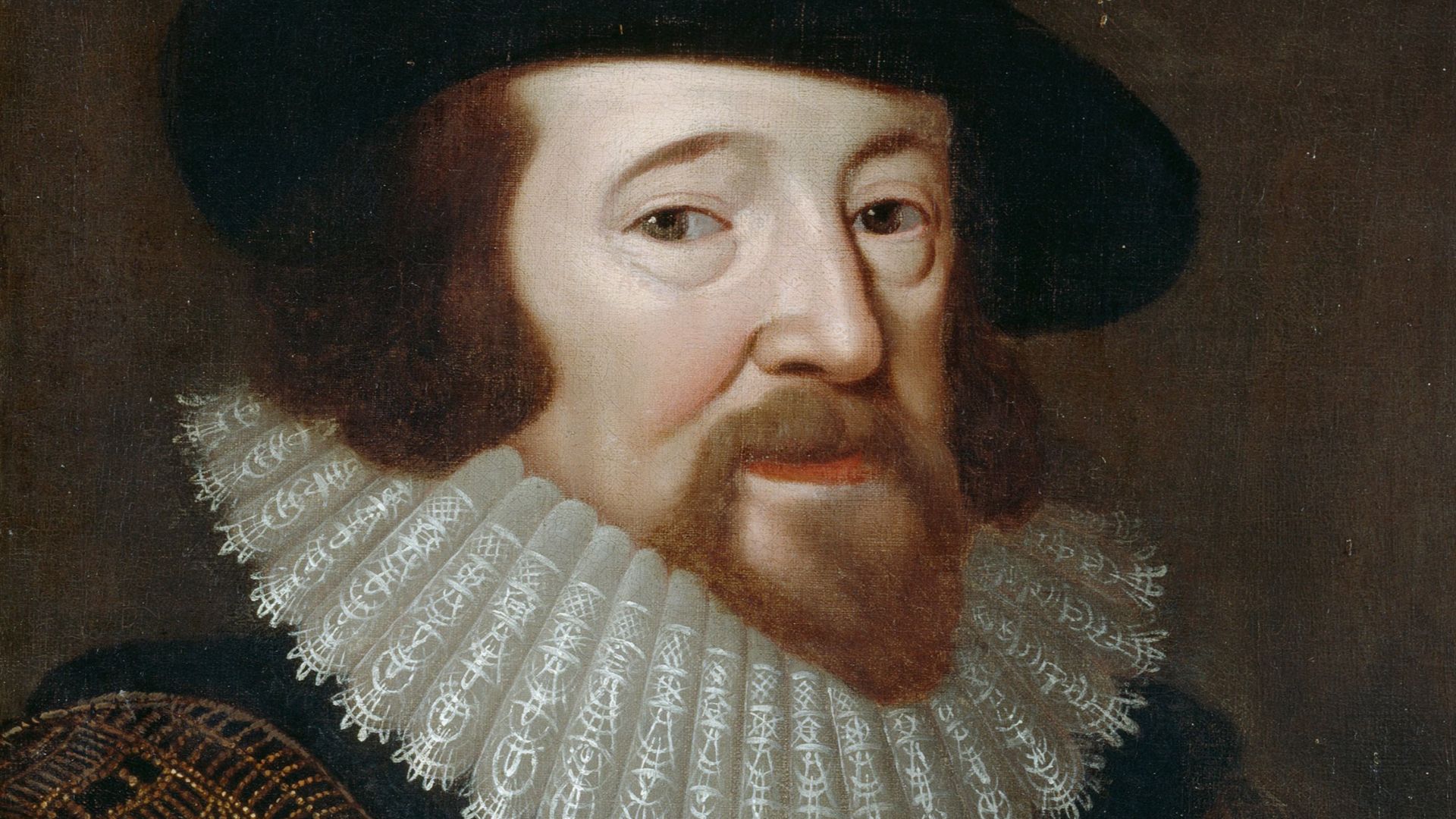 British – School Details on Google Art Project, Wikimedia Commons
Thomas Midgley Jr.
Thomas Midgley Jr. was an engineer and chemist whose work reshaped modern industry. After polio left him disabled, he devised a system of ropes and pulleys to help lift himself from bed. In 1944, he became entangled in that device and died in an accident involving his own mechanical solution.
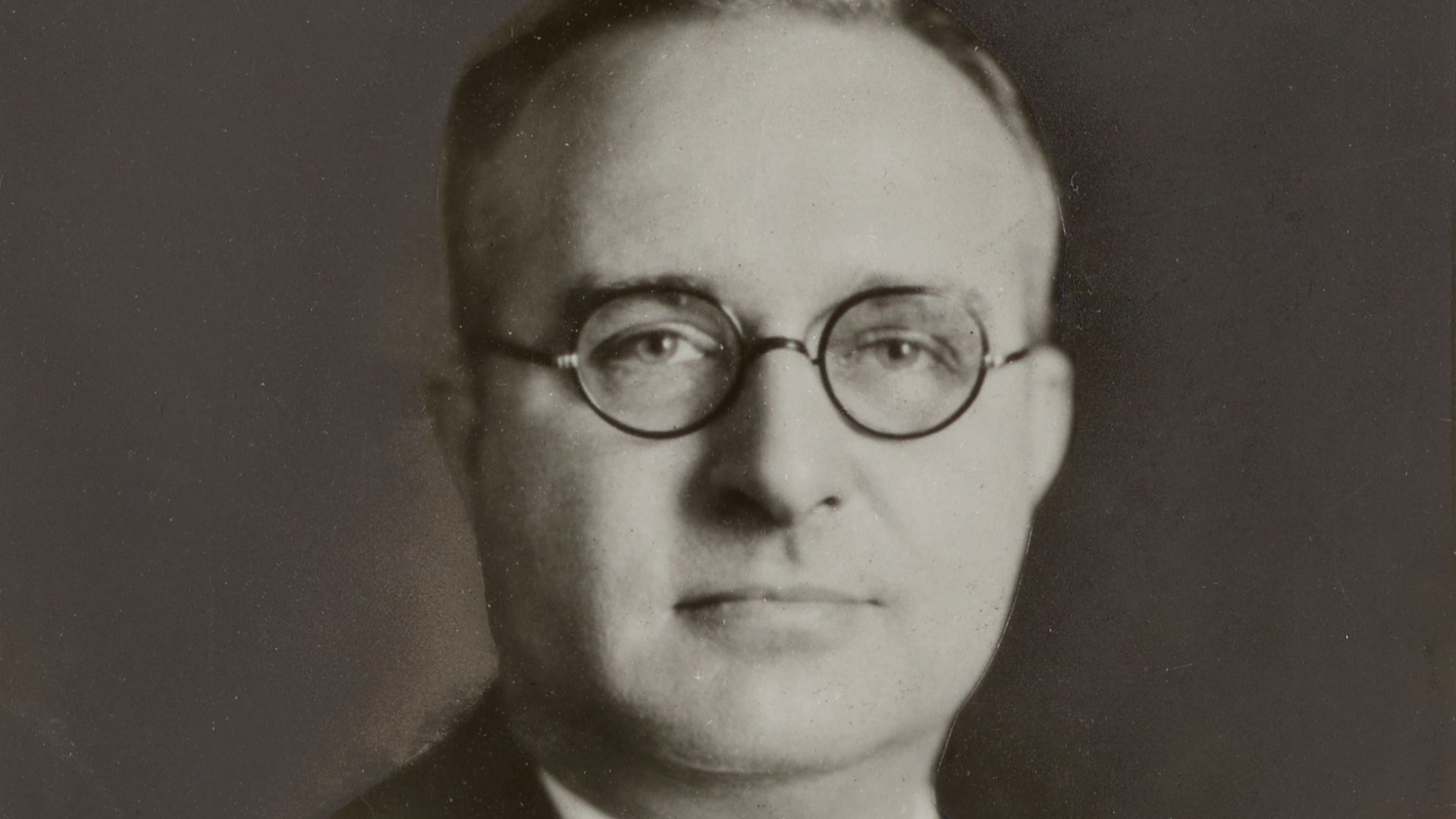 AnonymousUnknown author for Blank & Stoller N.Y., Wikimedia Commons
Alexander Bogdanov
Alexander Bogdanov was a Russian physician, writer, and thinker fascinated by blood transfusion. He believed transfusions might have rejuvenating effects and helped advance early Soviet work in the field. In 1928, he died after one of his own transfusion experiments went terribly wrong.
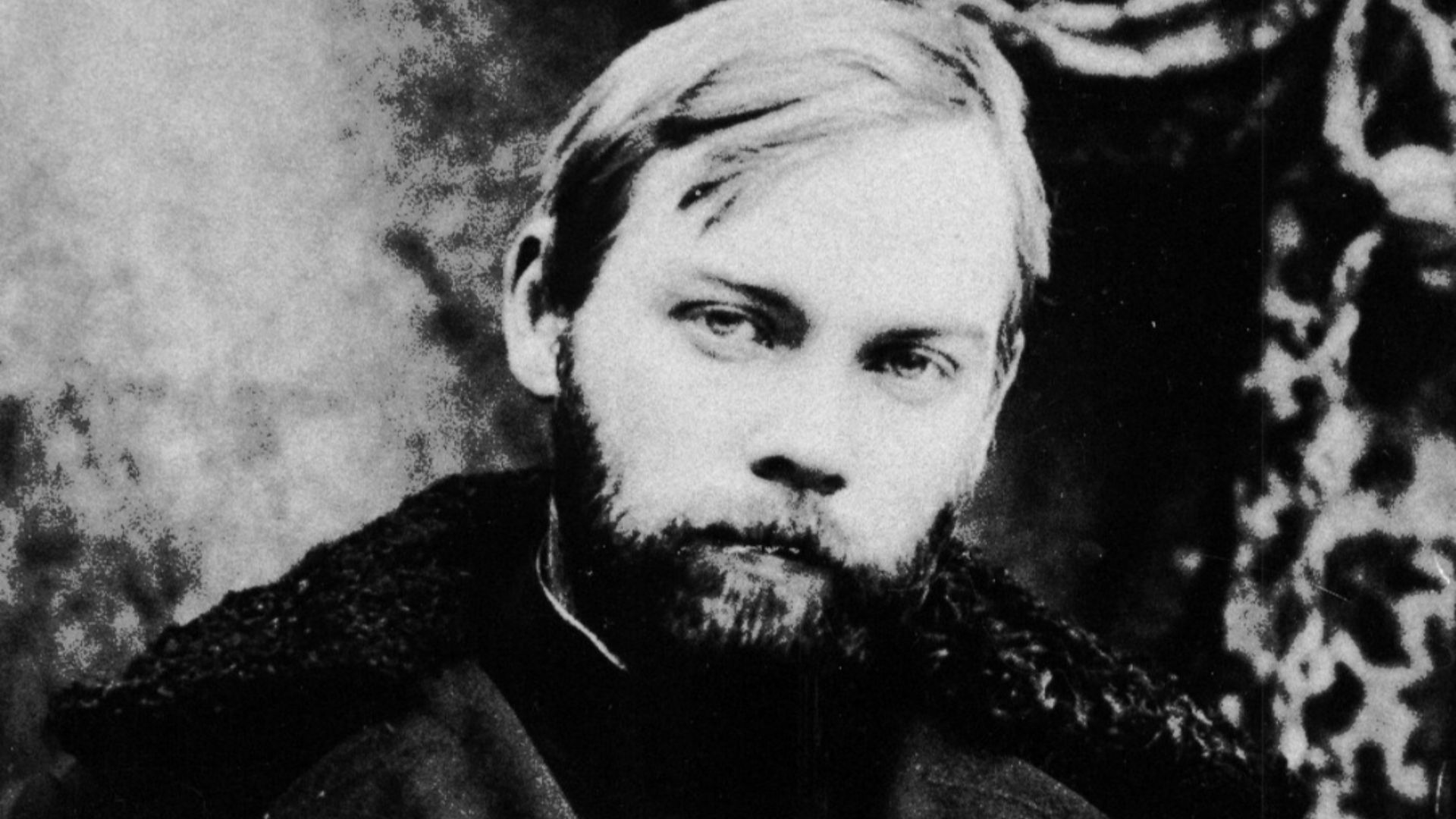 Unknown authorUnknown author, Wikimedia Commons
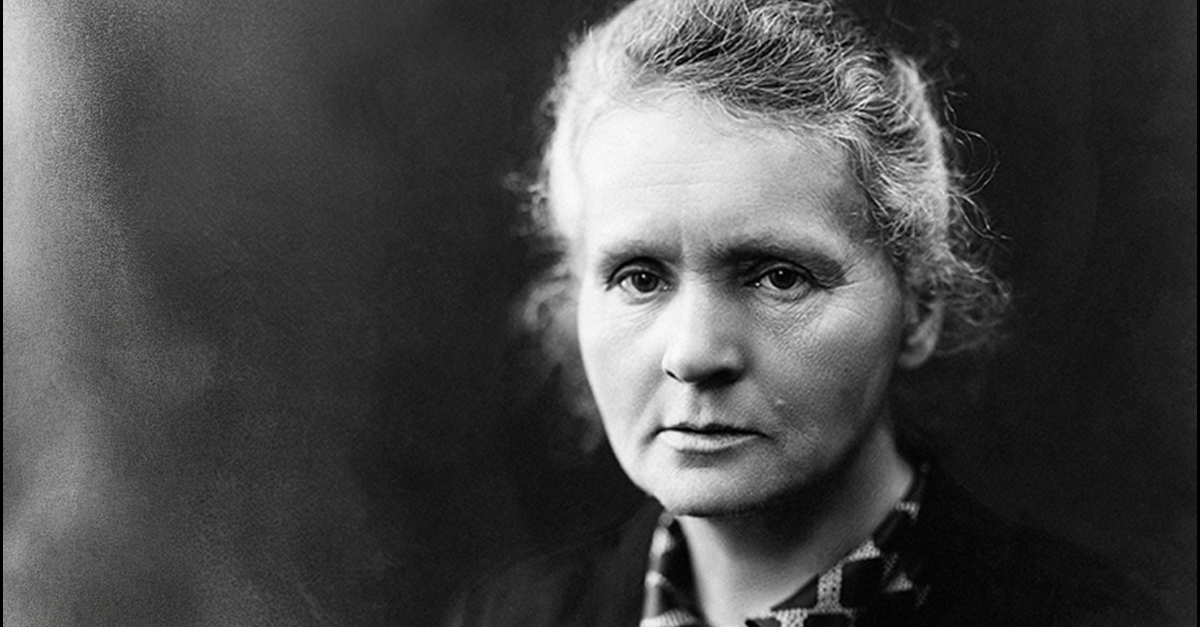
Marie Curie
Physicist Marie Curie helped reveal the hidden power of radioactivity and won two Nobel Prizes for her groundbreaking work. She handled radioactive materials at a time when their dangers were poorly understood. In 1934, she died of aplastic anemia linked to radiation exposure from her research and wartime X-ray work.
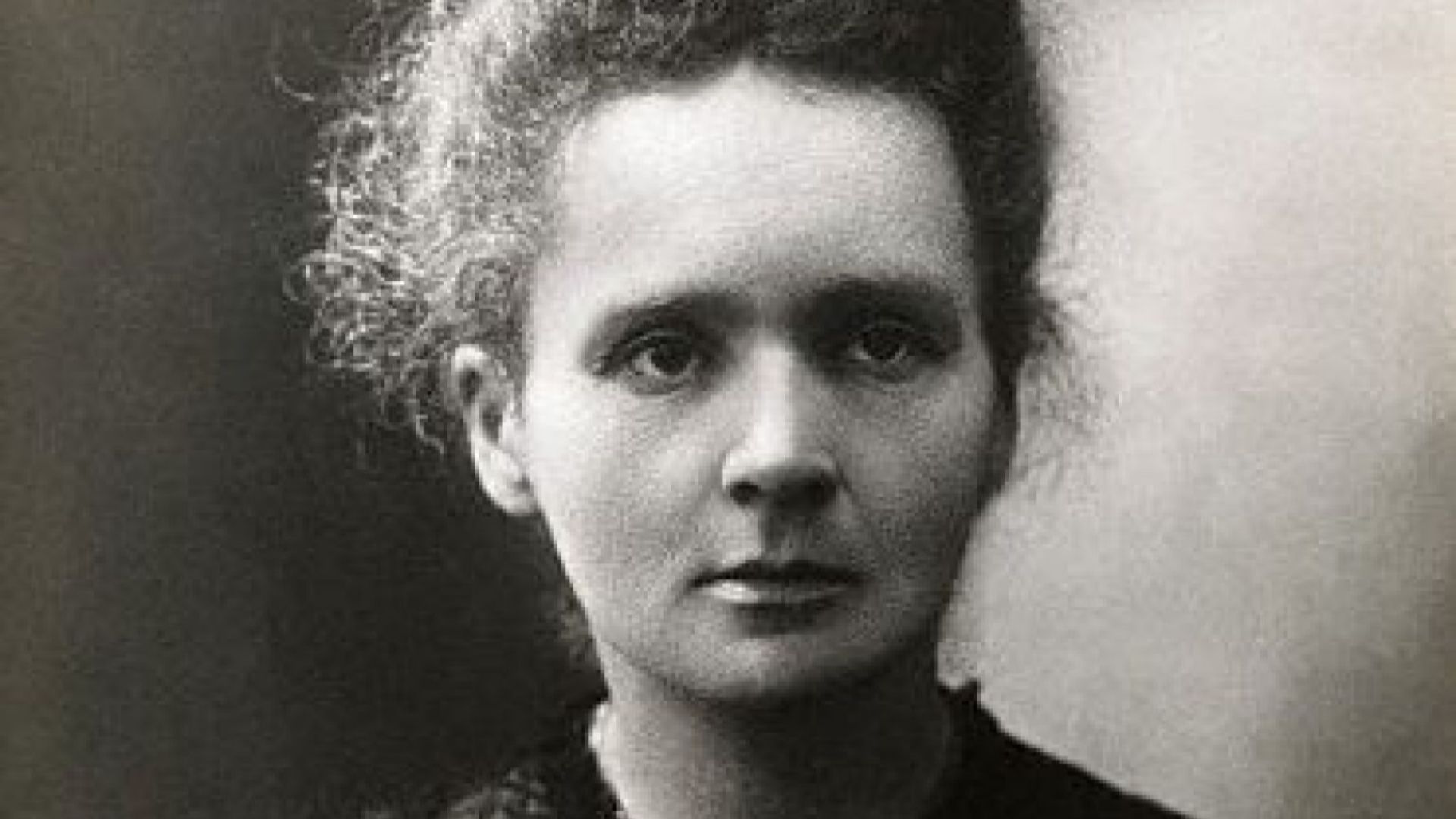 Unknown authorUnknown author, Wikimedia Commons
Elizabeth Fleischmann-Aschheim
Elizabeth Fleischmann-Aschheim was one of the early pioneers of X-ray photography in the United States. She worked in a period when shielding and safety standards were still developing. After years of exposure, she died from cancer linked to her radiology work, becoming a powerful example of the dangers she had helped reveal.
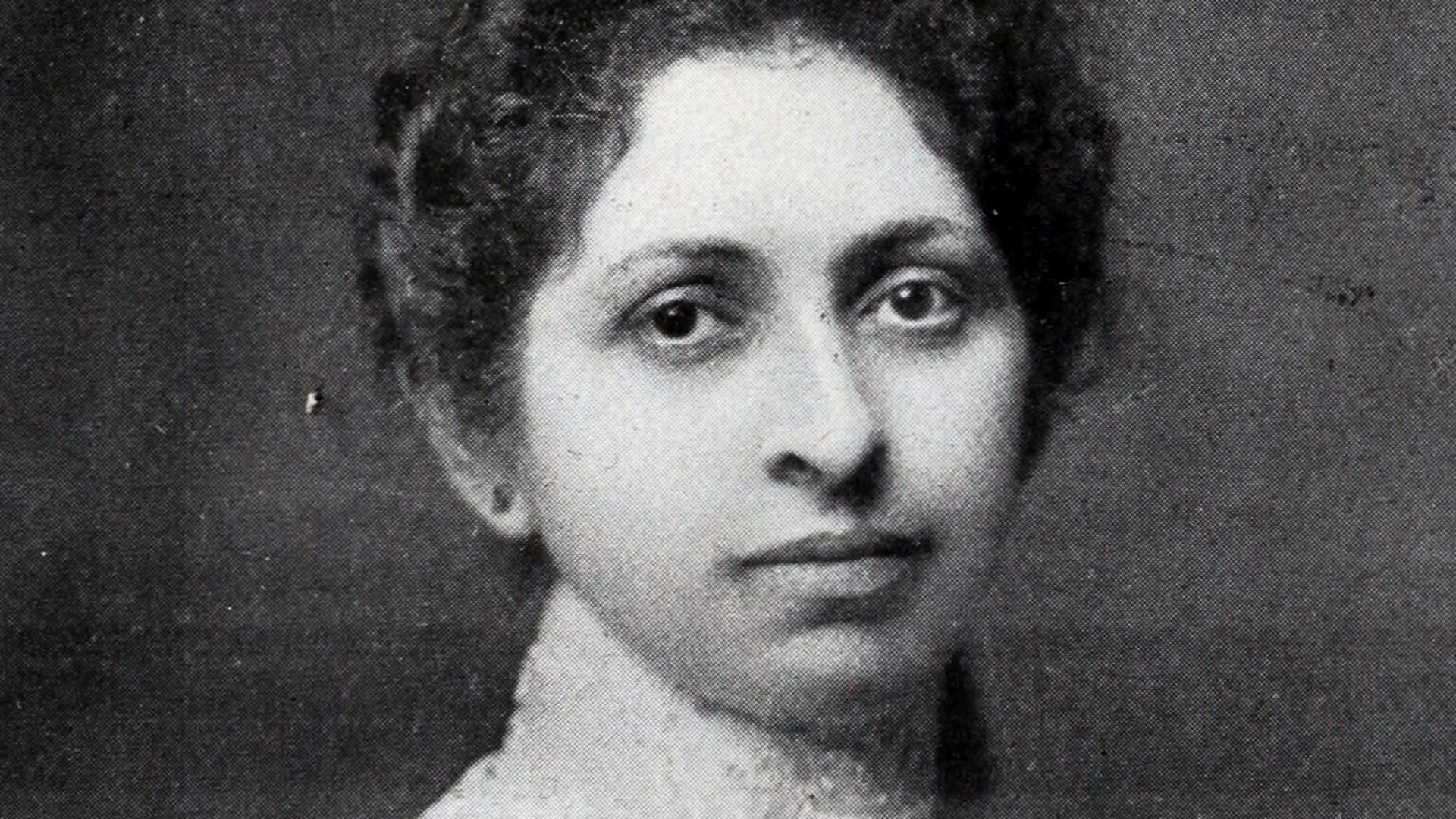 Internet Archive Book Images, Wikimedia Commons
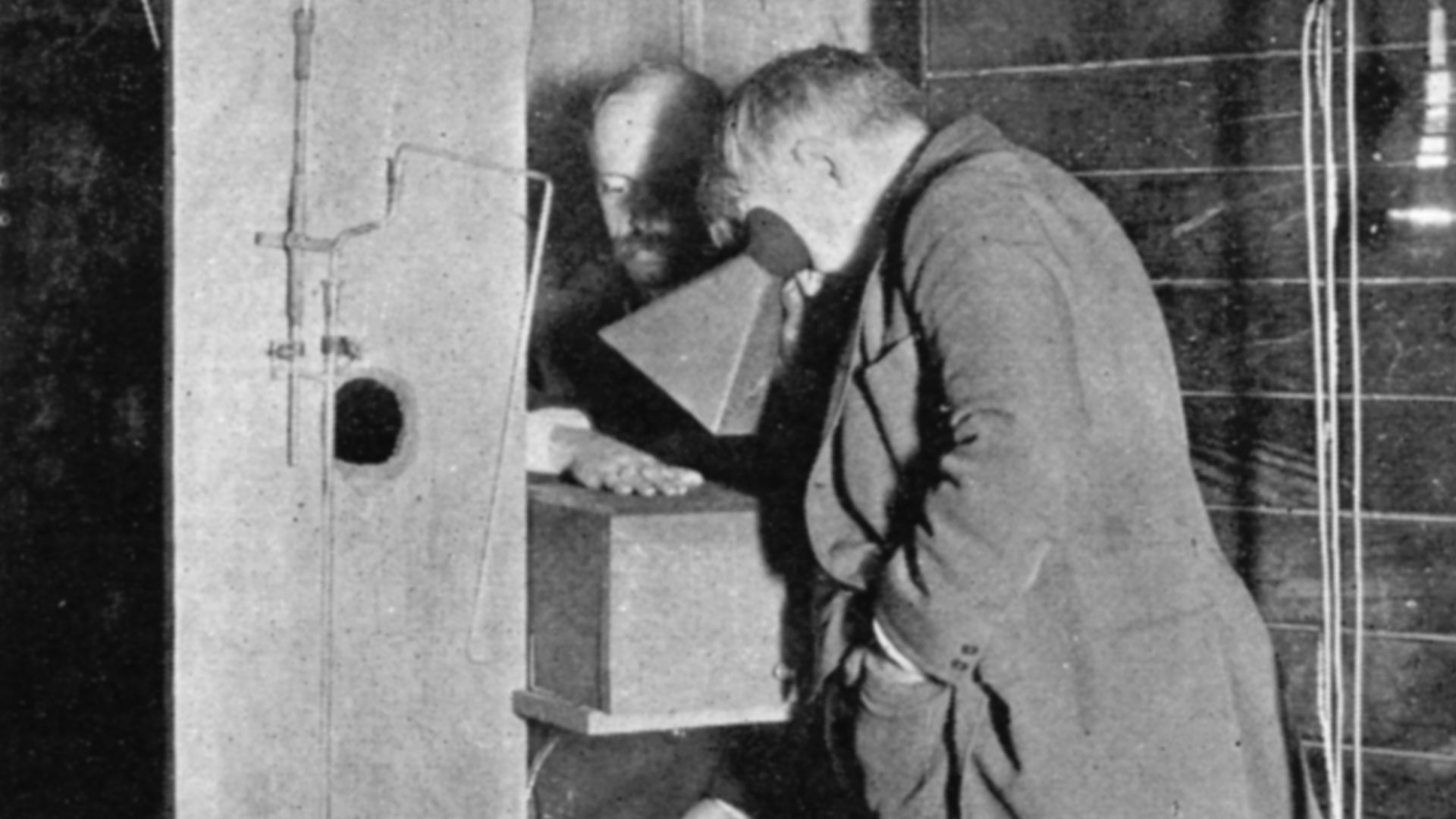
Clarence Dally
Clarence Dally worked with Thomas Edison on early X-ray experiments. He repeatedly exposed himself while testing equipment, long before the risks were widely understood. His death from radiation-related cancer helped push Edison away from X-ray research and made the danger impossible to ignore.
History's most fascinating stories and darkest secrets, delivered to your inbox daily.
Harry Houdini
Harry Houdini built his career on escaping chains, locks, water tanks, and impossible-looking traps. His death in 1926 came not from a stage stunt, but from peritonitis caused by a ruptured appendix. The irony is striking because the world’s most famous escape artist could not escape a sudden medical crisis.
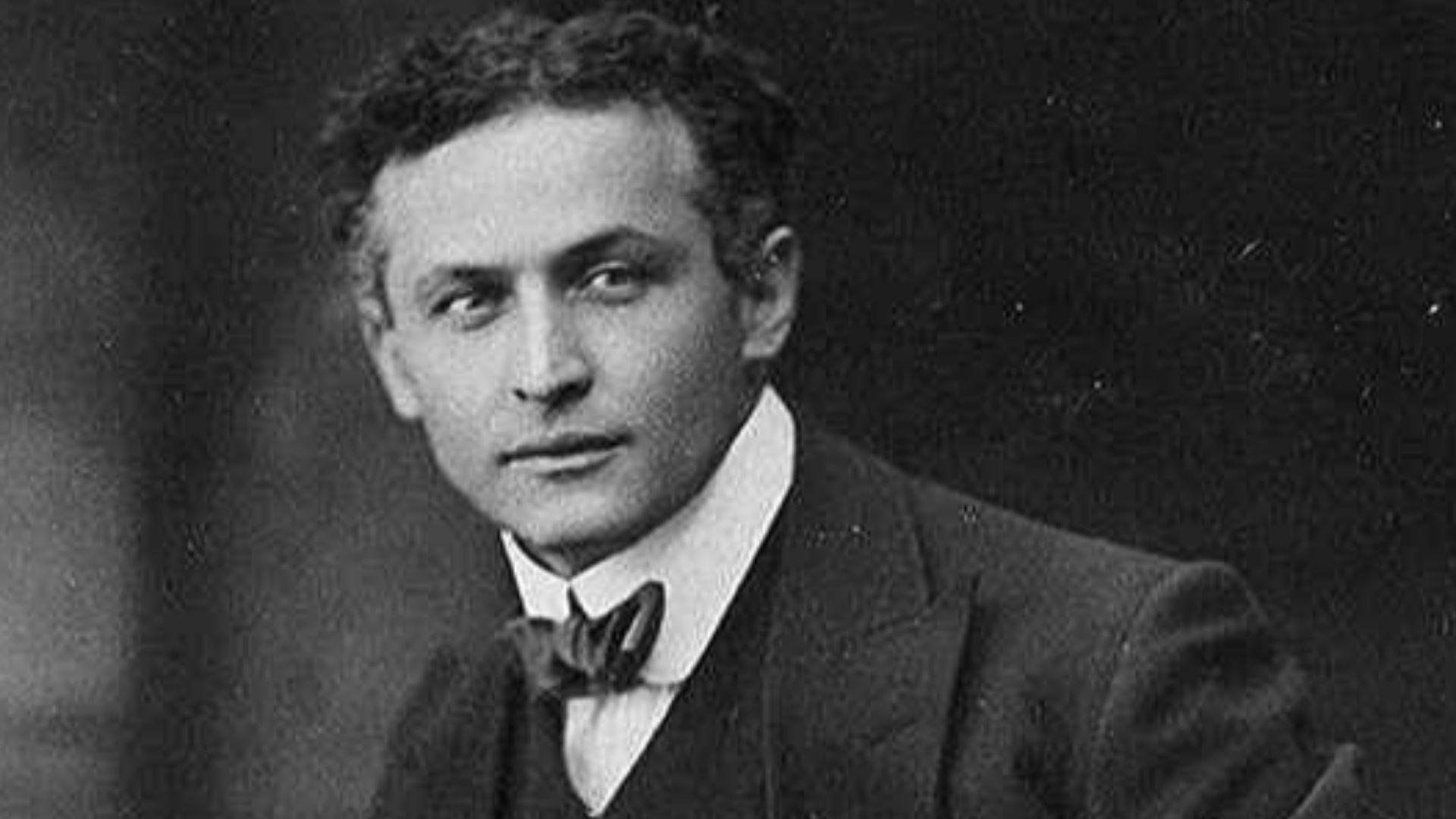 Unknown authorUnknown author, Wikimedia Commons
Steve Irwin
Steve Irwin spent his life teaching audiences to care about animals many people feared. He built a global reputation by getting close to wildlife while explaining it with enthusiasm and respect. In 2006, he died after a stingray injury while filming in the Great Barrier Reef.

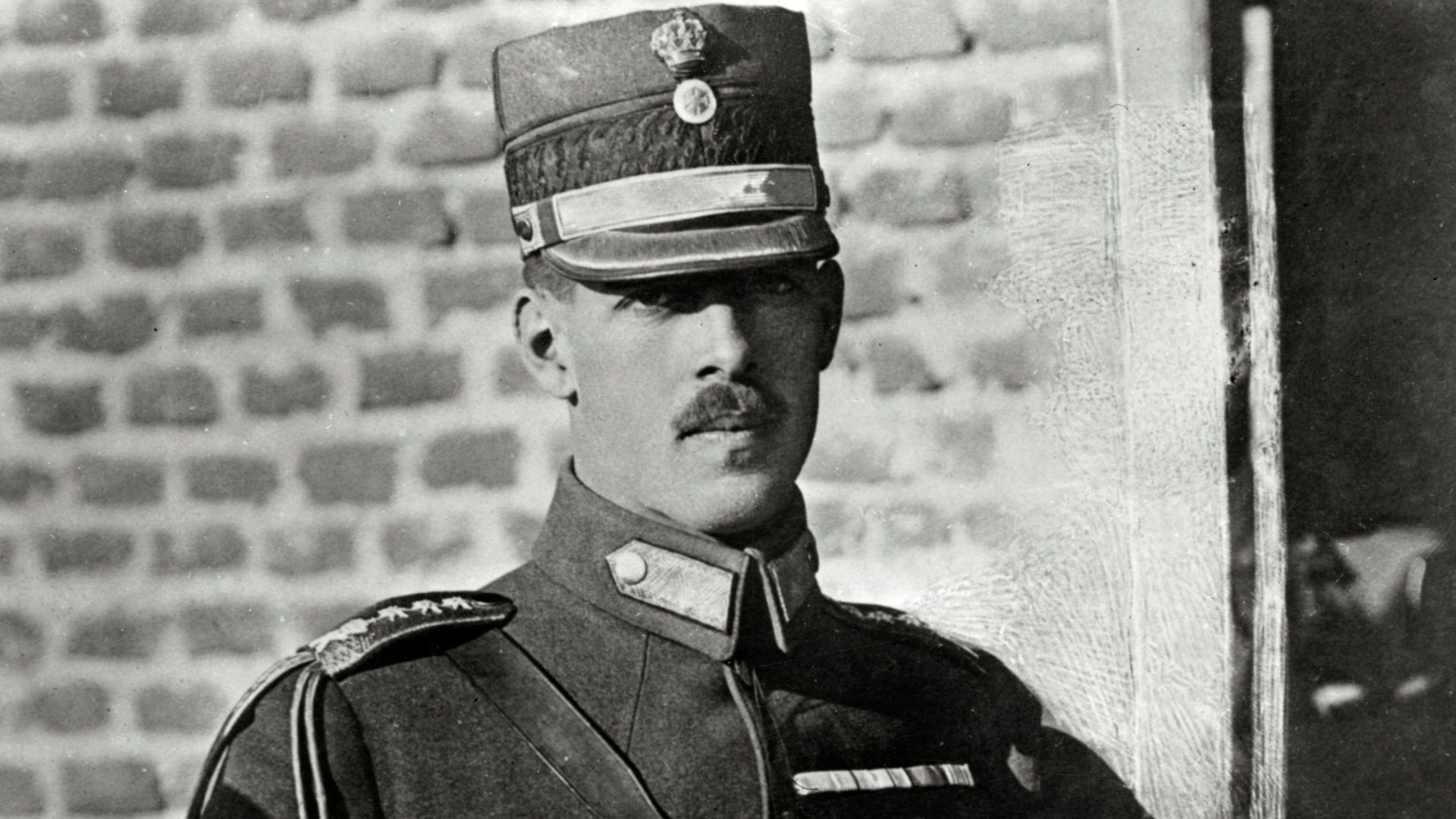
Alexander I of Greece
Alexander I of Greece became king during a tense period in his country’s history. Yet his death came from a private, almost absurd accident rather than a battlefield or palace coup. In 1920, he died from complications after being bitten by a monkey at the royal estate.
Robert Falcon Scott
Captain Robert Falcon Scott was British Royal Navy officer and explorer who devoted his career to Antarctic exploration. His final expedition reached the South Pole, only to find that Roald Amundsen’s team had arrived first. Scott and his companions died on the return journey in 1912, turning a quest for glory into one of exploration’s most solemn stories.
![Robert Falcon Scott in full regalia: this was reproduced as a frontispiece for Scott's The Voyage of the Discovery (London 1905).[1]](https://www.factinate.com/storage/app/media/factinate/2026/6/17/1781679513eda1bc49411a93b122ce18c15422eb2d7fc4e39a.jpg) Henry Maull (1829–1914) and John Fox (1832–1907), Wikimedia Commons
Henry Maull (1829–1914) and John Fox (1832–1907), Wikimedia Commons
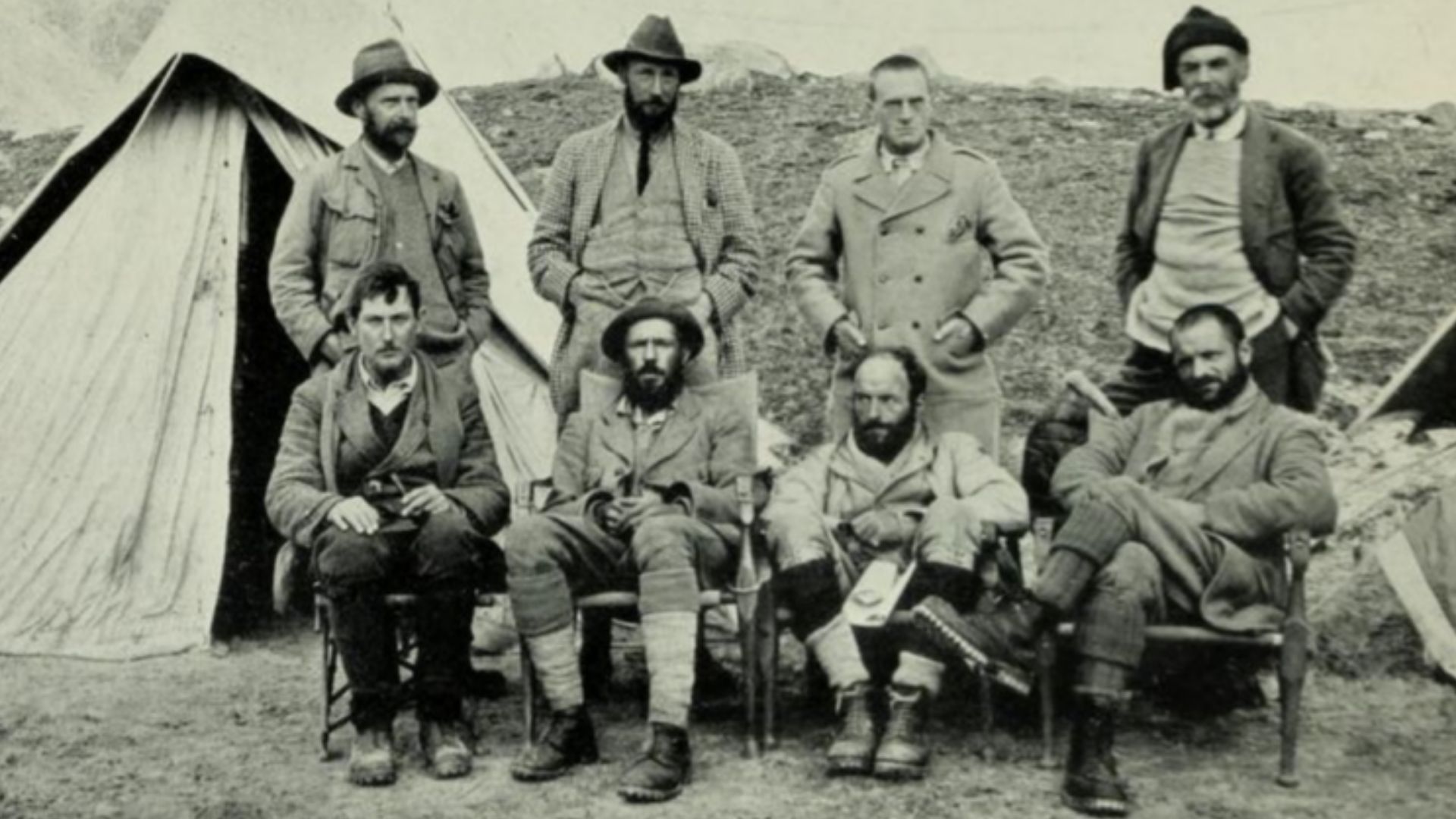
George Mallory
George Mallory became forever linked to Mount Everest, the mountain he famously wanted to climb because it was there. In 1924, he vanished with Andrew Irvine during an attempt on the summit. His body was found decades later, but the question of whether he reached the top remains unresolved.
Amelia Earhart
Amelia Earhart became one of the most celebrated pilots in the world. She pushed aviation records higher and further, especially for women in flight. In 1937, she disappeared near Howland Island during an attempt to fly around the world.
![[Amelia Earhart in airplane]](https://www.factinate.com/storage/app/media/factinate/2026/6/17/17816798907769979c19bf3cb95598e9179c96aac0c703fe88.jpg) Harris & Ewing, Wikimedia Commons
Harris & Ewing, Wikimedia Commons
History's most fascinating stories and darkest secrets, delivered to your inbox daily.
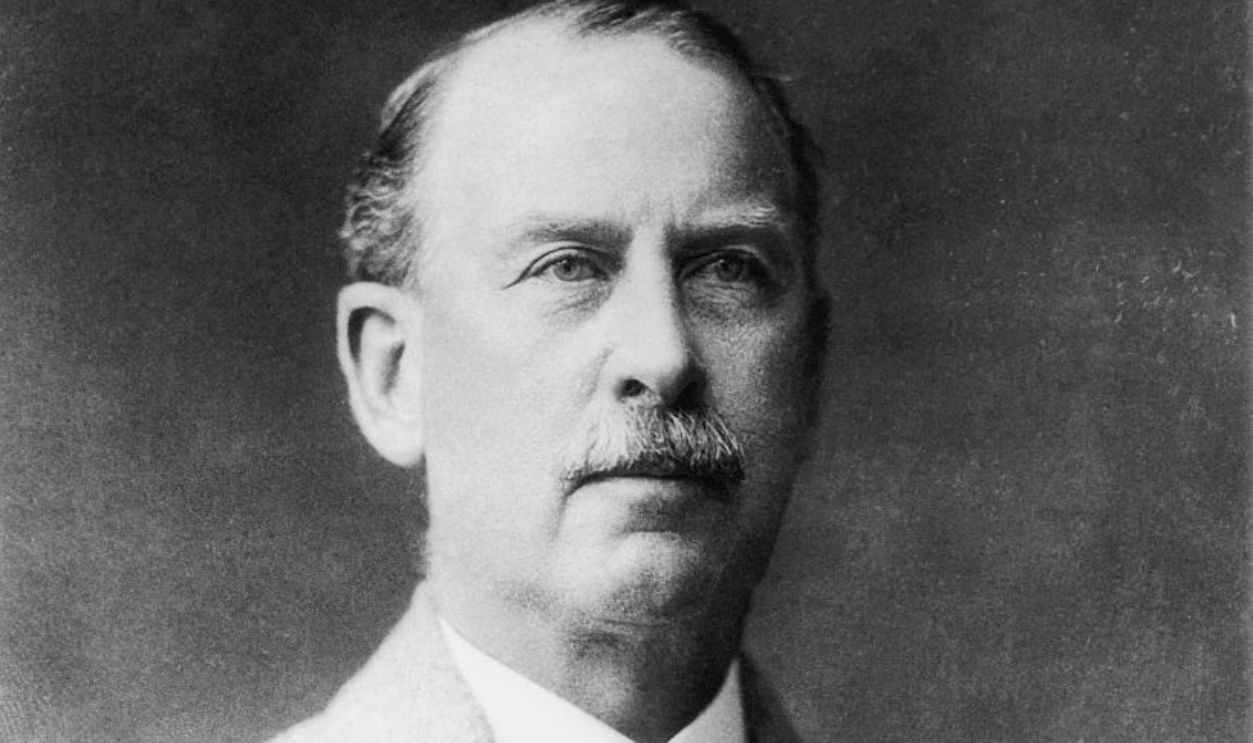
Percy Fawcett
British geographer Percy Fawcett spent years exploring South America and became convinced that a lost ancient city existed in the Amazon. In 1925, he entered the jungle with his son Jack and Raleigh Rimmel to search for the place he called Z. The expedition vanished, and the mystery became inseparable from the legend he pursued.
Franz Reichelt
Franz Reichelt was a tailor who dreamed of creating a wearable parachute suit for aviators. He tested his invention from the Eiffel Tower in 1912. The device failed, and his death became an unforgettable early chapter in the history of flight safety.
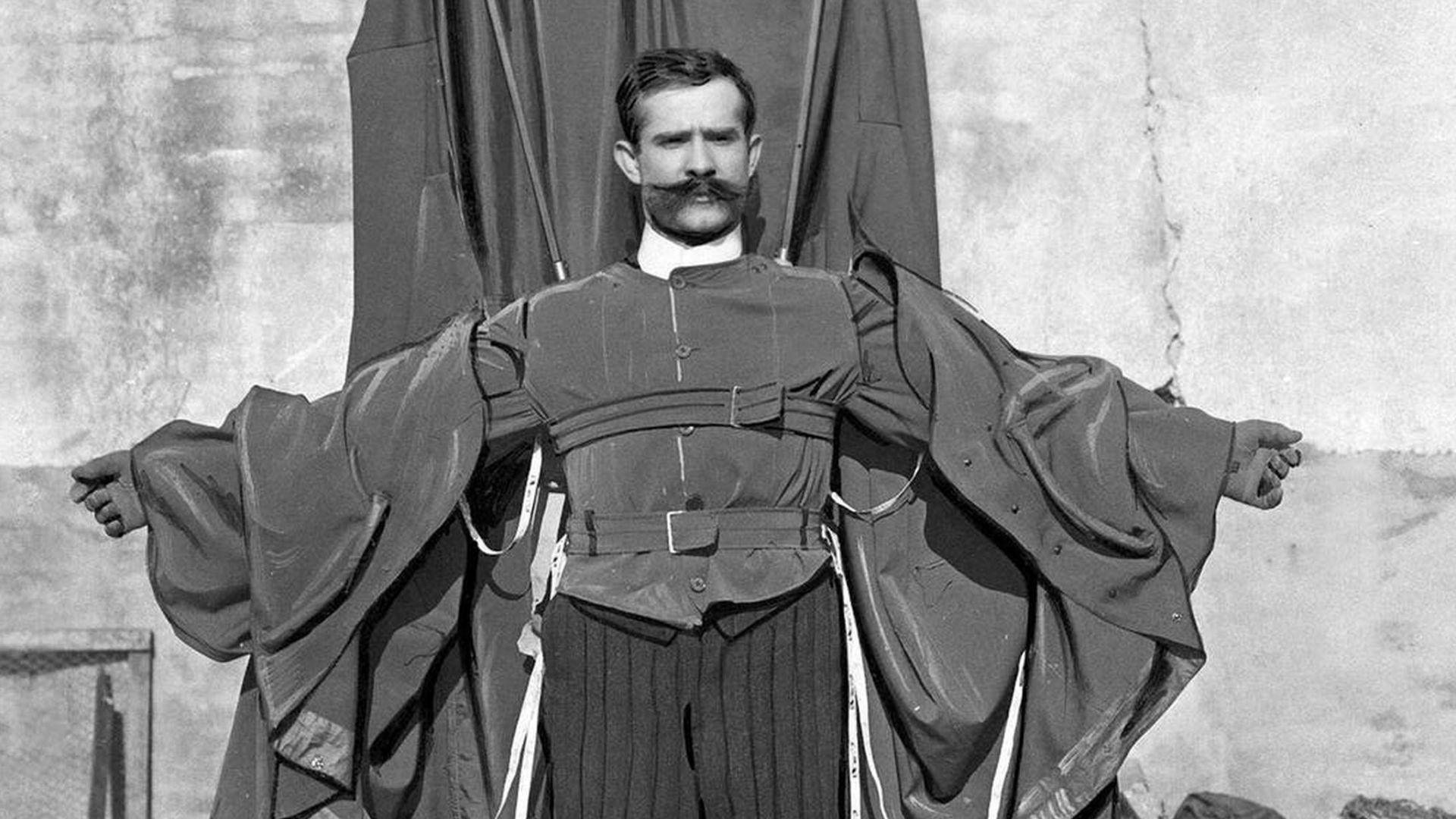 Unknown authorUnknown author, Wikimedia Commons
Otto Lilienthal
Otto Lilienthal was a German pioneer of aviation who proved that repeated, controlled glider flights were possible. His experiments inspired later aviation pioneers, including the Wright brothers. In 1896, he died after a crash in one of the very flying machines that made him famous.
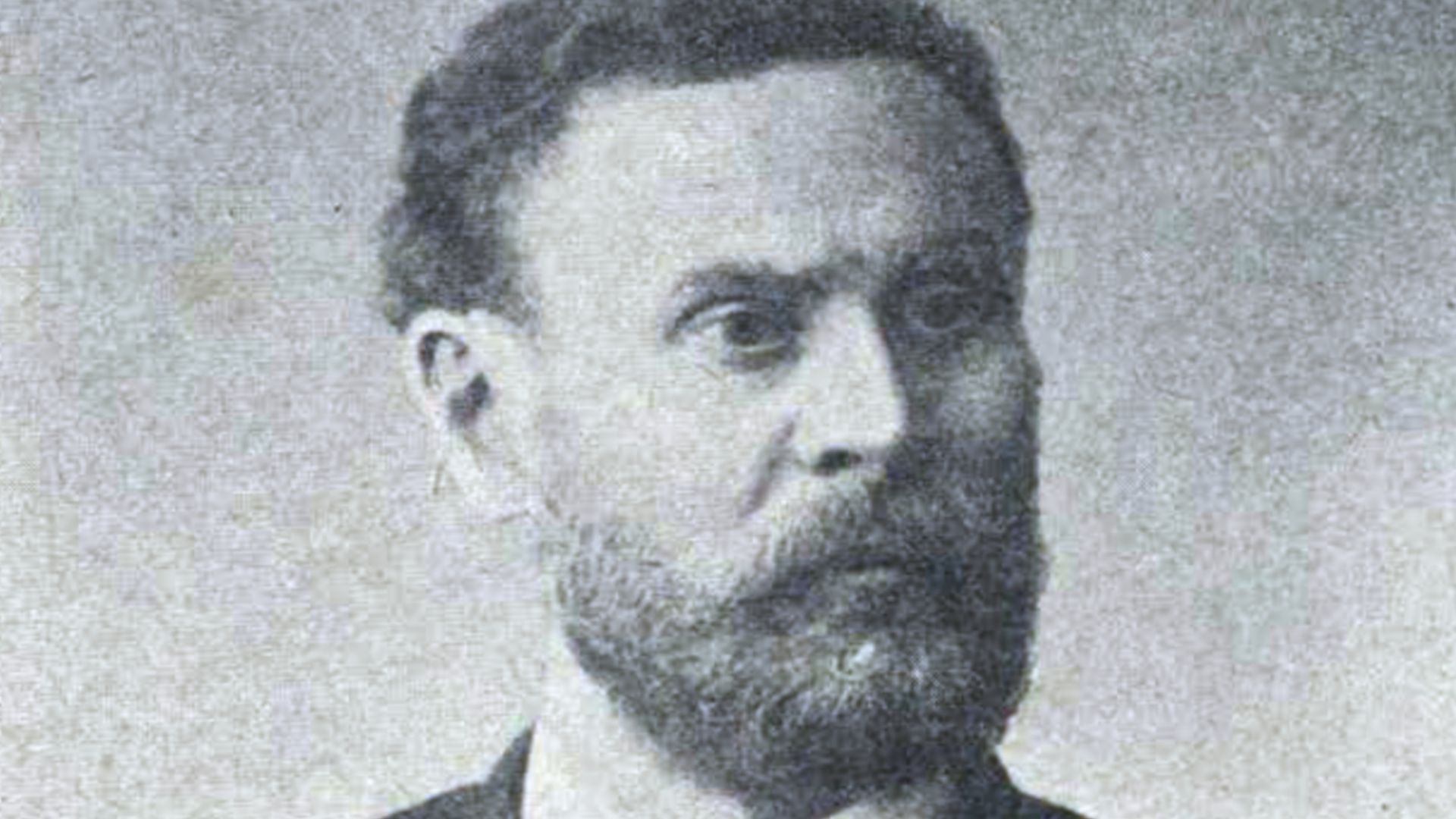 Unknown authorUnknown author, Wikimedia Commons
Charles Rolls
Charles Rolls helped found Rolls-Royce, but he was also fascinated by aviation. In June 1910, he became the first person to fly across the English Channel and back without stopping. Just weeks later, he died in a flying accident, becoming the first Briton killed in a powered aircraft crash.
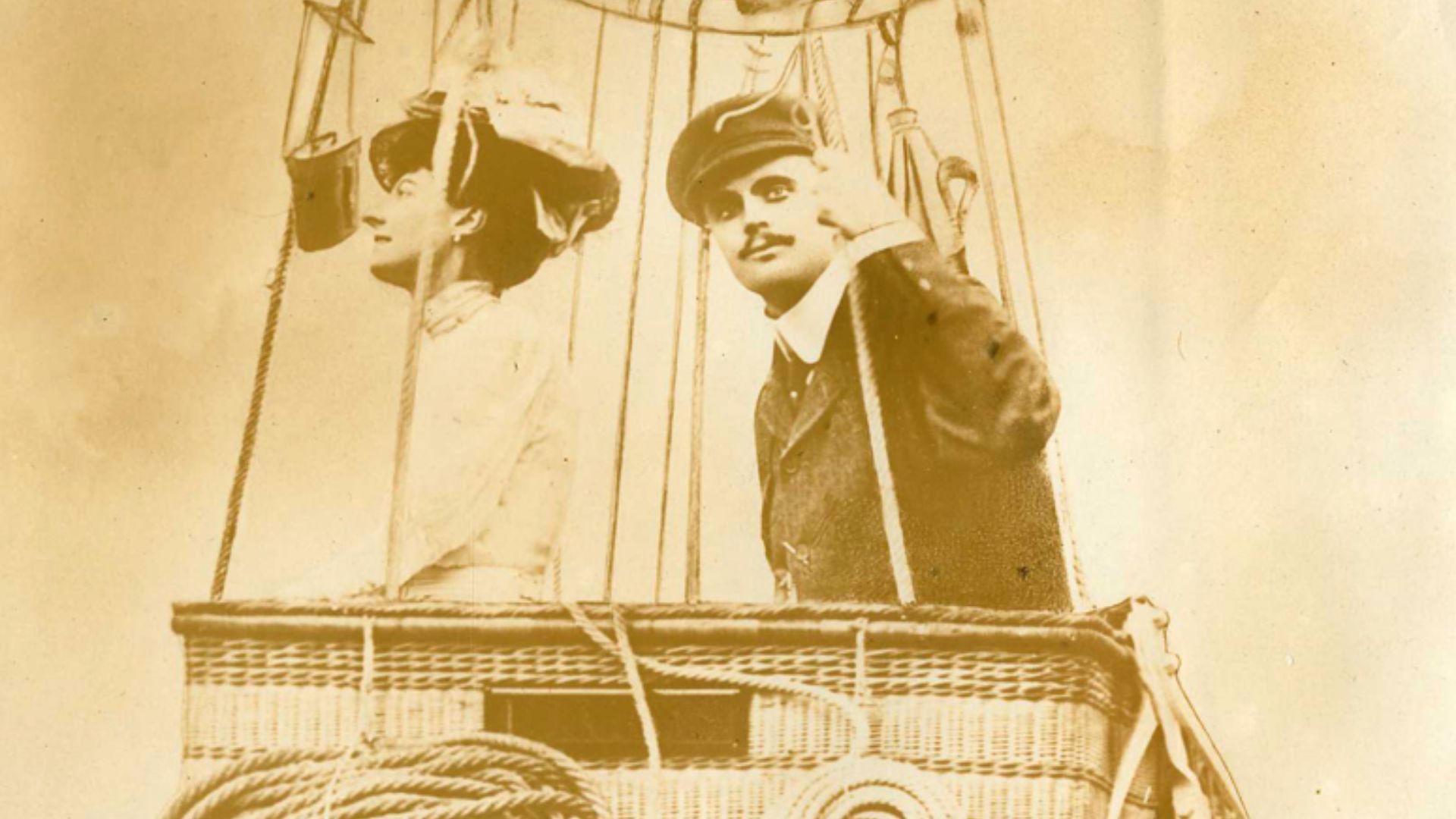 Horace Hall, Wikimedia Commons
Bessie Coleman
Bessie Coleman broke barriers as the first Black woman and first Native American woman to hold a pilot’s license. She dreamed of opening a flight school and inspiring others through aviation. In 1926, she died during a test flight while preparing for an airshow.
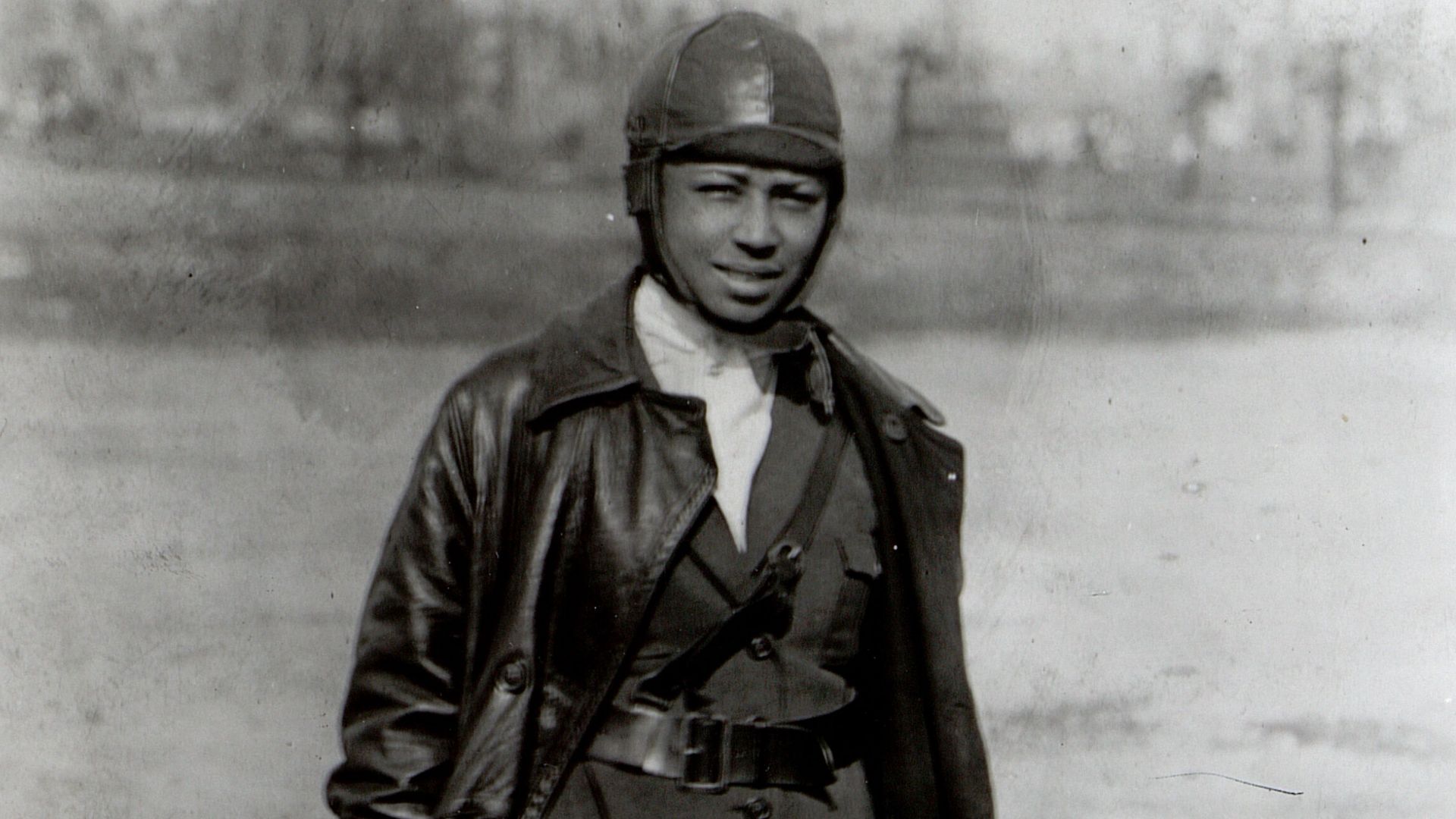 Dove & Porter, Wikimedia Commons
William Huskisson
William Huskisson was a British statesman present for the opening of the Liverpool and Manchester Railway in 1930. The event was meant to celebrate the future of fast public transportation. Instead, Huskisson was struck by George Stephenson’s Rocket and became one of the first widely reported railway passenger fatalities.
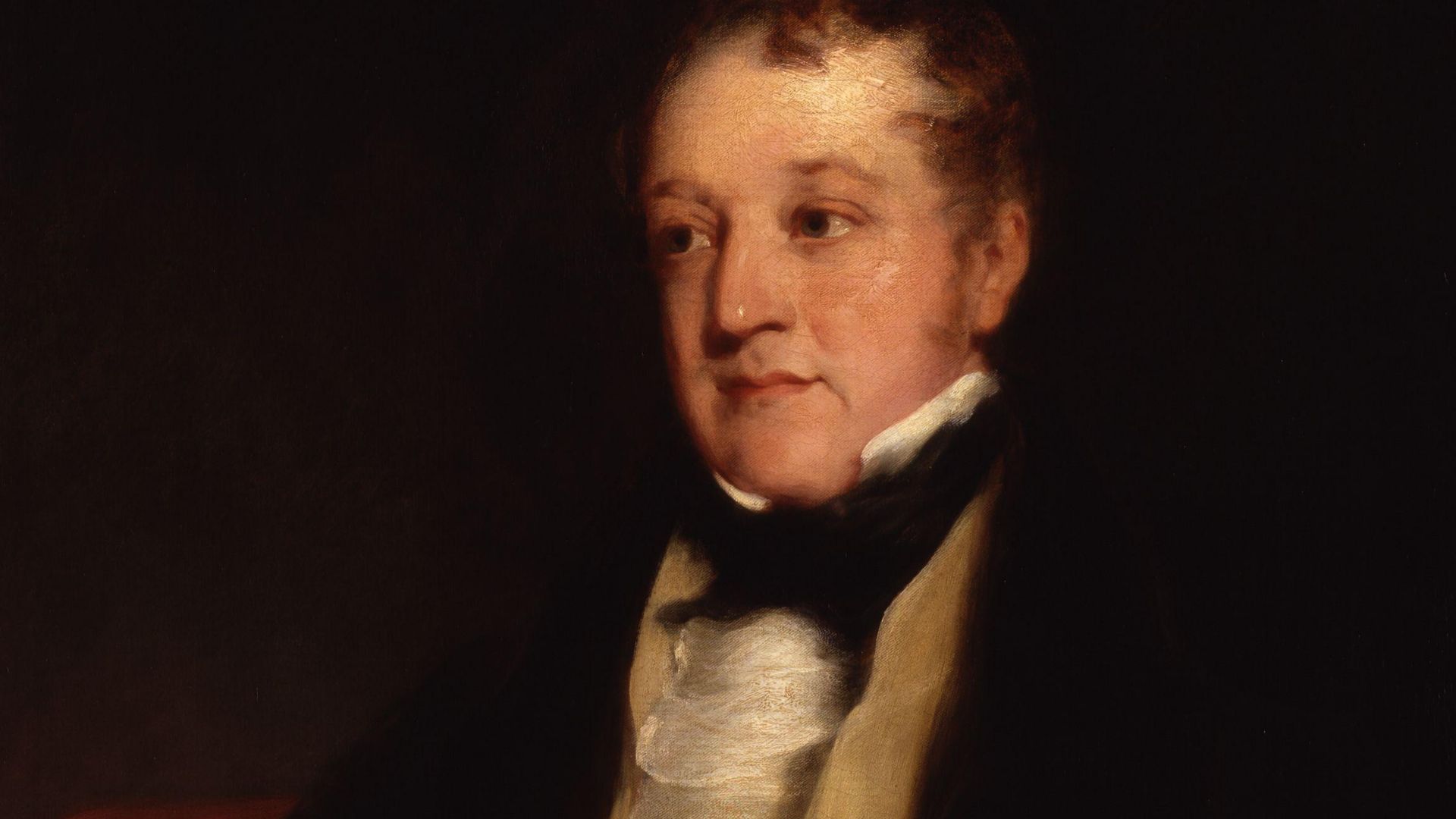 Richard Rothwell, Wikimedia Commons
History's most fascinating stories and darkest secrets, delivered to your inbox daily.
Thomas Andrews
Thomas Andrews helped design the Titanic and sailed on its maiden voyage to observe the ship in service. After the liner struck an iceberg, survivor accounts described him helping passengers and sharing information about the ship’s condition. He died when the vessel he helped create sank in the North Atlantic.
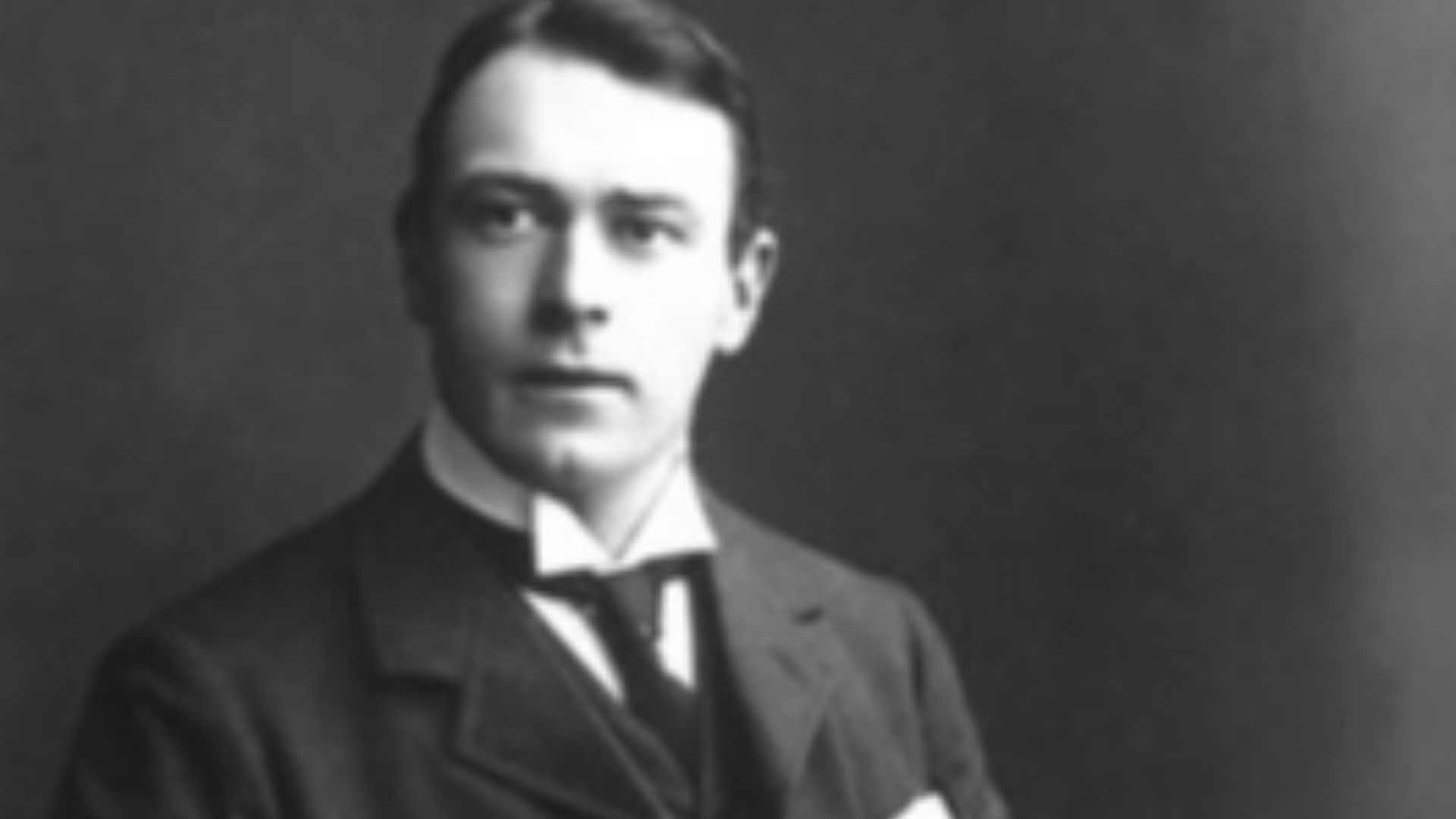 Original uploader was User:Gelosia at en.wikipedia, Wikimedia Commons
Edward J. Smith
Edward J. Smith was the experienced captain chosen to command Titanic on its first voyage. The assignment was supposed to be a crowning moment in a long maritime career. Instead, Smith died when the liner sank, forever tying his name to the ship he commanded.
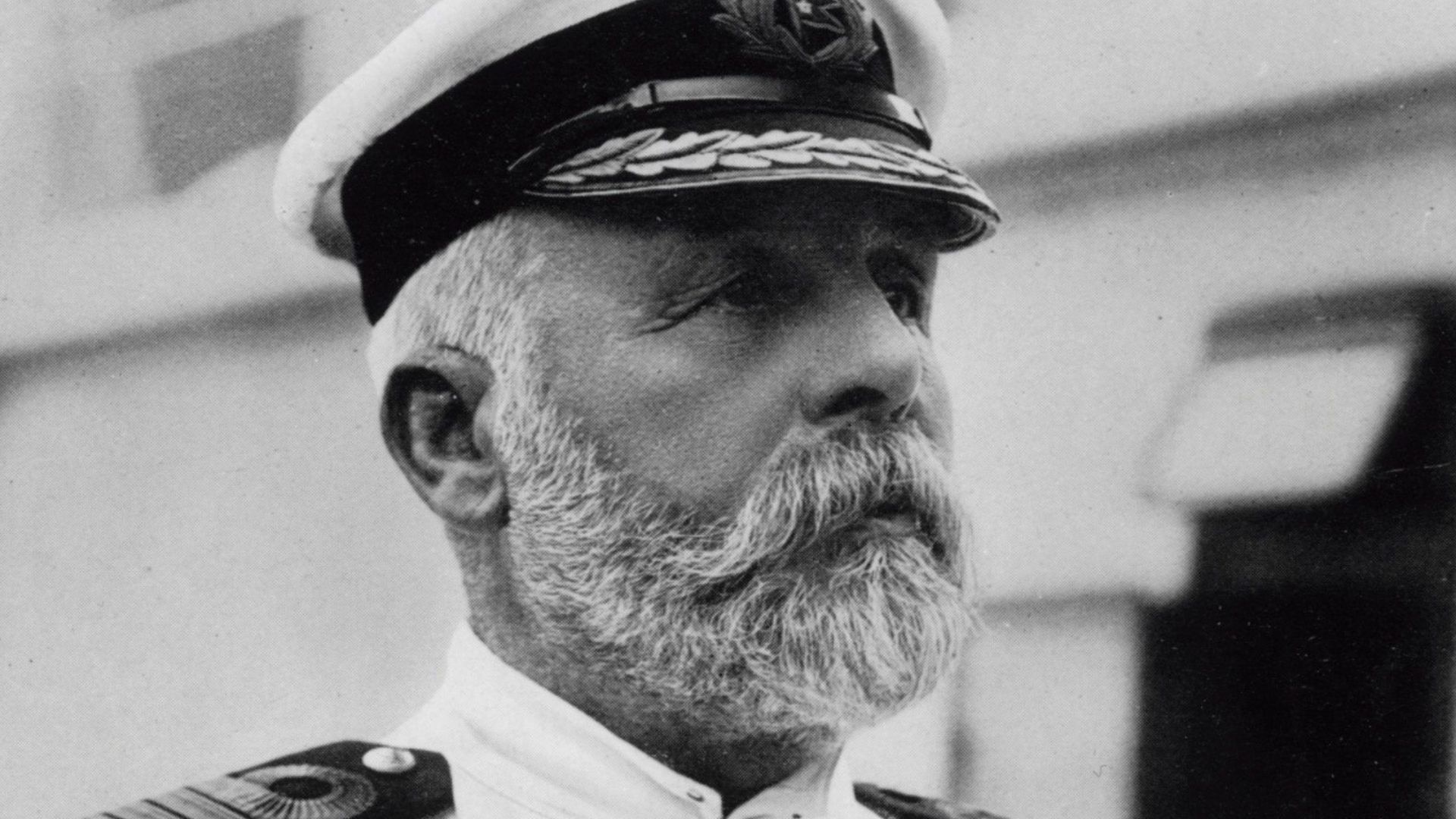 Unknown authorUnknown author, Wikimedia Commons
John Sedgwick
John Sedgwick was a respected Union general during the American Civil War. At Spotsylvania Court House, he reportedly reassured his men that enemy sharpshooters were too far away to hit them. Moments later, he was killed, making his final confidence one of the war’s most quoted ironies.
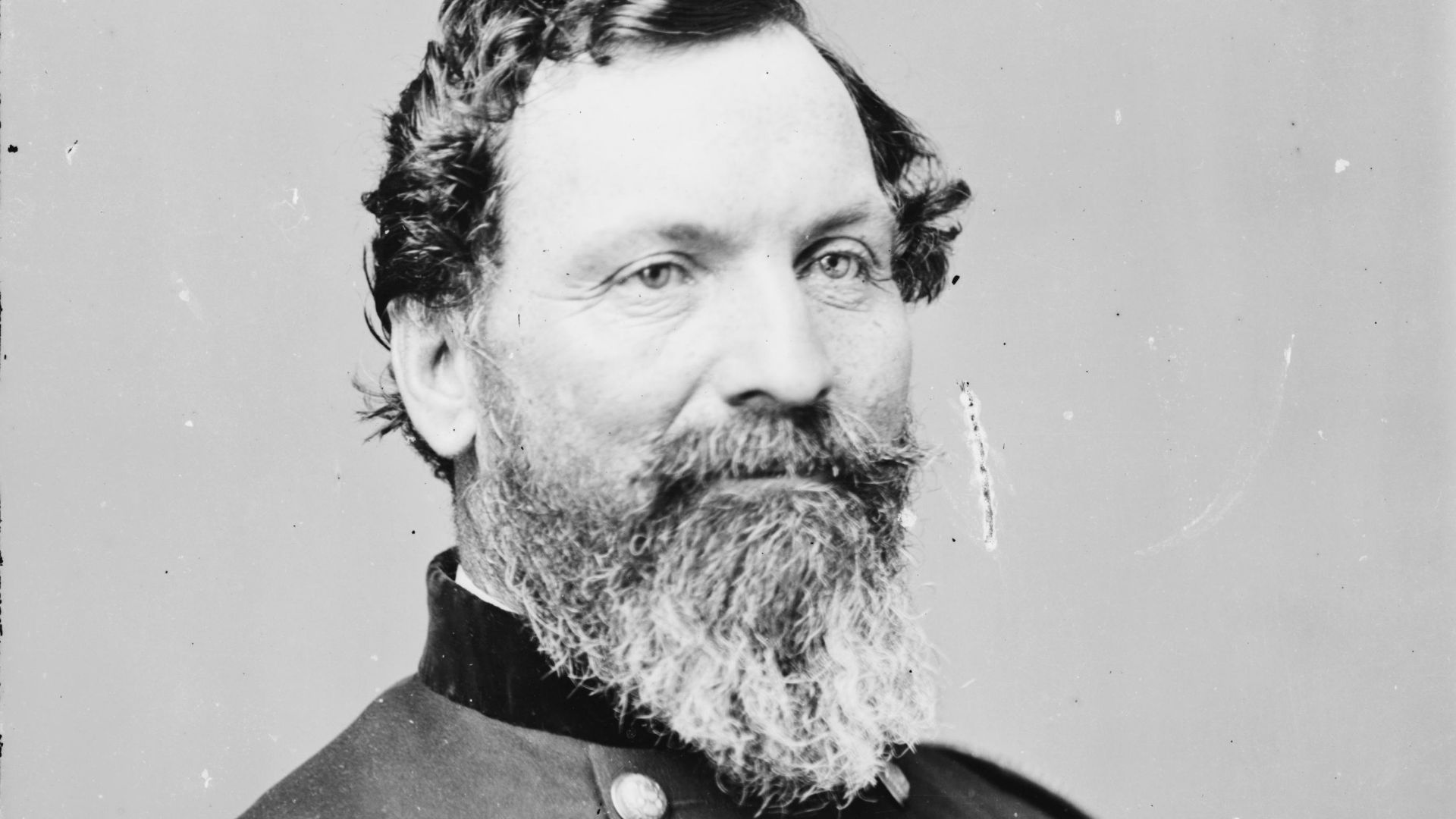 Mathew Benjamin Brady, Wikimedia Commons
Diane de Poitiers
Noblewoman Diane de Poitiers was famed in 16th-century France for her beauty, influence, and carefully maintained appearance. Modern analysis of her remains found unusually high levels of gold in her bones and hair, supporting accounts that she consumed gold-based preparations. The substance meant to preserve youth may have helped bring about the opposite.
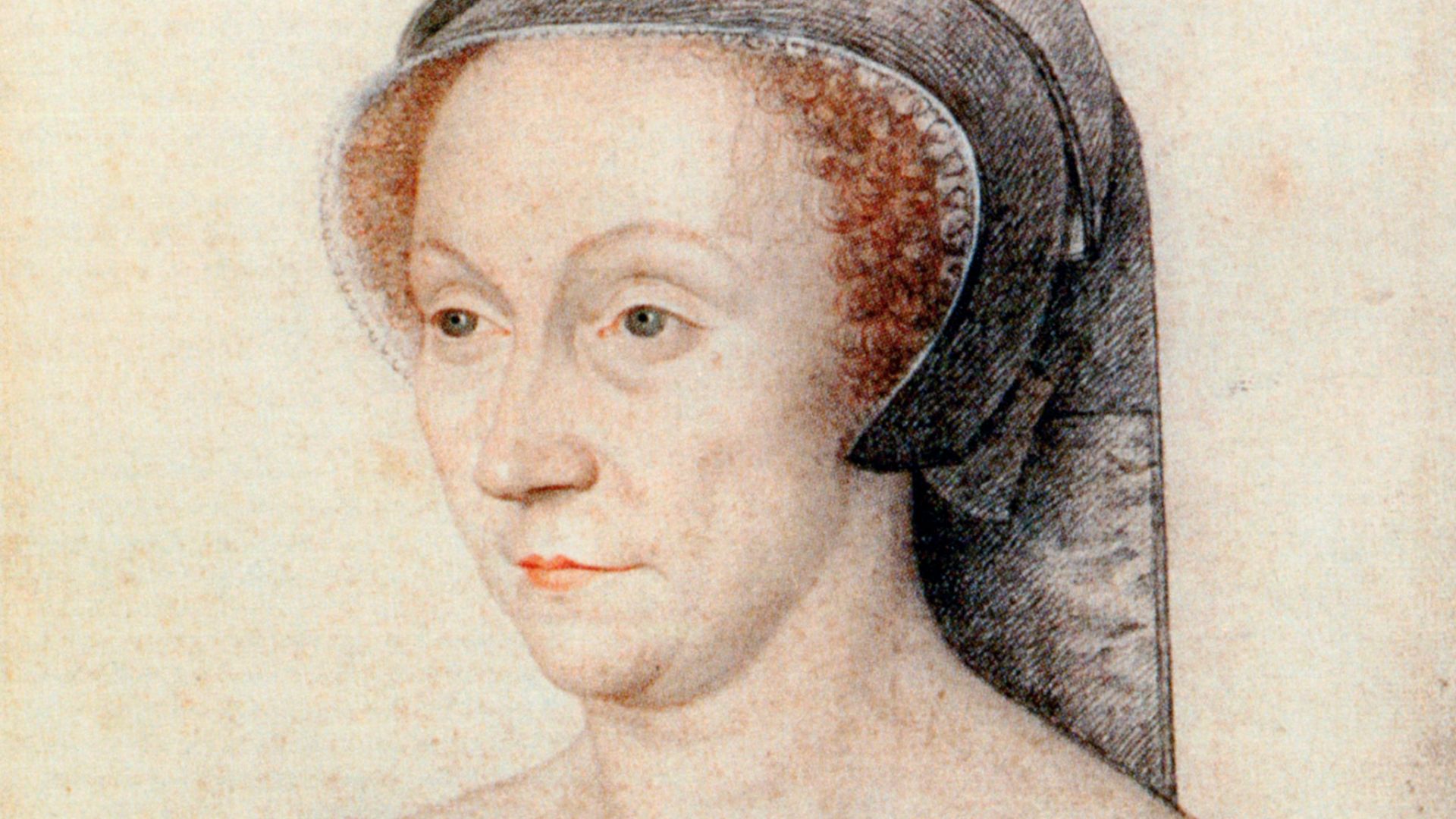 Workshop of François Clouet, Wikimedia Commons
You May Also Like:
Historical Figures Who Were Quietly Removed From Textbooks
Famous Historical Figures Who Were Far Stranger Than Most People Realize
Sources: 1, 2, 3, 4, 5, 6, 7, 8, 9, 10, 11, 12, 13, 14, 15, 16, 17, 18, 19, 20. 21, 22, 23, 24, 25