Legendary, But Oh So Weird
History books often flatten larger-than-life people into neat summaries, but the strange details frequently get left behind. The truth is that many of history's most famous figures had habits and quirks that would seem bizarre even today.
Some collected unusual pets, others held peculiar superstitions, and a few behaved in ways that would likely dominate social media headlines if they lived now.
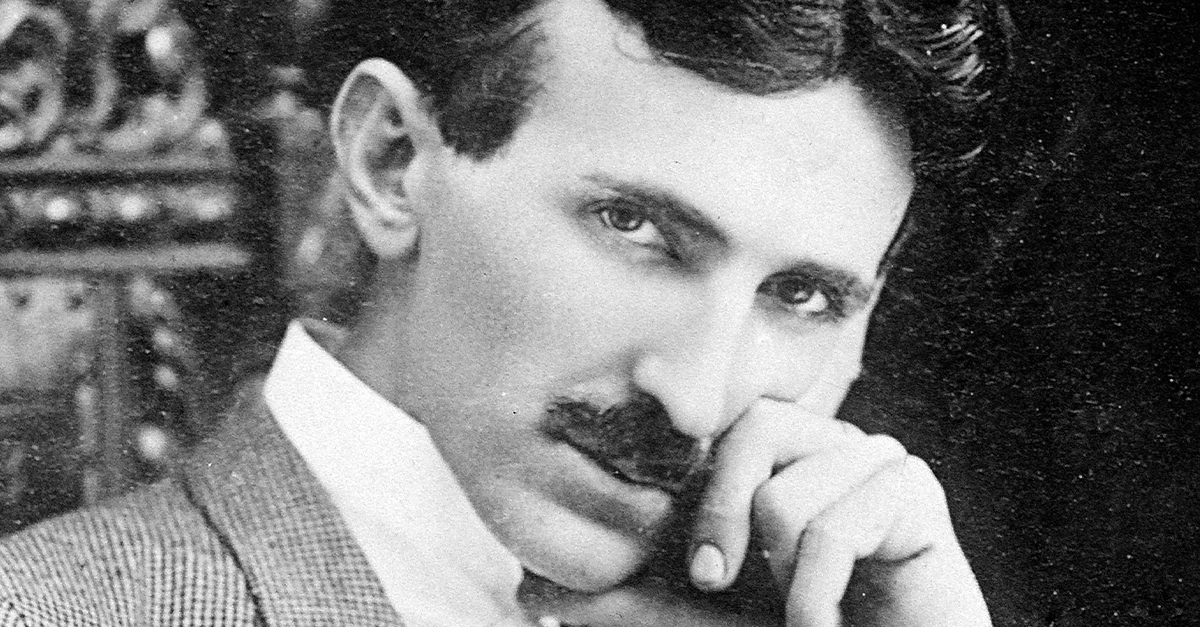
Nikola Tesla Was Terrified Of Pearls
Nikola Tesla's inventions helped shape the modern world, but his personal habits were extraordinarily unusual. He reportedly had an intense aversion to pearls and refused to speak with women wearing pearl jewelry. Tesla also displayed obsessive-compulsive tendencies, including a fixation on the number three and strict routines involving counting steps and objects.
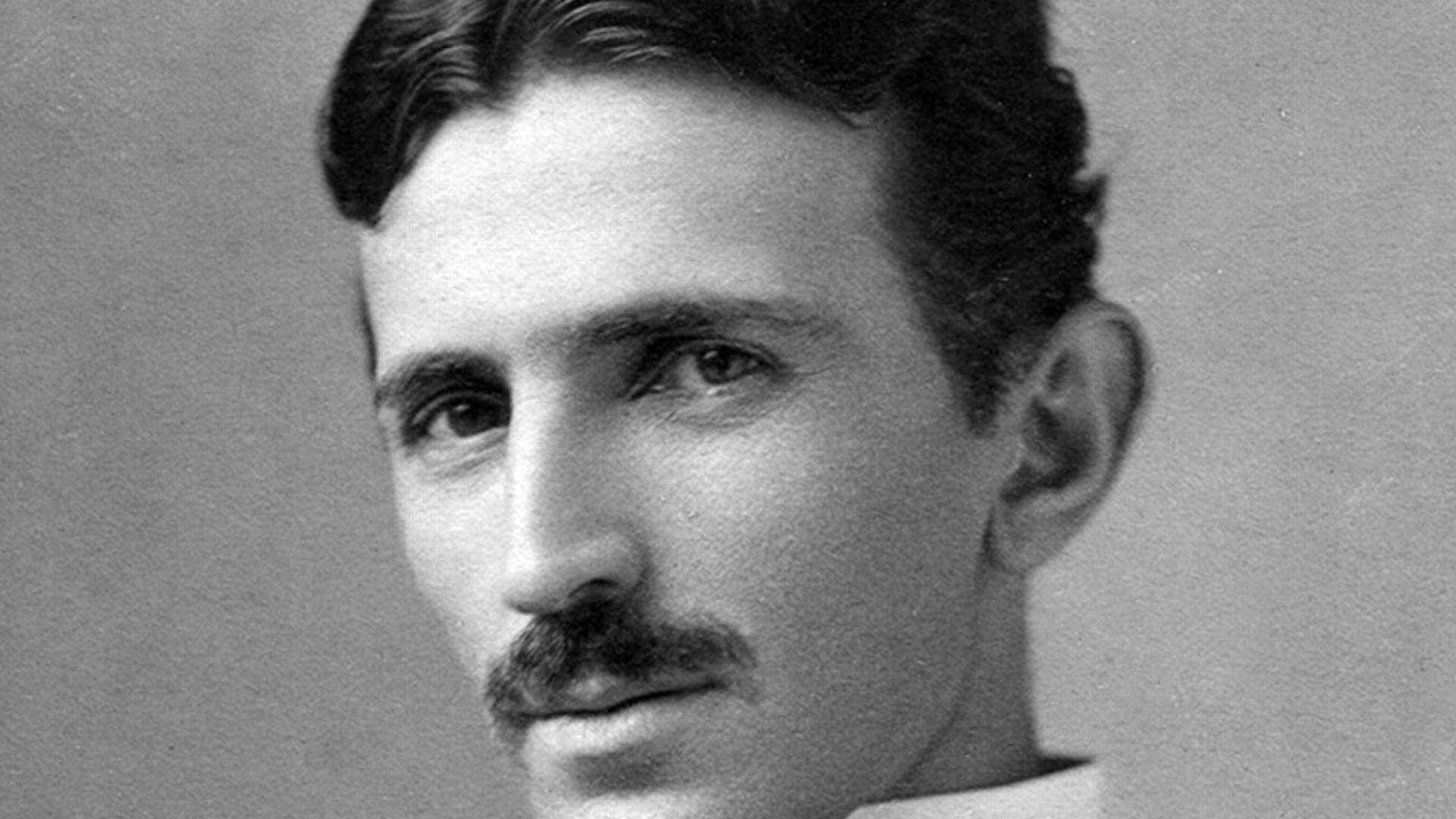 Napoleon Sarony, Wikimedia Commons
Winston Churchill Conducted Meetings From His Bathtub
Britain's wartime leader was known for his sharp wit and determination, but Churchill also had eccentric habits. He frequently held meetings while soaking in the bathtub and often dictated memos while completely unclothed. His staff became accustomed to receiving instructions regardless of how inappropriately dressed he happened to be.
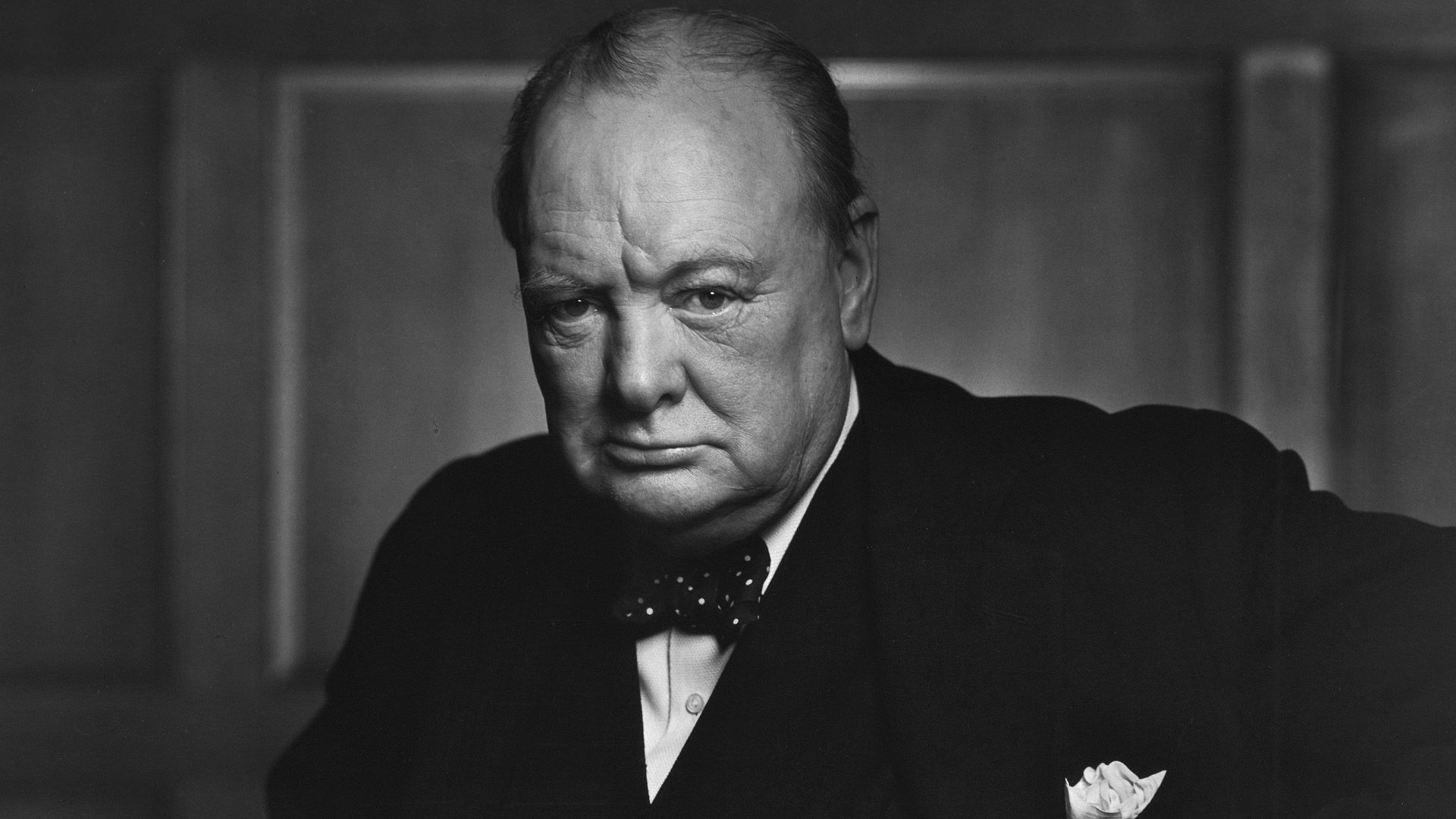 Yousuf Karsh, Wikimedia Commons
Benjamin Franklin Took Air Baths
Benjamin Franklin helped found the United States, but he also believed in the health benefits of what he called "air baths." Rather than bathing in water, Franklin sometimes sat in his birthday suit near an open window for extended periods, convinced that fresh air improved health and circulation. His neighbors probably found the practice surprising.
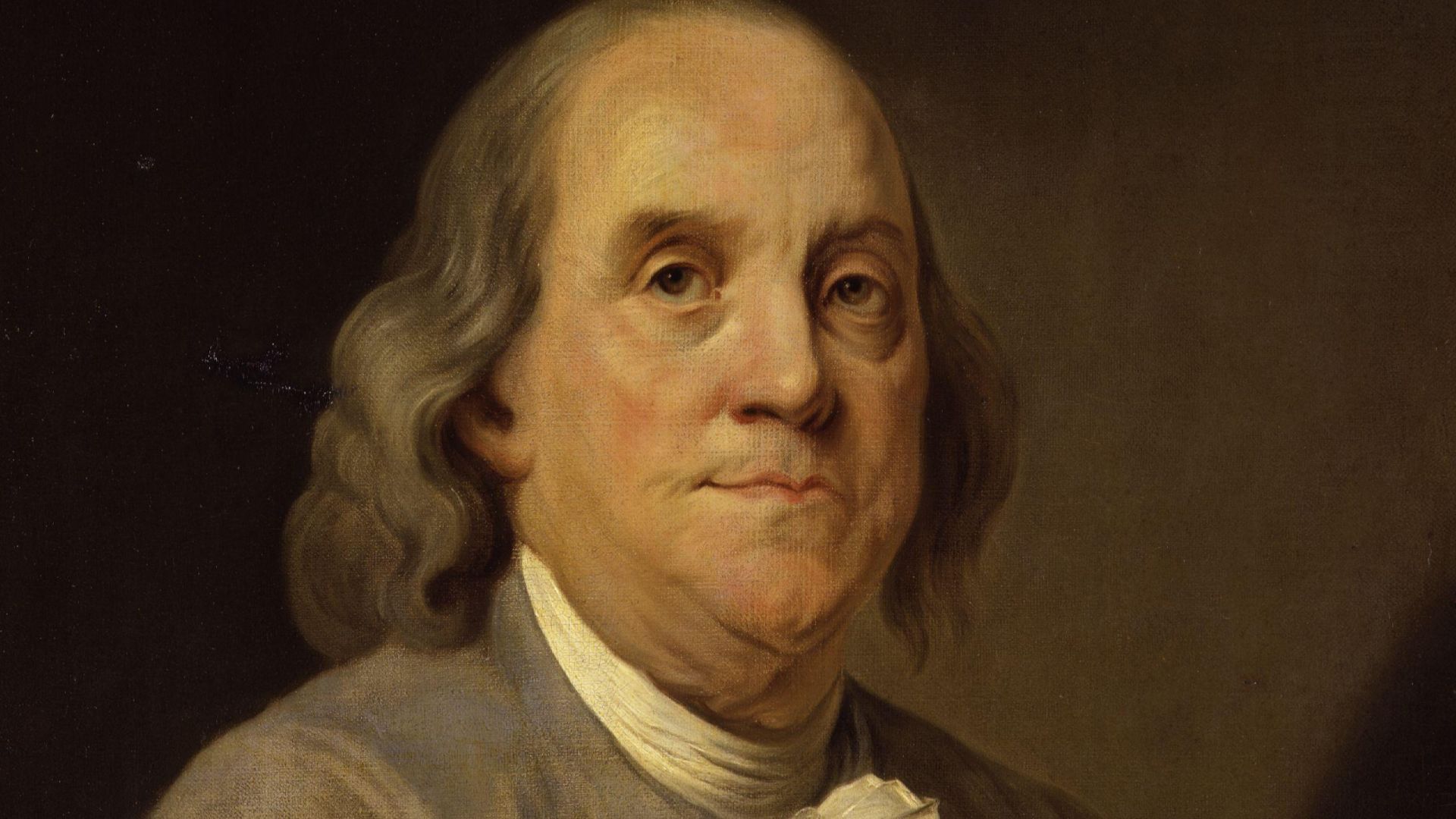 After Joseph-Siffred Duplessis, Wikimedia Commons
Ludwig Van Beethoven Counted Exactly 60 Coffee Beans
The legendary composer approached coffee with remarkable precision. Beethoven reportedly insisted on counting exactly 60 coffee beans for every cup he brewed. He also poured water repeatedly over the beans to achieve what he considered the perfect flavor, making his morning coffee ritual almost as complex as his musical compositions.
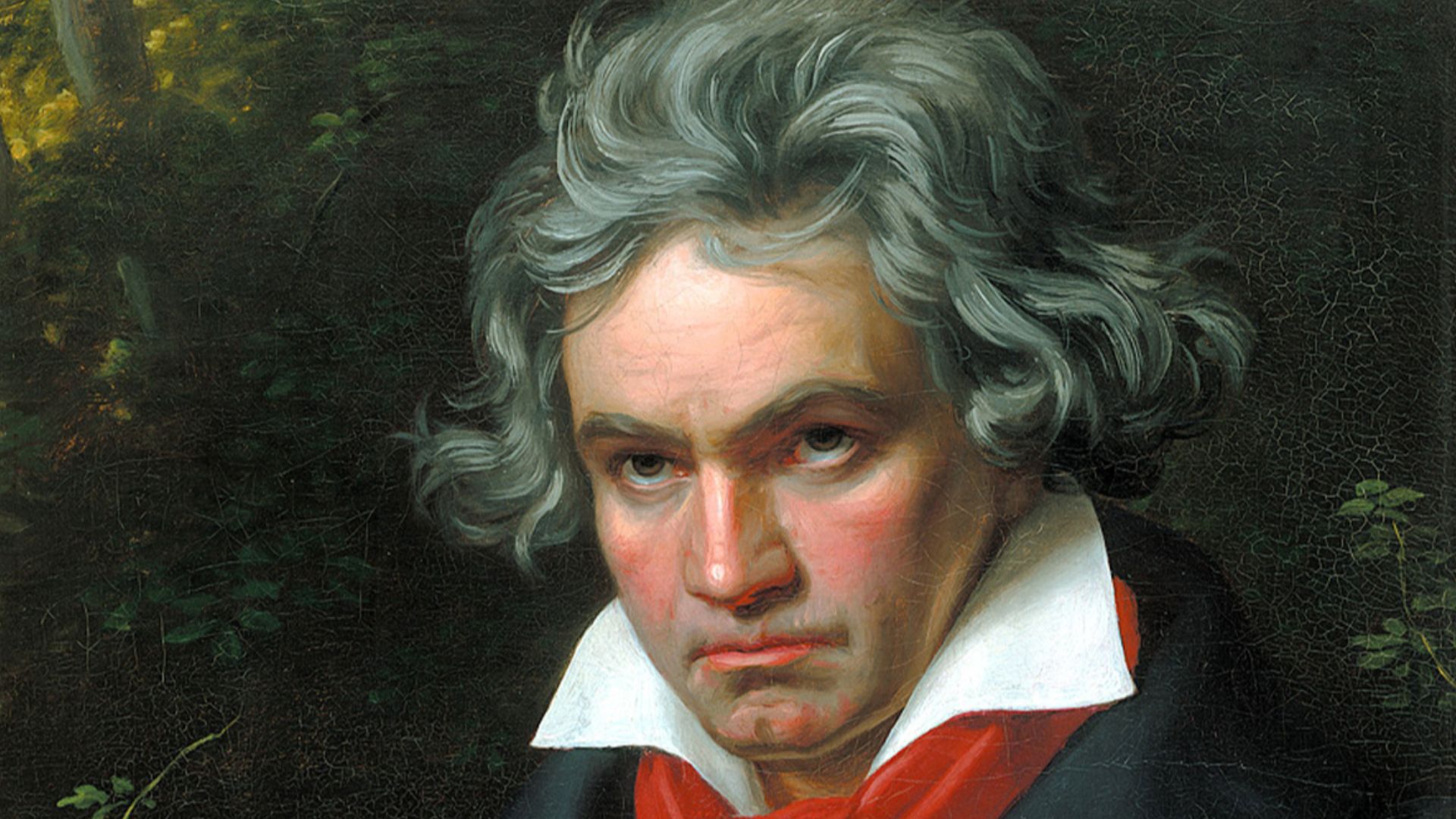 Joseph Karl Stieler, Wikimedia Commons
Abraham Lincoln Kept Important Papers Inside His Hat
Lincoln's famous stovepipe hat wasn't just a fashion statement. He often used it as portable storage, stuffing letters, speeches, notes, and important documents inside. Visitors to the White House were occasionally surprised to see the president pull critical paperwork out of his hat during conversations.
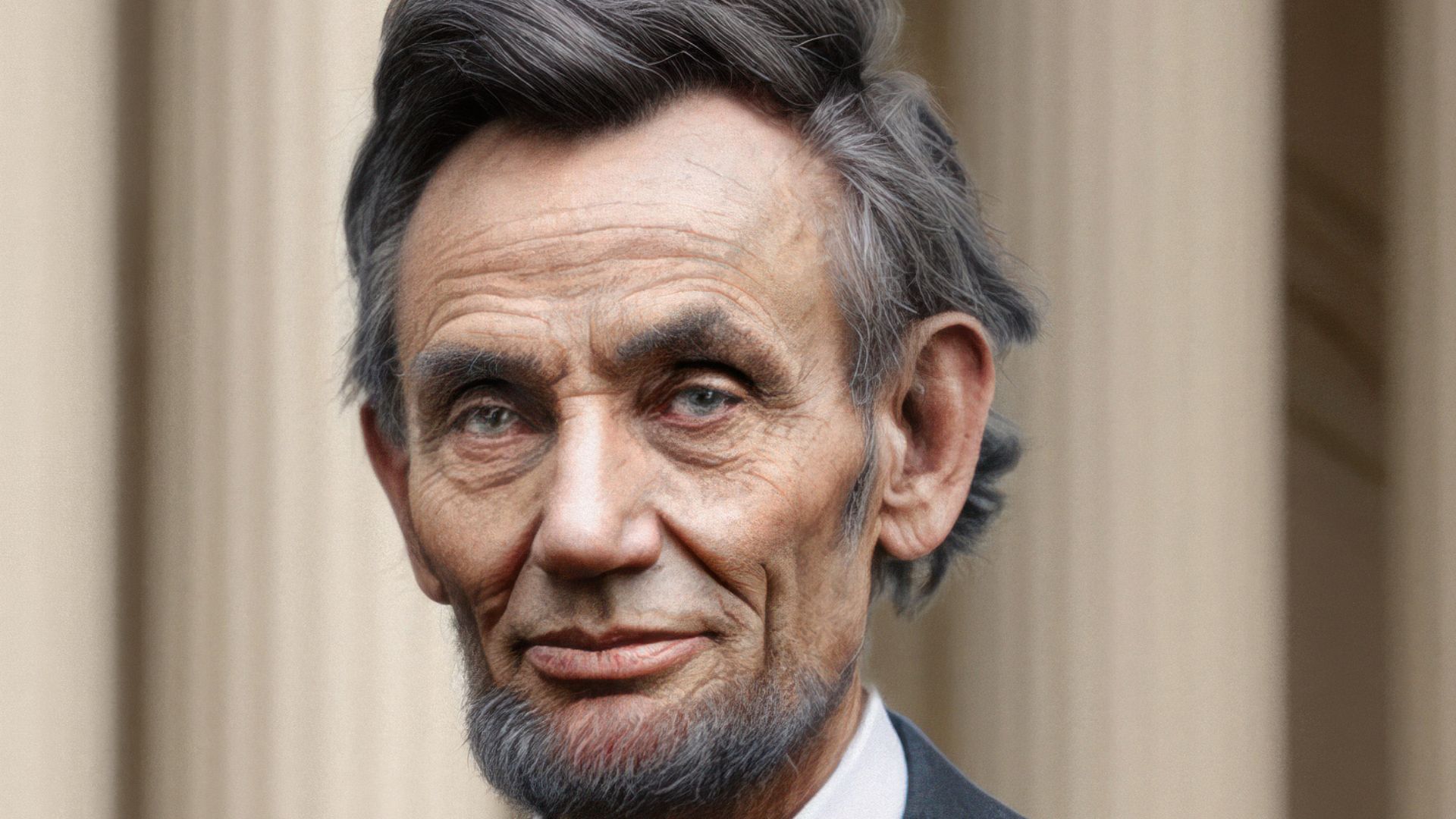 Alexander Gardner (photographer), Wikimedia Commons
Howard Hughes Became Obsessed With Germs
The billionaire aviator and filmmaker gradually developed extreme germophobia. In later years, Howard Hughes isolated himself for long periods, demanded elaborate cleaning procedures, and became consumed by fears of contamination. His eccentric behavior grew so extreme that it became one of the most famous examples of celebrity reclusiveness in history.
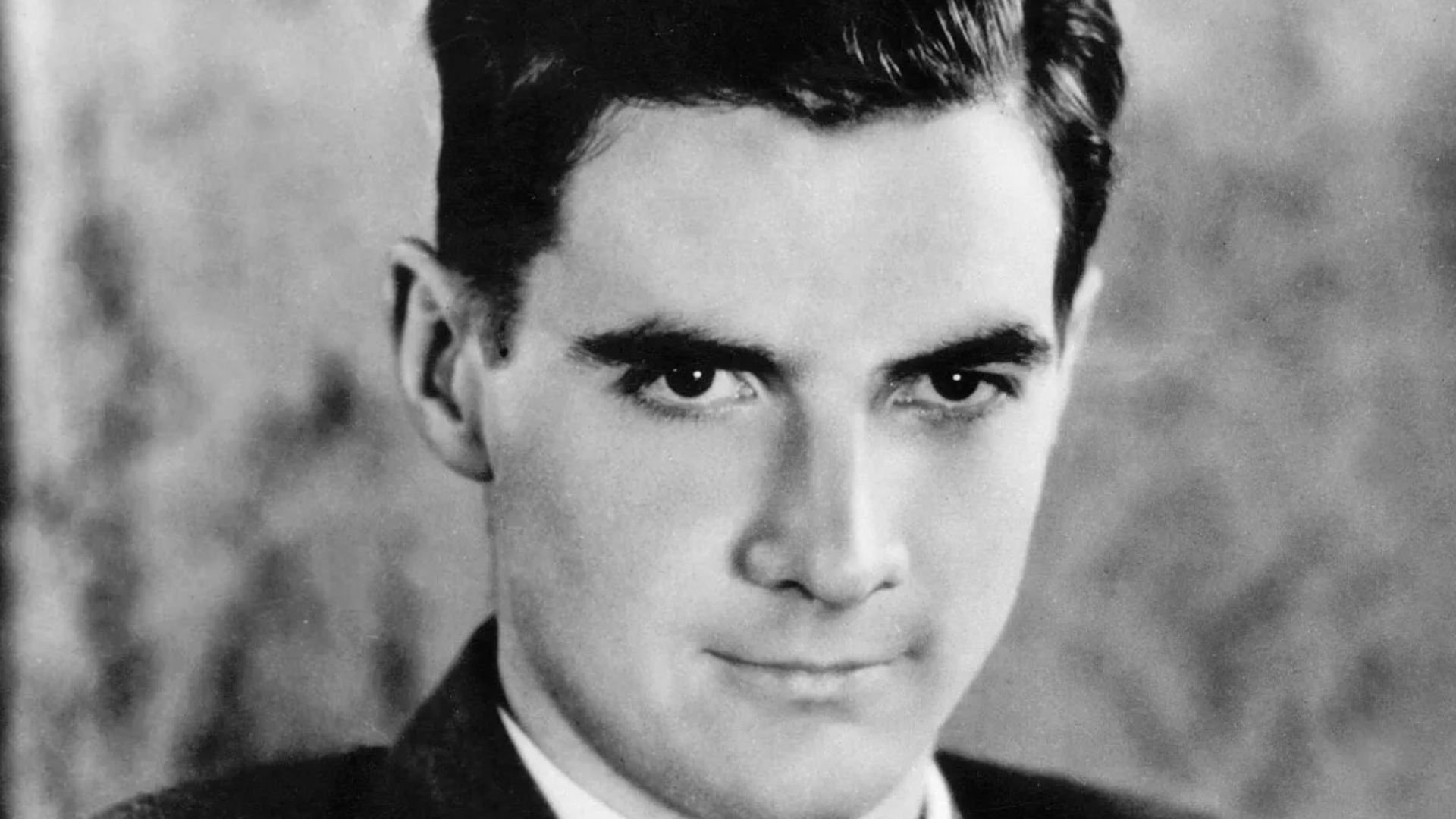 AnonymousUnknown author, Wikimedia Commons
Charles Dickens Rearranged Furniture Constantly
The famous novelist believed furniture placement affected creativity and mental well-being. Dickens frequently reorganized rooms, carefully positioning objects according to his personal preferences. Friends sometimes joked that visiting him twice could feel like visiting two entirely different houses.
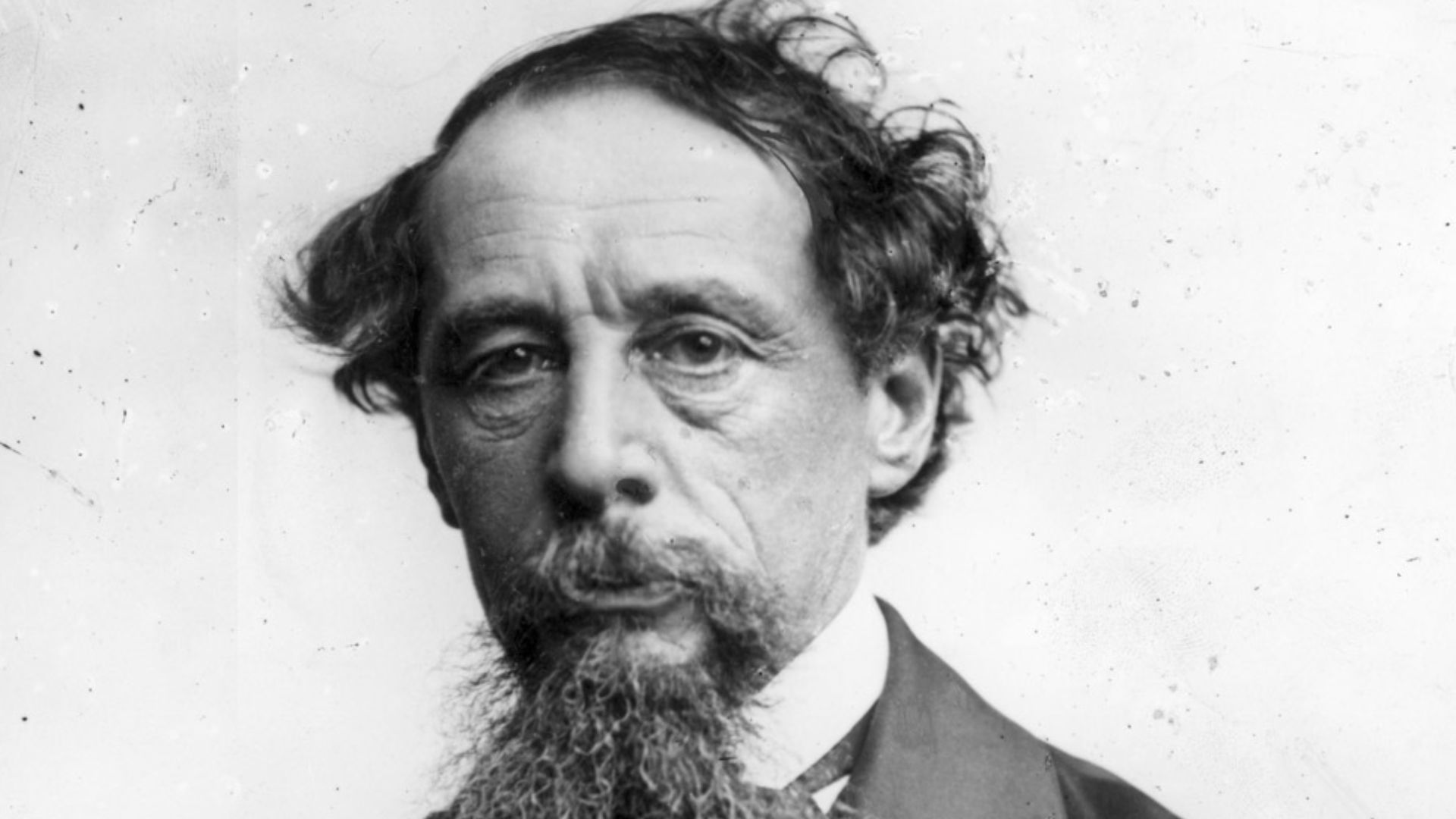
Pythagoras Hated Beans
The ancient Greek mathematician behind the Pythagorean theorem held an unusual belief regarding beans. Historical accounts suggest he considered them spiritually impure and may have forbidden followers from eating them. Scholars still debate the exact reason, but the anti-bean rule remains one of history's strangest philosophical teachings.
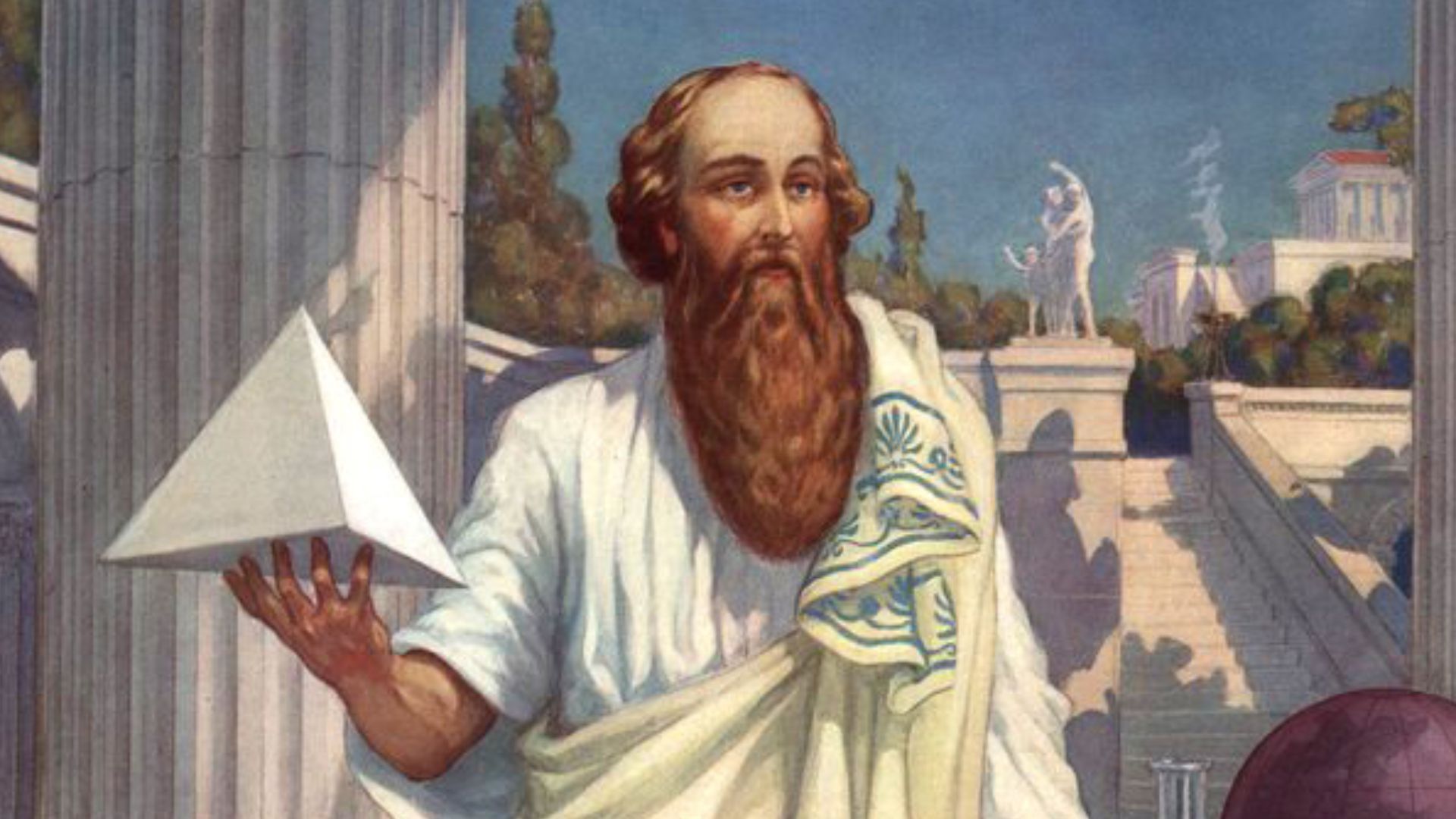 J. Augustus Knapp, Wikimedia Commons

History's most fascinating stories and darkest secrets, delivered to your inbox daily.
Napoleon Bonaparte Was Fascinated By Licorice
Napoleon's unusual eating habits reportedly stained his teeth black because he consumed large amounts of licorice. While many details about his diet remain debated, numerous accounts describe his fondness for the candy-like root, which was commonly consumed across Europe during his lifetime.
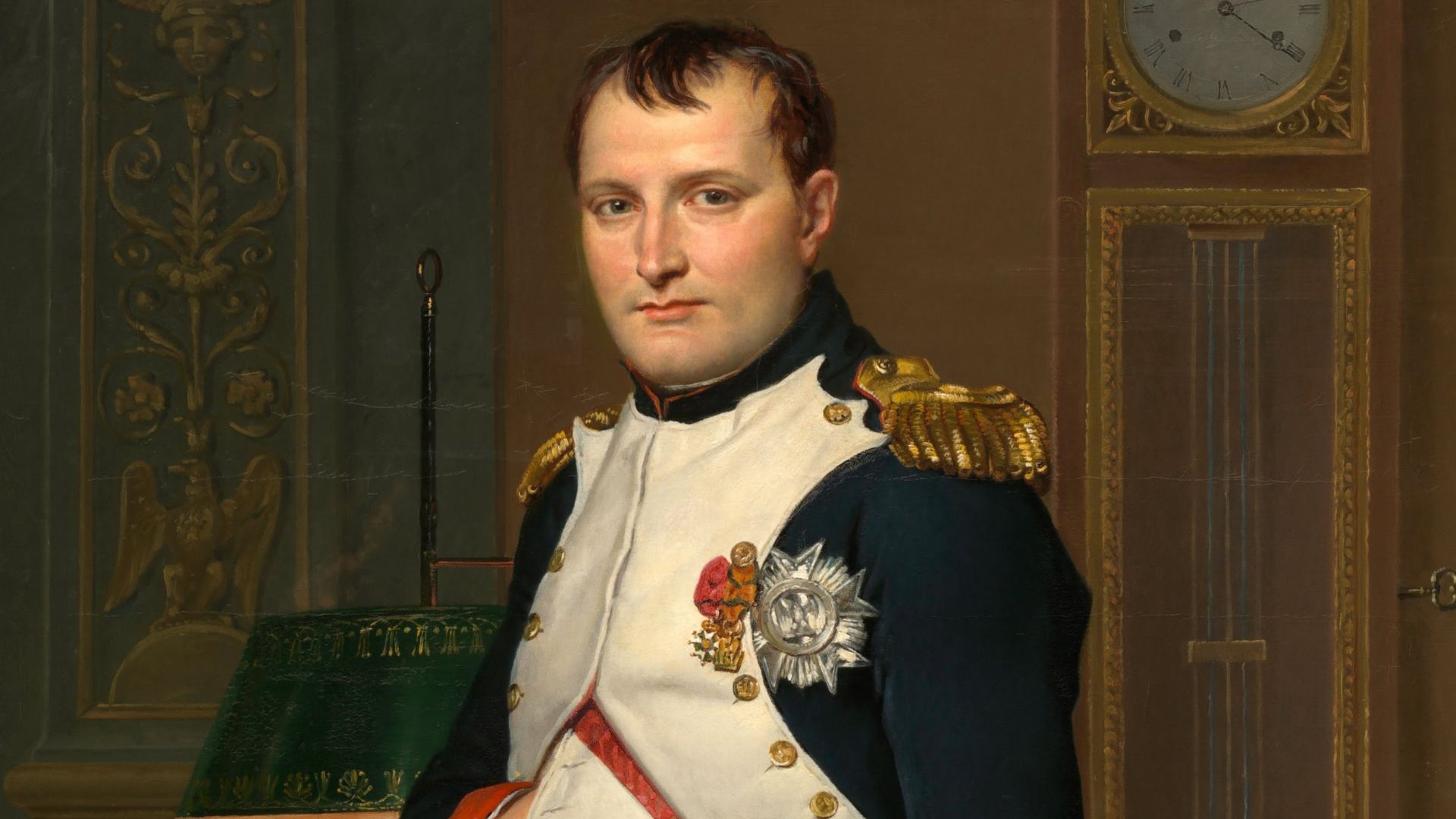 Jacques-Louis David, Wikimedia Commons
Leonardo Da Vinci Bought Birds Just To Free Them
Leonardo da Vinci's fascination with nature extended beyond observation. Historical accounts describe him purchasing caged birds at markets specifically so he could release them. His compassion for animals was unusual for the era and reflected a personality far more complex than the stereotypical Renaissance genius.
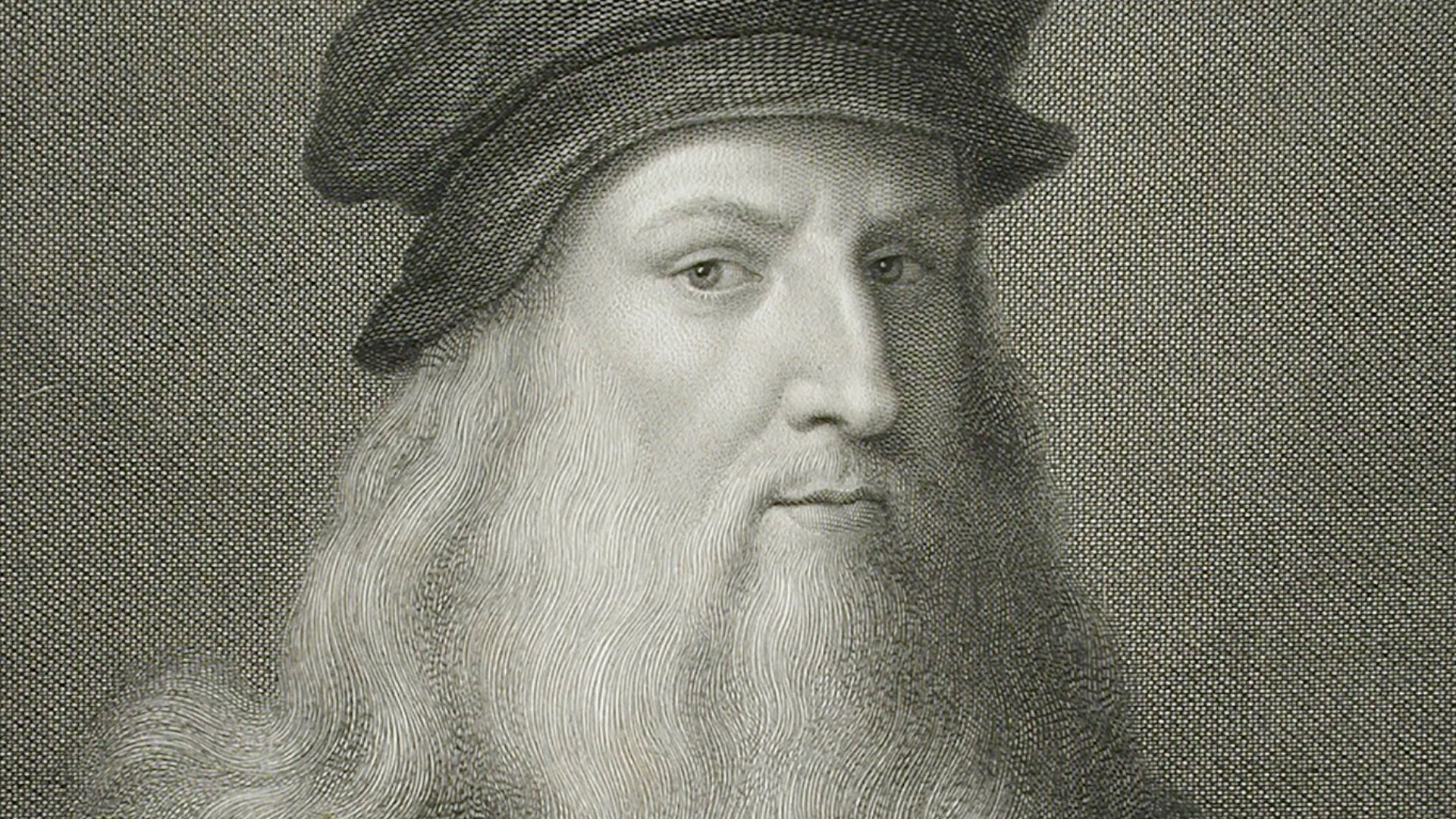 Raffaello Sanzio Morghen, Wikimedia Commons
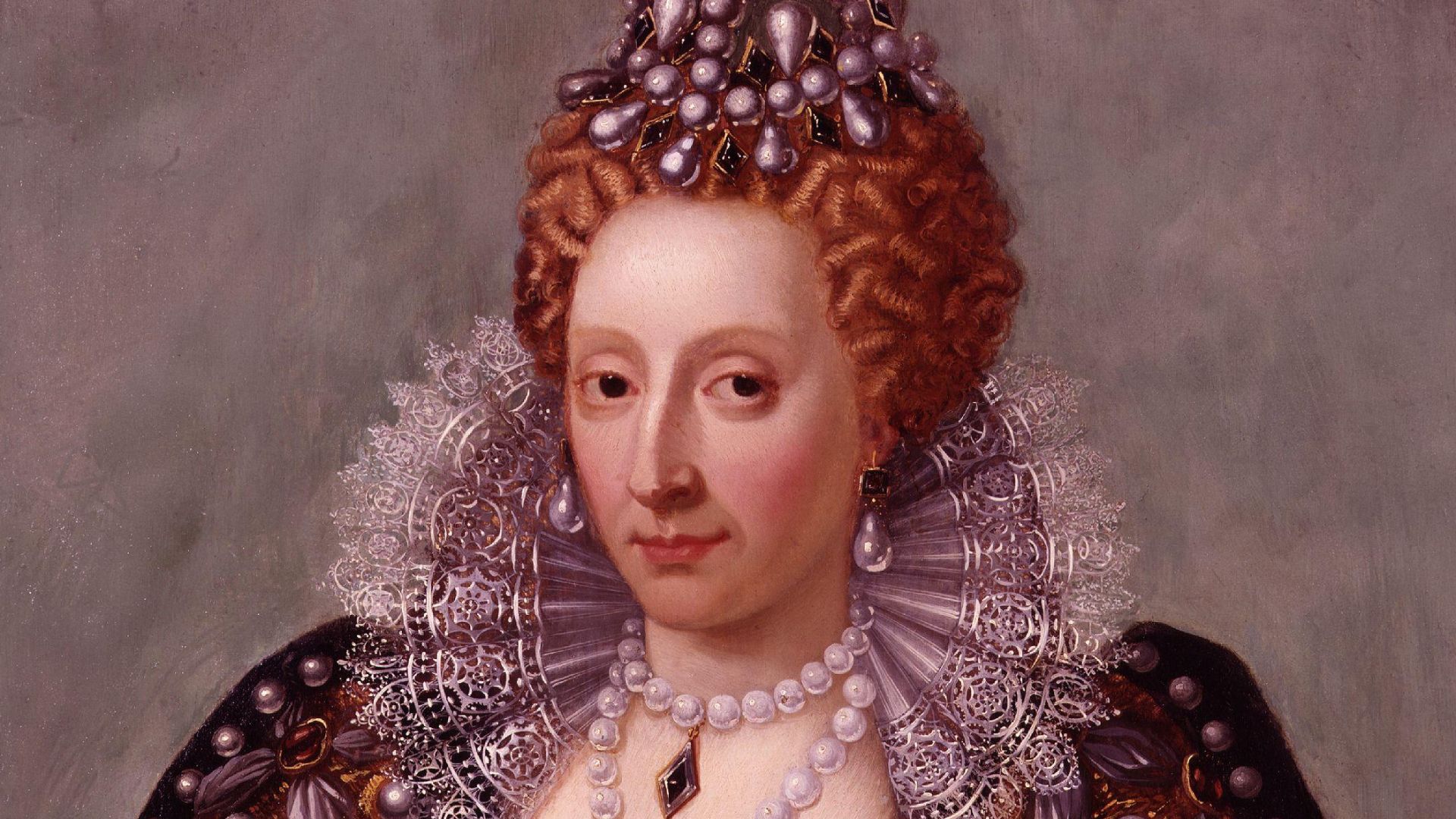
Queen Elizabeth I Feared Marriage More Than War
Elizabeth I ruled England through political crises and military threats, yet she consistently avoided marriage. While political considerations certainly played a role, she seemed genuinely determined to maintain her independence. Her lifelong refusal to marry became one of history's most famous personal decisions.
Thomas Edison Rarely Slept Normally
Edison believed sleep was largely unnecessary and often worked through the night. Instead of maintaining a conventional schedule, he took short naps throughout the day. While modern science would probably disagree with his approach, Edison remained convinced that sleeping less increased productivity.
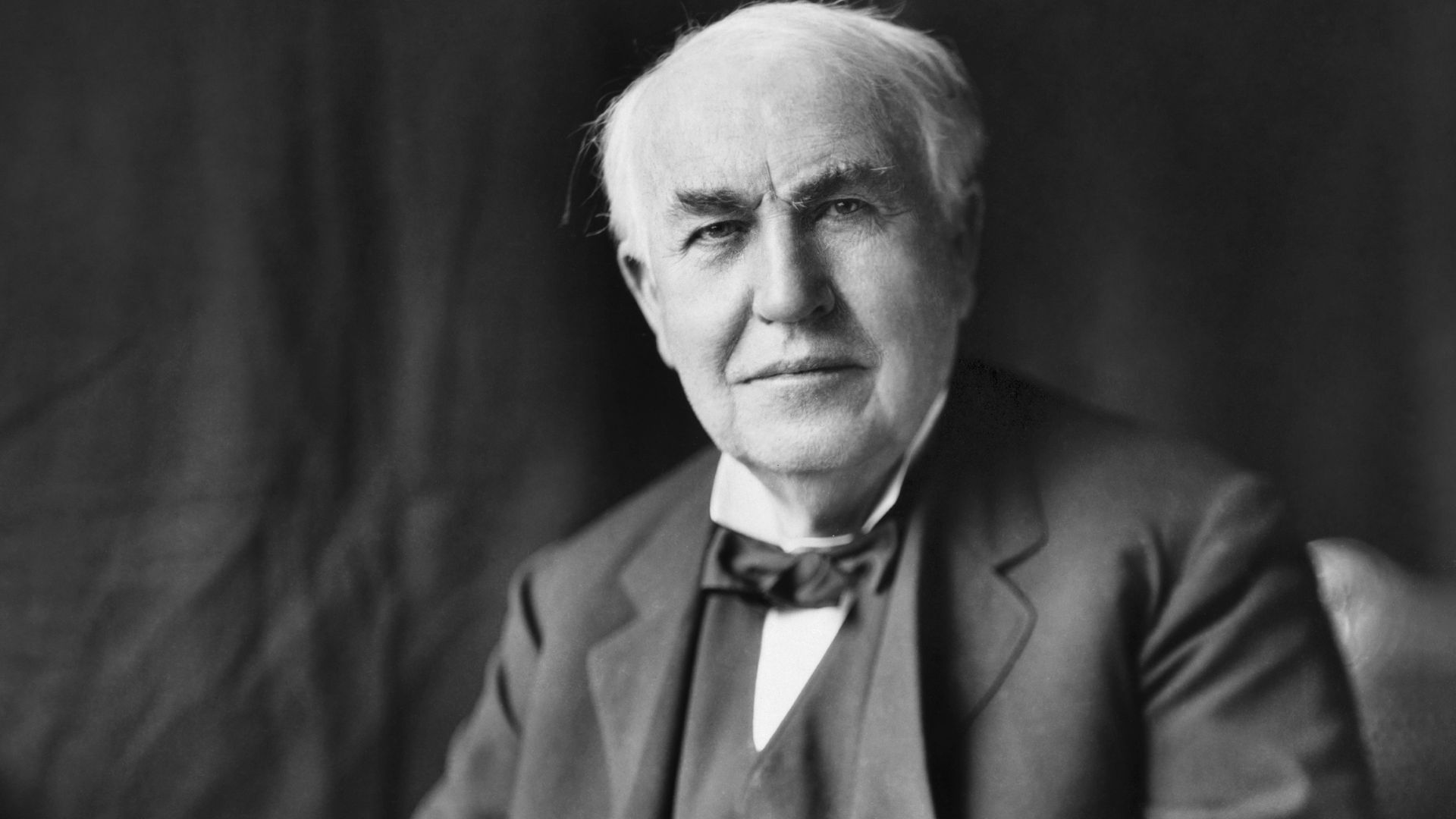 Louis Bachrach, Bachrach Studios, restored by Michel Vuijlsteke, Wikimedia Commons
Lord Byron Kept A Pet Bear At University
When Cambridge University prohibited students from keeping dogs, the poet Lord Byron looked for a loophole. Finding no rule against bears, he acquired a pet bear and reportedly kept it on campus. Few students have ever responded to university regulations quite so creatively.
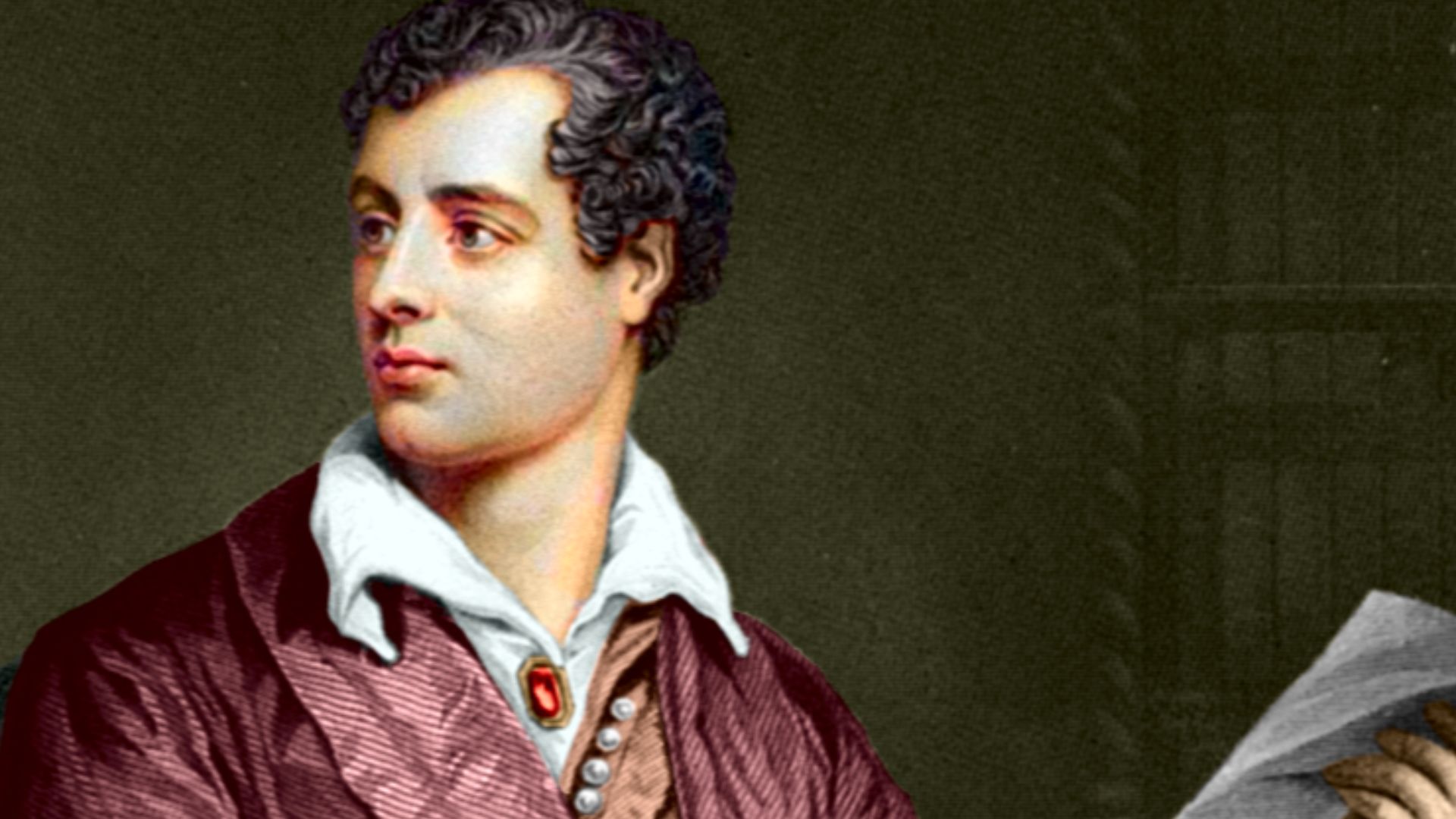 Unknown authorUnknown author, coloured by uploader, Wikimedia Commons
Sigmund Freud Collected Thousands Of Ancient Artifacts
Freud's office was packed with ancient statues, carvings, and archaeological objects. He believed studying ancient civilizations helped him think about the human mind. His workspace looked more like a museum than a psychologist's office.
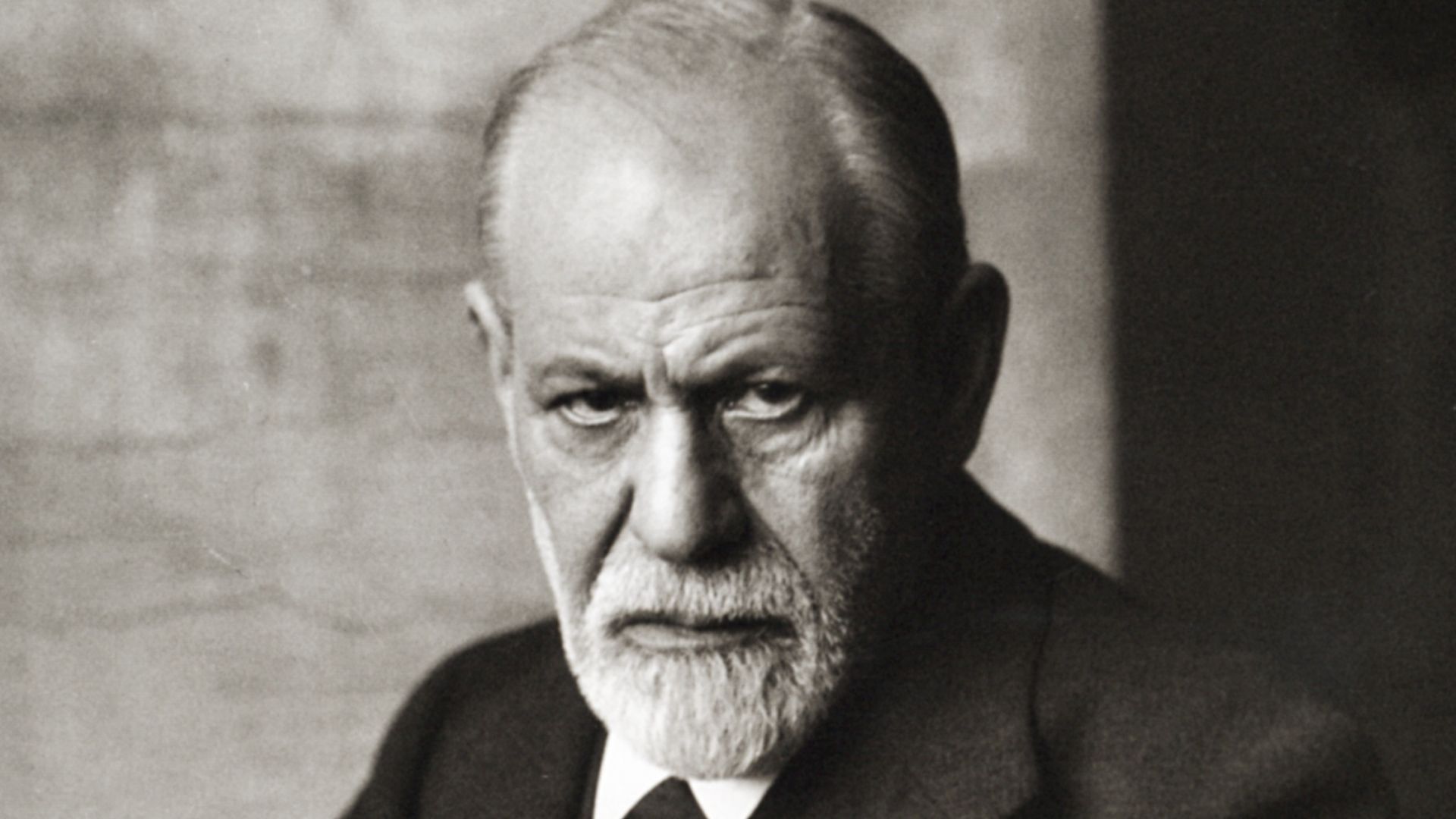 Ferdinand Schmutzer, Wikimedia Commons
Peter The Great Practiced Dentistry On His Friends
Russia's Peter the Great developed an intense fascination with dentistry. Unfortunately for his friends and subjects, he often insisted on practicing tooth extractions himself. Historical records suggest he amassed a collection of teeth pulled during these amateur dental procedures.
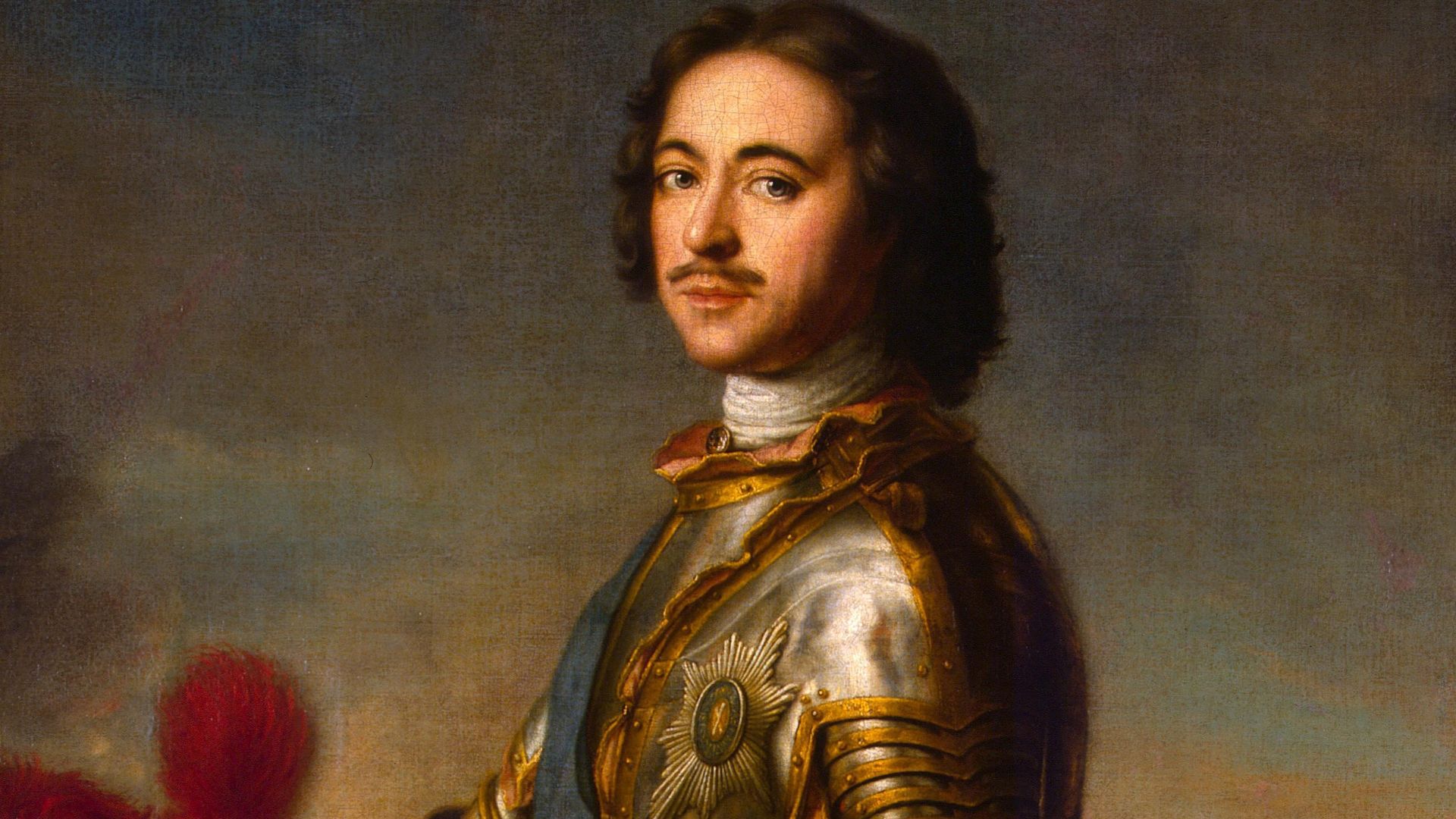 Attributed to Jean-Marc Nattier, Wikimedia Commons
Salvador Dalí Walked Around With Exotic Pets
Dalí blurred the line between artist and performance artist. Among his many eccentric habits was keeping unusual pets, including an ocelot. He frequently appeared in public with exotic animals, reinforcing his carefully cultivated image as one of the world's strangest creative geniuses.
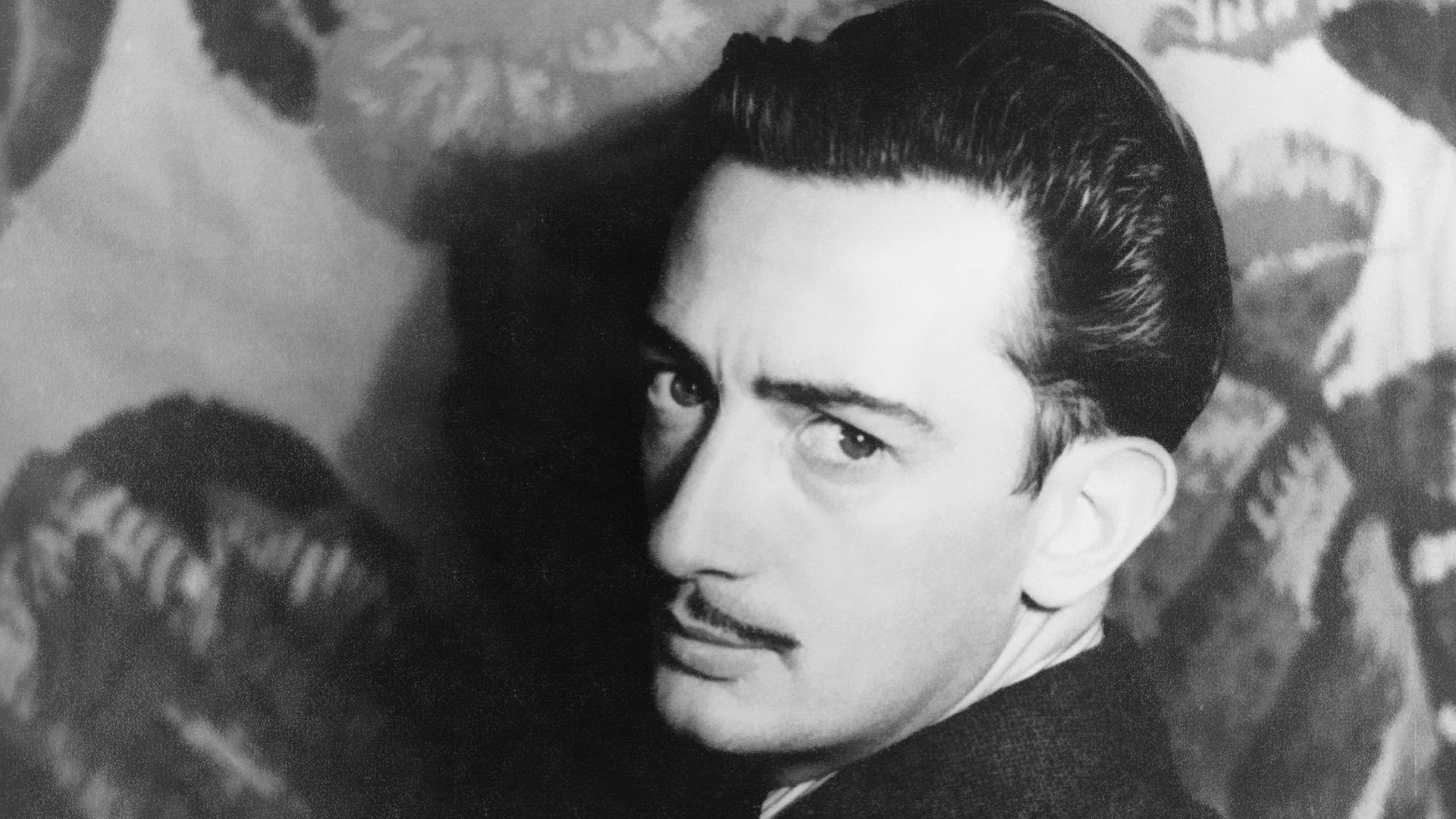 Van Vechten, Carl, 1880-1964., Wikimedia Commons
Henry Ford Believed Dancing Improved Efficiency
Ford's eccentric beliefs extended beyond automobiles. He promoted square dancing among employees because he believed it improved physical fitness, discipline, and overall productivity. His enthusiasm for the activity became a surprisingly important part of his broader social philosophy.
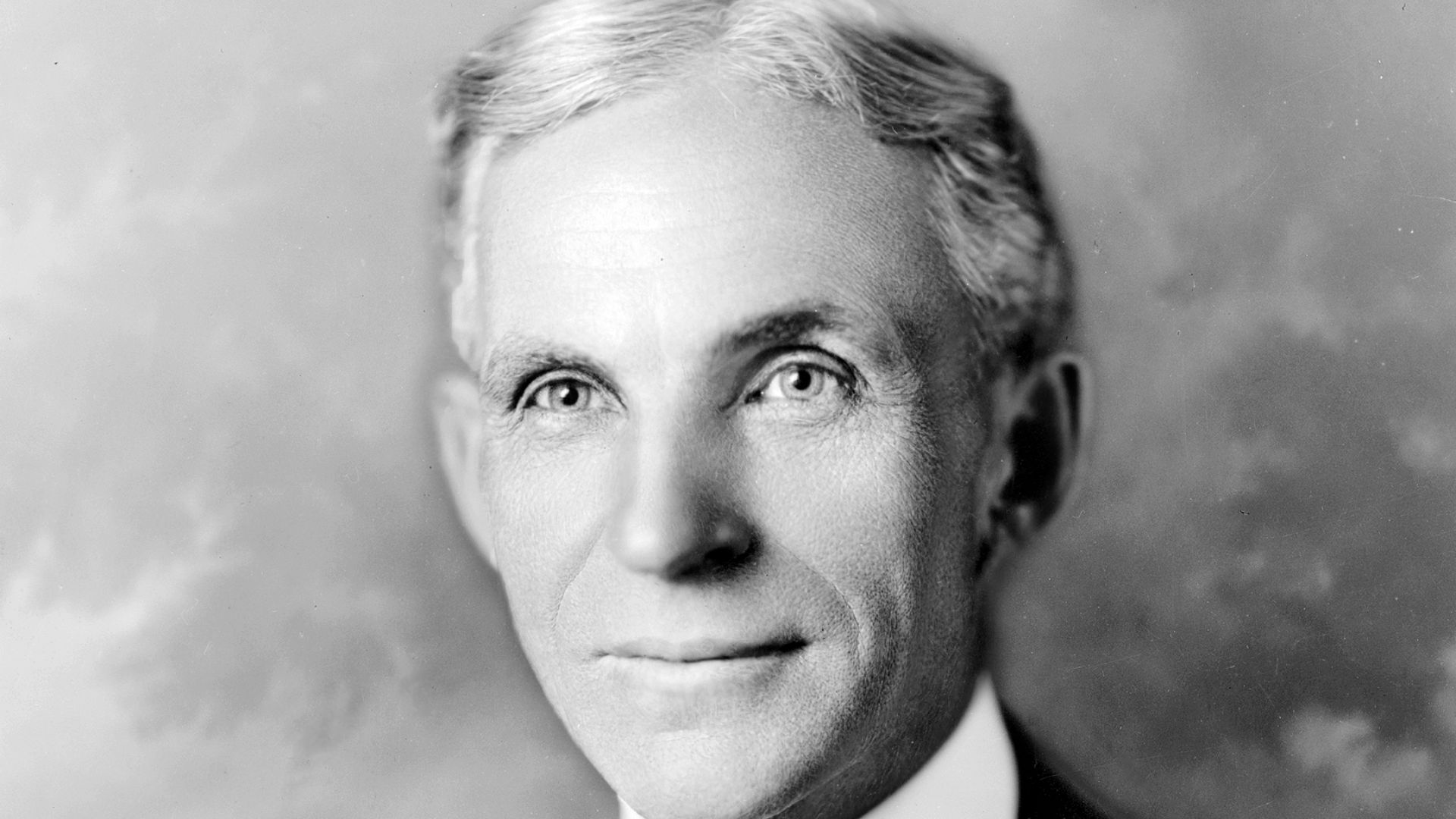 Fred Hartsook, Wikimedia Commons
Marie Curie Carried Radioactive Materials In Her Pockets
Curie revolutionized science through her research on radioactivity, but she had no way of fully understanding its dangers. She often carried radioactive samples in her pockets. They fascinated her, though prolonged exposure ultimately damaged her health.
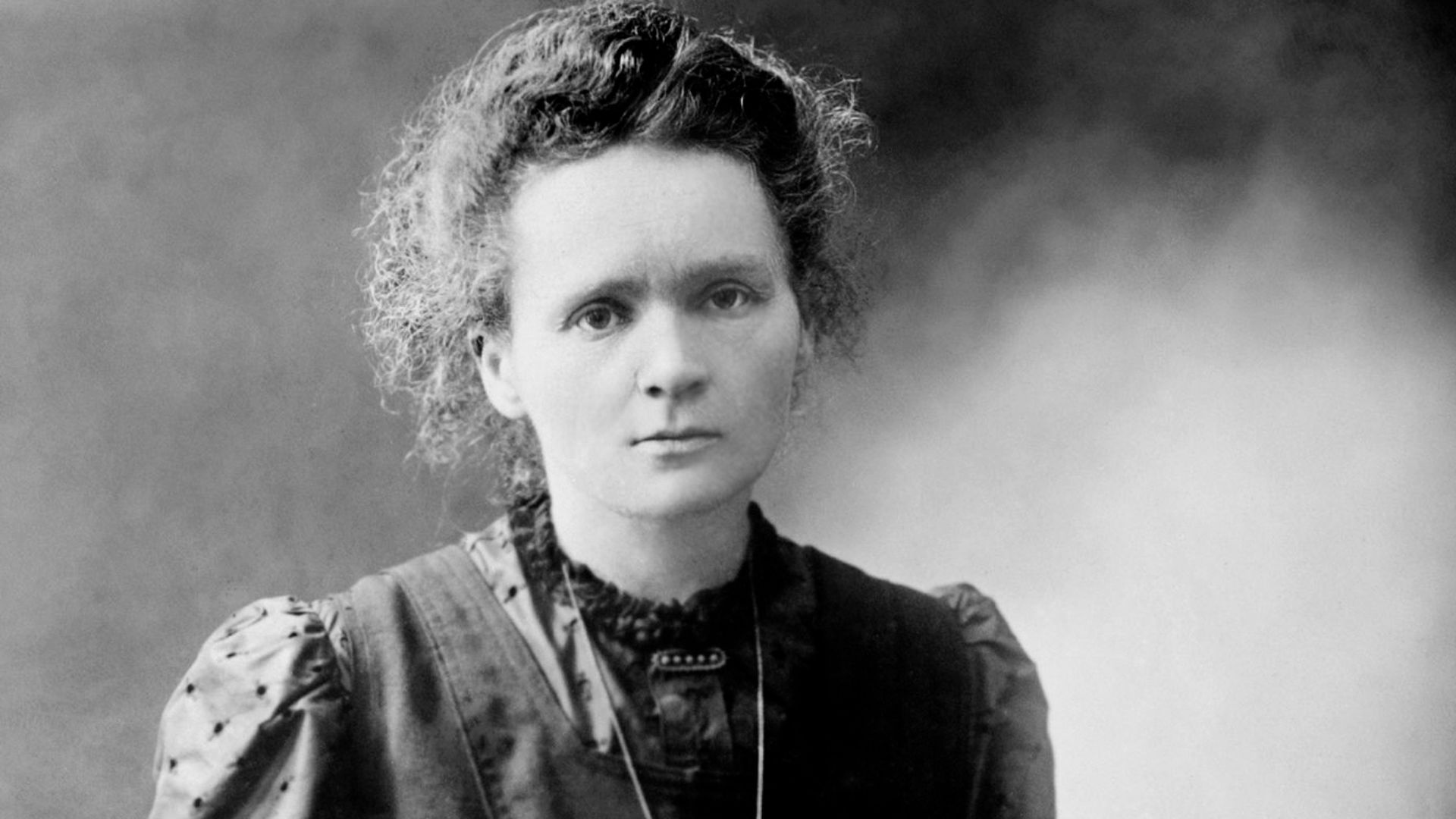 Unknown authorUnknown author, Wikimedia Commons
Teddy Roosevelt Boxed Inside The White House
The energetic president disliked sitting still. Roosevelt installed a boxing ring in the White House and regularly sparred with younger opponents. He also enjoyed wrestling, hiking, hunting, and other physically demanding activities long after most politicians would have slowed down.
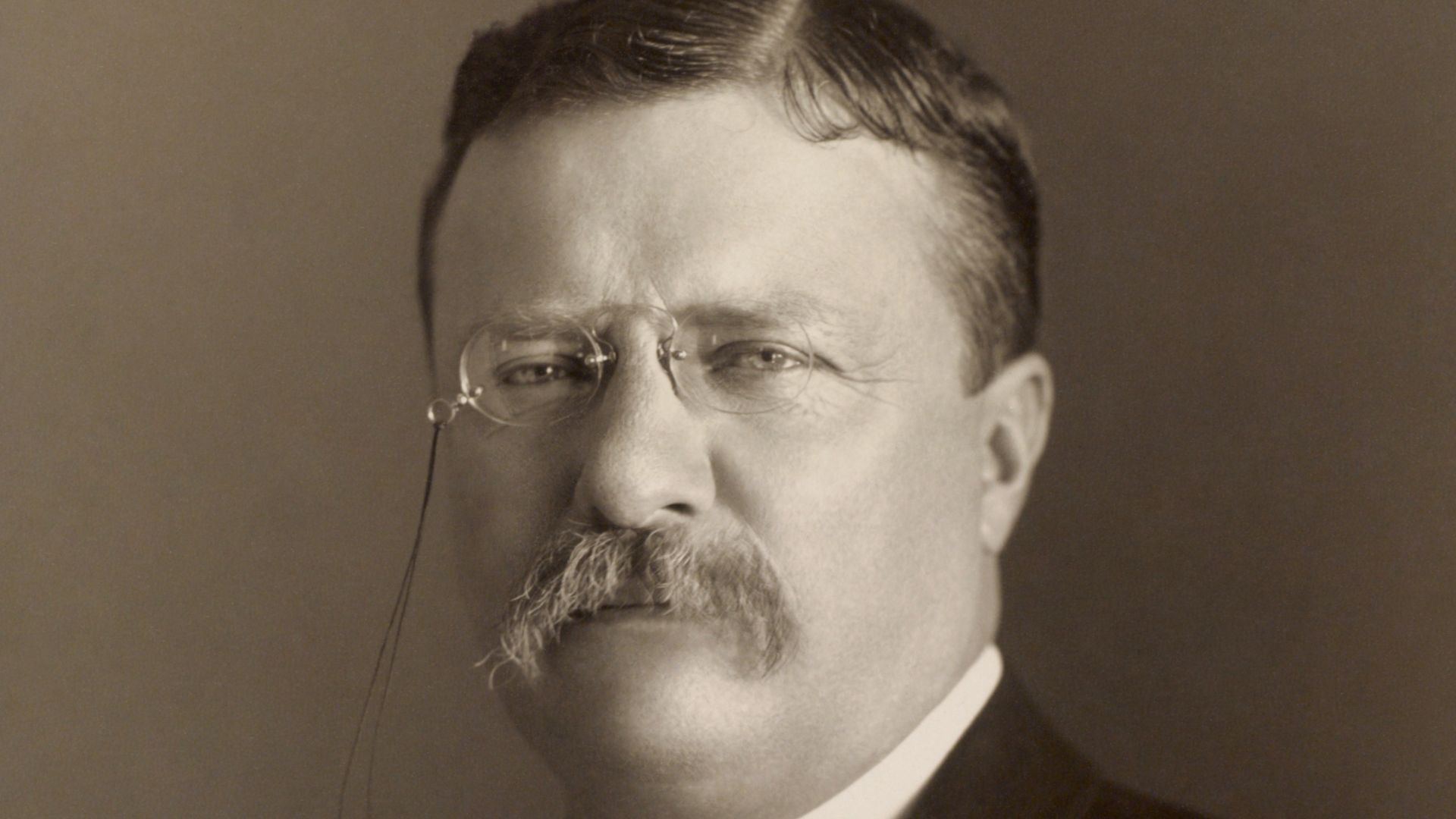 Adam Cuerden, Wikimedia Commons
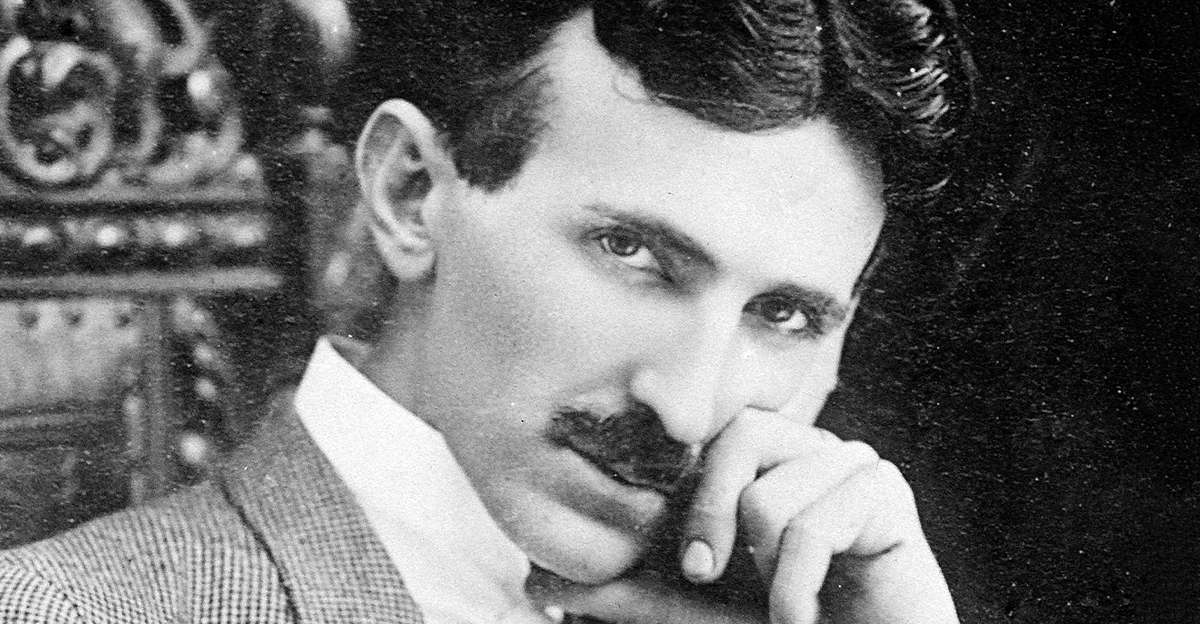
Nikola Tesla Fell In Love With A Pigeon
Among Tesla's strangest admissions was his deep attachment to a white pigeon he regularly fed. He once described loving the bird the way a man loves a woman. Even by Tesla's eccentric standards, the relationship remains one of the most unusual stories associated with his life.
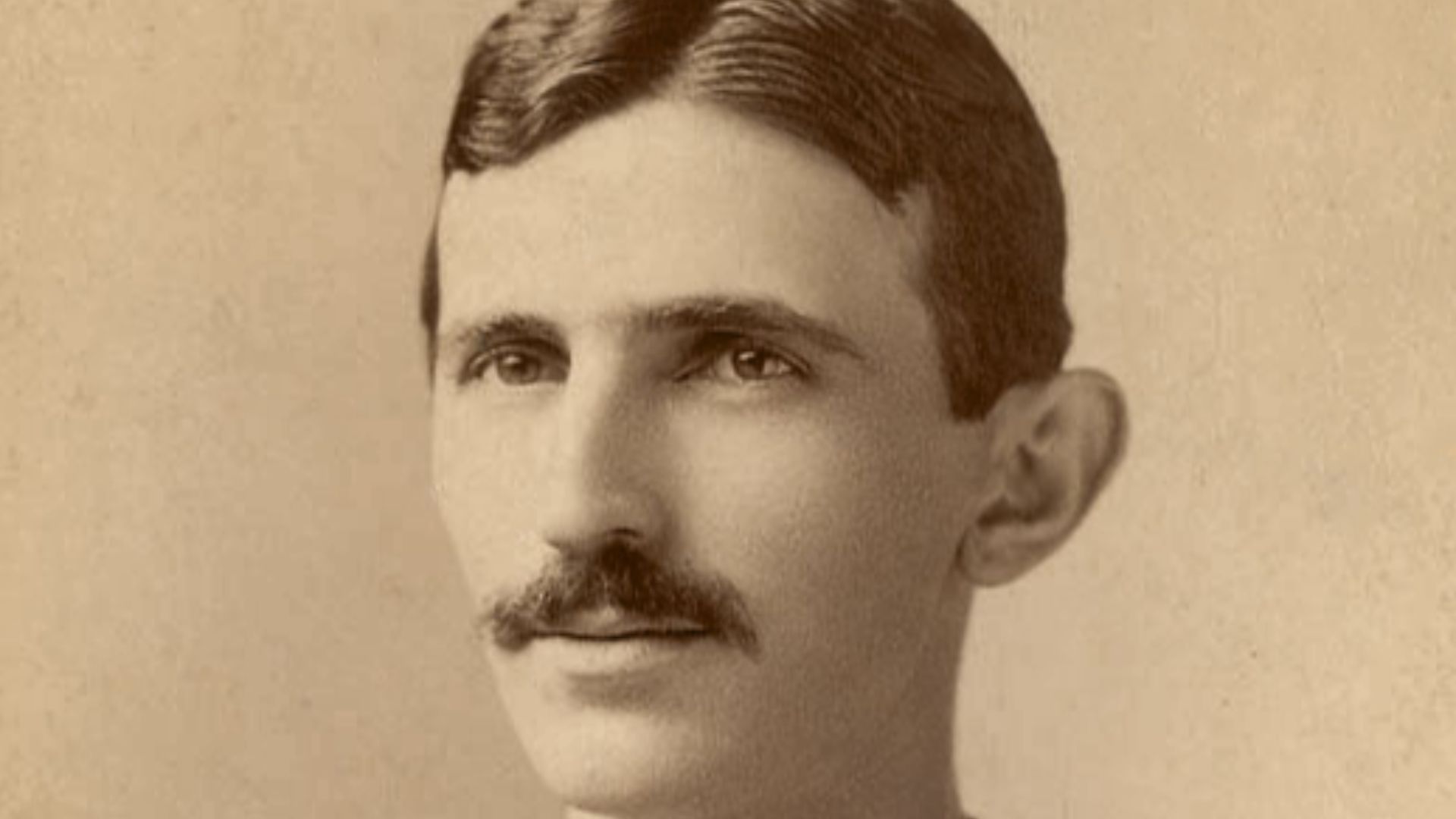 Napoleon Sarony, Wikimedia Commons
History's Greatest Figures Were Often Surprisingly Human
One reason these stories endure is that they reveal the humanity behind legendary names. The people who changed science, politics, literature, and art were often just as quirky, obsessive, and unpredictable as anyone alive today. In some cases, their eccentricities may have even helped fuel their remarkable achievements.
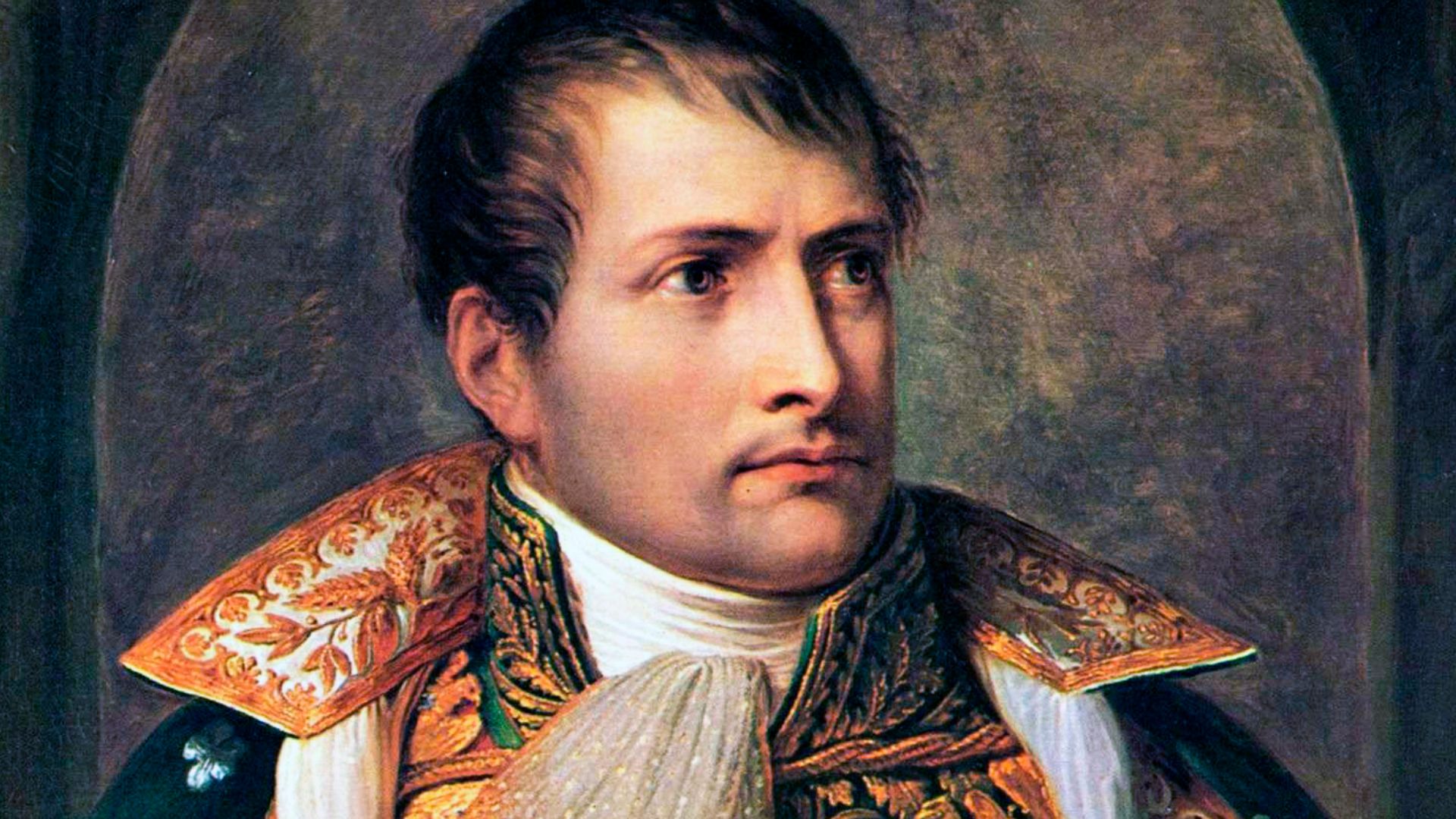 Andrea Appiani, Wikimedia Commons
You May Also Like:
The Devastating Illness That Shaped FDR
Riveting Facts About The World’s Most Iconic Buildings
The Most Bizarre And Interesting Things Queen Elizabeth Owns
Sources: 1, 2, 3, 4, 5, 6, 7, 8, 9, 10, 11, 12, 13, 14, 15, 16, 17, 18