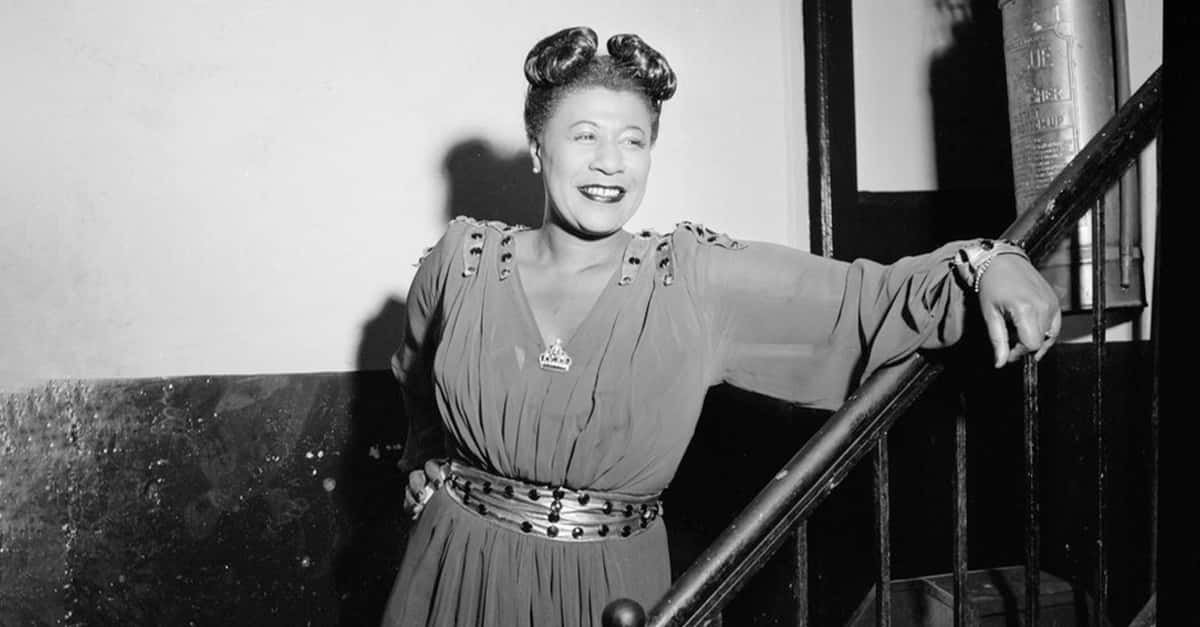
She Had A Voice That Conquered The Odds
Ella Fitzgerald had one stroke of luck in her life: she was born with an incredible musical talent. Almost everything else came the hard way. Her poverty-ridden childhood was filled with uncertainty and incarceration. Her surprising relationships and marriages were either secret or ended in annulment or divorce.
Making matters worse, Fitzgerald was navigating a career at a time when Black performers were treated like second-class citizens. It was Fitzgerald's extraordinary talent that helped her overcome poverty, personal upheaval, and the prejudice that shadowed her rise to fame.
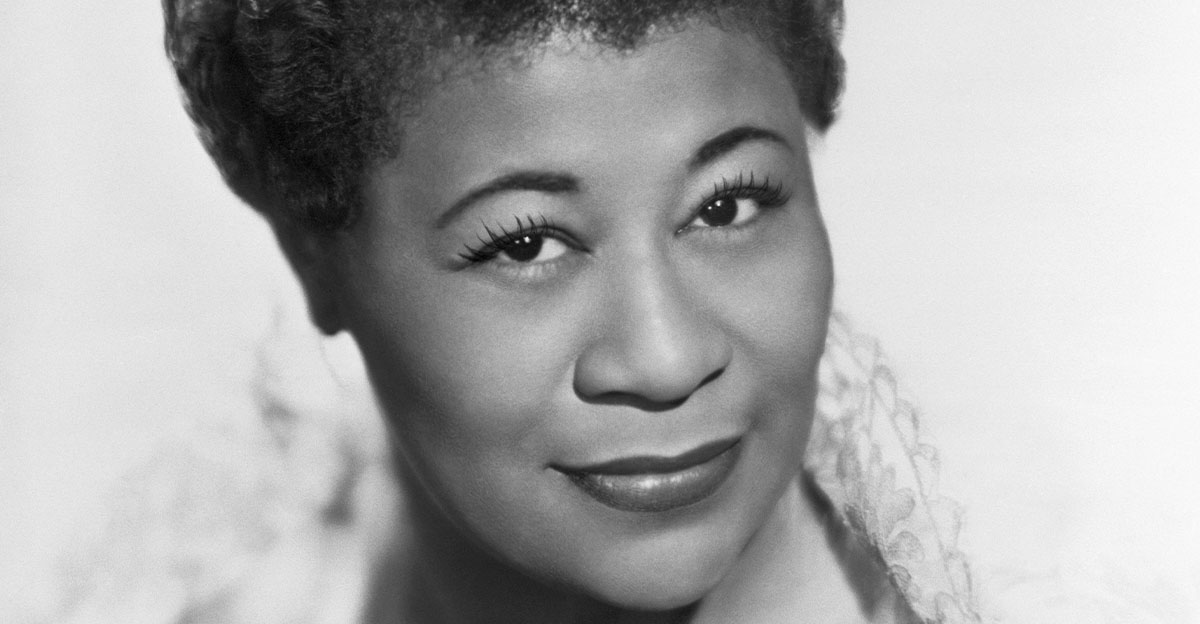
1. She Was Born Into An Uncertain World
It was on April 25, 1917, that Ella Jane Fitzgerald came into this world in Newport News, Virginia. Her parents weren't married and lived together until Fitzgerald’s mom found a new man. This was Portuguese immigrant Joseph da Silva. He took his small family to live in Yonkers, New York.
It didn’t take long for Fitzgerald to find her passion in life.
 Carl Van Vechten, Wikimedia Commons
2. She Had Inspirations
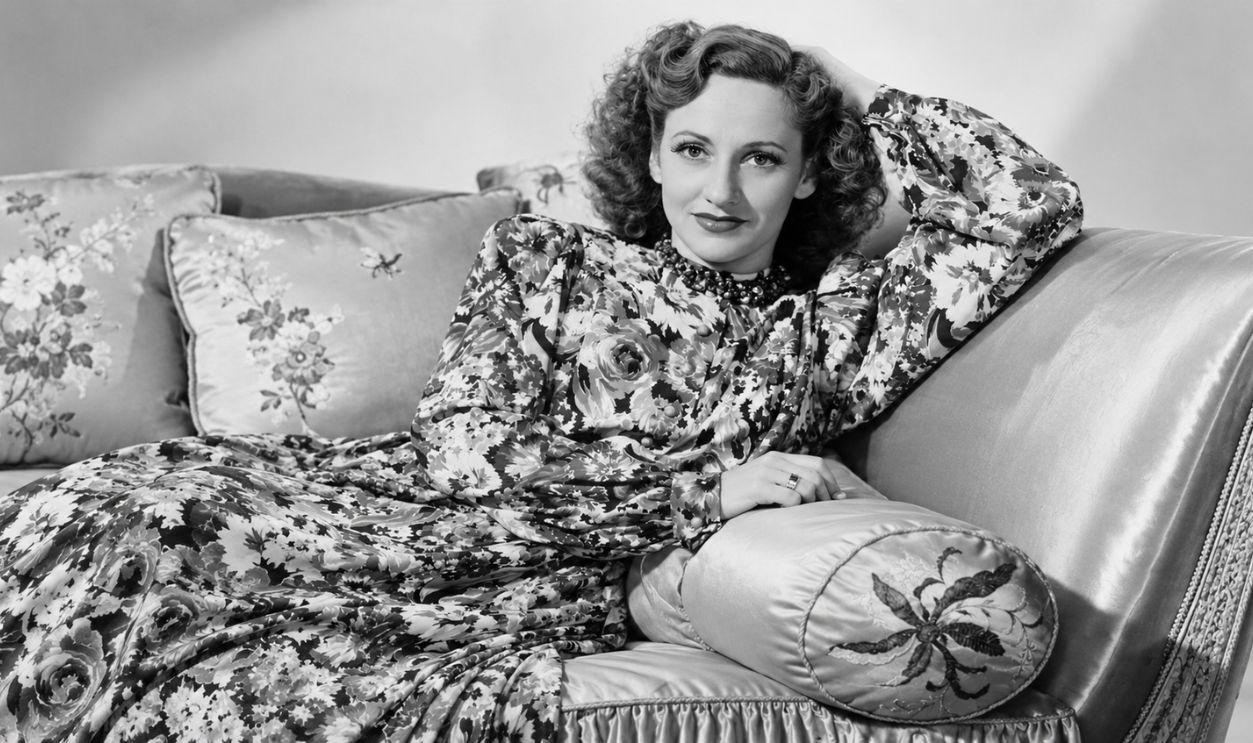
Fitzgerald’s mother, Temperance, brought home records, and Fitzgerald devoured them. Her favorites were Louis Armstrong and Connee Boswell. Fitzgerald said that she tried her hardest to sound just like Boswell. All this early practice was getting Fitzgerland ready for a career as a singer.
But a tragedy would soon tear apart her plans for stardom.
 NBC--photographer: Ernest A. Bachrach.,Wikimedia Commons, Enhanced
3. A Tragedy Shattered Her Childhood
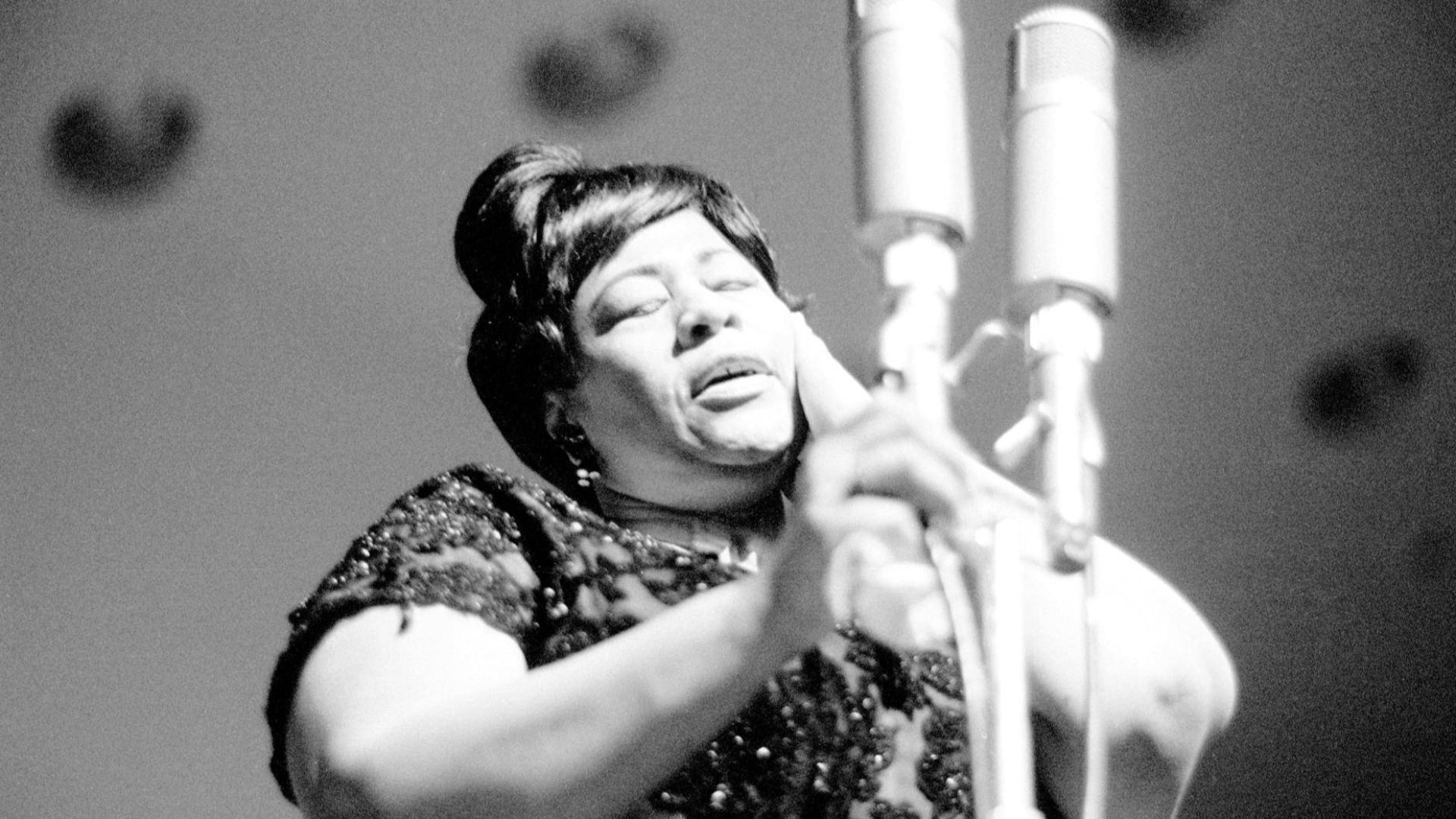
When Fitzgerald was 15 years old, her mother had a tragic car accident and succumbed to her injuries. This left Fitzgerald in the care of her mother’s partner Joseph da Silva, a man who was not her father. Fitzgerald lasted less than a year in this situation, which led some to believe that da Silva mistreated her. To escape, Fitzgerald went to live with her aunt Virginia in Harlem.
Fitzgerald's life was about to take a turn for the worse.
 Olavi Kaskisuo / Lehtikuva, Wikimedia Commons
4. Her Life Changed Quickly
Ella Fitzgerald was still struggling with the loss of her mother when her stepfather also passed. This meant that her half-sister, Frances, would have to come and live with Fitzgerald and her aunt. Fitzgerald was having trouble adapting to her new life situation, and she slid into some seriously bad behavior.
5. She Fell Apart
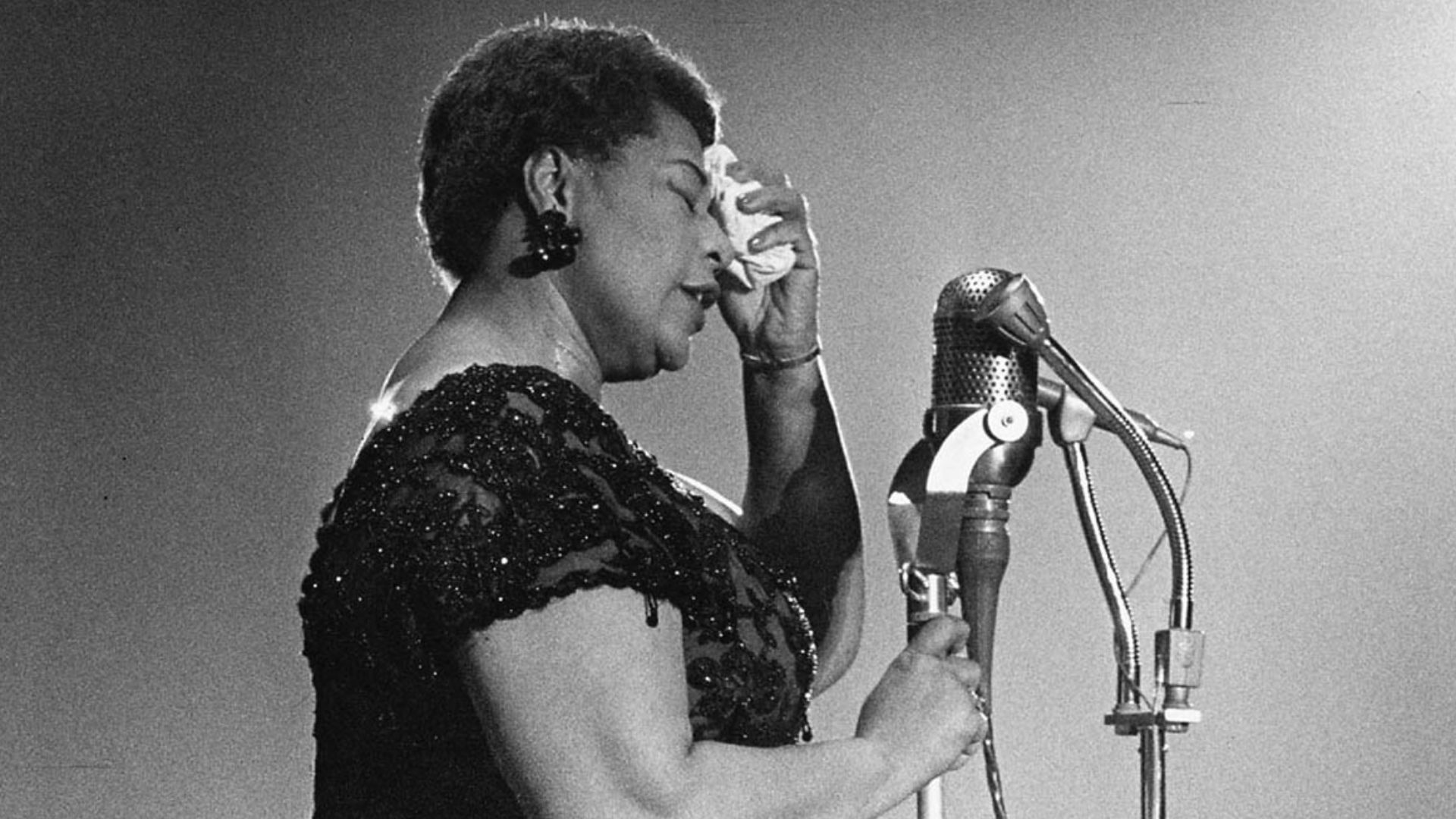
When Fitzgerald's mother was alive, she was an outstanding student. When she went to live in Harlem, this fell apart. The rebellious teen was soon skipping school, and then she drifted into a precarious life on Harlem's streets. She took a job as a lookout at a bordello. Soon, she was in trouble with the law and ended up in a state reformatory.
This good girl had gone bad. But she hadn’t forgotten her dream to sing.
6. She Made A Desperate Escape
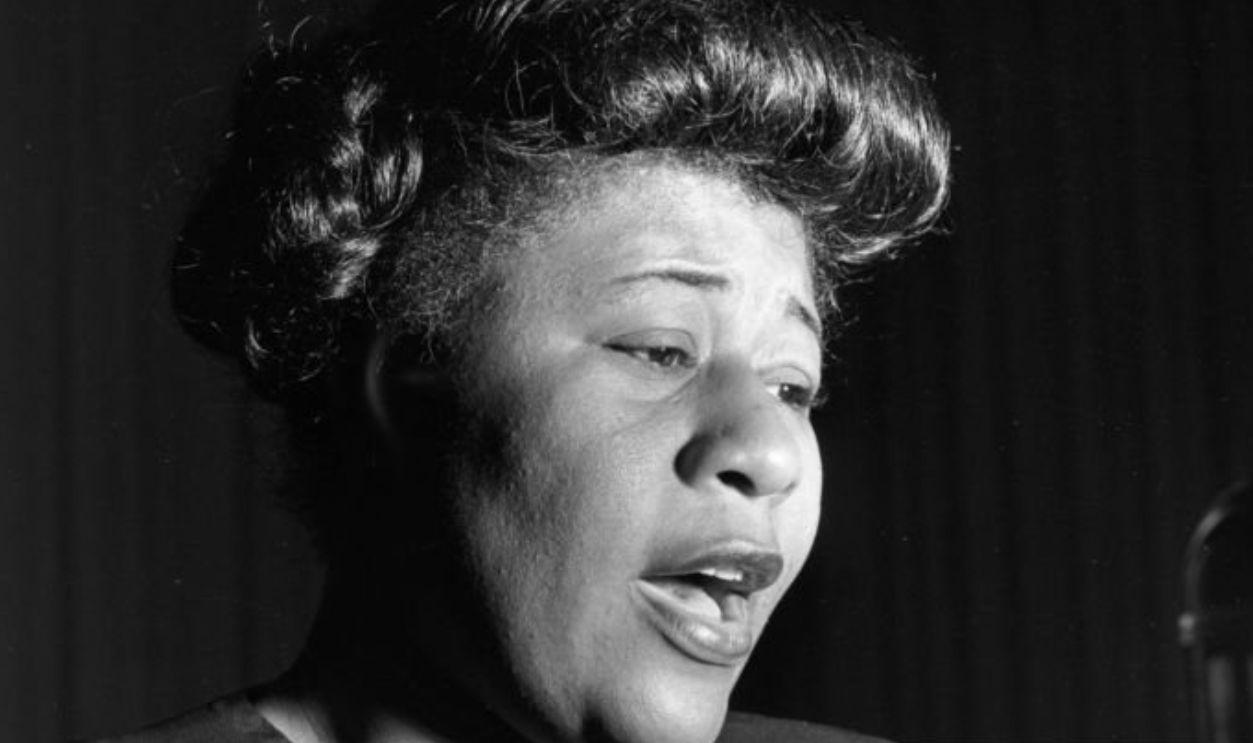
Ella Fitzgerald was receiving beatings from her teachers at reform school and soon decided she needed to get out. She somehow escaped the school, but her prospects now looked even worse. You see, she had no money. Times were tough, as it was the Great Depression, and she was all alone.
She had to do something drastic.
7. She Performed On The Street
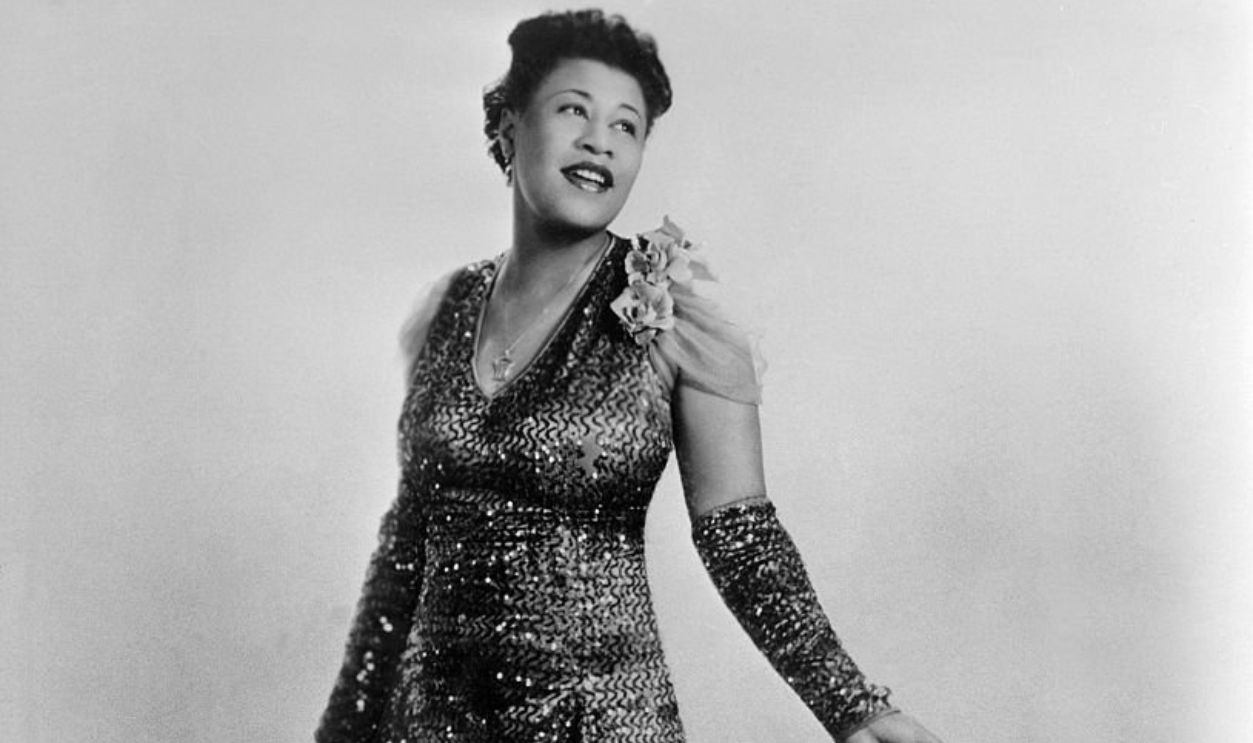
To make money, Fitzgerald started singing on Harlem streets. Then she put herself out there by performing at an amateur night at the famed Apollo Theater. Her plan was to dance, but she got nervous when there was another dance act, so she decided to sing instead. The crowd at the Apollo looked at this disheveled girl and started to get unruly.
Fitzgerald was about to take her first real shot at stardom.
8. She Changed The Audience’s Mind
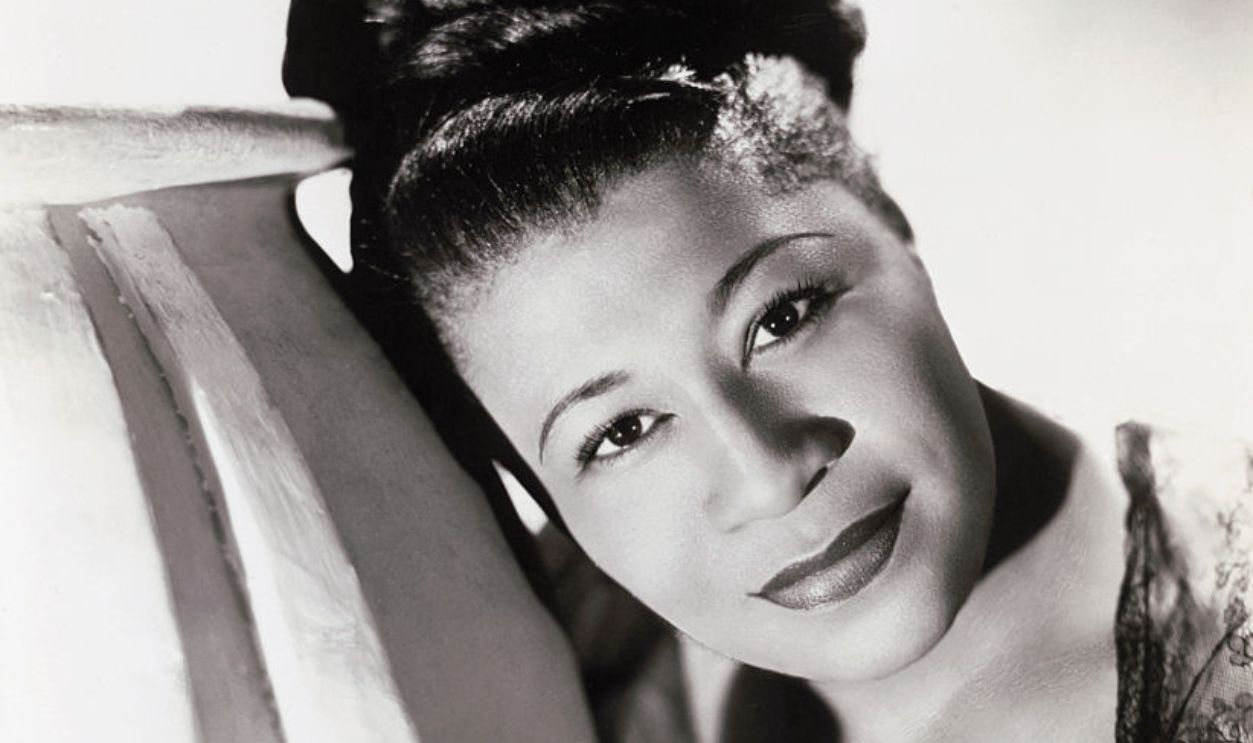
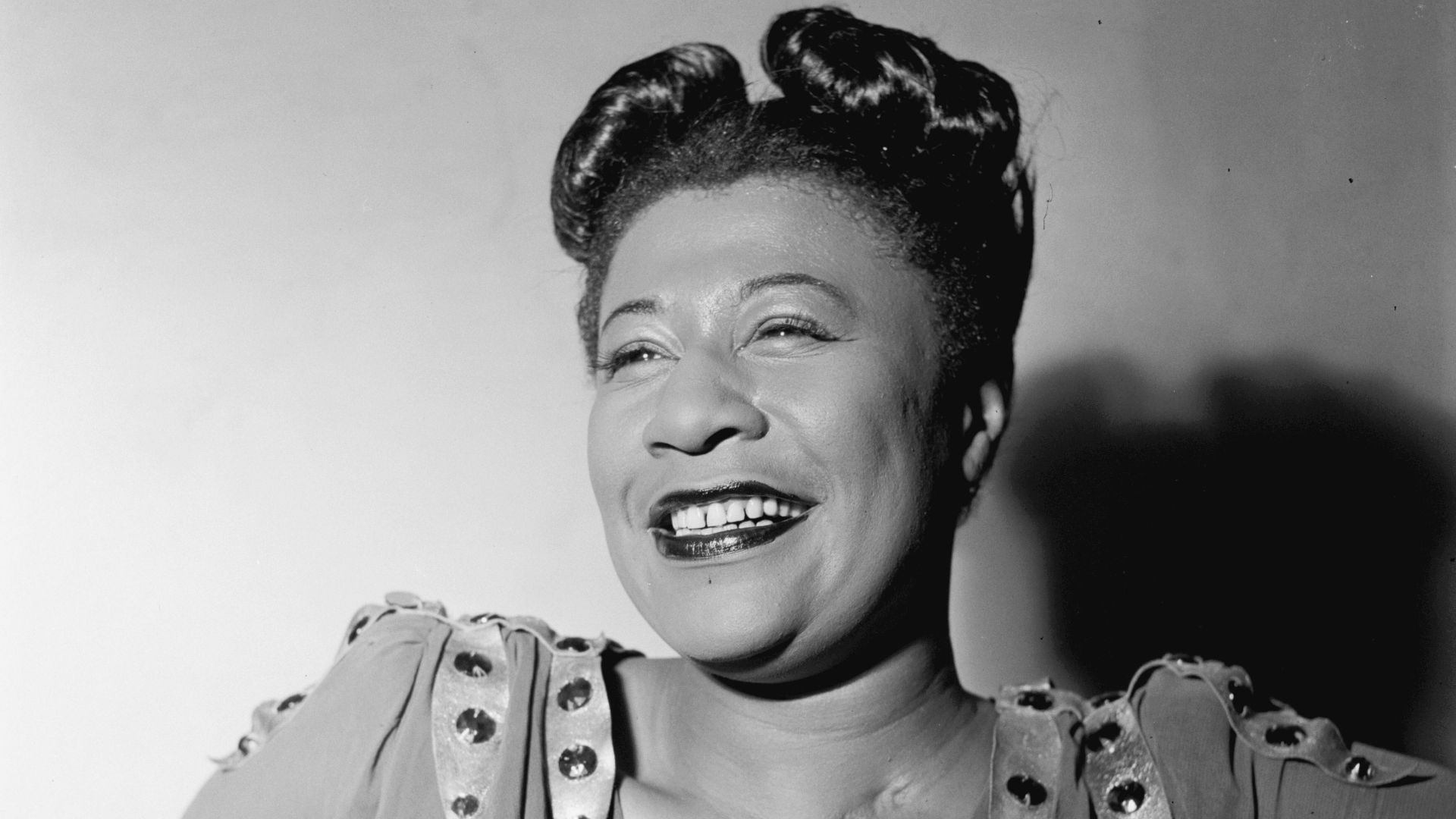
The audience at the Apollo soon changed their mind about Ella Fitzgerald. After her first song, they wanted an encore. Luckily, Fitzgerald had another song up her sleeve, and it was just as popular as her first song. She won first prize that night.
Sadly, there was a problem collecting her reward.
 William P. Gottlieb, Wikimedia Commons
9. Her Looks Cost Her A Break
First prize at the Apollo Amateur Night was the chance to perform there for an entire week. The manager at the theater took one look at Fitzgerald's appearance and declined to let her take her prize. She then won another chance, this time for a week at the Harlem Opera House with the Tiny Bradshaw band. Despite her unkempt appearance, they let her perform.
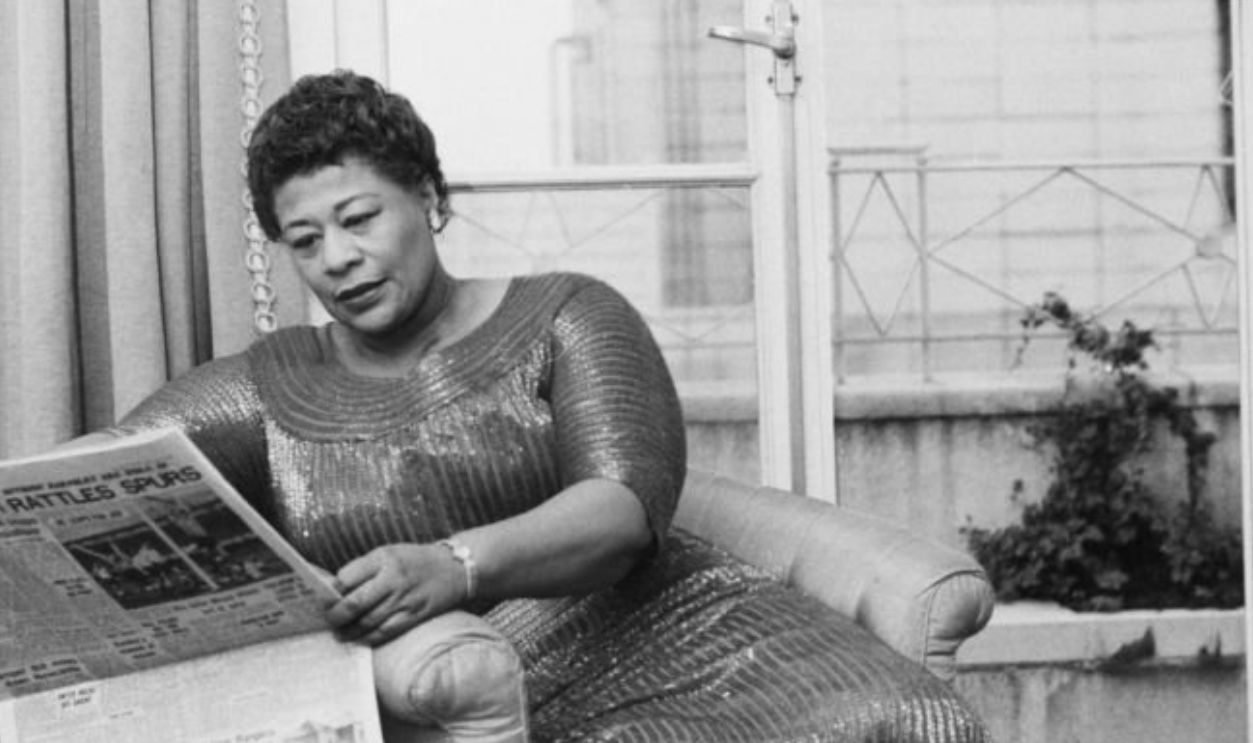
At the Harlem Opera house she met a man named Chick Webb. This would be a game changer for Fitzgerald.
 Pictorial Parade, Getty Images
10. The Audition That Changed Everything
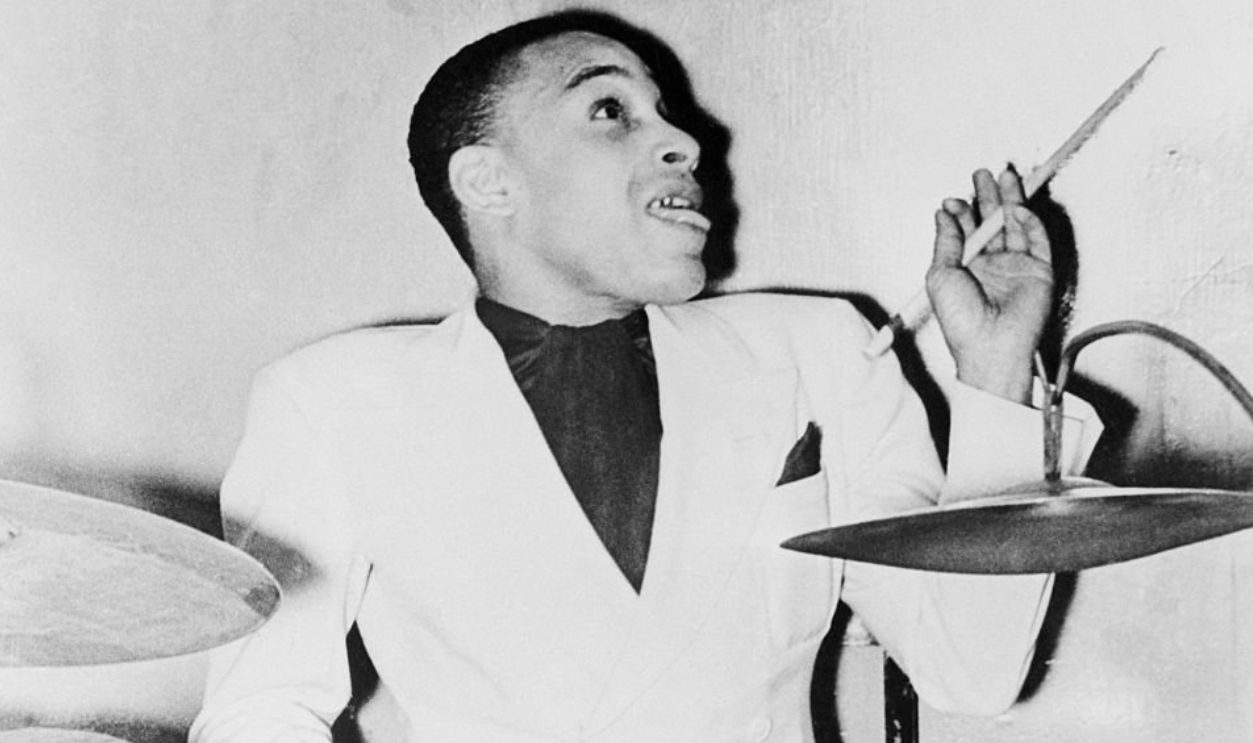
Chick Webb was a bandleader, but he had some reservations about working with Fitzgerald. She was so shy and seemed very awkward on stage. He decided to let Fitzgerald audition for his band. The audition was at Yale University, and Fitzgerald did something right, as the audience and the other musicians thought she was great. Soon, Fitzgerald was performing at the Savoy Ballroom and making recordings with Chick Webb.
An even bigger break was coming her way.
11. A Nursery Rhyme Made Her Famous
Working with Webb, Fitzgerald was earning $12.50 a week, which was a lot of money back then. In 1938, Fitzgerald took a nursery rhyme, “A Tisket, A-Tasket”, and turned it into a song. Soon, radio stations picked it up, and Fitzgerald was getting noticed. The track became a hit, and later one of the “biggest-selling records of the decade”.
Her biggest asset, however, wasn't just her singing. It was her astonishing ear.
 Michael Ochs Archives, Getty Images
12. She Had A Voice That Could Tune An Orchestra
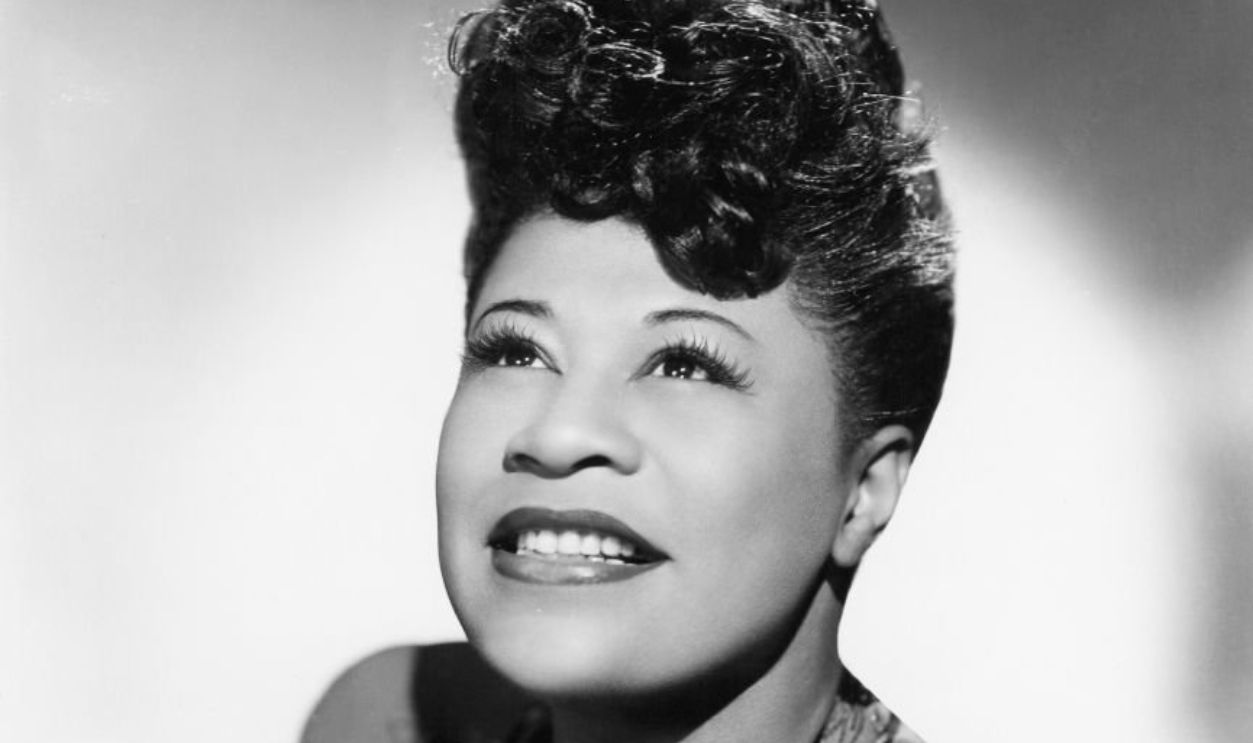
Ella Fitzgerald had something called perfect pitch. This meant that she could identify and replicate any note that she came across. Her pitch was so perfect that the band was able to tune their instruments just using her voice.
Having perfect pitch could not prepare Fitzgerald for another upcoming tragedy.

13. A Tragedy Gave Her A Promotion
Fitzgerald's bandleader, Chick Webb, was not a well man. A fall down the stairs as a child had led to a life of discomfort, as he suffered from tuberculosis of the spine. He passed in Baltimore in 1939. While it was a sad day for jazz lovers, it meant a big move up for Fitzgerald. The band took a new name: Ella Fitzgerald and Her Famous Orchestra. She was now the bandleader of a successful orchestra.
Unfortunately, her personal life wasn’t so successful.
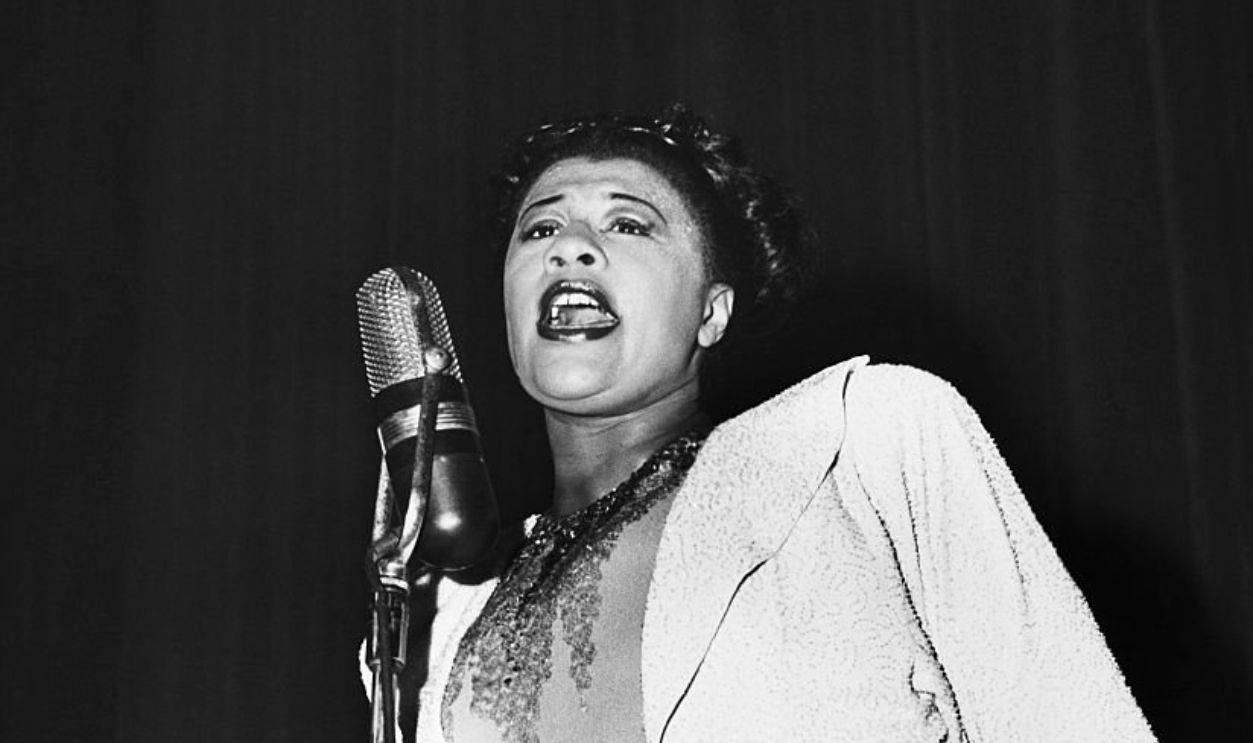
14. Her Husband Had A Secret
In 1941, Ella Fitzgerald married Benny Kornegay in Los Angeles. Fitzgerald was just 24 years old, and already gaining recognition. Kornegay wasn’t famous at all. In fact, he had a very ordinary job working down at the docks. But when Fitzgerald's management team got private investigators to do some digging, they found out something shocking about Kornegay.
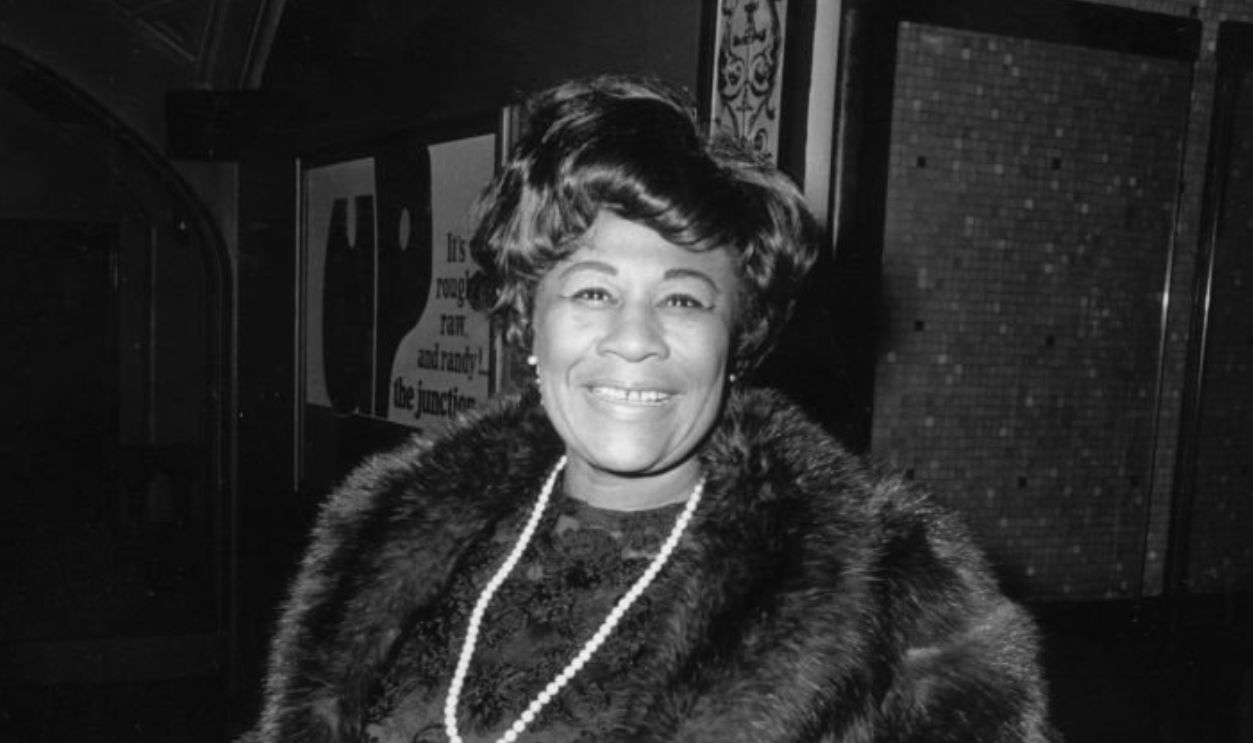
15. She Made A Huge Mistake
It’s hard to know what exactly Fitzgerald knew about her new husband. What the investigators found out was that he was a “hustler”, and marrying Fitzgerald was likely his attempt to find a steady income. They also found out that he had been behind bars on drug-related charges. Fitzgerald was neither a drinker nor a user, so this choice of husband was shocking.
She had made a huge mistake.
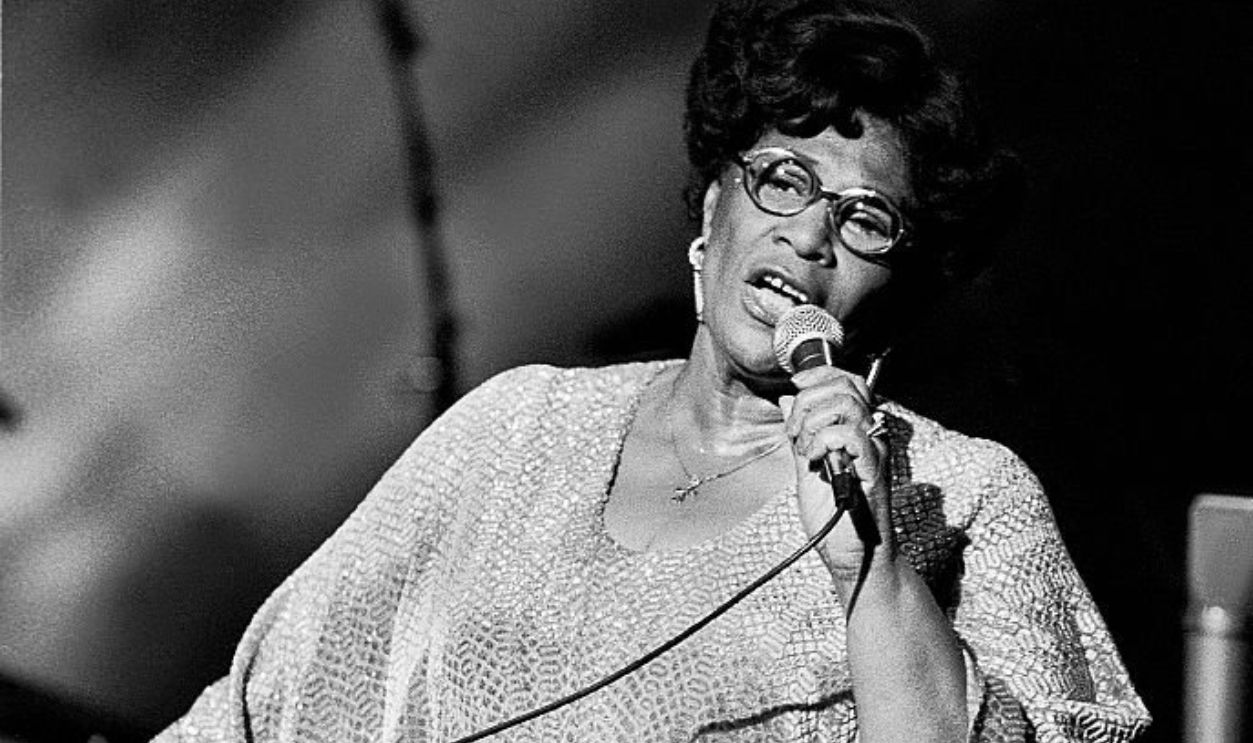
16. A Judge Admonished Her
Fitzgerald now had a husband with a very shady past, and her management team was afraid about the future of this marriage. They suggested that Fitzgerald get an annulment. The story goes that when she got her annulment, the judge scolded her: "You go back to singing 'A-Tisket, A-Tasket,' and leave the boys alone".
Fitzgerald did just that, at least for a short time.
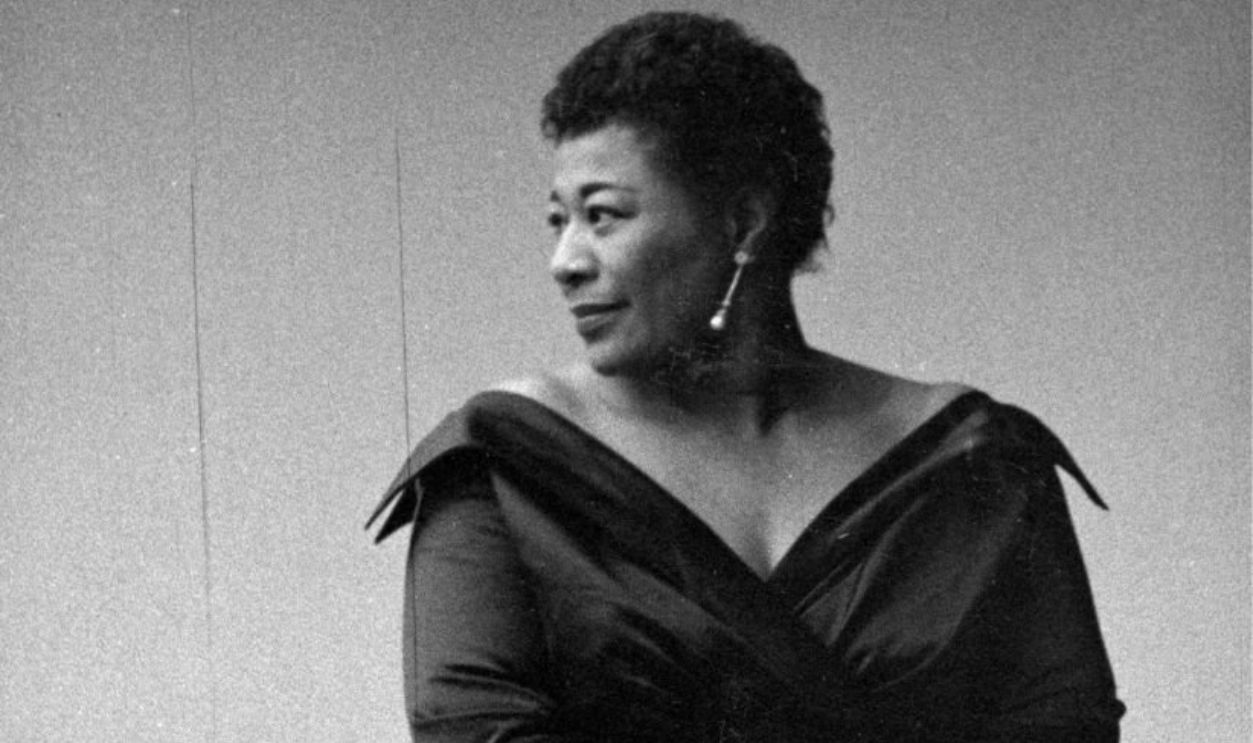 brandstaetter images, Getty Images
17. She Went Solo
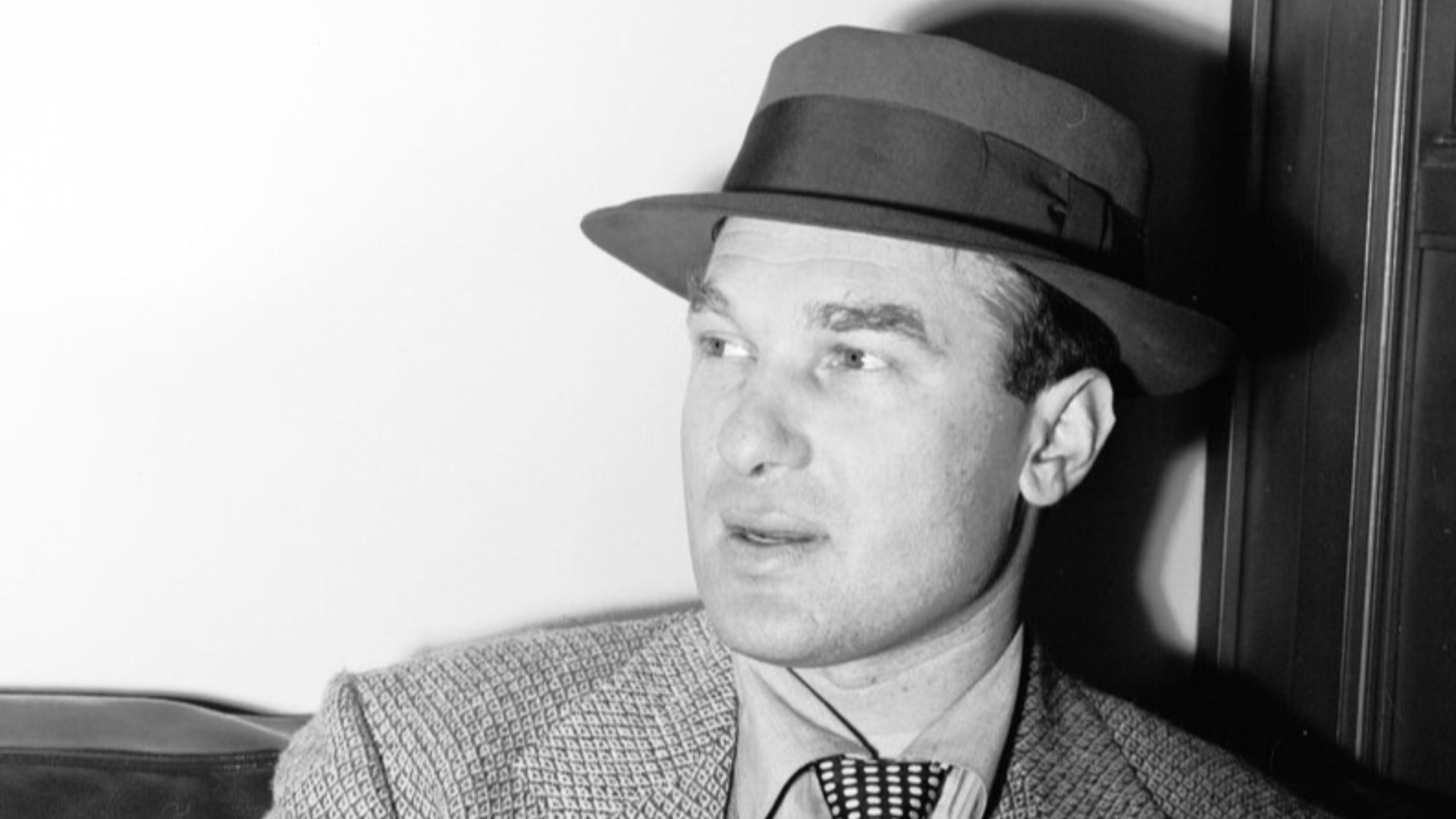
As the bandleader of Ella Fitzgerald and Her Famous Orchestra, Fitzgerald recorded close to 150 songs. After seven years as bandleader, there was trouble within the band, and they played their final show in 1942. To help with her solo career, Fitzgerald picked Norman Granz as a manager.
The world of jazz music was in for a huge change.
 William P. Gottlieb, Wikimedia Commons
18. She Changed With The Times
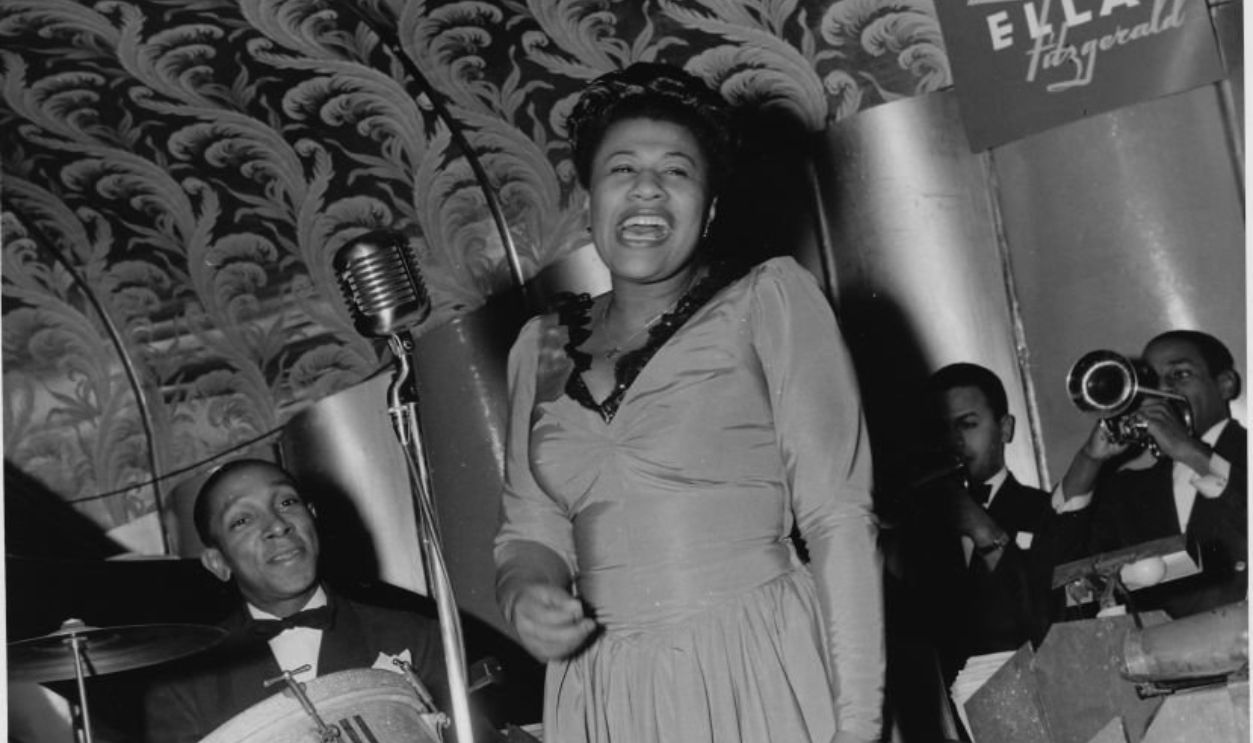
Fitzgerald had ended her time with her orchestra at just the right moment. The swing era was winding down, and replacing it was bebop. Fitzgerald didn’t miss a beat. She was soon scat singing with the rest of them and doing it even better. The New York Times called her track “Flying Home” "one of the most influential vocal jazz records of the decade”.
While riding this wave of popularity, Fitzgerald decided to give marriage another try.
19. She Gave Love A Second Chance
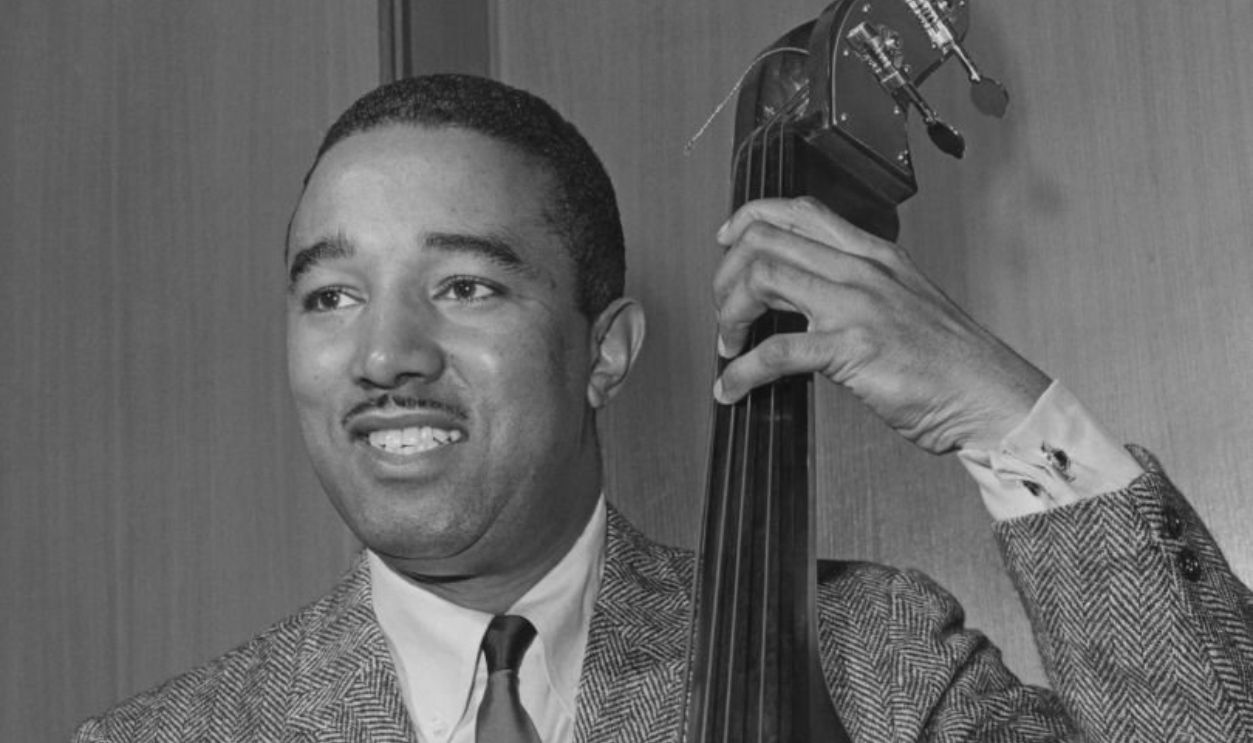
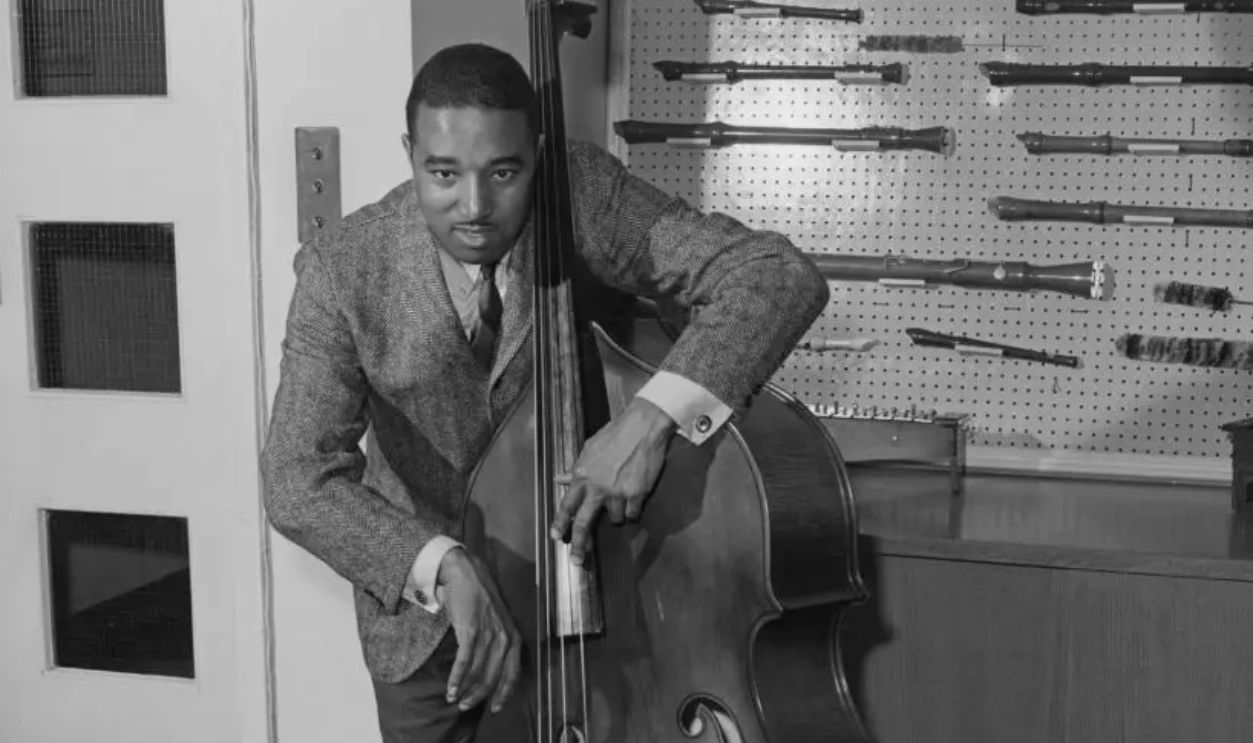
In 1947, Ella Fitzgerald took a more serious approach to marriage than her first attempt. Her second husband was Ray Brown. He was a bass player who Fitzgerald met while on tour with a band led by Dizzy Gillespie. Instead of having a child of their own, they decided to adopt the one that Fitzgerald's half-sister had. They named their child Ray Brown Jr.
This was not going to be a happily-ever-after situation.
20. Her Stardom Came At A Cost
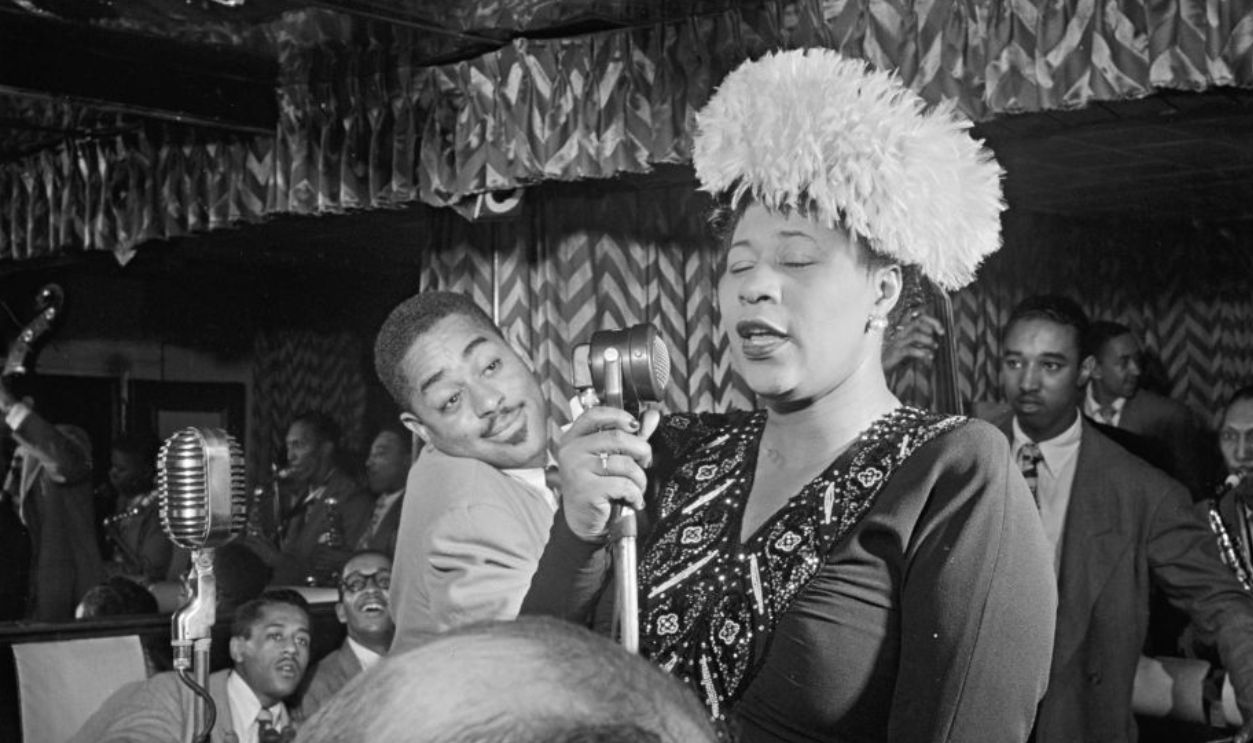
Both Fitzgerald and Brown had busy schedules as performers. Fitzgerald was even busier than Brown, and their son sometimes got lost in the shuffle. Brown Jr ended up spending more time with his great-aunt Virginia than with either of his parents. It seemed that both Fitzgerald and Brown were neglecting their child.
They were also neglecting each other.
 William Gottlieb, Getty Images
21. Her Work Was More Important Than Family
By 1952, the toll of working so hard in show business ended Fitzgerald’s marriage. She stayed friends with Brown, but it wasn’t until many years later that Fitzgerald reconciled with her son. When asked about growing up with Fitzgerald as a mom, he simply said, "All I can say is that she gave to me as much as she could. And she loved me as much as she could".
It was Fitzgerald who wasn’t feeling the love when it came to certain performance venues.
22. They Fought For Respect
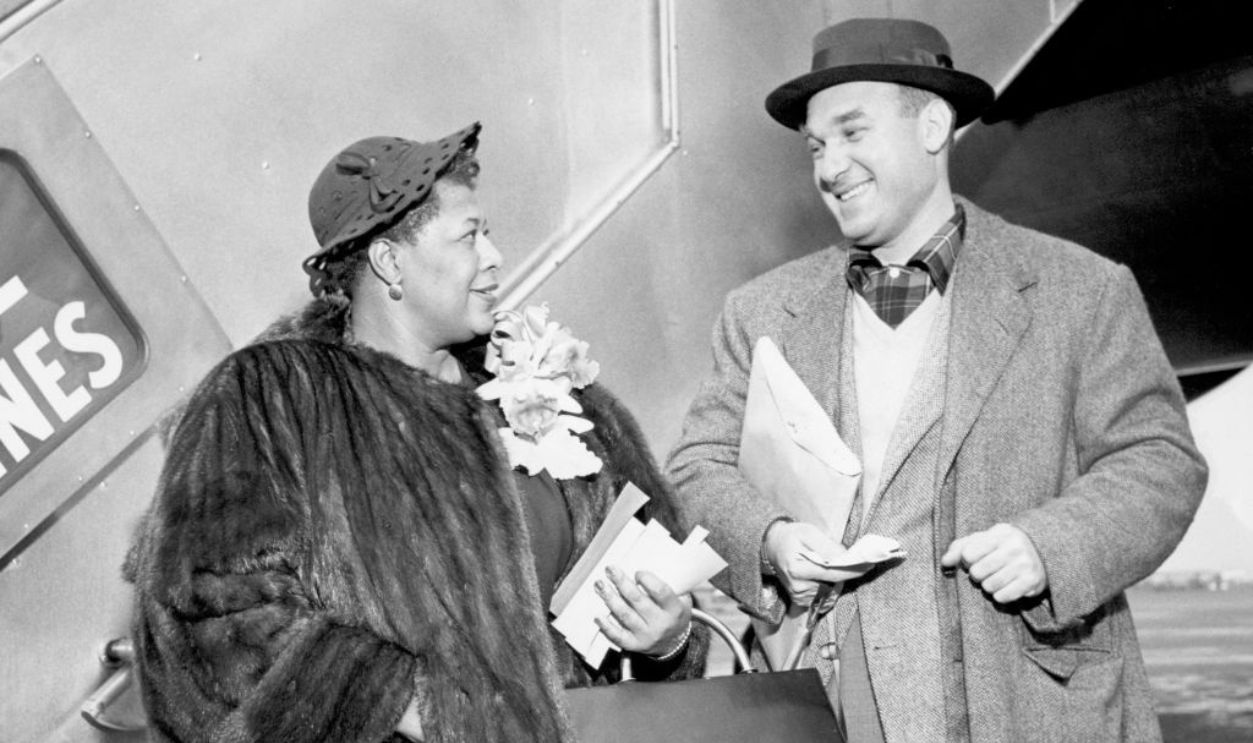
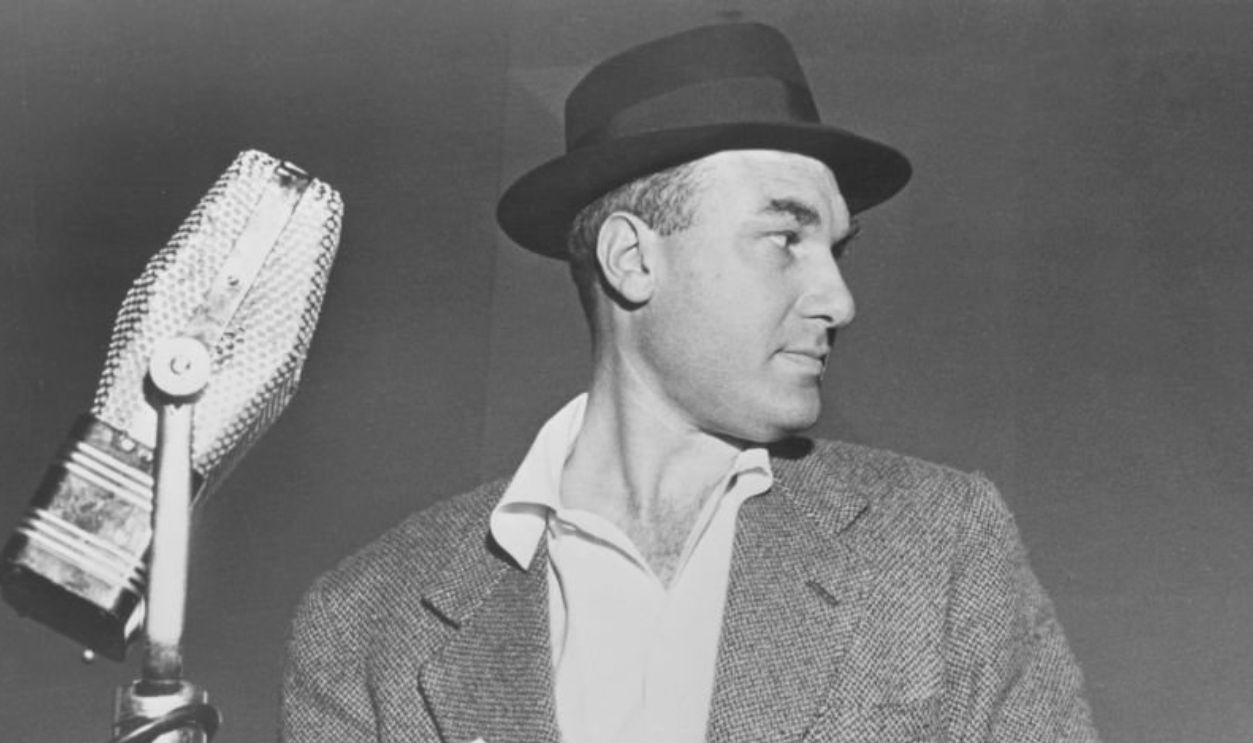
Fitzgerald's agent, Norman Granz, made it his business to ensure that Fitzgerald always got equal pay and billing compared to male and white performers. He also had a vision to desegregate venues across the country. This was a full-time job as at this time, America was not a place where Black people were equal.
While touring in Texas, Fitzgerald met up with some serious trouble.
 Michael Ochs Archives, Getty Images
23. There Was A Risk Of Punishment
As Ella Fitzgerald was getting ready to perform in Houston with Dizzy Gillespie and Illinois Jacquet, Granz was out protesting the fact that the venue was segregated. The powers that be in Texas didn’t appreciate Granz’s actions, and officers headed down to the venue.
Clearly, nothing good could come from this situation.
 Michael Ochs Archives, Getty Images
24. They Were Fans
The night of Fitzgerald's performance in Houston, officers crashed into the venue and went backstage. Some of the performers were gambling, so the officers used that as an excuse to bring everyone down to the station. They all got off with a $50 bail, but there was one final insult: some of the officers asked Fitzgerald for her autograph as she left the station.
Fitzgerald was also met with prejudice at the airport.
25. She Got Kicked Off The Plane
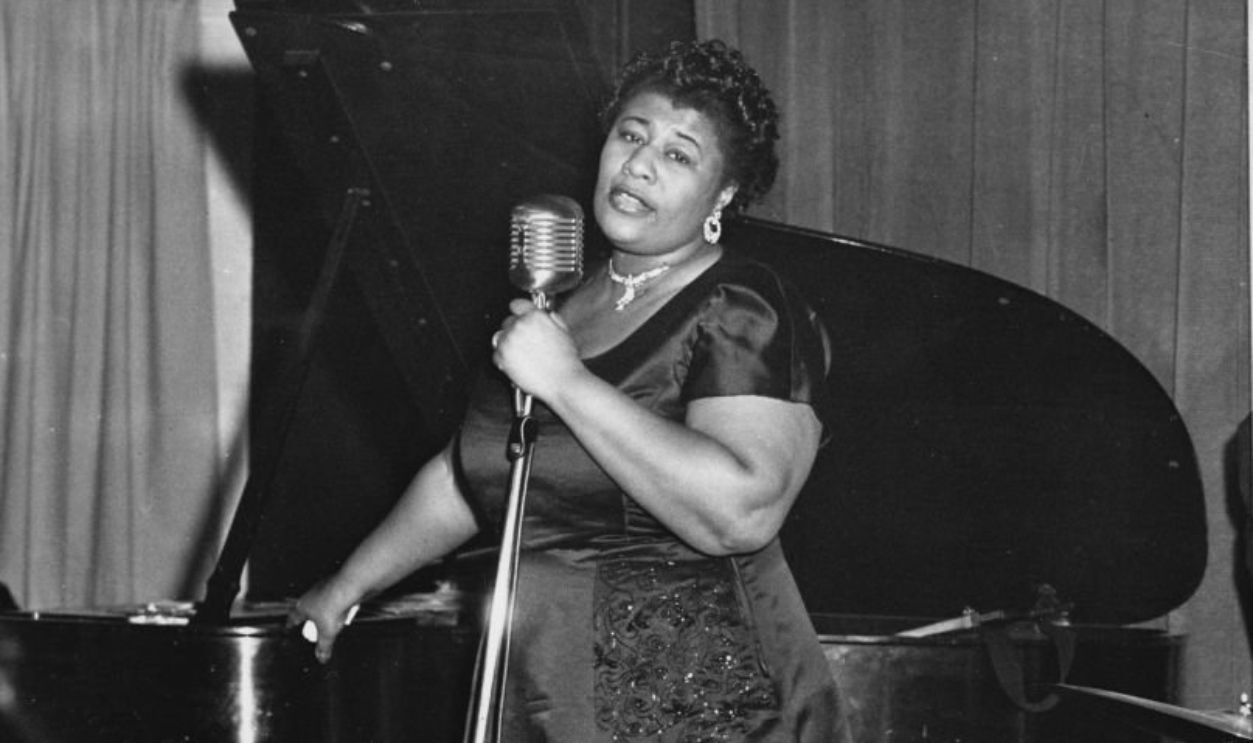
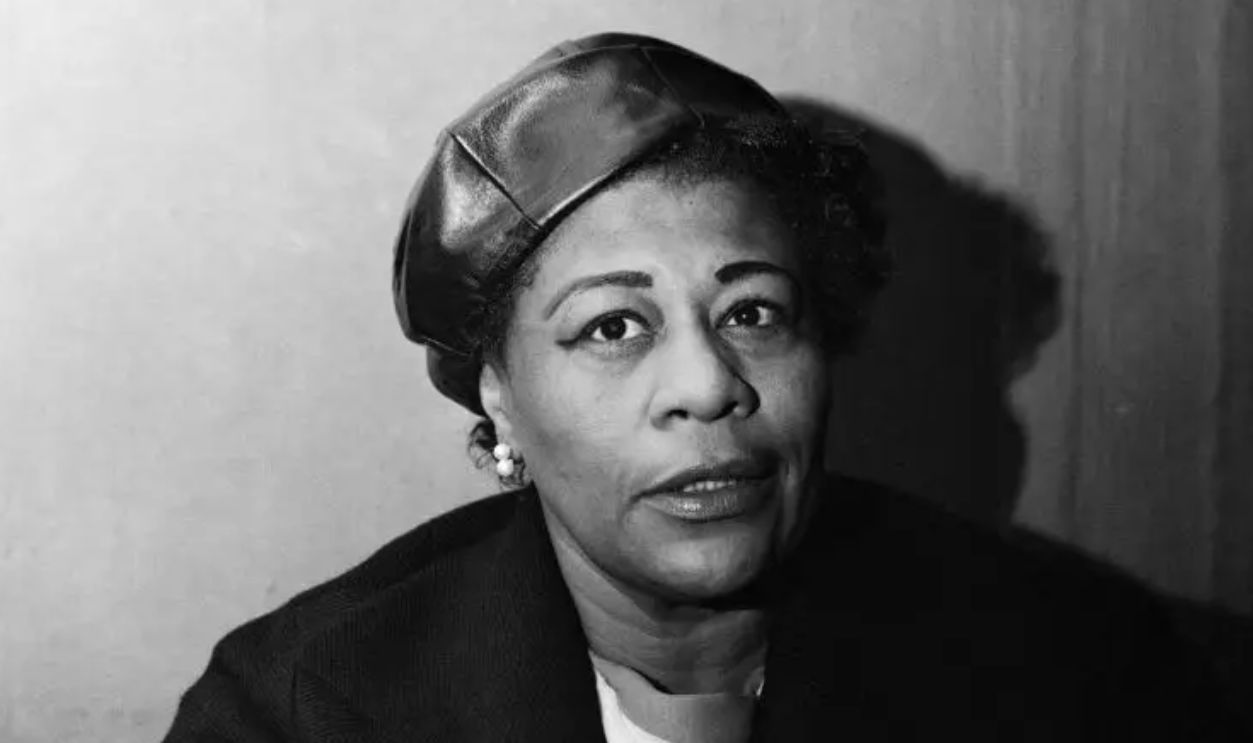
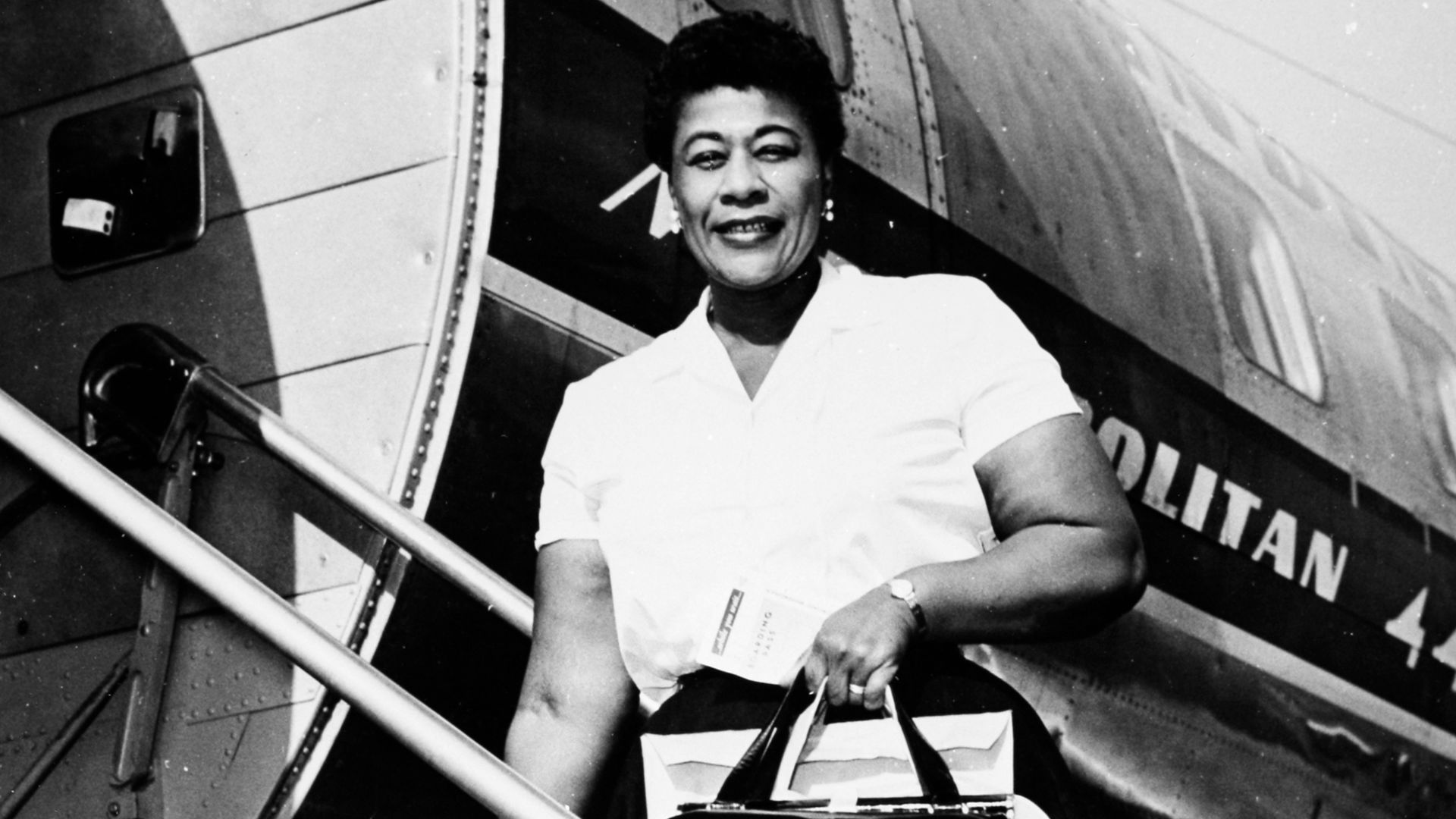
In 1954, Fitzgerald and her touring entourage got on a Pan Am flight in Honolulu and were headed for a tour in Australia. Fitzgerald was comfortably seated in first class and waiting for the plane to take off when an official of the airline ordered her and her three-member entourage off the plane.
Stranded in the airport, Fitzgerald and her entourage watched the plane take off without them.
26. They Left Her Stranded
Pan Am had left Fitzgerald and her entourage at the airport without even a chance to get their luggage off the plane. They were now scrambling to get tickets for another flight. This took three days, and so Fitzgerald missed two concerts of her Australian tour. The rest of the tour was a huge hit, but Fitzgerald was not about to forget what Pan Am did to her.
She was going to make them pay.
27. She Took The Airline To Court
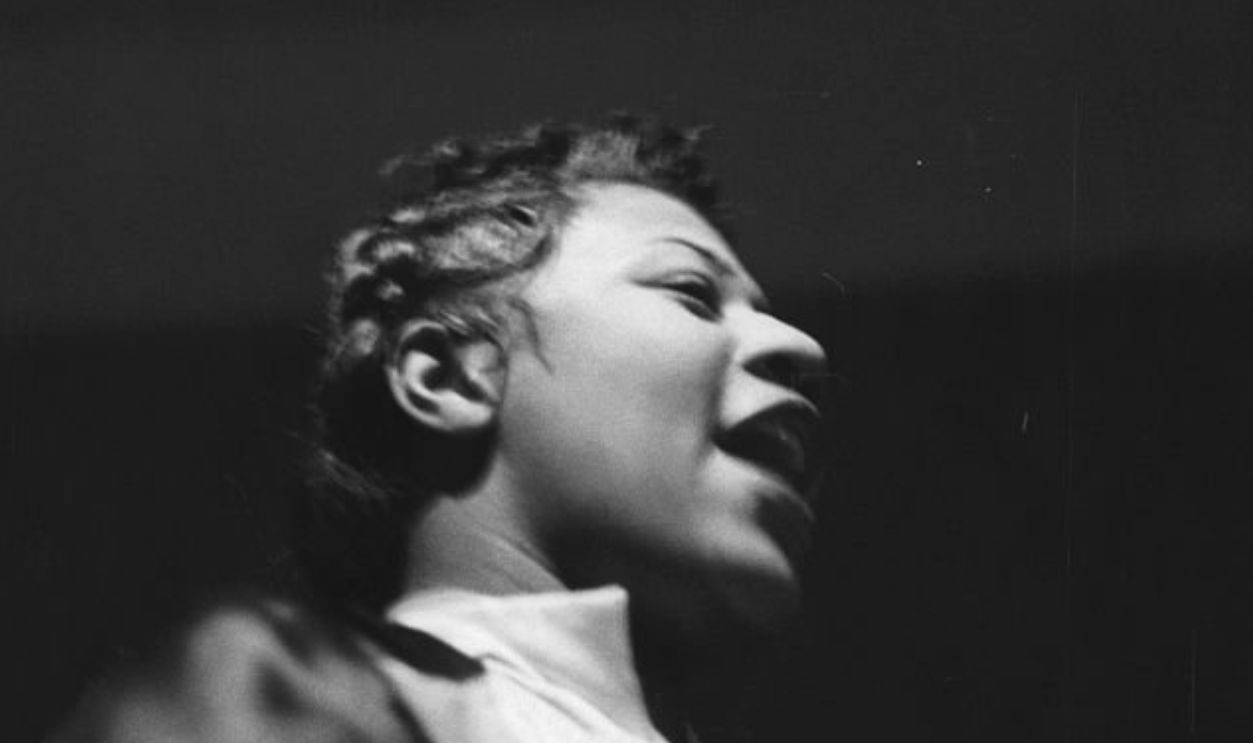
Pan Am publicly denied that race had prompted the decision to remove Ella Fitzgerald and her entourage. In 1954, Fitzgerald decided to see if a court of law could prove otherwise. After an appeal, she won and later told a TV audience that she and her entourage received a “nice settlement”.
Next, Fitzgerald would meet an iconic movie star.
 Michael Ochs Archives, Getty Images
28. She Had A Friend In A High Place
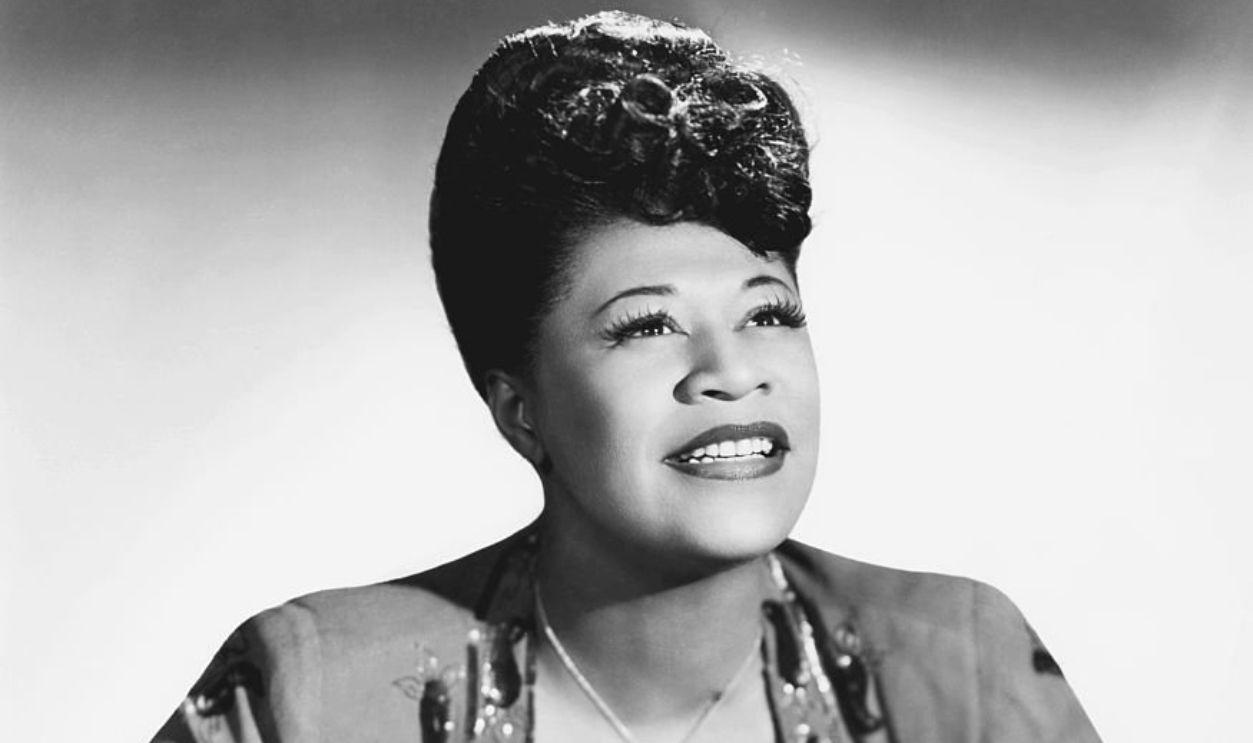
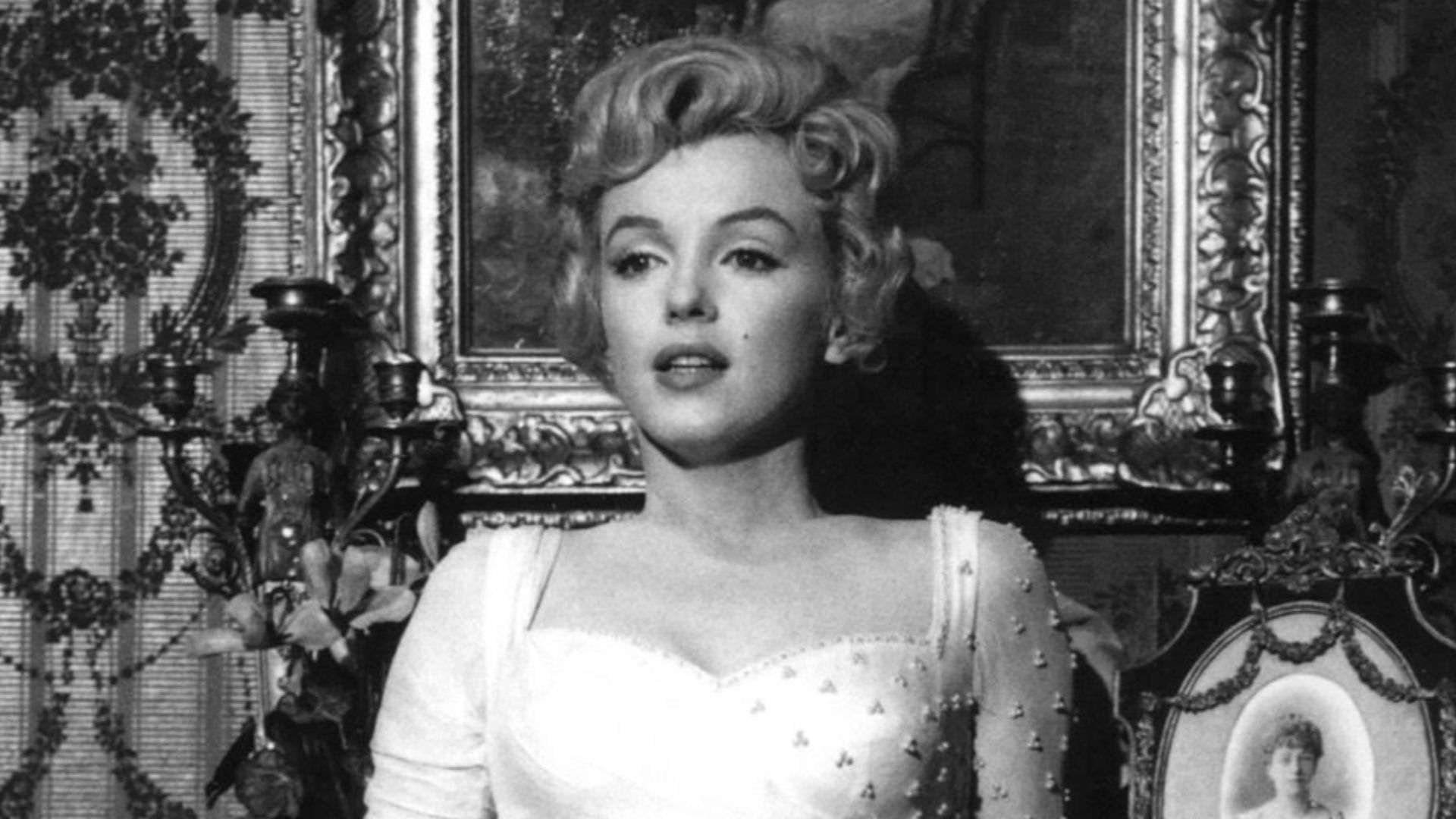
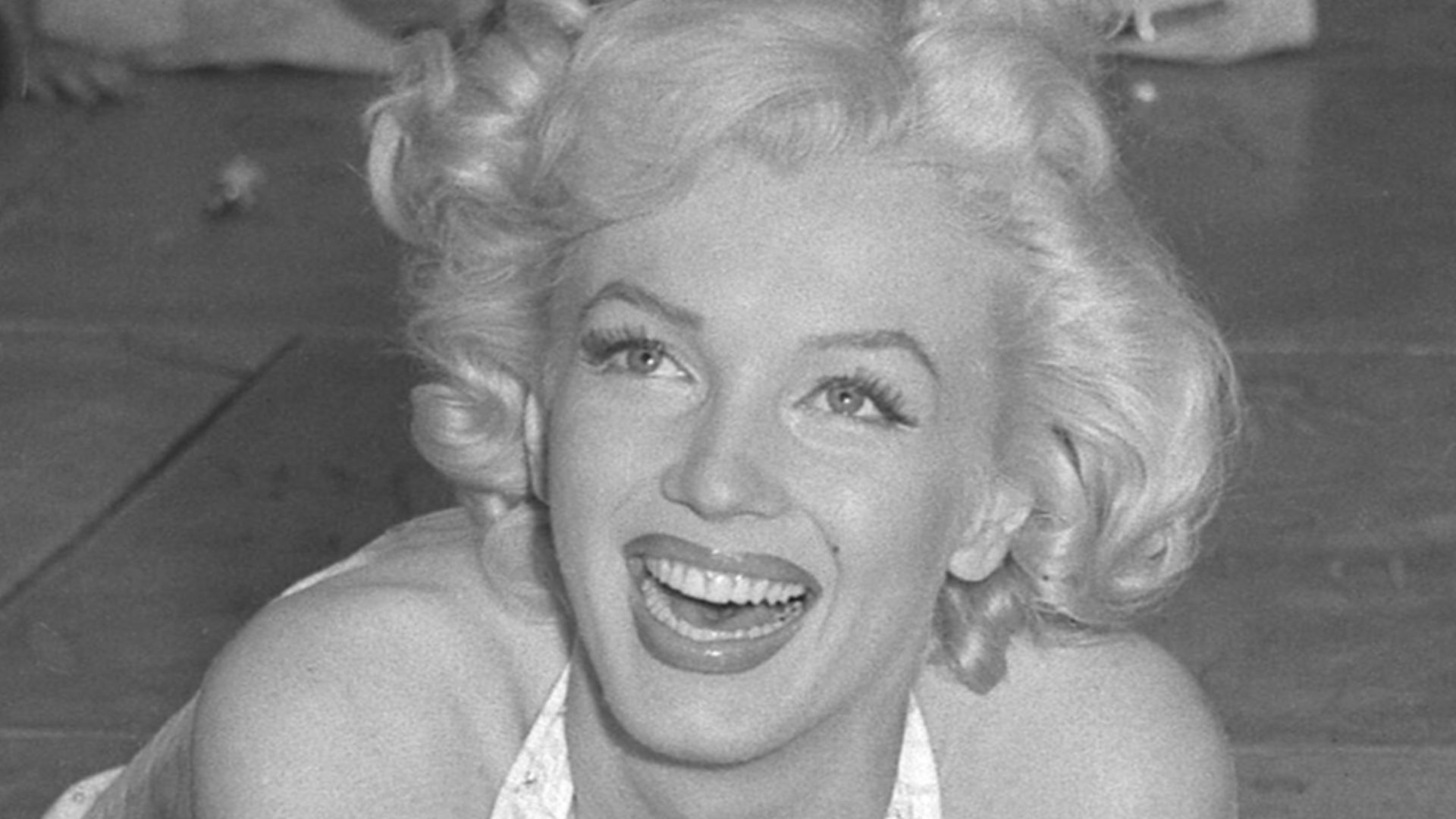
In November 1954, Fitzgerald had a very special guest at one of her shows. It was legendary movie star Marilyn Monroe. Monroe was a huge fan, and the two quickly struck up a friendship. They bonded over the fact that they’d both had difficult childhoods. I wouldn’t say that they were “friends with benefits”, but this friendship did end up being beneficial for Fitzgerald.
 Milton H. Greene, Wikimedia Commons
29. The Hollywood Connection She Needed
One benefit that Monroe had was her clout in Hollywood. Fitzgerald had been trying to get the chance to play in larger and fancier clubs, but had hit a wall. The Mocambo was one such club, and the story goes that Monroe helped Fitzgerald break the color barrier that was stopping her from playing at the prestigious nightclub.
As it turned out, this wasn't totally the truth.
 Los Angeles Times, Wikimedia Commons
30. The Nightclub Had A Different Kind Of Objection
When Fitzgerald was trying to get to play at the Mocambo nightclub, the club had already booked Black performers such as Eartha Kitt and Joyce Bryant. So, what was the problem? It turned out that the folks at the club felt that Fitzgerald lacked the glamor that a performer needed to fill the club.
Still, Monroe had a brilliant idea to get Fitzgerald into the Mocambo.
 Michael Ochs Archives, Getty Images
31. They Struck A Strange Deal
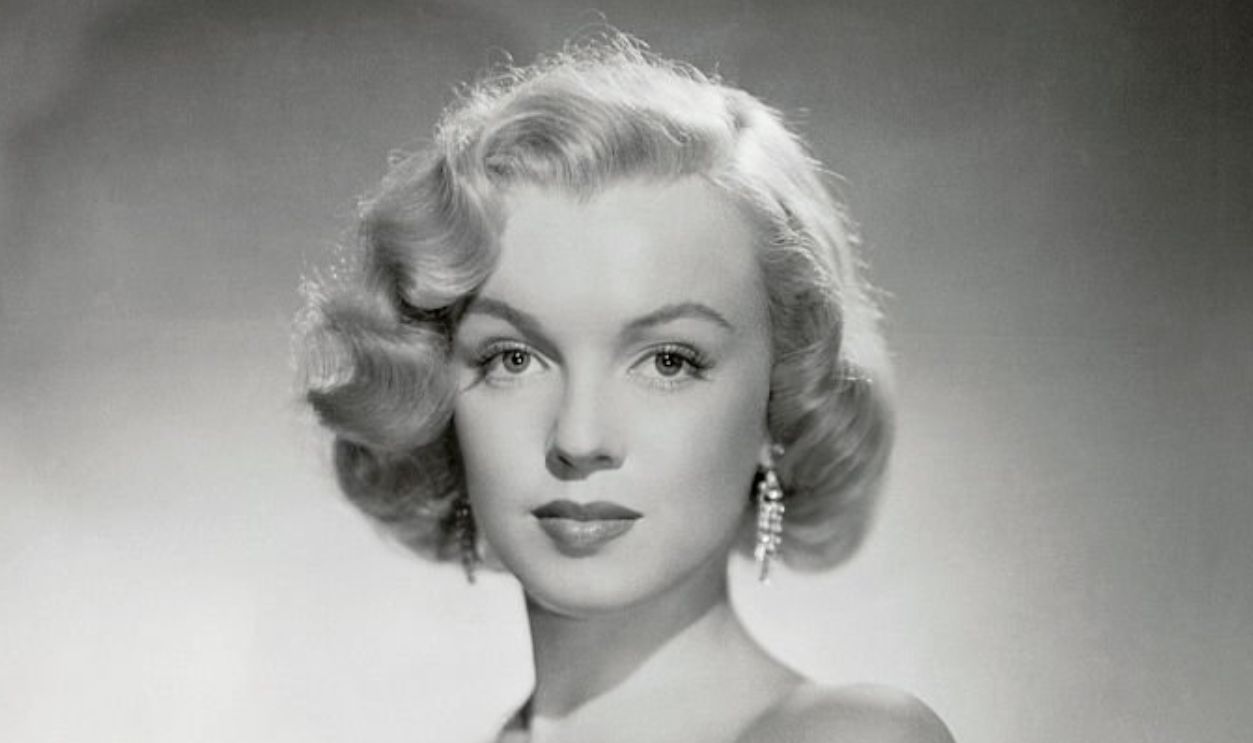
Marilyn Monroe approached the people at The Mocambo and offered them a deal: if they gave Ella Fitzgerald a booking, she would show up at every performance and sit right in the front row. The Mocambo jumped at the offer to have this A-list star at their establishment night after night.
Now, all Fitzgerald had to do was deliver the goods.
32. She Knocked Their Socks Off
Soon it was opening night, and Monroe kept to her word. Alongside her in the front row were other big stars like Judy Garland and Frank Sinatra. As it turned out, Fitzgerald didn't need them. Her show was a huge success, and the club extended her contract.
Fitzgerald would soon need Monroe's help again.
 NBC Television, Wikimedia Commons
33. Even Stardom Couldn't End Her Humiliation
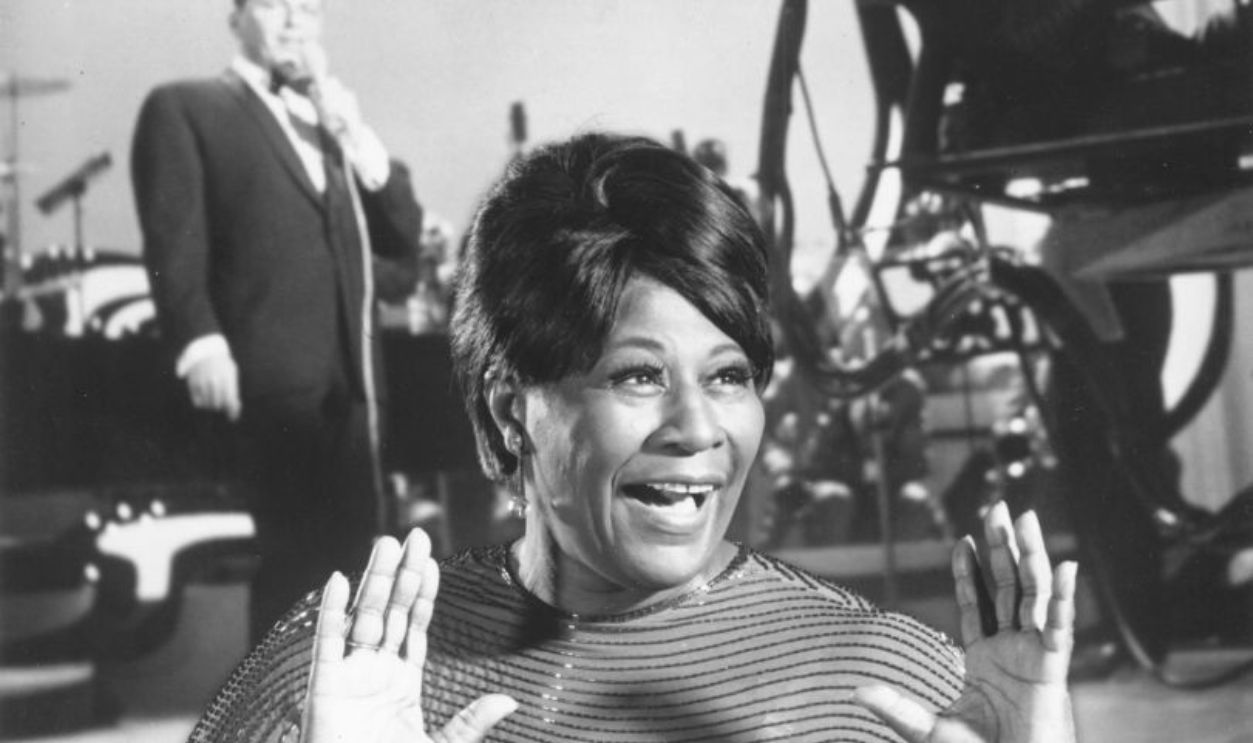
Even though Ella Fitzgerald had gained access to better venues through Marilyn Monroe, there were still issues of prejudice. Some venues wanted Fitzgerald to enter through a side or back entrance instead of the front. Monroe once again leapt in to help her friend. At one venue in Colorado, Monroe refused to enter unless Fitzgerald could enter through the front door with her.
Monroe was clearly Fitzgerald's savior. However, there was one thing the two could not agree on.
34. They Had A Difference Of Opinion
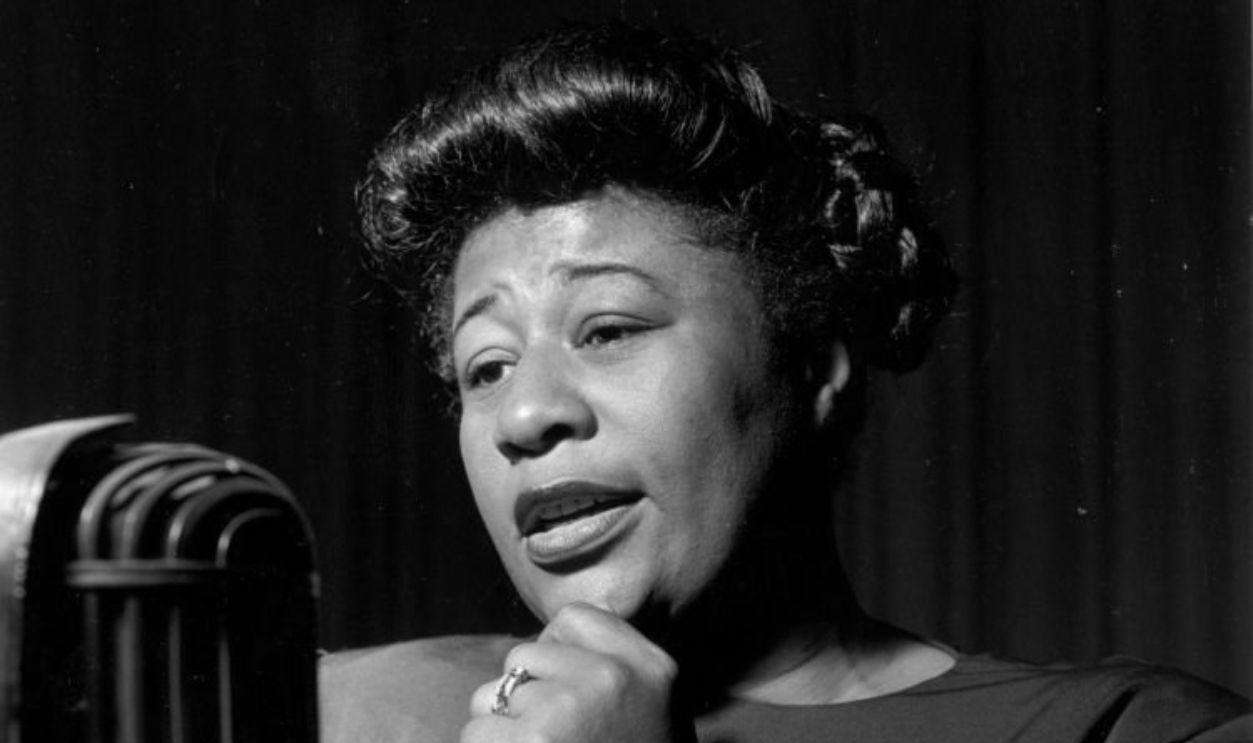
Fitzgerald did not like drinking or substance use of any kind. In fact, her only vice seemed to be watching soap operas. Monroe was struggling with her fame, and she turned to both drink and medication to get through it. Because of this difference of opinion, the two could not have a closer friendship, but Fitzgerald never forgot all that Monroe had done for her. She later told Ms magazine that she owed Monroe “a real debt”.
Monroe wasn’t the only A-list star to have deep respect for Fitzgerald.
35. She Got Respect From Blue Eyes
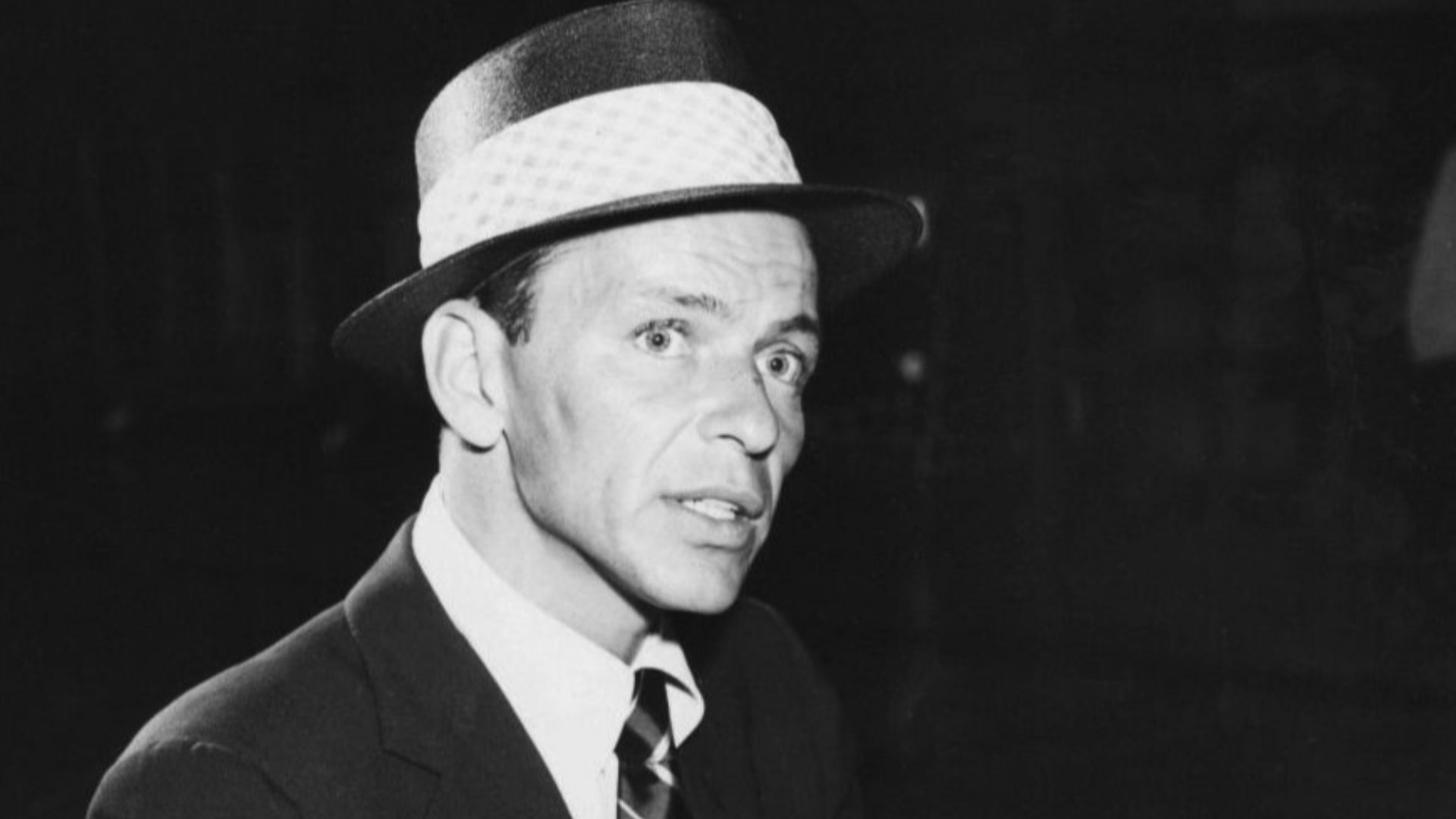
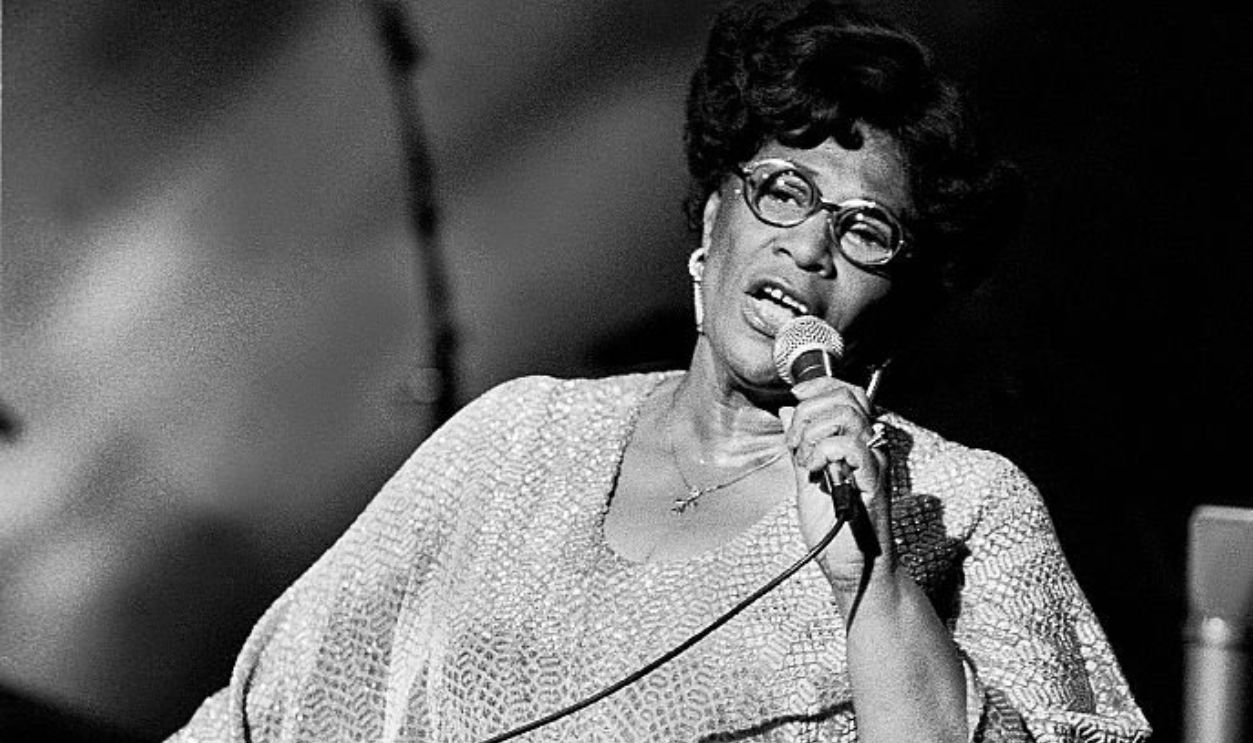
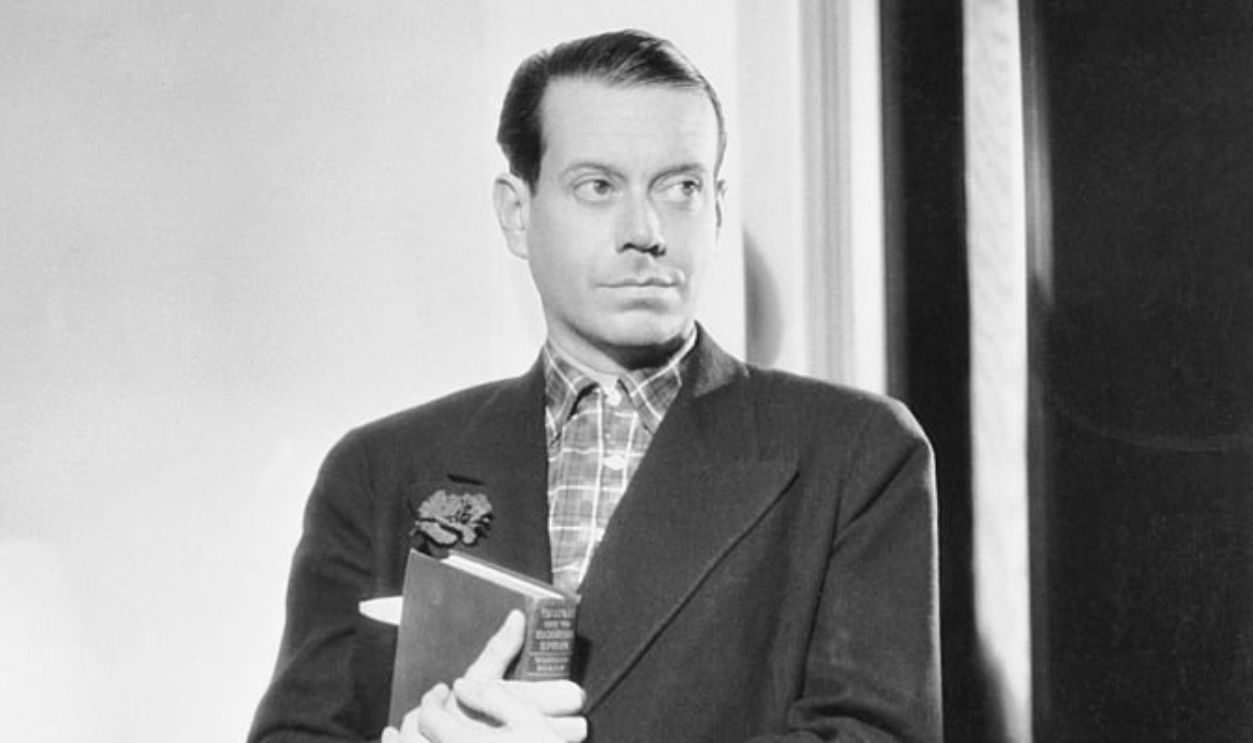
In the late 1950s, Fitzgerald focused her attention on recording song books. She dedicated one to Cole Porter and another to Duke Ellington. Audiences snapped up these albums, and Capital Records went to their biggest star, Frank Sinatra, with a request. They asked him to do something similar. Sinatra had too much respect for Fitzgerald and told them he wouldn’t copy her.
Fitzgerald toured Europe with her songbook series. In Germany, she hit a wall.
36. She Made An Award-Winning Mistake
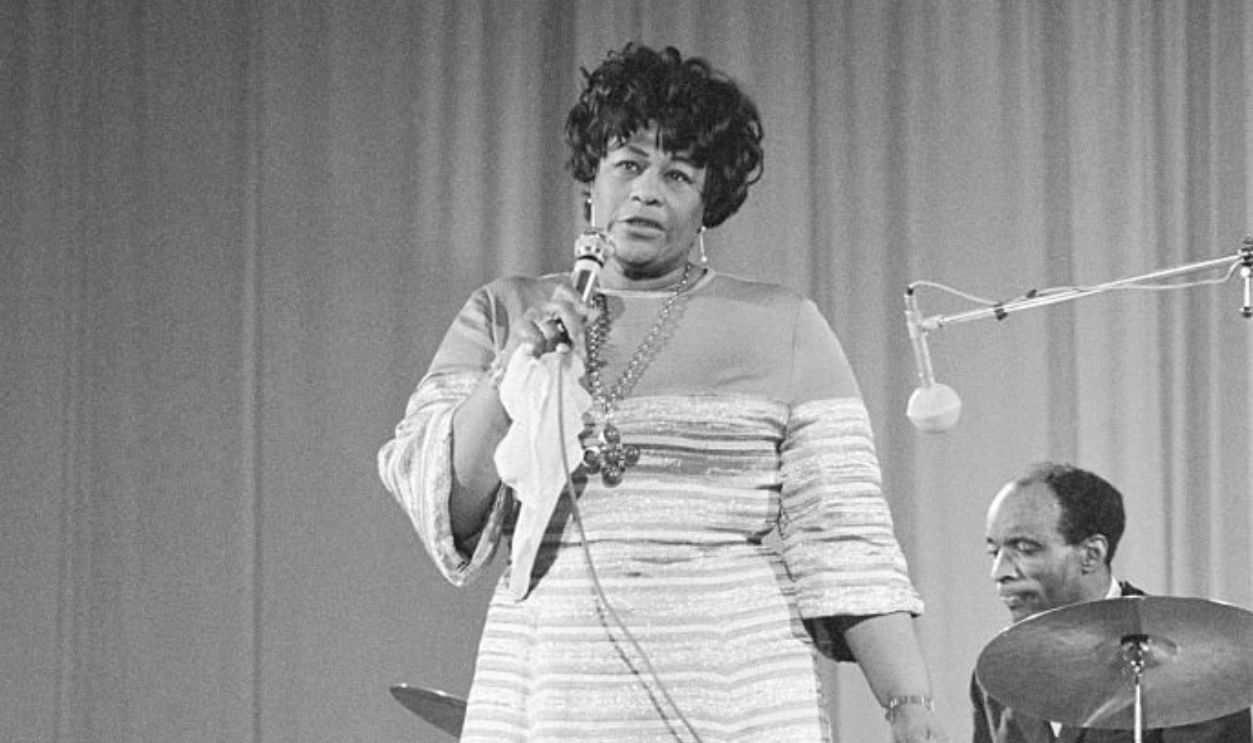
While performing in Berlin, Ella Fitzgerald found herself at a loss for words. Well, actually, she had forgotten the lyrics to the jazz standard “Mack the Knife”. Rather than falter, Fitzgerald improvised her way through the missing lyrics. This mistake could have gone unnoticed except they were recording the performance—and this recording with a flaw ended up winning two Grammys.
The tour had more surprises.
37. She Made An Unexpected Stop
Part of Fitzgerald’s European tour included some Scandinavian shows. When she stopped in Copenhagen, Denmark, she did more than stop. She surprised everyone and actually bought a house there. Her choice of destination raised an obvious question: Why Denmark?
Apparently, she had her reasons.
38. She Had A Secret Love
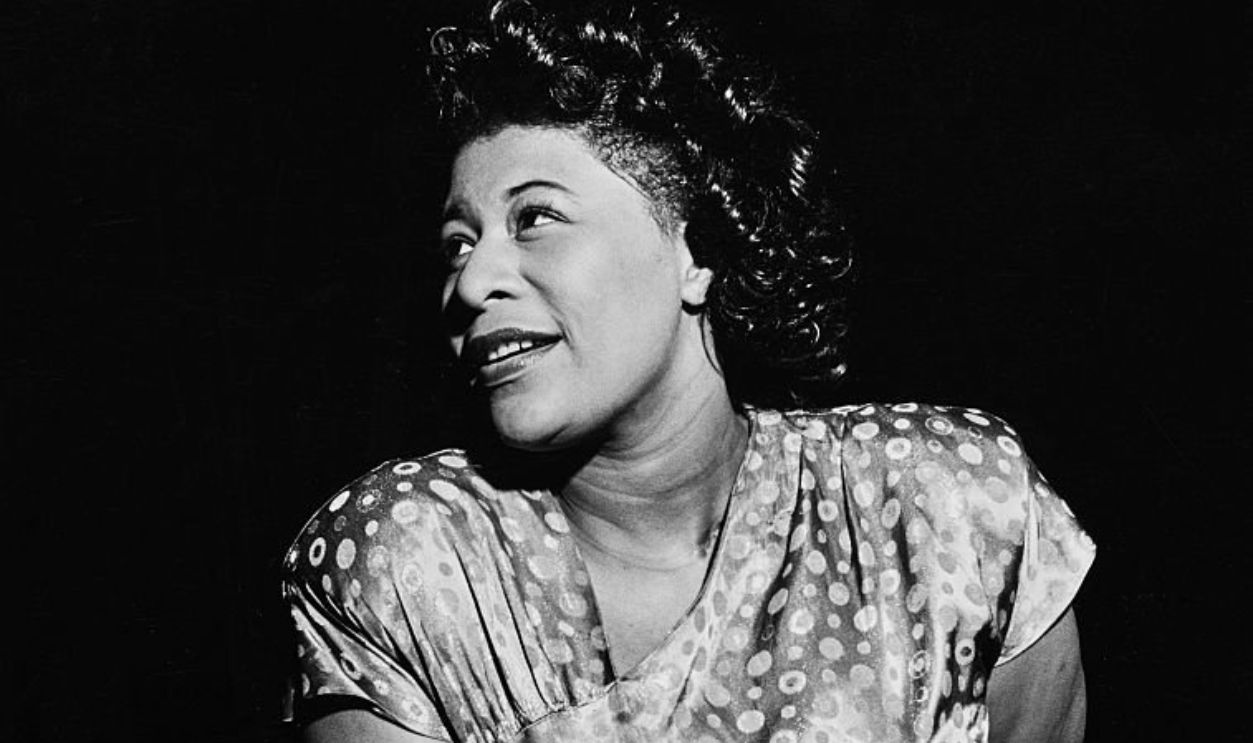
As it turned out, Fitzgerald needed a house in Scandinavia because she’d started a relationship with a Scandinavian man. Producer Thor Einer Larsen was apparently Fitzgerald’s new boyfriend, but she was keeping this relationship under wraps. There was even a rumor out there that she had secretly married Larsen.
This relationship would have a shocking similarity to her first marriage.
39. He Had A Past
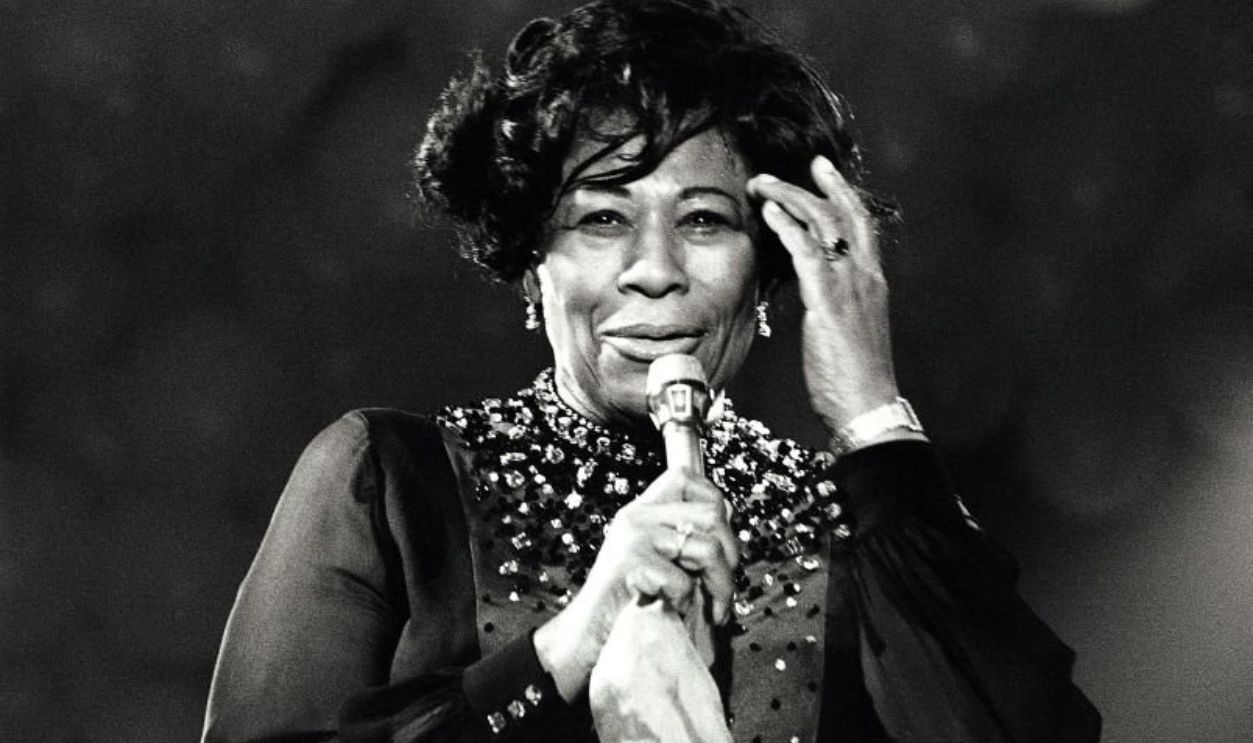
Just like Fitzgerald’s first husband, Larsen had a disturbing past. Apparently, he’d gotten caught pilfering money from one of his exes and had spent time behind bars. Again, we don’t know how much of this Fitzgerald knew when she began seeing Larsen. We do know that there was no chance of the two laying together in the US—there was a ban against Larsen entering the country.
Once again, Fitzgerald would have to put personal relationships on the back burner and focus on her music.
40. She Was A Rock And Roller
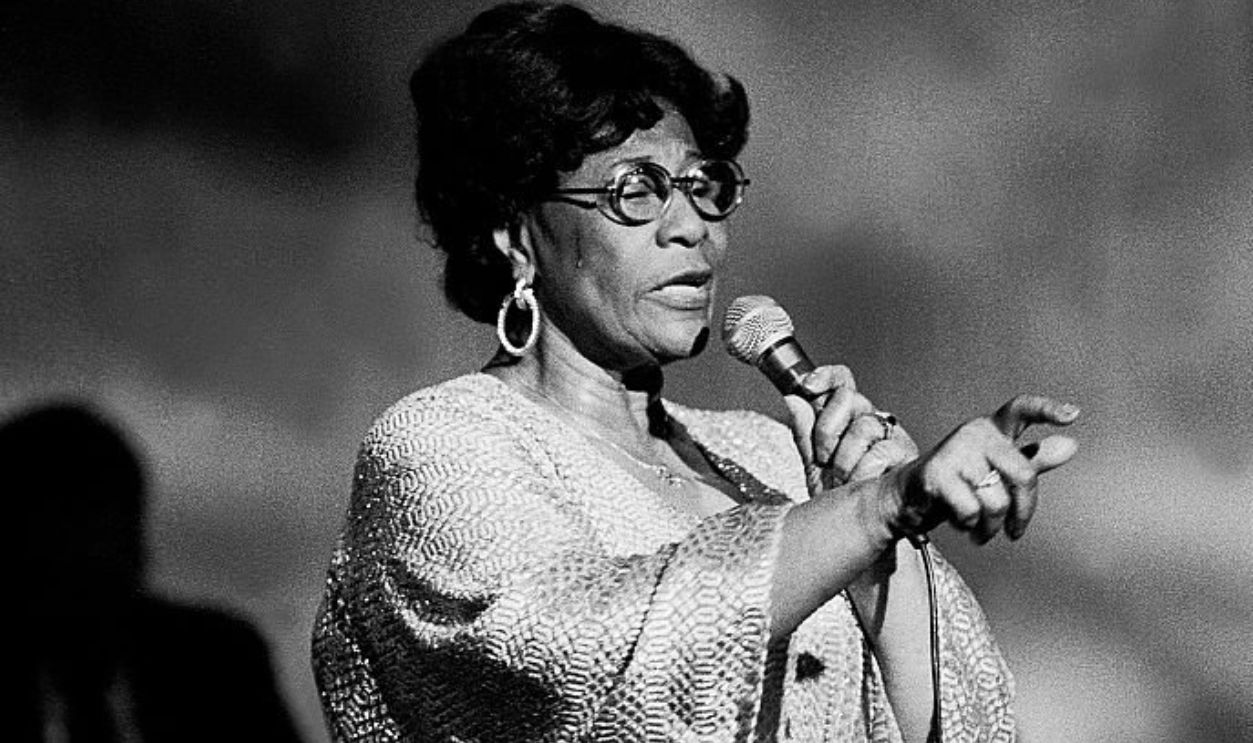
Even though Ella Fitzgerald was first and foremost a jazz singer, she did stray. She even did a country album called Misty Blue. And even when she was playing in other genres, she was still knocking it out of the park. In fact, VH1 put her in the number 13 spot in their 100 Greatest Women of Rock and Roll list.
However, when Fitzgerald attempted a pop novelty song, things went terribly wrong.
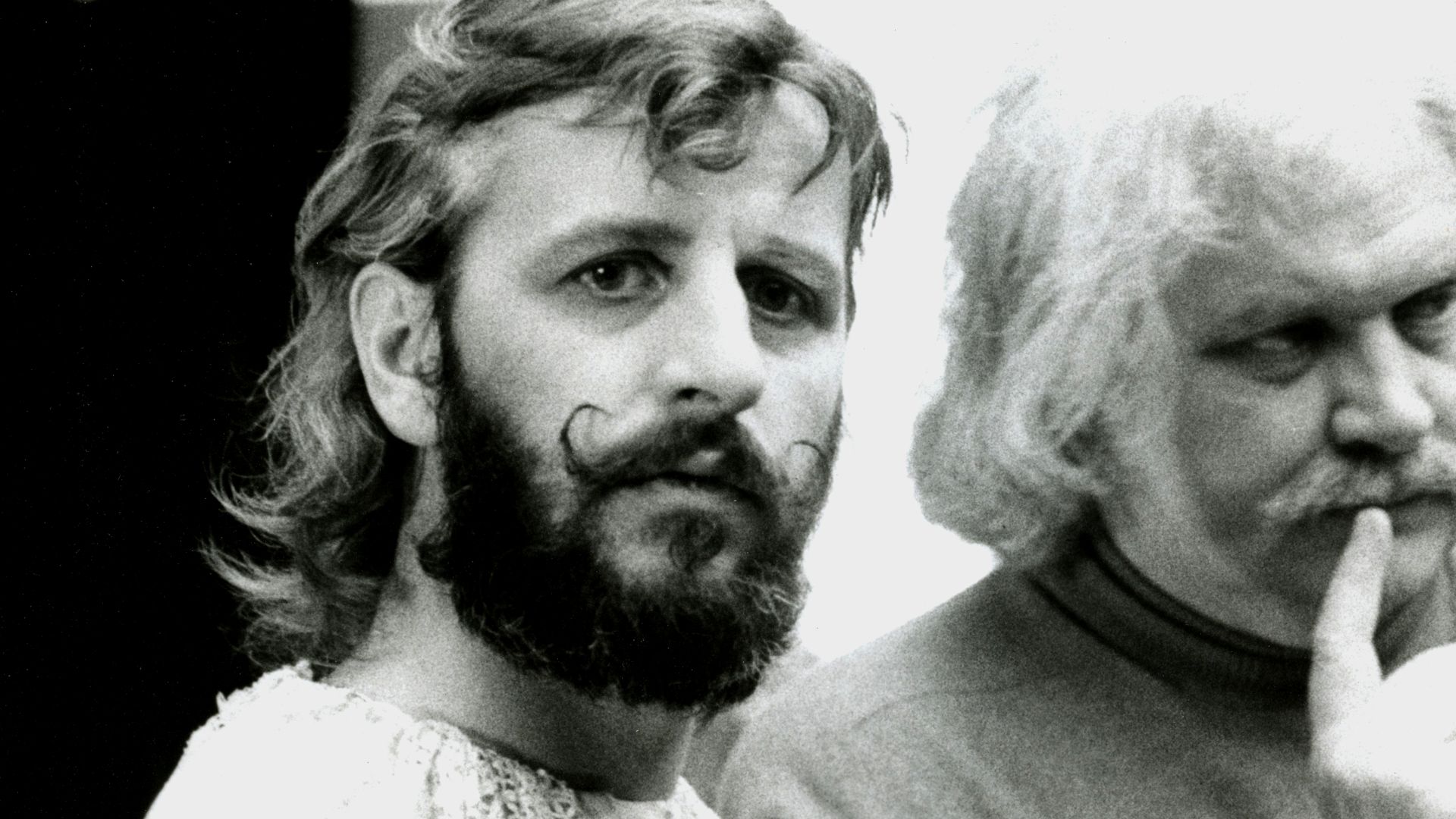
41. Her Ringo Starr Song Fell Flat
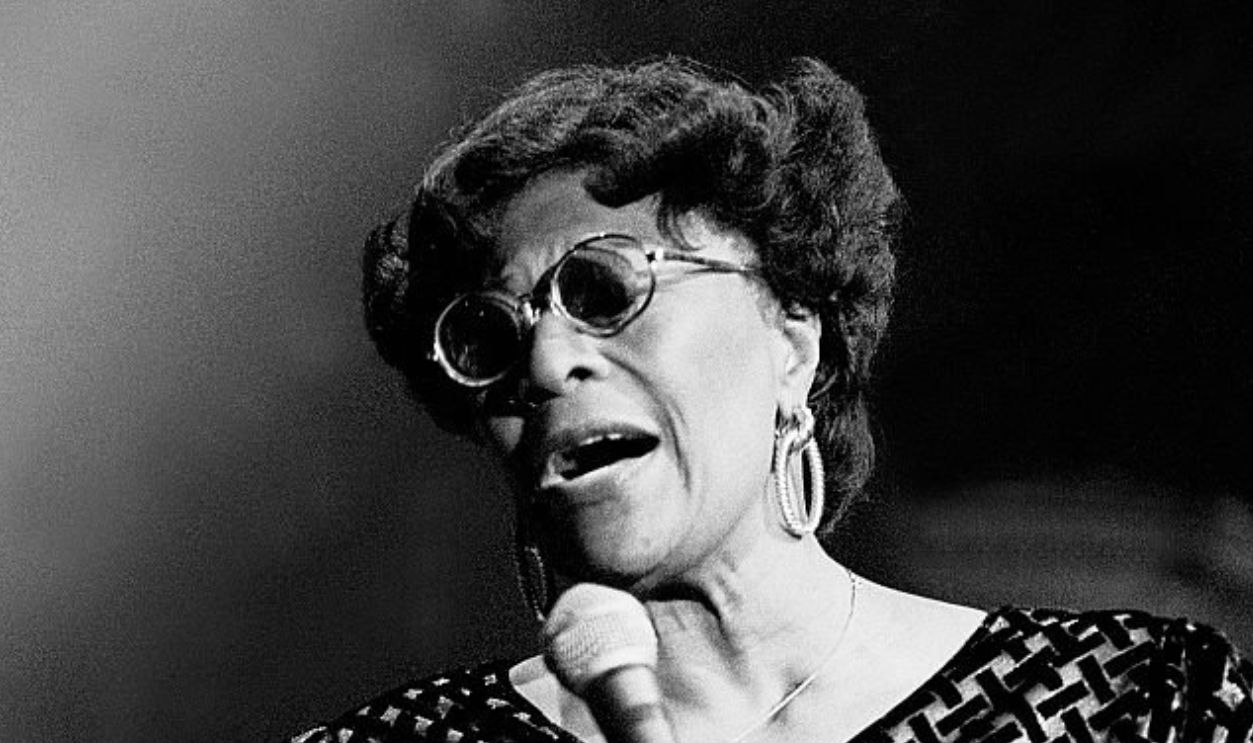
Fitzgerald seemed to effortlessly move from genre to genre, but in 1965 she made what some consider to be a misstep. She recorded a pop song about Beatles drummer Ringo Starr. The song was “Ringo Beat”, and it seemed to really annoy Fitzgerald's fans. Most jazz radio stations refused to even play it.
Next, Fitzgerald would receive an offer she would never refuse.
 Rossano aka Bud Care, Wikimedia Commons
42. She Carried Him Home
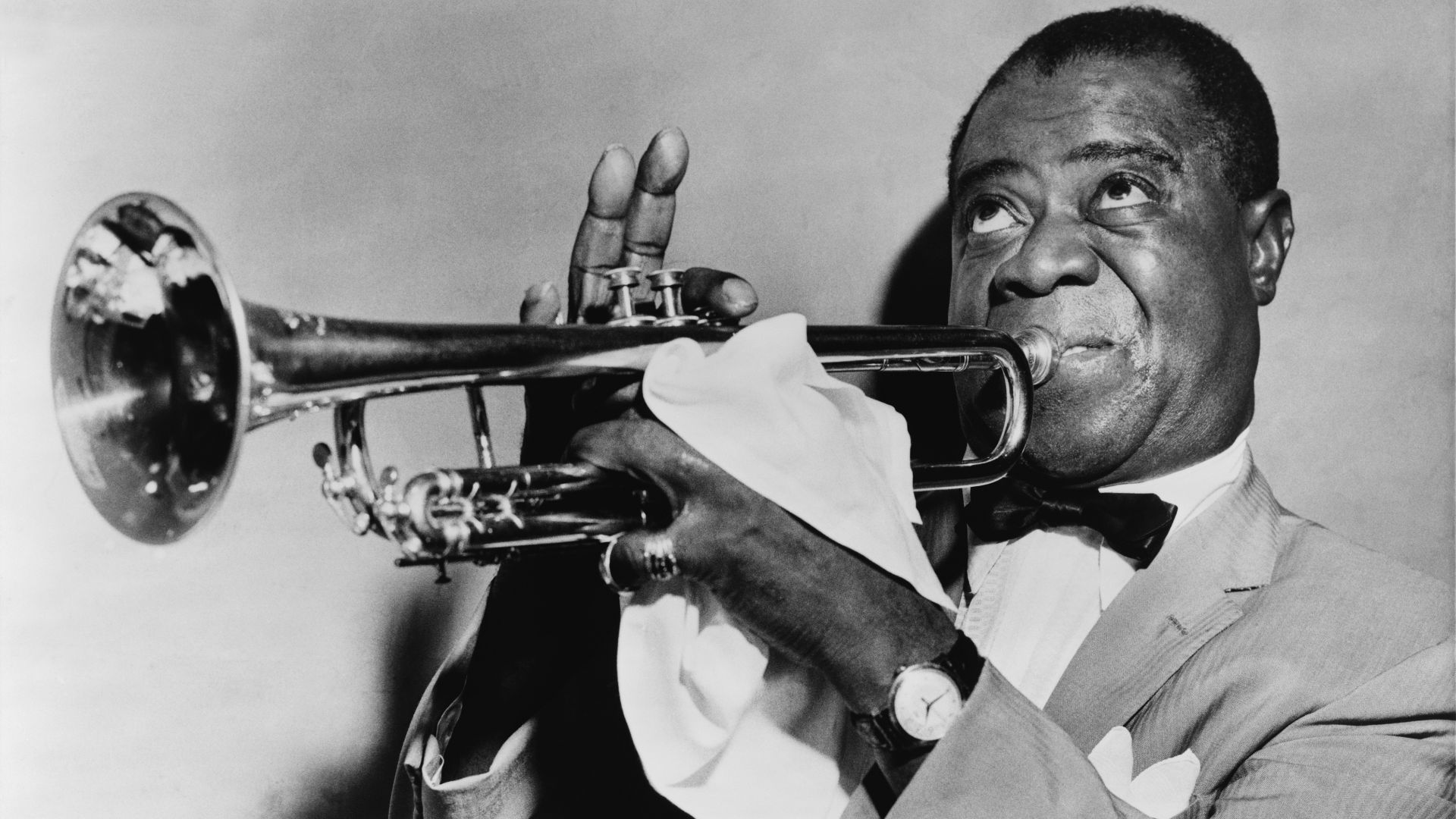
Trumpeter Louis Armstrong was one of Fitzgerald's close friends and collaborators. When he passed of a heart attack in 1971, Fitzgerald got a call. They wanted her to be among the pallbearers who carried his coffin. Other dignitaries with her were Johnny Carson, Frank Sinatra, and Bing Crosby.
Fitzgerald’s own health would be her next issue.
 World-Telegram staff photographer, Wikimedia Commons
43. A Diagnosis Threatened Her Career
In 1986, Fitzgerald needed coronary bypass surgery. During the surgery, her doctors made a heartbreaking discovery: they told her that she had diabetes. The media quickly announced that Fitzgerald’s singing career was pretty much over. But Fitzgerald wasn’t about to throw in the towel just yet.
 SAS Scandinavian Airlines, Wikimedia Commons
44. She Kept At It
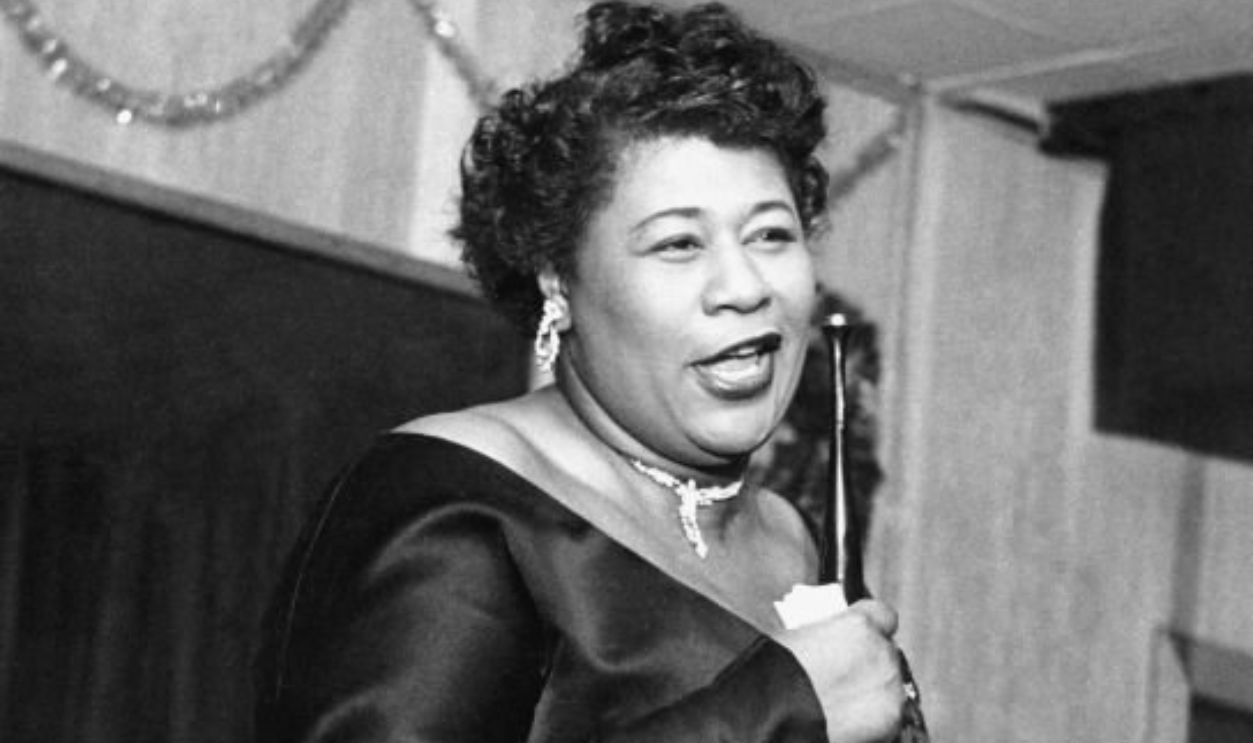
Family, friends, and even her agent were telling Ella Fitzgerald that she had to stop performing. She stubbornly turned a deaf ear and continued touring. In 1991, she performed her 26th performance at the esteemed Carnegie Hall. Sadly, this would be her last show.
 Michael Ochs Archives, Getty Images
45. She Faced A Shocking Truth
In 1993, diabetes was taking a toll on Fitzgerald. Because of her severe circulatory issues, she had to face up to a shocking truth. Doctors told her they would have to amputate both legs just below the knees. Even the work-obsessed Fitzgerald realized it was time to slow her life down.
She had to consider a new future out of the spotlight. Now, what would that look like?
46. She Found Peace Away From The Spotlight
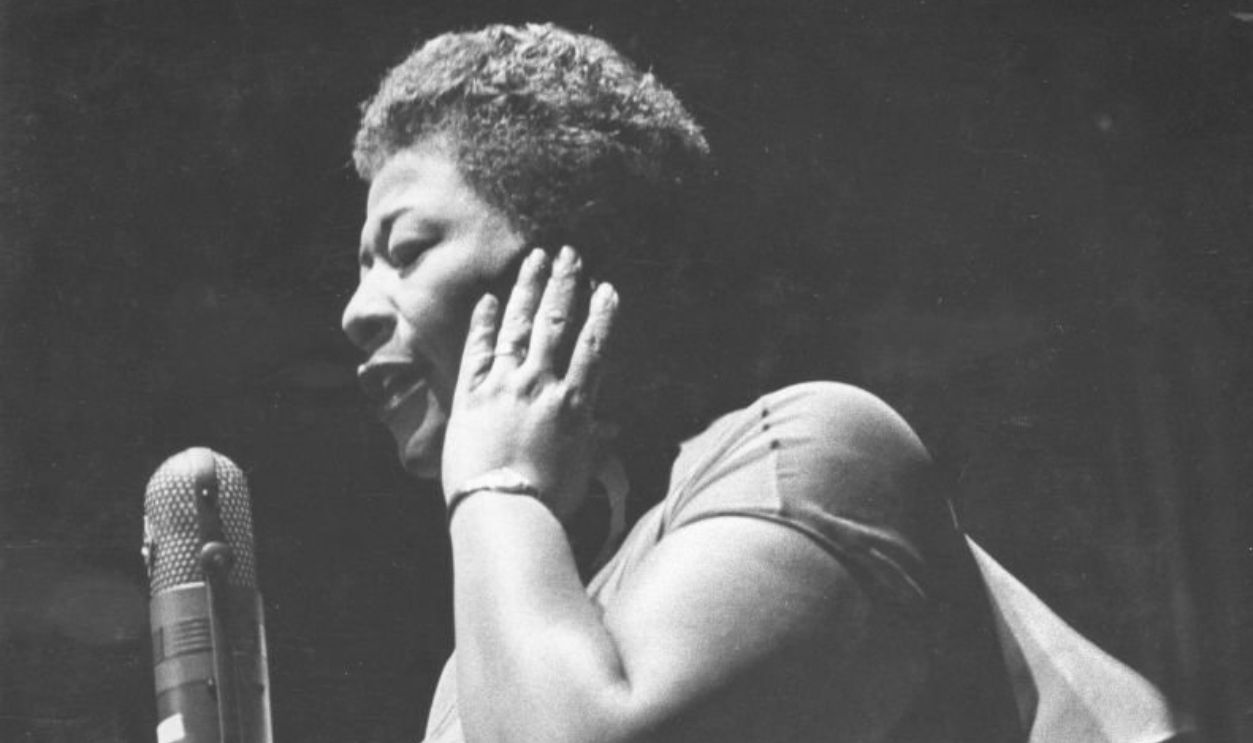
After losing her legs, Fitzgerald rarely performed. She just changed her focus. By this time, her son had had a daughter, so Fitzgerald spent time with Ray Brown Jr and her granddaughter Alice. She started to enjoy life’s simple pleasures, like sitting in her back yard, smelling the air, and listening to her granddaughter's laughter.
Fitzgerald would only have a couple of years to enjoy her new life.
47. They Honored Her
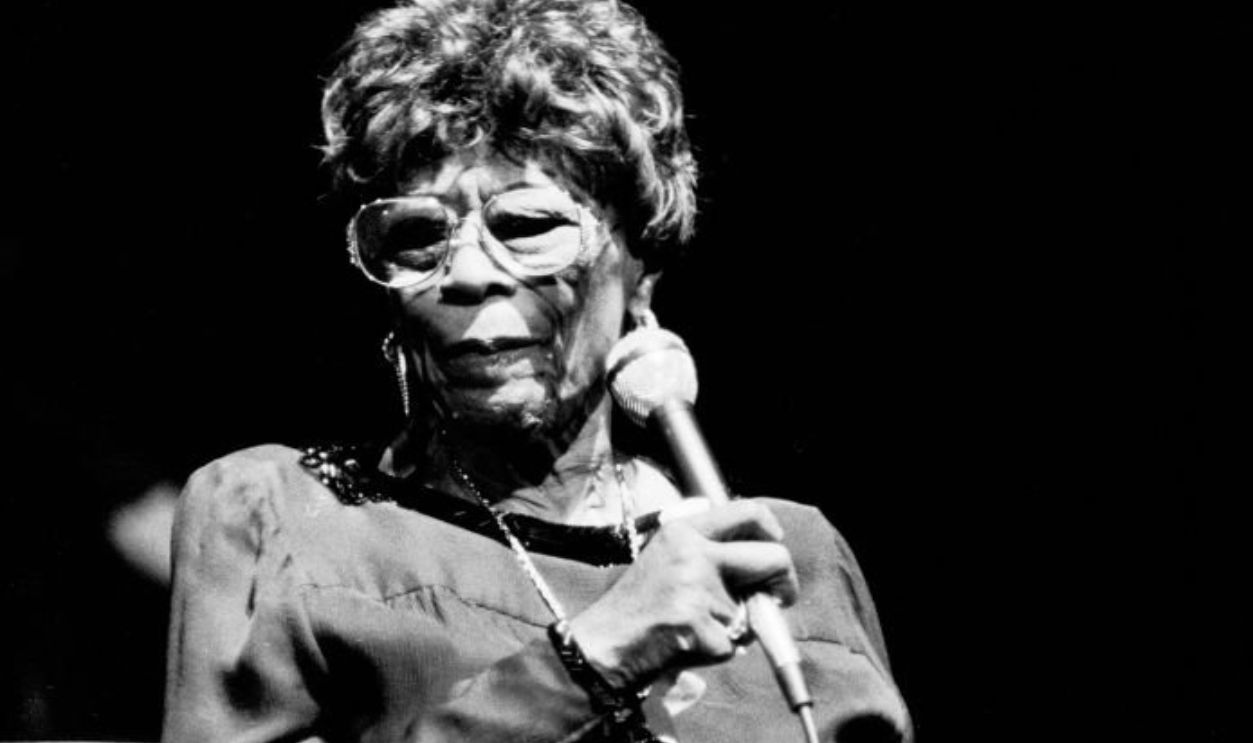
Ella Fitzgerald passed on June 15, 1996, in her house in Beverly Hills. Fans across the country soon found their own ways to say goodbye. One placed a large wreath on the spot where her star was on the Hollywood Walk of Fame. The Hollywood Bowl theater decided to say goodbye on their marquee. It simply said: “Ella, we will miss you”.
As it turns out, there is a lot to miss about Fitzgerald.
48. She Accomplished A Lot
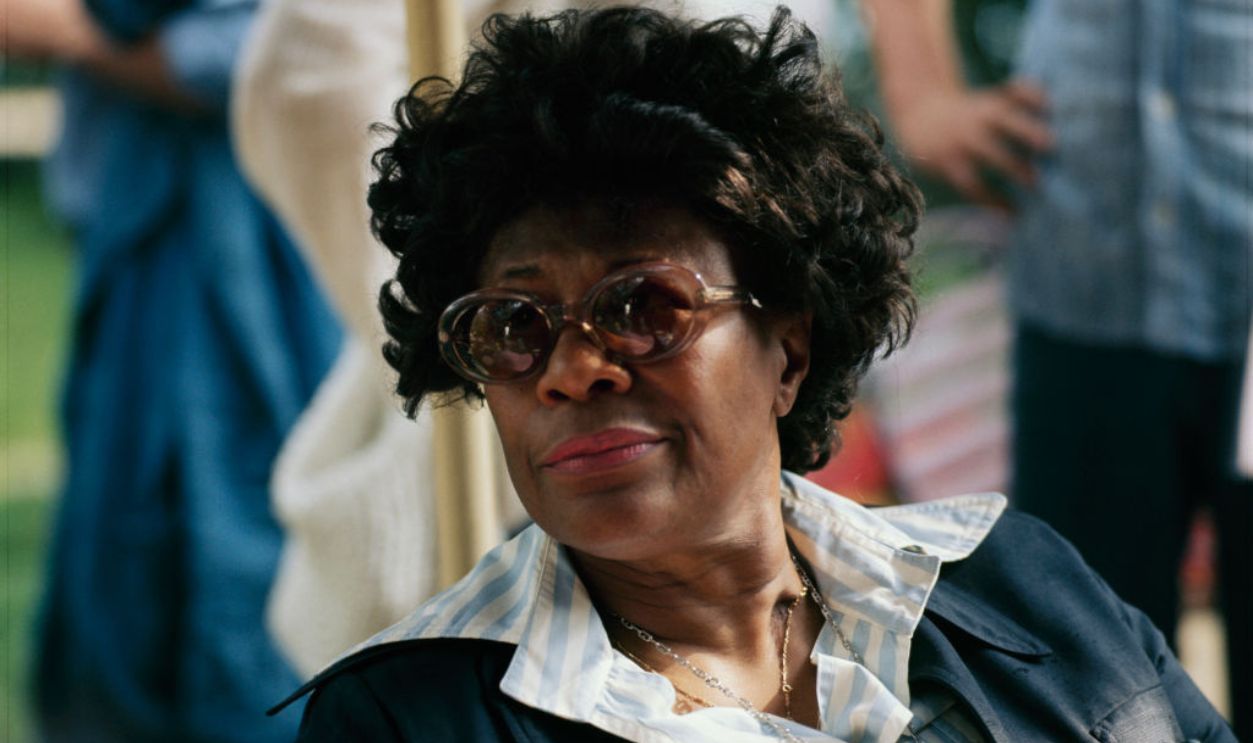
Looking back at Fitzgerlad’s life, it’s easy to see why jazz fans and others gravitated toward her. In her lifetime, she won 13 Grammy Awards and sold in excess of 40 million records. If that wasn’t enough, President George HW Bush gave her the Presidential Medal of Freedom in 1992.
Presidents and music lovers aside, she also had her share of celebrity crushes.
49. She Was The Greatest
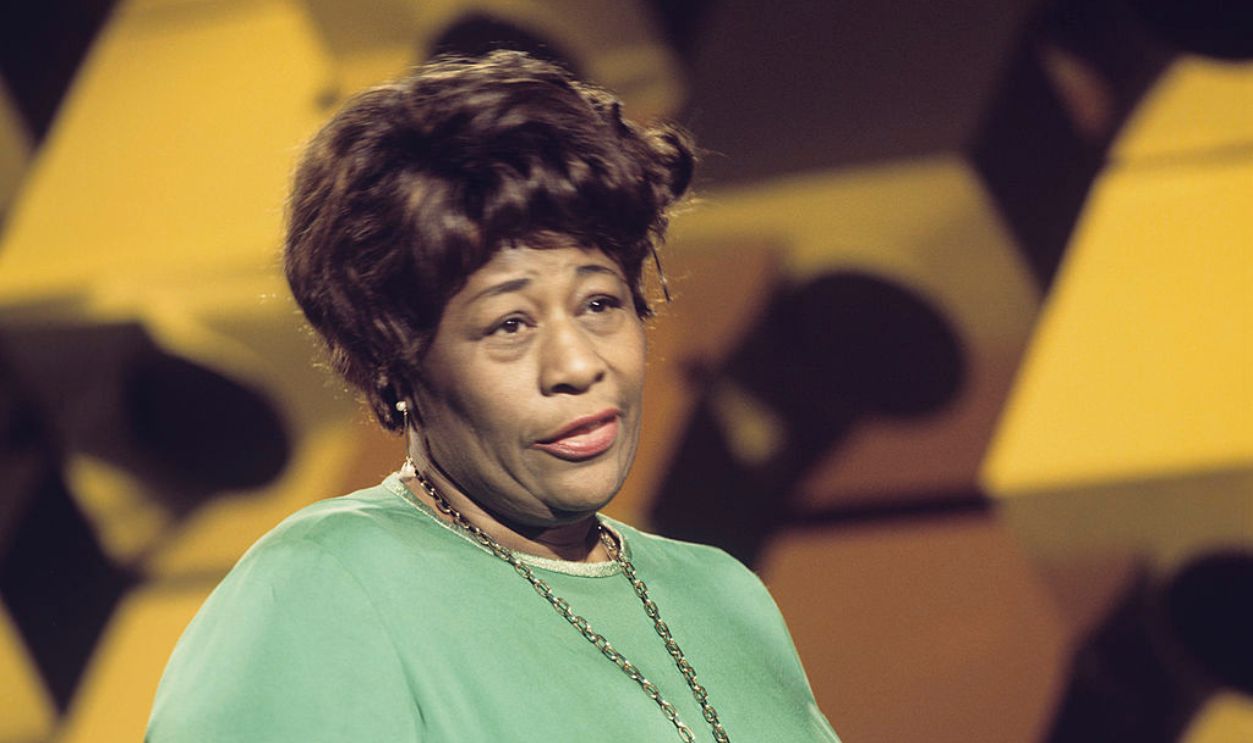
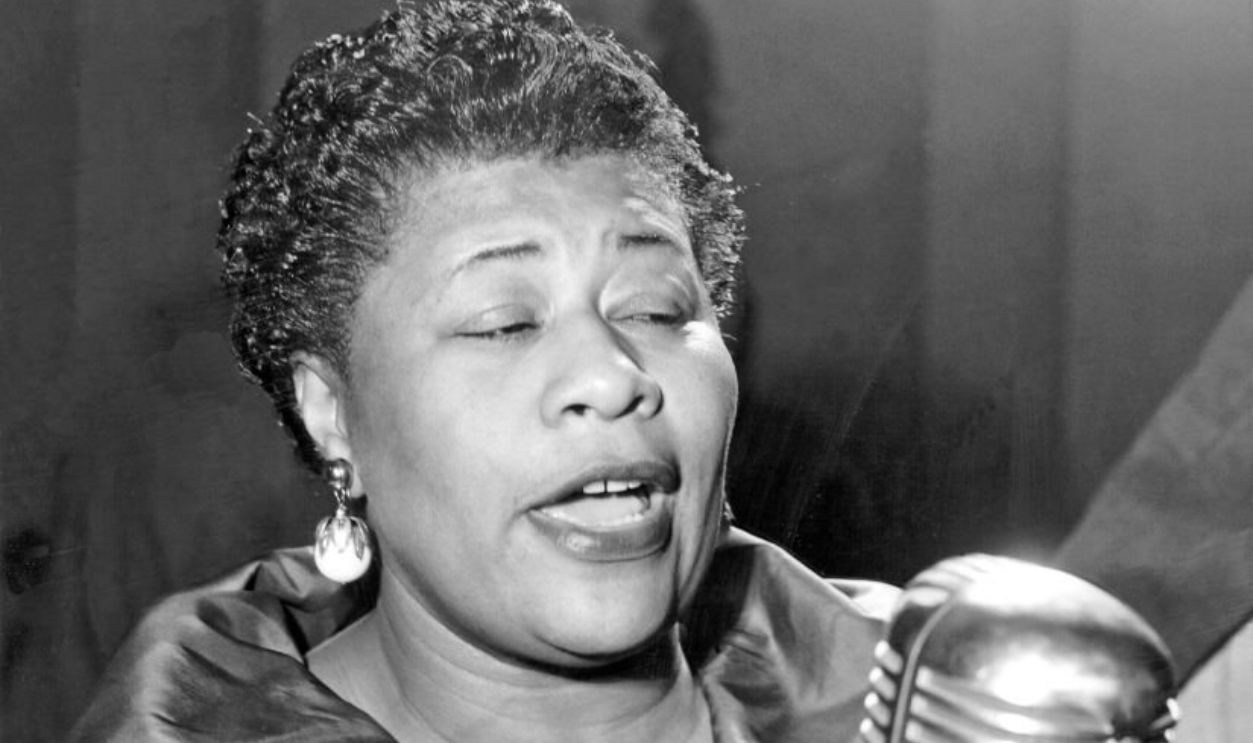
Frank Sinatra was certainly the king of crooners, and he confessed something about Fitzgerald. He said that of all the performers he’d worked with, she was the only one who made him nervous. He continued his praise for Fitzgerald by calling her “the greatest popular singer in the world, barring none—male or female”.
If you’re looking for a Fitzgerald fix, you can find one in places you might not expect.
 Michael Ochs Archives, Getty Images
50. Her Voice Never Disappeared
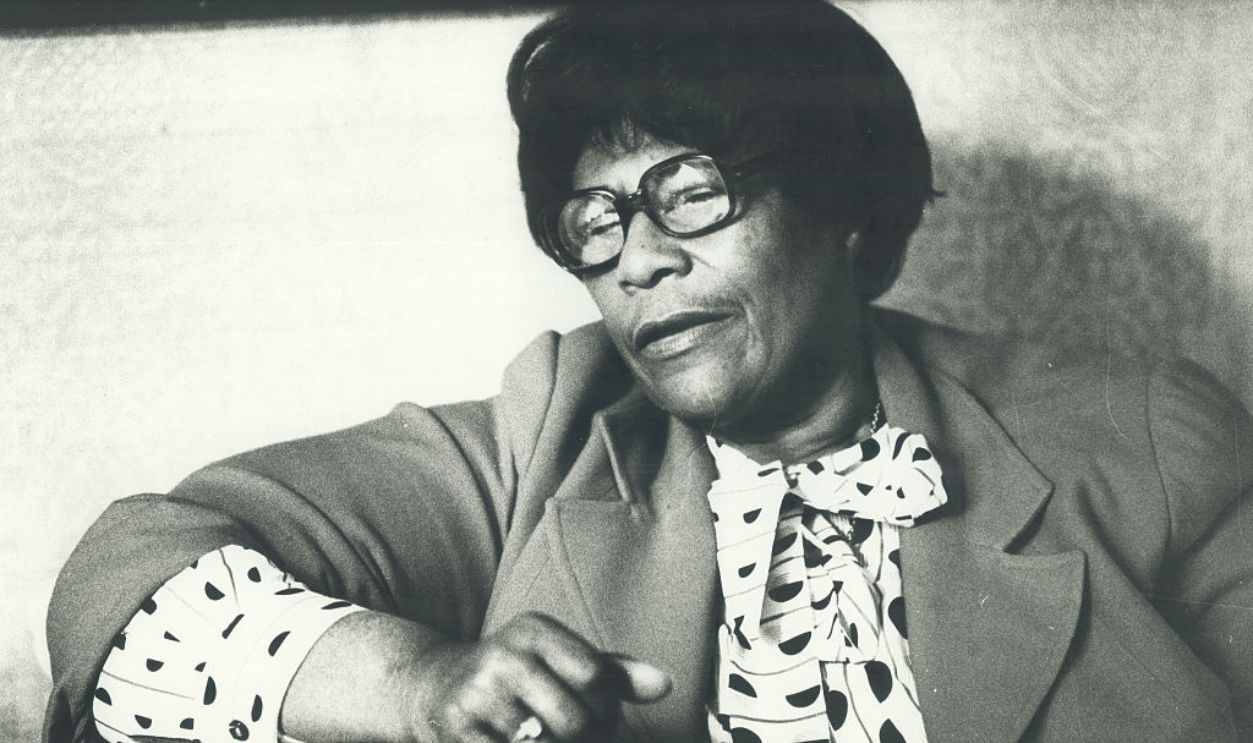
It’s not that easy to get away from Ella Fitzgerald's glorious voice, not that you’d want to. Over the years, advertisers have used her voice for the Olive Garden Restaurant and Tropicana Orange Juice. They’ve also used her name and music on The Simpsons. And, maybe more surprisingly, you can hear her music in the action-adventure video game LA Noire.
You May Also Like:
Cool Facts About Charlie Parker, The Tortured Genius
Tragic Facts About Bessie Smith, The Empress Of The Blues
Outstanding Facts About George Gershwin, The Classical Jazz Pioneer